National Philanthropy Day 2021

CELEBRATE AND GIVE TODAY?

By Staff Reporters

National Philanthropy Day is an observance designated by the Association of Fundraising Professionals.

Image result for national philanthropy day

It is a day to celebrate charitable activities, in the form of donated financial, in-kind and volunteering support. It is celebrated with blog postings by AFP highlighting outstanding charitable activities, as well as luncheons and awards throughout the USA by different AFP chapters.

***

YOUR COMMENTS ARE APPRECIATED.

Thank You

***

PODCAST: The RAND Corporation Found that Commercial Health Insurance Plans Pay Hospitals 241% What Medicare Pays

The RAND Corporation Found that Commercial Health Insurance Plans Pay Hospitals 241% What Medicare Pays.

But Also That It Varies from 150% to 400%.

Dr. Boram (Kim) Park, MD - Dallas, TX | Internal Medicine

BY ERIC BRICKER MD

Health Insurance Companies Paid for Hospital Outpatient Services at an Even Higher Average Rate of 293% of Medicare.

A Detailed Look at the RAND Analysis Reveals that the ‘Basket’ of Services at Each Hospital Had Very Little Data.

For Example, the RAND Study’s Data for the Baylor Scott & White Hospital System in Dallas – Fort Worth Represented Only 0.4% of the Hospital’s Total Revenue.

For the Texas Health Hospital System Also in Dallas – Fort Worth, the RAND Study’s Data Only Represented 0.96% of the Hospital’s Total Revenue.

That Sample Size Is Likely Too Small to Make Accurate Comparisons from One Hospital System to Another Regarding their Commercial Insurance Prices Relative to Medicare.

ASSESSMENT: Your thoughts and comments are appreciated.

THANK YOU

***

Dig Deeper Than CFP® To Find a Financial Planner

CFP® is a Designation  – Not a Guarantee!

By Rick Kahler CFP®

I have long recommended that consumers look for a Certified Financial Planning (CFP) certificant when shopping for a financial planner.

But don’t stop there. A CFP is no guarantee that someone is a competent, ethical, fiduciary professional. It only ensures that you are choosing from a pool of 85,000 financial services providers who are educated in the technical aspects of financial planning. It doesn’t mean the person is engaged in financial planning, is a fiduciary, or has a spotless ethical history.

In a troubling Wall Street Journal article on August 9, 2019, columnist Jason Zwieg writes that the “CFP Board’s online search directory neglected to inform the public that thousands of planners listed” have known “customer complaints, criminal histories, financial problems or regulatory proceedings.”

“Among these CFPs were 499 who have faced criminal charges, 324 who left a previous firm amid allegations of misconduct, 323 who had been disciplined or investigated by regulators and 68 who filed bankruptcy within the past 10 years,” Zweig notes. Yet none were ever disciplined by the CFP Board.

Let’s not lose perspective—these “bad apples” amount to less than 2% of CFP certificants. Every profession has those few who use its licensing and credentialing as a cover to manipulate, deceive, and abuse consumers. No amount of regulation or oversight will ever eliminate all the crooks.

In addition, you cannot simply assume because a professional has a certain license, designation, or formal degree that they are competent. In the graduate class I teach at Golden Gate University, not all students earn As and Bs. Many earn Cs. A few earn Ds and Fs. While I am not sure the D and F group ever graduate, I am sure I would not want them doing my financial planning without convincing evidence that their poor performance in my class was a one-off due to extenuating circumstances.

As the consumer, you cannot know if a prospective financial planner was that student. Nor can you know if they have a tainted criminal background, unless you dig deeper.

That digging includes looking for any past criminal or disciplinary charges brought by licensing agencies. It also includes determining whether the advisor is legally bound to a fiduciary standard—required to put your interests ahead of theirs—but has any conflicts of interest, especially by making a significant amount of their income from commissions on the sale of financial products.

Here are a few tips for digging deeper:

  1. Go to brokercheck.finra.org to see if FINRA has brought disciplinary actions against the advisor.
  2. Go to the SEC’s website to look for disciplinary actions.
  3. Have the prospective advisor sign a written disclosure that you are a client and they have a fiduciary duty to put your interests above their own, rather than a customer where they have no such obligation and will usually put the interests of their company first. Many advisors, especially those not legally bound to be fiduciaries, don’t understand the difference, so insist on getting this assurance in writing.
  4. Have the prospective advisor sign a statement disclosing what percentage of their company’s gross revenues comes from fees charged to clients.  These might be paid as hourly fees, annual retainers, or separate charges for advice. The lower the percentage of income from fees, the greater the chance of a significant conflict of interest. I recommend finding firms receiving over 90% of gross revenue from fees; I prefer 100% because such firms advertise themselves as “fee-only” or will offset any commissions against a flat fee.

Assessment

To find a trustworthy financial planner, I still recommend the CFP designation. Just remember that it’s a starting point, not a guarantee.

Conclusion

Your thoughts and comments on this ME-P are appreciated. Feel free to review our top-left column, and top-right sidebar materials, links, URLs and related websites, too. Then, subscribe to the ME-P. It is fast, free and secure.

Link: http://feeds.feedburner.com/HealthcareFinancialsthePostForcxos

Speaker: If you need a moderator or speaker for an upcoming event, Dr. David E. Marcinko; MBA – Publisher-in-Chief of the Medical Executive-Post – is available for seminar or speaking engagements. Contact: MarcinkoAdvisors@msn.com

Risk Management, Liability Insurance, and Asset Protection Strategies for Doctors and Advisors: Best Practices from Leading Consultants and Certified Medical Planners™8Comprehensive Financial Planning Strategies for Doctors and Advisors: Best Practices from Leading Consultants and Certified Medical Planners™

***

PODCAST: The RIGHT To REPAIR Electronics Movement

***

The right to repair electronics refers to proposed legislation that would provide the practical means for equipment owners to repair their devices, and not a new legal right. The implications for medicine are huge.

Advocates observe that while repair is legal under copyright law and patent law, owners are often prohibited from making their own repairs or hiring technicians they trust to help by manufacturer limitations on access to repair materials such as parts, tools, diagnostics, documentation and firmware.

***

See the source image

R2R ASSOCIATION: https://www.repair.org/stand-up/#:~:text=Right%20to%20Repair%20or%20%22Fair%20Repair%22%20legislation%20is,-%20not%20their%20distributors%2C%20retailers%2C%20or%20even%20franchisees.

MICROSOFT: https://www.digitaltrends.com/mobile/microsoft-expands-right-to-repair/

STEVE WOZNIAK PODCAST: https://lynnwoodtimes.com/2021/07/25/right-to-repair-wozniak/

***

YOUR COMMENTS ARE APPRECIATED.

Thank You

***

https://www.amazon.com/Dictionary-Health-Information-Technology-Security/dp/0826149952/ref=sr_1_5?ie=UTF8&s=books&qid=1254413315&sr=1-5

***

PODCAST: DECEPTIONS, EXPLOITATIONS & SCAMS in Healthcare

32 EXAMPLES

By Eric Bricker MD

***

***

YOUR COMMENTS ARE APPRECIATED.

Thank You

***

***

Risk Management, Liability Insurance, and Asset Protection Strategies for Doctors and Advisors : Best Practices from Leading Consultants and Certified Medical Planners™ book cover

RISK MANAGEMENT: https://www.routledge.com/Risk-Management-Liability-Insurance-and-Asset-Protection-Strategies-for/Marcinko-Hetico/p/book/9781498725989

***

INVESTMENT SCAMS: https://medicalexecutivepost.com/2015/03/29/top-ten-investment-scams/

***

The “BADLANDS” Off-Shore Tax Havens in South Dakota

By Morning Brew, NF and Staff Reporters

One of the world’s most prolific offshore tax havens is located more than 1,000 miles from any shore.

The US state of South Dakota now rivals notorious tax shelters like Panama, the Cayman Islands, and Switzerland as a destination for the top 0.01% to shield their  wealth from the grubby hands of tax authorities, the newly released Pandora Papers show.

Product Details

CITE: https://www.r2library.com/Resource/Title/0826102549

Quick recap: The Pandora Papers, published one week ago, represent one of the biggest leaks of financial docs in history. They show how celebrities, world leaders, and business magnates take advantage of opaque financial laws to hold onto as much of their wealth as they can…and, in some cases, get away with crimes.

And while none of that is particularly surprising, what is surprising is the changing geography of tax havens. The ultrarich are taking their money out of traditional tax shelters like the island of Jersey (one of the Channel Islands) and stashing it in rural US states like Nevada, Wyoming, and, most of all…South Dakota.

  • Of the more than 200 US trusts appearing in the Pandora Papers, 81 were located in South Dakota.

South Dakota’s trust industry held $367 billion in anonymous, untraceable assets in 2020, a nearly 4x increase from $75.5 billion in 2011. And these trusts aren’t catering to cattle ranchers who made it big—they’re linked to individuals in 40 different countries outside the US.

The bigger issue? 28 US-based trusts are linked to individuals or companies accused of misconduct overseas, such as money laundering, bribery, and human rights abuses, per the Washington Post.

***

Badlands National Park Has Stunning Landscapes and Diverse Wildlife -  Here's How to Experience It (Video) | Travel + Leisure

And now the question you’ve all been waiting for…

Why South Dakota?

It’s not why most people arrive in South Dakota—by accident. For decades, the state has intentionally loosened regulations on its financial services sector to grow its economy and create finance jobs, particularly in the city of Sioux Falls.

This deregulation push, spurred by trust industry insiders, turned a South Dakotan trust into “the most potent force-field money can buy,” wrote the Guardian’s Oliver Bullough.

By setting up a trust in South Dakota…

  • Your assets are protected from claims by creditors, angry clients, or even your ex-spouse (a level of security not afforded by other tax havens).
  • You are not subject to income tax, inheritance tax, or capital gains tax in the state…because South Dakota has none of those.
  • You never actually have to go to South Dakota.

In sum, if you’re a shady billionaire or a corrupt president of a Latin American country with something to hide, South Dakota looks like a mighty attractive place to shield your fortune from governments.

Or, rather, the US more broadly is an attractive place to hide your wealth. After years of bashing “offshore” havens for sheltering tax avoiders, the US has moved up to second in the world rankings for financial secrecy.

YOUR COMMENTS ARE APPRECIATED.

MORE: https://www.msn.com/en-us/money/markets/the-worlds-rich-and-powerful-are-stashing-dollar500-billion-in-this-tax-haven/ar-AAPw6Ny?li=BBnb7Kz

MORE: https://www.msn.com/en-us/news/politics/opinion-the-reason-its-so-easy-for-wealthy-americans-to-hide-their-money-%e2%80%94-and-how-to-stop-it/ar-AAPzf9W?li=BBnb7Kz

Thank You

Comprehensive Financial Planning Strategies for Doctors and Advisors: Best Practices from Leading Consultants and Certified Medical Planners™

ORDER: https://www.routledge.com/Comprehensive-Financial-Planning-Strategies-for-Doctors-and-Advisors-Best/Marcinko-Hetico/p/book/9781482240283

***

Risk Management, Liability Insurance, and Asset Protection Strategies for Doctors and Advisors : Best Practices from Leading Consultants and Certified Medical Planners™ book cover

***

RISK MANAGEMENT: https://www.routledge.com/Risk-Management-Liability-Insurance-and-Asset-Protection-Strategies-for/Marcinko-Hetico/p/book/9781498725989

***

PODCAST: “Signify Health” Start-Up Risk Adjustments [Medicare Advantage Part C]

BY ERIC BRICKER MD

***


***
YOUR COMMENTS ARE APPRECIATED.

Thank You

***

Comprehensive Financial Planning Strategies for Doctors and Advisors: Best Practices from Leading Consultants and Certified Medical Planners™

***

FINANCIAL PLANNING: https://www.routledge.com/Comprehensive-Financial-Planning-Strategies-for-Doctors-and-Advisors-Best/Marcinko-Hetico/p/book/9781482240283

***

***

PODCAST: 70% Doctors Owned by Private Equity and Hospitals

THE BUSINESS OF MEDICINE

By Eric Bricker MD

***

***

YOUR COMMENTS ARE APPRECIATED.

Thank You

***

****

PODCAST: Medicare and Nursing Home / Long Term Care

By CMS

CITE: https://www.r2library.com/Resource/Title/0826102549

****

***

YOUR COMMENTS ARE APPRECIATED.

Thank You

***

PODCAST: “Un-Accountable” Healthcare Quality

BOOK REVIEW

By Dr. Eric Bricker MD

***

***

YOUR COMMENTS ARE APPRECIATED.

MEDICAL ETHICS: https://medicalexecutivepost.com/2021/05/28/medical-ethics-managing-risk-is-a-component-of-caring/

Thank You

***

***

PODCAST: About Professor Uwe Reinhardt

HEALTHCARE ECONOMIST

By Eric Bricker MD

Uwe Reinhardt PhD was a Princeton Healthcare Economist Who Passed Away in 2017. He Was Possibly the Most Well Known Healthcare Economist in America and Even the World.

CITE: https://www.r2library.com/Resource/Title/0826102549

****

***
YOUR COMMENTS ARE APPRECIATED.

Thank You

RIP: https://medicalexecutivepost.com/2017/11/16/r-i-p-uwe-reinhardt-phd/

Obituary: https://theincidentaleconomist.com/WORDPRESS/UWE-REINHARDT-GIANT-MENSCH-KNIFE-TWISTER/

***

*****

***

PODCASTS: More Dialysis Center Investigative Reporting

DaVITA and FRESENIUS

By Eric Bricker MD

****

***

Your comments are appreciated.

CITE: https://www.r2library.com/Resource/Title/0826102549

MORE

***

What Exactly is a PONZI SCHEME; etc?

AND OTHER INVESTING SCAMS!

By Dr. David E. Marcinko MBA CMP®

CMP logo

SPONSOR: http://www.CertifiedMedicalPlanner.org

A Ponzi scheme (/ˈpɒnzi/, Italian: [ˈpontsi]) is a form of fraud that lures investors and pays profits to earlier investors with funds from more recent investors. Recall Bernie Madoff.

More: https://medicalexecutivepost.com/2010/06/04/the-madoff-circle/

The scheme leads victims to believe that profits are coming from legitimate business activity (e.g., product sales or successful investments), and they remain unaware that other investors are the source of funds. A Ponzi scheme can maintain the illusion of a sustainable business as long as new investors contribute new funds, and as long as most of the investors do not demand full repayment and still believe in the non-existent assets they are purported to own.

Link: https://en.wikipedia.org/wiki/Ponzi_scheme

A pyramid scheme is a business model that recruits members via a promise of payments or services for enrolling others into the scheme, rather than supplying investments or sale of products. As recruiting multiplies, recruiting becomes quickly impossible, and most members are unable to profit; as such, pyramid schemes are unsustainable and often illegal.

CITE: https://www.r2library.com/Resource/Title/0826102549

***

How to Spot and Protect Yourself From Investment Fraud

Pyramid schemes have existed for at least a century in different guises. Some multi-level marketing plans have been classified as pyramid schemes.

And, there are MANY other schemes in the financial services sector.

MORE: https://www.msn.com/en-us/money/other/are-you-about-to-be-the-victim-of-a-ponzi-scheme/ar-BB1cqabu?li=BBnb7Kz

Front Running: https://medicalexecutivepost.com/2018/02/06/what-is-front-running/

Churning: https://medicalexecutivepost.com/2021/07/23/churning-front-running-and-pumping-dumping/

YOUR COMMENTS ARE APPRECIATED.

***

Thank You

MEDICAL RISK MANAGEMENT: https://www.routledge.com/Risk-Management-Liability-Insurance-and-Asset-Protection-Strategies-for/Marcinko-Hetico/p/book/9781498725989

***

The HISTORY of Messenger RNA

A Tangled History of mRNA

Hundreds of scientists had worked on mRNA vaccines for decades before the coronavirus pandemic brought a breakthrough.

By Elie Dolgin

***

Messenger RNA Medicines | Translate Bio | mRNA Therapeutics

***

LINK: https://www.nature.com/articles/d41586-021-02483-w?utm_source=pocket-newtabBy

RELATED: https://www.msn.com/en-us/health/medical/pfizer-biontech-say-covid-19-vaccine-is-safe-for-young-children-generates-immune-response/ar-AAODfco?li=BBnb7Kz

YOUR COMMENTS ARE APPRECIATED.

Thank You

****

PODCAST: “New York Times” Article on Hospital Price Transparency

Learn WHY Hospital Prices Are Kept SECRET

***

BY ERIC BRICKER MD

The New York Times Posted an Article Explaining Hospital Prices for Patients on Private Insurance Plans Such as Blue Cross, United Healthcare, Cigna and Aetna.

Your comments are appreciated.

CITE: https://www.r2library.com/Resource/Title/0826102549

MORE: https://medicalexecutivepost.com/2021/06/02/hospital-financial-price-transparency/

PODCAST #2: https://medicalexecutivepost.com/2021/05/19/podcast-price-transparency-in-healthcare/

THANK YOU

***

***

PODCAST: Lessons for [physician] Investors: The Trial of Theranos Founder ELIZABETH HOLMES

By Bertalan Meskó, MD PhD

Wofür R&D Jahre benötigt, braucht künstliche Intelligenz wenige Minuten“

Elizabeth Holmes has no idea how much damage she has done with Theranos. As I often wrote, for digital technologies to gain ground and become part of our everyday lives, we need not only technological solutions but a cultural paradigm shift. Holmes rolled a massive rock in front of it.

Similarly, Facebook’s data privacy practices do not increase people’s confidence in the company’s products. All the scandals that have surrounded the social network could backfire when Facebook wants to step into healthcare – and this is exactly what we wrote about in our latest article, Is There A Place For Facebook In Healthcare? In it, we looked at what Facebook currently does in medicine and evaluated whether those are viable ways to follow in the future.

Take care,
Berci
Bertalan Meskó, MD PhD
The Medical Futurist

***

MORE: https://www.cnbc.com/2021/09/10/the-lessons-for-investors-from-the-trial-of-theranos-founder-elizabeth-holmes.html?utm_source=The+Medical+Futurist+Newsletter&utm_campaign=f5b0ff1b6b-EMAIL_CAMPAIGN_2021_9_14&utm_medium=email&utm_term=0_efd6a3cd08-f5b0ff1b6b-399696053&mc_cid=f5b0ff1b6b&mc_eid=40fee31c25

YOUR COMMENTS ARE APPRECIATED.

Thank You

***

https://www.amazon.com/Business-Medical-Practice-Transformational-Doctors/dp/0826105750/ref=sr_1_9?ie=UTF8&qid=1448163039&sr=8-9&keywords=david+marcinko

***

https://www.amazon.com/Dictionary-Health-Information-Technology-Security/dp/0826149952/ref=sr_1_5?ie=UTF8&s=books&qid=1254413315&sr=1-5

***

https://medicalexecutivepost.com/wp-content/uploads/2007/10/foreword-mata.pdf

PODCAST: United States Health Spending by Race & Ethnicity (2021)

CULTURE IN HEALTHCARE

Culture is a factor to consider with healthcare. Depending on the culture they may seek alternative treatment such as homeopathic and treatment they have been raised with in their country Some cultures will get medications from their country because they believe in their medical system more then what is offered.

BY IHME

Creating a culture of health - Sedgwick

***

Dr. Joseph L. Dieleman, Associate Professor in the Department of Health Metric Sciences at the University of Washington, is the lead author of the study “US Health Care Spending by Race and Ethnicity, 2002-2016,” published August 17, 2021 in the Journal of the American Medical Association

***

PODCAST: https://www.youtube.com/watch?v=xbkSZmB-3f8&t=171s

YOUR THOUGHTS ARE APPRECIATED.

Thank You

****

PODCASTS: FDA Pharmaceutical Industry Ties

CONFLICTS OF INTEREST?

The New York Times Had an Excellent Article on the FDA on September 2, 2021.

The Article Described How the FDA Began Receiving Funding from the Pharmaceutical Industry Itself to Pay for FDA Employee Salaries in 1992–a Potential Conflict-of-Interest. Subsequently, a Study Found that 1/3 of Drugs Approved by the FDA Were Found to Have Safety Problems from 2000 -2010. Another Potential Conflict-of-Interest is Number of FDA Regulators Who Leave Their Positions to Take High-Paying Jobs at Pharmaceutical Companies.

By Eric Bricker MD

FDA rescinds emergency authorization for COVID-19 antibody treatment  bamlanivimab | TheHill

PODCAST:

***

YOUR COMMENTS ARE APPRECIATED.

Thank You

****

***

PODCAST: Healthcare Customer Service is Terrible!

WHY?

BY ERIC BRICKER MD

***

YOUR COMMENTS ARE APPRECIATED.

Thank You

***

***

ORDER TEXT: https://www.amazon.com/dp/B0091ICH30?ref_=k4w_oembed_oQPgAstGiXiIgL&tag=kpembed-20&linkCode=kpd

***

PODCAST: On State Health Insurance Commissioners

Not so Hot!

BY ERIC BRICKER MD

YOUR COMMENTS ARE APPRECIATED

Thank You

RELATED: https://ocgnews.com/former-georgia-insurance-commissioner-jim-beck-convicted-of-fraud/

MORE: https://www.routledge.com/Risk-Management-Liability-Insurance-and-Asset-Protection-Strategies-for/Marcinko-Hetico/p/book/9781498725989

***

***

COMMUNITY MASKING: The Impact on COVID-19

A Cluster-Randomized Trial in Bangladesh

***

Freudenberg's surgical masks get FDA clearance

LINK: https://www.poverty-action.org/sites/default/files/publications/Mask_RCT____Symptomatic_Seropositivity_083121.pdf

YOUR COMMENTS ARE APPRECIATED.

MORE: https://www.msn.com/en-us/news/world/us-records-40-million-known-virus-cases/ar-AAOaN08?li=BBnb7Kz

Thank You

***

PODCAST: The State of Mental Health

IN THE USA

By Eric Bricker MD

****

YOUR COMMENTS AND THOUGHTS ARE APPRECIATED.

MORE: https://medicalexecutivepost.com/2021/07/28/mental-health-entrepreneurial-start-up/

Thank You

***

PODCAST: The Health Economics of Renal Dialysis

***

KIDNEY DIALYSIS

CITE: https://www.r2library.com/Resource/Title/0826102549

BY DR. ERIC BRICKER MD

You Comments and Thoughts are Appreciated.

THANK YOU

***

PODCAST: Six [6] Commission Relationships in Healthcare

The Healthcare Industry is Filled with Commission Relationships Where Money Is Paid, But It Is Not Always Obvious.

BY RIC BRICKER MD

Your comments and thoughts are appreciated.

CITE: https://www.r2library.com/Resource/Title/0826102549

THANK YOU

****

PODCAST: The ‘Weaponization’ Of The CV19 Vaccine?

DR. JOHN TRAVIS MD MPH

John W. “Jack” Travis, MD, MPH, completed his medical degree at Tufts University and a residency in preventive medicine at Johns Hopkins, where he received a Masters in Public Health and created one of the first computerized Health Risk Assessments (HRAs).

Dr. Jack joins colleague Pete R. Peter R. Quinones to describe what he refers to as the “weaponization of vaccines” and specifically concentrates on the CV19 “vaccines”.

****

COVID-19 Information | Peachtree Corners, GA

***

PODCAST: https://freemanbeyondthewall.libsyn.com/episode-586

YOUR COMMENTS ARE APPRECIATED.

Thank You

***

Litigation and Legacy in Education and Medicine

Join Our Mailing List 

Distinct Fields Bound by Certain Parallels

[By Jeffrey M. Hartman]  [Dr. David Marcinko MBA]

jhThe fields of education and medicine are distinct, yet bound by certain parallels. In particular, litigation has shaped present practices in each field. Case law has expanded the rights of students and parents while increasing protections for patients. Resulting improvements in the quality of education or health care vary depending on perspective.

Of greater certainty is the comparable increase in procedures, protocols, and overall bureaucracy needed in each field as a result of litigation.

Compensation Culture

Throughout the 1980s and 1990s, a perceived rise in civil cases led some pundits to ascribe a compensation culture to certain segments of America. Sensationalistic stories about plaintiffs seeking outrageous damages generated concern that this compensation culture was real and threatening to business interests across the country.

Media outlets frequently portrayed those behind the questionable suits as poor but entitled people looking to take advantage of tort law for personal gain. Pundits claimed these cases represented a decline in personal responsibility matched by an increase in shameless greed. At the same time, the notion of frivolous litigation creating unnecessary layers of bureaucracy took hold in the American conscious and remained there.

Predatory Litigation

The actual incidence and impact of supposedly predatory litigation remains debatable. Some civil liberties advocates suggest American companies created smear campaigns in the media to make the issue appear more prevalent than it was while attempting to curtail future suits. Without question, some companies have had to pay significant damages, particularly in class action cases.

However, the claims against these companies typically haven’t materialized without cause. Tort law always has existed as a protection. A few plaintiffs and attorneys may have exploited these laws and others may continue to do so. Such exploitative cases haven’t outnumbered cases built around legitimate claims.

Ethics

Questions about the ethics and even the prevalence of civil suits are the stuff of legal philosophy. The more immediate question is whether or not such cases have impacted particular fields and if so, what has been the nature of the impact. Legal precedents often lead to regulation of industries. Some forms of regulation can alter business practices. This can be for the better of all involved. Even if regulation increases costs, it often improves safety or quality.

In fields such as education and medicine, litigation has profoundly influenced practices. Influence on quality is another matter.

***

education

***

Education

The impact of litigation on education has been most apparent in special education. Class action suits resulted in the foundational special education law in America. Case law continues to establish precedents and corresponding mandates that states and school districts must follow. Many of the cases parents bring against districts stem from these districts struggling to abide by demanding mandates. Large districts retain teams of attorneys who spend a disproportionate amount of their time handling special education cases. Special education bureaucracy requires many schools to employ administrators who deal solely with compliance and protocol. In special education, litigation has led to more litigation.

Special Education

Special education litigation affects school practices in several additional ways. Compensatory education losses in special education pull from overall budgets. Teachers need to compile data on special education students not just for planning, but to protect themselves and their schools in disputes with parents. School members of IEP teams construct programs from the perspective of how readily they can defend themselves should a legal case develop. Decisions about goals for students are often based on the likelihood of students appearing to make progress in a way that prevents potential conflict. When lawsuits do emerge, school districts have demonstrated a historic willingness to settle and give parents what they want rather than getting involved in lengthy and costly legal battles.

Medicine

In medicine, public perception of the effects of litigation are somewhat skewed. Malpractice cases make for attention-getting headlines. However, the number of malpractice suits has decreased in recent years. The average amount for damage claims has leveled off as well. These cases tend to be reserved for incidents involving serious injury and death. Although this might seem counter-intuitive, plaintiffs often lose malpractice cases. Preventable mistakes still account for a massive amount of loss in medicine, but the public perception of malpractice suits driving up insurance costs isn’t exactly accurate.

Malpractice Liability

This isn’t to say litigation has had no effect. Some health care professionals have had their careers upended by ruinous malpractice suits. A few states have enacted damage caps to limit what plaintiffs can claim. Expensive malpractice insurance has become ubiquitous for health care professionals. Many physicians have been suspected of practicing defensive medicine, or over-diagnosing for their own protection from suits. Defensive medicine resembles the tendency of special education teachers to write IEPs that ensure student progress. Layers of bureaucracy weigh on health care systems. Much of this exists as liability protections. Again, this parallels how schools have to handle special education.

***

doc

***

Improvements?

So, has litigation improved either field? In education, programs for students with special needs have expanded opportunities for equitable education. The expansion stems directly from litigation. However, special education has not solved the dearth of opportunities waiting for students with special needs after high school. At the same time, the expense of special education—including the continuing need for defense against further litigation—mires the most vulnerable school districts.

Health care has improved in many ways in recent decades, but most of these improvements are tied to technological advancements rather than litigation. Technological innovations also have contributed to increases in costs. The surge in bureaucracy does more to protect health care systems than patients, but patients have indirectly benefitted somewhat from the precautions litigation has made necessary. Patient behavior continues to drive the incidence of illness, but widespread health education campaigns have made some impact in behaviors such as smoking. Litigation has aided the creation of such public campaigns through pressure on lawmakers.

Imperfect Analogues

Education and medicine aren’t perfectly analogous, so certain comparisons can’t be made fairly. Despite differences, each field has had to respond in similar ways to changes in society. Pressure from litigation is just one of these changes. Other changes have involved how each field interacts with the public it serves. Schools and hospitals have increasingly become de facto social service providers for needy communities. Educators and physicians have had to become wary of their reputations via online ratings sites and their presence in social media in general.

Experts in both fields have their positions challenged by what information parents and patients find online. These similarities might be more analogous than similarities wrought by litigation.

Although the effects of litigation have been different in the two fields, the response in each field has been noteworthy. Litigation more or less created special education. The burgeoning field has improved equitable opportunities while creating logistical quagmires for schools. Outcomes for students have been limited by factors schools can’t control, thus derailing some of the idealistic aims of litigation. Poor outcomes haven’t lessened the burden special education law places on schools.

Meanwhile, public perception of how malpractice has affected medicine differs from the actual effects. Litigation has affected physician practices more than it has affected costs. Patient care has improved through technology more than through legal mandates. Protections have improved vicariously through the threat of litigation, but this might be inadvertently affecting how physicians offer treatment.

Assessment

Overall, litigation has complicated each field by adding layers of protective bureaucracy. Improvements in quality might not be commensurate with the effort expended. Often what the public gains in protection is loses in simplicity and effectiveness. These fields exemplify this maxim.

ABOUT

Jeffrey M. Hartman is a former teacher who blogs at http://jeffreymhartman.com/

MORE:

Conclusion

Your thoughts and comments on this ME-P are appreciated. Feel free to review our top-left column, and top-right sidebar materials, links, URLs and related websites, too. Then, subscribe to the ME-P. It is fast, free and secure.

Speaker: If you need a moderator or speaker for an upcoming event, Dr. David E. Marcinko; MBA – Publisher-in-Chief of the Medical Executive-Post – is available for seminar or speaking engagements. Contact: MarcinkoAdvisors@msn.com

OUR OTHER PRINT BOOKS AND RELATED INFORMATION SOURCES:

Product Details

Product DetailsProduct Details

PODCAST: Stark and AKS Final Rules

ANTI-KICKBACK STATUTE Overview and Impact

Do you want to learn more about the Stark Law and Anti-Kickback Statute Final Rules and how they impact your practice? Join us for a one-hour webinar, presented with Hancock Daniel.

Health Capital Topics Newsletter

By Health Capital Consultants, LLC

PODCAST: https://www.healthcapital.com/resources/stark-and-aks-final-rules-overview-and-impact

YOUR COMMENTS ARE APPRECIATED.

Thank You

***

PODCAST: Hospital 340-B Drug Programs

BY ERIC BRICKER MD

YOUR COMMENTS ARE APPRECIATED.

KFF MORE: https://www.kff.org/medicare/issue-brief/whats-the-latest-on-medicare-drug-price-negotiations/

HRSA MORE: https://www.hrsa.gov/opa/index.html

Thank You

***

PODCAST: On Digital Health Start-Ups

On Medical Entrepreneurs

****

BY ERIC BRICKER MD

Your comments are appreciated.

THANK YOU

***

PODCAST: Richard Sackler’s Testimony About Purdue Pharma and the Opioid Crisis

BY PROPUBLICA

Investigative Journalism in the Public Interest

***

NY, other states announce $4.5B settlement with Purdue Pharma and Sackler  family | WXXI News

***

A settlement is about to shield members of the Sackler family from civil litigation regarding their alleged roles in the opioid crisis. So it’s a good time to release the full video of Richard Sackler’s 2015 deposition.

PODCAST: https://www.propublica.org/article/we-are-releasing-the-full-video-of-richard-sacklers-testimony-about-purdue-pharma-and-the-opioid-crisis?utm_source=sailthru&utm_medium=email&utm_campaign=dailynewsletter&utm_content=feature

Your comments are appreciated.

THANK YOU

***

PODCAST: The Principal-Agent Problem in Healthcare!

By Eric Bricker MD

***

***

Your thoughts and comments are appreciated.

THANK YOU

***

***

PODCAST: Novartis Drug Company Settlement with the USA

Why SOME Doctors Take Money from Pharmaceutical Companies

Q&A: Eric Bricker, chief medical officer of Compass patient advocacy service - Dallas Business ...

BY ERIC BRICKER MD

MAssive Global Drug Company Novartis Paid $678M to Settle Charges from the US Federal Government.

The Charges Were Regarding Illegal Payments and Kickbacks to Doctors that Were Thinly-Veiled as ‘Speaker Fees’ and Fancy Dinners.

Why Where the Doctors Not Held Accountable and What Does This Say About a Doctor’s Mentality on Money?

Learn the Psychology of Doctors and Money.

Understand How It Leads to Counterproductive Relationships Between Physicians and Drug Companies, Which Can Compromise the #1 Rule in Medicine: The Patient Comes First, Always.

Disclaimer: Dr. Bricker is the Chief Medical Officer of Virtual Care Company First Stop Health

YOUR THOUGHTS ARE APPRECIATED

Thank You

***

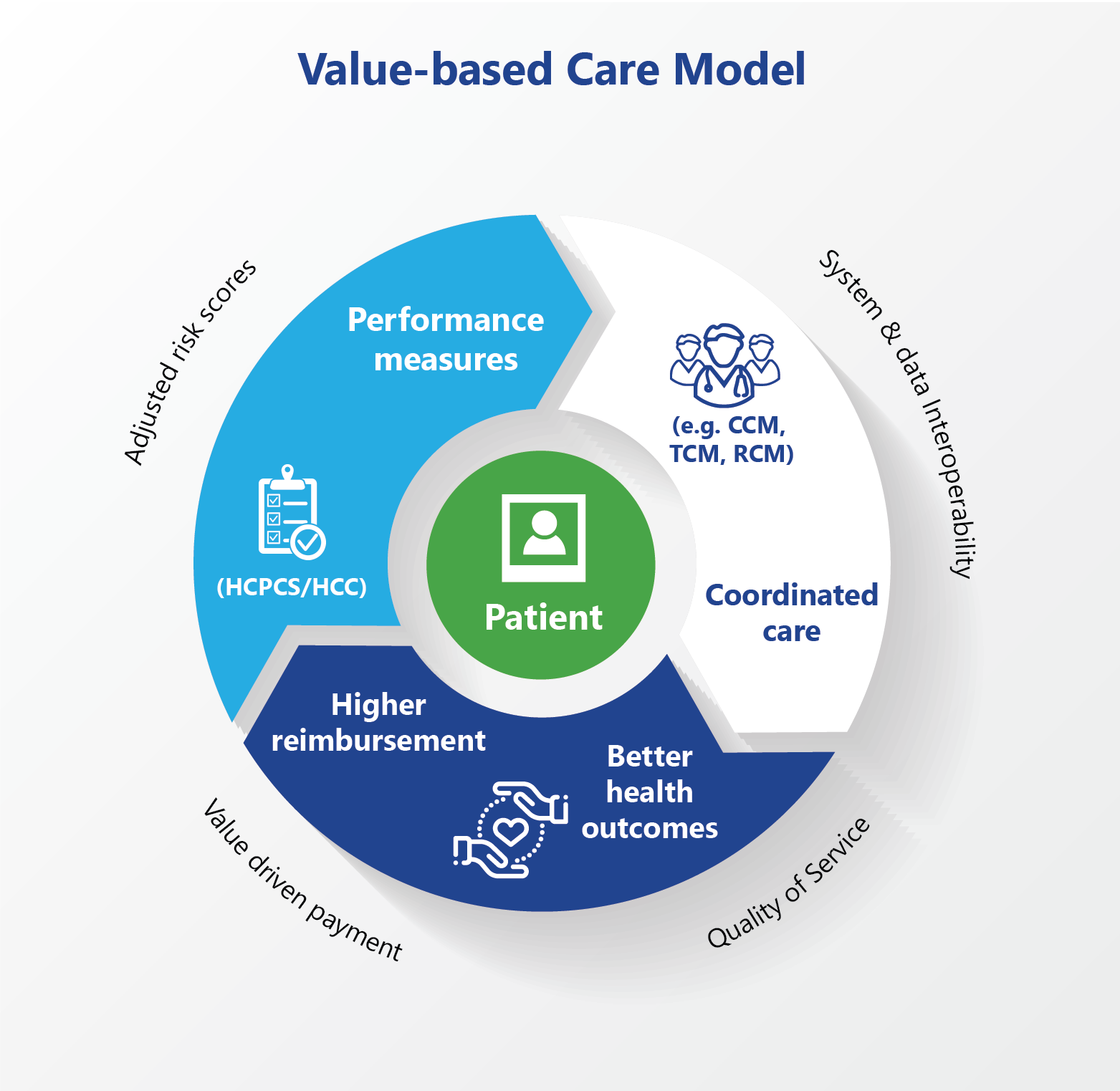
PODCAST: Value Based Care Financial Risks

RURAL HEALTHCARE CENTERS & VBC

Learn about the financial risk associated with Value-Based Care models and mechanisms to deal with the financial risk.

By National Rural Health Resource Center

https://acehealthcaresolutions.com/wp-content/uploads/2018/09/Value-based-care-model.png

PODCAST: https://www.healthsharetv.com/content/financial-risk-value-based-care-models

RELATED: https://medicalexecutivepost.com/2021/04/29/payments-in-value-based-contracts-were-ffs-based/

Your thoughts are appreciated.

***

INVITATIONS: https://medicalexecutivepost.com/dr-david-marcinkos-bookings/

CONTACT: Ann Miller RN MHA

MarcinkoAdvisors@msn.com

Ph: 770-448-0769

Second Opinions: https://medicalexecutivepost.com/schedule-a-consultation/

THANK YOU

***

HUMANITARIAN WISDOM IN PATIENT CARE AS AN ETHICAL AND MORAL IMPERATIVE!

AND … RISK MANAGEMENT TOOL?

7f4a80b3-c6c3-49b5-9cdd-9f8e116683cd-original

BY DR. DAVID EDWARD MARCINKIO MBA CMP®

CMP logo

SPONSOR: http://www.CertifiedMedicalPlanner.org

To start, let us all recall the Canadian physician Sir William Osler MD, one of the founders of Johns Hopkins Hospital in my hometown of Baltimore Maryland, and where I played stickball in the parking lot as a kid. He left a sizeable body of wisdom that has guided many physicians in the practice of medicine. So, allow me to share with you some of that accumulated wisdom and the quotes that have served me well over the years.

From Dr. Osler, I learned the art of putting myself in the patient’s shoes. “The motto of each of you as you undertake the examination and treatment of a case should be ‘put yourself in his place.’ Realize, so far as you can, the mental state of the patient, enter into his feelings.” Osler further stresses that we should “scan gently (the patient’s) faults” and offer the “kindly word, the cheerful greeting, the sympathetic look.”1

“In some of us, the ceaseless panorama of suffering tends to dull that fine edge of sympathy with which we started,” writes Osler in his famous essay “Aequanimitas.”2 “Against this benumbing influence, we physicians and nurses, the immediate agents of the Trust, have but one enduring corrective — the practice towards patients of the Golden Rule of Humanity as announced by Confucius: ‘What you do not like when done to yourself, do not do to others.’”

Medicine can be both art and science as many physicians have discovered. As Osler tells us, “Errors in judgment must occur in the practice of an art which consists largely of balancing probabilities.”2 Osler notes that “Medicine is a science of uncertainty and an art of probability” and also weighs in with the idea that “The practice of medicine is an art, based on science.”3,4

Osler emphasized that excellence in medicine is not an inheritance and is more fully realized with the seasoning of experience. “The art of the practice of medicine is to be learned only by experience,” says Osler. “Learn to see, learn to hear, learn to feel, learn to smell, and know that by practice alone can you become expert.”5

Finally, some timeless wisdom on patient care came from Osler in an address to St. Mary’s Hospital Medical School in London in 1907: “Gain the confidence of a patient and inspire him with hope, and the battle is half won.”6

***

0

***

Osler has also imparted plenty of advice on the business of medicine. In “Aequanimitas,” Osler says there are only two types of doctors: “those who practice with their brains, and those who practice with their tongues.”7

In a valedictory address to medical school graduates at McGill University, Osler suggested treating money as a side consideration in a medical career.8 “You have of course entered the profession of medicine with a view of obtaining a livelihood; but in dealing with your patients let this always be a secondary consideration.”

“You are in this profession as a calling, not as a business: as a calling which exacts from you at every turn self-sacrifice, devotion, love and tenderness to your fellow man,” explains Osler in the address to St. Mary’s Hospital Medical School.6 “Once you get down to a purely business level, your influence is gone and the true light of your life is dimmed. You must work in the missionary spirit, with a breadth of charity that raises you far above the petty jealousies of life.”

It is not easy for doctors to combine a passion for patient care, a knowledge of science and the maintenance of business, according to Osler in the British Medical Journal.9 “In the three great professions, the lawyer has to consider only his head and pocket, the parson the head and heart, while with us the head, heart, and pocket are all engaged.”

While some aspects of practice may fall short or be devoid of appropriate financial remuneration, the giving of one’s time, expertise and experience in improving patient outcomes and the quality of their lives may be the greatest gift. “The ‘good debts’ of practice, as I prefer to call them … amount to a generous sum by the end of each year,” says Osler.9

And so, as you practice medicine and reflect on your career, always remember the words and wisdom of Dr. William Osler, and keep patient welfare as your first priority.

References

1. Penfield W. Neurology in Canada and the Osler centennial. Can Med Assoc J. 1949; 61(1): 69-73

2. Osler W. Aequanimitas. Chapter 9, P. Blakiston’s Son and Co., Philadelphia, 1925, p. 159

3. Bean WB. William Osler: Aphorisms, CC Thomas, Springfield, IL, p. 129.

4. Osler W. Aequanimitas. Chapter 3, P. Blakiston’s Son and Co., Philadelphia, 1925, p. 34

5. Thayer WS. Osler the teacher. In: Osler and Other Papers. Johns Hopkins Press, Baltimore, 1931, p. 1.

6. Osler W. The reserves of life. St. Mary’s Hosp Gaz. 1907;13 (1):95-8.

7. Osler W. Aequanimitas. Chapter 7, P. Blakiston’s Son and Co., Philadelphia, 1925, p. 124

8. Osler W. Valedictory address to the graduates in medicine and surgery, McGill University. Can Med Surg J. 1874; 3:433-42.

9. Osler W. Remarks on organization in the profession. Brit Med J. 1911; 1(2614):237-9.

10. Jacobs. AM: PMNews, April, 2015.

ASSESSMENT: Your thoughts are appreciated.

Risk Management, Liability Insurance, and Asset Protection Strategies for Doctors and Advisors : Best Practices from Leading Consultants and Certified Medical Planners™ book cover

ODER TEXTBOOK: https://www.routledge.com/Risk-Management-Liability-Insurance-and-Asset-Protection-Strategies-for/Marcinko-Hetico/p/book/9781498725989

INVITE DR. MARCINKO: https://medicalexecutivepost.com/dr-david-marcinkos-

THANK YOU

***

PODCAST: The Hidden War for Patients and Money

The Role of Referrals and Patient Volume in Healthcare Finance

Patient Referrals are BIG Business for Hospital Systems

Hear the Story of How UMass Memorial Health Care Specifically Targeted Referring Physicians

BY ERIC BRICKER MD

Your thoughts are appreciated

THANK YOU

More on Referral Leakage: https://medicalexecutivepost.com/2015/04/24/medical-provider-network-referral-leakage/

***

Product Details

TEXTBOOK ORDER: https://www.amazon.com/Financial-Management-Strategies-Healthcare-Organizations/dp/1466558733/ref=sr_1_3?ie=UTF8&qid=1380743521&sr=8-3&keywords=david+marcinko

***

PODCAST: Corporate Practice of Medicine Laws

Dictate Doctors Cannot Work for Corporations?

Texas CEO Magazine Eric Bricker 1 - SO 14 - Texas CEO Magazine

ERIC BRICKER MD

These Laws Were Put Into Place So Doctors Would Not Put Shareholders Before Patients and So Corporations Would Not Interfere with Doctor Judgement.

Corporate Practice of Medicine Laws are at the State-Level, NOT the Federal Level.

Each State Has Their Own Exceptions Such as 1) Doctors Can Work for Companies That Are Owned by Other Doctors and 2) Doctors Can Work for Hospitals.

However, Private Equity Firms Have Been on a Physician Practice Buying Binge.

Private Equity Firms Bought 355 Physician Practices from 2013 – 2016.

Two of the Largest Purchases Were KKR‘s Purchase of Envision’s 25,000 Doctors for Almost $10 Billion and Blackstone‘s Purchase of Team Health’s 20,000 Doctors for $6 Billion.

QUERY: If Corporate Practice of Medicine Laws Say that Doctors Cannot Work for a Corporation, How are Private Equity Purchases of Physician Practices Legal?

This Video by Colleague Eric Bricker MD Explains
https://www.youtube.com/watch?v=2epmk4_-kUI

***
Your comments are appreciated.
THANK YOU

***

RURAL HEALTHCARE AREAS: State Uninsured Children Rates

In 2008-2009 and 2014-2015

By http://www.MCOL.com

Your thoughts are appreciated.

INVITE DR. MARCINKO: https://medicalexecutivepost.com/dr-david-marcinkos-bookings/

THANK YOU

***

PODCAST: Social Determinants of Health

Turning Potential into Actual Value

By Erin Benson and Rich Morino

Social determinants of health can directly be used to improve risk stratification and care management initiatives. But first, it’s important to identify how to effectively use this data to get the most value for your members and organizations.

And so, we present a brief recap of the webinar: “Social Determinants of Health: Turning Potential into Actual Value,” sponsored by LexisNexis Health Care, with Erin Benson, Director Market Planning and Rich Morino, Director, Strategic Solutions.

This recap includes discussion of 5 categories of SDOH. Then, the full webinar discusses elements of success for social determinants of health and opportunities for health plans to leverage social determinants of health data to attain quality goals while managing cost and enhancing member experience.

Your thoughts are appreciated.

THANK YOU

***

Physicians “FIRING” Patients?

ON TERMINATING PATIENT RELATIONSHIPS

Image preview

By Dr. David Edward Marcinko MBA CMP®

CMP logo

SPONSOR: http://www.CertifiedMedicalPlanner.org

Just as it is an acceptable and reasonable practice to screen incoming patients, it is acceptable and reasonable to know when to end relationships. Termination criteria are numerous and varied. Although not exhaustive, the following are situations in which termination may be appropriate and acceptable:

  • Treatment noncompliance—The patient does not or will not follow the treatment plan.
  • Follow-up noncompliance—The patient repeatedly cancels follow-up visits or is a no-show.
  • Office policy noncompliance—The patient uses weekend on-call physicians or multiple health care practitioners to obtain refill prescriptions when office policy specifies a certain number of refills between visits.
  • Verbal abuse—The patient or a family member is rude and uses improper language with office personnel, exhibits violent behavior, makes threats of physical harm, or uses anger to jeopardize the safety and well-being of office personnel with threats of violent actions.
  • Nonpayment—The patient owes a backlog of bills and has made no effort to arrange a payment plan.

YOU'RE FIRED! How to Switch Real Estate Agents | Barb Has ...

It is an acceptable practice to end a patient relationship under most conditions. There are a few situations, however, that may require additional steps or a delay of the termination. According to The Doctors Company, Laura A. Dixon JD RN,the following circumstances fall into this category:

  • If the patient is in an acute phase of treatment, termination must be delayed until the acute phase has passed. For example, if the patient is in the immediate postoperative stage or is in the process of medical workup for diagnosis, it is not advisable to end the relationship.
  • If the practitioner is the only source of medical or dental care within a reasonable driving distance, he or she may need to continue care until other arrangements can be made.
  • When the practitioner is the only source of a particular type of specialized medical or dental care, he or she is obliged to continue this care until the patient can be safely transferred to another practitioner who is able to provide treatment and follow up.
  • If the patient is a member of a prepaid health plan, the patient cannot be discharged until the practitioner has communicated with the third-party payer to request a transfer of the patient to another practitioner.
  • A patient may not be terminated solely because he or she is diagnosed with AIDS/HIV.

When the situation with the patient is such that terminating the relationship is appropriate and acceptable and none of the restrictions mentioned above are present, termination of the patient relationship should be completed formally. The patient should be put on written notice that he or she must find another health care practitioner. The written notice should be mailed to the patient by regular and certified mail, return receipt requested. Keep copies of the letter, the original certified mail receipt, and the original certified mail return receipt (even if the patient refuses to sign for the certified letter) in the patient’s medical record.

YOUR THOUGHTS ARE APPRECIATED

ORDER TEXTBOOK: https://www.routledge.com/Risk-Management-Liability-Insurance-and-Asset-Protection-Strategies-for/Marcinko-Hetico/p/book/9781498725989

Risk Management, Liability Insurance, and Asset Protection Strategies for Doctors and Advisors: Best Practices from Leading Consultants and Certified Medical Planners™

INVITE DR. MARCINKO: https://medicalexecutivepost.com/dr-david-marcinkos-bookings/

THANK YOU

***

PODCAST: The Domestic Opioid Epidemic

A Post Pandemic OVERDOSE AND ADDICTION Update

By NIHCM Foundation

The opioid epidemic continues to devastate communities, with provisional data showing overdose death rates rising during the pandemic. Isolation and economic upheaval, as well as hindered access to treatment options and support systems, have increased the risk of addiction and relapse. These new pressures exist along with the stigma that often prevents people from receiving care for substance use disorder (SUD) and the ongoing need to adopt harm reduction strategies.

Speakers Discuss:

  • The latest federal priorities for addressing the overdose and addiction epidemic, including a focus on harm reduction efforts and ensuring racial equity in drug policy
  • Strategies for state agencies to meet existing and increasing SUD treatment needs
  • A health plan’s innovative approaches to expand SUD care through an in-home addiction treatment program and recovery coaches

Opioid use in Larimer County continues as drug becomes ...

ASSESSMENT: And so, this podcast / webinar further explores solutions to reduce overdose rates, with a focus on efforts to expand access to evidence-based recovery programs after the corona virus pandemic.

PODCAST / WEBINAR HERE: https://nihcm.org/publications/addressing-the-growing-overdose-and-addiction-epidemic?utm_source=NIHCM+Foundation&utm_campaign=f78ae3a137-05242021_Webinar_Archive&utm_medium=email&utm_term=0_6f88de9846-f78ae3a137-167744768

Your thoughts and comments are appreciated.

THANK YOU

***

PODCAST: Is Doctor Culture Uncaring?

Dr. Robert Pearl’s Book from Moral Injury to Fee-for-Service … and More

Bricker - This Week Health

By Eric Bricker MD

Dr. Robert Pearl Was the CEO of the Permanente Medical Group from 1999 to 2017. Permanente is the Physician Group for all of Kaiser Permanente. It is the Largest Physician Group in America with 10,000 Doctors, 38,000 Staff and 5 Million Members.

EDITOR’S NOTE: Normally, book reviews are boring but this presentation from colleague Eric Bricker MD is well worth a watch.

PODCAST LINK: https://www.youtube.com/watch?v=omPqBq6_f-E

ASSESSMENT: Your thoughts are appreciated.

THANK YOU

***

The CORPORATE PRACTICE of Medicine?

By Dr. David Edward Marcinko MBA CMP®

CMP logo

SPONSOR: http://www.CertifiedMedicalPlanner.org

CORPORATE PRACTICE OF MEDICINE (CPM) LAWS

OK – I admit that I am not an attorney. But, approximately half of states in the U.S. have made it unlawful for practicing physicians to be employees of corporations. This ban on the corporate practice of medicine (CPM) is intended to keep medical professionals independent and free from financial pressures and influence.

Most states have made exceptions allowing physicians to become employees of not-for-profit organizations and sometimes hospitals. States such as California, Iowa, and Texas, have declined to allow hospitals to employ physicians, although even those states have special exceptions. Iowa hospitals may employ pathologists and radiologists, and Texas public hospitals and California teaching hospitals may employ physicians. Ohio has no ban on the corporate practice of medicine.

ASSESSMENT: Anyone can own a physician practice in Ohio.

QUERY: So, who does the aggrieved patient sue?

YOUR THOUGHTS ARE APPRECIATED

ORDER TEXTBOOK: https://www.routledge.com/Risk-Management-Liability-Insurance-and-Asset-Protection-Strategies-for/Marcinko-Hetico/p/book/9781498725989

Risk Management, Liability Insurance, and Asset Protection Strategies for Doctors and Advisors: Best Practices from Leading Consultants and Certified Medical Planners™

INVITE DR. MARCINKO: https://medicalexecutivepost.com/dr-david-marcinkos-bookings/

THANK YOU

***

PODCAST: Artificial Intelligence in Health Care Today

Transforming Health care ETHICALLY

By Stanford Online

[Drs. Serena Yeung and Matthew Lungreen]

Artificial intelligence has the potential to transform healthcare, driving innovations, efficiencies, and improvements in patient care.

WHITE-PAPER LINK: https://www.healthit.gov/sites/default/files/jsr-17-task-002_aiforhealthandhealthcare12122017.pdf

But, this powerful technology also comes with a unique set of ethical and safety challenges.

LINK: https://www.amazon.com/Dictionary-Health-Information-Technology-Security/dp/0826149952/ref=sr_1_5?ie=UTF8&s=books&qid=1254413315&sr=1-5

So, how can AI be integrated into healthcare in a way that maximizes its potential while also protecting patient safety and privacy? 

In this session faculty from the Stanford AI in Healthcare specialization discuss the challenges and opportunities involved in bringing AI into the clinic, safely and ethically, as well as its impact on the doctor-patient relationship.

They also outline a framework for analyzing the utility of machine learning models in healthcare and will describe how the US healthcare system impacts strategies for acquiring data to power machine learning algorithms.

ASSESSMENT: Your thoughts are appreciated.

THANK YOU

***

GENERATIONS OF VALOR

https://medicalexecutivepost.com/wp-content/uploads/2009/10/generations-of-valor1.jpg

REMEMBER AND GIVE THANKS

***

The Business of Medical Practice [3rd. edition]

SPONSOR: http://www.CertifiedMedicalPlanner.org

CMP logo

ORDER TEXTBOOK: https://www.amazon.com/Business-Medical-Practice-Transformational-Doctors/dp/0826105750/ref=sr_1_9?ie=UTF8&qid=1448163039&sr=8-9&keywords=david+marcinko

SECOND OPINIONS: https://medicalexecutivepost.com/schedule-a-consultation/

INVITE DR. MARCINKO: https://medicalexecutivepost.com/dr-david-marcinkos-bookings/

THANK YOU

***

PODCAST: Medicare Advantage Plans [Insurance Company Goldmine]

Medicare Advantage PART C

Insurance Carriers Want Medicare-For-All to Happen?

https://roundstoneinsurance.com/wp-content/uploads/2020/01/Eric-Bricker-Headshot_500x500-480x480.png

By Eric Bricker MD

A Commonwealth Fund Study Found Insurance Carrier Revenue from Medicare Advantage Plans Increase 5X More Than Revenue from Employer Sponsored Health Plans.

In Fact, Government Sources (Medicare Advantage, Medicaid Managed Care, ACA/Obamacare Plans) Make Up More Revenue ($213B) for the 5 Largest Insurance Carriers Than Revenue from Employers ($148B).

Government Payers Are the New Cash Cow for Health Insurance Companies.  
And so, Medicare-Advantage-for-All May Happen … Because Insurance Carriers WANT It to Happen.

PODCAST: A Commonwealth Fund Study Found Insurance Carrier Revenue from Medicare Advantage Plans Increased 5X More Than Revenue from Employer Sponsored Health Plans.

Your thoughts are appreciated.

THANK YOU
***

OVER HEARD IN THE FINANCIAL ADVISOR’S LOUNGE

center

“TAKE THE FIDUCIARY PLEDGE”

FINANCIAL ADVISORS LOUNGE AT iMBA, Inc.

CMP logo

SPONSORED: http://www.CertifiedMedicalPlanner.org

DEFINITION: A fiduciary is a person who holds a legal or ethical relationship of trust with one or more other parties (person or group of persons).

Typically, a fiduciary prudently takes care of money or other assets for another person. One party, for example, a corporate trust company or the trust department of a bank, acts in a fiduciary capacity to another party, who, for example, has entrusted funds to the fiduciary for safekeeping or investment. Likewise, financial advisers, financial planners, and asset managers, including managers of pension plans, endowments, and other tax-exempt assets, are considered fiduciaries under applicable statutes and laws.

In a fiduciary relationship, one person, in a position of vulnerability, justifiably vests confidence, good faith, reliance, and trust in another whose aid, advice, or protection is sought in some matter. In such a relation good conscience requires the fiduciary to act at all times for the sole benefit and interest of the one who trusts.

CITATION: https://www.r2library.com/Resource/Title/0826102549

See the source image

[Fiduciary Pledge]*

I, the undersigned, ___________________________ (“financial advisor”), pledge to always put the best interests of _______________________________ (“client”) first, no matter what.

As such, I will disclose in writing the following material facts and any conflicts of interest (actual and/or perceived) that may arise in our business relationship:

  • All commission, fees, loads, and expenses, in advance, client will pay as a result of my advice and recommendations;
  • All commission and commissions I receive as a result of my advice and recommendations;
  • The maximum fee discount allowed by my firm and the largest fee discount I give to other customers;
  • The fee discount client is receiving;
  • Any recruitment bonuses and other recruitment compensation I have or will receive from my firm;
  • Fees I paid to others for the referral of client to me;
  • Fees I have or will receive for referring client to any third-parties; and
  • Any other financial conflicts of interest that could reasonably compromise the impartiality of my advice and recommendations.

Jeff Kuest MBA CFA CFP®

[CounterPoint Capital Advisors]

*© 2011-2015. All rights reserved. Courtesy permission with personal communication from Jeff Kuest, MBA, CFA, CFP®

ASSESSMENT: Your thoughts are appreciated.

INVITE DR. MARCINKO: https://medicalexecutivepost.com/dr-david-marcinkos-bookings/

THANK YOU

***

PODCAST: Transgender Health [Focus on Resiliency]

Network of the National Library of Medicine [NNLM]

[By Charlene Ice]

DEFINITION: Transgender people have a gender identity or gender expression that differs from the sex that they were assigned at birth. Some transgender people who desire medical assistance to transition from one sex to another identify as transsexual.

Citation: https://www.amazon.com/Dictionary-Health-Insurance-Managed-Care/dp/0826149944/ref=sr_1_4?ie=UTF8&s=books&qid=1275315485&sr=1-4

Network of the National Library of Medicine

And so, the Network of the National Library of Medicine Pacific Southwest Region at the UCLA Biomedical Library and Southeastern Atlantic Region at the University of Maryland-Baltimore are excited to announce the first NNLM Transgender Health webinar series.

With approximately 1 million adults in the U.S. identifying as Transgender/Gender Non-Binary (TGNB), this series will promote awareness of the social determinants of health, health disparities, and resilience in these individuals and communities.

A pioneer in LGBTQ care, Tang takes two steps forward for ...

PODCAST LINK: https://www.youtube.com/watch?v=evs-DScvcyc&t=784s

Gay Doctors: https://medicalexecutivepost.com/2009/04/03/the-gay-physician-dilemma/

Mental Health Programs: https://medicalexecutivepost.com/2020/09/30/mental-health-entrepreneurial-start-up/

ASSESSMENT: Your thoughts are appreciated.

THANK YOU

***