BOARD CERTIFICATION EXAM STUDY GUIDES Lower Extremity Trauma
[Click on Image to Enlarge]
ME-P Free Advertising Consultation
The “Medical Executive-Post” is about connecting doctors, health care executives and modern consulting advisors. It’s about free-enterprise, business, practice, policy, personal financial planning and wealth building capitalism. We have an attitude that’s independent, outspoken, intelligent and so Next-Gen; often edgy, usually controversial. And, our consultants “got fly”, just like U. Read it! Write it! Post it! “Medical Executive-Post”. Call or email us for your FREE advertising and sales consultation TODAY [678.779.8597] Email: MarcinkoAdvisors@outlook.com
Medical & Surgical e-Consent Forms
ePodiatryConsentForms.com
iMBA Inc., OFFICES
Suite #5901 Wilbanks Drive, Norcross, Georgia, 30092 USA [1.678.779.8597]. Our location is real and we are now virtually enabled to assist new long distance clients and out-of-town colleagues.
ME-P Publishing
SEEKING INDUSTRY INFO PARTNERS?
If you want the opportunity to work with leading health care industry insiders, innovators and watchers, the “ME-P” may be right for you? We are unbiased and operate at the nexus of theoretical and applied R&D. Collaborate with us and you’ll put your brand in front of a smart & tightly focused demographic; one at the forefront of our emerging healthcare free marketplace of informed and professional “movers and shakers.” Our Ad Rate Card is available upon request [678-779-8597].
Posted on November 4, 2021 by Dr. David Edward Marcinko MBA MEd CMP™
NO LONGER EVEN NOTICED?
BY DARRELL PRUITT DDS
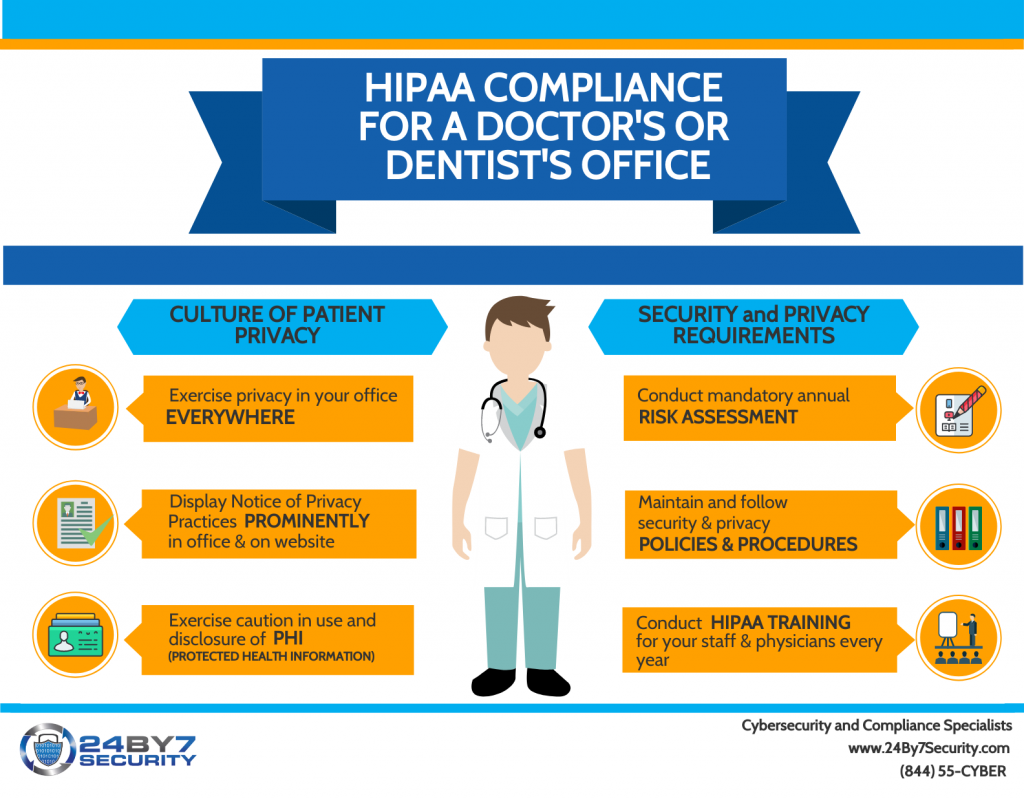
Data breaches are now so common that hardly anyone in healthcare notices them – especially in dentistry. I imagine that more than half of the data breaches from dental offices are never reported, and their patients never warned that their identities might be available on the internet.
Whether you ignore this problem or not, this will not end well, folks.
“Physicians who don’t understand modern risk management, insurance, business, and asset protection principles are sitting ducks waiting to be taken advantage of by unscrupulous insurance agents and financial advisors; and even their own prospective employers or partners. This comprehensive volume from Dr. David Marcinko and his co-authors will go a long way toward educating physicians on these critical subjects that were never taught in medical school or residency training.” —Dr. James M. Dahle, MD, FACEP, Editor of The White Coat Investor, Salt Lake City, Utah, USA
“With time at a premium, and so much vital information packed into one well organized resource, this comprehensive textbook should be on the desk of everyone serving in the healthcare ecosystem. The time you spend reading this frank and compelling book will be richly rewarded.” —Dr. J. Wesley Boyd, MD, PhD, MA, Harvard Medical School, Boston, Massachusetts, USA
“Physicians have more complex liability challenges to overcome in their lifetime, and less time to do it, than other professionals. Combined with a focus on practicing their discipline, many sadly fail to plan for their own future. They need trustworthy advice on how to effectively protect themselves, their family, and their practice from the many overt and covert risks that could potentially disrupt years of hard work.
Fortunately, this advice is contained within Risk Management, Liability Insurance, and Asset Protection Strategies for Doctors and Advisors: Best Practices from Leading Consultants and Certified Medical Planners™. Written by Dr. David Edward Marcinko, Nurse Hope Rachel Hetico, and their team of risk managers, accountants, insurance agents, attorneys, and physicians, it is uniquely positioned as an integration of applied, academic, and peer-reviewed strategies and research, with case studies from top consultants and Certified Medical Planners™. It contains the latest principles of risk management and asset protection strategies for the specific challenges of modern physicians. My belief is that any doctor who reads and applies even just a portion of this collective wisdom will be fiscally rewarded. The Institute of Medical Business Advisors has produced another outstanding reference for physicians that provide peace of mind inthis unique marketplace! In my opinion, it is a mandatory read for all medical professionals.” —David K. Luke, MS-PFP, MIM, CMP™, Net Worth Advisory Group, Inc., Sandy, Utah, USA
“This book is a well-constructed, comprehensive, and experiential view of risk management throughout the entire medical practice life-cycle. It is organized in an accessible, high-yield style that is familiar to doctors. Each chapter has case models, examples, insider tips, and useful pearls. I was pleased to see multi-degreed physicians sharing their professional experiences in a textbook on something other than clinical medicine. I can’t decide if this book is right on – over the top – or just plain prescient. Now, after a re-read, I conclude it is all of the above; and much more.” —Dr. Peter P. Sidoriak, Pottsville, Pennsylvania, USA
“When a practicing physician thinks about the risk exposure resulting from providing patient care, medical malpractice risk immediately comes to mind. But, malpractice and liability risk are barely the tip of the iceberg, and likely not even the biggest risk in the daily practice of medicine. There are risks from having medical records to keep private, risks related to proper billing and collections, risks from patients tripping on your office steps, risks from medical board actions, risk arising from divorce, and the list goes on and on. These liabilities put a doctor’s hard earned assets and career in a very vulnerable position. This new book from Dr. David Marcinko and Prof. Hope Hetico shows doctors the multiple types of risk they face and provides examples of steps to take to minimize them. It is written clearly and to the point, and is a valuable reference for any well-managed practice. Every doctor who wants to take preventive action against the risks coming at them… from all sides needs to read this book.” —Richard Berning, MD, FACC, New Haven, Connecticut, USA
“This is an excellent companion book to Dr. Marcinko’s Comprehensive Financial Planning Strategies For Doctors and Advisors: Best Practices from Leading Consultants and Certified Medical Planners™. It is all inclusive, yet easy to read, with current citations, references, and much frightening information. I highly recommend this text. It is a fine educational and risk management tool for all doctors and medical professionals.”—Dr. David B. Lumsden, MD, MS, MA, Orthopedic Surgeon, Baltimore, Maryland, USA
“This comprehensive text book provides an in-depth presentation of the cyber security and real risk management, asset protection, and insurance issues facing all medical professions today. It is far beyond the mere medical malpractice concerns I faced when originally entering practice decades ago.” —Dr. Barbara s. Schlefman, DPM, MS, Family Foot Care, PA, Tucker, Georgia, USA
“Am I over-insured and thus wasting money? Am I under-insured and thus at risk for a liability or other disaster? I never really had the means of answering these questions; until now.” —Dr. Lloyd M. Krieger, MD, MBA, Rodeo Drive Plastic Surgery, Beverly Hills, California, USA
“I read and use this book and several others from Dr. David Edward Marcinko and his team of advisors.” —Dr. John Kelley, DO, Orthopedic Surgeon, Tucker, Georgia, USA
“An important step in the risk management, insurance planning, and asset protection process is the assessment of needs. One can create a strong foundation for success only after all needs have been analyzed so that a plan can be constructed and then implemented. This book does an excellent job of recognizing those needs and addressing strategies to reduce them.“ —Shikha Mittra, MBA, CFP®, CRPS®, CMFC®, AIF®, President – Retire Smart Consulting LLC, Princeton, New Jersey, USA
“The Certified Medical Planner™ professional designation and education program was created by the Institute of Medical Business Advisors Inc., and Dr. David Edward Marcinko and his team (who wrote this book). It is intended for financial advisors who aim specifically to serve physicians and the medical community. Content focuses not only on the insurance and professional liability issues relevant to physicians, but also provides an understanding of the risky business of medical practice so advisors can help work more successfully with their doctor-clients.” —Michael E. Kitces, MSFS, MTAX, CFP®, CLU, ChFC, RHU, REBC, CASL Reston, Virginia, USA
“I have read this text and used consulting services from the Institute of Medical Business of Advisors, Inc. on several occasions.” —Dr. Marsha Lee, DO, Radiologists, Norcross, Georgia, USA
“The medical education system is grueling and designed to produce excellence in medical knowledge and patient care. What it doesn’t prepare us for are the slings and arrows that come our way once we actually start practicing medicine. Successfully avoiding these land mines can make all the difference in the world when it comes to having a fulfilling practice. Given the importance of risk management and mitigation, you would think these subjects would be front and center in both medical school and residency – ‘they aren’t.’ Thankfully, the brain trust over at iMBA Inc. has compiled this comprehensive guide designed to help you navigate these mine fields so that you can focus on what really matters – patient care.” —Dennis Bethel, MD, Emergency Medicine Physician
Posted on October 20, 2021 by Dr. David Edward Marcinko MBA MEd CMP™
OVERHEARD IN THE DOCTOR’S LOUNGE
By Jaan E. Sidorov MD
*** DEFINITION: Prospect theory is a theory of behavioral economics and behavioral finance that was developed by Daniel Kahneman and Amos Tversky in 1979. The theory was cited in the decision to award Kahneman the 2002 Nobel Memorial Prize in Economics.
Amanda, an RN client, was just informed by her financial advisor that she needed to re-launch her 403-b retirement plan. Since she was leery about investing, she quietly wondered why she couldn’t DIY. Little does her FA know that she doesn’t intend to follow his advice, anyway! So, what went wrong?
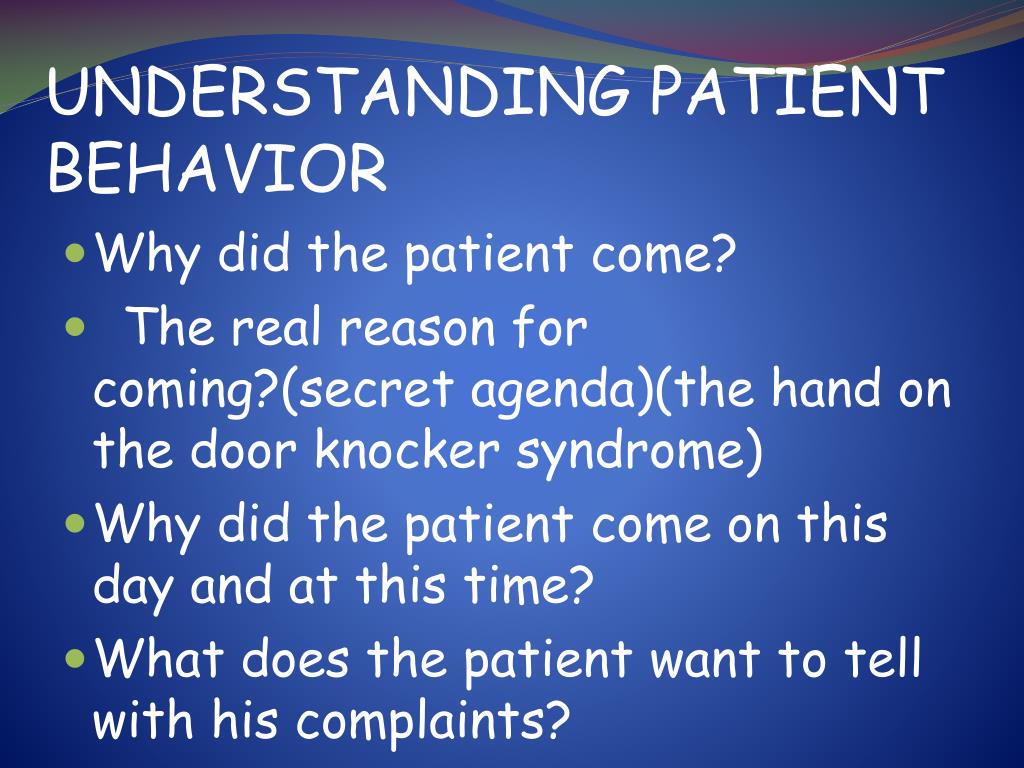
The answer may be that her advisor didn’t deploy a behavioral economics framework to support her decision-making. One such framework is the “prospect theory” model that boils client decision-making into a “three step heuristic.”
Prospect theory makes the unspoken biases that we all have more explicit. By identifying all the background assumptions and preferences that clients [patients] bring to the office, decision-making can be crafted so that everyone [family, doctor and patient] or [FA, client and spouse] is on the same page.
****
*** Briefly, the three steps are:
Simplify choices by focusing on the key differences between investment [treatment] options such as stock, bonds, cash, and index funds.
Understanding that clients [patients] prefer greater certainty when it comes to pursuing financial [health] gains and are willing to accept uncertainty when trying to avoid a loss [illness].
Cognitive processes lead clients and patients to overestimate the value of their choices thanks to survivor bias, cognitive dissonance, appeals to authority and hindsight biases.
ASSESSMENT
Much like in healthcare today, the current mass-customized approaches to the financial services industry fall short of recognizing more personalized advisory approaches like prospect theory and assisted client-centered investment decision-making.
Posted on October 16, 2021 by Dr. David Edward Marcinko MBA MEd CMP™
***
By Darrell K. Pruitt DDS
Compared to hospitals, the business of dentistry is as simple as a lemonade stand. Dental practice management software is an option – not a necessity.
Thank goodness.
***
***
“Cyber Daily: Congress Inches Toward Response to Ransomware Attacks – U.S. legislators in the House and Senate have several bills in play that would put new requirements on companies [including dental offices] to report cyber incidents, including details about ransomware payments.”
As transparency makes it increasingly difficult for dentists to hide ransomware breaches from their patients by quietly paying the ransom (one or more times), paper dental records remain the gold standard of security. Practice management software is not only more expensive than paper records, but it vastly increases patients’ risk of identity theft while offering them NO TANGIBLE BENEFITS… Just ask anyone.
Posted on October 15, 2021 by Dr. David Edward Marcinko MBA MEd CMP™
By MEDICARE.gov
October 15 – December 7th, 2021
Remember: When comparing plans, look at the estimated “Yearly Drug & Premium Cost.” A plan with the lowest premium may not always provide the lowest total cost to you.
Posted on October 10, 2021 by Dr. David Edward Marcinko MBA MEd CMP™
By Ann Miller RN MHA
Good Morning
This is World Mental Health Week. Since one of the ways you can practice good mental health is to express gratitude, I’d like to express my gratitude to my friend and ME-P founder and executive chairman Dr. David Edward Marcinko for working to destigmatize mental health issues.
A lot of people look up to David. And they should—he started this ME-P from nothing and was relentless in building the company to the digital media ship it is today.
This week, each October, thousands of supporters come to celebrate this annual awareness program to bring attention to mental illness and its major effects on peoples’ lives worldwide.
In Response to a Question Regarding the Ending of Haven Healthcare–the Joint Venture Among Berkshire Hathaway, JP Morgan Chase and Amazon to Improve Healthcare for their Employee Health Plan Members–Warren Buffett Made the Following Statement:
“Healthcare is the Tapeworm of the US Economy and the TAPEWORM WON.”
Additionally, Warren Buffett Goes on to Say that ‘Prestigious‘ People in the Community Run Hospital Boards and These People Are ‘Fairly Happy‘ with the Healthcare System the Way It Currently Is.
It is Likely that Warren Buffett Formed Some of This Opinion in Speaking About Healthcare with the Vice Chairman of Berkshire Hathaway, Charlie Munger, and Berkshire Board Member and Famous CEO, Tom Murphy.
Charlie Munger Has Served on the Board of a Los Angeles Hospital for 31 Years and Tom Murphy Currently Serves on the NYU Langone Hospital System Board of Directors.
The Support of the Status Quo by ‘Prestigious,’ ‘Fairly Happy’ Hospital Board Members Cannot Be Understated… It Blocks Change and Warren Buffett Appears to Think Similarly.
The first World Financial Planning Day was held on October 4, 2017. The Financial Planning Standards Board (FPSB) hosts the day. Every year, the FPSB partners with the International Organization of Securities Commissions (IOSCO).
***
Today, it is always held during the first Wednesday of October during IOSCO’s World Investor Week.
***
QUERY: But, what about the entire ecosystem of personal and professional financial planning, investing, risk, business and medical practice management for physicians and healthcare professionals? A vital, unique and complicated niche!
ANSWER: According to the Institute of Medical Business Advisors, Inc., WFP Day is every day for CERTIFIED MEDICAL PLANNER® professional certification holders.
So – If you are in this WFPD industry – Become a fiduciary focused board CERTIFIED MEDICAL PLANNER with extreme healthcare industry ecosystem specificity.
Artificial intelligence is all around us. From self-driving cars to shopping suggestions and everything in between.
In this episode of The Entrepreneur MD, we sit down with Sergei and Daniel from Well-Ai who share with us how their platform uses Artificial Intelligence to augment physicians and improve patient outcomes.
Posted on October 2, 2021 by Dr. David Edward Marcinko MBA MEd CMP™
LESSONS FROM THE RETAIL SECTOR
***
Discover how ProMedica uses customer feedback and a digital-first approach to consumers to achieve stellar results across more than 400 facilities in 28 states.
It has been well documented that the COVID-19 pandemic resulted in unprecedented increases in telemedicine utilization across the U.S. However, rural providers and patients, as evidenced by their lower rates of telemedicine usage during this time, have not been able to take advantage of the opportunities provided by telemedicine to the same extent as urban providers.
On August 18, 2021, the Health Resources and Services Administration (HRSA) of the Department of Health and Human Services (HHS) announced the latest attempt to ameliorate this issue – the distribution of nearly $20 million to 36 recipients for the purpose of strengthening telehealth services in rural and underserved communities and expanding innovation and quality. (Read more…)
Posted on September 15, 2021 by Dr. David Edward Marcinko MBA MEd CMP™
CULTURE IN HEALTHCARE
Culture is a factor to consider with healthcare. Depending on the culture they may seek alternative treatment such as homeopathic and treatment they have been raised with in their country Some cultures will get medications from their country because they believe in their medical system more then what is offered.
BY IHME
***
Dr. Joseph L. Dieleman, Associate Professor in the Department of Health Metric Sciences at the University of Washington, is the lead author of the study “US Health Care Spending by Race and Ethnicity, 2002-2016,” published August 17, 2021 in the Journal of the American Medical Association
Posted on September 14, 2021 by Dr. David Edward Marcinko MBA MEd CMP™
BY NIHCM
INFO-GRAPHIC
Gum disease remains one of the most prevalent chronic diseases in the United States with 46% of adults over 30 showing symptoms. Although significant improvements have been made to improve oral health in America, many people still experience barriers to preventive or essential dental care.
Black Americans, Latinos, and Native Americans, as well as low-income populations, children and pregnant women are at greater risk of oral health diseases. The disparities experienced by these populations have only been exacerbated by the pandemic.
***
***
In this infographic highlights the challenges to achieving optimal oral health and identifies opportunities for advancing health equity moving forward.
Current reimbursement structures involve the submission and payment of medical CPT® coded claims. But, some doctors feel they need to “up-code” to maximize revenue or “down-code” for fear of having a claim denied. Contradictory business goals bastardize the system into a payer versus provider tug-of-war, with patient care as a potential bargaining chip. Instituting quality metrics should be included in this equation and, a hybrid reimbursement model may be a viable option while integrating quality care metrics and reducing costs for all stakeholders.
This hybrid reimbursement system might use a two-payment structure.
For the first payment, claims would be paid at hypothetical rate of 60% within one week of submission.
The second payment, consisting of the remaining zero to 40% of some total maximum allowable fee, be paid quarterly. It would be based on scores like patient satisfaction and stewardship of healthcare resources by analyzing a statistically valid sample of patient encounters taken from the electronic health record.
Such a hybrid system would remove unnecessary steps, like re-submitting claims, and would lower the operational and administrative costs of claims processing. These changes would decrease operational cost and drive quality stewardship of the healthcare dollar.
Physicians Beware … the Medical Management Consultants?
Are you a doctor desperate for practice enhancement solutions, but don’t know where to turn for help? Or, maybe you’ve already had a bad experience with a non-fiduciary business consultant, or management guru, more interested in his bottom line than your success?
Posted on September 3, 2021 by Dr. David Edward Marcinko MBA MEd CMP™
A QUARTET OFREASONS!
It’s going to be a good idea to do everything you can to help your company succeed. One good thing that you can do for your company is to create a clear mission statement.
Why is a mission statement so important for your company, though? Read on to learn exactly why your company needs a clear mission statement so much.
Posted on August 23, 2021 by Dr. David Edward Marcinko MBA MEd CMP™
Or … Riches to Rags for Docs and the ACA?
American society prides itself on being a meritocracy, particularly with the fruition of the ‘American Dream’ being achieved by individuals from all types of backgrounds; like doctors, Financial Advisors [FAs] and all medical professionals.
Success
Success today typically involves some form of higher education, to expand intellectual capacity and to hone a skill-set.
However, the highest quality education is not the most easily accessible. And so, this infographic takes a look at how the elite tend to fare well, and how the disadvantaged aren’t provided the same opportunities.
Your thoughts and comments on this ME-P are appreciated. Feel free to review our top-left column, and top-right sidebar materials, links, URLs and related websites, too. Then, subscribe to the ME-P. It is fast, free and secure.
Speaker: If you need a moderator or speaker for an upcoming event, Dr. David E. Marcinko; MBA – Publisher-in-Chief of the Medical Executive-Post – is available for seminar or speaking engagements. Contact: MarcinkoAdvisors@msn.com
OUR OTHER PRINT BOOKS AND RELATED INFORMATION SOURCES:
Posted on August 15, 2021 by Dr. David Edward Marcinko MBA MEd CMP™
BY DARRELL K. PRUITT DDS
Do you really need digital records, Doc?
Why?
“Ransomware criminals’ demands rise as aggressive tactics pay off – Average ransomware demands and payments are up as criminal enterprises pour money into the profitable operations.”
Crothers: “The ransomware crisis just keeps getting worse as criminal enterprises pour money into highly profitable ransomware operations, according to a report from Palo Alto Networks’ Unit 42 security consulting group. The average ransomware payment climbed 82% to a record $570,000 in the first half of 2021 from $312,000 in 2020.”
I am asking Dr. Roger P. Levin, DDS, founder and CEO of Levin Group, why he and his international consultant group still promote electronic dental records.
How about it, Dr. Levin? Can you describe how practice management software benefits dental patients? The software doesn’t make dentistry safer or less expensive than paper records – even if digital is more convenient for dentists and staff (most of the time).
On July 19, 2021, CMS released the proposed rule for the Outpatient Prospective Payment System (OPPS) and Ambulatory Surgery Centers (ASCs) for calendar year (CY) 2022. The proposed rule builds on President Joe Biden’s July 9, 2021 executive order on “Promoting Competition in the American Economy,” as it relates to increasing access and price transparency in the healthcare industry.
In a press release regarding the proposed rule, CMS stated their commitment to addressing the persistent health inequities in the U.S. and finding opportunities to improve data collection that will lead to policy changes to help meet the health needs of patients. (Read more…)
The concept of a self-taught and student motivated, but automated outcomes driven classroom may seem like a nightmare scenario for those who are not comfortable with computers. Now everyone can breathe a sigh of relief, because the Institute of Medical Business Advisors just launched an “automated” final examination review protocol that requires no programming skill whatsoever.
In fact, everything is designed to be very simple and easy to use. Once a student’s examination “blue-book” is received, computerized “robotic reviewers” correct student assignments and quarterly test answers. This automated examination model lets the robots correct tests and exams, while the students concentrate on guided self-learning.
Health Insurance Carriers Are Misaligned by Owning PBMs That Make More Money in Rebate Kick-Backs When the Employee Health Plan Spends More Money on Expensive Prescription Drugs.
Doctors Are Misaligned When They *Are Employed by Hospitals That Tie Test and Procedure Ordering Volume to Doctor Compensation.
Hospitals are Misaligned When They Buy Physician Practices and Raise the Prices for In-Office Testing and Procedures by 300%… Even Though NOTHING Has Changed Other Than the Sign on the Door.
Accordingly, True Employee Health Plan Innovation is ALIGNMENT Innovation That Provides Care Outside the of the Status Quo Fee-for-Service System.
Onsite Clinics, Near Site Clinics, Direct Primary Care and Capitated Virtual Care All Provide Real Alignment Innovation for Employee Health Plans.
Recruitment has become a refined art in recent years as practices and physicians themselves grow increasingly savvy about the finer points of marketing positions and securing employment. It’s more competitive than ever, too. Many organizations are going after the same physicians. Add to that a shortage of doctors in key specialties and certain geographical areas and the pressure becomes that much more intense. Moreover, the aging of the physician workforce, their increased dissatisfaction with managed care, and changes in doctors’ work expectations (they want more free time) have affected the demand and supply.
Additionally, both practicing physicians and residents fresh out of training have become more discerning and skillful in managing the search process. Candidates have learned to be selective based on how they’re treated on the phone, how they’re treated in person during site visits, or how smoothly the negotiations go. One small bump in the road and they could choose to go elsewhere. In truth, they look to rule organizations out, not in.
Even the smallest of practices must have an effective recruitment plan because they compete directly with the big guys — larger practices and hospitals that have polished their efforts and perfected their processes.
Facts about Physician Recruiters and Executive Search Firms
1) If you are job hunting, you should send your resume to recruiters
Different recruiters know about different positions. They do not usually know about the same ones. This is particularly true with retained firms. By sending your resume out widely, you will be placed in many different confidential databases and be alerted of many different positions. If you send your resume to only a few, it may be that none you send to will be working with positions which are suited for you. Throw your net widely.
If you change jobs, it is also wise to send follow-up letters to the recruiters and alert them of your new career move. Many search firms follow people throughout their careers and enjoy being kept up-to-date. It is a good idea to have your resume formatted in plain text so you can copy and paste it into email messages when requested to do so. Then, follow up with a nicely formatted copy on paper by postal mail.
Some estimate that only 1% to 3% of all resumes sent will result in actual job interviews. So, if you only send 50 resumes, you may only have less than 2 interviews, if that many. Send your resume to as many recruiters as you can. It is worth the postage or email time. Generally, recruiters will not share your resume with any employer or give your name to anyone else without obtaining your specific permission to do so. The recruiter will call first, talk to you about a particular position and then ask your permission to share your resume with that employer.
2) Your resume will be kept strictly confidential by the executive search firm.
It is safe to submit your resume to a search firm and not worry that the search firm will let it leak out that you are job hunting. Recruiters will call you each and every time they wish to present you to an employer in order to gain your permission. Only after they have gained your permission will they submit your name or resume to the identified employer. The wonderful aspect of working with search firms is that you can manage your career and your job search in confidence and privacy.
3) Fees are always paid by the employer, not the job candidate.
Recruiters and search firms work for the employer or hiring entity. The employer pays them a fee for locating the right physician for the job opening. This is important to remember, in that when you interact with executive recruiters, you are essentially interacting with an agent or representative of the employer. Recruiters are more loyal to employers than they are to job candidates because they work for the employer. This should not present a problem, but, should cause you to develop your relationship with the recruiter with the same integrity and professionalism that you would with the employer.
Recruiters are paid fees in one of two ways – retainer fees or contingency fees. This is an important distinction and will affect your process with both the employer and the recruiter. Some employers prefer working with contingency firms and some with retained firms. Both are respected by employers and useful in your job search, but, the two types of firms will not be handling the same positions with the same employers simultaneously.
A “retained” recruiter has entered an exclusive contract with an employer to fill a particular position. The retained recruiter, then, is likely to advertise a position, sharing the specifics of the position, location and employer openly. The retained firm feels a great obligation to fulfill the contract by finding the best person for the job.
A “contingency recruiter” on the other hand, usually does not have an exclusive relationship with the employer, and is only paid a fee if the job search is successful. Often, if the employer uses contingency firms, there will be more than one contingency firm competing to fill a certain position. As a job hunter, if you are sent to an interview by a contingency firm, you may find that you are competing with a larger number of applicants for a position. Generally, retained firms only send in from 3 to 5 candidates for a position.
Recruiters will be paid fees equal to about 25% to 35% of the resulting salary of the successful candidate plus expenses. This does not come out of the job candidate’s salary. This is paid to the recruiter through a separate relationship between the employer and the search firm. This may seem like a large fee, but, keep in mind that recruiters incur a great many expenses when searching for successful job candidates. They spend enormous amounts of money on computer systems, long distance calls, mail-outs, travel and interviews. Recruiters work very hard for these fees. Employers recognize the value of using recruiters and are more than willing to pay recruiters the fees. All you have to do is contact the recruiter to get the process moving.
4) Not all medical recruiters work only with physicians.
Some search firms work exclusively with physicians or in healthcare, while others may work in several fields at once. Some of the larger generalist firms will have one or more search consultants that specialize in healthcare. It is important for you, as a job hunter, to assess the recruiters’ knowledge of your field. If you use industry or medical specialty buzz words in describing your skills, experience or career aspirations, you may or may not be talking a language the recruiter understands fully. It is wise to explore fully with the recruiter his understanding of your field and area of specialization.
5) Recruiters and search consultants move around.
Recruiters, like many professionals, move to new firms during their careers. Often you will find that recruiters will work at several firms during their careers. Since it is much more effective to address your letters to a person rather than “to whom it may concern”, it is smart for job hunters to have accurate and up-to-date information about who is who and where, since this can change frequently. Search firms also move their offices, sometimes to another suite, street or state. If you have a list of recruiters that is over one year old, you will certainly waste some postage in mailing your resumes and cover letters. Many of your mail-outs will be returned to you stamped “non-deliverable”, unless you obtain an up-to-date list. A resource, like the Directory of Healthcare Recruiters is updated very frequently, usually monthly [www.pohly.com/dir3.html].
6) Most search firms work with positions all over the country.
If you are from a particular state, and want to remain in that state, don’t make the mistake of only sending your resume to recruiters in your state. Often the recruiters in your state are working on positions in other states, and recruiters in other states are working on positions in your state. This is usually the case. Very few recruiters work only in their local area, most work all around the US and some internationally. Regardless of your geographic preference, you should still send your resume to all the healthcare recruiters. If you really only want to remain in your area, you can specify that preference in your cover letter.
7) Recruiters primarily work with hard to fill positions or executive positions.
Some recruiters specialize in clinical positions for physicians, managed care executive positions, healthcare financial positions or health administration positions. Others may specialize in finding doctors, nurses or physical therapists. Generally, an employer does not engage a recruiter’s assistance in filling a position unless it is hard to fill. Sometimes employers will engage search firms to save them the valuable time of advertising or combing through dozens of resumes.
Contingency recruiters tend to work with more mid-level management and professional positions, but, this is not always the case. Retained firms generally work with the higher level clinical or administrative positions.
One thing you will be assured of is that if a recruiter is working on a position that means that the employer is willing to pay a fee. That usually means that the position is a valued position and one worth closer inspection on your part. Even in healthcare, with certain exceptions, our economy is an “employer’s market”. This means that employers receive a deluge of resumes for their open positions. Increasingly, employers are using recruitment firms to handle their openings and schedule the interviews because employers simply do not have the manpower or time to handle the many resumes they receive. Therefore, if a job hunter is submitted by a recruiter, that job hunter has a great advantage over all other applicants.