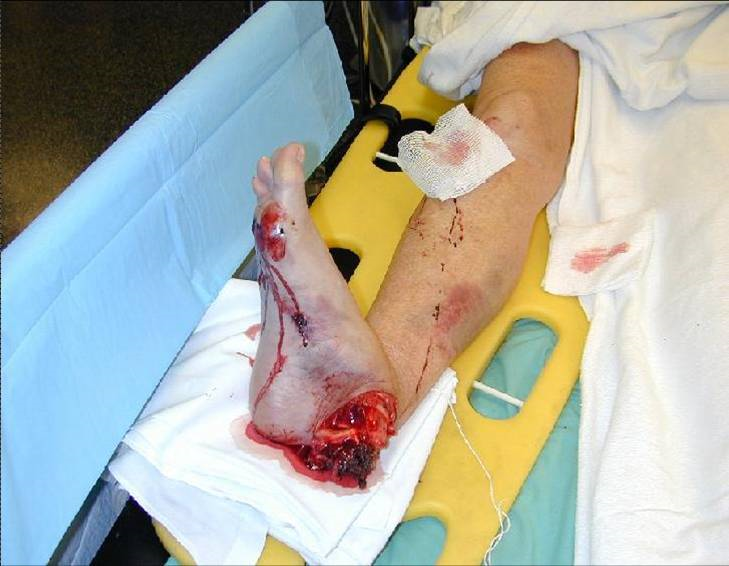
BOARD CERTIFICATION EXAM STUDY GUIDES Lower Extremity Trauma
[Click on Image to Enlarge]
ME-P Free Advertising Consultation
The “Medical Executive-Post” is about connecting doctors, health care executives and modern consulting advisors. It’s about free-enterprise, business, practice, policy, personal financial planning and wealth building capitalism. We have an attitude that’s independent, outspoken, intelligent and so Next-Gen; often edgy, usually controversial. And, our consultants “got fly”, just like U. Read it! Write it! Post it! “Medical Executive-Post”. Call or email us for your FREE advertising and sales consultation TODAY [678.779.8597] Email: MarcinkoAdvisors@outlook.com
Medical & Surgical e-Consent Forms
ePodiatryConsentForms.com
iMBA Inc., OFFICES
Suite #5901 Wilbanks Drive, Norcross, Georgia, 30092 USA [1.678.779.8597]. Our location is real and we are now virtually enabled to assist new long distance clients and out-of-town colleagues.
ME-P Publishing
SEEKING INDUSTRY INFO PARTNERS?
If you want the opportunity to work with leading health care industry insiders, innovators and watchers, the “ME-P” may be right for you? We are unbiased and operate at the nexus of theoretical and applied R&D. Collaborate with us and you’ll put your brand in front of a smart & tightly focused demographic; one at the forefront of our emerging healthcare free marketplace of informed and professional “movers and shakers.” Our Ad Rate Card is available upon request [678-779-8597].
Posted on May 15, 2022 by Dr. David Edward Marcinko MBA MEd CMP™
By Staff Reporters and MCOL
***
***
Outcomes of In-Person and Tele-Health Encounters During COVID-19
• Ambulatory encounters decreased by 1.0% and the number of in-person encounters per enrollee decreased by 17.0% from 2019 to 2020. • For members with an initial telehealth encounter for a new acute condition, the adjusted odds ratio was 1.44 for all follow-ups combined and 1.11 for an emergency department encounter. • For members with an initial telehealth encounter for a new chronic condition, the adjusted odds ratios were 0.94 for all follow-ups combined and 0.94 for in-patient admissions.
Posted on May 10, 2022 by Dr. David Edward Marcinko MBA MEd CMP™
Altered and Poorly Written Rx for Vicodin
By Dr. David Edward Marcinko MBA
***
***
Poorly-written Rx for vicodin
Drug: Rx Vicodin
Disp: # 10
Sig: Take I, as needed for pain.
Refills: 1 2 3 4 or 5
AM2685591
David Edward Marcinko, MBBS DPMMBA
The patient abuser may change drug quantity numbers, copy or remember the doctors’ DEA number, or take extra Rx pads. For this reason, a physician’s Rx pad should contain his/her name, address and telephone number. The doctor’s DEA number should not be pre-printed on the pad, for fear of mis-use.
Example:
Increase the quantity 10, to 100, by adding a zero, so that the additional capsules can be used, sold or bartered with on the street.
Change the directions to take 2 capsules, rather than 1 in order to produce greater euphoria.
Increase the Rx refills, from one to two, by extending the underline, or checking an additional quantity box.
Pre-printed DEA number can be stolen, sold or reused.
Pre-printed (not original) physician signature can be reproduced and widely distributed for more prescriptions.
Altered Rx for vicodin
Drug: Rx Vicodin
Disp: # 100
Sig: Take II, as needed for pain.
Refills: 1 2 3 4 or 5
AM2675591
David Edward Marcinko, MDBBS DPM MBA
The doctor drug addict, or a doc in need of funds, may write for more narcotic agent than needed, and receive the additional pills back from the patient-shill for personal consumption, sell them on the street himself for money, or receive a monetary kickback from the patient-shill.
A pharmacist may also indirectly alter a prescription using the above methods, or simply short-change the patient with fewer narcotic capsules than the prescription intends. This is more difficult to do with pills or tablets in the out patient setting, but easy to do in the in-patient setting when liquid IV drugs are used, by dilution and placing less than the full amount in IV bottles or bags. The harm to patients, of course, may be fatal.
Well-written Rx for vicodin
Drug: Rx Vicodin
Disp: # 10 (ten) capsules
Sig: Take one or two capsules, po, prn pain.
Refills: 1 2 3 4 or 5
AM2685591
David Edward Marcinko, MBBS DPM MBA
Example:
Drug quantity can-not be changed.
Directions can-not be changed. Route of administration (by mouth) indicated.
Rx refills clearly indicated.
Handwritten, not pre-printed, DEA number.
Original physician signature, only.
Doctor Rx prescription abuse foibles are legendary in the DEA and include a Maryland podiatrist who wrote prescriptions for more than 1,235 Mepergan Fortis capsules ostensibly for his wife following minor foot surgery. Or, the Florida physician who prescribed more than 2,150 Vicodin capsules for a patient with whom he was having an extra-marital affair in order that his consort not disclose the fling to his wife. Or, the osteopath from New Jersey who wrote more than 100 narcotic prescriptions every 8 hour day, for more than a year, to any patient standing in a line in front of his office. And, finally the California dentist whose excuse for writing more than 1,845 narcotic tablet prescriptions in a six month period for the same patient was that they would be needed in his next reincarnation. Yes, all of these incidents are laughable if not for their serious consequences to the involved individuals, and society, alike. The bastards!
Fortunately, unlike drug local domestic drug kingpins or international narco-traffickers who ply their trade virtually undetected, these naive white-collared nerds, always get caught by the Drug Enforcement Agency. Their Rx abuse tactics are so amateurish!
Posted on May 9, 2022 by Dr. David Edward Marcinko MBA MEd CMP™
***
By Staff Reporters
***
***
• 108,700 additional physicians became employees of hospitals or other corporate entities – 83,000 of that shift occurred after the onset of COVID-19. • Hospital and other corporate entities acquired 36,200 additional physician practices over the three-year period, resulting in a 38% increase in the percentage of corporate owned practices. • 58,200 additional physicians become hospital employees – 51,000 of that shift occurred after the onset of COVID-19. • 50,500 additional physicians became employees of corporate entities – 32,000 of that shift occurred after the onset of COVID-19.
Posted on May 9, 2022 by Dr. David Edward Marcinko MBA MEd CMP™
***
By Dr. David Edwarrd Marcinko MBA
Rx DRUG ABUSE
Traditional medicinal agents come in a variety of ways, known as dispensing vehicles. Drugs may be in liquid, pill or inject able form, they may be compounded in capsules, caplets, gelatin tablets, powders or suppositories, or they may come in creams or ointments for the eye, anus and vagina. They may be ingested into the stomach, placed and dissolved under the tongue, put into the eyes, popped, injected or smeared and transported through the human skin from patches.
A valid drug prescription is a written order, by a doctor, to a pharmacist. In this country, prescriptions are written by physicians, podiatrists, osteopaths, dentists. and some optometrists, physician assistants and nurse practitioners. In addition to the name of the patient and that of the medical prescriber, the prescription contains the name of the drug (not necessarily a narcotic), its quantity, instructions to the pharmacist, and directions to the patient. Narcotic prescriptions may not be prescribed to a drug addict to prevent withdrawal symptoms, as there must be some other therapeutic purpose for such an order.
The art of medicinal prescription writing, and pharmaceutical compounding, has declined in modern medicine for several reasons. Most drugs are made by pharmaceutical companies, and the role of the pharmacist, in most cases, consists only of compounding and error prevention. Many drugs are even automatically dispensed, and tracked, in the hospital setting with bar coding technology and modern inventory tracking mechanisms. Also, the practice of writing long and complicated prescriptions, containing many active ingredients, adjuvants, correctives, and elegant vehicles, has been abandoned in favor of using pure compounds.
Drugs may be prescribed by their official names, which were first given by the United States Pharmacopeia (USP), in 1920, or by the National Formulary (NF), since 1906. Unofficial or generic names may be used, known as New and Non-Official Drugs (NND) or by the United States Adopted Names (USAN), or by the manufactures trade name. For example, the generic narcotic meperidine or pithidine, is also known by the trade named, demerol. The designation USAN does not imply endorsement by the American Medical Association (AMA) Council on Drugs (CODs), or by the USP.
Of course, there is an advantage and disadvantages to prescribing drugs by their trade name, or generic names. Advantages of generics include economies of scale for both the patient and pharmacist, and although the active ingredient in generics are identical to trade drugs, they are often less expensive since research and development costs are absent, and various binders, colorizing agents, preservatives or dispersing agents are of an inferior quality, and hence cheaper for the patient. Appearance, size and taste issues are common. For the pharmacist, generics are cheaper since a multiplicity of very similar drugs need not be shelved.
***
***
For example, the tablet or capsular form of many drugs contains inactive ingredients, such as: ammonio methacrylate copolymer, hydroxypropyl methylcellulose, lactose, magnesium stearate, povidone, redironoxide, stearyl alcohol, talc, titanium dioxide, triacetin, yellowironoxide, yellowironoxide with FD&C blue No.2 (80 mgstrengthtablet only), FD&C blue No.2 and other ingredients. And yes, I’ve seen an addict do into shock, or die from acute anaphylaxis, after taking drugs containing ingredient he was highly allergic to.
Shock is a life-threatening condition where blood pressure falls too low to sustain life. It occurs when low blood volume (due to severe bleeding, excessive fluid loss or inadequate fluid uptake), inadequate pumping action of the heart or excessive dilation of the blood vessel walls (vasodilation) causes low blood pressure. This in turn results in inadequate blood supply to body cells, which can quickly die or be irreversibly damaged.
Anaphylactic shock is the severest form of allergy that is a medical emergency. It is a Type I reaction according to the Gell and Coombs medical classification, and is often severe and sometimes fatal systemic reaction in a susceptible individual upon exposure to a specific antigen (such as wasp venom or penicillin) following previous sensitization, or drug use. Characterized especially by respiratory symptoms, fainting, itching, itching and swelling of the throat or other mucous membranes and a sudden decline in blood pressure! The victim literally cannot breathe and drowns in its own congested and fluid filled lungs
So, patients in need of routine drugs for acute or chronic conditions like arthritis, high blood pressure, asthma, acne, hay fever, performance enhancing steroids or, so called life style drugs, like Viagra for a limp woody, or hair growth stimulator Rogaine, may get a good deal by going to Canada or Mexico for generics. But for important drugs, like nitroglycerine fro your heart, blood thinner coumadin, birth control pills or various anti-cancer agents, stick with brand names.
The main disadvantage of trade drugs is increased cost, due to R & D, patents, trademarks, marketing and company advertising expenses. Of course, trade drug are first to market, and hence may be beneficial as a new treatment modality, or injurious if significant side affects or other complications arise.
Today, the prime source for drug information is probably the well known, Physicians Desk Reference (PDR). Now, in its 58th edition, the PDR® provides the latest information on prescription, but not illegal street drugs. It is considered the standard reference that can be found in virtually every physician’s office, hospital and pharmacy in the United States. The current edition is over 3,000 pages long, and is where you can find data on more than 4,000 drugs, by brand and generic name, manufacturer and product categories. The PDR also provides usage information and warnings, drug interactions, plus full-size, full-color photos cross-referenced to specific drugs. For the layman, it also includes: phonetic spelling for each listing, a key to controlled substances, adverse reactions and contraindications, pregnancy ratings, dosages and all other FDA-required information. Of course, on the street, or in Mexico, none of this information matters.
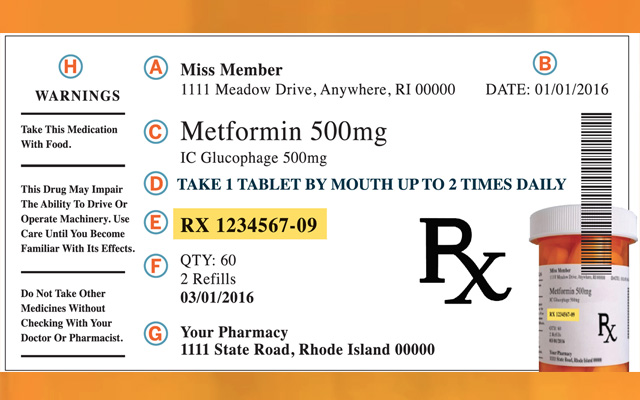
Latin abbreviations, sometimes still used by doctors on prescription blanks include:
Rx = take thou (receipe)
po = by mouth (para orbis)
prn = as needed (pro re’nata)
hs = at bed time (hora somnae)
BID = twice daily
TID = three times daily
QID = four times daily
M = Mix
Traditionally, a medical prescription is written in a certain order, well known to drug abusers, and DEA agents, and consist of six basic parts:
Superscription: This is the Rx, or recipe. In Latin it means take thou.
Inscription: Represents the ingredients and amounts.
Subscription: Represent the description for drug dispensing, and may be represented by the letter M, for mix.
Signature: Often abbreviated as Sig, and contains the directions for patient use.
Refill Status: Indicates the number of refills allowed.
DEA Number: This is nine-character alpha-numeric sequence, used by all licensed physicians who prescribe narcotic agents. An example is AM2685591. The second letter is the first letter of the doctor’s last name, (ie, Marcinko) and the first two digits add up to the third (ie, 2+6=8).
Finally, in addition to the basic parts of a prescription, it should have the patient’s name, and physician signature written in ink, followed by degree designation, such as MD, DPM, DO or DDS, etc.
***
***
Perhaps the most egregious narcotic prescribing habits recently encountered by DEA agents have been by doctors of all degrees and medical designations. Reasons are generally two-fold. First, the doctor may become a drug addict himself, either by accident or through initial legitimate therapeutic use, and over-prescribe the narcotics. Or, increasing office costs, and decreased reimbursement fee reductions of many managed medical care have so economically destabilized the medical community, that economically impoverished doctors desperately sell prescriptions to finance their personal lifestyles, automobiles, clothes, fancy vacations or own addictions.
For example, a staggering medical student loan debt burden of $100,000-$250,000 is not unusual for new practitioners. In fact, the federal Health Education Assistance Loan (HEAL) program reported that for the Year 2001, it squeezed significant repayment settlements from its Top 5 list of deadbeat doctor debtors. This included a $303,000 settlement from a New York dentist, $186,000 from a Florida osteopath, $158,000 from a New Jersey podiatrist, $128,000 from a Virginia podiatrist, and $120 from a Virginia dentist. The agency also excluded 303 practitioners from Medicare, Medicaid and other federal healthcare programs and had their cases referred for non-payment of debt.
These facts indicate that the current healthcare reimbursement climate has caused more pain and tumult to doctors than the pubic realizes. Older medical practitioners are retiring prematurely, mature providers are frustrated and in despair, and young physicians have no concept of the economic servitude to which they are about to be subjected. Frustration is high and physician suicides have been documented. Many doctors get divorced at the start of their careers. Even the U.S. Inspector General has declared healthcare providers to be public enemy #2,behind international narco-traffickers, for their federal drug, fraud and abuse initiatives. Still, the statistic above lends itself to narcotic drug prescription abuse, either on the part of the doctor or patient, since only these two parties that can directly alter a prescription for illicit drug use, as illustrated by this poorly written prescription for a narcotic pain killer, vicodin.
Your thoughts and comments on this ME-P are appreciated. Feel free to review our top-left column, and top-right sidebar materials, links, URLs and related websites, too. Then, subscribe to the ME-P. It is fast, free and secure.
Speaker: If you need a moderator or speaker for an upcoming event, Dr. David E. Marcinko; MBA – Publisher-in-Chief of the Medical Executive-Post – is available for seminar or speaking engagements. Contact: MarcinkoAdvisors@msn.com
OUR OTHER PRINT BOOKS AND RELATED INFORMATION SOURCES:
Can you imagine that you might get your 3D-printed prosthesis in an hour instead of 4-5 sessions at the dentist? How about having a tele-dentist consultation? Or being able to grow new teeth at the age of 80?
Here are 9 technologies that will shape the future of dentistry!
Posted on April 20, 2022 by Dr. David Edward Marcinko MBA MEd CMP™
By Staff Reporters
***
***
DEBT: At least 40,000 borrowers will now qualify for immediate debt cancellation under the Public Service Loan Forgiveness (PSLF) Program. This program eliminates the debts of government and nonprofit workers, such as teachers, health care workers, and military members, after 10 years of qualifying loan payments.
MARKETS:
NASDAQ: 13,619.66+2.15%
S&P 500: 4,462.21+1.61%
Dow: 34,911.20+1.45%
10-Year Treasury: 2.941%+8.0 bps
Bitcoin: $41,313.47+1.03%
Carnival: $19.91+4.57%
Markets: In a flip of 2022’s investing trends, the only sector in the S&P to not increase yesterday was…energy. Travel companies posted strong gains after the federal mask mandate for transportation was scrapped by a judge.
Posted on April 19, 2022 by Dr. David Edward Marcinko MBA MEd CMP™
***
***
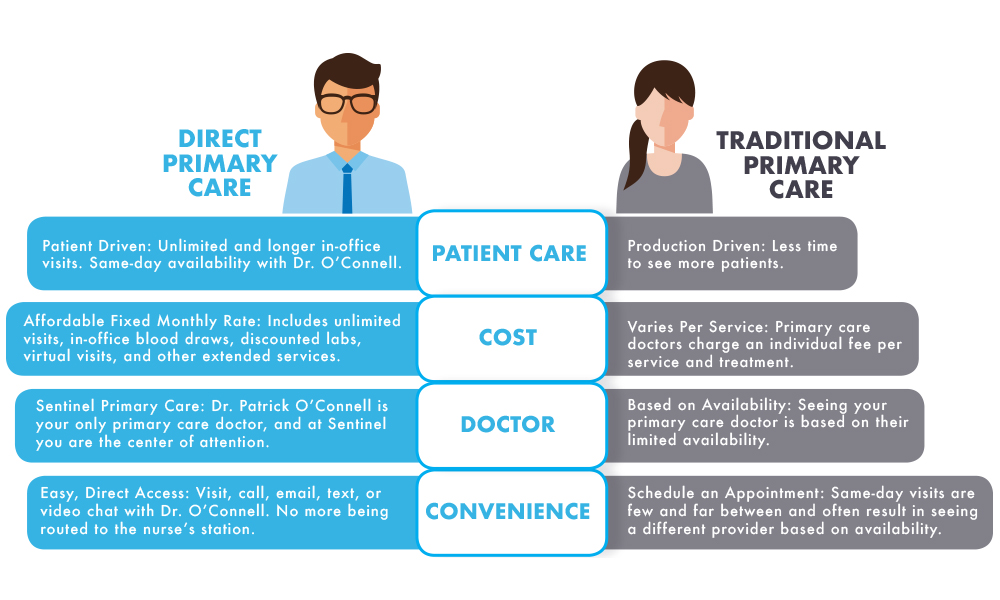
DEFINITION: Direct Medical Specialty Care (DMSC) is an innovative alternative payment model improving access to high functioning healthcare with a simple, flat, affordable membership fee. No fee-for-service payments. No third party billing. The defining element of DPC is an enduring and trusting relationship between a patient and his or her primary care provider. Patients have extraordinary access to a physician of their choice, often for as little as $70 per month, and physicians are accountable first and foremost their patients. DPC is embraced by health policymakers on the left and right and creates happy patients and happy doctors all over the country!
Doug Geinzer, Founder and President of High Performance Providers, specializes in high-cost, steerable surgeries. During the episode, Geinzer and host Chris Habig discuss the direct alignment between the specialty care community and the direct primary care community, as well as Geinzer’s job as a consultant to surgeons.
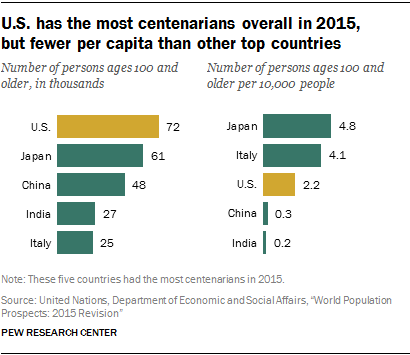
DEFINITION: A centenarian is a person who has reached the age of 100 years. Because life expectancy worldwide are below 100 years, the term is invariably associated with longevity. In 2012, the United Nations estimated that there were 316,600 living centenarians worldwide.
Sto Lat (One Hundred Years) is a traditional Polish song that is sung to express good wishes, good health and long life to a person. It is also a common way of wishing someone a happy birthday in Polish. Sto lat is used in the Spring, many birthdays and on international days of language.
***
***
What Percentage of the Population Lives to 100?
According to the Social Security Administration, the overall chances of living to 100 aren’t actually that great. And, according to the World Economic Forum, there are over 500,000 centenarians among the 7.9 billion people worldwide. That means that only a 0.006% of the population is 100 or more.
Here are a few additional facts from the most recently available information from the Society of Actuaries and the Social Security Administration:
One out of three males and one out of two females who are in their mid-50s today will live to be 90.
For a couple who is 65 today, there is a 50% chance that one person will be alive at 92.
If you have lived to be 65, you will likely live another 20 years, on average.
If you live to be 75, the average life expectancy is 88.
If you live to be 85, the average life expectancy is 92.
And, if you live to be 95, the average life expectancy is 98.
Posted on April 17, 2022 by Dr. David Edward Marcinko MBA MEd CMP™
By staff Reporters
***
39% of Providers Conduct Covid-19 Screens Via Telehealth
In a recent survey providers were asked what types of patient care they deliver via telehealth. The survey found:
• Conduct primary care visits (75%) • Conduct chronic care visits (72%) • Order prescription refills (64%) • Conduct COVID-19 screenings (39%) • Conduct urgent care visits (38%) • Address mental health concerns (36%) • Conduct follow-up after a procedure or surgery care (28%)
Posted on April 10, 2022 by Dr. David Edward Marcinko MBA MEd CMP™
SPUR INNOVATION
The Dallas Morning News Reported that Healthcare Costs Per Capita in the Dallas-Fort Worth Metro Area are Higher than New York City, Houston, Miami, Chicago, Atlanta and Washington, D.C.
Posted on April 9, 2022 by Dr. David Edward Marcinko MBA MEd CMP™
MANAGEMENT STRATEGIES, TOOLS TEMPLATES AND CASE STUDIES
***
Reviews:
Hospitals and Health Care Organizationsis a must-read for any physician and other health care provider to understand the multiple, and increasingly complex, interlocking components of the U.S. health care delivery system, whether they are employed by a hospital system, or manage their own private practices.
The operational principles, methods, and examples in this book provide a framework applicable on both the large organizational and smaller private practice levels and will result in better patient care. Physicians today know they need to better understand business principles and this book by Dr. David E. Marcinko and Professor Hope Rachel Hetico provides an excellent framework and foundation to learn important principles all doctors need to know. ―Richard Berning, MD, Pediatric Cardiology
… Dr. David Edward Marcinko and Professor Hope Rachel Hetico bring their vast health care experience along with additional national experts to provide a health care model-based framework to allow health care professionals to utilize the checklists and templates to evaluate their own systems, recognize where the weak links in the system are, and, by applying the well-illustrated principles, improve the efficiency of the system without sacrificing quality patient care. … The health care delivery system is not an assembly line, but with persistence and time following the guidelines offered in this book, quality patient care can be delivered efficiently and affordably while maintaining the financial viability of institutions and practices. ―James Winston Phillips, MD, MBA, JD, LLM
I used to be an Associate Director in a state physician health program (PHP) and I served as a consultant when the state of North Carolina audited its PHP. Now, roughly twice a month I am contacted by a physician somewhere in the U.S. who is, effectively, being extorted.
How are they being extorted? These physicians are forced to either pay tens of thousands of dollars to for-profit evaluation/treatment centers or else lose their ability to practice medicine.
EDITOR’S NOTE: Colleague J. Wesley Boyd, M.D., Ph.D., is a professor of psychiatry and medical ethics at Baylor College of Medicine. He is also a lecturer on global health and social medicine at Harvard Medical School. He writes on issues of social justice, human rights, immigration and asylum, access to care, and substance use disorders. And, he is the author of the book, Almost Addicted, which won the Will Solemine Award for Excellence in Medical Writing from the New England American Medical Writer’s Association. Dr. Boyd also contributed to our major textbook on Risk Management, Liability Insurance and Asset Protection Strategies for Doctors and Advisors. We appreciate his work and contributions.
Posted on April 2, 2022 by Dr. David Edward Marcinko MBA MEd CMP™
By Staff Reporters
***
***
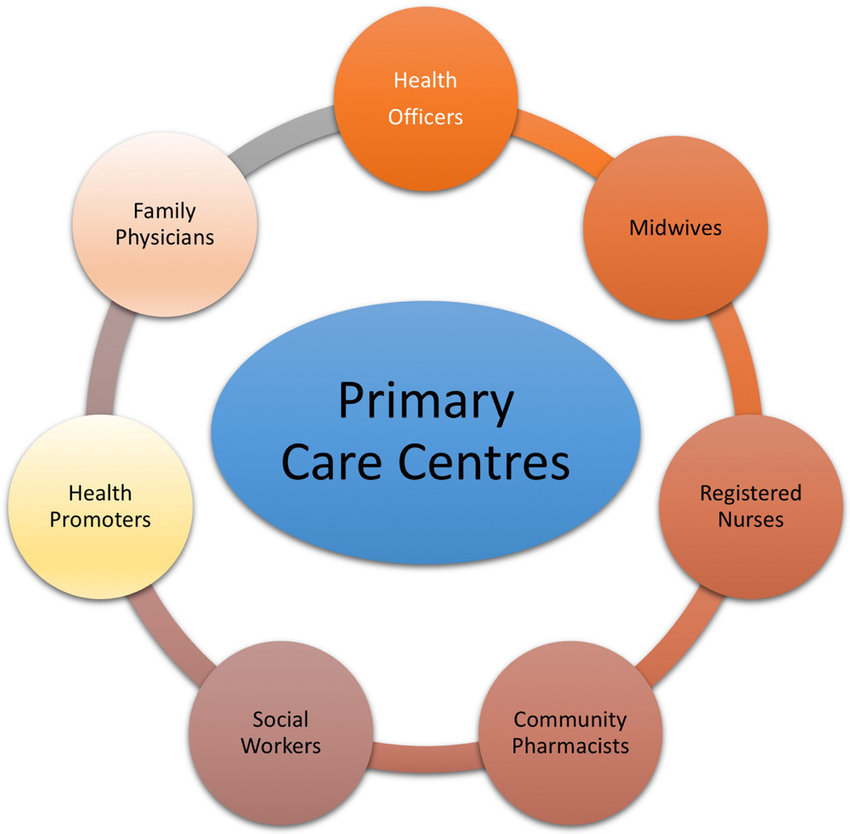
Primary Care Providers
A survey was recently conducted by Centivo of 805 US adults ages 18-64 with employer-sponsored private health insurance. The survey found that respondents were willing to accept the following conditions in exchange for significant cost savings:
• 50% would accept referrals for specialists as a requirement. • 47% would select a primary care physician (PCP) from a defined list. • 30% would give up their current PCP. • 28% would stop seeing a current specialist.
Posted on March 31, 2022 by Dr. David Edward Marcinko MBA MEd CMP™
By Ann Miller RN MHA
***
***
Facebook’s latest release, Meta, is said to be the next evolution of social connection. A virtual, 3D network that allows connection and collaboration in ways many of us have never even considered! And while many are buzzing over how Meta will shape everything from education to healthcare – we are eager to get your opinion on our own ME-P ecosystem. Can patients trust Facebook and others again?
Are you interested in exploring a new platform for connection?
Have you subscribed to the ME-P?
We want to hear all about it! We’re actively collaborating to bring your perspectives to the discussion around the Metaverse and the patient, economics, finance and healthcare community.
If you have insights or experiences to share – just comment and/or let us know.
Posted on March 30, 2022 by Dr. David Edward Marcinko MBA MEd CMP™
By Staff Reporters
To all our valued physicians readers and subscribers
***
You have always been the shield defending and healing patients in our communities. Now more than ever, you have become a guiding light through uncertainty as we navigate toward a brighter future.
This is our chance to thank you for your hard work and incredible impact!
Pink sheets are an over-the-counter (OTC) market that connects broker-dealers electronically. There is no trading floor and the quotations are also all done electronically. Since there is no central trading floor or stock exchange like the New York Stock Exchange (NYSE), the pink sheet-listed companies do not have the same criteria to fulfill as the companies listed on national stock exchanges. Many stocks listed on the pink sheets are low-priced penny stocks that trade for under $5 a share.
Pink sheets got their name because the original pink sheets listing the stocks were actually printed and distributed on pink pieces of paper. Trading over-the-counter (OTC) refers to the process of how securities listed on the pink sheets are traded through a broker-dealer network.
Posted on March 28, 2022 by Dr. David Edward Marcinko MBA MEd CMP™
BY HEALTH CAPITAL CONSULTANTS, LLC.
DEFINITION: The False Claims Act, also called the “Lincoln Law”, is an American federal law that imposes liability on persons and companies who defraud governmental programs. It is the federal Government’s primary litigation tool in combating fraud against the Government. The law includes a provision that allows people who are not affiliated with the government, called “relators” under the law, to file actions on behalf of the government. Persons filing under the Act stand to receive a portion of any recovered damages.
On February 1, 2022, the U.S. Department of Justice (DOJ) announced their recovery of $5.6 billion in settlements and judgments from civil cases involving fraud and false claims for fiscal year (FY) 2021. Over $5 billion was recouped from the healthcare industry for federal losses alone, and included recoveries from drug and medical device manufacturers, managed care providers, hospitals, pharmacies, hospice organizations, laboratories, and physicians.
***
This figure is more than double the amount of healthcare-related recoveries secured in FY 2020, which totaled $1.8 billion. (Read more…)
Posted on March 26, 2022 by Dr. David Edward Marcinko MBA MEd CMP™
By Eric Bricker MD
Their 8 Point Strategy Included: 1) CDHP, 2) Centers-of-Excellence, 3) Narrow Network, 4) Rx Formulary Changes, 5) Spousal Surcharge, 6) COBRA Members to the Exchange, 7) 2nd Opinion Program … AND 8) Moved Health Plan Control from HR to a Chief Medical Officer AND Kept a Short Leash on their ASO Carrier.
Posted on March 25, 2022 by Dr. David Edward Marcinko MBA MEd CMP™
By Staff Reporters
***
***
• General internal medicine: 4370 (4% of this workforce) • Family medicine: 3624 (3% of this workforce) • General pediatrics: 1320 (2% of this workforce) • Obstetrics/gynecology: 1563 (4% of this workforce) • Geriatrics: 149 (3% of this workforce) • Preventive medicine: 93 (2% of this workforce)
Recent advances in biomedical and health sciences—from immunotherapy to treat cancer, to the highly effective COVID-19 vaccines—demonstrate the strengths and successes of the U.S. biomedical enterprise. Such advances present an opportunity to revolutionize how to prevent, treat, and even cure a range of diseases including cancer, infectious diseases, Alzheimer’s disease, and many others that together affect a significant number of Americans.
To improve the U.S. government’s capabilities to speed research that can improve the health of all Americans, President Biden is proposing the establishment of the Advanced Research Projects Agency for Health (ARPA-H). Included in the President’s FY2022 budget as a component of the National Institutes of Health (NIH) with a requested funding level of $6.5B available for three years, ARPA-H will be tasked with building high-risk, high-reward capabilities (or platforms) to drive biomedical breakthroughs—ranging from molecular to societal—that would provide transformative solutions for all patients.
Posted on March 22, 2022 by Dr. David Edward Marcinko MBA MEd CMP™
By Eric Bricker MD
C.O.N. Legislation is Not New!
Certificate of need laws are state-level regulations that require healthcare institutions to obtain approval from state officials before moving forward on large capital expenditure projects, such as the construction of a new facility or the purchase of expensive new equipment.
Posted on March 21, 2022 by Dr. David Edward Marcinko MBA MEd CMP™
By Staff Reporters
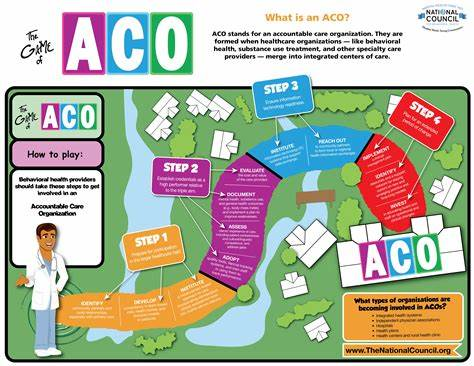
DEFINITION: An accountable care organization (ACO) is a group of doctors, hospitals, and other health care providers that work together on your care. Their goal is to give you — and other people on Medicare — better, more coordinated treatment. The largest effort in payment innovation in Medicare is a portfolio of accountable care organization (ACO) programs that include the Medicare Shared Savings Program (MSSP), the Next Generation model, and Comprehensive End Stage Renal Disease model. But drawbacks include limited choice as some patients will have trouble finding doctors outside of a specific group. The shortage of options could lead to higher patient costs. And, referral restrictions as ACOs provide doctors incentives to refer to specialists within the group.
In a recent survey from AKASA healthcare finance leaders ranked the biggest challenges in recruiting and retention within the revenue cycle as healthcare organizations navigate significant staffing gaps across the board.
Posted on March 19, 2022 by Dr. David Edward Marcinko MBA MEd CMP™
ARE WE SURPRISED?
By Staff Reporters
***
***
Hospital Employment Declined 2.5% in 2020-Q2
• Health care employment levels declined from 22.2 million in 2019 to 21.1 million in 2020 • Health care employment levels rebounded to 21.8 million in 2021-Q2 • Dentist offices employment declined 10% in 2020-Q2 • Skilled nursing facility employment declined 8.4% in 2020-Q2 • Hospital employment declined 2.5% in 2020-Q2
Posted on March 17, 2022 by Dr. David Edward Marcinko MBA MEd CMP™
M.I.T TECHNOLOGY IN REVIEW
The 35 Innovators Under 35 is a yearly opportunity to take a look at not just where technology is now, but where it’s going and who’s taking it there. More than 500 people are nominated every year, and from this group MIT editors pick the most promising 100 to move on to the semifinalist round.
Their work is then evaluated by a panel of judges who have expertise in such areas as artificial intelligence, biotechnology, software, energy, and materials. With the insight gained from these rankings, the MIT editors pick the final list of 35.
Posted on March 16, 2022 by Dr. David Edward Marcinko MBA MEd CMP™
The Access to Medical Care Dilemma
By David E. Marcinko MBA
By Render S. Davis; MHA, CHE
[Certified Healthcare Executive]
Crawford Long Hospital at Emory University
Atlanta, Georgia, USA
In his book, “Back to Reform”, author Charles Dougherty writes that “cost containment is the goal for the healthy. Access is the goal for the sick.”
A Meaningless Distinction
So, for an increasing number of Americans, the concerns experienced in-vitro, in-vivo, or described on this MedicalExecutive-Post blog, are almost meaningless because they are, for the most part, outside the structure of the current health care system. Why?
Employers are downsizing staff or cutting out health insurance benefits in an effort to be financially successful in a global economy.
Demands for greater government accountability in the expenditure of tax dollars have brought about increasingly more stringent eligibility requirements for safety-net programs like Medicaid.
As insurance becomes more expensive or government programs undergo budget cuts, people are being excised from the system.
New competitive demands have fostered unprecedented consolidations, mergers, and closures of healthcare facilities.
This shake-out may have served to greatly reduce the overcapacity that plagued the system, but it has been done with greater emphasis on cutting costs than on fostering efficiency and effectiveness in creating a true system of care delivery.
The Healthcare Commodity Issue
Those who view health care as little different from any other commodity available through the free market see the present access concerns as simply a byproduct of the inevitable restructuring of the system. While they argue that we must adhere to market solutions to solve our health care access problems, others demand a different approach calling for governmental national health insurance or some form of subsidized care providing at least a basic level of treatment for all citizens.
Moreover, while Americans continue to proudly tout that we do not explicitly ration care as do some other countries (notably Great Britain and Canada); we tacitly accept a health care system that implicitly excludes citizens who are unable to overcome financial barriers to access.
Care Access Issues
Access to care represents the most visible issue at the very foundation of the ethical principle of justice.
In their text, “Principles of Biomedical Ethics”, authors Thomas Beauchamp, Ph.D. and James F. Childress, Ph.D. point out that “justice” is subject to interpretation and may even be evoked to support the positions of parties in direct opposition.
A Philosophical Mixed Bag
For example, those who support the predominant principle of distributive justice – the fair allocation of resources based on laws or cultural rules – still must decide on what basis these resources will be used.
On the other hand, this mix-ed bad of philosophical thoughts include among others:
Utilitarians, who argue for resource distribution based on achieving the “greatest good for the greatest number.”
Libertarians, who believe that recipients of resources should be those who have made the greatest contributions to the production of those resources – a free market approach to distribution.
Egalitarians, that support the distribution of resources based on the greatest need, irrespective of contribution or other considerations.
Consequently, developing a system of access based on “justice” will be fraught with enormous difficulty.
The Current System
In the current health care environment, access to medical care is approaching crisis levels as increasing malpractice insurance premiums are driving physicians from high-risk specialties such as obstetrics, emergency medicine, and surgery in record numbers.
The impact is most dramatic in rural and under-served areas of the country where sole-practitioners and small group practices are discontinuing services, leaving local citizens with no choice but to forego care or travel greater distances to regional medical centers to find necessary treatment.
At the same time, significant budget cuts at both the federal and state levels have seriously eroded funding for Medicaid, leaving this especially-vulnerable segment of the population with even fewer options than before.
Issues Moving to the Forefront
Two areas of the medical care access dilemma are moving to the forefront.
1. The first is in emergency medicine.
An initial study by the Federal Centers for Disease Control and Prevention, cited statistics showing that in the decade ending in 2001, emergency room visits increased 20 percent, while the number of emergency departments shrank 15 percent. Increasingly, hospitals have closed emergency departments due to increasing costs, staffing shortages, and declining payments for services. This crisis comes at a time when post 9/11 fears of terrorism and global disease outbreaks like Severe Acute Respiratory Syndrome (SARS) have placed an even greater burden on the delivery of emergency services. It continues and is exacerbated, even today.
For example, Arthur Kellerman, MD, former director of emergency services at Atlanta’s Grady Memorial Hospital, the city’s only level one trauma center, writes that “the situation is alarming and has been for some time… It’s unconscionable that we are not coming to terms with the Achilles’ heel of our health care system.”
2.The second area that will grow in significance is in the area of genetic testing.
As technological capabilities improve, medicine’s ability to examine an individual’s genetic makeup will open up remarkable opportunities to predict a person’s susceptibility to certain diseases or handicapping conditions. From a scientific standpoint, we are on the threshold of an extraordinary new era in medicine, where identifications of and treatments for potential illnesses may begin before the person is even born.
“Medicine’s Iceberg”
However, there is a more troubling access side to the potential of genetic testing as noted by Johns Hopkins University president, Dr. William R. Brody. He described genetic testing as “medicine’s iceberg,” where serious dangers for access to care are lurking beneath the surface.
According to Brody, heated debate has already begun regarding the value of genetic information to insurance companies who could use the information to determine premium levels, even the overall insurability, for individuals and/or families with a member identified through testing as predisposed to a catastrophic and/or potentially expensive medical condition.
In this scenario, infants manifesting a genetic predisposition to certain illnesses or potential behavior disorders may find themselves faced with lifelong un-insurability based on the results of prenatal genetic testing.
Assessment
Furthermore, Brody persuasively argues that the potential of this technology, regardless of the incredible scientific potential it offers, could lead to dramatically diminished access to health insurance for tens of thousands of individuals and families and bring about an “end to private health insurance as we know it.” He suggests that some form of community-rated, universal health insurance may be the only reasonable alternative to assure that Americans at all levels, from indigent and working poor, to the most affluent, may receive needed, basic medical care.
CONCLUSION
Your thoughts and comments on this ME-P are appreciated. Feel free to review our top-left column, and top-right sidebar materials, links, URLs and related websites, too. Then, subscribe to the ME-P. It is fast, free and secure.
Speaker: If you need a moderator or speaker for an upcoming event, Dr. David E. Marcinko; MBA – Publisher-in-Chief of the Medical Executive-Post – is available for seminar or speaking engagements. Contact: MarcinkoAdvisors@msn.com
OUR OTHER PRINT BOOKS AND RELATED INFORMATION SOURCES:
Posted on March 15, 2022 by Dr. David Edward Marcinko MBA MEd CMP™
By Staff Reporters
****
54% of Pharmacists Lack Time to Complete Their Job Effectively
According to the “2022 Medication Access Report“:
• 54% of pharmacists said they lack time to complete their job effectively. • Of the 54%, 81% cited inadequate staffing and 73% cited time-consuming administrative tasks. • Physicians felt strained by unprecedented demands, with 42% reporting burnout and 69% feeling depressed.
A study conducted by the RAND Corporation and published in the January 2022 issue of the Journal of the American Medical Association (JAMA) seeking to determine whether health systems primarily incentivize volume or value in their physician compensation models found that almost all physicians are still compensated through a volume-based model that rewards productivity over the value of care provided.
These study results are in direct contradiction to the longstanding narrative that the U.S. healthcare delivery system is shifting away from volume-based reimbursement and toward VBR. (Read more…)
Beginning in 2022, there will be few situations in which a patient can receive a bill for out-of-network care they believed would be covered by their insurance company. This new rule should especially benefit patients in emergency situations who don’t have the time or luxury to dig up the details on every provider they encounter.
The No Surprises Act also requires insurance companies to provide patients with at least 90 days of coverage if an in-network provider moves out of network. That way, patients aren’t forced to switch providers immediately if such a move happens while they’re in the middle of a treatment plan.
Now, the No Surprises Act does have its limitations. Patients can still get a bill for out-of-network care if they visit an urgent care clinic for non-emergency purposes. Also, if consumers are informed that the care they’re about to receive is out of network and they give written consent to move forward, then they may get billed for that care even once the new rule takes effect.
Posted on March 11, 2022 by Dr. David Edward Marcinko MBA MEd CMP™
The Medical Futurist
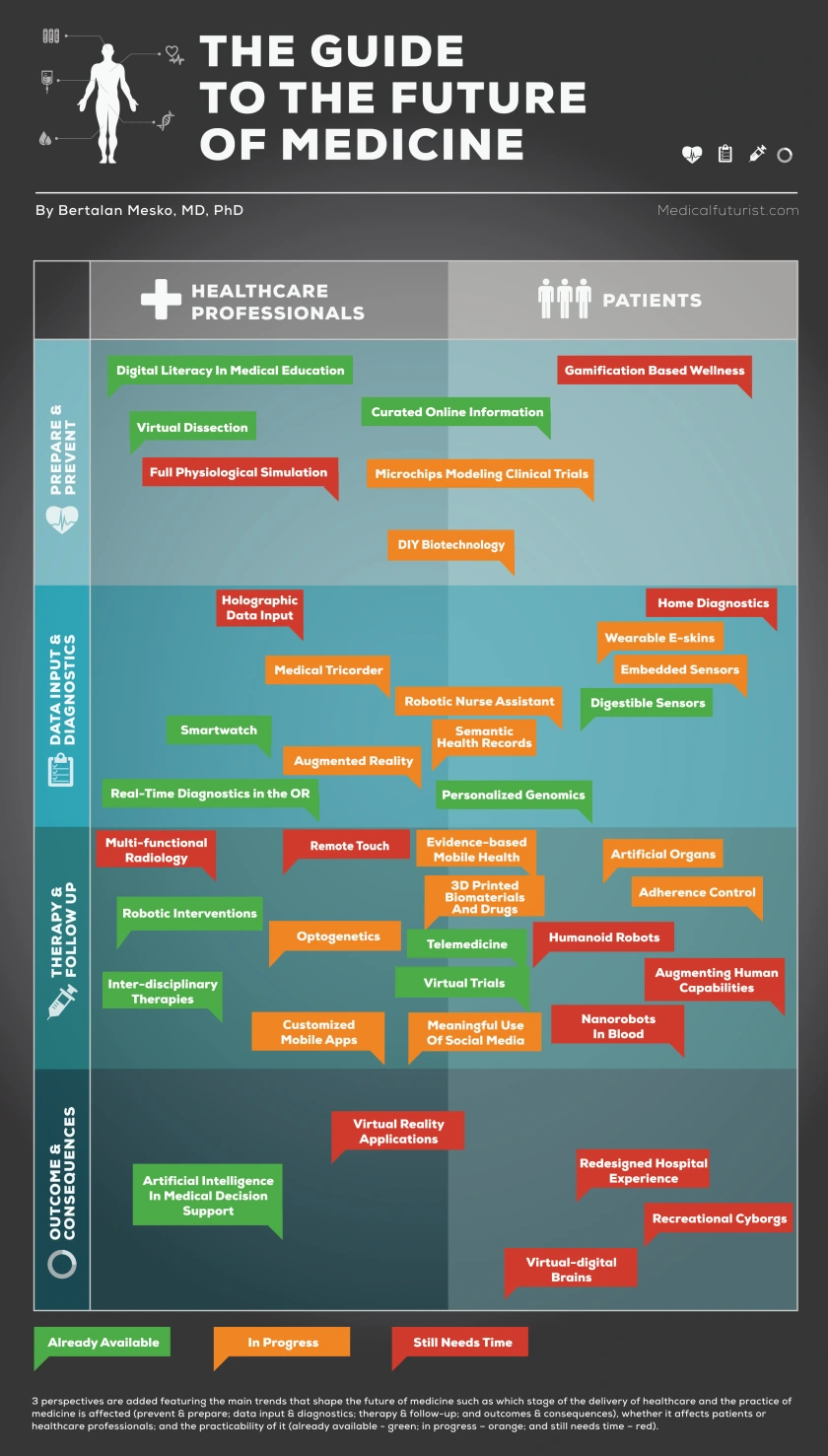
By Dr. Bertalan Meskó MD PhD
***
I’m so happy and proud that I can finally share with you the biggest project The Medical Futurist has ever worked on: The Digital Health Course.
Today, we publicly launch the digital platform where you can learn about everything we and I personally find important about digital health. I mean EVERYTHING!
In this course I break down everything I’ve learned over the last 15 years about the future of healthcare and digital health, what changes are taking place now and over the next 5+ years, what impact they’ll have on you as a healthcare decision-maker, and exactly what you should be doing today to best position yourself or your company for this inevitable reality.
We designed this course to provide you with a complete overview of digital health, guide you through the technological aspects, and equip you to be able to predict and forecast what’s coming next.
From the basics and its definition, to why it’s a cultural transformation that is happening now, how it is a paradigm shift of care, how you can spot trends in it and forecast the near future.
***
***
As I guide you personally through the course, I have put my heart, brain and soul into the whole curriculum.
If you’ve browsed the internet in the last couple of months, the term ‘metaverse’ is likely to have been thrown at you at least once. Facebook rebranded itself after the concept and other companies are adopting the metaverse with their own spin; betting heavily that it will be the next iteration of the internet where we will work and play alike.
It was time to dive into what the metaverse could mean to delivering healthcare.
While the Great Resignation among physicians and other clinicians has been well reported, a potential onslaught of retirements by senior executives may further impact hospitals and health systems at an already precarious time.
This Health Capital Topics article will discuss some of the key challenges and issues surrounding healthcare’s Great Retirement and Great Resignation. (Read more…)
Posted on March 8, 2022 by Dr. David Edward Marcinko MBA MEd CMP™
BY JONATHAN MASER.N.
***
***
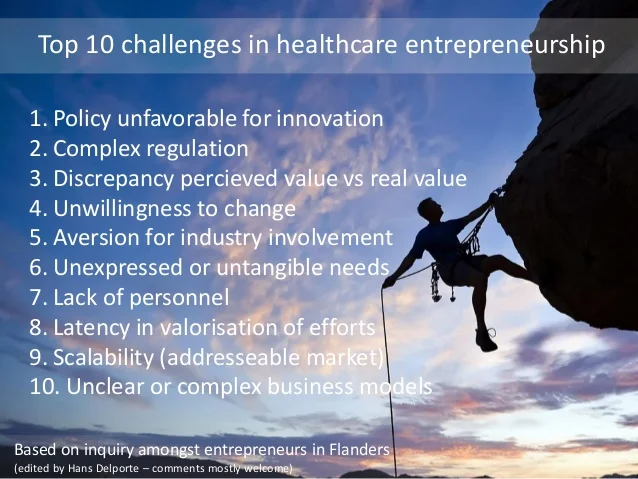
Being an entrepreneur is not necessarily easy, and many people that try to become entrepreneurs wind up failing. It’s important to recognize the risk of failure before you decide to walk down this path. Being an entrepreneur is very rewarding, and you can find success if you can do things right.
Keep reading to learn about common entrepreneurial mistakes that you can avoid to give yourself a better chance of realizing your entrepreneurial goals.
BE AWARE ALL ADVISORS … NEXT GEN FINANCIAL ADVICE IS HERE?
Are you a financial planner, insurance agent or investment advisor seeking to assist your physician clients with medical practice enhancement solutions, along with healthcare targeted financial planning services, but don’t know where to turn for help?
OR, maybe you’ve already had a bad experience with a young physician or astute healthcare professional client that was actually more informed than you in these areas?
OR, a doctor/nurse client who demanded a true fiduciary advisor [not fee-based advice, with no dual licenses and no arbitration clauses] documented in writing].







 Support our online development, and advance our onground research initiatives in free market economics, as we seek to showcase the brightest Next-Gen minds.
THE ME-P DISCLAIMER: Posts, comments and opinions do not necessarily represent iMBA, Inc., but become our property after submission. Copyright © 2006 to-date. iMBA, Inc allows colleges, universities, medical and financial professionals and related clinics, hospitals and non-profit healthcare organizations to distribute our proprietary essays, photos, videos, audios and other documents; etc. However, please review copyright and usage information for each individual asset before submission to us, and/or placement on your publication or web site. Attestation references, citations and/or back-links are required. All other assets are property of the individual copyright holder.
Support our online development, and advance our onground research initiatives in free market economics, as we seek to showcase the brightest Next-Gen minds.
THE ME-P DISCLAIMER: Posts, comments and opinions do not necessarily represent iMBA, Inc., but become our property after submission. Copyright © 2006 to-date. iMBA, Inc allows colleges, universities, medical and financial professionals and related clinics, hospitals and non-profit healthcare organizations to distribute our proprietary essays, photos, videos, audios and other documents; etc. However, please review copyright and usage information for each individual asset before submission to us, and/or placement on your publication or web site. Attestation references, citations and/or back-links are required. All other assets are property of the individual copyright holder.











 NASDAQ: 13,619.66+2.15%

















































 The Leading Business Education Network for Doctors, Financial Advisors and Health Industry Consultants