PODCAST: PBM Money Flow Explained

***
PHARMACY BENEFITS MANAGER

By Eric Bricker MD

***

***

COMMENTS APPRECIATED

Thank You

***

HOSPITALS: https://www.amazon.com/Financial-Management-Strategies-Healthcare-Organizations/dp/1466558733/ref=sr_1_3?ie=UTF8&qid=1380743521&sr=8-3&keywords=david+marcinko

***

PODCAST: Health Insurance Carrier Stock Performance Has Been Amazing!

By Eric Bricker MD

***

DJIA: 32,197.59 at close ‎+436.05 (‎+1.37%)

NASDAQ: 12,032.42 at close ‎+469.85 (‎+4.06%)

***

***

COMMENTS APPRECIATED

Thank You

***

CITE: https://www.r2library.com/Resource/Title/082610254

RELATED: https://www.amazon.com/Financial-Management-Strategies-Healthcare-Organizations/dp/1466558733/ref=sr_1_3?ie=UTF8&qid=1380743521&sr=8-3&keywords=david+marcinko

***

SCOTUS: Ruled on Opioid Prescriptions

By Jules Murtha

***

***

Here’s What Doctors Need to Know

The Supreme Court of the United States  (SCOTUS) has ruled that doctors must show intent to mis-prescribe opioids in order to face criminal charges.

  • Despite the drop in opioid prescriptions in recent years, opioid overdoses and deaths are on the rise, largely because of street drugs.
  • The CDC’s position is that physicians can better serve patients by focusing on when to initiate and continue opioid treatment, what type and dosage of opioid to use, and how to address risk of drug abuse when prescribing opioids.

Source: Jules Murtha, MD Linx [8/26/22] 

***

COMMENTS APPRECIATED

Thank You

***

DHITS: https://www.amazon.com/Dictionary-Health-Information-Technology-Security/dp/0826149952/ref=sr_1_5?ie=UTF8&s=books&qid=1254413315&sr=1-5

***

PODCAST: Deborah C. Peel MD on Patient Privacy

An Audio-Video Presentation

[Submitted via Darrell Pruitt DDS]

***

***

Conclusion

Your thoughts and comments on this ME-P are appreciated. Feel free to review our top-left column, and top-right sidebar materials, links, URLs and related websites, too. Then, subscribe to the ME-P. It is fast, free and secure.

Speaker: If you need a moderator or speaker for an upcoming event, Dr. David E. Marcinko; MBA – Publisher-in-Chief of the Medical Executive-Post – is available for seminar or speaking engagements.

Book Marcinko: https://medicalexecutivepost.com/dr-david-marcinkos-bookings/

Subscribe: MEDICAL EXECUTIVE POST for curated news, essays, opinions and analysis from the public health, economics, finance, marketing, IT, business and policy management ecosystem.

HOSPITALS:

“Financial Management Strategies for Hospitals” https://tinyurl.com/yagu567d

“Operational Strategies for Clinics and Hospitals” https://tinyurl.com/y9avbrq5

***

Product DetailsProduct Details

WHY? Give Up Tele-Medicine!

By Michael Kirsch, M.D

***

***

Why This Doctor Gave Up Telemedicine

During the pandemic, I engaged in telemedicine with my patients out of necessity.  This platform was already destined to become part of the medical landscape even prior to the pandemic.  COVID-19 accelerated the process.  The appeal is obvious.  Patients can have medical visits from their own homes without driving to the office, parking, checking in, finding their way to the office, biding time in the waiting room and then driving out afterwards.  And patients could consult physicians from far distances, even across state lines.  Most of the time invested in traditional office visits occurs before and after the actual visits.  So much time wasted! Indeed, telemedicine has answered the prayers of time management enthusiasts.

***

COMMENTS APPRECIATED

Thank You

***

RELATED: https://www.routledge.com/Risk-Management-Liability-Insurance-and-Asset-Protection-Strategies-for/Marcinko-Hetico/p/book/9781498725989

***

Video of the “New” Drug Krokodil [aka Crocodile]

Join Our Mailing List

Russia’s Synthetic Drug Epidemic

The attached photo and video was passed on to us from an anonymous rogue DEA agent. Although in Russian, one can see a visual depiction of Krokodil’s effects.

Graphic image warning!

The drug that (literally) eats junkies   

Video link: http://www.youtube.com/watch?v=rv1QAk2-8d8

Assessment

Apparently the life expectancy of users of the drug is 2-3 years. We would not be surprised to see it show up in the USA very soon

Conclusion

Your thoughts and comments on this ME-P are appreciated. Feel free to review our top-left column, and top-right sidebar materials, links, URLs and related websites, too. Then, subscribe to the ME-P. It is fast, free and secure.

Link: http://feeds.feedburner.com/HealthcareFinancialsthePostForcxos

Speaker: If you need a moderator or speaker for an upcoming event, Dr. David E. Marcinko; MBA – Publisher-in-Chief of the Medical Executive-Post – is available for seminar or speaking engagements. Contact: MarcinkoAdvisors@msn.com

OUR OTHER PRINT BOOKS AND RELATED INFORMATION SOURCES:

DICTIONARIES: http://www.springerpub.com/Search/marcinko
PHYSICIANS: www.MedicalBusinessAdvisors.com
PRACTICES: www.BusinessofMedicalPractice.com
HOSPITALS: http://www.crcpress.com/product/isbn/9781466558731
CLINICS: http://www.crcpress.com/product/isbn/9781439879900
BLOG: www.MedicalExecutivePost.com
FINANCE: Financial Planning for Physicians and Advisors
INSURANCE: Risk Management and Insurance Strategies for Physicians and Advisors

Product DetailsProduct DetailsProduct Details

PODCAST: The Threat of Synthetic Fentanyl

***

An Interview with Retired DEA Agent Derek Maltz

By Richard Helppie

[The COMMON BRIDGE]

***

LISTEN PODCAST: https://thecommonbridge.substack.com/p/the-threat-of-synthetic-fentanyl

***

***

BALTIMORE “NOD”: https://medicalexecutivepost.com/2019/07/16/what-is-the-baltimore-nod/

***

COMMENTS APPRECIATED

Thank You

***

PODCAST: Peter Thiel on “Zero to One”

Join Our Mailing List

Product Details

Conclusion

Your thoughts and comments on this ME-P are appreciated. Feel free to review our top-left column, and top-right sidebar materials, links, URLs and related websites, too. Then, subscribe to the ME-P. It is fast, free and secure.

Speaker: If you need a moderator or speaker for an upcoming event, Dr. David E. Marcinko; MBA – Publisher-in-Chief of the Medical Executive-Post – is available for seminar or speaking engagements. Contact: MarcinkoAdvisors@msn.com

OUR OTHER PRINT BOOKS AND RELATED INFORMATION SOURCES:

David Cummings on Startups

After reading Peter Thiel’s book Zero to OneI was interested in hearing him talk and his presentation at UT Austin doesn’t disappoint.

From YouTube: Thiel is hailed as one of the most successful investors in the world. After co-founding PayPal, he went on to co-found Palantir Technologies and invest in Facebook, where he still serves on the board. He’s played major roles in dozens of successful companies and continually strives toward the next big thing. In “Zero to One,” he emphasizes the need for entrepreneurs to grasp for the ideas that nobody else has in order to truly innovate. This new way of thinking about innovation encourages burgeoning business leaders to carve their own lane in a heavily saturated race toward success.

“Zero to One,” based on a course Thiel taught in 2012 at Stanford University, urges readers to see the broad picture and look past traditional boundaries between…

View original post 12 more words

AMA Joins Class-Action Suit Against CIGNA

By Paige Minemyer

***

***

The AMA and 2 State Medical Societies Join Class-Action Suit Against CIGNA

The American Medical Association (AMA) has joined a class-action lawsuit against Cigna, alleging the insurer underpaid for claims filed by providers in the contracted MultiPlan network. MultiPlan is the country’s largest third-party network, and Cigna contracts with it to access providers. According to the lawsuit, which was initially filed in June, Cigna reimbursed for claims from providers in MultiPlan’s network at its non-participating providers rate rather than at the rate expected for a MultiPlan contract.

As such, the insurer “significantly underpaid claims, and put patients at risk of balance billing,” the plaintiffs claim. “It also breached its fiduciary duties, including its duty to honor written plan terms and its duty of loyalty, because its conduct serves Cigna’s own economic self-interest and elevates Cigna’s interests above the interests of plan member patients,” according to the lawsuit.

Paige Minemyer, Fierce Healthcare [9/13/22]

***
COMMENTS APPRECIATED

Thank You

***

BUSINESS MEDICINE: https://www.amazon.com/Business-Medical-Practice-Transformational-Doctors/dp/0826105750/ref=sr_1_9?ie=UTF8&qid=1448163039&sr=8-9&keywords=david+marcinko

***

PODCAST: 19 Industries that Blockchain will Disrupt?

Healthcare Included

***

***

Conclusion

Your thoughts and comments on this ME-P are appreciated. Feel free to review our top-left column, and top-right sidebar materials, links, URLs and related websites, too. Then, subscribe to the ME-P. It is fast, free and secure.

Speaker: If you need a moderator or speaker for an upcoming event, Dr. David E. Marcinko; MBA – Publisher-in-Chief of the Medical Executive-Post – is available for seminar or speaking engagements. https://medicalexecutivepost.com/dr-david-marcinkos-bookings

Subscribe: MEDICAL EXECUTIVE POST for curated news, essays, opinions and analysis from the public health, economics, finance, marketing, IT, business and policy management ecosystem.

***

HIT: https://www.amazon.com/Dictionary-Health-Information-Technology-Security/dp/0826149952/ref=sr_1_5?ie=UTF8&s=books&qid=1254413315&sr=1-5

***

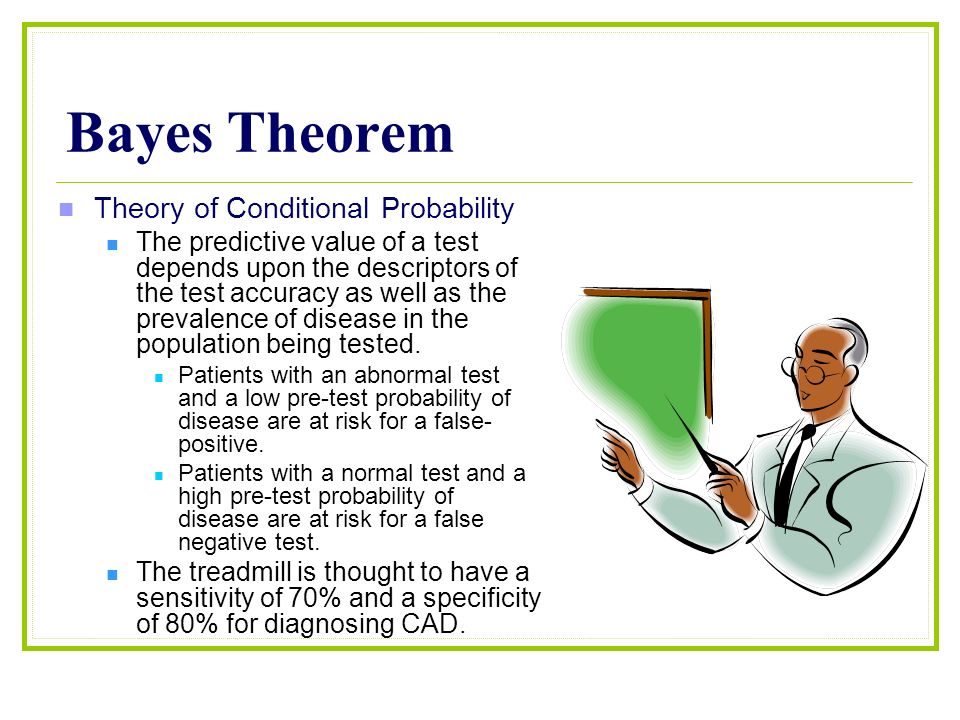
On Thomas Bayes’ Theorem

Courtesy: www.CertifiedMedicalPlanner.org

The Theory of Conditional Probability

In probability theory and statistics, Bayes’ theorem (alternatively Thomas Bayes’ law or Bayes’ rule, also written as Bayes’s theorem) describes the probability of an event, based on prior knowledge of conditions that might be related to the event.

Examples:

For example, if cancer is related to age, then, using Bayes’ theorem, a person’s age can be used to more accurately assess the probability that they have cancer, compared to the assessment of the probability of cancer made without knowledge of the person’s age.

As another example, imagine there is a drug test that is 98% accurate, meaning 98% of the time it shows a true positive result for someone using the drug and 98% of the time it shows a true negative result for nonusers of the drug. Next, assume 0.5% of people use the drug. If a person selected at random tests positive for the drug, the following calculation can be made to see whether the probability the person is actually a user of the drug.

(0.98 x 0.005) / [(0.98 x 0.005) + ((1 – 0.98) x (1 – 0.005))] = 0.0049 / (0.0049 + 0.0199) = 19.76%

Bayes’ theorem shows that even if a person tested positive in this scenario, it is actually much more likely the person is not a user of the drug.

 Assessment

In finance, Bayes’ theorem can be used to rate the risk of lending money to potential borrowers.

MORE: https://www.coursera.org/lecture/combinatorics/bayes-theorem-sqAyt

Conclusion

Your thoughts and comments on this ME-P are appreciated. Feel free to review our top-left column, and top-right sidebar materials, links, URLs and related websites, too. Then, subscribe to the ME-P. It is fast, free and secure.

Speaker: If you need a moderator or speaker for an upcoming event, Dr. David E. Marcinko; MBA – Publisher-in-Chief of the Medical Executive-Post – is available for seminar or speaking engagements.

Book Marcinko: https://medicalexecutivepost.com/dr-david-marcinkos-bookings/

Subscribe: MEDICAL EXECUTIVE POST for curated news, essays, opinions and analysis from the public health, economics, finance, marketing, IT, business and policy management ecosystem.

Risk Management, Liability Insurance, and Asset Protection Strategies for Doctors and Advisors: Best Practices from Leading Consultants and Certified Medical Planners™8Comprehensive Financial Planning Strategies for Doctors and Advisors: Best Practices from Leading Consultants and Certified Medical Planners™

***

PODCAST: How Accurate was that Medical Test?

Join Our Mailing List
Understanding Test Characteristics
By Aaron E. Carroll MD
 ***
Does a positive test mean that you have a disease? Does a negative test mean you’re healthy? Unfortunately, the answer to both these questions isn’t a definitive “yes”. How good a test is depends on many things.
***
syringe

 ***

Healthcare Triage: Frequent Lab Testing Isn’t Very Useful

A couple of weeks ago, Mark Cuban got into an interesting debate with much of the health wonk Twitter community (including me) over whether more lab testing is better. It began when he advocated that everyone get quarterly lab testing:

While I’m a fan of Cuban’s Shark Tank, and I respect his business acumen immensely, there are a couple of things wrong with this. It’s worth discussing them in detail. We’re going to do that here today, on Healthcare Triage.

MORE:

For those of you who want to read more, here you go:

***

Healthcare Triage: Frequent Lab Testing Isn’t Very Useful

***

Conclusion

Your thoughts and comments on this ME-P are appreciated. Feel free to review our top-left column, and top-right sidebar materials, links, URLs and related websites, too. Then, subscribe to the ME-P. It is fast, free and secure.

Speaker: If you need a moderator or speaker for an upcoming event, Dr. David E. Marcinko; MBA – Publisher-in-Chief of the Medical Executive-Post – is available for seminar or speaking engagements. Contact: MarcinkoAdvisors@msn.com

OUR OTHER PRINT BOOKS AND RELATED INFORMATION SOURCES:

Product DetailsProduct Details

How to Explain What Makes Your Business Special

What distinguishes your business in a crowded market? This can be done in various ways, including through product knowledge, pricing, and individualized customer service. Whatever makes your business distinctive, capitalize on it and embrace it!

The following advice can help you identify your USP. Once you’ve figured out what makes your firm special, you’re ready […]

How to Explain What Makes Your Business Special — ravkoo Health

***
COMMENTS APPRECIATED

Thank You

***

For Entrepreneurs and Investors, Discovering Truth Takes Time


For Investors, Discovering Truth Takes Time

 CFA


The Roman philosopher, playwright, statesman and occasional satirist Lucius Annaeus Seneca wasn’t talking about the stock market when he wrote that “time discovers truth,” but he could have been. In the long run a stock price will reflect a company’s (true) intrinsic value. In the short run the pricing is basically random.

Here are two real-life examples:

Let’s say you had the smarts to buy Microsoft in November 1992. It would have been a brilliant decision in the long run — the software giant’s stock has gone up manyfold since. But nine months later, in August 1993, that call did not look so brilliant: Microsoft shares had declined 25 percent in less than a year. In fact, it would have taken you 18 months, until May 1994, for this purchase to break even. Eighteen months of dumbness?

In the early ’90s the PC industry was still in its infancy. Microsoft’s DOS and Windows operating systems were de facto standards. Outside of Macs and a tiny fraction of IBM computers, every computer came preinstalled with DOS and Windows. Microsoft had a pristine balance sheet and a brilliant co-founder and CEO who would turn mountains upside down to make sure the company succeeded. The above sentence is infested with hindsight — after all, that was almost 30 years ago. But Microsoft clearly had an incredible moat, which became wider with every new PC sold and every new software program written to run on Windows.

Here is another example. GoPro is a maker of video cameras used by surfers, skiers and other extreme sports enthusiasts. If you had bought the stock soon after it went public, in 2014, you would have paid $40 a share for a $5.5 billion–market-cap company earning about $100 million a year — a price-earnings ratio of about 55. Your impatience would, however, have been rewarded: The stock more than doubled in just a few short months, hitting $90.

Would it have been a good decision to buy GoPro? The company makes a great product — I own one. But GoPro has no moat. None. Most components that go into its cameras are commodities. There are no barriers to entry into the specialized video camera segment. Most important, there are no switching costs for consumers. Investors who bought GoPro after its IPO paid a huge premium for the promise of much higher earnings from a company that might or might not be around five years later.

***

What is even more interesting is that some of those buyers were then selling to even bigger fools who bought at double the price a few months later. GoPro was a momentum stock that was riding a wave about to break. Fast-forward a year and GoPro sales are collapsing, so now the stock is trading in the low teens ($11.65 as of this writing).

These two examples bring us to the nontrivial topics of complex systems and nonlinearity. My favorite thinker, Nassim Taleb, wrote the following in his book Antifragile: Things That Gain from Disorder: “Complex systems are full of interdependencies — hard to detect — and nonlinear responses. ‘Nonlinear’ means that when you double the dose of, say, a medication, or when you double the number of employees in a factory, you don’t get twice the initial effect, but rather a lot more or a lot less.”

The stock market is a complex system where in the short term there are few if any interdependencies between decisions and outcomes. In the short run stock prices are driven by thousands of random variables. Stock market participants have different risk tolerances and emotional aptitudes, and diverse time horizons ranging from milliseconds (for high-speed traders) to years (for long-term investors).

Assessment

In other words, predicting where a stock price will be in a day, a month or even a year is not much different from prognosticating whether the ball on a roulette wheel will land on red or black. In the longer run, however, good decisions should pay off because fundamentals will shine through — just as was the case with buying Microsoft in 1992 and not buying GoPro in 2014. But in the short run there is no correlation between good decisions and results. None!

Whenever you look at your portfolio, think of the Microsoft and GoPro examples above. The performance of your stocks in the short run tells you absolutely nothing about what you own or about the quality of your decisions. You may own a portfolio of Microsofts, and its value is still going down because at this juncture the market doesn’t care about Microsofts. Or maybe you stuffed your retirement fund with overpriced fads that may not be around a year from now. But in the longer run, which always lies out there past the short run, time discovers truth, as Seneca said.

Conclusion

Your thoughts and comments on this ME-P are appreciated. Feel free to review our top-left column, and top-right sidebar materials, links, URLs and related websites, too. Then, subscribe to the ME-P. It is fast, free and secure.

Speaker: If you need a moderator or speaker for an upcoming event, Dr. David E. Marcinko; MBA – Publisher-in-Chief of the Medical Executive-Post – is available for seminar or speaking engagements.

Book Marcinko: https://medicalexecutivepost.com/dr-david-marcinkos-bookings/

Subscribe: MEDICAL EXECUTIVE POST for curated news, essays, opinions and analysis from the public health, economics, finance, marketing, IT, business and policy management ecosystem.

MORE FOR DOCTORS AND NURES:

“Insurance & Risk Management Strategies for Doctors” https://tinyurl.com/ydx9kd93

“Financial Management Strategies for Hospitals” https://tinyurl.com/yagu567d

“Operational Strategies for Clinics and Hospitals” https://tinyurl.com/y9avbrq5

***

Risk Management, Liability Insurance, and Asset Protection Strategies for Doctors and Advisors: Best Practices from Leading Consultants and Certified Medical Planners™8Comprehensive Financial Planning Strategies for Doctors and Advisors: Best Practices from Leading Consultants and Certified Medical Planners™

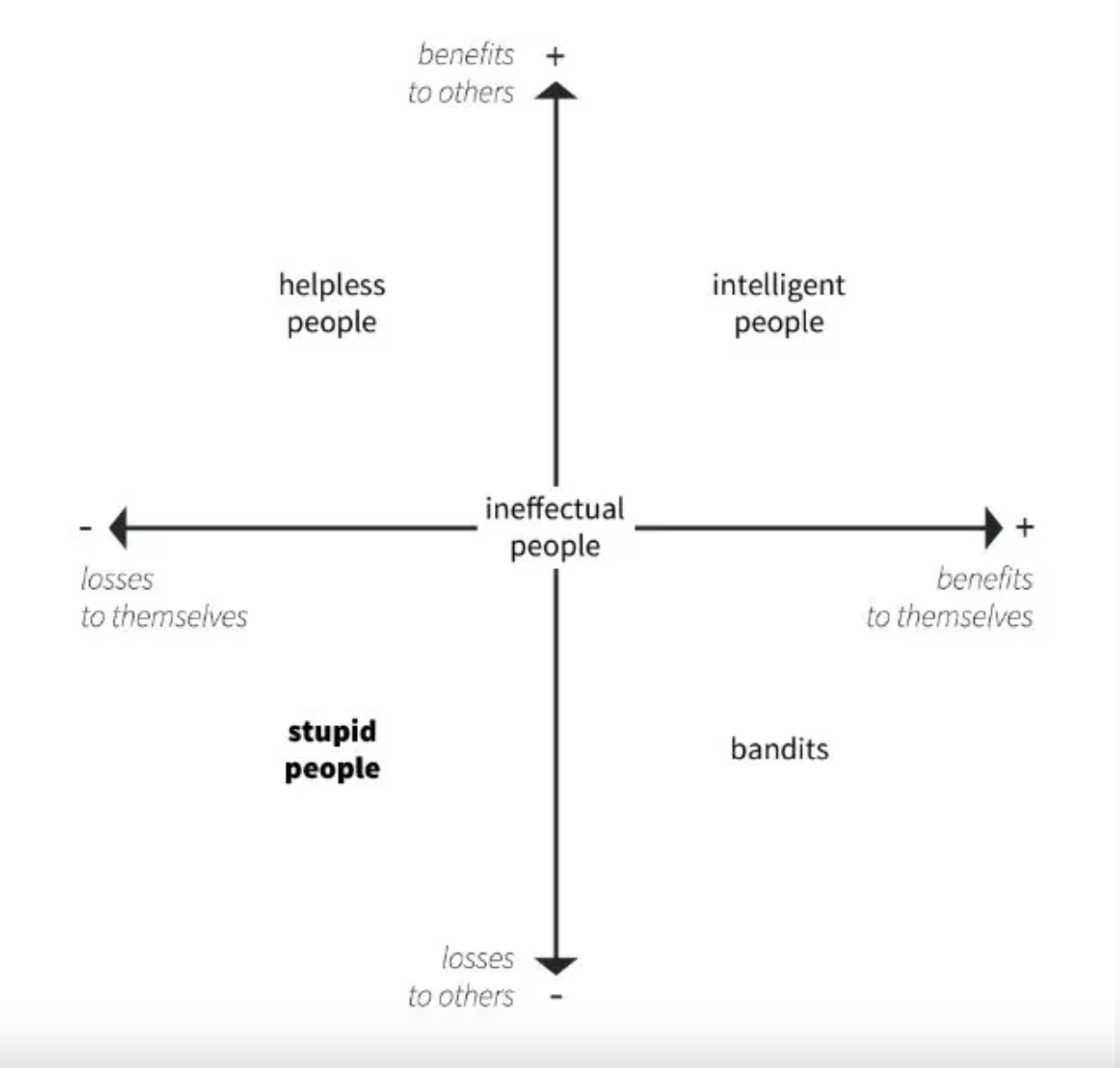
STUPIDITY? Five Universal Laws

The Five Universal Laws of Human Stupidity

We underestimate the stupid, and we do so at our own peril

By Corinne Purtill

***

***

READ HERE: https://getpocket.com/explore/item/the-five-universal-laws-of-human-stupidity

***

DKE: https://medicalexecutivepost.com/2018/09/14/what-is-the-dunning-kruger-effect/

COMMENTS APPRECIATED

Thank You

***

More on the INFLATION REDUCTION ACT [IRA]

***

By Health Capital Consultants, LLC

***

***

President Biden Signs the Inflation Reduction Act into Law

On August 16, 2022, one week after Congress passed the Inflation Reduction Act of 2022 (IRA), President Joseph Biden signed the bill into law. The broad bill, which covers healthcare, taxes, and climate change, had been passed around Congress in assorted versions with varying support for months, but under the specter of a record 40-year-high inflation rate, congressional Democrats ultimately came together to pass the IRA; no Republicans voted for the bill.

The IRA aims, among other things, to fight against ever-increasing healthcare costs, by lowering prescription drug prices and extending federal health insurance subsidies. (Read more…)

***

COMMENTS APPRECIATED

Thank You

***

MORE: https://www.amazon.com/Financial-Management-Strategies-Healthcare-Organizations/dp/1466558733/ref=sr_1_3?ie=UTF8&qid=1380743521&sr=8-3&keywords=david+marcinko

***

Financial-Tech [Entrepreneurial Start-Ups] Falling

By Staff Reporters

***

***

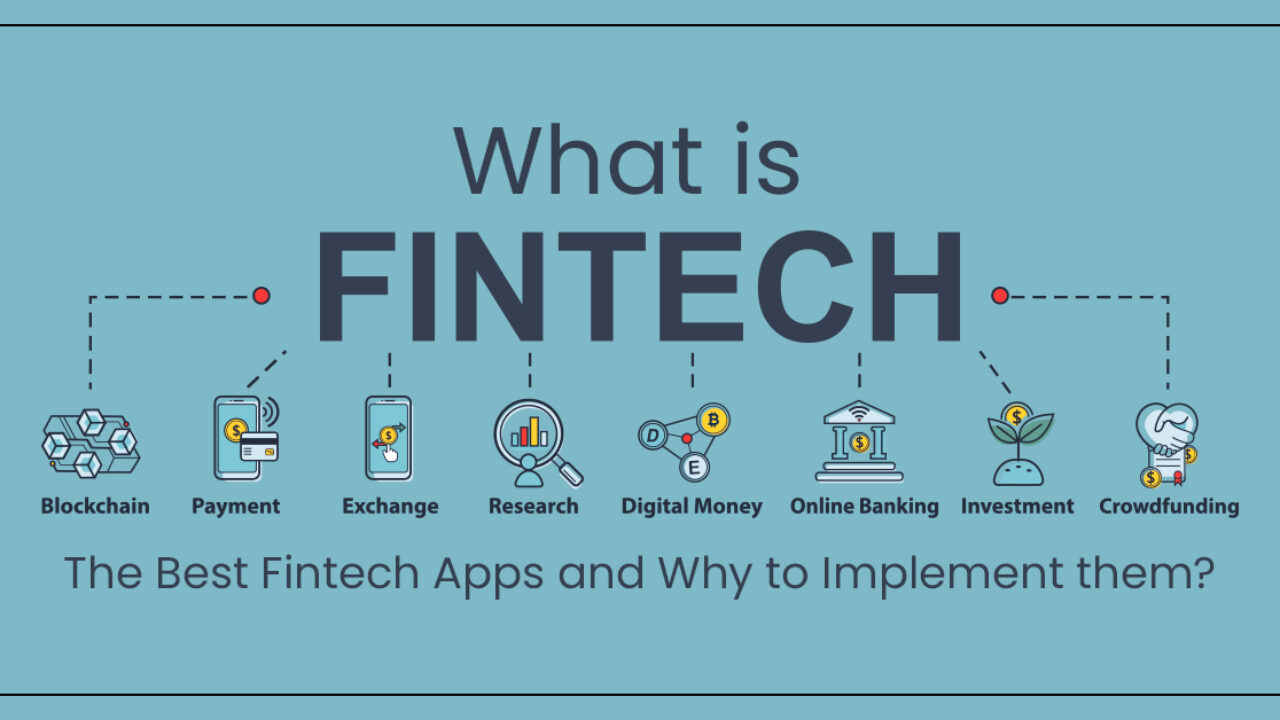
DEFINITION: Financial technology (abbreviated fintech or FinTech) is the technology and innovation that aims to compete with traditional financial methods in the delivery of financial services. Artificial intelligence, Blockchain, Cloud computing, and big Data are regarded as the “ABCD” (four key areas) of FinTech. The Fintech industry is an emerging industry that uses technology to improve activities in finance. The use of smartphones for mobile banking, investing, borrowing services, and cryptocurrency are examples of technologies aiming to make financial services more accessible to the general public.

Financial technology companies consist of both startups and established financial institutions and technology companies trying to replace or enhance the usage of financial services provided by existing financial companies.

CITE: https://www.r2library.com/Resource/Title/082610254

A subset of fintech companies that focus on the insurance industry are collectively known as insurtech or insuretech

READ: https://tinyurl.com/yrx2kxy4

***

INVESTING: https://www.amazon.com/Comprehensive-Financial-Planning-Strategies-Advisors/dp/1482240289/ref=sr_1_1?ie=UTF8&qid=1418580820&sr=8-1&keywords=david+marcinko

***

COMMENTS APPRECIATED

Thank You

***

Education, Degrees, Start-Ups, Entrepreneurs and IPOs?

FOR TOP MANAGERS AND BODs

By Dr. Jeffery Funk

Did you know that far more MBAs and bachelor-degree holders were among top managers and board of directors among startups filing for IPOs between 1990 and 2018 than were other degree holders?

About 55% of them had an MBA for their highest degree vs. 20% for bachelors, 7% for PhD, 3% for MD, 12% for MS, and 3% for JD. The high percentage of MBAs and bachelor-degree holders reflects the move away from #science-based #technologies such as semiconductors, and electronic, communications, and medical equipment that once dominated Silicon Valley (hence the name), and towards Internet commerce, content, and services over last 25 years.

In fact, most PhDs among top managers and board of directors at IPO time studied life sciences and were employed in #biotech #startups, a sector that continues to thrive. Creating successful science-based startups in other sectors continues to be a big challenge, one that may be partially overcome by #AI in near future.

As for which #universities train these people, Harvard, Stanford, Berkeley and MIT had the most graduates in many categories, representing almost 20% of PhDs for instance.

***

***

COMMENTS APPRECIATED

Thank You

***

PODCAST: Start-Ups & Healthcare Venture Capital in the COVID-19 Recession

By Eric Bricker MD

***

***

COMMENTS APPRECIATED

Thank You

***

RISK MANAGEMENT: https://www.routledge.com/Risk-Management-Liability-Insurance-and-Asset-Protection-Strategies-for/Marcinko-Hetico/p/book/9781498725989

***

About “Non-Profits” for Entrepreneurs

Join Our Mailing List

[PRIVATE MEDICAL PRACTICE BUSINESS MANAGEMENT TEXTBOOK – 3rd. Edition]

Product Details

[Foreword Dr. Hashem MD PhD] *** [Foreword Dr. Silva MD MBA]

David Cummings on Startups

Back in college I’d routinely jump in my old Jeep Wrangler and make the 10 mile drive down the Durham Freeway to RTP for events and programs at the Council for Entrepreneurial Development (CED). CED bills itself as “the network that helps Triangle entrepreneurs build successful companies” and has 700+ member companies with 4,000 members. In Atlanta, we have a number of strong entrepreneurial non-profits:

Only, we don’t have a central entrepreneur organization that encompasses both tech and non-tech startups. As expected, there are a tremendous number of non-tech entrepreneurs in town. EO has a strong Atlanta chapter with over 100 members, but that’s limited to companies with at least $1 million in revenue. Where do non-tech entrepreneurs go?

Last week I had the chance to learn…

View original post 101 more words

VENTURE CAPITAL Funding Hits Two Year Low

By Dan McCarthy

***

***

Like everyone’s desire to work, venture funding sank to a new low during the dog days of summer. In August, global venture funding fell to $25.2 billion, per Crunchbase, less than half of the ~$53 billion invested one year prior, and the lowest monthly venture-funding total in two years. It’s down ~10% from the previous month.

Even so…The ongoing pullback didn’t stop several companies—including Adam Neumann’s, uh, controversial, comeback project Flow—from locking down significant investment rounds in August. Here are three rounds that stood out to us…all of which happen to play in the clean-energy space:

  • Terrapower, a nuclear tech developer founded by Bill Gates, raised $750 million. Gates co-led the round with SK Group, which plowed $250 million into the company. In addition to nuclear power generation, the company is also researching nuclear medicine techniques.
  • Longroad Energy, a renewable energy developer based in Boston, raised $500 million. The company said that the funding would catalyze a shift toward an owned-and-operated business model and enable it to grow the capacity of its wind, solar, and storage assets from 1.5 gigawatts (GW) to 8.5 GW in the next five years.
  • Lunar, a home-electrification startup founded by a former Tesla Energy exec, debuted with $300 million in funding, with residential solar bigwig Sunrun and SK Group (hello again) as investors. Later this year, Lunar plans to begin releasing hardware and software products that make it easier for homes to generate, use, and store carbon-free energy.

Monthly venture funding has been trending down since it hit a record high of $69.4 billion last November, as rising rates, inflation, and general economic uncertainty have turned the investing temperature from “deep summer” to “that first really cold day of winter where you neglect to wear a proper coat.” But it’s time for two of our most common refrains on this subject: 1) $25 billion in monthly VC funding is still a lot of money 2) VCs are sitting on a record high of more than half a trillion dollars in dry powder. Those reserves are unlikely to be emptied in 2022, but there is a lot of committed capital on hand for startups to vie for.

READ: https://www.emergingtechbrew.com/stories/2022/09/09/global-vc-funding-hit-a-two-year-low-in-august?mid=349b552221c994e2540a304649746d7c

***

COMMENTS APPRECIATED

Thank You

***

INVESTING: https://www.routledge.com/Comprehensive-Financial-Planning-Strategies-for-Doctors-and-Advisors-Best/Marcinko-Hetico/p/book/9781482240283

***

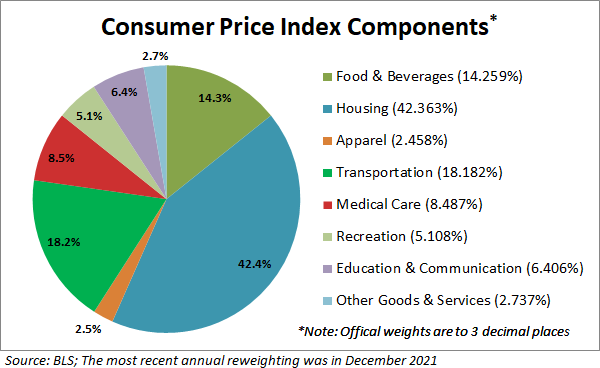
Inflation, CPI and the PPI

By Staff Reporters

***

DEFINITION: In finance, inflation is a general increase in prices of goods and services in an economy. When the general price level rises, each unit of currency buys fewer goods and services; consequently, inflation corresponds to a reduction in the purchasing power of money.

***

DEFINITION: The Producer Price Index PPI is a group of indexes that measure the change, over time, in the prices received by domestic producers of goods and services. It measures price changes from the perspective of the seller rather than the consumer, as with the CPI. The CPI would include imported goods, while the PPI is relevant to U.S. producers, and therefore would not include imports.

CITE: https://www.r2library.com/Resource/Title/0826102549

The PPI measures over 10,000 products and services. It reports the price changes prior to the retail level. This information is useful to the government in formulating fiscal and monetary policies. The data gathered from the PPI is often used in escalating purchase and sales contracts. That is the dollar amount to be paid at some time in the future.

***

***

Inflation stayed elevated in April but eased off its 40-year high, signaling that a stomach-churning surge in consumer prices since last summer may have peaked.

PPI April 2022: https://medicalexecutivepost.com/2022/05/12/what-is-the-producer-price-index/

The consumer price index increased 8.3% annually, down from 8.5% in March, as a drop in gasoline prices offset a continuing run-up in food, rent and other costs, the Labor Department said Wednesday. March’s yearly advance marked the fastest since December 1981.

READ: https://www.msn.com/en-us/money/markets/inflation-stays-elevated-at-83percent-in-april-but-eases-from-40-year-high/ar-AAX9vp3?li=BBnb7Kz

2nd Opinions: https://medicalexecutivepost.com/schedule-a-consultation/

***

INVESTING: https://www.amazon.com/Comprehensive-Financial-Planning-Strategies-Advisors/dp/1482240289/ref=sr_1_1?ie=UTF8&qid=1418580820&sr=8-1&keywords=david+marcinko

***

To all UNHAPPY Financial Advisors, JDs, CPAs and Physician-Focused Insurance Agents in 2022

Join Our Mailing List

AVOID COLLATERAL ECONOMIC DAMAGE OF HEALTH CARE REFORM – AS A CERTIFIED MEDICAL PLANNER PROFESSIONAL

By Eugene Schnmuckler PhD MBA MEd CTS

[Academic Provost and Dean]

CMP logo

http://www.CertifiedMedicalPlanner.org

ME-P Doctors, Advisors and Consultants

The healthcare industrial complex represents a large and diverse collateral support industry, and the livelihood of synergistic professionals who advise doctors depend on it. So, if you want to be an outstanding financial advisor in the healthcare space, you better read this book and learn something about physician specific financial planning.

Better yet! Combine financial planning and practice management and become a Certified Medical Planner ™. Then, integrate this knowledge, and CMPmark of distinction, into your current financial advisory or healthcare consulting practice.

Or, as some of the following financial services professionals are learning, you might just become more collateral economic damage in the current managed healthcare debacle, if you don’t.

Certified Public Accountants

The nation’s 330,000 or so CPAs know little about the new healthcare dynamics and financial planning. Many often feel as though they are laboring away in obscurity and that their doctor clients do not appreciate what they do or how hard they work.

If you are a CPA, your workweek is ridiculously long, especially January through April; and you often deliver bad news to your doctor clients. You do not earn a generous salary, but you do receive their ire for your efforts. Even ex-SEC chief Arthur Levitt said, “Accounting is clearly a profession in crisis”, after reviewing Arthur Andersen, LLP’s role in Enron Corporation’s collapse, in 2002; not to mention the Global Crossing Ltd, Vivendi Universal, Warnaco, Martha Stewart and WorldCom fiascos.

So, you begin to scratch your head and ponder, quietly at first, and then out loud. Perhaps advising and managing the medical practice of a physician, or providing consulting services to other medical professionals is an opportunity that won’t require a new client base? You can keep your accounting practice during the first four months of the year, and supplement your income with something that may actually earn more than you are making now.

A light then goes off in your head. Epiphany! Enter iMBA’s Certified Medical Planner(CMP) professional certification program, exhorting accountants to “integrate personal financial planning with medical practice management”, through an additional 500 hours of online managerial and planning experience.

However, terms such as capitated medicine; per member-per month fixed fees; payment withholds’; activity based costing with CPT codes; utilization and acuity rates; and more investment and financial nomenclature is likely quite unfamiliar to you.

Furthermore, you may not have the temperament to be responsible for the financial affairs of others. Then you realize that CMPs along with MBAs and CFPs may actually be the new denizens of the healthcare bean counting and practice management scene. Rather than present numbers of the historic past, they make logical and mathematical inferences about the future.

Slowly, you realize that this has occurred because these professionals are proactive, not reactive, as the accounting profession is loosing its premier advisory position within the medical profession. Since doctors are paid a fixed fee amount, regardless of the number of services performed, these futuristic projections are the most important accounting numbers in healthcare today.

In fact, your research suggests that as a result, nearly every major accounting firm has created a financial advisory unit, or acquired one. Moss-Adams acquired Financial Securities in Seattle. Plante and Moran’s advisory unit is one of the largest and most successful in Michigan. And, 1st Global now offers a turnkey program that allows nearly every accounting firm to create its own advisory unit overnight.Even, the AICPA is providing encouragement to CPAs who wish to provide more professional client services by uniting with Fidelity to serve as a professional vendor. And, the PFS designation is about to be abandoned by the AICPA.

Doctor Advisor Teamwork

Tax Attorneys and Lawyers 

As a tax planning, health-law or estate attorney, you already know that almost every legal magazine around has articles or advertisements proposing that you become a financial planning professional or business consultant to your physician clients. Moreover, lawyers of all stripes are being pushed toward interdisciplinary alliances by encroachment on their turf by the Big Four consulting firms. With audits of publicly held companies now a commodity, the giant law firms are getting more of their revenues from consulting fees; and that puts them into direct competition with you and other legal professionals.

Of all careers, you know how absolutely onerous it is to practice medicine today, and are finally thankful that you did not take that career route many years ago. So, like your neighbor the accountant, you begin to explore that potential of developing a service line extension to your legal practice, in order to assist your medical colleagues who have been hit on hard economic times.

In fact, you soon realize that more than 90,000 trust, probate and estate planning attorneys like yourself are interested in pursuing financial planning in the next decade. Sure, you know its difficult to get a CLU or variable annuity license, or become a Certified Financial Planner (CFP), but earning your law degree was no cinch either. And, you reckon, advising physicians has got to be easier than law, or less stressful than the corporate lifestyle of your CMP trained brother-in-law, right?

So, you set out to stretch your legal horizons with an online Certified Medical Plannercertification program and explore the basic legal nuances of those topics not available in law school when you were a student. Things like medical fraud and abuse; managed care compliance audits and Medicare recoupments; PP-ACA, RACS, OSHA, DEA, HIPAA and EPA standards; anti-trust issues; and managed care contract dilemmas or de-selection appeals.

What a brave new world the legal profession has become! Even the American Bar Association’s commission on multi-disciplinary practice has recommended that lawyers be permitted to share fees and become partners with financial planners, money managers and other similar professionals.

As a real life example, the venerated Baltimore brokerage firm of Legg Mason, Inc, has recently teamed up with the Boston law firm of Bingham Danna, LLC, to create one of the first marriages between a law and securities firm. If you want in on the challenge, and bucks, you’d better acquire at least a working knowledge of health care administration, or perhaps help craft some new case law, or assist your doctor-clients in some other fashion; otherwise, you will remain a legal document producer.

Financial Planners and Investment Advisors

As a CFP, CFA, investment advisor or general securities representative, you realize that the financial service sector is going to become the next great growth opportunity of the 21st Century, despite the fact that the stagnant stock market in 2003-2004 set profits for the securities industry back by seven years.

Even H & R Block, and the Charles Schwab Corporation are trying to build medical professional interest in their respective firms and compete with your independent practice. They are fervently wooing away one group or another to interface with their embryonic financial advisory programs. Meanwhile, more than 260,000 of the nation’s brokers are moving into the investment advisory and financial planning business, as transactions have become commoditized.

A recent survey conducted for the Financial Planning Association clearly demonstrated the dominance of registered investment advisors, over stockbrokers, among clients 35-49 years old. With the average Merrill Lynch private client well over 60, it’s easy to spot the future vulnerability of this business model.

When asked to determine the added value of key industry players, baby boomers in a recent Dalbar study ranked financial planners first, followed by stockbrokers, CPAs, mutual fund companies, insurance agents, and commercial bankers, respectively. Even if you are a CFP, and despite the proliferation of investment advisors, evidence suggests that your individual impact is still narrow.

Furthermore, another Prince & Associates study of 778 affluent individuals including physicians, each with more than 5 million dollars to invest, examined the relationship between clients and their providers of five key financial services; retirement planning, estate planning, investment management, executive benefits and health-disability insurance. Prince found that 59 percent of the clients had been serviced in only one area by a particular advisor. Despite the significant assets of each client, the advisers have been unsuccessful at broadening these relationships– a key indicator that many affluent clients do not have a primary financial adviser.

Among the challenges you face to broaden your influence is to offer your clients value added services, perhaps by establishing your expertise in the medical niche and capitalize on being different (your unique knowledge-based value proposition). You must not remain just another of the more than 250,000, or so individuals who claim to be financial planners, with a collective universe of an additional 700,000, who purport to be financial advisors, in some fashion or another. You must begin to develop the strategic competitive advantage of practice management knowledge to synergize with your existing financial services product line.

Like the physicians you advise, you must consider becoming a specialist. In the highly coveted healthcare space, this specialist to high net worth doctors, is known as a Certified Medical Plannerpractitioner.

Integrated practice management and financial planning will also become much more competitive among physicians because they are aware of the above fusion. No one is suggesting therefore, that you abandon your core financial advisory business for medical practice management. It is merely a fact that healthcare has drastically changed during the past decade, and the knowledge you used yesterday will no longer be enough for you to get by on in the future.

Medical practice management is the natural outgrowth of traditional financial planning services, and investment advice in turn, is central to the implementation of a unified medical office and personal financial plan. The most successful financial planners therefore, may be CMPs and CFPs who incorporate medical management services into their practices.
cmp-program1

Insurance Agents and Counselors

As a traditional life insurance agent, it seems that almost all your colleagues are acquiring a general securities license, or CFP designation in addition to the CLU or ChFC after their name. Currently, there are more than 3 million insurance agents, half of which are independent. They are being pressured to move toward financial planning, as distribution of insurance products over the Internet spreads like wildfire.

Meanwhile, the same insurance and investment companies that are knocking on your door are also courting the medical professionals with their practice enhancement programs. Even if you are not interested in going into the financial planning business, you have seen the status of the American College erode of late, even as your own insurance business has declined because of the World Wide Web and various discounted insurance companies.

And, in the eyes of your former golden goose doctor-clients, you may have become a charlatan and everyone is clamoring for a piece of your insurance business and cloaking it in the guise of the contemporary topic of the day; medical practice management and financial planning. Think this is an exaggerated statement? An October 1997 survey conducted by Deloitte & Touche Consulting Group of New York, found insurance agents ranked last in having the trust of a wide selection of the public! Erosion has continued, ever since.

So, how do you regain this lost trust, and what about this new entity known as managed care? How do you learn about it at this stage in your career? What ever happened to the traditional indemnity health insurance, with its deductible and 80/20payment scheme? It was so easy to sell, provided good coverage, and the agent made a nice profit.

As an insurance agent, all you want to know is, can I still sell insurance and make a living? Like the struggling doctors you seek to advise, and the collateral advisors above, you find yourself asking, how do I talk the talk, and walk the walk, in this new era of medical insurance turmoil?

Slowly, as you read, study and learn about the Certified Medical Plannercertification program, you become empowered with the knowledge and ideas for new insurance product derivatives, that actually provide value to your physician clients. You are no longer just an insurance salesman, but a trusted medical risk management advisor.

Congratulations!

You can avoid the managed care economic ripple effect. Act now!

CMP logo

Office: Dean of Admissions

Certified Medical PlannerDesignation Program

Institute of Medical Business Advisors, Inc

Peachtree Plantation – West

Suite # 5901 Wilbanks Drive

Norcross, Georgia 30092-1141

770.448.0769 (voice)

770.361.8831 (fax)

http://www.MedicalBusinessAdvisors.com

http://www.CertifiedMedicalPlanner.org

MarcinkoAdvisors@msn.com

Conclusion

Your thoughts and comments on this ME-P are appreciated. Feel free to review our top-left column, and top-right sidebar materials, links, URLs and related websites, too. Then, subscribe to the ME-P. It is fast, free and secure.

Speaker: If you need a moderator or speaker for an upcoming event, Dr. David E. Marcinko; MBA – Publisher-in-Chief of the Medical Executive-Post – is available for seminar or speaking engagements. Contact: MarcinkoAdvisors@msn.com

OUR OTHER PRINT BOOKS AND RELATED INFORMATION SOURCES:
Financial Planning MDs 2015

Comprehensive Financial Planning Strategies for Doctors and Advisors: Best Practices from Leading Consultants

PODCAST: The “Common Bridge” Interviews Ken Cooper MD

By Rich Helppie

***

***
COMMENTS APPRECIATED

Thank You

***

***

PODCAST: Medical Unions in Healthcare

BY ERIC BRICKER MD

YOUR COMMENTS ARE APPRECIATED.

Thank You

MORE: https://medicalexecutivepost.com/2011/03/05/the-collapse-of-medical-labor-unions/

RELATED: https://medicalexecutivepost.com/2016/12/16/on-doctor-labor-strikes/

****

Health Insurance Companies in the USA

Some Representative Examples

***

***

Conclusion

Your thoughts and comments on this ME-P are appreciated. Feel free to review our top-left column, and top-right sidebar materials, links, URLs and related websites, too. Then, subscribe to the ME-P. It is fast, free and secure.

Speaker: If you need a moderator or speaker for an upcoming event, Dr. David E. Marcinko; MBA – Publisher-in-Chief of the Medical Executive-Post – is available for seminar or speaking engagements.

Book Marcinko: https://medicalexecutivepost.com/dr-david-marcinkos-bookings/

Subscribe: MEDICAL EXECUTIVE POST for curated news, essays, opinions and analysis from the public health, economics, finance, marketing, IT, business and policy management ecosystem.

DOCTORS:

“Insurance & Risk Management Strategies for Doctors” https://tinyurl.com/ydx9kd93

“Fiduciary Financial Planning for Physicians” https://tinyurl.com/y7f5pnox

“Business of Medical Practice 2.0” https://tinyurl.com/yb3x6wr8

HOSPITALS:

“Financial Management Strategies for Hospitals” https://tinyurl.com/yagu567d

“Operational Strategies for Clinics and Hospitals” https://tinyurl.com/y9avbrq5

***

Product DetailsProduct Details

PODCAST: “UNIVERSAL PRECAUTIONS” EXISTED LONG BEFORE THE CORONA VIRUS

WHAT’S OLD – IS NEW AGAIN?

Courtesy: www.CertifiedMedicalPlanner.org

cropped-dem

Dr. David E. Marcinko MBA

Universal Precautions refer to the medical practice of avoiding contact with patients’ bodily fluids, by means of the wearing of nonporous articles such as medical gloves, goggles, and face shields.

LINK: https://www.amazon.com/Dictionary-Health-Insurance-Managed-Care/dp/0826149944/ref=sr_1_4?ie=UTF8&s=books&qid=1275315485&sr=1-4

The infection control techniques were essentially good hygiene habits, such as hand washing and the use of gloves and other barriers, the correct handling of hypodermic needles, scalpels, and aseptic techniques.

Following the AIDS outbreak in the 1980s the US CDC formally introduced them in 1985–88. Every patient was treated as if infected and therefore precautions were taken to minimize risk.

***

***

PODCAST: https://www.bing.com/videos/search?q=universal+precautions&&view=detail&mid=CF8A605C252259D0DA6FCF8A605C252259D0DA6F&&FORM=VRDGAR&ru=%2Fvideos%2Fsearch%3Fq%3Duniversal%2Bprecautions%26FORM%3DHDRSC3

ASSESSMENT: Your thoughts and comments are appreciated.

***

   Product DetailsProduct DetailsProduct Details

***

PODCAST: Avoiding Medical Nightmare Tyranny with John Bush

By Pete Quinones

***

***

John joins Pete to talk about ways to use entrepreneurship, cryptocurrency and alliances to prevent the medical tyranny that is being thrust upon the world.

***

PODCAST: The Pete Quinones Show: Episode 613: Avoiding This Medical Nightmare w/ John Bush (libsyn.com)

HEALTH INSURANCE: https://www.amazon.com/Dictionary-Health-Insurance-Managed-Care/dp/0826149944/ref=sr_1_4?ie=UTF8&s=books&qid=1275315485&sr=1-4

***

COMMENTS APPRECIATED

Thank You

***

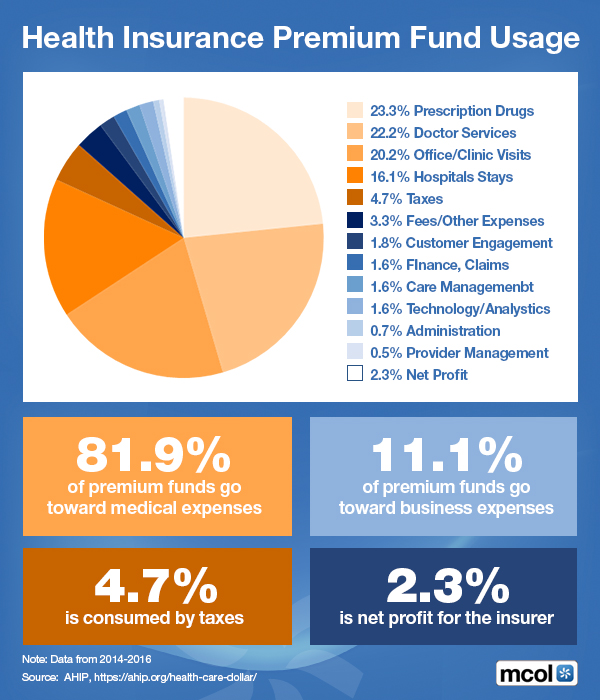
Health Insurance Premium Fund Usage

Where does the money go?

By http://www.MCOL.com

***

***

Conclusion

Your thoughts and comments on this ME-P are appreciated. Feel free to review our top-left column, and top-right sidebar materials, links, URLs and related websites, too. Then, subscribe to the ME-P. It is fast, free and secure.

Speaker: If you need a moderator or speaker for an upcoming event, Dr. David E. Marcinko; MBA – Publisher-in-Chief of the Medical Executive-Post – is available for seminar or speaking engagements.

Book Marcinko: https://medicalexecutivepost.com/dr-david-marcinkos-bookings/

Subscribe: MEDICAL EXECUTIVE POST for curated news, essays, opinions and analysis from the public health, economics, finance, marketing, IT, business and policy management ecosystem.

DOCTORS:

“Insurance & Risk Management Strategies for Doctors” https://tinyurl.com/ydx9kd93

“Fiduciary Financial Planning for Physicians” https://tinyurl.com/y7f5pnox

“Business of Medical Practice 2.0” https://tinyurl.com/yb3x6wr8

HOSPITALS:

“Financial Management Strategies for Hospitals” https://tinyurl.com/yagu567d

“Operational Strategies for Clinics and Hospitals” https://tinyurl.com/y9avbrq5

Product DetailsProduct Details

***

CITYBLOCK Health Raises $400 Million Dollars

By Heather Landi

***

Cityblock Health has raised $400 million in its latest funding round. This brings the value of the startup to a whopping $5.7 billion. The company focuses on delivering care to patients in marginalized groups, aiming to provide care for 10 million patients by the end of the decade. Two key parts of the company’s strategy is integrating community support into care plans and connecting members with resources and specialized providers.

According to a spokesperson for Cityblock Health, “We can confirm that Cityblock has raised a new round of capital as we continue to accelerate our plans to empower more people across the country more quickly. Millions of marginalized and lower-income people across the U.S., including those who receive their healthcare through Medicaid plans, continue to lack sufficient access to integrated, community-based health services. We are leveraging this investment to reach more people and have an even greater impact.”

To read more, click here.

(Source: Fierce Healthcare, September 7th, 2022)

***
COMMENTS APPRECIATED

Thank You

***

INVESTING: https://www.routledge.com/Comprehensive-Financial-Planning-Strategies-for-Doctors-and-Advisors-Best/Marcinko-Hetico/p/book/9781482240283

***

Remembering Nine-Eleven 2001

9/11 grieving in the social media era

Today, of course, marks the tenth anniversary of the 9/11 attacks, and our keyboards, monitors and smartphones will likely play a big role as we commemorate the events.

Numerous remembrance websites and videos already appear online, and people will undoubtedly take to Facebook and Twitter over the weekend to share their personal stories and express their thoughts on that tragic day.

Link: http://www.kevinmd.com/blog/2011/09/911-grieving-social-media-era.html

Conclusion

Feel free to send us your 9/11 thoughts and memories; where were you on that fateful day? Then, subscribe to the ME-P. It is fast, free and secure.

COMMENTS APPRECIATED

Thank You

***

LONG Health Effects Post September 11th, 2001?

The Enduring Health Legacy

As noted on this ME-P previously, surely 9/11 touched each and every American significantly. It was the end of American innocence, sending a powerful message about our place in the world.

Today, almost without exception, each of us can say that because of that bright September morning, we have been changed for life. Mothers were left without sons; brothers without brothers, and friends were taken from friends by this senseless act of violence.

Unfortunately, the ultimate legacy of 9/11 many still bear as they deal with the long-lasting health effects associated these terrorist attacks.

***

***

RELATED: https://www.routledge.com/Risk-Management-Liability-Insurance-and-Asset-Protection-Strategies-for/Marcinko-Hetico/p/book/9781498725989

Risk Management, Liability Insurance, and Asset Protection Strategies for Doctors and Advisors : Best Practices from Leading Consultants and Certified Medical Planners™ book cover

Conclusion

Your thoughts and comments on this ME-P are appreciated. Feel free to review our top-left column, and top-right sidebar materials, links, URLs and related websites, too. Then, subscribe to the ME-P. It is fast, free and secure.

Speaker: If you need a moderator or speaker for an upcoming event, Dr. David E. Marcinko; MBA – Publisher-in-Chief of the Medical Executive-Post – is available for seminar or speaking engagements. Contact: MarcinkoAdvisors@msn.com

OUR OTHER PRINT BOOKS AND RELATED INFORMATION SOURCES:

   Product Details 

PODCAST: Machine Learning For Population Health

BY ERIC BRICKER MD

***

***

COMMENTS ARE APPRECIATED.

Thank You

ORDER: https://www.amazon.com/Dictionary-Health-Information-Technology-Security/dp/0826149952/ref=sr_1_5?ie=UTF8&s=books&qid=1254413315&sr=1-5

POPULATION HEALTH: https://medicalexecutivepost.com/2016/06/28/what-is-population-health/

***

FOREWORD: https://medicalexecutivepost.com/wp-content/uploads/2007/10/foreword-mata.pdf

BUSINESS MEDICINE: https://www.amazon.com/Business-Medical-Practice-Transformational-Doctors/dp/0826105750/ref=sr_1_9?ie=UTF8&qid=1448163039&sr=8-9&keywords=david+marcinko

***

PODCAST: How Extensive is Healthcare Prior Authorization?

A New Study

BY ERIC BRICKER MD

****

***

YOUR COMMENTS ARE APPRECIATED.

Thank You

RELATED: https://www.amazon.com/Business-Medical-Practice-Transformational-Doctors/dp/0826105750/ref=sr_1_9?ie=UTF8&qid=1448163039&sr=8-9&keywords=david+marcinko

MORE: https://www.amazon.com/Financial-Management-Strategies-Healthcare-Organizations/dp/1466558733/ref=sr_1_3?ie=UTF8&qid=1380743521&sr=8-3&keywords=david+marcinko

MORE: https://www.amazon.com/Hospitals-Healthcare-Organizations-Management-Operational/dp/1439879907/ref=sr_1_4?s=books&ie=UTF8&qid=1334193619&sr=1-4

***

Accuracy versus Precision?

YES – There is a Difference

[By staff reporters]

ACCURACY Defined

The degree to which a measurement, or an estimate based on measurements, represents the true value of the attribute being measured. In the laboratory, accuracy of a test is determined when possible by comparing results from the test in question with results generated using reference standards or an established reference method.

PRECISION Defined

Precision is a description of random errors, a measure of statistical variability. It refers to the closeness of two or more measurements to each other.

***

***

ACCUAACY versus PRECISION

Both accuracy and precision reflect how close a measurement is to an actual value, but accuracy reflects how close a measurement is to a known or accepted value, while precision reflects how reproducible measurements are, even if they are far from the accepted value.

MORE: https://www.thoughtco.com/difference-between-accuracy-and-precision-609328

Assessment: Your thoughts are appreciated

Product DetailsProduct DetailsProduct Details

***

PODCAST: Google Starts a Health Insurance Stop-Loss Company

By Eric Bricker MD

***

***

COMMENTS APPRECIATED

Thank You

***

INSURANCE: https://www.amazon.com/Dictionary-Health-Insurance-Managed-Care/dp/0826149944/ref=sr_1_4?ie=UTF8&s=books&qid=1275315485&sr=1-4

***

FAs and Video Calls for Client Meetings?

Join Our Mailing List

By: http://www.GuideVine.com

***

5Reasons-01-2_13_24-PM-344x1024

***

Conclusion

Your thoughts and comments on this ME-P are appreciated. Feel free to review our top-left column, and top-right sidebar materials, links, URLs and related websites, too. Then, subscribe to the ME-P. It is fast, free and secure.

Speaker: If you need a moderator or speaker for an upcoming event, Dr. David E. Marcinko; MBA – Publisher-in-Chief of the Medical Executive-Post – is available for seminar or speaking engagements. Contact: MarcinkoAdvisors@msn.com
OUR OTHER PRINT BOOKS AND RELATED INFORMATION SOURCES:

Comprehensive Financial Planning Strategies for Doctors and Advisors: Best Practices from Leading Consultants and Certified Medical Planners™