An Emerging Values-Based Healthcare Payment Model

Join Our Mailing List

Understanding Non-Traditional Physician Reimbursement Paradigms

[By Staff Reporters]

www.BusinessofMedicalPractice.com

According to Brian Knabe MD, Mark Fendrick, MD and Michael E. Chernew, PhD, instead of the one size fits all approach of traditional health insurance reimbursement, a “clinically-sensitive” cost-sharing system that supports co-payments related to evidence-based value for targeted patients seems plausible.

The New Model

In this model, out-of-pocket costs are based on price and a cost/quality tradeoff in clinical circumstances: low co-payments for interventions of highest value, and higher co-payments for interventions with little proven health benefit. Smarter benefit packages are designed to combine disease management with cost sharing to address spending growth.

Assessment

Today, whether independent or employed, physicians can pursue creative compensation models not like the one briefly described above and unknown just a decade ago.

Conclusion

Your thoughts and comments on this ME-P are appreciated. Feel free to review our top-left column, and top-right sidebar materials, links, URLs and related websites, too. Then, subscribe to the ME-P. It is fast, free and secure.

Speaker: If you need a moderator or speaker for an upcoming event, Dr. David E. Marcinko; MBA – Publisher-in-Chief of the Medical Executive-Post – is available for seminar or speaking engagements. Contact: MarcinkoAdvisors@msn.com

OUR OTHER PRINT BOOKS AND RELATED INFORMATION SOURCES:

Product DetailsProduct DetailsProduct Details

On the Texas Health and Human Services Commission’s Legislative Appropriation for Dental Plans

Fair Warning – Texans

By Darrell K. Pruitt DDS

Just like capitation dental plans, in the long run, poor, sick children in hospitals don’t save Texans money

THHS Commission’s Legislative Appropriation

As part of the Texas Health and Human Services Commission’s legislative appropriation request, the Agency is quietly pushing for approval of a short-sighted proposal to change the state’s current Medicaid/CHIP (discounted) fee-for-service delivery model to multiple corporate-run capitation plans – where executives who fund political campaigns get bonuses but cannot be held accountable for the slow lines or the fast dental work.

Expedient Deception?

If HHSC succeeds in their politically-expedient deception, not only will it be even more difficult for poor parents to find dentists who accept Medicaid or CHIP payment, but the communities’ charity dental clinics – the default hope of relief for far too many of the state’s poor already – will be unable to keep up with the surge of basic dental needs in the community. Many free dental clinics already need donations of dentists’ free time more than money.

Current Programs Marginally Acceptable 

Even though the state’s current Medicaid/CHIP program is only marginally acceptable to dentists because of next to charity fees plus aggravating and costly bureaucracy, nothing is more disgusting with dentists and patients than dental managed health organizations (DMHO). If naïve people in Austin have their way, the long waits for dentists’ time – state-paid or volunteer – will increasingly cause children to end up in hospital emergency rooms with painful, life-threatening oral infections that are expensive and preventable.

Assessment 

Your local dentist’s capacity to give back to your community by volunteering in neighborhood free clinics is not limitless. Let’s not make a bad situation worse with capitation. It’s a lie.

Conclusion

And so, your thoughts and comments on this ME-P are appreciated. The time is NOW to contact YOUR TEXAS LEGISLATOR http://www.fyi.legis.state.tx.us/ and tell them a capitated dental managed care delivery model is not in the best interest of Texas children or Texas dentists! Feel free to review our top-left column, and top-right sidebar materials, links, URLs and related websites, too. Then, subscribe to the ME-P. It is fast, free and secure.

Get our Widget: Get this widget!

Our Other Print Books and Related Information Sources:

Health Dictionary Series: http://www.springerpub.com/Search/marcinko

Practice Management: http://www.springerpub.com/product/9780826105752

Physician Financial Planning: http://www.jbpub.com/catalog/0763745790

Medical Risk Management: http://www.jbpub.com/catalog/9780763733421

Healthcare Organizations: www.HealthcareFinancials.com

Physician Advisors: www.CertifiedMedicalPlanner.com

Subscribe Now: Did you like this Medical Executive-Post, or find it helpful, interesting and informative? Want to get the latest ME-Ps delivered to your email box each morning? Just subscribe using the link below. You can unsubscribe at any time. Security is assured.

Link: http://feeds.feedburner.com/HealthcareFinancialsthePostForcxos

Sponsors WelcomedAnd, credible sponsors and like-minded advertisers are always welcomed.

Link: https://healthcarefinancials.wordpress.com/2007/11/11/advertise

Product DetailsProduct DetailsProduct Details       

Product Details  Product Details

   Product Details 

On Medical Practice [Business] Succession Planning

A Process of Financial Steps

By Dr. David Edward Marcinko, MBA CMP™

[Editor-in-Chief]

http://www.CertifiedMedicalPlanner.org

Succession planning is a dynamic process requiring current ownership and management to plan the medical practice or company’s future, and then implement the resulting plan. As a financial planner and advisor myself, I see many doctors and clients approach business [practice] succession planning initially through retirement planning. Once they understand the issues and realities of the tax laws, they are much more amenable to working out a viable succession plan. Many doctors and other clients have not clearly articulated their goals, but have many pieces of the plan that need to be organized and analyzed by the financial planner to meet their objectives, including both personal and financial issues.

A Step-Wise Process

The steps necessary for successful succession planning are as follows:

• Gathering and analyzing data and personal information

• Contacting the doctor [client’s] other advisors

• Valuing the medical practice or business

• Projecting estate and transfer taxes

• Presenting liquidity needs

• Gathering additional corporate information

• Identifying dispositive and financial goals

• Analyzing the needs and desires of nonfamily key employees

• Identifying potential ownership, physician-executive and/or management successors

• Making recommendations, modifying goals, and providing methodologies

• Assisting the doctor-client in implementation

Gathering and Analyzing Data and Personal Information

The first step in data collection is talking to the doctor or client, and explaining the process of gathering data. Most successful financial planners use a questionnaire to be sure to address all important information. The planner should gain an understanding of the interrelationships between the practice, family and the business and address each of these areas as separate parts of the same equation. Finding out how the practice or business operates and why it operates that way can help the planner determine whether change is necessary and how to go about implementing it. Other important elements to address include the environment in which the practice [business] operates, potential flaws in the current structure and operations, appropriate levels of key-person life insurance coverage, investment asset diversification, prior estate planning efforts, and existing legal contracts that may need modification.

A Timely Process

It may take some time, from weeks to months, for the client to gather the required information. The planner should be encouraging and should periodically check on the doctor-client’s progress. If it appears that the client may not be motivated to complete the questionnaires independently, the planner should schedule an appointment to help the doctor-client finish. The client may create obstacles because he or she does not want to talk about death or relinquish control of the practice or business. These are delicate topics, and the financial planner cannot force the client to face them. Still, the consequences of not carrying out personal financial and estate planning can be explained.

Understanding the Practice or Business

To be most helpful to the doctor-client, the financial planner must understand the client’s medical practice or business. Reviewing the history of the company, getting acquainted with its current operations, and becoming familiar with the industry is important. By reviewing financial statements, income tax returns, business plans, and all pertinent legal documents, the planner will be able to identify key areas to focus on during the engagement. Understanding the patient or customer base of the business is also important. For example, exploring the impact of the principal’s death on the patient [customer] base helps the financial planner understand what changes could occur in the business after the physician-owner’s death.

Fair Market Valuation

Next, the planner must translate the balance sheet to current fair market values and analyze the debt, capital structure, and cash flows. A review of accounts receivable, inventory, and any fixed assets should be included to determine whether there is sufficient collateral for a leveraged buy-out or other estate planning technique for succession planning. Also, the cash flow should be reviewed to see if new fixed payments such as debt repayments or dividend distributions could be made.

Contacting the Doctor-Client’s Other Advisors

After gathering the documents, it’s a good idea for the planner to contact the client’s attorney, accountant or tax advisor, bank or trust officer, insurance advisor, investment advisor, stockbroker, and other business advisors. As many key advisers as possible should be contacted early in the engagement to create a spirit of cooperation. A planner will benefit by creating team harmony and establishing himself or herself as the team leader. Additionally, a planner could be engaged by these professionals in the future, and a planner is a valuable source of referrals.

Valuing the Medical practice of Business

The next step in the succession planning process is computing the value of the practice or business. It may surprise the planner to hear what the doctor or client perceives as the value of the [practice] business at the beginning of the engagement. Likewise, the client may be surprised to hear what value could be placed on the business for estate tax purposes. The goal in valuation is determining the price at which the business would change hands between a willing buyer and a willing seller, assuming:

• The buyer is not under any compulsion to buy.

• The seller is not under any compulsion to sell.

• Both parties have reasonable knowledge of the relevant facts.

Revenue Ruling 59-60 (1959-1, CB 237

The IRS issued Revenue Ruling 59-60 (1959-1, CB 237), which lists several factors to be used in valuing a business:

• Nature and history of the practice or business

• Economic outlook and condition of the healthcare industry

• Book value and financial condition of the practice or business

• Earning capacity of the practice or business

• Dividend-paying capacity of the practice or business

• Value of any goodwill or other intangibles

• Value of similar stocks traded on open markets

• Degree of control represented by the size of the block of stock interest

Highest and Best Use

The IRS computes a value based on the “highest and best use” of the practice or business. This means that the business will be valued by the IRS at the highest possible value that can be reasonably justified. Valuation methods include the asset approach, income approaches, and market approach.

• Asset approach:  This is primarily used for a business that is worth more if it is sold in pieces rather than as a whole. The tangible asset value is added to the intangible goodwill value.

• Income approaches:  A business as a going concern has value in its ability to produce profits in the future. These profits represent a return on the investment. The value of the business is a function of expected profits and desired rate of return.

— Discounted future earnings method:  Projected future earnings are discounted to present value.

— Discounted cash flow method:  Cash that the owner can withdraw from the business is discounted to present value.

— Capitalization of earnings method: Expected earnings are divided by the capitalization rate.

— Capitalization of excess earnings method.  Expected earnings that are not needed in the business are divided by the capitalization rate.

• Market approach: A business is worth what similar businesses sell for. Referred to as the comparable method of business valuation, this method should be used only when the comparable business is truly comparable.

Each of these primary methods has numerous variations that may provide a more desirable or justifiable value.

Assessment

When reviewing potentially taxable estates, the planner should analyze the opportunity to use favorable valuation discounts for loss of a key employee, lack of marketability, or possibly a minority discount for lack of control. Alternatively, planning recommendations can be made to avoid exposure to valuation premiums for control. The physician-owner may avail himself or herself of many of these discounts by reducing holdings to less than 50% prior to death.

Conclusion

Your thoughts and comments on this ME-P are appreciated. Feel free to review our top-left column, and top-right sidebar materials, links, URLs and related websites, too. Then, subscribe to the ME-P. It is fast, free and secure.

Link: http://feeds.feedburner.com/HealthcareFinancialsthePostForcxos

Speaker: If you need a moderator or speaker for an upcoming event, Dr. David E. Marcinko; MBA – Publisher-in-Chief of the Medical Executive-Post – is available for seminar or speaking engagements. Contact: MarcinkoAdvisors@msn.com

OUR OTHER PRINT BOOKS AND RELATED INFORMATION SOURCES:

DICTIONARIES: http://www.springerpub.com/Search/marcinko
PHYSICIANS: www.MedicalBusinessAdvisors.com
PRACTICES: www.BusinessofMedicalPractice.com
HOSPITALS: http://www.crcpress.com/product/isbn/9781466558731
CLINICS: http://www.crcpress.com/product/isbn/9781439879900
BLOG: www.MedicalExecutivePost.com
FINANCE: Financial Planning for Physicians and Advisors
INSURANCE: Risk Management and Insurance Strategies for Physicians and Advisors

Product DetailsProduct DetailsProduct Details

Product Details  Product Details

   Product Details 

A Physician Query on “Used” eMR Billing System Value?

Understanding Residual Worth

“Ask an Advisor”

Submitted by an Anonymous, MD

Join Our Mailing List 

Greetings!

I am in a three man Neurology practice. Five years ago we invested in an all inclusive EMR / billing system with A4 Health Systems and Allscripts. The system cost close to $60,000 and has been constantly upgraded (for “free”). There are also yearly “maintenance” fees of about $7,000. Each physician also had to get a license at a cost of $7,000 each. A license now per physician is $13,000!  

Buy-Out Value

I am going to be leaving the practice in one year and would like to know how I go about getting the EMR appraised for my buy-out. I am not about to turn this very valuable system over to my partners as a “going away gift”. The system has been upgraded several times a year and the practice obviously could not run without it (i.e.: it is a tangible asset and has continued value in use). 

Assessment

PCs, printers, etc. may have depreciated in value but the system has not especially since it has been upgraded on a regular basis. Can you refer me to someone who is familiar with appraising EMR systems?

Conclusion

And so, your thoughts and comments on this ME-P are appreciated. How do you appraise a “used or second-hand” eMR system? Does it have any residual value at all! Feel free to review our top-left column, and top-right sidebar materials, links, URLs and related websites, too. Then, subscribe to the ME-P. It is fast, free and secure.

Speaker: If you need a moderator or speaker for an upcoming event, Dr. David E. Marcinko; MBA – Publisher-in-Chief of the Medical Executive-Post – is available for seminar or speaking engagements. Contact: MarcinkoAdvisors@msn.com and http://www.springerpub.com/Search/marcinko

Get our Widget: Get this widget!

Our Other Print Books and Related Information Sources:

Health Dictionary Series: http://www.springerpub.com/Search/marcinko

Practice Management: http://www.springerpub.com/product/9780826105752

Physician Financial Planning: http://www.jbpub.com/catalog/0763745790

Medical Risk Management: http://www.jbpub.com/catalog/9780763733421

Healthcare Organizations: www.HealthcareFinancials.com

Physician Advisors: www.CertifiedMedicalPlanner.com

Subscribe Now: Did you like this Medical Executive-Post, or find it helpful, interesting and informative? Want to get the latest ME-Ps delivered to your email box each morning? Just subscribe using the link below. You can unsubscribe at any time. Security is assured.

Link: http://feeds.feedburner.com/HealthcareFinancialsthePostForcxos

Sponsors Welcomed: And, credible sponsors and like-minded advertisers are always welcomed.

Link: https://healthcarefinancials.wordpress.com/2007/11/11/advertise

Product DetailsProduct DetailsProduct Details       

Product Details  Product Details

   Product Details 

Useful Managed Care Provider, Staffing, Activity and Financial Trends

Part Two

By Dr. David Edward Marcinko MBA

[Publisher-in-Chief]

Dr. DEMIf you read this ME-P regularly or have read my earlier blogs, you know that I am writing a book on practice management for the private medical practitioner.

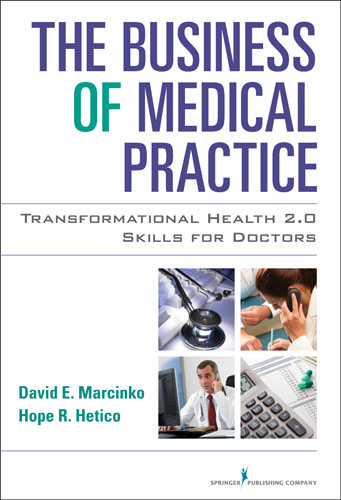
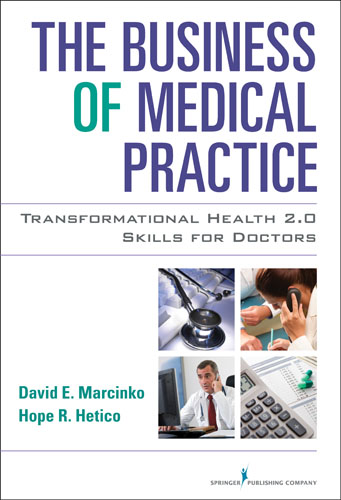
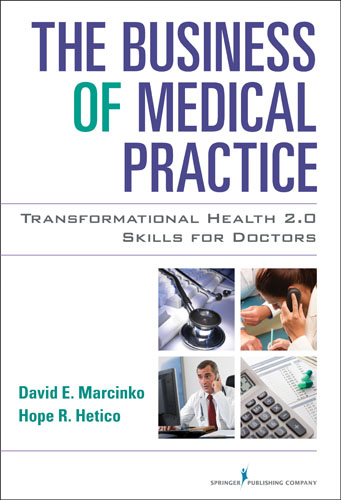
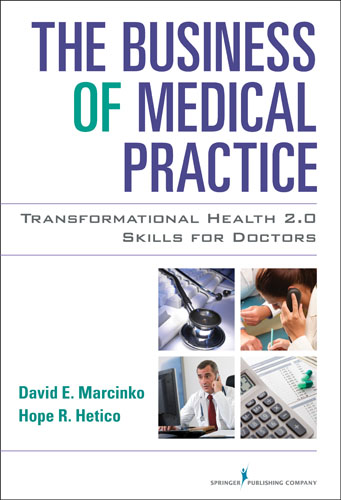
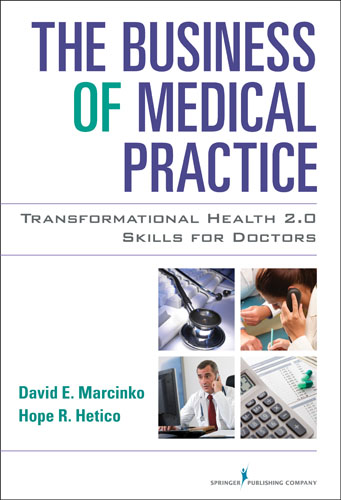
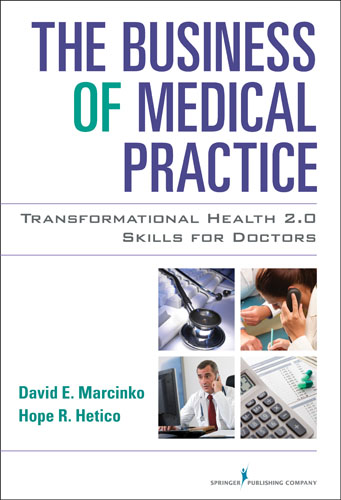
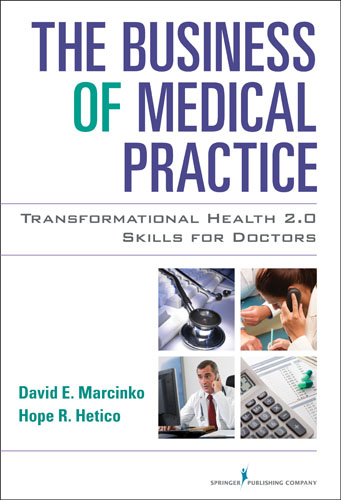
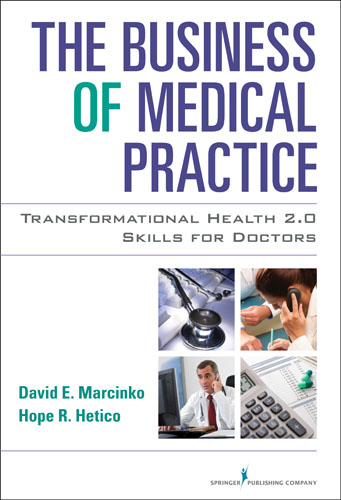
The Business of Medical Practice [Transformational Health 2.0 Skills for Doctors]; third edition: www.BusinessofMedicalPractice.com

Link: Front Matter BoMP – 3

A recent story in the Chicago Tribune on the difficult business life of private practitioners today reminds me that I need to keep my nose to the grindstone.

For example, according to the sanofi-aventis Pharmaceutical Company Managed Care Digest Series, for 2008-10, the following patterns and comparative trend information has been empirically determined and may provide a basic starting point for medical practitioners to share business management, facilities, personnel, and records information for enhanced success www.managedcaredigest.com

Mid-Level Provider and Staffing Trends

  • Mid-level provider use increased among multi-specialty groups, especially in those with more than half of their revenue from capitated contracts. Use also rose with the size of the practice and was highest with OB/GYN groups.
  • Medical support staff for all multi-specialty groups fell and was lowest in medical groups with less than 10 full-time equivalent (FTE) physicians. However, groups with a large amount of capitated revenue actually added support staff. Smaller groups limited support staff.
  • Compensation costs of support staff increased and the percentages of total operating costs associated with laboratories, professional liability insurance, IT services, and imaging also increased. Support staff costs increase with capitation levels and more than half of all operating costs are tied to support staff endeavors.

Managed Care Activity and Contracting Trends

  • More medical group practices are likely to own interests in preferred provider organizations (PPOs) than in HMOs and the percentages of groups with managed care revenue continues to rise. Multi-specialty and large groups also derive more revenue from MCOs than single specialty or smaller groups.
  • Managed care has little effect on physician payment methods that are still predominantly based on productivity. Physicians were paid differently for at-risk managed care contracts in only a small percentage of cases.
  • Most medical groups (75%) participating in managed care medicine have PPO contracts. Group practices contract with network HMOs more often than solo practices. Single-specialty groups more often have PPO contracts.
  • Capitated lives often raise capitation revenues in large group practices. Group practices are more highly capitated than smaller groups or solo practices. Almost 30% of highly capitated medical groups have more than 15 contracts and 22% have globally capitated contracts.
  • Higher capitation is linked with increased risk contracting. Larger groups have more risk contracting than smaller groups.

Physician Health

Financial Profile Trends

  • Medicare fee-for-service reimbursement is decreasing. Highly capitated groups incur high consulting fees.
  • The share of total gross charges for OB/GYN groups associated with managed care at-risk contracts is rising while non-managed care, or not-at-risk charges are declining.
  • Capitated contracts have little effect on the amount of on-site office non-surgical work. Off-site surgeries are most common for surgery groups, not medical groups.
  • Half of all charges are for on-site non-surgical procedures.
  • Highly capitated medical groups have higher operating costs and lower net profits.
  • Groups without capitation have higher laboratory expenses than those who do.
  • Physician costs are highest in orthopedic surgery group practices. Generally, median costs at most specialty levels are rising and profits shrinking.

Assessment

Obviously, the above information is only a gauge since regional differences, and certain medical sub-specialty practices and carve-outs, do exist.

Part One: Useful Managed Care Patterns and Procedural Utilization Trends

Conclusion

Your thoughts and comments on this ME-P are appreciated. Feel free to review our top-left column, and top-right sidebar materials, links, URLs and related websites, too. Then, subscribe to the ME-P. It is fast, free and secure.

Speaker: If you need a moderator or speaker for an upcoming event, Dr. David E. Marcinko; MBA – Publisher-in-Chief of the Medical Executive-Post – is available for seminar or speaking engagements. Contact: MarcinkoAdvisors@msn.com

OUR OTHER PRINT BOOKS AND RELATED INFORMATION SOURCES:

Product DetailsProduct DetailsProduct Details

Product Details  Product Details

   Product Details 

Smartphone Apps Market Model Takes mHealth Market to New Level

ADVERTISEMENT

Will mobile apps become the killer application of the mHealth market?

By Markus Pohl                                                                                   

research2guidance / The Mobile Research Specialists

phone: +49 (0) 30 60 989 3363

mobile: +49 (0) 178 4007736

fax: +49 (0) 30 60 989 3369

email: mp@research2guidance.com

Join Our Mailing List 

Dear Dr. Marcinko,  

New research by research2guidance concludes that mobile applications and the new smartphone market model will help the mHealth market to reach a new level. The mHealth market will develop from a trial market to a global market, which is about to realize its full potential.

A Long Time Topic 

mHealth solutions have been discussed since the end of the 90s. There were very positive market projections indicating that the mHealth market would soon become a billion Dollar market at that time. But the market never really took off. What stopped the early mHealth market from being successful?

In the last years a new market model has been created by Apple: The mobile applications eco-system. Can this new system ignite the market development that everybody has been expecting for the last years? Will smartphone apps become the killer application of the mHealth market?

Barriers to Entry

The following list shows the main barriers which prevented the mHealth market from growing in the past and the changes the new model will bring:

1. Devices: Early solution providers had to live with limited device capabilities and in order to achieve successful market entry and profitability had to find hardware partners to develop the mobile device. Furthermore, reach was very limited for any kind of smarter phone. Many of the features that early solutions providers had to find special solutions for are now included as standard on smartphones (e.g. GPS or sensors). Reach of smartphones, although limited today, won’t be in 2 years time with the number of smartphone users projected to be 1 in 2013.

2. Distribution: In the early days mHealth solutions providers had to seek partnerships with MNOs in order to gain some support with the distribution of the service or had to do it on their own. The new market model offers global reach without having to deal with an MNO.  Still, traditional distribution channels like doctors, hospitals and health insurance providers are not being affected by the new model.

3. Patients and doctors: The awareness of mHealth solutions was very limited. The new market model offers a better user experience along the entire value chain: discovery and access, billing and usage. The hype for smartphone apps also brings mHealth apps into the spotlight of its potential users. Still, one of the biggest target groups for mHealth solutions, the elderly, will have the biggest issues with technology adoption, although they would benefit most from mHealth application usage. This mismatch will not be changed by the new market model in the near future.

4. Regulations: The new market model has only limited impact on one of the key barriers regulation. As long as mHealth solutions and services don’t get clearance from national regulators and are thus not reimbursable by health insurance providers, patients must pay expenses them-selves. Doctors won’t prescribe e.g. a pill reminder application and will have no financial incentive to propose such solutions to the majority of their patients. The market will remain a consumer driven market, which means that the full potential will remain untapped.  Another barrier remains the discussion around security and confidentiality of data. Major projects like electronic health records have been mandated a decade ago in some countries but implementation has been delayed until now mainly because of security and confidentiality reasons.

The findings are a part of a new report by market research institute research2guidance about the global mHealth market. The report analyzes in detail the impact of the new market model, the business opportunities for mHealth app publishers, and how the market will look like in 2015 and will be published at the end of October 2010

Assessment 

Link to related blog post: http://www.research2guidance.com/will-smartphone-apps-become-the-killer-application-of-the-mhealth-market/

Link to graph: http://www.research2guidance.com/wp-content/uploads/2010/10/Barriers.jpg

For more information please contact:

Robert Krsten,

email: rk@research2guidance.com

phone: +49 30 60 989 3366

web: www.research2guidance.com

Conclusion

Your thoughts and comments on this ME-P are appreciated. Feel free to review our top-left column, and top-right sidebar materials, links, URLs and related websites, too. Then, subscribe to the ME-P. It is fast, free and secure.

Speaker: If you need a moderator or speaker for an upcoming event, Dr. David E. Marcinko; MBA – Publisher-in-Chief of the Medical Executive-Post – is available for seminar or speaking engagements. Contact: MarcinkoAdvisors@msn.com

OUR OTHER PRINT BOOKS AND RELATED INFORMATION SOURCES:

Product DetailsProduct DetailsProduct Details

   Product Details

***

The LLC Defined for Physicians

A Hybrid Business Entity

By Staff Reporters

Join Our Mailing List 

A limited liability company (LLC) is a form of business entity some physician use that can provide many advantages to a physician medical practice owner.

Definition

As the name indicates, there is limited liability to the physician. Therefore, the practice owner’s personal assets are protected from claims against the practice and also from practice business debts, unless of course, the owner personally guaranteed any business debts.

No Absolute Immunity

But, limited liability protection is not absolute. There are instances where a doctor owner’s personal assets can be reached.

Assessment

Limited liability protection is similar to that of a corporation. However, unlike a C corporations, an LLC is a “pass-though” entity for taxation purposes. The benefit of being a pass through entity is that there is only one level of tax imposed on the LLC’s earnings. With a C corporation, the earnings are taxed at the corporate level and taxed again at the shareholder level when the earnings are distributed to shareholder.

Thus, the LLC can be considered a hybrid between a corporation and a partnership.

Charitable Business Planning and the LLC

http://www.chslegacy.org/giftlaw/article.jsp?WebID=GL2007-1230&D=201010

Conclusion

And so, your thoughts and comments on this ME-P are appreciated. What type of business entity is your medical practice, and why? Feel free to review our top-left column, and top-right sidebar materials, links, URLs and related websites, too. Then, subscribe to the ME-P. It is fast, free and secure.

Speaker: If you need a moderator or speaker for an upcoming event, Dr. David E. Marcinko; MBA – Publisher-in-Chief of the Medical Executive-Post – is available for seminar or speaking engagements. Contact: MarcinkoAdvisors@msn.com and http://www.springerpub.com/Search/marcinko

Get our Widget: Get this widget!

Our Other Print Books and Related Information Sources:

Health Dictionary Series: http://www.springerpub.com/Search/marcinko

Practice Management: http://www.springerpub.com/product/9780826105752

Physician Financial Planning: http://www.jbpub.com/catalog/0763745790

Medical Risk Management: http://www.jbpub.com/catalog/9780763733421

Healthcare Organizations: www.HealthcareFinancials.com

Physician Advisors: www.CertifiedMedicalPlanner.com

Subscribe Now: Did you like this Medical Executive-Post, or find it helpful, interesting and informative? Want to get the latest ME-Ps delivered to your email box each morning? Just subscribe using the link below. You can unsubscribe at any time. Security is assured.

Link: http://feeds.feedburner.com/HealthcareFinancialsthePostForcxos

Sponsors Welcomed: And, credible sponsors and like-minded advertisers are always welcomed.

Link: https://healthcarefinancials.wordpress.com/2007/11/11/advertise

Product DetailsProduct DetailsProduct Details       

Useful Managed Care Patterns and Procedural Utilization Trends

Join Our Mailing List

Part One of Two

By Dr. David Edward Marcinko MBA

[Publisher-in-Chief]

If you read this ME-P regularly or have read my earlier blogs, you know that I am writing a book on practice management for the private medical practitioner.

The Business of Medical Practice [Transformational Health 2.0 Skills for Doctors]; third edition: www.BusinessofMedicalPractice.com

Link: Front Matter BoMP – 3

And, a recent story in the Chicago Tribune on the difficult business life of private practitioners today reminds me that I need to keep my nose to the grindstone.

For example, knowing your medical contract negotiation objectives, gathering information on the choices of contracts and discount payment systems, and understanding the pitfalls to watch for when evaluating a contract are the keys to any successful negotiation process.

Reimbursement Contract Negotiations

According to the sanofi-aventis Pharmaceutical Company Managed Care Digest Series, for 2008-10, the following pattern and trend comparative information has been empirically determined and may provide a basic starting point for practitioners to share business management, facilities, personnel, and other records for enhanced contract negotiation success.

www.managedcaredigest.com

hos

Procedural Utilization Trends

  • Among all physicians in a single-specialty group practice, invasive cardiologists averaged the most encounters with total hospital inpatient admissions down from the prior year. However, encounters rose for cardiologists in multispeciality group practices.
  • Echocardiography was the most commonly performed procedure on HMO seniors, followed by coronary artery bypass graft surgery. Group practices performed cardiovascular stress tests for circulatory problems most often.
  • CT studies of the brain and chest were the most common studies for HMO seniors, while MRI head studies were the most common diagnostic test on commercial HMO members.
  • Colonoscopy was the most common digestive system procedure on senior HMO members, while barium enemas were more common on commercial members.
  • Hospital admission volume decreased for allergists, family practitioners, internists, OB/GYNs, pediatricians, and general surgeons.
  • Internists ordered more in-hospital laboratory procedures than any other physicians in single-specialty groups.
  • Non-hospital MD/DOs used in-hospital radiology services most frequently, continuing a three-year upward trend.
  • Pediatricians averaged the most ambulatory encounters, down from the prior year.
  • Non-hospitalist internists ordered a higher number of in-hospital laboratory procedures than any other single medical specialty group, but allergists and immunologists increased their laboratory usage.
  • The number of ambulatory encounters increased for general surgeons, while group surgeons had the most cases. Capitated surgeons, of all types, had a lower mean number of surgical cases than surgeons in groups without capitation. Surgeons in internal medical groups also had more cases than those in multi-specialty groups.
  • The average number of total office visits per commercial and senior HMO visits fell, along with the number of institutional visits for both commercial and senior HMO members.
  • The average length of hospital stay for all commercial HMO members increased to 3.6 days but decreased to 6 days for all HMO members.
  • The total number of births increased for commercial HMO members served by medical group practices, and decreased for solo practitioners.
  • More than one-third of all medical groups use treatment protocols, rising from the year before. Multi-specialty groups were more likely to use them than single-specialty groups, who often develop their own protocols. The use of industry benchmarks to judge the quality of healthcare delivery also increased.
  • Outcome studies are most common at larger medical groups, and multi-specialty groups pursue quality assurance activities more often than single-specialty groups.
  • Provider interaction during office visits is increasingly coming under scrutiny. Patients approve of cardiologists more frequently than allergists and ophthalmologists.

Assessment

Obviously, the above information is only a gauge since regional differences, and certain medical sub-specialty practices and carve-outs, do exist.

Part Two: Useful Managed Care Provider, Staffing, Activity and Financial Trends

Conclusion

Your thoughts and comments on this ME-P are appreciated. Feel free to review our top-left column, and top-right sidebar materials, links, URLs and related websites, too. Then, subscribe to the ME-P. It is fast, free and secure.

Speaker: If you need a moderator or speaker for an upcoming event, Dr. David E. Marcinko; MBA – Publisher-in-Chief of the Medical Executive-Post – is available for seminar or speaking engagements. Contact: MarcinkoAdvisors@msn.com

OUR OTHER PRINT BOOKS AND RELATED INFORMATION SOURCES:

Product DetailsProduct DetailsProduct Details

Product Details  Product Details

   Product Details 

Hospital Personnel and Physician Recruitment

Join Our Mailing List

Understanding Professional Employer Organizations [ PEOs]

By Eric Galtress

www.BusinessofMedicalPractice.com

One way to improve human resources [HR] is to recruit physicians, nurses, technicians, allied healthcare providers and other hospital personnel who bring in a certain expertise and disseminate it to other employees.

Hospitals, larger practices and medical clinics are increasingly hiring materials managers from other industries, for example, to upgrade their materials management capabilities; so why not medical and other related professionals, as well?

 Hospitals Lag Conventional Industry

And, hospitals often lag far behind other industries with regard to professional human resource activities. For example, hospitals can hire personnel with experience in other professionals settings in order to gain new perspectives in physician management and leadership.  With these new perspectives, agreements with doctors and other providers can be renegotiated to make a hospital or clinic more competitive.

Internal Recruitment

www.HealthcareFinancials.com

Internally, improving the financial performance of any healthcare organization is a skilful balance between cinching the belt and investing in the right growth strategies.  Whether that strategy calls for expanding a clinic, moving into a key market, or adding a new clinical program, recruiting the right physicians and medical personnel becomes all important in achieving economic goals.  Without physicians and ancillary personnel there are no patients.  Indeed, doctors, nurses, and providers are key drivers in any healthcare organization’s growth strategy.

Simply put, finding and hiring the right medical professionals is a surefire prescription for success.  A winning centralized operational process includes: needs and criteria determinations; materials for sales, marketing and recruiting; interviews and onsite visits; and the correct reimbursements package with employment contract.

External Recruitment

www.HealthcareFinancials.com

External recruitment, on the other hand, may involve use of a professional employer organization (PEO) as hospitals and healthcare entities may find that employee leasing, also referred to as co-employment, can be an effective strategy to combat the spiraling costs of having a professional recruitment and clerical support staff.  PEOs can offer financial and administrative benefits to hospitals, which in turn, can increase staff loyalty and reduce turnover.  Office-based physicians will find that the personnel services of an employee leasing company will give them more time to address the efficiency of their practices and the quality of care they provide for patients.

Simply put, instead of the healthcare organizations, clinic, hospital, or practitioner being the employer of record of the workplace employees, this responsibility is outsourced to an off-site PEO that specializes in hiring, retention, labor management, and cost control. 

Assessment

In a PEO, the healthcare organization retains functional control of the employees, and the PEO handles the HR management issues.  The PEO can provide these HR services more cost effectively by combining employee groups and servicing their needs along with the employees of the many other healthcare organizations they already serve.  Outsourcing becomes a matter of simple economics.

Conclusion

Your thoughts and comments on this ME-P are appreciated. Feel free to review our top-left column, and top-right sidebar materials, links, URLs and related websites, too. Then, subscribe to the ME-P. It is fast, free and secure.

Link: http://feeds.feedburner.com/HealthcareFinancialsthePostForcxos

Speaker: If you need a moderator or speaker for an upcoming event, Dr. David E. Marcinko; MBA – Publisher-in-Chief of the Medical Executive-Post – is available for seminar or speaking engagements. Contact: MarcinkoAdvisors@msn.com

OUR OTHER PRINT BOOKS AND RELATED INFORMATION SOURCES:

Product DetailsProduct DetailsProduct Details

Brief Summary of “Meaningful-Use” for eHRs

Objectives Listed

By Shahid N. Shah MS

www.BusinessofMedicalPractice.com

In 2009, the ARRA HITECH bill coined the term “meaningful use” and was a game-changer in the healthcare IT industry. In a series of regulations, the Recovery Act specifically required the following.

Summary of MU

Here are the substantive Meaningful Use objectives of the new ARRA HITECH bill:

  • Use Computer Provider Order Entry (CPOE).
  • Implement drug-drug, drug-allergy, drug-formulary checks.
  • Maintain an up-to-date problem list of current and active diagnoses based on ICD-9-CM or SNOMED CT®.
  • Maintain active medication list.
  • Maintain active medication allergy list.
  • Record demographics.
  • Record and chart changes in vital signs.
  • Record smoking status for patients 13 years and older.
  • Incorporate clinical lab-test results into EHR as structured data.
  • Generate lists of patients by specific conditions to use for quality improvement, reduction of disparities, and outreach. This is a common feature in EHRs.
  • Report ambulatory quality measures to CMS or the States.
  • Implement 5 clinical decision support rules relevant to specialty or high clinical priority, including diagnostic test ordering, along with the ability to track compliance with those rules.
  • Check insurance eligibility electronically from public and private payers.
  • Submit claims electronically to public and private payers.
  • Provide patients with an electronic copy of their health information upon request.
  • Capability to electronically exchange key clinical information among providers of care and patient-authorized entities.
  • Perform medication reconciliation at relevant encounters and each transition of care.
  • Provide summary care record for each transition of care and referral.
  • Capability to submit electronic data to immunization registries and actual submission where required and accepted.
  • Capability to provide electronic syndromic surveillance data to public health agencies and actual transmission according to applicable law and practice.
  • Protect electronic health information created or maintained by the certified EHR technology through the implementation of appropriate technical capabilities
  • Generate and transmit permissible prescriptions electronically.
  • Send reminders to patients per patient preference for preventive/follow-up care.
  • Provide patients with timely electronic access to their health information within 96 hours of information being available to the EP.
  • Provide clinical summaries for patients for each office visit.

Conclusion

Your thoughts and comments on this ME-P are appreciated. Feel free to review our top-left column, and top-right sidebar materials, links, URLs and related websites, too. Then, subscribe to the ME-P. It is fast, free and secure.

Speaker: If you need a moderator or speaker for an upcoming event, Dr. David E. Marcinko; MBA – Publisher-in-Chief of the Medical Executive-Post – is available for seminar or speaking engagements. Contact: MarcinkoAdvisors@msn.com

OUR OTHER PRINT BOOKS AND RELATED INFORMATION SOURCES:


Product DetailsProduct DetailsProduct Details

Understanding Hierarchical Condition Category Management for MAPs

Join Our Mailing List

An Emerging Management Trend for Medicare Advantage Plans [MAPs]

By Dr. David Edward Marcinko; MBA, CMP™

[Publisher-in-Chief]

So called Hierarchical Condition Category Management (HCCM) is an emerging healthcare management trend designed to accurately reflect the health status of Medicare Advantage Plan [MAP] members and to help them remain financially viable in Part D of the system.

HCCM Indications

Since the Medicare risk adjustment payment system uses clinical coding information to calculate risk premiums for Medicare Managed Care Organizations (MMCOs), HCCM seems best to address the following:

  • CMS risk adjustment system.
  • Strategic and financial implications for Medicare plans.

Assessment

Any initiatives required to effectively managed care under a risk adjustment payment system is ripe for HCCM and the key success factors associated with these initiatives.

Link: http://www.ncbi.nlm.nih.gov/pmc/articles/PMC2936901/

Conclusion

Your thoughts and comments on this ME-P are appreciated. Feel free to review our top-left column, and top-right sidebar materials, links, URLs and related websites, too. Then, subscribe to the ME-P. It is fast, free and secure.

Speaker: If you need a moderator or speaker for an upcoming event, Dr. David E. Marcinko; MBA – Publisher-in-Chief of the Medical Executive-Post – is available for seminar or speaking engagements. Contact: MarcinkoAdvisors@msn.com

OUR OTHER PRINT BOOKS AND RELATED INFORMATION SOURCES:

Product DetailsProduct DetailsProduct Details     

*** 

Understanding Medical Practice Stock Sale vs. Assets Sale

Join Our Mailing List

Insights for Physician-Focused Financial Advisors

By Dr. Charles F. Fenton III, FACFAS, JD

www.BusinessofMedicalPractice.com

In most cases, healthcare knowledgeable financial advisors [FAs] recommend that the physician buyer of a medical practice solely purchase the assets of the practice and not the stock of the practice itself http://www.CertifiedMedicalPlanner.org

A Risk Reduction Strategy

Why? By purchasing selected assets, the buyer is ensured that he will not become responsible for the known or unknown liabilities of the corporation; thus a risk reduction strategy. In prior days, avoiding purchasing the stock of the corporation was a wise recommendation www.MedicalBusinessAdvisors.com

Enter the Managed Care Era

However, with the advent of managed care, the purchase of the stock of the corporation can provide the new practitioner with certain competitive advantages.

For example, it may take a new practitioner three to nine months to get onto enough managed care panels to make the practice profitable. Purchase of the stock of the corporation ensures the new practitioner of acquiring the Federal tax identification number of the corporate entity.

Assessment

Since most managed care corporations identify providers by the Federal tax identification number, purchase of the stock of the corporation should allow the new practitioner to be enrolled on managed care panels in a shorter period of time. Instead of applying anew to the managed care entity, the new practitioner merely needs to be listed as a new member of a provider already on the managed care panel.

Conclusion

Your thoughts and comments on this ME-P are appreciated. Feel free to review our top-left column, and top-right sidebar materials, links, URLs and related websites, too. Then, subscribe to the ME-P. It is fast, free and secure.

Speaker: If you need a moderator or speaker for an upcoming event, Dr. David E. Marcinko; MBA – Publisher-in-Chief of the Medical Executive-Post – is available for seminar or speaking engagements. Contact: MarcinkoAdvisors@msn.com

OUR OTHER PRINT BOOKS AND RELATED INFORMATION SOURCES:

Product Details  Product Details

Defining the Accountable [Health] Care Organization

ACO Glossary of Terms from CMS, etc

By Staff Reporters

Join Our Mailing List 

According to Wikipedia, an Accountable Care Organization, or ACO for short, is a health system model with the ability to provide and manage patients, in the continuum of care across different institutional settings, including at least ambulatory (outpatient) and inpatient hospital care and possibly post acute-care in some cases.

Payment is consolidated rather than ala’ carte’, and generally considered cost effective and “bundled”.

Budgetary Accountability

Furthermore, ACOs have the capability of planning budgets and resources and are of sufficient size to support comprehensive, valid, and reliable performance measurements.

Source: http://en.wikipedia.org/wiki/Accountable_care_organization

CMS Definition

Now, aaccording to the CMS Office of Legislation; Section #1899.

ACO Definition: accountable care organization

Medical Provider Market Power and the American Hospital Association

AHA definition: AHA – ACOs

Assessment

The ACO model is one of the latest designs for managing healthcare costs and especially Medicare costs, and is gaining traction among policymakers desperate to control costs and boost quality in healthcare.

Conclusion

Your thoughts and comments on this ME-P are appreciated. Feel free to review our top-left column, and top-right sidebar materials, links, URLs and related websites, too. Then, subscribe to the ME-P. It is fast, free and secure.

Link: http://feeds.feedburner.com/HealthcareFinancialsthePostForcxos

Speaker: If you need a moderator or speaker for an upcoming event, Dr. David E. Marcinko; MBA – Publisher-in-Chief of the Medical Executive-Post – is available for seminar or speaking engagements. Contact: MarcinkoAdvisors@msn.com

OUR OTHER PRINT BOOKS AND RELATED INFORMATION SOURCES:

DICTIONARIES: http://www.springerpub.com/Search/marcinko
PHYSICIANS: www.MedicalBusinessAdvisors.com
PRACTICES: www.BusinessofMedicalPractice.com
HOSPITALS: http://www.crcpress.com/product/isbn/9781466558731
CLINICS: http://www.crcpress.com/product/isbn/9781439879900
BLOG: www.MedicalExecutivePost.com
FINANCE: Financial Planning for Physicians and Advisors
INSURANCE: Risk Management and Insurance Strategies for Physicians and Advisors


Product DetailsProduct DetailsProduct Details

Product Details  Product Details


The ME-P Recommends [Our Newest Book Review]

http://www.springerpub.com/product/9780826105752


Book Review and Order Placement

http://www.springerpub.com/product/9780826105752

“Live” Website Community

www.BusinessofMedicalPractice.com

About the Editor-in-Chief

Dr. David Edward Marcinko, a former residency director, department chairman, and hospital vice-president in Atlanta GA, retired from clinical practice at the age of 45 after selling his Ambulatory Surgery Center to a public company. As a fellow and board certified surgeon, he authored more than two dozen medical and business textbooks in three languages, teaching and operating in the EuroZone, co-founding a pre-IPO PPMC, and forming a series of successful internet ventures while still maintaining a 60 hour work week.  

His companies have created dozens of cognitive products in the last few years that maintain a comfortable lifestyle that started from his home office after retirement. Dr. Marcinko picked up an MBA degree, became a certified financial planner and insurance agent, and developed a cult following thru collaborative on-ground and online education for physicians, financial advisors and management consultants. A social media pioneer and publisher, this Medical Executive-Post is an influential syndicated blog with thousands of content contributions from nationally know experts. 

Dr. Marcinko is a highly sought after futurist and speaker in the areas of health economics, financial planning, medical practice management and related entrepreneurial e-insights for intersecting sectors in the healthcare industrial complex.

Edited with Professor Hope Rachel Hetico of the Institute of Medical Business Advisors [iMBA] Inc www.MedicalBusinessAdvisors.com

Financial Planning and Risk Management Handbooks for Doctors 

Content Exchange and Vocabulary Standards for eMRs

Understanding Terms and Definitions

By Shahid N. Shah MS

As per the HHS rules, vocabulary standards are standardized nomenclatures and e-code sets used to describe clinical problems and procedures, medications, and allergies for eMRs. Some commons terms and definitions are listed below:

Terms and Definitions

  • ASTM’s CCR – for most of your basic patient summary exchange needs the CCR will meet your needs. If you’re moving from low or no interoperability today to some interoperable capabilities then CCR is your best starting place.
  • International Classification of Diseases, 9th Revision, Clinical Modifications (ICD-9- CM) or SNOMED CT® should populate a problem list. If you’re not familiar with both standards and are unsure where to start, go with ICD-9 for problem lists. SNOMED is not commonly supported in the broad EMR industry but ICD-9 support is quite common so start there.
  • Health Level Seven (HL7) Clinical Document Architecture (CDA) Release 2 (R2) Level 2 CCD – for more advanced patient summary exchange needs the HL7 CDA is recommended. If you’re already supporting CCR exchange and it’s not meeting your needs then HL7 CDA is the next logical place to go.
  • For patient summary exchanges, HHS expect the following fields to be populated: problem list; medication list; medication allergy list; procedures; vital signs; units of measure; lab orders and results; and, where appropriate, discharge summary.
  • ICD-9-CM [ACD-10] or American Medical Association (AMA) Current Procedural Terminology (CPT®) Fourth Edition (CPT–4) to populate information related to procedures. Both of these standards are support broadly by most existing vendors so going with either or both is good.
  • For medication lists, HHS requires the use of codes from a drug vocabulary the National Library of Medicine has identified as an RxNorm drug data source provider with a complete data set integrated within RxNorm.
  • For lab results, HHS requires the use of LOINC® to populate information in a patient summary record related to lab orders and results when LOINC® codes have been received from a laboratory and are retained and subsequently available in your EMR. HHS states that in instances where LOINC® codes have not been received from a laboratory, the use of any local or proprietary code is permitted. HHS does not require these local or proprietary codes to be converted to LOINC® codes in order to populate a patient summary record.
  • For the purposes of electronic prescribing, your vendor must be capable of using NCPDP SCRIPT 8.1 or NCPDP SCRIPT 8.1 and 10.6. With respect to a vocabulary standard, your vendor must use codes from a drug vocabulary currently integrated into the NLM’s RxNorm. For the purposes of performing a drug formulary check, your vendor must be capable of using NCPDP Formulary & Benefits Standard 1.0 adopted by HHS (73 FR 18918).
  • There are standards required for insurance data like eligibility checking and submissions of claims. ASC X12N and NCPDP standards (Versions 4010/4010A and 5010 and Versions 5.1 and D.0, respectively) should be used for these transactions. It’s important to realize that Version 4010 is being phased out in favor of Version 5010 so your vendors need to support both at this time and must be able to move exclusively to Version 5010 in the future.
  • For the purposes of electronically submitting calculated quality measures required by CMS or by States, your vendor must be capable of using the CMS PQRI 2008 Registry XML Specification. Going forward, HL7 Quality Reporting Document Architecture (QRDA) Implementation Guide based on HL7 CDA Release 2 may be allowed but for now focus on the CMS PQRI requirements until HHS provides more guidance in the future.
  • For the purposes of submitting lab results to public health agencies, your vendor must be capable of using HL7 2.5.1.
  • For the purposes of electronically submitting information to public health agencies for surveillance and reporting, your vendor must be capable of using HL7 2.3.1 or HL7 2.5.1 as a content exchange standard. At this time HHS not required adverse event reporting nor have they adopted a specific vocabulary standard for submitting information to public health agencies for surveillance and reporting.
  • For the purposes of electronically submitting information to immunization registries your vendor must be capable of using HL7 2.3.1 or HL7 2.5.1 as a content exchange standard and the CDC maintained HL7 standard code set CVX -Vaccines Administered18 as the vocabulary standard.

Assessment

www.BusinessofMedicalPractice.com

Conclusion

And so, your thoughts and comments on this ME-P are appreciated. Feel free to review our top-left column, and top-right sidebar materials, links, URLs and related websites, too. Then, subscribe to the ME-P. It is fast, free and secure.  

Speaker: If you need a moderator or speaker for an upcoming event, Dr. David E. Marcinko; MBA – Publisher-in-Chief of the Medical Executive-Post – is available for seminar or speaking engagements. Contact: MarcinkoAdvisors@msn.com and http://www.springerpub.com/Search/marcinko

Get our Widget: Get this widget!

Our Other Print Books and Related Information Sources:

Health Dictionary Series: http://www.springerpub.com/Search/marcinko 

Practice Management: http://www.springerpub.com/product/9780826105752

Physician Financial Planning: http://www.jbpub.com/catalog/0763745790

Medical Risk Management: http://www.jbpub.com/catalog/9780763733421

Healthcare Organizations: www.HealthcareFinancials.com

Physician Advisors: www.CertifiedMedicalPlanner.com

Subscribe Now: Did you like this Medical Executive-Post, or find it helpful, interesting and informative? Want to get the latest ME-Ps delivered to your email box each morning? Just subscribe using the link below. You can unsubscribe at any time. Security is assured.

Link: http://feeds.feedburner.com/HealthcareFinancialsthePostForcxos

Sponsors Welcomed: And, credible sponsors and like-minded advertisers are always welcomed.

Link: https://healthcarefinancials.wordpress.com/2007/11/11/advertise

Product DetailsProduct DetailsProduct Details       

Understanding the Medical Records R[e]Volution

Join Our Mailing List

It’s Not All about Electronic Records

By Dr. David Edward Marcinko; MBA, CMP™

[Editor-in-Chief]

Introduction

To understand the medical records revolution that has occurred this decade, put your self for a moment in the position of a third-party payer; ie; a private insurance company, Medicare or Medicaid etc.

For example, you want to know if Dr. Joel Brown MD actually gave the care for which he is submitting a [super] bill or invoice. You want to know if that care was needed. You want to know that the care was given to benefit the patient, rather than to provide financial benefit to the provider beyond the value of the services rendered.

www.BusinessofMedicalPractice.com

Of Doubts and Uncertainty

Can you send one of your employees to follow Dr. Brown around on his or her office hours and hospital visits?  Of course not! You cannot see what actually happened in Dr. Brown’s office that day or why Dr. Black ordered a PET scan on the patient at the imaging center. What you can do however, is review the medical record that underlies the bill for services rendered from Dr. Blue. Most of all, you can require the doctor to certify that the care was actually rendered and was indicated. You can punish Dr. White severely if an element of a referral of a patient to another health care provider was to obtain a benefit in cash or in kind from the health care provider to whom the referral had been made. You can destroy Dr. Rose financially and put him in jail if his medical records do not document the bases for the bills he submitted for payment.

The Payment Paradigm Shift

This nearly complete change in function of the medical record has precious little to do with the quality of patient care. To illustrate this medical records evolution/revolution point, consider only an office visit in which the care was exactly correct, properly indicated and flawlessly delivered, but not recorded in the office chart. As far as the patient was concerned, everything was correct and beneficial to the patient. As far as the third-party payer is concerned, the bill for those services is completely unsupported by required documentation and could be the basis for a False Claims Act [FCA] charge, a Medicare audit, or a criminal indictment.  We have left the realm of quality of patient care far behind.

mobile EHR health

Provider Attitude Adjustments Required

Instead, medical practitioners must adjust their attitudes to the present function of patient records.  They must document as required under pain of punishment for failure to do so. That reality is infuriating to many since they still cling to the ideal of providing good quality care to their patients and disdain such requirements as hindrances to reaching that goal. They are also aware of the fact that full documentation can be provided without a reality underlying it. “Fine, you want documentation?  I’ll give you documentation!”

Computer Charting and eMRs

Some doctors have given in to the temptation of “cookbook” entries in their charts, canned computer software programs or eMRs listing all the examinations they should have done, all the findings which should be there to justify further treatment.  Many have personally seen, for example, hospital chart notes which describe extensive discussion with the patient of risks, alternatives and benefits in obtaining informed consent when the remainder of the record demonstrates the patient’s complaint that the surgeon has never told her what he planned to do; operative reports of procedures done and findings made in detail which, unfortunately, bear no correlation with the surgery which was actually performed.

Assessment

Whether electronic medical records (eMRs) will be helpful regarding fraud prevention, in the future is still not known. But, it is at best naive and more frequently closer to a death wish to think that a practitioner can beat the system, with handwritten notes, computer generated records, or fabricated eMR documentation.

Conclusion

Your thoughts and comments on this ME-P are appreciated. Feel free to review our top-left column, and top-right sidebar materials, links, URLs and related websites, too. Then, subscribe to the ME-P. It is fast, free and secure.

Link: http://feeds.feedburner.com/HealthcareFinancialsthePostForcxos

Speaker: If you need a moderator or speaker for an upcoming event, Dr. David E. Marcinko; MBA – Publisher-in-Chief of the Medical Executive-Post – is available for seminar or speaking engagements. Contact: MarcinkoAdvisors@msn.com

OUR OTHER PRINT BOOKS AND RELATED INFORMATION SOURCES:

DICTIONARIES: http://www.springerpub.com/Search/marcinko
PHYSICIANS: www.MedicalBusinessAdvisors.com
PRACTICES: www.BusinessofMedicalPractice.com
HOSPITALS: http://www.crcpress.com/product/isbn/9781466558731
CLINICS: http://www.crcpress.com/product/isbn/9781439879900
BLOG: www.MedicalExecutivePost.com
FINANCE: Financial Planning for Physicians and Advisors
INSURANCE: Risk Management and Insurance Strategies for Physicians and Advisors

Product Details  Product Details

On Evidence-Based Clinical Medical Guidelines

About the Institute for Clinical Systems Integration [ICSI] 

By Brent A. Metfessel MD, CMP™


The Institute for Clinical Systems Integration (ICSI) is a strong proponent of the value of evidence-based clinical guidelines, and cites the following objections that make their implementation and acceptance more difficult.


The Issues

These issues generally apply to technology assessments as well:

  • Guidelines are a legal hazard:  There is a fear that following a guideline that turns out to be wrong increases the risk of litigation.  Good guidelines, however, are evidence-based and not opinion-based drivers of care.  Furthermore, once a review of the literature takes place and is synthesized into a preliminary guideline, multi-specialty physician focus groups review the guidelines prior to finalization.  The strength of evidence supporting each conclusion is usually stated, highlighting areas of remaining scientific uncertainty.  “Evidence hierarchies” are often used as aids to grading recommendations, with meta-analysis, systematic reviews, and randomized controlled trials being at or near the top of the hierarchy in strength, with narrative reviews, case reports, and medical opinion pieces being considered the weakest forms of evidence.  This provides additional checks and balances to guideline development.
  • Guidelines are cookbook medicine:  Guidelines are just that – guidelines.  Each patient should be provided treatment according to his/her individual needs.  Evidence-based clinical guidelines are based on extensive reviews of the literature and are applicable to the vast majority of cases for a particular clinical condition but not necessarily all cases.  In the case of practice pattern evaluation or profiling, comparisons of such patterns to medical guidelines can help identify overall systematic variations from the norm rather than variations due to particular patients with special needs.
  • Guidelines do not work:  When used as the sole basis for practice improvement, this statement contains some truth. However, when incorporated into a systematic continuous quality improvement approach, they have been shown to improve practice patterns and reduce variation.
  • Physicians will not use guidelines:  Once physicians know that the guidelines are based on a sound review of the medical literature, practitioner buy-in greatly increases.  In addition, clinicians need to realize that clinical guidelines are only one part of the total treatment picture since a team approach to patient care is becoming the norm.
  • Guidelines need validation through actual outcomes data:  This is correct when based on a continuous quality improvement approach, but is incorrect if outcomes are based on individual events.  Local implementation of guidelines can be compared to outcomes data one or two years after implementation.  Depending on the actual level of practice pattern improvement, minor alterations can be made to the guidelines to reflect local needs.

Guideline Adaptation

National guidelines in some cases may need adaptation to local patient needs and concerns.  For example, a practice in a major metropolitan area where specialty care is readily available differs in major ways from a rural practice which is based more on primary care.  Practices where many patients are poor or on public assistance also differs from practices in affluent areas.  When used as basic guides to appropriate practice, however, clinical guidelines can significantly decrease practice variation.

Evidence Based Medicine

With the recent emphasis on evidence-based medicine and on decreasing the time lag between evidence publication and its effect on actual patient care, a number of agencies have added clinical guideline and technology assessment development to their task lists.  Such agencies include specialty societies such as the American College of Cardiology (ACC), private companies and non-profit organizations, governmental bodies such as the Agency for Health Care Research and Quality (AHRQ), and MCOs that review the scientific evidence for the purpose of determining coverage policy.

Assessment

MCOs may post medical coverage policies on the Web for physicians to access, and these generally contain narrative justifications (often with evidence grading) in terms of why a particular procedure or diagnostic test may or may not be covered based on level of efficacy shown in scientific studies.  It is important to note that for many high-tech or new procedures, different MCOs may have somewhat different coverage policies based on variation in terms of interpreting the evidence, especially in areas where the science is less certain.

Conclusion

Your thoughts and comments on this ME-P are appreciated. Feel free to review our top-left column, and top-right sidebar materials, links, URLs and related websites, too. Then, subscribe to the ME-P. It is fast, free and secure.

Speaker: If you need a moderator or speaker for an upcoming event, Dr. David E. Marcinko; MBA – Publisher-in-Chief of the Medical Executive-Post – is available for seminar or speaking engagements. Contact: MarcinkoAdvisors@msn.com

Product DetailsProduct DetailsProduct Details

  Product Details

***

Invite Dr. Marcinko

***

Take Our ME-P Reader Survey

Tell Us What You Think?

By Ann Miller RN MHA

[Executive-Director]

MarcinkoAdvisors@msn.com

We believe we have the most intelligent readers and subscribers online today!

And so, please take a few minutes and kindly let us know how and why you like or dislike this blog. Your opinions and feedback are very important to us. Please use the comment space far below.

Masthead: https://medicalexecutivepost.com/2007/11/28/publication-mast-head/

ME-P Advertising

Advertisements are vetted and accepted on this blog; but not approved. Interested advertisers – please contact us. But remember, advertisements on this blog are just advertisements. They are not recommendations or endorsements.

Ads: https://medicalexecutivepost.com/2007/11/11/advertise/

ME-P Note to Publicists

Publicists; please don’t add us to your e-mail distribution lists without asking first. Unsolicited commercial e-mails violate the federal CAN-SPAM Act. Each violation can subject your to a personal fine up to $11,000. We will send one gentle reminder on first violation. A second offense will be reported to the FTC without exception.

However, you may contact us at 770.448.0769 for PR and related promotional activities.

Our Medical Business Textbooks:

Link: http://www.springerpub.com/Search/marcinko

Our Office Business Management CD ROMs:

Link: https://medicalexecutivepost.com/office-checklists-on-cd-rom/

Link: www.HealthcareFinancials.com

Link: www.CertifiedMedicalPlanner.com

Our Financial Planning Handbooks for Doctors

Link: http://www.jblearning.com/catalog/searchresults.aspx [Search: “Marcinko”]

ME-P Disclaimer

We are not all doctors, financial advisors or medical management consultants. But, we do have informed, experienced and personal opinions; sometimes strong, ignorant, or biased. Everything you read here on this blog is the author’s personal opinion, not specific managerial or financial advice. And, we are by no means an expert on anything. We don’t intend to mislead, but our facts, figures, and calculations can be incomplete, inaccurate or plain wrong. The word “you” in a post doesn’t mean literally you, the reader. In most cases it means the author. Please be sure to double check everything if you decide to act on anything we wrote about. The bottom line is this: please don’t blame the ME-P for anything you do.

About: https://medicalexecutivepost.com/2007/10/08/hello-world/

Speaker: If you need a moderator or speaker for an upcoming event, Dr. David E. Marcinko; MBA – Publisher-in-Chief of the Medical Executive-Post – is available for seminar or speaking engagements. Contact: MarcinkoAdvisors@msn.com and http://www.springerpub.com/Search/marcinko

Get our Widget: Get this widget!

Our Other Print Books and Related Information Sources:

Health Dictionary Series: http://www.springerpub.com/Search/marcinko

Practice Management: http://www.springerpub.com/product/9780826105752

Physician Financial Planning: http://www.jbpub.com/catalog/0763745790

Medical Risk Management: http://www.jbpub.com/catalog/9780763733421

Healthcare Organizations: www.HealthcareFinancials.com

Physician Advisors: www.CertifiedMedicalPlanner.com

Subscribe Now: Did you like this Medical Executive-Post, or find it helpful, interesting and informative? Want to get the latest ME-Ps delivered to your email box each morning? Just subscribe using the link below. You can unsubscribe at any time. Security is assured.

Link: http://feeds.feedburner.com/HealthcareFinancialsthePostForcxos

Sponsors Welcomed:  And, credible sponsors and like-minded advertisers are always welcomed.

Link: https://healthcarefinancials.wordpress.com/2007/11/11/advertise

NOW: TELL US WHAT YOU THINK – IN THE COMMENT BOX BELOW

Seeking Your Favorite Health 2.0 Patient Story

Collaborative Care – Not Yet So Collaborative

Ann Miller RN MHA

[Executive-Director]

Join Our Mailing List 

Dear ME-P Medical Readers

Please send in your favorite story [serious, humorous, poignant, personal, etc] or anecdote on participatory medicine and electronic patient connectivity. If selected, it may be posted on the ME-P or used in our new book in a blinded or named fashion; or on an individual or aggregated basis.

ME-P Support

Editorial support is available, as your input would not only assist your colleagues, but be illustrative in an erudite and credible fashion. Your synergy in this space also seems ideal.  Length is up to you in a prose writing style. And, be sure to address health 2.0 modernity. 

Definition: https://healthcarefinancials.wordpress.com/2008/09/12/emerging-healthcare-20-initiatives

Please contact me for more details, if interested. Regardless, we remain apostles promoting your core vision whenever possible.

Ann Miller: MarcinkoAdvisors@msn.com

Speaker: If you need a moderator or speaker for an upcoming event, Dr. David E. Marcinko; MBA – Publisher-in-Chief of the Medical Executive-Post – is available for seminar or speaking engagements. Contact: MarcinkoAdvisors@msn.com and http://www.springerpub.com/Search/marcinko

Get our Widget: Get this widget!

Our Other Print Books and Related Information Sources:

Health Dictionary Series: http://www.springerpub.com/Search/marcinko

Practice Management: http://www.springerpub.com/product/9780826105752

Physician Financial Planning: http://www.jbpub.com/catalog/0763745790

Medical Risk Management: http://www.jbpub.com/catalog/9780763733421

Healthcare Organizations: www.HealthcareFinancials.com

Physician Advisors: www.CertifiedMedicalPlanner.com

Subscribe Now: Did you like this Medical Executive-Post, or find it helpful, interesting and informative? Want to get the latest ME-Ps delivered to your email box each morning? Just subscribe using the link below. You can unsubscribe at any time. Security is assured.

Link: http://feeds.feedburner.com/HealthcareFinancialsthePostForcxos

Sponsors Welcomed: And, credible sponsors and like-minded advertisers are always welcomed.

Link: https://healthcarefinancials.wordpress.com/2007/11/11/advertise

Product DetailsProduct DetailsProduct Details       

Product Details  Product Details

   Product Details 

On e-Confidentiality Conflicts in Medicine

Understanding the Potential Role of eMR Compromise

By Render Davis MHA CHE

www.BusinessofMedicalPractice.com

Whether it is an employer interested in the results of an employee’s health screening; an insurer attempting to learn more about an enrollee’s prior health history; the media in search of a story; or health planners examining the potential value of national health databases, the confidential nature of the traditional doctor-patient relationship may be compromised through demands for clinical information by parties other than the patient and treating caregivers. 

Impact of eMRs

In addition, without clear safeguards the growth in use of electronic medical records may put personal health information at risk of tampering or unauthorized access.  Clearly, employers and insurers are interested in the status of an individual’s health and ability to work; but does this desire to know, combined with their role as payers for health care, constitute a right to know?  The patient’s right to privacy remains a volatile and unresolved issue.

Assessment

Counter to this concern is the recognition that electronic records may dramatically improve communications by offering greater accessibility of information to clinicians in the hospital or office potentially reducing medical errors through elimination of handwritten notes, increased use of built in prompts and clinically-derived triggers for orders and treatments, and development of pathways for optimal treatments based on clinically valid and tested best practices.

Conclusion

And so, your thoughts and comments on this ME-P are appreciated. What do you think about this confidentiality conflict and the role of eMRs? Feel free to review our top-left column, and top-right sidebar materials, links, URLs and related websites, too. Then, subscribe to the ME-P. It is fast, free and secure.

Speaker: If you need a moderator or speaker for an upcoming event, Dr. David E. Marcinko; MBA – Publisher-in-Chief of the Medical Executive-Post – is available for seminar or speaking engagements. Contact: MarcinkoAdvisors@msn.com

Get our Widget: Get this widget!

Our Other Print Books and Related Information Sources:

Practice Management: http://www.springerpub.com/prod.aspx?prod_id=23759

Physician Financial Planning: http://www.jbpub.com/catalog/0763745790

Medical Risk Management: http://www.jbpub.com/catalog/9780763733421

Healthcare Organizations: www.HealthcareFinancials.com

Physician Advisors: www.CertifiedMedicalPlanner.com

Subscribe Now: Did you like this Medical Executive-Post, or find it helpful, interesting and informative? Want to get the latest ME-Ps delivered to your email box each morning? Just subscribe using the link below. You can unsubscribe at any time. Security is assured.

Link: http://feeds.feedburner.com/HealthcareFinancialsthePostForcxos

Sponsors Welcomed: And, credible sponsors and like-minded advertisers are always welcomed.

Link: https://healthcarefinancials.wordpress.com/2007/11/11/advertise

Benchmarking Study Survey on Physician Sales and Service

ME-P Reader Participation Sought for the Corporate Health Group

By Carolyn Merriman

President, Corporate Health Group

401-886-5588 ext. 201

www.corporatehealthgroup.com

Dear David and ME-P Subscribers, Readers and Visitors

I hope this finds you well and busy. I am sure you are pleased with the publication of the updated text book. Thank you again for allowing me to participate by authoring Chapter 33: Professional Relations.

www.BusinessofMedicalPractice.com

ME-P Reader Participation Requested 

I am sending this along to my fellow consultants asking them to seek their client’s participation. I thought you might be able to post or push out to your ME-P readers.

The CHG 

Corporate Health Group (CHG) is conducting our third benchmarking study on Physician Sales and Service. The success of this study depends on the survey being distributed to the appropriate people to be completed. Because I know that you have many contacts in physician sales and service, I am hopeful that you would forward the survey to those contacts and encourage them to participate. To show CHG’s appreciation you will receive a complimentary copy of the results including the trended data from the 2005 and 2008 studies.

Viral Contacts Sought

If you, or your subscribers and partners, should also happen to have a contact that is a large system or association we have the ability to set up a unique organization code that those completing the survey would enter in the “organization” section. CHG would in return give them a report that shows the overall trended data (2005, 2008, 2010) – compared to their organization’s data. If you want a code, please contact jstratton@corporatehealthgroup.com or 309-647-5456 for this set-up.

Contact Instructions 

Instructions on sending the survey to your contacts:

1. Below you will find a brief description of the survey along with a html message that could be used in your communication to your contacts. In order to use the html embedded in this email you must “forward” the message. It is set-up so that you could “forward” the message and simply delete the top portion of this message.

2. If you are unable to forward this html message, I have created a link to the survey.

The Physician Sales and Service Survey  

Physicians still direct the vast majority of inpatient healthcare in the marketplace – as many as 80% of patients enter the doors of hospitals and facilities at the direction of physicians. Notwithstanding he movement toward a consumer-driven market – many hospitals, health systems and large specialty practices have turned to physician sales or referral development programs to grow their business. Unfortunately, motivating physicians to change referral patterns is a daunting task under the best of circumstances and the lack of industry “best practices” complicates the situation even further.

View image001.png in slide show

Third Benchmarking Study

September 2010 Corporate Health Group (CHG) launched their third benchmarking study of Physician Sales and Service. The National survey will obtain new trends and craft comparisons and a gap analysis of data captured 2005, 2008 and now 2010. The survey (a mix of open and closed ended questions) is available online and respondents will get a free Executive Summary. The results will provide detailed management and benchmarking data for physician sales managers and healthcare executives to benefit their programs for future success!

Get our Widget: Get this widget!

Our Other Print Books and Related Information Sources:

Practice Management: http://www.springerpub.com/prod.aspx?prod_id=23759

Physician Financial Planning: http://www.jbpub.com/catalog/0763745790

Medical Risk Management: http://www.jbpub.com/catalog/9780763733421

Healthcare Organizations: www.HealthcareFinancials.com

Physician Advisors: www.CertifiedMedicalPlanner.com

Subscribe Now: Did you like this Medical Executive-Post, or find it helpful, interesting and informative? Want to get the latest ME-Ps delivered to your email box each morning? Just subscribe using the link below. You can unsubscribe at any time. Security is assured.

Link: http://feeds.feedburner.com/HealthcareFinancialsthePostForcxos

Sponsors Welcomed: And, credible sponsors and like-minded advertisers are always welcomed.

Link: https://healthcarefinancials.wordpress.com/2007/11/11/advertise

Dealing With Uncertainty in Practice Measurement

Understanding Variations in Medical Care Quality

By Brent A. Metfessel MD, CMP™

www.BusinessofMedicalPractice.com

Due to high-profile concerns in terms of the variation in quality of care as well as its affordability, practice pattern measurement is here to stay.  And, until further advances in this area are created, physicians with unexpectedly poor performance ratios, especially in the area of cost-efficiency, should review their data to determine if there are opportunities to improve as well as potential outlier cases contributing to an aberrant value, as well as looking at the health plan methodology for statistical analysis and outlier exclusions. 

Communication is Key

It is important for the physician or other provider being measured to communicate any issues to health plan personnel where possible. Physicians need to remember that practice pattern analysis is a continually evolving field. 

Assessment

Given the state of the art, physicians, specialty societies, and other advocacy groups have a responsibility to work with health plans or other practice measurement agencies to make sure quality improvement is at the forefront, that they are active in giving feedback on health plan practice measurement methods, and that as much as possible a collaborative approach is used in working with health plans and other measurement organizations.

Conclusion

And so, your thoughts and comments on this ME-P are appreciated. Feel free to review our top-left column, and top-right sidebar materials, links, URLs and related websites, too. Then, subscribe to the ME-P. It is fast, free and secure.

Get our Widget: Get this widget!

Our Other Print Books and Related Information Sources:

Practice Management: http://www.springerpub.com/prod.aspx?prod_id=23759

Physician Financial Planning: http://www.jbpub.com/catalog/0763745790

Medical Risk Management: http://www.jbpub.com/catalog/9780763733421

Healthcare Organizations: www.HealthcareFinancials.com

Physician Advisors: www.CertifiedMedicalPlanner.com

Subscribe Now: Did you like this Medical Executive-Post, or find it helpful, interesting and informative? Want to get the latest ME-Ps delivered to your email box each morning? Just subscribe using the link below. You can unsubscribe at any time. Security is assured.

Link: http://feeds.feedburner.com/HealthcareFinancialsthePostForcxos

Sponsors Welcomed: And, credible sponsors and like-minded advertisers are always welcomed.

Link: https://healthcarefinancials.wordpress.com/2007/11/11/advertise

Dental Compensation Different than Docs

On Medical Professional Salaries

Staff Reporters

www.BusinessofMedicalPractice.com

A 2003 Survey of Dental Practices reported net income from dentistry-related sources.

Dentists Differ from Doctors

Dentists differ from physicians in that 90% are in private practice. In 2002, the average practitioner’s net income was $174,350. The average dental specialist’s net was $291,250. These figures represent a 0.7% and a 5.8% increase over 2001, respectively.

Assessment

Net income rose steadily since 1986, when general dentists made an average of $69,920 and specialists an average of $97,920. But, by 2010, according to PayScale.com, the average general dentist earned $98,276 – $157,437; a decreasing trend allocated as follows.

Compensation Chart 

Salary  $92,689 – $147,682
Bonus  $1,996 – $19,727
Profit Sharing  $1,038 – $27,514
Commissions  $480.74 – $32,500

Conclusion

And so, your thoughts and comments on this ME-P are appreciated. Feel free to review our top-left column, and top-right sidebar materials, links, URLs and related websites, too. Then, subscribe to the ME-P. It is fast, free and secure.

Speaker: If you need a moderator or speaker for an upcoming event, Dr. David E. Marcinko; MBA – Publisher-in-Chief of the Medical Executive-Post – is available for seminar or speaking engagements. Contact: MarcinkoAdvisors@msn.com

Get our Widget: Get this widget!

Our Other Print Books and Related Information Sources:

Practice Management: http://www.springerpub.com/prod.aspx?prod_id=23759

Physician Financial Planning: http://www.jbpub.com/catalog/0763745790

Medical Risk Management: http://www.jbpub.com/catalog/9780763733421

Healthcare Organizations: www.HealthcareFinancials.com

Physician Advisors: www.CertifiedMedicalPlanner.com

Subscribe Now: Did you like this Medical Executive-Post, or find it helpful, interesting and informative? Want to get the latest ME-Ps delivered to your email box each morning? Just subscribe using the link below. You can unsubscribe at any time. Security is assured.

Link: http://feeds.feedburner.com/HealthcareFinancialsthePostForcxos

Sponsors Welcomed

And, credible sponsors and like-minded advertisers are always welcomed.

Link: https://healthcarefinancials.wordpress.com/2007/11/11/advertise

Product DetailsProduct DetailsProduct Details       

Product Details  Product Details

   Product Details 

More About Regional Extension Centers

RECs Explained

By Shahid N. Shah; MS 

www.BusinessofMedicalPractice.com

The Meaningful Use and Certification requirements along with the myriad of government regulations around Medicare and Medicaid reimbursements will be too complicated for most physicians to understand and manage on their own. To help out small practices, one of the interesting things funded by the HITECH Act was the creation of the Health Information Technology Extension Program. Via that program, the Department of Health and Human Services is required to invest in Regional Extension Centers (called “RECs” and pronounced like “wrecks”). RECs are designed to offer consulting and technical support to physicians in order to help accelerate adoption of Electronic Health Records (EHRs).

Purpose

The purpose of the RECs is to provide guidance on which products to buy, help reduce prices of software through group purchase agreements, and give technical assistance on implementation and deployment. These services will be free of charge to physicians. However, keep in mind that all RECs are non-profit organizations and most have little or no inherent knowledge about EMRs, EHRs, implementations, deployments, computer skills, etc.; initially they are groups that responded to the grant request in a manner that fulfilled documentation required by the government and will be provided government money to help Physicians become meaningful users [MUs].

No Cost Advice

In the short run no RECs will be very good because they will all be inexperienced. Over the long run, some RECs will become very good at their jobs while other RECs will be mediocre or not good at all; only time will tell which ones will be superb and helpful vs. not. Since RECs will be paid by the government for each physician they sign up, RECs will be very eager to approach and conduct outreach to sign you up. And, it will not cost you anything to sign up and the advice and assistance will be free to MDs.

Assessment

Keep in mind, though, that whenever something is free to you, always think about why it’s free. What does the organization get out of providing you free advice, assistance, knowledge, etc. – in the case of RECs, it’s is money from the government. The good news is that RECs are being told by the government that will only be paid if you become a “meaningful user.” However, the bad news is that some RECs will not be able to do a good job and may give you bad advice.

Conclusion

And so, your thoughts and comments on this ME-P are appreciated. Feel free to review our top-left column, and top-right sidebar materials, links, URLs and related websites, too. Then, subscribe to the ME-P. It is fast, free and secure.

Get our Widget: Get this widget!

Our Other Print Books and Related Information Sources:

Practice Management: http://www.springerpub.com/prod.aspx?prod_id=23759

Physician Financial Planning: http://www.jbpub.com/catalog/0763745790

Medical Risk Management: http://www.jbpub.com/catalog/9780763733421

Healthcare Organizations: www.HealthcareFinancials.com

Physician Advisors: www.CertifiedMedicalPlanner.com

Subscribe Now: Did you like this Medical Executive-Post, or find it helpful, interesting and informative? Want to get the latest ME-Ps delivered to your email box each morning? Just subscribe using the link below. You can unsubscribe at any time. Security is assured.

Link: http://feeds.feedburner.com/HealthcareFinancialsthePostForcxos

Sponsors Welcomed: And, credible sponsors and like-minded advertisers are always welcomed.

Link: https://healthcarefinancials.wordpress.com/2007/11/11/advertise

Essay on Medicare Pricing Distortions

In Physician Fee Schedules

By Nancy Chockley PhD
President & CEO
NIHCM Foundation

Join Our Mailing List 

Leaving Medicare F-F-S Reimbursement

While there is near universal agreement that we need to move away from Medicare’s fee-for-service [F-F-S] physician payment system, Dr. Robert Berenson argues that in the short term we still need to focus on improving the current physician fee schedule.

Reasons Why?

Not only are the value-based payment systems that most reformers envision still many years from widespread reality, the existing fee schedule prices will serve as the building blocks for some of the newer aggregate payment approaches.

Assessment

In his Expert Voices essay, Dr. Berenson offers thoughts on how to improve the system in ways that both address current payment system woes and serve as a step toward future value-based payment systems.

Link: http://nihcm.org/pdf/NIHCM-EV-Berenson_FINAL.pdf

Contact

phone: 202-296-4426
email: nihcm@nihcm.org
website: www.nihcm.org

Conclusion

And so, your thoughts and comments on this ME-P are appreciated. Feel free to review our top-left column, and top-right sidebar materials, links, URLs and related websites, too. Then, subscribe to the ME-P. It is fast, free and secure.

Speaker: If you need a moderator or speaker for an upcoming event, Dr. David E. Marcinko; MBA – Publisher-in-Chief of the Medical Executive-Post – is available for seminar or speaking engagements. Contact: MarcinkoAdvisors@msn.com

Get our Widget: Get this widget!

Our Other Print Books and Related Information Sources:

Practice Management: http://www.springerpub.com/prod.aspx?prod_id=23759

Physician Financial Planning: http://www.jbpub.com/catalog/0763745790

Medical Risk Management: http://www.jbpub.com/catalog/9780763733421

Healthcare Organizations: www.HealthcareFinancials.com

Physician Advisors: www.CertifiedMedicalPlanner.com

Subscribe Now: Did you like this Medical Executive-Post, or find it helpful, interesting and informative? Want to get the latest ME-Ps delivered to your email box each morning? Just subscribe using the link below. You can unsubscribe at any time. Security is assured.

Link: http://feeds.feedburner.com/HealthcareFinancialsthePostForcxos

Sponsors Welcomed: And, credible sponsors and like-minded advertisers are always welcomed.

Link: https://healthcarefinancials.wordpress.com/2007/11/11/advertise

   Product Details

The Rise of Niche Medical Providers

Understanding New Roles and a Changing Delivery Ecosystem

By Staff Reporters

Join Our Mailing List 

It is well know that orthopedic and cardiac hospitals have experienced a development boom over the past decade.  And, according to Robert James Cimasi MHA, AVA, CMP™ of Health Capital Consultants, LLC, reimbursement levels for these specialties, and especially surgeries, have been considered to be relatively high in comparison to others, creating the perception that these services are especially profitable.

Reasons for Development

The reasons for specialty hospital development are complex and vary across markets but analysis suggests that three factors are important drivers of this trend nationally:

  • relatively high reimbursements for certain procedures;
  • physicians’ desire for greater control over management decisions affecting productivity; and ,
  • quality and specialists’ desire to increase their income in the face of reduced reimbursement for professional services.

Perspectives

From the perspectives of some observers, the possible “overpayment” for certain specialties’ services is unintentional on the part of payors and is possibly the result of recent productivity gains in those specialties.  The promoters of this reimbursement methodology have asserted,

The challenge for policy makers is to give specialty hospitals the chance to fulfill their promise as focused factories while limiting their opportunities to prosper from cream skimming and preventing problems for patients and communities such activity might cause.

From this singularly preconceived viewpoint, productivity gains through efficient provision of quality services should be discouraged and saddled with the disincentives of lower reimbursement to allow less efficient providers to compete.  That surgical and specialty hospitals focus on a narrower range of procedures and produce quality and efficiency gains over their general acute care hospital competitors is rarely disputed.  Existing hospitals often admit this but then claim that new market entrant hospitals dilute the experience level of their facilities, which then results in a lowering of quality.  This is part of the larger argument that any quality or financial gains made by the surgical or specialty hospitals are the direct result of losses at the general acute care hospitals.  If these hospitals can’t cost shift to subsidize less profitable areas such as emergency departments and intensive care units, the argument goes, then they will be in jeopardy of closing them.

Medical Professionals and ME-P Advisors

Proponents

These proponents assert: “Policy makers seek to encourage competition and give new care delivery models that have the potential to improve quality and lower costs a chance.  However, they also want to maintain quality and patient safety, avoid total as well as per-case cost increases and preserve access to basic services.”

Assessment

In response to the development of niche providers and specialty hospitals, general acute care hospitals often are competing by adding to their offerings in these specialties to create integrated specialty centers or even constructing new specialty hospitals themselves.  In many cases, hospitals seek physician involvement in these developments, through joint ventures or other means.

Channel Surfing the ME-P

Have you visited our other topic channels? Established to facilitate idea exchange and link our community together, the value of these topics is dependent upon your input. Please take a minute to visit. And, to prevent that annoying spam, we ask that you register. It is fast, free and secure.

Conclusion

Your thoughts and comments on this ME-P are appreciated. Feel free to review our top-left column, and top-right sidebar materials, links, URLs and related websites, too. Then, subscribe to the ME-P. It is fast, free and secure.

Speaker: If you need a moderator or speaker for an upcoming event, Dr. David E. Marcinko; MBA – Publisher-in-Chief of the Medical Executive-Post – is available for seminar or speaking engagements. Contact: MarcinkoAdvisors@msn.com

OUR OTHER PRINT BOOKS AND RELATED INFORMATION SOURCES:

Product DetailsProduct DetailsProduct Details

Product Details  Product Details

   Product Details 

More on the Meaningful Use of eMRs

Join Our Mailing List

Final Meaningful Use Rules Released by HHS on July 13, 2010.

[By Shahid N. Shah MS]

Link: http://shahid.shah.org

For ambulatory care practices and physicians there are about 25 objectives and measures that must be met to become a “meaningful user”. Keep in mind that meaningful use is not tied to a certified EHR alone; in fact, unless you use the EHR properly and in all the ways the government wants you to, you will not be a “meaningful user”. Don’t be fooled by EHR vendors guaranteeing that they will make you a “meaningful user” – no vendor’s software, no matter how nice, can get your staff to use the software in the way the government wants. You, as the CIO of your practice, are the only one that can guarantee that. In fact, you don’t even need an EHR from a vendor to meet the requirements – you can even roll your own, use open source, or find any other means. But, in general, as long as you can attest and send data to the government that they require you can do it in any way that you want. Be aware that some unscrupulous vendors are scaring practices and making promises that they cannot keep.

Final MU Rules

The final Meaningful Use (MU) Rule was published by HHS on July 13, 2010. It defines 24 objectives for and measures eligible hospitals that could be met to become a meaningful user and qualify for incentive funding. There is a “core set” that must be met by all institutions and a “menu set” of from which organizations must implement at least 5 objectives.

Core Set Objectives

These are the “core set” of 14 objectives that must be met by all institutions and a “menu set” of 10 from which organizations must implement at least 5 objectives (at least 1 public health objective must be chosen from that set).

  1. Use Computer Provider Order Entry (CPOE).
  2. Implement drug-drug, drug-allergy, and drug-formulary checks.
  3. Record demographics.
  4. Implement one clinical decision support rule.
  5. Maintain a problem list of current and active Dxs based on ICD-9-CM or SNOMED CT.
  6. Maintain active medication list.
  7. Maintain active medication allergy list.
  8. Record and chart changes in vital signs.
  9. Record smoking status for patients 13 years or older.
  10. Report hospital clinical quality measures to CMS or States.
  11. Provide patients with an electronic copy of their health information, upon request.
  12. Provide patients an e-copy of discharge instructions at time of discharge, upon request.
  13. Exchange key clinical e-information among providers and patient-authorized entities.
  14. Protect electronic health information.

Menu Set Objectives

These are the “menu set” of 10 objectives from which organizations must implement at least 5. At least one public health objective must be chosen from this set as well (numbers 8, 9, or 10).

  1. Drug-formulary checks.
  2. Record advanced directives for patients 65 years or older.
  3. Incorporate clinical lab test results as structured data.
  4. Generate lists of patients by specific conditions.
  5. Use certified eHR technology to identify patient-specific education resources and provide to patient, if appropriate.
  6. Medication reconciliation.
  7. Summary of care record for each transition of care/referrals.
  8. Capability to submit electronic data to immunization registries/systems.
  9. Capability to provide electronic submission of reportable lab results to public health agencies.
  10. Capability to provide electronic syndromic surveillance data to public health agencies.

Assessment

As can be seen in the link below, the Office of the National Coordinator for Healthcare IT (ONCHIT) is a component of the Department of Health and Human Services (HHS). ONCHIT, usually abbreviated just ONC, is the principal policy group of the Federal Government that defines and manages NHIN.

  • ONC is responsible for coordinating with the Department of Commerce’s National Institute of Standards and Technology (NIST) on the specifications for the NHIN standards.
  • The HIT Policy and HIT Standards Committees are the working groups that advise ONC on what to put in the standards.
  • NIST is responsible for coming up with the test materials (assertions, procedures, methods, tools, data, and so on) that will be used to certify working systems.

Conclusion

Your thoughts and comments on this ME-P are appreciated. Feel free to review our top-left column, and top-right sidebar materials, links, URLs and related websites, too. Then, subscribe to the ME-P. It is fast, free and secure.

Speaker: If you need a moderator or speaker for an upcoming event, Dr. David E. Marcinko; MBA – Publisher-in-Chief of the Medical Executive-Post – is available for seminar or speaking engagements. Contact: MarcinkoAdvisors@msn.com

OUR OTHER PRINT BOOKS AND RELATED INFORMATION SOURCES:

Product Details 

Avoiding Managed Care Contract Pitfalls

Join Our Mailing List

A Non-All Inclusive List

By Staff Reporters

There are several key pitfalls to watch out for when evaluating a managed care organization contract, as noted and continually revised by the Advisory Board Company, and others.

  • Profitability — Less than 52% of all senior physician executives know whether their managed care contracts are profitable. “Many simply sign up and hope for the best.”
  • Financial Data — 90% of all executives said the ability to obtain financial information was valuable, yet only 50% could obtain the needed data.
  • Information Technology — IT hardware and sophisticated software is needed to gather, evaluate, and interpret clinical and financial data; yet it is typically “unavailable to the solo or small group practice.”
  • Underpayments — This rate is typically between 3 – 10% and is usually “left on the table.”
  • Cash Flow Forecasting — MCO contracting will soon begin yearly (or longer) compensation disbursements, “causing significant cash flow problems to many physicians.”
  • Stop-Loss Minimums — SLMs are one-time up-front premium charges for stop-loss insurance. However, if the contract is prematurely terminated, you may not receive a pro rata refund unless you ask for it!
  • Automatic Contract Renewals ACRs or “evergreen” contracts automatically renew unless one party objects. This is convenient for both the payor and payee, but may result in overlapping renewal and re-negotiation deadlines. Hence, a contract may be continued on a sub-optimal basis, to the detriment of the providers.
  • Eliminate Retroactive Denials — Eliminate the rejection of claims that were either directly or indirectly approved, initially.  Sample: “MCO reserves the right to perform utilization review [prospective, retrospective and/or concurrent] and to adjust or deny payments for medically inappropriate services.”  
  • Define “Clean” and “Dirty Claims” — Eliminate the rejection of standard medical claim formats like CMS-1450, CMS-1500 or UB-92 for non-material reasons. Make payment of appropriate clean claims within some specific time period, like 30 days, in order to enhance free cash flows.
  • Reject Silent or Faux HMO or PPs, etc — Eliminate leased medical networks or affiliates and reject further payment discounts to larger subscriber cohorts than originally anticipated.
  • Include Terms for Health Information Technology — Eliminate the economic risk of leading edge electronic advancements like EMRs, PHRs, CPOEs, and so on.  
  • Establish ability to recover payments after contract termination — Eliminate financial carry forward for an excessive period of time.
  • Preserve Payment Ability — Provide medical services if requested by patients, who are then billed directly.
  • Minimize Differentials — Establish a standardized rate structure [fee schedule] for all plans and then grant discounts for administrative or other efficiencies; rather than have different schedules for each individual plan.

Certified Medical Planner

Conclusion

Your thoughts and comments on this ME-P are appreciated. Feel free to review our top-left column, and top-right sidebar materials, links, URLs and related websites, too. Then, subscribe to the ME-P. It is fast, free and secure.

Link: http://feeds.feedburner.com/HealthcareFinancialsthePostForcxos

Speaker: If you need a moderator or speaker for an upcoming event, Dr. David E. Marcinko; MBA – Publisher-in-Chief of the Medical Executive-Post – is available for seminar or speaking engagements. Contact: MarcinkoAdvisors@msn.com

OUR OTHER PRINT BOOKS AND RELATED INFORMATION SOURCES:

DICTIONARIES: http://www.springerpub.com/Search/marcinko
PHYSICIANS: www.MedicalBusinessAdvisors.com
PRACTICES: www.BusinessofMedicalPractice.com
HOSPITALS: http://www.crcpress.com/product/isbn/9781466558731
CLINICS: http://www.crcpress.com/product/isbn/9781439879900
BLOG: www.MedicalExecutivePost.com
FINANCE: Financial Planning for Physicians and Advisors

Product DetailsProduct DetailsProduct Details

Product Details 

How Expensive are Healthcare Data Breaches?

Join Our Mailing List

Estimating Financial Damage Often Difficult 

By D. Kellus Pruitt DDS

Dom Nicastro just posted an article on HealthLeaders Media titled “HITRUST: HIPAA Breaches Near $1 Billion.”

http://www.healthleadersmedia.com/content/TEC-255015/HITRUST-HIPAA-Breaches-Near-1-Billion##

“Covered entities and business associates reporting breaches of unsecured personal health information (PHI) affecting 500 or more individuals to the Office for Civil Rights (OCR) together could spend nearly $1 billion because of those breaches.”  Nicastro continues:

“HITRUST used the 2009 Ponemon Institute study that found the average cost for a compromised record to be approximately $144 in indirect costs and $60 of direct costs, for a total cost of $204.”

Fort Worth Star-Telegram

Just days ago, Jan Jarvis described a data breach in the Fort Worth Star-Telegram titled “Fort Worth medical clinic spends $15,000 notifying patients of theft.”

http://www.star-telegram.com/2010/08/06/2389717/fort-worth-medical-clinic-spends.html#ixzz0wIaU5AQa

Jarvis writes,

“In June, employees at a Fort Worth allergy clinic discovered that the office door had been kicked in and four computers containing patients’ personal information including Social Security numbers and birth dates had been stolen.”

Jarvis reports that 25,000 records were involved, and it only cost $15,000 to notify them. That’s only 60 cents per record instead of 60 dollars each as estimated by the Ponemon Institute. Instead of it costing the clinic $1.5 million for direct costs, it only cost them $15,000. That’s a savings of 99%.

Assessment

So what’s the deal? Is the Ponemon Institute that far off in their estimates?

Conclusion

Your thoughts and comments on this ME-P are appreciated. Feel free to review our top-left column, and top-right sidebar materials, links, URLs and related websites, too. Then, subscribe to the ME-P. It is fast, free and secure.

Link: http://feeds.feedburner.com/HealthcareFinancialsthePostForcxos

Speaker: If you need a moderator or speaker for an upcoming event, Dr. David E. Marcinko; MBA – Publisher-in-Chief of the Medical Executive-Post – is available for seminar or speaking engagements. Contact: MarcinkoAdvisors@msn.com

OUR OTHER PRINT BOOKS AND RELATED INFORMATION SOURCES:

DICTIONARIES: http://www.springerpub.com/Search/marcinko
PHYSICIANS: www.MedicalBusinessAdvisors.com
PRACTICES: www.BusinessofMedicalPractice.com
HOSPITALS: http://www.crcpress.com/product/isbn/9781466558731
CLINICS: http://www.crcpress.com/product/isbn/9781439879900
BLOG: www.MedicalExecutivePost.com
FINANCE: Financial Planning for Physicians and Advisors
INSURANCE: Risk Management and Insurance Strategies for Physicians and Advisors

Product Details

About the Managed Care Digest Series

Creating Custom Data Reports for Chronic Diseases

By Staff Reporters

Join Our Mailing List 

The sanofi-aventis Managed Care Digest Series online resource for Chronic Disease Information is part of their continuing commitment to provide the latest most essential information on the evolution of health care. The Series, available online or in print, provides key benchmarking data that can help assess value, control costs, and develop business strategies.

Updates

Updated information is available. Just keep looking for Digest Bytes from the team at the Managed Care Digest Series

Assessment

For step-by-step instructions please review their Articulate Presenter.

Conclusion

And so, your thoughts and comments on this ME-P are appreciated. Give em’ a click and tell us what you think? Feel free to review our top-left column, and top-right sidebar materials, links, URLs and related websites, too. Then, subscribe to the ME-P. It is fast, free and secure.

Speaker: If you need a moderator or speaker for an upcoming event, Dr. David E. Marcinko; MBA – Publisher-in-Chief of the Medical Executive-Post – is available for seminar or speaking engagements. Contact: MarcinkoAdvisors@msn.com

Get our Widget: Get this widget!

Our Other Print Books and Related Information Sources:

Practice Management: http://www.springerpub.com/prod.aspx?prod_id=23759

Physician Financial Planning: http://www.jbpub.com/catalog/0763745790

Medical Risk Management: http://www.jbpub.com/catalog/9780763733421

Healthcare Organizations: www.HealthcareFinancials.com

Health Administration Terms: www.HealthDictionarySeries.com

Physician Advisors: www.CertifiedMedicalPlanner.com

Subscribe Now: Did you like this Medical Executive-Post, or find it helpful, interesting and informative? Want to get the latest ME-Ps delivered to your email box each morning? Just subscribe using the link below. You can unsubscribe at any time. Security is assured.

Link: http://feeds.feedburner.com/HealthcareFinancialsthePostForcxos

Sponsors Welcomed: And, credible sponsors and like-minded advertisers are always welcomed.

Link: https://healthcarefinancials.wordpress.com/2007/11/11/advertise

About the Ideal Medical Practices Website

What it is – How it Works

By Staff Reporters

Join Our Mailing List 

The authors of this website believe that effective, comprehensive primary care is the foundation of high performing health systems. And, so do we!

[picapp align=”none” wrap=”false” link=”term=physicians&iid=9016855″ src=”http://view.picapp.com/pictures.photo/image/9016855/shot-infant-during/shot-infant-during.jpg?size=500&imageId=9016855″ width=”380″ height=”579″ /]

A Site Support Primary Care

Therefore, this multi-contributor blog addresses effective, comprehensive primary care and how we might create a policy environment that truly supports effective, comprehensive primary care.

Assessment

http://idealmedicalpractices.typepad.com/ideal_medical_practices/

Conclusion

And so, your thoughts and comments on this ME-P are appreciated. Give em’ a click, and tell us what you think? Feel free to review our top-left column, and top-right sidebar materials, links, URLs and related websites, too. Then, subscribe to the ME-P. It is fast, free and secure.

Speaker: If you need a moderator or speaker for an upcoming event, Dr. David E. Marcinko; MBA – Publisher-in-Chief of the Medical Executive-Post – is available for seminar or speaking engagements. Contact: MarcinkoAdvisors@msn.com

Get our Widget: Get this widget!

Our Other Print Books and Related Information Sources:

Practice Management: http://www.springerpub.com/prod.aspx?prod_id=23759

Physician Financial Planning: http://www.jbpub.com/catalog/0763745790

Medical Risk Management: http://www.jbpub.com/catalog/9780763733421

Healthcare Organizations: www.HealthcareFinancials.com

Health Administration Terms: www.HealthDictionarySeries.com

Physician Advisors: www.CertifiedMedicalPlanner.com

Subscribe Now: Did you like this Medical Executive-Post, or find it helpful, interesting and informative? Want to get the latest ME-Ps delivered to your email box each morning? Just subscribe using the link below. You can unsubscribe at any time. Security is assured.

Link: http://feeds.feedburner.com/HealthcareFinancialsthePostForcxos

Sponsors Welcomed: And, credible sponsors and like-minded advertisers are always welcomed.

Link: https://healthcarefinancials.wordpress.com/2007/11/11/advertise

About Tele-Health and Medicare

Medicare TeleHealth Enhancement Act of 2009

By Staff Reporters

Join Our Mailing List

According to Richard S. Bakalar, MD, past president of the American Telemedicine Association, many physicians think that telehealth is a wave of the future for Medicare, but so far the program has been slow to embrace technology. Congressional legislation in 1997 and 2000 largely established the telehealth component of Medicare, yet in 2006 the program spent only $2 million on medical services conducted electronically, out of more than $400 billion in total spending.

The Physical Presence Blockade

Remote patient visits, consultations and other care can generate payment only if they fall under a handful of Medicare payment codes approved for telehealth applications, while the patient must be physically present with a health professional at the originating call site located outside of a metropolitan area. Some types of facilities are not approved to get paid for these services, and Medicare will only pay for home telehealth devices and care as part of an approved pilot project.

Assessment

A major factor in Medicare’s cautious stance is concern that a large expansion would strain the system’s finances by opening the doors for physicians and others to bill for a whole host of costly and potentially unnecessary telehealth services. For further discussion, see www.atmeda.org.

Current Updates for 2010

Link: Medicare Telehealth

Conclusion

Your thoughts and comments on this ME-P are appreciated. Feel free to review our top-left column, and top-right sidebar materials, links, URLs and related websites, too. Then, subscribe to the ME-P. It is fast, free and secure.

Speaker: If you need a moderator or speaker for an upcoming event, Dr. David E. Marcinko; MBA – Publisher-in-Chief of the Medical Executive-Post – is available for seminar or speaking engagements. Contact: MarcinkoAdvisors@msn.com

OUR OTHER PRINT BOOKS AND RELATED INFORMATION SOURCES:

Product Details

Taking Medical Jargon Out of Doctors’ Visits

Explaining Healthcare Administration Terms, Too!

By Ann MiIler RN, MHA

[Executive-Director]

Join Our Mailing List

According to the Wall Street Journal, when it comes to understanding medical information, even the most sophisticated patient may not fully understand. Nearly nine out of 10 adults have difficulty following routine medical advice, largely because it’s often incomprehensible to average people, the CDC says. And that’s bad for health care.

Enter the Medical Jargon

Confused by scientific jargon, doctors’ instructions and complex medical phrases, patients are more likely to skip necessary medical tests or fail to properly take their medications, the agency says. Studies show that poor health literacy drives up costs to the health-care system and worsens patient outcomes. 

http://online.wsj.com/article/SB10001424052748703620604575349110536435630.html

Assessment

And so, we too have attempted to explain some of the healthcare administration and practice management jargon in use today

Conclusion

Your thoughts and comments on this ME-P are appreciated. Feel free to review our top-left column, and top-right sidebar materials, links, URLs and related websites, too. Then, subscribe to the ME-P. It is fast, free and secure.

Speaker: If you need a moderator or speaker for an upcoming event, Dr. David E. Marcinko; MBA – Publisher-in-Chief of the Medical Executive-Post – is available for seminar or speaking engagements. Contact: MarcinkoAdvisors@msn.com

OUR OTHER PRINT BOOKS AND RELATED INFORMATION SOURCES:

Product DetailsProduct DetailsProduct Details

 ***

In-House Cultural Change and the Medical Quality Paradigm Shift

Leadership Concepts for Physicians and Healthcare CXOs

By Dr. David Edward Marcinko MBA

[Editor-in-Chief]

The toughest part of implementing any medical quality improvement program is changing the healthcare organization’s culture. The physician-executive or chief executive officer must be committed to change, not just give lip service to it. The core to TQM or, for that matter, any of the several new popular quality programs, like six-sigma, is the buy-in of senior management to change the culture of the practice organization to support the individual’s pursuit of quality.

Re-Frame the Situation

The cultural change requires a complete reorientation of job descriptions and duties. It requires a collaborative rather than an adversarial work force. The phrase, “it’s not my job,” cannot work in a quality healthcare environment. Medical quality programs cannot work where employees refuse to be “their brothers’ keepers.” This collaborative working system is difficult to implement, but not impossible to achieve. It involves certain basic changes to the traditional American work ethic of “rugged individualism.” It suggests that the individual employee must become a partner in the healthcare enterprise and be just as concerned about quality as the CEO. Quality really does become everybody’s business.

Assessment

Quality requires new thinking about the relationships that have traditionally existed between labor [nurses, therapists, assistants, and aides, etc] and management [physician-owner, CEO, clinic administrator, managers, etc]. It requires a new direction; a new partnership must be forged between management and the clinical floor, between management and administrative staff, and between line and staff management.

Conclusion

Your thoughts and comments on this ME-P are appreciated. Feel free to review our top-left column, and top-right sidebar materials, links, URLs and related websites, too. Then, subscribe to the ME-P. It is fast, free and secure.

Link: http://feeds.feedburner.com/HealthcareFinancialsthePostForcxos

Speaker: If you need a moderator or speaker for an upcoming event, Dr. David E. Marcinko; MBA – Publisher-in-Chief of the Medical Executive-Post – is available for seminar or speaking engagements. Contact: MarcinkoAdvisors@msn.com

OUR OTHER PRINT BOOKS AND RELATED INFORMATION SOURCES:

DICTIONARIES: http://www.springerpub.com/Search/marcinko
PHYSICIANS: www.MedicalBusinessAdvisors.com
PRACTICES: www.BusinessofMedicalPractice.com
HOSPITALS: http://www.crcpress.com/product/isbn/9781466558731
CLINICS: http://www.crcpress.com/product/isbn/9781439879900
BLOG: www.MedicalExecutivePost.com
FINANCE: Financial Planning for Physicians and Advisors
INSURANCE: Risk Management and Insurance Strategies for Physicians and Advisors

Product DetailsProduct Details

Product Details

Determining the Required Rate of Investment Return

Financial Fundamentals of Medical Practice Sales

Dr. David Edward Marcinko; MBA, CMP™

SPONSOR: www.CertifiedMedicalPlanner.org

A physician investor’s required rate of return [RoR], for the sale of a medical practice, takes into account that monies received sooner have a greater value than those received later. And, the greater the risk in receiving future cash flows the lower their current value. Moreover, one must always keep in mind returns that can be earned on alternative investments.  A required rate of return takes all these factors into account.

The Process

The process of selecting an appropriate required rate of return begins with an assumption that all investors will require, at a minimum, the risk-less rate of return offered by government securities. Government securities with a maturity similar to that of the duration of the investment in a private [practice] company are selected, and normally; and a duration of ten to twenty years is used. Because of the minimal default risk associated with government securities, the rate is referred to as the risk free rate. THINK: Freddie Mac and Fannie Mae.

Physician Investors

Investors typically require returns greater than the risk free rate. The additional return (in excess of the risk free rate) is called the risk premium.  Risk premiums are generally calculated through an analysis of historically realized rates of return segmented by varying levels of risk, and medical practice specialty, etc. This analysis illustrates that higher historical rates of return occur in situations of higher risk. For example, securities issued by the U.S. government have lower rates of return than securities issued by large corporations. Returns on the equity of large corporations are greater than those of debt securities issued by the same firms. Thus, historical rates of return are generally used as a proxy for future required rates of return; despite the market implosion of 2008-10 and can be adjusted for 2024.

Healthcare Business Valuation

When valuing a medical practice, clinic or healthcare business entity, one must compare the risk of the expected cash flows of the entity being valued to the risk of the cash flows of like [private] publicly traded securities and to determine an appropriate required rate of return based on that assessment.

Cash Flows

It is generally assumed that the expected cash flows from an investment in a closely held healthcare business are at least as risky as those of large publicly traded firms. The combination of the large firm equity risk premium and the risk-less rate of return provide an indication of the required rate of return for the buyer or seller. Beyond that, additional risk premiums related to entity size, proportion of debt and health industry conditions exist; and many other possible company specific risk factors may be appropriate.

Assessment

When valuing a small business like a medical practice, we appraisers generally employ required rates of return 10 percent to 30 percent beyond the current long-term risk free rate for the risky and fragmented healthcare industrial complex.

In summary, the required rate of return used to value a closely held medical business represents the return a physician investor demands to invest funds now with the expectation of the uncertain cash flows associated with ownership of a private company.

Conclusion

Your thoughts and comments on this ME-P are appreciated. Feel free to review our top-left column, and top-right sidebar materials, links, URLs and related websites, too. Then, subscribe to the ME-P. It is fast, free and secure.

Speaker: If you need a moderator or speaker for an upcoming event, Dr. David E. Marcinko; MBA – Publisher-in-Chief of the Medical Executive-Post – is available for seminar or speaking engagements. Contact: MarcinkoAdvisors@msn.com

OUR OTHER PRINT BOOKS AND RELATED INFORMATION SOURCES:

Product Details  Product Details


What is the Cost of eHRs?

Join Our Mailing List

A Retrospective Look-Back

By Richard J. Mata; MD CIS CMP™

Studies by the Organization for Economic Cooperation and Development (OECD) show that healthcare spending in the U.S. accounts for 16-17% of GDP, which is more than six-seven percentage points higher than the average of 8.9% in other OECD countries.  This translates into per capita health spending of $5,635 in the U.S. compared with median costs of $2,280 in other OECD countries.[1]  Suggestions as to the economic drivers of U.S. health spending include excessive service use, administrative complexity, population aging, threats of malpractice litigation, defensive medicine practices, and the lack of patient waiting lists.  In further comparisons with the OECD countries, it appears the U.S. overpays for physician visits, hospital stays, and pharmaceuticals.

In the Year 2004

A 2004 OECD paper suggested that one way of improving performance would be to move towards EHR:

Health systems should invest in automated health-data systems, including electronic medical records and systems to automate medication orders in hospitals. Better systems for recording and tracking data on patients, health and health care are needed to make major improvements in the quality of care.[2]

In the U.S., possible savings from the adoption of EHR have been projected to reach $142 billion in physician office visits, and $371 billion in hospital costs over a 15-year period.  These projections have not been validated by the experience in other OECD countries where the adoption movement is ahead of U.S. efforts by anything from four to thirteen years.

Nevertheless, the U.S. began its quest to move towards EHR in 2004 as medical software companies began actively marketing their systems, although funding for this endeavor did not come through until 2006.  In spite of this effort, the U.S. has the lowest percentage of physician providers using any EHR compared to Germany, Canada, United Kingdom, and Australia.  The U. S. physicians’ low adoption rate involves fear of the loss of productivity, lack of financial incentives, and high startup costs of as high as $40,000 per physician EHR adoption.

When spending on IT implementation in the healthcare system is compared on an international level, the U.S. lags dramatically behind the major OECD countries.  The U.S. spends $0.43 per capita compared to a high of $193 in the U.K.  This difference is even more dramatic when compared with the German experience, where IT adoption in the healthcare system is almost universal.  In thirteen years, Germany has spent $1.88 billion.  Their annual per capita cost has been $1.63.  The U.S. has reached only 25% of that expenditure so far.

Barriers to Adoption

The greatest barrier to adoption of EHR in most OECD countries has been the need to simplify the health insurance contracts payment structures with standard nomenclatures that can be adapted to EHR.  The major OECD countries also report that there must be a national adoption of IT standards in the healthcare system as well as a national effort to focus on privacy and confidentiality standards.  This assures better coordination of implementation and provides better strategies for adoptions through public incentives and grants.


Domestic 5 Year Costs

In the U.S., the five-year costs for a national IT healthcare network have been estimated to be as high as $103 billion in capital and $53 billion in interoperability.  Hospital costs for functionality were estimated to be $51 billion, skilled nursing facilities would bear $31 billion of costs, and physician offices would bear $18 billion of the costs. (Anderson, 2006)  EHR systems that have been implemented have been used mainly for administrative rather than clinical purposes.

In the Year 2005

A 2005 study by Richard Hillestad and colleagues at RAND[3] estimates that implementation of a nationwide EHR network would take about 15 years and cost hospitals about $98 billion and physicians about $17 billion.  Over the 15-year period, the average annual cost to hospitals would be $6.5 billion and the average annual cost to physicians would be $1.1 billion (CQ HealthBeat [1], 9/14). However, if 90% of providers adopted such a network, annual savings would total $81 billion, including $77 billion from improved efficiency and $4 billion from reduced medical errors, the RAND study found.  The study estimates that an EHR network would reduce adverse drug events in inpatient hospital settings by 200,000 annually and reduce such events in ambulatory settings by two million annually, saving $1 billion annually in hospitals and $3.5 billion in ambulatory settings.  For hospitals, about 60% of these savings would be from reduced adverse drug events in patients ages 65 and older, while 40% of savings to ambulatory practices from reduced medication errors would be in patients 65 and older (CQ HealthBeat [1], 9/14).

Assessment

In addition, the study estimates that a national EHR network would save Medicare about $23 billion annually and save private insurers about $31 billion annually.  The study projects that the estimated total annual savings of $81 billion would double if providers followed all checkup reminders and other prompts from the system (AP/Las Vegas Sun, 9/14).  Currently, about 20% to 25% of hospitals and 15% to 20% of physician offices have EHR systems, according to the study (CQ HealthBeat [1], 9/14).

But, what is the estimated cost in 2010?

Join Our Mailing List 

Conclusion

Your thoughts and comments on this ME-P are appreciated. Feel free to review our top-left column, and top-right sidebar materials, links, URLs and related websites, too. Then, subscribe to the ME-P. It is fast, free and secure.

Link: http://feeds.feedburner.com/HealthcareFinancialsthePostForcxos

Speaker: If you need a moderator or speaker for an upcoming event, Dr. David E. Marcinko; MBA – Publisher-in-Chief of the Medical Executive-Post – is available for seminar or speaking engagements. Contact: MarcinkoAdvisors@msn.com

OUR OTHER PRINT BOOKS AND RELATED INFORMATION SOURCES:

DICTIONARIES: http://www.springerpub.com/Search/marcinko
PHYSICIANS: www.MedicalBusinessAdvisors.com
PRACTICES: www.BusinessofMedicalPractice.com
HOSPITALS: http://www.crcpress.com/product/isbn/9781466558731
CLINICS: http://www.crcpress.com/product/isbn/9781439879900
BLOG: www.MedicalExecutivePost.com
FINANCE: Financial Planning for Physicians and Advisors
INSURANCE: Risk Management and Insurance Strategies for Physicians and Advisors

References:


[1]    For details of the report, see http://www.oecd.org/dataoecd/29/52/36960035.pdf.

[2]   OECD, Towards High-Performing Health Systems, see http://www.oecd.org/document/26/0,2340,en_2649_37407_31734042_1_1_1_37407,00.htm.

[3]   See http://www.rand.org/health/feature/2006/060414_shekelle.html.  The report is also discussed in some detail in Neergaard, AP/Las Vegas Sun, 9/14/05.  See http://www.ihealthbeat.org/index.cfm?Action=dspItem&itemID=114707.

Product DetailsProduct Details

Product Details

The IPS Dentist

Join Our Mailing List

ADVERTISEMENT
Dental Consultants

We’re a highly skilled team of dental consultants with over 45 years of combined dental, medical and management experience.

Multi-Venued

Through a combination of personal on-site visits and modern video conferencing we consult with any practice across the nation to help them increase their profits and create a more successful working environment. We evaluate our clients’ exceptional professional services and add to them to improve patient loyalty and harmony among the staff. We will provide your practice with the tools to have complete control over exponentially increasing accomplishments and professionalism.

Our Commitment

We stand tall on our commitment to making skilled professionals more successful in their day to day transactions with incredible results on our clients’ bottom lines.
IPS works to implement key systems:

* Positive patient experience
* Treatment presentation and acceptance
* Re-Care and profitable hygiene programs
* Product scheduling
* Effective marketing
* Increased referrals
* Control of collections and accounts receivable control
* Professional risk reduction
* Employee motivation
* Team building and training
* Retirement and transitions strategies

Innovative Practice Solutions

And, we give you the tools to evolve your practice into a more profitable operation. By taking the best of what you’re already doing and adding proven systems and methods we help you take your practice to the next level.

Assessment

ipsdentist.com
ipsdentist@yahoo.com

Conclusion

Your thoughts and comments on this ME-P are appreciated. Feel free to review our top-left column, and top-right sidebar materials, links, URLs and related websites, too. Then, subscribe to the ME-P. It is fast, free and secure.

Link: http://feeds.feedburner.com/HealthcareFinancialsthePostForcxos

Speaker: If you need a moderator or speaker for an upcoming event, Dr. David E. Marcinko; MBA – Publisher-in-Chief of the Medical Executive-Post – is available for seminar or speaking engagements. Contact: MarcinkoAdvisors@msn.com

OUR OTHER PRINT BOOKS AND RELATED INFORMATION SOURCES:

DICTIONARIES: http://www.springerpub.com/Search/marcinko
PHYSICIANS: www.MedicalBusinessAdvisors.com
PRACTICES: www.BusinessofMedicalPractice.com
HOSPITALS: http://www.crcpress.com/product/isbn/9781466558731
CLINICS: http://www.crcpress.com/product/isbn/9781439879900
BLOG: www.MedicalExecutivePost.com
FINANCE: Financial Planning for Physicians and Advisors
INSURANCE: Risk Management and Insurance Strategies for Physicians and Advisors

Product DetailsProduct Details

The PPACA and Physician’s Ability to Bill

ADVERTISEMENT

Failure of Physician Referral Sources to Enroll in Medicare’s Provider Enrollment, Chain and Ownership System [PECOS] May Affect their Ability to Bill

Join Our Mailing List


By Garfunkel Wild, PC

In response to, among other things, the Patient Protection and Affordable Care Act that was signed into law earlier this year, the Centers for Medicare and Medicaid Services (CMS) issued an interim final rule on May 5, 2010 that requires all:

  • Physicians [1] and non-physician practitioners [2] who order or refer Medicare beneficiaries for, or furnish Medicare beneficiaries with, Part B covered items and services; and
  • Physicians who certify home health services be enrolled in PECOS as of July 6, 2010 in order for the billing provider to receive payment for the ordered, referred, or furnished items or services under Medicare Part B (and, in the case of home health services, Part A).  Some of the types of claims that will be affected by this new rule include:
  • Claims from laboratories for ordered tests;
  • Claims from imaging centers for ordered imaging procedures;
  • Claims from suppliers of DMEPOS for ordered DMEPOS;
  • Certification for Part A and Part B covered home health services; and
  • Claims from specialists or specialty groups for referred services (including, but not limited to, physical therapy services).

In addition to prohibiting payment for these services, the interim final rule also requires that the teaching physician — NOT the intern or resident — be identified on the claim for Part B services as the referring or ordering physician whenever an intern or resident orders or refers.  This is also effective as of July 6, 2010.

Physician Health

Assessment Therefore, all providers who bill for ordered, referred, or furnished items or services that are payable under Medicare Part B (and home health care providers who bill for Part A and/or Part B covered services) should check the “Ordering and Referring Report” maintained by CMS to confirm whether the ordering or referring provider has an enrollment record in PECOS before submitting a claim as of July 6, 2010.

This Report can be viewed at: www.cms.gov/MedicareProviderSupEnroll/06_MedicareOrderingandReferring.asp.

If the ordering or referring provider is not listed on the Report, there is confusion as to whether billing providers are entitled to submit claims for items and services ordered or referred by such providers.  While CMS has acknowledged that some providers have encountered problems getting their information into PECOS and announced that, for the time being, it will not implement changes that would automatically reject claims based on orders, certifications, and referrals made by providers that have not yet had their applications approved by July 6, 2010, CMS has expressly declined to delay implementation of the interim final rule as of the date of this Alert.

References [1] This includes a doctor of medicine or osteopathy, doctor of dental medicine, doctor of dental surgery, doctor of podiatric medicine, doctor of optometry, and doctor of chiropractic medicine.

Conclusion

Your thoughts and comments on this ME-P are appreciated. Feel free to review our top-left column, and top-right sidebar materials, links, URLs and related websites, too. Then, subscribe to the ME-P. It is fast, free and secure.

Link: http://feeds.feedburner.com/HealthcareFinancialsthePostForcxos

Speaker: If you need a moderator or speaker for an upcoming event, Dr. David E. Marcinko; MBA – Publisher-in-Chief of the Medical Executive-Post – is available for seminar or speaking engagements. Contact: MarcinkoAdvisors@msn.com

OUR OTHER PRINT BOOKS AND RELATED INFORMATION SOURCES:


Product DetailsProduct Details

Product Details


The Pros and Cons of eMRs

Join Our Mailing List

Delving Deeper into the Historic Origins of Debate

Dr. Mata

[By Richard J. Mata MD, CIS, CMP™]

Buy from Amazon

According to Wager, Ornstein, and Jenkins, in 2005, the perceived advantages of an EHR system include the following:

  •  Quality of the patient records (legible, complete, organized) — 86%
  •  Better access to patient records (available, convenient, fast) — 86%
  •  Improved documentation for patient care purposes — 93%
  •  Improved documentation of preventive services — 82%
  •  Improved documentation for quality improvement activities — 82%

Items viewed as an advantage by fewer respondents include the following:

  •  Administrative cost savings — 38%
  •  Improved efficiency — 61%
  •  Security of patient records — 64%

Nothing directly was said about cost savings or increased medical care quality. These topics have become more contentious issues during the past few years.

The Gurley Opinion

According to HIT expert Lori Gurley, in 2006, of the American Academy of Medical Administrators:

“The EHR provides the essential infrastructure required to enable the adoption and effective use of new healthcare modalities and information management tools such as integrated care,  evidenced-based medicine, computer-based decision support, care planning and pathways, and outcomes analysis” (Schloefell et al).  Although the benefits that support implementation of an EHR are clear, there are still barriers too, therefore the concept is still not accepted. “However, this could also be said of almost every other area of positive change and improvement within healthcare systems […]” (Schloefell et al).  There must be more involvement by the government and the private sector “to make changes where possible to instigate, motivate, and provide incentives to accelerate the development of solutions to overcome the barriers” (Young).

THINK: ARRA and HITECH, today. Of course, there are obviously advantages and disadvantages to both the paper medical record and the EHR.

Multi-Factorial Issues

Many factors must be considered before any healthcare organization or medical practice should implement an EHR.  The organization must first obtain as much information as possible about this new concept, and then the information must be carefully reviewed and the pros and cons discussed. Only then should the organization make their decision about this very important issue.

“The [EHR] as a part of a Clinical Information System (CIS) is a powerful tool which ties together documentation of the patient visit (clinical information), coding (diagnosis, and treatment procedures), which then translates into more accurate billing processes, reduces reprocessing of medical claims, and that translates into increased customer satisfaction with a provider” (Koeller). Although the technology is available, progress towards an EHR has been slower than expected. “Widespread use of [EHRs] would serve both private-and public-sector objectives to transform healthcare delivery in the United States” […] EHRs would also “enhance the health of citizens and reduce the costs of care” (Dick, Steen, and Detmer).

The MRI Study

According to a 2005-07 survey by the Medical Records Institute, the following factors are driving the push towards EHR systems within medical organizations:

Motivating Factors 2005 Ambulatory
The need to improve clinical processes or workflow efficiency. 89.3% 91.2%
The need to improve quality of care. 85.0% 85.3%
The need to share patient record information among healthcare practitioners and professionals. 81.1% 66.9%
The need to reduce medical errors (improve patient safety). 76.1% 69.1%
The need to provide access to patient records at remote locations. 67.9% 65.4%
The need to improve clinical documentation to support appropriate billing service levels. 67.1% 76.5%
The need to improve clinical data capture. 64.6% 61.0%
The need to facilitate clinical decision support. 60.7% 50.7%
The requirement to contain or reduce healthcare delivery costs. 54.6% 61.8%
The need to establish a more efficient and effective information infrastructure as a competitive advantage. 53.6% 53.7%
The need to meet the requirements of legal, regulatory, or accreditation standards. 50.0% 44.1%
Other 5.7% 5.1%
Totals 280 136
Margin of Error +/- 5.8% +/- 8.4%

Now, compare this with the results of the 2007 survey that focused on the factors driving hospitals to expand their use of EHR.

Driving Factors in a Hospital 2007
Efficiency and convenience, e.g., better networking to the medical community and patients and remote access 57.8%
Satisfaction of physicians and clinician employees 42.2%
The need to survive and thrive in a much more competitive, interconnected world. 41.0%
Regulatory requirements of JCAHO or NCQA. 35.6%
Savings in the Medical Record Department and elsewhere, including transcription. 24.0%
Value-based purchasing/pay for performance 17.7%
Pressure from payer groups, such as Leapfrog Group 15.2%
Possibility of subsidized purchase of HER, e-prescribing systems, etc. by purchasers/payers/large health systems. 8.8%
Totals 329
Margin of Error +/- 5.4%

Assessment

How have these motivating and driving factors changed today; have they really changed in 2010?

Does this deeper dive reveal any other truths; political, social, business or economic? Is this historical review helpful in understanding the reluctance or eagerness for EMR acceptance, or not?

Join Our Mailing List 

Conclusion

Your thoughts and comments on this ME-P are appreciated. Feel free to review our top-left column, and top-right sidebar materials, links, URLs and related websites, too. Then, subscribe to the ME-P. It is fast, free and secure.

Link: http://feeds.feedburner.com/HealthcareFinancialsthePostForcxos

Speaker: If you need a moderator or speaker for an upcoming event, Dr. David E. Marcinko; MBA – Publisher-in-Chief of the Medical Executive-Post – is available for seminar or speaking engagements. Contact: MarcinkoAdvisors@msn.com

OUR OTHER PRINT BOOKS AND RELATED INFORMATION SOURCES:

DICTIONARIES: http://www.springerpub.com/Search/marcinko
PHYSICIANS: www.MedicalBusinessAdvisors.com
PRACTICES: www.BusinessofMedicalPractice.com
HOSPITALS: http://www.crcpress.com/product/isbn/9781466558731
CLINICS: http://www.crcpress.com/product/isbn/9781439879900
BLOG: www.MedicalExecutivePost.com
FINANCE: Financial Planning for Physicians and Advisors
INSURANCE: Risk Management and Insurance Strategies for Physicians and Advisors

Product DetailsProduct DetailsProduct Details

Product Details  Product Details

   Product Details 

Understanding Clinical and Financial Features of Medical Practice eMRs & Hospital IT Systems

ADVERTISEMENT

[A Three Part CD Primer for the Practicing Physician, CXO or Nurse-Executive]

Are You in Medical Practice or Healthcare Administration? – Buy this CD-ROM!

Join Our Mailing List 

PART I: Understanding Hospital Information Systems

For the last 30 years, hospital information systems (HISs) have steadily grown in popularity. At present, nearly every acute care hospital in the United States has at least some form of HIS – at a minimum – performing administrative tasks such as patient billing, payor accounting, and employee payroll tracking. Depending on the size of the hospital, an information system may initially cost from several hundred thousand dollars to tens of millions of dollars. In 2005, about $25.8 billion was spent on hospital information technology (IT) in the United States.

By 2010-11 and beyond, it has become critical that such a system produce a positive return on investment (ROI) through patient care quality improvements, increases in organizational efficiency, or enhanced negotiating power with third-party payors and other stakeholders. Some HIS projects, especially more complex undertakings, have been clear failures to the extent that the organization had to abandon the new HIS in favor of the previous manual system. The goal of Part I is to illustrate how hospitals can maximize the chances for successful implementations of HIS while at the same time providing a positive ROI.

PART II: eMRs for the Independent Medical Practice

Many large organizations have a Chief Information Officer (CIO), a Chief Technology Officer (CTO), perhaps a Chief Medical Information Officer (CMIO), or Chief Medical Officer (CMO) that is tasked to do things like figure out the information technology (IT) and computer systems that support clinical and business goals within a healthcare organization. Smaller groups and practices don’t have enough resources to have dedicated staff for such a purpose so the selection, launch and implementation of eMRs will fall onto the physician staff or other senior leadership at a practice … Are you ready?

PART III: Health Information Technology Risks

Your clinical and business data and how it is used is vital to your medical organization.  Information technology (IT) and its infrastructure must therefore be protected through careful security policies.  These policies are guided in part by the risk inherent in your health organization’s IT infrastructure, its competitive strategy, and its asset and risk management policies.  It is important, however, not to over focus on security implementation so that you overlook the clinical operation management and patient-centered care in your healthcare facility.

There are two parts to the security equation: the first involves meticulous inventory of hardware, accessories, and software and the other involves establishing secure IT policies and procedures.  Management systems like those developed by the International Standards Organization (ISO) and the National Institute of Standards and Technology (NIST) serve as very functional models that can be applied in the clinical setting.

Part III of this CD-ROM  reviews the model codes that offer templates on how to put protections in place and the regulations that have been designed to ensure information security.  It also discusses the business continuity and risk management systems you need to keep your organization functioning in case of security and/or privacy breaches. It also offers interpretation and recommendations in making choices as they relate to the IT systems and discusses good healthcare security and privacy practices.  For example, the use of role-based access in an electronic health record (EHR) is not mandatory, but that does not mean that it cannot be implemented. In fact, it is usually desirable.  Many organizations will used a modified role-based system to limit the amount of protected health information (PHI) that one needs to access.

Special Added Bonus

We also include the following valuable resources for your office staff:

1. Glossary of managed care terms

2. Glossary of health information technology

3. Glossary of medical management abbreviations and practice business acronyms. 

Table of Contents: CD-TOC

Now, be among the first-adopters to use this CD for the vital HIT, eMR and IT administration aspects of your medical office, hospital or clinic. You will be glad you did.

Testimonial:

“I am finally beginning to understand HIT and eMRs” [Dr. Sarah Jane Fergson] 

And, the handsome, sturdy package makes the checklist CD an ideal gift for the recent graduate, mid-career doctor or mature medical practitioner.

Product Specifications:

Compatible with any PC or Mac computer; Adobe Acrobat Reader® required.

Price: Only $99 USD, includes SPH and tax.

TO ORDER: Please send your check or money order [for CD-ROM] to: iMBA Inc, Suite #5901 Wilbanks Drive, Norcross, GA 30092-1141 [770.448.0769] or MarcinkoAdvisors@msn.com

OR – you may order electronically right here:  <a href=”https://www.e-junkie.com/ecom/gb.php?c=cart&i=762864&cl=109140&ejc=2

Defining Electronic Medical Record Systems

Join Our Mailing List

Does Linguistic Obfuscation Exacerbate our Use Ambivalence?

[By Dr. Richard J. Mata; CIS, CMP™]

[By Dr. David E. Marcinko; MBA, CMP™]

The 2003 Institute of Medicine (IOM) Patient Safety Report [1] described an EHR [2] as encompassing:

  • a longitudinal collection of electronic health information for and about persons;
  • [immediate] electronic access to person- and population-level information by authorized users;
  • provision of knowledge and decision-support systems [that enhance the quality, safety, and;
  • efficiency of patient care] with support for efficient processes for health care delivery.

The IOM Report

A 1997 IOM report, The Computer-Based Patient Record: An Essential Technology for Health Care, provides a more extensive definition:

A patient record system is a type of clinical information system, which is dedicated to collecting, storing, manipulating, and making available clinical information important to the delivery of patient care. The central focus of such systems is clinical data and not financial or billing information. Such systems may be limited in their scope to a single area of clinical information (e.g., dedicated to laboratory data), or they may be comprehensive and cover virtually every facet of clinical information pertinent to patient care (e.g., computer-based patient record systems).

The HIMSS Model

The EHR definitional model document developed by the Health Information and Management Systems Society (HIMSS, 2003) includes:

“a working definition of an EHR, attributes, key requirements to meet attributes, and measures or ‘evidence’ to assess the degree to which essential requirements have been met once EHR is implemented.”


The IOM Model

Another IOM report, Key Capabilities of an Electronic Health Record System [Tang, 2003], identifies a set of eight core care delivery functions that EHR systems should be capable of performing in order to promote greater safety, quality and efficiency in health care delivery:

8 Core Principles

Today, we realize that the eight core capabilities that Electronic Health [Medical] Records should possess are:

  1. — Health information and data. Having immediate access to key information – such as patients’ diagnoses, allergies, lab test results, and medications – would improve caregivers’ ability to make sound clinical decisions in a timely manner.
  2. — Result management. The ability for all providers participating in the care of a patient in multiple settings to quickly access new and past test results would increase patient safety and the effectiveness of care.
  3. — Order management. The ability to enter and store orders for prescriptions, tests, and other services in a computer-based system should enhance legibility, reduce duplication, and improve the speed with which orders are executed.
  4. — Decision support. Using reminders, prompts, and alerts, computerized decision-support systems would help improve compliance with best clinical practices, ensure regular screenings and other preventive practices, identify possible drug interactions, and facilitate diagnoses and treatments.
  5. — Electronic communication and connectivity. Efficient, secure, and readily accessible communication among providers and patients would improve the continuity of care, increase the timeliness of diagnoses and treatments, and reduce the frequency of adverse events.
  6. — Patient support. Tools that give patients access to their health records, provide interactive patient education, and help them carry out home monitoring and self-testing can improve control of chronic conditions, such as diabetes.
  7. — Administrative processes. Computerized administrative tools, such as scheduling systems, would greatly improve hospitals’ and clinics’ efficiency and provide more timely service to patients.
  8. — Reporting. Electronic data storage that employs uniform data standards will enable health care organizations to respond more quickly to federal, state, and private reporting requirements, including those that support patient safety and disease surveillance.” [3]

Assessment

With all the confusion surrounding terms like quality improvement and “meaningful use” which can mean major Federal dollars to the coffers of a medical practice, clinic or hospital; are we still confused about basic definitional terms?

And, does eMR linguistic obfuscation exacerbate our use ambivalence and encourage physician/dentist eMR avoidance?

Conclusion

Feel free to review our top-left column, and top-right sidebar materials, links, URLs and related websites, too. Then, be sure to subscribe. It is fast, free and secure.

References:

[1]   See http://www.himss.org/content/files/PatientSafetyFinalReport8252003.pdf.

[2]   EHR (electronic health record) is often used interchangeably with EMR (electronic medical record).  In this discussion, EHR will be used consistently.

[3]   See http://www.iom.edu/.

Product DetailsProduct DetailsProduct Details

Speaking and Opining at Health Conference Away Games

On the Road Again … with Me

By Dr. David Edward Marcinko; MBA

[Publisher-in-Chief]

I just returned from a quick unplanned trip to Baltimore, Maryland visiting several individual and corporate consulting clients.  There was also an antecedent side-trip to serve as a pharmaceutical company speaker and workshop conference mentor, as well.

Topics for the manager’s meeting in Atlanta Georgia included healthcare policy and reform, eMRs, economics, compensation and leadership. Not only was it held close to home and where I did my internship, residency and fellowship training, among other things; it was located near where I attended business school almost two decades earlier. So; how could a conference in such a storied location fail to be tons of fun? It can’t – and it didn’t.

[picapp align=”none” wrap=”false” link=”term=baltimore+maryland&iid=301134″ src=”http://view.picapp.com/pictures.photo/image/301134/buildings-the-waterfront/buildings-the-waterfront.jpg?size=500&imageId=301134&#8243; width=”380″ height=”253″ /]

Impressive Venue

I was impressed with the Marriott Marquis hotel organization (lots of conference staff with directions to buildings and meeting rooms), the resources (catering, efficiently delivered and free WiFi everywhere), attendees, presenters, and beautiful downtown urban location.

Impressive Meeting

But, most of all I was impressed with the speakers, topics and content – and floored by the informal post-mortem discussions. I received good-excellent feedback on the slide-show I authored and presented, and even watched a few speakers take their licks, always kindly delivered (all in the name of progress) from an informed and engaged audience. If I’m ever able to perform half as well as the average discussant in the future, I’ll be very pleased, indeed.

Self-Learning Didactics

Of course, I gave and learned a much vis-a-vie the bilateral educational principles of andragogy and heutagogy, although nothing I’m ready to put into writing right now. Rest assured however, future ME-Ps will be of higher quality relative to the counterfactual that I didn’t attend the conference meeting.

Assessment

Finally, I met several colleagues who read, comment and post to the ME-P. All had kind words to say about this electronic forum. From what I heard, it’s beginning to feel like we are becoming a valuable resource to the community we serve. I’m delighted.

Please continue to send in ideas, alert us of important developments in healthcare administration and financial planning; and/or ping us when you see a good paper or topic idea that needs to be fleshed-out, or a book, product or service that deserves to be promoted; etc.

Join Our Mailing List 

Conclusion

Feel free to review our top-left column, and top-right sidebar materials, links, URLs and related websites, too. Then, be sure to subscribe. It is fast, free and secure.

Speaker: If you need a moderator or speaker for an upcoming event, Dr. David E. Marcinko; MBA – Publisher-in-Chief of the Medical Executive-Post – is available for seminar or speaking engagements. Contact: MarcinkoAdvisors@msn.com 

Get our Widget: Get this widget!

Our Other Print Books and Related Information Sources:

Practice Management: http://www.springerpub.com/prod.aspx?prod_id=23759

Physician Financial Planning: http://www.jbpub.com/catalog/0763745790

Medical Risk Management: http://www.jbpub.com/catalog/9780763733421

Healthcare Organizations: www.HealthcareFinancials.com

Health Administration Terms: www.HealthDictionarySeries.com

Physician Advisors: www.CertifiedMedicalPlanner.com

Subscribe Now: Did you like this Medical Executive-Post, or find it helpful, interesting and informative? Want to get the latest ME-Ps delivered to your email box each morning? Just subscribe using the link below. You can unsubscribe at any time. Security is assured.

Link: http://feeds.feedburner.com/HealthcareFinancialsthePostForcxos

Sponsors Welcomed: And, credible sponsors and like-minded advertisers are always welcomed.

Link: https://healthcarefinancials.wordpress.com/2007/11/11/advertise

On the Credibility of Financial Experts

ADVERTISEMENT

Keys to Protecting your Financial Expert’s Credibility in Court

By Trugman Valuation Associates

Join Our Mailing List

Dear Valued Friends and ME-P Colleagues

We hope this e-mail finds you happy and healthy! We have attached our most recent newsletter for your perusal and hope that you will find something of interest in it.

Link: Trugman Summer 2010

Assessment

All of us at Trugman Valuation Associates wish you and yours a happy and safe 4th of July and remainder of the summer.

www.trugmanvaluation.com  

Product DetailsProduct DetailsProduct Details    

Conclusion

Feel free to comment and review our top-left column, and top-right sidebar materials, links, URLs and related websites, too. Then, be sure to subscribe to the ME-P. It is fast, free and secure.

Get our Widget: Get this widget!

Our Other Print Books and Related Information Sources:

Practice Management: http://www.springerpub.com/prod.aspx?prod_id=23759

Physician Financial Planning: http://www.jbpub.com/catalog/0763745790

Medical Risk Management: http://www.jbpub.com/catalog/9780763733421

Healthcare Organizations: www.HealthcareFinancials.com

Health Administration Terms: www.HealthDictionarySeries.com

Physician Advisors: www.CertifiedMedicalPlanner.com

Subscribe Now: Did you like this Medical Executive-Post, or find it helpful, interesting and informative? Want to get the latest ME-Ps delivered to your email box each morning? Just subscribe using the link below. You can unsubscribe at any time. Security is assured.

Link: http://feeds.feedburner.com/HealthcareFinancialsthePostForcxos

Sponsors Welcomed: And, credible sponsors and like-minded advertisers are always welcomed.

Link: https://healthcarefinancials.wordpress.com/2007/11/11/advertise

On HIT Continuity Planning

Join Our Mailing List

Setting Up Your HIT Security System

Dr. MataBy Richard J. Mata, MD, CIS, CMP™ [Hon]

In order for a healthcare organization to thrive, it must be able to continue to function no matter what the circumstances are.

When disaster strikes, the organization must mobilize all the talent and resources needed to continue their operations and return to a normal state as soon as possible.

Time is money, and in today’s economy, an hour could be worth thousands of dollars.  Every department in an organization has responsibilities during a disaster.  Planning for a disaster and then dealing with it is a team effort by all parts of an organization.

Phases of Healthcare Business Continuity Planning

A system is required to realize this objective, and part of this system is healthcare entity business continuity planning (BCP).

Phase One: Set up a BCP Project

The first step is to set up a BCP project, which includes feedback from key members from all departments.  Appoint a project manager who has a solid background in the clinical and financial systems and functions that the organization deploys or services it provides.  The project manager can work with business and system analysts to document business flow and interactions with computerized systems that may go down, and how the organization will function on a manual system until service returns.

Phase Two: Review Emergencies and Assess Business Risk

The second phase involves reviewing the different types of emergencies that can arise and assessing the risks to the various business processes already documented.  This is accomplished following a system or service function.

Phase Three: Prepare for Emergencies

The third phase includes identifying of back-ups and recovery strategies to mitigate the effects of an emergency.  A storage area network (SAN) or redundant server could be used as back-ups.

Phase Four: Plan for Disaster Recovery

The fourth phase involves the development of procedures to be followed by a Disaster Recovery Team where human life may be at risk.  A disaster might be caused by weather, sabotage, or electrical power and be specific to the particular organization and its business and IT infrastructure.

Phase Five: Plan for Business Recovery

The fifth phase is critical, and involves developing detailed procedures for the recovery of the business.  Again, the BCP project manager could use each business or service procedure that was documented in phase two and detail which financial or clinical systems are involved, what would be done if the systems were down, and what the plan for recovering the system might be.

Phase Six: Test Business Recovery Procedures

The sixth phase involves simulating authentic emergencies and testing of the business recovery phase.  For example, how would business processes or services be affected by an electrical outage?  How fast can a power generator pick up the outage – and what might happen after a timely pause?  How would patients who were receiving mechanical support be affected?  What would happen to the clinical laboratory?

Phase Seven: Train the Staff

Phase seven covers the training of all employees in the procedures necessary to manage the business recovery process.  These are the procedures tested in phase six, which may require modification.

Phase Eight: Maintain the Currency of the Plan

Phase eight includes treating BCP as a dynamic project to be kept up to date to reflect all changes to business processes and employee structure.

Conclusion

Your thoughts and comments on this ME-P are appreciated. Feel free to review our top-left column, and top-right sidebar materials, links, URLs and related websites, too. Then, subscribe to the ME-P. It is fast, free and secure.

Speaker: If you need a moderator or speaker for an upcoming event, Dr. David E. Marcinko; MBA – Publisher-in-Chief of the Medical Executive-Post – is available for seminar or speaking engagements. Contact: MarcinkoAdvisors@msn.com

OUR OTHER PRINT BOOKS AND RELATED INFORMATION SOURCES:

Product DetailsProduct Details

Where Are The Health Care Entrepreneurs?

The Failure of Organizational Innovation in Health Care

Submitted by Ann Miller RN, MHA

[Executive-Director]

Join Our Mailing List

The following quote is from a white paper by David M. Cutler

NBER Working Paper No. 16030
Issued in May 2010

Medical care is characterized by enormous inefficiency. Costs are higher and outcomes worse than almost all analyses of the industry suggest should occur. In other industries characterized by inefficiency, efficient firms expand to take over the market, or new firms enter to eliminate inefficiencies. This has not happened in medical care, however.

Therefore, this paper explores the reasons for this failure of innovation. I identify two factors as being particularly important in organizational stagnation: public insurance programs that are oriented to volume of care and not value, and inadequate information about quality of care.

Assessment

Recent reforms have aspects that bear on these problems.

Link: http://papers.nber.org/papers/w16030

Conclusion

The thoughts of all ME-P readers are appreciated. Then, be sure to subscribe. It is fast, free and secure.

Get our Widget: Get this widget!

Our Other Print Books and Related Information Sources:

Practice Management: http://www.springerpub.com/prod.aspx?prod_id=23759

Physician Financial Planning: http://www.jbpub.com/catalog/0763745790

Medical Risk Management: http://www.jbpub.com/catalog/9780763733421

Healthcare Organizations: www.HealthcareFinancials.com

Health Administration Terms: www.HealthDictionarySeries.com

Physician Advisors: www.CertifiedMedicalPlanner.com

Subscribe Now: Did you like this Medical Executive-Post, or find it helpful, interesting and informative? Want to get the latest ME-Ps delivered to your email box each morning? Just subscribe using the link below. You can unsubscribe at any time. Security is assured.

Link: http://feeds.feedburner.com/HealthcareFinancialsthePostForcxos

Sponsors Welcomed: And, credible sponsors and like-minded advertisers are always welcomed.

Link: https://healthcarefinancials.wordpress.com/2007/11/11/advertise

Product Details

Implementation of the Healthcare Deficit Reduction Act

Signed by President Bush in 2006

By Gregory O. Ginn; PhD, MBA, CPA, MEd

By Hope Rachel Hetico; RN, MHA, CMP™

The Deficit Reduction Act (DRA), S. 1932, was signed by President Bush on February 8, 2006, and became Public Law No. 109-171.  Implementation of the act includes these provisions:

www.CertifiedMedicalPlanner.com

Subtitle A – Provisions Relating to Medicare Part A

  • hospital quality improvement (section 5001);
  • improvements to Medicare-dependent hospital (MDH) programs (section 5003);
  • reduction in payments to skilled nursing facilities (SNFs; section 5004);
  • phase-in of inpatient rehabilitation facility classification criteria (section 5005);
  • development of a strategic plan regarding investment in specialty hospitals (section 5006);
  • demonstration projects to permit gain-sharing arrangements (section 5007); and
  • post-acute care payment reform demonstration programs (section 5008).

Subtitle B  Provisions Relating to Medicare Part B

  • title transfer of certain durable medical equipment (DME) to patients after 13-month rental (section 5101);
  • adjustments in payment for imaging services (section 5102);
  • limitations on payments for procedures in ambulatory surgical centers (ASCs; section 5103);
  • minimum updates for physician services (section 5104);
  • three-year extension of hold-harmless provisions for small rural hospitals and sole community hospitals (section 5105);
  • updates on composite rate components of basic care-mix adjusted prospective payment systems (PPS) for dialysis services (section 5106);
  • accelerated implementation of income-related reductions in Part B premium subsidy (section 5111);
  • Medicare coverage of ultrasound screening for abdominal aortic aneurysms; National Educational And Information Campaign (section 5112);
  • improvements to patient access and utilization of colorectal cancer screening under Medicare (section 5113);
  • delivery of services at federally qualified health centers (FQHC) (section 5114); and
  • waiver of Part B Late Enrollment Penalty for certain international volunteers (section 5115).

Subtitle C – Provisions Relating To Parts A and B

  • home health payments (section 5201);
  • revision of period for providing payment for claims that are not submitted electronically (section 5202);
  • timeframe for Part A and B payments (section 5203); and
  • Medicare Integrity Program (MIP) funding (section 5204).

Subtitle D – Provisions Relating To Part C

  • phase-out of risk adjustment budget neutrality in determining payments to Medicare Advantage organizations (section 5301); and
  • Rural PACE Provider Grant Programs (section 5302).[1]

Join Our Mailing List

The goal of the act is to save nearly $40 billion over five years from mandatory spending programs through slowing the growth in spending for Medicare and Medicaid. Has it been successful to-date?

Assessment

We know from personal experience that the DRA can be implemented by all healthcare stakeholders to the benefits of the industry sector in the aggregate. But, has it been?

Conclusion

And so, your thoughts and comments on this ME-P are appreciated. Feel free to review our top-left column, and top-right sidebar materials, links, URLs and related websites, too. Then, be sure to subscribe to the ME-P. It is fast, free and secure.

Editors Note: Gregory Ginn has been a professor in the Department of Health Care Administration at the University of Nevada, Las Vegas, since 2000. He received his doctorate, MBA, M.Ed., and undergraduate degree from the University of Texas at Austin, and is an inactive Certified Public Accountant registrant in the States of Nebraska and Texas. Before his current position at UNLV, he spent time teaching at Clarkson College, College of Saint Mary, University of Findlay, University of Central Texas, Stephen F. Austin State University, State University of New York at Buffalo, University of Houston at Victoria, University of Texas at Austin, and the Southwest Texas State University. Prior to his academic roles, he was an accountant for Touche Ross & Co., and an Internal Revenue Service Tax Auditor. Dr. Ginn has also been a reviewer for organizations such as: Health Care Management Review and the Health Care Administration Division of the Academy of Management. He is Treasurer for the Nevada Executive Health Care Forum and was a member of the Southern Nevada Wellness Council. His graduate teaching experience in healthcare administration is abundant, having taught courses in: Management of Health Services Organizations, Quantitative Methods, The U.S. Health Care System, Health Care Systems and Policy, Health Care Finance, Group Practice Management, Long-term Care, and Health Care Law.  He has been published in numerous journals, including Journal of Healthcare Management, Hospital Topics, Nursing Homes, Journal of Nursing Administration, International Electronic Journal of Health Education, and Hospital and Health Services Administration. His current and former professional memberships include: American College of Healthcare Executives, Nevada Executive Healthcare Forum, Academy of Management, Association of University Programs in Health Administration, Certified Medial Planner (Hon.) and Heartland Health Care Executives.

Speaker: If you need a moderator or speaker for an upcoming event, Dr. David E. Marcinko; MBA – Publisher-in-Chief of the Medical Executive-Post – is available for seminar or speaking engagements. Contact: MarcinkoAdvisors@msn.com

OUR OTHER PRINT BOOKS AND RELATED INFORMATION SOURCES:


Source: www.ncsl.org/statefed/health/ReconDocs0206.htm

Product DetailsProduct Details

Product Details


Understanding Patient-Focused Healthcare

Emerging Trend Focuses on the Patient

By Gregory O. Ginn; PhD, MBA, CPA, MEd

By Hope Rachel Hetico; RN, MHA, CMP™

One swelling competitive medical administration and clinical trend is patient-focused and holistic healthcare, which centers on patient needs and attempts to humanize patient care.

Definition

www.HealthDictionarySeries.com

Patient-focused healthcare therefore incorporates the following concepts, among others:

  • patient education;
  • active participation of the patient;
  • involvement of the family;
  • nutrition;
  • art; and
  • music.

These are thought to improve patient outcomes. Further, some think that patients will benefit from learning how to cope with healthcare processes before they enter into those processes and that this knowledge will result in better outcomes.

www.CertifiedMedicalPlanner.com

An example of this would be classes to prepare couples for childbirth. These classes teach prospective parents the different stages of labor and strategies for dealing with the challenges associated with each stage. They cover options for pain management such as breathing and relaxation techniques and/or analgesics. The classes also provide education about clinical options such as induced labor and caesarian sections, and they cover practical issues such as what to wear and what kind of car seat to buy to transport the newborn home.

Join Our Mailing List

Assessment

We know from personal experience that this type of education is enormously beneficial in reducing stress and improving the decision-making ability of patients who are involved in healthcare processes.

www.HealthcareFinancials.com

Conclusion

And so, your thoughts and comments on this ME-P are appreciated. Feel free to review our top-left column, and top-right sidebar materials, links, URLs and related websites, too. Then, be sure to subscribe to the ME-P. It is fast, free and secure.

Editors Note: Gregory Ginn has been a professor in the Department of Health Care Administration at the University of Nevada, Las Vegas, since 2000. He received his doctorate, MBA, M.Ed., and undergraduate degree from the University of Texas at Austin, and is an inactive Certified Public Accountant registrant in the States of Nebraska and Texas. Before his current position at UNLV, he spent time teaching at Clarkson College, College of Saint Mary, University of Findlay, University of Central Texas, Stephen F. Austin State University, State University of New York at Buffalo, University of Houston at Victoria, University of Texas at Austin, and the Southwest Texas State University. Prior to his academic roles, he was an accountant for Touche Ross & Co., and an Internal Revenue Service Tax Auditor. Dr. Ginn has also been a reviewer for organizations such as: Health Care Management Review and the Health Care Administration Division of the Academy of Management. He is Treasurer for the Nevada Executive Health Care Forum and was a member of the Southern Nevada Wellness Council. His graduate teaching experience in healthcare administration is abundant, having taught courses in: Management of Health Services Organizations, Quantitative Methods, The U.S. Health Care System, Health Care Systems and Policy, Health Care Finance, Group Practice Management, Long-term Care, and Health Care Law.  He has been published in numerous journals, including Journal of Healthcare Management, Hospital Topics, Nursing Homes, Journal of Nursing Administration, International Electronic Journal of Health Education, and Hospital and Health Services Administration. His current and former professional memberships include: American College of Healthcare Executives, Nevada Executive Healthcare Forum, Academy of Management, Association of University Programs in Health Administration, Certified Medial Planner (Hon.) and Heartland Health Care Executives.

Speaker: If you need a moderator or speaker for an upcoming event, Dr. David E. Marcinko; MBA – Publisher-in-Chief of the Medical Executive-Post – is available for seminar or speaking engagements. Contact: MarcinkoAdvisors@msn.com

Get our Widget: Get this widget!

Our Other Print Books and Related Information Sources:

Practice Management: http://www.springerpub.com/prod.aspx?prod_id=23759

Physician Financial Planning: http://www.jbpub.com/catalog/0763745790

Medical Risk Management: http://www.jbpub.com/catalog/9780763733421

Healthcare Organizations: www.HealthcareFinancials.com

Health Administration Terms: www.HealthDictionarySeries.com

Physician Advisors: www.CertifiedMedicalPlanner.com

Subscribe Now: Did you like this Medical Executive-Post, or find it helpful, interesting and informative? Want to get the latest ME-Ps delivered to your email box each morning? Just subscribe using the link below. You can unsubscribe at any time. Security is assured.

Link: http://feeds.feedburner.com/HealthcareFinancialsthePostForcxos

Sponsors Welcomed: And, credible sponsors and like-minded advertisers are always welcomed.

Link: https://healthcarefinancials.wordpress.com/2007/11/11/advertise

On Hospital CPOE Systems [Part Two]

Join Our Mailing List

Computerized Physician Order Entry Systems

By Brent Metfessel; MD, MIS

A significant initial cost outlay for an organization-wide CPOE system is necessary, which for a large hospital may run into the tens of millions of dollars.  Understandably, the majority of the hospitals that have installed a CPOE system are large urban hospitals.  The up-front cost outlay may be prohibitive for smaller or rural hospitals unless there is an increase in outside revenue or third-party subsidies.

However, although it may take a few years before a positive ROI becomes manifest, there can be a significant financial return from such systems.

www.CPOE.org

Potential Benefits

The potential benefits of a CPOE system go beyond quality. Significant decreases in resource utilization can occur. In one study, inpatient costs were 12% lower and average Length of Stay (LOS) was 0.89 day shorter for patients residing on general medicine wards that used a CPOE system with decision support. Rather simple decision support tools can reap cost benefits as well. When a computerized antibiotic advisor was integrated with the ordering process, one institution realized a reduction in costs per patient ($26,325 vs. $35,283) and average LOS (10.0 days vs. 12.9 days), with all differences statistically significant.

Studies have shown that CPOE systems can significantly reduce medication error rates, including rates of serious errors.

For example, one large east coast hospital saw a 55% reduction in serious adverse medication errors after the system was installed. However, on occasion errors can actually be introduced due to the computing process; in particular, errors can be introduced if the provider accidentally selects the wrong medication from the list or drop-down menu.

Accordingly, a CPOE system should not be viewed as a replacement for the pharmacist in terms of checking for medication errors. In addition, proper user interface design such as highlighting every other line on the medication screen for better visibility and having the provider give a final check to the orders before sending are some ways of reducing this kind of error. Overall, error rates from incorrect order entry on the computer are much smaller than other medication errors prior to introduction of the system.

Appropriate use of a CPOE system helps prevent errors and quality of care deficiencies due to problems with the initiation of orders.  However, errors can also occur in the execution of orders, particularly with the administration of medications to patients.  Bar coding of medications, discussed previously, is a simple way to close the loop in medication error prevention as well as further increase the efficiency of workflow.

Despite its advantages, a CPOE system has been implemented on an organization-wide basis in only about 45% of all US hospitals and growth in implementations has been relatively slow, although about 67% plan to add a CPOE system in the next few years.  Implementing a CPOE system is not an easy task, and there is a significant risk of failure.  Most hospitals utilize vendors for implementation rather than attempting to develop the system in-house given the difficulty of hiring full-time IT talent that specializes in CPOE systems.

One critical feature of any CPOE system is to obtain physician buy-in to the technology, since they will be doing most of the ordering.  Actually, unless the system is of the highest sophistication, physicians may claim it takes more time to write orders using a CPOE system than using the paper chart, as there may be a number of drop-down menus to negotiate prior to arriving at the appropriate drug.  Real-time retrieval of information and electronic documentation, provision of on-line alerts, and the ability to use standard order sets (prepackaged sets of orders pertaining to a particular clinical condition or time period in an episode of care), when relevant, can make the net time spent on writing orders similar to using paper charts.

Doctor Acceptance

It is also important, for physician acceptance, to not overwhelm them with on-line alerts.  Clearly, the system needs to point out the more serious errors, but if the physician’s process is frequently interrupted by alerts, they may increasingly resist the system.

For example, medication allergy alerts may warn physicians not only of potential problems with medications that have an exact match to the allergen, but also, as a defensive maneuver (“better safe than sorry”), to other medications that have a related molecular structure,, even though the patient may already be taking such medication and tolerating it well.  Furthermore, allergies to medications that may result in life-threatening anaphylactic shock may not be distinguished from “sensitivities” that consist of side effects that are not true allergies and are usually much less serious.

Thus, the potential exists for frequent alert generation that would interrupt the work flow and require time spent to override the alerts, making the system difficult to use and leading to user resistance.  One suggested solution is to have a hierarchy of importance, with alerts for potentially life-threatening situations being allowed to interrupt the work flow and requiring specific override or acknowledgment, and alerts for less serious problems being “noninterruptive,” allowing easy visibility of the alert without requiring stoppage of the work flow.

Product DetailsProduct DetailsProduct Details

CPOE Pitfalls

Other pitfalls with respect to CPOE systems include the following:

  • crowded menus making it easy to select the wrong patient or wrong drug with the mouse;
  • fragmented information necessitating navigation through numerous screens to find the relevant information;
  • computer downtime (scheduled or unscheduled); and
  • location of terminals in busy places, which can lead to distractions and resulting incomplete or incorrect entries.

Intelligent, well-thought-out system designs can serve to mitigate many of these problems.  It is important that such difficulties appear on the systems designers’ “radar screen” and are explicitly considered in the implementation.

Pharmacists

As for pharmacists, a CPOE system will not take them out of the process. Although a CPOE system has the capability to capture many drug errors and remove the need for manual order entry, there will always be a need for pharmacists to not only give a second look at possible errors, but to take a more active role in patient care, including going on ward rounds for complex cases, defining optimal treatment, and giving consultative advice.

www.MedicalBusinessAdvisors.com

Assessment

A CPOE system has the potential to give physicians ready access to patient data anywhere in the hospital as well as at home or on the road, especially with Internet-based connections. This is significant given the difficulty in obtaining patient charts for mobile providers.

In today’s environment of high expectations for care quality and pay-for-performance initiatives, enhanced quality of care can translate into financial gain. Although there is a significant up-front allocation of funds for CPOE systems, given present trends the time may arrive where there is no longer a choice but to implement such a system.

Conclusion

Your thoughts and comments on this ME-P are appreciated. Feel free to review our top-left column, and top-right sidebar materials, links, URLs and related websites, too. Then, subscribe to the ME-P. It is fast, free and secure.

Link: http://feeds.feedburner.com/HealthcareFinancialsthePostForcxos

Speaker: If you need a moderator or speaker for an upcoming event, Dr. David E. Marcinko; MBA – Publisher-in-Chief of the Medical Executive-Post – is available for seminar or speaking engagements. Contact: MarcinkoAdvisors@msn.com

OUR OTHER PRINT BOOKS AND RELATED INFORMATION SOURCES:

DICTIONARIES: http://www.springerpub.com/Search/marcinko
PHYSICIANS: www.MedicalBusinessAdvisors.com
PRACTICES: www.BusinessofMedicalPractice.com
HOSPITALS: http://www.crcpress.com/product/isbn/9781466558731
CLINICS: http://www.crcpress.com/product/isbn/9781439879900
BLOG: www.MedicalExecutivePost.com
FINANCE: Financial Planning for Physicians and Advisors
INSURANCE: Risk Management and Insurance Strategies for Physicians and Advisors

Product Details