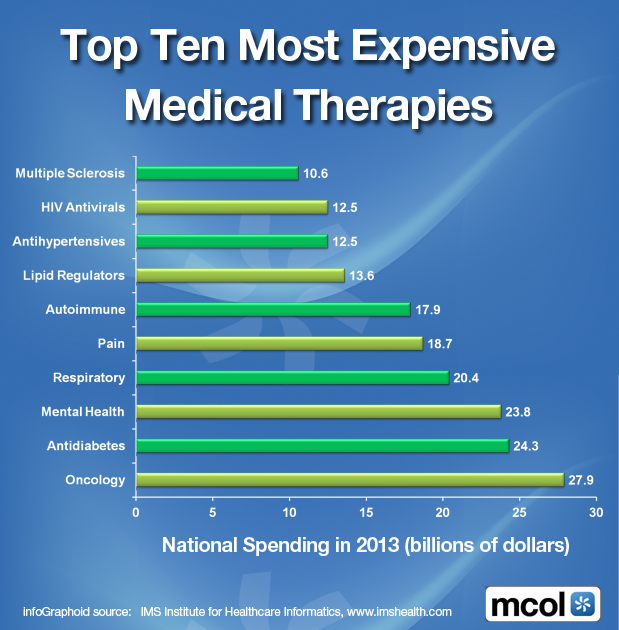
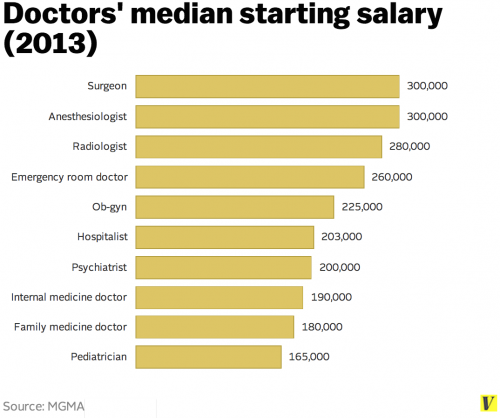
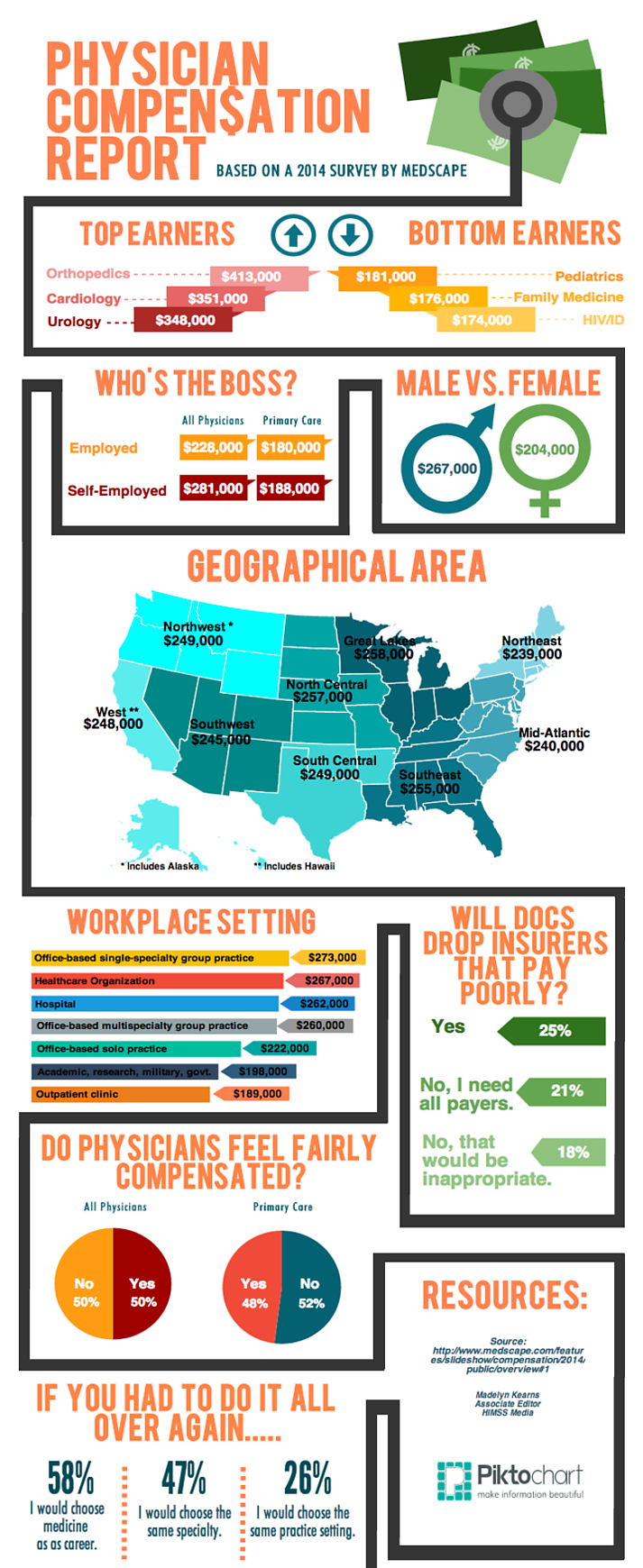
Identifying the Most Expensive Medical Therapies

Join Our Mailing List

A “Top-Ten” List

http://www.MCOL.com

ImageProxy

Conclusion

Your thoughts and comments on this ME-P are appreciated. Feel free to review our top-left column, and top-right sidebar materials, links, URLs and related websites, too. Then, subscribe to the ME-P. It is fast, free and secure.

Link: http://feeds.feedburner.com/HealthcareFinancialsthePostForcxos

Speaker: If you need a moderator or speaker for an upcoming event, Dr. David E. Marcinko; MBA – Publisher-in-Chief of the Medical Executive-Post – is available for seminar or speaking engagements. Contact: MarcinkoAdvisors@msn.com

OUR OTHER PRINT BOOKS AND RELATED INFORMATION SOURCES:

Product DetailsProduct DetailsProduct Details

Product DetailsProduct Details

Product Details


Retirement Savings Opportunities for Self-Employed and Small Practice Physicians

Join Our Mailing List 

Funding your own Retirement

Guy P. Jones

  • By Guy P. Jones CFP®
  • 21 Stone Creek Place
  • The Woodlands, TX  77382
  • 832-677-1692 www.guypjones.com

As a self-employed physician or small practice physician, it’s up to you to fund your own retirement. You don’t have your employer furnishing you a retirement program with matching dollars and various investment options in which to invest.

On your Own

Basically, you’re on your own to figure out the best plans, the best investments, and the appropriate fees to pay for these services. Oftentimes, without the help of a retirement plan specialist, self-employed physicians and small practice physicians choose the simplest plan, which may not be the best plan for their particular situation.

The Choices

Given the myriad of choices available, let’s take a look at the various plan options and what savings opportunities exist.

Retirement Plan 2014 Savings Limits for an  MD age 52 earning $300-k*

Plan type SIMPLE IRA SEP/PROFIT SHARING 401(k) Single DB Single DB + 401(k)
Maximum contribution $22,300 $52,000 $57,500 $183,000 $221,600

*Defined Benefit plan maximum contribution limits for a 52 year old, including “catch-up” contributions of $2500 for SIMPLE IRA, $5500 for 401(K)

Due to the simplicity of setting up and administering the plan, most self-employed physicians and small practice physicians choose either a SIMPLE IRA or a SEP/Profit Sharing plan. While simple and easy to administer, these plans don’t offer the maximum opportunity to set aside large annual tax-deductible contributions which can accumulate as much as $1-2 million in just 5-10 years. This higher level of contributions can potentially reduce income tax liability by $40,000 or more annually for individuals in higher income tax brackets.

While these higher limit plans may not be right for everyone, they are best suited for physicians who have self-employment income or small practice physicians who are older and want to increase their retirement savings while reducing their tax liability.

Ideal candidates are:

  • 40+ year of age
  • Interested in contributing more than $50,000 per year or a higher percentage of compensation that is allowed in a 401(k)
  • Able to make contributions for at least 3-5 years
  • Earning at least $100,000 per year in one of these ways:
  1. Owns a practice with 5 or fewer FT employees including the physician
  2. Is self-employed as the primary way of earning a living
  3. Has a second source of income whereby he/she is earning self-employment income
  4. Is an independent contractor vs. an employee
  5. Receives payments or royalties from patents, books, consulting, Board of Directors fees, or speaking engagements, etc.

***

leadership1

***

These plans can work for physicians and practices that are sole proprietors, partnerships, corporations, LLCs, LLPs, or PA’s. High income sole proprietors and couples who are in business together can potentially maximize contributions by doing a combination of a 401(k) and Defined Benefit plan.Recent legislation has increased the flexibility of Defined Benefit plans so that the physician can better manage their contributions from year to year.

However, defined benefit plan contributions are required to keep the plan on track each year to deliver the promised retirement benefit. If the physician wants to terminate the plan, the assets can be rolled over into an IRA where they will continue to grow tax-deferred until withdrawn.

Assessment

If you want to find out if one of these higher limit plans would be appropriate for your situation, don’t wait until the last minute for 2014. Plans such as this have to be opened by the end of the fiscal year or by December 31st if the practice is on a calendar year basis.

Conclusion

Your thoughts and comments on this ME-P are appreciated. Feel free to review our top-left column, and top-right sidebar materials, links, URLs and related websites, too. Then, subscribe to the ME-P. It is fast, free and secure.

Link: http://feeds.feedburner.com/HealthcareFinancialsthePostForcxos

Speaker: If you need a moderator or speaker for an upcoming event, Dr. David E. Marcinko; MBA – Publisher-in-Chief of the Medical Executive-Post – is available for seminar or speaking engagements. Contact: MarcinkoAdvisors@msn.com

OUR OTHER PRINT BOOKS AND RELATED INFORMATION SOURCES:

Product Details  Product Details

On Physician Pay Rising

Join Our Mailing List

A New Medscape Report

[By Staff Reporters]

Doctor salary

Physicians working in office-based solo practices and single-specialty practices saw a modest increase in their paychecks from 2012 to 2013, according to the lastest installment of Medscape’s annual Physician Compensation Report.

***

MD

***

Conclusion

Your thoughts and comments on this ME-P are appreciated. Feel free to review our top-left column, and top-right sidebar materials, links, URLs and related websites, too. Then, subscribe to the ME-P. It is fast, free and secure.

Link: http://feeds.feedburner.com/HealthcareFinancialsthePostForcxos

Speaker: If you need a moderator or speaker for an upcoming event, Dr. David E. Marcinko; MBA – Publisher-in-Chief of the Medical Executive-Post – is available for seminar or speaking engagements. Contact: MarcinkoAdvisors@msn.com

OUR OTHER PRINT BOOKS AND RELATED INFORMATION SOURCES:


Product DetailsProduct DetailsProduct Details

Product DetailsProduct Details

Product Details

Establishing a Healthcare Compliance Program

Join Our Mailing List 

Basic Program Components

trites

[By Pati Trites MPA CHBC]

All healthcare organizations should evaluate compliance policies and procedures for practicality and appropriateness on a regular basis.

The List

The following are suggested items for inclusion in a compliance program:

  • code of ethics;
  • code of conduct;
  • mission and vision statements;
  • employee handbook or manual;
  • rights and responsibilities of patients;
  • protocol for addressing compliance issues;
  • job descriptions;
  • performance evaluations; and
  • competency assessments.

***

Compliance

***

Conclusion

Your thoughts and comments on this ME-P are appreciated. Feel free to review our top-left column, and top-right sidebar materials, links, URLs and related websites, too. Then, subscribe to the ME-P. It is fast, free and secure.

Link: http://feeds.feedburner.com/HealthcareFinancialsthePostForcxos

Speaker: If you need a moderator or speaker for an upcoming event, Dr. David E. Marcinko; MBA – Publisher-in-Chief of the Medical Executive-Post – is available for seminar or speaking engagements. Contact: MarcinkoAdvisors@msn.com

OUR OTHER PRINT BOOKS AND RELATED INFORMATION SOURCES:

Product Details

On Next-Generation Medical Practice Management Strategies

Join Our Mailing List 

Establishing the Way-Forward

[By Dr. David Edward Marcinko MBA CMP™]
dr-david-marcinkoMedical practices today are operating in a new or next-generation practice management environment. There are significant pressures on physicians to increase, or at least maintain revenues and bottom line profits. These pressures are coming from many sources.

First, there is the increase in managed care penetration. As managed care grows, and the ACA implements via ACOs, doctors are forced to sign up with these health plans in order to maintain their patient base. They perform the same services but get paid less for them. Reimbursement is undergoing a paradigm shift, progressing from retail, to a wholesale, mentality. Capitation is changing reimbursement patterns. When capitation becomes the payment system, most doctors lose revenue simply because they do not know how to practice in this type of payment environment.

Second, payers’ have a continuous desire to reduce costs, including federal government programs such as Medicare and Medicaid. Many are bundling services together into single payments. More importantly, many payers are simply reducing what they pay doctors. Government intervention, such as HIPAA and eHRs, is also putting pressures on practice revenues. Increased scrutiny by the Government with regard to fraud and abuse issues, along with the Stark rules and regulations, have both impacted practice revenues. Some practices have found they cannot create the revenues they used to since Stark became law. As a result of government scrutiny, physicians coding practices have become much more conservative, thus impairing revenue.

Finally, these pressures have created a significant increase in competition within the healthcare marketplace. To increase revenues, physicians are becoming more aggressive in the marketplace. Many are spending more money on marketing activities in order to increase patient volume. Others are forming affiliations or alliances to go out and obtain exclusive contracting relationships, which is another way to increase patient volume.

In aggregate, physicians are now forced to take initiatives to increase practice revenues. Practices that do not place emphasis on this strategic strategy find themselves with declining revenues as well as declining profits. This means less money available for physician compensation. However, some practices have been successful in growing their revenues with the following practical strategies, which vary for each practice and each practice locale.

***

ImageProxy

***

Competing for Managed Care Related Contracts

The objective here is to go out and obtain exclusive contracting arrangements that will add profitability, not necessarily volume, to the practice. This usually means entering into an arrangement with a third party payer. To do this, the practice must do two things. First, it must make sure it is positioned so that a payer will want to award a contract to the practice. In other words, it must have something to sell to the payer. For example, primary care practices are attractive to those payers who want to award global risk contracting arrangements. Second, the practice must market itself to these payers. This means going out and meeting with payer representatives about potential contracting arrangements. The meeting should solicit from the payer what kind of exclusive contracting relationships it is looking for and more importantly, what it thinks about the practice itself. In other words, find out if the payer would even consider awarding a contract to the practice.

Ancillary services

A practice should analyze the services that it is now referring out, so that it can bring them in house to generate revenue. This conflicts with hospital-owned practices since the employed physicians refer most ancillaries to the hospital. In other words, because of government rules, the physicians cannot look to these revenues for additional compensation. However, still look for these opportunities – there might be ancillary services the hospital does not render or does not want to render that could be provided by the practice itself.

Examples of ancillary services that most medical practices could implement include lab, radiology (ie, X-Ray, mammography, echo testing, bone density testing, etc.).

Physician Extenders

As a result of declining reimbursement, physicians are spending less time on patient treatments that do not pay well. In other words, they are not spending time on care that could be rendered by someone else (i.e. by a lower cost provider). Adding a physician extender to a practice can increase revenues simply by freeing up physician time to do other, better paying clinical activities.

For example, an extender could conduct certain post-operative visits, which usually are not paid if treatment is within a designated global surgical period. Extenders could also be used to add patient volume, especially in primary care practices. Many busy practices hire extenders in order to allow patients quick, convenient access to a healthcare provider for simple medical conditions. This way, patients do not have to wait for an appointment. As a result, this leverages the volume of patients a practice can treat on a daily basis.

Added Venue Value

In some service areas, a medical practice can branch out to increase revenue. Practices may be successful adding satellite locations in areas that are either underserved or need a more qualified physician. For example, some practices in urban areas have set up satellite offices in other parts of their county, which are usually geographically outside the urban area itself. Since a significant amount of capital will normally be required to start up the office from scratch, it may be more practical to acquire or merge with an existing practice. The emphasis would then be on increasing the efficiency and profitability of that practice site.

Improving Operations and Productivity

In most cases, revenues can be increased for a medical practice simply by improving operations and physician productivity. For example, many practices have problems with their billing and collection activities, including receivables management. Charges do not get billed on a timely basis, collections at the time of service are inadequate, there is a failure to detect incorrect payer reimbursement, and receivable follow up is unstructured or non-existent. All of this can lead to high receivables and low collections – in other words, lower revenues. The entire billing and collection process should be analyzed and evaluated to see if there are any improvements that can be made that could increase practice revenues.

Next, physicians should look closely at CPT® coding patterns. This is critical for those practices operating in a fixed fee environment because fee schedules cannot be increased to generate additional revenues. First, look at your coding for evaluation and management services. Many doctors under code these services and many do not know how to bill for consultative visits. Look at all other coding issues related to your specific medical specialty. Are modifiers being applied correctly? Are surgical complications identified and billed correctly? Are all available CPT® codes being billed? These are just a few examples.

Make sure the practice fee schedule is maximized. There should not be any billing of a service where the billed charge is approved 100% for payment by the payer. This is especially true for managed care payers. To identify these situations, you must have a system in place to review the Explanation of Benefits (EOBs) that are received from the payers with each reimbursement. Look for those charges that were approved 100% for payment. When identified, the related service fee on the practice charge master should be increased immediately.

Finally, for hospital-owned medical practices, increasing physician productivity can result in an immediate increase in revenues. History has shown that physician productivity often declines after a physician practice is acquired. This is usually because the incentives in the employment contract are misplaced. In these situations, the incentive should be placed on the doctor’s base salary and not any bonus possibilities. A doctor will often maintain productivity if he or she knows that his or her base salary could decline if productivity targets are not met.

***
Business Med Practice

***

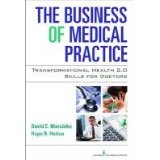
The Template Textbook for Success

For comprehensive practice management information on how to increase office efficiency, operations, revenue and profit, an excellent textbook is: The Business of Medical Practice, 3rd edition.

Assessment

Regardless, the keystone of integrated financial planning for all physicians is consistent income. The following practice benchmarking methodology will assist in proactively monitoring this all-important parameter of your financial life, before it is too late.

Conclusion

Your thoughts and comments on this ME-P are appreciated. Feel free to review our top-left column, and top-right sidebar materials, links, URLs and related websites, too. Then, subscribe to the ME-P. It is fast, free and secure.

Link: http://feeds.feedburner.com/HealthcareFinancialsthePostForcxos

Speaker: If you need a moderator or speaker for an upcoming event, Dr. David E. Marcinko; MBA – Publisher-in-Chief of the Medical Executive-Post – is available for seminar or speaking engagements. Contact: MarcinkoAdvisors@msn.com

OUR OTHER PRINT BOOKS AND RELATED INFORMATION SOURCES:

Product DetailsProduct Details

Product Details

Update on Healthcare Business Trends in 2014

Join Our Mailing List

Future Care 2014 e-Poll Findings

By www.MCOL.com

MCOL recently conducted its twelfth annual Future Care e-Poll, asking stakeholders their perspective of trends, winners and losers for the coming year and beyond. The corresponding white paper with complete findings from the e-poll is now available for MCOL members, including comparisons to previous year’s results.

Business

Participants were asked to respond to four items:

1. Please categorize your organization: (a) Payor (Health Plan, Employer, TPA, Agent, PBM); (b) Provider (Hospital, Physician, Pharmaceutical, Other Providers); (c) Vendor or Other

2. Which of the following health care business trends do you think will have the greatest overall impact in 2014?  (a)  Advances in Health Care Technology; (b) Consumerism Initiatives (c) Compliance Issues; (d) Effects of the Economy (e) Affordable Care Act Implementation (f) Increased Consumer Cost Sharing (g) Population Health and Wellness Initiatives (h) Government Spending Cuts (i) Other

3. Rate the ultimate anticipated impact in the marketplace of these selected health reform provisions including those already implemented:  (a) Accountable Care Organization Development; (b) Health Plan Medical Loss Ratio Regulation; (c) State Health Insurance Exchanges (d) Extension of Dependent Care Coverage; (e) EHR Development – Meaningful Use; (f) Health Insurance Guaranteed Issue/ Elimination of Pre-Existing Conditions; (g) Expansion of Medicaid Coverage; (h) Mandated Coverage Provisions for Business and Individuals

4. Please project who you think the economic winners and losers for 2014 will be: Who do you think will be economically better off, the same or worse off by this time next year:  (a) Consumers; (b) Employers; (c.) Health Plans; (d) Hospitals; (e) Physicians; (f) Pharmaceutical

Assessment

Link: http://www.mcol.com/futurecareepoll.pdf

Conclusion

Your thoughts and comments on this ME-P are appreciated. Feel free to review our top-left column, and top-right sidebar materials, links, URLs and related websites, too. Then, subscribe to the ME-P. It is fast, free and secure.

Link: http://feeds.feedburner.com/HealthcareFinancialsthePostForcxos

Speaker: If you need a moderator or speaker for an upcoming event, Dr. David E. Marcinko; MBA – Publisher-in-Chief of the Medical Executive-Post – is available for seminar or speaking engagements. Contact: MarcinkoAdvisors@msn.com

OUR OTHER PRINT BOOKS AND RELATED INFORMATION SOURCES:

DICTIONARIES: http://www.springerpub.com/Search/marcinko
PHYSICIANS: www.MedicalBusinessAdvisors.com
PRACTICES: www.BusinessofMedicalPractice.com
HOSPITALS: http://www.crcpress.com/product/isbn/9781466558731
CLINICS: http://www.crcpress.com/product/isbn/9781439879900
BLOG: www.MedicalExecutivePost.com
FINANCE: Financial Planning for Physicians and Advisors
INSURANCE: Risk Management and Insurance Strategies for Physicians and Advisors

Product DetailsProduct DetailsProduct Details

Product Details  Product Details

Product DetailsProduct Details

Product Details

Our ME-P Recommended Books Review

Join Our Mailing List

Purchase today and Profit in 2014

By Ann Miller RN MHA

[Executive-Director]

Product DetailsProduct DetailsProduct Details

Product Details  Product Details

Product DetailsProduct Details

Product Details

Conclusion

Your thoughts and comments on this ME-P are appreciated. Feel free to write a book review or check out our top-left column, and top-right sidebar materials, links, URLs and related websites, too. Then, subscribe to the ME-P. It is fast, free and secure.

Link: http://feeds.feedburner.com/HealthcareFinancialsthePostForcxos

Speaker: If you need a moderator or speaker for an upcoming event, Dr. David E. Marcinko; MBA – Publisher-in-Chief of the Medical Executive-Post – is available for seminar or speaking engagements. Contact: MarcinkoAdvisors@msn.com

###

Healthcare Business Trends of Greatest Impact for 2014

Join Our Mailing List

According to Healthcare Professionals

By www.MCOL.com

ImageProxy

Conclusion

Your thoughts and comments on this ME-P are appreciated. Feel free to review our top-left column, and top-right sidebar materials, links, URLs and related websites, too. Then, subscribe to the ME-P. It is fast, free and secure.

Link: http://feeds.feedburner.com/HealthcareFinancialsthePostForcxos

Speaker: If you need a moderator or speaker for an upcoming event, Dr. David E. Marcinko; MBA – Publisher-in-Chief of the Medical Executive-Post – is available for seminar or speaking engagements. Contact: MarcinkoAdvisors@msn.com

OUR OTHER PRINT BOOKS AND RELATED INFORMATION SOURCES:

DICTIONARIES: http://www.springerpub.com/Search/marcinko
PHYSICIANS: www.MedicalBusinessAdvisors.com
PRACTICES: www.BusinessofMedicalPractice.com
HOSPITALS: http://www.crcpress.com/product/isbn/9781466558731
CLINICS: http://www.crcpress.com/product/isbn/9781439879900
BLOG: www.MedicalExecutivePost.com
FINANCE: Financial Planning for Physicians and Advisors
INSURANCE: Risk Management and Insurance Strategies for Physicians and Advisors

Product DetailsProduct Details

Product Details

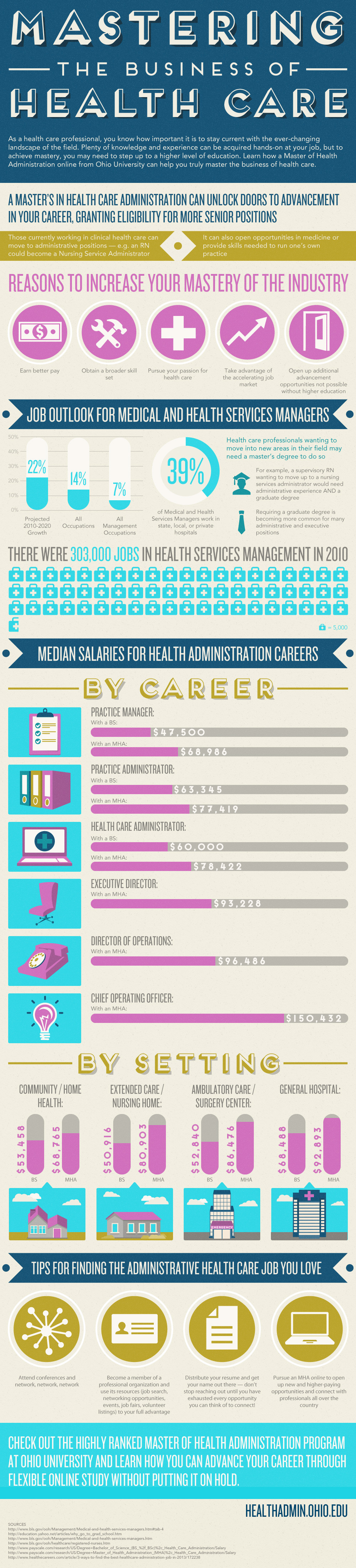
Mastering the Business of Healthcare

Ohio University Master of Health Administration Online

Join Our Mailing List

By Frankie Rendón

Ohio University online MHA

MBH

Link: Ohio University Master of Health Administration Online

Conclusion

Your thoughts and comments on this ME-P are appreciated. Feel free to review our top-left column, and top-right sidebar materials, links, URLs and related websites, too. Then, subscribe to the ME-P. It is fast, free and secure.

Link: http://feeds.feedburner.com/HealthcareFinancialsthePostForcxos

Speaker: If you need a moderator or speaker for an upcoming event, Dr. David E. Marcinko; MBA – Publisher-in-Chief of the Medical Executive-Post – is available for seminar or speaking engagements. Contact: MarcinkoAdvisors@msn.com

OUR OTHER PRINT BOOKS AND RELATED INFORMATION SOURCES:

DICTIONARIES: http://www.springerpub.com/Search/marcinko
PHYSICIANS: www.MedicalBusinessAdvisors.com
PRACTICES: www.BusinessofMedicalPractice.com
HOSPITALS: http://www.crcpress.com/product/isbn/9781466558731
CLINICS: http://www.crcpress.com/product/isbn/9781439879900
BLOG: www.MedicalExecutivePost.com
FINANCE: Financial Planning for Physicians and Advisors
INSURANCE: Risk Management and Insurance Strategies for Physicians and Advisors

Product DetailsProduct Details

Product Details

Why Modern Physician-Hospital Relations are more Important than Ever?

Join Our Mailing List 

It’s all About Collaboration

[By Jennifer Tomasik MS]

Jennifer TomasikToday’s constantly changing medical environment demands so much more of hospitals and physicians alike. Connections with one another become all-important as partners build practices, work with office staff to streamline services, collaborate with specialists to provide advanced care, use technology to enhance processes and communication, and align with hospitals to tap into sophisticated treatment and diagnostic resources. So much more can be accomplished and offered, and the complexities of business and professional life simplified, when relationships are cultivated, maintained and appreciated.

Example:

Perhaps a certain medical practice has a better way of organizing around the patient or a more effective way to recruit and retain a new physician, both of which are centered on developing strong relationships?

There may be opportunities to build healthier relationships with hospital leadership by seeking out occasions to provide meaningful and constructive feedback and input. The bottom line is that collaboration, whether it’s within the practice, across referral partnerships or with a hospital or other provider, is a key to making the relationship more successful for all involved.

Six Steps to Building Strong Relationships

Building a strong physician-to-physician or physician-to-hospital relationship is no different than building a relationship with your bank, your lawyer, your accountant or other non-healthcare service provider. You want each of them to make your life easier, solve your problems, return your calls and value both your business and you as a customer.

And, you treat each other with mutual respect, trust and even admiration.

The Six Steps

These six steps can go a long way toward building and sustaining strong relationships.

  1. Do your homework. Research the opportunities and learn from what others have done before you get started. Educate yourself about what has worked well and compare that situation to your own.
  2. Establish goals. Look at your consistent challenges, business issues, practice patterns and results and prioritize how those determine your goals. Use this as benchmarking data to help identify future needs and goals.
  3. Build a list of potential relationships. Create a profile of the ideal partner for a relationship. Then develop a list of potential partners who have as many of those characteristics as possible.
  4. Create a framework for competition. Consider what you offer to potential partners and how you can leverage that to your advantage in evaluating future relationships. Because some potential partners may eventually become your fiercest competitors, be cautious with the types of information and data you share.
  5. Select the relationship. Whether the relationship is with a fellow physician, a support staff person or a hospital system, use an interview process to determine the right match.
  6. Start off on the right foot. Conduct a kick-off meeting to start the relationship with open communication and clear expectations. Establish an atmosphere of collaboration and mutual respect. Allow other team members to get to know the newest addition while he or she is given time to get to know the practice and its processes and procedures. Ask for feedback early on in the relationship to avoid culture clashes or misunderstandings.  Don’t allow electronic communication or online social networking to replace personal, face-to-face communication.

Hospital with paper MRs

More:

ABOUT THE AUTHOR

Jennifer Tomasik is a Principal at CFAR, a boutique management consulting firm specializing in strategy, change and collaboration. Jennifer has worked in the health care sector for nearly 20 years, with expertise in strategic planning, large-scale organizational and cultural change, public health, and clinical quality measurement. She leads CFAR’s Health Care practice. Jennifer has a Master’s in Health Policy and Management from the Harvard School of Public Health. Her clients include some of the most prestigious hospitals, health systems and academic medical centers in the country.

Conclusion

Your thoughts and comments on this ME-P are appreciated. Feel free to review our top-left column, and top-right sidebar materials, links, URLs and related websites, too. Then, subscribe to the ME-P. It is fast, free and secure.

Link: http://feeds.feedburner.com/HealthcareFinancialsthePostForcxos

Speaker: If you need a moderator or speaker for an upcoming event, Dr. David E. Marcinko; MBA – Publisher-in-Chief of the Medical Executive-Post – is available for seminar or speaking engagements. Contact: MarcinkoAdvisors@msn.com

OUR OTHER PRINT BOOKS AND RELATED INFORMATION SOURCES:

DICTIONARIES: http://www.springerpub.com/Search/marcinko
PHYSICIANS: www.MedicalBusinessAdvisors.com
PRACTICES: www.BusinessofMedicalPractice.com
HOSPITALS: http://www.crcpress.com/product/isbn/9781466558731
CLINICS: http://www.crcpress.com/product/isbn/9781439879900
BLOG: www.MedicalExecutivePost.com
FINANCE: Financial Planning for Physicians and Advisors
INSURANCE: Risk Management and Insurance Strategies for Physicians and Advisors

Product Details

Understanding Economics of the Medical Practice Profit Motive

  Join Our Mailing List 

Wither the Patient-Assembly Line Product Mentality

By Dr. David Edward Marcinko MBA CMP™

[Editor-in-Chief]

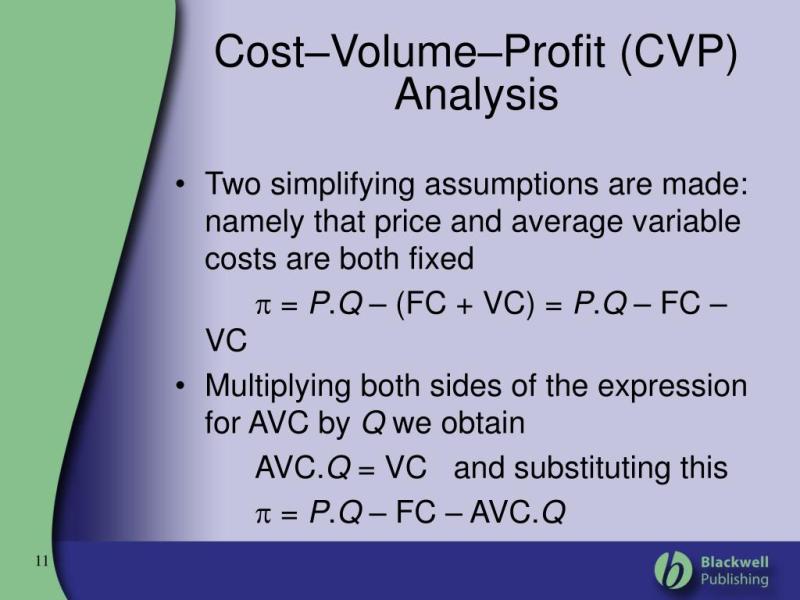
Dr. MarcinkoA cost-volume-profit relationship exists in any healthcare entity and emphasizes the point that the goal of an efficient emerging healthcare organization (EHO) should be profit optimization, rather than revenue or volume maximization.

The profit of any healthcare facility is what’s left after all financial outflows are removed from all financial inflows. This optimization is reached at the point where patient volume, fee per patient, and costs per patient produce highest profit, not the highest revenue.

This is the point of maximum efficiency and is where you want to be. It can be described in the equation below.

The Profit Equation

Medical profit traditionally can be defined by the equation:

Profit = (Price x Volume) – Costs

or P = (P x V) – C

whereas:

Revenue = Price x Volume

or R = PV

Making more Money

To make more money and increase profits, the [physician-executive] doctor must increase price (if possible), increase volume (if possible), or decrease costs (if possible); and ideally the doctor should perform all three maneuvers simultaneously.

Assumptions

If we assume that only costs are under the doctor’s control (a not altogether valid strategy), any strategic financial planning process that ignores them will not be beneficial.

A more efficient doctor addresses cost and volume together; but at some point, more volume does not equal more profit. This point is known as the average cost per patient and should be determined and known for each doctor, service segment, clinic, or hospital.

If visually graphed, the curve would be “U” shaped with both arms extending upward and the hump pointed downward at its most efficient point on the long-range average cost (LRAC) curve.

This tangent is the point of maximum efficiency and this is where the healthcare entity should be, as seen diagrammatically below.

Figs 1 and 2

Working harder by taking on more patients, performing additional procedures, or working additional hours in this scenario will not get the clinic, hospital, or medical practice ahead, only further behind and less economically efficient.

Thus, the main goal for all EHOs is profit improvement, not just revenue improvement …. DO-H!

Doctor-Business

The Cost Volume Relationship

Once the fixed and variable costs of a medical practice or hospital clinic are known, the effects of changes in volume on its cost structure can easily be determined.

This is known as the cost-volume relationship, as seen diagrammatically below.

Figs 1 and 2

Cost-Volume-Profit Analysis

Once a basic understanding of medical cost behavior has been achieved, the techniques of cost-volume-profit analysis (CVPA) can be used to further refine the managerial cost and profit aspects of the office business unit. They can also help illustrate the important differences between the traditional office net income statement and the more contemporary contribution margin income statement.

***

***

Assessment

CVPA is thus concerned with the relationship among prices of medical services, unit volume, per unit variable costs, total fixed costs, and the mix of services provided.

MORE: Negotiating CVPA

Conclusion

Your thoughts and comments on this ME-P are appreciated. Feel free to review our top-left column, and top-right sidebar materials, links, URLs and related websites, too. Then, subscribe to the ME-P. It is fast, free and secure.

Link: http://feeds.feedburner.com/HealthcareFinancialsthePostForcxos

Speaker: If you need a moderator or speaker for an upcoming event, Dr. David E. Marcinko; MBA – Publisher-in-Chief of the Medical Executive-Post – is available for seminar or speaking engagements. Contact: MarcinkoAdvisors@msn.com

OUR OTHER PRINT BOOKS AND RELATED INFORMATION SOURCES:

LEXICONS: http://www.springerpub.com/Search/marcinko
PHYSICIANS: www.MedicalBusinessAdvisors.com
PRACTICES: www.BusinessofMedicalPractice.com
HOSPITALS: http://www.crcpress.com/product/isbn/9781466558731
CLINICS: http://www.crcpress.com/product/isbn/9781439879900
ADVISORS: www.CertifiedMedicalPlanner.org
PODIATRISTS: www.PodiatryPrep.com
BLOG: www.MedicalExecutivePost.com

ACOs and Marketplace Competition

Join Our Mailing List

An Estimation of Material Impact

By www.MCOL.com

ACOs

Assessment

Conclusion

Your thoughts and comments on this ME-P are appreciated. Feel free to review our top-left column, and top-right sidebar materials, links, URLs and related websites, too. Then, subscribe to the ME-P. It is fast, free and secure.

Link: http://feeds.feedburner.com/HealthcareFinancialsthePostForcxos

Speaker: If you need a moderator or speaker for an upcoming event, Dr. David E. Marcinko; MBA – Publisher-in-Chief of the Medical Executive-Post – is available for seminar or speaking engagements. Contact: MarcinkoAdvisors@msn.com

OUR OTHER PRINT BOOKS AND RELATED INFORMATION SOURCES:

DICTIONARIES: http://www.springerpub.com/Search/marcinko
PHYSICIANS: www.MedicalBusinessAdvisors.com
PRACTICES: www.BusinessofMedicalPractice.com
HOSPITALS: http://www.crcpress.com/product/isbn/9781466558731
CLINICS: http://www.crcpress.com/product/isbn/9781439879900
BLOG: www.MedicalExecutivePost.com
FINANCE: Financial Planning for Physicians and Advisors
INSURANCE: Risk Management and Insurance Strategies for Physicians and Advisors

Product DetailsProduct Details

Product Details

On Items NOT Purchased in the Sale of a Medical Practice

Join Our Mailing List

Excluded – Not Included – Items

By Dr. Charles F. Fenton III JD

fentonMuch is written about the sale of a medical practice: price, taxes, terms, loans, negotiations and FMV etc; especially on this ME-P by Editor Dr. Dave Marcinko and his team. Excellent thoughts, all! But, little is written about items not purchased.

So, here is a different perspective.

Excluded Items

Items not purchased or “excluded items” often list the personal items of the parties – or of the employees of the parties. Such items would often include:

  1. All cash on hand or on deposit;
  2. All accounts receivable generated prior to the closing date;
  3. All prepaid expenses, utility deposits, tax rebates, insurance claims, credits due from suppliers and other allowances after Closing Date;
  4. The personal effects, including but not limited to; photographs, diplomas, uniforms, books, mementos, memorabilia, personally owned art objects and any other personal property owned by them;
  5. Life insurance, disability insurance, and disability buy-out insurance on seller;
  6. Motor vehicles used in connection with the practice;
  7. Any and all tangible and intangible assets used in conjunction with another practice of seller; and
  8. All other assets owned by seller other than those specifically described as items purchased.

ME-P medical malpractice education

Assessment

The exact items transferred will often depend upon the prior negotiations of the parties.

For example, the parties may have agreed that the accounts receivable will be transferred with the practice. In such an instance, the accounts receivable will be listed as an item to be purchased.

MORE:

Conclusion

Your thoughts and comments on this ME-P are appreciated. Feel free to review our top-left column, and top-right sidebar materials, links, URLs and related websites, too. Then, subscribe to the ME-P. It is fast, free and secure.

Link: http://feeds.feedburner.com/HealthcareFinancialsthePostForcxos

Speaker: If you need a moderator or speaker for an upcoming event, Dr. David E. Marcinko; MBA – Publisher-in-Chief of the Medical Executive-Post – is available for seminar or speaking engagements. Contact: MarcinkoAdvisors@msn.com

OUR OTHER PRINT BOOKS AND RELATED INFORMATION SOURCES:

DICTIONARIES: http://www.springerpub.com/Search/marcinko
PHYSICIANS: www.MedicalBusinessAdvisors.com
PRACTICES: www.BusinessofMedicalPractice.com
HOSPITALS: http://www.crcpress.com/product/isbn/9781466558731
CLINICS: http://www.crcpress.com/product/isbn/9781439879900
BLOG: www.MedicalExecutivePost.com
FINANCE: Financial Planning for Physicians and Advisors
INSURANCE: Risk Management and Insurance Strategies for Physicians and Advisors

Product DetailsProduct Details

Product Details

Pity the Poor Hospitals?

Join Our Mailing List

A Historical Look-Back to the Future?

wayne-firebaugh

By Wayne Firebaugh CPA, CFP® CMP™

www.CertifiedMedicalPlanner.org

Dr. Malcolm T. MacEachern, Director of Hospital Activities for the American College of Surgeons, presciently observed that:

… our hospitals are now involved in the worst financial crisis they have ever experienced. It is absolutely necessary to all of us to put our heads together and try to find some solution. If we are to have effective results we must have concerted and coordinated immediate action. … Repeated adjustments of expenses to income have been made. Never before has there been such a careful analysis of hospital accounting and study of financial policies. It is entirely possible for us to inaugurate improvements in business methods which will lead to greater ways and means of financing hospitals in the future. … It is true that all hospitals have already trimmed their sales to better meet the financial conditions of their respective communities. This has been chiefly through economies of administration. There has been more or less universal reduction in personnel and salaries; many economies have been effected. Everything possible has been done to reduce expenditures but this has not been sufficient to bring about immediate relief in the majority of instances. The continuance of the present economic conditions will force hospitals generally to further action. The time has come when this problem must be given even greater thought, both from its community and from its national aspect. [1]

In Agreement

Many health administration and endowment managers would agree that Dr. MacEachern accurately describes today’s healthcare funding environment. Although they might be startled to learn that Dr. MacEachern made these observations in 1932, there is the old truism that there is nothing new under the sun.

Today

More current healthcare statistics after the November 7th 2012 presidential election and Patient Protection-Affordable Care Act confirmation, suggest that the financial crises are much the same for today’s hospitals as they were for hospitals during the Great Depression.  The American Hospital Association (AHA) recently reported a number of gloomy statistics for hospitals: [2]

  • Hospitals provided $39 billion in uncompensated care to patients in 2010 representing 5.8% of their expenses.
  • Technology costs are soaring as traditional technologies such as X-Ray machines, for $175,000, are being replaced by contemporary technologies such as CAT Scanners at $1 million, that are in turn being replaced by CT Functional Imaging with PET Scans costing $2.3 million. Even such a “simple” instrument as a scalpel that costs $20, is being replaced by equipment for electrocautery costing $12,000, that is then being replaced by harmonic scalpels costing $30,000.

More Metrics

A further review added more daunting numbers: [3]

  • In 2010, 22.4% of hospitals reported a negative total margin.
  • From 1997 through 2009, hospitals saw a small net surplus from government payments from sources such as Medicare and Medicaid deteriorate into a deficit approaching $35 billion.
  • Emergency departments in 47% of all hospitals report operating at, or over, capacity partially reflecting an approximate 10% decline in the number of emergency departments since 1991.
  • The average age of hospital plants has increased 22.5% from 8.0 years to 9.8 years in just fifteen years.
  • From 2003 through September 2007, hospital bond downgrades have outpaced hospital bond upgrades by 19%.

In a time when so much seems different yet so much seems the same, hospitals are increasingly viewing their endowments as a source of help. But what is an endowment?

Latin Roots

The same Latin words that give rise to the word “dowry” also give rise to the word endowment.[4] Interestingly, the concepts of a dowry and an endowment are in many ways similar. Both are typically viewed as gifts for continuing support or maintenance.

With respect to the healthcare entity, an endowment is generally used to smooth variations in operating results and to fund extra programs or plant purchases. Any entity that enjoys the support of an endowment also encounters the conflicting objectives between current income and future growth.

Hospital

Assessment

Dean William Inge, a 19th century cleric and author, aptly noted that: “Worry is interest paid on trouble before it is due.”

When managing an endowment, it is important that the institution focus its attention on those items that it can control rather than worrying about those it cannot control. Successful endowment managers seem to agree that there are at least two major areas subject to the endowment’s control: asset allocation (also known as investment policy) and payout policy.

More:

Conclusion

Your thoughts and comments on this ME-P are appreciated. Feel free to review our top-left column, and top-right sidebar materials, links, URLs and related websites, too. Then, subscribe to the ME-P. It is fast, free and secure.

Link: http://feeds.feedburner.com/HealthcareFinancialsthePostForcxos

Speaker: If you need a moderator or speaker for an upcoming event, Dr. David E. Marcinko; MBA – Publisher-in-Chief of the Medical Executive-Post – is available for seminar or speaking engagements. Contact: MarcinkoAdvisors@msn.com

OUR OTHER PRINT BOOKS AND RELATED INFORMATION SOURCES:

DICTIONARIES: http://www.springerpub.com/Search/marcinko
PHYSICIANS: www.MedicalBusinessAdvisors.com
PRACTICES: www.BusinessofMedicalPractice.com
HOSPITALS: http://www.crcpress.com/product/isbn/9781466558731
CLINICS: http://www.crcpress.com/product/isbn/9781439879900
BLOG: www.MedicalExecutivePost.com
FINANCE: Financial Planning for Physicians and Advisors
INSURANCE: Risk Management and Insurance Strategies for Physicians and Advisors


[1]   MacEachern, M.T., MD. “Some Economic Problems Affecting Hospitals Today and Suggestions for Their Solution.” The Bulletin of the American Hospital Association. July 1932.

[2]   Steinberg, C. Overview of the U.S. Healthcare System.  American Hospital Association (2003). Carline Steinburg is Vice President, Health Trends Analysis, for AHA.

[3]   “Trends Affecting Hospitals and Health Systems.”  TrendWatch Chartbook 2010.  American Hospital Association (2010).

[4]   Merriam-Webster Online.

Product DetailsProduct Details

Empathy – the business of treating people [Video]

Join Our Mailing List

A Cleveland Clinic Initiative

[By staff reporters]

If you haven’t seen this viral video yet, you’re in for tear-jerking treat.

A production of Cleveland Clinic highlighting the need to “understand” people in the medical setting. The direct implication is that such understanding goes beyond the medical setting, and can be transferred to all settings where people interact.

Watch “If We Could See Inside Others’ Hearts” here:

Delacroix[DELACROIX]

Assessment

This short film captures the essence of the “business” of treating people: empathy.

More: www.CertifiedMedicalPlanner.org

Conclusion

Your thoughts and comments on this ME-P are appreciated. Feel free to review our top-left column, and top-right sidebar materials, links, URLs and related websites, too. Then, subscribe to the ME-P. It is fast, free and secure.

Link: http://feeds.feedburner.com/HealthcareFinancialsthePostForcxos

Speaker: If you need a moderator or speaker for an upcoming event, Dr. David E. Marcinko; MBA – Publisher-in-Chief of the Medical Executive-Post – is available for seminar or speaking engagements. Contact: MarcinkoAdvisors@msn.com

OUR OTHER PRINT BOOKS AND RELATED INFORMATION SOURCES:

LEXICONS: http://www.springerpub.com/Search/marcinko
PHYSICIANS: www.MedicalBusinessAdvisors.com
PRACTICES: www.BusinessofMedicalPractice.com
HOSPITALS: http://www.crcpress.com/product/isbn/9781466558731
CLINICS: http://www.crcpress.com/product/isbn/9781439879900
ADVISORS: www.CertifiedMedicalPlanner.org
BLOG: www.MedicalExecutivePost.com

Product DetailsProduct Details

Product Details

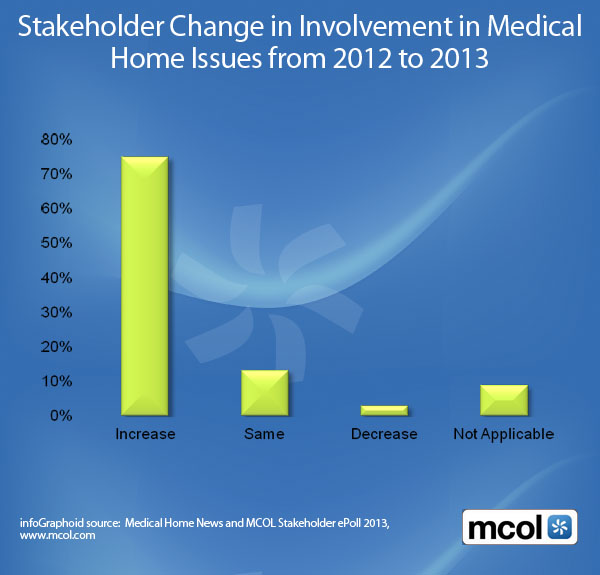
Stakeholder Changes for Involvement in Medical Homes [2012-13]

Join Our Mailing List

Update on the Patient Centered Medical Home Movement

By: www.MCOL.com

The medical home, also known as the patient-centered medical home (PCMH), is a team based health care delivery model led by a physician, PA, NP or ANP that provides comprehensive and continuous medical care to patients with the goal of obtaining maximized health outcomes. It is “an approach to providing comprehensive primary care for children, youth and adults”.

The provision of medical homes may allow better access to health care, increase satisfaction with care, and improve health. Joint principles that define a PCMH have been established through the cohesive efforts of the American Academy of Pediatrics (AAP), American Academy of Family Physicians (AAFP), American College of Physicians (ACP), and American Osteopathic Association (AOA).

MHs

Assessment

With a medical home, care coordination is an essential component of the PCMH. Care coordination requires additional resources such as health information technology, and appropriately trained staff to provide coordinated care through team-based models.

Additionally, payment models that compensate PCMHs for their effort devoted to care coordination activities and patient-centered care management that fall outside the face-face patient encounter may help encourage coordination.

More:

Conclusion

Your thoughts and comments on this ME-P are appreciated. Feel free to review our top-left column, and top-right sidebar materials, links, URLs and related websites, too. Then, subscribe to the ME-P. It is fast, free and secure.

Link: http://feeds.feedburner.com/HealthcareFinancialsthePostForcxos

Speaker: If you need a moderator or speaker for an upcoming event, Dr. David E. Marcinko; MBA – Publisher-in-Chief of the Medical Executive-Post – is available for seminar or speaking engagements. Contact: MarcinkoAdvisors@msn.com

OUR OTHER PRINT BOOKS AND RELATED INFORMATION SOURCES:

LEXICONS: http://www.springerpub.com/Search/marcinko
PHYSICIANS: www.MedicalBusinessAdvisors.com
PRACTICES: www.BusinessofMedicalPractice.com
HOSPITALS: http://www.crcpress.com/product/isbn/9781466558731
CLINICS: http://www.crcpress.com/product/isbn/9781439879900
ADVISORS: www.CertifiedMedicalPlanner.org
BLOG: www.MedicalExecutivePost.com

Product DetailsProduct DetailsProduct Details

Product DetailsProduct Details

Product Details

Modern Office Management Skills for Savvy Physicians

Join Our Mailing List

“Learning” about The Business of Medical Practice in Modernity

By Ann Miller RN MHA

www.BusinessofMedicalPractice.com

###

Medical Business Advisors

###

Product DetailsProduct DetailsProduct Details

###

LEXICONS: http://www.springerpub.com/Search/marcinko
PHYSICIANS: www.MedicalBusinessAdvisors.com
PRACTICES: www.BusinessofMedicalPractice.com
HOSPITALS: http://www.crcpress.com/product/isbn/9781466558731
CLINICS: http://www.crcpress.com/product/isbn/9781439879900
ADVISORS: www.CertifiedMedicalPlanner.org
BLOG: www.MedicalExecutivePost.com

###

Hospital Information Systems and the PP-ACA

Join Our Mailing List

Extension of Hospital Information Systems Beyond the Hospital

By Brent A. Metfessel MD

Dr. MetfesselThe Patient Protection and Affordable Care Act (ACA), affirmed after the November 7th 2012 presidential election, includes a number of policies and potential projects with the aim of improving quality of care while reducing costs – or at least greatly slowing increases in health care costs from year to year.

Included in this effort are CMS payment incentives for providers that can show care patterns that meet the goals of high quality, cost-efficient care.

HHS and ACOs 

On March 31, 2011, the Department of Health and Human Services (HHS) released a set of proposed new rules to aid clinicians, hospitals, and other health facilities and providers to improve coordination of care for Medicare patients using a model known as Accountable Care Organizations (ACOs). ACOs that are shown to lower health care cost growth while meeting CMS quality benchmarks, including measures of patient/caregiver experience of care, care coordination, patient safety, preventive health, and health of high-risk populations, will receive incentive payments as part of the Medicare Shared Savings Program.

But, in some proposed models ACOs may also be held accountable for shared losses.

Care Co-ordination

Coordination of care means that hospitals, physician offices, and other providers have a complete record of patients’ episodes of care, including diagnostic tests, procedures, and medication information.  This potentially would decrease extra costs from unnecessary duplication of services as well as reducing medical errors from incomplete understanding of the patients’ illness histories and medical care provided.

It is also believed that better coordination of care may prevent 30-day hospital readmissions (which occur for nearly one in five Medicare discharges), since needed post-discharge care would be more readily obtainable with more aggressive care coordination.

Medicare patients in ACOs, however, would still be allowed to see providers outside of the ACO, and proposals exist to prevent physicians in ACOs from being penalized for patients with a greater illness severity or complexity.

According to a CMS analysis, ACOs may result in Medicare savings of up to $960 million over three years.  Although the Affordable Care Act’s ACO provisions primarily target Medicare beneficiaries, private insurers are also beginning to create care models based on the accountable care paradigm.  Insurers could offer similar incentives to the ACO model described above, and which might include features such as performance based contracting or tiered benefit models that favor physicians who score highly on care quality and cost-efficiency measures.

Balance

Only the Beginning

ACOs and other implementations of the accountable care paradigm, however, are in their beginning stages, with a number of pilots around the country currently being conducted to more fully evaluate the concept, and there still is some controversy over the best way to achieve these goals. It is a continuing balancing act.

The critical point here is that in all likelihood, with the advent of the ACA and other initiatives, stemming the upward tide of medical cost increases becomes an even higher priority, and no matter what the final models will look like, the success of any of the models requires a high level of care coordination – requiring information systems that are fully compatible and allow seamless and errorless transmission of information between sites of service and the various providers that can be involved in patient care.

More:

  1. Ground Breaking Book Explains Why Accountable Care Organizations May Be the Answer the Health Care Industry Has Been Seeking!
  2. Evaluating ACOs at Mid-Launch
  3. How Using a ‘Scorecard’ Can Smooth Your Hospital’s Transition to a Population Health-Based Reimbursement Model
  4. Doubting the Accountable Care Organization B-Model

Assessment

Thus, wherever a patient goes for care, all the information needed to provide high-quality and cost-efficient care is immediately available.

References

Feds Take Critical Look at Meaningful Use Payments”, InformationWeek Healthcare, October 24, 2012.  http://www.informationweek.com/healthcare/policy/feds-take-critical-look-at-meaningful-us/240009661 [Accessed on November 2, 2012].

Conclusion

Your thoughts and comments on this ME-P are appreciated. Feel free to review our top-left column, and top-right sidebar materials, links, URLs and related websites, too. Then, subscribe to the ME-P. It is fast, free and secure.

Link: http://feeds.feedburner.com/HealthcareFinancialsthePostForcxos

Speaker: If you need a moderator or speaker for an upcoming event, Dr. David E. Marcinko; MBA – Publisher-in-Chief of the Medical Executive-Post – is available for seminar or speaking engagements. Contact: MarcinkoAdvisors@msn.com

OUR OTHER PRINT BOOKS AND RELATED INFORMATION SOURCES:

LEXICONS: http://www.springerpub.com/Search/marcinko
PHYSICIANS: www.MedicalBusinessAdvisors.com
PRACTICES: www.BusinessofMedicalPractice.com
HOSPITALS: http://www.crcpress.com/product/isbn/9781466558731
CLINICS: http://www.crcpress.com/product/isbn/9781439879900
ADVISORS: www.CertifiedMedicalPlanner.org
PODIATRISTS: www.PodiatryPrep.com
BLOG: www.MedicalExecutivePost.com

Product DetailsProduct Details

Product Details

Some Modern Issues Impacting Hospital Revenue Cycles

Join Our Mailing List

By Carol S. Miller RN CPM MHA

By Dr. David Edward Marcinko MBA CMP™

Carol S. Miller “Collectively the healthcare industry spends over $350 Billion to submit and process claims while still working with cumbersome workflows, inefficient processes, and a changing landscape marked by increasing out-of-pocket cost for patients as well as increasing operating costs.”

The Norm Continues Downhill

For many years hospitals and healthcare organizations have struggled to maintain and improve their operating margins.  They continue to face a widening gap between their operating costs and the revenues required to cover not only current costs, but also to finance strategic growth initiatives and investments.

Faced with increased operational costs and associated declines in rates of reimbursement, many healthcare hospital executives and leaders are concerned that they will not achieve margin targets.  To stabilize the internal financial issue, some hospital have focused on lowering expenses in order to save costs – an area they control and an area that will show an immediate impact; however, that is not the best solution.

Beware Cost Reductions

Hospital executives are concerned with the effect that these reductions may have on patient quality and service.  Finding ways to maximize workflow to lower operating costs is vital.  Every dollar not collected negatively impacts short- and long term capital projects, lowers patient satisfaction scores and possibly affects quality of patient care.

Status Today

Hospitals, healthcare organizations and all medical providers are under great pressure to collect revenue in order to remain solvent. And so, here are some of the issues impacting the modern hospital revenue cycle as Obama-Care, or the PP-ACA of 2010, is launched next month?

Issues Impacting the Revenue Cycle

Several of the major leading issues facing the revenue cycle are:

  • Impact of Consumer-driven Health – This process has emerged as a new approach to the traditional managed care system, shifting payment flows and introducing new “non-traditional” parties into the claims processing workflow.  As market adoption enters the mainstream, consumer-driven health stands to alter the healthcare landscape more dramatically than anything we have seen since the advent of managed care.  This process places more financial responsibility on the consumer to encourage value-drive healthcare spending decisions.
  • Competing high-priority projects –Hospitals are feeling pressured to maximize collections primarily because they know changes are coming down the pike due to healthcare reform and they know they will need to juggle these major initiatives along with the day-to-day revenue cycle operations.
  • Lack of skilled resources in several areas – Hospital have struggled to find the right personnel with sufficient knowledge of project management, clinical documentation improvement, coding and other revenue cycle functions, resulting in inefficient operations.
  • Narrowing margins – Declines in reimbursement are forcing hospitals to look at their organization to determine if they can increase efficiencies and automate to save money.  Hospitals are faced with the potential of increased cost to upgrade and adapt clinical software while not meeting budget projections.  There are a number of factors contributing to the financial pressure including inefficient administrative processes such as redundant data collection, manual processes, and repetitive rework of claims submissions.  Also included are organizations using outdated processes and legacy technologies.
  • Significant market changes – Regardless of what happens with the Patient Protection and Affordable Care Act, hospitals will have to deal with fluctuating amounts of insured and uninsured patients and variable payments.
  • Limited access to capital – With the trend towards more complex and expensive systems, industry may not have the internal resources and funding to build and manage these systems that keep pace with the trends.
  • Need to optimize revenue – There are five core areas hospitals have to examine carefully and they are:
    • ICD-10 – This is an entirely new coding and health information technology issue but is also a revenue issues
    • System integration – Hospitals need to look at integrating software and hardware systems that can combine patient account billing, collections and electronic health records.
    • Clinical documentation – Meaningful use will require detailed documentation in order for payment to be made and this is another revenue issue.
    • Billing and claims management – Reducing denials and reject claims, training staff, improving point-of-service collections and decreasing delays in patient billing can improve the revenue cycle productivity,
    • Contract analysis – Hospitals need to focus more on negotiating rates with insurers in order to increase revenue.

Hospital

Conclusion

Your thoughts and comments on this ME-P are appreciated. Feel free to review our top-left column, and top-right sidebar materials, links, URLs and related websites, too. Then, subscribe to the ME-P. It is fast, free and secure.

Speaker: If you need a moderator or speaker for an upcoming event, Dr. David E. Marcinko; MBA – Publisher-in-Chief of the Medical Executive-Post – is available for seminar or speaking engagements. Contact: MarcinkoAdvisors@msn.com

OUR OTHER PRINT BOOKS AND RELATED INFORMATION SOURCES:

Product Details

Product DetailsProduct Details

***

Some Prudent Thoughts on Hospital Stewardship

Join Our Mailing List 

And … Capital Formation

By Calvin Weise MBA CPA CMA

By Dr. David Edward Marcinko MBA CMP™

Some of the most important strategic decisions hospital executives make are related to capital expenditures. Almost every hospital has capital investment opportunities that are far in excess of their capital capacity. Capital investments are bets on the future. How these capital bets are placed has long-lasting implications. It is of utmost importance that hospitals bet right.

Hospitals as Businesses

Hospitals are capital intensive businesses. Hospital buildings are unique structures that require large amounts of capital to construct and maintain. Inside these buildings are pieces of expensive equipment that have fairly short lives. Technological innovations continually drive demand for new and more expensive equipment and facilities. The ability to continually generate capital is the lifeblood of hospitals.

But – Profits Needed

In order to compete and succeed, it’s imperative for hospitals to continually invest in large amounts of capital equipment and expensive facilities.

Capital investment is fueled by profit. In order to continually make the necessary capital investments, hospitals must be profitable. Hospitals unable to generate sufficient profit will fail to make important capital investments, weakening their ability to compete and survive.

Hospital managers bear important responsibility in choosing which capital investments to make. There are always more capital opportunities than capital capacity. In many cases, capital opportunities not taken by hospitals create openings for others with capital capacity to fill the vacuum. By not taking such opportunities, hospitals are weakened, and their operating risk increases.

Stewardship

Stewardship is a term that aptly describes the responsibility borne by hospital managers in making capital investments. The New Testament parable of the talents describes this kind of stewardship. In this story, a merchant entrusted three managers with money to invest. One manager was given five units, another two, and a third one. At the end of the investment period, the two managers given five units and two units reported a 100% return. The manager given one unit reported zero return — he was fired and his unit was given to the first manager.

CXOs are Stewards

This is stewardship — and hospital managers are stewards of their organizations’ assets. Too often, not-for-profit hospital managers hold an erroneous view of the returns expected of them. Like the third manager in the parable, they think zero return on equity is acceptable. They understand capital investment funded by debt needs to cover the interest on the debt, but they view capital investments funded by equity as having no cost associated with the equity.

From an accounting perspective, they are right. From a stewardship perspective they are dead wrong — just like the third manager in the parable.

###

Hospital

####

Here’s Why

As stewards, they are responsible for managing the entrusted assets. They can either put these assets at risk themselves, or they can put those assets in the market and let other managers put them at risk. If they choose to put them at risk themselves, then they have the mandate of creating as much value from putting them at risk as they would realize if they put them in the market for other managers to put at risk.

CXOs have the duty to realize returns that are equivalent to the returns they could realize in the market; otherwise, they should just put them in the market. They can either invest in hospital assets or work the assets themselves, or they can invest in financial market assets so others can work the assets. When they choose to invest in hospital assets, the required return is not zero. That’s the return they get fired for. The required return is equivalent to market returns.

Assessment

Thus, when evaluating performance of hospital management teams, the minimum acceptable performance level is return on equity that is equivalent to the return that could be realized by investing the hospital assets in the market. And when evaluating a capital investment opportunity, it is important to apply a capital charge equivalent to the hospital’s weighted cost of capital — a measure that imputes an appropriate cost to the equity portion of the capital along with the stated interest rate for the debt portion of the capital structure.

Conclusion

Your thoughts and comments on this ME-P are appreciated. Feel free to review our top-left column, and top-right sidebar materials, links, URLs and related websites, too. Then, subscribe to the ME-P. It is fast, free and secure.

Link: http://feeds.feedburner.com/HealthcareFinancialsthePostForcxos

Speaker: If you need a moderator or speaker for an upcoming event, Dr. David E. Marcinko; MBA – Publisher-in-Chief of the Medical Executive-Post – is available for seminar or speaking engagements. Contact: MarcinkoAdvisors@msn.com

OUR OTHER PRINT BOOKS AND RELATED INFORMATION SOURCES:

Health Dictionary Series: http://www.springerpub.com/Search/marcinko

Practice Management: http://www.springerpub.com/product/9780826105752

Physician Financial Planning: http://www.jbpub.com/catalog/0763745790

Medical Risk Management: http://www.jbpub.com/catalog/9780763733421

Hospitals: http://www.crcpress.com/product/isbn/9781439879900

Physician Advisors: www.CertifiedMedicalPlanner.org

Product DetailsProduct Details

More ME-P Industry Leading “WORKING WHITE-PAPERS”

Join Our Mailing List

OUR INDUSTRY “WORKING WHITE-PAPER” KNOWLEDGE SERIES … for only $99 each!

By Ann Miller RN MHA

[ME-P Executive Director]

At the ME-P working white-paper and iMBA Knowledge Center, we bring to life health administration best practices for BDs, RIAs, consulting firms, private equity and mutual fund companies, institutional wealth managers, physician-executives, administratrors, CXOs, hospitals and clinics, and large financial planning and business management firms.

Books

Certified Medical Planner

###

Therefore, as part of the combined ME-P and iMBA Research Library®, we highly recommend these Working White-Papers [WW-Ps] on various business management principles of the healthcare industry.

Topics: https://medicalexecutivepost.com/wp-content/uploads/2009/02/imba-inc-firm-services.pdf

Sample: http://certifiedmedicalplannerdotorg1.files.wordpress.com/2012/03/summary-white-paper-topics2.pdf

Checklists: https://medicalexecutivepost.com/office-checklists-on-cd-rom/

PayPal: Only $99 each.

ORDER HERE: MarcinkoAdvisors@msn.com

More Info

https://medicalexecutivepost.com/white-papers/

Business%20Optimization

About the ICD-10 Hub

Join Our Mailing List
Free Transition Information and News

[By Staff Reporters]

ICD-10 Hub is a leading source of information about ICD-10 news and events.

Sponsored by the AAPC and Navicure, this website is dedicated to being an essential resource to help practices and HIT vendors understand how this transition will impact the entire industry and how every organization can properly prepare.

loop11

Assessment

So, give em’ a click, and tell us what you think?

http://icd10hub.com/

Conclusion

Your thoughts and comments on this ME-P are appreciated. Feel free to review our top-left column, and top-right sidebar materials, links, URLs and related websites, too. Then, subscribe to the ME-P. It is fast, free and secure.
Link: http://feeds.feedburner.com/HealthcareFinancialsthePostForcxos

Speaker: If you need a moderator or speaker for an upcoming event, Dr. David E. Marcinko; MBA – Publisher-in-Chief of the Medical Executive-Post – is available for seminar or speaking engagements. Contact: MarcinkoAdvisors@msn.com

OUR OTHER PRINT BOOKS AND RELATED INFORMATION SOURCES:
Health Dictionary Series: http://www.springerpub.com/Search/marcinko
Practice Management: http://www.springerpub.com/product/9780826105752
Physician Financial Planning: http://www.jbpub.com/catalog/0763745790
Medical Risk Management: http://www.jbpub.com/catalog/9780763733421
Hospitals: http://www.crcpress.com/product/isbn/9781439879900
Physician Advisors: http://www.CertifiedMedicalPlanner.org

Product DetailsProduct Details

Why Hospitals Should Use Financial Management Checklists

Join Our Mailing List

Financial Management Strategies for Hospital and Healthcare Organizations [Tools, Techniques, Checklists and Case Studies]

By Neil H. Baum MD

Dr. BaumIt is fitting that ME-P Editor Dr. David Edward Marcinko MBA CMP™ and his fellow experts, have laid out a plan of action in Financial Management Strategies for Hospital and Healthcare Organizations: Tools, Techniques, Checklists and Case Studies that physicians, nurse-executives, administrators and institutional Chief Executive Officers, Chief Financial Officers, MBAs, lawyers and healthcare accountants can follow to help move healthcare financial fitness forward during these unchartered waters.

In medicine – It all began with Dr. Atul Gawande, a surgeon at Massachusetts General Hospital, who reviewed the airline industry and their use of checklists prior to take off of an airplane.

The history of aviation checklists began in 1934 when Boeing was in the final process of testing a U.S. Army fighter plane with a potential contract of nearly 200 planes riding on the final test of the plane. The test aircraft made a normal taxi and takeoff. It began a smooth climb, but then suddenly stalled. The aircraft turned on one wing and fell, bursting into flames upon impact killing two of the test pilots. The investigation found pilot error as the cause. One of the pilots who was unfamiliar with the aircraft had neglected to release the elevator lock prior to take off. The contract with Boeing was in jeopardy.

Thus, the pilots sat down and put their heads together. What was needed was some way of making sure that everything to prevent crashes was being done; that nothing was overlooked. What resulted was a pilot’s checklist developed before takeoff, during flight, before landing, and after landing. These checklists for the pilot and co-pilot made sure that nothing was forgotten and safety of the planes was insured.

Medical Care and Hospitals

So, what does airline safety have to with medical care and hospitals?

There are so many activities that take place in medicine such as the operating room, that are far too complicated to be left to memory of doctors, nurses, anesthesiologists, and others involved in the surgical care of patients.  Dr. Gawande identified the key components of a surgical procedure which include the name of the patient, the procedure to be performed, the estimated length of the procedure, whether the right or left side is the surgical target, how much blood loss is anticipated, whether antibiotics have been given prior to making the incision, and the anesthetic risk of the patient.  This use of a checklist which takes approximately 30 seconds has not only prevented wrong side surgery but also instills a discipline of higher performance.

###

Financial Management Strategies for Hospitals and Healthcare Organizations

Financial Management Strategies for Hospitals and Healthcare Organizations: Tools, Techniques, Checklists and Case Studies

###

From the Clinic to the Boardroom

And so, should [can] we port the clinical checklist example of Atul Gawande for use with non-clinical topics like hospital financial management and administration?

Assessment

Yes – We have a challenge and the Financial Management Strategies for Hospital and Healthcare Organizations: Tools, Techniques, Checklists and Case Studies is a step in the direction to make all of the stakeholders in the healthcare arena become sensitive to reducing and controlling costs and at the same time preserve quality of care.

This can be done.  I suggest you start by reading, using and referring to this excellent book.

And so, what is my final advice? Read the Book!

Some of you who will read this book are CXOs COOs, Chief Medical Officers and maybe even COS. (Chiefs of Staff). But, all of you should become CLOs (Chief Life Officers)!  Read this book and the initials CLO will appear after your name!

Note:

Neil H. Baum MD is a Clinical Associate Professor of Urology at the Tulane Medical School, New Orleans, LA. He is also a thought-leader for this ME-P. 

Conclusion

Your thoughts and comments on this ME-P are appreciated. Feel free to review our top-left column, and top-right sidebar materials, links, URLs and related websites, too. Then, subscribe to the ME-P. It is fast, free and secure.

Speaker: If you need a moderator or speaker for an upcoming event, Dr. David E. Marcinko; MBA – Publisher-in-Chief of the Medical Executive-Post – is available for seminar or speaking engagements. Contact: MarcinkoAdvisors@msn.com

OUR OTHER PRINT BOOKS AND RELATED INFORMATION SOURCES:

Product DetailsProduct DetailsProduct Details

Product DetailsProduct Details

PP-ACA Physician Ownership Provisions

Join Our Mailing List

Understanding the “whole hospital exception” to the Stark laws

By Dr. David Edward Marcinko MBA CMP®

www.CertifiedMedicalPlanner.org

Dr. David E. Marcinko MBAThis was a big week for healthcare reform, wasn’t it? Some provisions of the PP-ACA requiring the employer mandates were delayed another year; until January 1, 2015.

But, before passage of the ACA in 2010, the “whole hospital exception” to the Stark law allowed physicians to have an ownership interest in a hospital to which those physicians refer patients, provided the physician is invested in the whole hospital and not a subdivision of the hospital, with no limitations as to the amount or extent of physician ownership, on either an aggregate or individual basis.

Prohibitions

Now, according to colleague Robert James Cimasi MHA, AVA, ASA, MCBA, CMP®, of www.HealthCapital.com, The ACA completely prohibits physician-owned hospitals which were not Medicare-certified by December 31, 2010.

[1] The ACA allows hospitals with a provider agreement prior to December 31, 2010 to continue Medicare participation if they meet the following four criteria: (1) located in a county with a population growth rate of at least150% the state’s population growth over the last 5 years; (2) have Medicaid inpatient admission percentage of at least the average of all hospitals in the county; (3) located in a state with below-national-average bed capacity; and, (4) have bed occupancy rate greater than state average. [2]

Grandfathered

A very limited number of physician-owned hospital existing in 2010 met or were close to meeting all 4 of criteria.[3] The Reconciliation Act provided a limited exception to the ACA growth restrictions for grandfathered physician owned hospitals that treat the highest percentage of Medicaid patients in their county (and are not the sole hospital in a county).[4]

###

Financial Management Strategies for Hospitals and Healthcare Organizations: Tools, Techniques, Checklists and…

### 

Assessment

Based on these provisions, the 2010 healthcare reform legislation will likely have a considerable negative impact on physician-owned hospitals, in terms of impeding development of new hospitals and expansion of existing hospitals.

Conclusion

Your thoughts and comments on this ME-P are appreciated. Feel free to review our top-left column, and top-right sidebar materials, links, URLs and related websites, too. Then, subscribe to the ME-P. It is fast, free and secure.

Link: http://feeds.feedburner.com/HealthcareFinancialsthePostForcxos

Speaker: If you need a moderator or speaker for an upcoming event, Dr. David E. Marcinko; MBA – Publisher-in-Chief of the Medical Executive-Post – is available for seminar or speaking engagements. Contact: MarcinkoAdvisors@msn.com

OUR OTHER PRINT BOOKS AND RELATED INFORMATION SOURCES:

Health Dictionary Series: http://www.springerpub.com/Search/marcinko

Practice Management: http://www.springerpub.com/product/9780826105752

Physician Financial Planning: http://www.jbpub.com/catalog/0763745790

Medical Risk Management: http://www.jbpub.com/catalog/9780763733421

Hospitals: http://www.crcpress.com/product/isbn/9781439879900

Physician Advisors: www.CertifiedMedicalPlanner.org


[1]       “Section-by-Section Analysis with Changes Made by Title X and Reconciliation included within Titles I-IX,” Democratic Policy Committee, http://dpc.senate.gov/healthreformbill/healthbill96.pdf (Accessed 5/24/2010).

[2]       “Section-by-Section Analysis with Changes Made by Title X and Reconciliation included within Titles I-IX,” Democratic Policy Committee, http://dpc.senate.gov/healthreformbill/healthbill96.pdf (Accessed 5/24/2010).

[3]       “Healthcare Reform: A Brief Analysis on How it Impacts ASCs and Physician-OwnedHospitals – 10 Observations”, By Scott Becker, Leigh Page, and Rob Kurtz, Becker’s Hospital Review, http://www.beckersorthopedicandspine.com/news-a-analysis/legal-a-regulatory/1193-healthcare-reform-abrief- analysis-on-how-it-impacts-ascs-and-physician-owned-hospitals-10-observations (Accessed 5/20/10).

[4]       “Section-by-Section Analysis with Changes Made by Title X and Reconciliation included within Titles I-IX,” Democratic Policy Committee, http://dpc.senate.gov/healthreformbill/healthbill96.pdf (Accessed 5/24/2010).

Product DetailsProduct Details

Some Vital Survival Tools for Physicians and their Consulting Advisors

OUR BOOKS, TEXTS AND DICTIONARIES ARE VITAL SURVIVAL TOOLS FOR ALL PHYSICIANS … AND THEIR CONSULTING ADVISORS 

###

Product DetailsProduct DetailsProduct Details

Product Details  Product Details

Product DetailsProduct Details

Speaker: If you need a moderator or speaker for an upcoming event, Dr. David E. Marcinko; MBA – Publisher-in-Chief of the Medical Executive-Post – is available for seminar or speaking engagements. Contact: MarcinkoAdvisors@msn.com

      Join Our Mailing List

On the Future of Dentistry?

Join Our Mailing List 

Not good for the profession … as we know it!

By D. Kellus Pruitt DDS

1-darrellpruittIf you have not yet noticed, the future doesn’t look good for the dental profession as we know it.

Like far too many neighborhood primary care physicians who can no longer make a profit on their own, managed care is having its way with dentists as well.

Unfortunately, our patients remain clueless about downsides to discounted care sold by huge, insensitive corporations manned by executives who cannot be held accountable for their favorite providers’ level of care.

Since as a dentist I am somewhat transparent anyway, I would like to share some feelings with friends about an awkward subject that is on the minds of more dentists than one might expect, yet (almost) none feel comfortable revealing it: Regardless of the public’s perception of dentists’ wealth for the last few decades, it does not look like the anticipated economic recovery is likely to include the small dental practice down the street.

Schadenfreud

Not unlike Schadenfreude, I am certain at least some of dentistry’s disappointed customers may find this news addictingly pleasing to savor – up until one needs a dentist for a problem that cannot be handled safely by their designated dental therapist preferred by insurance MBAs.

I watch the dental news closer than most dentists, and sadly, my studied predictions have always proven to be very accurate, even if unpopular. Today I confidently predict that the profitability most dentists enjoyed for decades will not return for years – perhaps a decade or more.

On the other hand, as it becomes increasingly difficult to find dentists who allow time for gentle injections, patients should expect to pay them better than most. When an imbalance in the free market becomes unsustainable by artificial means such as managed care’s pay-for-performance algorithms, this is the way competition regulates quality in a natural way.

Personally, I’ve dealt with the downturn by working part time as an associate of another practice to make ends meet, and I feel fortunate to have found such a wonderful opportunity with a wonderful, patient-centered team. Marci, my wife, seems to be happier as well.

Assessment

Sorry if today’s news was a bummer, Doc. Maybe it is time others spoke up as well. Our leaders’ obvious lack of interaction on the internet exposes a tremendous vacuum, and they are incapable of rescuing the profession with silence… and neither will rushed therapists in huge dental clinics.

It’s up to you and me, Doctor. Come on out. The air is fine.

Conclusion

Your thoughts and comments on this ME-P are appreciated. Feel free to review our top-left column, and top-right sidebar materials, links, URLs and related websites, too. Then, subscribe to the ME-P. It is fast, free and secure.

Link: http://feeds.feedburner.com/HealthcareFinancialsthePostForcxos

Speaker: If you need a moderator or speaker for an upcoming event, Dr. David E. Marcinko; MBA – Publisher-in-Chief of the Medical Executive-Post – is available for seminar or speaking engagements. Contact: MarcinkoAdvisors@msn.com

OUR OTHER PRINT BOOKS AND RELATED INFORMATION SOURCES:

DICTIONARIES: http://www.springerpub.com/Search/marcinko
PHYSICIANS: www.MedicalBusinessAdvisors.com
PRACTICES: www.BusinessofMedicalPractice.com
HOSPITALS: http://www.crcpress.com/product/isbn/9781466558731
CLINICS: http://www.crcpress.com/product/isbn/9781439879900
BLOG: www.MedicalExecutivePost.com
FINANCE: Financial Planning for Physicians and Advisors
INSURANCE: Risk Management and Insurance Strategies for Physicians and Advisors

Product DetailsProduct Details

Will Future Doctors Need a Medical License?

Join Our Mailing List 

Licensing Doctors – Do Economists Agree?

By Dr. David Edward Marcinko MBA CMP™

[Editor-in-Chief]

Dr. MarcinkoChallenging conventional wisdom is something I like to think … that I do.

After all, I am considered a healthcare ‘thought-leader”, and to the extent possible, we publish outside traditional box thinking on this Medical Executive-Post.

It’s all Relative

But, I am a piker compared to Shirley Svorny PhD.

Who is she?

Dr. Shirley Svorny is chair of the economics department at California State University, Northridge, and she holds a PhD in economics from UCLA

Medical Licensure Issues

Now, remember the old saying, “if everyone is thinking alike, then nobody is thinking”.

Well, a while back, Dr. Svorny wondered if a medical degree is a barrier – rather than enabler – of affordable healthcare. Enter the PP-ACA of 2010.

As an expert on the regulation of health care professionals, including medical professional licensing, she has participated in health policy summits organized by Cato and the Texas Public Policy Foundation. She argued that licensure not only fails to protect consumers from incompetent physicians, but, by raising barriers to entry, makes health care more expensive and less accessible.

Institutional oversight and a sophisticated network of private accrediting and certification organizations, all motivated by the need to protect reputations and avoid legal liability, offer whatever consumer protections exist today. Malpractice attorneys, and monetary gain motives, too!

Her Published Abstract

“Despite the wide reach of medical licensing in health care production through its impact on the nature and cost of care, it has been all but ignored in debates over health care reform.

This paper pulls together statements made by economists whose expertise is in the area of health economics or, more specifically, medical licensure and discipline. Economists who have examined the market for physician services in the United States generally view state licensing as a means by which to enforce cartel-like restrictions on entry that benefit physicians at the expense of consumers. Medical licensing is seen as a constraint on the efficient combination of inputs, a drag on innovations in health care and medical education, and a significant barrier to effective, cost efficient health care.”

Full paper link:  2004-08-svorny-reach_concl

jester_hat

Am I Thought-Leader?

Am I a thought leader? Well, I don’t rightly know; that’s for others to decide. But, I do know that this essay was published a decade ago; in 2004, and at a time before the ME-P’s existence.

And so, based on this essay, Dr. Svorny is surely a “thought-leader” in my opinion

More about Dr. Svorny

In 1986-87, Dr. Svorny managed an industry risk group at Security Pacific Bank. She was a Milken Institute Affiliated Scholar and served as director of the San Fernando Valley Economic Research Center at Cal State Northridge. She has published articles in Economics of Education Review, Contemporary Economic Policy, Urban Affairs Review, Public Choice, Regional Science and Urban Economics, Cato Journal, Applied Economics, The Journal of Medical Licensure and Discipline, The Energy Journal, Economic Inquiry, and the Journal of Labor Research. Her opinion articles have appeared in the Los Angeles Times and the Los Angeles Daily News. Her research interests are in the areas of urban, labor, and health economics.

Assessment

Do traditionalists or collective healthcare reform advocates and health economists react rationally; or irrationally on this issue? What do you think?

Conclusion

Your thoughts and comments on this ME-P are appreciated. Feel free to review our top-left column, and top-right sidebar materials, links, URLs and related websites, too. Then, subscribe to the ME-P. It is fast, free and secure.

Speaker: If you need a moderator or speaker for an upcoming event, Dr. David E. Marcinko; MBA – Publisher-in-Chief of the Medical Executive-Post – is available for seminar or speaking engagements. Contact: MarcinkoAdvisors@msn.com

***

Risk Management, Liability Insurance, and Asset Protection Strategies for Doctors and Advisors: Best Practices from Leading Consultants and Certified Medical Planners™8Comprehensive Financial Planning Strategies for Doctors and Advisors: Best Practices from Leading Consultants and Certified Medical Planners™

Purchase ME-P Textbooks, Handbooks and Dictionaries to Thrive

 Our Library is Growing … thanks to you

Join Our Mailing List

By Ann Miller RN MHA

[ME-P Executive-Director]

We have been publishing the Medical Executive-Post for more than eight years now. And, with almost 3,000 formal posts, by the nation’s brightest experts, we have a treasure trove of information available to you.

So now, for the first time, all this information – and more – has been codified, updated, copy-righted and copy-protected in print form for your purchase and use. All have been edited by our Publisher – Dr. David Edward Marcinko and Professor Hope Rachel Hetico.

Just click on an image below to order.

Product DetailsProduct DetailsProduct Details

Product Details  Product Details

Product DetailsProduct Details

Assessment

Purchase our white papers, too: https://medicalexecutivepost.com/white-papers/

Conclusion

Your thoughts and comments on this ME-P are appreciated. Feel free to review our top-left column, and top-right sidebar materials, links, URLs and related websites, too. Then, subscribe to the ME-P. It is fast, free and secure.

Link: http://feeds.feedburner.com/HealthcareFinancialsthePostForcxos

Speaker: If you need a moderator or speaker for an upcoming event, Dr. David E. Marcinko; MBA – Publisher-in-Chief of the Medical Executive-Post – is available for seminar or speaking engagements. Contact: MarcinkoAdvisors@msn.com

OUR OTHER PRINT BOOKS AND RELATED INFORMATION SOURCES:

Health Dictionary Series: http://www.springerpub.com/Search/marcinko

Practice Management: http://www.springerpub.com/product/9780826105752

Physician Financial Planning: http://www.jbpub.com/catalog/0763745790

Medical Risk Management: http://www.jbpub.com/catalog/9780763733421

Hospitals: http://www.crcpress.com/product/isbn/9781439879900

Physician Advisors: www.CertifiedMedicalPlanner.org

Business%20Optimization

Moonlighting and Deducting Professional Expenses [video]

Join Our Mailing List

For Healthcare Accountants

By Andrew Schwartz CPA

http://schwartzaccountants.com/

Andrew Schwartz

Content: Video (mp4) – 122.48MB
Title: Andrew Schwartz Webinar 1.16.13 Moonlighting and Professional Expenses

Video: http://www.screencast.com/t/Zksfdssln

Andrew D. Schwartz, CPA, received his B.S. in Accounting and Finance from the Wharton School at the University of Pennsylvania. Prior to forming Schwartz & Schwartz, P.C. in 1993, he worked at KPMG Peat Marwick, LLP.  Andrew is the author of many tax and financial articles on a variety of issues that impact healthcare professionals.  He is frequently quoted as a tax advisor on current topics in national publications, such as the Washington Post and Wall Street Journal.   Andrew is also the founder of The MDTAXES Network,  a national association of CPAs that specialize in the healthcare profession.

Conclusion

Your thoughts and comments on this ME-P are appreciated. Feel free to review our top-left column, and top-right sidebar materials, links, URLs and related websites, too. Then, subscribe to the ME-P. It is fast, free and secure.

Link: http://feeds.feedburner.com/HealthcareFinancialsthePostForcxos

Speaker: If you need a moderator or speaker for an upcoming event, Dr. David E. Marcinko; MBA – Publisher-in-Chief of the Medical Executive-Post – is available for seminar or speaking engagements. Contact: MarcinkoAdvisors@msn.com

OUR OTHER PRINT BOOKS AND RELATED INFORMATION SOURCES:

Health Dictionary Series: http://www.springerpub.com/Search/marcinko

Practice Management: http://www.springerpub.com/product/9780826105752

Physician Financial Planning: http://www.jbpub.com/catalog/0763745790

Medical Risk Management: http://www.jbpub.com/catalog/9780763733421

Hospitals: http://www.crcpress.com/product/isbn/9781439879900

Physician Advisors: www.CertifiedMedicalPlanner.org

Product Details  Product Details

Product DetailsProduct Details

Ten Methods of Maximizing Medical Practice Income

Join Our Mailing List

On Overhead and Practice Efficiency

By Neal Baum MD

Dr. BaumAs I meet with doctors, other urologists and office managers throughout the country, I am frequently told, “Neil, we don’t need more patients. We need to increase our reimbursement, decrease our overhead, and improve the efficiency of care.”

Introducing Neil H. Baum MD

I will leave the reimbursements to the experts, but now I would like to focus on overhead and practice efficiency.

The Past

In the past we enjoyed the luxury of seeing a relatively few patients and enjoying very juicy, fat profit margins. Today, the situation is reversed. Many of us are seeing a lot more patients and we all know about those razor thin profit margins. As a result we are motivated to become more efficient.

The List

So, in this ME-P article, I will provide you with ten ideas to make your practice more efficient:

  1. Have the lab results on the patients chart or in the patients electronic medical record before the patient arrives for hisor her appointment. Nothing can slow down your patient flow than to have a patient who had a prostate biopsy in the exam room and not have the pathology report on the chart. Now your nurse or patient coordinator calls the pathologist for the report and has the report faxed to the office. This can 15-30 minutes and a very anxious patient is waiting in the exam room for the report. Or, a worst case scenario is the pathology slides have not been read and the patient makes an unnecessary visit. All of this can be solved by checking the charts the day before the patients arrive to see that all lab and x-ray reports are on the chart.
  2. Use a scribe. My accounting practice consultant advised me that all of my efforts should be dedicated to doing only what a physician can do and not any other activity that can be accomplished by someone with less training, skills, or compensated a lesser fee than a physician. With that advice, I decided I should not be taking the history of the chief complaint, the review of systems, and past medical history. I have now trained a “scribe” who does all of that for me before I conduct the physical examination. I then report to her the few findings I have found on the physical exam and what are my treatment recommendations which are carried out by the scribe or the nurse. As a result I spend far fewer minutes with each patient but the time that is spent with them is quality, eyeball to eyeball time.
  3. Effective scheduling. I don’t know of a urology practice that doesn’t have one or two emergencies or urgencies where the patients need to be seen the very  day they contact the office. Every morning or afternoon my practice receives a call from an existing patient that needs to be seen immediately or a call from a referring doctor who has a patient in their office that needs immediate urologic care. In the past the patient was told to come in and that they would be worked into the schedule. As a result, patients with scheduled appointments were delayed 15-30 minutes. Today we leave a 15 minute time slot at 10:30 A.M. and another open slot at 2:45 P.M. and these urgencies or emergencies are told to come at those designated times or at the very end of the day. These slots are referred to as “sacred time” and cannot be filled until after 8:30 A.M. on the day we are seeing patients. I have yet to encounter a patient or referring doctor that won’t accept that scheduling option. Now that late morning or late afternoon scheduled appointment is seen in a timely fashion.
  4. Answer all of  your patient’s questions at the time of their visit. It was not uncommon for me to think I was finished with a patient, close their chart, and start to walk out of the room and as soon as my hand touched the door knob, the patient would say, “Dr. Baum, I have one more question.” Frequently, I would have patients interrupt me as I was about to see another patient or they would call to take to me or my nurse after they left the office. Now patients are given a card when they check in which allows them to write down what questions they would like to ask the doctor on this visit. Patients will frequently start thinking about what they want to ask during the visit while they are in the reception (not waiting) room or when they are taken to the exam room. This now avoids the door handle questions and ensures that the patients’ most pressing concerns are answered when the chart or EMR is opened.
  5. Use videos to explain common urologic conditions and procedures. There are days when I might discuss a topic such as vasectomy three or four times. I found that I could considerably improve my efficiency by making a 5-7 minute video of me explaining the procedure, the complications, the risks, and the post-procedure caveats. After examining the patient, I tell them I would like them to view a video on vasectomy and I would like them to open the door when the video is completed and I will return to provide them with a written summary and to answer any questions that they may have on the procedure. While they are watching the video, I am able to see 1-2 patients. I also write in the chart that the patient has seen the video which makes good medical-legal documentation that patient was informed of the risks, complications, and alternatives of treatment.
  6. Educate patients before, during, and after their visit to your office. Today there is an abundance of educational materials available to your patients from pharmaceutical and device companies, the Internet, and software companies specializing in patient education. (I use DialogMedical at www.dialogmedical.com.) When a patient calls for an appointment, they are asked the purpose of their visit and they are encouraged to go to our website for educational material or we are happy to send them educational material before they come to the office on the medical condition or problem they may have. They are also provided with educational material during their visit as well as additional information in the “thanks for  being our patient” letter that they receive from our office after they have left our office. It has been my experience that an educated patient makes a better patient and less time needs to be delegated to explaining their medical condition. These educational materials are also available in other languages and usually are written at the 10th grade level.
  7. Never touch a piece of paper or mail twice. So many times I will look at the mail or reports and then place them in another pile to take action on later. It is far more efficient to look at the mail and reports and take action on the paper immediately. You can use Post-It notes if you plan to delegate the action to another staff member.


  8. Leave your office with all paper work completed. Try to avoid allowing paper work to become a mountain of charts on the back of your desk. You become more efficient if you can do the dictation real time in front of the patient or immediately after each patient encounter. Now you don’t have to rely upon your memory when you review the chart days or weeks later.
  9. Schedule time for patient call backs. Have your office tell patients that you will be calling them at a designated time at the end of your working day or ask for the number where they can reached at a time when you plan to return calls. Now you avoid playing telephone tag with your patients and avoid them waiting for extended periods of time for you to return their call.
  10. Use drive time to call patients at home. Most of us live 15+ minutes from our practices. You can make good use of this time by contacting patients that you or your office staff were not able to reach during your business day. I have my staff tell the patient that I will be calling between 6-7 P.M. and would they please be at home and keep the line free so that we avoid telephone tag. Most patients are eager to hear from their doctor and will make themselves available at a time convenient for you.

Healthcare Workers

Assessment

There you have it; a few ideas that can help make you more efficient and allow you to see more patients and improve your bottom line. By the way if you have any other ideas that you have used successfully and would like to share with your colleagues, please let me hear from you.

More:

Out Recent Textbook Foreword by Dr. Baum

Channel Surfing the ME-P

Have you visited our other topic channels? Established to facilitate idea exchange and link our community together, the value of these topics is dependent upon your input. Please take a minute to visit. And, to prevent that annoying spam, we ask that you register. It is fast, free and secure.

Conclusion

Your thoughts and comments on this ME-P are appreciated. Feel free to review our top-left column, and top-right sidebar materials, links, URLs and related websites, too. Then, subscribe to the ME-P. It is fast, free and secure.

Speaker: If you need a moderator or speaker for an upcoming event, Dr. David E. Marcinko; MBA – Publisher-in-Chief of the Medical Executive-Post – is available for seminar or speaking engagements. Contact: MarcinkoAdvisors@msn.com

OUR OTHER PRINT BOOKS AND RELATED INFORMATION SOURCES:

Product DetailsProduct Details

Product Details

More on Medical Practice Patient Scheduling Issues

Join Our Mailing List 

And … Waiting Room Wait-Times

By Dr. David Edward Marcinko MBA

Dr. MarcinkoRecently, I read the following post on: 8 surprising thoughts about patient wait times.

And so, I decided to offer a follow-up commentary based on my experiences, and as outlined in our newest book: www.BusinessofMedicalPractice.com

Obviating the Problem

The point here is not to “react” but to avoid the dreaded “waiting time” problem in the first place.

Now, realize that most mature doctors follow a linear (series-singular) time allocation strategy for scheduling patients (i.e., every 15 or 20 minutes). This can create bottlenecks because of emergencies, late patients, traffic jams, absent office personal, paperwork delays, etc. Therefore, as suggested by colleague Neil Baum MD, one of these three newer scheduling approaches might prove more useful.

1. Customized Scheduling

The bottleneck problem may be reduced by trying to customize, estimate or project the time needed for the patient’s next office visit. For example: CPT #99211 (5 minutes), #99212 (10 minutes), #99213 (15 minutes), #99214 (25 minutes), or #99215 (40 minutes). Occasionally, extra time is need, and can be accommodated, if the allocated times are not too tightly scheduled.

2. Wave Scheduling

Some patient populations do not mind a brief 20-30 minute wait prior to seeing the doctor. Wave scheduling assumes that no patient will wait longer than this time period, and that for every three patients; two will be on time and one will be late. This model begins by scheduling the three patients on the hour; and works like this. The first patient is seen on schedule, while the second and third wait for a few minutes. The later two patients are booked at 20 minutes past the hour and one or both may wait a brief time. One patient is scheduled for 40 minutes past the hour. The doctor then has 20 minutes to finish with the last three patients and may then get back on schedule before the end of the hour.

3. Bundle Scheduling

Bundling involves scheduling like-patient activities in blocks of time to increase efficiency.

For example, schedule minor surgical checkups on Monday morning, immunizations on Tuesday afternoon, and routine physical examinations on Wednesday evening, or make Thursday kid’s day and Friday senior citizens day. Do not be too rigid, but by scheduling similar activities together, assembly-line efficiency is achieved without assembly line mentality, and allows you to develop the most economically profitable operational flow process possible for the office.

###

Product Details

###

4. Patient Self Scheduling (Internet Based Access Management)

The traditional linear patient scheduling system is slowly being abandoned by modern medical practitioners; an all venues (medical practices, clinics, hospitals and various other healthcare entireties). New software programs, and internet cloud applications, allow patients to schedule their own appointments over the internet. The software allows solo or individual group physicians with a practice to set their own parameters of time, availability and even insurance plans. Through a series of interrogatories, the program confirms each appointment. When the patient arrives, a software tracker communicates with office staff and follows the patients from check-in, to procedures, to checkout.

Assessment 

Today, many hospitals have even abandoned the check-in or admissions, department. It has been replaced by access management systems.

Conclusion

Your thoughts and comments on this ME-P are appreciated. Feel free to review our top-left column, and top-right sidebar materials, links, URLs and related websites, too. Then, subscribe to the ME-P. It is fast, free and secure.

Link: http://feeds.feedburner.com/HealthcareFinancialsthePostForcxos

Speaker: If you need a moderator or speaker for an upcoming event, Dr. David E. Marcinko; MBA – Publisher-in-Chief of the Medical Executive-Post – is available for seminar or speaking engagements. Contact: MarcinkoAdvisors@msn.com

OUR OTHER PRINT BOOKS AND RELATED INFORMATION SOURCES:

DICTIONARIES: http://www.springerpub.com/Search/marcinko
PHYSICIANS: www.MedicalBusinessAdvisors.com
PRACTICES: www.BusinessofMedicalPractice.com
HOSPITALS: http://www.crcpress.com/product/isbn/9781466558731
CLINICS: http://www.crcpress.com/product/isbn/9781439879900
BLOG: www.MedicalExecutivePost.com
FINANCE: Financial Planning for Physicians and Advisors
INSURANCE: Risk Management and Insurance Strategies for Physicians and Advisors

Product Details


Recent Tax Law Changes and Basic Retirement Planning [video]

Join Our Mailing List

For Healthcare Accountants

By Richard Schwartz CPA

http://schwartzaccountants.com/

Richard Schwartz CPA

Content: Video (mp4) – 105.32MB
Title: Richard Schwartz Webinar 1.23.13 Tax Changes and Retirement

Link: http://www.screencast.com/t/Huco7W8LOl

Richard S Schwartz, CPA, CVA, received a B.A. in Economics from Brandeis University in 1985 and an M.S. in Accounting from the Graduate School of Professional Accounting at Northeastern University in 1990.  Prior to joining his brother at Schwartz and Schwartz,  P.C. in 1993, he worked for the international accounting firm PricewaterhouseCoopers, LLP, in their Emerging Business Services Group.  Since joining Schwartz and Schwartz, P.C. he has worked with individuals providing tax expertise as well as small business owners providing both tax and accounting guidance to help their businesses grow.  In 2006, Rick earned the designation of Certified Valuation Analyst from the National Association of Certified Valuation Analysts (NACVA), which he uses to assist healthcare professionals in their evaluation of whether to purchase a practice.

Conclusion

In any case, early planning is the key to supporting both your kids’ futures and your retirement. Making logical college funding decisions, rather than emotional ones, creates a win/win for everyone.

Your thoughts and comments on this ME-P are appreciated. Feel free to review our top-left column, and top-right sidebar materials, links, URLs and related websites, too. Then, subscribe to the ME-P. It is fast, free and secure.

Link: http://feeds.feedburner.com/HealthcareFinancialsthePostForcxos

Speaker: If you need a moderator or speaker for an upcoming event, Dr. David E. Marcinko; MBA – Publisher-in-Chief of the Medical Executive-Post – is available for seminar or speaking engagements. Contact: MarcinkoAdvisors@msn.com

OUR OTHER PRINT BOOKS AND RELATED INFORMATION SOURCES:

DICTIONARIES: http://www.springerpub.com/Search/marcinko
PHYSICIANS: www.MedicalBusinessAdvisors.com
PRACTICES: www.BusinessofMedicalPractice.com
HOSPITALS: http://www.crcpress.com/product/isbn/9781466558731
CLINICS: http://www.crcpress.com/product/isbn/9781439879900
BLOG: www.MedicalExecutivePost.com
FINANCE: Financial Planning for Physicians and Advisors
INSURANCE: Risk Management and Insurance Strategies for Physicians and Advisors

Product Details  Product Details

Product DetailsProduct Details

Staffing Level Effects of Health Care Reform‏

Join Our Mailing List

April 2013 edition of Plan Management Navigator
***
By John Park jpark@sherlockco.com
[Health Care Analyst – Sherlock Company]

Greetings:

Please find attached the April 2013 edition of Plan Management Navigator. This month’s Navigator features three estimates of employment by U.S. private health plans:

***

1. The first estimate is of staffing as it exists at present, based on Sherlock Benchmarks.

2. The second estimate calculates the effect of the new private insurance enrollment through Medicaid and through the exchanges, as estimated by the Congressional Budget Office, on health plan employment. This second estimate employs the existing Sherlock Company staffing ratio benchmarks.
3. The third estimate applies the staffing ratios of low cost health plans participating in the Sherlock Benchmarking studies to all insurers.

Estimates

We estate that the combined effect of increased health plan enrollment and heightened efficiency to be a decline of 72,000 FTEs.

new-and-improved-consult-letter-blog

Webinar

On April 17th we held a brief conference call on this topic. You may still contact us to answer any methodological questions you may have.

Assessment

April 2013 Navigator

About

Sherlock Benchmarks help to identify whether your plan has high staffing ratios and which functional area’s staffing should be targeted for a closer look. We invite you to consider participation in the 2013 survey with the nearly 50 organizations that have already committed to this valuable analysis.

Conclusion

Your thoughts and comments on this ME-P are appreciated. Feel free to review our top-left column, and top-right sidebar materials, links, URLs and related websites, too. Then, subscribe to the ME-P. It is fast, free and secure.

Link: http://feeds.feedburner.com/HealthcareFinancialsthePostForcxos

Speaker: If you need a moderator or speaker for an upcoming event, Dr. David E. Marcinko; MBA – Publisher-in-Chief of the Medical Executive-Post – is available for seminar or speaking engagements. Contact: MarcinkoAdvisors@msn.com

OUR OTHER PRINT BOOKS AND RELATED INFORMATION SOURCES:

Health Dictionary Series: http://www.springerpub.com/Search/marcinko

Practice Management: http://www.springerpub.com/product/9780826105752

Physician Financial Planning: http://www.jbpub.com/catalog/0763745790

Medical Risk Management: http://www.jbpub.com/catalog/9780763733421

Hospitals: http://www.crcpress.com/product/isbn/9781439879900

Physician Advisors: www.CertifiedMedicalPlanner.org

Product DetailsProduct Details

What’s the Chance a Startup Business will Fail?

Join Our Mailing List

On Survival Rates

By Radel Artida (radel@staff.com

Blame it on the media when people seem to think that their hot tech startup will make them a billionaire by their mid-20s. And, doctors are not immune.

Startup

Assessment

On a lesser level, doctors and medical professionals who seek independence and their own practice should be aware of the factors that contribute to a startup’s success. So, we created this infographic on those factors, or chances, that your startup will fail or succeed.

This also includes some research on projections for the best sectors to start your new business, if you seek another industry.

Conclusion

Your thoughts and comments on this ME-P are appreciated. Feel free to review our top-left column, and top-right sidebar materials, links, URLs and related websites, too. Then, subscribe to the ME-P. It is fast, free and secure.

Link: http://feeds.feedburner.com/HealthcareFinancialsthePostForcxos

Speaker: If you need a moderator or speaker for an upcoming event, Dr. David E. Marcinko; MBA – Publisher-in-Chief of the Medical Executive-Post – is available for seminar or speaking engagements. Contact: MarcinkoAdvisors@msn.com

OUR OTHER PRINT BOOKS AND RELATED INFORMATION SOURCES:

Health Dictionary Series: http://www.springerpub.com/Search/marcinko

Practice Management: http://www.springerpub.com/product/9780826105752

Physician Financial Planning: http://www.jbpub.com/catalog/0763745790

Medical Risk Management: http://www.jbpub.com/catalog/9780763733421

Hospitals: http://www.crcpress.com/product/isbn/9781439879900

Physician Advisors: www.CertifiedMedicalPlanner.org

Product DetailsProduct Details

Events Planner: April 2013

ADVERTISEMENT

Events-Planner: APRIL 2013

By Staff Writers
Calendar Calculator“Keeping track of important health economics and financial industry meetings, conferences and summits”

Welcome to this issue of the Medical Executive-Post and our Events-Planner. It contains the latest information on conferences, news, and relevant resources in healthcare finance, economics, research and development, business management, pharmaceutical pricing, and physician/entity reimbursement!  Watch for a new Events-Planner each month.

First, a little about us! The Medical Executive-Post is still a relative newcomer. But today, we have almost 175,000 visitors and readers each month from all over the country, in addition to our growing subscriber base. We have been a successful collaborative effort, thanks to your contributions.  As a result, we are adding new resources daily. And, we hope the website continues to provide the best place to go for journals, books, conferences, educational resources, tools, and other things you need to establish the value your healthcare consulting and financial advisory intervention.

So, enjoy the Medical Executive-Post and this monthly Events-Planner with our compliments.

A Look Ahead this Month – And now, the important dates:

  • April 25-26: South Florida FPA Conference. Westin Hotel, Ft. Lauderdale, FLA.
  • April 28-30: IMCA Conference. Washington Convention Center, Seattle, WA.

MarcinkoAdvisors@msn.com

Speaker: If you need a moderator or speaker for an upcoming event, Dr. David E. Marcinko; MBA – Publisher-in-Chief of the Executive-Post – is available for seminar or speaking engagements. Contact: MarcinkoAdvisors@msn.com

Subscribe Now: Did you like this Medical Executive-Post, or find it helpful, interesting and informative? Want to get the latest E-Ps delivered to your email box each morning? Just subscribe using the link below. It’s free. You can unsubscribe at any time. Security is assured.

Link: http://feeds.feedburner.com/HealthcareFinancialsthePostForcxos

Product Details  Product Details

Product DetailsProduct Details

Health 2.0 Financial Planning for Medical Executive-Post Members

A By-Product of Health 2.0?

By Dr. David Edward Marcinko FACFAS MBA CMP*

[Founder and CEO]

www.MedicalBusinessAdvisors.com

Dr David E Marcinko MBAA decade ago, Editor Gregory J. Kelley of Physician’s MONEY DIGEST and I reported that a 47 year old-doctor with $184,000 annual income would need about $5.5 million dollars for retirement at age 65. Then came the “flash-crash’ of 2007-08, the home mortgage fiasco and the Patient Protection and Accountable Care Act [PP-ACA] of 2010; etc.

No wonder that medical provider career panic is palpable. Much like the new medical home concept, the idea of holistic life planning was born.

Life Planning

Life planning has many detractors and defenders. Formally, life planning has been defined in the following way. 

Financial Life Planning is an approach to financial planning that places the history, transitions, goals, and principles of the client at the center of the planning process.  For the client, their life becomes the axis around which financial planning develops and evolves.

But, for physicians, life planning’s quasi-professional and informal approach to the largely isolated disciplines of medically focused financial planning, was still largely inadequate.

Why? 

Today’s personal financial and practice environment is incredibly more complex than it was in 2007-08, as economic stress from HMOs, Wall Street, liability fears, criminal scrutiny from government agencies, IT mischief from hackers, economic benchmarking from hospitals and the lost confidence of patients all converged to inspire a robust new financial planning 2.0 approach for medical professionals.

Example of a financial planning mistake 

Recall the tale of Dr. Debasis Kanjilal, a pediatrician from New York who put more than $500,000 into the dot.com company, InfoSpace, upon the advice of Merrill Lynch’s star but non fiduciary analyst Henry Bloget.

Is it any wonder that when the company crashed, the analyst was sued, and Merrill settled out of court? Other analysts, such as Mary Meeker of Morgan Stanley, Dean Witter and Jack Grubman from Salomon Smith Barney, were involved in similar fiascos.

Although sad, this story is a matter of public record. Hopefully, doctors now understand that the big brokerage houses that underwrite and recommend stocks may have credibility problems, and that physicians got burned with the adrenalin rush of “self-directed” investment portfolios.

Example of a medical practice management mistake 

Just reflect a moment on colleagues willing to securitize their medical practices a few years ago, and cash out to Wall Street for perceived riches that were not rightly deserved

Where are firms such as MedPartners, Phycor, FPA and Coastal now? A recent survey of the Cain Brothers Physician Practice Management Corporation Index of publicly traded PPMCs revealed a market capital loss of more than 95%, since inception. 

Another Approach?

This disruptive narrative shift was formally noted by the Institute of Medical Business Advisors Inc [iMBA, Inc] and introduced to the medical and financial services industry. This research and corpus of work resulted in hundreds of publications in the Library of Medicine, National Institute of Health (NIH) and the Library of Congress, along with related publications, a dozen textbooks and white papers

http://www.ncbi.nlm.nih.gov/nlmcatalog?term=marcinko

The iMBA approach to financial planning, as championed by the www.CertifiedMedicalPlanner.org professional charter designation, integrates the traditional concepts of fiduciary focused financial planning, with the increasing complex business concepts of medical practice management.

The former ideas are presented in our textbook on financial planning for doctors: Financial Planning for Physicians and Advisors

The later in our companion book: Business of Medical Practice [Edition 3.0]

A textbook for hospital CXOs and physician-executives: Hospitals & Healthcare Organizations

While most issues of risk management, liability and insurance are found in Risk Management and Insurance Strategies for Physicians and Advisors

And, for the perplexed, all definitions are codified in the dictionary glossary Health Dictionary Series

Health 2.0 Paradigm Shift

And so, the ME-P community now realizes that a more integrated approach is needed.  The traditional vision of medical practice management, personal physician financial planning and how they may look in the future are rapidly changing as the retail mentality of medicine is replaced with a wholesale philosophy.

Or, how views on maximizing current practice income might be more profitably sacrificed for the potential of greater wealth upon eventual practice sale and disposition.

Or, how Yale University economist Robert J Shiller warns in “The New Financial Order” [Risk in the 21st Century] that the risk for choosing the wrong healthcare profession or specialty might render physicians obsolete by technological changes, managed care systems or fiscally unsound demographics. 

Physician-Executive

My Assessment

Yet, the opportunity to re-vise the future at any age through personal re-engineering, exists for all of us, and allows a joint exploration of the medicine, business and the meaning and purpose of life.

To allow this deeper and more realistic approach, the advisor and the doctor must build relationships based on fiduciary trust, greater self-knowledge and true medical business and financial enhancement acumen.

Are you up to the task?

Conclusion

Your thoughts and comments on this ME-P are appreciated. Feel free to review our top-left column, and top-right sidebar materials, links, URLs and related websites, too. Then, subscribe to the ME-P. It is fast, free and secure.

Link: http://feeds.feedburner.com/HealthcareFinancialsthePostForcxos

Speaker: If you need a moderator or speaker for an upcoming event, Dr. David E. Marcinko; MBA – Publisher-in-Chief of the Medical Executive-Post – is available for seminar or speaking engagements. Contact: MarcinkoAdvisors@msn.com

OUR OTHER PRINT BOOKS AND RELATED INFORMATION SOURCES:

Product DetailsProduct DetailsProduct Details

Product Details  Product Details

Product DetailsProduct Details

But …. enough about me!

Join Our Mailing List

Did you read my interviews?

Dr. David Edward Marcinko MBA

www.MedicalBusinessAdvisors.com

[CEO and Editor-in-Chief]

DEM 2013

AMA News:

Goodwill hunting – what’s your medical practice worth?

AMA News.Valuation.Marcinko

Best practices can help hospitals in recession

Arkansas Medical News:

Arkansas Medical News Interviews Dr. Marcinko

Conclusion

Your thoughts and comments on this ME-P are appreciated. Feel free to review our top-left column, and top-right sidebar materials, links, URLs and related websites, too. Then, subscribe to the ME-P. It is fast, free and secure.

Link: http://feeds.feedburner.com/HealthcareFinancialsthePostForcxos

Speaker: If you need a moderator or speaker for an upcoming event, Dr. David E. Marcinko; MBA – Publisher-in-Chief of the Medical Executive-Post – is available for seminar or speaking engagements. Contact: MarcinkoAdvisors@msn.com

Our Other Print Books and Related Information Sources:

Health Dictionary Series: http://www.springerpub.com/Search/marcinko

Practice Management: http://www.springerpub.com/product/9780826105752

Physician Financial Planning: http://www.jbpub.com/catalog/0763745790

Medical Risk Management: http://www.jbpub.com/catalog/9780763733421

Hospitals: http://www.crcpress.com/product/isbn/9781439879900

Physician Advisors: www.CertifiedMedicalPlanner.org

Product DetailsProduct Details

How to Handle Incurred But Not Reported Health Insurance Claims [Webinar]

Logo

###

Event Information
[Live Audio Conference – Webinar]
Dr. David E. Marcinko MBA
Presenter: Dr. David Edward Marcinko; MBA CMP™
###
Conference Date: Tue, Apr 02, 2013
Aired Time: 1 pm ET | 12 pm CT | 11 am MT | 10 am PT
Length: 60 Minutes
Product Description
###

Here’s How to Augment Bottom-Line Revenues by Understanding IBNR Healthcare Claims

One of most relevant financial issues of the PP-ACA and contemporary healthcare and medical reimbursement is known as Incurred But Not Reported (IBNR) healthcare claims. IBNR claims are an indirect result of prospective payments systems, the insurance industry and commercial risk contracts, and to some extent fee-for-service medicine. IBNR claims represent a risk and an opportunity for managed care companies, healthcare organizations, clinics, physicians and related medical providers alike.

Join this enlightening event presented by expert speaker Dr. David Edward Marcinko MBA CMP™ who will provide you detailed insights on IBNR claims so that you do not face any compliance risk and optimize your organization’s bottom line.

Here is a brief sample of some details you may learn:

  • Historical Review
  • What Is an IBNR Claim?
  • IBNR Problems for Healthcare Organizations
  • IBNR Claims — Management Volume and Consequences
  • Inadequate Cash Flows
  • Reserve Shortfalls and Fiscal Instability
  • Inaccurate Pricing
  • Administrative Cost Increases
  • Regulatory Sanctions
  • Managed Care Organization Exacerbation of IBNR Claims
  • IBNR from a Net Present Value Perspective
  • Tax Strategies for IBNRs
  1. IRS Rules and Regulations
  2. IBNR Tax Qualifications for Managed Care Organizations
  3. How Managed Care Organizations Intensify IBNRs
  4. How Does IBNR Affect Net Present Value?
  • IBNR Challenges and Solutions

1. Tax and Court Penalties

  • IRC Section 4958
  • Excess Benefit Definition
  • Taxes under Section 4958

2.  Tax Deductibility

  • Potential Solutions to the IBNR Challenge
  • IBNR Calculations and Methodology
  1. Actuarial Data Analysis
  2. Open Referral Analysis
  3. Historic Cost Analysis

Ask a question at the Q&A session following the live event and get advice unique to your situation, directly from our expert speaker.

Who should attend? All charge-master coordinators, coding personnel, billing and claims transaction personnel, internal auditing personnel; and financial and compliance personnel! And, all administrators, accountants, comptrollers, office managers, billing clerks and physician-executives, CFOs, CXOs and other interested parties.

IBNRs

###

http://www.audioeducator.com/medical-coding-billing/ibnr_problems-040213.html

ORDER HERE FOR WEBINAR

More on the Doctor Salary “WARS” – er! ah! … CONUNDRUM!

Join Our Mailing List

Compensation Trend Data Sources

cropped-dem

By Dr. David Edward Marcinko MBA

[Editor-in-Chief] www.BusinessofMedicalPractice.com

Related chapters: Chapter 27: Salary Compensation and Chapter 29: Concierge Medicine and Chapter 30: Practice Value-Worth


***

PERSONAL PREAMBLE

***

Physician compensation is a contentious issue and often much fodder for public scrutiny. Throw modern pay for performance [P4P], and related metrics, into the mix and few situations produce the same level of emotion as doctors fighting over wages, salary and other forms of reimbursement.

This situation often springs from a failure of both sides to understand mutual compensation terms-of-art when the remuneration deal was first negotiated. This physician salary and compensation information is thus offered as a reference point for further investigations.

Introduction 

More than a decade ago, Fortune magazine carried the headline “When Six Figured Incomes Aren’t Enough. Now Doctors Want a Union.” To the man in the street, it was just a matter of the rich getting richer. The sentiment was quantified in the March 31, 2005 issue of Physician’s Money Digest when Greg Kelly and I reported that a 47-y.o. doctor with 184,000 dollars in annual income would need about 5.5 million dollars for retirement at age.

Of course, physicians were not complaining back then under the traditional fee-for-service system; the imbroglio only began when managed care adversely impacted income and the stock market crashed in 2008.

Today, the situation is vastly different as medical professionals struggle to maintain adequate income levels. Rightly or wrongly, the public has little sympathy for affluent doctors following healthcare reform. While a few specialties flourish, others, such as primary care, barely move.

In the words of colleague Atul Gawande, MD, a surgeon and author from Brigham and Women’s Hospital in Boston, “Doctors quickly learn that how much they make has little to do with how good they are. It largely depends on how they handle the business side of practice.”  And so, it is critical to understand contemporary thoughts on physician compensation and related trends.

Compensation Trend Data Sources

A growing number of surveys measure physician compensation, encompassing a varying depth of analysis. Physician compensation data, divided by specialty and subspecialty, is central to a range of consulting activities including practice assessments and valuations of medical entities. It may be used as a benchmarking tool, allowing the physician executive or consultant to compare a practitioner’s earnings with national and local averages.

The Medical Group Management Association’s (MGMA’s) annual Physician Compensation and Production Correlations Survey is a particularly well-known source of this data in the valuation community. Other information sources include Merritt Hawkins and Associates; and the annual the Health Care Group’s, [www.theHealthCareGroup.com] Goodwill Registry.

###

Portfolio analysis

www.CertifiedMedicalPlanner.org

Assessment

However, all sources are fluid and should be taken with a grain of statistical skepticism, and users are urged to seek out as much data as possible and assess all available information in order to determine a compensation amount that may be reasonably expected for a comparable specialty situation. And, realize that net income is defined as salary after practice expenses but before payment of personal income taxes.

Conclusion

Your thoughts and comments on this ME-P are appreciated. Feel free to review our top-left column, and top-right sidebar materials, links, URLs and related websites, too. Then, subscribe to the ME-P. It is fast, free and secure.

Link: http://feeds.feedburner.com/HealthcareFinancialsthePostForcxos

Speaker: If you need a moderator or speaker for an upcoming event, Dr. David E. Marcinko; MBA – Publisher-in-Chief of the Medical Executive-Post – is available for seminar or speaking engagements. Contact: MarcinkoAdvisors@msn.com

OUR OTHER PRINT BOOKS AND RELATED INFORMATION SOURCES:

DICTIONARIES: http://www.springerpub.com/Search/marcinko
PHYSICIANS: www.MedicalBusinessAdvisors.com
PRACTICES: www.BusinessofMedicalPractice.com
HOSPITALS: http://www.crcpress.com/product/isbn/9781466558731
CLINICS: http://www.crcpress.com/product/isbn/9781439879900
BLOG: www.MedicalExecutivePost.com
FINANCE: Financial Planning for Physicians and Advisors
INSURANCE: Risk Management and Insurance Strategies for Physicians and Advisors

Product Details

Risk Management, Liability Insurance, and Asset Protection Strategies for Doctors and Advisors: Best Practices from Leading Consultants and Certified Medical Planners™ Risk Management, Liability Insurance, and Asset Protection Strategies for Doctors and Advisors: Best Practices from Leading Consultants and Certified Medical Planners™

***

Invite Dr. Marcinko

***

Books for Savvy Doctors and their Financial Advisors and Management Consultants

Join Our Mailing List

Learn and Prosper from the ME-P

By Ann Miller RN MHA

Product DetailsProduct DetailsProduct Details

Product Details  Product Details

Product DetailsProduct Details

Assessment

Click on each image for more information.

Feel free to write a review and tell us what you think?

Conclusion

Your thoughts and comments on this ME-P are appreciated. Feel free to review our top-left column, and top-right sidebar materials, links, URLs and related websites, too. Then, subscribe to the ME-P. It is fast, free and secure.

Speaker: If you need a moderator or speaker for an upcoming event, Dr. David E. Marcinko; MBA – Publisher-in-Chief of the Medical Executive-Post – is available for seminar or speaking engagements. Contact: MarcinkoAdvisors@msn.com

OUR OTHER PRINT BOOKS AND RELATED INFORMATION SOURCES:

Product Details

About “Hospitals and Healthcare Organizations” in 2014

Join Our Mailing List

Management Strategies, Operational Techniques, Tools, Templates and Case Studies

Product DetailsProduct Details

Search Inside these Books

###

Conclusion

Your thoughts and comments on this ME-P are appreciated. Feel free to review our top-left column, and top-right sidebar materials, links, URLs and related websites, too. Then, subscribe to the ME-P. It is fast, free and secure.

Link: http://feeds.feedburner.com/HealthcareFinancialsthePostForcxos

Speaker: If you need a moderator or speaker for an upcoming event, Dr. David E. Marcinko; MBA – Publisher-in-Chief of the Medical Executive-Post – is available for seminar or speaking engagements. Contact: MarcinkoAdvisors@msn.com

OUR OTHER PRINT BOOKS AND RELATED INFORMATION SOURCES:

DICTIONARIES: http://www.springerpub.com/Search/marcinko
PHYSICIANS: www.MedicalBusinessAdvisors.com
PRACTICES: www.BusinessofMedicalPractice.com
HOSPITALS: http://www.crcpress.com/product/isbn/9781466558731
CLINICS: http://www.crcpress.com/product/isbn/9781439879900
BLOG: www.MedicalExecutivePost.com
FINANCE: Financial Planning for Physicians and Advisors
INSURANCE: Risk Management and Insurance Strategies for Physicians and Advisors

###

Time-Line to Launching a New Medical Practice

Join Our Mailing List

A New Practice Checklist

Dr. David Edward Marcinko MBA CMP™

www.BusinessofMedicalPractice.com

Dr. Marcinko at Emory UniversityIt is important to develop a general checklist that touches some of the most important issues in launching a traditional medical practice; or an extended medical service line.

Link: Chapter 04: Strategic Operations

Once the checklist or “to-do” list is completed, and practically it never will be, a time-line may be developed, accelerated, decelerated or modified depending on circumstances. Just think of it as an overlapping continuum rather than discrete steps using appropriate elements of the checklist below.

Time-Line Milestones to Office Launch

12 Months Out:

  • Determine your strategic competitive advantage
  • Obtain medical license
  • Craft a business plan
  • Secure capital funding and living expenses
  • Secure office location for professional, demographic or lifestyle reasons
  • Retain a practice management consultant, accountant, banker and attorney.

9-11 Months Out:

  • Retain and hire contractor, architect or remodeling firm and build out the office space
  • Obtain certificate of occupancy or appropriate permits
  • Incorporate the business [S Corp, LLC, PC, etc]
  • Obtain state and federal tax ID and EIN, DEA number, NPI, Medicare and Medicaid provider numbers, etc
  • Contact insurance companies for credentialing applications to become a contracted provider
  • Contact local medical professionals, hospitals and ASCs, etc.

7-8 Months Out:

  • Establish a benefit and retirement plan
  • Obtain insurance coverage [life insurance, malpractice insurance, disability and worker’s compensation coverage, etc]
  • Complete Medicare/Medicaid paperwork and from private and commercial insurance companies, hospitals, ASCs, etc.

5-6 Months Out:

  • Complete building out the office
  • Obtain furniture, office equipment, medical and administrative supplies
  • Evaluate and order computerized HIT and eHR systems
  • Begin insurance discussions and obtain policies from agent/broker/counselor

3-4 Months Out:

  • Policy / procedure manuals in place [OSHA, HIPAA, ADA, PA, etc]
  • Interview and start hiring staff, personnel and office manager [FT and PT]
  • Begin marketing and advertising [websites, blogs, yellow pages, TV, radio, etc]
  • Contact drug representatives
  • Retain a CPA, or similar accounting or payroll services professional
  • Secure traditional and electronic “new” yellow page ads
  • Rent a PO box and open a business savings and checking bank account
  • Get a business credit/debt card and unsecured line of credit [LOC], if possible.

1-2 Months Out:

  • Systems check [phone system, answering service, laundry, lawn care, janitorial and cleaning, security, collections, bookkeeping and payroll.
  • Contact clinical laboratory, biopsy, blood analysis, C&S services, etc
  • Contact and set up an account with a medical waste company (unless the landlord includes this in the lease or sub-lease)
  • Secure credit card or similar payment services
  • Prepare for MCO, HMO, CAQH credentialing and walk-thru’s, etc
  • Order office stationary, logos, business cards, etc.
  • Open house parties.

The Road Ahead for New Doctors

Impending Opening

Commence patient care.

Conclusion

Your thoughts and comments on this ME-P are appreciated. Feel free to review our top-left column, and top-right sidebar materials, links, urls and related websites, too. Then, subscribe to the ME-P. It is fast, free and secure.

Speaker: If you need a moderator or speaker for an upcoming event, Dr. David E. Marcinko; MBA – Publisher-in-Chief of the Medical Executive-Post – is available for seminar or speaking engagements. Contact: MarcinkoAdvisors@msn.com

OUR OTHER PRINT BOOKS AND RELATED INFORMATION SOURCES:


Product Details


Patents, Trademarks and Copyright for Doctors and Financial Advisors

Join Our Mailing List

An Explanation and Infographic Review in Brief

By Dr. David Edward Marcinko MBA

Dr. Marcinkowww.BusinessofMedicalPractice.com

Patents

In the US, a patent is restricted to inventions granted under federal statute. The specific attributes are called claims. A patent gives the inventor the exclusive privilege of using a certain process or of making, using, and selling a specific product for a specified period of time.  In 1980 patent coverage was extended to genetic engineering. It is granted upon filing an application, payment of fees, and after a determination that the invention new and useful. A patent number is granted to the patentee and his/her heirs and assignees for a period of 17 years. In the case of design patents, the period of the patent is 14 years. If two or more parties make an invention jointly, they must apply jointly. If the inventor dies or becomes disabled before making application, a legal representative or guardian may do so. Patents may be transferred from one party to another. Copies of US patents may be purchased from the Patent and Trademark Office in Washington, DC.

Trademarks™

A trademark is any symbol, word, number, picture or design used to identify goods and services and distinguish them from others. A trademark identifies a service or product and fixes responsibility for its quality. If customers or patients like them, the trademark identified what to purchase in the future. If disliked, goods and services are avoided with that trademark. The name of a type of product cannot be a trademark, because every maker is free to use its’ name. Dr. Mary G. Jones, for example, may be a well-known trademark for her medical specialty device, but no one can have trademark rights to the words “Dr. Mary G. Jones.” On occasion, however, trademarked words become generically used. Such words lose their legal status as trademarks. Examples include aspirin, cellophane and escalator. An important condition with trademarks is they are not confusingly similar to one previously registered in the US. Upon approval, the trademark is published in an official gazette to enable objections to be heard in an opposition proceeding. Registration lasts for 20 years and may be renewed for as long as the trademark is in use. Once a federal registration has been obtained, the owner may give notice by using the registration symbol ® next to the trademark.

A trademark may become the valuable property of a physician because it is the symbol of the practice’s goodwill and of its healthcare products and medical services. Thus, a trademark can be sold or assigned when a practice and its assets are sold. It can also be licensed to others to use as long as the owner exercises control over the quality of medical goods or health services supplied by the licensee.

Service MarksSM

Are similar to trademarks, expect they represent largely cognitive and intangible services.

Copyright Issues©

A copyright is a body of legal rights that protect creative works from being reproduced, performed, or disseminated without permission. The owner as the exclusive right to reproduce a protected work; to prepare derivative works that only slightly change the protected work; to sell or lend copies of the protected work to the public; to perform protected works in public for profit; and to display copyrighted works publicly. The term “work” refers to any original creation of authorship produced in a tangible medium. Works that can be copyrighted include medical practice brochures and marketing pieces; medical photographs, healthcare drawings and diagrams; practice advertisements, websites, blogs, wikis, web-casts and pod-casts; and radio and television practice advertisement, etc. Copyright does not protect the idea or concept; it only protects the way in that an author has expressed an idea or concept. If, for example, a doctor publishes an article explaining a new process for making a medicine, the copyright prevents others from substantially copying the article, but it does not prevent anyone from using the process described to prepare the medicine. In order to protect the process, the doctor must “fix” the work and obtain a patent. For works created after January 1, 1978, copyright becomes the property of the author the moment the work is created and lasts for the author’s life plus 50 years. When a work is created by an employee in the normal course of a physician’s job however, as with an HMO or employed physician, the copyright becomes the property of the employer and lasts for 75 years from publication or 100 years from creation, whichever is shorter.  The 1978 act extends the term of copyrights existing on January 1, 1978, so that they last for about 75 years from publication.

Although copyright becomes effective when fixed on creation, it may be lost unless a prescribed copyright notice is placed on all publicly distributed copies. This notice consists either of the word Copyright, or the symbol ©, accompanied by the name of the owner and the year of first publication (© John Doe MD, 2011, all rights reserved, USA). The use of the notice is the responsibility of the copyright owner and does not require advance permission from or registration with the Copyright Office. But, a work is not fully protected until a copyright claim has been registered with the Copyright Office in Washington, DC. To register, the author must fill out the application, pay a fee, and send two complete copies of the work which is placed in the Library of Congress. The sooner the claim to copyright is registered, the more remedies the author may have in litigation, if challenged. And, an author who types a story on a computer keyboard and stores it on a tape, disc drive, thumb-drive, virtual memory mechanism or cloud grid, has “fixed” the work sufficient for copyright protection [United States Patent and Trademark Office www.USPTO.gov

Infringement

Infringement is any violation of the rights above that produce an unauthorized copy of a copyrighted work. Infringement does not necessarily constitute word-for-word reproduction; “substantial similarity” may also be infringement. Generally, copyright infringements are dealt with in civil lawsuits in federal court. If infringement is proved, the court may order an injunction against future infringement; the destruction of infringing copies; reimbursement for financial loss; transfer of profits; and payment of fixed damages for each work infringed, as well as court costs and attorney’s fees.

Fair Use

Fair Use permits the reproduction of small amounts of copyrighted material when the copying will have little effect on the value of the original work. Examples of fair use includes the quotation of excerpts from a book or medical journal; quotations of short passages in a scholarly books to illustrate or clarify the author’s observations; use in a parody; summary of a speech testimonial or article; and reproduction by a teacher or student of a small part of a work to illustrate a lesson. Because works produced and published by the US government cannot be copyrighted, material from the many publications of the US Government Printing Office may be reproduced without fear of infringement [United States Patent and Trademark Office www.USPTO.gov

More:

Quick Tips for Obtaining a Chapter 04: Strategic Operations

Trademark [infographic] Review

Protective marks

Assessment

Certified Medical Planner

Trademarks, patents and copyrights can be a little confusing. Knowing the difference between them is very important for securing your medical practice, advisory or accounting firm, or healthcare business’s ownership of products and brands. That poses the question:

Are you protecting your brand? Obtaining a federal trademark on your business name is serious business (no pun intended). www.gerbenlaw.com created the following infographic to help business owners and entrepreneurs understand what is needed to register a trademark

Conclusion

Your thoughts and comments on this ME-P are appreciated. Feel free to review our top-left column, and top-right sidebar materials, links, URLs and related websites, too. Then, subscribe to the ME-P. It is fast, free and secure.

Link: http://feeds.feedburner.com/HealthcareFinancialsthePostForcxos

Speaker: If you need a moderator or speaker for an upcoming event, Dr. David E. Marcinko; MBA – Publisher-in-Chief of the Medical Executive-Post – is available for seminar or speaking engagements. Contact: MarcinkoAdvisors@msn.com

Our Other Print Books and Related Information Sources:

Health Dictionary Series: http://www.springerpub.com/Search/marcinko

Practice Management: http://www.springerpub.com/product/9780826105752

Physician Financial Planning: http://www.jbpub.com/catalog/0763745790

Medical Risk Management: http://www.jbpub.com/catalog/9780763733421

Hospitals: http://www.crcpress.com/product/isbn/9781439879900

Physician Advisors: www.CertifiedMedicalPlanner.org

Product Details


How I Lost my Battle Against the NPI

Join Our Mailing List

Refusing a National Provider Identifier Number

By Darrell K. Pruitt DDS

pruittI can no longer refuse to apply for a National Provider Identifier (NPI). I lost that long battle. Anyone rejoicing?

I’m spent. My leverage has vanished. Telling insurers “I have no NPI” held much more inherent power than “I have an NPI but I won’t share it with you on principle.” Far too many words. My profession has become dominated by unresponsive, unaccountable 3rd parties that dental leaders in the ADA welcome as policy. Working together, they promote and commandeer the technology dentists purchase and clueless patients pay for in increased fees. I have painfully learned that principles are only for dentists who can still afford them, and it’s a bad economy for luxuries.

Non-HIPAA Entity

Since I am not a HIPAA-covered entity and therefore not required by law to adopt an NPI, my capitulation to extortion disappoints me as an American citizen. I still find it hard to believe that an anti-consumer HIPAA rule enthusiastically enforced by the dental benefits industry could force me to “volunteer” for a PERMANENT identifier. As I and 96% of dentists become jerked around by our NPIs, I hope dental historians note that I am the ONLY dentist who publicly asked “Why?” instead of “Why not?” After 6 years, I’m still awaiting an answer to that question from leaders who continue to promote the NPI to dentists while ignoring their questions.

Dental Benefits Providers

I was able to hold out up until Aetna, Delta Dental and other dental benefits providers deprived my office of access to details of patients’ dental benefits unless I have an NPI. I’m waiting for someone – anyone – to tell me how the identifier can possibly improve the dental care of those who pay Aetna and Delta Dental premiums, especially if their benefits are intentionally kept secret from their dentists. I am certain that if the nation’s employers who purchase dental benefits were aware of the transparent nonsense, they would never purchase such products. Where’s the US Chamber of Commerce? Where’s the FTC? How about the US Constitution?

This is exactly why there needs to be more openness in our profession, Doc. The cockroaches who were invited to quietly overrun dentistry cannot withstand transparency, yet I don’t know how much longer I can fight for it without further risking the health of my practice.

As anyone can understand – and as anticipated by corporate executives in the insurance industry as well as by those with vested interests in the ADA Department of Dental Informatics – to have to explain to new patients why I cannot estimate how much they will owe for treatment would destroy my practice. Outside the US, other societies deem it unethical to deny patients informed consent to treatment for any reason. The NPI is such an egregious blunder that I never expect those who promoted to accept ownership.

###

NPI

Assessment

If I lost the battle, who won? Do EDR enthusiasts in the ADA call this a glorious victory and a likely source of ADA pride for decades to come? Or is it much more shameful? Since I lost freedom, I want to know who won?

Conclusion

Your thoughts and comments on this ME-P are appreciated. Feel free to review our top-left column, and top-right sidebar materials, links, URLs and related websites, too. Then, subscribe to the ME-P. It is fast, free and secure.

Link: http://feeds.feedburner.com/HealthcareFinancialsthePostForcxos

Speaker: If you need a moderator or speaker for an upcoming event, Dr. David E. Marcinko; MBA – Publisher-in-Chief of the Medical Executive-Post – is available for seminar or speaking engagements. Contact: MarcinkoAdvisors@msn.com

Our Other Print Books and Related Information Sources:

Health Dictionary Series: http://www.springerpub.com/Search/marcinko

Practice Management: http://www.springerpub.com/product/9780826105752

Physician Financial Planning: http://www.jbpub.com/catalog/0763745790

Medical Risk Management: http://www.jbpub.com/catalog/9780763733421

Hospitals: http://www.crcpress.com/product/isbn/9781439879900

Physician Advisors: www.CertifiedMedicalPlanner.org

Product DetailsProduct Details

The Impact Of The U.S. Recession On Hospitals

Join Our Mailing List

Drivers of Decline

Commercially insured scheduled admissions are the largest contributor to inpatient margins for the average US hospital. During the US recession (2009-2011), volumes in this segment declined. There were two primary drivers of this decline.

####

Recession Impact

Dual Causes

First, commercial insurance coverage decreased, stemming from unemployment and underemployment. This is expected to reverse and rebound as the economy recovers and as healthcare reform is implemented.

Second, even among those who retained coverage, utilization of inpatient services decreased as patients delayed or forewent elective and preventative care. This was influenced by a range of economic factors, including reduced household incomes, higher co-pays, and a reduced ability to leave work for medical care, as well as factor unrelated to the recession, such as a shift to outpatient management of disease.

More: Are Cost Estimates Leading To The Wrong Decisions in US Hospitals?

Assessment

It is unclear whether this second driver will diminish fully as the economy recovers. A slow recovery – or one that fails to see volumes to return to pre-recession levels – suggests that hospitals may need to refocus their strategies on service lines and segments that have historically been less attractive.

Channel Surfing the ME-P

Have you visited our other topic channels? Established to facilitate idea exchange and link our community together, the value of these topics is dependent upon your input. Please take a minute to visit. And, to prevent that annoying spam, we ask that you register. It is fast, free and secure.

Conclusion

Your thoughts and comments on this ME-P are appreciated. Feel free to review our top-left column, and top-right sidebar materials, links, URLs and related websites, too. Then, subscribe to the ME-P. It is fast, free and secure.

Speaker: If you need a moderator or speaker for an upcoming event, Dr. David E. Marcinko; MBA – Publisher-in-Chief of the Medical Executive-Post – is available for seminar or speaking engagements. Contact: MarcinkoAdvisors@msn.com

OUR OTHER PRINT BOOKS AND RELATED INFORMATION SOURCES:

Product Details

Hear Dr. Marcinko on Audio-Educator [Do you Need Money to Start or Grow Your Medical Practice?]

Join Our Mailing List

Crafting a Business Plan and Starting a Medical Practice [A “Live” Audio-Conference]

Conference Registration: http://www.audioeducator.com/hospitals-and-health-systems/business-plan-for-medical-practice-013012.html

Wednesday, Jan 30th, 2013 at 1 PM, EST for 60 minutes

Order

By Staf Reporters www.CertifiedMedicalPlanner.org

Dr David E Marcinko MBAThe “Business Plan” is a key tool for raising start-up capital for a new medical practice, or financing a medical / surgical service line extension for a mature one. It is also used for acquiring loans to finance growth of an existing practice.
Although long recognized as a quintessential business tool, its’ formal structure and mental rigor are only now being recognized in the medical community as competition increases in the healthcare industrial complex.

Reasons for the Plan

There are many reasons to write a medical practice business plan. The process of gathering, compiling and analyzing information is an invaluable experience to the beginning practitioner, or experienced veteran physician. Our expert Dr. David E. Marcinko MBA CMPwill discuss all these, step by step in this 1-hour enlightening event.

See the steps below:

  • Determine the feasibility of a new practice start-up.
  • Raise money from investment bankers for a new practice.
  • Obtain financing to expand an existing office or turn-around a declining satellite.
  • Develop an operational strategic plan and conduct due diligence.
  • Create a budget, time frame or business direction for a practice.
  • Unmask potential problems, risks or benefits of a medical practice.
  • Focus on market opportunities by determining revenue centers or cost drivers.
  • Persuade third party payers, networks and insurance carriers that your practice has a future and represents a viable synergistic partner for their organization.

Medical Office Business Plan

As an attendee you will get:

  • Power Point slide presentation.
  • Time-line checklist to new medical office launch.
  • Topical comprehensive white paper.
  • Electronic blog forum for further information.

Dr. Marcinko in this 60-minute conference will present to you:

  • Executive Summary: Where you concisely state the purpose of the loan, the exact amount of money required, an explanation of what the loan will be used for and why it’s needed.
  • Pro-forma Cash Budgets and Financial Statements: You’ll learn to how effectively use your data and underlying assumptions to prepare information that your banker can easily read and buy into.
  • Doctor’s Personal Financial Statements: Learn how to use copies of the last 3 years of personal tax returns for the bank as well as identify the collateral being pledged as security for the loan.
  • Representation: Here is where this presentation is invaluable.

Ask a question at the Q&A session following the live event and get advice unique to your situation, directly from our expert speaker.

Who should attend? Medical students, interns, residents and fellows, New, mid-career and mature medical practitioners, Office managers, clinic administrators, healthcare CXOs and physician / nurse executives, All doctors who wish to be employers; not employees.

http://businessofmedicalpractice.com/chapter-3-2/

Why use AudioEducator?

  • Save money on travel. Our conferences are available from the comfort and convenience of your own office or meeting room.
  • Meet your specific training needs. Whether you attend a live event, load up one of our encore broadcasts, or purchase a CD or PDF transcript — you’ll get the information you need on your schedule.
  • Keep learning after the event. Every conference purchase includes the speaker’s materials so you can keep learning long after the conference is over.
  • Save time training your whole staff. Gather around a speaker phone or computer and enlighten your entire team for one low price.
  • Do you work with a virtual team or multiple locations? Ask our customer specialists about discounts for your whole staff.

REGISTER HERE

http://www.audioeducator.com/speakers/index/speaker/600

###

 Product Details

www.BusinessofMedicalPractice.com

Order


Fighting Mid-Level Medical Providers

Join Our Mailing List

Scope of practice’ stories vary according to state laws

One of the interesting stories to watch in the coming months in the states is the fight over “scope of practice.” That means: who gets to do what, and under whose supervision. It basically pits doctors against other health care providers — nurses, nurse practitioners, physician assistants, etc. They are sometimes called “extenders” or “non-physician providers.” (There are also big fights within dentistry.)

Dental Therapists [Emerging New Providers?]

The PP-ACA

These fights would heat up even without the Affordable Care Act — you’ve heard about the shortage of primary care physicians and you know there is an aging population that is going to need access to primary care. Throw in the health care law — millions of newly insured people entering the system — as well as delivery system reforms and care innovations that encourage more primary care, care coordination and team-based medicine that invites a larger role from those “extenders.”

Role of Retail Medical Clinics

Association of Health Care Journalists

Joanne Kenen, AHCJ’s health reform topic leader, writes about the questions and issues to be addressed and offers some resources to help reporters follow the story in their own communities. In a blog post tomorrow, she will point to two articles that have been done about the role nurses, physician assistants or other providers can have in providing primary care in underserved areas.

Next Generation Physician Recruitment

Conclusion

Your thoughts and comments on this ME-P are appreciated. Feel free to review our top-left column, and top-right sidebar materials, links, URLs and related websites, too. Then, subscribe to the ME-P. It is fast, free and secure.

Speaker: If you need a moderator or speaker for an upcoming event, Dr. David E. Marcinko; MBA – Publisher-in-Chief of the Medical Executive-Post – is available for seminar or speaking engagements. Contact: MarcinkoAdvisors@msn.com

OUR OTHER PRINT BOOKS AND RELATED INFORMATION SOURCES:

Product Details

A Guide to Patient Loyalty

Join Our Mailing List

A Multi-Factorial Visual Approach

Link: Chapter 15: I-Doctors I-Patients

Many factors are involved when a patient has a good experience at a hospital, clinic or medical practice. One huge component in patient loyalty and satisfaction is the billing process.

This infographic colorfully shows what factors to consider in gaining and keeping loyal patients.

###

patient loyalty

Source:  www.connance.com and www.BusinessofMedicalPractice.com

Conclusion

Your thoughts and comments on this ME-P are appreciated. Feel free to review our top-left column, and top-right sidebar materials, links, URLs and related websites, too. Then, subscribe to the ME-P. It is fast, free and secure.

Link: http://feeds.feedburner.com/HealthcareFinancialsthePostForcxos

Speaker: If you need a moderator or speaker for an upcoming event, Dr. David E. Marcinko; MBA – Publisher-in-Chief of the Medical Executive-Post – is available for seminar or speaking engagements. Contact: MarcinkoAdvisors@msn.com

Our Other Print Books and Related Information Sources:

Health Dictionary Series: http://www.springerpub.com/Search/marcinko

Practice Management: http://www.springerpub.com/product/9780826105752

Physician Financial Planning: http://www.jbpub.com/catalog/0763745790

Medical Risk Management: http://www.jbpub.com/catalog/9780763733421

Hospitals: http://www.crcpress.com/product/isbn/9781439879900

Physician Advisors: www.CertifiedMedicalPlanner.org

Product Details