PRESIDENT: Pardons Son Robert Hunter Biden

BREAKING NEWS!

By Staff Reporters

***

President Joe Biden has just pardoned his son, Hunter Biden, who was convicted on federal gun charges and was due for sentencing in December, 2023.

Despite the White House’s assurances last month that the president had no intentions of pardoning his son, the announcement came through on Sunday evening that he had pardoned him.

READ: https://tinyurl.com/2hdpwrzj

***

COMMENTS APPRECIATED

Subscribe Today!

***

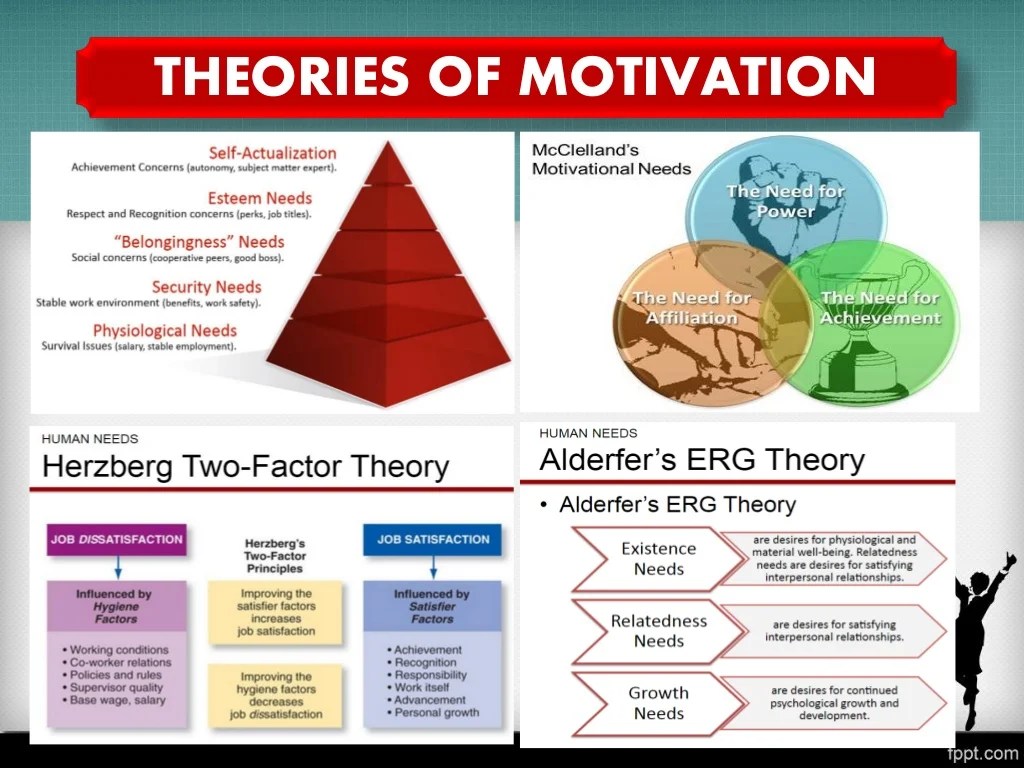
GOAL GRADIENTS: Motivational Theories

By Staff Reporters

***

***

The Goal Gradient effect is the phenomenon where people accelerate their efforts as they approach a goal. It’s like a runner sprinting to the finish line.

According to colleague Dan Ariely PhD, our motivation peaks when we see the goal within reach, driving us to work harder and faster. Marketers use this by showing progress bars and loyalty rewards. Knowing about the goal gradient can help us set milestones and maintain motivation throughout our tasks.

So, break your big goals into smaller ones and watch your productivity soar as you get closer to each milestone.

COMMENTS APPRECIATED

Subscribe Today!

***

***

PARADOX: Medical Progress

By Dr. David Edward Marcinko MBA MEd CMP

SPONSOR: http://www.MarcinkoAssociates.com

***

***

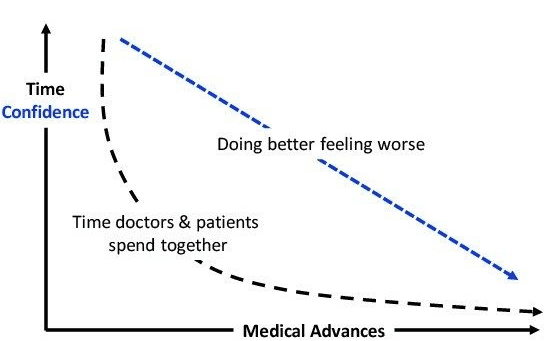
“Paradox of Medical Progress” is a language of medicine is loaded with misnomers, inaccuracies, and ambiguities, and is in need of reform.

Paradoxes on the other hand, deserve a different kind of attention. These seeming self-contradictions are set apart from other inconsistencies because of the truths they tell. The veracity of a paradox is at once appealing and vexing. Anyone who has tried to suppress a thought knows that trying not to think of white polar bears is a sure way to think of white polar bears!

The comic impact of a paradox was even famously explored in Joseph Heller’s Catch 22 and in Groucho Marx’s reluctance to be a member of any club that would accept him. However, the provocative nature of a paradox is its capacity to express familiar wisdom and this is particularly evident in medical science.

The more we learn, the more we learn how much we still have to learn; whereas, “what gets us into trouble is not what we don’t know, it’s what we know for sure that just ain’t so.

On the significance of the knowledge paradox in biology, Lewis Thomas regarded ignorance as the only scientific truth of which he was confident, and discovering “the depth and scope of ignorance” as the greatest contribution of modern science.

COMMENTS APPRECIATED

Please Subscribe Today!

***

***

2024 HAPPY THANKSGIVING DAY

Dr. David Edward Marcinko MBA

Ann Miller RN MHA

ME-P Staff Reporters

***

***

THANKSGIVING: Donor Advised Funds

DONATION: In “Name” Only?

Staff Reporters

***

Proponents of DAFs say that their structure encourages giving: The tax deduction encourages wealthy patrons to dedicate money for charity even before they’ve decided which cause to support. “Donors may have good reasons to postpone grants,” a Stanford Law School article says..

In one hypothetical, a tech founder who “sells a startup for millions of dollars” may want to donate her takings but is too busy to immediately decide how to direct the funds; a DAF is a good choice for this person, the law article notes.

However, while DAFs could in theory grow the charitable pie, in practice, they too often allow the donor the illusion of charity while letting them keep control of their funds, critics say. 

While a gift to a DAF is treated the same as an outright gift to the Red Cross or United Way, in practice, it “effectively allows the donor to retain ongoing control over the charitable disposition and investment of the donated assets,” tax scholars Roger Colinvaux and Ray Madoff wrote in 2019. What’s more, “donors are under no obligation, and have no incentive, ever to release their advisory privileges to make the funds available for charitable use.”

And ultra wealthy donors get a substantially larger tax break than a middle-class worker. As much as 74 cents of every dollar given to charity comes back to the donor in the form of tax breaks, according to calculations by Colinvaux and Madoff, with the highest-earning donors getting the biggest benefits A person in the top tax bracket would save 37% of their federal income tax for every dollar they contribute with a charitable donation; a similar amount of state income tax; and, depending on what they donate and when, they can also avoid capital gains tax and estate tax. (By contrast, a typical worker who makes about $60,000 and doesn’t own stocks would save 22% from their cash contribution, in addition to any state tax savings.) 

What’s more, because there’s no way to track donations from particular DAF accounts, they act as a form of “dark money,” allowing donors to give vast sums, essentially anonymously, to a range of potentially unsavory organizations, including nonprofits that advocate for specific political causes or organizations classified as hate groups, IPS says. 

“This allows DAFs to be used to hide transfers — similar to the way the ultra-wealthy use multiple shell companies to hide the movement of money among offshore accounts,” IPS writes. 

All of these strategies are completely legal, the IPS notes, as are other potentially questionable tactics used by family foundations—such as paying family members to serve as foundation trustees or act as executives of foundations, sometimes at salaries in the hundreds of thousands of dollars a year. However, the IPS argues, they erode public trust in charities and the tax system overall.

“The fact that billionaires opt out of paying taxes, have these closely held family foundations and get to play God about where the money goes, that’s private power — unaccountable private power,” Collins said. 

“At this point philanthropy is at risk of becoming taxpayer-subsidized private power.”

COMMENTS APPRECIATED

Refer a Colleague: MarcinkoAdvisors@msn.com

Your Referral Count: 0

***

***

DAILY UPDATE: Semaglutide Drugs, CMS, Emory & UnitedHealthcare as Stock Markets Rise High

MEDICAL EXECUTIVE-POST TODAY’S NEWSLETTER BRIEFING

***

Essays, Opinions and Curated News in Health Economics, Investing, Business, Management and Financial Planning for Physician Entrepreneurs and their Savvy Advisors and Consultants

Serving Almost One Million Doctors, Financial Advisors and Medical Management Consultants Daily

A Partner of the Institute of Medical Business Advisors , Inc.

http://www.MedicalBusinessAdvisors.com

SPONSORED BY: Marcinko & Associates, Inc.

***

http://www.MarcinkoAssociates.com

Daily Update Provided By Staff Reporters Since 2007.
How May We Serve You?
© Copyright Institute of Medical Business Advisors, Inc. All rights reserved. 2024

REFER A COLLEAGUE: MarcinkoAdvisors@msn.com

SPONSORSHIPS AVAILABLE: https://medicalexecutivepost.com/sponsors/

ADVERTISE ON THE ME-P: https://tinyurl.com/ytb5955z

Your Referral Count -0-

In breaking news, the Biden administration is attempting to cover anti-obesity drugs for weight loss under Medicare and Medicaid. A recent study finds 137 million people are eligible for semaglutide drugs nationwide.


Another insurer can claim victory against CMS after UnitedHealthcare prevailed in its star ratings lawsuit on Friday. The feds will now have to recalculate the scores.


And ... Emory Healthcare is looking to expand value-based care for more than 350,000 patients through a population health partnership with tech company Guidehealth.

CITE: https://www.r2library.com/Resource

STOCKS UP

Uncrustables taste almost as good as today’s gains: J.M. Smucker rose 5.70% thanks to a beat-and-raise quarter for the company.

  • Walmart gained 2.02% on a report that Target is losing its high-end customers to the low-price retailer. Target sank 3.03%.
  • Semiconductor stock Semtech rose another 18.10% after announcing stronger-than-expected earnings last night.

STOCKS DOWN

  • Amgen’s new drug did help patients lose up to 20% of their weight in a given year, but that wasn’t enough to impress shareholders, who kicked shares down 4.76%.
  • Kohl’s plummeted 17.01% after the retailer met revenue expectations but missed on earnings last quarter. It definitely doesn’t help that the CEO announced his retirement last night.
  • Abercrombie & Fitch’s turnaround is well underway, and the company beat earnings forecasts last quarter and projected strong holiday sales. But it still fell short of shareholder expectations, and the stock sank 5.10% today.
  • Best Buy rounded out retailer earnings today, dropping 4.89% after missing revenue expectations last quarter and cutting its full-year guidance.
  • Zoom Communications changed its name, but that wasn’t enough to save the company from a 6.31% decline today thanks to its tepid fiscal outlook.

CITE: https://tinyurl.com/2h47urt5

Here’s where the major benchmarks ended:

  •  The S&P 500® index (SPX)rose 34.26 points (0.57%) to 6,021.63; the Dow Jones Industrial Average® ($DJI) added 123.74 points (0.28%) to 44,860.31; and the NASDAQ Composite® ($COMP) gained 119.46 points (0.63%) to 19,174.30.
  • The 10-year Treasury note yield climbed four basis points to 4.3% after Trump’s tariff comments, but shorter-term yields fell after the Fed minutes, keeping the yield curve slightly out of inversion.
  • The CBOE Volatility Index® (VIX)dropped to 14.19, near a two-week low.

CITE: https://tinyurl.com/tj8smmes

Visualize: How private equity tangled banks in a web of debt, from the Financial Times.

COMMENTS APPRECIATED

PLEASE SUBSCRIBE: MarcinkoAdvisors@msn.com

Thank You

***

***

***

***

EDUCATIONAL TEXTBOOKS: https://tinyurl.com/4zdxuuwf

***

CONVERSATIONAL “Switch Tracking” Ad Argumentum

By Staff Reporters

***

***

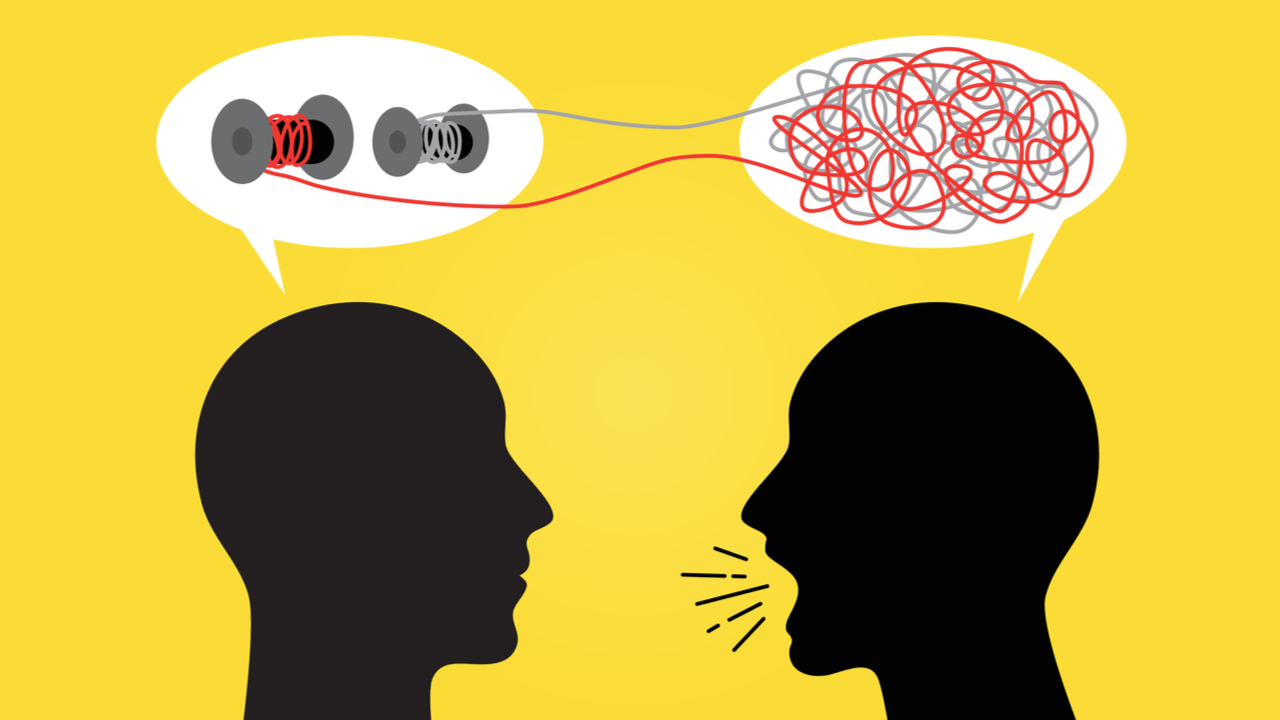
Switch Tracking is the art of changing the focus of an argument or conversation to another topic. It’s like sleight of hand for your words. When the discussion gets uncomfortable, switching tracks can divert attention and defuse tension. Politicians are masters of this, skillfully shifting topics to avoid tough questions.

According to psychologist and colleague Dan Ariely PhD, while it can be a useful tactic, be aware when it’s being used on you. Stay focused on the main issue, and don’t let switch tracking derail your conversation.

COMMENTS APPRECIATED

Subscribe Today!

***

***

ILLUSORY: Correlation

CORRELATION IS NOT CAUSATION

By Staff Reporters

***

***

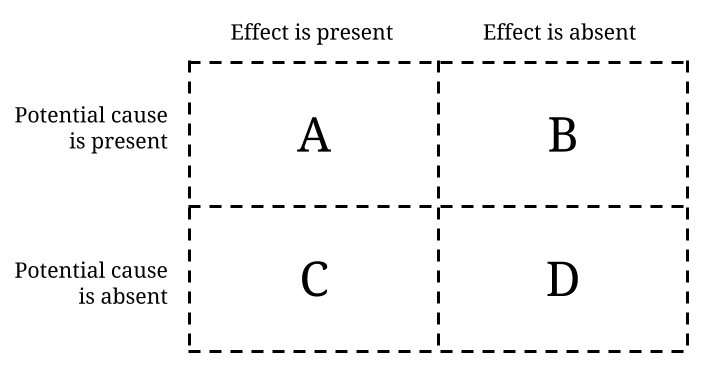
According to colleague Dan Ariely PhD, Illusory Correlation is the perception of a relationship between variables when none exists. It’s like thinking that carrying an umbrella causes it to rain. Our brains are pattern-seeking machines, often connecting dots that aren’t actually connected. This bias can lead to superstitions and incorrect beliefs.

The illusory correlation occurs when someone believes that there is a relationship between two people, events, or behaviors, even though there is no logical way to connect them. The illusory correlation fools us into believing stereotypes, superstitions, old wives’ tales, and other silly ideas. Sometimes, the perceived connection between two events is harmless. It’s silly to think that a certain number always brings you luck. But forming these connections is completely normal. To avoid illusory correlations, rely on data and evidence rather than anecdotal observations.

So always remember: correlation does not imply causation, no matter how convincing it seems.

More: https://medicalexecutivepost.com/2024/06/05/correlation-is-not-causation/

COMMENTS APPRECIATED

Thank You

***

***

SOCIAL COMPARISON THEORY: Downward and Upward

By Staff Reporters

***

***

According to some studies, as much as 10 percent of our thoughts involve comparisons of some kind. Social comparison theory is the idea that individuals determine their own social and personal worth based on how they stack up against others. The theory was developed in 1954 by psychologist Leon Festinger. Later research has shown that people who regularly compare themselves to others may find motivation to improve, but may also experience feelings of deep dissatisfaction, guilt or remorse, and engage in destructive behaviors like lying or disordered eating.

***

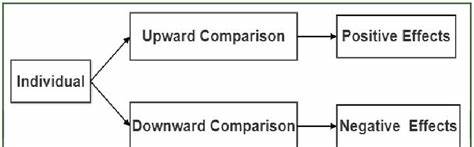
Downward Comparison is the act of comparing oneself to others who are worse off to feel better about one’s situation. It’s like looking at someone else’s messy desk to feel better about your clutter.

On the other hand, Upward Comparison is the act of comparing oneself to others who are better off to feel bad about one’s situation. It’s like looking at someone else’s neat desk and feel worse about your own clutter.

Finally, according to Dan Ariely PhD, these coping mechanisms boosts self-esteem or depress us with a sense of relief or dread. While helpful in moderation, relying too much on upward or downward comparisons can help hinder personal growth and/or depress growth or empathy; etc.

So, them sparingly and remember: upward comparisons can inspire you to improve and strive for better; while downward comparisons have the opposite effects.

MORE: https://www.verywellmind.com/what-is-the-social-comparison-process-2795872

COMMENTS APPRECIATED

Subscribe Today!

***

***

The TIPPING POINT: Meanings Vary

By Staff Reporters

***

***

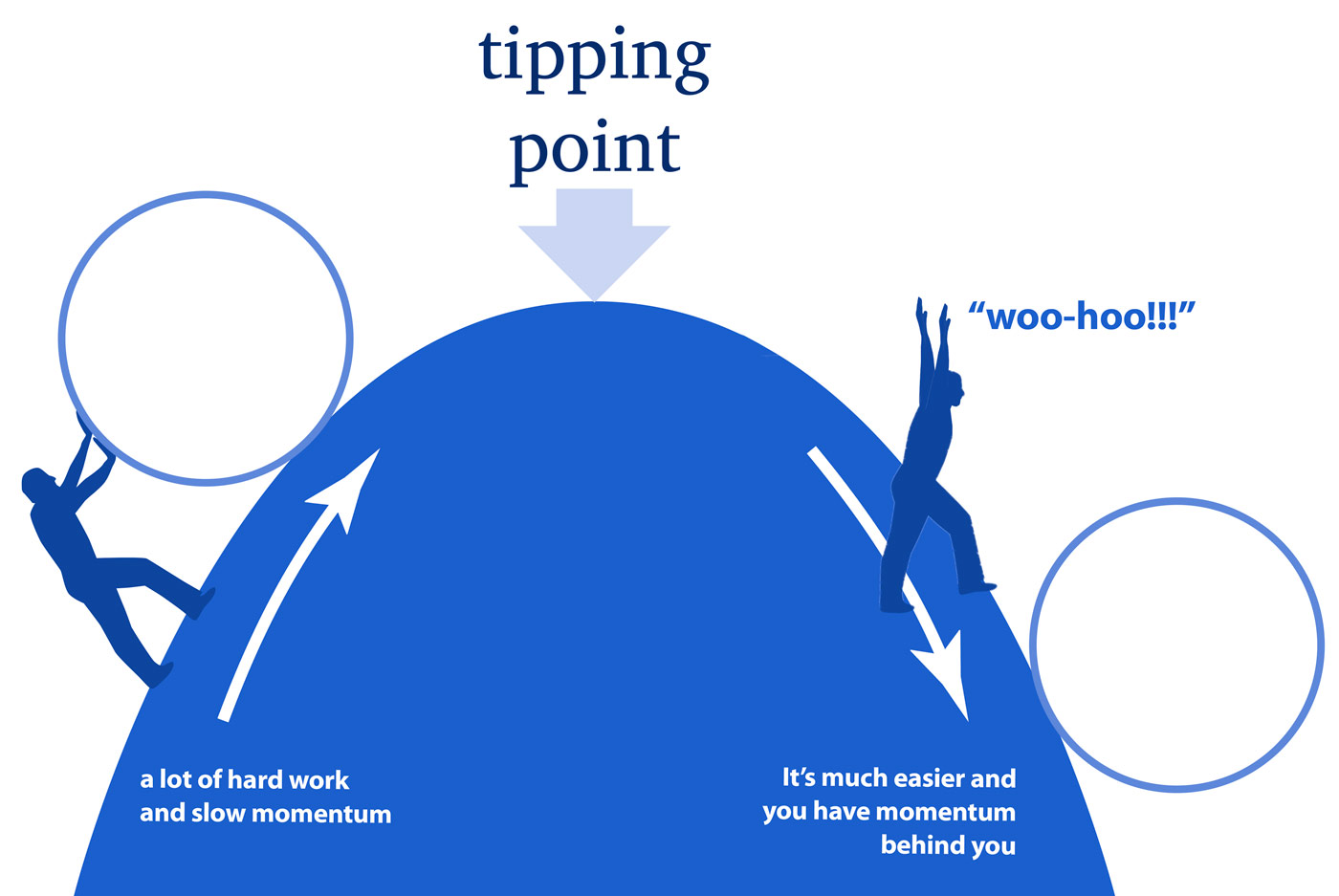
A “Tipping point” has slightly varied meanings depending upon the field of study, but is frequently defined as a series of small changes in an evolutionary process that ultimately lead to a significant change or point beyond which new circumstances and conditions obtain.

For example, the point at which emerging economies go from being a long-time source of deflation to a source of inflation can be said to be an inflationary tipping point.

***

The Tipping Point: How Little Things Can Make a Big Difference is the debut book by Malcolm Gladwell, first published by Litttle, Brown in 2000. Gladwell defines a tipping point as “the moment of critical mass, the threshold, the boiling point.” The book seeks to explain and describe the “mysterious” sociological changes that mark everyday life. As Gladwell stated: “Ideas and products and messages and behaviors spread like viruses do.”

Examples of such changes in his book include the rise in popularity and sales of Hush Puppies shoes in the mid-1990s and the steep drop in New York City‘s crime rate after 1990.

COMMENTS APPRECIATED

Subscribe Today!

***

***

ABSURDISM versus NIHILISM

By Staff Reporters

***

***

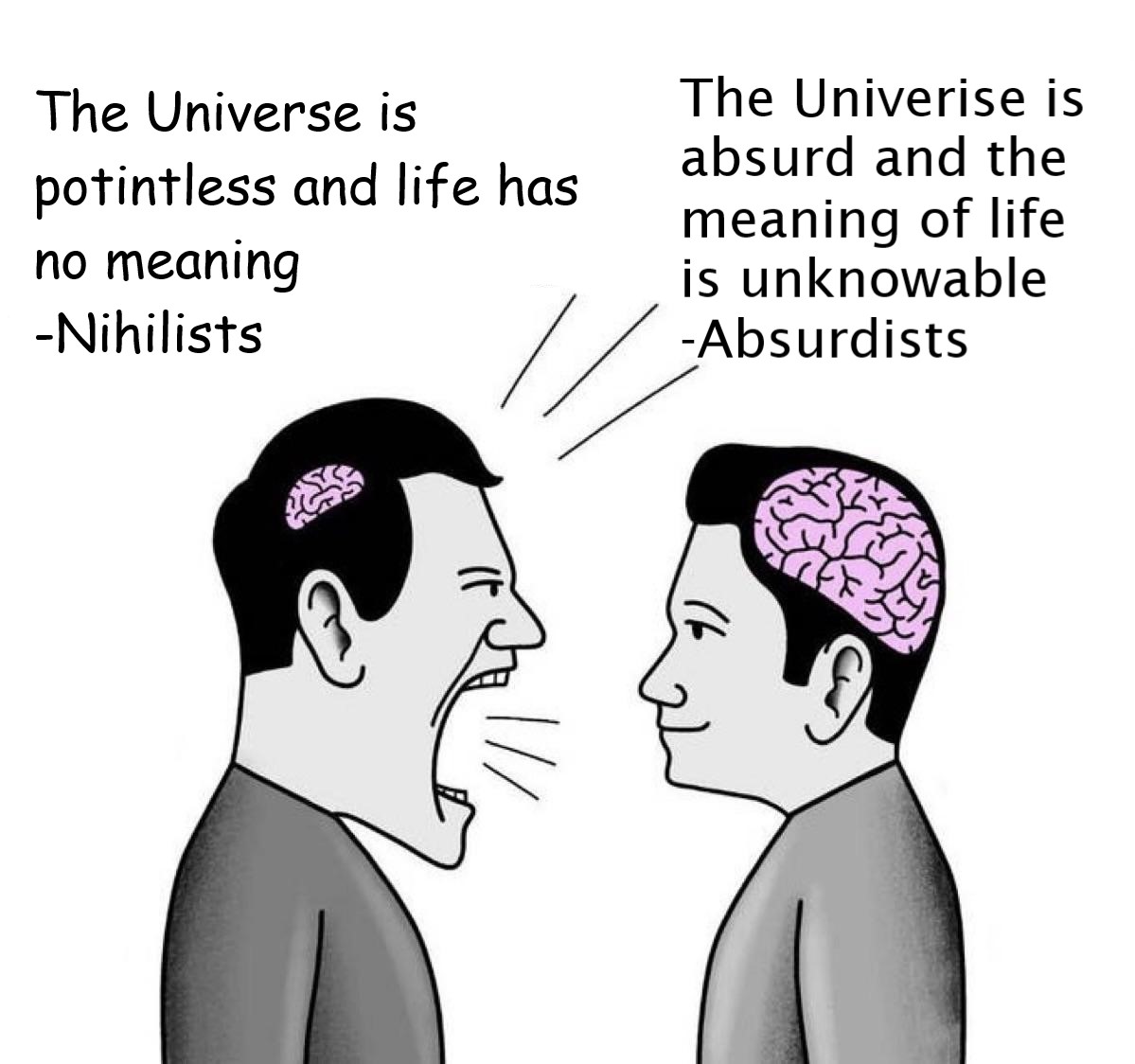
Absurdism is the philosophical idea that life is inherently meaningless, but we should embrace the absurdity and create our own meaning. Think of it as existentialism’s quirky cousin. It’s like laughing at the cosmic joke instead of crying over spilled milk. Absurdism encourages us to find joy in the randomness and chaos of life.

So, according to colleague Dan Arily PhD, the next time you’re feeling overwhelmed by the lack of purpose, channel your inner absurdist and find humor in the absurdity of it all.

Nihilism, on the other hand, is the belief that all values are baseless and that nothing can be known or communicated. It is often associated with extreme pessimism and a radical skepticism that condemns existence. A true nihilist would believe in nothing, have no loyalties, and no purpose other than, perhaps, an impulse to destroy. While few philosophers would claim to be nihilists, nihilism is most often associated with Friedrich Nietzsche who argued that its corrosive effects would eventually destroy all moral, religious, and metaphysical convictions and precipitate the greatest crisis in human history.

In the 20th century, nihilistic themes–epistemological failure, value destruction, and cosmic purposelessness–have preoccupied artists, social critics and philosophers, alike. Mid-century, for example, the existentialists helped popularize tenets of nihilism in their attempts to blunt its destructive potential. By the end of the century, existential despair as a response to nihilism gave way to an attitude of indifference, often associated with anti-foundationalism.

COMMENTS APPRECIATED

Subscribe Today!

***

***

DAILY UPDATE: GoodRx as Stocks End Flat

MEDICAL EXECUTIVE-POST TODAY’S NEWSLETTER BRIEFING

***

Essays, Opinions and Curated News in Health Economics, Investing, Business, Management and Financial Planning for Physician Entrepreneurs and their Savvy Advisors and Consultants

Serving Almost One Million Doctors, Financial Advisors and Medical Management Consultants Daily

A Partner of the Institute of Medical Business Advisors , Inc.

http://www.MedicalBusinessAdvisors.com

SPONSORED BY: Marcinko & Associates, Inc.

***

http://www.MarcinkoAssociates.com

EDUCATIONAL TEXTBOOKS: https://tinyurl.com/4zdxuuwf

***

Daily Update Provided By Staff Reporters Since 2007.
How May We Serve You?
© Copyright Institute of Medical Business Advisors, Inc. All rights reserved. 2024

REFER A COLLEAGUE: MarcinkoAdvisors@msn.com

SPONSORSHIPS AVAILABLE: https://medicalexecutivepost.com/sponsors/

ADVERTISE ON THE ME-P: https://tinyurl.com/ytb5955z

Your Referral Count -0-

It’s not all good news for GoodRx.

CITE: https://www.r2library.com/Resource

STOCKS UP

Williams-Sonoma soared 27.50% to a record high after the home goods store beat top and bottom line earnings expectations. Its operating profit margin jumped to 17.8% from 17% last year, and the company said its board greenlit a $1 billion stock buyback plan.

  • Wix jumped 14.31% on a solid beat for its third quarter. Profit for the software firm reached $0.46 per share, compared to the $0.12 per share it reported last year.
  • Lemonade rose 16.04% after Morgan Stanley upgraded the insurance company from “underweight” to “equal-weight.” At its investor day, Lemonade unveiled a plan to juice its premiums from $1 billion to $10 billion over the next several years.

STOCKS DOWN

  • Ford said it was cutting 4,000 jobs in Europe, about 14% of its workforce on the continent, citing weak demand for EVs and competition from Chinese cars. Shares fell 2.90%.
  • Qualcomm dropped 6.34% after its first Investor Day in three years disappointed. On Tuesday, the chipmaker revealed its big plans to expand from its bread-and-butter smartphone business into making chips for cars and PCs.
  • Elf sank 2.23% after short seller Carson Block, the founder of Muddy Waters Research, accused the beauty company of inflating revenue.

CITE: https://tinyurl.com/2h47urt5

Here’s where the major benchmarks ended:

  •  The S&P 500® index (SPX) stayed mostly flat, up 0.13 points (0.0%) to 5,917.11; the Dow Jones Industrial Average® ($DJI) rose 139.53 points (0.32%) to 43,408.47; and the NASDAQ Composite® ($COMP) fell 21.32 points (0.11%) to 18,966.14. 
  • The 10-year Treasury note yield added four basis points to 4.41%.
  • The CBOE Volatility Index® (VIX) climbed to 17.26, near recent highs.

CITE: https://tinyurl.com/tj8smmes

Visualize: How private equity tangled banks in a web of debt, from the Financial Times.

COMMENTS APPRECIATED

PLEASE SUBSCRIBE: MarcinkoAdvisors@msn.com

Thank You

***

***

***

***

EDUCATIONAL TEXTBOOKS: https://tinyurl.com/4zdxuuwf

***

PSYCHOLOGY: Retrospective Framing

By Staff Reporters

***

***

Ever notice how memories change over time? That’s retrospective framing.

According to Dan Ariely PhD, our brains are like movie editors, constantly tweaking the past to fit our current narrative. Recall that terrible vacation where everything went wrong? Fast forward and now it’s a hilarious adventure. This mental editing helps us make sense of our lives and learn from our experiences.

So, just remember, the past is a story we keep rewriting, and sometimes those edits can be more fiction than fact

COMMENTS APPRECIATED

Subscribe Today!

***

***

WHAT TRUMP’S ELECTION WIN COULD MEAN FOR HEALTH CARE

By Dr. Bertalan Meskó, MD PhD

***

***

Regarding AI, the emphasis will shift away from the regulatory environment towards technology companies making their own decisions. Trump also promised to repeal Biden’s executive order on AI because it “hinders AI Innovation”.

Regarding health care, Trump said he would let Robert F. Kennedy “go wild” on health. Being a vaccine doubter and having made many unscientific claims about health, this could be a huge risk to digital health and the FDA’s job on regulating technologies. READ MORE

COMMENTS APPRECIATED

Subscribe Today!

***

***

The Decline Bias [Declinism]

By Staff Reporters

***

***

You may have heard the complaint that the internet, blogs, vlogs and social media will be the downfall of information dissemination; but, Socrates reportedly said the same thing about the written word.

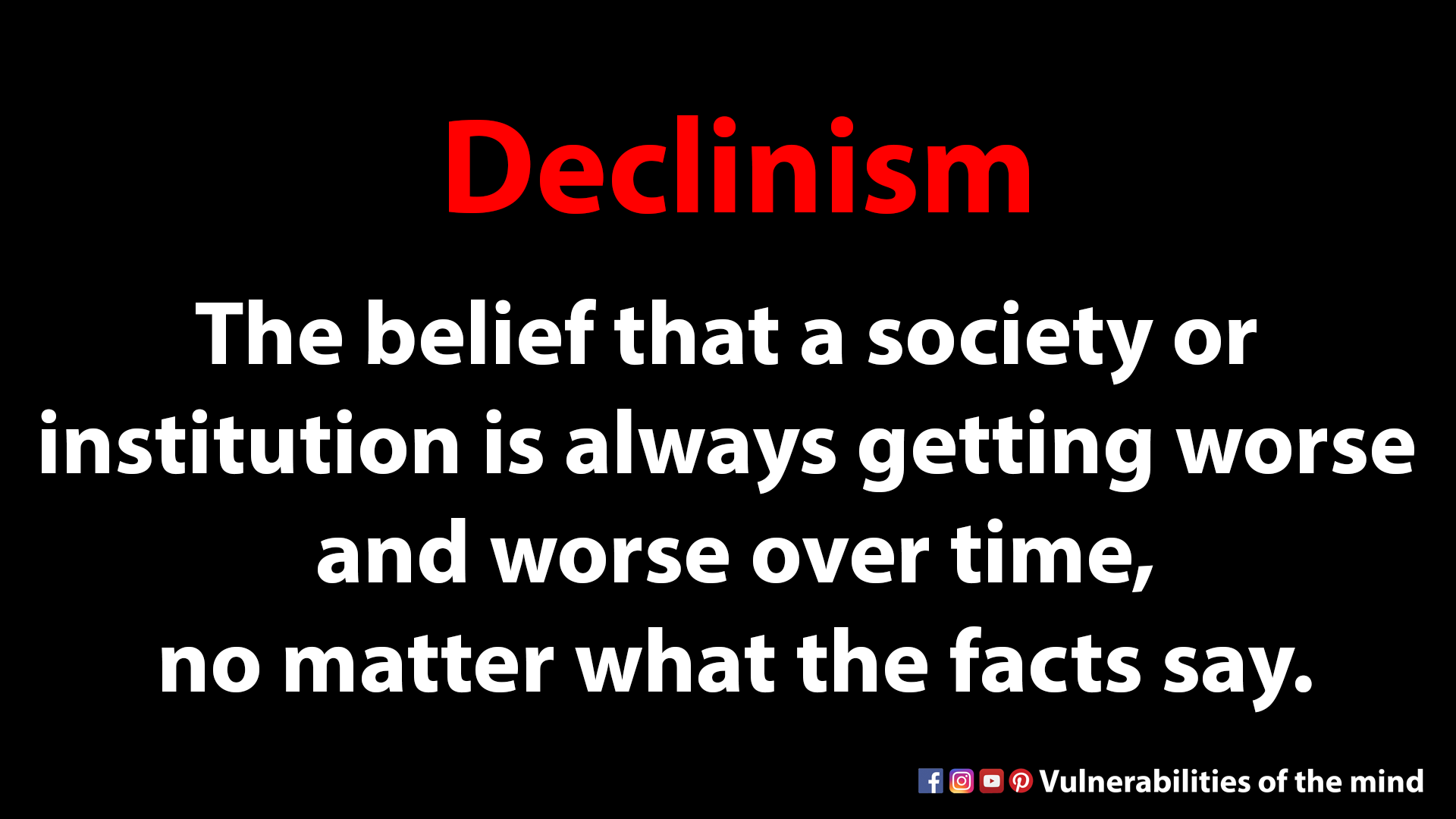
Declinism refers to a bias in favor of the past over and above “how things are going.” Similarly, you might know a member of an older generation who prefaces grievances with, “Well, back in my day” before following up with how things are supposedly getting worse.

The decline bias may result from something before — we just don’t like change. People like their worlds to make sense, they like things wrapped up in nice, neat little packages.

Our world is easier to engage in when things make sense to us. When things change, so must the way in which we think about them; and because we are cognitively lazy (Kahenman, 2011; Simon, 1957), we try our best to avoid changing our thought processes.

COMMENTS APPRECIATED

Subscribe Today!

***

***

GAMIFICATION: Motivation and Achievement

By Staff Reporters

***

***

Gamification is the application of game-design elements in non-game contexts to motivate and engage people. It’s like turning life into a video game with points, badges, and leader boards. This approach leverages our love for games and competition, making mundane tasks more enjoyable.

According to Dan Ariely PhD, whether it’s a fitness app tracking your steps or a learning platform rewarding your progress, gamification taps into our natural desire for achievement and recognition.

So, the next time you find yourself hooked on a task, thank the power of gamification for making it fun.

COMMENTS APPRECIATED

Subscribe Today!

***

***

DAILY UPDATE: Spirit Airlines in Chapter 11 as Nvidia Rises and Target, Lowes & Walmart Highlight Stock Earnings Week

MEDICAL EXECUTIVE-POST TODAY’S NEWSLETTER BRIEFING

***

Essays, Opinions and Curated News in Health Economics, Investing, Business, Management and Financial Planning for Physician Entrepreneurs and their Savvy Advisors and Consultants

Serving Almost One Million Doctors, Financial Advisors and Medical Management Consultants Daily

A Partner of the Institute of Medical Business Advisors , Inc.

http://www.MedicalBusinessAdvisors.com

SPONSORED BY: Marcinko & Associates, Inc.

***

http://www.MarcinkoAssociates.com

Daily Update Provided By Staff Reporters Since 2007.
How May We Serve You?
© Copyright Institute of Medical Business Advisors, Inc. All rights reserved. 2024

REFER A COLLEAGUE: MarcinkoAdvisors@msn.com

SPONSORSHIPS AVAILABLE: https://medicalexecutivepost.com/sponsors/

ADVERTISE ON THE ME-P: https://tinyurl.com/ytb5955z

Your Referral Count -0-

Spirit Airlines said Monday it has filed for Chapter 11 bankruptcy protection after struggling with losses, growing debt and a failed merger during the post-pandemic travel lull. The company said in a stock market statement that it had secured a prearranged deal with bondholders that includes £300 million in financing to keep it afloat, with the business planning to end its bankruptcy in the first quarter of 2025.

CITE: https://www.r2library.com/Resource

Analysts are expecting Nvidia, the world’s largest publicly traded company, to show quarterly sales of ~$33 billion, up 10% from the previous quarter and 83% year over year, but they also warn the mind-blowing growth of the chip maker could begin to slow.

CITE: https://tinyurl.com/2h47urt5

And, reports this week from Walmart, Target, Lowe’s, and other retailers will offer a peek at consumer health.

CITE: https://tinyurl.com/tj8smmes

COMMENTS APPRECIATED

PLEASE SUBSCRIBE: MarcinkoAdvisors@msn.com

Thank You

***

***

***

***

EDUCATIONAL TEXTBOOKS: https://tinyurl.com/4zdxuuwf

***

VARIETY: Insensitivity

By Staff Reporters

***

***

Variety Insensitivity is the tendency to under appreciate the value of variety in choices.

According to Dan Ariely PhD, it’s like always ordering the same dish at your favorite restaurant and forgetting how exciting new flavors can be. Our brains love routine, but this can lead to boredom and missed opportunities. Embracing variety can enhance experiences and satisfaction.

So, next time you’re stuck in a rut, shake things up and try something different. Your brain will thank you for the new stimulation.

COMMENTS APPRECIATED

Subscribe Today!

***

***

CURSE of the “Stereotype”

By Dr. David Edward Marcinko MBA MEd

***

***

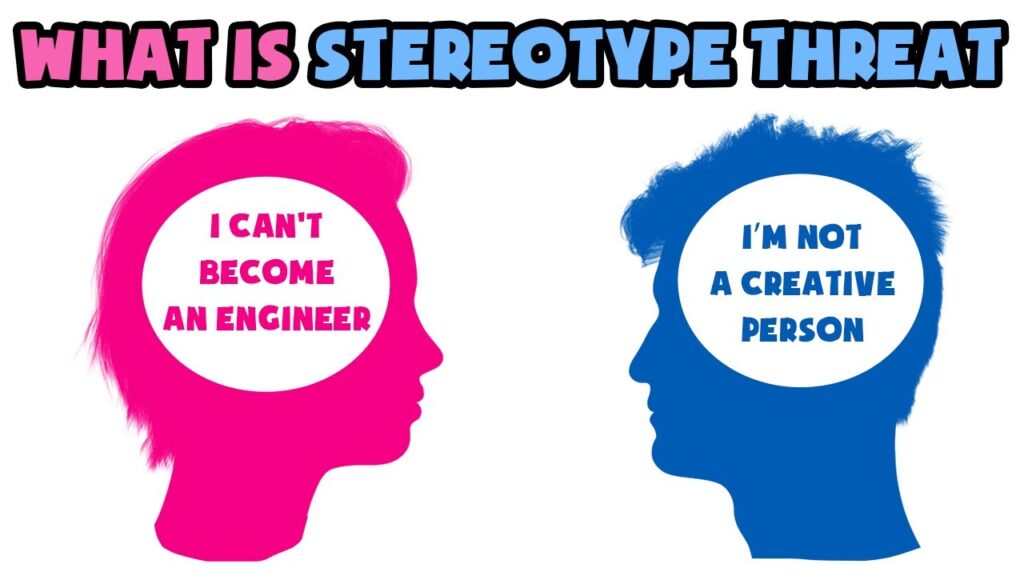
The Stereotype Curse is the negative impact of stereotypes on an individual’s performance or behavior. It’s like a self-fulfilling prophecy where being aware of a stereotype makes you more likely to conform to it.

For example, if you’re told you’re bad at math because of your gender, that stress can affect your performance. Breaking free from stereotypes requires awareness and effort.

So, next time you feel boxed in by a stereotype, remind yourself: you’re more than a cliché.

COMMENTS APPRECIATED

Subscribe Today!

***

***

PATTERNICITY: Apophenia vs. Pareidolia

By Staff Reporters

***

***

Patternicity is our brain’s tendency to find patterns in random data. It’s why we see faces in clouds or think the stock market follows our horoscope. According to colleague Dan Ariely PhD, this quirk helped our ancestors survive by recognizing predator shapes in the bushes, but in modern times, it can lead us astray. Our brains love making connections, sometimes too much, seeing patterns where none exist.

So, when you’re convinced that your lucky socks influence your team’s performance, remind yourself: it’s just your brain’s patternicity at work.

Apophenia vs. Pareidolia

Now, “Apophenia is the general term for the human tendency to see patterns in meaningless data that may involve visual, auditory, or other senses,” according to Dr. Harold Hong, a psychiatrist from Raleigh, North Carolina. He points out that pareidolia is a specific form of apophenia that refers to seeing visual patterns in random or ambiguous visual stimuli, such as seeing a face in the clouds.

Apophenia and pareidolia are common occurrences, says Hong, and challenges often only present when someone becomes fixated on specific patterns or details that others perceive as random. “While both phenomena are natural human tendencies, they can become concerning if someone starts to fixate on specific patterns excessively,” he says, noting that apophenia may be prevalent in certain mental health conditions, such as obsessive-compulsive disorder (OCD).

COMMENTS
Subscribe Today!

***

***

RESPONSE: Flight -OR- Fight?

By Staff Reporters

***

***

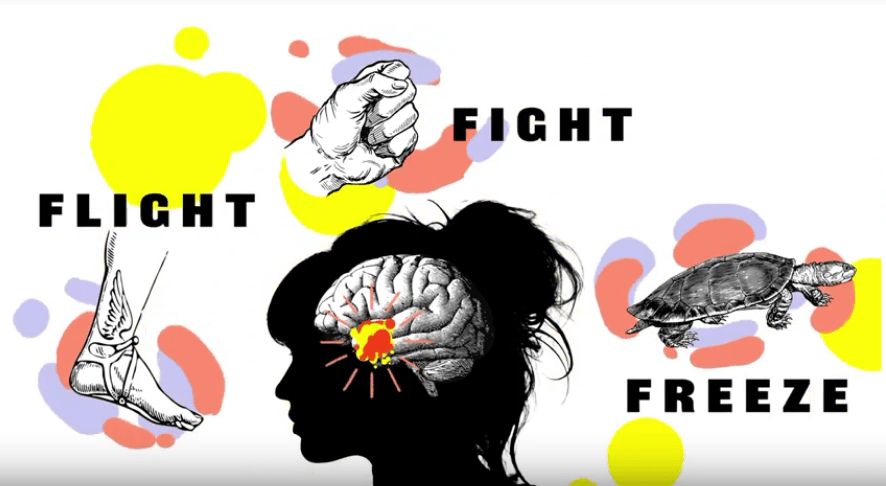
The Fight or Flight Response is our built-in alarm system, ready to spring into action at the first sign of danger. Whether it’s a charging lion or an impending deadline, our bodies react the same way – heart racing, adrenaline pumping, ready to fight or flee. This ancient survival mechanism is great for escaping predators but less helpful when dealing with modern stressors.

So, the next time you feel your heart racing over a tough email or stock market loss, remember: it’s just your caveman brain doing its thing.

COMMENTS APPRECIATED

Subscribe Today!

***

***

BIAS: Of “Social Proof” and Influencers

INVESTING DEFINITION

By Dr. David Edward Marcinko MBA MEd

SPONSOR: http://www.MarcinkoAssociates.com

***

***

Social Proof is a subtle but powerful reality that having others agree with a decision one makes, gives that person more conviction in the decision, and having others disagree decreases one’s confidence in that decision. 

This bias is even more exaggerated when the other parties providing the validating/questioning opinions are perceived to be experts in a relevant field, or are authority figures, like doctors, attorneys, financial advisors, teachers and/or people on television.  In many ways, the short term moves in the stock market are the ultimate expression of social proof – the price of a stock one owns going up is proof that a lot of other people agree with the decision to buy, and a dropping stock price means a stock should be sold. 

According to colleague Dan Ariely PhD, when these stressors become extreme, it is of paramount importance that all participants in the financial planning and investing process have a clear understanding of what the long-term goals are, and what processes are in place to monitor the progress towards these goals. 

Without these mechanisms it is very hard to resist the enormous pressure to follow the crowd; think social media and related influences.

COMMENTS APPRECIATED

Subscribe Today!

***

***

FATAL: Narcissism

BY DR. DAVID EDWARD MARCINKO MBA MEd

***

***

Imagine if Narcissus had a social media account. Fatal narcissism is what happens when self-love goes off the rails. It’s not just about admiring your reflection; it’s an all-consuming need for admiration and validation. Think endless selfies and humblebrags.

***

***

While a bit of narcissism is normal, fatal narcissism is like a black hole – it sucks in all attention and gives nothing back.

So, if my Instagram looks like a shrine to my own greatness, you might be witnessing fatal narcissism in action.

COMMENTS APPRECIATED

Subscribe Today!

***

***

PARADOX: Generosity V. Miserliness

By Staff Reporters

***

***

According to BC Smith and Hilary Davidson, generosity is paradoxical. Those who give, receive back in turn. By spending ourselves for others’ well-being, we enhance our own standing. In letting go of some of what we own, we better secure our own lives. By giving ourselves away, we ourselves move toward flourishing. This is not only a philosophical or religious teaching; it is a sociological fact.

The the generosity paradox can also be stated in the negative.

By grasping on to what we currently have, we lose out on better goods that we might have gained. In holding onto what we possess, we diminish its long-term value to us. And, by always protecting ourselves against future uncertainties and misfortunes, we are affected in ways that make us more anxious about uncertainties and vulnerable to future misfortunes.

In short, by failing to care for others, we do not properly take care of ourselves. It is no coincidence that the word “miser” is etymologically related to the word “miserable.”

COMMENTS APPRECIATED

Subscribe Today!

***

***

MEDICAL TESTS: The Surprise Paradox

By Staff Reporters

SPONSOR: http://www.MARCINKOASSOCIATES.com

THE SURPRISE MEDICAL TEST PARADOX

***

***

Classic Definition:  A doctor announces to her hospitalized patient that there will be a painful medical test sometime during the following week. The patient begins to speculate about when it might occur, until another patient announces that there is no reason to worry because a medical surprise test is impossible.

The test cannot be given on Friday, because by the end of the day on Thursday we would know that the test must be given the next day. Nor can the test be given on Thursday, because, given that we know that the test cannot be given on Friday, by the end of the day on Wednesday we would know that the test must be given the next day. And likewise for Wednesday, Tuesday, and Monday!

Modern Circumstance: The patient spends a restful weekend not worrying about the test, yet is very surprised when it is given on Wednesday. How could this happen?

Paradox Example: There are various versions of this paradox; one of them, called the Hangman, concerns a condemned prisoner who is clever but ultimately overconfident. The implications of the paradox are as yet unclear, and there is virtually no agreement about how it should be solved.

COMMENTS APPRECIATED

Subscribe Today!

***

***

***

CELEBRATE: World Kindness Day

November 13th, 2024

***

***

World Kindness Day is an international holiday first introduced in 1998 by the World Kindness Movement.

The holiday is devoted to promoting kindness throughout the world, understanding the positive potential of large and small acts of kindness, and unifying together as human beings.

WKD: https://worldkindness.org/

COMMENTS APPRECIATED

Subscribe Today!

***

DAILY UPDATE: Bitcoin Fog as Chegg the DJIA and NASDAQ Drop

MEDICAL EXECUTIVE-POST TODAY’S NEWSLETTER BRIEFING

***

Essays, Opinions and Curated News in Health Economics, Investing, Business, Management and Financial Planning for Physician Entrepreneurs and their Savvy Advisors and Consultants

Serving Almost One Million Doctors, Financial Advisors and Medical Management Consultants Daily

A Partner of the Institute of Medical Business Advisors , Inc.

http://www.MedicalBusinessAdvisors.com

SPONSORED BY: Marcinko & Associates, Inc.

***

http://www.MarcinkoAssociates.com

Daily Update Provided By Staff Reporters Since 2007.
How May We Serve You?
© Copyright Institute of Medical Business Advisors, Inc. All rights reserved. 2024

REFER A COLLEAGUE: MarcinkoAdvisors@msn.com

SPONSORSHIPS AVAILABLE: https://medicalexecutivepost.com/sponsors/

ADVERTISE ON THE ME-P: https://tinyurl.com/ytb5955z

Your Referral Count -0-

The operator of the longest-running money laundering machine in dark web history, Bitcoin Fog, has been sentenced to 12 years and six months in US prison. Roman Sterlingov, 36, a Russian-Swedish national, was also ordered to repay more than half a billion dollars accrued from the cryptocurrency mixing service that he ran for a decade between 2011 and 2021.

CITE: https://www.r2library.com/Resource

Stocks Up

  • r Elliott Investment Management is at it again, this time with a $5 billion stake in industrial conglomerate Honeywell. Shares gained 3.87% on the news.
  • Shopify announced its ninth consecutive quarter of beating analyst revenue expectations, pushing shares up 21.04%.
  • Bad news is good news: 40% of the workforce at 23andMe is getting laid off to cut costs. Shareholders cheered, and shares climbed 2.17%.
  • Where’s the beef? Tyson Foods popped 6.55% after announcing strong earnings thanks to higher beef and chicken prices last quarter.
  • Sentinel One climbed 2.01% after Deutsche Bank analysts upgraded the cybersecurity stock from “hold” to “buy,” noting it should profit from CrowdStrike’s outage earlier this year.

Stocks Down

CITE: https://tinyurl.com/2h47urt5

Here’s where the major benchmarks ended:

  • The S&P 500® index (SPX) fell 17.36 points (–0.29%) to 5,983.99; the Dow Jones Industrial Average® ($DJI) lost 382.15 points (–0.86%) to 43,910.98; and the NASDAQ Composite® ($COMP) decreased 17.36 points (–0.09%) to 19,281.40.
  • The 10-year Treasury note yield added 12 basis points to 4.43%.
  • The CBOE Volatility Index® (VIX) fell to 14.81, unusual on a day when stocks lost ground.

CITE: https://tinyurl.com/tj8smmes

Chegg is on the verge of collapse. Its stock is down 99% since 2021, the Wall Street Journal reported, wiping out nearly $15 billion in market value.

Visualize: How private equity tangled banks in a web of debt, from the Financial Times.

COMMENTS APPRECIATED

PLEASE SUBSCRIBE: MarcinkoAdvisors@msn.com

Thank You

***

***

***

***

EDUCATIONAL TEXTBOOKS: https://tinyurl.com/4zdxuuwf

***

PHYSICIAN: Pay Cuts in 2025

By Staff Reporters

***

***

Doctors, Facing Another Pay Cut, Call for Permanent Medicare Payment Reform

The Centers for Medicare and Medicaid Services (CMS) is moving forward with a 2.9% cut to physician payments in 2025 despite protest from major industry groups. CMS has finalized the calendar year 2025 Medicare Physician Fee Schedule rule that sets payment rates for next year and also outlines new policies focused on primary care, preserved telehealth flexibilities, and a strengthened Medicare Shared Savings Program (MSSP). 

But, provider groups were quick to condemn CMS’ decision to go ahead with the pay cut, which was proposed in the draft rule released in July. In a statement, Bruce Scott, MD, president of the American Medical Association (AMA), pointed out that that while physicians are receiving a 2.8% payment cut next year, medical practice costs for physicians will increase by 3.5% in 2025. After adjusted for inflation, Medicare reimbursement to physicians has decreased 29% since 2001, the AMA says.

Source: Heather Landi, Fierce Healthcare [11/2/24]

COMMENTS APPRECIATED

Thank You

***

***

PRIMARY MEDICAL CARE: The Paradox

BY DR. DAVID EDWARD MARCINKO MBA MEd CMP

Sponsor: http://www.CertifiedMedicalPlanner.org

***

***

Classic Definition: Despite rising costs, health care often is of poor quality. Evidence from a classic medical improvement outcomes study assessed care of patients with several chronic diseases. This study found that patients’ functional health status outcomes are similar to care rendered by specialists and generalists but that generalists use far fewer resources. Similar outcome at lower cost represents higher value.

Modern Circumstance: Current solutions to improving care quality may do more harm than good if they focus more on diseases than on people. Efforts to improve the parts (evidence-based care of specific diseases) may not necessarily improve the whole (the health of people and populations).

Expanding access to specialty care, for example, has been proposed as both a source of and a solution for deficiencies in quality of care. Primary care is touted as an essential building block of a high-value health care system even as it is undermined by systems attempting to improve the quality, effectiveness, and value of their health care..

Paradox Example: The above contradictions plague improvement efforts in health care systems around the world, particularly the United States The paradox is that compared with specialty care or with systems dominated by specialty medical care, primary care is associated with the following: (1) poorer quality care for individual diseases, yet (2) similar functional health status at lower cost for people with chronic disease, and (3) better quality, better health, greater health  equity and lower costs for whole peoples and populations.

And so, this contradiction plagues improvement efforts in health care systems around the world, particularly the United States.

Cite: Kurt Stange MD PhD and Robert Ferrer MD MPH

COMMENTS APPRECIATED

Thank You

***

***

California Passes Bill Regulating Private Equity Deals

By Health Capital Consultants, LLC

***

***

On September 28th, 2024, California Governor Gavin Newsom vetoed Assembly Bill (AB) 3129, which sought to regulate private equity (PE) transactions involving healthcare organizations by requiring certain transactions to be reviewed by, and to receive approval from, the California Attorney General (AG).

In his veto message, Governor Newsom stated that the state’s Office of Health Care Affordability (OHCA), established in 2022, has the power to review and evaluate healthcare transactions (including the ones at issue in AB 3129). While OHCA does not have the power to block proposed transactions, as the AG would have had under AB 3129, it can refer transactions to the AG for further examination. Put simply, the governor’s veto seems to stem from concern that taking power away from the newly-created OHCA could muddy the waters in healthcare transaction regulation.

While there is a possibility that the California legislature could override Governor Newsom’s veto, it appears unlikely as of the publication of this Alert. However, the overall popularity of this bill in the legislature (as evidenced by the fairly wide margins with which it passed) indicates that PE groups looking to transact in the healthcare space – both in California and across the U.S. – should be on high alert, as regulators are increasingly turning their focus on the role of PE in healthcare.

CITE: https://www.r2library.com/Resource/Title/0826102549

For more information on AB 3129, as well as the status of state and federal regulation of PE, see the September 2024 Health Capital Topics article entitled, California Passes Bill Regulating Private Equity Deals.”

COMMENTS APPRECIATED

Thank You

***

***

VETERAN’S DAY: 2024

GENERATIONS OF VALOR

By Dr. David Edward Marcinko MBA MEd

On Veterans Day, we want to express our deep gratitude to all those who have served in the US military.

  • Here’s one quick factoid: Gulf War-era veterans now make up the largest share of US veterans, having passed Vietnam-era veterans in 2016.
  • And another: The share of veterans who are women is projected to increase significantly, from 11% currently to 18% in 2046.
Veteran's Day 2012

THANK YOU

***

MEMORY: Fallibility

By Staff Reporters

***

***

Memory is Fallible. Think you have a great memory? Think again.

According to psychologist and colleague Dan Ariely PhD, memory is more like a game of telephone than a recording device. Each time you recall an event, your brain makes tiny edits, adding some flair or skipping the boring parts. It’s why you can’t remember where you left your keys but can vividly recall an embarrassing moment from high school.

So, the next time someone says, “I remember it like it was yesterday,” know that yesterday might be a heavily edited rerun.

COMMENTS APPRECIATED

Subscribe Today!

***

***

KENNETH ARROW: Information Paradox

To sell information you need to give it away before the sale

By Dr. David Edward Marcinko MBA MEd

SPONSOR: http://www.MarcinkoAssociates.com

***

***

THE FATHER OF HEALTH ECONOMICS

According to Wikipedia, a fundamental tenet of the paradox is that the customer, i.e. the potential purchaser of the information describing a technology (or other information having some value, such as facts), wants to know the technology and what it does in sufficient detail as to understand its capabilities or have information about the facts or products to decide whether or not to buy it. Once the customer has this detailed knowledge, however, the seller has in effect transferred the technology to the customer without any compensation. This has been argued to show the need for patent protection [HIPPA].

CITE: https://www.r2library.com/Resource/Title/0826102549

If the buyer trusts the seller or is protected via contract, then they only need to know the results that the technology will provide, along with any caveats for its usage in a given context. A problem is that sellers lie, they may be mistaken, one or both sides overlook side consequences for usage in a given context, or some unknown-unknown affects the actual outcome.

MORE :https://www.nobelprize.org/prizes/economic-sciences/1972/arrow/facts/

COMMENTS APPRECIATED

Subscribe Today!

***

***

ARTIFICIAL Scarcity

By Staff Reporters

***

***

Artificial Scarcity refers to the intentional limitation of the availability of a product or resource to create a sense of rarity, which often drives up its perceived value and price.

Think: surge pricing

And, circumstances with insufficient competition can lead to suppliers exercising enough market power to constrict supply. The clearest example is a monopoly, where a single producer has complete control over supply and can extract a additional price.

By creating a temporary shortage, sellers or producers can increase demand and capitalize on consumers’ fear of missing out, thereby influencing market dynamics to their advantage. This strategy is frequently used in marketing, particularly for limited-edition items or high-demand products.

COMMENTS APPRECIATED

Subscribe Today!

***

***

RECIPROCITY: Science “Sales” in Action

FREE SAMPLES

The Art of Giving – And Receiving – Value!

By Staff Reporters

***

***

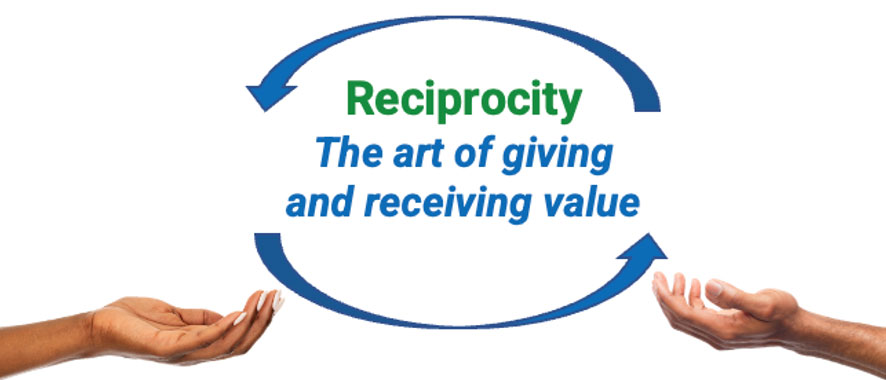
Imagine you’re at a party, and someone hands you a drink. Your first instinct? Find something to give back. This is [sales] reciprocity in action – our built-in psychological urge to repay kindness.

According to colleague Dan Ariely PhD, it’s like a cosmic balance sheet in our brains, ensuring we don’t owe anyone a favor. This is why companies give out free samples. They’re not just being nice; they know you’ll feel a pang of guilt if you walk away without buying something.

THINK: Free financial planning dinner seminar and prospecting event. That’s you – the Sales Prospect!

So, next time someone does you a favor, remember: it’s not just seller kindness, it’s science!

COMMENTS APPRECIATED

Subscribe Today!

***

***

PHYSICIAN PERSONAL COACHING: Financial Planning and Retirement Consulting

SPONSORED BY: http://www.MarcinkoAssociates.com

***

***

Most doctors report feeling overworked and are considering a change in career, according to a new poll.

Doximity, a virtual network for physicians, found that 81% doctors surveyed last fall said they felt overworked—a slight decline from 86% who reported burnout in 2022 but still up from 73% in 2021. Meanwhile, about three in five doctors said they were considering early retirement (30%), looking for another employer (15%), or leaving the profession altogether (14%), the poll found.

The findings, released last year, come amid reports of rising rates of physician burnout and dissatisfaction since after the Covid-19 pandemic.

LEARN MORE: https://tinyurl.com/y3j2t3ab

COMMENTS APPRECIATED

Thank You

***

***

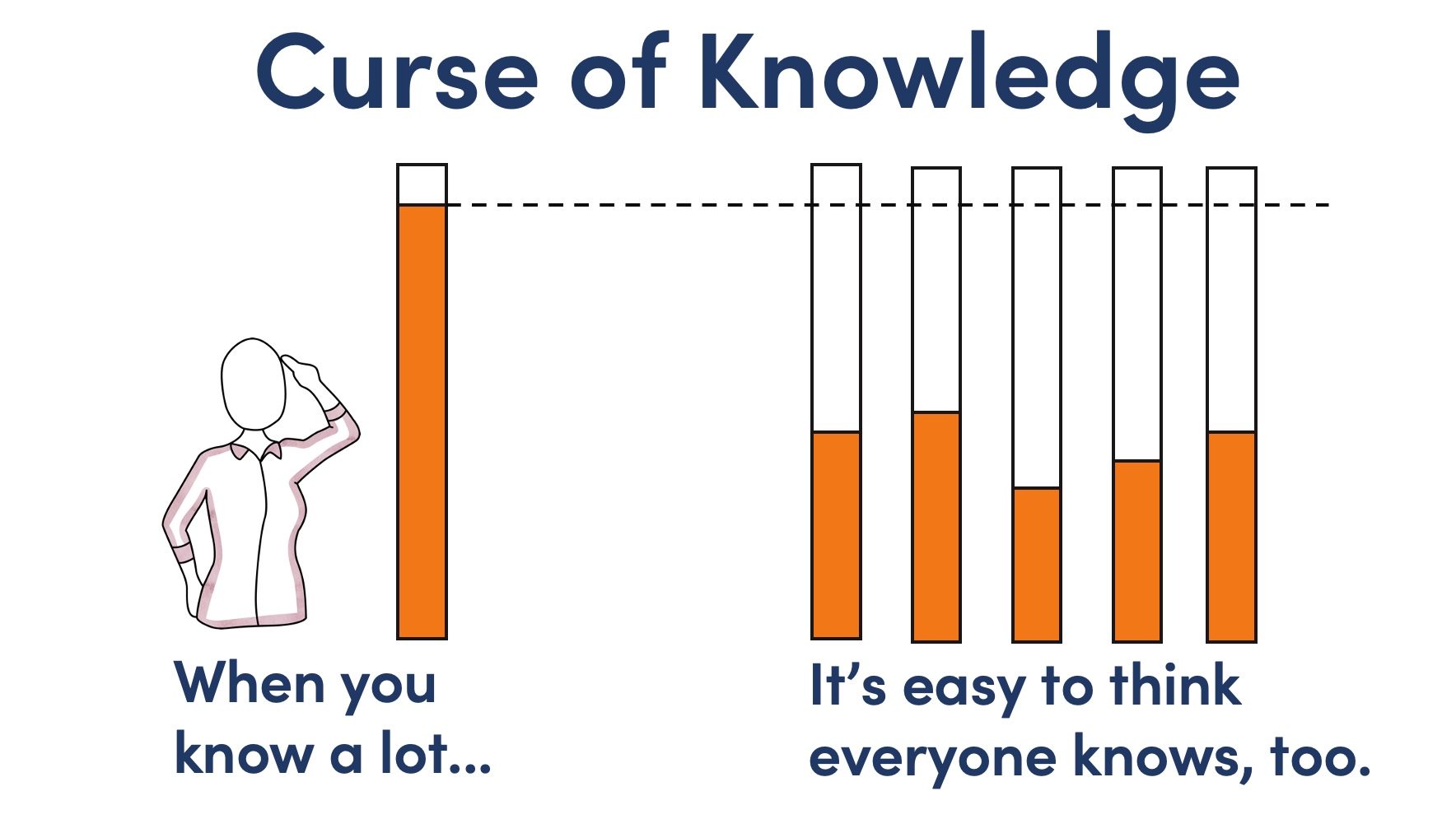
HINDSIGHT BIAS: The “Curse of Knowledge”

By Staff Reporters

SPONSOR: http://www.MarcinkoAssociates.com

***

***

The Curse of Knowledge and Hindsight Bias

Similar in ways to the availability heuristic (Tversky & Kahneman, 1974) and to some extent, the false consensus effect, once you (truly) understand a new piece of information, that piece of information is now available to you and often becomes seemingly obvious. It might be easy to forget that there was ever a time you didn’t know this information and so, you assume that others, like yourself, also know this information: the curse of knowledge.

Cite: https://medicalexecutivepost.com/2022/11/18/what-is-the-dunning-kruger-effect/

However, according to colleague Dan Ariely PhD, it is often an unfair assumption that others share the same knowledge. The hindsight bias is similar to the curse of knowledge in that once we have information about an event, it then seems obvious that it was going to happen all along.

I should have seen it [divorce, stock market crash/soar my smoking & lung cancer, unemployment, etc] coming!

COMMENTS APPRECIATED

Please Subscribe!

***

***

DAILY UPDATE: Home Buyers and Jeff Bezos as Stock Markets Soar!

MEDICAL EXECUTIVE-POST TODAY’S NEWSLETTER BRIEFING

***

Essays, Opinions and Curated News in Health Economics, Investing, Business, Management and Financial Planning for Physician Entrepreneurs and their Savvy Advisors and Consultants

Serving Almost One Million Doctors, Financial Advisors and Medical Management Consultants Daily

A Partner of the Institute of Medical Business Advisors , Inc.

http://www.MedicalBusinessAdvisors.com

SPONSORED BY: Marcinko & Associates, Inc.

***

http://www.MarcinkoAssociates.com

Daily Update Provided By Staff Reporters Since 2007.
How May We Serve You?
© Copyright Institute of Medical Business Advisors, Inc. All rights reserved. 2024

REFER A COLLEAGUE: MarcinkoAdvisors@msn.com

SPONSORSHIPS AVAILABLE: https://medicalexecutivepost.com/sponsors/

ADVERTISE ON THE ME-P: https://tinyurl.com/ytb5955z

Your Referral Count -0-

First-time homebuyers in 2024 had a median income of $97,000, and their median age was 38. ​​OpenAI and Jeff Bezos invested in Physical Intelligence, a robot startup with the aim of “bringing general-purpose AI into the physical world.”

CITE: https://www.r2library.com/Resource

Stocks Up

  • Cybersecurity darling Palantir soared 23.38% to a record high thanks to strong earnings, high AI demand, and big spending from the Department of Defense.
  • Astera Labs skyrocketed 37.70% after the semiconductor parts maker (and one of Nvidia’s key suppliers) announced strong earnings.
  • Crypto stocks had a great day thanks to a widespread cryptocurrency rally. Coinbase rose 4.13%, MicroStrategy gained 2.16%, and Riot Platforms jumped 8.13%.

Stocks Down

Trump Media & Technology Group arrested its recent downturn and popped 12% at one point today, but gave all those gains up and ended the day down 1.16%.

  • You’d think the end of a multi-week labor dispute costing billions of dollars would be a relief for shareholders, but Boeing still sank 2.62% on news that it’s reached an agreement with striking machinists.
  • It’s a me, lower revenue forecasts! Nintendo fell 1.68% after announcing that sales of its Switch console are starting to sag.
  • Wynn Resorts sagged 9.34% thanks to misses on both top and bottom line expectations last quarter.
  • Some of the smaller semiconductor stocks on the market took a beating today. NXP Semiconductor dropped 5.17% after announcing weaker-than-expected Q4 guidance, Lattice Semiconductor tumbled 1.37% after missing on sales forecasts and announcing job cuts, and while Cirrus Logic beat expectations this quarter, it still fell 7.09% on lower forecasts.

CITE: https://tinyurl.com/2h47urt5

Here’s where the major benchmarks ended:

  • The S&P 500® index (SPX) rose 70.07 points (1.23%) to 5,782.76; the Dow Jones Industrial Average® ($DJI) added 427.28 points (1.02%) to 42,221.88; and the NASDAQ Composite® ($COMP) increased 259.19 points (1.43%) to 18,439.17.
  • The 10-year Treasury note yield (TNX) dropped two basis points to 4.29%.
  • The CBOE Volatility Index® (VIX) slipped to 20.72.

CITE: https://tinyurl.com/tj8smmes

Visualize: How private equity tangled banks in a web of debt, from the Financial Times.

COMMENTS APPRECIATED

PLEASE SUBSCRIBE: MarcinkoAdvisors@msn.com

Thank You

***

***

***

***

EDUCATIONAL TEXTBOOKS: https://tinyurl.com/4zdxuuwf

***

METAVERSE MEDICINE: A Paradigm Shift?

By Dr. David Edward Marcinko MBA MEd

SPONSOR: http://www.MarcinkoAssociates.com

***

***

In what some are calling the next iteration of the internet, the metaverse is an unfamiliar digital world where you could be an avatar navigating computer-generated places and interacting with others in real time. In this space, the constraints of our physical, bricks and mortar world and travel habits fade. And new opportunities and challenges emerge.

CITE: https://www.r2library.com/Resource/Title/0826102549

For example:

  • Google in healthcare: The search giant has repeatedly successfully transferred its in-depth knowledge of algorithms in the field of medicine, particularly since it acquired DeepMind.
  • Apple in healthcare: Apple will keep on working on expanding the health features of its devices, Apple Watch and iPhones included.
  • Microsoft in healthcare: Microsoft’s cloud solutions provide integrated capabilities that make it easier to improve the healthcare experience.
  • Amazon in healthcare: Amazon will make further use of its vast knowledge of online shopping trends and behavior and will keep on providing what people need, from medicine to wearables.
  • IBM in healthcare: IBM has a lot to offer in federated learning, blockchain, and quantum computing.
  • Nvidia in healthcare: NVIDIA seems incredibly focused on its approach to healthcare. We can expect NVIDIA to be a leader in the use of artificial intelligence in healthcare.
  • Facebook in healthcare: The Metaverse developed by Facebook/Meta has incredible potential to revolutionize healthcare.

All this technology has huge potential because it uses both virtual reality (VR) and augmented reality (AR) technology to work in virtual spaces: All signs point to the metaverse being widely used as a disruptive change in healthcare, from better surgical precision to therapeutic uses to social-distance accommodations and more.

But along with these improvements come new problems that will change what we know about modern healthcare. The metaverse is a paradigm shift in healthcare that everyone involved needs to be aware of. This is because it changes how medical infrastructure is built, how startup costs are covered, and how data security and privacy are handled.

CITE: https://www.r2library.com/Resource/Title/0826102549

COMMENTS APPRECIATED

Subscribe Today!

***

***

ARTIFICIAL INTELLIGENCE: Big Technology Stocks

By Staff Reporters

***

***

After its AI-related earnings disappointed Wall Street last quarter, Big Tech doubled down in the latest period:

  • Amazon spent $22.6 billion on property and equipment like data centers and chips. That’s an 81% spike from the same time last year.
  • Meta raised its low-end guidance for capex (capital expenditures), which could reach $40 billion by the end of the year. It beat earnings estimates, even with AR glasses subsidiary Reality Labs costing $4.4 billion in operating losses.
  • Apple is still betting on Apple Intelligence to boost sales. Most revenue came from the new iPhone 16, Apple Watch, and AirPods, but Apple services like TV+ and iCloud also grew massively to account for a quarter of the business.
  • Google crushed earnings estimates and revealed that more than 25% of all new code it writes is generated by AI (and reviewed by engineers).

CITE: https://www.r2library.com/Resource/Title/0826102549

COMMENTS APPRECIATED

Subscribe Today!

***

***

RIP: Philip George Zimbardo PhD

March 23, 1933 – October 14, 2024

By Staff Reporters

***

***

Philip George Zimbardo was an American psychologist and a professor at Stanford University. He became known for his 1971 Stanford prison experiment, which was later criticized severely for both ethical and scientific reasons.

He authored various introductory psychology textbooks for college students, and other notable works, including The Lucifer Effect, The Time Paradox, and The Time Cure.

He was also the initiator and president of the Heroic Imagination Project.

Official website: philipzimbardo.com

COMMENTS APPRECIATED

Thank You

***

***

PHYSICIANS: Career Change Conundrum

By Dr. David Edward Marcinko MBA MEd CMP™

SPONSOR: https://marcinkoassociates.com/process-what-we-do/

***

***

Half of Physicians Plan to Change Career Paths

The Physicians Foundation conducted a survey on physician practice patterns and perspectives a few years ago. Here are some key findings from the report:

• 31% of physicians identify as independent practice owners or partners.
• Almost half (47%) of physicians plan to change career paths.
• 78% of physicians sometimes, often or always experience feelings of burnout.
• Nearly a quarter of physician time is spent on non-clinical paperwork.

This result is not good for Medicine.

Cite: The Physicians Foundation, September 2018

COMMENTS APPRECIATED

Subscribe Today!

***

***

EMPLOYER’S: Pay for Health Insurance Paradox

By Dr. David Edward Marcinko MBA MEd CMP

SPONSOR: http://www.CertifiedMedicalPlanner.org

***

***

Classic Definition: Employers write checks that cover most health insurance premiums for employees and their dependents. But as the late Princeton health economist Uwe Reinhardt PhD once explained, employer-sponsored insurance is like a pickpocket taking money out of your wallet at a bar and buying you a drink. You appreciate the cocktail until you realize you paid for it yourself.

Modern Circumstance: With health coverage, employers write the check to the insurer, but employees bear the cost of the premium — the entire premium, not just the portion listed as their contribution on their pay stub. The premium money that goes to the insurance company is cash that employers would otherwise deposit in employees’ accounts like the rest of their salary.

CITE: https://www.r2library.com/Resource/Title/0826102549

Paradox Example: The fallacy paradox is in thinking an employer’s contribution comes out of profits. In fact, higher health insurance premiums mean lower wages for workers. Since 1999, health insurance premiums have increased 147 percent and employer profits have increased 148 percent. But in that time, average wages have hardly moved, increasing just 7 percent. Clearly workers’ wages, not corporate profits, have been paying for higher health insurance premiums. Health care costs are one — though not the only — reason wages have stagnated over the last few decades. With health insurance costs rising faster than growth in the economy, more labor costs go to benefits like health insurance and less to take-home pay. Yet the paradox that employees don’t pay for their own health insurance is widespread:

  • The first reason is that individuals cannot be sure what causes their wages to change or remain stagnant for decades.
  • The second reason is that employers want Americans to believe that they pay for their workers’ health insurance.
  • The third reason is that there are those who profit from the employment-based system: drug companies, device manufacturers, specialty physicians and high-income individuals.

And so, they all want you to believe companies are being magnanimous in giving you insurance, but they are not!

COMMENTS APPRECIATED

Thank You

***

***

“HOT STATE”: A Decision Paradox

By Staff Reporters

SPONSOR: http://www.MarcinkoAssociates.com

DEFINITION

***

***

Ever tried making a decision when you’re angry or excited? According to colleague Dan Ariely PhD, that’s a hot state – when emotions run high and logic takes a backseat. It’s like trying to think clearly in the middle of a storm.

Be you a doctor, CPA, attorney, engineer, husband, wife, parent, teacher or all others. In a hot state, we’re impulsive, making choices we might regret later. It’s why cooling off before making big decisions is always a good idea.

So, when your emotions are boiling over, take a step back, breathe, and wait for the storm to pass. You’ll make better choices when you’re in a calm, cool state.

MORE: https://tinyurl.com/3hsnvx9r

COMMENTS APPRECIATED

Thank You

***

***

EQUALITY: Investment Advice?

“What is good for the goose is good for the gander”

By Rick Kahler CFP®

There is an old adage that says, “What is good for the goose is good for the gander.

In today’s urbanized world, most of us probably wouldn’t have the slightest idea what’s good for geese. Yet we still know that this saying reminds us to be cautious about anyone who makes recommendations they don’t follow themselves.

This is especially important when it comes to investment advice.

Duopoly

Have you ever wondered how your investment advisor invests their money? Have you wondered if the agent selling you cash value life insurance as a retirement investment is investing their retirement in the same? Or whether an advisor recommending a specific mutual fund, stock investment, or bond issue buys the same for their own portfolio?

Ask

My suggestion is to stop wondering and ask. I rarely have a client or prospective client ask me whether I invest my own money in the same way I invest the funds of clients. Most people think it is just too personal to ask how an advisor is investing their own funds and that the advisor may take offense.

Yet knowing how anyone offering investment advice to you invests their own funds is highly relevant. It’s especially wise to ask this if someone is trying to sell you on an “exciting opportunity” that sounds too good to be true. An evasive or vague answer is an obvious red flag. But even with a fiduciary advisor, I believe asking how they invest their own money is a legitimate question. I for one am happy to answer it. Yes, the investment vehicles and strategies I recommend for clients are the same ones I use for myself.

If an advisor is recommending a strategy or investment for you that they don’t subscribe to or invest in themselves, then it’s a good idea to ask another question.

Why not?

Certainly, there are good reasons why an advisor would not have the same asset allocation that they recommend for you. They may be significantly younger or older, or they may have a significantly more aggressive or adverse tolerance for risk. But if your advisor outsources your investments to SEI but uses Vanguard for themselves, I would want to explore that. Or if your advisor is about the same age as you are, but has a significantly different asset allocation and uses none of the investments she recommends that you invest in, I would want to know why.

If an advisor suggests that you put 35% of your investment funds into a private REIT but they don’t own a private REIT, what’s the reason? Or if they are recommending you own a managed futures limited partnership but they don’t own that same partnership or any managed futures funds. Or, maybe they are recommending the A shares of an actively managed mutual fund but themselves purchase passively managed institutional shares.

If you don’t feel comfortable or knowledgeable enough to ask questions like these about specific investments, it’s still important to find out about an advisor’s broader approach to investing. Do they recommend that you “buy and hold,” yet they actively time the market with their own portfolio? Or maybe they actively trade your portfolio while following a “buy and hold” strategy themselves.

Assessment

While portfolio specifics might vary, I want any investment advisor to buy into the same investment philosophy they are recommending to me. If they are going to be timing the market with my funds, I want them to be making the same market moves with their own funds.

If a “sauce” isn’t good enough for the advisor personally, it isn’t good enough to recommend to clients.

Conclusion

Your thoughts and comments on this ME-P are appreciated. Feel free to review our top-left column, and top-right sidebar materials, links, URLs and related websites, too. Then, subscribe to the ME-P. It is fast, free and secure.

Speaker: If you need a moderator or speaker for an upcoming event, Dr. David E. Marcinko; MBA – Publisher-in-Chief of the Medical Executive-Post – is available for seminar or speaking engagements.

Book Marcinko: https://medicalexecutivepost.com/dr-david-marcinkos-bookings/

Subscribe: MEDICAL EXECUTIVE POST for curated news, essays, opinions and analysis from the public health, economics, finance, marketing, IT, business and policy management ecosystem.

***

PARADOX: Value Based Care

BY DR. DAVID EDWARD MARCINKO MBA MED CMP

Sponsor: http://www.CertifiedMedicalPlanner.org

***

A young clinician representative advising to consider the cost versus value of medicine. Health care concept for economic cost-effectiveness analysis, driving down medical costs, improved access.

***

Value Based Care Classic Definition: Value-based care is a type of payment model that pays doctors and hospitals for treating patients in the right place, at the right time and with just the right amount of care. You can look at it as a financial incentive to motivate healthcare providers to meet specific performance measures related to the quality and efficiency of the process. The same way, it penalizes weaker experiences, such as medical errors. The concept is often counter-intuitive.

CITE: https://www.r2library.com/Resource/Title/0826102549

Modern Circumstance: As healthcare costs continue to rise, value-based care has been growing in popularity compared to the traditional fee-for-service method.

Think: HMOs, PPOs, capitation payments and Medicare Advantage [Part C].

Paradox Examples:

  • Payment: A physician paid through fee-for-service compensation might like to see a packed medical office waiting room. More patients and services equate to higher pay. But, the same doctor paid through a VBC contract might wish to see an emptier waiting room as s/he will get the exact same daily pay for seeing fewer patients and working much less.
  • Prospectivity: Traditional Fee-for-Service medicine treats sick patients. VBC medicine seeks to keep patients healthy and out of the doctor’s office. 

Nursing Capitation: https://medicalexecutivepost.com/2024/07/07/on-nursing-capitation-reimbursement/

COMMENTS APPRECIATED

Thank You

***

***

Transforming Hospital Finances with Six Sigma

The Mount Carmel Health System

By Mark Matthews MD

A “Scrubbed” True Illustration

One of the earliest healthcare adopters of Six Sigma was the Mount Carmel Health System in Columbus, Ohio.

The organization was barely breaking even in the summer of 2021 when competition from surrounding providers made things worse. Employee layoffs added fuel to an already all-time low employee morale.

The CEO

The Chief Executive Officer was determined to stem the bleeding, break the cycle of poor financial performance and return the hospital system to profitability.  He sought the potential benefits of Six Sigma and began a full deployment of its methodology. The plan was a bold move, as the organization ensured that no one would be terminated as a result of a Six Sigma project having eliminated his or her previous duties. These employees would be offered an alternative position in a different department. Moreover, top personnel were asked to leave their current positions to be trained and work full time as Six Sigma expert practitioners who would oversee project deployment while their positions were back filled.

Assessment

The Six Sigma deployment was the right decision. More than 50 projects were initiated with significant success. An example of an early Mount Carmel success story is the dramatic improvement in their Medicare Part C product reimbursements, previously written off as uncollectible accounts. These accounts were often denied by HCFA due to coding of those patients as “working aged.”

Since the treatment process status often changed in these patients, HCFA often rejected claims or lessened reimbursement amounts, effectively making coding a difficult and elusive problem. The employment of the Six Sigma process fixed the problem, resulting in a real gain of $857,000 to the organization. The spillover of this methodology to other coding parameters also has dramatically boosted revenue collection.

A Glimpse of Lean Medical Management Tools and Techniques

Conclusion

Your thoughts and comments on this ME-P are appreciated. Feel free to review our top-left column, and top-right sidebar materials, links, URLs and related websites, too. Then, subscribe to the ME-P. It is fast, free and secure.

Speaker: If you need a moderator or speaker for an upcoming event, Dr. David E. Marcinko; MBA – Publisher-in-Chief of the Medical Executive-Post – is available for seminar or speaking engagements. Contact: MarcinkoAdvisors@msn.com

Our Other Print Books and Related Information Sources:

Physician Financial Planning: http://www.jbpub.com/catalog/0763745790

Medical Risk Management: http://www.jbpub.com/catalog/9780763733421

Hospitals: http://www.crcpress.com/product/isbn/9781439879900

Physician Advisors: www.CertifiedMedicalPlanner.org

***

Buy from Amazon

BOOK FOREWORD / TESTIMONIAL

***

***

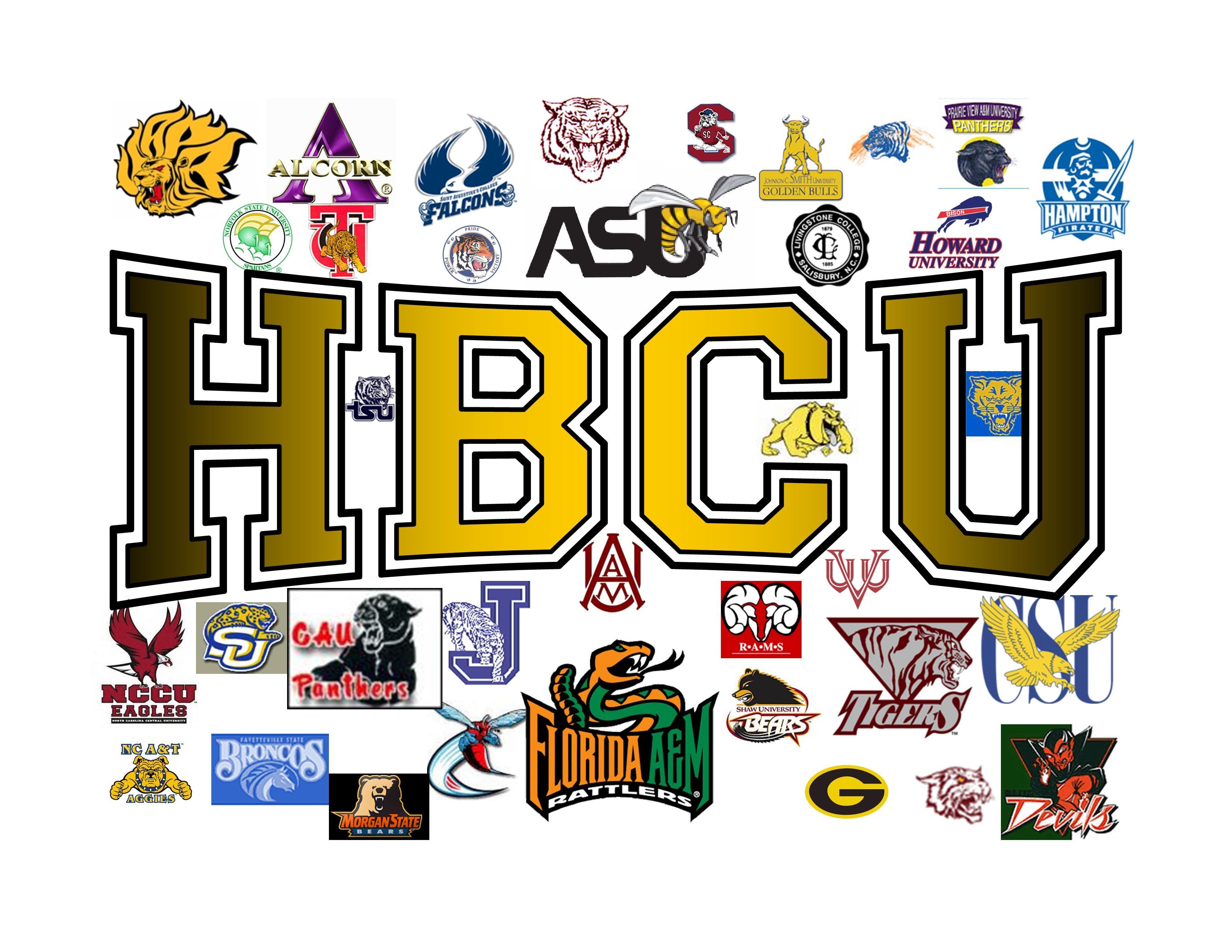
HBCUs and the Production of Doctors

By Marybeth Gasman, Tiffany Smith, Carmen Ye, and Thai-Huy Nguyen

Abstract

An important issue facing the world of medicine and health care is the field’s lack of diversity, especially regarding African American doctors. African Americans made up 6% of all physicians in the U.S. in 2008, 6.9% of enrolled medical students in 2013 and 7.3% of all medical school applicants.

The existing literature on the lack of diversity within the medical field emphasizes the role that inclusion would play in closing the health disparities among racial groups and the benefits acquired by African Americans through better patient-doctor interactions and further respect for cultural sensitivity. A large portion of current research regarding Black medical students and education focuses on why minority students do not go into medical school or complete their intended pre-med degrees.

Common notions and conclusions are that many institutions do not properly prepare and support students, who despite drive and desire, may lack adequate high school preparation and may go through additional stress unlike their other peers. Historically Black Colleges and Universities (HBCUs) are institutions that were designed to support African American students by providing an educational learning environment that caters to their unique challenges and cultural understandings. Given that HBCUs have had much success in preparing minority students for STEM fields, and for medical school success more specifically, this article looks at the history of such universities in the context of medical education, their effective practices, the challenges faced by African Americans pursing medical education, and what they can do in the future to produce more Black doctors.

We also highlight the work of Xavier University and Prairie View A&M University, institutions that regularly rank among the top two and top ten producers, respectively, of future African American doctors among colleges and universities.

***

See the source image

****

READ: https://www.ncbi.nlm.nih.gov/pmc/articles/PMC6111265/

YOUR THOUGHTS AND COMMENTS ARE APPRECIATED.

IMG_7897

Dr. Marcinko at Tuskegee University

Thank You

INVITE DR. MARCINKO: https://medicalexecutivepost.com/dr-david-marcinkos-

***

***

OBEDIENCE: To Authority is “Shocking”

QUESTION EVERYTHING?

By Staff Reporters

***

***

Question: Why do we follow orders, even when they seem wrong?

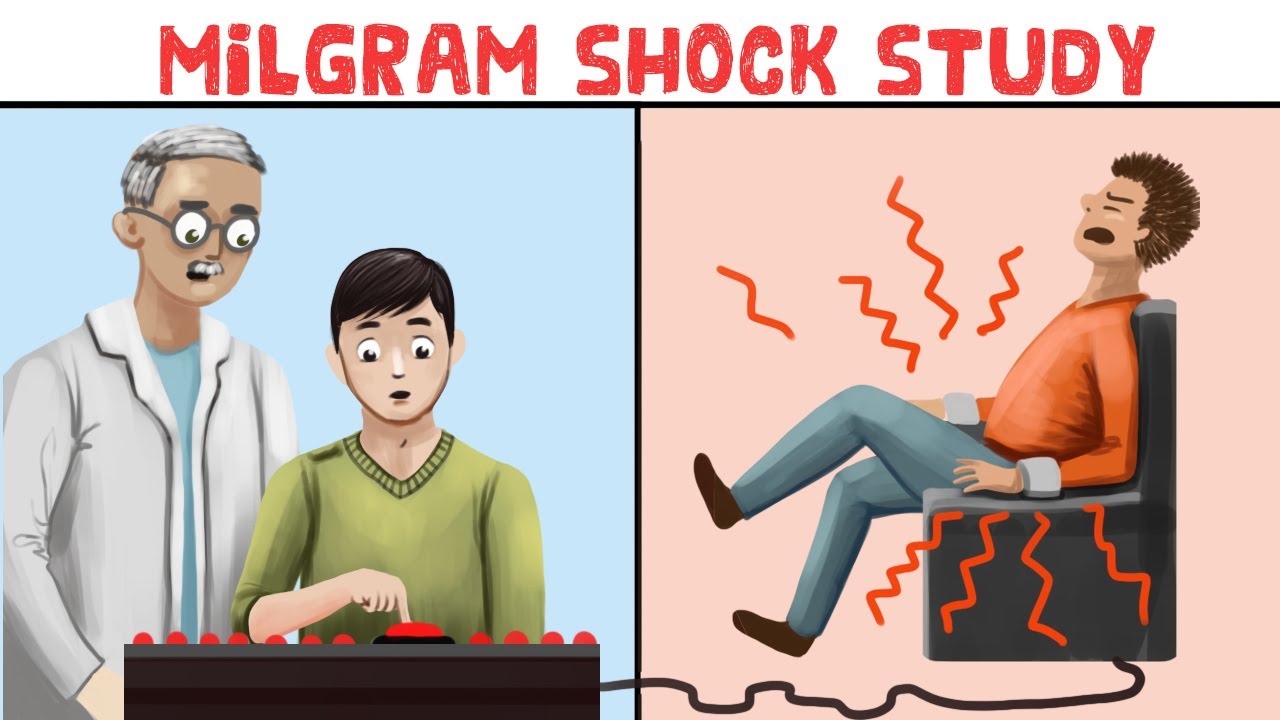
According to colleague Dan Ariely PhD, Obedience to Authority is a powerful force, making us do things we wouldn’t normally do. Think of the infamous Milgram experiment, where people shocked others because a guy in a lab coat told them to do so. It’s our brain’s way of outsourcing decision-making to someone else. While it can keep society orderly, it also explains why people sometimes follow questionable orders.

Cite: https://www.simplypsychology.org/milgram.html

Milgram’s experiments posed the question: Would people obey orders, even if they believed doing so would harm another person?

Milgram’s findings suggested the answer was yes, they would. The experiments have long been controversial, both because of the startling findings and the ethical problems with the research. More recently, experts have re-examined the studies, suggesting that participants were often coerced into obeying and that at least some participants recognized that the other person was just pretending to be shocked. Such findings call into question the study’s validity and authenticity, but some replications suggest that people are surprisingly prone to obeying authority.

So, question authority [doctor, financial advisor, accountant, clergy, professor and lawyer, etc] – just not your GPS.

COMMENTS APPRECIATED

Thank You

***

***