BOARD CERTIFICATION EXAM STUDY GUIDES Lower Extremity Trauma
[Click on Image to Enlarge]
ME-P Free Advertising Consultation
The “Medical Executive-Post” is about connecting doctors, health care executives and modern consulting advisors. It’s about free-enterprise, business, practice, policy, personal financial planning and wealth building capitalism. We have an attitude that’s independent, outspoken, intelligent and so Next-Gen; often edgy, usually controversial. And, our consultants “got fly”, just like U. Read it! Write it! Post it! “Medical Executive-Post”. Call or email us for your FREE advertising and sales consultation TODAY [678.779.8597] Email: MarcinkoAdvisors@outlook.com
Medical & Surgical e-Consent Forms
ePodiatryConsentForms.com
iMBA Inc., OFFICES
Suite #5901 Wilbanks Drive, Norcross, Georgia, 30092 USA [1.678.779.8597]. Our location is real and we are now virtually enabled to assist new long distance clients and out-of-town colleagues.
ME-P Publishing
SEEKING INDUSTRY INFO PARTNERS?
If you want the opportunity to work with leading health care industry insiders, innovators and watchers, the “ME-P” may be right for you? We are unbiased and operate at the nexus of theoretical and applied R&D. Collaborate with us and you’ll put your brand in front of a smart & tightly focused demographic; one at the forefront of our emerging healthcare free marketplace of informed and professional “movers and shakers.” Our Ad Rate Card is available upon request [678-779-8597].
Posted on September 6, 2022 by Dr. David Edward Marcinko MBA MEd CMP™
The Top Four
[By staff reporters]
***
***
Conclusion
Your thoughts and comments on this ME-P are appreciated. Feel free to review our top-left column, and top-right sidebar materials, links, URLs and related websites, too. Then, subscribe to the ME-P. It is fast, free and secure.
Speaker: If you need a moderator or speaker for an upcoming event, Dr. David E. Marcinko; MBA – Publisher-in-Chief of the Medical Executive-Post – is available for seminar or speaking engagements.
Subscribe: MEDICAL EXECUTIVE POST for curated news, essays, opinions and analysis from the public health, economics, finance, marketing, IT, business and policy management ecosystem.
Your thoughts and comments on this ME-P are appreciated. Feel free to review our top-left column, and top-right sidebar materials, links, URLs and related websites, too. Then, subscribe to the ME-P. It is fast, free and secure.
Speaker: If you need a moderator or speaker for an upcoming event, Dr. David E. Marcinko; MBA – Publisher-in-Chief of the Medical Executive-Post – is available for seminar or speaking engagements.
Subscribe: MEDICAL EXECUTIVE POST for curated news, essays, opinions and analysis from the public health, economics, finance, marketing, IT, business and policy management ecosystem.
Posted on September 1, 2022 by Dr. David Edward Marcinko MBA MEd CMP™
By Eric Bricker MD
***
As a result of SDOH problems, Johns Hopkins Hospital Trains Doctors That Have a Ton of Exposure to Diseases That Result from These Social Determinantsof Health: 1) Endocarditis, 2) Hepatitis C, 3) HIV, 4) Pancreatitis, 5) Liver Cirrhosis, 6) Diabetes, 7) Heart Attack, 8) Stroke, 9) Infections, 10) Cancer, 11) Spinal Injuries, 12) Dialysis, 13) Diabetic Ketoacidosis and 14) Hypertensive Emergencies.
Johns Hopkins Hospital Also Loses MoneyWhen Treating These Diseases Caused by Social Determinants of Health.
Posted on August 30, 2022 by Dr. David Edward Marcinko MBA MEd CMP™
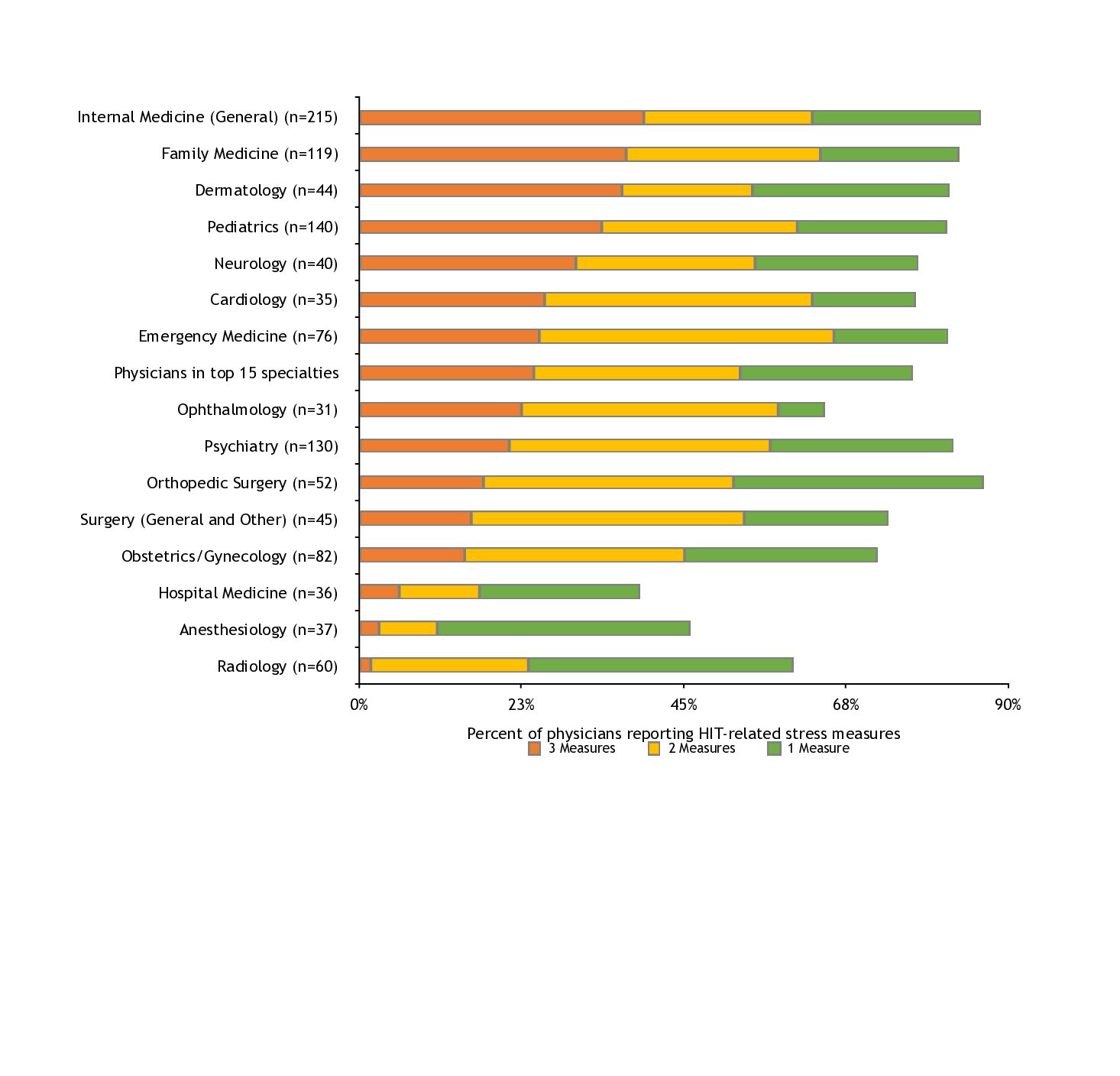
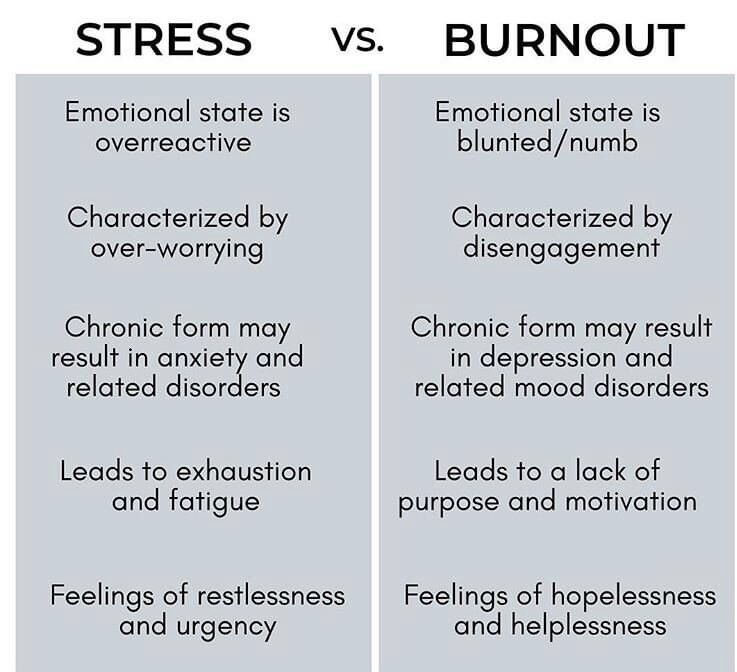
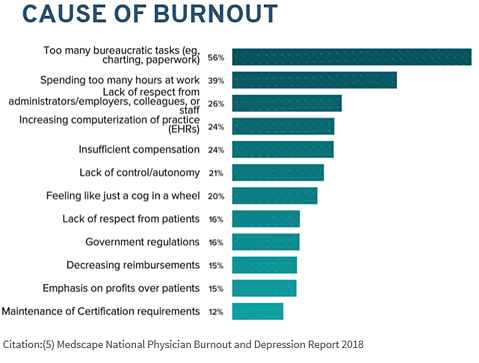
U.S. Hospitals Feeling the Pain of Physician Burnout [REPRINT]
Source: Reuters Health News via MDLinx [11/22/17]
Hospitals are just beginning to recognize the toll of burnout on their operations
Experts estimate, for example, that it can cost more than $1 million to recruit and train a replacement for a doctor who leaves because of burnout. But, as no broad calculation of burnout costs exists, Dr. Tait Shanafelt, a former Mayo Clinic researcher who became Stanford Medicine’s first chief physician wellness officer in September said Stanford, Harvard Business School, Mayo Clinic, and the American Medical Association (AMA) are working on that. They have put together a comprehensive estimate of the costs of burnout at the organizational and societal level, which has been submitted to a journal for review.
Shanafelt and other researchers have shown that burnout erodes job performance, increases medical errors, and leads doctors to leave a profession they once loved.
***
Hospitals can ill afford these added expenses in an era of tight margins, costly nursing shortages, and uncertainty over the fate of the Affordable Care Act, which has put capital projects and payment reform efforts on hold.
Your thoughts and comments on this ME-P are appreciated. Feel free to review our top-left column, and top-right sidebar materials, links, urls and related websites, too. Then, subscribe to the ME-P. It is fast, free and secure.
Speaker: If you need a moderator or speaker for an upcoming event, Dr. David E. Marcinko; MBA – Publisher-in-Chief of the Medical Executive-Post – is available for seminar or speaking engagements.
Book Marcinko:https://medicalexecutivepost.com/dr-david-marcinkos-bookings/
Subscribe: MEDICAL EXECUTIVE POST for curated news, essays, opinions and analysis from the public health, economics, finance, marketing, IT, business and policy management ecosystem.
There are more than 950,000 physicians in the United States. Yet, the brutal supply and demand, and demographic calculus of the matter is that there are just too many aging patients chasing too few doctors. Compensation and reimbursement is plummeting as Uncle Sam becomes the payer-of-choice for more than 52% of us. More so, going forward with the PP-ACA OR, perhaps not so much after the Trump election.
Furthermore, many large health care corporations, hospitals, and clinical and medical practices have not been market responsive to this change. Some physicians with top-down business models did not recognize the changing health care ecosystem or participatory medicine climate. Change is not inherent in the DNA of traditionalists. These entities and practitioners represented a rigid or “used-to-be” mentality, not a flexible or “want-to-be” mindset.
Yet today’s physicians and emerging Health 2.0 initiatives must possess a market nimbleness that cannot be recreated in a command-controlled or collectivist environment. Going forward, it is not difficult to imagine the following rules for the new virtual medical culture, and young physicians of the modern era.
A. Rule 1
Forget about large office suites, surgery centers, fancy equipment, larger hospitals, and the bricks and mortar that comprised traditional medical practices. One doctor with a great idea, good bedside manners, or competitive advantage can outfox a slew of insurance companies, Certified Public Accountants, or the Associate Management Accountant, while still serving patients and making money. It is now a unit-of-one economy where “ME Inc.,” is the standard. Physicians must maneuver for advantages that boost their standing and credibility among patients, peers, and payers.
Examples include patient satisfaction surveys, outcomes research analysis, evidence-based-medicine, direct reimbursement compensation, physician economic credentialing, and true patient-centric medicine. Physicians should realize the power of networking, vertical integration, and the establishment of virtual offices that come together to treat a patient and then disband when a successful outcome is achieved. Job security is earned with more successful outcomes; not a magnificent office suite or onsite presence.
B. Rule 2
Challenge conventional wisdom, think outside the traditional box, recapture your dreams and ambitions, disregard conventional gurus, and work harder than you have ever worked before. Remember the old saying, “if everyone is thinking alike, then nobody is thinking.” Do traditionalists or collective health care reform advocates react rationally or irrationally?
For example, some health care competition and career thought-leaders, such as Shirley Svorny, PhD, a professor of economics and chair of the Department of Economics at California State University, Northridge, wonder if a medical degree is a barrier—rather than enabler—of affordable health care. An expert on the regulation of health care professionals, including medical professional licensing, she has participated in health policy summits organized by Cato and the Texas Public Policy Foundation. She argues that licensure not only fails to protect consumers from incompetent physicians, but, by raising barriers to entry, makes health care more expensive and less accessible.
Institutional oversight and a sophisticated network of private accrediting and certification organizations, all motivated by the need to protect reputations and avoid legal liability, offer whatever consumer protections exist today.
C. Rule 3
Differentiate yourself among your health care peers. Do or learn something new and unknown by your competitors. Market your accomplishments and let the world know. Be a non-conformist. Conformity is an operational standard and a straitjacket on creativity. Doctors must create and innovate, not blindly follow entrenched medical societies into oblivion.
For example, the establishment of virtual medical schools and hospitals, where students, nurses, and doctors learn and practice their art on cyber entities that look and feel like real patients, can be generated electronically through the wonders of virtual reality units.
D. Rule 4
Realize that the present situation is not necessarily the future. Attempt to see the future and discern your place in it. Master the art of quick change with fast, but informed decision making. Do what you love, disregard what you do not, and let the fates have their way with you.
Assessment
I receive a couple of phone calls each month from young doctors on this topic. I ask them to decide if they are of the philosophical ilk to adhere to the above rules; or become another conformist and go along … to get along? In other words, get fly!
Or, become an employed, or government doctor. Just remember … the entity that gives you a job, can also take it away.
Your thoughts and comments on this ME-P are appreciated. Feel free to review our top-left column, and top-right sidebar materials, links, URLs and related websites, too. Then, subscribe to the ME-P. It is fast, free and secure.
Speaker: If you need a moderator or speaker for an upcoming event, Dr. David E. Marcinko; MBA – Publisher-in-Chief of the Medical Executive-Post – is available for seminar or speaking engagements. Contact: MarcinkoAdvisors@msn.com
OUR OTHER PRINT BOOKS AND RELATED INFORMATION SOURCES:
Posted on August 15, 2022 by Dr. David Edward Marcinko MBA MEd CMP™
By Stephen Kelley, CSA
***
***
As a Registered Investment Adviser (RIA) with a Series #65 securities license, we hold a fiduciary duty to you. This means that we are legally bound to put your interests above those of anyone else, including ourselves.
Now you might reasonably think that anyone offering financial advice or services to clients is required to be a fiduciary. Sadly, if you thought that, you’d be wrong. Some estimates claim that only 15 percent of advisors have a fiduciary duty to their clients. The Paladin Registry puts the number even lower, estimating that just one in 12 (8.3 percent) advisors have a fiduciary responsibility.
For the most part, stockbrokers (also called “Registered Representatives,” “Account Executives,” “Financial Advisors,” or “Wealth Managers”) are not fiduciaries, even though they are allowed to portray themselves as full-service investment advisors. If your stockbroker/registered representative/account executive/financial advisor/wealth manager holds a series seven [#7] securities license, then it’s probable that they aren’t a fiduciary.
This was made amply clear in the movie, “The Wolf of Wall Street,” a biopic about Jordan Belfort, a stockbroker who made his fortune selling junk stocks and bonds to middle-class investors: in other words, by cheating them. Much of it was perfectly legal. The SEC went after Belfort’s company, Stratton Oakmont, for nearly a decade before it was able to shut it down. The point being that even in the face of egregious wrongdoing, theft, fraud and a virtual sea of drugs and blatant hedonism, the securities laws in this country are so loose that it took billions in theft and a decade of suspected and known fraud to step in and stop the abuse. And this movie was based on a true story.
That’s why a fiduciary duty is so important to a client. Being a fiduciary is a legal distinction. A Registered Investment Advisor (RIA) or Investment Advisor Representative (IAR) who holds a Series #65 securities license, subject to the Investment Advisers Act of 1940, is a fiduciary. The legal investment advising standards that govern a non-fiduciary stockbroker and a fiduciary Registered Investment Advisor are very different.
A Registered Investment Advisor is legally required to follow the “trust” standard — the highest known in law — which requires it to place the interests of its clients ahead of its own and fulfill critical fiduciary duties of trust and confidence. Under the fiduciary trust standard, a Registered Investment Advisor must provide its “best advice” to a client. A non-fiduciary stockbroker (like the coveted Series #7 of “The Wolf of Wall Street”) follows only the “suitability” standard, which doesn’t require a stockbroker to place the interests of his clients ahead of its own. Under the non-fiduciary suitability standard, a stockbroker need provide only “suitable advice” to his clients — even if the stockbroker knows that the advice is not the best advice for the client.
***
The table below helps summarize which professionals are fiduciaries.
Posted on August 13, 2022 by Dr. David Edward Marcinko MBA MEd CMP™
By Staff Reporters
***
***
Limiting the $35 cap on the price of insulin only to Medicare members is not that consequential, experts said. While the cost of insulin has skyrocketed over the years, many people with private insurance already pay no more than that amount. About a fifth of those who take insulin and have health coverage through large employers pay more than $35 a month for the medication, according to an analysis from the Kaiser Family Foundation. More than a quarter of people with Affordable Care Act policies and nearly one-third of those insured through a small employer pay more than that threshold.
Some private insurers and states are taking action to help Americans afford the drug. UnitedHealthcare will eliminate out-of-pocket costs for insulin for certain policyholders starting next year, while 20 states have placed caps on co-payments. Also, two drug makers are working on inexpensive versions of the insulin medication, while some other manufacturers are offering deep discounts for certain patients. “Bottom line is I don’t think stripping it out will have a major impact on the private sector,” Gerard Anderson, a professor of health policy and management at Johns Hopkins University, said of the insulin cap.
It is the first research to measure long-term symptoms in both infected and non-infected people and therefore creates a more accurate distinction between symptoms caused by long COVID and those from other reasons such as stress or insomnia.
Posted on August 7, 2022 by Dr. David Edward Marcinko MBA MEd CMP™
By Staff Reporters
***
***
The Biden administration is expected to extend the Covid-19 public health emergency once again, ensuring that federal measures expanding access to health coverage, vaccines and treatments remain in place beyond the midterm elections, three people with knowledge of the matter told POLITICO. The planned renewal follows extensive deliberations among Biden officials over the future of the emergency declaration, including some who questioned whether it was time to let the designation lapse.
Under the proposed extension, the Department of Health and Human Services would continue the declaration beyond the November elections and potentially into early 2023 — pushing the U.S. into its fourth calendar year under a Covid public health emergency. “Covid is not over. The pandemic is not over,” one senior Biden official said. “It doesn’t make sense to lift this [declaration] given what we’re seeing on the ground in terms of cases.”
Posted on August 7, 2022 by Dr. David Edward Marcinko MBA MEd CMP™
FOR COVID-19 TREATMENT
By Staff Reporters
***
***
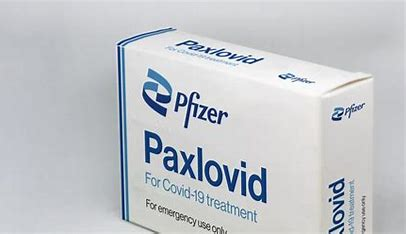
The FDA recently authorized pharmacists to prescribe Paxlovid to eligible patients who test positive for COVID-19.
To get a Paxlovid prescription from a pharmacist, patients must be able to connect the pharmacist to a physician to discuss their medical history, or present recent kidney and liver function tests to be sure the drug is safe for them.
Patients will also have to list and review all medications, including over-the-counter products they take, to be sure no dangerous interactions could occur.
Posted on August 5, 2022 by Dr. David Edward Marcinko MBA MEd CMP™
By Staff Reporters
***
***
The director of the nonpartisan Congressional Budget Office [CBO] added his voice Thursday to those economists who say it’s unclear if the economy has hit a downturn, despite posting two straight quarterly drops in growth. “The U.S. economy shows signs of slowing, but whether the economy is currently in a recession is difficult to say,” wrote CBO Director Phillip Swagel in a letter to Sen. Lindsey Graham (R-S.C.). “It is possible that, in retrospect, it will become apparent that the economy moved into recession sometime this year. However, that is not clear from data that were available at the beginning of August,” Swagel added.
Goldman Sachs said its credit card unit is under investigation by the Consumer Financial Protection Bureau, a federal agency tasked with protecting Americans from financial abuse. In a securities filing, Goldman said the CFPB is examining a number of the company’s credit card account management practices, including refunds, resolving billing errors, advertisements and reporting to credit bureaus. And, in a statement to CBS MoneyWatch, Goldman said the bank “is cooperating with the CFPB on this matter.”
Finally, shares of electric vehicle maker Tesla rallied in after-hours trading as the company won shareholder approval for a 3:1 stock split, the second such move in two years, as the world’s most valuable automaker looks to make its stock more affordable.
On July 7, 2022, the Centers for Medicare & Medicaid Services (CMS) released its proposed Medicare Physician Fee Schedule (MPFS) for calendar year (CY) 2023. Arguably the most noteworthy provision in the proposed rule is the agency’s suggested cut to physician payments. However, the rule also includes a number of other policy proposals, including changes to Medicare accountable care organizations (ACOs), behavioral health care, cancer screening, and dental care. (Read more…)
Posted on August 4, 2022 by Dr. David Edward Marcinko MBA MEd CMP™
By UPI News and Staff Reporters
***
Nearly 1 in 4 hospital doctors are mistreated at work by patients, visitors and other doctors, and female doctors are nearly two times more likely than male doctors to face this abuse, a new study reveals.
***
***
“All members of the healthcare team share the responsibility to mitigate mistreatment,” said senior study author Dr. Mickey Trockel, a clinical professor of psychiatry and behavioral sciences at the Stanford University School of Medicine and director of Evidence Based Innovation for the Stanford WellMD/WellPhD Center.
Posted on July 26, 2022 by Dr. David Edward Marcinko MBA MEd CMP™
By Dr. Keith L. Gurnick, DPM
[Los Angeles, CA via PM Online]
***
***
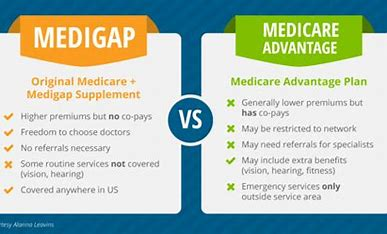
Paid spokespersons consisting exclusively of older celebrities, including William Shatner, George Forman, Joe Namath, and Jimmie “J.J.” Walker read similar, if not exact, scripts in an attempt to induce the elderly to phone and check their “zip code” to see if they are eligible. I can’t figure out what the zip code has to do with anything, but maybe someone can help me to understand this fish hook?
As of November 2021, 42% of all Medicare eligible patients are enrolled in Medicare Advantage plans. Does the viewing public not wonder why there is never any mention at all during these commercials that changing to a Medicare Advantage plan means switching their traditional Medicare over to an HMO, and that most likely they will lose their network of doctors and possibly hospitals as well?
Posted on July 21, 2022 by Dr. David Edward Marcinko MBA MEd CMP™
***
Cigna, do you even have a clue that dentists don’t like you?
***
By Darrell K. Pruitt DDS
***
Hi Dr. Pruitt,
I’m truly sorry for any negative experience you’ve encountered with us. Is there a claim, benefit, or authorization concern I can help with? Please email me at LetUsHelpU@cigna.com. I’d like an opportunity to assist.
At a time when interest rates are surging, and just when I request an increase, CIGNA REDUCED MY REIMBURSEMENTS! Never again will I do business with you, and will discourage other dentists from falling into your trap …. And that is why dentists don’t like #TeamCigna.
What is your name, anyway. You know mine. Perhaps Linkedin’s transparency makes it a poor choice for marketing Cigna.
Asif things could get no worse between Cigna and dentists, you censored my response!
NOTE: Cigna representatives prefer to remain anonymous for reasons of accountability.
Posted on July 13, 2022 by Dr. David Edward Marcinko MBA MEd CMP™
By MCOL.com
Dr. Seleem R. Choudhury
***
***
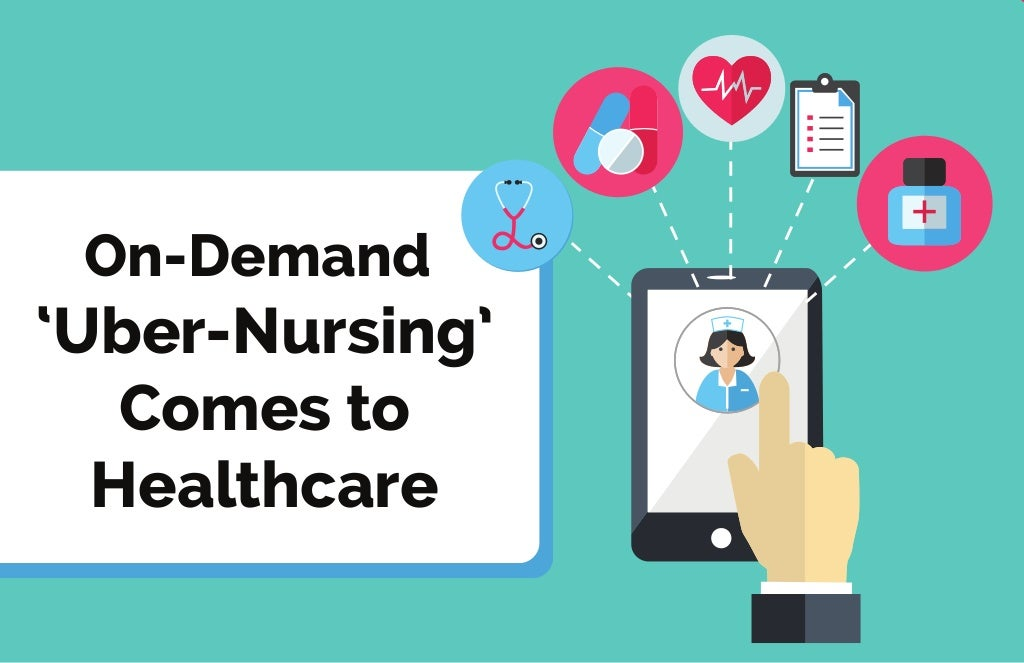
“Uberization” is a catchphrase that has quickly become part of common parlance in discussions about the pandemic-induced economy. Uberization is the movement by organizations to “replace fixed wage contracts with ‘dynamic pricing’ for labor” (Davis, & Sinha, 2021). It is transforming many elements of the economy and replacing employees employed by the organization with a type of self-employed or contract employee. In essence, it allows businesses to “recruit labour at a large scale in new ways” (Davis, & Sinha, 2021).
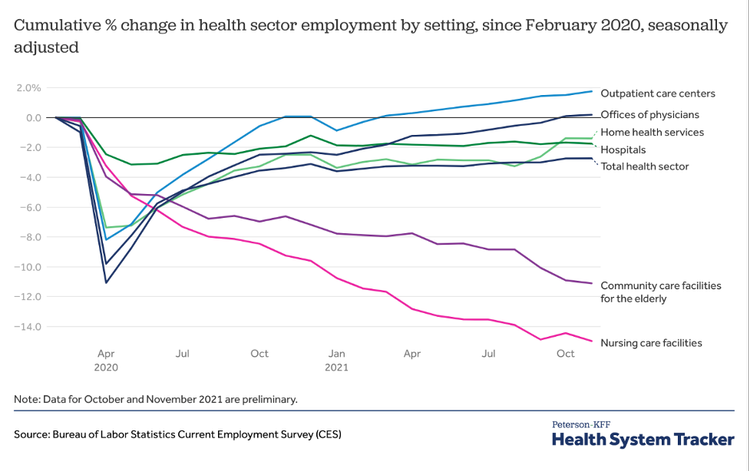
The global business community has had a range of responses to the trend of uberization (Babali, 2019), as has the healthcare industry in particular. Yet as health systems emerge from the pandemic, Bloomberg reports that “the ongoing elevated costs of [healthcare] workers are causing profit warnings” (KHN, 2022; Court, & Coleman-Lochner, 2022). Regardless of one’s resistance or acceptance of uberization, healthcare employment is in crisis. Change must occur to keep health systems from financial disaster.
It seems that the tide of uberization in the healthcare industry is already rising. An increasing number of employees are contracting with hospitals and health systems via a staffing agency. This trend is likely to evolve, with a portion of staff employed directly by the hospital, and the remaining employees self-contracting with hospitals or health systems with short-term or even daily contracts. In fact, hospitals are reporting that rather than temporary “travel nurses” coming from other states to work on a contract basis, nurses are taking short-term contract work at hospitals a short drive from their own homes rather than pursue permanent employment with these organizations. We are witnessing the uberization of nursing, which will eventually extend to other healthcare occupations.
Why uberization?
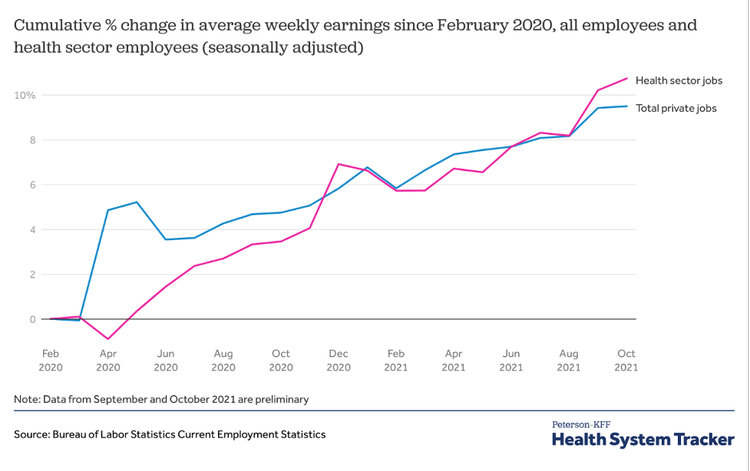
The healthcare workforce shouldered the heavy burden of fighting the COVID-19 pandemic. Yet a collaborative study from Indiana University, the nonprofit Rand Corp., and the University of Michigan that analyzed the changes in the U.S. healthcare workforce during the COVID-19 pandemic found that “the average wages for U.S. healthcare workers rose less than wages in other industries during 2020 and the first six months of 2021” (Toler, 2022; Cantor, Whaley, Kosali, & Nguyen, 2022). According to a February 2022 report by the U.S. Bureau of Labor Statistics, only about 35 percent of healthcare and social assistance organizations “increased wages and salaries, paid wage premiums, or provided bonuses because of the COVID-19 pandemic” (U.S. Bureau of Labor Statistics, 2022).
Due to the media attention the “Great Resignation” has received, it is common knowledge that workers across industries have been leaving their jobs at higher rates than before the pandemic (Parker, & Horowitz, 2022). Yet by October 2021, when the “quit rates” were at their highest recorded levels, healthcare and social assistance job resignations had increased to 35% higher than they had been before the pandemic, slightly higher than the increase of resignations among all workers in the same period (29%) (Wager, Amin, Cox, & Hughes-Cromwick, 2021).
Over the last ten years, “the salary of registered nurses increased by 1.67 percent in the United States” (Michas, 2021). Whereas healthcare executives make on average eight times more than their hourly employees (Saini, Garber, & Brownlee, 2022). The pandemic has rebalanced the scales in favor of those underpaid for many years. The salary landscape has changed, and in response many hospital systems blindly grasp to the pre-pandemic state of agency staffing. This, combined with near flat salary increases, contribute to the uberization of healthcare.
For many healthcare professionals, the combination of work-related stress and incommensurate compensation was the final straw. However, in addition to fair salary, flexibility has become a top demand of employees—even in healthcare. “Gone are the days when job security or pay was everything. Workers now are giving more thought to how their jobs fit into their lives. Ambition for ambition’s sake is being reassessed” (Buckingham, & Richardson, 2022).
A recent survey articulated “higher pay and dissatisfaction with management were also key drivers of nurses changing work settings in 2020 or 2021,” with 28% of respondents saying they’ve changed work settings (Lagasse, 2022). The percentage of nurses considering changing employers increased by 6% from 2020 to 2021, with 17% saying they are contemplating making an employment change. The percentage of nurses who are “passive job seekers – not actively looking for a new job but open to new opportunities – also increased, from 38% in 2020 to 47% in the current survey” (Lagasse, 2022).
The moment: contractor or non-contractor
As the trend of uberization continues to spread beyond the transportation industry, the global business community should be watchful of challenges that the trendsetter Uber is facing to understand future implications of this movement in their own industry. For example, recent legal battles regarding the employment status of Uber drivers will likely impact the cost-benefit analysis of those considering traditional employment or independent contracting. While an independent contractor is free to offer services to anyone and doesn’t have the limits on their freedom that comes with being an employee of a single organization, the U.S. National Labor Relations Board decision that Uber drivers are independent contractors means that drivers have no federal right to unionize (HyreCar, 2021; Fishman, 2020). In Europe, however, Uber drivers are considered employees and not independent, which could mean that unionization could occur en masse.
The future
The future of healthcare employment could be via an app on smart phones. Imagine: daily staffing supplemented by workers employed and credentialed through the app. The healthcare worker could choose their rate and shifts, and the hospital could determine the desired experience, quality, and patient experience reviews for the open position. It could shift the future of employment healthcare significantly.
The rate of change in today’s workplace is accelerating whether it is through the uberization of healthcare workers or advancements in workers’ rights. A recent New York Times article entitled “The Revolt of the College-Educated Working Class” states: “The support for labor unions among college graduates has increased from 55 percent in the late 1990s to around 70 percent in the last few years, and is even higher among younger college graduates” (Scheiber, 2022).
This may have a ripple effect on the healthcare workforce. Years of stagnating salaries and organizations’ undefined workforce vision has primed the industry for action with record job-quits within healthcare. This has proven especially true in rural markets where recruitment of permanent and agency staff has posed numerous challenges. Our current climate potentially opens the door for workers to leverage themselves via the advocacy of a union.
Summary
The labor supply and demand are out of balance. The long-term effects on the health sector labor market from the pandemic are unknown, but changes in healthcare delivery (such as the growth of telehealth) may lead to lasting shifts in the healthcare industry. Fierce competition for healthcare workers means that employers must go beyond good pay and benefits to attract the best candidates. Healthcare recruitment is a zero-sum game. There isn’t a pool of healthcare workers lying idle, and so recruitment is often at the cost of a competitor. The employee knows that this demand exists, and this could further drive the uberization of healthcare workers. However, there is potential for this new movement to benefit both parties. As limited number of employees equates to skill scarcity which drives salaries, hospitals could utilize their skilled workforce based on need and demand.
Increasing access to care: 25% of U.S. healthcare leaders
Providing care in the community/community outreach: 24% of U.S. healthcare leaders
Promoting community education: 17% of U.S. healthcare leaders
Generating financial support for under-served communities: 16% of U.S. healthcare leaders
Identifying collaborative partners: 11% of U.S. healthcare leaders
Notes: Responses from U.S. healthcare leaders according to Philips’ “Future Health Index 2022” report, an analysis of feedback from nearly 3,000 healthcare leaders across 15 countries. Source: Phillips, June 8, 2022 Source URL: https://www.usa.philips.com/a-w/about/news/archive/standard/…
Posted on July 10, 2022 by Dr. David Edward Marcinko MBA MEd CMP™
By Staff Reporters
***
***
The Justice Department’s (JD) efforts returned almost $1.9 billion to the federal government or paid it out to private individuals. Of that money, about $1.2 billion went to the Medicare trust fund. About $98.7 million in federal Medicaid money was transferred to CMS. The JD opened 831 criminal healthcare fraud cases last year. Federal prosecutors filed criminal charges in 462 cases involving 741 defendants. A total of 312 defendants were convicted of healthcare fraud during the year. The JD opened 805 civil healthcare fraud investigations and had 1,432 civil healthcare fraud matters pending at the end of last year.
HHS Office of the Inspector General (OIG) investigations resulted in 504 criminal actions against individuals or entities accused of Medicare- and Medicaid-related crimes. The OIG filed 669 civil actions, which included false claims and unjust-enrichment lawsuits filed in federal district courts, and civil monetary penalties. The OIG excluded 1,689 individuals and entities from participating in federal healthcare programs, including Medicare and Medicaid.
Posted on July 9, 2022 by Dr. David Edward Marcinko MBA MEd CMP™
By Staff Reporters
***
***
Mark Cuban, the billionaire entrepreneur, has been facing a torrent of criticism for several days linked to a partnership forged with a crypto firm. Indeed, Cuban, an evangelist of the crypto industry in which he has invested, signed an agreement linking his NBA team, the Dallas Mavericks, to the crypto lender Voyager Digital last October. The contract, signed on October 28, is for five years and has a mission to promote cryptocurrencies by making coins more accessible through educational and digital programs.
Beleaguered crypto lender Celsius Network operated as a classic “Ponzi scheme,” the former head of the company’s key investment strategy alleged in a lawsuit, claiming the company used customer deposits to cover huge liabilities caused by reckless mismanagement.
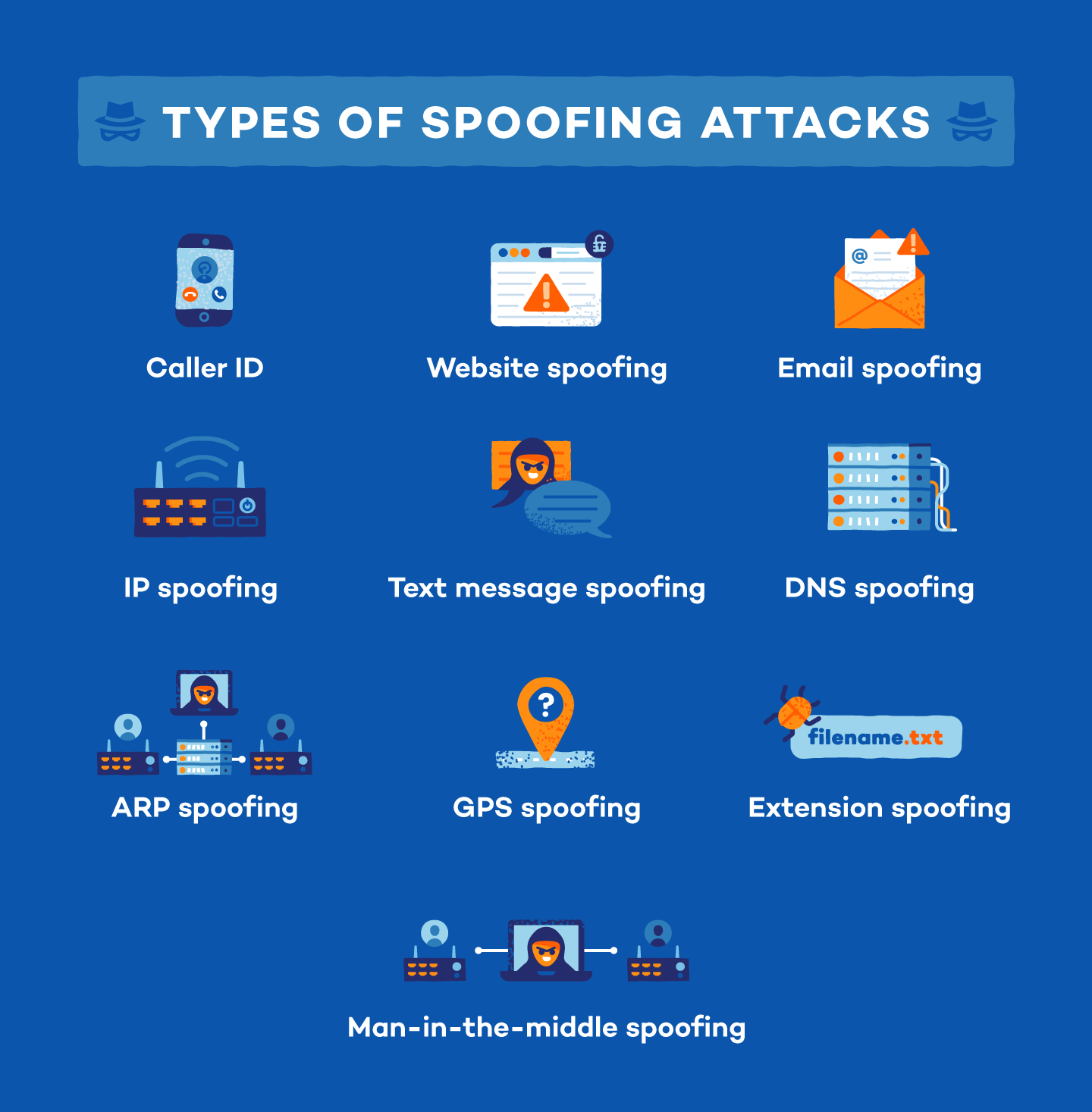
The closely watched criminal trial of three former JPMorgan Chase & Co employees just commenced, with a prosecutor saying they “ripped off” the precious metals futures market with fake orders and defense attorneys saying the orders were genuine. The bank’s former global precious metals desk head Michael Nowak, precious metals trader Gregg Smith and salesperson Jeffrey Ruffo are charged with racketeering and conspiracy in the U.S. Justice Department’s most aggressive case to date targeting the manipulative trading tactic known as spoofing.
Finally, job payrolls grew by 372,000 in June, according to the Labor Department, easing fears over a potential recession while clearing the way for another round of interest rate hikes by the Federal Reserve later this month and beyond.
A series of Federal Trade Commission (FTC) challenges to hospital mergers and acquisitions in 2022 indicates heightened regulatory scrutiny of hospital deals. Perhaps emboldened by the July 2021 executive order that focused attention on antitrust enforcement of hospital consolidation, the agency has voted to challenge a number of transactions, which has lead hospitals to call off the deals rather than challenge the government.
This Health Capital Topics article reviews three of the largest transactions called off this year, two of which were announced in June. (Read more…)
Posted on July 4, 2022 by Dr. David Edward Marcinko MBA MEd CMP™
By Richard Helppie
***
***
EDITOR’S NOTE: I first Met Rich Helppie when I was in business school. He was the CEO of Superior Consultant at the time. Today he is a respected philanthropist and publisher of The Common Bridge. This is a much-requested replaying of Rich’s 2021 podcast honoring of Independence Day. He takes some time to reflect on why we still should celebrate our nation’s birthday even though our history has been imperfect. -David E. Marcinko
Posted on July 4, 2022 by Dr. David Edward Marcinko MBA MEd CMP™
By Staff Reporters
***
***
As reported by CoinDesk, Meta [Facebook] is ending its three-year experiment with crypto this month. The company will shut down its crypto wallet, Novi, in September, but will prevent customers from adding any more funds to it later in July.
July 4th is the 10th anniversary of the discovery of the Higgs boson, also known as God’s particle. After a search of more than 40 years, the particle was discovered in experiments on the Large Hadron Collider (LHC) at European Organization for Nuclear Research (CERN) near Geneva, Switzerland on July 4, 2012. Considered one of the most important scientific discoveries of the modern era, the Higgs boson provides evidence for the Standard Model of Physics, which describes how various particles make the universe.
With home healthcare providers increasingly being viewed as a critical link in the array of patient-centered healthcare services aimed to bring care back into the community, technology will likely play a more prominent role in managing patient populations in need of home healthcare services.
The final installment of this five-part series on the valuation of home health agencies (HHAs) will discuss the growing role of technology in home healthcare and the challenges of utilizing this technology post-COVID-19. (Read more…)
It turns out money can buy happiness, after all—sometimes. Having a good income and the security of money invested for the future don’t insure happiness, of course. They do, however, give us a foundation that can make it easier to find happiness.
Spending
Part of the secret to using money to foster happiness is knowing what to spend it on!
For example, spending money to lift your mood—the whole “retail therapy” idea—does not lead to happiness. It provides only a momentary sense of pleasure, which often in the long run fosters unhappiness. There are ways to spend money that do create happiness.
Here, based in part on several posts about money and happiness by Dr. Jeremy Dean on his site Psyblog, are a few of them:
1. Experiences. Research says you will find greater happiness spending your money on experiences rather than on stuff. Experiences live in our memories much longer and give us more emotional enjoyment than things, which can quickly lose their importance. In fact, just the anticipation of planning an experience often creates happiness. And if you want to take the happiness level up a notch, take a friend along with you.
2. Exercise: The number-one strategy people can use to feel better, increase energy levels, and reduce tension is exercise. Exercising can mean spending money on a gym membership, a personal trainer, and equipment. However, exercising can also be inexpensive. Walking, for example, requires little more than a pair of good walking shoes and—at least here in South Dakota—a warm winter coat.
3. Stuff that will provide you experiences: Buying things that create or are necessary for experiences count as happiness spending. Music is an experience that research says is a mood enhancer; even sad music can bring pleasure. Spending money on music might mean buying concert tickets, but it could also mean buying recordings, an iPod, smart-phone, speakers, and similar equipment.
4. Stuff that supports doing what you’re good at; like medicine: What are you good at and really enjoy? PsyBlog says spending money for things you excel at typically creates happiness. A set of golf clubs and a budget for green fees could be a great purchase if you’re good at golf—or even if you aren’t so good at the game but you enjoy it for the exercise and time with friends. The same goes for buying things to support hobbies, such as art supplies, garden plants, or quilting fabrics. Maybe you enjoy helping others, so charitable giving or spending money on volunteer opportunities would increase your happiness. I love researching almost anything, so spending money on research data can be a mood lifter for me.
5. Coaching/Therapy: Few things are more valuable for long-term happiness than hiring a good coach or therapist. Research shows talk therapy to be as effective as or better than antidepressants. In my co-authored book, Conscious Finance, I describe how spending $80,000 on therapy was the best investment I ever made in my own happiness and well-being.
6. Meditation: The biggest happiness bang for your buck might come from meditation. It isn’t free, but it’s very inexpensive. You will need to attend a class or buy an instructional video or book. I recommend “Open Heart, Open Mind” by Thomas Keating, but there are many others.
****
****
Assessment
While we know that money by itself isn’t a source of happiness, we also know that having enough money to comfortably meet our basic needs does make us happier. In addition, we can consciously choose to spend in ways that buy happiness. Such investments may not provide financial returns, but they can provide significant happiness returns.
Conclusion
Your thoughts and comments on this ME-P are appreciated. Feel free to review our top-left column, and top-right sidebar materials, links, URLs and related websites, too. Then, subscribe to the ME-P. It is fast, free and secure. Link: http://feeds.feedburner.com/HealthcareFinancialsthePostForcxos
Speaker: If you need a moderator or speaker for an upcoming event, Dr. David E. Marcinko; MBA – Publisher-in-Chief of the Medical Executive-Post – is available for seminar or speaking engagements. Contact: MarcinkoAdvisors@msn.com
OUR OTHER PRINT BOOKS AND RELATED INFORMATION SOURCES:
Posted on July 1, 2022 by Dr. David Edward Marcinko MBA MEd CMP™
***
By Staff Reporters
***
***
Markets: The S&P’s drop of more than 21% was its biggest H1 plunge since 1970. Its second quarter was the worst since Q1 of 2020. And while the S&P is floundering in the bear market, the NASDAQ, which is loaded with tech stocks, has taken an even bigger licking: It’s plunged more than 30% since its peak last November. For example:
Netflix: down 71% YTD (the worst performer in the S&P)
Coinbase: down 81%
Even megacaps like Meta (-52%), Amazon (-38%), and Apple (-25%) haven’t been spared.
Ruja Ignatova promised her cryptocurrency, OneCoin, would become the next Bitcoin. The only problem: It didn’t exist. The FBI today added the Bulgarian-born Ignatova—accused of defrauding investors out of approximately $4.1 billion in a fake cryptocurrency scheme—to its most-wanted list. The 41-year-old has been on outstanding since October 2017, just days after a warrant was issued for her arrest in the U.S. In a press release, the FBI called OneCoin a “massive fraud scheme” and offered up to $100,000 for information leading to Ignatova’s arrest.
The U.S. Securities and Exchange Commission rejected a proposal from Grayscale to list a spot Bitcoin ETF on the NYSE Arca exchange, setting up a potential legal battle with the country’s biggest digital asset manager. The SEC said Grayscale’s request for an ETF listing, which it proposed as a conversion of its popular Grayscale Bitcoin Trust GBTC, didn’t meet the regulator’s standard of being “designed to prevent fraudulent and manipulative acts and practices” and “to protect investors and the public interest.” Grayscale said it would challenge the SEC’s decision in court, arguing that its approval of ETF’s that hold Bitcoin futures should “logically (make it) comfortable with ETFs that hold that same asset.”
Posted on June 27, 2022 by Dr. David Edward Marcinko MBA MEd CMP™
***
By Nate Raymond
***
***
(Reuters) – The U.S. Supreme Court just made it harder for prosecutors to win convictions of doctors accused of running “pill mills” and excessively prescribing opioids and other addictive drugs by requiring the government to prove that defendants knew their prescriptions had no legitimate medical purpose.
The most basic form of scambaiting sets out to waste a scammer’s time. At a minimum, scambaiters attempt to make scammers answer countless questions or perform pointless and random tasks. By keeping a scammer busy, scambaiters claim they’re preventing the scammer from defrauding a real victim.
Scambaiting may also be conducted with a specific purpose in mind. Sometimes scambaiters attempt to obtain an offender’s bank account information, for instance, which they then report to a financial institution. But there are other, less benevolent motives in the scambaiting community.
Thousands of scambaiters are organised on the 419eater forum, which describes itself as the “largest scambaiting community on earth”, with over 1.7 million forum threads. The forum was first established in 2003 to tackle the growing issue of 419 emails – a scam that promises people huge sums of cash in return for a small upfront fee.
419eater provides a particularly interesting case study because members are incentivised and rewarded for their scambaits through a unique system of icons, regarded as trophies, that they can obtain in their profile’s signature lines.
Posted on June 18, 2022 by Dr. David Edward Marcinko MBA MEd CMP™
***
By Staff Reporters
***
***
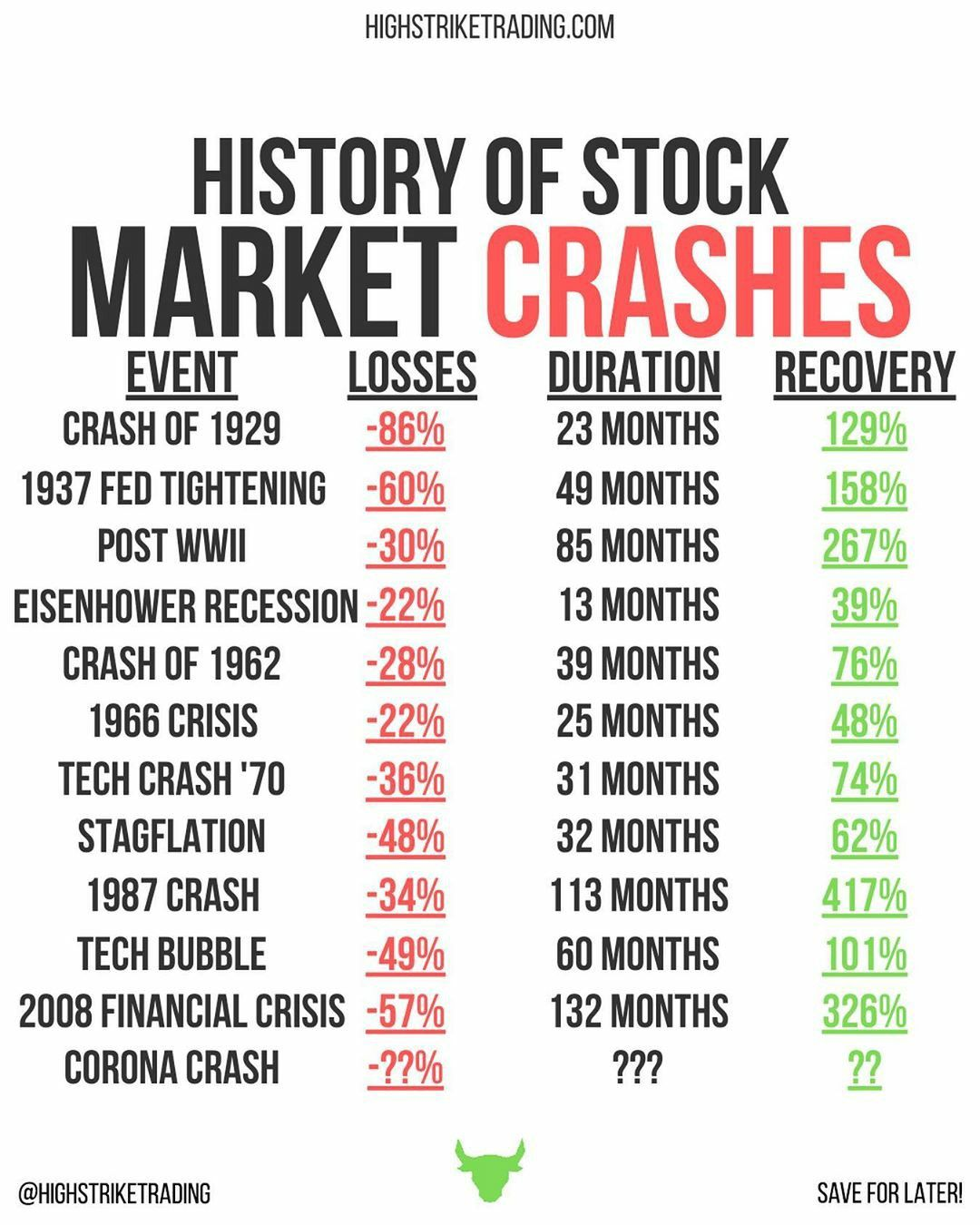
Per history, Bank of America’s Global Investment Strategy chief investment officer, Michael Hartnett, pointed out that the average peak-to-trough bear-market decline is 37.3% over a span of 289 days. Matching that pattern would put the end of current pain on Oct. 19th, 2022. This happens to mark the 35th anniversary of Black Monday, as the stock-market crash of 1987 is widely known. And according to statistical averages, the S&P 500 will likely bottom at 3,000.
Despite rising slightly, the S&P just posted its worst week since March 2020. Even energy stocks, one of the lone bright spots in the market, have taken a beating during this higher interest-rate era
The FDA just authorized two Covid-19 vaccines, Pfizer and Moderna, for kids under five—a year and a half after vaccines were approved for adults 16+.
Posted on June 11, 2022 by Dr. David Edward Marcinko MBA MEd CMP™
Sam’s Club Launches Innovative Pilot to Help Make Healthcare More Affordable
By Dr. David E. Marcinko MBA CMP
I devoted a full chapter of my book; “The Business of Medical Practice” to concierge and boutique medicine, retail medicine, direct, cash and private pay medicine; etc. We included terms and definitions, process and methodologies, marketing and advertising, and examples, etc. In fact, who knew I was so prescient and the landscape would finally begin evolving.
For example, we recently learned about Sam’s Club offering targeted “bundles” of health care services collaborating with Humana. https://lnkd.in/ejHGGzk
And, earlier, we learned of Amazon’s new virtual / primary care clinic model. And of course, in the past couple of weeks, Walmart’s (Sam’s affiliate) opening their freestanding clinics, along with new behavioral health services, as well.
Posted on June 7, 2022 by Dr. David Edward Marcinko MBA MEd CMP™
By Staff Reporters
***
***
Cathie Wood’s ARK Innovation fund composed of high-growth tech stocks is up 17% since hitting rock bottom on May 11th compared to the S&P’s 4.4% gain over the same period.
Americans are burning through their savings and might virtually exhaust them within months. Colleague Michael Burry MD warned the US economy could suffer once consumers empty out their savings accounts. “The Big Short” investor expects rising debt and reduced savings to hit growth and company profits.
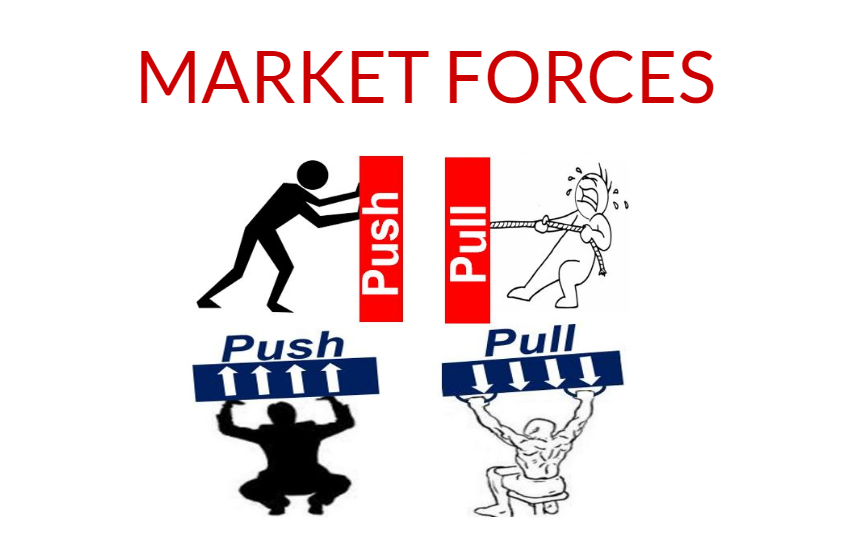
The push and pull between bond yields and equities continue with stock gains kept in check by a drop in Treasuries that pushed a swath of rates above 3%.
The CDC raised its alert level for Monkeypox to level 2 recommending that travelers wear masks, among other health measures.
Posted on June 6, 2022 by Dr. David Edward Marcinko MBA MEd CMP™
By Staff Reporters
***
***
“The risk of workplace violence is a serious occupational hazard for nurses and other health care workers,” a recent study by National Nurses United found. “Countless acts of assault, battery, aggression, and threats of violence that routinely take place in health care settings demonstrate a frightening trend of increasing violence faced by health care workers throughout the country.”
Last week’s shooting that left four people dead at a Tulsa medical center is an all-too-familiar scenario for health care workers across the nation. In another hospital attack, a man stabbed a doctor and two nurses at Encino Hospital Medical Center’s emergency department and barricaded himself inside. On the same day as the Tulsa shooting, a county jail inmate receiving treatment at a Miami Valley, Ohio, hospital stole a security guard’s gun, killed the guard and escaped before fatally shooting himself. And that’s just one of at least six deadly assaults in medical buildings that happened in Texas, California, New Jersey, Minnesota and elsewhere in the past three years.
And, the May jobs report showed the US economy added a robust 390,000 jobs last month and the unemployment rate held steady at a low 3.6%. May’s jobs growth is the weakest pace of hiring in more than a year, but wage growth fell to 5.2% in May from 5.5% in April. This suggests the crippling labor shortage is easing up and inflation is starting to tick down across the economy.
Finally, July Corn traded at $7.27, and July beans $17.00. July Chicago wheat traded at $10.40, down more than $1.00 per bushel.







 Support our online development, and advance our onground research initiatives in free market economics, as we seek to showcase the brightest Next-Gen minds.
THE ME-P DISCLAIMER: Posts, comments and opinions do not necessarily represent iMBA, Inc., but become our property after submission. Copyright © 2006 to-date. iMBA, Inc allows colleges, universities, medical and financial professionals and related clinics, hospitals and non-profit healthcare organizations to distribute our proprietary essays, photos, videos, audios and other documents; etc. However, please review copyright and usage information for each individual asset before submission to us, and/or placement on your publication or web site. Attestation references, citations and/or back-links are required. All other assets are property of the individual copyright holder.
Support our online development, and advance our onground research initiatives in free market economics, as we seek to showcase the brightest Next-Gen minds.
THE ME-P DISCLAIMER: Posts, comments and opinions do not necessarily represent iMBA, Inc., but become our property after submission. Copyright © 2006 to-date. iMBA, Inc allows colleges, universities, medical and financial professionals and related clinics, hospitals and non-profit healthcare organizations to distribute our proprietary essays, photos, videos, audios and other documents; etc. However, please review copyright and usage information for each individual asset before submission to us, and/or placement on your publication or web site. Attestation references, citations and/or back-links are required. All other assets are property of the individual copyright holder.




























 Due to the media attention the “Great Resignation” has received, it is common knowledge that workers across industries have been leaving their jobs at higher rates than before the pandemic (Parker, & Horowitz, 2022). Yet by October 2021, when the “quit rates” were at their highest recorded levels, healthcare and social assistance job resignations had increased to 35% higher than they had been before the pandemic, slightly higher than the increase of resignations among all workers in the same period (29%) (Wager, Amin, Cox, & Hughes-Cromwick, 2021).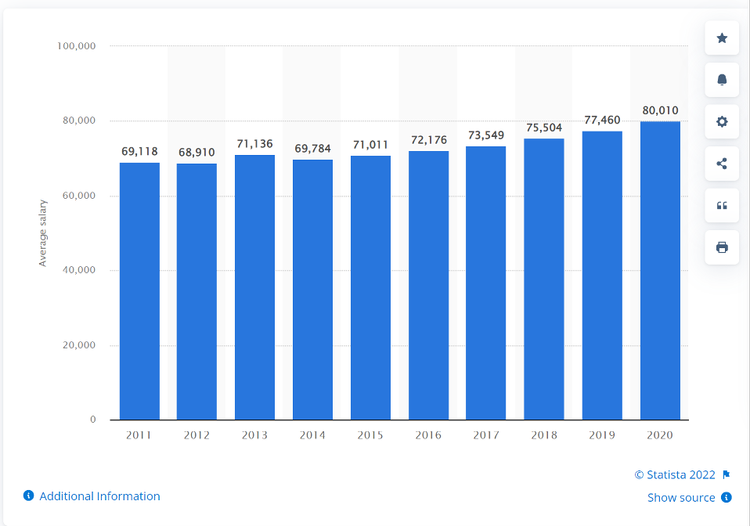

























 ***
***





 The Leading Business Education Network for Doctors, Financial Advisors and Health Industry Consultants