The GENIUS Act

By A.I.

***

***

The GENIUS Act is the law of the Land

President Trump signed the bill into law Friday, setting up a framework for regulating stablecoins—digital currency pegged to traditional assets—that are linked to the US dollar. It’s a big win for the crypto industry, and Trump said it was a “giant step to cement American dominance of global finance and crypto technology.”

The law could help push stablecoins into the mainstream, and major companies like Walmart and Amazon have been said to be considering launching their own, according to Morning Brew.

COMMENTS APPRECIATED

Like and Subscribe

***

***

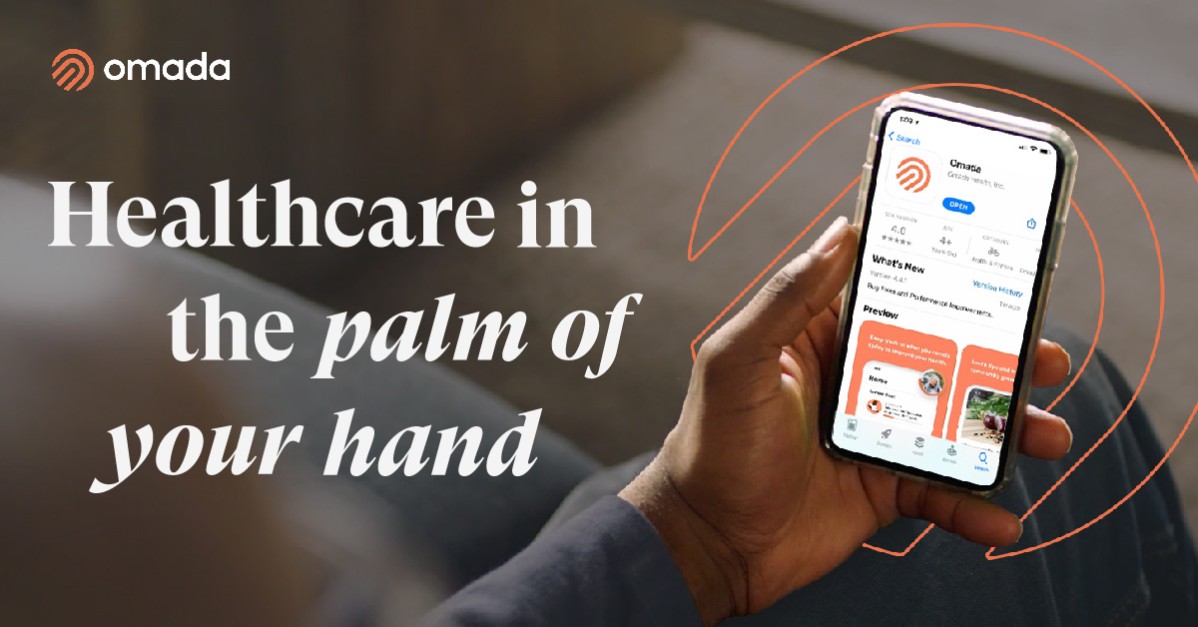
OMADA: Digital Health Company Files for IPO

By Staff Reporters

SPONSOR: http://www.MarcinkoAssociates.com

***

***

Virtual chronic care provider Omada Health has filed to go public in the United States, the latest in a string of healthcare listings expected this year. Omada did not disclose the details as to how much it plans to raise from its IPO.

IPO: https://medicalexecutivepost.com/2025/03/02/ipo-road-show-with-pros-and-cons/

The San Francisco, California-based company, which last raised $192 million in a Series E funding round in 2022, reported a 38% increase in revenue to $169.8 million for 2024, according to its IPO paperwork. For the first quarter of 2025, the company posted a 56.6% year-on-year jump in revenue to $55 million. Omada has applied to list its common stock on the NASDAQ under the symbol “OMDA”.

Healthcare IPOs on U.S. exchanges have fetched $7.1 billion in 2024, compared with $2.8 billion a year earlier, according to data compiled by LSEG.

Invite Dr. Marcinko

COMMENTS APPRECIATED

Like and Refer

***

***

MEDICAL DEVICES: Special Considerations

By Staff Reporters

***

***

INFORMATION TECHNOLOGY CONSIDERATIONS FOR MEDICAL DEVICES

In 2013, the Food and Drug Administration (FDA) issued its first cybersecurity safety communication, followed in 2014 by final guidance. It struck a reasonable balance between new regulations (almost none) and guidance (in the form of non-binding recommendations).

In 2015, the Federal Trade Commission (FTC) released a staff report entitled Internet of Things: Privacy & Security in a Connected World, in which it recommend that Internet of Things (IoT) style devices, which of course include medical and clinical devices, need to maintain a good security posture. It’s worth noting that the FDA, FTC, and other government regulators are centering on a few key guidelines. The following recommendations come directly from the FTC report.

Companies should build security into their devices at the outset, rather than as an afterthought. As part of the security by design process, companies should consider:

  • Conducting a privacy or security risk assessment
  • Minimizing the data they collect and retain
  • Testing their security measures before launching their products
  • Companies should train all employees about good security, and ensure that security issues are addressed at the appropriate level of responsibility within the organization
  • Companies should retain service providers that are capable of maintaining reasonable security and provide reasonable oversight for these service providers.
  • When companies identify significant risks within their systems, they should implement a defense-in-depth approach, in which they consider implementing security measures at several levels.
  • Companies should consider implementing reasonable access control measures to limit the ability of an unauthorized person to access a consumer’s device, data, or even the consumer’s network.
  • Companies should continue to monitor products throughout the life cycle and, to the extent feasible, patch known vulnerabilities

According to colleague Shahid N. Shah MS, the FTC report and FDA guidelines are remarkably consistent. When thinking of cybersecurity and data privacy, engineers tend to think about authentication, authorization, and encryption. Those are the relatively easy topics. For safety-critical devices, however, things are much more difficult and need to encompass a larger surface of questions, including but not limited to:

  • Asset Inventory: Is the device discoverable, and can it associate itself with standard IT inventory systems so that revision management, software updates, and monitoring can be automated?
  • Cyber Insurance: Does the device have enough security documentation to allow it to be insured by standard cyber insurance riders?
  • Patching: How is the firmware, operating system (OS), or application going to be patched by IT staff within hospitals (or the home for remote devices)?
  • Internal Threats: Has the device been designed to circumvent insider (hospital staff, network participants, etc.) threats?
  • External Threats: Has the device been designed to lock down the device from external threats?
  • Embedded OS Security: Is the device sufficiently hardened at the operating system level, such that no extraneous software components, which increase the attack surface, are present?
  • Firmware and Hardware Security: Are the firmware and hardware components sourced from reputable suppliers and free of state-sponsored spying?
  • Application Security: Is the Microsoft Security Development Lifecycle (SDL) or similar software security assurance process integrated into the engineering process?
  • Network Security: Have all network protocols not in use by the device been turned off so that they are not broadcasting?
  • Data Privacy: What data segmentation, logging, and auditing is being done to ensure appropriate data privacy?
  • HIPAA Compliance: Have proper steps been followed to ensure Health Insurance Portability and Accountability Act (HIPAA) compliance?
  • FISMA Compliance: If you’re selling to the federal government, have proper steps, such as use of Federal Information Processing Standard (FIPS) certified encryption, been followed to ensure Federal Information Security Management Act (FISMA) compliance?
  • Data Loss Prevention (DLP): Is there monitoring in place to ensure data leakage outside of the device doesn’t occur?
  • Vulnerabilities: Have common vulnerabilities such as the Open Web Application Security Project (OWASP) Top 10 been reviewed?
  • Data Sharing: Are proper data sharing agreements in place to allow sharing of data across devices and networks?
  • Password Management: Are passwords hardcoded into the device or made configurable?
  • Configuration Protection: Are configuration files properly check-summed and protected against malicious changes?

ASSESSMENT

It is vital to perform a security assessment on a healthcare practice to understand the environment, identify risks and perform risk mitigation. A one-time security assessment with risk mitigation is not sufficient in 2025. This is a continuous process that needs to be performed religiously to maintain a secure and compliant practice.

COMMENTS APPRECIATED

Refer, Like and Subscribe

***

***

HONEYPOTS versus HONEYNETS: Information Technology

By Staff Reporters

***

***

What is Honeypot?

A Honeypot is a network-attached system used as a trap for cyber-attackers to detect and study the tricks and types of attacks used by hackers. It acts as a potential target on the internet and informs the defenders about any unauthorized attempt at the information system.

Honeypots are mostly used by large companies and organizations involved in cybersecurity. It helps cybersecurity researchers to learn about the different types of attacks used by attackers. It is suspected that even cyber criminals use these honeypots to decoy researchers and spread wrong information. The cost of a honeypot is generally high because it requires specialized skills and resources to implement a system such that it appears to provide an organization’s resources while still preventing attacks at the back end and access to any production system.

Advantages of Honeypot

  • Acts as a rich source of information and helps collect real-time data.
  • Identifies malicious activity even if encryption is used.
  • Wastes hackers’ time and resources.
  • Improves security.

Disadvantages of Honeypot

  • Being distinguishable from production systems, it can be easily identified by experienced attackers.
  • Having a narrow field of view, it can only identify direct attacks.
  • A honeypot once attacked can be used to attack other systems.
  • Fingerprinting(an attacker can identify the true identity of a honeypot ).

What is Honeynet?

A honeynet is made up of two or more honeypots connected via a network. Having a linked network of honeypots can be beneficial. It allows organizations to trace how an attacker interacts with a single resource or network point while also monitoring how a hacker moves between network points and interacts with numerous points at the same time.

The goal is to induce hackers to believe that they have successfully breached the network. Having more false network destinations makes the arrangement appear more realistic.

COMMENTS APPRECIATED

Refer, Like and Subscribe

EDUCATION: Books

***

***

MICROSOFT DOWN: Online Outage Hit Again After Global IT Meltdown

BREAKING NEWS

Story by Andrew Griffin • 4h ago

By Staff Reporters

***

***

Microsoft’s online service have been hit by another outage, days after an IT meltdown that brought much of the world to a halt. The company said it was investigating reports of user problems accessing its services, with some reporting being unable to access email and other functions.

An alert on the technology giant’s service status website said it was looking into a “network infrastructure” issue that was impacting access to Microsoft services.

The incident comes less than two weeks after a major global IT outage knocked global infrastructure including transportation and healthcare services offline because of a flawed software update from cybersecurity firm CrowdStrike affected Microsoft devices.

COMMENTS APPRECIATED

Thank You

***

***

Three BOTS of Artificial Intelligence

A.I. and Computers

By Staff Reporters

***

***

***

***

  • Google revealed its answer to ChatGPT: an “experimental conversational AI service” called Bard that’s currently in testing mode.
  • Microsoft (which invested in ChatGPT) announced its own surprise event scheduled for later today in order to “share some progress on a few exciting projects.”
  • Chinese tech giant Baidu confirmed it’s on track to introduce its AI chatbot, known as “Ernie Bot” in English, in March.

***
COMMENTS APPRECIATED

Thank You

***

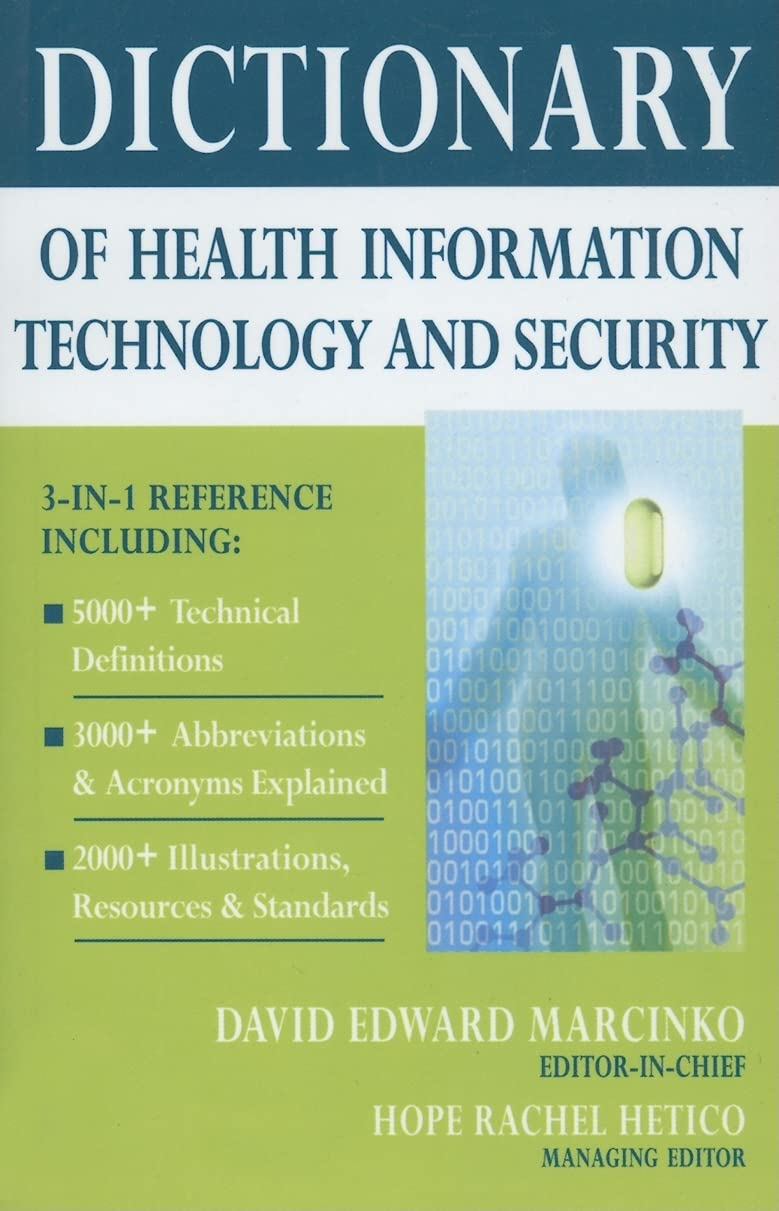
ORDER: https://www.amazon.com/Dictionary-Health-Information-Technology-Security/dp/0826149952/ref=sr_1_5?ie=UTF8&s=books&qid=1254413315&sr=1-5

***

LAUGH -or- CRY?

***

IAN BEAN MD

***

CYBERSECURITY: Healthcare Podcast

***

“Victims of cyber extortion and ransomware increase in 2024”

By Dan Raywood for SC Magazine, July 8, 2024.
https://www.scmagazine.com/news/victims-of-cyber-extortion-and-ransomware-increase-in-2024

“…small businesses with fewer than 1,000 employees are four times more likely to be impacted by attackers than medium and large businesses.” That’s us, Doc. (You might not get this kind of news from the American Dental Association).

DARRELL PRUITT DDS

***

Protecting Healthcare: Unveiling the Cybersecurity Imperative

Podcast: A Conversation with Dan Dotson

RICH HELPPIE The Common Bridge

EDITOR’S NOTE: I first met Rich in B-school, when I was a student, back in the day. He was the Founder and CEO of Superior Consultant Holdings Corp. Rich graciously wrote the Foreword to one of my first textbooks on financial planning for physicians and healthcare professionals. Today, Rich is a successful entrepreneur in the technology, health and finance space.

-Dr. David E. Marcinko MBA MEd CMP®

COMMENTS APPRECIATED

Thank You

***

***

DOWN: Digital Health Care Funding

By Dr. David Edward Marciniko MBA CMP

SPONSOR: http://www.MarcinkoAssociates.com

***

***

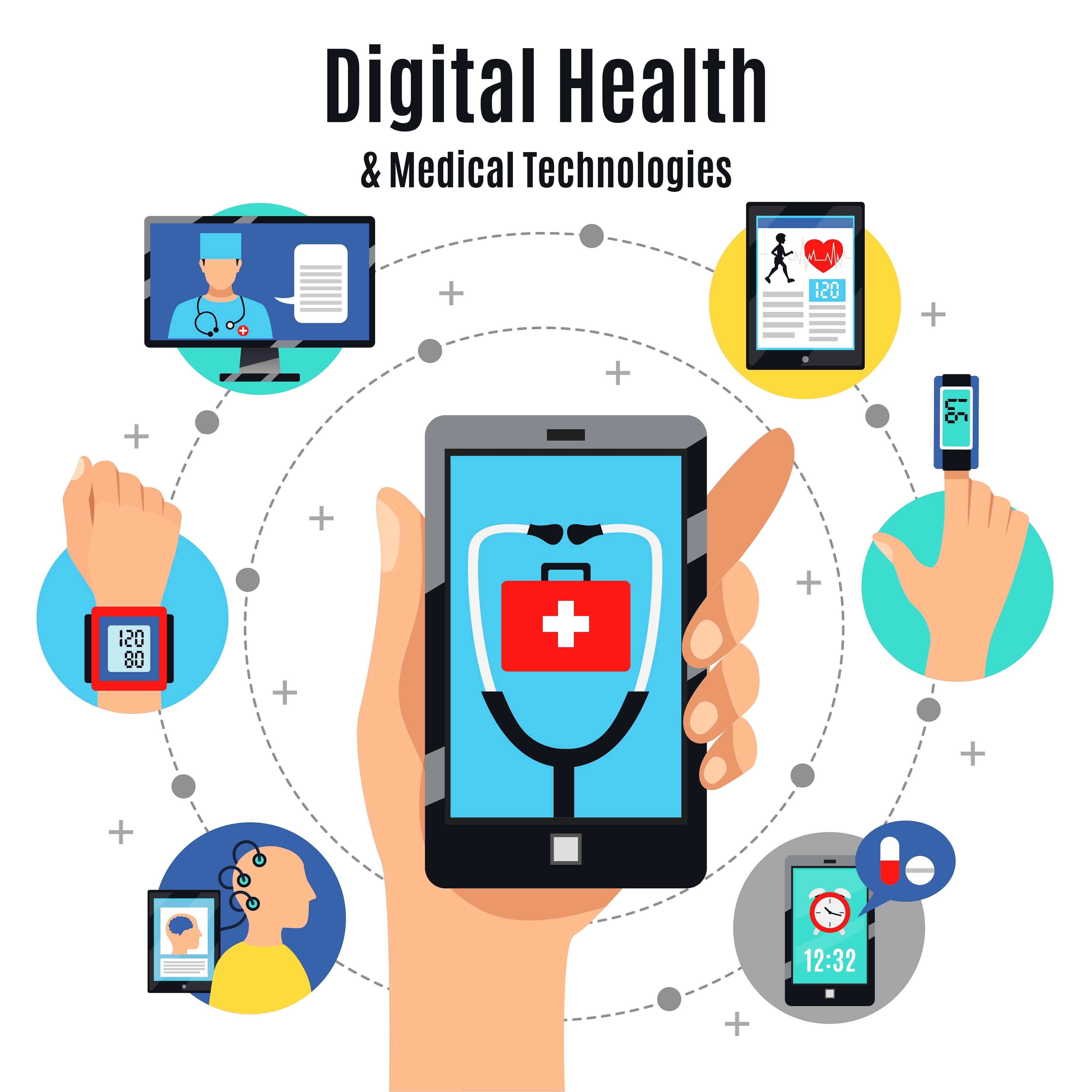
DEFINITION: According to the Food and Drug Administration [FDA], the broad scope of digital health includes categories such as mobile health (mHealth), health information technology (IT), wearable devices, tele-health and tele-medicine, and personalized medicine. From mobile medical apps and software that support the clinical decisions doctors make every day to artificial intelligence and machine learning, digital technology has been driving a revolution in health care. Digital health tools have the vast potential to improve our ability to accurately diagnose and treat disease and to enhance the delivery of health care for the individual. Digital health technologies use computing platforms, connectivity, software, and sensors for health care and related uses. These technologies span a wide range of uses, from applications in general wellness to applications as a medical device. They include technologies intended for use as a medical product, in a medical product, as companion diagnostics, or as an adjunct to other medical products (devices, drugs, and biologics). They may also be used to develop or study medical products.

Cite: http://tinyurl.com/2jbafuc7

***

As many investors predicted, digital health funding took a dive in 2023, according to Rock Health’s year-end funding report. Startups got creative to stay afloat but many digital health founders will have to “face the music” in 2024, the VC firm’s analysts say.

CITE: https://www.r2library.com/Resource

Editor’s Note: I am on the Advisory Board of Medblob™a start-up based in Boston, MA. The digital mission of Medblob™ is to improve community and national health by allowing patients to better manage their health, providers to better treat their patients, and researchers to have the best information to discover cures to the most prevalent and pernicious diseases.

COMMENTS APPRECIATED

Thank You

***

***

MID-YEAR: Stock Market Wrap-Up

By Staff Reporters

***

***

Investors are coming out of the mid-year investing season enthused and thanks to an Artificial Intelligence fueled stock market rally that turned into an everything rally.

The NASDAQ posted its best H1 since 1983, and the S&P 500 had its best first-half performance since 2019.

But, don’t expect Wall Street fireworks for the next few days. The US stock market will close early today and shut down tomorrow for Independence Day.

***

COMMENTS APPRECIATED

Thank You

***

FLORENCE 2.0: A.I. Advice for a A Healthier Lifestyle And Mental Health

WHO

By Staff Reporters

***

***

By 2030, the WHO projects that 15 million healthcare workers will be missing globally. 

Introducing Florence, the “world’s most extensive freely accessible AI health worker” is one way of tackling this issue. 

Florence is knowledgeable in key health topics, including mental health, nutrition and tobacco cessation, and provides information on COVID-19 vaccines. So, have a chat with her.

READ MORE: https://www.who.int/news/item/04-10-2022-who-and-partners-launch-world-s-most-extensive-freely-accessible-ai-health-worker?mc_cid=16b214db2e&mc_eid=40fee31c25

COMMENTS APPRECIATED

Thank You

***

***

Meta, Apple, TSA Deflation and Mastodon

By Staff Reporters

***

***

  • Meta will reportedly begin to lay off thousands of employees this week in what could amount to the company’s most significant job cuts since it was founded in 2004.
  • Apple said that iPhone 14 production has been hamstrung by Covid restrictions at its huge assembly plant in China.
  • PreCheck deflation: TSA is lowering the price for its PreCheck program ahead of the holiday travel season.
  • Mastodon, a Twitter-esque social media site, has seen a spike in users since Musk’s takeover of the bird app.

***

ORDER: https://www.routledge.com/Risk-Management-Liability-Insurance-and-Asset-Protection-Strategies-for/Marcinko-Hetico/p/book/9781498725989

***

COMMENTS APPRECIATED

Thank You

***

PODCAST: Technology Adoption in Healthcare

The Technology Adoption Lifecycle Applied to Healthcare

By Eric Bricker MD

***

***

DHITS: https://www.amazon.com/Dictionary-Health-Information-Technology-Security/dp/0826149952/ref=sr_1_5?ie=UTF8&s=books&qid=1254413315&sr=1-5
***
COMMENTS APPRECIATED

Thank You

***

PODCAST: EMRs are a MESS!

By Eric Bricker MD

***

***

HIT: https://www.amazon.com/Dictionary-Health-Information-Technology-Security/dp/0826149952/ref=sr_1_5?ie=UTF8&s=books&qid=1254413315&sr=1-5

MORE: https://medicalexecutivepost.com/2022/03/28/emrs-laugh-or-cry/

COMMENTS APPRECIATED

Thank You

****

SURVEY: Resources Offered by Health Insurance Plan Transparency Tool

By MCOL

***

***

Percentage of Resources

 •  Finding in-network providers: 72%
 •  Telehealth: 55%
 •  Ability to select PCP online: 53%
 •  Help navigating benefits and healthcare options: 50%
 •  Cost estimates for healthcare services: 50%
 •  Status of deductible: 49%
 •  Reviews of doctors and facilities: 46%
 •  Online appointment scheduling: 41%
 •  Financial incentives/rewards for choosing cost-effective care: 25%

Source: Health Sparq, “2022 Annual Consumer Sentiment Benchmark Report,” January 2022

CITE: https://www.r2library.com/Resource/Title/082610254

***

COMMENTS APPRECIATED

Thank You

***

***

***

TELE-HEALTH: Market Share of Outpatient Visits

By Staff Reporters

***

***

KFF: Share of Outpatient Visits by Telehealth, 2019-2021

 •  March 2019-Feb. 2020: 0% (Rounded, telehealth use was a negligible share prior to pandemic.)
 •  March-Aug. 2020: 13%
 •  Sept. 2020-Feb. 2021: 11%
 •  March-Aug. 2021: 8%

Source: KFF Health System Tracker, “Outpatient telehealth use soared early in the COVID-19 pandemic but has since receded,” February 10, 2022

***

COMMENTS APPRECIATED

Thank You

Subscribe to the Medical Executive-Post

***

***

66% of Nurses Expressed Consideration to Leave The Profession

By staff reporters

***

66% of Nurses Expressed Consideration to Leave The Profession

A survey of 570 nurses between May and June 2021 found:

 •  66% of nurses expressed some level of consideration to leave the profession.
 •  97% of polled participants agree, that increases to pay rates and other incentives would attract and retain nurses.
 •  58% agree that tele-health should be a cornerstone of care delivery.
 •  85% believe that we must improve cross training to adapt to crisis events.
 •  85% strongly believe national licensure would have greatly benefited the country during the pandemic.

Source: Cross Country Healthcare via Businesswire, December 1, 2021

COMMENTS APPRECIATED.

Thank You

***

***

***

***

More ME-P Industry Leading “WORKING WHITE-PAPERS”

Join Our Mailing List

OUR INDUSTRY “WORKING WHITE-PAPER” KNOWLEDGE SERIES … for only $99 each!

By Ann Miller RN MHA

[ME-P Executive Director]

At the ME-P working white-paper and iMBA Knowledge Center, we bring to life health administration best practices for BDs, RIAs, consulting firms, private equity and mutual fund companies, institutional wealth managers, physician-executives, administratrors, CXOs, hospitals and clinics, and large financial planning and business management firms.

Books

Certified Medical Planner

###

Therefore, as part of the combined ME-P and iMBA Research Library®, we highly recommend these Working White-Papers [WW-Ps] on various business management principles of the healthcare industry.

Topics: https://medicalexecutivepost.com/wp-content/uploads/2009/02/imba-inc-firm-services.pdf

Sample: http://certifiedmedicalplannerdotorg1.files.wordpress.com/2012/03/summary-white-paper-topics2.pdf

Checklists: https://medicalexecutivepost.com/office-checklists-on-cd-rom/

PayPal: Only $99 each.

ORDER HERE: MarcinkoAdvisors@msn.com

More Info

https://medicalexecutivepost.com/white-papers/

Business%20Optimization

Ask an Advisor about “Meaningful-Use”

Do dentists qualify for “meaningful use” incentives under ARRA?

By Ann Miller; RN, MHA

[Executive Director]

Chairman's Seat

A simple and direct query asked by an ME-P subscriber.

Channel Surfing

Have you visited our other topic channels? Established to facilitate idea exchange and link our community together, the value of these topics is dependent upon your input. Please take a minute to visit. And, to prevent that annoying spam, we ask that you register. 

Conclusion

Your thoughts and comments on this ME-P are appreciated. Feel free to review our top-left column, and top-right sidebar materials, links, URLs and related websites, too. Then, subscribe to the ME-P. It is fast, free and secure.

Link: http://feeds.feedburner.com/HealthcareFinancialsthePostForcxos

Speaker: If you need a moderator or speaker for an upcoming event, Dr. David E. Marcinko; MBA – Publisher-in-Chief of the Medical Executive-Post – is available for seminar or speaking engagements. Contact: MarcinkoAdvisors@msn.com

OUR OTHER PRINT BOOKS AND RELATED INFORMATION SOURCES:

DICTIONARIES: http://www.springerpub.com/Search/marcinko
PHYSICIANS: www.MedicalBusinessAdvisors.com
PRACTICES: www.BusinessofMedicalPractice.com
HOSPITALS: http://www.crcpress.com/product/isbn/9781466558731
CLINICS: http://www.crcpress.com/product/isbn/9781439879900
BLOG: www.MedicalExecutivePost.com
FINANCE: Financial Planning for Physicians and Advisors
INSURANCE: Risk Management and Insurance Strategies for Physicians and Advisors

Product DetailsProduct Details

Product Details

On Regional Extension Centers [RECs]

Join Our Mailing List

Another New Governmental Machination?

[By Staff Reporters]

A Regional (health information) Extension Center [REC] is similar to a Health Information Organization [HIO] that brings together healthcare stakeholders within a defined geographic area and governs Health Information Exchange [HIE] among them for the purpose of improving health and care in that community.

Fundamental to this definition is the meaning of Health Information Exchange and Health Information Organization. A Health Information Organization (HIO) is an organization that oversees and governs the exchange of health-related information among organizations according to nationally recognized standards.

Thus, the goal of an REC is to act as a local support organization to help doctors install electronic health records and use them to achieve improved quality, efficiency, and continuity of care.

Past and Present

The RECs are based on the example of agricultural extension offices, established over 100 years ago by Congress, which offered rural outreach and educational services across the country.

Today, the HITECH Act amends Title XXX of the Public Health Service Act by adding Section 3012, Health Information Technology Implementation Assistance. This section provides supportive services for the rest of the HITECH Act. Section 3012 (a) establishes the Health Information Technology Extension Program (Extension Program). The Extension Program provides grants for the establishment of Health Information Technology 

Assessment

Link: Regional Extension Center

Link: http://www.chhs.ca.gov/initiatives/HealthInfoEx/Documents/SUMMIT%20DOCUMENTS/RECSummitSlides_FinalDraft-7-15.pdf

Link: HIT Extension Program – Regional Centers Cooperative Agreement Program

Conclusion

Your thoughts and comments on this ME-P are appreciated. Feel free to review our top-left column, and top-right sidebar materials, links, URLs and related websites, too. Then, subscribe to the ME-P. It is fast, free and secure.

Link: http://feeds.feedburner.com/HealthcareFinancialsthePostForcxos

Speaker: If you need a moderator or speaker for an upcoming event, Dr. David E. Marcinko; MBA – Publisher-in-Chief of the Medical Executive-Post – is available for seminar or speaking engagements. Contact: MarcinkoAdvisors@msn.com

OUR OTHER PRINT BOOKS AND RELATED INFORMATION SOURCES:

Product DetailsProduct Details

Product Details

Hospital Automated Data Collection

Understanding Data Capture Technologies

By David J. Piasecki, with
Hope Hetico; RN, MHA

Automated data collection (ADC), also known as automated data capture, automated identification (AutoID) or automated identification and data capture (AIDC), consists of many different technologies. Bar codes, voice systems, RFID, OCR, laser scanners, vehicle mounted and wearable computers are all part of ADC management and hospital inventory activities.

www.HealthcareFinancials.comHO-JFMS-CD-ROM

Six-Figure Projects

However, the fear of six-figure project costs often prevent many small to mid-sized hospitals and healthcare systems from taking advantage of these technologies. The key to implementing cost-effective ADC systems is to know what technologies are available and the amount of integration needed to implement them. Applying this processing knowledge in a healthcare organization will help in developing the scope of any project. Limiting projects to or prioritizing by those applications that have a high benefit/cost ratio allows these operational improvement technologies within a reasonable budget. 

Example:

For example, adding a keyboard-wedge bar-code scanner to an existing personal computer (PC) or blade terminal in a nursing station is a very low-cost method for applying ADC to existing hospital reporting applications. This type of hardware is inexpensive and the only real programming required is to add a bar code to the proper form (work order, pick and delivery slip, etc).

Review of the ADC Technologies

Some of the current hospital data capture technologies include the following:

a. Bar Codes

b. Bar-Code Scanners

Laser or CCD 

Auto-Discrimination

Keyboard-Wedge Scanners 

Fixed-Position Scanners

c. Portable Computers

d. Batch versus Radio Frequency

e. Hand-Held Devices

f. Vehicle-Mounted Devices

g. Wearable Systems

h. Voice Technology

i. Optical Character Recognition

j. Light Systems

Assessment

Driven by a need for improved data capture, asset management, staff mobility and standardized medication administration to name a few benefits, hospitals are likely to invest much more heavily in ADC and Wi-Fi technologies over the next five years, according to this new research report.

Link: http://www.eweek.com/c/a/Health-Care-IT/WiFi-Healthcare-Systems-to-Hit-49B-878082/

Conclusion

And so, your thoughts and comments on this Medical Executive-Post are appreciated. Tell us what you think. Can you think of any other hospital data capture technologies? Feel free to review our top-left column, and top-right sidebar materials, links, URLs and related websites, too. Then, be sure to subscribe to the ME-P. It is fast, free and secure.

Link: http://feeds.feedburner.com/HealthcareFinancialsthePostForcxos

Speaker: If you need a moderator or speaker for an upcoming event, Dr. David E. Marcinko; MBA – Publisher-in-Chief of the Executive-Post – is available for seminar or speaking engagements. Contact: MarcinkoAdvisors@msn.com 

Get our Widget: Get this widget!

Our Other Print Books and Related Information Sources:

Practice Management: http://www.springerpub.com/prod.aspx?prod_id=23759

Physician Financial Planning: http://www.jbpub.com/catalog/0763745790

Medical Risk Management: http://www.jbpub.com/catalog/9780763733421

Healthcare Organizations: www.HealthcareFinancials.com

Health Administration Terms: www.HealthDictionarySeries.com

Physician Advisors: www.CertifiedMedicalPlanner.com

Subscribe Now: Did you like this Medical Executive-Post, or find it helpful, interesting and informative? Want to get the latest ME-Ps delivered to your email box each morning? Just subscribe using the link below. You can unsubscribe at any time. Security is assured.

Link: http://feeds.feedburner.com/HealthcareFinancialsthePostForcxos

Sponsors Welcomed

And, credible sponsors and like-minded advertisers are always welcomed.

Link: https://healthcarefinancials.wordpress.com/2007/11/11/advertise

Medicare and Medicaid Health IT Network Proposal

Governmental Initiative for the Elderly and Poor

By Staff Reporters200298593-001

According to Nancy Ferris of Government Health IT, on Mar 18, 2009, a rapid learning health information data network could close some gaps in medical knowledge and cut costs for Medicare and Medicaid recipients.

A Congressional Letter

In a letter to Congress, a group of health policy experts urged creation of a network to share information on Medicare and Medicaid patients in order to improve treatment received. In particular, Lynn Etheredge, one signatory of the letter, wants information to be shared on “dual eligible’s”. This term is defined as low income, elderly patients who receive money for medical care from both Medicare [Federal] and Medicaid [State] sources.dhimc-book6

www.HealthDictionarySeries.com

According to Etheredge, there are 7 million such dually-eligible patients in the US, which represents 40 percent of Medicaid spending, and 25 percent of Medicare spending. Etheredge and the others suggest that a network backed by government policy would hasten treatments for everyone.

Assessment

Others who signed the letter include Kenneth Kizer, who created the health-records system for the Department of Veteran Affairs; Commonwealth Fund President Karen Davis; National Quality Forum [NQF] President and CEO Janet Corrigan and National Committee for Quality Assurance [NCQA] President Margaret O’Kane. 

Link: http://govhealthit.com/articles/2009/03/18/network-for-data-on-medicaid-medicare-patients.aspx

Conclusion

And so, your thoughts and comments on this Medical Executive-Post are appreciated. One conclusion of this letter was that“[Researchers] spend way too much time simply acquiring data.” Do you agree, why or why not? Please opine. Will networked eHRs, eMRs and eDRs really save money and time; or cost money and time? Can they be inter-operable and connected on a nationally networked basis that is cost-effective, secure and available to all providers? What about CCHIT, and other vendors?

Link: http://feeds.feedburner.com/HealthcareFinancialsthePostForcxos

Speaker: If you need a moderator or speaker for an upcoming event, Dr. David E. Marcinko; MBA – Publisher-in-Chief of the Medical Executive-Post – is available for seminar or speaking engagements. Contact: MarcinkoAdvisors@msn.com  or Bio: www.stpub.com/pubs/authors/MARCINKO.htm

Get our Widget: Get this widget!

Our Other Print Books and Related Information Sources:

Practice Management: http://www.springerpub.com/prod.aspx?prod_id=23759

Physician Financial Planning: http://www.jbpub.com/catalog/0763745790

Medical Risk Management: http://www.jbpub.com/catalog/9780763733421

Healthcare Organizations: www.HealthcareFinancials.com

Health Administration Terms: www.HealthDictionarySeries.com

Physician Advisors: www.CertifiedMedicalPlanner.com

Subscribe Now:Did you like this Medical Executive-Post, or find it helpful, interesting and informative? Want to get the latest ME-Ps delivered to your email box each morning? Just subscribe using the link below. You can unsubscribe at any time. Security is assured.

Link: http://feeds.feedburner.com/HealthcareFinancialsthePostForcxos


Product DetailsProduct DetailsProduct Details       

About Healthcare Financials.com

Healthcare Organizations [Financial Management Strategies]

By Hope Rachel Hetico; RN, MHA
Managing Editor
hetico3

This 2-volume, quarterly subscription print publication will reshape the hospital management landscape by following three important principles www.HealthcareFinancials.com

1. World Class Advisory Board

First, we have assembled a world-class editorial advisory board and independent team of contributors and asked them to draw on their experience in economic thought leadership and managerial decision making in the healthcare industrial complex. Like many readers, each struggles mightily with the decreasing revenues, increasing costs, and high consumer expectations in today’s competitive healthcare marketplace.  Yet, their practical experience and applied operating vision is a source of objective information, informed opinion, and crucial information for this manual and its quarterly updates.

2. Writing Style

Second, our writing style allows us to condense a great deal of information into each quarterly issue.  We integrate prose, applications and regulatory perspectives with real-world case models, as well as charts, tables, diagrams, sample contracts, and checklists.  The result is a comprehensive oeuvre of financial management and operation strategies, vital to all healthcare facility administrators, comptrollers, physician-executives, and consulting business advisors.

3. Compelling Content

Third, as editors, we prefer engaged readers who demand compelling content. According to conventional wisdom, printed manuals like this one should be a relic of the past, from an era before instant messaging and high-speed connectivity. Our experience shows just the opposite. Applied healthcare economics and management literature has grown exponentially in the past decade and the plethora of Internet information makes updates that sort through the clutter and provide strategic analysis all the more valuable. Oh, it should provide some personality and wit, too! Don’t forget, beneath the spreadsheets, profit and loss statements, and financial models are patients, colleagues and investors who depend on you.

Assessment

ho-journal1

Rest assured, Healthcare Organizations [Financial Management Strategies] will become an important peer-reviewed vehicle for the advancement of working knowledge and the dissemination of research information and best practices in our field. In the years ahead, we trust these principles will enhance utility and add value to both your print and this e-companion subscription.

Conclusion

Most importantly, we hope to increase your return on investment. If you have any comments or would like to contribute material or suggest topics for a future update, please contact us.

Speaker: If you need a moderator or speaker for an upcoming event, Dr. David E. Marcinko; MBA – Publisher-in-Chief of the Executive-Post – is available for seminar or speaking engagements. Contact: MarcinkoAdvisors@msn.com  or Bio: www.stpub.com/pubs/authors/MARCINKO.htm

Subscribe Now: Did you like this Medical Executive-Post, or find it helpful, interesting and informative? Want to get the latest E-Ps delivered to your email box each morning? Just subscribe using the link below. You can unsubscribe at any time. Security is assured.

Link: http://feeds.feedburner.com/HealthcareFinancialsthePostForcxos

HIT and Privacy Issues

Join Our Mailing List

Complications Retard Links to Medical Data

[By Staff Reporters]56371998

According to the New York Times, January 18, 2009, President-elect Barack Obama’s plan to link up doctors and hospitals with new information technology, as part of an ambitious job-creation program, is imperiled by a bitter and seemingly intractable dispute over how to protect the privacy of electronic medical records [eMRs and eHRs].

Health Law Policy and Administration

Lawmakers, caught in a cross-fire of lobbying by the health care industry and consumer groups, have thus far been unable to agree on privacy safeguards that would allow patients to control the use of their medical records.

Congress Steps-In

Congressional leaders plan to provide $20 billion for such technology in an economic stimulus bill whose cost could top $825 billion. The Times reported in a speech outlining his economic recovery plan, that Mr. Obama said, “We will make the immediate investments necessary to ensure that within five years all of America’s medical records are computerized.”

Assessment

Digital medical records could prevent medical errors, save lives and create hundreds of thousands of jobs, as Mr. Obama has said in the past. But, can they really? Many posts and comments on this blog suggest otherwise. 

Channel Surfing the ME-P

Have you visited our other topic channels? Established to facilitate idea exchange and link our community together, the value of these topics is dependent upon your input. Please take a minute to visit. And, to prevent that annoying spam, we ask that you register. It is fast, free and secure.

Conclusion

Your thoughts and comments on this ME-P are appreciated. Feel free to review our top-left column, and top-right sidebar materials, links, URLs and related websites, too. Then, subscribe to the ME-P. It is fast, free and secure.

Speaker: If you need a moderator or speaker for an upcoming event, Dr. David E. Marcinko; MBA – Publisher-in-Chief of the Medical Executive-Post – is available for seminar or speaking engagements. Contact: MarcinkoAdvisors@msn.com

OUR OTHER PRINT BOOKS AND RELATED INFORMATION SOURCES:

Product DetailsProduct DetailsProduct Details

The Build or Buy Decision in HIT

Out-Source or In-House?

Staff Writers

ho-journal6An important consideration when looking at the development of new health information technological functionality is whether to obtain the system from an outside vendor or build the system using primarily internal staff.


Criterion

Basically, according to healthcare Chief Information Officer [CIO] Richard Mata MD MIS, such a build or buy decision depends on the following aspects:

· Availability of internal resources to hire the highly skilled staff needed to create a new system;

· Availability of vendors with proven expertise in the area of technology relevant to the new project; and

· Flexibility of the vendors to customize their products, for hospitals or health entities, with unique needs.

Consultants versus FTEs

The temptation to use consultants rather than FTEs to develop and implement the new system needs exploring.

Advantages

On the positive side, finding consultants that have highly specialized expertise relevant to the project is often less difficult than finding such expertise in people willing to come on board as FTEs. Such expertise in clinical informatics may be critical to the success of the project.

Disadvantages

On the negative side, the cash outlay for multiple consultants can be staggering, especially if multiple consultants come on board with long-term contracts and retainers. Specialized consultants may charge up to $150 to $200 dollars per hour, quickly draining the most robust of IT budgets. Consultants should be used for just that — consulting. They exist on the project for their expertise and transfer of knowledge to the rest of the staff. To use consultants to do the hands-on tasks of actually building the system is generally not an optimal use of the consultant’s time. Consultants, if used at all, should typically be used on a temporary basis to share their expertise and advice during critical parts of the project.

Off the Shelf Applications

Overall, buying an application off the shelf may be favored for more sophisticated healthcare applications. For example, computerized order entry and eMR systems have a number of dedicated vendors that are vying to achieve market share. For major projects, distributing request for information (RFI) packages to selected vendors enables physician-executives and senior management to critically evaluate the different vendors in parallel, in the end selecting finalists and the vendor of choice. A critical requirement when evaluating vendors is that they have a strong client reference base. The best predictor of future success is past success, and thus multiple existing satisfied clients are essential in the chosen vendor.
Hospitals and Healthcare Systems

Larger academic or tertiary care systems, however, tend to have more access to expertise and more significant customization requirements. Consequently, building a home-grown system rather than outsourcing the work to a vendor may be the best strategy for such institutions.

Vendors

When working with vendors, one should be strategic in price negotiations. One suggestion is to link part of the vendor compensation to the success of the implementation. This puts the vendor partially “at risk” for project success and thus provides additional incentive for vendor cooperation. Additionally, one should not purchase a system or services from the initial bid. It is critical that more than one vendor bids for the project to provide a pricing and negotiation advantage.

There is nothing that states only one vendor can be chosen for a project.

Best-of-Breed

Although obtaining everything from one vendor can lead to a more seamless integration and prevent the juggling of multiple vendor relationships, using more than one vendor may in some cases lead to a higher quality end product. This is known as the “best of breed” approach and is a viable option, in particular for complex projects where a single vendor does not adequately meet user needs.

For more basic administrative systems, there are also off-the-shelf products from vendors that may be applicable. Where there is less need for customization, a single vendor may work out very well. Where there are significant unique needs that require customization, once again it may be best to develop the system internally or outsource the work to multiple vendors.

Assessment

There is also the issue of small or rural hospitals that have limited resources. For such institutions, investments in more complex information systems may be difficult. Consequently, many vendors offer “stripped down” versions of their systems at a more affordable price, specifically tailored to the small hospital. The ability to customize the system for unique needs, however, is significantly more limited.

Conclusion

And so, your thoughts and comments on this Medical Executive-Post are appreciated. When launching a health information technology systems, how do you decide the question; in-source or outsource?

Speaker: If you need a moderator or speaker for an upcoming event, Dr. David E. Marcinko; MBA – Publisher-in-Chief of the Executive-Post – is available for seminar or speaking engagements. Contact: MarcinkoAdvisors@msn.com  or Bio: www.stpub.com/pubs/authors/MARCINKO.htm

Our Other Print Books and Related Information Sources:

Practice Management: http://www.springerpub.com/prod.aspx?prod_id=23759

Physician Financial Planning: http://www.jbpub.com/catalog/0763745790

Medical Risk Management: http://www.jbpub.com/catalog/9780763733421

Healthcare Organizations: www.HealthcareFinancials.com

Health Administration Terms: www.HealthDictionarySeries.com

Physician Advisors: www.CertifiedMedicalPlanner.com

Subscribe Now: Did you like this Medical Executive-Post, or find it helpful, interesting and informative? Want to get the latest E-Ps delivered to your email box each morning? Just subscribe using the link below. You can unsubscribe at any time. Security is assured.

Link: http://feeds.feedburner.com/HealthcareFinancialsthePostForcxos

Healthcare Economics Stimulus

The $100-B Question

Staff Reporterscapital

Reporting in a January 6, 2009 article in Politico, Chris Frates says the healthcare industry could potentially gain more than $100 billion from the $775 billion economic stimulus plan that President-elect Obama and congressional Democrats are now assembling.


Insiders Speak

Frates reports that some pundits opine the vast majority [$80 billion] will be earmarked for state Medicaid programs. Apparently, President-elect Obama now realizes that many states have been put into a bad financial position, with failing budgets and increasing pressure on Medicaid programs, and massive layoffs across the country.

Health IT Earmarks

The other $20 billion would likely go to updating medical care delivery with health information technology. The money probably will be distributed as pay-for-performance [P4P] rewards, with some of it being used as grants to hospitals and healthcare systems that need help building IT infrastructures.

Assessment

Link: http://www.politico.com/news/stories/0109/17119.html

Conclusion

And so, your thoughts and comments on this Medical Executive-Post are appreciated. Can Obama achieve his stated healthcare goal of complete eMR adoption within five years?

Speaker: If you need a moderator or speaker for an upcoming event, Dr. David E. Marcinko; MBA – Publisher-in-Chief of the Executive-Post – is available for seminar or speaking engagements. Contact: MarcinkoAdvisors@msn.com  or Bio: www.stpub.com/pubs/authors/MARCINKO.htm

Subscribe Now: Did you like this Medical Executive-Post, or find it helpful, interesting and informative? Want to get the latest E-Ps delivered to your email box each morning? Just subscribe using the link below. It’s free. You can unsubscribe at any time. Security is assured.

Link: http://feeds.feedburner.com/HealthcareFinancialsthePostForcxos