DAILY UPDATE: Wall Street’s Hell Week & National Dentist’s Day

By Staff Reporters

***

***

National Dentist’s Day falls on March 6th every year. It was established as a way to show appreciation and thanks for dentists. It’s also a way to bring awareness to dentistry so that people will know more about how to care for their teeth. It also encourages people who may have avoided going to the dentist to come in for a checkup.

MORE: https://nationaldentistsday.com/

***

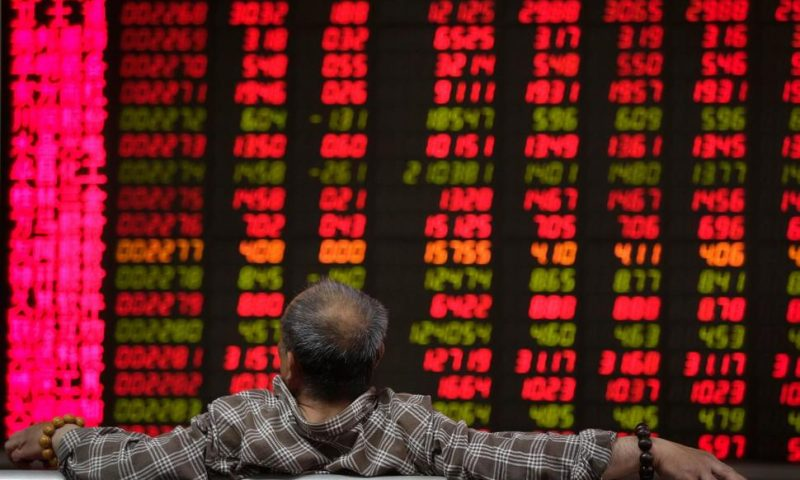
“WALL STREET Hell Week: Features several potential landmines for the stock market. One of them is the jobs report on Friday. Employment numbers have been on the rise, and continued strength in the labor market could lead to more interest rate hikes. Another key event this week: FOMC Chair Jerome Powell’s testimony on Capitol Hill. He’s expected to field questions on the trajectory of inflation and the looming debt-ceiling crisis.

***

COMMENTS APPRECIATED

Thank You

***

ORDER: https://www.amazon.com/Dictionary-Health-Insurance-Managed-Care/dp/0826149944/ref=sr_1_4?ie=UTF8&s=books&qid=1275315485&sr=1-4

***

DAILY UPDATE: Larry Summers Speaks About Domestic Economic Activity as the Markets Collapse

By Staff Reporters

***

***

According to Bloomberg, former Treasury Secretary Lawrence Summers said worrying signals of a potential sharp drop-off in activity combined with strength in other indicators point toward an uncertain economic outlook.

Here is Why:

Inventories “look to be building up relative to sales.”Companies are “reporting concerns about their order books.”The business sector appears to have a high payroll head-count relative to “the level of output they’re producing.”“Consumer savings are being depleted, with a low savings rate.” And, “there is stuff when you look down the road a bit that has to be substantially concerning about the Wile E. Coyote kind of moment,” reiterating his reference to the cartoon character that falls off a cliff. 

Federal Reserve policymakers will need to “stay nimble and flexible” given the uncertainty, Summers said. The central bank should “resist the pressure to be giving strong signals about what it’s going to do next.”

Finally, the former Treasury chief also reiterated the lack of past examples in which the US managed to avoid a recession when the unemployment rate dropped below 4% and inflation went above 4%. “That’s a powerful historical truth and I think it’s one that’s relevant to our current situation.”

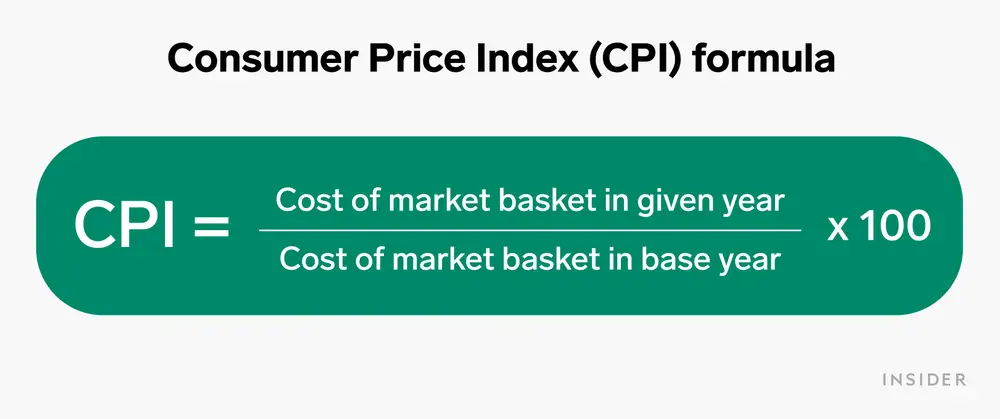
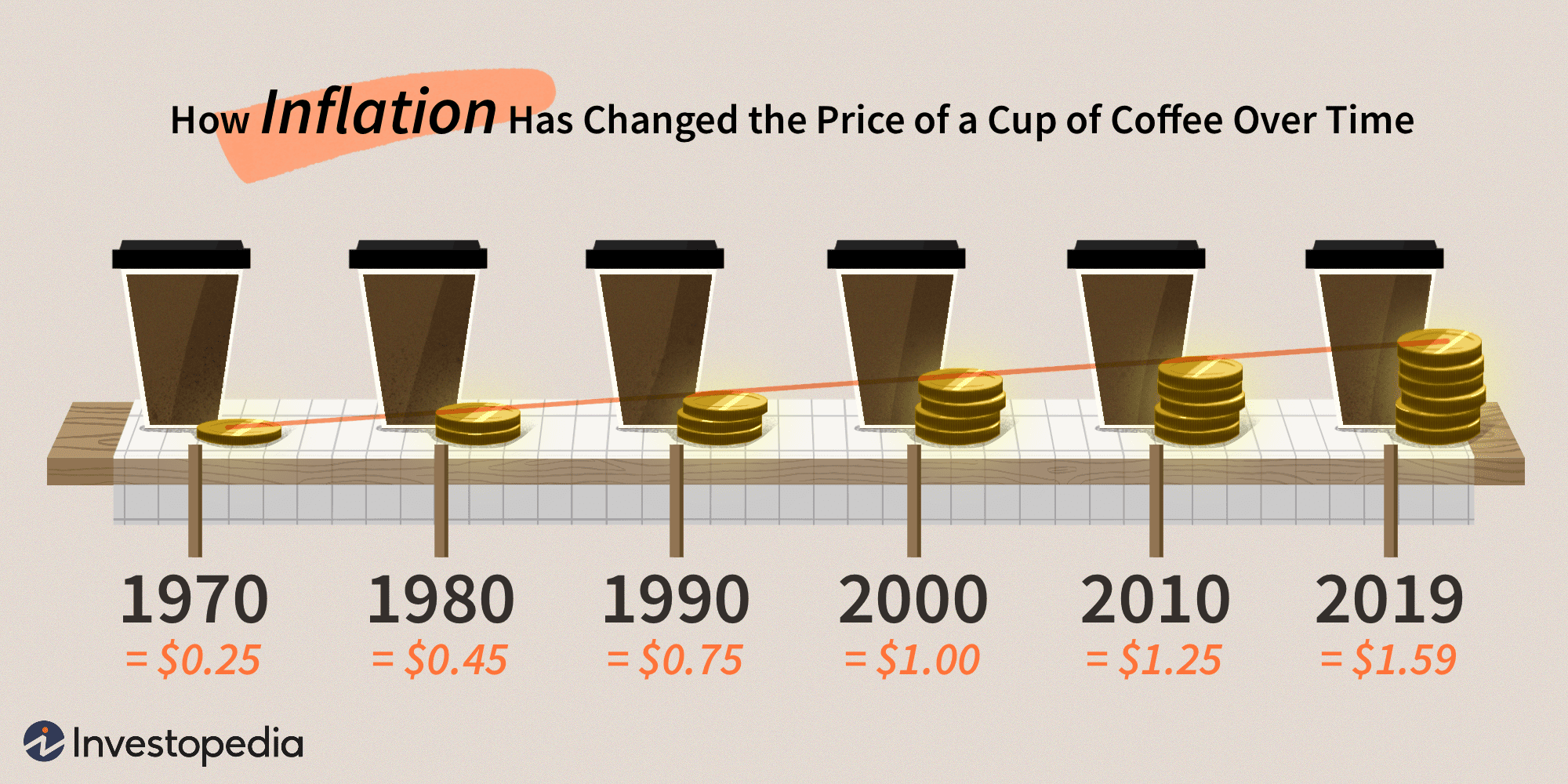
The latest unemployment-rate reading was 3.4%, while the consumer price index climbed 6.4% in January on a year-on-year basis.

***

Stocks Fell Following Hot Inflation Report and U.S. equities ended the day and week lower as the markets reacted to a Fed-favored gauge of inflation that came in hotter-than-expected. PCE and Core PCE Price Indexes rose more than anticipated, while personal income increased less than expected, and spending jumped. The moves came as equities have shown some volatility amid festering uncertainty regarding the ultimate economic impact of aggressive global central bank tightening as a result of persistent inflation. In other economic news, new home sales rose, and consumer sentiment was surprisingly revised the upside.

Treasury yields were higher, and the U.S. dollar gained ground, while crude oil prices increased, and gold traded to the downside. Q4 earnings season rounded a corner this week with some second-tier results hitting the tape, as Autodesk disappointed with its guidance and Intuit bested expectations, while Warner Bros. Discovery fell well short of forecasts.

In other equity news, shares of Boeing declined after the company paused delivery of its 787 Dreamliner planes. Asian stocks finished mixed, and markets in Europe fell, with economic data in the respective regions keeping the anxiety over future global monetary policy elevated.

CITE: https://www.r2library.com/Resource/Title/082610254

***

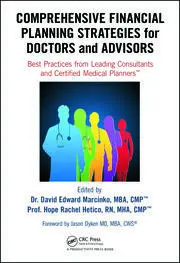
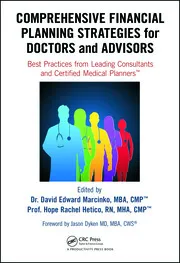
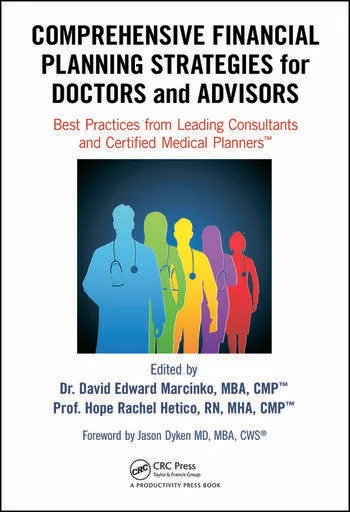
ORDER: https://www.routledge.com/Comprehensive-Financial-Planning-Strategies-for-Doctors-and-Advisors-Best/Marcinko-Hetico/p/book/9781482240283

***

COMMENTS APPRECIATED

Thank You

***

The “NO LANDING ECONOMY” – Defined?

By Staff Reporters

FINANCIAL JARGON

The notion of a “no landing” scenario for the U.S. economy — as opposed to a hard or soft landing — is the latest topic to dominate discussions among economists and strategists.

DEFINITION?

According to Michael B. Kelley Editorial Director of Yahoo Finance, says that a “no landing” scenario involves the economy continuing to grow despite the Federal Reserve’s best efforts to tamp down inflation with interest rate hikes. And, what does that does it mean? “It’s all about inflation,” Bianco Research President Jim Bianco told Yahoo Finance Live.

“What they want or what they’re hoping for, both at the Fed and on the Street, is that the inflation rate is going to hit 2%,” he explained. “Well, the only way that it’s going to do that — at least the belief is — the economy has to slow. And if it doesn’t slow, then the inflation rate stays up. And if the inflation rate stays up, the Fed keeps hiking.”

CITE: https://www.r2library.com/Resource/Title/0826102549

Breaking down the 'no landing' buzz: What it means for investors

***

LINK: https://flo.uri.sh/visualisation/6180194/embed?auto=1

Given the implication the Fed will continue raising rates until inflation subsides — and, in turn, the economy cools off — some observers argue that there’s no such thing as a “no landing” scenario.

“Because we’re in this highly volatile environment, and because there is so much uncertainty, we’ve now seen a number of different ways to interpret or call what we’re seeing in the economy,” EY Parthenon Chief Economist Gregory Daco told Yahoo Finance this week.

“No landing does not make any sense, because it essentially means the economy continues to expand, and it’s part of an ongoing business cycle and it’s not an event — it’s just ongoing growth,” Daco added. “Doesn’t that entail that the Fed will have to raise rates more, and doesn’t that increase the risk of a hard landing?”

***

COMMENTS APPRECIATED

Thank You

***

ORDER: https://www.routledge.com/Comprehensive-Financial-Planning-Strategies-for-Doctors-and-Advisors-Best/Marcinko-Hetico/p/book/9781482240283

***

DAILY UPDATE: Stocks Close Lower

By Staff Reporters

***

***

Stocks Lower to Kick off the Week

U.S. stocks declined, continuing losses that came in the wake of a much stronger-than-expected key labor report, which caused FOMC uncertainty to flare back up. The uncertainty came as the employment data followed a decelerated rate hike, and some seemingly less hawkish commentary from the Fed.

CITE: https://www.r2library.com/Resource/Title/0826102549

The economic calendar will deliver some reports today that may garner attention, including data on the trade deficit and consumer credit. Additionally, the FOMC will be headlined by today’s speech from Fed Chair Jerome Powell. Q4 earnings season remained in high gear this week, as Tyson Foods kicked things off in lackluster fashion by missing expectations.

In other equity news, Dell Technologies announced that it plans to reduce its workforce by about 5.0%, or 6,500 jobs, while Public Storage made a hostile takeover bid for Life Storage.

Treasury yields rose, and the U.S. dollar increased, along with crude oil and gold prices. Asia finished mixed, as geopolitical tensions remain elevated after the U.S. shot down what was believed to be a Chinese spy balloon floating over U.S. soil.

Additionally, markets in Europe were mostly lower, trimming some of its strong start to the year.

***

ORDER: https://www.routledge.com/Comprehensive-Financial-Planning-Strategies-for-Doctors-and-Advisors-Best/Marcinko-Hetico/p/book/9781482240283

***

COMMENTS APPRECIATED

Thank You

***

US Unemployment Benefits Fall

INFLATION STILL LOOMING?

By Staff Reporters

***

***

According to Bloomberg, applications for US unemployment benefits fell for the fourth time in five weeks, underscoring the broad resilience of the job market that threatens to keep inflation elevated. Initial unemployment claims ticked down by 3,000 to 183,000 in the week ended January 28th, the lowest since April, Labor Department data showed Thursday. The median forecast in a Bloomberg survey of economists called for 195,000 applications.

CITE: https://www.r2library.com/Resource/Title/0826102549

Continuing claims, which include people who have already received unemployment benefits for a week or more, fell to 1.66 million in the week ended January 21st. The labor market, while cooling at the margins, is still tight by many measures and remains one of the key hurdles in the Federal Reserve’s fight against inflation. Even though payrolls growth has slowed and companies in technology and banking have laid off staff in recent months, demand for workers still far exceeds supply, which could put upward pressure on wages and broader prices.

RELATED: https://medicalexecutivepost.com/2023/02/02/stock-market-trifecta-a-good-january-launch-for-2023/

COMMENTS APPRECIATED

Advertise with Us!

Thank You

***

ORDER: https://www.routledge.com/Comprehensive-Financial-Planning-Strategies-for-Doctors-and-Advisors-Best/Marcinko-Hetico/p/book/9781482240283

***

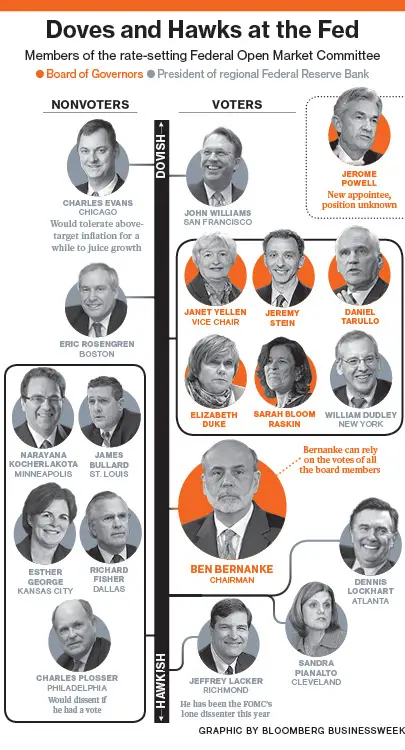
FOMC: Interest Rates Up?

By Staff Reporters

***

***

DEFINITION:

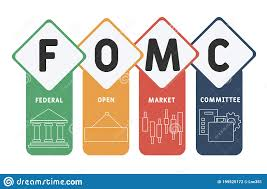
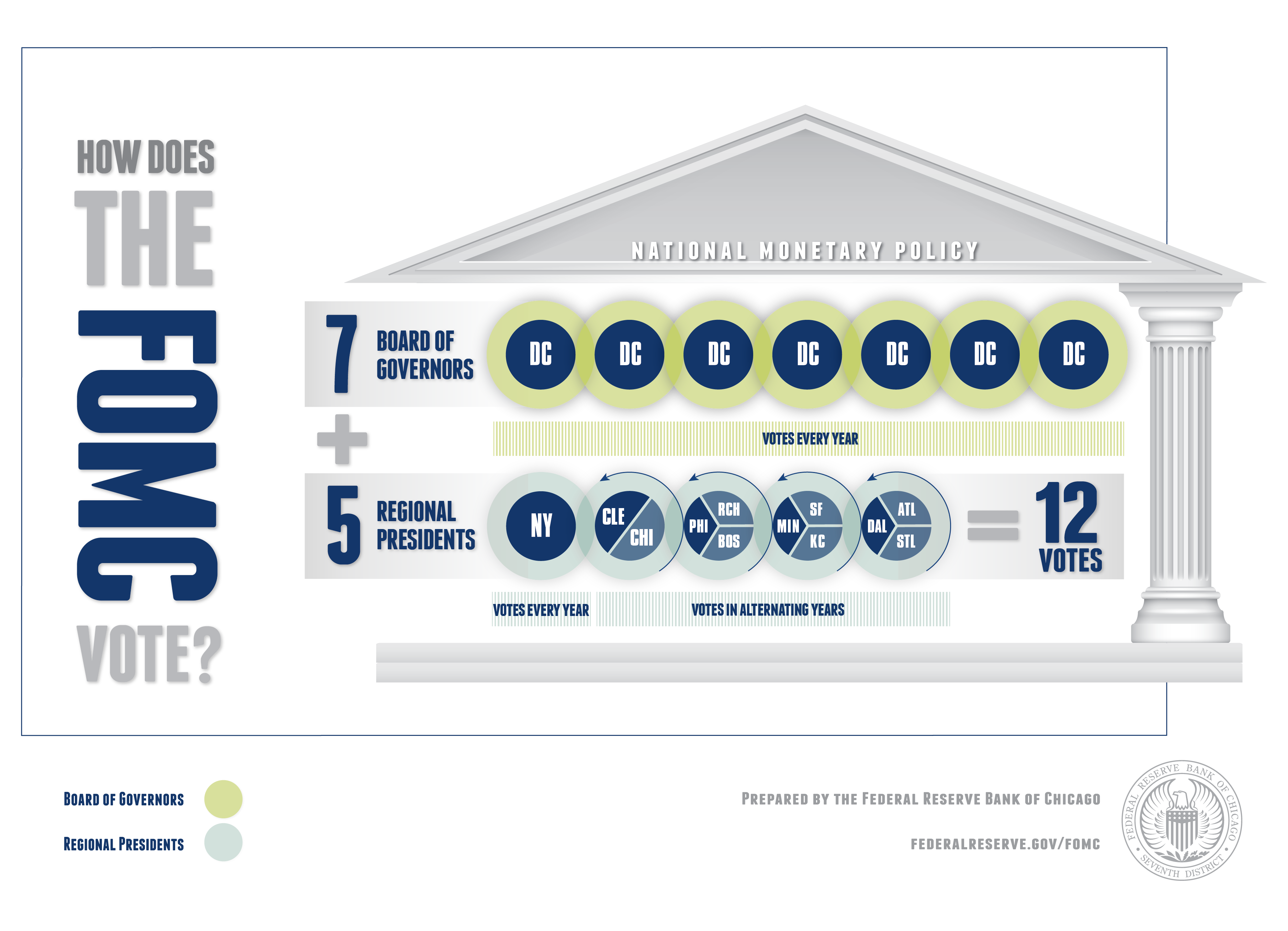
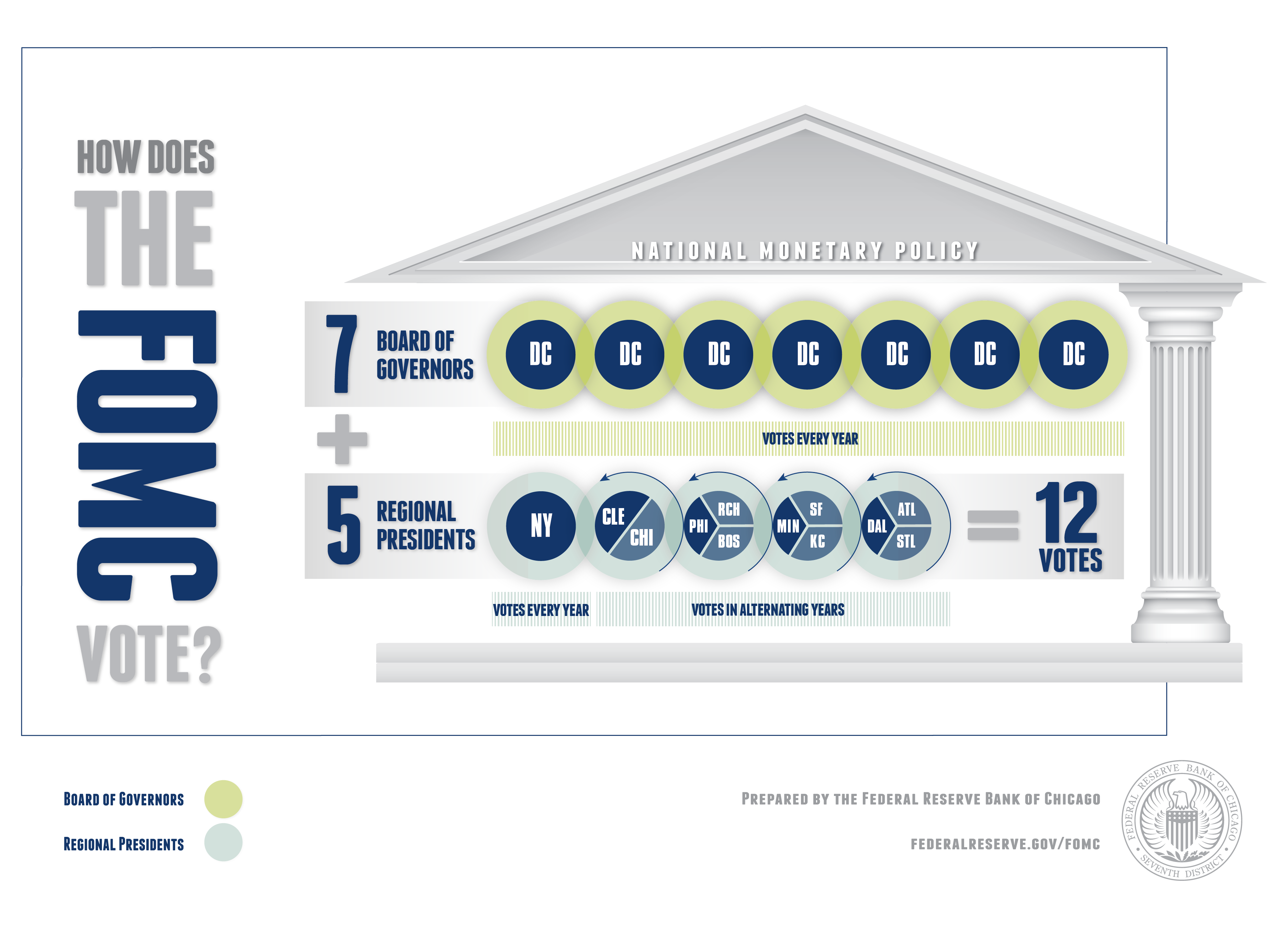
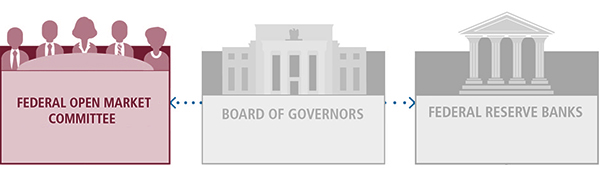
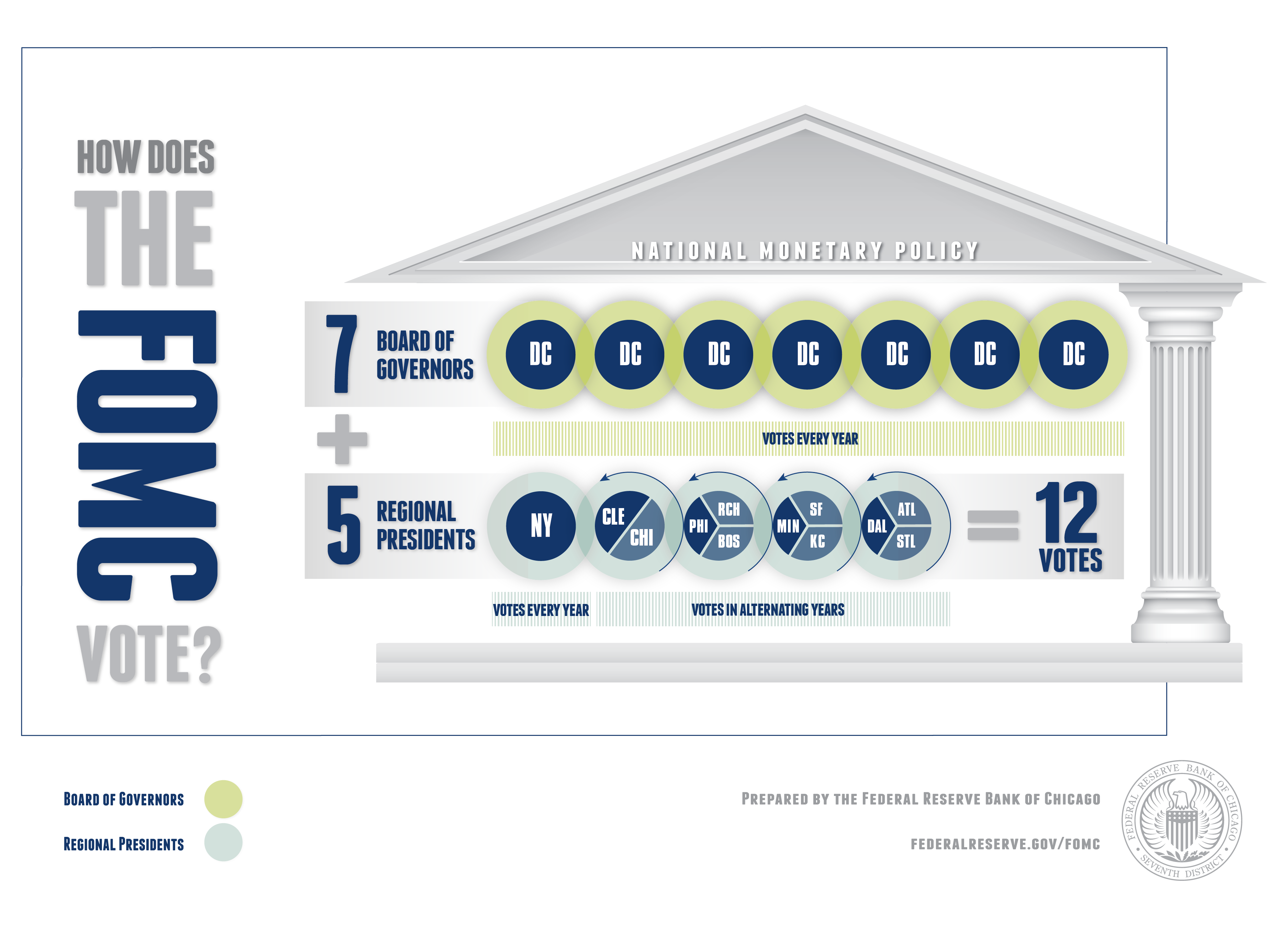
According to Wikipedia, the Federal Open Market Committee (FOMC), a committee within the Federal Reserve System (the Fed), is charged under United States law with overseeing the nation’s open market operations (e.g., the Fed’s buying and selling of United States Treasury securities). This Federal Reserve committee makes key decisions about interest rates and the growth of the United States money supply. Under the terms of the original Federal Reserve Act, each of the Federal Reserve banks was authorized to buy and sell in the open market bonds and short term obligations of the United States Government, bank acceptances, cable transfers, and bills of exchange. Hence, the reserve banks were at times bidding against each other in the open market. In 1922, an informal committee was established to execute purchases and sales. The Banking Act of 1933 formed an official FOMC.

The FOMC is the principal organ of United States national monetary policy. The Committee sets monetary policy by specifying the short-term objective for the Fed’s open market operations, which is usually a target level for the federal funds rate (the rate that commercial banks charge between themselves for overnight loans).

The FOMC also directs operations undertaken by the Federal Reserve System in foreign exchange markets, although any intervention in foreign exchange markets is coordinated with the U.S. Treasury, which has responsibility for formulating U.S. policies regarding the exchange value of the dollar.

The Federal Reserve is set to announce today whether it will impose another interest rate hike, the central bank’s latest move in a months long fight that has eased inflation but risks plunging the U.S. into a recession.

The Fed [FOMC] has put forward a string of borrowing cost increases as it tries to slash price hikes by slowing the economy and choking off demand. The approach, however, risks tipping the U.S. economy into a downturn and putting millions out of work.

CITE: https://www.r2library.com/Resource/Title/0826102549

And so, at a meeting in December 2022, the Fed raised its short-term borrowing rate a half-percentage point, pulling back from three consecutive 0.75% increases and signaling confidence that sky-high inflation could be brought down to normal levels.

Economists expect the Fed to continue softening its approach with a 0.25% rate hike today? The decision comes weeks after a government report showed that inflation slowed in December, marking six consecutive months of easing price increases.

***

COMMENTS APPRECIATED

Thank You

***

ORDER: https://www.routledge.com/Comprehensive-Financial-Planning-Strategies-for-Doctors-and-Advisors-Best/Marcinko-Hetico/p/book/9781482240283

***

SUMMER SPEAKS of “False Dawns”

By Staff Reporters

***

***

Former Treasury Secretary Larry Summers is worried that investors and economists are becoming overly optimistic after year-over-year inflation cooled to 6.5% in December.

“One has to be careful of false dawns. If you think about it, the good news was inflation running in the 6’s, and that’s still inconceivably high by the standards of two or three years ago,” he told Bloomberg on Friday, adding that his forecast is still that a “recession this year is more likely than not.” 

Since March, Federal Reserve officials have raised interest rates seven times in hopes of taming inflation without sparking a recession, and all the while, economists and Wall Street analysts have debated whether they’ll be successful. Summers has repeatedly found himself in the bears’ camp. In October, he told the Financial Times that it would take “a recession” and “unemployment towards the 6% range” to ensure U.S. inflation is truly gone. 

CITE: https://www.r2library.com/Resource/Title/0826102549

But the economist admitted on Friday that the latest inflation report was “good news”—and it came even though the unemployment rate was just 3.5% in December. He argued that this is evidence that wages aren’t rising too dramatically, which means the Fed may be able to change tactics soon. 

So, what do you think?

***

ORDER: https://www.routledge.com/Comprehensive-Financial-Planning-Strategies-for-Doctors-and-Advisors-Best/Marcinko-Hetico/p/book/9781482240283

***

COMMENTS APPRECIATED

Thank You

***

PODCAST: Fractional Reserve Banking

By Staff Reporters

***

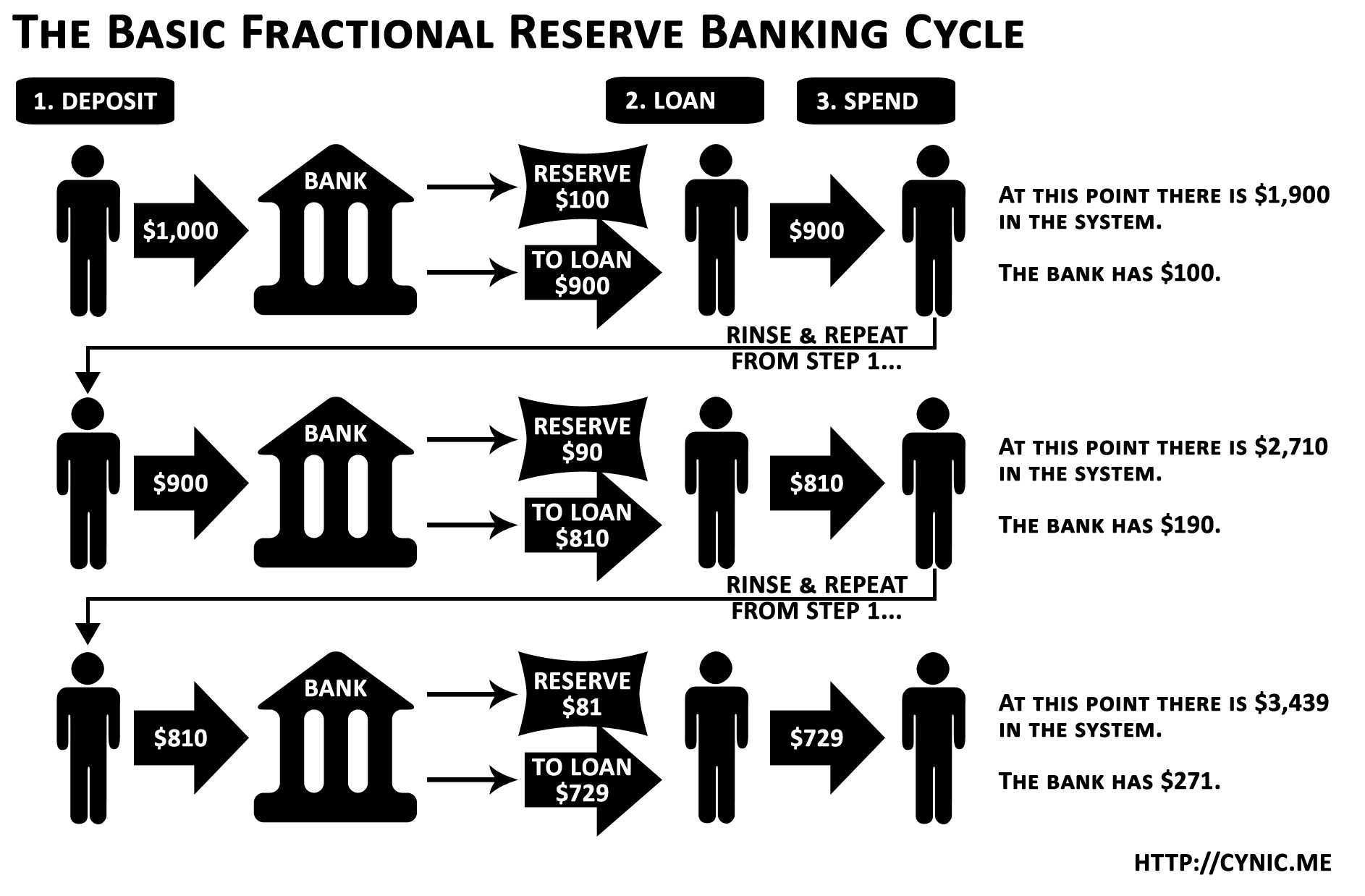
Fractional reserve banking is a system in which only a fraction of bank deposits are backed by actual cash on hand and available for withdrawal. This is done to theoretically expand the economy by freeing capital for lending. Today, most economies’ financial systems use fractional reserve banking.

CITE: https://www.r2library.com/Resource/Title/082610254

***

***

LINK: https://www.youtube.com/watch?v=gd8B-zrMSYk

***

COMMENTS APPRECIATED

THANK YOU

***

ORDER: https://www.routledge.com/Comprehensive-Financial-Planning-Strategies-for-Doctors-and-Advisors-Best/Marcinko-Hetico/p/book/9781482240283

***

Two Year Treasury Yields = HIGH!

By Staff Reporters

***

***

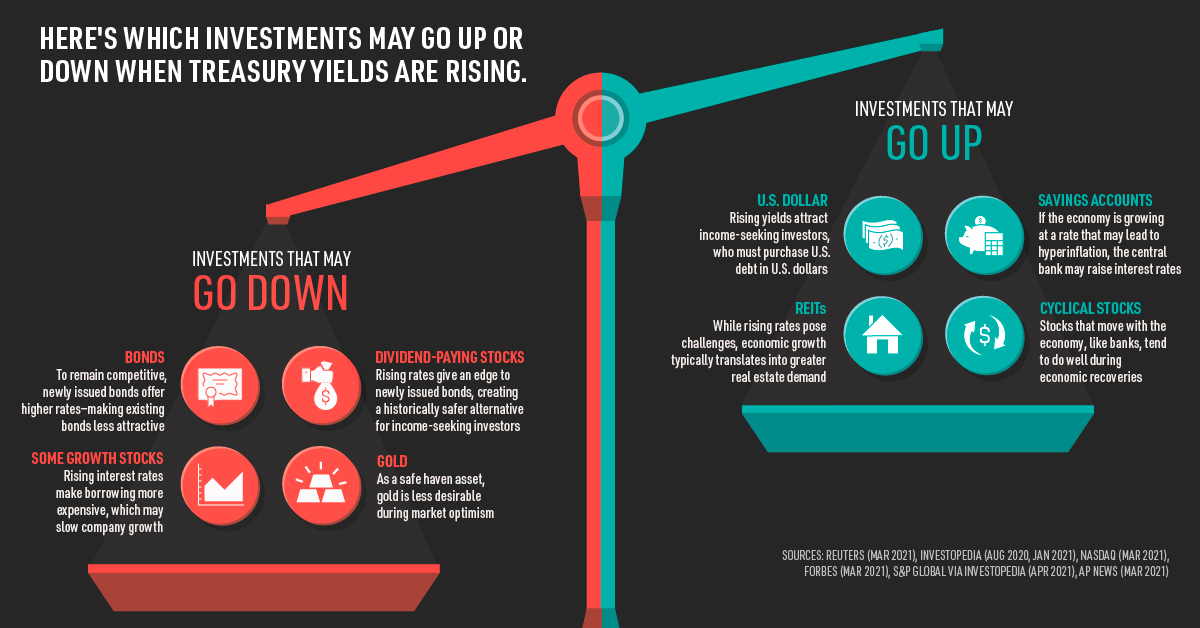
U.S. bond yields just rose to new cycle highs as the fallout from the Federal Reserve’s latest interest rate hike and commentary reverberated across markets. The policy-sensitive 2-year rate broke intermittently above 4.7%, shrinking its spread to the 10-year rate to as little as minus 60.9 basis points in a worrisome sign of the economic outlook. The 2-year yield finished the New York session at its highest level in more than 15 years.

What’s happening

  • The yield on the 2-year Treasury rose 13.1 basis points to 4.699% from 4.568% on Wednesday. Thursday’s level is the highest since July 25, 2007, based on 3 p.m. figures from Dow Jones Market Data.
  • The yield on the 10-year Treasury advanced 6.4 basis points to 4.123% from 4.059% as of late Wednesday. Thursday’s level is the highest since Oct. 24.
  • The yield on the 30-year Treasury climbed 2.9 basis points to 4.151% from 4.122% Wednesday afternoon.

***

COMMENTS APPRECIATED

Thank You

***


ORDER: https://www.routledge.com/Comprehensive-Financial-Planning-Strategies-for-Doctors-and-Advisors-Best/Marcinko-Hetico/p/book/9781482240283

***

BREAKING NEWS: The FOMC Raises Short-Term Interest Rate 0.75%

By Staff Reporters

***

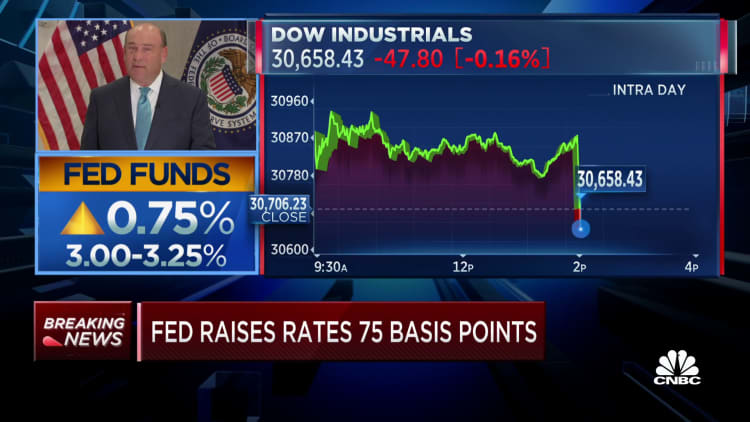
The Federal Reserve jut raised its short-term borrowing rate another 0.75% to slow key areas of the economy and tame inflation, which is at a 40-year high. The central bank said its new target range is 3.75%-4%, the highest level since January 2008.

The aggressive move is the latest in a string of borrowing cost increases imposed by the Fed in recent months as it tries to slash price increases by cooling the economy and choking off demand. The approach, however, risks tipping the U.S. into a recession and putting millions out of work.

The fourth rate hike of 2022 also arrives less than a week before the midterm elections.

***

COMMENTS APPRECIATED

Thank You

***

ORDER: https://www.routledge.com/Comprehensive-Financial-Planning-Strategies-for-Doctors-and-Advisors-Best/Marcinko-Hetico/p/book/9781482240283

***

FOMC: Treasuries the Next Financial Crisis?

By Staff Reporters

***

***

For months, traders, academics, and other analysts have fretted that the $23.7 trillion Treasury market might be the source of the next financial crisis. Then last week, U.S. Treasury Secretary Janet Yellen acknowledged concerns about a potential breakdown in the trading of government debt and expressed worry about “a loss of adequate liquidity in the market.” Now, strategists at BofA Securities have identified a list of reasons why U.S. government bonds are exposed to the risk of “large scale forced selling or an external surprise” at a time when the bond market is in need of a reliable group of big buyers.

“We believe the UST market is fragile and potentially one shock away from functioning challenges” arising from either “large scale forced selling or an external surprise,” said BofA strategists Mark Cabana, Ralph Axel and Adarsh Sinha. “A UST breakdown is not our base case, but it is a building tail risk.”

***

FINANCE: https://www.routledge.com/Comprehensive-Financial-Planning-Strategies-for-Doctors-and-Advisors-Best/Marcinko-Hetico/p/book/9781482240283

COMMENTS APPRECIATED

Thank You

****

FOMC: Will Raise Interest Rates in November?

By Staff Reporters

***

The Fed is poised to raise interest rates just one more time in November before stopping, according to Ed Yardeni. That’s because there is a growing risk that financial markets are on the verge of instability due to a soaring US dollar.

“The soaring dollar has been associated in the past with creating financial crisis on a global basis,” Yardeni just told told Bloomberg.

CITE: https://www.yardeni.com/

***
COMMENTS APPRECIATED

Thank You

***
FINANCE: https://www.routledge.com/Comprehensive-Financial-Planning-Strategies-for-Doctors-and-Advisors-Best/Marcinko-Hetico/p/book/9781482240283

****

FOMC: May Keep Tightening Until a Recession!

By Staff Reporters

***

The FOMC just reiterated calls for aggressive policy to combat stubbornly high inflation—fueling expectations for bigger rate hikes amid a stock-market sell-off that’s seen major indexes hit new lows for the year—and some analysts project the losses could only deepen.

Expectations for rate hikes climbed amid the comments, with markets pricing in an end-of-year rate of 4.5%—above the 4.4% rate Fed officials projected earlier this month, which itself was one percentage point higher than the forecast in June.

***

COMMENTS APPRECIATED

Thank You

***

FINANCE: https://www.routledge.com/Comprehensive-Financial-Planning-Strategies-for-Doctors-and-Advisors-Best/Marcinko-Hetico/p/book/9781482240283

***

On “Triple” and “Quadruple” Witching Day?

By Staff Reporters

***

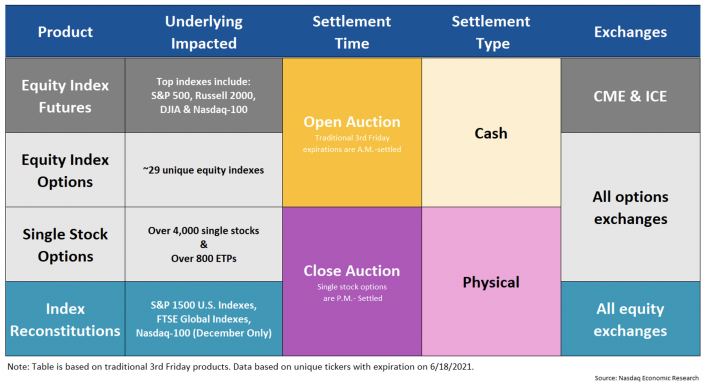
The final hour of trading on a Friday when stock index futures, stock index options, and stock options all expire. This happens on the third Friday in March, June, September, and December. See Quadruple Witching Hour.
CITE: https://www.r2library.com/Resource/Title/0826102549

According to TheStreet, Inc

Triple witching sounds like something from a horror movie, but it’s actually a financial term. Options and derivatives traders know this phenomenon well because it’s the day when three different types of contracts expire. It happens only once a quarter and can cause wild swings in volatility, as large institutional traders roll over futures contracts to free up cash. Doing so creates a ton of increased volume—sometimes 50% higher than average, especially in the last trading hour of the day—but individual investors needn’t feel spooked. In fact, some might even view this volatility as a profit-making opportunity.

Which 3 Types of Derivative Contracts Expire on Triple Witching Day?

  1. Stock Options: These are contracts taken out on the direction of a stock price at a future date. Unlike stocks, they’re not an investment in a company; rather, they’re the right to buy or sell shares of a company at a later time frame. Calls let you buy stock shares at a set price, known as the strike price, on or before the expiration date. Puts give you the right to sell shares.
  2. Index Options: These are futures contracts on a stock index, such as the S&P 500. These options are settled in cash.
  3. Index Futures: These are futures contracts on equity indexes. These contracts are also settled in cash.

A futures contract is also referred to as an “anticipated hedge” because it’s used to lock in prices on future buy or sell transactions. These hedges are a way to protect a portfolio from market setbacks without selling long-term holdings.

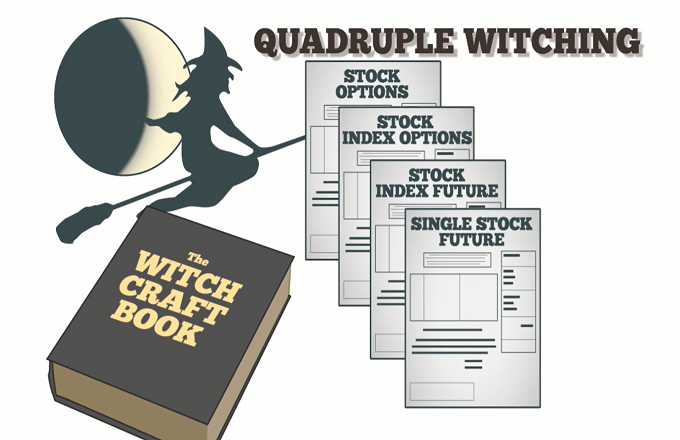
It’s worth noting that a few times a year, single stock futures also expire on witching day, adding a fourth asset to the trading cauldron, and that’s why some investors refer to this date as “quadruple witching,” although the terms are interchangeable.

When Is Triple Witching? Triple Witching Calendar 2022

In modern trading, triple witching happens on the third Friday of March, June, September, and December (the last month of each quarter).

Upcoming Triple Witching Dates

  • Friday, March 18, 2022
  • Friday, June 17, 2022
  • Friday, September 16, 2022
  • Friday, December 16, 2022

What Is the Witching Hour?

In the U.S. stock market, the last hour of the trading day, before the closing bell, sees the most trading activity, so the witching hour is from 3–4 pm EST. In folklore, the “witching hour” actually happens in the dead of night, from 3–4 am. It was known as a time when spirits reached the height of their powers. During the Middle Ages, the Catholic Church even banned people from venturing outside during this time, so as not to get caught in the chaos.

Today, such ideas aren’t taken any more seriously than mere superstition, but triple witching can cause chaos among investors, if they are not aware of what is happening.

***

***

What Happens During Triple Witching?

As you might imagine, a lot of trading activity happens in the market when stock options, index options, and index futures contracts all expire. We’re talking a lot of money here: during Triple Witching in September 2021, for example, around $3.4 trillion of equity options expired.

So, what exactly is going on? Should they keep their hedges on? Should they speculate? Should they roll, or close out, their contracts, and if so, by how much? This is what generates the increased trading activity, and the large trades, especially from offsetting trades, can cause temporary price distortions. 

At the same instant that the derivatives contracts expire, the anticipatory hedges that traders have placed become unnecessary, and so traders also seek to close these hedges, and the offsetting trades result in increased volume. These large volume increases can in turn cause price swing (i.e., volatility) in the underlying assets. 

How Does Triple Witching Affect the Stock Market?

Triple witching itself doesn’t move the stock market; it just creates increased volume. In the same way, the expiration of the options and futures contracts don’t necessarily result in volatility—that’s caused by the actions that traders take based on the temporary price fluctuations of their underlying assets which can be moved due to the increased volume.

When this happens, arbitrageurs try to take advantage, often making trades that are completed in mere seconds. An arbitrageur is a trader who looks for price inefficiencies in a security and then seeks to make a profit by buying and selling it simultaneously. This practice involves much risk.

Is Triple Witching Bullish or Bearish?

Historically speaking, triple witching is not always an “up” day, and it’s not always a “down” day for the markets. It does not signify a trend. Typically, it neither moves the market significantly higher nor lower; it simply adds a temporary increase in volume and liquidity.

However, it’s important to note that market volumes also tend to be higher on index re-balancing day as well as during and after broader macroeconomic news events, and so, when taken in tandem with triple witching, these events can cause big moves in the market.

Examples of Triple Witching Volatility in Light of News Events

On June 18, 2021, a record number—$818 billion—of stock options expired, which led to nearly $3 trillion in “open interest,” or open contracts. On this day, the Federal Reserve also announced that it might raise interest rates in 2023 due to inflationary pressures. These news events resulted in increased volatility, and the S&P 500 lost 1.3% while the Dow Jones Industrial Average dropped 1.6%.

On September 17th, 2021, one week ahead of the Federal Reserve’s meeting, market volatility was growing based on mounting concerns about the COVID-19 Delta variant impacting the economy as well as the Federal Reserve’s announcement that it would begin to unwind its monetary stimulus. These news events, taken along with the S&P 500’s quarterly index rebalancing, which also happened that day, caused the S&P 500 to lose 1%. 

Is There Such a Thing as “Quadruple” Witching?

Single Stock Futures are the fourth type of derivative contract which can expire on triple witching day. This can cause the phenomenon to be called “quadruple witching,” although one term can replace the other. Single stock futures are futures contracts placed on individual stocks, with one contract controlling 100 shares being typical. They are a hedging tool that was previously banned from trading in the United States. The Commodity Futures Modernization Act lifted the ban in 2000, and single stock futures were traded on the One Chicago Exchange from November, 2002 until September, 2020, although currently they are only available on overseas financial markets.

MORE: https://www.tradestation.com/insights/2022/02/03/quadruple-witching-dates-2022-trading/

***

How Did Triple Witching Affect 1987’s “Black Monday?”

On October 19th, 1987, the Dow Jones Industrial Average lost 22.6% in a single trading session. The day became known as “Black Monday,” but triple witching events, which took place the Friday before, on October 16, 1987, had caused the selloff of options and futures contracts to rapidly accelerate, resulting in stocks tanking in pre-day trading. The massive sell orders were left unchecked by any kinds of systematic stop gaps, and so financial markets roiled globally throughout the day. This stock market crash was the greatest one-day decline to occur since the Great Depression in 1929.

Taking lessons from the event, regulators moved the options expiration from the morning to the afternoon and put “circuit breakers” into place that would let the exchanges temporarily halt trading in the event of another massive sell off.

How Can Investors Prepare for Triple Witching Days? 

The triple witching takeaway is that investors should be aware of what happens on these days and understand that there is a lot more volume in the markets. There could be some drastic price swings, but investors shouldn’t be carried away by any short-term emotions (which, really, is great advice any day in the markets).

COMMENTS APPRECIATED

Thank You

Subscribe to the Medical Executive-Post

***

https://www.amazon.com/Comprehensive-Financial-Planning-Strategies-Advisors/dp/1482240289/ref=sr_1_1?ie=UTF8&qid=1418580820&sr=8-1&keywords=david+marcinko

***

UPDATE: The Markets, Crypto and Online Retailers

By Staff Reporters

***

  • Markets: After booming stocks had their worst day of the year because of raging inflation, slowing economic growth, and a potential recession.
  • Crypto: Bitcoin and other major cryptos like ethereum also tumbled in the aftermath of the FOMC announcement. They’ve typically tracked the performance of growth stocks, which have gotten hammered on the prospect of higher interest rates.

***

Almost every major online retailer reporting earnings with signs of a decline:

  • Wayfair shares cratered nearly 26% yesterday after announcing that its active customer count dropped 23.4% from a year ago.
  • Bed Bath & Beyond reported an 18% nosedive in online sales.
  • Etsy and eBay shares both dropped by double digits yesterday after giving weak guidance for the current quarter.
  • At least five senior executives from Meta’s fledgling e-commerce division have fled in the last six months.
  • Shopify shares plummeted about 15% on Thursday after posting much lower-than-expected earnings.

***

COMMENTS APPRECIATED

Thank You

***

***

UPDATE: The FOMC, Markets and Cinco deMayo

By Staff Reporters

***

***

FOMC: The Federal Reserve approved a rare half-percentage-point interest rate increase and announced plans to shrink its $9 trillion asset portfolio starting next month in an effort to reduce inflation that is running at a four-decade high.

Markets: Stocks boomed after Fed Chair Jerome Powell spoke. Still, JPMorgan CEO Jamie Dimon pegged the probability of a recession at 33% and a “soft landing” (lower inflation, no recession) also at 33%.

And Lyft, the ride-hailing company lost nearly 30% of its value after its profit outlook came in below forecast. Uber tried to distance itself from its ailing rival, saying that it does not need to spend money recruiting drivers like Lyft does.

Cinco deMayo commemorates the defeat of French forces by the Mexican army at the Battle of Puebla in 1862, but its popularity jumped in the 1980s, when beer companies leveraged it in aggressive marketing campaigns. Now, Cinco de Mayo is a day for celebrating Mexican culture and, interestingly, it’s now more popular in the US than in Mexico.

***

COMMENTS APPRECIATED

Thank You

***

****

UPDATE: The Domestic GDP, Bond Yield Surge and Stock Market Volatility [VIX]

***

***

By Staff Reporters

***

The U.S. economy reversed course in this year’s first quarter, when it shrank at an annual rate of 1.4% after posting full-year growth of 5.7% in 2021. While many economists believe the first-quarter setback was temporary, it marked the worst quarterly GDP result since the second quarter of 2020, when the pandemic triggered a brief recession.

And, despite a relatively flat result in the latest week, the yield of the 10-year U.S. Treasury bond jumped in March and April, climbing from 1.83% at the start of that two-month period to around 2.89% on Friday. Rising interest rates have eroded bond prices, pushing yields higher.

Finally, the stock market’s relative calm in the first half of April was fleeting, as the past two weeks produced a 47% jump in an index that measures investors’ expectations of short-term volatility. The CBOE Volatility Indexꟷalso known as the VIXꟷrose to an index level of 33.4 on Friday, up from 22.7 on April 15.

CITE: https://www.r2library.com/Resource/Title/082610254

***

COMMENTS APPRECIATED

Thank You

***

***

UPDATE: Domestic Stocks Fall Amid FOMC Comments

By Staff Reporters

***

***

US. stocks faltered and were dragged down by losses in tech, as investors weighed remarks by Federal Reserve [FOMC] Governor Lael Brainard that indicated policymakers were ready to act more aggressively to rein in inflation. Investors also monitored reports indicating the U.S. and European Union are expected to unveil more sanctions against Russia on Wednesday.

The S&P 500 tumbled 1.3%, and the Dow Jones Industrial Average shed 280 points after climbing for two straight trading sessions. The NASDAQ Composite plunged 2.3% to log its biggest drop in three weeks and erase gains from a tech rally that helped the index pop on Monday. Meanwhile, the 10-year U.S. Treasury yield jumped to 2.56%, its highest level since May 2019.

CITE: https://www.r2library.com/Resource/Title/082610254

Brainard, who is awaiting a confirmation vote to serve in the central bank’s number two role, said at a conference on Tuesday that the Fed can raise interest rates more aggressively to dampen the high rate of inflation felt by Americans, also noting that officials will likely start shrinking asset holdings in a about a month (a move that could have the effect of further raising long-term interest rates).

“Currently, inflation is much too high and is subject to upside risks,” Brainard said. “The Committee is prepared to take stronger action if indicators of inflation and inflation expectations indicate that such action is warranted.”

***

COMMENTS APPRECIATED

Thank You

Subscribe to the Medical Executive-Post

***

***

The [HISTORICAL] Trouble with Banks?

Join Our Mailing List

“I don’t trust banks and neither should you”

eric

   By Erik Kobayashi-Solomon

 [intelligent option investor]

More On Banks

I don’t trust banks and neither should you if you care at all about understanding the company in which you are investing.  While financial statements for all companies contain estimates, virtually every line item on a bank’s financial statement are estimates – to the extent that, taken as a whole, the statements become little more than complex, arcane works of fiction.

https://intelligentoptioninvestor.com/the-trouble-with-banks/?mc_cid=0744dc1505&mc_eid=aec9f6fde5

Conclusion

Your thoughts and comments on this ME-P are appreciated. Feel free to review our top-left column, and top-right sidebar materials, links, URLs and related websites, too. Then, subscribe to the ME-P. It is fast, free and secure.

Speaker: If you need a moderator or speaker for an upcoming event, Dr. David E. Marcinko; MBA – Publisher-in-Chief of the Medical Executive-Post – is available for seminar or speaking engagements. Contact: MarcinkoAdvisors@msn.com

OUR OTHER PRINT BOOKS AND RELATED INFORMATION SOURCES:

Risk Management, Liability Insurance, and Asset Protection Strategies for Doctors and Advisors: Best Practices from Leading Consultants and Certified Medical Planners™  Risk Management, Liability Insurance, and Asset Protection Strategies for Doctors and Advisors: Best Practices from Leading Consultants and Certified Medical Planners™

***

UPDATE: Markets, Berkshire Hathaway and the Ukraine

By Staff Reporters

***

  • Markets: Stocks boomed on a day when, to no one’s surprise, the Federal Reserve [FOMC} said it would hike interest rates.
  • Berkshire Hathaway: Class A shares closed above a half-million dollars for the first time ever—a testament to Warren Buffett’s recent hot streak.
  • Ukraine: After Ukrainian President Volodymyr Zelensky gave an impassioned address to Congress asking for more help, the White House acted. President Biden pledged $800 million worth of military aid, including 100 drones, 800 Stinger anti-aircraft systems, and 2,000 anti-armor missiles, and also called Russian President Vladimir Putin a “war criminal.”
  • HAPPY SAINT PATRICK’S DAY

***

COMMENTS APPRECIATED

Thank You

Subscribe to the Medical Executive-Post

***

***