ACUTE CARE MEDICINE: Defined

By A.I. and Staff Reporters

SPONSOR: http://www.CertifiedMedicalPlanner.org

***

***

ACUTE CARE MEDICINE

Classic: Acute care is a branch of secondary health care where a patient receives active but short-term treatment for a severe injury or episode of illness, an urgent medical condition, or during recovery from surgery. In medical terms, care for acute health conditions is the opposite from chronic care, or longer term care.

Modern: Acute care is active, short-term treatment for a severe injury or episode related to illness, an urgent medical condition or recovery from surgery.

HOSPITAL: https://medicalexecutivepost.com/2008/12/08/the-acute-care-inpatient-hospital/

***

***

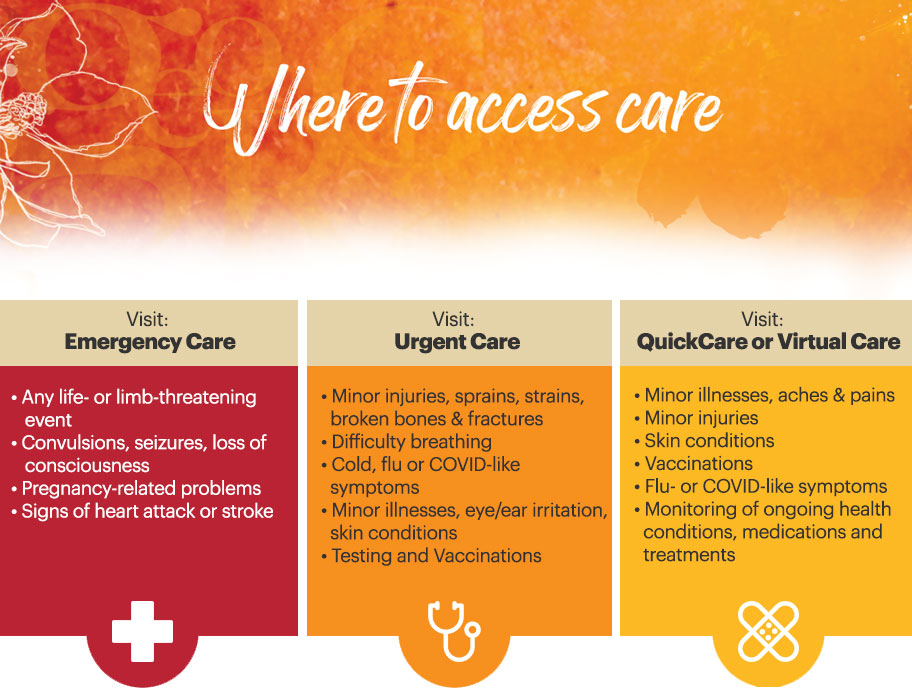
Examples: The following are considered acute care facilities:

  • Hospital (General Acute Care as well as Psychiatric, Specialized and Rehabilitation Hospitals; and Long Term Acute Care or LTAC)
  • Ambulatory Care Facility.
  • Home Health Agency.
  • End Stage Renal Disease Facility (dialysis center)
  • Hospice.

EMERGENT CARE: https://medicalexecutivepost.com/2025/05/03/medicine-emergent-care/

COMMENTS APPRECIATED

EDUCATION: Books

Like, Refer and Subscribe

***

***

MEDICINE: Emergent Care

SOME PHYSICIAN WORK FOR FREE

By Staff Reporters

SPONSOR: http://www.MarcinkoAssociates.com

***

***

What is an Emergency Medicine Physician?

An emergency medicine physician is a medical doctor who specializes in the diagnosis, treatment, and management of acute and life-threatening medical conditions that require immediate intervention. These physicians work in hospital emergency departments, urgent care centers, and other acute care settings, where they provide rapid assessment, stabilization, and treatment to patients of all ages with a wide range of medical emergencies.

Emergency medicine physicians are trained to handle diverse medical emergencies, including trauma, cardiac emergencies, respiratory distress, severe infections, neurological emergencies, and obstetric emergencies, among others. They play a vital role in the front line management of medical emergencies, ensuring that patients receive prompt and appropriate care to improve outcomes and save lives.

***

Classic: Emergent Room or Emergency Department care is the provision of immediate medical service offering outpatient care for the treatment of acute and chronic illness and injury. It requires a broad and comprehensive fund of knowledge to provide such care. Excellence in care for patients with complex and or unusual conditions is founded on the close communication and collaboration between the urgent care medicine physician, the specialists and the primary physicians.

Modern: Urgent care does not replace your primary care physician. An urgent care center is a convenient option when someone’s regular physician is on vacation or unable to offer a timely appointment. Or, when illness strikes outside of regular office hours, urgent care offers an alternative to waiting for hours in a hospital Emergency Room.

Examples: Chest pain, bleeding that cannot be stopped and loss of consciousness; etc.

***

***

SOME ER DOCTORS WORK FOR FREE

The new president of emergency medicine for the Alberta Medical Association says Emergency Room physicians already coping with long hours, staff shortages and jammed waiting rooms are also being obligated, in some cases, to work for free. Dr. Warren Thirsk says the government has yet to follow through on a promise to reimburse emergency room doctors for so-called “good faith” payments.

“There’s been lots of excuses, but the bottom line is no one has actually received a penny for those suspended good-faith payments,” Thirsk said in an interview. “On average, every emergency physician in this province is out thousands of dollars for free work.” Good-faith payments reimburse ER doctors when they see patients who don’t have identification and can’t prove an Alberta Health Care Insurance Plan billing number.

Thirsk said the United Conservative government stopped those payments when it ripped up the master agreement with the AMA in early 2020. He said it promised to bring back those payments when the two sides agreed to a new deal in September 2022. But to date that hasn’t happened, he said.

“I’m legally and morally bound to look after you [if] you’re unidentified [as a patient],” said Thirsk, an emergency room doctor at Edmonton’s Royal Alexandra Hospital.

“I’m going to look after you because it’s the right thing to do no matter what the problem is.”

COMMENTS APPRECIATED

The Medical Executive-Post is a  news and information aggregator and social media professional network for medical and financial service professionals. Feel free to submit education content to the site as well as links, text posts, images, opinions and videos which are then voted up or down by other members. Comments and dialog are especially welcomed. Daily posts are organized by subject. ME-P administrators moderate the activity. Moderation may also conducted by community-specific moderators who are unpaid volunteers.

Like and Refer

***

***

DAILY UPDATE: Digital Therapeutics, FSEDs, Medical Costs and the NASDAQ Collapse

MEDICAL EXECUTIVE-POST TODAY’S NEWSLETTER BRIEFING

***

Essays, Opinions and Curated News in Health Economics, Investing, Business, Management and Financial Planning for Physician Entrepreneurs and their Savvy Advisors and Consultants

Serving Almost One Million Doctors, Financial Advisors and Medical Management Consultants Daily

A Partner of the Institute of Medical Business Advisors , Inc.

http://www.MedicalBusinessAdvisors.com

SPONSORED BY: Marcinko & Associates, Inc.

***

http://www.MarcinkoAssociates.com

Daily Update Provided By Staff Reporters Since 2007.
How May We Serve You?
© Copyright Institute of Medical Business Advisors, Inc. All rights reserved. 2024

REFER A COLLEAGUE: MarcinkoAdvisors@msn.com

SPONSORSHIPS AVAILABLE: https://medicalexecutivepost.com/sponsors/

ADVERTISE ON THE ME-P: https://tinyurl.com/ytb5955z

***

You’ve heard of an emergency department and an urgent care center, but have you heard of a freestanding emergency department (FSED)? While only 1% of FSEDs were freestanding in 2001, that figure jumped to 11% in 2016, totaling 566 facilities nationwide. The concept of FSEDs dates back to the 1970s, when these facilities provided emergency care to people in rural areas who didn’t have convenient access to hospitals. In 2001, there were only 50 FSEDs in the US—now there are about 745, according to 2018 research by the Emergency Medicine Network, which Herscovici worked on.

CITE: https://www.r2library.com/Resource

Here’s where the major benchmarks ended:

  • The S&P 500 fell about 129 points (2.3%) to 5,427.13; the Dow Jones Industrial Average shed 504 points (1.3%) to 39,853.87; the NASDAQ Composite ended 655 points lower (3.6%) at 17,342.41.
  • The 10-year Treasury note yield (TNX) rose four basis points to 4.291%.
  • The CBOE Volatility Index® (VIX) surged 23% to 18.13.

What’s up

  • Enphase Energy gained 12.80% despite missing earnings estimates as investors cheered management’s very positive forecast for the solar company’s future.
  • AT&T phoned in a 5.22% pop after reporting a stronger than expected increase in its number of wireless subscribers, a key metric its competitor Verizon recently missed on.
  • Mattel rose yet another 9.80% as takeover rumors continue to swirl, with reports that rival toy maker Hasbro could place a competing bid.
  • Seagate Technology jumped 4.02% thanks to a strong earnings report from the hardware maker.

What’s down

  • Visa slid 4.01% after missing analyst estimates for revenue thanks to slower consumer spending.
  • AMC Entertainment Holdings fell 7.68% after the company tried to get ahead of bad news and released preliminary earnings that impressed nobody.
  • Vertiv Holdings sank 13.64% despite beating earnings estimates, with investors seemingly worried about the AI play’s sky-high valuation.
  • General Dynamics stumbled 3.32% thanks to fewer deliveries of its high-end jets last quarter.
  • Lamb Weston dropped like a hot potato, plunging 28.24% after the frozen food supplier announced earnings well below expectations and forecast a terrible second half of the year.

CITE: https://tinyurl.com/2h47urt5

The Centers for Medicare and Medicaid Services (CMS) proposed CPT payment codes for some digital therapeutics products for the first time, potentially paving a pathway toward widespread reimbursement for the nascent industry.

CITE: https://tinyurl.com/tj8smmes

In 2025, medical costs are projected to increase 8% in the group market and 7.5% in the individual market—the highest levels seen in 13 years—according to an analysis from consulting firm PwC’s Health Research Institute. The anticipated rise is mainly pinned on inflationary pressure, expensive pharmaceuticals, and an increasing number of patients seeking mental health care, analysts found.

COMMENTS APPRECIATED

PLEASE SUBSCRIBE: MarcinkoAdvisors@msn.com

Thank You

***

***

***

***

EDUCATIONAL TEXTBOOKS: https://tinyurl.com/4zdxuuwf

***

DAILY UPDATE: Sleep, Starbucks and Cell Phone Education

MEDICAL EXECUTIVE-POST TODAY’S NEWSLETTER BRIEFING

***

Essays, Opinions and Curated News in Health Economics, Investing, Business, Management and Financial Planning for Physician Entrepreneurs and their Savvy Advisors and Consultants

Serving Almost One Million Doctors, Financial Advisors and Medical Management Consultants Daily

A Partner of the Institute of Medical Business Advisors , Inc.

http://www.MedicalBusinessAdvisors.com

SPONSORED BY: Marcinko & Associates, Inc.

***

http://www.MarcinkoAssociates.com

Daily Update Provided By Staff Reporters Since 2007.
How May We Serve You?
© Copyright Institute of Medical Business Advisors, Inc. All rights reserved. 2024

REFER A COLLEAGUE: MarcinkoAdvisors@msn.com

SPONSORSHIPS AVAILABLE: https://medicalexecutivepost.com/sponsors/

ADVERTISE ON THE ME-P: https://tinyurl.com/ytb5955z

***

Happy Cinco de Mayo 2024

Starbucks – The coffee company known for consistently outperforming itself reported less-than-spectacular earnings this week, sending its stock plunging 12% on Tuesday evening last week on the news—nearly as much as when the company shut all its doors during Covid 19. For the first time since 2020, US same-store sales declined, falling 3% alongside a 7% decrease in foot traffic. Meanwhile, revenue fell 1.8% to $8.56 billion as sales in China—the chain’s second-biggest market—declined 11%, and Starbucks lowered its sales outlook for the year.

CITE: https://www.r2library.com/Resource

Educators have long pushed back against distraction machines (aka phones), with 77% of schools banning them in the classroom as of 2020, according to a National Center for Education Statistics survey. School time still overlaps with screen time: 97% of students are on their phones during school hours, according to a study by Common Sense Media, a nonprofit that informs parents about technology. While much of students’ phone use might be at lunch or recess, teachers complain that kids aren’t waiting for the bell to take a discreet peek at their screens.

CITE: https://tinyurl.com/2h47urt5

Creatine may counteract sleep deprivation. The dietary supplement all over your Instagram feed might one day help workers who have to do a lot on small amounts of sleep, like ER staff, first responders, and anyone sharing a house with a baby.

CITE: https://tinyurl.com/tj8smmes

COMMENTS APPRECIATED

PLEASE SUBSCRIBE: MarcinkoAdvisors@msns.com

Thank You

***

***

***

***

EDUCATIONAL TEXTBOOKS: https://tinyurl.com/4zdxuuwf

***

DAILY UPDATE: DJIA Records a High as Treasury Yields Drop

By Staff Reporters

***

SPONSOR: http://www.MarcinkoAssociates.com

***

***

MANY THANKS E.R. HEROES

The holidays can be a stressful time for many, especially emergency healthcare workers, as Emergency Departments and ERs tend to get crowded. Holiday-related injuries spike in December, from slipping in the snow or falling while decorating to overindulging in holiday cocktails. So, to all the emergency healthcare providers working on holidays this year, the ME-P thanks you very much.

Here’s where the major benchmarks ended:

  • The S&P 500 index was up 63.39 points (1.4%) at 4,707.09; the Dow Jones Industrial Average was up 512.30 points (1.4%) at 37,090.24; the NASDAQ Composite was up 200.57 points (1.4%) at 14,733.96.
  • The 10-year Treasury note yield (TNX) was down about 18 basis points at 4.024%.
  • The CBOE® Volatility Index (VIX) was up 0.14 at 12.21.

Financial shares led Wednesday’s gainers, reflecting ideas that lower interest rates will boost profit margins for banks. The KBW Regional Banking Index (KRX) surged nearly 6% and ended at its highest level in over four months. The Fed’s outlook for slower growth in 2024, but no recession, also appeared to drive optimism among smaller companies, which are considered to have greater exposure to economic downturns. The small-cap Russell 2000® Index (RUT) outpaced its bigger counterparts, gaining 3.5% and ending at a four-month high.

Treasury yields fell sharply, with the 10-year note dropping to a four-month low just above 4%.

CITE: https://www.r2library.com/Resource

COMMENTS APPRECIATED

Refer a Colleague: MarcinkoAdvisors@msn.com

Your referral Count: 0

Thank You

***

***

A Doctor – Economist’s Solution for Health Reform

My Laundry Wish List for all US Healthcare Stakeholders

By Dr. David Edward Marcinko; MBA, CMP™

[Publisher-in-Chief]Fox News

As President Obama spoke, prodded and cajoled for Congress to pass HR 3200-3400 in 2008, I believe that for any healthcare reform effort to work successfully for the American people – for the long term – we need to consider the following in no particular prioritized order:

  • Insurance portability uncoupled from patient employment
  • Health insurance regional exchanges with inter-state purchase competition
  • Doctor, drug, DME and hospital pricing and payment transparency for HSAs, and all of us
  • Modifying or eliminating AMA owned CPT Codes®; a huge money maker for them
  • Abandoning ala’ carte medicine for values-based outcomes
  • Reduce JCAHO influence; encourage competition from Norwegian Det Norske Veritas [DNV]
  • Reduce big-pharma influence thru-out the entire medical education, career and care pipeline
  • End DTC advertising from big-pharma
  • Promote wholesale drug purchase competition, MC bidding and generic drugs
  • Encourage evidence-based medicine, not expert-based medicine
  • Less pay for medical specialists with a  re-evaluation of the hospitalist concept
  • Advance the dying art of physical diagnosis, teach and embrace Paretto’s 80/20 rule for clinic issues
  • Reduce lab test, diagnostic imaging and testing
  • Encourage private 24/7/365 medical offices and clinics; and on-site and retail clinics
  • Abandon P4P, medical homes and disease management ideas
  • Give more economic skin-in-game to patients relative to health benchmarks
  • Concretize the “never-event” prohibitions and include a list of patient health responsibilities
  • More pay for primary care docs and internists
  • Adopt digital records and cloud computing for patients
  • Phase in true eHRs incrementally; and abandon CCHIT for open source SaaS
  • Promote Health 2.0 social media.
  • Augmented scope of practice, numbers and pay for NPs and DNPs, etc
  • Reduce pay for CRNAs and increase it for staff RNs
  • Develop step down triage and treatment units to reduce the number of full service ERs
  • Increase medical, osteopathic, dental, optometric and podiatric medical school classes
  • Increased practice scope for dentists, podiatrists and optometrists
  • Make some sort of catastrophic HI mandatory, much like auto insurance for all
  • End pre-existing conditon health insurance contract clauses
  • More choice  and end of life control for the terminally ill patient
  • Increase marketplace competition with fewer political and financial “externalities”.
  • Teach basic healthcare topics in school and encourage physical exercise
  • Health and insurance education should be, but is not, the “answer” for Americans
  • Protect borders and discourage undocumented illegals
  • Adopt medical malpractice tort reform
  • Make all stakeholders fiduciaries
  • No public “option” unless you like food stamps, Section 8 housing, public transportation and schools
  • Budget deficit neutrality
  • Slow down!

Assessment

Recently, while in the Baltimore/Washing area, I was asked by several reporters to opine on the healthcare debate; which I did so freely having never been known as the shy type. And, regular readers will note that many of these items have been used as posts or comments on this ME-P. Unfortunately, my “laundry list” interview was pre-empted by two local but boisterous town-hall meetings with respective passionate politicians. It was redacted no doubt, but never broadcast. Thus, I missed the potential for my “five minutes” of fame. C’est la vive!

Conclusion

There you have it; direct and straight forward. And so, your thoughts and comments on this Medical Executive-Post are appreciated. Feel free to review our top-left column, and top-right sidebar materials, links, URLs and related websites, too. Then, be sure to subscribe to the ME-P. It is fast, free and secure.

Link: http://feeds.feedburner.com/HealthcareFinancialsthePostForcxos

Speaker: If you need a moderator or speaker for an upcoming event, Dr. David E. Marcinko; MBA – Publisher-in-Chief of the Executive-Post – is available for seminar or speaking engagements. Contact: MarcinkoAdvisors@msn.com

Our Other Print Books and Related Information Sources:

Practice Management: http://www.springerpub.com/prod.aspx?prod_id=23759

Physician Financial Planning: http://www.jbpub.com/catalog/0763745790

Medical Risk Management: http://www.jbpub.com/catalog/9780763733421

Healthcare Organizations: www.HealthcareFinancials.com

Health Administration Terms: www.HealthDictionarySeries.com

Physician Advisors: www.CertifiedMedicalPlanner.com

THANK YOU

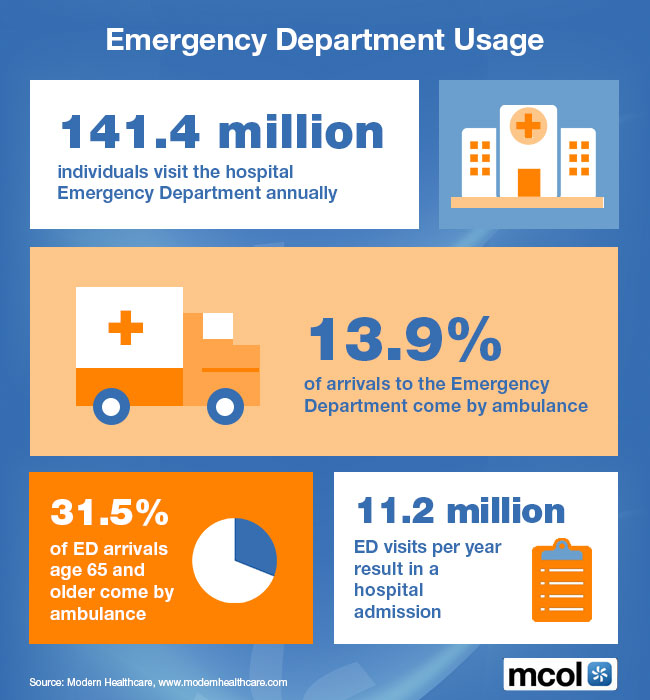
On Emergency Department Usage

Annual Visits

By http://www.MCOL.com

***

***

Conclusion

Your thoughts and comments on this ME-P are appreciated. Feel free to review our top-left column, and top-right sidebar materials, links, URLs and related websites, too. Then, subscribe to the ME-P. It is fast, free and secure.

Speaker: If you need a moderator or speaker for an upcoming event, Dr. David E. Marcinko; MBA – Publisher-in-Chief of the Medical Executive-Post – is available for seminar or speaking engagements.

Book Marcinko: https://medicalexecutivepost.com/dr-david-marcinkos-bookings/

Subscribe: MEDICAL EXECUTIVE POST for curated news, essays, opinions and analysis from the public health, economics, finance, marketing, IT, business and policy management ecosystem.

***

Proposing a Possible [San Bernardino CA] Medical Work Place Violence Prevention Initiative?

Join Our Mailing List

The Haddon Matrix for Health Place Injury Prevention and Workplace Violence

By

[Eugene Schmukler; PhD MBA MEd – Certified Trauma Specialist]

***

An invaluable tool for healthcare violence prevention program establishment is the Haddon Matrix. In 1968, William Haddon, Jr., a public health physician with the New York State Health Department, developed a matrix of categories to assist researchers trying to address injury prevention systematically. The idea was to look at injuries in terms of causal factors and contributing factors, rather than just using a descriptive approach. It is only recently that this model has been put to use in the area of workplace violence.

The Matrix Framework

The matrix is a framework designed to apply the traditional public health domains of host, agent, and disease to primary, secondary, and tertiary injury factors. When applied to workplace violence, the “host” is the victim of workplace violence, such as a nurse. The “agent” is a combination of the perpetrator and his or her weapon(s) and the force with which an assault occurs. The “environment” is divided into two sub domains: the physical and the social environments. The location of an assault such as the ER, the street, an examining room, or hospital ward is as important as the social setting in patient interaction, presence of co-workers, and supervisor support.

Modifications

Subsequent versions of the matrix divide the environment into Physical environment and Social, Socio-economic, or Sociocultural environment. Each factor is then considered a pre-event phase, an event phase, and a post-event phase.

***

sad

***

Medical / Healthcare Setting

The Haddon Matrix lends itself to a medical setting in that it uses a classical epidemiological framework to categorize “pre-event,” “event,” and “post-event” activities according to the infectious disease vernacular, host (victim), vector (assailant or weapon), and environment. The strength of the Haddon Matrix is that it includes the ability to assess “pre-events” or precursors in order to develop primary preventive measures.


Phases

Host

Agent

Physical Environment

Social Environment

Pre-event (prior to assault)

Knowledge

Self-efficacy

Training

History of prior violence communicated

Assess objects that could become weapons, actual weapons, egress (means of escape)

Visit in pairs or with escort

Event (assault)

De-escalation

Escape techniques

Alarms/2-way phones

Reduce lethality of patient via increasing your distance

Egress, alarm, cell phone

Code and security procedures

Post-event (post-assault)

Medical care/counseling

Post-event debriefing

Referral

Law enforcement

Evaluate role of physical environment

All staff debrief and learn

Modify plan if appropriate


Policy?

From the perspective of administration, the Haddon Matrix does not implicate policy. This means that the matrix does not necessarily guide policy. When implemented, the Haddon Matrix can be a “politically” neutral, trans-or multi-disciplinary, objective tool that identifies opportunities for intervention. Furthermore, it outlines sensible “targets of change” for the physical and social environment.


Phase

Affected individual and population

Agent used

Environment

Pre-event

Psychological first aid

Communicate efforts to limit action

Have plans in place detailing agency roles in prevention and detection

Event

Population uses skills

Mobilize trauma workers

Communicate that response systems are in place

Post-event

Assessment, triage, and psychological treatment

Communicate, establish outreach centers

Adjust risk communication

End results

Limit distress responses, negative behavior changes and psychological illness

Minimize loss of life and impact of attack

Minimize disruption in daily routines


More: Was the San Bernardino CA Massacre Work Place Violence?

***

Risk Management, Liability Insurance, and Asset Protection Strategies for Doctors and Advisors: Best Practices from Leading Consultants and Certified Medical Planners™    8Risk Management, Liability Insurance, and Asset Protection Strategies for Doctors and Advisors: Best Practices from Leading Consultants and Certified Medical Planners™

***

Assessment

And so, was San Bernardino workplace violence – or not; please opine?

Conclusion

Your thoughts and comments on this ME-P are appreciated. Feel free to review our top-left column, and top-right sidebar materials, links, URLs and related websites, too. Then, subscribe to the ME-P. It is fast, free and secure.

Link: http://feeds.feedburner.com/HealthcareFinancialsthePostForcxos

Speaker: If you need a moderator or speaker for an upcoming event, Dr. David E. Marcinko; MBA – Publisher-in-Chief of the Medical Executive-Post – is available for seminar or speaking engagements. Contact: MarcinkoAdvisors@msn.com

OUR OTHER PRINT BOOKS AND RELATED INFORMATION SOURCES:

***

Product DetailsProduct Details

   8

***

Overcrowding in the ER

Join Our Mailing List 

State of Emergency

EmilyBy Emily Newhook

Whether you’re suffering from a broken bone or a life-threatening illness, a trip to the emergency room is always a scary prospect.

But, what happens when an ER is faced with more patients than it can accommodate? Between 1995 and 2010, annual ER visits in the U.S. grew by 34 percent, while the number of hospitals with ERs declined by 11 percent.

From long wait times to sky-high medical costs, overcrowding puts undue pressure on patients, providers and administrators when efficient, high-quality care matters most.

***

State-of-Emergency

***

The online MHA degree program MHA@GW created this infographic to show the impact of overcrowding on U.S. emergency rooms. The graphic looks at some of the major causes of congested ERs, examines the impact on care delivery and explores proposed solutions to the problem of overcrowding.

Assessment

Help us raise awareness of this important issue by sharing the infographic above.

Conclusion

Your thoughts and comments on this ME-P are appreciated. Feel free to review our top-left column, and top-right sidebar materials, links, URLs and related websites, too. Then, subscribe to the ME-P. It is fast, free and secure.

Speaker: If you need a moderator or speaker for an upcoming event, Dr. David E. Marcinko; MBA – Publisher-in-Chief of the Medical Executive-Post – is available for seminar or speaking engagements. Contact: MarcinkoAdvisors@msn.com

OUR OTHER PRINT BOOKS AND RELATED INFORMATION SOURCES:

Product DetailsProduct Details

Emergency Room Doctor Pet Peeves [A Humorous Video]

Join Our Mailing List

An Insider’s Look Around

[By Staff Reporters]

Are you tired of those long Emergency Room wait times and the overcrowding once inside? The ERs are usually jammed on weekends, and holidays, right?

***

***

Assessment

Well – This video is an example of the many issues an emergency department will unlikely be able to help you with this Memorial day weekend. But, those medical personnel, and ME-P readers, who work in the EMS or ER setting can hopefully relate to this encounter. A word to the …wise!

Video Link: http://www.youtube.com/watch?v=1KYmcwVGo9w&feature=related

Conclusion

Your thoughts and comments on this ME-P are appreciated. Feel free to review our top-left column, and top-right sidebar materials, links, URLs and related websites, too. Then, subscribe to the ME-P. It is fast, free and secure.

Speaker: If you need a moderator or speaker for an upcoming event, Dr. David E. Marcinko; MBA – Publisher-in-Chief of the Medical Executive-Post – is available for seminar or speaking engagements. Contact: MarcinkoAdvisors@msn.com

OUR OTHER PRINT BOOKS AND RELATED INFORMATION SOURCES:

Hospitals & Healthcare Organizations: Management Strategies, Operational Techniques, Tools, Templates and Case Studies

Hospitals & Healthcare Organizations: Management Strategies, Operational Techniques, Tools, Templates and Case Studies

Buy from Amazon

A Quality Story all Doctors and Patients Should Re-Read

[Mis] Adventures in Cardiology

Reposted by Ann Miller RN MHA

[Executive Director]

According to the author of this re-posted e-journal, Johns Hopkins Medicine has a long tradition of prioritizing patients, and striving for the bottom rung that are the anonymous poor.

And, many agree this is true. In fact, our Publisher-in-Chief grew up in Baltimore Maryland and has written about this venerable institution on the ME-P before.

Outliers

If, for example, you catch a bullet on a Baltimore street corner, or your mother presents you at the ER as a feverish welfare child, then it us open season for the medical students, well meaning as they may be. They can practice on you because if  their actions result in an adverse outcome—which is to say that if you are mangled or killed—nobody will question said outcome, precisely because … you are a nobody.

At the other end of the spectrum are wealthy and prominent patients, who get treated by doctors who have already learned what not to do from the mistakes inflicted upon the lower classes.

Of … Quality Medical Care

However, sometimes mistakes happen, and medical errors do occur as we all are human. But, what is reported to have happened to one journalists’ wife – Pam – at Johns Hopkins Hospital in March of 2002 is beyond the pale.

As a middle class citizen, she landed somewhere in the middle of the bell shaped curve. Maybe she got snookered by all the hype from US News into thinking that she was going to be treated by the best doctor at “The Best Hospital in America” … You decide.

Assessment

This is the story of what happened to Pam; as reported by her journalist husband Don.

Link: http://adventuresincardiology.com/

Conclusion

Indignation Index: 96

We trust medical quality guru Bob Wachter MD will opine. And so, your additional thoughts and comments on this ME-Pare also appreciated. Feel free to review our top-left column, and top-right sidebar materials, links, URLs and related websites, too. Then, be sure to subscribe to the ME-P. It is fast, free and secure.

Subscribe Now: Did you like this Medical Executive-Post, or find it helpful, interesting and informative? Want to get the latest ME-Ps delivered to your email box each morning? Just subscribe using the link below. You can unsubscribe at any time. Security is assured.

Link: http://feeds.feedburner.com/HealthcareFinancialsthePostForcxos

Speaker: If you need a moderator or speaker for an upcoming event, Dr. David E. Marcinko; MBA – Publisher-in-Chief of the Medical Executive-Post – is available for seminar or speaking engagements. Contact: MarcinkoAdvisors@msn.com

OUR OTHER PRINT BOOKS AND RELATED INFORMATION SOURCES:


Product DetailsProduct Details

Product Details

About Carena In-Home Medical Care

In-Home Medical Care Services for the Modern Era

By Dr. David Edward Marcinko; MBA, CMP™

[Publisher-in-Chief]Dr. David E. Marcinko MBA

We have written about the high cost, questionable quality and scheduling burden of emergency room visits on the Medical Executive-Post before. And, for some non-emergency or after-hours needs, the ER may possibly be one of the worst places to deliver medical care.   

Enter Carena, Inc

Seattle-based Carena Inc. was founded in 2000 on the principle that expanding access to medical care improves outcomes and reduces costs. By providing around-the-clock medical care and education at a patient-identified time of need, Carena patients, clients and health plans are reported to experience lower costs while patients receive the right care – at the right time [www.CarenaMD.com].

A New [Old] Business Model

Carena is not an emergency room, not an urgent care center and not someplace patients go. This medical group delivers 24/7 house-calls both to render care and provide education for urgent medical needs.

House calls last as long as needed—often an hour—to make sure patients have the care and education needed to take control of their health.

The Carena model also offers medical care at the workplace enabling corporate clients to offer on-site care without the cost and space requirements of a typical employer-sponsored health clinic.

Home Visits in the Modern Era

Carena medical group physicians treat a wide range of urgent concerns. They carry an updated version of the traditional “doctor bag” filled with state-of-the art and portable instruments. For example, physicians have the equipment to suture minor cuts, deliver nebulizer treatments for asthma, or obtain lab samples. They run in-home rapid diagnostic tests for influenza, strep throat, and other medical issues. If X-rays or tests are needed, physicians coordinate scheduling and share results with patient PCPs. Electronic medical records are used throughout.

Always Open 24/7

Carena is always open. No waiting in the ER while doctors treat true emergencies. No wondering if other waiting patients are contagious.  

Reduced Financial Shock.

Carena house calls are reported to costs about 30-35 percent less than a typical emergency room visit of about $1,500.

Another New Term

With apologies to my esteemed colleague Robert M. Wachter MD, the hospitalist guru at UCFS, Carena doctors are often called “housepitlists.”  

Assessment

Carena is a medical company that provides a new model of health care delivery for innovative, self-insured companies. Internist Frances Gough MD is the Vice President of Product Development at Carena, Ted Conklin MD is the founder and Ralph C. Derrickson is President and CEO. Corporate clients for both Carena business models are Costco and the Microsoft Corporation of Redmond, WA.

Disclaimer

I own shares of MSFT common stock and am a professional member of MS-HUG.

Join Our Mailing List

Conclusion

And so, your thoughts and comments on this Medical Executive-Post are appreciated. Feel free to review our top-left column, and top-right sidebar materials, links, URLs and related websites, too. Then, be sure to subscribe to the ME-P. It is fast, free and secure.

Link: http://feeds.feedburner.com/HealthcareFinancialsthePostForcxos

Speaker: If you need a moderator or speaker for an upcoming event, Dr. David E. Marcinko; MBA – Publisher-in-Chief of the Executive-Post – is available for seminar or speaking engagements. Contact: MarcinkoAdvisors@msn.com 

Get our Widget: Get this widget!

Our Other Print Books and Related Information Sources:

Practice Management: http://www.springerpub.com/prod.aspx?prod_id=23759

Physician Financial Planning: http://www.jbpub.com/catalog/0763745790

Medical Risk Management: http://www.jbpub.com/catalog/9780763733421

Healthcare Organizations: www.HealthcareFinancials.com

Health Administration Terms: www.HealthDictionarySeries.com

Physician Advisors: www.CertifiedMedicalPlanner.com

HALLOWEEN: Nathaniel Potter MD & Touring with Dr. Marcinko [Part VI]

About Nathaniel Potter, MD

By Dr. David Edward Marcinko; MBA, CMP™
[Publisher-in-Chief]
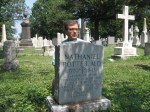
Dateline: Baltimore MarylandNathaniel Potter MD

While in Washington DC on the second portion of our recent ME-P book “signing and opining” tour, I had the good fortune to visit the gravesite of the noted physician Nathaniel Potter, MD. Dr. Potter was born in Carolina county Maryland in 1770 and died in Baltimore on 2 January, 1843. He graduated from the University of Pennsylvania in 1796, and settled in Baltimore, where he practiced medicine until his death. In 1807, he associated with Dr. John B. Davidge in founding the University of Maryland, School of Medicine where he ultimately served as professor and dean. He died penniless.

THINK Potter’s field!

About Green Mount Cemetery

Green Mount Cemetery is located in Baltimore, MD. Established in 1839, it is noted for the large number of historical figures that have been interred in its grounds as well as a large number of prominent Baltimore-area families. It retained the name Green Mount when the land was purchased from the heirs of Baltimore merchant Robert Oliver. Green Mount is also a treasury of precious works of art, including striking works by major sculptors like William Rinehart and Hans Schuler. The cemetery was listed in the National Register of Historic Places in 1980.

Assessment

In as much as Dr. Potter was a well know figure to me, I was most pleased at the impromptu visit to his grave. You see, although I attended Temple University because of my future specialty, my first medical school choice would have been at University of Maryland if post-graduate education opportunities had been different at the time. And, I passed the medical school, and the imposing Greek themed Davidge Hall Dome, daily for four years as I rode the number 8 public transportation bus to my undergraduate studies at nearby Loyola University, in Townson Maryland. Of course, the fact that Potter was educated at the University of Pennsylvania School of Medicine, the first in the nation, did not elude me when I worked in its ER as a young medical student in Philadelphia, back in-the-day. University of Maryland was the fifth such medical school in the country.

About Off Road with Dr. Marcinko

These sporadic off-road segments will continue through-out my summer promotional tour. Attendance at several formal and informal engagements increased since the early summer. The previously noted sales spike for our texts, handbooks and dictionaries; as well as interest in our online www.CertifiedMedicalPlanner.org  program.

Part V: https://healthcarefinancials.wordpress.com/2009/08/21/off-road-touring-with-dr-marcinko-part-v/

Conclusion

Your thoughts and comments on this ME-P are appreciated. Feel free to review our top-left column, and top-right sidebar materials, links, URLs and related websites, too. Then, subscribe to the ME-P. It is fast, free and secure.

Speaker: If you need a moderator or speaker for an upcoming event, Dr. David E. Marcinko; MBA – Publisher-in-Chief of the Medical Executive-Post – is available for seminar or speaking engagements. Contact: MarcinkoAdvisors@msn.com

OUR OTHER PRINT BOOKS AND RELATED INFORMATION SOURCES:

Product DetailsProduct Details

Product Details

***

Understanding the Emergency Medical Treatment and Active Labor Act

An Important and Contemporary Issue – Once Again

[By Patricia Trites; MPA, CHBC, CMP™ (Hon) with Staff Reporters]

tritesThe Emergency Medical Treatment and Active Labor Act (EMTALA) is receiving increasing scrutiny from prosecutors during these times of financials stress and credit tightening. The statute is intended to ensure that all patients who come to the emergency department of a hospital receive care, regardless of their insurance or ability to pay. Both hospitals and physicians need to work together to ensure compliance with the provisions of this law.

Triad of Requirements

EMTALA imposes three fundamental requirements upon hospitals that participate in the Medicare program with regard to patients requesting emergency care.

First, the hospital must conduct an appropriate medical screening examination to determine if an emergency medical condition exists.

Second, if the hospital determines that an emergency medical condition exists, it must either provide the treatment necessary to stabilize the emergency medical condition or comply with the statute’s requirements to affect a proper transfer of a patient whose condition has not been stabilized. A hospital is considered to have met this second requirement if an individual refuses the hospital’s offer of additional examination or treatment, or refuses to consent to a transfer, after having been informed of the risks and benefits of treatment.

Third, EMTALA’s requirement is activated if an individual’s emergency medical condition has not been stabilized.

Hospital Transfers

A hospital may not transfer an individual with an unstable emergency medical condition unless:

(1) the individual or his or her representative makes a written request for transfer to another medical facility after being informed of the risk of transfer and the transferring hospital’s obligation under the statute to provide additional examination or treatment;

(2) a physician has signed a certification summarizing the medical risks and benefits of a transfer and certifying that, based upon the information available at the time of transfer, the medical benefits reasonably expected from the transfer outweigh the increased risks; or

(3) a qualified medical person signs the certification after the physician, in consultation with the qualified medical person, has made the determination that the benefits of transfer outweigh the increased risks, if a physician is not physically present when the transfer decision is made. The physician must later countersign the certification.dhimc-book21

On-Call Responsibilities

One area of particular concern is physician on-call responsibilities. Physician practices whose members serve as on-call hospital emergency room physicians are advised to familiarize themselves with the hospital’s policies regarding on-call physicians. This can be done by reviewing the medical staff bylaws or policies and procedures of the hospital that must define the responsibility of on-call physicians to respond to, examine, and treat patients with emergency medical conditions. Physicians should also be aware of the requirement that, when medically indicated, on-call physicians must generally come to the hospital to examine the patient. Patients may be sent to see the on-call physician at a hospital-owned contiguous or on-campus facility to conduct or complete the medical screening examination due to the following reasons:

  • all persons with the same medical condition are moved to this location;
  • there is a bona fide medical reason to move the patient;
  • qualified medical personnel accompany the patient; and
  • teaching physicians may participate.

Channel Surfing the ME-P

Have you visited our other topic channels? Established to facilitate idea exchange and link our community together, the value of these topics is dependent upon your input. Please take a minute to visit. And, to prevent that annoying spam, we ask that you register. It is fast, free and secure.

Conclusion

Your thoughts and comments on this ME-P are appreciated. Feel free to review our top-left column, and top-right sidebar materials, links, URLs and related websites, too. Then, subscribe to the ME-P. It is fast, free and secure.

Speaker: If you need a moderator or speaker for an upcoming event, Dr. David E. Marcinko; MBA – Publisher-in-Chief of the Medical Executive-Post – is available for seminar or speaking engagements. Contact: MarcinkoAdvisors@msn.com

OUR OTHER PRINT BOOKS AND RELATED INFORMATION SOURCES:


Product DetailsProduct Details       

Product DetailsProduct Details

A Six Sigma Emergency Department Case Report

Emergency Department Diversions

By Staff Writersbiz-book1

According to Daniel L. Gee MD MBA, Scottsdale Healthcare in Arizona used consultants from Creative Healthcare USA on a recent project, rather than doing a full deployment of Six Sigma in its organization, to analyze its problem of emergency department (ED) “diversions.”

Emergency Department Diversions

Diversions happen when emergency departments are too full in capacity to handle acute emergencies and a decision is made to close its doors to patients and ambulances are diverted elsewhere. The issue of closed and diverted emergency rooms is a growing nationwide phenomenon because of fewer EDs and a growing aged and uninsured population. The consultants, using Six Sigma principles, mapped the ED process and found multiple bottlenecks that have a direct effect on the probability of evoking a “diversionary” status in the emergency room.

Out of Control Bottlenecks

One bottleneck process deemed “out of control,” in Six Sigma jargon, was the issue of bed control. A process is considered “in control” when operating within acceptable specification limits. It was found that the average transfer time for a patient admitted to a hospital bed from the emergency department was 80 minutes, of which half of this time, a bed is available and waiting. The process was a significant “waste of time” and, moreover, complicated by an Administrative Nurse “inspector” locating beds on different floors.

Sig Sigma Tenants

Two tenements of Six Sigma level of quality were violated: one is that having an inspection is a correction for an inefficient process and two, the more steps involved the less is the potential yield of a process. Through this revelation, the hospital eliminated the Administrative Nurse, reduced cycle time by 10% in bed control, and improvement ED throughput with greater turnover thereby, improving revenue by nearly $600,000.

Little’s Law

The addition of a nurse inspector and waiting patients in a busy ED is an example of “Little’s Law” or sometimes referred to as the first fundamental law of system behavior. When more and more inputs are put into a system, such as more ED patients and an additional nurse employee, and when there is variation in their arrival time (no control over patient arrivals) or process variation (different people doing the same things differently), there becomes an exponential rise in “cycle time.” Productivity of the system begins to fall and inefficiency and variation creeps in.

Assessment

An examination of the project types to which health care provider organizations have utilized Six Sigma methodology reveals almost any hospital or medical clinic process is a candidate.

Conclusion

And so, your thoughts and comments on this Medical Executive-Post are appreciated. Is Six Sigma a real medical quality control initiative that’s here to stay; or just another passing fad?

Speaker:If you need a moderator or speaker for an upcoming event, Dr. David E. Marcinko; MBA – Publisher-in-Chief of the Medical Executive-Post – is available for seminar or speaking engagements. Contact: MarcinkoAdvisors@msn.com  or Bio: www.stpub.com/pubs/authors/MARCINKO.htm

Our Other Print Books and Related Information Sources:

Practice Management: http://www.springerpub.com/prod.aspx?prod_id=23759

Physician Financial Planning: http://www.jbpub.com/catalog/0763745790

Medical Risk Management: http://www.jbpub.com/catalog/9780763733421

Healthcare Organizations: www.HealthcareFinancials.com

Physician Advisors: www.CertifiedMedicalPlanner.com

Subscribe Now:Did you like this Medical Executive-Post, or find it helpful, interesting and informative? Want to get the latest ME-Ps delivered to your email box each morning? Just subscribe using the link below. You can unsubscribe at any time. Security is assured.

Link: http://feeds.feedburner.com/HealthcareFinancialsthePostForcxos

Product DetailsProduct DetailsProduct Details

When an ER – Is Not an Emergency Room

Join Our Mailing List

About “InQuickER”

[By Dr. David E. Marcinko; MBA, CMP™]

[By Prof. Hope Rachel Hetico; RN, MHA, CMP™]dave-and-hope
Visits to emergency rooms climbed to a record high of 119.2 million in 2006, up from 115 million in 2005; with an average of 227 visits per minute, according to a new report from the Centers for Disease Control and Prevention [CDC]. So, it’s not surprising that InQuickER” is a new service of Emory-Adventist Hospital [EAH] in Smyrna, Georgia.

How it Works

According to the hospital’s website, patient may schedule his or her trip to the emergency room through an open access process that takes three steps.

1. Reserve an appointment time through the InQuickER website when emergency care for a non-life-threatening issue exists. The site shows the soonest possible time to be seen. You can either reserve that time or choose another time more convenient for you; up to 6 hours later than the first available time. All you need do is briefly describe the injury or illness, and the ER will waiting for you to arrive.

2. Time is saved by filling-out an online registration with medical history that includes allergies and current medications. This allows patient’s to bypass front-desk registration and go straight to a ready and waiting treatment room upon arriving.

3. A printable appointment confirmation slip, with driving directions, completes the online transaction.  

Guaranteed or it’s Free

Be seen in 15 minutes or less — or you don’t pay!

The cost for this premium service is $24.99. Of course, regular charges for diagnosis, treatment, consultants and admission may still apply. Online visitors are admonished to visit the website for additional terms and conditions.

The SIMPLE Button

The average time spent waiting for treatment in an emergency room in a United States is 3.2 hours. So, EAH wants to make life easier by allowing patients to wait in the comfort of their own homes. According to EAH, it’s really that simple.

But, is it really as easy as the SIMPLE button of retail giant, Staples, might suggest? Or, is this an economic operating-room, in-patient, or out-patient-poaching tactic?

Three Key Points

1. Patients don’t always know whether their conditions constitute an emergency.

2. What’s the optimal rate of “inappropriate” ER visits as the surgical analogy of appendicitis comes quickly to mind.

3. How harmful are inappropriate ER visits, as opposed to ER closure due to unfunded EMTALA or other initiatives?

Open-Access Scheduling

The concept of open-access scheduling is not new, and should be embraced more than it is by the medical community. Many feel the public is clamoring for it. But, is it appropriate for emergency room use? Or, is this an artifice just a clocked marketing gimmick.

And, what new term shall we give to “real emergency rooms?” Can the public even marginally discern the term’s meaning,  given the gross abuse of other potentially life saving healthcare mechanisms like 911 calls; as demonstrated by one Reginald Peterson, of Florida, who called the service – twice – because his spicy Italian Subway® sandwich was missing its sauce?

One also wonders how local hospital staff members, and surrounding primary care doctors, internists and related front line practitioners; as well as walk-in and retail-clinics feel about this service; competitive threat or community boon? Is the idea of a non-emergent – emergency – an oxy-moron; muck like the term “jumbo-shrimp”?

Patient Computer Access?

Do the usual homeless, tired, hungry and mentally deranged patients typically seen in inner city ERs have computer access, or “homes to wait in comfort?”

And, wasn’t the managed care revolution, with its no and low-cost copays supposed to put an end to “ER-squatters?”

Assessment

We believe this business strategy will work because of its affluent location, in North-West Atlanta. It will save the ER money and earn income for the hospital. Suburban patients and soccer moms will also love it. But, as young students, we worked in the ER admissions departments of the old Cook County Hospital in Chicago; and Pennsylvania Hospital on Pine Street in Center-City Philadelphia [City of Brotherly Love]. And, we don’t think the scheduling concept would work there; then or now; nor here at Grady Memorial Hospital in Atlanta. Please opine and comment.  

Conclusion

Your thoughts and comments on this ME-P are appreciated. Feel free to review our top-left column, and top-right sidebar materials, links, URLs and related websites, too. Then, subscribe to the ME-P. It is fast, free and secure.

Link: http://feeds.feedburner.com/HealthcareFinancialsthePostForcxos

Speaker: If you need a moderator or speaker for an upcoming event, Dr. David E. Marcinko; MBA – Publisher-in-Chief of the Medical Executive-Post – is available for seminar or speaking engagements. Contact: MarcinkoAdvisors@msn.com

Product Details

Product DetailsProduct Details

***