PODCAST: Healthcare Costs Rising

Doctors, Hospitals, Pharma and DMEs

BY ERIC BRICKER MD

****

***

Your comments are appreciated.

THANK YOU

***

***

***

Physician Medical Practice “Misrepresentation” Risks

BUSINESS FRAUD RISKS

True Case Report

CMP logo

By Dr. David Edward Marcinko MBA CMP©

SPONSOR: http://www.CertifiedMedicalPlanner.org

A Medical Practice Misrepresentation Case Model

Let’s say a physician decided to sell his practice and move to another state. The value of the sale was based, in part, on the yearly gross of the practice. The physician accepted installment payment terms from the buyer and moved to the new state. The buyer began to practice medicine at his new office. Although he was busy, his gross never approached the gross of the prior physician.

Eventually the buyer defaulted on the loan. The selling physician sued for the deficit. The defaulting physician and his forensic consultants then performed an in-depth evaluation of the seller’s practice. The buyer and his team noticed some discrepancies in the billing patterns and practices of the seller. Considering these discrepancies to constitute Medicare and insurance billing fraud, the seller counter-sued the buyer on the grounds of misrepresentation, alleging the gross receipts of the practice purchase price, was grossly inflated.

Citation: https://www.r2library.com/Resource/Title/0826102549

ASSESSMENT: Therefore, the buyer determined that the seller had fraudulently misrepresented the potential of the practice. He also notified state and federal authorities and filed complaints of insurance fraud against the seller.

The seller thought that he would move to the good life in the new state, but his old practice kept him in constant legal trouble.

YOUR THOUGHTS ARE APPRECIATED

Risk Management, Liability Insurance, and Asset Protection Strategies for Doctors and Advisors : Best Practices from Leading Consultants and Certified Medical Planners™ book cover

Order Textbook: https://www.routledge.com/Risk-Management-Liability-Insurance-and-Asset-Protection-Strategies-for/Marcinko-Hetico/p/book/9781498725989

SECOND OPINIONS: https://medicalexecutivepost.com/schedule-a-consultation/

INVITE DR. MARCINKO: https://medicalexecutivepost.com/dr-david-marcinkos-bookings/

THANK YOU

***

RISK FACTORS COMMON TO PHYSICIANS

SOME COMMON RISK FACTORS FOR MEDICAL COLLEAGUES TO APPRECIATE

BY DR. DAVID E. MARCINKO MBA CMP®

CMP logo

SPONSOR: http://www.CertifiedMedicalPlanner.org

AN INCOMPLETE LIST = T.N.T.C.

  • Do you and or any family members drive a vehicle?
  • Do you have employees?
  • Do you have a professional malpractice exposure?
  • Do you have legal responsibility to protect medical, EMRs or personal and patient financial data?
  • Are you married and do you have assets not protected by a prenuptial agreement?
  • Do you have a current tax obligation?
  • Do you own a business?
  • Are you a board member, officer, or director of a corporation, foundation, religious or educational organization?
  • Do you engage in activities like hunting, flying, boating, etc?
  • Do you have business or domestic partners whose actions create joint and several liabilities for you?
  • Do you have personal guarantees on real estate or for business loans; or family members?
  • Do you have tail liability for professional services performed in the past?
  • Have you made specific legal or financial representations that others have relied upon in a business context?
  • What kind and what dollar amount of insurance and legal planning have you implemented against these exposures?

***

FOREWORD BY J. WESLEY BOYD MD PhD MA

[Professor of Psychiatry Harvard and Yale University]

***

ASSESSMENT: Your thoughts and comments are appreciated.

ORDER TEXTBOOK: https://www.routledge.com/Risk-Management-Liability-Insurance-and-Asset-Protection-Strategies-for/Marcinko-Hetico/p/book/9781498725989

INVITE DR. MARCINKO: https://medicalexecutivepost.com/dr-david-marcinkos-

THANK YOU

***

Dodging an Embarrassing Question about Electronic Dental Records

MORE ON EDR SECURITY

The Secrets of AmeriPlan® Corporation's Discount Dentistry ...

By Darrell K. Pruitt, DDS

Dental Care Alliance Data Breach Impacts More Than 1 Million Patients

NEWS FLASH!

Sarasota, FL-based Dental Care Alliance, LLC, a dental support organization with more than 320 affiliated dental practices across 20 states, has been hacked and the protected health information of more than a million individuals has potentially been compromised. The breach occurred on September 18, 2020, was detected on October 11, and was contained on October 13.”

Steve Alder

[HIPAA Journal – December 10, 2020]

LINK: https://www.hipaajournal.com/dental-care-alliance-data-breach-impacts-more-than-1-million-patients/

Currently I am in conversation on LinkedIn with a Chief Information Officer for an IT firm. He assures me that the cloud is more secure than paper dental records stored in heavy and loud metal filing cabinets, but cannot say why.

Meanwhile, I have never heard of a million paper dental records being stolen in one heist. Wouldn’t that require a truck or two? What’s more, once the thieves escape to their hideout, someone will have to enter the data onto computers – while struggling to interpret bad handwriting.

ASSESSMENT: Your thoughts are appreciated …. More later.

THANK YOU

Risk Management, Liability Insurance, and Asset Protection Strategies for Doctors and Advisors: Best Practices from Leading Consultants and Certified Medical Planners™

Textbook Order: https://www.routledge.com/Risk-Management-Liability-Insurance-and-Asset-Protection-Strategies-for/Marcinko-Hetico/p/book/9781498725989

***

MEDICAL RISK MANAGEMENT: Liability Insurance, and Asset Protection Strategies for Doctors and Advisors [Best Practices from Leading Consultants and Certified Medical Planners™]

http://www.CertifiedMedicalPlanner.org

Reviews

“Physicians who don’t understand modern risk management, insurance, business, and asset protection principles are sitting ducks waiting to be taken advantage of by unscrupulous insurance agents and financial advisors; and even their own prospective employers or partners. This comprehensive volume from Dr. David Marcinko and his co-authors will go a long way toward educating physicians on these critical subjects that were never taught in medical school or residency training.”
—Dr. James M. Dahle, MD, FACEP, Editor of The White Coat Investor, Salt Lake City, Utah, USA

“With time at a premium, and so much vital information packed into one well organized resource, this comprehensive textbook should be on the desk of everyone serving in the healthcare ecosystem. The time you spend reading this frank and compelling book will be richly rewarded.”
—Dr. J. Wesley Boyd, MD, PhD, MA, Harvard Medical School, Boston, Massachusetts, USA

“Physicians have more complex liability challenges to overcome in their lifetime, and less time to do it, than other professionals. Combined with a focus on practicing their discipline, many sadly fail to plan for their own future. They need trustworthy advice on how to effectively protect themselves, their family, and their practice from the many overt and covert risks that could potentially disrupt years of hard work.

Fortunately, this advice is contained within Risk Management, Liability Insurance, and Asset Protection Strategies for Doctors and Advisors: Best Practices from Leading Consultants and Certified Medical Planners™. Written by Dr. David Edward Marcinko, Nurse Hope Rachel Hetico, and their team of risk managers, accountants, insurance agents, attorneys, and physicians, it is uniquely positioned as an integration of applied, academic, and peer-reviewed strategies and research, with case studies from top consultants and Certified Medical Planners™. It contains the latest principles of risk management and asset protection strategies for the specific challenges of modern physicians. My belief is that any doctor who reads and applies even just a portion of this collective wisdom will be fiscally rewarded. The Institute of Medical Business Advisors has produced another outstanding reference for physicians that provide peace of mind inthis unique marketplace! In my opinion, it is a mandatory read for all medical professionals.”
—David K. Luke, MS-PFP, MIM, CMP™, Net Worth Advisory Group, Inc., Sandy, Utah, USA

“This book is a well-constructed, comprehensive, and experiential view of risk management throughout the entire medical practice life-cycle. It is organized in an accessible, high-yield style that is familiar to doctors. Each chapter has case models, examples, insider tips, and useful pearls. I was pleased to see multi-degreed physicians sharing their professional experiences in a textbook on something other than clinical medicine. I can’t decide if this book is right on – over the top – or just plain prescient. Now, after a re-read, I conclude it is all of the above; and much more.”
—Dr. Peter P. Sidoriak, Pottsville, Pennsylvania, USA

“When a practicing physician thinks about the risk exposure resulting from providing patient care, medical malpractice risk immediately comes to mind. But, malpractice and liability risk are barely the tip of the iceberg, and likely not even the biggest risk in the daily practice of medicine. There are risks from having medical records to keep private, risks related to proper billing and collections, risks from patients tripping on your office steps, risks from medical board actions, risk arising from divorce, and the list goes on and on. These liabilities put a doctor’s hard earned assets and career in a very vulnerable position. This new book from Dr. David Marcinko and Prof. Hope Hetico shows doctors the multiple types of risk they face and provides examples of steps to take to minimize them. It is written clearly and to the point, and is a valuable reference for any well-managed practice. Every doctor who wants to take preventive action against the risks coming at them… from all sides needs to read this book.”
—Richard Berning, MD, FACC, New Haven, Connecticut, USA

“This is an excellent companion book to Dr. Marcinko’s Comprehensive Financial Planning Strategies For Doctors and Advisors: Best Practices from Leading Consultants and Certified Medical Planners™. It is all inclusive, yet easy to read, with current citations, references, and much frightening information. I highly recommend this text. It is a fine educational and risk management tool for all doctors and medical professionals.”—Dr. David B. Lumsden, MD, MS, MA, Orthopedic Surgeon, Baltimore, Maryland, USA

“This comprehensive text book provides an in-depth presentation of the cyber security and real risk management, asset protection, and insurance issues facing all medical professions today. It is far beyond the mere medical malpractice concerns I faced when originally entering practice decades ago.”
—Dr. Barbara s. Schlefman, DPM, MS, Family Foot Care, PA, Tucker, Georgia, USA

“Am I over-insured and thus wasting money? Am I under-insured and thus at risk for a liability or other disaster? I never really had the means of answering these questions; until now.”
—Dr. Lloyd M. Krieger, MD, MBA, Rodeo Drive Plastic Surgery, Beverly Hills, California, USA

“I read and use this book and several others from Dr. David Edward Marcinko and his team of advisors.”
—Dr. John Kelley, DO, Orthopedic Surgeon, Tucker, Georgia, USA

“An important step in the risk management, insurance planning, and asset protection process is the assessment of needs. One can create a strong foundation for success only after all needs have been analyzed so that a plan can be constructed and then implemented. This book does an excellent job of recognizing those needs and addressing strategies to reduce them.
—Shikha Mittra, MBA, CFP®, CRPS®, CMFC®, AIF®, President – Retire Smart Consulting LLC, Princeton, New Jersey, USA

“The Certified Medical Planner™ professional designation and education program was created by the Institute of Medical Business Advisors Inc., and Dr. David Edward Marcinko and his team (who wrote this book). It is intended for financial advisors who aim specifically to serve physicians and the medical community. Content focuses not only on the insurance and professional liability issues relevant to physicians, but also provides an understanding of the risky business of medical practice so advisors can help work more successfully with their doctor-clients.” —Michael E. Kitces, MSFS, MTAX, CFP®, CLU, ChFC, RHU, REBC, CASL Reston, Virginia, USA

“I have read this text and used consulting services from the Institute of Medical Business of Advisors, Inc. on several occasions.”
—Dr. Marsha Lee, DO, Radiologists, Norcross, Georgia, USA

“The medical education system is grueling and designed to produce excellence in medical knowledge and patient care. What it doesn’t prepare us for are the slings and arrows that come our way once we actually start practicing medicine. Successfully avoiding these land mines can make all the difference in the world when it comes to having a fulfilling practice. Given the importance of risk management and mitigation, you would think these subjects would be front and center in both medical school and residency – ‘they aren’t.’ Thankfully, the brain trust over at iMBA Inc. has compiled this comprehensive guide designed to help you navigate these mine fields so that you can focus on what really matters – patient care.”
Dennis Bethel, MD, Emergency Medicine Physician

Risk Management, Liability Insurance, and Asset Protection Strategies for Doctors and Advisors : Best Practices from Leading Consultants and Certified Medical Planners™ book cover

ORDER: https://www.routledge.com/Risk-Management-Liability-Insurance-and-Asset-Protection-Strategies-for/Marcinko-Hetico/p/book/9781498725989

***

RELATED TEXTS: https://medicalexecutivepost.com/2021/04/29/why-are-certified-medical-planner-textbooks-so-darn-popular/

INVITE DR. MARCINKO: https://medicalexecutivepost.com/dr-david-marcinkos-

THANK YOU!

***

PODCAST: DECEPTIONS, EXPLOITATIONS & SCAMS in Healthcare

32 EXAMPLES

By Eric Bricker MD

***

***

YOUR COMMENTS ARE APPRECIATED.

Thank You

***

***

Risk Management, Liability Insurance, and Asset Protection Strategies for Doctors and Advisors : Best Practices from Leading Consultants and Certified Medical Planners™ book cover

RISK MANAGEMENT: https://www.routledge.com/Risk-Management-Liability-Insurance-and-Asset-Protection-Strategies-for/Marcinko-Hetico/p/book/9781498725989

***

INVESTMENT SCAMS: https://medicalexecutivepost.com/2015/03/29/top-ten-investment-scams/

***

The “BADLANDS” Off-Shore Tax Havens in South Dakota

By Morning Brew, NF and Staff Reporters

One of the world’s most prolific offshore tax havens is located more than 1,000 miles from any shore.

The US state of South Dakota now rivals notorious tax shelters like Panama, the Cayman Islands, and Switzerland as a destination for the top 0.01% to shield their  wealth from the grubby hands of tax authorities, the newly released Pandora Papers show.

Product Details

CITE: https://www.r2library.com/Resource/Title/0826102549

Quick recap: The Pandora Papers, published one week ago, represent one of the biggest leaks of financial docs in history. They show how celebrities, world leaders, and business magnates take advantage of opaque financial laws to hold onto as much of their wealth as they can…and, in some cases, get away with crimes.

And while none of that is particularly surprising, what is surprising is the changing geography of tax havens. The ultrarich are taking their money out of traditional tax shelters like the island of Jersey (one of the Channel Islands) and stashing it in rural US states like Nevada, Wyoming, and, most of all…South Dakota.

  • Of the more than 200 US trusts appearing in the Pandora Papers, 81 were located in South Dakota.

South Dakota’s trust industry held $367 billion in anonymous, untraceable assets in 2020, a nearly 4x increase from $75.5 billion in 2011. And these trusts aren’t catering to cattle ranchers who made it big—they’re linked to individuals in 40 different countries outside the US.

The bigger issue? 28 US-based trusts are linked to individuals or companies accused of misconduct overseas, such as money laundering, bribery, and human rights abuses, per the Washington Post.

***

Badlands National Park Has Stunning Landscapes and Diverse Wildlife -  Here's How to Experience It (Video) | Travel + Leisure

And now the question you’ve all been waiting for…

Why South Dakota?

It’s not why most people arrive in South Dakota—by accident. For decades, the state has intentionally loosened regulations on its financial services sector to grow its economy and create finance jobs, particularly in the city of Sioux Falls.

This deregulation push, spurred by trust industry insiders, turned a South Dakotan trust into “the most potent force-field money can buy,” wrote the Guardian’s Oliver Bullough.

By setting up a trust in South Dakota…

  • Your assets are protected from claims by creditors, angry clients, or even your ex-spouse (a level of security not afforded by other tax havens).
  • You are not subject to income tax, inheritance tax, or capital gains tax in the state…because South Dakota has none of those.
  • You never actually have to go to South Dakota.

In sum, if you’re a shady billionaire or a corrupt president of a Latin American country with something to hide, South Dakota looks like a mighty attractive place to shield your fortune from governments.

Or, rather, the US more broadly is an attractive place to hide your wealth. After years of bashing “offshore” havens for sheltering tax avoiders, the US has moved up to second in the world rankings for financial secrecy.

YOUR COMMENTS ARE APPRECIATED.

MORE: https://www.msn.com/en-us/money/markets/the-worlds-rich-and-powerful-are-stashing-dollar500-billion-in-this-tax-haven/ar-AAPw6Ny?li=BBnb7Kz

MORE: https://www.msn.com/en-us/news/politics/opinion-the-reason-its-so-easy-for-wealthy-americans-to-hide-their-money-%e2%80%94-and-how-to-stop-it/ar-AAPzf9W?li=BBnb7Kz

Thank You

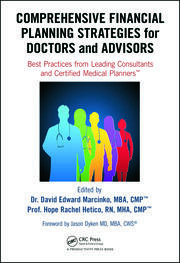
Comprehensive Financial Planning Strategies for Doctors and Advisors: Best Practices from Leading Consultants and Certified Medical Planners™

ORDER: https://www.routledge.com/Comprehensive-Financial-Planning-Strategies-for-Doctors-and-Advisors-Best/Marcinko-Hetico/p/book/9781482240283

***

Risk Management, Liability Insurance, and Asset Protection Strategies for Doctors and Advisors : Best Practices from Leading Consultants and Certified Medical Planners™ book cover

***

RISK MANAGEMENT: https://www.routledge.com/Risk-Management-Liability-Insurance-and-Asset-Protection-Strategies-for/Marcinko-Hetico/p/book/9781498725989

***

PODCASTS: Surgery Safety Checklists

ATUL GAWANDE MD

Medical Culture

BY ERIC BRICKER MD

***

***

***

YOUR COMMENTS ARE APPRECIATED.

***

***

RISK MANAGEMENT TEXTBOOK: https://www.routledge.com/Risk-Management-Liability-Insurance-and-Asset-Protection-Strategies-for/Marcinko-Hetico/p/book/9781498725989

Thank You

***

PODCAST: On State Health Insurance Commissioners

Not so Hot!

BY ERIC BRICKER MD

YOUR COMMENTS ARE APPRECIATED

Thank You

RELATED: https://ocgnews.com/former-georgia-insurance-commissioner-jim-beck-convicted-of-fraud/

MORE: https://www.routledge.com/Risk-Management-Liability-Insurance-and-Asset-Protection-Strategies-for/Marcinko-Hetico/p/book/9781498725989

***

***

Joint vs. Separate Ownership of Physician Assets

DOCTORS MUST KNOW THE DIFFERENCE

 Dr. David Marcinko MBA CMP®

https://i0.wp.com/images.lawyers.com/LBM_Images/Lawyers/lawyer-j-christopher-miller-photo-1613768.jpg

J. Christopher Miller; JD

HISTORY

Do you remember when Andy DuFresne confronts the chief guard of his prison in The Shawshank Redemption and tells him to divert an inherited sum of money into his wife’s name? Even sixty-five years after the 1949 setting of that conversation, a common means of protecting assets from the reach of creditors is to transfer property into a spouse’s name. Assuming that the spouse is not also at substantial risk of being the target of lawsuits because of the spouse’s profession or lifestyle, it is an effective means of accomplishing that goal. Creditors with valid judgments against an individual may only attach and seize those assets owned by that individual.  Anything worth doing is worth doing right, however, and there are several pointers to structuring asset ownership in a way that maximizes its protective value.

STATES

A small number of states, such as Hawaii, Pennsylvania, and Florida, have statutes that automatically protect property jointly owned by spouses from creditors of either spouse, but often not from creditors of both spouses together. Property that benefits from this characterization is held in as a “tenancy by the entirety,” and prevents only one spouse from transferring away property that the married couple obtained together.  Again, variation in state law determines just how beneficial the formation of a “tenancy by the entirety” can be from an asset protection standpoint.  This protection comes from a public interest in the preservation of marital assets, such that one spouse’s indiscretion may not harm the position of the other spouse. 

The most significant limits to the advantage provided by the tenancies of the entirety are first, that the creditors with claims against both spouses may seize such jointly held property, and second, that upon the first death between the spouses, the property flows directly to the surviving spouse alone, who then no longer has the benefit of the creditor protection.  Moreover, in April of 2002, the U.S. Supreme Court sharply curtailed the benefit provided by tenancies by the entirety by ruling that it does not shield an asset from the federal authorities, even if the tax liability was incurred only by one spouse.[1]

Some states in the South and West are community property states, which is similar to, but not the same as, tenancy by the entirety.  Under the community property theory, all property acquired by either spouse during the residency in that state (or in some states, prior to or during the residency), will be considered jointly owned property even if titled to an individual spouse. Merely by moving to one of these community property states, a person can automatically shift assets, thus reducing the quantity of assets subject to the creditors of the wealthier spouse.

PROPERTY

Community property and land owned as tenants-by-the-entirety is different from a third type of ownership called Joint Tenancy with Rights of Survivorship, sometimes abbreviated as “JTWROS”.  Joint tenancy with rights of survivorship may ease some burdens associated with probating a decedent’s estate, but this form of ownership is not ideal when viewed through the asset protection prism.

An alternative is to hold assets in the name of one spouse or the other, or as “tenants-in-common.”  Tenancy-in-common is best described as a situation in which each spouse owns a one-half undivided share in the property, but does not have the automatic right to full ownership at the death of the other spouse. 

Three advantages flow from this form of ownership:

Asset Protection-Protect Your Assets from Lawsuits ...
  • Neither spouse owns the property exclusively.

A creditor seizing the interest of one spouse would not have a valuable asset because it could not evict the remaining spouse, so creditors will attack these assets only as a last resort to satisfy their claims. However, a lien recorded against either fractional interest would have to be satisfied upon its sale, so that the net proceeds would be reduced by the amount of the lien.  For this reason, tenancy-in-common is only a temporary means of protecting an asset from an adverse judgment, and not quite the same as fully separate ownership.  This flaw is one reason why many estate planners recommend the funding of property into the name of a spouse or family member less vulnerable to adverse judgments.

  • If either spouse were to die, only half of the property would be subject to estate tax.

Ownership of property as tenants-in-common helps in the estate planning arena by facilitating the process of equalizing the assets held by each spouse. Changes made during 2010 and 2013 to the estate tax laws have pushed the federal estate tax exemption above $5 million, so fewer individuals (less than ½ of 1% of the general public by some estimates) will realize an actual tax savings from such planning. Even more appealing is that surviving spouses can now claim the unused exemption left behind by a deceased spouse. Estate tax concerns are now playing a much smaller role in recommending how spouses own their property.

  • A dying spouse has the ability to control how his or her interest is distributed.

In many simple Wills, all property of a spouse is given by bequest to the surviving spouse.  Such a bequest could include partial ownership interests in real estate.  If the surviving spouse is concerned about asset protection, this additional property would not be beneficial because it would easily be sacrificed to the survivor’s creditors.  One way of avoiding this result is to build an estate plan in which each spouse bequests the partial interest owned by that spouse to a trust.  At the first death between two spouses, the trust will hold the partial ownership interest for the benefit of the surviving spouse.  The trust holding the partial residence interest preserves the deterrent faced by creditors of the surviving spouse because seizure of the surviving spouse’s interest would not terminate the spouse’s right to use the land provided for in the trust.

A different set of rules applies to property held jointly by medical professionals who are not married to each other. If property is owned jointly among siblings or business associates instead of a business entity, the owners should make sure that the deed names them as tenants-in-common.  Otherwise, each successive death among the owners will shift the ownership to the survivors, and leave the family of the deceased owner with no lasting value from the owner’s investment into the property and its improvements.

LONG TERM

Assets should be held in a way that protects them from creditors for the long term. The form of asset holdings should thus be a significant part of the discussions held with professional advisors, so that the protection lasts beyond your death or that of your spouse. Structure the protected assets so that they do not flow back to you if your spouse should pass away.  In this manner, integrated asset protection, estate planning, and financial planning unite to protect the family’s interests by extending the benefits of creditor protection for the long term.

ASSESSMENT: Your comments are appreciated.

****


[1] See United States v. Craft, 535 U.S. 274 (Apr. 17, 2002).

Risk Management, Liability Insurance, and Asset Protection Strategies for Doctors and Advisors : Best Practices from Leading Consultants and Certified Medical Planners™ book cover

ORDER Textbook: https://www.routledge.com/Risk-Management-Liability-Insurance-and-Asset-Protection-Strategies-for/Marcinko-Hetico/p/book/9781498725989

THANK YOU

***

FINANCIAL PLANNING: Strategies for Doctors and Advisors

SPONSOR: http://www.CertifiedMedicalPlanner.org

***

***

RELATED TEXTS: https://medicalexecutivepost.com/2021/04/29/why-are-certified-medical-planner-textbooks-so-darn-popular/

INVITE DR. MARCINKO: https://medicalexecutivepost.com/dr-david-marcinkos-

THANK YOU!

***

Management Strategies, Operational Techniques, Tools, Templates and Case Studies

FOR HOSPITALS AND HEALTHCARE ORGANIZATIONS

***

BY DR. DAVID E. MARCINKO MBA

INVITE DR. MARCINKO: https://medicalexecutivepost.com/dr-david-marcinkos-bookings/

THANK YOU

***

HOSPITALS: Management Strategies, Operational Techniques, Tools, Templates and Case Studies

***

TEXTBOOK REVIEW

Drawing on the expertise of decision-making professionals, leaders, and managers in health care organizations, Hospitals & Health Care Organizations: Management Strategies, Operational Techniques, Tools, Templates, and Case Studies addresses decreasing revenues, increasing costs, and growing consumer expectations in today’s increasingly competitive health care market.

Offering practical experience and applied operating vision, the authors integrate Lean managerial applications, and regulatory perspectives with real-world case studies, models, reports, charts, tables, diagrams, and sample contracts. The result is an integration of post PP-ACA market competition insight with Lean management and operational strategies vital to all health care administrators, comptrollers, and physician executives. The text is divided into three sections:

  1. Managerial Fundamentals
  2. Policy and Procedures
  3. Strategies and Execution

Using an engaging style, the book is filled with authoritative guidance, practical health care–centered discussions, templates, checklists, and clinical examples to provide you with the tools to build a clinically efficient system. Its wide-ranging coverage includes hard-to-find topics such as hospital inventory management, capital formation, and revenue cycle enhancement. Health care leadership, governance, and compliance practices like OSHA, HIPAA, Sarbanes–Oxley, and emerging ACO model policies are included. Health 2.0 information technologies, EMRs, CPOEs, and social media collaboration are also covered, as are 5S, Six Sigma, and other logistical enhancing flow-through principles. The result is a must-have, “how-to” book for all industry participants.

***

NVITE DR. MARCINKO: https://medicalexecutivepost.com/dr-david-marcinkos-bookings/

Thank You

***

YOUR THOUGHTS are appreciated.

CERTIFIED MEDICAL PLANNER™ Designation: A.I. Allows Adult Learners Take Control

“Robo-Examiners” Let CMP™ Candidates Take Control

Dr. David Marcinko MBA CMP™
[Founding CEO and President]

Enter the CMPs

cmp

The concept of a self-taught and student motivated, but automated outcomes driven classroom may seem like a nightmare scenario for those who are not comfortable with computers. Now everyone can breathe a sigh of relief, because the Institute of Medical Business Advisors just launched an “automated” final examination review protocol that requires no programming skill whatsoever.

In fact, everything is designed to be very simple and easy to use. Once a student’s examination “blue-book” is received, computerized “robotic reviewers” correct student assignments and quarterly test answers. This automated examination model lets the robots correct tests and exams, while the students concentrate on guided self-learning.

READ: https://medicalexecutivepost.com/2020/07/09/robo-examiners-let-cmp-candidates-take-control/

MORE: https://medicalexecutivepost.com/2020/06/16/discover-the-best-medical-risk-management-and-insurance-planning-practices-of-leading-cmps/

Your thoughts and comments are appreciated.

THANK YOU

***

PODCAST: Nursing Home Care

Residents disproportionately affected by COVID-19

***

New Covid-19 death data reveals 'hidden' crisis in care ...

BY JAMES BLUMENSTOCK MA

Residents of nursing homes have been disproportionately affected by COVID-19. The nature of this coronavirus—which is particularly harmful to older adults and people with multiple chronic conditions—has left residents vulnerable.

Additionally, the pandemic has exacerbated existing challenges in our fragmented long-term care system, which is financed, regulated, and administered by states, the federal government, and private care facilities.

During this webinar, panelists discussed policy options to support high quality care for nursing home residents during the COVID-19 pandemic.

NOTE: This webinar is a project of the Alliance for Health Policy and NIHCM Foundation, in collaboration with The Commonwealth Fund.

PODCAST: https://nihcm.org/publications/nursing-home-care

Your thoughts are appreciated

THANK YOU

***

FINANCIAL PLANNING: Strategies for Physicians and their Advisors

A Textbook Review

SECOND OPINIONS: https://medicalexecutivepost.com/schedule-a-consultation/

INVITE DR. MARCINKO: https://medicalexecutivepost.com/dr-david-marcinkos-bookings/

SPONSOR: http://www.CertifiedMedicalPlanner.org

CMP logo

THANK YOU

***

Everything You’ve Ever Wanted to Know About Donating Your Body to Science

From research labs to ‘body farms’ used by forensics students, here’s where your donated cadaver might end up

***

See the source image

READ HERE: https://getpocket.com/explore/item/everything-you-ve-ever-wanted-to-know-about-donating-your-body-to-science?utm_source=pocket-newtab

Your comments are appreciated.

INVITATIONS: https://medicalexecutivepost.com/dr-david-marcinkos-bookings/

CONTACT: Ann Miller RN MHA

MarcinkoAdvisors@msn.com

Ph: 770-448-0769

Second Opinions: https://medicalexecutivepost.com/schedule-a-consultation/

THANK YOU

***

Hospitals and Health Care Organizations

MANAGEMENT STRATEGIES, OPERATIONAL TECHNIQUES, TOOLS, TEMPLATES AND CASE STUDIES

TEXTBOOK REVIEWS:

Hospitals and Health Care Organizations is a must-read for any physician and other health care provider to understand the multiple, and increasingly complex, interlocking components of the U.S. health care delivery system, whether they are employed by a hospital system, or manage their own private practices.

The operational principles, methods, and examples in this book provide a framework applicable on both the large organizational and smaller private practice levels and will result in better patient care. Physicians today know they need to better understand business principles and this book by Dr. David E. Marcinko and Professor Hope Rachel Hetico provides an excellent framework and foundation to learn important principles all doctors need to know.
―Richard Berning, MD, Pediatric Cardiology

… Dr. David Edward Marcinko and Professor Hope Rachel Hetico bring their vast health care experience along with additional national experts to provide a health care model-based framework to allow health care professionals to utilize the checklists and templates to evaluate their own systems, recognize where the weak links in the system are, and, by applying the well-illustrated principles, improve the efficiency of the system without sacrificing quality patient care. … The health care delivery system is not an assembly line, but with persistence and time following the guidelines offered in this book, quality patient care can be delivered efficiently and affordably while maintaining the financial viability of institutions and practices.
―James Winston Phillips, MD, MBA, JD, LLM

Risk Management, Liability Insurance, and Asset Protection Strategies for Doctors and Advisors : Best Practices from Leading Consultants and Certified Medical Planners™ book cover

ORDER HERE: https://www.amazon.com/Hospitals-Health-Care-Organizations-Operational-ebook/dp/B0091ICH30/ref=sr_1_8?dchild=1&keywords=david+marcinko&qid=1626110965&sr=8-8

ASSESSMENT: Your comments and thoughts are appreciated.

INVITATIONS: https://medicalexecutivepost.com/dr-david-marcinkos-bookings/

CONTACT: Ann Miller RN MHA

MarcinkoAdvisors@msn.com

Ph: 770-448-0769

Second Opinions: https://medicalexecutivepost.com/schedule-a-consultation/

THANK YOU

***

ME-P Speaking Invitations

Dr. David E. Marcinko is at your Service

thumbnail_IMG_1663.edit1

Dr. David Edward Marcinko MBA CMP® enjoys personal coaching and public speaking and gives as many talks each year as possible, at a variety of medical society and financial services conferences around the country and world.

These have included lectures and visiting professorships at major academic centers, keynote lectures for hospitals, economic seminars and health systems, keynote lectures at city and statewide financial coalitions, and annual keynote lectures for a variety of internal yearly meetings.

His talks tend to be engaging, iconoclastic, and humorous. His most popular presentations include a diverse variety of topics and typically include those in all iMBA, Inc’s textbooks, handbooks, white-papers and most topics covered on this blog.

CONTACT: Ann Miller RN MHA

MarcinkoAdvisors@msn.com

Ph: 770-448-0769

Abbreviated Topic List: https://medicalexecutivepost.com/wp-content/uploads/2009/02/imba-inc-firm-services.pdf

Second Opinions: https://medicalexecutivepost.com/schedule-a-consultation/

DIY Textbooks: https://medicalexecutivepost.com/2021/04/29/why-are-certified-medical-planner-textbooks-so-darn-popular/

THANK YOU

***

OVERHEARD IN THE FINANCIAL ADVISOR’S LOUNGE

On Asset Protection FOR PHYSICIANS

From my perspective, asset protection is a team sport, and lawyers rely on financial advisers all the time to spot issues for clients. We do not all share the opinion that non-lawyers are incapable of giving good advice.

J. Chris Miller JD

Alpharetta, GA

ORDER TEXTBOOK: https://www.routledge.com/Risk-Management-Liability-Insurance-and-Asset-Protection-Strategies-for/Marcinko-Hetico/p/book/9781498725989

THANK YOU

***

HUMANITARIAN WISDOM IN PATIENT CARE AS AN ETHICAL AND MORAL IMPERATIVE!

AND … RISK MANAGEMENT TOOL?

7f4a80b3-c6c3-49b5-9cdd-9f8e116683cd-original

BY DR. DAVID EDWARD MARCINKIO MBA CMP®

CMP logo

SPONSOR: http://www.CertifiedMedicalPlanner.org

To start, let us all recall the Canadian physician Sir William Osler MD, one of the founders of Johns Hopkins Hospital in my hometown of Baltimore Maryland, and where I played stickball in the parking lot as a kid. He left a sizeable body of wisdom that has guided many physicians in the practice of medicine. So, allow me to share with you some of that accumulated wisdom and the quotes that have served me well over the years.

From Dr. Osler, I learned the art of putting myself in the patient’s shoes. “The motto of each of you as you undertake the examination and treatment of a case should be ‘put yourself in his place.’ Realize, so far as you can, the mental state of the patient, enter into his feelings.” Osler further stresses that we should “scan gently (the patient’s) faults” and offer the “kindly word, the cheerful greeting, the sympathetic look.”1

“In some of us, the ceaseless panorama of suffering tends to dull that fine edge of sympathy with which we started,” writes Osler in his famous essay “Aequanimitas.”2 “Against this benumbing influence, we physicians and nurses, the immediate agents of the Trust, have but one enduring corrective — the practice towards patients of the Golden Rule of Humanity as announced by Confucius: ‘What you do not like when done to yourself, do not do to others.’”

Medicine can be both art and science as many physicians have discovered. As Osler tells us, “Errors in judgment must occur in the practice of an art which consists largely of balancing probabilities.”2 Osler notes that “Medicine is a science of uncertainty and an art of probability” and also weighs in with the idea that “The practice of medicine is an art, based on science.”3,4

Osler emphasized that excellence in medicine is not an inheritance and is more fully realized with the seasoning of experience. “The art of the practice of medicine is to be learned only by experience,” says Osler. “Learn to see, learn to hear, learn to feel, learn to smell, and know that by practice alone can you become expert.”5

Finally, some timeless wisdom on patient care came from Osler in an address to St. Mary’s Hospital Medical School in London in 1907: “Gain the confidence of a patient and inspire him with hope, and the battle is half won.”6

***

0

***

Osler has also imparted plenty of advice on the business of medicine. In “Aequanimitas,” Osler says there are only two types of doctors: “those who practice with their brains, and those who practice with their tongues.”7

In a valedictory address to medical school graduates at McGill University, Osler suggested treating money as a side consideration in a medical career.8 “You have of course entered the profession of medicine with a view of obtaining a livelihood; but in dealing with your patients let this always be a secondary consideration.”

“You are in this profession as a calling, not as a business: as a calling which exacts from you at every turn self-sacrifice, devotion, love and tenderness to your fellow man,” explains Osler in the address to St. Mary’s Hospital Medical School.6 “Once you get down to a purely business level, your influence is gone and the true light of your life is dimmed. You must work in the missionary spirit, with a breadth of charity that raises you far above the petty jealousies of life.”

It is not easy for doctors to combine a passion for patient care, a knowledge of science and the maintenance of business, according to Osler in the British Medical Journal.9 “In the three great professions, the lawyer has to consider only his head and pocket, the parson the head and heart, while with us the head, heart, and pocket are all engaged.”

While some aspects of practice may fall short or be devoid of appropriate financial remuneration, the giving of one’s time, expertise and experience in improving patient outcomes and the quality of their lives may be the greatest gift. “The ‘good debts’ of practice, as I prefer to call them … amount to a generous sum by the end of each year,” says Osler.9

And so, as you practice medicine and reflect on your career, always remember the words and wisdom of Dr. William Osler, and keep patient welfare as your first priority.

References

1. Penfield W. Neurology in Canada and the Osler centennial. Can Med Assoc J. 1949; 61(1): 69-73

2. Osler W. Aequanimitas. Chapter 9, P. Blakiston’s Son and Co., Philadelphia, 1925, p. 159

3. Bean WB. William Osler: Aphorisms, CC Thomas, Springfield, IL, p. 129.

4. Osler W. Aequanimitas. Chapter 3, P. Blakiston’s Son and Co., Philadelphia, 1925, p. 34

5. Thayer WS. Osler the teacher. In: Osler and Other Papers. Johns Hopkins Press, Baltimore, 1931, p. 1.

6. Osler W. The reserves of life. St. Mary’s Hosp Gaz. 1907;13 (1):95-8.

7. Osler W. Aequanimitas. Chapter 7, P. Blakiston’s Son and Co., Philadelphia, 1925, p. 124

8. Osler W. Valedictory address to the graduates in medicine and surgery, McGill University. Can Med Surg J. 1874; 3:433-42.

9. Osler W. Remarks on organization in the profession. Brit Med J. 1911; 1(2614):237-9.

10. Jacobs. AM: PMNews, April, 2015.

ASSESSMENT: Your thoughts are appreciated.

Risk Management, Liability Insurance, and Asset Protection Strategies for Doctors and Advisors : Best Practices from Leading Consultants and Certified Medical Planners™ book cover

ODER TEXTBOOK: https://www.routledge.com/Risk-Management-Liability-Insurance-and-Asset-Protection-Strategies-for/Marcinko-Hetico/p/book/9781498725989

INVITE DR. MARCINKO: https://medicalexecutivepost.com/dr-david-marcinkos-

THANK YOU

***

A FRUSTRATED PHYSICIAN ASKS: How Much Insurance is Enough?

OVER HEARD IN THE DOCTOR’S LOUNGE

Image result for Doctor Lounge Signs

I currently have no fewer than 10 separate insurance policies associated with my plastic surgery practice. I understand very little about the policies other than that somebody at some point told me I needed each and every one of them, and each made sense when I bought it. But, I often wonder:  

  • Am I over-insured and thus wasting money? 
  • Am I under-insured and thus at risk for a liability disaster? 

I never really had the means of answering these questions …. Until Now!

Lloyd M. Krieger; MD MBA

[Beverly Hills, CA]

***

Risk Management, Liability Insurance, and Asset Protection Strategies for Doctors and Advisors : Best Practices from Leading Consultants and Certified Medical Planners™ book cover

ORDER TEXTBOOK: https://www.routledge.com/Risk-Management-Liability-Insurance-and-Asset-Protection-Strategies-for/Marcinko-Hetico/p/book/9781498725989

SECOND OPINIONS: https://medicalexecutivepost.com/schedule-a-consultation/

INVITE DR. MARCINKO: https://medicalexecutivepost.com/dr-david-marcinkos-bookings/

***

State of the Medical Professional Liability Market?

A Hardening Market Arrives Just in Time TO GREET the GLOBAL Pandemic

The year 2019 marked a turning point for the medical professional liability (MPL) insurance industry. Reserve releases declined to less than 5% of premium. Insurers projected a combined ratio over 120% on 2019 earned business. Frequency increased for many writers and the trend in indemnity severity was above inflation. In response, insurers began to take rate action, manifesting in growth in direct written premium that exceeded inflation for the first time since 2005.

Despite significant underwriting losses, the MPL industry returned double its net income for the year as dividends to policyholders. Policyholder dividends show little sign of declining as the MPL industry remains well-capitalized and able to fund policyholder dividends with investment income.

And so, to learn more about the current state of the MPL market, read this article by Susan Forray and Chad Karls.

.PDF FORMAT: https://www.milliman.com/-/media/milliman/pdfs/articles/industry-update-2q-2020.ashx

ASSESSMENT: Your thoughts and comments are appreciated.

THANK YOU

Risk Management, Liability Insurance, and Asset Protection Strategies for Doctors and Advisors : Best Practices from Leading Consultants and Certified Medical Planners™ book cover

ORDER TEXTBOOK: https://www.routledge.com/Risk-Management-Liability-Insurance-and-Asset-Protection-Strategies-for/Marcinko-Hetico/p/book/9781498725989

***

Physicians “FIRING” Patients?

ON TERMINATING PATIENT RELATIONSHIPS

Image preview

By Dr. David Edward Marcinko MBA CMP®

CMP logo

SPONSOR: http://www.CertifiedMedicalPlanner.org

Just as it is an acceptable and reasonable practice to screen incoming patients, it is acceptable and reasonable to know when to end relationships. Termination criteria are numerous and varied. Although not exhaustive, the following are situations in which termination may be appropriate and acceptable:

  • Treatment noncompliance—The patient does not or will not follow the treatment plan.
  • Follow-up noncompliance—The patient repeatedly cancels follow-up visits or is a no-show.
  • Office policy noncompliance—The patient uses weekend on-call physicians or multiple health care practitioners to obtain refill prescriptions when office policy specifies a certain number of refills between visits.
  • Verbal abuse—The patient or a family member is rude and uses improper language with office personnel, exhibits violent behavior, makes threats of physical harm, or uses anger to jeopardize the safety and well-being of office personnel with threats of violent actions.
  • Nonpayment—The patient owes a backlog of bills and has made no effort to arrange a payment plan.

YOU'RE FIRED! How to Switch Real Estate Agents | Barb Has ...

It is an acceptable practice to end a patient relationship under most conditions. There are a few situations, however, that may require additional steps or a delay of the termination. According to The Doctors Company, Laura A. Dixon JD RN,the following circumstances fall into this category:

  • If the patient is in an acute phase of treatment, termination must be delayed until the acute phase has passed. For example, if the patient is in the immediate postoperative stage or is in the process of medical workup for diagnosis, it is not advisable to end the relationship.
  • If the practitioner is the only source of medical or dental care within a reasonable driving distance, he or she may need to continue care until other arrangements can be made.
  • When the practitioner is the only source of a particular type of specialized medical or dental care, he or she is obliged to continue this care until the patient can be safely transferred to another practitioner who is able to provide treatment and follow up.
  • If the patient is a member of a prepaid health plan, the patient cannot be discharged until the practitioner has communicated with the third-party payer to request a transfer of the patient to another practitioner.
  • A patient may not be terminated solely because he or she is diagnosed with AIDS/HIV.

When the situation with the patient is such that terminating the relationship is appropriate and acceptable and none of the restrictions mentioned above are present, termination of the patient relationship should be completed formally. The patient should be put on written notice that he or she must find another health care practitioner. The written notice should be mailed to the patient by regular and certified mail, return receipt requested. Keep copies of the letter, the original certified mail receipt, and the original certified mail return receipt (even if the patient refuses to sign for the certified letter) in the patient’s medical record.

YOUR THOUGHTS ARE APPRECIATED

ORDER TEXTBOOK: https://www.routledge.com/Risk-Management-Liability-Insurance-and-Asset-Protection-Strategies-for/Marcinko-Hetico/p/book/9781498725989

Risk Management, Liability Insurance, and Asset Protection Strategies for Doctors and Advisors: Best Practices from Leading Consultants and Certified Medical Planners™

INVITE DR. MARCINKO: https://medicalexecutivepost.com/dr-david-marcinkos-bookings/

THANK YOU

***

The CORPORATE PRACTICE of Medicine?

By Dr. David Edward Marcinko MBA CMP®

CMP logo

SPONSOR: http://www.CertifiedMedicalPlanner.org

CORPORATE PRACTICE OF MEDICINE (CPM) LAWS

OK – I admit that I am not an attorney. But, approximately half of states in the U.S. have made it unlawful for practicing physicians to be employees of corporations. This ban on the corporate practice of medicine (CPM) is intended to keep medical professionals independent and free from financial pressures and influence.

Most states have made exceptions allowing physicians to become employees of not-for-profit organizations and sometimes hospitals. States such as California, Iowa, and Texas, have declined to allow hospitals to employ physicians, although even those states have special exceptions. Iowa hospitals may employ pathologists and radiologists, and Texas public hospitals and California teaching hospitals may employ physicians. Ohio has no ban on the corporate practice of medicine.

ASSESSMENT: Anyone can own a physician practice in Ohio.

QUERY: So, who does the aggrieved patient sue?

YOUR THOUGHTS ARE APPRECIATED

ORDER TEXTBOOK: https://www.routledge.com/Risk-Management-Liability-Insurance-and-Asset-Protection-Strategies-for/Marcinko-Hetico/p/book/9781498725989

Risk Management, Liability Insurance, and Asset Protection Strategies for Doctors and Advisors: Best Practices from Leading Consultants and Certified Medical Planners™

INVITE DR. MARCINKO: https://medicalexecutivepost.com/dr-david-marcinkos-bookings/

THANK YOU

***

ON ABUSIVE MEDICAL TREATMENT OR HEALTH CARE SERVICES

ABUSIVE TREATMENTS OR MEDICAL SERVICES

By Dr. David Edward Marcinko MBA CMP®

CMP logo

SPONSOR: http://www.CertifiedMedicalPlanner.org

According to the Dictionary of Health Economics and Finance, healthcare abuse is the activity where someone overuses or misuses services. And; the Center for Medicare and Medicaid Services [CMS] states that: “although some of the practices may be initially considered to be abusive, rather than fraudulent activities, they may evolve into fraud.”

CITE: https://www.r2library.com/Resource/Title/0826102549

In the case of healthcare abuse, this may occur when a physician sees the patient for treatment more times than deemed medically appropriate. If there are reported issues or actions from other sources, such as the National Practitioner Data Bank [NPDB] or a medical board, a health insurance program can take that opportunity to review healthcare providers’ activities.

ASSESSMENT: Most insurance or managed care participation agreements allow for this type of scrutiny.

QUERY: But, what if the patient, or care-giver, is the culprit?

BIZARRE: https://www.msn.com/en-us/news/crime/woman-subjected-adopted-daughter-to-unnecessary-feeding-tube-wheelchair-hundreds-of-medical-appointments-authorities/ar-AAKBjVx?li=BBnb7Kz

MUNCHAUSEN SYNDROME BY PROXY: https://www.webmd.com/mental-health/munchausen-by-proxy

YOUR THOUGHTS ARE APPRECIATED

ORDER TEXTBOOK: https://www.routledge.com/Risk-Management-Liability-Insurance-and-Asset-Protection-Strategies-for/Marcinko-Hetico/p/book/9781498725989

Risk Management, Liability Insurance, and Asset Protection Strategies for Doctors and Advisors: Best Practices from Leading Consultants and Certified Medical Planners™

INVITE DR. MARCINKO: https://medicalexecutivepost.com/dr-david-marcinkos-bookings/

THANK YOU

***

The Business of Medical Practice [3rd. edition]

SPONSOR: http://www.CertifiedMedicalPlanner.org

CMP logo

ORDER TEXTBOOK: https://www.amazon.com/Business-Medical-Practice-Transformational-Doctors/dp/0826105750/ref=sr_1_9?ie=UTF8&qid=1448163039&sr=8-9&keywords=david+marcinko

SECOND OPINIONS: https://medicalexecutivepost.com/schedule-a-consultation/

INVITE DR. MARCINKO: https://medicalexecutivepost.com/dr-david-marcinkos-bookings/

THANK YOU

***

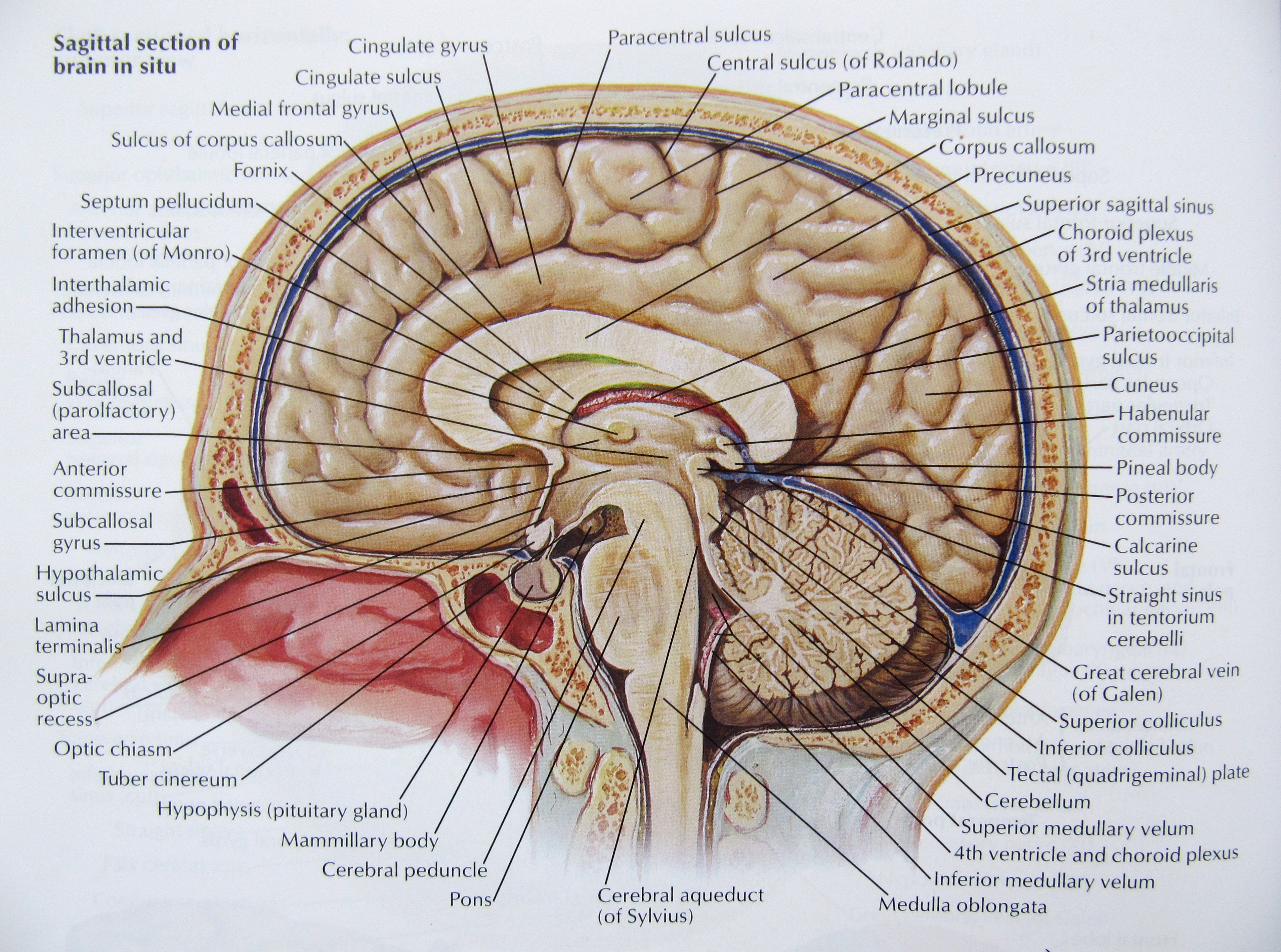
THE ANATOMIC BASIS OF HUMAN PHYSIOLOGY AND BEHAVIOR?

BRAIN ANATOMY

By Dr. David Edward Marcinko MBA CMP©

SPONSOR: http://www.CertifiedMedicalPlanner.org

CMP logo

I am not a neurologist, psychologist, or psychiatrist. But, it is well known that emotional and behavioral change involves the human nervous system. And, there are two parts of the nervous system that are especially significant for holistic financial advisor; the first is the limbic system and the second is the autonomic nervous system. 

According to Dr. C. George Boerre of Shippensburg University of Pennsylvania, this is known as the emotional nervous system.

1. The Limbic System

The limbic system is a set of structures that lies on both sides of the thalamus, just under the cerebrum.  It includes the hypothalamus, the hippocampus, the amygdala, and nearby areas.  It is primarily responsible for emotions, memories and recollection. 

Hypothalamus

The small hypothalamus is located just below the thalamus on both sides of the third ventricle (areas within the cerebrum filled with cerebrospinal fluid that connect to spinal fluid). It sits inside both tracts of the optic nerve, and just above the pituitary gland.

The hypothalamus is mainly concerned with homeostasis or the process of returning to some “set point.”  It works like a thermostat:  When the room gets too cold, the thermostat conveys that information to the furnace and turns it on.  As the room warms up and the temperature rises, it sends turns off the furnace.  The hypothalamus is responsible for regulating hunger, thirst, response to pain, levels of pleasure, sexual satisfaction, anger and aggressive behavior, and more.  It also regulates the functioning of the autonomic nervous system, which means it regulates functions like pulse, blood pressure, breathing, and arousal in response to emotional circumstances. In a recent discovery, the protein leptin is released by fat cells with over-eating.  The hypothalamus senses leptin levels in the bloodstream and responds by decreasing appetite.  So, it seems that some people might have a gene mutation which produces leptin, and can’t tell the hypothalamus that it is satiated.   The hypothalamus sends instructions to the rest of the body in two ways.  The first is to the autonomic nervous system.  This allows the hypothalamus to have ultimate control of things like blood pressure, heart rate, breathing, digestion, sweating, and all the sympathetic and parasympathetic functions.

The second way the hypothalamus controls things is via the pituitary gland.  It is neurally and chemically connected to the pituitary, which in turn pumps hormones called releasing factors into the bloodstream.  The pituitary is the so-called “master gland” as these hormones are vitally important in regulating growth and metabolism.

Hippocampus

The hippocampus consists of two “horns” that curve back from the amygdala.  It is important in converting things “in your mind” at the moment (short-term memory) into things that are remembered for the long run (long-term memory).  If the hippocampus is damaged, a patient cannot build new memories and lives in a strange world where everything they experience just fades away; even while older memories from the time before the damage are untouched!  Most patients who suffer from this kind of brain damage are eventually institutionalized.

Amygdala

The amygdalas are two almond-shaped masses of neurons on either side of the thalamus at the lower end of the hippocampus.  When it is stimulated electrically, animals respond with aggression.  And, if the amygdala is removed, animals get very tame and no longer respond to anger that would have caused rage before.  The animals also become indifferent to stimuli that would have otherwise have caused fear and sexual responses.

Related Anatomic Areas

Besides the hypothalamus, hippocampus, and amygdala, there are other areas in the structures near to the limbic system that are intimately connected to it:

  • The cingulate gyrus is the part of the cerebrum that lies closest to the limbic system, just above the corpus collosum.  It provides a pathway from the thalamus to the hippocampus, is responsible for focusing attention on emotionally significant events, and for associating memories to smells and to pain.
  • The ventral tegmental area of the brain stem (just below the thalamus) consists of dopamine pathways responsible for pleasure.  People with damage here tend to have difficulty getting pleasure in life, and often turn to alcohol, drugs, sweets, and gambling.
  • The basal ganglia (including the caudate nucleus, the putamen, the globus pallidus, and the substantia nigra) lie over to the sides of the limbic system, and are connected with the cortex above them.  They are responsible for repetitive behaviors, reward experiences, and focusing attention. 
  • The prefrontal cortex, which is the part of the frontal lobe which lies in front of the motor area, is also closely linked to the limbic system.  Besides apparently being involved in thinking about the future, making plans, and taking action, it also appears to be involved in the same dopamine pathways as the ventral tegmental area, and plays a part in pleasure and addiction.

https://wallpapercave.com/wp/wp3011600.jpg

2. The Autonomic Nervous System

The second part of the nervous system to have a particularly powerful part to play in our emotional life is the autonomic nervous system. 

The autonomic nervous system is composed of two parts, which function primarily in opposition to each other.  The first is the sympathetic nervous system, which starts in the spinal cord and travels to a variety of areas of the body.  Its function appears to be preparing the body for the kinds of vigorous activities associated with “fight or flight,” that is, with running from danger or with preparing for violence.  Activation of the sympathetic nervous system has the following effects:

  • dilates the pupils and opens the eyelids,
  • stimulates the sweat glands and dilates the blood vessels in large muscles,
  • constricts the blood vessels in the rest of the body,
  • increases the heart rate and opens up the bronchial tubes of the lungs, and
  • inhibits the secretions in the digestive system.

One of its most important effects is causing the adrenal glands (which sit on top of the kidneys) to release epinephrine (adrenalin) into the blood stream.  Epinephrine is a powerful hormone that causes various parts of the body to respond in much the same way as the sympathetic nervous system.  Being in the blood stream, it takes a bit longer to stop its effects, and may take some time to calm down again

The sympathetic nervous system also takes in information, mostly concerning pain from internal organs.  Because the nerves that carry information about organ pain often travel along the same paths that carry information about pain from more surface areas of the body, the information sometimes get confused.  This is called referred pain, and the best known example is the pain in the left shoulder and arm when having a heart attack.

The other part of the autonomic nervous system is called the parasympathetic nervoussystem.  It has its roots in the brainstem and in the spinal cord of the lower back.  Its function is to bring the body back from the emergency status that the sympathetic nervous system puts it into.

Some of the details of parasympathetic arousal include some of the following:.

  • pupil constriction and activation of the salivary glands,
  • stimulating the secretions of the stomach and activity of the intestines,
  • stimulating secretions in the lungs and constricting the bronchial tubes, and;
  • decreases heart rate.

The parasympathetic nervous system also has some sensory abilities:  It receives information about blood pressure, levels of carbon dioxide in the blood, etc.

There is actually another part of the autonomic nervous system that is not mentioned too often: the enteric nervous system.  It is a complex of nerves that regulate the activity of the stomach. 

For example, if you get sick to your stomach with a new financial advisory client – or feel nervous butterflies with your first patient encounter as a doctor- you can blame the enteric nervous system.

ASSESSMENT: Your thoughts are appreciated.

Comprehensive Financial Planning Strategies for Doctors and Advisors: Best Practices from Leading Consultants and Certified Medical Planners™

ORDER Textbook: https://www.amazon.com/Comprehensive-Financial-Planning-Strategies-Advisors/dp/1482240289/ref=sr_1_1?ie=UTF8&qid=1418580820&sr=8-1&keywords=david+marcinko

Risk Management, Liability Insurance, and Asset Protection Strategies for Doctors and Advisors : Best Practices from Leading Consultants and Certified Medical Planners™ book cover

Order Textbook: https://www.routledge.com/Risk-Management-Liability-Insurance-and-Asset-Protection-Strategies-for/Marcinko-Hetico/p/book/9781498725989

SECOND OPINIONS: https://medicalexecutivepost.com/schedule-a-consultation/

INVITE DR. MARCINKO: https://medicalexecutivepost.com/dr-david-marcinkos-bookings/

THANK YOU

***

PODCAST: Have You Received Your COVID-19 Vaccine, Yet?


Have you gotten your COVID-19 vaccine yet?

Haven’t gotten your COVID-19 vaccine yet? Now’s your chance! Find a COVID-19 vaccine provider near you quickly and easily with the redesigned Vaccines.gov website. Vaccines.gov COVID-19 vaccines are the best way to protect yourself and your loved ones from COVID-19 — and an important tool to help us get back to normal.

And remember, the vaccine is available at no cost to you at doctor’s offices, clinics, hospitals and retail pharmacies across the country.

Already vaccinated? That’s great! Visit CDC.gov to see the activities you can do safely when you’ve been fully vaccinated.
"I got mine. Be next." with smiling woman image. Linked to video.

PLAY PODCAST VIDEO: https://www.youtube.com/watch?v=6aPihNXV_wQ#utm_campaign=20210519_cvd_prv_gal_v1&utm_content=english&utm_medium=email&utm_source=govdelivery

Note: Bring your red, white, and blue Medicare card (or Medicare Number) when you go to get your vaccine.

Sincerely,

The Medicare Team

***

So – What is Financial ALPHA, in Detail?

The measure of a stock’s expected return

By Dr. David Edward Marcinko MBA CMP®

CMP logo

SPONSOR: http://www.CertifiedMedicalPlanner.org

May 12, 2021

Markets DOW 33,587.66 ▼ -681.50 NASDAQ 13,031.68 ▼ -357.75 S&P 500 4,062.90 ▼ -89.20 Crude Oil 65.85 ▲ +0.57

Alpha:  The measure of the amount of a stock’s expected return that is not related to the stock’s sensitivity to market volatility. It measures the residual non-market influences that contribute to a securities risk unique to each security.

Alpha uses beta as a measure of risk, a benchmark and a risk free rate of return (usually T-bills) to compare actual performance with expected performance.

CITATION: https://www.r2library.com/Resource/Title/0826102549

Product Details

For example, a fund with a beta of .80 in a market that rises 10% is expected to rise 8%. If the risk-free return is 3%, the alpha would be –.6%, calculated as follows:

(Fund return – Risk-free return) – (Beta x Excess return) = Alpha   

(8% – 3%) – [.8 × (10% – 3%)]           = – .6%           

A positive alpha indicates out performance while a negative alpha means under-performance.

ENDOWMENT ALPHA: https://medicalexecutivepost.com/2010/07/28/managing-for-endowment-portfolio-alpha/

QUEST FOR ALPHA: https://medicalexecutivepost.com/2011/10/31/%e2%80%9cthe-quest-for-alpha%e2%80%9d/

ALPHA versus BETA Podcast: https://youtu.be/dP_23vKJ3HQ

Comprehensive Financial Planning Strategies for Doctors and Advisors: Best Practices from Leading Consultants and Certified Medical Planners™

ORDER Textbook: https://www.amazon.com/Comprehensive-Financial-Planning-Strategies-Advisors/dp/1482240289/ref=sr_1_1?ie=UTF8&qid=1418580820&sr=8-1&keywords=david+marcinko

SECOND OPINIONS: https://medicalexecutivepost.com/schedule-a-consultation/

INVITE DR. MARCINKO: https://medicalexecutivepost.com/dr-david-marcinkos-bookings/

THANK YOU

***

Occupational Violence Against Health Workers in India

Global Insights with Focus on India

Gopukrishnan Pillai

By Gopukrishnan Pillai

PRESENTED: International Course in Health Development 16 September 2019 – 04 September 2020. KIT Royal Tropical Institute: Health Education/Vrije Universiteit Amsterdam

Occupational Violence against Health Workers (global insights with focus on India

A thesis submitted in partial fulfilment of the requirement for the degree of Master of Science in Public Health by Gopukrishnan S. Pillai,

Declaration: Where other people’s work has been used (from either a printed source, internet or any other source), this has been carefully acknowledged and referenced in accordance with departmental requirements.

The thesis “Occupational Violence against Health Workers (global insights with focus on India)” is my own work.

56th Master of Public Health/International Course in Health Development (MPH/ICHD)

16 September 2019 – 04 September 2020: KIT (Royal Tropical Institute)/Vrije Universiteit Amsterdam Amsterdam, The Netherlands.

Organized by: KIT (Royal Tropical Institute) Amsterdam, The Netherlands in co-operation with: Vrije Universiteit Amsterdam (VU) Amsterdam, The Netherlands.

EDITOR’S NOTE: We recently received a request to demonstrate an authentic master’s degree thesis. So, we are delighted to present this manuscript for your educational edification and review. The topic and country is timely considering the prior state of medical tourism and the current corona virus pandemic. We appreciate the author’s contribution to the ME-P.

How to Read a Scientific Paper: https://medicalexecutivepost.com/2021/04/09/how-to-read-and-understand-a-scientific-paper/

Dr. David E. Marcinko MBA CMP®

[Editor-in-Chief]

MPH THESIS: https://medicalexecutivepost.com/wp-content/uploads/2017/02/violence-pillai-thesis-mph.pdf

MEDICAL TOURISM: https://medicalexecutivepost.com/2008/02/28/healthcare-tourism/

DOMESTIC MEDICAL WORKPLACE VIOLENCE: https://medicalexecutivepost.com/2012/12/20/assessment-of-workplace-violence-in-healthcare/

Assessment: Your thoughts are appreciated.

RELATED: https://vidhilegalpolicy.in/wp-content/uploads/2020/01/200131_Violence-against-Healthcare-Professionals-Recent-Legal-and-Policy-Issues.pdf

THANK YOU

***

On Bill Gates, Doctors and Divorce – Oh My!

OF COMMON CAUSE WITH TOO MANY PHYSICIANS?

DEM avatar

Dr. David Edward Marcinko MBA CMP®

SPONSORED: http://www.CertifiedMedicalPlanner.org

CMP logo

Bill Gates has been a business hero for me for the past 35 years. I even met him, once briefly back in the day. So, the marital union of the Microsoft Founder and Melinda French seemed perfect, and their marriage stood the test of time as it neared the three-decade mark, a rare feat in the world of A-list couples.

Sadly, when they announced their split on Twitter this week, many were shocked, even heartbroken. People reflected on their own marriages and wondered how they could make it work if the Gates’ could not.

And collectively, we found we cared about the split — a lot. 

But, what about physician colleagues and divorce?

Do we doctors have some common cause with Bill and Melinda?

Divorce for Physicians What You Should Know - bidti.org

MEDIATION: https://medicalexecutivepost.com/2016/02/11/a-step-wise-approach-to-the-divorce-mediation-process-for-mds/

QDRO: https://medicalexecutivepost.com/2008/05/19/what-is-a-qdro/

SETTLEMENTS: https://medicalexecutivepost.com/2008/05/28/doctors-and-divorce-settlements/

PRACTICE VALUE: https://medicalexecutivepost.com/wp-content/uploads/2011/12/medical-practice-valuation-blunders1.pdf

BUY-SELL: https://medicalexecutivepost.com/2008/07/03/marital-dissolution-buy-sell-agreements-and-practice-value/

GREY DIVORCE: https://medicalexecutivepost.com/2019/10/21/older-divorcing-medical-professionals/

ASSESSMENT: Your thoughts are appreciated

***

ORDER Textbook: https://www.amazon.com/Comprehensive-Financial-Planning-Strategies-Advisors/dp/1482240289/ref=sr_1_1?ie=UTF8&qid=1418580820&sr=8-1&keywords=david+marcinko

INVITE DR. MARCINKO: https://medicalexecutivepost.com/dr-david-marcinkos-bookings/

Comprehensive Financial Planning Strategies for Doctors and Advisors: Best Practices from Leading Consultants and Certified Medical Planners™

THANK YOU

***

The CERTIFIED MEDICAL PLANNER® Charter Designation Program

Join Our Mailing List 

CERTIFIED MEDICAL PLANNER® CHARTER DESIGNATION PROGAM

[A Continuing Education Portal for Financial Advisors]

By Ann Miller RN MHA

An Information Technology Educational Futurist

Today, colleges and universities are finally beginning to identify students who are adept at learning online and reward the top achievers and professors. Employers, graduate and medical schools are beginning to troll MOOCs [massive open online courses] seeking viable job, and academic, candidates.

In fact, when I last checked, the nation’s public health administration and related B-student were enrolled in more than 118 online programs. MOOCs offer greater access for a larger number of students, at significantly lower costs than on-site programs.

By the same token, technology like Blackboard®, Cernage, and eXplorance, Kalture and related must be used to full potential. Smart phones, PCs and tablets, videos, interactive games, AI simulators and related apps with Skype®-like virtual classrooms and cloud storage are obvious embellishments to online initiatives. 

An Executive Education Pioneer 

Moreover, it is increasingly imperative that technology be used to expand the universe of targeted adult-learners. This is for aspiring professionals and business executives, or those already in the workforce.

Estimates by Business Week suggest that adult executive education in the US is a $900 million annual business with approximately 80 percent provided by university schools. Beside the educational benefits, monetary dividends are reaped as open enrollment eases matriculation access. Similar programs at the Wharton School, Darden, Harvard and the Goizueta Business School at Emory University charge premium rates for the implied institutional moniker.

ENTER the CERTIFIED MEDICAL PLANNER® charter designation

According to industry pundit: Mike Kitces MSFS CFP CLU ChFC EA

The CERTIFIED MEDICAL PLANNER™ charter designation program was created by Dr. David Marcinko (who edited the Financial Planning Handbook for Physicians and Advisors” [1st and 2nd editions”] AND “The Business of Medical Practice [1st, 2nd and 3rd editions]. It is intended for those financial advisors, medical management consultants or healthcare CXOs who aim specifically serve physicians and the allied healthcare and medical community.

http://www.BusinessofMedicalPractice.com

Out content focuses not only on the risk management, insurance, investment and financial planning issues relevant to all independent or employed physicians, but also provides an understanding of the business, economic and financial aspects of medical practice management so that CMP™ charter holders can help their physician clients achieve the next level of businesses in the modern era.

“The informed voice of a new generation of fiduciary advisors for healthcare”

 Like medical professionals, all licensed Certified Medical Planner™ charter-holders are required to act in accordance with governing regulations. They are required to sign a Code-of-Ethics attestation confirming the intent to run their advisory and/or management consulting business according to a strict set of fiduciary standards. 

PROGRESS: After several years of proof-of-concept preparation, we secured the website URL: http://www.CertifiedMedicalPlanner.org complete with copyrighted logo and launched. We now have about 60 graduates under a quarter-semester business model with 3 mandated proprietary textbooks, case models, test questions and checklists, and 3 recommended proprietary dictionary handbooks which we produced and copyrighted.

Our strategic competitive advantage [SCA] is four-fold: fiduciary status, asynchronous education with “live” instructors, deep curriculum granularity and requisite undergraduate degree.

PRODUCT LINE EXTENSION: Our course materials are kept updated thru our website platform: http://www.MedicalExecutivePost.com with half million readers / subscribers

Full Disclosure: We are currently under non-disclosure agreements [NDA] with a VC firm located in Durham, NC that acquires, invests and operates a portfolio of educational and healthcare media, market intelligence, online certification programs and associated businesses.

NOTE: We would consider a revenue sharing relationship with a major University SBE in order to quickly achieve scale, automate the program and establish a scholarship fund.

Conclusion

Your thoughts and comments on this ME-P are appreciated. Feel free to review our top-left column, and top-right sidebar materials, links, URLs and related websites, too. Then, subscribe to the ME-P. It is fast, free and secure.

Speaker: If you need a moderator or speaker for an upcoming event, Dr. David E. Marcinko; MBA – Publisher-in-Chief of the Medical Executive-Post – is available for seminar or speaking engagements. Contact: MarcinkoAdvisors@msn.com

OUR OTHER PRINT BOOKS AND RELATED INFORMATION SOURCES:

Risk Management, Liability Insurance, and Asset Protection Strategies for Doctors and Advisors: Best Practices from Leading Consultants and Certified Medical Planners™8Comprehensive Financial Planning Strategies for Doctors and Advisors: Best Practices from Leading Consultants and Certified Medical Planners™

Product DetailsProduct DetailsProduct Details

***

Is your doctor a marijuana user? Maybe you should ask.

Join Our Mailing List

327518caf4de6ca81321ea8b469a3d42Reefer Madness Redux

By Michael Lawrence Langan MD

Cannabis, also known as marijuana and by numerous other names, is a preparation of the Cannabis plant intended for use as a psychoactive drug or medicine.

The main psychoactive part of cannabis is tetrahydrocannabinol (THC); it is one of 483 known compounds in the plant, including at least 84 other cannabinoids, such as cannabidiol (CBD), cannabinol (CBN), and tetrahydrocannabivarin (THCV).

Source: https://en.wikipedia.org/wiki/Cannabis_(drug)

***

Devotee of Medical Marijuana

[Clandestine Grow Lab at Home]

***

Conclusion

Your thoughts and comments on this ME-P are appreciated. Feel free to review our top-left column, and top-right sidebar materials, links, URLs and related websites, too. Then, subscribe to the ME-P. It is fast, free and secure.

Speaker: If you need a moderator or speaker for an upcoming event, Dr. David E. Marcinko; MBA – Publisher-in-Chief of the Medical Executive-Post – is available for seminar or speaking engagements. Contact: MarcinkoAdvisors@msn.com

OUR OTHER PRINT BOOKS AND RELATED INFORMATION SOURCES:

Risk Management, Liability Insurance, and Asset Protection Strategies for Doctors and Advisors: Best Practices from Leading Consultants and Certified Medical Planners™  Risk Management, Liability Insurance, and Asset Protection Strategies for Doctors and Advisors: Best Practices from Leading Consultants and Certified Medical Planners™

***

Book Dr. Marcinko for your Next Seminar!

Book Marcinko

Join Our Mailing List

Book Speaker Dr. David E. Marcinko CMP® MBA for your Next Medical, Pharma, Hospital, University or Financial Services Seminar or Personal and Corporate Coaching Sessions 

dr-david-marcinko11

Dr. David Edward Marcinko, editor-in-chief, is a next-generation apostle of Nobel Laureate Kenneth Joseph Arrow PhD, as a health-care economist, insurance advisor, financial advisor, risk manager, and board-certified surgeon from Temple University in Philadelphia.

In the past, he edited eight practice-management books, three medical textbooks and manuals in four languages, five financial planning yearbooks, dozens of interactive CD-ROMs, and three comprehensive health-care administration dictionaries.

Internationally recognized for his clinical work, he is a past endowed chair; professor of health economics, finance and public health policy management; and distinguished visiting professor of surgery as a Bachelor of Medicine–Bachelor of Surgery (MBBS) degree recipient from Marien Hospital in Aachen, Germany.

He provides litigation support and expert witness testimony in state and federal court, with medical publications archived in the Library of Congress and the Library of Medicine at the National Institutes of Health.

***

iMBA, Inc Seminar Topics

***

DEM avatar

***

[PHYSICIAN FOCUSED FINANCIAL PLANNING AND RISK MANAGEMENT COMPANION TEXTBOOK SET]

  Risk Management, Liability Insurance, and Asset Protection Strategies for Doctors and Advisors: Best Practices from Leading Consultants and Certified Medical Planners™Comprehensive Financial Planning Strategies for Doctors and Advisors: Best Practices from Leading Consultants and Certified Medical Planners™

***

[HOSPITAL OPERATIONS, ORGANIZATIONAL BEHAVIOR AND FINANCIAL MANAGEMENT COMPANION TEXTBOOK SET]

Product DetailsProduct Details

[Foreword Dr. Phillips MD JD MBA LLM] *** [Foreword Dr. Nash MD MBA FACP]

***

[PRIVATE MEDICAL PRACTICE BUSINESS MANAGEMENT TEXTBOOK – 3rd.  Edition]

Product Details

  [Foreword Dr. Hashem MD PhD] *** [Foreword Dr. Silva MD MBA]

***

https://davidedwardmarcinko.com/speaking/

***

Ranking the Performance of All Most Every Financial Market Sector

CIRCA: 2020 [S&P 500 Sectors]

***

***

BEWARE – Medical Business and other Scammers

2021 Annual [Faux] Registration Letter

By Staff reporters

Below is a copy of a letter that some colleagues and clients have been receiving and asking us about.

This letter is not from a government agency and is not real. See the sections highlighted in yellow.

Please do not pay anything to this company. Thanks!

We recently received this notice.

It is untrue.

***

***

PATTERNS OF MEDICAL RISKS

PATTERNS OF PRACTICE RISKS

One of the next big areas of risk that will surface in the near future is the Pattern of Practice Risk.

Pattern of Practice refers to the way that a particular physician practices medicine. With computers, eHRs, standardized diagnosis and treatment codes, and the budgetary restraints inherent in medical practice, it is becoming easy to analyze a physician’s method of practice.

The treatment and diagnosis codes that a physician uses and submits to third party payers can be quantified and compared colleagues in the same or similar specialties. Statistical outliers can be identified. These outliers will then be further audited and required to justify their treatments. If no rational basis exists for the statistical differences, the outlier may find himself the subject of a fraud investigation.

***

ABOUT THE Institute of Medical Business Advisors, Inc

About iMBA, Inc

By Staff Reporters

iMBA Inc., is a healthcare consulting and financial planning analytics firm specializing in medical practice management and physician alignment.

Our mission is to empower physician colleagues and healthcare organizations to drive clarity, improve performance, and create accountability.

Our team combines a cross-section of skill-sets including public and population health, financial operations, business intelligence, and data science.

And, our diverse background of experience includes advanced academic training, economic and financial research, global marketing, management consulting, and entrepreneurial spirit.

INSTITUTE WEB: www.MedicalBusinessAdvisors.com

***

SCHEDULE A MEDICAL PRACTICE & FINANCIAL PLANNING CONSULTATION TODAY!
Courtesy: https://lnkd.in/eBf-4vY
For Doctors – By Doctors – Confidential – Video Conference
WEB: https://lnkd.in/eVGcji5

BUSINESS, FINANCE, INVESTING AND INSURANCE TEXTS FOR DOCTORS:
1 – https://lnkd.in/ebWtzGg
2 – https://lnkd.in/ezkQMfR
3 – https://lnkd.in/ewJPTJs

HOSPITAL MANAGEMENT TEXTS FOR PHYSICIAN CXOs:
1 – https://lnkd.in/eEf-xEH
2 – https://lnkd.in/e2ZmewQ

DICTIONARY OF TERMS FOR THE BUSINESS OF MEDICINE:
DHEF: https://lnkd.in/dqdbWM9
DHIMC: https://lnkd.in/e9AmEhd
DHITS: https://lnkd.in/eWx3WjZ

INVITATION: https://lnkd.in/d2SefCY
SPEAKING TOPIC LIST: https://lnkd.in/e7WrDj9
MY “AVATAR“: https://lnkd.in/d6BU-TQ

***

DR. DAVID EDWARD MARCINKO MBA CMP®

[Chief Executive Officer]

***

CONTACT: MarcinkoAdvisors@msn.com
Thank You
***

Mask-Up Tramsmission Facts and Risks?

Corona Virus Transmission Risks

By staff reporters

***

***

ABSOLUTE versus RELATIVE RISKS IN MEDICINE

ABSOLUTE versus RELATIVE RISKS IN MEDICINE

Courtesy: https://lnkd.in/eBf-4vY
Understanding the Difference

ESSAY: https://lnkd.in/gTgjmTB

CMP® CURRICULUM: https://lnkd.in/eDTRHex
CMP® WEB SITE: https://lnkd.in/guWSApq

Your thoughts and comments are appreciated.

BUSINESS, FINANCE, INVESTING AND INSURANCE TEXTS FOR DOCTORS:


1 – https://lnkd.in/ebWtzGg
2 – https://lnkd.in/ezkQMfR
3 – https://lnkd.in/ewJPTJs


THANK YOU
***

Dr. Fauci Speaks on Social Distancing

Getting Back to Work

By: http://www.CertifiedMedicalPlanner.org

***

***

Your comments are appreciated.

BUSINESS, FINANCE, INVESTING AND INSURANCE TEXTS FOR DOCTORS:

1 – https://lnkd.in/ebWtzGg

2 – https://lnkd.in/ezkQMfR

3 – https://lnkd.in/ewJPTJs

THANK YOU

***

PHYSICIAN HEAD-HUNTER RISKS

PHYSICIAN HEAD-HUNTER RISKS

Courtesy: www.CertifiedMedicalPlanner.org

Any time an executive search firm makes the following claims you should push back and try to get more information before assuming it’s the truth. While some can deliver, others can’t – and it’s up to you to figure out which ones are sincere.

LINK: https://www.springerpub.com/dictionary-of-health-economics-and-finance-9780826102546.html

***

So, here some potential misleading statements and/or lies told to physician-executives in the hiring process:

  1. There’s great opportunity for advancement
  2. Our bonus structure will double your income
  3. Your job and schedule is protected and won’t change it.
  4. You’ll get extensive on-boardig and training.
  5. We’ll hire you some help when it gets busy.
  6. Once you fix this problem/department/project, etc., you’ll get to work on something new and exciting.

TEXTBOOK: https://lnkd.in/ebWtzGg

Assessment: Your comments are appreciated.

***

BUSINESS, FINANCE, INVESTING AND INSURANCE TEXTS FOR DOCTORS:

1 – https://lnkd.in/ezkQMfR

2 – https://lnkd.in/ewJPTJs

THANK YOU

***

Donor Beware!

Cautious Corporate Giving?

[By staff reporters]

*** ***

NOTE: This chart has not been independently verified by us.

Assessment: Your thoughts are appreciated.

THANK YOU

Risk Management, Liability Insurance, and Asset Protection Strategies for Doctors and Advisors: Best Practices from Leading Consultants and Certified Medical Planners™8Comprehensive Financial Planning Strategies for Doctors and Advisors: Best Practices from Leading Consultants and Certified Medical Planners™

***

THE CORONA VIRUS and Ro [r-NOUGHT]

THE CORONA VIRUS & Ro [r-NOUGHT] IN HEALTH EPIDEMIOLOGY?

Courtesy: https://lnkd.in/eBf-4vY

By Dr. David E. Marcinko MBA

[A Relationship to Investing and the Stock Markets?]

DJIA 28,256.03 ▼ -603.41 [-2.09%]

DJIA 28,399.81 Today: ▲ DJIA: +143.78+0.51%

The Ro Value, [r Nought), of an infection is the number of cases it generates on average over the course of its infectious period, in an otherwise uninfected population.

LINK: https://lnkd.in/e9AmEhd The metric determines if a disease can spread through a population. LINK: https://lnkd.in/e2VXwcz

FORMULA: When R0 < 1, the infection will die out in the long run. But, if R0 > 1, the infection will spread in a population. The larger the value of R0, the harder it is to control the epidemic.

LINK: https://lnkd.in/eXYpEUm METRICS: Recently, Corona virus estimates ranged from 1.4 to 5.5. The WHO range was 1.4 and 2.5. In comparison, seasonal flu affects millions each year but has an R0 of just 1.3.

QUERY: What are the stock market & economic effects of Corona?

GLOBAL: https://lnkd.in/epKhamj

DOMESTIC: https://lnkd.in/eBxwRDW

Conclusion: Your thoughts are appreciated.

Product DetailsProduct DetailsProduct Details

THANK YOU

****

National HIV Testing Week 2019

Join Our Mailing List

Alert

[By Dr. David Edward Marcinko MBA]

DEM white shirtDear ME-P Readers, Visitors and Subscribers,

Come to the Mütter Museum  for World AIDS Day; 2019.

I went to medical school in Philadelphia PA, and visited the Mutter Museum many times. If you’ve never been there – I urge you to check it out!

***

A Full day of activities and evening lecture is planned.

Get involved! #Repost @hip2know with @repostapp

***

tumblr_nphlbi1edZ1qz50r6o1_500

 By muttermuseum on Instagram

***

HIV

 By muttermuseum on Instagram

***

Assessment

Plan your visit today! #muttermuseum #vesalius #anatomy #medicine #rarebooks”

More:

Channel Surfing

Have you visited our other topic channels? Established to facilitate idea exchange and link our community together, the value of these topics is dependent upon your input. Please take a minute to visit. And, to prevent that annoying spam, we ask that you register.

Link: http://feeds.feedburner.com/HealthcareFinancialsthePostForcxos

Conclusion

Your thoughts and comments on this ME-P are appreciated. Feel free to review our top-left column, and top-right sidebar materials, links, URLs and related websites, too. Then, subscribe to the ME-P. It is fast, free and secure.

LINK:

https://www.tht.org.uk/news/national-hiv-testing-week-2019

Speaker: If you need a moderator or speaker for an upcoming event, Dr. David E. Marcinko; MBA – Publisher-in-Chief of the Medical Executive-Post – is available for seminar or speaking engagements. Contact: MarcinkoAdvisors@msn.com

OUR OTHER PRINT BOOKS AND RELATED INFORMATION SOURCES:

Product DetailsProduct Details

Bank Safety Deposit Boxes; Not So Safe After All?

 Not Really a Safe – SAFE?

By Rick Kahler CFP®

I have routinely recommended that people use a bank safe deposit box to store valuable papers and small assets. These include documents like wills, trust documents, ethical wills, and unrecorded deeds. Valuable assets would include diamonds, gemstones, jewelry, bullion, and small collectables like rare coins, stamps, and trading cards.

The physical protection of a bank vault, plus a system of access requiring two keys kept by the customer and the bank, would seem to provide a great deal of security. Yet several recent news articles suggest safe deposit boxes may not be as safe as they seem.

Report

An article in the New York Times reported 44 robberies in the last five years related to safe deposit boxes. Even worse were numerous bank errors in which boxes were moved, misplaced, drilled open, or closed by mistake. A large Maryland bank closed several branches and lost hundreds of safe deposit boxes. One customer lost $500,000 worth of gold and gems.

In each case, banks vigorously fought any requirement to make their customers whole. Even more shocking, no provision of federal banking law regulates safe deposit boxes.

Nor do banks insure the belongings of customers who trustingly store their most precious valuables in safe deposit boxes. The  risks fall on the renter. Wells Fargo’s safe deposit box contract caps the bank’s liability at $500. Citigroup limits it to 500 times the box’s annual rent. JPMorgan Chase has a $25,000 ceiling on its liability.

 ***

***

My Story

Decades ago, I placed some rare coins in a safe deposit box with a local bank. A few years ago I went to retrieve my valuables, only to find the bank had drilled open the box and sent the contents to the state as abandoned property. I learned that when I relocated my office, the change of address notification failed to carry through to the annual billing notice for the safe deposit box fee. After three years of non-payment, the bank chose to go through the effort of drilling open the box and shipping the contents to the State Treasurer’s office. It would have been simpler to spend a few minutes looking up my information and contacting me.

Eventually I was able to retrieve the contents of the box. I was lucky.

An international expert in rare watches stored 92 watches plus rare coins, worth millions, in a safe deposit box at a Wells Fargo bank branch. Wells Fargo had evicted another customer for non-payment and drilled open the wrong safe deposit box. The customer found his “safe” deposit box empty. Wells Fargo executives could only find 85 of his watches.

The customer sued. Wells Fargo admitted in court that its employees had mistakenly drilled into and terminated the box. The unrecovered items included gold coins and a watch estimated to be worth nearly a million dollars. After years of litigation and appeals, Wells Fargo has offered no restitution.

If a “safe” deposit box isn’t really safe, what can you do instead?

Here are a few suggestions.

1. Consider investing in a high-quality home safe for small valuables and important documents.

2. Scan all important documents and save copies in a secure online “vault.” Many financial planners provide such online backup storage.

3. If you do use a safe deposit box, choose one at the bank you use regularly and open it at least once a year.

4. No matter where you keep your valuables, insure them adequately. Standard homeowner coverage is probably not enough.

5. Share passwords and access codes with another trusted person.

Finally, ask before you store. Understand a bank’s policies and coverage limits before you trust it with your valuables.

Conclusion

Your thoughts and comments on this ME-P are appreciated. Feel free to review our top-left column, and top-right sidebar materials, links, URLs and related websites, too. Then, subscribe to the ME-P. It is fast, free and secure.

Link: http://feeds.feedburner.com/HealthcareFinancialsthePostForcxos

Speaker: If you need a moderator or speaker for an upcoming event, Dr. David E. Marcinko; MBA – Publisher-in-Chief of the Medical Executive-Post – is available for seminar or speaking engagements. Contact: MarcinkoAdvisors@msn.com

***

Risk Management, Liability Insurance, and Asset Protection Strategies for Doctors and Advisors: Best Practices from Leading Consultants and Certified Medical Planners™8Comprehensive Financial Planning Strategies for Doctors and Advisors: Best Practices from Leading Consultants and Certified Medical Planners™

***

OLDER DIVORCING MEDICAL PROFESSIONALS

“GREY” – “Silver Splitter” – “Diamond Divorcees”

By Anju D. Jessani MBA APM®

By Dr. David Edward Marcinko MBA CMP™

While marriages are more apt to break-up around the seven-year mark, not on a silver anniversary, as divorce has become more common, divorce among older people has also become more common. When divorce does occur in later years, it can present more complicated financial issues when compared with earlier breakups, says Gregg Parish with the College for Financial Planning.

If for example a party dies or becomes incapacitated during the divorce, the surviving spouse will complete retain control of the finances. A common situation Parish says is when a couple owns a home in joint tenancy with rights of survival. Thus, is one spouse dies, the other automatically inherits the house. Parish recommends that older couples in the throws of separation situation, change the ownership to tenants in common, in which each party is considered to own half the property.

Another area older physicians going through a divorce should be especially cautious about is inheritances or gifts from their own parents. They may want to stop or delay distribution of their estate to you to reduce the chance the property would become mixed into marital property. Or the recipient might put any gifts or inheritances into a separate account or trust.

Alimony is more prevalent among this age group of divorced couples. It is not uncommon to find a woman who may not have employable skills, and who must rely on her former spouse for support.   As is the case for child support payments in younger parties, steps should be taken to ensure continuation of funds to the recipient if the obligated party dies before the recipients through instruments such as life insurance.

For most older divorcing couples, after their house and their pension, their next most valuable asset is their Social Security rights. Each party vests in the other’s Social Security account after ten years of marriage. That means that even a non-working spouse can usually collect 50% of benefits of the earning spouse; alternatively, the spouse with lower earnings can either collect benefits based on their own earnings, or collect 50% of the benefits their spouse is entitled to. This collection does not impact how much the higher earning spouse can collect. You can learn more about Social Security benefits and rules by contacting the http://www.ssa.gov.

What is often missed in the analysis of divorce is the inequity in Social Security benefits for the non-working spouse or lower earning spouse after separation or divorce. The issue of Social Security benefits can easily be addressed in the divorce agreement by stipulating that the parties will equalize Social Security benefits with the higher earning spouse providing to the lower earning spouse, one-half the difference between the payments provided by the Social Security Administration to each of them. As Social Security benefits are taxable, it is further recommended that these payments be regarded as alimony, and therefore will be taxable to the recipient.

***

***

Another divorce area often overlooked, given today’s older physician population, is elder care obligations. For example, if a doctor is involved in the care and financial assistance of an older family member, this must be placed on the table at the divorce resolution planning discussions. America is aging and 25% of it population is sixty or older. Every seven seconds someone turns fifty. It is not unusual to live many miles from aging parents.

Imagine the impact if an in-law is in a long-term care facility that is dependent upon the financial help of the children who now get divorced? What happens to the elder persons’ ability to meet their financial obligations and stay in the current facility? How can quality care be coordinated? Who will monitor the ongoing health, mental and physical issues? When does the aging parent need in-home care? Assisted living arrangements or a skilled nursing facility? Yet, the generation of medical professionals between the ages of forty and sixty are dealing with aging parents at a same time their children are entering college. This double financial squeeze has created a new set of eldercare issues.

Most cities and local government agencies are addressing this issue and many non-profit organizations are attempting to fill the gap in this growing societal issue. The following information resources are helpful in this regard: http://www.eldercaredierctory.org, http://www.medicare.gov; http://www.medicaid.gov; http://www.careguide.com; http://www.seniorhousing.net; http://www.caregiver911.com; and http://www.n4a.org.

ACKNOWLEDGEMENTS: To John R. Connell MBA JD CPA PFS Denver, Colorado.

Conclusion

Your thoughts and comments on this ME-P are appreciated. Feel free to review our top-left column, and top-right sidebar materials, links, URLs and related websites, too. Then, subscribe to the ME-P. It is fast, free and secure.

Link: http://feeds.feedburner.com/HealthcareFinancialsthePostForcxos

Speaker: If you need a moderator or speaker for an upcoming event, Dr. David E. Marcinko; MBA – Publisher-in-Chief of the Medical Executive-Post – is available for seminar or speaking engagements. Contact: MarcinkoAdvisors@msn.com

***

Risk Management, Liability Insurance, and Asset Protection Strategies for Doctors and Advisors: Best Practices from Leading Consultants and Certified Medical Planners™8Comprehensive Financial Planning Strategies for Doctors and Advisors: Best Practices from Leading Consultants and Certified Medical Planners™

***

On Injecting Elemental Mercury

Please – Do Not Do This!

By Francisco Gutiérrez, MD., Lucio Leon, M.D. at: nejm.org

***

Submitted for your consideration.  Just In case you ever wondered what injecting 10 ml of elemental mercury would do to you?

Case report: A 21 yo woman attempted suicide by injecting 10 ml (135 g) of elemental mercury (quicksilver) intravenously.

Normal AP Chest X-Ray

***

***
Case: She presented to the emergency room with tachypnea, a dry cough, and bloody sputum. While breathing room air, she had a partial pressure of oxygen of 86 mm Hg.

A chest radiograph showed that the mercury was distributed in the lungs in a vascular pattern that was more pronounced at the bases.

***

Assessment

The patient was discharged after one week, with improvement in her pulmonary symptoms. Oral chelation therapy with dimercaprol was given for nine months. At follow-up at 10 months she was healthy, with no serious consequences. The abnormalities on the chest radiograph were still apparent.

Your thoughts  are appreciated.

***

Product DetailsProduct DetailsProduct Details

***