MEDICAL PRACTICE VALUATION BLUNDERS

COMMON MEDICAL PRACTICE VALUATION BLUNDERS TO AVOID?

Dr. David E. Marcinko MBA CMP

Courtesy: www.CertifiedMedicalPlanner.org

A Medical Practice business valuation is a set of procedures to estimate the economic value of a physician owner’s interests. Valuation is used to determine the price they are willing to pay or receive to affect a sale of the practice.

LINK: https://www.amazon.com/Dictionary-Health-Economics-Finance-Marcinko/dp/0826102549/ref=sr_1_6?ie=UTF8&s=books&qid=1254413315&sr=1-6

The same valuation tools are often used to resolve disputes related to estate and gift taxation, divorce litigation, allocated purchase price among business assets, establish a formula for estimating the value of partners’ ownership interest for buy-sell agreements, and other business and legal purposes.

QUERY: But, what are the most common medical practice valuation blunders to avoid? Written over a decade ago, this white paper highlights the most common mistake still seen today.

WHITE PAPER: https://medicalexecutivepost.com/wp-content/uploads/2011/12/medical-practice-valuation-blunders1.pdf

Your thoughts are appreciated.

BUSINESS, FINANCE AND INSURANCE TEXTS FOR DOCTORS

THANK YOU

Risk Management, Liability Insurance, and Asset Protection Strategies for Doctors and Advisors: Best Practices from Leading Consultants and Certified Medical Planners™8Comprehensive Financial Planning Strategies for Doctors and Advisors: Best Practices from Leading Consultants and Certified Medical Planners™

PODCAST: Hospital Financial Cross – Subsidization

By Eric Bricker MD

***

Hospital Profit Margin from Employers = 57%

***

***

COMMENTS APPRECIATED

Thank You

***

ORDER: https://www.amazon.com/Hospitals-Healthcare-Organizations-Management-Operational/dp/1439879907/ref=sr_1_4?s=books&ie=UTF8&qid=1334193619&sr=1-4

***

ORDER: https://www.amazon.com/Financial-Management-Strategies-Healthcare-Organizations/dp/1466558733/ref=sr_1_3?ie=UTF8&qid=1380743521&sr=8-3&keywords=david+marcinko

***

PODCAST: Healthcare is Great for People with Medicare.

***

Greater than 90% of Medicare Beneficiaries Are Satisfied with Their Care

By Eric Bricker MD

***

***

COMMENTS APPRECIATED

Thank You

Subscribe to the Medical Executive-Post

CITE: https://www.r2library.com/Resource/Title/0826102549

***

***

BUSINESS MEDICINE: https://www.amazon.com/Business-Medical-Practice-Transformational-Doctors/dp/0826105750/ref=sr_1_9?ie=UTF8&qid=1448163039&sr=8-9&keywords=david+marcinko

***

ORGANIZATIONS: https://www.amazon.com/Financial-Management-Strategies-Healthcare-Organizations/dp/1466558733/ref=sr_1_3?ie=UTF8&qid=1380743521&sr=8-3&keywords=david+marcinko

***

ON THE RISE: Healthcare Consumerism!

By Staff Reporters

***

***

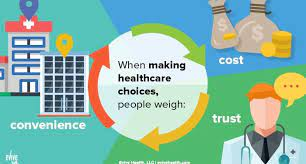
As technology continues to rapidly evolve, a corresponding transformation in the healthcare industry is occurring. One of the most significant changes is the shift from traditional healthcare to healthcare consumerism. Patients now have more information available to them than ever before, and they are using this information to make more informed healthcare decisions. Patients are no longer passively accepting the care that is provided to them.

CITE: https://www.r2library.com/Resource/Title/082610254

Instead, they are actively choosing the care that they receive, and are more selective about the providers that they use. As a result, healthcare providers must now focus on providing a better patient experience to attract and retain patients.

Source: Hari Prasad, Physicians Practice [12/8/22]

***

ORDER: https://www.amazon.com/Dictionary-Health-Insurance-Managed-Care/dp/0826149944/ref=sr_1_4?ie=UTF8&s=books&qid=1275315485&sr=1-4

***

“Rules-of-Thumb” and Medical Practice Valuation Benchmarks

Join Our Mailing List

Busting another Myth of Medical Practice Appraisal

[By Dr. David Edward Marcinko; MBA, CMP™]

[Publisher-in-Chiefdr-david-marcinko]

For doctors, buying or selling a practice may be the biggest financial transaction of their lives. 

Reasons for appraising practice worth include: succession, retirement and estate planning; partnership disputes and divorce; or as an important tool for organic growth and strategic planning.

However, the transaction is fraught with many pitfalls to avoid and no medical specialty seems immune. 

Valuation Difficulties 

For example, we recall the MD who asked her accountant for the “value” of her practice and was correctly given its lower “book value”, rather than its higher “fair-market-value” as a profitable ongoing-concern. The doctor lost tens-of-thousands-of-dollars in a subsequent attorney-driven sales transaction.

Although her CPA produced correct figures for exactly what was requested, the doctor and attorney did not differentiate between the two terms-of-art.  Later legal mediation determined that neither was responsible for the linguistic error, as both parties acted in good-faith.

Of course, it was the doctor who paid dearly for her mistake in communication and business acumen.  

“Rules-of-Thumb” [aka: benchmark formulas or calculations] 

And so, in the stable distant past, physicians occasionally used “rules of thumb” formulas to value their medical practices. 

“Rules” typically were expressed as benchmark calculations, formulas or multipliers (e.g. “one times revenues” or “five times cash flow”).  

Today, because of the economic volatility in the healthcare industrial complex, “rules of thumb” should not be used to value any medical practice (other than as general internal managerial sanity checks).  

Moreover, they are fraught with legal liability should the deal sour, and such benchmarks general hold little to no weight with the IRS. 

Case example [the tale of two identical medical practices] 

Economically, for example, consider two medical offices, each earning $1 million in gross revenues; both worth $1.5 million (according to a “rule of thumb” that a medical practice is worth 1½ times annual revenues).  Yet, in reality Medical Office #1 is worth twice Medical Office #2.   

How is this possible?   

The answer is because Medical Office #1 is a newer practice in a hot neighborhood that did $500,000 last year, $1 million this year; and projects to do even more next year.  Its property, instruments, HIT and medical equipment is new; aggressive young physician-executive management and medical training is excellent.   

Medical Office #2 is an older practice located in a low-income area, revenues were $2 million a few years ago and have fallen to the current level; the practice has a leaky roof, old equipment and lots of deferred maintenance, etc.  HMO patients abound, with declining reimbursement rates and an older practitioner.  

Assessment 

So, although much more complicated than the above simple example, we can now see how “rule-of-thumbs” can mislead more often than inform. 

Yet, we might also ask why they are still used by some misinformed doctors?  

Simplicity and inertia is the answer, according to Hope Rachel Hetico; RN, MHA a valuation professional and Certified Medical Planner™ from the Institute of Medical Business Advisors Inc, in Atlanta GA www.MedicalBusinessAdvisors.com 

And, the cost of a benchmark “rule-of-thumb” valuation is hard to beat; $0. Keep in mind that in most cases, you will want to ensure the value determination will stand up to IRS scrutiny, so the $0 rule-of-thumb is not really an option  

The Case of Edgar versus Berg 

Legalistically, a landmark legal case in business valuation was the Estate of Edgar A. Berg v. Commissioner (T. C. Memo 1991-279). The Court criticized the CPAs as not being qualified to perform valuations, failing to provide analysis of an appropriate discount rate, and making only general references to justify their “Opinion of Value.”  

In rejecting these experts, the Court accepted the IRS’s expert because he possessed the background, education and training; and developed discounts, and demonstrating how reproducible evidence applied to the assets being examined.  

Assessment 

The Berg decision marked the beginning of the Tax Court leaning toward the side with the most comprehensive appraisal. Previously, it had a tendency to “split the difference.”  

Now, some feel the Berg case launched the business valuation profession.

MORE: https://medicalexecutivepost.com/2017/11/03/traditional-reasons-for-a-medical-practice-valuation/

Conclusion

Your thoughts and comments on this ME-P are appreciated. Feel free to review our top-left column, and top-right sidebar materials, links, URLs and related websites, too. Then, subscribe to the ME-P. It is fast, free and secure.

Link: http://feeds.feedburner.com/HealthcareFinancialsthePostForcxos

Speaker: If you need a moderator or speaker for an upcoming event, Dr. David E. Marcinko; MBA – Publisher-in-Chief of the Medical Executive-Post – is available for seminar or speaking engagements. Contact: MarcinkoAdvisors@msn.com

OUR OTHER PRINT BOOKS AND RELATED INFORMATION SOURCES:

HOSPITALS: http://www.crcpress.com/product/isbn/9781466558731
CLINICS: http://www.crcpress.com/product/isbn/9781439879900
BLOG: www.MedicalExecutivePost.com


Comprehensive Financial Planning Strategies for Doctors and Advisors: Best Practices from Leading Consultants and Certified Medical Planners(TM)

***

Invite Dr. Marcinko

Join the ME-P and Become a CERTIFIED MEDICAL PLANNER™

ADVERTISEMENT

Sponsored by: http://www.CertifiedMedicalPlanner.org

As a medical professional, are you looking for ways to make your practice more profitable and boost your efficiency?

Or, as a financial advisor to doctors, are you looking to develop deeper relationships of knowledge and trust with your physician clients?

We can help!

Well, look no more! We can help. Designed with both advisors and physicians’ needs in mind, the ME-P website is filled with practical advice on the most-requested topics. Join us by subscribing so you can read about practice management and physician focused financial planning, and network with your fellow physicians and FAs. You don’t even have to leave the office!

More than 50 topics

  • The ABCs of RVUs
  • Hospital/Practice Integration
  • Employment Contracts
  • eHR Incentives are Here
  • How Health Reform Will Affect You
  • 5010 Transaction Standards
  • Malpractice and liability
  • Fiduciary standards
  • Financial advisors versus planners
  • SEC and FINRA rules and regulations
  • Health economics, finance and insurance
  • Medical business models
  • ACA, and so much more!

Enter the Certified Medical Planners

A Working-White Paper:

Enter the CMPs

Assessment

Get all the benefits of a personal consultant without the hassle and expense of traveling. Subscribe today. Read posts and comment on more than 50 topical channels addressing the hottest topics in medical practice and financial management today.

CMP.Candidate.Welcome

Link: http://www.CertifiedMedicalPlanner.org

Conclusion

Your thoughts and comments on this ME-P are appreciated. Feel free to review our top-left column, and top-right sidebar materials, links, URLs and related websites, too. Then, subscribe to the ME-P. It is fast, free and secure.

Speaker: If you need a moderator or speaker for an upcoming event, Dr. David E. Marcinko; MBA – Publisher-in-Chief of the Medical Executive-Post – is available for seminar or speaking engagements. Contact: MarcinkoAdvisors@msn.com

OUR OTHER PRINT BOOKS AND RELATED INFORMATION SOURCES:

Product DetailsProduct DetailsProduct Details

Product Details  Product Details

   Product Details 

***

[PHYSICIAN FOCUSED FINANCIAL PLANNING AND RISK MANAGEMENT COMPANION TEXTBOOK SET]

  Risk Management, Liability Insurance, and Asset Protection Strategies for Doctors and Advisors: Best Practices from Leading Consultants and Certified Medical Planners™Comprehensive Financial Planning Strategies for Doctors and Advisors: Best Practices from Leading Consultants and Certified Medical Planners™

***

How to NAME Your New Medical Practice?

PRAGMATIC BUSINESS – NOT PERSONAL – MANAGEMENT ADVICE

By Dr. David E. Marcinko MBA CMP®

CMP logo

SPONSOR: http://www.CertifiedMedicalPlanner.org

THE MEDICAL PRACTICE NAME

Did you know that most experts recommend against naming a practice with your own name because it limits future growth and you may lose the benefits that a more descriptive name would bring?

Your business name will likely be incorporated using your practice’s name, although larger (multi-specialty group) practices may use a more general name for the entire enterprise; and then having multiple “dba’s” (”Doing Business As”) for the individual practices under the umbrella. It is important to discuss these options with an attorney if you believe this arrangement has advantage; others find it confusing.

Healthcare Marketing: How to Name Your Medical Practice - The Medically

Usually, your medical specialty can be used as a base-name, and then some descriptor to differentiate it from local competing practices. Selecting a name like “The Allegiance Partners” does not indicate that medicine is your service. On the other hand, naming your practice “Podiatry Associates of Your Town” won’t be helpful to patients looking for you in the yellow pages, health insurance provider network list, or internet search engines, and finding your practice listed just before “Your Town Podiatry Partners”. It is therefore good to be cognizant of your competitors’ names when choosing your own. And, you should select a name that will hopefully grow with you into a larger enterprise.

For example, are you a solo doctor, but are pretty sure you’ll take on one or more partners in the future? Then besides not naming your practice after yourself, you may choose to add “Group” or “Partners” to your name initially even if you’re the only doctor. Is there any possibility you’ll open a second office in another town? Naming your medical practice something like the ”Apple Street Internal Medicine Group” may not make sense when your second office is opened on Main Street in a nearby city, in a few years.

Order Forms and Practice Stationary

Orders forms, invoices, purchase and estimate forms, business cards, envelopes, stationary and specialty labels can all be personalized for your medical practice name, script, colors and logo. Often, local or regional printers are the most cost effective and you support another entrepreneur, as well.

Well-know internet companies that print stationary are: www.nebs.com; www.paperdirect.com; and www.vistaprint.com

YOUR COMMENTS ARE APPRECIATED.

Thank You

***

BOOK: https://www.amazon.com/Business-Medical-Practice-Transformational-Doctors/dp/0826105750/ref=sr_1_9?ie=UTF8&qid=1448163039&sr=8-9&keywords=david+marcinko

***

HOSPITALS: https://www.amazon.com/Hospitals-Healthcare-Organizations-Management-Operational/dp/1439879907/ref=sr_1_4?s=books&ie=UTF8&qid=1334193619&sr=1-4

***

How to THRIVE in Private Independent Medical Practice, Today?

ORDER TEXTBOOK: https://www.amazon.com/Business-Medical-Practice-Transformational-Doctors/dp/0826105750/ref=sr_1_9?ie=UTF8&qid=1448163039&sr=8-9&keywords=david+marcinko

INVITE DR. MARCINKO: https://medicalexecutivepost.com/dr-david-marcinkos-

THANK YOU

***

“Giving Tuesday” and Pro Bono Medical Care?

For all Physicians and Medical Providers

[By Ann Miller RN MHA]

DID YOU PROVIDE PRO BONO MEDICAL CARE TODAY?

Giving Tuesday, often stylized as #GivingTuesday for the purposes of hashtag activism, refers to the Tuesday after U.S. Thanksgiving in the United States.

According to Wikipedia, it is a movement to create an international day of charitable giving at the beginning of the Christmas and holiday season. Giving Tuesday was initially started in 2011 and called Cyber Giving Monday and was the brain child of the non-profit Mary-Arrchie Theater Company and then Producing Director Carlo Lorenzo Garcia urging donors to take a different approach to filling up an online virtual cart with goods. The push was moved to Tuesday the following year as to not compete with Cyber Monday by the 92nd Street Y and the United Nations Foundation as a response to commercialization and consumerism in the post-Thanksgiving season (Black Friday and Cyber Monday).

The date range is November 27 to December 3, and is always five days after the holiday.

ESSAY: https://medicalexecutivepost.com/2007/11/26/pro-bone-medical-care/

VOTE: https://medicalexecutivepost.com/2019/05/18/are-you-providing-pro-bono-medical-care-a-voting-poll-and-survey/

Assessment: Your thoughts are appreciated.

INVESTING AND INSURANCE TEXTS FOR DOCTORS:

Comprehensive Financial Planning Strategies for Doctors and Advisors: Best Practices from Leading Consultants and Certified Medical Planners(TM)

***

Risk Management, Liability Insurance, and Asset Protection Strategies for Doctors and Advisors : Best Practices from Leading Consultants and Certified Medical Planners™ book cover

TEXT: https://www.routledge.com/Risk-Management-Liability-Insurance-and-Asset-Protection-Strategies-for/Marcinko-Hetico/p/book/9781498725989

THANK YOU

What is Medical Claim Denial Management?

Of Healthcare Claims [What it is – How it works]

Dr. David Edward Marcinko MBA

[Editor-in-Chief]

NEU Dr. MarcinkoTypically, denied and rejected healthcare claims quickly surface as a source of multi-millions in revenue leakage and unnecessary expense for doctors, clinics and hospitals, etc.

Why?

Payers have been struggling with increased costs.  They thoroughly inspect claims for errors and have become adept at using their rules to deny and delay claims.

For example, Zimmerman reported the denied percentage of gross charges climbed from 4% in 2000 to 11% in 2011.  In contrast, providers typically lack the tools to aggressively manage current denied claims and prevent future ones.

Financial Recognition

Without denial tracking, an organization may not recognize the heavy financial impact of denied claims.

A HARA [Hospital Accounts Receivable Analysis] report indicates that bad debt and gross days are declining. However, a majority of providers write off denials as contractual allowance, distorting the numbers but not the resulting lower margins and reduced cash.

H*Works reported that the typical 350-bed hospital loses between $4 million and $9 million each year in earned revenue from denials and underpayments (assume $103 million annual gross revenue and 40% contractual allowance). Recouping lost revenue from denials and underpayments will, according to H*Works, increase an organization’s operating margin by 2.6%.

Industry estimates report that at least 50% of denials are recoverable and 90% are preventable with the appropriate workflow processes, management commitment, strong change leadership, and the correct technology. H*Works estimates that for a revenue capture of $3 million from denials and underpayments, the recovery infrastructure costs are only about 3%.

Product DetailsProduct Details

Assessment

With all this in mind, better management of rejections and denials, as well as the information necessary to resolve and prevent them, surfaces as probably the best strategy to improving financials. By streamlining the revenue cycle, managing rejections and denials proves to be less expensive and to provide faster returns than initiating new services.

Conclusion

Your thoughts and comments on this ME-P are appreciated. Feel free to review our top-left column, and top-right sidebar materials, links, URLs and related websites, too. Then, subscribe to the ME-P. It is fast, free and secure.

Speaker: If you need a moderator or speaker for an upcoming event, Dr. David E. Marcinko; MBA – Publisher-in-Chief of the Medical Executive-Post – is available for seminar or speaking engagements. Contact: MarcinkoAdvisors@msn.com

OUR OTHER PRINT BOOKS AND RELATED INFORMATION SOURCES:


Product DetailsProduct DetailsProduct Details

Should Doctors Protect their Turf?

Testing Free-Market Principles and Medical Licensing

By Mike Accad MD

It’s been a little over a 100 years since medical licensing laws were introduced in the US.  If people doubt that slippery slopes are real, they should reflect on that history.

In our latest video, Anish Koka and I discuss a “white paper” jointly written by Jeffrey Flier, former dean at Harvard Medical School, and Jared Rhoads from the Dartmouth Institute, calling for some deregulation of the apparatus that rules the supply of physicians and their scope of work. The paper gives an exhaustive account of the bureaucratic mess and offers some possible remedies.

LINK: http://alertandoriented.com/should-doctors-protect-their-turf/

RELATED: https://medicalexecutivepost.com/2014/09/26/is-medical-licensing-really-necessary/

Your thoughts are appreciated.

Product Details

THANK YOU

***

Wither DROP-IN Group Medical Appointments?

THE RE-EMERGING RE-VOLUTION!

By Dr. David Edward Marcinko MBA CMP®

CMP logo

SPONSOR: http://www.CertifiedMedicalPlanner.org

HISTORY

DIGMAs (Drop-In Group Medical Appointments) are medical office appointments with a patient’s physician that take place in a supportive group setting. The model, developed in 1996 by Kaiser Permanente psychologist Dr. Ed Noffsinger, is a combination of an extended medical appointment with the patient’s own physician and effective group learning and support.

The group consists of the physician, a behavioral health professional, and patients from the physician’s panel. DIGMAs are best suited for routine appointments. Unfortunately, the nascent concept was met with mockery and great derision after the PP-ACA era.

PRANKSTERS: https://medicalexecutivepost.com/2016/01/31/group-drop-in-doctor-visits-evolving/

Today, after the pandemic and with the rise of tel-health and tele-medicine, Shared Medical Appointments (SMAs), also known as Group Medical Visits [GMVs], are again a growing topic of discussion among providers and health economists, looking for ways to increase access to care and improve efficiency. The group visit format is also getting more attention in recent years as a strategy to add value for the patient. They typically involve up to a dozen patients or so and offer various efficiencies as well as benefits of shared discussion and experiences.

***

Behavioral Changes

Moreover, physicians and medical providers know that simply telling patients what to do often does not improve their health. The basic premise of DIGMAs, SMAs and GMVs is to build more patient engagement and inspire lasting behavior change by offering patients the opportunity to share their personal experiences not only with their provider but also with other patients dealing with similar issues.

NEWER REALITY: https://www.hqontario.ca/Portals/0/Documents/qi/learningcommunity/Roadmap%20Resources/Advanced%20Access%20and%20Efficiency/Step%205/pc-nha-group-medical-appointments-manual-en.pdf#:~:text=DIGMAs%20%28Drop-In%20Group%20Medical%20Appointments%29%20are%20medical%20appointments,that%20take%20place%20in%20a%20supportive%20group%20setting.

BILLING: https://www.aafp.org/family-physician/practice-and-career/getting-paid/coding/group-visits.html

QUERY: Might this be an approach for tele-health visits as well as rural healthcare, etc.

ASSESSMENT: Your thoughts are comments are appreciated.

Product Details

ORDER TEXTBOOK: https://www.amazon.com/Business-Medical-Practice-Transformational-Doctors/dp/0826105750/ref=sr_1_9?ie=UTF8&qid=1448163039&sr=8-9&keywords=david+marcinko

SECOND OPINIONS: https://medicalexecutivepost.com/schedule-a-consultation/

INVITE DR. MARCINKO: https://medicalexecutivepost.com/dr-david-marcinkos-bookings/

THANK YOU

***

PODCAST: Nine [9] Ways to Pay Doctors

“Behavioral Economic Strategies”

By Eric Bricker MD

***

As Published in the Annals of Internal Medicine by an All-Star Cast of Researchers:

1) Limitations of Information
2) Inertia/Status Quo Bias
3) Choice Overload
4) Immediacy
5) Loss Aversion
6) Relative Social Ranking
7) Threshold Effect
8) Limits of Willpower
9) Mental Accounting

***

***

COMMENTS APPRECIATED

Thank You

***

BUSINESS MEDICINE: https://www.amazon.com/Business-Medical-Practice-Transformational-Doctors/dp/0826105750/ref=sr_1_9?ie=UTF8&qid=1448163039&sr=8-9&keywords=david+marcinko

***

Obtain an ME-P Second Opinion Right Here!

 2nd Opinions

Join Our Mailing List

iMBA, Inc., Consultations and Discussion Board

stk312038rkn

ImageProxy

Finally … it’s right here!

Link: http://www.medicalbusinessadvisors.com/forum-discussion.asp

Telephonic or electronic advice for medical professionals that is:

  • Objective, affordable, medically focused and personalized
  • Rendered by a prescreened financial consultant or medical management advisor
  • Offered on a pay-as-you-go basis, by phone or secure e-mail transmission.

2nd Opinions

***

***

Typical Topics 

  • Financial Planning
  • Retirement Planning
  • Overhead Assessments
  • Income Distribution Models
  • Academic Funding Analyses
  • Insurance Planning
  • Risk Management
  • Practice Assessments
  • New Venture Business Plans
  • Hospital Based Contract Assessments
  • Practice Income Turnarounds
  • Estate Planning
  • Portfolio Analysis
  • Compensation Plans
  • Cost Accounting Implementation
  • Contract Subsidy Analyses
  • Practice Buy Sell Valuations
  • Investment Policy Statement Analysis
  • Interim Management
  • Contract Compliance Models
  • New Physician Projections
  • Productivity Measurements
  • Revenue Cycle Gap Analyses
  • Payer Rate Evaluations
  • Revenue Cycle Improvements
  • Compensation Benchmarking
  • Strategic Planning Models
  • HIT System Evaluations
  • Staffing Analyses
  • P4P – ACOs – Concierge Medicine
  • Annual Budget Development
  • Ancillary Service Modeling
  • New Practice Development
  • Medical Service Line Extensions
  • Markets, Sales and Advertising
  • Health PR and Medical Practice Crisis Management
  • Investment Management-product evaluation/selection/competitive analysis
    -investment research
    -asset allocation and risk management* Research (products, pensions, planning, risk)
    * Financial Planning (IPS process, solutions, segmentation)
    * New Product Development (pension, longevity insurance, risk management)
    * Management Consulting (effectiveness/efficiency assessment of the investment management process)* Advocacy (regulatory, pensions, new products)
    * Financial Education/Coaching (corporate, groups)

***

[PHYSICIAN FOCUSED FINANCIAL PLANNING AND RISK MANAGEMENT COMPANION TEXTBOOK SET]

  Risk Management, Liability Insurance, and Asset Protection Strategies for Doctors and Advisors: Best Practices from Leading Consultants and Certified Medical Planners™Comprehensive Financial Planning Strategies for Doctors and Advisors: Best Practices from Leading Consultants and Certified Medical Planners™

***

[HOSPITAL OPERATIONS, ORGANIZATIONAL BEHAVIOR AND FINANCIAL MANAGEMENT COMPANION TEXTBOOK SET]

Product DetailsProduct Details

[Foreword Dr. Phillips MD JD MBA LLM] *** [Foreword Dr. Nash MD MBA FACP]

***

[PRIVATE MEDICAL PRACTICE BUSINESS MANAGEMENT TEXTBOOK – 3rd.  Edition]

Product Details

[Foreword Dr. Hashem MD PhD] *** [Foreword Dr. Silva MD MBA]

***

What is Health Insurance OUT OF NETWORK Medical Care?

By Staff Reporters

What does out of network [OON] really mean?

OON – This phrase usually refers to physicians, hospitals or other medical providers who do not participate in a health insurer’s provider network.

CITE: https://www.r2library.com/Resource/Title/0826102549

This means that the provider has not signed a contract agreeing to accept the insurer’s negotiated prices.

MORE: https://www.healthinsurance.org/glossary/out-of-network-out-of-plan/

YOUR COMMENTS ARE APPRECIATED.

Thank You

***

INSURANCE: https://www.amazon.com/Dictionary-Health-Insurance-Managed-Care/dp/0826149944/ref=sr_1_4?ie=UTF8&s=books&qid=1275315485&sr=1-4

***

BUSINESS MEDICINE: https://www.amazon.com/Business-Medical-Practice-Transformational-Doctors/dp/0826105750/ref=sr_1_9?ie=UTF8&qid=1448163039&sr=8-9&keywords=david+marcinko

***

HEALTHCARE: https://www.amazon.com/Financial-Management-Strategies-Healthcare-Organizations/dp/1466558733/ref=sr_1_3?ie=UTF8&qid=1380743521&sr=8-3&keywords=david+marcinko

****

Ask About Our Medical Science Liaison Services

Dear Pharmaceutical Company, Financial Services Firm or Corporate Medical Vendor

We often serve as Medical Science Liaison [MSL] for pharmaceutical companies, at medical seminars and/or financial services organization meetings. Based on our education, experience and skills, we are confident that we would be a great addition to your team.

My Record

For example, I have a proven record in collaborative leadership with functional healthcare executive management experience to develop and implement coordinated strategies designed to deliver top line growth; drive organizational change and enhance competitive positioning within multiple key markets; enhance relationships and influence physicians; analyze financial, economics, operational and quality measures and ensure health practices are operating within goals and standards.

In this role, I can identify external experts (KOLs), and engage, enhance, and build relationships by listening and understanding the views of these experts.

An Independent Conduit Link

More importantly, I can bring value to external experts through excellent communication of scientific dialogue.  I see this position as a non-promotional conduit link between you and this community. It is one where I fuse scientific knowledge with business acumen to accelerate commercialization success. As a fully independent MSL, I can:

  • Serve as MC, key or end-note speaker
  • Integrate quickly within any existing internal MSL structure or culture
  • Train, develop and team build career path management processes
  • Offer modern and flexible health 2.0 solutions.

CV and Related Information

And, a formal CV with evidence of national notoriety and gravitas is available with related information online:

CV: Dr. David E. Marcinko CV 2017

Letterhead: Corporate Medical Science Liaison Opportunities

Informative Websites:

Travel is non-problematic from Atlanta. Teaching, speaking, writing and mentoring are areas of expertise.  Thank you in advance for your time. Please do not hesitate to contact me if you have any questions.

Cordially,

Dave

Dr. David Edward Marcinko; FACFAS, MBA, CMP™

  • Forner, Certified Financial Planner™
  • Former, Certified Physician in Healthcare Quality
  • Former, American Society of Health Economists (ASHE) member
  • Former, American Health Information Management Association (AHIMA) member
  • Former, Healthcare Information and Management Systems Society (HIMSS) member

Product DetailsProduct DetailsProduct Details

Product Details  Product Details

Product Details

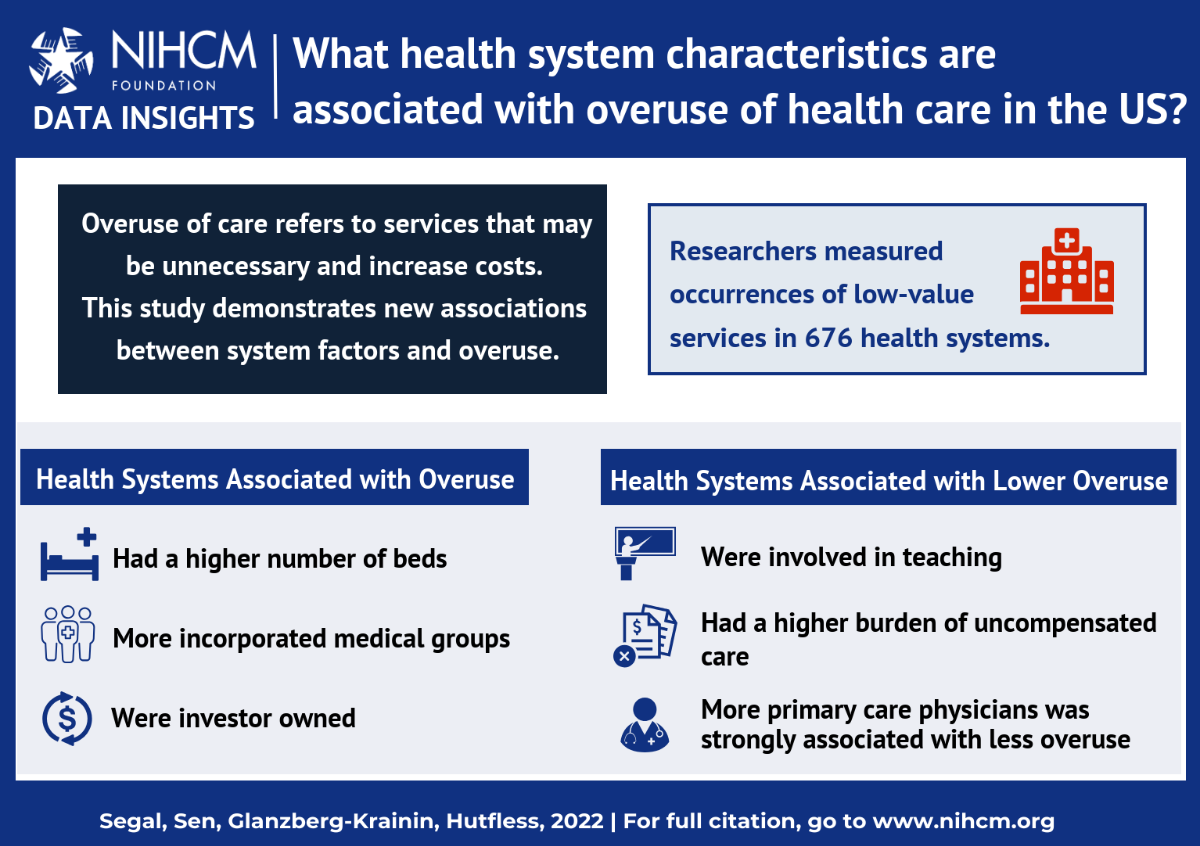
OVERUSE: How Health System Characteristics Impact Health Care

By Staff Reporters

***

***

The high cost of health care in the United States is partially driven by an over-emphasis on low-value health care that is potentially harmful and offers little benefit to most patients.

New research by Jodi Segal, MD, and colleagues, advances efforts to solve the low-value care problem by placing a spotlight on health care system factors that likely contribute to an overuse of care. The work is analyzed in the latest NIHCM Research Insights. Key findings include:

  • Systems that are investor-owned, or have fewer primary care physicians, are more likely to be associated with the overuse of care. 
  • Systems that have major teaching hospitals are less likely to overuse care.  

To continue investigating, evaluating, and addressing the drivers of overuse, the research team updated their Overuse Index tool. This Index may be especially useful for health systems seeking to monitor care use performance over time. This study’s findings may support future research and interventions to increase the use of high-value care.

READ HERE: https://nihcm.org/publications/what-health-system-characteristics-are-associated-with-overuse-of-health-care-in-the-us

RISK MANAGEMENT: https://www.routledge.com/Risk-Management-Liability-Insurance-and-Asset-Protection-Strategies-for/Marcinko-Hetico/p/book/9781498725989

***

COMMENTS APPRECIATED

Thank You

***

AT YOUR SERVICE: Invite Dr. Marcinko to Your Next Event, Video Conference or Blog-Cast in 2022

***

ABOUT | DAVID EDWARD MARCINKO

BY ANN MILLER RN CPHQ

https://medicalexecutivepost.com/2021/08/22/dr-marcinko-at-your-service/

THANK YOU

***

Comprehensive Financial Planning Strategies for Doctors and Advisors: Best Practices from Leading Consultants and Certified Medical Planners™

MORE: https://www.routledge.com/Comprehensive-Financial-Planning-Strategies-for-Doctors-and-Advisors-Best/Marcinko-Hetico/p/book/9781482240283

More on Medical Practice Business Costs for Entrepreneurial Physicians

Unknown and Under-Appreciated by Many

By Rick Kahler CFP®

I recently talked with an administrator of a private medical practice about some of the financial challenges she faces in dealing with the medical system, insurers, and patients.

Some of the insights she gave me into the realities that private physicians face in providing medical care were rather disturbing.

***

Here are a few of them.

Let’s start with the insurers who account for the bulk of their revenue. Many payments for procedures from insurance companies (including Medicare) are below the cost of providing the service. This forces physicians to make up the difference on other procedures or find other sources of income to sustain the profitability of the practice.

Conversely, in markets that have just one hospital, the insurance companies have no leverage. If the insurers won’t pay what the hospitals demand, the hospitals can threaten to drop out of the network, leaving the insurers with nowhere to send their insureds in those markets. The insurers end up agreeing to pay the hospitals more.

Charges for services provided in-house at the hospital can end up being substantially higher than those same services done by outside providers.

Example:

She gave me an example of a lab test that cost $1,500 to $2,000 at the hospital lab but $35 to $80 at an independent lab. Patients do have the option to direct the hospital to use an independent lab. But, how many people know that and will have the presence of mind to make the request? While it makes financial sense to price-shop if you have a high deductible HSA plan, there isn’t much incentive if your plan has low deductibles.

Collections

Another challenge is collecting from patients. She says a surprising percentage of Americans maintain checking accounts with no money or keep checks from accounts which have long been closed. While writing bad checks is a crime, those who game the system know they can probably get by with writing a low-dollar check because the cost of pursuing justice is much more than the check is worth.

Most companies would never do business with such a person again. Healthcare professionals tend to have a bias toward giving everyone services, so these same people do return requesting care. She said she and her physician employer have had huge internal arguments about this. Her position is that these people take advantage of the physician in a premeditated fashion and don’t deserve to be extended services. The physician argues that everyone, even deadbeats, deserves healthcare. Since the practice doesn’t provide life-and-death services, she was able to get the physician to agree that if someone has an outstanding bill they need to settle it upfront, in cash, before any new services are provided.

Then there are those who use credit cards and then fraudulently dispute the charges. Some providers let this go because of the difficulty of proving that the charge is legitimate. It requires photographs of customers during the transaction, copies of driver’s licenses, customers’ signatures on the paperwork, and notarized statements from the provider verifying that this was the person who received services and presented the credit card.

***

http://www.CertifiedMedicalPlanner.org

***

SSNs

A final interesting point concerned patients’ Social Security numbers. She said the only time these are ever needed is when an outstanding bill is sent for collection. Otherwise, they are never accessed or used.

Assessment

Finally, she was quick to add that only a small fraction of their patients premeditate stealing from them. She also stressed that not all insurance companies or hospitals behave unethically, and some do wonderful, humane acts of kindness. Nevertheless, the lack of integrity that does occur on both sides is infuriating and adds to the cost of health services.

Conclusion

Your thoughts and comments on this ME-P are appreciated. Feel free to review our top-left column, and top-right sidebar materials, links, urls and related websites, too. Then, subscribe to the ME-P. It is fast, free and secure.

Speaker: If you need a moderator or speaker for an upcoming event, Dr. David E. Marcinko; MBA – Publisher-in-Chief of the Medical Executive-Post – is available for seminar or speaking engagements.

Contact: MarcinkoAdvisors@msn.com

Subscribe: MEDICAL EXECUTIVE POST for curated news, essays, opinions and analysis from the public health, economics, finance, marketing, I.T, business and policy management ecosystem.

Product Details

***

Invite Dr. Marcinko

***

“Best” Physician Focused Financial Planning and Medical Practice Management Books for 2022

[Doctor-Advisor]

CAREER DEVELOPMENT

Buy from Amazon

Learn How to Profit and Thrive in the PP-ACA Era

BOOK FOREWORD / TESTIMONIAL

Best Sellers

Product Details

Product DetailsProduct Details

Product DetailsProduct DetailsProduct Details

###

Comprehensive Financial Planning Strategies for Doctors and Advisors: Best Practices from Leading Consultants and Certified Medical Planners(TM)

Comprehensive Financial Planning Strategies for Doctors and Advisors: Best Practices from Leading Consultants

***

site

***

Understanding the Mental Healthcare Regulatory Environment

Join Our Mailing List

Appreciating the Rules

[By Carol Miller; RN, MBA]

Carol S. MillerLocal counties and municipalities are the primary providers of state mental healthcare for patients who lack private insurance coverage for such care.

Both children and adults may be eligible to receive assistance.

These counties provide a wide range of psychiatric and counseling services to the residents in their community as well as other types of assistance such as:

  • treatment services related to substance abuse;
  • housing;
  • employment services;
  • information and education service;
  • referrals;
  • consultative services to schools, courts and other agencies;
  • after-care services; and other related activities.

mental

Rules and Regulations

Accordingly, regulations from federal, state, and county governments have an impact on the day-to-day operations, procedures and processes of a county mental health center. Traditionally, there are three main types of regulations.

Federal Regulations — The United States healthcare system is guided by programs such as those established under the Centers for Medicare and Medicaid (in the case of county mental health programs, Medicaid is especially important), Americans with Disabilities Act (ADA), Occupational Safety and Health Administration (OSHA), Health Insurance Portability and Accountability Act (HIPAA), and others.

State Regulations — These include general legislative guidelines, state management of benefits and reimbursement of the Medicaid program, and state allocations of budgets, which impact the centers’ operations.

County Regulations — Each county defines its own County Mental Health Program and decides which services will be provided or excluded.

Assessment

County facilities generally include outpatient clinics, county mental health programs, short-term psychiatric facilities, day-care centers, de-toxification centers, residential rehabilitation centers for substance abuse, long-term care psychiatric facilities, and Veterans Affairs (VA) psychiatric centers. The county centers may be co-located with other county services such as social services, occupational rehabilitation services, information technology services, human resources, maintenance services, and others or may be independently located.

Conclusion

Your thoughts and comments on this ME-P are appreciated. Feel free to review our top-left column, and top-right sidebar materials, links, URLs and related websites, too. Then, subscribe to the ME-P. It is fast, free and secure.

Speaker: If you need a moderator or speaker for an upcoming event, Dr. David E. Marcinko; MBA – Publisher-in-Chief of the Medical Executive-Post – is available for seminar or speaking engagements. Contact: MarcinkoAdvisors@msn.com

OUR OTHER PRINT BOOKS AND RELATED INFORMATION SOURCES:

Product DetailsProduct Details

PODCAST: The Real Secret About Why Corporate Mergers Fail

AN AUDIO PRESENTATION


By Vitaliy Katsenelson CFA

***

Corporate acquisitions often fail for one simple reason: the buyer pays too much. An old Wall Street adage comes to mind: Price is what you pay, value is what you get.

It all starts with a control premium

When we purchase shares of a stock, we pay a price that is within pennies of the last trade. When a company is acquired, the purchase price is negotiated during long dinners at fine restaurants and comes with a control premium that is higher than the latest stock quotation.

How much above?

***

Risk Management, Liability Insurance, and Asset Protection Strategies for Doctors and Advisors: Best Practices from Leading Consultants and Certified Medical Planners™8Comprehensive Financial Planning Strategies for Doctors and Advisors: Best Practices from Leading Consultants and Certified Medical Planners™


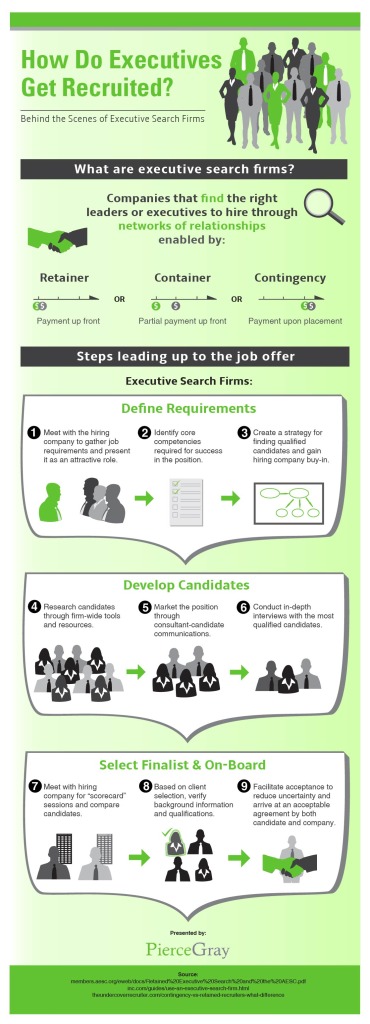
How Physician-Executives Get Recruited

Join Our Mailing List

Behind the Scenes of Executive Search Firms

[By Pierce Gray]

[By Ann Miller RN MHA]

Fill the Funnel

The best-kept secret about physician recruiting is to keep the funnel filled with a pool of candidates.  Organizations can’t afford to wait for doctors to beat a path to their door; they have to go after the physicians they want.  That means generating a sizeable list of prospects on the front end to narrow it down to the 100 or so doctors who will be called for an initial conversation.

From there, the team may do some 50 telephone screening interviews to generate five site visits in order to select the one perfectly matched prospect who will sign on the dotted line.

***Physician Executives

***

The Prospect List

Depending upon the opportunity, there are a number of ways to generate a list of prospects:

  • Direct mail using a purchased list of physicians culled from criteria such as medical specialty and current geographical location. The American Board of Medical Specialties, the American Medical Association [AMA], and licensure boards can supply these lists. The organization sends direct mail announcing the opportunity and then has a team member follow-up with outbound calling. If the physician is not interested, the caller should ask if s/he knows someone who is interested.
  • Personal calls following recruitment fairs and specialty meetings.
  • Advertising in medical and specialty journals and on the web, Twitter, etc.
  • Resident campaign using posted flyers and announcements.
  • Physician networking based on group member recommendations.
  • Medical Staff Office contacts at the local hospital.
  • Networking through specialty or group management organizations. Some organizations offer free on-line job postings for members.
  • Affiliations with residency programs.From the initial pool of candidates, the internal recruiter must call prospects and conduct preliminary screenings to verify licensure status and board certification, gather professional and personal details about the candidate, and answer his or her questions about the opportunity. Whenever possible, research should be done to secure the prospect’s home or cell telephone number. Calling prospects in the evening at home gives them more time and privacy to talk freely.
  • This screening step generates a smaller list of credible prospects that meet the search criteria that was generated at the beginning of the recruitment process.

Channel Surfing the ME-P

Have you visited our other topic channels? Established to facilitate idea exchange and link our community together, the value of these topics is dependent upon your input. Please take a minute to visit. And, to prevent that annoying spam, we ask that you register. It is fast, free and secure.

Conclusion

Your thoughts and comments on this ME-P are appreciated. Feel free to review our top-left column, and top-right sidebar materials, links, URLs and related websites, too. Then, subscribe to the ME-P. It is fast, free and secure.

Speaker: If you need a moderator or speaker for an upcoming event, Dr. David E. Marcinko; MBA – Publisher-in-Chief of the Medical Executive-Post – is available for seminar or speaking engagements. Contact: MarcinkoAdvisors@msn.com

OUR OTHER PRINT BOOKS AND RELATED INFORMATION SOURCES:

Product DetailsProduct Details

What is a CONTENT DELIVERY NETWORK, Doctor?

CDNs and What They Mean to Physicians

BY J.M.

[Anonymous IT Expert]

DOCTOR – Do you like the internet? Do you use EMRs/EHRs? Do you like fast internet? Of course you do.

But, without a strong infrastructure of content delivery networks (CDNs), website loading times would be too slow to stream tele-health/tele-medicine visits or tela-radiology services; not to mention Netflix, or argue with Reddit strangers or your patients; etc.

CDNs are geographically distributed networks of servers that handle processing and speed up internet delivery. In practice, CDNs make website content like HTML pages, JavaScript files, style-sheets, images, and videos load faster. They also reduce bandwidth costs, handle more traffic, and provide a little security protection. 

  • CDNs don’t actually host web content, but instead keep cached versions of it at the ready in edge servers. 

***

How CDN Works? How to Find the Cheapest CDN Provider?

***

Fastly is one of a number of significant CDN providers that help form the infrastructure of the internet. And while the outage shows the breadth of its reach, it’s far from the biggest player—Akami, Cloudflare, and Amazon CloudFront take up 75% of revenue in CDN space, per Intricately.

But Fastly, one of the world’s largest cloud computing companies itself, just had an outage that shut down its CDN service, affecting major websites including the New York Times, HBO Max, and the British government’s homepage. 

ASSESSMENT: Were you or your clinic or hospital affected? Your thoughts and comments are appreciated.

ORDER DICTIONARY: https://medicalexecutivepost.com/wp-content/uploads/2007/10/foreword-mata.pdf

INVITE DR. MARCINKO: https://medicalexecutivepost.com/dr-david-marcinkos-

THANK YOU

***

PODCAST: What Hospital CEOs Should Do?

TOP 4 PRESUMPTIONS!

BY ERIC BRICKER, MD

***

***

YOUR COMMENTS APPRECIATED.

HOSPITALS:

https://www.amazon.com/Hospitals-Healthcare-Organizations-Management-Operational/dp/1439879907/ref=sr_1_4?s=books&ie=UTF8&qid=1334193619&sr=1-4

Thank You

HEALTHCARE:

https://www.amazon.com/Financial-Management-Strategies-Healthcare-Organizations/dp/1466558733/ref=sr_1_3?ie=UTF8&qid=1380743521&sr=8-3&keywords=david+marcinko

***

What is the 70-20-10 Leadership Model?

Developing Leadership Ability

[By Dr. David Edward Marcinko MBA]

We have written about leadership and management before on this ME-P. It is an important and very popular topic; not only in healthcare but in most all industries today.

According to the Center for Creative Leadership there is a model for learning and development that blends experience, relationships and training.

It is referred to as the 70-20-10 model, where approximately:

  • 70% of learning is provided through the use of challenging assignments and on-the-job experiences.
  • 20% of learning is developed through relationships, networks, and feedback.
  • 10% of the learning is delivered via formal training processes.

So, does your medical office, clinic, hospital or healthcare organization put most of its leadership development resources into training?

Is this akin to the medical teaching adage: “See one – Do one – Teach One“?

Assessment

Sometimes it’s easier to purchase external vendor training rather than develop the internal infrastructure to support business succession planning with stretch and / or rotational assignments, coaching, mentoring, and action learning.  The weaker this internal support infrastructure, the more important the formal training will be, but it can’t be a close substitute for the lessons learned on the job and through feedback from peers, bosses and mentors.

Conclusion

Your thoughts and comments on this ME-P are appreciated. Feel free to review our top-left column, and top-right sidebar materials, links, URLs and related websites, too. Then, subscribe to the ME-P. It is fast, free and secure.

Speaker: If you need a moderator or speaker for an upcoming event, Dr. David E. Marcinko; MBA – Publisher-in-Chief of the Medical Executive-Post – is available for seminar or speaking engagements.

Book Marcinko: https://medicalexecutivepost.com/dr-david-marcinkos-bookings/

Subscribe: MEDICAL EXECUTIVE POST for curated news, essays, opinions and analysis from the public health, economics, finance, marketing, IT, business and policy management ecosystem.

***

Product DetailsProduct Details

PODCAST: On Replacing Doctors with Computers and Smart Phones

Join Our Mailing List 

Eric Topol on Replacing Clinicians with Algorithms

By Dr. David Edward Marcinko MBA CMP™

[Editor-in-Chief]

BU Dr. MarcinkoRecently, I wrote an ME-P questioning the need for a medical license in order to treat patients.

Boy, did I receive unkind private comments and phone calls on that op-ed piece!

The idea was not my own and, in fact, was proposed more than a decade ago by Shirley Svorny PhD, chairwoman of the economics department at California State University, Northridge. She holds a PhD in economics from UCLA

Her simple rationale was that licensure may be a barrier to competition and hence health care.

Link: Will Future Doctors Need a Medical License?

Enter Dr. Topol

Now, we learn that Eric Topol MD, Director of the Scripps Translational Science Institute and [Editor-in-Chief of Medscape] is questioning whether doctors will be replaced by algorithms. He cites dermatology, optometry and pediatrics as first-mover smart-phone applications.

The idea was really precipitated by Vinod Khosla at the Rock Health Program on Health Innovation, when he said that 80% of doctors are going to be replaced by algorithms [Pareto’s rule].

###

Doctor joining the ME-P

 ###

Video

And so, please enjoy this video presentation of Eric as he describes his healthcare vision of the future.

Link: http://www.medscape.com/viewarticle/805212?src=wnl_edit_specol&uac=193200AX

Assessment

Of course, this flies in the face of all those projections about hundreds of thousands of doctor shortages over the next 10 years because of the Baby Boomer problem, the aging of the population, as well as the chronic disease burden.

More:

Conclusion

And so, will doctors worker harder, or smarter, in the future? Will the lack of capacity be countered by improvements in efficiency? What will happened to provider reimbursement?

Your thoughts and comments on this ME-P are appreciated. Feel free to review our top-left column, and top-right sidebar materials, links, URLs and related websites, too. Then, subscribe to the ME-P. It is fast, free and secure.

Speaker: If you need a moderator or speaker for an upcoming event, Dr. David E. Marcinko; MBA – Publisher-in-Chief of the Medical Executive-Post – is available for seminar or speaking engagements. Contact: MarcinkoAdvisors@msn.com

OUR OTHER PRINT BOOKS AND RELATED INFORMATION SOURCES:

Product DetailsProduct Details

SCOTUS: Ruled on Opioid Prescriptions

By Jules Murtha

***

***

Here’s What Doctors Need to Know

The Supreme Court of the United States  (SCOTUS) has ruled that doctors must show intent to mis-prescribe opioids in order to face criminal charges.

  • Despite the drop in opioid prescriptions in recent years, opioid overdoses and deaths are on the rise, largely because of street drugs.
  • The CDC’s position is that physicians can better serve patients by focusing on when to initiate and continue opioid treatment, what type and dosage of opioid to use, and how to address risk of drug abuse when prescribing opioids.

Source: Jules Murtha, MD Linx [8/26/22] 

***

COMMENTS APPRECIATED

Thank You

***

DHITS: https://www.amazon.com/Dictionary-Health-Information-Technology-Security/dp/0826149952/ref=sr_1_5?ie=UTF8&s=books&qid=1254413315&sr=1-5

***

PODCAST: Deborah C. Peel MD on Patient Privacy

An Audio-Video Presentation

[Submitted via Darrell Pruitt DDS]

***

***

Conclusion

Your thoughts and comments on this ME-P are appreciated. Feel free to review our top-left column, and top-right sidebar materials, links, URLs and related websites, too. Then, subscribe to the ME-P. It is fast, free and secure.

Speaker: If you need a moderator or speaker for an upcoming event, Dr. David E. Marcinko; MBA – Publisher-in-Chief of the Medical Executive-Post – is available for seminar or speaking engagements.

Book Marcinko: https://medicalexecutivepost.com/dr-david-marcinkos-bookings/

Subscribe: MEDICAL EXECUTIVE POST for curated news, essays, opinions and analysis from the public health, economics, finance, marketing, IT, business and policy management ecosystem.

HOSPITALS:

“Financial Management Strategies for Hospitals” https://tinyurl.com/yagu567d

“Operational Strategies for Clinics and Hospitals” https://tinyurl.com/y9avbrq5

***

Product DetailsProduct Details

PODCAST: 19 Industries that Blockchain will Disrupt?

Healthcare Included

***

***

Conclusion

Your thoughts and comments on this ME-P are appreciated. Feel free to review our top-left column, and top-right sidebar materials, links, URLs and related websites, too. Then, subscribe to the ME-P. It is fast, free and secure.

Speaker: If you need a moderator or speaker for an upcoming event, Dr. David E. Marcinko; MBA – Publisher-in-Chief of the Medical Executive-Post – is available for seminar or speaking engagements. https://medicalexecutivepost.com/dr-david-marcinkos-bookings

Subscribe: MEDICAL EXECUTIVE POST for curated news, essays, opinions and analysis from the public health, economics, finance, marketing, IT, business and policy management ecosystem.

***

HIT: https://www.amazon.com/Dictionary-Health-Information-Technology-Security/dp/0826149952/ref=sr_1_5?ie=UTF8&s=books&qid=1254413315&sr=1-5

***

To all UNHAPPY Financial Advisors, JDs, CPAs and Physician-Focused Insurance Agents in 2022

Join Our Mailing List

AVOID COLLATERAL ECONOMIC DAMAGE OF HEALTH CARE REFORM – AS A CERTIFIED MEDICAL PLANNER PROFESSIONAL

By Eugene Schnmuckler PhD MBA MEd CTS

[Academic Provost and Dean]

CMP logo

http://www.CertifiedMedicalPlanner.org

ME-P Doctors, Advisors and Consultants

The healthcare industrial complex represents a large and diverse collateral support industry, and the livelihood of synergistic professionals who advise doctors depend on it. So, if you want to be an outstanding financial advisor in the healthcare space, you better read this book and learn something about physician specific financial planning.

Better yet! Combine financial planning and practice management and become a Certified Medical Planner ™. Then, integrate this knowledge, and CMPmark of distinction, into your current financial advisory or healthcare consulting practice.

Or, as some of the following financial services professionals are learning, you might just become more collateral economic damage in the current managed healthcare debacle, if you don’t.

Certified Public Accountants

The nation’s 330,000 or so CPAs know little about the new healthcare dynamics and financial planning. Many often feel as though they are laboring away in obscurity and that their doctor clients do not appreciate what they do or how hard they work.

If you are a CPA, your workweek is ridiculously long, especially January through April; and you often deliver bad news to your doctor clients. You do not earn a generous salary, but you do receive their ire for your efforts. Even ex-SEC chief Arthur Levitt said, “Accounting is clearly a profession in crisis”, after reviewing Arthur Andersen, LLP’s role in Enron Corporation’s collapse, in 2002; not to mention the Global Crossing Ltd, Vivendi Universal, Warnaco, Martha Stewart and WorldCom fiascos.

So, you begin to scratch your head and ponder, quietly at first, and then out loud. Perhaps advising and managing the medical practice of a physician, or providing consulting services to other medical professionals is an opportunity that won’t require a new client base? You can keep your accounting practice during the first four months of the year, and supplement your income with something that may actually earn more than you are making now.

A light then goes off in your head. Epiphany! Enter iMBA’s Certified Medical Planner(CMP) professional certification program, exhorting accountants to “integrate personal financial planning with medical practice management”, through an additional 500 hours of online managerial and planning experience.

However, terms such as capitated medicine; per member-per month fixed fees; payment withholds’; activity based costing with CPT codes; utilization and acuity rates; and more investment and financial nomenclature is likely quite unfamiliar to you.

Furthermore, you may not have the temperament to be responsible for the financial affairs of others. Then you realize that CMPs along with MBAs and CFPs may actually be the new denizens of the healthcare bean counting and practice management scene. Rather than present numbers of the historic past, they make logical and mathematical inferences about the future.

Slowly, you realize that this has occurred because these professionals are proactive, not reactive, as the accounting profession is loosing its premier advisory position within the medical profession. Since doctors are paid a fixed fee amount, regardless of the number of services performed, these futuristic projections are the most important accounting numbers in healthcare today.

In fact, your research suggests that as a result, nearly every major accounting firm has created a financial advisory unit, or acquired one. Moss-Adams acquired Financial Securities in Seattle. Plante and Moran’s advisory unit is one of the largest and most successful in Michigan. And, 1st Global now offers a turnkey program that allows nearly every accounting firm to create its own advisory unit overnight.Even, the AICPA is providing encouragement to CPAs who wish to provide more professional client services by uniting with Fidelity to serve as a professional vendor. And, the PFS designation is about to be abandoned by the AICPA.

Doctor Advisor Teamwork

Tax Attorneys and Lawyers 

As a tax planning, health-law or estate attorney, you already know that almost every legal magazine around has articles or advertisements proposing that you become a financial planning professional or business consultant to your physician clients. Moreover, lawyers of all stripes are being pushed toward interdisciplinary alliances by encroachment on their turf by the Big Four consulting firms. With audits of publicly held companies now a commodity, the giant law firms are getting more of their revenues from consulting fees; and that puts them into direct competition with you and other legal professionals.

Of all careers, you know how absolutely onerous it is to practice medicine today, and are finally thankful that you did not take that career route many years ago. So, like your neighbor the accountant, you begin to explore that potential of developing a service line extension to your legal practice, in order to assist your medical colleagues who have been hit on hard economic times.

In fact, you soon realize that more than 90,000 trust, probate and estate planning attorneys like yourself are interested in pursuing financial planning in the next decade. Sure, you know its difficult to get a CLU or variable annuity license, or become a Certified Financial Planner (CFP), but earning your law degree was no cinch either. And, you reckon, advising physicians has got to be easier than law, or less stressful than the corporate lifestyle of your CMP trained brother-in-law, right?

So, you set out to stretch your legal horizons with an online Certified Medical Plannercertification program and explore the basic legal nuances of those topics not available in law school when you were a student. Things like medical fraud and abuse; managed care compliance audits and Medicare recoupments; PP-ACA, RACS, OSHA, DEA, HIPAA and EPA standards; anti-trust issues; and managed care contract dilemmas or de-selection appeals.

What a brave new world the legal profession has become! Even the American Bar Association’s commission on multi-disciplinary practice has recommended that lawyers be permitted to share fees and become partners with financial planners, money managers and other similar professionals.

As a real life example, the venerated Baltimore brokerage firm of Legg Mason, Inc, has recently teamed up with the Boston law firm of Bingham Danna, LLC, to create one of the first marriages between a law and securities firm. If you want in on the challenge, and bucks, you’d better acquire at least a working knowledge of health care administration, or perhaps help craft some new case law, or assist your doctor-clients in some other fashion; otherwise, you will remain a legal document producer.

Financial Planners and Investment Advisors

As a CFP, CFA, investment advisor or general securities representative, you realize that the financial service sector is going to become the next great growth opportunity of the 21st Century, despite the fact that the stagnant stock market in 2003-2004 set profits for the securities industry back by seven years.

Even H & R Block, and the Charles Schwab Corporation are trying to build medical professional interest in their respective firms and compete with your independent practice. They are fervently wooing away one group or another to interface with their embryonic financial advisory programs. Meanwhile, more than 260,000 of the nation’s brokers are moving into the investment advisory and financial planning business, as transactions have become commoditized.

A recent survey conducted for the Financial Planning Association clearly demonstrated the dominance of registered investment advisors, over stockbrokers, among clients 35-49 years old. With the average Merrill Lynch private client well over 60, it’s easy to spot the future vulnerability of this business model.

When asked to determine the added value of key industry players, baby boomers in a recent Dalbar study ranked financial planners first, followed by stockbrokers, CPAs, mutual fund companies, insurance agents, and commercial bankers, respectively. Even if you are a CFP, and despite the proliferation of investment advisors, evidence suggests that your individual impact is still narrow.

Furthermore, another Prince & Associates study of 778 affluent individuals including physicians, each with more than 5 million dollars to invest, examined the relationship between clients and their providers of five key financial services; retirement planning, estate planning, investment management, executive benefits and health-disability insurance. Prince found that 59 percent of the clients had been serviced in only one area by a particular advisor. Despite the significant assets of each client, the advisers have been unsuccessful at broadening these relationships– a key indicator that many affluent clients do not have a primary financial adviser.

Among the challenges you face to broaden your influence is to offer your clients value added services, perhaps by establishing your expertise in the medical niche and capitalize on being different (your unique knowledge-based value proposition). You must not remain just another of the more than 250,000, or so individuals who claim to be financial planners, with a collective universe of an additional 700,000, who purport to be financial advisors, in some fashion or another. You must begin to develop the strategic competitive advantage of practice management knowledge to synergize with your existing financial services product line.

Like the physicians you advise, you must consider becoming a specialist. In the highly coveted healthcare space, this specialist to high net worth doctors, is known as a Certified Medical Plannerpractitioner.

Integrated practice management and financial planning will also become much more competitive among physicians because they are aware of the above fusion. No one is suggesting therefore, that you abandon your core financial advisory business for medical practice management. It is merely a fact that healthcare has drastically changed during the past decade, and the knowledge you used yesterday will no longer be enough for you to get by on in the future.

Medical practice management is the natural outgrowth of traditional financial planning services, and investment advice in turn, is central to the implementation of a unified medical office and personal financial plan. The most successful financial planners therefore, may be CMPs and CFPs who incorporate medical management services into their practices.
cmp-program1

Insurance Agents and Counselors

As a traditional life insurance agent, it seems that almost all your colleagues are acquiring a general securities license, or CFP designation in addition to the CLU or ChFC after their name. Currently, there are more than 3 million insurance agents, half of which are independent. They are being pressured to move toward financial planning, as distribution of insurance products over the Internet spreads like wildfire.

Meanwhile, the same insurance and investment companies that are knocking on your door are also courting the medical professionals with their practice enhancement programs. Even if you are not interested in going into the financial planning business, you have seen the status of the American College erode of late, even as your own insurance business has declined because of the World Wide Web and various discounted insurance companies.

And, in the eyes of your former golden goose doctor-clients, you may have become a charlatan and everyone is clamoring for a piece of your insurance business and cloaking it in the guise of the contemporary topic of the day; medical practice management and financial planning. Think this is an exaggerated statement? An October 1997 survey conducted by Deloitte & Touche Consulting Group of New York, found insurance agents ranked last in having the trust of a wide selection of the public! Erosion has continued, ever since.

So, how do you regain this lost trust, and what about this new entity known as managed care? How do you learn about it at this stage in your career? What ever happened to the traditional indemnity health insurance, with its deductible and 80/20payment scheme? It was so easy to sell, provided good coverage, and the agent made a nice profit.

As an insurance agent, all you want to know is, can I still sell insurance and make a living? Like the struggling doctors you seek to advise, and the collateral advisors above, you find yourself asking, how do I talk the talk, and walk the walk, in this new era of medical insurance turmoil?

Slowly, as you read, study and learn about the Certified Medical Plannercertification program, you become empowered with the knowledge and ideas for new insurance product derivatives, that actually provide value to your physician clients. You are no longer just an insurance salesman, but a trusted medical risk management advisor.

Congratulations!

You can avoid the managed care economic ripple effect. Act now!

CMP logo

Office: Dean of Admissions

Certified Medical PlannerDesignation Program

Institute of Medical Business Advisors, Inc

Peachtree Plantation – West

Suite # 5901 Wilbanks Drive

Norcross, Georgia 30092-1141

770.448.0769 (voice)

770.361.8831 (fax)

http://www.MedicalBusinessAdvisors.com

http://www.CertifiedMedicalPlanner.org

MarcinkoAdvisors@msn.com

Conclusion

Your thoughts and comments on this ME-P are appreciated. Feel free to review our top-left column, and top-right sidebar materials, links, URLs and related websites, too. Then, subscribe to the ME-P. It is fast, free and secure.

Speaker: If you need a moderator or speaker for an upcoming event, Dr. David E. Marcinko; MBA – Publisher-in-Chief of the Medical Executive-Post – is available for seminar or speaking engagements. Contact: MarcinkoAdvisors@msn.com

OUR OTHER PRINT BOOKS AND RELATED INFORMATION SOURCES:
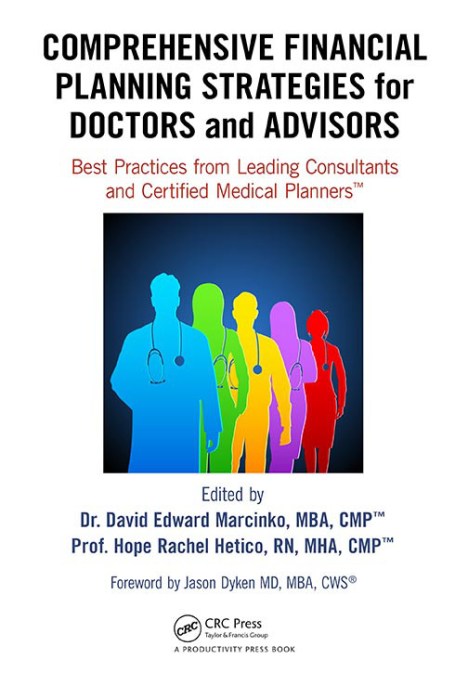
Financial Planning MDs 2015

Comprehensive Financial Planning Strategies for Doctors and Advisors: Best Practices from Leading Consultants

PODCAST: How Extensive is Healthcare Prior Authorization?

A New Study

BY ERIC BRICKER MD

****

***

YOUR COMMENTS ARE APPRECIATED.

Thank You

RELATED: https://www.amazon.com/Business-Medical-Practice-Transformational-Doctors/dp/0826105750/ref=sr_1_9?ie=UTF8&qid=1448163039&sr=8-9&keywords=david+marcinko

MORE: https://www.amazon.com/Financial-Management-Strategies-Healthcare-Organizations/dp/1466558733/ref=sr_1_3?ie=UTF8&qid=1380743521&sr=8-3&keywords=david+marcinko

MORE: https://www.amazon.com/Hospitals-Healthcare-Organizations-Management-Operational/dp/1439879907/ref=sr_1_4?s=books&ie=UTF8&qid=1334193619&sr=1-4

***

U.S. Hospitals Feeling the Pain of Physician Burnout

U.S. Hospitals Feeling the Pain of Physician Burnout [REPRINT]

Source: Reuters Health News via MDLinx [11/22/17]

neurotic

Hospitals are just beginning to recognize the toll of burnout on their operations

Experts estimate, for example, that it can cost more than $1 million to recruit and train a replacement for a doctor who leaves because of burnout. But, as no broad calculation of burnout costs exists, Dr. Tait Shanafelt, a former Mayo Clinic researcher who became Stanford Medicine’s first chief physician wellness officer in September said Stanford, Harvard Business School, Mayo Clinic, and the American Medical Association (AMA) are working on that. They have put together a comprehensive estimate of the costs of burnout at the organizational and societal level, which has been submitted to a journal for review.

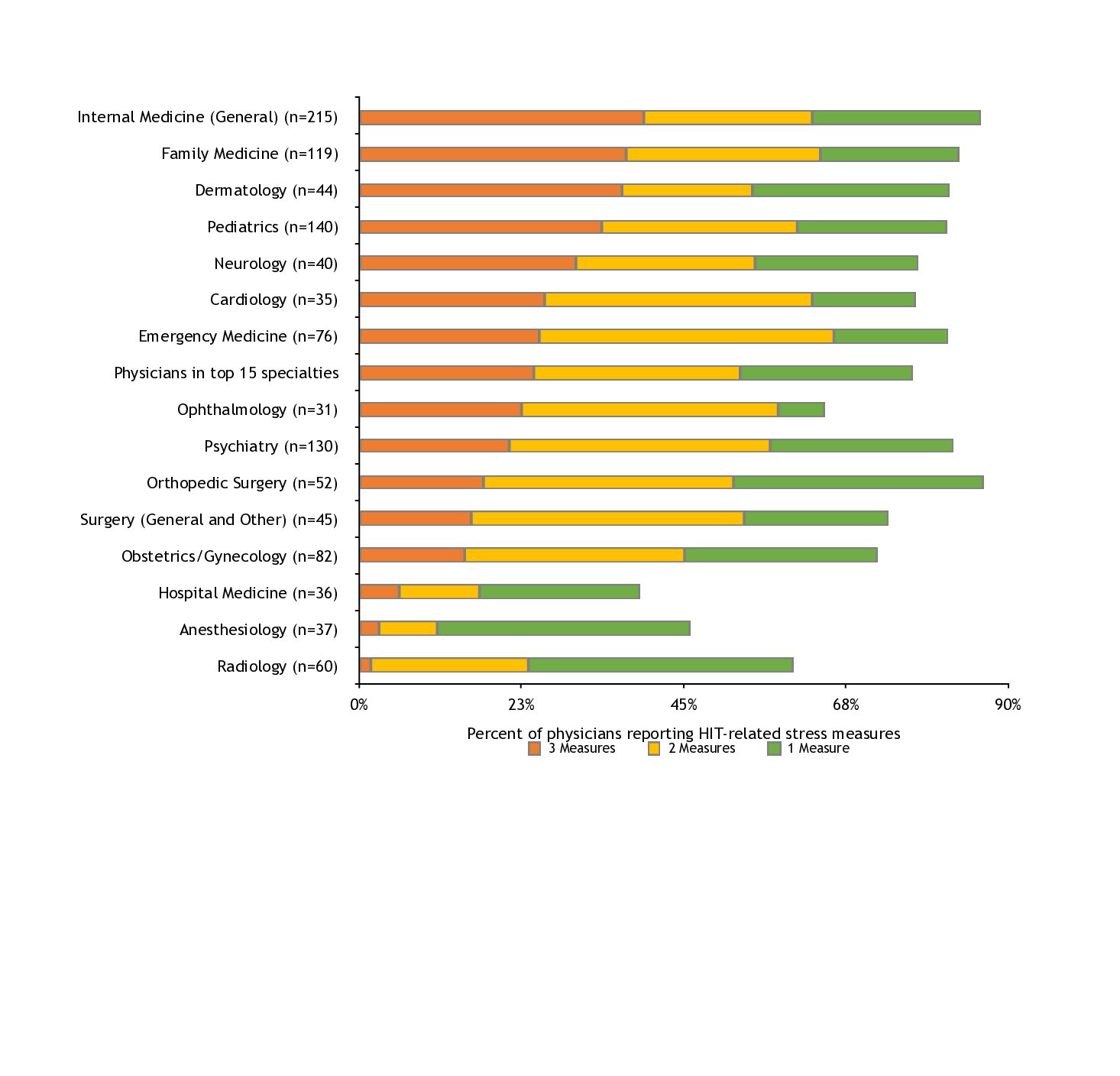
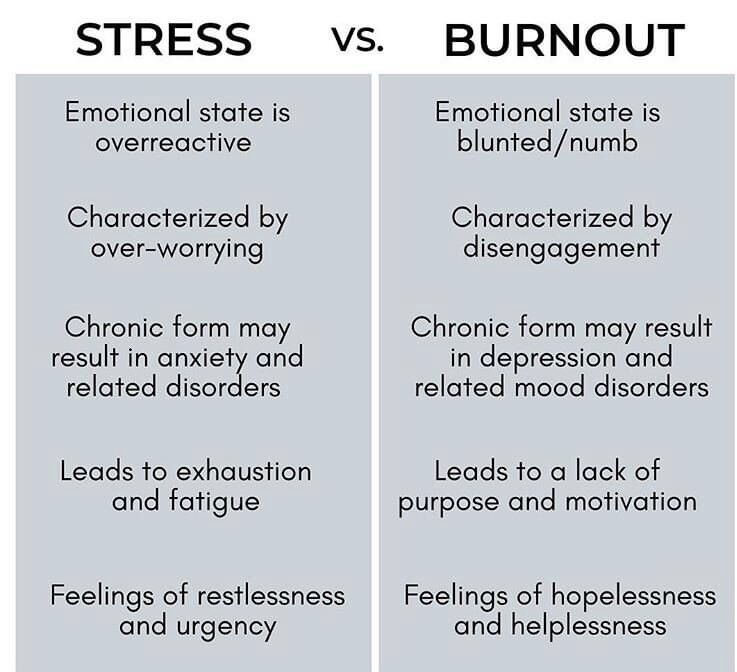
Shanafelt and other researchers have shown that burnout erodes job performance, increases medical errors, and leads doctors to leave a profession they once loved.

***

 Hospitals can ill afford these added expenses in an era of tight margins, costly nursing shortages, and uncertainty over the fate of the Affordable Care Act, which has put capital projects and payment reform efforts on hold.

COACH

For a graphic, click here.

http://fingfx.thomsonreuters.com/gfx/rngs/TRAVIS%20HARTMAN/010051RR403/index.html

Sound familiar?

MORE

Graphic-for-2-4-2019-pdf

stress

Conclusion

Your thoughts and comments on this ME-P are appreciated. Feel free to review our top-left column, and top-right sidebar materials, links, urls and related websites, too. Then, subscribe to the ME-P. It is fast, free and secure.

Speaker: If you need a moderator or speaker for an upcoming event, Dr. David E. Marcinko; MBA – Publisher-in-Chief of the Medical Executive-Post – is available for seminar or speaking engagements.

Book Marcinko: https://medicalexecutivepost.com/dr-david-marcinkos-bookings/
Subscribe: MEDICAL EXECUTIVE POST for curated news, essays, opinions and analysis from the public health, economics, finance, marketing, IT, business and policy management ecosystem.

***

Product DetailsProduct Details

New Medical Practice Entrepreneurial Business Rules for Young Physicians [circa 2022]

Join Our Mailing List

Go “Out-of-Box” – OR – Go Employee

By Dr. David Edward Marcinko MBA CMP™ www.CertifiedMedicalPlanner.org

There are more than 950,000 physicians in the United States. Yet, the brutal supply and demand, and demographic calculus of the matter is that there are just too many aging patients chasing too few doctors. Compensation and reimbursement is plummeting as Uncle Sam becomes the payer-of-choice for more than 52% of us. More so, going forward with the PP-ACA OR, perhaps not so much after the Trump election.

Furthermore, many large health care corporations, hospitals, and clinical and medical practices have not been market responsive to this change. Some physicians with top-down business models did not recognize the changing health care ecosystem or participatory medicine climate. Change is not inherent in the DNA of traditionalists. These entities and practitioners represented a rigid or “used-to-be” mentality, not a flexible or “want-to-be” mindset.

Yet today’s physicians and emerging Health 2.0 initiatives must possess a market nimbleness that cannot be recreated in a command-controlled or collectivist environment. Going forward, it is not difficult to imagine the following rules for the new virtual medical culture, and young physicians of the modern era.

A. Rule 1

Forget about large office suites, surgery centers, fancy equipment, larger hospitals, and the bricks and mortar that comprised traditional medical practices. One doctor with a great idea, good bedside manners, or competitive advantage can outfox a slew of insurance companies, Certified Public Accountants, or the Associate Management Accountant, while still serving patients and making money. It is now a unit-of-one economy where “ME Inc.,” is the standard. Physicians must maneuver for advantages that boost their standing and credibility among patients, peers, and payers.

Examples include patient satisfaction surveys, outcomes research analysis, evidence-based-medicine, direct reimbursement compensation, physician economic credentialing, and true patient-centric medicine. Physicians should realize the power of networking, vertical integration, and the establishment of virtual offices that come together to treat a patient and then disband when a successful outcome is achieved. Job security is earned with more successful outcomes; not a magnificent office suite or onsite presence.

B. Rule 2

Challenge conventional wisdom, think outside the traditional box, recapture your dreams and ambitions, disregard conventional gurus, and work harder than you have ever worked before. Remember the old saying, “if everyone is thinking alike, then nobody is thinking.” Do traditionalists or collective health care reform advocates react rationally or irrationally?

For example, some health care competition and career thought-leaders, such as Shirley Svorny, PhD, a professor of economics and chair of the Department of Economics at California State University, Northridge, wonder if a medical degree is a barrier—rather than enabler—of affordable health care. An expert on the regulation of health care professionals, including medical professional licensing, she has participated in health policy summits organized by Cato and the Texas Public Policy Foundation. She argues that licensure not only fails to protect consumers from incompetent physicians, but, by raising barriers to entry, makes health care more expensive and less accessible.

Institutional oversight and a sophisticated network of private accrediting and certification organizations, all motivated by the need to protect reputations and avoid legal liability, offer whatever consumer protections exist today.

C. Rule 3

Differentiate yourself among your health care peers. Do or learn something new and unknown by your competitors. Market your accomplishments and let the world know. Be a non-conformist. Conformity is an operational standard and a straitjacket on creativity. Doctors must create and innovate, not blindly follow entrenched medical societies into oblivion.

For example, the establishment of virtual medical schools and hospitals, where students, nurses, and doctors learn and practice their art on cyber entities that look and feel like real patients, can be generated electronically through the wonders of virtual reality units.

D. Rule 4

Realize that the present situation is not necessarily the future. Attempt to see the future and discern your place in it. Master the art of quick change with fast, but informed decision making. Do what you love, disregard what you do not, and let the fates have their way with you.

Assessment

I receive a couple of phone calls each month from young doctors on this topic. I ask them to decide if they are of the philosophical ilk to adhere to the above rules; or become another conformist and go along … to get along? In other words, get fly!

Or, become an employed, or government doctor.  Just remember … the entity that gives you a job, can also take it away.

Sample fly: http://crossoverhealth.com/

MORE: Marriage Business

Conclusion

Your thoughts and comments on this ME-P are appreciated. Feel free to review our top-left column, and top-right sidebar materials, links, URLs and related websites, too. Then, subscribe to the ME-P. It is fast, free and secure.

Link: http://feeds.feedburner.com/HealthcareFinancialsthePostForcxos

Speaker: If you need a moderator or speaker for an upcoming event, Dr. David E. Marcinko; MBA – Publisher-in-Chief of the Medical Executive-Post – is available for seminar or speaking engagements. Contact: MarcinkoAdvisors@msn.com

OUR OTHER PRINT BOOKS AND RELATED INFORMATION SOURCES:

LEXICONS: http://www.springerpub.com/Search/marcinko
PHYSICIANS: www.MedicalBusinessAdvisors.com
PRACTICES: www.BusinessofMedicalPractice.com
HOSPITALS: http://www.crcpress.com/product/isbn/9781466558731
CLINICS: http://www.crcpress.com/product/isbn/9781439879900
ADVISORS: www.CertifiedMedicalPlanner.org
BLOG: www.MedicalExecutivePost.com


Product DetailsProduct DetailsProduct Details

Product Details  Product Details

Product Details

Product Details 

PODCAST: Hospitals Block Guiding Patients

By Eric Bricker MD

***

***
COMMENTS APPRECIATED

Thank You

***

MORE: https://www.amazon.com/Financial-Management-Strategies-Healthcare-Organizations/dp/1466558733/ref=sr_1_3?ie=UTF8&qid=1380743521&sr=8-3&keywords=david+marcinko

***

Crafting a Medical Practice Business Plan for Entrepreneurial Physicians

Join Our Mailing List

By Dr. David Edward Marcinko MBA

An Essential Document for Start-Up Practices

The analog to a personal financial plan is the medical practice business plan. While mature practitioners may casually be familiar with some elements of the former by default, most new physicians are totally unfamiliar with requirements of the later.  

The Need 

Unfortunately, without an initial business plan, the need for a personal financial plan may become moot. This is because absent financial backing from family, friends or a cushy nest egg, the business plan is a key tool for raising start-up capital for a new medical practice. It may also be demanded by a commercial bank, or the Small Business Administration (SBA), for a loan to finance growth of an existing practice; despite the use of new asset based lending and accounts receivable factoring techniques.  

On the other hand, a comprehensive business plan may be required by investment bankers for funding purposes; in exchange for a healthy percentage of your future large group practice. 

Standard Plan Format 

The following format for medical business plan writing can be used for every new practice, established practice or simply an existing practice that wishes to expand or establish a new service or product line to its existing offers.  

The format for any written business plan is somewhat standard. It usually contains at least the following topics and sub-topics, and perhaps many more depending on your specialty with a varying emphasis on some sections or a de-emphasis of others; also depending on the practice and covering no more than 25-40 numbered pages:

· Cover Sheet

· Table of Contents

· Physician Executive Summary (Statement of Purpose)

· Physician Credentials

· Mission Statement

· Goals and Objectives (Risks and Rewards)

· Business Office Form

· Operational and Facilities Management

· Marketing Plan

· Business Competition

· Patient Targeting

· Advertising Methodology

· SWOT Analysis

· Practice Philosophy

· Human Resources and Personnel

· Financial Management

· Financial and Operating Budget

· Proforma Financial Statements

· Exit Strategy

Assessment

In the past, perhaps the two most important components of a medical business plan were [1] physician credentials and [2] the business model. Today; it is the exit strategy! 

Have you ever written a medical office business plan and what was the outcome? 

Link: MBA Capstone Business Planning

Conclusion

Your thoughts and comments on this ME-P are appreciated. Feel free to review our top-left column, and top-right sidebar materials, links, URLs and related websites, too. Then, subscribe to the ME-P. It is fast, free and secure.

Link: http://feeds.feedburner.com/HealthcareFinancialsthePostForcxos

Speaker: If you need a moderator or speaker for an upcoming event, Dr. David E. Marcinko; MBA – Publisher-in-Chief of the Medical Executive-Post – is available for seminar or speaking engagements. Contact: MarcinkoAdvisors@msn.com

OUR OTHER PRINT BOOKS AND RELATED INFORMATION SOURCES:

 Product DetailsProduct DetailsProduct Details     

 Product Details

***

Activity Based Medical Cost Accounting and Management

NON-TRADITIONAL ACCOUNTING METHODS KNOWN IN THE BUSINESS COMMUNITY BUT NOT USED IN HOSPITALS OR HEALTH CARE ORGANIZATIONS

By Dr. David Edward Marcinko; MBA CMP® CPHQ

CMP logo

SPONSOR: http://www.CertifiedMedicalPlanner.org

Sooner or later – as a practicing physician – you will want to ascertain and then demonstrate the cost effectiveness of your medical care. By using the process of Activity Based Cost (ABC) Management, you will be able to do so.  

ALAS: But, if you’re using a traditional accounting system – like most all hospitals today that use the fictional “average wholesale cost” method – you won’t know a thing about your medical practice or clinic activity costs. Hence, again like most all hospitals, fees become simply vacuous.

Managerial Accounting Assignment Help in Australia

Here’s how: https://medicalexecutivepost.com/2007/12/15/activity-based-cost-medical-management/

HOW TO READ A SCIENTIFIC PAPER: https://medicalexecutivepost.com/2021/04/09/how-to-read-and-understand-a-scientific-paper/

DETAILED WHITE PAPERIN-PROGRESS [thru editing but before peer-reviewed publication]: https://medicalexecutivepost.com/wp-content/uploads/2007/12/abcm.pdf

ASSESSMENT: Your thoughts are appreciated.

ORDER TEXTBOOK: https://www.amazon.com/Business-Medical-Practice-Transformational-Doctors/dp/0826105750/ref=sr_1_9?s=books&ie=UTF8&qid=1287563112&sr=1-9

Product Details
Product Details

ORDER TEXTBOOK: https://www.amazon.com/Financial-Management-Strategies-Healthcare-Organizations/dp/1466558733/ref=sr_1_3?ie=UTF8&qid=1380743521&sr=8-3&keywords=david+marcinko

THANK YOU

***

Medical Practice Human Resource Budgets

Join Our Mailing List

Seeking Optimal FTE-to-Doctor Ratios

 [DR. DAVID E. MARCINKO MBA]

The full-time-equivalent (FTE) – to doctor (provider) – ratio of a medical practice is often more useful to know than the total amount of staff salary expense, according to industry experts like Dr. Jon Hultman MBA, of Los Angeles, CA.  

Why? Because comparable salaries have a wide geographic variance; and it is just more expensive to practice in New York City, than it is in Phenix City, Alabama.  

Introduction 

Payroll (human resources) typically is the largest singe expense and cost-driver of most medical practices. So, an optimal staffing ratio must be determined for every practice, considering quality, productivity and patient satisfaction at the lowest possible cost.

Reducing the FTE ratio, and hence overhead salary expenses, is desirable only when it does not lower productivity, quality or patient satisfaction. 

Most FTE ratios are significantly high, with no corresponding benefit to the typical medical practice (if there even is such an entity).

Moreover, this FTE excess establishes an environment for which “idle-time” for any given point is about 30%. And, corresponding redundant or unnecessary “task-time” is about 25%. 

In fact, it is often a management truism that smaller FTE ratios may be consistent with higher levels of productivity. On the other hand, lower FTE ratios may actually be consistent with lower levels of productivity, lower medical care quality and higher costs; all other things being equal. 

 The NAHC Review

The National Association of Healthcare Consultants (NAHC), Statistical Report 2000, is summarized below and was considered reliable at the time because the numbers were reported by accountants, not doctors. More current information is now available.

Nevertheless, these benchmarks may serve as a cogent starting-point for HR budget analysis and FTE evaluation:

Specialty                                FTE Ratio 

  • Ophthalmology                     5.19
  • OB/GYN                                 4.35
  • Dermatology                         4.30
  • Otolaryngology                     4.22
  • Hematology                          4.19
  • Oncology                               4.19
  • Family Practice                      4.18
  • Orthopedic Surgery               4.12
  • Pediatrics                              3.79
  • Gastroenterology                  3.75
  • Internal Medicine                  3.51
  • Dentistry                               3.00
  • Urology                                 2.94
  • Podiatry                                2.94
  • Neurology                             2.70
  • General Surgery                   2.50

Assessment

Now, consider the specialty FTE-to-physician ratios listed above – index them over time for your medical specialty – and consider that famed investor Warren Buffett once said,

“There is a right size of staff for any business operation. For every dollar of sales (professional service income), there is an appropriate level of expense.”  

And so, how does your medical practice, clinic or healthcare organization stack-up to current NAHC benchmarks and their resulting HR budgets?

Conclusion

Your thoughts and comments on this ME-P are appreciated. Feel free to review our top-left column, and top-right sidebar materials, links, URLs and related websites, too. Then, subscribe to the ME-P. It is fast, free and secure.

Speaker: If you need a moderator or speaker for an upcoming event, Dr. David E. Marcinko; MBA – Publisher-in-Chief of the Medical Executive-Post – is available for seminar or speaking engagements. Contact: MarcinkoAdvisors@msn.com

OUR OTHER PRINT BOOKS AND RELATED INFORMATION SOURCES:

Product Details

PODCAST: Healthcare Stocks, Investing & IPOs?

By Eric Bricker MD

Healthcare Stock and IPO Investing Can Be Confusing. The Story of Privia Health is a Good Case Study in Understanding the Underlying Economics in Healthcare Investing:

CITE: https://www.r2library.com/Resource/Title/0826102549

***

***
YOUR COMMENTS ARE APPRECIATED.

Thank You

Comprehensive Financial Planning Strategies for Doctors and Advisors: Best Practices from Leading Consultants and Certified Medical Planners™

ORDER: https://www.routledge.com/Comprehensive-Financial-Planning-Strategies-for-Doctors-and-Advisors-Best/Marcinko-Hetico/p/book/9781482240283

***

Understanding Professional Medical Employer Organizations

Join Our Mailing List PROFESSIONAL Human Resources Options

By Eric Galtress

“In-house service and support activities are monopolies.  They have little incentive to improve productivity. In fact, they have considerable disincentive to improve their productivity. Clerical, maintenance and support work, do not make a direct and measurable contribution to the bottom line.”

       “Sell the Mailroom” by Peter F. Drucker

 ***

Labor Law

Labor Law compliance begins with the hire of your very first employee, thus a well managed human resources (HR) function should be an area of strategic focus by the medical executive, regardless of practice size or the number of employees. Consideration of this vital role can help contribute to an efficient, highly effective and productive professional staff committed to the goals of the practice encompassing a positive and nurturing culture evident to your patients, while maintaining your competitive edge.

HR

Human Resources are the major expense driver of today’s medical practice and addresses staffing requirements, wages and other compensation, payroll and tax compliance, labor law compliance, employee benefits, training, employee turnover, safety, risk management and workers’ compensation. These responsibilities must be performed in accordance with State and Federal guidelines, beginning with the hire of your very first employee.

At specific employee level thresholds, employers are required to comply with a growing number of employee-related requirements including State and Federal Laws.  These laws govern the proper method of how employees must be treated and paid, as well as ensuring that their rights in the workplace are protected. State and Federal Regulators each create vast amounts of workplace legislation every year, many of which become law.

In most cases, the specific requirement (either State or Federal) that affords the employee the most workplace rights and/or protection and benefits takes precedence over the other.  Non-compliance can subject the practitioner/business owner to hefty fines, penalties, business interruption, litigation, and in some cases, even practice failure.

Moreover, these HR efforts are backed by labor attorneys, service providers, brokers and other consultants. Given the typical size of a medical practice, this presents a compelling argument that practices should consider taking advantage of an innovative alternative:  being able to delegate (outsource) part or most of the HR burden as well as the employee / employer related liabilities.

Outsourcing

Simply put, instead of the practitioner/staff performing the HR requirements, part or most of this responsibility can be outsourced to an off-site HR services provider that specializes in labor law compliance, employee management and cost control. The practitioner retains functional control of the employees and the service provider handles the HR issues.

Added value is achieved by the practice in receiving these services more cost effectively since their needs are combined with those of the many other practices and businesses the provider already serves. Outsourcing is a matter of simple economics, enabling the practitioner to gain relief from cumbersome employee administration, while enhancing productivity and benefits for the staff members.

The HR outsourcing relationship is not to be confused with a Physician Practice Management Company (PPMC).  The HR services provider has no financial interest or ownership whatsoever in the practice.

***

student-849825_640

 ***

DEFINITIONS

To have an outside firm take responsibility and much of the liability to perform activities traditionally handled by internal staff and resources because:

  1. They can do it cheaper and/or faster.
  2. They can do it better because of their expertise and experience.
  3. They have all of the required professional staff and/or facilities.
  4. They take all or part of the risk and the liability to do it right.
  5. They can expand their service offering commensurate with your growth needs
  6. They save you the time of doing it yourself or having one or more of your key staff members distracted from the priorities of the practice.
  7. They help safeguard against chaos should the key person handling HR suddenly leave
  8. They help maintain the high standards of the practice with regard to the employees and the workplace.
  9. Outsourcing can benefit all parties.

Human resource management

In general, HR management consists of the activities, responsibilities and issues of any practice/business, corporation, partnership or other business entity that comes as a result of having employees (IRS1099 independent contractors are not considered employees).

Some of these requirements are mandatory such as paying minimum wage and providing workers’ compensation insurance protection; other aspects and their related administrative functions can be at the discretion of the owner(s) of the practice or business such as sponsoring health benefits, retirement plans for their employees or paid vacation and sick time.

Employer POV

What follows is an overview of the HR requirements of being the employer. This includes a condensed view of employment and labor laws, government compliance issues, employee related costs and the alarming upsurge in employee litigation. The last poses a growing level of liability, vulnerability and distraction to today’s medical executive and practitioner/owner, second only to that of medical malpractice.

Assessment

As a result, many physicians without available HR expertise are finding it increasingly difficult to focus on growing their practices.

More:

Conclusion

Your thoughts and comments on this ME-P are appreciated. Feel free to review our top-left column, and top-right sidebar materials, links, URLs and related websites, too. Then, subscribe to the ME-P. It is fast, free and secure.

Speaker: If you need a moderator or speaker for an upcoming event, Dr. David E. Marcinko; MBA – Publisher-in-Chief of the Medical Executive-Post – is available for seminar or speaking engagements. Contact: MarcinkoAdvisors@msn.com

OUR OTHER PRINT BOOKS AND RELATED INFORMATION SOURCES:

***

[PRIVATE MEDICAL PRACTICE BUSINESS MANAGEMENT TEXTBOOK – 3rd.  Edition]

Product DetailsProduct Details

  [Foreword Dr. Hashem MD PhD] *** [Foreword Dr. Silva MD MBA]

***

New Medical Informed Consent Dilemma

Join Our Mailing List

Emerging Problems

By Dr. David Edward Marcinko; MBA, CMP™

[Publisher-in-Chief]dem21

According to the Dictionary of Health Insurance and Managed Care, informed consent is the oral and written communication process between a patient and physician that results in the agreement to undergo a particular procedure, surgical intervention or medical treatment.

Unfortunately, a lack of standardization surrounding this process represents a major risk for patients and surgeons, and may lead to inaccurate patient expectations, lost or incomplete consent forms, missing encounter documentation and delays in critical surgeries and procedures.

History: Render S. Davis of Emory University [2008 recipient of the Health Care Ethics Consortium’s Heroes in Healthcare Ethics Award] writes for us in the Business of Medical Practice www.MedicalBusinessAdvisors.com that the concept of informed consent is rooted in medical ethics and codified as a legal principle. It is based on the assertion that a competent person has the right to determine what is done to him or her [self-regulated autonomy].

Rationale: The American Medical Association recommends that its members disclose and discuss the following with their patients:  

  • The patient’s diagnosis, if known,
  • The nature and purpose of a proposed treatment or procedure,
  • The risks and benefits of a proposed treatment or procedure,
  • Alternatives (regardless of cost or health insurance coverage),
  • The risks and benefits of the alternative treatments and,
  • The risks and benefits of not the procedure.

The requirements for informed consent are spelled out in statutes and case law in all 50 states. It is a necessary protocol for all hospitals, medical clinics, podiatry practices and ASCs.

Inadequacy of Traditional Consent Forms-to-Date

The typical informed consent process, particularly one that relies solely on traditional generic consent forms, is often inadequate, incomplete or offers the potential for not fully explaining and documenting a particular procedure to a given patient. 

Traditional consent forms are subject to errors and omissions, such as missing signatures (patient, provider or witness), missing procedure(s), and missing dates that place the validity of consent at risk. Lost or misplaced forms may result in delayed or postponed procedures often at the expensive of costly operating room time. Moreover, far too many forms are generic in nature and wholly unsuited for a specific patient or increasingly sophisticated medical procedure.

Patient Safety Background

According to the Institute of Medicine’s [IOM] repot, To Err is Human, more than 1 million injuries and nearly 100,000 deaths occur annually in the United States due to mistakes in medical care. Wrong patient, wrong-side, wrong-procedure and wrong-toe surgery are particularly egregious. In fact, these are among several other “never-events” that Medicare, and an increasing number of private insurance companies are refusing to reimburse.

Based on the need to make healthcare safer, the Agency for Healthcare Research and Quality (AHRQ) undertook a study to identify patient safety issues and develop recommendations for “best practices”.

AHRQ Evidence Report

The AHRQ report identified the challenge of addressing shortcomings such as missed, incomplete or not fully comprehended informed consent, as a significant patient safety opportunity for improvement.

The authors of the AHRQ report hypothesized that better informed patients “are less likely to experience errors by acting as another layer of protection.” And, the AHRQ study ranked a more interactive informed consent process among the top 11 practices supporting more widespread implementation.

General Accounting Office report found that malpractice insurance premiums were relatively flat for most of the 1990’s, but projections began to increase dramatically to 2010.

Results of Improper Informed Consent

Failure to obtain adequate informed consent, depending on state law, may place surgeons, resident, fellows, ambulatory and office surgery centers, medical clinics and hospitals at risk for litigation ranging from medical negligence to assault and battery.

Proceedings Involving Informed Consent

Informed consent is often a factor in medical malpractice litigation. Some attorneys note that physicians are liable, and that plaintiffs may be able to recover damages, in cases involving improper informed consent, even if the procedure is successful. Inadequate informed consent is often cited as a secondary cause in malpractice complaints and anecdotal evidence suggests this strategy may be especially pursued in podiatric malpractices cases.

Avoiding Litigation

The AMA advises its membership of the following regarding informed consent:  

“To protect yourself in litigation, in addition to carrying adequate liability insurance, it is important that the communications process itself be documented. Good documentation can serve as evidence in a court of the law that the process indeed took place. A timely and thorough documentation in the patient’s chart by the physician providing the treatment and/or performing the procedure can be a strong piece of evidence that the physician engaged the patient in an appropriate discussion.”

Impact of Comprehensive Informed Consent Forms

Another study found that providing informed consent information to patients in written form increased comprehension of the procedure. It was also hypothesized that: 

  • Better informed patients are more compliant with medical advice and recover faster.
  • Informed consent discussions strengthen physician-patient relationships and increase patients’ confidence in their doctor.
  • Well informed patients are more engaged in their own care, and are thus less likely to experience surgical errors than more passive, or less informed patients. 

Medical Ethics

The ethical foundation of informed consent is based on the creation of an environment that supports respect for patients and protects their right to autonomous, informed participation in all collaborative Healthcare 2.0 decisions. 

Assessment 

Thus, the essence of the informed consent problems of modern medicine today!

More: http://www.ePodiatryConsentForms.com 

Channel Surfing the ME-P

Have you visited our other topic channels? Established to facilitate idea exchange and link our community together, the value of these topics is dependent upon your input. Please take a minute to visit. And, to prevent that annoying spam, we ask that you register. It is fast, free and secure.

Conclusion

Your thoughts and comments on this ME-P are appreciated. Feel free to review our top-left column, and top-right sidebar materials, links, URLs and related websites, too. Then, subscribe to the ME-P. It is fast, free and secure.

Speaker: If you need a moderator or speaker for an upcoming event, Dr. David E. Marcinko; MBA – Publisher-in-Chief of the Medical Executive-Post – is available for seminar or speaking engagements. Contact: MarcinkoAdvisors@msn.com

OUR OTHER PRINT BOOKS AND RELATED INFORMATION SOURCES:

Product Details  Product Details

Population Health Management Integration

Join Our Mailing List

Of Medical and Pharmacy Benefits 

By http://www.MCOL.com

pop health

 Channel Surfing the ME-P

Have you visited our other topic channels? Established to facilitate idea exchange and link our community together, the value of these topics is dependent upon your input. Please take a minute to visit. And, to prevent that annoying spam, we ask that you register. It is fast, free and secure.

integration (1)

Conclusion

Your thoughts and comments on this ME-P are appreciated. Feel free to review our top-left column, and top-right sidebar materials, links, URLs and related websites, too. Then, subscribe to the ME-P. It is fast, free and secure.

Speaker: If you need a moderator or speaker for an upcoming event, Dr. David E. Marcinko; MBA – Publisher-in-Chief of the Medical Executive-Post – is available for seminar or speaking engagements. Contact: MarcinkoAdvisors@msn.com

OUR OTHER PRINT BOOKS AND RELATED INFORMATION SOURCES:

Product DetailsProduct Details

A Glimpse into Lean Medical Management Tools and Techniques

Join Our Mailing List

A Very Brief Review

By Dr. Mark Matthews with Dr. David Marcinko MBA

As most medical and healthcare executives and consultants are aware, there are a few tools and techniques that are unique to the world of Lean process improvement and management.

These  include: Kaizen Events, The 5-S Technique, Standard Work, Visual Controls and Human Factors Engineering.

We will review the first two techniques in this ME-P. Of course, the last three are reviewed in much greater detail in our new book complete with checklists, figures, tables, drawings, graphs and other illustrations.

Kaizen Events

Kaizen is one of the most powerful tools in the Lean methodology. These events involve intense work sessions aimed at making concrete decisions in a short time period without the need for much data collection. Kaizen events are fairly narrow in scope, ideally concentrating on making one or two decisions at the most.

For example, there may be competing improvement ideas that require more exploration. Using a Kaizen event can provide the necessary structure to make the decision needed to move forward with implementation. The steps in a typical Kaizen Event often include:

  • Determine and define the objectives
  • Determine the current state of the process
  • Determine the requirements of the process
  • Create a plan for implementation
  • Implement the improvements
  • Check the effectiveness of the improvements
  • Document and standardize the improved process
  • Continue the cycle

The 5-S Technique

This technique was developed to allow employees to visually control their work area around visual management techniques. The principles involved in visual management include:

  • Improving workspace efficiency and productivity
  • Helping people share workstations by providing standard layouts
  • Reducing the time required to look for needed supplies or tools
  • Improving the work environment

Each “S” in 5S stands for a step in the process:

  • Sort – classify every item in the designated area as either needed or not needed
  • Set (Straighten) – put “everything in its place”
  • Shine (Sweep) – clean all work environments for order and organization
  • Standardize  – document what goes where, who will clean and who will inspect and on what schedule
  • Sustain-design a system for monitoring process, providing feedback, and rewarding good outcomes

Assessment

Prior to conducting a 5S event, a significant amount of planning is vital. It is important to scope the target area as something that is manageable, draw a physical map of the area under consideration [hospital, ED, OR, clinic, office, etc], and assemble a list of current items in that area. This is usually accomplished by taking photographs (both before and after) of the area.

Conclusion

Your thoughts and comments on this ME-P are appreciated. Feel free to review our top-left column, and top-right sidebar materials, links, URLs and related websites, too. Then, subscribe to the ME-P. It is fast, free and secure.

Link: http://feeds.feedburner.com/HealthcareFinancialsthePostForcxos

Speaker: If you need a moderator or speaker for an upcoming event, Dr. David E. Marcinko; MBA – Publisher-in-Chief of the Medical Executive-Post – is available for seminar or speaking engagements. Contact: MarcinkoAdvisors@msn.com

Our Other Print Books and Related Information Sources:

Health Dictionary Series: http://www.springerpub.com/Search/marcinko

Practice Management: http://www.springerpub.com/product/9780826105752

Physician Financial Planning: http://www.jbpub.com/catalog/0763745790

Medical Risk Management: http://www.jbpub.com/catalog/9780763733421

Hospitals: http://www.crcpress.com/product/isbn/9781439879900

Physician Advisors: www.CertifiedMedicalPlanner.org

Buy from Amazon

Learn How to Profit and Thrive in the PP-ACA Era

BOOK FOREWORD / TESTIMONIAL

When Routine Medical Tests Trigger a Cascade of Costly, Unnecessary Care

By N.P.R

***

***

READ: https://www.npr.org/sections/health-shots/2022/06/13/1104141886/cascade-of-care?utm_source=pocket-newtab

***

COMMENTS APPRECIATED

Thank You

***

***

***

Business Plan for Creatives … and Doctors!

CMP logo

A Detailed Plan for Medical Professionals

By Dr. David Edward Marcinko MBA CMP

http://www.CertifiedMedicalPlanner.org

***

***

MBA Business Plan CAPSTONE Outline

PODCAST Transcript: Podcast

Conclusion

Your thoughts and comments on this ME-P are appreciated. Feel free to review our top-left column, and top-right sidebar materials, links, urls and related websites, too. Then, subscribe to the ME-P. It is fast, free and secure.

Speaker: If you need a moderator or speaker for an upcoming event, Dr. David E. Marcinko; MBA – Publisher-in-Chief of the Medical Executive-Post – is available for seminar or speaking engagements. Contact: MarcinkoAdvisors@msn.com

OUR OTHER PRINT BOOKS AND RELATED INFORMATION SOURCES:

[PRIVATE MEDICAL PRACTICE BUSINESS MANAGEMENT TEXTBOOK – 3rd.  Edition]

Product DetailsProduct Details

  [Foreword Dr. Hashem MD PhD] *** [Foreword Dr. Silva MD MBA]

***

ENTREPRENEURIAL MANAGEMENT EFFICIENCY: “Slowly I Turned … Step by Step … Inch by Inch”

By Staff Writers

***

***

Venture capitalists who are in a rut should stop talking about how hard it is to raise a $100 million fund. Instead, raise a $5 million fund.

Rather, they should stop trying to invest $5 million at a time (with an 18-month window before going public). A better strategy is to start doing smaller investments with longer time horizons.

CITE: https://www.r2library.com/Resource/Title/082610254

Just like chili, low and slow is the way to maximum flavor.

READ: https://tinyurl.com/2ewwvz2c

***

COMMENTS APPRECIATED

Thank You

***

***

SURVEY: Primary Care Doctor Trust or NOT?

By Staff Reporters

***

***

75% Trust Their Primary Care Physicians

 •  Primary care physicians: 75%
 •  Specialty care physicians: 66%
 •  Pharmacies: 59%
 •  Hospitals and clinics: 58%
 •  Health insurance company: 51%
 •  Government: 24%

Source: Health Sparq, “2022 Annual Consumer Sentiment Benchmark Report,” January 2022

***

COMMENTS APPRECIATED

Thank You

***

https://www.amazon.com/Dictionary-Health-Insurance-Managed-Care/dp/0826149944/ref=sr_1_4?ie=UTF8&s=books&qid=1275315485&sr=1-4

***