BOARD CERTIFICATION EXAM STUDY GUIDES Lower Extremity Trauma
[Click on Image to Enlarge]
ME-P Free Advertising Consultation
The “Medical Executive-Post” is about connecting doctors, health care executives and modern consulting advisors. It’s about free-enterprise, business, practice, policy, personal financial planning and wealth building capitalism. We have an attitude that’s independent, outspoken, intelligent and so Next-Gen; often edgy, usually controversial. And, our consultants “got fly”, just like U. Read it! Write it! Post it! “Medical Executive-Post”. Call or email us for your FREE advertising and sales consultation TODAY [678.779.8597] Email: MarcinkoAdvisors@outlook.com
Medical & Surgical e-Consent Forms
ePodiatryConsentForms.com
iMBA Inc., OFFICES
Suite #5901 Wilbanks Drive, Norcross, Georgia, 30092 USA [1.678.779.8597]. Our location is real and we are now virtually enabled to assist new long distance clients and out-of-town colleagues.
ME-P Publishing
SEEKING INDUSTRY INFO PARTNERS?
If you want the opportunity to work with leading health care industry insiders, innovators and watchers, the “ME-P” may be right for you? We are unbiased and operate at the nexus of theoretical and applied R&D. Collaborate with us and you’ll put your brand in front of a smart & tightly focused demographic; one at the forefront of our emerging healthcare free marketplace of informed and professional “movers and shakers.” Our Ad Rate Card is available upon request [678-779-8597].
Posted on March 17, 2022 by Dr. David Edward Marcinko MBA MEd CMP™
***
Advancing the Science of Medicine with a Priceless, No Cost Option
Everything we know about the human body comes from studying whole body donors. At MedCure, they connect you or your loved ones to the physicians, surgeons, and researchers who are continuing this vital work. Their discoveries and innovations help people live longer, make treatments less invasive, and create new ways to prevent illness or disease.
They are constantly overwhelmed by the incredible generosity and selflessness of donors. MedCure honors their gifts by covering, upon acceptance, all expenses related to the donation process. These costs include transportation from the place of passing, cremation, and a certified copy of the death certificate, as well as the return of cremated remains to the family or a scattering of the ashes at sea. By request, they can provide a family letter that shares more detailed information on how you or your loved one contributed to medical science.
Posted on March 17, 2022 by Dr. David Edward Marcinko MBA MEd CMP™
By Eric Bricker MD
An accumulator is a running total of money you’ve paid towards your out-of-pocket max for covered services. This includes any copayments, coinsurance, and other health care costs, but not your monthly premium payments.
Posted on March 16, 2022 by Dr. David Edward Marcinko MBA MEd CMP™
A Professional and Personal look at Health Insurance, with Karl Albrecht
Rich talks with the president of Action Benefits, Karl Albrecht about the state of Health Insurance.
Albrecht also gives a candid insight to his personal fight with pancreatic cancer and how being a Health Insurance executive as well as a patient, has given him a unique perspective on how things work, and how they could improve.
Posted on March 16, 2022 by Dr. David Edward Marcinko MBA MEd CMP™
Our broken healthcare supply chain – what can be done
By Dr. Marion Mass MD
Dr. Marion Mass graduated from Medical School at Duke University. She completed internship and residency at Northwestern University’s Robert Lurie Children’s Hospital in Chicago. Dr. Mass has worked in the Philadelphia area as a pediatrician for 21 years.
Posted on March 15, 2022 by Dr. David Edward Marcinko MBA MEd CMP™
By Staff Reporters
****
54% of Pharmacists Lack Time to Complete Their Job Effectively
According to the “2022 Medication Access Report“:
• 54% of pharmacists said they lack time to complete their job effectively. • Of the 54%, 81% cited inadequate staffing and 73% cited time-consuming administrative tasks. • Physicians felt strained by unprecedented demands, with 42% reporting burnout and 69% feeling depressed.
Posted on March 14, 2022 by Dr. David Edward Marcinko MBA MEd CMP™
By Staff Reporters
***
***
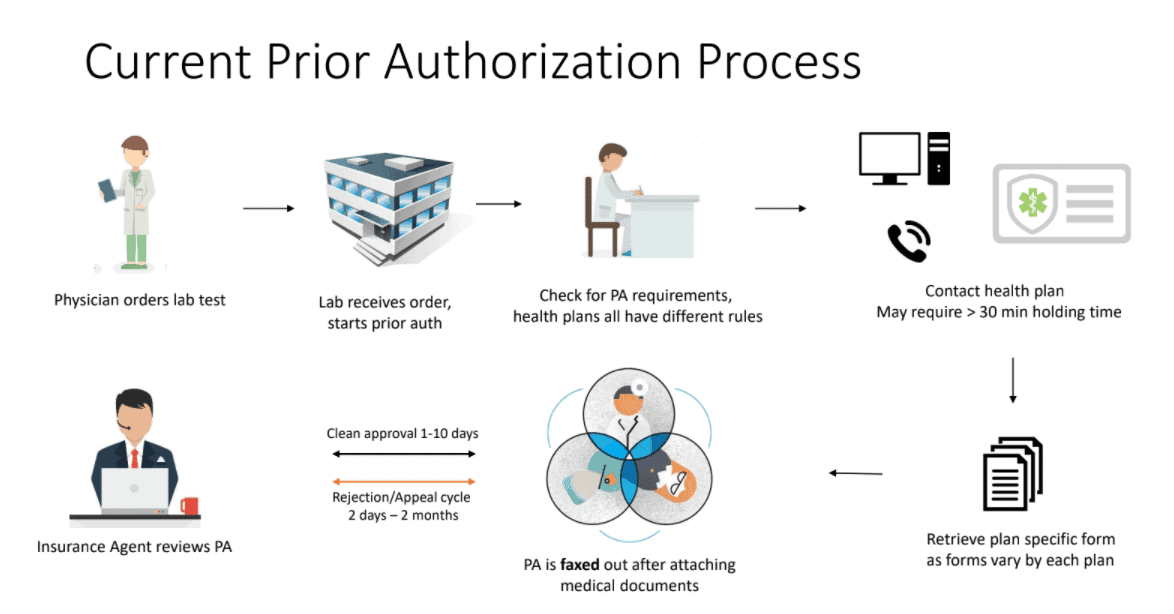
Prior Authorization and Patient Harm
• 34% of physicians report that PA has led to a serious adverse event for a patient in their care. • 24% of physicians report that PA has led to a patient’s hospitalization. • 18% of physicians report that PA has led to a life-threatening event or required intervention to prevent permanent impairment or damage. • 8% of physicians report that PA has led to a patient’s disability/permanent bodily damage, congenital anomaly/birth defect or death.
Beginning in 2022, there will be few situations in which a patient can receive a bill for out-of-network care they believed would be covered by their insurance company. This new rule should especially benefit patients in emergency situations who don’t have the time or luxury to dig up the details on every provider they encounter.
The No Surprises Act also requires insurance companies to provide patients with at least 90 days of coverage if an in-network provider moves out of network. That way, patients aren’t forced to switch providers immediately if such a move happens while they’re in the middle of a treatment plan.
Now, the No Surprises Act does have its limitations. Patients can still get a bill for out-of-network care if they visit an urgent care clinic for non-emergency purposes. Also, if consumers are informed that the care they’re about to receive is out of network and they give written consent to move forward, then they may get billed for that care even once the new rule takes effect.
QPADEFINITION: The qualifying payment amount is generally the median of contracted rates for a specific service in the same geographic region within the same insurance market as of January 31, 2019. The rate will be adjusted per the Consumer Price Index for All Urban Consumers (CPI-U).
Posted on March 1, 2022 by Dr. David Edward Marcinko MBA MEd CMP™
***
Dr. Eric Bricker Explains How Medicare Can Take Money Back from Hospitals if itWants. If the Hospital Thinks Medicare is Being Unfair, the Appeals Process Takes 3 Years!
BE AWARE ALL ADVISORS … NEXT GEN FINANCIAL ADVICE IS HERE?
Are you a financial planner, insurance agent or investment advisor seeking to assist your physician clients with medical practice enhancement solutions, along with healthcare targeted financial planning services, but don’t know where to turn for help?
OR, maybe you’ve already had a bad experience with a young physician or astute healthcare professional client that was actually more informed than you in these areas?
OR, a doctor/nurse client who demanded a true fiduciary advisor [not fee-based advice, with no dual licenses and no arbitration clauses] documented in writing].
After an understandable slowdown in 2020, due to the onset of the COVID-19 pandemic, merger & acquisition (M&A) activity in the healthcare industry accelerated in 2021, and the industry is expected to continue the high number of deals and high deal volume in 2022.
***
***
This Health Capital Topics article will review the U.S. healthcare industry’s M&A activity in 2021, and discuss what these trends may mean for 2022. (Read more…)
Posted on February 23, 2022 by Dr. David Edward Marcinko MBA MEd CMP™
***
By Staff Reporters
***
***
A recent American College of Healthcare Executives’ survey of 310 hospital CEOs shows:
• 94% have personnel shortages in registered nursing field • 85% have personnel shortages in technicians field • 67% have personnel shortages in therapists field • 45% have personnel shortages in primary care physicians field • 43% have personnel shortages in physician specialists field • 31% have personnel shortages in physician extenders and specially certified nurses field
Posted on February 23, 2022 by Dr. David Edward Marcinko MBA MEd CMP™
***
***
By Staff Reporters
***
An annual study of over 1,500 U.S. consumers, shows:
• 55% of consumers find it stressful paying a healthcare bill. • 53% of consumers find it stressful understanding their plan’s coverage and benefits. • 53% of consumers find it stressful comprehending what they owe. • 59% of consumers find it stressful reconciling a bill issue with their payer.
Posted on February 22, 2022 by Dr. David Edward Marcinko MBA MEd CMP™
***
By Staff Reporters
***
***
56% of Patients Attempted to Stretch Out a Prescription According tot a Recent CoverMyMeds Survey of 1,000 patients. It found:
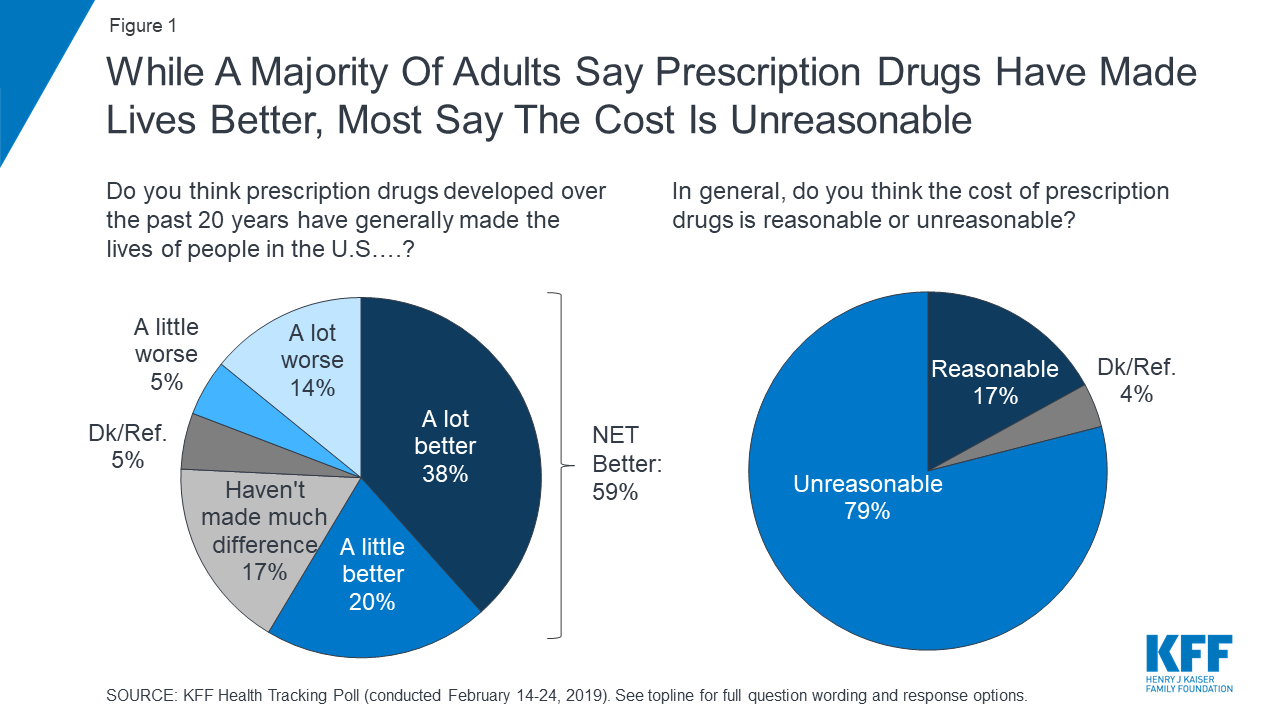
• 79% of patients said they’ve gone to the pharmacy only to discover a prescription cost more than they expected. • When faced with an affordability challenge, 56% of patients attempted to stretch out a prescription. • When faced with an affordability challenge, 52% of patients skipped bills or other essential items to afford medications. • When faced with an affordability challenge, 51% of patients sacrificed medications to pay bills and other essentials.
Posted on February 10, 2022 by Dr. David Edward Marcinko MBA MEd CMP™
By Staff Reporters
***
Average Annual Growth Rates of Spending, Utilization, and Prices
• Spending per person: commercial insurers (3.2% per year); Medicare fee for service (1.8% per year) • Utilization per person: commercial insurers (0.4% per year); Medicare fee for service (0.5% per year) • Prices paid to providers: commercial insurers (2.7% per year); Medicare fee for service (1.3% per year).
Notes: For hospitals and physicians’ services, 2013-2018 Source: Congressional Budget Office – January 2022
Notes: U.S. value obtained from National Health Expenditure data. Data from Australia, Belgium, Canada, Japan and Switzerland are from 2019. Data for Australia, France, and Japan are estimated. Data for Austria, Canada, Germany, Netherlands, and Sweden are provisional. Health consumption does not include investments in structures, equipment, or research. Data for 2020 except as noted. Source: KFF analysis of National Health Expenditure (NHE) and OECD data, January 21, 2022
Posted on February 6, 2022 by Dr. David Edward Marcinko MBA MEd CMP™
By Staff Reporters
****
***
It’s February – American Heart Month – a time when the nation spotlights heart disease, the No. 1 killer of Americans.
President Lyndon B. Johnson, among the millions of people in the country who’d had heart attacks, issued the first proclamation in 1964. Since then, U.S. presidents have annually declared February American Heart Month.
Throughout the month, the American Heart Association’s “Heart to Heart: Why Losing One Woman Is Too Many” campaign will raise awareness about how 1 in 3 women are diagnosed with heart disease annually.
The first Friday of American Heart Month, Feb. 5, is also National Wear Red Day as part of the AHA’s Go Red for Women initiative. Coast to coast, landmarks, news anchors and neighborhoods go red to raise awareness and support for the fight against heart disease. For more information on the event and other activities during the month, visit goredforwomen.org.
This year, the federally designated event is even more important due to the impact of the coronavirus on the public’s heart health, including potential harmful effects on the heart and vascular system, according to recent research.
Also, during the COVID-19 pandemic, many people have delayed or avoided going to hospitals for heart attacks and strokes – netting poorer outcomes and prompting the AHA to create “Don’t Die of Doubt,” a national awareness campaign that reminds people that hospitals are the safest place to go when you have symptoms.
And while in lock-down, more people have engaged in unhealthy lifestyle behaviors, such as eating poorly, drinking more alcohol and limiting physical activity, that can contribute to heart disease.
Meanwhile, heart disease continues to be the greatest health threat to Americans and is still the leading cause of death worldwide, according to the AHA’s Heart Disease and Stroke Statistics – 2021 Update.
The update, published in the association’s flagship journal Circulation, reports that nearly 18.6 million people across the globe died of cardiovascular disease in 2019, the latest year for which worldwide statistics are calculated. That’s a 17.1% increase over the past decade. And 523.2 million cases of cardiovascular disease were reported in 2019, a 26.6% increase over 2010.
During American Heart Month, the AHA and other organizations reinforce the importance of heart health, the need for more research and efforts to ensure that millions of people live longer and healthier.
In most cases, heart disease is preventable when people adopt a healthy lifestyle, which includes not smoking, maintaining a healthy weight, controlling blood sugar and cholesterol, treating high blood pressure, getting at least 150 minutes of moderate-intensity physical activity a week and getting regular checkups.
Posted on February 3, 2022 by Dr. David Edward Marcinko MBA MEd CMP™
By Staff Reporters
***
***
This is just the fourth National Women Physicians Day, on February 3rd . The event celebrates Elizabeth Blackwell’s birthday; she was the first female medical doctor in the U.S. It’s a time to honor women doctors across the country, and the progress they’ve made since Blackwell’s time.
***
Nationally, there are still fewer female doctors than male doctors, but the progress is steady. In 2017, for the first time in history, women made up more than half of all those in medical schools.
Posted on February 2, 2022 by Dr. David Edward Marcinko MBA MEd CMP™
***
By Richard Helppie
***
We’re posting this episode of The Common Bridge, with Henry Ford Health System President and CEO, Wright Lassiter, III complete with written transcript, along with the podcast and video links because there were technical difficulties with Mr. Lassiter’s audio. This way, you can read along, or refer back to us.
Data Platform: Their health provider members care for tens of millions of people and operate thousands of care facilities, providing more than 15% of all care in the United States. Clinical data from this care is de-identified daily and brought together in the Truveta platform to advance patient care and accelerate development of new therapies.
Posted on January 26, 2022 by Dr. David Edward Marcinko MBA MEd CMP™
By Staff Reporters
***
Maestro Health: Top 5 Ranked Risk Areas
Maestro Health surveyed 600 U.S.-based HR professionals. Survey respondents anticipate their company’s medical costs will increase. The top areas at risk are:
• Decreases in annual physicals/screenings: 62% • Increased pharmaceutical costs: 49% • Unvaccinated employees: 47% • More elective surgeries: 46% • Increased urgent care costs: 45%
Posted on January 25, 2022 by Dr. David Edward Marcinko MBA MEd CMP™
By Staff Reporters
***
StockMarkets: The major equity indexes staged a thrilling comeback to close solidly in positive territory. At one point, the NASDAQ was down nearly 5% and the S&P entered correction territory.
Mark Cuban: The billionaire owner of the Dallas Mavericks just launched an online pharmacy for generic drugs that looks to cut out middlemen and combat pharmaceutical industry price gouging by offering steep discounts. Set up as CostPlusDrugs.com with 100 generic drugs to treat conditions like diabetes and asthma. Cost Plus will not accept health insurance but claims its prices will still be lower than what people would typically pay at a pharmacy. “All drugs are priced at cost plus 15%!” Cuban tweeted.
Posted on January 24, 2022 by Dr. David Edward Marcinko MBA MEd CMP™
BY STAFF REPORTERS
Optum recently conducted a survey of 500 senior health care executives. Respondents said they are excited about the potential for AI in improving patient outcomes in multiple ways:
• Virtual patient care (41%) • Diagnosis and predicting outcomes (40%) • Medical image interpretation (36%)
Posted on January 24, 2022 by Dr. David Edward Marcinko MBA MEd CMP™
By Staff Reporters
Stock Markets: The S&P is off to its worst start to a year since 2016. The NASDAQ is in a correction. And the week ahead features a busy earnings slate and a Federal Reserve meeting.
CovisPandemic: Tony Dr. Fauci said he is “confident as you can be” that the Omicron wave in the US will peak by mid-February. In a growing number of states, that peak has already come and gone and cases are plunging in states like New York and Florida. Other states, such as Oklahoma, Idaho, and Wyoming, are still reporting an uptick in new Covid cases.
Crypto-Currency: Crypto investors, meanwhile, wish they got the weekend off like stock traders, because bitcoin, ethereum, and other digital tokens continued to sink.
Federal Reserve: Federal Reserve officials will get together on Tuesday and Wednesday against the backdrop of quaking markets. Investors will want to hear an update on Chair Jerome Powell’s views on inflation. This Fed meeting will likely be the last before an anticipated interest rate hike in March. And, a blizzard of companies will report including nearly half of the Dow’s 30 giants (American Express, 3M, IBM, and more) and tech heavyweights such as Apple, Microsoft, and Tesla.
Tax Season: The income tax filing season opens today and government officials warn it could be bumpy due to a depleted IRS. The Treasury says to file early, file online, and request your refund via direct deposit to avoid the severe headaches.
Posted on January 23, 2022 by Dr. David Edward Marcinko MBA MEd CMP™
By Staff Reporters
Mark Cuban, not Congress, will give Americans cheaper prescription drugs
****
When universal health care fails to pass in Congress, there’s always Mark Cuban to fall back on. The billionaire and Dallas Mavericks owner launched an online pharmacy this week in order to combat the price gouging of prescription drugs by large pharmaceutical companies.
The Mark Cuban Cost Plus Drug Co. (MCCPDC) will offer more than 100 generic drugs that will be purchased directly from the manufacturers and sold online with a 15 percent markup across the board and a small pharmacist fee. For context, pharmaceutical companies generally mark prices up at least 100 percent and up to 1000 percent in some cases.
Posted on January 19, 2022 by Dr. David Edward Marcinko MBA MEd CMP™
By Staff Reporters
***
StockMarkets: The prospect of higher borrowing costs has pummeled tech companies this year, and that didn’t change even after the market’s day off Monday. The 10-year yield jumped to its highest level in two years yesterday, pushing stocks (especially the tech-heavy NASDAQ) lower.
OilEnergy: Oil prices jumped to a 7-year high after an attack in the UAE raised concerns about a supply squeeze. Goldman Sachs predicts that Brent crude, the international oil benchmark, will top $100 a barrel this year because the pandemic hasn’t hurt demand for fuel as much as expected.
Gaming: An Activision Blizzard takeover would also be the biggest deal in the history of gaming, easily topping Take-Two’s purchase of Zynga for $12.7 billion last week. And, with the help of Activision’s impressive portfolio of titles including Call of Duty,World of Warcraft, Overwatch, Diablo, and Candy Crush, Microsoft will try to galvanize its monthly subscription business, Xbox Game Pass, as the “Netflix for games.”
Pandemic: New Covid cases have peaked in US regions that were hit hardest by the highly contagious variant, like the Northeast. For example, in New York City, the 7-day average of daily new cases has fallen to less than 20,000 from a high of almost 43,000 earlier this month. And, in the capital of Washington, DC, case numbers are down 20% over the last 14 days. Still, because hospitalizations tend to lag case growth by a few weeks, health care facilities are still treating more Covid patients. The average number of Covid hospitalizations has jumped 54% in the last two weeks, to 157,000.
Posted on January 18, 2022 by Dr. David Edward Marcinko MBA MEd CMP™
Telemedicine: Fraud and Abuse During the COVID Pandemic
By Susan Walberg
The COVID-19 pandemic has brought with it huge challenges for people all over the world; not only the obvious health-related concerns but also shutdowns, unemployment, financial difficulties, and a variety of lifestyle changes as a result.
When the COVID pandemic struck, CMS quickly recognized that access to care would be an issue, with healthcare resources strained and many providers or suppliers shutting down their offices or drastically limiting availability. Patients who needed routine care or follow-up visits were at risk for not receiving services during a time when healthcare providers were scrambling to enhance infection control measures and implement other new safety standards to protect patients and healthcare workers.
The Centers for Medicare and Medicaid Services (CMS) has responded by easing restrictions and regulatory burdens in order to allow patients to receive the healthcare services they need without undue access challenges. One key area that has changed is the restrictions related to telehealth services, which were previously only paid by Medicare under certain circumstances, such as patients living in remote areas.
Among the changes and waivers CMS has offered, telemedicine reimbursement is among the more significant. Telemedicine services, which includes office visits and ‘check ins’ are now allowed and reimbursed by Medicare. In addition to reimbursement changes, CMS has also relaxed the HIPAA privacy and information security enforcement standards, paving the way for providers to adopt a new model of providing services electronically.
Posted on January 13, 2022 by Dr. David Edward Marcinko MBA MEd CMP™
By Staff Reporters
***
Spike in Hospitals Suing Patients for Unpaid Medical Bills
• Lawsuits over unpaid bills for hospitals rose by 37% in Wisconsin from 2001 to 18. • Wage garnishments from the lawsuits rose 27% in that time period. • 5% of hospitals account for 25% of lawsuits. Nonprofit hospitals and critical access hospitals are more likely to sue patients, according to the study. • There were 1.86 lawsuits per 1,000 Black residents in 2018, compared to 1.32 per 1,000 white residents.
Posted on January 13, 2022 by Dr. David Edward Marcinko MBA MEd CMP™
By Staff Reporters
***
COVID-19 Prevention and Treatment
The majority of COVID-19 patients being treated in hospitals are unvaccinated or have not received a booster dose of the vaccine. These hospitalizations show how vaccines work and highlight the importance of continued vaccination efforts. President Biden has emphasized that vaccines, boosters, and therapeutic drugs have lessened the danger of COVID-19 for vaccinated people.
Vaccine Recommendations: A new recommendation from the CDC says that people who were initially immunized with the Pfizer vaccine should now receive their booster dose after five months, down from six. Some people with weakened immune systems will soon be eligible for a fourth dose of the COVID-19 vaccine and an Omicron specific vaccine could be ready by March.
Vaccine Mandates:The Supreme Court is weighing the Biden administration’s requirement that workers get vaccinated or be tested regularly for COVID-19. Many states and cities have created their own vaccine rules and employers are left confused about what to do next during the legal battles and the current rise in cases.
At-Home Testing Shortage: There is a shortage of COVID-19 at-home test kits and kit prices are rising as are reports of price gouging. The White House announced a policy to make at-home tests freely available to Americans. Learn more about at-home tests and their accuracy here.
Antiviral Pills:Doctors express concern that the limited supply of antiviral drugs is unlikely to ameliorate the strain hospitals are experiencing. The U.S. doubled its order for Pfizer’s COVID pill so there’s enough for 20 million people.
Posted on January 13, 2022 by Dr. David Edward Marcinko MBA MEd CMP™
BY STAFF REPORTERS
***
Stock Markets: An inflation report couldn’t stop stocks from pushing higher yesterday, likely because it wasn’t worse than expected. Biogen shares tumbled after Medicare said it would limit coverage of its controversial $28,000 Alzheimer’s drug, Aduhelm; as the ME-P has noted.
Covid Pandemic: The current Omicron wave is projected to peak by January 19th in the US, according to an influential model from the University of Washington. Then, cases are expected to plummet “simply because everybody who could be infected will be infected,” Washington professor Ali Mokdad told the AP. Cases appear to have already peaked in Britain.
Posted on January 12, 2022 by Dr. David Edward Marcinko MBA MEd CMP™
By Staff Reporters
A survey that Redpoint Global conducted with Dynata of more than 1,000 US healthcare consumers found:
• 57% of healthcare consumers think retailers and/or financial services are better at providing personalized omnichannel experiences than healthcare • 29% said they expect frictionless check-in experiences across apps/phone calls/in-office • 34% expect data inputs in a healthcare portal (health history, surveys, insurance information, etc.) to reach providers • 24% of respondents said they did not utilize any sort of digital communication with providers during the pandemic • 14% said they had no contact with any healthcare provider during the same timeframe