BOARD CERTIFICATION EXAM STUDY GUIDES Lower Extremity Trauma
[Click on Image to Enlarge]
ME-P Free Advertising Consultation
The “Medical Executive-Post” is about connecting doctors, health care executives and modern consulting advisors. It’s about free-enterprise, business, practice, policy, personal financial planning and wealth building capitalism. We have an attitude that’s independent, outspoken, intelligent and so Next-Gen; often edgy, usually controversial. And, our consultants “got fly”, just like U. Read it! Write it! Post it! “Medical Executive-Post”. Call or email us for your FREE advertising and sales consultation TODAY [678.779.8597] Email: MarcinkoAdvisors@outlook.com
Medical & Surgical e-Consent Forms
ePodiatryConsentForms.com
iMBA Inc., OFFICES
Suite #5901 Wilbanks Drive, Norcross, Georgia, 30092 USA [1.678.779.8597]. Our location is real and we are now virtually enabled to assist new long distance clients and out-of-town colleagues.
ME-P Publishing
SEEKING INDUSTRY INFO PARTNERS?
If you want the opportunity to work with leading health care industry insiders, innovators and watchers, the “ME-P” may be right for you? We are unbiased and operate at the nexus of theoretical and applied R&D. Collaborate with us and you’ll put your brand in front of a smart & tightly focused demographic; one at the forefront of our emerging healthcare free marketplace of informed and professional “movers and shakers.” Our Ad Rate Card is available upon request [678-779-8597].
Posted on March 14, 2024 by Dr. David Edward Marcinko MBA MEd CMP™
By Staff Reporters
***
***
DEFINITION: Creeping, or mild, inflation occurs when prices rise slowly. According to the Federal Reserve, when prices increase by 2% or less, it benefits economic growth. This kind of mild inflation makes consumers expect that prices will keep going up, which boosts demand.
And so, inflation was a bit warmer last month as consumer prices rose 3.2% in February, the Labor Department just reported, up from the 3.1% that economists expected. That marks the second straight month that inflation came in higher than forecast. The data reinforces the Fed’s position to wait until inflation is tamed before cutting interest rates. Still, the central bank is widely expected to cut rates sometime later this year despite yesterday’s less-than-ideal report. It will meet next week to continue deliberations on a potential rate reduction.
The S&P 500® index (SPX) fell 9.96 points (0.2%) to 5,165.31; the Dow Jones Industrial Average gained 37.83 points (0.1%) to 39,043.32; the NASDAQ Composite® (COMP) declined 87.87 points (0.5%) to 16,177.77.
The 10-year Treasury note yield (TNX) rose almost 4 basis points to 4.192%.
The CBOE Volatility Index® (VIX) fell slightly to 13.75.
Energy shares were among the market’s strongest performers Wednesday behind gains in crude oil prices. Brent crude futures (/BZ), the global benchmark, rose above $84 to end at their highest level since early November after Ukrainian strikes on oil refineries in Russia stirred concern over supply disruptions. The S&P Energy Index ($SP500#10) jumped 1.5% and reached its highest level since late October, while the S&P 500 Materials Index ($SP500#15) rose almost 1% and ended at a record high.
Posted on March 13, 2024 by Dr. David Edward Marcinko MBA MEd CMP™
By Staff Reporters
***
***
Pharmaceutical companies have filed a slew of suits around the country to get federal judges to invalidate a government program aimed at lowering drug costs for seniors by allowing Medicare to negotiate prices, as is the norm in many other countries, according to the Washington Post. The companies argue it’s unconstitutional and would inhibit their ability to develop new treatments.
The Federal Reserve is looking for steady, reliable signs that inflation is simmering down before it cuts interest rates this year. So far, 2024 has not delivered. Data released by the Bureau of Labor Statistics on Tuesday showed prices rose 3.2 percent over last year, slightly outpacing forecasts of 3.1 percent. Prices also rose 0.4 percent in February over the previous month — in line with expectations, but still hotter than economists would like to discern.
Stocks swung up on Tuesday as investors shrugged off a middling inflation report and looked ahead to next week’s Fed meeting. Meanwhile, Oracle went sky-high, posting its best day since 2021 after demand for AI prompted a huge increase in sales for its cloud computing business.
Here’s where the major benchmarks ended:
The S&P 500® index (SPX) gained 57.33 points (1.1%) to 5,175.27; the Dow Jones Industrial Average® ($DJI) added 235.83 points (0.6%) to 39,005.49; the NASDAQ Composite® (COMP) climbed 246.36 points (1.5%) to 16,265.64.
The 10-year Treasury note yield (TNX) rose about 5 basis points to 4.155%.
The CBOE Volatility Index® (VIX) fell 1.38 to 13.84.
Chip makers’ bounce-back helped boost the Philadelphia Semiconductor Index (SOX) more than 2%, as it recovered part of a 5% drop the previous two trading days. Industry leader Nvidia (NVDA) jumped over 7%. Consumer discretionary and communications services shares were also among the strongest areas. Regional banks and real estate were among the weakest sectors as the CPI data spurred an upturn in Treasury yields.
Posted on March 12, 2024 by Dr. David Edward Marcinko MBA MEd CMP™
By Staff Reporters
***
***
Stocks were mixed yesterday as investors looked ahead to what today’s government inflation data will bring. Boeing took a dive and the stock is down 24% this year.
Here’s where the major benchmarks ended:
The S&P 500® index (SPX) fell 5.75 points (0.1%) to 5,117.94; the Dow Jones Industrial Average® ($DJI) gained 46.97 points (0.1%) to 38,769.66; the NASDAQ Composite® (COMP) declined 65.84 points (0.4%) to 16,019.27.
The 10-year Treasury note yield (TNX) was up almost 1 basis point to 4.096%.
The CBOE Volatility Index® (VIX) rose 0.45 to 15.19.
Chip maker weakness sent the Philadelphia Semiconductor Index (SOX) down 1.36% Monday following a 3.5% drop Friday, when the benchmark initially set a record intra-day high above 5,217. The index is still up 17% this year.
Other sectors outside of tech extended recent strength, including the Dow Jones Utility Index ($DJU), which gained for the fourth straight day and ended at its highest level since February 1. The S&P Energy Index ($SP500#10) reached its highest level since late October, while the S&P 500 Materials Index ($SP500#15) advanced over 1% to its highest post in nearly two years.
Posted on March 9, 2024 by Dr. David Edward Marcinko MBA MEd CMP™
By Staff Reporters
Tomorrow is the start of daylight saving time. Enjoy the extra hour of evening light.
***
***
UnitedHealth Group is laying out a timeline to restore its systems as a cyberattack on its Change Healthcare subsidiary continues to disrupt the health care industry for nearly a third week. The company said Thursday it’s still working “aggressively” to restore its services after the attack Feb. 21st caused it to shut down its insurance claims and payment platforms, leaving health care providers and pharmacies across the nation unable to process prescriptions or pay employees, but as of now, its electronic prescribing is back to being “fully functional.”
***
Stocks tumbled yesterday, giving the Dow its worst week since October as Nvidia’s seemingly unstoppable rally…stopped. Meanwhile, bitcoin notched another record, hitting $70,000 for the first time before the volatile cryptocurrency retreated.
Government: The Senate passed vital funding bills just barely ahead of a shutdown deadline, ensuring the government can stay open—at least for now. But they still need to pass more before March 22nd.
Here’s where the major benchmarks ended:
The S&P 500 index (SPX) fell 33.67 points (0.7%) to 5,123.69, down 0.3% for the week; the Dow Jones Industrial Average® ($DJI) lost 68.66 points (0.2%) to 38,722.69, down 0.9% for the week; the NASDAQ Composite (COMP) dropped 188.26 points (1.2%) to 16,085.11, down 1.2% for the week.
The 10-year Treasury note yield (TNX) fell more than 1 basis point to 4.079%.
The CBOE Volatility Index® (VIX) rose 0.30 to 14.74.
The Philadelphia Semiconductor Index (SOX) sank 3.5% Friday but still gained 0.6% for the week, its third straight weekly advance. Bank and utility shares were among the market’s few areas of strength, and small-cap stocks held up relatively well. The Russell 2000® Index (RUT) fell 0.1% after earlier climbing to a two-year high but still added 0.3% for the week, its fourth weekly gain in the past five.
Posted on March 8, 2024 by Dr. David Edward Marcinko MBA MEd CMP™
By Staff Reporters
***
***
Stocks surged yesterday, once again pushing the S&P 500 and NASDAQ to record highs, after Fed Chair Jerome Powell said he expects interest rates to come down this year. It was also a big day for Rivian which zoomed 13% after it revealed three new vehicles.
Here’s where the major benchmarks ended:
The S&P 500 index rallied 52.60 points (1.0%) to 5,157.36; the Dow Jones Industrial Average gained 130.30 points (0.3%) to 38,791.35; the NASDAQ Composite climbed 241.83 points (1.5%) to 16,273.38.
The 10-year Treasury note yield (TNX) lost almost 2 basis points to 4.085%.
The CBOE Volatility Index® (VIX) fell 0.06 to 14.44.
Chip-maker strength boosted the Philadelphia Semiconductor Index (SOX) 3.4% to its fourth record close in the past five trading days. The index has gained 9.3% so far this month and 24% for the year. Oilfield services and communication services companies were also among the market’s strongest sectors. Small-cap shares joined the rally, boosting the Russell 2000® Index (RUT) 0.8% to a two-year high.
In other markets, the U.S. dollar index (DXY) slipped 0.5%, its fifth consecutive daily decline, and touched a five-week low. The dollar has been under pressure from expectations for lower U.S. interest rates.
Posted on March 7, 2024 by Dr. David Edward Marcinko MBA MEd CMP™
By Staff Reporters
***
***
American Express Co. has told an undisclosed number of cardholders that their account information may have been breached in a recent hacking of a merchant processor. Current and previously issued American Express Card account numbers, expiration dates and customer names may have been compromised, AmEx stated in a notice filed last week with Massachusetts regulators.
The S&P 500® index (SPX) rose 26.11 points (0.5%) to 5,104.76; the Dow Jones Industrial Average® (DJI) gained 75.86 points (0.2%) to 38,661.05; the NASDAQ Composite® (COMP) added 91.95 points (0.6%) to 16,031.54.
The 10-year Treasury note yield (TNX) dropped about 3 basis points to 4.108%, near a four-week low.
The CBOE Volatility Index® (VIX) rose 0.04 to 14.50
Semiconductor shares were among the market’s strongest performers Wednesday, and utilities and consumer staples were also firm. Banks shares took pressure despite further declines in Treasury yields. In other markets, the U.S. dollar index (DXY) fell near a five-week low and Gold (/GC) futures extended a rally to a record above $2,160 per ounce, reflecting expectations for lower U.S. interest rates.
Posted on March 6, 2024 by Dr. David Edward Marcinko MBA MEd CMP™
By Staff Reporters
***
***
According to Fidelity, in documents filed with the Maine attorney general’s office, miscreants “likely acquired” information about 28,268 people’s life insurance policies after infiltrating Infosys.
***
***
Criminals have probably stolen nearly 30,000 Fidelity Investments Life Insurance customers’ personal and financial information — including bank account and routing numbers, credit card numbers and security or access codes — after breaking into Infosys’ IT systems.
***
***
Healthcare providers across the United States are struggling to get paid following the week-long ransomware outage at a key tech unit of UnitedHealth Group, with some smaller medical providers saying they are already running low on cash.
And, the nation’s health-care system continues to reel from a cyberattack that has crippled payments for tens of thousands of organizations as Daniel Gilbert writes in The Post.
The S&P 500® index (SPX) dropped 52.30 points (1.0%) to 5,078.65; the Dow Jones Industrial Average decreased 404.64 points (1.0%) to 38,585.19; the NASDAQ Composite fell 267.92 points (1.7%) to 15,939.59.
The 10-year Treasury note yield (TNX) fell about 8 basis points to 4.137%.
The CBOE Volatility Index® (VIX) rose 0.97 to 14.46.
With chip makers under pressure, the Philadelphia Semiconductor Index (SOX) fell 2.1%, reversing part of a recent surge to a record high. Consumer discretionary and real estate shares also ranked among the weakest performers Tuesday. Banks were one of the few industries to buck the broader weakness, perhaps supported by further declines in Treasury yields. The 10-year Treasury note yield (TNX) almost fell to a four-week low near 4.11%. The KBW Regional Banking Index (KRX) jumped 4.3%.
In other markets, bitcoin plunged almost 10% after climbing earlier Tuesday to a record above $69,000. The cryptocurrency had rallied as much as 36% over the last week of February.
Posted on March 5, 2024 by Dr. David Edward Marcinko MBA MEd CMP™
By Staff Reporters
***
***
Stat: 125,000+. That’s how many high-income people the IRS is targeting for not filing their taxes. The IRS started sending letters last week to folks with over $400,000 in income who haven’t filed between 2017 and 2022 (Journal of Accountancy)
The S&P 500 index fell 6.13 points (0.1%) to 5,130.95; the Dow Jones Industrial Average lost 97.55 points (0.3%) to 38,989.83; the NASDAQ Composite declined 67.43 points (0.4%) to 16,207.51.
The 10-year Treasury note yield (TNX) rose about 4 basis points to 4.219%.
The CBOE Volatility Index® (VIX) increased 0.38 to 13.49.
Ongoing strength in chip makers propelled a 1.1% advance in the Philadelphia Semiconductor Index (SOX), which posted a record high for the third-straight trading day. Banks were also among the strongest performers. Small-cap shares eased, with the Russell 2000® Index (RUT) ending with a marginal loss after rising earlier to a two-year high.
Posted on March 1, 2024 by Dr. David Edward Marcinko MBA MEd CMP™
By Staff Reporters
***
***
The Bumble dating app said this week that it plans to lay off 30% of its staff (about 350 employees) after a Q4 earnings report highlighted that profits are ghosting the company and Gen Z considers dating apps a turnoff. Bumble CEO Lidiane Jones, who took over in November when founder Whitney Wolfe Herd stepped down, said the cuts would save the company around $55 million. The company plans to invest in relaunching the app next quarter with new safety and AI features to entice all those looking for love.
The S&P 500 index rose 26.51 points (0.5%) to 5,096.27, up 5.2% for the month; the Dow Jones Industrial Average® (DJI) added 47.37 points (0.1%) to 38,996.39, up 2.2% for the month; the NASDAQ Composite gained 144.18 points (0.9%) to 16,091.92, up 6.1% for the month.
The 10-year Treasury note yield (TNX) fell about 3 basis points to 4.244%.
The CBOE Volatility Index® (VIX) dropped 0.44 to 13.40.
Chipmaker shares were among the strongest performers Thursday, helping lift the Philadelphia Semiconductor Index (SOX) 2.7% to a record high close. Banks and food and beverage industries were also firm. Small-cap stocks also extended a recent upswing. The Russell 2000® Index (RUT) erased much of an initial surge to a 22-month high but still finished with a 0.7% advance, gaining 5.5% for the month.
***
***
Hackers that allegedly caused the UnitedHealth Group cyberattack reportedly posted on the dark web that they stole personal data and the records of “millions” of patients.
In a now-deleted post, the Blackcat ransomware group – also known as ALPHV or Noberus – said it stole several terabytes of data from UnitedHealth, which includes medical insurance and health data, Reuters reported, citing screenshots of the post.
Posted on February 29, 2024 by Dr. David Edward Marcinko MBA MEd CMP™
By Staff Reporters
HAPPY LEAP YEAR DAY
***
***
Stocks fell yesterday, while bitcoin almost touched an all-time high after surging 20% in five days as its halving approaches. UnitedHealth dipped on reports that antitrust regulators are investigating the massive insurer.
***
***
Here’s where the major benchmarks ended:
The S&P 500® index (SPX) fell 8.42 points (0.2%) to 5,069.76; the Dow Jones Industrial Average lost 23.39 points (0.1%) to 38,949.02; the NASDAQ Composite® (COMP) declined 87.56 points (0.6%) to 15,947.74.
The 10-year Treasury note yield (TNX) fell about 5 basis points to 4.264%.
The CBOE Volatility Index® (VIX) rose 0.39 to 13.82.
Regional banks and semiconductors were among the weakest performers Wednesday, and communications services and health care shares were also soft. Real estate shares bucked the weakness in many sectors to post firm gains. Food and beverage and consumer discretionary sectors also firmed. In other markets, WTI crude oil (/CL) futures rose to a three-month high at $79.62 per barrel before ending lower after the Energy Information Administration reported a rise in U.S. inventories.
Posted on February 28, 2024 by Dr. David Edward Marcinko MBA MEd CMP™
By Staff Reporters
***
***
Merger and Acquisition (M&A) activity was down in 2023, but McKinsey says we should keep our chins up based on the strong final months of the year and economic optimism among professionals. For example, Global M&A activity last year totaled $3.1 trillion, dropping 16% from 2022, McKinsey found in a new report by senior partners Jake Henry and Mieke Van Oostende. But, the value of M&A activity in the fourth quarter increased 41% over Q3 and 37% year over year.
Stocks were mixed yesterday, with the S&P 500 and NASDAQ inching up and the Dow Jones dropping ahead of the release of key inflation data later this week. Viking Therapeutics, whose stock more than doubled after it reported positive results for its weight-loss drug trial in a bid to break into a sector dominated by Eli Lilly and Novo Nordisk.
Here’s where the major stock market benchmarks ended:
The S&P 500® index (SPX) rose 8.65 points (0.2%) to 5,078.18; the Dow Jones Industrial Average® (DJI) fell 96.82 points (0.3%) to 38,972.41; the NASDAQ Composite® (COMP) gained 59.05 points (0.4%) to 16,035.30.
The 10-year Treasury note yield (TNX) rose about 1 basis point to 4.309%.
The CBOE Volatility Index® (VIX) dropped 0.31 to 13.43.
Retailer strength helped lift the S&P Retail Select Industry Index (SPSIRE) 2.4% to its highest level in 22 months. Utility shares were also strong as the sector rebounded from the previous day’s slump. The small-cap Russell 2000® (RUT) jumped 1.3% to extend a nearly week-long rally and posted its second-highest close of the year.
In other markets, WTI crude oil (/CL) futures surged 1.4% and settled just under $79 per barrel, the market’s highest close since early November. Strength in oil reflects concern over conflict in the Middle East and expectations OPEC may extend production cuts beyond the first few months of 2024.
Posted on February 27, 2024 by Dr. David Edward Marcinko MBA MEd CMP™
By Staff Reporters
***
***
Stocks fell as the Dow got a special delivery from Amazon, which joined the index yesterday, replacing Walgreens. That didn’t give the Dow a boost for the day, but it should help the index—whose performance is trailing the S&P 500—going forward by giving it more tech power.
Here’s where the major benchmarks ended:
The S&P 500 index fell 19.27 points (0.4%) to 5,069.53; the Dow Jones Industrial Average® (DJI) lost 62.30 points (0.2%) to 39,069.23; the NASDAQ Composite® (COMP) dropped 20.57 points (0.1%) to 15,976.25.
The 10-year Treasury note yield (TNX) rose about 2 basis points to 4.28%.
The CBOE Volatility Index® (VIX) fell 0.01 to 13.74.
Utility shares were among the weakest performers Monday, which may reflect pressure from Treasury yields that remain at their highest levels in over two months. High Treasury yields may compel some investors to forgo utility shares, which typically offer relatively high dividend yields. Communication services companies were also weak. Among stronger areas, the Russell 2000® (RUT) gained 0.6% for its third-straight daily advance.
Posted on February 24, 2024 by Dr. David Edward Marcinko MBA MEd CMP™
By Staff Reporters
***
An astonishing week in the stock market wrapped up with the S&P 500 hitting a record high. While Nvidia’s blowout earnings were the stars. For example, kudos to Carvana, which recorded its first-ever annual profit on its comeback tour from the COVID-19 pandemic.
***
***
Here’s where the major benchmarks ended:
The S&P 500 index rose 1.77 points (0.03%) to 5,088.80, up 1.7% for the week; the Dow Jones Industrial Average gained 62.42 points (0.2%) to 39,131.53, up 1.3% for the week; the NASDAQ Composite tumbled 44.80 points (0.3%) to 15,996.82.
The 10-year Treasury note yield (TNX) shed more than 7 basis points to 4.252%.
The CBOE Volatility Index® (VIX) fell 0.79 to 13.75.
Retailers were among the market’s upside leaders Friday, with the S&P Retail Select Industry Index (SPSIRE) gaining 1.8% and ending at a 22-month high. The retail sector got a boost this week from Walmart’s (WMT) stronger-than-expected results reported Tuesday. The biggest U.S. retailer gained 3.1% this week and closed Friday near a record high above $175. Utility shares were also strong Friday.
Posted on February 23, 2024 by Dr. David Edward Marcinko MBA MEd CMP™
By Staff Reporters
***
***
Big tech companies are continuing to pour cash into artificial intelligence at a breakneck pace. And based Bion the earnings update Wednesday from Nvidia, much of it is going to that chip maker. “This last year, we’ve seen generative AI really becoming a whole new application space, a whole new way of doing computing,” Jensen Huang, Nvidia’s co-founder and chief executive, said Wednesday. “A whole new industry is being formed, and that’s driving our growth.”
Pharmacies across the country are reporting delays to prescription orders due to a cyberattack against one of the nation’s largest health-care technology companies. Change Healthcare, a company handling orders and patient payments throughout the U.S., first noticed the “cyber security issue” affecting its networks Wednesday morning on the East Coast.
Here’s where the major benchmarks ended:
The S&P 500 index rose 105.23 points (2.1%) to 5,087.03; the Dow Jones Industrial Average gained 456.87 points (1.2%) to 39,069.11; the NASDAQ Composite rallied 460.75 points (3%) to 16,041.62.
The 10-year Treasury note yield (TNX) was little changed at 4.323%.
The CBOE Volatility Index® (VIX) fell 0.84 to 14.50.
Nvidia sparked a 5% rally in the Philadelphia Semiconductor Index (SOX) and a 3% gain in the NASDQ-100®(NDX), both of which ended at all-time highs. Consumer discretionary shares were also among the strongest sectors Thursday. The small-cap Russell 2000® Index (RUT) rose 1% and halted a three-day slide.
According to Joe Mazzola, director of trading and education at Schwab, Nvidia had a “profound effect” at both the sector and index level, partly reflecting its market value, which is nearing $2 trillion. Nvidia is now the third largest company behind Microsoft (MSFT) and Apple (AAPL).
Posted on February 22, 2024 by Dr. David Edward Marcinko MBA MEd CMP™
By Staff Reporters
***
***
Here’s where the major benchmarks ended:
The S&P 500® index (SPX) rose 6.29 points (0.1%) to 4,981.80; the Dow Jones Industrial Average® (DJI) added 48.44 points (0.1%) to 38,612.24; the NASDAQ Composite dropped 49.91 points (0.3%) to 15,580.87.
The 10-year Treasury note yield (TNX) rose more than 4 basis points to 4.319%.
The CBOE Volatility Index® (VIX) fell 0.05 to 15.37.
Chipmakers continue to be among the softest performers this week, which sent the Philadelphia Semiconductor Index (SOX) lower for the fourth-straight day. Small caps also remained under pressure as the Russell 2000® Index (RUT) declined 0.5%, its third-straight daily decline. Energy shares were among upside leaders with an assist from a jump of more than 1.3% in WTI crude oil (/CL)futures.
Posted on February 17, 2024 by Dr. David Edward Marcinko MBA MEd CMP™
By Staff Reporters
***
***
The CDC may update Covid-19 isolation guidelines from five days to 24 hours if an individual is fever-free without medication—standardizing the protocol for the disease with the same rule for the flu and RSV. (the New York Times)
Here’s where the major benchmarks ended:
Stocks slumped into the long weekend yesterday, snapping a five-week weekly winning streak when they fell in the wake of wholesale price data that shows inflation is probably not as tamed as the Fed would like it to be. But Coinbase gave the latest indication that the crypto winter has thawed. The crypto exchange’s stock rose after it reported its first quarterly profit in two years.
The S&P 500 index fell 24.16 points (0.5%) to 5,005.57, down 0.4% for the week; the Dow Jones Industrial Average® (DJI) lost 145.13 points (0.4%) to 38,627.99, down 0.1% for the week; the NASDAQ Composite® (COMP) declined 130.52 points (0.8%) to 15,775.65, down 1.3% for the week.
The 10-year Treasury note yield (TNX) rose over 4 basis points to 4.285%.
The CBOE Volatility Index® (VIX) rose 0.23 to 14.24.
Communications services and transportation shares were among the market’s weakest performers Friday, while energy companies firmed behind strength in crude oil futures. The small-cap Russell 2000® Index (RUT) fell 1.4% Friday but still ended the week with a gain of 1.1%, its second straight weekly advance.
Posted on February 16, 2024 by Dr. David Edward Marcinko MBA MEd CMP™
By Staff Reporters
***
***
The U.S. Securities and Exchange Commission allowed Donald Trump’s media and technology company to merge with a blank-check acquisition [SPAC] vehicle in a deal that currently values the parent of his social media app Truth Social at as much as $10 billion.
The S&P 500 index rose 29.11 points (0.6%) to 5,029.73; the Dow Jones Industrial Average® (DJI) gained 348.85 points (0.9%) to 38,773.12; the NASDAQ Composite® (COMP) added 47.03 points (0.3%) to 15,906.17.
The 10-year Treasury note yield (TNX) fell more than 2 basis points to 4.242%.
The CBOE Volatility Index® (VIX) lost 0.37 to 14.01.
Bank shares were among the market’s strongest performers with an assist from Wells Fargo (WFC), whose shares jumped more than 7% following reports a bank industry regulator had ended a penalty it imposed after a fake accounts scandal.
Energy companies also posted outsized gains behind a rebound in crude oil prices. Also, small-cap shares extended a sharp upswing as the Russell 2000® Index (RUT) gained 2.5% and ended at its highest level since late December.
Posted on February 15, 2024 by Dr. David Edward Marcinko MBA MEd CMP™
By Staff Reporters
***
***
Stocks rose yesterday after they plunged following Tuesday’s unexpectedly hot inflation report. And, investors hit the gas pedal on Uber when the company revealed it would buy back $7 billion worth of shares in its first-ever repurchase plan.
Here’s where the major benchmarks ended:
The S&P 500 index rose 47.45 points (1.0%) to 5,000.62; the Dow Jones Industrial Average® (DJI) gained 151.52 points (0.4%) to 38,424.27; the NASDAQ Composite® (COMP) added 203.55 points (1.3%) to 15,859.15.
The 10-year Treasury note yield (TNX) fell almost 5 basis points to 4.269%.
The CBOE Volatility Index® (VIX) fell 1.47 to 14.38.
Small-cap shares were among the upside leaders Wednesday as the Russell 2000® Index (RUT) surged 2.4% to erase over half of its 4% nosedive on Tuesday. Banks and semiconductors were also among the strongest sectors. Energy companies were under pressure after WTI crude oil (/CL) futures dropped 1.6% in the wake of a larger-than-expected increase in U.S. inventories.
Posted on February 13, 2024 by Dr. David Edward Marcinko MBA MEd CMP™
HAPPY MARDI GRAS
By Staff Reporters
***
***
In welcome news for physicians, a bipartisan group of senators will get to work on Medicare payment reform. The lawmakers plan to propose changes to the physician fee schedule and updates to the 2015 MACRA law.
***
Stat: $3+ billion. That’s how much restitution New York State Attorney General Letitia James is now seeking from Digital Currency Group, Genesis Global Capital, and Gemini, the crypto exchange run by the Winklevoss twins, for allegedly defrauding more than 230,000 investors, after initially suing in October (CNBC).
The S&P 500 index fell 4.77 points (0.1%) to 5,021.84; the Dow Jones Industrial Average gained 125.69 points (0.3%) to 38,797.38; the NASDAQ Composite lost 48.12 points (0.3%) to 15,942.55.
The 10-year Treasury note yield (TNX) dropped more than 1 basis point to 4.173%.
The CBOE Volatility Index® (VIX) rose 1.00 to 13.93.
Despite the mixed performance of large-cap stock indexes, several other market sectors got off to a strong start this week. Banking and retail were among the strongest performers, and the small-cap Russell 2000® Index (RUT) surged 1.8% to end at its highest level since late December.
Tech shares erased early gains, with the Philadelphia Semiconductor Index (SOX) fading to a 0.2% loss after earlier rising to a record intra-day high.
Peterson noted shares of many semiconductor companies are well into technically overbought territory, which often can lead to sharp pullbacks, though the timing of such a move is difficult to pinpoint. He cited unusually elevated Relative Strength Index (RSI) readings, at 90-plus, for two AI darlings: Arm Holdings (ARM) and Super Micro Computer (SMCI).
Posted on February 10, 2024 by Dr. David Edward Marcinko MBA MEd CMP™
By Staff Reporters
***
***
The S&P 500 index closed above 5,000 for the first time ever, as investors reflected on robust company earnings and data showing inflation rose even less than was previously thought in December. One stock that wasn’t going places: Expedia, which fell after reporting earnings that took a hit from low airfares.
Here’s where the major benchmarks ended:
The S&P 500 index rose 28.70 points (0.6%) to 5,026.61, up 1.4% for the week; the Dow Jones Industrial Average lost 54.64 points (0.1%) to 38,671.69, up 0.04% for the week; the NASDAQ Composite® (COMP) surged 196.95 points (1.3%) to 15,990.66, up 2.3% for the week.
The 10-year Treasury note yield (TNX) rose less than 1 basis point to 4.175%.
The CBOE Volatility Index® (VIX) rose 0.14 to 12.93.
Technology sector strength was highlighted by chip makers, as the Philadelphia Semiconductor Index (SOX) gained 2%. Regional banks also ended the week on a firm note after slumping in recent days, and small-cap stocks also firmed. The small-cap Russell 2000® Index (RUT) jumped 1.5% Friday and ended the week with a gain of 2.4%, ending just below its high for the year.
In other markets, WTI crude oil (/CL) futures gained for the fifth straight day, completing a 7.2% gain for the week amid growing concern the Middle East conflict may disrupt supplies.
Posted on February 8, 2024 by Dr. David Edward Marcinko MBA MEd CMP™
By Staff Reporters
***
***
Billionaire Michael Bloomberg is taking a swing at the healthcare staffing shortage. His philanthropy arm recently dedicated $250 million to create high schools that move grads straight into healthcare jobs. The schools plan to partner directly with big-name health systems, including Mass General Brigham and Northwell Health.
Stocks climbed as investors got good news from companies reporting their quarterly earnings, including Chipotle and Ford. NY Community Bancorp continued its wild ride since reporting surprise Q4 losses, finishing on an upward swing yesterday after reassuring investors about its liquidity and deposits—though it’s still down 31% from the beginning of the month.
Here’s where the major benchmarks ended:
The S&P 500 index rose 40.83 points (0.8%) to 4,995.06; the Dow Jones Industrial Average gained 156.00 points (0.4%) to 38,677.36; the NASDAQ Composite® (COMP) added 147.65 points (1.0%) to 15,756.64.
The 10-year Treasury note yield (TNX) rose slightly more than 2 basis points to 4.117%.
The CBOE Volatility Index® (VIX) fell 0.23 to 12.83.
Transportation shares were among the strongest performers behind gains in trucking companies like XPO, Inc. (XPO), which rallied 18% after reporting stronger-than-expected earnings before Wednesday’s open. The Dow Jones Transportation Average (DJT) rose 0.4% and hit its highest level since mid-August. Consumer discretionary and semiconductor shares also ranked among the strongest sectors.
Posted on February 7, 2024 by Dr. David Edward Marcinko MBA MEd CMP™
By Staff Reporters
***
***
Stocks rose yesterday as investors mulled earnings reports that beat expectations from companies like Palantir and Spotify. But not every company had good news to share: Snap plunged after hours when it reported less revenue than expected and said the Middle East conflict was a headwind to growth. Meanwhile, New York Community Bancorp fell to its lowest since 1997, and Moody’s downgraded it to junk.
***
Here’s where the major benchmarks ended:
The S&P 500® index (SPX) rose 11.42 points (0.2%) to 4,954.23; the Dow Jones Industrial Average® (DJI) gained 141.24 points (0.4%) to 38,521.36; the NASDAQ Composite® (COMP)added 11.32 points (0.1%) to 15,609.00.
The 10-year Treasury note yield (TNX) fell about 7 basis points to 4.089%.
The CBOE Volatility Index® (VIX) dropped 0.60 to 13.07.
Transportation shares were among the strongest performers Tuesday behind strength in United Parcel Service (UPS), which jumped 4.8% following an analyst upgrade. The Dow Jones Transportation Average (DJT) rose 2.1% to end at its highest level since late December. Energy shares also firmed as WTI Crude Oil (/CL) futures gained 1%.
Posted on February 3, 2024 by Dr. David Edward Marcinko MBA MEd CMP™
By Staff Reporters
***
***
Anew set of rules from the Biden administration seeks to rein in private health insurance companies’ use of prior authorization – a byzantine practice that requires people to seek insurance company permission before obtaining medication or having a procedure. The cost-containment strategy often delays care and forces patients, or their doctors, to navigate opaque and labyrinthine appeals.
The S&P 500 index rose 52.42 points (1.1%) to 4,958.61, up 1.4% for the week; the Dow Jones Industrial Average gained 134.58 points (0.4%) to 38,654.42, up 1.4% for the week; the NASDAQ Composite rallied 267.31 points (1.7%) to 15,628.95, up 1.1% for the week.
The 10-year Treasury note yield (TNX) surged about 16 basis points to 4.024%.
The CBOE Volatility Index® (VIX) fell 0.04 to 13.84.
The market’s strength continued to be driven by the biggest companies, while smaller names lagged. The small-cap Russell 2000® Index (RUT) fell 0.6% Friday and posted a drop of 0.8% for the week. In other markets, the U.S. dollar index (DXY) rose 0.8%, reaching its strongest level in nearly two months, amid expectations interest rates will remain elevated, which boosted demand for dollar-denominated assets, such as Treasuries.
Posted on February 1, 2024 by Dr. David Edward Marcinko MBA MEd CMP™
By Staff Reporters
***
***
Microsoft and Google rode the AI wave to huge quarters. Microsoft posted revenues of ~$62 billion in its fiscal Q2 ending Dec. 31, a year over year increase of 17.6% and ahead of analyst’s expectations. That was its best revenue growth in seven quarters, thanks to the release of new AI-enabled Office products. Meanwhile, Google reported strong results, too: Ad revenue at YouTube skyrocketed to $9.2 billion in Q4 of last year, up from below $8 billion the year before. Alphabet CEO Sundar Pichai said YouTube is “already benefiting from our AI investments and innovation.” Alphabet’s total revenue was up 13% year over year to ~$86 billion.
UPS slashed 12k jobs. The shipping giant said it will require employees to return to the office five days a week this year as it changes how it operates amid a slowdown in demand. Revenue declined in Q4, while annual sales fell 9.3% in 2023. Amazon, its biggest customer, accounted for 11.8% of revenue last year, up from the year before, as revenue from other customers declined due to lower demand and more in-store pickups, executives said. UPS is also dealing with higher labor costs due to the deal it made with the Teamsters union to avoid a strike last summer.
The IMF has the US to thank for raising its global forecast. The International Monetary Fund—the UN’s flagship financial agency—said the global economy will grow 3.1% this year, a slight increase from its projection in October. That’s largely due to the strength of the US economy, which has defied economists’ expectations, growing 3.3% in the fourth quarter of 2023. But the improved outlook was also boosted by economic stimulus in China, which has faced deflation and a real estate crisis, among other issues. Other economies, including India, Brazil, and Russia, also performed better than expected, helping to juice the IMF’s forecast.
The S&P 500® index (SPX) fell 79.32 points (1.6%) to 4,845.65; the Dow Jones Industrial Average® (DJI) lost 317.01 points (0.8%) to 38,150.30; the NASDAQ Composite® (COMP) dropped 345.89 points (2.2%) to 15,164.01, a two-week low.
The 10-year Treasury note yield (TNX) decreased nearly 9 basis points to 3.969%.
The CBOE Volatility Index® (VIX) jumped 1.03 to 14.34.
Regional banks led Wednesday’s declines after New York Community Bancorp (NYCB), which took over the failed Signature Bank last year, reported a fourth-quarter loss of $193 million, sending its shares down nearly 38%. The KBW Regional Banking Index (KRX) sank 6%. Communications services shares were also among the weakest performers. Energy companies were also under pressure as WTI Crude Oil futures (/CL) shed nearly 3%.
Posted on January 31, 2024 by Dr. David Edward Marcinko MBA MEd CMP™
By Staff Reporters
***
***
China Evergrande, which owes $300 billion, ordered to liquidate. Yesterday,a Hong Kong court ordered the debt-burdened real estate firm to wind up its business—though it’s not clear if mainland Chinese authorities will enforce it. As one of the largest developers to struggle with debt, the company, which defaulted in 2021, has become a symbol of the real estate bust in China, which has so many homes sitting vacant that an ex-official admitted even its population of 1.4 billion could not fill them. Now, investors around the world will be watching the liquidation process to see how foreign investors fare as a test of how China’s system treats international businesses.
FanDuel parent Flutter lists on New York Stock Exchange. Rob Gronkowski visited the NYSE trading floor yesterday to celebrate the kickoff of the company selling shares in New York, which—for now—is a secondary listing to the European company’s primary London Stock Exchange listing. The move steps up its competition with DraftKings. And with US sports betting booming thanks to legal changes, the FanDuel parent wants to go all in and is proposing making the NYSE its primary trading venue, which would be a blow to the London exchange.
The S&P 500® index (SPX) fell 2.96 points (0.1%) to 4,924.97; the Dow Jones Industrial Average gained 133.86 points (0.4%) to 38,467.31; the NASDAQ Composite® (COMP) lost 118.15 points (0.8%) to 15,509.90.
The 10-year Treasury note yield (TNX) tumbled about 3 basis points to 4.059%.
The CBOE Volatility Index® (VIX) dropped 0.29 to 13.31.
Chipmaker shares were among the market’s weakest performers, with the Philadelphia Semiconductor Index (SOX) sinking 1.6%. The small-cap Russell 2000® Index (RUT) lost 0.8%, giving back part of Monday’s 1.7% gain. Energy and financial companies were among the strongest sectors.
Posted on January 30, 2024 by Dr. David Edward Marcinko MBA MEd CMP™
By Staff Reporters
***
***
Markets: Stocks had a strong start to the week, with the S&P 500 and the Dow once again hitting new records. That’s mostly thanks to a boom in Big Tech as investors anticipate a slew of high-profile earnings (not to mention a Fed meeting) this week. Microsoft, Meta, and Uber all reached all-time highs.
***
Here’s where the major benchmarks ended today:
The S&P 500 index rose 36.96 points (0.8%) to 4,927.93; the Dow Jones Industrial Average gained 224.02 points (0.6%) to 38,333.45; the NASDAQ Composite® (COMP) added 172.68 points (1.1%) to 15,628.04.
The 10-year Treasury note yield (TNX) dropped about 8 basis points to 4.08%.
The CBOE Volatility Index® (VIX) rose 0.37 to 13.63.
Consumer discretionary and banks were among the market’s strongest sectors Monday, and small caps were also strong. The Russell 2000® Index (RUT), a small-cap benchmark, outpaced its large-cap counterparts with a gain of 1.7%, ending near a four-week high. Energy shares took pressure after WTICrude Oil futures (/CL) reversed an initial rally to a two-month high and ended with a loss of more than 1%.
Posted on January 27, 2024 by Dr. David Edward Marcinko MBA MEd CMP™
By Staff Reporters
***
***
Here’s where the major benchmarks ended:
The S&P 500® index (SPX) fell 3.19 points (0.1%) to 4,890.97, up 1.1% for the week; the Dow Jones Industrial Average gained 60.30 points (0.2%) to 38,109.43, up 0.6% for the week; the NASDAQ Composite® (COMP) dropped 55.13 points (0.4%) to 15,455.36, still up 0.9% for the week.
The 10-year Treasury note yield (TNX) rose about 1 basis point to 4.143%.
The CBOE Volatility Index® (VIX) fell 0.19 to 13.26.
Energy shares extended a strong week as WTI Crude Oil futures (/CL) rallied further, reaching a two-month high just under $78 per barrel. Regional banks were also among the market’s strongest performers Friday. Small-cap stocks gained modestly to end a firm week with the Russell 2000® Index (RUT) posting a weekly gain of about 1.8%.
Posted on January 26, 2024 by Dr. David Edward Marcinko MBA MEd CMP™
By Staff Reporters
***
***
Here’s where the major benchmarks ended:
The S&P 500 index rose 25.61 points (0.5%) to 4,894.16, a record high close; the Dow Jones Industrial Average® (DJI) gained 242.74 points (0.6%) to 38,049.13, also a record high; the NASDAQ Composite rose 28.58 points (0.2%) to 15,510.50.
The 10-year Treasury note yield (TNX) fell about 5 basis points to 4.13%.
The CBOE Volatility Index® (VIX) rose 0.31 to 13.45.
Energy companies were among the market’s strongest performers Thursday, boosted by a rally in WTI crude oil (/CL) futures, which surged 2.8% and ended near a two-month high above $77 per barrel amid concerns conflict in the Middle East and the Russia-Ukraine war may disrupt global oil supplies.
Posted on January 24, 2024 by Dr. David Edward Marcinko MBA MEd CMP™
By Staff Reporters
***
***
New York City intends to wipe out more than $2 billion in medical debt for up to 500,000 residents, tackling a top cause of personal bankruptcy, Mayor Eric Adams just announced yesterday.
The city is working with RIP Medical Debt, a nonprofit that buys medical debt in bulk from hospitals and debt collectors for pennies on the dollar. The group targets the debt of people with low incomes or financial hardships and then forgives the amounts.
The S&P 500 index rose 14.17 points (0.3%) to 4,864.60; the Dow Jones Industrial Average lost 96.36 points (0.3%) to 37,905.45; the NASDAQ Composite® (COMP) rose 65.66 points (0.4%) to 15,425.94.
The 10-year Treasury note yield (TNX) gained about 4 basis points to 4.138%.
The CBOE Volatility Index® (VIX) fell 0.64 to 12.55.
Shares of banks and retailers were among the market’s weakest areas Tuesday, while consumer staples were among the upside leaders. Oilfield services companies were also strong, as strong quarterly results from Halliburton (HAL) helped offset a slide in crude oil futures. In other markets, the U.S. dollar index (DXY) hit its strongest level since mid-December, partly reflecting the Bank of Japan’s decision to keep short-term interest rates unchanged.
Posted on January 20, 2024 by Dr. David Edward Marcinko MBA MEd CMP™
By Staff Reporters
***
***
Drugmakers kicked off 2024 by raising the list prices for Ozempic, Mounjaro and dozens of other widely used medicines. Companies including Novo Nordisk, the maker of Ozempic, and Eli Lilly, which sells Mounjaro, raised list prices on 775 brand-name drugs during the first half of January 2024, according to an analysis for The Wall Street Journal by 46brooklyn Research, a nonprofit drug-pricing analytics group.
The drugmakers raised prices of their medicines by a median 4.5%, though the prices of some drugs rose by around 10% or higher, according to the research group. The median increase is higher than the rate of inflation, which ticked up to 3.4% in December.
***
Reddit’s IPO is reportedly due in March. According to Reuters, the social media platform’s long-awaited initial public offering will launch by the end of March after it makes its public filing in late February. It’ll be the first big social media IPO since 2019, when Pinterest went public. All eyes will fall on Reddit’s own users, who are known to fuel meme stock rallies—namely AMC and GameStop—and could help prop up the company’s debut on the stock market. Valued at about $10 billion as of 2021, Reddit reportedly will sell 10% of its shares as it competes with TikTok and Facebook for attention and ad dollars.
Here’s where the major benchmarks ended:
The S&P 500 index rose 58.87 points (1.2%) to 4,839.81, up 1.2% for the week; the Dow Jones Industrial Average gained 395.19 points (1.1%) to 37,863.80, up 0.7% for the week; the NASDAQ Composite® (COMP) increased 255.32 points (1.7%) to a two-year high of 15,310.97, up 2.3% for the week.
The 10-year Treasury note yield (TNX) fell about 1 basis point to 4.132%.
The CBOE Volatility Index® (VIX) fell 0.83 to 13.30.
Strength in Nvidia and other chipmakers like Advance Micro Devices (AMD), which surged 6%, lifted the Philadelphia Semiconductor Index (SOX) 4% to a record high close. Regional banks were also among the market’s strongest performers, as the KBW Regional Banking Index (KRX) added nearly 2%. Food and beverage companies and utilities were among the weakest performers.
Posted on January 19, 2024 by Dr. David Edward Marcinko MBA MEd CMP™
By Staff Reporters
***
***
Statistic 187,000: That’s how many first time unemployment claims were filed last week, a surprise decline and the lowest since September 2022. The resilient labor market is continuing to chug along as companies continue to hold on to the workers they have.
***
Managed-care companies are reporting that seniors on Medicare Advantage Part C plans used far more medical services than expected in the final months of 2023. The announcements have sparked two separate selloffs over the past week: The first came January 12th, when UnitedHealth Group announced its fourth-quarter earnings. The second came Thursday, after Humana laid out preliminary fourth-quarter results, and said the high utilization trends would have a material impact on its 2024 performance “if current trends continue.”
In response, three largest sponsors of Medicare Advantage plans, UnitedHealth Group, CVS Health, and Humana, have seen their shares fall 3.2%, 7.5%, and 14.3% so far this year, respectively, as of midday Thursday. The S&P 500 is down 0.6% over the same period, while Cigna Group—which is reportedly near a deal to sell its relatively small Medicare Advantage business—is up 1%.
***
Here’s where the major benchmarks ended:
The S&P 500 index rose 41.73 points (0.9%) to 4,780.94; the Dow Jones Industrial Average® (DJI) gained 201.94 points (0.5%) to 37,468.61; the NASDAQ Composite increased 200.03 points (1.4%) to 15,055.65.
The 10-year Treasury note yield (TNX) rose nearly 4 basis points to 4.142%.
The CBOE Volatility Index® (VIX) fell 0.66 to 14.13.
Gains in Taiwan Semiconductor and its industry counterparts sent the Philadelphia Semiconductor Index (SOX) up 3.4% to a three-week high. In a further illustration of tech sector strength, the Nasdaq-100® (NXD), which includes the NASDAQ’s largest non-financial companies, rose 1.5% to a record closing high. Banking and utility shares were among the market’s weakest performers.
States that have long pushed the FDA to allow drug importation from Canada touted the move as a major step forward in their efforts to lower prescription drug spending and rein in healthcare costs. But while the idea of importing drugs from Canada is new for states, some businesses have been using existing drug import pathways to help consumers save money on certain high-cost medications.
***
More than 20 million US residents—a record number, according to the Biden administration—have signed up for health insurance through the Affordable Care Act’s marketplaces. (the New York Times)
***
Here’s where the major benchmarks ended:
Stocks were a mixed bag yesterday as investors pored over the first big earnings reports and new data showing that wholesale prices surprisingly went down in December. Airlines took a hit after Delta beat earning expectations but lowered its profit forecast.
The S&P 500 index rose 3.59 points (0.1%) to 4,783.83, up 1.8% for the week; the Dow Jones Industrial Average® (DJI) fell 118.04 points (0.3%) to 37,592.98, up 0.3% for the week; the NASDAQ Composite rose 2.57 points to 14,972.76, up 3.1% for the week.
The 10-year Treasury note yield (TNX) fell about 3 basis points to 3.943%.
The CBOE® Volatility Index (VIX) rose 0.26 to 12.70.
Retailers and consumer discretionary shares were among the market’s weakest performers Friday, and regional banks were also under pressure. The KBW Regional Banking Index (KRX) fell 2% for the week and ended at a one-month low. Energy shares led gainers behind strength in crude oil futures. The small-cap-focused Russell 2000® Index (RUT) ended little-changed for the week but is still down 3.8% so far this year.
The S&P 500® index (SPX) fell 3.21 points (0.1%) to 4,780.24; the Dow Jones Industrial Average® (DJI) gained 15.29 points to 37,711.02; the NASDAQ Composite® (COMP)rose 0.55 point to 14,970.19.
The 10-year Treasury note yield dropped about 4 basis points to 3.988%.
The CBOE® Volatility Index (VIX) fell 0.25 to 12.44.
Nathan Peterson, director of derivatives analysis at the Schwab Center for Financial Research, noted that technology was one of few sectors to buck Thursday’s market weakness, as so-called mega-caps including Nvidia (NVDA) and Microsoft (MSFT) notched new record highs. Also, Amazon (AMZN), Google parent Alphabet (GOOGL), and Netflix (NFLX) each posted new 52-week highs, illustrating continued investor rotation back into that sector.
In other markets, the Securities and Exchange Commission (SEC) approved exchange-traded funds (ETF) linked to the spot bitcoin market late Wednesday. The spot market, also known as the cash market, refers to forums where commodities, securities, and other assets can be immediately exchanged between buyers and sellers. The move opens up a new crypto inroad for investors who might otherwise not want to hold actual bitcoin and looks like a potential bellwether event for individual investors and crypto itself. ETFs linked to spot bitcoin began trading today.
Bitcoin prices have nearly tripled since the start of 2023, reaching $47,000 earlier this month, partly reflecting anticipation of the SEC decision and amid hopes of easing interest rate policy.
Investors are a day away from an inflation report that may offer some direction in a young year that has seen markets meander, with a brief sell-off and a partial rally back. More action may come as Wall Street banks kick off earnings season on Friday.
Here is where the major benchmarks ended:
The S&P 500 index rose 26.95 points (0.6%) to 4,783.45, a two-year closing high; the Dow Jones Industrial Average® (DJI) increased 170.57 points (0.5%) to 37,695.73; the NASDAQ Composite gained 111.94 points (0.8%) to 14,969.65.
The 10-year Treasury note yield (TNX) added about 2 basis points to 4.04%.
The CBOE® Volatility Index (VIX) fell 0.06 to 12.70.
Among market sectors, the S&P 500 Communication Services Index (SP500#50), which includes “mega-cap” tech companies like Google parent Alphabet (GOOGL) and Facebook parent Meta Platforms (META), gained 1.2% and ended near a two-year high. Consumer discretionary shares were also firm. Energy stocks were one of the weakest performers behind a 1.3% drop in crude oil futures.
Peterson noted strength in tech shares may in part reflect news from this week’s Consumer Electronics Show in Las Vegas, with escalating bullishness surrounding artificial intelligence (AI) driving further gains in Nvidia (NVDA) and other chip companies capable of serving the most advanced forms of AI. Nvidia has jumped more than 10% so far this week and posted a record high for the third straight day.
Posted on January 10, 2024 by Dr. David Edward Marcinko MBA MEd CMP™
By Staff Reporters
***
***
The S&P 500® index (SPX) was down 7.04 points (0.2%) at 4,756.50; the Dow Jones Industrial Average® (DJI) was down 157.85 points (0.4%) at 37,525.16; the NASDAQ Composite was up 13.94 points (0.1%) at 14,857.71.
The 10-year Treasury note yield (TNX)was up about 2 basis points at 4.019%.
The CBOE® Volatility Index (VIX) was down 0.32 at 12.76.
Energy shares were among the market’s weakest performers Tuesday despite a rally of nearly 2% in crude oil futures. The Philadelphia Oil Service Index (OSX) sank 2.4% to a four-week low. Banking and materials were also notably soft. Small-cap stocks remained under pressure, sending the Russell 2000® Index (RUT) down 1.1%.
Despite the market’s weak start to the year, excessively bullish sentiment “remains a risk” to the recent rally, according to Kevin Gordon, senior investment strategist at Schwab. But he also noted that market “breadth,” the number of advancing shares versus declining shares, is “healthier” than it was for much of 2023. Sentiment “is still quite stretched, which means that the market remains vulnerable to a correction,” Gordon said. “However, the backdrop—whether it’s the number of stocks trading above their 200-day moving average, outperforming their respective benchmark, or in an uptrend—is relatively healthy. That keeps the broader uptrend in place, albeit not perfectly or smoothly.”
Bond yields and stock prices often move inversely to each other, in part because higher interest rates on virtually risk-free bonds lower the premium investors can expect from riskier assets like stocks, making it less appealing to buy equities. Last week, the 10-year Treasury yield briefly increased to 4.10%, near a three-week high, before dropping back near 4% Monday.
The S&P 500 index was up 66.30 points (1.4%) at 4,763.54; the Dow Jones Industrial Average was up 216.90 points (0.6%) at 37,683.01; the NASDAQ Composite was up 319.70 points (2.2%) at 14,843.77.
The 10-year Treasury note yield (TNX) was down about 3 basis points at 4.015%.
The CBOE® Volatility Index (VIX) was down 0.28 at 13.07.
Semiconductors shares were among the strongest performers, helped by a surge of 6.4% in Nvdia Corp. (NVDA), the top 2023 performer in the S&P 500 with a gain of 239%. Small-cap stocks were also firm as were consumer discretionary and communication services. The Russell 2000® Index (RUT) gained 1.9% to partly climb back from last week’s 3.7% drop.
Energy shares were soft because crude oil futures sank nearly 4% following reports Saudi Arabia lowered its prices.
Markets: One week into 2024, stocks and bonds are off to their worst start in 21 years as investors maybe got a bit ahead of their skis in anticipating Fed rate cuts.
This week, Wall Street will be focused on fresh inflation data and the beginning of Q4 earnings season.
Bitcoin ETF cleared for launch? The first spot bitcoin ETF—could be approved by regulators this week in what would be a watershed moment for Wall Street’s embrace of digital tokens. The hype around these proposed funds, which would allow regular investors to gain exposure to bitcoin without buying it directly, drove bitcoin’s price up 162% over the past year.
Here is where the major benchmarks ended:
The S&P 500 Index was up 84.15 points (1.9%) at 4,495.70; the Dow Jones Industrial Average (DJI) was up 489.83 points (1.4%) at 34,827.70; the NASDAQ Composite (COMP) was up 326.64 points (2.4%) at 14,094.38.
The 10-year Treasury note yield (TNX) was down about 18 basis points at 4.453%.
CBOE’s Volatility Index (VIX) was down 0.60 at 14.16.
The small-cap focused Russell 2000 Index (RUT), which has lagged large-cap benchmarks for most of the year, jumped more than 5% Tuesday. Small-caps are often seen as being more exposed to the economic cycle and had suffered because of concerns that high interest rates could push the economy into recession.
Other interest rate-sensitive sectors, such as real estate, materials, and utilities, also saw outsize gains.
Markets: Stocks climbed a bit on Friday as investors took in the news that the US added more jobs than expected in December, capping off an epic 2023 for the labor market. But it wasn’t a bright start to the year, as all three major averages broke a nine-week winning streak. Stock spotlight: The country’s largest hospital landlord, Medical Properties Trust, tanked after revealing that its biggest tenant was $50 million behind on rent.
***
Yesterday, the Food and Drug Administration (FDA) approved Florida’s request to import bargain medications from the country. It’s the first state to get permission from the agency to bring in medications from Canada under a law Congress passed 20 years ago to help Americans pay less for drugs. Florida officials say ordering cheaper drugs for conditions like HIV and diabetes from Canadian wholesalers will save Medicaid and other state programs $150 million over the first year.
DEFINITION: A stock dividend is a payment to shareholders that consists of additional shares rather than cash. The distributions are paid in fractions per existing share. For example, if a company issues a stock dividend of 5%, it will pay 0.05 shares for every share owned by a shareholder. The owner of 100 shares would get five additional shares.
Stat: 3.9%. That’s Walgreens’s new dividend yield after the pharmacy chain cut its quarterly dividend of 7.0%. The company said that it was using the money to “strengthen [its] long-term balance sheet and cash position.” Walgreens stock fell 11% the day after the announcement. (CNBC)
Here is where the major benchmarks ended:
The S&P 500 index was up 8.56 points (0.2%) at 4,697.24, down 1.6% for the week; the Dow Jones Industrial Average® (DJI) was up 25.77 points (0.1%) at 37,466.11, down 0.6% for the week; the NASDAQ Composite® (COMP) was up 13.77 points (0.1%) at 14,524.07, down 3.2% for the week.
The 10-year Treasury note yield (TNX) was up about 6 basis points at 4.051%.
The CBOE® Volatility Index (VIX) was down 0.77 at 13.36.
Consumer staples and real estate ranked among the market’s weakest performers Friday, and technology shares remained under pressure with tech bellwether Apple (AAPL) extending this week’s nearly-6% slide and ending near a two-month low. Financial shares were one of the stronger sectors with the Philadelphia KBW Bank Index (BKX) rising 1.6% to a 10-month high. Small-cap stocks remained in the red with the Russell 2000® Index (RUT) ending the week down 3.7%.
The S&P 500® index (SPX) was down 16.13 points (0.3%) at 4,688.68; the Dow Jones Industrial Average® (DJI) was up 10.15 points at 37,440.34; the NASDAQ Composite was down 81.91 points (0.6%) at 14,510.30.
The 10-year Treasury note yield (TNX) was up about 9 basis points at 3.997%.
The CBOE® Volatility Index (VIX) was up 0.08 at 14.12.
Oilfield services and consumer discretionary shares were also among the market’s weakest performers Thursday. Banking and health care were among the strongest sectors, illustrating renewed investor interest in stocks that lagged the broader market last year.
And, Eli Lilly is poised to sell medicine directly to consumers — with an emphasis on newly popular weight-loss drugs — in a move toward cutting out the controversial middle players in drug distribution.
Posted on January 4, 2024 by Dr. David Edward Marcinko MBA MEd CMP™
By Staff Reporters
***
Today the Earth is the closest it can get to the sun, a point in orbit known as perihelion, which happens every year two weeks after the December solstice.
The S&P 500® index (SPX) was down 38.02 points (0.8%) at 4,704.81; the Dow Jones Industrial Average® (DJI) was down 284.85 points (0.8%) at 37,430.19; the NASDAQ Composite was down 173.73 points (1.2%) at 14,592.21.
The 10-year Treasury note yield (TNX) was down about 3 basis points at 3.91%.
The CBOE® Volatility Index (VIX) was up 0.84 at 14.04.
In addition to tech shares, retailers and banks were also among the market’s weakest performers Wednesday. Small-cap stocks were also under pressure with the Russell 2000® Index (RUT) down about 2.7% to a three-week low. Energy shares strengthened behind a jump of nearly 4% in crude oil futures.
Driving much of the tech slump was a 4% drop by Apple’s stock, a dive precipitated by an analyst downgrade questioning why the $2.9 trillion (market capitalization) company is trading at such an expensive valuation considering its negative earnings and profit growth.
Other members of the “magnificent seven” tech stocks, which gained a collective $5.1 trillion in market cap last year, also flailed Tuesday. Alphabet, Amazon, Meta, Microsoft, Nvidia and Meta each fell 1.6% or more, while Tesla was the sole magnificent seven member in the green, as its shares slipped less than 1% after reporting more fourth-quarter electric vehicle deliveries than fore-casted.
Here is where the major benchmarks ended:
The S&P 500 index was down 27.00 points (0.6%) at 4,742.83; the Dow Jones Industrial Average® (DJI) was up 25.50 points (0.1%) at 37,715.04; the NASDAQ Composite was down 245.41 points (1.6%) at 14,765.94.
The 10-year Treasury note yield (TNX) was up about 7 basis points at 3.931%.
The CBOE® Volatility Index (VIX) was up 0.73 at 13.18.
Semiconductor companies led the way lower Tuesday after Bloomberg reported Netherlands-based ASML Holding NV (ASML) canceled shipments of some of its machines to China at the request of U.S. President Biden’s administration weeks before export bans on the high-end chipmaking equipment came into effect. The Philadelphia Semiconductor Index (SOX) tumbled 3.7%. Health care and energy sectors were among the few areas of strength, the latter gaining despite a 1.6% drop in crude oil futures.
The S&P 500 index fell 13.52 points (0.28%) to 4,769.83; the Dow Jones Industrial Average® was down 20.56 points (0.05%) at 37,689.54; the NASDAQ Composite® (COMP) was down 83.78 points (-0.56%) at 15,011.35.
The 10-year Treasury note yield (TNX) rose nearly 2 basis points to 3.86%.
The CBOE® Volatility Index (VIX) finished nearly unchanged at 12.51, still near recent four-year lows.
The S&P 500 and Dow Jones Industrial Average posted their ninth consecutive weekly advances, but the NASDAQ Composite finished slightly lower for the week, hurt in part by a soft performance from Apple (AAPL). The Russell 2000® Index (RUT) fell 1.18% on Friday but climbed 15% for the year.
A health system in Michigan has experienced its second cybersecurity breach this year, affecting more than 1 million patients, according to state officials. Michigan Attorney General Dana Nessel announced Tuesday there was a breach at HealthEC, a vendor that provides services to Corewell Health’s southeast Michigan properties. The breach exposed patients’ personal and medical information.
***
***
With Nvidia and Tesla on the rise, acronyms like FAANG and MAMAA no longer cut it: The top tech giants (Amazon, Alphabet, Apple, Meta, Google, plus Nvidia and Tesla) have now been dubbed the “Magnificent Seven.” Buoyed by the generative AI gold rush, they were responsible for 29% of the S&P 500’s total value.
Here is where the major benchmarks ended:
Here’s where the major benchmarks ended:
The S&P 500 index was up 1.77 points at 4,783.35; the Dow Jones Industrial Average was up 53.58 points (0.1%) at 37,710.10; the NASDAQ Composite® (COMP) was down 4.04 points at 15,095.14.
The 10-year Treasury note yield (TNX) was up nearly 6 basis points at 3.844%.
The CBOE® Volatility Index (VIX) was up 0.03 at 12.46.
The S&P 500, Dow Jones Industrial Average, and NASDAQ Composite are all on track for a ninth consecutive weekly advance. Other parts of the market Thursday turned in mixed performances. The Russell 2000® Index (RUT) fell 0.4% but is still on track for a seventh consecutive weekly gain and has climbed 17% for the year.
3,200 business startups failed in 2023, according to PitchBook data. Those startups raised more than $27 billion combined, or roughly the 2022 GDP of Cambodia. (Business Insider).
***
Here’s where the major benchmarks ended:
The S&P 500 index was up 6.83 points (0.1%) at 4,781.58; the Dow Jones Industrial Average was up 111.19 points (0.3%) at 37,656.52; the NASDAQ Composite® (COMP) was up 24.60 points (0.2%) at 15,099.18.
The 10-year Treasury note yield was down over 9 basis points at 3.791%.
The CBOE® Volatility Index (VIX) was down 0.49 at 12.50.
Small-cap stocks continued a strong finish to the year as the Russell 2000® Index (RUT) gained 0.3% to settle at its highest level since April 2022. Retailer shares were among the market’s strongest performers amid reports of strong holiday sales. The S&P Retail Select Industry Index (SPSIRE) rose 0.6% and ended near an 11-month high.
In other markets, the U.S. dollar traded around $1.11 versus the euro (EUR/USD), its weakest level since late July and a reflection of expectations that lower rates in the United States will prompt investors to seek higher returns elsewhere.
Consumer spending grew solidly this holiday season, rebuking concerns of a slowdown and reinforcing positive signals about the U.S. economy as it approaches the end of a tumultuous year.
Buying among shoppers rose 3.1% over the holidays compared to the same period last year, according to data released on Tuesday by Mastercard SpendingPulse, which measures in-store and online purchases from November 1st to December 24th across all forms of payment. The data is not adjusted for inflation.
***
Here’s where the major benchmarks ended:
The S&P 500 index was up 20.12 points to 4,774.75 up 0.42%; the Dow Jones Industrial Average was up 159.36 points at 37,54533, up 0.2% ; the NASDAQ Composite® (COMP) was up 81.6 points to 15,074.57 up 0.54% to start the week.
The 10-year Treasury note yield (TNX) was down 1 basis point to 3.895%.
The CBOE® Volatility Index (VIX) was down 0.38% to 12.98.
Small-cap stocks continued to outpace their larger cousins, a common theme lately. The Russell 2000® Index rose Tuesday following six weeks of gains. Financials and real estate sectors were among strongest S&P 500 performers during the session, and the Russell 2000 has a heavy exposure to financials. In other markets, the U.S. Dollar Index (DXY) extended its recent slide and now trades at five-month lows, reflecting ideas that potentially lower interest rates may prompt investors to seek higher returns elsewhere.
With just three trading days left in 2023, the S&P 500 and other major equity benchmarks are poised to turn in a strong year that may more than make up for 2022’s losses. With Tuesday’s gains factored in, the SPX is closing in on its all-time high close just below 4,800 posted in early 2022. Through Tuesday, the S&P 500 was up more than 24% for the year, after tumbling 19.4% in 2022. The Dow Jones Industrial Average and the NASDAQ Composite were up 13% and 44%, respectively, after losing 8.8% and 33% in 2022.
Festivus is a secular holiday on December 23rd as an alternative to the pressures and commercialism of the Christmas Season. Originally created by author Daniel O’Keefe, Festivus entered popular culture after it was made the focus of the 1997 Seinfeld episode which O’Keefe’s son, Dan,co-wrote.
The non-commercial holiday’s celebration includes a Festivus dinner, an unadorned aluminum Festivus pole, practices such as the “airing of grievances” and “feats of strength”, and the labeling of easily explainable events as “Festivus miracles”. The TV episode refers to it as “a Festivus for the rest of us”.
It has been described both as a parody holiday festival and as a form of playful consumer resistance. Journalist Allen Salkin describes it as “the perfect secular theme for an all-inclusive December gathering”.
***
***
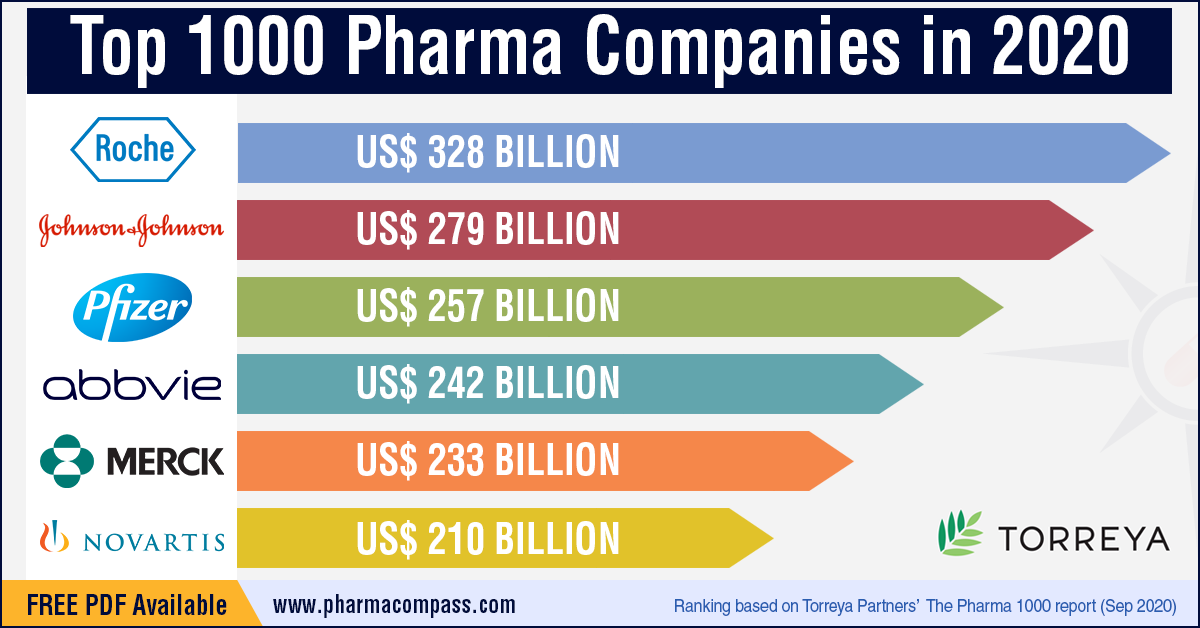
(Bloomberg) — Drug-makers are slow-walking products to market to get around President Joe Biden’s plan to lower medication prices.
Companies from Roche Holding AG to biotech Alnylam Pharmaceuticals Inc. are among those delaying or evaluating therapies in light of the government’s new ability to negotiate for lower prices. Firms that normally try to sell drugs as soon as possible are suspending clinical trials and shifting timelines, while patient groups are demanding change.
Here is where the major benchmarks ended:
Here’s where the major benchmarks ended:
The S&P 500 index was up 7.88 points (0.2%) at 4,754.63, up 0.8% for the week; the Dow Jones Industrial Average was down 18.38 points at 37,385.97, up 0.2% for the week; the NASDAQ Composite® (COMP) was up 29.11 points (0.2%) at 14,992.97, up 1.2% for the week.
The 10-year Treasury note yield (TNX) was up about 1 basis point at 3.901%.
The CBOEe® Volatility Index (VIX) was down 0.62 at 13.03.
Small-cap stocks continued a strong finish to the year. The Russell 2000® Index (RUT) rose 0.8% Friday to end at its highest level since April 2022 and rose 2.5% for the week, the small-cap benchmark’s sixth consecutive weekly gain. Regional banks and utilities were also among the strongest performers. In other markets, the U.S. Dollar Index (DXY) extended its recent slide and dropped to its weakest level since late July, reflecting ideas an outlook for lower interest rates may prompt investors to seek higher returns elsewhere.
Finally, with just four trading days left in 2023, the S&P 500 and other major equity benchmarks are poised to turn in a strong year that may more than make up for 2022’s losses. Through Friday, the S&P 500 was up nearly 24% for the year, after tumbling 19.4% in 2022. The Dow Jones Industrial Average and the NASDAQ Composite were up 13% and 43%, respectively, after losing 8.8% and 33% in 2022.
Almost $1 billion in assets belonging to the founders of cryptocurrency hedge fund Three Arrows Capital have been frozen by a British Virgin Islands court, according to the firm’s liquidator. The court issued an order preventing co-founders Su Zhu and Kyle Davies, as well as Davies’ wife Kelly Chen, from transferring or selling assets worth up to $1.14 billion, the liquidator Teneo said in an emailed statement, adding that it estimates creditors are owed roughly $3.3 billion.
***
Here is where the major benchmarks ended:
Here’s where the major benchmarks ended:
The S&P 500® index (SPX) was up 48.40 points (1.0%) at 4,746.75; the Dow Jones Industrial Average was up 322.35 points (0.9%) at 37,404.35; the NASDAQ Composite®(COMP) was up 185.92 points (1.3%) at 14,963.87.
The 10-year Treasury note yield (TNX) was up about 1 basis point at 3.89%.
The CBOE® Volatility Index (VIX) was down 0.02 at 13.65, after earlier rising to 14.49.
Among market sectors, Micron Technology’s gain helped send the Philadelphia Semiconductor Index (SOX) up 2.8%. Retail and transportation shares were also among the strongest performers.
The Russell 2000® Index (RUT), which is largely small cap focused, rose 1.7% and is on track for a sixth consecutive weekly gain.
Astronomical winter begins at the winter solstice, which is the shortest day of the year. This means days get longer during winter—very slowly at first, but at ever-larger daily intervals as the March Equinox approaches, heralding the start of spring.
Locations closer to the poles experience larger differences in day length throughout the year, so winter days are shorter there. In Toronto, the shortest day is just under 8 hours and 56 minutes long; in Miami, roughly 2000 kilometers or 1200 miles farther south, it lasts about 10 hours and 32 minutes.
Places within the polar circles experience polar night during all or part of the winter season when the Sun does not rise at all.
Here is where the major benchmarks ended:
Here’s where the major benchmarks ended:
The S&P 500 index (SPX) was down 70.02 points (1.5%) at 4,698.35; the Dow Jones Industrial Average (DJI) was down 475.92 points (1.3%) at 37,082.00; the NASDAQ Composite® (COMP) was down 225.28 points (1.5%) at 14,777.94.
The 10-year Treasury note yield (TNX) was down about 6 basis points at 3.858%.
The CBOE® Volatility Index (VIX) was up 1.14 at 13.67.
Shares of semiconductors and banks were among the weakest performers Wednesday, giving back some recent gains after ranking among upside leaders during the recent rally.
Transportation shares also slumped behind weakness in FedEx. The Dow Jones Transportation Index (DJT) fell 1.5% and ended at its lowest level in a week.
Americans who owe back taxes will be given an incentive to pay up after the Internal Revenue Service it would waive nearly $1 billion in late-payment penalties. Roughly 4.6 million individual taxpayers who owe for tax years 2020 and 2021 will be eligible for the penalty relief. The IRS is extending the olive branch because it stopped sending out many collection letters during the pandemic. It hoped the letter halt would help struggling taxpayers and reduce its backlog. The long absence of these computer-generated letters had big consequences for taxpayers. Americans’ debt on unpaid back taxes had been growing with interest and penalties, and many were likely in the dark about just how much they owed.
Here is where the major benchmarks ended:
Here’s where the major benchmarks ended:
The S&P 500 index was up 27.81 points (0.6%) at 4,768.37; the Dow Jones Industrial Average was up 251.90 points (0.7%) at 37,557.92; the NASDAQ Composite® (COMP) was up 98.03 points (0.7%) at 15,003.22.
The 10-year Treasury note yield (TNX) was down about 3 basis points at 3.924%.
The CBOE® Volatility Index (VIX) was down 0.03 at 12.53.
Energy shares extended an early week rally behind a continued rebound in WTI Crude Oil futures (/CL), which rose for a fifth straight day and ended near a three-week high above $74 per barrel.
Banks and retailers were also particularly firm. The S&P 500 Retail Select Industry Index (SPSIRE) surged over 2% and ended at its highest level in over 10 months.
And, Tuesday’s big winner was Affirm, whose shares skyrocketed 15% after the buy now, pay later company announced it’s expanding its Walmart partnership to include the retailer’s self-checkout kiosks.







 Support our online development, and advance our onground research initiatives in free market economics, as we seek to showcase the brightest Next-Gen minds.
THE ME-P DISCLAIMER: Posts, comments and opinions do not necessarily represent iMBA, Inc., but become our property after submission. Copyright © 2006 to-date. iMBA, Inc allows colleges, universities, medical and financial professionals and related clinics, hospitals and non-profit healthcare organizations to distribute our proprietary essays, photos, videos, audios and other documents; etc. However, please review copyright and usage information for each individual asset before submission to us, and/or placement on your publication or web site. Attestation references, citations and/or back-links are required. All other assets are property of the individual copyright holder.
Support our online development, and advance our onground research initiatives in free market economics, as we seek to showcase the brightest Next-Gen minds.
THE ME-P DISCLAIMER: Posts, comments and opinions do not necessarily represent iMBA, Inc., but become our property after submission. Copyright © 2006 to-date. iMBA, Inc allows colleges, universities, medical and financial professionals and related clinics, hospitals and non-profit healthcare organizations to distribute our proprietary essays, photos, videos, audios and other documents; etc. However, please review copyright and usage information for each individual asset before submission to us, and/or placement on your publication or web site. Attestation references, citations and/or back-links are required. All other assets are property of the individual copyright holder.




























 The Leading Business Education Network for Doctors, Financial Advisors and Health Industry Consultants