SOCIAL DETERMINANTS OF HEALTH

By Dr. David Edward Marcinko MBA MEd

***
***

Shaping Well-being Beyond Medicine

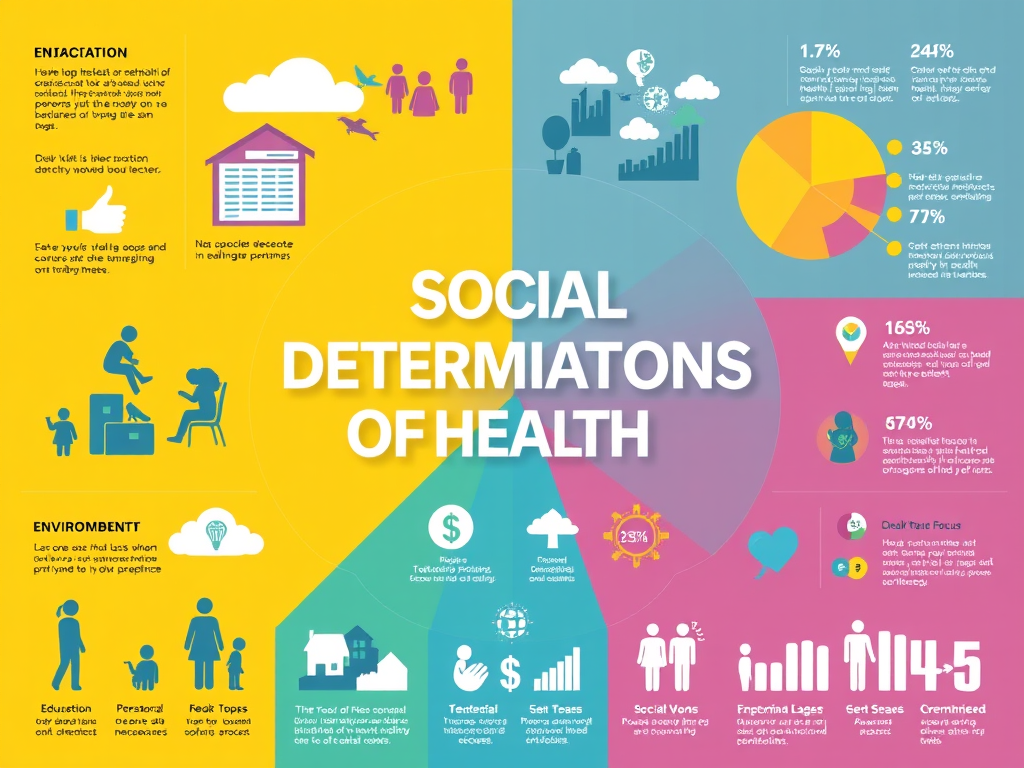
Health is often thought of as the result of medical care, but in reality, it is deeply influenced by the conditions in which people are born, grow, live, work, and age. These conditions, known as social determinants of health, include a wide range of social, economic, and environmental factors that shape health outcomes. They are responsible for many of the differences in health status between individuals and communities. Understanding these determinants is essential for promoting fairness in health and designing policies that reduce disparities.

Economic Stability

Economic stability is one of the most powerful determinants of health. Individuals with steady income can afford nutritious food, safe housing, and preventive healthcare. Conversely, poverty increases vulnerability to chronic diseases, mental health challenges, and limited access to medical services. Families with fewer financial resources may struggle to afford medications or healthy diets, leading to higher rates of obesity, diabetes, and cardiovascular disease. Unemployment or unstable work further exacerbates stress, which itself is linked to poor health outcomes. Economic inequality directly translates into health inequality.

Education

Education shapes health both directly and indirectly. Higher educational attainment is associated with better employment opportunities, higher income, and improved health literacy. People with more education are more likely to understand medical information, adopt healthy behaviors, and navigate healthcare systems effectively. Limited education can perpetuate cycles of poverty and poor health. For instance, children who grow up in underfunded schools may face restricted opportunities, leading to lower lifetime earnings and poorer health outcomes. Education is therefore a critical lever for breaking intergenerational cycles of disadvantage.

***

***

Neighborhood and Physical Environment

The environment in which individuals live plays a crucial role in determining health. Safe neighborhoods with clean air, accessible parks, and reliable transportation promote physical activity and reduce exposure to pollutants. In contrast, communities with high crime rates, poor housing, and environmental hazards contribute to stress, injury, and illness. Food deserts—areas with limited access to affordable, healthy food—are a striking example of how environment shapes health. Residents in these areas often rely on processed foods, increasing risks of obesity and related diseases. Housing quality also matters: overcrowding, mold, or lead exposure can lead to respiratory illnesses and developmental delays.

Healthcare Access and Quality

Access to healthcare is a fundamental determinant, but it is shaped by social and economic factors. Insurance coverage, affordability, and cultural competence of providers influence whether individuals receive timely and effective care. Marginalized groups often face barriers such as discrimination, language differences, or lack of nearby facilities. Even when healthcare is available, disparities in quality persist. For example, minority populations may receive less aggressive treatment for certain conditions compared to others. Addressing these inequities requires systemic reforms that prioritize inclusivity and affordability.

Social and Community Context

Social relationships and community support networks significantly affect health. Strong social ties provide emotional support, reduce stress, and encourage healthy behaviors. Communities with high levels of trust and civic engagement often experience better health outcomes. Conversely, discrimination, racism, and social exclusion undermine health by increasing stress and limiting opportunities. Social cohesion and equity are therefore vital for fostering healthier societies.

Conclusion

The social determinants of health highlight that medicine alone cannot ensure well-being. Economic stability, education, environment, healthcare access, and social context collectively shape health outcomes and drive disparities. Addressing these determinants requires a holistic approach that integrates public health, social policy, and community action. By investing in education, reducing poverty, improving neighborhoods, and ensuring equitable healthcare, societies can move closer to achieving health equity. Ultimately, health is not just about treating illness—it is about creating conditions in which everyone has the opportunity to thrive.

COMMENTS APPRECIATED

EDUCATION: Books

SPEAKING: Dr. Marcinko will be speaking and lecturing, signing and opining, teaching and preaching, storming and performing at many locations throughout the USA this year! His tour of witty and serious pontifications may be scheduled on a planned or ad-hoc basis; for public or private meetings and gatherings; formally, informally, or over lunch or dinner. All medical societies, financial advisory firms or Broker-Dealers are encouraged to submit an RFP for speaking engagements: CONTACT: Ann Miller RN MHA at MarcinkoAdvisors@outlook.com -OR- http://www.MarcinkoAssociates.com

Like, Refer and Subscribe

***

***

RICARDIAN ECONOMICS: Can it Save Medicine?

By Dr. David Edward Marcinko MBA MEd

***

***

Ricardian economics, rooted in the theories of 19th-century economist David Ricardo, emphasizes comparative advantage, free trade, and the neutrality of government debt—most notably through the concept of Ricardian equivalence. While these ideas have shaped macroeconomic thought, their relevance to medicine and healthcare policy is less direct. Still, exploring Ricardian principles offers a provocative lens through which to examine the fiscal sustainability and efficiency of modern healthcare systems.

At the heart of Ricardian equivalence is the idea that consumers are forward-looking and internalize government budget constraints. If a government finances healthcare through debt rather than taxes, rational agents will anticipate future tax burdens and adjust their behavior accordingly. In theory, this undermines the effectiveness of deficit-financed healthcare spending as a stimulus. Applied to medicine, this suggests that long-term fiscal responsibility is crucial: expanding healthcare access through borrowing may not yield the intended economic or health benefits if citizens expect future costs to rise.

This insight could inform debates on healthcare reform, especially in countries grappling with ballooning medical expenditures. Ricardian economics warns against short-term fixes that ignore long-term fiscal implications. For example, expanding public insurance programs without sustainable funding mechanisms could lead to intergenerational inequities and economic distortions. Policymakers might instead focus on reforms that align incentives, reduce waste, and promote cost-effective care—principles that resonate with Ricardo’s emphasis on efficiency and comparative advantage.

***

***

However, Ricardian economics offers limited guidance on the unique moral and practical dimensions of medicine. Healthcare is not a typical market good. Patients often lack the information or autonomy to make rational choices, especially in emergencies. Moreover, the sector is rife with externalities: one person’s vaccination benefits the broader community, and untreated illness can strain public resources. These complexities challenge the assumption of rational, forward-looking behavior central to Ricardian equivalence.

Additionally, Ricardo’s theory of comparative advantage—where nations benefit by specializing in goods they produce most efficiently—has implications for global health. It supports international collaboration in pharmaceutical production, medical research, and telemedicine. Yet, over-reliance on global supply chains can expose vulnerabilities, as seen during the COVID-19 pandemic when countries faced shortages of critical medical supplies.

In conclusion, Ricardian economics provides valuable fiscal insights that can inform healthcare policy, particularly regarding debt sustainability and efficient resource allocation. Its emphasis on long-term planning and comparative advantage can guide reforms that make medicine more resilient and cost-effective. However, the theory’s assumptions about rational behavior and market dynamics limit its applicability to the nuanced realities of healthcare. Medicine requires not just economic efficiency but ethical considerations, equity, and compassion—areas where Ricardian economics falls short. Thus, while it can contribute to the conversation, it cannot “save” medicine alone.

COMMENTS APPRECIATED

EDUCATION: Books

SPEAKING: Dr. Marcinko will be speaking and lecturing, signing and opining, teaching and preaching, storming and performing at many locations throughout the USA this year! His tour of witty and serious pontifications may be scheduled on a planned or ad-hoc basis; for public or private meetings and gatherings; formally, informally, or over lunch or dinner. All medical societies, financial advisory firms or Broker-Dealers are encouraged to submit an RFP for speaking engagements: CONTACT: Ann Miller RN MHA at MarcinkoAdvisors@outlook.com 

Like, Refer and Subscribe

***

***

HEALTH: Public V. Population

By Dr. David Edward Marcinko MBA MEd

SPONSOR: http://www.CertifiedMedicalPlanner.org

***

***

Population health and public health are two interrelated disciplines that strive to enhance the health outcomes of communities. While they share a common mission—to reduce health disparities and promote wellness—their approaches, target populations, and operational frameworks differ significantly.

***

***

Public health is traditionally defined as the science and art of preventing disease, prolonging life, and promoting health through organized efforts and informed choices of society, organizations, public and private sectors, communities, and individuals. It focuses on the health of the general population and emphasizes broad interventions such as vaccination programs, sanitation, health education, and policy advocacy. Public health professionals often work in government agencies, nonprofit organizations, and academic institutions to implement community-wide initiatives that prevent disease and promote healthy behaviors.

***

***

In contrast, population health takes a more targeted approach. It refers to the health outcomes of a specific group of individuals, including the distribution of such outcomes within the group. This field is particularly concerned with the social determinants of health—factors like income, education, environment, and access to care—that influence health disparities. Population health strategies often involve data-driven interventions tailored to the needs of defined groups, such as rural communities, ethnic minorities, or patients with chronic conditions.

One key distinction lies in scope and granularity. Public health initiatives are typically designed for the entire population, aiming to create systemic change. For example, anti-smoking campaigns or water fluoridation programs benefit everyone regardless of individual risk. Population health, however, might focus on reducing diabetes rates among Hispanic adults in a specific urban area, using targeted outreach and culturally sensitive care models.

Another difference is in data utilization. Population health relies heavily on health informatics and analytics to identify trends, allocate resources, and evaluate outcomes. This evidence-based approach supports precision in addressing health inequities. Public health also uses data, but often at a broader level to guide policy and monitor general health indicators like life expectancy or disease prevalence.

Despite these differences, the two fields are complementary. Public health lays the foundation for healthy societies through preventive infrastructure, while population health builds on this by addressing nuanced needs within subgroups. Together, they form a holistic framework for improving health outcomes across diverse communities.

In today’s healthcare landscape, the integration of public and population health is increasingly vital. The COVID-19 pandemic underscored the importance of both approaches: public health measures like mask mandates and vaccination campaigns were essential, while population health efforts ensured vulnerable groups received targeted support.

In conclusion, while public health and population health differ in focus and methodology, they are united by a shared goal: to foster healthier communities. Understanding their distinctions enables more effective collaboration and innovation in health policy, care delivery, and community engagement.

COMMENTS APPRECIATED

EDUCATION: Books

SPEAKING: ME-P Editor Dr. David Edward Marcinko MBA MEd will be speaking and lecturing, signing and opining, teaching and preaching, storming and performing at many locations throughout the USA this year! His tour of witty and serious pontifications may be scheduled on a planned or ad-hoc basis; for public or private meetings and gatherings; formally, informally, or over lunch or dinner. All medical societies, financial advisory firms or Broker-Dealers are encouraged to submit an RFP for speaking engagements: CONTACT: Ann Miller RN MHA at MarcinkoAdvisors@outlook.com -OR- http://www.MarcinkoAssociates.com

Like, Refer and Subscribe

***

***

Understanding Population Health: Trends and Impacts

A Different Perspective on Population Health

By Dr. David Edward Marcinko MBA MEd CMP®

SPONSOR: http://www.CertifiedMedicalPlanner.org

Definition

Population health has been defined as “the health outcomes of a group of individuals, including the distribution of such outcomes within the group”. It is an approach to health that aims to improve the health of an entire human population or cohort. http://www.HealthDictionarySeries.org

History

In fact, the nominal “father of population health” is colleague and Dean David B. Nash MD MBA of Jefferson Medical School in Philadelphia. And, although I attended Temple University down the street, David still wrote the Foreword to my textbook years later; Financial Management Strategies for Hospitals and Healthcare Organizations [Tools, Techniques, Checklists and Case Studies].

Factors

Now age, income, location, race, gender  and education are just a few characteristics that differentiate the world’s population. These are called ”disparities” and they have a major impact on people’s lives; especially their healthcare. And, I’ve written about them before.  Perform a ME-P “search” for more.

So, it’s only natural that we’re keeping an eye on two major demographic trends: aging baby boomers and maturing Millennials [1982-2002 approximately].

Why it’s important

The impact of large population shifts propagate throughout an economy benefitting certain sectors more than others and influencing a country’s growth prospects; tantalizing investing ideas?

Example:

For example, as baby boomers retire, we’ll likely see higher spending on health care, but less on education and raising children. Likewise, tech-savvy Millennials will likely prioritize consumption on experiences over cars and houses [leading economic indicator].

So, can we profit from these trends?

Assessment

Well maybe – maybe not! Overall economic prospects may not be completely affected by these trends. Spending habits on combined goods and services will shift, rather than rise or decline.

So, be careful. What matters most for your investment success is your demographics and investing according to your personal circumstances and goals [paradox-of-thrift].

Conclusion

Your thoughts and comments on this ME-P are appreciated. Feel free to review our top-left column, and top-right sidebar materials, links, URLs and related websites, too. Then, subscribe to the ME-P. It is fast, free and secure.

Speaker: If you need a moderator or speaker for an upcoming event, Dr. David E. Marcinko; MBA – Publisher-in-Chief of the Medical Executive-Post – is available for seminar or speaking engagements. https://medicalexecutivepost.com/dr-david-marcinkos-bookings/

Subscribe: MEDICAL EXECUTIVE POST for curated news, essays, opinions and analysis from the public health, economics, finance, marketing, IT, business and policy management ecosystem.

***

PARADOX: Demographic-Economics

By Staff Reporters

***

***

Demographic-Economics Paradox Definition: A nations or sub-populations with higher GDP per capita are observed to have fewer children, even though a richer population can support more children. Dr. Herwig Birg has called this inverse relationship between income and fertility a “demo-economic paradox”.

Cite: https://www.researchgate.net/profile/Herwig-Birg

Why? Evolutionary biology predicts that more successful individuals (and by analogy countries) should seek to develop optimum conditions for their life and reproduction.

However, in the last half of the 20th century it has become clear that the economic success of developed countries is being counterbalanced by a demographic failure, a sub-replacement fertility that may prove destructive for their future economies and societies.

COMMENTS APPRECIATED

Subscribe and Like

***

***

PODCAST: Machine Learning for Population Health

By Eric Bricker MD

***

***

COMMENTS APPRECIATED

Thank You

***

***

PODCASTS: The Physician-Patient Population Health Mis-Match

By Eric Bricker MD

***

***

PODCAST: https://medicalexecutivepost.com/2022/10/23/podcast-help-your-medical-practice-embrace-population-health/

Population Health: https://medicalexecutivepost.com/2022/07/12/enter-population-health-management/

CITE: https://www.r2library.com/Resource/Title/082610254

***

ORDER: https://www.routledge.com/Risk-Management-Liability-Insurance-and-Asset-Protection-Strategies-for/Marcinko-Hetico/p/book/9781498725989

***

COMMENTS APPRECIATED

Thank You

***

POPULATION HEALTH: Management?

By Dr. David Edward Marcinko MBA CMP

SPONSOR: http://www.MarcinkoAssociates.com

What is population health management?

The Care Continuum Alliance, an alliance of stakeholders across the continuum of care, is working precisely toward the goal of improving the health of populations. They espouse a detailed set of principles and a model of “population health management.” It can be summed up, in the broadest sense, as the care provider community, in partnership with patients and their families, conducting proactive and collective monitoring of the patient’s healthcare quality, adherence, access, and outcomes with the goal of improving the health of an entire patient population.

As such, population health management stresses wellness and prevention through lifestyle and disease management and complex case management to remove the gap between zero care and costly chronic or emergency care. It emphasizes the full spectrum of needs from prevention and wellness to keeping healthy people and at-risk people healthy, to better manage the care of those with chronic conditions, and to still be ready to provide emergent or acute care services. In most cases, it also includes the involved providers taking on accountability for the financial risk and quality of care provided.

We have been working with administrative and physician leaders across the country to grapple with what it will mean to actually foster valuable population health management in the different communities they serve. It is clear that this is a whole new paradigm and that the years of experience and training that have brought them to where they are today may not have sufficiently prepared them for what is to come. It requires a well-coordinated and complete continuum of care, with new metrics and advanced analytics. As one might expect,while clusters of resistance to the idea remain, most have flung themselves into learning mode and are beginning to “act their way into new thinking.”

However, we also see a big risk in powering ahead without revisiting the role of a key stakeholder group—patients and their families, whose experience and perspective are often left behind, but whose actions will have a profound effect on the future success of population health management efforts.

CITE: https://www.r2library.com/Resource

***

***

***

Its earnings season once again and CVS Health beat Wall Street estimates with $2.3 billion in profit during Q3. Humana raised its Medicare Advantage enrollment projections again.

And, population management telehealth giant Amwell inked a major federal contract but has seen its losses balloon in 2023.

SUBSCRIBE AND COMMENT TODAY

Thank You

***

***

***

PODCAST: Patient-Doctor Mismatch in Population Health

By Eric Bricker MD

***

***

***

***

PODCAST: Help Your Medical Practice Embrace Population Health

CHANGE MANAGEMENT

By NextGen Healthcare

NextGen Healthcare Completes Integration of CoverMyMeds ...

With any organizational change, getting support from physicians, practice administrators, and clinical and office staff isn’t easy. The transition to a population health-based strategy is no different.

Find out how to educate and coach your staff to implement your population health program successfully — based on the real-world experience of Verlin Janzen MD, medical director at Hutchinson Clinic. Dr. Janzen has dedicated his career to implementing a population-health based strategy. To achieve his goals at Hutchinson Clinic, he had to overcome a major challenge—lack of buy-in from his colleagues.

PODCAST: https://www.healthsharetv.com/content/change-management-help-your-practice-embrace-population-health-nextgen-healthcare

Your thoughts are appreciated.

***

***

HIT: https://www.amazon.com/Business-Medical-Practice-Transformational-Doctors/dp/0826105750/ref=sr_1_9?s=books&ie=UTF8&qid=1287563112&sr=1-9

INVITE DR. MARCINKO: https://medicalexecutivepost.com/dr-david-marcinkos-bookings/

THANK YOU

***

PODCAST: Healthcare Machine Learning Can Self Create / Improve Algorithms?

Machine Learning is a Subset of Artificial Intelligence (AI) Where Computer Software Can Create and Improve on Algorithms on Its Own.

Machine Learning for Population Health

PODCAST: 'Hacking of the American Mind' | The Leading ...

By Eric Bricker MD

Healthcare Machine Learning Company ClosedLoop.ai is One of the Best at Applying Machine Learning to Population Health Data.

ClosedLoop.ai is So Good, They Won the CMS AI Challenge … Beating Out 300 Other Organizations Including IBM, the Mayo Clinic and Deloitte.

The Promise of Machine Learning in Population Health is to Better Predict Which People Will Benefit From an Intervention Because They Are at Greater Risk of a Complication of a Disease or an ER Visit or a Hospitalization.

ClosedLoop.ai Beautifully Applied Their Machine Learning Abilities to Create a Pandemic Risk Model That Helped a New York City Health Insurance Plan Identify Which Members Would Be Most Likely to Have Severe Complications of COVID-19.

As a Result, the Insurance Company Helped These Individuals Have Groceries and Prescription Medication Delivered to Them So They Could Stay at Home and Avoid Exposure to COVID.

There You Have It!  A Practical, Real-World Example of Machine Learning in Population Health That Literally Saved Some People’s Lives.

Disclaimer: Dr. Bricker is the Chief Medical Officer of Virtual Care Company First Stop Health.

***

THANK YOU

HIT: https://www.amazon.com/Dictionary-Health-Information-Technology-Security/dp/0826149952/ref=sr_1_5?ie=UTF8&s=books&qid=1254413315&sr=1-5

***

PODCAST: Population Health and Patient Economics

HIGH COST MEDICAL CLAIMANTS

CITE: https://www.r2library.com/Resource/Title/0826102549

By Eric Bricker MD

***

***

YOUR COMMENTS ARE APPRECIATED.

ESSAY: https://medicalexecutivepost.com/2019/08/31/is-health-economics-heterodoxic-or-not/

ESSAY: https://www.modernhealthcare.com/education/ama-adopts-new-policy-training-physicians-healthcare-economics

MORE: https://medicalexecutivepost.com/2019/11/10/ricardian-derived-demand-economics-in-medicine/

MORE: https://medicalexecutivepost.com/2014/08/27/financial-and-health-economics-benchmarking/

MORE: https://healthcare

RELATED: https://www.amazon.com/Financial-Management-Strategies-Healthcare-Organizations/dp/1466558733/ref=sr_1_3?ie=UTF8&qid=1380743521&sr=8-3&keywords=david+marcinko

***

Thank You

***

Enter “Population Health” Management

Join Our Mailing List

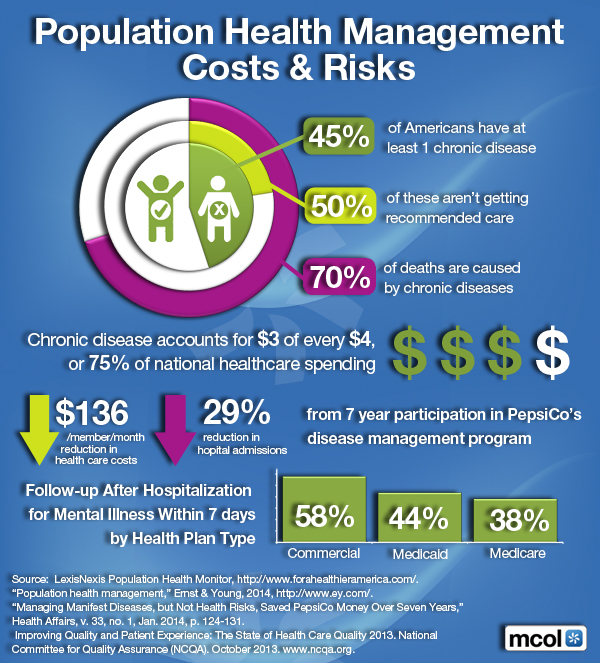
Understanding the Costs and Risks

Dr. DEM

[By Dr. David Edward Marcinko MBA]

Gratefully, our book, Financial Management Strategies of Hospitals and Healthcare Organizations [Tools, Techniques, Case Studies and Checklists] has become an academic best seller.

It contains a chapter on Wellness and Population Health 2.0; included here for your review [By Jennifer Tomasik, Carey Huntington, and Fabian Poliak].                 .

Population Health

I am especially proud of this work.  This managerial book mimics the popular style of colleague Atul Gawande MD in his acclaimed work The Checklist Manifesto.

Why? All hospitals are still subject to the imperative: No Margin – No Mission.

***

Pop Health

 ***

Assessment

In an example of population health management and policy leadership, another colleague, David B. Nash MD MBA of the Wharton School, and Endowed Dean of Jefferson University Medical School [father of population health], even wrote the “Foreword”.

Click on this link to read it entirely.

Link: Foreword.Nash

More:

Conclusion

Your thoughts and comments on this ME-P are appreciated. Feel free to review our top-left column, and top-right sidebar materials, links, URLs and related websites, too. Then, subscribe to the ME-P. It is fast, free and secure.

Speaker: If you need a moderator or speaker for an upcoming event, Dr. David E. Marcinko; MBA – Publisher-in-Chief of the Medical Executive-Post – is available for seminar or speaking engagements. Contact: MarcinkoAdvisors@msn.com

OUR OTHER PRINT BOOKS AND RELATED INFORMATION SOURCES:

Product DetailsProduct Details

***

Invite Dr. Marcinko

***

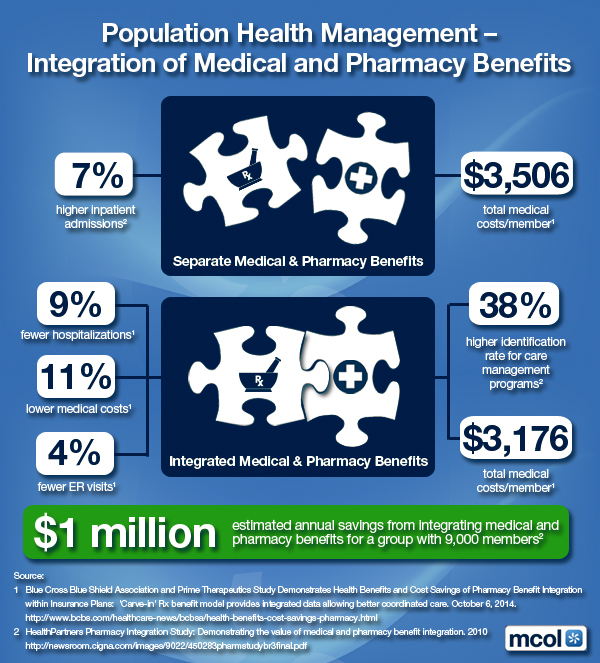
Population Health Management Integration

Join Our Mailing List

Of Medical and Pharmacy Benefits 

By http://www.MCOL.com

pop health

 Channel Surfing the ME-P

Have you visited our other topic channels? Established to facilitate idea exchange and link our community together, the value of these topics is dependent upon your input. Please take a minute to visit. And, to prevent that annoying spam, we ask that you register. It is fast, free and secure.

integration (1)

Conclusion

Your thoughts and comments on this ME-P are appreciated. Feel free to review our top-left column, and top-right sidebar materials, links, URLs and related websites, too. Then, subscribe to the ME-P. It is fast, free and secure.

Speaker: If you need a moderator or speaker for an upcoming event, Dr. David E. Marcinko; MBA – Publisher-in-Chief of the Medical Executive-Post – is available for seminar or speaking engagements. Contact: MarcinkoAdvisors@msn.com

OUR OTHER PRINT BOOKS AND RELATED INFORMATION SOURCES:

Product DetailsProduct Details

PODCAST: First Rules of Population Health

One of the 1st Rules of Population Health is That 5% of the Population Generates 50% of Total Healthcare Costs

Image result for eric brikker

BY ERIC BRICKER MD

However, That 5% of High-Cost Claimants is a Heterogenous Population

2.5 Percentage Points of the 5% Are Claimants That Were Either High-Cost Claimants the Previous Year with On-Going Complex Medical Situations or Generated Claims Related to Chronic Diseases Such as Diabetes or Multiple Sclerosis.

HOWEVER, the Other 2.5 Percentage Points of the 5% Are Claimants That Generated Zero or Almost-Zero Claims in the Previous 12-Months.

They Essentially ‘Blow Up’ Out of Nowhere.

This Video Describes the 4 Categories of These High-Cost Claimants:

1) Previously Known and Prolonged High Costs

2) Previously Known and Episodic High Costs (that no longer continue)

3) Previously Unknown and Prolonged High Costs

4) Previously Unknown and Episodic High Costs (that no longer continue)

Learn the Clinical Diagnoses That Make Up Each Category and the Secret of Which Groups to Target and Why.

Your thoughts are appreciated.

THANK YOU

***

What is Population Health?

Join Our Mailing List

DEM white shirtBy David Edward Marcinko MBBS DPM MBA MEd

http://www.DavidEdwardMarcinko.com

What is population health?

In its most fundamental sense, population health seeks to improve or manage the health of a specific population. It is a systematic, holistic approach that aims to prevent disease by keeping people healthy and improving the quality of care.

HDS

http://www.HealthDictionarySeries.org

In fact, according to my colleague David B. Nash MD MBA, Founding Dean and Endowed Chair at the Jefferson College of Population Health, population health programs and interventions work to:

  • Connect prevention, wellness and behavioral health with traditional health care delivery
  • Focus on improving the quality and safety of care, improving access to healthcare services and helping to prevent/manage chronic diseases in the service of a specific population
  • Advance policies and solutions to address socio-economic and cultural factors (social determinants of health) that have an impact on health outcomes
  • Leverage technology and information systems to design social and community interventions and new models of health care delivery that facilitate care coordination and access

WHITE-PAPER: Population and Public Health

Conclusion

Your thoughts and comments on this ME-P are appreciated. Feel free to review our top-left column, and top-right sidebar materials, links, URLs and related websites, too. Then, subscribe to the ME-P. It is fast, free and secure.

Speaker: If you need a moderator or speaker for an upcoming event, Dr. David E. Marcinko; MBA – Publisher-in-Chief of the Medical Executive-Post – is available for seminar or speaking engagements. Contact: MarcinkoAdvisors@msn.com

OUR OTHER PRINT BOOKS AND RELATED INFORMATION SOURCES:

Product DetailsProduct DetailsProduct Details

***

The Hearst Health Prize for Excellence in Population Health

Join Our Mailing List

Call for Applications

David NashBy David B. Nash, MD, MBA

[Dean, Jefferson College of Population Health]

Dear Colleagues:

We are excited to announce that we are now accepting applications for the Hearst Health Prize for Excellence in Population Health. The winner will receive a $100,000 cash prize in recognition of outstanding achievement in managing or improving population health.

Hearst Health Prize

The Hearst Health Prize, in partnership with the Jefferson College of Population Health (JCPH), was created to help identify and promote promising new ideas in the field that will help to improve health outcomes. Our goal is to discover, support and showcase the work of an individual, group, or institution that has successfully implemented a population health program or intervention that has made a measurable difference. image The competition is open to individuals, groups, organizations or institutions, except those employed JCPH, Hearst Corporation, or their respective affiliates.

For more details, click here. Finalists will be invited to present their project at a special poster session at the Population Health Colloquium in Philadelphia on March 7, 2016. The winner of the prize will be announced during the opening session of the Population Health Colloquium on March 8, 2016.

***

Jefferson

***

Assessment

Click here to apply or learn more about the Hearst Health Prize. The deadline to apply is October 23, 2015. If you have questions, please email HearstHealthPrize@jefferson.edu. We hope that you share this amazing opportunity with your colleagues!

More:

We are pleased that Dr. Nash wrote the Foreword to our newest book. Read it here: [Foreword Dr. Nash MD MBA FACP

Conclusion

Your thoughts and comments on this ME-P are appreciated. Feel free to review our top-left column, and top-right sidebar materials, links, URLs and related websites, too. Then, subscribe to the ME-P. It is fast, free and secure.

Speaker: If you need a moderator or speaker for an upcoming event, Dr. David E. Marcinko; MBA – Publisher-in-Chief of the Medical Executive-Post – is available for seminar or speaking engagements. Contact: MarcinkoAdvisors@msn.com

OUR OTHER PRINT BOOKS AND RELATED INFORMATION SOURCES:

[HOSPITAL OPERATIONS, ORGANIZATIONAL BEHAVIOR AND FINANCIAL MANAGEMENT COMPANION TEXTBOOK SET]

Product Details

[Foreword Dr. Phillips MD JD MBA LLM]

Product Details

[Foreword Dr. Nash MD MBA FACP]

 ***

“Welcome to Health: Population 1” the PHA Forum

Join Our Mailing List

[By staff reporters]

This years PHA Forum has The Great Debate during the Executive Institute between Al Lewis and Ron Goetzel on Wellness Programs and ROI, but the PHA Forum also has incredible keynotes, programming and networking.

***

men

***

Read More: “Welcome to Health: Population 1” the PHA Forum

Conclusion

Your thoughts and comments on this ME-P are appreciated. Feel free to review our top-left column, and top-right sidebar materials, links, URLs and related websites, too. Then, subscribe to the ME-P. It is fast, free and secure.

Speaker: If you need a moderator or speaker for an upcoming event, Dr. David E. Marcinko; MBA – Publisher-in-Chief of the Medical Executive-Post – is available for seminar or speaking engagements. Contact: MarcinkoAdvisors@msn.com

OUR OTHER PRINT BOOKS AND RELATED INFORMATION SOURCES:

[HOSPITAL OPERATIONS, ORGANIZATIONAL BEHAVIOR AND FINANCIAL MANAGEMENT COMPANION TEXTBOOK SET]

Product DetailsProduct Details

[Foreword Dr. Phillips MD JD MBA LLM] *** [Foreword Dr. Nash MD MBA FACP]

***

How Using a ‘Scorecard’ Can Smooth Your Hospital’s Transition to a Population Health-Based Reimbursement Model

Join Our Mailing List

Transforming Business and Operating Models

[By Russ Richmond MD]

Russ Richmond MDDr. Marcinko and ME-P,

The US healthcare system’s myriad of problems again seized the headlines recently with the release of an Institute of Medicine report, which found that 30 percent of healthcare spending in 2009 – around $750 billion – was wasted. Citing the “urgent need for a system-wide transformation,” the report blamed the lack of coordination at every point in the system for the massive amount of money wasted in healthcare each year.

One critical area in particular need of transformation is the business and operating model that drives healthcare in the US. There is broad-based agreement across the healthcare industry that the current fee-for-service model does not work, and needs to be changed. The sweeping health reform law enacted in 2010 included a range of more holistic, value-based payment structures that are now being referred to as “populatiobn health.”

Population health is an integrated care model that incentivizes the healthcare system to keep patients healthy, thus lowering costs and increasing quality. In this value-based healthcare approach, patient care is better coordinated and shared between different providers. Key population health models include:

  • Bundled/Episodic Payments – This is where provider groups are reimbursed based on an expected cost for a clinically defined episode of care.
  • Accountable Care Organizations (ACOs) – This new model ties provider reimbursement to quality and reduction in the total cost of care for a population of patients.

Both of these care approaches aim to reduce care utilization through prevention programs, case/disease management and integrated care coordination, including better information transfer across different providers. Equally important, they are focused on reducing the cost of treatment by managing physician misuse and overuse and driving volumes to lower cost settings of care.

The shift to coordinated care is rapidly picking up steam across the country. According to a recent American Hospital Association survey of hospital chief executives, some 98 percent of respondents agree that hospitals should investigate and implement population health management strategies. Anecdotally, the hospital leaders participating in the survey indicated that it is not “if” they will have to pursue these risk sharing strategies, but “when.”

Even with healthcare providers now realizing that migrating to a population health approach is inevitable, there is still significant confusion about the crucial details of implementing these models. Hospital managements are worried about being left behind in the headlong rush toward adoption of ACOs and other value-based reimbursement models. Against this backdrop, healthcare providers now confront a growing list of urgent questions:

  • Which of the emerging population health-based care models is right for our hospital?
  • How much risk is prudent for our hospital with these new reimbursement models?
  • Should we move to an ACO, or is that too big of a jump for our hospital?
  • How does our management team even start to plan effectively to make the shift to a prevention-focused care and reimbursement model? Where do we begin?
  • What is the optimal time-frame for making these changes?

Using a “Scorecard” to Assess Your Population Health Readiness

So, how do hospital leaders break through the confusion and uncertainty to put their institutions on a clear path toward a successful population health-based future?

An effective way for hospitals to manage this process is by using a “scorecard” based on industry benchmarks to assess their relative readiness for – or current performance in – adopting a value-based reimbursement model.

The scorecard contains metrics that quantify the financial and volume impact on a hospital when it transitions to a population health-based reimbursement model. These metrics can be grouped into a range of key categories – i.e., top 5% high-cost patients, non- urgent emergency department visits, avoidable admissions, readmissions, physician overuse, outpatient procedures performed in lower cost settings, and proportion of one-day inpatient procedures done as outpatient. Hospital managements can address each of these categories in order to reduce per-member, per-month costs of care.

For example, new risk-sharing models have created more impetus for physicians and health systems to work together to prevent avoidable admissions. In 2011 alone, potentially avoidable admissions accounted for 10-14 percent of total inpatient admissions for most hospitals. With the growing push to reduce avoidable admissions, an average 300-bed hospital could potentially lose $9.5 million in annual contribution, as they would no longer obtain volume/revenue from these avoidable hospitalizations. On the flip side, if a hospital doesn’t prevent avoidable hospitalizations, they would be penalized for these unnecessary visits.

The emerging population health landscape has also resulted in hospitals experiencing growing competition from lower cost settings such as Ambulatory Surgery Centers (ASCs). Over the past decade, the number of ASC operating rooms has doubled. Historically, ASCs and hospitals shared in the growth of common procedures such as shoulder arthroscopy. But, with 60 percent of hospitals now within a 5 minutes drive from an ASC, and given the industry’s accelerating shift to population health models, ASC’s price advantage puts hospitals at a competitive disadvantage.

The scorecard gives hospital executives the ability to accurately assess the financial and volume impacts of population health-based reimbursement models to their institution. This is critical in identifying opportunities for improvement, setting priorities, and making key strategic and operational decisions that will help guide a hospital through periods of great change and uncertainty.

Population-Health

Key Principles for Implementing Population Health

Through our work helping hospitals to prepare for a coordinated care future through strategic assessment tools like scorecards, we have identified three key principles that help to drive a successful transition:

1. First, the entire organization needs to embrace change – To engineer a successful shift to one of the new risk sharing business models, your hospital’s management team – indeed the entire organization – will need to embrace change. The fact is, much of that change is already happening right now, so it makes sense to manage it in a way that works best for your hospital’s specific needs and culture. The scorecard process will help your senior management team to clarify goals, assumptions and priorities around where the hospital needs to go, and how best to get there, in the population health future.

2. Plan for “evolutionary” change – Moving to a new value-based health system need not involve a wrenching “revolution” for your hospital. Indeed, jumping headfirst into the unknown is a recipe for disaster for most providers. Taking well planned, incremental steps is usually the best and least disruptive way to evolve to a fundamentally different reimbursement and care model like population health. For example, some hospitals are starting with their own employee populations to experiment with ACO-like care models.

3. Learn to love data – It’s an article of faith in management that you can’t improve it if you can’t measure it. At the core of the population health scorecard assessment approach is the imperative to collect the right data, analyze them, and then continually measure your actions and results as your hospital travels along the population health journey. Data are essential for effective decision making, and also for implementing a new risk sharing reimbursement model at your institution.

Implementing the fundamental changes necessary to meet the historic challenges now confronting healthcare providers has been compared to swapping out the engines in a jet plane – while it is still airborne! As daunting as that metaphor sounds, hospitals can successfully evolve to the population health-based future if they take the right steps to plan for the changes and implement them in a methodical, data-driven fashion.

Careful planning and practical assessment tools like the scorecard help hospital leaders make smarter strategic decisions around value-based healthcare.

About the Author

Dr. Russ Richmond is the CEO of Objective Health, part of the global McKinsey healthcare practice, which serves hundreds of public- and private-sector organizations worldwide. He is passionate about the use of data to manage health and to improve healthcare performance. Dr. Richmond holds an MD from the University of Cincinnati and a BS in Biology from the University of Michigan.

Conclusion

Your thoughts and comments on this ME-P are appreciated. Feel free to review our top-left column, and top-right sidebar materials, links, URLs and related websites, too. Then, subscribe to the ME-P. It is fast, free and secure.

Speaker: If you need a moderator or speaker for an upcoming event, Dr. David E. Marcinko; MBA – Publisher-in-Chief of the Medical Executive-Post – is available for seminar or speaking engagements. Contact: MarcinkoAdvisors@msn.com

OUR OTHER PRINT BOOKS AND RELATED INFORMATION SOURCES:


Product DetailsProduct DetailsProduct Details

Product Details  Product Details

Product DetailsProduct Details

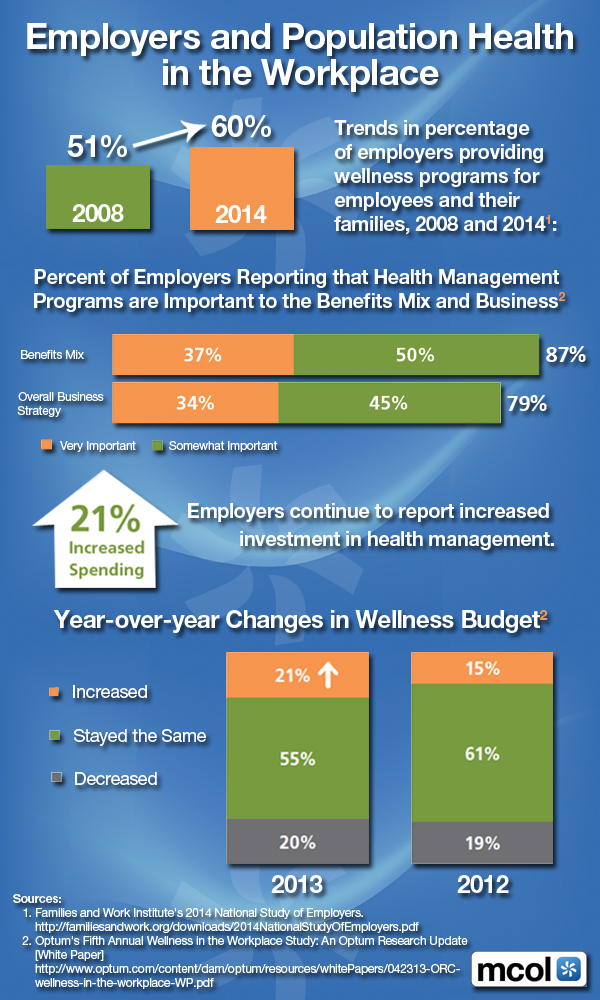
Employers and Population Health

Join Our Mailing List

In the Domestic Workplace

By http://www.MCOL.com

Population Health

 Conclusion

Your thoughts and comments on this ME-P are appreciated. Feel free to review our top-left column, and top-right sidebar materials, links, URLs and related websites, too. Then, subscribe to the ME-P. It is fast, free and secure.

Speaker: If you need a moderator or speaker for an upcoming event, Dr. David E. Marcinko; MBA – Publisher-in-Chief of the Medical Executive-Post – is available for seminar or speaking engagements. Contact: MarcinkoAdvisors@msn.com

OUR OTHER PRINT BOOKS AND RELATED INFORMATION SOURCES:

Product DetailsProduct Details

Doubting the Accountable Care Organization B-Model

New Healthcare Business Model or Edsel Model?

Join Our Mailing List 

By David Edward Marcinko MBA http://www.CertifiedMedicalPlanner.org

[Publisher-in-Chief]

Dr. Marcinko with ME-P FansDefined by Professor Michael Porter at Harvard Business School, value is defined as a function of outcomes and costs. Therefore to achieve high value we must deliver the best possible outcomes in the most efficient way, outcomes which matter from the perspective of the individual receiving healthcare and not provider process measures or targets.

Sir Muir Gray expanded on the idea of technical value (outcomes/costs) to specifically describe ‘personal value’ and ‘allocative value’, encouraging us to focus also on shared decision making, individual preferences for care and ensuring that resources are allocated for maximum value.

Healthcare Value and ACOs

According to our Medical Executive-Post Health Dictionary Series of administrative terms http://www.HealthDictionarySeries.org  and health economist and colleague Robert James Cimasi MHA, ASA, AVA CMP™ of www.HealthCapital.com; an ACO is a healthcare organization in which a set of providers, usually large physician groups and hospitals, are held accountable for the cost and quality of care delivered to a specific local population.

ACOs aim to affect provider’s patient expenditures and outcomes by integrating clinical and administrative departments to coordinate care and share financial risk.

ACO Launch

Since their four-page introduction in the PP-ACA of 2010, ACOs have been implemented in both the Federal and commercial healthcare markets, with 32 Pioneer ACOs selected (on December 19, 2011), 116 Federal applications accepted (on April 10, 2012 and July 9, 2012), and at least 160 or more Commercial ACOs in existence today.

Federal Contracts

Federal ACO contracts are established between an ACO and CMS, and are regulated under the CMS Medicare Shared Savings Program (MSSP) Final Rule, published November 2, 2011.  ACOs participating in the MSSP are accountable for the health outcomes, represented by 33 quality metrics, and Medicare beneficiary expenditures of a prospectively assigned population of Medicare beneficiaries.

If a Federal ACO achieves Medicare beneficiary expenditures below a CMS established benchmark (and meets quality targets), they are eligible to receive a portion of the achieved Medicare beneficiary expenditure savings, in the form of a shared savings payment.

Commercial Contracts

Commercial ACO contracts are not limited by any specific legislation, only by the contract between the ACO and a commercial payor.

In addition to shared savings models, Commercial ACOs may incentivize lower costs and improved patient outcomes through reimbursement models that share risk between the payor and the providers, i.e., pay for performance compensation arrangements and/or partial to full capitation.

Although commercial ACOs experience a greater degree of flexibility in their structure and reimbursement, the principals for success for both Federal ACOs and Commercial ACOs are similar.

###

Eidsel

Dr. David E. Marcinko with 1960 Ford Edsel

[© iMBA, Inc. All rights reserved, USA.]

[The Edsel was an automobile marque that was planned, developed, and manufactured by the Ford Motor Company during the 1958, 1959, and 1960 model years. With the Edsel, Ford had expected to make significant inroads into the market share of both General Motors and Chrysler and close the gap between itself and GM in the domestic American automotive market. But, contrary to Ford’s internal plans and projections, the Edsel never gained popularity with contemporary American car buyers and sold poorly. The Ford Motor Company lost millions of dollars on the Edsel’s development, manufacturing and marketing].

More:


Update

Junking the Merit-Based Incentive Payment System (MIPS) would undoubtedly let the proverbial air out of the MACRA balloon, dealing a significant blow to the value-based reimbursement shift; right?

Assessment

Although nearly any healthcare enterprise can integrate and become an ACO, larger enterprises, may be best suited for ACO status.

Larger organizations are more able to accommodate the significant capital requirements of ACO development, implementation, and operation (e.g., healthcare information technology), and sustain the sufficient number of beneficiaries to have a significant impact on quality and cost metrics.

Conclusion

But, will this new B-Model work? Isn’t leading doctors in a shared collaborative effort a bit like herding cats? And, what about patients, HIEs, outcomes management, data analytics and … Population Health via our colleague David B. Nash MD MBA of Thomas Jefferson University, often considered the “father” of Pop Health?

OR, what about the developing IRS scandal and full PP-ACA launch in 2014? Will it affect federal funding, full roll-out, or even repeal of the entire Act?

Your thoughts and comments on this ME-P are appreciated. Feel free to review our top-left column, and top-right sidebar materials, links, URLs and related websites, too. Then, subscribe to the ME-P. It is fast, free and secure.

Link: http://feeds.feedburner.com/HealthcareFinancialsthePostForcxos

Speaker: If you need a moderator or speaker for an upcoming event, Dr. David E. Marcinko; MBA – Publisher-in-Chief of the Medical Executive-Post – is available for seminar or speaking engagements. Contact: MarcinkoAdvisors@msn.com

OUR OTHER PRINT BOOKS AND RELATED INFORMATION SOURCES:

DICTIONARIES: http://www.springerpub.com/Search/marcinko
PHYSICIANS: www.MedicalBusinessAdvisors.com
PRACTICES: www.BusinessofMedicalPractice.com
HOSPITALS: http://www.crcpress.com/product/isbn/9781466558731
CLINICS: http://www.crcpress.com/product/isbn/9781439879900
BLOG: www.MedicalExecutivePost.com
FINANCE: Financial Planning for Physicians and Advisors
INSURANCE: Risk Management and Insurance Strategies for Physicians and Advisors

Product DetailsProduct Details

Appreciating Early Results of the Health 2.0 Initiative

Join Our Mailing List

In Population Health and Patient Self Management

Jennifer TomasikBy Jennifer Tomasik MS

By Carey Huntington

By Fabian Poliak

www.CFAR.com

Despite the growth in Health 2.0 interaction over the past few years, we still see Health 2.0 in its infancy relative to the potential it holds for activating patients in managing and being more accountable for their own health. There is further hard evidence that its strategies are already improving patients’ quality of life, expanding providers’ expertise, and helping health systems and payors financially.

On Patient Self Management

And, if Health 2.0 can, as discussed elsewhere on this ME-P, enable people to reduce smoking, become physically fit, and more actively participate with their providers in the management of chronic disease, we posit that these things combine to result in a better sense of health and wellbeing for those involved.

One would logically conclude that these kinds of interventions result in fewer interactions with the healthcare system, an issue that Harrison et al tackled in a study earlier this year that was published in Population Health Management. It looked at the relationship between self-reported individual wellbeing and future healthcare utilization and cost. They found that higher self-reported wellbeing was associated with fewer hospitalizations, visits to the emergency room, and use of medications.

Overall, the authors concluded that improving wellbeing (or what we would refer to as a perceived sense of health) holds tremendous promise in reducing future use of healthcare services and the costs associated with that care[i]. We see Health 2.0 as an effective way to enable people to improve their wellbeing and suggest that its impact will continue to mount over time in terms of better outcomes and reduced cost.

Health 2.0 Offerings

Health 2.0 offerings are looking at a variety of ways to measure their impact beyond cost and quality. The Collaborative Chronic Care Network, for example, is reporting on number of participants, response rates via text, and pilot projects undertaken, but not yet on clinical or financial impact of its patient partnerships. Even well-known companies, like Patients LikeMe, are not currently reporting their specific impact on influencing organizations and institutions in healthcare to drive toward standards of care and other cost-reduction solutions—rather, they are reporting their impact on individual lives, through testimonials on the power of connection. Their vision of results rings true for many components and actors in Health 2.0:

We envision a world where information exchange between patients, doctors, pharmaceutical companies, researchers, and the healthcare industry can be free and open; where, in doing so, people do not have to fear discrimination, stigmatization, or regulation; and where the free flow of information helps everyone. We envision a future where every patient benefits from the collective experience of all, and where the risk and reward of each possible choice is transparent and known.[ii]

This description does not mention economics, but it also does not mention illness. And we know that clients of companies like ShapeUp are working in the background compiling their own estimates of the savings that these programs and other interventions are likely to have on their healthcare costs. This is the kind of data that will “triangulate” out to other organizations and help build momentum for Health 2.0.

###

Achievement

From Sickness to Health

As we shift from a system that addresses sickness to one that promotes health, we may experience that the more interesting promise of Health 2.0 is less about economics and more about accelerating a sweeping cultural shift that focuses our collective and individual energy on wellness. We know that tools alone—the supports that can help catalyze behavior change—will not be totally responsible for the change in outlook.

But, the tools and other supports in Health 2.0 will serve as some of the key catalysts, ushering in a new era that foregrounds prevention, wellness, and better management of chronic disease, and works to reduce the economic burden on health systems, governments, and individuals themselves. 

Assessment 

Conclusion

Your thoughts and comments on this ME-P are appreciated. Feel free to review our top-left column, and top-right sidebar materials, links, URLs and related websites, too. Then, subscribe to the ME-P. It is fast, free and secure.

Link: http://feeds.feedburner.com/HealthcareFinancialsthePostForcxos

About the Authors

Jennifer Tomasik is a Principal at CFAR, a boutique management consulting firm specializing in strategy, change and collaboration. Jennifer has worked in the health care sector for nearly 20 years, with expertise in strategic planning, large-scale organizational and cultural change, public health, and clinical quality measurement. She leads CFAR’s Health Care practice. Jennifer has a Master’s in Health Policy and Management from the Harvard School of Public Health. Her clients include some of the most prestigious hospitals, health systems and academic medical centers in the country.

Carey Huntington and Fabian Poliak both work in CFAR’s Health Care practice.

Speaker: If you need a moderator or speaker for an upcoming event, Dr. David E. Marcinko; MBA – Publisher-in-Chief of the Medical Executive-Post – is available for seminar or speaking engagements. Contact: MarcinkoAdvisors@msn.com

OUR OTHER PRINT BOOKS AND RELATED INFORMATION SOURCES:


[i] Harrison PL, Pope JE, Coberley CF, Rula EY. “Evaluation of the Relationship Between Individual Well-Being and Future Health Care Utilization and Cost.” Population Health Management 2012;15(00).

[ii] “Corporate FAQ – What is the future of healthcare in a PatientsLikeMe world?” PatientsLikeMe. Online. Accessed 12 Oct 2012. <http://www.patientslikeme.com/help/faq/Corporate&gt;

Product Details

The 2010 Chronic Care and Prevention Congress

ADVERTISEMENT

The Future of Population Health and Disease Management in 2010, and Beyond

[By Ann Miller; RN, MHA]

According to our two new books, Forward contributor David B. Nash MD MBA FACP Dean, Jefferson School of Population Heath at Thomas Jefferson University, states that chronic diseases are the nation’s most overwhelming healthcare cost drivers.

The Statistics

In fact, we’ve all heard the statistics which suggest that 75% of health care costs are spent on chronic care treatments.

Chronic Care and Prevention

And so, the upcoming Chronic Care and Prevention Congress will seek to lead the nation in developing best practices for the treatment and prevention of chronic disease. David will give the Opening Keynote Address on Thursday, May 13th 2010 entitled The Future of Population Health and Disease Management in 2010 and Beyond.

Other Topics and Issues to be Addressed

  • Aligning Reimbursement Models and Financial Incentives
  • Physician Engagement and the Patient-Centered Medical Homes
  • Consumer Engagement and Behavioral Modification
  • Innovative Health Information Technology Applications
  • Best Management Practices in Diabetes, Obesity, Cardiology and Renal Disease

The Themes

We believe you will walk away from the Congress with the ability to connect the dots, drawing together the key themes of population health, disease management, chronic care coordination, and much more.

Registration Information

For more information regarding the Congress or to register with the $895 rate, please contact World Congress directly at 800-767-9499 or visit http://www.worldcongress.com/Events/

Assessment

We hope to see you there and report back to us on your thoughts and impressions.

Foreword.Nash

Conclusion

Your thoughts and comments on this ME-P are appreciated. Feel free to review our top-left column, and top-right sidebar materials, links, URLs and related websites, too. Then, subscribe to the ME-P. It is fast, free and secure.

Speaker: If you need a moderator or speaker for an upcoming event, Dr. David E. Marcinko; MBA – Publisher-in-Chief of the Medical Executive-Post – is available for seminar or speaking engagements. Contact: MarcinkoAdvisors@msn.com

OUR OTHER PRINT BOOKS AND RELATED INFORMATION SOURCES:

 Product DetailsProduct Details