PHYSICIAN BURNOUT: Causes and Conclusions

By Dr. David Edward Marcinko; MBA MEd

***

***

Healthcare comes with its share of mental challenges, especially considering that clinicians often care for patients when they’re in difficult and sometimes tragic situations. New research shows that even the path to getting into the workforce can be a challenge, with some physicians burning out before they make it to graduation.

***

American medicine is undergoing vast changes, placing the status of physicians in the medical industrial complex at great risk. Most physicians feel overwhelmed by increasing bureaucratic mandates from insurers, hospitals, and government. At the same time, physicians are the front line employees of healthcare and assume the majority of the risk for patient care. This has left many in the profession with increasing disillusionment. 

Samantha Meltzer-Brody a psychiatrist and director of, Taking Care of Our Own, University of North Carolina, Chapel Hill, NC states it best:

“Daily, I am contacted by good doctors who are struggling with symptoms of burnout syndrome and who have become overwhelmed by the challenges of attempting to practice medicine in today’s health care environment. As a psychiatrist who runs a program to address and treat these distressed doctors, I am troubled by the ever-growing number of calls I receive.”

What causes physician burnout?

The “Big 4” factors known to contribute to stress and burnout include:

  1. Time pressure, especially in patient visits or documentation
  2. Lack of control over work environment
  3. Chaotic, fast-paced workplaces
  4. Culture of the organization, specifically a culture that does not emphasize communication, cohesion, trust, and alignment of values between clinicians and their leaders

In addition to burnout rates, these factors can be assessed to help direct interventions toward those drivers that are most likely to be contributing to burnout at your organization.

OK BURNOUT: https://medicalexecutivepost.com/2022/08/30/u-s-hospitals-feeling-the-pain-of-physician-burnout/

***

***

The burned-out physician is exhausted — mentally and physically — and often no longer able to find empathy or connection with patients. The question of how to escape from what has become a highly unpleasant situation becomes a frequent one. Given the high demands of the profession and serious consequences of mistakes, the burned-out doctor is a potentially impaired one. And the impaired physician is not able to maintain the unflappable, perpetually cool under fire, always objective, professional and yet compassionate demeanor that is expected by society. Worst of all, the impaired physician is at great risk for developing depression, suicidal ideation, or a serious addiction.

The doctors who contact me report feeling beaten down by an increasingly hostile work environment. They say that they don’t have time to take care of patients the way they envisioned when they decided to apply to medical school. Many describe feeling betrayed by a system that they say seems focused on achieving the bottom line with little regard for the impact on both doctors and patients.

Most of these doctors report spending a significant amount of their time dealing with the electronic medical record and documentation. The ratio of time spent on doctor-patient

interactions compared to physician-computer ones appears so horribly skewed that it has reached the point of complete dysmorphia. These good physicians call me when they feel like they can’t continue any longer in the profession. They want to quit medicine. They report a loss of joy and meaning in their work. They describe the toll that the profession has had on their mental health, physical health, and personal lives. And most wrenchingly, they don’t see an end.

What can we do? There are no easy answers to the complex issues that threaten our profession.  “The Taking Care of Our Own Program…has had an over 200% rate of growth in the first year, reflecting the enormous need…”  

PHYSICIAN COACHING: https://medicalexecutivepost.com/coach/

Assessment

Burned out physicians will eventually be labeled as disruptive, impaired, an outlier or arrogant.  There’s a reason it’s difficult and extremely expensive for physicians to find disability insurance; psychiatric claims.  Burnout leads to depression, anxiety, PTSD, suicide, divorce, drug abuse, surly behaviors and interactions, etc.  It’s nothing new; it’s been occurring for a long time.  Go without routine sleep, eat erratically, work long hours, operate under constantly stressful situations and have no time for your family or self and most individuals will de-compensate physically and psychologically within weeks. 

Conclusion

Physicians operate within these parameters year after year. 

How are they to remain healthy, functional humans? They can’t.  Even a superhero couldn’t, yet physicians are expected to endure and thrive under such conditions. 

If a physician makes a single mistake, or snaps just one day, their entire career is on the line.

***

***

COMMENTS APPRECIATED

EDUCATION: Books

SPEAKING: Dr. Marcinko will be speaking and lecturing, signing and opining, teaching and preaching, storming and performing at many locations throughout the USA this year! His tour of witty and serious pontifications may be scheduled on a planned or ad-hoc basis; for public or private meetings and gatherings; formally, informally, or over lunch or dinner. All medical societies, financial advisory firms or Broker-Dealers are encouraged to submit an RFP for speaking engagements: CONTACT: Ann Miller RN MHA at MarcinkoAdvisors@outlook.com -OR- http://www.MarcinkoAssociates.com

Like and Subscribe

***

FROM: Zocdoc to Zo

By Staff Reporters and AI

SPONSOR http://www.CertifiedMedicalPlanner.org

***

***

When New York-based Zocdoc was founded back in 2007, the idea was to help patients get off the phone, founder and CEO Oliver Kharraz told Healthcare Brew. The company created a website that helps patients find clinicians who fit their needs in their area and are under their insurance, and books appointments online.

MD versus DO: https://medicalexecutivepost.com/2023/06/17/the-md-versus-do-degree/

But on May 1st, Zocdoc launched a new product to get people back on the phone: an artificial intelligence (AI) voice agent called Zo. Zo helps people book doctor appointments 24/7—but instead of speaking with a person, patients speak with an AI voice that is trained to meet their needs.

DPM Podiatrist: https://medicalexecutivepost.com/2024/03/20/is-a-podiatrist-a-physician/

“Until recently, we didn’t do the phone because the experience on the phone was just so miserable,” Kharraz said. “Now you can actually have a consistent experience, where the AI can pick up after the first ring an unlimited number of times concurrently [and] have a natural conversation with you.”

Tele-Health: https://medicalexecutivepost.com/2022/04/04/types-of-patient-care-healthcare-providers-deliver-via-tele-health/

Click here for more on the rise of voice agents in healthcare.

COMMENTS APPRECIATED

Like and Refer

***

***

DAILY UPDATE: Dental and Medical Record Data Breaches as Stocks Jump!

MEDICAL EXECUTIVE-POST TODAY’S NEWSLETTER BRIEFING

***

Essays, Opinions and Curated News in Health Economics, Investing, Business, Management and Financial Planning for Physician Entrepreneurs and their Savvy Advisors and Consultants

Serving Almost One Million Doctors, Financial Advisors and Medical Management Consultants Daily

A Partner of the Institute of Medical Business Advisors , Inc.

http://www.MedicalBusinessAdvisors.com

SPONSORED BY: Marcinko & Associates, Inc.

***

http://www.MarcinkoAssociates.com

Daily Update Provided By Staff Reporters Since 2007.
How May We Serve You?
© Copyright Institute of Medical Business Advisors, Inc. All rights reserved. 2024

REFER A COLLEAGUE: MarcinkoAdvisors@outlook.com

SPONSORSHIPS AVAILABLE: https://medicalexecutivepost.com/sponsors/

ADVERTISE ON THE ME-P: https://tinyurl.com/ytb5955z

Your Referral Count -0-

Nvidia stock (NVDA) led gains among the “Magnificent Seven” tech stocks to start the new year after a group-wide sell-off in the last days of 2024. Shares of the AI chip-maker rose 4.5% Friday after gaining roughly 3% the prior day.

CITE: https://www.r2library.com/Resource

Stat: 18. That’s how many dental data breaches there were in the US in 2024. (Becker’s Dental + DSO Review)

CITE: https://tinyurl.com/2h47urt5

Quote: “If your credit card gets compromised, your bank will alert you, cancel it and send you get a new one. But your medical records have a long lifespan. They can be misused without detection for long periods of time, because it’s harder to identify malicious activity. That makes them very valuable.”—Geetha Thamilarasu, associate professor at the University of Washington Bothell, on why hackers want healthcare information (the Wall Street Journal)

CITE: https://tinyurl.com/tj8smmes

That upswing followed a 4% dip between Christmas Eve and New Year’s Eve as megacap tech stocks dropped across the board in the absence of a “Santa Claus” rally, where the stock market typically enjoys a surge between December 24th and January 2nd. Tesla (TSLA) stock plunged nearly 13% over that time frame, while Amazon (AMZN) and Microsoft (MSFT) dropped more than 4%. Meanwhile, Meta (META) and Google (GOOG) fell just under 4%, and Apple (AAPL) dropped 3%.

Even with its December decline, Nvidia shares still ended 2024 up more than 150%. Wall Street analysts have remained bullish on the stock, estimating shares will rise to roughly $173 over the next year from their current level of $138, according to Yahoo Finance data.

COMMENTS APPRECIATED

PLEASE SUBSCRIBE: MarcinkoAdvisors@msn.com

Thank You

***

***

***

***

EDUCATIONAL TEXTBOOKS: https://tinyurl.com/4zdxuuwf

***

DAILY UPDATE: Dental and Digital Health Start-Ups as Stock Markets Collapse Again!

MEDICAL EXECUTIVE-POST TODAY’S NEWSLETTER BRIEFING

***

Essays, Opinions and Curated News in Health Economics, Investing, Business, Management and Financial Planning for Physician Entrepreneurs and their Savvy Advisors and Consultants

Serving Almost One Million Doctors, Financial Advisors and Medical Management Consultants Daily

A Partner of the Institute of Medical Business Advisors , Inc.

http://www.MedicalBusinessAdvisors.com

SPONSORED BY: Marcinko & Associates, Inc.

***

http://www.MarcinkoAssociates.com

Daily Update Provided By Staff Reporters Since 2007.
How May We Serve You?
© Copyright Institute of Medical Business Advisors, Inc. All rights reserved. 20224

REFER A COLLEAGUE: MarcinkoAdvisors@msn.com

SPONSORSHIPS AVAILABLE: https://medicalexecutivepost.com/sponsors/

ADVERTISE ON THE ME-P: https://tinyurl.com/ytb5955z

***

Here’s where the major stock market benchmarks ended:

  • The S&P 500 index fell 61.59 points (1.2%) to 5,061.82; the Dow Jones Industrial Average lost 248.13 points (0.7%) to 37,735.11; the NASDAQ Composite® ($COMP) dropped 290.08 points (1.8%) to 15,885.02.
  • The 10-year Treasury note yield (TNX) surged almost 12 basis points to 4.618%.
  • The CBOE Volatility Index® (VIX) rose 1.92 to 19.23.

Interest-rate-sensitive sectors like real estate and utilities were among the weakest performers Monday. Technology shares were also under pressure. The small-cap Russell 2000® Index (RUT) shed 1.4% and ended at a two-month low.

In other markets, the U.S. dollar index (DXY) strengthened for the fourth consecutive trading day and hit its highest level since early November, reflecting expectations rates will stay elevated. Volatility based on the VIX jumped near 19.50, its highest level since late October.

Monday’s session also produced technical damage on the charts of benchmarks like the S&P 500, which closed under its 50-day simple moving average, currently around 5,114, for the first time since early November. The S&P 500 has dropped almost 4% from a record intraday high posted March 28th.

CITE: https://www.r2library.com/Resource

And, after a tough funding year for digital health startups, the first quarter of 2024 saw a flurry of deals announced—a “positive signal” that the funding landscape is looking up, according to Adriana Krasniansky, head of research at digital health strategy group and venture fund Rock Health’s advisory arm. Overall, the number of digital health funding deals (133) that closed in Q1 was the highest in six quarters, though the average deal size ($20.6 million) was smaller, according to a Rock Health report. Total funding for digital health startups was $2.7 billion, the lowest level since 2019. An increase in the frequency of deals—even if they’re smaller—is a good sign, according to Krasniansky.

CITE: https://tinyurl.com/2h47urt5

Dental startup Tend aims to simplify the patient billing process via a partnership with health tech startup Cedar, the companies announced on April 11th, 2024. The US spends roughly $165 billion per year on dental services as of 2022, according to professional organization the American Dental Association—but the payment experience can be “opaque” and “confusing,” Matthew Fitzgerald, chief marketing officer at Tend, told Healthcare Brew. “From the outset, Tend has sought to innovate the dental experience by leveraging technology and hospitality to build a company around the patient,” Tend CEO Troy Bage said in a statement. “By partnering with Cedar, we’ll be able to streamline and simplify the payment process for all our members—further enhancing their overall experience with Tend, while unlocking new ways for us to elevate engagement.”

CITE: https://tinyurl.com/tj8smmes

COMMENTS APPRECIATED

PLEASE SUBSCRIBE: MarcinkoAdvisors@msns.com

Thank You

***

***

***

***

EDUCATIONAL TEXTBOOKS: https://tinyurl.com/4zdxuuwf

***

DAILY UPDATE: Mike Burry MD, Private Equity in Health Systems, Drug Shortages, United Health Stock Sale and the Change Healthcare Hack as the Stock Markets Re-Collapse!

MEDICAL EXECUTIVE-POST TODAY’S NEWSLETTER BRIEFING

***

Essays, Opinions and Curated News in Health Economics, Investing, Business, Management and Financial Planning for Physician Entrepreneurs and their Savvy Advisors and Consultants

Serving Almost One Million Doctors, Financial Advisors and Medical Management Consultants Daily

A Partner of the Institute of Medical Business Advisors , Inc.

http://www.MedicalBusinessAdvisors.com

SPONSORED BY: Marcinko & Associates, Inc.

***

http://www.MarcinkoAssociates.com

Daily Update Provided By Staff Reporters Since 2007.
How May We Serve You?
© Copyright Institute of Medical Business Advisors, Inc. All rights reserved. 20224

REFER A COLLEAGUE: MarcinkoAdvisors@msn.com

SPONSORSHIPS AVAILABLE: https://medicalexecutivepost.com/sponsors/

ADVERTISE ON THE ME-P: https://tinyurl.com/ytb5955z

***

  • Medical colleague and our financial planning for physicians textbook contributor Michael Burry MD predicted a second inflation surge, and price growth re-accelerated in March,. 2024.
  • The “Big Short” investor first warned of inflation in April 2020, over two years before it peaked.
  • Burry expected a recession, rate cuts, and stimulus spending to reignite inflation.

CITE: https://www.r2library.com/Resource

A growing number of drugs are in short supply around the U.S., according to pharmacists. 

In the first three months of the year, there were 323 active medication shortages, surpassing the previous high of 320 shortages in 2014, according to a survey by the American Society of Health-System Pharmacists (ASHP) and Utah Drug Information Service. It also amounts to the most shortages since the trade group started keeping track in 2001. “All drug classes are vulnerable to shortages. Some of the most worrying shortages involve generic sterile injectable medications, including cancer chemotherapy drugs and emergency medications stored in hospital crash carts and procedural areas,” ASHP said in a statement

CITE: https://tinyurl.com/2h47urt5

Scheduling an appointment with a primary care doctor who belongs to a large health system might cause an increase in health care spending, according to a recent study. Such physicians tend to make more referrals to specialists, and emergency room visits and hospitalizations sometimes increase, according to the research out of Harvard T.H. Chan School of Public Health.

In short, physicians who work for health care systems like hospitals are more likely to recommend that patients use other services within those systems, compared with independent physicians. For the study — which was published in JAMA Health Forum, a journal of the American Medical Association — researchers analyzed the experiences of more than 4 million patients in Massachusetts.

CITE: https://tinyurl.com/tj8smmes

UnitedHealth Chairman Stephen Hemsley and other executives sold $102 million in company stock months before a federal antitrust probe became public, Bloomberg reported.

***

Small physician practices are still struggling in the wake of February’s Change Healthcare cyberattack, according to an American Medical Association (AMA) survey released Wednesday.

More than half of ~1,400 respondents (55%) reported that they’ve had to use personal funds to cover their practice’s expenses due to the cyberattack’s effects on cash flow. Practices across the country have been unable to fill prescriptions or process insurance claims as Change Healthcare systems went offline, Healthcare Brew previously reported. About two-thirds of respondents said they’ve experienced restrictions to core functions, such as suspending claim payments (36%), not being able to submit claims (32%), and not being able to obtain electronic remittance advice (39%), according to the survey.

CITE: https://tinyurl.com/2h47urt5

Here’s where the major benchmarks ended:

  • The S&P 500 index fell 75.65 points (1.5%) to 5,123.41, down 1.6% for the week; the Dow Jones Industrial Averagelost 475.84 points (1.2%) to 37,983.24, down 2.4% for the week; the NASDAQ Composite® ($COMP) dropped 267.10 points (1.6%) to 16,175.09, down 0.5% for the week.
  • The 10-year Treasury note yield (TNX) fell more than 5 basis points to 4.52%, still up about 12 basis points for the week.
  • The CBOE Volatility Index® (VIX) rose 2.38 to 17.30.

Semiconductor shares were also among the weakest performers Friday as chip makers reversed Thursday’s sharp gains. The Philadelphia Semiconductor Index (SOX) dropped more than 3% and ended with its third straight weekly decline. Energy companies were also under pressure after crude oil prices retreated from the morning rally. Oil futures are still up 20% this year. The small-cap Russell 2000® Index (RUT) lost 1.9% and posted a 2.9% drop for the week.

In other markets, the U.S. dollar index (DXY) strengthened to a five-month high and gained 1.7% this week, reflecting beliefs the hotter-than-expected inflation readings earlier this week will keep interest rates elevated. Volatility based on the VIX jumped to its highest level since late October.

COMMENTS APPRECIATED

PLEASE SUBSCRIBE: MarcinkoAdvisors@msns.com

Thank You

***

***

***

***

EDUCATIONAL TEXTBOOKS: https://tinyurl.com/4zdxuuwf

***

HEALTH INSURANCE COSTS: Employer Sponsored Shares Up

***

SPONSOR: http://www.MarcinkoAssociates.com

***

***

The average cost of a health insurance plan offered through an employer rose 7% this year, to $23,968 for family plans and $8,435 for individuals, according to a new survey from the private health foundation KFF.

The jump—the highest since 2011—was driven by inflation, as well as higher wages for healthcare workers and hospital system mergers, health policy experts say. Here’s what it means for employers and the 150+ million Americans who get insurance through work:

  • The increase amounted to ~$500 more out of pocket for family plan-holders, and $75 more for solo riders—further squeezing consumer spending power, which is already constrained by wages that haven’t caught up to high inflation.
  • Employers often bear the brunt of increased health spending because, in the interest of staying competitive, they’re wary of offloading too much of the rising costs onto their workers. That’s likely why deductibles haven’t grown much in the past five years.

CITE: https://www.r2library.com/Resource

But things might get worse: 1 in 4 companies surveyed by KFF said they plan to increase employees’ premium contributions in the next two years

COMMENTS APPRECIATED

SUBSCRIBE TO THE ME-P

***

***

FQHC: Medicaid Renewal Barriers

By Saff Reporters

***

***

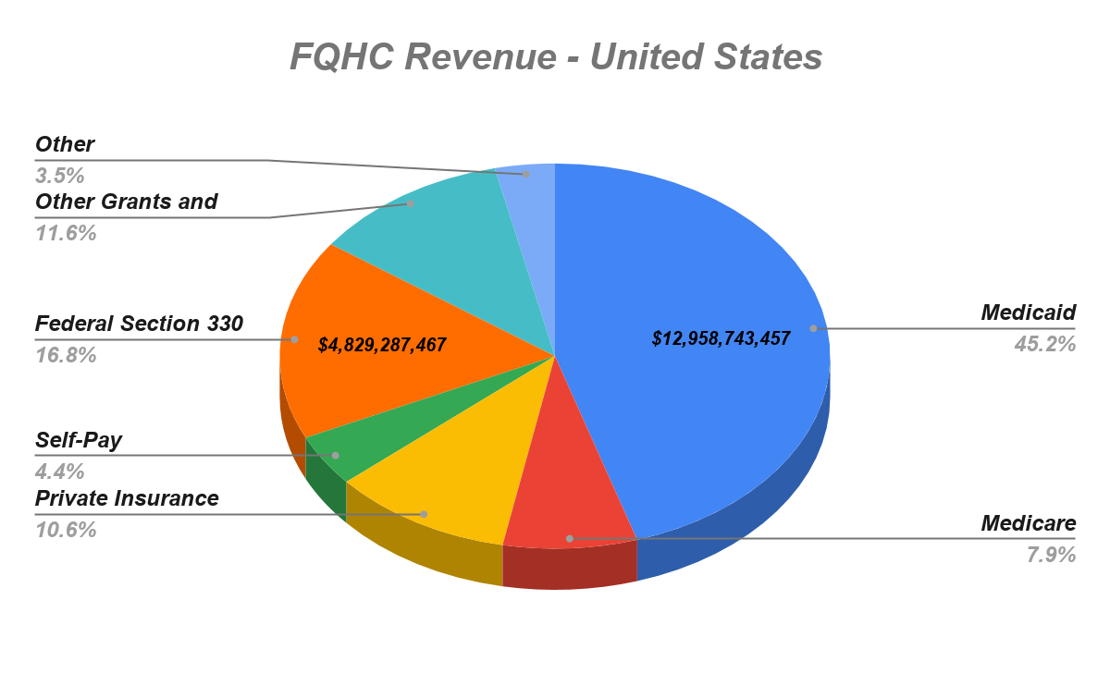
For almost 60 years, federally qualified health centers (FQHCs) have played a key role in providing medically underserved populations and areas with affordable and quality care, regardless of a person’s ability to pay.

Now these nonprofit community health centers are on the front line as states work through a three-year backlog of Medicaid eligibility determinations—a process that was put on hold during the Covid-19 pandemic after the federal government offered states higher reimbursements in exchange for keeping recipients enrolled in Medicaid programs.

CITE: https://www.r2library.com/Resource

As many as 17 million people could lose Medicaid coverage due to ineligibility or other renewal barriers during the unwinding period, which began April 1, according to KFF estimates. At least 5.4 million people have lost Medicaid coverage as of August 23rd according to data from 45 states and Washington, DC, KFF reported.

With FQHCs caring for an estimated one in six Medicaid recipients, community health centers across the US have beefed up their efforts to help patients through the transition and brace for any potential fallout. About 86.8 million people were enrolled in Medicaid nationwide as of the end of May, according to federal estimates.

***

COMMENTS APPRECIATED

Thank You

***

***

DENTAL CLINIC: NYC Health and Bellevue Hospitals Expansion

By Staff Reporters

***

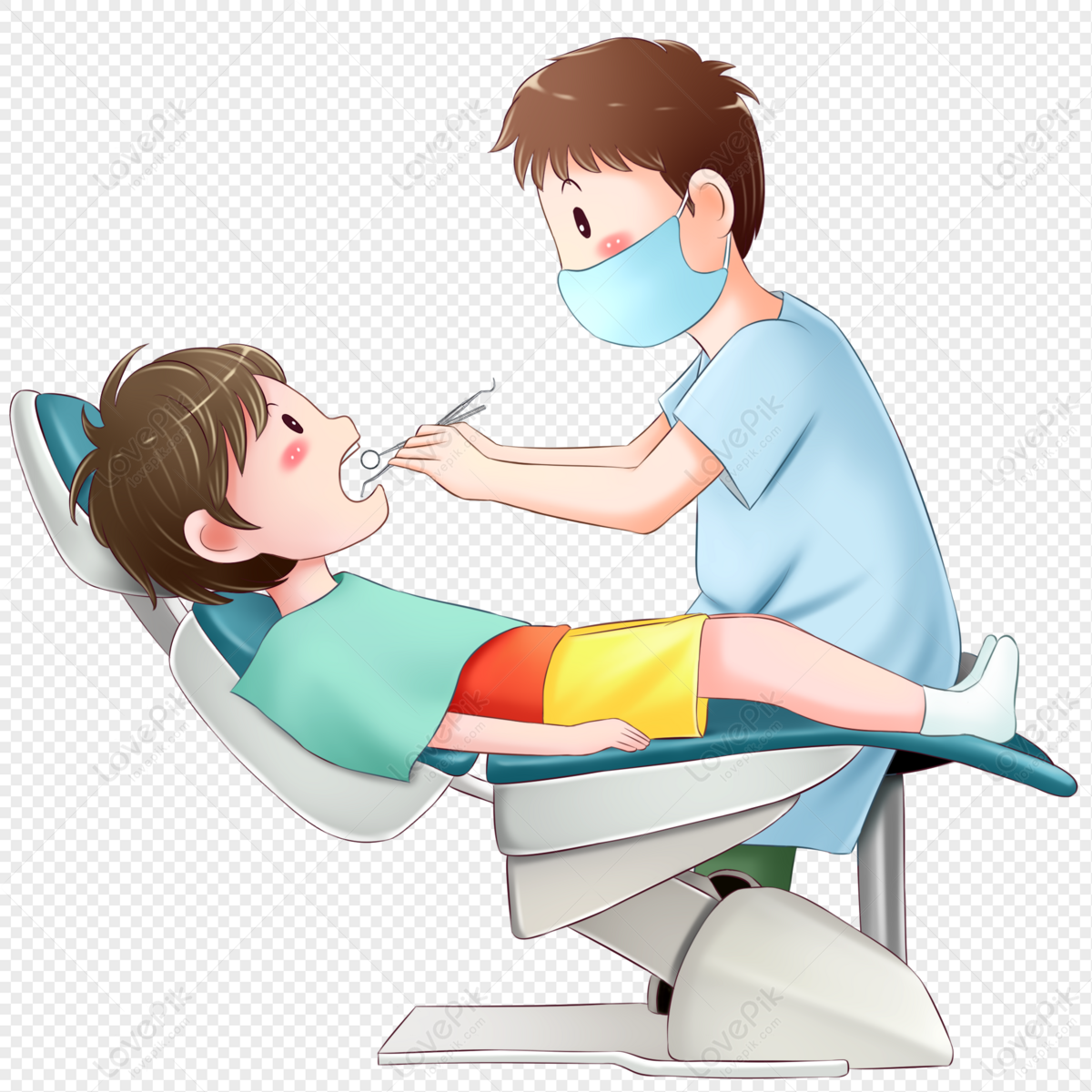
NYC Health + Hospitals/Bellevue is seeking approval to expand its outpatient dental clinic, according to Healthcare Brew and plans filed with the state this week.

The $830,000+ renovation of Bellevue’s clinical space would double the number of dental chairs from three to six, and allow the Manhattan public hospital to “meet the existing demand for dental services, meet the training requirements of the dental general practice residency program, and allow for additional growth to meet the oral health needs of the under served and uninsured population in the community,” according to the application.

CITE: https://www.r2library.com/Resource

Bellevue reported that each of its dental chairs has an average annual utilization rate of 2,000 visits, or about 6,000 total visits a year. According to the National Maternal and Child Oral Health Resource Center, “most safety net dentists see 2,500–3,200 patient visits per year, with the yearly national average coming in at 2,600.”

COMMENTS APPRECIATED

Thank You

***

***

VENTURE CAPITAL FUNDING: Slowing Down in Health Care!

By Staff Reporters

***

***

Venture capital funding in the digital health space cooled significantly in 2022 following a red-hot 2021; according to Healthcare Brew. Overall, digital health companies raised $15.3 billion last year, down substantially from the $29.1 billion raised in 2021—but still above the $14.1 billion raised in 2020, according to research from Rock Health, a seed fund that supports digital health startups.

Analysts predict investors will still put a good amount of money into digital health in 2023, particularly in alternative care, drug development technology, and software that reduces physician workload. But investors will likely pull dollars away from a few specific sectors this year.

“There is definitely more diligence, a little bit more skepticism in the investments that are made. So you tend to see investments go slower because diligence is taking longer or investors are being a little bit more conservative,” Adriana Krasniansky, head of research at Rock Health, told Healthcare Brew.

Direct-to-consumer products. The first sector in which Krasniansky expects to see funding slow this year is direct-to-consumer (DTC) products. One reason is that with recession fears, “Consumer spend is not as readily available,” Krasniansky said.

But Apple’s new data privacy rules are also partially to blame. As of April 2021, apps sold through Apple’s App Store must ask users for permission to track activity, and users can opt out. That tracking data is crucial for advertisers to create personalized ads.

“Apple’s privacy measures have impacted customer acquisition costs, making the DTC channel more challenging for a lot of startups—and not just digital health startups,” said Krasniansky.

READ: https://www.healthcare-brew.com/stories/2023/02/21/digital-health-hesitancy?cid=30649741.22835&mid=349b552221c994e2540a304649746d7c&utm_campaign=hcb&utm_medium=newsletter&utm_source=morning_brew

***

COMMENTS APPRECIATED

Thank You

***

***

ORDER: https://www.amazon.com/Dictionary-Health-Information-Technology-Security/dp/0826149952/ref=sr_1_5?ie=UTF8&s=books&qid=1254413315&sr=1-5

***

WORKPLACE SAFETY: 10 Rules and Guidelines

WORKPLACE MEDICAL VIOLENCE

By Staff Reporters

***

***

Workplace safety is no joke. Slips and trips can lead to a hospital visit—though at least it’s a quick commute for healthcare workers in states with high rates of workplace injuries. In fact, Maine, Oregon, and Vermont had the highest rates of nonfatal workplace accidents and injuries, according to an analysis shared with Healthcare Brew via email of 2021 US Bureau of Labor Statistics data compiled by High Rise Financial, a pre-settlement legal funding company.

What do these states also have in common? According to HealthcareBrew, nursing, ranked within the top 10 most popular professions in each state.

Maine had the highest rate of workplace accidents: 4.7 out of every 100 full-time workers in the state were involved in a nonfatal workplace accident in 2021, High Rise Financial found. That is 67.9% higher than the country’s yearly average. In 2021, 30,270 of the 592,000 registered employees in Maine were home healthcare workers or registered nurses. MaineHealth was the state’s largest private employer in 2021 with approximately 20,500 employees, per the Maine Center for Workforce Research and Information. But the state’s high accident rate isn’t a failure—it suggests that Maine workers are reporting accidents and injuries before they become more serious and require workers’ compensation, Maine Public Radio reported. The most recent data from 2011 shows that workers’ compensation losses cost hospitals nationwide $2 billion, the Occupational Safety and Health Administration found.

CITE: https://www.r2library.com/Resource/Title/082610254

If tedious workplace safety rules sound like a pain, try having an accident. “Slips, trips, and falls,” especially without a wet floor warning sign, are the top causes of workplace accidents that are eligible for pre-settlement funding, according to the High Rise Financial analysis. Even a small slip could lead to a back injury, a broken bone, or a concussion—no banana peel needed.

It’s not all doom and gloom: The CDC has generously curated a list of songs with workplace safety and health themes to liven up your nine-to-five. Just be sure to wear nonslip shoes if you feel like dancing.

***

Workplace Violence: https://medicalexecutivepost.com/2022/12/08/medical-workplace-violence-prevention-guidelines/

Related: https://medicalexecutivepost.com/2022/09/23/assessment-of-workplace-violence-in-healthcare/

***

COMMENTS APPRECIATED

Thank You

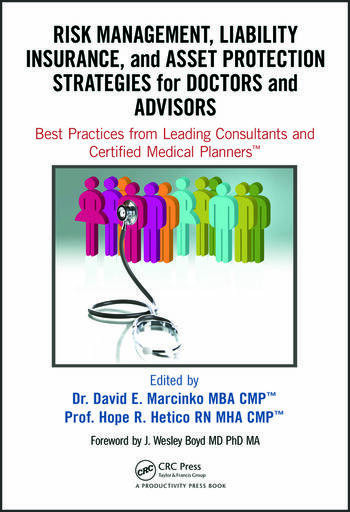
ORDER: https://www.routledge.com/Risk-Management-Liability-Insurance-and-Asset-Protection-Strategies-for/Marcinko-Hetico/p/book/9781498725989

***

ORDER: https://www.amazon.com/Dictionary-Health-Insurance-Managed-Care/dp/0826149944/ref=sr_1_4?ie=UTF8&s=books&qid=1275315485&sr=1-4

***

PHYSICIANS: “Aging Out”

By Staff Reporters

***

***

According to HealthcareBrew, thousands of doctors are expected to reach retirement age in the next three years, and their replacements won’t be physicians. Instead, physician assistants (PAs) and nurse practitioners (NPs) will increasingly provide primary care services, according to a report from consulting firm Mercer.

By 2026, 21% of family medicine, pediatric, and obstetrics and gynecology physicians—or about 32,000 doctors—will be 65 or older, and Mercer anticipates about 23,000 physicians will leave the profession permanently. At the same time, demand for primary care physicians is expected to grow 4%, the report found.

PAs and NPs—also called advanced practice providers (APPs) or physician extenders—are highly trained medical professionals. To become a PA, you have to have both a bachelor’s and a master’s, some clinical work experience, pass the Physician Assistant National Certifying Exam, and then apply to get licensed in your state (you know, easy peasy). It takes seven to nine years to go through that process, compared to 11+ years to become an MD.

CITE: https://www.r2library.com/Resource/Title/0826102549

To become an NP, you must have both a bachelor’s and a master’s in nursing, become a registered nurse, and pass a national NP board certification exam. It takes between six to eight years to become an NP.

Compared to physicians, PAs and NPs are “considerably younger professions with less than half the retirement risk,” the Mercer report stated. Roughly 40,000 PAs and NPs join the workforce annually.

“We’re certainly going to see increasing demand for APPs,” David Mitchell, a partner in Mercer’s career consulting business and a specialist in the healthcare industry, told Healthcare Brew.

While most state licensing boards require a physician to oversee APPs, both PAs and NPs have the authority to do many services primary care physicians do, like seeing and diagnosing patients, ordering lab tests, and writing prescriptions, said Mitchell.

READ HERE: https://www.healthcare-brew.com/stories/2023/03/16/non-mds-will-provide-primary-care?cid=30859907.17846&mid=349b552221c994e2540a304649746d7c&utm_campaign=hcb&utm_medium=newsletter&utm_source=morning_brew

MORE: https://www.aamc.org/data-reports/data/2022-physician-specialty-data-report-executive-summary

***
COMMENTS APPRECIATED

Thank You

***

ORDER: https://www.routledge.com/Risk-Management-Liability-Insurance-and-Asset-Protection-Strategies-for/Marcinko-Hetico/p/book/9781498725989

***

RECESSION: Healthcare Industry Layoffs

Not even the healthcare industry is recession-proof

By Staff Reporters

***

***

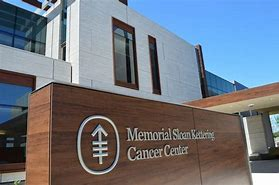
According to Kristine White of Healthcare Brew, New York City-based Memorial Sloan Kettering Cancer Center (MSK), one of the country’s top cancer treatment facilities, laid off 337 employees on Jan. 17 in response to ongoing financial challenges, according to a New York State Department of Labor filing.

The 337 employees, who worked across 14 sites and in multiple departments, represent about 1.5% of MSK’s 22,500 employees. This is a slight decrease from the expected 3% of layoffs announced in November 2022.

“This reduction was necessary to ensure that MSK can continue to invest in the future of cancer care, research, and education for the benefit of generations to come, and every effort has been made to ensure that patient care is not impacted,” spokesperson John Connolly said in a statement shared with Healthcare Brew.

The institution’s operating losses totaled $116.1 million for Q3 of 2022, compared to a loss of $8.7 million during the same period in 2021, according to a quarterly financial report released in November last year.

Factors such as increased patient activity, wages, and supply costs from inflation pushed the system’s operating expenses up by 7.5% from Q3 of 2021 to Q3 of 2022. The cancer center hired more staff in 2022 with the expectation that patient volume would increase, according to the financial report.

CITE: https://www.r2library.com/Resource/Title/0826102549

Health systems like MSK often reevaluate their biggest expense (workers) when business is down, Lori Kalic, a healthcare senior analyst at consulting firm RSM, told Healthcare Brew.

Just this year, multiple hospitals and health systems have also announced layoffs, including Tufts Medicine in Boston and Integris Health in Oklahoma, according to White.

***

ORDER: https://www.amazon.com/Dictionary-Health-Insurance-Managed-Care/dp/0826149944/ref=sr_1_4?ie=UTF8&s=books&qid=1275315485&sr=1-4

***

COMMENTS APPRECIATED

Thank You

***

HOSPITALS: Financial Management Update

By Staff Reporters

***

ORDER: https://www.amazon.com/Financial-Management-Strategies-Healthcare-Organizations/dp/1466558733/ref=sr_1_3?ie=UTF8&qid=1380743521&sr=8-3&keywords=david+marcinko

***

Hospitals saw a slight financial boost in November 2022, despite continued negative operating margins throughout the year, according to a new Kaufman Hall National Hospital Flash Report, as reported in Healthcare Brew.

Lower expenses and increased outpatient revenue help buoy their performance and increase margins by 12% month over month from October 2022. But Kaufman Hall, a management consulting firm, reported that its year-to-date operating margin index reflected an actual negative figure of -0.2% in November 2022.

The findings underscore the financial challenges hospitals continue to face as they recover from the Covid-19 pandemic.

And, Erik Swanson, senior vice president of data and analytics at Kaufman Hall, wrote that the “November data, while mildly improved compared to October, solidifies what has been a difficult year for hospitals amidst labor shortages, supply chain issues, and rising interest rates.”

ORDER: https://www.amazon.com/Hospitals-Healthcare-Organizations-Management-Operational/dp/1439879907/ref=sr_1_4?s=books&ie=UTF8&qid=1334193619&sr=1-4

The monthly report, which is based on data from more than 900 hospitals, partially attributed November’s lowered expenses to a decline in patient volume and slightly shorter lengths of stay. Decreased labor costs, likely due to a drop in a reliance on contract labor, also helped lower expenses, the Kaufman analysis found.

CITE: https://www.r2library.com/Resource/Title/0826102549

Hospitals further saw a 10% increase year over year in outpatient revenue in November 2022, despite inpatient revenue remaining flat, according to the report. Swanson said “[h]ospital leaders should continue to develop their outpatient care capabilities amid ongoing industry uncertainty and transformation.”

***

COMMENTS APPRECIATED

Thank You

***

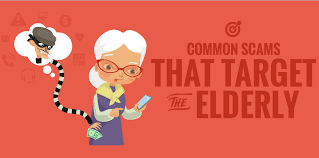
HEALTHCARE FRAUD: Predatory Senior Medicare Scams

By Staff Reporters

***

***

As you likely know, the US spends much on healthcare ($4.3 trillion in 2021, to be exact). But did you also know that healthcare fraud makes up a not-so-small piece of that pie?

The National Health Care Anti-Fraud Association (NHCAA), a national organization that works to prevent health insurance fraud, conservatively estimates that 3% of the US’s total annual healthcare spend—a hearty $129 billion—is lost to healthcare fraud. Some government agencies estimate that percentage to be as high as 10% (that’s $430 billion), according to the NHCAA.

Overall, Medicare fraud costs the US about $60 billion each year, Nicole Liebau, national resource center director for Senior Medicare Patrol, a government-funded organization designed to help prevent Medicare fraud, told Healthcare Brew, though she added that “the exact figure is impossible to measure.”

CITE: https://www.r2library.com/Resource/Title/082610254

While Medicare fraud isn’t new, the US saw a rise in one particular tactic during the pandemic: a durable medical equipment (DME) scheme.

How the schemes work.

In a DME scheme, scammers target Medicare patients—often after a procedure or an injury—and cold-call them to offer free equipment, said Jennifer Stewart, senior associate general counsel and senior director of fraud prevention and investigation at Blue Cross Blue Shield of Massachusetts. The scammers offer consumers items like lidocaine, wheelchairs, walkers, or braces.

The scammers have roped in doctors—who are often unaware they’re working with scammers instead of legitimate medical companies—to sign off on prescriptions that are then used to bill Medicare for the equipment, Stewart said. Sometimes patients actually receive the products, and sometimes they don’t.

“It’s really dangerous because [a prescription like lidocaine] could have reactions with other medications. The durable medical equipment isn’t sized for them, and certainly the doctor who treated their injury didn’t prescribe it […] There is a lot of patient harm involved,” Stewart said. Keep reading here.

***

COMMENTS APPRECIATED

Thank You

***

ORDER: https://www.amazon.com/Dictionary-Health-Insurance-Managed-Care/dp/0826149944/ref=sr_1_4?ie=UTF8&s=books&qid=1275315485&sr=1-4

***