BOARD CERTIFICATION EXAM STUDY GUIDES Lower Extremity Trauma
[Click on Image to Enlarge]
ME-P Free Advertising Consultation
The “Medical Executive-Post” is about connecting doctors, health care executives and modern consulting advisors. It’s about free-enterprise, business, practice, policy, personal financial planning and wealth building capitalism. We have an attitude that’s independent, outspoken, intelligent and so Next-Gen; often edgy, usually controversial. And, our consultants “got fly”, just like U. Read it! Write it! Post it! “Medical Executive-Post”. Call or email us for your FREE advertising and sales consultation TODAY [678.779.8597] Email: MarcinkoAdvisors@outlook.com
Medical & Surgical e-Consent Forms
ePodiatryConsentForms.com
iMBA Inc., OFFICES
Suite #5901 Wilbanks Drive, Norcross, Georgia, 30092 USA [1.678.779.8597]. Our location is real and we are now virtually enabled to assist new long distance clients and out-of-town colleagues.
ME-P Publishing
SEEKING INDUSTRY INFO PARTNERS?
If you want the opportunity to work with leading health care industry insiders, innovators and watchers, the “ME-P” may be right for you? We are unbiased and operate at the nexus of theoretical and applied R&D. Collaborate with us and you’ll put your brand in front of a smart & tightly focused demographic; one at the forefront of our emerging healthcare free marketplace of informed and professional “movers and shakers.” Our Ad Rate Card is available upon request [678-779-8597].
Posted on May 31, 2022 by Dr. David Edward Marcinko MBA MEd CMP™
By Staff Reporters
***
***
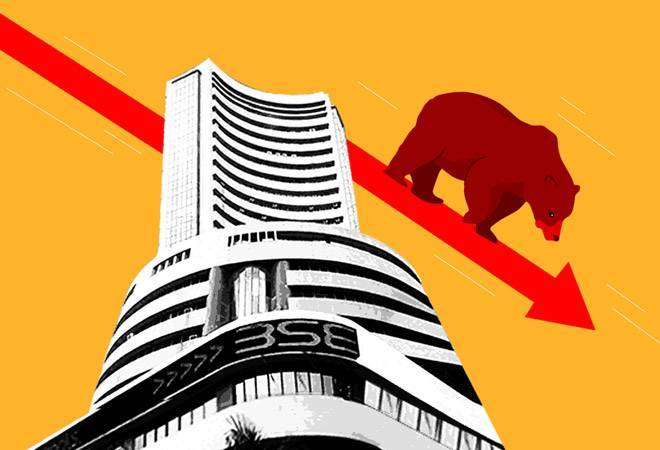
Since the year began, the iconic Dow Jones Industrial Average entered correction territory with a decline of greater than 10%, while the S&P 500 (very briefly, on an intra-day basis) and NASDAQ Composite both pushed into a bear market. The latter has endured a peak-to-trough drop of as much as 31% in six months.
Terra launched a new version of its failed luna cryptocurrency, which plunged to $0. At its height, the old luna — “luna classic” — had a circulating supply of over $40 billion. The revived luna token is already trading on exchanges but its price is crashing.
Oil prices rose to a two-month high over the holiday weekend, while the average cost of a gallon of gas in the US hit a record of $4.62.
Americans say it takes exactly $2.2 million in net worth to be considered “wealthy,” according to a new Charles Schwab study. The figure is up slightly from 2021, when it sat at $1.9 million, but down from a pre-pandemic “wealthy” high of $2.6 million in 2019. The average net worth it takes to be “financially comfortable” sat at $774,000 in 2022 and is up from $624,000 in 2021, but down from a pre-pandemic high of $1.4 million in 2018.
Posted on May 27, 2022 by Dr. David Edward Marcinko MBA MEd CMP™
By Staff Reporters
***
***
Twitter shares moved firmly higher after Tesla CEO Elon Musk added another $6.25 billion in equity to the financing package in his $44 billion takeover bid.
And, Tesla shares moved higher after Musk closed out a margin loan linked to his $44 billion takeover of Twitter , although gains were capped by a price target cut from analysts at Jefferies.
In March, the House of Representatives voted 414-5 in favor of the Securing a Strong Retirement Act of 2022. If passed by the Senate, and then signed into law by President Joe Biden, the act could represent a massive economic policy shift regarding retirement savings and investment. Now, the next generation known as the SECURE Act 2.0, expands on the original SECURE Act and includes provisions to boost the required minimum distribution (RMD) age from 72 to 75 over time, broaden automatic enrollment in retirement plans, and enhance 403(b) plans.
The DJIA rose for its fifth straight day, as the S&P and NASDAQ are poised to snap their seven-week losing streaks. Retailers are upbeat as shares of Macy’s, Dollar Tree, and Dollar General all soared after exceeding expectations and forecasting positive outlooks. But, Microsoft, Meta, Uber, and Nvidia slowed hiring, and Netflix and Robinhood recently laid off staff. SoftBank’s Vision Fund posted its worst annual loss as a result of the tech downturn.
Posted on May 21, 2022 by Dr. David Edward Marcinko MBA MEd CMP™
By Staff Reporters
***
“The Big Short” celebrity investor and colleague Michael Burry MD recently disclosed that he is short Apple stock. Could he be right about AAPL dipping even further from here? Famous hedge fund manager Michael Burry, the real-life character in “The Big Short”, became famous for his short position on subprime CDOs ahead of the 2008 crash. This time, he is shorting Apple stock. The bombshell news has come recently via a 13F filing released by Burry’s hedge fund.
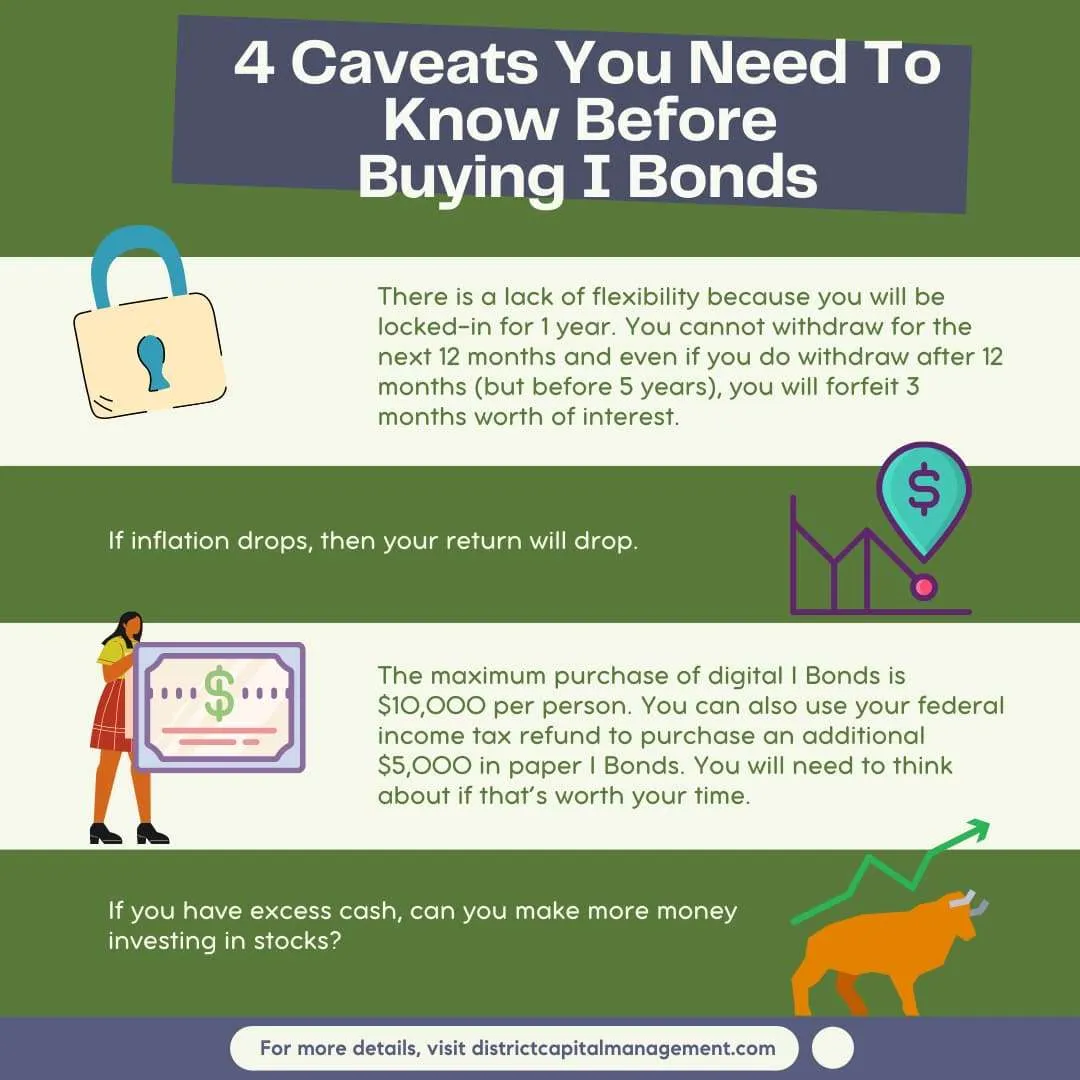
People searching for a respite from inflation have flooded the Treasury Department phone lines and website to try to buy Series I savings bonds, causing much longer waits than usual. It’s the latest example of outdated government computer systems causing anguish for Americans. On May 2nd, the Treasury Department announced that the inflation-protected I bonds will earn 9.62 percent interest at least until the end of October. A day later, TreasuryDirect, the website that people have to use to purchase the bonds, crashed.
Finally, Wall Street rumbled to the edge of a bear market after another drop for stocks briefly sent the S&P 500 more than 20% below its peak set early this year. The S&P 500 index, which sits at the heart of most workers’ 401(k) accounts, was down as much as 2.3% for the day before a furious comeback in the final hour of trading sent it to a tiny gain of less than 0.1%. It finished 18.7% below its record, set on January 3rd. The tumultuous trading capped a seventh straight losing week, its longest such streak since the dot-com bubble was deflating in 2001.
Posted on May 19, 2022 by Dr. David Edward Marcinko MBA MEd CMP™
By Staff Reporters
***
Target Corp. is on pace for its worst stock drop since 1987’s Black Monday crash after becoming the second big retailer in two days to trim its profit forecast. A surge in costs during the first quarter shows little sign of easing, said Chief Executive Officer Brian Cornell. Operating profit will amount to only about 6% of sales this year, 2 percentage points below the previous forecast, Target said Wednesday. And the company’s first-quarter adjusted profit missed the lowest of 23 analyst estimates compiled by Bloomberg.
Netflix continues to hemorrhage subscribers, as the streaming service laid off 150 more employees representing 2% of its workforce. In a statement, a company rep clarified “the changes are primarily driven by business needs rather than individual performance.”
***
***
And, socks plunged as deepening concern about the economic impact of high inflation and rising interest rates drove the Dow Jones Industrial Average to its worst day since March 2020.
The Dow closed with a loss of 1,161 points, dropping 3.6 percent Wednesday for its steepest one-day drop since the onset of the coronavirus pandemic. The S&P 500 closed 4 percent lower and the NASDAQ closed 4.7 percent lower Wednesday.
A failure by the CBOE Volatility Index [VIX] sometimes referred to as Wall Street’s fear gauge, to push above the mid-30 range was seen as one sign that investors hadn’t made the sort of “capitulation” that often clears the way for a sustained rebound. However, some positive market internals on the upside during Friday’s and Tuesday’s bounce have some analysts looking for some near-term upside, which could continue to confound market bears.
More Americans were considered “equity rich” in the first quarter of 2022 — meaning that they owed no more than 50% of their home’s total value — amid a rise in home prices, according to new data from ATTOM Data Solutions. The number of equity-rich homeowners grew to 44.9% of mortgage holders in the first quarter, up from 41.9% in the fourth quarter of 2021 and 31.9% in the first quarter of 2021, according to the company’s first-quarter 2022 U.S. Home Equity and Underwater Report.
Finally, Litecoin (LTC-USD) is getting ready for its newest upgrade on Thursday, May 19th. The MimbleWimble (MWEB) upgrade will turn the Litecoin crypto into a more fungible, private currency. Privacy coins like Monero (XMR-USD) and Zcash (ZEC-USD) have been hot investments in recent weeks
Posted on May 16, 2022 by Dr. David Edward Marcinko MBA MEd CMP™
By Staff Reporters
***
More than $11 trillion in value has been erased from global stocks since the end of March. And, despite a a pop last Friday, many analysts don’t think we’ve hit the bottom yet. Fewer than 30% of S&P companies have hit a one-year low during this downturn, compared to almost 50% during 2018’s rout and 82% during the financial crisis in 2008, according to Bloomberg.
***
Capitulation means surrender. In financial markets, capitulation marks the point in time when a large enough proportion of investors simultaneously give up hopes of recouping recent losses, typically as the decline in prices gathers speed.
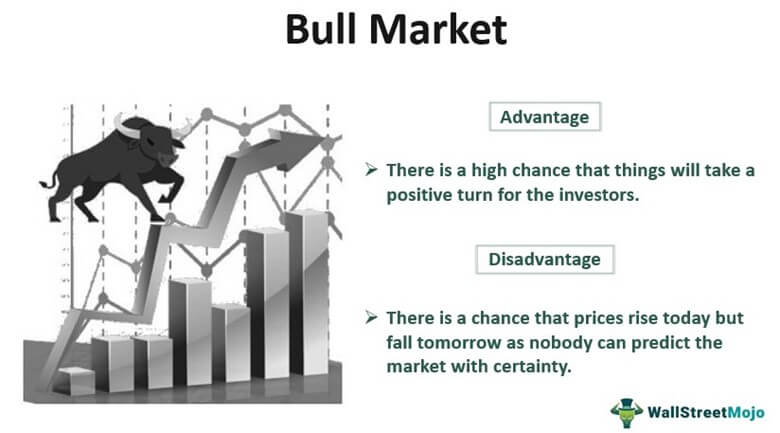
According to MarketWatch, the latest bull market for U.S. stocks remains on the brink of expiring, with the benchmark S&P 500 just shy of the threshold that marks bear territory.
Going ganular, the S&P 500 SPX, +2.39% finished 0.1% lower at 3,930.08 on Wednesday, after falling as far as 3,858.87 at its session low. That was the index’s lowest close since March 25, 2021, and left it 18.1% below its record finish from early January. A Friday bounce for stocks saw the S&P 500 nearly halve its decline for the week to 2.4%, closing at 4023.89.
Posted on May 14, 2022 by Dr. David Edward Marcinko MBA MEd CMP™
By Staff Reporters
***
***
Until recently, giga-cap technology stocks like Apple (NASDAQ: AAPL) and Microsoft (NASDAQ: MSFT) had large avoided the full brunt of the bear market in the NASDAQ, even as smaller companies lost 50% to 80% or more of their value.
However, over the past couple of months, some of the largest companies in the market, including Meta Platforms (NASDAQ: FB), Netflix (NASDAQ: NFLX), and Amazon.com (NASDAQ: AMZN), started to move sharply lower. Those big-name moves put a bigger dent in market capitalization-weighted benchmarks.
BroaderMarkets: But, the good news is that stocks surged on the best day for the NASDAQ since November 2020. The bad news is the S&P is now in its longest weekly losing streak since 2011, and the Dow’s weekly losing streak is its longest since 2001.
Posted on May 12, 2022 by Dr. David Edward Marcinko MBA MEd CMP™
By Staff Reporters
***
***
Carvana, the fast-growing used-car seller based in Tempe, announced its plans to lay off 2,500 employees – more than 10% of its workforce – as losses mount. The company, which operates a network of high-profile vehicle “vending machines” including one at Loop 202 and Scottsdale Road, said the move was designed to “better align staffing and expense levels with sales volumes.” Carvana reported a $506 million loss in its first quarter ending March 31st, well above red ink of $82 million during the same stretch of 2021, despite a 56% jump in revenue to $3.5 billion and a 14% increase in vehicles sold.
And, new inflation data scared some investors, who continued to dump riskier assets like cryptocurrencies amid the ongoing market selloff: The price of Bitcoin fell up to 7%, to around $29,000, according to Coin Metrics, before paring back losses. The price of the Terra (LUNA) cryptocurrency has fallen by more than 99 per cent, wiping out the fortunes of crypto investors. Terra, which ranked among the top 10 most valuable cryptocurrencies, dropped below $1 on Wednesday, having peaked close to $120 last month.
The Dow Jones Industrial Average fell 215 points, or 0.7%, to 31,949 after swinging between gains and losses after the opening bell.
The S&P 500 shed 46 points, or 1.2%, to 3,954.
The NASDAQ Composite fell 296 points, or 2.5%, to 11,445.
The national average for a gallon of gas surged to $4.40, the highest price recorded by AAA since it began keeping track in 2000 (though lower when adjusted for inflation than the high-water mark in July 2008, when gas was $5.36 per gallon in today’s dollars).
Finally, the US federal government’s budget deficit has shrunk by some $1.57 trillion so far this fiscal year, driven by record receipts from a strong economy and a slowdown in spending as pandemic-era programs fade.
Posted on May 9, 2022 by Dr. David Edward Marcinko MBA MEd CMP™
By Staff Reporters
***
Last night, the Dow Jones Industrial Average futures lost 191 points, down 0.6%, while the S&P 500 futures declined 0.8% and NASDAQ Composite futures fell 0.9%.
Crude oil futures (West Texas Intermediate) fell 0.2%, to $109.54 a barrel.
Tiger Global, the hedge fund with the most investments in private billion-dollar startups, is going through one of the worst stretches of any hedge fund in history, falling 44% so far this year and 15% in April alone.
This week’s notableeconomic events include: On Tuesday, the National Federation of Independent Business releases its Small Business Optimism Index for April. On Wednesday, the Bureau of Labor Statistics reports the consumer price index for April. On Thursday, the BLS releases the producer price index for April, and the Department of Labor reports initial jobless claims for the week ended on May 7. On Friday, the University of Michigan releases its Consumer Sentiment Index for May.
Posted on May 6, 2022 by Dr. David Edward Marcinko MBA MEd CMP™
By Staff Reporters
***
Markets: After booming stocks had their worst day of the year because of raging inflation, slowing economic growth, and a potential recession.
Crypto: Bitcoin and other major cryptos like ethereum also tumbled in the aftermath of the FOMC announcement. They’ve typically tracked the performance of growth stocks, which have gotten hammered on the prospect of higher interest rates.
***
Almost every major online retailer reporting earnings with signs of a decline:
Wayfair shares cratered nearly 26% yesterday after announcing that its active customer count dropped 23.4% from a year ago.
Bed Bath & Beyond reported an 18% nosedive in online sales.
Etsy and eBay shares both dropped by double digits yesterday after giving weak guidance for the current quarter.
At least five senior executives from Meta’s fledgling e-commerce division have fled in the last six months.
Shopify shares plummeted about 15% on Thursday after posting much lower-than-expected earnings.
Posted on April 27, 2022 by Dr. David Edward Marcinko MBA MEd CMP™
By Staff Reporters
***
***
The Dow Jones Industrial Average fell 809 points, or 2.4 percent today, as investors sold stock amidst concerns of coming recession.
The Dow faced a significant decline since trading opened. By the market’s close, it had reached one of its lowest closing values in the past year. Similar declines were observed on other market indices – including the S&P 500, which fell by 2.8 percent, and the NASDAQ Composite (comprising technology company stock), which lost 4 percent of its value.
The National Review and most experts ascribed the loss to stocks by big technology companies, whose increases in value have come to represent a sizeable portion of market indices. Alphabet, Apple, Microsoft, and Twitter all declined by several points. Each of these companies was due to present earnings reports after the close of trading, which investors did not expect to bode well.
Alphabet, in particular, announced slower sales growth and a drop in earnings from ad-revenue on Google and its other platforms. Netflix, which reported a decline in subscribers on Friday, had previously experienced a 30 percent decline in its stock price amounting to a loss of $54 billion.
Posted on April 23, 2022 by Dr. David Edward Marcinko MBA MEd CMP™
By Staff Reporters
***
US stocks plunged yesterday with the Dow Jones falling nearly 1,000 points as investors grappled with new comments from Fed Chair Jerome Powell that indicate bigger interest rate hikes ahead.
For the week, the Dow finished down 1.85%, the S&P 500 tumbled 2.7%, and the NASDAQ crashed 3.8%. The Dow Jones marked its fourth consecutive weekly decline, while the S&P 500 and NASDAQ 100 registered their third straight weekly drops.
***
Despite the bearishness in the stock market, first-quarter corporate earnings continue to beat analyst estimates on both the top and bottom lines. According to data from Fundstrat, of the 95 companies that have reported so far, or 19% of the S&P 500, results are beating profit estimates by a median of 6%. Meanwhile, revenue estimates have been beating by a median of 3%.
Ukraine announced limits on bitcoin purchases Friday to protect against capital flight as Russia’s war on the country pushes into a third month. The National Bank of Ukraine is banning bitcoin purchases made with the hyrvnia and is capping purchases made with foreign currencies at $3,300 a month.
***
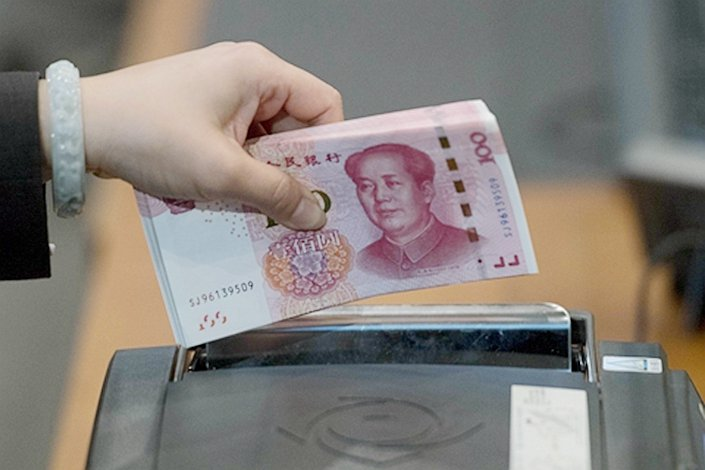
China’s yuan was on track for its worst weekly drop since 2015 on Friday, as investors rushed back to the US. The offshore yuan, or renminbi, had fallen 2.4% over the week to 6.53 per dollar, according to Bloomberg data.
The S&P 500 dropped and erased earlier gains. The Dow Jones Industrial Average also turned lower. The NASDAQ fell more than 2% and extended losses when the tech-heavy index was weighed down by a slide in Netflix. Meanwhile, Tesla (TSLA) shares rose after the electric vehicle-maker handily exceeded expectations in its fiscal first-quarter results.
***
***
Treasury bond yields climbed after Federal Reserve Chair Jerome Powell suggested the case for front-loading interest rate hikes with 50 basis-point increases in order to quickly address persistent inflationary pressures. San Francisco Federal Reserve President Mary Daly also suggested in an interview with Yahoo Finance that she would back a larger-than-typical 50 basis point interest rate hike following the Fed’s May meeting given current price pressures.
China: The nation’s securities regulator issued investor guidance for the country’s giant social security fund, just as the benchmark CSI 300 Index was heading toward the lowest level since June 2020.
Posted on April 19, 2022 by Dr. David Edward Marcinko MBA MEd CMP™
By Staff Reporters
***
***
Markets: Stocks dipped to start off the week without many market-moving developments. Twitter’s use of a “poison pill” to prevent Elon Musk from taking over the company was a hit with investors, who sent shares soaring yesterday. The company’s stock is up more than 23% since Musk revealed he owned a 9.2% stake.
NASDAQ: 13,332.36-0.14%
S&P: 4,391.69-0.02%
Dow: 34,411.69
Commodities: Prices up. Corn hit a nine-year high in part due to the war in Ukraine, while US natural gas prices reached their highest level in 13 years ahead of an unusual April snowstorm hitting the Northeast. Natural gas prices have more than doubled so far this year.
Posted on April 14, 2022 by Dr. David Edward Marcinko MBA MEd CMP™
By Staff Reporters
***
***
OneNFT: In March 2021, a crypto-currency entrepreneur bought an NFT of Twitter founder Jack Dorsey’s first tweet for $2.9 million. Last week he listed it for $48 million, promising to donate half of the proceeds to charity. But when the auction closed yesterday, the top bid was just … $277.
DEFINITION: NFT stands for non-fungible token. It’s generally built using the same kind of programming as cryptocurrency, like Bitcoin or Ethereum, but that’s where the similarity ends. Physical money and cryptocurrencies are “fungible,” meaning they can be traded or exchanged for one another.
Ten Year Bond Yield: 2.701%
Markets: The S&P and NASDAQ snapped their three-day losing streaks, and airline shares boomed after Delta said it would report a Q2 profit. And, Peloton’s shares are down nearly 30% this year and have lost virtually all of their pandemic gains.
JPMorgan’s profit dropped 42% last quarter and it wrote down almost $1.5 billion in assets it linked to the war in Ukraine and inflation.
Posted on April 13, 2022 by Dr. David Edward Marcinko MBA MEd CMP™
By Staff Reporters
***
***
Markets: Stocks blew a lead in the afternoon for the NASDAQ’s and S&P’s third straight losing session. Blame a red-hot inflation report that took another bite out of stocks.
DIGITS: Money is about to enter a new era of competition and digital technology is poised to change our relationship with money and, for some countries, the ability to manage their economies.
Posted on April 11, 2022 by Dr. David Edward Marcinko MBA MEd CMP™
By Staff Reporters
***
Last week was a bit rudderless with anecdotal stories in the stock market — like Elon Musk buying a big chunk of Twitter (TWTR) — pushing and pulling market sentiment.
But, as with the heart of any earnings season, the big banks will be among the first to put up Q1 numbers. According to Zacks Director of Research Sheraz Mian in his latest Earnings Trends piece this week, all the big banks, including JPMorgan Chase (JPM), Bank of America (BAC), Citigroup (C) and Wells Fargo (WFC), have seen lower revisions ahead of the reports. This is especially true with Citi, which has higher exposure to Russia.
And, global venture funding dropped 19% from Q4 2021 to the first quarter of this year—the steepest drop in at least four years, according to CB Insights. The number of companies that nabbed “unicorn” status (a valuation of at least $1 billion) fell to a five-quarter low.
Finally, the average number of US COVID-19 cases has hit its highest level in a month, but due to the draw-down in testing centers and the uptick of at-home tests, experts assume that many cases are going unreported. Dr. Fauci opined that we must assess our own risk levels, which reflects the US’ shift in strategy to treat Covid like an endemic disease.
Posted on April 10, 2022 by Dr. David Edward Marcinko MBA MEd CMP™
By Staff Reporters
***
***
U.S. stocks ended mixed the past week with the technology-laden NASDAQ Composite and S&P 500 closing lower as investors continued to digest the Federal Reserve’s plans to aggressively raise interest rates and shrink its balance sheet. Key inflation data and corporate earnings reports loom next week.
The Dow Jones Industrial Average rose 137.55 points, or 0.4%, to close at 34,721.12.
The S&P 500 slipped 11.93 points, or 0.3%, to finish at 4,488.28.
The NASDAQ Composite shed 186.30 points, or 1.3%, to end at 13,711.
For the week, the Dow declined 0.3%, the S&P 500 fell 1.3% and the NASDAQ dropped 3.9%. The S&P 500 and NASDAQ each snapped a three-week winning streak while the Dow fell for a second week in a row, according to Dow Jones Market Data.
Posted on April 9, 2022 by Dr. David Edward Marcinko MBA MEd CMP™
By Staff Reporters
***
***
The Dow Jones Industrial Average gained 0.40%, or 137 points, The S&P 500 fell 0.20%, the NASDAQ slipped 1.3%. All three major averages ended the week in the red.
Technology stocks snapped a three-week winning streak, keeping the broader market in the red as investors remain wary of growth sectors of the market in the wake of surging Treasury yields.
The 10-year Treasury yield jumped above 2.7% for the first time in more than three years on expectations for aggressive Federal Reserve tightening to stem inflation.
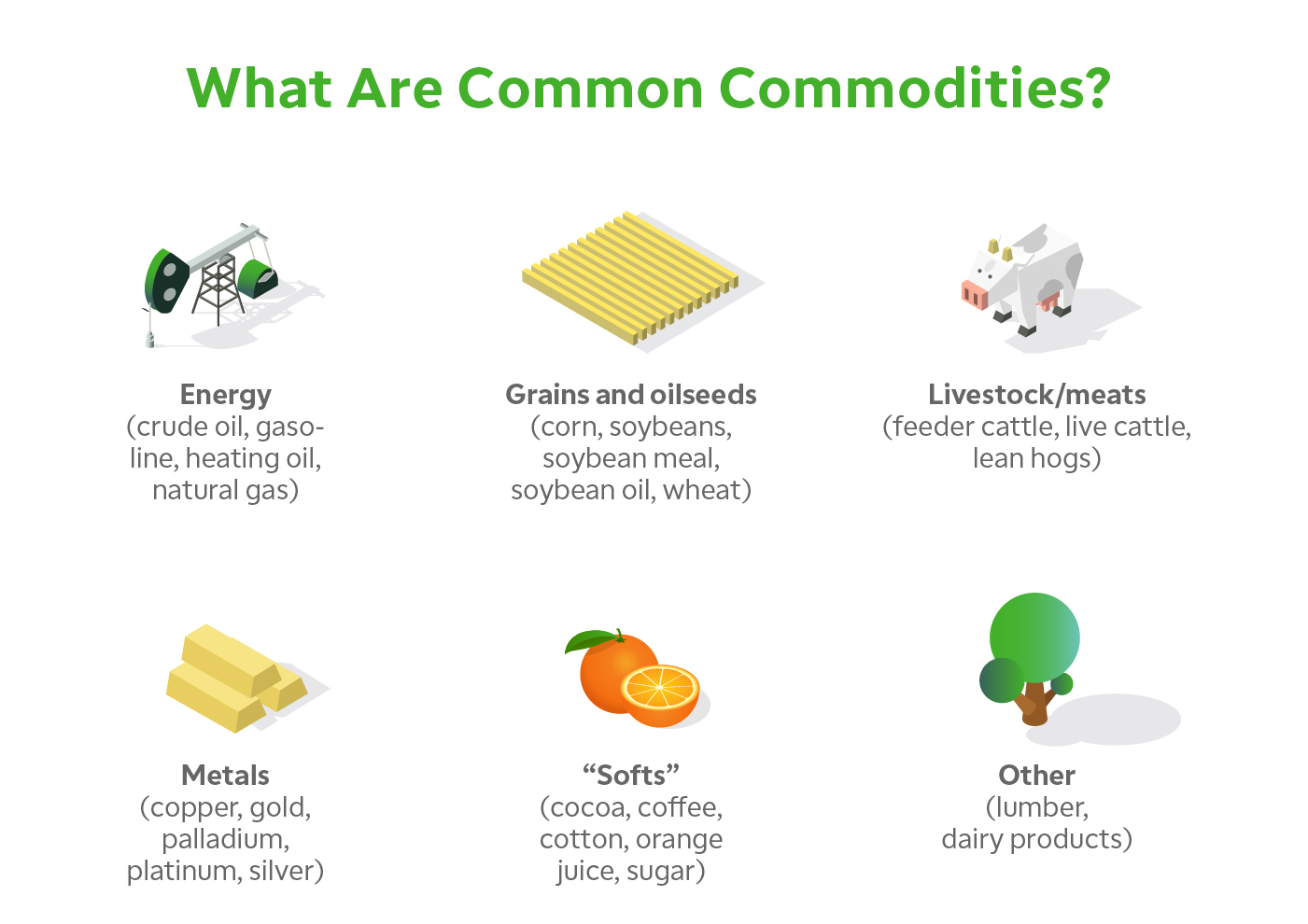
DEFINITION: In economics, a commodity is an economic good, usually a resource, that has full or substantial fungibility: that is, the market treats instances of the good as equivalent or nearly so with no regard to who produced them.
Gold Futures for June delivery were down 0.34% or 6.60 to $1,931.20 a troy ounce. Elsewhere in commodities trading, Crude oil for delivery in May rose 0.31% or 0.30 to hit $96.33 a barrel, while the June Brent oil contract rose 0.14% or 0.14 to trade at $100.72 a barrel.
Posted on April 8, 2022 by Dr. David Edward Marcinko MBA MEd CMP™
By Staff Reporters
***
***
Wall Street’s main stock benchmarks closed higher Thursday after two days of declines.
St. Louis Fed President James Bullard said the central bank is “behind the curve” on fighting inflation.
Stocks appeared to take in stride Bullard’s view that the Fed needs to raise rates by 3 percentage points this year.
The NASDAQ Composite recovered a portion of the 2% slump it suffered on Wednesday, and the S&P 500 and the Dow Jones Industrial Average joined the tech-concentrated index in rising for the first time in three sessions.
Stocks overcame earlier losses and appeared to absorb remarks by St. Louis Fed President James Bullard who reportedly said on Thursday the Fed is “behind the curve” in curbing inflation. He said the central bank will need to raise interest rates another 3 percentage points by the end of 2022, according to Reuters. The Fed in March raised its fed funds rate by 25 basis points from near zero.
Judge Ketanji Brown Jackson will become the first Black woman to ever serve on the US Supreme Court, after being confirmed by the Senate in a 53–47 vote. She’ll replace Justice Stephen Breyer, who is retiring this summer.
Posted on April 7, 2022 by Dr. David Edward Marcinko MBA MEd CMP™
By Staff Reporters
***
***
Stocks ended lower but off their worst levels, with the tech-heavy NASDAQ Composite bearing the brunt of selling pressure for a second session Wednesday after minutes of the Federal Reserve’s March policy meeting outlined plans for shrinking the central bank’s nearly $9 trillion balance sheet.
The Dow Jones Industrial Average ended with a loss of around 145 points, or 0.4%, near 34,497, according to preliminary figures, while the S&P 500 sank around 44 points, or 1%. to finish near 4,481. The NASDAQ Composite shed around 315 points, or 2.2%, closing near 13,889.
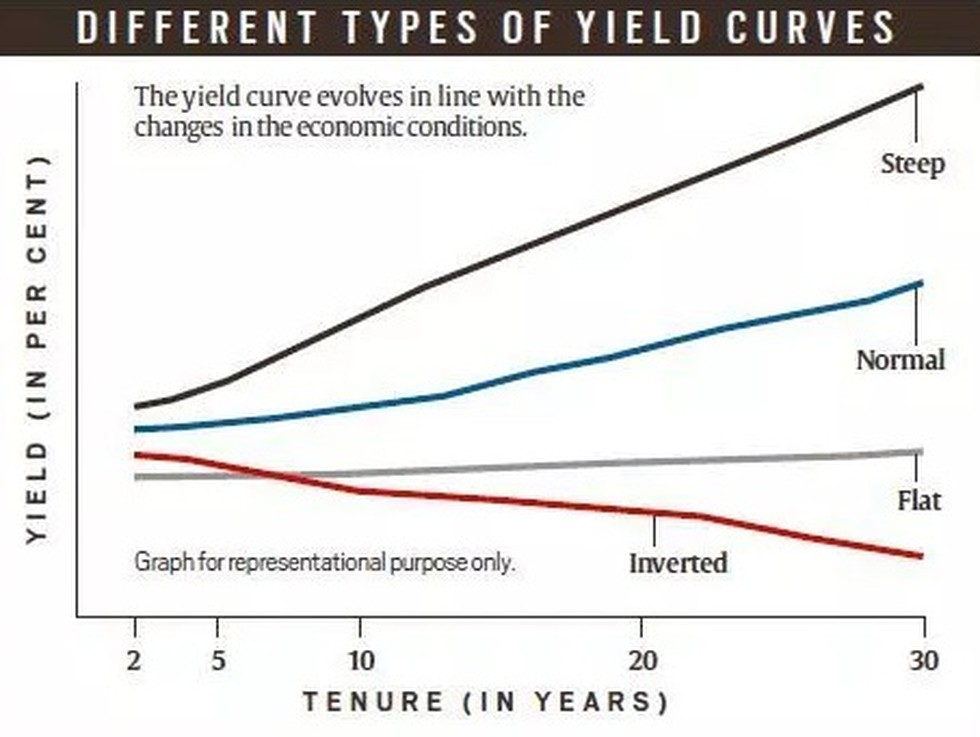
And, the 10-year treasury yield, which indicates the level of investor confidence in the markets, jumped to 2.62% which was the highest level since March, 2019. The move higher is partly due to continued momentum from Tuesday’s 28.19% rise, which was propelled by U.S. Federal Reserve Governor Lael Brainard’s hawkish comments. However, the 5-year yield remained inverted and higher then the 30-year yield. The spike higher in bond yields
Posted on April 6, 2022 by Dr. David Edward Marcinko MBA MEd CMP™
By Staff Reporters
***
***
US. stocks faltered and were dragged down by losses in tech, as investors weighed remarks by Federal Reserve [FOMC] Governor Lael Brainard that indicated policymakers were ready to act more aggressively to rein in inflation. Investors also monitored reports indicating the U.S. and European Union are expected to unveil more sanctions against Russia on Wednesday.
The S&P 500 tumbled 1.3%, and the Dow Jones Industrial Average shed 280 points after climbing for two straight trading sessions. The NASDAQ Composite plunged 2.3% to log its biggest drop in three weeks and erase gains from a tech rally that helped the index pop on Monday. Meanwhile, the 10-year U.S. Treasury yield jumped to 2.56%, its highest level since May 2019.
Brainard, who is awaiting a confirmation vote to serve in the central bank’s number two role, said at a conference on Tuesday that the Fed can raise interest rates more aggressively to dampen the high rate of inflation felt by Americans, also noting that officials will likely start shrinking asset holdings in a about a month (a move that could have the effect of further raising long-term interest rates).
“Currently, inflation is much too high and is subject to upside risks,” Brainard said. “The Committee is prepared to take stronger action if indicators of inflation and inflation expectations indicate that such action is warranted.”
Posted on April 5, 2022 by Dr. David Edward Marcinko MBA MEd CMP™
By Staff Reporters
***
***
The NASDAQ composite booked its best day in more than a week after investors snapped up technology and communications shares on Elon Musk’s disclosure of a large stake in social media platform Twitter Inc. The NASDAQ, Dow industrials and S&P 500 all rose for a second straight trading day.
The NASDAQ Composite COMP, +1.90% finished up 271.05 points, or 1.9%, at 14,532.55. That’s the largest daily percentage gain since March 24, 2022, according to Dow Jones Market Data.
The Dow Jones Industrial Average DJIA, +0.30% added 103.61 points or 0.3%, closing at 34,921.88.
The S&P 500 SPX, +0.81% closed up 36.78 points, or 0.8%, at 4,582.64.
Posted on April 4, 2022 by Dr. David Edward Marcinko MBA MEd CMP™
By Staff Reporters
***
***
It sure has been a wild ride for investors over the past few weeks, with the benchmark S&P 500 rising 10% from March 8th through March 30th. But the broader stock market is still down for 2022. Below is a list of 10 stocks that have fallen at least 20% this year, but are expected by analysts to rise as much as 66% over the next 12 months.
Posted on April 1, 2022 by Dr. David Edward Marcinko MBA MEd CMP™
By Staff Reporters
U.S. stocks fell Thursday afternoon to cap a quarter in which Federal Reserve monetary tightening and the Russian invasion of Ukraine have weighed on sentiment and has put the S&P 500 on track for its first quarterly loss in two years.
***
***
How stock indexes performed?
The Dow Jones Industrial Average fell 336 points, or 1%, to about 34,893.
The S&P 500 was down 38 points, or 0.8%, at 4,564.
The NASDAQ Composite shed 107 points, or 0.7%, to trade near 14,335.
BONDS: The yield on the 10-year Treasury fell to 2.331%, while the yield on the 2-year Treasury was at 2.337% at one point in late trading Thursday. After a brief inversion, both yields were basically trading at the 2.34% level in the latest trading.
Posted on March 30, 2022 by Dr. David Edward Marcinko MBA MEd CMP™
By Staff Reporters
***
***
STOCKS: The Dow and S&P have put together a four-day win streak as the first quarter comes to a close. And, Robinhood stock soared after the company said it would extend trading hours.
APPLE: Gained for 11 straight trading days, its longest streak since 2003 (before it released the iPhone). Now, it is just $3/share shy of its record closing high and is staring down a $3 trillion market cap.
FOMC: Embarked on the high-stakes campaign of hiking interest rates while not inducing a recession. Chairman Jerome Powell said he’s not worried about a downturn in the near future.
Posted on March 24, 2022 by Dr. David Edward Marcinko MBA MEd CMP™
By Staff Reporters
***
***
STOCKS: The S&P 500 fell 55 points. The Dow Jones Industrial Average fell 447 points and the NASDAQ fell 186 points. The losses were broad, with technology, health care and financial stocks among the biggest weights on the benchmark S&P 500 index. Microsoft fell 1.2% and Abbott Laboratories slid 3.5%. Retailers and communications companies also lost ground.
OIL: Energy stocks rose as crude oil prices climbed more than 4%. Hess rose 2.8%.
MOSCOW: Russia’s central bank has decided to gradually resume trading on the Moscow Exchange in the equity markets after the country’s longest trading halt began on February 24th. Federal loans and bond trading resumed on Monday. Bidding will be held from 10:00 to 11:00 Moscow time in the discrete auction mode, then from 13:00 to 17:00 Moscow time in the usual mode. Short selling on such instruments will be prohibited.
GIF: Stephen Wilhite, the creator of the GIF died at age 74. The Graphics Interchange Format, dates back to the 1980s, when Wilhite was looking for a way to send high-quality graphics in color during the early stages of the internet.
Posted on March 23, 2022 by Dr. David Edward Marcinko MBA MEd CMP™
By Staff Reporters
***
US stocks: Rebounded to close firmly higher Tuesday as investors shrugged off hawkish remarks from Federal Reserve Chair Jerome Powell and continued to monitor the war in Ukraine.
The S&P 500 rose 1.1% to 4,511.81, and Dow Jones Industrial Average [DJIA] jumped more than 250 points, or about 0.7%, to 34,807.86. The NASDAQ Composite was up nearly 2% to 14,108.82. The moves come on the back of a choppy session Monday that saw all three indexes cap last week’s winning streak to close lower after Powell signaled the central bank was prepared to act more aggressively to rein in inflation.
***
***
T-Note: Meanwhile, the 10-year U.S. Treasury climbed to yield 2.372%
Posted on March 22, 2022 by Dr. David Edward Marcinko MBA MEd CMP™
By Staff Reporters
***
According to London (CNN Business), Russia has sent the clearest signal yet that it will soon default — the first time it will have failed to meet its foreign debt obligations since the Bolshevik revolution more than a century ago.
***
***
Russian Debt: The S&P 500 slashed Russia’s debt to junk status as there are 30 corporate ‘fallen angels’ as a result of the war.
S&P: The S&P 500 slipped less than 0.1% after giving up an early gain and bouncing around for much of the day. The Dow Jones Industrial Average fell 0.6%, while the NASDAQ composite slid 0.4%. The indecisive trading came a day after the market posted its best week since November 2020 and as Federal Reserve Chair Jerome Powell said the central bank was prepared to move more aggressively if need be to contain inflation.
Posted on March 19, 2022 by Dr. David Edward Marcinko MBA MEd CMP™
By Staff Reporters
***
***
MARKETS: Stocks rose for a fourth day in a row Friday, closing out their biggest weekly gain since November 2020. The S&P 500 added 1.2%, bringing its weekly gain to 6.2%. The NASDAQ climbed 2.1% and the Dow Jones Industrial Average rose 0.8%. Investors have welcomed the long-expected pivot from the Federal Reserve from stimulating the economy to fighting inflation, which began this week with its first interest rate increase since 2018.
OIL: The price of oil remains above $100 a barrel as investors monitor the ongoing Russian invasion of Ukraine.
10 YearTreasury Note: The yield on the 10-year Treasury Note fell to 2.15%.
Posted on March 18, 2022 by Dr. David Edward Marcinko MBA MEd CMP™
By Staff Reporters
***
Markets: Stocks have gone up and to the right for three days running propelled by the Federal Reserve’s determination to curb inflation with a series of rate hikes this year.
Oil: The big crash in oil prices reversed somewhat and crude jumped again to more than $100 a barrel.
Mortgage Rates: The average rate for a 30-year fixed mortgage topped 4% for the first time since May 2019, a big jump from its record low of 2.65% in January 2021.
Posted on March 16, 2022 by Dr. David Edward Marcinko MBA MEd CMP™
By Staff Reporters
***
MARKETS: The S&P 500 rose 2.1%, ending a three-day losing streak, after a report showed inflation’s rapid acceleration paused at the wholesale level last month. The Dow Jones Industrial Average rose 1.8% and the tech-heavy NASDAQ composite rose 2.9%.
The wilder action was in oil and Asian stock markets, where tightened anti-COVID measures in China are raising worries about demand for energy and about disruptions to manufacturing and global trade. Oil prices tumbled more than 6%, taking some pressure off the world’s high inflation, and a barrel of U.S. crude fell below $97 after starting the week above $109. Stocks in Hong Kong sank more than 5% for a second straight day after the neighboring city of Shenzhen was ordered into a shutdown.
STOCKS: Microsoft Corporation (NASDAQ: MSFT), Nio, Inc (NYSE: NIO) and Snap, Inc (NASDAQ: SNAP) are all trading higher in strong downtrends. A downtrend occurs when a stock consistently makes a series of lower lows and lower highs on the chart.
Posted on March 15, 2022 by Dr. David Edward Marcinko MBA MEd CMP™
By Staff Reporters
***
***
Domestic: The S&P 500 gave up an early gain and closed 0.7% lower after another choppy day of trading on Wall Street. The Dow Jones Industrial Average closed essentially flat and the NASDAQ composite fell 2%. The pullback came as the yield on the 10-year Treasury touched its highest level since the summer of 2019.
World: European markets climbed, while stocks fell sharply in Hong Kong after the neighboring city of Shenzhen was ordered into a shutdown to combat China’s worst COVID-19 outbreak in two years.
Oil: Prices tumbled to take some pressure off the high inflation sweeping the world, with a barrel of U.S. crude falling toward $100 after touching $130 last week.
Microsoft: Closed at $276.44 in the latest trading session, marking a -1.3% move from the prior day. This change lagged the S&P 500’s 0.74% loss on the day. Heading into today, shares of the software maker had lost 5.07% over the past month, outpacing the Computer and Technology sector’s loss of 7.96% and lagging the S&P 500’s loss of 4.6% in that time.
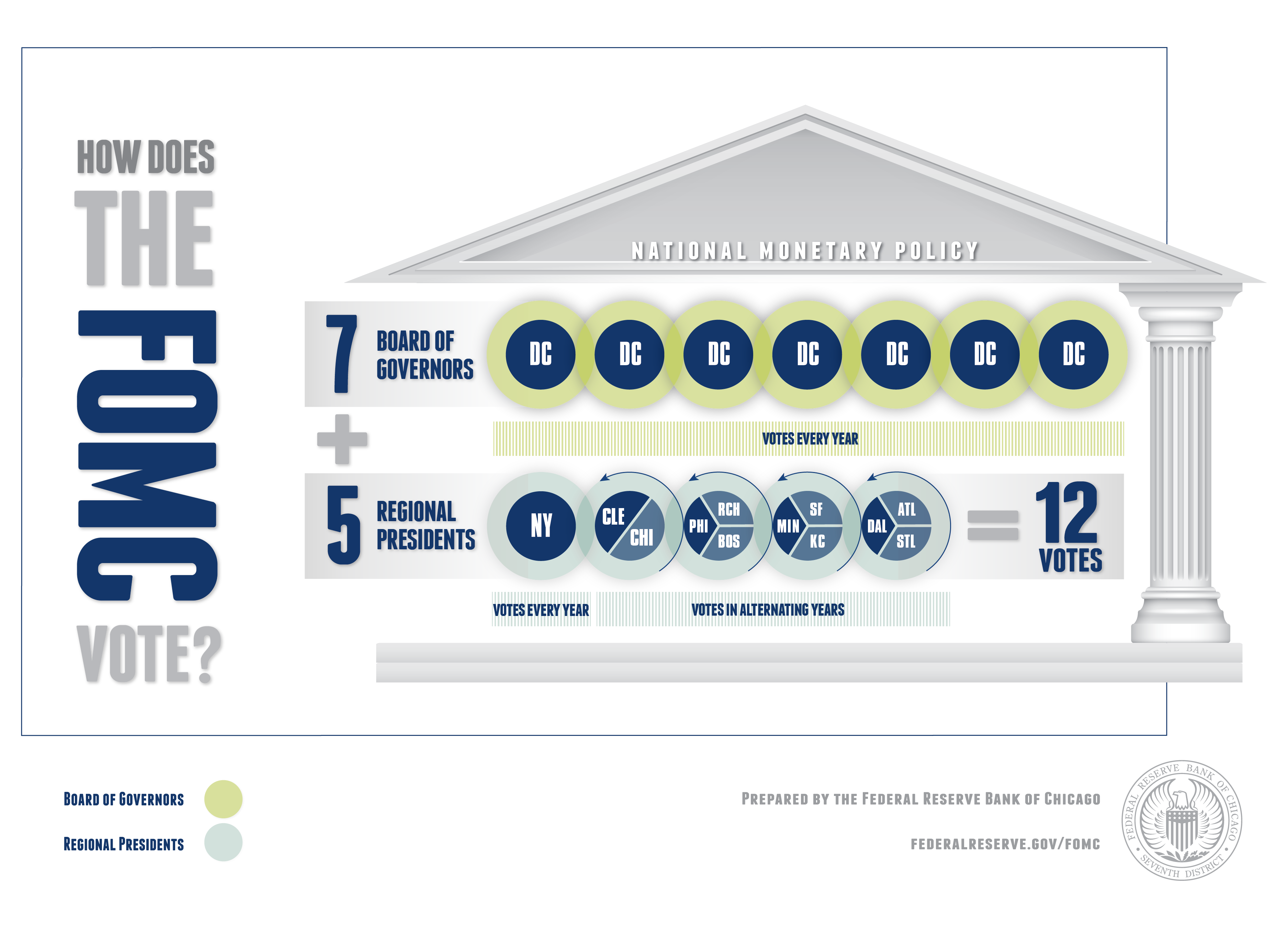
FOMC: High inflation makes it a near certainty that the FOMC central bank will move to “tighten” its policies of printing money, by raising the target federal funds rate (the benchmark for short-term interest rates) by 0.25%. The uncertainty for Fed policy lies in how aggressive the central bank will move after the first interest rate increase. Concerns are building that the Fed may not be able to credibly bring inflation back down to its 2% level. Prices rose by 7.9% on a year-over-year basis in February, a 40-year high.
Posted on March 12, 2022 by Dr. David Edward Marcinko MBA MEd CMP™
By Staff Reporters
***
***
Markets: Another losing week for Wall Street’s three main indexes, and the fifth down week in a row for the Dow. Despite ticking up yesterday, oil prices have actually fallen over the last five days thanks to assurances that producers could plug the supply gap left by Russia.
Ukraine: As Russian forces expanded their assault on new cities in Ukraine, President Biden once again ruled out deploying US troops to the country. “A direct confrontation between NATO and Russia is World War III,” he said.
Stress: More than 80% of Americans said that the invasion of Ukraine and inflation are significant sources of stress, according to a new survey from the American Psychological Association. That share is higher than for any other issue asked about since the survey began in 2007. Meanwhile, US consumer confidence fell to its lowest level in almost 11 years in early March.
Posted on March 11, 2022 by Dr. David Edward Marcinko MBA MEd CMP™
***
***
By Staff Reporters
***
Markets: Wednesday’s surge was brief as stocks sank yet again following failed peace talks between Russian and Ukrainian officials. RIVIAN investors lost about $117 billion in market capitalization in the last four months due to concerns around its production capabilities.
Government: The Senate approved a $1.5 trillion spending bill that will fund the government for the current fiscal year and provide $13.6 billion in aid for Ukraine.
WHO: In the US…March 25th, the day Hawaii—the only remaining state with an indoor mask mandate—lifts its mask requirements and April 18th, when the CDC’s loosened guidance for mask mandates on public transportation is expected to take effect. These moves would mean virtually all Covid restrictions would be lifted, marking the unofficial end of the pandemic in the states. Globally…the WHO has been meeting every three months to decide whether or not to continue calling Covid a “pandemic.” The group is expected to keep the label through April—and most likely June as well—and with it, a number of programs that directly help low-income countries. But if the WHO removes the label, then projects like Covax to help vaccinate low-income nations and pledges from drug companies to leave patents off Covid drugs could disappear. And, Harvard epidemiologist Caroline Buckee told Science that the ultimate decision to end the pandemic would come down to “an opinion-based consensus” from within the the WHO.
Posted on March 10, 2022 by Dr. David Edward Marcinko MBA MEd CMP™
WHAT A DAY!
By Staff Reporters
***
***
MARKETS: The Dow Jones Industrial Average rose 653.61 points, or 2%, to end at 33,286.25.
The S&P 500 gained 2.6%, or 107.18 points, finishing at 4,277.88, its best daily percentage gain since June 5, 2020, according to Dow Jones Market Data.
The NASDAQ Composite Index advanced 3.6%, or 459.99 points, closing at 13,255.55, its best daily percentage gain since March 9, 2021.
The S&P 500 had dropped nearly 5% over the last four sessions.
LABOR DEPARTMENT: Will issue its inflation report, which economists expect will show that prices for U.S. consumers leapt 7.9% in February compared with a year ago, according to data provided by FactSet. That would be the biggest gain in four decades. Consumer prices jumped 7.5% in January from a year earlier. Shortages of supplies and workers, heavy doses of federal aid, ultra-low interest rates and robust consumer spending combined to send inflation accelerating in the past year.
Posted on March 9, 2022 by Dr. David Edward Marcinko MBA MEd CMP™
By Staff Reporters
***
***
MARKETS: Stocks finished lower losing steam late in the session, as investors remained focused on the surge in global crude prices and the broader commodity complex, as global markets continue to count the costs from Russia’ invasion of Ukraine.
The Dow Jones Industrial Average finished down 184.7 points, or 0.56%, to 32,632 while the S&P 500, which is down 11.75% for the year and fresh off its worst single-day decline in 17 months, lost 0.72%.
The NASDAQ Composite slipped 0.28% as 10-year Treasury note yields rose to 1.852%.
OIL: Futures ended higher Tuesday, with West Texas Intermediate crude for April delivery rising 3.6% to settle at $123.70 a barrel. That’s the highest front-month contract finish since August 1st, 2008, according to Dow Jones Market Data.
EUROPE: Rallied at the start of trade on Wednesday, buoyed by an interview from Ukraine’s president in which he appeared to make major concessions. The Stoxx Europe 600 rose 2.2% to 424.28, helped by a rally in the beleaguered banking sector. Gainers included BNP Paribas Adidas and Deutsche Post.
ASIA: At the close in Tokyo, the Nikkei 225 declined 0.30% to hit a new 52-week low. The best performers of the session on the Nikkei 225 were Isuzu Motors, Ltd. (T:7202), which rose 7.91% or 102.00 points to trade at 1,391.00 at the close. Meanwhile, Fujitsu Ltd. (T:6702) added 5.54% or 840.00 points to end at 16,000.00 and Hitachi Ltd (T:6501) was up 4.78% or 228.00 points to 4,998.00 in late trade. The worst performers of the session were Tokyo Electric Power Co., Inc. (T:9501), which fell 7.00% or 25.00 points to trade at 332.00 at the close. Kikkoman Corp. (T:2801) declined 6.67% or 560.00 points to end at 7,840.00 and Ricoh Co., Ltd. (T:7752) was down 4.91% or 47.00 points to 910.00.
Falling stocks outnumbered advancing ones on the Tokyo Stock Exchange by 2034 to 1517 and 220 ended unchanged. Shares in Ricoh Co., Ltd. (T:7752) fell to 52-week lows; losing 4.91% or 47.00 to 910.00.
The Nikkei Volatility, which measures the implied volatility of Nikkei 225 options, was up 6.54% to 29.82 a new 1-month high.
Posted on March 8, 2022 by Dr. David Edward Marcinko MBA MEd CMP™
***
The Six Commandments of Value Investing(Part 1)
***
EDITOR’S NOTE: Although it has been some time since speaking live with busy colleague Vitaliy Katsenelson CFA, I review his internet material frequently and appreciate this ME-P series contribution. I encourage all ME-P readers to do the same and consider his value investing insights carefully.
By Vitaliy Katsenelson, CFA
***
The Six Commandments of Value Investing
3. The market is there to serve you, not the other way around.
Part 1: The market is there to price stocks on a daily basis, but it doesn’t value them on a daily basis. In the long run (the yardstick here is years, not days or months) the market will value stocks, but in the short run stock price movements are random.
Despite this randomness, the media will always find a rational explanation for a move. However, trying to understand randomness and predict stock movements in the short run is like trying to have an intelligent conversation with a two-year-old. It may be fun, but it will consume a lot of your time and energy, and the outcome is far from certain.
Stock fluctuations should be looked upon as a natural and benign feature of the stock market, but only if you know what the asset is worth. To make Mr. Market serve us and not become its slave, here is what we do.
If we know a stock is worth $1, then if its price falls from 50 cents to 30 cents (a 40% decline), that’s a blessing for several reasons: The company can now buy back a lot more of its stock at lower prices, and we can add to our position. After all, it’s 40% cheaper.
Here is the key, though: You have to make sure that what you thought was worth $1 is still worth $1.
To quote Mike Tyson, “Everyone has a plan till they get punched in the mouth.” How do you remain rational when Mr. Market has just smashed you in the face by repricing your $1 stock from 50 cents to 30 cents? Maybe Mr. Market is right and that company’s fair value was never really $1 but only 40 cents?
To remain rational, we focus on maximizing our Total IQ. I know we were not supposed to have math, especially this early in the book. But indulge me with this little equation: Total IQ = IQ x EQ (where EQ <=1)Before I explain I want to stress this point: Your IQ, EQ, and thus Total IQ will vary from stock to stock and from industry to industry.
Let’s start with IQ.
IQ – our intellectual capacity to analyze problems – will vary with the problem in front of us. Just as we breezed through some subjects in college and struggled with others, our ability to understand the current and future dynamics of various companies and industries will fluctuate as well. This is why we buy stocks that fall within our sphere of competence. We tend to stick with ones where our IQ is the highest.
As I have mentioned before but will continue to repeat: If investing were an exact science – a formulaic process by which you could (in a vacuum) constantly test and retest your hypotheses and repeat your results – then EQ, our emotional quotient, would be irrelevant.
If we were characters from Star Trek – with complete control over our emotions, like Mr. Spock, or lacking emotions entirely, like Lieutenant Commander Data – then our EQ wouldn’t matter. However, investing is not a science and we are humans. We have plenty of emotions, and thus EQ is a very important part of this equation.
Though we usually think about our capacity to analyze problems as being dependable and stable over time, it isn’t.
First, emotions distort probabilities. So, even if my intellectual capacity to analyze a problem is not impacted, my brain may be solving a distorted problem.
Second, my IQ is not constant, and my ability to process information effectively declines under emotional stress. I either lose the big picture or overlook important details. This dilemma is not unique to me; I’m sure it affects all of us to varying degrees.
A friend of mine who is a terrific investor, and who will remain nameless (though his name is George), once told me that he never invests in grocery store stocks because he can’t be rational when he holds them. If we spent some Freudian time with him, we’d probably discover that he experienced a traumatic childhood event at the grocery store (he may have been caught shoplifting a candy bar when he was eight), or he may have had a bad experience with a grocery stock early in his career. The reason for his problem is irrelevant, though. What is important is that he has realized that his high IQ will be impaired by his low EQ if he owns grocery stocks.
The higher my EQ is with regard to a particular company, the more likely my Total IQ will not degrade when things go wrong (or even when they go right). This is why in the little formula above, EQ cannot be greater than 1. In your most emotionally stable state (when EQ = 1), your Total IQ will equal your IQ.
There is a good reason why doctors don’t treat their own children: Their ability to be rational (properly weighing probabilities) may be severely compromised by their emotions.
Posted on March 8, 2022 by Dr. David Edward Marcinko MBA MEd CMP™
***
By Staff Reporters
***
***
Stocks: Fell sharply as the economic fallout of Russia’s war in Ukraine rattled investors. The Dow Jones Industrial Average fell almost 800 points Monday to close with a loss of 2.4 percent. The NASDAQ plunged 3.6 percent lower and the S&P 500 index closed with a loss of 3 percent. Companies in the finance, travel, entertainment, retail and construction industries fell sharply as skyrocketing oil prices raised fears of an economic slowdown, while energy companies rallied on the prospect of higher prices. Stocks have fallen for weeks amid rising concern about inflation and the economic blow-back of the invasion of Ukraine. The Dow is down 10.3 percent, the S&P is down 12.4 percent, and the NASDAQ is down 19 percent since the start of 2022.
Oil & Wheat: Prices for oil, natural gas and wheat have also risen dramatically after the U.S. and allies imposed unprecedented sanctions on the Russian economy, which could limit their access to key Russian exports. Oil hit $120 barrel. But, some investors are betting on oil to surge even more dramatically, as bullish bets on crude futures increase. Since Friday, $150-a-barrel call options for Brent contracts in June have doubled. Amid new potential sanctions on Russia’s energy sector, oil briefly surpassed $130 a barrel overnight.
Economy: Economists warned that higher energy and food prices will likely slow growth in the U.S. through the first half of the year and fuel higher inflation. Prices rose 7.5 percent over the 12 months ending in January, according to US Labor Department data, the highest rate in more than 40 years.
Posted on March 7, 2022 by Dr. David Edward Marcinko MBA MEd CMP™
By Staff Reporters
Markets: The war in Ukraine and upcoming Federal Reserve [FOMC] rate hikes took their toll on stocks—the DJIA took another licking for its fourth straight losing week and travel stocks were especially bludgeoned.
Energy: Due to the rapid run-up in oil prices, average US gas prices surged to $3.84 a gallon on Friday. At 11 cents higher than Thursday’s levels, it’s the fastest price increase since Hurricane Katrina in 2005.
MARKETS
NASDAQ:13,313.44-1.66%
S&P: 4,328.87-0.79%
DJIA: 33,614.80-0.53%
10-Year 1.732%-11.2 bps
Bitcoin: $38,879.81-8.69%
Delta: $34.52-5.58%
***
FUTURES: Dow futures lost 400 points, or 1.19%, while S&P 500 futures and NASDAQ 100 futures slid 1.5% and 1.91%, respectively.
OIL: West Texas Intermediate crude futures, the U.S. oil benchmark, traded as much as 10%, hitting $130 per barrel at one point before pulling back slightly. The international benchmark, Brent crude, traded 9% higher to $128.60, also the highest prices seen since 2008.
Posted on March 4, 2022 by Dr. David Edward Marcinko MBA MEd CMP™
By Staff Reporters
***
Stocks fell and oil prices eased back after another bumpy day of trading on Wall Street as markets remained anxious about the broader impact of Russia’s invasion of Ukraine.
Okta shares were down 8.06% while Snowflake plummeted 15.37%.
***
INTEL: Intel stock (NASDAQ: INTC) fell 2.5% after Morgan Stanley and Bank of America Securities cut their targets to $47, according to StreetInsider. The stock fell to a low of $47.62, not far from its 52-week low of $43.63. Morgan Stanley (NYSE:MS) analyst Joseph Moore also downgraded the stock to underweight from equal weight while BofA’s Vivek Arya maintained his under perform rating.
INDEXES: Major indexes veered up and down for much of the day before a late-day slide pushed them into the red. The S&P 500 shed a 0.7% gain to close 0.5% lower, while the Dow Jones Industrial Average fell 0.3%. The NASDAQ composite fell 1.6%, weighed down by technology stocks, which accounted for a big share of the market’s decline.
The Dow is down 0.9% for the week, on track for its fourth negative week in a row. The S&P 500 is down about 0.5% for the week, while the NASDAQ Composite is down more than 1%.
BUYBACKS: In the third quarter of 2021, Apple, Inc. (NASDAQ: AAPL) led all S&P 500 companies with $20.4 billion in buybacks. Alphabet, Inc. (NASDAQ: GOOG) (NASDAQ: GOOGL) was a distant second with $15 billion in buybacks, followed by Meta Platforms Inc (NASDAQ: FB) with $12.6 billion.
Over the last decade, no company has come close to Apple in the buyback department. Apple has bought back $487.6 billion in stock since 2012. Microsoft Corporation (NASDAQ: MSFT) is a very distant second with $147.1 billion in buybacks, followed by JPMorgan Chase & Co (NYSE: JPM) with $146.2 billion.
Why Buybacks Matter: It should come as no surprise to investors that all three of the stocks that have been most aggressive in buying back shares over the last 10 years have outperformed the SPDR S&P 500 ETF (NYSE: SPY) total return by a wide margin in that period.
BONDS: Bond yields were mostly steady. The yield on the 10-year Treasury slipped to 1.85% from 1.86% late Wednesday.
Posted on March 3, 2022 by Dr. David Edward Marcinko MBA MEd CMP™
By Staff Reporters
***
Economy: Federal Reserve Chair Jerome Powell told Congress that “it’s too soon to say” how the war in Ukraine will affect the central bank’s plans, but for now it’s not enough to derail the FOMC from hiking interest rates later this month.
Markets: Stocks rose across the board with strong corporate fundamentals outshining geopolitical worries…at least for a day. Intel had a strong showing after its CEO got a shout-out in the State of the Union address (to be fair, we have no idea if those two things are related).
Posted on February 26, 2022 by Dr. David Edward Marcinko MBA MEd CMP™
By Staff Reporters
***
***
MARKETS: The Dow Jones Industrial Average surged 834.92 points, or 2.5%, to close at 34,058.75, with the blue-chip gauge notching its best daily gain since early November 2020.
S&P 500 rose 95.95 points, or 2.2%, to end at 4,384.65.
NASDAQ Composite Index added 221.04 points, or 1.6%, to finish at 13,694.62.
For the week, the Dow dipped by less than 0.1% while the S&P 500 rose 0.8% and NASDAQ Composite climbed 1.1%. The S&P 500 and NASDAQ benchmarks wiped out losses from earlier in the week.
Posted on February 24, 2022 by Dr. David Edward Marcinko MBA MEd CMP™
***
By Staff Reporters
***
OIL: Brent crude, the world benchmark, briefly climbed above $100 a barrel for the first time since 2014. US crude jumped 3.3% to $95.15 a barrel.
U.S. stock indexes: All closed sharply lower with the DJIA narrowly avoiding a slip into correction, as U.S. officials warned that Russian troops were poised to attack, and are attacking, the Ukraine raising anxieties among investors who are also wrangling with changing monetary policy and surging inflation.
How did stock indexes trade? The Dow Jones Industrial Average fell 464.85 points, or 1.4%, to end at 33,131.76. A finish below 33,119.69 would mark a 10% decline from the Dow’s Jan. 4 record close, meeting the commonly used definition of a correction. The S&P 500 index fell 79.26 points, or 1.8%, to around 4,225.50, deepening its stumble into correction territory. The NASDAQ Composite Index declined 344.03 points, or 2.6%, at 13,037.49, with 12,845.95 representing the level that would represent a bear market for the technology-laden index.
Asia: Hong Kong’s Hang Seng Index declined 3.2%. Korea’s Kospi dropped 2.7%. Japan’s Nikkei 225 lost 2.4% after coming back from a holiday. China’s Shanghai Composite moved 0.9% lower.
Posted on February 23, 2022 by Dr. David Edward Marcinko MBA MEd CMP™
***
By Staff Reporters
***
MARKETS: The S&P 500 fell into a correction for the first time in two years, joining the NASDAQ Composite, as Russia sent troops into pro-Russian regions in Ukraine. The S&P 500 index ended down 1% at 4,304.76, below the correction level at 4,316.91, which would represent a 10% drop from its January 3rd record close. A correction is commonly defined by market technicians as a fall of at least 10% (but not greater than 20%) from a recent peak. The last time the S&P 500 entered a correction was February 27th 2020, when the market was being whipsawed by fears about the outbreak of the COVID pandemic.
And, this bearish market isn’t sparing 2021 winners like Home Depot, which fell the most in nearly two years after supply-chain bottlenecks squeezed its margins. HD was the Dow’s biggest gainer last year.
IRS: According to a news release issued by the IRS, taxpayers now have the option to verify their identities during live, virtual interviews with agents. The agency stresses that no bio-metric data will be required for those interviews.
However, taxpayers once again have the option to verify their identity using ID.me’s facial recognition services. Addressing privacy concerns, the IRS says new requirements are in place to ensure that images provided will be deleted upon verification. That would apply to any new IRS accounts created and those where selfies have already been collected.
Posted on February 19, 2022 by Dr. David Edward Marcinko MBA MEd CMP™
By Staff Reporters
***
***
MARKETS: Stocks closed down for a second straight week in the US— and sunk deeper into the red for 2022 so far — as investors assess the risks from escalating tensions in Ukraine and a shift in monetary policy by the Federal Reserve.
And, after another day of turbulence, the Dow and the S&P 500 both fell 0.7% (with the Dow ending Friday at 34,079) and the tech-heavy NASDAQ composite declined 1.2%. The NASDAQ has fallen farthest of the three major U.S. stock indexes to date, down 13.4% for the year, while the S&P 500 is off 8.8% and the Dow is down 6.2%.
Specifically, Intel’s shares declined $2.47, or 5.2%, while those of Boeing were off $4.38 (2.1%), combining for a roughly 45-point drag on the Dow. Salesforce.com Inc. Caterpillar and Honeywell International Inc. also contributed significantly to the decline.
STOCKS:
Shopify, which represented the Covid e-commerce boom, is down 62% from its peak.
Roblox, which represented the Covid gaming boom, is down 63%.
Netflix, which represented the Covid streaming boom, is down 43%.
Noteworthy: A $1 move in any of the Dow’s 30 components equates to a 6.59-point swing.
UKRAINE: Investors watched the latest developments in Ukraine, where Russia has been amassing troops on the border. The tensions are yet another concern for investors as they also try to determine how the economy will react to rising inflation and looming interest rate hikes.
Posted on February 17, 2022 by Dr. David Edward Marcinko MBA MEd CMP™
By Staff Reporters
***
***
BIOTECHNOLOGY: According to Bloomberg, former high flying biotechnology favorites Mirati Therapeutics Inc. and Sage Therapeutics Inc. have lost more than half their value from record highs, hurt by growing pessimism on new medicines as well as the higher rate environment damaging most stocks.
MARKETS: Stocks went down, then back up, and closed pretty much where they started. The e-commerce platform Shopify is another pandemic winner that’s been absolutely crushed during the “reopening”: Its stock has fallen to its lowest level since June 2020.
PPI: The producer price index rose 1% over the prior month.
Covid: Dr. Zayid Al-Aly reported that even a mild COVID-19 infection increasedthe risk of having cardiovascular problems — including heart rhythm irregularities, potentially deadly clots in the legs and lungs, heart failure, heart attack and stroke, within a year after being infected.
MICROSOFT: Microsoft CEO Satya Nadella is on a major shopping spree. The company’s planned purchase of video game maker Activision Blizzard, with a price tag of nearly $70 billion, is Microsoft’s biggest and boldest acquisition. But it’s hardly the only notable deal in the Nadella era. Microsoft scooped up advertising tech business Xandr from CNN owner AT&T late last year for a reported $1 billion. The company also shelled out nearly $20 billion for cloud software firm Nuance earlier in 2021. That’s on top of numerous other billion dollar deals Microsoft has made since Nadella took the helm in 2014, including the acquisitions of Minecraft developer Mojang, Bethesda games studio owner ZeniMax Media, open source coding site GitHub and business social media network LinkedIn. The LinkedIn deal was previously Microsoft’s largest, with a value of $26.2 billion. Now there are reports Microsoft is looking to buy Mandiant, the cybersecurity software firm formerly known as FireEye that is currently valued at about $4.5 billion.
Posted on February 16, 2022 by Dr. David Edward Marcinko MBA MEd CMP™
By Staff Reporters
***
***
MARKETS: The Dow jumped 422 points, or 1.2%. The S&P 500 surged 1.5% and the NASDAQ was 2.5% higher.
OIL: US oil futures tumbled 3.7% to just under $92 a barrel. That’s despite the fact that Russia stressed that major military exercises would continue.
CPI: The Producer Price Index rose 1% last month, marking a significant acceleration from December’s 0.2% jump.
Meta: As Varietyreports, the company has agreed to pay $90 million to settle a 2012 class action lawsuit accusing it of violating users’ privacy. Facebook allegedly overstepped its bounds in 2010 and 2011 by using tracking cookies that monitored browsing after users signed out despite promises to the contrary.
MODERNA: Moderna Inc (NASDAQ: MRNA) shares were down more than 40% since the start of the year and continues to trend lower. Vaccine stocks are facing selling pressure as the COVID-19 omicron variant fades, but Moderna investors have been expressing concerns about recent stock sales from CEO Stéphane Bancel, as well as the presumed deletion of his Twitter account.
Posted on February 15, 2022 by Dr. David Edward Marcinko MBA MEd CMP™
***
By Staff Reporters
***
MARKETS: Stocks ticked lower as investors fretted over an upcoming interest rate hike from the Federal Reserve and a potential Russian invasion of Ukraine. With all the chatter of conflict in Europe, everyone’s watching whether oil prices will hit $100 a barrel—they didn’t budge yesterday.
CRYPTO: SEC Chair Gary Gensler said thr crypto firm BlockFi would pay $100 million to the SEC and 32 states over charges that it had violated securities law. The penalty is the agency’s largest ever against a cryptocurrency company. BlockFi, a banklike crypto company backed by Peter Thiel, didn’t admit or deny the SEC’s findings but did agree to stop opening new lending accounts to customers in the US.
METAVERSE: For doctors, nurses and healthcare professionals who’ve spent the last few years hunched over laptops smiling pleasantly into a Zoom meetings, burnout has been pervasive. Zoom fatigue is now a widely recognized work-induced malady studied by university researchers, and many remote workers say they have trouble balancing work and their personal lives. With images on screens surrounding remote healthcare workers like a labyrinthine maze of fun-house mirrors, it might seem like the last thing a burned out medical provider needs is to strap on a VR headset to detach from the rigors of the digital medical workplace.
Nevertheless, some health care organizations are transporting their workers to the metaverse—a network of connected, 3D, virtual environments where people can interact through avatars and spatial audio—as a means of combating stress. But, for any organization curious about the metaverse, Jeremy Bailenson, a professor of communication and the founding director of the Virtual Human Interaction Lab at Stanford University, advises having a specific task in mind, such as addressing burnout or building camaraderie. “VR wins when it solves a hard problem,” he said.
The broader question of how organizations will further incorporate virtual reality into their mental health programs and rapport-building exercises is largely unanswered at this point, he added. Bailenson believes VR is a “home run for clinical use cases.” But “for this general burnout, it’s probably going to be a good tool for some people, but not a magic pill.”
Posted on February 11, 2022 by Dr. David Edward Marcinko MBA MEd CMP™
By Staff Reporters
***
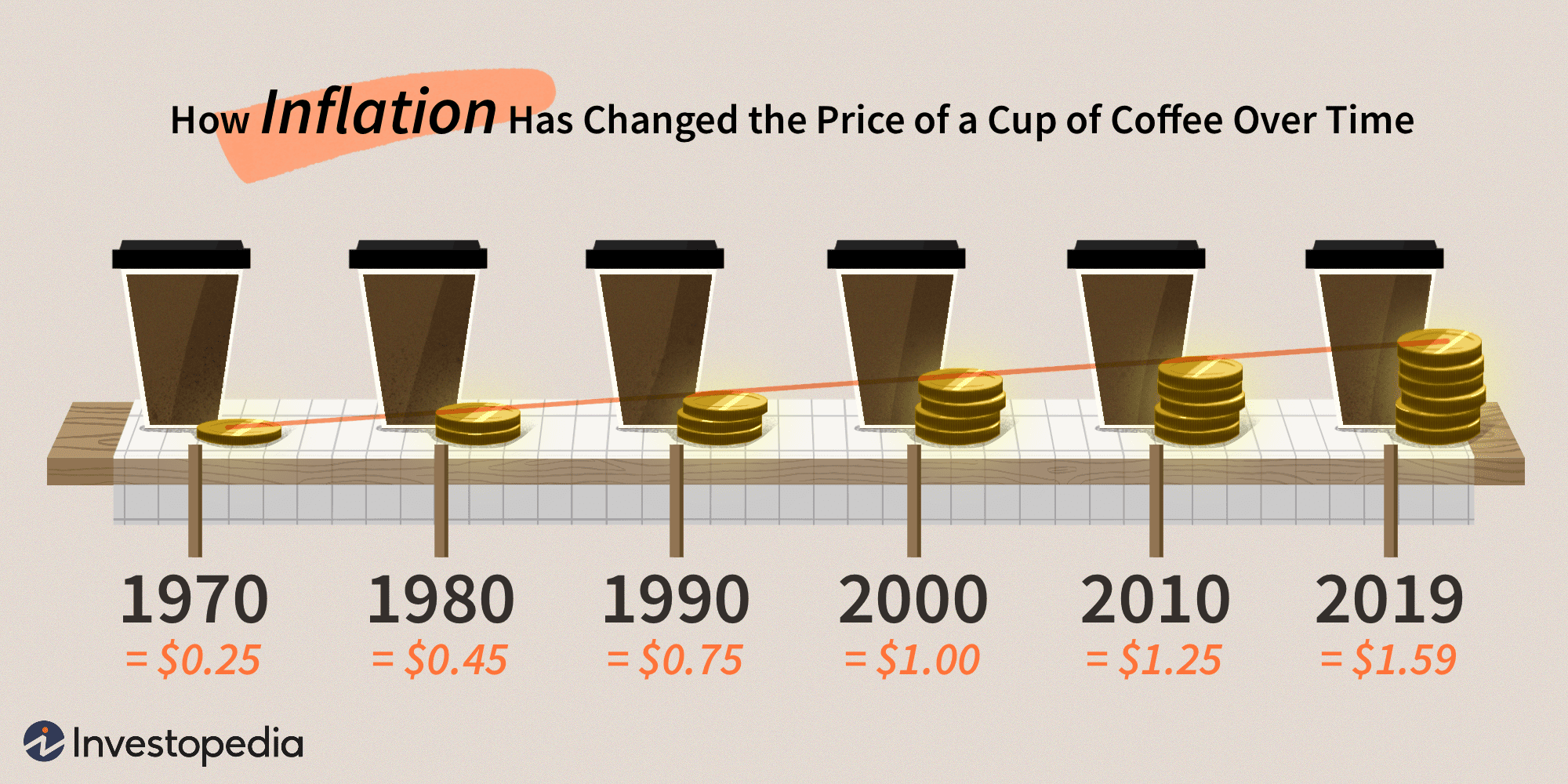
Bonds: The 10-year US Treasury bond yield touched 2% for the first time since the summer of 2019 and stocks traded sharply lower after a key inflation figure rose to its highest level in nearly 40 years. The last time the 10-year yield was above 2% was in July 2019. Bond yields and prices move in opposition to each other.
CPI:The Consumer Price Index’s 7.5% annual surge at the start of 2022 was the biggest leap since 1982 and topped already elevated expectations for a 7.3% rise, based on Bloomberg consensus data. On a month-over-month basis, the CPI unexpectedly posted a 0.6% increase for a back-to-back month, whereas economists had been looking for a deceleration. Core inflation, which strips out volatile food and energy prices, also exceeded estimates, showing a 6.0% year-over-year jump in January.
Markets: The Dow was down 526 points while the broader S&P 500 fell 87 points. The NASDAQ Composite was also down 305 points.







 Support our online development, and advance our onground research initiatives in free market economics, as we seek to showcase the brightest Next-Gen minds.
THE ME-P DISCLAIMER: Posts, comments and opinions do not necessarily represent iMBA, Inc., but become our property after submission. Copyright © 2006 to-date. iMBA, Inc allows colleges, universities, medical and financial professionals and related clinics, hospitals and non-profit healthcare organizations to distribute our proprietary essays, photos, videos, audios and other documents; etc. However, please review copyright and usage information for each individual asset before submission to us, and/or placement on your publication or web site. Attestation references, citations and/or back-links are required. All other assets are property of the individual copyright holder.
Support our online development, and advance our onground research initiatives in free market economics, as we seek to showcase the brightest Next-Gen minds.
THE ME-P DISCLAIMER: Posts, comments and opinions do not necessarily represent iMBA, Inc., but become our property after submission. Copyright © 2006 to-date. iMBA, Inc allows colleges, universities, medical and financial professionals and related clinics, hospitals and non-profit healthcare organizations to distribute our proprietary essays, photos, videos, audios and other documents; etc. However, please review copyright and usage information for each individual asset before submission to us, and/or placement on your publication or web site. Attestation references, citations and/or back-links are required. All other assets are property of the individual copyright holder.















 S&P: 4,391.69-0.02%






























 NASDAQ 13,752.02+1.62%








 The Leading Business Education Network for Doctors, Financial Advisors and Health Industry Consultants