BOARD CERTIFICATION EXAM STUDY GUIDES Lower Extremity Trauma
[Click on Image to Enlarge]
ME-P Free Advertising Consultation
The “Medical Executive-Post” is about connecting doctors, health care executives and modern consulting advisors. It’s about free-enterprise, business, practice, policy, personal financial planning and wealth building capitalism. We have an attitude that’s independent, outspoken, intelligent and so Next-Gen; often edgy, usually controversial. And, our consultants “got fly”, just like U. Read it! Write it! Post it! “Medical Executive-Post”. Call or email us for your FREE advertising and sales consultation TODAY [678.779.8597] Email: MarcinkoAdvisors@outlook.com
Medical & Surgical e-Consent Forms
ePodiatryConsentForms.com
iMBA Inc., OFFICES
Suite #5901 Wilbanks Drive, Norcross, Georgia, 30092 USA [1.678.779.8597]. Our location is real and we are now virtually enabled to assist new long distance clients and out-of-town colleagues.
ME-P Publishing
SEEKING INDUSTRY INFO PARTNERS?
If you want the opportunity to work with leading health care industry insiders, innovators and watchers, the “ME-P” may be right for you? We are unbiased and operate at the nexus of theoretical and applied R&D. Collaborate with us and you’ll put your brand in front of a smart & tightly focused demographic; one at the forefront of our emerging healthcare free marketplace of informed and professional “movers and shakers.” Our Ad Rate Card is available upon request [678-779-8597].
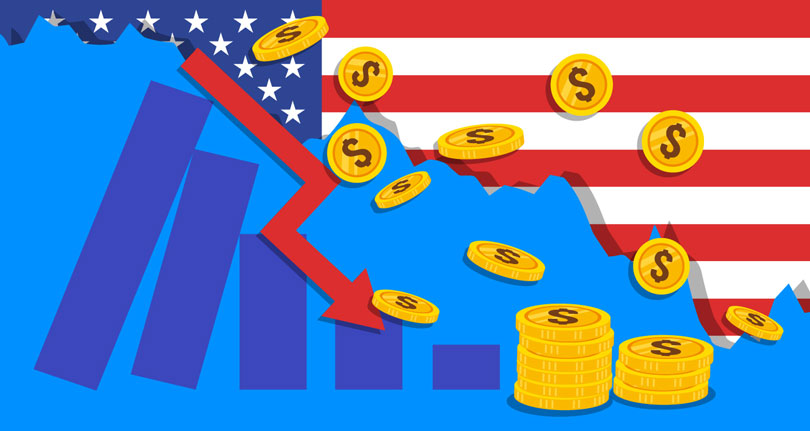
The history of U.S. recessions reflects the nation’s evolving economy, shaped by wars, financial crises, policy shifts, and global events. Since 1857, the U.S. has experienced over 30 recessions, each offering lessons in resilience and reform.
The United States has endured a long and varied history of economic recessions, defined as periods of significant decline in economic activity lasting more than a few months. These downturns are typically marked by falling GDP, rising unemployment, and reduced consumer spending. Since the mid-19th century, recessions have been triggered by a range of factors—from banking panics and inflation to global conflicts and pandemics.
The earliest recorded U.S. recession began in 1857, sparked by a banking crisis and declining international trade. This was followed by the Long Depression of 1873–1879, which lasted a staggering 65 months, making it the longest in U.S. history. The downturn was triggered by the collapse of a major bank and a speculative bubble in railroad investments.
The Great Depression remains the most severe economic crisis in American history. Beginning in 1929 after the stock market crash, it lasted until 1933 and saw unemployment soar to 25%. The Depression reshaped U.S. economic policy, leading to the creation of Social Security, the FDIC, and other New Deal programs aimed at stabilizing the economy and protecting citizens.
Post-World War II recessions were generally shorter and less severe. The 1945 recession, for example, lasted eight months and was caused by the transition from wartime to peacetime production. The 1973–75 recession, however, was more prolonged, driven by an oil embargo and stagflation—a combination of stagnant growth and high inflation.
The early 1980s recession was triggered by the Federal Reserve’s aggressive interest rate hikes to combat inflation. Though painful, it ultimately helped stabilize prices and set the stage for a long period of growth. The early 1990s recession followed a savings and loan crisis and a slowdown in defense spending after the Cold War.
The Great Recession of 2007–2009 was the most significant downturn since the Great Depression. It was caused by the collapse of the housing bubble and widespread failures in financial institutions. Unemployment peaked at 10%, and the crisis led to sweeping reforms in banking and mortgage lending practices.
Most recently, the COVID-19 recession in 2020 was the shortest in U.S. history, lasting just two months. Despite its brevity, it was severe, with unemployment briefly reaching 14.7% due to lockdowns and global supply chain disruptions.
Throughout its history, the U.S. has shown remarkable resilience in recovering from recessions. Each downturn has prompted changes in fiscal and monetary policy, regulatory reform, and shifts in public perception about the role of government and markets. As the economy becomes more interconnected globally, future recessions may be shaped by international events as much as domestic ones.
SPEAKING: ME-P Editor Dr. David Edward Marcinko MBA MEd will be speaking and lecturing, signing and opining, teaching and preaching, storming and performing at many locations throughout the USA this year! His tour of witty and serious pontifications may be scheduled on a planned or ad-hoc basis; for public or private meetings and gatherings; formally, informally, or over lunch or dinner. All medical societies, financial advisory firms or Broker-Dealers are encouraged to submit an RFP for speaking engagements: CONTACT: Ann Miller RN MHA at MarcinkoAdvisors@outlook.com -OR-http://www.MarcinkoAssociates.com
Posted on January 8, 2026 by Dr. David Edward Marcinko MBA MEd CMP™
By Dr. David Edward Marcinko MBA MEd
By Professor Eugene Schmuckler PhD MBA MEd CTS
***
***
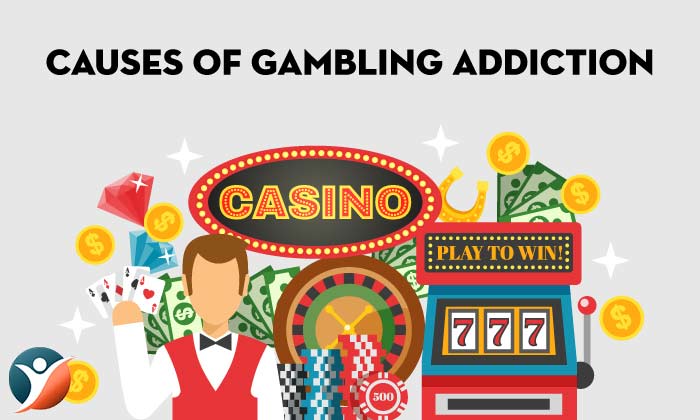
Physician gambling addiction is a growing concern that threatens both personal well-being and professional integrity. This essay explores its causes, consequences, and the urgent need for awareness and support.
Gambling addiction, or gambling disorder, is a recognized mental health condition characterized by an uncontrollable urge to gamble despite negative consequences. While it affects about 1% of the general population., its presence among physicians is particularly alarming due to the high stakes involved—both financially and ethically. Physicians are entrusted with lives, and addiction can impair judgment, compromise patient care, and lead to devastating personal and professional outcomes.
Several factors contribute to gambling addiction in physicians. The profession is inherently high-pressure, with long hours, emotional strain, and frequent exposure to trauma. These stressors can drive individuals to seek escape or excitement through gambling. Moreover, physicians often have access to substantial financial resources, making it easier to sustain gambling habits longer than others. The culture of perfectionism and stigma around mental health in medicine may also discourage seeking help, allowing addiction to fester in secrecy.
The consequences of gambling addiction for physicians are multifaceted. On a personal level, it can lead to financial ruin, strained relationships, and deteriorating mental health. Studies show that gambling activates the brain’s reward system similarly to drugs and alcohol, reinforcing compulsive behavior.
Professionally, addiction can result in medical errors, fraud, or even criminal activity—such as embezzling funds to cover gambling debts. These actions not only endanger patients but also erode public trust in the medical profession.
During the COVID-19 pandemic, gambling behavior intensified across many demographics, including healthcare workers. Increased isolation, stress, and access to online gambling platforms contributed to a surge in addiction cases. Physicians, already burdened by the pandemic’s demands, were particularly vulnerable. The rise of sports betting and fantasy leagues has further blurred the lines between entertainment and addiction, making it harder to recognize problematic behavior.
***
***
Addressing physician gambling addiction requires a multifaceted approach. First, medical institutions must foster a culture that encourages mental health support without stigma. Confidential counseling services, peer support groups, and educational programs can help physicians recognize and address addiction early. Licensing boards and hospitals should implement policies that balance accountability with rehabilitation, ensuring that affected physicians receive treatment rather than punishment alone.
Additionally, research into gambling disorder must continue to evolve. Institutions like Yale Medicine are leading efforts to understand the neurological and genetic underpinnings of addiction, which could inform more effective treatments. Public awareness campaigns can also help destigmatize gambling addiction and promote responsible behavior.
In conclusion, physician gambling addiction is a hidden crisis with far-reaching implications. It stems from a complex interplay of stress, access, and stigma, and its consequences can be catastrophic.
By promoting awareness, support, and research, the medical community can better protect its members and the patients they serve.
Posted on November 12, 2025 by Dr. David Edward Marcinko MBA MEd CMP™
By Dr. David Edward Marcinko MBA MEd
***
***
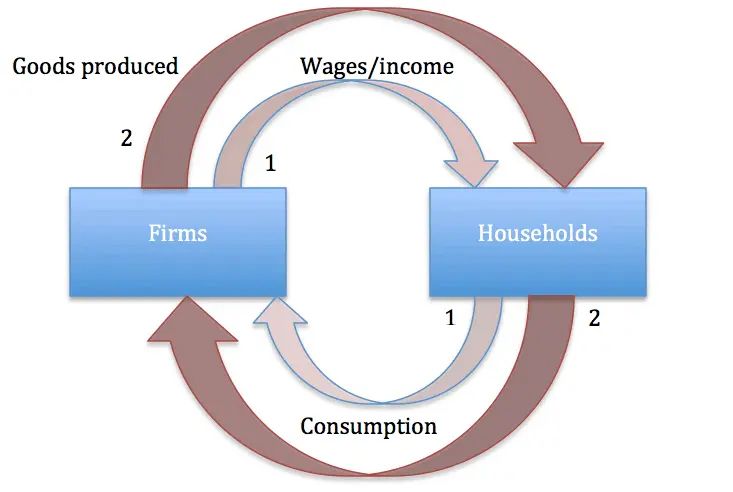
Say’s Law, named after the French economist Jean‑Baptiste Say, is a foundational idea in classical economics. Often summarized as “supply creates its own demand,” the law suggests that the act of producing goods and services inherently generates the income necessary to purchase them. This principle shaped economic thought throughout the 19th century and continues to influence debates about markets, government intervention, and the causes of economic crises.
Origins and Meaning Jean‑Baptiste Say introduced his law in the early 1800s in his Treatise on Political Economy. He argued that production is the source of demand: when producers create goods, they pay wages, rents, and profits, which in turn become purchasing power. In this view, general overproduction is impossible because every supply of goods corresponds to an equivalent demand. If imbalances occur, they are temporary and limited to specific sectors, not the economy as a whole.
Core Principles Say’s Law rests on several assumptions:
Markets are self‑correcting: Any surplus in one area leads to adjustments in prices and production.
Money is neutral: It serves only as a medium of exchange, not as a driver of demand.
Production drives prosperity: Economic growth depends on increasing output, not stimulating consumption.
No long‑term unemployment: Since supply creates demand, workers displaced in one industry will eventually find employment elsewhere.
These ideas aligned with classical economists’ belief in minimal government intervention and the efficiency of free markets.
Influence on Classical Economics Say’s Law became a cornerstone of classical economics, reinforcing the belief that recessions or depressions were temporary and self‑correcting. Economists like David Ricardo and John Stuart Mill adopted versions of the law, using it to argue against policies aimed at stimulating demand. The law supported laissez‑faire approaches, suggesting that governments should avoid interfering with markets, as production itself would ensure economic balance.
Criticism and Keynesian Revolution Say’s Law faced its greatest challenge during the Great Depression of the 1930s. Widespread unemployment and idle factories contradicted the idea that supply automatically generates demand. John Maynard Keynes famously rejected Say’s Law in his General Theory of Employment, Interest, and Money (1936). Keynes argued that demand, not supply, drives economic activity. He showed that insufficient aggregate demand could lead to prolonged recessions, requiring government intervention through fiscal and monetary policies.
Keynes’s critique marked a turning point in economics. While Say’s Law emphasized production, Keynesian economics highlighted consumption and demand management. This shift reshaped economic policy, leading to active government roles in stabilizing economies.
Modern Perspectives Today, Say’s Law is not accepted in its original form, but elements of it remain relevant. Supply‑side economists, for example, argue that policies encouraging production—such as tax cuts and deregulation—can stimulate growth. In contrast, Keynesians stress the importance of demand management. The debate reflects a broader tension in economics: whether prosperity depends more on producing goods or ensuring people have the means and willingness to buy them.
Conclusion: Say’s Law was a bold attempt to explain the self‑sustaining nature of markets. While its claim that “supply creates its own demand” proved too simplistic in the face of modern economic realities, it remains a vital part of the history of economic thought. The controversy surrounding Say’s Law highlights the evolving nature of economics, where theories are tested against real‑world crises and adapted to new circumstances. Even today, discussions of supply‑side versus demand‑side policies echo the enduring influence of Say’s original insight.
SPEAKING: Dr. Marcinko will be speaking and lecturing, signing and opining, teaching and preaching, storming and performing at many locations throughout the USA this year! His tour of witty and serious pontifications may be scheduled on a planned or ad-hoc basis; for public or private meetings and gatherings; formally, informally, or over lunch or dinner. All medical societies, financial advisory firms or Broker-Dealers are encouraged to submit an RFP for speaking engagements: CONTACT: Ann Miller RN MHA at MarcinkoAdvisors@outlook.com -OR-http://www.MarcinkoAssociates.com
Posted on October 21, 2025 by Dr. David Edward Marcinko MBA MEd CMP™
DEFINITION
By Staff Reporters
***
***
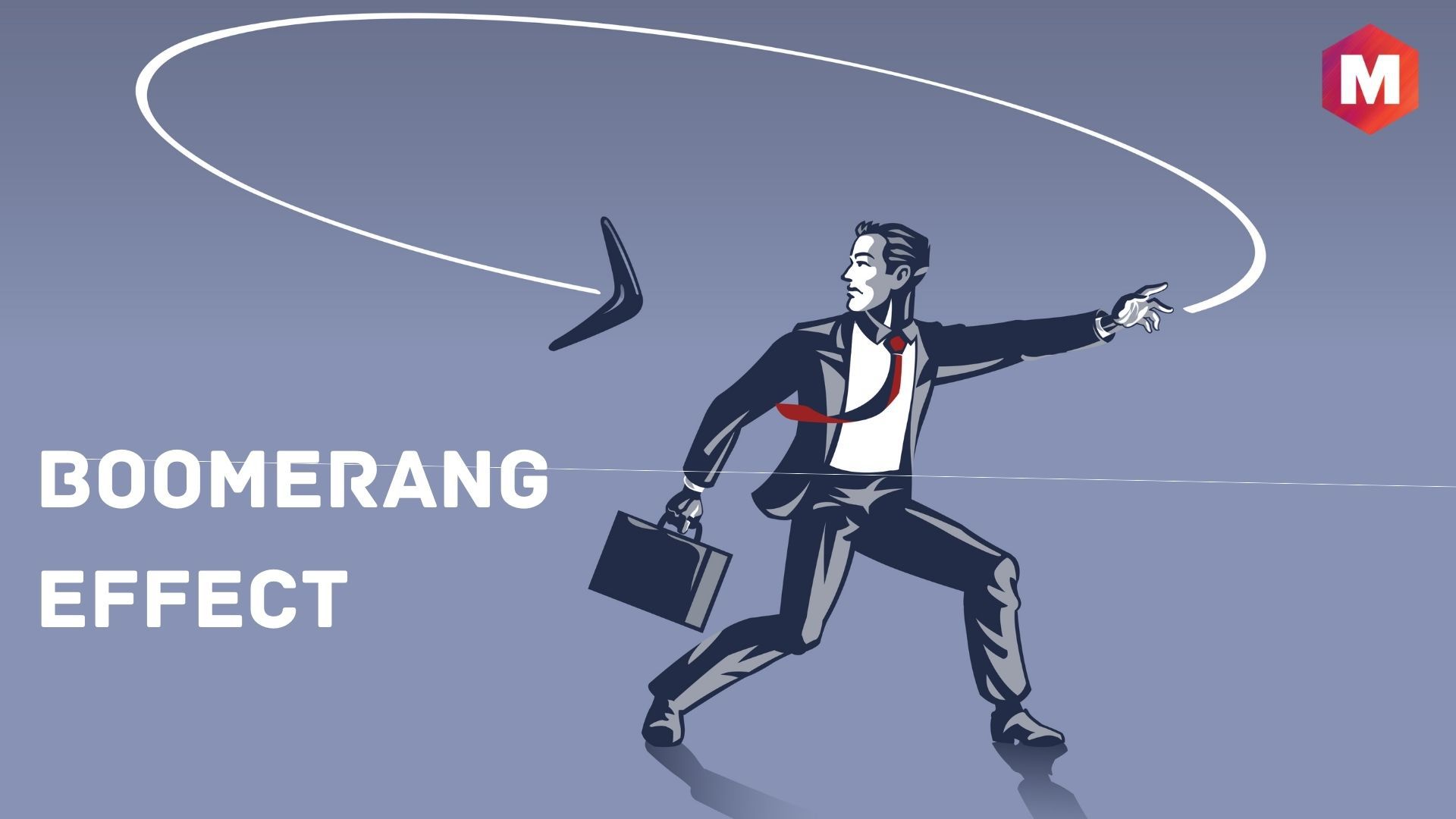
Classic Definition: The Boomerang[ing] paradox is a feedback loop or cycle where events come back positively or negatively. It is an interconnection between people that looks like an ecosystem.
Modern Circumstance: When our thoughts and words energetically go out into the world, it has the same effect as the boomerang. It will go all the way out and come back around. That part of the creation model is our thinking and speaking. We’re unconscious and co-creating our reality. The Boomerang effect is everywhere: politics, business, relationships, economics, environment, marketing, psychology and healthcare, etc.
PSYCHOLOGY
Paradox Example: Research has found that teaching people and patients about psychological biases can help counteract biased behavior. On the other hand, due to the innate need for preservation of a positive self-image, it is likely that teaching people about biases they hold, may cause a boomerang paradoxical effect in cases where being associated with a specific bias implies negative social connotations
MEDICINE
Paradox Example: Recent examples of a boomerang paradoxical drug effects is withosteoporosis medications such as Actonel, Boniva and Fosamax. These all belong to a class of drugs called bisphosphonates. They are supposed to strengthen bones, but some doctors report that long-term use of these drugs may actually pose a risk of certain unusual fractures.
ECONOMICS
Paradox Example: A characteristic of advanced economies like Australia is continual growth in household income and plunging costs of electric appliances, resulting in rapid growth in peak demand. The power grid in turn requires substantial incremental generating and network capacity, which is utilized momentarily at best. The result is the Boomerang Paradox, in which the nation’s rising wealth has created the pre-conditions for fuel poverty.
***
The Medical Executive-Post is a news and information aggregator and social media professional network for medical and financial service professionals. Feel free to submit education content to the site as well as links, text posts, images, opinions and videos which are then voted up or down by other members. Comments and dialog are especially welcomed. Daily posts are organized by subject. ME-P administrators moderate the activity. Moderation may also conducted by community-specific moderators who are unpaid volunteers.
Posted on August 26, 2025 by Dr. David Edward Marcinko MBA MEd CMP™
By Dr. David Edward Marcinko MBA MEd
***
***
A paradox is a self-contradictory statement. And, the ancient Greeks were well aware that a paradox can take us outside our usual way of thinking. They combined the prefix para – (“beyond” or “outside of”) with the verb dokein (“to think”), forming paradoxos, an adjective meaning “contrary to expectation.” Latin speakers used that word as the basis for a noun paradoxum, which English speakers borrowed during the 1500s to create paradox.
***
***
Paradox of Education: Cumulative Advantage and Disadvantage
Classic Definition: Social status snowballs in either direction because people like associating with successful people, so doors are opened for them. And, folks avoid associating with unsuccessful people, for whom doors are closed.
Modern Circumstance: Education’s positive effect on health gets larger as people age. The large socioeconomic differences in health among older Americans mostly accrue earlier in adulthood on gradients set by educational attainment. Education develops abilities that help individuals gain control of their own lives, encouraging and enabling a healthy life.
Paradox Example: The health-related consequences of education cumulate on many levels, from the socioeconomic (including work and income) and behavioral (including health behaviors like exercising) to the physiological and intra-cellular. Some accumulations even influence each other.
In particular, a low sense of control over one’s own life accelerates physical impairment, which in turn decreases the sense of control. That feedback progressively concentrates good physical functioning and a firm sense of personal control together in the better educated while concentrating physical impairment and a sense of powerlessness together in the less well educated, creating large differences in health in old age.
SPEAKING: Dr. Marcinko will be speaking and lecturing, signing and opining, teaching and preaching, storming and performing at many locations throughout the USA this year! His tour of witty and serious pontifications may be scheduled on a planned or ad-hoc basis; for public or private meetings and gatherings; formally, informally, or over lunch or dinner. All medical societies, financial advisory firms or Broker-Dealers are encouraged to submit an RFP for speaking engagements: CONTACT: Ann Miller RN MHA at MarcinkoAdvisors@outlook.com -OR-http://www.MarcinkoAssociates.com
THE ADDICTIVE INVESTING / TRADING PERSONALITY OF DOCTORS
Dr. Donald J. Mandell, a pediatrician, always needs to leave the office fifteen minutes ahead of schedule. The reason is because it takes that long to make the necessary number of trips to ensure the front door is truly locked.
Dr. Kamela A. Shaw, a general surgeon, is constantly rushing to the bath room so that she can wash her hands. As far as she is concerned, it is not possible to get one’s hands clean enough considering the COVID pandemic or recent influenza outbreak.
Although the behaviors displayed by these two doctors are different, they are consistent in that each, to some degree, display behavior that might be called an obsessive-compulsive disorder [OCD].
An obsession is a persistent, recurring preoccupation with an idea or thought. A compulsion is an impulse that is experienced as irresistible.
Obsessive-compulsive individuals feel compelled to think thoughts that they say they do not want to think or to carry out actions that they say are against their will. These individuals usually realize that their behavior is irrational, but it is beyond their control. In general, these individuals are preoccupied with orderliness, perfectionism, and mental and interpersonal control, at the expense of flexibility, openness, and efficiency. Specifically, behaviors such as the following may be seen:
Preoccupation with details.
Perfectionism that interferes with task completion.
Excessive devotion to work and office productivity.
Scrupulous and inflexible about morality (not accounted for by cultural or religious identification);
Inability to discard worn-out or worthless objects without sentimental value;
Reluctance to delegate tasks or to work with others.
Adopts a miserly spending style toward both self and others.
Demonstrates a rigid, inflexible and stubborn nature.
Most people resort to some minor obsessive-compulsive patterns under severe pressure or when trying to achieve goals that they consider critically important. In fact, many individuals refer to this as superstitious behavior. The study habits required for medical students entail a good deal of compulsive behavior.
As the above examples suggest, there are a variety of addictions possible. Recent news accounts have pointed out that even high-level governmental officials can experience sex addiction. The advent of social-media has led to what is referred to as Internet addiction where an individual is transfixed to a computer, tablet PC or smart-phone, “working” for hours on end without a specific project in mind. The simple act of “surfing”, “tweeting-X”, “texting” or merely posting opinions offers the person afflicted with the addiction some degree of satisfaction.
Still another form of addictive behavior is that of the individual with gambling disorder (GD).
GD is recognized as a mental disorder in the American Psychiatric Association’s Diagnostic and Statistical Manual of Mental Disorders-V. This is the behavior of an individual who is unable to resist the impulse to gamble. Many reasons have been posited for this type of behavior including the death instinct; a need to lose; a history of trauma; a wish to repeat a big win; identification with adults the “gambler” knew as an adolescent; and a desire for action and excitement. There are other explanations offered for this form of compulsive behavior. The act of betting allows the individual to express an immature bravery, courage, manliness, and persistence against unfavorable odds. By actually using money and challenging reality, he puts himself into “action” and intense emotion. By means of gambling, the addicted individual is able to pretend that he is favored by “lady luck,” specially chosen, successful, able to beat the system and escape from feelings of discontent.
Greed can also have addictive qualities. In fact, a poll conducted by the Chicago Tribune revealed that folks who earned less than $30,000 a year, said that $50,000 would fulfill their dreams, whereas those with yearly incomes of over $100,000 said they would need $250,000 to be satisfied. More recent studies confirm that goals keep getting pushed upward as soon as a lower level is reached.
Edward Looney, executive director of the Trenton, New Jersey based Council on Compulsive Gambling (CCG) reports that the number of individuals calling with trading-associated problems is doubling annually. In the mid 1980s, when the council was formed, the number of people calling the council’s hotline (1 – 800 Gambler) with stock-market gambling problems was approximately 1.5 percent of all calls received. In 1998 that number grew to 3 percent, and rose to 8 percent by 2012. Today, that number is largely unknown because of its pervasiveness, but Dr. Robert Custer, an expert on compulsive gambling reported, that stock market gamblers represent over 20 percent of the gamblers that he has diagnosed. It is evident that on-line trading presents a tremendous risk to the speculator.
The CCG describes some of the consequences:
Dr. Fred B. is a 43-year-old Asian male physician with a salary above $150,000 and in debt for more than $150,000. He is married with two children. He was a day trader.
Michael Q. is a 28-year-old Hispanic male registered nurse. He is married and the father of one (7 month old) child. He earns $65,000 and lost $50,000 savings in day trading and is in debt for $30,000. He has suicidal ideation.
[B] A Question of Suitability
Since online traders are in it for many reasons, investment suitability rarely enters the picture, according to Stuart Kaswell, general counsel of the Securities Industry Association, in Washington, DC. The kind of question that has yet to be confronted, by day or online trading firms, is a statement, such as: “Equities look good this year. We favor technology stocks. We have a research report on our Web page that looks at the social media industry.” Those kinds of things are seldom considered because they do not involve a specific recommendation of a specific stock, like Apple, Google, Groupon, Facebook or Twitter.
However, if a firm makes a specific recommendation to an investor, whether over the cell-phone, iPad®, fax machine, face-to-face, instagram or over the Internet, or Twitter-X, suitability rules should apply. Opining similarly on the “know your customer” requirements is Steven Caruso, of Maddox, Koeller, Harget & Caruso of New York City. “The on-line firms obviously claim that they do not have a suitability responsibility because they do not want the liability for making a mistake as far as determining whether the investor was suitable or buying any security. I think that ultimately more firms are going to be required to make a suitability, [or eventually fiduciary] determination on every trade”.
[C] On-line Traders and Stock Market Gamblers
Some of the preferred areas of stock market gambling that attract the interest of compulsive gamblers include options, commodities, penny stocks and bit-coins, index investing, new stock offerings, certain types of CAT bonds, crowd-sourcing initiatives, and some contracts for government securities. These online traders and investment gamblers think of themselves as cautious long-term investors who prefer blue chip or dividend paying varieties. What they fail to take into consideration is that even seemingly blue chips can both rise and precipitously drop in value again, as seen in the summer of 2003, the “crash” of 2008, or the “flash crash” of May 6, 2010. On this day, the DJIA plunged 1000 points (about 9%) only to recover those losses within minutes. It was the second largest point swing 1,010.14 points, and the biggest one-day point decline, 998.5 points, on an intraday basis in Dow Jones Industrial Average history.
Regardless of investment choice, the compulsive investment gambler enjoys the anticipation of following the daily activity surrounding these investments. Newspaper, hourly radio and television reports, streaming computer, tablet and smart phone banners and hundreds of periodicals and magazines add excitement in seeking the investment edge. The name of the game is action. Investment goals are unclear, with many participating simply for the feeling it affords them as they experience the highs and lows and struggles surrounding the play. And, as documented by the North American Securities Administrators Association’s president, and Indiana Securities Commissioner, Bradley Skolnik, most day or online traders lose money. “On-line brokerage was new and cutting edge and we enjoyed the best stock market in generations, until the crashes. The message of most advertisements was “just do it”, and you’ll do well. The fact is that research and common sense suggest the more you trade, the less well you’ll do”.
Most day or online traders are young males, some who quit their day jobs before the just mentioned debacles; or more recently with the dismal economy. Many ceased these risky activities but there is some anecdotal evidence that is re-surging again with 2013-14 technology boom and market rise. Most of them start every day not owning any stock, then buy and sell all day long and end the trading day again without any stock – – just a lot of cash. Dr. Patricia Farrell, a licensed clinical psychologist states that day traders are especially susceptible to compulsive behaviors and addictive personalities. Mark Brando, registered principal for Milestone Financial, a day trading firm in Glendale, California states, “People that get addicted to trading employ the same destructive habits as a gambler. Often, it’s impossible to tell if a particular trade comes from a problem gambler or a legitimate trader.”
Arthur Levitt, former Chairman of the Securities and Exchange Commission (SEC) in discussing the risks and misconceptions of investing are only amplified by on-line trading. In a speech before the National Press Club a few years ago, he attempted to impress individuals as to the risks and difficulties involved with day trading. Levitt cited four common misconceptions that knowledgeable medical professionals, and all investors, should know:
Personal computers, tablets, mobile devices and smart-phones are not directly linked to the markets – Thanks to Level II computer software, day traders can have access to the same up-to-the-second information available to market makers on Wall Street. “Although the Internet makes it seem as if you have a direct connection to the securities market, you don’t. Lines may clog; systems may break; orders may back-up.”
The virtue of limit orders – “Price quotes are only for a limited number of shares; so only the first few investors will receive the currently quoted price. By the time you get to the front of the line, the price of the stock could be very different.”
Canceling an order – “Another misconception is that an order is canceled when you hit ‘cancel’ on your computer. But, the fact is it’s canceled only when the market gets the cancellation. You may receive an electronic confirmation, but that only mean your request to cancel was received – not that your order was actually canceled”.
Buying on margin – “if you plan to borrow money to buy a stock, you also need to know the terms of the loan your broker gave you. This is margin. In volatile markets, investors who put up an initial margin payment for a stock may find themselves required to provide additional cash if the price of the stock falls.
How then, can the medical professional or financial advisor tell if he or she is a compulsive gambler? A diagnostic may be obtained from Gamblers Anonymous. It is designed to screen for the identification of problem and compulsive gambling.
But, it is also necessary to provide a tool to be used by on-line traders. This questionnaire is as follows:
1. Are you trading in the stock market with money you may need during the next year?
2. Are you risking more money than you intended to?
3. Have you ever lied to someone regarding your on-line trading?
4. Are you risking retirement savings to try to get back your losses?
5. Has anyone ever told you that spend too much time on-line?
6. Is investing affecting other life areas (relationships, vocational pursuits, etc.)?
7. If you lost money trading in the market would it materially change your life?
8. Are you investing frequently for the excitement, and the way it makes you feel?
9. Have you become secretive about your on-line trading?
10. Do you feel sad or depressed when you are not trading in the market?
NOTE: If you answer to any of these questions you may be moving from investing to gambling.
***
***
The cost of compulsive gambling and day trading is high for the individual medical or lay professional, the family and society at large. Compulsive gamblers, in the desperation phase of their gambling, exhibit high suicide ideation, as in the case of Mark O Barton’s the murderous day-trader in Atlanta who killed 12 people and injured 13 more in July 29th 1999. His idea actually became a final act of desperation.
Less dramatically, for doctors, is a marked increase in subtle illegal activity. These acts include fraud, embezzlement, CPT® up-coding, medical over utilization, excessive full risk HMO contracting, Stark Law aberrations and other “white collar crimes.” Higher healthcare and social costs in police, judiciary (civil and criminal) and corrections result because of compulsive gambling. The impact on family members is devastating. Compulsive gamblers cause havoc and pain to all family members. The spouses and other family members also go through progressive deterioration in their lives.
In this desperation phase, dysfunctional families are left with a legacy of anger, resentment, isolation, and in many instances, outright hate.
[D] Day Trading Assessment
Internet day trading, like the Internet and telecommunications sectors, become something of a investment bubble a few years ago, suggesting that something lighter than air can pop and disappear in an instant. History is filled with examples: from the tulip mania of 1630 Holland and the British South Sea Bubble of the 1700’s; to the Florida land boom of the roaring twenties and the Great Crash of 1929; to the collapse of Japans stock and real estate market in early 1990’s; and to an all-time high of $1,926 for an ounce of commodity gold a few years ago.
Today it is Ask: $3,388.30 USD Bid: $3,367.30 USD
CONCLUSION
To this list, one might again include smart-phone or mobile day trading.
SPEAKING: Dr. Marcinko will be speaking and lecturing, signing and opining, teaching and preaching, storming and performing at many locations throughout the USA this year! His tour of witty and serious pontifications may be scheduled on a planned or ad-hoc basis; for public or private meetings and gatherings; formally, informally, or over lunch or dinner. All medical societies, financial advisory firms or Broker-Dealers are encouraged to submit an RFP for speaking engagements: CONTACT: Ann Miller RN MHA at MarcinkoAdvisors@outlook.com -OR-http://www.MarcinkoAssociates.com
Posted on January 17, 2022 by Dr. David Edward Marcinko MBA MEd CMP™
By Staff Reporters
***
Blue Monday is considered to be the most depressing day of the year, but some people may be confused whether this label is real or just pseudoscience.
There are claims around this time of year that this specific day commonly coincides with the arrival of some of the year’s toughest psychological challenges.
Issues can include a combination of particularly bleak winter weather, the post-Christmas comedown and being wracked with guilt over yet more failed New Year’s resolutions.
And, additionally, people have over the past two years witnessed the trauma of dealing with the concerns about COVID-19’s effects on physical and mental health.
As with every year, Blue Monday rolls around every year on the first month’s third Monday, meaning in 2022 it is said to arrive today, on January 17th.
QUESTION: However, is this specific time of the year something people should really note?
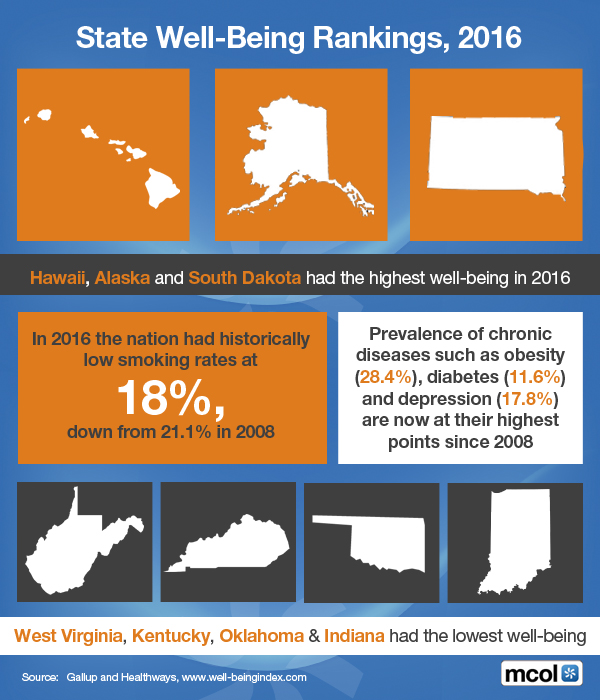
Depression is Highest Among 18-25 Year Olds at 11%.
19% of US Adults Have Anxiety and 56% of Those with Anxiety Are Impaired By Their Condition.
12% of People with Diabetes Have Associated Depression… Resulting in Missed Appointments, Poorer Diet, Decreased Medication Adherence and Increased Complications.
To Address This Problem, The Intermountain Health System Incorporated a Mental Health Provider in Their Primary Care Clinics.
Results: Improved in Diabetes Care, Decreased Hospitalizations and Decreased ER Utilization.
Treating Mental Health Not Only Improves Mental Wellbeing, But Also Lowers Overall Healthcare Costs as Well.
Disclaimer: Dr. Bricker is the Chief Medical Officer of Virtual Care Company First Stop Health.
NOTE: If you or someone you know is considering suicide, please contact the National Suicide Prevention Lifeline at 1800-273-TALK (8255), text “help” to the Crisis Text Line at 741-741 or go to suicidepreventionlifeline.org.
Posted on July 7, 2021 by Dr. David Edward Marcinko MBA MEd CMP™
BOOK REVIEW
BY ERIC BRICKER MD
Our Brains Have a Reward Chemical Called Dopamine That Causes a Brief Pleasurable Feeling Followed by a Worsening of our Mood.
However, Our Brains Also Have a Contentment Chemical Called Serotonin That Causes Peace and a Calming of our Mood.
Substances and Behaviors That Stimulate Dopamine Include: Sugar, Caffeine, Alcohol, Nicotine, Illicit Drugs, Prescription Narcotics, Social Media Apps, Gambling and Sex.
Substances and Behaviors That Stimulate Serotonin Include: The Amino Acid Tryptophane, Positive Relationships with Others, Service to Others, Prayer and Meditation.
Corporations Tailor Their Products with Dopamine Stimulating Strategies to Increase Sales.
Facebook’s Chamath Palihapitiya Even Admitted on CNBC that Facebook Intentionally Designed its Social Media Platform to Stimulate Dopamine in the User’s Brain To Make Them Use the App More.
Unfortunately, the Constant Stimulation of Dopamine in Our Brains Has Increased Obesity, Metabolic Syndrome, Cancer, Cardiovascular Disease, Diabetes and Depression.
Lustig Estimates That 75% of the $4 Trillion Spent on US Healthcare is for These Diseases That Can Be Traced to Our ‘Hacked Minds.’
Your thoughts and comments on this ME-P are appreciated. Feel free to review our top-left column, and top-right sidebar materials, links, URLs and related websites, too. Then, subscribe to the ME-P. It is fast, free and secure.
Speaker: If you need a moderator or speaker for an upcoming event, Dr. David E. Marcinko; MBA – Publisher-in-Chief of the Medical Executive-Post – is available for seminar or speaking engagements. Contact: MarcinkoAdvisors@msn.com
OUR OTHER PRINT BOOKS AND RELATED INFORMATION SOURCES:
Posted on June 13, 2015 by Dr. David Edward Marcinko MBA MEd CMP™
The Time is Now!
By Mark MD MPH
A newly released study demonstrates that approximately one third of Alzheimer’s cases worldwide are attributable to seven modifiable risk factors: depression, physical inactivity, diabetes, midlife hypertension, midlife obesity, smoking, and low educational attainment.
The largest proportion of cases was attributed to physical inactivity, which affects more than half of all Americans. Depression, which affects approximately 14.8 million Americans, accounted for approximately one in ten cases of Alzheimer’s disease globally.
Mark J. Harris received his MD/MPH from Columbia University in May 2015. He will be starting Anesthesiology residency in June at Brigham and Women’s Hospital in Boston, MA. Mark is interested in the intersection between medicine and public policy, especially as it relates to chronic disease prevention (such as for diabetes, heart disease, and obesity), and he wishes to merge medicine, outcomes research, and public policy to address issues of perioperative risk factors, pain management, and end-of-life care.
Conclusion
Your thoughts and comments on this ME-P are appreciated. Feel free to review our top-left column, and top-right sidebar materials, links, URLs and related websites, too. Then, subscribe to the ME-P. It is fast, free and secure.
Speaker: If you need a moderator or speaker for an upcoming event, Dr. David E. Marcinko; MBA – Publisher-in-Chief of the Medical Executive-Post – is available for seminar or speaking engagements. Contact: MarcinkoAdvisors@msn.com
OUR OTHER PRINT BOOKS AND RELATED INFORMATION SOURCES:
Posted on October 22, 2011 by Dr. David Edward Marcinko MBA MEd CMP™
Promoting Mental Health … and Mental Health Week
October 2nd-8th was Mental Illness Awareness Week (MIAW) and an opportunity to learn more about mental illnesses such as depression, bipolar disorder and schizophrenia.
Advocates across the country sponsored a variety of events to promote community outreach and public education concerning mental illnesses. The aim of the week was to reduce the stigma associated with mental illness and dispel some of the fears we have about people with mental illness.
Congress established the first MIAW in 1990 in recognition of the efforts of the National Alliance on Mental Illness (NAMI) to raise awareness about mental illnesses.
In 2008, Congress passed the Paul Wellstone and Pete Domenici Mental Health Parity and Addiction Equity Act taking a great step forward in the decade-plus fight to end insurance discrimination against those seeking treatment for mental health and substance use disorders. This law requires health insurance to cover both mental and physical health equally. Under this law, insurance companies can no longer arbitrarily limit the number of hospital days or outpatient treatment sessions, or assign higher co-payments or deductibles for those in need of psychological services.
The 2008 act closes several of the loopholes left by the 1996 Mental Health Parity Act and extends equal coverage to all aspects of health insurance plans, including day and visit limits, dollar limits, coinsurance, co-payments, deductibles and out-of-pocket maximums. It preserves existing state parity and consumer protection laws while extending protection of mental health services to 82 million Americans not protected by state laws. The bill also ensures mental health coverage for both in network and out-of-network services.
Research shows that physical health is directly connected to mental health and millions of Americans know that suffering from a mental health disorder can be as frightening and debilitating as any major physical health disorder. Passage of this law will lead the health care system in the United States to start treating the whole person, both mind and body.
-American Psychological Association
Conclusion
Your thoughts and comments on this ME-P are appreciated. Feel free to review our top-left column, and top-right sidebar materials, links, URLs and related websites, too. Then, subscribe to the ME-P. It is fast, free and secure.
Speaker: If you need a moderator or speaker for an upcoming event, Dr. David E. Marcinko; MBA – Publisher-in-Chief of the Medical Executive-Post – is available for seminar or speaking engagements. Contact: MarcinkoAdvisors@msn.com
OUR OTHER PRINT BOOKS AND RELATED INFORMATION SOURCES:
Posted on March 8, 2009 by Dr. David Edward Marcinko MBA MEd CMP™
Deciding What Works?
[By Staff Reporters]
Another way of asking the above titled question might be, “Is it smart for a doctor’s household to build savings while they are getting out of debt?”
Financial Priorities
In the first instance, the doctor already has debt and would be increasing the terms of any loans by deferring some of the payments to savings, which is equivalent to borrowing the same amount.
In the second instance, the doctor would be taking on debt to save more money. The answer is that it makes sense to borrow money for investment purposes only if the financial gains derived from the investment are larger than the financial benefits of paying off the debt. But, who can know for sure?
Assuming that a medical professional has more debt than needed, and doesn’t make contributions to a retirement account, the concern becomes: [1] should he/she make minimum payments to the debt and contribute to a retirement account; or [2] should he/she make the maximum payments toward the debt or loans, etc?
Downside Risks
It is important to understand the downside risks of a lower payment strategy. Just as stocks return more than bonds due to their higher risk, the lower payment strategy returns more because of its’ higher risk. Taking on debt to finance an investment is riskier than paying off debt for a number of reasons.
First, the US economy may continue its’ current depressionary spiral, and investments and savings could disappear as financial institutions fail. This would leave the doctor with debt that he or she could not service.
Second, the rate-of-return required to decide whether or not to borrow for investment purposes may not be achieved, leaving the doctor in worse financial shape than if he or she had just paid off the debt.
Assessment
Ultimately, the doctor must decide if the added risks are worth the possible gain. But, the services of a fiduciary financial advisor may also be required. However, some doctors may not be ready to receive the sort of “tough-love” required in this case.
Channel Surfing the ME-P
Have you visited our other topic channels? Established to facilitate idea exchange and link our community together, the value of these topics is dependent upon your input. Please take a minute to visit. And, to prevent that annoying spam, we ask that you register. It is fast, free and secure.
Conclusion
Your thoughts and comments on this ME-P are appreciated. Feel free to review our top-left column, and top-right sidebar materials, links, URLs and related websites, too. Then, subscribe to the ME-P. It is fast, free and secure.
Speaker: If you need a moderator or speaker for an upcoming event, Dr. David E. Marcinko; MBA – Publisher-in-Chief of the Medical Executive-Post – is available for seminar or speaking engagements. Contact: MarcinkoAdvisors@msn.com
OUR OTHER PRINT BOOKS AND RELATED INFORMATION SOURCES:







 Support our online development, and advance our onground research initiatives in free market economics, as we seek to showcase the brightest Next-Gen minds.
THE ME-P DISCLAIMER: Posts, comments and opinions do not necessarily represent iMBA, Inc., but become our property after submission. Copyright © 2006 to-date. iMBA, Inc allows colleges, universities, medical and financial professionals and related clinics, hospitals and non-profit healthcare organizations to distribute our proprietary essays, photos, videos, audios and other documents; etc. However, please review copyright and usage information for each individual asset before submission to us, and/or placement on your publication or web site. Attestation references, citations and/or back-links are required. All other assets are property of the individual copyright holder.
Support our online development, and advance our onground research initiatives in free market economics, as we seek to showcase the brightest Next-Gen minds.
THE ME-P DISCLAIMER: Posts, comments and opinions do not necessarily represent iMBA, Inc., but become our property after submission. Copyright © 2006 to-date. iMBA, Inc allows colleges, universities, medical and financial professionals and related clinics, hospitals and non-profit healthcare organizations to distribute our proprietary essays, photos, videos, audios and other documents; etc. However, please review copyright and usage information for each individual asset before submission to us, and/or placement on your publication or web site. Attestation references, citations and/or back-links are required. All other assets are property of the individual copyright holder.


















 The Leading Business Education Network for Doctors, Financial Advisors and Health Industry Consultants