BOARD CERTIFICATION EXAM STUDY GUIDES Lower Extremity Trauma
[Click on Image to Enlarge]
ME-P Free Advertising Consultation
The “Medical Executive-Post” is about connecting doctors, health care executives and modern consulting advisors. It’s about free-enterprise, business, practice, policy, personal financial planning and wealth building capitalism. We have an attitude that’s independent, outspoken, intelligent and so Next-Gen; often edgy, usually controversial. And, our consultants “got fly”, just like U. Read it! Write it! Post it! “Medical Executive-Post”. Call or email us for your FREE advertising and sales consultation TODAY [678.779.8597] Email: MarcinkoAdvisors@outlook.com
Medical & Surgical e-Consent Forms
ePodiatryConsentForms.com
iMBA Inc., OFFICES
Suite #5901 Wilbanks Drive, Norcross, Georgia, 30092 USA [1.678.779.8597]. Our location is real and we are now virtually enabled to assist new long distance clients and out-of-town colleagues.
ME-P Publishing
SEEKING INDUSTRY INFO PARTNERS?
If you want the opportunity to work with leading health care industry insiders, innovators and watchers, the “ME-P” may be right for you? We are unbiased and operate at the nexus of theoretical and applied R&D. Collaborate with us and you’ll put your brand in front of a smart & tightly focused demographic; one at the forefront of our emerging healthcare free marketplace of informed and professional “movers and shakers.” Our Ad Rate Card is available upon request [678-779-8597].
Posted on August 16, 2025 by Dr. David Edward Marcinko MBA MEd CMP™
By A.I.
***
***
Stocks: The Dow climbed thanks to UnitedHealth and Warren Buffett while the rest of the market sank as the stock rally slowed. But, despite Friday’s decline, both the S&P 500 and NASDAQ wrapped up winning weeks.
Bonds: Both 10-year and 2-year Treasury yields continued to climb after Thursday’s PPI reading and Friday’s consumer confidence and retail sales data.
Commodities: All eyes were on Anchorage, Alaska as President Trump concluded talks with President Putin—discussions that will be crucial for crude’s future.
Posted on May 22, 2025 by Dr. David Edward Marcinko MBA MEd CMP™
MEDICAL EXECUTIVE-POST–TODAY’SNEWSLETTERBRIEFING
***
Essays, Opinions and Curated News in Health Economics, Investing, Business, Management and Financial Planning for Physician Entrepreneurs and their Savvy Advisors and Consultants
“Serving Almost One Million Doctors, Financial Advisors and Medical Management Consultants Daily“
A Partner of the Institute of Medical Business Advisors , Inc.
While stocks usually steal headlines, all eyes were on the bond market today. The 10-year bond yield popped back above 4.5% first thing this morning while the 30-year rose above 5% as fears of larger deficits due to the Republican tax and spending bill gave investors pause. A poorly received auction of $16 billion in 20-year bonds this afternoon only pushed yields higher.
Bitcoin climbed to a new all-time high early in the trading session, touching $109,500 at one point today as investors continue to search for alternatives to bonds and the US dollar.
Crude oil climbed to its highest price in a month on reports of flaring tensions between Israel and Iran, then tumbled lower after the US announced surprisingly high oil inventories.
WeRide soared 21.42% on the announcement that the robotaxi will buy back $100 million of its stock.
What’s down
UnitedHealth Group secretly paid nursing homes to transfer fewer people to hospitals so it could cut costs, according to The Guardian. Shares understandably tumbled 5.79%.
Target missed the mark last quarter, with fewer transactions thanks to DEI boycotts leading to lower sales and profits, pushing shares down 5.21%.
Lowe’s sank 1.77% despite sticking to its full-year guidance, noting that sales to professionals will pad its bottom line.
Palo Alto Network may have beaten analysts’ estimates for sales and profits, but the cybersecurity company still fell 6.80% due to thinner margins.
Take-Two Interactive sank 4.52% after the video game maker put $1 billion in common stock on the market.
Fair Isaac caught strays today from a Trump Administration official who was displeased by the credit analytics company’s decision to raise royalty fees.
Carter’s crashed 15.74% on the announcement that the children’s clothing retailer will slash its dividend due to higher costs from tariffs.
Airline stocks tumbled after the FAA limited flights in and out of Newark Airport. UnitedAirlines fell 3.93%, SouthwestAirlines lost 2.35%, and AmericanAirlines sank 3.52%.
Wolfspeed, easily the best-named stock on the market, may go bankrupt. Shares of the semiconductor supplier dropped 59.11%.
The Dow Jones exploded 1,000 points in pre-market trading, and the rally never waned toay. Both the Dow and the S&P 500 are nearly back to even for the year, while the NASDAQ clawed its way out of bear market territory.
Bonds tumbled while yields soared as the market pushed the timing for the Fed to cut interest rates back from July to September.
Gold sank as traders passed right on by the go-to investment for safety and sprinted straight toward equities.
Crude oil popped on the hopes of stronger economic growth for both the US and China now that the two countries are finally engaging in trade discussions.
Posted on May 5, 2025 by Dr. David Edward Marcinko MBA MEd CMP™
MEDICAL EXECUTIVE-POST–TODAY’SNEWSLETTERBRIEFING
***
Essays, Opinions and Curated News in Health Economics, Investing, Business, Management and Financial Planning for Physician Entrepreneurs and their Savvy Advisors and Consultants
“Serving Almost One Million Doctors, Financial Advisors and Medical Management Consultants Daily“
A Partner of the Institute of Medical Business Advisors , Inc.
U.S. stock futures declined after the S&P 500 notched its longest winning streak in more than 20 years last week. Dow Jones Industrial Average futures were down around 280 points, or 0.7%, as of 11 p.m. Eastern. S&P 500 futures and NASDAQ-100 futures were off about 0.8%.
The labor market stayed strong. The US added 177,000 jobs in April, while unemployment stayed steady at 4.2%, new Labor Department data shows. That was slightly less job growth than the month before, but still more than expected, and it shows a resilient labor environment even as the president’s introduction of tariffs roiled the stock and bond markets and raised concerns about a recession. President Trump celebrated the news in a Truth Social post that once again urged the Fed to cut interest rates.
Markets: Stocks soared like a balloon whose string a toddler couldn’t keep hold of yesterday. Unexpectedly strong jobs data for last month and reports that China is open to trade talks helped push the S&P 500 to its longest winning streak in more than 20 years (more on that later), erasing the losses from recent tariff turmoil. On its own impressive streak is Netflix, which hit an all-time high and finished its 11th day in the green for its longest positive run ever.
Crude oil futures dropped more than 3% Sunday after OPEC+ agreed to accelerate production increases for a second straight month in June by 411K bbl/day.
U.S. WTI crude (CL1:COM) for June delivery recently traded -3.4% at $56.28/bbl and July Brent crude (CO1:COM) -3.2% at $59.34/bbl, with both front-month contracts touching their lowest levels since April 9th.
Visualize: How private equity tangled banks in a web of debt, from the Financial Times.
Posted on August 14, 2024 by Dr. David Edward Marcinko MBA MEd CMP™
West Texas Intermediate
By Staff Reporters
***
***
What it is: The North American crude oil benchmark, known as West Texas Intermediate (WTI), is one of three main oil benchmarks used around the globe. While WTI is sourced primarily from Texas, it’s considered one of the highest-quality oils and is often refined into gasoline.
How it works: WTI is the physical commodity behind oil futures contracts traded on the New York Mercantile Exchange. Oil futures = financial instruments that allow investors to buy “abstract oil.” When the futures contract expires, that investment is converted into IRL oil, cashed out, or rolled into a future futures contract.
Why it matters: Oil prices are affected by economic conditions, supply and demand, and geopolitical forces. The coronavirus pandemic caused a historic collapse in prices this spring, and while prices have stabilized, the outlook is shaky.
Posted on May 29, 2024 by Dr. David Edward Marcinko MBA MEd CMP™
MEDICAL EXECUTIVE-POST–TODAY’SNEWSLETTERBRIEFING
***
Essays, Opinions and Curated News in Health Economics, Investing, Business, Management and Financial Planning for Physician Entrepreneurs and their Savvy Advisors and Consultants
“Serving Almost One Million Doctors, Financial Advisors and Medical Management Consultants Daily“
A Partner of the Institute of Medical Business Advisors , Inc.
Stat: $78 million. That’s the fine levied against Citigroup for an accidental, “fat finger” trade that momentarily erased $322 billion in market value in the European stock markets. (Business Insider)
Quote: “The CFPB wants to make sure that these new competitive offerings are not gaining an advantage by sidestepping the rights and responsibilities enshrined under the law.”—Rohit Chopra, director of the Consumer Financial Protection Bureau, on the CFPB’s decision to treat “buy now, pay later” apps as credit cards.
Here’s where the major benchmarks ended yesterday:
The S&P 500® index (SPX) rose 1.32 points (0.02%) to 5,306.04; the Dow Jones Industrial Average® ($DJI) lost 216.73 points (0.6%) to 38,852.86; the NASDAQ Composite gained 99.09 points (0.6%) to 17,019.88.
The 10-year Treasury note yield jumped almost 7 basis points to 4.54%.
The CBOE Volatility Index® (VIX) rose 0.55 to 12.91.
Financial shares were among Tuesday’s weakest performers, reflecting ideas elevated interest rates could burden bank margins. The KBW Regional Bank Index (KRX) sank 1% to its lowest close since April 30. Biotechnology and health care sectors were also under pressure.
In other markets, WTI Crude Oil (/CL) futures jumped more than 3% and ended at a four-week high above $80 per barrel ahead of next weekend’s OPEC meeting, which is expected to end with no change to the cartel’s production levels.
House Committee Chair Jodey Arrington (R-Texas) said that site-neutral payment policy is the “most obvious” solution amid supportive testimonies from partisan think-tanks, the Congressional Budget Office and a practicing independent physician.
Posted on May 24, 2024 by Dr. David Edward Marcinko MBA MEd CMP™
MEDICAL EXECUTIVE-POST–TODAY’SNEWSLETTERBRIEFING
***
Essays, Opinions and Curated News in Health Economics, Investing, Business, Management and Financial Planning for Physician Entrepreneurs and their Savvy Advisors and Consultants
“Serving Almost One Million Doctors, Financial Advisors and Medical Management Consultants Daily“
A Partner of the Institute of Medical Business Advisors , Inc.
The Friday before Memorial Day is never action packed, and this year is no exception as earnings season begins to wrap up and economic readings slow down. Two reports to watch for tomorrow: April Durable Goods Orders and University of Michigan’s May sentiment report.
Durable Goods Orders are big-ticket items with a shelf life of three or more years—think appliances and furniture for consumers, or machinery, equipment, and vehicles for businesses. More durable goods orders indicate a healthy economy, as consumers and companies alike wouldn’t spend as much if they weren’t confident they could afford it, and also provides insight into how strong the manufacturing industry is.
The University of Michigan’s consumer sentiment index is a survey of consumers via telephone to better understand how they feel about the economy, what they’re spending their money on, etc. The preliminary findings earlier this month weren’t great thanks to sticky inflation, and tomorrow’s finalized readings won’t change much. But with the latest CPI reading indicating inflation might yet be tamed, next month’s report could be much more illuminating.
The S&P 500® index (SPX) fell 39.17 points (0.7%) to 5,267.84; the Dow Jones Industrial Average lost 605.78 points (1.5%) to 39,065.26; the NASDAQ Composite® ($COMP) shed 65.51 points (0.4%) to 16,736.03.
The 10-year Treasury note yield rose more than 4 basis points to 4.479%.
The CBOE Volatility Index® (VIX) rose 0.48 to 12.77.
Financial shares were among Thursday’s weakest performers amid ideas a “higher-for-longer” Fed rate outlook could pressure bank margins. The KBW Regional Bank Index (KRX) dropped almost 3% to a three-week low. Other interest-rate-sensitive sectors, including real estate and utilities, took pressure.
In other markets, WTI Crude Oil (/CL) futures fell for the fourth straight trading day and closed at a three-month low under $76 per barrel.
Posted on May 23, 2024 by Dr. David Edward Marcinko MBA MEd CMP™
MEDICAL EXECUTIVE-POST–TODAY’SNEWSLETTERBRIEFING
***
Essays, Opinions and Curated News in Health Economics, Investing, Business, Management and Financial Planning for Physician Entrepreneurs and their Savvy Advisors and Consultants
“Serving Almost One Million Doctors, Financial Advisors and Medical Management Consultants Daily“
A Partner of the Institute of Medical Business Advisors , Inc.
The S&P 500 index lost 14.40 points (0.3%) to 5,307.01; the Dow Jones Industrial Average® ($DJI) declined 201.95 points (0.5%) to 39,671.04; the NASDAQ Composite® ($COMP) slipped 31.08 points (0.2%) to 16,801.54.
The 10-year Treasury note yield (TNX) rose more than 1 basis point to 4.426%.
The CBOE Volatility Index® (VIX) increased 0.43 to 12.29.
Retailer shares were among the market’s weakest performers after Target’s (TGT) quarterly results, released before Wednesday’s open, fell short of expectations. Target shares tumbled 8% after the company reported revenue fell 3% in the first quarter from the year-earlier period. During the company’s earnings call, Target CEO Brian Cornell noted “continued soft trends in discretionary categories” contributed to the revenue decline.
Energy companies were also under pressure after WTI Crude Oil (/CL) futures closed at a three-month low just above $77 per barrel.
Following a series of high-profile—and costly—cyberattacks against the healthcare industry, the federal government is stepping in with a $50+ million initiative intended to boost hospital cybersecurity, a division of the Department of Health and Human Services (HHS) announced on May 20th.
Uber Health will begin rolling out a new solution designed for caregivers this summer, allowing individuals to add a caregiver to their Uber profile. That caregiver can then see and spend that person’s health benefits on eligible services, request rides to doctors’ appointments or order groceries. In the coming months, Uber Health will be working with Medicare Advantage, Medicaid and commercial plans to offer the solution.
U.S. Sens. Sheldon Whitehouse and Bill Cassidy, M.D., want to reform how primary care providers get paid through Medicare, and they also want to hear from the healthcare industry about the best way to do it. Together, they introduced a bipartisan bill, the Pay PCPs Act (S. 4338), last week to better support and improve pay for high-quality primary care providers.
And… digital maternal health company Babyscripts announced a partnership with Lyft Healthcare to offer sponsored rides for people who are pregnant or postpartum and face barriers to transportation. The Lyft partnership will identify transportation-insecure patients and offer free rides to in-person appointments in traditional care settings and community-based healthcare services and programs.
Posted on May 14, 2024 by Dr. David Edward Marcinko MBA MEd CMP™
MEDICAL EXECUTIVE-POST–TODAY’SNEWSLETTERBRIEFING
***
Essays, Opinions and Curated News in Health Economics, Investing, Business, Management and Financial Planning for Physician Entrepreneurs and their Savvy Advisors and Consultants
“Serving Almost One Million Doctors, Financial Advisors and Medical Management Consultants Daily“
A Partner of the Institute of Medical Business Advisors , Inc.
The S&P 500® index (SPX) fell 1.26 points (0.02%) to 5,221.42; the Dow Jones Industrial Average lost 81.33 points (0.2%) to 39,431.51; the NASDAQ Composite® ($COMP) gained 47.37 points (0.3%) to 16,388.24.
The 10-year Treasury note yield (TNX) dropped almost 2 basis points to 4.487%.
The CBOE Volatility Index® (VIX) surged 1.05 to 13.60.
Biotechnology and food and beverage shares were among the market’s strongest sectors Monday, while communication services stocks were among the biggest laggards. Energy shares took pressure despite a jump of 1.2% in WTI Crude Oil (/CL) futures, which ended above $79 per barrel after slumping last week to two-month lows.
Moderna is “bleeding money” as its forthcoming RSV vaccine doesn’t appear to deliver better results than other RSV shots already on the market. (Bloomberg)
***
It’s ChatGPT-4o’s time to shine. The “o” stands for omni, and it’s the latest iteration of OpenAI’s signature chatbot. According to the company, it’s much faster with enhanced “capabilities across text, vision, and audio.”
Posted on May 11, 2024 by Dr. David Edward Marcinko MBA MEd CMP™
MEDICAL EXECUTIVE-POST–TODAY’SNEWSLETTERBRIEFING
***
Essays, Opinions and Curated News in Health Economics, Investing, Business, Management and Financial Planning for Physician Entrepreneurs and their Savvy Advisors and Consultants
“Serving Almost One Million Doctors, Financial Advisors and Medical Management Consultants Daily“
A Partner of the Institute of Medical Business Advisors , Inc.
Novavax, the Covid vaccine-maker’s value doubled after it announced a $1.2 billion deal to develop new shots with Sanofi.
And, Mortgage rates fell for the first time since March, to just over 7%.
Here’s where the major stock market benchmarks ended:
The S&P 500 index rose 8.60 points (0.2%) to 5,222.68, up 1.9% for the week; the Dow Jones Industrial Average® ($DJI) advanced 125.08 points (0.3%) to 39,512.84, up 2.2% for the week and its eighth straight daily gain; the NASDAQ Composite® ($COMP) fell 5.40 points (0.03%) to 16,340.87, up 1.1% for the week.
The 10-year Treasury note yield (TNX) increased more than 5 basis points to 4.50%.
The CBOE Volatility Index® (VIX) fell 0.14 to 12.55.
Chip makers ranked among top gainers Friday after Taiwan Semiconductor Manufacturing (TSM) shares surged 4.5% after the company said its April revenue soared 60% behind AI-driven demand. The Philadelphia Semiconductor Index (SOX) climbed 1% and posted a 1.9% gain for the week. Consumer staples and transportation shares were also strong. Energy shares slipped behind a 1.2% drop in WTI Crude Oil (/CL) futures, though oil still ended slightly higher for the week.
National hospital operator Ascension said a “cyber security event” has disrupted some of its clinical operations, according to a news release. Ascension, a St. Louis-based nonprofit and Catholic healthcare network, announced it had detected “unusual activity” on some of its systems. In response, the company kicked off an investigation and remediation efforts—including turning to outside cybersecurity firm Mandiant for help, as well as notifying the “appropriate authorities,” per the release.
Planet Fitness to raise membership price for the first time since 1998. It’s going to take more than $10/month to join a gym once Planet Fitness raises the price of a basic membership for new members to $15 per month this summer. The $10 amount, which has held steady for 26 years, was considered a sweet spot where people were happy to sign up and wouldn’t bother to cancel once they gave up on their fitness goals. But after posting weaker-than-expected Q1 results, the gym chain decided it’s time to change, even though execs acknowledged that customers are looking to save rather than spend.
Posted on May 10, 2024 by Dr. David Edward Marcinko MBA MEd CMP™
MEDICAL EXECUTIVE-POST–TODAY’SNEWSLETTERBRIEFING
***
Essays, Opinions and Curated News in Health Economics, Investing, Business, Management and Financial Planning for Physician Entrepreneurs and their Savvy Advisors and Consultants
“Serving Almost One Million Doctors, Financial Advisors and Medical Management Consultants Daily“
A Partner of the Institute of Medical Business Advisors , Inc.
The S&P 500 index gained 26.41 points (0.5%) to 5,214.08; the Dow Jones Industrial Average rose 331.37 points (0.9%) to 39,387.76; the NASDAQ Composite® ($COMP) advanced 43.51 points (0.3%) to 16,346.26.
The 10-year Treasury note yield (TNX) lost more than 2 basis points to 4.459%.
The CBOE Volatility Index® (VIX) fell 0.31 to 12.69.
Interest-rate-sensitive sectors, such as real estate and utilities, were among the strongest performers Thursday. Energy shares were also strong after WTI Crude Oil (/CL) futures rose for a second straight day after sinking to a two-month low earlier this week. Semiconductor shares were under pressure after disappointing revenue guidance from chip designer Arm Holdings (ARM) sent its shares down 2.3%.
The Dowjumped for the seventh straight day while the S&P 500 closed above 5,200 for the first time in a month as stocks climbed across the board, possibly a reaction to data showing that the cooling labor market could translate into a Federal Reserve interest rate cut in a few months. But, Roblox,tanked 22% yesterday after the company cut its annual bookings forecast. The rough patch suggests that the game’s pandemic-induced popularity has likely peaked.
Last year, Uber boasted its first full-year profit since going public. But yesterday, the company reported a surprise loss for the first quarter of 2024, dashing investors’ hopes for steady profits and sending its stock way down.
Meanwhile, Uber’s smaller rival Lyft appears to have its foot on the gas pedal. It posted better-than-expected quarterly results on Tuesday and saw a stock bump yesterday.
Microsoft plans to put the cash toward creating an AI data center. President Biden was on hand in Wisconsin to help announce the news—and not just to tout a big investment that’s expected to create jobs.
Posted on May 4, 2024 by Dr. David Edward Marcinko MBA MEd CMP™
MEDICAL EXECUTIVE-POST–TODAY’SNEWSLETTERBRIEFING
***
Essays, Opinions and Curated News in Health Economics, Investing, Business, Management and Financial Planning for Physician Entrepreneurs and their Savvy Advisors and Consultants
“Serving Almost One Million Doctors, Financial Advisors and Medical Management Consultants Daily“
A Partner of the Institute of Medical Business Advisors , Inc.
The S&P 500 index rose 63.59 points (1.3%) to 5,127.79, up 0.6% for the week; the Dow Jones Industrial Average® ($DJI) gained 450.02 points (1.2%) to 38,675.68, up 1.1% for the week; the NASDAQ Composite surged 315.37 points (2.0%) to 16,156.33, up 1.4% for the week.
The 10-year Treasury note yield (TNX) fell about 7 basis points to 4.50%, down about 16 basis points for the week.
The CBOE Volatility Index® (VIX) fell 1.19 to 13.49.
Technology shares were among the strongest performers Friday behind a 6% rally in shares of Apple (AAPL), which late Thursday reported stronger-than-expected quarterly results and said it will repurchase $110 billion in shares. Amgen (AMGN) soared nearly 12%, leading Dow gainers after the biotechnology company beat earnings expectations.
In other markets, WTI Crude Oil futures (/CL) extended a week-long slump to end just above $78 per barrel, the lowest since mid-March. Crude futures dropped almost 7% this week, partly reflecting rising U.S. supplies and signs of slower fuel demand.
Posted on May 3, 2024 by Dr. David Edward Marcinko MBA MEd CMP™
MEDICAL EXECUTIVE-POST–TODAY’SNEWSLETTERBRIEFING
***
Essays, Opinions and Curated News in Health Economics, Investing, Business, Management and Financial Planning for Physician Entrepreneurs and their Savvy Advisors and Consultants
“Serving Almost One Million Doctors, Financial Advisors and Medical Management Consultants Daily“
A Partner of the Institute of Medical Business Advisors , Inc.
Yesterday, sales of Wegovy more than doubled last quarter, and at least 25,000 people are starting to take it in the US per week. It also posted a $3.65 billion net profit and increased its sales outlook for 2024. But its stock Novo Nordisk still dropped yesterday.
***
iPhone sales are down but Apple share buybacks are up. Apple managed to keep investors happy, sending its stock shooting up after-hours yesterday, despite selling fewer iPhones last quarter. Sales of the signature phone dipped 10% year over year, and revenue fell 4.3% to $90.8 billion. But Apple also announced $110 billion in share buybacks, the largest in the company’s history, per CNBC. And sales in China, which has been a sore spot, came in at $16.4 billion, less than a year earlier but more than analysts had predicted.
***
Stocks rose yesterday as investors digested Jerome Powell’s recent comments and decided they only had to fear fear itself—and not interest rate hikes. Investors changed into the fast lane to buy Carvana after the used car sales site reported its best earnings ever Wednesday evening.
***
Stat: 16%. That’s the percentage by which CVS stocks plummeted Wednesday after the company reported earnings below expectations and cut its annual outlook, according to (CNBC).
But – Here’s where the major stock market benchmarks ended Thursday:
The S&P 500® index (SPX) rose 45.81 points (0.9%) to 5,064.20; the Dow Jones Industrial Average® ($DJI) added 322.37 points (0.9%) to 38,225.66; the NASDAQ Composite® ($COMP) surged 235.48 points (1.5%) to 15,840.96.
The 10-year Treasury note yield (TNX) dropped about 1 basis point to 4.583%.
The CBOE Volatility Index® (VIX) fell 0.71 to 14.68.
Transportation shares helped lead the market higher after C.H. Robinson (CHRW) reported stronger-than-expected quarterly results, sending the freight logistics and trucking company’s stock up 12%. The Dow Jones Transportation Average ($DJT) jumped 2.5%. Semiconductors were also strong after Qualcomm (QCOM) advanced 9.7% in the wake of the chip maker’s better-than-expected earnings.
Apple (AAPL) shares advanced 2.2% ahead of the company’s quarterly earnings report scheduled after Thursday’s close.
In other markets, WTI Crude Oil (/CL) futures bounced back to end with a slight gain after earlier dropping to a seven-week low under $78.50 per barrel.
Posted on May 2, 2024 by Dr. David Edward Marcinko MBA MEd CMP™
MEDICAL EXECUTIVE-POST–TODAY’SNEWSLETTERBRIEFING
***
Essays, Opinions and Curated News in Health Economics, Investing, Business, Management and Financial Planning for Physician Entrepreneurs and their Savvy Advisors and Consultants
“Serving Almost One Million Doctors, Financial Advisors and Medical Management Consultants Daily“
A Partner of the Institute of Medical Business Advisors , Inc.
Here’s where the major stock market benchmarks ended:
The S&P 500® index (SPX) fell 17.30 points (0.3%) to 5,018.39; the Dow Jones Industrial Average® ($DJI) gained 87.37 points (0.2%) to 37,903.29; the NASDAQ Composite® ($COMP) lost 52.34 points (0.3%) to 15,605.48.
The 10-year Treasury note yield (TNX) dropped more than 5 basis points to 4.63%.
The CBOE Volatility Index® (VIX) decreased 0.28 to 15.37.
Banks and other financial shares led the market’s afternoon upswing, reflecting renewed optimism over the outlook for interest rates. The KBW Regional Bank Index (KRX) jumped 2.4% and posted its first gain in five days. Biotechnology and communication services were also strong.
Energy shares were among the weakest performers as WTI Crude Oil (/CL) futures extended a week-long nosedive and dropped under $80 per barrel for the first time since mid-March. Crude futures sank over 3% after the Energy Information Administration reported U.S. oil inventories surged 1.6% last week.
Among top companies, Amazon (AMZN) gained 2.2% after reporting stronger-than-expected earnings and revenue late Tuesday. Starbucks (SBUX) tumbled 16% following unexpectedly soft quarterly results. Apple (AAPL) eased 0.6% ahead of its quarterly results, expected after Thursday’s close.
Speaking of stock companies, however big you think UnitedHealth is, it’s bigger than that. For example:
With a market cap of nearly $450 billion, it’s the fourth-largest company in the US by revenue this year, beating out Alphabet and Microsoft.
The company is eyeing a $24.7 billion profit in 2024.
One analyst estimated that more than 5% of US GDP flows through UnitedHealth’s systems daily.
And so, lawmakers in Washington are prepared to grill UnitedHealth CEO Andrew Witty in two congressional hearings today, months after a cyberattack on a subsidiary of the healthcare giant, Change Healthcare, rattled the industry and left pharmacies, doctors, and hospitals in the dark. Change processes roughly half of all Americans’ medical claims. Congress wants Witty to clarify how UnitedHealth handled the breach of patient data. But beyond that, it wants to investigate whether the company—the nation’s largest private health insurer—has grown too big and taken on too much risk.
Retailer Walmart announced plans Tuesday to shutter its network of 51 health clinics in five states, along with its telehealth business. The impending closures signify that Walmart is scuttling its initial plans to expand the services, citing escalating operation costs and “challenging reimbursement environment,” the company said in a news release.
Finally – Happy Women’s Health Month! Women and people assigned female at birth are disproportionately affected by a range of health conditions, including autoimmune diseases, chronic pain, and dementia. The month of May is intended to raise awareness of these disparities and educate women on steps they can take to improve their health, such as getting annual breast exams. For all our woman-identifying readers, take some time to prioritize your health this month!
Posted on April 27, 2024 by Dr. David Edward Marcinko MBA MEd CMP™
MEDICAL EXECUTIVE-POST–TODAY’SNEWSLETTERBRIEFING
***
Essays, Opinions and Curated News in Health Economics, Investing, Business, Management and Financial Planning for Physician Entrepreneurs and their Savvy Advisors and Consultants
“Serving Almost One Million Doctors, Financial Advisors and Medical Management Consultants Daily“
A Partner of the Institute of Medical Business Advisors , Inc.
Here’s where the major stock market benchmarks ended:
The S&P 500 index gained 51.54 points (1.0%) to 5,099.96, up 2.7% for the week; the Dow Jones Industrial Average® ($DJI) increased 153.86 points (0.4%) to 38,239.66, up 0.7% for the week; the NASDAQ Composite jumped 316.14 points (2.0%) to 15,927.90, up 4.2% for the week.
The 10-year Treasury note yield (TNX) lost about 4 basis points to 4.665%.
The CBOE Volatility Index® (VIX) fell 0.34 to 15.03.
Alphabet’s rally helped communication services reverse Thursday’s downturn, which was driven by disappointing quarterly results from Meta Platforms (META). The S&P 500 Communication Services index ($SP500#50) surged 4.7% Friday and ended the week with a 2.7% gain. Semiconductor shares were also strong, led by a 6% gain in Nvidia (NVDA). The Russell 2000® Index (RUT) added 1.1% Friday and posted a 2.8% advance for the week.
In other markets, WTI Crude Oil (/CL) futures rose slightly Friday, ending around $83.65 per barrel and shutting down a three-week losing streak.
Midi Health, a health clinic geared toward women in midlife, raised $60 million in Series B funding to expand its network to 150 clinicians by the end of the year, among other efforts. (MobiHealthNews)
“We’re fooling ourselves if we think that’s cheap or can be done less expensively.”—Carmela Coyle, president and CEO of the California Hospital Association, on hospital finances and cutting costs (AP)
The federal government implemented new staffing rules to improve patient care, but most nursing homes won’t be able to meet that demand. (KFF Health News/NPR)
The Biden administration is considering a change that would downgrade cannabis from a Schedule I drug to a Schedule III drug this year. The reclassification would have major effects on the business of cannabis, but for that to happen, the Drug Enforcement Agency needs proof of medical effectiveness.
Posted on April 19, 2024 by Dr. David Edward Marcinko MBA MEd CMP™
MEDICAL EXECUTIVE-POST–TODAY’SNEWSLETTERBRIEFING
***
Essays, Opinions and Curated News in Health Economics, Investing, Business, Management and Financial Planning for Physician Entrepreneurs and their Savvy Advisors and Consultants
“Serving Almost One Million Doctors, Financial Advisors and Medical Management Consultants Daily“
A Partner of the Institute of Medical Business Advisors , Inc.
If the practice makes a reasonable effort to collect from a patient who is experiencing financial hardship (e.g., job loss due to COVID-19), providers may be able to offer a discount (e.g., settle for 70% of the amount owed) without violating Stark Law, says Reed Tinsley, CPA, healthcare consultant in Houston, Texas. “But remember that just because even if someone doesn’t have a job, they could still have money,” he adds. “There are a lot of people out there with big savings accounts.”
Source: Lisa A. Eramo, MA, Keith A. Reynolds, Physicians Practice [4/3/24]
23andMe cofounder and CEO Anne Wojcicki wants to take the once-hot DNA company private. 23andMe said a Special Committee would evaluate the proposal in light of other options. The company’s valuation has tumbled since its stock market debut in 2021. The struggling DNA company once valued in the billions — was essentially worthless as of Wednesday.
But,shares soared Thursday less than three years after it began selling shares. Wojcicki told board members she is proposing to acquire the company in a potential go-private transaction, according to a filing with the Securities and Exchange Commission.
The S&P 500 index fell 11.09 points (0.2%) to 5,011.12; the Dow Jones Industrial Average® ($DJI) rose 22.07 points (0.1%) to 37,775.38; the NASDAQ Composite lost 81.88 points (0.5%) to 15,601.50.
The 10-year Treasury note yield (TNX) gained almost 5 basis points to 4.633%.
The CBOE Volatility Index® (VIX) dropped 0.22 to 17.99.
Weakness in chip maker shares pushed the Philadelphia Semiconductor Index (SOX) down 1.7% to a two-month low. Biotechnology and consumer discretionary shares were also among the weakest sectors. Energy companies eroded as WTI Crude Oil (/CL) futures dropped for a third straight trading day and closed at a three-week low.
The S&P 500 is on track for its third consecutive weekly decline, its weakest stretch since September, while the NASDAQ Composite appears headed for a fourth straight weekly slide.
Posted on April 18, 2024 by Dr. David Edward Marcinko MBA MEd CMP™
MEDICAL EXECUTIVE-POST–TODAY’SNEWSLETTERBRIEFING
***
Essays, Opinions and Curated News in Health Economics, Investing, Business, Management and Financial Planning for Physician Entrepreneurs and their Savvy Advisors and Consultants
“Serving Almost One Million Doctors, Financial Advisors and Medical Management Consultants Daily“
A Partner of the Institute of Medical Business Advisors , Inc.
Pharmacy Benefits Managers often need more transparency regarding their pricing structures and the rebates they negotiate with drug manufacturers. Some argue that PBMs might receive hidden fees or undisclosed profits from drug manufacturers in exchange for favorable positioning on their formularies (lists of covered medications). This can be seen as a form of kickback, which is illegal.
Lawmakers Express Fury Toward UnitedHealth in Change Attack Hearing on the fallout surrounding the unprecedented cyberattack on Change Healthcare in late February. Individuals representing the American Hospital Association, private cybersecurity groups and providers testified before members of the House Energy and Commerce Committee on April 16th to discuss the healthcare industry’s response to the attack and how the federal government should act.
In March, the cyber criminal organization received $22 million in bitcoins, though UnitedHealth Group has not addressed whether the company paid the ransom. On April 15th, ransomware group RansomHub posted files on its dark web leak site comprising of personal and protected health information on patients whose data was taken in the hack. The files also include contracts and agreements between Change and its clients, marking the first time hackers have posted data from the attack.
Stocks started the day strong yesterday but ended up slumping before the market closed as investors pulled back on tech stocks, including Nvidia. United Airlines took off after releasing a strong forecast for the year despite saying it took a $200 million hit because of Boeing’s troubles.
Here’s where the major benchmarks ended:
The S&P 500 index lost 29.20 points (0.6%) to 5,022.21; the Dow Jones Industrial Average declined 45.66 points (0.1%) to 37,753.31; the NASDAQ Composite dropped 181.88 points (1.2%) to 15,683.37.
The 10-year Treasury note yield (TNX) decreased more than 7 basis points to 4.585%.
The CBOE Volatility Index® (VIX) fell 0.20 to 18.20.
ASML’s slump helped send the Philadelphia Semiconductor Index (SOX) down 3.3% to its lowest level since late February. Transportation shares were also under pressure after trucking company J.B. Hunt Transport Services (JBHT) dropped 8.1% in the wake of disappointing quarterly numbers. Energy shares slipped as WTI Crude Oil (/CL) futures fell 3% to a three-week low.
Posted on April 10, 2024 by Dr. David Edward Marcinko MBA MEd CMP™
By Staff Reporters
***
Boeing had yet another rough day, at one point dropping 2.5% to its lowest mark in five months after reports that the FAA is investigating a whistleblower’s claims about safety issues with the 787 Dreamliner.
***
***
And, US stocks on Tuesday ended with small moves, weighed down by the financial sector ahead of key earnings reports later this week. Market participants also exhibited caution a day before the latest consumer inflation data. Wall Street’s three major averages opened in the green but then spent most of the day languishing in negative territory.
Finally, the tech-heavy NASDAQ Composite (COMP:IND) eventually closed 0.32% higher at 16,306.64 points, while the benchmark S&P 500 (SP500) added 0.15% to settle at 5,209.94 points. The blue-chip Dow (DJI) fell marginally by 0.02% to conclude at 38,883.67 points.
The S&P 500® index (SPX) gained 7.52 points (0.1%) to 5,209.91; the Dow Jones Industrial Average® ($DJI) lost 9.13 points (0.02%) to 38,883.67; the NASDAQ Composite® ($COMP) rose 52.68 points (0.3%) to 16,306.64.
The 10-year Treasury note yield (TNX) fell more than 6 basis points to 4.358%.
The CBOE Volatility Index® (VIX) fell 0.21 to 14.98.
Financial and industrial shares led Tuesday’s decliners. Oil services stocks were also soft as WTI Crude Oil (/CL) futures dropped for a third consecutive trading session. The Philadelphia Oil Service Index (OSX) lost 0.7% and ended at its lowest point since April 1.
In other markets, Gold (GC) futures neared $2,400 per ounce and hit a record high for the eighth consecutive trading session. Gold’s rally has been driven by factors including reports of purchases by China’s central bank as well as expectations for lower interest rates and escalating conflict in the Middle East. Bitcoin (BTC) tumbled about 3.5% and fell to less than $70,000, giving up much of Monday’s gain.
Posted on April 9, 2024 by Dr. David Edward Marcinko MBA MEd CMP™
By Staff Reporters
***
***
Like use, investors were a little checked out yesterday, focusing on the eclipse or maybe the fact that earnings season starts later this week, and stocks were relatively flat. Diamondback Energy hit an all-time high following several other energy companies that did so last week as oil prices surge.
Here’s where the major benchmarks ended:
The S&P 500® index (SPX) lost 1.95 points (0.04%) to 5,202.39; the Dow Jones Industrial Average® ($DJI) eased 11.24 points (0.03%) to 38,892.80; the NASDAQ Composite® ($COMP) gained 5.44 points (0.03%) to 16,253.96.
The 10-year Treasury note yield rose more than 4 basis points to 4.422%.
The CBOE Volatility Index® (VIX) fell 0.84 to 15.19.
Bank shares were among Monday’s strongest performers, sending the KBW Regional Banking Index (KRX) up 1.5%. Consumer discretionary companies were also strong. WTI Crude Oil (/CL) futures fell sharply earlier in the session following reports Israel had removed some troops from Gaza but bounced back to end down 0.5% at around $86.47 per barrel.
Posted on April 5, 2024 by Dr. David Edward Marcinko MBA MEd CMP™
By Staff Reporters
***
***
Ulta and other major beauty companies that thrived during the past few years of economic instability provided good fodder for the “lipstick index”—a duct-tape economic measure that assumes people still buy small indulgences (like lipstick) during tough times, keeping the beauty industry recession-proof.
However…it’s not. Ulta’s full-year sales growth target is just 4% to 5%, which falls below Wall Street’s estimates, and Estée Lauder announced in February it was laying off 3% to 5% of its workforce after some difficult months.
And, other consumer goods powerhouses are bracing for a slowdown, too. The parent company of Calvin Klein and Tommy Hilfiger said this week that it’s preparing for a 6% to 7% revenue drop this year.
The S&P 500 index dropped 64.28 points (1.2%) to 5,147.21; the Dow Jones Industrial Average® ($DJI) tumbled 530.16 points (1.4%) to 38,596.98; the NASDAQ Composite® ($COMP) sank 228.38 points (1.4%) to 16,049.08.
The 10-year Treasury note yield (TNX) fell more than 5 basis points to 4.303.%.
The CBOE Volatility Index® (VIX) surged 2.07 to 16.39.
Semiconductors were among Thursday’s weakest performers as a drop of more than 8% in Advanced Micro Devices (AMD) helped send the Philadelphia Semiconductor Index (SOX) down 3% to a two-week low. Retail shares were also soft. WTI Crude Oil futures rose for the sixth consecutive day and topped $87 per barrel, marking a gain of 4.3% so far this week. Volatility based on the VIX ended at its highest level since early November. Brent Crude Oil (/BZ) futures, the global benchmark, topped $90 for the first time since October.
Posted on April 4, 2024 by Dr. David Edward Marcinko MBA MEd CMP™
By Staff Reporters
***
***
Ulta Beauty plunged after its CEO revealed that, despite the resilience of the beauty category, sales have slowed.
And, Walt Disney’s current rulers will continue to oversee the kingdom. The company’s board, helmed by CEO Bob Iger,defeated activist investors and Nelson Peltz who had hoped to replace current board members and steer the company in a new direction.
Here’s where the major benchmarks ended:
The S&P 500 index rose 5.68 points (0.1%) to 5,211.49; the Dow Jones Industrial Average lost 43.10 points (0.1%) to 39,127.14; the NASDAQ Composite® ($COMP) added 37.01 points (0.2%) to 16,277.46.
The 10-year Treasury note yield fell more than 1 basis point to 4.351%.
The CBOE Volatility Index® (VIX) declined 0.28 to 14.33.
Energy shares remained one of the market’s strongest performers behind strength in WTI Crude Oil (/CL) futures, which rose a fifth consecutive day and ended above $85 per barrel, the highest since October. The Philadelphia Oil Service Index (OSX) jumped1.6%, extending its year-to-date gain to almost 14%.
Posted on April 2, 2024 by Dr. David Edward Marcinko MBA MEd CMP™
By Staff Reporters
***
***
Quote: “This is a very unusual situation. The stock is pretty much divorced from fundamentals.”—Jay Ritter, finance professor and IPO expert at the University of Florida, on the surging value of the newly public Trump Media. Truth Social,its only active product, has been shedding both users and cash. (CNN)
Shares of Truth Social owner Trump Media & Technology Group plunged Monday after the company disclosed that it lost more than $58 million and generated very little revenue in 2023. Former President Donald Trump is the company’s majority shareholder, and his net worth tumbled by more than $1 billion Monday as a result.
Stocks started Q2 off soft yesterday, as investors continued to fret about inflation. Stock spotlight: Trump Media, the newly public company that owns Truth Social, plunged yesterday after revealing that it lost $58 million last year, generated just $4.1 million in revenue, and had 10 times fewer users than Threads.
The S&P 500 index fell 10.58 points (0.2%) to 5,243.77; the Dow Jones Industrial Average® ($DJI) shed 240.52 points (0.6%) to 39,566.85; the NASDAQ Composite® ($COMP) added 17.37 points (0.1%) to 16,396.83.
The 10-year Treasury note yield jumped 13 basis points to 4.323%.
The CBOE Volatility Index® (VIX) rose 0.64 to 13.65.
Banks were among the market’s weakest performers Monday, likely reflecting concern that elevated interest rates could pinch margins. The KBW Regional Bank Index (KRX) sank 2% after ending at a two-month high last week. The small-cap Russell 2000® Index (RUT) was also soft, dropping 1% after closing at a two-year high last week.
Communication services and semiconductor shares turned in strong performances, as did energy, lifted by WTI Crude Oil (/CL) futures’ extending a rally to its highest level since late October. WTI Crude Oil is up almost 18% so far this year amid concern over supply disruptions stemming from the Russia-Ukraine war and Middle East conflict.
In other markets, the U.S. dollar index ($DXY) strengthened for the fourth straight day and reached its highest point since mid-November behind expectations the Fed will keep interest rates high.
Posted on March 21, 2024 by Dr. David Edward Marcinko MBA MEd CMP™
By Staff Reporters
CHERRY BLOSSOM FESTIVAL, DC.
***
***
KROGER, the supermarket chain said it expects to close the sale of its specialty pharmacy business during the second half of 2024. Kroger said it is planning to sell its speciality pharmacy business to pharmacy benefit manager CarelonRx, a subsidiary of Elevance Health, the company just reported.
Nvidia continues its bid for world domination with the announcement of its new B200 “Blackwell” chip. The Blackwell is 2.5 times more powerful than the “Hopper” chip which helped it become a $2 trillion company. (Bloomberg)
Here’s where the major benchmarks ended:
The S&P 500 index added 46.11 points (0.9%) to 5,224.62; the Dow Jones Industrial Average gained 401.37 points (1%) to 39,512.13; the NASDAQ Composite rose 202.62 points (1.3%) to 16,369.41.
The 10-year Treasury note yield slid two basis points to 4.27%.
The CBOE Volatility Index®(VIX) fell 0.77 to 13.06.
Health care was the biggest loser among the S&P 500 sectors. Energy was also lower after crude oil prices sank on the heels of weekly inventory data. Brent Crude Oil (/BZ) futures, the global benchmark, dropped 1.6% on the heels of five days of gains.
Posted on February 29, 2024 by Dr. David Edward Marcinko MBA MEd CMP™
By Staff Reporters
HAPPY LEAP YEAR DAY
***
***
Stocks fell yesterday, while bitcoin almost touched an all-time high after surging 20% in five days as its halving approaches. UnitedHealth dipped on reports that antitrust regulators are investigating the massive insurer.
***
***
Here’s where the major benchmarks ended:
The S&P 500® index (SPX) fell 8.42 points (0.2%) to 5,069.76; the Dow Jones Industrial Average lost 23.39 points (0.1%) to 38,949.02; the NASDAQ Composite® (COMP) declined 87.56 points (0.6%) to 15,947.74.
The 10-year Treasury note yield (TNX) fell about 5 basis points to 4.264%.
The CBOE Volatility Index® (VIX) rose 0.39 to 13.82.
Regional banks and semiconductors were among the weakest performers Wednesday, and communications services and health care shares were also soft. Real estate shares bucked the weakness in many sectors to post firm gains. Food and beverage and consumer discretionary sectors also firmed. In other markets, WTI crude oil (/CL) futures rose to a three-month high at $79.62 per barrel before ending lower after the Energy Information Administration reported a rise in U.S. inventories.
Posted on February 28, 2024 by Dr. David Edward Marcinko MBA MEd CMP™
By Staff Reporters
***
***
Merger and Acquisition (M&A) activity was down in 2023, but McKinsey says we should keep our chins up based on the strong final months of the year and economic optimism among professionals. For example, Global M&A activity last year totaled $3.1 trillion, dropping 16% from 2022, McKinsey found in a new report by senior partners Jake Henry and Mieke Van Oostende. But, the value of M&A activity in the fourth quarter increased 41% over Q3 and 37% year over year.
Stocks were mixed yesterday, with the S&P 500 and NASDAQ inching up and the Dow Jones dropping ahead of the release of key inflation data later this week. Viking Therapeutics, whose stock more than doubled after it reported positive results for its weight-loss drug trial in a bid to break into a sector dominated by Eli Lilly and Novo Nordisk.
Here’s where the major stock market benchmarks ended:
The S&P 500® index (SPX) rose 8.65 points (0.2%) to 5,078.18; the Dow Jones Industrial Average® (DJI) fell 96.82 points (0.3%) to 38,972.41; the NASDAQ Composite® (COMP) gained 59.05 points (0.4%) to 16,035.30.
The 10-year Treasury note yield (TNX) rose about 1 basis point to 4.309%.
The CBOE Volatility Index® (VIX) dropped 0.31 to 13.43.
Retailer strength helped lift the S&P Retail Select Industry Index (SPSIRE) 2.4% to its highest level in 22 months. Utility shares were also strong as the sector rebounded from the previous day’s slump. The small-cap Russell 2000® (RUT) jumped 1.3% to extend a nearly week-long rally and posted its second-highest close of the year.
In other markets, WTI crude oil (/CL) futures surged 1.4% and settled just under $79 per barrel, the market’s highest close since early November. Strength in oil reflects concern over conflict in the Middle East and expectations OPEC may extend production cuts beyond the first few months of 2024.
Posted on February 16, 2024 by Dr. David Edward Marcinko MBA MEd CMP™
By Staff Reporters
***
***
The U.S. Securities and Exchange Commission allowed Donald Trump’s media and technology company to merge with a blank-check acquisition [SPAC] vehicle in a deal that currently values the parent of his social media app Truth Social at as much as $10 billion.
The S&P 500 index rose 29.11 points (0.6%) to 5,029.73; the Dow Jones Industrial Average® (DJI) gained 348.85 points (0.9%) to 38,773.12; the NASDAQ Composite® (COMP) added 47.03 points (0.3%) to 15,906.17.
The 10-year Treasury note yield (TNX) fell more than 2 basis points to 4.242%.
The CBOE Volatility Index® (VIX) lost 0.37 to 14.01.
Bank shares were among the market’s strongest performers with an assist from Wells Fargo (WFC), whose shares jumped more than 7% following reports a bank industry regulator had ended a penalty it imposed after a fake accounts scandal.
Energy companies also posted outsized gains behind a rebound in crude oil prices. Also, small-cap shares extended a sharp upswing as the Russell 2000® Index (RUT) gained 2.5% and ended at its highest level since late December.
Posted on February 15, 2024 by Dr. David Edward Marcinko MBA MEd CMP™
By Staff Reporters
***
***
Stocks rose yesterday after they plunged following Tuesday’s unexpectedly hot inflation report. And, investors hit the gas pedal on Uber when the company revealed it would buy back $7 billion worth of shares in its first-ever repurchase plan.
Here’s where the major benchmarks ended:
The S&P 500 index rose 47.45 points (1.0%) to 5,000.62; the Dow Jones Industrial Average® (DJI) gained 151.52 points (0.4%) to 38,424.27; the NASDAQ Composite® (COMP) added 203.55 points (1.3%) to 15,859.15.
The 10-year Treasury note yield (TNX) fell almost 5 basis points to 4.269%.
The CBOE Volatility Index® (VIX) fell 1.47 to 14.38.
Small-cap shares were among the upside leaders Wednesday as the Russell 2000® Index (RUT) surged 2.4% to erase over half of its 4% nosedive on Tuesday. Banks and semiconductors were also among the strongest sectors. Energy companies were under pressure after WTI crude oil (/CL) futures dropped 1.6% in the wake of a larger-than-expected increase in U.S. inventories.
Posted on February 9, 2024 by Dr. David Edward Marcinko MBA MEd CMP™
By Staff Reporters
***
***
Stat: $1.43 billion. That’s Uber’s first full-year profit since 2018. And, it’s the first time the rides hare giant has shown a profit from its operations. The company has had $30 billion in operating losses since 2016. (the Wall Street Journal)
Stocks ticked up, putting the S&P 500over the 5,000-point milestone for the first time, as more strong company earnings poured in. And, Arm soared 48% after it surprised investors with record computer chip sales.
Here’s where the major benchmarks ended:
The S&P 500 index added 2.85 points (0.1%) to 4,997.91, after briefly rising to 5,000.40, breaching the 5,000 level for the first time; the Dow Jones Industrial Average gained 48.97 points (0.1%) to 38,726.33; the NASDAQ Composite climbed 37.07 points (0.2%) to 15,793.71.
The 10-year Treasury note yield (TNX) rose more than 5 basis points to 4.154%.
The CBOE Volatility Index® (VIX) fell 0.04 to 12.79.
Semiconductor shares were among the strongest performers Thursday behind Arm Holdings (ARM), which soared 48% after the chip maker reported a better-than-expected quarter profit. The Philadelphia Semiconductor Index (SOX) gained 1.6%. Energy shares were also firm as WTI crude oil (/CL) futures surged 3.6% to a high for the month above $76 per barrel, reflecting growing concern the Middle East conflict may disrupt supplies.
Posted on February 1, 2024 by Dr. David Edward Marcinko MBA MEd CMP™
By Staff Reporters
***
***
Microsoft and Google rode the AI wave to huge quarters. Microsoft posted revenues of ~$62 billion in its fiscal Q2 ending Dec. 31, a year over year increase of 17.6% and ahead of analyst’s expectations. That was its best revenue growth in seven quarters, thanks to the release of new AI-enabled Office products. Meanwhile, Google reported strong results, too: Ad revenue at YouTube skyrocketed to $9.2 billion in Q4 of last year, up from below $8 billion the year before. Alphabet CEO Sundar Pichai said YouTube is “already benefiting from our AI investments and innovation.” Alphabet’s total revenue was up 13% year over year to ~$86 billion.
UPS slashed 12k jobs. The shipping giant said it will require employees to return to the office five days a week this year as it changes how it operates amid a slowdown in demand. Revenue declined in Q4, while annual sales fell 9.3% in 2023. Amazon, its biggest customer, accounted for 11.8% of revenue last year, up from the year before, as revenue from other customers declined due to lower demand and more in-store pickups, executives said. UPS is also dealing with higher labor costs due to the deal it made with the Teamsters union to avoid a strike last summer.
The IMF has the US to thank for raising its global forecast. The International Monetary Fund—the UN’s flagship financial agency—said the global economy will grow 3.1% this year, a slight increase from its projection in October. That’s largely due to the strength of the US economy, which has defied economists’ expectations, growing 3.3% in the fourth quarter of 2023. But the improved outlook was also boosted by economic stimulus in China, which has faced deflation and a real estate crisis, among other issues. Other economies, including India, Brazil, and Russia, also performed better than expected, helping to juice the IMF’s forecast.
The S&P 500® index (SPX) fell 79.32 points (1.6%) to 4,845.65; the Dow Jones Industrial Average® (DJI) lost 317.01 points (0.8%) to 38,150.30; the NASDAQ Composite® (COMP) dropped 345.89 points (2.2%) to 15,164.01, a two-week low.
The 10-year Treasury note yield (TNX) decreased nearly 9 basis points to 3.969%.
The CBOE Volatility Index® (VIX) jumped 1.03 to 14.34.
Regional banks led Wednesday’s declines after New York Community Bancorp (NYCB), which took over the failed Signature Bank last year, reported a fourth-quarter loss of $193 million, sending its shares down nearly 38%. The KBW Regional Banking Index (KRX) sank 6%. Communications services shares were also among the weakest performers. Energy companies were also under pressure as WTI Crude Oil futures (/CL) shed nearly 3%.
Posted on January 30, 2024 by Dr. David Edward Marcinko MBA MEd CMP™
By Staff Reporters
***
***
Markets: Stocks had a strong start to the week, with the S&P 500 and the Dow once again hitting new records. That’s mostly thanks to a boom in Big Tech as investors anticipate a slew of high-profile earnings (not to mention a Fed meeting) this week. Microsoft, Meta, and Uber all reached all-time highs.
***
Here’s where the major benchmarks ended today:
The S&P 500 index rose 36.96 points (0.8%) to 4,927.93; the Dow Jones Industrial Average gained 224.02 points (0.6%) to 38,333.45; the NASDAQ Composite® (COMP) added 172.68 points (1.1%) to 15,628.04.
The 10-year Treasury note yield (TNX) dropped about 8 basis points to 4.08%.
The CBOE Volatility Index® (VIX) rose 0.37 to 13.63.
Consumer discretionary and banks were among the market’s strongest sectors Monday, and small caps were also strong. The Russell 2000® Index (RUT), a small-cap benchmark, outpaced its large-cap counterparts with a gain of 1.7%, ending near a four-week high. Energy shares took pressure after WTICrude Oil futures (/CL) reversed an initial rally to a two-month high and ended with a loss of more than 1%.
Posted on January 26, 2024 by Dr. David Edward Marcinko MBA MEd CMP™
By Staff Reporters
***
***
Here’s where the major benchmarks ended:
The S&P 500 index rose 25.61 points (0.5%) to 4,894.16, a record high close; the Dow Jones Industrial Average® (DJI) gained 242.74 points (0.6%) to 38,049.13, also a record high; the NASDAQ Composite rose 28.58 points (0.2%) to 15,510.50.
The 10-year Treasury note yield (TNX) fell about 5 basis points to 4.13%.
The CBOE Volatility Index® (VIX) rose 0.31 to 13.45.
Energy companies were among the market’s strongest performers Thursday, boosted by a rally in WTI crude oil (/CL) futures, which surged 2.8% and ended near a two-month high above $77 per barrel amid concerns conflict in the Middle East and the Russia-Ukraine war may disrupt global oil supplies.
Posted on January 25, 2024 by Dr. David Edward Marcinko MBA MEd CMP™
By Staff Reporters
***
***
Alarmed by a surge in fraud draining bank accounts through popular mobile payment apps like Venmo,Cash App and Zelle, Manhattan District Attorney Alvin Bragg, Jr., has sent scathing letters to the CEOs of each company, demanding immediate action to protect consumers.
In the letters, Bragg described the crimes as involving an unauthorized user gaining access to unlocked devices, then stealing significant sums of money from bank accounts by making purchases with the mobile payment apps and using financial information from them to open new accounts.
***
And, the U.S. economy expanded at a 3.3% annualized pace in the final quarter of 2023, the Commerce Department said on Thursday.
Why it matters: It’s much stronger growth than economists expected and caps a year of economic resilience as the nation avoided a projected recession.
Here’s where the major benchmarks ended:
The S&P 500 index rose3.95 points (0.1%) to 4,868.55; the Dow Jones Industrial Average® (DJI) lost 99.06 points (0.3%) to 37,806.39; the NASDAQ Composite gained 55.97 points (0.4%) to 15,481.92.
The 10-year Treasury note yield (TNX) increased about 4 basis points to 4.18%.
The CBOE Volatility Index® (VIX) rose 0.59 to 13.14.
Tech-related strength helped boost the NASDAQ-100® (NXD), which includes the NASDAQ’s largest non-financial companies, by 0.6% to a record close. Energy shares were also strong behind continued gains in WTI Crude Oil (/CL) futures, which rose 1.4% and settled near a two-month -high after the Energy Information Administration reported a 7.5% drop in U.S. oil production last week, reflecting disruptions from winter storms. Small-cap shares lagged as the Russell 2000® Index (RUT) fell 0.7%.
The Federal Reserve’s pivot last week to an easier monetary policy made many investors more bullish toward stocks. You can count Goldman Sachs among them. It has raised its year-end 2024 target for the S&P to 5,100 from 4,700. The new forecast represents an 8% increase from 4,740 on Dec. 18. Goldman has a three-month target of 4,800 and a six-month target of 4,900.
Here is where the major benchmarks ended:
Here’s where the major benchmarks ended:
The S&P 500 index was up 21.37 points (0.5%) at 4,740.56; the Dow Jones Industrial Average was up 0.86 points at 37,306.02; the NASDAQ Composite was up 90.89 points (0.6%) at 14,904.81.
The 10-year Treasury note yield (TNX) was up about 2 basis points at 3.946%.
The CBOE® Volatility Index (VIX) was up 0.25 at 12.53.
Energy shares were among Monday’s strongest performers behind a rally in WTI Crude Oil futures (/CL), which jumped 1.7% to end at a two-week high amid concern over supply disruptions following attacks on ships in the Red Sea.
Communication services and consumer staples were also firm. Financials gave back some of last week’s sharp gains, with the KBW Bank Index (BKX) down nearly 1%.
Posted on November 23, 2023 by Dr. David Edward Marcinko MBA MEd CMP™
***
Thanksgiving is a trading holiday. Both the New York Stock Exchange and the Nasdaq are closed. Black Friday, one of the biggest shopping days of the year, is a half day for the stock market. Both stock exchanges close at 1:00 p.m. ET, with eligible options trading until 1:15 p.m. Normal trading hours resume on the Monday after Thanksgiving, also known as Cyber Monday, when many online retailers host major sales.
***
***
Thanks to plummeting prices at the pump, US drivers will save a collective $1.2 billion this Thanksgiving travel period, and day, compared to last year, according to GasBuddy. The average price per gallon is down nearly 46 cents from a year ago, and more than 50,000 stations now show gas prices at $2.99/gallon or less.
***
Narrow traffic lanes are safer than wide ones. Researchers at Johns Hopkins analyzed more than 1,000 streets in seven major cities across the US and found that narrower roads mitigated traffic collisions in certain conditions. The study did not find a significant difference between roads 9-feet wide and those 10- or 11-feet wide, but it did conclude that traffic accidents increase 1.5x when a road widens from 9 feet to 12 feet. Traffic fatalities are the leading cause of death for Americans aged 1–54.
***
Walgreens will close most of its pharmacies and stores on Thanksgiving Day for the first time in the company’s history, executives said last Thursday. The move to close more than 8,700 stores for the federal holiday comes as some Walgreens workers staged a three-day walkout this fall to push for improved working conditions and increased staffing numbers, Reuters reported.
***
***
Here is where the major benchmarks ended on Wednesday:
The S&P 500 Index was up 18.43 points (0.4%) at 4,556.62, near a four-month high close; the Dow Jones Industrial Average®(DJI) was up 184.74 points (0.5%) at 35,273.03; the NASDAQ Composite was up 65.88 points (0.5%) at 14,265.86.
The 10-year Treasury note yield (TNX) was down about 1 basis point at 4.41%, after earlier dropping to a two-month low under 4.37%.
CBOE Volatility Index (VIX) was down 0.50 at 12.85.
Communications services and technology were among the strongest performers Wednesday. Food and beverage companies were also firm. Energy shares were among the weakest performers Wednesday behind a drop of over 1% in WTI Crude Oil futures (/CL). ), which fell following reports OPEC delayed a weekend meeting until November 30th, a possible reflection of cartel members struggling to reach consensus over production cuts. WTI crude ended just under $77 a barrel, down 19% from a 2023 high above $95 in late October.
Here is where the major benchmarks ended on Friday:
The S&P 500 Index (SPX) was up 5.78 points (0.1%) at 4,514.02, up 2.2% for the week; the Dow Jones Industrial Average (DJI) was up 1.81 points at 34,947.28, up 1.9% for the week; the NASDAQ Composite was up 11.81 points (0.1%) at 14,125.48, up 2.4% for the week.
The 10-year Treasury note yield was down about 1 basis point at 4.439%.
CBOE’s Volatility Index (VIX) was down 0.54 at 13.78.
Retail shares were among Friday’s strongest sectors, helped by a nearly 30% surge by Gap (GPS) after the apparel company stronger-than-expected quarterly results. Energy companies were also higher thanks to a nearly 4% rise in WTI Crude Oil futures (/CL). Oil prices are still down 20% from a 2023 peak of more than $95 posted in late September.
In other markets, the U.S. dollar index dropped 1.8% for the week to touch its weakest level since September 1st, reflecting stepped-up expectations that interest rates have peaked.
Posted on November 10, 2023 by Dr. David Edward Marcinko MBA MEd CMP™
By Staff Reporters
***
***
The NYSE and the NASDAQ will follow a regular schedule on Friday, the day before Veterans Day. The U.S. bond market, which may be poised for a big comeback next year if yields continue to fall, will be open Friday as usual.
***
The major indexes ended a brief winning streak after comments from Fed Chairman Jerome Powell stoked concerns over interest rates. More interest-rate hikes are still a possibility to bring inflation under control, he said. In a dramatic campaign to tamp down inflation, the Federal Reserve has raised the benchmark federal funds rate to a range of 5.25% to 5.5%, a 22-year high.
Here is where the major stock market benchmarks ended:
The S&P 500 Index was down 35.43 points (0.8%) at 4,347.35; the Dow Jones Industrial Average was down 220.33 points (0.7%) at 33,891.94; the NASDAQ Composite was down 128.97 points (0.9%) at 13,521.45.
The 10-year Treasury note yield was up about 12 basis points at 4.632%.
CBOEs Volatility Index (VIX) was up 0.84 at 15.28.
Nearly every market sector was under pressure Thursday, with consumer discretionary and health care among the weakest performers. Energy shares were an exception, thanks to a rebound in crude oil futures, though oil prices remain near the 3½-month lows touched earlier this week. The U.S. dollar index (DXY) strengthened for the fourth- straight day.
Yet, the billionaire Larry Fink says investors should be 100% in equities right now if they can handle it? Can you?
***
Amazon.com is turning to Prime members to bolster its healthcare business, an industry where the company has sought to expand for years. The tech giant just revealed plans to offer its millions of Amazon Prime subscribers a low-cost annual membership to One Medical, the primary-care business Amazon purchased for $3.9 billion earlier this year. Amazon says Prime subscribers can now become One Medical members for $9 a month, or $99 a year. The typical cost to become a One Medical member is $199 annually.
The S&P 500 continued to an eighth positive day, building on its longest hot streak in two years, while the Dow inched downward, ending its best run since July. Warner Bros. Discovery suffered its worst day since March 2021 after reporting that although Barbie raked in $1.5 billion for the company, it still lost money last quarter.
Here is where the major benchmarks ended:
The S&P 500 Index was up 4.40 points (0.1%) at 4,382.78; the Dow Jones Industrial Average was down 40.33 points (0.1%) at 34,112.27; the NASDAQ Composite was up 10.56 points (0.1%) at 13,650.41.
The 10-year Treasury note yield (TNX) was down about 6 basis points at 4.511%.
CBOE’s Volatility Index (VIX) was down 0.36 at 14.45.
Retailers and banks were among the weakest performers Wednesday. Energy stocks also slipped in step with WTI crude oil futures, which touched a 3½-month low of under $75 a barrel on escalating concern over global demand. Real estate was one of the few sectors to rise Wednesday.
The U.S. dollar index (DXY) rose to a seven-week high earlier in the day before fading.
Posted on November 8, 2023 by Dr. David Edward Marcinko MBA MEd CMP™
By Staff Reporters
***
***
The Senate on Tuesday confirmed Dr. Monica M. Bertagnolli, a cancer surgeon who currently leads the National Cancer Institute, as the next director of the National Institutes of Health, overriding the objections of Senator Bernie Sanders of Vermont, the chairman of the Senate health committee.
***
The U.S. regulator charged with overseeing the Federal Home Loan Bank system said in a report on Tuesday the system is overdue for an update in terms of its structure and operation. The Federal Housing Finance Agency emphasized in the report there needs to be a clearer distinction between the purpose of those banks, which is to aid liquidity needs at banks in a bid to facilitate mortgage lending, with the Federal Reserve, which should serve as a source of emergency liquidity for banks.
Here is where the major stock market benchmarks ended:
The S&P 500 Index was up 12.40 points (0.3%) at 4,378.38; the Dow Jones Industrial Average was up 56.74 points (0.2%) at 34,152.60; the NASDAQ Composite (COMP) was up 121.08 points (0.9%) at 13,639.86.
The 10-year Treasury note yield (TNX) was down about 9 basis points at 4.571%.
CBOE’s Volatility Index (VIX) was down 0.08 at 14.81.
The small-cap-focused Russell 2000 Index (RUT) fell a second day, reflecting concerns about the economy tipping over into recession.
Energy stocks fell as WTI crude oil futures tumbled more than 4% to a 3½-month low on concerns about softening demand from China.
Posted on October 31, 2023 by Dr. David Edward Marcinko MBA MEd CMP™
By Staff Reporters
***
***
The S&P 500 Index posted its first gain in four sessions as investors looked ahead to key earnings and economic reports.
Here is where the major benchmarks ended:
The S&P 500 Index was up 49.45 points (1.2%) at 4,166.82; the Dow Jones Industrial Average (DJI) was up 511.37 points (1.6%) at 32,928.96; the NASDAQ Composite was up 146.47 points (1.2%) at 12,789.48.
The 10-year Treasury note yield was up about 4 basis points at 4.888%.
CBOE’s Volatility Index (VIX) was down 1.52 at 19.75.
Communications services and transportation shares were among the strongest performers Monday, with the latter sector boosted by better-than-expected quarterly results from two big trucking companies. Financial companies were also strong.
Energy stocks were also modestly higher despite crude oil futures falling 3% to less than $83 a barrel—a two-month low.
Posted on October 27, 2023 by Dr. David Edward Marcinko MBA MEd CMP™
By Staff Reporters
***
Pfizer, a key producer of the COVID-19 vaccine, has revised its earnings outlook for 2023, cutting its projected earnings per share and revenue estimates. Pfizer saw its 2022 revenue surpass a record $100 billion as company CEO Albert Bourla vowed that everyone will have a “perfectly normal life with just injection maybe once a year.” Bourla received a 36% pay hike and netted $33 million through the pandemic.
***
***
The U.S. economy grew at its fastest pace in nearly two years in the third quarter as higher wages from a tight labor market helped to power consumer spending, again defying dire warnings of a recession that have lingered since 2022. Gross domestic product increased at a 4.9% annualized rate last quarter, the fastest since the fourth quarter of 2021, the Commerce Department’s Bureau of Economic Analysis said in its advance estimate of third-quarter GDP growth. Economists polled by Reuters had forecast GDP rising at a 4.3% rate.
The S&P 500® Index (SPX) was down 49.54 points (1.2%) at 4,137.23; the Dow Jones Industrial Average (DJI) was down 251.63 points (0.8%) at 32,784.30; the NASDAQ Composite was down 225.62 points (1.8%) at 12,595.61.
The 10-year Treasury note yield (TNX) was down about 11 basis points at 4.845%.
CBOE’s Volatility Index (VIX) was up 0.49 at 20.68.
Energy shares were among the weakest-performing sectors Thursday after a larger-than-expected increase in U.S. oil inventories last week sent WTI crude futures down more than 2% to a two-week low. Communication services and technology were also lower.
The market’s overall weakness belied some notable pockets of strength, including in banks and utilities, as the KBW Regional Banking Index (KRX) jumped more than 3%. Small-caps offered possible signs that a recent steep downdraft may be waning, with the Russell 2000 Index (RUT) dropping to a 12-month low earlier in the day before recovering to close about 0.7% higher.
Posted on October 24, 2023 by Dr. David Edward Marcinko MBA MEd CMP™
By Staff Reporters
***
***
Here is where the major benchmarks ended today:
The S&P 500® Index (SPX) was down seven points (0.2%) at 4,217.04; the Dow Jones Industrial Average (DJI) was down 191 points (0.6%) at 32,936.41; the NASDAQ Composite was up 35 points (0.3%) at 13,018.33.
The 10-year Treasury note yield was down about nine basis points at 4.845%.
CBOE’s Volatility Index (VIX) was down 1.4 points at 20.35.
The communication services, technology, and consumer discretionary were the best sector performers, thanks in part to gains in big tech companies.
Energy was the laggard Monday, as WTI crude dropped 2.6% to below $86 a barrel.
Posted on October 23, 2023 by Dr. David Edward Marcinko MBA MEd CMP™
By Staff Reporters
***
***
The 2023 federal budget deficitsurged by 23% to $1.7 trillion, leaving the US in its deepest yearly fiscal hole outside of the Covid era, according to the Treasury Department, which released the data on Friday.
But a closer look reveals the financial picture is even worse than the headline #s suggest.
The Treasury recorded the Biden administration’s ~$300 billion student loan forgiveness program as a cost last year, but it was struck down by the Supreme Court and never took effect, resulting in the Treasury considering it a savings this year.
That means the year over year increase effectively doubled from $1 trillion in 2022 to $2 trillion in 2023.
***
The benchmark 10-year Treasury bond yield rose above 5% and to its highest since 2007 on Monday, as a roaring U.S. economy led investors to expect interest rates to stay high for an extended period. The combination of those higher yields and risk of a wider conflict in the Middle East soured sentiment at the start of a week full of mega-cap earnings and key data, and pushed global shares down to seven-month lows.
***
Chevron said it would buy Hess in an all-stock deal worth $53 billion, the second major oil tie-up this month following Exxon Mobil’s deal to buy Pioneer Natural Resources. The U.S. energy company said buying Hess would upgrade and diversify its portfolio, marking Chevron’s entrance into an Exxon-led partnership overseeing a generational oil find in Guyana, while picking up additional U.S. shale assets largely in North Dakota. Chevron also highlighted the attraction of Hess’s assets in the Gulf of Mexico and its natural-gas business in Southeast Asia.
Posted on October 19, 2023 by Dr. David Edward Marcinko MBA MEd CMP™
By Staff Reporters
***
***
Though high interest rates have consumers and businesses feeling the pinch, they’ve been a boon to the US’s largest banks. JPMorgan Chase, Citigroup, and Wells Fargo all had stronger-than-expected third-quarter results. In total, the banks earned $22 billion in profit, more than a third higher than in Q3 2022, the Wall Street Journal reported. Their combined revenue was $81 billion, or 14% higher than last year.
Bank stocks dipped last month following the Fed’s meeting, where it held interest rates steady. But though high rates have hurt some smaller banks, they’ve helped keep the large banks’ net interest margins healthy according to CNBC. JPMorgan’s Net Interest Income (NII) was up 30% year over year, rising to $22.9 billion. Wells Fargo’s declined slightly from last quarter, but was still 8% higher than it was last year.
The US economy remains strong, but shows some signs of slowing, bank executives said during recent earnings calls. JPMorgan and Citi took note of consumer spending, with JPMorgan CFO Jeremy Barnum saying, “we are coming on off a very low base. And so there’s a hope and an expectation that we are on the path to normalization and improvement.”
The average cost for a family health insurance plan offered through an employer jumped 7% this year to $23,968 − the highest rate increase in a decade, according to the annual employer health benefits survey released yesterday by KFF, a nonprofit health policy organization. Prices are far higher than they were a year ago, when premiums increased by 1%.
***
Here is where the major benchmarks ended:
The S&P 500 Index was down 58.60 points (1.3%) at 4,314.60; the Dow Jones Industrial Average (DJI) was down 332.57 points (1.0%) at 33,665.08; the NASDAQ Composite was down 219.44 points (1.6%) at 13,314.30.The 10-year Treasury note yield was up about 6 basis points at 4.906%.CBOE’s Volatility Index (VIX) was up 1.42 at 19.30.
Weaker-than-expected quarterly results from some airlines and shipping companies weighed on the transport sector, with the Dow Jones Transportation Average (DJT) sinking 3.4% to end near a four-month low. Financial shares were also lower, with the KBW Regional Banking Index (KRX) dropping nearly 3%. Energy was one of the few areas of strength after WTI Crude Oil futures (CLZ3) jumped above $87 a barrel to a two-week high following a larger-than-expected drop in U.S. supplies. Gold futures rose 1.4% near a two-month high.
Posted on October 14, 2023 by Dr. David Edward Marcinko MBA MEd CMP™
By Staff Reporters
***
***
Citigroup chief Jane Fraser has unveiled a plan to eliminate five layers of management in what is poised to become the bank’s largest restructuring in two decades, according to a presentation unveiled Friday. Since major reorganization changes were announced last month, Citigroup has scrapped its two core operating units — which had focused on institutional and consumer clients — and reorganized into five key business units including trading, banking, services, wealth management, and US consumer offerings. The stock price was up 3%.
JPMorgan Chase’s third-quarter profit soared 35% from last year, fueled by a rapid rise in interest rates, but the bank’s CEO, Jamie Dimon, issued a sobering statement about the current state of world affairs and economic instability.
***
Here is where the major benchmarks ended:
The S&P 500 Index was down 21.83 points (0.5%) at 4,327.78, up 0.4% for the week; the Dow Jones Industrial Average (DJI) was up 39.15 points (0.1%) at 33,670.29, up 0.8% for the week; the NASDAQ Composite (COMP) was down 166.98 points (1.2%) at 13,407.23, down 0.2% for the week.
The 10-year Treasury note yield (TNX) was down about 9 basis points at 4.623%.
CBOE’s Volatility Index (VIX) was up 2.63 at 19.32.
Technology shares were among the market’s weakest sectors Friday, with the Philadelphia Semiconductor Index (SOX) tumbling more than 2%. Regional banks and transportation were also lower.
The small-cap focused Russell 2000 Index (RUT) extended a recent slide and was down 1.5% for the week. Energy shares led sector gainers as WTI crude oil futures soared more than 5%, capping a gain of nearly 6% for the week, after reports the U.S. had tightened sanctions against Russian crude exports.
Posted on October 11, 2023 by Dr. David Edward Marcinko MBA MEd CMP™
By Staff Reporters
***
***
After months of speculation, Birkenstock made its first move to go public in September, sending its prospectus document to the U.S. Securities and Exchange Commission. In the filing, Birkenstock stated it would sell close to 32.26 million shares priced between $44 and $49 per ordinary share to raise about $1.58 billion for the company and its private equity owner L Catterton, which is backed by the French luxury fashion house LVMH. At the low end, the valuation would hover around $8.3 billion, and at the high end about $9.2 billion, according to the numbers revealed in the filing. The prospectus also stated that LVMH CEO Bernard Arnault’s family holding company Financière Agache is interested in buying up to $325 million in shares. Alexandre Arnault, Bernard’ son, will join Birkenstock’s board of directors after the offering. While no date has been confirmed for when the company will officially go public, Birkenstock’s debut on the stock exchange could come as soon as Wednesday, Oct. 11th, 2023.
***
A sustained rise in long-term Treasury yields could be bringing the Federal Reserve’s historic rate hiking cycle to an anticlimactic end. Top central bank officials have signaled in recent days that they could be done raising short-term interest rates if long-term rates remain near their recent highs and inflation continues to cool.
The S&P 500 Index was up 22.58 points (0.5%) at 4,358.24; the Dow Jones Industrial Average (DJI) was up 134.65 points (0.4%) at 33,739.30; the NASDAQ Composite was up 78.60 points (0.6%) at 13,562.84.
The 10-year Treasury note yield was down about 13 basis points at 4.653%.
CBOE’s Volatility Index (VIX) was down 0.66 at 17.04.
Shares of retailers, regional banks, and technology companies were among the market’s strongest performers Tuesday, with the Philadelphia Semiconductor Index (SOX) up more than 1% to a three-week high.
Small-caps also strengthened, with the Russell 2000 Index (RUT) up about 1.5%, outpacing their large-cap counterparts. WTI crude oil futures fell for the first day in three, while the U.S. dollar index (DXY) eroded for the fifth day in a row to touch its lowest level in more than a week.
Posted on October 5, 2023 by Dr. David Edward Marcinko MBA MEd CMP™
By Staff Reporters
***
***
Here is where the major benchmarks ended Thursday:
The S&P 500® Index (SPX) was down 5.56 points (0.1.%) at 4,258.19; the Dow Jones Industrial Average (DJI) was down 9.98 points at 33,119.57; the ASDAQ Composite (COMP)was down 16.18 points (0.1%) at 13,219.83.
The 10-year Treasury note yield (TNX) was down about 2 basis points at 4.716%.
CBOE’s Volatility Index (VIX) was down 0.14 at 18.44.
Consumer staples and retail shares were among the market’s weakest sectors Thursday. Energy shares were also under pressure as WTI crude oil futures extended a sharp selloff, sinking more than 2% to a five-week low. Since topping $95 a week ago, oil futures have tumbled 13% amid concerns that global demand may slow.
Financial stocks were among the strongest performers, with the KBW Regional Banking Index (KRX) gaining more than 2%.
Posted on September 7, 2023 by Dr. David Edward Marcinko MBA MEd CMP™
By Staff Reporters
***
***
Between Friday and Tuesday morning, Charles Schwab moved more than 7,000 advisors, nearly 4 million accounts held by clients, and $1.3 trillion in assets from TD Ameritrade to Schwab’s platform. It’s a milestone in Schwab’s acquisition and integration of TD Ameritrade, and comes amid an eventful year for Schwab (ticker: SCHW). The company’s stock plummeted in March amid concerns about deposit outflows. Shares have pared some of those losses but are down about 27% this year. Last month, the Westlake, Texas-based company disclosed fresh details on cost-cutting moves, including layoffs and office closures.
The weekend’s TD Ameritrade integration was years in the making. Schwab unveiled its deal to buy its longtime rival for $26 billion in November 2019, after both companies had cut commissions to zero. The acquisition, which closed in 2020, boosted Schwab’s online brokerage business and gave it a dominant position in the RIA custody sector. Registered investment advisors rely on custodians to hold client assets and to provide investment, technology, and other services.
***
Now, here is where the major benchmarks ended:
The S&P 500 Index was down 31.35 points (0.7%) at 4,465.48; the Dow Jones Industrial Average (DJIA) was down 198.78 points (0.6%) at 34,443.19; the NASDAQ Composite was down 148.48 points (1.1%) at 13,872.47.
The 10-year Treasury note yield (TNX) was up about 3 basis points at 4.296%.
CBOE’s Volatility Index (VIX) was down 0.44 at 14.45.
Financial and technology shares were among the weakest performers Wednesday, with the KBW Regional Banking Index (KRX) dropping more than 2%. The retail and transportation sectors were also under pressure. Energy stocks were one of the few gainers, lifted by WTI crude futures gaining for the sixth straight day after Saudi Arabia said it would extend a voluntary oil production cut.
The U.S. Dollar Index (DXY) strengthened for the fourth day in a row, rising to its highest point since mid-March.
Posted on September 2, 2023 by Dr. David Edward Marcinko MBA MEd CMP™
By Staff Reporters
***
***
Despite a recent rally, stocks couldn’t climb out of the deep hole they dug themselves earlier in the month, and all three major indexes finished August in the red.
Cannabis companies were the clear winner following news that the Department of Health and Human Services recommended that green pot should be reclassified as a lower-risk substance.
***
And, Anthony Fauci MD has said that there is “not going to be the tsunami of cases that we’ve seen” during the darkest days of the COVID-19 pandemic, following the emergence of two new variants of the virus. Speaking to the BBC, the former chief medical advisor to the president, who was regularly the face of the government’s response to the pandemic, played down the seriousness of the new strains, stressing that the vast majority of the population had enough immunity to prevent infections requiring medical intervention.
***
Markets: The Dow wrapped up its best week since July as investors celebrated another rock-solid jobs report. The economy added 187,000 jobs in August, and the unemployment rate rose to 3.8% from 3.5%—signs that the labor market is cooling, but not so fast that it’s likely to spark a recession.
Here is where the major benchmarks ended:
The S&P 500 Index was up 8.11 points (0.2%) at 4,515.77; the Dow Jones Industrial Average (DJIA) was up 115.80 points (0.3%) at 34,837.71, up 1.4% for the week; the NASDAQ Composite (COMP) was down 3.15 points at 14,031.81, up 3.2% for the week.
The 10-year Treasury note yield (TNX) was up about 7 basis points at 4.177%.
CBOE’s Volatility Index (VIX) was down 0.49 at 13.08.
Financial companies were among the strongest performers Friday, with the KBW Regional Banking Index (KRX) gaining about 2.5% to a three-week high.
Energy shares were also strong as WTI crude oil futures extended gains after the Energy Information Administration earlier this week reported a larger-than-expected drop in U.S. inventories. Crude futures surged nearly 3% to ended near $86 a barrel, the highest since mid-November. Consumer staples and consumer discretionary were among the weakest performers.
Posted on July 8, 2023 by Dr. David Edward Marcinko MBA MEd CMP™
By Staff Reporters
***
***
Despite high prices, new car sales have been remarkably strong so far this year and are up 12% compared to the first half of 2022, according to Cox Automotive.
***
Here is where the major benchmarks ended:
The S&P 500® Index (SPX) was down 12.64 points (0.3%) at 4398.95, down 1.2% for the week and just the second weekly decline in the past eight weeks; the Dow Jones Industrial Average (DJIA) was down 187.38 points (0.6%) at 33,734.88, down 2% for the week; the NASDAQ Composite (COMP) was down 18.33 points (0.1%) at 13,660.72, down 0.9% for the week.
The 10-year Treasury note yield (TNX) was up about 2 basis points at 4.06%.
CBOE’s Volatility Index (VIX) was down 0.61 at 14.83.
Energy shares were among the strongest performers, with the Philadelphia Oil Service Index (OSX) surging more than 6% to a four-month high. Benchmark WTI crude futures jumped more than 2% to close at a six-week high on hopes that OPEC+ production cuts will tighten supplies.
Regional banks and transportation stocks were also strong.
And, Samsung fell yesterday after revealing that its profits dropped 96% last quarter, giving the company its smallest quarterly profit since 2009 as it continues to sit on more memory chips than the market wants.
Posted on June 17, 2023 by Dr. David Edward Marcinko MBA MEd CMP™
By Staff Reporters
***
***
Here is where the major benchmarks ended; yesterday
The S&P 500 Index was down 16.25 points (0.4%) at 4,409.59; the Dow Jones industrial average was down 108.94 (0.3%) at 34,299.12; the NASDAQ Composite was down 93.25 (0.7%) at 13,689.57.
The 10-year Treasury note yield (TNX) was up about 4 basis points at 3.769%.
CBOE’s Volatility Index (VIX) was down 0.97 at 13.53.
Retailers and regional banks were among the weakest performers Friday, and the Russell 2000 ended with a loss of about 1%.
Energy companies were among the strongest sectors thanks to crude oil futures extending a recent rally above $70 a barrel.







 Support our online development, and advance our onground research initiatives in free market economics, as we seek to showcase the brightest Next-Gen minds.
THE ME-P DISCLAIMER: Posts, comments and opinions do not necessarily represent iMBA, Inc., but become our property after submission. Copyright © 2006 to-date. iMBA, Inc allows colleges, universities, medical and financial professionals and related clinics, hospitals and non-profit healthcare organizations to distribute our proprietary essays, photos, videos, audios and other documents; etc. However, please review copyright and usage information for each individual asset before submission to us, and/or placement on your publication or web site. Attestation references, citations and/or back-links are required. All other assets are property of the individual copyright holder.
Support our online development, and advance our onground research initiatives in free market economics, as we seek to showcase the brightest Next-Gen minds.
THE ME-P DISCLAIMER: Posts, comments and opinions do not necessarily represent iMBA, Inc., but become our property after submission. Copyright © 2006 to-date. iMBA, Inc allows colleges, universities, medical and financial professionals and related clinics, hospitals and non-profit healthcare organizations to distribute our proprietary essays, photos, videos, audios and other documents; etc. However, please review copyright and usage information for each individual asset before submission to us, and/or placement on your publication or web site. Attestation references, citations and/or back-links are required. All other assets are property of the individual copyright holder.



















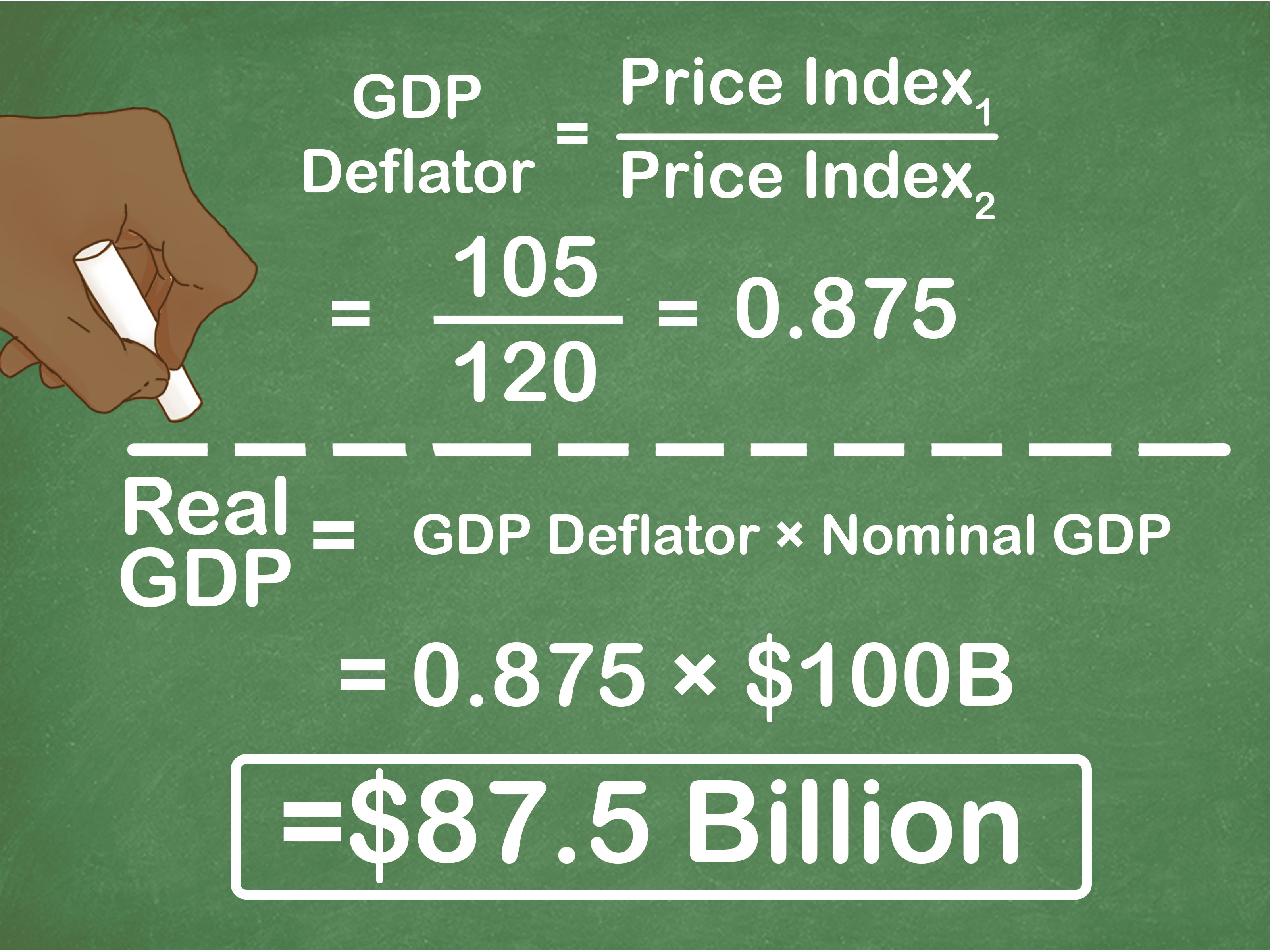


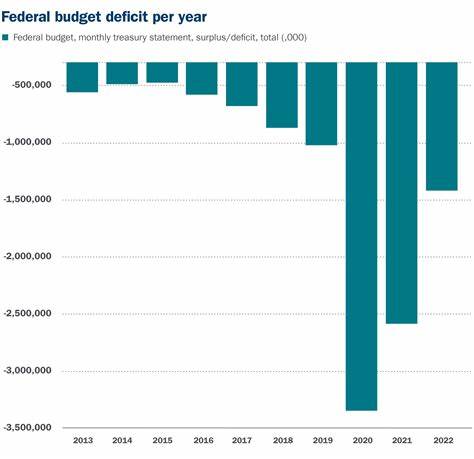











 The Leading Business Education Network for Doctors, Financial Advisors and Health Industry Consultants