BOARD CERTIFICATION EXAM STUDY GUIDES Lower Extremity Trauma
[Click on Image to Enlarge]
ME-P Free Advertising Consultation
The “Medical Executive-Post” is about connecting doctors, health care executives and modern consulting advisors. It’s about free-enterprise, business, practice, policy, personal financial planning and wealth building capitalism. We have an attitude that’s independent, outspoken, intelligent and so Next-Gen; often edgy, usually controversial. And, our consultants “got fly”, just like U. Read it! Write it! Post it! “Medical Executive-Post”. Call or email us for your FREE advertising and sales consultation TODAY [678.779.8597] Email: MarcinkoAdvisors@outlook.com
Medical & Surgical e-Consent Forms
ePodiatryConsentForms.com
iMBA Inc., OFFICES
Suite #5901 Wilbanks Drive, Norcross, Georgia, 30092 USA [1.678.779.8597]. Our location is real and we are now virtually enabled to assist new long distance clients and out-of-town colleagues.
ME-P Publishing
SEEKING INDUSTRY INFO PARTNERS?
If you want the opportunity to work with leading health care industry insiders, innovators and watchers, the “ME-P” may be right for you? We are unbiased and operate at the nexus of theoretical and applied R&D. Collaborate with us and you’ll put your brand in front of a smart & tightly focused demographic; one at the forefront of our emerging healthcare free marketplace of informed and professional “movers and shakers.” Our Ad Rate Card is available upon request [678-779-8597].
Stock market holidays are non-weekend business days when the two major U.S. stock exchanges, the New York Stock Exchange (NYSE) and the NASDAQ, are closed for the day. These days often closely follow federal holiday schedules and include major holidays like Independence Day and Thanksgiving.
Regular operating hours for both exchanges are Monday-Friday from 9:30 a.m. – 4 p.m. ET. Markets do not operate during the weekend.
Sometimes, if a holiday falls on a weekend, stock markets will close on the Friday prior to the holiday, as is often the case with Good Friday and Easter. Other times, a holiday will be observed on a Monday after it occurs, like New Year’s Day taking place on Sunday, yesterday, in 2023.
Thus, it is a good time to catch up on you reading:
Considered for years to be a “duopoly” over the advertising industry, they are on track to account for only 48.4% of US ad revenues this year. It’s the first time their market share has fallen below 50% since 2014, per Insider Intelligence.
Posted on December 24, 2022 by Dr. David Edward Marcinko MBA MEd CMP™
By Staff Reporters
***
***
he emerging Omicron subvariant XBB contributes to an increasingly high number of COVID-19 cases in the U.S., rivaling the sister strains BQ.1.1 and BQ.1, according to the latest estimates from the Centers for Disease Control and Prevention (CDC).
Recent studies have indicated that the updated bivalent COVID-19 booster performed poorly against BQ.1.1, with even a weaker antibody response against XBB.
In late November, citing its poor neutralization effect on BQ.1 and BQ.1.1., the FDA pulled the emergency use authorization granted for bebtelovimab, a COVID-19 antibody therapy developed by Eli Lilly (LLY) and AbCellera Biologics (ABCL).
The CDC estimates for the week ending Dec. 24 show that XBB has made up ~18% of COVID cases in the U.S. compared to ~11% a week ago. Meanwhile, BQ.1.1 has led to ~36% of cases unchanged from a week ago, and BQ.1 caused ~27% of cases, a decline from ~29% last week.
Posted on December 23, 2022 by Dr. David Edward Marcinko MBA MEd CMP™
By Staff Reporters
***
U.S. stocks plunged as December’s sell-off intensified after a fleeting rally in the previous session. The S&P 500 (^GSPC) closed down 1.4% after dropping as much as 2.8% in afternoon trading, while the Dow Jones Industrial Average (^DJI) shed 350 points, or 1%. The technology-heavy NASDAQ Composite (^IXIC) tumbled 2.2%.
And, the markets continued to contend with the ultimate impacts of aggressive monetary policy tightening globally. Earnings reports disappointed, as Micron Technology and CarMax both missed earnings estimates and lowered their guidance. A host of economic reports were released, as jobless claims came in below estimates, which seems to play into the theme of a tight labor market that has dampened investor sentiment.
Additionally, Q3 GDP and Personal Consumption were revised higher, the Leading Economic Index declined more than anticipated, and manufacturing activity in the Kansas City region fell further into contraction territory.
Treasury yields were mixed, and the U.S. dollar ticked higher, while crude oil and gold prices lost ground.
Asian stocks diverged and markets in Europe ended lower as the international markets continued to digest recent central bank actions.
Moreover, Micron Technology will reduce its workforce by 10% next year and take other cost-cutting measures as the computer memory chip maker struggles to deal with too much supply amid a drop in demand. Micron CEO Sanjay Mehrotra announced the restructuring during during a quarterly conference call with investors, noting that prices for computer memory products had “deteriorated significantly” in recent months, Boise television station KTVB reported.
Posted on December 22, 2022 by Dr. David Edward Marcinko MBA MEd CMP™
By Darrell K. Pruitt DDS
Digital security and the ADA
I wrote the following letter four years ago today. Neither The Digital Dental Record nor its sponsor, The American Dental Association, responded. In fact, a few years later, The Digital Dental Record was predictably hacked and more than 500 dentists, including many ADA members, were victims of a breach of the ADA’s favored digital record system. The ADA is still silent, but they did however, terminate their business relationship with The Digital Dental Record.
Dear The Digital Dental Record,
Thanks for your response on Linkedin to my concerns about the security of EHRs compared to paper. To be honest with you, I’m pleasantly surprised. Contrary to the norm of what I consider an open and free market, very few vendors in the dental IT industry seem willing to openly discuss the dangers or cost of software they hope to sell to dentists – who obviously don’t ask the right questions. That is why I respectfully decline your offer of a private telephone conversation.
You know my name is Darrell Pruitt because it heads my post. I never hide it. Whoever you are, you should probably show potential customers the respect of accountability through transparency. After all, The Digital Dental Record is the only EHR system endorsed by the ADA. I hope that still stands for something of value.
If you have any non-anecdotal evidence on which you base your bold claim that DDS Safe R2 is more secure than paper dental records, please share it. I’ll be transparent: Nobody believes you. Then again, maybe “Luddites” who question the security of digital records are simply wrong. Here’s your chance to show the nation why the ADA chose to endorse The Digital Dental Record above all other electronic dental record systems.
Posted on December 20, 2022 by Dr. David Edward Marcinko MBA MEd CMP™
By Staff Reporters
***
***
Health Gorilla is in the business of health data interoperability and the double-backflip this startup is doing to both make clinical data an easily accessible commodity – while also making sure that access to that data adheres to the privacy rules established by the US government – takes a minute to understand, but is critically important for the future of many health tech businesses.
And, it’s not often that 10,000-plus like-minded individuals come together for a common cause. Luckily in the healthcare space, we have HLTH – bringing together the entire health ecosystem to focus on innovation and transformation.
Posted on December 18, 2022 by Dr. David Edward Marcinko MBA MEd CMP™
By Staff Reporters
***
***
FTX’s New Chief Executive Officer?
***
John J. Ray III (born January 1959) is an American attorney and insolvency professional. He specializes in recovering funds from failed corporations. He was appointed CEO of cryptocurrency exchangeFTX in the aftermath of its November 2022 collapse.
He previously served as chairman of Enron Creditors Recovery Corp., a company tasked with recovering creditor funds from Enron in the wake of its accounting scandal and subsequent collapse. He also worked on the bankruptcies of Nortel, Residential Capital, and Overseas Shipholding.
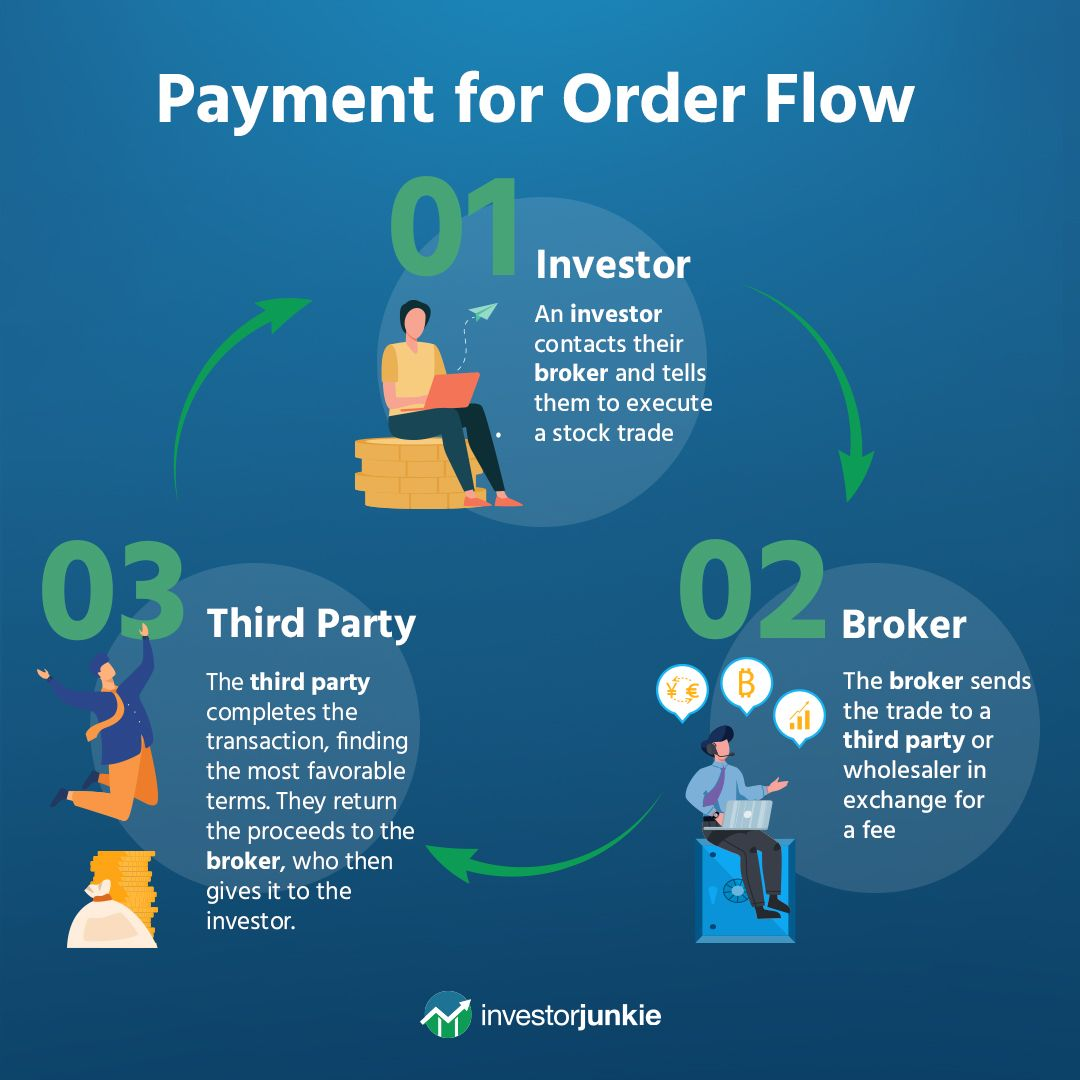
Yesterday the SEC proposed the biggest update to the stock trading rules book since 2005. The four proposed rules may become the magnum opus of Gary Gensler, who took over as SEC chair after the meme stock mayhem of 2021. The rules aim to get retail traders better prices by targeting a method of executing trades called payment for order flow (PFOF). PFOF works like this:
Brokers like Robinhood send trades to wholesalers like Citadel, which profit off the difference between the individual trader’s proposed price and the price they actually make the trade for.
Wholesalers pay brokers a small fee for the privilege of making the trade, and *juicy detail alert* those “small fees” make up a huge chunk of the brokers’ revenue.
Gensler has long argued that PFOF limits competition and encourages brokers to gamify risky trading behavior—like vetting your life savings on GameStop stock. The practice is banned in the UK and Canada.
But the SEC has definitely put it in the “no longer sparks joy” pile
Under the most significant rule proposed yesterday, the “order competition” rule, wholesalers would have to send most retail investors’ trades to an auction where dealers compete to fulfill them for the best price.
The wholesaler only gets to fulfill any leftover trades that no one has bid on. Some on Wall Street argue this will be the most common scenario so the rule won’t have its intended effect, but Gensler thinks auctions could save individual traders up to $1.5 billion per year.
Posted on December 13, 2022 by Dr. David Edward Marcinko MBA MEd CMP™
By Staff Reporters
***
Researchers have reportedly made a breakthrough in the quest to unlock a “near-limitless, safe, clean” source of energy: they have got more energy out of a nuclear fusion reaction than they put in. Nuclear fusion involves smashing together light elements such as hydrogen to form heavier elements, releasing a huge burst of energy in the process.
Unlike nuclear fission, the energy reaction we currently use, fusion does not create radioactive waste, and the U.S. Department of Energy estimates that it produces three to four times more energy.
***
***
Scientists had a nuclear breakthrough
The Department of Energy is expected to announce today that scientists at California’s Lawrence Livermore National Laboratory successfully produced a nuclear fusion reaction with a net energy gain (meaning it produced more energy than it used).
Scientists and governments have been trying to make that happen for decades because nuclear fusion, as opposed to the nuclear fission that current nuclear plants use, has the potential to create energy to power the world without producing carbon or radioactive waste. Still, it will be a long time before nuclear fusion becomes commercially viable as a source for energy.
Posted on December 12, 2022 by Dr. David Edward Marcinko MBA MEd CMP™
By Staff Reporters
***
Microsoft plans to buy a 4% stake in the London Stock Exchange Group as part of a 10-year partnership to migrate the exchange’s data platform and tech infrastructure to the cloud and develop its data and analytics business.
The exchange will spend at least $2.8 billion on cloud-related products with Microsoft throughout the decade-long arrangement.
Posted on December 12, 2022 by Dr. David Edward Marcinko MBA MEd CMP™
By Staff Reporters
***
***
(Bloomberg) — Amgen Inc. has agreed to buy Horizon Therapeutics Plc at a valuation of about $26 billion in what would be its biggest-ever acquisition, according to a person familiar with the matter. The US biotechnology giant offered around $116.5 for each Horizon share, said the person, who asked not to be identified as the information is private. The offer price is at a around 20% premium to Horizon’s closing price of $97.29 on Friday.
Horizon rose as much as 15% to $111.70 in pre-market trading today while Amgen slipped 0.5%. But, the deal or announcement could be delayed and talks could still fall apart.
As of Friday’s close, Horizon shares had surged 24% since the company revealed on Nov. 29th that Amgen, Sanofi SA and a Johnson & Johnson unit were in preliminary talks about a possible acquisition. That pushed its market value to $22 billion, prompting Sanofi to back out Sunday, as J&J did earlier this month. Amgen has a market value of about $149 billion after rising by 24% this year.
Posted on December 10, 2022 by Dr. David Edward Marcinko MBA MEd CMP™
By Mehnaz Yasmin and Kanishka Singh
***
***
FTX’s Sam Bankman-Fried is set to testify before a U.S. House committee on Tuesday, the cryptocurrency exchange’s founder and the congressional panel said on Friday, as regulators investigate his role in the wake of its collapse. The chair of the House of Representatives Committee on Financial Services, Maxine Waters, told Reuters on Thursday that she was prepared to subpoena Bankman-Fried if he did not agree to appear before the panel, which is holding a hearing as part of its probe into FTX.
In a statement late on Friday, the panel said it would hear from newly appointed FTX CEO John Ray and from Bankman-Fried, FTX’s founder and former CEO, on Tuesday.
“I still do not have access to much of my data — professional or personal. So there is a limit to what I will be able to say, and I won’t be as helpful as I’d like,” Bankman-Fried said on Friday on Twitter. “But as the committee still thinks it would be useful, I am willing to testify on the 13th,” he added.
The hybrid hearing is scheduled for 10 a.m. ET (1500 GMT) on Tuesday, the committee said.
Posted on December 9, 2022 by Dr. David Edward Marcinko MBA MEd CMP™
By Staff Reporters
***
“It was not a good investment.”
Kevin O’Leary should stick to investing in things like pimple popping toys.
The Shark Tank’s “Mr. Wonderful” admitted he was paid $15 million to act as FTX’s spokesperson. And of the ~$9.7 million he put into crypto, “it’s all at zero,” he told CNBC.
Like Tom Brady and other celebs, O’Leary hyped FTX on social media and TV over the past year; now, he’s being named in a class-action lawsuit over the exchange’s implosion.
Posted on December 3, 2022 by Dr. David Edward Marcinko MBA MEd CMP™
By Staff Reporters
***
***
Seattle, US – December 2, 2022: Infobip, a global leader in omnichannel communications, today announced new data from its 2022 “30th Anniversary of the SMS” survey, which sheds light on how, where and when Americans are communicating with each other.
The report was commissioned to commemorate the anniversary of the first text message, sent on Dec. 3, 1992, by Neil Papworth, a software programmer from the U.K. who had been working as a developer and test engineer to create a short message service (SMS). That very first text simply said, “Merry Christmas.” In the three decades that ensued, SMS has exploded in popularity, and today, the humble text message has emerged as the go-to form of communication for billions of people and an ever increasing number of businesses.
Posted on December 3, 2022 by Dr. David Edward Marcinko MBA MEd CMP™
By Staff Reporters
***
***
Happy 30th birthday to texting! On this day 30 years ago, the first SMS message was sent.
U.S. equities were mixed and ended near the starting line as investors digested the highly anticipated November labor report which showed stronger-than-expected job growth.
Nonfarm payrolls, private sector payrolls, and average hourly earnings all rose more than estimates, while the unemployment rate remained at October’s level. The report seemed to temper market expectations for a less aggressive Fed in the near-term, as hopes for such intensified earlier in the week after Fed Chair Powell suggested that the Central Bank could slow the pace of its tightening campaign as early as this month.
Treasury yields diverged following the data, and the U.S. dollar dipped, while crude oil prices decreased in choppy trading, and gold pulled back from yesterday’s solid rise.
Earnings reports continued to trickle in, with Marvell Technology falling short of expectations on both the top and bottom lines and slashing its guidance, while Ulta Beauty trounced the Street’s forecasts amid soaring same-store sales growth. In fact, ULTA posted splendid third-quarter fiscal 2022 results, with the top and the bottom line cruising past the Zacks Consensus Estimate and increasing year over year. The company witnessed growth in all major categories and in all its store and digital channels. Ulta Beauty also saw a higher market share in prestige beauty compared with the year-ago period.
The labor report dominated today’s economic calendar, but next week will introduce some notable releases, including December’s Producer Price Index, reads on the services sector, consumer sentiment, and more.
Asian stocks finished with broad losses, and European stocks ended mixed, as the global markets searched for some clarity on China’s latest moves regarding its COVID-related restrictions.
Posted on December 2, 2022 by Dr. David Edward Marcinko MBA MEd CMP™
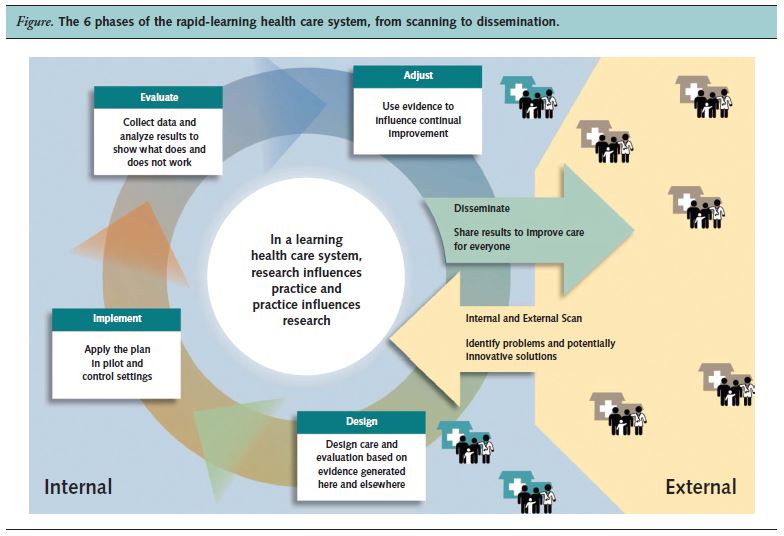
The RLH – From Concept to Action
[By Staff Reporters]
According to Greene, Reid and Larson, clinicians and health systems are facing widespread challenges, including changes in care delivery, escalating health care costs, and the need to keep up with rapid scientific discovery.
Re-organizing U.S. health care and changing its practices to render better, more affordable care requires transformation in how health systems generate and apply knowledge. The “rapid-learning health system” is posited as a conceptual strategy to spur such transformation – leverages and recent developments in health information technology and a growing health data infrastructure to access and apply evidence in real time, while simultaneously drawing knowledge from real-world care-delivery processes to promote innovation and health system change on the basis of rigorous research.
***
[A Rapid Learning Health System]
***
The Essay
This article describes an evolving learning health system at Group Health Cooperative, the 6 phases characterizing its approach, and examples of organization-wide applications.
It is a practical model that promotes bidirectional discovery and an open mind at the system level, resulting in willingness to make changes on the basis of evidence that is both scientifically sound and practice-based.
Assessment
Rapid learning must be valued as a health system property to realize its full potential for knowledge generation and application.
Citation
Implementing the learning health system: from concept to action.Greene SM1, Reid RJ, Larson EB. Author information: Group Health Cooperative, 320 Westlake Avenue North, GHQ E2N, Seattle, WA 98109, USA. greene.sm@ghc.org
Channel Surfing the ME-P
Have you visited our other topic channels? Established to facilitate idea exchange and link our community together, the value of these topics is dependent upon your input. Please take a minute to visit. And, to prevent that annoying spam, we ask that you register. It is fast, free and secure.
Your thoughts and comments on this ME-P are appreciated. Feel free to review our top-left column, and top-right sidebar materials, links, URLs and related websites, too. Then, subscribe to the ME-P. It is fast, free and secure.
Speaker: If you need a moderator or speaker for an upcoming event, Dr. David E. Marcinko; MBA – Publisher-in-Chief of the Medical Executive-Post – is available for seminar or speaking engagements. Contact: MarcinkoAdvisors@msn.com
OUR OTHER PRINT BOOKS AND RELATED INFORMATION SOURCES:
Posted on December 1, 2022 by Dr. David Edward Marcinko MBA MEd CMP™
By Heath Capital Consultants, LLC
***
***
The launch of Amazon Clinic comes less than two months after the announcement that Amazon Care would be shut down. Amazon Clinic, the retail giant’s virtual and in-person medical care service, was rolled out in 2019 as a pilot employee benefit for their own employees and quickly expanded to servicing non-Amazon employers across the U.S. (including large companies such as Hilton, TrueBlue, and Silicon Labs) by 2021.
Posted on November 30, 2022 by Dr. David Edward Marcinko MBA MEd CMP™
By Staff Reporters
***
***
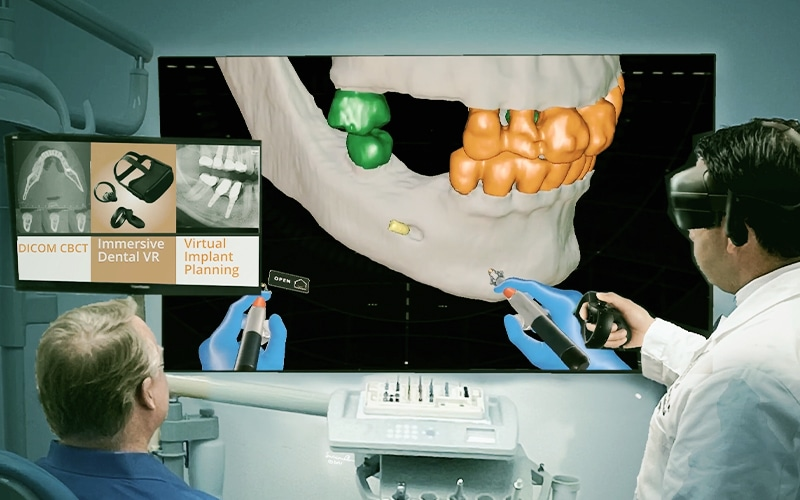
The use of artificial intelligence (AI) is now a reality in dentistry. A significant advancement is the use of haptic gloves that would let dental students feel virtual objects while practicing suturing or giving a nerve block – this can significantly improve the students’ technique over time and give them, for example, immediate feedback with respect to needle point insertion.
While initial costs for such systems might seem high now, the hardware is proven to be cost-effective in the long term.
Posted on November 29, 2022 by Dr. David Edward Marcinko MBA MEd CMP™
(ARE YOU PISSED, YET?)
By Darrell K. Pruitt DDS
***
***
Still think going paperless was the right decision, Doc? (Are you pissed yet?) If you haven’t adopted digital records, now is NOT the time to do so.
“Just last quarter, U.S. cyber insurance prices increased 79% from a year earlier, according to Marsh’s Global Insurance Market Index…. IBM determined the average ransomware attack cost $4.54 million last year, not including the cost of the ransom, and that 83% of the organizations have had more than one data breach.” (There goes your retirement stash). From “Amid Surge in Ransomware Attacks, More Organizations Are Being Rejected for Cyber Insurance — What Can Leaders Do?”
By Raj Dodhiawala for CPO Magazine, November 28, 2022
QUESTION: So, now that the American Dental Association no longer sells its for-profit digital records system to intentionally uninformed dues-paying members, is the not-for-profit organization still encouraging dentists to go paperless?
Posted on November 28, 2022 by Dr. David Edward Marcinko MBA MEd CMP™
By Staff Reporters
***
***
Tiantian Kullander, the influential young founder of cryptocurrency company Amber Group, died suddenly in his sleep on Nov. 23, the company confirmed.
The group had just received a $3 billion valuation earlier this year, and was in the process of raising another $100 million—a meteoric success in which he played an integral role after launching Amber in 2017 with a group of finance insiders, including former Goldman Sachs Group Inc and Morgan Stanley workers.
One of my favorite patients told me this anecdote as he recalled the story of the old man who spent a day watching his physician son treating HMO patients in the office.
The doctor had been working at his usual feverish pace all morning, and although he was working hard, bitterly complained to his dad that he was not making as much money as he used to.
Finally, the old man interrupted him and said,
“Son, why don’t you just treat the sick patients?”
The doctor-son looked annoyed at his father, and responded,
“Dad, can’t you see, I don’t have time to treat just the sick ones.”
Posted on November 18, 2022 by Dr. David Edward Marcinko MBA MEd CMP™
To Understand … and be Understood
By Dr. David E. Marcinko MBA
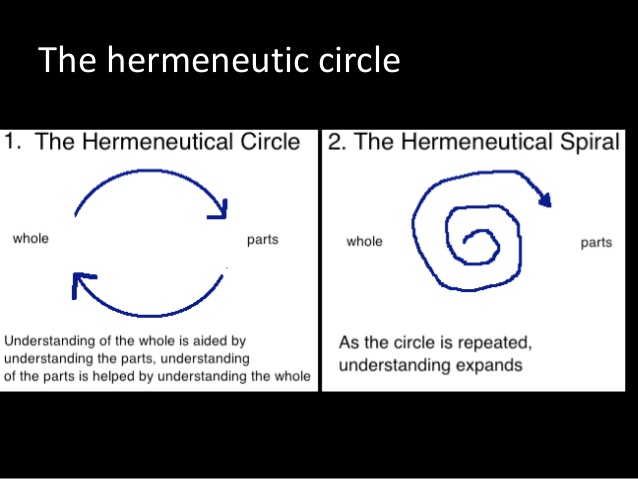
Hermeneutics (/ˌhɜːrməˈnjuːtɪks/) is the theory and methodology of interpretation, originally the interpretation of biblical texts, wisdom literature, and philosophical texts.
Hermeneutics is more than interpretive principles or methods we resort to when immediate comprehension fails. Rather, hermenetics is the art of understanding and of making oneself understood.
Your thoughts and comments on this ME-P are appreciated. Feel free to review our top-left column, and top-right sidebar materials, links, URLs and related websites, too. Then, subscribe to the ME-P. It is fast, free and secure.
Speaker: If you need a moderator or speaker for an upcoming event, Dr. David E. Marcinko; MBA – Publisher-in-Chief of the Medical Executive-Post – is available for seminar or speaking engagements. Contact: MarcinkoAdvisors@msn.com
Posted on November 16, 2022 by Dr. David Edward Marcinko MBA MEd CMP™
By Staff Reporters
***
***
According to journalist Neal Freyman:
The days of an internet company trying to e-scooter their way to solving world hunger through solar-powered NFT horse racing just to compete with Disney+ are over. Futuristic projects that were once a staple of Big Tech line items are getting squeezed in this “we definitelycan’t afford that anymore” economy.
That was made very clear yesterday.
1. As part of its anticipated mass layoffs this week, Amazon began to cut employees who were working on its AI assistant, Alexa. That division has an operating loss of more than $5 billion per year.
2. The hedge fund TCI Fund Management, which has a $6 billion stake in Alphabet, urged Google’s parent company to join its Big Tech peers in laying off workers yesterday, saying it’s overstaffed and paying its employees too much. It took specific aim at Google’s famous Other Bets division that incubated “moonshot” projects like Waymo, the autonomous vehicle company. That Other Bets unit brought in $3 billion in revenue over the last five years, but incurred $20 billion in operating losses, TCI’s letter to CEO Sundar Pichai said.
Big picture: While Snap and Microsoft are also nixing riskier long-term bets, the big Big Tech exception is Meta. Zuckerberg has cut back on some experimentation, but is staying committed to spending billions on the metaverse, despite investor concerns.
Posted on November 7, 2022 by Dr. David Edward Marcinko MBA MEd CMP™
By Staff Reporters
***
***
Meta will reportedly begin to lay off thousands of employees this week in what could amount to the company’s most significant job cuts since it was founded in 2004.
Apple said that iPhone 14 production has been hamstrung by Covid restrictions at its huge assembly plant in China.
PreCheck deflation: TSA is lowering the price for its PreCheck program ahead of the holiday travel season.
Mastodon, a Twitter-esque social media site, has seen a spike in users since Musk’s takeover of the bird app.
Posted on November 5, 2022 by Dr. David Edward Marcinko MBA MEd CMP™
AFFINITY MARKETING!
Physicians and All Investors Beware!
By Staff Reporters
***
***
Celebrity Matt Damon’s infamous “fortune favors the brave” Crypto.com commercial premiered one year ago today, and its timing couldn’t have been worse. Had you been inspired to buy $1,000 worth of bitcoin on that day (the token was then worth $60,608, near its peak price) you would have just ~$340 now.
Fortune isn’t exactly what’s favored Crypto.com in the year since the ad debuted. The price of bitcoin has plunged ~70%, the company reportedly slashed about 40% of its workforce this summer, and the YouTube version of the Damon commercial has been set to private.
Today, the coin has been pretty stable since mid-June, 2022 and hovering at around $20,000.
Posted on November 4, 2022 by Dr. David Edward Marcinko MBA MEd CMP™
By Staff Reporters
***
***
DEFINITION: Stablecoins are cryptocurrencies where the price is designed to be pegged to a reference asset. The reference asset may be fiat money, exchange-traded commodities, or a cryptocurrency.
In fact, Stablecoins could have such a profound effect on the established banking system that U.S. regulators need to require that the digital tokens fit in without disrupting it, said Martin Gruenberg, the acting chairman of the Federal Deposit Insurance Corp. (FDIC). His remarks were delivered at a Brookings Institution event recently.
Gruenberg’s agency is among the U.S. banking watchdogs that will have significant influence over how stablecoins are regulated, and the FDIC has also had to weigh in with recent sanctions against firms – such as FTX US – that have made claims misrepresenting how FDIC deposit insurance backstops their operations. As U.S. banks have increasingly sought to offer crypto services, including maintaining custody of customer’s digital assets, Gruenberg said that his agency has been cautious about allowing regulated lenders to engage.
Posted on November 1, 2022 by Dr. David Edward Marcinko MBA MEd CMP™
By Staff Reporters
***
***
Prime Medicine (NASDAQ:PRME) opened up its shares for public trading for the first time since it filed for IPO in September 2022. The company agreed to initially offer 10.29 million shares to the public at $17.00 per share. On its first day of trading, the stock decreased 18.98% from its opening price of $18.97 to its closing price of $15.37.
Posted on October 31, 2022 by Dr. David Edward Marcinko MBA MEd CMP™
Versus Technical Analysis
By Staff Reporters
***
***
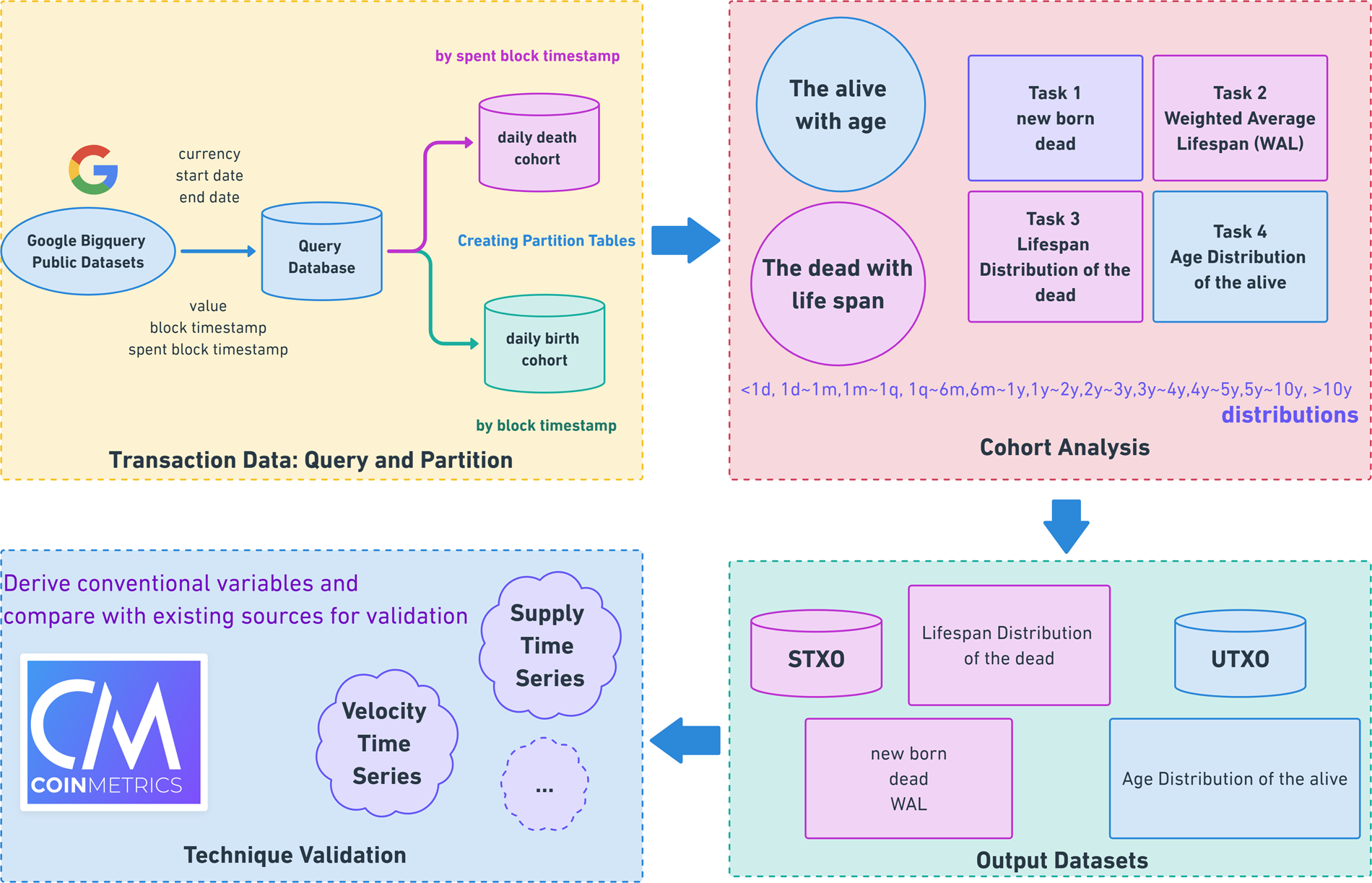
In traditional finance transaction data is guarded by exchanges, brokers, banks and regulators. It’s not accessible to everyone and big players pay a fortune for it.
But, in crypto, Transaction Data is public and on-chain – but it’s not usable by everyone. So, manually making sense of raw blockchain data is practically impossible. The data needs to be processed and analyzed to be made useful. That’s what sophisticated blockchain analytics tools are doing.
The combination of on-chain data and transaction analysis is something that hasn’t been before – in crypto or traditional finance. Getting access to transaction data and tools for searching and analyzing it will unlock a goldmine of potential insight.
People who have been on the inside of projects and see how the sausage is made know that the explanations for price movements are often simple and based on key players buying and selling. When the biggest holders are dumping the price is likely to go down. When a major new buyer takes a position prices are likely to go up.
That’s insight traditional Technical Analysis cannot provide, because it’s limited to looking at price movements. Transaction data, instead, is the underlying activity that generates prices in crypto.
Posted on October 30, 2022 by Dr. David Edward Marcinko MBA MEd CMP™
Modernizing the $19.6B Knee Replacement Industry
By Staff Reporters
***
***
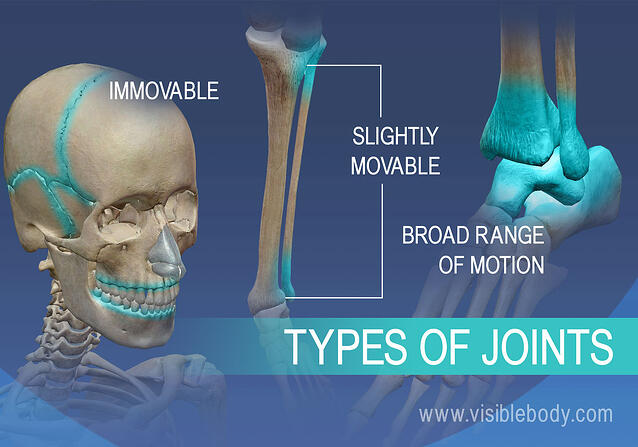
One way to classify joints is by range of motion. Immovable joints include the sutures of the skull, the articulations between teeth and the mandible, and the joint located between the first pair of ribs and the sternum. Some joints have slight movement; an example is the distal joint between the tibia and fibula. Joints that allow a lot of motion (think of the shoulder, wrist, hip, and ankle) are located in the upper and lower limbs.
***
KNEE: No bones about it
The $19.6b joint-replacement industry uses outdated methods, leading to 100,000 surgeries failing annually.Monogram aims to fix it with precision surgical robots + personalized implants.
Posted on October 29, 2022 by Dr. David Edward Marcinko MBA MEd CMP™
By Staff Reporters
***
***
The future of healthcare will be defined by nurses. Giving them a platform where they can be seen, heard, and valued for what they contribute each and every day is healthcare innovation.
connectRN is an empowered community of nurses, helping them access the flexible work opportunities they want. Nurses use connectRN to find work, access resources, and get much-needed peer support. And healthcare facilities can get the staff they need to provide high-quality patient care.
From in-app shift scheduling to same-day pay to 24/7 support, connectRN offers nurses a modern, seamless, and stress-free experience. After all, thriving clinicians provide the best care.
Posted on October 28, 2022 by Dr. David Edward Marcinko MBA MEd CMP™
By Staff Reporters
***
***
NEWS FLASH!
Elon Musk, the richest person on the planet, is the CEO of the world’s most valuable automaker TESLA, heads up a $125 billion aerospace giant, and as of yesterday, is the owner of a social media company Twitter.
According to multiple reports, Musk closed the $44 billion deal last night, less than 24 hours before today’s 5pm ET deadline. He began his reign as “Chief Twit” by firing at least four executives, including CEO Parag Agrawal (who was reportedly escorted out of Twitter’s SF headquarters). Later today, Musk is expected to address anxious employees, who might be worried they’ll face the same fate as their former leader. Historically:
Musk acquired a large stake in Twitter and later signed a deal to buy all of it.
Then he tried to back out, citing bot issues, but Twitter sued him to enforce the agreement.
Musk blinked weeks ahead of a trial, and said he would buy Twitter.
Now What?
So begins Musk’s attempt to, in his words, “help humanity” by trying to turn Twitter into a “common digital town square.”
We know that Musk has ultra-ambitious goals for the company: 5x Twitter’s revenue by 2028, supercharge the subscriptions business, and turn Twitter into a super app called “X.” But murkier is the path he intends to take to get there, and he’s already sending mixed signals about his intentions. And what about doctors and the healthcare industrial complex? Will it remain the same or change?
History
Back in early 2014 the first list of the “Top 100 Twitter Accounts For Healthcare Professionals To Follow” was born. Then, the biggest social media-related question to hurdle wasn’t, “Who should I be following on social media?” but rather, “Should I even be on social media at all?”
Many years later, it’s safe to say that social media has firmly established itself in the healthcare industry. By finding healthcare Twitter accounts that are related to your specialty, you can have access to the best information and always remain within the loop.
But, with the Elon Musk takeover of Twitter, the medicine and healthcare accounts available may change, remain static or grow, and finding the most valuable medical accounts to follow has become more challenging than ever.
Today
Today, the question truly is, “Who should I be following?” Thankfully, you have been covered since 2020.
Posted on October 27, 2022 by Dr. David Edward Marcinko MBA MEd CMP™
By Staff Reporters
***
***
Plunging tech stocks are dragging the markets down and snapping a brief winning streak. Up next for the economy: The third-quarter GDP report.
America’s internet giants are slumping hard in this era of higher interest rates, lower advertising budgets, and widespread economic uncertainty
For example, Meta recently became the latest Big Tech company to post rough financial results for the prior quarter. It recorded its second straight quarter of declining revenue and provided a gloomy outlook for Q4. Perhaps Meta shouldn’t even be considered “Big Tech” anymore. Since its share price peaked in September 2021, the company lost nearly two-thirds of its value…before diving another ~20% in after-hours trading yesterday.
What went wrong? Younger people are fleeing Facebook, and investors aren’t confident CEO Mark Zuckerberg can reinvent the company as a metaverse platform. “Meta has drifted into the land of excess—too many people, too many ideas, too little urgency,” a prominent shareholder wrote this week in a scathing letter. Meta’s metaverse unit, Reality Labs, has lost $9.4 billion so far this year.
While Meta may be the poster child for Big Tech’s struggles, it’s not the only company that needs a checkup
Google parent Alphabet posted its slowest revenue growth since 2013 (outside of one early pandemic quarter), and YouTube ad sales actually fell in Q3. It’s “a tough time in the ad market,” CEO Sundar Pichai acknowledged. Alphabet shares had their worst day since March 2020.
And Microsoft also had its worst day since March 2020 after giving a disappointing forecast. Its push to dominate the metaverse is also faltering, per the WSJ.
Big view
Tech giants scored record profits during COVID, when interest rates were near zero, stimulus checks were flowing, and everyone was stuck inside with only the internet to entertain themselves. No anymore!
Posted on October 26, 2022 by Dr. David Edward Marcinko MBA MEd CMP™
By Bertalan Meskó, MD PhD
***
***
Ben Wood, chief analyst at European CCS Insights predicts that Apple will enter the US health insurance market in partnership with a major insurer in 2024 – Forbes reported.
The company already collects heaps of health data, such as blood pressure, blood oxygen levels, ECG readings and body temperature from the Watch, and through phone apps that help people regulate their medication or manage chronic conditions like diabetes.
I hope you find the report useful!
Best regards, Bertalan Meskó, MD The Medical Futurist
Posted on October 25, 2022 by Dr. David Edward Marcinko MBA MEd CMP™
By Staff Reporters
***
***
Quote: “Meta needs to get its mojo back.”
With Meta’s share price down more than 60% this year, investors are losing patience with Mark Zuckerberg’s big bet on the metaverse.
Altimeter Capital CEO Brad Gerstner, whose firm has more than 2 million shares in the company, wrote an open letter yesterday urging Meta to cut headcount expenses by 20% and keep metaverse spending under $5 billion per year to become a “more productive, and more focused company.”
We’ll see how Meta feels about its own mojo when it reports earnings tomorrow.
Healthcare Machine Learning Company ClosedLoop.ai is One of the Best at Applying Machine Learning to Population Health Data.
ClosedLoop.ai is So Good, They Won the CMS AI Challenge … Beating Out 300 Other Organizations Including IBM, the Mayo Clinic and Deloitte.
The Promise of Machine Learning in Population Health is to Better Predict Which People Will Benefit From an Intervention Because They Are at Greater Risk of a Complication of a Disease or an ER Visit or a Hospitalization.
ClosedLoop.ai Beautifully Applied Their Machine Learning Abilities to Create a Pandemic Risk Model That Helped a New York City Health Insurance Plan Identify Which Members Would Be Most Likely to Have Severe Complications of COVID-19.
As a Result, the Insurance Company Helped These Individuals Have Groceries and Prescription Medication Delivered to Them So They Could Stay at Home and Avoid Exposure to COVID.
There You Have It! A Practical, Real-World Example of Machine Learning in Population Health That Literally Saved Some People’s Lives.
Disclaimer: Dr. Bricker is the Chief Medical Officer of Virtual Care Company First Stop Health.
Posted on October 17, 2022 by Dr. David Edward Marcinko MBA MEd CMP™
***
Emerging Digital Health Trends
BY Bertalan Meskó, MDPhD
****
Digital technologies have completely transformed our lives in the last couple of years and started to entirely reshape the landscape of healthcare. Yet, this is only the beginning. Huge waves of changes are on their way. The future of healthcare is shaping up in front of our eyes with advances in digital healthcare technologies.
And so, here is the latest research, from the Medical Futurist’sHype Cycle Of The Top 50 Emerging Digital Health Trends.
The Medical Futurist’s Hype Cycle Of The Top 50 Emerging Digital Health Trends
Quantum Computing 3D Bioprinting Facial recognition in hospitals Vocal biomarkers 3D printing prosthetics Robots in hospitals Augmented reality in patient education A.I. in drug design Augmented reality in medical education Medical transportation platforms Private 5G in healthcare At-home lab tests 3D printing drugs Medical drones A.I. in diagnostics Voice-to-text apps A.I. in medical decision-making Nutrigenomics 3D printing equipment Virtual reality in patient education Chatbots Portable diagnostic devices Augmented reality in surgery Portable ultrasound devices Virtual reality in staff training Robots in rehabilitation A.I.-based prosthetics Longevity research Nutrition devices Employee wellness programs Exoskelotons Clinical trial recruiting Clinical trial management Remote care apps Cloud computing Nutrition apps Robot companions Medication management solutions Personal genomics services Microbiome testing Remote care platforms Digital health insurance Smartwatches Wearable health devices Personal Health Records Electronic Medical Records Smartphone health apps Mental health apps Fitness trackers Virtual reality in pain management
Posted on October 16, 2022 by Dr. David Edward Marcinko MBA MEd CMP™
By Staff Reporters
***
***
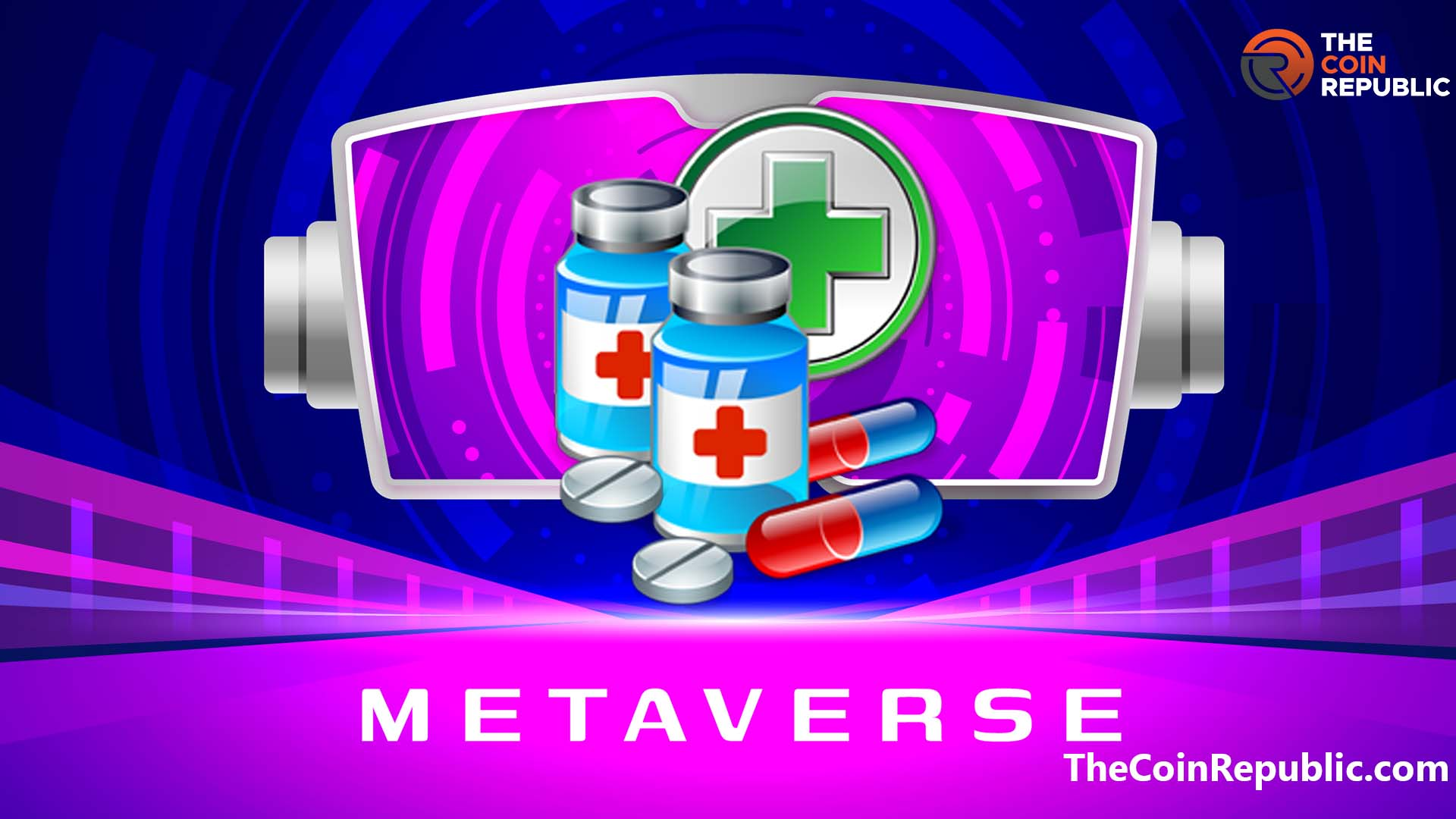
The metaverse could be a huge technological change for health care, just like telemedicine and mobile device integration were in the past.
This technology has huge potential because it uses both virtual reality (VR) and augmented reality (AR) technology to work in virtual spaces: All signs point to the metaverse being widely used as a disruptive change in healthcare, from better surgical precision to therapeutic uses to social-distance accommodations and more.
But along with these improvements come new problems that will change what we know about modern healthcare. The metaverse is a paradigm shift in healthcare that everyone involved needs to be aware of. This is because it changes how medical infrastructure is built, how startup costs are covered, and how data security and privacy are handled.
To help you understand how the metaverse development services will change healthcare as a whole, let’s take a look at the pros and cons of this technology that are already making a difference in healthcare.
Posted on October 4, 2022 by Dr. David Edward Marcinko MBA MEd CMP™
***
By Darrell Pruitt DDS
***
***
“Small- and medium-sized businesses with two to 200 employees suffered the most attacks during the period, accounting for 46%, or 2,300 ransomware attacks total, according to the report.” That’s us, Doc. Patterson and Schein won’t admit it, but if you don’t put patients’ information on a computer, you and your patients are completely safe from ransomware.
“US organizations hit by almost half of all ransomware since 2020 – American exceptionalism extends to ransomware as organizations based in the U.S. suffered the greatest number of attacks, ahead of Canada and the U.K.”
By Matt Kapko: Cybersecurity Dive, Sept. 28, 2022.
Paper’s security – “Report: 90% of companies affected by ransomware in 2022 – An annual SpyCloud survey found that 90% of organizations were impacted by ransomware over the past twelve months, an alarming increase from last year’s 72.5%.”
Posted on October 2, 2022 by Dr. David Edward Marcinko MBA MEd CMP™
ADVERTISEMENT
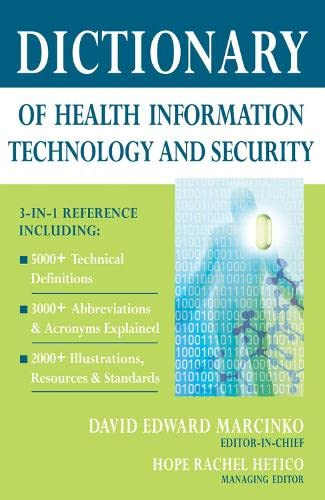
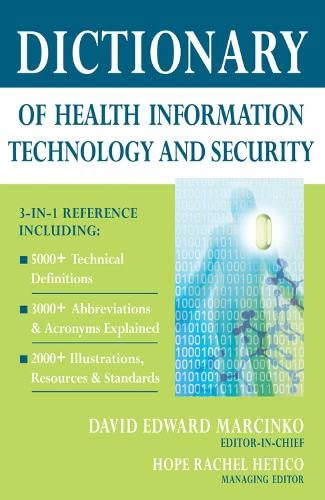
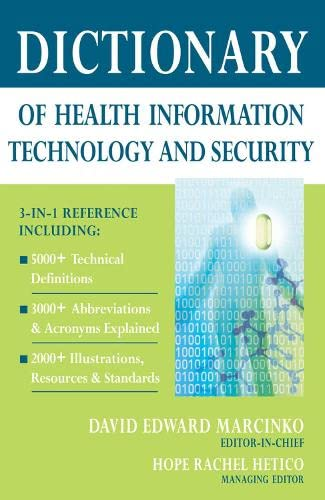
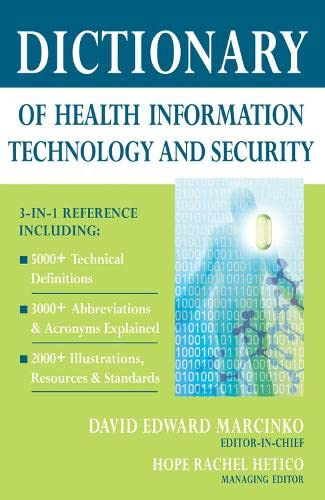
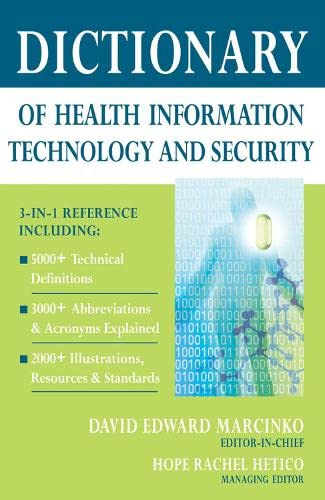
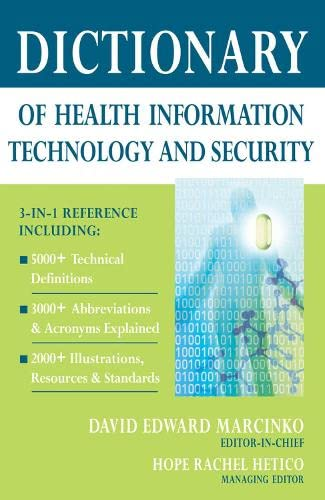
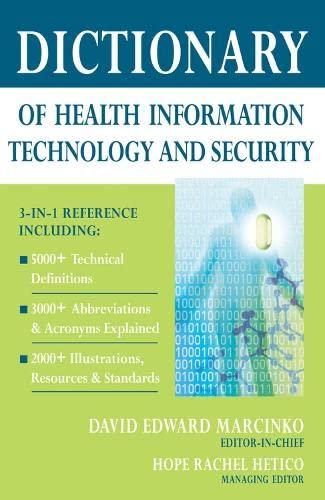
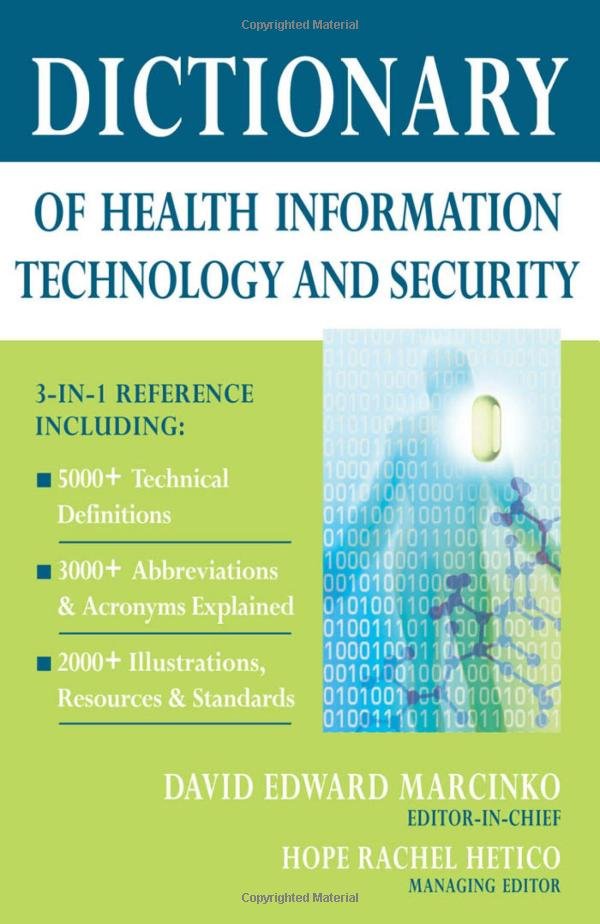
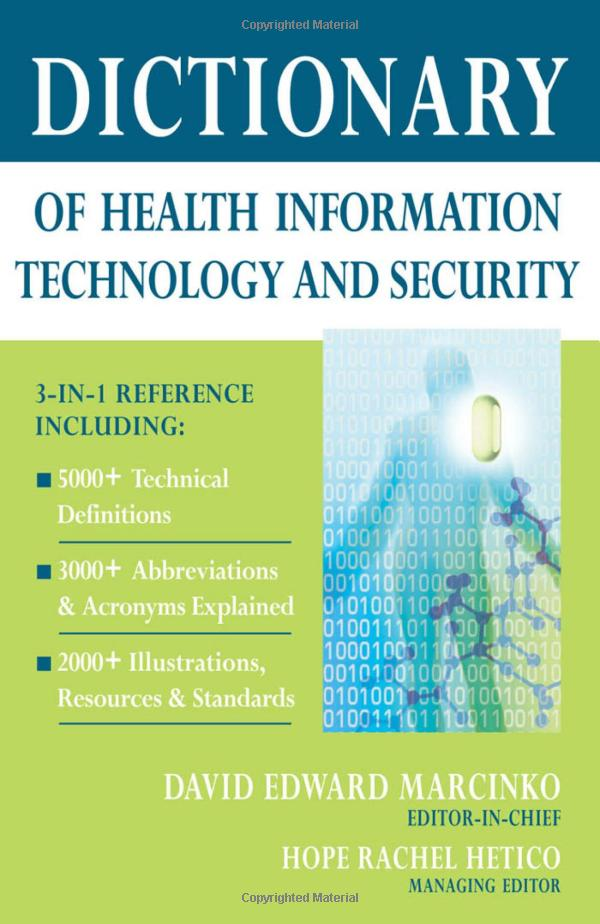
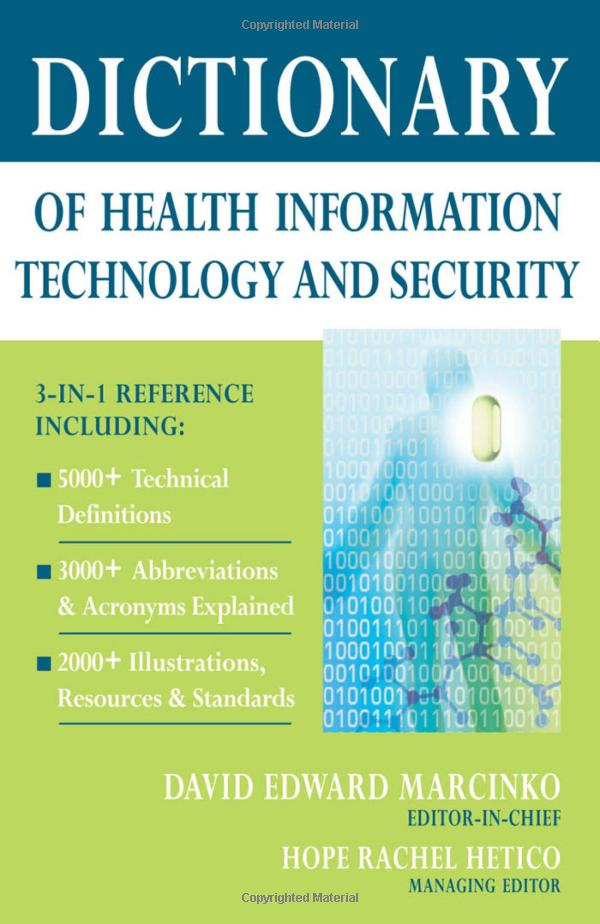
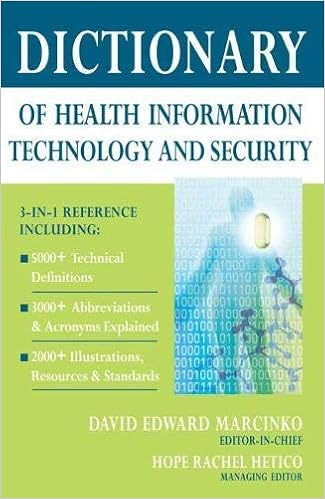
Whither the “Dictionary of Health Information Technology and Security?”
A simple query that demands a cogent answer!
There is a myth that all stakeholders in the healthcare space understand the meaning of basic information technology jargon. In truth, the vernacular of contemporary medical information systems is unique, and often misused or misunderstood. It is sometimes altogether confounding.
Terms such as, “RSS”, “eHRs”, “DRAM”, “ROM”, “USB”, “PDA”, “NPI”, “CCHIT”, and “DNS” are common acronyms, but is their meaning AND functionality truly understood?
We appreciate the support of our sponsors. So, click-on on the links below and review all dictionary products.
Subscribe Now: Did you like this Medical Executive-Post, or find it helpful, interesting and informative? Want to get the latest ME-Ps delivered to your email box each morning? Just subscribe using the link below. You can unsubscribe at any time. Security is assured.
Posted on October 1, 2022 by Dr. David Edward Marcinko MBA MEd CMP™
CDNs and What They Mean to Physicians
BY J.M.
[Anonymous IT Expert]
DOCTOR – Do you like the internet? Do you use EMRs/EHRs? Do you like fast internet? Of course you do.
But, without a strong infrastructure of content delivery networks (CDNs), website loading times would be too slow to stream tele-health/tele-medicine visits or tela-radiology services; not to mention Netflix, or argue with Reddit strangers or your patients; etc.
CDNs are geographically distributed networks of servers that handle processing and speed up internet delivery. In practice, CDNs make website content like HTML pages, JavaScript files, style-sheets, images, and videos load faster. They also reduce bandwidth costs, handle more traffic, and provide a little security protection.
CDNs don’t actually host web content, but instead keep cached versions of it at the ready in edge servers.
***
***
Fastly is one of a number of significant CDN providers that help form the infrastructure of the internet. And while the outage shows the breadth of its reach, it’s far from the biggest player—Akami, Cloudflare, and Amazon CloudFront take up 75% of revenue in CDN space, per Intricately.
But Fastly, one of the world’s largest cloud computing companies itself, just had an outage that shut down its CDN service, affecting major websites including the New York Times, HBO Max, and the British government’s homepage.
ASSESSMENT: Were you or your clinic or hospital affected? Your thoughts and comments are appreciated.
Posted on September 29, 2022 by Dr. David Edward Marcinko MBA MEd CMP™
By Staff Reporters
***
***
Wall Street HIT with $2 billion in fines!
The three-martini lunch may dwindle to two after a dozen of the largest finance firms agreed to pay more than two billion dollars to settle probes from the SEC and CFTC.
Those regulators claimed that the banks failed to adequately manage employee communication.
And, for the second time in a decade, Regions Bank was found to have charged illegal overdraft fees, the government in a settlement that will require the bank to repay $141 million to customers and pay an additional $50 million in fees.
Posted on September 28, 2022 by Dr. David Edward Marcinko MBA MEd CMP™
Eric Topol on Replacing Clinicians with Algorithms
By Dr. David Edward Marcinko MBA CMP™
[Editor-in-Chief]
Recently, I wrote an ME-P questioning the need for a medical license in order to treat patients.
Boy, did I receive unkind private comments and phone calls on that op-ed piece!
The idea was not my own and, in fact, was proposed more than a decade ago by Shirley Svorny PhD, chairwoman of the economics department at California State University, Northridge. She holds a PhD in economics from UCLA
Her simple rationale was that licensure may be a barrier to competition and hence health care.
Now, we learn that Eric Topol MD, Director of the Scripps Translational Science Institute and [Editor-in-Chief of Medscape] is questioning whether doctors will be replaced by algorithms. He cites dermatology, optometry and pediatrics as first-mover smart-phone applications.
The idea was really precipitated by Vinod Khosla at the Rock Health Program on Health Innovation, when he said that 80% of doctors are going to be replaced by algorithms [Pareto’s rule].
###
###
Video
And so, please enjoy this video presentation of Eric as he describes his healthcare vision of the future.
Of course, this flies in the face of all those projections about hundreds of thousands of doctor shortages over the next 10 years because of the Baby Boomer problem, the aging of the population, as well as the chronic disease burden.
And so, will doctors worker harder, or smarter, in the future? Will the lack of capacity be countered by improvements in efficiency? What will happened to provider reimbursement?
Your thoughts and comments on this ME-P are appreciated. Feel free to review our top-left column, and top-right sidebar materials, links, URLs and related websites, too. Then, subscribe to the ME-P. It is fast, free and secure.
Speaker: If you need a moderator or speaker for an upcoming event, Dr. David E. Marcinko; MBA – Publisher-in-Chief of the Medical Executive-Post – is available for seminar or speaking engagements. Contact: MarcinkoAdvisors@msn.com
OUR OTHER PRINT BOOKS AND RELATED INFORMATION SOURCES:
Personal health sensors and apps equip patients with personalised data so that they can become more proactive in managing their health. But what is still mostly the norm is that these sensitive data are governed by the companies providing these services; and they often profit out of it, oblivious to patients.
***
***
But even though NFTs are still in their infancy, the technology might evolve in the future to become more compelling for patients to favor the agency it provides over their data.
During the pandemic, I engaged in telemedicine with my patients out of necessity. This platform was already destined to become part of the medical landscape even prior to the pandemic. COVID-19 accelerated the process. The appeal is obvious. Patients can have medical visits from their own homes without driving to the office, parking, checking in, finding their way to the office, biding time in the waiting room and then driving out afterwards. And patients could consult physicians from far distances, even across state lines. Most of the time invested in traditional office visits occurs before and after the actual visits. So much time wasted! Indeed, telemedicine has answered the prayers of time management enthusiasts.
Posted on September 18, 2022 by Dr. David Edward Marcinko MBA MEd CMP™
Healthcare Included
***
***
Conclusion
Your thoughts and comments on this ME-P are appreciated. Feel free to review our top-left column, and top-right sidebar materials, links, URLs and related websites, too. Then, subscribe to the ME-P. It is fast, free and secure.
Speaker: If you need a moderator or speaker for an upcoming event, Dr. David E. Marcinko; MBA – Publisher-in-Chief of the Medical Executive-Post – is available for seminar or speaking engagements. https://medicalexecutivepost.com/dr-david-marcinkos-bookings
Subscribe: MEDICAL EXECUTIVE POST for curated news, essays, opinions and analysis from the public health, economics, finance, marketing, IT, business and policy management ecosystem.







 Support our online development, and advance our onground research initiatives in free market economics, as we seek to showcase the brightest Next-Gen minds.
THE ME-P DISCLAIMER: Posts, comments and opinions do not necessarily represent iMBA, Inc., but become our property after submission. Copyright © 2006 to-date. iMBA, Inc allows colleges, universities, medical and financial professionals and related clinics, hospitals and non-profit healthcare organizations to distribute our proprietary essays, photos, videos, audios and other documents; etc. However, please review copyright and usage information for each individual asset before submission to us, and/or placement on your publication or web site. Attestation references, citations and/or back-links are required. All other assets are property of the individual copyright holder.
Support our online development, and advance our onground research initiatives in free market economics, as we seek to showcase the brightest Next-Gen minds.
THE ME-P DISCLAIMER: Posts, comments and opinions do not necessarily represent iMBA, Inc., but become our property after submission. Copyright © 2006 to-date. iMBA, Inc allows colleges, universities, medical and financial professionals and related clinics, hospitals and non-profit healthcare organizations to distribute our proprietary essays, photos, videos, audios and other documents; etc. However, please review copyright and usage information for each individual asset before submission to us, and/or placement on your publication or web site. Attestation references, citations and/or back-links are required. All other assets are property of the individual copyright holder.

















































































 The Leading Business Education Network for Doctors, Financial Advisors and Health Industry Consultants