BOARD CERTIFICATION EXAM STUDY GUIDES Lower Extremity Trauma
[Click on Image to Enlarge]
ME-P Free Advertising Consultation
The “Medical Executive-Post” is about connecting doctors, health care executives and modern consulting advisors. It’s about free-enterprise, business, practice, policy, personal financial planning and wealth building capitalism. We have an attitude that’s independent, outspoken, intelligent and so Next-Gen; often edgy, usually controversial. And, our consultants “got fly”, just like U. Read it! Write it! Post it! “Medical Executive-Post”. Call or email us for your FREE advertising and sales consultation TODAY [678.779.8597] Email: MarcinkoAdvisors@outlook.com
Medical & Surgical e-Consent Forms
ePodiatryConsentForms.com
iMBA Inc., OFFICES
Suite #5901 Wilbanks Drive, Norcross, Georgia, 30092 USA [1.678.779.8597]. Our location is real and we are now virtually enabled to assist new long distance clients and out-of-town colleagues.
ME-P Publishing
SEEKING INDUSTRY INFO PARTNERS?
If you want the opportunity to work with leading health care industry insiders, innovators and watchers, the “ME-P” may be right for you? We are unbiased and operate at the nexus of theoretical and applied R&D. Collaborate with us and you’ll put your brand in front of a smart & tightly focused demographic; one at the forefront of our emerging healthcare free marketplace of informed and professional “movers and shakers.” Our Ad Rate Card is available upon request [678-779-8597].
Posted on December 2, 2022 by Dr. David Edward Marcinko MBA MEd CMP™
By Staff Reporters
***
***
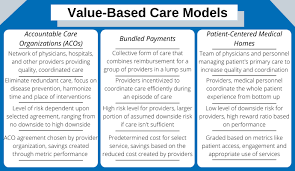
Paying paying doctors and medical providers for their services may seem simple on the surface, but it’s actually extremely complex. Enter two of the most commonly heard phrases in healthcare: “fee-for-service” and “value-based care,” two models insurers use to decide how much to pay providers. According to Healthcare Brew:
Under a fee-for-service model, providers are paid for each individual service they perform, like a blood test or an X-ray, according to Jennifer Clawson, partner and director of value-based health systems at Boston Consulting Group. A service is provided, and the doctor gets a fixed fee for providing it. Simple enough.
The value-based care model is a bit more complicated, as there are many types of value-based payments. What makes them “value-based” is that payers take patient outcomes into consideration, aka they consider the relative value. “The core of value-based care is ultimately, ‘How do I get a better outcome for less money?’” said Sam Hendler, managing director at private equity firm Thomas H. Lee Partners.
One type of value-based payment is called a bundled payment, Clawson said. Say you have a heart condition and need to get a stent put in. There are usually several providers involved in that process, e.g., a primary care doctor, cardiac surgeon, and anesthesiologist. An insurer gives the health system a set amount of money to cover everyone involved in the procedure, and the health system decides how to divvy it up.
Another type of value-based payment is called capitation, and there’s multiple types of capitation payments. It’s sort of like a bundled payment, but instead of insurers paying a set amount per procedure, they’re paying a set amount to cover an entire population of patients with a specific disease, like diabetes.
Posted on December 1, 2022 by Dr. David Edward Marcinko MBA MEd CMP™
By Heath Capital Consultants, LLC
***
***
The launch of Amazon Clinic comes less than two months after the announcement that Amazon Care would be shut down. Amazon Clinic, the retail giant’s virtual and in-person medical care service, was rolled out in 2019 as a pilot employee benefit for their own employees and quickly expanded to servicing non-Amazon employers across the U.S. (including large companies such as Hilton, TrueBlue, and Silicon Labs) by 2021.
Posted on November 30, 2022 by Dr. David Edward Marcinko MBA MEd CMP™
By Staff Reporters
***
***
The use of artificial intelligence (AI) is now a reality in dentistry. A significant advancement is the use of haptic gloves that would let dental students feel virtual objects while practicing suturing or giving a nerve block – this can significantly improve the students’ technique over time and give them, for example, immediate feedback with respect to needle point insertion.
While initial costs for such systems might seem high now, the hardware is proven to be cost-effective in the long term.
Posted on November 29, 2022 by Dr. David Edward Marcinko MBA MEd CMP™
(ARE YOU PISSED, YET?)
By Darrell K. Pruitt DDS
***
***
Still think going paperless was the right decision, Doc? (Are you pissed yet?) If you haven’t adopted digital records, now is NOT the time to do so.
“Just last quarter, U.S. cyber insurance prices increased 79% from a year earlier, according to Marsh’s Global Insurance Market Index…. IBM determined the average ransomware attack cost $4.54 million last year, not including the cost of the ransom, and that 83% of the organizations have had more than one data breach.” (There goes your retirement stash). From “Amid Surge in Ransomware Attacks, More Organizations Are Being Rejected for Cyber Insurance — What Can Leaders Do?”
By Raj Dodhiawala for CPO Magazine, November 28, 2022
QUESTION: So, now that the American Dental Association no longer sells its for-profit digital records system to intentionally uninformed dues-paying members, is the not-for-profit organization still encouraging dentists to go paperless?
Posted on November 22, 2022 by Dr. David Edward Marcinko MBA MEd CMP™
By Staff Reporters
***
***
Rina Shah has been working at Walgreens her entire career—close to 25 years—but this year she got a shiny new title: vice president of pharmacy of the future. The role was created as part of what CEO Rosalind Brewer said in Walgreens’ latest earnings call is the company’s top priority: creating a consumer-centric healthcare company. The retail pharmacy giant essentially wants to free up its pharmacists’ time so they can go from filling prescriptions all day to engaging more directly with patients.
Shah is heading up these efforts, and she sat down with Neal Feyman to talk about what Walgreens sees when it pictures the pharmacy of the future.
What does “the pharmacy of the future” mean? When we talk about the future of pharmacy, it’s to leverage our pharmacists in a much more data-driven, effective way to lower costs in the system.
For example, in certain states where there’s higher pollen counts and pollution, we’re seeing higher emergency room visits because of asthma. We can educate people on the difference between a rescue inhaler and a maintenance inhaler—and how they can understand triggers—and ultimately impact lower emergency room visits because of that.
What problems are you trying to solve in this role? Prior to the pandemic hitting, we had been asked by providers and payers and other organizations for our pharmacists to do more. We were being asked to provide testing services and in-depth consultations with patients.
However, our operating model didn’t really account for that. Our pharmacists were busy doing many more administrative tasks. We made the decision that we needed to transform the model, which meant really freeing up the capacity of our pharmacists so they could spend time with patients delivering care, as it’s always intended to be. Keep reading here.—NF
One of my favorite patients told me this anecdote as he recalled the story of the old man who spent a day watching his physician son treating HMO patients in the office.
The doctor had been working at his usual feverish pace all morning, and although he was working hard, bitterly complained to his dad that he was not making as much money as he used to.
Finally, the old man interrupted him and said,
“Son, why don’t you just treat the sick patients?”
The doctor-son looked annoyed at his father, and responded,
“Dad, can’t you see, I don’t have time to treat just the sick ones.”
Posted on November 14, 2022 by Dr. David Edward Marcinko MBA MEd CMP™
***
***
Elizabeth Holmes will find out how much time she’s spending in prison. The Theranos founder will be sentenced on Friday after being found guilty of fraud for lying to investors about her blood-testing startup. Prosecutors want 15 years.
Meanwhile, beaten-down tech stocks were the stars of last week’s rally, staging their biggest two-day pop since the financial crisis after inflation numbers came in cooler than expected. Investors still caution that this might be a classic case of a “bear market rally,” or a brief glimpse of the sun before the storm clouds return. Corporations haven’t exactly been lighting it up with profits right now.
Posted on November 8, 2022 by Dr. David Edward Marcinko MBA MEd CMP™
“BIRTHING-FRIENDLY”
By Staff Reporters
***
***
The Centers for Medicare and Medicaid Services (CMS) added a new designation to identify which hospitals are “Birthing-Friendly”—a label it will begin adding to qualifying hospitals in fall 2023.
The designation aims to reduce maternal mortality and complications in the US; maternal mortality rose by 25% in 2020, and Black women die at nearly three times the rates of white women, according to a CDC report from February. The US ranked last in maternal mortality that year compared to 10 other high-income countries, according to the Commonwealth Fund.
To earn the designation, CMS said, hospitals must participate in a statewide or national collaborative program where medical teams and public health leaders work together to improve care quality for birthing parents and babies. Hospitals that opt in qualify for an operating payment rate increase of 4.3%, a much-needed boost for hospitals struggling with profitability in the wake of the Covid-19 pandemic and inflation.
But there’s no single set of metrics that hospitals will be required to follow to earn CMS’s new designation, and any changes they make may depend on what areas need improvement. For example, hospitals could focus on reducing pregnancy complications and early births, which happen before 39 weeks, according to the CDC.
CMS’s designation—at least in its initial form—isn’t tied to outcomes. However, medical professionals said there are a variety of measures and outcomes that have been shown to make a hospital truly birthing-friendly.
When it comes to measuring maternal-care quality, one metric comes up over and over again: a hospital’s C-section rate, said Holly Loudon, chair of obstetrics, gynecology, and reproductive science at Mount Sinai West and Mount Sinai Morningside in New York City.
Posted on November 6, 2022 by Dr. David Edward Marcinko MBA MEd CMP™
By Health Capital Consultants, LLC
***
***
The American Hospital Association (AHA) is advocating for the creation of a new hospital designation for certain urban safety net hospitals.
In a report released in mid-October 2022, as well as in an accompanying fact sheet and letter sent to congressional leaders, the AHA defines these so-called Metropolitan Anchor Hospitals (MAHs), outlines their importance to the communities they serve, and explains why MAHs deserve supplemental financial support from the government.
Posted on November 5, 2022 by Dr. David Edward Marcinko MBA MEd CMP™
By Staff Reporters
***
***
DEFINITION
Upcoding is a type of fraud where healthcare providers submit inaccurate billing codes to insurance companies in order to receive inflated reimbursements. These false “current procedural technology” (CPT) submissions indicate that doctors provided patients with treatments that were more complex, costly, and time-consuming than what they actually received. This unlawful scheme is a violation of the False Claims Act (FCA) because it defrauds federal programs including Medicare, Medicaid, and Tricare.
There are nearly 7,800 CPT codes used by healthcare providers. Collectively, these codes represent all of the procedures, conditions, and drugs that are currently reimbursable by the health insurance industry. Each one of them has an associated cost for individuals and insurance companies, based upon the urgency of the issue and the complexity of the decision-making required of the healthcare provider. Medicaid and Medicare reimburse providers based on this system. For example, a five-minute consultation with a nurse for a minor medical question would receive a different, less expensive CPT than the one for a full examination by a doctor lasting 45-minutes. However, if the physician charges the federal programs for the more expensive 45-minute examination when the five-minute consultation is what actually occurred, this would constitute upcoding.
Unbundling
Unbundling is another common form of upcoding. This fraudulent scheme involves billing for individual procedures that are usually performed and billed together under a single CPT code. In some cases, the billing codes for complicated medical operations have associated components built into their CPTs. For example, a hip replacement surgery may factor in the costs of the surgeon’s as well as the use of the operating room. Unbundling occurs when a healthcare provider submits each component within a CPT to Medicare or Medicaid separately. This creates a cost redundancy where wrongdoers can unlawfully seek reimbursement for the same procedure several times over.
Downcoding is the opposite of upcoding. If you perform a service but record the CPT for a lower-level service, that is downcoding. Downcoding also leaves you vulnerable to an audit, which is never good. But, it can also cost a practice thousands of dollars a year in lost revenue because you’re not getting the higher rate of pay that you would if you had recorded the service properly.
According to the National Correct Coding Initiative (NCCI): “Physicians must avoid downcoding. If an HCPCS/CPT code exists that describes the services performed, the physician must report this code rather than report a less comprehensive code with other codes describing the services not included in the less comprehensive code.”
Posted on November 4, 2022 by Dr. David Edward Marcinko MBA MEd CMP™
By Health Capital Consultants, LLC
***
***
According to the White House, “Americans pay two to three times as much as people in other countries for prescription drugs, and one in four Americans who take prescription drugs struggle to afford their medications. Nearly 3 in 10 American adults who take prescription drugs say that they have skipped doses, cut pills in half, or not filled prescriptions due to cost.” In an effort to combat this growing crisis, both the federal government and private companies have taken a number of steps over the past year aiming to lower drug prices. This Health Capital Topics article will review those actions and the potential unintended consequences of these actions.
Posted on October 29, 2022 by Dr. David Edward Marcinko MBA MEd CMP™
By Staff Reporters
***
***
The future of healthcare will be defined by nurses. Giving them a platform where they can be seen, heard, and valued for what they contribute each and every day is healthcare innovation.
connectRN is an empowered community of nurses, helping them access the flexible work opportunities they want. Nurses use connectRN to find work, access resources, and get much-needed peer support. And healthcare facilities can get the staff they need to provide high-quality patient care.
From in-app shift scheduling to same-day pay to 24/7 support, connectRN offers nurses a modern, seamless, and stress-free experience. After all, thriving clinicians provide the best care.
Posted on October 28, 2022 by Dr. David Edward Marcinko MBA MEd CMP™
By Staff Reporters
***
***
NEWS FLASH!
Elon Musk, the richest person on the planet, is the CEO of the world’s most valuable automaker TESLA, heads up a $125 billion aerospace giant, and as of yesterday, is the owner of a social media company Twitter.
According to multiple reports, Musk closed the $44 billion deal last night, less than 24 hours before today’s 5pm ET deadline. He began his reign as “Chief Twit” by firing at least four executives, including CEO Parag Agrawal (who was reportedly escorted out of Twitter’s SF headquarters). Later today, Musk is expected to address anxious employees, who might be worried they’ll face the same fate as their former leader. Historically:
Musk acquired a large stake in Twitter and later signed a deal to buy all of it.
Then he tried to back out, citing bot issues, but Twitter sued him to enforce the agreement.
Musk blinked weeks ahead of a trial, and said he would buy Twitter.
Now What?
So begins Musk’s attempt to, in his words, “help humanity” by trying to turn Twitter into a “common digital town square.”
We know that Musk has ultra-ambitious goals for the company: 5x Twitter’s revenue by 2028, supercharge the subscriptions business, and turn Twitter into a super app called “X.” But murkier is the path he intends to take to get there, and he’s already sending mixed signals about his intentions. And what about doctors and the healthcare industrial complex? Will it remain the same or change?
History
Back in early 2014 the first list of the “Top 100 Twitter Accounts For Healthcare Professionals To Follow” was born. Then, the biggest social media-related question to hurdle wasn’t, “Who should I be following on social media?” but rather, “Should I even be on social media at all?”
Many years later, it’s safe to say that social media has firmly established itself in the healthcare industry. By finding healthcare Twitter accounts that are related to your specialty, you can have access to the best information and always remain within the loop.
But, with the Elon Musk takeover of Twitter, the medicine and healthcare accounts available may change, remain static or grow, and finding the most valuable medical accounts to follow has become more challenging than ever.
Today
Today, the question truly is, “Who should I be following?” Thankfully, you have been covered since 2020.
Posted on October 28, 2022 by Dr. David Edward Marcinko MBA MEd CMP™
“Behavioral Economic Strategies”
By Eric Bricker MD
***
As Published in the Annals of Internal Medicine by an All-Star Cast of Researchers:
1) Limitations of Information 2) Inertia/Status Quo Bias 3) Choice Overload 4) Immediacy 5) Loss Aversion 6) Relative Social Ranking 7) Threshold Effect 8) Limits of Willpower 9) Mental Accounting
Posted on October 27, 2022 by Dr. David Edward Marcinko MBA MEd CMP™
By Staff Reporters
Hospitals this year are seeing more red than black as growing financial challenges, like spiked labor costs and inflation on medical supplies, puts them on pace to have the worst financial performance into the pandemic thus far.
More than half of hospitals (53% of more than 900 sampled) are projected to have negative margins by the end of the year, compared to 39% in 2019, according to a September report from management consulting firm Kaufman Hall, on behalf of AHA. The firm put the median operating margin for hospitals at about -1%, which could mean service cuts, and for more vulnerable hospitals, including rural ones, closing their doors.
But why is the financial outlook so bleak for hospitals? A few factors are conspiring:
Labor costs: The top reasons hospitals are struggling financially in 2022 are “labor, labor, and labor,” said Kevin Holloran, senior director at Fitch Ratings. The healthcare labor shortage doesn’t just extend to nurses, but across the board.
Rising supply prices: Blame inflation. AHA reported that the “costs for energy, resins, cotton, and most metals surged in excess of 30%” between fall 2020 and early 2022.
Sicker patients, longer stays: Intensive care units across the country were overwhelmed with Covid-19 patients at the outset of the pandemic, but more recently hospitals have been caring for sicker non-Covid patients, said Aaron Wesolowski, AHA’s vice president for policy research and analytics
Posted on October 26, 2022 by Dr. David Edward Marcinko MBA MEd CMP™
By Staff Reporters
***
***
The personal savings of Americans have plunged this year, hitting $629 billion in the second quarter of 2022, according to the Federal Reserve Bank of St. Louis. That’s down from $1.98 trillion in the second quarter of 2021, and $4.85 trillion in the second quarter of 2020, boosted by COVID-related government cash. But it’s also down from $1.41 trillion in the second quarter of 2019, before the pandemic.
In fact, the personal saving rate — meaning personal saving as a percentage of disposable income, or the share of income left after paying taxes and spending money — fell to 3.5% in August, according to the Bureau of Economic Analysis. It’s quite a U-turn: The personal saving rate recently peaked at 26.3% in March 2021 and 33.8% in April 2020. But the drop in the personal saving rate isn’t all pandemic-related: In January 2020, before the coronavirus pandemic, it was 9.1%.
But, what about doctors and other medical professionals?
Posted on October 26, 2022 by Dr. David Edward Marcinko MBA MEd CMP™
By Staff Reporters
***
***
Stocks Extend Rally as U.S. Dollar and Bond Yields Cool Off
U.S. stocks traded higher as Treasury yields and the U.S. dollar pulled back, while investors digested a host of corporate results.
Earnings reports painted a mixed picture, as Dow member Coca-Cola beat earnings estimates and raised its guidance, while Dow member 3M also announced a positive earnings surprise, but lowered its full-year outlook. Additionally, General Electric missed earnings expectations and lowered guidance, and General Motors topped profit projections. In economic news, home prices declined more than expected in August, consumer confidence decreased, and regional manufacturing fell more than fore-casted.
Crude oil and gold prices gained ground.
Markets in Asia finished mixed as economic uncertainty continued to weigh on conviction, while European stocks finished mostly higher following economic reports and the political situation in the U.K.
Posted on October 26, 2022 by Dr. David Edward Marcinko MBA MEd CMP™
By Bertalan Meskó, MD PhD
***
***
Ben Wood, chief analyst at European CCS Insights predicts that Apple will enter the US health insurance market in partnership with a major insurer in 2024 – Forbes reported.
The company already collects heaps of health data, such as blood pressure, blood oxygen levels, ECG readings and body temperature from the Watch, and through phone apps that help people regulate their medication or manage chronic conditions like diabetes.
I hope you find the report useful!
Best regards, Bertalan Meskó, MD The Medical Futurist
Posted on October 25, 2022 by Dr. David Edward Marcinko MBA MEd CMP™
By Staff Reporters
***
***
Dental coverage under Medicare could soon start expanding for seniors under a new proposal from the U.S. Centers for Medicare and Medicaid Services (CMS). Still, the proposed rules would not provide full coverage for regular dental care, which has been explicitly excluded from Medicare since the program’s founding in 1965.
“Traditional Medicare doesn’t cover routine preventive dental services, such as exams, cleanings, X-rays, nor more expensive services such as fillings, crowns or dentures,” said Meredith Freed, a Medicare expert with the Kaiser Family Foundation.
However, the new proposal would effectively open the door to Medicare potentially covering a wider array of dental services if medical science can demonstrate that oral health substantially improves the
Posted on October 22, 2022 by Dr. David Edward Marcinko MBA MEd CMP™
Office Based Laboratories
By Health Capital Consultants, LLC
***
DEFINITION: OBLs, also known as office-based endovascular centers, access centers, or office interventional suites, are physician offices wherein a number of services are offered.
Similar to ASCs, OBLs can be single specialty or multi-specialty and can have a number of ownership structures. However, unlike ASCs, OBL procedures (because they are located in a physician office) are reimbursed under the Medicare Physician Fee Schedule.
***
***
OBLs are typically operated and utilized by vascular surgeons, interventional radiologists, cardiologists, or other specialists, and services provided include: cardiovascular, endovascular, venous, and non-vascular services; cardiac procedures, such as diagnostic coronary angiograms, coronary stenting, electro physiology services; device implants, including pacemakers, defibrillators, loop recorders, and biventricular pacers; lower extremity endovascular revascularizations, such as chronic total occlusion and complex limb salvage procedures; renal and mesenteric revascularizations; and, subclavian stenting.23 Of these procedures, peripheral vascular intervention, cardiac services, and interventional radiology made up the majority of the OBL market share in 2019.
While slower to materialize than ASCs, OBLs have increased rapidly over the past few years, for reasons similar to ASCs, e.g., opportunities for physician ownership, the “expedient patient experience” and “favorable outpatient procedural reimbursement.”
In 2020, the global OBL market was valued at $9 billion. Similar to ASCs, an increasing focus on outpatient procedures (due to their cost-saving potential)
Posted on October 19, 2022 by Dr. David Edward Marcinko MBA MEd CMP™
By Staff Reporters
***
***
What are the 3 types of consent in healthcare?
Valid informed consent for research must include three major elements: (1) disclosure of information, (2) competency of the patient (or surrogate) to make a decision, and (3) voluntary nature of the decision.
US federal regulations require a full, detailed explanation of the study and its potential risks.
Posted on October 18, 2022 by Dr. David Edward Marcinko MBA MEd CMP™
By Dr. David Edward Marcinko MBA
***
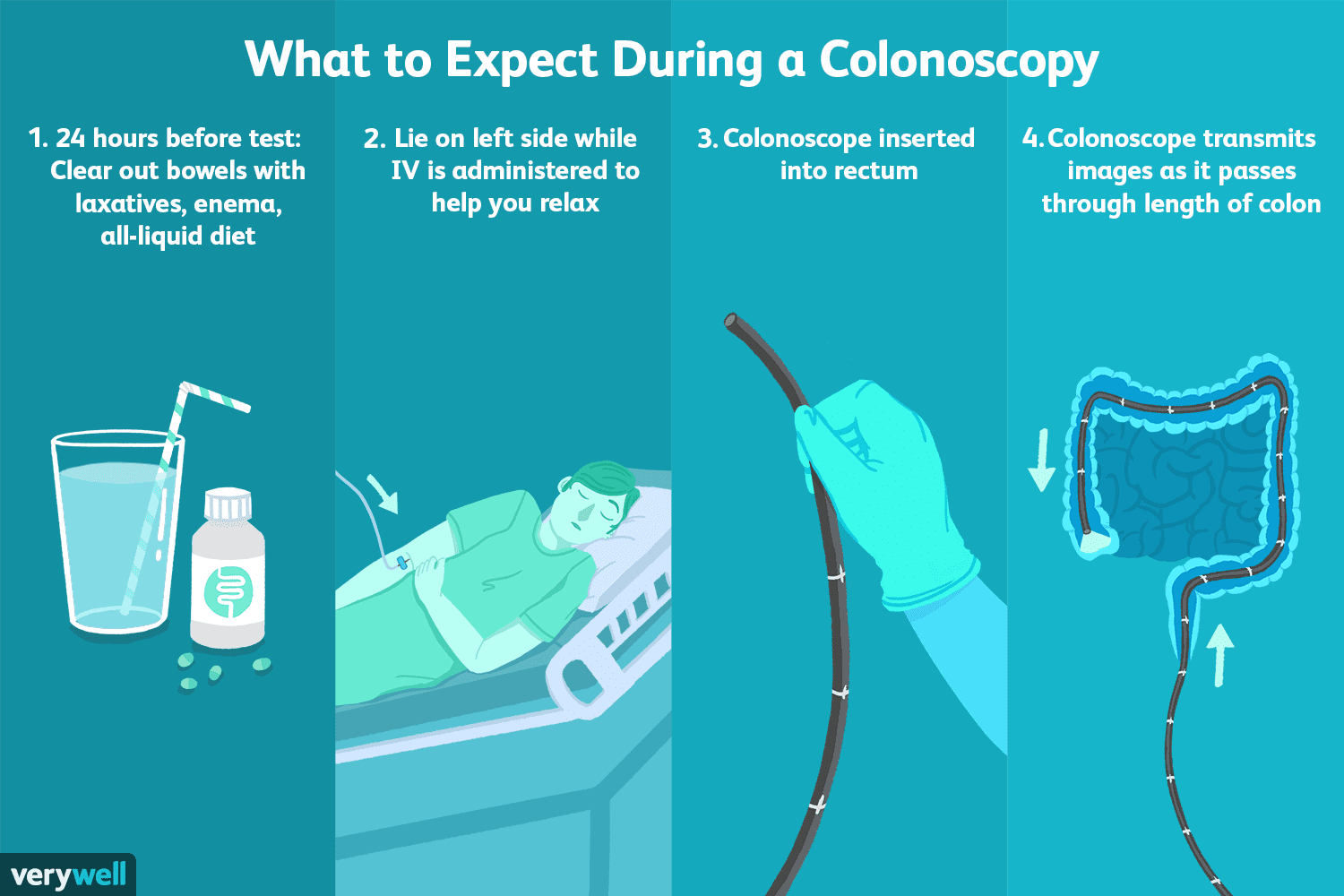
DEFINITION: A Colonoscopy and/or sigmoidoscopy are procedures that let your doctor look inside your large intestine. They use instruments called scopes. Scopes have a tiny camera attached to a long, thin tube. The procedures let your doctor see things such as inflamed tissue, abnormal growths, and ulcers.
EDITOR’S NOTE: The ME-P does not normally discuss medical or clinical matters. But, this report is noteworthy to all.
***
***
About 15 million colonoscopies are performed in the US yearly as part of standard preventive care for adults over 45, but a new study has called into question whether all the footage from those tiny cameras is really necessary.
Over a 10-year period, people who had the screenings were 18% less likely to develop colon cancer than people who didn’t, according to the study in the New England Journal of Medicine. However, the risk of death from the cancer for both the screened and un-screened was about the same, hovering around 0.3%.
Posted on October 17, 2022 by Dr. David Edward Marcinko MBA MEd CMP™
***
Emerging Digital Health Trends
BY Bertalan Meskó, MDPhD
****
Digital technologies have completely transformed our lives in the last couple of years and started to entirely reshape the landscape of healthcare. Yet, this is only the beginning. Huge waves of changes are on their way. The future of healthcare is shaping up in front of our eyes with advances in digital healthcare technologies.
And so, here is the latest research, from the Medical Futurist’sHype Cycle Of The Top 50 Emerging Digital Health Trends.
The Medical Futurist’s Hype Cycle Of The Top 50 Emerging Digital Health Trends
Quantum Computing 3D Bioprinting Facial recognition in hospitals Vocal biomarkers 3D printing prosthetics Robots in hospitals Augmented reality in patient education A.I. in drug design Augmented reality in medical education Medical transportation platforms Private 5G in healthcare At-home lab tests 3D printing drugs Medical drones A.I. in diagnostics Voice-to-text apps A.I. in medical decision-making Nutrigenomics 3D printing equipment Virtual reality in patient education Chatbots Portable diagnostic devices Augmented reality in surgery Portable ultrasound devices Virtual reality in staff training Robots in rehabilitation A.I.-based prosthetics Longevity research Nutrition devices Employee wellness programs Exoskelotons Clinical trial recruiting Clinical trial management Remote care apps Cloud computing Nutrition apps Robot companions Medication management solutions Personal genomics services Microbiome testing Remote care platforms Digital health insurance Smartwatches Wearable health devices Personal Health Records Electronic Medical Records Smartphone health apps Mental health apps Fitness trackers Virtual reality in pain management
Posted on October 16, 2022 by Dr. David Edward Marcinko MBA MEd CMP™
By Staff Reporters
***
***
The metaverse could be a huge technological change for health care, just like telemedicine and mobile device integration were in the past.
This technology has huge potential because it uses both virtual reality (VR) and augmented reality (AR) technology to work in virtual spaces: All signs point to the metaverse being widely used as a disruptive change in healthcare, from better surgical precision to therapeutic uses to social-distance accommodations and more.
But along with these improvements come new problems that will change what we know about modern healthcare. The metaverse is a paradigm shift in healthcare that everyone involved needs to be aware of. This is because it changes how medical infrastructure is built, how startup costs are covered, and how data security and privacy are handled.
To help you understand how the metaverse development services will change healthcare as a whole, let’s take a look at the pros and cons of this technology that are already making a difference in healthcare.
Posted on October 15, 2022 by Dr. David Edward Marcinko MBA MEd CMP™
***
WHAT IS “MEDICAL SENTINEL” CASE SURVEILLANCE IN PUBLIC HEALTH?
***
By Dr. David E. Marcinko MBA
***
SENTINEL SURVEILLANCE is a medical case observation system in which a designated group of reporting sources, hospitals and agencies agrees to report all cases of one or more notify-able conditions; such as the Corona Virus.
I first became interested in this concept during the HIV/AIDS epidemic of the early 1980s. In fact, it prompted me to later become a Certified Physician in Healthcare Quality [CPHQ].
Posted on October 15, 2022 by Dr. David Edward Marcinko MBA MEd CMP™
By Staff Reporters
***
***
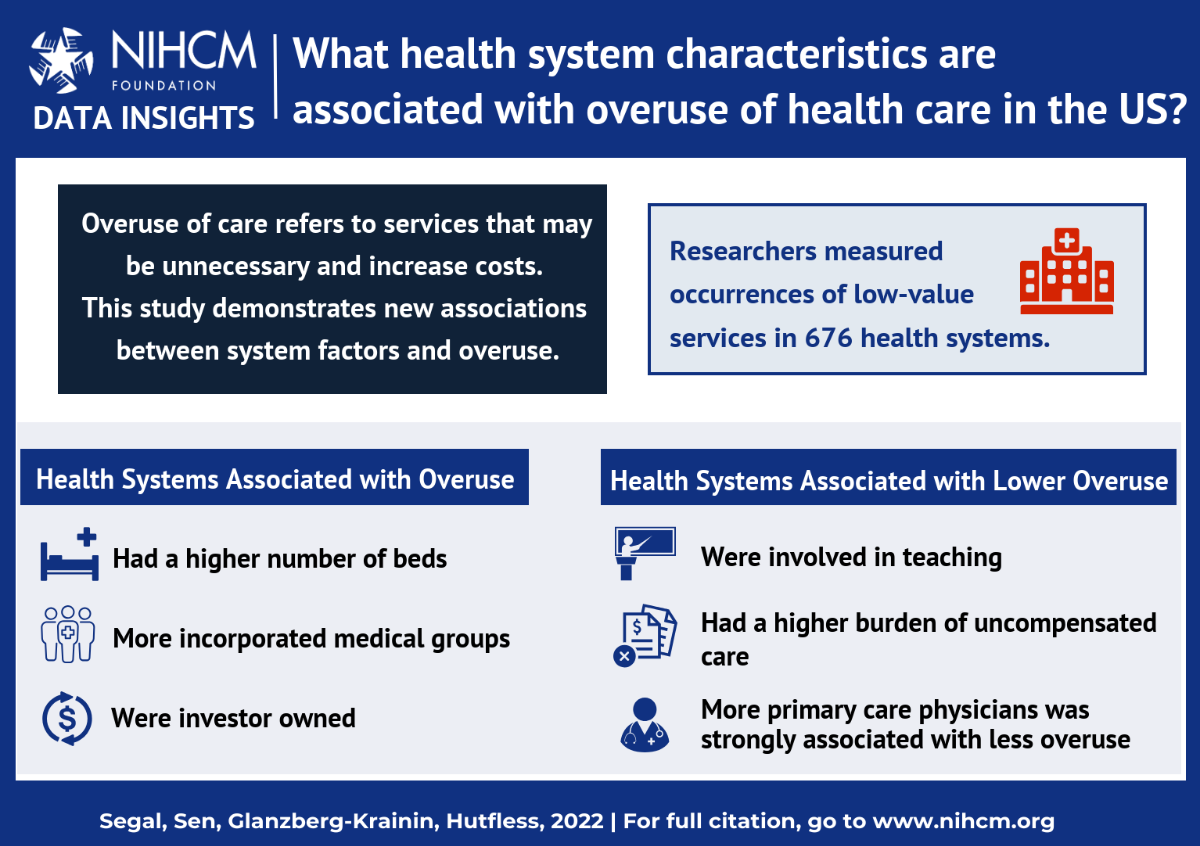
The high cost of health care in the United States is partially driven by an over-emphasis on low-value health care that is potentially harmful and offers little benefit to most patients.
New research by Jodi Segal, MD, and colleagues, advances efforts to solve the low-value care problem by placing a spotlight on health care system factors that likely contribute to an overuse of care. The work is analyzed in the latest NIHCM Research Insights. Key findings include:
Systems that are investor-owned, or have fewer primary care physicians, are more likely to be associated with the overuse of care.
Systems that have major teaching hospitals are less likely to overuse care.
To continue investigating, evaluating, and addressing the drivers of overuse, the research team updated their Overuse Index tool. This Index may be especially useful for health systems seeking to monitor care use performance over time. This study’s findings may support future research and interventions to increase the use of high-value care.
Posted on October 11, 2022 by Dr. David Edward Marcinko MBA MEd CMP™
Book Marcinko for your Next Financial Planning Seminar, Meeting or Medical Business Event
By Ann Miller RN MHA
Professor and physician executive David Edward Marcinko MBBS DPM MBA MEd BSc CMP® is originally from Loyola University MD, Temple University in Philadelphia and the Milton S. Hershey Medical Center in PA; Oglethorpe University, and Atlanta Hospital & Medical Center in GA; and the Aachen City University Hospital, Koln-Germany. He is one of the most innovative global thought leaders in health care business and entrepreneurship today.
Dr. Marcinko is a multi-degreed educator, board certified physician, surgical fellow, hospital medical staff President, Chief Education Officer and philanthropist with more than 400 published papers; 5,150 op-ed pieces and over 125+ international presentations to his credit; including the top 10 biggest pharmaceutical companies and financial services firms in the nation. He is also a best-selling Amazon author with 30 published text books in four languages [National Institute of Health, Library of Congress and Library of Medicine].
Dr. Marcinko is past Editor-in-Chief of the prestigious “Journal of Health Care Finance”, and a former Certified Financial Planner®, who was named “Health Economist of the Year” in 2001. He is a Federal and State court approved expert witness featured in hundreds of peer reviewed medical, business, management and trade publications [AMA, ADA, APMA, AAOS, Physicians Practice, Investment Advisor, Physician’s Money Digest and MD News].
As a licensed insurance agent, RIA and SEC registered endowment fund manager, Dr. Marcinko is Founding Dean of the fiduciary focused CERTIFIED MEDICAL PLANNER® chartered designation education program; as well as Chief Editor of the HEALTH DICTIONARY SERIES® Wiki Project. His professional memberships include: ASHE, AHIMA, ACHE, ACME, ACPE, MGMA, FMMA and HIMSS.
Dr. Marcinko is a MSFT Beta tester, Google Scholar, “H” Index favorite and one of LinkedIn’s “Top Cited Voices”.
Posted on October 9, 2022 by Dr. David Edward Marcinko MBA MEd CMP™
By Steve Febus
***
***
Hospital Finance 101: Understanding the Cost of Full-Service Healthcare in Pullman, WA Program by: Steve Febus, Pullman Regional Hospital Chief Financial Officer.
Posted on October 6, 2022 by Dr. David Edward Marcinko MBA MEd CMP™
By Eric Bricker MD
1) Fee-for-Services Motivates Hospitals to Increase Costs. 2) Medicare and Commercial Insurance Companies Have Not Changed That Motivation with ‘Value-Based’ Payments. 3) Hospital Prices Have NO Connection to the Underlying Cost of a Test or Procedure. 4) Most Don’t Even Know What the Underlying Test or Procedure Cost Is in the First Place.
Specifically, the 88 mostly primary care doctors of Tryon Medical Partners sued Atrium Health, the hospital system that owned them, in order to leave and become independent in 2018.
Some of their grievances against the hospital system were: 1. The hospital replaced the nurses in their clinics with medical assistants. 2. The hospital increased the number of patients they needed to see per day and decreased their visit times.
Atrium agreed to let the doctors separate in exchange for dropping the lawsuit.
Just one year later Tryon Medical Partners began to offer Direct Primary Care to local employers and have signed up 30 companies.
The program has been a huge success because an independent primary care practice can work to provide better care at lower costs. Conversely, physicians associated with a hospital system are incentivized to increase healthcare costs.







 Support our online development, and advance our onground research initiatives in free market economics, as we seek to showcase the brightest Next-Gen minds.
THE ME-P DISCLAIMER: Posts, comments and opinions do not necessarily represent iMBA, Inc., but become our property after submission. Copyright © 2006 to-date. iMBA, Inc allows colleges, universities, medical and financial professionals and related clinics, hospitals and non-profit healthcare organizations to distribute our proprietary essays, photos, videos, audios and other documents; etc. However, please review copyright and usage information for each individual asset before submission to us, and/or placement on your publication or web site. Attestation references, citations and/or back-links are required. All other assets are property of the individual copyright holder.
Support our online development, and advance our onground research initiatives in free market economics, as we seek to showcase the brightest Next-Gen minds.
THE ME-P DISCLAIMER: Posts, comments and opinions do not necessarily represent iMBA, Inc., but become our property after submission. Copyright © 2006 to-date. iMBA, Inc allows colleges, universities, medical and financial professionals and related clinics, hospitals and non-profit healthcare organizations to distribute our proprietary essays, photos, videos, audios and other documents; etc. However, please review copyright and usage information for each individual asset before submission to us, and/or placement on your publication or web site. Attestation references, citations and/or back-links are required. All other assets are property of the individual copyright holder.





































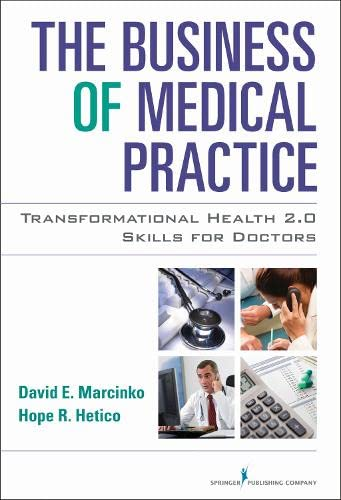


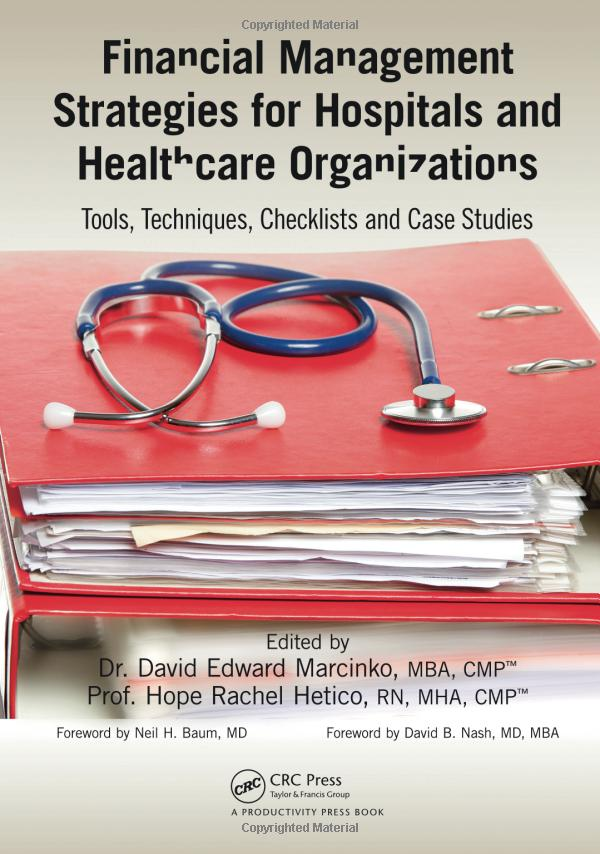
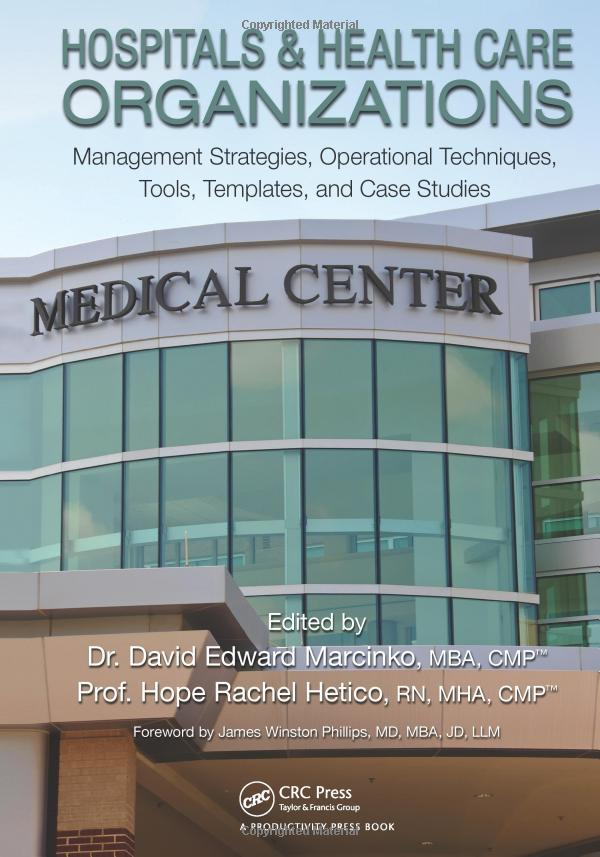





















 By Dr. David E. Marcinko MBA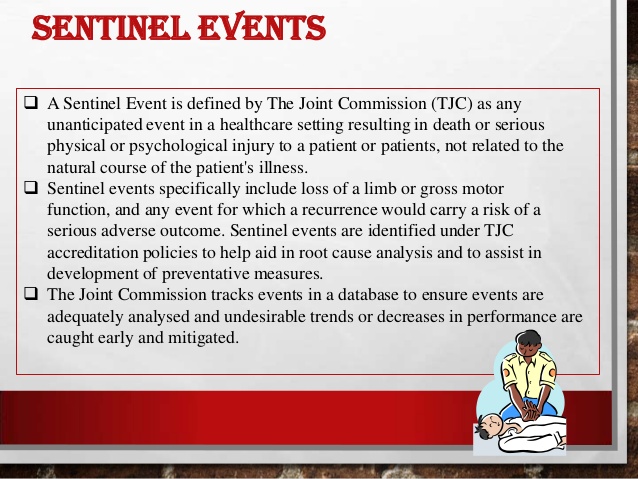










 The Leading Business Education Network for Doctors, Financial Advisors and Health Industry Consultants