How Many Physicians are in the Top 1% of Retirement Wealth?

Dr. David Edward Marcinko; MBA MEd

SPONSOR: http://www.MarcinkoAssociates.com

***

***

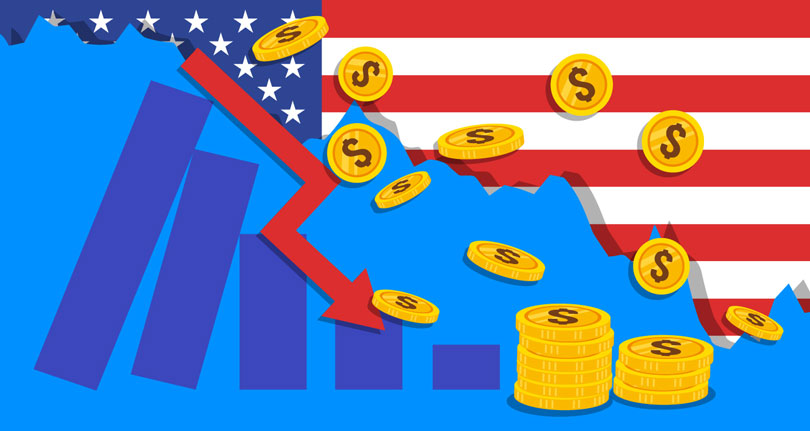
Determining how many physicians belong to the top one percent of retirement wealth—defined here as having a net worth of $16.7 million or more—is a question that blends economics, career earnings, lifestyle choices, and the structural realities of medical training. Physicians are widely perceived as high earners, and in many respects they are. Yet the assumption that most doctors naturally accumulate extreme wealth over their careers is far from accurate. In fact, only a small minority of physicians ever approach the level of net worth required to be considered part of the top one percent of retirees.

To understand why, it helps to begin with the nature of the medical career path. Physicians start earning a full professional salary later than almost any other high‑income profession. The typical doctor spends four years in medical school, followed by three to seven years of residency and fellowship training. During this period, they earn modest wages while accumulating substantial educational debt. By the time a physician begins practicing independently, they are often in their early to mid‑thirties and may already carry hundreds of thousands of dollars in loans. This delayed entry into high‑earning years significantly reduces the time available for compounding investments, which is one of the most powerful drivers of long‑term wealth.

Even once physicians reach attending‑level salaries, their earnings vary widely by specialty. Some surgical and procedural specialties earn well above the national physician average, while primary care physicians earn far less. Although high incomes can certainly support strong savings rates, income alone does not guarantee wealth accumulation. Lifestyle inflation, high taxes, and the pressures of maintaining a certain social or professional image can erode the ability to save aggressively. Many physicians also live in high‑cost urban areas, where housing, childcare, and taxes consume a large portion of income.

***

***

Reaching a net worth of $16.7 million requires not only a high income but also disciplined, long‑term financial behavior. It typically demands decades of consistent investing, avoidance of excessive debt, and a commitment to living below one’s means. While some physicians adopt this approach, many do not. Surveys of physician financial habits consistently show that a large portion of doctors save less than they could, start investing later than ideal, or rely heavily on income rather than wealth building. The demanding nature of medical work also leaves little time for financial education, and many physicians outsource financial decisions to advisors whose incentives may not always align with long‑term wealth maximization.

Given these realities, the number of physicians who reach the top one percent of retirement wealth is relatively small. While physicians are overrepresented in the upper percentiles of income, they are not proportionally represented in the extreme upper percentiles of net worth. The top one percent of retirees in the United States hold net worths far above the typical physician’s lifetime accumulation. Most physicians retire with comfortable but not extraordinary wealth—often in the low‑to‑mid seven‑figure range. This level of wealth supports a stable retirement but falls far short of the $16.7 million threshold associated with the top one percent.

***

***

Another factor limiting the number of physicians in the top one percent is the generational shift in work patterns. Younger physicians increasingly prioritize work‑life balance, reduced hours, and earlier retirement. These choices, while beneficial for well‑being, reduce lifetime earnings and investment potential. Additionally, the rising cost of medical education and slower growth in physician reimbursement have compressed the financial advantage that doctors once enjoyed. As a result, the pathway to extreme wealth is narrower today than it was for earlier generations of physicians.

Still, a subset of physicians do reach the top one percent. These individuals typically combine high‑earning specialties with disciplined financial strategies. They invest early and consistently, avoid lifestyle inflation, and often pursue additional income streams such as real estate or private practice ownership. Their success is less a product of being physicians and more a reflection of financial behavior that would lead to wealth in any high‑income profession.

In the end, the number of physicians who achieve a net worth of $16.7 million is small—likely a fraction of the profession. While medicine offers financial stability and the potential for strong lifetime earnings, it does not inherently guarantee entry into the ranks of the ultra‑wealthy. The top one percent remains a rarefied group, even among doctors, and reaching it requires intentional financial choices that go far beyond earning a high salary.

COMMENTS APPRECIATED

EDUCATION: Books

SPEAKING: Dr. Marcinko will be speaking and lecturing, signing and opining, teaching and preaching, storming and performing at many locations throughout the USA this year! His tour of witty and serious pontifications may be scheduled on a planned or ad-hoc basis; for public or private meetings and gatherings; formally, informally, or over lunch or dinner. All medical societies, financial advisory firms or Broker-Dealers are encouraged to submit an RFP for speaking engagements: CONTACT: Ann Miller RN MHA at MarcinkoAdvisors@outlook.com -OR- http://www.MarcinkoAssociates.com

Like, Refer and Subscribe

***

***

MEDICARE: What it Does Not Cover?

By Dr. David Edward Marcinko; MBA MEd

***

***

What Medicare Does Not Cover: Understanding the Gaps in Coverage

Medicare, the federal health insurance program primarily for individuals aged 65 and older, provides essential coverage through its various parts—Part A (hospital insurance), Part B (medical insurance), Part C (Medicare Advantage), and Part D (prescription drug coverage). While it offers substantial support for many healthcare needs, Medicare does not cover everything. Understanding these gaps is crucial for beneficiaries to avoid unexpected expenses and plan for supplemental coverage.

One of the most significant omissions in Original Medicare (Parts A and B) is routine dental care. Services such as cleanings, fillings, tooth extractions, and dentures are generally not covered. Although Medicare began covering limited dental exams related to specific medical procedures in 2023 and 2024, comprehensive dental care remains excluded.

Vision care is another area where Medicare falls short. Routine eye exams, eyeglasses, and contact lenses are not covered unless related to specific medical conditions like cataract surgery. Similarly, hearing services, including exams and hearing aids, are not covered under Original Medicare, despite their importance to seniors’ quality of life.

Long-term care, such as custodial care in nursing homes or assisted living facilities, is also excluded. Medicare may cover short-term stays in skilled nursing facilities following hospitalization, but it does not pay for extended stays or help with daily activities like bathing and dressing.

Alternative therapies such as acupuncture, massage therapy, and chiropractic care are generally not covered unless deemed medically necessary. For example, Medicare may cover limited chiropractic services for spinal subluxation but not for general wellness or pain relief.

Cosmetic surgery is excluded unless it is required for reconstructive purposes following an accident or disease. Similarly, routine foot care and podiatry services are not covered unless related to specific medical conditions like diabetes.

To address these gaps, many beneficiaries turn to Medicare Advantage plans (Part C) or Medigap policies, which may offer additional benefits such as dental, vision, and hearing coverage. However, these plans vary widely, and not all supplemental policies cover every excluded service.

In conclusion, while Medicare provides a strong foundation for healthcare coverage, it leaves out several essential services that can significantly impact seniors’ health and finances. Awareness of these exclusions empowers beneficiaries to seek supplemental insurance, budget for out-of-pocket costs, and make informed decisions about their healthcare needs.

COMMENTS APPRECIATED

EDUCATION: Books

SPEAKING: Dr. Marcinko will be speaking and lecturing, signing and opining, teaching and preaching, storming and performing at many locations throughout the USA this year! His tour of witty and serious pontifications may be scheduled on a planned or ad-hoc basis; for public or private meetings and gatherings; formally, informally, or over lunch or dinner. All medical societies, financial advisory firms or Broker-Dealers are encouraged to submit an RFP for speaking engagements: CONTACT: Ann Miller RN MHA at MarcinkoAdvisors@outlook.com -OR- http://www.MarcinkoAssociates.com

Like, Refer and Subscribe

***

***

Home Equity Agreements [HEAs]

Dr. David Edward Marcinko; MBA MEd

***

***

An Emerging Alternative in Housing Finance

Home equity agreements (HEAs), also known as home equity investments (HEIs), have emerged as a modern alternative to traditional borrowing methods for homeowners seeking to unlock the value of their property. Unlike home equity loans or lines of credit, which require monthly payments and add debt to a homeowner’s balance sheet, HEAs offer a fundamentally different structure. They provide access to cash today in exchange for a share of the home’s future value. As rising interest rates and tighter lending standards reshape the financial landscape, HEAs have gained attention as a flexible and innovative tool for homeowners who may not fit the mold of conventional borrowers.

At their core, HEAs operate on a simple premise: a homeowner receives a lump‑sum payment from an investor, and in return, the investor receives the right to a portion of the home’s future appreciation—or, in some cases, depreciation. The agreement typically lasts between ten and thirty years, during which the homeowner continues to live in the property without making monthly payments to the investor. When the term ends, or when the homeowner sells or refinances the home, the investor receives their original contribution plus their agreed‑upon share of the home’s value change. This structure aligns the interests of both parties, as the investor benefits when the home increases in value, and the homeowner gains financial flexibility without taking on additional debt.

One of the most compelling advantages of HEAs is their accessibility. Traditional lenders rely heavily on credit scores, income verification, and debt‑to‑income ratios. Homeowners who are asset‑rich but cash‑poor—such as retirees, self‑employed individuals, or those with irregular income—may struggle to qualify for conventional financing even if they have substantial equity. HEAs bypass many of these barriers by focusing primarily on the property itself rather than the borrower’s financial profile. This makes them an appealing option for individuals who need liquidity but want to avoid the burden of monthly payments or the risk of foreclosure associated with traditional loans.

HEAs also offer strategic benefits for homeowners who anticipate long‑term appreciation in their property. By sharing future gains with an investor, a homeowner can access funds today that might otherwise remain locked in their home for years. These funds can be used for a wide range of purposes, including home improvements, debt consolidation, education expenses, or emergency needs. For some, the ability to tap into equity without increasing monthly obligations can provide critical financial stability during periods of uncertainty.

However, HEAs are not without trade‑offs. Because investors assume risk by tying their return to the home’s future value, the cost of an HEA can be higher than that of a traditional loan, especially in markets with strong appreciation. Homeowners may ultimately give up a significant portion of their property’s future gains, which can feel costly in hindsight. Additionally, the terms of HEAs can be complex, requiring careful review to understand how value is calculated, what triggers repayment, and how improvements or market fluctuations affect the final settlement. Transparency and education are essential to ensure that homeowners make informed decisions.

COMMENTS APPRECIATED

EDUCATION: Books

SPEAKING: Dr. Marcinko will be speaking and lecturing, signing and opining, teaching and preaching, storming and performing at many locations throughout the USA this year! His tour of witty and serious pontifications may be scheduled on a planned or ad-hoc basis; for public or private meetings and gatherings; formally, informally, or over lunch or dinner. All medical societies, financial advisory firms or Broker-Dealers are encouraged to submit an RFP for speaking engagements: CONTACT: Ann Miller RN MHA at MarcinkoAdvisors@outlook.com -OR- http://www.MarcinkoAssociates.com

Like, Refer and Subscribe

***

***

PHYSICIANS: Gambling Addiction Causes

By Dr. David Edward Marcinko MBA MEd

By Professor Eugene Schmuckler PhD MBA MEd CTS

***

***

Physician gambling addiction is a growing concern that threatens both personal well-being and professional integrity. This essay explores its causes, consequences, and the urgent need for awareness and support.

Gambling addiction, or gambling disorder, is a recognized mental health condition characterized by an uncontrollable urge to gamble despite negative consequences. While it affects about 1% of the general population., its presence among physicians is particularly alarming due to the high stakes involved—both financially and ethically. Physicians are entrusted with lives, and addiction can impair judgment, compromise patient care, and lead to devastating personal and professional outcomes.

Several factors contribute to gambling addiction in physicians. The profession is inherently high-pressure, with long hours, emotional strain, and frequent exposure to trauma. These stressors can drive individuals to seek escape or excitement through gambling. Moreover, physicians often have access to substantial financial resources, making it easier to sustain gambling habits longer than others. The culture of perfectionism and stigma around mental health in medicine may also discourage seeking help, allowing addiction to fester in secrecy.

The consequences of gambling addiction for physicians are multifaceted. On a personal level, it can lead to financial ruin, strained relationships, and deteriorating mental health. Studies show that gambling activates the brain’s reward system similarly to drugs and alcohol, reinforcing compulsive behavior.

Professionally, addiction can result in medical errors, fraud, or even criminal activity—such as embezzling funds to cover gambling debts. These actions not only endanger patients but also erode public trust in the medical profession.

During the COVID-19 pandemic, gambling behavior intensified across many demographics, including healthcare workers. Increased isolation, stress, and access to online gambling platforms contributed to a surge in addiction cases. Physicians, already burdened by the pandemic’s demands, were particularly vulnerable. The rise of sports betting and fantasy leagues has further blurred the lines between entertainment and addiction, making it harder to recognize problematic behavior.

***

***

Addressing physician gambling addiction requires a multifaceted approach. First, medical institutions must foster a culture that encourages mental health support without stigma. Confidential counseling services, peer support groups, and educational programs can help physicians recognize and address addiction early. Licensing boards and hospitals should implement policies that balance accountability with rehabilitation, ensuring that affected physicians receive treatment rather than punishment alone.

Additionally, research into gambling disorder must continue to evolve. Institutions like Yale Medicine are leading efforts to understand the neurological and genetic underpinnings of addiction, which could inform more effective treatments. Public awareness campaigns can also help destigmatize gambling addiction and promote responsible behavior.

In conclusion, physician gambling addiction is a hidden crisis with far-reaching implications. It stems from a complex interplay of stress, access, and stigma, and its consequences can be catastrophic.

By promoting awareness, support, and research, the medical community can better protect its members and the patients they serve.

COMMENTS APPRECIATION

EDUCATION: Books

Like, Refer and Subscribe

***

***

What Is “Cash Bank Withdrawal Structuring”?

Dr. David Edward Marcinko MBA MEd

SPONSOR: http://www.MarcinkoAssociates.com

***

***

FINANCIAL DEFINITIONS

Cash bank withdrawal structuring—commonly referred to simply as structuring—is the deliberate act of breaking up cash transactions into smaller amounts to avoid triggering federal reporting requirements. While many people associate structuring with deposits, the law applies equally to withdrawals, and the consequences are just as serious. Even when the money involved is completely legitimate, structuring is considered a federal offense because it involves intentionally evading legally mandated financial reporting.

The foundation of this issue lies in the Bank Secrecy Act, which requires financial institutions to report certain cash transactions to help detect money laundering, tax evasion, and other financial crimes. Banks must file a Currency Transaction Report (CTR) for any cash transaction—deposit or withdrawal—exceeding $10,000 in a single business day. These reports are routine and do not imply wrongdoing. However, some individuals attempt to avoid this reporting by conducting multiple smaller transactions, believing that staying under the threshold will keep their activity unnoticed. The law makes it clear that intentionally structuring transactions to evade reporting is illegal.

Structuring can take many forms. A person might withdraw $9,900 one day, $9,800 the next, and $9,700 the day after that. Another might visit several branches of the same bank to withdraw smaller amounts, hoping to avoid detection. Even asking a teller how much can be withdrawn “without paperwork” can be interpreted as evidence of intent. The key factor is not the amount of money itself but the intent to avoid the reporting requirement. This means that even if the funds are entirely lawful, the act of trying to avoid a CTR is what creates legal exposure.

Financial institutions are required to monitor for patterns that may indicate structuring. Banks use internal systems to detect unusual patterns, such as repeated withdrawals just below the reporting threshold or multiple transactions spread across different branches. When a bank detects behavior that appears designed to evade reporting, it must file a Suspicious Activity Report (SAR). Unlike CTRs, SARs are confidential, and customers are not informed when one is filed. These reports can trigger further review by federal agencies responsible for investigating financial crimes.

The consequences of structuring can be severe. Violations can lead to criminal charges, civil penalties, asset forfeiture, and long-term investigations by agencies such as the IRS or financial crime enforcement authorities. Importantly, the legality of the money does not protect someone from prosecution. Courts have consistently held that structuring is a crime based on the act of evasion itself, not the source of the funds. As a result, even business owners or individuals withdrawing their own lawfully earned money can face penalties if they intentionally avoid reporting requirements.

Understanding structuring is essential not only for compliance but also for avoiding accidental red flags. Large cash withdrawals are perfectly legal, and banks routinely file CTRs without issue. Problems arise only when someone attempts to avoid these filings. The safest and simplest approach is to conduct necessary transactions openly and allow the bank to complete any required reporting. Transparency protects both the customer and the financial institution.

In summary, cash bank withdrawal structuring is the intentional manipulation of transaction amounts to evade federal reporting rules. It is prohibited under the Bank Secrecy Act and carries significant legal risks. By understanding what structuring is, how it is detected, and why it is taken seriously, individuals can ensure their financial activities remain compliant and avoid unintended legal consequences.

COMMENTS APPRECIATED

EDUCATION: Books

SPEAKING: Dr. Marcinko will be speaking and lecturing, signing and opining, teaching and preaching, storming and performing at many locations throughout the USA this year! His tour of witty and serious pontifications may be scheduled on a planned or ad-hoc basis; for public or private meetings and gatherings; formally, informally, or over lunch or dinner. All medical societies, financial advisory firms or Broker-Dealers are encouraged to submit an RFP for speaking engagements: CONTACT: Ann Miller RN MHA at MarcinkoAdvisors@outlook.com -OR- http://www.MarcinkoAssociates.com

Like, Refer and Subscribe

***

***

BONDS: Macaulay Fixed-Income Duration Formula

FINANCIAL DEFINITIONS

By Dr. David Edward Marcinko MBA MEd

***

***

Macaulay duration is a foundational concept in fixed-income investing that measures the weighted average time until a bondholder receives the bond’s cash flows. It is essential for understanding interest rate risk and managing bond portfolios.

Named after economist Frederick Macaulay, Macaulay duration represents the average time in years that an investor must hold a bond to recover its present value through coupon and principal payments. Unlike simple maturity, which only reflects the final payment date, Macaulay duration accounts for the timing and magnitude of all cash flows, weighted by their present value. This makes it a more precise tool for evaluating a bond’s sensitivity to interest rate changes.

To calculate Macaulay duration, each cash flow is discounted to its present value using the bond’s yield to maturity. These present values are then weighted by the time at which each payment occurs. The formula is:

Macaulay Duration=∑t=1n(t⋅CFt(1+y)t)P\text{Macaulay Duration} = \frac{\sum_{t=1}^{n} \left( \frac{t \cdot CF_t}{(1+y)^t} \right)}{P}

Where CFtCF_t is the cash flow at time tt, yy is the yield to maturity, and PP is the bond’s price. The result is expressed in years.

Why does this matter? Macaulay duration is crucial for investors who want to match the timing of their liabilities with their assets—a strategy known as immunization. By aligning the duration of a bond portfolio with the time horizon of future liabilities, investors can minimize the impact of interest rate fluctuations. For example, pension funds often use duration matching to ensure they can meet future payouts regardless of rate changes.

Duration also helps investors compare bonds with different maturities and coupon structures. Generally, bonds with longer maturities and lower coupons have higher durations, meaning they are more sensitive to interest rate changes. Conversely, short-term or high-coupon bonds have lower durations and are less affected by rate shifts.

While Macaulay duration is a powerful tool, it has limitations. It assumes a flat yield curve and constant interest rates, which rarely hold true in dynamic markets. For more precise risk management, investors often use modified duration, which adjusts Macaulay duration to estimate the percentage change in a bond’s price for a 1% change in interest rates.

In practice, Macaulay duration is most useful for long-term planning and strategic asset allocation. It provides a clear measure of time-weighted cash flow exposure and helps investors build portfolios that are resilient to interest rate volatility.

Whether used for individual bond selection or broader portfolio construction, understanding Macaulay duration equips investors with a deeper grasp of fixed-income dynamics.

COMMENTS APPRECIATED

EDUCATION: Books

SPEAKING: Dr. Marcinko will be speaking and lecturing, signing and opining, teaching and preaching, storming and performing at many locations throughout the USA this year! His tour of witty and serious pontifications may be scheduled on a planned or ad-hoc basis; for public or private meetings and gatherings; formally, informally, or over lunch or dinner. All medical societies, financial advisory firms or Broker-Dealers are encouraged to submit an RFP for speaking engagements: CONTACT: Ann Miller RN MHA at MarcinkoAdvisors@outlook.com 

Like, Refer and Subscribe

***

***

TARIFFS: Hurt Medicine and Healthcare

By Dr. David Edward Marcinko MBA MEd

***

***

Tariffs on medicines and healthcare products increase costs, disrupt supply chains, and ultimately harm patient access and public health. They raise prices for essential drugs and medical devices, create shortages, and undermine innovation in the healthcare sector.

The Economic Burden of Tariffs

Tariffs are taxes imposed on imported goods. In healthcare, this means pharmaceuticals, medical devices, and raw materials like active pharmaceutical ingredients (APIs) become more expensive. Since the United States imports a significant share of these products from countries such as China, India, and the European Union, tariffs directly raise costs for hospitals, clinics, and patients.

  • Drug prices rise because manufacturers pass on higher import costs to consumers.
  • Medical devices such as surgical instruments, diagnostic equipment, and imaging technology become more expensive, straining hospital budgets.
  • Insurance premiums may increase as healthcare providers face higher operating costs.

This economic burden is not abstract—it translates into higher bills for patients and reduced affordability of care.

Supply Chain Disruptions

Healthcare supply chains are highly globalized. APIs, raw materials, and specialized equipment often come from multiple countries. Tariffs disrupt this delicate balance by:

  • Creating shortages when suppliers cannot afford to export to tariff-heavy markets.
  • Delaying shipments as companies seek alternative routes or suppliers.
  • Reducing resilience by concentrating production in fewer regions, making systems more vulnerable to shocks.

For example, if tariffs make APIs prohibitively expensive, pharmaceutical companies must scramble to find new suppliers, often at higher cost and with longer lead times. This can delay drug availability and compromise patient care.

***

***

Impact on Public Health

The consequences of tariffs extend beyond economics into public health outcomes.

  • Patients face reduced access to life-saving medicines and devices.
  • Hospitals may ration supplies, prioritizing urgent cases while delaying elective procedures.
  • Preventive care suffers, as higher costs discourage investment in vaccines, diagnostic tools, and routine screenings.

In the long run, tariffs can exacerbate health inequities, disproportionately affecting low-income populations who are least able to absorb rising costs.

Innovation and Research Setbacks

Healthcare innovation relies on global collaboration. Tariffs discourage cross-border partnerships by raising costs and creating uncertainty.

  • Research institutions may struggle to import specialized lab equipment.
  • Pharmaceutical companies face higher costs for clinical trials and drug development.
  • Digital health technologies that depend on imported components (like sensors and chips) become more expensive, slowing adoption.

This stifles progress in areas such as cancer treatment, biotechnology, and precision medicine.

Conclusion

Tariffs in healthcare are a blunt economic tool with unintended consequences. While they aim to protect domestic industries, they increase costs, disrupt supply chains, reduce access to care, and hinder innovation. In medicine and healthcare, where lives depend on timely and affordable access to products, tariffs are particularly damaging. Policymakers must weigh these human costs carefully before imposing trade barriers on essential goods.

COMMENTS APPRECIATED

Like, Refer and Subscribe

***

***

CORPORATE DEBT: Restructuring

By Dr. David Edward Marcinko MBA MEd

***

***

Corporate debt restructuring is a critical financial strategy that enables distressed companies to regain stability, avoid insolvency, and preserve stakeholder value. It involves renegotiating debt terms with creditors to ensure sustainable repayment while maintaining business continuity.

Introduction

Corporate debt restructuring (CDR) refers to the reorganization of a company’s outstanding financial obligations when it faces severe distress or risks defaulting on loans. Instead of proceeding to bankruptcy, firms often negotiate with creditors to modify repayment schedules, reduce interest rates, or even partially write off debt. This process is designed to restore liquidity, protect jobs, and safeguard the interests of shareholders, lenders, and employees.

Causes of Debt Restructuring

Companies typically resort to restructuring due to:

  • Economic downturns that reduce revenues and profitability
  • Poor financial management or over-leveraging, leaving firms unable to meet obligations
  • Sectoral disruptions, such as technological shifts or regulatory changes
  • Unexpected crises, including pandemics or geopolitical shocks, which strain cash flows

Methods of Debt Restructuring

Several strategies are employed depending on the severity of distress:

  • Rescheduling debt: Extending repayment periods to ease short-term cash flow pressures
  • Lowering interest rates: Negotiating reduced borrowing costs to make debt more manageable
  • Debt-to-equity swaps: Creditors convert debt into equity, reducing liabilities while gaining ownership stakes
  • Haircuts on principal: Creditors agree to accept less than the full amount owed, preventing total default

Benefits of Debt Restructuring

  • Avoidance of bankruptcy, preserving business operations
  • Protection of stakeholders, including employees, creditors, and shareholders
  • Contribution to economic stability by preventing systemic crises
  • Improved financial health, allowing companies to refocus on growth and innovation

Challenges in Implementation

Despite its advantages, corporate debt restructuring is complex:

  • Balancing interests between creditors and companies requires delicate negotiation
  • Legal and regulatory hurdles complicate cross-border restructuring
  • Creditor resistance can prolong distress
  • Reputational risks may reduce investor confidence

Conclusion

Corporate debt restructuring is not merely a reactive measure but a proactive tool for ensuring long-term sustainability. By renegotiating obligations, firms can avoid insolvency, stabilize operations, and contribute to broader economic recovery. While challenges exist, successful restructuring requires transparent communication, fair creditor engagement, and sound financial planning. Ultimately, CDR serves as a bridge between financial distress and renewed corporate viability, making it indispensable in modern business practice.

COMMENTS APPRECIATED

EDUCATION: Books

SPEAKING: Dr. Marcinko will be speaking and lecturing, signing and opining, teaching and preaching, storming and performing at many locations throughout the USA this year! His tour of witty and serious pontifications may be scheduled on a planned or ad-hoc basis; for public or private meetings and gatherings; formally, informally, or over lunch or dinner. All medical societies, financial advisory firms or Broker-Dealers are encouraged to submit an RFP for speaking engagements: CONTACT: Ann Miller RN MHA at MarcinkoAdvisors@outlook.com -OR- http://www.MarcinkoAssociates.com

Like, Refer and Subscribe

***

***

PASSIVE-AGGRESSIVE: Patients

By Dr. David Edward Marcinko MBA MEd

Professor Eugene Schmuckler PhD MBA MEd CTS

***

***

Navigating the Challenges of Passive-Aggressive Patients in Healthcare

In the complex landscape of healthcare, effective communication between providers and patients is essential for accurate diagnosis, treatment adherence, and overall patient satisfaction. However, passive-aggressive behavior—characterized by indirect resistance, subtle obstruction, and veiled hostility—can significantly hinder this process. Passive-aggressive patients present unique challenges that require emotional intelligence, patience, and strategic communication skills from healthcare professionals.

Passive-aggressive behavior often stems from underlying feelings of fear, resentment, or a perceived lack of control. Patients may feel overwhelmed by their diagnosis, skeptical of medical advice, or frustrated by systemic issues such as long wait times or insurance complications. Rather than expressing these concerns openly, they may resort to behaviors such as missed appointments, vague complaints, sarcasm, or noncompliance with treatment plans. These actions, though subtle, can disrupt care continuity and erode trust between patient and provider.

One of the most difficult aspects of managing passive-aggressive patients is identifying the behavior early. Unlike overt aggression, passive-aggression is cloaked in ambiguity. A patient might nod in agreement during a consultation but later ignore medical instructions. They may offer compliments laced with sarcasm or express dissatisfaction through third parties rather than directly. These indirect signals can leave providers confused and uncertain about the patient’s true feelings or intentions.

***

***

Addressing passive-aggressive behavior requires a nuanced approach. First, providers must cultivate a nonjudgmental environment where patients feel safe expressing concerns. Active listening, empathy, and validation can encourage more direct communication. For example, acknowledging a patient’s frustration with wait times or side effects can open the door to honest dialogue. Providers should also be mindful of their own reactions, avoiding defensiveness or dismissiveness, which can exacerbate the behavior.

Setting clear boundaries and expectations is another key strategy. Passive-aggressive patients often test limits subtly, so it’s important to reinforce the importance of mutual respect and accountability. Documenting interactions, treatment plans, and patient responses can help track patterns and ensure consistency. In some cases, involving mental health professionals may be beneficial, especially if the behavior is rooted in deeper psychological issues.

Ultimately, the goal is to transform passive-aggressive dynamics into constructive partnerships. This requires time, effort, and a willingness to engage with patients beyond surface-level interactions. When successful, it can lead to improved outcomes, greater patient satisfaction, and a more harmonious clinical environment.

In conclusion, passive-aggressive patients pose a unique challenge in healthcare, but they also offer an opportunity for providers to refine their communication skills and deepen their understanding of patient psychology. By fostering openness, setting boundaries, and responding with empathy, healthcare professionals can navigate these interactions effectively and promote better health outcomes for all.

COMMENTS APPRECIATED

EDUCATION: Books

SPEAKING: Dr. Marcinko will be speaking and lecturing, signing and opining, teaching and preaching, storming and performing at many locations throughout the USA this year! His tour of witty and serious pontifications may be scheduled on a planned or ad-hoc basis; for public or private meetings and gatherings; formally, informally, or over lunch or dinner. All medical societies, financial advisory firms or Broker-Dealers are encouraged to submit an RFP for speaking engagements: CONTACT: Ann Miller RN MHA at MarcinkoAdvisors@outlook.com 

Like, Refer and Subscribe

***

***

BREAKING NEWS: U.S. Housing Market in November 2025

***

***

  • The average 30-year fixed-rate mortgage in November was 6.24%, down from 6.25% in October.
  • Existing-home sales increased by 0.5% month over month. 
  • Month-over-month U.S. home sales rose in the Northeast and South, but remained flat in the West and declined in the Midwest.
  • Sources: National Association of Realtors, Freddie Mac

COMMENTS APPRECIATED

EDUCATION: Books

STOCK MARKET PRACTICES: The Role of A.I.

SPONSOR: http://www.CertifiedMedicalPlanner.org

Dr. David Edward Marcinko; MBA MEd

***

***

Artificial intelligence has emerged as a transformative force across multiple domains, and the financial sector is no exception. Within the stock market, the integration of AI-driven tools has redefined how investors, analysts, and institutions approach decision-making. Microsoft Copilot, as an advanced AI companion, exemplifies this shift by offering a multifaceted platform that enhances data interpretation, risk management, and strategic planning. Its role in the stock market can be understood through several dimensions: information synthesis, analytical augmentation, behavioral regulation, and democratization of access.

Information Synthesis

The stock market is characterized by an overwhelming flow of information, ranging from corporate earnings reports and macroeconomic indicators to geopolitical developments and investor sentiment. Traditionally, investors have relied on manual research, financial news outlets, and analyst commentary to remain informed. Copilot introduces a paradigm shift by synthesizing this information in real time. It can process vast datasets, extract salient points, and present them in a structured format that reduces cognitive overload. This capacity for rapid synthesis ensures that investors are not only informed but also able to act with timeliness, a critical factor in markets where seconds can determine profitability.

Analytical Augmentation

Beyond information gathering, Copilot contributes to the analytical dimension of investing. Financial analysis often requires the comparison of companies, industries, and macroeconomic trends. Copilot’s ability to contextualize data allows investors to move beyond surface-level metrics and engage with deeper insights. For instance, when evaluating a technology firm, Copilot can highlight competitive positioning, regulatory challenges, and innovation trajectories. This analytical augmentation supports more comprehensive investment theses, enabling investors to balance quantitative indicators with qualitative considerations. In this sense, Copilot functions not merely as a data provider but as an intellectual partner in the construction of financial strategies.

Behavioral Regulation

One of the most persistent challenges in the stock market is the influence of human emotion on decision-making. Fear, greed, and overconfidence often lead to irrational trading behaviors that undermine long-term success. Copilot mitigates these tendencies by offering objective, balanced perspectives. By presenting counterarguments, highlighting risks, and encouraging critical reflection, it acts as a stabilizing force against impulsive actions. This behavioral regulation is particularly valuable in volatile markets, where emotional reactions can exacerbate losses. Copilot thus contributes to the cultivation of disciplined investment practices, aligning investor behavior with rational analysis rather than psychological bias.

***

***

Democratization of Access

Historically, sophisticated financial analysis has been the domain of institutional investors with access to specialized resources. Copilot challenges this exclusivity by making advanced insights accessible to a broader audience. Novice investors can engage with complex concepts such as portfolio diversification, valuation ratios, or market cycles through Copilot’s clear explanations.

This democratization of access lowers barriers to entry, fostering greater participation in financial markets. In doing so, Copilot not only empowers individual investors but also contributes to the broader goal of financial literacy and inclusion.

COMMENTS APPRECIATED

EDUCATION: Books

SPEAKING: Dr. Marcinko will be speaking and lecturing, signing and opining, teaching and preaching, storming and performing at many locations throughout the USA this year! His tour of witty and serious pontifications may be scheduled on a planned or ad-hoc basis; for public or private meetings and gatherings; formally, informally, or over lunch or dinner. All medical societies, financial advisory firms or Broker-Dealers are encouraged to submit an RFP for speaking engagements: CONTACT: Ann Miller RN MHA at MarcinkoAdvisors@outlook.com -OR- http://www.MarcinkoAssociates.com

Like, Refer and Subscribe

***

***

CHANGE MANAGEMENT: In Medical Practice and Healthcare

By Dr. David Edward Marcinko MBA MEd

***

***

Change is an inevitable force in healthcare, driven by evolving patient needs, technological innovation, regulatory requirements, and the pursuit of improved outcomes. Effective change management—the structured approach to transitioning individuals, teams, and organizations from a current state to a desired future state—is essential in medical practice. Without it, even the most promising reforms risk failure due to resistance, miscommunication, or lack of alignment.

🌐 Drivers of Change in Healthcare

Several factors necessitate change in medical practice:

  • Technological Advancements: Electronic health records (EHRs), telemedicine, and artificial intelligence are reshaping how care is delivered.
  • Policy and Regulation: Compliance with new laws, such as HIPAA updates or value-based care initiatives, requires adaptation.
  • Patient Expectations: Modern patients demand accessible, personalized, and efficient care.
  • Workforce Dynamics: Staffing shortages, burnout, and the need for interdisciplinary collaboration push organizations to rethink workflows.

🔑 Principles of Change Management

Successful change management in healthcare rests on a few core principles:

  1. Clear Vision and Leadership: Leaders must articulate why change is necessary and how it aligns with organizational goals.
  2. Stakeholder Engagement: Physicians, nurses, administrators, and patients should be involved early to foster buy-in.
  3. Communication: Transparent, consistent messaging reduces uncertainty and builds trust.
  4. Training and Support: Staff must be equipped with the skills and resources to adapt to new systems or processes.
  5. Measurement and Feedback: Continuous evaluation ensures that changes achieve intended outcomes and allows for course correction.

⚙️ Models of Change Management

Healthcare organizations often rely on established frameworks:

  • Kotter’s 8-Step Model: Emphasizes urgency, coalition-building, and embedding change into culture.
  • Lewin’s Change Theory: Focuses on unfreezing current practices, implementing change, and refreezing new behaviors.
  • ADKAR Model: Highlights individual adoption through awareness, desire, knowledge, ability, and reinforcement.

These models provide structured pathways to manage complex transitions, such as implementing new clinical guidelines or adopting digital health platforms.

💡 Challenges in Healthcare Change

Despite best efforts, change in medical practice faces obstacles:

  • Resistance from Staff: Clinicians may fear loss of autonomy or increased workload.
  • Resource Constraints: Financial limitations can hinder technology adoption or training programs.
  • Cultural Barriers: Long-standing traditions in medical practice can slow acceptance of new methods.
  • Patient Impact: Poorly managed change may disrupt continuity of care or erode trust.

Addressing these challenges requires empathy, flexibility, and strong leadership.

🌱 The Importance of Adaptability

Healthcare is uniquely sensitive because it directly affects human lives. Effective change management ensures that transitions improve patient safety, enhance efficiency, and support staff well-being. By fostering a culture of adaptability, medical practices can respond to crises—such as pandemics—while continuing to deliver high-quality care.

✅ Conclusion

Change management in healthcare is not merely about implementing new systems; it is about guiding people through transformation. When leaders communicate clearly, engage stakeholders, and provide support, change becomes an opportunity rather than a threat. In a field where innovation and patient-centered care are paramount, mastering change management is essential for sustainable success.

COMMENTS APPRECIATED

EDUCATION: Books

SPEAKING: Dr. Marcinko will be speaking and lecturing, signing and opining, teaching and preaching, storming and performing at many locations throughout the USA this year! His tour of witty and serious pontifications may be scheduled on a planned or ad-hoc basis; for public or private meetings and gatherings; formally, informally, or over lunch or dinner. All medical societies, financial advisory firms or Broker-Dealers are encouraged to submit an RFP for speaking engagements: CONTACT: Ann Miller RN MHA at MarcinkoAdvisors@outlook.com 

Like, Refer and Subscribe

***

***

INSURANCE COVERAGE TIPS: For Medical Practices Facing Burnout and Cyber Threats

By Dr. David Edward Marcinko MBA MEd

***

***

In today’s healthcare landscape, small medical practices face a dual threat: the emotional toll of provider burnout and the growing risk of cyberattacks. While these challenges may seem unrelated, both can have devastating financial and operational consequences. Fortunately, the right insurance coverage can serve as a critical safety net, helping practices stay resilient in the face of adversity.

1. Prioritize Cyber Liability Insurance

Cyberattacks on healthcare providers are on the rise, with small practices often being prime targets due to limited IT resources. A single ransomware attack or data breach can lead to HIPAA violations, patient trust erosion, and costly legal battles. Cyber liability insurance is no longer optional—it’s essential. This coverage typically includes data breach response, legal fees, notification costs, and even ransom payments. When selecting a policy, ensure it covers both first-party (your practice’s losses) and third-party (claims from affected patients or partners) liabilities.

2. Consider Employment Practices Liability Insurance (EPLI)

Burnout can lead to high staff turnover, workplace tension, and even wrongful termination claims. EPLI protects your practice from lawsuits related to employment issues such as discrimination, harassment, and retaliation. As burnout increases the likelihood of HR-related disputes, having EPLI in place can prevent a bad situation from becoming financially catastrophic.

3. Review Malpractice and Professional Liability Policies

While malpractice insurance is a given, it’s crucial to review your policy regularly. Burnout can increase the risk of medical errors, and some policies may have exclusions or limitations that leave your practice vulnerable. Ensure your coverage limits are adequate and that your policy includes tail coverage if you’re planning to retire or close your practice.

4. Invest in Business Interruption Insurance

Cyberattacks and burnout-related staffing shortages can disrupt operations. Business interruption insurance helps cover lost income and operating expenses during downtime. This can be a lifeline if your electronic health records system is compromised or if you need to temporarily close due to staff burnout or illness.

***

***

5. Bundle Policies for Better Rates and Coverage

Many insurers offer bundled packages tailored to healthcare providers. These may include general liability, property, malpractice, and cyber coverage under one umbrella. Bundling not only simplifies management but can also lead to cost savings and fewer coverage gaps.

6. Work with a Healthcare-Savvy Insurance Broker

Navigating the insurance landscape can be complex. Partnering with a broker who specializes in healthcare ensures your policy is tailored to your unique risks. They can help you identify coverage gaps, negotiate better terms, and stay compliant with evolving regulations.

Conclusion

Small practices are the backbone of community healthcare, but they face mounting pressures from both internal and external threats. By proactively investing in comprehensive insurance coverage—especially cyber liability and employment practices liability—practices can protect their financial health and focus on what matters most: delivering quality patient care. In an era where burnout and cybercrime are increasingly common, insurance isn’t just a safety net—it’s a strategic asset.

COMMENTS APPRECIATED

EDUCATION: Books

SPEAKING: Dr. Marcinko will be speaking and lecturing, signing and opining, teaching and preaching, storming and performing at many locations throughout the USA this year! His tour of witty and serious pontifications may be scheduled on a planned or ad-hoc basis; for public or private meetings and gatherings; formally, informally, or over lunch or dinner. All medical societies, financial advisory firms or Broker-Dealers are encouraged to submit an RFP for speaking engagements: CONTACT: Ann Miller RN MHA at MarcinkoAdvisors@outlook.com 

Like, Refer and Subscribe

***

***

BLOCKCHAIN: Trust and Transparency

By David Edward Marcinko; MBA MEd

***

***

In the digital age, few innovations have captured global attention as profoundly as blockchain technology. Originally devised to support cryptocurrencies like Bitcoin, blockchain has evolved into a transformative force across industries, promising enhanced security, transparency, and decentralization. This essay explores the fundamentals of blockchain, its applications, benefits, challenges, and future potential.

🧠 What Is Blockchain?

At its core, blockchain is a distributed ledger technology (DLT) that records transactions across a network of computers. Unlike traditional databases managed by a central authority, blockchain operates on a decentralized model. Each transaction is grouped into a “block,” and these blocks are linked chronologically to form a “chain.” Once a block is added, it becomes immutable—meaning it cannot be altered without consensus from the network.

This immutability is achieved through cryptographic hashing and consensus mechanisms such as Proof of Work (PoW) or Proof of Stake (PoS). These systems ensure that all participants agree on the validity of transactions, making blockchain highly resistant to fraud and tampering.

🌍 Applications Across Industries

While blockchain gained fame through cryptocurrencies, its utility extends far beyond digital money. Here are some notable applications:

  • Finance and Banking: Blockchain enables faster, cheaper cross-border payments and reduces reliance on intermediaries. Smart contracts—self-executing agreements coded on the blockchain—automate complex financial transactions.
  • Supply Chain Management: By providing real-time tracking and verification, blockchain enhances transparency and reduces fraud in global supply chains. Companies like IBM and Walmart use blockchain to trace food products from farm to shelf.
  • Healthcare: Patient records stored on blockchain can be securely shared among providers, improving care coordination while maintaining privacy.
  • Voting Systems: Blockchain-based voting platforms offer tamper-proof records and verifiable results, potentially increasing trust in democratic processes.
  • Intellectual Property and Digital Rights: Artists and creators can use blockchain to register and monetize their work, ensuring fair compensation and ownership.

✅ Benefits of Blockchain

Blockchain’s appeal lies in its unique advantages:

  • Transparency: Every transaction is visible to all participants, fostering trust and accountability.
  • Security: Cryptographic techniques and decentralized architecture make blockchain highly secure against hacking and data breaches.
  • Efficiency: By eliminating intermediaries and automating processes, blockchain reduces costs and speeds up transactions.
  • Decentralization: No single entity controls the network, reducing the risk of corruption and censorship.
  • Immutability: Once data is recorded, it cannot be changed, ensuring integrity and auditability.

⚠️ Challenges and Limitations

Despite its promise, blockchain faces several hurdles:

  • Scalability: Processing large volumes of transactions can be slow and energy-intensive, especially in PoW systems like Bitcoin.
  • Regulatory Uncertainty: Governments worldwide are still grappling with how to regulate blockchain applications, particularly cryptocurrencies.
  • Interoperability: Many blockchains operate in silos, making it difficult to share data across platforms.
  • Energy Consumption: Mining cryptocurrencies consumes vast amounts of electricity, raising environmental concerns.
  • User Adoption: For blockchain to reach its full potential, users must understand and trust the technology—a challenge given its complexity.

🚀 The Future of Blockchain

As blockchain matures, several trends are shaping its future:

  • Enterprise Adoption: Major corporations are integrating blockchain into their operations, signaling mainstream acceptance.
  • Decentralized Finance (DeFi): DeFi platforms offer financial services without traditional banks, democratizing access to capital.
  • Non-Fungible Tokens (NFTs): NFTs have revolutionized digital ownership, allowing unique assets like art and music to be bought and sold on blockchain.
  • Green Blockchain Solutions: Innovations like Proof of Stake and Layer 2 scaling aim to reduce energy usage and improve efficiency.
  • Government Integration: Countries are exploring central bank digital currencies (CBDCs) and blockchain-based identity systems.

🧩 Conclusion

Blockchain technology represents a paradigm shift in how we manage data, conduct transactions, and build trust in digital environments. Its decentralized, transparent, and secure nature offers solutions to longstanding problems in finance, healthcare, governance, and beyond. While challenges remain, ongoing innovation and collaboration are paving the way for a more connected, equitable, and trustworthy digital future.

As we stand at the intersection of technology and transformation, blockchain is not just a tool—it’s a movement redefining the architecture of trust.

COMMENTS APPRECIATED

EDUCATION: Books

SPEAKING: Dr. Marcinko will be speaking and lecturing, signing and opining, teaching and preaching, storming and performing at many locations throughout the USA this year! His tour of witty and serious pontifications may be scheduled on a planned or ad-hoc basis; for public or private meetings and gatherings; formally, informally, or over lunch or dinner. All medical societies, financial advisory firms or Broker-Dealers are encouraged to submit an RFP for speaking engagements: CONTACT: Ann Miller RN MHA at MarcinkoAdvisors@outlook.com 

Like, Refer and Subscribe

***

***

SHILLER: Price‑to‑Earnings (P/E) Ratio

Dr. David Edward Marcinko; MBA MEd

SPONSOR: http://www.CertifiedMedicalPlanner.org

***

***

A Long‑Term Lens on Market Valuation

The Shiller Price‑to‑Earnings (P/E) ratio, also known as the cyclically adjusted price‑to‑earnings ratio or CAPE, has become one of the most influential tools for evaluating stock market valuation. Developed by economist Robert Shiller, the metric was designed to address a key limitation of the traditional P/E ratio: its sensitivity to short‑term fluctuations in corporate earnings. By smoothing earnings over a longer period and adjusting for inflation, the Shiller P/E ratio offers a more stable and historically grounded perspective on whether the market is overvalued or undervalued.

At its core, the Shiller P/E ratio compares the current price of a stock index—most commonly the S&P 500—to the average of its inflation‑adjusted earnings over the previous ten years. This ten‑year window is crucial. Corporate earnings can swing dramatically from year to year due to recessions, booms, accounting changes, or one‑time events. A traditional P/E ratio calculated during a recession may appear artificially high because earnings temporarily collapse, while a P/E calculated during a boom may appear deceptively low. By averaging earnings over a decade and adjusting them for inflation, the Shiller P/E ratio filters out much of this noise, revealing underlying valuation trends that are more meaningful for long‑term investors.

One of the most compelling aspects of the Shiller P/E ratio is its historical context. Over long periods, the ratio tends to revert toward its long‑term average. When the Shiller P/E rises significantly above this average, it has often signaled periods of market exuberance that preceded lower future returns. Conversely, when the ratio falls well below its historical norm, it has frequently indicated undervalued conditions that preceded stronger long‑term performance. While the ratio is not a timing tool—markets can remain overvalued or undervalued for extended periods—it has demonstrated a strong relationship with subsequent decade‑long returns.

The Shiller P/E ratio also offers insight into investor psychology. High readings often reflect optimism, confidence, and a willingness to pay a premium for future earnings. Low readings, on the other hand, tend to coincide with pessimism, fear, or economic uncertainty. In this way, the ratio serves as a barometer of market sentiment as much as a valuation tool. It reminds investors that markets are not purely rational systems but are influenced by collective emotions and expectations.

***

***

Despite its strengths, the Shiller P/E ratio is not without limitations. Critics argue that structural changes in the economy, accounting standards, and interest rate environments can distort comparisons across time. For example, persistently low interest rates may justify higher valuation multiples, making historical averages less relevant. Additionally, changes in corporate profitability, globalization, and technology may alter long‑term earnings patterns in ways the model does not fully capture. Some also point out that the ratio relies on backward‑looking data, which may not always reflect future economic conditions.

Even with these caveats, the Shiller P/E ratio remains a valuable tool for long‑term investors. It encourages a disciplined approach to evaluating market conditions and helps counteract the tendency to be swept up in short‑term market movements. Rather than predicting immediate market direction, it provides a framework for setting expectations about long‑term returns and assessing whether current valuations align with historical norms.

Ultimately, the Shiller P/E ratio’s enduring appeal lies in its ability to simplify complex market dynamics into a single, intuitive measure. By smoothing earnings and adjusting for inflation, it offers a clearer view of the market’s underlying valuation. For investors seeking to understand the broader economic landscape and make informed, long‑term decisions, the Shiller P/E ratio remains an indispensable part of the analytical toolkit.

COMMENTS APPRECIATED

EDUCATION: Books

SPEAKING: Dr. Marcinko will be speaking and lecturing, signing and opining, teaching and preaching, storming and performing at many locations throughout the USA this year! His tour of witty and serious pontifications may be scheduled on a planned or ad-hoc basis; for public or private meetings and gatherings; formally, informally, or over lunch or dinner. All medical societies, financial advisory firms or Broker-Dealers are encouraged to submit an RFP for speaking engagements: CONTACT: Ann Miller RN MHA at MarcinkoAdvisors@outlook.com -OR- http://www.MarcinkoAssociates.com

Like, Refer and Subscribe

***

***

RMDs: Required Minimum Distributions

By Dr. David Edward Marcinko MBA MEd

SPONSOR: http://www.MarcinkoAssociates.com

***

***

Required Minimum Distributions (RMDs) are mandatory withdrawals from certain retirement accounts that begin at age 73, designed to ensure the IRS collects taxes on previously tax-deferred savings.

Required Minimum Distributions (RMDs) are a critical component of retirement planning in the United States. They represent the minimum amount that retirees must withdraw annually from specific tax-deferred retirement accounts, such as traditional IRAs, 401(k)s, and other qualified plans, once they reach a certain age. As of 2025, individuals must begin taking RMDs at age 73, a change implemented by the SECURE 2.0 Act for those born between 1951 and 1959.

The rationale behind RMDs is rooted in tax policy. Contributions to tax-deferred accounts are made with pre-tax dollars, allowing investments to grow without immediate tax consequences. However, the IRS eventually wants its share. RMDs ensure that retirees begin paying taxes on these funds, preventing indefinite tax deferral. The amount of each RMD is calculated using the account balance at the end of the previous year and a life expectancy factor provided by IRS tables.

Failing to take an RMD can result in steep penalties. Historically, the penalty was 50% of the amount not withdrawn, but recent changes have reduced this to 25%, and potentially 10% if corrected promptly. These penalties underscore the importance of understanding and complying with RMD rules.

Not all retirement accounts are subject to RMDs. Roth IRAs are exempt during the original account holder’s lifetime, and under the SECURE 2.0 Act, Roth 401(k) and Roth 403(b) accounts are also exempt from RMDs while the original owner is alive. However, beneficiaries of these accounts may still face RMD requirements.

***

***

Strategically managing RMDs can help retirees minimize tax impacts and optimize their retirement income. For example, retirees might consider withdrawing more than the minimum in years with lower income to reduce future RMD amounts. Others may choose to convert traditional IRA funds to Roth IRAs before reaching RMD age, thereby reducing future taxable distributions. Additionally, using RMDs to fund charitable donations through Qualified Charitable Distributions (QCDs) can satisfy the RMD requirement while excluding the amount from taxable income.

Timing is also crucial. The first RMD must be taken by April 1 of the year following the year the individual turns 73. Subsequent RMDs must be taken by December 31 each year. Delaying the first RMD can result in two withdrawals in one year, potentially increasing taxable income and affecting Medicare premiums or tax brackets.

In conclusion, RMDs are more than just a tax obligation—they are a planning opportunity. Understanding the rules, calculating the correct amount, and integrating RMDs into a broader retirement strategy can help retirees maintain financial stability and reduce unnecessary tax burdens.

As regulations evolve, staying informed and consulting with financial professionals is essential to make the most of retirement savings.

COMMENTS APPRECIATED

EDUCATION: Books

SPEAKING: Dr. Marcinko will be speaking and lecturing, signing and opining, teaching and preaching, storming and performing at many locations throughout the USA this year! His tour of witty and serious pontifications may be scheduled on a planned or ad-hoc basis; for public or private meetings and gatherings; formally, informally, or over lunch or dinner. All medical societies, financial advisory firms or Broker-Dealers are encouraged to submit an RFP for speaking engagements: CONTACT: Ann Miller RN MHA at MarcinkoAdvisors@outlook.com -OR- http://www.MarcinkoAssociates.com

Like, Refer and Subscribe

***

***

COMMODITIES: Top Traded

By Dr. David Edward Marcinko MBA MEd

***

***

Commodities are essential raw materials that fuel the global economy, traded in markets and used in everything from food production to energy and manufacturing. Their value lies in their universality, stability, and role in investment strategies.

A commodity is a basic good used in commerce that is interchangeable with other goods of the same type. These raw materials are the building blocks of the global economy, ranging from agricultural products like wheat and coffee to natural resources such as crude oil, gold, and copper. Because commodities are standardized and widely used, they are traded on exchanges where their prices fluctuate based on supply and demand.

There are two main types of commodities: hard and soft. Hard commodities include natural resources that are mined or extracted—such as oil, gas, and metals. Soft commodities are agricultural products or livestock—like corn, soybeans, cotton, and cattle. These categories help investors and analysts understand market behavior and economic trends.

Commodities play a vital role in global trade. Countries rich in natural resources often rely on commodity exports to drive their economies. For example, oil-exporting nations like Saudi Arabia and Venezuela depend heavily on petroleum revenues. Similarly, agricultural powerhouses like Brazil and the United States benefit from exporting soybeans, coffee, and wheat. The prices of these commodities can significantly impact national income, inflation rates, and currency strength.

Commodity markets are also important for investors. Many people invest in commodities to diversify their portfolios and hedge against inflation. Since commodity prices often rise when inflation increases, they can act as a buffer against declining purchasing power. Investors can gain exposure to commodities through futures contracts, exchange-traded funds (ETFs), or direct ownership of physical goods. However, commodity investing carries risks, including price volatility due to weather events, geopolitical tensions, and changes in global demand.

One of the key features of commodities is their fungibility. This means that a unit of a commodity is essentially the same regardless of its origin. For example, a barrel of crude oil from Saudi Arabia is considered equivalent to one from Texas, as long as it meets the same grade. This standardization allows commodities to be traded efficiently on global markets.

Commodities also influence consumer prices. When the cost of raw materials rises, it often leads to higher prices for finished goods. For instance, an increase in wheat prices can make bread more expensive, while rising oil prices can lead to higher transportation and heating costs. This ripple effect makes commodity prices a key indicator of economic health.

In conclusion, commodities are foundational to both economic activity and investment strategy. They represent the raw inputs that power industries and sustain daily life. Understanding commodities—how they’re categorized, traded, and priced—offers insight into global markets and helps individuals and nations make informed financial decisions.

Whether you’re a consumer, investor, or policymaker, commodities are a crucial part of the economic landscape.

COMMENTS APPRECIATED

EDUCATION: Books

SPEAKING: Dr. Marcinko will be speaking and lecturing, signing and opining, teaching and preaching, storming and performing at many locations throughout the USA this year! His tour of witty and serious pontifications may be scheduled on a planned or ad-hoc basis; for public or private meetings and gatherings; formally, informally, or over lunch or dinner. All medical societies, financial advisory firms or Broker-Dealers are encouraged to submit an RFP for speaking engagements: CONTACT: Ann Miller RN MHA at MarcinkoAdvisors@outlook.com -OR- http://www.MarcinkoAssociates.com

Like, Refer and Subscribe

***

***

DIVERSIFICATION: A Strategic Apology That Builds Trust

By Dr. David Edward Marcinko MBA MEd and Copilot A.I.

SPONSOR: http://www.MarcinkoAssociates.com

***

***

In the world of financial advising, few principles are as foundational—and as misunderstood—as diversification. Clients often come to advisors hoping for bold moves and big wins. Yet the most prudent strategy we offer is not a thrilling stock pick or a market-timing miracle, but a quiet, calculated spread of risk. Diversification, in essence, is the art of saying “sorry” in advance—for not chasing every hot trend, for not going all-in, and for not promising perfection. But it’s also the strategy that earns trust, builds resilience, and delivers long-term value.

Diversification means allocating assets across different sectors, geographies, and investment vehicles to reduce exposure to any single point of failure. For financial advisors, it’s not just a portfolio tactic—it’s a philosophy of humility. It acknowledges that markets are unpredictable, that no one can consistently forecast winners, and that protecting capital is just as important as growing it.

Clients may initially resist this approach. They might question why their portfolio includes lagging sectors or why we’re not doubling down on tech or crypto. This is where our role as educators becomes critical. We explain that diversification isn’t about avoiding risk—it’s about managing it. It’s the reason why, when tech stumbles, healthcare or consumer staples might hold steady. It’s why international exposure can buffer domestic volatility. And it’s why fixed income still matters, even in a rising-rate environment.

The challenge for advisors is that diversification rarely feels heroic. It doesn’t make headlines. It doesn’t deliver overnight gains. Instead, it delivers consistency. It smooths out the ride. It allows clients to sleep at night. And over time, it compounds into something powerful: confidence.

***

***

One of the most effective ways to communicate this is through behavioral coaching. We remind clients that diversification is designed to protect them from their own impulses—from chasing trends, reacting to headlines, or panicking during downturns. It’s a guardrail against emotional investing. And when markets inevitably wobble, diversified portfolios give us the credibility to say, “This is why we planned ahead.”

Moreover, diversification is a relationship tool. It shows clients that we’re not betting their future on a single idea. We’re building something durable. We’re thinking about their retirement, their children’s education, their legacy. And we’re doing it with a strategy that’s built to last.

In short, diversification may feel like an apology to the thrill-seeker in every investor. But it’s also a promise: that we’re here to protect, to guide, and to deliver results that matter—not just today, but for decades to come.

COMMENTS APPRECIATED

EDUCATION: Books

SPEAKING: Dr. Marcinko will be speaking and lecturing, signing and opining, teaching and preaching, storming and performing at many locations throughout the USA this year! His tour of witty and serious pontifications may be scheduled on a planned or ad-hoc basis; for public or private meetings and gatherings; formally, informally, or over lunch or dinner. All medical societies, financial advisory firms or Broker-Dealers are encouraged to submit an RFP for speaking engagements: CONTACT: Ann Miller RN MHA at MarcinkoAdvisors@outlook.com 

Like, Refer and Subscribe

***

***

PET: Insurance?

By Dr. David Edward Marcinko MBA MEd

SPONSOR: http://www.CertifiedMedicalPlanner.org

***

***

Pet insurance offers financial protection and peace of mind for pet owners, helping cover unexpected veterinary costs and ensuring pets receive timely care. It’s a growing industry that reflects the deepening bond between humans and their animal companions.

Pet insurance is a specialized health coverage designed to offset the cost of veterinary care for pets. As veterinary medicine advances, treatments for pets have become more sophisticated—and expensive. From emergency surgeries to chronic illness management, the financial burden can be overwhelming for pet owners. Pet insurance helps mitigate these costs, allowing owners to prioritize their pet’s health without worrying about the price tag.

One of the primary benefits of pet insurance is financial security. Veterinary bills can range from hundreds to thousands of dollars depending on the condition. For example, treating a torn ACL in a dog can cost upwards of $3,000, while cancer treatments may exceed $10,000. With pet insurance, a significant portion of these expenses can be reimbursed, reducing out-of-pocket costs and making advanced care more accessible.

Another advantage is flexibility in care. Pet insurance empowers owners to choose treatments based on medical need rather than financial constraints. Whether it’s a late-night emergency or a long-term condition like diabetes or arthritis, insurance gives pet parents the freedom to pursue the best care options available.

Policies typically cover accidents, illnesses, surgeries, medications, and sometimes routine care like vaccinations and dental cleanings. However, coverage varies widely by provider and plan. Most policies exclude pre-existing conditions and have waiting periods before coverage begins. It’s crucial for pet owners to read the fine print and understand what’s included and what’s not. The cost of pet insurance depends on factors such as the pet’s species, breed, age, and location. Monthly premiums can range from $20 to $70 for dogs and $10 to $40 for cats. While this may seem like an added expense, it can be a worthwhile investment in the long run—especially for breeds prone to genetic conditions or pets with active lifestyles.

Pet insurance also reflects a broader cultural shift in how society views pets. No longer just animals, pets are considered family members. This emotional bond drives owners to seek the best possible care, and insurance helps make that care attainable. It’s not just about saving money—it’s about ensuring quality of life for beloved companions.

Critics argue that pet insurance isn’t always cost-effective, especially if a pet remains healthy. So, pet insurance may not be worth it if:

  • Your pet is a senior or has health problems.
  • A big vet bill wouldn’t be a financial hardship for you.
  • You’d rather take the risk of an expensive diagnosis than pay for insurance you might never use.

However, the unpredictability of accidents and illness makes it a valuable safety net. Like any insurance, it’s about preparing for the unexpected.

In conclusion, pet insurance is a practical and compassionate tool for modern pet ownership. It offers financial relief, expands treatment options, and supports the emotional commitment people have to their pets.

As veterinary costs continue to rise, pet insurance provides a way to protect both your wallet and your furry friend’s well-being.; maybe!

COMMENTS APPRECIATED

EDUCATION: Books

SPEAKING: Dr. Marcinko will be speaking and lecturing, signing and opining, teaching and preaching, storming and performing at many locations throughout the USA this year! His tour of witty and serious pontifications may be scheduled on a planned or ad-hoc basis; for public or private meetings and gatherings; formally, informally, or over lunch or dinner. All medical societies, financial advisory firms or Broker-Dealers are encouraged to submit an RFP for speaking engagements: CONTACT: Ann Miller RN MHA at MarcinkoAdvisors@outlook.com -OR- http://www.MarcinkoAssociates.com

Like, Refer and Subscribe

***

***

STOCK MARKET: Financial January Barometer

SPONSOR: http://www.CertifiedMedicalPlanner.org

Dr. David Edward Marcinko; MBA MEd

***

***

The January Barometer is a long‑standing market adage suggesting that the performance of the U.S. stock market during the month of January predicts how the market will behave for the remainder of the year. Popularized in the early 1970s, the idea is built around a simple rule: as goes January, so goes the year. In other words, if the S&P 500 posts gains in January, the full year is expected to end positively; if January is negative, the year may follow the same direction.

The reasoning behind the January Barometer is partly psychological and partly structural. January marks the beginning of a new financial year, when investors reposition portfolios after year‑end tax strategies, holiday spending cycles, and institutional rebalancing. Because of this, the month is often viewed as a clean slate that reflects genuine investor sentiment. A strong January may signal optimism, confidence in economic conditions, and a willingness to take on risk. Conversely, a weak January may indicate caution, uncertainty, or concerns about the broader economic environment.

Historically, the January Barometer has shown periods of impressive accuracy. Over several decades, it appeared to correctly predict the direction of the market in a large majority of years, which helped cement its reputation among traders and analysts. Many investors found the pattern compelling, especially during periods when January’s performance aligned closely with the eventual outcome of the year. These long‑term correlations contributed to the Barometer’s status as one of the most widely discussed seasonal indicators in finance.

However, the January Barometer is far from perfect. In more recent years, its predictive power has weakened, particularly during times of unusual economic disruption. Events such as global health crises, geopolitical tensions, and rapid shifts in monetary policy have created market environments where January’s performance did not reliably forecast the rest of the year. In some periods, the Barometer’s accuracy has hovered only slightly above chance, raising questions about whether the pattern reflects genuine market behavior or simply historical coincidence.

***

***

Critics argue that the January Barometer may be an example of data‑mining rather than a meaningful financial principle. Markets are influenced by countless variables, including interest rates, corporate earnings, inflation, and global events. No single month can capture all of these forces. Additionally, the Barometer does not account for unexpected shocks or policy changes that can dramatically alter market trajectories later in the year. Even supporters acknowledge that the indicator should be used as a supplementary tool rather than a standalone forecasting method.

Despite its limitations, the January Barometer remains influential because it reflects broader themes in investor psychology. Markets are not purely mechanical systems; they are shaped by expectations, sentiment, and collective behavior. January, as the symbolic start of the financial year, often amplifies these forces. When investors begin the year with confidence, that momentum can carry forward. When they begin with caution, the tone may remain subdued.

In conclusion, the January Barometer occupies a unique place in financial analysis: part historical curiosity, part behavioral insight, and part predictive tool. While its accuracy has varied over time, it continues to offer a lens through which investors interpret early‑year market movements. Used thoughtfully—alongside economic data, corporate fundamentals, and global trends—it can contribute to a broader understanding of market sentiment. But like all market adages, it should be approached with skepticism and an appreciation for the complexity of modern financial markets.

COMMENTS APPRECIATED

EDUCATION: Books

SPEAKING: Dr. Marcinko will be speaking and lecturing, signing and opining, teaching and preaching, storming and performing at many locations throughout the USA this year! His tour of witty and serious pontifications may be scheduled on a planned or ad-hoc basis; for public or private meetings and gatherings; formally, informally, or over lunch or dinner. All medical societies, financial advisory firms or Broker-Dealers are encouraged to submit an RFP for speaking engagements: CONTACT: Ann Miller RN MHA at MarcinkoAdvisors@outlook.com -OR- http://www.MarcinkoAssociates.com

Like, Refer and Subscribe

***

***

PARADOX: Sudden Money

By Dr. David Edward Marcinko MBA MEd and Copilot A.I.

SPONSOR: http://www.MarcinkoAssociates.com

***

***

The Sudden Money Paradox: When Wealth Disrupts Instead of Liberates

The “Sudden Money Paradox” refers to the counterintuitive reality that receiving a large financial windfall—whether through inheritance, lottery winnings, business sales, or legal settlements—can lead to emotional turmoil, poor decision-making, and even financial ruin. While most people assume that sudden wealth guarantees security and happiness, the paradox reveals that it often destabilizes lives instead.

At the heart of this paradox is the psychological shock that accompanies a dramatic change in financial status. Sudden wealth can trigger a cascade of emotions: excitement, guilt, anxiety, and confusion. Recipients may feel overwhelmed by the responsibility of managing their newfound resources, especially if they lack financial literacy or a support system. The windfall can also disrupt one’s sense of identity. Someone who previously lived modestly may struggle to reconcile their new status with their values, relationships, and lifestyle. This identity dissonance can lead to impulsive decisions, such as extravagant spending, quitting a job prematurely, or giving away money without boundaries.

Financial mismanagement is a common consequence of sudden wealth. Without a plan, recipients may fall prey to scams, make poor investments, or underestimate tax obligations. The phenomenon known as “Sudden Wealth Syndrome” describes the psychological stress and behavioral pitfalls that often follow a windfall. Studies show that lottery winners and professional athletes frequently go bankrupt within a few years of receiving large sums. The paradox lies in the fact that the very thing meant to provide freedom—money—can instead create chaos.

***

***

Relationships also suffer under the weight of sudden wealth. Friends and family may treat the recipient differently, leading to feelings of isolation or mistrust. Requests for financial help can strain bonds, and recipients may struggle to set boundaries. The paradox deepens when generosity becomes a source of conflict rather than connection.

Experts like Susan Bradley, founder of the Sudden Money® Institute, emphasize that financial transitions require more than technical advice—they demand emotional intelligence and structured support. Her work highlights the importance of pausing before making major decisions, assembling a transition team of advisors, and creating a personal vision for the money. These steps help recipients align their financial choices with their values and long-term goals.

Ultimately, the Sudden Money Paradox teaches that wealth is not just a numerical asset—it’s a psychological and relational force. Navigating it successfully requires self-awareness, education, and guidance. When approached thoughtfully, sudden money can be a catalyst for growth and purpose. But without preparation, it risks becoming a burden disguised as a blessing.

This paradox challenges society’s assumptions about wealth and reminds us that financial well-being is as much about mindset and meaning as it is about money itself.

COMMENTS APPRECIATED

EDUCATION: Books

SPEAKING: Dr. Marcinko will be speaking and lecturing, signing and opining, teaching and preaching, storming and performing at many locations throughout the USA this year! His tour of witty and serious pontifications may be scheduled on a planned or ad-hoc basis; for public or private meetings and gatherings; formally, informally, or over lunch or dinner. All medical societies, financial advisory firms or Broker-Dealers are encouraged to submit an RFP for speaking engagements: CONTACT: Ann Miller RN MHA at MarcinkoAdvisors@outlook.com -OR- http://www.MarcinkoAssociates.com

Like, Refer and Subscribe

***

***

Short-Term Duration Plans, Health Care Sharing Ministries (HCSMs), and Individual Coverage Health Reimbursement Arrangements (ICHRAs)—

By Dr. David Edward Marcinko MBA MEd

***

***

Alternative health coverage models like Short-Term Duration Plans, Health Care Sharing Ministries (HCSMs), and Individual Coverage Health Reimbursement Arrangements (ICHRAs) offer flexible, cost-conscious options for individuals and employers seeking alternatives to traditional insurance.

As the landscape of American healthcare continues to evolve, many consumers and employers are exploring non-traditional coverage models to address rising costs, limited access, and regulatory complexity. Among the most prominent alternatives are Short-Term Duration Plans, Health Care Sharing Ministries (HCSMs), and Individual Coverage Health Reimbursement Arrangements (ICHRAs)—each offering distinct advantages and trade-offs.

Short-Term Duration Plans are designed to provide temporary coverage for individuals experiencing gaps in insurance, such as between jobs or during waiting periods. These plans are typically less expensive than ACA-compliant insurance but come with significant limitations. They often exclude coverage for pre-existing conditions, maternity care, mental health services, and prescription drugs. While they offer affordability and quick enrollment, they lack the comprehensive protections mandated by the Affordable Care Act (ACA), making them a risky choice for those with ongoing health needs.

Health Care Sharing Ministries (HCSMs) represent a faith-based approach to healthcare financing. Members contribute monthly fees into a shared pool used to cover eligible medical expenses for others in the group. These arrangements are not insurance and are not regulated by state insurance departments, meaning they are not required to cover essential health benefits or guarantee payment. However, HCSMs appeal to individuals seeking community-based support and lower costs. They often include moral or religious requirements for membership and may exclude coverage for lifestyle-related conditions or services deemed inconsistent with their beliefs.

***

***

Individual Coverage Health Reimbursement Arrangements (ICHRAs) are employer-sponsored programs that allow businesses to reimburse employees for individual health insurance premiums and qualified medical expenses. Introduced in 2020, ICHRAs offer flexibility for employers to control costs while giving employees the freedom to choose plans that suit their needs. Unlike traditional group health insurance, ICHRAs shift the purchasing power to employees, promoting consumer choice and market competition. However, they require employees to navigate the individual insurance marketplace, which can be complex and variable depending on location and income.

Other emerging models include Direct Primary Care (DPC), where patients pay a monthly fee for unlimited access to a primary care provider, and Health Savings Accounts (HSAs) paired with high-deductible plans, which encourage consumer-driven healthcare spending. These models emphasize affordability, personalization, and preventive care, but may not offer sufficient protection against catastrophic health events.

In conclusion, alternative health coverage models provide valuable options for individuals and employers seeking flexibility and cost savings. However, they often come with trade-offs in coverage, regulation, and consumer protection. As ACA subsidies fluctuate and healthcare costs rise, these models are likely to gain traction—but consumers must carefully assess their health needs, financial risks, and eligibility before choosing a non-traditional path.

COMMENTS APPRECIATED

EDUCATION: Books

SPEAKING: Dr. Marcinko will be speaking and lecturing, signing and opining, teaching and preaching, storming and performing at many locations throughout the USA this year! His tour of witty and serious pontifications may be scheduled on a planned or ad-hoc basis; for public or private meetings and gatherings; formally, informally, or over lunch or dinner. All medical societies, financial advisory firms or Broker-Dealers are encouraged to submit an RFP for speaking engagements: CONTACT: Ann Miller RN MHA at MarcinkoAdvisors@outlook.com 

Like, Refer and Subscribe

***

***

Parallels Between AI Mania and the Dot-Com Bubble?

SPONSOR: http://www.CertifiedMedicalPlanner.org

Dr. David Edward Marcinko MBA MEd

***

***

The Parallels Between AI Mania and the Dot-Com Bubble

The late 1990s witnessed one of the most dramatic episodes in modern economic history: the dot-com bubble. Fueled by optimism about the transformative potential of the internet, investors poured billions into startups with little more than a catchy name and a vague promise of future profits. Fast forward to the present, and a similar wave of enthusiasm surrounds artificial intelligence. AI is heralded as the next great technological revolution, capable of reshaping industries, economies, and societies. While the contexts differ, the similarities between the dot-com bubble and today’s AI mania are striking, offering lessons about hype, speculation, and the challenges of distinguishing genuine innovation from inflated expectations.

Exuberant Hype and Lofty Promises

Both the dot-com era and the current AI boom are characterized by extraordinary hype. In the 1990s, companies promised that the internet would revolutionize commerce, communication, and culture. Many of those promises were correct in the long run, but the timeline was exaggerated, and the immediate business models were often unsustainable. Similarly, AI companies today promise breakthroughs in healthcare, education, finance, and entertainment. The rhetoric suggests that AI will solve problems ranging from climate change to personalized medicine, often without clear evidence of how these solutions will be implemented or monetized. In both cases, the narrative of limitless potential drives investor enthusiasm, sometimes overshadowing practical realities.

Rapid Influx of Capital

Another similarity lies in the flood of investment capital. During the dot-com bubble, venture capitalists and retail investors alike scrambled to back internet startups, often without scrutinizing their fundamentals. Stock prices soared, and companies with little revenue achieved billion-dollar valuations. Today, AI startups attract massive funding rounds, with valuations reaching astronomical levels even before they have proven sustainable business models. The rush to invest is driven by fear of missing out, a psychological force that was as powerful in the dot-com era as it is now. Investors worry that failing to back AI could mean missing the next Google or Amazon, just as they once feared missing the next Yahoo or eBay.

Unclear Pathways to Profitability

A defining feature of the dot-com bubble was the lack of clear revenue streams. Many companies prioritized growth and user acquisition over profitability, assuming that monetization would follow naturally. AI companies today face a similar challenge. While AI tools and platforms demonstrate impressive technical capabilities, the path to consistent profitability remains uncertain. Questions linger about how AI can be monetized at scale, whether through subscription models, enterprise solutions, or advertising. Just as dot-com firms struggled to convert traffic into revenue, AI firms grapple with converting technological promise into sustainable business outcomes.

Talent Wars and Inflated Salaries

The dot-com era saw intense competition for talent, with programmers and web developers commanding high salaries and stock options. Today, AI researchers, engineers, and data scientists are in equally high demand, often receiving lucrative offers from both startups and established tech giants. This competition inflates labor costs and contributes to the perception of scarcity, further fueling the sense of urgency and mania. In both cases, the rush to secure talent reflects the belief that human expertise is the key to unlocking technological revolutions.

Media Frenzy and Public Fascination

The media played a crucial role in amplifying the dot-com bubble, with stories of overnight millionaires and revolutionary startups dominating headlines. Similarly, AI captures public imagination today, with coverage ranging from breakthroughs in generative models to debates about ethics and regulation. The narrative of disruption and transformation is irresistible, and media outlets often highlight spectacular claims while downplaying the slower, incremental progress that defines most technological change. This creates a feedback loop: hype generates attention, attention attracts investment, and investment sustains hype.

Genuine Innovation Amidst Speculation

It is important to note that both the dot-com bubble and the AI mania are not purely illusory. The internet did indeed transform the world, even though many early companies failed. Likewise, AI is already reshaping industries, from natural language processing to computer vision. The challenge lies in separating enduring innovations from speculative ventures. Just as Amazon and Google emerged from the rubble of the dot-com crash, some AI companies will likely endure and thrive, while others will fade as the hype subsides.

Lessons from History

The similarities between the dot-com bubble and AI mania suggest caution. Investors, entrepreneurs, and policymakers must recognize that technological revolutions unfold over decades, not months. Sustainable business models, ethical considerations, and realistic timelines are essential to avoid repeating the mistakes of the past. The dot-com bubble teaches that hype can accelerate adoption but also magnify risks. AI mania may follow a similar trajectory: a period of exuberance, a painful correction, and eventually, the emergence of lasting innovations that truly transform society.

Conclusion

The dot-com bubble and today’s AI mania share a common DNA: hype-driven optimism, speculative investment, unclear profitability, talent wars, and media amplification. Both represent moments when society collectively believes in the transformative power of technology, sometimes to the point of irrationality. Yet history shows that beneath the froth lies genuine progress. The internet did change the world, and AI is poised to do the same. The challenge is to navigate the mania with wisdom, learning from past excesses while embracing the potential of the future.

COMMENTS APPRECIATED

EDUCATION: Books

SPEAKING: Dr. Marcinko will be speaking and lecturing, signing and opining, teaching and preaching, storming and performing at many locations throughout the USA this year! His tour of witty and serious pontifications may be scheduled on a planned or ad-hoc basis; for public or private meetings and gatherings; formally, informally, or over lunch or dinner. All medical societies, financial advisory firms or Broker-Dealers are encouraged to submit an RFP for speaking engagements: CONTACT: Ann Miller RN MHA at MarcinkoAdvisors@outlook.com -OR- http://www.MarcinkoAssociates.com

Like, Refer and Subscribe

***

***

ECONOMIC POLICY: Universal Basic Income

A BALANCED APPROACH NEEDED

By Dr. David Edward Marcinko; MBA MEd

***

***

Universal Basic Income (UBI) is a transformative economic policy that proposes providing all citizens with a regular, unconditional sum of money, regardless of employment status or income level.

Universal Basic Income (UBI) is a concept rooted in the idea of economic security and social equity. It suggests that every individual should receive a fixed, periodic payment from the government without any conditions attached. This income is meant to cover basic living expenses, ensuring that no one falls below a minimum standard of living. The idea has gained traction in recent years due to rising concerns about automation, job displacement, and widening income inequality.

One of the primary arguments in favor of UBI is its potential to reduce poverty and provide a safety net for all citizens. By guaranteeing a baseline income, individuals can pursue education, caregiving, entrepreneurship, or part-time work without the fear of financial ruin. It also simplifies welfare systems by replacing complex and often stigmatizing benefit programs with a universal approach.

Critics, however, argue that UBI could discourage work and strain public finances. They question its feasibility and worry about inflationary effects or reduced motivation to contribute productively to society. Yet, pilot programs in countries like Finland and Canada have shown promising results, including improved mental health, increased job satisfaction, and greater financial stability.

In a rapidly evolving economy, UBI offers a bold reimagining of social welfare. It challenges traditional notions of work and income, aiming to empower individuals and foster a more inclusive society.

While implementation requires careful planning and robust funding strategies, the potential benefits of UBI make it a compelling policy worth serious consideration.

COMMENTS APPRECIATED

EDUCATION: Books

SPEAKING: Dr. Marcinko will be speaking and lecturing, signing and opining, teaching and preaching, storming and performing at many locations throughout the USA this year! His tour of witty and serious pontifications may be scheduled on a planned or ad-hoc basis; for public or private meetings and gatherings; formally, informally, or over lunch or dinner. All medical societies, financial advisory firms or Broker-Dealers are encouraged to submit an RFP for speaking engagements: CONTACT: Ann Miller RN MHA at MarcinkoAdvisors@outlook.com 

Like, Refer and Subscribe

***

***

STOCK MARKET CRASHES: History for the Last 100 Years

SPONSOR: http://www.CertifiedMedicalPlanner.org

Dr. David Edward Marcinko MBA MEd

***

***

The stock market has long been a barometer of economic health, investor confidence, and global stability. Over the past century, it has experienced several dramatic crashes that reshaped economies, altered financial regulations, and left lasting scars on societies. These events serve as reminders of the volatility inherent in markets and the importance of sound financial management. Examining the major crashes of the last hundred years reveals recurring themes of speculation, overvaluation, external shocks, and systemic weaknesses.

The Crash of 1929

The most infamous market collapse of the twentieth century occurred in October 1929. Known as the Great Crash, it marked the end of the Roaring Twenties, a decade characterized by rapid industrial growth, speculative investments, and widespread optimism. Stock prices had risen to unsustainable levels, fueled by margin buying and excessive speculation. When confidence faltered, panic selling ensued, wiping out fortunes overnight. The crash did not directly cause the Great Depression, but it accelerated the economic downturn by undermining banks, businesses, and consumer confidence. Its legacy was profound, leading to reforms such as the creation of the Securities and Exchange Commission and stricter regulations on trading practices.

The Crash of 1987

Nearly six decades later, the market experienced another dramatic collapse on October 19, 1987, a day remembered as Black Monday. In a single session, the Dow Jones Industrial Average fell more than 20 percent, the largest one-day percentage drop in history. Unlike 1929, the economy was relatively strong, but computerized trading strategies and portfolio insurance amplified selling pressure. The suddenness of the decline shocked investors worldwide, raising fears of another depression. However, swift intervention by central banks and regulators helped stabilize markets. The crash highlighted the dangers of automated trading systems and underscored the need for circuit breakers to prevent runaway declines.

The Dot-Com Bust of 2000

The late 1990s saw the rise of the internet and a frenzy of investment in technology companies. Investors poured money into startups with little revenue but grand promises of future growth. Valuations soared, creating a bubble in the technology sector. By 2000, reality set in as many of these companies failed to deliver profits. The Nasdaq Composite, heavily weighted with tech stocks, lost nearly 80 percent of its value over the next two years. The crash wiped out trillions of dollars in wealth and forced a reevaluation of speculative investment in unproven industries. It also demonstrated how innovation, while transformative, can lead to irrational exuberance when markets lose sight of fundamentals.

The Global Financial Crisis of 2008

The crash of 2008 was one of the most severe economic shocks since the Great Depression. Rooted in the housing bubble and the proliferation of complex financial instruments such as mortgage-backed securities, the crisis exposed deep vulnerabilities in the global financial system. When housing prices began to fall, defaults surged, undermining banks and investment firms. Lehman Brothers collapsed, and panic spread across markets worldwide. Stock indices plummeted, wiping out retirement savings and triggering mass unemployment. Governments responded with unprecedented bailouts and stimulus measures, while regulators tightened oversight of financial institutions. The crash underscored the dangers of excessive leverage, lax regulation, and interconnected global markets.

The COVID-19 Crash of 2020

In March 2020, the outbreak of the COVID-19 pandemic sparked one of the fastest market crashes in history. As lockdowns spread across the globe, investors feared a prolonged economic shutdown. Stock indices fell sharply, with volatility reaching extreme levels. Unlike previous crashes driven by speculation or financial imbalances, this decline was triggered by a sudden external shock to global health and commerce. Massive government stimulus packages and central bank interventions helped markets recover quickly, but the event highlighted the vulnerability of financial systems to unforeseen crises. It also accelerated trends such as remote work, digital commerce, and reliance on fiscal support.

Common Themes Across Crashes

Though each crash had unique causes, several themes recur across the past century. Speculation and overvaluation often precede declines, as seen in 1929 and 2000. External shocks, such as pandemics or geopolitical events, can trigger sudden downturns, as in 2020. Systemic weaknesses, including excessive leverage or flawed trading mechanisms, amplify losses, as in 1987 and 2008. In every case, the aftermath prompts reforms, innovations, and shifts in investor behavior. Crashes serve as painful but instructive reminders of the need for balance between risk-taking and prudence.

Lessons Learned

The history of stock market crashes teaches several important lessons. First, markets are inherently cyclical, and periods of exuberance are often followed by corrections. Second, diversification and long-term investment strategies can help mitigate the impact of sudden declines. Third, regulation and oversight are essential to maintaining stability, though they cannot eliminate risk entirely. Finally, resilience—both of economies and of investors—plays a crucial role in recovery. Despite repeated crashes, markets have always rebounded, reflecting the underlying strength of innovation, productivity, and human enterprise.

COMMENTS APPRECIATED

EDUCATION: Books

SPEAKING: Dr. Marcinko will be speaking and lecturing, signing and opining, teaching and preaching, storming and performing at many locations throughout the USA this year! His tour of witty and serious pontifications may be scheduled on a planned or ad-hoc basis; for public or private meetings and gatherings; formally, informally, or over lunch or dinner. All medical societies, financial advisory firms or Broker-Dealers are encouraged to submit an RFP for speaking engagements: CONTACT: Ann Miller RN MHA at MarcinkoAdvisors@outlook.com -OR- http://www.MarcinkoAssociates.com

Like, Refer and Subscribe

***

***

INVESTING: Firm Foundation Theory

By Dr. David Edward Marcinko MBA MEd

SPONSOR: http://www.MarcinkoAssociates.com

***

***

The Firm Foundation Theory of investing is one of the most influential approaches to stock valuation. It rests on the belief that every financial asset possesses an intrinsic value that can be objectively determined through careful analysis of its fundamentals. This theory contrasts sharply with more speculative approaches, such as the “Castle-in-the-Air” theory, which emphasizes crowd psychology and market sentiment.

At its core, the Firm Foundation Theory was popularized by economist John Burr Williams in his 1938 book The Theory of Investment Value. Williams argued that the intrinsic value of a stock is equal to the present value of all future dividends the company is expected to pay. In other words, the worth of a stock is not determined by short-term price movements or investor enthusiasm, but by the long-term cash flows it generates. This principle has become a cornerstone of fundamental analysis, influencing investors such as Warren Buffett, who is often cited as a practitioner of this approach.

The theory assumes that while market prices may fluctuate due to speculation, fear, or irrational exuberance, they will eventually regress toward intrinsic value. This creates opportunities for disciplined investors: when a stock trades below its intrinsic value, it represents a buying opportunity; when it trades above, it may be time to sell. Thus, the Firm Foundation Theory provides a rational framework for identifying mispriced securities and making long-term investment decisions.

***

***

One of the strengths of this theory is its emphasis on objective analysis. By focusing on dividends, earnings, and growth potential, it encourages investors to ground their decisions in measurable financial data rather than emotional impulses. This approach aligns with the broader philosophy of value investing, which seeks to purchase securities at a discount to their true worth. It also offers a counterbalance to speculative bubbles, reminding investors that prices untethered from fundamentals are unsustainable in the long run.

However, the Firm Foundation Theory is not without challenges. Forecasting future dividends and earnings is inherently uncertain. Companies may change their payout policies, face unexpected competition, or encounter macroeconomic shocks that alter their growth trajectory. Additionally, the theory assumes that markets will eventually correct mispricings, but in reality, irrational exuberance or pessimism can persist for extended periods. Critics argue that this makes the theory more idealistic than practical in certain contexts.

Despite these limitations, the Firm Foundation Theory remains a vital tool in the investor’s toolkit. It underpins many valuation models used today, including discounted cash flow (DCF) analysis, which extends Williams’s dividend-based approach to include broader measures of cash generation. By insisting that stocks have a calculable intrinsic value, the theory provides a disciplined lens through which investors can evaluate opportunities and avoid being swayed by market noise.

In conclusion, the Firm Foundation Theory offers a rational, fundamentals-driven perspective on investing. While it requires careful forecasting and is vulnerable to uncertainty, its emphasis on intrinsic value continues to guide prudent investors. By reminding us that stocks are ultimately worth the cash they return to shareholders, the theory stands as a bulwark against speculation and a foundation for long-term wealth building.

COMMENTS APPRECIATED

EDUCATION: Books

SPEAKING: Dr. Marcinko will be speaking and lecturing, signing and opining, teaching and preaching, storming and performing at many locations throughout the USA this year! His tour of witty and serious pontifications may be scheduled on a planned or ad-hoc basis; for public or private meetings and gatherings; formally, informally, or over lunch or dinner. All medical societies, financial advisory firms or Broker-Dealers are encouraged to submit an RFP for speaking engagements: CONTACT: Ann Miller RN MHA at MarcinkoAdvisors@outlook.com -OR- http://www.MarcinkoAssociates.com

Like, Subscribe and Refer

***

***

WHY CONTRIBUTE CONTENT: To the Medical Executive-Post

By Dr. David Edward Marcinko MBA MEd, Ann Miller RN MHA CPHQ and Staff Reporters

INFORMATION AND NEWS PORTAL

***

***

Contribute Your Knowledge to the Medical Executive-Post.com

Healthcare, finance and economics today is defined by rapid transformation, complex challenges, and the urgent need for visionary leadership. Contributing your expertise to the Medical Executive Post.com blog is more than an opportunity to share ideas; it is a chance to shape conversations that influence the future of medical administration, health economics and finance.

At its core, the role of a physician, nurse, medical executive, financial advisor, investment planner, CPA or healthcare attorney is about bridging the gap between expertise and dissemination strategy. These opinions bring invaluable perspectives, and it is the ME-P that ensures these voices are harmonized into a coherent vision. Writing for Medical Executive Post.com allows contributors to highlight best practices, share lessons learned, and inspire peers to think critically about how leadership can improve outcomes.

One of the most pressing issues facing healthcare and financial executives today is resource management. Rising costs, workforce shortages, and the integration of new technologies demand innovative solutions. By contributing to this blog, you can explore strategies that balance fiscal responsibility with compassionate care. For example, discussing how tele-medicine, block chain or artificial intelligence can expand access without overwhelming budgets, or how data analytics can streamline operations while enhancing patient safety, provides actionable insights for leaders navigating these challenges.

Equally important is the ethical dimension of medical and financial leadership. Executives are entrusted with decisions that affect not only institutions but also the lives of patients and communities. Contributing to the blog offers a platform to advocate for transparency, accountability, and equity. Sharing perspectives on how to build inclusive healthcare and financial systems, or how to foster trust through ethical governance, ensures that leadership remains grounded in values as well as efficiency.

Finally, the blog is a space for collaboration. Healthcare finance is not a solitary endeavor; it thrives on networks of professionals who learn from one another. By writing for Medical Executive Post.com, you join a community dedicated to advancing the profession. Whether through case studies, thought pieces, or reflections on leadership journeys, each contribution strengthens the collective knowledge base and inspires others to lead with courage and vision.

In conclusion, contributing to Medical Executive Post.com is about more than publishing words online. It is about shaping the dialogue that defines modern healthcare financial and economic leadership. Through thoughtful analysis, ethical reflection, and collaborative spirit, we aim to use this platform to advance the mission of those executives everywhere: delivering care that is innovative, equitable, and deeply human.

Smart Readers – Brilliant Writers – Informed Contributors!

Please Like, CONTRIBUTE CONTENT and Subscribe

SPONSORSHIPS ALSO AVAILABLE: https://medicalexecutivepost.com/sponsors/

***

***

Stock Market Optimism in 2026?

SPONSOR: http://www.CertifiedMedicalPlanner.org

Dr. David Edward Marcinko; MBA MEd

***

In the Face of Bearish Predictions!

The stock market has long been a mirror of collective sentiment, reflecting both fear and hope in equal measure. At times when pessimism dominates headlines, it is easy to assume that the market is destined to falter. Yet history has shown that optimism often prevails, even when arguments about stagflation, slow growth, or looming recession seem convincing. Today, despite warnings of economic stagnation and rising prices, the stock market continues to demonstrate resilience, buoyed by innovation, consumer strength, and the enduring adaptability of the American economy.

The Resilience of Corporate America

One of the strongest reasons for optimism lies in the adaptability of U.S. corporations. Businesses have consistently found ways to navigate periods of uncertainty, whether through technological innovation, efficiency gains, or global expansion. Even in times of higher input costs, companies have leveraged productivity improvements and digital transformation to maintain profitability. The stock market rewards this resilience, recognizing that firms are not static entities but dynamic organizations capable of reinventing themselves. This adaptability undermines the argument that stagflation will permanently erode corporate earnings.

Consumer Strength and Spending Power

Another pillar of optimism is the enduring strength of the American consumer. While inflationary pressures may raise the cost of living, households continue to spend, supported by wage growth, savings, and access to credit. Consumer demand remains the backbone of the U.S. economy, and as long as it holds steady, fears of recession are tempered. The stock market reflects this reality, with sectors tied to consumer spending often outperforming expectations. Optimists argue that the willingness of consumers to adapt—by shifting spending priorities or embracing new products—ensures that growth continues even in challenging environments.

Innovation as a Growth Engine

The U.S. economy is uniquely positioned to harness innovation as a driver of growth. From artificial intelligence to renewable energy, breakthroughs in technology create new industries and opportunities that offset the drag of inflation or slower growth in traditional sectors. Investors recognize that innovation is not merely a buzzword but a tangible force that reshapes productivity and profitability. The stock market’s optimism stems from this forward-looking perspective: while bear-market arguments focus on present challenges, bulls see the potential of tomorrow’s industries to lift earnings and valuations.

***

***

Global Positioning and Competitive Advantage

Bearish arguments often assume that the U.S. economy operates in isolation, vulnerable to domestic stagnation. Yet the reality is that American companies are deeply integrated into global markets, benefiting from demand across continents. This global reach provides diversification and cushions against localized downturns. Moreover, the U.S. retains competitive advantages in areas such as technology, finance, and energy production. These strengths ensure that even if growth slows domestically, international opportunities sustain corporate performance. The stock market reflects this global positioning, rewarding firms that expand their reach and tap into emerging markets.

The Psychology of Markets

Optimism in the stock market is not merely a reflection of fundamentals but also of psychology. Investors understand that markets are forward-looking, pricing in expectations rather than current conditions. When pessimists warn of stagflation or recession, optimists counter that such fears are already accounted for in valuations. What matters is the potential for improvement, and markets often rally on the anticipation of better times ahead. This psychological dynamic explains why stocks can rise even when economic data appears mixed. Optimism is not blind; it is a rational response to the market’s tendency to anticipate recovery.

Historical Perspective

History provides ample evidence that markets recover from downturns faster than expected. Periods of inflation, slow growth, or recession have been followed by robust rebounds, driven by innovation, policy adjustments, and renewed consumer confidence. Investors who focus solely on bearish arguments risk missing the broader pattern: resilience is the norm, not the exception. The stock market’s optimism today reflects this historical perspective, recognizing that challenges are temporary while growth is enduring.

The Case for Optimism in 2026?

While stagflation and recession are serious concerns, they do not define the trajectory of the U.S. economy or its markets. Optimism persists because investors see beyond immediate challenges, focusing instead on resilience, innovation, consumer strength, and global opportunity. The stock market is not naïve; it is forward-looking, pricing in the potential for recovery and growth. Bear-market arguments may dominate headlines, but they fail to capture the dynamism of an economy that has repeatedly defied pessimism.

Conclusion

In the end, optimism is not just a sentiment—it is a rational belief in the enduring capacity of the U.S. economy to adapt, innovate, and thrive.

COMMENTS APPRECIATED

EDUCATION: Books

SPEAKING: Dr. Marcinko will be speaking and lecturing, signing and opining, teaching and preaching, storming and performing at many locations throughout the USA this year! His tour of witty and serious pontifications may be scheduled on a planned or ad-hoc basis; for public or private meetings and gatherings; formally, informally, or over lunch or dinner. All medical societies, financial advisory firms or Broker-Dealers are encouraged to submit an RFP for speaking engagements: CONTACT: Ann Miller RN MHA at MarcinkoAdvisors@outlook.com -OR- http://www.MarcinkoAssociates.com

Like, Refer and Subscribe

***

***

BREAKING NEWS: Happy New Year 2026!

***

***

2025 Year End Stock Market Recap!

The last stock trading day of 2025 brought a wild year to an end, and while markets finished the day in the red, they closed the year in the green. The S&P 500 rose 16.39% over the last 12 months, the NASDAQ gained 20.36%, and the Dow climbed 12.97%.

COMMENTS APPRECIATED

EDUCATION: Books

****