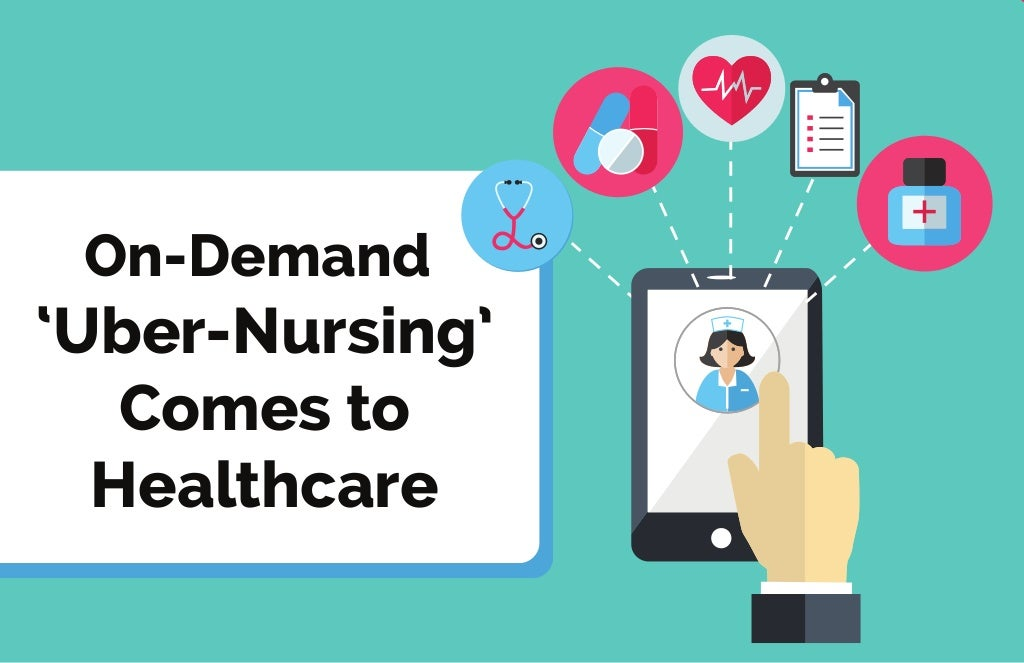
The “Uberization” of Nursing

By MCOL.com

Dr. Seleem R. Choudhury

***
***

“Uberization” is a catchphrase that has quickly become part of common parlance in discussions about the pandemic-induced economy. Uberization is the movement by organizations to “replace fixed wage contracts with ‘dynamic pricing’ for labor” (Davis, & Sinha, 2021).  It is transforming many elements of the economy and replacing employees employed by the organization with a type of self-employed or contract employee. In essence, it allows businesses to “recruit labour at a large scale in new ways” (Davis, & Sinha, 2021). 

The global business community has had a range of responses to the trend of uberization (Babali, 2019), as has the healthcare industry in particular.  Yet as health systems emerge from the pandemic, Bloomberg reports that “the ongoing elevated costs of [healthcare] workers are causing profit warnings” (KHN, 2022; Court, & Coleman-Lochner, 2022). Regardless of one’s resistance or acceptance of uberization, healthcare employment is in crisis. Change must occur to keep health systems from financial disaster.

It seems that the tide of uberization in the healthcare industry is already rising. An increasing number of employees are contracting with hospitals and health systems via a staffing agency. This trend is likely to evolve, with a portion of staff employed directly by the hospital, and the remaining employees self-contracting with hospitals or health systems with short-term or even daily contracts. In fact, hospitals are reporting that rather than temporary “travel nurses” coming from other states to work on a contract basis, nurses are taking short-term contract work at hospitals a short drive from their own homes rather than pursue permanent employment with these organizations.  We are witnessing the uberization of nursing, which will eventually extend to other healthcare occupations.

Why uberization?

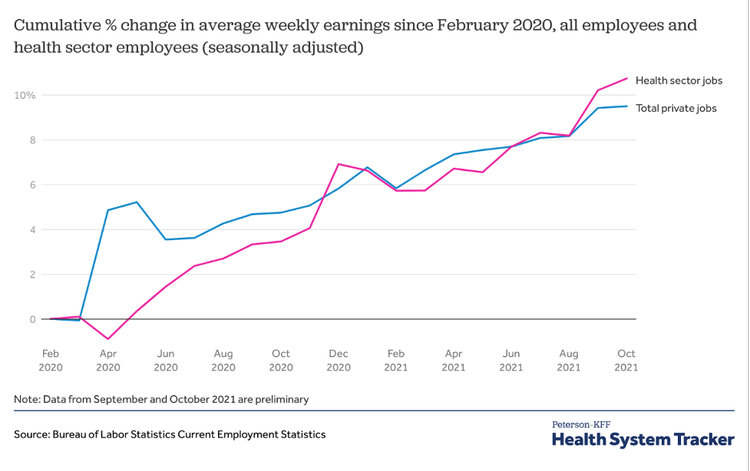
The healthcare workforce shouldered the heavy burden of fighting the COVID-19 pandemic. Yet a collaborative study from Indiana University, the nonprofit Rand Corp., and the University of Michigan that analyzed the changes in the U.S. healthcare workforce during the COVID-19 pandemic found that “the average wages for U.S. healthcare workers rose less than wages in other industries during 2020 and the first six months of 2021” (Toler, 2022; Cantor, Whaley, Kosali, & Nguyen, 2022). According to a February 2022 report by the U.S. Bureau of Labor Statistics, only about 35 percent of healthcare and social assistance organizations “increased wages and salaries, paid wage premiums, or provided bonuses because of the COVID-19 pandemic” (U.S. Bureau of Labor Statistics, 2022).
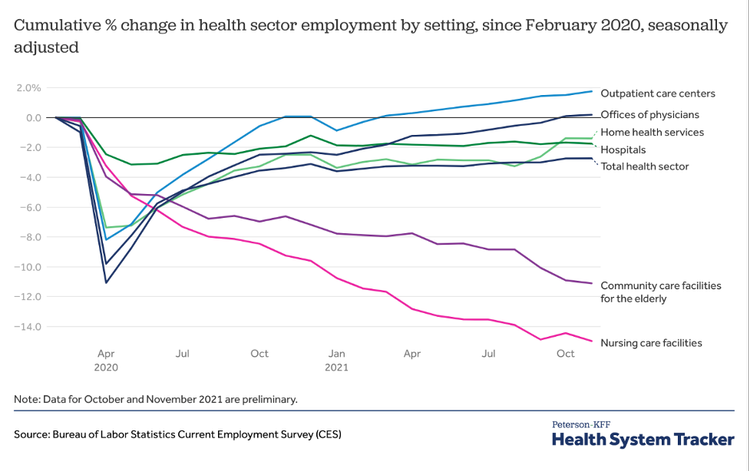
Due to the media attention the “Great Resignation” has received, it is common knowledge that workers across industries have been leaving their jobs at higher rates than before the pandemic (Parker, & Horowitz, 2022).  Yet by October 2021, when the “quit rates” were at their highest recorded levels, healthcare and social assistance job resignations had increased to 35% higher than they had been before the pandemic, slightly higher than the increase of resignations among all workers in the same period (29%) (Wager, Amin, Cox, & Hughes-Cromwick, 2021).  
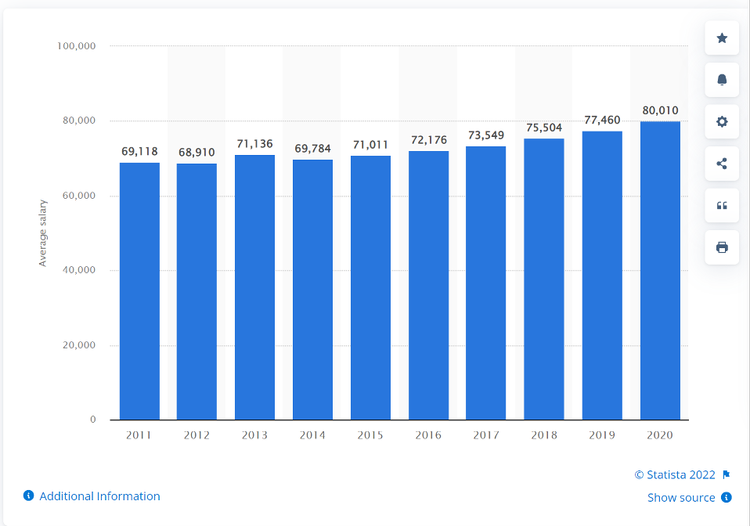
Over the last ten years, “the salary of registered nurses increased by 1.67 percent in the United States” (Michas, 2021). Whereas healthcare executives make on average eight times more than their hourly employees (Saini, Garber, & Brownlee, 2022). The pandemic has rebalanced the scales in favor of those underpaid for many years. The salary landscape has changed, and in response many hospital systems blindly grasp to the pre-pandemic state of agency staffing. This, combined with near flat salary increases, contribute to the uberization of healthcare.
For many healthcare professionals, the combination of work-related stress and incommensurate compensation was the final straw. However, in addition to fair salary, flexibility has become a top demand of employees—even in healthcare. “Gone are the days when job security or pay was everything. Workers now are giving more thought to how their jobs fit into their lives. Ambition for ambition’s sake is being reassessed” (Buckingham, & Richardson, 2022).

A recent survey articulated “higher pay and dissatisfaction with management were also key drivers of nurses changing work settings in 2020 or 2021,” with 28% of respondents saying they’ve changed work settings (Lagasse, 2022). The percentage of nurses considering changing employers increased by 6% from 2020 to 2021, with 17% saying they are contemplating making an employment change. The percentage of nurses who are “passive job seekers – not actively looking for a new job but open to new opportunities – also increased, from 38% in 2020 to 47% in the current survey” (Lagasse, 2022).

The moment: contractor or non-contractor

As the trend of uberization continues to spread beyond the transportation industry, the global business community should be watchful of challenges that the trendsetter Uber is facing to understand future implications of this movement in their own industry. For example, recent legal battles regarding the employment status of Uber drivers will likely impact the cost-benefit analysis of those considering traditional employment or independent contracting. While an independent contractor is free to offer services to anyone and doesn’t have the limits on their freedom that comes with being an employee of a single organization, the U.S. National Labor Relations Board decision that Uber drivers are independent contractors means that drivers have no federal right to unionize (HyreCar, 2021; Fishman, 2020). In Europe, however, Uber drivers are considered employees and not independent, which could mean that unionization could occur en masse.

The future

The future of healthcare employment could be via an app on smart phones. Imagine: daily staffing supplemented by workers employed and credentialed through the app. The healthcare worker could choose their rate and shifts, and the hospital could determine the desired experience, quality, and patient experience reviews for the open position. It could shift the future of employment healthcare significantly.

The rate of change in today’s workplace is accelerating whether it is through the uberization of healthcare workers or advancements in workers’ rights. A recent New York Times article entitled “The Revolt of the College-Educated Working Class” states: “The support for labor unions among college graduates has increased from 55 percent in the late 1990s to around 70 percent in the last few years, and is even higher among younger college graduates” (Scheiber, 2022).  

This may have a ripple effect on the healthcare workforce. Years of stagnating salaries and organizations’ undefined workforce vision has primed the industry for action with record job-quits within healthcare. This has proven especially true in rural markets where recruitment of permanent and agency staff has posed numerous challenges. Our current climate potentially opens the door for workers to leverage themselves via the advocacy of a union.   

Summary

The labor supply and demand are out of balance. The long-term effects on the health sector labor market from the pandemic are unknown, but changes in healthcare delivery (such as the growth of telehealth) may lead to lasting shifts in the healthcare industry. Fierce competition for healthcare workers means that employers must go beyond good pay and benefits to attract the best candidates. Healthcare recruitment is a zero-sum game. There isn’t a pool of healthcare workers lying idle, and so recruitment is often at the cost of a competitor. The employee knows that this demand exists, and this could further drive the uberization of healthcare workers. However, there is potential for this new movement to benefit both parties. As limited number of employees equates to skill scarcity which drives salaries, hospitals could utilize their skilled workforce based on need and demand. 

Resources

Babali, B. (2019). What is Uberization? The Business Year.

Buckingham, M., & Richardson, N. (2022). What’s Really Driving the ‘Great Resignation’. Barron’s.

Cantor, J., Whaley, C., Kosali, S., & Nguyen, T. (2022). US Health Care Workforce Changes During the First and Second Years of the COVID-19 Pandemic. JAMA Health Forum. 2022;3(2):e215217.

Court, E., & Coleman-Lochner, L. (2022). ‘Unsustainable’ Squeeze Grips U.S. Hospitals on Covid Labor Cost. Bloomberg.

Davis, G., & Sinha, A. (2021). Varieties of Uberization: How technology and institutions change the organization(s) of late capitalism. Sage Journals, 2(1).

Fishman, S. (2020). Uber Drivers are Contractors Not Employees According to the NLRB. NOLO.

HyreCar (2021). Are Uber Drivers Employees or Independent Contractors: Explained. HyreCar

KHN (2022). Hospitals Losing Money, Thanks To Covid-Driven Cost Increases. KHN Morning Briefing, April 28, 2022.

Lagasse, J. (2022). Almost 30% of nurses are considering leaving the profession. Healthcare Finance News.

Michas, F. (2021). Average annual salary of registered nurses in the United States from 2011 to 2020. Statista.

Parker, K., & Horowitz, J. (2022). Majority of workers who quit a job in 2021 cite low pay, no opportunities for advancement, feeling disrespected. Pew Research Center.

Saini, V., Garber, J., & Brownlee, S. (2022). Nonprofit Hospital CEO Compensation: How Much Is Enough? Health Affairs.

Scheiber, N. (2022). The Revolt of the College-Educated Working Class. The New York Times.

Toler, A. (2022). Health care wage growth has lagged behind other industries, despite pandemic burden. Indiana University.

U.S. Bureau of Labor Statistics (2022). 24 percent of establishments increased pay or paid bonuses because of COVID-19 pandemic. U.S. Bureau of Labor Statistics.

Wager, E., Amin, K., Cox, C., & Hughes-Cromwick, P. (2021). What impact has the coronavirus pandemic had on health employment? Peterson-KFF Health System Tracker.

***

COMMENTS APPRECIATED

Thank You

DICTIONARY: https://www.amazon.com/Dictionary-Health-Insurance-Managed-Care/dp/0826149944/ref=sr_1_4?ie=UTF8&s=books&qid=1275315485&sr=1-4

***

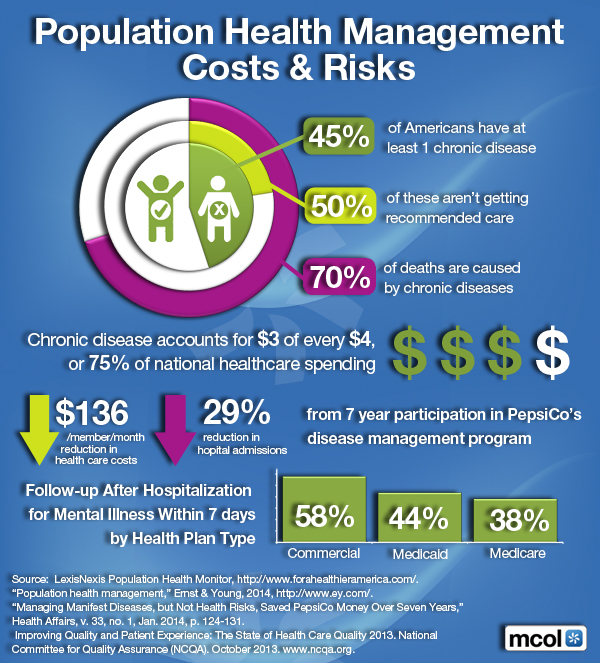
Enter “Population Health” Management

Join Our Mailing List

Understanding the Costs and Risks

Dr. DEM

[By Dr. David Edward Marcinko MBA]

Gratefully, our book, Financial Management Strategies of Hospitals and Healthcare Organizations [Tools, Techniques, Case Studies and Checklists] has become an academic best seller.

It contains a chapter on Wellness and Population Health 2.0; included here for your review [By Jennifer Tomasik, Carey Huntington, and Fabian Poliak].                 .

Population Health

I am especially proud of this work.  This managerial book mimics the popular style of colleague Atul Gawande MD in his acclaimed work The Checklist Manifesto.

Why? All hospitals are still subject to the imperative: No Margin – No Mission.

***

Pop Health

 ***

Assessment

In an example of population health management and policy leadership, another colleague, David B. Nash MD MBA of the Wharton School, and Endowed Dean of Jefferson University Medical School [father of population health], even wrote the “Foreword”.

Click on this link to read it entirely.

Link: Foreword.Nash

More:

Conclusion

Your thoughts and comments on this ME-P are appreciated. Feel free to review our top-left column, and top-right sidebar materials, links, URLs and related websites, too. Then, subscribe to the ME-P. It is fast, free and secure.

Speaker: If you need a moderator or speaker for an upcoming event, Dr. David E. Marcinko; MBA – Publisher-in-Chief of the Medical Executive-Post – is available for seminar or speaking engagements. Contact: MarcinkoAdvisors@msn.com

OUR OTHER PRINT BOOKS AND RELATED INFORMATION SOURCES:

Product DetailsProduct Details

***

Invite Dr. Marcinko

***

Understanding Professional Medical Employer Organizations

Join Our Mailing List PROFESSIONAL Human Resources Options

By Eric Galtress

“In-house service and support activities are monopolies.  They have little incentive to improve productivity. In fact, they have considerable disincentive to improve their productivity. Clerical, maintenance and support work, do not make a direct and measurable contribution to the bottom line.”

       “Sell the Mailroom” by Peter F. Drucker

 ***

Labor Law

Labor Law compliance begins with the hire of your very first employee, thus a well managed human resources (HR) function should be an area of strategic focus by the medical executive, regardless of practice size or the number of employees. Consideration of this vital role can help contribute to an efficient, highly effective and productive professional staff committed to the goals of the practice encompassing a positive and nurturing culture evident to your patients, while maintaining your competitive edge.

HR

Human Resources are the major expense driver of today’s medical practice and addresses staffing requirements, wages and other compensation, payroll and tax compliance, labor law compliance, employee benefits, training, employee turnover, safety, risk management and workers’ compensation. These responsibilities must be performed in accordance with State and Federal guidelines, beginning with the hire of your very first employee.

At specific employee level thresholds, employers are required to comply with a growing number of employee-related requirements including State and Federal Laws.  These laws govern the proper method of how employees must be treated and paid, as well as ensuring that their rights in the workplace are protected. State and Federal Regulators each create vast amounts of workplace legislation every year, many of which become law.

In most cases, the specific requirement (either State or Federal) that affords the employee the most workplace rights and/or protection and benefits takes precedence over the other.  Non-compliance can subject the practitioner/business owner to hefty fines, penalties, business interruption, litigation, and in some cases, even practice failure.

Moreover, these HR efforts are backed by labor attorneys, service providers, brokers and other consultants. Given the typical size of a medical practice, this presents a compelling argument that practices should consider taking advantage of an innovative alternative:  being able to delegate (outsource) part or most of the HR burden as well as the employee / employer related liabilities.

Outsourcing

Simply put, instead of the practitioner/staff performing the HR requirements, part or most of this responsibility can be outsourced to an off-site HR services provider that specializes in labor law compliance, employee management and cost control. The practitioner retains functional control of the employees and the service provider handles the HR issues.

Added value is achieved by the practice in receiving these services more cost effectively since their needs are combined with those of the many other practices and businesses the provider already serves. Outsourcing is a matter of simple economics, enabling the practitioner to gain relief from cumbersome employee administration, while enhancing productivity and benefits for the staff members.

The HR outsourcing relationship is not to be confused with a Physician Practice Management Company (PPMC).  The HR services provider has no financial interest or ownership whatsoever in the practice.

***

student-849825_640

 ***

DEFINITIONS

To have an outside firm take responsibility and much of the liability to perform activities traditionally handled by internal staff and resources because:

  1. They can do it cheaper and/or faster.
  2. They can do it better because of their expertise and experience.
  3. They have all of the required professional staff and/or facilities.
  4. They take all or part of the risk and the liability to do it right.
  5. They can expand their service offering commensurate with your growth needs
  6. They save you the time of doing it yourself or having one or more of your key staff members distracted from the priorities of the practice.
  7. They help safeguard against chaos should the key person handling HR suddenly leave
  8. They help maintain the high standards of the practice with regard to the employees and the workplace.
  9. Outsourcing can benefit all parties.

Human resource management

In general, HR management consists of the activities, responsibilities and issues of any practice/business, corporation, partnership or other business entity that comes as a result of having employees (IRS1099 independent contractors are not considered employees).

Some of these requirements are mandatory such as paying minimum wage and providing workers’ compensation insurance protection; other aspects and their related administrative functions can be at the discretion of the owner(s) of the practice or business such as sponsoring health benefits, retirement plans for their employees or paid vacation and sick time.

Employer POV

What follows is an overview of the HR requirements of being the employer. This includes a condensed view of employment and labor laws, government compliance issues, employee related costs and the alarming upsurge in employee litigation. The last poses a growing level of liability, vulnerability and distraction to today’s medical executive and practitioner/owner, second only to that of medical malpractice.

Assessment

As a result, many physicians without available HR expertise are finding it increasingly difficult to focus on growing their practices.

More:

Conclusion

Your thoughts and comments on this ME-P are appreciated. Feel free to review our top-left column, and top-right sidebar materials, links, URLs and related websites, too. Then, subscribe to the ME-P. It is fast, free and secure.

Speaker: If you need a moderator or speaker for an upcoming event, Dr. David E. Marcinko; MBA – Publisher-in-Chief of the Medical Executive-Post – is available for seminar or speaking engagements. Contact: MarcinkoAdvisors@msn.com

OUR OTHER PRINT BOOKS AND RELATED INFORMATION SOURCES:

***

[PRIVATE MEDICAL PRACTICE BUSINESS MANAGEMENT TEXTBOOK – 3rd.  Edition]

Product DetailsProduct Details

  [Foreword Dr. Hashem MD PhD] *** [Foreword Dr. Silva MD MBA]

***

New Medical Informed Consent Dilemma

Join Our Mailing List

Emerging Problems

By Dr. David Edward Marcinko; MBA, CMP™

[Publisher-in-Chief]dem21

According to the Dictionary of Health Insurance and Managed Care, informed consent is the oral and written communication process between a patient and physician that results in the agreement to undergo a particular procedure, surgical intervention or medical treatment.

Unfortunately, a lack of standardization surrounding this process represents a major risk for patients and surgeons, and may lead to inaccurate patient expectations, lost or incomplete consent forms, missing encounter documentation and delays in critical surgeries and procedures.

History: Render S. Davis of Emory University [2008 recipient of the Health Care Ethics Consortium’s Heroes in Healthcare Ethics Award] writes for us in the Business of Medical Practice www.MedicalBusinessAdvisors.com that the concept of informed consent is rooted in medical ethics and codified as a legal principle. It is based on the assertion that a competent person has the right to determine what is done to him or her [self-regulated autonomy].

Rationale: The American Medical Association recommends that its members disclose and discuss the following with their patients:  

  • The patient’s diagnosis, if known,
  • The nature and purpose of a proposed treatment or procedure,
  • The risks and benefits of a proposed treatment or procedure,
  • Alternatives (regardless of cost or health insurance coverage),
  • The risks and benefits of the alternative treatments and,
  • The risks and benefits of not the procedure.

The requirements for informed consent are spelled out in statutes and case law in all 50 states. It is a necessary protocol for all hospitals, medical clinics, podiatry practices and ASCs.

Inadequacy of Traditional Consent Forms-to-Date

The typical informed consent process, particularly one that relies solely on traditional generic consent forms, is often inadequate, incomplete or offers the potential for not fully explaining and documenting a particular procedure to a given patient. 

Traditional consent forms are subject to errors and omissions, such as missing signatures (patient, provider or witness), missing procedure(s), and missing dates that place the validity of consent at risk. Lost or misplaced forms may result in delayed or postponed procedures often at the expensive of costly operating room time. Moreover, far too many forms are generic in nature and wholly unsuited for a specific patient or increasingly sophisticated medical procedure.

Patient Safety Background

According to the Institute of Medicine’s [IOM] repot, To Err is Human, more than 1 million injuries and nearly 100,000 deaths occur annually in the United States due to mistakes in medical care. Wrong patient, wrong-side, wrong-procedure and wrong-toe surgery are particularly egregious. In fact, these are among several other “never-events” that Medicare, and an increasing number of private insurance companies are refusing to reimburse.

Based on the need to make healthcare safer, the Agency for Healthcare Research and Quality (AHRQ) undertook a study to identify patient safety issues and develop recommendations for “best practices”.

AHRQ Evidence Report

The AHRQ report identified the challenge of addressing shortcomings such as missed, incomplete or not fully comprehended informed consent, as a significant patient safety opportunity for improvement.

The authors of the AHRQ report hypothesized that better informed patients “are less likely to experience errors by acting as another layer of protection.” And, the AHRQ study ranked a more interactive informed consent process among the top 11 practices supporting more widespread implementation.

General Accounting Office report found that malpractice insurance premiums were relatively flat for most of the 1990’s, but projections began to increase dramatically to 2010.

Results of Improper Informed Consent

Failure to obtain adequate informed consent, depending on state law, may place surgeons, resident, fellows, ambulatory and office surgery centers, medical clinics and hospitals at risk for litigation ranging from medical negligence to assault and battery.

Proceedings Involving Informed Consent

Informed consent is often a factor in medical malpractice litigation. Some attorneys note that physicians are liable, and that plaintiffs may be able to recover damages, in cases involving improper informed consent, even if the procedure is successful. Inadequate informed consent is often cited as a secondary cause in malpractice complaints and anecdotal evidence suggests this strategy may be especially pursued in podiatric malpractices cases.

Avoiding Litigation

The AMA advises its membership of the following regarding informed consent:  

“To protect yourself in litigation, in addition to carrying adequate liability insurance, it is important that the communications process itself be documented. Good documentation can serve as evidence in a court of the law that the process indeed took place. A timely and thorough documentation in the patient’s chart by the physician providing the treatment and/or performing the procedure can be a strong piece of evidence that the physician engaged the patient in an appropriate discussion.”

Impact of Comprehensive Informed Consent Forms

Another study found that providing informed consent information to patients in written form increased comprehension of the procedure. It was also hypothesized that: 

  • Better informed patients are more compliant with medical advice and recover faster.
  • Informed consent discussions strengthen physician-patient relationships and increase patients’ confidence in their doctor.
  • Well informed patients are more engaged in their own care, and are thus less likely to experience surgical errors than more passive, or less informed patients. 

Medical Ethics

The ethical foundation of informed consent is based on the creation of an environment that supports respect for patients and protects their right to autonomous, informed participation in all collaborative Healthcare 2.0 decisions. 

Assessment 

Thus, the essence of the informed consent problems of modern medicine today!

More: http://www.ePodiatryConsentForms.com 

Channel Surfing the ME-P

Have you visited our other topic channels? Established to facilitate idea exchange and link our community together, the value of these topics is dependent upon your input. Please take a minute to visit. And, to prevent that annoying spam, we ask that you register. It is fast, free and secure.

Conclusion

Your thoughts and comments on this ME-P are appreciated. Feel free to review our top-left column, and top-right sidebar materials, links, URLs and related websites, too. Then, subscribe to the ME-P. It is fast, free and secure.

Speaker: If you need a moderator or speaker for an upcoming event, Dr. David E. Marcinko; MBA – Publisher-in-Chief of the Medical Executive-Post – is available for seminar or speaking engagements. Contact: MarcinkoAdvisors@msn.com

OUR OTHER PRINT BOOKS AND RELATED INFORMATION SOURCES:

Product Details  Product Details

PODCAST: Employer Healthcare Priorities

By Eric Bricker MD

A Mercer Employer Survey

***

***

COMMENTS APPRECIATED

Thank You

DHIMC: https://www.amazon.com/Dictionary-Health-Insurance-Managed-Care/dp/0826149944/ref=sr_1_4?ie=UTF8&s=books&qid=1275315485&sr=1-4

MORE: https://www.amazon.com/Financial-Management-Strategies-Healthcare-Organizations/dp/1466558733/ref=sr_1_3?ie=UTF8&qid=1380743521&sr=8-3&keywords=david+marcinko

***

HEALTHCARE POLICY: Blog and Internet Sources of Gravitas

BY DR. DAVID E. MARCINKO MBA CMP®

CMP logo

SPONSOR: http://www.CertifiedMedicalPlanner.org

REFERENCES

https://mises.org/library/mayo-clinic-and-free-market

http://www.kevinmd.com/blog/2017/08/problem-free-market-health-care.html

http://www.healthsharetv.com/content/dr-zeke-emanuel-history-healthcare-reform-us

https://www.pointnurse.com/blog/do-you-have-a-healthcare-blockchain-strategy/

Not Really Insurance: The Pre-Existing Condition Debate

Learn More about Concierge Medicine

http://www.kevinmd.com/blog/2017/04/health-care-right-privilege-cant-answer.html

http://www.healthissocial.com/

http://www.msn.com/en-us/money/markets/brave-new-world-of-bitcoins-what-they-are-and-how-to-buy-them/ar-AAoWUza?li=BBnbfcN

https://www.pointnurse.com/blog/do-you-have-a-healthcare-blockchain-strategy/

http://www.kevinmd.com/blog/2017/06/golden-era-medicine-never-coming-back.html

http://mdwhistleblower.blogspot.com/2016/02/concierge-medicine-is-it-ethical-or.html

http://www.msn.com/en-us/money/healthcare/americas-health-care-crisis-is-a-gold-mine-for-crowdfunding/ar-BBCxjbU?li=BBnbfcN

http://www.msn.com/en-us/money/companies/the-company-behind-many-surprise-emergency-room-bills/ar-AAoKYCK?li=BBnbfcN

https://studymatescom.wordpress.com/

Is Healthcare a Right? A Privilege? Something Entirely Different?

http://www.kevinmd.com/blog/2017/07/moral-assassination-physicians-must-stop.html

http://www.kevinmd.com/blog/2017/01/emphasize-public-health-medical-education.html

Hobson’s Wrong Answer

Is Health Privacy a Human Right?

http://www.kevinmd.com/blog/2016/12/must-temper-unregulated-free-market-philosophy-health-care.html

http://www.kevinmd.com/blog/2017/06/slow-death-private-practices.html

A Primer For Conservatives: Health Insurance is not Really Insurance

http://www.kevinmd.com/blog/2017/06/doctors-pr-problem.html

http://www.kevinmd.com/blog/2017/06/doctors-cops-can-fight-mistrust-way.html

http://www.msn.com/en-us/health/healthtrending/did-a-1980-letter-help-spark-the-us-opioid-crisis/ar-BBBKkM4?li=BBnb7Kz

http://alertandoriented.com/

http://www.sheknows.com/health-and-wellness/articles/1030383/crowdsourcing-health-care

DIY Textbooks: https://medicalexecutivepost.com/2021/04/29/why-are-certified-medical-planner-textbooks-so-darn-popular/

INVITE DR. MARCINKO: https://medicalexecutivepost.com/dr-david-marcinkos-

CONTACT: Ann Miller RN MH

[Executive Director]

MarcinkoAdvisors@msn.com

***

5 Initiatives to Improve Health Equality in the U.S.

Percentage with Initiative in Place

***

***

By Charlene Ice

  1. Increasing access to care: 25% of U.S. healthcare leaders
  2. Providing care in the community/community outreach: 24% of U.S. healthcare leaders
  3. Promoting community education: 17% of U.S. healthcare leaders
  4. Generating financial support for under-served communities: 16% of U.S. healthcare leaders
  5. Identifying collaborative partners: 11% of U.S. healthcare leaders

Notes: Responses from U.S. healthcare leaders according to Philips’ “Future Health Index 2022” report, an analysis of feedback from nearly 3,000 healthcare leaders across 15 countries.
Source: Phillips, June 8, 2022
Source URL: https://www.usa.philips.com/a-w/about/news/archive/standard/…

***
COMMENTS APPRECIATED

Thank You

***

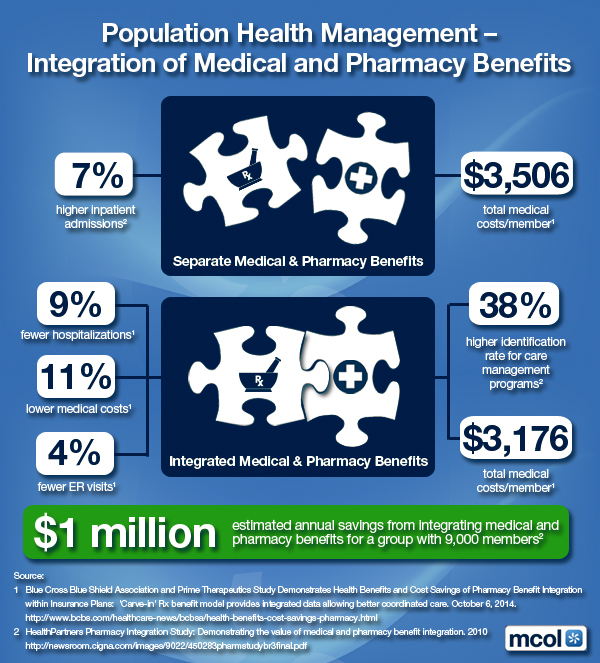
Population Health Management Integration

Join Our Mailing List

Of Medical and Pharmacy Benefits 

By http://www.MCOL.com

pop health

 Channel Surfing the ME-P

Have you visited our other topic channels? Established to facilitate idea exchange and link our community together, the value of these topics is dependent upon your input. Please take a minute to visit. And, to prevent that annoying spam, we ask that you register. It is fast, free and secure.

integration (1)

Conclusion

Your thoughts and comments on this ME-P are appreciated. Feel free to review our top-left column, and top-right sidebar materials, links, URLs and related websites, too. Then, subscribe to the ME-P. It is fast, free and secure.

Speaker: If you need a moderator or speaker for an upcoming event, Dr. David E. Marcinko; MBA – Publisher-in-Chief of the Medical Executive-Post – is available for seminar or speaking engagements. Contact: MarcinkoAdvisors@msn.com

OUR OTHER PRINT BOOKS AND RELATED INFORMATION SOURCES:

Product DetailsProduct Details

A Glimpse into Lean Medical Management Tools and Techniques

Join Our Mailing List

A Very Brief Review

By Dr. Mark Matthews with Dr. David Marcinko MBA

As most medical and healthcare executives and consultants are aware, there are a few tools and techniques that are unique to the world of Lean process improvement and management.

These  include: Kaizen Events, The 5-S Technique, Standard Work, Visual Controls and Human Factors Engineering.

We will review the first two techniques in this ME-P. Of course, the last three are reviewed in much greater detail in our new book complete with checklists, figures, tables, drawings, graphs and other illustrations.

Kaizen Events

Kaizen is one of the most powerful tools in the Lean methodology. These events involve intense work sessions aimed at making concrete decisions in a short time period without the need for much data collection. Kaizen events are fairly narrow in scope, ideally concentrating on making one or two decisions at the most.

For example, there may be competing improvement ideas that require more exploration. Using a Kaizen event can provide the necessary structure to make the decision needed to move forward with implementation. The steps in a typical Kaizen Event often include:

  • Determine and define the objectives
  • Determine the current state of the process
  • Determine the requirements of the process
  • Create a plan for implementation
  • Implement the improvements
  • Check the effectiveness of the improvements
  • Document and standardize the improved process
  • Continue the cycle

The 5-S Technique

This technique was developed to allow employees to visually control their work area around visual management techniques. The principles involved in visual management include:

  • Improving workspace efficiency and productivity
  • Helping people share workstations by providing standard layouts
  • Reducing the time required to look for needed supplies or tools
  • Improving the work environment

Each “S” in 5S stands for a step in the process:

  • Sort – classify every item in the designated area as either needed or not needed
  • Set (Straighten) – put “everything in its place”
  • Shine (Sweep) – clean all work environments for order and organization
  • Standardize  – document what goes where, who will clean and who will inspect and on what schedule
  • Sustain-design a system for monitoring process, providing feedback, and rewarding good outcomes

Assessment

Prior to conducting a 5S event, a significant amount of planning is vital. It is important to scope the target area as something that is manageable, draw a physical map of the area under consideration [hospital, ED, OR, clinic, office, etc], and assemble a list of current items in that area. This is usually accomplished by taking photographs (both before and after) of the area.

Conclusion

Your thoughts and comments on this ME-P are appreciated. Feel free to review our top-left column, and top-right sidebar materials, links, URLs and related websites, too. Then, subscribe to the ME-P. It is fast, free and secure.

Link: http://feeds.feedburner.com/HealthcareFinancialsthePostForcxos

Speaker: If you need a moderator or speaker for an upcoming event, Dr. David E. Marcinko; MBA – Publisher-in-Chief of the Medical Executive-Post – is available for seminar or speaking engagements. Contact: MarcinkoAdvisors@msn.com

Our Other Print Books and Related Information Sources:

Health Dictionary Series: http://www.springerpub.com/Search/marcinko

Practice Management: http://www.springerpub.com/product/9780826105752

Physician Financial Planning: http://www.jbpub.com/catalog/0763745790

Medical Risk Management: http://www.jbpub.com/catalog/9780763733421

Hospitals: http://www.crcpress.com/product/isbn/9781439879900

Physician Advisors: www.CertifiedMedicalPlanner.org

Buy from Amazon

Learn How to Profit and Thrive in the PP-ACA Era

BOOK FOREWORD / TESTIMONIAL

UPDATE: Gold, Peer-2-Peer Payment, Pediatric Vax and the Lumber Markets

By Staff Reporters

***

***

The price of gold dropped below $1,800 an ounce and appears hyper-focused on the soaring U.S. Dollar Index, which rose to 107.15. Over the last five days, the index is up by more than two points, and has risen five points over the last 30 days.

The minimal reporting threshold for peer-to-peer payment platform transactions has decreased from $20,000 (or 200 transactions) to just $600 because of a provision in the American Rescue Plan Act of 2021. That means that businesses that use platforms like Venmo, Cash App, PayPal, and even storefronts like Etsy and eBay can expect to receive 1099-K forms for the 2022.

Children in the US are getting vaccinated at a lower rate than the rest of the nation, with only 300,000 kids under five receiving the vaccine since it became available two weeks ago. Health officials say this was expected since most parents want to get their kids vaccinated at a doctor’s office.

Finally, lumber markets were a harbinger of economic shifts during the pandemic and today’s slumping prices could be just as prescient. Lumber prices hit a record $1,607 per thousand board feet in May 2021, due to soaring demand for new homes, a boom in DIY home renovation activities, and production and supply chain issues stemming from the pandemic. Twelve months later, lumber prices collapsed to $648, a more than 50% decrease from $1,464 in March. 

***

COMMENTS APPRECIATED

Thank You

***

***

Justice Recovers $5B from Healthcare Fraud Cases in 2021

By Staff Reporters

***

***

The Justice Department’s (JD) efforts returned almost $1.9 billion to the federal government or paid it out to private individuals. Of that money, about $1.2 billion went to the Medicare trust fund. About $98.7 million in federal Medicaid money was transferred to CMS. The JD opened 831 criminal healthcare fraud cases last year. Federal prosecutors filed criminal charges in 462 cases involving 741 defendants. A total of 312 defendants were convicted of healthcare fraud during the year. The JD opened 805 civil healthcare fraud investigations and had 1,432 civil healthcare fraud matters pending at the end of last year. 

HHS Office of the Inspector General (OIG) investigations resulted in 504 criminal actions against individuals or entities accused of Medicare- and Medicaid-related crimes. The OIG filed 669 civil actions, which included false claims and unjust-enrichment lawsuits filed in federal district courts, and civil monetary penalties. The OIG excluded 1,689 individuals and entities from participating in federal healthcare programs, including Medicare and Medicaid. 

Source: Andrew Cass, Becker’s Hospital Review

***

COMMENTS APPRECIATED

Thank You

***

***

UPDATE: Cuban’s Crypto, Celsius Network, JPMorgan Chase, and Job Payrolls

By Staff Reporters

***

***

Mark Cuban, the billionaire entrepreneur, has been facing a torrent of criticism for several days linked to a partnership forged with a crypto firm. Indeed, Cuban, an evangelist of the crypto industry in which he has invested, signed an agreement linking his NBA team, the Dallas Mavericks, to the crypto lender Voyager Digital last October. The contract, signed on October 28, is for five years and has a mission to promote cryptocurrencies by making coins more accessible through educational and digital programs.

Beleaguered crypto lender Celsius Network operated as a classic “Ponzi scheme,” the former head of the company’s key investment strategy alleged in a lawsuit, claiming the company used customer deposits to cover huge liabilities caused by reckless mismanagement.

The closely watched criminal trial of three former JPMorgan Chase & Co employees just commenced, with a prosecutor saying they “ripped off” the precious metals futures market with fake orders and defense attorneys saying the orders were genuine. The bank’s former global precious metals desk head Michael Nowak, precious metals trader Gregg Smith and salesperson Jeffrey Ruffo are charged with racketeering and conspiracy in the U.S. Justice Department’s most aggressive case to date targeting the manipulative trading tactic known as spoofing.

Finally, job payrolls grew by 372,000 in June, according to the Labor Department, easing fears over a potential recession while clearing the way for another round of interest rate hikes by the Federal Reserve later this month and beyond.

***

COMMENTS APPRECIATED

Thank You

***

***

What is Financial Portfolio “DI-WORSIFICATION”

Versus Di-Versification

BUSINESS MANAGEMENT: The term “diworsification” was coined by legendary investor Peter Lynch in his book, One up on Wall Street, to describe the over-expansion of a company into new growth projects and businesses they do not fully understand and which do not align with the company’s core competencies.

See the source image

PORTFOLIO MANAGEMENT: The term diworsification has since grown to also refer to over-diversifying an investment portfolio in such a way that it reduces the overall risk-return characteristics.

ORDER CITATION: https://www.r2library.com/Resource/Title/0826102549

INVESTOPEDIA: https://www.investopedia.com/terms/d/diworsification.asp

RELATED: https://medicalexecutivepost.com/2021/05/29/modern-portfolio-theory-and-asset-correlation-not-allocation/

MORE: https://medicalexecutivepost.com/2014/11/12/the-negative-short-term-implications-of-diversification/

YOUR COMMENTS ARE APPRECIATED.

Thank You

***

UPDATE: Markets, Twitter, Theranos and the ‘Pass-Through’ Tax Loophole

By Staff Reporters

***

***

  • Markets: The S&P climbed for its fourth-straight trading day, tying its best winning streak in 2022 (h/t chip and energy companies). But, at 8:30am ET today, with the release of the June jobs report, any sign of a recession will show up.
  • Elon Musk could take drastic action to back out of his $44 billion agreement to buy Twitter, according to the Washington Post. Apparently Musk’s team cannot verify the data on bots that were provided to them and therefore are looking to exit the agreement.
  • Former Theranos executive Sunny Balwani was convicted of defrauding investors and patients in his role as president and COO of the company.

Finally, under proposed IRS changes, individuals who make more than $400,000 annually and couples who make more than $500,000 will have to pay a 3.8% tax on earnings from their pass-through business income. Those revenues would be used to shore up the government-run Medicare healthcare program for the elderly. A pass-through business is a sole proprietorship, partnership, or S corporation that is not subject to the corporate income tax; instead, this business reports its income on the individual income tax returns of the owners and is taxed at individual income tax rates.

***

COMMENTS APPRECIATED

Thank You

FINANCE: https://www.amazon.com/Comprehensive-Financial-Planning-Strategies-Advisors/dp/1482240289/ref=sr_1_1?ie=UTF8&qid=1418580820&sr=8-1&keywords=david+marcinko

***

FTC Scrutiny Results in Several Scrapped Hospital Deals

***

***

By Health Capital Consultants, LLC

FTC Scrutiny Results in Several Scrapped Hospital Deals

A series of Federal Trade Commission (FTC) challenges to hospital mergers and acquisitions in 2022 indicates heightened regulatory scrutiny of hospital deals. Perhaps emboldened by the July 2021 executive order that focused attention on antitrust enforcement of hospital consolidation, the agency has voted to challenge a number of transactions, which has lead hospitals to call off the deals rather than challenge the government.

This Health Capital Topics article reviews three of the largest transactions called off this year, two of which were announced in June. (Read more…) 

***

COMMENTS APPRECIATED

Thank You

***

***

UPDATE: e-Commerce & Defining the “Wealthy”

By Staff Reporters

***

***

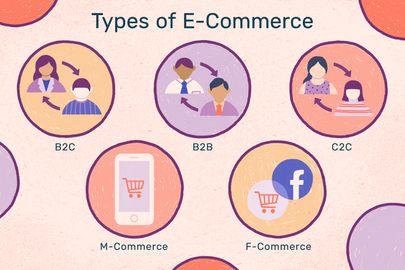
According to research from the International Monetary Fund, e-commerce went from taking up 10.3% of total global spending in 2019 to 14.9% at the height of the pandemic in 2020 before falling again to 12.2% in 2021.

***

Respondents to Schwab’s 2021 Modern Wealth Survey said a net worth of $1.9 million qualifies a person as wealthy. Indeed, the annual Schwab survey found that respondents are lowering the bar for what they consider wealthy. Compared to 2021 standards, respondents to the 2020 survey described the threshold for wealth as being a net worth of $2.6 million.

COMMENTS APPRECIATED

Thank You

***

***

AMA: Doctors Committed to Tele-Health

By AMA / MCOL

***

***

AMA: Doctors Committed to Tele-Health

 •  More than 80% said patients have better access to care since using telehealth.
 •  62% believe patients have higher satisfaction since offering telehealth.
 •  60% agreed telehealth enabled them to provide high-quality care.
 •  56% are motivated to increase telehealth use in their practices.
 •  44% indicated that telehealth decreased the costs of care.

Source: AMA, April 1, 2022

***
COMMENTS APPRECIATED

Thank You

***

***

***

UPDATE: Dollar-Euro Parity, Crude Oil and the Markets

By Staff Reporters

***

***

The Euro lost 10% versus the dollar this year and at $1.0238 EUR=EBS is close to the psychologically crucial parity point it last saw in mid-2002. It also hit new seven-year lows versus the Swiss franc and dropped against the sterling and the yen, but few observers are willing to call a bottom yet. Nomura’s analysts cut their euro/dollar target to $0.95 and said parity could be breached as soon as August. Citibank says a move to parity is “inevitable.” However, Nomura said that $0.95 was not that important historically, noting that the euro fell from $1.17 after its creation to $0.82 in October 2002. Extrapolating backwards using its legacy currencies, the euro traded as weak as $0.6444 in February 1985.

On the New York Mercantile Exchange, benchmark U.S. crude oil for August delivery fell $8.93 to $99.50 a barrel, its first dip below $100 since May 11th. Brent crude for September delivery fell $10.73 to $102.70 a barrel.

Finally, the Dow dropped 129.44 points, or 0.4%, to finish at 30,967.82; it had been down more than 700 points at its lows earlier in the session. The S&P 500 gained 6.06 points, or 0.2%, closing at 3,831.39. And, the NASDAQ Composite advanced 194.39 points, or 1.8%, to finish at 11,322.24.

***

COMMENTS APPRECIATED

Thank You

***

***

How Much Health Insurers Pay for Almost Everything Is About to Go Public

By Julie Appleby KHN

***

***

READ HERE: https://khn.org/news/article/health-insurers-price-transparency-public-rates-costs/?utm_source=pocket-newtab

***

COMMENTS APPRECIATED

Thank You

***

***

***

***

DICTIONARY: Health Economics and Finance

By Dr. David Edward Marcinko MBA CMP

CMP logo

COURTESY: http://www.CertifiedMedicalPlanner.org

***

FOREWORD

***

***
ORDER: https://www.r2library.com/Resource/Title/0826102549

***

New Wave FIN-TECH Business Models?

FINANCIAL SERVICES:

New business models and big opportunities

By MIT Technology Review

CMP logo

Courtesy: http://www.CertifiedMedicalPlanner.org

The financial services industry is turning to bold initiatives to propel from pandemic response to business growth. And, among financial services institutions, 62% are looking to ramp up tech investments, and another 62% expect to move IT and business functions to the cloud, compared with 46% across industries.

For example, in a recent report, Nucleus Research found that cloud deployments deliver four times the return on investment as on-premises deployments do.

Link: https://www.technologyreview.com/2021/04/29/1023266/new-business-models-big-opportunity-financial-services/?mc_cid=3ae91e4c2b&mc_eid=72aee829ad

INDUSTRY RELATED: https://medicalexecutivepost.com/2014/09/24/is-the-financial-services-industry-all-fed-up/

TRANSFORMATION: https://medicalexecutivepost.com/2016/12/28/the-most-transformational-era-in-financial-services-since-the-1980s/

Your thoughts are appreciated.

THANK YOU

***

PODCAST: Why We Still Need to Celebrate Independence Day?

By Richard Helppie

***

***

EDITOR’S NOTE: I first Met Rich Helppie when I was in business school. He was the CEO of Superior Consultant at the time. Today he is a respected philanthropist and publisher of The Common Bridge. This is a much-requested replaying of Rich’s 2021 podcast honoring of Independence Day.  He takes some time to reflect on why we still should celebrate our nation’s birthday even though our history has been imperfect. -David E. Marcinko

***

PODCAST: https://thecommonbridge.substack.com/p/independence-day?utm_source=substack&utm_medium=email#play

***

COMMENTS APPRECIATED

Thank You

***

The College Degree [Mortality] Advantage

By the NBER

Working Paper 29328), Anne Case and Angus Deaton

***

***

The Persistent Mortality Advantage of a College Degree
In 2019, Americans with a four-year college degree had six years greater life expectancy at age 25 than those without a degree. These educational differences in mortality have been growing in recent decades and are apparent across demographic groups. In Mortality Rates by College Degree before and during COVID-19 (NBER Working Paper 29328), Anne Case and Angus Deaton explore the evolution of these differences during the pandemic.

If every American faced an equal threat of infection and death from COVID-19, then the mortality gap between more and less educated individuals would have narrowed during the pandemic. However, the risks from COVID-19 were plausibly greater for those without a college degree for a variety of reasons. For example, people without college degrees disproportionately work in occupations where working from home to avoid infection is not feasible. They are more likely to use public transportation and to live in crowded housing arrangements, heightening their risk of exposure. Conditional on infection, less educated individuals may experience worse outcomes due to higher average rates of pre-existing conditions and poorer access to health care.

Using provisional mortality data from the National Center for Health Statistics, the researchers determine that a college degree was protective against mortality during the calendar year 2020, which encompassed the first nine months of the pandemic. They express the mortality advantage of a college degree using the ratio of the mortality rate for those without a four-year college degree to the rate for those with a degree. The researchers calculate these ratios for 60 different demographic groups, identified by two genders, five age groups, and six racial/ethnic categories (Hispanic, non-Hispanic White, non-Hispanic Black, Asian, American Indian/Alaskan Native, and those who report two or more races).

***

The Bulletin on Health summarizes selected recent NBER Working Papers. It is distributed digitally to economists and other interested persons for informational and discussion purposes. The Bulletin is not copyrighted and may be reproduced freely with attribution of source.

To sign up to receive new Bulletin on Health issues by email, please visit: www.nber.org/prefs/bh.pl

Prior to creation of the Bulletin on Health, the NBER published the Bulletin on Aging and Health.

Working Papers produced as part of the NBER’s research program are distributed to encourage discussion and suggestions of preliminary work. Neither Working Papers nor issues of the Bulletin on Health are reviewed by the Board of Directors of the NBER.

The Bulletin on Health is edited by Robin McKnight
  Across all demographic groups, the ratios were all above one in 2020, reflecting higher mortality rates for those without college degrees. The ratios were highest for younger age groups: in the 25 to 39 age group, mortality rates for those without college degrees were as much as seven times the rates for those with college degrees. The researchers argue that the association between education and mortality is concentrated among preventable deaths, which are more prevalent causes of death among younger adults. In addition, older Americans are more likely to be retired, so additional risks that less educated workers faced due to occupational differences were less relevant for older age groups.

The overall finding that those without college degrees were at greater risk of death during the pandemic may not seem surprising, given their differential risks of infection, higher rates of pre-existing conditions, and worse access to care. A more unexpected finding is that these differences in mortality risk, as reflected in the mortality ratio, were very similar to the differences in mortality risk in the year prior to the pandemic. The figure, which plots the ratios for each demographic group in 2019 and in 2020, shows that the mortality advantage of a college degree was little changed during the pandemic relative to the prior year.

The figure highlights a few exceptions to this pattern. For Hispanic women aged 25 to 64 and for non-Hispanic American Indian/Alaskan Native women aged 25 to 39, the mortality advantage of a college degree was substantially higher in 2020 than in 2019. But for most demographic groups, the mortality ratios during the pandemic were strikingly similar to those before the pandemic. In fact, for over half of the demographic groups, the ratio was slightly lower in 2020 than in 2019.

The results suggest that the mortality advantage of a college degree during the pandemic was a continuation of pre-existing health differentials between those with and without college degrees. “The mystery,” the researchers conclude, “is not why the [college degree] was protective during the pandemic, but why the effect was proportionately as large before the pandemic.”

***

COMMENTS APPRECIATED

Thank You

Subscribe to the Medical Executive-Post

***

****

VALUATION: Home Health Agencies [Technological Environment]

By Health Capital Consultants, LLC

***

***

Valuation of Home Health Agencies: Technological Environment

With home healthcare providers increasingly being viewed as a critical link in the array of patient-centered healthcare services aimed to bring care back into the community, technology will likely play a more prominent role in managing patient populations in need of home healthcare services.

CITE: https://www.r2library.com/Resource/Title/082610254

The final installment of this five-part series on the valuation of home health agencies (HHAs) will discuss the growing role of technology in home healthcare and the challenges of utilizing this technology post-COVID-19. (Read more…) 

***

COMMENTS APPRECIATED

Thank You

***

***

A.I. Examiners and the CERTIFIED MEDICAL PLANNER® Professional Designation Program

Artificial Intelligence and “Robo-Examiners” Let Adult-Learners and Students Take Control of their Career Education and On-Line Matriculation

Dr. David Edward Marcinko MBA CMP®
[Academic Dean and CEO: Institute of Medical Business Advisors, Inc]

Enter the CMPs

[Course Curriculum]

The concept of a self-taught and student motivated, but automated outcomes driven classroom may seem like a nightmare scenario for those who are not comfortable with computers. Now everyone can breathe a sigh of relief, because the Institute of Medical Business Advisors just launched an “automated” final examination review protocol that requires no programming skill whatsoever.

cmp

In fact, everything is designed to be very simple and easy to use. Once a student’s examination “blue-book” is received, computerized “robotic reviewers” correct student assignments and quarterly test answers. This automated examination model lets the robots correct tests and exams, while the students concentrate on guided self-learning.

Get a robo advisor on board to help with your investment ...

http://www.CertifiedMedicalPlanner.org

Assessment

According to Eugene Schmuckler PhD MBA MEd, Academic Provost of the CERTIFIED MEDICAL PLANNER® professional designation and certification program,

“This option allows the modern adult-learner save both time and money as s/he progresses toward the ultimate goal of board certification as a CMP® mark holder.”

The trend is growing and iMBA, Inc., is leading the way.

COURSE TEXTBOOKS: https://medicalexecutivepost.com/2021/04/29/why-are-certified-medical-planner-textbooks-so-darn-popular/

Product Details
Product Details
Comprehensive Financial Planning Strategies for Doctors and Advisors: Best Practices from Leading Consultants and Certified Medical Planners™

ADMISSIONS CONTACT:

Ann Miller RN MHA CMP®

[Executive-Director]

PH: 770-448-0769

EM: MarcinkoAdvisors@msn.com

THANK YOU

***

Q1 2022 – The Entrepreneurial Digital Health Financing Boom Chills

By Phil Taylor

***

***

US digital health company investment financing experienced a dip in Q1 of 2022, dropping to $6 billion from the $6.7 billion invested in Q1 2021. In addition, the average size of each investment deal dropped from $46 million last year to just shy of $33 million. These declines come after a boom in investments in recent years. The Rock Health Digital health securities index also reflected this year’s trend, including special purpose acquisition company (SPAC) listings.

According to Phil Taylor of PharmaPhorum, “SPACs have been a popular route to public listing for digital health as well as many other sectors, but the deals have underperformed, with steep declines in share prices after they closed that has “exerted downwards pressure” on the Rock Health Digital Health Index (RHDHI).”

Read more by clicking here

SPACs: https://medicalexecutivepost.com/2021/11/12/spac-popularity-soaring-in-healthcare/

***

COMMENTS APPRECIATED

Thank You

Subscribe to the Medical Executive-Post

***

***

***

Some Thoughts on Money Happiness

Join Our Mailing List

Can Money Buy Happiness?

By Rick Kahler MS CFP® http://www.KahlerFinancial.com

Rick Kahler CFP

It turns out money can buy happiness, after all—sometimes. Having a good income and the security of money invested for the future don’t insure happiness, of course. They do, however, give us a foundation that can make it easier to find happiness.

Spending

Part of the secret to using money to foster happiness is knowing what to spend it on!

For example, spending money to lift your mood—the whole “retail therapy” idea—does not lead to happiness. It provides only a momentary sense of pleasure, which often in the long run fosters unhappiness. There are ways to spend money that do create happiness.

Here, based in part on several posts about money and happiness by Dr. Jeremy Dean on his site Psyblog, are a few of them:

1. Experiences. Research says you will find greater happiness spending your money on experiences rather than on stuff. Experiences live in our memories much longer and give us more emotional enjoyment than things, which can quickly lose their importance. In fact, just the anticipation of planning an experience often creates happiness. And if you want to take the happiness level up a notch, take a friend along with you.

2. Exercise: The number-one strategy people can use to feel better, increase energy levels, and reduce tension is exercise. Exercising can mean spending money on a gym membership, a personal trainer, and equipment. However, exercising can also be inexpensive. Walking, for example, requires little more than a pair of good walking shoes and—at least here in South Dakota—a warm winter coat.

3. Stuff that will provide you experiences: Buying things that create or are necessary for experiences count as happiness spending. Music is an experience that research says is a mood enhancer; even sad music can bring pleasure. Spending money on music might mean buying concert tickets, but it could also mean buying recordings, an iPod, smart-phone, speakers, and similar equipment.

4. Stuff that supports doing what you’re good at; like medicine: What are you good at and really enjoy? PsyBlog says spending money for things you excel at typically creates happiness. A set of golf clubs and a budget for green fees could be a great purchase if you’re good at golf—or even if you aren’t so good at the game but you enjoy it for the exercise and time with friends. The same goes for buying things to support hobbies, such as art supplies, garden plants, or quilting fabrics. Maybe you enjoy helping others, so charitable giving or spending money on volunteer opportunities would increase your happiness. I love researching almost anything, so spending money on research data can be a mood lifter for me.

5. Coaching/Therapy: Few things are more valuable for long-term happiness than hiring a good coach or therapist. Research shows talk therapy to be as effective as or better than antidepressants. In my co-authored book, Conscious Finance, I describe how spending $80,000 on therapy was the best investment I ever made in my own happiness and well-being.

6. Meditation: The biggest happiness bang for your buck might come from meditation. It isn’t free, but it’s very inexpensive. You will need to attend a class or buy an instructional video or book. I recommend “Open Heart, Open Mind” by Thomas Keating, but there are many others.

****

Happy

****

Assessment

While we know that money by itself isn’t a source of happiness, we also know that having enough money to comfortably meet our basic needs does make us happier. In addition, we can consciously choose to spend in ways that buy happiness. Such investments may not provide financial returns, but they can provide significant happiness returns.

Conclusion

Your thoughts and comments on this ME-P are appreciated. Feel free to review our top-left column, and top-right sidebar materials, links, URLs and related websites, too. Then, subscribe to the ME-P. It is fast, free and secure. Link: http://feeds.feedburner.com/HealthcareFinancialsthePostForcxos

Speaker: If you need a moderator or speaker for an upcoming event, Dr. David E. Marcinko; MBA – Publisher-in-Chief of the Medical Executive-Post – is available for seminar or speaking engagements. Contact: MarcinkoAdvisors@msn.com

OUR OTHER PRINT BOOKS AND RELATED INFORMATION SOURCES:

Product Details  Product Details

  Risk Management, Liability Insurance, and Asset Protection Strategies for Doctors and Advisors: Best Practices from Leading Consultants and Certified Medical Planners™
Comprehensive Financial Planning Strategies for Doctors and Advisors: Best Practices from Leading Consultants and Certified Medical Planners™

What is Stock Price BREADTH?

By Staff Reporters

***

The market is made up of thousands of stocks. And on any given day, investors are actively buying and selling them. This measure looks at the amount, or volume, of shares on the NYSE that are rising compared to the number of shares that are falling.

Link: https://medicalexecutivepost.com/2022/05/01/what-up-vix/

A low (or even negative) number is a bearish sign. The Fear & Greed Index uses decreasing trading volume as a signal for Fear.

CITE: https://www.r2library.com/Resource/Title/0826102549

The formula: Breadth Line Value= (No. of Advance Stocks – No of Decline Stocks) + Breadth Line Value of the Previous day. When the number of advance stocks exceeds the number of the decline stocks then the breadth line will rise and vice versa.

***

COMMENTS APPRECIATED

Thank You

***

***

PODCASTS: 36 Blue Cross / Blue Shield Organizations Explained

By Eric Bricker MD

By Laurence Baker MD

***

***

***

COMMENTS APPRECIATED

Thank You

***

***

When Routine Medical Tests Trigger a Cascade of Costly, Unnecessary Care

By N.P.R

***

***

READ: https://www.npr.org/sections/health-shots/2022/06/13/1104141886/cascade-of-care?utm_source=pocket-newtab

***

COMMENTS APPRECIATED

Thank You

***

***

***

UPDATE: The Markets, Ruja Ignatova, and the Grayscale ETF Bitcoin SEC Challenge

***

By Staff Reporters

***

***

Markets: The S&P’s drop of more than 21% was its biggest H1 plunge since 1970. Its second quarter was the worst since Q1 of 2020. And while the S&P is floundering in the bear market, the NASDAQ, which is loaded with tech stocks, has taken an even bigger licking: It’s plunged more than 30% since its peak last November. For example:

Netflix: down 71% YTD (the worst performer in the S&P)

Coinbase: down 81%

Even megacaps like Meta (-52%), Amazon (-38%), and Apple (-25%) haven’t been spared.

Ruja Ignatova promised her cryptocurrency, OneCoin, would become the next Bitcoin. The only problem: It didn’t exist. The FBI today added the Bulgarian-born Ignatova—accused of defrauding investors out of approximately $4.1 billion in a fake cryptocurrency scheme—to its most-wanted list. The 41-year-old has been on outstanding since October 2017, just days after a warrant was issued for her arrest in the U.S. In a press release, the FBI called OneCoin a “massive fraud scheme” and offered up to $100,000 for information leading to Ignatova’s arrest.

The U.S. Securities and Exchange Commission rejected a proposal from Grayscale to list a spot Bitcoin ETF on the NYSE Arca exchange, setting up a potential legal battle with the country’s biggest digital asset manager. The SEC said Grayscale’s request for an ETF listing, which it proposed as a conversion of its popular Grayscale Bitcoin Trust GBTC, didn’t meet the regulator’s standard of being “designed to prevent fraudulent and manipulative acts and practices” and “to protect investors and the public interest.” Grayscale said it would challenge the SEC’s decision in court, arguing that its approval of ETF’s that hold Bitcoin futures should “logically (make it) comfortable with ETFs that hold that same asset.”

***

***

COMMENTS APPRECIATED

Thank You

***

PODCAST: Charter Communications Stock [Value Investing]

By Vitaliy Katsenelson CFA

***

Charter Communications (CHTR) is a significantly undervalued stock today. But are competition, 5G, and satellite internet significant threats to its business? How does its management compare to AT&T and Verizon? Read and/or listen to the analysis below.

***

***

COMMENTS APPRECIATED

Thank You

***

***

A Doctor – Economist’s Solution for Health Reform

My Laundry Wish List for all US Healthcare Stakeholders

By Dr. David Edward Marcinko; MBA, CMP™

[Publisher-in-Chief]Fox News

As President Obama spoke, prodded and cajoled for Congress to pass HR 3200-3400 in 2008, I believe that for any healthcare reform effort to work successfully for the American people – for the long term – we need to consider the following in no particular prioritized order:

  • Insurance portability uncoupled from patient employment
  • Health insurance regional exchanges with inter-state purchase competition
  • Doctor, drug, DME and hospital pricing and payment transparency for HSAs, and all of us
  • Modifying or eliminating AMA owned CPT Codes®; a huge money maker for them
  • Abandoning ala’ carte medicine for values-based outcomes
  • Reduce JCAHO influence; encourage competition from Norwegian Det Norske Veritas [DNV]
  • Reduce big-pharma influence thru-out the entire medical education, career and care pipeline
  • End DTC advertising from big-pharma
  • Promote wholesale drug purchase competition, MC bidding and generic drugs
  • Encourage evidence-based medicine, not expert-based medicine
  • Less pay for medical specialists with a  re-evaluation of the hospitalist concept
  • Advance the dying art of physical diagnosis, teach and embrace Paretto’s 80/20 rule for clinic issues
  • Reduce lab test, diagnostic imaging and testing
  • Encourage private 24/7/365 medical offices and clinics; and on-site and retail clinics
  • Abandon P4P, medical homes and disease management ideas
  • Give more economic skin-in-game to patients relative to health benchmarks
  • Concretize the “never-event” prohibitions and include a list of patient health responsibilities
  • More pay for primary care docs and internists
  • Adopt digital records and cloud computing for patients
  • Phase in true eHRs incrementally; and abandon CCHIT for open source SaaS
  • Promote Health 2.0 social media.
  • Augmented scope of practice, numbers and pay for NPs and DNPs, etc
  • Reduce pay for CRNAs and increase it for staff RNs
  • Develop step down triage and treatment units to reduce the number of full service ERs
  • Increase medical, osteopathic, dental, optometric and podiatric medical school classes
  • Increased practice scope for dentists, podiatrists and optometrists
  • Make some sort of catastrophic HI mandatory, much like auto insurance for all
  • End pre-existing conditon health insurance contract clauses
  • More choice  and end of life control for the terminally ill patient
  • Increase marketplace competition with fewer political and financial “externalities”.
  • Teach basic healthcare topics in school and encourage physical exercise
  • Health and insurance education should be, but is not, the “answer” for Americans
  • Protect borders and discourage undocumented illegals
  • Adopt medical malpractice tort reform
  • Make all stakeholders fiduciaries
  • No public “option” unless you like food stamps, Section 8 housing, public transportation and schools
  • Budget deficit neutrality
  • Slow down!

Assessment

Recently, while in the Baltimore/Washing area, I was asked by several reporters to opine on the healthcare debate; which I did so freely having never been known as the shy type. And, regular readers will note that many of these items have been used as posts or comments on this ME-P. Unfortunately, my “laundry list” interview was pre-empted by two local but boisterous town-hall meetings with respective passionate politicians. It was redacted no doubt, but never broadcast. Thus, I missed the potential for my “five minutes” of fame. C’est la vive!

Conclusion

There you have it; direct and straight forward. And so, your thoughts and comments on this Medical Executive-Post are appreciated. Feel free to review our top-left column, and top-right sidebar materials, links, URLs and related websites, too. Then, be sure to subscribe to the ME-P. It is fast, free and secure.

Link: http://feeds.feedburner.com/HealthcareFinancialsthePostForcxos

Speaker: If you need a moderator or speaker for an upcoming event, Dr. David E. Marcinko; MBA – Publisher-in-Chief of the Executive-Post – is available for seminar or speaking engagements. Contact: MarcinkoAdvisors@msn.com

Our Other Print Books and Related Information Sources:

Practice Management: http://www.springerpub.com/prod.aspx?prod_id=23759

Physician Financial Planning: http://www.jbpub.com/catalog/0763745790

Medical Risk Management: http://www.jbpub.com/catalog/9780763733421

Healthcare Organizations: www.HealthcareFinancials.com

Health Administration Terms: www.HealthDictionarySeries.com

Physician Advisors: www.CertifiedMedicalPlanner.com

THANK YOU