VALUE BASED MEDICAL CARE: A Paradigm Shift in Healthcare

By A. I.

***

***

Value-Based Medical Care: A Paradigm Shift in Healthcare

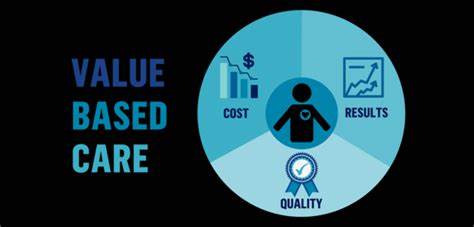
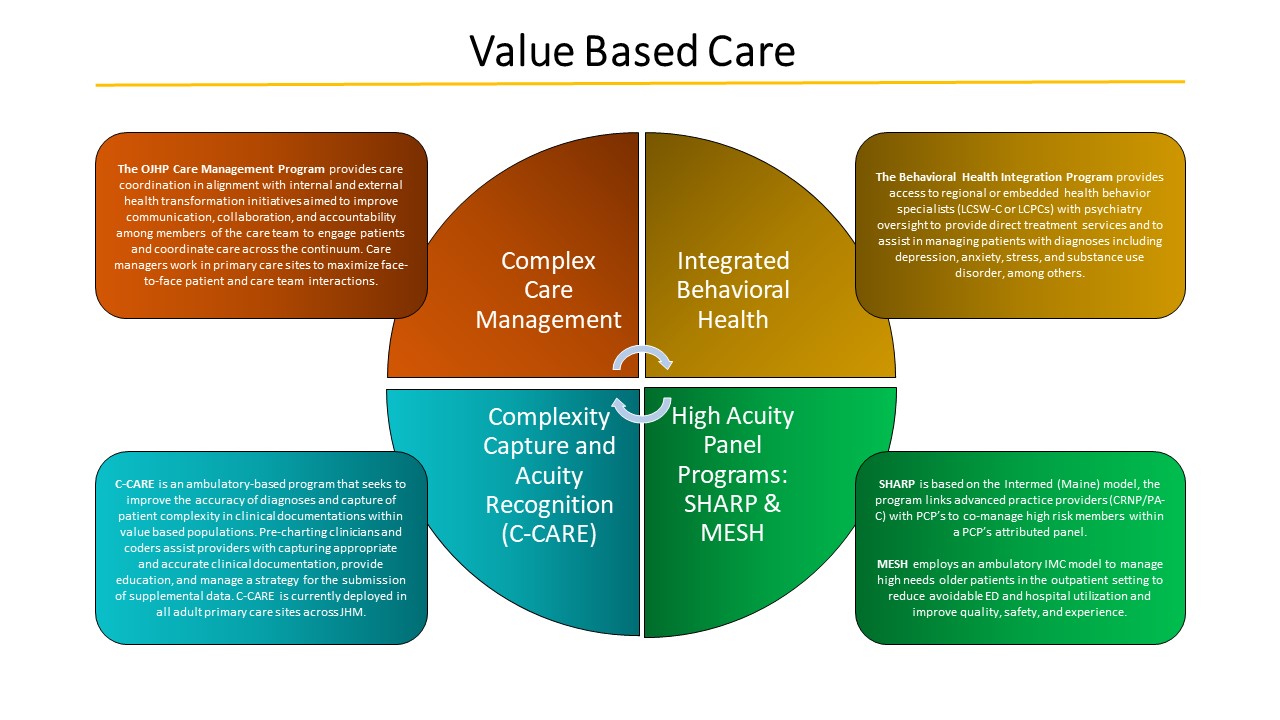
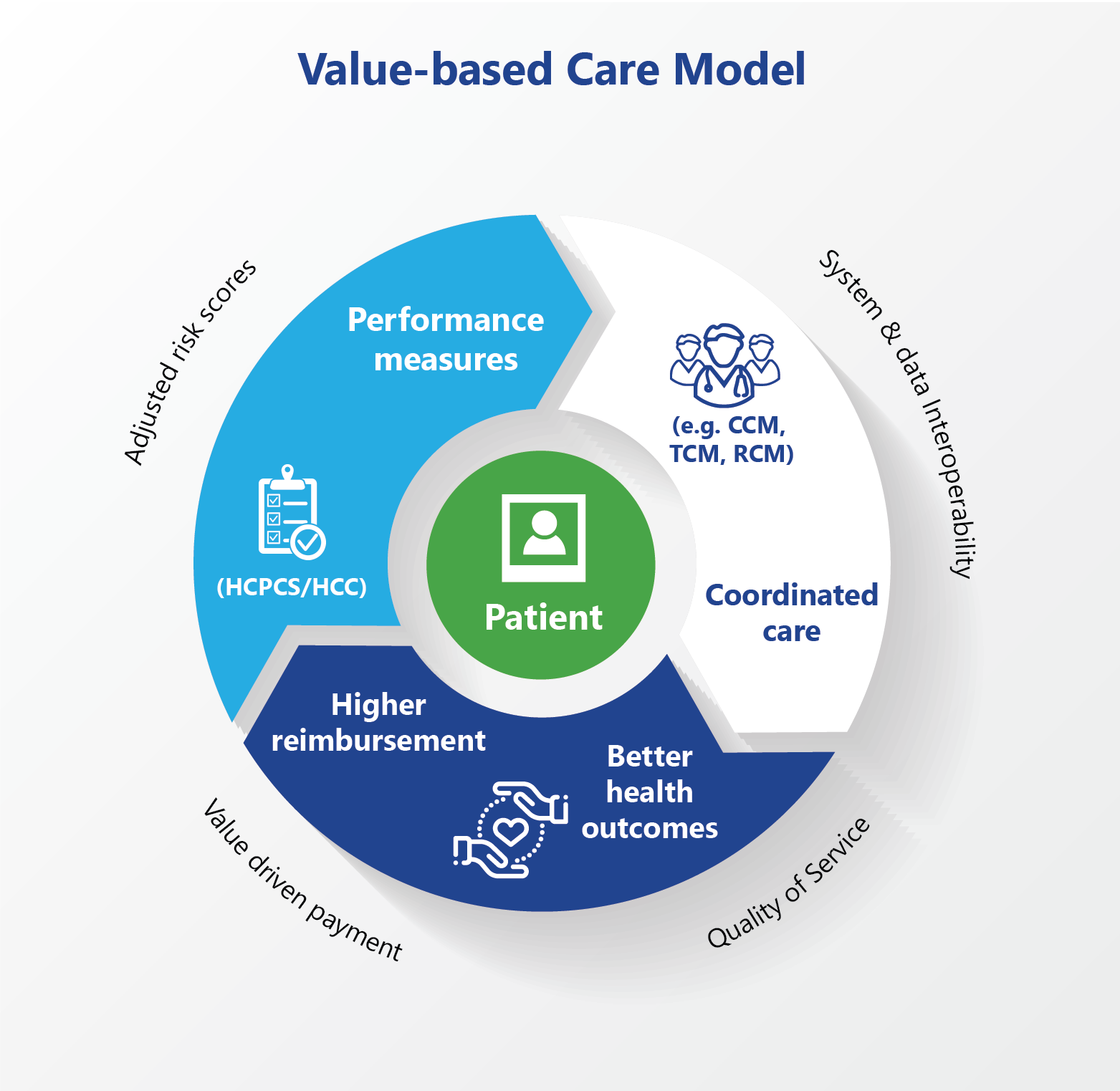
In recent years, the healthcare industry has undergone a transformative shift from volume-driven services to outcome-focused care. This evolution is embodied in the concept of value-based medical care, a model that emphasizes delivering high-quality healthcare while controlling costs and improving patient outcomes. Unlike traditional fee-for-service systems, which reward providers for the quantity of services rendered, value-based care aligns incentives with the value of care provided—measured by patient health outcomes relative to the cost of achieving them.

Core Principles of Value-Based Care

At its heart, value-based medical care is built on several foundational principles:

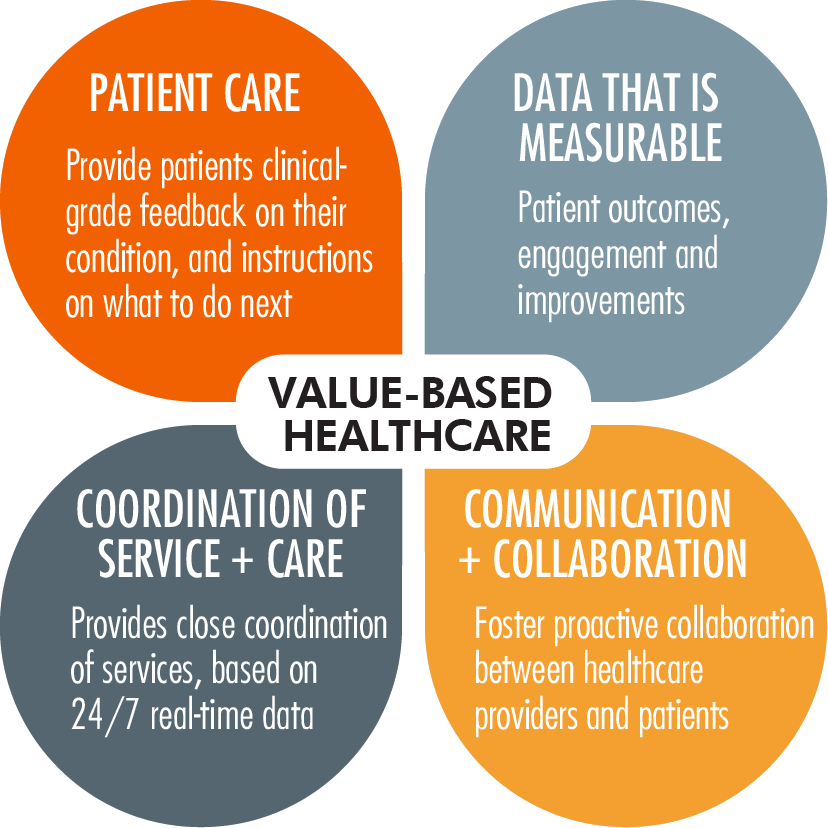
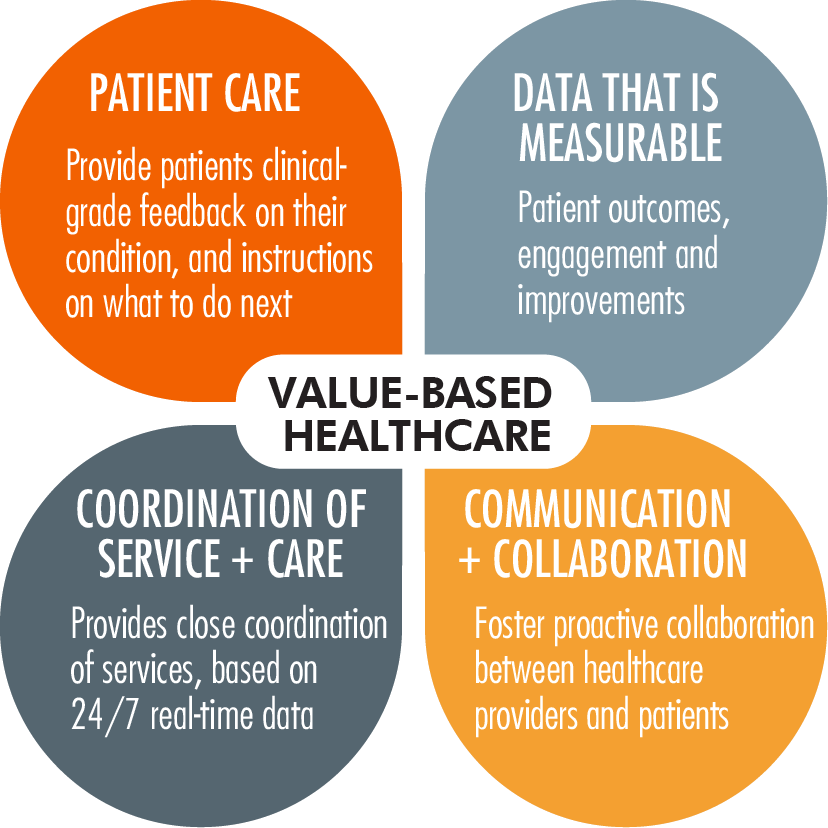
  • Patient-Centeredness: Care is tailored to individual needs, preferences, and values, promoting shared decision-making and holistic treatment.
  • Quality Over Quantity: Providers are rewarded for improving health outcomes, reducing hospital readmissions, and preventing disease rather than performing more procedures.
  • Integrated Care Delivery: Coordination among healthcare professionals ensures seamless transitions between services, reducing fragmentation and duplication.
  • Data-Driven Accountability: Performance metrics and health analytics guide clinical decisions and track progress toward better outcomes.
  • Cost Efficiency: By focusing on prevention and effective management of chronic conditions, value-based care aims to reduce unnecessary spending.

Benefits for Patients and Providers

For patients, value-based care offers a more personalized and proactive approach to health. It encourages preventive screenings, chronic disease management, and wellness programs that lead to longer, healthier lives. Providers benefit from shared savings programs, performance bonuses, and stronger relationships with their patients. Moreover, healthcare systems can allocate resources more effectively, reducing waste and improving overall population health.

COMMENTS APPRECIATED

EDUCATION: Books

Like, Refer and Subscribe

***

***

The Missing Piece in America’s Health Care Debate

By Rick Kahler CFP™

http://www.KahlerFinancial.com

***

The recent horrifying murder of UnitedHealthcare Group CEO Brian Thompson has called attention to the anger many Americans feel about our health care system. This tragedy has thrust the very real issue of health care costs back into the headlines.

One article on the topic, from Ken Alltucker for USA Today, offered seven reasons why Americans pay so much for health care with such poor results. When I saw the headline, I thought, “Finally, someone’s going to bring up the elephant in the room: taxes.”

The seven reasons included bloated administrative costs, lack of price transparency, overpaid specialists, higher prescription drug prices, and more. But I didn’t see a word about how, compared to other developed nations with “cheaper” health care, Americans pay far lower taxes. That omission feels like leaving a critical piece of the puzzle off the table.

***

***

In reality, countries with universal health care are not pulling off some magic trick of efficiency. They are simply collecting the money differently—through significantly higher taxes. Americans, on the other hand, pay for health care more directly, through out-of-pocket costs and insurance premiums.

In a column last year, I did the math. Americans spend about 17.8% of GDP on health care, plus 27.7% of GDP in taxes. That’s a total of 45.5%. Now compare that to twelve European countries with universal health care. They spend a median of 11.5% of GDP on health care and collect 41.9% of GDP in taxes. Total? 53.4%. In other words, Americans are spending 7.9% less overall on healthcare and taxes combined.

The saving isn’t what it appears, though. A fair comparison of healthcare costs and taxes needs to account for the fact that universal healthcare systems cover 100% of their populations, while the U.S. system currently leaves about 8% uninsured. If you factor in the cost of covering our uninsured residents, the U.S. likely spends a comparable percentage of income on healthcare as European countries with universal systems.

***

***

Our system is far from perfect. As the USA Today article points out, administrative costs are bloated. Harvard’s David Cutler estimates up to 25% of our health spending goes toward paperwork, phone calls, and processing. Price transparency is practically nonexistent. The cost of a diagnostic test might vary from $300 to $3,000 depending on where you go. We pay much more for prescription drugs and many procedures than those same treatments cost in other developed nations. Another issue is the fee-for-service model that rewards doctors for ordering more tests and procedures, whether or not patients get better.

We can do better. Innovations like value-based care, where providers are paid for outcomes rather than procedures, could help shift the system toward real results. Greater price transparency would empower patients to make informed choices and force providers to compete. And addressing administrative inefficiencies could save billions.

Yet fixing the system requires being honest about trade-offs. If we want universal health care at European price rates, we need to accept European tax rates. That’s the part of the conversation that often gets left out. It’s easy to be angry at hospitals, insurance companies, and drug manufacturers—and yes, they all have plenty to answer for. But we also need to face the reality that we’ve chosen a system that prioritizes lower taxes over centralized health care.

Anger may have put the flaws in our health care system in the spotlight. Finding genuine solutions will require moving beyond expressions of anger and frustration. It will demand thoughtful discussions about what kind of health care system, as individuals and as a nation, that we want and how we are willing to fund it.

EDUCATION: Books

COMMENTS APPRECIATED

Refer and Subscribe

***

***

Record-Breaking Savings for ACOs in 2023

ACCOUNTABLE CARE ORGANIZATIONS

By Health Capital Consultants, LLC

***

On October 29, 2024, CMS announced Performance Year (PY) 2023 results for accountable care organizations (ACOs) participating its Medicare Shared Savings Program (MSSP). Notably, MSSP ACOs garnered the largest net savings in MSSP’s history – more than $2.1 billion.

This Health Capital Topics article discusses MSSP performance in 2023 and how this may inform value-based care going forward. (Read more…) 

COMMENTS APPRECIATED

Subscribe Today!

***

***

PARADOX: Value Based Care

BY DR. DAVID EDWARD MARCINKO MBA MED CMP

Sponsor: http://www.CertifiedMedicalPlanner.org

***

A young clinician representative advising to consider the cost versus value of medicine. Health care concept for economic cost-effectiveness analysis, driving down medical costs, improved access.

***

Value Based Care Classic Definition: Value-based care is a type of payment model that pays doctors and hospitals for treating patients in the right place, at the right time and with just the right amount of care. You can look at it as a financial incentive to motivate healthcare providers to meet specific performance measures related to the quality and efficiency of the process. The same way, it penalizes weaker experiences, such as medical errors. The concept is often counter-intuitive.

CITE: https://www.r2library.com/Resource/Title/0826102549

Modern Circumstance: As healthcare costs continue to rise, value-based care has been growing in popularity compared to the traditional fee-for-service method.

Think: HMOs, PPOs, capitation payments and Medicare Advantage [Part C].

Paradox Examples:

  • Payment: A physician paid through fee-for-service compensation might like to see a packed medical office waiting room. More patients and services equate to higher pay. But, the same doctor paid through a VBC contract might wish to see an emptier waiting room as s/he will get the exact same daily pay for seeing fewer patients and working much less.
  • Prospectivity: Traditional Fee-for-Service medicine treats sick patients. VBC medicine seeks to keep patients healthy and out of the doctor’s office. 

Nursing Capitation: https://medicalexecutivepost.com/2024/07/07/on-nursing-capitation-reimbursement/

COMMENTS APPRECIATED

Thank You

***

***

VALUE BASED CARE: CVS and Walgreens

The retail pharmacy giants have made a string of multi-billion dollar deals!

By Staff Reporters

***

***

CVS and Walgreens have been spending money like there is no tomorrow! In fact, the two retail pharmacy giants have made a string of multi-billion dollar acquisitions of primary care providers in the past couple years, including the $5.2 billion VillageMD acquisition in 2021 (Walgreens) and the $10.6 billion plan to buy Oak Street Health (CVS).

VillageMD also bought primary care clinic operator Summit Health-CityMD in January 2023, which Walgreens invested $3.5 billion in, and CVS spent roughly $8 billion to acquire Signify Health, a value-based payment platform, in September 2022.

So what do all these deals have in common? Value-based care.

CITE: https://www.r2library.com/Resource/Title/082610254

READ Healthcare Brew: https://www.healthcare-brew.com/stories/2023/03/03/cvs-walgreens-value-based-care?cid=30723705.29836&mid=349b552221c994e2540a304649746d7c&utm_campaign=hcb&utm_medium=newsletter&utm_source=morning_brew

***

***

ORDER: https://www.amazon.com/Financial-Management-Strategies-Healthcare-Organizations/dp/1466558733/ref=sr_1_3?ie=UTF8&qid=1380743521&sr=8-3&keywords=david+marcinko

COMMENTS APPRECIATED

Thank You

***

PODCAST: Medicare Value Based Payments Explained

By Eric Bricker MD

***

***

COMMENTS APPRECIATED

Thank You

***

***

***

PODCAST: Medicare Launched the First VBC Initiative 40 Years Ago!

****

See the source image

BY DR. ERIC BRICKER MD

***

Value-Based Care Happened 40 Years

Why Was Medicare Able to Bring About So Much Value-Based Payment Change in 3 Years (’83-’86) Compared to the Relatively Little Change That Has Occurred in the 11 Years Since the Affordable Care Act?

Watch the Video to Find Out.

YOUR COMMENTS ARE APPRECIATED.

Thank You

***

What is a Hospital CHARGE MASTER?

***

By Dr. David Edward Marcinko MBA MEd CMP

***

According to George Washington University, a hospital chargemaster is a comprehensive list of a hospital’s products, procedures, and services. Everything from prescription drugs to supplies for diagnostic tests has a unique price listing in the chargemaster, making it a go-to document for hospital administrators such as CFOs, clinical documentation improvement specialists, and revenue directors.

Chargemaster usage dates back to the mid-20th century. At that time, fee-for-service (FFS) health insurance plans, which allow patients to direct their medical care by choosing physicians and facilities and paying a portion of the billed total, had just emerged in the U.S. healthcare system.

The chargemaster originally served as something akin to an FFS dictionary, with an entry for virtually anything billable under that economic model of healthcare.

CITE: https://www.r2library.com/Resource/Title/082610254

***

***

Over time, FFS itself has evolved and been challenged by alternatives like value-based care (VBC). Chargemasters built for FFS have changed accordingly, and they remain fixtures of the modern hospital revenue cycle. A standard chargemaster is a large electronic file containing multiple elements for each entry. These attributes usually include:

  • The charge for a single unit of the service in question
  • A Current Procedural Terminology (CPT) code; CPT is the official medical code set of the American Medical Association
  • Potentially, a Healthcare Common Practice Coding System (HCPCS) code; HCPCS is based on CPT
  • Alternative CPT and HCPCS codes if needed, e.g. one corresponding only to specific payers
  • A revenue code associated with the charge
  • Flag(s) indicating if the entry is scheduled for deletion, active or inactive
  • An internal reference number within the ledger for accounting purposes

LINK: https://revcycleintelligence.com/features/the-role-of-the-hospital-chargemaster-in-revenue-cycle-management

MORE: https://medicalexecutivepost.com/2013/09/26/some-modern-issues-impacting-hospital-revenue-cycles/

RCC: https://medicalexecutivepost.com/2013/03/06/a-better-approach-to-hospital-cost-estimation/

***

COMMENTS APPRECIATED

RELATED TEXT BOOKS

Thank You

FINANCE: https://www.amazon.com/Financial-Management-Strategies-Healthcare-Organizations/dp/1466558733/ref=sr_1_3?ie=UTF8&qid=1380743521&sr=8-3&keywords=david+marcinko

BUSINESS: https://www.amazon.com/Business-Medical-Practice-Transformational-Doctors/dp/0826105750/ref=sr_1_9?ie=UTF8&qid=1448163039&sr=8-9&keywords=david+marcinko

HEALTH INSURANCE: https://www.amazon.com/Dictionary-Health-Insurance-Managed-Care/dp/0826149944/ref=sr_1_4?ie=UTF8&s=books&qid=1275315485&sr=1-4

***

***

DAILY UPDATE: Lumeris Health Tech – MultiPlan, UnitedHealth, Aetna & CVS Payer Data – Stock Melt Down

MEDICAL EXECUTIVE-POST TODAY’S NEWSLETTER BRIEFING

***

Essays, Opinions and Curated News in Health Economics, Investing, Business, Management and Financial Planning for Physician Entrepreneurs and their Savvy Advisors and Consultants

Serving Almost One Million Doctors, Financial Advisors and Medical Management Consultants Daily

A Partner of the Institute of Medical Business Advisors , Inc.

http://www.MedicalBusinessAdvisors.com

SPONSORED BY: Marcinko & Associates, Inc.

***

http://www.MarcinkoAssociates.com

Daily Update Provided By Staff Reporters Since 2007.
How May We Serve You?
© Copyright Institute of Medical Business Advisors, Inc. All rights reserved. 2024

REFER A COLLEAGUE: MarcinkoAdvisors@msn.com

SPONSORSHIPS AVAILABLE: https://medicalexecutivepost.com/sponsors/

ADVERTISE ON THE ME-P: https://tinyurl.com/ytb5955z

MAY FIRST DAY

May Day is a European festival of ancient origins marking the beginning of summer, usually celebrated on 1 May, around halfway between the Northern Hemisphere’s Spring equinox and June solstice. Festivities may also be held the night before, known as May Eve. Traditions often include gathering wildflowers and green branches, weaving floral garlands, crowning a May Queen and setting up a Maypole, May Tree or May Bush, around which people dance. Bonfires are also part of the festival in some regions.

***

Here’s where the major benchmarks ended:

  • The S&P 500 index fell 80.48 points (1.6%) to 5,035.69; the Dow Jones Industrial Average® ($DJI) lost 570.17 points (1.5%) to 37,815.92, down 5% for the month; the NASDAQ Composite declined 325.26 points (2.0%) to 15,657.82.
  • The 10-year Treasury note yield jumped more than 7 basis points to 4.682%.
  • The CBOE Volatility Index® (VIX) rose 0.98 to 15.65.

Energy shares were among the weakest performers Tuesday, behind a drop in WTI Crude Oil (/CL) futures, which fell a third consecutive session and briefly dropped under $81 per barrel. The Philadelphia Oil Service Index (OSX) tumbled 4.5% to a seven-week low. The small-cap Russell 2000® Index (RUT) shed 2.1% and ended with a loss of 7.1% for the month.

But, it was a better day for Mounjaro maker Eli Lilly, which climbed nearly 6% after its popular weight loss drugs pushed it to raise its 2024 forecast.

CITE: https://www.r2library.com/Resource

Lumeris Health, a health tech company supporting value-based care operations, raised $100 million in a new funding round to support expansion.

CITE: https://tinyurl.com/2h47urt5


class-action complaint was filed against MultiPlan and major payers like UnitedHealth Group and CVS Health’s Aetna, arguing payers’ claims data was being used to generate low reimbursement rates.

CITE: https://tinyurl.com/tj8smmes

COMMENTS APPRECIATED

PLEASE SUBSCRIBE: MarcinkoAdvisors@msns.com

Thank You

***

***

***

***

EDUCATIONAL TEXTBOOKS: https://tinyurl.com/4zdxuuwf

***

VALUE BASED CARE: Guidelines and Best Practices?

http://www.MarcinkoAssociates.com

***

***

Three healthcare industry groups—America’s Health Insurance Plans (AHIP), the American Medical Association (AMA), and the National Association of Accountable Care Organizations (NAACOS)—released the 36-page playbook on July 25th, 2023. Adoption of the best practices in the playbook is voluntary; the playbook is intended to encourage the adoption of value-based care arrangements in the private sector, according to a news release from the three groups.

CITE: https://www.r2library.com/Resource

Under a value-based care model, providers are reimbursed based on patient outcomes rather than the quantity of services provided like in the traditional fee-for-service model. The value-based care model has been around since the late 1960s. But, widespread adoption has been slow—less than half of the primary care physicians said in a 2022 survey from the Commonwealth Fund that they had received any value-based payments.

***

COMMENTS APPRECIATED

Thank You

***

***

***

PODCAST: FFS MedicalPayment As a Public Health Threat?

FEE FOR SERVICE

By Eric Bricker MD

***

COMMENTS APPRECIATED

Thank You

***

***

***

***

HEALTHCARE: Business News

By Staff Reporters

***

***

House Democrats want CMS to better monitor Medicare Advantage plans’ use of AI tools to ensure they don’t allow an unusually high level of restrictive and repeated denials.


Kaiser Permanente continues to rebound from a rough 2022 and pulled in $239 million in net income in Q3. That marks a dramatic turnaround from the $1.5 billion net loss the integrated system had seen a year prior.

CITE: https://www.r2library.com/Resource


And … during the Milken Institute’s Future of Health Summit Monday, former HHS Secretary Alex Azar and current department chief Xavier Becerra sparred over the Biden administration’s approach to negotiating Medicare drug prices.

***

***

Finally, family physicians utilizing value-based payment (VBP) models reported burnout relief in a study from EHR company Elation Health and the American Academy of Family Physicians. Burnout among providers decreased once practices passed a threshold of 75% financial investment in VBP models.

COMMENTS APPRECIATED

Thank You

***

***

***

PODCAST: Accounting Deception in Health Care

Examples of Exploitation and Deception?

BY ERIC BRICKER MD

***

***

COMMENTS APPRECIATED

Please subscribe to the ME-P

TERMS: https://medicalexecutivepost.com/2021/11/02/financial-terms-and-definitions-all-physician-should-know/

Triple Entry Accounting: https://medicalexecutivepost.com/2020/12/28/triple-entry-accounting/

HEALTH ECONOMICS CITE: https://www.r2library.com/Resource/Title/0826102549

Thank You

***

https://www.amazon.com/Financial-Management-Strategies-Healthcare-Organizations/dp/1466558733/ref=sr_1_3?ie=UTF8&qid=1380743521&sr=8-3&keywords=david+marcinko

***

https://www.amazon.com/Business-Medical-Practice-Transformational-Doctors/dp/0826105750/ref=sr_1_9?s=books&ie=UTF8&qid=1287563112&sr=1-9

***

https://www.amazon.com/Dictionary-Health-Insurance-Managed-Care/dp/0826149944/ref=sr_1_4?ie=UTF8&s=books&qid=1275315485&sr=1-4

***

PODCAST: Value Based Care

THE EVOLUTION OF VBC

By Digital Health New York

***

***

***

ORDER: https://www.amazon.com/Hospitals-Healthcare-Organizations-Management-Operational/dp/1439879907/ref=sr_1_4?s=books&ie=UTF8&qid=1334193619&sr=1-4

COMMENTS APPRECIATED

Thank You

***

PODCAST: How Doctors are Really Paid?

Learn the Incentives in Physician Compensation

BY ERIC BRICKER MD

RAND and Harvard University Researchers Recently Published a Study in the Journal of the American Medical Association Examining How Doctors are Paid by Hospital System-Owned Practices. The Study Found that only 9% of Primary Care Physician Compensation was Based on Value (Quality and Cost-Effectiveness) and only 5.3% of Specialist Compensation was Based on Value.

The Study Concluded: “The results of this cross-sectional study suggest that PCPs and specialists despite receiving value-based reimbursement incentives from payers, the compensation of health system PCPs and specialists was dominated by volume-based incentives designed to maximize health systems revenue.”

***

***

MORE: https://medicalexecutivepost.com/2020/09/19/what-doctors-must-do-to-file-an-aetna-claim-to-get-paid/?preview_id=237387&preview_nonce=44f9028974&preview=true

RELATED: https://medicalexecutivepost.com/2008/09/12/how-doctors-get-paid/

***

BUSINESS MEDICINE: https://www.amazon.com/Business-Medical-Practice-Transformational-Doctors/dp/0826105750/ref=sr_1_9?ie=UTF8&qid=1448163039&sr=8-9&keywords=david+marcinko

***

HOSPITALS: https://www.amazon.com/Financial-Management-Strategies-Healthcare-Organizations/dp/1466558733/ref=sr_1_3?ie=UTF8&qid=1380743521&sr=8-3&keywords=david+marcinko

****

COMMENTS APPRECIATED

Subscribe to the Medical Executive-Post

Thank You

***

PODCAST: Value Based Healthcare Delivery by Dr. Michael Porter PhD

HARVARD BUSINESS SCHOOL

By Staff Reporters

CITE: https://www.r2library.com/Resource/Title/082610254

***

***

ORDER: https://www.amazon.com/Business-Medical-Practice-Transformational-Doctors/dp/0826105750/ref=sr_1_9?ie=UTF8&qid=1448163039&sr=8-9&keywords=david+marcinko

***

COMMENTS APPRECIATED

Thank You

***

PODCAST: Patient Centricity in Value Based Care?

By Eric Bricker MD

***

Dr. Sachin MD MBA Jain wrote an outstanding article on Value Based Care in the April 12, 2022 issue of Forbes stating that the Patient Must Come First in Value Based Care.

***

***

COMMENTS APPRECIATED

Thank You

***

RELATED PODCAST: https://medicalexecutivepost.com/2021/12/13/podcasts-the-case-against-value-based-care/

RELATED: https://www.amazon.com/Financial-Management-Strategies-Healthcare-Organizations/dp/1466558733/ref=sr_1_3?ie=UTF8&qid=1380743521&sr=8-3&keywords=david+marcinko

MORE: https://www.amazon.com/Business-Medical-Practice-Transformational-Doctors/dp/0826105750/ref=sr_1_9?ie=UTF8&qid=1448163039&sr=8-9&keywords=david+marcinko

ADDITIONAL: https://www.amazon.com/Hospitals-Healthcare-Organizations-Management-Operational/dp/1439879907/ref=sr_1_4?s=books&ie=UTF8&qid=1334193619&sr=1-4

****

PODCAST: Ochsner Value Based Care Saves $100-M

BY ERIC BRICKER MD

***

Ochsner Health in New Orleans and Its EVP of Value-Based Care, Dr. David Carmouche, Have Had REAL Success with REAL Value-Based Care.

***

***

COMMENTS APPRECIATED.

CITE: https://www.r2library.com/Resource/Title/082610254

Subscribe to the Medical Executive-Post

****

***

***

***

PODCAST: Technology Enabled Behavioral Healthcare in 2022?

A Critical Strategy for Population Health Management

By Michael Vergare MD

***

Value Based Care Definitions: https://www.r2library.com/Resource/Title/0826102549

High Value Care & Value-Based Care

PODCAST: https://www.healthsharetv.com/content/technology-enabled-behavioral-health-care-critical-strategy-population-health-management

YOUR COMMENTS ARE APPRECIATED.

***

Thank You

***

***

PODCASTS: The Case Against Value Based Care [VBC]

***

And Now – The Other Perspective

***

***

BY ERIC BRICKER MD

Your comments are appreciated.

THANK YOU

CITE: https://www.r2library.com/Resource/Title/0826102549

***

https://www.amazon.com/Hospitals-Healthcare-Organizations-Management-Operational/dp/1439879907/ref=sr_1_4?s=books&ie=UTF8&qid=1334193619&sr=1-4

***

https://www.amazon.com/Financial-Management-Strategies-Healthcare-Organizations/dp/1466558733/ref=sr_1_3?ie=UTF8&qid=1380743521&sr=8-3&keywords=david+marcinko

**

PODCAST: VBC Financial Risks: https://medicalexecutivepost.com/2021/07/13/podcast-value-based-care-financial-risks/

ENJOY

***

CMS Innovation Center Launches “Bold New” Strategy

BY HEALTH CAPITAL CONSULTANTS, LLC

CMS Innovation Center Launches “Bold New” Strategy


When President Joe Biden was elected in 2020, there was much anticipation and speculation regarding what his election would mean for the U.S. healthcare industry in the coming years.

CITE: https://www.r2library.com/Resource/Title/0826102549

Thriving in a value-based health care model - Biotricity

As an ardent supporter of the Patient Protection and Affordable Care Act (ACA) who campaigned on offering a public insurance option similar to Medicare, many in the healthcare industry assumed that the Biden Administration would be a strong proponent of continuing the shift to value-based care, which shift was largely spurred by his predecessor and former boss, Barack Obama, with the passage of the ACA. (Read more…)

YOUR COMMENTS ARE APPRECIATED.

***

Thank You

***

PODCAST: Low-Value Healthcare Remains Even Without Fee-for-Service Incentives

BY ERIC BRICKER MD

YOUR COMMENTS ARE APPRECIATED.

MORE: https://medicalexecutivepost.com/2021/05/27/activity-based-medical-cost-accounting-and-management/

***

PODCAST: Value-Based Care

Ochsner Health Has Real Hospital Success

By Dr. Eric Bricker MD

***

***
YOUR COMMENTS ARE APPRECIATED.

***

Thank You

***

Bundled Payment Model Success Unaffected by Type of Participation

BY HEALTH CAPITAL CONSULTANTS, LLC

HC Topics Banner Image

Bundled Payment Model Success Unaffected by Type of Participation


Historically, Medicare has offered value-based payment models to healthcare organizations on both a voluntary and a mandatory participation basis. Because voluntary participants could self-select into programs to reduce spending, it was assumed that they achieved greater savings than mandated participants, but until recently, no data had tested this.

However, a June 2021 study in the Journal of the American Medical Association (JAMA) found no difference in risk-adjusted episodic spending between voluntary and mandatory payment model participants. (Read more…) 

YOUR COMMENTS ARE APPRECIATED.

Thank You

***

PODCAST: Traditional Medicare Hospital Value Based Payments Explained

THREE CATEGORIES OF VBC

By Eric Bricker MD

Medicare Value-Based Payments (also Called Alternative Payment Models) to Hospitals Fall Into 3 Main Categories:

PODCAST: https://www.youtube.com/watch?v=YEqtpCNwzSg

Your Thoughts Are Appreciated.

THANK YOU

******

PODCAST: Improving Healthcare Outcomes & Supporting Providers in Value-Based Care

BY NIHCM

****

Value-based care has the potential to transform health care, improving quality and access for millions of people, while addressing COVID-19 related disparities. As a result of the pandemic, many rural communities and communities of color face significant reductions in access to health care.

More than 8% of practicing physicians nationwide closed during COVID-19 despite 82 million Americans living in “health professional shortage areas.” The financial strain and burnout experienced by providers has fueled interest in accelerating the adoption of value-based care. As of 2017, only 34% of health care dollars were the result of value-based care payments. This low rate of adoption exists despite evidence tying payments to patient health outcomes and rewarding higher quality care leads to reduced costs.

This webinar brought together experts who are driving innovative initiatives, achieving excellence in health outcomes, and uncovering more effective ways to implement value-based care.

YOUR COMMENTS ARE APPRECIATED.

See the source image

Thank You

***

INVITE DR. MARCINKO: https://medicalexecutivepost.com/dr-david-marcinkos-bookings/

***

PODCAST: Value Based Care Financial Risks

RURAL HEALTHCARE CENTERS & VBC

Learn about the financial risk associated with Value-Based Care models and mechanisms to deal with the financial risk.

By National Rural Health Resource Center

https://acehealthcaresolutions.com/wp-content/uploads/2018/09/Value-based-care-model.png

PODCAST: https://www.healthsharetv.com/content/financial-risk-value-based-care-models

RELATED: https://medicalexecutivepost.com/2021/04/29/payments-in-value-based-contracts-were-ffs-based/

Your thoughts are appreciated.

***

INVITATIONS: https://medicalexecutivepost.com/dr-david-marcinkos-bookings/

CONTACT: Ann Miller RN MHA

MarcinkoAdvisors@msn.com

Ph: 770-448-0769

Second Opinions: https://medicalexecutivepost.com/schedule-a-consultation/

THANK YOU

***

CEO ADMITS: Payments in Value-Based Contracts Were Actually Fee-For-Service Based

Fee-For-Service Physician Reimbursement Not to be Replaced Anytime Soon!

AN EXPOSE’

Image result for eric brixcker

By Eric Bricker MD

VALUE BASED CARE PROPONENTS?

Definition: Value-Based Care (VBC) is a health care delivery model under which providers — hospitals, labs, doctors, nurses and others — are paid based on the health outcomes of their patients and the quality of services rendered. Under some value-based contracts, providers share in financial risk with health insurance companies. In addition to negotiated payments, they can earn incentives for providing high-quality, efficient care.

VBC differs from the traditional fee-for-service model where providers are paid separately for each medical service. While quality care can be provided under both models, it’s the difference in how providers are paid, paired with the way patient care is managed, that provides the opportunity for health improvements and savings in a VBC environment.

DICTIONARY CITATION: https://www.amazon.com/Dictionary-Health-Insurance-Managed-Care/dp/0826149944/ref=sr_1_4?ie=UTF8&s=books&qid=1275315485&sr=1-4

MEDICAL EXECUTIVE-POST REVIEW:

Advocacy: https://medicalexecutivepost.com/2015/10/19/the-case-for-value-based-medical-care/

Status: https://medicalexecutivepost.com/2018/12/07/the-state-of-value-based-care-vbc/

Transition: https://medicalexecutivepost.com/2017/08/06/transitioning-to-value-based-medical-care-payments/

Physicians: https://medicalexecutivepost.com/2016/02/03/value-based-care-vbc-and-physician-performance/

THE SHOCKING EXPOSE’

But – During a Panel Discussion Captured on YouTube at the 2019 HLTH Conference in Las Vegas, Blue Cross Blue Shield of Arizona CEO Pam Kehaly Admitted that Only 10% of the Payments in Value-Based Contracts Were Value-Based.

So, what gives?

VIDEO: https://www.youtube.com/watch?v=PfAxOpyP-sA

Your thoughts are appreciated.

Product Details

ORDER: https://www.amazon.com/Business-Medical-Practice-Transformational-Doctors/dp/0826105750/ref=sr_1_9?ie=UTF8&qid=1448163039&sr=8-9&keywords=david+marcinko

THANK YOU

***