BOARD CERTIFICATION EXAM STUDY GUIDES Lower Extremity Trauma
[Click on Image to Enlarge]
ME-P Free Advertising Consultation
The “Medical Executive-Post” is about connecting doctors, health care executives and modern consulting advisors. It’s about free-enterprise, business, practice, policy, personal financial planning and wealth building capitalism. We have an attitude that’s independent, outspoken, intelligent and so Next-Gen; often edgy, usually controversial. And, our consultants “got fly”, just like U. Read it! Write it! Post it! “Medical Executive-Post”. Call or email us for your FREE advertising and sales consultation TODAY [678.779.8597] Email: MarcinkoAdvisors@outlook.com
Medical & Surgical e-Consent Forms
ePodiatryConsentForms.com
iMBA Inc., OFFICES
Suite #5901 Wilbanks Drive, Norcross, Georgia, 30092 USA [1.678.779.8597]. Our location is real and we are now virtually enabled to assist new long distance clients and out-of-town colleagues.
ME-P Publishing
SEEKING INDUSTRY INFO PARTNERS?
If you want the opportunity to work with leading health care industry insiders, innovators and watchers, the “ME-P” may be right for you? We are unbiased and operate at the nexus of theoretical and applied R&D. Collaborate with us and you’ll put your brand in front of a smart & tightly focused demographic; one at the forefront of our emerging healthcare free marketplace of informed and professional “movers and shakers.” Our Ad Rate Card is available upon request [678-779-8597].
Economy: Headline PCE rose from 2.6% on an annual basis in July to 2.7% in August, while core PCE stayed flat at 2.9%—all in line with analyst expectations.
Stocks: Solid inflation numbers helped equities arrest their recent selloff and offset the latest batch of tariffs. However, all three major indexes still ended the week lower than where they started.
Commodities: Oil climbed as Ukrainian drones continue to strike Russian energy infrastructure. Meanwhile, gold hit another all-time high, and rose above $3,800 for the first time ever at one point today.
Posted on July 14, 2025 by Dr. David Edward Marcinko MBA MEd CMP™
By A.I.
***
***
Stocks: Markets shrugged off President Trump’s weekend threat of 30% levies against the EU and Mexico, as well as his proposed 100% secondary tariffs against Russia today. Stocks eked out a win across the board, with the NASDAQ climbing to a new record close.
Commodities: Oil prices fell while gold took a breather, but the big winner was orange juice futures, which hit a four-month high thanks to Trump’s promise of 50% tariffs on all imports from Brazil. Coffee prices also climbed.
Posted on June 23, 2025 by Dr. David Edward Marcinko MBA MEd CMP™
By A.I.
***
***
As economist Jason Furman pointed out, 250 years ago the Continental Congress created a brand-new currency and authorized the printing of $2 million worth to help George Washington pay his soldiers and procure weapons and supplies for the war effort.
Markets: Until now, Wall Street has mostly shrugged off the Israel–Iran conflict in the Middle East, with the S&P 500 and NASDAQ closing just a hair lower for the week on Friday. But, investors’ thinking might—or might not—change this coming week, after the US entered the war on Saturday with strikes on key Iranian nuclear infrastructure.
And, eyes are on oil prices, which, due to the war, are having their most volatile stretch since Russia invaded Ukraine in 2022.
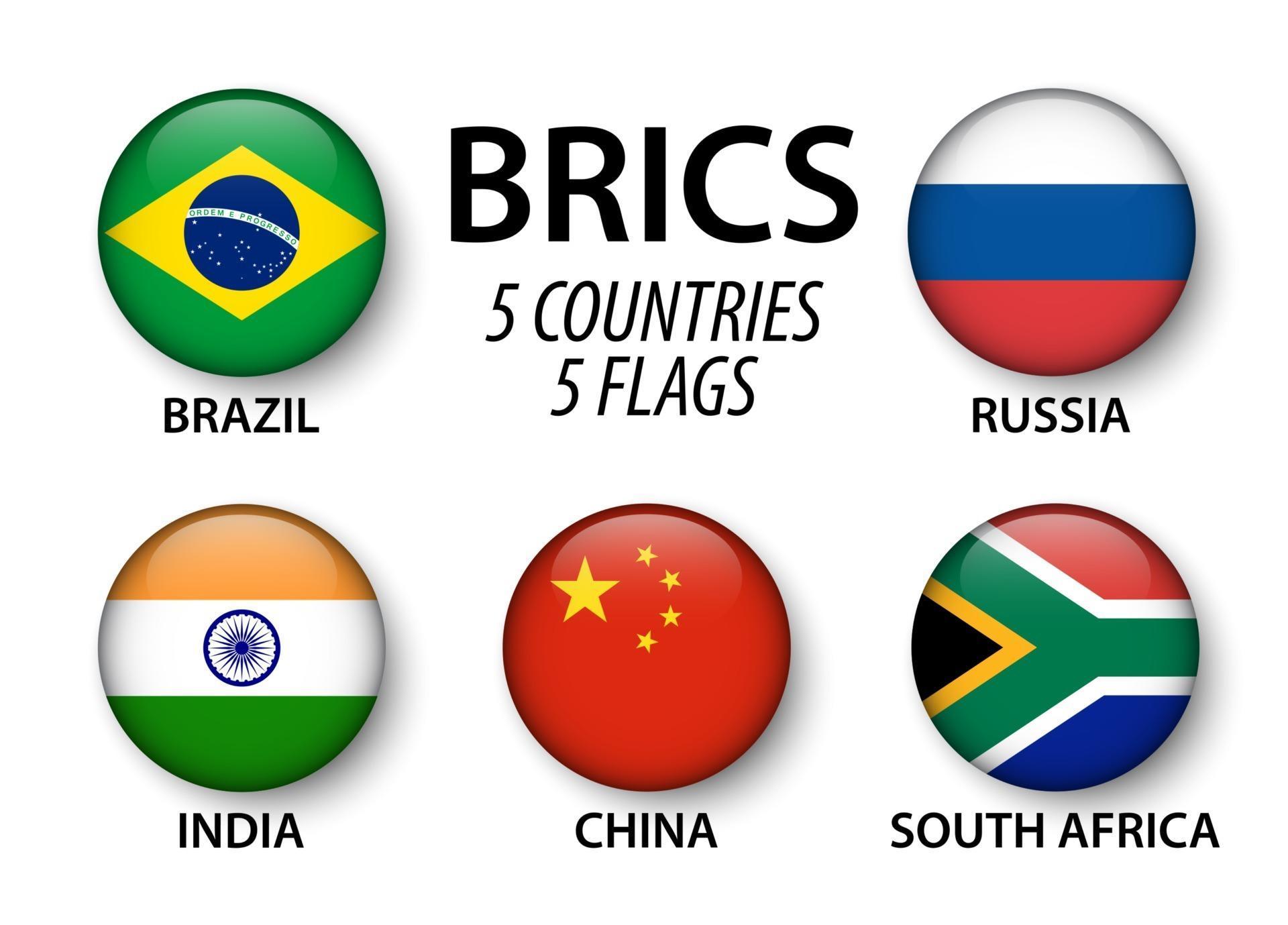
These are considered to be large developing economies that are part of a global, twenty-first century shift in economic power and influence away from the more established, traditional developed economies of the twentieth century.
Posted on September 26, 2022 by Dr. David Edward Marcinko MBA MEd CMP™
Belgium’s Society for Worldwide InterBank Financial Telecommunications
A TIMELY FINANCIAL TOPIC
***
By Staff Reporters
***
Belgium’s Society for Worldwide Interbank Financial Telecommunications (SWIFT) runs a messaging service that facilitates transactions across 11,000+ financial institutions globally. Think of it as the “Gmail of global banking.”
Entities in every country except North Korea use SWIFT to shuffle trillions of dollars’ worth of funds across borders. And Russia is a SWIFT power user—as a major supplier of energy and other goods, it ranks sixth globally for payment messages sent on SWIFT. So if Russia were cut off from SWIFT, “the nation would essentially be severed from much of the global financial system,” the NYT wrote.
Posted on April 25, 2022 by Dr. David Edward Marcinko MBA MEd CMP™
By Morning Brew
***
An event like the Russia-Ukraine war creates ripple effects throughout the financial markets, in sometimes surprising ways. In this episode of Brew Breakdown, they explain how geopolitics affect the global market and point out what you can look out for when it comes to your stock portfolio during times of uncertainty.
Posted on April 17, 2022 by Dr. David Edward Marcinko MBA MEd CMP™
By Staff Reporters
***
***
Russia: Shut its stock market all week in a bid to curb panic-selling after the invasion of Ukraine. The ruble cratered to trade below 1 cent as Western sanctions effectively weaponized the financial system.
Posted on April 6, 2022 by Dr. David Edward Marcinko MBA MEd CMP™
By Staff Reporters
***
***
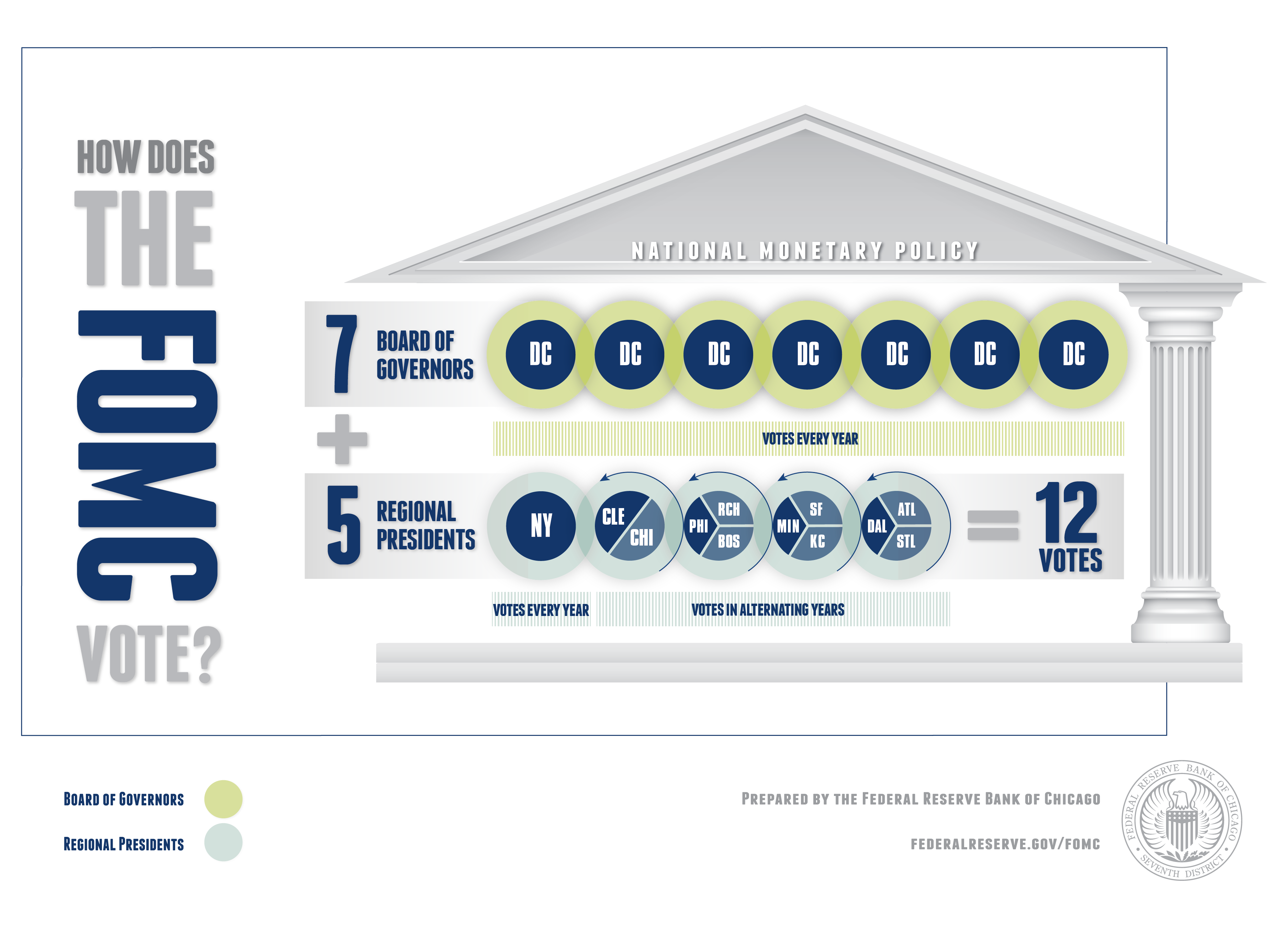
US. stocks faltered and were dragged down by losses in tech, as investors weighed remarks by Federal Reserve [FOMC] Governor Lael Brainard that indicated policymakers were ready to act more aggressively to rein in inflation. Investors also monitored reports indicating the U.S. and European Union are expected to unveil more sanctions against Russia on Wednesday.
The S&P 500 tumbled 1.3%, and the Dow Jones Industrial Average shed 280 points after climbing for two straight trading sessions. The NASDAQ Composite plunged 2.3% to log its biggest drop in three weeks and erase gains from a tech rally that helped the index pop on Monday. Meanwhile, the 10-year U.S. Treasury yield jumped to 2.56%, its highest level since May 2019.
Brainard, who is awaiting a confirmation vote to serve in the central bank’s number two role, said at a conference on Tuesday that the Fed can raise interest rates more aggressively to dampen the high rate of inflation felt by Americans, also noting that officials will likely start shrinking asset holdings in a about a month (a move that could have the effect of further raising long-term interest rates).
“Currently, inflation is much too high and is subject to upside risks,” Brainard said. “The Committee is prepared to take stronger action if indicators of inflation and inflation expectations indicate that such action is warranted.”
Posted on April 3, 2022 by Dr. David Edward Marcinko MBA MEd CMP™
By Staff Reporters
***
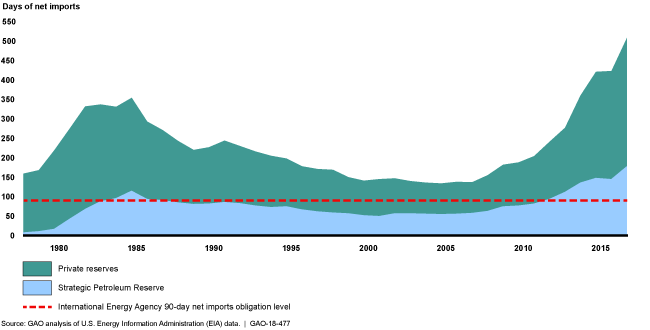
The Biden administration will release 1 million barrels of oil every day for the next six months but also to flood the market with supply and tamp down spiking gas prices. This release from the Strategic Petroleum Reserve (SPR) is the biggest ever announced by the US, and it underscores just how politically sensitive the issue of gas prices remain.
Oil prices were already on the rise before the war in Ukraine, but when Russia launched its invasion, a portion of its energy supplies were shunned by many Western governments—causing prices to go vertical.
The national average price for a gallon of gas has shot up from $2.87 last year to $4.23 currently.
The SPR was created in 1975 following another major shock to the US economy: the Arab oil embargo. To ensure the US never had to suffer through shortages like that again, the government amassed a huge stockpile of crude oil along the Gulf Coast for rainy days.
The US has tapped the SPR three times in the last six months to support thirsty energy markets.
Posted on March 25, 2022 by Dr. David Edward Marcinko MBA MEd CMP™
***
By Staff Reporters
***
***
COVID-19: The White House said it will end the reimbursement program, which was set up in March 2020 under then-President Trump, because it has exhausted its funding. Money from the program went toward paying hospitals and other health care providers for the treatment, testing and vaccination of those without insurance, regardless of immigration status.
STOCKS: US stocks moved higher recovering from Wednesday’s sell-off, after weekly jobless claims fell to their lowest level in 52 years.
JOBS: Jobless claims fell to 187,000 last week, down 28,000 from the previous week and ahead of economist’s estimates of 210,000. Filings hit the lowest level since September 1969, highlighting the underlying strength of a job market that is still recovering from the COVID-19 pandemic.
COMMODITIES: Meanwhile, commodity prices cooled with oil prices falling more than 2%. The drop in oil came on the same day President Joe Biden traveled to Europe to meet with other Western countries regarding the ongoing invasion of Ukraine by Russia, and called for Russia to be removed from G20.
Lapsus$: Cybersecurity experts tracked down the group’s alleged ringleader, a 16 year old, in Oxford, England, who reportedly amassed $14 million from his after-school hacking job. Lapsus$ targeted companies like Microsoft, Nvidia, and Okta.
Posted on March 12, 2022 by Dr. David Edward Marcinko MBA MEd CMP™
By Staff Reporters
***
***
Markets: Another losing week for Wall Street’s three main indexes, and the fifth down week in a row for the Dow. Despite ticking up yesterday, oil prices have actually fallen over the last five days thanks to assurances that producers could plug the supply gap left by Russia.
Ukraine: As Russian forces expanded their assault on new cities in Ukraine, President Biden once again ruled out deploying US troops to the country. “A direct confrontation between NATO and Russia is World War III,” he said.
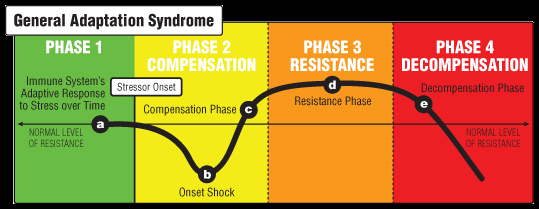
Stress: More than 80% of Americans said that the invasion of Ukraine and inflation are significant sources of stress, according to a new survey from the American Psychological Association. That share is higher than for any other issue asked about since the survey began in 2007. Meanwhile, US consumer confidence fell to its lowest level in almost 11 years in early March.
Posted on March 11, 2022 by Dr. David Edward Marcinko MBA MEd CMP™
***
***
By Staff Reporters
***
Markets: Wednesday’s surge was brief as stocks sank yet again following failed peace talks between Russian and Ukrainian officials. RIVIAN investors lost about $117 billion in market capitalization in the last four months due to concerns around its production capabilities.
Government: The Senate approved a $1.5 trillion spending bill that will fund the government for the current fiscal year and provide $13.6 billion in aid for Ukraine.
WHO: In the US…March 25th, the day Hawaii—the only remaining state with an indoor mask mandate—lifts its mask requirements and April 18th, when the CDC’s loosened guidance for mask mandates on public transportation is expected to take effect. These moves would mean virtually all Covid restrictions would be lifted, marking the unofficial end of the pandemic in the states. Globally…the WHO has been meeting every three months to decide whether or not to continue calling Covid a “pandemic.” The group is expected to keep the label through April—and most likely June as well—and with it, a number of programs that directly help low-income countries. But if the WHO removes the label, then projects like Covax to help vaccinate low-income nations and pledges from drug companies to leave patents off Covid drugs could disappear. And, Harvard epidemiologist Caroline Buckee told Science that the ultimate decision to end the pandemic would come down to “an opinion-based consensus” from within the the WHO.
Posted on March 9, 2022 by Dr. David Edward Marcinko MBA MEd CMP™
By Staff Reporters
***
***
MARKETS: Stocks finished lower losing steam late in the session, as investors remained focused on the surge in global crude prices and the broader commodity complex, as global markets continue to count the costs from Russia’ invasion of Ukraine.
The Dow Jones Industrial Average finished down 184.7 points, or 0.56%, to 32,632 while the S&P 500, which is down 11.75% for the year and fresh off its worst single-day decline in 17 months, lost 0.72%.
The NASDAQ Composite slipped 0.28% as 10-year Treasury note yields rose to 1.852%.
OIL: Futures ended higher Tuesday, with West Texas Intermediate crude for April delivery rising 3.6% to settle at $123.70 a barrel. That’s the highest front-month contract finish since August 1st, 2008, according to Dow Jones Market Data.
EUROPE: Rallied at the start of trade on Wednesday, buoyed by an interview from Ukraine’s president in which he appeared to make major concessions. The Stoxx Europe 600 rose 2.2% to 424.28, helped by a rally in the beleaguered banking sector. Gainers included BNP Paribas Adidas and Deutsche Post.
ASIA: At the close in Tokyo, the Nikkei 225 declined 0.30% to hit a new 52-week low. The best performers of the session on the Nikkei 225 were Isuzu Motors, Ltd. (T:7202), which rose 7.91% or 102.00 points to trade at 1,391.00 at the close. Meanwhile, Fujitsu Ltd. (T:6702) added 5.54% or 840.00 points to end at 16,000.00 and Hitachi Ltd (T:6501) was up 4.78% or 228.00 points to 4,998.00 in late trade. The worst performers of the session were Tokyo Electric Power Co., Inc. (T:9501), which fell 7.00% or 25.00 points to trade at 332.00 at the close. Kikkoman Corp. (T:2801) declined 6.67% or 560.00 points to end at 7,840.00 and Ricoh Co., Ltd. (T:7752) was down 4.91% or 47.00 points to 910.00.
Falling stocks outnumbered advancing ones on the Tokyo Stock Exchange by 2034 to 1517 and 220 ended unchanged. Shares in Ricoh Co., Ltd. (T:7752) fell to 52-week lows; losing 4.91% or 47.00 to 910.00.
The Nikkei Volatility, which measures the implied volatility of Nikkei 225 options, was up 6.54% to 29.82 a new 1-month high.
Posted on March 8, 2022 by Dr. David Edward Marcinko MBA MEd CMP™
***
By Staff Reporters
***
***
Stocks: Fell sharply as the economic fallout of Russia’s war in Ukraine rattled investors. The Dow Jones Industrial Average fell almost 800 points Monday to close with a loss of 2.4 percent. The NASDAQ plunged 3.6 percent lower and the S&P 500 index closed with a loss of 3 percent. Companies in the finance, travel, entertainment, retail and construction industries fell sharply as skyrocketing oil prices raised fears of an economic slowdown, while energy companies rallied on the prospect of higher prices. Stocks have fallen for weeks amid rising concern about inflation and the economic blow-back of the invasion of Ukraine. The Dow is down 10.3 percent, the S&P is down 12.4 percent, and the NASDAQ is down 19 percent since the start of 2022.
Oil & Wheat: Prices for oil, natural gas and wheat have also risen dramatically after the U.S. and allies imposed unprecedented sanctions on the Russian economy, which could limit their access to key Russian exports. Oil hit $120 barrel. But, some investors are betting on oil to surge even more dramatically, as bullish bets on crude futures increase. Since Friday, $150-a-barrel call options for Brent contracts in June have doubled. Amid new potential sanctions on Russia’s energy sector, oil briefly surpassed $130 a barrel overnight.
Economy: Economists warned that higher energy and food prices will likely slow growth in the U.S. through the first half of the year and fuel higher inflation. Prices rose 7.5 percent over the 12 months ending in January, according to US Labor Department data, the highest rate in more than 40 years.
Posted on March 4, 2022 by Dr. David Edward Marcinko MBA MEd CMP™
By Staff Reporters
***
Stocks fell and oil prices eased back after another bumpy day of trading on Wall Street as markets remained anxious about the broader impact of Russia’s invasion of Ukraine.
Okta shares were down 8.06% while Snowflake plummeted 15.37%.
***
INTEL: Intel stock (NASDAQ: INTC) fell 2.5% after Morgan Stanley and Bank of America Securities cut their targets to $47, according to StreetInsider. The stock fell to a low of $47.62, not far from its 52-week low of $43.63. Morgan Stanley (NYSE:MS) analyst Joseph Moore also downgraded the stock to underweight from equal weight while BofA’s Vivek Arya maintained his under perform rating.
INDEXES: Major indexes veered up and down for much of the day before a late-day slide pushed them into the red. The S&P 500 shed a 0.7% gain to close 0.5% lower, while the Dow Jones Industrial Average fell 0.3%. The NASDAQ composite fell 1.6%, weighed down by technology stocks, which accounted for a big share of the market’s decline.
The Dow is down 0.9% for the week, on track for its fourth negative week in a row. The S&P 500 is down about 0.5% for the week, while the NASDAQ Composite is down more than 1%.
BUYBACKS: In the third quarter of 2021, Apple, Inc. (NASDAQ: AAPL) led all S&P 500 companies with $20.4 billion in buybacks. Alphabet, Inc. (NASDAQ: GOOG) (NASDAQ: GOOGL) was a distant second with $15 billion in buybacks, followed by Meta Platforms Inc (NASDAQ: FB) with $12.6 billion.
Over the last decade, no company has come close to Apple in the buyback department. Apple has bought back $487.6 billion in stock since 2012. Microsoft Corporation (NASDAQ: MSFT) is a very distant second with $147.1 billion in buybacks, followed by JPMorgan Chase & Co (NYSE: JPM) with $146.2 billion.
Why Buybacks Matter: It should come as no surprise to investors that all three of the stocks that have been most aggressive in buying back shares over the last 10 years have outperformed the SPDR S&P 500 ETF (NYSE: SPY) total return by a wide margin in that period.
BONDS: Bond yields were mostly steady. The yield on the 10-year Treasury slipped to 1.85% from 1.86% late Wednesday.
Posted on February 24, 2022 by Dr. David Edward Marcinko MBA MEd CMP™
***
By Staff Reporters
***
OIL: Brent crude, the world benchmark, briefly climbed above $100 a barrel for the first time since 2014. US crude jumped 3.3% to $95.15 a barrel.
U.S. stock indexes: All closed sharply lower with the DJIA narrowly avoiding a slip into correction, as U.S. officials warned that Russian troops were poised to attack, and are attacking, the Ukraine raising anxieties among investors who are also wrangling with changing monetary policy and surging inflation.
How did stock indexes trade? The Dow Jones Industrial Average fell 464.85 points, or 1.4%, to end at 33,131.76. A finish below 33,119.69 would mark a 10% decline from the Dow’s Jan. 4 record close, meeting the commonly used definition of a correction. The S&P 500 index fell 79.26 points, or 1.8%, to around 4,225.50, deepening its stumble into correction territory. The NASDAQ Composite Index declined 344.03 points, or 2.6%, at 13,037.49, with 12,845.95 representing the level that would represent a bear market for the technology-laden index.
Asia: Hong Kong’s Hang Seng Index declined 3.2%. Korea’s Kospi dropped 2.7%. Japan’s Nikkei 225 lost 2.4% after coming back from a holiday. China’s Shanghai Composite moved 0.9% lower.
Posted on February 22, 2022 by Dr. David Edward Marcinko MBA MEd CMP™
***
By Staff Reporters
***
***
Markets: The domestic markets were closed yesterday as stocks around the world tumbled.
Crypto: Bitcoin was trading at $36,649 at 2:30 a.m. ET, falling nearly 6.5% in the last 24 hours, according to data from CoinDesk. The world’s most valuable cryptocurrency fell below $40,000 over the weekend, and has continued to slide as the Ukraine crisis intensifies. The currency has lost almost half its value since its November high of $68,990 due to geopolitical tensions, the prospect of interest rate hikes by the US Federal Reserve and curbs by some major economies on digital assets. Bitcoin’s peers have also been faring poorly. Ethereum, the world’s second most valuable cryptocurrency, fell over 8% in the last 24 hours and was trading at $2,520.
Putin: Russian President Vladimir Putin dramatically escalated the Ukrainian conflict. He recognized two separatist regions in eastern Ukraine as independent and ordered Russian troops to enter those areas, which may provide the pretext for an invasion of other parts of the country. Western leaders condemned the move as a violation of international law and the US said it will impose sanctions on those regions.
Posted on February 21, 2022 by Dr. David Edward Marcinko MBA MEd CMP™
***
By Staff Reporters
***
Wall Street trading is closed for Presidents Day holiday. But stock futures were ceding earlier stronger ground, while havens such gold pared losses, after a Kremlin spokesman said no concrete plans for a summit between President Joe Biden and Russian President Vladimir Putin had been made.
MARKETS: IHS Markit’s flash euro area composite PMI (purchasing managers’ index) reading, seen as a reliable gauge of overall economic health, came in at a five-month high of 55.8 in February. The U.K.’s composite PMI came in at an eight-month high of 60.2 in February, up from 54.2 in January and well above forecasts.
European markets were choppy today today as investors monitored the Russia-Ukraine situation and unexpectedly strong economic data from the euro zone and U.K. The pan-European Stoxx 600 index was down 1% during afternoon trade, having gained as much as 0.6% at the start of the session. And, tech stocks dropped 2.4% as most sectors and major bourses slid into the red.
OIL: According to Sonali Paul of Reuters – Oil prices gained more than $1 in early trade on Monday from rising jitters over potential conflict between Russia and Ukraine, with the United States and European Union making clear Russia would face sanctions if it invaded its neighbor. European Commission President Ursula von der Leyen said Russia would be cut off from international financial markets and denied access to major exports needed to modernize its economy if it invaded Ukraine.
***
Brent crude futures were up $1.34, or 1.4%, at $94.88 a barrel at 2312 GMT after hitting a high of $95.00 in early trade.
NIKKEI: Shares in Asia-Pacific fell in Monday morning trade, as investors continue to watch the situation surrounding Ukraine.The Nikkei 225 in Japan slipped 2% in early trade while the TOPIX index shed 1.8%. South Korea’s KOSPI shed 1.64%. Australia’s S&P/ASX 200 slipped 0.82% in morning trade. And, MSCI’s broadest index of Asia-Pacific shares outside Japan traded 0.36% lower.







 Support our online development, and advance our onground research initiatives in free market economics, as we seek to showcase the brightest Next-Gen minds.
THE ME-P DISCLAIMER: Posts, comments and opinions do not necessarily represent iMBA, Inc., but become our property after submission. Copyright © 2006 to-date. iMBA, Inc allows colleges, universities, medical and financial professionals and related clinics, hospitals and non-profit healthcare organizations to distribute our proprietary essays, photos, videos, audios and other documents; etc. However, please review copyright and usage information for each individual asset before submission to us, and/or placement on your publication or web site. Attestation references, citations and/or back-links are required. All other assets are property of the individual copyright holder.
Support our online development, and advance our onground research initiatives in free market economics, as we seek to showcase the brightest Next-Gen minds.
THE ME-P DISCLAIMER: Posts, comments and opinions do not necessarily represent iMBA, Inc., but become our property after submission. Copyright © 2006 to-date. iMBA, Inc allows colleges, universities, medical and financial professionals and related clinics, hospitals and non-profit healthcare organizations to distribute our proprietary essays, photos, videos, audios and other documents; etc. However, please review copyright and usage information for each individual asset before submission to us, and/or placement on your publication or web site. Attestation references, citations and/or back-links are required. All other assets are property of the individual copyright holder.






















 The Leading Business Education Network for Doctors, Financial Advisors and Health Industry Consultants