UPDATE: Stock Markets, the Economy and Pandemic

By Staff Reporters

CMP logo

SPONSOR: http://www.CertifiedMedicalPlanner.org

***

  • Stock Markets: US stocks staged a big afternoon comeback for the second day in a row … but still not big enough to close in the green. American Express was the top performer in both the S&P and the Dow after the company reported its highest billings volume ever in Q4. And, enthusiasm over meme stocks more broadly appears to be dwindling along with cryptos. And, while NASDAQ took a hit, Microsoft reported quarterly sales of more than $50 billion for the first time ever.
  • Economy: The weight of the financial world is on Jerome Powell’s shoulders today. The Federal Reserve chair will provide an update on the central bank’s views on sky-high inflation and its plan for interest rate hikes this year (though none are expected until March).
  • Pandemic: Pfizer and BioNTech started clinical trials for an Omicron-specific vaccine yesterday. The results will help the pharma partners decide whether to replace their current jab formula with one that targets the most dominant Covid variant. The new vaccine is being tested both as a three-shot series for un-vaccinated participants and as a booster for the already vaccinated.
  • CITE: https://www.r2library.com/Resource/Title/082610254

***

COMMENTS APPRECIATED

Thank You

Subscribe to the Medical Executive-Post

***

***

UPDATE: Markets and the Economy

By Staff Reporters

***

***

COMMENTS APPRECIATED.

Thank You

Subscribe to the Medical Executive-Post

***

STOCK MARKET Update: NASDAQ Composite

By Staff Reporters

***

NASDAQ Markets: The good news—if you own tech stocks—is that they didn’t fall as much yesterday as they had in the previous two days. NASDAQ comp: 15,080.87 at the close.

READ: https://www.msn.com/en-us/money/markets/the-nasdaq-is-quietly-being-shredded-new-data/ar-AASxgzA?li=BBnb7Kz

All eyes are on the December jobs report due this morning; analysts expect the economy to have added 422,000 jobs last month.

COMMENTS APPRECIATED.

Subscribe to the Medical Executive-Post

THANK YOU

***

***

UPDATE: Stock Market and the Economy

By Staff Reporters

***

The stock market was very sharply mixed yesterday, and the NASDAQ Composite took the brunt of the damage. Even as the Dow Jones Industrial Average was up triple digits, the NASDAQ fell almost 2% as of 1:45 p.m. ET; and finishing down 210.08 points or (‎-1.33%).

Physicians and other investors looking at the biggest stocks in the NASDAQ would have to go through three dozen stocks on the list before finding a single one that rose more than 1%. Many of the top tech giants were down 1% to 5% or more on the day. Yet there were some winning NASDAQ stocks, and a few in particular might seem surprising to those used to seeing more popular names among top performers.

Bond yields gained thanks to bullish attitudes around economic growth.

Economy: The Great Resignation rolls on as a record 4.5 million Americans quit their jobs in November. That’s equivalent to 3% of the workforce.

COMMENTS APPRECIATED.

Thank You

Subscribe to the Medical Executive Post.com

***

***

Round-Up on MARKETS and MEDICINE: 2022

By Staff Reporters

***

  • Stock Markets: The three major equity indexes begin 2022 near record highs after closing out their best 3-year performance since 1999. The top-performing S&P sectors: Energy, whose 48% annual gain was its best ever (thank you, soaring oil prices). Real estate was the second-best performing sector at 42%, while tech and financials both rose 33%. The biggest winner in the S&P was Devon Energy, which gained nearly 190%. Ford, Moderna, and nine others in the index more than doubled their stock price. Microsoft rose 51%, and Apple’s 34% gain has it sitting close to a $3 trillion market capitalization.
  • Covid Medicine: Omicron has caused a rapid explosion of Covid cases in the US—the 7-day rolling average of nearly 400,000 new cases on Saturday was more than double the number from one week before. With hospitalizations also ticking higher, officials are warning that health systems will be overloaded before the Omicron wave is expected to peak in mid-January. And, Dr. Anthony Fauci said yesterday that health officials are looking at adding a negative test requirement after five days of quarantine. Under existing guidance, you can emerge from isolation without showing a negative test.
  • CITE: https://www.r2library.com/Resource/Title/082610254

COMMENTS ARE APPRECIATED

Subscribe to the Medical Executive-Post

***

***

Stock Market Open New Year’s Eve 12/31/2021

Bond Markets to Close Early Friday

By Staff reporters

***

The stock market, buoyed by a Santa Claus rally and a banner year, will have one more day to extend its gains.

Both the New York Stock Exchange and NASDAQ will be open on New Year’s Eve. Bond markets will close early at 2 p.m. Friday.

The markets typically close on New Year’s Day but this year the holiday falls on a Saturday, when they would have shuttered anyway. Last week, the New York Stock Exchange and Nasdaq closed on Friday, Christmas Eve, in observance of Christmas, which also fell on a Saturday.

***

***

Stock MARKET Update

ALL TIME HIGHS?

***

  • Markets: The S&P begins the week after closing at an all-time high last Friday. The index has closed at a record more times this year (67) than in any other year since 1995. It needs 10 more to tie the mark.
  • More S&P fun facts: Microsoft, Alphabet, Apple, Nvidia, and Tesla alone account for over a third of the S&P’s gains this year.
  • CITE: https://www.r2library.com/Resource/Title/082610254

NOTE: 35,630.18market open‎-340.81 (‎-0.95%)as of 12/13/2021, 11:31 AM EST

COMMENTS APPRECIATED.

***

Thank You

***

Economic Market Update

END OF “WHAT A WEEK”

By Staff Reporters

***

Wall Street closed lower on Thursday as investors banked some profits after three straight days of gains and turned their focus toward upcoming inflation data and how it might influence the Federal Reserve’s meeting next week.

So, what about today-prognostications?

YOUR COMMENTS ARE APPRECIATED.

Thank You

***

***

TRIFECTA Update: Markets, Covid and Congress

TOPICS PREVIOUSLY MENTIONED ON THE ME-P

By Staff Reporters

***

  • Markets: Omicron who? Fed tapering what? Stocks continued to roar back from their post-Thanksgiving hangover, with tech shares leading the way. The NASDAQ had its best day since March.
  • Covid: Pfizer’s Covid-19 vaccine is less effective, but still provides some protection, against the Omicron variant, an early study from South Africa showed.
  • US Government: Congress had a busy evening. Lawmakers reached a deal to raise the country’s debt ceiling, and the House passed a $768 billion defense policy bill that increases pay for service members.
  • Citation: https://www.r2library.com/Resource/Title/0826102549

***
YOUR COMMENTS ARE APPRECIATED.

***

Thank You

***

WHAT ARE THE NASDAQ MARKET LEVELS OF SERVICE?

WHAT ARE THE NASDAQ MARKET LEVELS OF SERVICE?
Courtesy: https://lnkd.in/eBf-4vY

· Level 1 = A single average price quote for those not trading OTC.
· Level 2 = Level 1 plus trade reports, executions, negotiations, networks, clearing; and bid-ask price quotes for all firms and customers.
· Level 3 = Level 1 and 2, plus the ability to enter quotes, execute orders and send information, for and by market-makers.
LINK: https://lnkd.in/dqdbWM9

BUSINESS, FINANCE, INVESTING AND INSURANCE TEXTS FOR DOCTORS:
1 – https://lnkd.in/ebWtzGg
2 – https://lnkd.in/ezkQMfR
3 – https://lnkd.in/ewJPTJs
THANK YOU
***

***

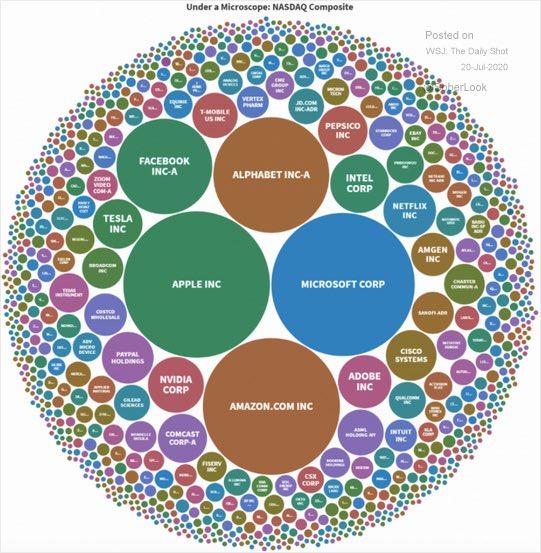
The NASDAQ Composite

Under the Microscope

By WSJ

***

***

***

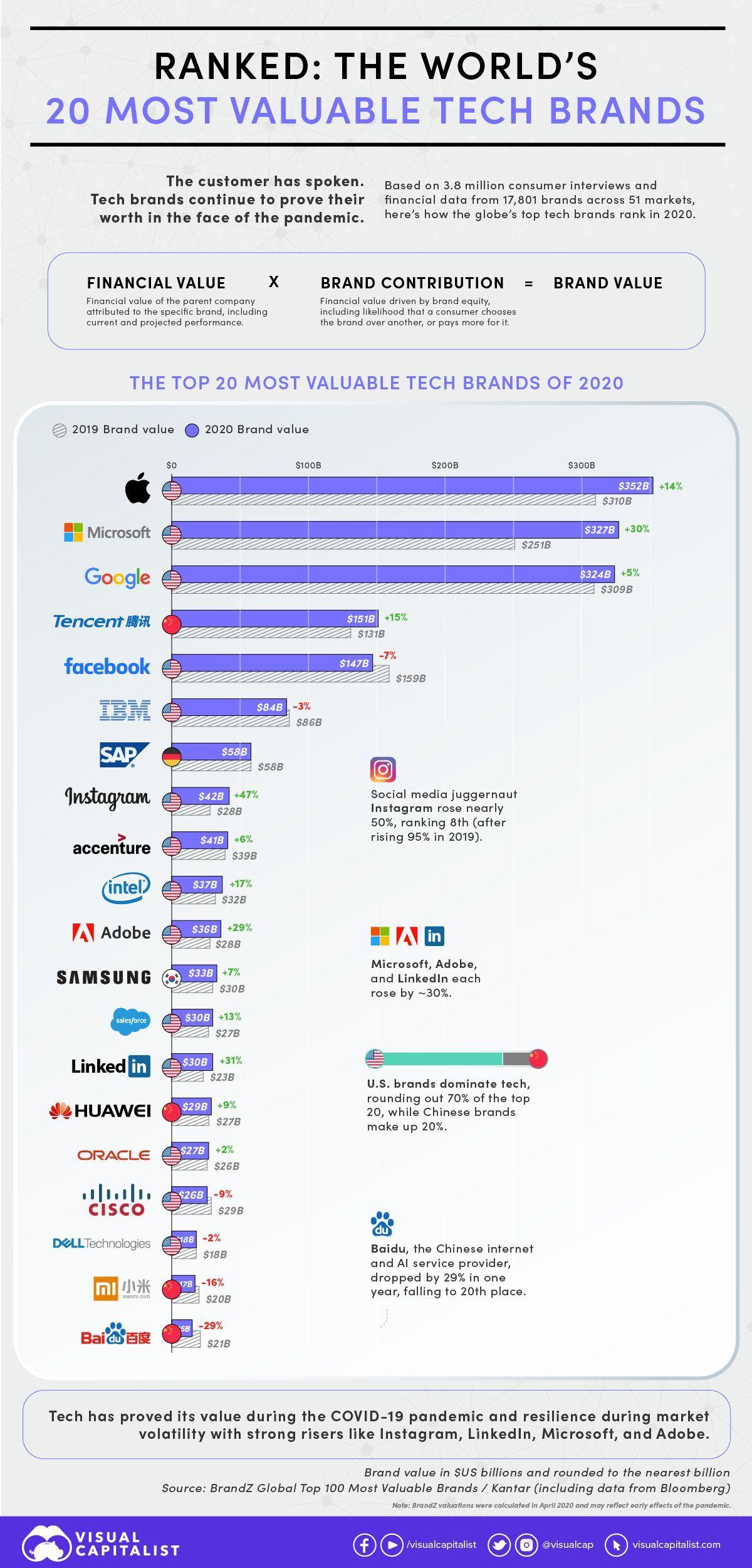
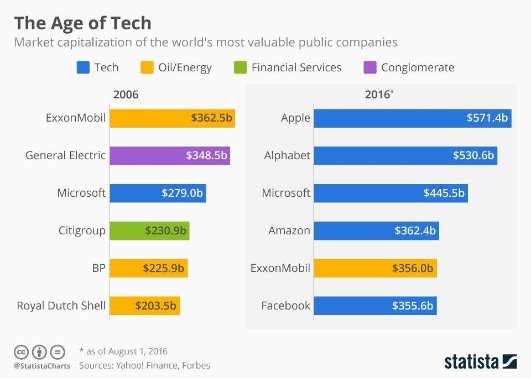
The Age of Technology 2006-2016

Join Our Mailing List

By Public Company Market Capitalization

[via Bertalan Meskó, MD, PhD]

***

ext

***

Conclusion

Your thoughts and comments on this ME-P are appreciated. Feel free to review our top-left column, and top-right sidebar materials, links, URLs and related websites, too. Then, subscribe to the ME-P. It is fast, free and secure.

Speaker: If you need a moderator or speaker for an upcoming event, Dr. David E. Marcinko; MBA – Publisher-in-Chief of the Medical Executive-Post – is available for seminar or speaking engagements. Contact: MarcinkoAdvisors@msn.com

OUR OTHER PRINT BOOKS AND RELATED INFORMATION SOURCES:

Risk Management, Liability Insurance, and Asset Protection Strategies for Doctors and Advisors: Best Practices from Leading Consultants and Certified Medical Planners™8Comprehensive Financial Planning Strategies for Doctors and Advisors: Best Practices from Leading Consultants and Certified Medical Planners™

***

A [Physician] Investor’s Worst Enemy?

Join Our Mailing List

Fear of Missing Out

By Lon Jefferies CFP MBA

Lon JefferiesFear of missing out (FOMO) is an increasingly powerful emotion in our daily lives – so much so that FOMO was officially added to the Oxford English Dictionary in 2013.

DEFINITION

Have you ever looked at your Facebook feed and been jealous of someone’s picture from a beautiful viewpoint, or enviable of a friend’s photo of an expensive dinner with a strategically placed bottle of fancy wine in the background?

That is FOMO – the fear that at any given moment someone is doing something more appealing than what we are doing at the time.

Part of Life

A fear of missing out has always been part of life, but it has become more prevalent with the emergence of social media. Personally, I can’t help but check my Twitter feed every hour or so to make sure that I’m not missing out on an article published by one of my favorite financial writers. Yet, social media has increased the power of FOMO more than I realized.

Example

I have absolutely zero interest in horse racing – frankly, I dislike the sport. However, due to all the hype on Facebook and Twitter, I couldn’t help but watch the Belmont Stakes out of fear of missing American Pharaoh become the first Triple Crown winner of my lifetime.

FOMO is frequently a counter-productive emotion, leading to jealousy of others, dissatisfaction with our own lives, and bad decision-making processes. Nowhere is the negative impact of FOMO more apparent than in some individuals’ investment strategy. For years, no one has enjoyed going to the neighborhood BBQ only to have to listen to their next door neighbor brag about how his portfolio has outperformed the S&P 500 index over the last six months. Not only is listening to the boasting annoying, it makes us discontent with the return our own portfolio has achieved and makes us wonder if we should adapt a different strategy (i.e. take more risk right after the market achieved a new all-time high).

Social media has expanded the impact of FOMO on investment strategies. For the last year, the internet has ensured we are aware that large cap indexes like the S&P 500, Dow Jones Industrial Average, and NASDAQ are at all-time highs and achieving appealing returns, and we wonder why our more diversified portfolio isn’t behaving in a similar fashion. It is hard to be content with our diversified strategy when every media outlet is constantly reminding us how we are missing out on the stellar performance that could be obtained if only we had a non-diversified portfolio that invested only in the asset category that is currently in the middle of a hot streak.

When it comes to investing, FOMO is significantly impacted by recency bias. Our fear of missing out becomes more and more intense after the market has just experienced an uptick. If we take a couple of steps back, it is clear why we maintain a diversified portfolio – it provides the most appealing tradeoff between maximizing returns and minimizing risk.

***

FOMA
                                

Fear Of Missing Out

***

Yet, it is hard to remind ourselves of this when it seems like everyone around us is taking advantage of the latest market trends and we are missing out.

Of course, changing our portfolio to try and take advantage of a run that has already taken place would be foolish, as we would be selling assets with prices that have remained flat and may now be undervalued relative to the market in order to buy assets that have recently experience significant growth and are likely now expensive. These are the type of decisions that FOMO can cause and we would be wise to avoid this type of thinking.

A Re-Do?

We have been in this position before. In the late 1990s, people wanted to abandon their diversified portfolio and put a heavy focus on the technology stocks that were making all their neighbors rich. In the mid 2000s, everyone wanted to borrow as much money as possible and utilize the funds to buy and flip real estate.

In the early 2010s, everyone was wondering if they should sell their stocks before a double-dip recession began and use the resulting funds to buy gold. In each of these scenarios we were hearing individual stories of others who had implemented these strategies and were doing better than we were.

Of course, with the benefit of hindsight, we can see that changing our long-term investment strategy due to a fear of missing out on what was working for others over a short time period would have been a drastic mistake in each of these circumstances. After the market has done well, recency bias and FOMO causes investors to be more afraid of missing a bull market than of suffering large losses.

However, in these times, we need to remember that we chose a diversified investment strategy because it provides us with the highest probability of obtaining our financial goals while exposing us to the least amount of volatility possible.

Assessment

When the media and our acquaintances insist on informing us how we would have been better off placing heavy bets on the asset categories that have recently done well, we would be well served to remember that a diversified portfolio strategy will almost certainly provide us with the best chance to achieve long-term investment success. 

Conclusion

Your thoughts and comments on this ME-P are appreciated. Feel free to review our top-left column, and top-right sidebar materials, links, URLs and related websites, too. Then, subscribe to the ME-P. It is fast, free and secure.

Speaker: If you need a moderator or speaker for an upcoming event, Dr. David E. Marcinko; MBA – Publisher-in-Chief of the Medical Executive-Post – is available for seminar or speaking engagements. Contact: MarcinkoAdvisors@msn.com

OUR OTHER PRINT BOOKS AND RELATED INFORMATION SOURCES:

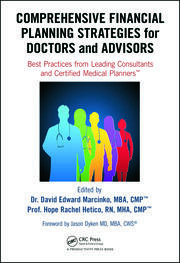
Comprehensive Financial Planning Strategies for Doctors and Advisors: Best Practices from Leading Consultants and Certified Medical Planners(TM)

Front Matter with Foreword by Jason Dyken MD MBA

logos

“BY DOCTORS – FOR DOCTORS – PEER REVIEWED – FIDUCIARY FOCUSED”

***

Got Cash Money in the Bank?

Join Our Mailing List

Is it Really a Long-Term Investment?

By Rick Kahler CFP® http://www.KahlerFinancial.com

Rick Kahler CFPGot money in the bank? Of course, that’s a good thing.

But, more than a fourth of Americans think the best long-term investment strategy is money in the bank. However, that may be a bad thing!

So, what about medical professionals; and what is a doctor to do?

The Bankrate Survey

Here is the rather discouraging result of a July survey by Bankrate. One of its questions was, “For money you wouldn’t need for more than 10 years, which one of the following do you think would be the best way to invest the money?”

Cash was the top choice at 26%, followed by real estate at 23%. Sixteen percent of the respondents chose precious metals such as gold. Only 14% would put their long-term investment into the stock market, and just 8% thought bonds were the best choice.

Head-on-Desk Syndrome

Doh! That thumping sound you hear is me banging my head on my desk.

I assume those who opted for cash did so because keeping money in the bank seemed to be the safest choice. For long-term investing, however, that safety is an illusion. The best and safest place to put your nest egg for the future is not in the bank, but in a well-diversified portfolio with a variety of asset classes.

Here’s why:

Savings accounts and CDs are safe places to store relatively small amounts of cash that you expect to need within the next few months or years. The funds are protected by insurance. You know exactly where your money is, and you can get your hands on it anytime you want.

Short Term Stability

This short-term safety does not make the bank a good place for money you will need for retirement or other needs ten years or so into the future. It may seem like safe investing because the amount in your account never goes down. You’re always earning interest. Yet, over time, that interest isn’t enough to keep pace with inflation. The purchasing power of your money decreases, which means you’re actually losing money. It just doesn’t feel like a loss because you don’t see the loss in value.

Stock Markets Fluctuate

In contrast, the stock market fluctuates. The media reports constantly that “the DOW is up” or “NASDAQ is down,” as if those day-to-day numbers matter. This fosters a perception that investing in the stock market is risky. Combine that with the scarcity of education about finances and economics, and it’s no wonder that so many people are afraid of the stock market and view investing almost as a form of gambling.

Wise long-term investing in the stock market is anything but gambling. Instead of trying to buy and sell a few stocks as their prices go up and down, wise investors neutralize the impact of market fluctuations by owning a vast assortment of assets.

A Dual Strategy

This is accomplished with a two-part strategy.

1. The first is to invest in mutual funds rather than individual stocks. With just one mutual fund that invests in an index of stocks, you might own thousands of different companies. Your hard-earned fortune isn’t dependent on the fortunes of just a few companies.

2. The second component is asset class diversification. An asset class is a type of investment, such as U. S. and International stocks, U. S. and International bonds, real estate investment trusts, commodities, market neutral funds, Treasury Inflation-Protected Securities, and junk bonds. Ideally, a diversified portfolio should include nine or more asset classes.

###

MD Retirement planning

###

Assessment

By holding small amounts of a great many different companies and asset classes, you spread your risk so broadly that the inevitable fluctuations are small ripples rather than steep gains or losses. As some types of investments decline in value, other types will be gaining value. Over the long term, the entire portfolio grows.

And, in the long term and for most medical professionals, investing this way is usually safer than money in the bank.

Conclusion

Your thoughts and comments on this ME-P are appreciated. Feel free to review our top-left column, and top-right sidebar materials, links, URLs and related websites, too. Then, subscribe to the ME-P. It is fast, free and secure.

Link: http://feeds.feedburner.com/HealthcareFinancialsthePostForcxos

Speaker: If you need a moderator or speaker for an upcoming event, Dr. David E. Marcinko; MBA – Publisher-in-Chief of the Medical Executive-Post – is available for seminar or speaking engagements. Contact: MarcinkoAdvisors@msn.com

OUR OTHER PRINT BOOKS AND RELATED INFORMATION SOURCES:

DICTIONARIES: http://www.springerpub.com/Search/marcinko
PHYSICIANS: www.MedicalBusinessAdvisors.com
PRACTICES: www.BusinessofMedicalPractice.com
HOSPITALS: http://www.crcpress.com/product/isbn/9781466558731
CLINICS: http://www.crcpress.com/product/isbn/9781439879900
ADVISORS: www.CertifiedMedicalPlanner.org
PODIATRISTS: www.PodiatryPrep.com
BLOG: www.MedicalExecutivePost.com
FINANCE: Financial Planning for Physicians and Advisors
INSURANCE: Risk Management and Insurance Strategies for Physicians and Advisors

Product Details  Product Details

What Happens if the Stock Market Crashes – Doctor?

Join Our Mailing List

There is No Investing Crystal Ball

Lon JeffriesBy Lon Jefferies, MBA CFP CMP™

As the Dow has risen greatly since March 9, 2009, some physicians and investors worry that the market is overheated and due for a severe pullback; as recently experienced very minor events have illustrated.

But, an opposing view is that the current price of the S&P 500 is comparable to its value in 1999, despite the fact that its earnings and dividends have doubled since that time, and suggesting the market has additional room to grow.

The Future is UnKnown

There is no crystal ball. What the stock market will do in the near future is anyone’s guess. As uncertainty is always a factor when investing, developing a portfolio that represents your risk tolerance and investment time horizon is critical.

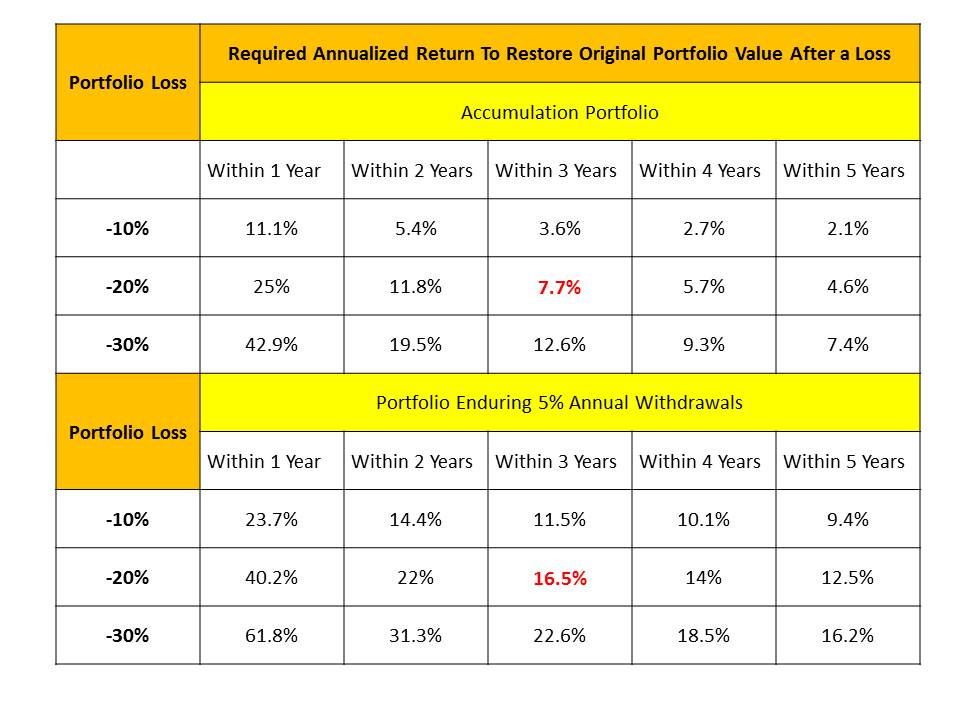
Many physicians and investors realize they need to scale back the assertiveness of their portfolio as they approach retirement, but why is this important? The mechanics of an investment portfolio are very different for a portfolio in the distribution phase than for a portfolio still accumulating assets. If an investor is taking withdrawals from their account, it is much more difficult to recover from losses because distributions only serve to exacerbate the market decline.

crystalball2

Dr. Israelsen Speaks

As Craig Israelsen PhD points out in the February 2013 issue of Financial Planning Magazine with the following illustration, a portfolio enduring annual 5% withdrawals faces a much steeper climb back to break even after a loss than does an accumulation portfolio:

Clearly, the conclusion is if you are taking distributions from your account, or intend to do so soon, it is vitally important to avoid large losses. As it may be realistic for investors still accumulating assets to recover from a -20% loss by obtaining an average annualized return of 7.7% for three years, it is unlikely that a retiree taking distributions from his account will get the 16.5% annual return required for three years in order to recover from a similar loss.

Diversify

Protect yourself from unsustainable losses by maintaining adequate diversification within your portfolio. Bonds serve as a buffer against volatility and will likely decrease your loss during stock market corrections.

Additionally, ensure your portfolio has sufficient exposure to various asset classes: large cap, mid cap, and small cap stocks; US, international, and emerging market stocks; government, corporate, international, and emerging market bonds. Investing in multiple asset categories will protect your portfolio from a catastrophic loss next time a bubble in a market sector pops.

chart

Assessment

Speak with a Certified Medical Planner™ or fiduciary and physician focused financial advisor to ensure your portfolio is assertive enough to meet your retirement goals while maintaining an acceptable level of risk. If you wait for the market to turn before taking action, it may be too late.

www.CertifiedMedicalPlanner.org

Conclusion

Your thoughts and comments on this ME-P are appreciated. Feel free to review our top-left column, and top-right sidebar materials, links, URLs and related websites, too. Then, subscribe to the ME-P. It is fast, free and secure.

Link: http://feeds.feedburner.com/HealthcareFinancialsthePostForcxos

Speaker: If you need a moderator or speaker for an upcoming event, Dr. David E. Marcinko; MBA – Publisher-in-Chief of the Medical Executive-Post – is available for seminar or speaking engagements. Contact: MarcinkoAdvisors@msn.com

***

Risk Management, Liability Insurance, and Asset Protection Strategies for Doctors and Advisors: Best Practices from Leading Consultants and Certified Medical Planners™8Comprehensive Financial Planning Strategies for Doctors and Advisors: Best Practices from Leading Consultants and Certified Medical Planners™

Public Misconceptions of Private Equity

Join Our Mailing List

A Political Season Review

By Rick Kahler CFP® MS ChFC CCIM

www.kahlerfinancial.com

During tax time and this very political season, some of the attacks on Mitt Romney as a Presidential candidate have focused on his tenure with the private equity firm Bain Capital. Critics and rivals have denounced Romney as “profiteering off the backs of fired workers,” and running a “vulture capital” rather than a “venture capital” fund. A PAC supporting Newt Gingrich even produced a documentary about Bain which tries hard to leave viewers with the idea that capitalism isn’t evil, but private equity firms are.

The Negative Impressions

Some of this negativity may come from a lack of understanding as to what “private equity” really means. Here’s my explanation.

First, equity just means “common stock.” Whether equity is public or private depends on whether the company lists its shares on a public exchange, like the New York Stock Exchange or the NASDAQ, or is privately held.  When you purchase a share of common stock, either directly or through a mutual fund, you buy it from a public stock exchange where anyone can buy or sell shares of stock. Private equity shares, however, are bought and sold privately, just like houses or small businesses.

One of the benefits of a public exchange is that it makes owning a slice of a company exceedingly affordable. For example, for about $600 you can own a share of Apple, the largest company in the U.S. If Apple were privately held, you would need $500 billion to buy it. If you were a little short on cash but still wanted a piece of Apple, you and 999 of your closest friends could pool your resources. You’d only need $500 million each.

That is exactly what a private equity company does. It brings together substantial investors, usually institutions, pooling their money to purchase companies not available on public exchanges. This requires raising or borrowing amounts that may be in the billions of dollars. The minimum to invest in a public equity company is often one million to 25 million dollars or more, putting it out of reach of most Americans.

An Asset Class

However, that doesn’t mean John Q. Public doesn’t own a slice of the private equity pie. Public pension funds, like the South Dakota Retirement System, have invested over $200 billion in private equity funds. The SDRS invests over 10% of its $7.8 billion fund in private equity. Many investment officers and committees feel this is such an important asset class that not holding a portion of their portfolio in private equity would violate their fiduciary duty to the fund.

Why Invest Privately?

Why invest in companies that are privately held? They often are purchased for lower prices than their publicly traded cousins, which makes owning them more profitable. In other cases a private equity firm will purchase a company that is failing or purchase a public firm and make it private.

In most every case, the private equity company’s aim is to try and improve the profitability of the company in the hope of reselling it at a profit or taking it public. Sometimes this is successful; sometimes it isn’t.

Goals of Private Equity Firms

What is the goal of a private equity company? Why, to produce a return for its investors, of course. Like any other business, its ultimate goal is not to create jobs. While more jobs may be a byproduct of creating better profitability, that isn’t always the case. Nor should it be.

Assessment

Failing to turn around a struggling company or laying off a division that is sucking a company dry in order to save the company isn’t evil. It is a natural and crucial component of a competitive free market system, a system that has given the U.S. one of the highest standards of living the world has ever known.

Conclusion

Your thoughts and comments on this ME-P are appreciated. Feel free to review our top-left column, and top-right sidebar materials, links, URLs and related websites, too. Then, subscribe to the ME-P. It is fast, free and secure.

Link: http://feeds.feedburner.com/HealthcareFinancialsthePostForcxos

Our Other Print Books and Related Information Sources:

Health Dictionary Series: http://www.springerpub.com/Search/marcinko

Practice Management: http://www.springerpub.com/product/9780826105752

Physician Financial Planning: http://www.jbpub.com/catalog/0763745790

Medical Risk Management: http://www.jbpub.com/catalog/9780763733421

Healthcare Organizations: www.HealthcareFinancials.com

Physician Advisors: www.CertifiedMedicalPlanner.com

Subscribe Now: Did you like this Medical Executive-Post, or find it helpful, interesting and informative? Want to get the latest ME-Ps delivered to your email box each morning? Just subscribe using the link below. You can unsubscribe at any time. Security is assured.

Link: http://feeds.feedburner.com/HealthcareFinancialsthePostForcxos

Sponsors Welcomed: And, credible sponsors and like-minded advertisers are always welcomed.

Link: https://healthcarefinancials.wordpress.com/2007/11/11/advertise

Product Details  Product Details