Government Shutdown Update: Healthcare Impacts Deepen

By Health Capital Consultants, LLC

***

***

Since lawmakers failed to pass a bill to fund the federal government before the September 30, 2025 deadline, lawmakers have remained deadlocked over the spending bill. The deadlock is centered on the continuation of health insurance exchange subsidies, but the shutdown has broader implications on the healthcare industry.

This Health Capital Topics article provides an update on the continuing saga. (Read more…)

COMMENTS APPRECIATED

EDUCATION: Books

Like, Refer and Subscribe

***

***

SHUTDOWN: Healthcare Policy Disputes Threaten Government Shutdown: SHUTDOWN

BREAKING NEWS!

UNITED STATES GOVERNMENT SHUTS DOWN

***

By Health Capital Consultants, LLC

***

***

With hours to go until the midnight deadline on September 30th, 2025 to fund the government, lawmakers appear deadlocked over whether certain healthcare provisions should be included in the temporary funding bill.

Should this deadlock continue, the federal government will shut down beginning today October 1st and remain shut down until that deadlock is resolved.

This Health Capital Topics article provides an update on the developing saga. (Read more…)

COMMENTS APPRECIATED!

Like, Refer and Subscribe

***

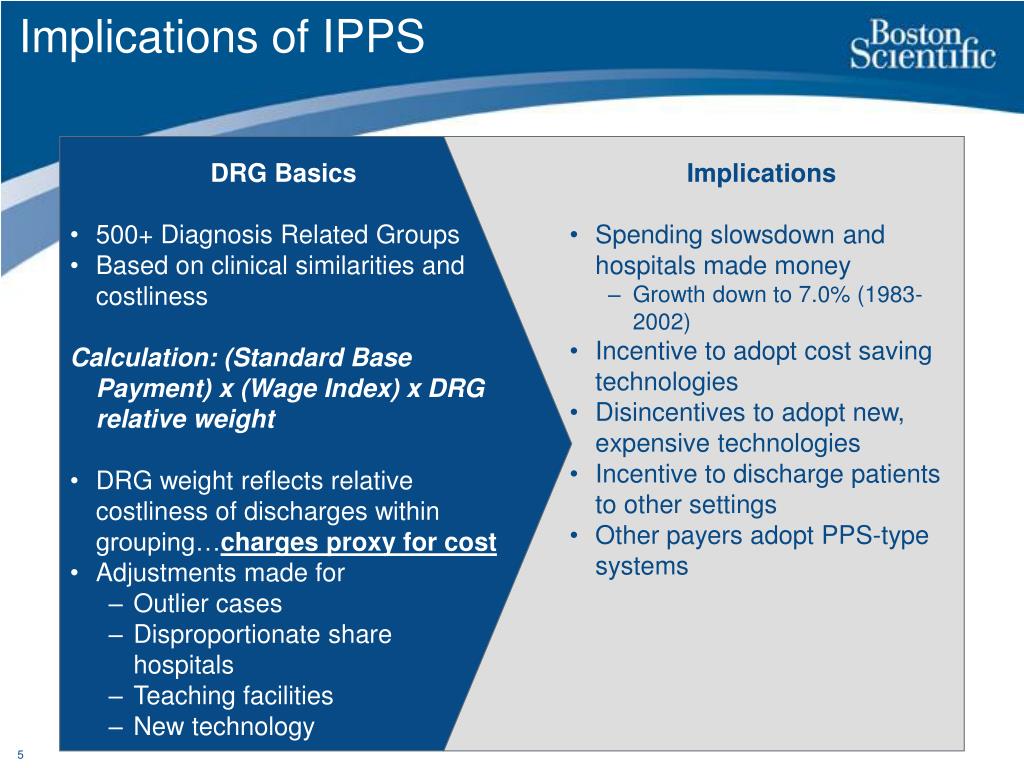
CMS: Releases 2026 IPPS Final Rule

Medicare Inpatient Prospective Payment System

***

***

By Health Capital Consultants, LLC

On July 31, 2025, the Centers for Medicare & Medicaid Services (CMS) released its finalized payment and policy updates for the Medicare Inpatient Prospective Payment System (IPPS) and the Long-Term Care Hospital (LTCH) Prospective Payment System (PPS) for fiscal year (FY) 2026.

The final rule authorized Medicare inpatient reimbursement increases for 2026 and moved forward with improvements to quality measurement, and provided more information on a new value-based payment model.

This Health Capital Topics article will discuss the IPPS final rule and stakeholder reactions. (Read more…) 

COMMENTS APPRECIATED

EDUCATION: Books

Subscribe, Like and Refer

***

***

DOJ-HHS FCA Working Group Revived

By Health Capital Consultants, LLC

***

***

On July 2, 2025, the Department of Justice (DOJ) and Department of Health & Human Services (HHS) announced during the American Health Law Association (AHLA) Annual Meeting that the agencies have reestablished a Working Group to “strengthen” their ongoing collaboration, specifically as relates to the False Claims Act (FCA).

This Health Capital Topics article discusses the Working Group’s priorities and the implications for providers. (Read more…)

COMMENTS APPRECIATED

Like and Subscribe

***

***

PROPOSED: 2026 Physician Fee Schedule Payment Increases

***

On July 14, 2025, the Centers for Medicare & Medicaid Services (CMS) released its proposed Medicare Physician Fee Schedule (MPFS) for calendar year (CY) 2026.

In addition to the agency’s suggested increase to physician payments, the proposed rule also announces a new payment model and more tele-health flexibilities.

According to CMS, the “proposed rule is one of several proposed rules that reflect a broader Administration-wide strategy to create a health care system that results in better quality, efficiency, empowerment, and innovation for all Medicare beneficiaries.” (Read more…)

COMMENTS APPRECIATED

Like and Subscribe

***

***

CMS Proposes Updates to the OPPS

By Health Capital Consultants, LLC

***

***

On July 15, 2025, the Centers for Medicare & Medicaid Services (CMS) released the proposed rule for the Outpatient Prospective Payment System (OPPS) and Ambulatory Surgical Center (ASC) Payment System for calendar year (CY) 2026.

Among other items, the agency proposes increasing payments to all outpatient providers, eliminating the Inpatient Only (IPO) List, and changing quality reporting programs.

This Health Capital Topics article reviews the proposed updates and changes to outpatient reimbursement. (Read more…) 

COMMENTS APPRECIATED

Like and Subscribe

***

***

OREGON BANS: Corporate Control of Physicians

By Health Capital Consultants LLC

***

***

On June 9th, 2025, Oregon’s governor signed into law the country’s strictest corporate practice of medicine (CPOM) prohibition. Senate Bill (SB) 951 will severely curtail the involvement of private equity firms and other corporations in the state’s medical practices.

This Health Capital Topics reviews the bill and discusses the implications on the healthcare industry. (Read more…)

COMMENTS APPRECIATED

Like and Subscribe

+++

***

CMMI’s Evolving Strategy: Initial Indications from Recent Actions

By Health Capital Consultants, LLC

***

***

On May 13th, 2025, the CMS Center for Medicare & Medicaid Innovation (CMMI) introduced a new strategic plan for its models going forward. After ending four payment models early and canceling two not-yet-implemented models in March 2025, the agency had promised to release a new strategy. Nearly two weeks later, CMMI released that strategy, as well as a preliminary evaluation of, and changes to, one of its core payment models.

This Health Capital Topics article will review CMMI’s recent actions and what initial indications these actions provide. (Read more…) 

LTC: https://medicalexecutivepost.com/2025/06/05/cms-proposes-increasing-inpatient-long-term-care-payments-2/

COMMENTS APPRECIATED

Like and Refer

***

***

2 Fast 2 Furious: HHS Cuts on the Horizon

By Health Capital Consultants LLC

***

***

During the first 90 days of the Republican Party’s government trifecta (controlling the White House, Senate, and House of Representatives), both the Trump Administration and Congress have laid the groundwork for seismic change to the U.S. healthcare industry.

In an attempt to track the latest actions of the federal government’s legislative and executive branches affecting the healthcare industry since the first installment in our February issue, this Health Capital Topics article summarizes recent events in Washington and the impact of these changes on providers and patients. (Read more…)

COMMENTS APPRECIATED

Like and Refer

***

***

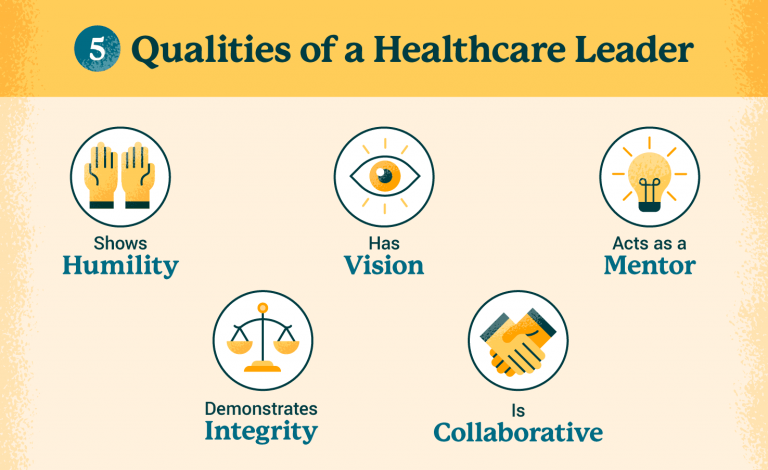
HEALTHCARE LEADERSHIP ON THE BRINK: Executives Eyeing the Exits

By Health Capital Consultants LLC

***

***

While the healthcare industry has been dealing with high employee turnover since the start of the COVID-19 pandemic, that turnover was largely among clinical staff.

However, a recent survey found that significant healthcare leadership turnover may also be on the horizon. AMN Healthcare subsidiary B.E. Smith found that nearly half of healthcare executives plan to leave their organization in the next year.

This Health Capital Topics article reviews the survey and the reasons behind the intended exits. (Read more…) 

COMMENTS APPRECIATED

Like and Refer

***

***

MEDICARE ADVANTAGE PLANS: Rates Substantially Increased for 2026

By Health Capital Consultants LLC

***

***

On April 7, 2025, the Centers for Medicare & Medicaid Services (CMS) published their 2026 Rate Announcement for Medicare Advantage (MA) and Medicare Part D Prescription Drug Plans.

For 2026, the payment rate to MA plans will increase 5.06%, the largest increase in the past ten years, and up significantly from the 2.2% rate increase proposed by the Biden Administration.

This Health Capital Topics article will review the Rate Announcement. (Read more…)

COMMENTS APPRECIATED

Like and Refer

***

***

MEDICARE: Four Payment Models Ended Early

By Health Capital Consultants, LLC

***

***

Four Medicare Payment Models Ended Early

In the latest iteration of Trump Administration healthcare cuts, the Centers for Medicare & Medicaid Services (CMS) announced on March 12th, 2025 that four Center for Medicare and Medicaid Innovation (CMMI) payment models would be sunset at the end of 2025, earlier than originally scheduled.

Cutting these models, which decision was based on “a comprehensive and data-driven review of [CMS’s] model portfolio,” are anticipated to save nearly $750 million (although the source of these savings was not detailed).

This Health Capital Topics article discusses the models being ended and the impact on healthcare stakeholders. (Read more…)

COMMENTS APPRECIATED

Read, Like Refer and Subscribe

***

***

***

HOSPITAL: Finances Hold Steady in 2025

By Health Capital Consultants, LLC

***

Hospital Finances Held Steady in First Month of 2025

In the first month of 2025, hospital revenue and expenses both increased, balancing each other out and resulting in continued steady financial performance for hospitals, according to Kaufman Hall’s January 2025 National Hospital Flash Report.

Revenues grew more quickly in the inpatient setting, as more patients were treated in the hospital and emergency department than in outpatient settings. While expense increases were largely driven by drug costs, the rate of that growth has significantly slowed.

This Health Capital Topics article reviews the report and the current state of hospital operations. (Read more…) 

COMMENTS APPRECIATED

Subscribe, Read, Like and Refer

***

***

***

VALUATION OF HOSPITALS: Reimbursement Environment

By Health Capital Consultants, LLC

The U.S. government is the largest payor of medical costs, through Medicare and Medicaid, and has a strong influence on reimbursement to hospitals. In 2022, Medicare and Medicaid accounted for an estimated $944.3 billion and $805.7 billion in healthcare spending, respectively. The prevalence of these public payors in the healthcare marketplace often results in their acting as a price setter, and being used as a benchmark for private reimbursement rates.

This third installment of the series discusses the reimbursement environment in which hospitals operate. (Read more…) 

COMMENTS APPRECIATED

Thank You

***

***

OPPS: Final Rule Issued by CMS

By Health Capital Consultants, LLC

***

On November 1, 2024, CMS released its Outpatient Prospective Payment System (OPPS) and Ambulatory Surgical Center (ASC) Payment System Final Rule for calendar year 2025. The rule finalizes payment updates, revises current programs, and establishes new standards to address the ongoing maternal health crisis.

This Health Capital Topics article discusses the key OPPS changes and updates included in the Final Rule. (Read more…)

COMMENTS APPRECIATED

Subscribe Today!

***

***

MPFS Final Rule Cuts Physician Payments [Will it Last?]

By Health Capital Consultants, LLC

***

***

On November 1, 2024, the Centers for Medicare & Medicaid Services (CMS) released its finalized Medicare Physician Fee Schedule (MPFS) for calendar year (CY) 2025, aiming “to strengthen primary care, expand access to preventive services, and further access to whole-person care.” While the finalized fee schedule cuts payments to physicians, Congress is considering legislation to override the cut.

This Health Capital Topics article discusses the provisions contained in the MPFS final rule, as well as the proposed “doc fix” legislation. (Read more…)

COMMENTS APPRECIATED

Subscribe Today!

***

***

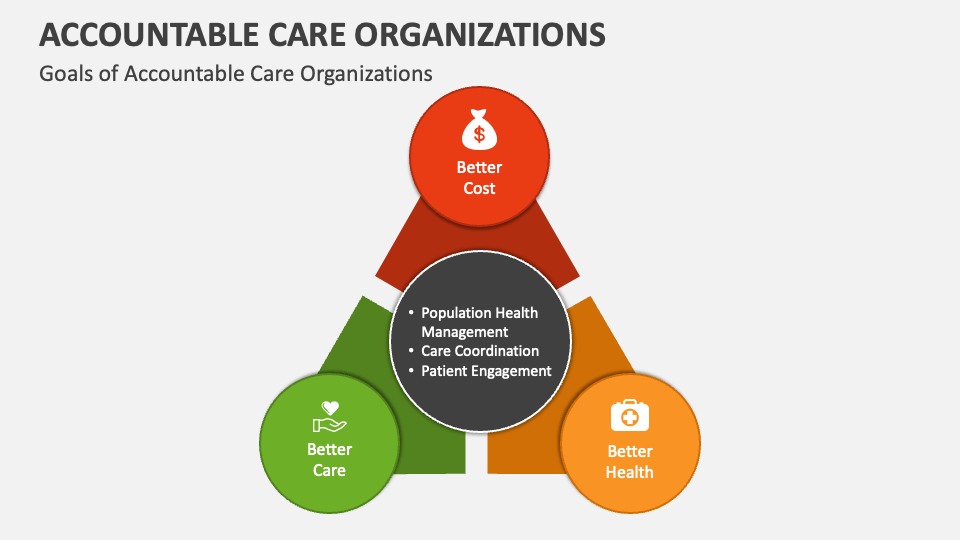
Record-Breaking Savings for ACOs in 2023

ACCOUNTABLE CARE ORGANIZATIONS

By Health Capital Consultants, LLC

***

On October 29, 2024, CMS announced Performance Year (PY) 2023 results for accountable care organizations (ACOs) participating its Medicare Shared Savings Program (MSSP). Notably, MSSP ACOs garnered the largest net savings in MSSP’s history – more than $2.1 billion.

This Health Capital Topics article discusses MSSP performance in 2023 and how this may inform value-based care going forward. (Read more…) 

COMMENTS APPRECIATED

Subscribe Today!

***

***

Valuation of Hospitals [Technological Environment]

By Health Capital Consultants, LLC

***

***

Technological advancements have accelerated the shift of healthcare services from inpatient to outpatient settings, creating both opportunities and challenges for hospitals. For instance, minimally invasive procedures often serve as alternatives to traditional, more invasive surgeries. Additionally, the integration of telehealth and artificial intelligence (AI) has the potential to enhance access to and quality of care while reducing expenditures and administrative burdens.

This final installment of a five-part series on the valuation of hospitals examines the technological advancements transforming the industry. (Read more…) 

COMMENTS APPRECIATED

Subscribe Today!

***

***

HEALTHCARE: Where the Presidential Candidates Stand

By Health Capital Consultants, LLC

***

***

Where the Candidates Stand on Healthcare

With the Presidential Election just weeks away, healthcare has once again come front and center of national political discourse, as voters rank healthcare as an important issue, and Vice President Kamala Harris and former President Donald Trump tout their respective healthcare agendas.

While details related to future healthcare proposals have been light, both candidates do have political track records that can be examined for clues as to their priorities should they become president.

This Health Capital Topics article explores where the candidates stand on various issues related to healthcare. (Read more…)

COMMENTS APPRECIATED

Thank You

***

***

Recent Court Actions Provide Insight into Future of Fraud & Abuse Laws

By Health Capital Consultants, LLC

Two recent court actions may serve as harbingers for the future of healthcare fraud and abuse laws. In September 2024, a federal judge in the Southern District of West Virginia ordered parties in a qui tam False Claims Act and Stark Law case to brief the court on the implications of Loper Bright Enterprises v. Raimondo on the interpretation of the Stark Law to the case at hand.

That same month, a federal judge in the Middle District of Florida dismissed a qui tam lawsuit on a novel theory that the False Claims Act’s whistleblower provisions are unconstitutional.

This Health Capital Topics article discusses these cases and the potential impact on federal fraud and abuse laws. (Read more…)

COMMENTS APPRECIATED

Thank You

***

***

Medicare Advantage [Part C] Plans Face Headwinds

By Health Capital Consultants, LLC

***

***

With the annual enrollment period for Medicare Advantage (MA) plans slated to open in less than two months, many MA plans are cutting benefits and provider payments, while approving fewer claims. Further, after a decade of accelerated growth in the MA market, several MA plan executives have announced MA market exits and decreases in membership for the upcoming plan year.

CITE: https://www.r2library.com/Resource

This Health Capital Topics article discusses recently announced MA market exits, the reasons for those exits, and the current environment in which MA plans are operating. (Read more...)

COMMENTS APPRECIATED

Thank You

***

***

Integration as a Competitive Strategy in Healthcare Reform

Understanding Horizontal and Vertical Integration

ENCORE PRESENTATION

[By Robert James Cimasi MHA, AVA, CMP™]

Health Capital Consultants, LLC

St. Louis MO

Several potential benefits are associated with the integration of companies in the same or related industries. These synergistic benefits depend upon the type of companies and their integration strategies, as well as whether the anticipated transaction is a manifestation of horizontal consolidation or vertical integration.

Horizontal consolidation is “the acquisition and consolidation of like organizations or business ventures under a single corporate management, in order to produce synergy, reduce redundancies and duplication of efforts or products, and achieve economies of scale while increasing market share.”

Vertical integration involves the joining of organizations that are fundamentally different in their product and/or services offerings, i.e., “the aggregation of dissimilar but related business units, companies, or organizations under a single ownership or management in order to provide a full range of related products and services.”

Healthcare Locality

As healthcare is essentially a local business, horizontal integration within the local market has been limited by antitrust laws. Therefore, in order to control greater market share, a hospital’s strategy has required vertical integration. Healthcare providers and organizations have placed much emphasis on the benefits of vertical system integration in the last 10 or more years, whereby a single healthcare organization owns all of the elements needed to provide a continuum of care for all the needs of a given patient population. Much of this effect has stemmed from the desire to be able provide a “continuum of care,” i.e., to be able to single source contract for the healthcare needs of a patient population and to profit from implementing preventative healthcare and utilization management measures. The relative economic benefits of this type of vertical integration versus horizontal integration strategies remain the subject of great debate in academia and among the strategic managers of other industries. One lesson that may be drawn from other industries is that neither of these forms of integration is universally applicable or beneficial to every organization and market. There are also great costs to integration, which must be outweighed by the benefits. Each specific benefit should be identified and researched when examining the probable effects of integration, consolidation, mergers or divestitures as a competitive strategy.

Rapid Consolidation Periods

During the rapid consolidation and integration of healthcare providers, insurers, and purchasers, in recent years, there was much discussion of a concept termed “managed competition.” This term appears to have been an outgrowth of the term “managed care” and was viewed by many as the logical result of the integration of healthcare markets nationally. The concept of “managed competition” apparently related to an idealized vision of competition between very large, integrated providers (organized into integrated delivery systems), large, national managed care payors, and purchasing group coalitions that could achieve a balance of power between these interacting groups. However, many believe that the result of such an arrangement would more likely be a reduction in competition between members of each of these three groups and the creation of powerful bureaucratic and intractable organizations. Further, this scenario does not appear to effectively remove any of the existing barriers to competition and therefore doesn’t introduce any additional incentives for innovation to produce value for consumers which, of course, is the “sine qua non” of competition.

Disadvantages

The disadvantages of integration are becoming apparent, including:

  • the loss of autonomy;
  • increased bureaucracy;
  • difficulty in aligning incentives; and
  • other failed expectations.

Many organizations that sought strategic advantage through integration are ending those arrangements and now divesting acquired organizations.

Other Industries

In other industries, specialized providers of goods and services are increasingly able to offer customers a full range of services through affiliation and affinity with other independent specialists, made more seamless through the use of increasingly sophisticated communications and computing technologies. However, this move to “dis-integration” must also be carefully considered if organizations are not to make further costly organizational changes inspired by a rushed judgment of general market trends.

Porter Speaks

Michael Porter (et al.) wrote in the Harvard Business Review that,

In industry after industry, the underlying dynamic is the same: competition compels companies to deliver increasing value to customers. The fundamental driver of this continuous quality improvement and cost reduction is innovation. Without incentives to sustain innovation in health care, short-term cost savings will soon be overwhelmed by the desire to widen access, the growing health needs of an aging population, and the unwillingness of Americans to settle for anything less than the best treatments available. Inevitably, the failure to promote innovation will lead to lower quality or more rationing of care — two equally undesirable results.

Assessment

Therefore, if the emerging healthcare industry is to respond successfully to the Affordable Care Act [ACA] and related market pressures to reduce costs, then the healthcare market must first create incentives for innovation. The barriers to competition cannot include barriers to innovation as many do now. Physicians, nurses, healthcare purchasers, managers, and legislators must ensure innovation takes the forefront of any reform, if it is to be effective.

Conclusion

Your thoughts and comments on this ME-P are appreciated. Feel free to review our top-left column, and top-right sidebar materials, links, URLs and related websites, too. Then, subscribe to the ME-P. It is fast, free and secure.

Speaker: If you need a moderator or speaker for an upcoming event, Dr. David E. Marcinko; MBA – Publisher-in-Chief of the Medical Executive-Post – is available for seminar or speaking engagements. Contact: MarcinkoAdvisors@msn.com

OUR OTHER PRINT BOOKS AND RELATED INFORMATION SOURCES:

PHYSICIANS: www.MedicalBusinessAdvisors.com
HOSPITALS: http://www.crcpress.com/product/isbn/9781466558731
CLINICS: http://www.crcpress.com/product/isbn/9781439879900
BLOG: www.MedicalExecutivePost.com
FINANCE: Financial Planning for Physicians and Advisors
INSURANCE: Risk Management and Insurance Strategies for Physicians and Advisors

Product DetailsProduct DetailsProduct Details

Product Details  Product Details

   Product Details 

California Passes Bill Regulating Private Equity Deals

By Health Capital Consultants, LLC

***

On August 31, 2024, the California legislature passed a bill that may curb private equity (PE) healthcare transactions in the state. The legislation is now on Governor Gavin Newsom’s desk for signature, who must sign or veto the bill by September 30, 2024. If signed into law, California will have the strictest regulation of PE deals of any state in the country.

CITE: https://www.r2library.com/Resource

This Health Capital Topics article discusses the new law and reviews the status of both state and federal regulation of PE. (Read more...)

COMMENTS APPRECIATED

Thank You

***

***

Hospital Operations Finally Rebound Post-COVID

By Health Capital Consultants, LLC

***

***

For the first time since the COVID-19 pandemic, hospitals are finally reporting sustained, improved financial and operational performance. To date in 2024, hospitals have seen better margins, increased patient utilization, and a more stabilized workforce. Another result of this improved performance has been an increase in hospital transactional activity.

CITE: https://www.r2library.com/Resource

This Health Capital Topics article reviews the hospital sector performance to date, factors driving this improvement, and the impact on hospital transactional activity. (Read more...) 

COMMENTS APPRECIATED

Thank You

***

***

CMS: A New Primary Care Medicine Model

“MAKING CARE PRIMARY”

By Health Capital Consultants, LLC

***

***

CMS Announces New Primary Care Model

On June 8, 2023, the Centers for Medicare and Medicaid Services (CMS) announced the establishment of Making Care Primary (MCP) Model, a voluntary primary care model that will be tested in Colorado, Massachusetts, Minnesota, New Mexico, North Carolina, New York, New Jersey, and Washington.

Launched on July 1, 2024, the 10 ½ year model will seek to improve the coordination and management of care, enable primary care clinicians to form relationships with healthcare specialists, and form community-based connections to address the health needs of patients, as well as health-related social needs such as nutrition and housing.
CITE: https://www.r2library.com/Resource

This Health Capital Topics article will discuss the new MCP Model and its implications for the healthcare industry. (Read more...)

***

***

COMMENTS APPRECIATED

Thank You

***

Multi-Specialty Surveys for Physician Compensation – Released

By Health Capital Consultants, LLC

***

***

It’s the most wonderful time of the year – Survey Season! Beginning in late May each year, numerous industry normative benchmark physician production and compensation surveys begin publishing the most recent year’s reports. These healthcare and specialty specific surveys annually report specific types of physician compensation and productivity metrics across the country for various specialties and are widely used by hospitals, physician practices, and healthcare compensation and valuation experts, are often used for the determination of Fair Market Value (FMV) physician compensation for regulatory compliance purposes.

CITE: https://www.r2library.com/Resource

Additionally, the government has referenced and utilized industry normative benchmark compensation surveys (including those listed below) in reviewing and litigating physician compensation arrangements, indicating their reliance on this data as well. (Read more…)

COMMENTS APPRECIATED

Thank You

***

***

NDAs: Federal Judge Strikes Down Non-Compete [Disclosure] Agreement Ban

By Health Capital Consultants, LLC

***

***

On August 20th, 2024, a Texas federal judge stopped the FTC’s ban on non-compete agreements from going into effect on September 4, 2024. This decision comes after the FTC issued a final rule on April 23, 2024, that bans employers from imposing non-competes on their employees. The FTC asserted that this exploitative practice kept wages low and suppressed new ideas. While the FTC’s ban will affect all industries – not just healthcare – it comes at a time when healthcare employers across the U.S. are struggling with staffing shortages. 

This Health Capital Topics article reviews the court’s ruling and discusses the FTC’s ban on noncompete agreements. (Read more…)

***
COMMENTS APPRECIATED

Thank You

***

***

Valuation of Hospitals [Competitive Environment]

By Health Capital Consultants, LLC

***

***

Demand for a variety of healthcare services – including those provided by hospitals – is likely to increase significantly in the near future, primarily as a result of the changing demographics of the U.S. population, most notably the growth in the number of Americans over the age of 65. Indeed, a Health Affairs study found that population aging alone will create approximately 0.74% annual growth in the demand for inpatient hospital services. While hospital consolidation is leading to operational efficiency for hospitals in providing services to an increasing number of patients, the federal government’s intensifying focus on anti-competitive behaviors in healthcare may hinder traditional consolidation efforts going forward.

CITE: https://www.r2library.com/Resource

This second installment in a five-part series on the valuation of hospitals reviews the competitive environment in which hospitals operate. (Read more...) 

COMMENTS APPRECIATED

Thank You

***

***

HEALTH EXPENDITURES: Projected to Approach $8 Trillion by 2032

By Health Capital Consultants LLC

***

On June 12, 2024, the Centers for Medicare & Medicaid Services (CMS) released their health insurance enrollment and national health expenditure (NHE) projections for 2023 through 2032. The annually-updated NHE is the official U.S. estimate of insurance enrollment and health spending. CMS projects that, between 2023 and 2032, the NHE’s annual growth rate of 5.6% will surpass the U.S. gross domestic product (GDP) annual growth rate of 4.3%. As a result, health spending as a share of the U.S. GDP is expected to jump from 17.3% in 2022 to 19.7% in 2032.

This Health Capital Topics article reviews the notable findings from CMS’s projections. (Read more…) 

***

***

COMMENTS APPRECIATED

Thank You

***

Physician Owned Hospitals Myths DeBunked

BY HEALTH CAPITAL CONSULTANTS, LLC

Literature Review Debunks Claims Against Physician-Owned Hospitals


Approximately 250 hospitals across the U.S. are completely or partially physician owned. These physician-owned hospitals (POHs) can offer a variety of services, from general care to specialty services, such as cardiovascular or orthopedic care, known as “focused factories.”

Over the past several decades, healthcare providers and policymakers have claimed that POHs have a negative impact on the healthcare industry, suggesting that: (1) POHs “cherry-pick” the most profitable patients; (2) the quality of care provided at POHs is substandard; and, (3) conflicts of interest exist due to the financial incentive for physician owners to refer patients to their POHs. (Read more…) 

YOUR COMMENTS ARE APPRECIATED.

Thank You

MORE: https://www.amazon.com/Financial-Management-Strategies-Healthcare-Organizations/dp/1466558733/ref=sr_1_3?ie=UTF8&qid=1380743521&sr=8-3&keywords=david+marcinko

***

RELATED: https://www.amazon.com/Hospitals-Healthcare-Organizations-Management-Operational/dp/1439879907/ref=sr_1_4?s=books&ie=UTF8&qid=1334193619&sr=1-4

***

CMS; Proposes Increasing Inpatient & Long Term Care Payments

By Health Capital Consultants, LLC

***

***

On April 10th, 2024, the Centers for Medicare & Medicaid Services (CMS) released its proposed rules for the payment and policy updates for the Medicare inpatient prospective payment system (IPPS) and long-term care hospital prospective payment system (LTCH PPS) for fiscal year (FY) 2025. 

CITE: https://www.r2library.com/Resource

This Health Capital Topics article will discuss the proposed rule and the implications for stakeholders. (Read more…)

COMMENTS APPRECIATED

Thank You

***

***

FTC: Finalizes Ban on Non-Compete Agreements

By Health Capital Consultants, LLC

***

***

On April 23rd, 2024, the Federal Trade Commission (FTC) issued a final rule that would ban employers from imposing non-competes on their employees. The FTC asserts that this exploitative practice keeps wages low, and suppresses new ideas. Notably, while the final rule will affect all industries, not just healthcare, this proposal comes at a time when healthcare employers across the U.S. are struggling with staffing shortages. 

CITE: https://www.r2library.com/Resource

This Health Capital Topics article will discuss the final rule, reactions from healthcare industry stakeholders, and potential implications for healthcare valuations (both business and compensation valuations). (Read more…)

COMMENTS APPRECIATED

Thank You
***

***

UPMC: Settles Stark Law Case

By Health Capital Consultants, LLC

***

***

On May 9th, 2024, the University of Pittsburgh Medical Center (UPMC), a large nonprofit healthcare system that owns a number of hospitals, medical practices, and other subsidiaries, announced that they would pay $38 million to settle a longstanding Stark Law case which had triggered a violation of the False Claims Act (FCA). The lawsuit claimed that several of UPMC’s surgeons ordered complex and unnecessary procedures to increase their earnings. 

CITE: https://www.r2library.com/Resource

This Health Capital Topics article will discuss the UPMC settlement and the allegations underlying the case. (Read more…) 

COMMENTS APPRECIATED

Thank You

***

***

REIMBURSEMENT: Valuation of Accountable Care Organizations

By Health Capital Consultants, LLC

***


Valuation of Accountable Care Organizations: Reimbursement

The U.S. healthcare payment and delivery system is increasingly moving to a value- and quality-based system. Accountable care organizations (ACOs) are at the forefront of delivering high-quality and cost-effective care to millions of Medicare beneficiaries and privately insured patients, incentivized by substantial shared savings for those who increase quality while containing costs.

CITE: https://www.r2library.com/Resource

This third installment of a five-part series on the valuation of ACOs will discuss the reimbursement environment in which ACOs participate.(Read more…) 

COMMENTS APPRECIATED

Thank You

***

***

***

HOSPITALS: https://www.amazon.com/Financial-Management-Strategies-Healthcare-Organizations/dp/1466558733/ref=sr_1_3?ie=UTF8&qid=1380743521&sr=8-3&keywords=david+marcinko
***

HISTORY: Medical Education and Practice in the USA

Domestic Medical SCHOOL Education

Robert James Cimasi

Todd A. Zigrang

Health Capital Consultants - Healthcare Valuation

U.S. medical education began in the late eighteenth century as an apprenticeship program in which physicians taught their trade to a few pupils, a pedagogical learning style which relied heavily upon the capacity, skills, and knowledge of the individual physician.[1] However, as learning newly discovered information and utilizing new technologies became more necessary to the industry’s practice, many physicians found the apprenticeship system no longer adequate as a manner of educating the next generation of physicians.[2] As a result, the conventional concept of medical education that originated in the U.S. in the 1750s was manifested through informal courses and demonstrations by private individuals or for-profit institutions. Those individuals who were not satisfied with a typical U.S. medical education, consisting of two identical 16-week lecture terms, might venture to Europe for a more formalized and detailed manner of learning.[3]

One of these students who studied in Europe was William Shippen, who began teaching an informal course on midwifery when he returned to the American colonies in 1762.[4] He later addressed the limitations of what might be taught in one informal course when he began teaching a lecture series on anatomy to help educate those who wished to be a physician, but could not travel abroad. John Morgan, a classmate of Shippen, noticed the potential of his friend’s endeavor and proposed the idea to create a professorship for the practice of medicine to the board of trustees of the College of Philadelphia.[5] Just across town, Thomas Bond, who conceived the idea of, and successfully established, the Pennsylvania Hospital with Benjamin Franklin, recognized the value to allowing medical students to participate in bedside training.[6] When Bond agreed to a partnership with the College of Philadelphia, the University of Pennsylvania became home to America’s first medical school.[7]

In 1893, Johns Hopkins University also made history by housing the first medical school that was able to operate out of a university-owned hospital.[8] The medical school not only encouraged clinical research to be performed by every member of their faculty, but the program also included a clinical research clerkship for every student during their rotation.[9] This program quickly became the model to which schools aspired and set the foundation for national medical education by connecting science and medical research with clinical medicine.[10]

With these early examples of medical schools, America’s field of medical education and clinical medicine made monumental strides. However, the societal pressures, caused by the U.S.’s population growth and demand for educated physicians,[11] did not allow many other universities to build on Johns Hopkins’ or the University of Pennsylvania’s foundation model, and led to the development of medical schools that had their own unique set of entrance and graduation requirements. While some focused entirely on medicine, other schools (termed Studia Generalia) also incorporated law, theology, and philosophy in their curricula.[12] In an attempt to both understand and make uniform the field of medical education, the American Medical Association (AMA) founded the Council on Medical Education (CME) in 1904.[13] The CME created minimum national educational standards for training physicians, and subsequently found that many schools did not meet these established standards.[14] However, the CME did not share the ratings of any of these medical schools “outside the medical fraternity.”[15]

In 1910, the AMA commissioned the Carnegie Foundation for Advancement of Teaching to conduct a study of medical education and schools.[16] Abraham Flexner conducted the inquiry and detailed his findings in what became known as The Flexner Report.[17] In his review of the U.S. medical education system, Flexner found that many of the proprietary medical schools met the AMA’s educational goals, but an imbalance existed between the pursuit of science and medical education.[18]  Professors were focused solely on student throughput, and did not ensure a high level of medical training that reflected the developments in the medical industry.[19] As aptly noted by Dr. John Roberts in his book entitled The Doctor’s Duty to the State, “[m]any of you remember the struggle to wrest from medical teachers the power to create medical practitioners with almost no real knowledge of medicine. The medical schools of that day were, in many instances, conducted merely as money-makers for the professors.”[20] As the AMA gained more influence over the provision of healthcare in the U.S., the value and power of medical education also gained recognition. Notably, teaching hospitals had the power to influence the development of their disciplines through their research initiatives, the quality of care they provided, and their ability to operate as an economy of scale, allowing them to dictate the evolution of medical education.[21]

Since the establishment of the first medical school in the U.S., medical education has been the foundation for shaping standards of care in the practice of medicine and defining medical errors as deviations from the norms of clinical care.[22] When Thomas Bond helped establish the University of Pennsylvania medical school, he envisioned a normal day where the physician:

…meets his pupils at stated times in the Hospital, and when a case presents adapted to his purpose, he asks all those Questions which lead to a certain knowledge of the Disease and parts affected; and if the Disease baffles the power of Art and the Patient falls a Sacrifice to it, he then brings his Knowledge to the Test, and fixes Honour [sic] or discredit on his Reputation by exposing all the Morbid parts to View, and Demonstrates by what means it produced Death, and if perchance he finds something unexpected, which Betrays an Error in Judgement [sic], he like a great and good man immediately acknowledges the mistake, and, for the benefit of survivors, points out other methods by which it might have been more happily treated.[23]

Originally, students were to study and learn from medical errors and adverse events through medical education as a means of improving the quality of care. However, it is difficult to effectively implement any significant advancement learned through the research and investigation of prior errors in a timely and cost-effective manner. Additionally, physician supply shortages have only increased the amount of patients that a physician must see daily, while simultaneously decreasing the amount of time they can spend with each patient. Although medical education continues to be one of the central underpinnings to the development of the medical industry, outside pressures that shape the clinical practice of physicians continue to limit physician effectiveness in providing quality care to patients.[24]

While improving the quality and rigor of medical education has been a constant focus throughout the history of U.S. medical education, the challenges of replicating it on a scale that produces enough qualified physicians to meet the growing demands of the U.S. population, with constantly changing technologies, has consistently been a central issue. Notably, in the 13 years preceding 1980, the ratio of actively practicing physicians to patients increased by 50%.[25] This increased physician-to-patient ratio led to concerns over quality of care and cost-effectiveness, which in turn caused the creation of a government committee to evaluate physician manpower allocation and distribution. The Graduate Medical Education National Advisory Committee (GMENAC) was first chartered in April 1976, and later extended through September 1980.[26] Its purpose was to “analyze the distribution among specialties of physicians and medical students and to evaluate alternative approaches to ensure an appropriate balance,”as well as to“encourage bodies controlling the number, types, and geographic location of graduate training positions to provide leadership in achieving the recommended balance.”[27] GMENAC produced seven volumes of recommendations regarding physician manpower supply,[28]  through the development of several models by which to determine the projected number of physicians that would be needed in the future by different subspecialties to achieve “a better balance of physicians.”[29] Ignoring critics of the report, U.S. medical schools adjusted their enrollment numbers in response to the GMENAC’s recommendations, causing a significant decrease in the supply of new physicians going into the 21st century.

***

History of Conventional Medicine - 24 Hour Translation ...

[1]       “Healthcare Valuation: The Four Pillars of Healthcare Value,” Volume 1, Robert James Cimasi, MHA, ASA, FRRICS, MCBA, CVA, CM&AA, John Wiley & Sons, Hoboken, NJ: 2014, p. 22-23.RR

[2]       “Before There Was Flexner,” American Medical Student Association, 2014,

         http://www.amsa.org/AMSA/Homepage/MemberCenter/Premeds/edRx/Before.aspx (Accessed 1/7/15).

[3]       “Time to Heal: American Medical Education from the Turn of the Century to the Era of Managed Care,” By Kenneth M. Ludmerer, New York, NY:

          Oxford University Press, 1999, p. 4.

[4]       “The Flexner Report on Medical Education in the United States and Canada in 1910,” By Abraham Flexner, Bethesda, MD: Science and Health

         Publications, Inc., p. 3-5.

[5]       “The Flexner Report on Medical Education in the United States and Canada in 1910,” By Abraham Flexner, Bethesda, MD: Science and Health

         Publications, Inc., p. 3-5.

[6]       “The Flexner Report on Medical Education in the United States and Canada in 1910,” By Abraham Flexner, Bethesda, MD: Science and Health

         Publications, Inc., p. 3-5.

[7]       “Before There Was Flexner,” American Medical Student Association, 2014,

         http://www.amsa.org/AMSA/Homepage/MemberCenter/Premeds/edRx/Before.aspx (Accessed 1/7/15).

[8]       “Time to Heal: American Medical Education from the Turn of the Century to the Era of Managed Care,” By Kenneth M. Ludmerer, New York, NY:

          Oxford University Press, 1999, p. 18-19.

[9]       “Time to Heal: American Medical Education from the Turn of the Century to the Era of Managed Care,” By Kenneth M. Ludmerer, New York, NY:

          Oxford University Press, 1999, p. 18-19.

[10]     “Science and Social Work:  A Critical Appraisal,” By Stuart A. Kirk, and William James Reid, New York, NY: Columbia University Press, 2002, Chapter 1, p. 2-3.

[11]     “The Flexner Report on Medical Education in the United States and Canada in 1910,” By Abraham Flexner, Bethesda, MD: Science and Health

          Publications, Inc., p. 6-7.

[12]     “Western Medicine: An Illustrated History,” By Irvine Loudon, New York, NY: Oxford University Press, 1997, p. 58.

[13]     “Western Medicine: An Illustrated History,” By Irvine Loudon, New York, NY: Oxford University Press, 1997, p. 58.

[14]     “Western Medicine: An Illustrated History,” By Irvine Loudon, New York, NY: Oxford University Press, 1997, p. 58.

[15]     “Western Medicine: An Illustrated History,” By Irvine Loudon, New York, NY: Oxford University Press, 1997, p. 58.

[16]     “U.S. Health Policy and Politics: A Documentary History,” By Kevin Hillstrom, Thousand Oaks, CA: CQ Press, 2012, p. 141.

[17]     “The Flexner Report on Medical Education in the United States and Canada in 1910,” By Abraham Flexner, Bethesda, MD: Science and Health

         Publications, Inc., p. 3-19.

[18]     “The Flexner Report on Medical Education in the United States and Canada in 1910,” By Abraham Flexner, Bethesda, MD: Science and Health

         Publications, Inc., p. 3-19.

[19]     “The Flexner Report on Medical Education in the United States and Canada in 1910,” By Abraham Flexner, Bethesda, MD: Science and Health

         Publications, Inc., p. 3-19.

[20]     “The Doctor’s Duty to the State: Essays on The Public Relations of Physicians,” By John B. Roberts, AM, MD, Chicago, IL: American Medical Association Press, 1908, p. 23.

[21]     “Time to Heal: American Medical Education from the Turn of the Century to the Era of Managed Care,” By Kenneth M. Ludmerer, New York, NY:

          Oxford University Press, 1999, p. 19.

[22]     “Science and Social Work:  A Critical Appraisal,” By Stuart A. Kirk, and William James Reid, New York: Columbia University Press, 2002, Chapter 1, p. 2-3.

[23]     “Dr. Thomas Bond’s Essay on the Utility of Clinical Lectures,” By Carl Bridenbaugh, Journal of the History of Medicine (Winter 1947), p. 14; “The Flexner Report on Medical Education in the United States and Canada in 1910,” By Abraham Flexner, Bethesda, MD: Science and Health

         Publications, Inc., p. 4.

[24]     “Time to Heal: American Medical Education from the Turn of the Century to the Era of Managed Care,” By Kenneth M. Ludmerer, New York, NY:

          Oxford University Press, 1999, p. xxi.

[25]     “How many doctors are enough?” By J.E. Harris, Health Affairs, Vol. 5, No. 4 (1986), p.74.

[26]   “Report of the Graduate Medical Education National Advisory Committee to the Secretary, Department of Health and Human Services – Volume VII,” Graduate Medical Education National Advisory Committee, Washington, DC: U.S. Government Printing Office, 1981, p. 5, 16.

[27]     “Report of the Graduate Medical Education National Advisory Committee to the Secretary, Department of Health and Human Services – Volume VII,” Graduate Medical Education National Advisory Committee, Washington, DC: U.S. Government Printing Office, 1981, p. 73.

[28]     “Report of the Graduate Medical Education National Advisory Committee to the Secretary, Department of Health and Human Services – Volume VII,” Graduate Medical Education National Advisory Committee, Washington, DC: U.S. Government Printing Office, 1981, p. 5-6.

[29]     “GMENAC: Its Manpower Forecasting Framework,” By D.R. McNutt, American Journal of Public Health, Vol. 71, No. 10 (October 1981), p. 1119.

[30]     “Crossing the Quality Chasm: A New Health System for the 21st Century,” Institute of Medicine, National Academy of Sciences, 2001, front matter.

[31]     “Overview of Medical Errors and Adverse Events,” By Maité Garrouste-Orgeas, et al., Annals of Intensive Care, Vol. 2, No. 2 (2012), p. 6.

Your thoughts are appreciated.

Risk Management, Liability Insurance, and Asset Protection Strategies for Doctors and Advisors: Best Practices from Leading Consultants and Certified Medical Planners™

ORDER TEXTBOOK: https://www.routledge.com/Risk-Management-Liability-Insurance-and-Asset-Protection-Strategies-for/Marcinko-Hetico/p/book/9781498725989

THANK YOU

***

FTC: Finalizes Ban on Non-Compete Agreements

By Health Capital Consultants LLC

***

***

On April 23rd, 2024, the Federal Trade Commission (FTC) issued a final rule that would ban employers from imposing non-competes on their employees. The FTC asserts that this exploitative practice keeps wages low, and suppresses new ideas. Notably, while the final rule will affect all industries, not just healthcare, this proposal comes at a time when healthcare employers across the U.S. are struggling with staffing shortages.

Existing noncompetes for the majority of workers will no longer be enforceable after the rule goes into effect (i.e., 120 days after publication in the Federal Register); however, the FTC ban appears likely to face a legal challenge, and it could be years before it can take effect.

Under the final rule, noncompetes for senior executives can remain in force under the new ruling, but employers may not enter in or attempt to enforce any new noncompetes, even if that includes a senior executive. The Commission also recognizes that they have no jurisdiction over not-for-profit entities, however they reserve the right to evaluate any entity’s non-profit status. The FTC specifically stated that “some portion of the 58% of hospitals that claim tax-exempt status as nonprofits and the 19% of hospitals that are identified as State or local government hospitals in the data cited by AHA likely fall under the Commission’s jurisdiction and the final rule’s purview.”

While most healthcare employees and workers, including physicians, believe that the ruling is long overdue and that noncompetes “impede patient access to care, limit physicians’ ability to choose their employer, contribute to burnout and stifle competition,” the American Hospital Association (AHA), stated that the “FTC’s final rule banning non-compete agreements for all employees across all sectors of the economy is bad law, bad policy, and a clear sign of an agency run amok.

Look for next month’s (May 2024) Health Capital Topics article that will discuss, in more detail, the final rule, reactions from healthcare industry stakeholders, and potential implications for healthcare valuations (both business and compensation valuations).

MORE: (Read the FTC’s Press Release Here)

COMMENTS APPRECIATED

Thank You

***

***

DOJ: Antitrust Reportedly Investigating UnitedHealth Group

By Health Capital Consultants, LLC

***

***

On February 27, 2024, the Wall Street Journal (WSJ) reported that the Department of Justice (DOJ) has launched an antitrust investigation into UnitedHealth Group (UHG), the owner of the biggest health insurer in the U.S. and the leading manager of drug benefits and one of the largest networks of physician groups. This investigation comes as the Biden administration’s antitrust enforcers have ramped up investigations into some of the biggest U.S. companies, including Amazon, Apple, and Google.

CITE: https://www.r2library.com/Resource

This Health Capital Topics article reviews the reported government investigation. (Read more…)

COMMENTS APPRECIATED

Subscribe Today

***

***

HEALTHCARE PRIVATE EQUITY: Federal Regulators Launch Inquiry

By Health Capital Consultants, LLC

On March 5th, 2024, the Department of Justice’s (DOJ’s) Antitrust Division, the Federal Trade Commission (FTC), and the Department of Health and Human Services (HHS), announced the launch of a multi-agency inquiry – in the form of a request for information (RFI) and public workshop – focusing on the increasing control of private equity (PE) and other corporations over the healthcare industry.

This Health Capital Topics article discusses the agencies recent actions and how it appears to be in line with the government’s recent moves to crack down on anti-competitive actions in healthcare. (Read more…)

COMMENTS APPRECIATED

Thank You

***

***

CONGRESS: Increases 2024 Medicare Physician Pay

By Health Capital Consultants, LLC

***

***

On March 9th, 2024, President Biden signed into law a $460 billion spending package to continue funding the federal government for the remainder of the 2024 fiscal year. Contained within the spending package was legislation to cut in half the 2024 Medicare physician payment update of approximately -3.4%.

This Health Capital Topics article discusses the payment update, other healthcare provisions contained in the bipartisan spending bills, and responses from stakeholders. (Read more…)

***

COMMENTS APPRECIATED

Thank You

***

***

ACOs: Participation Up in 2024

By Health Capital Consultants, LLC

***

***

On January 29, 2024, the Centers for Medicare and Medicaid Services (CMS) announced that Performance Year 2024 participation increased in their various accountable care organization (ACO) initiatives. Specifically, 50 new ACOs joined the Medicare Shared Savings Program (MSSP), and 71 ACOs renewed their contracts, bringing the total participation in the MSSP to 480 ACOs.

Additionally, 245 organizations chose to continue participation in two other CMS models – the ACO Realizing Equity, Access, and Community Health (REACH) Model and the Kidney Care Choice (KCC) Model.

CITE: https://www.r2library.com/Resource

This Health Capital Topics article reviews the CMS report and implications for CMS’s ACO initiatives. (Read more…) 

COMMENTS APPRECIATED

Thank You

***

***

M&A: Healthcare Indications Review

Indications for 2024

By Health Capital Consultants, LLC

***

***

After healthcare mergers and acquisitions (M&A) activity began to regain momentum in 2022, following the slowing of deals in the wake of the COVID-19 pandemic, transactional activity continued to accelerate in 2023. While the healthcare sector continued to be impacted by factors such as valuation gaps, higher-for-longer interest rates, general macroeconomic risks, and increased state and federal regulatory concerns in 2023, the outlook for 2024 remains cautiously optimistic.

CITE: https://www.r2library.com/Resource

This Health Capital Topics article reviews the U.S. healthcare industry’s 2023 M&A activity and discusses what these trends may mean for 2024. (Read more…)

COMMENTS APPRECIATED

Thank You

***

***

2024: Healthcare Industry Future Outlook

By Health Capital Consultants, LLC

***

2024 Healthcare Industry Outlook

Nearly one year removed from the end of the COVID-19 public health emergency, the healthcare industry expects a number of new opportunities in 2024, despite lingering challenges exposed by the pandemic. For example, healthcare organizations anticipate issues related to workforce shortages and legislative challenges; however, the industry also expects that opportunities emanating from technological advancements will allow them to grow and transform.

This Health Capital Topics article reviews anticipated U.S. healthcare industry activity for 2024 as well as trends that may drive change in the industry. (Read more…)

COMMENTS APPRECIATED

Thank You
***

***

HEALTHCARE: Spending Grew in 2022

By Health Capital Consultants, LLC

***

***

On December 13, 2023, the Centers for Medicare & Medicaid Services (CMS) released its annual report on healthcare spending in the U.S., highlighting the growth in private insurance and Medicaid spending in 2022, which was offset by the declines in supplemental federal funding as a result of the COVID-19 pandemic.

CITE: https://www.r2library.com/Resource/Title/082610254

This Health Capital Topics article reviews the notable healthcare spending findings in CMS’s report. (Read more…) 

COMMENTS APPRECIATED

Thank You

***

***

FTC Lawsuit Targets Private Equity & U.S. Anesthesia Partners

By Health Capital Consultants, LLC

***

***

FTC Lawsuit Targets Private Equity

On September 21, 2023, the Federal Trade Commission (FTC) sued U.S. Anesthesia Partners (USAP), a Texas-based anesthesia provider, and Welsh, Carson, Anderson & Stowe (Welch Carson), a private equity firm. The FTC alleged that the two companies executed an anti-competitive scheme for multiple years to consolidate anesthesiology practices in Texas, boost their profits, and drive up the price of anesthesia services rendered to patients.

CITE: https://www.r2library.com/Resource/Title/082610254

This Health Capital Topics article will discuss the lawsuit and how it appears to fit in with the FTC’s recent moves to crack down on anti-competitive actions in healthcare. (Read more…)

SUBSCRIBE AND COMMENT

Thank You

***

***

HOSPITALS: Price Discrepancies Exposed!

By Health Capital Consultants, LLC

***

***

On September 18, 2023, the Journal of the American Medical Association (JAMA) published a study comparing online hospital pricing and pricing given over the telephone for shoppable hospital services. Hospitals in the U.S. are required to post pricing online for specified services, but it was unknown whether or not hospitals quoted the same prices to telephone callers as they posted online.

This Health Capital Topics article will discuss the topic of price discrepancy and the difficulties with cost comparison. (Read more…) 

COMMENTS APPRECIATED

Thank You

***

***

***

Pricing Increases at Independent Hospitals Post-Acquisition

By Health Capital Consultants, LLC

Pricing Increases at Independent Hospitals Post-Acquisition

Over the past decade, hospital acquisitions have changed the healthcare market, with transactions leading to hospital consolidation and resulting in larger health systems and fewer hospitals.

CITE: https://www.r2library.com/Resource

An August 2023 study conducted by the Public Policy Institute of health insurer Elevance Health (formerly known as Anthem) found that when independent hospitals are acquired by health systems, employers, payors, and consumers are exposed to higher pricing without a similar increase in hospital care access or quality of care. This Health Capital Topics article will review the Elevance study and the impact of acquisitions on independent hospital pricing. (Read more…)

COMMENTS APPRECIATED

Thank You

***

***

Generative AI Disruption in the Healthcare Industry

By Health Capital Consultants, LLC

***

***

Generative artificial intelligence (AI) is the utilization of algorithms to create content such as text, code, imagery, videos, and even simulations in mere seconds. The goal of AI generally is to mimic the intelligence of humans to perform tasks, with generative AI (a type of AI) aiming to learn from data without the assistance of humans. While today’s generative AI bots are not yet prepared for widespread utilization in patient care settings, AI is garnering significant interest in the healthcare industry as providers begin to test the capabilities of AI in clinics and offices.

This Health Capital Topics article will review the role that generative AI is beginning to play in the U.S. healthcare system, the potential of AI in healthcare, and concerns related to the technology. (Read more…)

***

COMMENTS APPRECIATED

Thank You

***

***

Valuation of Accountable Care Organizations: Competitive Environment

By Health Capital Consultants, LLC

***

***

As of the first quarter of 2022, 1,010 accountable care organizations (ACOs), comprising 1,760 private and public ACO contracts that covered 32 million beneficiaries, operated across the U.S. And, the majority of these ACOs were physician-led (41%), rather than hospital-led (26%) or jointly-led (27%) ACOs.

CITE: https://www.r2library.com/Resource

While the number of ACOs have steadily increased over the past several years, ACO growth has slowed, and even slightly decreased, in the past couple of years; this may be explained by shifts in federal government programs that are pushing all ACOs to take on downside risk at a faster pace. (Read more…) 

***

COMMENTS APPRECIATED

Thank You

***

***

***

CMS: Projected National Health Expenditures to Surpass $7 Trillion Dollars

By Health Capital Consultants, LLC

***

***

Projected National Health Expenditures to Surpass $7 Trillion

On June 14th, 2023, CMS released health insurance enrollment and national health expenditure (NHE) projections for 2022 through 2031.

CITE: https://www.r2library.com/Resource

The NHE, which is published annually, is the official U.S. estimate of insurance enrollment and health spending. CMS projects that from 2022 to 2031, the NHE’s annual growth rate of 5.4% will surpass the U.S. gross domestic product (GDP) annual growth rate of 4.6%. As a result, health spending as a share of the U.S. GDP is set to jump from 18.3% in 2021 to 19.6% in 2031.

This Health Capital Topics article will review the notable findings from CMS’s projection report. (Read more…) 

COMMENTS APPRECIATED

Thank You

***

***