WHY CONTRIBUTE YOUR CONTENT: To the Medical Executive-Post

By Dr. David Edward Marcinko MBA MEd, Ann Miller RN MHA CPHQ and Staff Reporters

INFORMATION AND NEWS PORTAL

***

***

Contribute Your Knowledge to the Medical Executive-Post.com

Healthcare, finance and economics today is defined by rapid transformation, complex challenges, and the urgent need for visionary leadership. Contributing your expertise to the Medical Executive Post.com blog is more than an opportunity to share ideas; it is a chance to shape conversations that influence the future of medical administration, health economics and finance.

At its core, the role of a physician, nurse, medical executive, financial advisor, investment planner, CPA or healthcare attorney is about bridging the gap between expertise and dissemination strategy. These opinions bring invaluable perspectives, and it is the ME-P that ensures these voices are harmonized into a coherent vision. Writing for Medical Executive Post.com allows contributors to highlight best practices, share lessons learned, and inspire peers to think critically about how leadership can improve outcomes.

One of the most pressing issues facing healthcare and financial executives today is resource management. Rising costs, workforce shortages, and the integration of new technologies demand innovative solutions. By contributing to this blog, you can explore strategies that balance fiscal responsibility with compassionate care. For example, discussing how tele-medicine, block chain or artificial intelligence can expand access without overwhelming budgets, or how data analytics can streamline operations while enhancing patient safety, provides actionable insights for leaders navigating these challenges.

Equally important is the ethical dimension of medical and financial leadership. Executives are entrusted with decisions that affect not only institutions but also the lives of patients and communities. Contributing to the blog offers a platform to advocate for transparency, accountability, and equity. Sharing perspectives on how to build inclusive healthcare and financial systems, or how to foster trust through ethical governance, ensures that leadership remains grounded in values as well as efficiency.

Finally, the blog is a space for collaboration. Healthcare finance is not a solitary endeavor; it thrives on networks of professionals who learn from one another. By writing for Medical Executive Post.com, you join a community dedicated to advancing the profession. Whether through case studies, thought pieces, or reflections on leadership journeys, each contribution strengthens the collective knowledge base and inspires others to lead with courage and vision.

In conclusion, contributing to Medical Executive Post.com is about more than publishing words online. It is about shaping the dialogue that defines modern healthcare financial and economic leadership. Through thoughtful analysis, ethical reflection, and collaborative spirit, we aim to use this platform to advance the mission of those executives everywhere: delivering care that is innovative, equitable, and deeply human.

Smart Readers – Brilliant Writers – Informed Contributors!

Please Like, CONTRIBUTE CONTENT and Subscribe

SPONSORSHIPS ALSO AVAILABLE: https://medicalexecutivepost.com/sponsors/

***

***

WHY CONTRIBUTE CONTENT: To the Medical Executive-Post

By Dr. David Edward Marcinko MBA MEd, Ann Miller RN MHA CPHQ and Staff Reporters

INFORMATION AND NEWS PORTAL

***

***

Contribute Your Knowledge to the Medical Executive-Post.com

Healthcare, finance and economics today is defined by rapid transformation, complex challenges, and the urgent need for visionary leadership. Contributing your expertise to the Medical Executive Post.com blog is more than an opportunity to share ideas; it is a chance to shape conversations that influence the future of medical administration, health economics and finance.

At its core, the role of a physician, nurse, medical executive, financial advisor, investment planner, CPA or healthcare attorney is about bridging the gap between expertise and dissemination strategy. These opinions bring invaluable perspectives, and it is the ME-P that ensures these voices are harmonized into a coherent vision. Writing for Medical Executive Post.com allows contributors to highlight best practices, share lessons learned, and inspire peers to think critically about how leadership can improve outcomes.

One of the most pressing issues facing healthcare and financial executives today is resource management. Rising costs, workforce shortages, and the integration of new technologies demand innovative solutions. By contributing to this blog, you can explore strategies that balance fiscal responsibility with compassionate care. For example, discussing how tele-medicine, block chain or artificial intelligence can expand access without overwhelming budgets, or how data analytics can streamline operations while enhancing patient safety, provides actionable insights for leaders navigating these challenges.

Equally important is the ethical dimension of medical and financial leadership. Executives are entrusted with decisions that affect not only institutions but also the lives of patients and communities. Contributing to the blog offers a platform to advocate for transparency, accountability, and equity. Sharing perspectives on how to build inclusive healthcare and financial systems, or how to foster trust through ethical governance, ensures that leadership remains grounded in values as well as efficiency.

Finally, the blog is a space for collaboration. Healthcare finance is not a solitary endeavor; it thrives on networks of professionals who learn from one another. By writing for Medical Executive Post.com, you join a community dedicated to advancing the profession. Whether through case studies, thought pieces, or reflections on leadership journeys, each contribution strengthens the collective knowledge base and inspires others to lead with courage and vision.

In conclusion, contributing to Medical Executive Post.com is about more than publishing words online. It is about shaping the dialogue that defines modern healthcare financial and economic leadership. Through thoughtful analysis, ethical reflection, and collaborative spirit, we aim to use this platform to advance the mission of those executives everywhere: delivering care that is innovative, equitable, and deeply human.

Smart Readers – Brilliant Writers – Informed Contributors!

Please Like, CONTRIBUTE CONTENT and Subscribe

SPONSORSHIPS ALSO AVAILABLE: https://medicalexecutivepost.com/sponsors/

***

***

NEW MEDICAL PRACTICE: Business Plan Construction

By Dr. David Edward Marcinko MBA MEd

***

***

How to Write a New Medical Practice Business Plan

Starting a new medical practice is both an exciting and daunting endeavor. Beyond the clinical expertise required to deliver quality care, success hinges on the ability to structure the practice as a sustainable business. A well-crafted business plan serves as the blueprint for this journey, guiding decisions, attracting investors, and ensuring long-term viability. Writing such a plan requires clarity, foresight, and attention to detail.

Defining the Vision and Mission

The first step in writing a medical practice business plan is articulating the vision and mission. The vision describes the long-term aspirations of the practice, such as becoming a trusted community healthcare provider or specializing in cutting-edge treatments. The mission, on the other hand, defines the practice’s purpose and values, focusing on patient care, accessibility, and innovation. These statements set the tone for the entire plan and help align staff, investors, and patients with the practice’s goals.

***

***

Market Analysis

A medical practice does not exist in isolation; it operates within a competitive and regulated environment. Conducting a thorough market analysis is essential. This includes identifying the demographics of the target patient population, understanding local healthcare needs, and evaluating competitors. For example, a practice opening in a suburban area may find demand for family medicine, while one in an urban center may identify opportunities in urgent care or specialty services. Market analysis also involves assessing trends such as telemedicine adoption, insurance coverage shifts, and patient expectations for convenience and transparency.

Services and Differentiation

Once the market landscape is clear, the plan should outline the services the practice will provide. These may range from general primary care to specialized offerings such as dermatology, pediatrics, or orthopedics. It is important to highlight how the practice will differentiate itself. Differentiation could come from extended hours, patient-centered technology, holistic care approaches, or specialized expertise. Clearly defining services ensures that the practice meets real needs while standing out from competitors.

Operational Structure

The operational structure section details how the practice will function day-to-day. This includes staffing requirements, workflow design, and technology integration. Staffing plans should specify the number of physicians, nurses, administrative staff, and support personnel needed. Workflow design addresses patient intake, appointment scheduling, billing, and follow-up care. Technology integration, such as electronic health records and telehealth platforms, is increasingly vital for efficiency and compliance. A strong operational plan ensures smooth functioning and enhances patient satisfaction.

Legal and Regulatory Considerations

Healthcare is one of the most regulated industries, and compliance is non-negotiable. The business plan must address licensing requirements, credentialing, HIPAA compliance, and insurance contracts. It should also outline risk management strategies, including malpractice coverage and protocols for patient safety. Addressing these considerations upfront demonstrates responsibility and reduces the likelihood of costly legal challenges later.

Marketing and Patient Acquisition

No matter how skilled the physicians, a practice cannot thrive without patients. The marketing strategy section of the plan should detail how the practice will attract and retain patients. This may involve digital marketing campaigns, community outreach, partnerships with local organizations, or referral networks. Branding is equally important, as it shapes the practice’s identity and reputation. A clear marketing plan ensures that the practice builds visibility and trust in the community.

***

***

Financial Planning

Financial planning is the backbone of any business plan. This section should include startup costs, revenue projections, and expense management. Startup costs may encompass leasing or purchasing office space, medical equipment, technology systems, and initial staffing. Revenue projections should be realistic, based on patient volume estimates and reimbursement rates. Expense management requires careful budgeting for salaries, supplies, utilities, and insurance. Including cash flow analysis and break-even projections helps demonstrate financial sustainability.

Growth and Expansion Strategy

A new medical practice should not only plan for survival but also for growth. The business plan should outline strategies for expansion, whether through adding new services, opening additional locations, or adopting innovative technologies. Growth strategies should be flexible, allowing the practice to adapt to changing patient needs and industry trends. This forward-looking approach reassures stakeholders that the practice is built for longevity.

Implementation Timeline

Finally, the plan should include a timeline for implementation. This timeline breaks down the steps required to launch the practice, from securing financing and signing leases to hiring staff and opening doors to patients. Setting milestones ensures accountability and helps track progress. A realistic timeline also allows for adjustments when unexpected challenges arise.

Conclusion

Writing a business plan for a new medical practice is a comprehensive process that blends vision with practicality. It requires defining goals, analyzing the market, detailing operations, ensuring compliance, planning finances, and strategizing growth. More than a document, the plan becomes a living guide that evolves with the practice. By investing time and effort into crafting a thoughtful business plan, healthcare professionals can transform their expertise into a thriving enterprise that serves patients and sustains itself in a competitive environment.

COMMENTS APPRECIATED

EDUCATION: Books

SPEAKING: Dr. Marcinko will be speaking and lecturing, signing and opining, teaching and preaching, storming and performing at many locations throughout the USA this year! His tour of witty and serious pontifications may be scheduled on a planned or ad-hoc basis; for public or private meetings and gatherings; formally, informally, or over lunch or dinner. All medical societies, financial advisory firms or Broker-Dealers are encouraged to submit a RFP for speaking engagements: MarcinkoAdvisors@outlook.com

Like, Refer and Subscribe

***

***

TEXT BOOK REVIEW: Comprehensive Financial Planning Strategies for Doctors

CYBER MONDAY

By Ann Miller; RN MHA CPHQ

***

***

David Edward Marcinko’s Comprehensive Financial Planning Strategies for Doctors is a specialized text that addresses one of the most pressing challenges faced by medical professionals: managing the complexities of personal and professional finance in a demanding career. Physicians often devote years to mastering medicine, yet receive little formal training in financial literacy. Marcinko’s book seeks to bridge this gap by offering a structured, practical, and holistic approach to financial planning tailored specifically to the unique circumstances of doctors.

At its core, the book emphasizes the importance of integrating financial planning into the broader context of a physician’s life and career. Marcinko recognizes that doctors face distinctive financial pressures, including high student debt, delayed earnings due to lengthy training, and the need to balance practice management with personal financial goals. The book is not merely a manual on budgeting or investing; rather, it presents a comprehensive framework that encompasses wealth accumulation, risk management, tax strategies, retirement planning, and estate considerations. By situating financial planning within the realities of medical practice, Marcinko ensures that his advice resonates with the lived experiences of physicians.

One of the book’s strengths lies in its accessibility. Financial planning texts can often be dense, filled with jargon that alienates readers outside the financial sector. Marcinko avoids this pitfall by writing in a clear, structured manner that makes complex concepts digestible. He uses examples drawn from medical practice to illustrate financial principles, ensuring that readers can see the direct relevance of his strategies. For instance, discussions of liability insurance or practice valuation are framed in terms of the risks and opportunities doctors encounter daily. This contextualization makes the book not only informative but also practical.

Another notable aspect of Marcinko’s work is its emphasis on proactive planning. Rather than reacting to financial challenges as they arise, the book encourages physicians to adopt a forward‑looking mindset. Marcinko underscores the importance of setting long‑term goals early in one’s career, whether related to retirement, practice succession, or family wealth transfer. He argues that physicians, accustomed to evidence‑based decision making in medicine, should apply the same rigor to financial planning. This alignment between professional habits and personal finance is one of the book’s most persuasive insights.

The book also addresses the psychological dimensions of financial decision making. Marcinko acknowledges that physicians, despite their intelligence and training, are not immune to the emotional biases that affect all investors. Overconfidence, risk aversion, and the tendency to delay planning are explored as obstacles that can undermine financial success. By highlighting these behavioral pitfalls, Marcinko adds depth to his analysis and reminds readers that financial planning is not purely technical but also deeply human.

Critically, the book does not present financial planning as a one‑size‑fits‑all endeavor. Marcinko recognizes the diversity of medical careers and personal circumstances. A surgeon in private practice will face different challenges than a pediatrician employed by a hospital system, and the book provides strategies adaptable to these varied contexts. This flexibility enhances the book’s relevance and ensures that it can serve as a resource for physicians across specialties and career stages.

While the book is comprehensive, some readers may find its breadth overwhelming. Covering everything from investment vehicles to estate law, Marcinko’s text demands sustained engagement. Yet this density is also its strength: it reflects the complexity of financial planning for doctors and underscores the need for a holistic approach. For readers willing to invest the time, the book offers a roadmap that can significantly improve financial outcomes.

In conclusion, Comprehensive Financial Planning Strategies for Doctors is a valuable resource that combines clarity, practicality, and depth. Marcinko succeeds in translating financial principles into strategies that resonate with the realities of medical practice. By encouraging proactive planning, addressing psychological biases, and offering adaptable strategies, the book empowers physicians to take control of their financial futures. For doctors seeking to navigate the intersection of medicine and money, Marcinko’s work stands as a thoughtful and indispensable guide.

COMMENTS APPRECIATED

Like, Refer and Subscribe

***

***

BUSINESS OF MEDIAL PRACTICE: Text Book Review

CYBER MONDAY – BUY NOW!

By Ann Miller RN MHA CPHQ

***

***

The Business of Medical Practice by David E. Marcinko

David E. Marcinko’s The Business of Medical Practice is a comprehensive exploration of the intersection between healthcare delivery and the economic realities that shape it. Unlike many texts that focus narrowly on clinical practice or purely financial management, Marcinko’s work attempts to bridge the gap between medicine as a profession and medicine as a business. The book is ambitious in scope, covering topics ranging from practice management and healthcare economics to ethics, marketing, and the evolving role of technology in medical enterprises. It is both a practical guide and a conceptual framework for understanding how modern medical practices must adapt to survive in a competitive and rapidly changing environment.

One of the book’s central strengths lies in its recognition that physicians are not only healers but also entrepreneurs. Marcinko emphasizes that running a medical practice requires the same strategic thinking, financial literacy, and operational efficiency demanded of any business leader. He argues that physicians often underestimate the importance of business acumen, assuming that clinical expertise alone will guarantee success. By challenging this assumption, the book provides a wake-up call to healthcare professionals who may be unprepared for the realities of reimbursement models, regulatory compliance, and patient expectations in the twenty-first century.

The text is organized in a way that allows readers to navigate both broad themes and specific issues. Marcinko discusses macroeconomic forces such as healthcare policy, insurance structures, and demographic shifts, while also delving into micro-level concerns like billing systems, staffing, and marketing strategies. This dual perspective is particularly valuable because it situates the medical practice within a larger ecosystem. Physicians are reminded that their success is not determined solely by their own decisions but also by external pressures such as government regulation, technological disruption, and the consolidation of healthcare systems.

Another notable aspect of the book is its attention to ethics and professionalism. Marcinko does not reduce medicine to a mere profit-driven enterprise; instead, he acknowledges the tension between financial sustainability and patient-centered care. He explores how physicians can balance the need for profitability with their ethical obligations, suggesting that sound business practices can actually enhance patient outcomes by ensuring the longevity and stability of the practice. This nuanced approach prevents the book from being dismissed as purely mercenary and instead frames it as a guide to responsible stewardship of medical resources.

The book also highlights the growing importance of technology in healthcare. Marcinko discusses electronic health records, telemedicine, and digital marketing as tools that can transform the way practices operate. His analysis anticipates many of the challenges and opportunities that have since become central to healthcare management. By encouraging physicians to embrace innovation rather than resist it, Marcinko positions the medical practice as a dynamic entity capable of evolving alongside broader societal changes.

Despite its many strengths, the book is not without limitations. Its breadth, while impressive, can sometimes feel overwhelming. Readers looking for a step-by-step manual may find the text too expansive, as it covers a wide array of topics without always providing detailed implementation strategies. Additionally, the book’s emphasis on the business side of medicine may be unsettling to those who view healthcare as a vocation rather than a commercial enterprise. Marcinko’s pragmatic tone, however, makes clear that ignoring the financial realities of practice management is not an option in today’s environment.

Ultimately, The Business of Medical Practice is a valuable resource for physicians, administrators, and students of healthcare management. It challenges traditional assumptions about the role of the physician and provides a framework for thinking about medicine as both a profession and a business. Marcinko’s work underscores the reality that clinical excellence must be paired with financial and operational competence if medical practices are to thrive. By blending practical advice with conceptual insights, the book equips readers with the tools to navigate the complex landscape of modern healthcare.

In conclusion, Marcinko’s text is more than a book; it is a call to action. It urges healthcare professionals to recognize that their success depends not only on their ability to diagnose and treat but also on their capacity to manage, innovate, and lead. For those willing to embrace this dual identity, The Business of Medical Practice offers both guidance and inspiration. It is a timely reminder that medicine, while rooted in compassion and science, must also be sustained by sound business principles.

COMMENTS APPRECIATED

Like, Refer and Subscribe

***

***

TEXT BOOK REVIEW: Hospitals and Healthcare Organizations

CYBER MONDAY

By Ann Miller RN MHA CPHQ

***

***

David Edward Marcinko’s Hospitals and Healthcare Organizations is a comprehensive exploration of the complex systems that underpin modern healthcare delivery. The book serves as both a practical guide and a conceptual framework for understanding how hospitals and related institutions function within the broader healthcare ecosystem. Marcinko’s work is notable for its ability to bridge the gap between theory and practice, offering readers insights into management, policy, finance, and patient care, all while emphasizing the interconnectedness of these domains.

One of the central themes of the book is the evolution of hospitals from charitable institutions into sophisticated organizations that must balance clinical excellence with financial sustainability. Marcinko highlights how hospitals have transformed over time, adapting to advances in medical technology, shifting patient expectations, and the pressures of regulatory oversight. This historical perspective is crucial because it underscores the dynamic nature of healthcare organizations, reminding readers that hospitals are not static entities but living systems that must continually evolve to meet societal needs.

The book also delves deeply into the organizational structures that define hospitals. Marcinko examines the roles of boards of directors, executive leadership, medical staff, and support personnel, illustrating how each group contributes to the overall mission of the institution. He emphasizes the importance of governance and accountability, noting that effective leadership is essential for aligning clinical priorities with financial realities. By presenting hospitals as multifaceted organizations, Marcinko encourages readers to appreciate the delicate balance required to maintain operational efficiency while delivering high‑quality patient care.

Another significant focus of the text is healthcare finance. Marcinko provides detailed discussions of reimbursement models, cost control strategies, and the economic challenges facing hospitals in an era of rising expenses and constrained resources. He explains how hospitals must navigate complex payment systems, including private insurance, government programs, and patient billing, while simultaneously investing in infrastructure and innovation. This financial lens is critical because it reveals the tension between the altruistic mission of healthcare and the pragmatic necessity of fiscal responsibility. Marcinko’s analysis makes clear that without sound financial management, even the most clinically advanced hospital cannot sustain itself.

The book also addresses the role of hospitals within the larger healthcare delivery system. Marcinko situates hospitals alongside outpatient clinics, long‑term care facilities, and community health organizations, demonstrating how these entities form an integrated network of care. He argues that hospitals must collaborate with other providers to ensure continuity of care, reduce duplication of services, and improve patient outcomes. This systems‑based approach reflects the growing emphasis on coordinated care and population health management, both of which are essential for addressing the challenges of chronic disease and aging populations.

Marcinko does not shy away from discussing the ethical and social dimensions of hospital management. He explores issues such as access to care, disparities in health outcomes, and the responsibilities of hospitals to their communities. By weaving these considerations into his analysis, Marcinko reminds readers that hospitals are not merely businesses but social institutions with obligations that extend beyond their walls. This perspective reinforces the idea that healthcare organizations must balance profitability with compassion, efficiency with equity.

The book’s practical orientation is evident in its attention to strategic planning and operational improvement. Marcinko offers frameworks for decision‑making, performance measurement, and quality assurance, all of which are vital for hospital administrators and healthcare leaders. He stresses the importance of adaptability, urging organizations to remain responsive to external pressures such as policy changes, technological innovations, and shifting patient demographics. In doing so, he positions hospitals as dynamic entities that must constantly recalibrate their strategies to remain relevant and effective.

Ultimately, Hospitals and Healthcare Organizations is a valuable resource for anyone seeking to understand the complexities of healthcare management. Marcinko’s work combines historical context, organizational theory, financial analysis, and ethical reflection into a cohesive narrative that captures the multifaceted nature of hospitals. The book underscores the reality that hospitals are at once places of healing, centers of innovation, and businesses that must operate within competitive and regulated environments. By presenting hospitals in this holistic manner, Marcinko equips readers with the knowledge and perspective needed to navigate the challenges of modern healthcare.

In conclusion, Marcinko’s book is more than a manual for hospital administrators; it is a thoughtful examination of the role hospitals play in society. It highlights the delicate balance between clinical care and organizational sustainability, reminding readers that hospitals must serve both patients and communities while remaining financially viable. Through its blend of theory and practice, the book provides a roadmap for understanding and improving healthcare organizations in an ever‑changing landscape.

COMMENTS APPRECIATED

Like, Refer and Subscribe

***

***

HEALTH DICTIONARY SERIES.org

http://www.HEALTHDICTIONARYSERIES.org

By Ann Miller RN MHA CPHQ

***

***

In the digital era, the pursuit of accessible and reliable health information has become a cornerstone of public empowerment. HealthDictionarySeries.org stands as a conceptual beacon in this landscape, offering a structured and comprehensive approach to understanding the complex vocabulary of healthcare. By presenting medical, financial, technological, and policy-related terms in dictionary format, the platform bridges the gap between professional jargon and everyday comprehension. Its mission is not simply to define words, but to cultivate health literacy, foster confidence, and encourage informed decision-making among diverse audiences.

At its core, HealthDictionarySeries.org embodies the principle that knowledge is power. Healthcare systems are notoriously complex, filled with acronyms, specialized terminology, and evolving concepts that can intimidate even seasoned professionals. For patients, this complexity often creates barriers to understanding diagnoses, insurance policies, or treatment options. A dictionary series dedicated to health provides clarity, transforming intimidating language into approachable explanations. This empowers individuals to engage meaningfully with their providers, ask informed questions, and take active roles in their own care.

The scope of such a series is expansive. HealthDictionarySeries.org does not limit itself to clinical medicine alone; it extends into related domains such as health economics, insurance, and information technology. This breadth reflects the reality that healthcare is not confined to the doctor’s office. It is shaped by financial systems, policy frameworks, and digital infrastructures. By offering dictionaries across these domains, the platform acknowledges the interconnectedness of modern healthcare and equips users with tools to navigate it holistically.

***

***

Equally important is the educational dimension. Students in health sciences, public health, or medical administration benefit from concise, reliable definitions that support their learning. Teachers can integrate dictionary entries into coursework, using them as building blocks for deeper exploration. Professionals, meanwhile, gain quick access to standardized terminology that enhances communication across disciplines. In this way, HealthDictionarySeries.org functions as both a study aid and a professional resource, reinforcing its value across multiple levels of expertise.

Accessibility is another defining feature. By existing online, the series ensures that knowledge is available to anyone with an internet connection. This democratization of information reduces disparities, particularly for individuals who may lack access to formal education or specialized libraries. The platform’s design likely emphasizes clarity, simplicity, and inclusivity, ensuring that definitions are not only accurate but also understandable to readers with varying literacy levels. Such accessibility is vital in promoting equity within healthcare, where misunderstandings can have serious consequences.

The dynamic nature of an online dictionary also allows for continual updates. Medicine and healthcare evolve rapidly, with new technologies, treatments, and policies emerging regularly. A digital platform can adapt to these changes, revising entries and adding new ones as needed. This ensures that users are not relying on outdated information, but instead have access to current knowledge that reflects the latest developments in the field. In this way, HealthDictionarySeries.org remains relevant and trustworthy over time.

Beyond individual empowerment, the platform contributes to broader societal goals. Health literacy is increasingly recognized as a determinant of public health outcomes. Communities with higher levels of understanding are better equipped to adopt preventive measures, comply with treatment regimens, and advocate for systemic improvements. By providing accessible definitions and explanations, HealthDictionarySeries.org supports these outcomes, fostering healthier populations and more resilient healthcare systems.

The project also highlights the importance of language in shaping perception. Words carry weight, and in healthcare, they can influence emotions, decisions, and trust. A dictionary series that carefully defines terms helps to neutralize confusion and reduce anxiety. For example, a patient encountering a complex insurance term may feel overwhelmed until they find a clear explanation that restores confidence. Similarly, professionals working across disciplines benefit from standardized definitions that minimize miscommunication. In both cases, language becomes a tool for clarity rather than a barrier.

In conclusion, HealthDictionarySeries.org represents more than a collection of definitions. It is a platform dedicated to empowerment, education, and equity. By simplifying complex terminology, covering diverse domains, and maintaining accessibility, it transforms healthcare language into a resource for all. Its impact extends from individual patients to entire communities, reinforcing the idea that informed people are healthier people. In a world where healthcare continues to grow in complexity, such initiatives are not merely helpful—they are essential.

http://www.HEALTHDICTIONARYSERIES.org

COMMENTS APPRECIATED

EDUCATION: Books

Like, Refer and Subscribe

***

***

PARADOX: Cold Weather Flu & Sickness

Subscribe to continue reading

Subscribe to get access to the rest of this post and other subscriber-only content.

EDI: In Medicine and Healthcare

Subscribe to continue reading

Subscribe to get access to the rest of this post and other subscriber-only content.

COMPOUNDING PHARMACY: Disadvantages

By Dr. David Edward Marcinko MBA MEd

***

***

⚠️ Cons of Compounding Pharmacies

1. Quality and Safety Concerns

  • Medications are not FDA-approved, meaning they don’t go through the same rigorous testing as commercial drugs.
  • Risk of contamination or incorrect formulation if strict standards aren’t followed.
  • Potency can vary between batches, leading to inconsistent therapeutic effects.

2. Limited Regulation

  • Oversight is less stringent compared to mass-produced pharmaceuticals.
  • Standards may differ depending on the state or the specific pharmacy.
  • Patients may not always know whether their compounding pharmacy meets high-quality benchmarks.

3. Insurance and Cost Issues

  • Compounded medications are often not covered by insurance.
  • They can be more expensive due to customization and small-scale production.

4. Availability and Accessibility

  • Not all pharmacies offer compounding services.
  • Patients may need to travel farther or wait longer to receive their medication.

***

***

5. Evidence and Efficacy

  • Limited clinical trials or scientific evidence supporting compounded formulations.
  • Effectiveness may rely heavily on anecdotal reports rather than standardized studies.

6. Risk of Errors

  • Human error in measuring, mixing, or labeling can lead to incorrect dosages.
  • Lack of standardized packaging may increase confusion for patients.

👉 In short: while compounding pharmacies can provide personalized solutions, the downsides include less regulation, higher costs, safety risks, and limited evidence of efficacy compared to FDA-approved medications.

COMMENTS APPRECIATED

EDUCATION: Books

SPEAKING: Dr. Marcinko will be speaking and lecturing, signing and opining, teaching and preaching, storming and performing at many locations throughout the USA this year! His tour of witty and serious pontifications may be scheduled on a planned or ad-hoc basis; for public or private meetings and gatherings; formally, informally, or over lunch or dinner. All medical societies, financial advisory firms or Broker-Dealers are encouraged to submit an RFP for speaking engagements: CONTACT: Ann Miller RN MHA at MarcinkoAdvisors@outlook.com -OR- http://www.MarcinkoAssociates.com

Like, Subscribe and Refer

***

***

SOCIAL DETERMINANTS OF HEALTH

By Dr. David Edward Marcinko MBA MEd

***

***

Shaping Well-being Beyond Medicine

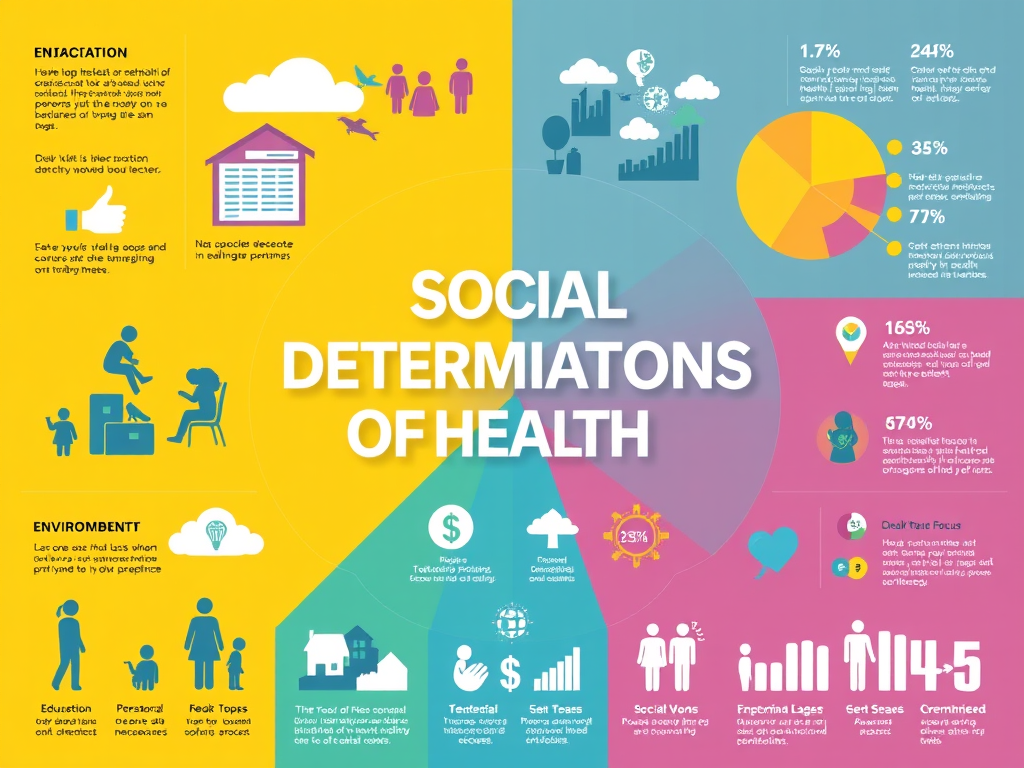
Health is often thought of as the result of medical care, but in reality, it is deeply influenced by the conditions in which people are born, grow, live, work, and age. These conditions, known as social determinants of health, include a wide range of social, economic, and environmental factors that shape health outcomes. They are responsible for many of the differences in health status between individuals and communities. Understanding these determinants is essential for promoting fairness in health and designing policies that reduce disparities.

Economic Stability

Economic stability is one of the most powerful determinants of health. Individuals with steady income can afford nutritious food, safe housing, and preventive healthcare. Conversely, poverty increases vulnerability to chronic diseases, mental health challenges, and limited access to medical services. Families with fewer financial resources may struggle to afford medications or healthy diets, leading to higher rates of obesity, diabetes, and cardiovascular disease. Unemployment or unstable work further exacerbates stress, which itself is linked to poor health outcomes. Economic inequality directly translates into health inequality.

Education

Education shapes health both directly and indirectly. Higher educational attainment is associated with better employment opportunities, higher income, and improved health literacy. People with more education are more likely to understand medical information, adopt healthy behaviors, and navigate healthcare systems effectively. Limited education can perpetuate cycles of poverty and poor health. For instance, children who grow up in underfunded schools may face restricted opportunities, leading to lower lifetime earnings and poorer health outcomes. Education is therefore a critical lever for breaking intergenerational cycles of disadvantage.

***

***

Neighborhood and Physical Environment

The environment in which individuals live plays a crucial role in determining health. Safe neighborhoods with clean air, accessible parks, and reliable transportation promote physical activity and reduce exposure to pollutants. In contrast, communities with high crime rates, poor housing, and environmental hazards contribute to stress, injury, and illness. Food deserts—areas with limited access to affordable, healthy food—are a striking example of how environment shapes health. Residents in these areas often rely on processed foods, increasing risks of obesity and related diseases. Housing quality also matters: overcrowding, mold, or lead exposure can lead to respiratory illnesses and developmental delays.

Healthcare Access and Quality

Access to healthcare is a fundamental determinant, but it is shaped by social and economic factors. Insurance coverage, affordability, and cultural competence of providers influence whether individuals receive timely and effective care. Marginalized groups often face barriers such as discrimination, language differences, or lack of nearby facilities. Even when healthcare is available, disparities in quality persist. For example, minority populations may receive less aggressive treatment for certain conditions compared to others. Addressing these inequities requires systemic reforms that prioritize inclusivity and affordability.

Social and Community Context

Social relationships and community support networks significantly affect health. Strong social ties provide emotional support, reduce stress, and encourage healthy behaviors. Communities with high levels of trust and civic engagement often experience better health outcomes. Conversely, discrimination, racism, and social exclusion undermine health by increasing stress and limiting opportunities. Social cohesion and equity are therefore vital for fostering healthier societies.

Conclusion

The social determinants of health highlight that medicine alone cannot ensure well-being. Economic stability, education, environment, healthcare access, and social context collectively shape health outcomes and drive disparities. Addressing these determinants requires a holistic approach that integrates public health, social policy, and community action. By investing in education, reducing poverty, improving neighborhoods, and ensuring equitable healthcare, societies can move closer to achieving health equity. Ultimately, health is not just about treating illness—it is about creating conditions in which everyone has the opportunity to thrive.

COMMENTS APPRECIATED

EDUCATION: Books

SPEAKING: Dr. Marcinko will be speaking and lecturing, signing and opining, teaching and preaching, storming and performing at many locations throughout the USA this year! His tour of witty and serious pontifications may be scheduled on a planned or ad-hoc basis; for public or private meetings and gatherings; formally, informally, or over lunch or dinner. All medical societies, financial advisory firms or Broker-Dealers are encouraged to submit an RFP for speaking engagements: CONTACT: Ann Miller RN MHA at MarcinkoAdvisors@outlook.com -OR- http://www.MarcinkoAssociates.com

Like, Refer and Subscribe

***

***

SINGULARITY: In Medicine Today?

By Dr. David Edward Marcinko MBA MEd

***

***

The singularity promises to revolutionize medicine by accelerating diagnostics, treatment, and longevity—but it also demands ethical vigilance and systemic transformation.

The concept of the technological singularity refers to a hypothetical future moment when artificial intelligence (AI) surpasses human intelligence, triggering exponential advances in technology. In medicine, this could mark a turning point where AI-driven systems outperform human clinicians in diagnosis, treatment planning, and even biomedical research. While the singularity remains speculative, its implications for healthcare are profound and multifaceted.

One of the most promising impacts is in diagnostics and precision medicine. AI systems trained on vast datasets of medical images, genetic profiles, and patient histories could detect diseases earlier and more accurately than human doctors. For example, algorithms already outperform radiologists in identifying certain cancers from imaging scans. As we approach the singularity, these systems may evolve into autonomous diagnostic agents capable of real-time analysis and personalized recommendations, tailored to each patient’s unique biology.

Another transformative area is drug discovery and development. Traditional pharmaceutical research is slow and costly, often taking over a decade to bring a new drug to market. AI could dramatically shorten this timeline by simulating molecular interactions, predicting therapeutic targets, and optimizing clinical trial designs. With superintelligent systems, the pace of innovation could accelerate to the point where treatments for currently incurable diseases—like Alzheimer’s or certain cancers—become feasible within months.

The singularity also opens doors to radical longevity and human enhancement. Advances in nanotechnology, genomics, and regenerative medicine may converge to extend human lifespan significantly. AI could help decode the aging process, identify biomarkers of cellular decline, and engineer interventions that slow or reverse it. Some theorists even envision a future where aging is treated as a curable condition, and mortality becomes a choice rather than a biological inevitability.

However, these breakthroughs come with serious ethical and societal challenges. Data privacy, algorithmic bias, and access inequality are critical concerns. If singularity-level AI is controlled by a few corporations or governments, it could exacerbate global health disparities. Moreover, the replacement of human clinicians with machines raises questions about empathy, trust, and accountability in care. Who is responsible when an AI makes a life-altering mistake?

To navigate this future responsibly, medicine must embrace interdisciplinary collaboration. Ethicists, technologists, clinicians, and policymakers must work together to ensure that AI systems are transparent, equitable, and aligned with human values. Regulatory frameworks must evolve to keep pace with innovation, and medical education must prepare practitioners to work alongside intelligent machines.

In conclusion, the singularity represents both a promise and a peril for medicine. It offers unprecedented opportunities to enhance human health, but also demands careful stewardship to avoid unintended consequences.

As we edge closer to this horizon, the challenge will be not just technological, but deeply human: to harness intelligence beyond our own in service of healing, compassion, and justice.

COMMENTS APPRECIATED

EDUCATION: Books

SPEAKING: Dr. Marcinko will be speaking and lecturing, signing and opining, teaching and preaching, storming and performing at many locations throughout the USA this year! His tour of witty and serious pontifications may be scheduled on a planned or ad-hoc basis; for public or private meetings and gatherings; formally, informally, or over lunch or dinner. All medical societies, financial advisory firms or Broker-Dealers are encouraged to submit an RFP for speaking engagements: CONTACT: Ann Miller RN MHA at MarcinkoAdvisors@outlook.com 

Like, Refer and Subscribe

***

***

CRISIS MANAGEMENT: In Medical Practice and Healthcare

Dr. David Edward Marcinko MBA MEd

***

***

Crisis Management in Medical Practice

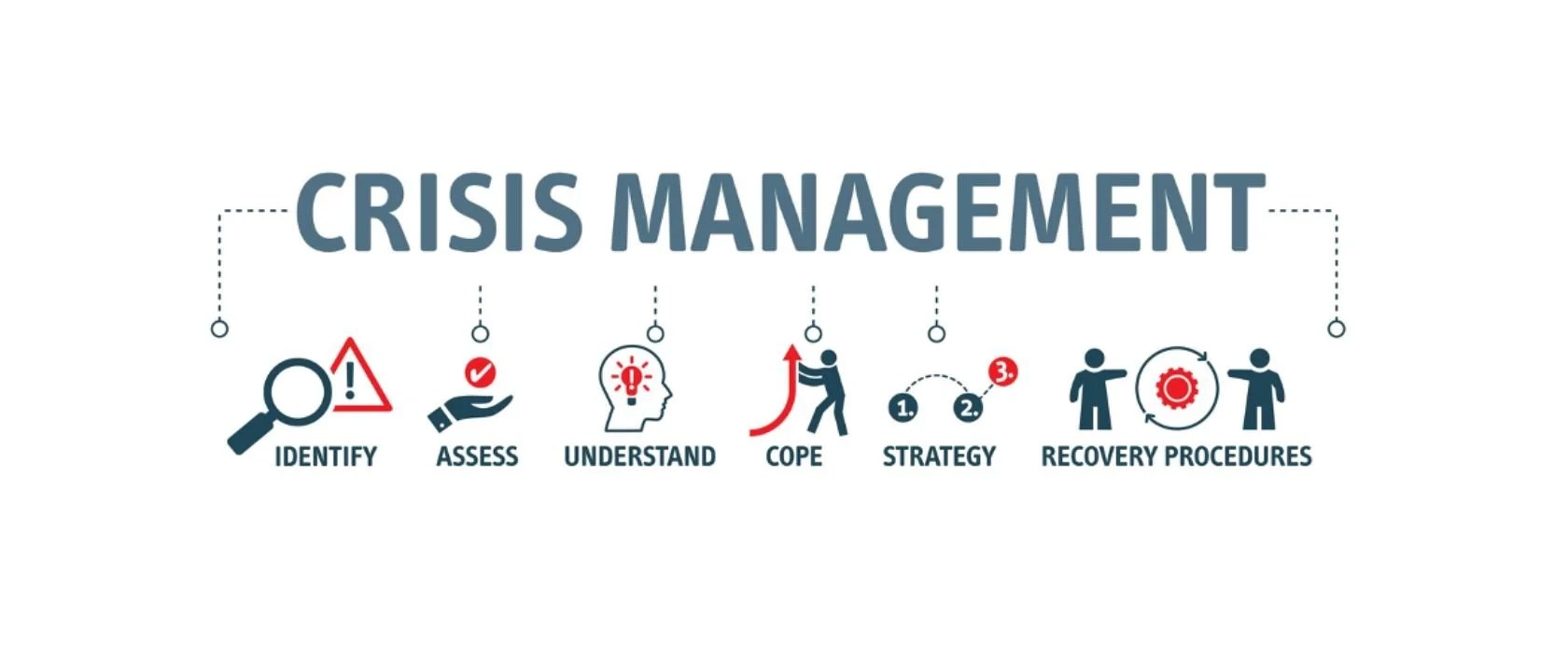
Healthcare is a field where crises are not hypothetical but expected realities. From pandemics and natural disasters to cyberattacks and sudden staff shortages, medical practices must be prepared to respond swiftly and effectively. Crisis management in medical practice refers to the structured approach of anticipating, preparing for, responding to, and recovering from disruptive events that threaten patient safety, organizational stability, or community trust.

🌐 Nature of Crises in Healthcare

Crises in medical practice can take many forms:

  • Public Health Emergencies: Outbreaks of infectious diseases, such as COVID-19, demand rapid adaptation of protocols and resources.
  • Operational Disruptions: Power outages, supply chain breakdowns, or IT failures can halt essential services.
  • Human Resource Challenges: Sudden staff shortages due to illness or burnout can compromise patient care.
  • Reputation and Legal Risks: Medical errors or breaches of patient confidentiality can escalate into crises requiring immediate management.

Each type of crisis requires tailored strategies, but all share the common need for preparedness and resilience.

🔑 Principles of Crisis Management

Effective crisis management in medical practice rests on several key principles:

  1. Preparedness: Developing contingency plans, conducting drills, and maintaining emergency supplies ensure readiness.
  2. Leadership and Decision-Making: Strong leadership is critical for making rapid, evidence-based decisions under pressure.
  3. Communication: Transparent, timely communication with staff, patients, and external stakeholders reduces panic and builds trust.
  4. Collaboration: Coordinating with hospitals, public health agencies, and community organizations strengthens response capacity.
  5. Flexibility: Crises are unpredictable; adaptability in protocols and resource allocation is essential.

⚙️ Crisis Management Frameworks

Healthcare organizations often adopt structured frameworks:

  • Incident Command System (ICS): Provides a standardized hierarchy for managing emergencies.
  • Risk Assessment Models: Identify vulnerabilities and prioritize mitigation strategies.
  • Business Continuity Planning: Ensures essential services continue despite disruptions.

These frameworks help medical practices move from reactive responses to proactive resilience.

***

***

💡 Challenges in Crisis Management

Despite planning, medical practices face significant challenges:

  • Resource Limitations: Smaller practices may lack the financial or logistical capacity to implement robust crisis plans.
  • Staff Stress and Burnout: Crises often demand long hours and emotional resilience, which can strain healthcare workers.
  • Rapidly Changing Information: In public health emergencies, evolving guidelines can create confusion.
  • Patient Expectations: Maintaining quality care during disruptions is difficult but essential to preserve trust.

Addressing these challenges requires investment in training, mental health support, and technology infrastructure.

🌱 Importance of Resilience

Crisis management is not only about survival but about building resilience. Practices that learn from crises, adapt policies, and strengthen systems emerge stronger. For example, the COVID-19 pandemic accelerated telemedicine adoption, which continues to benefit patients today. Resilience ensures that medical practices can withstand future disruptions while continuing to deliver safe, effective care.

✅ Conclusion

Crisis management in medical practice is a vital competency that safeguards both patients and providers. By preparing for diverse scenarios, fostering strong leadership, and prioritizing communication, healthcare organizations can navigate crises with confidence. Ultimately, effective crisis management transforms challenges into opportunities for growth, innovation, and improved patient care.

COMMENTS APPRECIATED

EDUCATION: Books

SPEAKING: Dr. Marcinko will be speaking and lecturing, signing and opining, teaching and preaching, storming and performing at many locations throughout the USA this year! His tour of witty and serious pontifications may be scheduled on a planned or ad-hoc basis; for public or private meetings and gatherings; formally, informally, or over lunch or dinner. All medical societies, financial advisory firms or Broker-Dealers are encouraged to submit an RFP for speaking engagements: CONTACT: Ann Miller RN MHA at MarcinkoAdvisors@outlook.com 

Like, Refer and Subscribe

***

***

PHYSICIAN PAYMENT: Direct Reimbursement Models

By Dr. David Edward Marcinko MBA MEd

BASIC DEFINITIONS

***

***

The Direct Reimbursement Payment Model allows physicians to receive payment directly from patients or employers, bypassing traditional insurance systems. This model emphasizes transparency, autonomy, and personalized care, offering an alternative to fee-for-service and managed care structures.

The Direct Reimbursement Payment Model is a healthcare financing approach in which physicians are paid directly by patients or sponsoring entities—such as employers—rather than through insurance companies or government programs. This model is gaining traction as a response to the administrative burdens, opaque billing practices, and fragmented care often associated with traditional insurance-based systems.

One prominent example of direct reimbursement is Direct Primary Care (DPC). In DPC, patients pay a recurring fee—monthly, quarterly, or annually—that covers a broad range of primary care services. These include routine checkups, preventive screenings, chronic disease management, and basic lab work. By eliminating third-party billing, DPC practices reduce overhead costs and administrative complexity, allowing physicians to spend more time with patients and focus on quality care.

***

***

Employers have also embraced direct reimbursement models to manage healthcare costs and improve employee wellness. In such arrangements, employers reimburse physicians or clinics directly for services rendered to their employees, often through a defined benefit structure. This can be part of a self-funded health plan or a supplemental offering alongside high-deductible insurance policies. The goal is to provide accessible, cost-effective care while avoiding the inefficiencies of traditional insurance networks.

Key advantages of the direct reimbursement model include:

  • Price transparency: Patients know upfront what services cost, reducing surprise billing and financial stress.
  • Improved access: Physicians often offer same-day or next-day appointments, extended visits, and direct communication via phone or email.
  • Lower administrative burden: Without insurance paperwork, practices can operate more efficiently and focus on patient care.
  • Stronger patient-physician relationships: More time per visit fosters trust, continuity, and better health outcomes.

However, the model is not without limitations. Direct reimbursement may not cover specialist care, hospitalization, or emergency services, requiring patients to maintain supplemental insurance. Additionally, the model may be less accessible to low-income populations who cannot afford recurring fees or out-of-pocket payments. Critics also argue that widespread adoption could fragment care and reduce risk pooling, undermining the broader goals of universal coverage.

Despite these concerns, the direct reimbursement model aligns with broader trends in healthcare reform, including value-based care, consumer empowerment, and decentralized service delivery. It offers a viable path for physicians seeking autonomy and for patients desiring personalized, transparent care. As healthcare continues to evolve, hybrid models that combine direct reimbursement with traditional insurance may emerge, offering flexibility and choice across diverse patient populations.

In conclusion, the Direct Reimbursement Payment Model represents a meaningful shift in how healthcare services are financed and delivered.

By prioritizing simplicity, transparency, and patient-centered care, it challenges the status quo and opens new possibilities for sustainable, high-quality medical practice.

COMMENTS APPRECIATED

EDUCATION: Books

SPEAKING: Dr. Marcinko will be speaking and lecturing, signing and opining, teaching and preaching, storming and performing at many locations throughout the USA this year! His tour of witty and serious pontifications may be scheduled on a planned or ad-hoc basis; for public or private meetings and gatherings; formally, informally, or over lunch or dinner. All medical societies, financial advisory firms or Broker-Dealers are encouraged to submit an RFP for speaking engagements: CONTACT: Ann Miller RN MHA at MarcinkoAdvisors@outlook.com -OR- http://www.MarcinkoAssociates.com

Like, Refer and Subscribe

***

***

SINGULARITY: In Finance and Investing

By Dr. David Edward Marcinko MBA MEd

SPONSOR: http://www.MarcinkoAssociates.com

***

***

The singularity promises to revolutionize medicine by accelerating diagnostics, treatment, and longevity—but it also demands ethical vigilance and systemic transformation.

The concept of the technological singularity refers to a hypothetical future moment when artificial intelligence (AI) surpasses human intelligence, triggering exponential advances in technology. In medicine, this could mark a turning point where AI-driven systems outperform human clinicians in diagnosis, treatment planning, and even biomedical research. While the singularity remains speculative, its implications for healthcare are profound and multifaceted.

One of the most promising impacts is in diagnostics and precision medicine. AI systems trained on vast datasets of medical images, genetic profiles, and patient histories could detect diseases earlier and more accurately than human doctors. For example, algorithms already outperform radiologists in identifying certain cancers from imaging scans. As we approach the singularity, these systems may evolve into autonomous diagnostic agents capable of real-time analysis and personalized recommendations, tailored to each patient’s unique biology.

Another transformative area is drug discovery and development. Traditional pharmaceutical research is slow and costly, often taking over a decade to bring a new drug to market. AI could dramatically shorten this timeline by simulating molecular interactions, predicting therapeutic targets, and optimizing clinical trial designs. With superintelligent systems, the pace of innovation could accelerate to the point where treatments for currently incurable diseases—like Alzheimer’s or certain cancers—become feasible within months.

The singularity also opens doors to radical longevity and human enhancement. Advances in nanotechnology, genomics, and regenerative medicine may converge to extend human lifespan significantly. AI could help decode the aging process, identify biomarkers of cellular decline, and engineer interventions that slow or reverse it. Some theorists even envision a future where aging is treated as a curable condition, and mortality becomes a choice rather than a biological inevitability.

However, these breakthroughs come with serious ethical and societal challenges. Data privacy, algorithmic bias, and access inequality are critical concerns. If singularity-level AI is controlled by a few corporations or governments, it could exacerbate global health disparities. Moreover, the replacement of human clinicians with machines raises questions about empathy, trust, and accountability in care. Who is responsible when an AI makes a life-altering mistake?

To navigate this future responsibly, medicine must embrace interdisciplinary collaboration. Ethicists, technologists, clinicians, and policymakers must work together to ensure that AI systems are transparent, equitable, and aligned with human values. Regulatory frameworks must evolve to keep pace with innovation, and medical education must prepare practitioners to work alongside intelligent machines.

In conclusion, the singularity represents both a promise and a peril for medicine. It offers unprecedented opportunities to enhance human health, but also demands careful stewardship to avoid unintended consequences.

As we edge closer to this horizon, the challenge will be not just technological, but deeply human: to harness intelligence beyond our own in service of healing, compassion, and justice.

COMMENTS APPRECIATED

EDUCATION: Books

SPEAKING: Dr. Marcinko will be speaking and lecturing, signing and opining, teaching and preaching, storming and performing at many locations throughout the USA this year! His tour of witty and serious pontifications may be scheduled on a planned or ad-hoc basis; for public or private meetings and gatherings; formally, informally, or over lunch or dinner. All medical societies, financial advisory firms or Broker-Dealers are encouraged to submit a RFP for speaking engagements: MarcinkoAdvisors@outlook.com

Like, Refer and Subscribe

***

***

Effective Marketing: Using Loss Leaders in Financial Services

By Dr. David Edward Marcinko MBA MEd CMP

***

***

SPONSOR: http://www.CertifiedMedicalPlanner.org

***

In the competitive world of financial services, attracting and retaining clients is a constant challenge. To stand out, many financial advisors employ strategic marketing tactics known as “loss leaders”—free or discounted services designed to showcase value and build trust. These offerings serve as entry points for potential clients, allowing advisors to demonstrate expertise and initiate long-term relationships.

One of the most common loss leaders is the free initial consultation. This no-obligation meeting gives prospective clients a chance to discuss their financial goals, ask questions, and get a feel for the advisor’s approach. For the advisor, it’s an opportunity to assess the client’s needs and present tailored solutions. While no revenue is generated from this meeting, it often leads to paid engagements once the client feels confident in the advisor’s capabilities.

Another popular tactic is offering a complimentary financial plan or portfolio review. These services provide tangible insights into a client’s current financial situation and suggest improvements. By delivering real value upfront, advisors build credibility and demonstrate their analytical skills. Clients who receive actionable advice are more likely to continue working with the advisor on a paid basis.

Educational content also plays a key role in loss leader strategy. Advisors frequently host free webinars, workshops, or seminars on topics like retirement planning, tax strategies, or investment basics. These events not only educate attendees but also position the advisor as a thought leader. Attendees often leave with a better understanding of their financial needs and a desire to seek personalized guidance.

In the digital realm, advisors may offer free tools and assessments on their websites. These include retirement readiness calculators, risk tolerance quizzes, and budgeting templates. Such tools engage users and provide personalized feedback, creating a natural segue into one-on-one consultations. Additionally, offering free newsletters or eBooks helps advisors stay top-of-mind while delivering ongoing value.

Some advisors go further by waiving fees for introductory services, such as account setup or the first few months of investment management. This lowers the barrier to entry and encourages hesitant clients to try the service. Once clients experience the benefits, they’re more likely to commit long-term.

Loss leaders are not limited to high-net-worth individuals. Advisors targeting younger or less affluent clients may offer free debt management plans or budgeting assistance. These services address immediate concerns and build loyalty among clients who may become more profitable as their financial situations improve.

Ultimately, loss leaders are about building relationships. By offering something of value without immediate compensation, financial advisors demonstrate their commitment to helping clients succeed. This fosters trust, encourages engagement, and often leads to lasting partnerships. In a field where reputation and reliability are paramount, loss leaders serve as powerful tools for growth and differentiation.

COMMENTS APPRECIATED

EDUCATION: Books

SPEAKING: Dr. Marcinko will be speaking and lecturing, signing and opining, teaching and preaching, storming and performing at many locations throughout the USA this year! His tour of witty and serious pontifications may be scheduled on a planned or ad-hoc basis; for public or private meetings and gatherings; formally, informally, or over lunch or dinner. All medical societies, financial advisory firms or Broker-Dealers are encouraged to submit an RFP for speaking engagements: CONTACT: Ann Miller RN MHA at MarcinkoAdvisors@outlook.com -OR- http://www.MarcinkoAssociates.com

Like, Refer and Subscribe

***

***

LEVEL FUNDED HEALTH CARE: A Middle Ground Solution

By Dr. David Edward Marcinko MBA MEd

***

***

Level-funded health care is an increasingly popular option for small to mid-sized businesses seeking a balance between cost control and comprehensive employee coverage. It blends features of fully insured and self-funded health plans, offering employers greater flexibility and potential savings while minimizing risk.

In a traditional fully insured plan, employers pay a fixed premium to an insurance carrier, which assumes all financial risk for employee claims. In contrast, self-funded plans allow employers to pay for claims out-of-pocket, which can lead to significant savings—but also exposes them to unpredictable costs. Level-funded plans sit between these two models, offering a structured and predictable approach to self-funding.

With level-funded health care, employers pay a fixed monthly amount that covers three components: estimated claims funding, stop-loss insurance, and administrative fees. The estimated claims portion is based on actuarial data and reflects the expected health care usage of the employee group. Stop-loss insurance protects the employer from catastrophic claims by capping their financial exposure. Administrative fees cover third-party services such as claims processing and customer support.

One of the key advantages of level-funded plans is the potential for cost savings. If actual claims fall below the estimated amount, employers may receive a refund or credit at the end of the year. This incentivizes wellness programs and preventive care, as healthier employees lead to lower claims. Additionally, level-funded plans often provide more transparency into claims data, allowing employers to better understand health trends and make informed decisions about benefits.

***

***

Another benefit is flexibility. Level-funded plans can be customized to suit the needs of a specific workforce, offering a range of coverage options and provider networks. This contrasts with the rigid structure of many fully insured plans. Employers also gain more control over plan design, which can help attract and retain talent in competitive job markets.

However, level-funded health care is not without challenges. It requires careful planning and a solid understanding of risk. Employers must be prepared for the possibility that claims may exceed projections, although stop-loss insurance helps mitigate this. Additionally, level-funded plans may not be suitable for very small groups or those with high-risk populations, as the cost of stop-loss coverage can be prohibitive.

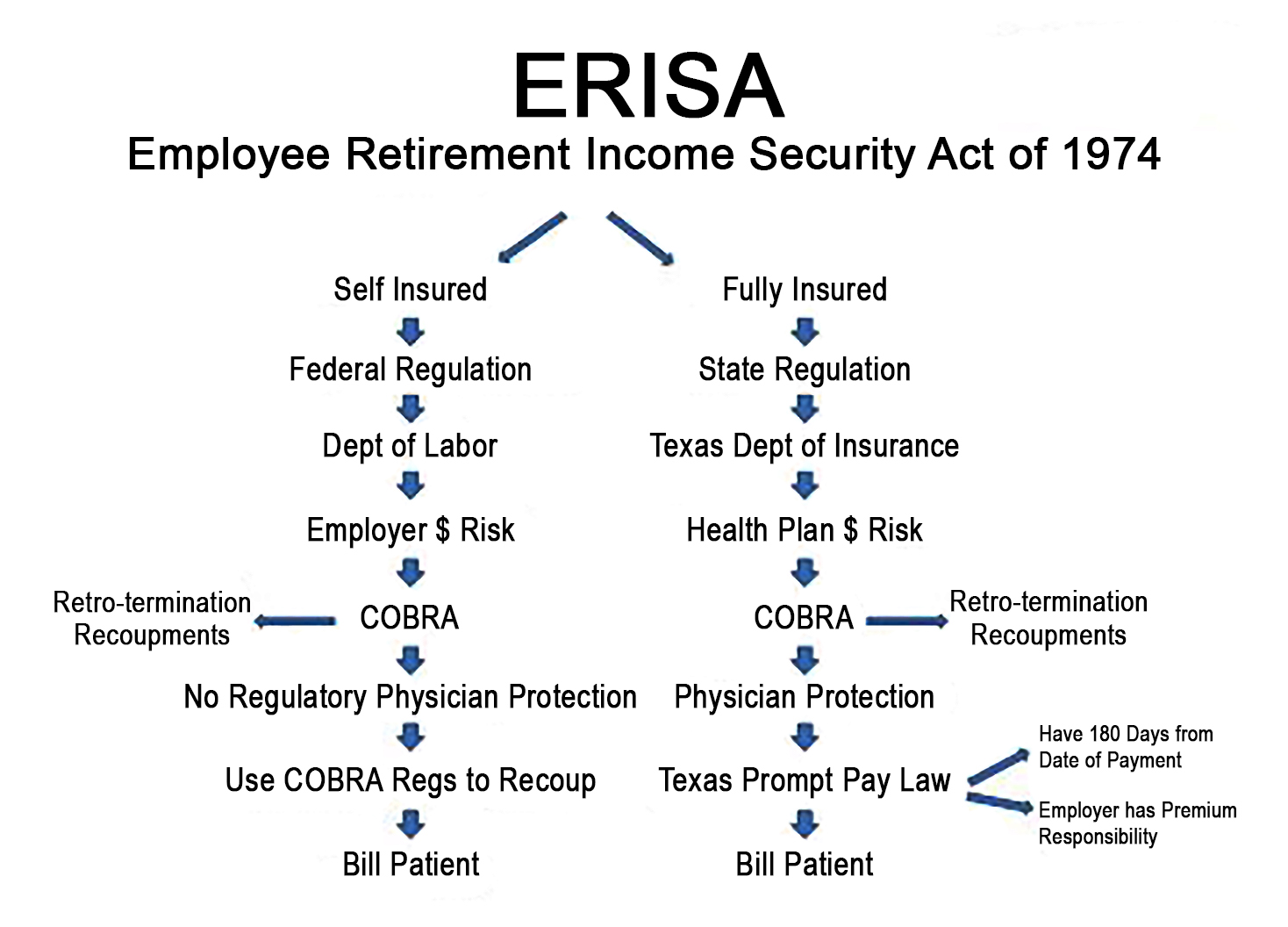
Regulatory considerations also play a role. Level-funded plans are typically governed by federal ERISA laws rather than state insurance regulations, which can affect compliance and reporting requirements. Employers should work closely with benefits consultants or brokers to ensure they understand the legal landscape and choose a plan that aligns with their goals.

In conclusion, level-funded health care offers a compelling alternative for businesses seeking to manage costs while providing quality coverage. By combining predictability with the potential for savings and customization, it empowers employers to take a more active role in their health benefits strategy. As the health care landscape continues to evolve, level-funded plans are likely to remain a valuable option for organizations looking to strike the right balance between affordability and employee well-being.

COMMENTS APPRECIATED

EDUCATION: Books

SPEAKING: Dr. Marcinko will be speaking and lecturing, signing and opining, teaching and preaching, storming and performing at many locations throughout the USA this year! His tour of witty and serious pontifications may be scheduled on a planned or ad-hoc basis; for public or private meetings and gatherings; formally, informally, or over lunch or dinner. All medical societies, financial advisory firms or Broker-Dealers are encouraged to submit an RFP for speaking engagements: CONTACT: Ann Miller RN MHA at MarcinkoAdvisors@outlook.com 

Like, Refer and Subscribe

***

***

A MODERN PRESCRIPTION SHOWDOWN: Amazon Pharmacy VS. GoodRx

By Dr. David Edward Marcinko MBA MEd

***

***

In the evolving landscape of digital health care, Amazon Pharmacy and GoodRx have emerged as two leading platforms offering consumers affordable and convenient access to prescription medications. While both aim to simplify the process of obtaining prescriptions, they differ significantly in their approach, pricing models, and user experience.

Amazon Pharmacy, launched in 2020, is a full-service online pharmacy that allows customers to order medications directly through Amazon. It offers fast, free delivery for Prime members and integrates with most insurance plans. One of its standout features is RxPass, a subscription service available to Prime members for $5 per month, which covers unlimited eligible generic medications. This model is particularly attractive to individuals who take multiple generics regularly, as it can significantly reduce out-of-pocket costs.

In contrast, GoodRx, founded in 2011, operates primarily as a price comparison and discount platform. It does not dispense medications itself but partners with local and mail-order pharmacies to help users find the lowest prices. GoodRx provides coupons that can be used at thousands of pharmacies nationwide, often resulting in substantial savings—especially for those without insurance. It also offers GoodRx Gold, a paid membership that unlocks deeper discounts and telehealth services.

***

***

When comparing the two, pricing transparency is a key differentiator. GoodRx excels in showing users a range of prices across different pharmacies, empowering them to choose the most cost-effective option. Amazon Pharmacy, while competitive, typically offers fixed prices and focuses more on convenience and integration with its broader ecosystem.

Convenience is another area where Amazon Pharmacy shines. With its streamlined ordering process, automatic refills, and integration with Amazon’s delivery network, it appeals to users who prioritize ease and speed. GoodRx, while convenient in its own right, requires users to present coupons at the pharmacy or use mail-order services, which may involve more steps.

Insurance compatibility also varies. Amazon Pharmacy accepts most major insurance plans, making it a viable option for insured individuals. GoodRx, on the other hand, is often used by those without insurance or with high deductibles, as its discounts can sometimes beat insurance copays.

However, both platforms have limitations. Amazon Pharmacy’s RxPass is restricted to generic medications and excludes certain states due to regulatory issues. GoodRx’s discounts may not apply to all medications, and prices can fluctuate depending on location and pharmacy.

In terms of user experience, Amazon offers a seamless, tech-driven interface with customer support and medication management tools. GoodRx provides educational resources, price alerts, and a mobile app that helps users track savings and prescriptions.

Ultimately, the choice between Amazon Pharmacy and GoodRx depends on individual needs. For those seeking a one-stop solution with predictable costs and fast delivery, Amazon Pharmacy may be ideal. For users who want to shop around for the best deal or lack insurance, GoodRx offers unmatched flexibility and savings.

As digital health continues to grow, both platforms are reshaping how Americans access medications—making prescriptions more affordable, transparent, and accessible than ever before.

COMMENTS APPRECIATED

EDUCATION: Books

SPEAKING: Dr. Marcinko will be speaking and lecturing, signing and opining, teaching and preaching, storming and performing at many locations throughout the USA this year! His tour of witty and serious pontifications may be scheduled on a planned or ad-hoc basis; for public or private meetings and gatherings; formally, informally, or over lunch or dinner. All medical societies, financial advisory firms or Broker-Dealers are encouraged to submit an RFP for speaking engagements: CONTACT: Ann Miller RN MHA at MarcinkoAdvisors@outlook.com 

Like, Refer and Subscribe

***

***

PPMC: Physician Practice Management Corporation

By Dr. David Edward Marcinko MBA MEd

DEFINED

***

***

A physician practice management corporation (PPMC) is a business entity that provides non-clinical administrative and operational support to medical practices, allowing physicians to focus on patient care while the corporation handles the business side of healthcare.

Physician practice management corporations emerged in response to the increasing complexity of running a medical practice. As healthcare regulations, insurance requirements, and operational costs grew, many physicians found it challenging to manage both clinical responsibilities and business operations. PPMCs offer a solution by taking over the administrative burdens, enabling physicians to concentrate on delivering quality care.

At their core, PPMCs are responsible for a wide range of non-medical services. These include billing and coding, human resources, payroll, marketing, compliance, information technology, and financial management. By centralizing these functions, PPMCs can achieve economies of scale, reduce overhead costs, and improve operational efficiency for the practices they manage. This model is particularly attractive to small and mid-sized practices that may lack the resources to manage these functions independently.

PPMCs typically enter into long-term management agreements with physician groups. In some cases, they may purchase the non-clinical assets of a practice—such as equipment, office space, and administrative staff—while the physicians retain control over clinical decisions and patient care. This arrangement allows for a clear division between medical and business responsibilities, which is essential for maintaining compliance with healthcare regulations like the Stark Law and the Anti-Kickback Statute.

A physician practice management corporation (PPMC) is a business entity that provides non-clinical administrative and operational support to medical practices, allowing physicians to focus on patient care while the corporation handles the business side of healthcare.

Physician practice management corporations emerged in response to the increasing complexity of running a medical practice. As healthcare regulations, insurance requirements, and operational costs grew, many physicians found it challenging to manage both clinical responsibilities and business operations. PPMCs offer a solution by taking over the administrative burdens, enabling physicians to concentrate on delivering quality care.

PPMCs: https://medicalexecutivepost.com/2019/11/18/on-the-ppmcs-of-yester-year-and-today/

At their core, PPMCs are responsible for a wide range of non-medical services. These include billing and coding, human resources, payroll, marketing, compliance, information technology, and financial management. By centralizing these functions, PPMCs can achieve economies of scale, reduce overhead costs, and improve operational efficiency for the practices they manage. This model is particularly attractive to small and mid-sized practices that may lack the resources to manage these functions independently.

PPMCs typically enter into long-term management agreements with physician groups. In some cases, they may purchase the non-clinical assets of a practice—such as equipment, office space, and administrative staff—while the physicians retain control over clinical decisions and patient care. This arrangement allows for a clear division between medical and business responsibilities, which is essential for maintaining compliance with healthcare regulations like the Stark Law and the Anti-Kickback Statute.

***

***

One of the key advantages of working with a PPMC is access to capital and advanced infrastructure. PPMCs often invest in state-of-the-art electronic health record (EHR) systems, data analytics tools, and revenue cycle management platforms. These technologies can enhance patient care, streamline operations, and improve financial performance. Additionally, PPMCs may offer strategic guidance on practice expansion, mergers and acquisitions, and payer contract negotiations.

However, the relationship between physicians and PPMCs must be carefully managed. While PPMCs bring valuable expertise and resources, there is a risk that business priorities could overshadow clinical autonomy. To mitigate this, successful PPMCs prioritize physician engagement, transparent governance, and aligned incentives. They work collaboratively with physicians to ensure that business strategies support, rather than hinder, the delivery of high-quality care.

The physician practice management industry has evolved significantly over the past few decades. After a wave of failures in the 1990s due to overexpansion and misaligned incentives, modern PPMCs have adopted more sustainable and physician-centric models. Today, they play a crucial role in helping practices adapt to value-based care, population health management, and other emerging trends in healthcare delivery.

In conclusion, a physician practice management corporation serves as a strategic partner to medical practices, offering the business acumen and operational support needed to thrive in a complex healthcare environment. By offloading administrative tasks and providing access to advanced resources, PPMCs empower physicians to focus on what they do best—caring for patients—while ensuring the long-term success and sustainability of their practices.

COMMENTS APPRECIATED

EDUCATION: Books

SPEAKING: Dr. Marcinko will be speaking and lecturing, signing and opining, teaching and preaching, storming and performing at many locations throughout the USA this year! His tour of witty and serious pontifications may be scheduled on a planned or ad-hoc basis; for public or private meetings and gatherings; formally, informally, or over lunch or dinner. All medical societies, financial advisory firms or Broker-Dealers are encouraged to submit an RFP for speaking engagements: CONTACT: Ann Miller RN MHA at MarcinkoAdvisors@outlook.com 

Like, Refer and Subscribe

***

***

Understanding the Boomerang Effect in Psychology and Medicine

DEFINITION

By Staff Reporters

***

***

Classic Definition: The Boomerang[ing] paradox is a feedback loop or cycle where events come back positively or negatively. It is an interconnection between people that looks like an ecosystem.

Modern Circumstance: When our thoughts and words energetically go out into the world, it has the same effect as the boomerang. It will go all the way out and come back around. That part of the creation model is our thinking and speaking. We’re unconscious and co-creating our reality. The Boomerang effect is everywhere: politics, business, relationships, economics, environment, marketing, psychology and healthcare, etc.

PSYCHOLOGY

Paradox Example: Research has found that teaching people and patients about psychological biases can help counteract biased behavior. On the other hand, due to the innate need for preservation of a positive self-image, it is likely that teaching people about biases they hold, may cause a boomerang paradoxical effect in cases where being associated with a specific bias implies negative social connotations

MEDICINE

Paradox Example: Recent examples of a boomerang paradoxical drug effects is with osteoporosis medications such as Actonel, Boniva and Fosamax. These all belong to a class of drugs called bisphosphonates. They are supposed to strengthen bones, but some doctors report that long-term use of these drugs may actually pose a risk of certain unusual fractures.

ECONOMICS

Paradox Example: A characteristic of advanced economies like Australia is continual growth in household income and plunging costs of electric appliances, resulting in rapid growth in peak demand. The power grid in turn requires substantial incremental generating and network capacity, which is utilized momentarily at best. The result is the Boomerang Paradox, in which the nation’s rising wealth has created the pre-conditions for fuel poverty.

***

The Medical Executive-Post is a  news and information aggregator and social media professional network for medical and financial service professionals. Feel free to submit education content to the site as well as links, text posts, images, opinions and videos which are then voted up or down by other members. Comments and dialog are especially welcomed. Daily posts are organized by subject. ME-P administrators moderate the activity. Moderation may also conducted by community-specific moderators who are unpaid volunteers.

COMMENTS APPRECIATED

***

***

Like and Refer

HEALTH: Public V. Population

By Dr. David Edward Marcinko MBA MEd

SPONSOR: http://www.CertifiedMedicalPlanner.org

***

***

Population health and public health are two interrelated disciplines that strive to enhance the health outcomes of communities. While they share a common mission—to reduce health disparities and promote wellness—their approaches, target populations, and operational frameworks differ significantly.

***

***

Public health is traditionally defined as the science and art of preventing disease, prolonging life, and promoting health through organized efforts and informed choices of society, organizations, public and private sectors, communities, and individuals. It focuses on the health of the general population and emphasizes broad interventions such as vaccination programs, sanitation, health education, and policy advocacy. Public health professionals often work in government agencies, nonprofit organizations, and academic institutions to implement community-wide initiatives that prevent disease and promote healthy behaviors.

***

***

In contrast, population health takes a more targeted approach. It refers to the health outcomes of a specific group of individuals, including the distribution of such outcomes within the group. This field is particularly concerned with the social determinants of health—factors like income, education, environment, and access to care—that influence health disparities. Population health strategies often involve data-driven interventions tailored to the needs of defined groups, such as rural communities, ethnic minorities, or patients with chronic conditions.

One key distinction lies in scope and granularity. Public health initiatives are typically designed for the entire population, aiming to create systemic change. For example, anti-smoking campaigns or water fluoridation programs benefit everyone regardless of individual risk. Population health, however, might focus on reducing diabetes rates among Hispanic adults in a specific urban area, using targeted outreach and culturally sensitive care models.

Another difference is in data utilization. Population health relies heavily on health informatics and analytics to identify trends, allocate resources, and evaluate outcomes. This evidence-based approach supports precision in addressing health inequities. Public health also uses data, but often at a broader level to guide policy and monitor general health indicators like life expectancy or disease prevalence.

Despite these differences, the two fields are complementary. Public health lays the foundation for healthy societies through preventive infrastructure, while population health builds on this by addressing nuanced needs within subgroups. Together, they form a holistic framework for improving health outcomes across diverse communities.

In today’s healthcare landscape, the integration of public and population health is increasingly vital. The COVID-19 pandemic underscored the importance of both approaches: public health measures like mask mandates and vaccination campaigns were essential, while population health efforts ensured vulnerable groups received targeted support.

In conclusion, while public health and population health differ in focus and methodology, they are united by a shared goal: to foster healthier communities. Understanding their distinctions enables more effective collaboration and innovation in health policy, care delivery, and community engagement.

COMMENTS APPRECIATED

EDUCATION: Books

SPEAKING: ME-P Editor Dr. David Edward Marcinko MBA MEd will be speaking and lecturing, signing and opining, teaching and preaching, storming and performing at many locations throughout the USA this year! His tour of witty and serious pontifications may be scheduled on a planned or ad-hoc basis; for public or private meetings and gatherings; formally, informally, or over lunch or dinner. All medical societies, financial advisory firms or Broker-Dealers are encouraged to submit an RFP for speaking engagements: CONTACT: Ann Miller RN MHA at MarcinkoAdvisors@outlook.com -OR- http://www.MarcinkoAssociates.com

Like, Refer and Subscribe

***

***

Understanding the Tele-Medicine Paradox in Healthcare

By Dr. David Edward Marcinko MBA MEd

***

***

A paradox is a logically self-contradictory statement or a statement that runs contrary to one’s expectation. It is a statement that, despite apparently valid reasoning from true or apparently true premises, leads to a seemingly self-contradictory or a logically unacceptable conclusion. A paradox usually involves contradictory-yet-interrelated elements that exist simultaneously and persist over time. They result in “persistent contradiction between interdependent elements” leading to a lasting “unity of opposites”.

THE TELE-MEDICINE PARADOX

Classic Definition: Refers specifically to the treatment of various medical conditions without seeing the patient in person. Healthcare providers may use electronic and internet platforms like live video, audio, PCs, tablets, or instant messaging to address a patient’s concerns and diagnose their condition remotely.

Modern Circumstance: This may include giving medical advice, walking them through at-home exercises, or recommending them to a local provider or facility. Even more exciting is the emergence of telemedicine apps which give patients access to care right from their phones or computer screens.

Paradox Examples: Treating certain conditions remotely can be challenging. Tele-medicine is often used to treat common illnesses, manage chronic conditions, or provide specialist services. If a patient is dealing with an emergent or serious condition, the remote provider suggests they seek in-person medical care.

COMMENTS APPRECIATED

EDUCATION: Books

SPEAKING: Dr. Marcinko will be speaking and lecturing, signing and opining, teaching and preaching, storming and performing at many locations throughout the USA this year! His tour of witty and serious pontifications may be scheduled on a planned or ad-hoc basis; for public or private meetings and gatherings; formally, informally, or over lunch or dinner. All medical societies, financial advisory firms or Broker-Dealers are encouraged to submit an RFP for speaking engagements: CONTACT: Ann Miller RN MHA at MarcinkoAdvisors@outlook.com -OR- http://www.MarcinkoAssociates.com

Like and Subscribe

***

***

***

MEDICAL PRACTICE: Part-Time Physician Employment Difficulties

By Staff Reporters

SPONSOR: http://www.MarcinkoAssociates.com

***

***

Why It Is Difficult to Practice Medicine Part-Time Today?

In the past, part-time medical practice offered physicians a flexible way to balance professional responsibilities with personal or family commitments. Today, however, the healthcare environment has evolved in ways that make part-time medicine increasingly challenging. From administrative burdens to economic pressures and patient expectations, the obstacles are both systemic and personal.

One of the most significant barriers is the rise in administrative complexity. Physicians are now required to navigate electronic health records (EHRs), comply with insurance documentation, and meet regulatory standards such as HIPAA and MACRA. These tasks consume hours of non-clinical time, which is difficult to compress into a part-time schedule. Even seeing fewer patients doesn’t exempt part-time doctors from the same documentation and compliance requirements as their full-time counterparts.

***

***

Another challenge is financial viability. Many physicians are paid based on productivity metrics, such as Relative Value Units (RVUs), which reward volume over quality. Part-time practitioners often struggle to meet these benchmarks, resulting in lower compensation and reduced benefits. Additionally, malpractice insurance premiums and licensing fees remain fixed regardless of hours worked, further eroding the financial appeal of part-time practice.

Continuity of care is also a concern. Patients increasingly expect immediate access to their providers, especially in primary care and specialties like psychiatry or pediatrics. Part-time physicians may not be available for urgent issues, leading to fragmented care and dissatisfaction. This can strain relationships with patients and colleagues who must cover gaps in availability.

From a professional standpoint, part-time physicians may face limited career advancement. Leadership roles, academic appointments, and research opportunities often favor full-time commitment. There’s also a perception—sometimes unfair—that part-time doctors are less dedicated or less competent, which can affect peer respect and influence within medical institutions.

Technology, while beneficial, adds another layer of complexity. Telemedicine, remote monitoring, and digital communication tools have expanded access but also increased the expectation for constant availability. Part-time physicians may find it difficult to manage asynchronous messages, follow-ups, and virtual visits without extending their work hours beyond what they intended.

***

***

Lastly, burnout and work-life balance—ironically one of the reasons doctors seek part-time roles—can still be elusive. The pressure to maintain clinical excellence, stay updated with medical advancements, and meet patient needs doesn’t diminish with reduced hours. In fact, squeezing these responsibilities into fewer days can intensify stress rather than alleviate it.

In conclusion, while part-time medical practice may seem like a solution to modern work-life challenges, the reality is far more complex. The structure of today’s healthcare system, combined with economic, technological, and cultural pressures, makes it difficult for physicians to thrive in part-time roles. Addressing these challenges will require systemic reform, flexible compensation models, and a cultural shift in how we value and support diverse medical careers.

COMMENTS APPRECIATED

EDUCATION: Books

SPEAKING: ME-P Editor Dr. David Edward Marcinko MBA MEd will be speaking and lecturing, signing and opining, teaching and preaching, storming and performing at many locations throughout the USA this year! His tour of witty and serious pontifications may be scheduled on a planned or ad-hoc basis; for public or private meetings and gatherings; formally, informally, or over lunch or dinner. All medical societies, financial advisory firms or Broker-Dealers are encouraged to submit an RFP for speaking engagements: CONTACT: Ann Miller RN MHA at MarcinkoAdvisors@outlook.com -OR- http://www.MarcinkoAssociates.com

Like, Refer and Subscribe

***

***

Why Many Doctors Struggle Financially: 5 Key Reasons

By A.I. and Staff Reporters

SPONSOR: http://www.CertifiedMedicalPlanner.org

***

***

Despite their high salaries, not all doctors are wealthy, and some live paycheck to paycheck. Here are 5 reasons why many doctors today are broke, according to https://medschoolinsiders.com

1 | Believing They Are Universally Smart

The first reason so many doctors are broke is that many doctors believe they are universally smart. While most doctors have deep specialized knowledge, there’s a big difference between being smart in your profession and being smart with money. A physician’s schooling is quite thorough when it comes to the human body, but med school doesn’t include a prerequisite class on how to handle finances.

MORE: https://medicalexecutivepost.com/2022/11/18/what-is-the-dunning-kruger-effect/

Graduating medical school is a major feat and certainly demonstrates superior work ethic and cognitive abilities. But many new doctors believe these accomplishments transcend all aspects of life. If you’re smart enough to earn an MD, you’re certainly smart enough to handle your finances, but only once you properly and intentionally educate yourself.

The truth is doctors, especially traditional graduates, haven’t had an opportunity to manage large sums of money until they become fully trained attending physicians and start pulling in low to mid six figures in income. Prior to that, there was very little of it to manage.

Far too many aspiring doctors, and students in general, don’t take the time to learn financial basics, in part because it’s uncomfortable and seems like something they can figure out “later”, whenever that may be. Their poor spending habits and lack of investment knowledge carry over into their careers, causing many to make irresponsible decisions.

MORE: https://medicalexecutivepost.com/2025/07/17/doctors-and-lawyers-often-arent-millionaires/

2 | Overspending Too Soon

The second factor is overspending too soon, and this comes up at two points in training.

First, it’s natural to want to start spending more as soon as you get into residency and start making a little more money. After all, you’ve been a broke student for 8 or more years, and now you’re finally making a reasonable and reliable wage. But that’s where young doctors get into trouble. Residency pays, but not nearly as much as you will be making once you become an attending physician. The average resident makes about $60K a year, and if you begin spending all of that money right away, thinking you’ll handle your loans once you become an attending, you delay paying off your medical school debt, which means the compounding effect through your student loan interest rate works against you.

Now that $250,000 in student loans has ballooned to over $350,000 by the time you finish residency. The compounding effect, which can be one of your greatest allies in your financial life, becomes an equally powerful enemy when working against you through debt. But of course, pinching pennies is easier said than done, especially when you’re in residency and are surrounded by peers in different professions. They’ve been earning good money much longer than you have, and they can afford more luxurious lifestyles.

They may not be worried about indulging in fine dining or how much a hotel costs when traveling. Students in college and medical school are often confident they will resist the temptations, but the desire to keep up with your friends and family can be difficult to ignore, which causes many to overspend before they technically have the money to do so.

The same is true of attending physicians. As soon as those six-figure salaries come rolling in, many physicians go overboard with spending, trying to make up for lost time and to treat yourself.

Now, we are not suggesting you shouldn’t reward yourself for completing residency, but that reward shouldn’t be a Lamborghini. It’s best to continue living like a resident in your first few years after becoming an attending to pay off loans, put a down payment on a home, and get your financial foundation built before loosening the purse strings.

3 | Decreasing Salaries

Third, doctors continue to make less money than they did before. And this includes nearly all 44 medical specialties. For example, while physician compensation technically rose from $343k to $391k between 2017 and 2022, this rise does not keep up with inflation. The real average compensation in 2022 was less than $325k—a $20k decrease in purchasing power in only six years.

For doctors who are already spending to the limits of their salaries with huge mortgages, car payments, business costs, and other luxuries, a decreased salary can have a huge impact. You might be able to cut back by going on fewer vacations or eating out less frequently, but many accrued costs are locked in, such as a mortgage payment, car loan, or leased rental space for your practice.

4 | Increasing Costs of Private Practice

In the past, running a private practice was much simpler, but recent stricter guidelines and regulations have made it difficult for solo practices to keep up. While regulations like the Health Insurance Privacy and Portability Act, or HIPAA, and mandatory Electronic Medical Records, or EMRs, are necessary to protect patients, they make costs higher for physicians who run their own private practice. These physicians need to spend their own money to set up and maintain EMRs as well as invest in security to ensure patient data is protected.

With the steep rise of inflation we’ve seen over the past couple of years, everything is more expensive, which means costs, such as business space, equipment, and even office supplies, have gone up for private practice physicians while salaries have not. 2013 to 2020 saw an annual inflation rate of anywhere from 0.7% to 2.3%. This skyrocketed to an annual inflation rate of 7.0% in 2021 and another 6.5% in 2022. In fact, the cost of running a private practice has increased by almost 40% between 2001 and 2021.

These increased costs are exacerbated by another problem plaguing private practices; decreased reimbursement. While costs increased by almost 40%, Medicare reimbursement only increased by 11%. When doctors see patients who are insured, the insurance companies pay the physicians for their time. For Medicare, the new proposed rules for 2023 would cut reimbursement by around 5%. When adjusting for inflation, Medicare reimbursement decreased by 20% in the last 20 years.

These costs add up, making it extremely difficult for physicians to thrive financially while running a private practice.

5 | Tuition Debt

Lastly, we can’t talk about a doctor’s finances without mentioning the exorbitant debt so many graduating physicians are left with. It won’t shock you to hear that med school is expensive. Extremely expensive. The average cost of tuition for a single year is nearly $60k, with significant variance from school to school, and that’s before accounting for living expenses.

In-state applicants pay less than out-of-state applicants, and students at private schools typically pay more than students at public medical schools. The astronomical costs mean the vast majority of students can’t pay for medical school out of their own pockets. And unless your family is part of the 1%, even with your parents footing the bill, it’s difficult to cover tuition, let alone rent, groceries, transportation, tech, social activities, exam fees, and application costs.

The average total student debt after college and med school is over $250k. But keep in mind that’s the average, which includes 27% of students who graduate with no debt at all. This means the vast majority of students leave medical school owing much more than $250k.

For some perspective, in 1978, the average debt for graduating MDs was $13,500, which, when adjusted for inflation, is a little over $60,000. There are multiple ways to eventually repay these loans, but time and discipline are essential to ensure this money is paid off as quickly as possible.

MORE: https://medicalexecutivepost.com/2024/12/03/12-investing-mistakes-of-physicians/

THE FINANCIAL FIX

According to financial advisor Dr. David Edward Marcinko MEd MBA CMP; consider the following:

  • Place a portion of your salary (15-20% or more) into a savings account, and another portion (10-20% or more) into wise investments [stocks, bonds, mutual funds, and/or ETFs].
  • Pay off your bills each month, and then use leftover spending money to purchase fun things like vacations and fancy dinners, within your means. Shop sales, buy used clothes, and use credit card points for travel.
  • Hire an excellent tax professional and meet with an investment advisor once or twice a year about your investment status and strategy. http://www.MarcinkoAssociates.com

COMMENTS APPRECIATED

EDUCATION: Books

SPEAKING: Dr. Marcinko will be speaking and lecturing, signing and opining, teaching and preaching, storming and performing at many locations throughout the USA this year! His tour of witty and serious pontifications may be scheduled on a planned or ad-hoc basis; for public or private meetings and gatherings; formally, informally, or over lunch or dinner. All medical societies, financial advisory firms or Broker-Dealers are encouraged to submit an RFP for speaking engagements: CONTACT: Ann Miller RN MHA at MarcinkoAdvisors@outlook.com -OR- http://www.MarcinkoAssociates.com

Like and Subscribe

***

***

RATE REVIEW: The 80/20 Health Insurance Rule

DEFINITIONS

By Staff Reporters

***

***

Rate Review & the 80/20 Rule

The health care law provides 2 ways to hold insurance companies accountable and help keep your costs down: Rate Review and the 80/20 rule.

Rate Review

Rate Review helps protect you from unreasonable rate increases. Insurance companies must now publicly explain any rate increase of 15% or more before raising your premium. This does not apply to grandfathered plans.

Look up your insurance plan to see its proposed and final rate increase.

80/20 Rule

The 80/20 Rule generally requires insurance companies to spend at least 80% of the money they take in from premiums on health care costs and quality improvement activities. The other 20% can go to administrative, overhead, and marketing costs.

The 80/20 rule is sometimes known as Medical Loss Ratio, or MLR. If an insurance company uses 80 cents out of every premium dollar to pay for your medical claims and activities that improve the quality of care, the company has a Medical Loss Ratio of 80%.

Insurance companies selling to large groups (usually more than 50 employees) must spend at least 85% of premiums on care and quality improvement.

If your insurance company doesn’t meet these requirements, you’ll get a rebate on part of the premium that you paid.

Will I get a rebate check from my insurance company?

If your insurance company doesn’t meet its 80/20 targets for the year, you’ll get back some of the premium that you paid.

You may see the rebate in a number of ways:

  • A rebate check in the mail
  • A lump-sum deposit into the same account that was used to pay the premium, if you paid by credit card or debit card
  • A direct reduction in your future premium
  • Your employer may also use one of the above rebate methods, or apply the rebate in a way that benefits employees

If you or your employer will get a rebate, your insurance company must notify you by August 1.

If you have an individual insurance policy, you’ll get the rebate directly from your insurance company.

For small group and large group plans, the rebate is usually paid to the employer. It may use one of the above rebate methods, or apply the rebate in a way that benefits employees.

FYI: The 80/20 rebate rules don’t apply when an insurance company has fewer than 1000 enrollees in a particular state or market.

Does this apply to my plan?

It depends.

For Rate Review: These requirements don’t apply to grandfathered plans. Check your plan’s materials or ask your employer or your benefits administrator to find out if your health plan is grandfathered.

For the 80/20 Rule: These rights apply to all individual, small group, and large group health plans, whether your plan is grandfathered or not.

COMMENTS APPRECIATED

Refer, Like and Subscribe

***

***

HAPPY: Labor Day 2025

Dear Medical Executive-Post Readers and Subscribers

***

HISTORY OF LABOR DAY

The first Labor Day holiday was celebrated on Sept. 5th, 1882, in New York City, in accordance with the plans of the Central Labor Union. President Grover Cleveland signed a law on June 28th, 1894, that made the first Monday in September of each year a national holiday, according to the Department of Labor.

***

***

MY SEPTEMBER HEALTH RE-SET

To give my health a boost after Labor Day, I’m taking a complete break from alcohol, sugar, cookies, ice cream, coffee and tea for the entire month of September. Besides that, I’ll also prioritize sleep and increase my exercise from 7 to at least 10 times [hours] a week. This will allow me to focus on my diet and mental well-being. It’s essentially a month of health and wellness rejuvenation.

I’ve chosen to focus on alcohol and sugar because I want to challenge the idea that moderate drinking is part of a healthy lifestyle. In reality, only those who maintain a healthy lifestyle can afford to enjoy alcohol in moderation. But, sugar is everywhere and must be minimized for Type II diabetes and weight control.

Moreover, the long-term and excessive intake of sugary beverages and refined sugars can negatively impact your overall caloric intake and create a domino effect on your health. For example, excess sugar in the body can turn into fat deposits and lead to fatty liver disease.

A low sugar diet can help you lose weight and also help you manage and/or prevent diabetes, heart disease and stroke, reduce inflammation, and even improve your mood and the health of your skin. That’s why the low sugar approach is a key tenet of other well-known healthy eating patterns, such as the Mediterranean diet and the DASH diet.

QUESTION: And so, do you also commit to such “factory resets” now and then? Please comments.

Do, enjoy the Labor Day Weekend, Bar-B-Ques with friends, family and colleagues. And, I hope you continue to find the Medical Executive-Post useful!

Many thanks for your likes and referrals.
Dr. David Edward Marcinko MBA MEd CMP
[Editor and Chief]

EDUCATION: Books

SPEAKING: Dr. Marcinko will be speaking and lecturing, signing and opining, teaching and preaching, storming and performing at many locations throughout the USA this year! His tour of witty and serious pontifications may be scheduled on a planned or ad-hoc basis; for public or private meetings and gatherings; formally, informally, or over lunch or dinner. All medical societies, financial advisory firms or Broker-Dealers are encouraged to submit an RFP for speaking engagements: CONTACT: Ann Miller RN MHA at MarcinkoAdvisors@outlook.com -OR- http://www.MarcinkoAssociates.com

***

PHYSICIAN BURNOUT: Causes and Conclusions

By Dr. David Edward Marcinko; MBA MEd

***

***

Healthcare comes with its share of mental challenges, especially considering that clinicians often care for patients when they’re in difficult and sometimes tragic situations. New research shows that even the path to getting into the workforce can be a challenge, with some physicians burning out before they make it to graduation.

***

American medicine is undergoing vast changes, placing the status of physicians in the medical industrial complex at great risk. Most physicians feel overwhelmed by increasing bureaucratic mandates from insurers, hospitals, and government. At the same time, physicians are the front line employees of healthcare and assume the majority of the risk for patient care. This has left many in the profession with increasing disillusionment. 

Samantha Meltzer-Brody a psychiatrist and director of, Taking Care of Our Own, University of North Carolina, Chapel Hill, NC states it best:

“Daily, I am contacted by good doctors who are struggling with symptoms of burnout syndrome and who have become overwhelmed by the challenges of attempting to practice medicine in today’s health care environment. As a psychiatrist who runs a program to address and treat these distressed doctors, I am troubled by the ever-growing number of calls I receive.”

What causes physician burnout?

The “Big 4” factors known to contribute to stress and burnout include:

  1. Time pressure, especially in patient visits or documentation
  2. Lack of control over work environment
  3. Chaotic, fast-paced workplaces
  4. Culture of the organization, specifically a culture that does not emphasize communication, cohesion, trust, and alignment of values between clinicians and their leaders

In addition to burnout rates, these factors can be assessed to help direct interventions toward those drivers that are most likely to be contributing to burnout at your organization.

OK BURNOUT: https://medicalexecutivepost.com/2022/08/30/u-s-hospitals-feeling-the-pain-of-physician-burnout/

***

***

The burned-out physician is exhausted — mentally and physically — and often no longer able to find empathy or connection with patients. The question of how to escape from what has become a highly unpleasant situation becomes a frequent one. Given the high demands of the profession and serious consequences of mistakes, the burned-out doctor is a potentially impaired one. And the impaired physician is not able to maintain the unflappable, perpetually cool under fire, always objective, professional and yet compassionate demeanor that is expected by society. Worst of all, the impaired physician is at great risk for developing depression, suicidal ideation, or a serious addiction.

The doctors who contact me report feeling beaten down by an increasingly hostile work environment. They say that they don’t have time to take care of patients the way they envisioned when they decided to apply to medical school. Many describe feeling betrayed by a system that they say seems focused on achieving the bottom line with little regard for the impact on both doctors and patients.

Most of these doctors report spending a significant amount of their time dealing with the electronic medical record and documentation. The ratio of time spent on doctor-patient

interactions compared to physician-computer ones appears so horribly skewed that it has reached the point of complete dysmorphia. These good physicians call me when they feel like they can’t continue any longer in the profession. They want to quit medicine. They report a loss of joy and meaning in their work. They describe the toll that the profession has had on their mental health, physical health, and personal lives. And most wrenchingly, they don’t see an end.

What can we do? There are no easy answers to the complex issues that threaten our profession.  “The Taking Care of Our Own Program…has had an over 200% rate of growth in the first year, reflecting the enormous need…”  

PHYSICIAN COACHING: https://medicalexecutivepost.com/coach/

Assessment

Burned out physicians will eventually be labeled as disruptive, impaired, an outlier or arrogant.  There’s a reason it’s difficult and extremely expensive for physicians to find disability insurance; psychiatric claims.  Burnout leads to depression, anxiety, PTSD, suicide, divorce, drug abuse, surly behaviors and interactions, etc.  It’s nothing new; it’s been occurring for a long time.  Go without routine sleep, eat erratically, work long hours, operate under constantly stressful situations and have no time for your family or self and most individuals will de-compensate physically and psychologically within weeks. 

Conclusion

Physicians operate within these parameters year after year. 

How are they to remain healthy, functional humans? They can’t.  Even a superhero couldn’t, yet physicians are expected to endure and thrive under such conditions. 

If a physician makes a single mistake, or snaps just one day, their entire career is on the line.

***

***

COMMENTS APPRECIATED

EDUCATION: Books

SPEAKING: Dr. Marcinko will be speaking and lecturing, signing and opining, teaching and preaching, storming and performing at many locations throughout the USA this year! His tour of witty and serious pontifications may be scheduled on a planned or ad-hoc basis; for public or private meetings and gatherings; formally, informally, or over lunch or dinner. All medical societies, financial advisory firms or Broker-Dealers are encouraged to submit an RFP for speaking engagements: CONTACT: Ann Miller RN MHA at MarcinkoAdvisors@outlook.com -OR- http://www.MarcinkoAssociates.com

Like and Subscribe

***

MANAGED CARE ORGANIZATION: Fraudulent Faux (“Mirror”) Schemes

By Dr. David Edward Marcinko; MBA MEd

***

***

Physician Beware Fraudulent Faux (“Mirror”) MCO Schemes

A silent, non-directed, ghost, blind, faux, or “mirror” PPO, HMO, or other provider model is not really a formalized managed care organization [MCO] at all. Rather, it was simply an intermediary attempt, and Ponzi-like scheme, to negotiate practitioner fees downward, by promising a higher volume of patients in exchange for the discount.

Of course, the intermediary [discount-broker] then resells the packaged contract product to any willing insurance company, HMO, PPO or other payer, thereby pocketing the difference as a nice profit. Sometime, these virtual organizations are just indemnity companies in disguise.

CLEVELAND CLINIC: https://medicalexecutivepost.com/2025/05/17/cleveland-clinic-controversial-new-health-insurance-co-payment-policy/

***

NOTE: The term indemnity insurance refers to an insurance policy that compensates an insured party for certain unexpected damages or losses up to a certain limit—usually the amount of the loss itself. Insurance companies provide coverage in exchange for premiums paid by the insured parties.

These policies are commonly designed to protect professionals and business owners when they are found to be at fault for a specific event such as misjudgment or malpractice. They generally take the form of a letter o indemnity.

***

As part of a silent PPO scheme, insurers try to pass off the discount as legitimate on Explanation of Benefit [EOB] forms. Physicians should not fall for this ploy, since pricing pressure will be forced even lower in the next round of “real” PPO negotiations!

Medical providers should also be on guard for silent HMOs, MCOs and any other silent insurance variation, since these virtual organizations do not exist, except as exploitable arbitrage situations for the middleman.

PRE-PAID PLANS: https://medicalexecutivepost.com/2025/04/17/health-insurance-pre-paid-plans/

COMMENTS APPRECIATED

EDUCATION: Books

SPEAKING: Dr. Marcinko will be speaking and lecturing, signing and opining, teaching and preaching, storming and performing at many locations throughout the USA this year! His tour of witty and serious pontifications may be scheduled on a planned or ad-hoc basis; for public or private meetings and gatherings; formally, informally, or over lunch or dinner. All medical societies, financial advisory firms or Broker-Dealers are encouraged to submit an RFP for speaking engagements: CONTACT: Ann Miller RN MHA at MarcinkoAdvisors@outlook.com -OR- http://www.MarcinkoAssociates.com

Like and Subscribe

***

***

PARADOX OF EDUCATION: Cumulative Advantage and Disadvantage

By Dr. David Edward Marcinko MBA MEd

***

***

A paradox is a self-contradictory statement. And, the ancient Greeks were well aware that a paradox can take us outside our usual way of thinking. They combined the prefix para – (“beyond” or “outside of”) with the verb dokein (“to think”), forming paradoxos, an adjective meaning “contrary to expectation.” Latin speakers used that word as the basis for a noun paradoxum, which English speakers borrowed during the 1500s to create paradox.

***

***

Paradox of Education: Cumulative Advantage and Disadvantage

Classic Definition: Social status snowballs in either direction because people like associating with successful people, so doors are opened for them. And, folks avoid associating with unsuccessful people, for whom doors are closed.

SALARY PARADOX: https://medicalexecutivepost.com/2025/08/20/paradox-physician-compensation-v-medical-practice-value/

Modern Circumstance: Education’s positive effect on health gets larger as people age. The large socioeconomic differences in health among older Americans mostly accrue earlier in adulthood on gradients set by educational attainment. Education develops abilities that help individuals gain control of their own lives, encouraging and enabling a healthy life.

Paradox Example: The health-related consequences of education cumulate on many levels, from the socioeconomic (including work and income) and behavioral (including health behaviors like exercising) to the physiological and intra-cellular. Some accumulations even influence each other.

FINANCIAL PARADOX: https://medicalexecutivepost.com/2025/05/26/financial-paradox-compounding-interest-and-time/

In particular, a low sense of control over one’s own life accelerates physical impairment, which in turn decreases the sense of control. That feedback progressively concentrates good physical functioning and a firm sense of personal control together in the better educated while concentrating physical impairment and a sense of powerlessness together in the less well educated, creating large differences in health in old age.

SOCIAL MEDIA PARADOX: https://medicalexecutivepost.com/2025/06/29/paradox-social-media/

COMMENTS APPRECIATED

EDUCATION: Books

SPEAKING: Dr. Marcinko will be speaking and lecturing, signing and opining, teaching and preaching, storming and performing at many locations throughout the USA this year! His tour of witty and serious pontifications may be scheduled on a planned or ad-hoc basis; for public or private meetings and gatherings; formally, informally, or over lunch or dinner. All medical societies, financial advisory firms or Broker-Dealers are encouraged to submit an RFP for speaking engagements: CONTACT: Ann Miller RN MHA at MarcinkoAdvisors@outlook.com -OR- http://www.MarcinkoAssociates.com

Refer, Like and Subscribe

***

***

V.I.P. PATIENT PARADOX: A Joe Biden Medical Scenario?

By Dr. David Edward Marcinko MBA MEd

***

Dr. David Edward Marcinko with non-VIP patients

***

The House Committee on Oversight and Government Reform expanded its investigation of the cover-up of former President Joe Biden’s health, prostate cancer, and mental decline.

On June 4th, Chairman James Comer subpoenaed five former senior White House aides to appear for transcribed interviews in addition to Biden’s physician, Kevin O’Connor, M.D. In May, Biden revealed he was diagnosed with advanced prostate cancer. The announcement left the public dumbfounded.

At 82, having spent more than five decades as a president, vice president and senator, Biden had access to world-class medical care. Donald Trump Jr. was one of many political observers who speculated the diagnosis might have been covered up to win the 2020 election. And, Biden’s doctors may have followed standard medical guidelines, and the recommendations about screenings for people of different ages can be controversial, writes health care economist Devon Herrick at the Goodman Institute Health Care Blog.

“Experts often say that men are more apt to die with prostate cancer than from prostate cancer,” wrote Herrick. “There is even some disagreement about whether doctors should treat most occurrences of prostate cancer in older men. That partly explains why Biden had not been screened in a decade.”

Screenings can be costly, time-consuming and uncomfortable, and false positive results can lead to invasive procedures that do not markedly extend life or health. Biden made his first public remarks about his cancer after a Memorial Day event. Biden said he was “feeling good” and expected to “be able to beat this.”

QUESTION: So, was this a case of VIP Patient Paradox?

***

DEFINITION: “VIP medical patient paradox syndrome” is a term coined in 1964 by the psychiatrist Walter Weintraub to describe an intriguing paradox: Throughout history, the rich and famous, with all their resources and fancy doctors, have often received worse medical treatment, and suffered from worse health outcomes, than the average person.

VIP DEFINED: https://mdwhistleblower.blogspot.com/2024/08/the-vip-syndrome-threatens-doctors.html

Example: When physicians afford “special privileges” to their powerful patients, from “Mad King” George III to Michael Jackson, they seem to get sicker and even die.

While Weintraub, a psychoanalyst, attributed the problem in part to doctors unconsciously resenting their influential patients, it seems doctors simply get starstruck around famous people and high-ranking figures. Despite their medical expertise, these physicians find themselves opting out of basic tests for “privacy” or prescribing dangerous medications for “comfort.”

COMMENTS APPRECIATED

EDUCATION: Books

SPEAKING: Dr. Marcinko will be speaking and lecturing, signing and opining, teaching and preaching, storming and performing at many locations throughout the USA this year! His tour of witty and serious pontifications may be scheduled on a planned or ad-hoc basis; for public or private meetings and gatherings; formally, informally, or over lunch or dinner. All medical societies, financial advisory firms or Broker-Dealers are encouraged to submit an RFP for speaking engagements: CONTACT: Ann Miller RN MHA at MarcinkoAdvisors@outlook.com -OR- http://www.MarcinkoAssociates.com

Like and Subscribe

***

***

HEALTH 3.0: Developing New Physician Leadership Skills

By Dr. David Edward Marcinko MBA MEd

***

***

Medicine today is vastly different than a generation ago, and all health care professionals need new skills to be successful and reduce the emerging risks outlined in this textbook, as well as the “unknown-unknowns” elsewhere. Traditionally, the physician was viewed as the “captain of the ship”. Today, their role may be more akin to a ship’s navigator, using clinical, teaching skills and knowledge to chart the patient’s course through a confusing morass of insurance requirements, fees, choices, rules and regulations to achieve the best attainable clinical outcomes.

This new leadership paradigm includes many classic business school principles, now modified to fit the decade long PP-ACA, the era of health reform, and modern technical connectivity and EMRs.

LEADERSHIP: https://medicalexecutivepost.com/2023/04/14/what-is-a-leadership-and-can-it-be-defined/

Thus, the physician must be a subtle guide on the side; not bombastic sage on the stage. These, newer health 3.0 leadership philosophies might include:

•Negotiation – working to optimize appropriate treatment plans; ie., quality of life versus quantity of life,
•Team play – working in concert with other allied healthcare professionals to coordinate care delivery ,ithin a clinically appropriate and cost-effective framework;
Working within the limits of competence – avoiding the pitfalls of the medical generalist versus the specialist that may restrict access to treatment, medications, physicians and facilities by clearly acknowledging when a higher degree of service is needed on behalf of the patient – all while embracing holistic primary care;
•Respecting different cultures and values – inherent in the support of the medical Principle of Autonomy is the acceptance of values that may differ from one’s own. As the US becomes more culturally hetero geneous, medical providers are called upon to work within, and respect, the socio-cultural and/or spiritual framework of patients, students and their families;
•Seeking clarity on what constitutes marginal care – within a system of finite resources; providers are called upon to openly communicate with patients regarding access to marginal medical information and/or treatments.
•Supporting evidence-based practice – healthcare providers, should utilize outcomes data to reduce variation in treatments to achieve higher efficiencies and improved care delivery thru evidence based medicine [EBM];
•Fostering transparency and openness in communications – healthcare professionals should be willing, and prepared, to discuss all aspects of care, especially when discussing end-of-life issues or when problems arise;
•Exercising decision-making flexibility – treatment algorithms, templates and clinical pathways are useful tools when used within their scope; but providers must have the authority to adjust the plan if circumstances warrant.

HEALTHCARE LEADERSHIP: https://medicalexecutivepost.com/2025/05/01/healthcare-leadership-on-the-brink-executives-eyeing-the-exits/

Assessment

Becoming skilled in the art of listening and interpreting — In her ground-breaking book, Narrative Ethics: Honoring the Stories of Illness, Rita Charon, MD PhD, a professor at Columbia University, writes of the extraordinary value of using the patient’s personal story in the treatment plan. She notes that, “medicine practiced with narrative competence will more ably recognize patients and diseases; convey knowledge and regard, join humbly with colleagues, and accompany patients and their families through ordeals of illness.” In many ways, attention to narrative returns medicine full circle to the compassionate and caring foundations of the patient-physician relationship.

These thoughts represent only a handful of examples to illustrate the myriad of new skills that tomorrows’ healthcare professionals must master in order to meet their timeless professional obligations of compassionate care and contemporary treatment effectiveness; all within the context modern risk management principles.

BRAND MANAGEMENT: https://medicalexecutivepost.com/2025/07/07/brand-management-7-approaches-for-doctors-and-financial-advisors/

COMMENTS APPRECIATED

EDUCATION: Books

SPEAKING: Dr. Marcinko will be speaking and lecturing, signing and opining, teaching and preaching, storming and performing at many locations throughout the USA this year! His tour of witty and serious pontifications may be scheduled on a planned or ad-hoc basis; for public or private meetings and gatherings; formally, informally, or over lunch or dinner. All medical societies, financial advisory firms or Broker-Dealers are encouraged to submit an RFP for speaking engagements: CONTACT: Ann Miller RN MHA at MarcinkoAdvisors@outlook.com -OR- http://www.MarcinkoAssociates.com

Like and Subscribe

***

***

OB-GYN V. Obstetrician V. Gynecologist V. Mid-Wife V. Doula

DEFINITIONS

A.I. and Staff Reporters

SPONSOR: http://www.CertifiedMedicalPlanner.org

***

***

OB-GYN

An obstetrician-gynecologist, or OB-GYN, has expertise in female reproductive health, pregnancy, and childbirth. Some OB-GYNs offer a wide range of general health services similar to a primary care doctor. Others focus on the medical care of the female reproductive system. OB-GYNs also provide routine medical services and preventive screenings. This type of doctor has studied obstetrics and gynecology. The term “OB-GYN” can refer to the doctor, an obstetrician-gynecologist, or to the sciences that the doctor specializes in, which are obstetrics and gynecology.

Obstetrician

Obstetrics is the branch of medicine related to medical and surgical care before, during, and after a woman gives birth. Obstetrics focuses on caring for and maintaining a woman’s overall health during maternity. This includes:

  • pregnancy
  • labor
  • childbirth
  • the postpartum period

OB-GYNs can conduct office visits, perform surgery, and assist with labor and delivery. Some OB-GYNs provide services through a solo or private practice. Others do so as part of a larger medical group or hospital.

***

***

Gynecologist

Gynecology is the branch of medicine that focuses on women’s bodies and their reproductive health. It includes the diagnosis, treatment, and care of women’s reproductive system. This includes the:

  • vagina
  • uterus
  • ovaries
  • fallopian tubes

This branch of medicine also includes screening for and treating issues associated with women’s breasts. Gynecology is the overarching field of women’s health from puberty through adulthood. It represents most of the reproductive care received during a lifetime. If pregnant, one goes to an obstetrician.

Mid-Wife

Midwives are registered nurses who specialize in midwifery. As such, they’re trained healthcare providers who can oversee low-risk pregnancies, labor, and birth. They can provide other obstetric and gynecological services too. They can do exams and help with basic gynecological concerns like sexually transmitted infections, urinary tract infections, or yeast infections. They help support during labor and in the postpartum period with breastfeeding and birth control.

Doula

Doulas aren’t clinical professionals and can’t give medical advice. They can’t prescribe medicines, and they can’t deliver a baby. But they can offer physical and emotional support during labor—and sometimes during and after pregnancy. Doulas can help with breathing techniques, positional changes, and relaxation strategies during labor. Studies show doulas are associated with fewer C-sections and more vaginal births.

COMMENTS APPRECIATED

Like and Subscribe

***

***

PHYSICIAN DIVORCE: Within the Medical Profession

By Dr. David Edward Marcinko MBA MEd

***

SPONSOR: http://www.MarcinkoAssociates.com

***

DIVORCE WITHIN THE MEDICAL PROFESSION

A Johns Hopkins University study, by Michael J. Klag MD in 1997, found that physicians in some specialties — chiefly psychiatry and surgery — are at higher risk for divorce than their medical brethren in other fields. But, the results did not support the common view that job-related anxiety and depression are linked to marital breakup. Alerting medical students to the risks of divorce in some specialties may influence their career choices and strengthen their marriages whatever field they choose. The study, supported by the National Institutes of Health [NIH], was published in the March 13th issue of The New England Journal of Medicine. Results also strongly suggested that the high divorce risk in some specialties may result from the inherent demands of the job as well as the emotional experiences of physicians who enter those fields.

***

***

Divorce Prone Medical Specialties*

For example, the Hopkins team assessed the specialty choices, marriage histories, psychological characteristics, and other career and personal factors of 1,118 physicians who graduated from The Johns Hopkins University School of Medicine from 1948 through 1964. Over 30 years of follow-up, the divorce rate was 51 percent for psychiatrists, 33 percent for surgeons, 24 percent for internists, 22 percent for pediatricians and pathologists, and 31 percent for other specialties. The overall divorce rate was 29 percent after three decades of follow-up and 32 percent after nearly four decades of follow-up.

Physicians who married before medical school graduation had a higher divorce rate than those who waited until after graduation (33 percent versus 23 percent). The year of first marriage was linked with divorce rates: 11 percent for marriages before 1953, 17 percent for those from 1953 to 1957, 24 percent for those from 1958 to 1962 and 21 percent for those after 1962. Those who had a parent die before medical school graduation had a lower divorce rate.

Female physicians had a higher divorce rate (37 percent) than their male colleagues (28 percent). Physicians who were members of an academic honor society in medical school had a lower divorce rate, although there was no difference in divorce rates according to class rank. Religious affiliation, being an only child, having a parent who was a physician and having a divorced parent were not associated with divorce rates. Physicians who reported themselves to be less emotionally close to their parents and who expressed more anger under stress also had a significantly higher divorce rate, but anxiety and depression levels were not associated with divorce rates.

MEDIATION: https://medicalexecutivepost.com/2024/09/15/financially-egalitarian-dating-marriages-and-divorce-mediation-for-doctors/

*Cite: Co-authors of the study, which was part of the Johns Hopkins Precursors Study, an ongoing, prospective study of physicians from the Hopkins medical school graduating classes of 1948 through 1964, were lead author Bruce L. Rollman, M.D., Lucy A. Mead, Sc.M., and Nae-Yuh Wang, M.S.

***

***

The Painful Truth

In their article “The Painful Truth: Physicians Are Not Invincible” [1] Miller and McGowen state that divorce rates among physicians have been reported to be 10% to 20% higher than those in the general population. They explain that for many years in pre-med college, medical school, and residency, physicians focus on getting through the next hurdle. They may postpone the pleasures of life that others enjoy.  Compulsive traits that allow them to postpone enjoyment may have the unwanted consequence of leading to more distant relationships., thus placing strain on intimate relationships.

A 2002 study looking at dual physician marriages found they have a relatively low divorce rate of 11%. “They’re a happily married cohort,” says Dr Wayne Sotile of the Sotile Cetner for Resilience (www.sotile.com). “They’re more compassionate about the passion for the career — they understand the calling because they share it.”

A study published in The New England Journal of Medicine in 1997 with Bruce L. Rollman as the lead researcher [2] found that physicians in some specialties — chiefly psychiatry and surgery — are at higher risk for divorce than their medical brethren in other fields. Alerting medical students to the risks of divorce in some specialties may influence their career choices and strengthen their marriages whatever field they choose.

The study suggested that the high divorce risk in some specialties may result from the inherent demands of the job as well as the emotional experiences of physicians who enter those fields. The divorce rate was 51 percent for psychiatrists, 33 percent for surgeons, 24 percent for internists, 22 percent for pediatricians and pathologists, and 31 percent for other specialties.

The overall divorce rate was 29 percent after three decades of follow-up and 32 percent after nearly four decades of follow-up. Physicians who married before medical school graduation had a higher divorce rate than those who waited until after graduation (33 percent versus 23 percent). Female physicians had a higher divorce rate (37 percent) than their male colleagues (28 percent).

***

***

References:


  1. Miller, M. N., McGowen, R., 2000, “The painful truth: Physicians are not invincible,” Southern Medical Journal, 93: 966-973.
  2. Rollman BL, Mead LA, Wan NY, Klag MJ. Medical specialty and the incidence of divorce. N Engl J Med. 1997;336:800–3

COMMENTS APPRECIATED

EDUCATION: Books

SPEAKING: Dr. Marcinko will be speaking and lecturing, signing and opining, teaching and preaching, storming and performing at many locations throughout the USA this year! His tour of witty and serious pontifications may be scheduled on a planned or ad-hoc basis; for public or private meetings and gatherings; formally, informally, or over lunch or dinner. All medical societies, financial advisory firms or Broker-Dealers are encouraged to submit an RFP for speaking engagements: CONTACT: Ann Miller RN MHA at MarcinkoAdvisors@outlook.com -OR- http://www.MarcinkoAssociates.com

Like and Subscribe

***

PHARMACY BENEFITS MANAGER: The Business Model Explained?

By A.I. and Dr. David Edward Marcinko MBA MEd CMP

SPONSOR: http://www.CertifiedMedicalPlanner.org

***

***

Business Model Defined

Doctors and dentists earn money by treating patients. CPAs and Attorneys have clients, and retail stores buy items low and sell them at higher prices. This is called a business model.

More formally, a business model identifies the products or services the business plans to sell, the target market, and any anticipated expenses, in order to outline how to generate a profit. Business models are important for both new and established businesses. They help companies attract investment, recruit talent, and motivate management and staff.

Businesses should regularly update their business model, or they’ll fail to anticipate trends and challenges ahead. Business models also help investors to evaluate companies that interest them and employees to understand the future of a company they may aspire to join.

***

The Business Model of Pharmacy Benefits Managers

In the United States, health insurance providers often hire a third party to handle price negotiations, insurance claims, and distribution of prescription drugs. Providers that use such pharmacy benefit managers include commercial health plans, self-insured employer plans, Medicare Part D [drug] plans, the Federal Employees Health Benefits Program, and state government employee plans. PBMs are designed to aggregate the collective buying power of en-rollees through their client health plans, enabling plan sponsors and individuals to obtain lower prices for their prescription drugs. PBMs negotiate price discounts from retail pharmacies, rebates from pharmaceutical manufacturers, and mail-service pharmacies which home-deliver prescriptions without consulting face-to-face with a pharmacist.

PBMs DEFINED: https://medicalexecutivepost.com/2019/01/18/on-pbms-pharmacy-benefits-management/

Pharmacy benefit management companies can make revenue in several ways.

First, they collect administrative and service fees from the original insurance plan.

Then, they can also collect rebates from the manufacturer.

Traditional PBMs do not disclose the negotiated net price of the prescription drugs, allowing them to resell drugs at a public list price (also known as a sticker price), which is higher than the net price they negotiate with the manufacturer. This practice is known as “spread pricing”. The industry argues that savings are trade secrets. Pharmacies and insurance companies are often prohibited by PBMs from discussing costs and reimbursements. This leads to lack of transparency.

***

***

Therefore, states are often unaware of how much money they lose due to spread pricing, and the extent to which drug rebates are passed on to en-rollees of Medicare plans. In response, states like Ohio, West Virginia, and Louisiana have taken action to regulate PBMs within their Medicaid programs.

For instance, they have created new contracts that require all discounts and rebates to be reported to the states. In return, Medicaid pays PBMs a flat administrative fee.

PBM PODCAST: https://medicalexecutivepost.com/2023/08/26/podcast-cvs-replaces-its-pbm/

COMMENTS APPRECIATED

EDUCATION: Books

SPEAKING: Dr. Marcinko will be speaking and lecturing, signing and opining, teaching and preaching, storming and performing at many locations throughout the USA this year! His tour of witty and serious pontifications may be scheduled on a planned or ad-hoc basis; for public or private meetings and gatherings; formally, informally, or over lunch or dinner. All medical societies, financial advisory firms or Broker-Dealers are encouraged to submit an RFP for speaking engagements: CONTACT: Ann Miller RN MHA at MarcinkoAdvisors@outlook.com -OR- http://www.MarcinkoAssociates.com

Like and Subscribe

***

***

PODIATRIST: Types, Specialization and Salary

THE FOOT & ANKLE DOCTORS

By A.I.

***

***

Podiatry offers a promising career with a balanced mix of specialization and income. By understanding the factors that influence salaries—such as location, experience, and practice type—a doctor can strategically enhance his/er earning potential. Staying informed about healthcare policies and market trends is crucial for maximizing income.

With an aging population and advancements in technology, the demand for podiatrists is expected to grow, making it a rewarding field both professionally and financially. Investing in specialized training and adapting to policy changes will help doctors remain competitive and successful in the evolving healthcare landscape.

MORE: https://medicalexecutivepost.com/2024/12/03/12-investing-mistakes-of-physicians/

Frequently Asked Questions

What is a podiatrist?

A podiatrist is a healthcare professional specialized in diagnosing and treating conditions related to the feet and ankles. Their responsibilities include performing surgeries, prescribing orthotics, and providing preventive care.

MORE: https://medicalexecutivepost.com/2024/03/20/is-a-podiatrist-a-physician/

What education is required to become a podiatrist?

To become a podiatrist, one must complete a Doctor of Podiatric Medicine (DPM) degree, which typically takes four years after earning a bachelor’s degree. Following this, a residency program lasting 2-3 years is required for practical training.

What factors influence the salary of a podiatrist?

Geographic location, level of experience, specialization, and type of practice significantly affect a podiatrist’s salary. Areas with a higher cost of living or demand for services usually offer higher salaries.

How does the salary of a podiatrist compare to other medical professions?

Podiatrists generally earn more than general practitioners but less than specialty surgeons. This disparity is due to differences in training length, specialization, and practice complexity among these professions.

Can the salary of a podiatrist increase over time?

Yes, a podiatrist’s salary can increase with additional experience, further specialization, and strategic practice location choices. Continuing education and staying updated on healthcare policies can also enhance earning potential.

What impact do healthcare policies have on podiatrist salaries?

Healthcare policies, including changes in insurance reimbursement rates and government health initiatives, can affect podiatrist salaries. Adapting to these policy shifts is crucial for maximizing earning potential in the field.

What are the future trends in podiatry salaries?

Future trends suggest potential salary growth due to increasing demand from an aging population, technological advancements, and geographic disparities in healthcare access. Keeping informed about these trends can help podiatrists plan their careers strategically.

MORE: https://medicalexecutivepost.com/2011/09/22/is-the-mutual-fund-company-invesco-dis-respecting-podiatrists/

COMMENTS APPRECIATED

http://www.MarcinkoAssociates.com

Like and Subscribe

EDUCATION: Books

SPEAKING: Dr. Marcinko will be speaking and lecturing, signing and opining, teaching and preaching, storming and performing at many locations throughout the USA this year! His tour of witty and serious pontifications may be scheduled on a planned or ad-hoc basis; for public or private meetings and gatherings; formally, informally, or over lunch or dinner. All medical societies, hospitals, financial advisory firms, RIAs, or Broker-Dealers are encouraged to submit an RFP for speaking engagements: CONTACT: Ann Miller RN MHA at MarcinkoAdvisors@outlook.com -OR- http://www.MarcinkoAssociates.com

***

***

AGREE: Consistency and Group-Think Commitment Tendency

“lemming effect” or “group-think”

By Staff Reporters

***

***

According to psychologist and colleague Dan Ariely PhD, human beings have evolved – probably both genetically and socially – to be consistent.  It is easier and safer to deal with others if they honor their commitments and if they behave in a consistent and predictable manner over time. This allows people to work together and build trust that is needed for repeat dealings and to accomplish complex tasks. 

In the jungle, this trust was necessary to for humans to successfully work as a team to catch animals for dinner, or fight common threats.  In business and life it is preferable to work with others who exhibit these tendencies.  Unfortunately, the downside of these traits is that people make errors in judgment because of the strong desire not to change, or be different (“lemming effect” or “group-think”).  So the result is that most people will seek out data that supports a prior stated belief or decision and ignore negative data, by not “thinking outside the box”. 

Additionally, future decisions will be unduly influenced by the desire to appear consistent with prior decisions, thus decreasing the ability to be rational and objective.  The more people state their beliefs or decisions, the less likely they are to change even in the face of strong evidence that they should do so.  This bias results in a strong force in most people causing them to avoid or quickly resolve the cognitive dissonance that occurs when a person who thinks of themselves as being consistent and committed to prior statements and actions encounters evidence that indicates that prior actions may have been a mistake.  It is particularly important therefore for advisors to be aware that their communications with clients and the press clouds the advisor’s ability to seek out and process information that may prove current beliefs incorrect. 

Since this is obviously irrational, one must actively seek out negative information, and be very careful about what is said and written, being aware that the more you shout it out, the more you pound it in.

COMMENTS APPRECIATED

Subscribe Today!

***

***

DAILY UPDATE: CPI Up as Sock Markets End Mixed

MEDICAL EXECUTIVE-POST TODAY’S NEWSLETTER BRIEFING

***

Essays, Opinions and Curated News in Health Economics, Investing, Business, Management and Financial Planning for Physician Entrepreneurs and their Savvy Advisors and Consultants

Serving Almost One Million Doctors, Financial Advisors and Medical Management Consultants Daily

A Partner of the Institute of Medical Business Advisors , Inc.

http://www.MedicalBusinessAdvisors.com

SPONSORED BY: Marcinko & Associates, Inc.

***

http://www.MarcinkoAssociates.com

Daily Update Provided By Staff Reporters Since 2007.
How May We Serve You?
© Copyright Institute of Medical Business Advisors, Inc. All rights reserved. 2025

REFER A COLLEAGUE: MarcinkoAdvisors@outlook.com

SPONSORSHIPS AVAILABLE: https://medicalexecutivepost.com/sponsors/

ADVERTISE ON THE ME-P: https://tinyurl.com/ytb5955z

Your Referral Count -0-

CITE: https://www.r2library.com/Resource

The consumer price index, a broad-based measure of goods and services costs, increased 0.3% on the month, putting the 12-month inflation rate at 2.7%, the Bureau of Labor Statistics reported Tuesday. The numbers were right in line with the Dow Jones consensus. Excluding volatile food and energy prices, core inflation picked up 0.2% on the month, with the annual rate moving to 2.9%, also matching the respective estimates.

CITE: https://tinyurl.com/2h47urt5

Stocks up

  • Citigroup gained 3.68% after the big bank reported better-than-expected earnings.
  • CoreWeave climbed 6.21% on the news that it will build a $6 billion AI data center in Pennsylvania.
  • Trade Desk jumped 6.59% thanks to its inclusion in the S&P 500, replacing the outgoing Ansys.
  • The Trump administration has launched a probe into drone imports. Drones use polysilicon, a key ingredient for solar panels, and tariffs on the material could help boost profitability for domestic manufacturers like First Solar, which rose 6.90%.
  • National Fuel Gas rose 5.65% after the energy company caught a rare double upgrade from Bank of America analysts, who like the energy company’s improved productivity.

Stocks down

  • BlackRock fell 5.86% after the world’s largest asset manager reported that a single client pulled $52 billion last quarter.
  • It wasn’t a great day for other big banks: Wells Fargo sank 5.43% after cutting its 2025 net interest income guidance, while JPMorgan Chase lost 0.74% despite beating sales and profit estimates.
  • Albertsons tumbled 5.02% even though the grocer reported a solid quarter thanks to strong pharmacy sales and digital revenue.
  • Newmont dropped 5.71% on the news that CFO Karyn Ovelmen is leaving the gold miner.

CITE: https://tinyurl.com/tj8smmes

Visualize: How private equity tangled banks in a web of debt, from the Financial Times.

COMMENTS APPRECIATED

PLEASE SUBSCRIBE: MarcinkoAdvisors@outlook.com

Thank You

***

***

***

***

EDUCATIONAL TEXTBOOKS: https://tinyurl.com/4zdxuuwf

***

DAILY UPDATE: Big Pharma Payouts as Stock Markets Eke Out Rise

MEDICAL EXECUTIVE-POST TODAY’S NEWSLETTER BRIEFING

***

Essays, Opinions and Curated News in Health Economics, Investing, Business, Management and Financial Planning for Physician Entrepreneurs and their Savvy Advisors and Consultants

Serving Almost One Million Doctors, Financial Advisors and Medical Management Consultants Daily

A Partner of the Institute of Medical Business Advisors , Inc.

http://www.MedicalBusinessAdvisors.com

SPONSORED BY: Marcinko & Associates, Inc.

***

http://www.MarcinkoAssociates.com

Daily Update Provided By Staff Reporters Since 2007.
How May We Serve You?
© Copyright Institute of Medical Business Advisors, Inc. All rights reserved. 2025

REFER A COLLEAGUE: MarcinkoAdvisors@outlook.com

SPONSORSHIPS AVAILABLE: https://medicalexecutivepost.com/sponsors/

ADVERTISE ON THE ME-P: https://tinyurl.com/ytb5955z

Your Referral Count -0-

***

CITE: https://www.r2library.com/Resource

Drug and medical device companies paid at least $13.2 billion to medical professionals in 2024, according to CMS data released June 30th. There’s been steady growth in these payments over the last few years, which include everything from research payments to free meals to promotional or conference fees. Drug and medical device companies paid out $13.1 billion in 2023, $13.1 in 2022, and $12.6 in 2021. If you’re a medical provider, you’ve probably gotten one of those perks from a drug or medical device company and thought it wouldn’t affect your decision-making.

But research suggests physicians are more likely to prescribe drugs from companies that pay them, with some studies specifically associating this with drugs that are costlier to patients. “Really well-trained people who affirm an oath to do no harm can be influenced, and are,” Neil Jay Sehgal, associate professor of health systems and population health at the University of Washington School of Public Health, told Healthcare Brew.

CITE: https://tinyurl.com/2h47urt5

Stocks Up

  • Bitcoin is booming, and crypto stocks climbed along with it. MicroStrategy rose 3.86%, Robinhood Markets added 1.67%. and Coinbase gained 1.80%.
  • Boeing rose 1.64% on preliminary reports that investigators have found no evidence of malfunction in the plane that crashed in India last month. Engine-maker GE Aerospace also gained 2.71%.
  • Warner Bros Discovery climbed 2.39% thanks to a strong opening weekend for the new Superman movie.
  • Autodesk popped 5.05% on the news that it is not pursuing an acquisition of rival software maker PTC. PTC fell 1.25%.
  • Kenvue, the company behind Band Aids and Listerine, gained 2.18% after kicking its CEO to the curb.
  • PayPal climbed 3.55% despite the news that JPMorgan will start charging the fintech fees for access to customer data.

Stocks Down

  • Starbucks sank 1.60% on news that employees will have to return to the office four days a week. Shareholders were also unimpressed with the coffee giant’s new secret menu.
  • Synopsys stumbled 1.74% after getting regulatory approval from Chinese authorities to acquire software designer Ansys for $35 billion. Ansys rose 3.03% on the news.
  • Waters plunged 13.81% on the news that it will merge with Becton Dickinson’s bioscience and diagnostic solutions business in a $17.5 billion deal.
  • Rivian Automotive lost 2.15% thanks to a downgrade from Guggenheim analysts, who forecast soft sales for the automaker’s latest models.

CITE: https://tinyurl.com/tj8smmes

Visualize: How private equity tangled banks in a web of debt, from the Financial Times.

COMMENTS APPRECIATED

PLEASE SUBSCRIBE: MarcinkoAdvisors@outlook.com

Thank You

***

***

***

***

EDUCATIONAL TEXTBOOKS: https://tinyurl.com/4zdxuuwf

***

Gerontologist V. Geriatrician?

Subscribe to continue reading

Subscribe to get access to the rest of this post and other subscriber-only content.

ADLs: Activities of Daily Living

DEFINITIONS

By Staff Reporters

SPONSOR: http://www.CertifiedMedicalPlanner.org

***

***

Activities of Daily Living (ADLs)

According to Leslie Kernisan MD MPH, these are the basic self-care tasks that we initially learn as very young children. They are sometimes referred to as “Basic Activities of Daily Living” (BADLs). They include:

  • Walking, or otherwise getting around the home or outside. The technical term for this is “ambulating.”
  • Feeding, as in being able to get food from a plate into one’s mouth.
  • Dressing and grooming, as in selecting clothes, putting them on, and adequately managing one’s personal appearance.
  • Toileting, which means getting to and from the toilet, using it appropriately, and cleaning oneself.
  • Bathing, which means washing one’s face and body in the bath or shower.
  • Transferring, which means being able to move from one body position to another. This includes being able to move from a bed to a chair, or into a wheelchair. This can also include the ability to stand up from a bed or chair in order to grasp a walker or other assistive device.

***

***

If a person is not fully independent with ADLs, then we usually include some information about the amount of assistance they require. ADLs were originally defined in the 1950s by a geriatrician named Sidney Katz, who was trying to define what it might look like for a person to recover to independence after a disabling event such as a stroke or hip fracture. So these measures are sometimes called the “Katz Index of Independence in Activities of Daily Living.”

COMMENTS APPRECIATED

Like and Subscribe

***

***

TENDENCY: Consistency and Commitment

By Staff Reporters and AI

***

***

Consistency and Commitment Tendency: Human beings have evolved – probably both genetically and socially – to be consistent.  It is easier and safer to deal with others if they honor their commitments and if they behave in a consistent and predictable manner over time. This allows people to work together and build trust that is needed for repeat dealings and to accomplish complex tasks. 

In the jungle, this trust was necessary to for humans to successfully work as a team to catch animals for dinner, or fight common threats.  In business and life it is preferable to work with others who exhibit these tendencies.  Unfortunately, the downside of these traits is that people make errors in judgment because of the strong desire not to change, or be different (“lemming effect” or “group-think”).  So the result is that most people will seek out data that supports a prior stated belief or decision and ignore negative data, by not “thinking outside the box”. 

Additionally, future decisions will be unduly influenced by the desire to appear consistent with prior decisions, thus decreasing the ability to be rational and objective.  The more people state their beliefs or decisions, the less likely they are to change even in the face of strong evidence that they should do so.  This bias results in a strong force in most people causing them to avoid or quickly resolve the cognitive dissonance that occurs when a person who thinks of themselves as being consistent and committed to prior statements and actions encounters evidence that indicates that prior actions may have been a mistake. 

According to colleague Dan Ariely PhD, it is particularly important therefore for advisors to be aware that their communications with clients and the press clouds the advisor’s ability to seek out and process information that may prove current beliefs incorrect.  Since this is obviously irrational, one must actively seek out negative information, and be very careful about what is said and written, being aware that the more you shout it out, the more you pound it in.

COMMENTS APPRECIATED

Subscribe and Like!

***

***

VACCINES: The Paradox?

By Staff Reporters

SPONSOR: http://www.CertifiedMedicalPlanner.org

***

***

 Vaccines cause the flu and autism

Classic Definition: Although the human body can develop a low-grade fever, muscular aches and pains in response to any vaccine, rumors that a flu shot can cause the flu are not true.

Modern Circumstance: Flu shots do contain dead flu viruses, but they are indeed dead. As for vaccines causing autism, this myth was started in 1998 with an article in the journal The Lancet.

Paradox Examples: In the study, the parents of eight children with autism said they believed their children acquired the condition after they received a vaccination against measles, mumps and rubella (the MMR vaccine). Since then, rumors have run rampant despite the results of many studies.

Oxymoron: https://medicalexecutivepost.com/2025/05/11/paradox-v-oxymoron-2/

And, a 2002 study in The New England Journal of Medicine of 530,000 children found no link between vaccinations and the risk of a child developing autism.

Choice Paradox: https://medicalexecutivepost.com/2025/02/23/healthcare-paradox-of-choice/

Unfortunately, the endurance of this paradoxical myth continues to eat up time and funding dollars that could be used to make advances in autism, rather than proving, over and over again, that vaccinations do not cause the condition.

Cite: Dr. Rachel Vreeman, St. Martin’s Griffin 2009.

COMMENTS APPRECIATED

The Medical Executive-Post is a  news and information aggregator and social media professional network for medical and financial service professionals. Feel free to submit education content to the site as well as links, text posts, images, opinions and videos which are then voted up or down by other members. Comments and dialog are especially welcomed. Daily posts are organized by subject. ME-P administrators moderate the activity. Moderation may also conducted by community-specific moderators who are unpaid volunteers.

Like and Refer

***

***

Physician V. Doctor V. Provider V. Prescriber V. Medical Others

HEALTHCARE DEFINITIONS

By Staff Reporters

SPONSOR: http://www.CertifiedMedicalPlanner.org

***

***

When you visit health clinic or hospital for a medical appointment, you’ll be seen by a doctor, healthcare provider and/or medical prescriber. But what do these words really mean?

***

***

Doctors / Physicians

Doctor of Medicine (MD), Doctor of Podiatric Medicine (DPM), Doctor of Osteopathy (DO, or Doctor of Dental Surgery (DDS/DMD). Doctors, also known as physicians, have extensive prescription privileges across various specialties. They can diagnose medical conditions, prescribe medication, and oversee the overall management of patient care. Doctors include general practitioners, specialists such as cardiologists or dermatologists, and surgeons. Their prescription authority encompasses a wide range of medications to address acute and chronic health conditions, ranging from antibiotics to specialized treatments for complex diseases.

MORE: https://medicalexecutivepost.com/2023/06/17/the-md-versus-do-degree/

***

***

Medical Providers

A medical provider is a general term that encompasses a wide range of education levels, skill-sets, and specializations. A provider could be a Physician Assistant (PA), Nurse Practitioner (NP), Clinical Nurse Specialist (CNS), Doctor of Medicine (MD), Doctor of Podiatric Medicine (DPM), Dentist (DDSDMD) or Doctor of Osteopathy (DO).

***

Medical Drug Prescribers

Generally, psychologists and therapists do not have prescription privileges. They focus on psychotherapy and counseling rather than medication management. However, some jurisdictions may grant limited prescription rights to psychologists who undergo additional training and certification. Like psychologists, therapists typically do not have prescription privileges. They focus on providing counseling and psychotherapy to address mental health issues and emotional concerns.

PHARMACISTS: https://medicalexecutivepost.com/2025/02/12/pharmd-doctor-of-pharmacy/

Psychiatrists are medical doctors (MD/DO) who specialize in the diagnosis and treatment of mental health disorders. They have full prescription privileges and can prescribe a wide range of medications to manage psychiatric conditions.

In most cases, physical therapists do not have the authority to prescribe medication. They primarily focus on rehabilitation and physical interventions to improve mobility and function.

MORE: https://medicalexecutivepost.com/2025/02/23/doctorate-physical-therapy/

Nurse practitioners are advanced practice nurses with the authority to diagnose, treat, and prescribe medication independently in many states and countries. They undergo extensive education and training, which allows them to provide a wide range of healthcare services, including medication management.

Similar to nurse practitioners, psychiatric nurse practitioners have the authority to prescribe medication for mental health conditions. They specialize in psychiatric and mental health care, offering comprehensive treatment that may include medication management.

Chiropractors primarily focus on diagnosing and treating musculoskeletal disorders through manual adjustments and therapies. They do not have surgical or prescription privileges in most jurisdictions.

Optometrists are trained to diagnose and treat vision problems, including prescribing corrective lenses and medications for certain eye conditions such as infections or inflammation.

Registered nurses typically do not have prescription privileges. They work under the direction of physicians and nurse practitioners, assisting with patient care but not prescribing medication themselves.

Dentists have limited prescription privileges related to dental care, such as antibiotics or pain medications for dental procedures. However, they do not have the authority to prescribe general medications outside of their scope of practice.

Nutritionists typically do not have prescription privileges. They specialize in providing dietary advice and counseling to promote health and well-being through nutrition but do not prescribe medication.

Depending on their scope of practice and legal regulations in their jurisdiction, nurse midwives may have limited prescription privileges for certain medications related to prenatal care, childbirth, and postpartum care.

MORE: http://www.HealthDictionarySeries.org

COMMENTS APPRECIATED

Like and Refer

***

***

OAK STREET HEALTH: Agrees to Pay $60M to Resolve Alleged False Claims Act Liability for Paying Kickbacks to Insurance Agents in Medicare Advantage Patient Recruitment Scheme

By Staff Reporters

***

***

Oak Street Health, headquartered in Chicago and a wholly-owned subsidiary of CVS Health since 2023, has agreed to pay $60 million to resolve allegations that it violated the False Claims Act by paying kickbacks to third-party insurance agents in exchange for recruiting seniors to Oak Street Health’s primary care clinics.

Part C: https://medicalexecutivepost.com/2024/05/03/eschew-medicare-advantage-part-c-plans-now/

The Anti-Kickback Statute prohibits anyone from offering or paying, directly or indirectly, any remuneration — which includes money or any other thing of value — to induce referrals of patients or to provide recommendations of items or services covered by Medicare, Medicaid and other federally funded programs. Under the Medicare Advantage (MA) Program, also known as Part C, Medicare beneficiaries have the option to obtain their health care through privately-operated insurance plans known as MA plans. Some MA Plans contract with health care providers, including Oak Street Health, to provide their plan members with primary care services.

Medicare Advantage Rates: https://medicalexecutivepost.com/2025/04/28/medicare-advantage-plan-rates-substantially-increased-for-2026/

The United States alleged that, in 2020, Oak Street Health developed a program to increase patient membership called the Client Awareness Program. Under the Program, third-party insurance agents contacted seniors eligible for or enrolled in Medicare Advantage and delivered marketing messages designed to generate interest in Oak Street Health. Agents then referred interested seniors to an Oak Street Health employee via a three-way phone call, otherwise known as a “warm transfer,” and/or an electronic submission.

In exchange, Oak Street Health paid agents typically $200 per beneficiary referred or recommended. These payments incentivized agents to base their referrals and recommendations on the financial motivations of Oak Street Health rather than the best interests of seniors. The settlement resolves allegations that, from September 2020 through December 2022, Oak Street Health knowingly submitted, and caused the submission of, false claims to Medicare arising from kickbacks to agents that violated the Anti-Kickback Statute.

US Department of Justice: https://www.justice.gov/archives/opa/pr/oak-street-health-agrees-pay-60m-resolve-alleged-false-claims-act-liability-paying-kickbacks

COMMENTS APPRECIATED

Like and Refer

***

***

MEDICAL DEMAND: Health Care Elasticity

DEFINITION

By Staff Reporters

***

***

Classic: Despite a wide variety of empirical methods and data sources, the demand for health care is consistently found to be price inelastic

Modern: If you are sick, you will not be very price sensitive. There are exceptions to this rule (e.g., elective surgery such as plastic surgery, purchases of eyeglasses) but most studies find that patients are fairly insensitive to changes in health care prices.

Examples: For instance, the RAND Health Insurance Experiment found that the price elasticity of medical expenditures is -0.2.

***

The Medical Executive-Post is a  news and information aggregator and social media professional network for medical and financial service professionals. Feel free to submit education content to the site as well as links, text posts, images, opinions and videos which are then voted up or down by other members. Comments and dialog are especially welcomed. Daily posts are organized by subject. ME-P administrators moderate the activity. Moderation may also conducted by community-specific moderators who are unpaid volunteers.

Refer and Like

COMMENTS APPRECIATED

***

***

MEDICINE: Emergent Care

SOME PHYSICIAN WORK FOR FREE

By Staff Reporters

SPONSOR: http://www.MarcinkoAssociates.com

***

***

What is an Emergency Medicine Physician?

An emergency medicine physician is a medical doctor who specializes in the diagnosis, treatment, and management of acute and life-threatening medical conditions that require immediate intervention. These physicians work in hospital emergency departments, urgent care centers, and other acute care settings, where they provide rapid assessment, stabilization, and treatment to patients of all ages with a wide range of medical emergencies.

Emergency medicine physicians are trained to handle diverse medical emergencies, including trauma, cardiac emergencies, respiratory distress, severe infections, neurological emergencies, and obstetric emergencies, among others. They play a vital role in the front line management of medical emergencies, ensuring that patients receive prompt and appropriate care to improve outcomes and save lives.

***

Classic: Emergent Room or Emergency Department care is the provision of immediate medical service offering outpatient care for the treatment of acute and chronic illness and injury. It requires a broad and comprehensive fund of knowledge to provide such care. Excellence in care for patients with complex and or unusual conditions is founded on the close communication and collaboration between the urgent care medicine physician, the specialists and the primary physicians.

Modern: Urgent care does not replace your primary care physician. An urgent care center is a convenient option when someone’s regular physician is on vacation or unable to offer a timely appointment. Or, when illness strikes outside of regular office hours, urgent care offers an alternative to waiting for hours in a hospital Emergency Room.

Examples: Chest pain, bleeding that cannot be stopped and loss of consciousness; etc.

***

***

SOME ER DOCTORS WORK FOR FREE

The new president of emergency medicine for the Alberta Medical Association says Emergency Room physicians already coping with long hours, staff shortages and jammed waiting rooms are also being obligated, in some cases, to work for free. Dr. Warren Thirsk says the government has yet to follow through on a promise to reimburse emergency room doctors for so-called “good faith” payments.

“There’s been lots of excuses, but the bottom line is no one has actually received a penny for those suspended good-faith payments,” Thirsk said in an interview. “On average, every emergency physician in this province is out thousands of dollars for free work.” Good-faith payments reimburse ER doctors when they see patients who don’t have identification and can’t prove an Alberta Health Care Insurance Plan billing number.

Thirsk said the United Conservative government stopped those payments when it ripped up the master agreement with the AMA in early 2020. He said it promised to bring back those payments when the two sides agreed to a new deal in September 2022. But to date that hasn’t happened, he said.

“I’m legally and morally bound to look after you [if] you’re unidentified [as a patient],” said Thirsk, an emergency room doctor at Edmonton’s Royal Alexandra Hospital.

“I’m going to look after you because it’s the right thing to do no matter what the problem is.”

COMMENTS APPRECIATED

The Medical Executive-Post is a  news and information aggregator and social media professional network for medical and financial service professionals. Feel free to submit education content to the site as well as links, text posts, images, opinions and videos which are then voted up or down by other members. Comments and dialog are especially welcomed. Daily posts are organized by subject. ME-P administrators moderate the activity. Moderation may also conducted by community-specific moderators who are unpaid volunteers.

Like and Refer

***

***

LONG TERM CARE INSURANCE: A Hobson’s Choice Decision?

By Staff Reporters

SPONSOR: http://www.CertifiedMedicalPlanner.org

***

***

Long Term Care Insurance [LTCI]

Some retired people live on a fixed income and many of them live right on the edge of their financial capability.  At some time in their life, they may have to make a choice regarding many purchases.  

In this case, we will illustrate “choice” using a couple’s purchase of Long-Term-Care Insurance [LTCI]. Of course, economics is the study of choice; wants, needs and scarcity, etc. In our case, if they decide to make the purchase they commit to a lifetime of premium payments. The financial tradeoff is this; if they make the commitment to purchase LTCI, they must give up something else.

EXAMPLE: In order to maintain a monthly premium of $100 ($1,200per year), an elderly patient, retired layman or couple must essentially relegate about $30,000 of financial assets to generate the $100 necessary to make an average premium payment (assumes a 7% rate of return with 4% withdrawal rate) or [4% X $30,000 = $1,200 year]. Thus, if the monthly premium cost is $500 per month, the elder must give up the use of $150,000 of retirement asset just to generate enough cash flow to pay for the LTC insurance. 

***

***

The married elder couple has to make the Hobson’s Choice decision among lifestyle (dinners, vacations, gifts to children, prescription drugs, medical care or food and shelter) versus paying an insurance premium to provide for nursing home coverage for a need, which may be very real, but will not occur until sometime in the ambiguous future. 

And so, when faced with such a tough economics Hobson’s Medicine Choice, neither of which delivers peace of mind or a respectable solution; many will simply decide that, in either case, they may already end up impoverished. Thus, many will often opt for the better lifestyle now … while they can enjoy it … together. 

Cite: Anonymous Health Insurance Agent, Norcross, Georgia

COMMENTS APPRECIATED

The Medical Executive-Post is a  news and information aggregator and social media professional network for medical and financial service professionals.

Feel free to submit education content to the site as well as links, text posts, images, opinions and videos which are then voted up or down by other members. Comments and dialog are especially welcomed.

Daily posts are organized by subject. ME-P administrators moderate the activity. Moderation may also conducted by community-specific moderators who are unpaid volunteers.

Refer, Like and Subscribe

***

***

AOMB: Assignment of Medical Benefits

By Staff Reporters

SPONSOR: http://www.CertifiedMedicalPlanner.org

***

 
Classic: An arrangement by which a patient requests that their health benefit payments be made directly to a designated person or facility, such as a physician or hospital. It is a legally binding agreement between patient and Insurance company asking them to send your reimbursement checks directly to your doctor.
 
Modern: To accept assignment means that the provider agrees to accept what ever the insurance company allows or approves as payment in full for the claim. The patient signs paperwork requiring his health insurance provider to pay his physician or hospital directly.
 
EXAMPLES:
 
CMS: The approved amount, also known as the Medicare-approved amount, is the fee that Medicare sets as how much a provider or supplier should be paid for a particular service or item. Original Medicare calls this “assignment.”
 
Tardiness: When a medical office accepts an assignment of benefits, the insured patients may have to wait several months for their insurance reimbursement to arrive.

 COMMENTS APPRECIATED

Refer and Like

***

***

BLOGGING: All Doctors Please Beware!

WARNING – WARNING

By Dr. DavidEdwardMarcinko; MBA MEd

***

***

According to www.NPR.org, there are more than120,000 health care forums on the Internet with opinions ranging from pharmaceuticals, to sexual dysfunction, to acne. The same goes for commercial doctor blogs that promote lotions, balms and potions, diets and vitamins, minerals, herbs, drinks and elixirs, or various other ingest-ants, digest-ants or pharmaceuticals, etc.

And, to other doctors, the blogging craze is a new novelty where there are no rules, protocols, standards or precise figures on how many “medical-doctor” or related physician-blogs are “out there.” Unfortunately, too many recount gory ER scenes, or pictorially illustrate horrific medical conditions, or serious and traumatic injuries. Of course, others simply are medical practice websites, or those that entice patients into more lucrative plastic surgery or concierge medical practices. Some are from self-serving/credible plaintiff-seeking attorneys wishing to assist patients.

Not all physician blogs are geared toward practice information, marketing or medical sensationalism. In fact, just the opposite seems to be the case in extremely candid blogs, like “Ranting Docs”, “White Coat Rants,” “Grunt Docs”, “Cancer Doc,” “The Happy Hospitalist,” “Mom MD”, “Cross-Over Health”, “Angry Docs” and “M.D.O.D.,” which bills itself as “Random Thoughts from a Few Cantankerous American Physicians.”

According to some of these, they are more like personal journals, or public diaries, where doctors vent about reimbursement rates, difficult cases, medical mistakes, declining medical prestige and control, and/or what a “bummer” it is to have so many patients die; not pay, or who are indigent, noncompliant. We call these the “disgruntled doctor sites.” Some even talk about their own patients, coding issues, or various doctor-patient shenanigans.

But, according to psychiatrist and blogger Dr. Deborah Peel and others, the problem with blogging about patients is the danger that one will be able to identify themselves – the doctor – or that others who know them will be able to identify them.”  Her affiliation, Patient Privacy Rights, rightly worries that patients might track back to the individual, and adversely affect their employment, health insurance or other aspects of life.

***

***

And, according to Dr. Jay S. Grife; MA Esq., it is certainly true that if a doctor violates a patient’s privacy there could be legal consequences. Under HIPAA, physicians could face fines or even jail time. In some states, patients can file a civil lawsuit if they believe a doctor has violated their privacy. Still, internet privacy issues are an evolving gray-area that if not wrong, may still be morally and ethically questionable [personal communication].

Our colleague Robert Wachter MD, author of the blog called “Wachter’s World,” says it’s important for doctors to be able to share cases, as long as they change the facts substantially. On the other hand, the author of “Wachter’s World” and a leading expert on patient safety alternately suggests “You might say we as doctors should never be talking about experiences with our patients online or in books or in articles.” But, he says that “patients shouldn’t take all the information on blogs at face value. Taken for what they are — unedited opinions, and in some cases entertainment — blogs can give readers some useful insight into the good, the bad and the ugly of the medical profession”. Link: http://www.the-hospitalist.org/blogs

Well, fair enough! But, doctors unhappy with their current medical career choice, or its modern evolution, should probably consider counseling or even career change guidance, re-education and re-engineering. It is very inappropriate to vent career frustrations in a public venue. It’s far better for the blog to be private and/or by invitation only; if at all [Personal communication].

We believe that a hybrid mash-up of both views can be wholly appropriate, or grossly inappropriate in some cases. Of course the devil is in the details; linguistics and semantics aside. Nevertheless; what is not addressed in electronic physician “mea-culpas” are the professional liability risks and concerns that are evolving in this quasi-professional, quasi-lay, communication forum.

***

***

Example: We have seen medical mistakes, and liability admissions of all sorts, freely and glibly presented. In fact,

“Some physicians find that the act of liability blogging as a professional confession that is useful in moving past their malpractice mistakes. And, it is also a useful way to begin a commitment to a better professional life of caring in the future. It helps eliminate the toxic residue and angst of professional liability and guilt. Moreover, as they are unburdened of past acts of omission or commission, doctors should remember to also forgive those who have wronged them. This helps greatly with the process and brings additional peace.”

However, although some may say that this electronic confession is good for the soul, it may not be good for your professional liability carrier, or you, when plaintiff’s attorneys release a legion of IT focused interns, or automated bots, searching online for your self-admissions and scouring for your self-incriminations. Of course, a direct connection to a specific patient may still not be made and no HIPAA violation is involved. But, a vivid imagination is not need needed to envision this type of blind medical malpractice discovery deposition query even now.

QUESTION: “Doctor Smith, I noted all the medical errors admitted on your blog. What other mistakes did you make in the care and treatment of my client?”

And so, the question of plausible deniability, or culpability, is easily raised.  If you must journalize your thoughts for sanity or stress release; do it in print. And, don’t tell anyone about it so the diary won’t be subpoenaed. Then tear it up and throw it away. Remember, with risk management, “It is all about credibility.” Don’t trash yours! These thoughts may be especially important if you covet a medical career as a researcher, editor, educator, medical expert or something other than a working-class or employed physician.

EDUCATION: Books

SPEAKING: Dr. Marcinko will be speaking and lecturing, signing and opining, teaching and preaching, storming and performing at many locations throughout the USA this year! His tour of witty and serious pontifications may be scheduled on a planned or ad-hoc basis; for public or private meetings and gatherings; formally, informally, or over lunch or dinner. All medical societies, financial advisory firms or Broker-Dealers are encouraged to submit a RFP for speaking engagements: CONTACT: MarcinkoAdvisors@outlook.com 

COMMENTS APPRECIATED

Read, Like Subscribe and Refer

***

***

MONEY SCRIPTS: Fundamental Subconscious Beliefs and Economic Behavioral Patterns Defined

SALES PSYCHOLOGY FOR INVESTMENT ADVISORS, FINANCIAL ADVISORS, INSURANCE AGENTS, WEALTH MANAGERS AND FINANCIAL PLANNERS

By Dr. David Edward Marcinko; MBA MEd CMP®

http://www.MarcinkoAssociates.com

***

***

SPONSOR: http://www.CertifiedMedicalPlanner.org

***

***

Stocks were decimated yesterday in the first full trading day following President Trump’s tariff announcement. It was the biggest single-day decline since the start of the Covid-19 pandemic in March 2020. Every Magnificent Seven stock was battered—Apple worst of all. And so perhaps it is a good time to discuss the concept of “Money Scripts”.

***

Money Scripts are unconscious beliefs about money that are typically only partially true, are developed in childhood, and drive adult financial behaviors. Money scripts may be the result of “financial flashpoints,” which are salient early experiences around money that have a lasting impact in adulthood. Money scripts are often passed down through the generations and social groups often share similar money scripts. And so, we argue that Money scripts are at the root of all illogical, ill-advised, self-destructive, or self-limiting financial behaviors.

In research at Kansas State University [KSU], researchers identified four distinct Money script patterns, which are associated with financial health and predict financial behaviors. These include: (a) money avoidance, (b) money worship, (c) money status, and (d) money vigilance [personal communication Brad Klontz, PsyD, CFP®, Kenneth Shubin-Stein, MD, MPH, MS, CFA and Sonya Britt, PhD, CFP®].

And so, we all like to think our financial decisions are fully rational, but the truth is that our subconscious beliefs have a dramatic impact on our money and financial decisions. These money scripts are important to know and understand. A summary is below:

            Money Avoidance

Money avoidance scripts are illustrated by beliefs such as “Rich people are greedy,” “It is not okay to have more than you need,” and “I do not deserve a lot of money when others have less than me.” Money avoiders believe that money is bad or that they do not deserve money. They believe that wealthy people are corrupt and there is virtue in living with less money. They may sabotage their financial success or give money away even though they cannot afford to do so. Money avoidance scripts may be associated with lower income and lower net worth and predict financial behaviors including ignoring bank statements, overspending, financial dependence on others, financial enabling of others, and having trouble sticking to a budget.

            Money Worship 

Money worship is typified by beliefs such as “More money will make you happier,” “You can never have enough money,” and “Money would solve all my problems.” Money worshipers are convinced that money is the key to happiness. At the same time, they believe that one can never have enough. Money worships have lower income, lower net worth, and higher credit card debt. They are more likely to be hoarders, spend compulsively, and put work ahead of family.

            Money Status

Money status scripts include “I will not buy something unless it is new,” “Your self-worth equals you net worth,” and “If something isn’t considered the ‘best’ it is not worth buying.” Money status seekers see net worth and self-worth as being synonymous. They pretend to have more money than they do and tend to overspend as a result. They often grew up in poorer families and believe that the universe should take care of their financial needs if they live a virtuous life. Money status scripts are associated with compulsive gambling, overspending, being financially dependent on others, and lying to one’s spouse about spending.

            Money Vigilance

Money vigilant beliefs include “It is important to save for a rainy day,” “You should always look for the best deal, even if it takes more time,” and “I would be a nervous wreck if I did not have an emergency fund.” The money vigilants are alert, watchful and concerned about their financial welfare. They are more likely to save and less likely to buy on credit. As a result, they tend to have higher income and higher net worth. They also have a tendency to be anxious about money and are secretive about their financial status outside of their household. While money vigilance is associated with frugality and saving, excessive anxiety can keep someone from enjoying the benefits that money can provide.

Identification

When money scripts are identified, it is helpful to examine where they came from. A simple behavioral finance technique involves reflecting on the following questions:

  • What three lessons did you learn about money from your mother?
  • What three lessons did you learn about money from your father?
  • What is your first memory around money?
  • What is your most painful money memory?
  • What is your most joyful money memory?
  • What money scripts emerged for you from this experience?
  • How have they helped you?
  • How have they hurt you?
  • What money scripts do you need to change?

Conclusion

Ideally, from a balanced middle ground, we can see past the limitations of money scripts, our self and others who are polarized. Those who believe “Money is meant to be spent” or “Money is meant to be saved” have a world view that results in extreme positions. Labeling them as “correct” or “wrong” is not a useful way to try to shift anyone’s polarized money script beliefs.

EDUCATION: Books

SPEAKING: Dr. Marcinko will be speaking and lecturing, signing and opining, teaching and preaching, storming and performing at many locations throughout the USA this year! His tour of witty and serious pontifications may be scheduled on a planned or ad-hoc basis; for public or private meetings and gatherings; formally, informally, or over lunch or dinner. All medical societies, financial advisory firms or Broker-Dealers are encouraged to submit a RFP for speaking engagements: CONTACT: MarcinkoAdvisors@outlook.com 

COMMENTS APPRECIATED

Read, Refer, Like and Subscribe

***

***