BOARD CERTIFICATION EXAM STUDY GUIDES Lower Extremity Trauma
[Click on Image to Enlarge]
ME-P Free Advertising Consultation
The “Medical Executive-Post” is about connecting doctors, health care executives and modern consulting advisors. It’s about free-enterprise, business, practice, policy, personal financial planning and wealth building capitalism. We have an attitude that’s independent, outspoken, intelligent and so Next-Gen; often edgy, usually controversial. And, our consultants “got fly”, just like U. Read it! Write it! Post it! “Medical Executive-Post”. Call or email us for your FREE advertising and sales consultation TODAY [678.779.8597] Email: MarcinkoAdvisors@outlook.com
Medical & Surgical e-Consent Forms
ePodiatryConsentForms.com
iMBA Inc., OFFICES
Suite #5901 Wilbanks Drive, Norcross, Georgia, 30092 USA [1.678.779.8597]. Our location is real and we are now virtually enabled to assist new long distance clients and out-of-town colleagues.
ME-P Publishing
SEEKING INDUSTRY INFO PARTNERS?
If you want the opportunity to work with leading health care industry insiders, innovators and watchers, the “ME-P” may be right for you? We are unbiased and operate at the nexus of theoretical and applied R&D. Collaborate with us and you’ll put your brand in front of a smart & tightly focused demographic; one at the forefront of our emerging healthcare free marketplace of informed and professional “movers and shakers.” Our Ad Rate Card is available upon request [678-779-8597].
Posted on October 4, 2022 by Dr. David Edward Marcinko MBA MEd CMP™
By Staff Reporters
***
988, a New National Suicide Hotline, Launched on July 16th, 2022
**
***
A new national suicide hotline, 988, becomes operational nationwide on July 16th. People experiencing a mental health emergency, such as suicidal thoughts, a substance-use crisis, or any other emotionally distressing event, will be able to call during times of crisis, but operators will also be available via text and online chat (at https://suicidepreventionlifeline.org/chat), according to the Substance Abuse and Mental Health Services Administration (SAMHSA).
The 988 hotline will essentially replace the National Suicide Prevention Lifeline (1-800-273-TALK); however, the previous hotline will not be discontinued when 988 is rolled out, and callers will be directed to the same services offered via 988. Mental health experts say the new hotline will provide necessary updates to the services currently provided by the 1-800 number, chief among them a focus on sending trained experts to respond to mental health emergencies rather than law enforcement who are unfamiliar with protocols when approaching suicidal individuals.
On August 30, 2022, the Centers for Medicare & Medicaid Services (CMS) released the financial and quality performance results for the Medicare Shared Savings Program (MSSP) Performance Year (PY) 2021.
The results revealed net savings of $1.66 billion for Medicare, marking the fifth consecutive year of savings. In total, 58% of MSSP accountable care organizations (ACOs) achieved savings as a result of their performance. This Health Capital Topics article will discuss the 2021 performance results, which are being released on the eve of seismic changes to the MSSP. (Read more…)
Posted on October 2, 2022 by Dr. David Edward Marcinko MBA MEd CMP™
By Staff Reporters
***
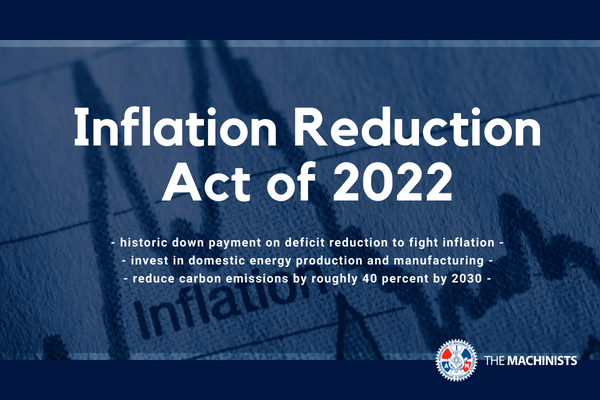
Most likely to have an identity crisis: The Inflation Reduction Act
After a seemingly endless will-they-or-won’t-they make a deal dance, Democrats passed their signature piece of legislation, the Inflation Reduction Act, without Republican support.
The 755-page climate, tax, and healthcare package does a lot of things: It establishes a 15% minimum tax on megacorporations, boosts funding for the IRS, allows Medicare to negotiate prescription drug prices, offers $260 billion in tax credits for renewable energy projects, and more. One thing it likely won’t do: reduce inflation. Despite the name, the law’s impact on rising prices through 2023 is expected to be “negligible.”
Posted on September 29, 2022 by Dr. David Edward Marcinko MBA MEd CMP™
By Staff Reporters
***
Alzheimer’s new drug shows promise
Lecanemab, an Alzheimer’s drug from Eisai and Biogen, slowed cognitive decline in patients with early Alzheimer’s by 27% over 18 months in a final-phase trial, the companies said recently.
That rate of decline met the study’s targets and offers hope to the 6 million people in the US with Alzheimer’s that their dementia can be slowed down or delayed. The companies hope lecanemab will fare better commercially than their previous Alzheimer’s drug Aduhelm—which was a flop.
Posted on September 27, 2022 by Dr. David Edward Marcinko MBA MEd CMP™
By Staff Reporters
***
***
AHIP: Botox Marked Up 78% in Hospitals Over Pharmacies
• Botox markups: 78% in hospitals, 17% in physician offices • Herceptin markups: 131% in hospitals, 40% in physician offices • Keytruda markups: 104% in hospitals, 21% in physician offices • Ocrevus markups: 59% in hospitals, 13% in physician offices • Opdivo markups: 112% in hospitals, 18% in physician offices • Prolia markups: 215% in hospitals, 49% in physician offices • Remicade markups: 124% in hospitals, 15% in physician offices • Rituxan markups: 85% in hospitals, 7% in physician offices • Tecentriq markups: 95% in hospitals, 25% in physician offices • Xolair markups: 76% in hospitals, 16% in physician offices
Notes: Drugs with the highest total spend in 2019, which are also commonly delivered through specialty pharmacies. The drug cost estimate in physician offices and hospitals does not include the cost of administering the drugs. Source: AHIP, “Hospital Price Hikes: Markups for Drugs Cost Patients Thousands of Dollars,” February 2022
Posted on September 22, 2022 by Dr. David Edward Marcinko MBA MEd CMP™
By Eric Bricker MD
***
Dr. Sachin MD MBA Jain wrote an outstanding article on Value Based Care in the April 12, 2022 issue of Forbes stating that the Patient Must Come First in Value Based Care.
Posted on September 20, 2022 by Dr. David Edward Marcinko MBA MEd CMP™
By Jules Murtha
***
***
Here’s What Doctors Need to Know
The Supreme Court of the United States (SCOTUS) has ruled that doctors must show intent to mis-prescribe opioids in order to face criminal charges.
Despite the drop in opioid prescriptions in recent years, opioid overdoses and deaths are on the rise, largely because of street drugs.
The CDC’s position is that physicians can better serve patients by focusing on when to initiate and continue opioid treatment, what type and dosage of opioid to use, and how to address risk of drug abuse when prescribing opioids.
Posted on September 19, 2022 by Dr. David Edward Marcinko MBA MEd CMP™
Russia’s Synthetic Drug Epidemic
The attached photo and video was passed on to us from an anonymous rogue DEA agent. Although in Russian, one can see a visual depiction of Krokodil’s effects.
Apparently the life expectancy of users of the drug is 2-3 years. We would not be surprised to see it show up in the USA very soon
Conclusion
Your thoughts and comments on this ME-P are appreciated. Feel free to review our top-left column, and top-right sidebar materials, links, URLs and related websites, too. Then, subscribe to the ME-P. It is fast, free and secure.
Speaker: If you need a moderator or speaker for an upcoming event, Dr. David E. Marcinko; MBA – Publisher-in-Chief of the Medical Executive-Post – is available for seminar or speaking engagements. Contact: MarcinkoAdvisors@msn.com
OUR OTHER PRINT BOOKS AND RELATED INFORMATION SOURCES:
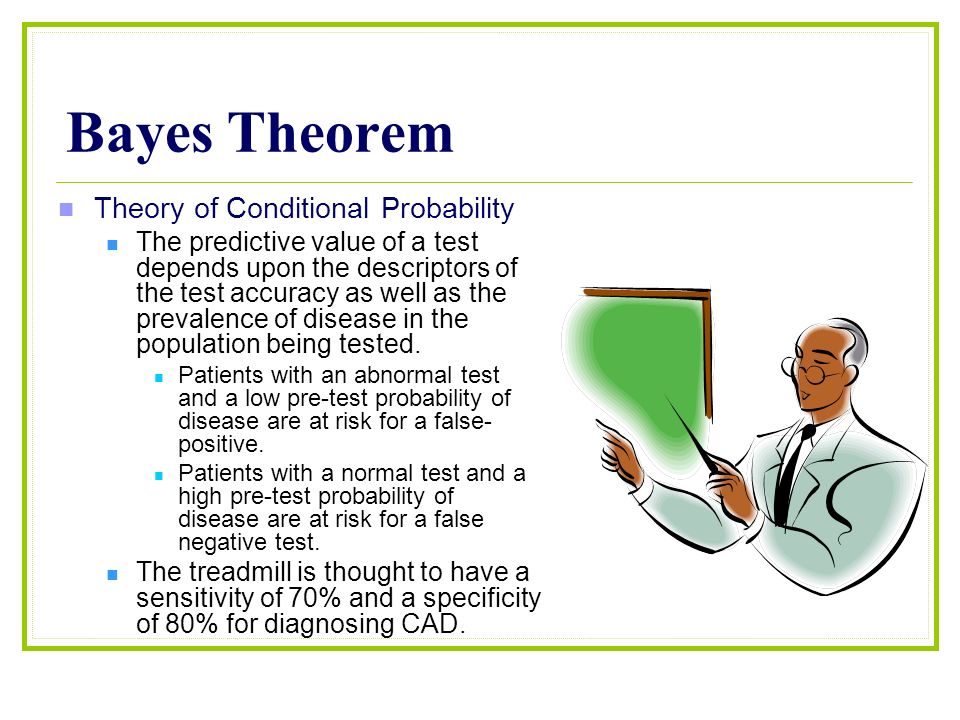
In probability theory and statistics, Bayes’ theorem (alternatively Thomas Bayes’ law or Bayes’ rule, also written as Bayes’s theorem) describes the probability of an event, based on prior knowledge of conditions that might be related to the event.
Examples:
For example, if cancer is related to age, then, using Bayes’ theorem, a person’s age can be used to more accurately assess the probability that they have cancer, compared to the assessment of the probability of cancer made without knowledge of the person’s age.
As another example, imagine there is a drug test that is 98% accurate, meaning 98% of the time it shows a true positive result for someone using the drug and 98% of the time it shows a true negative result for nonusers of the drug. Next, assume 0.5% of people use the drug. If a person selected at random tests positive for the drug, the following calculation can be made to see whether the probability the person is actually a user of the drug.
(0.98 x 0.005) / [(0.98 x 0.005) + ((1 – 0.98) x (1 – 0.005))] = 0.0049 / (0.0049 + 0.0199) = 19.76%
Bayes’ theorem shows that even if a person tested positive in this scenario, it is actually much more likely the person is not a user of the drug.
Assessment
In finance, Bayes’ theorem can be used to rate the risk of lending money to potential borrowers.
Your thoughts and comments on this ME-P are appreciated. Feel free to review our top-left column, and top-right sidebar materials, links, URLs and related websites, too. Then, subscribe to the ME-P. It is fast, free and secure.
Speaker: If you need a moderator or speaker for an upcoming event, Dr. David E. Marcinko; MBA – Publisher-in-Chief of the Medical Executive-Post – is available for seminar or speaking engagements.
Subscribe: MEDICAL EXECUTIVE POST for curated news, essays, opinions and analysis from the public health, economics, finance, marketing, IT, business and policy management ecosystem.
Posted on September 11, 2022 by Dr. David Edward Marcinko MBA MEd CMP™
The Enduring Health Legacy
As noted on this ME-P previously, surely 9/11 touched each and every American significantly. It was the end of American innocence, sending a powerful message about our place in the world.
Today, almost without exception, each of us can say that because of that bright September morning, we have been changed for life. Mothers were left without sons; brothers without brothers, and friends were taken from friends by this senseless act of violence.
Unfortunately, the ultimate legacy of 9/11 many still bear as they deal with the long-lasting health effects associated these terrorist attacks.
Your thoughts and comments on this ME-P are appreciated. Feel free to review our top-left column, and top-right sidebar materials, links, URLs and related websites, too. Then, subscribe to the ME-P. It is fast, free and secure.
Speaker: If you need a moderator or speaker for an upcoming event, Dr. David E. Marcinko; MBA – Publisher-in-Chief of the Medical Executive-Post – is available for seminar or speaking engagements. Contact: MarcinkoAdvisors@msn.com
OUR OTHER PRINT BOOKS AND RELATED INFORMATION SOURCES:
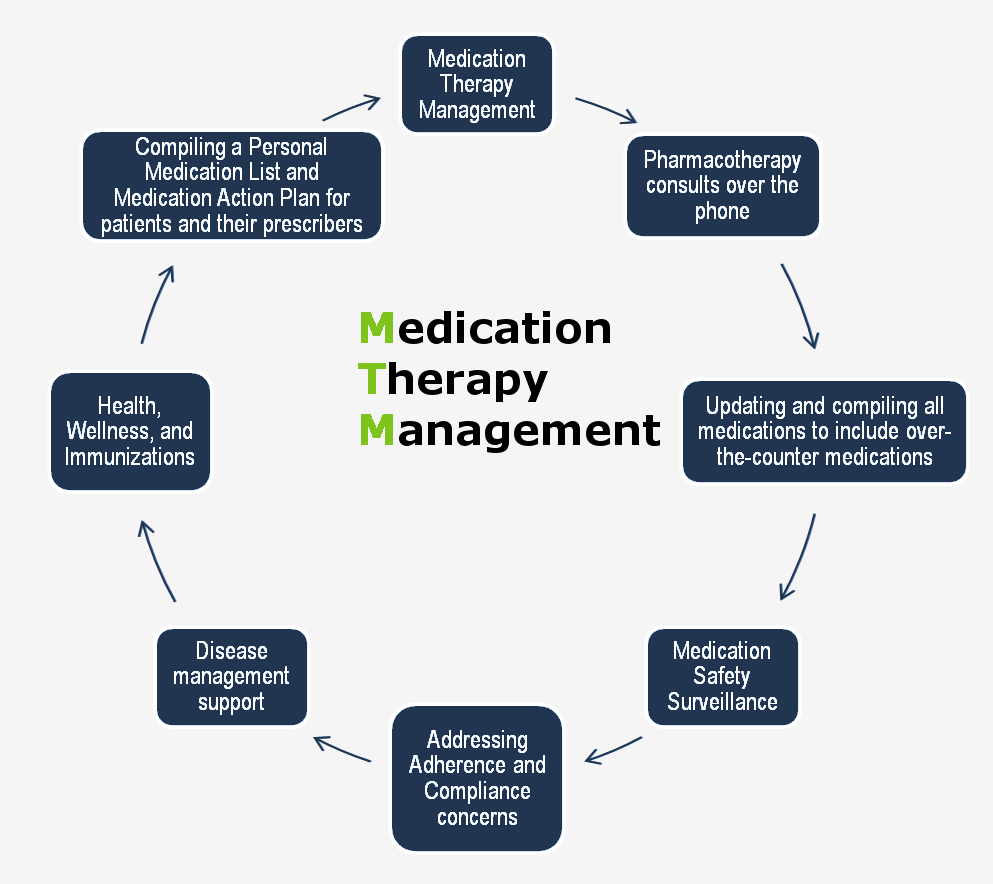
Medication therapy management (MTM) is medical care provided by pharmacists whose aim is to optimize drug therapy and improve therapeutic outcomes for patients.
Eleven national pharmacy organizations adopted this definition in 2004. Medication therapy management includes a broad range of professional activities, including but not limited to performing patient assessment and/or a comprehensive medication review, formulating a medication treatment plan, monitoring efficacy and safety of medication therapy, enhancing medication adherence through patient empowerment and education, and documenting and communicating MTM services to prescribers in order to maintain comprehensive patient care.
Core Elements
Medication therapy management includes five core components: a medication therapy review (MTR), personal medication record (PMR), medication-related action plan (MAP), intervention and/or referral, and documentation and follow-up. A MTR is a systematic process of collecting patient and medication-related information which occurs during the pharmacist-patient encounter.
In addition, the MTR assists in the identification and prioritization of medication-related problems. During the MTM encounter, the pharmacist develops a PMR for use by the patient. The PMR includes all prescription and nonprescription products and requires updating as necessary. After assessing and identifying medication-related problems, the pharmacist develops a patient-specific MAP. The MAP is a list of self-management actions necessary to achieve the patient’s specific health goals.
Moreover, the patient and pharmacist utilize the MAP to record actions and track progress towards health goals. During the MTM session, the pharmacist identifies medication-related problem(s) and determines appropriate intervention(s) for resolution. Often, the pharmacist collaborates with other health care professionals to resolve the identified problem(s). Following the patient encounter and/or intervention, the pharmacist must document his/her encounter and determine appropriate patient follow-up.
Pharmaceutical care defined
Hepler and Strand define pharmaceutical care as the provision of drug therapy in order to achieve definite outcomes that improve a patient’s quality of life. Outcomes include cure of a disease, elimination or reduction of a patient’s symptoms, arresting or slowing of a disease process, and preventing a disease or symptom. The process includes pharmacist collaboration with other health care professionals in designing, implementing, and monitoring a therapeutic plan for a patient. Pharmaceutical care focuses on the pharmacist’s role in achieving therapeutic goals to improve the patient’s quality of life.
MMA of 2003 – Part D
The Medicare Modernization Act of 2003, requires Medicare Part D prescription drug plans to include medication therapy management services delivered by a qualified healthcare professional, including pharmacists, beginning in 2006. MTM services target beneficiaries who have multiple chronic conditions (such as diabetes, asthma, hypertension, hyperlipidemia, and congestive heart failure), take multiple medications, or are likely to incur annual costs above a predetermined level.
***
***
Assessment
Medication therapy management is a unique niche for the pharmacy profession, allowing pharmacists to apply their extensive medication knowledge as medication experts with the intent of improving patient outcomes.
Conclusion
Your thoughts and comments on this ME-P are appreciated. Feel free to review our top-left column, and top-right sidebar materials, links, urls and related websites, too. Then, subscribe to the ME-P. It is fast, free and secure.
Speaker: If you need a moderator or speaker for an upcoming event, Dr. David E. Marcinko; MBA – Publisher-in-Chief of the Medical Executive-Post – is available for seminar or speaking engagements.
Contact: MarcinkoAdvisors@msn.com
Subscribe: MEDICAL EXECUTIVE POST for curated news, essays, opinions and analysis from the public health, economics, finance, marketing, I.T, business and policy management ecosystem.
An anonymous DEA agent sent us these pictures. The videas are all over YouTube. So, just say “NO” and don’t do drugs.
NOTE: The nod is not to be confused with TD. Tardive dyskinesia is a disorder that results in involuntary, repetitive body movements. This may include grimacing, sticking out the tongue, or smacking the lips. Additionally there may be rapid jerking movements or slow writhing movements. In about 20% of people, decreased functioning results. Tardive dyskinesia occurs in some people as a result of long-term use of neuroleptic medications. These medications are usually used for mental illness, etc.
Posted on August 13, 2022 by Dr. David Edward Marcinko MBA MEd CMP™
By Staff Reporters
***
***
Limiting the $35 cap on the price of insulin only to Medicare members is not that consequential, experts said. While the cost of insulin has skyrocketed over the years, many people with private insurance already pay no more than that amount. About a fifth of those who take insulin and have health coverage through large employers pay more than $35 a month for the medication, according to an analysis from the Kaiser Family Foundation. More than a quarter of people with Affordable Care Act policies and nearly one-third of those insured through a small employer pay more than that threshold.
Some private insurers and states are taking action to help Americans afford the drug. UnitedHealthcare will eliminate out-of-pocket costs for insulin for certain policyholders starting next year, while 20 states have placed caps on co-payments. Also, two drug makers are working on inexpensive versions of the insulin medication, while some other manufacturers are offering deep discounts for certain patients. “Bottom line is I don’t think stripping it out will have a major impact on the private sector,” Gerard Anderson, a professor of health policy and management at Johns Hopkins University, said of the insulin cap.
Posted on August 7, 2022 by Dr. David Edward Marcinko MBA MEd CMP™
FOR COVID-19 TREATMENT
By Staff Reporters
***
***
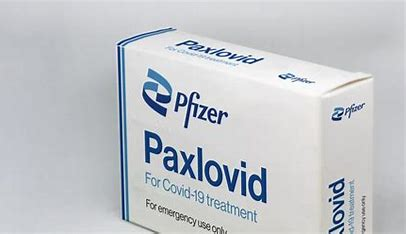
The FDA recently authorized pharmacists to prescribe Paxlovid to eligible patients who test positive for COVID-19.
To get a Paxlovid prescription from a pharmacist, patients must be able to connect the pharmacist to a physician to discuss their medical history, or present recent kidney and liver function tests to be sure the drug is safe for them.
Patients will also have to list and review all medications, including over-the-counter products they take, to be sure no dangerous interactions could occur.
Re-formulated virus booster shots from Pfizer and Moderna should be on pharmacy shelves by September, a Biden administration official told NBC News.
This means a campaign to release second boosters to a broader swath of the population this summer is being scrapped. These re-tooled shots are intended to provide better protection against the Omicron BA.5 and BA.4 sub-variants, which accounted for more than 90% of new cases in the USA last week.
Your thoughts and comments on this ME-P are appreciated. Feel free to review our top-left column, and top-right sidebar materials, links, URLs and related websites, too. Then, subscribe to the ME-P. It is fast, free and secure.
Speaker: If you need a moderator or speaker for an upcoming event, Dr. David E. Marcinko; MBA – Publisher-in-Chief of the Medical Executive-Post – is available for seminar or speaking engagements. Contact: MarcinkoAdvisors@msn.com
OUR OTHER PRINT BOOKS AND RELATED INFORMATION SOURCES:
Posted on July 1, 2022 by Dr. David Edward Marcinko MBA MEd CMP™
My Laundry Wish List for all US Healthcare Stakeholders
By Dr. David Edward Marcinko; MBA, CMP™
[Publisher-in-Chief]
As President Obama spoke, prodded and cajoled for Congress to pass HR 3200-3400 in 2008, I believe that for any healthcare reform effort to work successfully for the American people – for the long term – we need to consider the following in no particular prioritized order:
Insurance portability uncoupled from patient employment
Health insurance regional exchanges with inter-state purchase competition
Doctor, drug, DME and hospital pricing and payment transparency for HSAs, and all of us
Modifying or eliminating AMA owned CPT Codes®; a huge money maker for them
Abandoning ala’ carte medicine for values-based outcomes
Reduce JCAHO influence; encourage competition from Norwegian Det Norske Veritas [DNV]
Reduce big-pharma influence thru-out the entire medical education, career and care pipeline
End DTC advertising from big-pharma
Promote wholesale drug purchase competition, MC bidding and generic drugs
Encourage evidence-based medicine, not expert-based medicine
Less pay for medical specialists with a re-evaluation of the hospitalist concept
Advance the dying art of physical diagnosis, teach and embrace Paretto’s 80/20 rule for clinic issues
Reduce lab test, diagnostic imaging and testing
Encourage private 24/7/365 medical offices and clinics; and on-site and retail clinics
Abandon P4P, medical homes and disease management ideas
Give more economic skin-in-game to patients relative to health benchmarks
Concretize the “never-event” prohibitions and include a list of patient health responsibilities
More pay for primary care docs and internists
Adopt digital records and cloud computing for patients
Phase in true eHRs incrementally; and abandon CCHIT for open source SaaS
Promote Health 2.0 social media.
Augmented scope of practice, numbers and pay for NPs and DNPs, etc
Reduce pay for CRNAs and increase it for staff RNs
Develop step down triage and treatment units to reduce the number of full service ERs
Increase medical, osteopathic, dental, optometric and podiatric medical school classes
Increased practice scope for dentists, podiatrists and optometrists
Make some sort of catastrophic HI mandatory, much like auto insurance for all
End pre-existing conditon health insurance contract clauses
More choice and end of life control for the terminally ill patient
Increase marketplace competition with fewer political and financial “externalities”.
Teach basic healthcare topics in school and encourage physical exercise
Health and insurance education should be, but is not, the “answer” for Americans
Protect borders and discourage undocumented illegals
Adopt medical malpractice tort reform
Make all stakeholders fiduciaries
No public “option” unless you like food stamps, Section 8 housing, public transportation and schools
Budget deficit neutrality
Slow down!
Assessment
Recently, while in the Baltimore/Washing area, I was asked by several reporters to opine on the healthcare debate; which I did so freely having never been known as the shy type. And, regular readers will note that many of these items have been used as posts or comments on this ME-P. Unfortunately, my “laundry list” interview was pre-empted by two local but boisterous town-hall meetings with respective passionate politicians. It was redacted no doubt, but never broadcast. Thus, I missed the potential for my “five minutes” of fame. C’est la vive!
Conclusion
There you have it; direct and straight forward. And so, your thoughts and comments on this Medical Executive-Post are appreciated. Feel free to review our top-left column, and top-right sidebar materials, links, URLs and related websites, too. Then, be sure to subscribe to the ME-P. It is fast, free and secure.
Speaker: If you need a moderator or speaker for an upcoming event, Dr. David E. Marcinko; MBA – Publisher-in-Chief of the Executive-Post – is available for seminar or speaking engagements. Contact: MarcinkoAdvisors@msn.com
Our Other Print Books and Related Information Sources:
Posted on June 27, 2022 by Dr. David Edward Marcinko MBA MEd CMP™
***
By Nate Raymond
***
***
(Reuters) – The U.S. Supreme Court just made it harder for prosecutors to win convictions of doctors accused of running “pill mills” and excessively prescribing opioids and other addictive drugs by requiring the government to prove that defendants knew their prescriptions had no legitimate medical purpose.
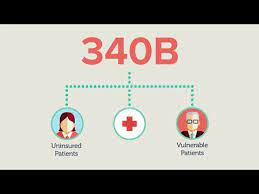
On June 15, 2022, the U.S. Supreme Court released its decision regarding the cuts made by the Department of Health and Human Services (HHS) to the 340B Drug Pricing Program, finding that HHS acted outside its statutory authority in changing reimbursement rates for one group of hospitals without first surveying them on their costs.
The 340B Drug Pricing Program allows hospitals and clinics that treat low-income, medically underserved patients to purchase certain “specified covered outpatient drugs” at discounted prices. (Read more…)
Posted on June 23, 2022 by Dr. David Edward Marcinko MBA MEd CMP™
By Staff Reporters
***
***
Mark Cuban: The billionaire owner of the Dallas Mavericks just launched an online pharmacy for generic drugs that looks to cut out middlemen and combat pharmaceutical industry price gouging by offering steep discounts.
Set up as CostPlusDrugs.com with 100 generic drugs to treat conditions like diabetes and asthma. Cost Plus will not accept health insurance but claims its prices will still be lower than what people would typically pay at a pharmacy.
“All drugs are priced at cost plus 15%!” Cuban tweeted.
Posted on June 23, 2022 by Dr. David Edward Marcinko MBA MEd CMP™
***
***
The rate of inflation rose again in May, remaining at 40-year highs, the Office for National Statistics revealed. The rate of Consumer Prices Index [CPI] inflation rose slightly to 9.1 per cent in May from 9 per cent in April, according to the ONS. The increase matches what analysts had expected. And, supply constraints, exacerbated by Russia’s war in Ukraine account for about half of the surge in US inflation, with demand currently making up a third of the increase, according to new research from the Federal Reserve Bank of San Francisco.
US gasoline futures are about 13% below the record high seen earlier this month and pump prices have dropped for more than seven days straight — the biggest run of losses since April — after rising to a fresh peak early last week, as recession concerns grip the market. Oil prices have tumbled toward $100 a barrel as traders fear that sharply higher interest rates would slow down economic growth and lead to demand destruction. The AAA reports that the average price of a gallon of regular gas slipped 6 cents since last week, to $4.955.
U.S. online trading firms specializing in crypto were hit hard after BinanceUS, an arm of the word’s biggest digital currency exchange, eliminated its bitcion spot trading fees. BinanceUS will now allow its users to trade bitcoin, the biggest cryptocurrency, against assets such as the U.S. dollar, tether, and other dollar-backed stablecoins for free, eliminating its prior levy of 0.1% on transaction valued at less than $50,000.00.
Altria’s big tumble—the tobacco company owns a 35% stake in Juul, and a WSJ report suggested the FDA could order Juul to yank its products off the market imminently.
Posted on June 18, 2022 by Dr. David Edward Marcinko MBA MEd CMP™
***
By Staff Reporters
***
***
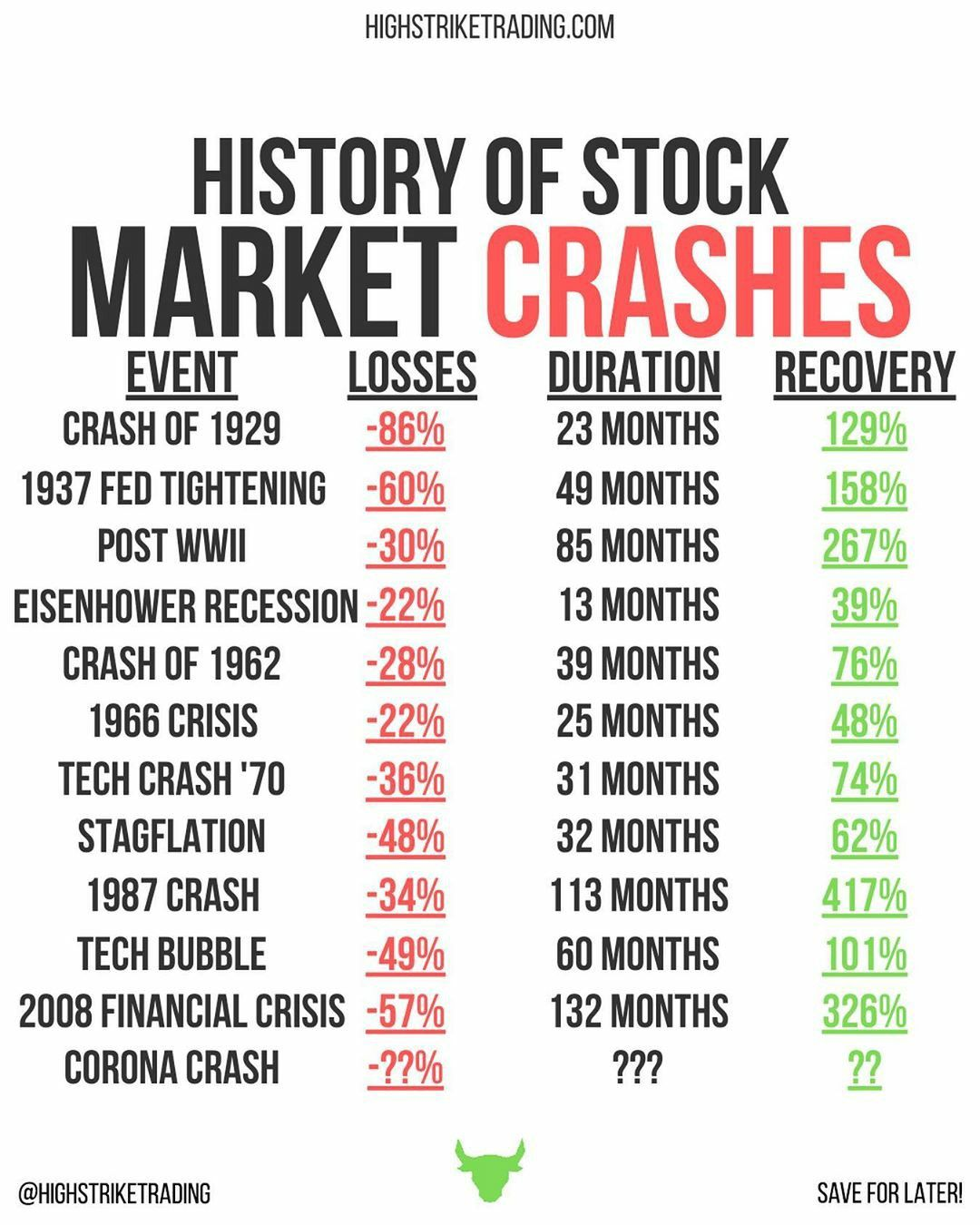
Per history, Bank of America’s Global Investment Strategy chief investment officer, Michael Hartnett, pointed out that the average peak-to-trough bear-market decline is 37.3% over a span of 289 days. Matching that pattern would put the end of current pain on Oct. 19th, 2022. This happens to mark the 35th anniversary of Black Monday, as the stock-market crash of 1987 is widely known. And according to statistical averages, the S&P 500 will likely bottom at 3,000.
Despite rising slightly, the S&P just posted its worst week since March 2020. Even energy stocks, one of the lone bright spots in the market, have taken a beating during this higher interest-rate era
The FDA just authorized two Covid-19 vaccines, Pfizer and Moderna, for kids under five—a year and a half after vaccines were approved for adults 16+.
Posted on May 26, 2022 by Dr. David Edward Marcinko MBA MEd CMP™
By Staff Reporters
***
***
% of Hospitals That Provide Discounted Rx to Patients
• Delayed access to a needed drug: 75% • Caused financial hardship for patient and/or their families because that had to pay more for the drug: 69% • Made it logistically harder for patient to obtain needed medications: 61% • Caused patient to stop taking a drug or switch to a less effective therapeutic alternative: 50% • Negatively impacted patient’s health/outcomes: 41% • Led to preventable emergency department visits or hospital stays: 23% • Other: 15%
Posted on May 17, 2022 by Dr. David Edward Marcinko MBA MEd CMP™
By Staff Reporters
***
***
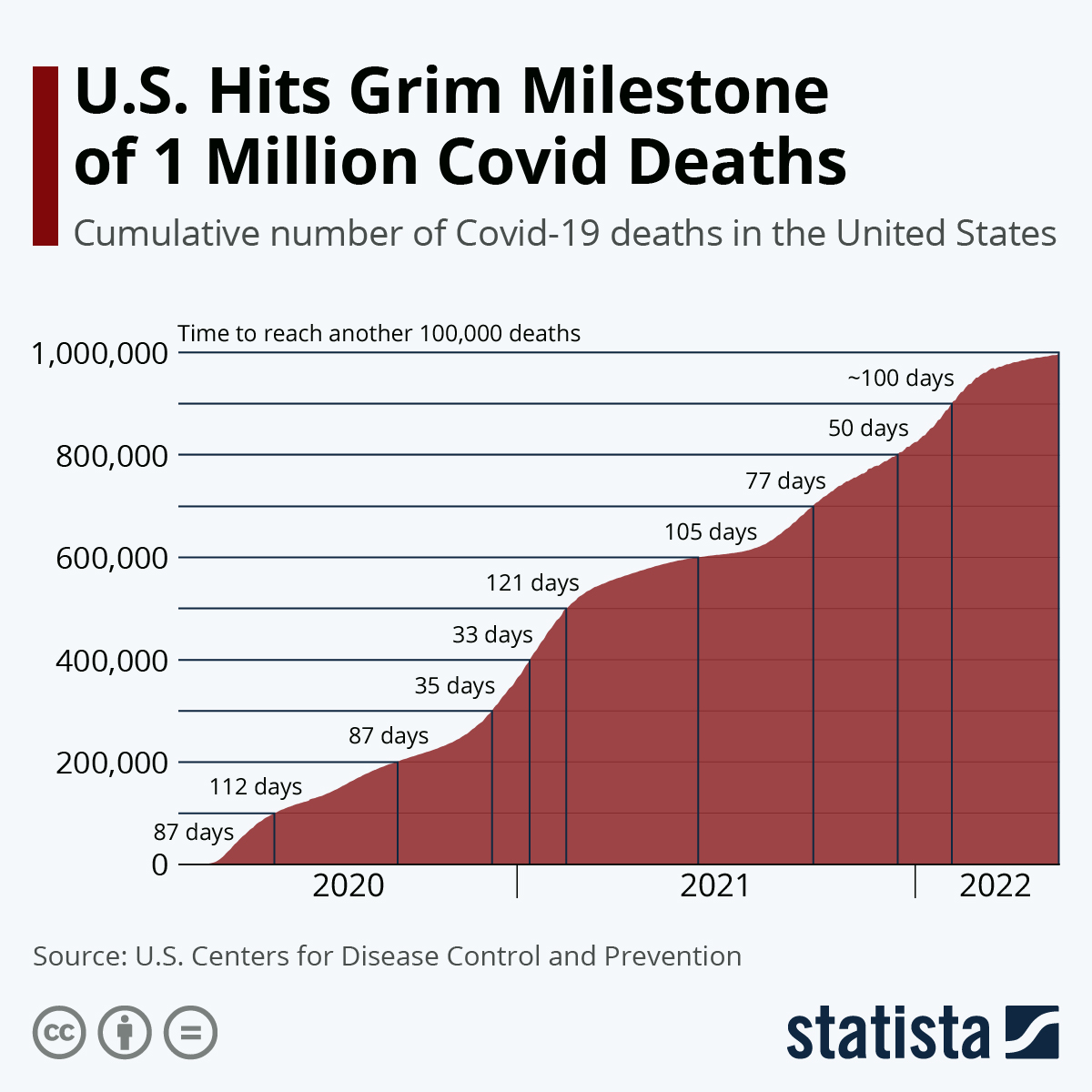
The US COVID death toll officially reached 1 million, an amount greater than the combined populations of Boston and Orlando. Coming three months after the country reached 900,000 deaths and less than two and a half years after the first recorded US cases. It’s a reminder that despite dropped mask mandates and summer months approaching, the virus continues to be a threat.
New Omicron sub-variants that appear adept at eluding immunity from prior infections have caused yet another spike in reported cases and hospitalizations. US cases have jumped 60% over the past two weeks, to an average of 90,000 new cases every day.
That figure is far short of the real infection rate, as states have shuttered many large testing sites, and cases discovered from at-home tests often go unreported.
Posted on May 10, 2022 by Dr. David Edward Marcinko MBA MEd CMP™
Altered and Poorly Written Rx for Vicodin
By Dr. David Edward Marcinko MBA
***
***
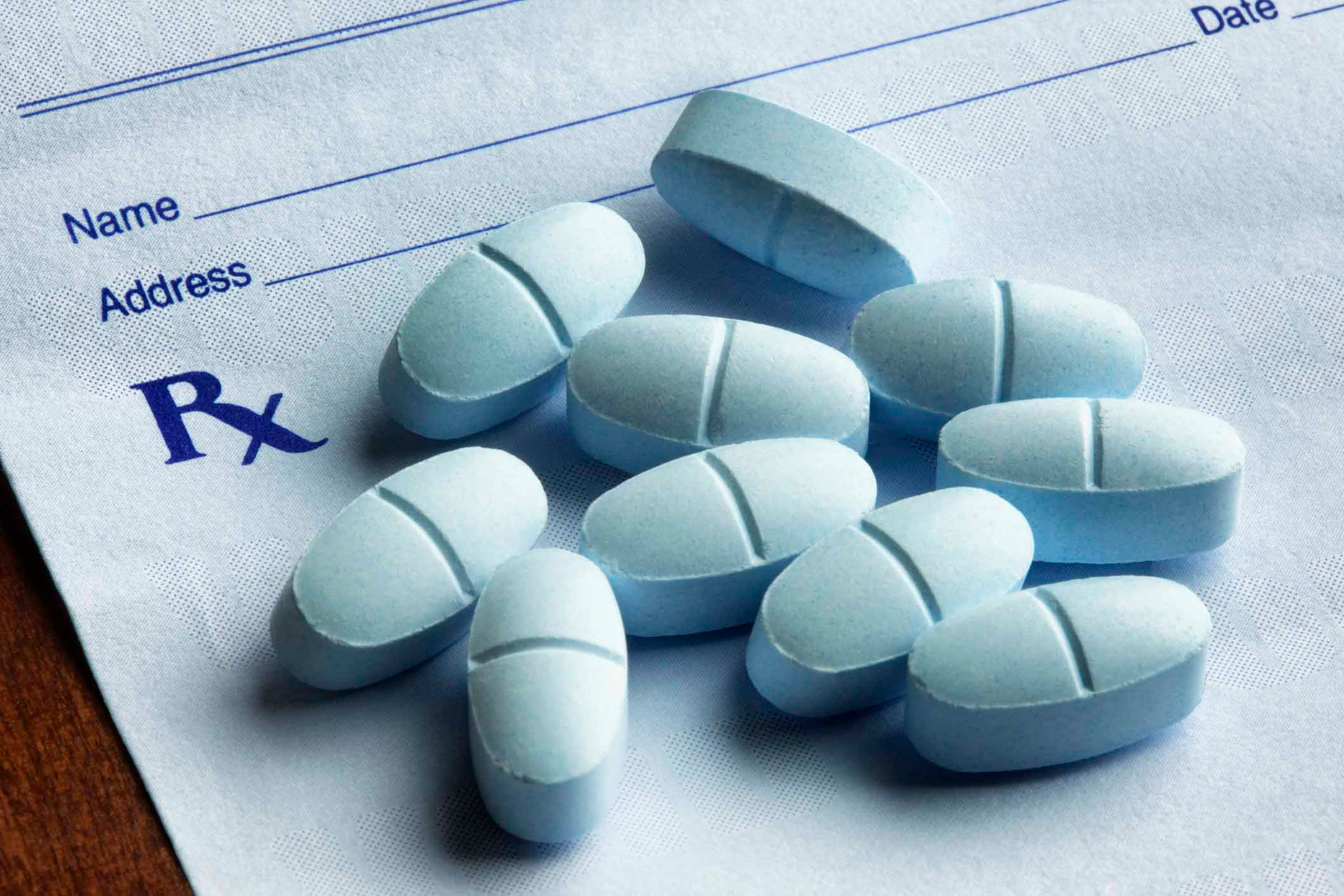
Poorly-written Rx for vicodin
Drug: Rx Vicodin
Disp: # 10
Sig: Take I, as needed for pain.
Refills: 1 2 3 4 or 5
AM2685591
David Edward Marcinko, MBBS DPMMBA
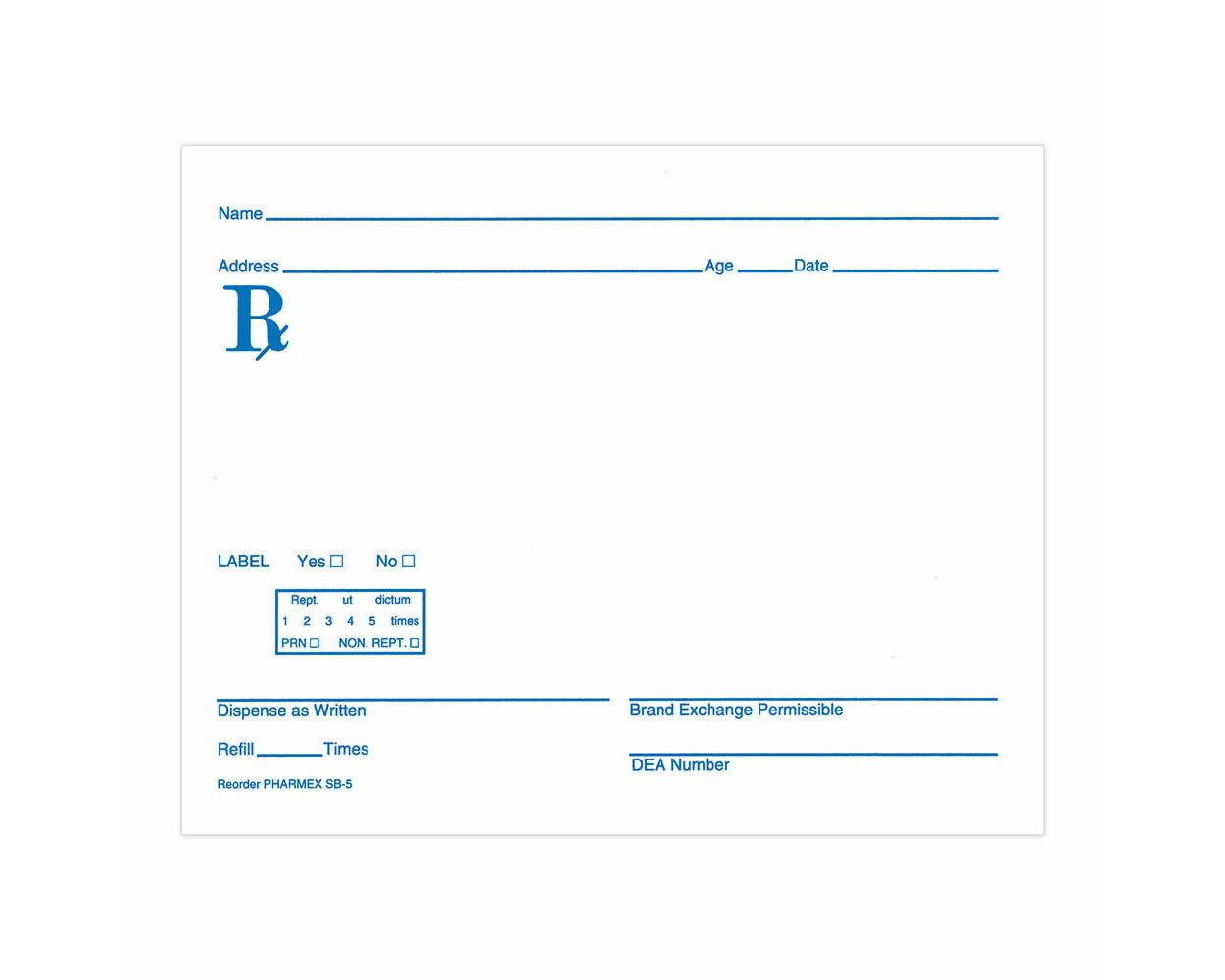
The patient abuser may change drug quantity numbers, copy or remember the doctors’ DEA number, or take extra Rx pads. For this reason, a physician’s Rx pad should contain his/her name, address and telephone number. The doctor’s DEA number should not be pre-printed on the pad, for fear of mis-use.
Example:
Increase the quantity 10, to 100, by adding a zero, so that the additional capsules can be used, sold or bartered with on the street.
Change the directions to take 2 capsules, rather than 1 in order to produce greater euphoria.
Increase the Rx refills, from one to two, by extending the underline, or checking an additional quantity box.
Pre-printed DEA number can be stolen, sold or reused.
Pre-printed (not original) physician signature can be reproduced and widely distributed for more prescriptions.
Altered Rx for vicodin
Drug: Rx Vicodin
Disp: # 100
Sig: Take II, as needed for pain.
Refills: 1 2 3 4 or 5
AM2675591
David Edward Marcinko, MDBBS DPM MBA
The doctor drug addict, or a doc in need of funds, may write for more narcotic agent than needed, and receive the additional pills back from the patient-shill for personal consumption, sell them on the street himself for money, or receive a monetary kickback from the patient-shill.
A pharmacist may also indirectly alter a prescription using the above methods, or simply short-change the patient with fewer narcotic capsules than the prescription intends. This is more difficult to do with pills or tablets in the out patient setting, but easy to do in the in-patient setting when liquid IV drugs are used, by dilution and placing less than the full amount in IV bottles or bags. The harm to patients, of course, may be fatal.
Well-written Rx for vicodin
Drug: Rx Vicodin
Disp: # 10 (ten) capsules
Sig: Take one or two capsules, po, prn pain.
Refills: 1 2 3 4 or 5
AM2685591
David Edward Marcinko, MBBS DPM MBA
Example:
Drug quantity can-not be changed.
Directions can-not be changed. Route of administration (by mouth) indicated.
Rx refills clearly indicated.
Handwritten, not pre-printed, DEA number.
Original physician signature, only.
Doctor Rx prescription abuse foibles are legendary in the DEA and include a Maryland podiatrist who wrote prescriptions for more than 1,235 Mepergan Fortis capsules ostensibly for his wife following minor foot surgery. Or, the Florida physician who prescribed more than 2,150 Vicodin capsules for a patient with whom he was having an extra-marital affair in order that his consort not disclose the fling to his wife. Or, the osteopath from New Jersey who wrote more than 100 narcotic prescriptions every 8 hour day, for more than a year, to any patient standing in a line in front of his office. And, finally the California dentist whose excuse for writing more than 1,845 narcotic tablet prescriptions in a six month period for the same patient was that they would be needed in his next reincarnation. Yes, all of these incidents are laughable if not for their serious consequences to the involved individuals, and society, alike. The bastards!
Fortunately, unlike drug local domestic drug kingpins or international narco-traffickers who ply their trade virtually undetected, these naive white-collared nerds, always get caught by the Drug Enforcement Agency. Their Rx abuse tactics are so amateurish!
Posted on May 9, 2022 by Dr. David Edward Marcinko MBA MEd CMP™
***
By Dr. David Edwarrd Marcinko MBA
Rx DRUG ABUSE
Traditional medicinal agents come in a variety of ways, known as dispensing vehicles. Drugs may be in liquid, pill or inject able form, they may be compounded in capsules, caplets, gelatin tablets, powders or suppositories, or they may come in creams or ointments for the eye, anus and vagina. They may be ingested into the stomach, placed and dissolved under the tongue, put into the eyes, popped, injected or smeared and transported through the human skin from patches.
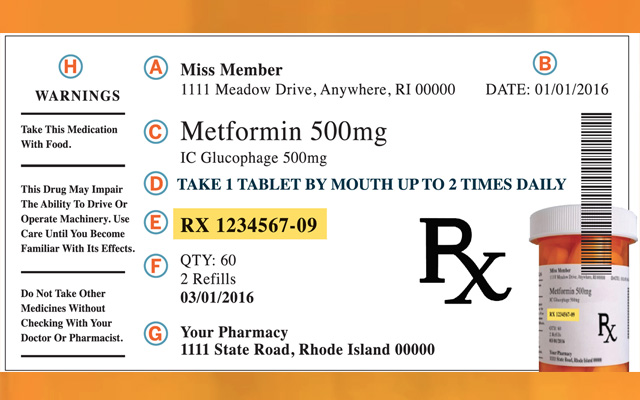
A valid drug prescription is a written order, by a doctor, to a pharmacist. In this country, prescriptions are written by physicians, podiatrists, osteopaths, dentists. and some optometrists, physician assistants and nurse practitioners. In addition to the name of the patient and that of the medical prescriber, the prescription contains the name of the drug (not necessarily a narcotic), its quantity, instructions to the pharmacist, and directions to the patient. Narcotic prescriptions may not be prescribed to a drug addict to prevent withdrawal symptoms, as there must be some other therapeutic purpose for such an order.
The art of medicinal prescription writing, and pharmaceutical compounding, has declined in modern medicine for several reasons. Most drugs are made by pharmaceutical companies, and the role of the pharmacist, in most cases, consists only of compounding and error prevention. Many drugs are even automatically dispensed, and tracked, in the hospital setting with bar coding technology and modern inventory tracking mechanisms. Also, the practice of writing long and complicated prescriptions, containing many active ingredients, adjuvants, correctives, and elegant vehicles, has been abandoned in favor of using pure compounds.
Drugs may be prescribed by their official names, which were first given by the United States Pharmacopeia (USP), in 1920, or by the National Formulary (NF), since 1906. Unofficial or generic names may be used, known as New and Non-Official Drugs (NND) or by the United States Adopted Names (USAN), or by the manufactures trade name. For example, the generic narcotic meperidine or pithidine, is also known by the trade named, demerol. The designation USAN does not imply endorsement by the American Medical Association (AMA) Council on Drugs (CODs), or by the USP.
Of course, there is an advantage and disadvantages to prescribing drugs by their trade name, or generic names. Advantages of generics include economies of scale for both the patient and pharmacist, and although the active ingredient in generics are identical to trade drugs, they are often less expensive since research and development costs are absent, and various binders, colorizing agents, preservatives or dispersing agents are of an inferior quality, and hence cheaper for the patient. Appearance, size and taste issues are common. For the pharmacist, generics are cheaper since a multiplicity of very similar drugs need not be shelved.
***
***
For example, the tablet or capsular form of many drugs contains inactive ingredients, such as: ammonio methacrylate copolymer, hydroxypropyl methylcellulose, lactose, magnesium stearate, povidone, redironoxide, stearyl alcohol, talc, titanium dioxide, triacetin, yellowironoxide, yellowironoxide with FD&C blue No.2 (80 mgstrengthtablet only), FD&C blue No.2 and other ingredients. And yes, I’ve seen an addict do into shock, or die from acute anaphylaxis, after taking drugs containing ingredient he was highly allergic to.
Shock is a life-threatening condition where blood pressure falls too low to sustain life. It occurs when low blood volume (due to severe bleeding, excessive fluid loss or inadequate fluid uptake), inadequate pumping action of the heart or excessive dilation of the blood vessel walls (vasodilation) causes low blood pressure. This in turn results in inadequate blood supply to body cells, which can quickly die or be irreversibly damaged.
Anaphylactic shock is the severest form of allergy that is a medical emergency. It is a Type I reaction according to the Gell and Coombs medical classification, and is often severe and sometimes fatal systemic reaction in a susceptible individual upon exposure to a specific antigen (such as wasp venom or penicillin) following previous sensitization, or drug use. Characterized especially by respiratory symptoms, fainting, itching, itching and swelling of the throat or other mucous membranes and a sudden decline in blood pressure! The victim literally cannot breathe and drowns in its own congested and fluid filled lungs
So, patients in need of routine drugs for acute or chronic conditions like arthritis, high blood pressure, asthma, acne, hay fever, performance enhancing steroids or, so called life style drugs, like Viagra for a limp woody, or hair growth stimulator Rogaine, may get a good deal by going to Canada or Mexico for generics. But for important drugs, like nitroglycerine fro your heart, blood thinner coumadin, birth control pills or various anti-cancer agents, stick with brand names.
The main disadvantage of trade drugs is increased cost, due to R & D, patents, trademarks, marketing and company advertising expenses. Of course, trade drug are first to market, and hence may be beneficial as a new treatment modality, or injurious if significant side affects or other complications arise.
Today, the prime source for drug information is probably the well known, Physicians Desk Reference (PDR). Now, in its 58th edition, the PDR® provides the latest information on prescription, but not illegal street drugs. It is considered the standard reference that can be found in virtually every physician’s office, hospital and pharmacy in the United States. The current edition is over 3,000 pages long, and is where you can find data on more than 4,000 drugs, by brand and generic name, manufacturer and product categories. The PDR also provides usage information and warnings, drug interactions, plus full-size, full-color photos cross-referenced to specific drugs. For the layman, it also includes: phonetic spelling for each listing, a key to controlled substances, adverse reactions and contraindications, pregnancy ratings, dosages and all other FDA-required information. Of course, on the street, or in Mexico, none of this information matters.
Latin abbreviations, sometimes still used by doctors on prescription blanks include:
Rx = take thou (receipe)
po = by mouth (para orbis)
prn = as needed (pro re’nata)
hs = at bed time (hora somnae)
BID = twice daily
TID = three times daily
QID = four times daily
M = Mix
Traditionally, a medical prescription is written in a certain order, well known to drug abusers, and DEA agents, and consist of six basic parts:
Superscription: This is the Rx, or recipe. In Latin it means take thou.
Inscription: Represents the ingredients and amounts.
Subscription: Represent the description for drug dispensing, and may be represented by the letter M, for mix.
Signature: Often abbreviated as Sig, and contains the directions for patient use.
Refill Status: Indicates the number of refills allowed.
DEA Number: This is nine-character alpha-numeric sequence, used by all licensed physicians who prescribe narcotic agents. An example is AM2685591. The second letter is the first letter of the doctor’s last name, (ie, Marcinko) and the first two digits add up to the third (ie, 2+6=8).
Finally, in addition to the basic parts of a prescription, it should have the patient’s name, and physician signature written in ink, followed by degree designation, such as MD, DPM, DO or DDS, etc.
***
***
Perhaps the most egregious narcotic prescribing habits recently encountered by DEA agents have been by doctors of all degrees and medical designations. Reasons are generally two-fold. First, the doctor may become a drug addict himself, either by accident or through initial legitimate therapeutic use, and over-prescribe the narcotics. Or, increasing office costs, and decreased reimbursement fee reductions of many managed medical care have so economically destabilized the medical community, that economically impoverished doctors desperately sell prescriptions to finance their personal lifestyles, automobiles, clothes, fancy vacations or own addictions.
For example, a staggering medical student loan debt burden of $100,000-$250,000 is not unusual for new practitioners. In fact, the federal Health Education Assistance Loan (HEAL) program reported that for the Year 2001, it squeezed significant repayment settlements from its Top 5 list of deadbeat doctor debtors. This included a $303,000 settlement from a New York dentist, $186,000 from a Florida osteopath, $158,000 from a New Jersey podiatrist, $128,000 from a Virginia podiatrist, and $120 from a Virginia dentist. The agency also excluded 303 practitioners from Medicare, Medicaid and other federal healthcare programs and had their cases referred for non-payment of debt.
These facts indicate that the current healthcare reimbursement climate has caused more pain and tumult to doctors than the pubic realizes. Older medical practitioners are retiring prematurely, mature providers are frustrated and in despair, and young physicians have no concept of the economic servitude to which they are about to be subjected. Frustration is high and physician suicides have been documented. Many doctors get divorced at the start of their careers. Even the U.S. Inspector General has declared healthcare providers to be public enemy #2,behind international narco-traffickers, for their federal drug, fraud and abuse initiatives. Still, the statistic above lends itself to narcotic drug prescription abuse, either on the part of the doctor or patient, since only these two parties that can directly alter a prescription for illicit drug use, as illustrated by this poorly written prescription for a narcotic pain killer, vicodin.
Posted on April 30, 2022 by Dr. David Edward Marcinko MBA MEd CMP™
By Staff Reporters
***
DEFINITION:
What is compounding in a pharmacy?
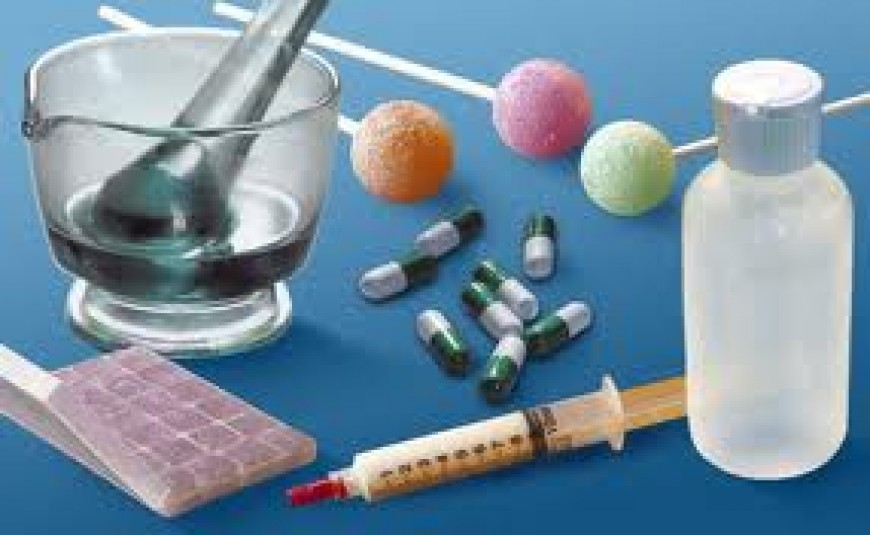
Drug compounding is often regarded as the process of combining, mixing, or altering ingredients to create a medication tailored to the needs of an individual patient. Compounding includes the combining of two or more drugs. Compounded drugs are not FDA-approved.
What is the difference between a regular pharmacy and a compounding pharmacy?
Both types of pharmacies prepare medications prescribed for a patient by a doctor. The main difference is that a regular pharmacy provides commercial medications in standardized dosages, while a compounding pharmacy can customize medication based on a patient’s specific needs.
Are compounded drugs FDA approved?
Compounded drugs are not FDA approved. And what this means is FDA does not verify the safety effectiveness or quality of compounded drugs before they’re marketed.
• 56% of the U.S. adult population report no recent occurrences of being unable to afford care or prescribed medicine. • 36% of the U.S. adult population report recent occurrences of being unable to pay for care or medicine or lack easy access. • 8% of the U.S. adult population report recent occurrences of being unable to pay for household care, being unable to pay for prescribed medicine and feeling that they would not have access to affordable quality care if needed today.
Posted on April 29, 2022 by Dr. David Edward Marcinko MBA MEd CMP™
By Staff Reporters
***
Medicare Advantage Organizations (MAOs) delayed or denied payments and services to patients, even when these requests met Medicare coverage rules, according to a report released by federal investigators on Thursday.
Posted on April 24, 2022 by Dr. David Edward Marcinko MBA MEd CMP™
By Staff Reporters
***
***
According to FOX News, a New York physician was charged in an unsealed indictment on Thursday over an alleged $10 million health care fraud scheme. The Department of Justice announced that Elemer Raffai, 56, was charged with health care fraud for his alleged involvement in an alleged scheme between July 2016 and June 2017, signing prescriptions and other order forms for services that weren’t medically necessary, the Department of Justice states.
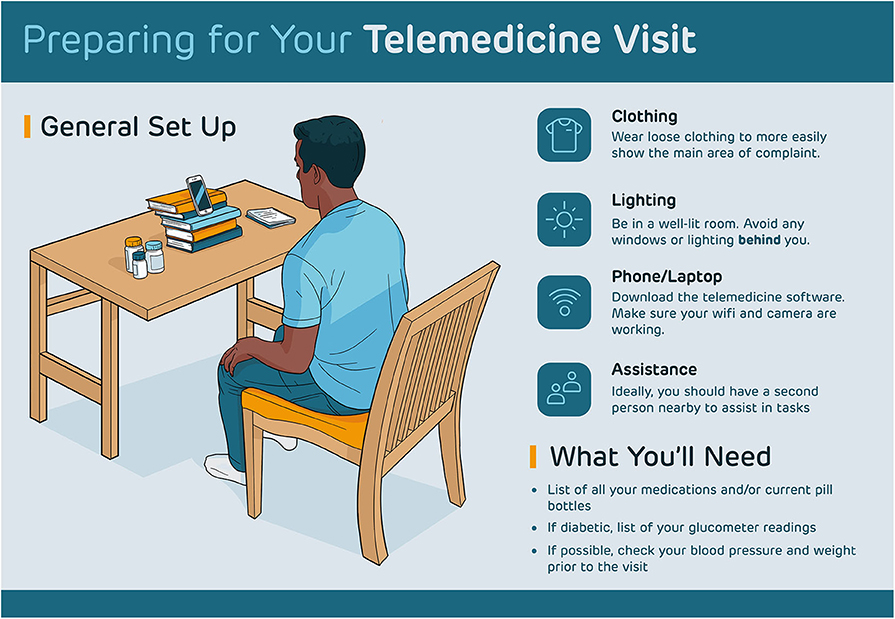
Raffai allegedly signed prescriptions and other order forms through telemedicine services for durable medical equipment that the Department of Justice claims were not medically necessary.
Justice says that Raffai was partially convinced to make the prescriptions and orders due by the payments of bribes and kickbacks. The indictment also alleges that Raffai and other individuals either submitted or caused $10 million in false and fraudulent claims to be submitted to Medicare, which paid more than $4 million on the claims.
If convicted, the physician faces a maximum of 10 years in prison
Posted on April 20, 2022 by Dr. David Edward Marcinko MBA MEd CMP™
***
***
Q: What is the plan for a future with COVID? A: A new 136-page report written by dozens of experts provides a comprehensive roadmap to the next normal both to address the pandemic and protect against future biosecurity threats. The group identified 12 key areas of focus, including long COVID, equity, and vaccines. The report also addressed concerns about how the end of the pandemic will disrupt the U.S. health care system when policies introduced during the public health emergency come to an end.
Your thoughts and comments on this ME-P are appreciated. Feel free to review our top-left column, and top-right sidebar materials, links, URLs and related websites, too. Then, subscribe to the ME-P. It is fast, free and secure.
Speaker: If you need a moderator or speaker for an upcoming event, Dr. David E. Marcinko; MBA – Publisher-in-Chief of the Medical Executive-Post – is available for seminar or speaking engagements. Contact: MarcinkoAdvisors@msn.com
OUR OTHER PRINT BOOKS AND RELATED INFORMATION SOURCES:
Posted on April 20, 2022 by Dr. David Edward Marcinko MBA MEd CMP™
About Four-Twenty Day
[By Anonymous DEA Agent]
Today is … 420, 4:20, or 4/20 (pronounced four-twenty)
And, it refers to consumption of cannabis and, by extension, a way to identify oneself with cannabis subculture. Observances based on the number include the time (4:20 p.m.) as well as the date (April 20).
Again … that’s today as this ME-P was published @ 4:20 p.m., EST!
THE DEA DESTROYS A POT FARM
PHOTOS:
Photo taken after the “grow” was eradicated. There is still no “pot” of gold at the end of the rainbow.
DEA taking one of many seized vehicles/equipment.
The marijuana farm was operating under the name “Brian’s Green Thumb Farm.”
Inside the barn, Agents found rows and rows of drying marijuana.
Over 2,000 pounds of drying marijuana from the barn, bagged and ready for destruction.
Air view of the massive “grow” from the guard tower.
One of two sleeping shelters, each guarding the middle perimeter. In the back, one of four tents, each positioned in the corners for guards.
The plant being ripped out of the ground by the backhoe.
In 2019: Carl’s Jr. was become the first major fast-food chain to debut a cannabis-infused burger.
Conclusion
Your thoughts and comments on this ME-P are appreciated. Feel free to review our top-left column, and top-right sidebar materials, links, URLs and related websites, too. Then, subscribe to the ME-P. It is fast, free and secure.
Speaker: If you need a moderator or speaker for an upcoming event, Dr. David E. Marcinko; MBA – Publisher-in-Chief of the Medical Executive-Post – is available for seminar or speaking engagements. Contact: MarcinkoAdvisors@msn.com
OUR OTHER PRINT BOOKS AND RELATED INFORMATION SOURCES:
Posted on April 14, 2022 by Dr. David Edward Marcinko MBA MEd CMP™
By Staff Reporters
***
***
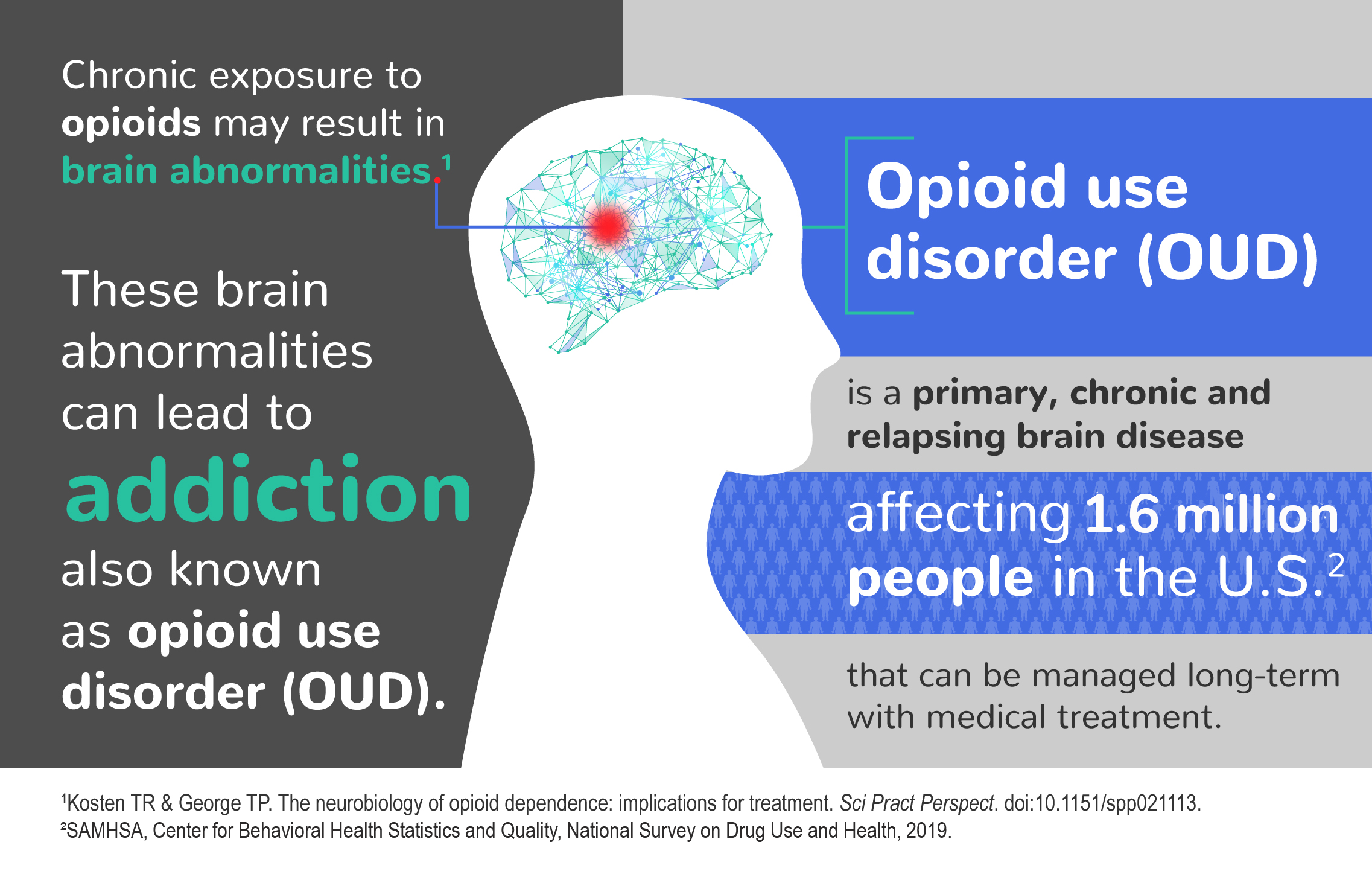
DEFINITION: Physical and psychological reliance on opioids, a substance found in certain prescription pain medications and illegal drugs like heroin.
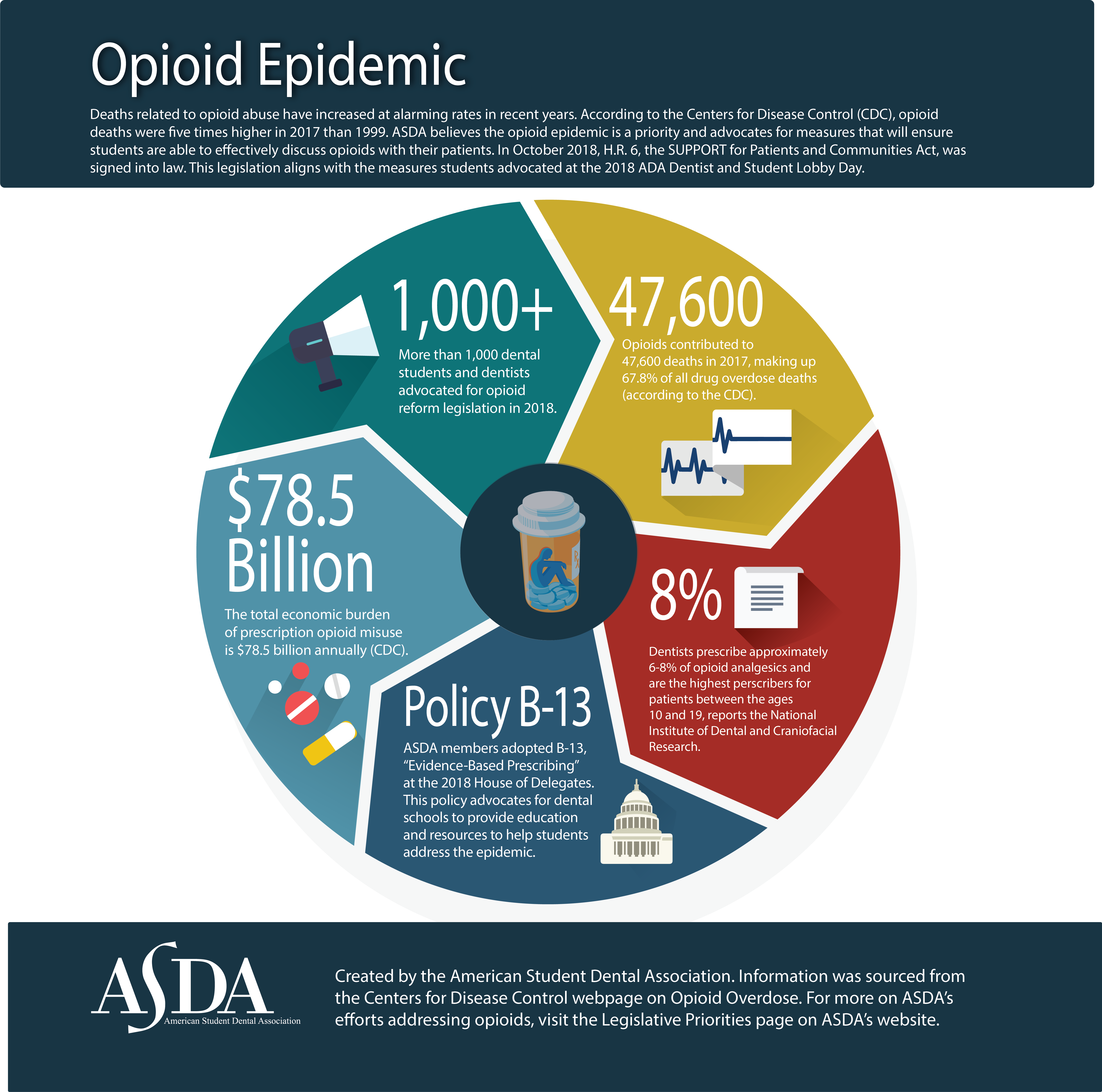
Opioids are prescribed to treat pain. With prolonged use, pain-relieving effects may lessen and pain can become worse. In addition, the body can develop dependence. Opioid dependence causes withdrawal symptoms, which makes it difficult to stop taking them. Addiction occurs when dependence interferes with daily life. Taking more than the prescribed amount or using illegal opioids like heroin may result in death.
Symptoms of addiction include uncontrollable cravings and inability to control opioid use even though it’s having negative effects on personal relationships or finances.
Treatment varies but may include discontinuing the drug. Medications such as methadone can help alleviate the symptoms of withdrawal and cravings. Pairing medication with inpatient or support programs generally has the most success.
A recent survey of nearly 1,000 patients with opioid use disorder (OUD) about recovery, telehealth, and stigma found in regards to recovery:
• 95% Describe their overall outlook on recovery as positive; just 1% describe as negative. • 76% Report having a strong support system to help navigate treatment. • 43% Returned to treatment immediately after relapse, 34% took over 3 months to start over. • 30% Blame individuals for the opioid crisis (over drug companies, doctors, and the government.)
Posted on April 6, 2022 by Dr. David Edward Marcinko MBA MEd CMP™
***
***
Update on COVID-19 booster shots
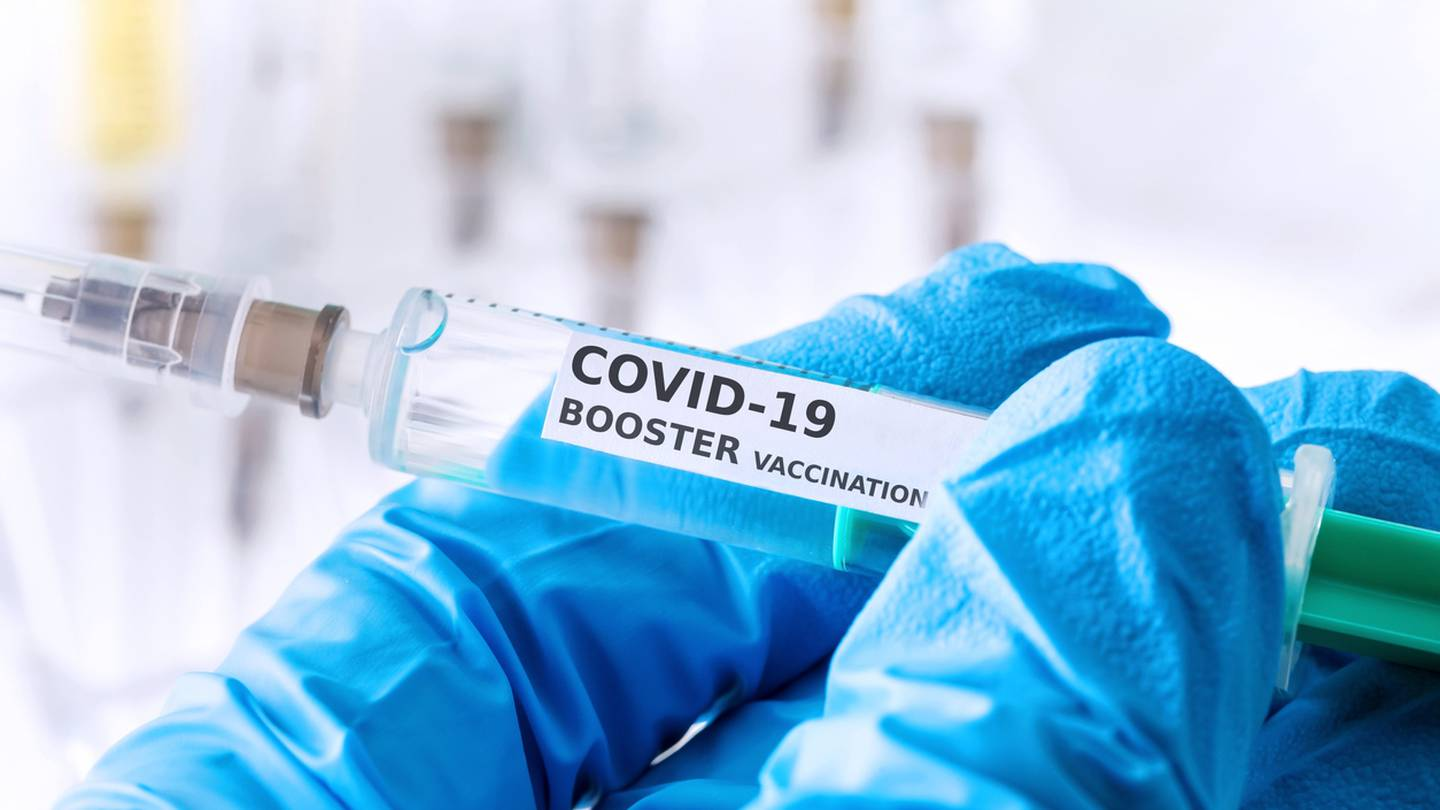
In case you missed it: If you or a loved one are 50 or older, or are moderately or severely immunocompromised, you can get an additional Pfizer or Moderna COVID-19 booster shot at no cost to you.
The CDC recommends an additional booster shot for certain individuals to increase protection from severe disease from COVID-19. People over the age of 50, or who are moderately or severely immunocompromised, can get an additional booster of Pfizer or Moderna 4 months after their last dose.
This is especially important for those 65 and older who are at higher risk from severe disease and most likely to benefit from getting an additional booster.
Learn More: Remember: Medicare covers the COVID-19 vaccine, including booster shots, at no cost to you. Find a COVID-19 vaccine location near you.
Posted on March 16, 2022 by Dr. David Edward Marcinko MBA MEd CMP™
More About Meth Mouth and Teeth [MMT]
By Anonymous DEA Agent
METH: Crystal meth is the common name for crystal methamphetamine, a strong and highly addictive drug that affects the central nervous system. There is no legal use for it.
It comes in clear crystal chunks or shiny blue-white rocks. Also called “ice” or “glass,” it’s a popular party drug. Usually, users smoke crystal meth with a small glass pipe, but they may also swallow it, snort it, or inject it into a vein. People say they have a quick rush of euphoria shortly after using it. But it’s dangerous. It can damage your body and cause severe psychological problems
Meth Mouth Teeth is severe tooth decay and tooth loss, as well as tooth fracture, acid erosion, and other oral problems, potentially symptomatic of extended use of the drug methamphetamine. The condition is thought to be caused by a combination of side effects of the drug and lifestyle factors, which may be present in long-term users.
However, the legitimacy of meth mouth as a unique condition has been questioned because of the similar effects of some other drugs on teeth. Images of diseased mouths are often used in anti-drug campaigns.
EDITOR’S NOTE: I do not know if this is a legitimate picture or not. But, I do suggest that we all “Just Say No to Drugs”. And; as a dental school drop out, I have an affinity for all pro-dentite colleagues.
Your thoughts and comments on this ME-P are appreciated. Feel free to review our top-left column, and top-right sidebar materials, links, URLs and related websites, too. Then, subscribe to the ME-P. It is fast, free and secure.
Speaker: If you need a moderator or speaker for an upcoming event, Dr. David E. Marcinko; MBA – Publisher-in-Chief of the Medical Executive-Post – is available for seminar or speaking engagements. Contact: MarcinkoAdvisors@msn.com
Posted on March 15, 2022 by Dr. David Edward Marcinko MBA MEd CMP™
By Staff Reporters
****
54% of Pharmacists Lack Time to Complete Their Job Effectively
According to the “2022 Medication Access Report“:
• 54% of pharmacists said they lack time to complete their job effectively. • Of the 54%, 81% cited inadequate staffing and 73% cited time-consuming administrative tasks. • Physicians felt strained by unprecedented demands, with 42% reporting burnout and 69% feeling depressed.







 Support our online development, and advance our onground research initiatives in free market economics, as we seek to showcase the brightest Next-Gen minds.
THE ME-P DISCLAIMER: Posts, comments and opinions do not necessarily represent iMBA, Inc., but become our property after submission. Copyright © 2006 to-date. iMBA, Inc allows colleges, universities, medical and financial professionals and related clinics, hospitals and non-profit healthcare organizations to distribute our proprietary essays, photos, videos, audios and other documents; etc. However, please review copyright and usage information for each individual asset before submission to us, and/or placement on your publication or web site. Attestation references, citations and/or back-links are required. All other assets are property of the individual copyright holder.
Support our online development, and advance our onground research initiatives in free market economics, as we seek to showcase the brightest Next-Gen minds.
THE ME-P DISCLAIMER: Posts, comments and opinions do not necessarily represent iMBA, Inc., but become our property after submission. Copyright © 2006 to-date. iMBA, Inc allows colleges, universities, medical and financial professionals and related clinics, hospitals and non-profit healthcare organizations to distribute our proprietary essays, photos, videos, audios and other documents; etc. However, please review copyright and usage information for each individual asset before submission to us, and/or placement on your publication or web site. Attestation references, citations and/or back-links are required. All other assets are property of the individual copyright holder.































































 ***
***

 The Leading Business Education Network for Doctors, Financial Advisors and Health Industry Consultants