

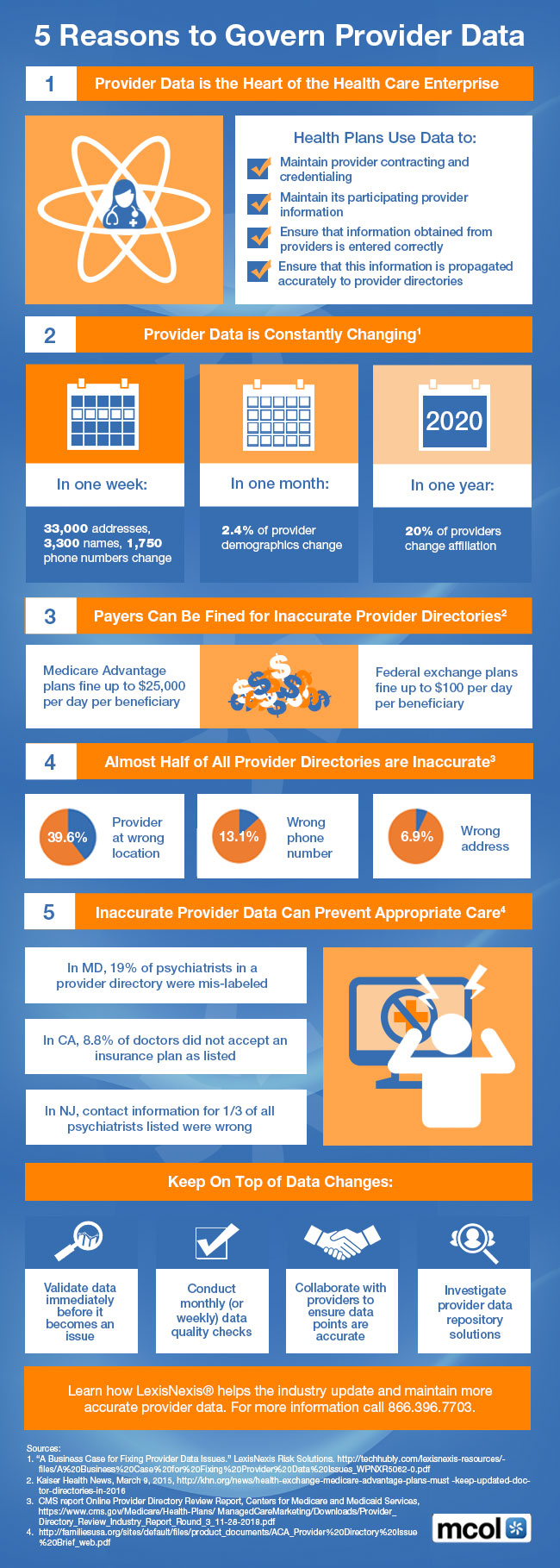
The Heart of the Health Care Enterprise
***
***


***
Share this:

Filed under: Information Technology | Tagged: eHR, eMR, health data, HIT, Medical Provider Data | Leave a comment »
ME-P SYNDICATIONS:
WSJ.com,
CNN.com,
Forbes.com,
WashingtonPost.com,
BusinessWeek.com,
USNews.com, Reuters.com,
TimeWarnerCable.com,
e-How.com,
News Alloy.com,
and Congress.org


BOARD CERTIFICATION EXAM STUDY GUIDES
Lower Extremity Trauma
[Click on Image to Enlarge]
The “Medical Executive-Post” is about connecting doctors, health care executives and modern consulting advisors. It’s about free-enterprise, business, practice, policy, personal financial planning and wealth building capitalism. We have an attitude that’s independent, outspoken, intelligent and so Next-Gen; often edgy, usually controversial. And, our consultants “got fly”, just like U. Read it! Write it! Post it! “Medical Executive-Post”. Call or email us for your FREE advertising and sales consultation TODAY [678.779.8597] E-mail: MarcinkoAdvisors1738@outlook.com



 ePodiatryConsentForms.com
 “Providing Management, Financial and Business Solutions for Modernity”
 Support our online development, and advance our onground research initiatives in free market economics, as we seek to showcase the brightest Next-Gen minds.
THE ME-P DISCLAIMER: Posts, comments and opinions do not necessarily represent iMBA, Inc., but become our property after submission. Copyright © 2006 to-date. iMBA, Inc allows colleges, universities, medical and financial professionals and related clinics, hospitals and non-profit healthcare organizations to distribute our proprietary essays, photos, videos, audios and other documents; etc. However, please review copyright and usage information for each individual asset before submission to us, and/or placement on your publication or web site. Attestation references, citations and/or back-links are required. All other assets are property of the individual copyright holder.
Support our online development, and advance our onground research initiatives in free market economics, as we seek to showcase the brightest Next-Gen minds.
THE ME-P DISCLAIMER: Posts, comments and opinions do not necessarily represent iMBA, Inc., but become our property after submission. Copyright © 2006 to-date. iMBA, Inc allows colleges, universities, medical and financial professionals and related clinics, hospitals and non-profit healthcare organizations to distribute our proprietary essays, photos, videos, audios and other documents; etc. However, please review copyright and usage information for each individual asset before submission to us, and/or placement on your publication or web site. Attestation references, citations and/or back-links are required. All other assets are property of the individual copyright holder.


The Heart of the Health Care Enterprise
***
***
***
Filed under: Information Technology | Tagged: eHR, eMR, health data, HIT, Medical Provider Data | Leave a comment »
FEBRUARY 2020 AJPHBy Alfredo Morabia, MD, PhD Editor-in-chief, AJPH Dear Dr. David Marcinko, |
***
| This month, AJPH has a collection of articles on ending the HIV epidemic, population health and telemedicine services.
New! Enjoy the current issue of AJPH on your mobile device. Download the e-Reader or Kindle version today. Here are a few of the many articles in the February 2020 issue: |
***
***
| Also, don’t miss our just released supplement on Documenting and Addressing the Health Impacts of Carceral Systems. It’s full of timely and insightful articles on mass incarceration and related topics.
The mission of AJPH is to advance public health research, policy, practice and education. Toward that goal, the journal also produces monthly podcasts available in English, Spanish and Chinese at ajph.org. The monthly podcasts also are on iTunes and Google Play. Be on the lookout for more timely research from AJPH, and consider subscribing or becoming an APHA member for full access. Thank you and Happy New Year 2020 |

| Alfredo Morabia, MD, PhD
Editor-in-chief, AJPH |
Filed under: Experts Invited, Health Law & Policy, iMBA, Inc. | Tagged: Alfredo Morabia, MD, PhD, Role of Pleasure in Public Health | Leave a comment »
THE FUTURE VALUE IS IN “WHO” WE CONNECT !

By Dr. David E. Marcinko MBA
Forget amassing “likes”, “smiles”, “winks” or cultivating your online persona. Micro-Networks are all about being your true authentic self with just a select and carefully curated few people; and that’s it! No social influencers, marketers or viral posts. Just micro-segmentation!
THINK: Family members, professional colleagues, neighbors and close friends; sport or class-mates, and co-workers or faculty members in small distinct groups. There is no “network” as you occupy the space with just these people. The total number of participants is pre-determined; 25, 50, 100, 175, 250; etc. And, when reached, the only way to add new members is for existing members to drop out.
“The Vital Few … Not the Trivial Many.”
QUERY: Would you join a micro-network? What cohort of members?
Please comment.
QUERY: Would you pay a small membership surcharge? How much?
Please comment.
ASSESSMENT: Your thoughts and comments are appreciated.

THANK YOU
***
Filed under: Career Development, Touring with Marcinko | Tagged: Micro-Networks | Leave a comment »

[By staff reporters]
Tell us about the issues affecting your medical practice, clinic, hospital, wellness center, or healthcare organization in 2020.
We are conducting a brief survey to learn more about the key issues affecting your healthcare entity, and how they impact your outlook for the coming year.
Just send in your thoughts on the survey form below.
Conclusion
Your thoughts and comments on this ME-P are appreciated. Feel free to review our top-left column, and top-right sidebar materials, links, URLs and related websites, too. Then, subscribe to the ME-P. It is fast, free and secure.
Speaker: If you need a moderator or speaker for an upcoming event, Dr. David E. Marcinko; MBA – Publisher-in-Chief of the Medical Executive-Post – is available for seminar or speaking engagements. Contact: MarcinkoAdvisors@msn.com


***
Filed under: "Doctors Only", Career Development, Practice Management, Quality Initiatives | Tagged: Issues Affecting your Clinic, Issues Affecting your Hospital, Issues Affecting your Medical Practice | Leave a comment »
Of STOCKMARKET Bear Markets
Update Courtesy: http://www.CertifiedMedicalPlanner.org
28,992.41 ▼ -227.57
A Bull market is one of rising stock prices, while a Bear market is the opposite. More specifically, a Bear market is defined as a drop of 20% or more from its high, and can vary in duration and severity. While a Bull market has no such threshold.
Whither the Bear?
Typically, bear markets are associated with declines in an overall market or index like the S&P 500, but individual securities or commodities can be considered to be in a bear market over a sustained period of time – typically two months or more.
ESSAY: https://medicalexecutivepost.com/2018/12/22/stocks-and-sectors-in-bear-territory/
Now, a Minsky moment is a sudden major collapse of asset values which is part of the credit cycle or business cycle. Such moments occur because long periods of prosperity and increasing value of investments lead to increasing speculation using borrowed money
ESSAY: https://medicalexecutivepost.com/2018/11/16/what-is-a-minsky-moment/
And so, what is a physician-investor to do in a bear market?
9,576.59 ▼ -174.38 -1.79%
ESSAY: https://medicalexecutivepost.com/2016/03/18/doctors-and-bull-and-bear-markets/
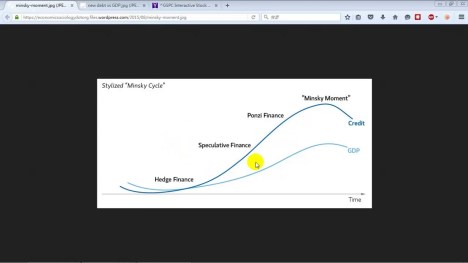
MORE: https://realinvestmentadvice.com/the-return-of-the-minsky-moment/
Your thoughts and comments are appreciated.
BUSINESS, FINANCE AND INSURANCE TEXTS FOR DOCTORS:
THANK YOU
***
Filed under: iMBA, Inc. | Leave a comment »
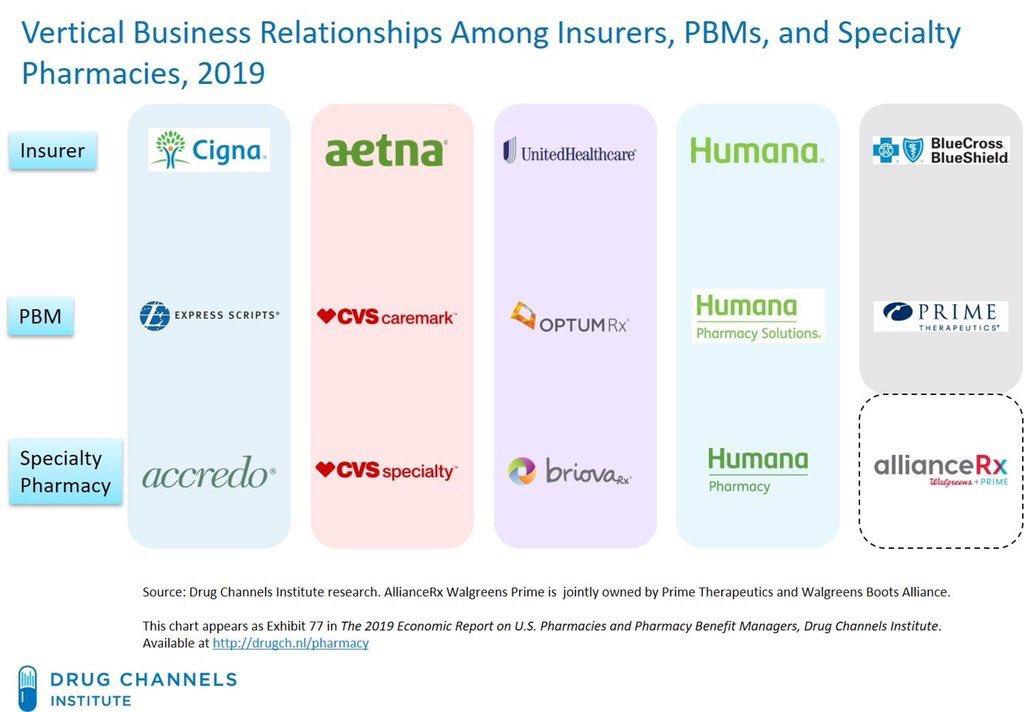
CIRCA: 2019 Vertical Business Relationships
***
Conclusion: Your thoughts are appreciated.
***
Filed under: Drugs and Pharma | Tagged: Drugs, health insurers, PBMs, Specialty Pharmacies | Leave a comment »

For the complete analysis, we have prepared the following for you:

|
The investing audience should view this content in the context of their individual investment process, time-horizon, and goals. We welcome your feedback. Best, Axel Merk ***
|
Filed under: Investing | Tagged: Axel Merk | Leave a comment »
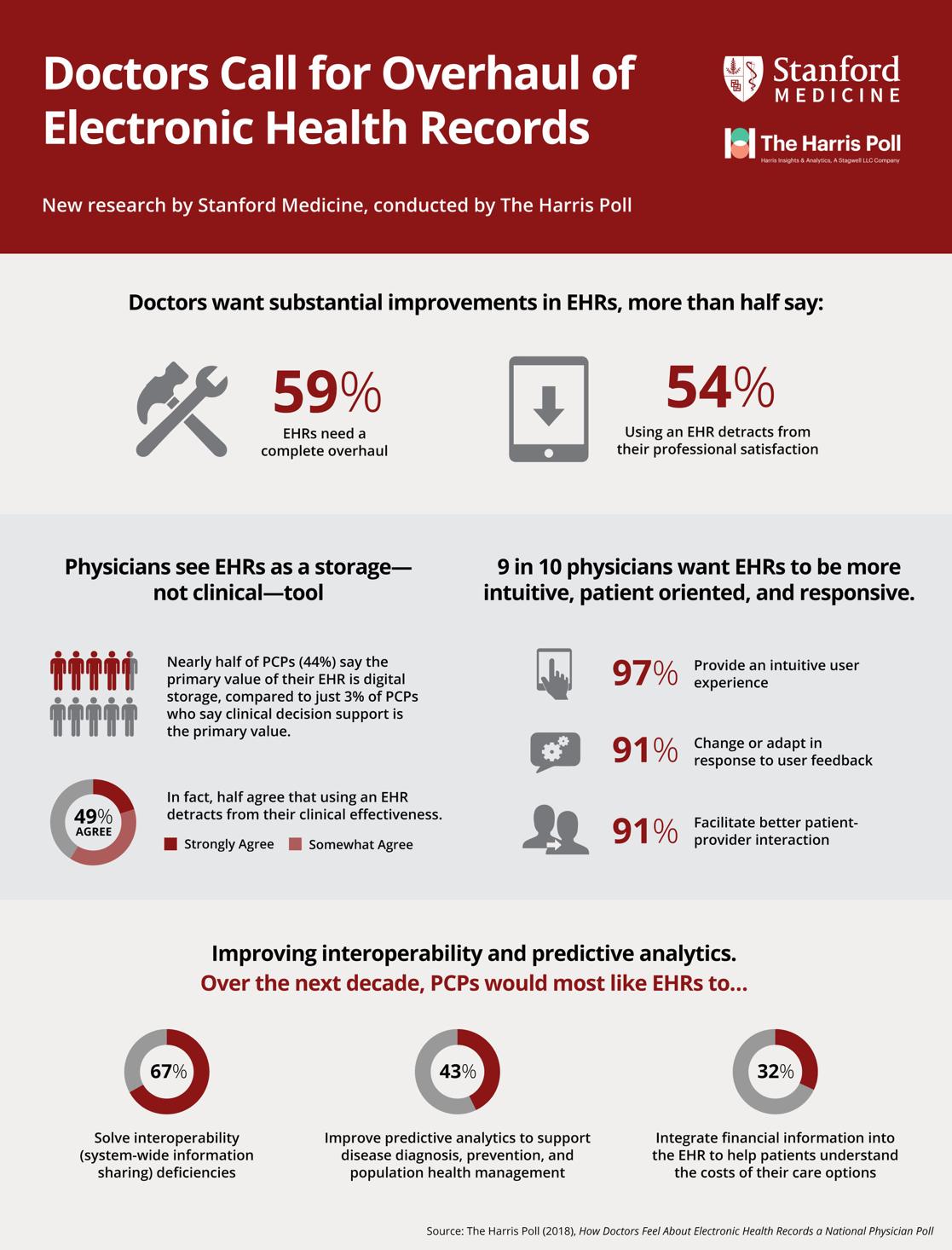
Harris Poll of Doctors
[By staff reporters]
***
***
***
Conclusion: Your thoughts are appreciated.
***
Filed under: Information Technology, Jokes and Puns | Tagged: EHRs, EMRs, IT. HIT | 4 Comments »
Include the Physicians, Clinicians and Medical Providers?
By: Dr. David E. Marcinko MBA
Courtesy: http://www.CertifiedMedicalPlanner.org
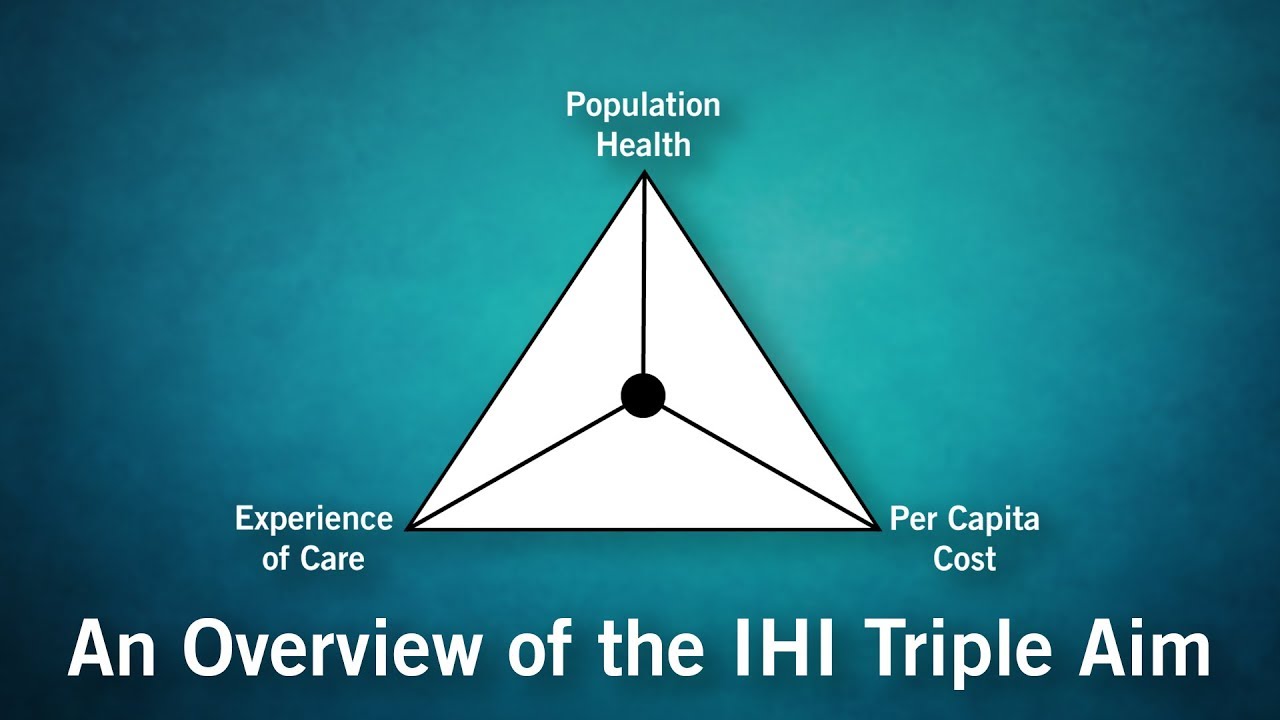
The IHI Triple Aim is a framework developed by the Institute for Healthcare Improvement that describes an approach to optimizing health system performance. It is IHI’s belief that new designs must be developed to simultaneously pursue three dimensions, which we call the “Triple Aim”:
PODCAST: https://www.youtube.com/watch?v=a_QskzKFZnI
***
***
QUERY: But what about the physicians?
***

Assessment: Why not include us in a “Quadruple Aim” aspiration?
Conclusion: Your thoughts and comments are appreciated.
BUSINESS, FINANCE AND INSURANCE TEXTS FOR DOCTORS:
THANK YOU

***
Filed under: Health Economics, Quality Initiatives, Research & Development, Videos | Tagged: Book Dr. Marcinko, Healthcare Improvemen, Triple Aim | Leave a comment »
CIRCA: 2018
***
***
Conclusion: Your thoughts are appreciated.
***


***
Filed under: Health Economics, Health Insurance, Healthcare Finance | Tagged: U.S. Healthcare Spending Per Capita, www.MCOL.com | Leave a comment »
Salary versus Healthcare Costs
[By staff reporters]
***
***
Filed under: Health Economics, Healthcare Finance | Tagged: Health Care in America, Salary versus Healthcare Costs | Leave a comment »
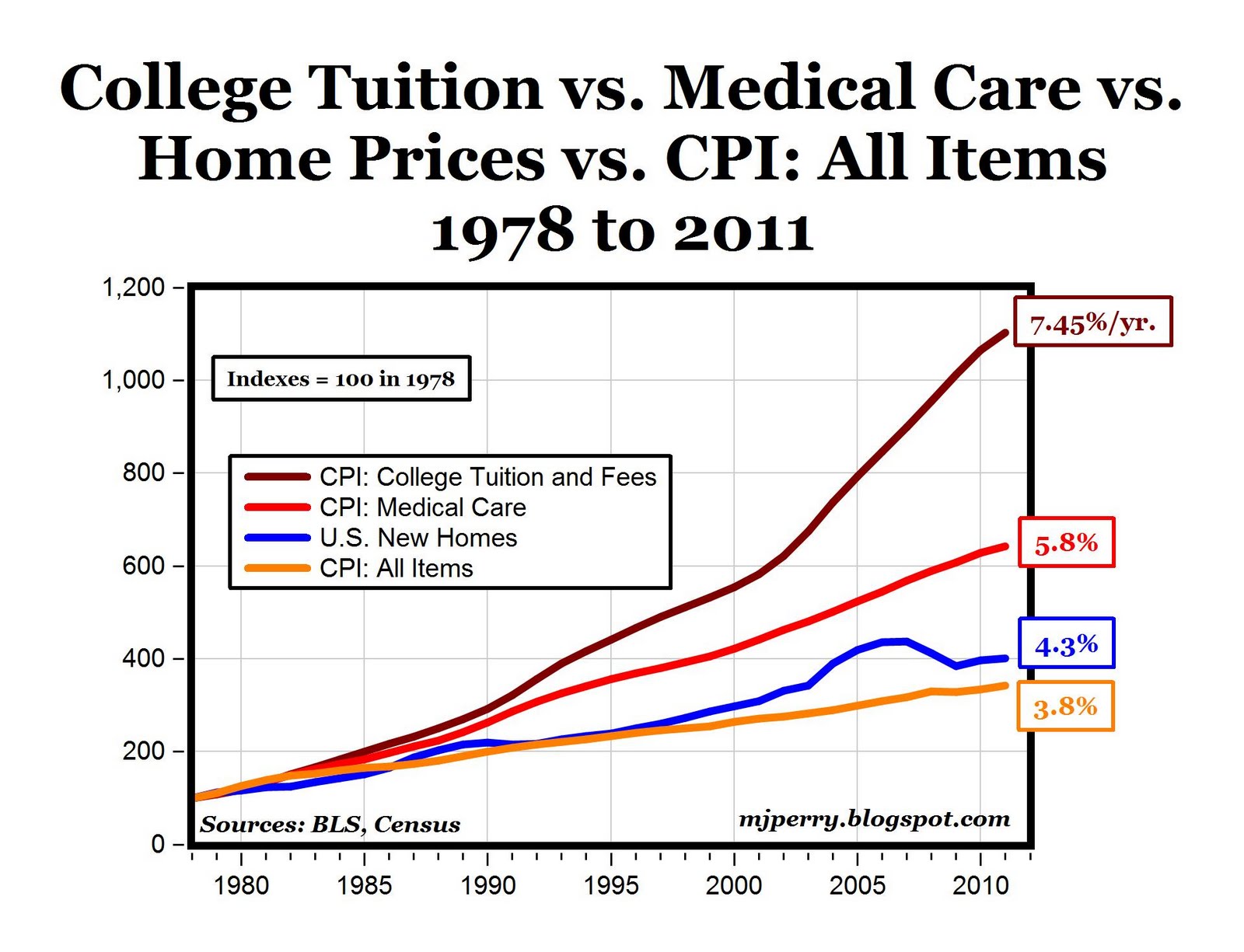
In Picto-Graphic Form
[By staff reporters]
***
*** ***
***
Conclusion: Your thoughts are appreciated.
***
***
Filed under: Health Insurance, Healthcare Finance, Investing | Tagged: CPI, healthcare costs, Medical care costs, tuition costs | 3 Comments »
By Dr. David E. Marcinko MBA
***

***
MORE: https://medicalexecutivepost.com/dr-david-marcinkos-bookings/
Conclusion: Your thoughts are appreciated.
***

***
Filed under: Financial Planning | Tagged: lifestyle creep | Leave a comment »
Alternate Site Drug Spend Sector Distribution
[By staff reporters]
***

***
***
Filed under: iMBA, Inc. | Tagged: Alternate Drug Site Spend Sector Distribution, Non-Acute Pharmaceutical Spending | Leave a comment »
More on Epidemiology and Health Economics
Courtesy: www.CertifiedMedicalPlanner.org
By Dr. David E. Marcinko MBA
We’ve talked about the “Number Needed to Treat”, before.
QUERY: But, what is the “Number Needed to Harm”?
ANSWER: The number needed to harm (NNH) is an epidemiological measure that indicates how many persons on average need to be exposed to a risk factor over a specific period to cause harm in an average of one person who would not otherwise have been harmed.
Colleague Aaron Carroll MD explains even more.
PODCAST: https://www.youtube.com/watch?v=e_ytF2-4NkI
***

***
MORE: https://www.youtube.com/watch?v=90CWXT5zxjw
Conclusion: Your thoughts are appreciated.
TEXTS FOR PHYSICIAN EXECUTIVES AND HOSPITAL CXOs:
THANK YOU
***
Filed under: Glossary Terms, iMBA, Inc., Research & Development | Tagged: NNTH, Number Needed TO Harm | Leave a comment »
On John Searle and his Paper
By Dr David E. Marcinko MBA
The Chinese room argument holds that a digital computer executing a program cannot be shown to have a “mind”, “understanding” or “consciousness”, regardless of how intelligently or human-like the program may make the computer behave.

Filed under: Information Technology, Touring with Marcinko, Videos | Tagged: "Chinee Room" Argument, A.I., artificial intelligence | Leave a comment »
Digital Health & Tele-Medicine are NOT 21st Century Concepts!
[via Igor Korolev DO, PhD]
***
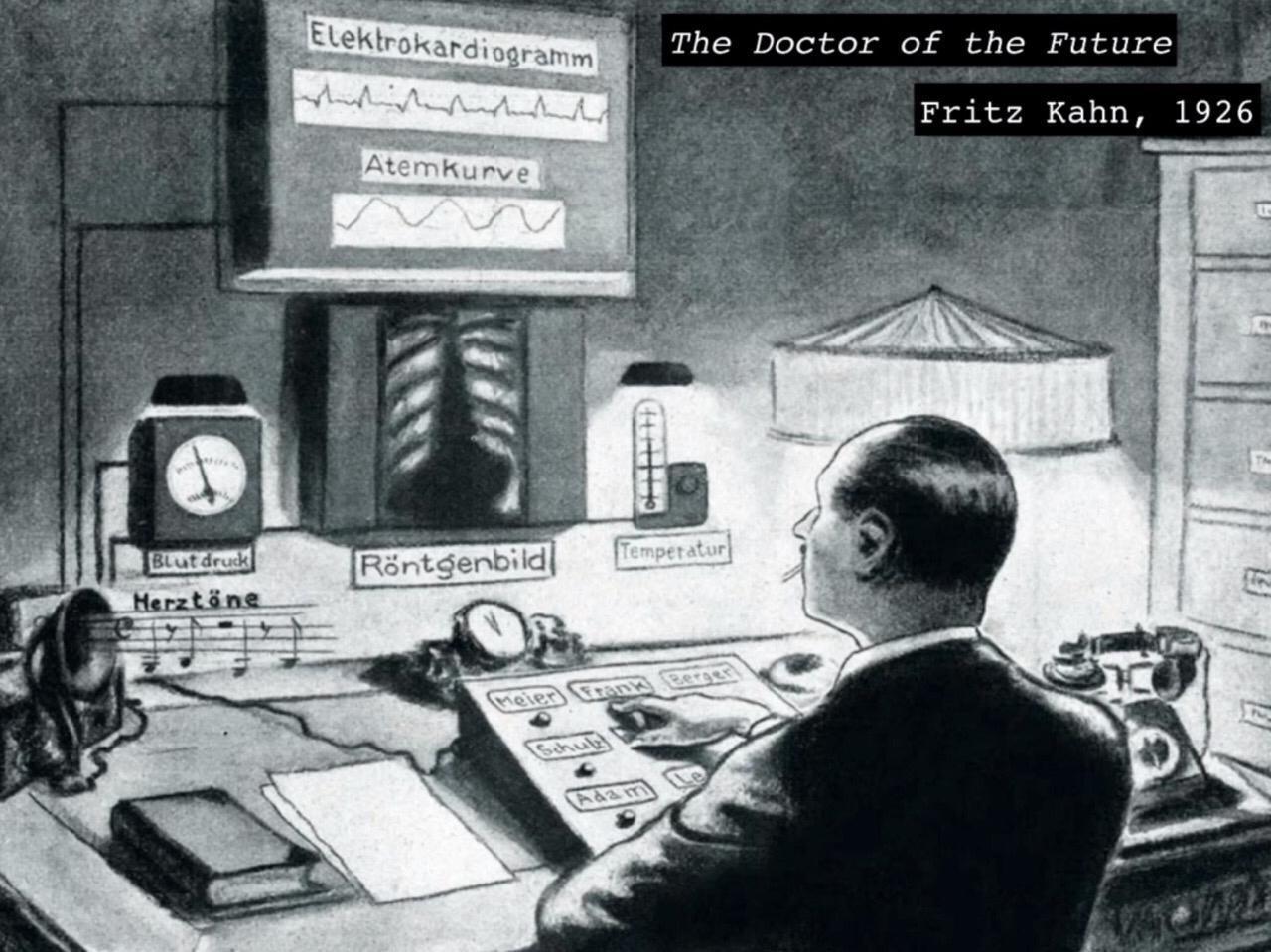
Fritz Kahn, a physician, author, and illustrator imagined the future of medicine nearly 100 years ago!
MORE: https://en.wikipedia.org/wiki/Fritz_Kahn
This 1926 illustration shows “The Doctor of the Future” providing patient care remotely using a telecommunication system & medical devices that track various physiological & health information (electrocardiogram – ECG, X-ray images, temperature, respiratory function, blood pressure).
***
***

***
***
Conclusion: Your thoughts are appreciated.
***
Filed under: Information Technology, Practice Management | Tagged: Digital Health, Fritz Kahn, Igor Korolev DO, PhD, telemedicine | 1 Comment »
MEDICAL CLINIC CAPITAL BUDGETING AND THE “PAY-BACK PERIOD”
Courtesy: www.CertifiedMedicalPlanner.org
By Dr. David E. Marcinko MBA
[A Cost Behavior Case Model for My B-School Students]
The Pay-Back Period refers to time required to recoup funds expended in an investment or reach the break-even point.
Joseph Spine DO wants to install a new large piece of Durable Medical Equipment in place of several smaller ones in his clinic. He will hire a therapist for the equipment and estimates incremental annual revenues and expenses below:
PRO-FORMA:
Revenues $10,000
Less Variable Expenses 3,000
Contribution Margin 7,000
Less Fixed Expenses
Insurance 900
Salaries 2,600
Depreciation 1,500
5,000
NET INCOME: $ 2,000
NOTE: Equipment parts are $15,000 for a 10-year life. The old machines sold for $1,000 salvage value. Dr. Spine requires a payback of 5 years or less.
QUERY: What is the pay-back period [dollars and years] and some key issues to consider?
CM SOLUTION: https://medicalexecutivepost.com/wp-content/uploads/2013/09/managerial-costs.pdf
Your thoughts are appreciated.
THANK YOU
***
Filed under: Practice Management | Tagged: CAPITAL BUDGETING AND THE “PAY-BACK PERIOD”, Pay-Back Period | Leave a comment »
A Relationship to Financial Investing?
Courtesy: www.CertifiedMedicalPlanner.org
By Dr. David E. Marcinko MBA CMP
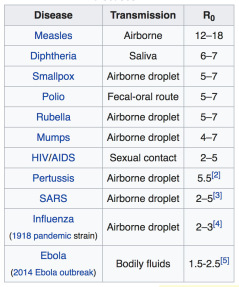
The basic reproduction number R0, [r nought) of an infection is the number of cases it generates on average over the course of its infectious period, in an otherwise uninfected population.
The metric determines whether or not a disease can spread through a population. The root concept is traced to Alfred Lotka and Ronald Ross, but its first application was by George MacDonald in 1952, with malaria.
LINK: https://www.healthline.com/health/r-nought-reproduction-number
FORMULA: When
R0 < 1
the infection will die out in the long run. But if
R0 > 1
the infection will be able to spread in a population.
LINK: https://wwwnc.cdc.gov/eid/article/25/1/17-1901_article
ASSESSMENT: Generally, the larger the value of R0, the harder it is to control the epidemic. In the past week, Corona virus estimates ranged from 1.4 to 5.5. The World Health Organization (WHO) range was 1.4 and 2.5. In comparison, seasonal flu affects millions each year but has an R0 of just 1.3. The R0 rate for measles ranges from 12 to 18.
***
***
Your thoughts are appreciated.
BUSINESS, FINANCE AND INSURANCE TEXTS FOR DOCTORS:
THANK YOU
8
***
Filed under: Health Economics, Investing, Portfolio Management, Research & Development | Tagged: corona virus, Epidemiology, r-NOUGHT, Ro, WHO | Leave a comment »
Congratulations N.M.A
[By Dr. David E. Marcinko MBA]
On Black History Month https://www.nmanet.org
Did you know that Dr. Daniel Hale Williams founded the National Medical Association in 1895?
And so, we highlight Dr. Williams and more in the hashtag#BlackHistoryMonth blog post.

MORE: Read it now: http://ow.ly/Qh6R50yiCCl
Conclusion: Your thoughts and comments are appreciated.
BUSINESS, FINANCE AND INSURANCE TEXTS FOR DOCTORS:
THANK YOU
Filed under: "Doctors Only", Practice Management | Tagged: Black History Month, Dr. Daniel Hale Williams, National Medical Association, NMA | Leave a comment »
Chief Medical Information Officer
Courtesy: www.CertifiedMedicalPlanner.org
[Including Interview Preparation List and Study Rubric]
By Dr. David E. Marcinko MBA
Last year I was a job finalist as Chief Medical Information Officer for the State of Georgia. It did not get the job. And yes, it was before the data breech at the State House, Health Insurance Commissioner’s Office and Court House.
FOREWORD: https://medicalexecutivepost.com/2008/02/29/richard-j-mata-md-ms-ms-cis-cmp%e2%84%a2-hon/
The CMIO was a C-Suite executive position responsible for championing institutional security. Physician awareness of electronic and HIPAA policy and procedure developments, while working to ensure compliance with internal and external standards related to medical information security, was vital. The CMIO was appointed, and reported, directly by the Governor.
And so, I developed the following list of duties and responsibilities in my preparation quest. It is offered to those seeking similar opportunities. No guarantees, implicitly or explicitly, are implied. Good Luck!
RUBRIC: https://medicalexecutivepost.com/wp-content/uploads/2008/01/hit-security.pdf
Conclusion: And so, your thoughts are appreciated.
THANK YOU
****
Filed under: Information Technology, Touring with Marcinko | Tagged: Chief Medical Information Officer, CMIO | Leave a comment »
Courtesy: www.CertifiedMedicalPlanner.org

Dr. David E. Marcinko MBA
“The goal of agorism is the agora. The society of the open marketplace as near to untainted by theft, assault, and fraud as can be humanly attained is as close to a free society as can be achieved. And a free society is the only one in which each and every one of us can satisfy his or her subjective values without crushing others’ values by violence and coercion.”
— Samuel Edward Konkin III
And so, colleague Peter Quinones – Free Man Beyond The Wall – welcomes Sal Mayweather to the show. Known on Twitter as “Sal the Agorist,” he gained fame for posting liberty themed memes on Twitter. Sal started a podcast called “The Agora,” in which he concentrates his efforts on teaching the themes of “counter economics,” or Agorism.
Sal and Pete talk about ways that anyone can use agorist principles to subvert State control, and more importantly, starve them of their most powerful tool; our money and support.
***
 ***
***
PODCAST: http://freemanbeyondthewall.libsyn.com/episode-187-subverting-the-state-w-counter-economics
Conclusion: Your thoughts and comments are appreciated.
BUSINESS, FINANCE AND INSURANCE TEXTS FOR DOCTORS:
THANK YOU
***
Filed under: Health Economics, Videos | Tagged: Agorist, Agorist” FREE-MARKET ECONOMIC, Free Man Beyond the Wall, Peter Quinones, Samuel Edward Konkin III | Leave a comment »
On “WHAT’S-WHAT” and more!
By Dr. David E. Marcinko MBA
Is there a Difference? – Know the Difference!
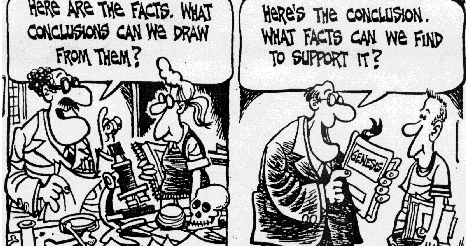
DEDUCTIVE reasoning and logic is the process of reasoning from one or more statements (premises) to reach a logically certain conclusion. Deductive reasoning goes in the same direction as the conditionals, and links premises with conclusions. If all premises are true, the terms are clear, and the rules of deductive logic are followed, then the conclusion reached is necessarily true.
INDUCTIVE reasoning is a method in which the premises are viewed as supplying some evidence for the truth of the conclusion. While the conclusion of a deductive argument is certain, the truth of the conclusion of an inductive argument may be probable, based upon the evidence given. Many dictionaries define inductive reasoning as the derivation of general principles from specific observations, though there are many inductive arguments that do not have that form.
***
***
SEMANTICALLY NULL doesn’t mean anything but is grammatically sound. A sentence as a whole can be semantically null because its internal inconsistencies prevent it from developing a meaning; ie., “I know what’s what?
An EXPLETIVE is a word or phrase inserted into a sentence that is not needed to express the basic meaning of the sentence. It is regarded as semantically null or a place holder.
A SYLLOGISM is a form of reasoning in which a conclusion is drawn (whether validly or not) from two given or assumed propositions (premises), each of which shares a term with the conclusion, and shares a common or middle term not present in the conclusion (e.g., all dogs are animals; all animals have four legs; therefore all dogs have four legs). This school of epistemology is highly advanced in syllogism and logical reasoning.
MORE: https://medicalexecutivepost.com/2019/05/14/what-is-epistemic-ambivalence/
MORE: https://medicalexecutivepost.com/2019/12/23/rationalism-versus-empiricism/
Conclusion: Your thoughts are appreciated.
***
***
Filed under: Glossary Terms, iMBA, Inc. | Tagged: Epistemic ambivalence, expletive, inductive and deductive reasoning, logic, semantically null | Leave a comment »
ON NATIONAL “GO RED DAY”
My Case Model Used in Business School
Courtesy: www.CertifiedMedicalPlanner.org
By Dr. David E. Marcinko MBA
An MCO asked the Hospital of St. Mackenzie to provide coronary artery bypass graft (CABG) services, with catheterization, for its insured patients. The CFO at St. Mackenzie was pleased to review their request for proposal (RFP) as this was the exact type of patient needed to help offset costs of the new heart surgical services wing at the hospital.
Following some discussion, the MCO offered to pay the hospital $34,805 for a normal triple artery CABG without complications.
The CFO reviewed the standard treatment protocol and standard cost profile for the procedure. To her dismay, she discovered that the hospital’s cost would be $36,000 with a six-day average length-of-stay in the new wing.
***

***
QUERY: What should she do and what facts are needed to make an informed decision?
ANSWER: https://medicalexecutivepost.com/wp-content/uploads/2007/12/cvpa-3.pdf
Conclusion: Your thoughts are appreciated.
THANK YOU
***
Filed under: Health Economics, Touring with Marcinko | Tagged: CARDIO-THORACIC SURGERY | 1 Comment »
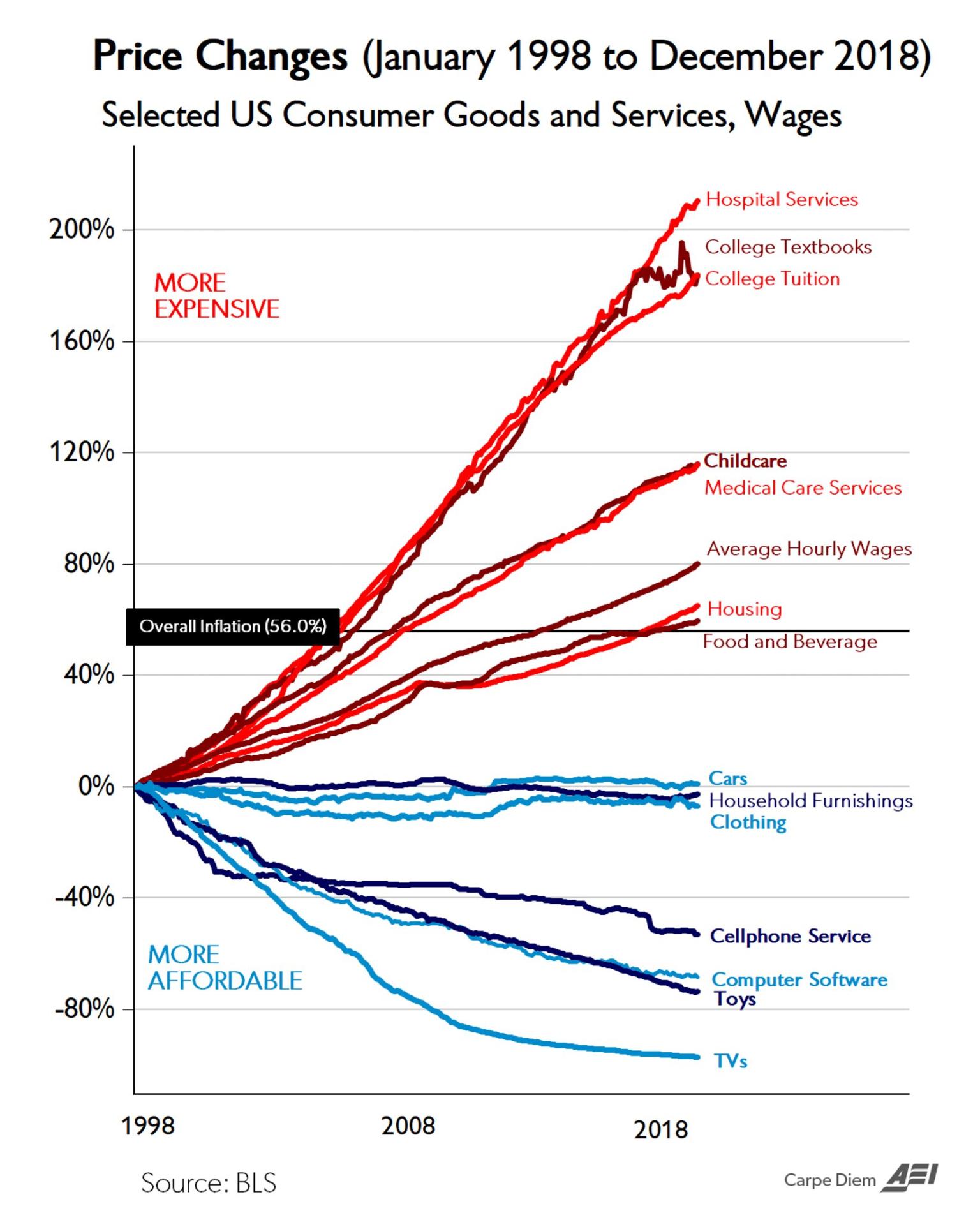
CIRCA: 1998-2018
[By staff reporters]
***
***
Filed under: Health Economics | Tagged: Core Inflation, Services and Wages, US Consumer Goods, wage inflation | Leave a comment »
THE CORONA VIRUS & Ro [r-NOUGHT] IN HEALTH EPIDEMIOLOGY?
Courtesy: https://lnkd.in/eBf-4vY
By Dr. David E. Marcinko MBA
[A Relationship to Investing and the Stock Markets?]
DJIA 28,256.03 ▼ -603.41 [-2.09%]
DJIA 28,399.81 Today: ▲ DJIA: +143.78+0.51%
The Ro Value, [r Nought), of an infection is the number of cases it generates on average over the course of its infectious period, in an otherwise uninfected population.
LINK: https://lnkd.in/e9AmEhd The metric determines if a disease can spread through a population. LINK: https://lnkd.in/e2VXwcz
FORMULA: When R0 < 1, the infection will die out in the long run. But, if R0 > 1, the infection will spread in a population. The larger the value of R0, the harder it is to control the epidemic.
LINK: https://lnkd.in/eXYpEUm METRICS: Recently, Corona virus estimates ranged from 1.4 to 5.5. The WHO range was 1.4 and 2.5. In comparison, seasonal flu affects millions each year but has an R0 of just 1.3.
QUERY: What are the stock market & economic effects of Corona?
GLOBAL: https://lnkd.in/epKhamj
DOMESTIC: https://lnkd.in/eBxwRDW
Conclusion: Your thoughts are appreciated.

THANK YOU
****
Filed under: Investing, Risk Management, Touring with Marcinko | Tagged: corona virus, Ro, Ro [r-NOUGHT] | Leave a comment »
TODAY IS PALINDROME DAY
Courtesy: www.MedicalExecutivePost.com
Today is 02/02/2020 — the first palindrome day in 909 years
A palindrome is a word, number, phrase, or other sequence of characters which reads the same backward as forward, such as taco cat, madam, racecar, or the number 10801.
Sentence-length palindromes may be written when allowances are made for adjustments to capital letters, punctuation, and word dividers, such as “A man, a plan, a canal, Panama!”,
Your thoughts are appreciated.
BUSINESS, FINANCE AND INSURANCE TEXTS FOR DOCTORS:
THANK YOU
***
Filed under: Health Economics | Tagged: PALINDROME | 1 Comment »
Courtesy: www.CertifiedMedicalPlanner.org
Understanding Requirements
The OSHA Standard requires that contaminated needles and other contaminated sharp instruments (sharps) must not be bent, recapped, or removed.
***

***
Surgery: And, when it comes to actual surgery, I prefer a number [#10] surgical blade. Which blade do you prefer, Doctor?
Assessment: Your thoughts and comments are appreciated.
BUSINESS, FINANCE AND INSURANCE TEXTS FOR DOCTORS:
THANK YOU
***
Filed under: Health Law & Policy | Tagged: Scalpels, Sharp Medical Instruments and OSHA, sharps | Leave a comment »
ONE SIGN SAYS IT ALL
[By staff reporters]
***

***
***
Filed under: Drugs and Pharma | Tagged: drug prices, narcan | Leave a comment »
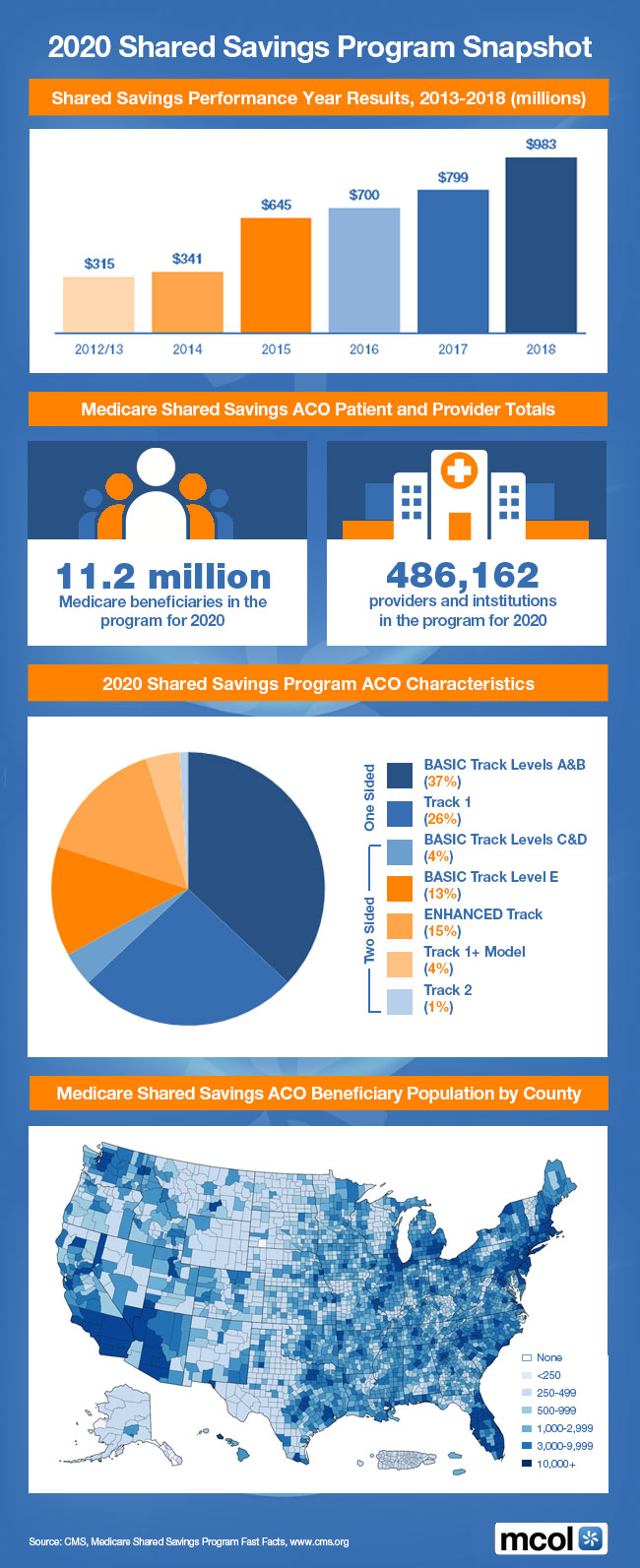
CIRCA: ACOs 2020
***
***
***
Filed under: Health Economics, Health Insurance | Tagged: ACOs, Medicare Shared Savings program, Value Care | 2 Comments »
FOR ALL … ALL!
[By staff reporters]
***

***
***
Filed under: iMBA, Inc. | Tagged: medical quality, medical quality improvement | Leave a comment »

Filed under: Experts Invited, Investing, Videos | Tagged: Market Risk & The All-Terrain Portfolio, Risk Adjusted Rate Return, Vitaliy Katsenelson CFA | Leave a comment »
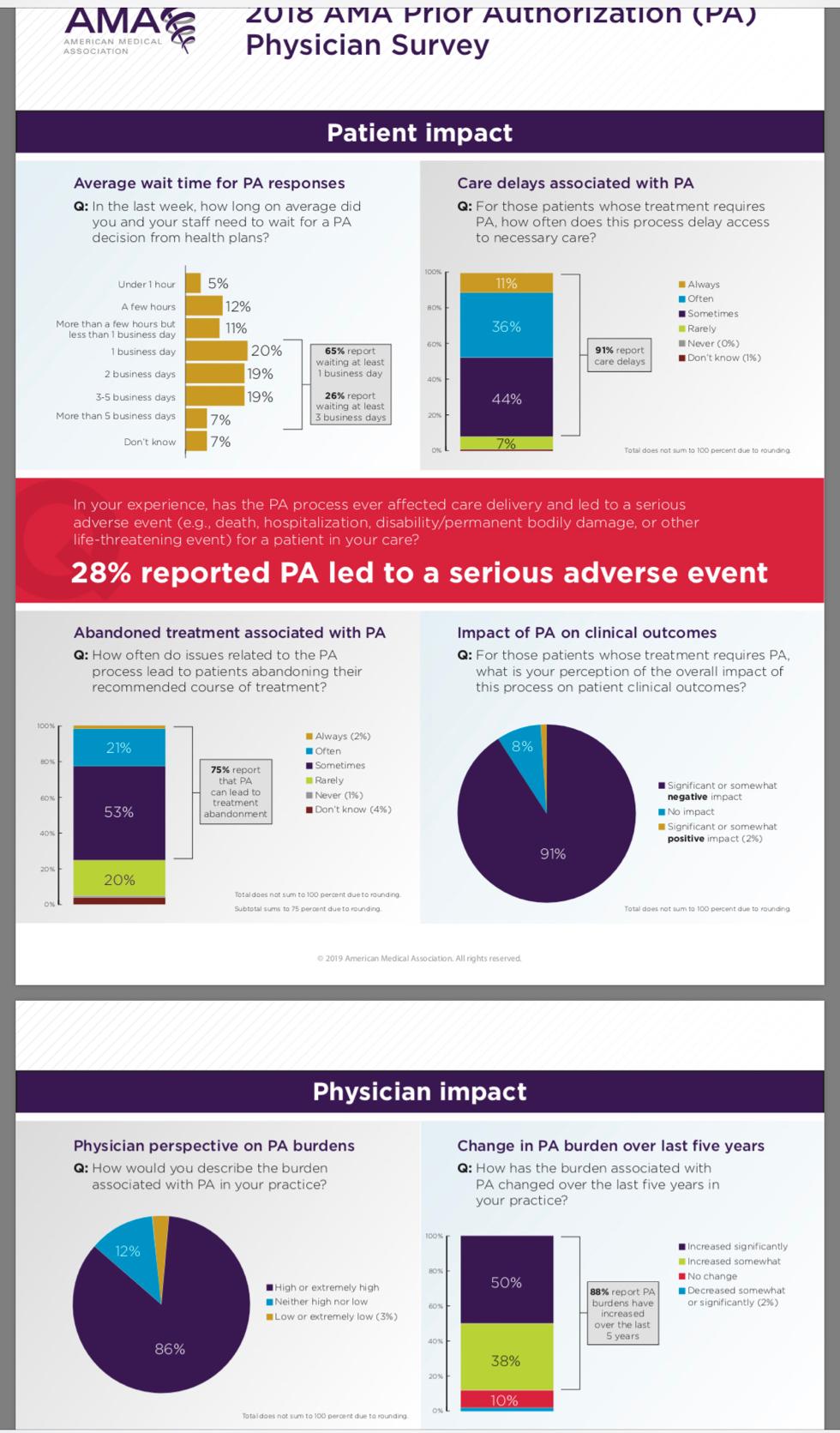
A Physician Survey CIRCA: 2018
[By AMA]
DEFINITION: Prior authorization is a utilization management process used by some health insurance companies in the United States to determine if they will cover a prescribed procedure, service, or medication. The process is intended to act as a safety and cost-saving measure although it has received criticism from physicians for being costly and time-consuming.
***
***
***
Filed under: Practice Management | Tagged: AMA, Prior Authorization | Leave a comment »
THE EMERGENCY FUND FOR PHYSICIANS – Post Pandemic
Courtesy: https://lnkd.in/eBf-4vY
NOW NOT SO “BORING”
Forget a 6 Month Reserve – Cash is More Vital Than Ever!
I was speaking at a medical conference recently and learned that this basic question is again generating much collegial speculation, of late.
CRISIS MANAGEMENT: https://lnkd.in/epnGqkq
MORE TOPICS: https://lnkd.in/e7WrDj9
Previously considered so mundane – as to be dismissed by some haughty physicians – it has acquired increased urgency a decade after the PP-ACA, current stock-market run-up, and future political specter of M4A, etc. And so; perhaps it is not so “boring” after all!
ESSAY: https://lnkd.in/eM7M6au
ESSAY: https://lnkd.in/eM7M6au
Assessment: Your thoughts and comments are appreciated.
BUSINESS, FINANCE & INSURANCE TEXTS FOR DOCTORS:
THANK YOU
8
***
Filed under: Investing | Tagged: emergency funds | 3 Comments »
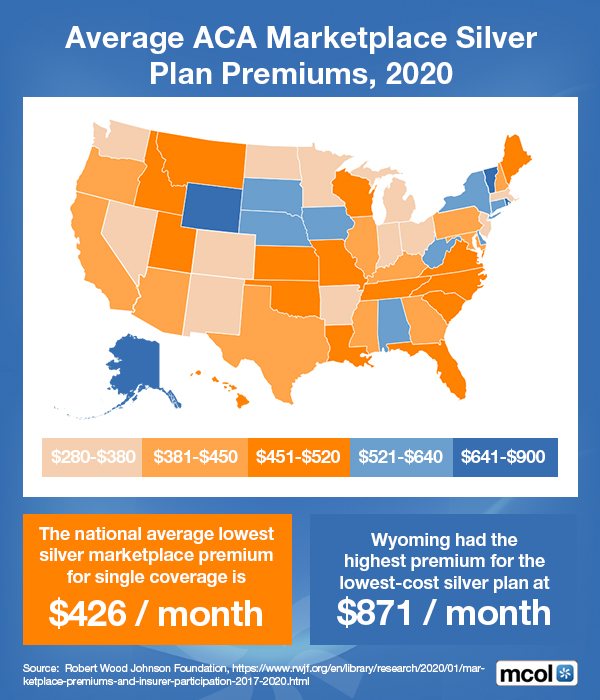
CIRCA – 2020
***
THANK YOU
8
***
Filed under: Health Insurance, Health Law & Policy | Tagged: ACA, ACA Silver Plan Premiums, PP-ACA | 4 Comments »
WHY DOCTORS MUST APPRECIATE “RISK ADJUSTED RATE OF RETURN”
Courtesy: https://lnkd.in/eBf-4vY
[Understanding Vital Investing and Financial Calculations]
Performance measurement, like an annual physical examination, is a vital feedback loop to monitor progress toward the goals of any investment program.
DEFINITIONS: https://lnkd.in/eJNz355
Performance comparisons to market indices and / or peer groups are a useful part of this feedback loop, as long as they are considered in the context of the market environment; and with the limitations of a market index and/or manager data base construction, ie., risk.
QUERY: How can physician investors, eliminate biases of the market environment by adjusting performance for the risk assumed by their portfolios?
ANSWER: Colleagues Timothy J. McIntosh MBA CFP®MPH and Jeffery S. Coons PhD CFA explain further.
ESSAY: https://lnkd.in/evKA6BP
Assessment: Your thoughts and comments are appreciated.
BUSINESS, FINANCE AND INVESTING TEXTS FOR DOCTORS:
THANK YOU
8
***
Filed under: Investing | Tagged: risk adjusted rate of return | Leave a comment »
But, Maybe NOT … Doctors!
By staff reporters
***

***
8
***
Filed under: Career Development, Investing | Tagged: Habits of "Eventual" Millionaires, Millionaires | Leave a comment »

By Vitaliy Katsenelson CFA
The stock market marched higher for the year even though US companies as a whole did not become more valuable, just more expensive, as earnings failed to grow from 2018 to 2019. Earnings are estimated to be up about 5% for 2020 (though these estimates are usually revised down as the year progresses).
If you look at the quality of this non-growth, then the rose-tinted glasses of the average stock market investor quickly prove inadequate. Corporate debt is up 5% in 2019, and a good chunk of the increase went into stock buybacks. As stocks become expensive their benefit from earnings per share growth diminishes.

Assessment: Your thoughts are appreciated.
BUSINESS, FINANCE, INVESTING AND INSURANCE TEXTS FOR DOCTORS:
THANK YOU
8
***
Filed under: Experts Invited, Investing | Tagged: finance, Investing, Vitaliy Katsenelson CFA | Leave a comment »
SOCIAL IMPACT INVESTING & THE MODERN CORPORATION?
Courtesy: https://lnkd.in/eBf-4vY
Microsoft to Erase its Carbon Footprint by 2030?
Microsoft Corporation [MSFT] just said it aims to remove more carbon from the atmosphere than it emits by 2030 and that by 2050, it hopes to have taken out enough to account for all the direct emissions the company has ever made.
QUERY: So, what is the purpose of a modern corporation today? Has it changed and who does it serve – Shareholders -OR- Stakeholders?

ESSAY: https://lnkd.in/ehwyC22
Assessment: Your thoughts and comments are appreciated.
BUSINESS, FINANCE, INVESTING & INSURANCE TEXTS FOR DOCTORS:
THANK YOU
***
Filed under: Ethics | Tagged: corporation, impact investing, MSFT, Socially Responsible Investing, SRI | Leave a comment »
A SYNOPSIS OF MY ADVISORY FEES & CONSULTING BUSINESS MODEL
Courtesy: https://lnkd.in/eVGcji5
[Authentic Consulting for Physicians & Medical Colleagues]
My fee is $250 per hour prorated, so you only pay for the time used. This fee covers almost any medical practice management, insurance and risk management, personal financial planning or investment related topic, including document review, phone or Skype® consultation, research and/or written investment strategies.
MODEL: https://lnkd.in/eVWcyaq
IOW: No high water marks, no claw-back fees, sales or commissions, front or back end loads, 12[b]-1 fees or Assets Under Management [AUM] charges; etc. “Pay-as-you-Go”; period! Client Centricity.
TOPICS: https://lnkd.in/e7WrDj9
2nd OPINIONS: https://lnkd.in/dw7FHyP
INVITE: https://lnkd.in/e3-SFmb Your thoughts are appreciated.
CONTACT: Ann Miller RN MHA CMP® PHONE: 770-448-0769
EMAIL: MarcinkoAdvisors@msn.com
BUSINESS, FINANCE, INVESTING & INSURANCE TEXTS FOR DOCTORS:
THANK YOU
***
Filed under: iMBA, Inc., Touring with Marcinko | Tagged: David Marcinko MBA, Marcinko | Leave a comment »
MORE ON PHYSICIAN “BURNOUT” TODAY
Courtesy: https://lnkd.in/eBf-4vY
Does it Really Exist? – Maybe Not!
According to the World Health Organization, occupational burnout is a syndrome linked to long-term, unresolved, work-related stress.
Since May 2019, the WHO stipulated that burnout must be understood as being specifically work-related; and result in symptoms such as “feelings of energy depletion or exhaustion; increased mental distance from one’s job, or feelings of negativism or cynicism related to one’s job; and reduced professional efficacy.”
LINK: https://lnkd.in/e9AmEhd
While burnout influences health and may be a reason for people contacting health services, it is not itself classified by the WHO as a valid medical condition.
QUERY: So, what about physician “burnout”? Real -OR- perceived?
ESSAY: https://lnkd.in/d7qcT-m
MORE: https://lnkd.in/eVkV83T
PODCAST: https://lnkd.in/en7KGh3
Assessment: Your thoughts are appreciated.
BUSINESS, FINANCE & INSURANCE TEXTS FOR DOCTORS:
THANK YOU
***
Filed under: Ethics, Practice Management | Tagged: Physiciab Burn-Out | 2 Comments »
DOCTOR COLLEAGUES BEWARE = HARD “SELLING” FINANCIAL ADVICE
Courtesy: https://lnkd.in/eBf-4vY
Please Know – It’s all about Sales, Sales and Sales!
Steve Forbes, editor of the well-respected financial publication Forbes Magazine, once said:
“You make more selling advice than following it. It’s one of the things we count on in the magazine business, along with the short memory of our readers.”
ESSAY: https://lnkd.in/ebGmB7W
MORE: https://lnkd.in/er8tQ8y
Assessment: Your thoughts are appreciated.
BUSINESS, FINANCE, INVESTING & INSURANCE TEXTS FOR DOCTORS:
THANK YOU
8
***
Filed under: iMBA, Inc. | Leave a comment »
Courtesy: www.CertifiedMedicalPlanner.org
More on Technical Analysis
A Bollinger Band® is a technical analysis tool defined by a set of lines plotted two standard deviations (positively and negatively) away from a simple moving average of the security’s price, but can be adjusted to user preferences.
Bollinger Bands® were developed and copyrighted by the famous technical trader John Bollinger.
***

***
PODCAST: https://www.youtube.com/watch?v=13oogPJwWAM
Your thoughts are appreciated.
BUSINESS, FINANCE AND INSURANCE TEXTS FOR DOCTORS:
THANK YOU
8
Filed under: Investing | Tagged: Bollinger Band, Bollinger Bands, Technical analysis | Leave a comment »
Round-UpCIRCA 2010 – 2019
***
8
Filed under: Investing | Tagged: big tech, qqq, technology stocks | Leave a comment »
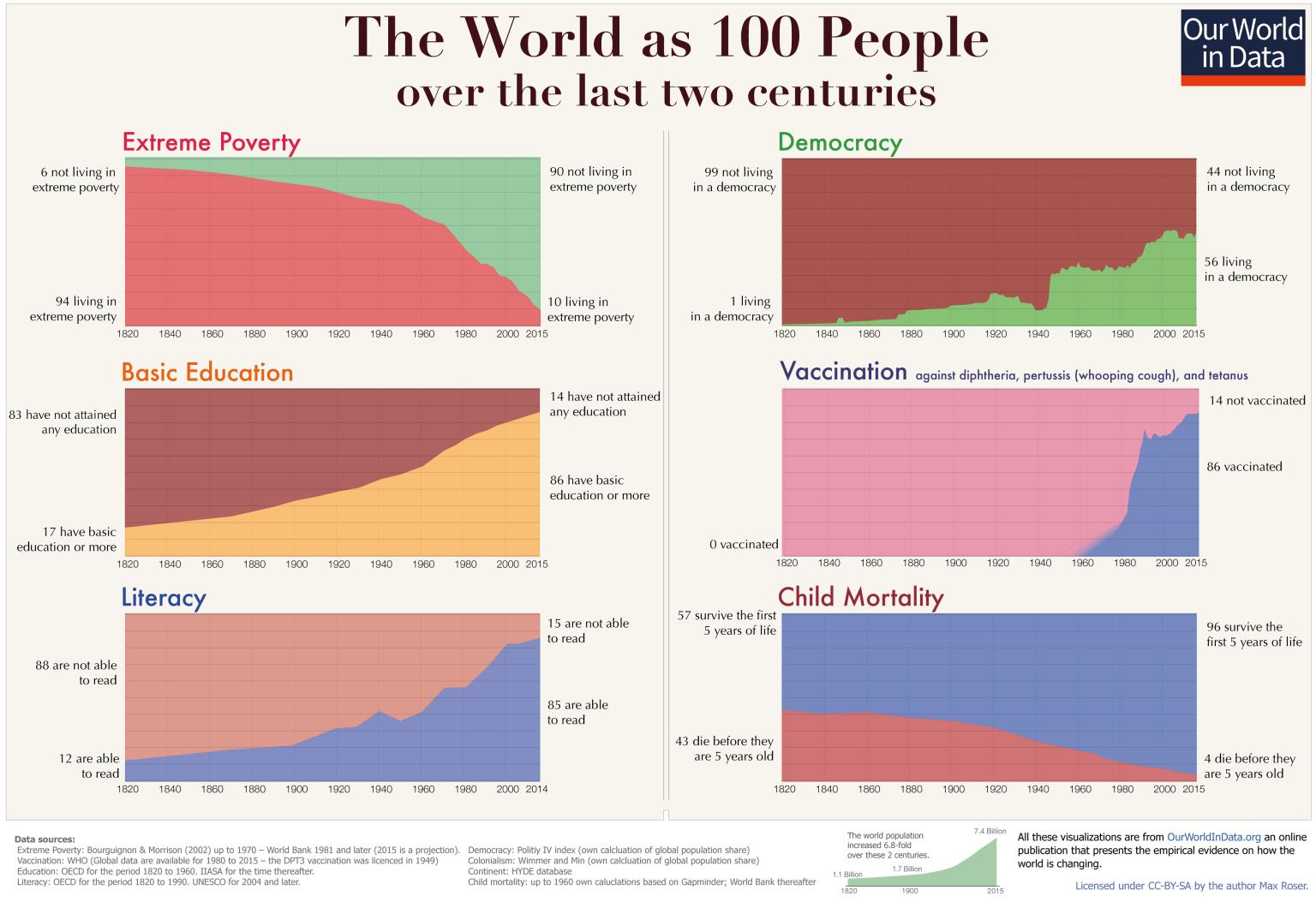
Over the Last Two Centuries
By staff reporters
***
MORE: https://www.100people.org/statistics_100stats.php?section=statistics
***
***
Filed under: Research & Development | Tagged: The World as "100 People" | Leave a comment »
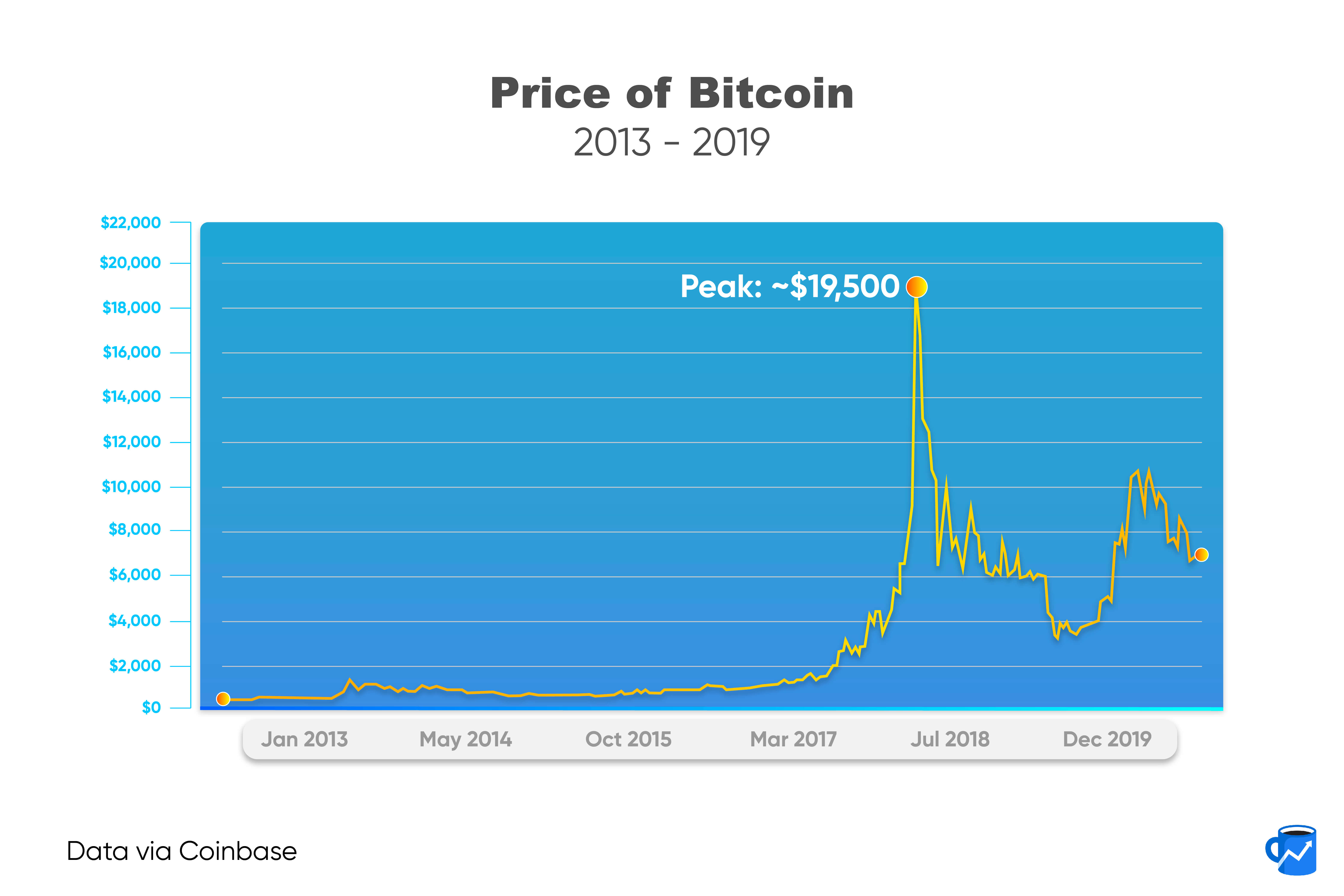
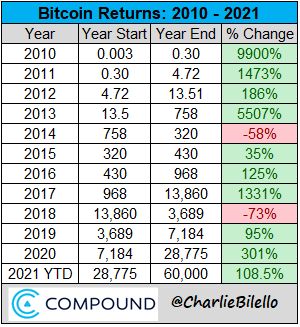
CIRCA: 2013 – 2019
*** ***
***
***
8
[Dr. Cappiello PhD MBA] *** [Foreword Dr. Krieger MD MBA]
Front Matter with Foreword by Jason Dyken MD MBA

Filed under: Investing | Tagged: Bitcoin | 4 Comments »
Maybe Not!

By Rick Kahler CFP
The Grinch who stole Christmas is alive and well this year—in the US Congress. Our Representatives and Senators passed a bill that negatively affects the middle and working class by changing the rules of passing on an IRA. Now adult children who inherit IRAs will be required to drain them within 10 years and pay all the taxes on the distributions and future earnings.
The Setting Every Community Up for Retirement Enhancement (SECURE) Act, which changes many of the rules of US retirement laws, was approved almost unanimously (417-3) by the House of Representatives and the Senate (81-11). South Dakota’s Representatives Dusty Johnson and Senators John Thune and Mike Rounds all voted for the bill. Despite its name, many of the new law’s provisions are anything but retirement “enhancements.”
I wrote about the SECURE Act in June, as did other financial journalists, but it hasn’t received widespread attention. Despite its heavy bipartisan support, it isn’t necessarily a retirement boost for middle and working class savers.
This revision of long-standing IRA rules is especially unfair to parents who banked on the reliability of those rules. Many of them did Roth conversions and paid the tax due on a traditional IRA, with the intention of leaving the portion of the IRA they did not use themselves as a tax-free gift that could grow over the years and support their children’s retirement.

The amount of taxes raised by forcing inheritors to liquidate IRAs early is estimated at $15.7 billion over 10 years. The main trade-offs for this tax grab were (drum roll) extending by 18 months the age at which an IRA owner must begin taking distributions, increasing incentives to employers who set up 401(k)s, and allowing people over age 70 ½ who are working to contribute to an IRA (mic drop).
New strategies will need to address how an inheritor distributes the IRA to minimize the tax hit. Taking all of an IRA in one year could result in an heir in the peak of their earning years paying 50% of it in taxes.
If you counted on passing on an IRA to your children, you need to reexamine your estate planning. It may be better to name a spouse as a beneficiary rather than children, as a spouse still can inherit the IRA without being forced to liquidate it over 10 years.
The strategy of letting IRA assets accumulate and spending down taxable accounts may change completely. You now may want to spend down IRA accounts, with any balance going to charities, and pass on the accumulated taxable assets to children who will get a step-up in basis (tax free).
If you have made the beneficiary of your IRAs a trust, often created at death in your will, that whole strategy needs reconsidering. “Some types of IRA trusts make no sense under the new law,” says Natalie Choate in a December 21, 2019, Wall Street Journal article, “Inheriting IRAs Just Got Complicated.”
The new law gives a great boost to favoring life insurance over IRAs as a tax-efficient way to move assets to heirs. It also paves the way for high fee and commission annuities to be sold to sponsors of 401(k) plans.
Why did Congress vote so overwhelmingly to penalize IRA inheritors and open up investors’ 401(k) plans to insurance products?
Perhaps many of them didn’t fully understand what they were voting on. Or perhaps the insurance lobby did their normal amazing job of selling the alleged benefits of insurance and annuities.
Assessment
In any case, don’t assume the SECURE Act is a gift that will enhance your retirement security.
Your thoughts are appreciated.
BUSINESS, FINANCE, INVESTING & INSURANCE TEXTS FOR DOCTORS:
THANK YOU
Filed under: Retirement and Benefits | Tagged: SECURE Act | 2 Comments »
Ever Expanding
[By staff reporters]
***

[click to enlarge]

***
Filed under: Information Technology | Tagged: healthcare data ecosystem, HIT ecosystem | Leave a comment »
U.S.A BUSINESS CYCLE REPORT 2019
Courtesy: www.CertifiedMedicalPlanner.org
[Pictographic Presentation for December 2019]
Constructed and presented by Nick Reece CFA of MERK Investments LLC., and Research.
GRAPHIC CHART BOOK: MR
Your thoughts are appreciated.
BUSINESS, FINANCE, INVESTING AND INSURANCE TEXTS FOR DOCTORS:
THANK YOU
8
Filed under: Experts Invited, iMBA, Inc. | Tagged: U.S.A BUSINESS CYCLE REPORT 2019 | Leave a comment »
A Picto-Graphic Presentation
Courtesy: www.CertifiedMedicalPlanner.org
Constructed and presented by Nick Reece CFA of MERK Investments LLC., and Research.
CHART BOOK: 2019-12-18-merk-business-cycle-chart-book
Your thoughts are appreciated.
BUSINESS, FINANCE, INVESTING AND INSURANCE TEXTS FOR DOCTORS:

THANK YOU
Filed under: iMBA, Inc. | Tagged: business cycle. investing cycle | Leave a comment »


 ***
***


 ***
***


 ***
***
 ***
***


