

******** ***
***
 8
8
***
Share this:

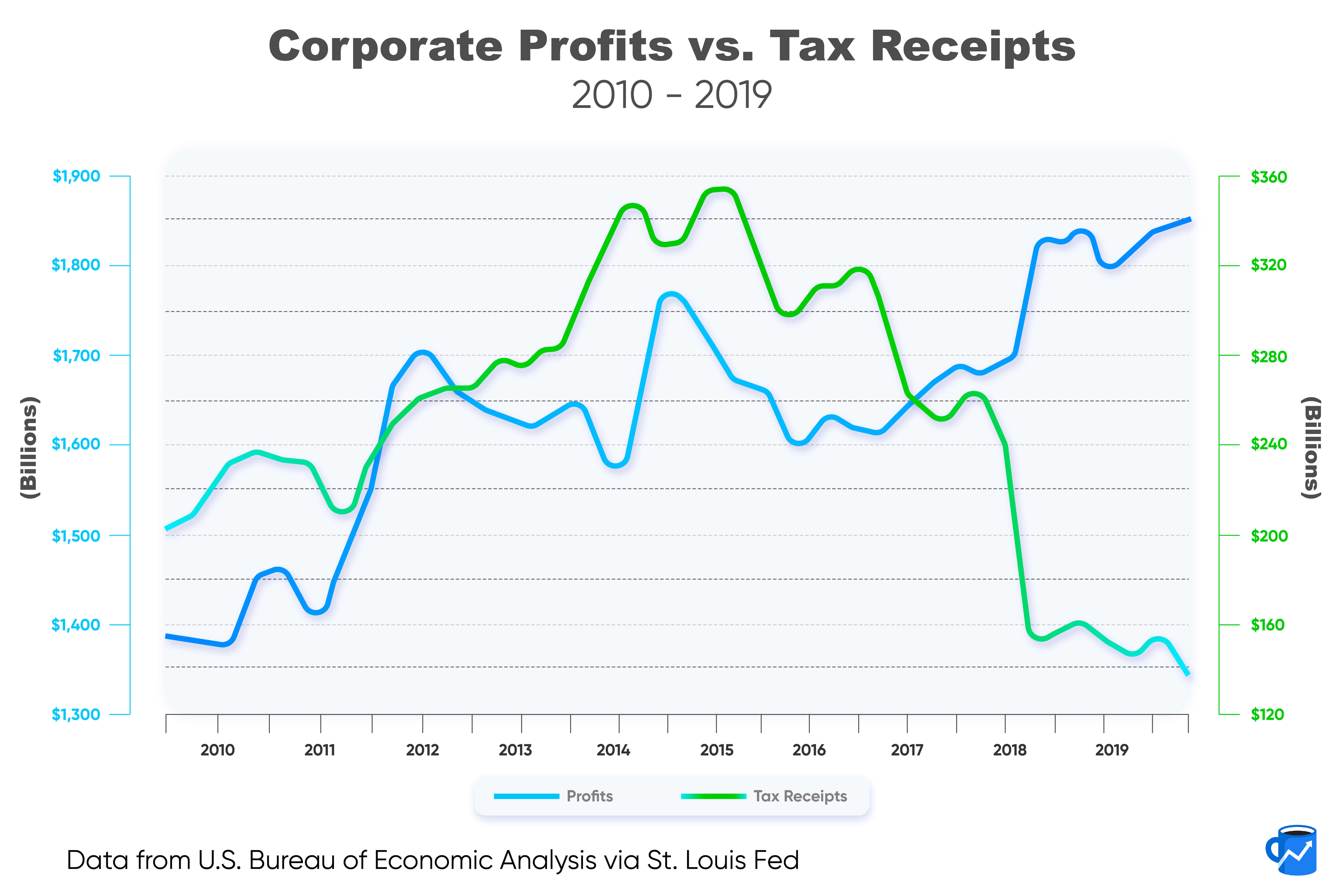
Filed under: Taxation | Tagged: Corporate Profit, Corporate Profit VERSUS Tax Receipts, Tax Receipts | Leave a comment »
ME-P SYNDICATIONS:
WSJ.com,
CNN.com,
Forbes.com,
WashingtonPost.com,
BusinessWeek.com,
USNews.com, Reuters.com,
TimeWarnerCable.com,
e-How.com,
News Alloy.com,
and Congress.org


BOARD CERTIFICATION EXAM STUDY GUIDES
Lower Extremity Trauma
[Click on Image to Enlarge]
The “Medical Executive-Post” is about connecting doctors, health care executives and modern consulting advisors. It’s about free-enterprise, business, practice, policy, personal financial planning and wealth building capitalism. We have an attitude that’s independent, outspoken, intelligent and so Next-Gen; often edgy, usually controversial. And, our consultants “got fly”, just like U. Read it! Write it! Post it! “Medical Executive-Post”. Call or email us for your FREE advertising and sales consultation TODAY [678.779.8597] E-mail: MarcinkoAdvisors1738@outlook.com



 ePodiatryConsentForms.com
 “Providing Management, Financial and Business Solutions for Modernity”
 Support our online development, and advance our onground research initiatives in free market economics, as we seek to showcase the brightest Next-Gen minds.
THE ME-P DISCLAIMER: Posts, comments and opinions do not necessarily represent iMBA, Inc., but become our property after submission. Copyright © 2006 to-date. iMBA, Inc allows colleges, universities, medical and financial professionals and related clinics, hospitals and non-profit healthcare organizations to distribute our proprietary essays, photos, videos, audios and other documents; etc. However, please review copyright and usage information for each individual asset before submission to us, and/or placement on your publication or web site. Attestation references, citations and/or back-links are required. All other assets are property of the individual copyright holder.
Support our online development, and advance our onground research initiatives in free market economics, as we seek to showcase the brightest Next-Gen minds.
THE ME-P DISCLAIMER: Posts, comments and opinions do not necessarily represent iMBA, Inc., but become our property after submission. Copyright © 2006 to-date. iMBA, Inc allows colleges, universities, medical and financial professionals and related clinics, hospitals and non-profit healthcare organizations to distribute our proprietary essays, photos, videos, audios and other documents; etc. However, please review copyright and usage information for each individual asset before submission to us, and/or placement on your publication or web site. Attestation references, citations and/or back-links are required. All other assets are property of the individual copyright holder.


***********
8
***
Filed under: Taxation | Tagged: Corporate Profit, Corporate Profit VERSUS Tax Receipts, Tax Receipts | Leave a comment »
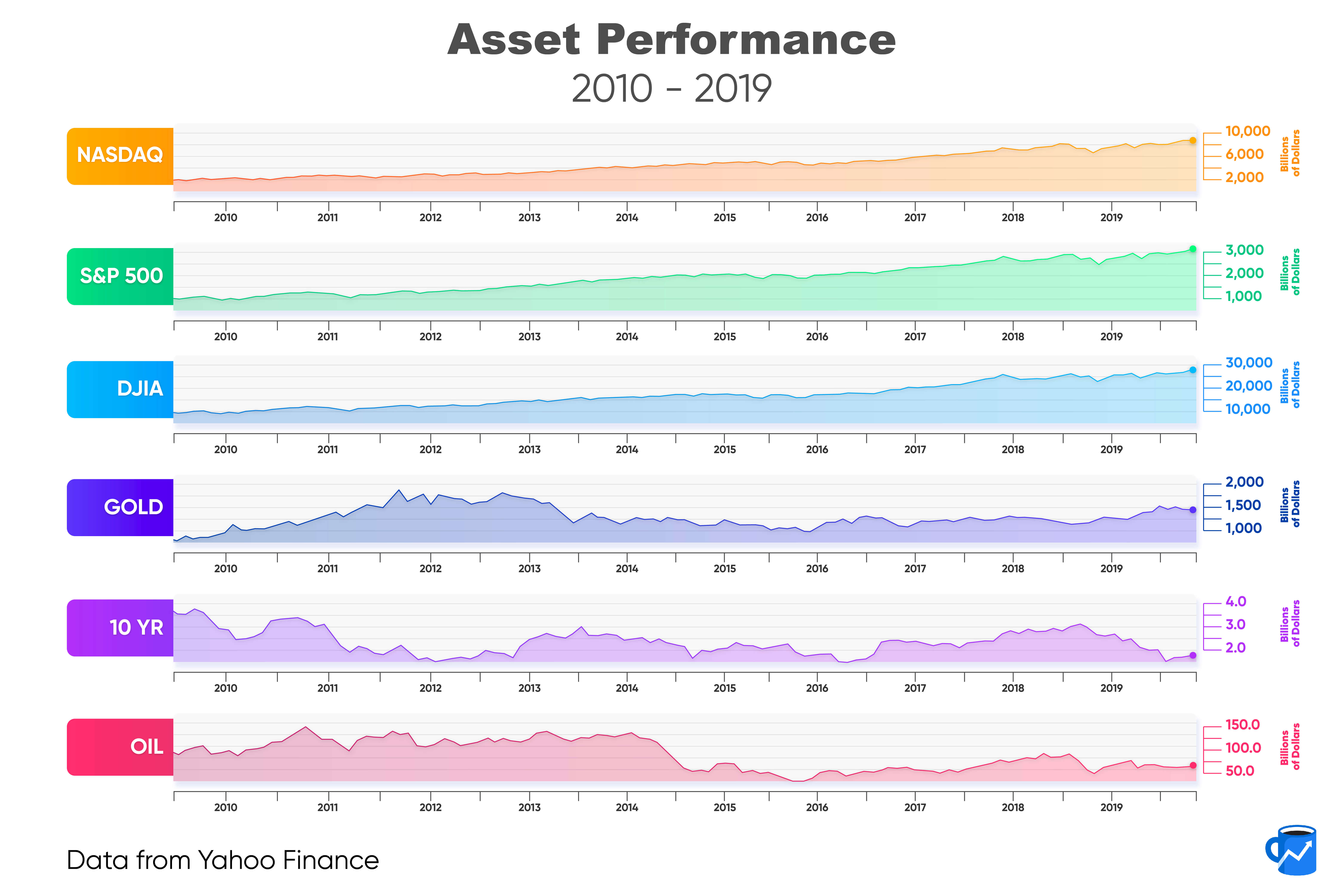
Circa 2010-2019
***
****
Assessment: Your thoughts are appreciated.
BUSINESS, FINANCE, INVESTING AND INSURANCE TEXTS FOR DOCTORS:
THANK YOU
8
***
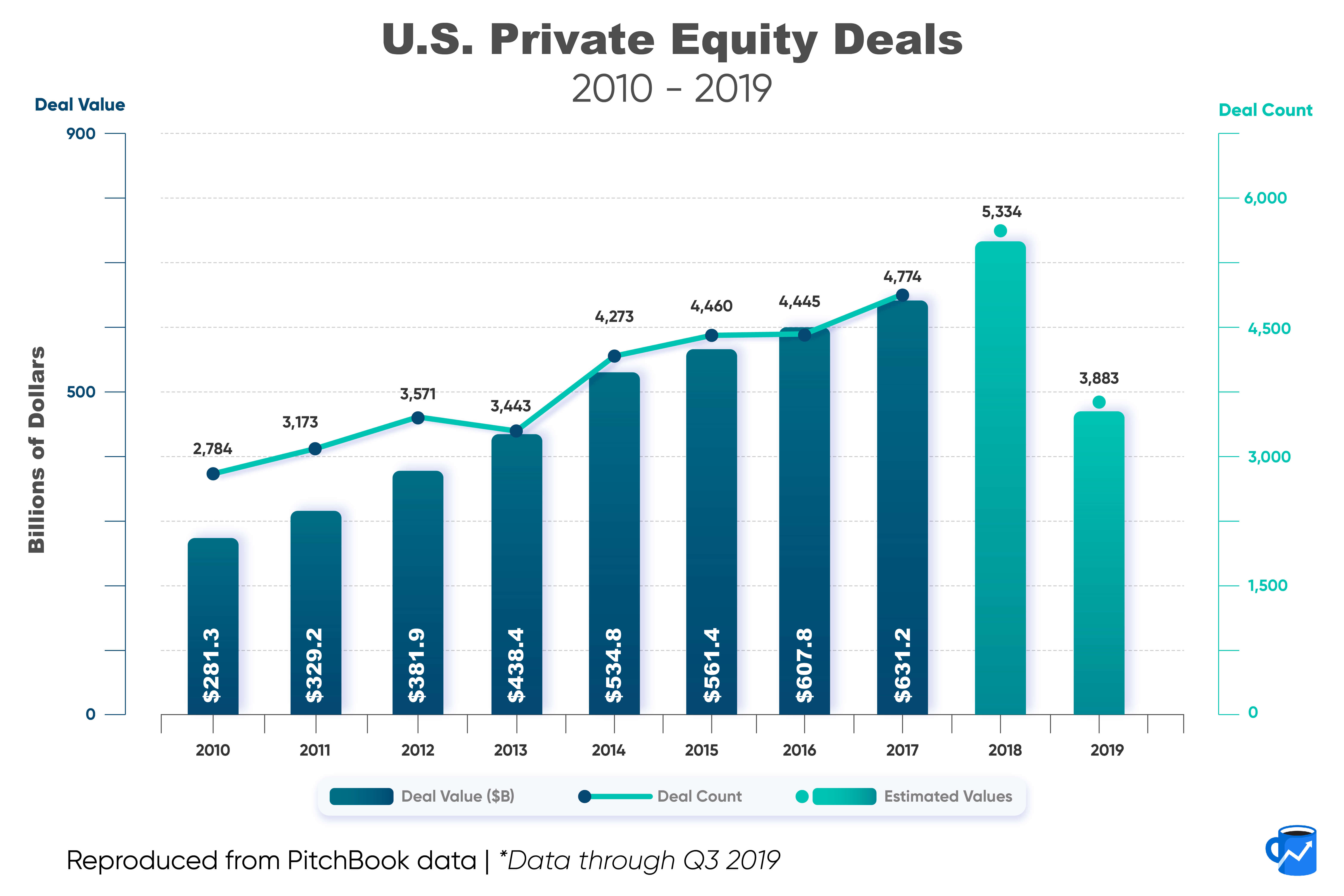
Filed under: Investing | Tagged: privaty equity | Leave a comment »
Bill of the Month Club
[By staff reporters]
Journalists from Kaiser Health News and NPR will be looking at surprising medical bills and figuring out what they can tell us about the health care system. You can share your story here.
***
LINK:
https://www.npr.org/series/651784144/bill-of-the-month
Assessment: Your thoughts are appreciated.
BUSINESS, FINANCE, INVESTING AND INSURANCE TEXTS FOR DOCTORS:
THANK YOU


***
Filed under: Health Economics, Health Insurance | Tagged: balance-billing, medical bills | Leave a comment »
The “Have and Have Nots”
[By staff reporters]
***


***
8
***
Filed under: Retirement and Benefits | Tagged: Retirement Gaps | 1 Comment »
Responding to an ‘Objectivist’s’ Claim That Self-Ownership Doesn’t Exist

By Dr. David E. Marcink MBA
I was fascinated with this podcast.
It was recorded by my neighbor and Austrian economist Peter Raymond over at “The Free Man Beyond the Wall” website.
PODCAST: http://freemanbeyondthewall.libsyn.com/episode-335
Your thoughts are appreciated.
BUSINESS, FINANCE, INVESTING AND INSURANCE TEXTS FOR DOCTORS:
***


THANK YOU
Filed under: Experts Invited, Practice Management, Videos | Tagged: Peter Raymond, Self-Ownership Doesn't Exist?, The Free Man Beyond the Wall | Leave a comment »
What it is – How it works!
[By staff reporters]
Bonini’s paradox, named after Stanford business professor Charles Bonini, explains the difficulty in constructing models or simulations that fully capture the workings of complex systems (such as the human brain
***
***
MORE: https://en.wikipedia.org/wiki/Bonini%27s_paradox
Your thoughts are appreciated.
BUSINESS, FINANCE, INVESTING AND INSURANCE TEXTS FOR DOCTORS:
***
THANK YOU
Filed under: Career Development, Glossary Terms | Tagged: Bonini's paradox | Leave a comment »
PHILOSOPHY – What is Knowledge?
***

***

***
MORE: https://medicalexecutivepost.com/2019/05/14/what-is-epistemic-ambivalence/
***
Filed under: iMBA, Inc., LifeStyle | Tagged: Empiricism, epistemology, Rationalism | Leave a comment »
REST-IN-PEACE

By Dr. David E. Marcinko MBA
Courtesy: www.CertifiedMedicalPlanner.org
The European refugee turned Wall Street legend, died at 91 lat week. Rohatyn pioneered the M&A advisory business in the 1960s. Working with companies like GE, Revlon, and AT&T, he earned the nickname “Felix the Fixer” for brokering some of the deals that created today’s corporate landscape.
With deep thoughts like that, Rohatyn was tapped to help NYC stave off bankruptcy in 1975, when lenders cut off the city from additional short-term credit.
You might not realize it from walking around Manhattan today, but 1970s-era New York was in a deep financial manhole. It had an annual deficit of $1.5 billion a year on a budget of roughly $12 billion.
In his later years, Rohatyn became the U.S. ambassador to France, an author, and a finance sage.
Assessment: I followed his career and studied his methods while in B-school, back in the day.
Your thoughts are appreciated.
BUSINESS, FINANCE, INVESTING & INSURANCE TEXTS FOR DOCTORS:
THANK YOU
8
***
Filed under: Investing | Tagged: Felix Rohatyn | Leave a comment »
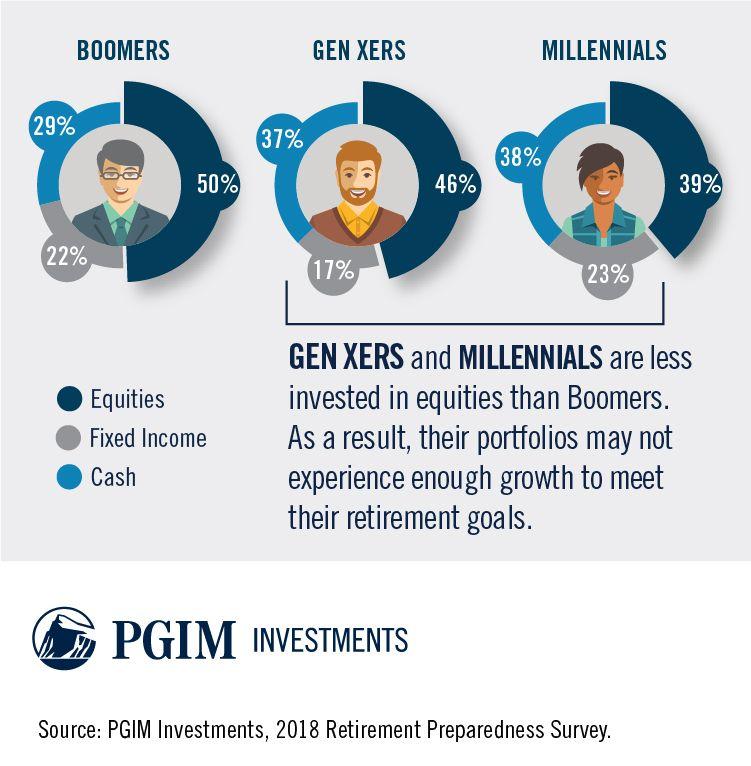
Portfolio Asset Allocations
By PGIM Investments
***
***
Assessment: Your thoughts are appreciated.
BUSINESS, FINANCE, INVESTING & INSURANCE TEXTS FOR DOCTORS:
***
8
THANK YOU
Filed under: iMBA, Inc. | Tagged: baby boomers, Gen X, Millennials | Leave a comment »
Do your credit card reward points belong to you?
 By Rick Kahler CFP®
For frequent travelers, who often choose credit cards based on reward programs, accumulated points can be worth thousands of dollars. Whether points are an asset that can be transferred to an heir is another matter.
I recently received this question: “Our friend whose husband recently passed away lost over a million points with Capital One because her husband was the primary on the account and she was just an authorized user, not a joint owner. Capital One closed the credit card since he passed and all the points were forfeited. Do you have any ideas on how to get the points back?”
Unfortunately, not much can be done after the fact. Most credit cards offering points that can be redeemed for travel expense say that points have no cash value and are not actually the property of the account owner but rather belong to the reward’s program. Most card programs’ terms and conditions say that points outstanding upon the card holder’s death are permanently forfeited.
An appeal to the issuing bank would be worth trying. Surprisingly, some will show compassion and allow the points to transfer to another account or credit their value against any outstanding balances on the card, usually at one cent per point.
Considering this issue ahead of time, however, might allow surviving spouses to avoid losing all of a loved one’s hard-earned points.
First, try to find a rewards card that will allow you to own the account jointly with your spouse rather than being an authorized user. If one spouse passes away, the points will remain in the account and the other joint owner will have full access to them. An authorized user has no risk or obligation to pay any debt, and therefore has no claim on any points that remain in the account after the death of the primary cardholder.
The downside of a joint account is that each cardholder is equally liable for any amounts the other charges to the account. If your marriage is transparent and without any financial infidelity going on, this shouldn’t be a problem. If the card is a business card, joint ownership could be more problematic.
Banks that I found that will allow joint accounts are US Bank and PNC Bank. Specific rewards cards that allow joint ownership are Bank of America Cash Rewards, Wells Fargo Cash Wise Visa, and Discover it Cash Back. Obviously, with only three rewards cards allowing joint ownership, that option isn’t widely available.
The next best choice is to be sure both partners have the login information for the account. This would allow a survivor to log on and redeem or transfer points. Many cards will allow transferring points to an airline or hotel rewards programs for 1.5 to 2.3 cents per point. Of course, both partners need to have access to those accounts as well, which generally isn’t a problem with most programs.

This is also the recommended method of accessing points with a specific airline. According to a September 19, 2019, article by Richard Kerr at thepointsguy.com, giving your next of kin access to all your airline and hotel awards accounts gives them “all the information needed to continue using the points and miles without alerting the airline.”
Including airline reward points in a will may be worthwhile. It might not make a difference with every airline or bank, but some programs will transfer such designated points without a fee.
Assessment:
Travel reward points may be a relatively minor asset. Still, a little planning can make them readily available without adding stress for a surviving spouse during a difficult time.
Conclusion
Your thoughts and comments on this ME-P are appreciated. Feel free to review our top-left column, and top-right sidebar materials, links, URLs and related websites, too. Then, subscribe to the ME-P. It is fast, free and secure.
Link: http://feeds.feedburner.com/HealthcareFinancialsthePostForcxos
Speaker: If you need a moderator or speaker for an upcoming event, Dr. David E. Marcinko; MBA – Publisher-in-Chief of the Medical Executive-Post – is available for seminar or speaking engagements. Contact: MarcinkoAdvisors@msn.com
***
8
Filed under: Experts Invited, Investing | Tagged: credit cards, reward points, Rick Kahler CFP | Leave a comment »
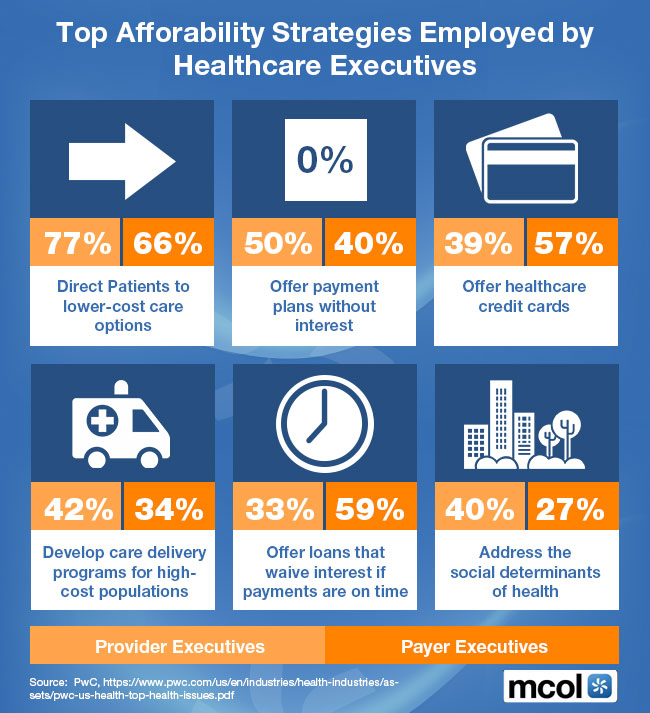
Of Executives
***
***
Conclusion
Your thoughts and comments on this ME-P are appreciated. Feel free to review our top-left column, and top-right sidebar materials, links, URLs and related websites, too. Then, subscribe to the ME-P. It is fast, free and secure.
Link: http://feeds.feedburner.com/HealthcareFinancialsthePostForcxos
Speaker: If you need a moderator or speaker for an upcoming event, Dr. David E. Marcinko; MBA – Publisher-in-Chief of the Medical Executive-Post – is available for seminar or speaking engagements. Contact: MarcinkoAdvisors@msn.com
***
Filed under: Health Economics, Health Insurance | Tagged: Healthcare Affordability Strategies | Leave a comment »
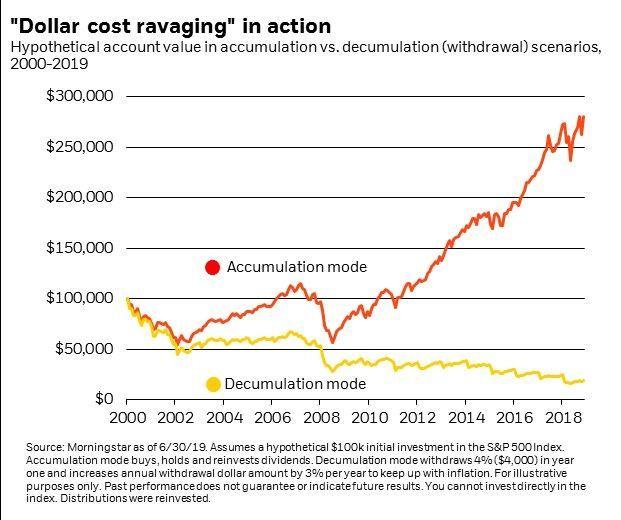
RETHINKING: Dollar Cost Averaging (DCA)?
By Dr. David E. Marcinko MBA
Dollar cost averaging (DCA) is an investment strategy with the goal of reducing the impact of volatility on large purchases of financial assets such as equities.
Dollar cost averaging is also called the constant dollar plan (in the US), pound-cost averaging (in the UK), and, irrespective of currency, as unit cost averaging or the cost average effect.
***
***
Assessment: Might DCA also be called Dollar Cost Ravaging?
Conclusion
Your thoughts and comments on this ME-P are appreciated. Feel free to review our top-left column, and top-right sidebar materials, links, URLs and related websites, too. Then, subscribe to the ME-P. It is fast, free and secure.
Link: http://feeds.feedburner.com/HealthcareFinancialsthePostForcxos
Speaker: If you need a moderator or speaker for an upcoming event, Dr. David E. Marcinko; MBA – Publisher-in-Chief of the Medical Executive-Post – is available for seminar or speaking engagements. Contact: MarcinkoAdvisors@msn.com
8
Filed under: Investing | Tagged: DCA, dollar cost averaging, Dollar Cost Ravaging | 1 Comment »
An Important Money Skill
By Rick Kahler CFP
“Some days adulting is a pain.” What parent of college-age children hasn’t heard something similar from their kids? The transition from kid to adult is a necessary process toward living a fulfilled and meaningful life, but it isn’t easy or smooth.
This is especially true when it comes to money. Mastering money skills can be a challenge even for older adults.
One of the earliest opportunities to learn adult financial skills comes with renting an apartment. Before you sign that first lease—or any lease—it’s important to understand it. A lease is a legal document that sets out obligations and rights for both landlord and tenant.
One of the most important features of a lease is the length of the agreement. Your lease could be “month-to-month” or for a specific period like a few months or even several years. The most common residential lease terms are six months to one year.
There are pluses and minuses to both types. A month-to-month lease gives the renter the minimum commitment and maximum flexibility. Usually, if you want to move out for whatever reason, you just need to give the landlord a 30-day notice. Unlike a longer-term lease, there is no penalty for “breaking” the lease unless you fail to give even a 30-day notice.
So why wouldn’t a tenant always want a month-to-month lease? Many tenants don’t understand that the flexibility goes both ways. If a landlord chooses to stop leasing the property, finds a tenant willing to pay higher rent, or decides to sell the property, all the lease requires is a 30-day notice for the current tenant to move out. A tenant must accept that risk.
A recent local example concerned 11 house renters who lived on the campus of the Star Academy, a former state-owned property near Custer, SD. Some of the tenants had rented for 14 years with month-to-month leases. When the state foreclosed on the property it gave the tenants 30-day notices to move. This was not received well by the renters, who faced the prospect of immediately having to find new places to live in a town with a limited supply of housing. Fortunately, the governor reversed the decision and gave the renters six months to find new housing.
As shocking and heartless as this move might have seemed to the renters, it was completely within the rights of the landlord, just as it would have been completely within the rights of any of the tenants to do the same.
It’s easy to get lulled to sleep by a month-to-month lease, especially when a tenant has lived in the property for year after year. However, if the prospect of having to vacate your home in 30 days is not appealing, it would be a really good idea to ask the landlord for a longer lease.
Assessment:
Before signing a lease, consider how long you are willing to commit to living in the property. What will best serve your situation? For some, it may be a lease that expires at the end of a school year, or in a year, or even in three to five years if you see no reason that you will need to move anytime soon. Be aware that by signing the lease, you agree to stay and to pay rent until the time is up.
Also understand that, unless the lease specifically states otherwise, neither you nor the landlord are bound to renew when the lease expires. So it’s important to renegotiate a new lease well before the current lease expires.
Before signing any lease, read it carefully. Ask clarifying questions. Be sure you understand the legal commitment you are making.
Conclusion
Your thoughts and comments on this ME-P are appreciated. Feel free to review our top-left column, and top-right sidebar materials, links, URLs and related websites, too. Then, subscribe to the ME-P. It is fast, free and secure.
Link: http://feeds.feedburner.com/HealthcareFinancialsthePostForcxos
Speaker: If you need a moderator or speaker for an upcoming event, Dr. David E. Marcinko; MBA – Publisher-in-Chief of the Medical Executive-Post – is available for seminar or speaking engagements. Contact: MarcinkoAdvisors@msn.com
8
***
Filed under: Experts Invited, Financial Planning, LifeStyle | Tagged: apartment leases, leasing | Leave a comment »
FROM: The Ludwig Von Mises Institute
By Dr. David E. Marcinko MBA
Courtesy: www.CertifiedMedicalPlanner.org
I was fascinated with this podcast as a rewind episode. Pete talks about a host of Liberty related topics with Ludwig Von Mises Institute President, Jeff Deist.
It was recorded by my neighbor and Austrian economist Peter Raymond over at “The Free Man Beyond the Wall” website.
PODCAST: http://freemanbeyondthewall.libsyn.com/episode-344
Your thoughts are appreciated.
BUSINESS, FINANCE, INVESTING AND INSURANCE TEXTS FOR DOCTORS:
***
THANK YOU
Filed under: Experts Invited, Videos | Tagged: Jeff Deist, Ludwig Von Mises Institute, Peter Raymond, The Free Man Beyond the Wall | Leave a comment »
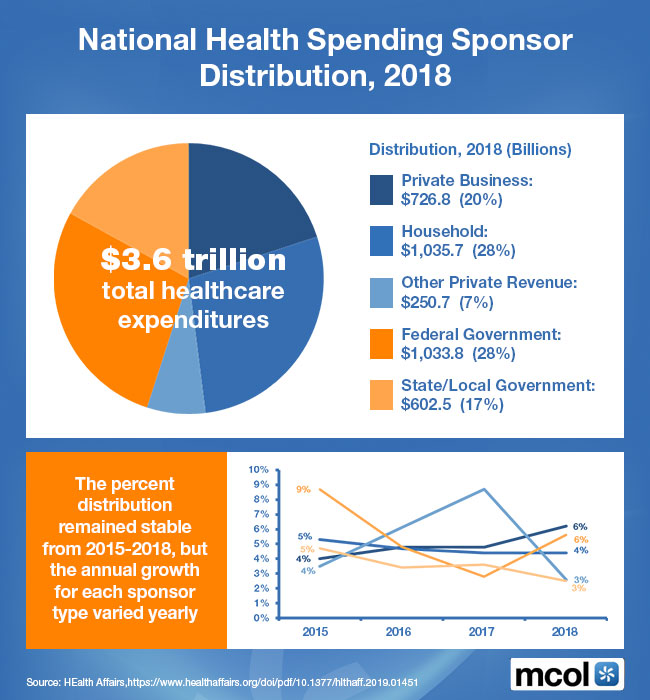
Sponsor Distribution for 2018
***
***
Conclusion
Your thoughts and comments on this ME-P are appreciated. Feel free to review our top-left column, and top-right sidebar materials, links, URLs and related websites, too. Then, subscribe to the ME-P. It is fast, free and secure.
Link: http://feeds.feedburner.com/HealthcareFinancialsthePostForcxos
Speaker: If you need a moderator or speaker for an upcoming event, Dr. David E. Marcinko; MBA – Publisher-in-Chief of the Medical Executive-Post – is available for seminar or speaking engagements. Contact: MarcinkoAdvisors@msn.com
***
Filed under: Health Economics, Health Insurance, iMBA, Inc. | Tagged: National Health Care Spending, www.MCOL.com | Leave a comment »
 http://www.ePodiatryConsentForms.com
By Dr. David Edward Marcinko MBBS DPM FACFAS MBA MEd
CUSTOMIZABLE CMS & AGENCY FOR HEALTHCARE RESEARCH AND QUALITY STYLED PROTOCOLS, CHECKLISTS AND TEMPLATES
… Specifically for Podiatrists …
e-Podiatry Consent Forms™ is an innovative new suite of software programs from the Institute of Medical Business Advisors [iMBA, Inc]. Our products solve your informed consent problems and enhance the education, discussion and documentation of the informed consent process for all podiatrists performing foot, ankle and leg reconstructive surgical procedures.
THE PROBLEM
All podiatrists are being pressured by the Centers for Medicare and Medicaid Services [CMS], the Joint Commission on Accreditation of Healthcare Organizations [JCAHO], liability carriers and private insurance payers to make their consent process more patient-friendly, informed and easily understood. And, the pressure to standardize and comply is great.
Most recently, based on the need to make healthcare even safer, the Agency for Healthcare Research and Quality (AHRQ) undertook a major study to identify patient safety issues and develop recommendations for “best practices”.
The AHRQ Evidence Report
The AHRQ report identified the challenge of addressing shortcomings such as missed, incomplete or not fully comprehended informed consent, as a significant patient safety issue and opportunity for improvement.
The authors of the AHRQ report hypothesized that better informed patients:
“are less likely to experience errors by acting as another layer of protection.”
And, the AHRQ study ranked a “more interactive informed consent process” among the top 11 practices supporting more widespread implementation; especially for surgical consent forms.
THE SOLUTION
Why Us: https://epodiatryconsentforms.com/why-us/
One answer to the modern risk-management problem of “informed consent interactivity” may be e-Podiatry Consent Forms™ We license two core interactive surgical products, and a reference library, with related concepts and products in development:
Each e-Podiatry Consent Forms™ CD-ROM [secure email delivery is now available] is increasingly trusted as the simple solution to standardized communications across the entire office-enterprise; from managing-risk, informing-patients and complying with modern regulatory requirements through enhanced patient-centric informed consent encounters.
Thus, by improving the consistency, details, documentation and effectiveness of the informed consent process, e-Podiatry Consent Forms™ equips all podiatric surgeons with the tools needed to augment quality standards, reduce litigation potential and improve patient outcomes and safety.
http://www.ePodiatryConsentForms.com
***

***
Filed under: "Doctors Only", Practice Management | Tagged: doctor podiatric medicine, DPM, e-Podiatry Consent Forms™, foot surgery, foot surgery consent forms, podiatrists, Podiatry Consent Forms | Leave a comment »
Supply Chain Service Management?
[By staff reporters]
***

***
8
Filed under: Investing | Tagged: Asset Lite Companies | Leave a comment »
Medicare Part C
***

***
Conclusion
Your thoughts and comments on this ME-P are appreciated. Feel free to review our top-left column, and top-right sidebar materials, links, URLs and related websites, too. Then, subscribe to the ME-P. It is fast, free and secure.
Link: http://feeds.feedburner.com/HealthcareFinancialsthePostForcxos
Speaker: If you need a moderator or speaker for an upcoming event, Dr. David E. Marcinko; MBA – Publisher-in-Chief of the Medical Executive-Post – is available for seminar or speaking engagements. Contact: MarcinkoAdvisors@msn.com
***

Filed under: iMBA, Inc. | 3 Comments »
Where Will Your Money Come From?
By Rick Kahler CFP®
The list is fairly short: Social Security, a pension, working, your assets, children, or public assistance.
According to an April 22, 2019 Bloomberg article by Suzanne Woolley, entitled “America’s Elderly Are Twice as Likely to Work Now Than in 1985“, only twenty percent of those age 65 or older are working. The rest either can’t work physically, can’t find work, or don’t want to work. According to the ADA National Network, over 30 percent of people over 65 are disabled in some manner.
According to the Center on Budget and Policy Priorities, Social Security provides the majority of income for most elderly Americans. It provides at least 50% of income for about half of seniors and at least 90% of income for about one-fourth of seniors. The average Social Security retirement benefit isn’t as high as many people think. In June 2019 it was about $1,470 a month, or about $17,640 a year.
And, as per the Pension Rights Center, around 35% of Americans receive a pension or VA benefits. The greatest percentage of pensions are government. This would include retired state and federal workers like teachers, police, firefighters, military, and civil service workers. In 2017 the median state or local government pension benefit was $17,894 a year, the median federal pension was $28,868, and the median military pension was $21,441.
Working provides the highest source of retirement income for the 20 percent of those who are over 65 and are still working. According to SmartAsset.com, Americans aged 65 and older earn an average of $48,685 per year. However, in a NewRetirement.com article dated February 26, 2019, “Average Retirement Income 2019, How Do You Compare“, Kathleen Coxwell cites a figure from AARP that the median retirement income earned from employment is $25,000 a year.
About 3% of retirees receive public assistance.
This leaves around 20% of those over 65 who depend partially or fully for their retirement income on money they set aside during their working years. According to TheStreet.com, “What Is the Average Retirement Savings in 2019“, by Eric Reed, updated on Mar 3, 2019, the average retirement account for those age 65 to 74 totals $358,000. That amount will safely provide around $15,000 a year for most retirees’ lifetime. The median savings is $120,000, which will produce only about $5,000 a year. In order to retire at age 65 with an annual investment income of $30,000 to $40,000, someone would need a retirement nest egg of over $1 million.
***

***
My conclusion from this data is that most Americans are woefully underprepared to live a comfortable lifestyle when they can no longer work. Between Social Security, pensions, and retirement savings, a retiree can expect a median income of $18,000 to a maximum of $52,000 a year. According to data I compiled from NewRetirement.com, the average median retirement income of those over age 65 is around $40,000.
What are some things you can do to increase your chances of enjoying a comfortable retirement income?
If you are under age 50, begin setting aside 15% to 25% of your income for retirement.
If you are over 60, keep working as long as you can. If you retire early, your monthly Social Security benefit is lower for the rest of your life.
Consider ways to stretch your retirement income by downsizing, sharing housing, or relocating to an area of the US or even outside the country with a lower cost of living.
Research what you can reasonably expect from Social Security and other sources of retirement income. Base your retirement expectations on informed planning, not on vaguely optimistic expectations.
Assessment: Your thoughts are appreciated.
Conclusion
Your thoughts and comments on this ME-P are appreciated. Feel free to review our top-left column, and top-right sidebar materials, links, URLs and related websites, too. Then, subscribe to the ME-P. It is fast, free and secure.
Link: http://feeds.feedburner.com/HealthcareFinancialsthePostForcxos
Speaker: If you need a moderator or speaker for an upcoming event, Dr. David E. Marcinko; MBA – Publisher-in-Chief of the Medical Executive-Post – is available for seminar or speaking engagements. Contact: MarcinkoAdvisors@msn.com
***
 8
8
***
Filed under: iMBA, Inc., Retirement and Benefits | Tagged: retirement, retirement planning, Rick Kahler CFP | Leave a comment »
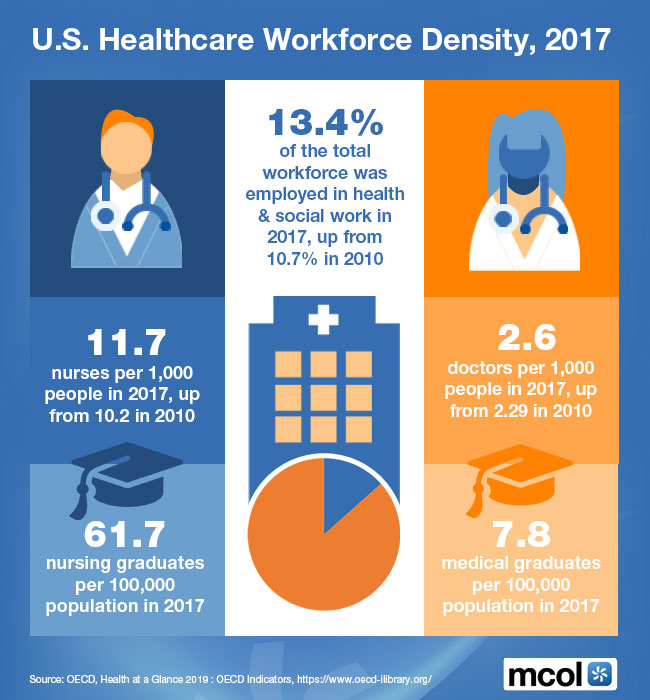
Circa 2017
***
***
Assessment: Your thoughts are appreciated.
BUSINESS, FINANCE, INVESTING AND INSURANCE TEXTS FOR DOCTORS:
THANK YOU
Filed under: Practice Management | Tagged: U.S Healthcare Workforce Density | Leave a comment »
What is Imposter Syndrome and how can you beat it?
Courtesy: www.CertifiedMedicalPlanner.org
Imposter Syndrome is a psychological phenomenon whereby a person has serious doubts about their accomplishments. It’s an inability to believe that what you have achieved is due to you and not some form of “luck” or misunderstanding. If you have Imposter Syndrome, you may feel that your success is not truly “yours,” and you may dread being uncovered as the fraud you believe you are.

PODCAST: https://www.bing.com/videos/search?q=imoister+syndrome&&view=detail&list=Vr4FzCkwi0yHUg&FORM=VRPPLA
Assessment: Your thoughts are appreciated.
BUSINESS, FINANCE, INVESTING AND INSURANCE TEXTS FOR DOCTORS:
THANK YOU
Filed under: Health Insurance | Tagged: Imposter Syndrome | 1 Comment »

The Last Generation of Extreme Frugality … or Another Re-Start?
By Rick Kahler MS CFP® ChFC CCIM www.KahlerFinancial.com
“Be frugal.” “Save for the future.” “Live on less than you make.”
That’s my usual financial advice, and it’s well worth repeating even though most medical professionals aren’t following it.
[Very] occasionally however, I find it necessary to work with clients to overcome a different problem—underspending.
A Problem?
Huh? How can underspending possibly be a problem? Isn’t it a virtue to save and accumulate? Of course it is. Accumulating wealth typically requires people to live on much less than they earn. Being frugal is the common denominator of almost every first-generation wealth builder. But, don’t confuse living on less than you make with underspending.
To Every Season
Like almost everything, saving is but for a season. Once people retire and stop earning money from a medical practice, business or a job, a new era begins where it’s time to consume the fruits of their frugality. The problems start when the wise frugality of the earning years continues long past the time that it’s necessary. Frugality then can turn to under-consumption.
Be Thrifty – Not Frugal
What’s wrong with someone living on less than they could? Is it bad to continue to be thrifty? Of course not. The habit of frugality isn’t something people can turn off at a flip of a switch, and maybe that’s part of the problem. Wealth accumulators have lived with the money script of “Don’t consume your investments or savings” for so long, that when the time comes to begin living off of their investments it poses a significant challenge.

Extreme Frugality
The result can be under-spending is frugality taken to extremes. As I define underspending, it is spending significantly less than the amount you could conservatively spend annually and still have a 99% chance of never running out of money.
Under-spending is not the same as continuing to make frugal choices during retirement and economizing when possible. Typically, underspending results in people failing to get adequate medical care, eat a healthy diet, live in a well-maintained and comfortable home, or use help and support that would make life easier.
Example
Take Dr. Martin and his wife Eleanor, for example. They worked hard all their lives and managed to save $2,000,000. Today they are age 72. Based on a very conservative withdrawal rate of 3%, they could easily afford to take $60,000 from their portfolio each year. Instead, they withdraw $10,000. With the $30,000 they get from Social Security, they live on $40,000 a year.
What’s wrong with that?
What’s wrong is what they don’t spend money on. Both of them have neglected their health. They do get annual checkups from their family doctor, which are covered by Medicare. Yet, neither of them has seen a dentist for several years. Eleanor needs hearing aids but won’t get them because they “cost too much.” Even though Martin’s eyesight is beginning to fail and night driving is difficult, they insist on driving thousands of miles to visit their children because airline fares are “so outrageous.”
They sleep on a mattress that is 20 years old. Their house needs painted inside and out. Only two burners work on the kitchen stove, but they get by because it isn’t really a problem except at Thanksgiving when the family comes to visit.
The Cure
The cure to underspending is not running out and spending money frivolously or indulgently on things or experiences that don’t really add value to your life. Instead, it’s using what you have to make your life more comfortable and enjoyable.
Assessment
There is a season to plant for the future, with hard work, frugality, and saving. There is also a season of harvest. That’s the time to use what you have accumulated to support your health and well-being.
How many under-spending doctors are left? Do you know any? Is this the last generation of same? OR, the start of next gen 2.0 frugality.
Conclusion
Your thoughts and comments on this ME-P are appreciated. Feel free to review our top-left column, and top-right sidebar materials, links, URLs and related websites, too. Then, subscribe to the ME-P. It is fast, free and secure.
Link: http://feeds.feedburner.com/HealthcareFinancialsthePostForcxos
Speaker: If you need a moderator or speaker for an upcoming event, Dr. David E. Marcinko; MBA – Publisher-in-Chief of the Medical Executive-Post – is available for seminar or speaking engagements. Contact: MarcinkoAdvisors@msn.com
***
8
***
Filed under: Research & Development, Retirement and Benefits | Tagged: extreme frugality, Rick Kahler CFP®, Under Spending Doctors | Leave a comment »
By Rick Kahler MSFS CFP
|
Conclusion
Your thoughts and comments on this ME-P are appreciated. Feel free to review our top-left column, and top-right sidebar materials, links, URLs and related websites, too. Then, subscribe to the ME-P. It is fast, free and secure.
Link: http://feeds.feedburner.com/HealthcareFinancialsthePostForcxos
Speaker: If you need a moderator or speaker for an upcoming event, Dr. David E. Marcinko; MBA – Publisher-in-Chief of the Medical Executive-Post – is available for seminar or speaking engagements. Contact: MarcinkoAdvisors@msn.com
Our Other Print Books and Related Information Sources:
***
| 8 |
Filed under: Health Economics, Health Insurance | Tagged: medicare, Rick Kahler CFP | Leave a comment »
Come to the Mütter Museum for World AIDS Day; December 1st 2019
***
I went to medical school in Philadelphia PA, and visited the Mutter Museum many times. If you’ve never been there – I urge you to check it out!

***
ESSAY: https://medicalexecutivepost.com/2019/11/19/national-hiv-testing-day/
Your thoughts are appreciated.
BUSINESS, FINANCE, INVESTING AND INSURANCE TEXTS FOR DOCTORS:
THANK YOU
Filed under: Research & Development | Tagged: AIDS, HIV, NATIONAL HIV TESTING WEEK 2019 | Leave a comment »
 Dear Medical Executive-Post Reader,
With Thanksgiving 2019 upon us and the end of the year just ahead, we hope the ME-P can count on your support to continue providing innovative news, comments and expert insights for the integrated industries and interests we serve.
A Blessing?
But, why do we think you should count ME-P among this year’s blessings?
As always, it’s because of the impact of our work.
Examples:
For example, just last week we saw that impact on healthcare insurance reform from the ACA’s presidential election – to tax planning for doctors from our accountants and financial advisors – to behavioral economics, investing, retirement and estate planning – to eMRs and health information technology – and to the scheduling of more topic channels and many exciting new medical practice management and enhancement features and functions for the coming New Year 2016.
Audio Educator: http://www.audioeducator.com/hospitals-and-health-systems/business-plan-for-medical-practice-013012.html
Much of this would not have been created and disseminated without the Medical Executive-Post.
Oh; and let’s not forget our career and unique job alerts, too! This is where the ME-P makes a real difference.
The Road Ahead for 2020
Looking ahead, the hubbub of campaigning has fallen silent (at least for a few days) as our focus turns to health policy, financial leadership and governing — and to the need to hold accountable all doctors and patients, financial advisors and clients, and those we have just elected.
In short, the ME-P constituency!

Giving
So, please take a moment over the holiday ahead to donate. We can have real impact, but it takes money, and we need your help.
Donate to Support Independent ME-P Journalism
www.e-junkie.com/ecom/gb.php?c=cart&i=641232&cl=109140&ejc=2
Assessment
Happy Thanksgiving and best wishes to you and your family.
Fraternally
Dr. David Edward Marcinko MBA CMP™ MBBS [hon]
[Founder and Publisher]
[CEO and Editor-in-Chief]
Filed under: Alerts Sign-Up, Op-Editorials | Tagged: Audio Educator, donations, medical executive post, support ME-P, thanksgiving day | 3 Comments »
Dear World … and ME-P Readers,

Matt Ridley, a journalist referring to himself as the rational optimist, recently focused on all the reasons we are luckier than those who lived before us.
Here are some of the highlights of his research (click here to see his article in its entirety):
Here are some of my favorite thoughts from the article (click here to view the entire piece).
***

***
The Motley Fool
Conclusion
Your thoughts and comments on this ME-P are appreciated. Feel free to review our top-left column, and top-right sidebar materials, links, URLs and related websites, too. Then, subscribe to the ME-P. It is fast, free and secure.
Speaker: If you need a moderator or speaker for an upcoming event, Dr. David E. Marcinko; MBA – Publisher-in-Chief of the Medical Executive-Post – is available for seminar or speaking engagements. Contact: MarcinkoAdvisors@msn.com
OUR OTHER PRINT BOOKS AND RELATED INFORMATION SOURCES:
***


***
Filed under: Ethics | Tagged: Lon Jefferies, Matt Ridley, Motley Fool, thanksgiving day | 5 Comments »
UNDERSTANDNG THE “KEPLER THEOREM”
Courtesy: www.CertifiedMedicalPlanner.org
According to Wikipedia, the Kepler conjecture, named after the 17th-century mathematician and astronomer Johannes Kepler, is a mathematical theorem about sphere packing in three-dimensional Euclidean space. It states that no arrangement of equally sized spheres filling space has a greater average density than that of the cubic close packing (face-centered cubic) and hexagonal close packing arrangements. The density of these arrangements is around 74.05%.
In 1998 Thomas Hales, following an approach suggested by Fejes Tóth (1953), announced that he had a proof of the Kepler conjecture. Hales’ proof is a proof by exhaustion involving the checking of many individual cases using complex computer calculations. Referees said that they were “99% certain” of the correctness of Hales’ proof, and the Kepler conjecture was accepted as a theorem. In 2014, the Flyspeck project team, headed by Hales, announced the completion of a formal proof of the Kepler conjecture using a combination of the Isabelle and HOL Light proof assistants.
In 2017, the formal proof was accepted by the journal Forum of Mathematics, Pi
***

***
Assessment: Your thoughts are appreciated.
BUSINESS, FINANCE, INVESTING AND INSURANCE TEXTS FOR DOCTORS:
THANK YOU
Filed under: Health Economics, Research & Development | Tagged: Kepler Theorem | Leave a comment »
Projections 2020

***
Conclusion
Your thoughts and comments on this ME-P are appreciated. Feel free to review our top-left column, and top-right sidebar materials, links, URLs and related websites, too. Then, subscribe to the ME-P. It is fast, free and secure.
Link: http://feeds.feedburner.com/HealthcareFinancialsthePostForcxos
Speaker: If you need a moderator or speaker for an upcoming event, Dr. David E. Marcinko; MBA – Publisher-in-Chief of the Medical Executive-Post – is available for seminar or speaking engagements. Contact: MarcinkoAdvisors@msn.com
Your thoughts are appreciated.
BUSINESS, FINANCE, INVESTING AND INSURANCE TEXTS FOR DOCTORS:
THANK YOU
Filed under: iMBA, Inc. | Tagged: Health Plan Premium Increases | Leave a comment »
Investing in Financial Counseling
| By Rick Kahker MSFS CFP
As a long-time advocate of blending financial planning with counseling, I’ve had years of seeing the benefit for clients. I have come to see financial counseling as an investment: one that can pay greater dividends than investments in a home, retirement account, or college education.
|
Filed under: Experts Invited, Investing, Op-Editorials | Tagged: Financial Counseling | Leave a comment »
My Interview with Danielle Town

By Vitaliy Katsenelson, CFA
Today I’d like to share with you an interview I did with my friend Danielle Town. Danielle is coauthor of Invested and runs the Rule #1 Finance blog with her father, Phil Town.
Danielle put me on the proverbial podcast couch; and though originally we were going to talk about investing, well, we talked about everything but investing. We ended up delving into many personal topics I rarely discuss. I went down memory lane about growing up in Soviet Russia, my family’s immigration to the US in 1991 and our first years in the US, my parents’ attitude towards money, budgeting, creativity, sleep, writing, a book I am working on, and more.
This interview ran so long it was broken up into two parts (Listen to Part 1 here and Part 2 here). I don’t think I could have done this interview talking to a stranger. It turned into a conversation between friends.
We decided that we are going to go back and talk about investing next time. Maybe we’ll do another interview when I see her in Switzerland in January, where we’ll both attend VALUEx Klosters.
Assessment: Your thoughts are appreciated.
BUSINESS, FINANCE, INVESTING AND INSURANCE TEXTS FOR DOCTORS:
THANK YOU
Filed under: Investing, Videos | Tagged: Danielle Town, Vitaliy Katsenelson CFA | Leave a comment »
Alert
[By Dr. David Edward Marcinko MBA]
 Dear ME-P Readers, Visitors and Subscribers,
Come to the Mütter Museum for World AIDS Day; 2019.
I went to medical school in Philadelphia PA, and visited the Mutter Museum many times. If you’ve never been there – I urge you to check it out!
***
A Full day of activities and evening lecture is planned.
Get involved! #Repost @hip2know with @repostapp
***

***

***
Assessment
Plan your visit today! #muttermuseum #vesalius #anatomy #medicine #rarebooks”
More:
Channel Surfing
Have you visited our other topic channels? Established to facilitate idea exchange and link our community together, the value of these topics is dependent upon your input. Please take a minute to visit. And, to prevent that annoying spam, we ask that you register.
Link: http://feeds.feedburner.com/HealthcareFinancialsthePostForcxos
Conclusion
Your thoughts and comments on this ME-P are appreciated. Feel free to review our top-left column, and top-right sidebar materials, links, URLs and related websites, too. Then, subscribe to the ME-P. It is fast, free and secure.
LINK:
Speaker: If you need a moderator or speaker for an upcoming event, Dr. David E. Marcinko; MBA – Publisher-in-Chief of the Medical Executive-Post – is available for seminar or speaking engagements. Contact: MarcinkoAdvisors@msn.com
OUR OTHER PRINT BOOKS AND RELATED INFORMATION SOURCES:
Filed under: Ethics, Risk Management | Tagged: AIDS, Mutter Museum, National HIV Testing Day | 4 Comments »
Over Heard in the Doctor’s Lounge
Courtesy: www.CertifiedMedicalPlanner.org
On the PPMCs of Yester Year and Today
PPMC = Physician Practice Management Corporation
Reflect on medical colleagues willing to securitize their practices a few years later, and cash out to Wall Street servitude for riches not rightly deserved. Where are firms such as MedPartners, Phycor, FPA, Coastal Healthcare, and a host of others, now?
ESSAY: https://medicalexecutivepost.com/2007/11/27/ppmc-redux/
A survey of the Cain Brothers Physician Practice Management Corporation Index of publicly traded PPMCs revealed a market capital loss of more than 99%, since inception.
QUERY: Would niche educated and physician-focused financial advisors [The Certified Medical Planner™ professional designation did not yet exist] have been able to avoid this calamity?

TODAY: https://medicalexecutivepost.com/wp-content/uploads/2007/11/ppmc.pdf
Your thoughts are appreciated.
BUSINESS, FINANCE, INVESTING AND INSURANCE TEXTS FOR DOCTORS:
THANK YOU
Filed under: iMBA, Inc. | Leave a comment »
***

***
Assessment: Your thoughts are appreciated.
BUSINESS, FINANCE, INVESTING & INSURANCE TEXTS FOR DOCTORS:
THANK YOU
***
Filed under: Information Technology | Tagged: AI, artificial intelligence, HIT | Leave a comment »
Courtesy:
www,CertifiedMedicalPlanner.org

And How Much it Should Cost?
A strong online presence is crucial to running a successful business, and healthcare is no exception. However with constant change, many businesses are experiencing underperforming campaigns and struggling to figure out where to spend their marketing dollars.
For example:
Now, according to colleague John Deutsch, the answer is that you should never focus solely on one marketing channel, as it could take months or even years to recover when changes in the marketing industry occur – and they inevitably will occur.
And, how much should it cost?
Your thoughts are appreciated.
BUSINESS, FINANCE, INVESTING & INSURANCE TEXTS FOR DOCTORS:
THANK YOU
***
Filed under: Marketing & Advertising, Practice Management | Tagged: medical practice, Medical Practice Marketing Campaign is Failing? | Leave a comment »
By RICK KAHLER, CFP
You have probably never seen an ad like this, because entrepreneurs are not hired. They hire themselves. Merriam-Webster defines an entrepreneur as “a person who starts a business and is willing to risk loss in order to make money” or “one who organizes, manages, and assumes the risks of a business or enterprise.”
God bless entrepreneurs. Without them our world would look much different. We would probably still be living in caves, hunting with clubs, and eating raw meat. They create companies from scratch. In so doing, they create jobs and take significant monetary risks of a business failure.
They also stand to gain substantial rewards for success, but that success is far from guaranteed. Few people realize that most entrepreneurs fail in their attempts in business. According to Investopedia, 50% of all new businesses fail in 5 years, 66% in 10 years, and 75% in 15 years.
Given those statistics, the entrepreneurs who succeed must be rich, right? A study by Career Explorer found that the average full-time salary of an entrepreneur is $43,240 a year. To put this into perspective, the average starting salary for a graduating four-year degree student at the South Dakota School of Mines and Technology is $63,354. Maybe there should be a song, “Mamas, don’t let your babies grow up to be entrepreneurs.”
My experience, however, is that it really doesn’t matter what Mama says. The entrepreneurial mindset is somewhat inextinguishable. While there have been some attempts at teaching entrepreneurial skills, it’s hard to teach grit, determination, and perseverance, coupled with a good dose of fantasy thinking and denial. It’s really hard to “tell” an entrepreneur anything.
Fittingly, entrepreneurs love to invest in their own companies. Investment advisors call such holdings “tangible” investments, ones you can see and touch. Tangible investments include start-up businesses, family-owned businesses, and all types of directly owned real estate. They are inherently non-diversified and illiquid. Typically, entrepreneurs have the vast portion of their net worth tied up in their businesses. It’s incredibly rare to find one with a stash of cash or any type of liquid portfolio or retirement plan.
Why? The entrepreneurial mindset. First, entrepreneurs don’t believe in traditional diversification. Why settle for earning an average of 5% a year when you can earn ten times that in your business? Never mind that the chance of losing it all is three to one. Most entrepreneurs firmly believe they are the one guaranteed to succeed even though the deck is stacked against them.
Second is that since 75% of businesses ultimately fail, most entrepreneurs are losing, not making, money. They are perennially cash-poor and need every dollar they can find to fund their negative cash flows. Even those who are making money rarely have any liquid investments because entrepreneurs are always looking for new ventures, which of course, need funding.
One of the most difficult tasks I face is persuading a successful entrepreneur to take some hard-earned “chips” off the table and sock away a low-risk, diversified nest egg to assure a comfortable retirement. The only ones I’ve convinced to do that were older entrepreneurs who had owned their companies for well over 15 years and were under five years from retirement. All the younger entrepreneurs to whom I have given that advice have refused the notion. All have eventually lost 75% to 90% of their net worth and, sadly, the opportunity to secure their future.
The entrepreneurial mindset of determination and perseverance can bring significant financial rewards. Expanding that mindset to include a broader, more diversified view of investing for the future can turn those rewards into long-term financial independence.
Assessment: Your thoughts are appreciated.

BUSINESS, FINANCE, INVESTING & INSURANCE TEXTS FOR DOCTORS:
THANK YOU
***
Filed under: Experts Invited, Financial Planning, iMBA, Inc. | Tagged: Entrepreneurs | Leave a comment »
INVITE A PHYSICIAN & TRUSTED FINANCIAL ADVISOR COLLEAGUE TO YOUR NEXT SEMINAR, MEETING OR EVENT
Courtesy: https://lnkd.in/eBf-4vY
Your Audience Deserves a Nationally Known Speaker and Colleague.
[Professor Dr. David E. Marcinko MBA CMP® is Now at Your Service]
CONTACT: Ann Miller RN MHA
THANK YOU

***
Filed under: iMBA, Inc., Touring with Marcinko | Tagged: CMP Program, David E. Marcinko | Leave a comment »
Private Insurors VERSUS Medicare and Medicaid
***

***
Conclusion
Your thoughts and comments on this ME-P are appreciated. Feel free to review our top-left column, and top-right sidebar materials, links, URLs and related websites, too. Then, subscribe to the ME-P. It is fast, free and secure.
Link: http://feeds.feedburner.com/HealthcareFinancialsthePostForcxos
Speaker: If you need a moderator or speaker for an upcoming event, Dr. David E. Marcinko; MBA – Publisher-in-Chief of the Medical Executive-Post – is available for seminar or speaking engagements. Contact: MarcinkoAdvisors@msn.com
***
Filed under: Health Insurance | Tagged: AMA, Physician Insurance Payments 2019 | Leave a comment »
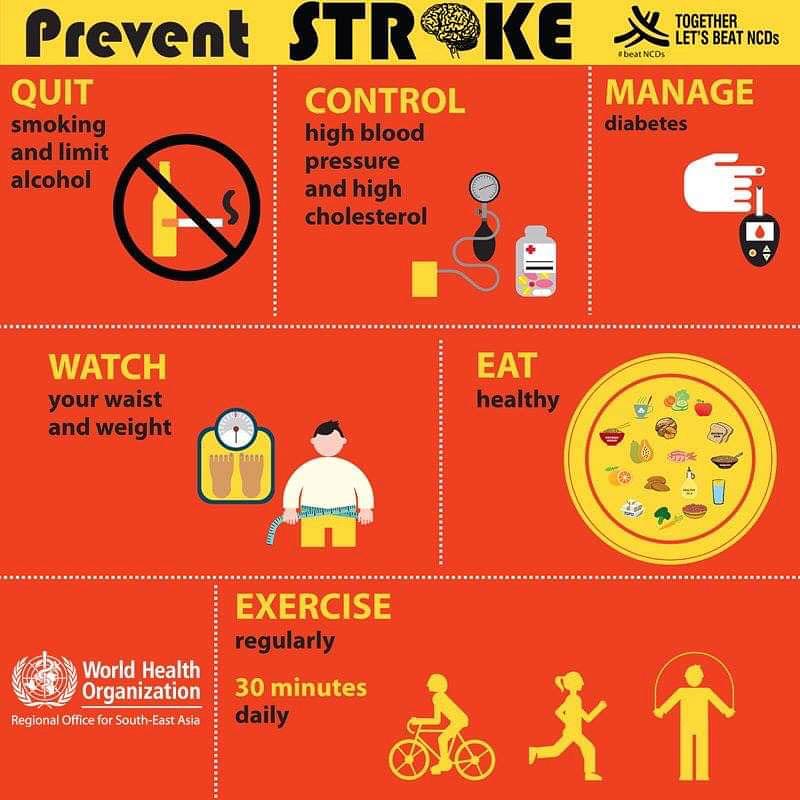
Quit – Control – Manage
By WHO
***
***
MORE:
***
Filed under: Health Insurance | Tagged: CVA, stroke | Leave a comment »
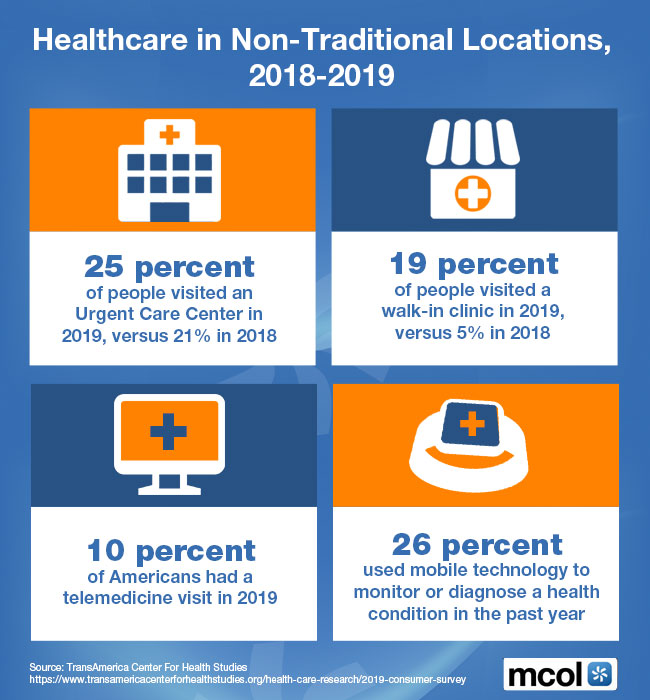
FY: 2018-2019
***
***
Conclusion
Your thoughts and comments on this ME-P are appreciated. Feel free to review our top-left column, and top-right sidebar materials, links, URLs and related websites, too. Then, subscribe to the ME-P. It is fast, free and secure.
Link: http://feeds.feedburner.com/HealthcareFinancialsthePostForcxos
Speaker: If you need a moderator or speaker for an upcoming event, Dr. David E. Marcinko; MBA – Publisher-in-Chief of the Medical Executive-Post – is available for seminar or speaking engagements. Contact: MarcinkoAdvisors@msn.com
***
Filed under: Practice Management | Tagged: Healthcare in Non-Traditional Locations | Leave a comment »
Nothing Typical
By Rick Kahler CFP
As a fan of our local ECHL hockey team, the Rapid City Rush, I was sorry to learn recently that the team’s new owners had uncovered evidence of some $500,000 worth of embezzlement over the past several years.
Other embezzlement arrests or convictions in our area in 2019 have included a priest, an accountant for a nonprofit, a former chief of a volunteer fire department, and a former secretary of a tribal office. Amounts stolen ranged from $9,100 to $250,000.
Few things strike more fear and disbelief into the heart of an employer than learning a trusted employee has embezzled thousands of dollars. Employers that have gone through this tell me their feelings range from disbelief, violation, anger both at the employee and at themselves, sadness, and fear over the loss of capital and ensuing financial problems the embezzlement often causes.
The study
According to the 2018 Hiscox Embezzlement Study, most instances of embezzlement are serious, long-term crimes. The average case lasted over two years, and the average loss was $357,650. The vast majority of cases involved more than one person. Nearly a third of employee theft cases persisted for more than five years. The average loss for cases that continued for five years or more was $2.2 million and for cases lasting 10 years or more was $5.4 million.
The study found that there is no “typical” embezzler. However, it did find that the median age of embezzlers is 48, slightly more women than men commit this type of crime, and embezzlers’ most common job functions are finance and accounting.
Embezzlers may target organizations of all sizes and types. Four of the five local cases I cited were non-profits. Large organizations experience fewer instances of embezzlement than small and mid-sized organizations. According to the study, financial services continues to account for the highest number of cases of employee theft of any industry examined.
Many business owners, executive directors, and board members blame themselves for allowing theft to happen under their watch, but in all fairness the warning signs are often subtle.
Hiscox has identified five common characteristics to watch for:
• Intelligence and curiosity: Embezzlers are often eager to know how everything in the office works. Once they learn the processes, they manipulate them for their own gain.
• Extravagance: Watch for employees who are living a lifestyle that is out of proportion to their salary.
• Egotistical risk-taking. Embezzlers often break rules, from traffic laws to company policies to social norms, both at work and in their personal lives.
• Diligence and ambition. Embezzlers may work long hours or refuse to take time off—not out of dedication to the job but in an attempt to avoid being caught.
• Disgruntlement. Employees who feel they are being treated unfairly may be tempted to get even by stealing.
In my experience, most people are honest and trustworthy. But there are some whose past trauma contributes to a pattern of poor financial decisions and behaviors. Embezzlement, which to some degree can be a crime of opportunity, might even seem to be a way to avoid the consequences of previous poor money choices.
The study noted that more than half of the organizations recovered less than a third of what was taken. It also pointed out that embezzlement costs companies far more than money. Business partners may be lost. The damage to an organization’s reputation results in lost customers or donors and difficulty attracting new ones. It can take years to recover. Yet three-quarters of respondents said their current employers did not have insurance to cover embezzlement losses.
Assessment: Embezzlement is a serious crime with serious consequences.
Conclusion
Your thoughts and comments on this ME-P are appreciated. Feel free to review our top-left column, and top-right sidebar materials, links, URLs and related websites, too. Then, subscribe to the ME-P. It is fast, free and secure.
Link: http://feeds.feedburner.com/HealthcareFinancialsthePostForcxos
Speaker: If you need a moderator or speaker for an upcoming event, Dr. David E. Marcinko; MBA – Publisher-in-Chief of the Medical Executive-Post – is available for seminar or speaking engagements. Contact: MarcinkoAdvisors@msn.com
8
***
Filed under: iMBA, Inc. | Tagged: embezzlemen | 1 Comment »
Understanding How Good People Turn Evil
[By staff reporters]
This is a 2007 book which includes Professor Philip Zimbardo’s first detailed, written account of the events surrounding the 1971 Stanford Prison Experiment — a prison simulation study which had to be discontinued after only six days due to several distressing outcomes and mental breaks of the participants.
The book includes over 30 years of subsequent research into the psychological and social factors which result in immoral acts being committed by otherwise moral people.
It also examines the prisoner abuse at Abu Ghraib in 2003, which has similarities to the Stanford experiment. The title takes its name from the biblical story of the favored angel of God, Lucifer, his fall from grace, and his assumption of the role of Satan, the embodiment of evil. The book was briefly on The New York Times Non-Fiction Best Seller and won the American Psychological Association’s 2008 William James Book Award.
Conclusion
Your thoughts and comments on this ME-P are appreciated. Feel free to review our top-left column, and top-right sidebar materials, links, URLs and related websites, too. Then, subscribe to the ME-P. It is fast, free and secure.
Link: http://feeds.feedburner.com/HealthcareFinancialsthePostForcxos
Speaker: If you need a moderator or speaker for an upcoming event, Dr. David E. Marcinko; MBA – Publisher-in-Chief of the Medical Executive-Post – is available for seminar or speaking engagements. Contact: MarcinkoAdvisors@msn.com
8
***
Filed under: Book Reviews | Leave a comment »
Not Really a Safe – SAFE?
By Rick Kahler CFP®
I have routinely recommended that people use a bank safe deposit box to store valuable papers and small assets. These include documents like wills, trust documents, ethical wills, and unrecorded deeds. Valuable assets would include diamonds, gemstones, jewelry, bullion, and small collectables like rare coins, stamps, and trading cards.
The physical protection of a bank vault, plus a system of access requiring two keys kept by the customer and the bank, would seem to provide a great deal of security. Yet several recent news articles suggest safe deposit boxes may not be as safe as they seem.
Report
An article in the New York Times reported 44 robberies in the last five years related to safe deposit boxes. Even worse were numerous bank errors in which boxes were moved, misplaced, drilled open, or closed by mistake. A large Maryland bank closed several branches and lost hundreds of safe deposit boxes. One customer lost $500,000 worth of gold and gems.
In each case, banks vigorously fought any requirement to make their customers whole. Even more shocking, no provision of federal banking law regulates safe deposit boxes.
Nor do banks insure the belongings of customers who trustingly store their most precious valuables in safe deposit boxes. The risks fall on the renter. Wells Fargo’s safe deposit box contract caps the bank’s liability at $500. Citigroup limits it to 500 times the box’s annual rent. JPMorgan Chase has a $25,000 ceiling on its liability.
***

***
My Story
Decades ago, I placed some rare coins in a safe deposit box with a local bank. A few years ago I went to retrieve my valuables, only to find the bank had drilled open the box and sent the contents to the state as abandoned property. I learned that when I relocated my office, the change of address notification failed to carry through to the annual billing notice for the safe deposit box fee. After three years of non-payment, the bank chose to go through the effort of drilling open the box and shipping the contents to the State Treasurer’s office. It would have been simpler to spend a few minutes looking up my information and contacting me.
Eventually I was able to retrieve the contents of the box. I was lucky.
An international expert in rare watches stored 92 watches plus rare coins, worth millions, in a safe deposit box at a Wells Fargo bank branch. Wells Fargo had evicted another customer for non-payment and drilled open the wrong safe deposit box. The customer found his “safe” deposit box empty. Wells Fargo executives could only find 85 of his watches.
The customer sued. Wells Fargo admitted in court that its employees had mistakenly drilled into and terminated the box. The unrecovered items included gold coins and a watch estimated to be worth nearly a million dollars. After years of litigation and appeals, Wells Fargo has offered no restitution.
If a “safe” deposit box isn’t really safe, what can you do instead?
Here are a few suggestions.
1. Consider investing in a high-quality home safe for small valuables and important documents.
2. Scan all important documents and save copies in a secure online “vault.” Many financial planners provide such online backup storage.
3. If you do use a safe deposit box, choose one at the bank you use regularly and open it at least once a year.
4. No matter where you keep your valuables, insure them adequately. Standard homeowner coverage is probably not enough.
5. Share passwords and access codes with another trusted person.
Finally, ask before you store. Understand a bank’s policies and coverage limits before you trust it with your valuables.
Conclusion
Your thoughts and comments on this ME-P are appreciated. Feel free to review our top-left column, and top-right sidebar materials, links, URLs and related websites, too. Then, subscribe to the ME-P. It is fast, free and secure.
Link: http://feeds.feedburner.com/HealthcareFinancialsthePostForcxos
Speaker: If you need a moderator or speaker for an upcoming event, Dr. David E. Marcinko; MBA – Publisher-in-Chief of the Medical Executive-Post – is available for seminar or speaking engagements. Contact: MarcinkoAdvisors@msn.com
***
8
***
Filed under: Investing, Risk Management | Tagged: banks, safety deposit box | 2 Comments »
“GREY” – “Silver Splitter” – “Diamond Divorcees”
By Anju D. Jessani MBA APM®
By Dr. David Edward Marcinko MBA CMP™
While marriages are more apt to break-up around the seven-year mark, not on a silver anniversary, as divorce has become more common, divorce among older people has also become more common. When divorce does occur in later years, it can present more complicated financial issues when compared with earlier breakups, says Gregg Parish with the College for Financial Planning.
If for example a party dies or becomes incapacitated during the divorce, the surviving spouse will complete retain control of the finances. A common situation Parish says is when a couple owns a home in joint tenancy with rights of survival. Thus, is one spouse dies, the other automatically inherits the house. Parish recommends that older couples in the throws of separation situation, change the ownership to tenants in common, in which each party is considered to own half the property.
Another area older physicians going through a divorce should be especially cautious about is inheritances or gifts from their own parents. They may want to stop or delay distribution of their estate to you to reduce the chance the property would become mixed into marital property. Or the recipient might put any gifts or inheritances into a separate account or trust.
Alimony is more prevalent among this age group of divorced couples. It is not uncommon to find a woman who may not have employable skills, and who must rely on her former spouse for support. As is the case for child support payments in younger parties, steps should be taken to ensure continuation of funds to the recipient if the obligated party dies before the recipients through instruments such as life insurance.
For most older divorcing couples, after their house and their pension, their next most valuable asset is their Social Security rights. Each party vests in the other’s Social Security account after ten years of marriage. That means that even a non-working spouse can usually collect 50% of benefits of the earning spouse; alternatively, the spouse with lower earnings can either collect benefits based on their own earnings, or collect 50% of the benefits their spouse is entitled to. This collection does not impact how much the higher earning spouse can collect. You can learn more about Social Security benefits and rules by contacting the http://www.ssa.gov.
What is often missed in the analysis of divorce is the inequity in Social Security benefits for the non-working spouse or lower earning spouse after separation or divorce. The issue of Social Security benefits can easily be addressed in the divorce agreement by stipulating that the parties will equalize Social Security benefits with the higher earning spouse providing to the lower earning spouse, one-half the difference between the payments provided by the Social Security Administration to each of them. As Social Security benefits are taxable, it is further recommended that these payments be regarded as alimony, and therefore will be taxable to the recipient.
***

***
Another divorce area often overlooked, given today’s older physician population, is elder care obligations. For example, if a doctor is involved in the care and financial assistance of an older family member, this must be placed on the table at the divorce resolution planning discussions. America is aging and 25% of it population is sixty or older. Every seven seconds someone turns fifty. It is not unusual to live many miles from aging parents.
Imagine the impact if an in-law is in a long-term care facility that is dependent upon the financial help of the children who now get divorced? What happens to the elder persons’ ability to meet their financial obligations and stay in the current facility? How can quality care be coordinated? Who will monitor the ongoing health, mental and physical issues? When does the aging parent need in-home care? Assisted living arrangements or a skilled nursing facility? Yet, the generation of medical professionals between the ages of forty and sixty are dealing with aging parents at a same time their children are entering college. This double financial squeeze has created a new set of eldercare issues.
Most cities and local government agencies are addressing this issue and many non-profit organizations are attempting to fill the gap in this growing societal issue. The following information resources are helpful in this regard: http://www.eldercaredierctory.org, http://www.medicare.gov; http://www.medicaid.gov; http://www.careguide.com; http://www.seniorhousing.net; http://www.caregiver911.com; and http://www.n4a.org.
ACKNOWLEDGEMENTS: To John R. Connell MBA JD CPA PFS Denver, Colorado.
Conclusion
Your thoughts and comments on this ME-P are appreciated. Feel free to review our top-left column, and top-right sidebar materials, links, URLs and related websites, too. Then, subscribe to the ME-P. It is fast, free and secure.
Link: http://feeds.feedburner.com/HealthcareFinancialsthePostForcxos
Speaker: If you need a moderator or speaker for an upcoming event, Dr. David E. Marcinko; MBA – Publisher-in-Chief of the Medical Executive-Post – is available for seminar or speaking engagements. Contact: MarcinkoAdvisors@msn.com
***
8
***
Filed under: Risk Management | Tagged: Diamond Divorcees, grey divorce, Silver Splitter | Leave a comment »
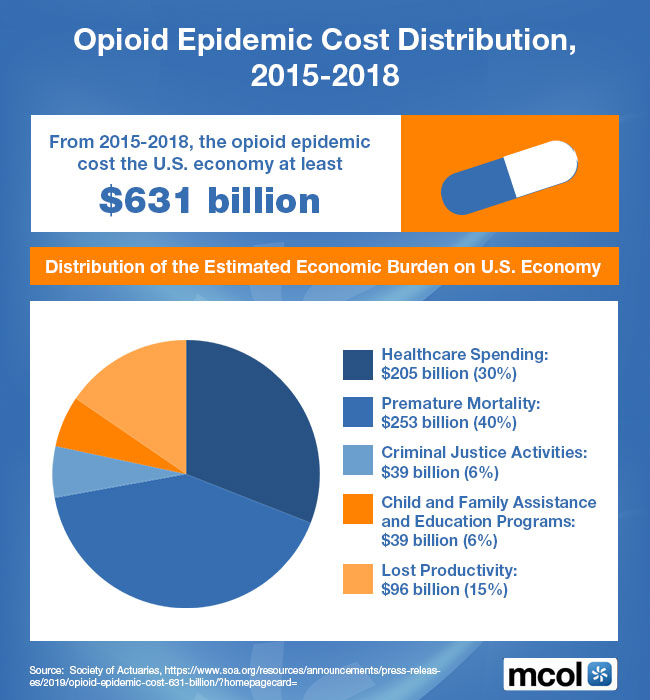
FY: 2015 – 2018
***
***

***
Conclusion
Your thoughts and comments on this ME-P are appreciated. Feel free to review our top-left column, and top-right sidebar materials, links, URLs and related websites, too. Then, subscribe to the ME-P. It is fast, free and secure.
Link: http://feeds.feedburner.com/HealthcareFinancialsthePostForcxos
Speaker: If you need a moderator or speaker for an upcoming event, Dr. David E. Marcinko; MBA – Publisher-in-Chief of the Medical Executive-Post – is available for seminar or speaking engagements. Contact: MarcinkoAdvisors@msn.com
***
Filed under: Drugs and Pharma | Tagged: opioid, opioid costs | 4 Comments »
NALOXONE SPRAY!

By Anonymous DEA Agent
Naloxone, sold under the brandname Narcan among others, is a medication used to block the effects of opioids, especially decreased breathing in overdose. Naloxone may be combined with an opioid (in the same pill) to decrease the risk of opioid misuse. When given intravenously, naloxone works within two minutes, and when injected into a muscle, it works within five minutes; it may also be sprayed into the nose. The effects of naloxone last about half an hour to an hour. Multiple doses may be required, as the duration of action of most opioids is greater than that of naloxone.
Conclusion
Your thoughts and comments on this ME-P are appreciated. Feel free to review our top-left column, and top-right sidebar materials, links, URLs and related websites, too. Then, subscribe to the ME-P. It is fast, free and secure.
Link: http://feeds.feedburner.com/HealthcareFinancialsthePostForcxos
Speaker: If you need a moderator or speaker for an upcoming event, Dr. David E. Marcinko; MBA – Publisher-in-Chief of the Medical Executive-Post – is available for seminar or speaking engagements. Contact: MarcinkoAdvisors@msn.com
***
***
Filed under: iMBA, Inc. | Tagged: naloxone, narcan | Leave a comment »
A BLACK MARKET PODCAST VIEW OF THE OPIOID CRISIS
Courtesy: www.CertifiedMedicalPlanner,org
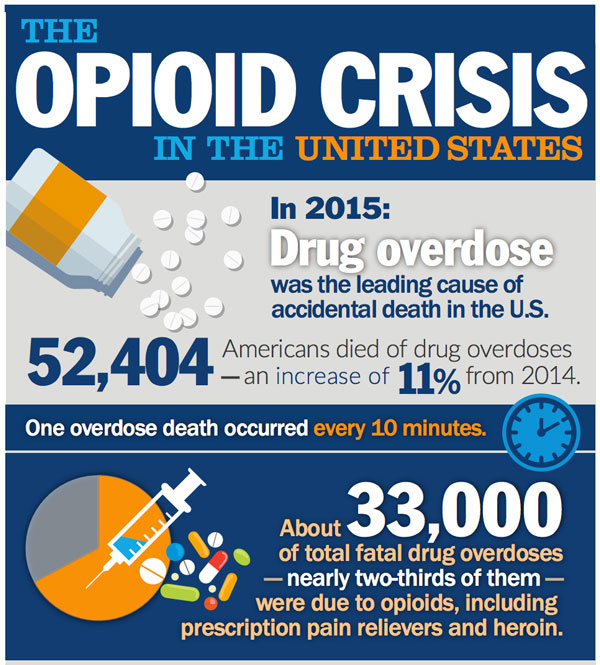
Opioid Overdose Crisis
Every day, more than 130 people in the United States die after overdosing on opioids.1 The misuse of and addiction to opioids—including prescription pain relievers, heroin, and synthetic opioids such as fentanyl used to help relieve severe ongoing pain —is a serious national crisis that affects public health as well as social and economic welfare.
***
***
The Podcast
And so, I was fascinated with this podcast because I often encountered narcotic seeking patients while in city center and urban practice. It was recorded by my neighbor and Austrian economist Peter Raymond over at “The Free Man Beyond the Wall” website.
Colleague Dr. Mark Thornton recently gave this talk at the Mises Institute Supporters Summit on the opioid crisis that is plaguing the US. Dr. Thornton lays out a short history of this tragic epidemic that is taking lives every day. He addresses how doctors prescribe these drugs, how government regulates them and explains what happens when people are forced into the “black market” to sustain their addiction.
PODCAST: http://freemanbeyondthewall.libsyn.com/episode-169-the-opioid-crisis
MORE: https://medicalexecutivepost.com/2019/08/22/the-opioid-crisis-rising-2000-2017/
MORE: https://medicalexecutivepost.com/2019/02/06/about-the-opioid-crisis/
Your thoughts are appreciated.
BUSINESS, FINANCE AND ECONOMICS TEXTBOOKS FOR DOCTORS:
THANK YOU
***
Filed under: Drugs and Pharma, Ethics, Experts Invited, Videos | Tagged: Dr. Mark Thornton, Free Man Beyond the Wall, Mises Institute Supporters Summit, Peter Raymond | Leave a comment »
For FY 2018
***

***
Conclusion
Your thoughts and comments on this ME-P are appreciated. Feel free to review our top-left column, and top-right sidebar materials, links, URLs and related websites, too. Then, subscribe to the ME-P. It is fast, free and secure.
Link: http://feeds.feedburner.com/HealthcareFinancialsthePostForcxos
Speaker: If you need a moderator or speaker for an upcoming event, Dr. David E. Marcinko; MBA – Publisher-in-Chief of the Medical Executive-Post – is available for seminar or speaking engagements. Contact: MarcinkoAdvisors@msn.com
***
***
Filed under: Health Economics, Health Insurance | Tagged: Pre existing conditions | Leave a comment »
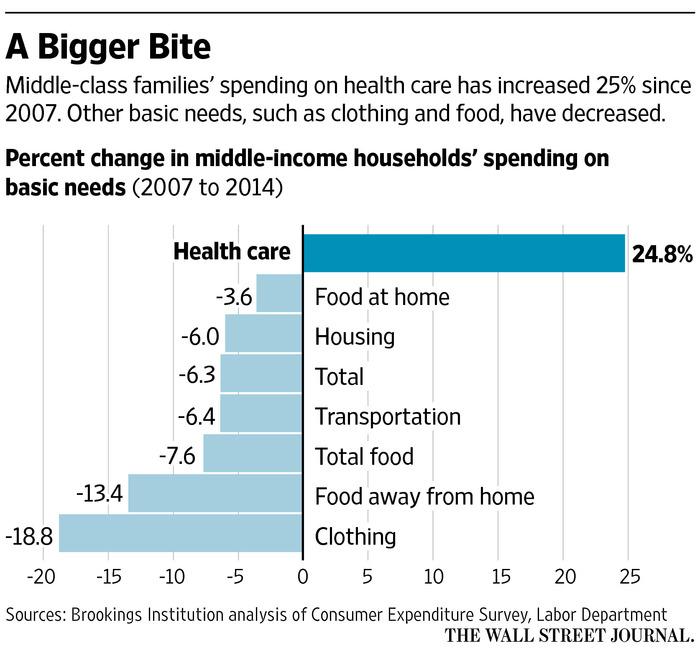
For the Middle Class
[By staff reporters]
***
Conclusion
Your thoughts and comments on this ME-P are appreciated. Feel free to review our top-left column, and top-right sidebar materials, links, URLs and related websites, too. Then, subscribe to the ME-P. It is fast, free and secure.
Link: http://feeds.feedburner.com/HealthcareFinancialsthePostForcxos
Speaker: If you need a moderator or speaker for an upcoming event, Dr. David E. Marcinko; MBA – Publisher-in-Chief of the Medical Executive-Post – is available for seminar or speaking engagements. Contact: MarcinkoAdvisors@msn.com
***
***
Filed under: Health Insurance | Tagged: On Healthcare Spending | 1 Comment »

 ***
***






 ***
***

