The “Quantified Self”

 Quantified Self

By Ira Nash, MD


EQ

Conclusion

Your thoughts and comments on this ME-P are appreciated. Feel free to review our top-left column, and top-right sidebar materials, links, URLs and related websites, too. Then, subscribe to the ME-P. It is fast, free and secure.

Speaker: If you need a moderator or speaker for an upcoming event, Dr. David E. Marcinko; MBA – Publisher-in-Chief of the Medical Executive-Post – is available for seminar or speaking engagements.

Book Marcinko: https://medicalexecutivepost.com/dr-david-marcinkos-bookings/

Subscribe: MEDICAL EXECUTIVE POST for curated news, essays, opinions and analysis from the public health, economics, finance, marketing, IT, business and policy management ecosystem.

DOCTORS:

“Insurance & Risk Management Strategies for Doctors” https://tinyurl.com/ydx9kd93

“Fiduciary Financial Planning for Physicians” https://tinyurl.com/y7f5pnox

“Business of Medical Practice 2.0” https://tinyurl.com/yb3x6wr8

HOSPITALS:

“Financial Management Strategies for Hospitals” https://tinyurl.com/yagu567d

“Operational Strategies for Clinics and Hospitals” https://tinyurl.com/y9avbrq5

***

Product DetailsProduct Details

Three things hospitals can do to improve their financial situation?

Join Our Mailing List 

About the Dupont Decomposition Equation [DDE]

DEM blueBy Dr. David E. Marcinko MBA CMP

[Editor-in-Chief] http://www.CertifiedMedicalPlanner.org

According to the Dupont Decomposition Equation – which involves the conglomeration of net operating income, revenues, expenses and average operating assets – ROI and economic profit is increased in three prioritized ways:

  1. Cost and expense reductions.
  2. Revenue increases [Rev]
  3. Reduced average operating assets [AOO]

Note: ROI = NOI / Rev X Rev / AOO

Cost and expense reductions

Although many hospitals have reduced expenses, postponed projects and put clinical or information technology projects on hold because of the MU conundrum, this may be unwise and quality may suffer. And, mental health care programs are almost always the first cost center to be reduced in tough times.

Upgrades today, especially with concurrent marketing and advertising promotions, may well be considered a strategic competitive advantage, and at bargain basement prices for those with cash or credit. This cost reduction is easy because it gives the biggest buck-bang in the ROI equation, and is the first line of ROI augmentation by savvy administrators and CEOs. It is also intuitive and wholly “wrung-out” in the marketplace, to date.

Revenue increases

On the other hand, revenues can usually be only incrementally increased by improving services like emergency care, urgent care, wellness, out-patient and/or surgical departments. This is the more difficult part of the equation and yields a positive, but lesser return in the ROI equation.

Three Modern Collections Rules

The following medical practice procedures will markedly increase upfront office collections:  

  • Train staff to handle exceptions. What is your policy if the patient payment is significant? Will you allow 25% payments—one today and three over the next three months? Communicate your policy to all staff. What will you do if a patient shows up without an insurance card? There will be other exceptions. Train employees to call the appropriate practice-management contact when an exception does not fit in the categories you provide and make sure those managers are responsive.
  • Understand that not everyone will shine in collections. The value of this new front-desk function should be reflected in job descriptions and wages. Track staff performance and hold employees accountable for collection goals. The most successful practices collect in the 90% range.
  • Provide professional signage that states your basic policy. “Payments are due at time of service.” Avoid typewritten, lengthy explanations taped to walls or desks that look like clutter.

Reduced average operating assets

Finally, any delay in updating facilities – while easy and may reduce operating assets – there is little ROI advantage and profit potential. Of course, facility asset upgrades mean borrowing funds through tax-exempt bonds – the main source of debt for most hospitals – and is currently difficult or impossible in this climate. Loans from banks, private investors, angels, venture capitalists or other financial institutions are similarly difficult to obtain. Thus, this part of the equation may often be neglected; as is the case now.

***

hospital

***

Conclusion

Your thoughts and comments on this ME-P are appreciated. Feel free to review our top-left column, and top-right sidebar materials, links, URLs and related websites, too. Then, subscribe to the ME-P. It is fast, free and secure.

Speaker: If you need a moderator or speaker for an upcoming event, Dr. David E. Marcinko; MBA – Publisher-in-Chief of the Medical Executive-Post – is available for seminar or speaking engagements. Contact: MarcinkoAdvisors@msn.com

OUR OTHER PRINT BOOKS AND RELATED INFORMATION SOURCES:

Product DetailsProduct Details

Value your money enough to fight for it

US Health Spending Trends

1966 – 2026

By http://www.MCOL.com

***

***

Conclusion

Your thoughts and comments on this ME-P are appreciated. Feel free to review our top-left column, and top-right sidebar materials, links, URLs and related websites, too. Then, subscribe to the ME-P. It is fast, free and secure.

Speaker: If you need a moderator or speaker for an upcoming event, Dr. David E. Marcinko; MBA – Publisher-in-Chief of the Medical Executive-Post – is available for seminar or speaking engagements.

Book Marcinko: https://medicalexecutivepost.com/dr-david-marcinkos-bookings/

Subscribe: MEDICAL EXECUTIVE POST for curated news, essays, opinions and analysis from the public health, economics, finance, marketing, IT, business and policy management ecosystem.

DOCTORS:

“Insurance & Risk Management Strategies for Doctors” https://tinyurl.com/ydx9kd93

“Fiduciary Financial Planning for Physicians” https://tinyurl.com/y7f5pnox

“Business of Medical Practice 2.0” https://tinyurl.com/yb3x6wr8

HOSPITALS:

“Financial Management Strategies for Hospitals” https://tinyurl.com/yagu567d

“Operational Strategies for Clinics and Hospitals” https://tinyurl.com/y9avbrq5

Product DetailsProduct Details

***

Crossing Warren Buffett, Richard Branson and Steve Jobs?

What would you get if you crossed Warren Buffett, Richard Branson and Steve Jobs?

By Vitaliy Katsenelson CFA

Introduction

Masayoshi Son, the Korean-Japanese, University of California, Berkeley-educated founder of one of Japan’s most successful companies, SoftBank Group.

Like Buffett, Son is a tremendous capital allocator with a highly impressive record: Over the past nine and a half years, SoftBank’s investments have delivered a 45% annualized rate of return. A big chunk of this success can be attributed to one stock: Chinese e-commerce giant Alibaba, a $100 million investment SoftBank made in 2001 that is worth about $80 billion today.

Though you may put Alibaba in the (positive) black swan column, Son’s success as an investor goes well beyond it — the list of his investments that have brought multibagger returns is long. The 57-year-old Son is Japan’s richest person, and SoftBank, which he started in 1981 and owns 19% of, has a market capitalization of $72 billion.

Like Apple co-founder Jobs, Son is blessed with clairvoyance. He saw the internet as an transformative force well before that fact became common knowledge. In 1995 he invested in a then-tiny company, Yahoo!, earning six times his investment. But he didn’t stop there; he created a joint venture with Yahoo! by forming Yahoo! Japan, putting about $70 million into a company that today is worth around $8 billion. (Yahoo! Japan is a publicly traded company listed in Japan.)

What is shocking is that Son saw that the iPhone would revolutionize the telecom industry before Apple announced it or even invented it. See for yourself in this excerpt from an interview with Charlie Rose, where Son describes his conversation with Jobs in 2005 — two years before the iPhone was introduced:

“I brought my little drawing of [an] iPod with mobile capabilities. I gave [Jobs] my drawing, and Steve says, “Masa, you don’t give me your drawing. I have my own.” I said, “Well, I don’t need to give you my dirty paper, but once you have your product, give me for Japan.” He said, “Well, Masa, you are crazy. We have not talked to anybody, but you came to see me as the first guy. I give to you.”

Like Virgin Group founder Branson, who created Virgin Atlantic Airways in the U.K. to compete against the state-owned behemoth British Airways, Son started two telecom businesses in Japan — one fixed-line and one wireless — with which he challenged the state-owned NTT monopoly. In 2001, disgusted with Japan’s horrible broadband speeds, he convinced the government to deregulate the telecom industry. When no other companies emerged to rival NTT, Son took it upon himself to start a fixed-line competitor, Yahoo! BB (broadband). Thanks to him, now Japan enjoys one of the highest broadband speeds in the world and Yahoo! BB is a leading fixed-line telecom.

It took Son four years to bring his broadband business to profitability. This is how the Wall Street Journal described that period in 2012: “The problems at the broadband unit contributed to losses for the entire company for four consecutive years. Mr. Son set up an office in a meeting room 13 floors below his executive suite to be closer to the problem unit. He slept in the office at times and routinely summoned executives and partners for meetings late at night. . . . He worked out of the meeting room for 18 months, until the broadband unit had cut enough costs and moved enough customers to more lucrative plans.”

stock-exchange-

A normal person might have taken a break and enjoyed the fruits of his labor at that point, but not Son. Just as his broadband business went into the black, Son executed on his vision for the internet and bought Vodafone K.K., a struggling, poorly run wireless telecom in Japan. SoftBank paid about $15 billion, borrowing $10 billion.

Fast-forward eight years, and SoftBank Mobile is a success. It is one of the largest mobile companies in Japan, even faster-growing than DoCoMo (a subsidiary of almighty NTT). Today it spits out about $5 billion in operating profits annually — not bad for a $5 billion equity investment.

Son has a highly ambitious goal for SoftBank: He wants it to become one of the largest companies in the world. Unlike the average Wall Street CEO, whose time horizon has shrunk to quarters, Son thinks in centuries: He has a 300-year vision for SoftBank. Practically speaking, 300 years is a bit challenging even for long-term investors, but at the core of his vision Son is building a company that he wants to last forever (or 300 years, whichever comes first).

Son views SoftBank as an internet company and is committed to investing in internet companies in China and India. He believes that as these countries develop, their GDPs will eclipse those of the U.S. and Europe.

Jobs, Branson, Buffett — it is rare for somebody to embody strengths of each of these business giants. None of them has the qualities of the other two. Buffett is a business builder but does not run the companies in his portfolio. Branson is not a visionary — in his book Losing My Virginity he admits to not seeing analog music (CDs) being destroyed by digital music (iTunes) and demolishing his music store business. Jobs probably came the closest, as both a visionary and a business builder, but he was not known for his investing acumen.

Valuation (updated)

You’d think SoftBank would be priced to reflect Son’s premium. Instead, its stock currently trades at around a 50% discount to the fair value of its known assets (SoftBank has about 1,300 investments, many of them not consolidated on its financials).

The gap between what SoftBank is worth (its fair value) and its stock price has widened substantially over the last few years despite the stock’s appreciation. Our fair-value estimate of SoftBank shares is about $80.

Frustrated with SoftBank’s valuation, Son has begun to make strategic moves to deleverage SoftBank. Last February, SoftBank announced it may take its Japanese telecom business public. SoftBank is expected to sell about 30% of its stake and should raise about $20 billion.

SoftBank owns a large chuck of Didi, the largest Chinese ride-hailing company, a Chinese version of Uber, which in fact bought Uber’s assets in China. Didi is a privately held company. Recently SoftBank announced that it is going to sell its shares of Didi to Vision Fund for $20 billion. Vision Fund is a $100-billion private equity-like investment vehicle created by Son. SoftBank owns one-third of Vision fund and has an even larger economic interest in it.

And then there is Sprint — SoftBank owns 82% of its publicly listed shares. After dating T-Mobile for almost a year, Sprint and T-Mobile finally decided to merge. There is a chance that the government might not approve this merger, but we think the probability of approval is high. The telecom industry requires scale: the cost of a network (cell towers, equipment, and spectrum) is mostly fixed, and profitability of a carrier is for the most part determined by the number of users.

T-Mobile and Sprint are each half the size of giant incumbents Verizon Communications and AT&T, which achieved their size through dozens of acquisitions. The combination of Sprint and T-Mobile would reduce competition in the short run, but in the long run it would create a strong and viable competitor and thus stable prices for consumers. T-Mobile and (especially) Sprint on their own would eventually get marginalized into irrelevance by AT&T and Verizon by the large cost of 5G rollout.

If the merger goes through it would improve the optics of SoftBank’s balance sheet. SoftBank owns 82% of Sprint and thus has to consolidate Sprint’s $30 billion of debt on its balance sheet. Despite SoftBank’s control of Sprint, in the event of bankruptcy SoftBank is not liable for Sprint’s debt. After the merger SoftBank will own around 27% of the combined entity and thus, magically, the debt of the new company will migrate from SoftBank’s balance sheet to the balance sheet of Deutsche Telecom — the majority owner of T-Mobile.

Between the sale of Didi, the Japanese telecom IPO, and the Sprint/T-Mobile merger, SoftBank should see its debt drop by about $70 billion. The current discount between the fair value of SoftBank’s assets and its stock price is caused by the perception of enormous leverage, and as the leverage gets cured so will the perception.

Conclusion

There are many ways to look at SoftBank. You can think of it as buying a stock at a roughly 50% discount to the market value of its assets or as a way to buy Alibaba at less than half its current price. Alibaba is a great play on the Chinese consumer who is spending more and more money shopping online. Alibaba is synonymous with Chinese online shopping, whose growth may accelerate with higher smartphone penetration and, just as important, the ongoing rollout of a fast wireless LTE network.

You can also look at SoftBank as a vehicle through which to invest in emerging markets — not just China but India as well. It is almost like hiring the combination of Buffett, Branson and Jobs to go to work for you investing in markets whose economies in a few decades will surpass that of the U.S., while also investing in a segment of the economy — the internet — that is growing at a much faster rate than the overall economy. And, of course, you have Masayoshi Son, the Buffett-Branson-Jobs fusion, making these investments for you. With SoftBank at this valuation, you can ditch your emerging-markets mutual fund.

stock market

Additional thoughts

Some additional thoughts. I don’t expect every bet Mr. Son makes in Vision Fund to work out. Not at all. I look at Vision Fund as a portfolio of bets. For instance, his investment in WeWork and WeWork’s valuation make me cringe. I am also concerned that he feels the need to spend $100 billion all at once. There will be a time when this money will buy a lot more than it does today.

I feel uneasy that the $100 billion will be like a pig going through the python of Silicon Valley, inflating the prices of technology companies. But a few things let me sleep well owning Softbank: First, Mr. Son owns 20% of the company – every dollar Softbank spends, 20 cents are his. As Nassim Taleb would put it, Mr. Son has skin in the game. Second, the discount of Softbank stock to the fair value of its assets is so huge that it could absorb the blow-up of Vision Fund. And finally, I remind myself that I’d probably have had a similar feeling of uneasiness about Mr. Son’s decisions at any time in his 30-plus-year career (PCs in the ’80s, Internet in the ’90s, telecom Japan and internet in China in the ’00s). And this is when I remember Einstein’s quotes.

P.S.
To understand Mr. Son’s thinking, read my article on exponential growth. To understand the structure of Vision Fund, read this article.

Conclusion

Your thoughts and comments on this ME-P are appreciated. Feel free to review our top-left column, and top-right sidebar materials, links, URLs and related websites, too. Then, subscribe to the ME-P. It is fast, free and secure.

Speaker: If you need a moderator or speaker for an upcoming event, Dr. David E. Marcinko; MBA – Publisher-in-Chief of the Medical Executive-Post – is available for seminar or speaking engagements.

Book Marcinko: https://medicalexecutivepost.com/dr-david-marcinkos-bookings/

Subscribe: MEDICAL EXECUTIVE POST for curated news, essays, opinions and analysis from the public health, economics, finance, marketing, IT, business and policy management ecosystem.

DOCTORS:

“Insurance & Risk Management Strategies for Doctors” https://tinyurl.com/ydx9kd93

“Fiduciary Financial Planning for Physicians” https://tinyurl.com/y7f5pnox

“Business of Medical Practice 2.0” https://tinyurl.com/yb3x6wr8

HOSPITALS:

“Financial Management Strategies for Hospitals” https://tinyurl.com/yagu567d

“Operational Strategies for Clinics and Hospitals” https://tinyurl.com/y9avbrq5

Risk Management, Liability Insurance, and Asset Protection Strategies for Doctors and Advisors: Best Practices from Leading Consultants and Certified Medical Planners™8Comprehensive Financial Planning Strategies for Doctors and Advisors: Best Practices from Leading Consultants and Certified Medical Planners™

On Frugality and Money

The Essential Money Survival Skill

By Rick Kahler CFP®

Someone recently asked me to share my number-one financial tip that would make the greatest impact on a person’s financial well-being. For someone who can speak for hours on the topic, that’s a daunting task. I wanted to quote the late Dick Wagner’s advice to “Spend less, save more, and don’t do anything stupid,” but that sentence contains three tips.

I had to pick one and chose “spend less.” The greatest common denominator of financial success is not talent, IQ, career choices, income, inheritance, investment choices, being in the right place at the right time, or luck. It’s frugality.

Someone who has mastered the art of frugality has an essential survival skill. Their ability to save, to squirrel away money in times of prosperity, enables them to roll with almost any financial calamity. They tend to master their money rather than let money master them.

Frugal people find saving somewhat of a game. They get high off of building savings and finding bargains. They clip coupons, shop sales, and buy generic store brands. They buy used everything whenever possible, especially large ticket items like cars, appliances, and furniture. They do as much home maintenance themselves as is prudent. They rent things they won’t use much rather than buy. They don’t smoke, drink in excess, or do recreational drugs. They cook at home a lot. They pay off credit cards monthly, take on debt carefully, and pay down debt ahead of time, if possible. They find affordable ways to do the things they enjoy.

As frugal people accumulate wealth, they don’t give up their thrifty habits. As an example, I have a client who chose to vacation in Ireland this year. Why? It was a bargain. He got $700 roundtrip tickets by snagging a one-day sale on American Airlines.

Even though the external trappings of frugality are easy to spot, becoming frugal is really an inside job. If you aren’t naturally a saver, it’s not easy to just decide to become frugal. Changing to thrifty habits because you know you “should” doesn’t work any better than just deciding to lose 20 or 60 pounds does. Lifestyle shifts like this take something more than cognition.

To develop frugality you need to change your mindset about and your relationship with money. How do you do that? With intention, persistence, humility, patience, and curiosity.

There are many ways to begin changing your money mindset. I recommend starting with discovering the subconscious beliefs you have about money and how it works. I call these money scripts and have written about them in my books and blog.

Next, you may want to uncover the roots of those money scripts. This involves taking a look at how money was viewed in your family growing up and chronicling the positive and negative life events that have happened in your life. We help clients do this with two exercises called the Money Atom and the Money Egg. Slowly you will see themes emerge that completely explain why frugality is not your strong suit. This understanding is the foundation for change.

It is also valuable to find an accountability partner, someone who is frugal themselves, to be a mentor. This is similar to the Alcoholics Anonymous program’s recommendation to find a sponsor. It’s a tried and true model that produces results. Another option is to look for a financial coach or therapist (check at financialtherapyassociation.org) in your area or available to meet with you online.

Assessment

Becoming frugal doesn’t mean becoming a miser or depriving yourself. It means using your money thoughtfully to support the life you want to live. And it is a mindset you can learn.

Conclusion

Your thoughts and comments on this ME-P are appreciated. Feel free to review our top-left column, and top-right sidebar materials, links, URLs and related websites, too. Then, subscribe to the ME-P. It is fast, free and secure.

Speaker: If you need a moderator or speaker for an upcoming event, Dr. David E. Marcinko; MBA – Publisher-in-Chief of the Medical Executive-Post – is available for seminar or speaking engagements.

Book Marcinko: https://medicalexecutivepost.com/dr-david-marcinkos-bookings/

Subscribe: MEDICAL EXECUTIVE POST for curated news, essays, opinions and analysis from the public health, economics, finance, marketing, IT, business and policy management ecosystem.

DOCTORS:

“Insurance & Risk Management Strategies for Doctors” https://tinyurl.com/ydx9kd93

“Fiduciary Financial Planning for Physicians” https://tinyurl.com/y7f5pnox

“Business of Medical Practice 2.0” https://tinyurl.com/yb3x6wr8

HOSPITALS:

“Financial Management Strategies for Hospitals” https://tinyurl.com/yagu567d

“Operational Strategies for Clinics and Hospitals” https://tinyurl.com/y9avbrq5

Risk Management, Liability Insurance, and Asset Protection Strategies for Doctors and Advisors: Best Practices from Leading Consultants and Certified Medical Planners™8Comprehensive Financial Planning Strategies for Doctors and Advisors: Best Practices from Leading Consultants and Certified Medical Planners™

National Collector Car Appreciation Day

Join Our Mailing List

Doctors … and their Cars

By Dr. David Edward Marcinko MBA

[Publisher-in-Chief]

Friday July 13th, marks the eighth year in a row the Specialty Equipment Market Association (SEMA) has secured federal acknowledgement of “National Collector Car Appreciation Day (NCCAD),” an annual opportunity to recognize and generate awareness for the collector car hobby.

American Collectors Insurance has partnered with Rides.com to commemorate the occasion at its Cherry Hill, NJ headquarters with a night of cool rides and hot rods.

###

Dr. Marcinko 1972 Vette

###

DEM in his 1990 Miata

###

3K33If3L35L75I45F2d5pcefa680cfd0b1c86

###

Assessment

For details on the celebration at the American Collectors Insurance headquarters in Cherry Hill, NJ visit http://www.AmericanCollectors.com/NCCAD/ 

To learn more about National Collector Car Appreciation Day events across the country, visit: www.semaSAN.com/CCAD

MORE: https://www.worldnationaldays.com/collector-car-appreciation-day-2018/

Conclusion

Your thoughts and comments on this ME-P are appreciated. Feel free to review our top-left column, and top-right sidebar materials, links, URLs and related websites, too. Then, subscribe to the ME-P. It is fast, free and secure.

Speaker: If you need a moderator or speaker for an upcoming event, Dr. David E. Marcinko; MBA – Publisher-in-Chief of the Medical Executive-Post – is available for seminar or speaking engagements. Contact: MarcinkoAdvisors@msn.com

OUR OTHER PRINT BOOKS AND RELATED INFORMATION SOURCES:

Product DetailsProduct DetailsProduct Details

Product Details  Product Details

Product DetailsProduct Details

Risk Management, Liability Insurance, and Asset Protection Strategies for Doctors and Advisors: Best Practices from Leading Consultants and Certified Medical Planners™8Comprehensive Financial Planning Strategies for Doctors and Advisors: Best Practices from Leading Consultants and Certified Medical Planners™

About Dr. David Edward Marcinko MBA CMP™

At Your Service

***

DEM blue

Chief Executive / Education Officer * Speaker * Author * Researcher and Professor of Health Economics, Finance & Policy Management 

***

http://www.DavidEdwardMarcinko.com

Product DetailsProduct Details

Risk Management, Liability Insurance, and Asset Protection Strategies for Doctors and Advisors: Best Practices from Leading Consultants and Certified Medical Planners™8Comprehensive Financial Planning Strategies for Doctors and Advisors: Best Practices from Leading Consultants and Certified Medical Planners™

Product DetailsProduct DetailsProduct Details

Product DetailsProduct Details

***

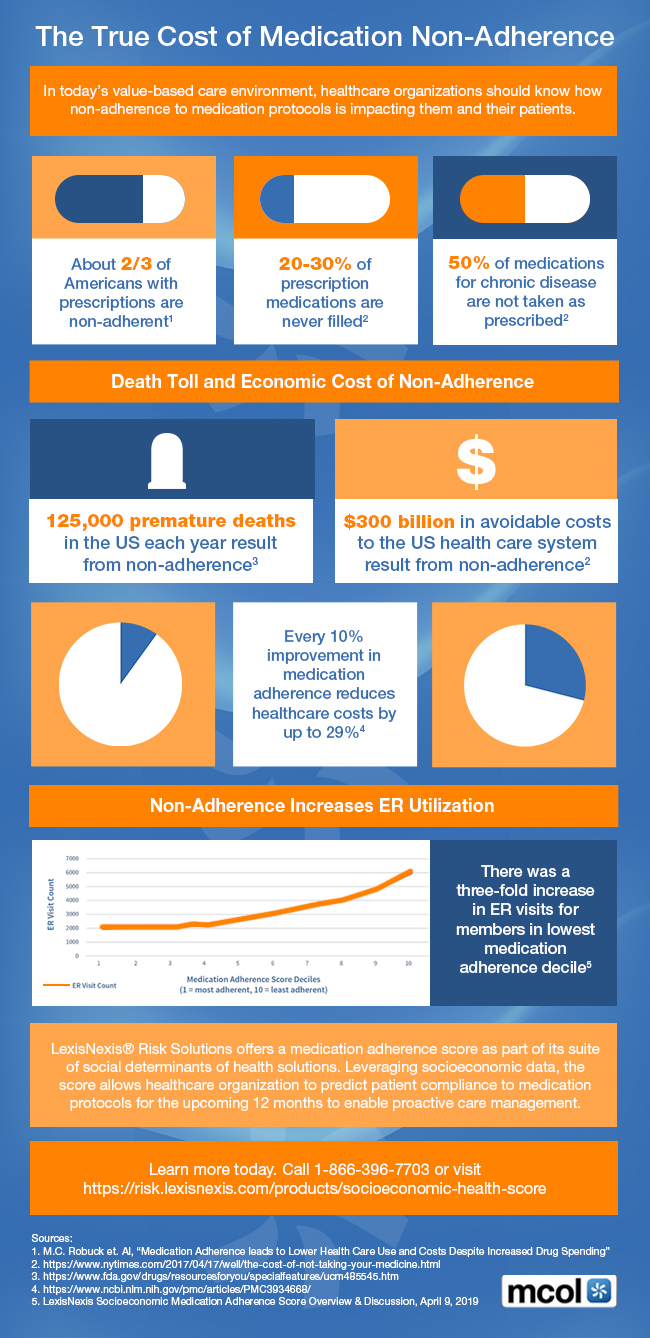
On Medication Non-Adherence

Data and Analytics Can Make an Impact

http://www.MCOL.com

***

***

Conclusion

Your thoughts and comments on this ME-P are appreciated. Feel free to review our top-left column, and top-right sidebar materials, links, URLs and related websites, too. Then, subscribe to the ME-P. It is fast, free and secure.

Speaker: If you need a moderator or speaker for an upcoming event, Dr. David E. Marcinko; MBA – Publisher-in-Chief of the Medical Executive-Post – is available for seminar or speaking engagements.

Book Marcinko: https://medicalexecutivepost.com/dr-david-marcinkos-bookings/

Subscribe: MEDICAL EXECUTIVE POST for curated news, essays, opinions and analysis from the public health, economics, finance, marketing, IT, business and policy management ecosystem.

***

Product DetailsProduct DetailsProduct Details

Breaking Healthcare Business News

0Breaking News and Updates

By http://www.MCOL.com

Atul Gawande Says His Goal Is Better Health Care for 1 Million Workers
Bloomberg, June 21, 2018

New Labor Rule Will be a Big Health Care Boon for Small Businesses
The Hill, June 20, 2018

The Benefits of Benefits: Why Employers Can’t Afford Inadequate Workplace Perks
Cision PRnewswire, June 19, 2018

Benefit Offerings Mature Along With the Millennials Employers Want to Hire
Bloomberg, June 14, 2018

Costs are Rising for Employer-Sponsored Insurance — Again
CBS News, June 13, 2018

Health Insurers Mount Major Defense of ‘Coverage at Work’
ThinkAdvisor, June 13, 2018

Fed Up With Rising Costs, Big U.S. Firms Dig Into Healthcare
Reuters via NY Times, June 11, 2018

Employers Urge Trump Administration to Pull Back on Obamacare Mandate
Modern Healthcare, June 1, 2018

A Health Plan with a la Carte Coverage
Star Tribune, May 25, 2018

The Future of Accountable Care [A Podcast]

Collaborative ACOs

By Caravan Health

More than 80 percent of all accountable care organizations are too small to succeed. Because of their size, ACOs experience savings and losses of 10 – 20 percent, simply due to statistical variation in health care spending.

During this presentation a panel of industry leaders explore the groundbreaking model of Collaborative ACOs. They discuss the future of ACOs, and how health care organizations – through a collaborative ACO – can avoid taking unnecessary risk, increase shared savings, and sustainably manage their population health.

VIEW

http://www.healthsharetv.com/content/collaborative-acos-future-accountable-care

***

share

PODCAST: “Social Determinants of Health”

Webinar Recap of “Social Determinants of Health: Turning Potential into Actual Value Webinar Recap of “Social Determinants of Health: Turning Potential into Actual Value”

A brief recap of the webinar: “Social Determinants of Health: Turning Potential into Actual Value,” sponsored by LexisNexis Health Care, with Erin Benson, Director Market Planning and Rich Morino, Director, Strategic Solutions.

This recap includes discussion of 5 categories of SDOH.

Watch Now!

***

On Shoplifting

An Invisible and Costly Money Problem

By Rick Kahler MS CFP®

In all my experience with problematic money behaviors, there’s one I’ve never addressed—shoplifting. It’s not discussed in the books I’ve co-authored. While I estimate that I’ve worked with or spoken to around 1000 people about their money scripts, I can’t once recall anyone mentioning a money script that they deserved to steal from retailers or that it was okay to shoplift. In 27 years of writing this column I can’t recall ever writing one about shoplifting. Until now.

The NASP

When I did a little research on shoplifting, the results were sobering. One source, the National Association for Shoplifting Prevention (NASP) estimates that 27,000,000 people in the U.S. have shoplifted at least once. That’s 1 out of 9 people. This means of the 1,000 people I’ve worked with, none of whom identified a money script around shoplifting, it’s safe to assume that 110 had shoplifted. That is mind-boggling to me.

Root Causes

What causes a person to shoplift? According to a research study of 43,000 people that appeared in the American Journal of Psychiatry (Prevalence and Correlates of Shoplifting in the United States, 2008), we don’t fully know. We do know that it isn’t because of economic status. Some high profile and very wealthy celebrities have been caught shoplifting, including Brittney Spears, Winona Ryder, Lindsay Lohan, and Courtney Love.

The NASP website lists the following facts:

· There is no gender profile for shoplifters; it affects both men and women equally.

· About 25% of shoplifters are kids and 75% are adults.

· The majority of shoplifters, 55%, started in their teens.

· Shoplifting is largely not a premeditated crime; over 70% say it’s impulsive.

· Shoplifters say the true reward is the high of getting away with it, not what they steal.

· Shoplifters go undetected in 47 out of every 48 attempts.

· About 57% of adult shoplifters continue to shoplift after being caught.

· Habitual shoplifters steal an average of 1.6 times a week.

Popular Items

What are the most popular items to steal? Lists vary according to the type of survey, but common items include alcohol, cosmetics, small electronics and accessories, clothing, and over-the-counter medications. Many of these are tempting because they are easy to slip into a pocket or handbag.

It’s easy to dismiss shoplifting as an insignificant and relatively harmless crime. We tend to think of it as something that kids might do on a dare or a few adults might do occasionally on impulse. I wonder if this is why it so rarely comes up in discussions of money scripts. Even the word itself is minimizing. “Shoplifting” sounds much less serious than what this behavior really is: stealing.

Yet shoplifting is a serious crime that costs all of us a lot of money. The National Retail Federation’s annual National Retail Security Survey measures “inventory shrink.” The 2017 survey found 1.44% of retail inventory came up missing. More than a third (36.5%) of this loss was due to shoplifting.

Direct losses of inventory are far from the only cost of shoplifting. Security technology and staff time also increase expenses. So does all the wasteful, landfill-clogging packaging that manufacturers add to make small items too bulky to hide in a pocket or bag. The retailers’ response to all these costs, of course, is higher prices for law-abiding consumers.

Assessment

My most important realization from this research is that shoplifting, which NASP calls a “silent crime,” deserves more attention than it receives. When we as consumers naively ignore it, we are ignoring a costly problem that all of us pay for. Perhaps the most damaging money script around shoplifting is the belief that it’s too minor to matter.

Conclusion

Your thoughts and comments on this ME-P are appreciated. Feel free to review our top-left column, and top-right sidebar materials, links, URLs and related websites, too. Then, subscribe to the ME-P. It is fast, free and secure.

Speaker: If you need a moderator or speaker for an upcoming event, Dr. David E. Marcinko; MBA – Publisher-in-Chief of the Medical Executive-Post – is available for seminar or speaking engagements.

Book Marcinko: https://medicalexecutivepost.com/dr-david-marcinkos-bookings/

Subscribe: MEDICAL EXECUTIVE POST for curated news, essays, opinions and analysis from the public health, economics, finance, marketing, IT, business and policy management ecosystem.

DOCTORS:

“Insurance & Risk Management Strategies for Doctors” https://tinyurl.com/ydx9kd93

“Fiduciary Financial Planning for Physicians” https://tinyurl.com/y7f5pnox

“Business of Medical Practice 2.0” https://tinyurl.com/yb3x6wr8

HOSPITALS:

“Financial Management Strategies for Hospitals” https://tinyurl.com/yagu567d

“Operational Strategies for Clinics and Hospitals” https://tinyurl.com/y9avbrq5

***

SHARE

R.I.P Charles Krauthammer MD

Charles Krauthammer, Pulitzer Prize-winning columnist and intellectual provocateur, dies at 68

Charles Krauthammer, a Pulitzer Prize-winning Washington Post columnist and intellectual provocateur who championed the muscular foreign policy of neoconservatism that helped lay the ideological groundwork for the 2003 U.S.-led invasion of Iraq, died June 21 at 68.

https://www.msn.com/en-us/news/us/charles-krauthammer-pulitzer-prize-winning-columnist-and-intellectual-provocateur-dies-at-68/ar-AAyYVyF?OCID=ansmsnnews11

***


On Physician-Patient Communications

The Top Six [6] Reasons

By http://www.MCOL.com

***

***

Conclusion

Your thoughts and comments on this ME-P are appreciated. Feel free to review our top-left column, and top-right sidebar materials, links, URLs and related websites, too. Then, subscribe to the ME-P. It is fast, free and secure.

Speaker: If you need a moderator or speaker for an upcoming event, Dr. David E. Marcinko; MBA – Publisher-in-Chief of the Medical Executive-Post – is available for seminar or speaking engagements.

Book Marcinko: https://medicalexecutivepost.com/dr-david-marcinkos-bookings/

Subscribe: MEDICAL EXECUTIVE POST for curated news, essays, opinions and analysis from the public health, economics, finance, marketing, IT, business and policy management ecosystem.

DOCTORS:

“Insurance & Risk Management Strategies for Doctors” https://tinyurl.com/ydx9kd93

“Fiduciary Financial Planning for Physicians” https://tinyurl.com/y7f5pnox

“Business of Medical Practice 2.0” https://tinyurl.com/yb3x6wr8

HOSPITALS:

“Financial Management Strategies for Hospitals” https://tinyurl.com/yagu567d

“Operational Strategies for Clinics and Hospitals” https://tinyurl.com/y9avbrq5

***

Product DetailsProduct Details

A Decade of Health Insurance Deductibles

2006-2016

By KFF

*** 

***

DOCTORS:
“Insurance and Risk Management Strategies for Doctors” https://tinyurl.com/ydx9kd93
“Fiduciary Financial Planning for Physicians” https://tinyurl.com/y7f5pnox
“Business of Medical Practice 2.0” https://tinyurl.com/yb3x6wr8
HOSPITALS:
“Financial Management Strategies for Hospitals” https://tinyurl.com/yagu567d
“Operational Strategies for Clinics and Hospitals” https://tinyurl.com/y9avbrq5

***

Product DetailsProduct Details

The Rise and Fall of Theranos

And, Elizabeth Holmes

EDITOR’S NOTE: We rarely reprint material verbatim on this ME-P. After all, what’s the point of repetition? Nevertheless, we feel compelled to do so for occasional stories of gravitas.

http://www.msn.com/en-us/money/companies/the-rise-and-fall-of-theranos-the-blood-testing-startup-that-went-from-a-rising-star-in-silicon-valley-to-facing-fraud-charges-over-a-wild-15-year-span/ss-AAxMTgp?li=BBnbfcL#image=35

This is one such reprint.

Conclusion

Your thoughts and comments on this ME-P are appreciated. Feel free to review our top-left column, and top-right sidebar materials, links, URLs and related websites, too. Then, subscribe to the ME-P. It is fast, free and secure.

Speaker: If you need a moderator or speaker for an upcoming event, Dr. David E. Marcinko; MBA – Publisher-in-Chief of the Medical Executive-Post – is available for seminar or speaking engagements.

Book Marcinko: https://medicalexecutivepost.com/dr-david-marcinkos-bookings/

Subscribe: MEDICAL EXECUTIVE POST for curated news, essays, opinions and analysis from the public health, economics, finance, marketing, IT, business and policy management ecosystem.

DOCTORS:

“Insurance & Risk Management Strategies for Doctors” https://tinyurl.com/ydx9kd93

“Fiduciary Financial Planning for Physicians” https://tinyurl.com/y7f5pnox

“Business of Medical Practice 2.0” https://tinyurl.com/yb3x6wr8

HOSPITALS:

“Financial Management Strategies for Hospitals” https://tinyurl.com/yagu567d

“Operational Strategies for Clinics and Hospitals” https://tinyurl.com/y9avbrq5

***

Product DetailsProduct Details

Suicide Rate Trends in the USA

Circa 1999-2018

By http://www.MCOL.com

***

***

Conclusion

Your thoughts and comments on this ME-P are appreciated. Feel free to review our top-left column, and top-right sidebar materials, links, URLs and related websites, too. Then, subscribe to the ME-P. It is fast, free and secure.

Speaker: If you need a moderator or speaker for an upcoming event, Dr. David E. Marcinko; MBA – Publisher-in-Chief of the Medical Executive-Post – is available for seminar or speaking engagements.

Book Marcinko: https://medicalexecutivepost.com/dr-david-marcinkos-bookings/

Subscribe: MEDICAL EXECUTIVE POST for curated news, essays, opinions and analysis from the public health, economics, finance, marketing, IT, business and policy management ecosystem.

DOCTORS:

“Insurance & Risk Management Strategies for Doctors” https://tinyurl.com/ydx9kd93

“Fiduciary Financial Planning for Physicians” https://tinyurl.com/y7f5pnox

“Business of Medical Practice 2.0” https://tinyurl.com/yb3x6wr8

HOSPITALS:

“Financial Management Strategies for Hospitals” https://tinyurl.com/yagu567d

“Operational Strategies for Clinics and Hospitals” https://tinyurl.com/y9avbrq5

***

Product DetailsProduct Details

Predictions in the Economy and Elections

Be Wary of Predictions in Economy and Elections

By Rick Kahler CFP®

“I rarely have seen economic fundamentals as good as they are now.” I heard this observation from Greg Valliere, the chief global strategist at Horizon Investments, in a May 18 keynote address at the Spring Conference of the National Association of Personal Financial Advisors (NAPFA). With 3,100 members, NAPFA is the largest organization of fee-only financial planners in the US.

Valliere listed numerous positives for the economy, especially the very low unemployment rate, the tax cuts, the increase in government spending via the new budget, and the high corporate earnings. He saw as less positive the fact that we can’t seem to get our gross domestic product rate much over 2% when it needs to be around 3%. Also problematic are the anticipated rate increases by the Federal Reserve Bank and the growing protectionism that may cause the markets and economy to react poorly.

He noted that both Democrats and Republicans agree on two things: something must be done to address the unfair trade issues with China, and no one really wants a trade war that will cost jobs, increase prices, and probably send the economy into recession. They don’t agree on how to go about this. Despite the bluster, Valliere doesn’t see a comprehensive deal in the near future with China. Nor does he see a deal anytime soon to solve what he called the “disappointing” problems with the North American Free Trade Act (NAFTA). He added, “There is a chance Canadian relations will turn south in a hurry.”

As problematic as these issues are, the sleeper that may cause us economic troubles is the impact on our European trading partners caused by our new sanctions on Iran.

Regarding the Federal Reserve, Valliere observed that Janet Yellen left on a high note and was a good Fed chairman. However, noting that Trump is no respecter of the historical separation between the White House and the Federal Reserve Bank, he added, “I think there will be friction between Trump and Powel. Trump doesn’t want rates hiked so this new chairman will have to tiptoe.”

Valliere also ventured into prognosticating on the 2018 midterm elections. He thinks the Republicans will maintain control of the Senate and possibly gain 2 or 3 seats. His best guess is that the House will flip to the Democrats. They need a gain of 23 seats to gain control, and the midterm average is for the party in control to lose 25 seats. “The wild card is if by Labor Day the GDP is growing by 3% and unemployment is 3.5%. Then people may vote their pocketbook and give the Republicans another 2 years.”

He then wandered into the 2020 presidential election, saying, “I believe that Trump easily has the Republican nomination,” because Mitt Romney and John Kasich are no threat. He noted that “80% of Republicans love this guy. His support is rock solid. No one in the Republican Party takes out Trump.”

In the general election he doesn’t see a Democrat strong enough to defeat Trump. Neither does he see a credible third party candidate.

***

***

Assessment

As much as I agree with Valliere’s take on the economy, and as convincing as he is on Trump’s chances of winning a second term, I am not making any bets on that. In 2016 I was sure Hillary Clinton would be our next president, and I put my money where my mouth was. Maybe this time I need to play the contrarian and put my money on Elizabeth Warren. The one sure bet I can rely on is that both the economy and politics are too complex to easily predict. 

Conclusion

Your thoughts and comments on this ME-P are appreciated. Feel free to review our top-left column, and top-right sidebar materials, links, URLs and related websites, too. Then, subscribe to the ME-P. It is fast, free and secure.

Speaker: If you need a moderator or speaker for an upcoming event, Dr. David E. Marcinko; MBA – Publisher-in-Chief of the Medical Executive-Post – is available for seminar or speaking engagements.

Book Marcinko: https://medicalexecutivepost.com/dr-david-marcinkos-bookings/

Subscribe: MEDICAL EXECUTIVE POST for curated news, essays, opinions and analysis from the public health, economics, finance, marketing, IT, business and policy management ecosystem.

DOCTORS:

“Insurance & Risk Management Strategies for Doctors” https://tinyurl.com/ydx9kd93

“Fiduciary Financial Planning for Physicians” https://tinyurl.com/y7f5pnox

“Business of Medical Practice 2.0” https://tinyurl.com/yb3x6wr8

HOSPITALS:

“Financial Management Strategies for Hospitals” https://tinyurl.com/yagu567d

“Operational Strategies for Clinics and Hospitals” https://tinyurl.com/y9avbrq5

Risk Management, Liability Insurance, and Asset Protection Strategies for Doctors and Advisors: Best Practices from Leading Consultants and Certified Medical Planners™8Comprehensive Financial Planning Strategies for Doctors and Advisors: Best Practices from Leading Consultants and Certified Medical Planners™

***

What are Immortal HeLa Cells?

On Henrietta Lacks

[By Dr. David Edward Marcinko MBA]

I am from Baltimore, Maryland and grew up playing stick ball in the parking lot of Johns Hopkins Hospital. I met more than a few medical luminaries and so I also know this legendary story. It is now passed on for your amazement!

What they are – How they work?

‘Immortal’ Cells

Journalist Rebecca Skloot’s new book investigates how a poor black tobacco farmer had a groundbreaking impact on modern medicine

https://www.smithsonianmag.com/science-nature/henrietta-lacks-immortal-cells-6421299/#izWCg1l54JutILcy.99

https://en.wikipedia.org/wiki/HeLa

More: http://www.msn.com/en-us/news/us/henrietta-lacks-portrait-acquired-by-smithsonian-museums/ar-AAx5hQF

Conclusion

Your thoughts and comments on this ME-P are appreciated. Feel free to review our top-left column, and top-right sidebar materials, links, URLs and related websites, too. Then, subscribe to the ME-P. It is fast, free and secure.

Speaker: If you need a moderator or speaker for an upcoming event, Dr. David E. Marcinko; MBA – Publisher-in-Chief of the Medical Executive-Post – is available for seminar or speaking engagements.

Book Marcinko: https://medicalexecutivepost.com/dr-david-marcinkos-bookings/

Subscribe: MEDICAL EXECUTIVE POST for curated news, essays, opinions and analysis from the public health, economics, finance, marketing, IT, business and policy management ecosystem.

***

Doctors Call for EHR Overhaul

A New Research Study

By Stanford Medicine

***

***

***

Conclusion

Your thoughts and comments on this ME-P are appreciated. Feel free to review our top-left column, and top-right sidebar materials, links, URLs and related websites, too. Then, subscribe to the ME-P. It is fast, free and secure.

Speaker: If you need a moderator or speaker for an upcoming event, Dr. David E. Marcinko; MBA – Publisher-in-Chief of the Medical Executive-Post – is available for seminar or speaking engagements.

Book Marcinko: https://medicalexecutivepost.com/dr-david-marcinkos-bookings/

Subscribe: MEDICAL EXECUTIVE POST for curated news, essays, opinions and analysis from the public health, economics, finance, marketing, IT, business and policy management ecosystem.

DOCTORS:

“Insurance & Risk Management Strategies for Doctors” https://tinyurl.com/ydx9kd93

“Fiduciary Financial Planning for Physicians” https://tinyurl.com/y7f5pnox

“Business of Medical Practice 2.0” https://tinyurl.com/yb3x6wr8

HOSPITALS:

“Financial Management Strategies for Hospitals” https://tinyurl.com/yagu567d

“Operational Strategies for Clinics and Hospitals” https://tinyurl.com/y9avbrq5

***

Risk Management, Liability Insurance, and Asset Protection Strategies for Doctors and Advisors: Best Practices from Leading Consultants and Certified Medical Planners™8Comprehensive Financial Planning Strategies for Doctors and Advisors: Best Practices from Leading Consultants and Certified Medical Planners™

***

On Legacy Parenting

What Are You Passing On?

By Rick Kahler CFP®

Fiduciary, client-centered financial planning is dynamic, ongoing, and evolving. The collaboration between client and planner is a relationship that often lasts for a client’s’ lifetime.

Sometimes that relationship even extends beyond a client’s lifetime if they have children or leave money to a foundation. It’s not uncommon for clients’ children to become the stewards of their parents’ financial legacy via an inheritance or being appointed the overseers of a trust fund. Nor is it unusual for the children to become clients of the financial planner, either as they create their own financial success or as they inherit from their parents.

Children often form partnerships with a parent’s financial planner as their parents age and they become caretakers of their parents’ financial affairs. It’s very common that at some point, a child will have a durable power of attorney. This responsibility includes not just paying bills, but maintaining the investment portfolio, selling real estate, and making a plethora of other financial decisions that are crucial to the parents’ wellbeing. If children don’t have good money skills or don’t know about the specifics of their parents’ finances, the task can be overwhelming. A planner’s help can be invaluable.

Evolution lack

Sometimes, however, that next generation of relationships doesn’t evolve. I once had a long-time client who developed dementia. My financial planning meetings were now with his children, who had no understanding of the history I had with their father or the investment philosophy of the portfolio. They questioned everything I was doing: the investments, our fees, our philosophy.

Eventually, the children suggested I liquidate the portfolio and loan the money to them to use in their business. Even though they had the legal right to direct me to do that, I resisted.

This created a real emotional conflict of interest. Even though my client had legally passed the decision-making on to the children, what they wanted was not in his best interest. And knowing my client as I did through our long relationship, he would have not agreed in the least to what they requested. I decided I would rather face a judge as a result of acting in the best interest of my client instead of following the requests of the children. Fortunately, they didn’t persist.

Example:

When the client passed away, almost immediately the children called and asked me to liquidate their father’s investments and distribute cash as quickly as possible. Before long, I heard that much of the father’s estate was being squandered. After I had worked closely with this man for so long and helped him build that estate, this saddened me.

Yet this client’s legacy was no longer my concern. When children become stewards of their parents’ legacies, the money belongs to them. They might feel chained by guilt and obligation to carry out a parent’s wishes. They might squander a parent’s legacy on ill-advised pursuits, spending, and investment schemes. Ideally, they will have developed enough financial and emotional intelligence to follow a more balanced middle path.

***

***

To help children find that middle path, perhaps the best legacy parents can leave is their values. This can be done by teaching children about finances, family businesses, and family history, by leaving ethical wills, and above all by example.

Assessment

Those values and the financial legacies to support them start a new cycle. Inheritances are meant to support children’s own dreams and quests for meaning. Unless the funds are left to a trust, the decision-making is literally and figuratively out of the hands of both the parents and their financial planner. The planner, as a torchbearer for clients, has the responsibility to pass that torch to the next generation.

Conclusion

Your thoughts and comments on this ME-P are appreciated. Feel free to review our top-left column, and top-right sidebar materials, links, URLs and related websites, too. Then, subscribe to the ME-P. It is fast, free and secure.

Speaker: If you need a moderator or speaker for an upcoming event, Dr. David E. Marcinko; MBA – Publisher-in-Chief of the Medical Executive-Post – is available for seminar or speaking engagements.

Book Marcinko: https://medicalexecutivepost.com/dr-david-marcinkos-bookings/

Subscribe: MEDICAL EXECUTIVE POST for curated news, essays, opinions and analysis from the public health, economics, finance, marketing, IT, business and policy management ecosystem.

DOCTORS:

“Insurance & Risk Management Strategies for Doctors” https://tinyurl.com/ydx9kd93

“Fiduciary Financial Planning for Physicians” https://tinyurl.com/y7f5pnox

“Business of Medical Practice 2.0” https://tinyurl.com/yb3x6wr8

HOSPITALS:

“Financial Management Strategies for Hospitals” https://tinyurl.com/yagu567d

“Operational Strategies for Clinics and Hospitals” https://tinyurl.com/y9avbrq5

Comprehensive Financial Planning Strategies for Doctors and Advisors: Best Practices from Leading Consultants and Certified Medical Planners™

***

An Introduction to “Micro-Hospitals”

The New Kid on the Block: An Introduction to Micro-Hospitals

By Health Capital Consultants [HCC]; LLC

This Health Capital Topics article, the first installment of a five-part series, will introduce the concept of micro-hospitals and briefly discuss how they have evolved within the current healthcare delivery environment.

The following articles in this series will further examine micro-hospitals in relation to the Four Pillars that influence the value of entities within the healthcare industry, i.e., regulatory; reimbursement; competition; and, technology. (Read more…) 

***

Conclusion

Your thoughts and comments on this ME-P are appreciated. Feel free to review our top-left column, and top-right sidebar materials, links, URLs and related websites, too. Then, subscribe to the ME-P. It is fast, free and secure.

Speaker: If you need a moderator or speaker for an upcoming event, Dr. David E. Marcinko; MBA – Publisher-in-Chief of the Medical Executive-Post – is available for seminar or speaking engagements.

Book Marcinko: https://medicalexecutivepost.com/dr-david-marcinkos-bookings/

Subscribe: MEDICAL EXECUTIVE POST for curated news, essays, opinions and analysis from the public health, economics, finance, marketing, IT, business and policy management ecosystem.

DOCTORS:

“Insurance & Risk Management Strategies for Doctors” https://tinyurl.com/ydx9kd93

“Fiduciary Financial Planning for Physicians” https://tinyurl.com/y7f5pnox

“Business of Medical Practice 2.0” https://tinyurl.com/yb3x6wr8

HOSPITALS:

“Financial Management Strategies for Hospitals” https://tinyurl.com/yagu567d

“Operational Strategies for Clinics and Hospitals” https://tinyurl.com/y9avbrq5

Product DetailsProduct Details

A Major Health Plan Snapshot

Medical Membership as of March 2018 [millions]

By http://www.MCOL.com

***

***

Conclusion

Your thoughts and comments on this ME-P are appreciated. Feel free to review our top-left column, and top-right sidebar materials, links, URLs and related websites, too. Then, subscribe to the ME-P. It is fast, free and secure.

Speaker: If you need a moderator or speaker for an upcoming event, Dr. David E. Marcinko; MBA – Publisher-in-Chief of the Medical Executive-Post – is available for seminar or speaking engagements.

Book Marcinko: https://medicalexecutivepost.com/dr-david-marcinkos-bookings/

Subscribe: MEDICAL EXECUTIVE POST for curated news, essays, opinions and analysis from the public health, economics, finance, marketing, IT, business and policy management ecosystem.

DOCTORS:

“Insurance & Risk Management Strategies for Doctors” https://tinyurl.com/ydx9kd93

“Fiduciary Financial Planning for Physicians” https://tinyurl.com/y7f5pnox

“Business of Medical Practice 2.0” https://tinyurl.com/yb3x6wr8

HOSPITALS:

“Financial Management Strategies for Hospitals” https://tinyurl.com/yagu567d

“Operational Strategies for Clinics and Hospitals” https://tinyurl.com/y9avbrq5

REAL TIME: Of course; we can continue the real time dialogue right here: www.MedicalExwecuitivePost.com

Product DetailsProduct Details

***

CMS Seeks Comments on Medicare “DPC Model”

CMS Seeks Comments on Medicare “DPC Model”

“The Direct Primary Care (DPC) model is burgeoning as patients yearn for quality time with their doctor at an affordable price,” writes Marilyn Singleton, MD, JD in a recent oped.

***

https://mailchi.mp/aapsonline/cms-dpc-model

***

Speaker: If you need a moderator or speaker for an upcoming event, Dr. David E. Marcinko; MBA – Publisher-in-Chief of the Medical Executive-Post – is available for seminar or speaking engagements. https://medicalexecutivepost.com/dr-david-marcinkos-bookings/

Contact: MarcinkoAdvisors@msn.com

Product DetailsProduct Details

***

How You Can Deduct Your Medical Expenses

Reduce Taxes, Bunch Deductions

By Rick Kahler MSFS CFP®

***

Want to save a bunch under the new federal income tax laws? Try bunching your deductions.

The new tax law doubles the standard deduction and eliminates most miscellaneous deductions. It takes a lot more of the limited allowable deductions left to reach the threshold for itemizing deductions instead of using the standard amount.

This means fewer Americans will be able to itemize. A Jan 18, 2018 post by Dena Bunis at AARP.com quotes Mark Mazur, director of the nonpartisan Tax Policy Center: “We’ve estimated that about 30 percent itemized in 2017, and we think that’s going to go down to about the 10 percent range going forward.”

By “bunching” donations and tax payments into alternating years, you may still be able to itemize your deductions every other year. The three main deductions you may be able to bunch are property and state income taxes (up to a cap of $10,000), charitable donations, and medical expenses.

Example:

Here’s how bunching works for a single person. Let’s assume you have $11,500 of deductions every year. This will not put you over the $12,000 threshold, so you will take the $12,000 standard deduction every year. However, if you can bunch all those deductions into alternate years, you could deduct $23,000 one year and take the standard deduction the next year. Depending on your top income tax bracket, bunching might save you a tidy $1,100 to $4,070 every other year. (If you are married, just double these numbers.)

One of the easiest expenses to bunch in South Dakota is property taxes. Most property owners pay the first half of the prior year’s taxes in April and the second half in October. However, county treasurers will allow you to pay your taxes in full on January 1 of each year. So, every other year you write a check to the county treasurer on December 31, bunching two years of property taxes into one year.

Charitable donations can also be easily bunched. You might simply double your donations one year and skip them the next (let smaller charities that rely on your contributions know you’re doing this). Or you could use a donor advised fund (DAF). These funds allow you to make sizeable charitable donations without even knowing which charities you want to support or when. The fund managers keep your money invested until you direct them when and to whom to disburse it. If you give $6,000 a year to your church, for example, you could bunch two or more years of giving into one year and then have the DAF release the funds annually.

Medical deductions in excess of a percentage of your income (7.5% in 2018; 10% in 2019 and after) can be deducted if you itemize. Bunching elective procedures and other expenses into one year may put you over the threshold every other year.

AARP says that you may be surprised at some of the medical costs that are deductible. Those that are eligible include:

·         Out-of-pocket payments for prescription drugs and fees to doctors, dentists, chiropractors, psychiatrists, psychologists, podiatrists, physical or occupational therapists

·         Health and long-term care insurance premiums

·         Payments to nursing homes and other long-term care facilities

·         Inpatient alcohol and drug treatment programs

·         Modifications made to your home for medical reasons

·         Transportation to and from medical appointments

·         Dentures, prescription eyeglasses, hearing aids, and DME such as wheelchairs

·         Smoking-cessation and weight-loss programs related to a specific disease.

Assessment

Obviously, the potential for tax savings from bunching deductions will vary considerably. You may want to investigate what impact it could have for you. At least on alternate years, the savings might make you a happier taxpayer.

Conclusion

Your thoughts and comments on this ME-P are appreciated. Feel free to review our top-left column, and top-right sidebar materials, links, URLs and related websites, too. Then, subscribe to the ME-P. It is fast, free and secure.

Speaker: If you need a moderator or speaker for an upcoming event, Dr. David E. Marcinko; MBA – Publisher-in-Chief of the Medical Executive-Post – is available for seminar or speaking engagements.

Book Marcinko: https://medicalexecutivepost.com/dr-david-marcinkos-bookings/

Subscribe: MEDICAL EXECUTIVE POST for curated news, essays, opinions and analysis from the public health, economics, finance, marketing, IT, business and policy management ecosystem.

DOCTORS:

“Insurance Risk Management Strategies for Doctors” https://tinyurl.com/ydx9kd93

“Fiduciary Financial Planning for Physicians” https://tinyurl.com/y7f5pnox

“Business of Medical Practice 2.0” https://tinyurl.com/yb3x6wr8

HOSPITALS:

“Financial Management Strategies for Hospitals” https://tinyurl.com/yagu567d

“Operational Strategies for Clinics and Hospitals” https://tinyurl.com/y9avbrq5

Risk Management, Liability Insurance, and Asset Protection Strategies for Doctors and Advisors: Best Practices from Leading Consultants and Certified Medical Planners™8Comprehensive Financial Planning Strategies for Doctors and Advisors: Best Practices from Leading Consultants and Certified Medical Planners™

Living U.S. World War II Veterans

A Graph for the Period 1960-2016

***

***

Conclusion

Your thoughts and comments on this ME-P are appreciated. Feel free to review our top-left column, and top-right sidebar materials, links, URLs and related websites, too. Then, subscribe to the ME-P. It is fast, free and secure.

Speaker: If you need a moderator or speaker for an upcoming event, Dr. David E. Marcinko; MBA – Publisher-in-Chief of the Medical Executive-Post – is available for seminar or speaking engagements.

Book Marcinko: https://medicalexecutivepost.com/dr-david-marcinkos-bookings/

Subscribe: MEDICAL EXECUTIVE POST for curated news, essays, opinions and analysis from the public health, economics, finance, marketing, IT, business and policy management ecosystem.

***


Life insurance issues that salespeople would prefer you NOT know!

More on Life Insurance

Rick Kahler MS CFP

By Rick Kahler MSFS, CFP®

Here are three points about life insurance that many life insurance salespeople would prefer you not to know:

  1. Not everyone needs it.
  2. Those who most need it are often least able to afford it.
  3. It is not a good investment.

Let’s take a deeper look at each point.

Not everyone needs life insurance. You probably don’t if you are single, financially independent, don’t have large debts, or own property or a business that will be liquidated upon your death. You need life insurance only if anyone would be put at risk or suffer financially because of your death.

Here are four circumstances when insurance is typically necessary:

  1. Parents with young children. Before the kids are born young couples, who typically are both employed, may not really need life insurance. However, when the first child comes along it’s imperative that there is enough insurance to raise each child to financial self-sufficiency.
  2. Business owners with large debts, key employees, or partners. Without life insurance to pay off business debts, an owner’s heirs might struggle to keep a company going or be forced to sell it. Companies often insure the lives of key employees whose loss would severely affect the business. Life insurance is also routinely used to fund “buy/sell” agreements which specify that the estate of the deceased will sell and the surviving partner(s) will buy the decedent’s interest in the company. This is especially important for a minority partner who could not afford to buy the shares of a deceased majority owner.
  3. Employed spouses close to retirement who haven’t fully funded their retirement plans. This is one that is commonly missed. If a surviving spouse depends upon several more years of retirement plan contributions from a partner’s salary in order to fund an adequate retirement, life insurance could make up the difference.
  4. People with large estates (over about $11 million per individual) in assets that can’t be easily liquidated. This need is rare, but we do see it occasionally. It may apply to farms or ranches where nearly 100% of the value of the estate is in land or a closely held business. In order for someone to pass the land or business on to heirs, it is important to have enough life insurance to cover estate taxes.

Those who most need insurance but can least afford it are often young couples with young children.

Typically these are the years when couples struggle to make ends meet with the demands of student loans, house payments, and the costs of a growing family. The good news is that term insurance is usually very inexpensive.

Life insurance is not a good investment.

In my 35-plus years of doing financial planning I have never, not once, seen anyone fully or partially retire on a life insurance investment.

One reason why is that a significant portion of the premiums in the early years of the policy go to paying out commissions. The loss is really never made up, and it takes years just to get back to even. This fact is cleverly hidden in the sales materials that lead you to believe you will never lose a dime, receive guaranteed returns, and get a tax-free income for life. These claims are true, but they are not the whole story.

Assessment

When making decisions about life insurance, remember that it is not meant as a source of income, but as a means to replace income or to pay taxes or debts. Used appropriately, life insurance is a valuable and affordable financial planning resource.

Conclusion

Your thoughts and comments on this ME-P are appreciated. Feel free to review our top-left column, and top-right sidebar materials, links, URLs and related websites, too. Then, subscribe to the ME-P. It is fast, free and secure.

Speaker: If you need a moderator or speaker for an upcoming event, Dr. David E. Marcinko; MBA – Publisher-in-Chief of the Medical Executive-Post – is available for seminar or speaking engagements. https://medicalexecutivepost.com/dr-david-marcinkos-bookings/

Contact: MarcinkoAdvisors@msn.com

https://www.crcpress.com/Risk-Management-Liability-Insurance-and-Asset-Protection-Strategies-for/Marcinko-Hetico/p/book/9781498725989

***

Understanding the ME-P Knowledge Based Ranking Service

Join Our Mailing List

About Our Professional User-Generated Ratings Interface

From the Contributing Editors

How We Work

The Medical Executive-Post is a professional ranking and educational rating system for the integrated industries, readers and contributors we serve.

We function as an open social utility that allows readers and users to submit and collectively evaluate the quality of blog posts, opinions and essays on any of more than 50 specific topics and related subject matters of collective interest.

Understanding Knowledge Based Ranking Services

Assessment

Conclusion

Your thoughts and comments on this ME-P are appreciated. Feel free to review our top-left column, and top-right sidebar materials, links, URLs and related websites, too. Then, subscribe to the ME-P. It is fast, free and secure.

Link: http://feeds.feedburner.com/HealthcareFinancialsthePostForcxos

Speaker: If you need a moderator or speaker for an upcoming event, Dr. David E. Marcinko; MBA – Publisher-in-Chief of the Medical Executive-Post – is available for seminar or speaking engagements. Contact: MarcinkoAdvisors@msn.com

Our Other Print Books and Related Information Sources:

Health Dictionary Series: http://www.springerpub.com/Search/marcinko

Practice Management: http://www.springerpub.com/product/9780826105752

Physician Financial Planning: http://www.jbpub.com/catalog/0763745790

Medical Risk Management: http://www.jbpub.com/catalog/9780763733421

Hospitals: http://www.crcpress.com/product/isbn/9781439879900

Physician Advisors: www.CertifiedMedicalPlanner.org

Product DetailsProduct DetailsProduct Details

Product Details  Product Details

Product Details

Product Details 

What are Lichtenberg figures?

Shocking!

[By Staff reporters]

Lichtenberg figures” are branching, tree-like patterns that are created by the passage of high voltage electrical discharges along the surface, or through, electrically insulating materials (dielectrics).

MORE: https://en.wikipedia.org/wiki/Georg_Christoph_Lichtenberg

The first Lichtenberg figures were actually 2-dimensional “dust figures” that formed when airborne dust settled on the surface of electrically-charged plates of resin in the laboratory of their discoverer, German physicist  Georg Christoph Lichtenberg (1742-1799).

Professor Lichtenberg first observed this in 1777, demonstrated the phenomenon to his physics students and peers, and reported his findings in his memoir (in Latin): De Nova Methodo Naturam Ac Motum Fluidi Electrici Investigandi (Göttinger Novi Commentarii, Göttingen, 1777). The English translation of the title is, “Concerning the New Method Of Investigating the Nature and Movement of Electric Fluid”.

MORE: http://www.capturedlightning.com/frames/lichtenbergs.html#What

***

***

Assessment

I used to cover the ER back in the day, and actually saw a patient struck by lightening, thusly.

MORE: http://twistedsifter.com/2012/03/lichtenberg-figures-lightning-strike-scars/

Conclusion

Your thoughts and comments on this ME-P are appreciated. Feel free to review our top-left column, and top-right sidebar materials, links, URLs and related websites, too. Then, subscribe to the ME-P. It is fast, free and secure.

Speaker: If you need a moderator or speaker for an upcoming event, Dr. David E. Marcinko; MBA – Publisher-in-Chief of the Medical Executive-Post – is available for seminar or speaking engagements.

Book Marcinko: https://medicalexecutivepost.com/dr-david-marcinkos-bookings/

Subscribe: MEDICAL EXECUTIVE POST for curated news, essays, opinions and analysis from the public health, economics, finance, marketing, IT, business and policy management ecosystem.

***

Product DetailsProduct DetailsProduct Details

On Stock Market Predictions?

 Experts Don’t Know, Either

By Rick Kahler CFP®

Rarely does a day go by without someone asking for my thoughts about the direction of the stock market. How long do I think the bull market will continue? When will a bear market start? Is now a good time to sell?

Logically enough, people seem to think that financial experts know a lot more than anyone else about the markets and how they will perform in the future. Logical or not, this assumption is not true.

Bob Veres, editor of Inside Information, puts it this way: “As it turns out, the predictions made by financial experts are no better than those made by gypsies looking into crystal balls, soothsayers gazing at the entrails of a sacrificed animal or wizards with tall caps who gaze into space. In fact, the financial experts might even be LESS reliable than those other charlatans.”

The problem with accurately predicting what direction the US stock market is heading in the near future is that no expert really knows. Financial experts don’t have any better idea which way a market will move over the short term than you do. The only difference is they can make a convincing argument that they know what they’re talking about.

Larry Swedroe, an economist and director of research for Buckingham Strategic Wealth, spent much of 2017 compiling predictions of financial experts that were made with a great deal of certainty since 2010. He recently gave what might be called a “guru scorecard” of results.

Of 62 surefire market calls the experts gave since 2010, 17 were right. That’s just 27%. While a .270 batting average would be respectable in baseball, it’s a pathetic failure when you’re taking bets with your financial future.

Last year Swedroe found economists expected stocks to provide moderate single-digit returns. Stocks actually produced double-digit returns. Economists also predicted that the dollar would strengthen, the stocks of emerging market countries would fall, inflation would rise significantly, and bond rates would spike dramatically and cause big losses for bond investors. None of those happened. Bonds actually had a great year, with the Vanguard Long-Term Treasury Index returning 8.6% for the year.

Predicting the direction of interest rates is especially dangerous. Data taken from the U.S. Federal Reserve Board’s Quarterly Survey of Professional Forecasters show financial experts have predicted that interest rates would rise at the beginning of every year since 2008. What happened? The experts got it wrong every year except one.

How can supposed experts, who have spentyears of their lives obtaining impressive financial degrees, get by with giving such amazingly poor advice year after year? Very few people or reporters keep track. Our society is amazingly forgiving of meteorologists and stock prognosticators.

Exacerbating the problem is that the financial press makes a living selling magazines that promise “the next big thing you need to do with your investments right now to make jillions of dollars.” It doesn’t sell a lot of magazines if you lead with a headline, “Experts once again predict they have no clue where the stock market is heading.” Steve Forbes, editor of Forbes Magazine, once said, “You make more money selling advice than following it. It’s one of the things we count on in the magazine business, along with the short memory of our readers.”

Assessment

The next time you hear a pundit or market guru make a confident prediction about what’s going to happen in the markets in the near future, you may want to turn off the volume and go do something productive. Or you might even want to go get a second opinion from a wizard or a gypsy fortune teller.

Conclusion

Your thoughts and comments on this ME-P are appreciated. Feel free to review our top-left column, and top-right sidebar materials, links, URLs and related websites, too. Then, subscribe to the ME-P. It is fast, free and secure.

Speaker: If you need a moderator or speaker for an upcoming event, Dr. David E. Marcinko; MBA – Publisher-in-Chief of the Medical Executive-Post – is available for seminar or speaking engagements.

Book Marcinko: https://medicalexecutivepost.com/dr-david-marcinkos-bookings/

Subscribe: MEDICAL EXECUTIVE POST for curated news, essays, opinions and analysis from the public health, economics, finance, marketing, IT, business and policy management ecosystem.

***

Risk Management, Liability Insurance, and Asset Protection Strategies for Doctors and Advisors: Best Practices from Leading Consultants and Certified Medical Planners™8Comprehensive Financial Planning Strategies for Doctors and Advisors: Best Practices from Leading Consultants and Certified Medical Planners™

Top Causes of Premature Mortality

Top 6  Causes in 2016 – USA

By http://www.MCOL.com

***

Conclusion

Your thoughts and comments on this ME-P are appreciated. Feel free to review our top-left column, and top-right sidebar materials, links, URLs and related websites, too. Then, subscribe to the ME-P. It is fast, free and secure.

Speaker: If you need a moderator or speaker for an upcoming event, Dr. David E. Marcinko; MBA – Publisher-in-Chief of the Medical Executive-Post – is available for seminar or speaking engagements.

Book Marcinko: https://medicalexecutivepost.com/dr-david-marcinkos-bookings/

Subscribe: MEDICAL EXECUTIVE POST for curated news, essays, opinions and analysis from the public health, economics, finance, marketing, IT, business and policy management ecosystem.

***

Product DetailsProduct Details

We’re All a Little Weird Around Money

Just a Little?

By Rick Kahler MSFS CFP® 

“Everybody gets weird around money.” This was one of many great one-liners about money from my good friend and financial philosopher, the late Dick Wagner, JD CFP.

Dr. Moira Somers, a psychologist from Winnipeg, Canada, agrees. In her new book, Advice that Sticks, she says, “Most people are at least mildly crazy when it comes to money. I can say ‘crazy’ with some authority. I am, after all, a psychologist. I know crazy when I see it. And there is nothing—not full moons or federal elections or family get-togethers—that draws the crazy out of people faster than money.”

Amen, sister!

Somers also quotes Geneen Roth, whose book Lost and Found describes losing her life savings to Bernie Madoff: “It seems that money, even more than food, activates our survival instinct and makes wise, otherwise rational people behave like starving dogs. Any distorted or frozen patterns in our psyches will inevitably show up in our relationship with money, which makes it the ultimate repository for shadowy behavior.”

Even economist John Maynard Keynes, in his 1936 book, The General Theory of Employment, Interest and Money, used the term “animal spirits” to describe the instincts and emotions that influence and guide human behavior around money.

Craziness. Starving dogs. Animal Spirits. Shadowy behavior. If we’re all so weird around money, maybe the really crazy ones are those who sign up for a career of helping people with their money.

Money carries an incredible emotional charge, notes Somers. “How else to explain what financial professionals encounter in their line of work?”

I’ve certainly encountered money weirdness in many forms. Like the wealthy business owner who went ballistic over having to pay a 6.5% sales tax on my fee, even though every South Dakota service provider he deals with must charge sales tax. Or the couple that was dumbfounded to learn that their current spending level would leave them penniless in 10 years, even though their former financial planner had told them that repeatedly for the last 10 years. Or the couple that fired me as their financial planner because the only time they fought about money was when they came to see me.

Another Wagnerism is that money is the most powerful and pervasive secular force on the planet. It touches everything in our lives: our physical, emotional, mental, and even spiritual well-being are all influenced for better or worse by money.

As Somers says, “It shows up in their spending habits, job choices, and relationships. It shows up in their investment decisions and in their charitable giving. It shows up in the tone and the content of the conversations they have with you and other people in their life when money gets discussed.”

Even having those conversations about money is what Wagner called “a 21st Century taboo.” No wonder that working with financial professionals brings out everyone’s money weirdness. Financial planners and financial therapists, unlike any other professionals, are at ground zero for dealing with clients’ dysfunctions and shadowy behaviors around money. If they are to have even a whisper of being successful, Somers says, their approach “requires a firm commitment to not adding to the problem through shaming, blaming, or firing them unnecessarily.”

Once you become aware of your own particular weirdness around money, the challenge is to find financial professionals who can help you negotiate your problems rather than adding to them. You need advisors who understand their own money triggers, values, and beliefs, as well as having the skills to help you understand your own. To find such advisors, a good place to start your research is with the Financial Therapy Association.

weird

Conclusion

Your thoughts and comments on this ME-P are appreciated. Feel free to review our top-left column, and top-right sidebar materials, links, URLs and related websites, too. Then, subscribe to the ME-P. It is fast, free and secure.

Speaker: If you need a moderator or speaker for an upcoming event, Dr. David E. Marcinko; MBA – Publisher-in-Chief of the Medical Executive-Post – is available for seminar or speaking engagements.

Book Marcinko: https://medicalexecutivepost.com/dr-david-marcinkos-bookings/

Subscribe: MEDICAL EXECUTIVE POST for curated news, essays, opinions and analysis from the public health, economics, finance, marketing, IT, business and policy management ecosystem.

Risk Management, Liability Insurance, and Asset Protection Strategies for Doctors and Advisors: Best Practices from Leading Consultants and Certified Medical Planners™8Comprehensive Financial Planning Strategies for Doctors and Advisors: Best Practices from Leading Consultants and Certified Medical Planners™

***

Dr. Marcinko Interviewed on the Physician Credit Crunch

Financial Experts Share Tips on Obtaining Loans to Start or Expand a Medical Practice

By Michael Gibbons

Editor: ADVANCE Newsmagazines

Maybe you’re a young dermatologist or plastic surgeon who dreams of starting your own practice. Or maybe you’re an established professional but want to expand your palette of anti-aging services. Either way, you’ve probably made an unpleasant discovery: Banks are leery about lending today. Global recessions with seemingly no end in sight tend to give loan officers sticky fingers.HO-JFMS-CD-ROM

Dermatologists and Plastic Surgeons

We have it on good authority that dermatologists and plastic surgeons as a group are less affected by this problem than physicians in some other branches of medicine. Still, there’s no better time than now to absorb some sound advice on how to approach banks for loans—whether you’re a fresh-faced newcomer to the fresh-face business or a wrinkled veteran at eliminating wrinkles.

Start Small

There’s no soft-soaping it: Starting a healthy aging practice is much harder than expanding an existing practice, even in the flushest of times.

“For young dermatologists starting out, I recommend you start small,” advises Jerome Potozkin, MD, who offers facial rejuvenation, liposuction, body contouring and dermatological care through his practice in Walnut Creek, CA. “You can always expand. Keep your overhead low. Know what your credit score is and do everything you can to improve it. Pay your bills on time.”

Lasers aren’t cheap. Besides the initial acquisition costs, a service contract can cost $7,000 to $12,000 a year, according to Dr. Potozkin. “Don’t feel you have to buy every new laser under the sun,” he says. “In fact, renting rather than purchasing is an option many companies offer. When your volume is low you can rent and schedule laser days—although the pitfall there is you don’t have lasers available whenever patients come in.”

Also, young dermatologists “will probably have an easier time getting a loan if they go to a relatively underserved area, as opposed to an area that has a large number of dermatologists per capita,” says Dr. Potozkin, who began practicing 10 years ago. “There are two schools of thought on this: Go where you want to live to start a practice or go to where there’s a need and be instantly successful. I chose the former. It took me longer to get started but I’m very happy where I am.”

Patience, Prudence and Passiondem2

Be patient, prudent, passionate—and start with a spare office and as little debt as possible, advises Dr. David E. Marcinko MBA, a financial advisor and Certified Medical Planner™. Marcinko, a health economist,  is CEO of the Institute of Medical Business Advisors Inc., a national physician and medical practice consulting firm based in Norcross, GA www.MedicalBusinessAdvisors.com

“Patients are looking for passion from you, not lavish trappings,” Dr. Marcinko says. “When a banker or a loan officer sees $175,000 or more of debt they are loath to give a loan—and it’s hard to blame them. Purchase a home after you become a private practitioner. You need to be as close to debt-free as you can be.

Exit Strategy

“Another thing bankers want to know is, ‘If we give you a loan and you start a practice and it fails, how will we be paid back?’ They want an exit strategy.”

The good news is dermatology “remains a very lucrative specialty, and in most parts of the country they are in a shortage position, particularly with the aging population,” says Sandra McGraw, JD, MBA, principal and CEO of the Health Care Group, a financial and legal consulting firm based in Plymouth Meeting, PA., that advises the American Academy of Dermatology, among other groups.

“I would start with a realistic business plan for why you think this practice can succeed, in the specific location,” McGraw says. “How many patients do you expect to see? How will they know you are there and available? Remember that banks lend to all kinds of people, so keep your numbers realistic. Overestimating expenses is as bad as underestimating them. Then determine how you want the money—usually a fixed loan for a period of time and then a line of credit as you get your practice going and sometimes need the cash flow.”biz-book

Expanding a Practice

Established dermatologists should have an easier time getting loans to expand their practices. They have, one hopes, a track record of success and assets to put up as collateral.

Mid-career physicians “have cash flow, physician assets and equity to some degree in a house and personal assets,” Dr. Marcinko observes. “Banks can attach loans to personal assets and savings accounts. Ninety-nine percent of times you must sign a personal asset guarantee. Mid-lifers have assets young ones don’t, so mid-lifers aren’t quite the risk. They have businesses that have value and cash flow. Banks like cash flow.”

However, even veterans must do some homework before approaching a bank. “You still want to establish why you want the money and how the expansion will increase your income,” McGraw says.

Another tip: If the bank has loans out with reputable vendors, you might ask the loan officer to recommend them to you as potential contractors. “Sometimes keeping it local and supporting others with loans at the bank can be helpful,” she says.

Assessment

Dr. Marcinko adds, “Bankers today want you to come in with a well-reasoned, well-thought-out and well-written business plan. Give bankers a 30-second elevator speech on why you are different. It’s really important to ask yourself, ‘What can I offer the community as a doctor in my specialty that nobody else can?’ If you bill yourself as the first dermatologist to do laser surgery, that’s a perceived advantage. You purchased the equipment and learned to use it. But anyone can do that. If you can come up with something that nobody else has or can do, that’s how you’re successful in anything.”

Link: Dr. Marcinko Interview

Link: https://medicalexecutivepost.com/wp-content/uploads/2009/08/dr-marcinko-interview.pdf

Conclusion

And so, your thoughts and comments on this Medical Executive-Post are appreciated. Tell us what you think. Feel free to review our top-left column, and top-right sidebar materials, links, URLs and related websites, too. Then, be sure to subscribe to the ME-P. It is fast, free and secure.

Link: http://feeds.feedburner.com/HealthcareFinancialsthePostForcxos

Speaker: If you need a moderator or speaker for an upcoming event, Dr. David E. Marcinko; MBA – Publisher-in-Chief of the Executive-Post – is available for seminar or speaking engagements. Contact: MarcinkoAdvisors@msn.com

Sponsors Welcomed

And, credible sponsors and like-minded advertisers are always welcomed.

Link: https://healthcarefinancials.wordpress.com/2007/11/11/advertise

On the Front Line of Health Care

Giving Doctors a Say

By Bain and Company

***

***
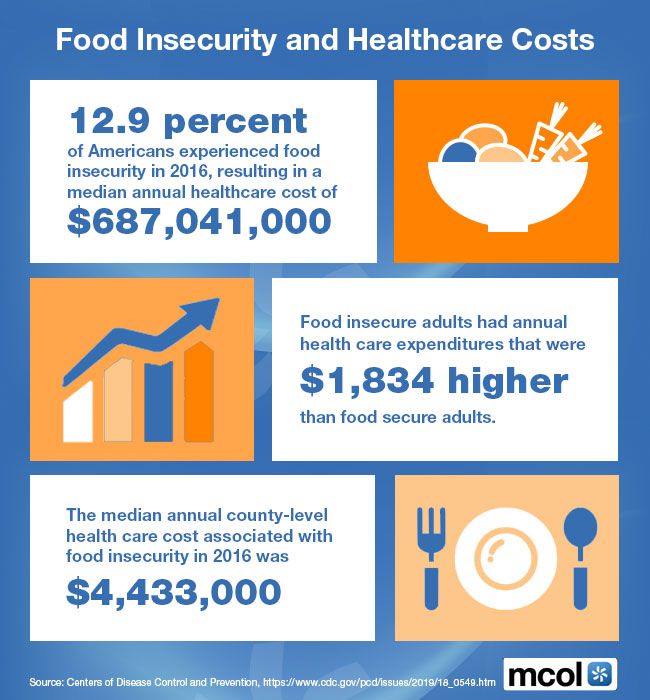
Conclusion

Your thoughts and comments on this ME-P are appreciated. Feel free to review our top-left column, and top-right sidebar materials, links, URLs and related websites, too. Then, subscribe to the ME-P. It is fast, free and secure. 

Speaker: If you need a moderator or speaker for an upcoming event, Dr. David E. Marcinko; MBA – Publisher-in-Chief of the Medical Executive-Post – is available for seminar or speaking engagements. https://medicalexecutivepost.com/dr-david-marcinkos-bookings/ 

Contact: MarcinkoAdvisors@msn.com

Product DetailsProduct Details

***

Using Social Determinants of Health Data

To Generate Value

By http://www.MCOL.com

***

***

Conclusion

Your thoughts and comments on this ME-P are appreciated. Feel free to review our top-left column, and top-right sidebar materials, links, URLs and related websites, too. Then, subscribe to the ME-P. It is fast, free and secure. 

Speaker: If you need a moderator or speaker for an upcoming event, Dr. David E. Marcinko; MBA – Publisher-in-Chief of the Medical Executive-Post – is available for seminar or speaking engagements. https://medicalexecutivepost.com/dr-david-marcinkos-bookings/ 

Contact: MarcinkoAdvisors@msn.com

***

Product DetailsProduct Details

The Top Physician “Side Hustles”

Side Gig Nation

Curated by Jan Greene

The Takeaway

Physicians have a variety of ways to make extra money outside of their main day jobs, most often consulting or other medical work, a Medical Economics survey finds.

***

***
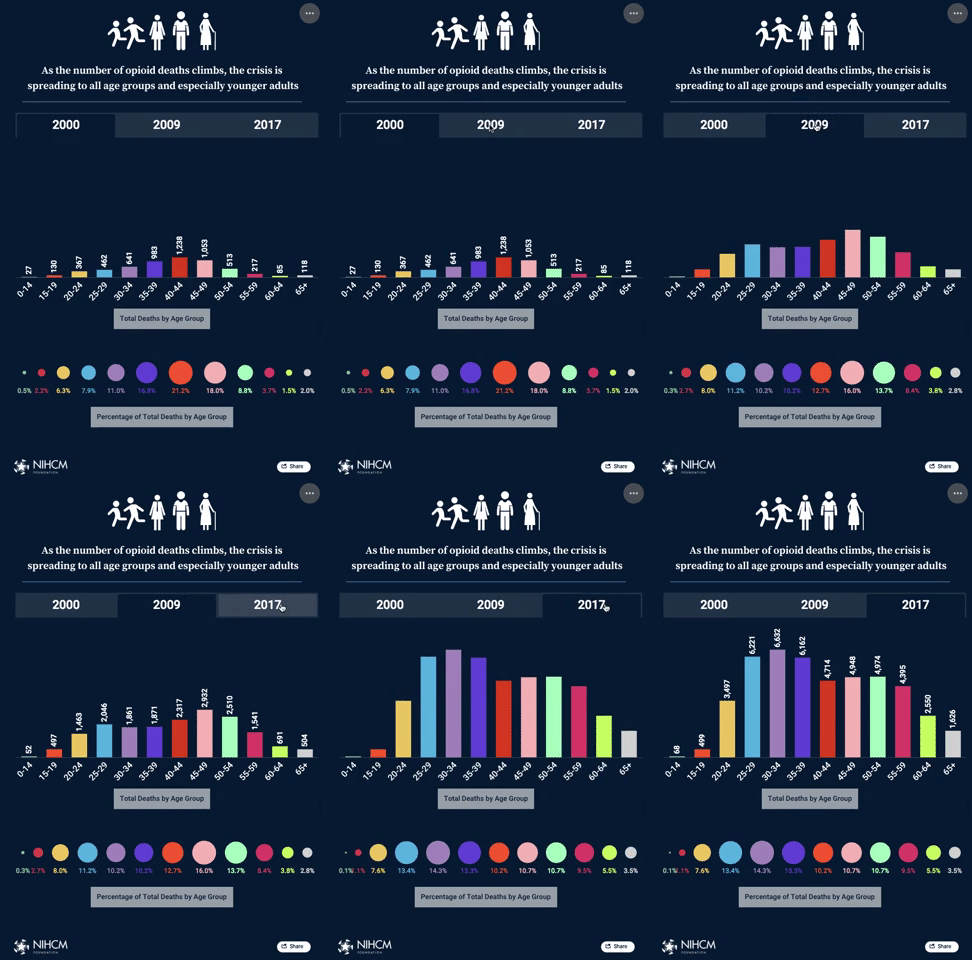
Details

The top 14 sources of secondary income for doctors, according to the magazine’s annual survey, are:

  • consulting (23% of respondents),
  • other medical work (19%),
  • clinical work (13%),
  • expert witness (12%),
  • teaching (11%),
  • nursing home (9%),
  • speaking (9%),
  • hospice (7%),
  • urgent care (5%),
  • locum tenens (4%),
  • preceptor (4%),
  • clinical trials (3%),
  • military (2%), and
  • telemedicine (1%).

Assessment

The online survey, conducted in October 2015, had 2065 responses from confirmed physicians actively practicing medicine, with a margin of error of 2.1%.

Conclusion

Your thoughts and comments on this ME-P are appreciated. Feel free to review our top-left column, and top-right sidebar materials, links, URLs and related websites, too. Then, subscribe to the ME-P. It is fast, free and secure. 

Speaker: If you need a moderator or speaker for an upcoming event, Dr. David E. Marcinko; MBA – Publisher-in-Chief of the Medical Executive-Post – is available for seminar or speaking engagements. https://medicalexecutivepost.com/dr-david-marcinkos-bookings/

 Contact: MarcinkoAdvisors@msn.com

***

Product DetailsProduct Details

A New FINANCIAL PLANNING TEXTBOOK for DRs and Physician Focused Financial Advisors

Join Our Mailing List

 THRIVE IN 2019

Our New Text – “Take a Peek Inside 

Now Available –

***

Comprehensive Financial Planning Strategies for Doctors and Advisors: Best Practices from Leading Consultants and Certified Medical Planners(TM)

Front Matter with Foreword by Jason Dyken MD MBA

logos

“BY DOCTORS – FOR DOCTORS – PEER REVIEWED – FIDUCIARY FOCUSED”

***

Book Reviews

Written by doctors and healthcare professionals, this textbook should be mandatory reading for all medical school students—highly recommended for both young and veteran physicians—and an eliminating factor for any financial advisor who has not read it. The book uses jargon like ‘innovative,’ ‘transformational,’ and ‘disruptive’—all rightly so! It is the type of definitive financial lifestyle planning book we often seek, but seldom find.
LeRoy Howard MA CMPTM, Candidate and Financial Advisor, Fayetteville, North Carolina

I taught diagnostic radiology for over a decade. The physician-focused niche information, balanced perspectives, and insider industry transparency in this book may help save your financial life.
Dr. William P. Scherer MS, Barry University, Ft. Lauderdale, Florida

This book was crafted in response to the frustration felt by doctors who dealt with top financial, brokerage, and accounting firms. These non-fiduciary behemoths often prescribed costly wholesale solutions that were applicable to all, but customized for few, despite ever-changing needs. It is a must-read to learn why brokerage sales pitches or Internet resources will never replace the knowledge and deep advice of a physician-focused financial advisor, medical consultant, or collegial Certified Medical Planner™ financial professional.
—Parin Khotari MBA, Whitman School of Management, Syracuse University, New York

In today’s healthcare environment, in order for providers to survive, they need to understand their current and future market trends, finances, operations, and impact of federal and state regulations. As a healthcare consulting professional for over 30 years supporting both the private and public sector, I recommend that providers understand and utilize the wealth of knowledge that is being conveyed in these chapters. Without this guidance providers will have a hard time navigating the supporting system which may impact their future revenue stream. I strongly endorse the contents of this book.
—Carol S. Miller BSN MBA PMP, President, Miller Consulting Group, ACT IAC Executive Committee Vice-Chair at-Large, HIMSS NCA Board Member

This is an excellent book on financial planning for physicians and health professionals. It is all inclusive yet very easy to read with much valuable information. And, I have been expanding my business knowledge with all of Dr. Marcinko’s prior books. I highly recommend this one, too. It is a fine educational tool for all doctors.
—Dr. David B. Lumsden MD MS MA, Orthopedic Surgeon, Baltimore, Maryland

There is no other comprehensive book like it to help doctors, nurses, and other medical providers accumulate and preserve the wealth that their years of education and hard work have earned them.
—Dr. Jason Dyken MD MBA, Dyken Wealth Strategies, Gulf Shores, Alabama

I plan to give a copy of this book written
by doctors and for doctors’ to all my prospects, physician, and nurse clients. It may be the definitive text on this important topic.
—Alexander Naruska CPA, Orlando, Florida

Health professionals are small business owners who need to apply their self-discipline tactics in establishing and operating successful practices. Talented trainees are leaving the medical profession because they fail to balance the cost of attendance against a realistic business and financial plan. Principles like budgeting, saving, and living below one’s means, in order to make future investments for future growth, asset protection, and retirement possible are often lacking. This textbook guides the medical professional in his/her financial planning life journey from start to finish. It ranks a place in all medical school libraries and on each of our bookshelves.
—Dr. Thomas M. DeLauro DPM, Professor and Chairman – Division of Medical Sciences, New York College of Podiatric Medicine

Physicians are notoriously excellent at diagnosing and treating medical conditions. However, they are also notoriously deficient in managing the business aspects of their medical practices. Most will earn $20-30 million in their medical lifetime, but few know how to create wealth for themselves and their families. This book will help fill the void in physicians’ financial education. I have two recommendations: 1) every physician, young and old, should read this book; and 2) read it a second time!
—Dr. Neil Baum MD, Clinical Associate Professor of Urology, Tulane Medical School, New Orleans, Louisiana

I worked with a Certified Medical Planner™ on several occasions in the past, and will do so again in the future. This book codified the vast body of knowledge that helped in all facets of my financial life and professional medical practice.
Dr. James E. Williams DABPS, Foot and Ankle Surgeon, Conyers, Georgia

This is a constantly changing field for rules, regulations, taxes, insurance, compliance, and investments. This book assists readers, and their financial advisors, in keeping up with what’s going on in the healthcare field that all doctors need to know.
Patricia Raskob CFP® EA ATA, Raskob Kambourian Financial Advisors, Tucson, Arizona

I particularly enjoyed reading the specific examples in this book which pointed out the perils of risk … something with which I am too familiar and have learned (the hard way) to avoid like the Black Death. It is a pleasure to come across this kind of wisdom, in print, that other colleagues may learn before it’s too late— many, many years down the road.
Dr. Robert S. Park MD, Robert Park and Associates Insurance, Seattle, Washington

Although this book targets physicians, I was pleased to see that it also addressed the financial planning and employment benefit needs of nurses; physical, respiratory, and occupational therapists; CRNAs, hospitalists, and other members of the health care team….highly readable, practical, and understandable.
Nurse Cecelia T. Perez RN, Hospital Operating Room Manager, Ellicott City, Maryland

Personal financial success in the PP-ACA era will be more difficult to achieve than ever before. It requires the next generation of doctors to rethink frugality, delay gratification, and redefine the very definition of success and work–life balance. And, they will surely need the subject matter medical specificity and new-wave professional guidance offered in this book. This book is a ‘must-read’ for all health care professionals, and their financial advisors, who wish to take an active role in creating a new subset of informed and pioneering professionals known as Certified Medical Planners™.
—Dr. Mark D. Dollard FACFAS, Private Practice, Tyson Corner, Virginia

As healthcare professionals, it is our Hippocratic duty to avoid preventable harm by paying attention. On the other hand, some of us are guilty of being reckless with our own financial health—delaying serious consideration of investments, taxation, retirement income, estate planning, and inheritances until the worry keeps one awake at night. So, if you have avoided planning for the future for far too long, perhaps it is time to take that first step toward preparedness. This in-depth textbook is an excellent starting point—not only because of its readability, but because of his team’s expertise and thoroughness in addressing the intricacies of modern investments—and from the point of view of not only gifted financial experts, but as healthcare providers, as well … a rare combination.
Dr. Darrell K. Pruitt DDS, Private Practice Dentist, Fort Worth, Texas

This text should be on the bookshelf of all contemporary physicians. The book is physician-focused with unique topics applicable to all medical professionals. But, it also offers helpful insights into the new tax and estate laws, fiduciary accountability for advisors and insurance agents, with investing, asset protection and risk management, and retirement planning strategies with updates for the brave new world of global payments of the Patient Protection and Affordable Care Act. Starting out by encouraging readers to examine their personal ‘money blueprint’ beliefs and habits, the book is divided into four sections offering holistic life cycle financial information and economic education directed to new, mid-career, and mature physicians.

This structure permits one to dip into the book based on personal need to find relief, rather than to overwhelm. Given the complexity of modern domestic healthcare, and the daunting challenges faced by physicians who try to stay abreast of clinical medicine and the ever-evolving laws of personal finance, this textbook could not have come at a better time.
—Dr. Philippa Kennealy MD MPH, The Entrepreneurial MD, Los Angeles, California

Physicians have economic concerns unmatched by any other profession, arriving ten years late to the start of their earning years. This textbook goes to the core of how to level the playing field quickly, and efficaciously, by a new breed of dedicated Certified Medical Planners™. With physician-focused financial advice, each chapter is a building block to your financial fortress.
Thomas McKeon, MBA, Pharmaceutical Representative, Philadelphia, Pennsylvania

An excellent resource … this textbook is written in a manner that provides physician practice owners with a comprehensive guide to financial planning and related topics for their professional practice in a way that is easily comprehended. The style in which it breaks down the intricacies of the current physician practice landscape makes it a ‘must-read’ for those physicians (and their advisors) practicing in the volatile era of healthcare reform.
—Robert James Cimasi, MHA ASA FRICS MCBA CVA CM&AA CMP™, CEO-Health Capital Consultants, LLC, St. Louis, Missouri

Rarely can one find a full compendium of information within a single source or text, but this book communicates the new financial realities we are forced to confront; it is full of opportunities for minimizing tax liability and maximizing income potential. We’re recommending it to all our medical practice management clients across the entire healthcare spectrum.
Alan Guinn, The Guinn Consultancy Group, Inc., Cookeville, Tennessee

Dr. David Edward Marcinko MBA CMP™ and his team take a seemingly endless stream of disparate concepts and integrate them into a simple, straightforward, and understandable path to success. And, he codifies them all into a step-by-step algorithm to more efficient investing, risk management, taxation, and enhanced retirement planning for doctors and nurses. His text is a vital read—and must execute—book for all healthcare professionals and physician-focused financial advisors.
Dr. O. Kent Mercado, JD, Private Practitioner and Attorney, Naperville, Illinois

Kudos. The editors and contributing authors have compiled the most comprehensive reference book for the medical community that has ever been attempted. As you review the chapters of interest and hone in on the most important concerns you may have, realize that the best minds have been harvested for you to plan well… Live well.
Martha J. Schilling; AAMS® CRPC® ETSC CSA, Shilling Group Advisors, LLC, Philadelphia, Pennsylvania

I recommend this book to any physician or medical professional that desires an honest no-sales approach to understanding the financial planning and investing world. It is worthwhile to any financial advisor interested in this space, as well.
David K. Luke, MIM MS-PFP CMP™, Net Worth Advisory Group, Sandy, Utah

Although not a substitute for a formal business education, this book will help physicians navigate effectively through the hurdles of day-to-day financial decisions with the help of an accountant, financial and legal advisor. I highly recommend it and commend Dr. Marcinko and the Institute of Medical Business Advisors, Inc. on a job well done.
Ken Yeung MBA CMP™, Tseung Kwan O Hospital, Hong Kong

I’ve seen many ghost-written handbooks, paperbacks, and vanity-published manuals on this topic throughout my career in mental healthcare. Most were poorly written, opinionated, and cheaply produced self-aggrandizing marketing drivel for those agents selling commission-based financial products and expensive advisory services. So, I was pleasantly surprised with this comprehensive peer-reviewed academic textbook, complete with citations, case examples, and real-life integrated strategies by and for medical professionals. Although a bit late for my career, I recommend it highly to all my younger colleagues … It’s credibility and specificity stand alone.
Dr. Clarice Montgomery PhD MA, Retired Clinical Psychologist

In an industry known for one-size-fits-all templates and massively customized books, products, advice, and services, the extreme healthcare specificity of this text is both refreshing and comprehensive.
Dr. James Joseph Bartley, Columbus, Georgia

My brother was my office administrator and accountant. We both feel this is the most comprehensive textbook available on financial planning for healthcare providers.
Dr. Anthony Robert Naruska DC, Winter Park, Florida

***

business-valuation

***

Healthcare System Solutions?

Moribund or Revivable?

***

***

Conclusion

Your thoughts and comments on this ME-P are appreciated. Feel free to review our top-left column, and top-right sidebar materials, links, URLs and related websites, too. Then, subscribe to the ME-P. It is fast, free and secure.

Speaker: If you need a moderator or speaker for an upcoming event, Dr. David E. Marcinko; MBA – Publisher-in-Chief of the Medical Executive-Post – is available for seminar or speaking engagements.

Book Marcinko: https://medicalexecutivepost.com/dr-david-marcinkos-bookings/

Subscribe: MEDICAL EXECUTIVE POST for curated news, essays, opinions and analysis from the public health, economics, finance, marketing, IT, business and policy management ecosystem.

Product DetailsProduct Details

***

Geographic Variations in Life Expectancy

In 2016

By http://www.MCOL.com

***

Conclusion

Your thoughts and comments on this ME-P are appreciated. Feel free to review our top-left column, and top-right sidebar materials, links, URLs and related websites, too. Then, subscribe to the ME-P. It is fast, free and secure. 

Speaker: If you need a moderator or speaker for an upcoming event, Dr. David E. Marcinko; MBA – Publisher-in-Chief of the Medical Executive-Post – is available for seminar or speaking engagements. https://medicalexecutivepost.com/dr-david-marcinkos-bookings/

 Contact: MarcinkoAdvisors@msn.com

***

Product DetailsProduct Details

April 28th., 2018 is National Prescription “Drug Take-Back” Day

Rx Drug Take-Back Day

By Dr. David Edward Marcinko MBA

Today, Saturday April 28th, is National Prescription Drug Take-Back Day. Sponsored by the DEA semi-annually, this is an opportunity to eradicate “rainy day” (when only 2 of the 30 pills were actually taken for a medical condition) dangerous Rx drugs that have been the source of many people’s introduction or continuation of addiction to opioids (Rx and illicit). 

Beyond the need to take these unused drugs out of circulation, they might not even still be appropriate weeks/months/years later for the person for whom they were originally prescribed. Nothing good comes from leaving dangerous Rx drugs unlocked and available for abuse.

While the DEA is advertising it, local communities are the ones that are actually making it happen. It is scheduled from 10-2pm local time on Saturday. I’ve already received an e-mail from my community leaders about their location. Go to www.DEATakeBack.com to identify a collection site closest to you (or your friends or family members).

***

***

Conclusion

Your thoughts and comments on this ME-P are appreciated. Feel free to review our top-left column, and top-right sidebar materials, links, URLs and related websites, too. Then, subscribe to the ME-P. It is fast, free and secure. 

Speaker: If you need a moderator or speaker for an upcoming event, Dr. David E. Marcinko; MBA – Publisher-in-Chief of the Medical Executive-Post – is available for seminar or speaking engagements. https://medicalexecutivepost.com/dr-david-marcinkos-bookings/ 

Contact: MarcinkoAdvisors@msn.com

CMP logo

http://www.CertifiedMedicalPlanner.org

***

On the Nobel Dr. Jonas Salk

Pioneer and Humanitarian

***

***

Conclusion

Your thoughts and comments on this ME-P are appreciated. Feel free to review our top-left column, and top-right sidebar materials, links, URLs and related websites, too. Then, subscribe to the ME-P. It is fast, free and secure. 

Speaker: If you need a moderator or speaker for an upcoming event, Dr. David E. Marcinko; MBA – Publisher-in-Chief of the Medical Executive-Post – is available for seminar or speaking engagements. https://medicalexecutivepost.com/dr-david-marcinkos-bookings/ 

Contact: MarcinkoAdvisors@msn.com

***

Product DetailsProduct Details

DOCTOR – Do you limit the number of uninsured patients you treat?

Well – do you?

***

***

Conclusion

Your thoughts and comments on this ME-P are appreciated. Feel free to review our top-left column, and top-right sidebar materials, links, URLs and related websites, too. Then, subscribe to the ME-P. It is fast, free and secure. 

Speaker: If you need a moderator or speaker for an upcoming event, Dr. David E. Marcinko; MBA – Publisher-in-Chief of the Medical Executive-Post – is available for seminar or speaking engagements. https://medicalexecutivepost.com/dr-david-marcinkos-bookings/ 

Contact: MarcinkoAdvisors@msn.com

Product Details

***

Need Quality Healthcare?

Value For All?

dem

By Dr. David Edward Marcinko MBA

http://www.CertifiedMedicalPlanner.org

Defined by Professor Michael Porter at Harvard Business School, value is defined as a function of outcomes and costs. Therefore to achieve high value we must deliver the best possible outcomes in the most efficient way, outcomes which matter from the perspective of the individual receiving healthcare and not provider process measures or targets.

Sir Muir Gray expanded on the idea of technical value (outcomes/costs) to specifically describe ‘personal value’ and ‘allocative value’, encouraging us to focus also on shared decision making, individual preferences for care and ensuring that resources are allocated for maximum value.

***

***

Conclusion

Your thoughts and comments on this ME-P are appreciated. Feel free to review our top-left column, and top-right sidebar materials, links, URLs and related websites, too. Then, subscribe to the ME-P. It is fast, free and secure. 

Speaker: If you need a moderator or speaker for an upcoming event, Dr. David E. Marcinko; MBA – Publisher-in-Chief of the Medical Executive-Post – is available for seminar or speaking engagements. https://medicalexecutivepost.com/dr-david-marcinkos-bookings/ 

Contact: MarcinkoAdvisors@msn.com

***

Product DetailsProduct Details

Financial Industry Fees Matter – PERIOD!

 Know Them Before You Invest

By Rick Kahler CFP®

***

One of the most important factors affecting the success or failure of your investments is also one of the least visible: fees.

When it comes to selecting managed financial investments like retirement plans, mutual funds, exchange-traded funds, annuities, and private real estate investment trusts, it’s essential to know how much you will be charged in fees.

Otherwise, you could own a mutual fund or annuity with great diversification which invests in high quality securities, yet still do no better over 20 years than had you stuck your money into a bank certificate of deposit earning 1%. You could own a private real estate investment trust that owns great properties in AAA locations, yet lose your shirt. All because you didn’t pay attention to the fees.

Let me underscore that not paying attention to the fees is really easy to do. In fact, some of those selling these products often do their best to see that you don’t pay attention. Yet it is imperative to understand, in percentages and dollars, how much you are paying.

The total cost of an investment includes up-front fees and commissions, administration fees, annual management fees and commissions, and transaction fees. This information will seldom be offered, so you need to ask lots of questions. Even when you ask, the salesperson may sidestep the question, not know the answer, or give you the wrong information.

Here are two examples that I was recently asked about

1. A woman had been advised to put her $1 million 401(k) rollover into a variable annuity sold by a well-known, established financial firm. She was told there were “no fees.” Here is what I discovered with a little research:

1. The upfront commission was 4.00%.
2. The annual fee paid to the advisor/salesperson was 1.50%.
3. The annual administrative fee was $50, and there was an insurance fee of 0.50%. No services were provided other than the administrative tasks of sending statements.
4. The charge for the underlying managers ranged from 0.80% to 1.65%, with an average fee of around 1.30%.
5. There were no transaction fees.

The total first year costs were 7.30%, and the annual ongoing costs were 3.30%. On $1 million dollars, that was $73,000 the first year and $33,000 a year thereafter. You will not build much of a retirement portfolio paying those kinds of fees.

2. A man with a $3 million investment portfolio was told he could reduce his investment costs from 0.75% to 0.25% by changing advisors. He figured this would save him 0.50%, or $15,000 a year.

This is what a more complete comparison revealed:

***

Type of Fees/Services Current Advisor Proposed Advisor
Up-front fees/commissions 0.00% 0.00%
Annual advisory fees 0.75% 0.25%
Services Provided Comprehensive planning Investment advice only
Annual expense ratio fees 0.55% 1.55%
Miscellaneous fees None $300 a year
Transaction fees $10 per trade $0 per trade

***

He was paying his current advisor 1.30%, plus a few hundred dollars a year in transaction fees, and receiving full financial planning, which included investment, tax, estate, insurance, retirement, asset protection, and cash flow advice.

The proposed advisor would cost him 1.80%, plus $300 a year in various fees, for investment advice only. This ended up being 0.50% more than his current advisor, not 0.50% less as it originally appeared.

On $3 million, a difference of 0.50% a year equals $15,000. Instead of saving $15,000 a year, he would have actually spent $15,000 more—for greatly reduced services. This is a swing of $30,000 a year, which (assuming an average return of 5.50%) would have decreased his retirement portfolio by about $1 million over 20 years.

money-pie

Assessment

Fees matter. Even small-seeming fee differences matter.

Conclusion

Your thoughts and comments on this ME-P are appreciated. Feel free to review our top-left column, and top-right sidebar materials, links, URLs and related websites, too. Then, subscribe to the ME-P. It is fast, free and secure. 

Speaker: If you need a moderator or speaker for an upcoming event, Dr. David E. Marcinko; MBA – Publisher-in-Chief of the Medical Executive-Post – is available for seminar or speaking engagements. https://medicalexecutivepost.com/dr-david-marcinkos-bookings/

 Contact: MarcinkoAdvisors@msn.com

***

Risk Management, Liability Insurance, and Asset Protection Strategies for Doctors and Advisors: Best Practices from Leading Consultants and Certified Medical Planners™8Comprehensive Financial Planning Strategies for Doctors and Advisors: Best Practices from Leading Consultants and Certified Medical Planners™

***

Invite Dr. Marcinko

***

USA Trends in Disability

Adjusted-Life-Years

***

***

Conclusion

Your thoughts and comments on this ME-P are appreciated. Feel free to review our top-left column, and top-right sidebar materials, links, URLs and related websites, too. Then, subscribe to the ME-P. It is fast, free and secure. 

Speaker: If you need a moderator or speaker for an upcoming event, Dr. David E. Marcinko; MBA – Publisher-in-Chief of the Medical Executive-Post – is available for seminar or speaking engagements. https://medicalexecutivepost.com/dr-david-marcinkos-bookings/

 Contact: MarcinkoAdvisors@msn.com

  Risk Management, Liability Insurance, and Asset Protection Strategies for Doctors and Advisors: Best Practices from Leading Consultants and Certified Medical Planners™

***

Global Healthcare Corporate M&A 2018

Global Healthcare Corporate M&A 2018

Global corporate M&A activity in healthcare surged in 2017, fueled by relentless pressure on companies to contain costs and boost returns.

Total deal value rose 27%, to $332 billion, while deal count increased 16%, to 3,099 (see Figure 1).

Three megamergers (that is, deals valued at greater than $20 billion), with a collective value of $126 billion, accounted for more than one-third of the total (see Figure 2).

***

http://www.bain.com/publications/articles/global-healthcare-corporate-m-and-a-2018.aspx

Conclusion

Your thoughts and comments on this ME-P are appreciated. Feel free to review our top-left column, and top-right sidebar materials, links, URLs and related websites, too. Then, subscribe to the ME-P. It is fast, free and secure. 

Speaker: If you need a moderator or speaker for an upcoming event, Dr. David E. Marcinko; MBA – Publisher-in-Chief of the Medical Executive-Post – is available for seminar or speaking engagements. https://medicalexecutivepost.com/dr-david-marcinkos-bookings/ 

Contact: MarcinkoAdvisors@msn.com

***

Product Details

On Likelihood of Receiving Preventative Health Checks

By Insurance Types

http://www.MCOL.com

***

***

Conclusion

Your thoughts and comments on this ME-P are appreciated. Feel free to review our top-left column, and top-right sidebar materials, links, URLs and related websites, too. Then, subscribe to the ME-P. It is fast, free and secure.

Speaker: If you need a moderator or speaker for an upcoming event, Dr. David E. Marcinko; MBA – Publisher-in-Chief of the Medical Executive-Post – is available for seminar or speaking engagements. https://medicalexecutivepost.com/dr-david-marcinkos-bookings/

 Contact: MarcinkoAdvisors@msn.com

Product Details

***

Why Is U.S. Health Care So Expensive?

Some of the Reasons You’ve Heard Turn Out to Be Myths

[Staff reporters]

In a new, detailed international comparison, the United States looks a lot more like its peers than researchers expected; according to Margot Sanger-Katz of the NYThttp://www.nytimes.com/2018/03/13/upshot/united-states-health-care-resembles-rest-of-world.html?em_pos=small&emc=edit_up_20180314&nl=upshot&nl_art=0&nlid=71936802emc%3Dedit_up_20180314&ref=headline&te=1

Product Details

Insurers Hold the Key to Healthcare’s Digital Future

On Electronic Health and Insurance

Imagine this scenario: It’s 7:30 AM, and time to leave for work. You normally drop your three-year-old daughter off at day care on your way to the train station. However, this morning she has developed two red, itchy blotches on her face. Is she sick, you wonder? Is it serious? Is she contagious? Looks like you’ll have to keep her out of day care and take her to the pediatrician, and who knows when you’ll be able to get an appointment. Or maybe you’ll just need to go to the doctor’s office and wait to be squeezed in. Either way, you or your spouse will have to miss a partial or full day of work.

***

***
Assessment
Bu, what if things could be done differently, more efficiently, with less time and less anxiety? What if you could use a smartphone app provided by your health insurance company to get background information on rashes, initiate a video consultation with your doctor and schedule an appointment with a highly rated specialist close by who can see your daughter that morning?

Conclusion

Your thoughts and comments on this ME-P are appreciated. Feel free to review our top-left column, and top-right sidebar materials, links, URLs and related websites, too. Then, subscribe to the ME-P. It is fast, free and secure. 

Speaker: If you need a moderator or speaker for an upcoming event, Dr. David E. Marcinko; MBA – Publisher-in-Chief of the Medical Executive-Post – is available for seminar or speaking engagements. https://medicalexecutivepost.com/dr-david-marcinkos-bookings/ 

Contact: MarcinkoAdvisors@msn.com

***

Product Details