BOARD CERTIFICATION EXAM STUDY GUIDES Lower Extremity Trauma
[Click on Image to Enlarge]
ME-P Free Advertising Consultation
The “Medical Executive-Post” is about connecting doctors, health care executives and modern consulting advisors. It’s about free-enterprise, business, practice, policy, personal financial planning and wealth building capitalism. We have an attitude that’s independent, outspoken, intelligent and so Next-Gen; often edgy, usually controversial. And, our consultants “got fly”, just like U. Read it! Write it! Post it! “Medical Executive-Post”. Call or email us for your FREE advertising and sales consultation TODAY [678.779.8597] Email: MarcinkoAdvisors@outlook.com
Medical & Surgical e-Consent Forms
ePodiatryConsentForms.com
iMBA Inc., OFFICES
Suite #5901 Wilbanks Drive, Norcross, Georgia, 30092 USA [1.678.779.8597]. Our location is real and we are now virtually enabled to assist new long distance clients and out-of-town colleagues.
ME-P Publishing
SEEKING INDUSTRY INFO PARTNERS?
If you want the opportunity to work with leading health care industry insiders, innovators and watchers, the “ME-P” may be right for you? We are unbiased and operate at the nexus of theoretical and applied R&D. Collaborate with us and you’ll put your brand in front of a smart & tightly focused demographic; one at the forefront of our emerging healthcare free marketplace of informed and professional “movers and shakers.” Our Ad Rate Card is available upon request [678-779-8597].
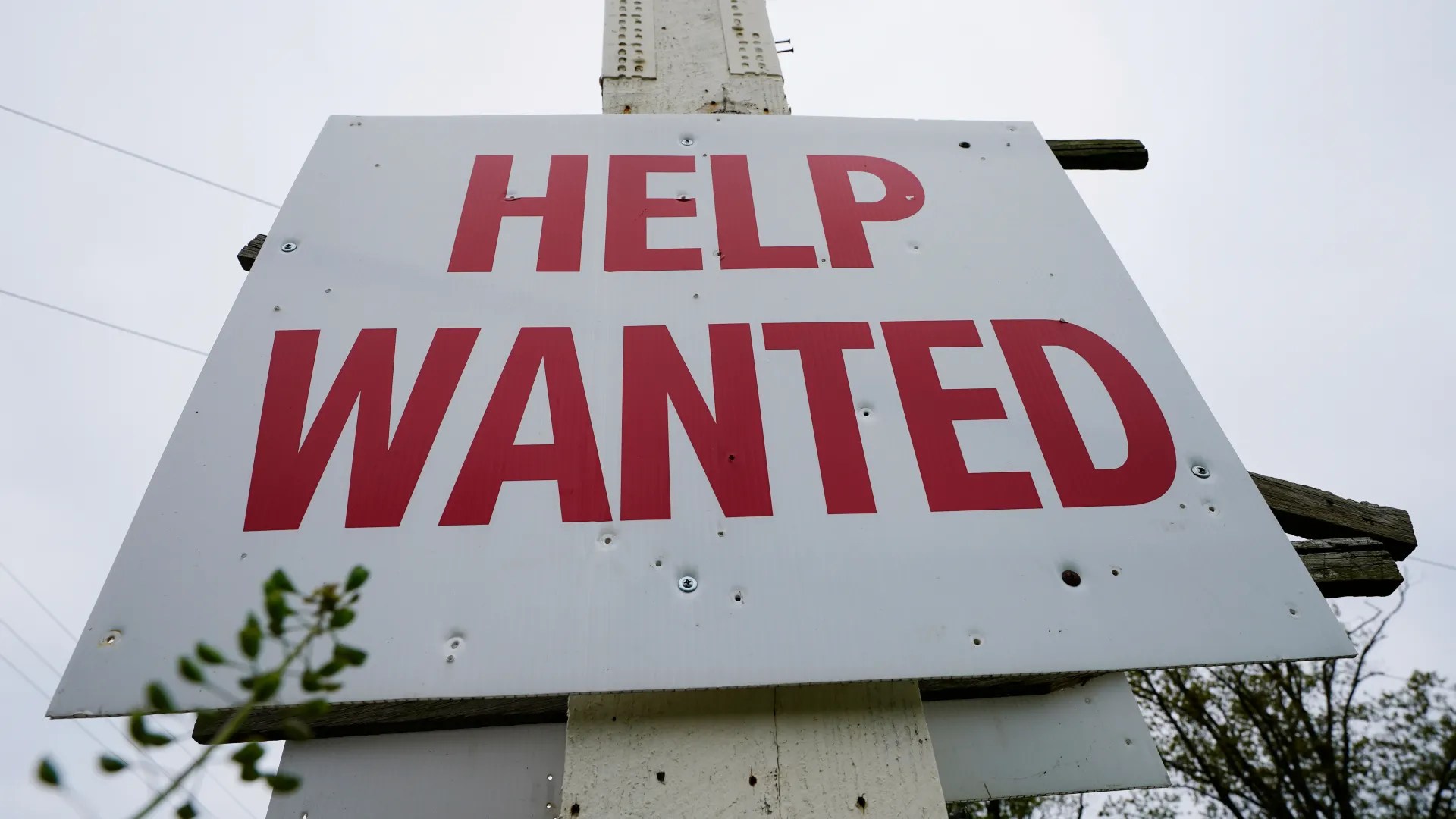
Markets: Stocks fell yesterday as investors readied themselves for today’s jobs report. The May jobs report is expected to show hiring slowed while the unemployment rate held flat. The data release will come as investors closely watch for any further signs of slowing in the US labor market.
The Bureau of Labor Statistics data is slated for release at 8:30 a.m. ET, today. Economists expect non-farm payroll to have risen by 125,000 in May and the unemployment rate to have held steady at 4.2%, according to consensus estimates compiled by Bloomberg.
Posted on March 11, 2025 by Dr. David Edward Marcinko MBA MEd CMP™
MEDICAL EXECUTIVE-POST–TODAY’SNEWSLETTERBRIEFING
***
Essays, Opinions and Curated News in Health Economics, Investing, Business, Management and Financial Planning for Physician Entrepreneurs and their Savvy Advisors and Consultants
“Serving Almost One Million Doctors, Financial Advisors and Medical Management Consultants Daily“
A Partner of the Institute of Medical Business Advisors , Inc.
US stocks plunged on Monday as investors processed growing concerns about the health of the US economy after President Trump and his top economic officials acknowledged the possibility of a potential rough patch.
The Dow Jones Industrial Average (^DJI) fell nearly 900 points, or over 2%, while the benchmark S&P 500 (^GSPC) dropped around 2.7% after the index posted its worst week since September. The tech-heavy NASDAQ Composite (^IXIC) fell 4% in its worst day since 2022, as the “Magnificent Seven” stocks led the sell-off. Tesla’s (TSLA) rout continued, plunging 15% and officially wiping out the gains it had made in the wake of Trump’s election win. Nvidia (NVDA), Apple (AAPL), Google parent Alphabet (GOOG), and Meta (META) all each lost more than 4%.
Key inflation data includes the Consumer Price Index (CPI) and Producer Price Index (PPI) on Wednesday and Thursday could help set the tone, though economic growth concerns seem to have replaced inflation as the prime concern. The S&P 500 index (SPX) dropped more than 3% last week, the worst performance since September.
However, the U.S. economy “is in a good place” despite recent policy uncertainty, Federal Reserve Chairman Jerome Powell said Friday. He sees no need to hurry rate cuts until there’s more policy clarity, Bloomberg reported. Stocks rallied on Powell’s words late Friday, but Monday’s early action indicates that rallies continue being sold, and the Cboe Volatility Index (VIX) rose above 26 as investors piled into risk-off assets like bonds. The 200-day moving average of 5,734 for the SPX remains a key technical support area, and the SPX was on pace to open below that Monday, now more than 6% off of all-time highs but not yet in –10% correction territory.
Posted on January 16, 2025 by Dr. David Edward Marcinko MBA MEd CMP™
MEDICAL EXECUTIVE-POST–TODAY’SNEWSLETTERBRIEFING
***
Essays, Opinions and Curated News in Health Economics, Investing, Business, Management and Financial Planning for Physician Entrepreneurs and their Savvy Advisors and Consultants
“Serving Almost One Million Doctors, Financial Advisors and Medical Management Consultants Daily“
A Partner of the Institute of Medical Business Advisors , Inc.
The U.S. Department of Labor reported a 0.4% increase in the monthly CPI after seasonal adjustment, overshooting the forecast of 0.3% and the previous value of 0.3%. On an annual basis, inflation climbed to 2.9%, up from 2.7% in November, the highest rate since July 2024.
US stocks ripped higher on Wednesday as high hopes for bank earnings paid off and a crucial consumer inflation update showed key prices increased less than expected in December.
The benchmark S&P 500 (^GSPC) popped more than 1.8%, while the Dow Jones Industrial Average (^DJI) rose more than 1.6%, or over 700 points. Meanwhile, the tech-heavy NASDAQ Composite (^IXIC) soared 2.5%.
Stocks took a leg higher after the Consumer Price Index (CPI) showed progress toward the Fed’s 2% inflation target in December. Prices climbed 0.2% month-on-month on a “core” basis, which strips out the more volatile costs of food and gas, an easing from November’s 0.3% gain. Over last year, core CPI rose 3.2%.
Capital One is being sued by the US government’s consumer watchdog agency for “cheating millions of consumers” and not paying more than $2 billion in interest to holders of its high-interest savings accounts.
As of January 1st 2025, beneficiaries enrolled in Part D prescription drug plans will have their out-of-pocket spending capped at $2,000 for the year. This new policy was part of President Joe Biden’s 2022 Inflation Reduction Act (IRA), which included other drug pricing measures such as capping the cost of insulin at $35 per month for seniors.
But only a small share of Medicare enrollees will benefit from the cap, according to an analysis from nonprofit organization AARP’s Public Policy Institute, as most don’t spend more than $2,000 annually on their medications after hitting their deductible (which is up to $590 for standard plans in 2025). Beneficiaries spent an average of $400 to $500 per year as of 2022, the Hill reported, citing data from the US Department of Health and Human Services (HHS).
Posted on January 15, 2025 by Dr. David Edward Marcinko MBA MEd CMP™
MEDICAL EXECUTIVE-POST–TODAY’SNEWSLETTERBRIEFING
***
Essays, Opinions and Curated News in Health Economics, Investing, Business, Management and Financial Planning for Physician Entrepreneurs and their Savvy Advisors and Consultants
“Serving Almost One Million Doctors, Financial Advisors and Medical Management Consultants Daily“
A Partner of the Institute of Medical Business Advisors , Inc.
The Producer Price Index, which tracks price changes companies see at a wholesale level, rose 3.3% over last year, up from 3% in November but less than economists expected. It rose 0.2% over the previous month, also less than expected. The report lays the groundwork for Wednesday’s heavily anticipated CPI print.
Investors will now turn their attention to Wednesday morning’s update on consumer prices, which are expected to remain sticky as the Federal Reserve continues its inflation fight.
On Tuesday, the benchmark S&P 500 (^GSPC) finished the trading day about 0.1% higher, while the tech-heavy NASDAQ Composite (^IXIC) dropped around 0.2% following a bumpy session on Wall Street. The Dow Jones Industrial Average (^DJI) moved roughly 0.5% higher to cap off back-to-back winning days for the blue chip index.
Posted on October 14, 2024 by Dr. David Edward Marcinko MBA MEd CMP™
By Staff Reporters
***
U.S. stock markets, including the New York Stock Exchange and the NASDAQ remain open and follow a regular schedule today.
The bond markets will be closed, however.
***
***
Stocks ended last week on a high note, closing out their fifth straight week of gains. The Dow was pushed to yet another new all-time high by strong earnings from JPMorgan, while the S&P 500 was in the green and rose to its own record close, and the NASDAQ clawed its way out of the red by early Friday afternoon.
Bond yields took a breather, falling below 4.1% thanks to a better-than-expected PPI report that helped offset inflation fears that had re-arisen after a worse-than-expected CPI report.
Gold rose as well on PPI news, since the data pointed to a better chance of more rate cuts ahead.
Oil fell a bit but gained over the last two weeks on geopolitical tensions and destruction in the Gulf of Mexico following the two major hurricanes.
DEFINITION: The PPI is a group of indexes that measure the change, over time, in the prices received by domestic producers of goods and services. It measures price changes from the perspective of the seller rather than the consumer, as with the CPI. The CPI would include imported goods, while the PPI is relevant to U.S. producers, and therefore would not include imports.
The PPI measures over 10,000 products and services. It reports the price changes prior to the retail level. This information is useful to the government in formulating fiscal and monetary policies. The data gathered from the PPI is often used in escalating purchase and sales contracts. That is the dollar amount to be paid at some time in the future.
NOTE: Long-term managed medical care contracts of the future will seek escalation clauses for increases in prices.
The producer price index (PPI) rose 0.6% for the month, according to the Bureau of Labor Statistics—double the Dow Jones estimate, CNBC reported. February’s larger-than-expected PPI uptick follows a more modest 0.3% increase in January and a 0.1% decline in December. On an annual basis, the PPI increased 1.6%, “the largest rise since moving up 1.8% for the 12 months ended September 2023,” according to the BLS.
The market had a good Tuesday, with stocks climbing as investors await word from the Fed meeting today on any changes to interest rates. The bank is expected to keep rates the same for now, but could signal when (or how often) it’ll lower them later in the year. Meanwhile, Nordstrom shares surged following a report that the retailer’s founding family wants to take it private.
The S&P 500 index added 29.09 points (0.6%) to 5,178.51; the Dow Jones Industrial Average® ($DJI) gained 320.33 points (0.8%) to 39,110.76; the NASDAQ Composite® ($COMP) rose 63.34 points (0.40%) to 16,166.79.
The 10-year Treasury note yield (TNX) eased four basis points to just under 4.3%.
The CBOE Volatility Index® (VIX) lost 0.50 to 13.83.
The energy sector was the top performer after crude oil prices notched multi-month highs ahead of weekly inventory data from the American Petroleum Institute. After a 2% rally to start the trading week, Brent Crude Oil (/BZ) futures, the global benchmark, added another 0.6% Tuesday.
Industrials, consumer discretionary, and utilities were among the other strong sectors. Communications, real estate, and materials finished modestly lower.
Posted on February 17, 2023 by Dr. David Edward Marcinko MBA MEd CMP™
By Staff Reporters
***
***
Gasoline prices have unexpectedly risen in January, at a time when Americans normally stay put and demand remains relatively flat. Last week, the national average price for regular gas crept up to $3.51 a gallon, according to the American Automobile Association (AAA), jumping up by 12 cents compared to a week before and 41 cents in December. As of today, regular gas was on average $3.49 a gallon. It was a dark surprise for American consumers wary of the skyrocketing prices experienced last summer when gas reached a record height of $5.02 a gallon on average nationwide
U.S. equities declined sharply following another hotter-than-expected read on inflation, as well as hawkish commentary from Fed officials, which seemed to complicate the outlook for further monetary policy tightening. January’s Producer Price Index (PPI) came in above estimates, causing more Fed uncertainty that had already ramped up following this week’s elevated consumer inflation report, and yesterday’s much stronger-than-anticipated retail sales data. A busy day of economic data also included a lower-than-projected level of jobless claims, softer-than-forecasted housing construction activity, and an unexpected tumble in manufacturing activity out of Philadelphia.
Treasury yields were higher following the inflation report, and the U.S. dollar increased, while crude oil prices nudged lower, and gold was little changed. Q4 earnings season continued to roll on, with Dow member Cisco Systems topping forecasts, though Shopify offered disappointing revenue guidance, and Paramount missed expectations.
Asian and European stocks finished higher for the most part, as investors grappled with the U.S. inflation data and monetary policy uncertainty.
Posted on September 14, 2022 by Dr. David Edward Marcinko MBA MEd CMP™
By Staff Reporters
***
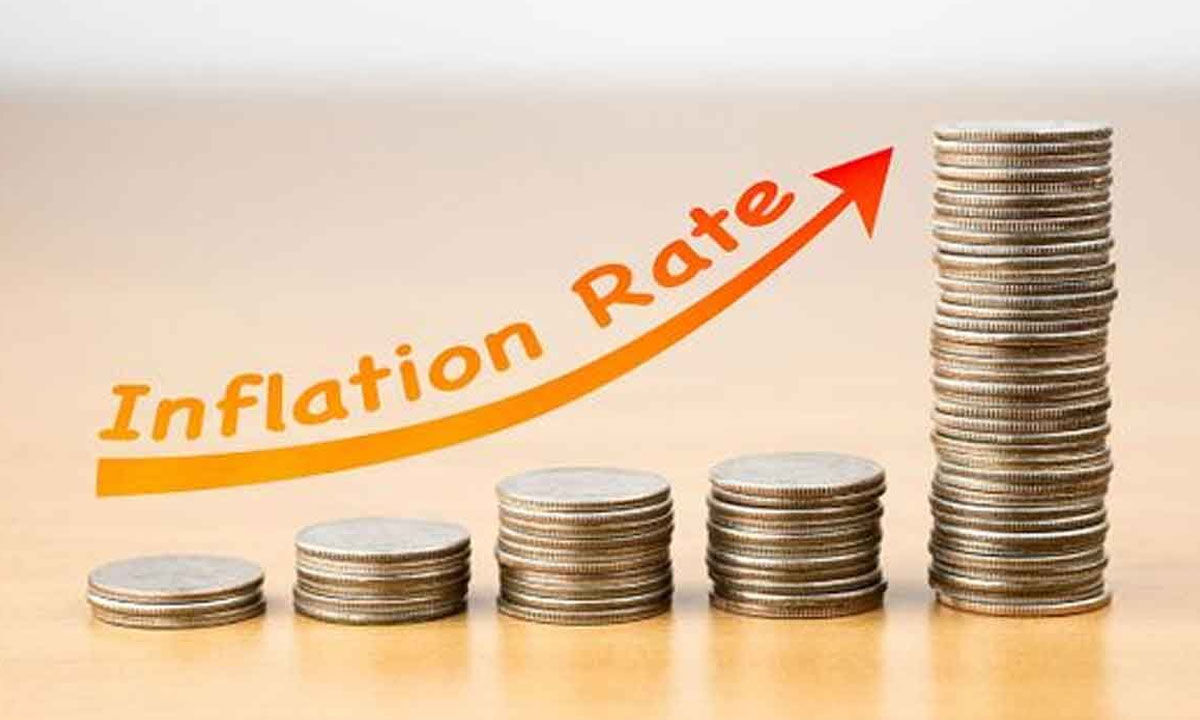
DEFINITION: In finance, inflation is a general increase in prices of goods and services in an economy. When the general price level rises, each unit of currency buys fewer goods and services; consequently, inflation corresponds to a reduction in the purchasing power of money.
***
DEFINITION: The Producer Price Index PPI is a group of indexes that measure the change, over time, in the prices received by domestic producers of goods and services. It measures price changes from the perspective of the seller rather than the consumer, as with the CPI. The CPI would include imported goods, while the PPI is relevant to U.S. producers, and therefore would not include imports.
The PPI measures over 10,000 products and services. It reports the price changes prior to the retail level. This information is useful to the government in formulating fiscal and monetary policies. The data gathered from the PPI is often used in escalating purchase and sales contracts. That is the dollar amount to be paid at some time in the future.
***
***
Inflation stayed elevated in April but eased off its 40-year high, signaling that a stomach-churning surge in consumer prices since last summer may have peaked.
The consumer price index increased 8.3% annually, down from 8.5% in March, as a drop in gasoline prices offset a continuing run-up in food, rent and other costs, the Labor Department said Wednesday. March’s yearly advance marked the fastest since December 1981.
Posted on February 17, 2022 by Dr. David Edward Marcinko MBA MEd CMP™
By Staff Reporters
***
***
BIOTECHNOLOGY: According to Bloomberg, former high flying biotechnology favorites Mirati Therapeutics Inc. and Sage Therapeutics Inc. have lost more than half their value from record highs, hurt by growing pessimism on new medicines as well as the higher rate environment damaging most stocks.
MARKETS: Stocks went down, then back up, and closed pretty much where they started. The e-commerce platform Shopify is another pandemic winner that’s been absolutely crushed during the “reopening”: Its stock has fallen to its lowest level since June 2020.
PPI: The producer price index rose 1% over the prior month.
Covid: Dr. Zayid Al-Aly reported that even a mild COVID-19 infection increasedthe risk of having cardiovascular problems — including heart rhythm irregularities, potentially deadly clots in the legs and lungs, heart failure, heart attack and stroke, within a year after being infected.
MICROSOFT: Microsoft CEO Satya Nadella is on a major shopping spree. The company’s planned purchase of video game maker Activision Blizzard, with a price tag of nearly $70 billion, is Microsoft’s biggest and boldest acquisition. But it’s hardly the only notable deal in the Nadella era. Microsoft scooped up advertising tech business Xandr from CNN owner AT&T late last year for a reported $1 billion. The company also shelled out nearly $20 billion for cloud software firm Nuance earlier in 2021. That’s on top of numerous other billion dollar deals Microsoft has made since Nadella took the helm in 2014, including the acquisitions of Minecraft developer Mojang, Bethesda games studio owner ZeniMax Media, open source coding site GitHub and business social media network LinkedIn. The LinkedIn deal was previously Microsoft’s largest, with a value of $26.2 billion. Now there are reports Microsoft is looking to buy Mandiant, the cybersecurity software firm formerly known as FireEye that is currently valued at about $4.5 billion.
Posted on December 15, 2021 by Dr. David Edward Marcinko MBA MEd CMP™
UPDATES
By Staff Reporters
***
Markets: Stocks stumbled yesterday as investors anxiously await an update from the Federal Reserve this afternoon.Uber shares bucked the trend after CEO Dara Khosrowshahi said the company had its “best week ever” for overall gross bookings, which encompasses its ride-sharing and delivery units.
Economy: The Fed will make a big announcement today about its inflation-fighting strategy. Fresh data released yesterday—showing that producer prices rose at their fastest pace on record—will put even more pressure on the central bank to wind down its stimulus measures quickly and chart out a plan to hike interest rates.
DEFINITION: The PPI is a group of indexes that measure the change, over time, in the prices received by domestic producers of goods and services. It measures price changes from the perspective of the seller rather than the consumer, as with the CPI. The CPI would include imported goods, while the PPI is relevant to U.S. producers, and therefore would not include imports.
The PPI measures over 10,000 products and services. It reports the price changes prior to the retail level. This information is useful to the government in formulating fiscal and monetary policies. The data gathered from the PPI is often used in escalating purchase and sales contracts. That is the dollar amount to be paid at some time in the future.
NOTE: Long-term managed medical care contracts of the future will seek escalation clauses for increases in prices. DHEF: https://lnkd.in/dqdbWM9
Businesses are paying more for goods and services as the Producer Price Index increased 0.5% in June, the largest increase in a year, according to the Labor Department. Higher energy costs pushed the increase. Since businesses usually pass on increases in the cost of goods and services, it’s likely consumer prices will increase as well, driving inflation upward.
Here is a mid year economic summary:
In fact, consumer prices did increase in June–just not at quite the same rate as producer prices. The Consumer Price Index rose 0.2%, following the same increase in May and a 0.4% gain in April. Over the last 12 months, the CPI has increased 1.0%. Excluding the volatile food and energy components, consumer prices still increased 0.2% in June and 2.3% from a year earlier.
Consumers continue to spend as retail sales increased in June, jumping 0.6% from the previous month and 2.7% ahead of last June. This follows a 0.2% (downwardly revised) increase in May. Excluding autos and gas, household spending climbed 0.7% from May. Output excluding autos remained the same as the prior month. This report, coupled with increases in consumer and producer prices, provides optimism for the economy over the summer months.
The manufacturing sector experienced a noticeable uptick in June, as industrial production increased 0.6% after falling 0.3% in May. Manufacturing output rose 0.4%, largely due to an increase in motor vehicle assemblies. June’s gain is the largest monthly increase since November 2014.
The number of job openings decreased by 345,000 to 5.5 million on the last business day of May, according to the Job Openings and Labor Turnover Survey (JOLTS) report from the Bureau of Labor Statistics. April’s rate was 5.8 million. May’s job openings rate is the lowest of the year. The quits rate was unchanged at 2.0% as workers continue to remain at their present jobs. It’s important to remember that June’s employment situation report showed significant improvement on the labor front.
U.S. import prices rose 0.2% in June from May, largely due to a spike in petroleum prices. Exports also increased in June, rising 0.8% following increases of 1.2% in May and 0.4% in April. The 2.4% rise in export prices for the second quarter of 2016 was the largest three-month advance in export prices since the index rose 2.7% between February and May 2011.
The Treasury Department reported a $6.3 billion budgetary surplus in June, following May’s $52.5 billion deficit. However, over the first nine months of the fiscal year, the deficit is up almost 27%, at $400.9 billion, over the same period last year ($316.4 billion).
Largely influenced by the immediate negative impact of the Brexit vote, the Index of Consumer Sentiment fell from 93.5 in June to 89.5 in July.
In the week ended July 9, the advance figure for seasonally adjusted initial unemployment insurance claims remained level at 254,000, unchanged from the prior week’s level. The advance seasonally adjusted insured unemployment rate remained at 1.6%. The advance number for seasonally adjusted insured unemployment during the week ended July 2 was 2,149,000, an increase of 32,000 from the previous week’s revised level.
Conclusion
Your thoughts and comments on this ME-P are appreciated. Feel free to review our top-left column, and top-right sidebar materials, links, URLs and related websites, too. Then, subscribe to the ME-P. It is fast, free and secure.
Speaker: If you need a moderator or speaker for an upcoming event, Dr. David E. Marcinko; MBA – Publisher-in-Chief of the Medical Executive-Post – is available for seminar or speaking engagements. Contact: MarcinkoAdvisors@msn.com
OUR OTHER PRINT BOOKS AND RELATED INFORMATION SOURCES:







 Support our online development, and advance our onground research initiatives in free market economics, as we seek to showcase the brightest Next-Gen minds.
THE ME-P DISCLAIMER: Posts, comments and opinions do not necessarily represent iMBA, Inc., but become our property after submission. Copyright © 2006 to-date. iMBA, Inc allows colleges, universities, medical and financial professionals and related clinics, hospitals and non-profit healthcare organizations to distribute our proprietary essays, photos, videos, audios and other documents; etc. However, please review copyright and usage information for each individual asset before submission to us, and/or placement on your publication or web site. Attestation references, citations and/or back-links are required. All other assets are property of the individual copyright holder.
Support our online development, and advance our onground research initiatives in free market economics, as we seek to showcase the brightest Next-Gen minds.
THE ME-P DISCLAIMER: Posts, comments and opinions do not necessarily represent iMBA, Inc., but become our property after submission. Copyright © 2006 to-date. iMBA, Inc allows colleges, universities, medical and financial professionals and related clinics, hospitals and non-profit healthcare organizations to distribute our proprietary essays, photos, videos, audios and other documents; etc. However, please review copyright and usage information for each individual asset before submission to us, and/or placement on your publication or web site. Attestation references, citations and/or back-links are required. All other assets are property of the individual copyright holder.





















 The Leading Business Education Network for Doctors, Financial Advisors and Health Industry Consultants