Understanding Different Medical Degrees: MD, DO, and DPM

Doctor of Medicine

Doctor of Osteopathic Medicine

Doctor of Podiatric Medicine

By Staff Reporters and APMA

***

***

APMA INFOGRAPHIC: https://www.apma.org/apmamain/document-server/?cfp=/apmamain/assets/file/public/about/physician-education-comparison-fact-sheet.pdf

COMMENTS APPRECIATED

EDUCATION: Books

Like, Refer and Subscribe

***

***

OB-GYN V. Obstetrician V. Gynecologist V. Mid-Wife V. Doula

DEFINITIONS

A.I. and Staff Reporters

SPONSOR: http://www.CertifiedMedicalPlanner.org

***

***

OB-GYN

An obstetrician-gynecologist, or OB-GYN, has expertise in female reproductive health, pregnancy, and childbirth. Some OB-GYNs offer a wide range of general health services similar to a primary care doctor. Others focus on the medical care of the female reproductive system. OB-GYNs also provide routine medical services and preventive screenings. This type of doctor has studied obstetrics and gynecology. The term “OB-GYN” can refer to the doctor, an obstetrician-gynecologist, or to the sciences that the doctor specializes in, which are obstetrics and gynecology.

Obstetrician

Obstetrics is the branch of medicine related to medical and surgical care before, during, and after a woman gives birth. Obstetrics focuses on caring for and maintaining a woman’s overall health during maternity. This includes:

  • pregnancy
  • labor
  • childbirth
  • the postpartum period

OB-GYNs can conduct office visits, perform surgery, and assist with labor and delivery. Some OB-GYNs provide services through a solo or private practice. Others do so as part of a larger medical group or hospital.

***

***

Gynecologist

Gynecology is the branch of medicine that focuses on women’s bodies and their reproductive health. It includes the diagnosis, treatment, and care of women’s reproductive system. This includes the:

  • vagina
  • uterus
  • ovaries
  • fallopian tubes

This branch of medicine also includes screening for and treating issues associated with women’s breasts. Gynecology is the overarching field of women’s health from puberty through adulthood. It represents most of the reproductive care received during a lifetime. If pregnant, one goes to an obstetrician.

Mid-Wife

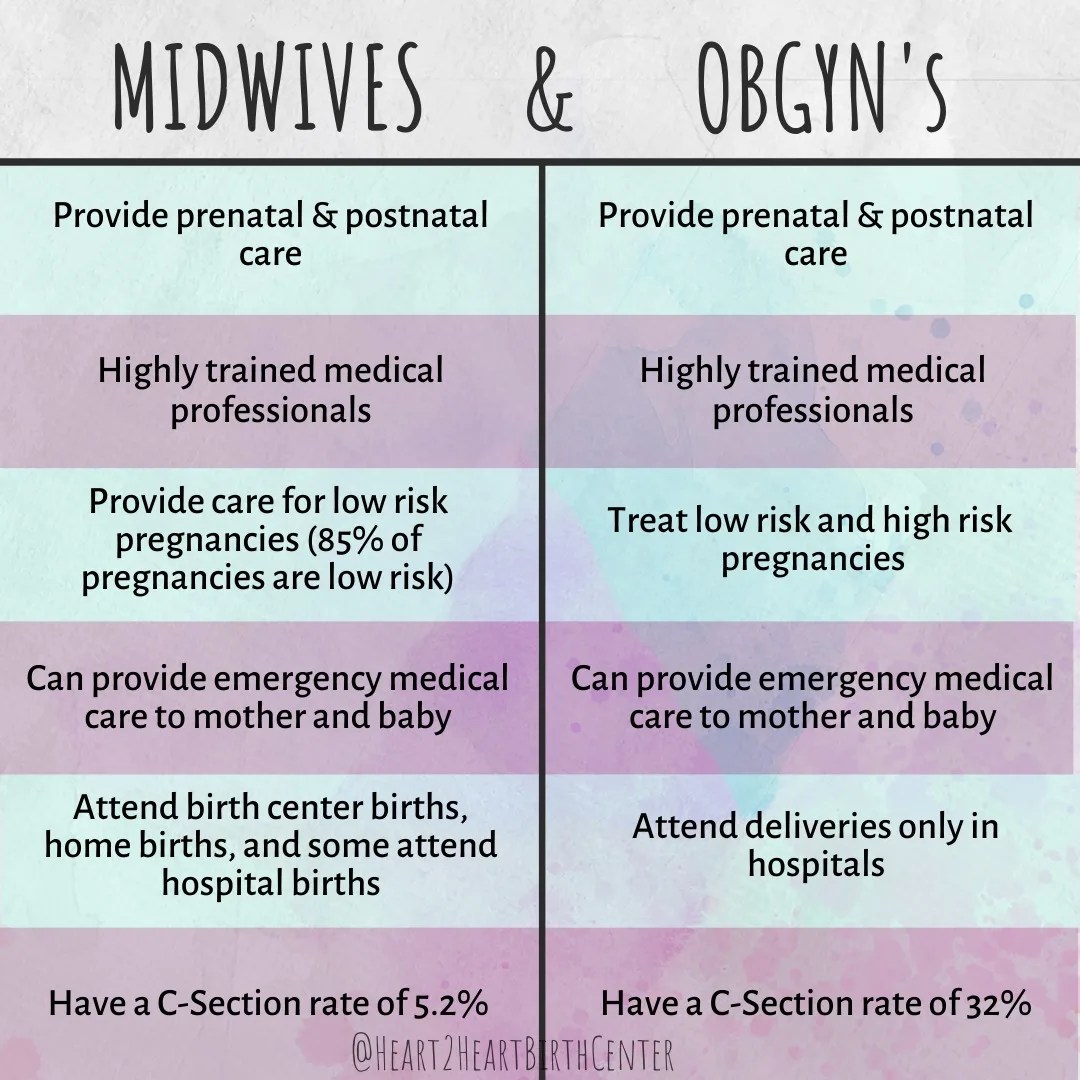
Midwives are registered nurses who specialize in midwifery. As such, they’re trained healthcare providers who can oversee low-risk pregnancies, labor, and birth. They can provide other obstetric and gynecological services too. They can do exams and help with basic gynecological concerns like sexually transmitted infections, urinary tract infections, or yeast infections. They help support during labor and in the postpartum period with breastfeeding and birth control.

Doula

Doulas aren’t clinical professionals and can’t give medical advice. They can’t prescribe medicines, and they can’t deliver a baby. But they can offer physical and emotional support during labor—and sometimes during and after pregnancy. Doulas can help with breathing techniques, positional changes, and relaxation strategies during labor. Studies show doulas are associated with fewer C-sections and more vaginal births.

COMMENTS APPRECIATED

Like and Subscribe

***

***

NEW AMA PRESIDENT: Robert Mukkamala MD

By Staff Reporters

NEWS UPDATE!

***

***

On June 10th, Bobby Mukkamala was inaugurated as the 180th president of the American Medical Association (AMA).

An otolaryngologist from Flint, Michigan, Mukkamal chairs the organization’s substance use and pain care task force, won the AMA Foundation’s Excellence in Medicine Leadership Award last June, and served on the AMA board of trustees in 2017 and 2021.

COMMENTS APPRECIATED

EDUCATION: Books

Like and Subscribe

***

***

***

Doctor V. Forensic Pathologist V. Coroner V. Morgue

By Staff Reporters and CoPilot AI

SPONSOR: http://www.CertifiedMedicalPlanner.org

***

***

A morgue is a place where the bodies of dead persons are kept temporarily pending identification or release for burial or autopsy.

TOD: https://medicalexecutivepost.com/2024/02/18/transfer-on-death-account-tax-implications/

***

A forensic pathologist is a medical doctor who studies diseases and performs autopsies, while a coroner investigates and determines the cause of sudden or unexplained deaths, often without a medical degree.

An autopsy (also referred to as post-mortem examination, obduction, necropsy, or autopsia cadaverum) is a surgical procedure that consists of a thorough examination of a corpse by dissection to determine the cause, mode, and manner of death or the exam may be performed to evaluate any disease or injury that may be present for research or educational purposes. The term necropsy is generally used for non-human animals.

DEATH Eco-Friendly: https://medicalexecutivepost.com/2023/05/29/death-eco-friendly-transitions-and-interment/

Autopsies are usually performed by a specialized medical doctor called a pathologist. Only a small portion of deaths require an autopsy to be performed, under certain circumstances. In most cases, a medical examiner or coroner can determine the cause of death.

  • A coroner is elected or appointed to a local government office, while a forensic pathologist is a medical doctor trained to perform autopsies and other procedures to determine the cause of death.
  • A forensic pathologist is able to perform medical operations while coroners may specialize in the legal paperwork and law enforcement side of a death.
  • The title of “medical examiner” is usually the job title of a forensic pathologist who works for a government.
  • In many jurisdictions, a coroner does not need to possess a medical degree.

DEATH CROSS: https://medicalexecutivepost.com/2024/08/23/what-is-the-stock-market-death-cross-2/

***

EDUCATION: Books

The Medical Executive-Post is a  news and information aggregator and social media professional network for medical and financial service professionals. Feel free to submit education content to the site as well as links, text posts, images, opinions and videos which are then voted up or down by other members. Comments and dialog are especially welcomed. Daily posts are organized by subject. ME-P administrators moderate the activity. Moderation may also conducted by community-specific moderators who are unpaid volunteers.

Invite Dr. Marcinko

COMMENTS APPRECIATED

Like and Refer

***

***

MEDICINE: Emergent Care

SOME PHYSICIAN WORK FOR FREE

By Staff Reporters

SPONSOR: http://www.MarcinkoAssociates.com

***

***

What is an Emergency Medicine Physician?

An emergency medicine physician is a medical doctor who specializes in the diagnosis, treatment, and management of acute and life-threatening medical conditions that require immediate intervention. These physicians work in hospital emergency departments, urgent care centers, and other acute care settings, where they provide rapid assessment, stabilization, and treatment to patients of all ages with a wide range of medical emergencies.

Emergency medicine physicians are trained to handle diverse medical emergencies, including trauma, cardiac emergencies, respiratory distress, severe infections, neurological emergencies, and obstetric emergencies, among others. They play a vital role in the front line management of medical emergencies, ensuring that patients receive prompt and appropriate care to improve outcomes and save lives.

***

Classic: Emergent Room or Emergency Department care is the provision of immediate medical service offering outpatient care for the treatment of acute and chronic illness and injury. It requires a broad and comprehensive fund of knowledge to provide such care. Excellence in care for patients with complex and or unusual conditions is founded on the close communication and collaboration between the urgent care medicine physician, the specialists and the primary physicians.

Modern: Urgent care does not replace your primary care physician. An urgent care center is a convenient option when someone’s regular physician is on vacation or unable to offer a timely appointment. Or, when illness strikes outside of regular office hours, urgent care offers an alternative to waiting for hours in a hospital Emergency Room.

Examples: Chest pain, bleeding that cannot be stopped and loss of consciousness; etc.

***

***

SOME ER DOCTORS WORK FOR FREE

The new president of emergency medicine for the Alberta Medical Association says Emergency Room physicians already coping with long hours, staff shortages and jammed waiting rooms are also being obligated, in some cases, to work for free. Dr. Warren Thirsk says the government has yet to follow through on a promise to reimburse emergency room doctors for so-called “good faith” payments.

“There’s been lots of excuses, but the bottom line is no one has actually received a penny for those suspended good-faith payments,” Thirsk said in an interview. “On average, every emergency physician in this province is out thousands of dollars for free work.” Good-faith payments reimburse ER doctors when they see patients who don’t have identification and can’t prove an Alberta Health Care Insurance Plan billing number.

Thirsk said the United Conservative government stopped those payments when it ripped up the master agreement with the AMA in early 2020. He said it promised to bring back those payments when the two sides agreed to a new deal in September 2022. But to date that hasn’t happened, he said.

“I’m legally and morally bound to look after you [if] you’re unidentified [as a patient],” said Thirsk, an emergency room doctor at Edmonton’s Royal Alexandra Hospital.

“I’m going to look after you because it’s the right thing to do no matter what the problem is.”

COMMENTS APPRECIATED

The Medical Executive-Post is a  news and information aggregator and social media professional network for medical and financial service professionals. Feel free to submit education content to the site as well as links, text posts, images, opinions and videos which are then voted up or down by other members. Comments and dialog are especially welcomed. Daily posts are organized by subject. ME-P administrators moderate the activity. Moderation may also conducted by community-specific moderators who are unpaid volunteers.

Like and Refer

***

***

PHYSICIAN RETIREES: Home Ownership V. Home Renting

THEFIVE-FIVE” FINANCIAL RULE

By Staff Reporters

***

***

Many of the pros of home ownership will appeal to medical retirees for whom their home is their castle and who appreciate being settled both financially and geographically:

  • 1. Building equity in your home: Each mortgage payment you make brings you closer to owning your house free and clear with no payments. If you can buy a new home or condo outright by selling your current home, you can still build equity in your new home over time.
  • 2. Predictability: If you have a fixed-rate mortgage, your mortgage payments will remain consistent for years and you don’t have to worry about a landlord ever making you move.
  • 3. Tax benefits: You can deduct mortgage interest and property taxes up to certain limits.
  • 4. Customization: You don’t need a landlord’s permission to alter and improve your home.
  • 5. Home appreciation: Homes generally increase in value, so you can increase your net worth by owning a property.

***

***

Renting also has five significant upsides, particularly for physician retirees who want greater freedom to travel and to make bigger moves — potentially across the country or even abroad:

  • 1. Extreme flexibility: You can leave your property after giving notice and go wherever you want much more easily than with an illiquid home you’d have to sell first.
  • 2. Lower upfront costs: You only have to pay first and last month’s rent and a security deposit to move into a rental, not make a large home down payment.
  • 3. No maintenance concerns: If something breaks, your landlord is responsible for the cost of fixing it and the actual repairs. You don’t have to build up an emergency fund for maintenance.
  • 4. Predictable expenses: For the duration of your lease, your monthly housing costs including utilities will remain consistent, even if the cost of energy goes up, for example.
  • 5. Lack of worry: If you’re in a rental apartment, you won’t have to concern yourself with shoveling snow, mowing grass or other matters of upkeep.

COMMENTS APPRECIATED

Like and Subscribe

***

***

ROTH: Conversion Considerations for Physicians

Why would a doctor consider a Roth IRA conversion?

By Staff Reporters

***

***

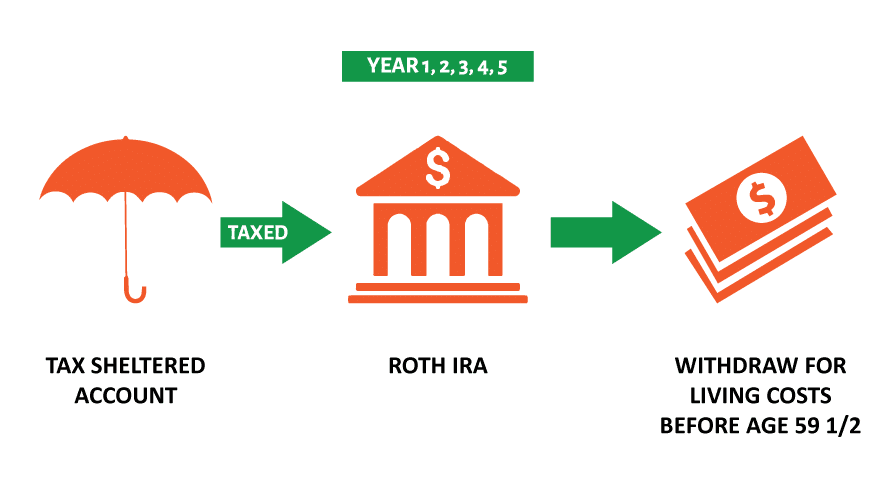
A Roth conversion involves transferring funds from a traditional retirement account—such as a 401(k), 403(b), or individual retirement account (IRA) funded with pre-tax dollars—into a Roth IRA.

The biggest benefit lies in the tax treatment of the converted funds. Once the funds are in the Roth IRA, future growth of those assets is tax-free. Withdrawals in retirement are also tax-free, assuming they meet certain criteria. As with any strategy, there are important considerations to keep in mind.

When you convert funds to a Roth IRA, the amount converted is taxable income in that tax year. For example, if you convert $100,000 from a traditional IRA to a Roth IRA, that $100,000 will be added to your taxable income in the conversion year.

Converting large amounts can result in a significant tax bill and may push you into a higher tax bracket. Even so, using retirement funds to pay taxes may make sense for those looking to convert large IRAs to reduce their future required minimum distributions (RMDs).

The timing of your Roth conversion matters too. Generally, it’s a good idea to convert when your income is lower—for example, after you’ve retired and before you begin drawing Social Security. You may also choose to convert over the course of several years to spread out the tax impacts. But if you can get comfortable with these considerations, a Roth conversion can provide you with benefits beyond tax-free growth and withdrawals.

Some of these benefits are:

  • Tax diversification. Having both traditional and Roth accounts allows you to manage your tax liability in retirement. For example, if your income in a given year is higher than expected, you can withdraw from the Roth IRA without increasing your taxable income.
  • No RMDs. Traditional IRAs and 401(k)s require you to begin taking RMDs at age 73. Roth IRAs have no RMD requirement during your lifetime. With a Roth account, you have more control over your retirement withdrawals and can leave the funds to grow for your heirs.
  • Benefits for heirs. Roth IRAs can be passed on to beneficiaries, who can inherit the account income tax-free. This means your heirs can enjoy the tax-free growth and withdrawals if the Roth IRA has been held for five years or more—a significant advantage, especially if your beneficiaries are in a higher tax bracket.

COMMENTS APPRECIATED

Read, Like and Refer

***

***

PHYSICIAN NET WORTH: Versus Average Family

By Dr. David Edward Marcinko MBA MEd CMP®

SPONSOR: http://www.MarcinkoAssociates.com

***

***

Average Net Worth of an American Family

Both median and average family net worth surged between 2019 and 2022, according to the U.S. Federal Reserve. Average net worth increased by 23% to $1,063,700, the Fed reported in October 2023, the most recent year it published the data. Median net worth, on the other hand, rose 37% over that same period to $192,900.

You might wonder why the average and median net worth figures are so different. That’s because when you take the average of something, you add together every value in a data set and then divide that figure by the number of individual values.

When calculating a median, you simply look at the middle figure within a data set. That said, an average figure can be significantly higher or lower than a median figure if there are extreme outliers – meaning a group of people with significantly more net worth than the rest of the group can bring the average higher.

Average Net Worth by Age

The average net worth of someone younger than 35 years old is $183,500, as of 2022. From there, average net worth steadily rises within each age bracket. Between 35 to 44, the average net worth is $549,600, while between 45 and 54, that number increases to $975,800. Average net worth surges above the $1 million mark between 55 to 64, reaching $1,566,900.

Average net worth again rises for those ages 65 to 74, to $1,794,600, before falling to $1,624,100 for the 75 and older group. The median net worth within every single age bracket, however, is much lower than the average net worth.

***

***

Physicians [MD/DO] Net Worth by Specialty

A 2023 Medscape report shows the top 10 specialties with the most survey respondents saying they are worth more than $5 million.

  1. Plastic Surgery (31% of all survey respondents)
  2. Orthopedics (28%)
  3. Gastroenterology (25%)
  4. Urology (23%)
  5. Cardiology (22%)
  6. Ophthalmology (18%)
  7. Radiology (17%)
  8. Oncology (17%)
  9. Pathology (14%)
  10. Ob/Gyn (14%)

EDUCATION: Books

SPEAKING: Dr. Marcinko will be speaking and lecturing, signing and opining, teaching and preaching, storming and performing at many locations throughout the USA this year! His tour of witty and serious pontifications may be scheduled on a planned or ad-hoc basis; for public or private meetings and gatherings; formally, informally, or over lunch or dinner. All medical societies, financial advisory firms or Broker-Dealers are encouraged to submit a RFP for speaking engagements: CONTACT: MarcinkoAdvisors@outlook.com 

COMMENTS APPRECIATED

Subscribe, Refer, Like and Read

***

PHYSICIAN FINANCIAL FEAR: Money Anxiety & Chrometophobia

By Dr. David Edward Marcinko MBA MEd

SPONSOR: http://www.MarcinkoAssociates.com

***

***

If you’ve found yourself worrying about the stock market or money lately, you definitely have company. Money anxiety, also called financial anxiety, has become more common than ever after the presidential election of November 2024.

In fact, the American Psychological Association’s 2022 Stress in America Survey, 87 percent of people who responded listed inflation as a source of significant stress. The rise in prices for everything from fuel to food has people from all backgrounds worried, today. The researchers say, in fact, that no other issue has caused this much stress since the survey began in 2007.

When money and financial concerns cause ongoing stress in your life, you could eventually begin to experience some feelings of anxiety as a result. This anxiety can, in turn, have a negative impact on your quality of life.

***

Chrometophobia, commonly known as fear of money, is a psychological condition characterized by overwhelming anxiety and avoidance of currency; according to colleague Dan Ariely PhD.

CITE: https://www.r2library.com/Resource/Title/0826102549

***

Physician Financial Fear is probably the most common emotion among physicians. The fear of being wrong – as well as the fear of being correct! It can be debilitating, as in the corollary expression on fear: the paralysis of analysis.

According to Paul Karasik, there are four common investor and physician fears, which can be addressed by financial advisors and psychologists in the following manner:

  • Fear of making the wrong decision: ameliorated by being a teacher and educator.
  • Fear of change: ameliorated by providing an agenda, outline and/or plan.
  • Fear of giving up control: ameliorated by asking for permission and agreement.
  • Fear of losing self-esteem: ameliorated by serving the client first and communicating that sentiment in a positive manner.

COMMENTS APPRECIATED

Please Subscribe and Thank You!

***

***

PODCAST: How to be a DEBT FREE Direct Primary Care Physician?

***

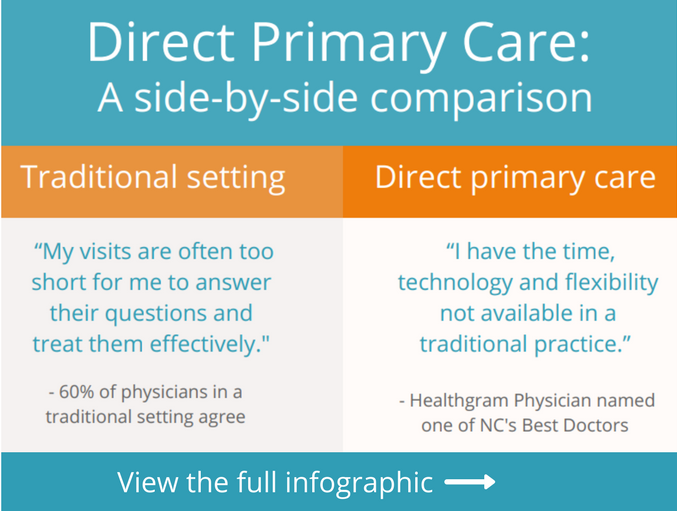
DEFINITION: The DPC model was created to allow for a singular focus upon the Primary Care Physician-2-Patient relationship. To achieve this, DPC removes the hassles and overhead expenses created by insurance and replaces it with a fixed monthly membership fee. This simplified approach frees the physician from meaningless paperwork and allows them to only see 8-10 patients a day. This level of personalized engagement allows them to develop a meaningful and enduring relationship with each patient.

CITE: https://www.r2library.com/Resource/Title/0826102549

By James Hawkes MD

***

Dr. James Hawkes grew up in a large family. His father was a U.S. diplomat, which exposed him to different models of healthcare. In addition to exposure, his grandmother encouraged him to become a doctor. He followed her recommendation but to his surprise, the definition of a good doctor wasn’t about improving patients’ quality of life it was about hierarchies, documentation, administrative requirements, and quality measures. 

***

Shortly after saying goodbye to the traditional healthcare model, he launched his own direct care practice. Fast forward to today, he is a 100% debt-free direct care physician. He shares his story of how it’s possible to achieve this goal.

PODCAST: https://healthcareamericana.com/episode/how-to-become-a-debt-free-direct-care-physician/

***

COMMENTS APPRECIATED

Thank You

Subscribe to the Medical Executive-Post

***

***

****

PODCASTS: The Physician-Patient Population Health Mis-Match

By Eric Bricker MD

***

***

PODCAST: https://medicalexecutivepost.com/2022/10/23/podcast-help-your-medical-practice-embrace-population-health/

Population Health: https://medicalexecutivepost.com/2022/07/12/enter-population-health-management/

CITE: https://www.r2library.com/Resource/Title/082610254

***

ORDER: https://www.routledge.com/Risk-Management-Liability-Insurance-and-Asset-Protection-Strategies-for/Marcinko-Hetico/p/book/9781498725989

***

COMMENTS APPRECIATED

Thank You

***

MEDICARE: Physician Payments Cuts?

By Health Capital Consultants, LLC

***

Congress Overrides Some – But Not All – Medicare Physician Payment Cuts

On December 20, 2022, the U.S. Congress announced its deal to fund the federal government through 2023, averting an imminent government shutdown. The 4,155-page, $1.7 trillion spending bill spans a vast array of funding initiatives and other bipartisan measures, including a number of noteworthy healthcare provisions.

CITE: https://www.r2library.com/Resource/Title/082610254

Perhaps most significantly, Congress intervened in the impending cuts to the Medicare Physician Fee Schedule (MPFS), overriding some, but not all, of the payment reductions. This Health Capital Topics article will discuss the congressional measures to ameliorate the payment cuts to physicians in 2023, as well as the other healthcare provisions included in the omnibus spending bill. (Read more…)

***

COMMENTS APPRECIATED

Thank You

***

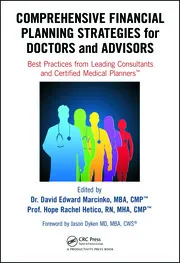
ORDER: https://www.routledge.com/Comprehensive-Financial-Planning-Strategies-for-Doctors-and-Advisors-Best/Marcinko-Hetico/p/book/9781482240283

***

Independent Medical Practitioner as Solo Primary Care Surrogate

Join Our Mailing List

Doctors Facing a Bleak Future Business and Financial Planning Model

By Dr. David Edward Marcinko; MBA, CMP™

[Publisher-in-Chief]dem2

According to Physicians News, on March 19, 2009, the demand for family physicians is growing. Proposals for health system reform focus on increasing the number of primary care physicians in America. Yet, despite these trends, the number of future physicians who chose family medicine dipped this year, according to the 2009 National Resident Matching Program. What gives?

NRMP

The National Resident Matching Program [NRMP] recently announced that a total of 2,329 graduating medical students matched to family medicine training programs. This is a decrease in total student matches from 2008, when 2,404 family medicine residency positions were filled.

Primary Care Demand Explodes

Meanwhile, demand for primary care physicians continues to skyrocket. For example, in its most recent recruitment survey, Merritt Hawkins, a national physician recruiting company, reported primary care physician search assignments had more than doubled from 341 in 2003 to 848 last year. 

The Decline of Solo Medical Practitioners

Regular readers and subscribers to this Medical Executive- Post are aware of the declining number of solo medical practitioners; we have been sounding the alarm here, in our books, journal, speaking engagements and elsewhere for years now.dhimc-book4

In fact, the statistic that we often cite is that more than 40% of the nation’s physicians are employed doctors; not employers as in the past. This business model shift has occurred over the past decade or so, and has accelerated of late. The decline in solo and independent doctors has occurred elsewhere as well, but much more slowly [i.e., dentistry, podiatry and osteopathy] as these specialties have been somewhat isolated from the traditional allopathic mainstream.

Going forward, this solitary model seems to be a good thing, and a fortunate result of the un-intended consequence of previously keeping these folks out of the healthcare mainstream.

The Decline of Independent Medical Practitioners

Now, in the March 2009 issue of Healthcare Finance News, we learn that the number of hospital owned physician practices has been climbing over the last four years, according to the Medical Group Management Association [MGMA]. Think: PHOs back-in-the-day. ho-journal3

And, while this trend only marginally affects patients and patient care, it is quite disruptive to physicians, their families, personal wealth accumulation, retirement and estate planning endeavors.

For example, according to Professor Hope Rachel Hetico, RN, MHA, CMP™ of our firm www.MedicalBusinessAdvisors.com

“The professional good-will valuation component of a medical practice is being decimated. Today, some practices are being bought and sold for tangible asset value, only.

Assessment

Therefore, allow me to identify this emerging trend which suggests independent medical practice as reflective of solo primary medical care. In other words, as independence goes the way of the “dodo-bird”, so goes primary care practitioners precisely at a time when the later is needed more than the former.

Why? Employed doctors stay that way by making money for their employer and hospital-bosses. Specialists make more money than primary care doctors. So, if you want to stay an employed doctor; which specialty would you pursue?

Answer: The NRMP class this year spoke out loud and clear. Any specialty but primary care!

Channel Surfing the ME-P

Have you visited our other topic channels? Established to facilitate idea exchange and link our community together, the value of these topics is dependent upon your input. Please take a minute to visit. And, to prevent that annoying spam, we ask that you register. It is fast, free and secure.

Conclusion

Your thoughts and comments on this ME-P are appreciated. Feel free to review our top-left column, and top-right sidebar materials, links, URLs and related websites, too. Then, subscribe to the ME-P. It is fast, free and secure.

Speaker: If you need a moderator or speaker for an upcoming event, Dr. David E. Marcinko; MBA – Publisher-in-Chief of the Medical Executive-Post – is available for seminar or speaking engagements. Contact: MarcinkoAdvisors@msn.com

OUR OTHER PRINT BOOKS AND RELATED INFORMATION SOURCES:

Product DetailsProduct Details

Product Details