VENTURE CAPITAL Funding Hits Two Year Low

By Dan McCarthy

***

***
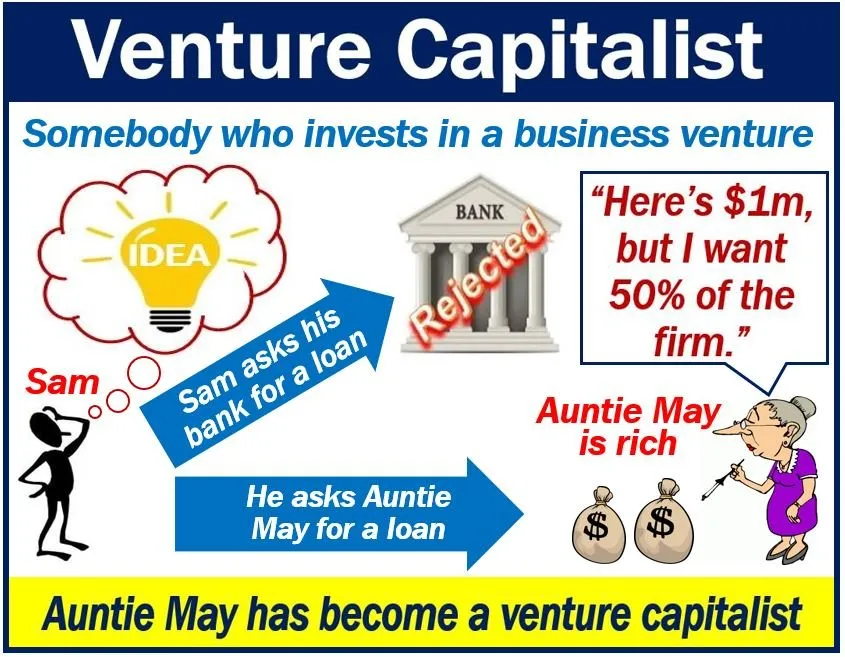
Like everyone’s desire to work, venture funding sank to a new low during the dog days of summer. In August, global venture funding fell to $25.2 billion, per Crunchbase, less than half of the ~$53 billion invested one year prior, and the lowest monthly venture-funding total in two years. It’s down ~10% from the previous month.

Even so…The ongoing pullback didn’t stop several companies—including Adam Neumann’s, uh, controversial, comeback project Flow—from locking down significant investment rounds in August. Here are three rounds that stood out to us…all of which happen to play in the clean-energy space:

  • Terrapower, a nuclear tech developer founded by Bill Gates, raised $750 million. Gates co-led the round with SK Group, which plowed $250 million into the company. In addition to nuclear power generation, the company is also researching nuclear medicine techniques.
  • Longroad Energy, a renewable energy developer based in Boston, raised $500 million. The company said that the funding would catalyze a shift toward an owned-and-operated business model and enable it to grow the capacity of its wind, solar, and storage assets from 1.5 gigawatts (GW) to 8.5 GW in the next five years.
  • Lunar, a home-electrification startup founded by a former Tesla Energy exec, debuted with $300 million in funding, with residential solar bigwig Sunrun and SK Group (hello again) as investors. Later this year, Lunar plans to begin releasing hardware and software products that make it easier for homes to generate, use, and store carbon-free energy.

Monthly venture funding has been trending down since it hit a record high of $69.4 billion last November, as rising rates, inflation, and general economic uncertainty have turned the investing temperature from “deep summer” to “that first really cold day of winter where you neglect to wear a proper coat.” But it’s time for two of our most common refrains on this subject: 1) $25 billion in monthly VC funding is still a lot of money 2) VCs are sitting on a record high of more than half a trillion dollars in dry powder. Those reserves are unlikely to be emptied in 2022, but there is a lot of committed capital on hand for startups to vie for.

READ: https://www.emergingtechbrew.com/stories/2022/09/09/global-vc-funding-hit-a-two-year-low-in-august?mid=349b552221c994e2540a304649746d7c

***

COMMENTS APPRECIATED

Thank You

***

INVESTING: https://www.routledge.com/Comprehensive-Financial-Planning-Strategies-for-Doctors-and-Advisors-Best/Marcinko-Hetico/p/book/9781482240283

***

CITYBLOCK Health Raises $400 Million Dollars

By Heather Landi

***

Cityblock Health has raised $400 million in its latest funding round. This brings the value of the startup to a whopping $5.7 billion. The company focuses on delivering care to patients in marginalized groups, aiming to provide care for 10 million patients by the end of the decade. Two key parts of the company’s strategy is integrating community support into care plans and connecting members with resources and specialized providers.

According to a spokesperson for Cityblock Health, “We can confirm that Cityblock has raised a new round of capital as we continue to accelerate our plans to empower more people across the country more quickly. Millions of marginalized and lower-income people across the U.S., including those who receive their healthcare through Medicaid plans, continue to lack sufficient access to integrated, community-based health services. We are leveraging this investment to reach more people and have an even greater impact.”

To read more, click here.

(Source: Fierce Healthcare, September 7th, 2022)

***
COMMENTS APPRECIATED

Thank You

***

INVESTING: https://www.routledge.com/Comprehensive-Financial-Planning-Strategies-for-Doctors-and-Advisors-Best/Marcinko-Hetico/p/book/9781482240283

***

FAs and Video Calls for Client Meetings?

Join Our Mailing List

By: http://www.GuideVine.com

***

5Reasons-01-2_13_24-PM-344x1024

***

Conclusion

Your thoughts and comments on this ME-P are appreciated. Feel free to review our top-left column, and top-right sidebar materials, links, URLs and related websites, too. Then, subscribe to the ME-P. It is fast, free and secure.

Speaker: If you need a moderator or speaker for an upcoming event, Dr. David E. Marcinko; MBA – Publisher-in-Chief of the Medical Executive-Post – is available for seminar or speaking engagements. Contact: MarcinkoAdvisors@msn.com

OUR OTHER PRINT BOOKS AND RELATED INFORMATION SOURCES:

Comprehensive Financial Planning Strategies for Doctors and Advisors: Best Practices from Leading Consultants and Certified Medical Planners™

PODCAST: How Fees Impact Your Retirement Savings

How 1% Fees Can Eat Up 30% of Your Nest Egg

By Sally Brandon

***

LINK: https://www.rebalance360.com/expert-advice/fees-impact-retirement-savings/

***

In this brief video, Rebalance IRA‘s Vice President of Client Services, Sally Brandon, details the direct impact that hidden and unfair fees can have on your retirement nest egg.

The firm works to make sure you retire with as much of your hard-earned savings as possible.

How 1% Fees Can Eat Up 30% of Your Nest Egg

Conclusion

Your thoughts and comments on this ME-P are appreciated. Feel free to review our top-left column, and top-right sidebar materials, links, URLs and related websites, too. Then, subscribe to the ME-P. It is fast, free and secure.

Speaker: If you need a moderator or speaker for an upcoming event, Dr. David E. Marcinko; MBA – Publisher-in-Chief of the Medical Executive-Post – is available for seminar or speaking engagements. Contact: MarcinkoAdvisors@msn.com

OUR OTHER PRINT BOOKS AND RELATED INFORMATION SOURCES:

Comprehensive Financial Planning Strategies for Doctors and Advisors: Best Practices from Leading Consultants and Certified Medical Planners™

***

What are FRACTIONAL [Stock] SHARES?

***

According to the SEC

By Staff Reporters

***

***

Fractional Share Investing – Buying a Slice Instead of the Whole Share

The SEC’s Office of Investor Education and Advocacy is issuing this Investor Bulletin to help educate investors about investing in fractional shares.

What are Fractional Shares?

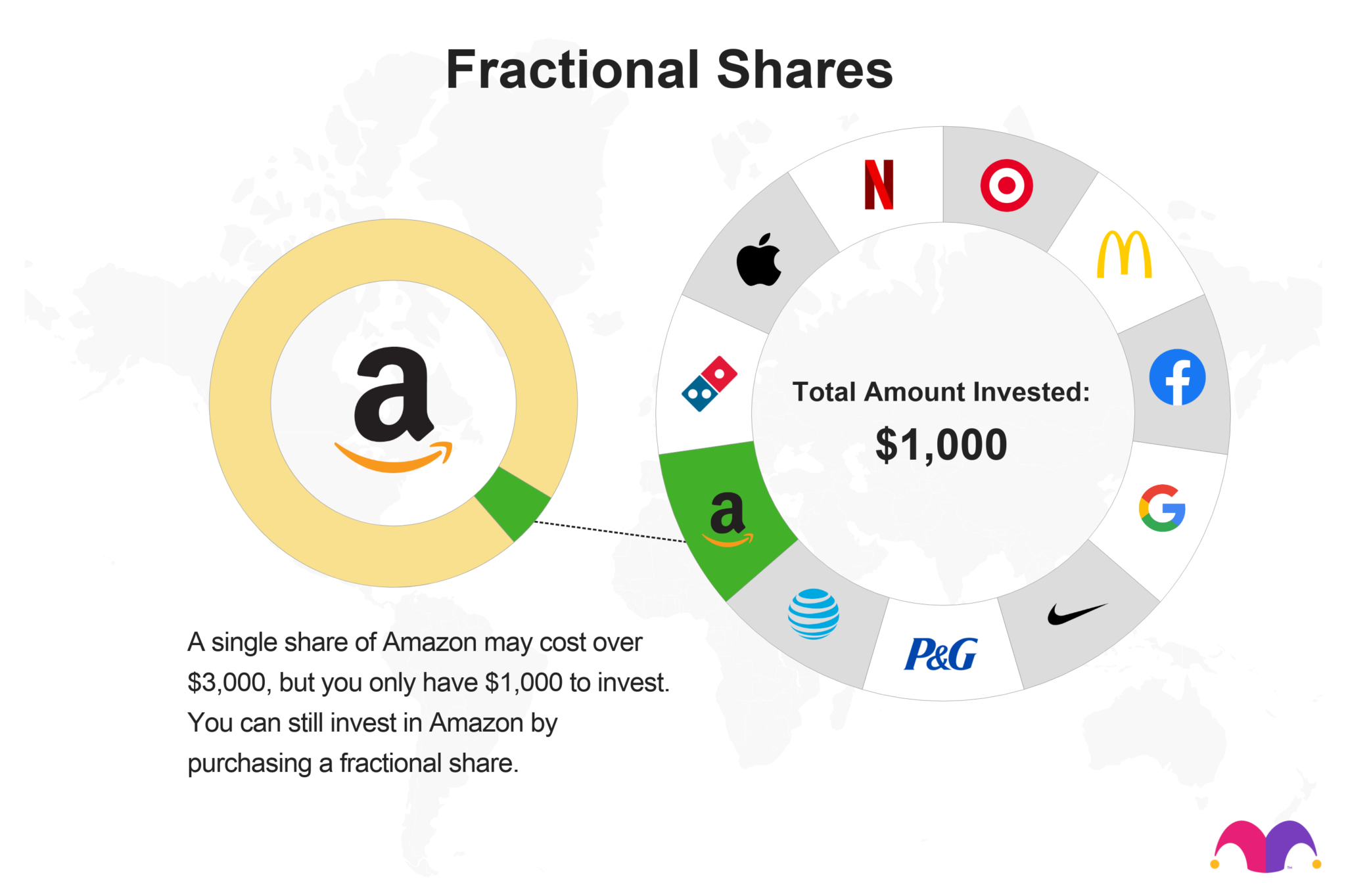
A fractional share is when you own less than one full share of a stock or other security.

Why Invest in Fractional Shares?

Fractional shares are a way to invest when you do not have enough money to purchase a full share of a particular stock. For example, if XYZ stock trades at $1000 per share, but you only have $100 to invest, fractional share investing would allow you to purchase a fraction of the XYZ stock ($1000/$100), or .1 shares.

How does Fractional Share Investing Work?

READ HERE: https://www.sec.gov/oiea/investor-alerts-and-bulletins/fractional-share-investing-buying-slice-instead-whole-share

***

CITE: https://www.r2library.com/Resource/Title/082610254
***

COMMENTS APPRECIATED

Thank You

***

What are Fibonacci Extensions?

What they are – How they work

[Courtesy Investopedia and staff members]

UPDATE: https://www.msn.com/en-us/money/topstocks/s-p-500-dips-below-key-fibonacci-chart-level-then-bounces-back-above-it/ar-AA11my5R?cvid=d5ad809a87e04872bb285a86636cae38

Fibonacci extensions are used in Fibonacci retracement to predict spaces of resistance and support in the market. These extensions involve all levels drawn past the basic 100% level; they are frequently used by traders to determine areas that will bring in profits.

One popular extension, the 161.8% level, is used to set a price target on a breakout of an ascending triangle; this target is calculated by multiplying the vertical distance of the triangle by key Fibonacci ratio 61.8%, and then adding the result to the triangle’s upper resistance level.

The Extensions’

A retracement movement of a stock is where the stock “retraces” a section of one of its previous moves. In most cases, a stock performs a retracement at one of three standard Fibonacci levels: 38.2%, 50% and 61.8%. When a stock retraces more than 100% of its prior move, a Fibonacci extension can be calculated. These extensions, used in combination with a variety of other indicators or patterns, are common practice for traders looking to determine one or multiple price targets.

Practical Use

It is best, and most practical, to calculate Fibonacci extensions when stocks are at new highs or new lows, and when there are no clear levels of resistance or support on the chart. If, for example, a trader is long on a stock and the stock begins to generate new highs, the trader can calculate Fibonacci extension levels to get a basic idea of where the stock is likely to fall and is more likely to make profits. The same is true for a trader who is short. Fibonacci extension levels can be calculated to give the trader a general idea of where the stock may begin to rally. The trader then has the option to decide if he wishes to cover his position at that level.

***

***

Caution

Keeping practicality, and basic common sense, in mind, decisions to buy and sell stocks should never be made based solely on Fibonacci extensions. It is wise for traders to wait and watch for candlestick patterns, such as price action, to become evident to confirm whether a stock is likely to reverse at the traders’ target price.

Assessment

Fibonacci extensions are applicable to any timeframe, such as monthly charts to one-minute charts, and are tools best used on price waves so projections of future price waves can be generated. It is also wise for traders to note that clusters of Fibonacci levels are indicative of a price area that will inevitably be significant.

Conclusion

Your thoughts and comments on this ME-P are appreciated. Feel free to review our top-left column, and top-right sidebar materials, links, urls and related websites, too. Then, subscribe to the ME-P. It is fast, free and secure.

Speaker: If you need a moderator or speaker for an upcoming event, Dr. David E. Marcinko; MBA – Publisher-in-Chief of the Medical Executive-Post – is available for seminar or speaking engagements. https://medicalexecutivepost.com/dr-david-marcinkos-bookings/

Contact: MarcinkoAdvisors@msn.com

***

UPDATE: Deflation with August Stock Round-Up?

By Staff Reporters

***

***
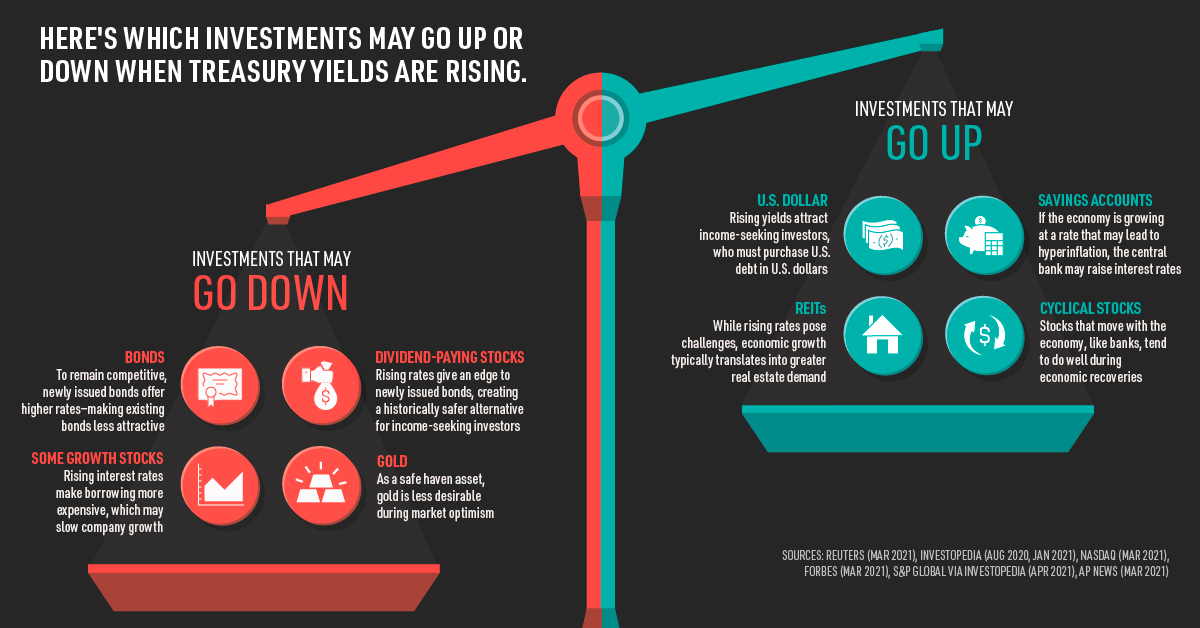
Inflation is starting to “drop like a rock” rather than a feather, leading to outright deflation in some areas of the economy, Fundstrat’s Tom Lee said in a note. A slowdown in rising inflation would be welcome news to investors given that the stock market has sold off 5% since Fed Chair Jerome Powell’s hawkish speech at Jackson Hole last week. Powell reiterated the Fed’s resolve to tame inflation by being aggressive with interest rate hikes and a reduction to its $9 trillion balance sheet. The market currently expects another outsized 75 basis point rate hike from the Fed at its FOMC meeting in late September. If inflation cools and is less “sticky” than most expect, it could change the Fed’s current interest rate hike trajectory, ultimately leading to a faster pivot towards a pause in rate hikes. That would be a boon for risk assets, which have been stymied in recent months by fast rising interest rates.

CITE: https://www.r2library.com/Resource/Title/082610254

***

U.S. stocks ended the month with their fourth straight daily decline cementing the weakest August performance in seven years as worries about aggressive interest rate hikes from the Federal Reserve persist. Adding to pressure were declines in the technology sector, and more specifically chip-makers, after soft forecasts from Seagate and HP Inc. The three main indexes suffered their biggest monthly percentage declines in August since 2015. After hitting a four-month high in mid-August, the S&P 500 has stumbled in recent weeks, dropping more than 7% through the close and falling through several closely watched technical support levels.

***

COMMENTS APPRECIATED

Thank You

***

BUSINESS MEDICINE: https://www.amazon.com/Business-Medical-Practice-Transformational-Doctors/dp/0826105750/ref=sr_1_9?ie=UTF8&qid=1448163039&sr=8-9&keywords=david+marcinko

***

The “HEMLINE STOCK INDEX”

Hemline Index

***

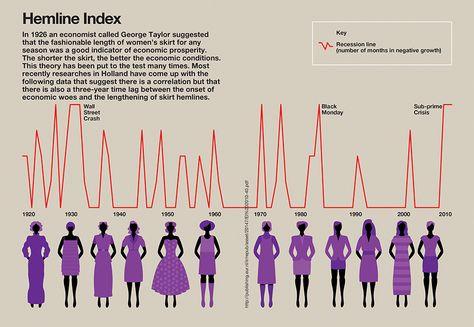
The hemline index is a theory presented by economist George Taylor in 1926.
The theory suggests that hemlines on women’s dresses rise along with stock prices. In good economies, we get such results as miniskirts (as seen in the 1920s and the 1960s), or in poor economic times, as shown by the 1929 Wall Street Crash, hems can drop almost overnight.
***
Non-peer-reviewed research in 2010 supported the correlation, suggesting that “the economic cycle leads the hemline with about three years”.
***
Assessment: Your thoughts are appreciated
***

Inflation and Crypto-Currency

***

***

By Staff Reporters

***

The inflation-proof nature of cryptocurrency works in the same way as stocks– inflation will cause prices to increase so companies can charge more for their goods which means people are willing to pay.

However, since cryptocurrencies are fairly new and not backed by anything at this point it’s better if they make up a small portion of your portfolio instead of trying to go all in with one coin unless you have enough money lying around where losing some won’t hurt too much.

A lot of corporate investment portfolios have started to include crypto because let’s face it, inflation matters.

***

COMMENTS APPRECIATED

Thank You

RELATED: https://www.routledge.com/Comprehensive-Financial-Planning-Strategies-for-Doctors-and-Advisors-Best/Marcinko-Hetico/p/book/9781482240283

***

Of Doctors, Bull and Bear Markets

Join Our Mailing List

DEM blue

Of Bull and Bear Markets

By Dr. David Edward Marcinko MBA CMP®

SPONSOR: http://www.CertifiedMedicalPlanner.org

CMP logo

***

A bull market is generally one of rising stock prices, while a bear market is the opposite. There are usually two bulls for every one bear market over the long term.

More specifically, a bear market is defined as a drop of twenty percent or more in a market index from its high, and can vary in duration and severity. While a bull market has no such threshold requirement to exist, other than they exist between these two periods of sharp decline.

Whither the Bear? 

As a doctor, your action plan in a bear market depends on many variables, with perhaps your age being the most important: 

In your 30s:

  • Pay off debts, school or practice loans.
  • Invest in safe money market mutual funds, cash or CDs.
  • Start retirement plan or 401-K account. 

In your 40s:

  • Increase your pension plan or 401-K contributions.
  • Stay weighted more toward equity investments.
  • Review your goals, risk tolerance and portfolio. 

In your 50s:

  • Position assets for ready cash instruments.
  • Diversify into stock, bonds and cash. 

Retirement:

  • Maintain 3 years of ready cash living expenses.
  • Reduce, but still maintain your exposure to equities.

***

Bear + A Falling Stock Chart

***

Assessment

Conclusion

Your thoughts and comments on this ME-P are appreciated. Feel free to review our top-left column, and top-right sidebar materials, links, URLs and related websites, too. Then, subscribe to the ME-P. It is fast, free and secure.

Speaker: If you need a moderator or speaker for an upcoming event, Dr. David E. Marcinko; MBA – Publisher-in-Chief of the Medical Executive-Post – is available for seminar or speaking engagements. Contact: MarcinkoAdvisors@msn.com

OUR OTHER PRINT BOOKS AND RELATED INFORMATION SOURCES:

***

[PHYSICIAN FOCUSED FINANCIAL PLANNING AND RISK MANAGEMENT COMPANION TEXTBOOK SET]

  Risk Management, Liability Insurance, and Asset Protection Strategies for Doctors and Advisors: Best Practices from Leading Consultants and Certified Medical Planners™           Comprehensive Financial Planning Strategies for Doctors and Advisors: Best Practices from Leading Consultants and Certified Medical Planners™

[Dr. Cappiello PhD MBA] *** [Foreword Dr. Krieger MD MBA]

Front Matter with Foreword by Jason Dyken MD MBA

***

A Fiduciary Comes with Responsibilities to the Client

By Stephen Kelley, CSA

***

***

As a Registered Investment Adviser (RIA) with a Series #65 securities license, we hold a fiduciary duty to you. This means that we are legally bound to put your interests above those of anyone else, including ourselves.

Now you might reasonably think that anyone offering financial advice or services to clients is required to be a fiduciary. Sadly, if you thought that, you’d be wrong. Some estimates claim that only 15 percent of advisors have a fiduciary duty to their clients. The Paladin Registry puts the number even lower, estimating that just one in 12 (8.3 percent) advisors have a fiduciary responsibility.

For the most part, stockbrokers (also called “Registered Representatives,” “Account Executives,” “Financial Advisors,” or “Wealth Managers”) are not fiduciaries, even though they are allowed to portray themselves as full-service investment advisors. If your stockbroker/registered representative/account executive/financial advisor/wealth manager holds a series seven [#7] securities license, then it’s probable that they aren’t a fiduciary.

This was made amply clear in the movie, “The Wolf of Wall Street,” a biopic about Jordan Belfort, a stockbroker who made his fortune selling junk stocks and bonds to middle-class investors: in other words, by cheating them. Much of it was perfectly legal. The SEC went after Belfort’s company, Stratton Oakmont, for nearly a decade before it was able to shut it down. The point being that even in the face of egregious wrongdoing, theft, fraud and a virtual sea of drugs and blatant hedonism, the securities laws in this country are so loose that it took billions in theft and a decade of suspected and known fraud to step in and stop the abuse. And this movie was based on a true story.

That’s why a fiduciary duty is so important to a client. Being a fiduciary is a legal distinction. A Registered Investment Advisor (RIA) or Investment Advisor Representative (IAR) who holds a Series #65 securities license, subject to the Investment Advisers Act of 1940, is a fiduciary. The legal investment advising standards that govern a non-fiduciary stockbroker and a fiduciary Registered Investment Advisor are very different.

A Registered Investment Advisor is legally required to follow the “trust” standard — the highest known in law — which requires it to place the interests of its clients ahead of its own and fulfill critical fiduciary duties of trust and confidence. Under the fiduciary trust standard, a Registered Investment Advisor must provide its “best advice” to a client. A non-fiduciary stockbroker (like the coveted Series #7 of “The Wolf of Wall Street”) follows only the “suitability” standard, which doesn’t require a stockbroker to place the interests of his clients ahead of its own. Under the non-fiduciary suitability standard, a stockbroker need provide only “suitable advice” to his clients — even if the stockbroker knows that the advice is not the best advice for the client.

***

The table below helps summarize which professionals are fiduciaries.

Type of ProfessionalAre They A Fiduciary?
PhysicianYes
LawyerYES/Maybe
CPANo
Trust OfficerYes
Stock BrokerNo
Insurance AgentNo
Registered RepresentativeNo
CFP PractitionerMaybe
Financial PlannerMaybe
Registered Investment AdviserYes
NAFPA-Registered Financial AdvisorYes

***

MORE: https://medicalexecutivepost.com/2022/05/21/an-interview-with-bennett-aikin-aif/

RELATED: https://www.kitces.com/blog/the-4-different-types-of-financial-advisor-fiduciaries/

CFPs: https://medicalexecutivepost.com/2016/11/18/why-we-cannot-assume-cfp-equals-fiduciary/

INVESTING: https://www.routledge.com/Comprehensive-Financial-Planning-Strategies-for-Doctors-and-Advisors-Best/Marcinko-Hetico/p/book/9781482240283

COMMENTS APPRECIATED

Thank You

***

Geographic Variation in Private Equity Penetration Across Physician Specialties

By NIHCM

***

***

READ HERE: https://nihcm.org/publications/geographic-variation-in-private-equity-penetration-across-physician-specialties

CITE: https://www.r2library.com/Resource/Title/082610254

MORE: https://www.amazon.com/Financial-Management-Strategies-Healthcare-Organizations/dp/1466558733/ref=sr_1_3?ie=UTF8&qid=1380743521&sr=8-3&keywords=david+marcinko

***

COMMENTS APPRECIATED

Thank You

****

Stay Alert for Investment Scams Involving Cryptocurrency

By Charles Schwab

***

***
Stay alert for investment scams involving cryptocurrency
 
At Schwab, we’re committed to helping you protect your assets. One way we do that is by raising awareness of the increase in fraudulent investment schemes (“scams”) involving cryptocurrencies and digital assets. While investing involves taking some risks, being scammed shouldn’t be one of them.
What do scams look like? Investment scams target investors by promising quick, guaranteed returns. Although “investment pitches” vary, using fraudulent cryptocurrency investment opportunities to entice targets is a common approach.

Once targeted investors indicate interest, they are often instructed to wire funds abroad or to a third party’s personal account, or to transfer cryptocurrency. Fake websites and/or applications often create the illusion of a legitimate trading or investment platform and gain trust. However, once funds have been transferred, they are difficult to trace and retrieve.
5 Investment Scam Red Flags 
Guaranteed” high investment returns, supposedly with little or no risk, and sounding too good to be true.
Unlicensed or unregistered sellers. Use Investor.gov to check out the background of anyone offering you an investment in securities.
Skyrocketing account values. Investments that appear to rapidly increase in value are often fake.
Fake testimonials. Scammers often pay people to provide fake reviews, so never rely solely on testimonials in making an investment decision.
Fake contacts. Take caution if someone approaches you through social media with an investment opportunity. Pretending to be a friend or to have a mutual acquaintance is a common tactic used to gain trust.

***

COMMENTS APPRECIATED

Thank You

***

MORE: https://medicalexecutivepost.com/2022/02/22/cryptocurrency-trades-and-income-taxes-2021/

IT: https://www.amazon.com/Dictionary-Health-Information-Technology-Security/dp/0826149952/ref=sr_1_5?ie=UTF8&s=books&qid=1254413315&sr=1-5

***

The Ex-Dividend Stock Date?

WHAT IS THE “EX-DIVIDEND” STOCK DATE?

By Staff Reporters

DEFINITION: Occurs when dividends are declared by a company’s board of directors, they are payable on a certain date (“payable date”) to shareholders recorded on the company’s books as of a stated earlier date (“record date”).

Purchasers of the stock on or after the record date are not entitled to receive the recently declared dividend, so the ex-dividend date is the number of days it takes to settle a trade before the record date (currently three business days). A stock’s price on its ex-dividend date appears in the newspaper with an X beside it.

CITE: https://www.r2library.com/Resource/Title/082610254

THANK YOU
***

***

COMMENTS APPRECIATED

Thank You

***

Mature Company Stocks Are Not Bonds

Dividends bring tangible and intangible benefits

vitaly

By Vitaliy Katsenelson CFA


You can also listen to the article here, or by clicking on the buttons below:

Like many professional investors, I love companies that pay dividends. Dividends bring tangible and intangible benefits: Over the last hundred years, half of total stock returns came from dividends.

In a world where earnings often represent the creative output of CFOs’ imaginations, dividends are paid out of cash flows, and thus are proof that a company’s earnings are real.

Finally, a company that pays out a significant dividend has to have much greater discipline in managing the business, because a significant dividend creates another cash cost, so management has less cash to burn in empire-building acquisitions.

Mature Company Stocks Are Not Bonds

***

[PHYSICIAN FOCUSED FINANCIAL PLANNING AND RISK MANAGEMENT COMPANION TEXTBOOK SET]

Comprehensive Financial Planning Strategies for Doctors and Advisors: Best Practices from Leading Consultants and Certified Medical Planners™

Risk Management, Liability Insurance, and Asset Protection Strategies for Doctors and Advisors: Best Practices from Leading Consultants and Certified Medical Planners™

UPDATE: Recession, Goldman Sachs, and Tesla

By Staff Reporters

***

***

The director of the nonpartisan Congressional Budget Office [CBO] added his voice Thursday to those economists who say it’s unclear if the economy has hit a downturn, despite posting two straight quarterly drops in growth. “The U.S. economy shows signs of slowing, but whether the economy is currently in a recession is difficult to say,” wrote CBO Director Phillip Swagel in a letter to Sen. Lindsey Graham (R-S.C.). “It is possible that, in retrospect, it will become apparent that the economy moved into recession sometime this year. However, that is not clear from data that were available at the beginning of August,” Swagel added.

Goldman Sachs said its credit card unit is under investigation by the Consumer Financial Protection Bureau, a federal agency tasked with protecting Americans from financial abuse. In a securities filing, Goldman said the CFPB is examining a number of the company’s credit card account management practices, including refunds, resolving billing errors, advertisements and reporting to credit bureaus. And, in a statement to CBS MoneyWatch, Goldman said the bank “is cooperating with the CFPB on this matter.”

Finally, shares of electric vehicle maker Tesla rallied in after-hours trading as the company won shareholder approval for a 3:1 stock split, the second such move in two years, as the world’s most valuable automaker looks to make its stock more affordable.

***

COMMENTS APPRECIATED

Thank You

***

FINANCIAL PLANNING: https://www.routledge.com/Comprehensive-Financial-Planning-Strategies-for-Doctors-and-Advisors-Best/Marcinko-Hetico/p/book/9781482240283

****

Inflation Reduction Act of 2022

By Claire

***

***

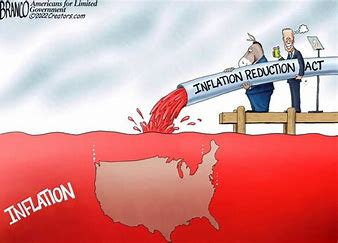
While the Inflation Reduction Act of 2022 looks good on paper, it will actually do more harm than good if it passes. The plan would hurt working-class taxpayers and small business owners across the country.

***

READ: https://wealthofgeeks.com/irs-expansion/

MORE: https://www.democrats.senate.gov/imo/media/doc/inflation_reduction_act_one_page_summary.pdf

FINANCIAL PLANNING: https://www.amazon.com/Comprehensive-Financial-Planning-Strategies-Advisors/dp/1482240289/ref=sr_1_1?ie=UTF8&qid=1418580820&sr=8-1&keywords=david+marcinko

COMMENTS APPRECIATED

Thank You

***

Capital Market Expectations, Asset Allocation and Safe Portfolio Withdrawal Rates

By Staff Reporters

From: Munich Personal RePEc Archive [MPRA]

Join Our Mailing List

Economist Wade Donald Pfau wrote an article called, “Capital Market Expectations, Asset Allocation, and Safe Withdrawal more than a decade ago. Today, is is still a vital read.

Abstract

Most retirement withdrawal rate studies are either based on historical data or use a particular assumption about portfolio returns unique to the study in question.

But, financial advisors and planners may have their own capital market expectations for future returns from stocks, bonds, and other assets they deem suitable for their clients’ portfolios. These uniquely personal expectations may or may not bear resemblance to those used for making retirement withdrawal rate guidelines. The objective here is to provide a general framework for thinking about how to estimate sustainable withdrawal rates and appropriate asset allocations for clients based on one’s capital market expectations, as well as other inputs about the client including the planning horizon, tolerance for exhausting wealth, and personal concerns about holding riskier assets.

The study also tests the sensitivity of various assumptions for the recommended withdrawal rates and asset allocations, and finds that these assumptions are very important. Another common feature of existing studies is to focus on an optimal asset allocation, which is expected either to minimize the probability of failure for a given withdrawal rate, or to maximize the withdrawal rate for a given probability of failure. Retirement withdrawal rate studies are known in this regard for lending support to stock allocations in excess of 50 percent.

Assessment

This study shows that usually there are a wide range of asset allocations which can be expected to perform nearly as well as the optimal allocation, and that lower stock allocations are indeed justifiable in many cases.

Link: MPRA_paper_32973

About MPRA: http://mpra.ub.uni-muenchen.de/information.html

NOTE: Wade Donald Pfau is an Associate Professor of Economics at the National Graduate Institute for Policy Studies (GRIPS) in Tokyo, Japan. His PhD in economics was from Princeton University.

Your thoughts and comments on this ME-P are appreciated. Feel free to review our top-left column, and top-right sidebar materials, links, URLs and related websites, too. Then, subscribe to the ME-P. It is fast, free and secure.

Link: http://feeds.feedburner.com/HealthcareFinancialsthePostForcxos

Speaker: If you need a moderator or speaker for an upcoming event, Dr. David E. Marcinko; MBA – Publisher-in-Chief of the Medical Executive-Post – is available for seminar or speaking engagements. Contact: MarcinkoAdvisors@msn.com

OUR OTHER PRINT BOOKS AND RELATED INFORMATION SOURCES:

FINANCE: Financial Planning for Physicians and Advisors
INSURANCE: Risk Management and Insurance Strategies for Physicians and Advisors

Product Details  Product Details

Social Security as an Asset Class?

Join Our Mailing List 

A High Guaranteed Return!

By Rick Kahler CFP® http://www.KahlerFinancial.com

Rick Kahler CFPOnce you hit age 62, what’s an investment class that can give you a high guaranteed return with almost no risk; Bonds, Equities, or Commodities?

Nope; it’s social security.

There’s just one catch. You can’t actually get your hands on the money until you’re 70.

The Catch

One of the most common issues for those approaching retirement age is determining the right time to file for Social Security. If you file at age 62, you will receive benefits longer. Yet your monthly benefit for the rest of your life will only be about 75% of the monthly amount you will receive if you file at your full retirement age of 66 to 67. If you wait even longer, the benefit amount is higher still.

Those who are unable to work and don’t have sufficient retirement savings may not have a choice about filing for Social Security early. Those who don’t have a compelling need for early Social Security income may still consider early filing as an option, with the idea of investing the money for their later retirement.

Recent Thoughts

According to a recent article by Karen DeMasters in Financial Advisor magazine, this is not a good choice. She cites research done by William Meyer and William Reichenstein of Social Security Solutions Inc (www.ssanalyzer.com) in Leawood, Kansas.

One big drawback to investing your Social Security benefits is the penalty you pay if you are still working. If, between age 62 and your full retirement age, you earn more than $15,120 a year, your benefits are reduced. So you’d start with a smaller benefit amount, have it cut even further, and not be left with a whole lot to invest.

Even more important, however, is a number that Meyer and Reichenstein emphasize: 8%. This is the amount that your Social Security benefit increases every year between age 62 and 70 that you delay filing. In essence, if you leave your Social Security benefits in the government’s hands instead of investing them yourself, you are guaranteed an 8% annual return on that part of your retirement portfolio. This doesn’t include cost-of-living increases.

Taking early benefits and investing them is only a good idea if you are sure you can get more than an 8% return. Any investment likely to produce a return higher than 8% would come with risks that are unacceptably high for a retirement-age portfolio.

Mature Woman

Social Security Risks

There are only two real risks associated with letting your Social Security benefits accumulate until later than age 62.

One is the possibility that Social Security won’t be there when you do retire. Given that the delay is only a few years and that Social Security is now the retirement plan of most Americans, this is extremely unlikely.

The second risk is that you won’t live long enough to collect an amount equal to what you would get if you started benefits early. Unless you are facing a terminal illness, however, chances are that waiting until at least full retirement age is still the wisest option.

Assessment

If your health is good and you don’t need retirement cash immediately, you are far better off to delay filing. Even if you are facing circumstances that might make early retirement a necessity, it’s a good idea to look at all your options and try to find creative ways to put off filing as long as possible.

Once you reach age 62, Social Security is always an option. It gives you a doorway out of the working world any time you really need to take it. But for every year you can delay walking through that door, you gain 8%. That’s an investment return well worth waiting for.

Conclusion

Your thoughts and comments on this ME-P are appreciated. Feel free to review our top-left column, and top-right sidebar materials, links, URLs and related websites, too. Then, subscribe to the ME-P. It is fast, free and secure.

Link: http://feeds.feedburner.com/HealthcareFinancialsthePostForcxos

Speaker: If you need a moderator or speaker for an upcoming event, Dr. David E. Marcinko; MBA – Publisher-in-Chief of the Medical Executive-Post – is available for seminar or speaking engagements. Contact: MarcinkoAdvisors@msn.com

OUR OTHER PRINT BOOKS AND RELATED INFORMATION SOURCES:

DICTIONARIES: http://www.springerpub.com/Search/marcinko
PHYSICIANS: www.MedicalBusinessAdvisors.com
PRACTICES: www.BusinessofMedicalPractice.com
HOSPITALS: http://www.crcpress.com/product/isbn/9781466558731
CLINICS: http://www.crcpress.com/product/isbn/9781439879900
BLOG: www.MedicalExecutivePost.com
FINANCE: Financial Planning for Physicians and Advisors
INSURANCE: Risk Management and Insurance Strategies for Physicians and Advisors

Product Details  Product Details

Social Security Politics and Mathematics

By Staff Reporters

***

***

Although the future of Social Security remains in doubt, some congressional lawmakers are ensuring that most Social Security recipients get their money and then some. Sen. Bernie Sanders (I-Vt.) introduced the Social Security Expansion Act (SSEA) in June. The bill would allot $200 more per month for each Social Security recipient — a 12% boost in money, according to CBS News.

The bill was introduced after the Social Security Administration said that Americans would no longer receive benefits in 13 years, if congressional lawmakers do not address the funding shortage.

So who will receive these Social Security increases?

The people who are currently eligible for Social Security or anyone who turns 62 in 2023, which is the earliest age to collect Social Security, will be eligible to receive the extra $200 a month with their benefits.

***

Now, at present for Social Security, 12.4% is taken out of each paycheck for people earning up to $147,000, with half paid by the employer and half paid by the worker. So, if you make $147,000 or less, you are paying 6.2% into Social Security. If you make, say, $1.47 million, you only pay 0.6% of your income to Social Security.

If the pending new SS bill is approved, the same rate would be taxed on individuals making $250,000 or more. Those making $147,000 or less would continue to pay the same rate as well, with a do-nut hole between the $147,000 and $250,000 — although that $147,000 typically goes up each year, as it is based on average income.

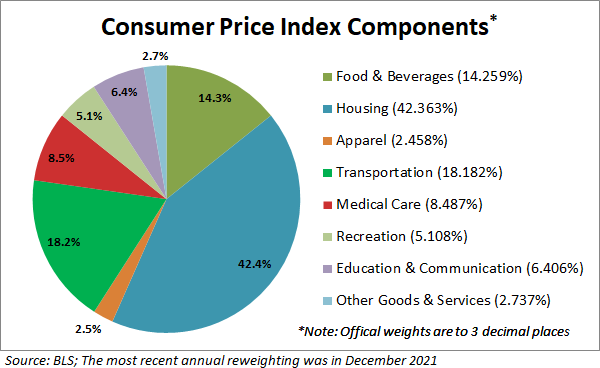
The increased funding — along with a change in the cost-of-living-adjustments (COLA) to the Consumer Price Index for the Elderly (CPI-E) — would help to increase benefits by an estimated $200 per month, or $2,400 per year, which bears out, according to an analysis by the Social Security Administration (SSA).

RELATED: https://www.routledge.com/Comprehensive-Financial-Planning-Strategies-for-Doctors-and-Advisors-Best/Marcinko-Hetico/p/book/9781482240283

***

COMMENTS APPRECIATED

Thank You

****

Hodja Nasreddin and Behavioral Economics [Gains and Losses]

The Difference

[By Anonymous]

One of the most important concepts in behavioral economics is that people react differently to gains and losses. An example from Hodja Nasreddin:

***

Hodja Nasreddin

***

“One day Nasreddin went to his neighbour and asked to borrow a large cooking pot. The neighbour obliged and Nasreddin promised to bring it back shortly. Weeks passed when the neighbour came by to remind Nasreddin about his pot.

Embarrassed, the hodja went inside and after a short time re-emerged with the pot. On handing it over there was a clanging sound inside upon which the neighbour lifted the lid to reveal a smaller pot inside. “Hodja, what is this?” He exclaimed. “Neighbour, it seems the pot you gave me was expecting and this is her young!” The neighbour gave the hodja a silent look and left with both pots.

Some time later Nasreddin again asked to borrow the pot and the neighbour happily obliged. Again weeks passed and the neighbour came again inquiring about his pot.

“Alas!” Nasreddin said, your dear pot passed on to the afterlife, please accept my condolences.”

“But hodja, how can a metal pot die?” said his neighbour whereupon Nasreddin hodja flew into a rage and yelled:”You had no trouble believing it gave birth but her death strikes you as incredible? Now begone, you rascal!

NOTE: Why backward? http://mullahnasruddin.com/?p=1927

Assessment: Your thoughts are appreciated.

***

Risk Management, Liability Insurance, and Asset Protection Strategies for Doctors and Advisors: Best Practices from Leading Consultants and Certified Medical Planners™8Comprehensive Financial Planning Strategies for Doctors and Advisors: Best Practices from Leading Consultants and Certified Medical Planners™

***

GENERAL ELECTRIC: Tri-Partite Company Spin-Offs

By Staff Reporters

***

***

ICYMI: After a celebrated 130-year brand history, last fall GE announced plans to create three new, publicly traded companies, building on its heritage of innovation while marking a new beginning.

CITE: https://www.r2library.com/Resource/Title/082610254

And now, these planned companies have names. So meet the three ways GE plans to evolve from building a world that works to creating a future that does, too:

  • GE HealthCare signals continued confidence and trust from clinicians and will bring better outcomes for patients and health systems.
  • GE Vernova represents GE’s portfolio of energy businesses and commitment to leading the global energy transition.
  • GE Aerospace points to a new era of possibility in aerospace and defense for the company’s aviation business.

Visit GE.com to learn more

INVESTING: https://www.amazon.com/Comprehensive-Financial-Planning-Strategies-Advisors/dp/1482240289/ref=sr_1_1?ie=UTF8&qid=1418580820&sr=8-1&keywords=david+marcinko

***

COMMENTS APPRECIATED

Thank You

***