Bundled Payment Model Success Unaffected by Type of Participation

BY HEALTH CAPITAL CONSULTANTS, LLC

HC Topics Banner Image

Bundled Payment Model Success Unaffected by Type of Participation


Historically, Medicare has offered value-based payment models to healthcare organizations on both a voluntary and a mandatory participation basis. Because voluntary participants could self-select into programs to reduce spending, it was assumed that they achieved greater savings than mandated participants, but until recently, no data had tested this.

However, a June 2021 study in the Journal of the American Medical Association (JAMA) found no difference in risk-adjusted episodic spending between voluntary and mandatory payment model participants. (Read more…) 

YOUR COMMENTS ARE APPRECIATED.

Thank You

***

PODCAST: Hospital 340-B Drug Programs

BY ERIC BRICKER MD

YOUR COMMENTS ARE APPRECIATED.

KFF MORE: https://www.kff.org/medicare/issue-brief/whats-the-latest-on-medicare-drug-price-negotiations/

HRSA MORE: https://www.hrsa.gov/opa/index.html

Thank You

***

The BUSINESS of Medical Practice

BY DR. David Edward Marcinko MBA

***

RELATED TEXTS: https://medicalexecutivepost.com/2021/04/29/why-are-certified-medical-planner-textbooks-so-darn-popular/

INVITE DR. MARCINKO: https://medicalexecutivepost.com/dr-david-marcinkos-

Second Opinions: https://medicalexecutivepost.com/schedule-a-consultation/

THANK YOU!

***

PODCAST: On Digital Health Start-Ups

On Medical Entrepreneurs

****

BY ERIC BRICKER MD

Your comments are appreciated.

THANK YOU

***

PODCAST: Traditional Medicare Hospital Value Based Payments Explained

THREE CATEGORIES OF VBC

By Eric Bricker MD

Medicare Value-Based Payments (also Called Alternative Payment Models) to Hospitals Fall Into 3 Main Categories:

PODCAST: https://www.youtube.com/watch?v=YEqtpCNwzSg

Your Thoughts Are Appreciated.

THANK YOU

******

PODCAST: Health Insurance Carriers Now Subject to Anti-Trust Regulations

Congress Passed and the President Signed the Competitive Health Insurance Reform Act of 2020 (CHIRA)

By Eric Bricker MD

PODCAST: https://www.youtube.com/watch?v=AbOHzYTYbPM

YOUR THOUGHTS ARE APPRECIATED

CITE: https://www.r2library.com/Resource/Title/0826102549

Thank You

****

HOSPITAL OPERATIONS: Organizations, Strategies, Techniques, Tools, Templates and Case Models

YOUR COMMENTS ARE APPRECIATED.

RELATED TEXTS: https://medicalexecutivepost.com/2021/04/29/why-are-certified-medical-planner-textbooks-so-darn-popular/

INVITE DR. MARCINKO: https://medicalexecutivepost.com/dr-david-marcinkos-

THANK YOU!

***

FINANCIAL PLANNING: Strategies for Doctors and Advisors

SPONSOR: http://www.CertifiedMedicalPlanner.org

***

***

RELATED TEXTS: https://medicalexecutivepost.com/2021/04/29/why-are-certified-medical-planner-textbooks-so-darn-popular/

INVITE DR. MARCINKO: https://medicalexecutivepost.com/dr-david-marcinkos-

THANK YOU!

***

PODCAST: Improving Healthcare Outcomes & Supporting Providers in Value-Based Care

BY NIHCM

****

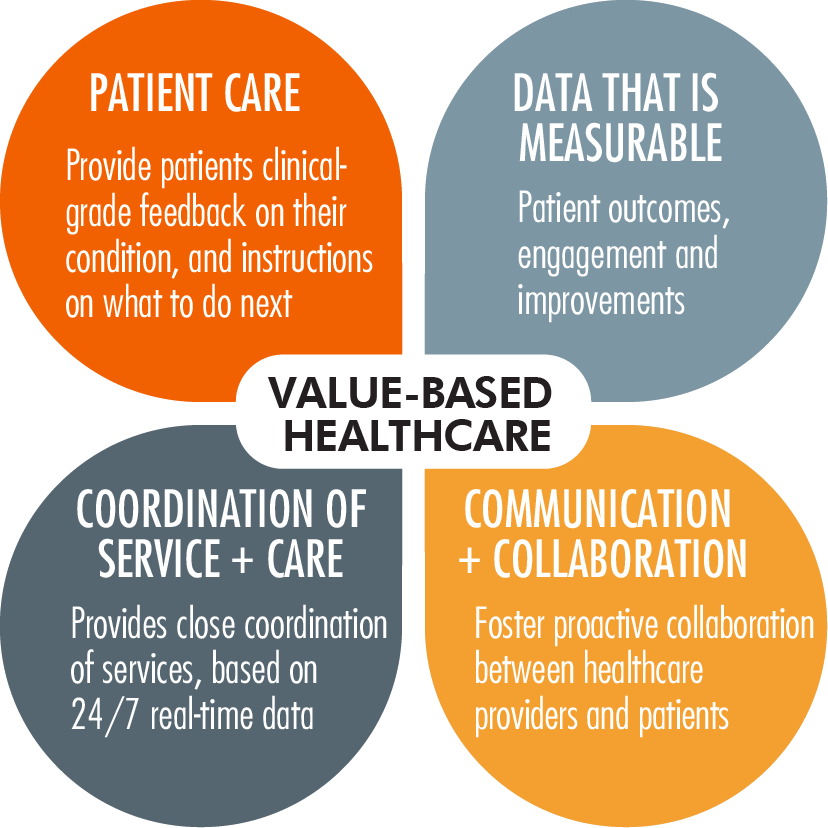
Value-based care has the potential to transform health care, improving quality and access for millions of people, while addressing COVID-19 related disparities. As a result of the pandemic, many rural communities and communities of color face significant reductions in access to health care.

More than 8% of practicing physicians nationwide closed during COVID-19 despite 82 million Americans living in “health professional shortage areas.” The financial strain and burnout experienced by providers has fueled interest in accelerating the adoption of value-based care. As of 2017, only 34% of health care dollars were the result of value-based care payments. This low rate of adoption exists despite evidence tying payments to patient health outcomes and rewarding higher quality care leads to reduced costs.

This webinar brought together experts who are driving innovative initiatives, achieving excellence in health outcomes, and uncovering more effective ways to implement value-based care.

YOUR COMMENTS ARE APPRECIATED.

See the source image

Thank You

***

INVITE DR. MARCINKO: https://medicalexecutivepost.com/dr-david-marcinkos-bookings/

***

Management Strategies, Operational Techniques, Tools, Templates and Case Studies

FOR HOSPITALS AND HEALTHCARE ORGANIZATIONS

***

BY DR. DAVID E. MARCINKO MBA

INVITE DR. MARCINKO: https://medicalexecutivepost.com/dr-david-marcinkos-bookings/

THANK YOU

***

PODCAST: The American Rescue Plan and Health Care

BY ERIC BRICKER MD

***

YOUR THOUGHTS ARE APPRECIATED.

Thank You

MORE: https://medicalexecutivepost.com/2021/04/01/american-rescue-plan-act-of-2021/

***

PODCAST: Confessions of a Hospital Chief Financial Officer

HOSPITAL FINANCES REVEALED

By Eric Bricker MD

***

***

CITE: https://www.r2library.com/Resource/Title/0826102549

YOUR THOUGHTS AND COMMENTS ARE APPRECIATED

Thank You

***

PODCAST: Physician Specialties with Hospital System Bargaining Power

***

Certain Doctor Specialties Have Great Power within Hospital Systems Because They Generate High-Margin Patient Volume.

By Eric Bricker MD

YOUR THOUGHTS ARE APPRECIATED.

Thank You

***

PODCAST: Health Insurance Plan Trends and Clauses

Medical Trend for 2020 is Estimated to be 6%.

Where Does That Number Come From?

Insurance Companies and Hospitals Negotiate Their Contracts Every 3-5 Years.

***

YOUR THOUGHTS ARE APPRECIATED

Thank You

MORE: https://www.amazon.com/Financial-Management-Strategies-Healthcare-Organizations/dp/1466558733/ref=sr_1_3?ie=UTF8&qid=1380743521&sr=8-3&keywords=david+marcinko

***

Hospitals and Healthcare Organizations

INVITE DR. MARCINKO: https://medicalexecutivepost.com/dr-david-marcinkos-bookings/

Thank You

***

PODCAST: Hospitals Charge More When Patients are Un-Insured?

BY ERIC BRICKER MD

***

YOUR THOUGHTS ARE APPRECIATED

Thank You

CITE: https://www.r2library.com/Resource/Title/0826102549

***

HOSPITALS: Management Strategies, Operational Techniques, Tools, Templates and Case Studies

***

TEXTBOOK REVIEW

Drawing on the expertise of decision-making professionals, leaders, and managers in health care organizations, Hospitals & Health Care Organizations: Management Strategies, Operational Techniques, Tools, Templates, and Case Studies addresses decreasing revenues, increasing costs, and growing consumer expectations in today’s increasingly competitive health care market.

Offering practical experience and applied operating vision, the authors integrate Lean managerial applications, and regulatory perspectives with real-world case studies, models, reports, charts, tables, diagrams, and sample contracts. The result is an integration of post PP-ACA market competition insight with Lean management and operational strategies vital to all health care administrators, comptrollers, and physician executives. The text is divided into three sections:

  1. Managerial Fundamentals
  2. Policy and Procedures
  3. Strategies and Execution

Using an engaging style, the book is filled with authoritative guidance, practical health care–centered discussions, templates, checklists, and clinical examples to provide you with the tools to build a clinically efficient system. Its wide-ranging coverage includes hard-to-find topics such as hospital inventory management, capital formation, and revenue cycle enhancement. Health care leadership, governance, and compliance practices like OSHA, HIPAA, Sarbanes–Oxley, and emerging ACO model policies are included. Health 2.0 information technologies, EMRs, CPOEs, and social media collaboration are also covered, as are 5S, Six Sigma, and other logistical enhancing flow-through principles. The result is a must-have, “how-to” book for all industry participants.

***

NVITE DR. MARCINKO: https://medicalexecutivepost.com/dr-david-marcinkos-bookings/

Thank You

***

YOUR THOUGHTS are appreciated.

PODCAST: Health Insurance Business Harms?

Health Insurance Business Harms Doctors, Patients and Hospitals
Inside Healthcare with Nate Kaufman
Rich Helppie brings back healthcare expert and consultant, Nathan Kaufman, Managing Director of Kaufman Strategic Advisors. 

Rich and Nate talk about the current policy issues surrounding healthcare, and why the United States’ approach to health insurance, care and finance are woefully inadequate in today’s landscape.

PODCAST: https://richardhelppie.com/nathan-kaufman/

YOUR THOUGHTS AND COMMENTS ARE APPRECIATED.

Thank You

***

MedPAC Examines Private Equity in Medicare

MedPAC Examines Private Equity Involvement in Medicare

By Health Capital Consultants, LLC


In 2020, at the request of the U.S. House Committee on Ways and Means (the Committee), the Medicare Payment Advisory Commission (MedPAC) began investigating the role that private equity (PE) plays in healthcare provided to Medicare beneficiaries.

CITE: https://www.r2library.com/Resource/Title/0826102549

In its June 2021 “Report to the Congress on Medicare and the Health Care Delivery System,” MedPAC included for the first time a chapter on PE’s effect on Medicare, wherein it discussed the findings and observations from its investigation and answered a number of questions posed by the Committee. This Health Capital Topics article will analyze MedPAC’s answers to those questions, review its investigation of PE’s role in healthcare, and summarize reactions from stakeholders. (Read more…)

Photo by RODNAE Productions on Pexels.com

YOUR THOUGHTS AND COMMENTS ARE APPRECIATED.

Thank You

***

CMS Includes Changes in CY 2022 OPPS Proposed Rule

BY HEALTH CAPITAL CONSULTANTS, LLC

CMS Includes Several Changes in CY 2022 OPPS Proposed Rule


On July 19, 2021, CMS released the proposed rule for the Outpatient Prospective Payment System (OPPS) and Ambulatory Surgery Centers (ASCs) for calendar year (CY) 2022. The proposed rule builds on President Joe Biden’s July 9, 2021 executive order on “Promoting Competition in the American Economy,” as it relates to increasing access and price transparency in the healthcare industry.

Outpatient Prospective Payment System (OPPS) Project. Understanding  Ambulatory Payment Classification (APC) - PDF Free Download

CITE: https://www.r2library.com/Resource/Title/0826102549

In a press release regarding the proposed rule, CMS stated their commitment to addressing the persistent health inequities in the U.S. and finding opportunities to improve data collection that will lead to policy changes to help meet the health needs of patients. (Read more…)

YOUR THOUGHTS AND COMMENTS ARE APPRECIATED.

Thank You

***

PODCAST: United Health Group “Harmony” Network?

UHG Uses Those Doctors for their NEW Harmony Network That They Sell as an HMO Insurance Product to Employers.

United Health Group Has Bought Physician Practices in Southern California Totaling 6,500 Doctors, Associated with 133 Hospitals.

YOUR THOUGHTS ARE APPRECIATED.

Thank You

***

PODCAST: The Principal-Agent Problem in Healthcare!

By Eric Bricker MD

***

***

Your thoughts and comments are appreciated.

THANK YOU

***

***

PODCAST: PBM Formulary Waste Exposed in Commonwealth Fund Study

15 Self-Funded Employers Analyzed Their Pharmacy Claims Data in Conjunction with the Commonwealth Fund and Discovered the Following Regarding their PBM FormularIES

***

***

YOUR THOUGHTS ARE APPRECIATED

Thank You

***

PODCAST: Health Plan Innovation

HEALTH PLAN EQUALS ALIGNMENT INNOVATION

By Eric Bricker MD

Your thoughts are appreciated.

THANK YOU

***

FINANCIAL MANAGEMENT STRATEGIES

Hospitals and Health Care Organizations

YOUR COMMENTS ARE APPRECIATED.

SECOND OPINIONS: https://medicalexecutivepost.com/schedule-a-consultation/

INVITE DR. MARCINKO: https://medicalexecutivepost.com/dr-david-marcinkos-bookings/

THANK YOU

***

Reviews

Navigating a course where sound organizational management is intertwined with financial acumen requires a strategy designed by subject-matter experts. Fortunately, Financial Management Strategies for Hospital and Healthcare Organizations: Tools, Techniques, Checklists and Case Studiesprovides that blueprint.
―David B. Nash, MD, MBA,Jefferson Medical College, Thomas Jefferson University

It is fitting that Dr. David Edward Marcinko, MBA, CMP™ and his fellow experts have laid out a plan of action in Financial Management Strategies for Hospital and Healthcare Organizationsthat physicians, nurse-executives, administrators, institutional CEOs, CFOs, MBAs, lawyers, and healthcare accountants can follow to help move healthcare financial fitness forward in these uncharted waters.
―Neil H. Baum, MD, Tulane Medical School

***]

SECOND OPINIONS: https://medicalexecutivepost.com/schedule-a-consultation/

INVITE DR. MARCINKO: https://medicalexecutivepost.com/dr-david-marcinkos-bookings/

***

PODCAST: Traditional Medicare Part A for Hospital Coverage and Part B for Physician and Outpatient Services

UNDERSTAND AND KNOW THE DIFFERENCE

***

Your thoughts are appreciated.

THANK YOU

***

PODCAST: Laboratory Test Costs in EHRs and Physician Behavior


Johns Hopkins Hospital Listed the Cost of 61 Lab Tests on Doctors’ Computer Screens … While They Were Ordering Labs.


By Dr. Eric Bricker MD

Results:

–Just Seeing the Cost of the Lab Test DECREASED the Number of Labs Ordered Per Patient by 9%.

–Doctors Also SUBSTITUTED a Lower Cost Lab Test for a Higher Cost Lab Test 10,000 Times.

The Doctors Were NOT Clinically Directed to Change Their Behavior.

The Doctors’ Pay Was NOT Affected by Their Lab Ordering Either Way.

This Study Illustrates How Giving Doctors Cost Information in a Setting of Clinical and Financial Independence AUTOMATICALLY Decreases Healthcare Waste.

Doctors Can Be Much Better Stewards of Healthcare Dollars … and the Technological Innovation Needed is Minimal.

Disclosure: Dr. Bricker is the Chief Medical Officer of Virtual Care Company First Stop Health.

YOUR COMMENTS ARE APPRECIATED.

Thank You

***

PODCAST: Nursing Home Care

Residents disproportionately affected by COVID-19

***

New Covid-19 death data reveals 'hidden' crisis in care ...

BY JAMES BLUMENSTOCK MA

Residents of nursing homes have been disproportionately affected by COVID-19. The nature of this coronavirus—which is particularly harmful to older adults and people with multiple chronic conditions—has left residents vulnerable.

Additionally, the pandemic has exacerbated existing challenges in our fragmented long-term care system, which is financed, regulated, and administered by states, the federal government, and private care facilities.

During this webinar, panelists discussed policy options to support high quality care for nursing home residents during the COVID-19 pandemic.

NOTE: This webinar is a project of the Alliance for Health Policy and NIHCM Foundation, in collaboration with The Commonwealth Fund.

PODCAST: https://nihcm.org/publications/nursing-home-care

Your thoughts are appreciated

THANK YOU

***

PODCAST: Decline of Employer Family Healthcare Coverage

Households 1% Poorer in Last 10 Years Because Family Premiums Up 71%

YOUR THOUGHTS ARE APPRECIATED.

CITE: https://www.r2library.com/Resource/Title/0826102549

Thank You

***

PODCAST: Direct Primary Medical Care

NOT FEE-FOR-SERVICE MEDICINE

Direct Primary Care (DPC) Involves an Employer or a Patient Paying for a Doctor via a Monthly Membership Fee.  DPC Doctors Do NOT Bill Insurance.  There is NO Fee-for-Service.

Texas CEO Magazine Eric Bricker 1 - SO 14 - Texas CEO Magazine


There is Copay for Each Office Visit and Visits are Unlimited.

Direct Primary Care Doctors Are Most Frequently Family Practice Physicians, but Internal Medicine and Pediatricians Can Also Have Direct Primary Care Practices.

The Average Direct Primary Care Practice Has a Panel of 345 Patients, with a Goal of About 600 Patients at Full Capacity.

For Comparison, the Typical Fee-for-Service Primary Care Doctor Has a Patient Panel of 2,500.

57% of Direct Primary Care Practices Contract with Employers That Pay the Monthly Membership on the Employee’s Behalf.

Direct Primary Care is a Strategy to Increase the Quality of Care and Decrease Healthcare Costs for an Employee Health Plan.

Disclaimer Dr. Bricker is the Chief Medical Officer of Virtual Care Company First Stop Health.

THANK YOU
***

DICTIONARY: Health Insurance and Managed Care

BOOK REVIEW

“The Dictionary of Health Insurance and Managed Care lifts the fog of confusion surrounding the most contentious topic in the health care industrial complex today. My suggestion therefore is to ‘read it, refer to it, recommend it, and reap’.”


Michael J. Stahl, PhD, Physician Executive MBA Program [William B. Stokely Distinguished Professor of Business]

The University of Tennessee, College of Business Administration

***

INVITE DR. MARCINKO: https://medicalexecutivepost.com/dr-david-marcinkos-bookings/

THANK YOU

***

Financial Management Strategies for Hospitals and Healthcare Organizations

TEXTBOOK RELEASE AND REVIEW

Reviews

Navigating a course where sound organizational management is intertwined with financial acumen requires a strategy designed by subject-matter experts. Fortunately, Financial Management Strategies for Hospital and Healthcare Organizations: Tools, Techniques, Checklists and Case Studiesprovides that blueprint.
―David B. Nash, MD, MBA,Jefferson Medical College, Thomas Jefferson University

It is fitting that Dr. David Edward Marcinko, MBA, CMP™ and his fellow experts have laid out a plan of action in Financial Management Strategies for Hospital and Healthcare Organizationsthat physicians, nurse-executives, administrators, institutional CEOs, CFOs, MBAs, lawyers, and healthcare accountants can follow to help move healthcare financial fitness forward in these uncharted waters.
―Neil H. Baum, MD, Tulane Medical School

***

SECOND OPINIONS: https://medicalexecutivepost.com/schedule-a-consultation/

INVITE DR. MARCINKO: https://medicalexecutivepost.com/dr-david-marcinkos-bookings/

THANK YOU

***

PODCAST: Employee Health Plan MISALIGNMENT with Fee-for-Service Medicine

Current Partners Not Aligned With PLAN Goals

Dr. Boram (Kim) Park, MD - Dallas, TX | Internal Medicine

BY DR. ERIC BRICKER MD

Employee Health Plans Have Have a MISALIGNMENT Problem with the Current Fee-for-Service Healthcare System…i.e. Their Current Partners Are Not Aligned With Their Goals

***

Health Insurance Carriers Are Misaligned by Owning PBMs That Make More Money in Rebate Kick-Backs When the Employee Health Plan Spends More Money on Expensive Prescription Drugs.

Doctors Are Misaligned When They *Are Employed by Hospitals That Tie Test and Procedure Ordering Volume to Doctor Compensation.

Hospitals are Misaligned When They Buy Physician Practices and Raise the Prices for In-Office Testing and Procedures by 300%… Even Though NOTHING Has Changed Other Than the Sign on the Door.

Accordingly, True Employee Health Plan Innovation is ALIGNMENT Innovation That Provides Care Outside the of the Status Quo Fee-for-Service System.

Onsite Clinics, Near Site Clinics, Direct Primary Care and Capitated Virtual Care All Provide Real Alignment Innovation for Employee Health Plans.

ASSESSMENT: Your comments are appreciated.

CITE: https://www.r2library.com/Resource/Title/0826102549

THANK YOU

***

PODCAST: Domestic CEOs and Healthcare in America

WHY THEY DO NOT CARE?

By Eric Bricker MD

***

Your comments are appreciated.

THANK YOU!

***

PODCAST: First Quarter 2021 Health Plan Financial Results

THE SHERLOCK COMPANY

This podcast features a brief discussion by colleague Doug B. Sherlock CFA, Senior Health Care Analyst and President, Sherlock Company http://www.sherlockco.com featuring his insights into the quarterly financial reports of health plans, for the first quarter 2021.

The Sherlock Company | LinkedIn

PODCAST: https://www.healthsharetv.com/content/first-quarter-2021-health-plan-financial-results-podcast

Your thoughts are appreciated.

Citation: https://www.r2library.com/Resource/Title/0826102549

THANK YOU

***

PODCAST: Health Insurance Customer Service Rankings

INDUSTRY RANKINGS

According to Forrester Research, Health Insurance Customer Service is Ranked 15th Out of 19 Industries.

Image result for eric bricker

BY DR. ERIC BRICKER MD

Specifically, Forrester Research Says That Customer Service is ‘Poor’ at Blue Cross of Texas and Illinois, Blue Shield of California, CareFirst Blue Cross, Anthem, United Healthcare, Cigna and Aetna.

Hospital Billing Customer Services Is Bad Too.

Hospital Billing Complexity is So Troublesome to Patients, that 40% Say They Avoid Preventive Care and Screening Tests Just to Avoid the Billing Headache.

Healthcare Customer Service is Terrible Because Health Insurance Companies and Hospitals Do Not Need Good Billing Customer Service to Be Successful, As Demonstrated by High and Rising Health Insurance Stock Prices and Large and Growing Hospital System Revenue.

For Health Insurance Companies and Hospitals, Not Fixing Their Poor Customer Service May Be a Calculated Business Decision.

Implications: To Help Make Their Employees’ Lives Better, Employers May Need to 1) Hire a Healthcare Navigation Company or 2) Deliver More Care to Their Plan Members Outside of the Traditional Health Insurance and Hospital Systems… and Avoid the Terrible Customer Service All Together.

Disclaimer: Dr. Bricker is the Chief Medical Officer of Virtual Care Company First Stop Health and is the Former Co-Founder of Compass Professional Health Services.

Your thoughts and comments are appreciated.

THANK YOU

***

Are Today’s Doctors Desperate?

Emotions Rise with Healthcare Reform

By Dr. David Edward Marcinko; MBA, CMP™

[Publisher-in-Chief]

NOTE:  I penned this essay more than a decade ago.dem2

Managed care is a prospective payment method where medical care is delivered regardless of the quantity or frequency of service, for a fixed payment, in the aggregate. It is not traditional fee-for-service medicine or the individual personal care of the past, but is essentially utilitarian in nature and collective in intent. Will new-age healthcare reform be even more draconian?

Unhappy Physicians

There are many reasons why doctors are professionally and financially unhappy, some might even say desperate, because of managed care; not to mention the specter of healthcare reform from the Obama administration. For example:

  • A staggering medical student loan debt burden of $100,000-250,000 is not unusual for new practitioners. The federal Health Education Assistance Loan (HEAL) program reported that for the Year 2000, it squeezed significant repayment settlements from its Top 5 list of deadbeat doctor debtors. This included a $303,000 settlement from a New York dentist, $186,000 from a Florida osteopath, $158,000 from a New Jersey podiatrist, $128,000 from a Virginia podiatrist, and $120,000 from a Virginia dentist. The agency also excluded 303 practitioners from Medicare, Medicaid, and other federal healthcare programs and had their cases referred for nonpayment of debt.
  • Because of the flagging economy, medical school applications nationwide have risen. “Previously, there were a lot of different opportunities out there for young bright people”; according to Rachel Pentin-Maki; RN, MHA”; not so today. In fact, Physicians Practice Digest recently stated, “Medicine is fast becoming a job in which you work like a slave, eke out a middle class existence, and have patients, malpractice insurers, and payers questioning your motives.” Remarkably, the Cornell University School of Continuing Education has designed a program to give prospective medical school students a real-world peek, both good and bad.

The Ripple Effects of Managed Care and Reform

“Many people who are currently making a great effort and investment to become doctors may be heading for a role and a way of life that are fundamentally different from what they expect and desire,” according to Stephen Scheidt, MD, director of the $1,000 Cornell fee program; why?

  • Fewer fee-for-service patients and more discounted patients.
  • More paperwork and scrutiny of decisions with lost independence and morale.
  • Reputation equivalency (i.e., all doctors in the plan must be good), or commoditization (i.e., a doctor is a doctor is a doctor).
  • The provider is at risk for (a) utilization and acuity, (b) actuarial accuracy, (c) cost of delivering medical care, and (d) adverse patient selection.
  • Practice costs are increasing beyond the core rate of inflation.
  • Medicare reimbursements are continually cut.
Mad Obama

Early Opinions

Richard Corlin MD, opined back in 2002 that “these are circumstances that cannot continue because we are going to see medical groups disappearing.” Furthermore, he stated, “This is an emergency that lawmakers have to address.” Such cuts also stand to hurt physicians with private payers since commercial insurers often tie their reimbursement schedules to Medicare’s resources. “That’s the ripple effect here,” says Anders Gilberg, the Washington lobbyist for the Medical Group Management Associations (MGMA).

Assessment

And so, some desperate doctors are pursing these sources of relief, among many others:

  • A growing number of doctors are abandoning traditional medicine to start “boutique” practices that are restricted to patients who pay an annual retainer of $1,500 and up for preferred services and special attention. Franchises for the model are also available.
  • Regardless of location, the profession of medicine is no longer ego-enhancing or satisfying; some MDs retire early or leave the profession all together. Few recommend it, as a career anymore.

Assessment

To compound the situation, it is well known that doctors are notoriously poor investors and do not attend to their own personal financial well being, as they expertly minister to their patients’ physical illnesses.

Conclusion

And so, your thoughts and comments on this Medical Executive-Post are appreciated. Tell us what you think? Are you a desperate doctor? Feel free to review our top-left column, and top-right sidebar materials, links, URLs and related websites, too. Then, be sure to subscribe to the ME-P. It is fast, free and secure.

Link: http://feeds.feedburner.com/HealthcareFinancialsthePostForcxos 

References:

  1. www.managedcaremagazine.com/archives/9809/9809/.qna_dickey.shtml
  2. www.hrsa.dhhs.gov/news-pa/heal.htm
  3. www.bhpr.hrsa.gov/dsa/sfag/health-professions/bk1prt4.htm
  4. Pamela L. Moore, “Can We All Just Get Along: Bridging the Generation Gap, Physicians Practice Digest (May/June 2001).

Risk Management, Liability Insurance, and Asset Protection Strategies for Doctors and Advisors: Best Practices from Leading Consultants and Certified Medical Planners™8Comprehensive Financial Planning Strategies for Doctors and Advisors: Best Practices from Leading Consultants and Certified Medical Planners™

PODCAST: Value Based Care Financial Risks

RURAL HEALTHCARE CENTERS & VBC

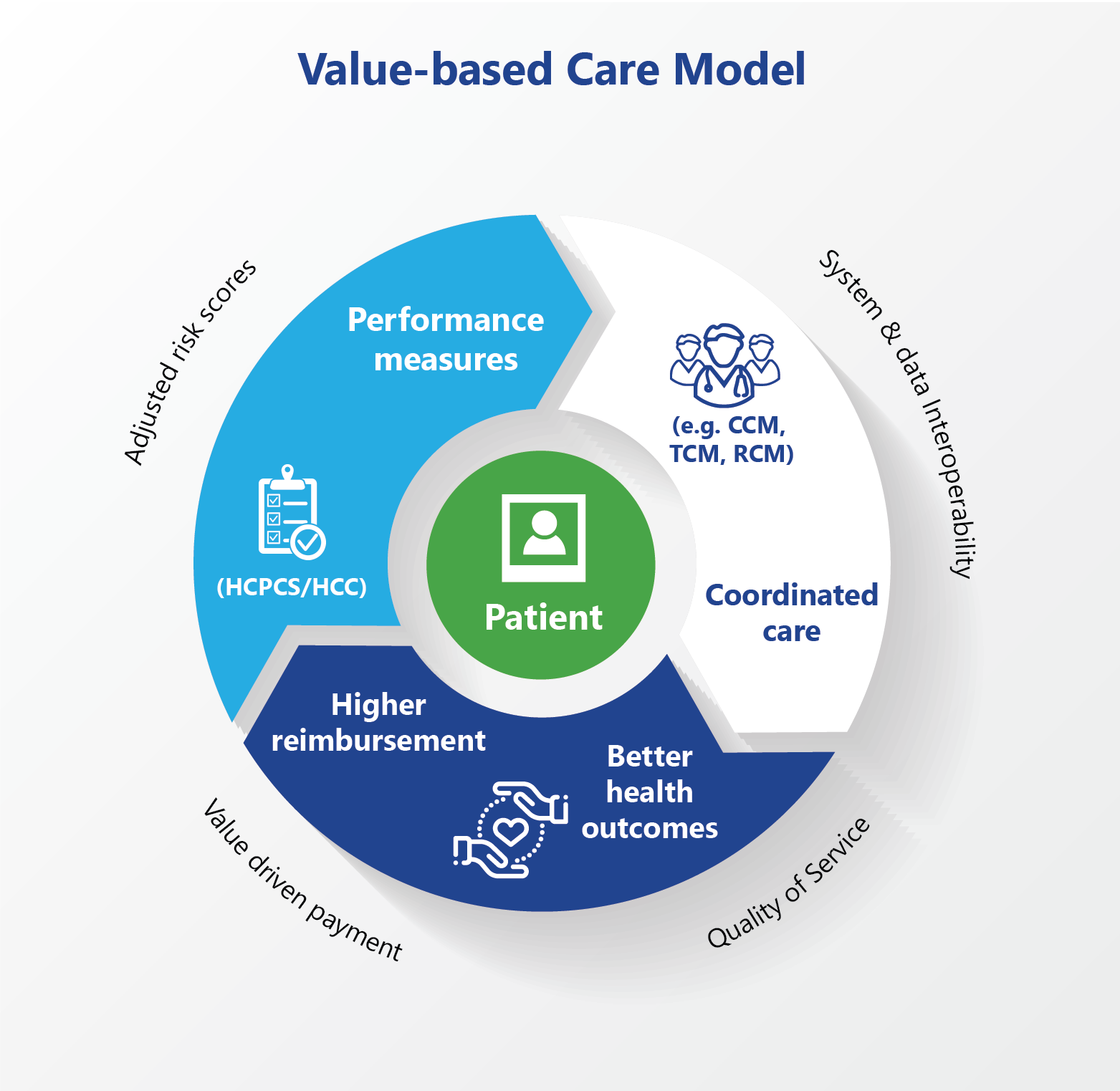
Learn about the financial risk associated with Value-Based Care models and mechanisms to deal with the financial risk.

By National Rural Health Resource Center

https://acehealthcaresolutions.com/wp-content/uploads/2018/09/Value-based-care-model.png

PODCAST: https://www.healthsharetv.com/content/financial-risk-value-based-care-models

RELATED: https://medicalexecutivepost.com/2021/04/29/payments-in-value-based-contracts-were-ffs-based/

Your thoughts are appreciated.

***

INVITATIONS: https://medicalexecutivepost.com/dr-david-marcinkos-bookings/

CONTACT: Ann Miller RN MHA

MarcinkoAdvisors@msn.com

Ph: 770-448-0769

Second Opinions: https://medicalexecutivepost.com/schedule-a-consultation/

THANK YOU

***

Hospitals and Health Care Organizations

MANAGEMENT STRATEGIES, OPERATIONAL TECHNIQUES, TOOLS, TEMPLATES AND CASE STUDIES

TEXTBOOK REVIEWS:

Hospitals and Health Care Organizations is a must-read for any physician and other health care provider to understand the multiple, and increasingly complex, interlocking components of the U.S. health care delivery system, whether they are employed by a hospital system, or manage their own private practices.

The operational principles, methods, and examples in this book provide a framework applicable on both the large organizational and smaller private practice levels and will result in better patient care. Physicians today know they need to better understand business principles and this book by Dr. David E. Marcinko and Professor Hope Rachel Hetico provides an excellent framework and foundation to learn important principles all doctors need to know.
―Richard Berning, MD, Pediatric Cardiology

… Dr. David Edward Marcinko and Professor Hope Rachel Hetico bring their vast health care experience along with additional national experts to provide a health care model-based framework to allow health care professionals to utilize the checklists and templates to evaluate their own systems, recognize where the weak links in the system are, and, by applying the well-illustrated principles, improve the efficiency of the system without sacrificing quality patient care. … The health care delivery system is not an assembly line, but with persistence and time following the guidelines offered in this book, quality patient care can be delivered efficiently and affordably while maintaining the financial viability of institutions and practices.
―James Winston Phillips, MD, MBA, JD, LLM

Risk Management, Liability Insurance, and Asset Protection Strategies for Doctors and Advisors : Best Practices from Leading Consultants and Certified Medical Planners™ book cover

ORDER HERE: https://www.amazon.com/Hospitals-Health-Care-Organizations-Operational-ebook/dp/B0091ICH30/ref=sr_1_8?dchild=1&keywords=david+marcinko&qid=1626110965&sr=8-8

ASSESSMENT: Your comments and thoughts are appreciated.

INVITATIONS: https://medicalexecutivepost.com/dr-david-marcinkos-bookings/

CONTACT: Ann Miller RN MHA

MarcinkoAdvisors@msn.com

Ph: 770-448-0769

Second Opinions: https://medicalexecutivepost.com/schedule-a-consultation/

THANK YOU

***

PODCAST: Mental Health Conditions are Common

Mental Health Conditions Are Common and Complicate Co-Morbid Medical Diseases As Well.

Image result for eric bricker

By Eric Bricker MD

***

7% of the US Adult Population Has Depression.

Depression is Highest Among 18-25 Year Olds at 11%.

19% of US Adults Have Anxiety and 56% of Those with Anxiety Are Impaired By Their Condition.

12% of People with Diabetes Have Associated Depression… Resulting in Missed Appointments, Poorer Diet, Decreased Medication Adherence and Increased Complications.

To Address This Problem, The Intermountain Health System Incorporated a Mental Health Provider in Their Primary Care Clinics.

Results: Improved in Diabetes Care, Decreased Hospitalizations and Decreased ER Utilization.

Treating Mental Health Not Only Improves Mental Wellbeing, But Also Lowers Overall Healthcare Costs as Well.

Disclaimer: Dr. Bricker is the Chief Medical Officer of Virtual Care Company First Stop Health.

***

MARCINKO ON MENTAL HEALTH START-UPS: https://medicalexecutivepost.com/2020/09/30/mental-health-entrepreneurial-start-up/

CITE: https://www.amazon.com/Dictionary-Health-Insurance-Managed-Care/dp/0826149944/ref=sr_1_4?ie=UTF8&s=books&qid=1275315485&sr=1-4

Your thoughts are appreciated.

NOTE: If you or someone you know is considering suicide, please contact the National Suicide Prevention Lifeline at 1800-273-TALK (8255), text “help” to the Crisis Text Line at 741-741 or go to suicidepreventionlifeline.org.

THANK YOU

***

ON THE ROAD AGAIN: Public Speaking, Opining and Assigning

Dr. David Edward Marcinko is Speaking Up

Dr. David Edward Marcinko MBA CMP® enjoys personal coaching and public speaking and gives as many talks each year as possible, at a variety of medical society and financial services conferences around the country and world.

These have included lectures and visiting professorships at major academic centers, keynote lectures for hospitals, economic seminars and health systems, keynote lectures at city and statewide financial coalitions, and annual keynote lectures for a variety of internal yearly meetings.

His talks tend to be engaging, iconoclastic, and humorous. His most popular presentations include a diverse variety of topics and typically include those in all iMBA, Inc’s textbooks, handbooks, white-papers and most topics covered on this blog.

***

Recognizing the Differences between Healthcare and Other ...

INVITATIONS: https://medicalexecutivepost.com/dr-david-marcinkos-bookings/

CONTACT: Ann Miller RN MHA

MarcinkoAdvisors@msn.com

Ph: 770-448-0769

Second Opinions: https://medicalexecutivepost.com/schedule-a-consultation/

DIY Textbooks: https://medicalexecutivepost.com/2021/04/29/why-are-certified-medical-planner-textbooks-so-darn-popular/

THANK YOU

***

PODCAST: A Three Decade Long History of Employer-Sponsored Healthcare Costs

The History of Employer-Sponsored Healthcare Costs in the Last 30 Years Can Be Broken Down Into 3 Segments:

THREE VITAL SEGMENTS

Image result for eric bricker

BY ERIC BRICKER MD

1) The 90s HMOs: Lower Premiums, Lower Out-of-Pocket Costs, Many Many Rules Restricting Care.

2) The 2000s PPOs: High and Even Higher Premiums, Lower Out-of-Pocket Costs, Fewer Rules Restricting Care.

3) The 2010s CDHPs: Lower Premiums, HIGH Out-of-Pocket Costs, Fewer Rules Restricting Care.

The Last 30 Years Have Taught Us that Employer-Sponsored Health Plans CANNOT Have All 3–Low Premiums, Low Out-of-Pocket Costs and Few Care Restrictions.

In the 2020s, Employers Are Moving More of Their Employee Healthcare OUTSIDE of the Traditional Healthcare and Health Insurance System with On-Site Clinics, Near-Site Clinics, Virtual Urgent Care, Virtual Primary Care and Bundled-Payment Centers-of-Excellence.

***

Citation: https://www.r2library.com/Resource/Title/0826102549

MANAGED CARE HISTORY: https://medicalexecutivepost.com/2014/11/19/a-brief-history-of-managed-care/

YOUR THOUGHTS ARE APPRECIATED

THANK YOU

***

DICTIONARY: Health Insurance and Managed Care

INVITE DR. MARCINKO: https://medicalexecutivepost.com/dr-david-marcinkos-

CONTACT: Ann Miller RN MH

[Executive Director]

On Higher Prescription Drug Cost-Sharing and Mortality?

Raises Mortality among Medicare PART D Beneficiaries

QUERY: What are the health consequences when patients reduce their use of prescribed medications in response to higher out-of-pocket costs?

w28439.jpg

In The Health Costs of Cost-Sharing (NBER Working Paper 28439), researchers Amitabh Chandra, Evan Flack and Ziad Obermeyer use the distinctive out-of-pocket cost-sharing features of Medicare Part D to demonstrate that such reductions can increase mortality.

ASSESSMENT: Your thoughts are appreciated.

THANK YOU

***

“Financial Management Strategies for Hospitals and Healthcare Organizations”

TOOLS, TECHNIQUES, CHECKLISTS AND CASE STUDIES

INVITE DR. MARCINKO: https://medicalexecutivepost.com/dr-david-marcinkos-

CONTACT: Ann Miller RN MH

[Executive Director]

PODCAST: Established Sales Strategies That Are Effective When Applied to Healthcare

HEALTHCARE SALES TECHNIQUES

***

Learn Established Sales Strategies That Are Effective When Applied to Healthcare:

1) Prospecting: The Strategy of Aaron Ross in Dividing Prospecting into Seeds, Nets and Spears Was Effective in Generating Leads at Compass Professional Health Services.

2) Pitching: The Miller-Heiman Strategy of Identifying Economic, Outcome and Technical Buyers Allows for Effective Pitching to a Buying Team.

3) Closing: The Model of ‘Fit-Risk-Price’ is Essential To Understanding How and When to Close a Sale.

Image result for eric bricker

BY ERIC BRICKER MD

THANK YOU

***

CMS: Open Payment Data

OPEN PAYMENTS DATA SEARCH TOOL

By Dr. David Edward Marcinko MBA

The Open Payments Search Tool is used to search payments made by drug and medical device companies to physicians and teaching hospitals.

CMS releases star ratings; nearly 10% of hospitals earn ...

WEBSITE: https://openpaymentsdata.cms.gov/

INVITE DR. MARCINKO: https://medicalexecutivepost.com/dr-david-marcinkos-

Your thoughts are appreciated.

THANK YOU

***

PODCAST: How Much Does Medicare Actually Pay Each Doctor?

Medicare Released Data on What It Paid To Each Doctor in America from 2012 to 2015 and the Wall Street Journal Compiled That Information Into an Amazing Searchable Database.

Texas CEO Magazine Eric Bricker 1 - SO 14 - Texas CEO Magazine

BY DR. ERIC BRICKER MD

The Findings:

1) Some Individual Doctors Were Paid Upwards of $5.8 Million Dollars by Medicare in Just a Single Year!

2) The Specialists That Charged Medicare the Most Tended to Be Vascular Surgeons, Ophthalmologists, Oncologists and Cardiologists.

Implications for Employer-Sponsored Health Plans:

1) Medicare Data Can Be Used to Identify High Volume Physicians and Surgeons.

2) The Highest-Costing Doctors Are Concentrated in a Relatively Small Number of Specialties That Can Be Targeted for Detailed Review, Feedback and Possible Exclusion/Steerage Away.

ASSESSMENT: Your thoughts and comments are appreciated.

Citation: https://www.r2library.com/Resource/Title/0826102549

THANK YOU

***

Next-Generation ACO Model to End in 2021

Next Generation ACO Model to End in 2021

Health Capital Consultants - Healthcare Valuation

Many accountable care organizations (ACOs) received disappointing news on May 21, 2021, when the Centers for Medicare & Medicare Services (CMS) announced that it would not be extending the Next Generation ACO (NGACO) model for 2022.

After five years and a dwindling number of participating ACOs, experts were split on whether or not CMS should keep the model in place for another year. On one hand, stakeholders have argued for the NGACO model’s extension until it can be replaced with or integrated into another program; howowever, others asserted that resources could not be properly invested with only one more year left in the program. (Read more…)

Citation: https://www.r2library.com/Resource/Title/0826102549

ASSESSMENT: Your thoughts are appreciated.

THANK YOU

***