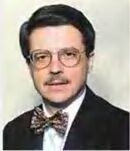
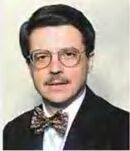
Introducing Douglas B. Sherlock MBA CFA

About Our Newest Thought-Leader

By Ann Miller; RN, MHAcap-and-gown

Douglas B. Sherlock CFA is President of Sherlock Company which assists health plans, their business partners and their investors in the treasury and control functions of finance.

Resume

Prior to the founding of Sherlock Company, Mr. Sherlock was Vice President of Financial Analysis of U.S. Healthcare, Inc. where he directed the company’s merger and joint venture activity, its investor relations program and its HMO product for Medicare beneficiaries. Sherlock was formerly Vice President of Salomon Brothers, Inc where he specialized in the financial research of prepaid health plans and hospital systems, and assisted in the capital formation and merger activities of health care companies. He was the Greenwich Survey First Place HMO Analyst and a runner-up in the Institutional Investor polls. 

Professional Associations and Memberships

Mr. Sherlock is a Chartered Financial Analyst. He has been a member of the Financial Accounting Policy Committee of the CFA Institute. He has served on the Editorial Board of Inquiry, a journal of health care organization, provision and financing published by the Blue Cross Blue Shield Association, and is a reviewer for Chartered Financial Analyst. He has been a member of the Financial Accounting Policy Committee. Sherlock is a frequent speaker before health care groups including the American Association of Health Plans, the HealthCare Financial Management Association, and the Blue Cross Blue Shield Association. The research of Sherlock Company has recently been cited in such periodicals as The New York Times, Forbes, Investor’s Business Daily, Modern Healthcare, Hospitals, The Wall Street Journal, HMO Managers Letter, Business Week and The Medical Business Journal.

Educational Background

Mr. Sherlock holds an M.B.A. in finance from Loyola College in Maryland. He received his bachelor’s degree in economics from Franklin and Marshall College, Lancaster, Pennsylvania.

Conclusion

We look forward to his contributions and now professionally welcome him warmly, as our newest ME-P thought-leader. 

Subscribe Now:Did you like this Medical Executive-Post, or find it helpful, interesting and informative? Want to get the latest Medical E-Ps delivered to your email box each morning? Just subscribe using the link below. You can unsubscribe at any time. Security is assured.

Link: http://feeds.feedburner.com/HealthcareFinancialsthePostForcxos

The Future of Hospitals

Between a “Rock and Hard Place”

By Dr. David Edward Marcinko; MBA, CMP™

By Hope Rachel Hetico; RN, MHA, CMP™rock-and-hard-place

A recent white paper by the Joint Commission suggests that hospitals must respond in new ways to meet the increasing complexity of patient care and to address rising health care costs. Duh! What an insight. Why did it take so long for them to declare same?


The Hospital Accreditation Competition Heats-Up

Was it because of competition from DNV Healthcare Inc? Was it their new ability to determine if hospitals are in compliance with Medicare Conditions of Participation [COP]? DNV joins the Joint Commission on the Accreditation of Healthcare Organizations [JCAHO], and the American Osteopathic Association [AOA], as the only national hospital accrediting agency approved by the Centers for Medicare and Medicaid Services [CMS].

Link: https://healthcarefinancials.wordpress.com/2008/10/03/hospital-accreditation

Recommendations

Nevertheless, the JCAHO report recommends action in five areas:

  • Economic viability and ROI
  • Technology adoption and use
  • Patient-centered collaborative care
  • Medical and human resources staffing
  • Hospital architectural design

Patient Centered-Philosophy

Of course, it is no surprise that patient-centered care should be philosophically at the core of any partnership between a patient and his/her hospital and medical providers. Yet, just think of the last time you saw your HMO doctor and tried to engage in a collaborative health 2.0 discussion with him/her? Na-da!

Health Information Technology

The Joint Commission, despite the interoperable eHR controversy often presented on this blog, suggests that technology adoption can play a major role in improving patient care, safety and quality.

Link: https://healthcarefinancials.wordpress.com/2008/12/19/the-case-against-inter-operable-ehrs

This transformation from paper to electronic records, according to the report, will involve:

  • Making the business case for ROI and funding
  • Redesigning business processes with HIT implementation
  • Extending the digital footprint to the “medical-home”
  • Engaging IT leaders for guidance on prior mistakes 
  • Improve workflow – minimize labor intensive activities

Of Hospital “Insider” Administrators

One local hospital administrator insider, here in Atlanta, confidentially tells us that a single hospital bed is currently worth about a million bucks a year to the institution; private or public. And, the mantra of most hospital CEOs to staff doctors, is: “fill the beds”; “schedule the procedures”; and/or “book the operating rooms.”  So, the priorities outlined in the report really don’t seem appropriate; do they?

IOW: Put the hospital first; not the patient? And, this echoed our experience in hospital administration two decades ago. Has anything changed?

Assessment

Nevertheless, it may be refreshing to see an approach to healthcare technology implementation that seems to leverage the experience and knowledge of other industries. Privacy concerns however, are the biggest obstacle to HIT and true inter-operable eMRs, in our opinion. Yet, it doesn’t need to be. Who cares if grandma has a bunion, or dad had his cataracts repaired. They aren’t running for public office; are they?

The road to the Hospital of the Future will be bumpy, but we are hopeful enough to trust the benefits will be great once we arrive.

Full report: hosptals-future 

Conclusion

And so, your thoughts and comments on this Medical Executive-Post are appreciated. Are hospitals today “between a rock and hard place?” Is technology and business process reorganization being offered as a substitute for critical thinking and true collaborative medicine? Especially, in light of the healthcare capitalistic thrust to: “do more – in order to earn more.”

Speaker: If you need a moderator or speaker for an upcoming event, Dr. David E. Marcinko; MBA – Publisher-in-Chief of the Executive-Post – is available for seminar or speaking engagements. Contact: MarcinkoAdvisors@msn.com  or Bio: www.stpub.com/pubs/authors/MARCINKO.htm

Our Other Print Books and Related Information Sources:

Practice Management: http://www.springerpub.com/prod.aspx?prod_id=23759

Physician Financial Planning: http://www.jbpub.com/catalog/0763745790

Medical Risk Management: http://www.jbpub.com/catalog/9780763733421

Healthcare Organizations: www.HealthcareFinancials.com

Health Administration Terms: www.HealthDictionarySeries.com

Physician Advisors: www.CertifiedMedicalPlanner.com

Subscribe Now: Did you like this Medical Executive-Post, or find it helpful, interesting and informative? Want to get the latest E-Ps delivered to your email box each morning? Just subscribe using the link below. You can unsubscribe at any time. Security is assured.

Link: http://feeds.feedburner.com/HealthcareFinancialsthePostForcxos

Economics of Medical Fraud

Join Our Mailing List

Healthcare Leads the Pack

[By Staff Reporters]mardi-gra-skulls

All Medical Executive-Post readers and subscribers are aware of the Federal False Claims Act. Since 1986, False Claims Act [FCA] judgments and settlements totaled over $20 billion dollars. 

Of Miscreants and Feasors

According to outside unverified resources, below are the top 20 alleged FCA recoveries to date. Notice that all twenty, of the top 20, are healthcare and big Pharma related.

The Top 20

  1. Tenet Heath Care – $900,000,000
  2. HCA – $731,400,000
  3. Merck – $650,000
  4. HCA – $631,000,000
  5. Serono – $567,000,000
  6. Taketa Abbott Pharmaceutical Products Inc – $559,483,560
  7. Schering Plough – $255,000,000
  8. Abbott Labs – $400,000,000
  9. Fresenius Medical Care (National Medical Care) – $385,000,000
  10. Cephalon – $375,000,000
  11. Bristol Myers Squib – $328,000,000
  12. SmithKline Beecham [DBA] GlaxoSmith Kline – $325,000,000
  13. HealthSouth – $325,000,000
  14. National Medical Enterprises – $324,200,000
  15. Gambro Healthcare – $310,000,000
  16. Schering-Plough – $292,969,482
  17. AstraZeneca Pharmaceuticals – $266,127,844
  18. St. Barnabas Hospitals – $265,000,000
  19. Bayer Corporation – $257,200,000
  20. Schering Plough – $255,000,000

More: You can read all the details regarding these fraud judgments & settlements here 

Assessment

The above are the very companies that doctors, patients and many stakeholders rely upon. They bombard us every hour with TV advertisements and information on the latest drugs and newest procedures. They often promote cures for the exaggerated illnesses and nebulous ailments they seek to treat. Is this expense model just business-as-usual; or the cost-of-doing business?

Link: http://www.taf.org 

Channel Surfing the ME-P

Have you visited our other topic channels? Established to facilitate idea exchange and link our community together, the value of these topics is dependent upon your input. Please take a minute to visit. And, to prevent that annoying spam, we ask that you register. It is fast, free and secure.

Conclusion

Your thoughts and comments on this ME-P are appreciated. Feel free to review our top-left column, and top-right sidebar materials, links, URLs and related websites, too. Then, subscribe to the ME-P. It is fast, free and secure.

Speaker: If you need a moderator or speaker for an upcoming event, Dr. David E. Marcinko; MBA – Publisher-in-Chief of the Medical Executive-Post – is available for seminar or speaking engagements. Contact: MarcinkoAdvisors@msn.com

OUR OTHER PRINT BOOKS AND RELATED INFORMATION SOURCES:

Product DetailsProduct Details

Dismal World Video-View of American Healthcare

BBC Documentary Takes on Obama’s Plan

Staff ReportersUS Capitol 

Did you know that a new British Broadcasting Corporation [BBC] documentary takes on newly elected President Barack S. Obama’s plans for American health care system?

Emotional Pleas Tug at Citizenry Heart Strings

According to Nick Cargo – of the BBC on January 25 – a January 19th episode of BBC’s One’s Panorama, the world’s longest running television documentary show, tackles the dismal state of health care in the United States. Of course, it emotionally parses on the lengths to which our estimated [high-side] 45 million uninsured citizens [only 8 million remain uninsured for 2 years, or more] go in pursuit of care, the pharmaceutical industry’s rigged pricing against the American patient, and the insurance industry’s efforts to deny care whenever possible.

About Health Care for America Now

According to documentary comments regarding freedom-of-choice in our medical care; “It’s really a system of legalized bribery,” said Richard Kirsch of Healthcare for America Now. “As one congressman says, we’re the only people in the world who are expected to take money from strangers and provide nothing in return.”

Health Care for America Now is a national grassroots campaign organizing millions of Americans to win a guarantee of quality, affordable health care for all. Their goal is to create organizations that can mobilize people at work, at home, in their neighborhoods, and online www.healthcareforamericanow.org

Assessment

Due to licensing restrictions, the Panorama episode, “What Now, Mr. President?” is not for domestic consumption and is only officially available to view online from connections within the United Kingdom. However, it has also been uploaded to YouTube, where it appears in three parts below.

Video: http://rawstory.com/news/2008/BBC_documentary_takes_on_Obamas_plans_0125.html

Conclusion

And so, your thoughts and comments on this Medical Executive-Post are appreciated. Watch the video and decide for yourself; then opine here. Is the BBC view equal to the world view of US healthcare modernity?

Speaker: If you need a moderator or speaker for an upcoming event, Dr. David E. Marcinko; MBA – Publisher-in-Chief of the Executive-Post – is available for seminar or speaking engagements. Contact: MarcinkoAdvisors@msn.com  or Bio: www.stpub.com/pubs/authors/MARCINKO.htm

Our Other Print Books and Related Information Sources:

Practice Management: http://www.springerpub.com/prod.aspx?prod_id=23759

Physician Financial Planning: http://www.jbpub.com/catalog/0763745790

Medical Risk Management: http://www.jbpub.com/catalog/9780763733421

Healthcare Organizations: www.HealthcareFinancials.com

Health Administration Terms: www.HealthDictionarySeries.com

Physician Advisors: www.CertifiedMedicalPlanner.com

Subscribe Now: Did you like this Medical Executive-Post, or find it helpful, interesting and informative? Want to get the latest E-Ps delivered to your email box each morning? Just subscribe using the link below. You can unsubscribe at any time. Security is assured.

Link: http://feeds.feedburner.com/HealthcareFinancialsthePostForcxos

Collaborative Dental Health 2.0 [Upcoming Three Part Series]

Hippocratic Dental Consumerism

By Darrell K. Pruitt; DDSpruitt

Even before the downturn in the economy sent dentists scrambling for new sources of patients, these were already times of revolutionary changes in the marketing of dental care. To those who are alert, the Internet-enabled chaos signals a rare opportunity if one sides with consumers rather than tradition. It takes confidence to welcome transparency, and it looks increasingly bad when dentists resist accountability in traditional ways – like suing. Yelp; because of a bad review that was posted on the patient referral site. That is the second stupidest thing one can do. Being perhaps a geeky student of the Internet, and sort of nosey, I have been tracking the popularity of dentists’ comments on a few Internet venues for quite a while, because of my own curiosity.  I also get ornery enjoyment from reporting to my friends my opinion of what is really happening in my profession that nobody else talks about. My hobby could be called fuzzy data mining based on a platform of precise subjectivity. 

For more intricate and dependable real-time information, I choose the surveys reported on The Wealthy Dentist Blog, hosted by Jim Du Molin. They are the best around.

Link: http://www.thewealthydentist.com/blog/

American Dental Association

The ADA also provides nice, formal presentations of even more accurate information, but it is often dated and not ground-level relevant like Du Molin’s studies. Until the Internet came along, gathering useful information about dentists’ prevailing attitudes outside one’s professional circle was virtually impossible, and dentists are well aware that even within these circles, colleagues’ opinions at dental meetings are sometimes intentionally misleading – perhaps mine are less reliable as well at social gatherings. I never talk this frankly in real life. 

Dental Information Silos 

Talk about information silos!  No less that 85% of dentists in the nation are owners of solo private practices (ADA News), and only 2% have bubbly personalities (my guess). Dentists’ quiet isolation, which is arguably favored by what I would guess would be around 85% of dentists in the nation, is a unique characteristic in modern healthcare that is part of a unique labor-intensive art – performed to exacting tolerances in an unpredictable environment – intricate work that most consumers know little about. Yet the ultra-personal accountability welcomed by almost all solo dentists is the way even neighborhood physicians once practiced their trade for thousands of years before modern stakeholders became involved. 

Hippocratic Oath

Is working alone with one’s chosen staff the most efficient way to provide dental care?  No way.  But for me personally, maintaining complete control of the care I provide from start-to-finish for those who depend on me is safer for them and a better business model for me than any alternative I have seen yet.  In my opinion, there is no room in the Hippocratic Oath for less than 100% devotion to the patients’ interests. More than two thousand years later, it is called consumerism, and it is 180 degrees counter to stakeholders’ interests, preferred provider lists and universal healthcare. And, it probably comes as no surprise that last October I observed that the most popular comments that were posted shifted from news about the benefits of high-tech inventions in dentistry to advice for how to survive in a tough economy. The whole nation is concerned about finances, and getting one’s teeth cleaned is commonly sacrificed when things get tough. Don’t even mention implants and crowns.

2009 Recession 

At the risk of sounding ostentatious as well as pedantic, I will offer that (for the time being) my practice is not suffering from a downturn that many of my local colleagues are enduring. In fact, I am actually busier than I was this time last year – and I made more profit in 2008 than ever before in 26 years of practice. I am also discovering that patients I lost long ago are returning now that they no longer have provider lists. They are also finding that my prices are not so high after all (in fairness, I should add that it has been longer than usual since I have raised fees – except for full gold restorations, of course). Since I am not in the business of selling advice, I am not afraid to also admit that my practice still experienced a couple of slow periods in the late fall – directly attributable to the initial shock of the downturn.  But I cannot say that the slowdown was any worse than other times in the last few years, and it certainly hasn’t been as bad as what dentists in Michigan must endure. My sympathy and best wishes go out to my colleagues up north. Things could all turn for the worse for me tomorrow, but for right now, I’m somewhere between surviving and thriving, for what that is worth; nothing spectacular, but solid.

Three Part Series 

This posting, which I hope some readers find useful, will be a multi-part series. I haven’t worked everything out yet, and my outline is subject to change, but here is what I have in mind.

In Part One, I’ll describe how my active participation in DR. Oogle (doctoroogle.com) has not only kept my name off of preferred provider lists, but it has also improved the quality of care my staff and I provide, as well as improved the working atmosphere in the office. Transparency will do that.

Then, in Part Two, I will offer my suggestion how one can use DR. Oogle or similar patient referral site to “graduate” from managed care into fee-for-service dentistry without losing patients or profit. As a naughty teaser, let me hint that over three years ago, I offered the idea as an article for the monthly newsletter of my local dental society, only to be refused publication for the first time in over two decades of submissions. I was told that an official nixed it as a transparent “scheme” to harm managed care dental companies, and was therefore below the standards of ADA publications.

“Image is everything”

-ADA/Intelligent Dental Marketing

Finally, in Part Three, I’ll describe how a good offense is also a handy defense – perhaps even in defense against malpractice litigation. Hopefully, a few sincere readers will consider playing to win rather than playing not to lose. And, for those who still don’t see my point, I will reveal how to play not to lose. Fair is fair.  It costs from $625 to $1995 per year, and in my opinion, is the stupidest thing one can do. Hope you enjoy this three part series. 

Assessment

Editor’s Note: This post was first published on PennWell. Dr. Pruitt blogs here and at others sites. His insights are applicable to most all medical specialties.

Conclusion

And so, your thoughts and comments on this Medical Executive-Post are appreciated.

Speaker: If you need a moderator or speaker for an upcoming event, Dr. David E. Marcinko; MBA – Publisher-in-Chief of the Executive-Post – is available for seminar or speaking engagements. Contact: MarcinkoAdvisors@msn.com  or Bio: www.stpub.com/pubs/authors/MARCINKO.htm

Our Other Print Books and Related Information Sources:

Practice Management: http://www.springerpub.com/prod.aspx?prod_id=23759

Physician Financial Planning: http://www.jbpub.com/catalog/0763745790

Medical Risk Management: http://www.jbpub.com/catalog/9780763733421

Healthcare Organizations: www.HealthcareFinancials.com

Health Administration Terms: www.HealthDictionarySeries.com

Physician Advisors: www.CertifiedMedicalPlanner.com

Subscribe Now: Did you like this Medical Executive-Post, or find it helpful, interesting and informative? Want to get the latest E-Ps delivered to your email box each morning? Just subscribe using the link below. You can unsubscribe at any time. Security is assured.

Link: http://feeds.feedburner.com/HealthcareFinancialsthePostForcxos

Health Reform, the Stimulus and Hitler’s Aktion T-4

Join Our Mailing List

Overhauling the American Healthcare Industry

By Dr. David Edward Marcinko; MBA, CMP™

[Publisher-in-Chief]dr-david-marcinko11

According to the Washington Times on February 11, 2009, a secreted House version of the new economic stimulus bill that President Barack Obama is trying to rush through Congress, may contain the germ of a major overhaul of the American health care system befitting German State of yester-year?

National Coordinator of Health Information Technology

For example, one provision causing much concern is the future role of the National Coordinator of Health Information Technology [NCHIT]. This is the organization that will be in charge of collecting and monitoring the health care being provided to every American. We have already commented, written, posted and warned our readers and subscribers about this item in our ME-P.

Link: https://healthcarefinancials.wordpress.com/2009/02/11/illuminating-the-congressional-federal-health-board

Hitler and Aktion T-4

The notion seems fully in the spirit of the partisans of efficiency, but historically may have originated from a program instituted in Hitler’s Germany – called Aktion T-4; as insinuated in the Time’s article. Under this program, elderly people with incurable diseases, young children who were critically disabled and others who were deemed non-productive, were euthanized. This was the Nazi version of efficiency, a pitiless expulsion of the “unproductive” members of society in the most expeditious way possible.

Link: http://en.wikipedia.org/wiki/T-4_Euthanasia_Program

Assessment

According to blogging tipster Matt Holt, and most right-minded folks, the Washington Times should be very careful before it starts comparing the people who support an improved national health care IT infrastructure to Hitler, and suggesting that they advocate mass slaughter of sick people.

Link: http://www.washingtontimes.com/news/2009/feb/11/health-efficiency-can-be-deadly

Industry Index Indignation Rating: 98

Conclusion

Your thoughts and comments on this ME-P are appreciated. Feel free to review our top-left column, and top-right sidebar materials, links, URLs and related websites, too. Then, subscribe to the ME-P. It is fast, free and secure.

Link: http://feeds.feedburner.com/HealthcareFinancialsthePostForcxos

Speaker: If you need a moderator or speaker for an upcoming event, Dr. David E. Marcinko; MBA – Publisher-in-Chief of the Medical Executive-Post – is available for seminar or speaking engagements. Contact: MarcinkoAdvisors@msn.com

OUR OTHER PRINT BOOKS AND RELATED INFORMATION SOURCES:

DICTIONARIES: http://www.springerpub.com/Search/marcinko
PHYSICIANS: www.MedicalBusinessAdvisors.com
PRACTICES: www.BusinessofMedicalPractice.com
HOSPITALS: http://www.crcpress.com/product/isbn/9781466558731
CLINICS: http://www.crcpress.com/product/isbn/9781439879900
ADVISORS: www.CertifiedMedicalPlanner.org
PODIATRISTS: www.PodiatryPrep.com
BLOG: www.MedicalExecutivePost.com
FINANCE: Financial Planning for Physicians and Advisors
INSURANCE: Risk Management and Insurance Strategies for Physicians and Advisors


Product DetailsProduct DetailsProduct Details     

AMA Sues to Keeps Medicare Claims Data Private

Join Our Mailing List

AMA Wins Appeal to Blind Consumers’ Checkbook

[By Dr. David Edward Marcinko; MBA]human-drones

The Centers for Medicare and Medicaid Services [CMS] does not have to turn over physician-specific Medicare claims data requested by not-for-profit Consumers’ Checkbook under the Freedom of Information Act, the U.S. Circuit Court of Appeals for the District of Columbia ruled in an opinion delivered January 30th.

AMA and DHHS

According to Gregg Blesch of Modern Healthcare, on 2/2/09, the American Medical Association [AMA] joined the Department of Health and Human Services [DHHS] in appealing a 2007 decision that the data should be subject to disclosure, but the appeals court concluded the physicians’ privacy interest outweighs the consumer group’s assertions that the data would be used in the public interest.

Three Decade DHHS Legal Conundrum

DHHS, meanwhile, was not concerned so much with privacy as with its own legal conundrum involving a 1979 federal injunction barring the release of Medicare data that identifies individual physicians. A 2008 statement explaining the decision to appeal said the department “recognizes and shares the goals of Consumers’ Checkbook” and was seeking a legal way for the government to share Medicare claims data as part of its own quality initiatives.

Link: http://www.ama-assn.org

About Consumer’s Checkbook

Consumers’ Checkbook/The Center for the Study of Services is an independent, nonprofit consumer organization founded in 1974 with the help of funding from the U.S. Office of Consumer Affairs. Its’ purpose is to provide consumers information to help them get high quality services and products at the best possible prices. The organization is supported entirely by subscription payments and donations from individual consumers who subscribe to its magazines, and by fees for surveys, and information services and books. They do not accept donations from businesses and their publications carry no advertising.

Link: http://www.checkbook.org

About the AMA

The home page of the AMA website states the organization is “helping doctors help patients.”  Is this really the case; or mere rhetoric? Is it true that less than 20% of the nations MDs are members?

Assessment

Consumers’ Checkbook said it would use the data to show the frequency with which physicians performed certain procedures; expose how much Medicare pays physicians who have disciplinary histories or poor evaluations; and determine whether they were fulfilling standards of recommended care. The court found each argument wanting.

Industry Indignation Index Rating: 85

Conclusion

Your thoughts and comments on this ME-P are appreciated. Feel free to review our top-left column, and top-right sidebar materials, links, URLs and related websites, too. Then, subscribe to the ME-P. It is fast, free and secure.

Link: http://feeds.feedburner.com/HealthcareFinancialsthePostForcxos

Speaker: If you need a moderator or speaker for an upcoming event, Dr. David E. Marcinko; MBA – Publisher-in-Chief of the Medical Executive-Post – is available for seminar or speaking engagements. Contact: MarcinkoAdvisors@msn.com

OUR OTHER PRINT BOOKS AND RELATED INFORMATION SOURCES:

DICTIONARIES: http://www.springerpub.com/Search/marcinko
PHYSICIANS: www.MedicalBusinessAdvisors.com
PRACTICES: www.BusinessofMedicalPractice.com
HOSPITALS: http://www.crcpress.com/product/isbn/9781466558731
CLINICS: http://www.crcpress.com/product/isbn/9781439879900
BLOG: www.MedicalExecutivePost.com
FINANCE: Financial Planning for Physicians and Advisors
INSURANCE: Risk Management and Insurance Strategies for Physicians and Advisors

Product DetailsProduct DetailsProduct Details

Hospital Financial Capital Capacity

An Economic Risk Measurement

By Calvin Weise; MBA, CPAho-journal5

Hospital capital capacity is all about risk.

A Risk Measurement

Since capital investments have risks associated with them, capital capacity is a measurement of how much risk a hospital can bear. Capital capacity is not simple to determine. Capital investments introduce varying levels of risk, depending on the relative uncertainty of the benefits to be derived.

For example, one million dollars invested in an MRI at a hospital that has a two-month backlog for scheduling MRIs has much lower risk than $1 million invested in a new service like a PET scanner.

Profit Margins

Profit margins affect capital capacity. Larger profit margins create larger capacity for uncertainty which implies more risk and that means more capital capacity. Higher liquidity means more capital capacity. Lower debt leverage means more capital capacity. Liquidity and leverage are balance sheet ratios. Both imply capacity to absorb uncertain outcomes; both affect capital capacity.

Capital Determinations

Determining capital capacity is more art than science because of the variability in risk presented by various capital investments and the subjectivity associated with trying to measure that uncertainty.

That having been said, it is important to build models that estimate capital capacity. Most capital capacity models ignore the variability in risk presented by capital investments. They are typically built from published rating agency financial ratio medians. These models are based on the view that financial ratios of similar rating categories represent equivalent risks.

Of course, this is a simplistic view as it suggests that credit analysts simply categorize risk on the basis of financial ratios. It is not the case as the recent financial meltdown has demonstrated. Even the major credit rating agencies have been implicated as suspect; of late

Assessment

Published medians are the result of credit analysis, not the basis for credit analysis. Importantly, what is not usually published is the range or distribution around these medians. Models that estimate risk need to differentiate among risks presented by capital investments. Capital investments with little risk should consume less capital capacity than capital investments with a lot of risk.

Link: www.HealthcareFinancials.com

Conclusion

And so, your thoughts and comments on this Medical Executive-Post are appreciated. How does your practice, medical clinic or hospital measure and report capital risk; does it?

Speaker: If you need a moderator or speaker for an upcoming event, Dr. David E. Marcinko; MBA – Publisher-in-Chief of the Executive-Post – is available for seminar or speaking engagements. Contact: MarcinkoAdvisors@msn.com  or Bio: www.stpub.com/pubs/authors/MARCINKO.htm

Our Other Print Books and Related Information Sources:

Practice Management: http://www.springerpub.com/prod.aspx?prod_id=23759

Physician Financial Planning: http://www.jbpub.com/catalog/0763745790

Medical Risk Management: http://www.jbpub.com/catalog/9780763733421

Healthcare Organizations: www.HealthcareFinancials.com

Health Administration Terms: www.HealthDictionarySeries.com

Physician Advisors: www.CertifiedMedicalPlanner.com

Subscribe Now: Did you like this Medical Executive-Post, or find it helpful, interesting and informative? Want to get the latest E-Ps delivered to your email box each morning? Just subscribe using the link below. You can unsubscribe at any time. Security is assured.

Link: http://feeds.feedburner.com/HealthcareFinancialsthePostForcxos

Product DetailsProduct DetailsProduct Details       

2009 HCG Medical Staff Salary Survey

ADVERTISEMENT

The Health Care Group

[By Cheryl Sprows]salary-survey

Personnel costs continue to be the highest expense item for most medical, dental and other practices.

The Health Care Group’s® 2009 Staff Salary Survey is designed to help you structure an effective staff compensation package that will benefit your medical practice or clinic.

Published annually, the 2009 Staff Salary Survey provides salary and fringe benefit information for 38 different job positions:

  • Compare the salaries your practice is paying its staff members.
  • Establish salary classes.
  • Learn the market rate of pay for new hires. 
  • Evaluate your practice’s benefit package.

To make the search for location-specific information easier, the summary reports for each position are organized by Geographic Region and Metropolitan Statistical Area. They are also presented by Practice Specialty and by Practice Gross Revenue.

Link: www.healthcaregroup.com

Multi Use Potential

The information in the Staff Salary Survey can be put to a wide range of uses, such as comparing your practice’s salary amounts and benefits to the national and regional averages in the Survey. These data are also vital to benchmarking salary and pay-related expenses in a medical, dental or other practice.

Economic Trend Analysis

Data can also be used for trend analysis. Despite tightening reimbursements and continuing overall economic stagnation in health care, practices still need to reward good workers by giving raises to employees who warrant them. A productive and motivated staff is a practice’s best investment. Some practices recognize the need to raise salaries higher than the “average” increase. Because it is a “seller’s market” with respect to qualified and experienced employees in many regions of the country, both initial salaries and annual increases may need to be higher to attract and retain staff.

Fringe Benefits

Medical, dental and other practices continue to provide good fringe benefits for full-time and regular part-time employees. With so many practices needing a mix of full-time and part-time employees, providing benefits to regularly scheduled part-time staff is essential.

Assessment

Personnel costs continue to be a significant expense item for most practices. The Health Care Group’s 2009 Staff Salary Survey is designed to help you structure an effective and fair staff compensation package that will benefit your practice and employees. Click below to view the Table of Contents for the 2009 Staff Salary Survey:

Link: http://thehealthcaregroup.com/TOC/2009SSSTOC.pdf

To Order

Choose one of the following methods to order the 2009 Staff Salary Survey:

1. Online: direct link

https://www.thehealthcaregroup.com/pc-18-4-staff-salary-survey.aspx

2. Telephone: (800) 473-0032, extension 3350 (have your credit card information available)

3. Mail: Send completed Publication Order Form to:

THE HEALTH CARE GROUP
140 W. Germantown Pike, Suite 200
Plymouth Meeting, PA 19462-1421

4. Fax: Fax completed Publication Order Form to: (610) 828-3658

Click below link to view and print Publication Order Form for mail and fax orders.

https://www.thehealthcaregroup.com/temp/2009PubOrderformFeb2009.pdf

Conclusion

Your thoughts and comments on this ME-P are appreciated. Feel free to review our top-left column, and top-right sidebar materials, links, URLs and related websites, too. Then, subscribe to the ME-P. It is fast, free and secure.

Speaker: If you need a moderator or speaker for an upcoming event, Dr. David E. Marcinko; MBA – Publisher-in-Chief of the Medical Executive-Post – is available for seminar or speaking engagements. Contact: MarcinkoAdvisors@msn.com

OUR OTHER PRINT BOOKS AND RELATED INFORMATION SOURCES:

Product DetailsProduct Details

About Healthcare Financials.com

Healthcare Organizations [Financial Management Strategies]

By Hope Rachel Hetico; RN, MHA
Managing Editor
hetico3

This 2-volume, quarterly subscription print publication will reshape the hospital management landscape by following three important principles www.HealthcareFinancials.com

1. World Class Advisory Board

First, we have assembled a world-class editorial advisory board and independent team of contributors and asked them to draw on their experience in economic thought leadership and managerial decision making in the healthcare industrial complex. Like many readers, each struggles mightily with the decreasing revenues, increasing costs, and high consumer expectations in today’s competitive healthcare marketplace.  Yet, their practical experience and applied operating vision is a source of objective information, informed opinion, and crucial information for this manual and its quarterly updates.

2. Writing Style

Second, our writing style allows us to condense a great deal of information into each quarterly issue.  We integrate prose, applications and regulatory perspectives with real-world case models, as well as charts, tables, diagrams, sample contracts, and checklists.  The result is a comprehensive oeuvre of financial management and operation strategies, vital to all healthcare facility administrators, comptrollers, physician-executives, and consulting business advisors.

3. Compelling Content

Third, as editors, we prefer engaged readers who demand compelling content. According to conventional wisdom, printed manuals like this one should be a relic of the past, from an era before instant messaging and high-speed connectivity. Our experience shows just the opposite. Applied healthcare economics and management literature has grown exponentially in the past decade and the plethora of Internet information makes updates that sort through the clutter and provide strategic analysis all the more valuable. Oh, it should provide some personality and wit, too! Don’t forget, beneath the spreadsheets, profit and loss statements, and financial models are patients, colleagues and investors who depend on you.

Assessment

ho-journal1

Rest assured, Healthcare Organizations [Financial Management Strategies] will become an important peer-reviewed vehicle for the advancement of working knowledge and the dissemination of research information and best practices in our field. In the years ahead, we trust these principles will enhance utility and add value to both your print and this e-companion subscription.

Conclusion

Most importantly, we hope to increase your return on investment. If you have any comments or would like to contribute material or suggest topics for a future update, please contact us.

Speaker: If you need a moderator or speaker for an upcoming event, Dr. David E. Marcinko; MBA – Publisher-in-Chief of the Executive-Post – is available for seminar or speaking engagements. Contact: MarcinkoAdvisors@msn.com  or Bio: www.stpub.com/pubs/authors/MARCINKO.htm

Subscribe Now: Did you like this Medical Executive-Post, or find it helpful, interesting and informative? Want to get the latest E-Ps delivered to your email box each morning? Just subscribe using the link below. You can unsubscribe at any time. Security is assured.

Link: http://feeds.feedburner.com/HealthcareFinancialsthePostForcxos

Goodbye Julie Gerberding MD

CDC Accused of Information Stone-Walling

By Dr. David Edward Marcinko; MBA, CMP™dr-david-marcinko3

Julie Louise Gerberding; MD, MPH [born August 22, 1955, Estelline, South Dakota] is an infectious disease expert who was the former Director of the Centers for Disease Control and Prevention [CDC], and administrator for the Agency for Toxic Substances and Disease Registry [ATSDR] here in Atlanta, Georgia.

Allegedly never held in much esteem by the local medical community and her employees, it is with some insider schadenfreude that she announced her resignation – from a leadership position that began in 2002 – effective January 20, 2009.

Controversial Stewardship

Soon after her arrival at the CDC, Gerberding began an overhaul of the agency’s organizational structure. Since then, several senior scientists either left or announced plans to do so. She is regarded as having been a highly controversial director, whose stewardship was inculcated in several noxious healthcare incidents, such as:


  • Terrorism and Counter-Terrorism
  • Hurricane Karina
  • Autism Vaccine Controversy
  • AIDS and Retroviruses
  • Tuberculosis [MDR-TB and XDR-TB]

Freedom of Information Act

The FOIA presumes that federal records belong to citizens and puts the onus on government to justify why they should be blinded; with proprietary trade-secrets, medical privacy issues or national security as reasonable exemptions. The law is intended to allow citizens to hold government accountable.

CDC Obfuscation

However, it is because of alleged FOIA obfuscations that we believe Gerberding’s resignation, at the Obama Administration’s request, was a correct one.

For example, although the law requires a response within 20 days, a breaking local report in the Atlanta-Journal-Constitution newspaper [February 1, 2009: by Alison Young, CDC Can be Slow to Release Documentation] documents that information requests have been pending for more than 12 months, with some more than two years.    

Environmental Scanning

Perhaps, the most noxious initiative, under Gerberding’s tenure however, was the so-called policy on “environment-scanning” or, monitoring the news-media, internet space, blogs and other venues to identify “emerging threats to the agencies’ reputation.”   

Assessment

The acting CDC director is non-physician Richard Besser.

Additional Information Sources:


NOTE: If you have a tip or experience regarding governmental healthcare, economics or financial information stonewalling, we want to hear from you.

Conclusion

And so, your thoughts and comments on this Medical Executive-Post are appreciated. Are you saddened or delighted to see the departure of Dr. Julie Gerberding from the CDC?

Speaker: If you need a moderator or speaker for an upcoming event, Dr. David E. Marcinko; MBA – Publisher-in-Chief of the Executive-Post – is available for seminar or speaking engagements. Contact: MarcinkoAdvisors@msn.com  or Bio: www.stpub.com/pubs/authors/MARCINKO.htm

Subscribe Now: Did you like this Medical Executive-Post, or find it helpful, interesting and informative? Want to get the latest E-Ps delivered to your email box each morning? Just subscribe using the link below. You can unsubscribe at any time. Security is assured.

Link: http://feeds.feedburner.com/HealthcareFinancialsthePostForcxos

At-Home or Nursing-Home for Long Term Care [Part III]

Cost and Duration of Long-Term Care at Home

By Dr. David Edward Marcinko; FACFAS, M.B.A., CPHQ™, CMP™

By Thomas A. Muldowney; M.S.F.S., CLU, ChFC, CFP® CMP™

By Hope Rachel Hetico; R.N., M.H.A., CPHQ™, CMPdr-david-marcinko1

This is the third post, in an exclusive four part series for the ME-P titled: At-Home or Nursing Home Care for Long-Term.”

Average Nursing Home Stays

It is generally agreed that if short, recuperative stays are excluded, the average stay in a nursing home is about 21/2 years. Nursing home studies show that residents experience four types of stay before death: 12 percent remain for less than 90 days; 21 percent stay between 91 and 365 days; 43 percent stay for up to five years; and 24 percent stay longer than five years. It is not possible to know in advance which type of stay you or your family may experience. But, put in another way, two-thirds stay more than one year and one-quarter stay more than five years. Most seniors also have home care services before entering a nursing home.

Custodial Services 

Custodial nursing home services are paid from the elder’s savings or by Medicaid. The current estimated annual cost for a nursing home resident is about $35-40,000. However, the annual cost for a nursing home in metropolitan areas may be at least twice as much.

Assessment

In the past decade, nursing home charges increased 8 percent a year. At a minimum, these costs may be expected to climb at a 5 percent annual rate in the future.

Conclusion

Your thoughts and comments on this ME-P are appreciated. Feel free to review our top-left column, and top-right sidebar materials, links, URLs and related websites, too. Then, subscribe to the ME-P. It is fast, free and secure.

Link: http://feeds.feedburner.com/HealthcareFinancialsthePostForcxos

Speaker: If you need a moderator or speaker for an upcoming event, Dr. David E. Marcinko; MBA – Publisher-in-Chief of the Medical Executive-Post – is available for seminar or speaking engagements. Contact: MarcinkoAdvisors@msn.com

OUR OTHER PRINT BOOKS AND RELATED INFORMATION SOURCES:

DICTIONARIES: http://www.springerpub.com/Search/marcinko
PHYSICIANS: www.MedicalBusinessAdvisors.com
PRACTICES: www.BusinessofMedicalPractice.com
HOSPITALS: http://www.crcpress.com/product/isbn/9781466558731
CLINICS: http://www.crcpress.com/product/isbn/9781439879900
BLOG: www.MedicalExecutivePost.com
FINANCE: Financial Planning for Physicians and Advisors
INSURANCE: Risk Management and Insurance Strategies for Physicians and Advisors

Product DetailsProduct DetailsProduct Details

Product Details  Product Details

WorldFocus Interviews Uwe Reinhardt PhD

How We Compare to Canada’s Healthcare System

Staff Reporters56359795

WorldFocus interviewed Uwe Reinhardt PhD on January 28, 2009.

In this extended interview, Dr. Reinhardt, a leading adviser on health care economics and professor of political economy at Princeton University, compares the Canadian and American health care systems.

Reinhardt criticizes the US health care culture and expresses his optimism about the new Obama administration.

Video: http://worldfocus.org/blog/2009/01/28/how-the-us-measures-up-to-canadas-health-care-system/3783/#comments

Conclusion

And so, your thoughts and comments on this Medical Executive-Post are appreciated. Decide for yourself; is Uwe correct; or not? Why, or why not? Despite Democratic control, is healthcare reform even likely?

Speaker: If you need a moderator or speaker for an upcoming event, Dr. David E. Marcinko; MBA – Publisher-in-Chief of the Executive-Post – is available for seminar or speaking engagements. Contact: MarcinkoAdvisors@msn.com  or Bio: www.stpub.com/pubs/authors/MARCINKO.htm

Our Other Print Books and Related Information Sources:

Practice Management: http://www.springerpub.com/prod.aspx?prod_id=23759

Physician Financial Planning: http://www.jbpub.com/catalog/0763745790

Medical Risk Management: http://www.jbpub.com/catalog/9780763733421

Healthcare Organizations: www.HealthcareFinancials.com

Health Administration Terms: www.HealthDictionarySeries.com

Physician Advisors: www.CertifiedMedicalPlanner.com

Subscribe Now: Did you like this Medical Executive-Post, or find it helpful, interesting and informative? Want to get the latest E-Ps delivered to your email box each morning? Just subscribe using the link below. You can unsubscribe at any time. Security is assured.

Link: http://feeds.feedburner.com/HealthcareFinancialsthePostForcxos

At-Home or Nursing-Home for Long Term Care [Part I]

Cost and Duration of Long-Term Care at Home

By Dr. David Edward Marcinko; FACFAS, M.B.A., CPHQ™, CMP™

By Thomas A. Muldowney; M.S.F.S., CLU, ChFC, CFP® CMP™

By Hope Rachel Hetico; R.N., M.H.A., CPHQ™, CMPdr-david-marcinko

This is the first post in an exclusive four part series for the ME-P titled: At-Home or Nursing Home Care for Long-Term Care.”

Remaining at Home

It is not surprisingly, eighty-five percent of married elders prefer to remain at home instead of moving to a nursing home or some other senior care facility. Staying at home is easier, more comfortable, and less traumatic. Home care statistics are limited, but three years is the estimated average number of years that elders will require custodial care services. This estimate also may combine home care followed by nursing home care. And, the anecdotal healthcare experience of two authors [DEM and HRH] confirms this period length.

Incremental LT Cost Approach

Quantifying the annual incremental costs of LTC home custodial services is difficult. Today, a high percentage of home care services are provided by unpaid family members, friends, or volunteer organizations. In the future, however, there will be fewer available unpaid caregivers, and more elders will have to pay for home custodial care.

Because of this potential shortage of caregivers, new business opportunities are springing up and, as usual, let the buyer beware. Many of these new businesses, for a fee, contract with a family that needs home LTC for a family member.  Upon contract, the new LTC business owner begins a search for a candidate caregiver who will live in your house and care for your parent or spouse. Often the in-home caregivers have difficulty speaking the language or may not be familiar with local customs.

Furthermore, many of them wish to be paid in cash rather than by check. As you might imagine, background checks, tax compliance and other legal considerations are of utmost importance.  Career education and career experience are also very important. Be sure that if you look for such a caregiver, you must exercise thorough due diligence so that your loved one will be cared for properly.

LTC Costs Vary Widely

LTC home care cost estimates vary widely by location and type of service. At present, the average annual cost for a live-in, full-time aide in the United States (especially if part-time help to relieve a full-time aide is added) is estimated at $40,000, the same as the estimated cost of staying at a nursing home for a year. If living expenses are added to costs for custodial aides, LTC home care costs can be more expensive than nursing home costs.

For three shifts of paid LTC custodial services, home care costs may exceed $100,000 annually; more than triple the current estimated cost for nursing home care. These numbers should not be surprising.  In a nursing home environment, one caregiver may be able to provide care for multiple patient/residents. This reduces the cost per patient. In your private home, your personal caregiver can give only care to a single patient.

Custodial Aide Costs

Costs for custodial aides in the fragmented, rapidly expanding, competitive home care industry may increase at a faster rate than the Consumer Price Index [CPI]. Employed aides will replace family caregivers. The Bureau of Labor Statistics [BLS] indicates that jobs for home health aides, human service workers, and personal and home care aides are expected to grow faster than any other industry in terms of total jobs.

In the next decade, there will be more than 2 million home care jobs, and they will become a larger component of total gross domestic product expenditures. Using an estimated three-year home care requirement and current estimated costs, and allowing for 15 years of inflation at 5 percent, $225,000 per person is a reasonable estimate to use for financial planning purposes.

Assessment

However, in some metropolitan or suburban areas, such as New York City, the cost should be increased by at least 100 percent. Of course, three years of required care is an estimate. About one-third of the people who require nursing home care will need it for more than three years. Presumably, nursing home care will be preceded by home care. Moreover, only one full-time aide was assumed. Some elders also will require additional part-time help.

And so, your thoughts and comments on this Medical Executive-Post, which represents the first in a series of four parts on: At Home or Nursing Home Care for Long Term Care, are appreciated. Comments from physicians and LTC insurance agents are especially valued.

Conclusion

Feel free to review our top-left column, and top-right sidebar materials, links, URLs and related websites, too. Then, subscribe to the ME-P. It is fast, free and secure.

Speaker: If you need a moderator or speaker for an upcoming event, Dr. David E. Marcinko; MBA – Publisher-in-Chief of the Medical Executive-Post – is available for seminar or speaking engagements. Contact: MarcinkoAdvisors@msn.com

OUR OTHER PRINT BOOKS AND RELATED INFORMATION SOURCES:

Join Our Mailing List

About Health CEOs for Healthcare Reform

A Coalition from the New America Foundation

Staff Reporters

stk312038rkn

Many pundits posit that real health reform will entail quality, affordable coverage for all Americans and a restructured health care delivery system. And, a growing number of health industry leaders understand they must reorganize their business models to realize these goals.

Health CEOs for Reform

Recognizing that business as usual is no longer a sustainable model in health care, a diverse coalition of six CEOs from across the health care sector have come together to form Health CEOs for Health Reform [HC4HR]. The coalition, facilitated by the New America Foundation, brings together health industry leaders with a unique willingness to transform their business models to create a more sustainable health system.

Guiding Principles

According the its website, the group’s members are committed to moving past broad policy concepts toward detailed blueprints that reconcile the legislative goals and principles of lawmakers with the operational realities of our health care system. The coalition is built on the following three principles:


  1. Health reform is an urgent priority for our nation and should not be postponed.
  2. Meaningful health reform entails quality, affordable health coverage for all and delivery system reform. This will require all stakeholders to move away from “business as usual.”
  3. A more sustainable health system will require all health care stakeholders to offer and accept changes to their business models as part of a catalytic package that will better serve everyone.

Assessment

The CEOs announced the formation of HC4HR in an event at the National Press Club. Senator Sheldon Whitehouse [D-RI] provided a Congressional keynote for the event, stressing the importance of health reform in our national agenda and applauding the leadership shown by HC4HR.

Link: http://www.newamerica.net/events/2008/ceos_health_reform

Conclusion

And so, your thoughts and comments on this Medical Executive-Post are appreciated. Do we really need another group to discuss healthcare reform? We all know the problems of divergent stakeholder interest. Is this the time for solutions, or another group reframing the problem?

Speaker:If you need a moderator or speaker for an upcoming event, Dr. David E. Marcinko; MBA – Publisher-in-Chief of the Medical Executive-Post – is available for seminar or speaking engagements. Contact: MarcinkoAdvisors@msn.com  or Bio: www.stpub.com/pubs/authors/MARCINKO.htm

Subscribe Now:Did you like this Medical Executive-Post, or find it helpful, interesting and informative? Want to get the latest ME-Ps delivered to your email box each morning? Just subscribe using the link below. You can unsubscribe at any time. Security is assured.

Link: http://feeds.feedburner.com/HealthcareFinancialsthePostForcxos

Product Details


Myths and Solutions for Healthcare Reform

Enter the Primary Care Docs, NPs, PAs and DNPs

Staff Reportersidea

Conclusion

And so, your thoughts and comments on this Medical Executive-Post are appreciated. Would more family practitioners, and professional medical care extenders, help or hinder true healthcare reform?  

Speaker: If you need a moderator or speaker for an upcoming event, Dr. David E. Marcinko; MBA – Publisher-in-Chief of the Executive-Post – is available for seminar or speaking engagements. Contact: MarcinkoAdvisors@msn.com  or Bio: www.stpub.com/pubs/authors/MARCINKO.htm

Our Other Print Books and Related Information Sources:

Practice Management: http://www.springerpub.com/prod.aspx?prod_id=23759

Physician Financial Planning: http://www.jbpub.com/catalog/0763745790

Medical Risk Management: http://www.jbpub.com/catalog/9780763733421

Healthcare Organizations: www.HealthcareFinancials.com

Health Administration Terms: www.HealthDictionarySeries.com

Physician Advisors: www.CertifiedMedicalPlanner.com

Subscribe Now: Did you like this Medical Executive-Post, or find it helpful, interesting and informative? Want to get the latest E-Ps delivered to your email box each morning? Just subscribe using the link below. You can unsubscribe at any time. Security is assured.

Link: http://feeds.feedburner.com/HealthcareFinancialsthePostForcxos

On Ingenix and Delta Dental

Or, Birds of a Feather; etc. etc

By Darrell K. Pruitt; DDS

pruitt10

Introduction

Just a quick note while I’m working on other material. As anyone can see from reading Rabia Mughal’s DrBicuspid article, “Dentists or patients: Who should get the insurance check?” Delta Dental is simply a sleazy company that dentists should shun to protect their patients’ welfare.

http://www.drbicuspid.com/index.aspx?sec=sup&sub=pmt&pag=dis&ItemID=301436&wf=34

It is unethical to sign a contract with Delta Dental, and I will help Delta show you why. Here is a sample of Delta sleaze I intend to present:

Arlene Furlong on Delta Dental

On September 17, 2008, Arlene Furlong posted an article about Delta Dental on ADA News Online titled “Delta caps rates nationally for two networks.”

http://www.ada.org/prof/resources/pubs/adanews/adanewsarticle.asp?articleid=3218

Furlong writes:

“A contract provision that holds dentists to Delta’s maximum allowed fee for non-covered services will affect all of Delta’s Premier and Preferred Provider Organization participating dentists throughout the country by January 2011.″.

The Upshot 

This means that if a Delta preferred provider wishes to make up for the profit lost from providing Delta customers 25% discounts on dentistry, which works out to over half the dentist’s pay after expenses are deducted, doing more cosmetic dentistry will no longer help keep the doors open.  Delta, like a sleazy dentistry broker, is telling its providers that it will demand discounts on everything for its customers. Think about it. It is beyond unfair business practice. It is tyranny.

Invading the Dental Homes 

And now, Mughal tells us that Delta Dental intends to break up dental homes – where patients enjoy the benefits of continuity of care from dentists they prefer.  Why does Delta harm their clients like that? 

Ari Adler, the communications administrator at Delta Dental of Indiana says it is a matter of dentists stealing something from the network:

“Direct reimbursement to out-of-network dentists is a problem because it allows them to enjoy the benefits provided by the network without following cost guidelines and quality control measures of the network”, [Adler] added.

Quality control; you mean like UnitedHealthcare’s Ingenix? 

When one thinks about it, since dentists will only be paid half of what they are paid today, no matter what they do for dental patients, quality control could indeed become a new issue, just like the appearance of black-market dentistry. 

My Beat 

I will be covering quality control by dental consultants soon. Did you know that they have their own national organization? It is called the American Association of Dental Consultants (AADC). I bet you didn’t know this: Less than a year ago, Dr. Gordon Christiansen as well as Dr. John Luther, Senior Vice-President of the ADA, spoke at their annual convention in Scottsdale, Arizona. Delta Dental was Dr. John Luther’s employer before he came to work for the ADA. Hmm, I wonder?

Wait, there’s more:  the AADC’s largest sustaining sponsor is UnitedHealthcare Dental. http://aadc.org/site/sponsors.php

The Ingenix Scandal

Have you heard of UnitedHealthcare’s company called Ingenix?  New York Attorney General Andrew Cuomo caught Ingenix being creative with physicians’ FOIA-disclosable data for cost-control purposes (profit), and calling it quality control.  Ingenix was marketing its professional number-cooking scheme to insurers across the nation before Cuomo saw through their deceit and recently demanded Ingenix to be dissolved. 

Transparent Feudal Mechanisms 

One can see that incest probably worked well for royalty in Europe until literacy and the free-market brought transparency to their self-perpetuating feudal machinations. I will be watching for a name and email address of an appropriate Delta Dental official to contact about Delta’s sleazy business practices.  At some point in this thread (which I can keep active for years), I intend to make someone from Delta Internet-famous among dentists, just like Trajan King, CEO of Intelligent Dental Marketing. Suggestions from readers and subscribers are always appreciated.  Please, no in-laws.

Assessment 

It is time to come out and defend yourself in front of a hostile audience, you good ol’ boys from Delta Dental … or not.  Your old command-and-control tricks don’t stand a chance in a transparent marketplace, and I will show you that silence is lame defense as well. Someone on your team is trapped. Please, let’s talk sooner than later.

Conclusion

Your thoughts and comments on this ME-P are appreciated. Feel free to review our top-left column, and top-right sidebar materials, links, URLs and related websites, too. Then, subscribe to the ME-P. It is fast, free and secure.

Link: http://feeds.feedburner.com/HealthcareFinancialsthePostForcxos

Speaker: If you need a moderator or speaker for an upcoming event, Dr. David E. Marcinko; MBA – Publisher-in-Chief of the Medical Executive-Post – is available for seminar or speaking engagements. Contact: MarcinkoAdvisors@msn.com

OUR OTHER PRINT BOOKS AND RELATED INFORMATION SOURCES:

DICTIONARIES: http://www.springerpub.com/Search/marcinko
PHYSICIANS: www.MedicalBusinessAdvisors.com
PRACTICES: www.BusinessofMedicalPractice.com
HOSPITALS: http://www.crcpress.com/product/isbn/9781466558731
CLINICS: http://www.crcpress.com/product/isbn/9781439879900
BLOG: www.MedicalExecutivePost.com
FINANCE: Financial Planning for Physicians and Advisors
INSURANCE: Risk Management and Insurance Strategies for Physicians and Advisors

Product DetailsProduct DetailsProduct Details

About the AHCJ

Advancing Public Understanding of Healthcare Issues

Staff Reportersmedfrd1210

According to its website, the Association of Health Care Journalists [AHCJ] is an independent, nonprofit organization dedicated to advancing public understanding of health care issues. 

Currently, there are more than 1,000 members in the AHCJ www.HealthJournalism.org

History

The idea for an Association of Health Care Journalists was born at a conference of health care reporters in Bloomington, Ind., in March of 1997. As it happened, several journalists, who had felt the need for such a group, crossed paths at that conference, which was sponsored by the Henry J. Kaiser Family Foundation. J. Duncan Moore, a reporter for Modern Healthcare magazine, and Melinda Voss, then a health reporter for the Des Moines Register, organized the initial meeting.

Mission

The mission of the Association of Health Care Journalists is to improve the quality, accuracy and visibility of health care reporting, writing and editing. AHCJ is classified as a 501(c) (6), a nonprofit professional trade association.

Goals

  1. To support the highest standards of reporting, writing, editing, and broadcasting in health care journalism for the general public and trade publications.
  2. To develop a strong and vibrant community of journalists concerned with all forms of health care journalism.
  3. To raise the stature of health care journalism in newsrooms, the industry, and the public, as a whole.
  4. To promote understanding between journalists and sources of news about how each can best serve the public.
  5. To advocate for the free flow of information to the public.
  6. To advocate for the improvement of professional development opportunities for journalists who cover any aspect of health and health care.

Assessment

For membership and contact information:

Association of Health Care Journalists
Missouri School of Journalism
10 Neff Hall –
Columbia, MO 65211 USA

Conclusion

And so, your thoughts and comments on this Medical Executive-Post are appreciated. Do we need more journalists reporting on the status of the healthcare industrial complex; or do we need real subject matter experts? Nevertheless, we are supporters of healthcare journalistic transparency.

Speaker: If you need a moderator or speaker for an upcoming event, Dr. David E. Marcinko; MBA – Publisher-in-Chief of the Executive-Post – is available for seminar or speaking engagements. Contact: MarcinkoAdvisors@msn.com  or Bio: www.stpub.com/pubs/authors/MARCINKO.htm

Subscribe Now: Did you like this Medical Executive-Post, or find it helpful, interesting and informative? Want to get the latest E-Ps delivered to your email box each morning? Just subscribe using the link below. You can unsubscribe at any time. Security is assured. 

Link: http://feeds.feedburner.com/HealthcareFinancialsthePostForcxos

Healthcare and the Recession

Join Our Mailing List

Physician and Hospital Pricing Pressure

[By Staff Reporters]life-preserver

As reported in Modern Physician Online, by Dan Bowman, new metadata coming from the federal government suggests that the current financial meltdown and domestic recession has impacted hospital and physician charges, as implicated by their revenues.

USBLS on Physician Charges

According to data from the US Bureau of Labor Statistics [USBLS], retail prices charged by doctors rose 2.9 percent in 2008, compared with 4.1 percent the year before. Wholesale prices for physicians were up 1.2 percent last year, compared with 4 percent in 2007.

USBLS on Hospital Charges

Hospitals meanwhile, were up 5.9 percent in 2008, compared with 8.3 percent the year before. Wholesale prices for hospital services, for their part, were up 1.5 percent last year, falling from a 3.8 percent increase in 2007.

Assessment

Link: www.ModernHealthcare.com

Conclusion

Your thoughts and comments on this ME-P are appreciated. Feel free to review our top-left column, and top-right sidebar materials, links, URLs and related websites, too. Then, subscribe to the ME-P. It is fast, free and secure.

Link: http://feeds.feedburner.com/HealthcareFinancialsthePostForcxos

Speaker: If you need a moderator or speaker for an upcoming event, Dr. David E. Marcinko; MBA – Publisher-in-Chief of the Medical Executive-Post – is available for seminar or speaking engagements. Contact: MarcinkoAdvisors@msn.com

OUR OTHER PRINT BOOKS AND RELATED INFORMATION SOURCES:

DICTIONARIES: http://www.springerpub.com/Search/marcinko
PHYSICIANS: www.MedicalBusinessAdvisors.com
PRACTICES: www.BusinessofMedicalPractice.com
HOSPITALS: http://www.crcpress.com/product/isbn/9781466558731
CLINICS: http://www.crcpress.com/product/isbn/9781439879900
BLOG: www.MedicalExecutivePost.com
FINANCE: Financial Planning for Physicians and Advisors
INSURANCE: Risk Management and Insurance Strategies for Physicians and Advisors

Product Details  Product Details

Medicare SGR Formula Fix

Join Our Mailing List

The Daschle Imperative

[By Staff Reporters]caduceus

According to American Medical News, January 19, 2009, Tom Daschle, appearing at his first confirmation hearing to be Health and Human Services [HHS] secretary, pledged to replace Medicare’s sustainable growth rate [SGR] formula with a system that bundles payments in an attempt to reward good patient outcomes.

Recommendations

Apparently, Daschle also promised to examine inefficiencies in private Medicare plans, discourage tobacco use, support the training of primary care physicians and work with lawmakers in a bipartisan manner. Reports suggested that Medicare’s SGR formula “just isn’t working right.”

Expiring Patches

The latest in a series of temporary SGR reform payment patches expires at the end of 2009. If Congress doesn’t act before Jan. 1, 2010, doctors will undergo an estimated 21% Medicare pay cut. Any new formula should focus on bundling payments based on episodes of care instead of paying per procedure. Daschle said in the News reported, “I’m not one who supports the so-called performance- based approach, but I do believe that there are episodic ways with which to look at reimbursement that give us a lot more latitude” to reward better outcomes.

Assessment

He did not elaborate further.

Conclusion

Your thoughts and comments on this ME-P are appreciated. Feel free to review our top-left column, and top-right sidebar materials, links, URLs and related websites, too. Then, subscribe to the ME-P. It is fast, free and secure.

Link: http://feeds.feedburner.com/HealthcareFinancialsthePostForcxos

Speaker: If you need a moderator or speaker for an upcoming event, Dr. David E. Marcinko; MBA – Publisher-in-Chief of the Medical Executive-Post – is available for seminar or speaking engagements. Contact: MarcinkoAdvisors@msn.com

OUR OTHER PRINT BOOKS AND RELATED INFORMATION SOURCES:

LEXICONS: http://www.springerpub.com/Search/marcinko
PHYSICIANS: www.MedicalBusinessAdvisors.com
PRACTICES: www.BusinessofMedicalPractice.com
HOSPITALS: http://www.crcpress.com/product/isbn/9781466558731
CLINICS: http://www.crcpress.com/product/isbn/9781439879900
ADVISORS: www.CertifiedMedicalPlanner.org
BLOG: www.MedicalExecutivePost.com

Product DetailsProduct DetailsProduct Details

Troubles Brewing for Physician Owned Hospitals

Financial Problems Predicted

Staff Reporterscrazy-house

According to the Wall Street Journal, January 22, 2009, a bill making its way through Congress to provide more low-income children with health-insurance coverage might mean financial trouble for scores of physician owned hospitals.  


Emergence and Growth

The very existence of doctor-owned hospitals is controversial. But, their numbers have tripled to about 200 since 1990.

The Supporters

Supporters say these hospitals, which usually focus on several lucrative services, such as cardiac care or orthopedics, are highly efficient, saving expenses for both patients and insurance programs, including Medicare.

More: www.HealthcareFinancials.com

The Critics

Critics say physicians who refer patients to hospitals with an ownership stake drive up costs, because they order more tests or perform unnecessary surgery. They argue that such hospitals also cherry pick healthy patients hurting surrounding non-profits hospitals.

Assessment

According to Pete Stark, chairman of the House Ways and Means health subcommittee, the proposed legislation would prohibit “the unethical kickbacks that physicians receive from ownership hospitals, most of which are of questionable safety and quality.”

Conclusion

And so, your thoughts and comments on this Medical Executive-Post are appreciated. Do you agree, or disagree with the thesis; why or why not? Does this mean that not-for-profit hospitals, for-profit entities, or those hospitals with training programs don’t order un-needed tests? Are these hospitals and physician-investors, “crazy” or colorful and sane? 

Speaker: If you need a moderator or speaker for an upcoming event, Dr. David E. Marcinko; MBA – Publisher-in-Chief of the Executive-Post – is available for seminar or speaking engagements. Contact: MarcinkoAdvisors@msn.com  or Bio: www.stpub.com/pubs/authors/MARCINKO.htm

Our Other Print Books and Related Information Sources:

Practice Management: http://www.springerpub.com/prod.aspx?prod_id=23759

Physician Financial Planning: http://www.jbpub.com/catalog/0763745790

Medical Risk Management: http://www.jbpub.com/catalog/9780763733421

Healthcare Organizations: www.HealthcareFinancials.com

Health Administration Terms: www.HealthDictionarySeries.com

Physician Advisors: www.CertifiedMedicalPlanner.com

Subscribe Now: Did you like this Medical Executive-Post, or find it helpful, interesting and informative? Want to get the latest E-Ps delivered to your email box each morning? Just subscribe using the link below. You can unsubscribe at any time. Security is assured.

Link: http://feeds.feedburner.com/HealthcareFinancialsthePostForcxos

HIT and Privacy Issues

Join Our Mailing List

Complications Retard Links to Medical Data

[By Staff Reporters]56371998

According to the New York Times, January 18, 2009, President-elect Barack Obama’s plan to link up doctors and hospitals with new information technology, as part of an ambitious job-creation program, is imperiled by a bitter and seemingly intractable dispute over how to protect the privacy of electronic medical records [eMRs and eHRs].

Health Law Policy and Administration

Lawmakers, caught in a cross-fire of lobbying by the health care industry and consumer groups, have thus far been unable to agree on privacy safeguards that would allow patients to control the use of their medical records.

Congress Steps-In

Congressional leaders plan to provide $20 billion for such technology in an economic stimulus bill whose cost could top $825 billion. The Times reported in a speech outlining his economic recovery plan, that Mr. Obama said, “We will make the immediate investments necessary to ensure that within five years all of America’s medical records are computerized.”

Assessment

Digital medical records could prevent medical errors, save lives and create hundreds of thousands of jobs, as Mr. Obama has said in the past. But, can they really? Many posts and comments on this blog suggest otherwise. 

Channel Surfing the ME-P

Have you visited our other topic channels? Established to facilitate idea exchange and link our community together, the value of these topics is dependent upon your input. Please take a minute to visit. And, to prevent that annoying spam, we ask that you register. It is fast, free and secure.

Conclusion

Your thoughts and comments on this ME-P are appreciated. Feel free to review our top-left column, and top-right sidebar materials, links, URLs and related websites, too. Then, subscribe to the ME-P. It is fast, free and secure.

Speaker: If you need a moderator or speaker for an upcoming event, Dr. David E. Marcinko; MBA – Publisher-in-Chief of the Medical Executive-Post – is available for seminar or speaking engagements. Contact: MarcinkoAdvisors@msn.com

OUR OTHER PRINT BOOKS AND RELATED INFORMATION SOURCES:

Product DetailsProduct DetailsProduct Details

The Health Dictionary Series

What it is – How it works

By Dr. David Edward Marcinko; MBA, CMP™

By Hope Rachel Hetico; RN, MHA, CMP™

dhimc-book11

Each useful and up-to-date printed reference dictionary in the 3 volume comprehensive “Health Dictionary Series” Wiki project lists and defines more than ten thousand plus words, abbreviations, acronyms, slang-terms, initialisms and specialized non-clinical health terms; alphabetically.

First conceived as an ambitious and much needed project by the Institute of Medical Business Advisors Inc, in 2007, www.MedicalBusinessAdvisors.com, the “Health Dictionary Series” will contain more than 50,000 items upon completion in 2010; to be updated periodically thereafter. Three dictionaries have been released, to date 

For All Medical Specialties

Physicians, dentists, medical practitioners and allied healthcare professionals; clinic, practice and hospital administrators, managers and executives; nurses, business, graduate and medical school students; benefits managers, TPAs, HMOs and payers; financial planners, accountants, insurance agents and IT consultants; government officials, policy and decision makers, and all savvy patient consumers will find a wealth of information in these 4 volumes.

An iMBA Wiki Project

Your contributions are invited as a modern health 2.0 initiative.

Assessment

The series has even been electronically coupled as an interactive Wiki-like Collaborative Lexicon Submission Service; or social network to maintain continuous subject-matter expertise and peer-reviewed user input. And so, you too are invited to submit terms and join us.

Speaker: If you need a moderator or speaker for an upcoming event, Dr. David E. Marcinko; MBA – Publisher-in-Chief of the Executive-Post – is available for seminar or speaking engagements. Contact: MarcinkoAdvisors@msn.com  or Bio: www.stpub.com/pubs/authors/MARCINKO.htm

Subscribe Now: Did you like this Medical Executive-Post, or find it helpful, interesting and informative? Want to get the latest E-Ps delivered to your email box each morning? Just subscribe using the link below. You can unsubscribe at any time. Security is assured.

Link: http://feeds.feedburner.com/HealthcareFinancialsthePostForcxos

Product DetailsProduct DetailsProduct Details       

Market Driven Healthcare

Keep Practicing Medicine

By Dr. David Edward Marcinko; MBA, CMP™

By Hope Rachel Hetico; RN, MHA, CMP™biz-book2

In the second edition our book, the Business of Medical Practice, we cite Regina E. Herzlinger, PhD, the Nancy R. McPherson professor of business administration and chair at Harvard Business School, and mother of a physician-daughter. Regina was a guest lecturer at Piedmont Hospital, here in Atlanta, GA last year, as we were fortunate to heed her advice decades ago.

Herzlinger Speaks

In her musings, Regina opines that there is little wonder that some physicians become depressed and want to give up their careers entirely when pondering the future of medicine, managed care and related compensation issues?

Healthcare Update

In fact, the newest Medicare Trustees Report projects a 4.7% reduction in physician reimbursements in 2009 and 37% in cumulative cuts over the next nine years. It notes that each year for the next decade will feature a roughly 5% cut in doctors’ pay – unless Congress steps in – while the costs to physicians of providing care increase by more than 2%. Trustees also noted that spending on Medicare Part B continues to rise at alarming levels and puts growing strain on beneficiary and government pocketbooks.

In response, the Bush administration repeated its call for nearly $36 billion in Medicare reductions over five years to hospitals and non-physicians, and pushed again for a physician quality reporting program that would lead to reimbursements based on individual performance against predetermined standards. What path the new Obama Administration will pursue is still not known?

Market Driven Healthcare

Nevertheless, Herzlinger implores in her book, Market Driven Healthcare, “don’t give up practice, yet.” Pragmatically, the future is bright and offers great opportunity to early adaptors who have the foresight to change medicine for the better and be handsomely compensated, too! But, physicians’ inability to deal with competitive market forces is well known and many are loath to deal with them.

Assessmentcmp-logo4

And so, one way is to seek a strategic competitive advantage is with additional education through a traditional Master’s Degree in Business Administration (MBA); or a new-wave online distance-education resource like the Certified Medical Planner program in health economics and medical management for financial advisors and healthcare consultants (CMP™). Tuition, textbooks and fees may be tax deductible. In this way, doctors may maintain their place as salary and compensation leaders in the U.S. labor force www.CertifiedMedicalPlanner.com

Conclusion

And so, your thoughts and comments on this Medical Executive-Post are appreciated.

Speaker: If you need a moderator or speaker for an upcoming event, Dr. David E. Marcinko; MBA – Publisher-in-Chief of the Executive-Post – is available for seminar or speaking engagements. Contact: MarcinkoAdvisors@msn.com  or Bio: www.stpub.com/pubs/authors/MARCINKO.htm

Our Other Print Books and Related Information Sources:

Practice Management: http://www.springerpub.com/prod.aspx?prod_id=23759

Physician Financial Planning: http://www.jbpub.com/catalog/0763745790

Medical Risk Management: http://www.jbpub.com/catalog/9780763733421

Healthcare Organizations: www.HealthcareFinancials.com

Health Administration Terms: www.HealthDictionarySeries.com

Physician Advisors: www.CertifiedMedicalPlanner.com

Subscribe Now: Did you like this Medical Executive-Post, or find it helpful, interesting and informative? Want to get the latest E-Ps delivered to your email box each morning? Just subscribe using the link below. You can unsubscribe at any time. Security is assured.

Link: http://feeds.feedburner.com/HealthcareFinancialsthePostForcxos

About Hyoumanity

The Persistent Non-Diagnosis Dilemma

By Dr. David Edward Marcinko; MBA, CMP™dr-david-marcinko4

It is well known that computerized information systems [CIS] are increasingly being used to analyze the cost-effectiveness and quality of care given by medical providers. And, providers are slowly receiving clarity in the methods used to track their practice patterns, whether the tracking includes the cost of the practice, quality of care (such as frequency of preventive services that a practice provides), and/or outcomes monitoring.

Using information systems for such purposes is part of the growing field of medical informatics, which can be defined as the applied science at the junction of the disciplines of medicine, business, and information technology, which supports the healthcare delivery process and promotes measurable improvements in both quality of care and cost-effectiveness [Source: Medical College of Wisconsin, and www.HealthDictionarySeries.com].

Health Risk Assessment Data

Although HRA data are not generally used to profile care processes per se, such measures help to determine which members are at highest risk for chronic illness in the future, such as heart disease. And, according to our Business of Medical Practice print-book colleague – Brent A. Metfessel MD, MIS – patients usually fill out such surveys directly, as many Internet sites have sprung up which include free HRAs and calculation of risk scores. Included in HRA surveys are smoking history, dietary habits, general health questions, energy levels, emotional health, driving habits, and other parameters. Providers may use these results as guides to ascertain which members need the most intensive intervention and thus help prevent poor future outcomes http://www.springerpub.com/prod.aspx?prod_id=23759

None address the emerging problem of persistent non-diagnosis, however.

The Problem

Therefore, Bradley Kittredge of Hyoumanity suggests that a significant dilemma is emerging when addressing – or not addressing – HRA data relative to persistent non-diagnosis. In other words, the persistent non-diagnosis dilemma may represent a significant under-recognized and under-addressed emerging problem in our healthcare system today.

Not Iatric

This situation is unlike iatrogenic conditions which may be defined as those conditions that are physician induced [complications, “never-events”, allergic reactions, un-necessary treatments, interventions and/or surgery, etc]. More formally; iatros means physician in Greek, and-genic, meaning induced-by, is derived from the International Scientific Vocabulary [ISV]. Combined, of course, they become iatrogenic, meaning physician-induced. Iatrogenic disease is obviously, then, disease which is caused by a physician [www.iatrogenic.org].

The Definition

Blogger Kittredge – an MBA/MPH candidate for 2009 at the Haas School of Business at UC Berkeley and a Brian Maxwell Fellow – defines persistent non-diagnosis as:

“any patient who experiences clinical symptoms that five or more doctors are unable to diagnose.”

And, he opines that every day, thousands of Americans are desperately seeking answers to complex medical conditions that doctors are unable to diagnose.

Quality Improvement Initiatives

Findings ways to improve the process of diagnosis and the handling of these tough cases for both patients and doctors will reduce costs, improve health outcomes, and dramatically impact lives. It is the stuff of such medical quality improvement icons like Robert M. Wachter MD, Professor and Associate Chairman of the Department of Medicine at UCSF and my colleague and print-journal Foreword contributor David B. Nash; MD, MBA of the Jefferson Medical College in Philadelphia, PA www.HealthcareFinancials.com

Assessment

Currently, Brad is working to build an online tool to assist with complex and difficult diagnoses, which he considers among the biggest problems in medical care. His technical off-spring, Hyoumanity, is committed to improving awareness and understanding of the prevalence, causes, and implications of persistent non-diagnosis – and misdiagnosis – and to the development of tools to assist and empower patients and doctors to resolve complex cases [http://hyoumanity.blogspot.com]. We wish him well.

Conclusion

And so, your thoughts and comments on this Medical Executive-Post are appreciated.

Speaker: If you need a moderator or speaker for an upcoming event, Dr. David E. Marcinko; MBA – Publisher-in-Chief of the Executive-Post – is available for seminar or speaking engagements. Contact: MarcinkoAdvisors@msn.com  or Bio: www.stpub.com/pubs/authors/MARCINKO.htm

Our Other Print Books and Related Information Sources:

Practice Management: http://www.springerpub.com/prod.aspx?prod_id=23759

Physician Financial Planning: http://www.jbpub.com/catalog/0763745790

Medical Risk Management: http://www.jbpub.com/catalog/9780763733421

Healthcare Organizations: www.HealthcareFinancials.com

Health Administration Terms: www.HealthDictionarySeries.com

Physician Advisors: www.CertifiedMedicalPlanner.com

Subscribe Now: Did you like this Medical Executive-Post, or find it helpful, interesting and informative? Want to get the latest E-Ps delivered to your email box each morning? Just subscribe using the link below. It’s free. You can unsubscribe at any time. Security is assured.

Link: http://feeds.feedburner.com/HealthcareFinancialsthePostForcxos

Medical Tourism and Values Based Health Insurance

Join Our Mailing List

Two Emerging Medical Business Models

[By Dr. David Edward Marcinko; MBA, CMP™]dr-david-marcinko10

Last year, nurse-executive Hope Hetico; RN, MHA from www.MedicalBusinessAdvisors.com and I wrote a chapter on physician compensation for the book Practicing Medicine in the 21st Century. The book was edited by David B. Nash; MD, MBA of Jefferson Medical College, in Philadelphia. One of us [DEM] attended medical school at Temple University, so David clearly does not hold a grudge against us. Nevertheless, in the publication, we identified these two emerging trends that have grown even stronger with the passage of time:

Values Based Health Insurance Model

According to Mark Fendrick, MD and Michael E. Chernew, PhD, instead of the one size fits all approach of traditional health insurance, a “clinically-sensitive” cost-sharing system that supports co-payments related to evidence-based value for targeted patients seems plausible.

In this model, out-of-pocket costs are based on price and a cost/quality tradeoff in clinical circumstances: low co-payments for interventions of highest value, and higher co-payments for interventions with little proven health benefit. Smarter benefit packages are designed to combine disease management with cost sharing to address spending growth.

Medical Tourism and the Global Healthcare Model

American businesses are extending their cost-cutting initiatives to include offshore employee medical benefits, and facilities like the Bumrungrad Hospital in Bangkok Thailand (cosmetic surgery), and the Apollo Hospital in New Delhi India (cardiac and orthopedic surgery) which are premier examples for surgical care. Both are internationally recognized institutions that resemble five-star hotels equipped with the latest medical technology. Countries such as Finland, England and Canada are also catering to the English-speaking crowd, while dentistry is especially popular in Mexico and Costa Rica.

Although this is still considered “medical tourism,” Mercer Health and Benefits was recently retained by three Fortune 500 companies interested in contracting with offshore hospitals and JCAHO has accredited 88 foreign hospitals through a joint international commission. To be sure, when India can discount costs up to 80%, the effects on domestic hospital reimbursement and physician compensation may be assumed to increase downward compensation pressures.

Assessment

Another commentator on this topic is hospitalist Robert Wachter, MD; a blogger at Wachter’s World.

Channel Surfing the ME-P

Have you visited our other topic channels? Established to facilitate idea exchange and link our community together, the value of these topics is dependent upon your input. Please take a minute to visit. And, to prevent that annoying spam, we ask that you register. It is fast, free and secure.

Conclusion

Your thoughts and comments on this ME-P are appreciated. Feel free to review our top-left column, and top-right sidebar materials, links, URLs and related websites, too. Then, subscribe to the ME-P. It is fast, free and secure.

Speaker: If you need a moderator or speaker for an upcoming event, Dr. David E. Marcinko; MBA – Publisher-in-Chief of the Medical Executive-Post – is available for seminar or speaking engagements. Contact: MarcinkoAdvisors@msn.com

OUR OTHER PRINT BOOKS AND RELATED INFORMATION SOURCES:

Product DetailsProduct Details

Dysfunctional Health Economics

Why Americans Pay More for Healthcare

Staff Reporterslife-preserver

According to Diana M. Farrell, Eric S. Jensen, and Bob Kocher, the US spends more on health care than comparable countries do and more than its wealth would suggest. Here’s how—and why.

 Link: The McKinsey Quarterly Report

http://www.mckinseyquarterly.com/Health_Care/Strategy_Analysis/Why_Americans_pay_more_for_health_care_2275

Speaker: If you need a moderator or speaker for an upcoming event, Dr. David E. Marcinko; MBA – Publisher-in-Chief of the Executive-Post – is available for seminar or speaking engagements. Contact: MarcinkoAdvisors@msn.com  or Bio: www.stpub.com/pubs/authors/MARCINKO.htm

Subscribe Now: Did you like this Medical Executive-Post, or find it helpful, interesting and informative? Want to get the latest E-Ps delivered to your email box each morning? Just subscribe using the link below. It’s free. You can unsubscribe at any time. Security is assured.

Link: http://feeds.feedburner.com/HealthcareFinancialsthePostForcxos

UnitedHealth Group Shenanigans

Join Our Mailing List

Ingenix’s Lack of Independence Cited

[By Dr. David Edward Marcinko; MBA]

dem2

According to Melissa Dahl, Jeff Rossen and Robert Powell of msnbc.com on Jan. 13th, 2009, UnitedHealth Group agreed to pay $50 million in a settlement after being accused of over charging millions of Americans for health care.

The Investigation

An investigation was launched after receiving hundreds of complaints about Oxford Insurance and its parent company, which claims to rely on “independent research from across the health care industry” to determine reimbursement rates.

Faux Independence

In actuality though, it relies on the well known firm, Ingenix, a research arm owned by UnitedHealth Group. The allegations are that Ingenix has been manipulating the numbers so insurance companies pay less.

Other Insurers under Investigation

Although UnitedHealth Group and Oxford Insurance were the only entities investigated, other major insurers use Ingenix, including Aetna, CIGNA and WellPoint/Empire BlueCross BlueShield.

CEO Bill McGuire

The $50 million UnitedHealth Group will pay as the settlement will be used to create a nonprofit organization that will determine reimbursement rates for patients. William W. McGuire MD was the CEO of United from 1992 until his ignominious resignation in 2006, because of his involvement in an employee stock options scandal. Hence, rise of the insider moniker; “Useless Healthcare.”

Assessment

According to blogger Robert Laszewski,

“The big losers here are the docs. The result is going to be about the same and their medical societies will now have less reason to challenge the customary and reasonable system than they did before.”

As a medical practitioner, I eschewed contracts with this company a decade ago. Relative to peers, I was never so happy! Some companies just can’t seem to learn, or change their culture. But, the more important question to ask: is this indicative of an isolated rogue company, or the entire health insurance industry?

Conclusion

Your thoughts and comments on this ME-P are appreciated. Feel free to review our top-left column, and top-right sidebar materials, links, URLs and related websites, too. Then, subscribe to the ME-P. It is fast, free and secure.

Speaker: If you need a moderator or speaker for an upcoming event, Dr. David E. Marcinko; MBA – Publisher-in-Chief of the Medical Executive-Post – is available for seminar or speaking engagements. Contact: MarcinkoAdvisors@msn.com

OUR OTHER PRINT BOOKS AND RELATED INFORMATION SOURCES:

Product Details  Product DetailsProduct Details

Hospice Care Flourishing

Join Our Mailing List

Varying Program Types

[By Dr. David Edward Marcinko; MBA, CPHQ™, CMP™]

[By Thomas A. Muldowney; MSFS, CLU, ChFC, CFP®, CMP™]

[By Hope Rachel Hetico; RN, MHA, CPHQ™, CMP™]dhimc-book3

According to the “Dictionary of Health Insurance and Managed Care”, hospices offer custodial and health care for terminally ill people with six months or so, to live. 

In and Out-patient Programs Available

While most hospice care can be provided at the patient’s home, there are inpatient care programs at some nursing homes depending on the circumstances of the patient. Hospice services are palliative and supportive.

Payment

Hospices are usually paid by Medicare or Medicaid.

Assessment

35.5% of Patients Receiving Hospice Care in The U.S. Stayed Less Than 7 Days.‏

Conclusion

Your thoughts and comments on this ME-P are appreciated. Feel free to review our top-left column, and top-right sidebar materials, links, URLs and related websites, too. Then, subscribe to the ME-P. It is fast, free and secure.

Link: http://feeds.feedburner.com/HealthcareFinancialsthePostForcxos

Speaker: If you need a moderator or speaker for an upcoming event, Dr. David E. Marcinko; MBA – Publisher-in-Chief of the Medical Executive-Post – is available for seminar or speaking engagements. Contact: MarcinkoAdvisors@msn.com

OUR OTHER PRINT BOOKS AND RELATED INFORMATION SOURCES:

Product DetailsProduct DetailsProduct Details   

Weighted Role of Commercial Health Insurance

Understanding Disproportional Influence

By Dr. David Edward Marcinko; MBA,

ho-journal4Most domestic health care is paid for by some type of insurance, whether private or governmental. Most private health insurance is purchased through employers who, to a great degree, make most of the buying decisions. Employer coalitions have emerged but, in general, most command leverage on price rather than quality or value. This often leaves healthcare providers as the only advocates for the quality, choice and access concerns of consumers.

Business Impact

According to Robert James Cimasi, writing and opining in the print journal: Healthcare Organizations [Financial Management Strateges] www.HealthCareFinancials.com, despite the fact that businesses bear less of the total U.S. healthcare premium dollar (approximately 25%) than government or individuals; corporate buyers and their coalitions and associations have asserted substantial, if disproportionate, influence over healthcare companies.

Best Community Interest Debate

Whether or not this is necessarily always in the best interests of consumers or the community at large is a matter of heated debate. What is generally acknowledged is that the relative bargaining position of buyers and providers in a given market has a dramatic impact on healthcare provider financial performance.

Healthcare is Different

Much like F. Scott Fitzgerald’s different-rich; keep in mind that healthcare differs in several respects from other industry sectors, in that:

  • There is more than one class of buyers: there are patients, families (proxies), insurance companies, and employers, each with different objectives.
  • The single largest payer, the government, both dictates a large portion of the healthcare pricing structure and strongly influences the rest.
  • There is a crucial divide or (“disconnect”) between consumer and payer.
  • A lack of information regarding consumer needs and quality of providers impedes the purchasers of health insurance from selecting the optimal plan.

Assessment

Of course, the impact of the Obama administration on this topic has yet to be seen. 

Conclusion

And so, your thoughts and comments on this Medical Executive-Post are appreciated. Is this commercial influence on health insurance good or bad; please share your experiences with us.

Speaker: If you need a moderator or speaker for an upcoming event, Dr. David E. Marcinko; MBA – Publisher-in-Chief of the Executive-Post – is available for seminar or speaking engagements. Contact: MarcinkoAdvisors@msn.com  or Bio: www.stpub.com/pubs/authors/MARCINKO.htm

Our Other Print Books and Related Information Sources:

Practice Management: http://www.springerpub.com/prod.aspx?prod_id=23759

Physician Financial Planning: http://www.jbpub.com/catalog/0763745790

Medical Risk Management: http://www.jbpub.com/catalog/9780763733421

Healthcare Organizations: www.HealthcareFinancials.com

Health Administration Terms: www.HealthDictionarySeries.com

Physician Advisors: www.CertifiedMedicalPlanner.com

Subscribe Now: Did you like this Medical Executive-Post, or find it helpful, interesting and informative? Want to get the latest E-Ps delivered to your email box each morning? Just subscribe using the link below. You can unsubscribe at any time. Security is assured.

Link: http://feeds.feedburner.com/HealthcareFinancialsthePostForcxos


An Open Letter to President [Elect] Barack Obama

Recognize and Protect Americans’ Right to

Health Information Privacy in Health IT

By Prudence Gourguechon; MD

By Elizabeth Clark; PhD, ACSW, MPH

US Capitol

Dear President-elect Obama:

We look forward to your inauguration with the hope that you will restore the public’s trust in the nation’s institutions which has been so badly shaken by the failed policies of the Bush Administration over the past eight years.  Nowhere is trust more important than in the delivery of quality health care and particularly for effective mental health care. 

Accordingly, we ask that you assure Americans that health information technology legislation under the Obama Administration will preserve and protect the patient’s right to health information privacy rather than erode or eliminate that right.”

We are encouraged that your nominee for DHHS Secretary, Senator Tom Daschle, has made prior statements reflecting support for the right to health information privacy in health IT legislation:

The issue of privacy touches virtually every American, often in extremely personal ways.  Whether it is bank records or medical files or Internet activities, Americans have a right to expect that personal matters will be kept private.  Today, in too many ways, however, our right to privacy is at risk.  Our laws have not kept up with sweeping technological changes.  As a result, some of our most sensitive, private matters end-up on databases that are then sold to the highest bidder.  That is wrong, it’s dangerous, and it has to stop.[1]

We are further encouraged by the recent statements of Senate Majority Leader Reid and House Majority Leader Hoyer that Congress should get the items in the stimulus package right “the first time.”[2]  In 2004, President Bush announced a goal of ensuring that most Americans health records would be accessible in an electronic health information system by 2014.[3]  The Department of Health and Human Services has pushed to accomplish that goal while demonstrating little commitment to preserving the individual’s right to HI privacy.[4]  HHS under the Bush Administration ignored the earlier HHS findings that strong privacy protections are essential if the full benefit of health IT is to be realized.[5]  The Bush Administration “replaced” the individual’s right of consent for the disclosure of identifiable health information adopted in the HIPAA Privacy Rule by the Clinton Administration, with “regulatory permission” for millions of covered entities and their business associates to disclose identifiable health information without the individual’s consent and over his or her objection.[6]  This policy reversal stripped Americans of their traditional health information privacy protection and essentially turned the HIPAA “Privacy” Rule into a disclosure rule.

In the past five years since the amended HIPAA Privacy Rule was put into effect, there have been more than 40,000 complaints of health information privacy violations of the HIPAA Privacy Rule, but HHS has not imposed a single civil penalty.[7]  Since January 2005, the privacy of more than 42 million electronic health records has been breached or compromised.[8]  Currently 250,000 Americans each year are victimized by health identity theft.[9]  A recent HIT industry survey found that all of the electronic health information systems currently in use are “severely at risk of being hacked” and the health information stolen or altered.[10]  According to Department of Justice figures, 67% of health care businesses that use health IT have been the victims of cybercrime resulting in the health IT systems of more than 80% of those businesses being down five hours or more at a cost of tens of thousands to hundreds of thousands of dollars.  Health care businesses reported the greatest duration of downtime of any category of business.[11]  Electronic data breaches increased by nearly 50% last year.[12]

It is, therefore, not surprising that nearly 70% of Americans have heard or read about medical records being lost or stolen, and most of those believe that computerized health records are the most vulnerable.  Approximately, 21 million Americans believe their medical records already have been lost or stolen.[13]

Even the Bush Administration has conceded belatedly that privacy protections are essential for public acceptance of a health IT system and that those protections must include the right of the individual to make an “informed decision” about the collection, use and disclosure of individually identifiable health information.[14]  HHS Secretary Leavitt recently stated, “Consumers shouldn’t be in a position to have to accept privacy risks they don’t want.”[15]

Other groups that have been hesitant in the past to support privacy protections have recently begun to acknowledge that health IT legislation must require privacy protections in the “forefront of all technological standards” and must assure the public that identifiable health information will be disclosed only with the patient’s consent.[16]  Even the Department of Homeland Security has recently adopted Fair Information Privacy Practices consistent with the Privacy Act of 1974 that require individual consent for the collection, use, dissemination, and maintenance of personal information.[17]

There should be no question that Americans have a right to privacy for highly personal health information.  The right to informational privacy was recognized by Congress as a “fundamental right” of all Americans protected by the Constitution in the Privacy Act of 1974 and by HHS under the Clinton Administration when it issued the original HIPAA Privacy Rule.[18]  According to prevailing case law, the Constitutional right to privacy for highly personal health information is now so well established that no reasonable person could be unaware of it.[19]  The right to health information privacy is also protected by the physician-patient privilege recognized in 43 states,[20] and the psychotherapist-patient privilege recognized in all 50 states, the District of Columbia and in Federal common law.[21]  The right to privacy of personal information including health information is also protected by the tort law or statutory law of all 50 states,[22] and 10 states include a specific right to privacy in their state constitutions.[23] 

HHS, under both the Bush and Clinton Administrations, has recognized that health information privacy is essential for quality health care because patients will not disclose information necessary for accurate diagnosis and treatment unless they are confident that their right to health information privacy will be protected.[24]  The patient’s right of consent for the disclosure of identifiable health information is also a core element of the standards for the ethical practice of health care for virtually all health professionals.[25]

Accordingly, we ask that you take a truly patient-centered approach to health IT and that you ground a national electronic health information system in the core concept of professional ethics which provides that, where possible, informed consent will be obtained for the disclosure of an individual’s identifiable health information.[26]

We recommend that you adopt the patient-centered, ethics-based approach to health IT set forth in the TRUST Act (H.R. 5442) which was introduced by Congressman Ed Markey in the last Congress and was co-sponsored by former Congressman Rahm Emanuel, current Energy and Commerce Chairman Henry Waxman and 13 other House members. 

The country needs a new direction in health information technology legislation that preserves and protects fundamental rights and acknowledges that, while health IT may provide benefits in the future, it also poses an immediate threat to the right to privacy that Americans cherish and expect.

With the greatest respect and hope for the future.

Prudence Gourguechon; MD

President

American Psychoanalytic Association

Elizabeth Clark; PhD, ACSW, MPH

Executive Director

National Association of Social Workers                           


For more information, contact:

James C. Pyles, Esq.                                                   

Powers Pyles Sutter & Verville, PC                                

1501 M Street, N.W., 7th Floor                                      

Washington, D.C.  20005                                               

202/466-6550                                                                

jim.pyles@ppsv.com                                                     

For the American Psychoanalytic Association            

James K. Finley

750 First Street, N.E.

Suite 700

Washington, D.C.  20002

292.366-8315

jfinley@naswdc.org

For the National Association of Social

Workers


REFERENCES:


[1]  Statement by Senator Tom Daschle on the establishment of the Congressional Privacy Caucus, Cong. Record-Senate, S11777 (Dec. 14, 2000).

[2]  Top Democrats Give Longer Timetable for Stimulus Bill, The Washington Post, A2 (Jan. 5, 2009).

[3]  “President Bush’s Technology Agenda,” (Jan. 20, 2004). http://www.whitehouse.gov/infocus/technology/economic_policy200404/chap3.html

[4]  Health Information Technology, Efforts Continue but Comprehensive Privacy Approach Needed for National Strategy, GAO-07-988T, p. 3 (June 19, 2007); Health Information Technology, Early Efforts Initiated but Comprehensive Privacy Approach Needed for National Strategy, GAO-07-238, p. 4 (Jan. 10, 2007).

[5]  65 F.R. 82,466 (Dec. 28, 2000).

[6]  Compare, “Our regulation will ensure that those consents cover the routine uses and disclosures of health information, and provide an opportunity for individuals to obtain further information and have further discussions, should they so desire.”  65 F.R. 82,474 (Dec. 28, 2000) with “The consent provisions…are replaced with a new provision…that provides regulatory permission for covered entities to use or disclose protected health information for treatment, payment and health care operations.”  67 F.R. 53,211 (Aug. 14, 2002). 

[7]  Health Information Privacy/Security Alert (Jan. 5, 2008).

[9]  “Panel:  Electronic Health Records May Save Money, But Can They Keep Information Safe?”  CQ Healthbeat News (June 19, 2008).

[10] “Electronic Records at Risk of Being Hacked, Report Warns,” Search CIO.com (Sept. 19, 2007).

[11] Cybercrime Against Businesses, 2005, U.S. Dept. of Justice, Bureau of Justice Statistics, Special Report, pp. 6, 13, 16, 18-19 (Dec. 2008).

[12] Data Breaches Up Almost 50%, The Washington Post, D2 (Jan. 6, 2009).

[13] “Millions Believe Personal Medical Information has Been Lost or Stolen,” Harris Poll (July 15, 2008). 

[14] “Individual Choice Principle,” HHS Privacy Principles (Dec. 15, 2008). http://www.hhs.gov/healthit/documents/NationwidePS_Framework.pdf

[15] HHS News Release (Dec. 15, 2008).

[17] Privacy Policy Memorandum, Department of Homeland Security, p.3 (Dec. 29, 2008).

    http://www.dhs.gov/xlibrary/assets/privacy/privacy_policyguide_2008-01.pdf

[18] Pub. L. 93-579, sec. 2(a)(4):  “The Congress finds that the right to privacy is a personal and fundamental right protected by the Constitution of the United States.”  “Privacy is a fundamental right.”  65 F.R. 82,464 (Dec. 28, 2000). 

[19] Gruenke v. Seip, 225 F.3d 290, 302-03 (3rd Cir. 2000).  See also, Sterling v. Borough of Minersville, 232 F.3d 190, 198 (3rd Cir. 2000). 

[20] See, e.g., Northwest Mem. Hosp. v. Ashcroft, 362 F.3d 923 (7th Cir. 2004).

[21] Jaffee v. Redmond, 116 S.Ct. 1923 (1996).

[22] HHS Finding, 65 F.R. 82,464 (Dec. 28, 2000).

[23] Those states are Alaska, Arizona, California, Florida, Hawaii, Illinois, Louisiana, Montana, South Carolina, and Washington.

[24] National Privacy and Security Framework, p.1, Dept. of HHS (Dec. 15, 2008); 65 F.R. 82,468 (Dec. 28, 2000). 

[25] Finding of National Committee on Vital and Health Statistics, report to Sec. Leavitt, p. 3 (June 22, 2006).

[26] American Medical Association policy, H-315.978 Privacy and Confidentiality, reaffirmed 2001.


Health Spending Growth Falls

Join Our Mailing List

Flood of Generic Drugs Cited as Causative

[By Staff Reporters]caduceus

It is no surprise that payments for everything from doctor visits and hospital construction, to home-health care increased 6.1 % to $2.24 trillion, this decade. But, overall healthcare spending in the US grew the least since 1998, driven by the biggest drop in retail drug purchases in several decades. Think $4 Rxs, and free drugs from Giant Food stores.

Health Affairs Report

According to government reporting in the journal Health Affairs [HA], cheaper copies of heart and blood-pressure drugs such as Merck & Co.’s Zocor, Pfizer Inc.’s Norvasc and Bristol-Myers Squibb Co.’s Pravachol became available in 2006 and 2007.

Assessment

Generic drugs accounted for 67 percent of retail prescription sales in 2007, up from 63 percent the preceding year. As the number of top-selling brands facing generic competition tails off, drug spending may rebound according to Washington health-policy analyst, Paul B. Ginsburg.

Channel Surfing the ME-P

Have you visited our other topic channels? Established to facilitate idea exchange and link our community together, the value of these topics is dependent upon your input. Please take a minute to visit. And, to prevent that annoying spam, we ask that you register. It is fast, free and secure.

???????????????????????????????????????

Conclusion

Your thoughts and comments on this ME-P are appreciated. Feel free to review our top-left column, and top-right sidebar materials, links, URLs and related websites, too. Then, subscribe to the ME-P. It is fast, free and secure.

Speaker: If you need a moderator or speaker for an upcoming event, Dr. David E. Marcinko; MBA – Publisher-in-Chief of the Medical Executive-Post – is available for seminar or speaking engagements. Contact: MarcinkoAdvisors@msn.com

OUR OTHER PRINT BOOKS AND RELATED INFORMATION SOURCES:

Product DetailsProduct DetailsProduct Details

Hospital Industry Summary

Statistical Results for 2007
Staff Writers

red-cross4


In 2006, 52.4% of the 4,956 short-term, acute-care, nonfederal hospitals in the U.S. were affiliated with medical healthcare systems [MHSs], up from 51.8% of the 4,911 in 2005. Some other statistics are:

  • The average number of hospital days per 1,000 members of HMOs not owned by MHSs grew 6.6% in 2006, to 302.2 from 283.6 in 2005, the fifth consecutive annual increase.
  • In 2006, total hospital outpatient revenue was $103.6 million, up 9.9% from $94.3 million in 2005. As a consequence, the outpatient revenue percentage of total hospital revenue increased to 38.1% from 37.4% the prior year.
  • The average number of prescriptions dispensed to non-Medicare members of MHS-owned HMOs decreased slightly in 2006, to 8.5 from 8.7 the previous year.
  • Between 2005 (11,485.8) and 2006 (11,292.9), the average number of admissions fell at hospitals in MHSs that owned HMOs, the first such decline in this measure since 2001 (9,799.7).
  • Between 2005 and 2006, the ratio of FTE registered nurses (RNs) to occupied beds rose both at hospitals in MHSs that owned HMOs (to 2.08 from 2.05) and at hospitals in MHSs that did not own HMOs (to 2.02 from 2.00).
  • In 2006, total costs per occupied bed were just over $1.0 million at hospitals that were part of MHSs that owned HMOs, up 4.7% from $987,827 in 2005. Since 2001 ($821,194), these costs have risen by more than one-quarter (26.0%).
  • Non-MHS hospitals averaged 164.7 outpatient visits per day, up 5.2% from 156.6 in 2005, the fourth consecutive annual rise.
  • After rising notably between 2004 (60.2%) and 2005 (66.4%), the average intensive care unit (ICU) occupancy rate forMHS hospitals fell slightly in 2006, to 65.3%.
  • Pharmaceutical expenses per discharge at hospitals tied to government-run MHSs fell 27.9% in 2006, to $1,380 from $1,915 in 2005, reversing two straight years of double-digit growth.

*Acknowledgements

The editors and author acknowledges Verispan LLC, Yardley, Pa., as the research and reporting source for this data, reprinted with permission and based on information gathered by mail and telephone surveys gathered and effective as of December 31, 2008, unless otherwise noted.  It was commissioned, sponsored and underwritten in an arm’s length fashion by the Managed Care Digest Series of sanofi-aventis, Bridgewater, NJ, and developed and produced by Forte Information Resources, LLC, Denver, Colorado.

Speaker: If you need a moderator or speaker for an upcoming event, Dr. David E. Marcinko; MBA – Publisher-in-Chief of the Executive-Post – is available for seminar or speaking engagements. Contact: MarcinkoAdvisors@msn.com  or Bio: www.stpub.com/pubs/authors/MARCINKO.htm

Subscribe Now: Did you like this Medical Executive-Post, or find it helpful, interesting and informative? Want to get the latest E-Ps delivered to your email box each morning? Just subscribe using the link below. You can unsubscribe at any time. Security is assured.

Link: http://feeds.feedburner.com/HealthcareFinancialsthePostForcxos

Healthcare Economics Stimulus

The $100-B Question

Staff Reporterscapital

Reporting in a January 6, 2009 article in Politico, Chris Frates says the healthcare industry could potentially gain more than $100 billion from the $775 billion economic stimulus plan that President-elect Obama and congressional Democrats are now assembling.


Insiders Speak

Frates reports that some pundits opine the vast majority [$80 billion] will be earmarked for state Medicaid programs. Apparently, President-elect Obama now realizes that many states have been put into a bad financial position, with failing budgets and increasing pressure on Medicaid programs, and massive layoffs across the country.

Health IT Earmarks

The other $20 billion would likely go to updating medical care delivery with health information technology. The money probably will be distributed as pay-for-performance [P4P] rewards, with some of it being used as grants to hospitals and healthcare systems that need help building IT infrastructures.

Assessment

Link: http://www.politico.com/news/stories/0109/17119.html

Conclusion

And so, your thoughts and comments on this Medical Executive-Post are appreciated. Can Obama achieve his stated healthcare goal of complete eMR adoption within five years?

Speaker: If you need a moderator or speaker for an upcoming event, Dr. David E. Marcinko; MBA – Publisher-in-Chief of the Executive-Post – is available for seminar or speaking engagements. Contact: MarcinkoAdvisors@msn.com  or Bio: www.stpub.com/pubs/authors/MARCINKO.htm

Subscribe Now: Did you like this Medical Executive-Post, or find it helpful, interesting and informative? Want to get the latest E-Ps delivered to your email box each morning? Just subscribe using the link below. It’s free. You can unsubscribe at any time. Security is assured.

Link: http://feeds.feedburner.com/HealthcareFinancialsthePostForcxos

Saving Primary Care

The British Reimbursement Experience

Staff Reportersred-cross1 

Recent articles in the medical and lay press, this and other blogs, have focused on the growing shortage of primary care physicians in the United States. Of course, there is plenty of blame to go around; from Congress – to the AMA – to medical specialists and the CPT Coding Committee – the shortage is causing a crisis in the nation’s healthcare system.

More: www.healthcarefinancials.wordpress.com/2008/04/02/physician-compensation-trends

JAMA Speaks

For example, a recent article in the Journal of the American Medical Association [JAMA] documented that family medicine, at $185,740, has the lowest average salary of the medical specialties.

More: http://certifiedmedicalplanner.com/MDs.aspx

The UK Experience

A preventive medicine doctor commented on Medscape.com, January 2, 2009, “In the UK, whatever the defects of the system – and they are many – they build around GPs, who get $230,000 a year plus 25% performance bonuses. And, of course, they don’t have huge medical school debts.”

Assessment

In the US, [you] “have it backwards. The most valuable doctors — primary care physicians — get paid the least.”

Conclusion

And so, your thoughts and comments on this Medical Executive-Post are appreciated.

Speaker: If you need a moderator or speaker for an upcoming event, Dr. David E. Marcinko; MBA – Publisher-in-Chief of the Executive-Post – is available for seminar or speaking engagements. Contact: MarcinkoAdvisors@msn.com  or Bio: www.stpub.com/pubs/authors/MARCINKO.htm

Our Print Books and Related Information Sources:

Practice Management: http://www.springerpub.com/prod.aspx?prod_id=23759

Physician Financial Planning: http://www.jbpub.com/catalog/0763745790

Medical Risk Management: http://www.jbpub.com/catalog/9780763733421

Healthcare Organizations: www.HealthcareFinancials.com

Health Administration Terms: www.HealthDictionarySeries.com

Physician Advisors: www.CertifiedMedicalPlanner.com

Subscribe Now: Did you like this Medical Executive-Post, or find it helpful, interesting and informative? Want to get the latest E-Ps delivered to your email box each morning? Just subscribe using the link below. It’s free. You can unsubscribe at any time. Security is assured.

Link: http://feeds.feedburner.com/HealthcareFinancialsthePostForcxos

Free Prescription Antibiotics

Join Our Mailing List

Offerings from Giant Food Stores

By Dr. David Edward Marcinko; MBA, CMP™

[Publisher-in-Chief]

dr-david-marcinko

Recently, upon return to my home town of Baltimore, Maryland, I observed anecdotally that Giant Food stores was planning to give free generic antibiotics to customers with a prescription for the next three months.

My suspicions were confirmed by the Washington Post, on December 30, 2008, when it reported that the program, which lasts through March 21st 2009, covers several popular antibiotics such as amoxicillin, penicillin and ciprofloxacin. This is the first time that Giant has offered free prescription drugs and it did not estimate the cost or potential popularity of the program.

Assessment

As a kid, I worked as a retail grocery inventory specialist [RGIS]. It was then I learned of the minute profit margins in the business. And so, is the retail grocery competition heating up – and – is this what retail experts called an “aggressive move” in the supermarkets’ heated battle for shoppers? You decide.

Conclusion

Your thoughts and comments on this ME-P are appreciated. Feel free to review our top-left column, and top-right sidebar materials, links, URLs and related websites, too. Then, subscribe to the ME-P. It is fast, free and secure.

Speaker: If you need a moderator or speaker for an upcoming event, Dr. David E. Marcinko; MBA – Publisher-in-Chief of the Medical Executive-Post – is available for seminar or speaking engagements. Contact: MarcinkoAdvisors@msn.com

OUR OTHER PRINT BOOKS AND RELATED INFORMATION SOURCES:

Product DetailsProduct Details

Medical School Debt Burdens

Join Our Mailing List

Tuition and Student Cost-of-Living Expenses

dr-david-marcinko1

[By Dr. David Edward Marcinko; MBA, CMP™]

According to the New York Times, December 19, 2008, almost one-quarter of U.S. medical students now graduate from medical school with $200,000 or more in debt. And, according to New England Journal of Medicine [NEJM], this is an expense that limits entry to the profession.

Median Costs

The median cost of attending a year of medical school, including all fees, is now $62,243 at private schools and $44,390 for state residents at public schools. Most of the $2.5 billion in financial assistance available to medical students comes in the form of non-subsidized loans, while few top schools have the resources to discount tuition for students from lower-income families. The steep costs may discourage low-income students from going to medical school, and sway graduates toward higher-earning specialties like radiology, surgery, invasive cardiology and gastroenterology; and away from lower-paying ones like primary care; well-know for sparse compensation and long hours [thinker versus doer].

Assessment

By way of comparison at Temple University in the late 1980’s, my annual tuition and lodging was in the $5,500 – $8,500 range. I was a bachelor without a vehicle, who shared a single room above an antique store on Pine Street, and worked part-time at Pennsylvania Hospital. I graduated debt-free. This frugality enabled me to take prime, but low paying internship, residency and fellowship programs which proved an excellent long-term decision.

Conclusion

Your thoughts and comments on this ME-P are appreciated. Feel free to review our top-left column, and top-right sidebar materials, links, URLs and related websites, too. Then, subscribe to the ME-P. It is fast, free and secure.

Link: http://feeds.feedburner.com/HealthcareFinancialsthePostForcxos

Speaker: If you need a moderator or speaker for an upcoming event, Dr. David E. Marcinko; MBA – Publisher-in-Chief of the Medical Executive-Post – is available for seminar or speaking engagements. Contact: MarcinkoAdvisors@msn.com

OUR OTHER PRINT BOOKS AND RELATED INFORMATION SOURCES:

DICTIONARIES: http://www.springerpub.com/Search/marcinko
PHYSICIANS: www.MedicalBusinessAdvisors.com
PRACTICES: www.BusinessofMedicalPractice.com
HOSPITALS: http://www.crcpress.com/product/isbn/9781466558731
CLINICS: http://www.crcpress.com/product/isbn/9781439879900
BLOG: www.MedicalExecutivePost.com
FINANCE: Financial Planning for Physicians and Advisors
INSURANCE: Risk Management and Insurance Strategies for Physicians and Advisors

Product Details  Product Details


Risk Management, Liability Insurance, and Asset Protection Strategies for Doctors and Advisors: Best Practices from Leading Consultants and Certified Medical Planners™8Comprehensive Financial Planning Strategies for Doctors and Advisors: Best Practices from Leading Consultants and Certified Medical Planners™

***

Complimentary Literature

Related Industry Affiliates

stk127239rke

Staff Reporters

All Medical Executive-Post readers and subscribers are invited to sign up for free health and financial industry trade magazines.

Healthcare

Browse through our extensive list of free health industry magazines, white papers, downloads and podcasts to find the titles that best match your skills and interests. Topics include medicine, nursing, dentistry, and health technology. Simply complete the application form and submit it. Remember to fill out the forms completely. All are absolutely free to professionals who qualify.

Link: http://associates.tradepub.com/?pt=cat&page=Heal

Finance

Browse through our extensive list of free financial management magazines, white papers, downloads and podcasts to find the titles that best match your skills and interests. Topics include financial planning, accounting, banking, investing and trading. Simply complete the application form and submit it. Remember to fill out the forms completely. All are absolutely free to professionals who qualify.

Link: http://associates.tradepub.com/?pt=cat&page=Fi

Speaker: If you need a moderator or speaker for an upcoming event, Dr. David E. Marcinko; MBA – Publisher-in-Chief of the Executive-Post – is available for seminar or speaking engagements. Contact: MarcinkoAdvisors@msn.com  or Bio: www.stpub.com/pubs/authors/MARCINKO.htm

Subscribe Now: Did you like this Medical Executive-Post, or find it helpful, interesting and informative? Want to get the latest E-Ps delivered to your email box each morning? Just subscribe using the link below. You can unsubscribe at any time. Security is assured.

Link: http://feeds.feedburner.com/HealthcareFinancialsthePostForcxos

Public Healthcare Cost-Shifting

Join Our Mailing List

Joint Study Results

[By Staff Reporters]

The American Hospital Association, Blue Cross / Blue Shield Association, Premera Blue Cross and America’s Health Insurance Plans recently released a study on public and private health insurance payment rates prepared by the actuarial firm Milliman, Inc.

Findings-in-Brief

  • Hospitals lost $30 billion on Medicare and Medicaid
  • Hospitals earn $66 billion on commercial business
  • Hospitals lost $13 billion on uninsured patients

Privates Employers Hit

Private sector employers, employees and their families pay about 10-11% more than they would otherwise pay for health insurance – to fund the operating deficits created by Medicare and Medicaid.

Assessment

Specifically, Milliman indicated cost shifting is worth a $51 billion differential in hospital payments, and a $40 billion differential in payments to physicians.

Full report: http://www.ahip.org/content/default.aspx?docid=25216

Conclusion

Your thoughts and comments on this ME-P are appreciated. Feel free to review our top-left column, and top-right sidebar materials, links, URLs and related websites, too. Then, subscribe to the ME-P. It is fast, free and secure.

Speaker: If you need a moderator or speaker for an upcoming event, Dr. David E. Marcinko; MBA – Publisher-in-Chief of the Medical Executive-Post – is available for seminar or speaking engagements. Contact: MarcinkoAdvisors@msn.com

OUR OTHER PRINT BOOKS AND RELATED INFORMATION SOURCES:

Product DetailsProduct DetailsProduct Details

Superannuation Demographics and LTCI

Join Our Mailing List

“PAYING TO AGE”

  • By Dr. David Edward Marcinko; MBA, MEd CMP™
  • By Thomas A. Muldowney; MSFS, CLU, ChFC, CFP®, AIF®, CMP™
  • By Hope Rachel Hetico; RN, MHA, CPHQ™, CMP™ 

According to the US Bureau of the Census, there were almost 49 million people in the United States who were over age 60 in 2001. There are approximately 4,000,000 people over the age of 85 living in the US and there are over 60,000 people older than age 100 estimated as of July 1st 2004. For every 100 middle aged people in the US there at present about 114 persons over the age of 65. This statistic will change as we move forward through time. In the year 2025, there will be about 253 people over age 65 for every 100 middle aged people. Today, there are more than 55 million over age 60.

The Ticking Clock

Beginning on January 1st, 2006 at midnight and every 12 seconds thereafter for fifteen years, a baby boomer will have a birthday and cross over the age threshold of age 60. In the next 30 years, the 60+ age group will more than double, becoming 25 percent of the total population, and will have to be supported by a proportionately smaller workforce.  Research published in June 2005 by AARP (based on data from 2002) estimates that: “In 2002, roughly $140 Billion was spent on nursing home and home health care, with 24% of these costs being paid out of pocket (O’Brien and Elias, 2004)

Baby Boomers

As the baby boom generation ages, their care needs will expand precipitously. Add to this, scientific and technological improvements in healthcare. These very same people will need more expensive healthcare, more expensive custodial care and they will need it for an even longer period of time. Who will pay for this expanded need is not so clear. What is clear is that it will take money and lots of it to make these payments.

Financial Variables

There are only three variables associated with the accumulation or preservation of money:  “Time, Money and Rate of Return.”  Time is reduced to the following two questions “How long until I will need my money?” and “How long will I live?” an uncertainty to be sure.  Rate of return is either a function of the financial markets or the successful maintenance of an LTC plan. Because of the volatility in the financial markets, the “money” question is equally as uncertain.  In order to accumulate sufficient assets a client must ‘tradeoff’ many other alternatives such as ‘lifestyle.”

Assessment

What is certain is this…financial planning is important.  More important is the implementation or funding of an accumulation strategy or a Long-Term-Care [LTC] investment strategy to overcome these hurdles.

Conclusion

Your thoughts and comments on this ME-P are appreciated. Feel free to review our top-left column, and top-right sidebar materials, links, URLs and related websites, too. Then, subscribe to the ME-P. It is fast, free and secure.

Link: http://feeds.feedburner.com/HealthcareFinancialsthePostForcxos

Speaker: If you need a moderator or speaker for an upcoming event, Dr. David E. Marcinko; MBA – Publisher-in-Chief of the Medical Executive-Post – is available for seminar or speaking engagements. Contact: MarcinkoAdvisors@msn.com

OUR OTHER PRINT BOOKS AND RELATED INFORMATION SOURCES:

Product Details  Product Details


MedPAC Seeks Rate Increase

Update for 2010

Staff Reporters

According to Modern Healthcare, December 5, 2008, the Medicare Payment Advisory Commission [MedPAC] just drafted recommendations to increase payment rates for inpatient and outpatient services at the full rate of inflation in 2010, concurrent with the implementation of a quality incentives program.

A Non-Specific Market Basket

Although the draft didn’t provide a specific increase for hospitals, the projected market-basket update in 2010 for hospitals is 2.7 percent. MedPAC revisited a proposal it has been trying to get Congress to approve for the past several years: to reduce the indirect medical education (IME) adjustment by 1 percentage point to help finance the quality incentives program for hospitals.

Related Payment Issues

On other payment issues, the commission mulled over a draft recommendation to increase Medicare physician payments by 1.1 percent in 2010, the same increase doctors will receive in 2009, while commissioners also discussed options to make positive payment updates for ambulatory surgery centers contingent upon the submission of cost data to HHS.

Assessment

The draft recommendations will be voted on in January, 2009.

Conclusion

Your thoughts and comments on this ME-P are appreciated. Feel free to review our top-left column, and top-right sidebar materials, links, URLs and related websites, too. Then, subscribe to the ME-P. It is fast, free and secure.

Speaker: If you need a moderator or speaker for an upcoming event, Dr. David E. Marcinko; MBA – Publisher-in-Chief of the Medical Executive-Post – is available for seminar or speaking engagements. Contact: MarcinkoAdvisors@msn.com

OUR OTHER PRINT BOOKS AND RELATED INFORMATION SOURCES:

Product DetailsProduct DetailsProduct Details

***

Long-Term Versus Custodial Healthcare

Understanding the Domestic Model of Medical Care

By Dr. David Edward Marcinko; MBA, CMP™

By Thomas A. Muldowney; MSFS, CLU, ChFC, CFP®, AIF®, CMP™

By Hope Rachel Hetico; RN, MHA, CPHQ™, CMP™

cloudy-mtn-auto-bahn

Doctors, nurses, economists, insurance consultants and financial advisors [FAs] increasingly make a distinction between “healthcare” and “custodial care.” Too often for patients however, health and custodial services are combined and confusingly referred to as health services. The problem with this is that people often focus only on health problems and not on the serious long-term physical and financial consequences associated with these different conditions.

US Model of Care

The US medical model tries to have patients “get well” soon. Typical medical services are often “medically necessary”; short term; acute; and may include hospital stays, major operations, some skilled care to recuperate and other ongoing skilled treatment, and medications.

Dementia and Impaired Cognition

In contrast, many elder health problems are incurable and chronic. These conditions require custodial care. Seniors who have chronic or disabling conditions need full-time live-in assistance, instead of the standard short visits by care providers.

For example, today in the United States, there are about 4 million people with Alzheimer’s or other dementia who are suffering from what is referred to as cognitive impairment. Cognitive impairment is one of the major risks of aging and a source of concern for many seniors. Other conditions that limit a senior’s ability to perform activities of daily living (ADLs) include accidents, blindness, cancer, diabetes, dialysis, emphysema, heart disease, osteoporosis, Parkinson’s disease, rheumatism, strokes, or a combination of these conditions.

Assessment

The gerontologists and hospitalists were perhaps the first medical professionals to appreciate this distinction; years ago.  Nevertheless,people with these conditions may need many years of LTC services.

Conclusion

Your thoughts and comments on this ME-P are appreciated. Feel free to review our top-left column, and top-right sidebar materials, links, URLs and related websites, too. Then, subscribe to the ME-P. It is fast, free and secure.

Link: http://feeds.feedburner.com/HealthcareFinancialsthePostForcxos

Speaker: If you need a moderator or speaker for an upcoming event, Dr. David E. Marcinko; MBA – Publisher-in-Chief of the Medical Executive-Post – is available for seminar or speaking engagements. Contact: MarcinkoAdvisors@msn.com

OUR OTHER PRINT BOOKS AND RELATED INFORMATION SOURCES:

DICTIONARIES: http://www.springerpub.com/Search/marcinko
PHYSICIANS: www.MedicalBusinessAdvisors.com
PRACTICES: www.BusinessofMedicalPractice.com
HOSPITALS: http://www.crcpress.com/product/isbn/9781466558731
CLINICS: http://www.crcpress.com/product/isbn/9781439879900
ADVISORS: www.CertifiedMedicalPlanner.org
PODIATRISTS: www.PodiatryPrep.com
BLOG: www.MedicalExecutivePost.com
FINANCE: Financial Planning for Physicians and Advisors
INSURANCE: Risk Management and Insurance Strategies for Physicians and Advisors

Product DetailsProduct DetailsProduct Details

Product Details  Product Details


Hospital Length-of-Stay Forecasting

An Often Inaccurate Medical Effectiveness Meter

Staff Reporters

According to Gregory O. Ginn; PhD, CPA, MBA, MS, and Assistant Professor in the Department of Healthcare Policy and Administration from UNLV, substantial day-to-day variation in hospital occupancy may lead to increases in costs.

Forecast Accuracy

Accordingly, hospitals may be able to improve their financial efficiency by preparing more accurate forecasts of stay length, and thus of their utilization of capacity. For instance, the accuracy of predicted length of stay can be improved by using multiple-regression. The patient’s characteristics (age, gender, ethnicity, marital status, admission type, and admission source) and clinical indicators for their diagnosis-related groups [DRGs] are significant predictors of length-of- stay [LOS].

Assessment

The effectiveness of medical interventions is often measured by length-of-stay. However, this is a crude measure that is contaminated by the inclusion of all days in the hospital even if they were not preceded by some type of intervention.

More info: www.HealthcareFinancials.com

Conclusion

Other experts suggest an approach that views only the slice of time after a medical intervention to measure the effect of the intervention on LOS. This may be a more precise method that can improve the accuracy of forecasting. What do you think?

As always, your thoughts and comments on this Executive-Post are appreciated.

Related Information Sources:

Practice Management: http://www.springerpub.com/prod.aspx?prod_id=23759

Physician Financial Planning: http://www.jbpub.com/catalog/0763745790

Medical Risk Management: http://www.jbpub.com/catalog/9780763733421

Healthcare Organizations: www.HealthcareFinancials.com

Health Administration Terms: www.HealthDictionarySeries.com

Physician Advisors: www.CertifiedMedicalPlanner.com

Speaker: If you need a moderator or speaker for an upcoming event, Dr. David E. Marcinko; MBA – Publisher-in-Chief of the Executive-Post – is available for seminar or speaking

The Rural Hospital

Join Our Mailing List

Understanding Hospital Types

By Calvin W. Wiese; MBA, CPA

ho-journal8

According to Healthcare Organizations [Financial Management Strategies], the parameters of rural hospitals are determined based on distance

A Distance Definition

A rural hospital is defined as a hospital serving a geographic area ten or more miles from the nexus of a population center of 30,000 or more

More specifically, a rural hospital means an entity characterized by one of the following:

·Type A Rural Hospital — small and remote, has fewer than 50 beds, and is more than 30 miles from the nearest hospital.

·Type B Rural Hospital — small and rural, has fewer than 50 beds, and is 30 miles or less from the nearest hospital.

·Type C Rural Hospital — considered rural and has 50 or more beds.

Conclusion

Your thoughts and comments on this ME-P are appreciated. Feel free to review our top-left column, and top-right sidebar materials, links, URLs and related websites, too. Then, subscribe to the ME-P. It is fast, free and secure.

Link: http://feeds.feedburner.com/HealthcareFinancialsthePostForcxos

Speaker: If you need a moderator or speaker for an upcoming event, Dr. David E. Marcinko; MBA – Publisher-in-Chief of the Medical Executive-Post – is available for seminar or speaking engagements. Contact: MarcinkoAdvisors@msn.com

OUR OTHER PRINT BOOKS AND RELATED INFORMATION SOURCES:

Product DetailsProduct Details

Introducing MyMedLab

Direct to Consumer [D2C] Laboratory Services

Staff Reporters

MyMedLab began as a regional lab provider in Missouri in 1993. The company was created to allow patient-consumers to make informed care choices. In 2004, the company aimed to partner with industry leading providers and the power of the Internet to take the company and its electronic interface national.

Health Information Innovation

According to their website www.MyMedLab.com, this new business model created an innovative approach that dramatically lowered costs and gave patient-consumers direct access to the same health information once only available to doctors. Leveraging more than 20 years of laboratory experience, MyMedLab was able to create one of the first “direct to consumer” [D2C] laboratory services in the country.

Mission

From inception, the mission of MyMedLab was to provide consumer-patients with an affordable and convenient way to privately learn about their health. When combined with an annual exam, their screenings create a foundation for health care of the future, one focused on prevention and early detection.

Smart Patient-Consumers

Smart patient-consumers receive this information privately, outside their permanent medical records, and then share results when it enhances their care. Knowing what is important and what questions to ask maximizes the time and money spent with personal physicians. The MyMedLab process combines transparent pricing with the services of a board certified physician in every state. This unique combination eliminates the cost and inconvenience of a doctor’s visit just to order routine testing. It provides essential physician oversight throughout the entire process while still guaranteeing complete privacy.

Purchased Testing

Testing can be purchased 24 hours a day. Tests are listed both individually and in groups called Wellness Profiles based on age, sex and family history. For patient-consumers with testing ordered by their doctor, MyMedLab provides an easy way to purchase the same testing at a cost 50%-80% less than in their doctor’s office or local hospital lab.

Electronic Medical Records

MyMedLab customers purchase testing online, or by phone, and then visit one of nearly 2,000 local Patient Service Centers (PSC) in their neighborhood. Once samples are drawn, results are securely uploaded to their private personal health record (PHR) within 24-48 Hours. A notification email is sent when results have been released and are ready for review. Patients then simply log into their PHR account at MyMedLab to view their results. Each result includes a brief explanation and a direct link to the National Library of Medicine [NLM] for more detailed result information.

Assessment

Everything done at MyMedLab is designed to put the patient-consumer back in control. Since “knowledge is power in health care”, their vision of the future is to continually introduce new technology and services, to enhance the consumer-patient experience, and to transform the way we all learn about our health.

Conclusion

As always, your thoughts and comments on this Medical Executive-Post are appreciated. Does this D2C laboratory model empower or denigrate the physician-doctor relationship in the era of Health 2.0?

Speaker:If you need a moderator or speaker for an upcoming event, Dr. David E. Marcinko; MBA – Publisher-in-Chief of the Executive-Post – is available for seminar or speaking engagements. Contact: MarcinkoAdvisors@msn.com  or Bio: www.stpub.com/pubs/authors/MARCINKO.htm

Our Other Print Books and Related Information Sources:

Practice Management: http://www.springerpub.com/prod.aspx?prod_id=23759

Physician Financial Planning: http://www.jbpub.com/catalog/0763745790

Medical Risk Management: http://www.jbpub.com/catalog/9780763733421

Healthcare Organizations: www.HealthcareFinancials.com

Health Administration Terms: www.HealthDictionarySeries.com

Physician Advisors: www.CertifiedMedicalPlanner.com

Subscribe Now:Did you like this Medical Executive-Post, or find it helpful, interesting and informative? Want to get the latest E-Ps delivered to your email box each morning? Just subscribe using the link below. You can unsubscribe at any time. Security is assured.

Link: http://feeds.feedburner.com/HealthcareFinancialsthePostForcxos

The Specialty Hospital

Understanding Hospital Types

By Calvin W. Wiese; MBA, CPA

ho-journal6

According to Healthcare Organizations [Financial Management Strategies], a specialty hospital is a type of healthcare organization with limited focus to provide treatment for only certain illnesses, such as cardiac care, orthopedic or plastic surgery, elder care, radiology/oncology services, neurological care, or pain management cases www.HealthcareFinancials.com

Physician-Investor Owned

These organizations are often owned by physicians who refer patients to them. In recent years, single-specialty hospitals have emerged in various locations in the United States. Instead of offering a full-range of inpatient services, these hospitals focus on providing services relating to a single medical specialty or cluster of specialties.

Assessment 

Product DetailsProduct DetailsProduct Details    

Conclusion

What do you think? Let us know with a post, opinion or comment on this topic; either as a doctor, patient, payer, employer, economic or financial advisor, politician or healthcare social engineer.

Speaker: If you need a moderator or speaker for an upcoming event, Dr. David E. Marcinko; MBA – Publisher-in-Chief of the Executive-Post – is available for seminar or speaking engagements. Contact: MarcinkoAdvisors@msn.com  or Bio: www.stpub.com/pubs/authors/MARCINKO.htm
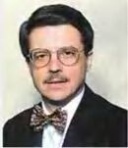
Subscribe Now: Did you like this Medical Executive-Post, or find it helpful, interesting and informative? Want to get the latest E-Ps delivered to your email box each morning? Just subscribe using the link below. You can unsubscribe at any time. Security is assured.

Link: http://feeds.feedburner.com/HealthcareFinancialsthePostForcxos

The Next Financial Crisis?

Your Opinion Counts

Staff Reporterslifeguard-warning

The effects of the current financial meltdown are well-known to all citizenry. And, the next economic crisis is still wholly unforeseen. However, research conducted by the Institute of Medical Business Advisors Inc, suggests it may come from one, or more, of the following sectors:

  • Pension Benefit Guarantee Corporation
  • Home/Commercial Real-Estate Mortgages
  • Medicare and Medicaid
  • Hedge Fund Collapse
  • Social Security Administration
  • Autos, Airlines, Manufacturing, etc
  • Global Financial Catastrophe
  • Terrorist Attack
  • Something else?

Assessment

For more info: www.MedicalBusinessAdvisors.com

Conclusion

What do you think? Let us know what’s on your mind with a post, opinion or comment.

Speaker: If you need a moderator or speaker for an upcoming event, Dr. David E. Marcinko; MBA – Publisher-in-Chief of the Executive-Post – is available for seminar or speaking engagements. Contact: MarcinkoAdvisors@msn.com  or Bio: www.stpub.com/pubs/authors/MARCINKO.htm

Our Other Print Books and Related Information Sources:

Practice Management: http://www.springerpub.com/prod.aspx?prod_id=23759

Physician Financial Planning: http://www.jbpub.com/catalog/0763745790

Medical Risk Management: http://www.jbpub.com/catalog/9780763733421

Healthcare Organizations: www.HealthcareFinancials.com

Health Administration Terms: www.HealthDictionarySeries.com

Physician Advisors: www.CertifiedMedicalPlanner.com

Subscribe Now: Did you like this Medical Executive-Post, or find it helpful, interesting and informative? Want to get the latest E-Ps delivered to your email box each morning? Just subscribe using the link below. You can unsubscribe at any time. Security is assured.

Link: http://feeds.feedburner.com/HealthcareFinancialsthePostForcxos