Understanding Hierarchical Condition Category Management for MAPs

Join Our Mailing List

An Emerging Management Trend for Medicare Advantage Plans [MAPs]

By Dr. David Edward Marcinko; MBA, CMP™

[Publisher-in-Chief]

So called Hierarchical Condition Category Management (HCCM) is an emerging healthcare management trend designed to accurately reflect the health status of Medicare Advantage Plan [MAP] members and to help them remain financially viable in Part D of the system.

HCCM Indications

Since the Medicare risk adjustment payment system uses clinical coding information to calculate risk premiums for Medicare Managed Care Organizations (MMCOs), HCCM seems best to address the following:

  • CMS risk adjustment system.
  • Strategic and financial implications for Medicare plans.

Assessment

Any initiatives required to effectively managed care under a risk adjustment payment system is ripe for HCCM and the key success factors associated with these initiatives.

Link: http://www.ncbi.nlm.nih.gov/pmc/articles/PMC2936901/

Conclusion

Your thoughts and comments on this ME-P are appreciated. Feel free to review our top-left column, and top-right sidebar materials, links, URLs and related websites, too. Then, subscribe to the ME-P. It is fast, free and secure.

Speaker: If you need a moderator or speaker for an upcoming event, Dr. David E. Marcinko; MBA – Publisher-in-Chief of the Medical Executive-Post – is available for seminar or speaking engagements. Contact: MarcinkoAdvisors@msn.com

OUR OTHER PRINT BOOKS AND RELATED INFORMATION SOURCES:

Product DetailsProduct DetailsProduct Details     

*** 

Understanding the Medical Records R[e]Volution

Join Our Mailing List

It’s Not All about Electronic Records

By Dr. David Edward Marcinko; MBA, CMP™

[Editor-in-Chief]

Introduction

To understand the medical records revolution that has occurred this decade, put your self for a moment in the position of a third-party payer; ie; a private insurance company, Medicare or Medicaid etc.

For example, you want to know if Dr. Joel Brown MD actually gave the care for which he is submitting a [super] bill or invoice. You want to know if that care was needed. You want to know that the care was given to benefit the patient, rather than to provide financial benefit to the provider beyond the value of the services rendered.

www.BusinessofMedicalPractice.com

Of Doubts and Uncertainty

Can you send one of your employees to follow Dr. Brown around on his or her office hours and hospital visits?  Of course not! You cannot see what actually happened in Dr. Brown’s office that day or why Dr. Black ordered a PET scan on the patient at the imaging center. What you can do however, is review the medical record that underlies the bill for services rendered from Dr. Blue. Most of all, you can require the doctor to certify that the care was actually rendered and was indicated. You can punish Dr. White severely if an element of a referral of a patient to another health care provider was to obtain a benefit in cash or in kind from the health care provider to whom the referral had been made. You can destroy Dr. Rose financially and put him in jail if his medical records do not document the bases for the bills he submitted for payment.

The Payment Paradigm Shift

This nearly complete change in function of the medical record has precious little to do with the quality of patient care. To illustrate this medical records evolution/revolution point, consider only an office visit in which the care was exactly correct, properly indicated and flawlessly delivered, but not recorded in the office chart. As far as the patient was concerned, everything was correct and beneficial to the patient. As far as the third-party payer is concerned, the bill for those services is completely unsupported by required documentation and could be the basis for a False Claims Act [FCA] charge, a Medicare audit, or a criminal indictment.  We have left the realm of quality of patient care far behind.

mobile EHR health

Provider Attitude Adjustments Required

Instead, medical practitioners must adjust their attitudes to the present function of patient records.  They must document as required under pain of punishment for failure to do so. That reality is infuriating to many since they still cling to the ideal of providing good quality care to their patients and disdain such requirements as hindrances to reaching that goal. They are also aware of the fact that full documentation can be provided without a reality underlying it. “Fine, you want documentation?  I’ll give you documentation!”

Computer Charting and eMRs

Some doctors have given in to the temptation of “cookbook” entries in their charts, canned computer software programs or eMRs listing all the examinations they should have done, all the findings which should be there to justify further treatment.  Many have personally seen, for example, hospital chart notes which describe extensive discussion with the patient of risks, alternatives and benefits in obtaining informed consent when the remainder of the record demonstrates the patient’s complaint that the surgeon has never told her what he planned to do; operative reports of procedures done and findings made in detail which, unfortunately, bear no correlation with the surgery which was actually performed.

Assessment

Whether electronic medical records (eMRs) will be helpful regarding fraud prevention, in the future is still not known. But, it is at best naive and more frequently closer to a death wish to think that a practitioner can beat the system, with handwritten notes, computer generated records, or fabricated eMR documentation.

Conclusion

Your thoughts and comments on this ME-P are appreciated. Feel free to review our top-left column, and top-right sidebar materials, links, URLs and related websites, too. Then, subscribe to the ME-P. It is fast, free and secure.

Link: http://feeds.feedburner.com/HealthcareFinancialsthePostForcxos

Speaker: If you need a moderator or speaker for an upcoming event, Dr. David E. Marcinko; MBA – Publisher-in-Chief of the Medical Executive-Post – is available for seminar or speaking engagements. Contact: MarcinkoAdvisors@msn.com

OUR OTHER PRINT BOOKS AND RELATED INFORMATION SOURCES:

DICTIONARIES: http://www.springerpub.com/Search/marcinko
PHYSICIANS: www.MedicalBusinessAdvisors.com
PRACTICES: www.BusinessofMedicalPractice.com
HOSPITALS: http://www.crcpress.com/product/isbn/9781466558731
CLINICS: http://www.crcpress.com/product/isbn/9781439879900
BLOG: www.MedicalExecutivePost.com
FINANCE: Financial Planning for Physicians and Advisors
INSURANCE: Risk Management and Insurance Strategies for Physicians and Advisors

Product Details  Product Details

The Effects of Healthcare Reform Legislation on Physician Compensation

Is a Future Look Predicated on the Past?

By Dr. Brian J. Knabe; CFP® CMP™

By Dr. David Edward Marcinko; MBA CMP™

By Prof. Hope Rachel Hetico; RN, MHA CPHQ CMP™

www.BusinessofMedicalPractice.com

With the passage of healthcare reform legislation, officially known as the Patient Protection and Affordable Care Act of 2010, many questions remain regarding its effect upon physicians’ livelihood.

Undoubtedly this bill moves the healthcare system several steps closer to a socialized model, but the effects on physicians’ salaries and compensation models are far from clear.

Other Countries

One way to see the effect that this shift may have on compensation is to look to other countries, many of which already have a more socialized system in place.

According to the CRS Report for Congress, US Health Care Spending:  Comparison with Other OECD Countries http://assets.opencrs.com/rpts/RL34175_20070917.pdf) US specialists rank near the top in compensation compared to these other countries, trailing the Netherlands and Australia.  The average specialist in the US made $230,000 in this survey.  The comparable salary in Canada is $161,000, $150,000 in the UK, and $253,000 in the Netherlands.  Generalists in the US are at the top in terms of compensation with an average of $161,000.  This compares to $107,000 in Canada, $118,000 in the UK, and $117,000 in the Netherlands.

Inflation Adjustments

Another indicator of physician salary trends is the change in compensation adjusted for inflation.  According to the American Medical Association, the inflation-adjusted income for the average patient care physician declined from $180,930 to $168,122 from 1995 to 2003, a 7% decrease. And, the inflation adjusted decrease is more substantial given the low interest rate environment thru 2010, and going forward.

Physician Net Income Chart

  Average net income
  1995 2003 Decrease
All patient care physicians $180,930 $168,122 7%
Primary care physicians $135,036 $121,262 10%
Medical specialists $178,840 $175,011 2%
Surgical specialists $245,162 $224,998 8%

Source: http://www.ama-assn.org/amednews/site/free/prsc0724.htm

Given these trends, as well as the fact that an increasing percentage of healthcare payments are coming from dwindling government sources, it is likely that physician salaries will decline as “healthcare reform” legislation is implemented.  In fact, it is likely that this trend will accelerate.  A 15% to 25% inflation-adjusted decline in salaries over the next decade is a reasonable prediction.

Assessment

It is also important to note that the level of student debt in the US continues to rise, while college and medical education are usually subsidized in other countries.  Many foreign physicians graduate with no student loan debt.  The ratio of debt level to salary in the US continues to become more onerous for new physicians.

Conclusion

Your thoughts and comments on this ME-P are appreciated. Feel free to review our top-left column, and top-right sidebar materials, links, URLs and related websites, too. Then, subscribe to the ME-P. It is fast, free and secure.

Link: http://feeds.feedburner.com/HealthcareFinancialsthePostForcxos

Speaker: If you need a moderator or speaker for an upcoming event, Dr. David E. Marcinko; MBA – Publisher-in-Chief of the Medical Executive-Post – is available for seminar or speaking engagements. Contact: MarcinkoAdvisors@msn.com

OUR OTHER PRINT BOOKS AND RELATED INFORMATION SOURCES:

Product Details  Product Details

Seeking Your Favorite Health 2.0 Patient Story

Collaborative Care – Not Yet So Collaborative

Ann Miller RN MHA

[Executive-Director]

Join Our Mailing List 

Dear ME-P Medical Readers

Please send in your favorite story [serious, humorous, poignant, personal, etc] or anecdote on participatory medicine and electronic patient connectivity. If selected, it may be posted on the ME-P or used in our new book in a blinded or named fashion; or on an individual or aggregated basis.

ME-P Support

Editorial support is available, as your input would not only assist your colleagues, but be illustrative in an erudite and credible fashion. Your synergy in this space also seems ideal.  Length is up to you in a prose writing style. And, be sure to address health 2.0 modernity. 

Definition: https://healthcarefinancials.wordpress.com/2008/09/12/emerging-healthcare-20-initiatives

Please contact me for more details, if interested. Regardless, we remain apostles promoting your core vision whenever possible.

Ann Miller: MarcinkoAdvisors@msn.com

Speaker: If you need a moderator or speaker for an upcoming event, Dr. David E. Marcinko; MBA – Publisher-in-Chief of the Medical Executive-Post – is available for seminar or speaking engagements. Contact: MarcinkoAdvisors@msn.com and http://www.springerpub.com/Search/marcinko

Get our Widget: Get this widget!

Our Other Print Books and Related Information Sources:

Health Dictionary Series: http://www.springerpub.com/Search/marcinko

Practice Management: http://www.springerpub.com/product/9780826105752

Physician Financial Planning: http://www.jbpub.com/catalog/0763745790

Medical Risk Management: http://www.jbpub.com/catalog/9780763733421

Healthcare Organizations: www.HealthcareFinancials.com

Physician Advisors: www.CertifiedMedicalPlanner.com

Subscribe Now: Did you like this Medical Executive-Post, or find it helpful, interesting and informative? Want to get the latest ME-Ps delivered to your email box each morning? Just subscribe using the link below. You can unsubscribe at any time. Security is assured.

Link: http://feeds.feedburner.com/HealthcareFinancialsthePostForcxos

Sponsors Welcomed: And, credible sponsors and like-minded advertisers are always welcomed.

Link: https://healthcarefinancials.wordpress.com/2007/11/11/advertise

Product DetailsProduct DetailsProduct Details       

Product Details  Product Details

   Product Details 

About the Placebo [Medical] Journal

Humor in Medicine

By ME-P Staff Reporters

Join Our Mailing List 

According to their website, the Placebo Journal [PJ] is a magazine for physicians whose goal, as its Latin definition states, is “to give pleasure to”. The purpose in starting this “Placebo” brand is to empower physicians with a skill that is sorely lacking today in medicine – humor. 

Placebo Brand Expanding

Recently however, they expanded the placebo brand to physician assistants, nurses, radiology techs and even to patients. By using real life medical stories, all stakeholders can now laugh at the medical system.

Like a Pill?

Like a placebo pill, the PJ produces a positive effect from something of very little substance. They don’t think too much of them-selves because they know it’s a rag tabloid. And, they don’t mean to denigrate the practice of medicine, patients or other physicians. But, they do mean to humanize the medical profession more. It is not only therapeutic, but necessary. Laughter is the key to life!  With the Placebo Journal, the editors want everyone to see the lighter side of the job.

Assessment

The burnout, depression and suicide rate is high among healthcare givers. Humor may heal and help.

Link: http://www.placebojournal.com/default.asp

Conclusion

And so, your thoughts and comments on this ME-P are appreciated. Give em’ a click and tell us what you think. Feel free to review our top-left column, and top-right sidebar materials, links, URLs and related websites, too. Then, subscribe to the ME-P. It is fast, free and secure.

Speaker: If you need a moderator or speaker for an upcoming event, Dr. David E. Marcinko; MBA – Publisher-in-Chief of the Medical Executive-Post – is available for seminar or speaking engagements. Contact: MarcinkoAdvisors@msn.com

Get our Widget: Get this widget!

Our Other Print Books and Related Information Sources:

Practice Management: http://www.springerpub.com/prod.aspx?prod_id=23759

Physician Financial Planning: http://www.jbpub.com/catalog/0763745790

Medical Risk Management: http://www.jbpub.com/catalog/9780763733421

Healthcare Organizations: www.HealthcareFinancials.com

Physician Advisors: www.CertifiedMedicalPlanner.com

Subscribe Now: Did you like this Medical Executive-Post, or find it helpful, interesting and informative? Want to get the latest ME-Ps delivered to your email box each morning? Just subscribe using the link below. You can unsubscribe at any time. Security is assured.

Link: http://feeds.feedburner.com/HealthcareFinancialsthePostForcxos

Sponsors Welcomed: And, credible sponsors and like-minded advertisers are always welcomed.

Link: https://healthcarefinancials.wordpress.com/2007/11/11/advertise

Introducing Dr. Joshua Goldman MBA

Meet Our Newest ME-P “Thought-Leader”

By Ann Miller RN, MHA

Joshua Goldman, MD, MBA is a resident physician at the University of California, Los Angeles pursuing post-graduate training in family medicine with subsequently plans to complete a Sports Medicine fellowship. He attended graduate school at the University of Southern California, completing his Medical Degree at the Keck School of Medicine concurrent with his Master of Business Administration at the Marshall School of Business. He is functioning as the Director of Strategy for Insight Oncology, an oncology consulting and management firm.

USC Days

While at USC, Josh served as the student body President of the Keck School of Medicine, a teaching assistant in the department of Anatomy and Physiology and held board positions at the USC Stevens Institute for Innovation, the Biomedical Association at the Marshall School of Business, and the Curriculum Committee at the Keck School of Medicine. He was selected as the Keck School of Medicine Student Teacher of the Year for 2009-2010. He has also served as the Vice President of the American Cancer Society at the University of California, Los Angeles. He completed an internship with the Cedars-Sinai Orthopedic Center Trauma Team and with the University of Southern California Athletic Department’s Team Physicians, working with the USC Trojan Football team during their summer training camp.

Undergraduate Days

Joshua received his Bachelor of Science degree from the University of California, Los Angeles in 2005 graduating Magna cum Laude and Phi Beta Kappa with a major in Psychobiology and a minor in English Literature. While at UCLA, Josh was a member of the men’s crew team.

A PE Devotee’

Joshua is very physically active, weight training or running daily. He is also an aspiring tri-athlete, training both on a bike and in the water recently. He also enjoys playing football, tennis, beach volleyball and sailing in his free time in between his many home improvement projects.

Website

Josh is also the Founder and CEO of: www.MyHouseCallMD.com

Conclusion

Your thoughts and comments on this ME-P are appreciated. Feel free to review our top-left column, and top-right sidebar materials, links, URLs and related websites, too. Then, subscribe to the ME-P. It is fast, free and secure.

Link: http://feeds.feedburner.com/HealthcareFinancialsthePostForcxos

Speaker: If you need a moderator or speaker for an upcoming event, Dr. David E. Marcinko; MBA – Publisher-in-Chief of the Medical Executive-Post – is available for seminar or speaking engagements. Contact: MarcinkoAdvisors@msn.com

OUR OTHER PRINT BOOKS AND RELATED INFORMATION SOURCES:

Product DetailsProduct DetailsProduct Details

Product Details  Product Details

   Product Details 

An Open Letter to the TDA Council on Ethics

And … Judicial Affairs

By Darrell K. Pruitt DDS

Dear Dr. Roy N. Burk – Chairman

In your email to me on Thursday, you informed me that you would call my office this week at your convenience to discuss the as yet to be defined complaints about my “unprofessional conduct” from unnamed origins – some of which are rumored to be as old as three years. Also in your reply that was days late, you confirmed my suspicion that you rarely check your email (even though you provided your address). That is why I asked the manager of the TDA Twitter account to send you the message not to call my office. I’ve given her another message today to tell you to check you email. You said you prefer to have a phone conversation with me. However, I naturally decline because of obvious reasons such as inconvenience, misinterpretations and limited exchange of information.

Foundation of our Nation

The foundation of our nation was defined in carefully chosen words written by Thomas Jefferson, Thomas Paine and others. You have to admit that writing is a much more meaningful and efficient way to resolve the TDA’s mistake than with a 5 minute phone conversation. In addition, by working out our misunderstanding in meaningful sentences that can be viewed by all, both of us are much less likely to say something we might regret if our conversation gets heated… which it will. After all, you threatened my reputation in my community, Dr. Roy Burk. And for that reason, I intend to hold you personally accountable in your community if Judicial Case No. 12-2010-3 is not dismissed. Fair is fair.

Let’s Talk 

Things said in anger help nobody, and can be completely avoided with the written word. In short, there is no reason for either our phone conversation or the meeting you have planned for me on September 18. We can all do something else on that Saturday rather than waste the morning in an Omni Fort Worth hotel room. That is, if you are more interested in resolution than punishment. So let’s negotiate this mistake quickly and quietly, but in a transparent manner, Dr. Burk. As Dr. David May said (but did not mean) when he took over as TDA President in 2007, “Let’s talk.”

TDA Censorship? 

The issue at hand is clearly TDA censorship for political reasons rather than “unprofessionalism.” Trust me when I tell you that nobody who is following us is fooled by the kangaroo court you propose. Considering the recent NLRB decision against the TDA for mistreating employees, the TDA is no longer considered an ethically run organization by many. That means your credibility is shot from the beginning. This week, Jan Jarvis, whom I’m sharing this email with, published “Fort Worth medical clinic spends $15,000 notifying patients of theft” in the Fort Worth Star-Telegram.”

http://www.star-telegram.com/2010/08/06/2389717/fort-worth-medical-clinic-spends.html#ixzz0wIaU5AQa

My Community 

This is my community. Some of my patients are (or rather were) also patients of the local allergy clinic where computers containing 25,000 patients’ PHI were stolen in a burglary. In the end, the data breach will cost the clinic hundreds of thousands of dollars in lost customers because of the bad publicity, in addition to possible HIPAA fines and perhaps a lawsuit from Texas Attorney General Gregg Abbott. Yet, the TDA has still failed to warn members of the liability of their computers. There is simply no excuse for the TDA’s neglect, and punishing me for revealing the truth will not help anyone, and it aggravates me. That said, please allow me to show you exactly how the TDA’s censorship is hurting dentists as well as endangering their patients in Texas – even as we speak: One year ago today, I posted the following article concerning the liabilities of data breaches on the TDA’s Facebook. It is one of many cautionary articles I contributed about data breaches, electronic dental records and HIPAA. However, the TDA as well as the ADA has ignored the exploding identity theft problem because of undisclosed allegiances to entities other than dentists and patients. The behavior of my professional organization is counter to the Hippocratic Oath and indefensible.

In October, an unnamed person in the TDA determined that TDA members should be prevented from reading the following information.

TDA Facebook, August 11, 2009

HITECH/HIPAA Breach notification

On August 18, American dentists will hear from HHS that HITECH-empowered HIPAA now requires that patients be notified if a breach includes their identifiers. Most will be surprised to learn that the notification requirement is nothing new. The law has been there for years. Besides the law, everyone has to admit that notifying those whose welfare is at risk is the only ethical thing to do, even if it bankrupts a practice. And that is the problem. Breach notification will bankrupt a dental practice. The law has been around for years. It simply never was enforced by either HHS or CMS because it would be so devastating to small medical and dental practices. I assume that the shoddy enforcement is why the ADA did not see a need to distribute discouraging information about the HIPAA requirement. For some reason, the ADA supported the adoption of HIPAA. Some day we’ll know why.  This is not the first time I’ve brought up the breach notification topic on a TDA publication. At the first of 2007, the TDA ventured into the blogosphere with “Ask a Colleague” Forum as part of the TDA’s Website. I began to take over the forum with a contribution posted on January 13, 2008 which I copied below. It is a snail-mail letter I received from President-elect Dr. John S. Findley, describing for the only time in ADA history, the ADA’s Data Breach protocol.

ADA Resources? 

As you can see from the hard work put into the letter, it took a considerable amount of ADA dues to produce this response for only one ADA member. Nevertheless, my question was not taken lightly because they probably assumed it would show up again. And, they were correct. Even though the leaders failed to share it with other ADA members, before it was forgotten, it was cc’d to

  • Dr. S. Jerry Long, trustee, Fifteenth District
  • Dr. James Bramson, executive director
  • Ms. Mary Logan, chief operative officer
  • Ms. Tamra Kempf, chief legal counsel
  • Ms. Mary Kay Linn, executive director, Texas Dental Association

Two and a half years later, Findley’s letter is current enough to be posted with only minor changes. For example, Dr. James Bramson and Ms. Mary Logan no longer work for the ADA.

One more note about Dr. Findley’s response to my question, I did not misrepresent myself in my email to him that I had a computer stolen. He knew from six months earlier when I first emailed him my question that it was a hypothetical question about an obscure topic that ADA leaders did not want to talk about.

Posted: 13 Jan 2008 10:05 AM on the TDA.org Forum

Data breach protocol announced

On January 8th, Dr. John S. Findley, President-elect of the American Dental Association, signed the letter below which defines a data breach, describes a dentist’s obligation under the law in Texas to notify patients involved and the penalty for failing to do so. This is the first time this information has been made available to dentists anywhere in the nation in the 12 years of the HIPAA rule. Dr. Findley and his team are to be congratulated for working through an arduous and unpopular task. It demanded courage.

Darrell

ADA

American Dental Association

http://www.ada.org

John S. Findley, D. D. S. President-Elect

January 8, 2008

Dr. Darrell Pruitt

6737 Brentwood Stair Rd., Ste. 220

Fort Worth, Texas 76112-3337

Dear Doctor Pruitt:

I received your email of December 26th and regret to learn of the loss of your computer. I did inquire as to appropriate procedures upon the occurrence of such an event and am copying below an excerpt from the response of out legal department. “It appears that under these circumstances the dentist may wish to notify affected patients that their information may have been compromised so that they can take necessary steps to protect themselves (i.e. cancel credit cards, notify social security about potentially stolen social security numbers…). (This communication is informational and personal consultation between the dentist and his or her attorney is recommended.) They should also check their state breach notification laws to determine if there is anything else that is required. In this case, the Texas Identity Theft Enforcement and Protection Act (Texas Code Sec. 48 et seq) (the “Act”) covers data breach notification. The Act protects both “Personal Identifying Information,” which is defined as any information that alone, or in conjunction with other information, can be used to identify an individual and an individual’s:

A) name, social security number, date of birth, or government-issued identification number;

B) mother’s maiden name;

C) unique biometric data, including the individual’s fingerprint, voice print, and retina or iris image;

D) unique electronic identification number, address, or routing code; and

E) telecommunication access device.

The Act also protects “Sensitive Personal Information,” which is defined as an individual’s first name or first initial and last name in combination with any one or more of the following items, if the name and the items are not encrypted:

i) social security number;

ii) driver’s license number or government-issued identification number; or

iii) account number or credit or debit card number in combination with any required security code, access code, or password that would permit access to an individual’s financial account.

Sec. 48.102 of the Act creates a duty for businesses to protect and safeguard information through creating and implementing procedures for such purpose. If there is a breach in the security of information, the Act requires a business that maintains ‘Sensitive Personal Information” to notify the owners of such information as soon as possible that a breach has occurred. The Act specifies one of the following modes of notice to be provided:

1) written notice;

2) electronic notice, if the notice is provided in accordance with 15 U.S.C. Section 7001 (which basically requires that a consumer must consent to receiving such notice in electronic form); or

3) notice as provided by Subsection (f) (see below).

(f) If the person or business demonstrates that the cost of providing notice would exceed $250,000, the number of affected persons exceeds 500,000, or the person does not have sufficient contact information, the notice may be given by:

1) electronic mail, if the person has an electronic mail address for the affected persons;

2) conspicuous posting of the notice on the person’s website; or

3) notice published in or broadcast on major statewide media.

Violations

“A person who violates the Act is liable to the state for a civil penalty of at least $2,000 but not more than $50,000 for each violation.” The information pertaining to your question was found in the Identity Theft Enforcement and Protection Act, Chapter 48 of the Business and Commerce Act of Texas.

We hope this information helps.

Sincerely,

John S. Findley, D.D.S.

President-elect

JSF:cac

cc: Dr. S. Jerry Long, trustee, Fifteenth District

  • Dr. James Bramson, executive director
  • Ms. Mary Logan, chief operative officer
  • Ms. Tamra Kempf, chief legal counsel
  • Ms. Mary Kay Linn, executive director, Texas Dental Association

Assessment

Dr. Findley’s letter to me was also deleted from the now closed TDA.org Forum.  The TDA’s actions are a lot like burning books, Dr. Roy Burk.

Conclusion

Your thoughts and comments on this ME-P are appreciated. Feel free to review our top-left column, and top-right sidebar materials, links, URLs and related websites, too. Then, subscribe to the ME-P. It is fast, free and secure.

Link: http://feeds.feedburner.com/HealthcareFinancialsthePostForcxos

Speaker: If you need a moderator or speaker for an upcoming event, Dr. David E. Marcinko; MBA – Publisher-in-Chief of the Medical Executive-Post – is available for seminar or speaking engagements. Contact: MarcinkoAdvisors@msn.com

OUR OTHER PRINT BOOKS AND RELATED INFORMATION SOURCES:

Product DetailsProduct DetailsProduct Details

About TheHeart.org

ADVERTISEMENT

TheHeart.Org

By Professionals for Professionals

Not one for flash and tinsel, theheart.org is thick with information on the front page. The interface seems based on that used by the New York Times, complete with a “most popular” widget that displays the most visited articles on the site.

Owned by WebMD, which is in turn owned by News Corporation, the site is bereft of fluff and advertisements, instead presenting columns and columns of relevant content. The news and information is as professionally presented as one would expect from an arm of such a worldwide conglomerate, and is aimed squarely at knowledgeable experts.

Membership

Membership is expected, the free registration option is prominently displayed when one first visits the site, and most of its features and content can only be accessed once this is done. Until then, only headlines and tidbits are displayed.

Registration comes in two types: limited access for 30 days, which gives access to their news articles and requires only an email address; and full access, which requires slightly more information and opens up the entire site, including the search and comment functions. Given the quality of the content and the fact that registration is free, it is well worth it for anyone interested.

Focus

The focus of theheart.org is the various diseases and disorders of the heart, and also how to prevent them. By design, the site exchanges breadth for depth–aside from a single section called “Brain/Kidney/Peripheral,” there is no information present that is unrelated to the topic of heart disease. That topic, however, is covered in careful detail. The site would be of little use to a student of human physiology, as the basic anatomy and functioning of the heart is barely mentioned, let alone outlined. It is similarly not designed to lure in the general public, or even patients of heart disease. With titles such as “Antiplatelets in PCI: Doses and Choices” and “The Atrial Septal Pouch–A New Source of Thrombus?”, it is clearly meant to be perused by cardiologists and other healthcare professionals.

Cardiology Excellence

In its chosen area of discussion, however, theheart.org excels. There is nothing sloppy or amateur about this site or the quality of its articles. In fact, it is so professional as to be exclusive, as even the user comments on its posts are often in-depth discussions of medical considerations that a layman would be hard-pressed to decipher.

A doctor, however, could find a wealth of information, news and analysis on the subject of heart functioning and disorders, keeping up-to-date on new discoveries, treatments, medications such as cangrelor and: http://www.theheart.org/article/1024935.do dabigatran, as well as what is happening within the cardiologist community.

Assessment

In summary, there is no shortage of content on the topic of the heart: news articles, blog posts, editorials, and even video and radio programs. A professional in the field of heart health should not fail to become a regular visitor to theheart.org, while a more casual reader would probably find their needs best met elsewhere.

Conclusion

And so, your thoughts and comments on this ME-P sponsor are appreciated. Give em’ a click and tell us what you think! Feel free to review our top-left column, and top-right sidebar materials, links, URLs and related websites too. Then, be sure to subscribe to the ME-P. It is fast, free and secure.

Link: http://feeds.feedburner.com/HealthcareFinancialsthePostForcxos

Join Our Mailing List 

A Voting Poll on eMRs as a Balance Sheet Item?

A Real or Economically Stimulated Need?

Join Our Mailing List 

Many doctors – and their CPAs – view an in office electronic medical record [eMR] system as a balance sheet item to purchase for a medical practice; much like any other piece of business equipment or medical instrumentation.

Of course, ARRA and the HITECH Acts also treat eMRs like an asset that the Federal government can motivate doctors to purchase thru their “meaningful use” economic stimulus and rebate program … sort of a social engineering fiscal health policy for medical professionals. 

And so, the question for doctors really is: do you believe in eMRs as a stand-alone item above and beyond their rebate earning capacity?

THINK “cash for clunkers”, or the first time home buyer “mortgage credit rebate program”.

In other words, sans this Federal economic rebate program externality, would you purchase an eMR system despite the HITECH Act? Will you purchase one once the rebate period has expired. Are eMRs a depreciating or appreciating asset?

Please opine with your vote!

Conclusion

And so, your thoughts and comments on this ME-P are appreciated. Feel free to review our top-left column, and top-right sidebar materials, links, URLs and related websites, too. Then, be sure to subscribe to the ME-P. It is fast, free and secure.

Speaker: If you need a moderator or speaker for an upcoming event, Dr. David E. Marcinko; MBA – Publisher-in-Chief of the Medical Executive-Post – is available for seminar or speaking engagements. Contact: MarcinkoAdvisors@msn.com

Get our Widget: Get this widget!

Our Other Print Books and Related Information Sources:

Practice Management: http://www.springerpub.com/prod.aspx?prod_id=23759

Physician Financial Planning: http://www.jbpub.com/catalog/0763745790

Medical Risk Management: http://www.jbpub.com/catalog/9780763733421

Healthcare Organizations: www.HealthcareFinancials.com

Health Administration Terms: www.HealthDictionarySeries.com

Physician Advisors: www.CertifiedMedicalPlanner.com

Subscribe Now: Did you like this Medical Executive-Post, or find it helpful, interesting and informative? Want to get the latest ME-Ps delivered to your email box each morning? Just subscribe using the link below. You can unsubscribe at any time. Security is assured.

Link: http://feeds.feedburner.com/HealthcareFinancialsthePostForcxos

Sponsors Welcomed: And, credible sponsors and like-minded advertisers are always welcomed.

Link: https://healthcarefinancials.wordpress.com/2007/11/11/advertise

Understanding HIT Security Risks – The Ugly Truth!

Join Our Mailing List

On the Privacy and Security of Healthcare Records

Dr. Mata

[By Richard J. Mata, MD, CIS]

There is no privacy …  get over it.

Scott McNealy, Former Sun Microsystems CEO

Storing and transmitting health information in electronic form exposes it to risks that do not exist, or exist to a lesser extent, when the information is maintained in paper.  For example, although both paper-based and electronic systems need protection from fire, water, and wear and tear because of aging, electronic data is also vulnerable to hardware or software malfunctions that can make data inaccessible or become corrupt, and to non-secure policies that can make data vulnerable to illegal access.  In addition, cyber-crimes, and unauthorized intrusions originating both internally and externally, are increasing dramatically every year, costing companies millions of dollars.  Nonetheless, electronic medical records (EMRs) are usually considered more secure than paper patient charts because paper records lack an audit trail, papers are easily lost, and their contents can be illegible.

Take Care the Risks

Healthcare organizations must take the new risks seriously, however, because health information is a vital business asset, and protecting it preserves the value of this asset.  In addition, securing patients’ information protects their privacy and enhances the organization’s reputation for professionalism, patient well-being, and trustworthiness.  Hospitals, emerging healthcare organizations (EHOs), physicians, and healthcare entities long ago recognized the value of health information, and implemented security policies and procedures, but as they move more into the electronic arena, it is vital to revise and update policies and procedures to acknowledge the different risks inherent in the digital age.

Three Components of Security

The three classic components of information security are confidentiality, integrity, and availability.  Donn B. Parker, a pioneer in the field of computer information protection,[1] added possession, authenticity, and utility to the original three.  These six attributes of information that need to be protected by information security measures can be defined as follows:  

  • Confidentiality: The protection and ethics of guarding personal information — for example, being cognizant of verbal communication leaks beyond conversation with associated healthcare colleagues.
  • Possession: The ownership or control of information, as distinct from confidentiality — a database of protected health information (PHI) belongs to the patients.
  • Data integrity: The process of retaining the original intention of the definition of the data by an authorized user — this is achieved by preventing accidental or deliberate but unauthorized insertion, modification or destruction of data in a database.  Make frequent backups of data to compare with other versions for changes made.
  • Authenticity: The correct attribution of origin — such as the authorship of an e-mail message or the correct description of information such as a data field that is properly named.  Authenticity may require encryption.
  • Availability: The accessibility of a system resource in a timely manner — for example, the measurement of a system’s uptime.  Is the intranet available?
  • Utility: Usefulness; fitness for a particular use — for example, if data are encrypted and the decryption key is unavailable, the breach of security is in the lack of utility of the data (they are still confidential, possessed, integral, authentic and available).

Ethics

When these attributes are considered in the healthcare context, another factor comes into play: ethics.  According to Dr. J. A. Magnuson, professor of public health informatics at Oregon Health Science University’s Medical Informatics Program, privacy,[2] security, and ethics are inextricably intertwined, and all are critical to public health’s role as a trustee of the public’s data.  As public health becomes increasingly involved in Electronic Data Interchange (EDI;[3]), the information aspects of privacy, security, and ethics become ever more critical.  All doctors take an ethical oath to protect the patient, and the obligation to uphold this oath extends to health data management, even for employees who do not take an oath.

The fields of medicine and information technology (IT) each have separate and related ethical considerations.  Ethics may prohibit technology, for example, when using a specific application that would make a security breach likely.  However, ethics may also demand technology.  Suppose that a new surveillance application would improve public health — is it not ethically imperative to utilize it to save countless lives?  But suppose it also almost guarantees a security breach — what does the ethical position on use of the application become then?  That is an extreme example, though not completely unrealistic.

FISA

Varied Uses

Complicating the picture is the fact that IT in the healthcare arena has so many and varied uses.  For instance, office-, clinic-, and hospital-based medical enterprise resource planning (ERP) is based on the same back-end functions that a company requires, including manufacturing, logistics, distribution, inventory, shipping, invoicing, and accounting.  ERP software can also aid in the control of many business activities, like sales, delivery, billing, production, inventory management, quality management, and human resources management.  However, other applications particular to the medical setting include the following:

  • The EMR, which has the potential to replace medical charts in the future, is feasible.[4]
  • Healthcare application service providers (ASPs)[5] are available via Internet portals.
  • Custom software production may produce more solution-specific applications.
  • Medical speech recognition systems and implementation are replacing dictation systems.
  • Healthcare local area networks (LANs), wide area networks (WANs), voice-over Internet protocol (IP) networks, Web and ATM file servers are ubiquitous.
  • The use of barcodes to monitor pharmaceuticals is decreasing the chance of medication errors and warns providers of potential adverse reactions.
  • Telemedicine and real-time video conferencing are already a reality.
  • Biometrics will be used more often for data access.
  • Personal digital assistant (PDA) wireless connectivity, which relies on digital or broadband technology including satellites, and radio-wave communications are increasingly common.
  • The use of wireless technology in medical devices will be increasing.

No Healthcare Standardization

All of these applications offer advantages, but the security of these IT methods and devices is not yet fully standardized or familiar to health professionals; despite the CCHIT, Office of the National Coordinator for Health Information Technology, etc.  They all involve inherent security and privacy risks, and the prudent healthcare organization will want to ensure that these risks are identified and contained.  For instance, a single firewall or intrusion detection system (IDS) may not be enough.

The process must begin by conducting a security risk assessment — that is, doing a thorough assessment of current systems and data, and performing checks such as real-time intrusion testing, validation of data audit trails, firewall testing, and remediation when gaps or failed systems are exposed.  These activities are part of developing a healthcare security plan, including disaster recovery.

Privacy Officers

To ensure that the risk assessment is thorough, hospital network administrators and Privacy Officers should have a working knowledge of federal regulations and of the following security mechanisms:

  • vulnerability assessment;
  • security policy development;
  • risk management;
  • firewall assessment;
  • security application assessment;
  • network security assessment;
  • incident response and recovery assessment;
  • authentication and authorization systems;
  • security products;
  • firewall implementation;
  • public key infrastructure (PKI) design;
  • virtual private network (VPN) design and implementation
  • intrusion detection systems;
  • penetration testing;
  • security program implementation;
  • security policy assessment; and
  • security awareness training.

The federal government has recognized the importance of health information security by establishing regulatory guidance with its Health Insurance Portability and Accountability Act of 1996 (HIPAA).

The International Standards Organization

Join Our Mailing List 

IT system managers in healthcare settings are also familiar with the comprehensive security model offered by the International Standards Organization (ISO).  For instance, using ISO’s 17799 Code of Practice for Information Security Management, versions 2000, 2005, or 2010 information security is achieved by implementing a suitable set of controls to govern policies, processes, procedures, organizational structures and software and hardware functions.  The Code requires the IT manager to establish, implement, monitor, review, and where necessary, improve these controls to ensure that the specific security and business objectives of a healthcare organization are met.

Assessment

The work of the National Institute of Science and Technology (NIST) in developing innovative technology for the healthcare sector is also of interest to IT system managers.  For instance, research on a computer note-writing system that captures clinical data automatically and a data repository system that captures patient data and integrates it with clinical decision support and knowledge bases are two of the initiatives that have originated with NIST.  In addition, the organization publishes numerous Special Publications that provide guidance on how to establish and maintain IT security.

CASE MODEL: HIT Security

Conclusion

Your thoughts and comments on this ME-P are appreciated. Feel free to review our top-left column, and top-right sidebar materials, links, URLs and related websites, too. Then, subscribe to the ME-P. It is fast, free and secure.

Speaker: If you need a moderator or speaker for an upcoming event, Dr. David E. Marcinko; MBA – Publisher-in-Chief of the Medical Executive-Post – is available for seminar or speaking engagements. Contact: MarcinkoAdvisors@msn.com

OUR OTHER PRINT BOOKS AND RELATED INFORMATION SOURCES:

References:


[1]   Donn B. Parker developed the so-called Parkerian Hexad Principles, which discuss the attributes of information security.

[2]   Privacy generally refers to a ‘people’ context, a state of being free from unauthorized intrusion or invasion.  This concept is as applicable to medical records as it is to your own house.  Confidentiality is viewed more in the context of information, usually dealing with accessing and sharing information or data.

[3]   EDI involves electronic transmission methods, often utilizing networks or the Internet.[3]  The benefits of EDI include speed, data entry savings, and reduction of manual errors; the risks are legion.

[4]   Terms used in the field include electronic medical record (EMR), electronic patient record (EPR), electronic health record (EHR), computer-based patient record (CPR), etc.  These terms can be used interchangeably or generically, but some specific differences have been identified.  For example, an EPR has been defined as encapsulating a record of care provided by a single site, in contrast to an EHR, which provides a longitudinal record of a patient’s care carried out across different institutions and sectors.  However, such differentiations are not consistently observed.

[5]   An application service provider (ASP) is a business that provides computer-based services to customers over a network.

Buy from Amazon

In-House Cultural Change and the Medical Quality Paradigm Shift

Leadership Concepts for Physicians and Healthcare CXOs

By Dr. David Edward Marcinko MBA

[Editor-in-Chief]

The toughest part of implementing any medical quality improvement program is changing the healthcare organization’s culture. The physician-executive or chief executive officer must be committed to change, not just give lip service to it. The core to TQM or, for that matter, any of the several new popular quality programs, like six-sigma, is the buy-in of senior management to change the culture of the practice organization to support the individual’s pursuit of quality.

Re-Frame the Situation

The cultural change requires a complete reorientation of job descriptions and duties. It requires a collaborative rather than an adversarial work force. The phrase, “it’s not my job,” cannot work in a quality healthcare environment. Medical quality programs cannot work where employees refuse to be “their brothers’ keepers.” This collaborative working system is difficult to implement, but not impossible to achieve. It involves certain basic changes to the traditional American work ethic of “rugged individualism.” It suggests that the individual employee must become a partner in the healthcare enterprise and be just as concerned about quality as the CEO. Quality really does become everybody’s business.

Assessment

Quality requires new thinking about the relationships that have traditionally existed between labor [nurses, therapists, assistants, and aides, etc] and management [physician-owner, CEO, clinic administrator, managers, etc]. It requires a new direction; a new partnership must be forged between management and the clinical floor, between management and administrative staff, and between line and staff management.

Conclusion

Your thoughts and comments on this ME-P are appreciated. Feel free to review our top-left column, and top-right sidebar materials, links, URLs and related websites, too. Then, subscribe to the ME-P. It is fast, free and secure.

Link: http://feeds.feedburner.com/HealthcareFinancialsthePostForcxos

Speaker: If you need a moderator or speaker for an upcoming event, Dr. David E. Marcinko; MBA – Publisher-in-Chief of the Medical Executive-Post – is available for seminar or speaking engagements. Contact: MarcinkoAdvisors@msn.com

OUR OTHER PRINT BOOKS AND RELATED INFORMATION SOURCES:

DICTIONARIES: http://www.springerpub.com/Search/marcinko
PHYSICIANS: www.MedicalBusinessAdvisors.com
PRACTICES: www.BusinessofMedicalPractice.com
HOSPITALS: http://www.crcpress.com/product/isbn/9781466558731
CLINICS: http://www.crcpress.com/product/isbn/9781439879900
BLOG: www.MedicalExecutivePost.com
FINANCE: Financial Planning for Physicians and Advisors
INSURANCE: Risk Management and Insurance Strategies for Physicians and Advisors

Product DetailsProduct Details

Product Details

The IPS Dentist

Join Our Mailing List

ADVERTISEMENT
Dental Consultants

We’re a highly skilled team of dental consultants with over 45 years of combined dental, medical and management experience.

Multi-Venued

Through a combination of personal on-site visits and modern video conferencing we consult with any practice across the nation to help them increase their profits and create a more successful working environment. We evaluate our clients’ exceptional professional services and add to them to improve patient loyalty and harmony among the staff. We will provide your practice with the tools to have complete control over exponentially increasing accomplishments and professionalism.

Our Commitment

We stand tall on our commitment to making skilled professionals more successful in their day to day transactions with incredible results on our clients’ bottom lines.
IPS works to implement key systems:

* Positive patient experience
* Treatment presentation and acceptance
* Re-Care and profitable hygiene programs
* Product scheduling
* Effective marketing
* Increased referrals
* Control of collections and accounts receivable control
* Professional risk reduction
* Employee motivation
* Team building and training
* Retirement and transitions strategies

Innovative Practice Solutions

And, we give you the tools to evolve your practice into a more profitable operation. By taking the best of what you’re already doing and adding proven systems and methods we help you take your practice to the next level.

Assessment

ipsdentist.com
ipsdentist@yahoo.com

Conclusion

Your thoughts and comments on this ME-P are appreciated. Feel free to review our top-left column, and top-right sidebar materials, links, URLs and related websites, too. Then, subscribe to the ME-P. It is fast, free and secure.

Link: http://feeds.feedburner.com/HealthcareFinancialsthePostForcxos

Speaker: If you need a moderator or speaker for an upcoming event, Dr. David E. Marcinko; MBA – Publisher-in-Chief of the Medical Executive-Post – is available for seminar or speaking engagements. Contact: MarcinkoAdvisors@msn.com

OUR OTHER PRINT BOOKS AND RELATED INFORMATION SOURCES:

DICTIONARIES: http://www.springerpub.com/Search/marcinko
PHYSICIANS: www.MedicalBusinessAdvisors.com
PRACTICES: www.BusinessofMedicalPractice.com
HOSPITALS: http://www.crcpress.com/product/isbn/9781466558731
CLINICS: http://www.crcpress.com/product/isbn/9781439879900
BLOG: www.MedicalExecutivePost.com
FINANCE: Financial Planning for Physicians and Advisors
INSURANCE: Risk Management and Insurance Strategies for Physicians and Advisors

Product DetailsProduct Details

The PPACA and Physician’s Ability to Bill

ADVERTISEMENT

Failure of Physician Referral Sources to Enroll in Medicare’s Provider Enrollment, Chain and Ownership System [PECOS] May Affect their Ability to Bill

Join Our Mailing List


By Garfunkel Wild, PC

In response to, among other things, the Patient Protection and Affordable Care Act that was signed into law earlier this year, the Centers for Medicare and Medicaid Services (CMS) issued an interim final rule on May 5, 2010 that requires all:

  • Physicians [1] and non-physician practitioners [2] who order or refer Medicare beneficiaries for, or furnish Medicare beneficiaries with, Part B covered items and services; and
  • Physicians who certify home health services be enrolled in PECOS as of July 6, 2010 in order for the billing provider to receive payment for the ordered, referred, or furnished items or services under Medicare Part B (and, in the case of home health services, Part A).  Some of the types of claims that will be affected by this new rule include:
  • Claims from laboratories for ordered tests;
  • Claims from imaging centers for ordered imaging procedures;
  • Claims from suppliers of DMEPOS for ordered DMEPOS;
  • Certification for Part A and Part B covered home health services; and
  • Claims from specialists or specialty groups for referred services (including, but not limited to, physical therapy services).

In addition to prohibiting payment for these services, the interim final rule also requires that the teaching physician — NOT the intern or resident — be identified on the claim for Part B services as the referring or ordering physician whenever an intern or resident orders or refers.  This is also effective as of July 6, 2010.

Physician Health

Assessment Therefore, all providers who bill for ordered, referred, or furnished items or services that are payable under Medicare Part B (and home health care providers who bill for Part A and/or Part B covered services) should check the “Ordering and Referring Report” maintained by CMS to confirm whether the ordering or referring provider has an enrollment record in PECOS before submitting a claim as of July 6, 2010.

This Report can be viewed at: www.cms.gov/MedicareProviderSupEnroll/06_MedicareOrderingandReferring.asp.

If the ordering or referring provider is not listed on the Report, there is confusion as to whether billing providers are entitled to submit claims for items and services ordered or referred by such providers.  While CMS has acknowledged that some providers have encountered problems getting their information into PECOS and announced that, for the time being, it will not implement changes that would automatically reject claims based on orders, certifications, and referrals made by providers that have not yet had their applications approved by July 6, 2010, CMS has expressly declined to delay implementation of the interim final rule as of the date of this Alert.

References [1] This includes a doctor of medicine or osteopathy, doctor of dental medicine, doctor of dental surgery, doctor of podiatric medicine, doctor of optometry, and doctor of chiropractic medicine.

Conclusion

Your thoughts and comments on this ME-P are appreciated. Feel free to review our top-left column, and top-right sidebar materials, links, URLs and related websites, too. Then, subscribe to the ME-P. It is fast, free and secure.

Link: http://feeds.feedburner.com/HealthcareFinancialsthePostForcxos

Speaker: If you need a moderator or speaker for an upcoming event, Dr. David E. Marcinko; MBA – Publisher-in-Chief of the Medical Executive-Post – is available for seminar or speaking engagements. Contact: MarcinkoAdvisors@msn.com

OUR OTHER PRINT BOOKS AND RELATED INFORMATION SOURCES:


Product DetailsProduct Details

Product Details


Where Are The Health Care Entrepreneurs?

The Failure of Organizational Innovation in Health Care

Submitted by Ann Miller RN, MHA

[Executive-Director]

Join Our Mailing List

The following quote is from a white paper by David M. Cutler

NBER Working Paper No. 16030
Issued in May 2010

Medical care is characterized by enormous inefficiency. Costs are higher and outcomes worse than almost all analyses of the industry suggest should occur. In other industries characterized by inefficiency, efficient firms expand to take over the market, or new firms enter to eliminate inefficiencies. This has not happened in medical care, however.

Therefore, this paper explores the reasons for this failure of innovation. I identify two factors as being particularly important in organizational stagnation: public insurance programs that are oriented to volume of care and not value, and inadequate information about quality of care.

Assessment

Recent reforms have aspects that bear on these problems.

Link: http://papers.nber.org/papers/w16030

Conclusion

The thoughts of all ME-P readers are appreciated. Then, be sure to subscribe. It is fast, free and secure.

Get our Widget: Get this widget!

Our Other Print Books and Related Information Sources:

Practice Management: http://www.springerpub.com/prod.aspx?prod_id=23759

Physician Financial Planning: http://www.jbpub.com/catalog/0763745790

Medical Risk Management: http://www.jbpub.com/catalog/9780763733421

Healthcare Organizations: www.HealthcareFinancials.com

Health Administration Terms: www.HealthDictionarySeries.com

Physician Advisors: www.CertifiedMedicalPlanner.com

Subscribe Now: Did you like this Medical Executive-Post, or find it helpful, interesting and informative? Want to get the latest ME-Ps delivered to your email box each morning? Just subscribe using the link below. You can unsubscribe at any time. Security is assured.

Link: http://feeds.feedburner.com/HealthcareFinancialsthePostForcxos

Sponsors Welcomed: And, credible sponsors and like-minded advertisers are always welcomed.

Link: https://healthcarefinancials.wordpress.com/2007/11/11/advertise

Product Details

Doctors Helping Seniors Avoid Financial Fraud?

The Elder Investment Fraud and Financial Exploitation Project

By Staff Reporters

A new program created in Houston and tested in Texas will teach medical professionals nationwide to identify and report signs of elder financial abuse.

The EIFFE

The Elder Investment Fraud and Financial Exploitation project includes a new survey and prevention campaign to help people 65 year, and older, avoid being fleeced. The program is designed to help geriatric health professionals and financial regulators work more closely to identify, and report and investigate elder financial abuse.

Assessment

And still, FINRA, the SEC and others are procrastinating on fiduciary responsibility for financial advisors.

http://blogs.chron.com/medblog/archives/2010/06/houston_program.html

Conclusion

And so, your thoughts and comments on this ME-P are appreciated. FAs, and CSAs, are you embarrassed by this program? Are you a fiduciary – much like a physician or lawyer? Doctors, how do you feel – burdened, resentful, empowered, etc?

Feel free to review our top-left column, and top-right sidebar materials, links, URLs and related websites, too. Then, be sure to subscribe to the ME-P. It is fast, free and secure.

Get our Widget: Get this widget!

Our Other Print Books and Related Information Sources:

Practice Management: http://www.springerpub.com/prod.aspx?prod_id=23759

Physician Financial Planning: http://www.jbpub.com/catalog/0763745790

Medical Risk Management: http://www.jbpub.com/catalog/9780763733421

Healthcare Organizations: www.HealthcareFinancials.com

Health Administration Terms: www.HealthDictionarySeries.com

Physician Advisors: www.CertifiedMedicalPlanner.com

Subscribe Now: Did you like this Medical Executive-Post, or find it helpful, interesting and informative? Want to get the latest ME-Ps delivered to your email box each morning? Just subscribe using the link below. You can unsubscribe at any time. Security is assured.

Link: http://feeds.feedburner.com/HealthcareFinancialsthePostForcxos

Sponsors Welcomed: And, credible sponsors and like-minded advertisers are always welcomed.

Link: https://healthcarefinancials.wordpress.com/2007/11/11/advertise


Product Details  Product Details

On Hospital CPOE Systems [Part Two]

Join Our Mailing List

Computerized Physician Order Entry Systems

By Brent Metfessel; MD, MIS

A significant initial cost outlay for an organization-wide CPOE system is necessary, which for a large hospital may run into the tens of millions of dollars.  Understandably, the majority of the hospitals that have installed a CPOE system are large urban hospitals.  The up-front cost outlay may be prohibitive for smaller or rural hospitals unless there is an increase in outside revenue or third-party subsidies.

However, although it may take a few years before a positive ROI becomes manifest, there can be a significant financial return from such systems.

www.CPOE.org

Potential Benefits

The potential benefits of a CPOE system go beyond quality. Significant decreases in resource utilization can occur. In one study, inpatient costs were 12% lower and average Length of Stay (LOS) was 0.89 day shorter for patients residing on general medicine wards that used a CPOE system with decision support. Rather simple decision support tools can reap cost benefits as well. When a computerized antibiotic advisor was integrated with the ordering process, one institution realized a reduction in costs per patient ($26,325 vs. $35,283) and average LOS (10.0 days vs. 12.9 days), with all differences statistically significant.

Studies have shown that CPOE systems can significantly reduce medication error rates, including rates of serious errors.

For example, one large east coast hospital saw a 55% reduction in serious adverse medication errors after the system was installed. However, on occasion errors can actually be introduced due to the computing process; in particular, errors can be introduced if the provider accidentally selects the wrong medication from the list or drop-down menu.

Accordingly, a CPOE system should not be viewed as a replacement for the pharmacist in terms of checking for medication errors. In addition, proper user interface design such as highlighting every other line on the medication screen for better visibility and having the provider give a final check to the orders before sending are some ways of reducing this kind of error. Overall, error rates from incorrect order entry on the computer are much smaller than other medication errors prior to introduction of the system.

Appropriate use of a CPOE system helps prevent errors and quality of care deficiencies due to problems with the initiation of orders.  However, errors can also occur in the execution of orders, particularly with the administration of medications to patients.  Bar coding of medications, discussed previously, is a simple way to close the loop in medication error prevention as well as further increase the efficiency of workflow.

Despite its advantages, a CPOE system has been implemented on an organization-wide basis in only about 45% of all US hospitals and growth in implementations has been relatively slow, although about 67% plan to add a CPOE system in the next few years.  Implementing a CPOE system is not an easy task, and there is a significant risk of failure.  Most hospitals utilize vendors for implementation rather than attempting to develop the system in-house given the difficulty of hiring full-time IT talent that specializes in CPOE systems.

One critical feature of any CPOE system is to obtain physician buy-in to the technology, since they will be doing most of the ordering.  Actually, unless the system is of the highest sophistication, physicians may claim it takes more time to write orders using a CPOE system than using the paper chart, as there may be a number of drop-down menus to negotiate prior to arriving at the appropriate drug.  Real-time retrieval of information and electronic documentation, provision of on-line alerts, and the ability to use standard order sets (prepackaged sets of orders pertaining to a particular clinical condition or time period in an episode of care), when relevant, can make the net time spent on writing orders similar to using paper charts.

Doctor Acceptance

It is also important, for physician acceptance, to not overwhelm them with on-line alerts.  Clearly, the system needs to point out the more serious errors, but if the physician’s process is frequently interrupted by alerts, they may increasingly resist the system.

For example, medication allergy alerts may warn physicians not only of potential problems with medications that have an exact match to the allergen, but also, as a defensive maneuver (“better safe than sorry”), to other medications that have a related molecular structure,, even though the patient may already be taking such medication and tolerating it well.  Furthermore, allergies to medications that may result in life-threatening anaphylactic shock may not be distinguished from “sensitivities” that consist of side effects that are not true allergies and are usually much less serious.

Thus, the potential exists for frequent alert generation that would interrupt the work flow and require time spent to override the alerts, making the system difficult to use and leading to user resistance.  One suggested solution is to have a hierarchy of importance, with alerts for potentially life-threatening situations being allowed to interrupt the work flow and requiring specific override or acknowledgment, and alerts for less serious problems being “noninterruptive,” allowing easy visibility of the alert without requiring stoppage of the work flow.

Product DetailsProduct DetailsProduct Details

CPOE Pitfalls

Other pitfalls with respect to CPOE systems include the following:

  • crowded menus making it easy to select the wrong patient or wrong drug with the mouse;
  • fragmented information necessitating navigation through numerous screens to find the relevant information;
  • computer downtime (scheduled or unscheduled); and
  • location of terminals in busy places, which can lead to distractions and resulting incomplete or incorrect entries.

Intelligent, well-thought-out system designs can serve to mitigate many of these problems.  It is important that such difficulties appear on the systems designers’ “radar screen” and are explicitly considered in the implementation.

Pharmacists

As for pharmacists, a CPOE system will not take them out of the process. Although a CPOE system has the capability to capture many drug errors and remove the need for manual order entry, there will always be a need for pharmacists to not only give a second look at possible errors, but to take a more active role in patient care, including going on ward rounds for complex cases, defining optimal treatment, and giving consultative advice.

www.MedicalBusinessAdvisors.com

Assessment

A CPOE system has the potential to give physicians ready access to patient data anywhere in the hospital as well as at home or on the road, especially with Internet-based connections. This is significant given the difficulty in obtaining patient charts for mobile providers.

In today’s environment of high expectations for care quality and pay-for-performance initiatives, enhanced quality of care can translate into financial gain. Although there is a significant up-front allocation of funds for CPOE systems, given present trends the time may arrive where there is no longer a choice but to implement such a system.

Conclusion

Your thoughts and comments on this ME-P are appreciated. Feel free to review our top-left column, and top-right sidebar materials, links, URLs and related websites, too. Then, subscribe to the ME-P. It is fast, free and secure.

Link: http://feeds.feedburner.com/HealthcareFinancialsthePostForcxos

Speaker: If you need a moderator or speaker for an upcoming event, Dr. David E. Marcinko; MBA – Publisher-in-Chief of the Medical Executive-Post – is available for seminar or speaking engagements. Contact: MarcinkoAdvisors@msn.com

OUR OTHER PRINT BOOKS AND RELATED INFORMATION SOURCES:

DICTIONARIES: http://www.springerpub.com/Search/marcinko
PHYSICIANS: www.MedicalBusinessAdvisors.com
PRACTICES: www.BusinessofMedicalPractice.com
HOSPITALS: http://www.crcpress.com/product/isbn/9781466558731
CLINICS: http://www.crcpress.com/product/isbn/9781439879900
BLOG: www.MedicalExecutivePost.com
FINANCE: Financial Planning for Physicians and Advisors
INSURANCE: Risk Management and Insurance Strategies for Physicians and Advisors

Product Details

On Hospital CPOE Systems [Part One]

Join Our Mailing List

Computerized Physician Order Entry Systems

[By Brent Metfessel MD, MIS]

Since the late 1990s, there has been increasing pressure for hospitals to develop processes to ensure quality of care. The Institute of Medicine (IOM) has estimated the number of annual deaths from medical error to be 44,000 to 98,000.  Manual entry of orders, use of non-standard abbreviations, and poor legibility of orders and chart notes contribute to medical errors.  They also concluded that most errors are the result of system failures, not people failures.

www.CPOE.org

Other studies suggest that between 6.5% and 20% of hospitalized patients will experience an adverse drug event (ADE) during their stay. Both quality and cost of care suffer.  The cost for each ADE is estimated to be about $2,000 to $2,500, mainly resulting from longer lengths of stay. The National Committee on Vital and Health Statistics reported that about 23,000 hospital patients die annually from injuries linked specifically to the use of medications.

Join Our Mailing List

The Joint Commission and the Leapfrog Group

In addition, the Joint Commission and the Leapfrog Group, a consortium of large employers, have pushed patient safety as a high priority and hospitals are following suit. The Leapfrog Group in particular highlighted CPOE systems as one of the changes that would most improve patient safety.  These patient safety initiatives have further advanced CPOE systems, since these systems have the reduction of medical errors as a prime function.  State and federal legislatures have also stepped up activity in this regard.

For example, back in July 2004, the federal government strongly advocated for electronic medical records, including the creation of the Office of the National Coordinator for Health Information Technology to develop a National Health Information Network. Consequently, regional health information organizations have been established in many states, and these are used for the purpose of expediting the sharing and exchange of healthcare data and information, although there still remain issues in terms of providing adequate funding to these programs.

In addition, consideration was given to the allocation of grants and low-interest loans to aid hospitals in implementing healthcare technology solutions.  In 2000, California first enacted legislation (Senate Bill 1875) stating that as a condition of licensure, acute care hospitals, with the exception of small and rural hospitals, submit plans to implement technological solutions (such as CPOE systems) to substantially reduce medication-related errors by January 1, 2002. Hospitals in California had until January 1, 2005, to actually implement their medication error-reduction plans and make them operational. Unfortunately, many are still not in compliance today.

Health plans also entered the patient safety stage. In 2002, one large health plan in the northeast provided a 4% bonus to hospitals implementing a CPOE system and staffing intensive care units (ICUs) with “intensivists.” Today, this goal is almost the norm, but not yet reality for all.

More than Data Retrieval 

Many hospitals have “data retrieval” systems where a provider on the wards can obtain lab results and other information. A CPOE system, however, allows entry of data from the wards and is usually coupled with a “decision support” module that does just that — supports the provider in making decisions that maximize care quality and/or cost effectiveness.

In this application of HIT, physicians and possibly other providers enter hospital orders directly into the computer. Many vendors of such systems make special efforts to create an intuitive and user-friendly interface, with a variable range of customization possibilities. The physicians can enter orders either on a workstation on the ward or in some cases at the bedside.

Features of a True CPOE System

Basic features of CPOE should include the following:

  • Medication analysis system — A medication analysis program usually accompanies the order entry system. In such cases, either after order entry or interactively, the system checks for potential problems such as drug-drug interactions, duplicate orders, drug allergies and hypersensitivities, and dosage miscalculations. More sophisticated systems may also check for drug interactions with co-morbidities (e.g., psychiatric drugs that may increase blood pressure in a depressed patient with hypertension), drug-lab interactions (e.g., labs pointing to renal impairment that may adversely affect drug levels), and suggestions to use drugs with the same therapeutic effect but lower cost. Naturally, physicians have the option to decline the alerts and continue with the order. In fact, if there are alerts that providers are frequently overriding, providers will often provide feedback that can lead to modification of the alert paradigms. Encouraging feedback increases the robustness of the CPOE system and facilitates continuous quality improvement.
  • Order clarity — Reading the handwriting of providers is a legendary problem. Although many providers do perfectly well with legibility, other providers have difficulty due to being rushed, stressed, or due to trait factors. Since the orders are accessible directly on the workstation screen or from the printer, time is saved on callbacks to decipher illegible orders as well as preventing possible errors in order translation. A study in 1986 by Georgetown University Hospital (Washington, D.C.) noted that 16% of all manual medical records are illegible. Clarifying these orders takes professional time, and resources are spent duplicating the data; thus, real cost savings can be realized through the elimination of these processes.
  • Increased work efficiency — Instantaneous electronic transmittal of orders to radiology, laboratory, pharmacy, consulting services, or other departments replaces corresponding manual tasks. This increase in efficiency from a CPOE system has significant returns. In one hospital in the southeast, the time taken between drug order submission and receipt by the pharmacy was shortened from 96 minutes (using paper) to 3 minutes. Such an increase in efficiency can save labor costs and lead to earlier discharge of patients. The same hospital noted a 72% reduction in medication error rates during a three-month period after the system was implemented. Alerting providers to duplicate lab orders further saves costs from more efficient work processes. And, in another instance, the time from writing admission orders to execution of the orders decreased from about six hours to 30 minutes, underscoring CPOE system utility in making work processes more efficient; thus positively affecting the bottom line.

Assessment

In today’s environment of high expectations for care quality and pay-for-performance initiatives, enhanced quality of care can translate into financial gain. Although there is a significant up-front allocation of funds for CPOE systems, given present trends the time may arrive where there is no longer a choice but to implement such a system.

Conclusion

Although a Computerized Physician Order Entry system alone will reap significant benefits if intelligently implemented, in order to realize the greatest benefit a CPOE system should be rolled up into a fully functioning EMR system where feasible.

Your thoughts and comments on this ME-P are appreciated. Feel free to review our top-left column, and top-right sidebar materials, links, URLs and related websites, too. Then, subscribe to the ME-P. It is fast, free and secure.

Speaker: If you need a moderator or speaker for an upcoming event, Dr. David E. Marcinko; MBA – Publisher-in-Chief of the Medical Executive-Post – is available for seminar or speaking engagements. Contact: MarcinkoAdvisors@msn.com

OUR OTHER PRINT BOOKS AND RELATED INFORMATION SOURCES:

Product DetailsProduct Details


Why Hospital IT is Almost like a Retail Mall

Hospital Bar-Coding Systems

By Brent A. Metfessel; MD, MIS

www.HealthcareFinancials.com

Given anticipated benefits in patient safety, the FDA required in April 2006, that bar codes be installed on all medications used in hospitals and dispensed based on a physician’s order.  The bar code must contain at least the National Drug Code (NDC) number, which specifically identifies the drug. 

Unfortunately, by 2008 only about 18% of hospitals used bedside bar coding systems. Nevertheless, this ruling heightened the priority of implementing hospital-wide systems for patient/drug matching using bar codes and implementation that is still growing rapidly today.

Procedures

Conceptually, the procedure for bar coding is as follows:

  • The drug is given to the nurse or other provider for administration to the patient.
  • Once in the patient’s room, the provider scans the bar code on the patient’s identification badge, which positively identifies the patient.
  • The medication container is then passed through the scanner, which then identifies the drug.
  • The computer matches the patient to the drug order.  If there is not a match, including drug, dosage, and time of administration, an alert is displayed in real-time, enabling correction of the error prior to drug administration.

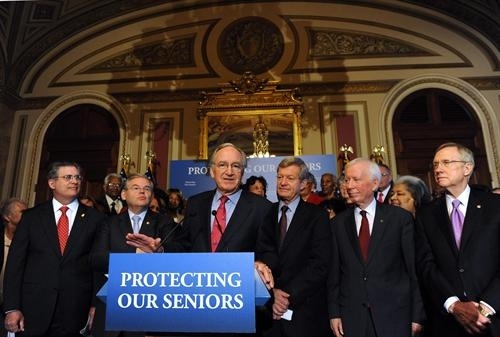
Enter the FDA

The FDA estimates that over 500,000 fewer adverse events will occur over the next 20 years, a result of an expected 50% decrease in drug dispensing and administration errors. The decrease in pain, suffering, and lengths of stay from drug errors is estimated to result in $93 billion in savings over the next 20 years. 

Avoidance of litigation, decreased malpractice premiums, reduction in inventory carrying costs, and increase in revenue from more accurate billing result from the improvement in quality and efficiency of care.

This makes implementation of bar coding technology relatively low-risk, although there needs to be sufficient informatics capability to capture and store drug orders.

Estimated Cost Savings

For a bar coding system, a 300-bed hospital may expect up-front costs of $700,000 to $1.5 million with about $150,000 in maintenance fees annually.  The returns, however, in terms of improved patient safety and cost of care make an investment in bar coding technology one of the more cost-effective information systems investments.

Assessment

Also, given the increasing consumerism in healthcare, prospective patients will be more assured of care quality from a hospital investing in state-of-the-art technology in this area, giving the medical center a competitive advantage.

Conclusion

Thus, hospitals are becoming more like retail businesses every day … finally!

And so, your thoughts and comments on this ME-P are appreciated. Feel free to review our top-left column, and top-right sidebar materials, links, URLs and related websites, too. Then, be sure to subscribe. It is fast, free and secure.

Speaker: If you need a moderator or speaker for an upcoming event, Dr. David E. Marcinko; MBA – Publisher-in-Chief of the Medical Executive-Post – is available for seminar or speaking engagements. Contact: MarcinkoAdvisors@msn.com

Get our Widget: Get this widget!

Our Other Print Books and Related Information Sources:

Practice Management: http://www.springerpub.com/prod.aspx?prod_id=23759

Physician Financial Planning: http://www.jbpub.com/catalog/0763745790

Medical Risk Management: http://www.jbpub.com/catalog/9780763733421

Healthcare Organizations: www.HealthcareFinancials.com

Health Administration Terms: www.HealthDictionarySeries.com

Physician Advisors: www.CertifiedMedicalPlanner.com

Subscribe Now: Did you like this Medical Executive-Post, or find it helpful, interesting and informative? Want to get the latest ME-Ps delivered to your email box each morning? Just subscribe using the link below. You can unsubscribe at any time. Security is assured.

Link: http://feeds.feedburner.com/HealthcareFinancialsthePostForcxos

Sponsors Welcomed

And, credible sponsors and like-minded advertisers are always welcomed.

Link: https://healthcarefinancials.wordpress.com/2007/11/11/advertise

Product DetailsProduct DetailsProduct Details     

2010 Physician Sentiment Index™

Taking the Pulse of the Physician Community

By Ann Miller RN, MHA

[Executive Director]

From time to time, our readers send in e-books, files or e-chapters, pamphlets or other material they have created for client, educational or marketing use. Some of it may be worthwhile; some not so. Nevertheless, these publications are often a good place to start the conversation, or thought-process on related topics.

They will be occasionally offered as a complimentary membership feature of the Medical Executive-Post.

[picapp align=”none” wrap=”false” link=”term=doctors&iid=279612″ src=”0276/0e9a3c11-109e-45f7-8862-39f6ee6676a3.jpg?adImageId=13062844&imageId=279612″ width=”319″ height=”480″ /]

February 2010 Physician Sentiment Index

By athenahealth

By Sermo

Link: Sermo

Disclaimer

No advice is offered. We make no copyright claim to these works. Veracity should be checked and information should be considered time sensitive. Please contact a professional for your situation.

Assessment

Feel free to send in your own material for the benefit of all Medical Executive-Post readers and subscribers.

Conclusion

And so, your thoughts and comments on this ME-P are appreciated. Feel free to review our top-left column, and top-right sidebar materials, links, URLs and related websites, too. Then, be sure to subscribe. It is fast, free and secure.

Get our Widget: Get this widget!

Our Other Print Books and Related Information Sources:

Practice Management: http://www.springerpub.com/prod.aspx?prod_id=23759

Physician Financial Planning: http://www.jbpub.com/catalog/0763745790

Medical Risk Management: http://www.jbpub.com/catalog/9780763733421

Healthcare Organizations: www.HealthcareFinancials.com

Health Administration Terms: www.HealthDictionarySeries.com

Physician Advisors: www.CertifiedMedicalPlanner.com

Subscribe Now: Did you like this Medical Executive-Post, or find it helpful, interesting and informative? Want to get the latest ME-Ps delivered to your email box each morning? Just subscribe using the link below. You can unsubscribe at any time. Security is assured.

Link: http://feeds.feedburner.com/HealthcareFinancialsthePostForcxos

Sponsors Welcomed

And, credible sponsors and like-minded advertisers are always welcomed.

Link: https://healthcarefinancials.wordpress.com/2007/11/11/advertise

Doctors – Are You Using Health 2.0 Tools?

A New ME-P Survey

By Ann Miller RN, MHA

[Executive Director]

Join Our Mailing List

Web, or more specifically health 2.0, tools have made medical practice more interactive and collaborative for all stakeholders; doctors, patients, payers, hospitals, employers and third party insurance companies. 

But, what actually is Health 2.0? Do you embrace or fear it?

A Definition

Link: https://medicalexecutivepost.com/2010/02/19/health-2-0-empowers-patients/

Link: www.HealthDictionarySeries.com

Survey:

Now, it’s your turn.

Doctors, do you use Health 2.0 tools in your own medical practice [all specialties and degree designations are invited to opine]; either in the cloud [SaaS] or thru on-site programs? Please tell us why or why not! What tools do you use, the risks, benefits, results, costs, etc?

Get our Widget: Get this widget!

Our Other Print Books and Related Information Sources:

Practice Management: http://www.springerpub.com/prod.aspx?prod_id=23759

Physician Financial Planning: http://www.jbpub.com/catalog/0763745790

Medical Risk Management: http://www.jbpub.com/catalog/9780763733421

Healthcare Organizations: www.HealthcareFinancials.com

Health Administration Terms: www.HealthDictionarySeries.com

Physician Advisors: www.CertifiedMedicalPlanner.com

Subscribe Now: Did you like this Medical Executive-Post, or find it helpful, interesting and informative? Want to get the latest ME-Ps delivered to your email box each morning? Just subscribe using the link below. You can unsubscribe at any time. Security is assured.

Link: http://feeds.feedburner.com/HealthcareFinancialsthePostForcxos

Sponsors Welcomed

And, credible sponsors and like-minded advertisers are always welcomed.

Link: https://healthcarefinancials.wordpress.com/2007/11/11/advertise

About ReachMD Media

The Center of New Media in Healthcare?

By Staff Reporters

Join Our Mailing List

ReachMD is an innovative communications company that provides thought-provoking medical news and information to healthcare practitioners. Established to help increasingly time-constrained medical providers stay abreast of new research, treatment protocols and continuing education requirements, ReachMD delivers innovative and informative radio programming via XM Satellite Radio Channel 160 and online streaming developed by doctors for doctors.

The Founder

Founded by Dr. David Preskill, a well-known OB/GYN, ReachMD is a communication and education platform that even the busiest clinician can use.

For example, ReachMD’s first innovation was to allow healthcare providers a method to receive education in 15-minute segments on demand by cell phone. Clinicians can call in anytime from any phone to listen to relevant content, answer a few short voice-activated questions and receive CME credit in a completely paperless transaction.

Launch

In April 2007 ReachMD launched the first-ever national radio channel for medical professionals: a platform for clinical discussion, news and education. This content is broadcast 24/7 on XM Satellite Radio channel 160.

In October 2007, ReachMD launched new online streaming access to all programming and CME content and continues to expand the listening audience and deliver on its’ mission of providing the best communication, education and information to America’s medical professionals.

Assessment

ReachMD strives to provide compelling information to the healthcare community in the most convenient formats. So, give em’ a click, and tell us what you think?

http://www.reachmd.com

Conclusion

And so, your thoughts and comments on this ME-P are appreciated Feel free to review our top-left column, and top-right sidebar materials, links, URLs and related websites, too. Then, be sure to subscribe. It is fast, free and secure.

Speaker: If you need a moderator or speaker for an upcoming event, Dr. David E. Marcinko; MBA – Publisher-in-Chief of the Medical Executive-Post – is available for seminar or speaking engagements. Contact: MarcinkoAdvisors@msn.com

Get our Widget: Get this widget!

Our Other Print Books and Related Information Sources:

Practice Management: http://www.springerpub.com/prod.aspx?prod_id=23759

Physician Financial Planning: http://www.jbpub.com/catalog/0763745790

Medical Risk Management: http://www.jbpub.com/catalog/9780763733421

Healthcare Organizations: www.HealthcareFinancials.com

Health Administration Terms: www.HealthDictionarySeries.com

Physician Advisors: www.CertifiedMedicalPlanner.com

Subscribe Now: Did you like this Medical Executive-Post, or find it helpful, interesting and informative? Want to get the latest ME-Ps delivered to your email box each morning? Just subscribe using the link below. You can unsubscribe at any time. Security is assured.

Link: http://feeds.feedburner.com/HealthcareFinancialsthePostForcxos

Sponsors Welcomed

And, credible sponsors and like-minded advertisers are always welcomed.

Link: https://healthcarefinancials.wordpress.com/2007/11/11/advertise

Marketing of Physicians by Hospitals

National Survey Results 

ADVERTISEMENT

By Michele von Dambrowski

Dear ME-P Readers and Colleagues,

Thank you for your participation in the National Survey on Marketing of Physicians by Hospitals.  With your valuable input, we have been able to greatly enhance the understanding of how hospitals and health systems are promoting both employed and community physicians.

The Results

Over 300 people participated, far exceeding our expectations.  As promised, survey results can be downloaded from Strategic Health Care Marketing, right here:

Link: SurveyReport-MarketingPhysicians

Audio Conference Invitation

Because of the significance of the survey findings and other acquired information, we have decided to hold a special audio conference on Thursday, June 24 at 1:30 p.m. Eastern Time. Titled “Marketing Physicians and Driving Hospital Revenue,” the 90-minute audio conference will cover survey implications and information gathered from follow-up phone calls with participants. Three marketing professionals will also discuss their successful marketing programs.

Assessment

To learn more about the special audio conference, go to: www.strategichealthcare.com/audioconfs/marketingphysicians.php.

As a survey participant, you are entitled to a $25 discount. After you register, just send me an e-mail indicating you participated in the survey and we’ll apply the discount.

Channel Surfing the ME-P Have you visited our other topic channels? Established to facilitate idea exchange and link our community together, the value of these topics is dependent upon your input. Please take a minute to visit. And, to prevent that annoying spam, we ask that you register. It is fast, free and secure.

Conclusion

Your thoughts and comments on this ME-P are appreciated. Feel free to review our top-left column, and top-right sidebar materials, links, URLs and related websites, too. Then, subscribe to the ME-P. It is fast, free and secure.

Speaker: If you need a moderator or speaker for an upcoming event, Dr. David E. Marcinko; MBA – Publisher-in-Chief of the Medical Executive-Post – is available for seminar or speaking engagements. Contact: MarcinkoAdvisors@msn.com

OUR OTHER PRINT BOOKS AND RELATED INFORMATION SOURCES:

Product DetailsProduct Details

The DDS / Doctor [Salesman] will See [Up-Sell] you Now

Blurring the Line between Medical Professionalism … and Mercantilism

By Dr. David Edward Marcinko; MBA, CMP™

[Publisher-in-Chief]

Concerns and complaints about pushy dentists are apparently becoming more numerous among consumers, as elective cosmetic treatments and marginally effective tests and modalities are increasingly available from the same providers that patients formerly turned to for unbiased dental advice and oral healthcare. All for a price!

http://www.msnbc.msn.com/id/37198272/ns/health-oral_health

So, enter the cosmetic [rank-and-file] dentists and the elective renaissance of the profession – at least economically. An entire industry has even sprung up teaching dentists how to sell various products, and up-sell related services and procedures.

[picapp align=”none” wrap=”false” link=”term=dentists&iid=166771″ src=”0163/1731b859-b744-4a0e-b055-a9e985ad8673.jpg?adImageId=12959860&imageId=166771″ width=”372″ height=”459″ /]

Root-Cause [pun intended]  

Why is this happening? Economics of course! Dental profession success in eradicating cavities, caries and other common mouth disorders – which used to comprise 80% of dental procedures and income – is now a two-edge sword working against their financial self interests … damn!

In fact, I recall about three decades ago when the situation first became acute, as more than a few of our nation’s dental schools closed for lack of interest in matriculation. Right here in Atlanta, the prestigious Emory University School of Dentistry closed its doors while I myself was a patient there; and employed as a surgical resident at a nearby acute care hospital. Contemporaneous cocktail party talk and medical gossip centered on the “death of dentistry” as I exhaled a sigh of relief at my career choice.

Going forward, years later, far too many managed care contracts reimbursed so poorly that they became a loss-leader [access portal to a patient population] for dental practitioners. In other worlds, lose money or break-even on the covered services contract, but profit handsomely by offering [pushing] non-covered services to cohort contract members … and their sphere of influence.

One Word from Mrs. Robinson – Plastics

Plastic surgeons, of course, are still the doctors most commonly associated with non-covered and purely cosmetic and elective treatments such as Botox injections, facelifts and tummy tucks. But, similar elective procedures — which generally aren’t covered by insurance — are being offered by a wide variety of medical specialists.

For example, many dermatologists, who treat patients for skin cancer and other diseases, also promote treatments to smooth wrinkles, lighten age spots and remove hair. Otolarnygologists, who care for patients with conditions of the ear, nose and throat, commonly perform nose jobs, brow lifts and eyelid surgery. And, podiatrists, who are often experts at foot reconstructive, diabetic and ankle surgery, sell shoes, shoe-inserts, laser beam treatments for fungus toenails and various cosmetic and prosthetic devices for deformed toenails and crooked digits.

Medicare Limits – Privates Don’t

At least Medicare requires an ABN [advanced beneficiary notice] for non-covered medical services, and limits non-participating doctors to 115% of the Medicare fee schedule for all providers. Increasingly, some private health plans are doing and proposing, same.  

Practice Management Guru

Now, I have no issue with efficient medical practice management operations, for any specialty. In this era of managed care and health 2.0, governmental intervention is onerous, competition is fierce and patient empowerment is reversing the aging command-control medical establishment. Nor, do I have a problem with offering the entire range of therapeutic and/or elective options to any patient. This is a “good – better – best” elective marketing concept.

In fact, the third edition of our best-selling book, the Business of Medical Practice [Transformational Health 2.0 Skills for Doctors] will soon be released this autumn www.BusinessofMedicalPractice.com. In it, we seek to educate doctors about modern business, management and economics practices; as well as the emerging participatory health 2.0 philosophy and information technology skills. Our goal is enhancing the survival potential of the independent practicing medical professional.

But, the ever expanding menu of treatment options – promoted by a trusted medical professional – should include procedural risks and complications, period of recovery and alternatives, including benign neglect [watchful waiting], marginal benefit and marginal utility, as well as price transparency.

Call this new-wave litany, a type of “informed patient business consent”.

[picapp align=”none” wrap=”false” link=”term=doctor+money&iid=182012″ src=”0178/66353b45-9776-48b9-9bdd-2993a48f32bf.jpg?adImageId=12959922&imageId=182012″ width=”372″ height=”459″ /]

Aphorisms of the Past

Over the years, we have heard phrases like the following from all sorts of independent specialists. I know I have, and so have you. Many are the butt of “insider” jokes:

MD: I’m sure that appendix is hot – I have a car payment to make

DPM: Even the normal foot can be surgically improved

DO: Now, I can bill like a real MD

DDS: We can straighten out – the straightest teeth

DC: I’ll crack your back in only forty sessions … and I finance

But, these are aphorisms of the last-generation. Today we are responsible adults. Let’s grow up and become medical professionals and “DOCTORS” again … not healthcare merchants, sales sharks or equipment shills that offer strategic competitive advantages; but not real patient benefits.  

Join Our Mailing List

Assessment

The old practice management business adage of yesteryear – to work longer hours, see more patients quicker, up-sell marginally effective procedures, or do more treatments in order to realize more income – will not necessarily hold true in the modern era.

http://www.washingtonpost.com/wp-dyn/content/article/2010/05/17/AR2010051703034.html

According to colleague, financial advisor and ME-P thought leader Brian J. Knabe MD – a primary care physician and current www.CertifiedMedicalPlanner.com matriculant – and textbook chapter 27 co-author on physician compensation and salary:

In the environment of Healthcare 2.0, those doctors who embrace efficiency, innovation and appropriate business models will be better positioned to optimize their incomes. 

http://businessofmedicalpractice.com/chapter-27-salary-compensation-2/

Conclusion

Comments from our dental – and other – physician readers are requested. And, so are your general or specific thoughts on this ME-P. Feel free to review our top-left column, and top-right sidebar materials, links, URLs and related websites, too. Then, be sure to subscribe. It is fast, free and secure.

Speaker: If you need a moderator or speaker for an upcoming event, Dr. David E. Marcinko; MBA – Publisher-in-Chief of the Medical Executive-Post – is available for seminar or speaking engagements. Contact: MarcinkoAdvisors@msn.com

Get our Widget: Get this widget!

Our Other Print Books and Related Information Sources:

Practice Management: http://www.springerpub.com/prod.aspx?prod_id=23759

Physician Financial Planning: http://www.jbpub.com/catalog/0763745790

Medical Risk Management: http://www.jbpub.com/catalog/9780763733421

Healthcare Organizations: www.HealthcareFinancials.com

Health Administration Terms: www.HealthDictionarySeries.com

Physician Advisors: www.CertifiedMedicalPlanner.com

Subscribe Now: Did you like this Medical Executive-Post, or find it helpful, interesting and informative? Want to get the latest ME-Ps delivered to your email box each morning? Just subscribe using the link below. You can unsubscribe at any time. Security is assured.

Link: http://feeds.feedburner.com/HealthcareFinancialsthePostForcxos

Sponsors Welcomed

And, credible sponsors and like-minded advertisers are always welcomed.

Link: https://healthcarefinancials.wordpress.com/2007/11/11/advertise

Survey for Physicians and Health Industry Leaders

Tell Us What You Think!

By Staff Reporters

Join Our Mailing List 

Your Subjective Impressions

The Medical Executive-Post would like to hear your insights on the most pressing issues facing doctors, physician and nurse-executives, CXOs and healthcare administrators. Your insight and comments will aid us in our continued commitment to develop content and features that best fit your needs, and the needs of the organizations you lead.

Assessment

And so; as a member of the healthcare industrial complex, what keeps you up at night? Is it controlling costs? Obtaining and retaining quality physicians, nurses and medical providers? Implementing clinical quality initiatives, etc?

Plan

Tell us what you think.

Get our Widget: Get this widget!

Our Other Print Books and Related Information Sources:

Practice Management: http://www.springerpub.com/prod.aspx?prod_id=23759

Physician Financial Planning: http://www.jbpub.com/catalog/0763745790

Medical Risk Management: http://www.jbpub.com/catalog/9780763733421

Healthcare Organizations: www.HealthcareFinancials.com

Health Administration Terms: www.HealthDictionarySeries.com

Physician Advisors: www.CertifiedMedicalPlanner.com

Subscribe Now: Did you like this Medical Executive-Post, or find it helpful, interesting and informative? Want to get the latest ME-Ps delivered to your email box each morning? Just subscribe using the link below. You can unsubscribe at any time. Security is assured.

Link: http://feeds.feedburner.com/HealthcareFinancialsthePostForcxos

Sponsors Welcomed

And, credible sponsors and like-minded advertisers are always welcomed.

Link: https://healthcarefinancials.wordpress.com/2007/11/11/advertise

CRM Considerations for a Health 2.0 Medical Practice

Join Our Mailing List

The Build vs. Buy vs. Outsource Conundrum

By DeeVee Devarakonda MBA

There are several options to build, buy or outsource a medical practice Customer Resource Management infrastructure. And, there are advantages and disadvantages to all three options. I will review all three for our ME-P readers. 

Build:

Rapid technology advances are transforming the business landscape. This makes it very challenging for healthcare organizations to keep abreast of the technologies, to train and manage resources on tools, to grapple with cross-functional, cross-departmental dynamics and build the CRM application. In addition mergers/ acquisitions and other market realities can make CRM operations complex and distract healthcare organizations from delivering excellent patient experience.

It is very tempting for small healthcare organizations to think they can develop what they need in-house themselves. May be May be not. It is very essential to stay focused on your main business and see if the solution is available elsewhere. Figure out if you are in the business of whatever you are doing or let us say in the business to develop patient survey tool or a low-end database. It is best to get outside help wherever you are dealing with an initiative/ task that is not your core competence or where it is to your strategic advantage- be it time-to-value or cost savings.

Buy:

Depending on your business needs you can either buy CRM package solution and implement or build best of breed solutions that are suited to your business needs. You need to pay very close attention to what the software vendors are promising. Naturally they will be more interested in making the sale, than advising on whether it integrates well with your existing technologies, so the onus is on you as a buyer to ask the right questions and make appropriate purchases.

Outsource:

Especially for very young healthcare organizations today, outsourcing can be an option worth exploring to de-risk technology decisions. Outsourcing de-risks marketing program – avoids unnecessary, upfront, massive capital investment and will also equip the marketers with the flexibility to ramp up or down as situation demands. Outsourcing does not mean healthcare organizations can wash their hands off the CRM function. Still it is the business that will have to provide the strategic direction and control the CRM process and outcome. There are also Application Service Provider (ASP) solutions which de-risk technology decisions.

Assessment

One of the attractions of going the hosted route becomes very clear when you have a two doctor practice marketing medical services that require 24×7 availability of information, transaction and service. They have attractive pricing that encourage “pay as you go” paradigm which is of enormous help to young businesses. However, the disadvantages of an ASP [SaaS] are: 1) you can’t integrate with your other enterprise systems for patient 360-degree view 2) you can’t customize to reflect your exact needs 3) you can’t work offline, which can be a disadvantage if you are a mobile “new-wave” medical practice.

MORE: CRM Marketing

Channel Surfing the ME-P

Have you visited our other topic channels? Established to facilitate idea exchange and link our community together, the value of these topics is dependent upon your input. Please take a minute to visit. And, to prevent that annoying spam, we ask that you register. It is fast, free and secure.

Conclusion

Your thoughts and comments on this ME-P are appreciated. Feel free to review our top-left column, and top-right sidebar materials, links, URLs and related websites, too. Then, subscribe to the ME-P. It is fast, free and secure.

Speaker: If you need a moderator or speaker for an upcoming event, Dr. David E. Marcinko; MBA – Publisher-in-Chief of the Medical Executive-Post – is available for seminar or speaking engagements. Contact: MarcinkoAdvisors@msn.com

OUR OTHER PRINT BOOKS AND RELATED INFORMATION SOURCES:

Product DetailsProduct Details

***

Become a Whistle Blower in the Healthcare Industrial Complex

Have You Ever Worked in the Medical Profession?

By Ann Miller; RN, MHA

[Executive-Director]

Join Our Mailing List

If you ever worked for a private medical practice, health insurance company, third party administrator or payer, hospital, public health clinic, VA or anywhere else in the healthcare space, we’d like to hear from you.

Tell the Medical Executive-Post about your work conditions, doctors or nurses, management shenanigans, or the politics and your observations of what is happening at your healthcare organization. Gossip, insider information, knowledge, personal opinion, insight or related hearsay – both positive and negative – is sought.

The clinical, financial, legal, insurance, pharma or administrative scenes are all fertile grounds for exposure and transparency. You may remain an anonymous tipster, or we will publish your identity upon request for additional credibility.

Please email MarcinkoAdvisors@msn.com or call us at: 770.448.0769

Please contact us today: MarcinkoAdvisors@msn.com

Conclusion

Your thoughts and comments on this ME-P are appreciated. Feel free to review our top-left column, and top-right sidebar materials, links, URLs and related websites, too. Then, subscribe to the ME-P. It is fast, free and secure.

Link: http://feeds.feedburner.com/HealthcareFinancialsthePostForcxos

Speaker: If you need a moderator or speaker for an upcoming event, Dr. David E. Marcinko; MBA – Publisher-in-Chief of the Medical Executive-Post – is available for seminar or speaking engagements. Contact: MarcinkoAdvisors@msn.com

OUR OTHER PRINT BOOKS AND RELATED INFORMATION SOURCES:

LEXICONS: http://www.springerpub.com/Search/marcinko
PHYSICIANS: www.MedicalBusinessAdvisors.com
PRACTICES: www.BusinessofMedicalPractice.com
HOSPITALS: http://www.crcpress.com/product/isbn/9781466558731
CLINICS: http://www.crcpress.com/product/isbn/9781439879900
ADVISORS: www.CertifiedMedicalPlanner.org
BLOG: www.MedicalExecutivePost.com

Product DetailsProduct DetailsProduct Details

Exploring Career Change for Physicians

ADVERTISEMENT

Join Our Mailing List

About the Medical Fusion Conference

By Staff Reporters

Physician career change is the focus of the Medical Fusion conference. Non-clinical jobs, medical journalism, medical informatics, physician entrepreneurs, medical device development, and venture capital are all topics that will be covered at this exciting new event.

For all Specialties and Physicians

Whether you are a medical resident who wants to learn about all of the possibilities available to you or a retired physician looking for entrepreneurial side ventures, this is the conference for you. Medical Fusion reports to supply the tools necessary to take your career to the next level.

Non-Clinical Careers

Medical Fusion is for physicians interested in exploring non-clinical career opportunities. Designed to teach physicians how to leverage their medical training and expand their careers, participants receive training from experts with practical knowledge on a variety of non-clinical subjects.

A Tool Box 4 a Black Bag

Medical Fusion is designed as a “tool box” for the modern physician. Clinical physicians today need to know how to leverage their clinical training in new and unique ways. Medical Fusion provides broad exposure to a variety of niche areas, leaving participants with practical steps to begin crafting the career they’ve always wanted. Come learn from physicians who’ve already developed their own unique careers.

Assessment

Medical Fusion is a new medical event for physicians, by physicians.

Link: http://medfusionconf.com/home/tabid/122/Default.aspx

Conclusion

And so, your thoughts and comments on this ME-P are appreciated. Are you a physician seeking a career change away from clinical medicine? Tell us your experiences to-date. Feel free to review our top-left column, and top-right sidebar materials, links, URLs and related websites, too. Then, be sure to subscribe. It is fast, free and secure.

Link: http://feeds.feedburner.com/HealthcareFinancialsthePostForcxos

Speaker: If you need a moderator or speaker for an upcoming event, Dr. David E. Marcinko; MBA – Publisher-in-Chief of the Medical Executive-Post – is available for seminar or speaking engagements. Contact: MarcinkoAdvisors@msn.com

Get our Widget: Get this widget!

Our Other Print Books and Related Information Sources:

Practice Management: http://www.springerpub.com/prod.aspx?prod_id=23759

Physician Financial Planning: http://www.jbpub.com/catalog/0763745790

Medical Risk Management: http://www.jbpub.com/catalog/9780763733421

Healthcare Organizations: www.HealthcareFinancials.com

Health Administration Terms: www.HealthDictionarySeries.com

Physician Advisors: www.CertifiedMedicalPlanner.com

Subscribe Now: Did you like this Medical Executive-Post, or find it helpful, interesting and informative? Want to get the latest ME-Ps delivered to your email box each morning? Just subscribe using the link below. You can unsubscribe at any time. Security is assured.

Link: http://feeds.feedburner.com/HealthcareFinancialsthePostForcxos

Sponsors Welcomed

And, credible sponsors and like-minded advertisers are always welcomed.

Link: https://healthcarefinancials.wordpress.com/2007/11/11/advertise

Product DetailsProduct DetailsProduct Details

Why Practicing Medicine is More than just a Paycheck

Your Healthcare Career Evaluation

By Eugene Schmuckler PhD, MBA

By Dr. David E. Marcinko MBA

www.MedicalBusinessAdvisors.com

Studs Turkel, in his outstanding book Working, makes the comment that work is the mechanism by which many of us get our daily bread and our daily purpose. If this is to be the case then the workplace needs to offer us something more than a paycheck. The Wilson Learning Corporation surveyed 1500 people asking “If you had enough money to live comfortably for the rest of your life, would you continue to work? Seventy percent said that they would continue to work, but 60 percent of those said they would change jobs and seek “more satisfying” work.

Auto Career Advisor

Each of us has in fact been put in charge of our own careers. Our personal career management is a lifelong process. Our task is to be able to discover our place in the world where we will be able to enjoy a high level of wellness. This requires us to now assess our career, not from the eyes of the sixteen year old who initially chose the career. The career you are now pursuing needs to be compatible with your own unique skills, knowledge, personality and interests. It is important to keep in mind that no one is married to his or her job. When it comes to the workplace most of us are in dating relationships.

A Medical Career Worth Examined

As part of your examining your current medical career, answer the following questions: Why do you work? What does work mean to you? What do you want from work?

Research shows that most people work for three major reasons. The first of these is money. Not only is this necessary for our most basic needs it also serves as a means of determining our self-image. A second reason is to be with other people. Being at work enables us to belong, to be part of something beyond ourselves. We become part of a team. Some offices consider co-workers to be part of an extended family. The work setting affords us the opportunity for receiving feedback, recognition and support. The third most often given reason is that work validates us as people if we consider what we do as having meaning. “I chose the medical profession so as to make a difference.” Individuals with career success have a sense of purpose, a feeling that their work has meaning and contributes to a worthwhile cause. This is not a trick question. How well does what you do in your office every day meet your needs for money, affiliation and meaning?

sf

Job Purpose

Without a sense of purpose on the job the chances are that your performance while adequate will not place you in the excellent category. Therefore, it is necessary for each and every one of us to be able to succinctly answer the question, “What is the purpose of your job?” That is a tough question to answer.

As a medical professional you may have seen what you considered to be the purpose of your job radically changed due to changes in the way services are now delivered. While we cannot bring back the past we can work around the present. Think about this for a moment, “If you want something to happen make a space for it.”4 What this means that whether you remain in your current profession or move elsewhere there is a need for you to establish long-range, medium-range, short-range, mini, and micro goals.

Long Term

Long-range goals are those concerned with the overall style of life that you wish to live. Regardless of your current age these goals are necessary. Long-range goals don’t need to be too detailed, because like the federal budget surplus, changes will come along. Just as the government is making projections into the future you too need to be making projections including but not limited to retirement.

Medium Term

Medium-range goals are goals covering the next five years or so. These are the goals that include the next step in your career. These are goals over which we have control and we are able to monitor them and see whether we are on track to accomplishing them and modify our efforts accordingly.

Short Term

Short-range goals generally cover a period of time about one month to one year from now. These are goals that can be set quite realistically and we are able to see fairly quickly whether or not we are on track to reaching them. We don’t want to set these goals at impossible levels but we do want to stretch ourselves. After all, that is the reason you are probably reading this chapter.

Mini-Goals

Mini-goals are those goals covering from about one day to one month. Obviously we have much greater control over these goals than you do over those of a longer-term. By thinking in small blocks of time there is much more control over each individual unit.

Micro-Goals

Micro-goals are goals covering the next 15 minutes to an hour. These are the only goals over which you have direct control. Because of this direct control, micro-goals, even though modest in impact, are extraordinarily important, for it is only through these micro-goals that you can attain your larger goals. If you don’t take steps toward your long-range goals in the next 15 minutes, when will you? The following 15 minutes? The 15 minutes after that? Sooner or later, you have to pick 15 minutes and get going. At some point procrastination has to be put aside.5

Personal Assets Evaluation

In thinking of your goals it now becomes necessary to evaluate your personal assets. Conducting this personal inventory requires you to identify your assets as well as your shortcomings. First, look at a time in your life when you were performing at your best. What were your thoughts and feelings? How did you behave? What were you doing? Now look at the reverse when you were doing poorly. What were your thoughts and feelings at that time? How did you behave? What were you doing?

If you are like others when you were at your best you described yourself as being confident, enthusiastic, organized, relaxed, focused, in control, friendly and decisive. The flip side, when at your worst you were fearful, apathetic, messy, anxious, lacking direction, out of control, argumentative and frustrated.

As you can see the emotions when we are at our best are all positive. This leads to the conclusion that it is to our advantage to be at our best as much as possible. Being at our best derives from working in those areas where we contribute our talents to something we believe in.  As we continue our own personal inventory we need to look at our special abilities. That is, what are you good at and find easy to do. Think of the following questions. It’s not necessary to write down you answers just think about them.

  1. How would you like to be remembered?
  2. What have you always dreamed of contributing to the world?
  3. Looking back on your life, what are some of your major contributions?
  4. When people think of you, what might they say are your most outstanding characteristics?
  5. What do you really want from your life and your work?
  6. In what way may you still feel limited by the past? If so, by what?
  7. What will it take to let go of what has happened, no matter how good or bad? Are you willing to let go?
  8. How might the rut of conformity or comfort be limiting you? Why?
  9. How different do you really want life to be? Why.
  10. Have you ever stated what it is you truly desire? If no, why not?
  11. How good could stand life to be?

doctors

Career Changers

Thinking about remaining in your present career or moving into another one is not easy. You are at the edge of a cliff and need to decide if you are going to turn back or to trust in yourself to successfully make it down to the bottom. People who are afraid of the dark lose their fear with just the slightest of a light in the room. As you have been going through this chapter you have been shining a light, however dim it may appear to you. You can see all of the items around you. The obstacles are there but with your advance knowledge you can anticipate ways to avoid them.

Personal Analysis

Having looked at and possibly re-evaluated your plans you can now do a thorough analysis of your assets. The assets requiring the most scrutiny are the following:

  1. Your talents and skills
  2. Your intelligence
  3. Your motivation
  4. Your friends
  5. Your education
  6. Your family

Your talents and skills are more than likely what has gotten you to the point you are at in your present career. For purposes of definition talents are innate, skills are acquired. Some have talent in interpersonal relations and some in artistic pursuits. Skills may be selected to complement the already present talents. It is skills that are necessary for expanding your options. As you seek out new skill areas ask yourself these questions. Do the skills provide occupational relevance? Might you be able to get others to pay you to teach them the skill? Will the skill be useful throughout life? Will the skill help you conquer new environments and gain new experiences? And, of course, Is it something you like to do?

Intelligence

Intelligence is considered to be the ability of the individual to cope with the world. Originally, intelligence focused primarily in the area of cognitive skills. Recently attention has been directed to what is called emotional intelligence, a concept that directs attention to social skills. Whether you were able to breeze through your courses in college or you truly had to work hard, earning your degrees demonstrates a better than average amount of cognitive intellectual ability. In order to maximize your brainpower, challenge yourself regularly.

Motivation

Motivation looks at how hard you are willing to work, your level of persistence, and the degree to which you want to do well. Different things motivate each of us and our personal motivators can vary from day to day. How many times have you had people say that they could not do your job? What are the activities that are attractive to you? More than likely an important motivator for you is to do something worthwhile. It has also been found that we tend to perform at about the same level as those people who are close to us. What this means is that those people with whom you work are going to have s substantial impact on your motivation.

Friends

Friends of course are invaluable assets. We use our friends as models for our own behavior. Those persons we consider friends share many of our attitudes, actions and opinions. With time we will change to be like our friends and they will change to become like us. Associating with those like us tends to temper our behavior. We try not to associate with the “wrong crowd” lest we become like them.

Education

Education needs to be ongoing. Recently, it was reported “all careers and businesses will be transformed by new technologies in often unpredictable ways. The era of the entrepreneur will make ‘boutique’ businesses more competitive with the behemoths, as mid-sized institutions get squeezed out. And medical break-throughs and the ongoing health movement will enhance-and extend-people’s lives.”[1] The implication of these changes is that new technologies often require a higher level of education and training to use them effectively and new biotechnology jobs will open up. The authors state that all the technological knowledge we work with today will represent only 1 percent of the knowledge that will be available in 2050. The half-life of an engineer’s knowledge today is only five years; in ten years, 90 percent of what an engineer knows will be available on the computer. In electronics, fully half of what a student learns as a freshman is obsolete by his or her senior year. The implication here is that all of us must get used to the idea of lifelong learning.

Join Our Mailing List

Assessment

Finally, family influences who and what we are and do. They can be a support group or they can be a deterrent to your goals. It is incumbent on every individual reading this chapter to consult with immediate family members at all stages of your career planning process.

Conclusion

And so, your thoughts and comments on this ME-P are appreciated. What career stage are you in currently; and are you satisfied-why or why not? Is practicing medicine more than a paycheck?

Feel free to review our top-left column, and top-right sidebar materials, links, URLs and related websites, too. Then, be sure to subscribe. It is fast, free and secure.

Link: http://feeds.feedburner.com/HealthcareFinancialsthePostForcxos

Note Dr. Gene Schmuckler is director of behavior economics for www.CertifiedMedicalPlanner.com, as well as www.MedicalBusinessAdvisors.com. He is an expert on physician career re-engineering, and a retired Professor of Organizational Behavior who taught Dr. Marcinko [our Publisher-in-Chief] in business school, almost two decades ago. He contributed the chapter on physician leadership and personal branding in the third edition of the upcoming book: www.BusinessofMedicalPractice.com to be released in the autumn of 2010.

Speaker: If you need a moderator or speaker for an upcoming event, Dr. David E. Marcinko and Dr. Schmuckler, are available for seminar or speaking engagements.

Contact: MarcinkoAdvisors@msn.com

Subscribe Now: Did you like this Medical Executive-Post, or find it helpful, interesting and informative? Want to get the latest ME-Ps delivered to your email box each morning? Just subscribe using the link below. You can unsubscribe at any time. Security is assured.

Link: http://feeds.feedburner.com/HealthcareFinancialsthePostForcxos

Sponsors Welcomed

And, credible sponsors and like-minded advertisers are always welcomed.

Link: https://healthcarefinancials.wordpress.com/2007/11/11/advertise


4 Campbell, D. If You Don’t Know Where You are Going You’ll Probably End Up Somewhere Else, Niles, IL: Argus Communications, 1974.

5 Campbell, D. op. cit.

[1] The Futurist, March–April 2001.

Product DetailsProduct Details

What About DNA Day?

Join Our Mailing List

Real Celebration or Promotional Stunt

[By Staff Reporters]

Did you know that last week, in celebration of DNA day, the personal genomics company 23andme offered a sizable discount for its complete edition kit?

The Kit

The information provided to consumers is extensive. With the kit, the company promised access to the following kinds of data and information:

  • Ancestry information – relative finder, maternal lines
  • Healthcare – Disease risk, carrier status, drug response, traits
  • Raw genetic data

Assessment

Read more by Phil Baumann RN, right here:

http://philbaumann.com/2010/04/29/is-your-genome-a-controlled-substance/?utm_source=feedburner&utm_medium=email&utm_campaign=Feed%3A+PhilBaumann+%28Phil+Baumann%29

Conclusion

Your thoughts and comments on this ME-P are appreciated. Feel free to review our top-left column, and top-right sidebar materials, links, URLs and related websites, too. Then, subscribe to the ME-P. It is fast, free and secure.

Speaker: If you need a moderator or speaker for an upcoming event, Dr. David E. Marcinko; MBA – Publisher-in-Chief of the Medical Executive-Post – is available for seminar or speaking engagements. Contact: MarcinkoAdvisors@msn.com

OUR OTHER PRINT BOOKS AND RELATED INFORMATION SOURCES:

Dictionary of Health Insurance and Managed Care

Product DetailsProduct DetailsProduct Details

***

Understanding the Medical Career Choice!

Regrets and Recriminations – or Joy and Bliss?

By Eugene Schmuckler PhD, MBA

http://www.CertifiedMedicalPlanner.org

By Dr. David E. Marcinko MBA

www.MedicalBusinessAdvisors.com

Join Our Mailing List 

Jimmy’s mother called out to him at seven in the morning, “Jimmy, get up. It’s time for school.” There was no answer. She called again, this time more loudly, “Jimmy, get up! It’s time for school!” Once more there was no more answer. Exasperated, she went to his room and shook him saying, “Jimmy, it’s time to get ready for school.”

He answered, “Mother, I’m not going to school. There are fifteen hundred kids at that school and every one of them hates me. I’m not going to school.”

“Get to school!” she replied sharply.

“But, Mother, all the teachers hate me, too. I saw three of them talking the other day and one of them was pointing his finger at me. I know they all hate me so I’m not going to school,” Jimmy answered.

“Get to school!” his mother demanded again.

“But mother, I don’t understand it. Why would you want to put me through all of that torture and suffering?” he protested.

“Jimmy, for two good reasons,” she fired back. “First, you’re forty-two years old. Secondly, you’re the principal.”

Similar Physician Sentiments

Many of us have had conversations with medical colleagues at which time sentiments of those expressed by Jimmy have been voiced. The career choice that was made many years ago is now, for some reason, no longer as exciting, interesting and enjoyable, as it was when we first began in the field. The career that was undertaken with great anticipation is now something to dread.

The reason for this is occurrence is not that difficult to understand. Two of the most important decisions individuals are asked to make are ones for which the least amount of training is offered: choice of spouse and choice of career. How many college students receive a degree in the field they identified when they first enrolled at the college or university? In fact, how many entering freshmen list their choice of major as undecided? It is only during the sophomore year when a major must be declared is the choice actually made. So, career choices made at the age of 19 might be due to having taken a course that was interesting or easy, appeared to have many entry level jobs, did not require additional educational or professional training requirements, or was a form of the “family business.” Now as an adult, the individual is functioning in a career field that was selected for him or her by an eighteen-year-old.

Judging Career Success

How do we judge career success? A career represents more than just the job or sequence of jobs we hold in a lifetime. The typical standard for a successful career is by judging how high the individual goes in the organization, how much money is earned, or one’s standing attained in the medical profession.

Yet, career success actually needs to be judged on several dimensions. Career adaptability refers to the willingness and capacity to change occupations and/or the work setting to maintain a standard of career progress.  Many of you did not anticipate the managed care, Health 2.0, or political changes in your chosen medical profession, or specialty, when you began your training.

A second factor is career attitudes. These are your own attitudes about the work itself, our place of work, your level of achievement, and the relationship between work and other parts of your life.

Medical Career Identity

Career identity is that part of your life related to occupational and organizational activities. This is the unique way in which we believe that we fit into the world. Our career is only one part of our being. We play many roles in life each of which combine to make up or totality. At any point in time one role may be more important than another [life saving physicians versus retail sales clerk]. The importance of the roles will generally change over time. Thus at some point you may choose to identify more with your career, and at other times, with your family.

inheritance

Career Performance

A final factor is career performance, a function of both the level of objective career success and the level of psychological success.  How much you earn and your reputation factor into, and reflect, objective career success. To be recognized as a “leader” in a medical field and asked to submit chapters for inclusion in text-books, medical journals or new-wave blogs such as this may be a more important indicator of career success than money.

Psychological success is the second measure of career performance. It is achieved when your self-esteem, the value you place on yourself, increases. As you can see, there is a direct relationship between psychological success and objective success. It may increase as you advance in pay and status at work or decrease with job disappointment and failure. Self-esteem may also increase as one begins to sense personal worth in other ways such as family involvement or developing confidence and competence in a particular field, such as consistently shooting par on the golf course. At that point, objective career success may be secondary in your life. This is why many people choose to become active in their church or in politics. Even though one may have slowed down on the job, or in their professional career they can be extremely content with their life.

Case Model Scenario

Consider the following situation.

You are traveling on business. Although you are on a direct flight, you have a one-hour layover before the second leg of the flight and your final destination. Leaving the plane, after having placed the “occupied” card on your seat you walk down the concourse. On the way, you encounter a friend that you knew in high school. The two of you sit to have a cup of coffee and then you realize that your departure time is rapidly approaching. In fact, you will be cutting it quite close. Running down the concourse you return to the gate only to find that the door has been closed, the jetway is being retracted and the plane is being backed away from the gate. You stare out the window watching the plane go to the end of the runway and then begin its takeoff. Something goes horrible wrong and the plane crashes on takeoff, bursting into flames. It is apparent that there will be no survivors.

Join Our Mailing List

Assessment

To the world you are on that plane (remember the occupied card). Traveling on business your generous insurance policy will be activated. In anticipation of being in a location where they may not have ATM machines you have a good deal of cash, sufficient for at least a month.

Conclusion

Your thoughts and comments on this ME-P are appreciated. Feel free to review our top-left column, and top-right sidebar materials, links, URLs and related websites, too. Then, subscribe to the ME-P. It is fast, free and secure.

Link: http://feeds.feedburner.com/HealthcareFinancialsthePostForcxos

Speaker: If you need a moderator or speaker for an upcoming event, Dr. David E. Marcinko; MBA – Publisher-in-Chief of the Medical Executive-Post – is available for seminar or speaking engagements. Contact: MarcinkoAdvisors@msn.com

OUR OTHER PRINT BOOKS AND RELATED INFORMATION SOURCES:

DICTIONARIES: http://www.springerpub.com/Search/marcinko
PHYSICIANS: www.MedicalBusinessAdvisors.com
PRACTICES: www.BusinessofMedicalPractice.com
HOSPITALS: http://www.crcpress.com/product/isbn/9781466558731
CLINICS: http://www.crcpress.com/product/isbn/9781439879900
BLOG: www.MedicalExecutivePost.com
FINANCE: Financial Planning for Physicians and Advisors
INSURANCE: Risk Management and Insurance Strategies for Physicians and Advisors


McNally, D. Even Eagles Need A Push, New York, NY: Delacorte Press, 1991.

Product DetailsProduct DetailsProduct Details

Product Details  Product Details

   Product Details

Invite Dr. Marcinko

***

How to Post on the ME-P

A Post is not a Comment

By Ann Miller; RN, MHA

[Executive Director]

The number of comments to our ME-P posts has increased of late, and we are grateful.

Now, an increasing number of subscribers, readers and visitors are asking how they might contribute an original or modified post [not comment to a post] for our target MEP audience. And so, we offer the following guidelines.

Essay Format

Essays should be original and may not be submitted to other publications, blogs or listservs without permission. Essays must target our audience and be in the following format:

  • Topic Name
  • Subtopic Name
  • Author Name and Affiliation
  • Introduction
  • Body of Essay
  • Assessment:

Please be concise and limit your essay to 300-500 words or less. Use spell and grammar checker. A digital photo in JPEG format is optional.

Assessment

You must be a subscriber to post an essay or article. Subscribers are reminded that they have an ethical obligation to disclose any potential conflicts of interest when commenting on any product, company or service. So, be sure to subscribe to the ME-P. It is fast, free and secure.

Link: http://feeds.feedburner.com/HealthcareFinancialsthePostForcxos

Speaker: If you need a moderator or speaker for an upcoming event, Dr. David E. Marcinko; MBA – Publisher-in-Chief of the Medical Executive-Post – is available for seminar or speaking engagements. Contact: MarcinkoAdvisors@msn.com

Get our Widget: Get this widget!

Our Other Print Books and Related Information Sources:

Practice Management: http://www.springerpub.com/prod.aspx?prod_id=23759

Physician Financial Planning: http://www.jbpub.com/catalog/0763745790

Medical Risk Management: http://www.jbpub.com/catalog/9780763733421

Healthcare Organizations: www.HealthcareFinancials.com

Health Administration Terms: www.HealthDictionarySeries.com

Physician Advisors: www.CertifiedMedicalPlanner.com

Sponsors Welcomed

And, credible sponsors and like-minded advertisers are always welcomed.

Link: https://healthcarefinancials.wordpress.com/2007/11/11/advertise

About URAC

Accrediting Healthcare Organizations 

By Staff Reporters

URAC, formerly known as the Utilization Review Accreditation Commission, promotes healthcare quality by accrediting healthcare organizations.

An Independent Nonprofit

URAC, an independent, nonprofit organization is well known as a leader in promoting healthcare quality through its accreditation, education, and measurement programs. URAC offers a wide range of quality benchmarking programs and services that keep pace with the rapid changes in the healthcare system, and provide a symbol of excellence for organizations to validate their commitment to quality and accountability.

Mission

URAC’s mission is to promote continuous improvement in the quality and efficiency of health care management through processes of accreditation and education.

Assessment

Through its broad-based governance structure and an inclusive standards development process, URAC ensures that all stakeholders are represented in establishing meaningful quality measures for the entire healthcare industry.

For more information, visit www.urac.org.

Conclusion

And so, your thoughts and comments on this ME-P, and URAC, are appreciated. Feel free to review our top-left column, and top-right sidebar materials, links, URLs and related websites, too. Then, be sure to subscribe. It is fast, free and secure.

Link: http://feeds.feedburner.com/HealthcareFinancialsthePostForcxos

Speaker: If you need a moderator or speaker for an upcoming event, Dr. David E. Marcinko; MBA – Publisher-in-Chief of the Medical Executive-Post – is available for seminar or speaking engagements. Contact: MarcinkoAdvisors@msn.com

Get our Widget: Get this widget!

Our Other Print Books and Related Information Sources:

Practice Management: http://www.springerpub.com/prod.aspx?prod_id=23759

Physician Financial Planning: http://www.jbpub.com/catalog/0763745790

Medical Risk Management: http://www.jbpub.com/catalog/9780763733421

Healthcare Organizations: www.HealthcareFinancials.com

Health Administration Terms: www.HealthDictionarySeries.com

Physician Advisors: www.CertifiedMedicalPlanner.com

Subscribe Now: Did you like this Medical Executive-Post, or find it helpful, interesting and informative? Want to get the latest ME-Ps delivered to your email box each morning? Just subscribe using the link below. You can unsubscribe at any time. Security is assured.

Link: http://feeds.feedburner.com/HealthcareFinancialsthePostForcxos

Sponsors Welcomed

And, credible sponsors and like-minded advertisers are always welcomed.

Link: https://healthcarefinancials.wordpress.com/2007/11/11/advertise

The 2010 Chronic Care and Prevention Congress

ADVERTISEMENT

The Future of Population Health and Disease Management in 2010, and Beyond

[By Ann Miller; RN, MHA]

According to our two new books, Forward contributor David B. Nash MD MBA FACP Dean, Jefferson School of Population Heath at Thomas Jefferson University, states that chronic diseases are the nation’s most overwhelming healthcare cost drivers.

The Statistics

In fact, we’ve all heard the statistics which suggest that 75% of health care costs are spent on chronic care treatments.

Chronic Care and Prevention

And so, the upcoming Chronic Care and Prevention Congress will seek to lead the nation in developing best practices for the treatment and prevention of chronic disease. David will give the Opening Keynote Address on Thursday, May 13th 2010 entitled The Future of Population Health and Disease Management in 2010 and Beyond.

Other Topics and Issues to be Addressed

  • Aligning Reimbursement Models and Financial Incentives
  • Physician Engagement and the Patient-Centered Medical Homes
  • Consumer Engagement and Behavioral Modification
  • Innovative Health Information Technology Applications
  • Best Management Practices in Diabetes, Obesity, Cardiology and Renal Disease

The Themes

We believe you will walk away from the Congress with the ability to connect the dots, drawing together the key themes of population health, disease management, chronic care coordination, and much more.

Registration Information

For more information regarding the Congress or to register with the $895 rate, please contact World Congress directly at 800-767-9499 or visit http://www.worldcongress.com/Events/

Assessment

We hope to see you there and report back to us on your thoughts and impressions.

Foreword.Nash

Conclusion

Your thoughts and comments on this ME-P are appreciated. Feel free to review our top-left column, and top-right sidebar materials, links, URLs and related websites, too. Then, subscribe to the ME-P. It is fast, free and secure.

Speaker: If you need a moderator or speaker for an upcoming event, Dr. David E. Marcinko; MBA – Publisher-in-Chief of the Medical Executive-Post – is available for seminar or speaking engagements. Contact: MarcinkoAdvisors@msn.com

OUR OTHER PRINT BOOKS AND RELATED INFORMATION SOURCES:

 Product DetailsProduct Details

“Go Elsewhere for Health Care”

What One Doctor Tells Obama Supporters

By Staff Reporters

[picapp align=”none” wrap=”false” link=”term=tea+party&iid=8445957″ src=”5/e/f/6/Tea_Party_Express_6ebb.jpg?adImageId=12359612&imageId=8445957″ width=”380″ height=”253″ /]

According to Stephen Hudak, of the Orlando Sentinel, a Mount Dora doctor [Jack Cassell MD] posted a sign telling Obama health care supporters to go elsewhere for medical care.

http://startthinkingright.wordpress.com/2010/04/02/doctor-cassell-if-you-voted-for-obama-seek-urologic-care-elsewhere/

Timeline for Healthcare Implementation

Timeline of Major Provisions in the Democrats’ Health Care Package

Conclusion

And so, your thoughts and comments are appreciated; especially from our physician readers. Feel free to review our top-left column, and top-right sidebar materials, links, URLs and related websites, too. Then, be sure to subscribe. It is fast, free and secure.

Speaker: If you need a moderator or speaker for an upcoming event, Dr. David E. Marcinko; MBA – Publisher-in-Chief of the Medical Executive-Post – is available for seminar or speaking engagements. Contact: MarcinkoAdvisors@msn.com

Get our Widget: Get this widget!

Our Other Print Books and Related Information Sources:

Practice Management: http://www.springerpub.com/prod.aspx?prod_id=23759

Physician Financial Planning: http://www.jbpub.com/catalog/0763745790

Medical Risk Management: http://www.jbpub.com/catalog/9780763733421

Healthcare Organizations: www.HealthcareFinancials.com

Health Administration Terms: www.HealthDictionarySeries.com

Physician Advisors: www.CertifiedMedicalPlanner.com

Subscribe Now: Did you like this Medical Executive-Post, or find it helpful, interesting and informative? Want to get the latest ME-Ps delivered to your email box each morning? Just subscribe using the link below. You can unsubscribe at any time. Security is assured.

Queries for the ADA Member Service Center

Four Questions for Consideration

[By Darrell K. Pruitt; DDS]

Dear ME-P Readers

I’m considering these four questions for the ADA Member Service Center to break the ice. What do you think?

Question 1 – The FTC’s Red Flags Rule is due to be enforced on June 10. If the Rule is not delayed for a fifth time and a dentist has a contractual relationship with CareCredit/GE or similar healthcare financing service, will that mean he or she will become a covered entity obligated to additional paperwork, liability and expense?

Question 2 – According to the “ADA National Oral Health Agenda” found on the Advocacy page, it states that one of the ways the ADA intends to reduce the cost of dental care is to promote health information technology. This goal was first posted several years ago. Considering the ever increasing liability of data breaches in healthcare, can consumers still expect to save money in dental care by visiting a paperless practice?

Question 3 – Am I correct to assume that soon the ADA.org Website will include the capability for direct discussions between members and leadership?

Question 4 – If interactive functions are indeed to be included in the new ADA Website, will there be any topics concerning ADA policy that will be closed to questions from membership?

Join Our Mailing List 

Editors Note: The incredible power of the internet is illustrated with this post relative to the phenomenon of “crowd-sourcing.” In this context, the term means to harvest the reach of social networking, like this ME-P, to solve a problem, or ask for input or opinions.

IOW: A knowledge seeker asks a question and participants respond.  PeerClip.com is an example of how “wisdom of the crowds” allows you to follow the latest opinions on interesting topics. In the medical practice management arena, you can also participate at the: www.BusinessofMedicalPractice.com, our newest 850 page book available this Fall.

Channel Surfing the ME-P Have you visited our other topic channels? Established to facilitate idea exchange and link our community together, the value of these topics is dependent upon your input. Please take a minute to visit. And, to prevent that annoying spam, we ask that you register. It is fast, free and secure.

Conclusion

Your thoughts and comments on this ME-P are appreciated. Feel free to review our top-left column, and top-right sidebar materials, links, URLs and related websites, too. Then, subscribe to the ME-P. It is fast, free and secure.

Speaker: If you need a moderator or speaker for an upcoming event, Dr. David E. Marcinko; MBA – Publisher-in-Chief of the Medical Executive-Post – is available for seminar or speaking engagements. Contact: MarcinkoAdvisors@msn.com

OUR OTHER PRINT BOOKS AND RELATED INFORMATION SOURCES:

 Product DetailsProduct Details

Financial Advisory Reform Going Down in Flames

A [False] Hobson’s Choice*

By Staff Reporters

In political Washington DC, according to Ian Salisbury, almost anything will fly if you can make an argument it will benefit the middle class. It worked in the fight against requiring advisors to act in clients’ best interests … Say what?

Is this the case of a classic Hobson’s choice?

[picapp align=”none” wrap=”false” link=”term=bank+reform&iid=8227139″ src=”c/3/0/3/Sen_Dodd_Discusses_655e.jpg?adImageId=12270785&imageId=8227139″ width=”380″ height=”570″ /]

The Strategy

Yep, its true! At least, this strategy worked for the National Association of Insurance and Financial Advisors [NAIFA], which fought a recent proposal that would have made all financial advisors act in clients’ best interests … you know – the “F” word.

Assessment

It seems that there are few protections for the public from unscrupulous FAs, stockbrokers, and insurance agents. And, few wish to become fiduciaries.

http://www.fa-mag.com/online-extras/5406-a-phony-argument.html

*A Hobson’s choice is a free, usually economic, choice in which only one option is offered.

Conclusion

And so, your thoughts and comments on this ME-P are appreciated. Please visit: www.CertifiedMedicalPlanner.com

As former certified financial planner, insurance agent, stockbroker, surgeon and this ME-P publisher Dr. David Edward Marcinko MBA, CMP™ has always opined to physician colleagues: it is “buyer-beware” out there!

Feel free to review our top-left column, and top-right sidebar materials, links, URLs and related websites, too. Then, be sure to subscribe to the ME-P. It is fast, free and secure.

Speaker: If you need a moderator or speaker for an upcoming event, Dr. David E. Marcinko; MBA – Publisher-in-Chief of the Medical Executive-Post – is available for seminar or speaking engagements. Contact: MarcinkoAdvisors@msn.com

Get our Widget: Get this widget!

Our Other Print Books and Related Information Sources:

Practice Management: http://www.springerpub.com/prod.aspx?prod_id=23759

Physician Financial Planning: http://www.jbpub.com/catalog/0763745790

Medical Risk Management: http://www.jbpub.com/catalog/9780763733421

Healthcare Organizations: www.HealthcareFinancials.com

Health Administration Terms: www.HealthDictionarySeries.com

Physician Advisors: www.CertifiedMedicalPlanner.com

Subscribe Now: Did you like this Medical Executive-Post, or find it helpful, interesting and informative? Want to get the latest ME-Ps delivered to your email box each morning? Just subscribe using the link below. You can unsubscribe at any time. Security is assured.

Link: http://feeds.feedburner.com/HealthcareFinancialsthePostForcxos

Sponsors Welcomed

And, credible sponsors and like-minded advertisers are always welcomed.

Link: https://healthcarefinancials.wordpress.com/2007/11/11/advertise

Understanding Efforts to Promote Lower-Cost Physicians

May Be Based on Misleading Profiles – According to Rand Study

By Staff Reporters

It is increasingly common for insurance plans to encourage patients to receive care from physicians who keep medical costs lower. However, this ethos may be based on unreliable estimates of doctor performance and may not achieve the intended savings, according to a new RAND Corporation press release and study.

PR Link: http://www.rand.org/news/press/2010/03/17/?ref=homepage&key=t_doctor_cash

About the Study

Funding for the study was provided by the U.S. Department of Labor. Other authors of the study are Elizabeth A. McGlynn PhD of RAND, Dr. Ateev Mehrotra of RAND and the University of Pittsburgh School of Medicine, and J. William Thomas of the University of Southern Maine.

About Rand Health

RAND Health, a division of the RAND Corporation, is the nation’s largest independent health policy research program, with a broad research portfolio that focuses on quality, costs and health services delivery, among other topics. RAND Health is the developer of COMPARE (Comprehensive Assessment of Reform Efforts), a one-of-a-kind online resource that provides objective analysis about national health care reform proposals. Visit www.randcompare.org to learn more.

Conclusion

And so, your thoughts and comments on this ME-P are appreciated. Feel free to review our top-left column, and top-right sidebar materials, links, URLs and related websites, too. Then, be sure to subscribe to the ME-P. It is fast, free and secure.

Link: http://feeds.feedburner.com/HealthcareFinancialsthePostForcxos

Get our Widget: Get this widget!

Our Other Print Books and Related Information Sources:

Practice Management: http://www.springerpub.com/prod.aspx?prod_id=23759

Physician Financial Planning: http://www.jbpub.com/catalog/0763745790

Medical Risk Management: http://www.jbpub.com/catalog/9780763733421

Healthcare Organizations: www.HealthcareFinancials.com

Health Administration Terms: www.HealthDictionarySeries.com

Physician Advisors: www.CertifiedMedicalPlanner.com

Subscribe Now: Did you like this Medical Executive-Post, or find it helpful, interesting and informative? Want to get the latest ME-Ps delivered to your email box each morning? Just subscribe using the link below. You can unsubscribe at any time. Security is assured.

Link: http://feeds.feedburner.com/HealthcareFinancialsthePostForcxos

Sponsors Welcomed

And, credible sponsors and like-minded advertisers are always welcomed.

Link: https://healthcarefinancials.wordpress.com/2007/11/11/advertise

Physicians and FAs Dealing with Debt Collaboratively

A Holistic Approach to Financial Health Planning

[By Somnath Basu; PhD, MBA]

Financial Advisers [FAs] often feel helpless in the face of fierce resistance from clients, especially doctors, to rein in their spending, stop living beyond their means and salt away more of their paychecks. Even worse, the financial services industry’s less discerning practitioners are enabling reckless behavior for fear of losing business.

Psychological MoJo

A huge part of the problem is psychological. Look no further than the emerging field of behavioral finance to explain why average Americans of all ages and walks of life feel pressure to keep up with their neighbor. The unfortunate result, of course, is that consumers max out their credit cards, tap equity lines of credit or consolidate loans in pursuit of the American Dream. But, in the process, they often fall victim to over-consumption and under-saving.

Bad Faith Lenders

Unscrupulous lenders are exploiting doctors and consumers with interest-only loans and variable-rate home buying without a down payment – the latter labeled in one recent headline as a car-dealer tactic on the new-home lot. Another gimmick ties a home equity loan to life insurance with the promise of zero premiums, albeit no escape from a lien on equity no matter how it’s sold to an unsuspecting public.

Debt Consolidation Issues

There’s also the issue of determining whether it’s prudent for physicians to consolidate their debt. Many online calculators use the current monthly payment figure as the basis for comparison against monthly payments after debt consolidation, which is erroneous since payments in subsequent periods aren’t compared. This flawed approach is enough to convince unwary people they should consolidate their loans, and in many cases, it justifies a resumption of conspicuous consumption – leading to a vicious cycle.

Need for Discipline

Before a Financial Advisor even gets through a doctor-client’s front door, chances are that the person they’re meeting with might require the services of a psychotherapist and/or credit counselor (or require such a recommendation) to examine the root causes of their propensity for reckless spending and suggest a need for financial discipline.

Wants versus Needs

There must be a clear understanding of the difference between needs (i.e., retiring with peace of mind) and desires (i.e., living the high life), and a willingness to change. It means not eating out five times a week or financing a $75,000 kitchen remodeling makeover, cutting back on entertainment, or making more than the minimum payment on credit card balances. It means not rushing out to buy a house or perhaps finding a local college for children to attend and spare the added expense of housing them in a dormitory. Only then can physician’s and all of us, earmark increasing amounts from each paycheck to build a comfortable savings cushion.

A New Collaborative Approach

What’s needed is a collaborative approach [much like emerging Health 2.0 participatory medicine], since Financial Advisers cannot be the sole catalyst for change. The media too, needs to do much more reporting on the dangers of debt. Politicians need to make difficult choices [a balanced budget, for example] and business leaders need to be more vigilant about adopting ethical practices when it comes to lending, advertising or marketing products and services that feed the vicious cycle of indebtedness.

Join Our Mailing List 

The Courage to Deliver Tough Love

Astute Financial Advisers can take on a real collaborative leadership role with regard to helping doctors and other clients avoid or dig out of debt; but the FAs who have the intestinal fortitude tend to have the most affluent clients. So the question becomes, do they have the courage to deliver tough love to their working or upper-middle class, or affluent middle-class clients and prospects?

The Faithful

For doctors to have faith in their FAs, they need to trust their expertise as a financial health practitioner and believe in the power of a diversified investment portfolio. But, they also need to be repeatedly told to stick with their long-term financial plan whenever there’s a downturn in financial markets and not be swayed by fear or the lure of short-term gain.

Financial Advisers who are willing to recognize and treat the symptoms of irrational decision-making, and educate their physician-clients on the follies of making emotion-based decisions, will be able to distinguish themselves in a competitive market. They need to understand investor psychology, as well as identify behavioral biases and offer counsel about the perils and consequences of irrational decisions. They need to know their target physician market-audience, too. This will enhance the results of their long-term planning.

Rethinking Mission

At the end of the day, it’s not just a matter of offering financial planning. It’s as much about life planning as helping get a client’s financial house in order. Just ask Richard Wagner or George Kinder, who describe the movement they created as “the human side of financial planning” and holds workshops that teach advisers client-relationship skills.

But, an even better objective would be to offer financial health planning as part of a more holistic, and arguably, effective approach.

Avoiding Unscrupulous Lending Practices

The best Financial Advisers know how to steer their clients away from unscrupulous lending practices, resist the urge to over-consume and learn financial discipline; but unfortunately they’re a rare breed. Unless the status quo changes, financial planning runs the risk of irrelevance.

How can people possibly expect to amass adequate savings for a home, child’s education and/or retirement if they can’t first dig out of debt? The only possible result will be legions of unhappy clients.

NPOs?

One way to help combat the nation’s difficulty in dealing with debt would be through the creation of a quasi-governmental, nonprofit organization whose educational mission is to better understand the basic issues surrounding the need to borrow money.

But, perhaps the time has come for the some 200 educational institutions that teach financial planning to pool their resources in hopes of becoming a credible watchdog of the nation’s financial health.

Lawmakers increasingly have come to the realization that financial literacy needs to become a higher priority. Advisers should never forget that sound financial health is a necessary condition for good physical and mental health, especially since most married couples argue about money more than anything else and financial distress is a leading cause of depression.

Link: http://www.fa-mag.com/issues.php?id_content=2&idArticle=1640#

Assessment

In the future, Financial Advisers could serve as financial health practitioners in partnership with counselors, behavioralists and psychologists. The very health of financial planning just might depend upon it.

Somnath Basu, Ph.D., is program director of the California Institute of Finance in the School of Business at California Lutheran University where he’s also a professor of finance. He can be reached at (805) 493 3980 or basu@callutheran.edu.

Conclusion

Your thoughts and comments on this ME-P are appreciated. Feel free to review our top-left column, and top-right sidebar materials, links, URLs and related websites, too. Then, subscribe to the ME-P. It is fast, free and secure.

Link: http://feeds.feedburner.com/HealthcareFinancialsthePostForcxos

Speaker: If you need a moderator or speaker for an upcoming event, Dr. David E. Marcinko; MBA – Publisher-in-Chief of the Medical Executive-Post – is available for seminar or speaking engagements. Contact: MarcinkoAdvisors@msn.com

OUR OTHER PRINT BOOKS AND RELATED INFORMATION SOURCES:

Product Details  Product Details

Letter from the Editor-in-Chief

Help Support the ME-P

You were among of the first; the early adopters if you will. You saw the troubling state of healthcare, medical economics, private practice and the financial services community in our country.

And, you believed in the ME-P and our “new-wave” brand of informed and collaborative investigative journalism to do something about it.

Our History

For the last three years, the ME-P has played the role of educator, watchdog and advocate for medical practice management and financial planning transparency, scrutinizing powerful people, systems and institutions that would prefer to stay out of the spotlight, highlighting the fine print that might otherwise slip past cash-strapped physicians and their consulting advisors.

As newsrooms across the country contract, in-depth investigations are viewed as a luxury that many print publications can’t afford. Journalists are getting kicked off their beats. And, when they do, we are there to help pick up the virtual baton.

The Pioneers

We’re pioneering a new, no-profit e-model, helping spearhead a movement to reinvigorate investigative and non-clinical healthcare administrative and business journalism in this country.

But, we need the support of our most loyal readers – concerned members of the healthcare industrial complex, like you – to spread the word about our mission. If you value our investigations and essays, you will tell five colleagues about the ME-P, today.

Participatory Power

You’ll see our stories in your inbox every day, so you know the types of issues we’re tackling. Our reporting speaks for itself – but we need your help to get the word out about where it’s coming from. We need your participation and collaboration to tell your colleagues.

Our Request

I’ll bet you believe in the power of investigative journalism just as much as I do. So, please tell five [5] of your colleagues that they can stay on the leading edge of the groundbreaking stories that shine a light on the unbiased nexus of medical practice and financial planning, in plain English.

Assessment

In the modern Health 2.0 era, our goal is to “bridge the gap between medical mission and profit margin.”     

Join the ME-P Nation today … and tell us what you think!   Thank you for standing up for investigative healthcare journalism. Thank you for supporting the Medical Executive-Post. Now go; please tell five [5 … or more] colleagues to subscribe. It’s fast, free and secure.

Support Independent Journalism – Donate

www.e-junkie.com/ecom/gb.php?c=cart&i=641232&cl=109140&ejc=2

Conclusion

NOTE: If you need a moderator or speaker for an upcoming event, we are available for seminar or speaking engagements.

Contact: MarcinkoAdvisors@msn.com 

Get our Widget: Get this widget!

Our Other Print Books and Related Information Sources:

Practice Management: http://www.springerpub.com/prod.aspx?prod_id=23759

Physician Financial Planning: http://www.jbpub.com/catalog/0763745790

Medical Risk Management: http://www.jbpub.com/catalog/9780763733421

Healthcare Organizations: www.HealthcareFinancials.com

Health Administration Terms: www.HealthDictionarySeries.com

Physician Advisors: www.CertifiedMedicalPlanner.com

Subscribe Now: Did you like this Medical Executive-Post, or find it helpful, interesting and informative? Want to get the latest ME-Ps delivered to your email box each morning? Just subscribe using the link below. You can unsubscribe at any time. Security is assured.

Link: http://feeds.feedburner.com/HealthcareFinancialsthePostForcxos

Sponsors Welcomed

And, credible sponsors and like-minded advertisers are always welcomed.

Link: https://healthcarefinancials.wordpress.com/2007/11/11/advertise

Why eMRs Won’t Improve Patient Care or Reduce Costs

Deus Ex Machina – NOT

By Staff Reporters

Question

Have electronic medical records made a difference in patient care?

Answer

According to a new study looking at the digital medical record adoption of 3,000 hospitals, electronic records have made little difference in healthcare costs or the quality of medical care.

Assessment

That’s discouraging, considering that the government is investing billions of dollars into the technology.  

Related posts from Kevin Pho MD:

Conclusion

Join Our Mailing List

And so, your thoughts and comments on this ME-P are appreciated. Feel free to review our top-left column, and top-right sidebar materials, links, URLs and related websites, too. Then, be sure to subscribe to the ME-P. It is fast, free and secure.

Get our Widget: Get this widget!

Our Other Print Books and Related Information Sources:

Practice Management: http://www.springerpub.com/prod.aspx?prod_id=23759

Physician Financial Planning: http://www.jbpub.com/catalog/0763745790

Medical Risk Management: http://www.jbpub.com/catalog/9780763733421

Healthcare Organizations: www.HealthcareFinancials.com

Health Administration Terms: www.HealthDictionarySeries.com

Physician Advisors: www.CertifiedMedicalPlanner.com

Subscribe Now: Did you like this Medical Executive-Post, or find it helpful, interesting and informative? Want to get the latest ME-Ps delivered to your email box each morning? Just subscribe using the link below. You can unsubscribe at any time. Security is assured.

Link: http://feeds.feedburner.com/HealthcareFinancialsthePostForcxos

Sponsors Welcomed

And, credible sponsors and like-minded advertisers are always welcomed.

Link: https://healthcarefinancials.wordpress.com/2007/11/11/advertise

On New York’s Medicaid “Rip-Off” Artists

Or … Just  Accidentally Billing Dead Patients?

By Staff Reporters

Sixty-six New York state healthcare providers billed Medicaid for services provided to 287 patients they later admitted were “deceased at the time of service,” says the office of state Medicaid Inspector General James Sheehan.

Assessment

The inappropriate billings, which the providers attributed to clerical mistakes, totaled less than $1 million.

Now, read the entire New York Post article, complete with identifiers; and then page Dr. Frankenstein.

Link: http://www.nypost.com/p/news/local/rai_ing_the_dead_in_medicaid_rip_Ocmt6BxwUyL8WO3OwwmCVI

Conclusion

Industry Indignation Index: 24

And so, your thoughts and comments on this ME-P are appreciated. Could this only happen in the bi-polar State of New York? How about at Manhattan’s famed Bellevue Hospital?

Review our top-left column, and top-right sidebar materials, links, URLs and related websites, too. Then, be sure to subscribe to the ME-P. It is fast, free and secure.

Link: http://feeds.feedburner.com/HealthcareFinancialsthePostForcxos

Speaker: If you need a moderator or speaker for an upcoming event, Dr. David E. Marcinko; MBA – Publisher-in-Chief of the Medical Executive-Post – is available for seminar or speaking engagements. Contact: MarcinkoAdvisors@msn.com 

Get our Widget: Get this widget!

Our Other Print Books and Related Information Sources:

Practice Management: http://www.springerpub.com/prod.aspx?prod_id=23759

Physician Financial Planning: http://www.jbpub.com/catalog/0763745790

Medical Risk Management: http://www.jbpub.com/catalog/9780763733421

Healthcare Organizations: www.HealthcareFinancials.com

Health Administration Terms: www.HealthDictionarySeries.com

Physician Advisors: www.CertifiedMedicalPlanner.com

Subscribe Now: Did you like this Medical Executive-Post, or find it helpful, interesting and informative? Want to get the latest ME-Ps delivered to your email box each morning? Just subscribe using the link below. You can unsubscribe at any time. Security is assured.

Link: http://feeds.feedburner.com/HealthcareFinancialsthePostForcxos

Sponsors Welcomed

And, credible sponsors and like-minded advertisers are always welcomed.

Link: https://healthcarefinancials.wordpress.com/2007/11/11/advertise

The FDA and eMR Regulation?

One HIT Futurist’s Opinion

By Staff Reporters

A few years ago, Shahid N. Shah wrote that the FDA should be paying closer attention to healthcare IT systems and consider regulating those systems; in other words – regulating them the same as any other drug, medical device or foodstuff.

After all, some healthcare IT systems can kill just as easily as inappropriate medical care.

Link: http://www.healthcareguy.com/2010/02/24/thank-goodness-the-fda-could-start-regulating-healthcare-it-systems/

Our View

We agree that hospital IT systems and eMRs can, do, and will kill when not used or implemented properly.

And, it’s a shame that we may need the government to improve quality; but perhaps the fear of regulation will do the trick. In fact, we’ve also warned of similar adverse unintended consequences of eMRs and related HIT systems, previously on this ME-P.

Link: https://healthcarefinancials.wordpress.com/2009/12/23/will-electronic-records-raise-the-legal-standard-of-care-and-increase-malpractice-risk/#comments

About Shahid Shah

Shahid is CEO of Netspective, a Java/.NET consultancy that specializes in healthcare IT with an emphasis on e-health, EMRs, data integration, and legacy modernization. He is also a valued thought-leader for the ME-P, who will be contributing the HIT chapter for the third edition of our best selling book: www.BusinessofMedicalPractice.com to be released later this Spring.

Conclusion

And so, your thoughts and comments on this ME-Pare appreciated. Should eMRs be regulated by the FDA? Does the FDA need to put even more on its plate and has it done a good job until now? Do we really need more governmental intervention in healthcare?

Your thoughts and comments on this ME-P are appreciated. Feel free to review our top-left column, and top-right sidebar materials, links, URLs and related websites, too. Then, subscribe to the ME-P. It is fast, free and secure.

Link: http://feeds.feedburner.com/HealthcareFinancialsthePostForcxos

Speaker: If you need a moderator or speaker for an upcoming event, Dr. David E. Marcinko; MBA – Publisher-in-Chief of the Medical Executive-Post – is available for seminar or speaking engagements. Contact: MarcinkoAdvisors@msn.com

OUR OTHER PRINT BOOKS AND RELATED INFORMATION SOURCES:

Product DetailsProduct DetailsProduct Details

Safe Patients, Smart Hospitals [Book Review]

Join Our Mailing List

How One Doctor’s Checklist Can Help Us Change Health Care from the Inside Out

[By Staff Reporters]

Improving health care is a priority for all Americans, but it’s a daunting subject.

New Book

In this new book, Dr. Peter Pronovost makes reform relatable, easy to understand, and inspiring. With opinions and anecdotal evidence from patients, health care professionals, and Dr. Pronovost’s own experience, as well as comprehensive research on medical procedures and policies, Safe Patients, Smart Hospitals shows how simple steps can fix our hospitals and improve patient care.

About the Authors

Peter Pronovost PhD, MD is a professor at Johns Hopkins University School of Medicine and serves as medical director for the Johns Hopkins Center for Innovation in Quality Patient Care.

Eric Vohr was formerly the assistant director of media relations at Johns Hopkins University School of Medicine and he teaches technical writing at Johns Hopkins.

Assessment

http://www.amazon.com/Safe-Patients-Smart-Hospitals-Checklist/dp/159463064X/ref=sr_1_3?ie=UTF8&s=books&qid=1266790932&sr=1-3

Conclusion

Your thoughts and comments on this ME-P are appreciated. Feel free to review our top-left column, and top-right sidebar materials, links, URLs and related websites, too. Then, subscribe to the ME-P. It is fast, free and secure.

Speaker: If you need a moderator or speaker for an upcoming event, Dr. David E. Marcinko; MBA – Publisher-in-Chief of the Medical Executive-Post – is available for seminar or speaking engagements. Contact: MarcinkoAdvisors@msn.com

OUR OTHER PRINT BOOKS AND RELATED INFORMATION SOURCES:

Product DetailsProduct DetailsProduct Details

About the Comparative and International Education Society

A Cross-Cultural Collaborative

[By Staff Reporters]

The Comparative and International Education Society (CIES) was founded in 1956 to foster cross-cultural understanding, scholarship, academic achievement and societal development through the international study of educational ideas, systems, and practices. The Society’s members include more than 2,000 academics, practitioners, and students from around the world.

Protean Interests

CIES work is built on cross-disciplinary interests and expertise as historians, sociologists, economists, psychologists, anthropologists, and educators. The Society includes 1,000 institutional members, primarily academic libraries and international organizations.

Comparative Studies and Policy

Over the last four decades, the Society’s members have strengthened the theoretical basis of comparative studies and increasingly applied those understandings to policy and implementation issues in developing countries and cross-cultural settings. The membership has increased global understanding and public awareness of education issues, and has informed both domestic and international education policy debate. The Society works in collaboration with other international and comparative education organizations to advance the field and its objectives.

Assessment

As a registered non-profit [501(c)3] organization in the United States, the Comparative and International Education Society supports the activities of its members to:

  • promote understanding of the many roles that education plays in the shaping and perpetuation of cultures, the development of nations, and in influencing the lives of individuals
  • improve opportunities for the citizens of the world by fostering an understanding of how education policies and programs enhance social and economic development
  • increase cross-cultural and cross-national understanding through educational processes and by the study and critique of educational theories, policies and practices that affect individual and social well being

Newsletter: http://www.cies.us/newsletter/jan10/index_jan10.html

Conclusion

Your thoughts and comments on this ME-P are appreciated. Feel free to review our top-left column, and top-right sidebar materials, links, URLs and related websites, too. Then, subscribe to the ME-P. It is fast, free and secure.

Link: http://feeds.feedburner.com/HealthcareFinancialsthePostForcxos

Speaker: If you need a moderator or speaker for an upcoming event, Dr. David E. Marcinko; MBA – Publisher-in-Chief of the Medical Executive-Post – is available for seminar or speaking engagements. Contact: MarcinkoAdvisors@msn.com

OUR OTHER PRINT BOOKS AND RELATED INFORMATION SOURCES:

LEXICONS: http://www.springerpub.com/Search/marcinko
PHYSICIANS: www.MedicalBusinessAdvisors.com
PRACTICES: www.BusinessofMedicalPractice.com
HOSPITALS: http://www.crcpress.com/product/isbn/9781466558731
CLINICS: http://www.crcpress.com/product/isbn/9781439879900
ADVISORS: www.CertifiedMedicalPlanner.org
BLOG: www.MedicalExecutivePost.com

Product Details

Invite Dr. Marcinko

Health 2.0 Empowers Patients – Worries Doctors

Patient 2.0 Collaborative Care Worries Doctors

By Staff Reporters

Writing for Time, Bonnie Rochman digs into the ramifications of patients sharing information and tips online, an “empowerment movement” she calls “Patient 2.0.”

Society of Participatory Medicine

In the piece, she profiles the newly created Society for Participatory Medicine, which “encourages patients to learn as much as they can about their health and also helps doctors support patients on this data-intensive quest,” as well as PatientsLikeMe.com, a free service which makes its money by selling anonymized patient information.

Assessment

Link: http://www.healthjournalism.org/blog/2010/02/patient-20-empowers-patients-worries-doctors/

Our New Book

For more information, please visit our new companion blog for the: Business of Medical Practice [Transformational Health 2.0 Profit Maximizing Skills for Savvy Doctors] – third edition.

Link: www.BusinessofMedicalPractice.com

Conclusion

And so, your comments on this ME-P are appreciated. What are your thoughts on health 2.0? Are doctors worried? Feel free to review our top-left column, and top-right sidebar materials, links, URLs and related websites, too. Then, be sure to subscribe to the ME-P. It is fast, free and secure.

Link: http://feeds.feedburner.com/HealthcareFinancialsthePostForcxos

Speaker: If you need a moderator or speaker for an upcoming event, Dr. David E. Marcinko; MBA – Publisher-in-Chief of the Medical Executive-Post – is available for seminar or speaking engagements. Contact: MarcinkoAdvisors@msn.com

Subscribe Now: Did you like this Medical Executive-Post, or find it helpful, interesting and informative? Want to get the latest ME-Ps delivered to your email box each morning? Just subscribe using the link below. You can unsubscribe at any time. Security is assured.

Link: http://feeds.feedburner.com/HealthcareFinancialsthePostForcxos

Sponsors Welcomed

And, credible sponsors and like-minded advertisers are always welcomed.

Link: https://healthcarefinancials.wordpress.com/2007/11/11/advertise

***