BOARD CERTIFICATION EXAM STUDY GUIDES Lower Extremity Trauma
[Click on Image to Enlarge]
ME-P Free Advertising Consultation
The “Medical Executive-Post” is about connecting doctors, health care executives and modern consulting advisors. It’s about free-enterprise, business, practice, policy, personal financial planning and wealth building capitalism. We have an attitude that’s independent, outspoken, intelligent and so Next-Gen; often edgy, usually controversial. And, our consultants “got fly”, just like U. Read it! Write it! Post it! “Medical Executive-Post”. Call or email us for your FREE advertising and sales consultation TODAY [678.779.8597] E-mail: MarcinkoAdvisors1738@outlook.com
Medical & Surgical e-Consent Forms
ePodiatryConsentForms.com
iMBA Inc., OFFICES
Suite #5901 Wilbanks Drive, Norcross, Georgia, 30092 USA [1.678.779.8597]. Our location is real and we are now virtually enabled to assist new long distance clients and out-of-town colleagues.
ME-P Publishing
SEEKING INDUSTRY INFO PARTNERS?
If you want the opportunity to work with leading health care industry insiders, innovators and watchers, the “ME-P” may be right for you? We are unbiased and operate at the nexus of theoretical and applied R&D. Collaborate with us and you’ll put your brand in front of a smart & tightly focused demographic; one at the forefront of our emerging healthcare free marketplace of informed and professional “movers and shakers.” Our Ad Rate Card is available upon request [678-779-8597].
The lowering of the book or market value of the shares of a company’s stock as a result of more shares outstanding. A company’s initial registration may include more shares than are initially issued when the company goes public for the first time.
Later, an issue of more stock by a company (called a “primary offering,” distinguished from the “initial public offering”) dilutes the existing shares outstanding.
Also, earnings-per-share calculations are said to be “fully diluted” when all common stock equivalents (convertible securities, rights, and warrants) are included. “Fully diluted” numbers are used in analysis when there is a likelihood of conversion or exercise of rights and warrants.
Posted on November 4, 2022 by Dr. David Edward Marcinko MBA MEd CMP™
By Staff Reporters
***
***
DEFINITION: Stablecoins are cryptocurrencies where the price is designed to be pegged to a reference asset. The reference asset may be fiat money, exchange-traded commodities, or a cryptocurrency.
In fact, Stablecoins could have such a profound effect on the established banking system that U.S. regulators need to require that the digital tokens fit in without disrupting it, said Martin Gruenberg, the acting chairman of the Federal Deposit Insurance Corp. (FDIC). His remarks were delivered at a Brookings Institution event recently.
Gruenberg’s agency is among the U.S. banking watchdogs that will have significant influence over how stablecoins are regulated, and the FDIC has also had to weigh in with recent sanctions against firms – such as FTX US – that have made claims misrepresenting how FDIC deposit insurance backstops their operations. As U.S. banks have increasingly sought to offer crypto services, including maintaining custody of customer’s digital assets, Gruenberg said that his agency has been cautious about allowing regulated lenders to engage.
Posted on November 4, 2022 by Dr. David Edward Marcinko MBA MEd CMP™
By Staff Reporters
***
***
U.S. equities extended yesterday’s sharp drop that followed the Federal Reserve’s fourth-straight 75-basis point rate hike and some hawkish comments. As a result of the Fed’s monetary policy decision, Treasury yields and the U.S. dollar climbed noticeably higher. The Fed’s rate hike was trailed by today’s announcement from the Bank of England to hike its benchmark interest rate by 75 bps, though it tried to suppress expectations of future aggressiveness of that magnitude. The U.S. dollar’s rally came as the British pound fell, along with the euro, as the markets digested the monetary policy actions and comments.
Crude oil prices fell, and gold traded lower. In economic news, jobless claims dipped, the trade balance widened more than expected, Q3 productivity rebounded less than fore-casted and labor costs moderated more than projected. Additionally, factory orders figures were mixed, along with October reads on services sector output. Earnings season continues to roll on, with Qualcomm cutting its guidance, though eBay topped estimates and issued a positive outlook. Moreover, Booking Holdings topped expectations and Marriott decreased despite exceeding profit projections.
Asian stocks declined, though markets in Japan were closed for a holiday, and European stocks were mostly lower as the markets digested the decisions from the Fed and Bank of England.
Posted on November 4, 2022 by Dr. David Edward Marcinko MBA MEd CMP™
By Health Capital Consultants, LLC
***
***
According to the White House, “Americans pay two to three times as much as people in other countries for prescription drugs, and one in four Americans who take prescription drugs struggle to afford their medications. Nearly 3 in 10 American adults who take prescription drugs say that they have skipped doses, cut pills in half, or not filled prescriptions due to cost.” In an effort to combat this growing crisis, both the federal government and private companies have taken a number of steps over the past year aiming to lower drug prices. This Health Capital Topics article will review those actions and the potential unintended consequences of these actions.
Posted on November 3, 2022 by Dr. David Edward Marcinko MBA MEd CMP™
By Staff Reporters
***
***
CVS, Walgreens, and Walmart agree to pay $13 billion over opioids
The pharmacy chains have reached a tentative deal to settle thousands of lawsuits brought by state and local governments that accuse them of contributing to the opioid epidemic.
If the deal goes through, CVS and Walgreens will each cough up around $5 billion, and Walmart will reportedly be on the hook for $3 billion.
The rate for I bonds, an asset that’s tied to the rate of inflation, was lowered to 6.89% yesterday from its record high of 9.62%. But in the final days of the previous rate, investors hoarded I bonds like crazy.
Now, on Friday, the Treasury sold $979 million of I bonds, nearly as much as the entire amount sold in the three years from 2018 to 2020, per CNBC. The investors also crashed the website.
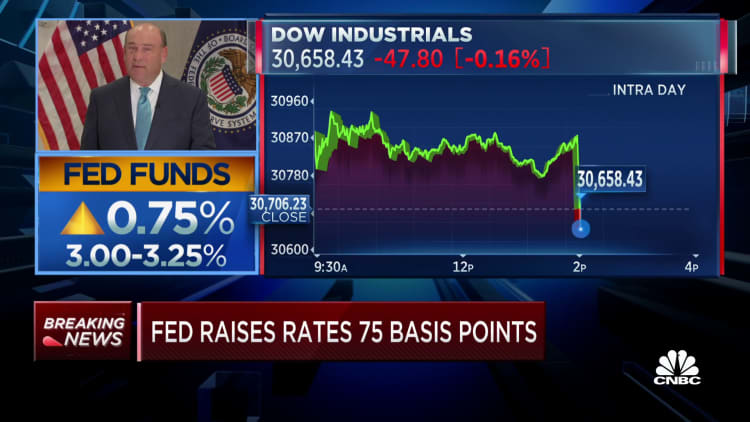
U.S. equities finished lower with the Dow whipsawing within a more than 900-point range following the Fed’s monetary policy decision. The Central Bank raised rates by 75 basis points for a fourth-straight meeting, but opened the door to slowing within its statement. However, in his presser following the announcement, Chairman Powell reiterated that any notion of a pause was premature.
Treasury yields were mixed and the U.S. dollar traded to the upside, while crude oil prices gained ground, and gold saw a modest loss. In economic news, mortgage applications fell for a sixth-straight week even as mortgage rates snapped a string of increases, and ADP’s private sector employment report came in above estimates ahead of Friday’s key labor report.
Earnings season continued to roll on, with Advanced Micro Devices missing earnings forecasts, and CVS Health exceeding profit projections and raising its guidance. Ford Motor Company reported October sales that showed a year-over-year decline, but EV sales grew.
Asia finished mixed with mainland Chinese markets and Hong Kong continuing rallies, while Europe also diverged amid some likely trepidation ahead of the Fed decision.
Posted on November 2, 2022 by Dr. David Edward Marcinko MBA MEd CMP™
By Staff Reporters
***
The Federal Reserve jut raised its short-term borrowing rate another 0.75% to slow key areas of the economy and tame inflation, which is at a 40-year high. The central bank said its new target range is 3.75%-4%, the highest level since January 2008.
The aggressive move is the latest in a string of borrowing cost increases imposed by the Fed in recent months as it tries to slash price increases by cooling the economy and choking off demand. The approach, however, risks tipping the U.S. into a recession and putting millions out of work.
The fourth rate hike of 2022 also arrives less than a week before the midterm elections.
Posted on November 2, 2022 by Dr. David Edward Marcinko MBA MEd CMP™
CMS Cracks Down on Medicare Advantage TV Marketing
Dr. David Edward Marcinko MBA
***
***
CMS is cracking down on deceptive marketing practices and will no longer allow Medicare Advantage or Part D prescription drug plans to advertise on television without agency approval first. The new policy is effective Jan. 1st and was discussed in an Oct. 19th memo from CMS to MA and Part D providers. The agency said it issued the new policy after reviewing thousands of beneficiary complaints regarding confusing, misleading or inaccurate information from plans — plan sponsors are also responsible for all marketing activities from brokers and third-party agencies.
“CMS has conducted so-called ‘secret shopping’ by calling numbers associated with television advertisements, mailings, newspaper advertisements and internet searches to monitor the experience beneficiaries have engaging these entities,” the agency wrote.
“Our secret shopping activities have discovered that some agents were not complying with current regulation and unduly pressuring beneficiaries, as well as failing to provide accurate or enough information to assist a beneficiary in making an informed enrollment decision.”
Source: Jakob Emerson, Becker’s Payer Issues [10/27/22]
Posted on November 2, 2022 by Dr. David Edward Marcinko MBA MEd CMP™
By Staff Reporters
***
***
U.S. equities were modestly lower, as investors awaited tomorrow’s conclusion of the Federal Open Market Committee (FOMC) meeting. The Fed is widely expected to hike the target for its fed funds rate by another 75-basis points. On the economic front, the Job Openings and Labor Turnover Survey (JOLTS) posted an unexpected rebound—indicating a still-tight labor market—which seems to be enhancing monetary policy tightening concerns. Reports on manufacturing showed that activity remained in expansion territory, while construction spending unexpectedly rose month-over-month.
In equity news, pharmaceutical companies Eli Lilly and Pfizer both topped earnings estimates, while the former lowered its full-year guidance, and the latter raised its outlook.
Treasury yields were mixed, while the U.S. dollar ended little changed in choppy action. Crude oil prices gained ground, and gold was higher.
And, Asian stocks finished to the upside amid a host of mixed economic news, and after the Reserve Bank of Australia hiked rates by 25-basis points for a second-straight meeting. European markets were mostly higher in the wake of mixed manufacturing data, and ahead of today’s decision by the FOMC.
In the past two months, two retail giants – Walmart and Apple – have announced plans to enter the health insurance space. This direct entry into the health insurance market by non-traditional players has been encouraged in part by health insurer-retailer partnerships, which gained traction due to rising demand for Medicare Advantage (MA) in particular and the expansion of the types of benefits that MA plans may offer.
This Health Capital Topics article will discuss reasons behind the insurer-retailer partnerships and how Walmart and Apple plan to disrupt the health insurance market.(Read more…)
Posted on November 1, 2022 by Dr. David Edward Marcinko MBA MEd CMP™
By Staff Reporters
***
***
Prime Medicine (NASDAQ:PRME) opened up its shares for public trading for the first time since it filed for IPO in September 2022. The company agreed to initially offer 10.29 million shares to the public at $17.00 per share. On its first day of trading, the stock decreased 18.98% from its opening price of $18.97 to its closing price of $15.37.
Posted on November 1, 2022 by Dr. David Edward Marcinko MBA MEd CMP™
By Staff Reporters
***
GameStop Corp. is an American video game, consumer electronics, and gaming merchandise retailer. The company is headquartered in Grapevine, Texas, and is the largest video game retailer worldwide.
***
***
Stocks dipped a bit yesterday as investors wait for the FOMC’s likely move to raise interest rates by 75 basis points again on Wednesday. But it wasn’t a total fright fest on the last day of October:
The Dow closed out its best month since 1976. Meme stocks also had another moment as GameStop shares were briefly halted after spiking early in the day. The price dropped back down later—and, as usual, no one can quite explain the unease.
Posted on November 1, 2022 by Dr. David Edward Marcinko MBA MEd CMP™
By Staff Reporters
***
***
U.S. equities ended the day in the red, failing to continue last week’s positive momentum. The moves came amid a quiet day on the economic and earnings fronts, but both are set to heat up as the week progresses.
In earnings news, Global Payments bested estimates and reaffirmed its guidance, and Emerson Electric also beat the Street, while also announcing the sale of a majority stake in its climate unit to Blackstone.
Meanwhile, a couple of reads on regional manufacturing showed activity continued to contract. Treasury yields traded higher and the U.S. dollar gained ground, continuing to rebound from a recent drop, while gold and crude oil prices were lower.
Stocks in Asia were mixed amid a slew of economic data in the region, and Europe ended higher as investors continued to digest last week’s 75 basis point rate hike by the European Central Bank.
Posted on November 1, 2022 by Dr. David Edward Marcinko MBA MEd CMP™
THIS IS NOT A POST-HALLOWEEN TRICK!
By Staff Reporters
***
***
Most hospitals seem to have enough blood in their inventory to meet the immediate needs of patients. That’s no small feat given that just this past January, the American Red Cross declared the “first-ever blood crisis,” indicating the country was experiencing “its worst blood shortage in over a decade” amid the omicron surge.
While blood centers and hospitals aim to have at least a five-day supply of blood—enough to treat trauma patients, surgical cases, blood disorders, and other issues—facilities nearly reached blood insolvency during the crisis. The Red Cross said it saw donor turnout dip after the delta variant became dominant in summer 2021, which continued as omicron took over, until blood supplies reached crisis levels in January.
“We went down to many blood centers having only a one-day supply on their shelf,” said Claudia Cohn, chief medical officer at the Association for the Advancement of Blood and Biotherapies (AABB), a nonprofit that develops standards for the industry and accredits blood centers. “Which means one significant event—like a big car crash or a natural disaster or a human-made disaster—could have wiped out the blood supply for that particular metropolitan area.”
Closing up shop: Covid lockdowns shuttered traditional venues for blood drives, including businesses and schools. Even after workers returned to the office and students to classrooms, many organizations were hesitant to allow in-person events to occur in their facilities, including blood drives.
Paying the price: Another dagger undermining the stability of the nation’s blood supply has been a drop in the price paid for blood. Changes in medical practice, like the introduction of minimally invasive procedures, have decreased demand for blood, and hospitals have been able to pay less for it.
Posted on October 31, 2022 by Dr. David Edward Marcinko MBA MEd CMP™
***
SOURCE: Dianna “Mick” McDougall, Sources: Home Depot, Getty Images
***
Good Evening
We’re not sure anyone’s administered a Halloween costume contest for almost 1million ME-P readers, but we’re going to give it a shot.
Subscribe, Like and Comment Reply to this post with a pic of your Halloween costume (PG-13 rated or less), and we’ll choose a winner[s] to shout out in a future ME-P.
Posted on October 31, 2022 by Dr. David Edward Marcinko MBA MEd CMP™
Versus Technical Analysis
By Staff Reporters
***
***
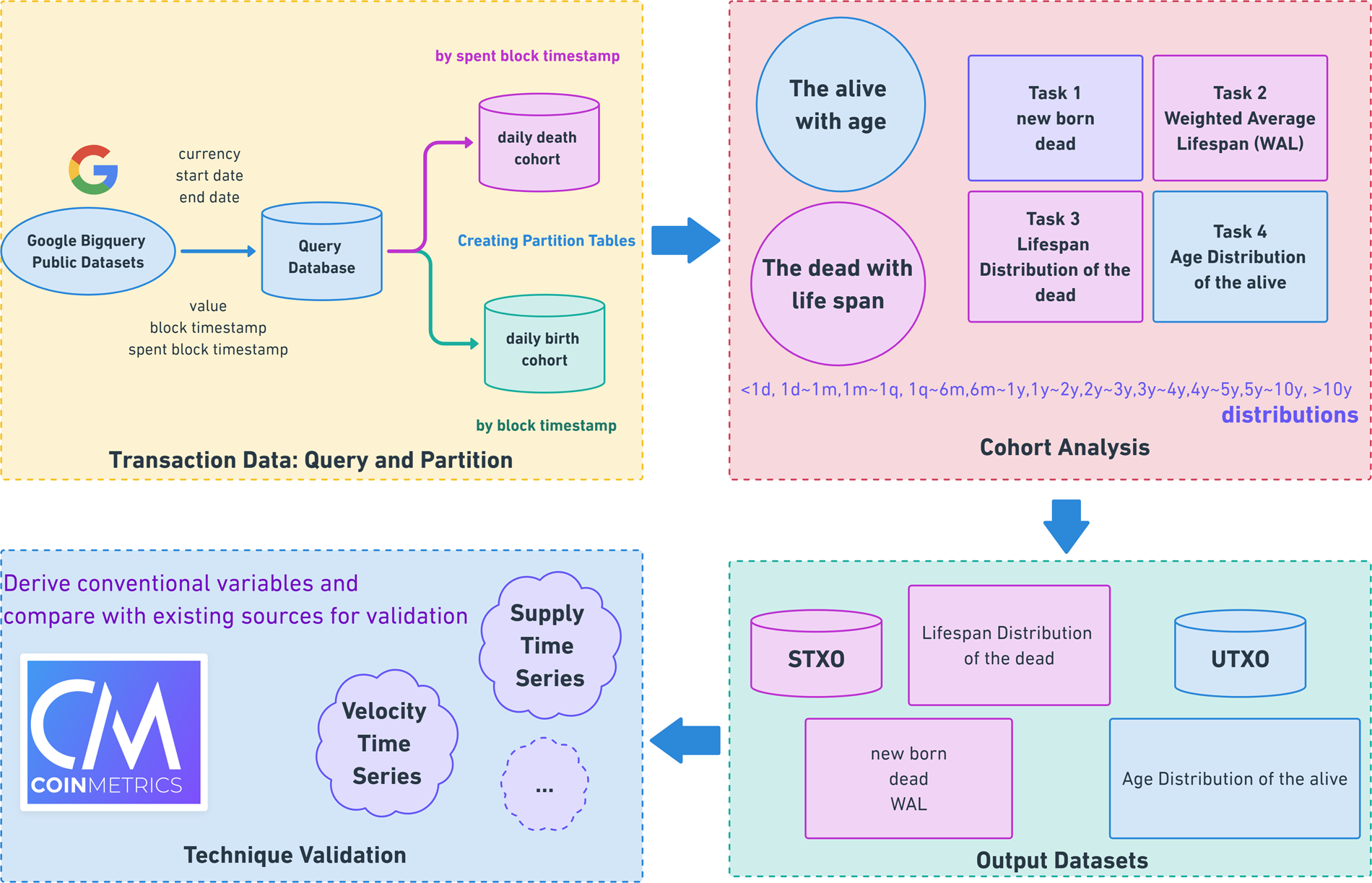
In traditional finance transaction data is guarded by exchanges, brokers, banks and regulators. It’s not accessible to everyone and big players pay a fortune for it.
But, in crypto, Transaction Data is public and on-chain – but it’s not usable by everyone. So, manually making sense of raw blockchain data is practically impossible. The data needs to be processed and analyzed to be made useful. That’s what sophisticated blockchain analytics tools are doing.
The combination of on-chain data and transaction analysis is something that hasn’t been before – in crypto or traditional finance. Getting access to transaction data and tools for searching and analyzing it will unlock a goldmine of potential insight.
People who have been on the inside of projects and see how the sausage is made know that the explanations for price movements are often simple and based on key players buying and selling. When the biggest holders are dumping the price is likely to go down. When a major new buyer takes a position prices are likely to go up.
That’s insight traditional Technical Analysis cannot provide, because it’s limited to looking at price movements. Transaction data, instead, is the underlying activity that generates prices in crypto.
Posted on October 31, 2022 by Dr. David Edward Marcinko MBA MEd CMP™
By Staff Reporters
***
***
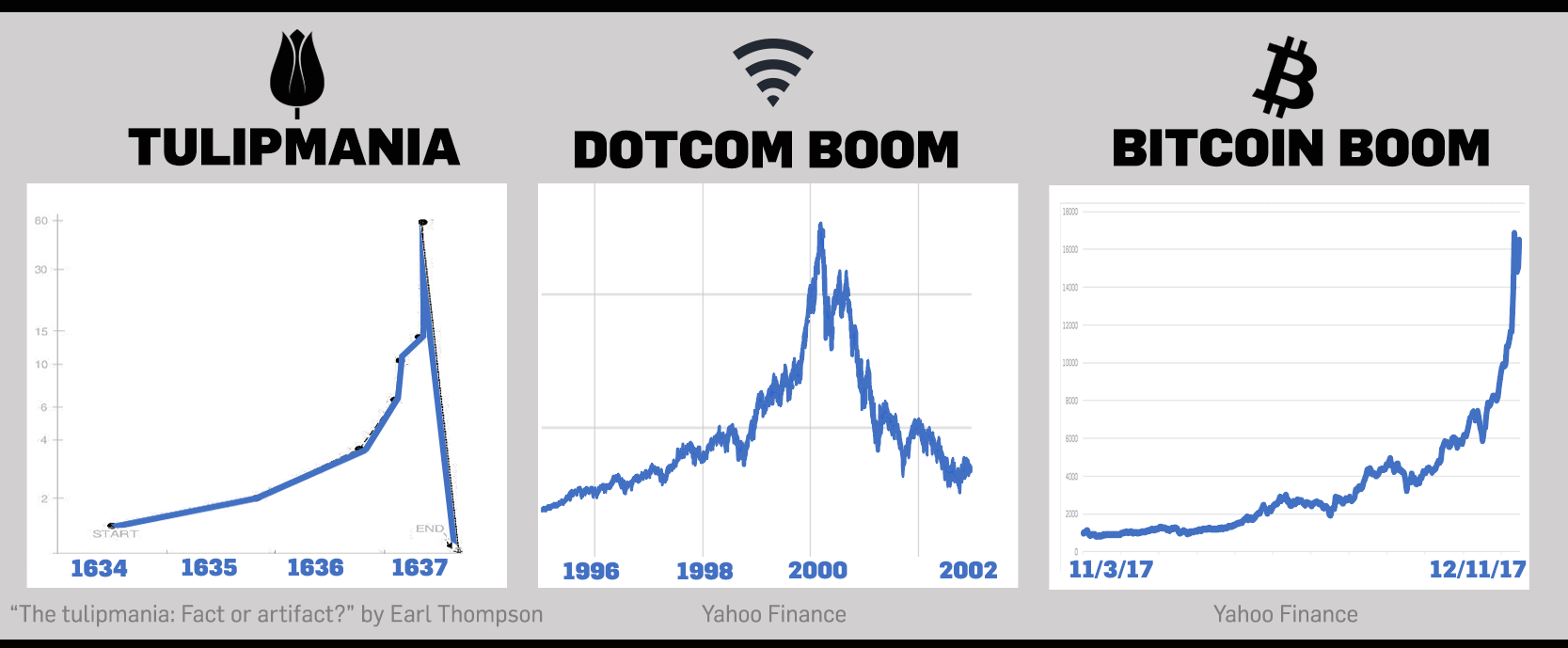
Also known as the internet bubble or the information technology bubble, the dotcom bubble was the unprecedented rise in equity valuations of internet-based tech companies during the bull market of the late 1990s.
Thanks mainly to speculation and substantial funding for these new internet start-ups, investments in dot-coms (named as such for the .com online top-level domain [TLD] used by such companies) boosted the NASDAQ Composite Index (COMP) from 751 in January 1995 to a peak of 5,048.62 on March 10, 2000. But the bubble eventually burst in March 2000, with many companies failing to even come close to fulfilling their promise. As such, the NASDAQ fell by more than 75 percent between March 2000 and October 2002, thus wiping out more than $5 trillion in market value.
***
Some financial and economic analysts are beginning to compare this year’s tech rout (which has cost the NASDAQ $8 trillion in value so far) with the bursting of the dot-com bubble in 2000–2002, when the NASDAQ lost the equivalent of $8.6 trillion in today’s dollars. The industrial-focused Dow, on the other hand, is on track for its best October in history.
The FOMC is likely a lock to hike interest rates by a large75 basis points on Wednesday for the fourth straight meeting. Evidence that its inflation-fighting campaign is working could come on Friday, with the October jobs report.
Posted on October 30, 2022 by Dr. David Edward Marcinko MBA MEd CMP™
HOW DO THEY WORK?
By Staff Reporters
***
***
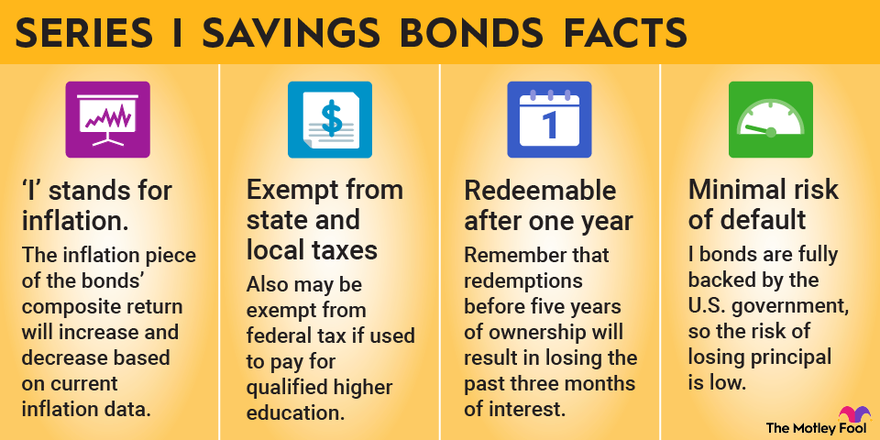
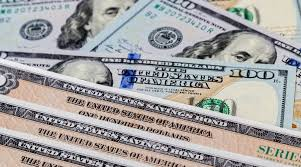
What is an I bond and how do they work?
DEFINITION: A a 30-year Treasury bond that protects you against inflation. It pays both a fixed interest rate and a rate that changes twice a year with inflation.
Interest is compounded semiannually, meaning every 6 months a new interest rate is applied to a new principal value that equals the prior principal plus the interest earned in the last 6 months. The bond’s value grows because it earns interest and because the principal value gets bigger.
You can buy $10,000 worth from the Treasury and another $5,000 using your tax refund. You can cash them in after 12 months, but if you do so in less than 5 years, you lose the last 3 months of interest.
Taxes on I Bonds?
You must pay federal income tax but no state and local taxes on I bonds. You can either report each year’s earnings or wait to report all the earnings when you cash the bond.
If you use the money for qualified higher education expenses, you may not owe tax on the earnings.
Current Interest Rates
The current the record high 9.62% interest rate on I bonds issued through October will drop Nov. 1st, 2022 to 6.48%.
Posted on October 30, 2022 by Dr. David Edward Marcinko MBA MEd CMP™
Modernizing the $19.6B Knee Replacement Industry
By Staff Reporters
***
***
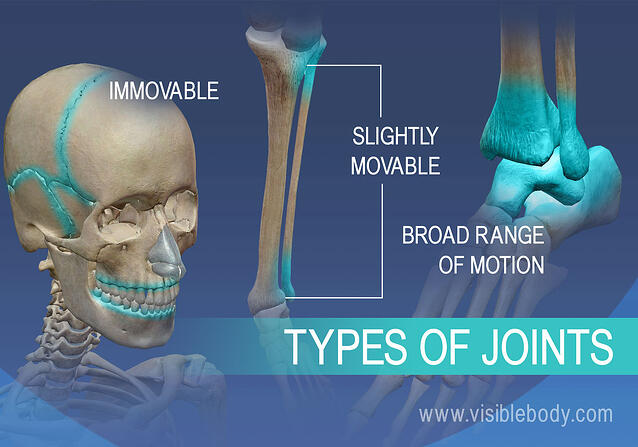
One way to classify joints is by range of motion. Immovable joints include the sutures of the skull, the articulations between teeth and the mandible, and the joint located between the first pair of ribs and the sternum. Some joints have slight movement; an example is the distal joint between the tibia and fibula. Joints that allow a lot of motion (think of the shoulder, wrist, hip, and ankle) are located in the upper and lower limbs.
***
KNEE: No bones about it
The $19.6b joint-replacement industry uses outdated methods, leading to 100,000 surgeries failing annually.Monogram aims to fix it with precision surgical robots + personalized implants.
Posted on October 29, 2022 by Dr. David Edward Marcinko MBA MEd CMP™
SELL IN MAY – AND GO AWAY
By Staff Reporters
***
***
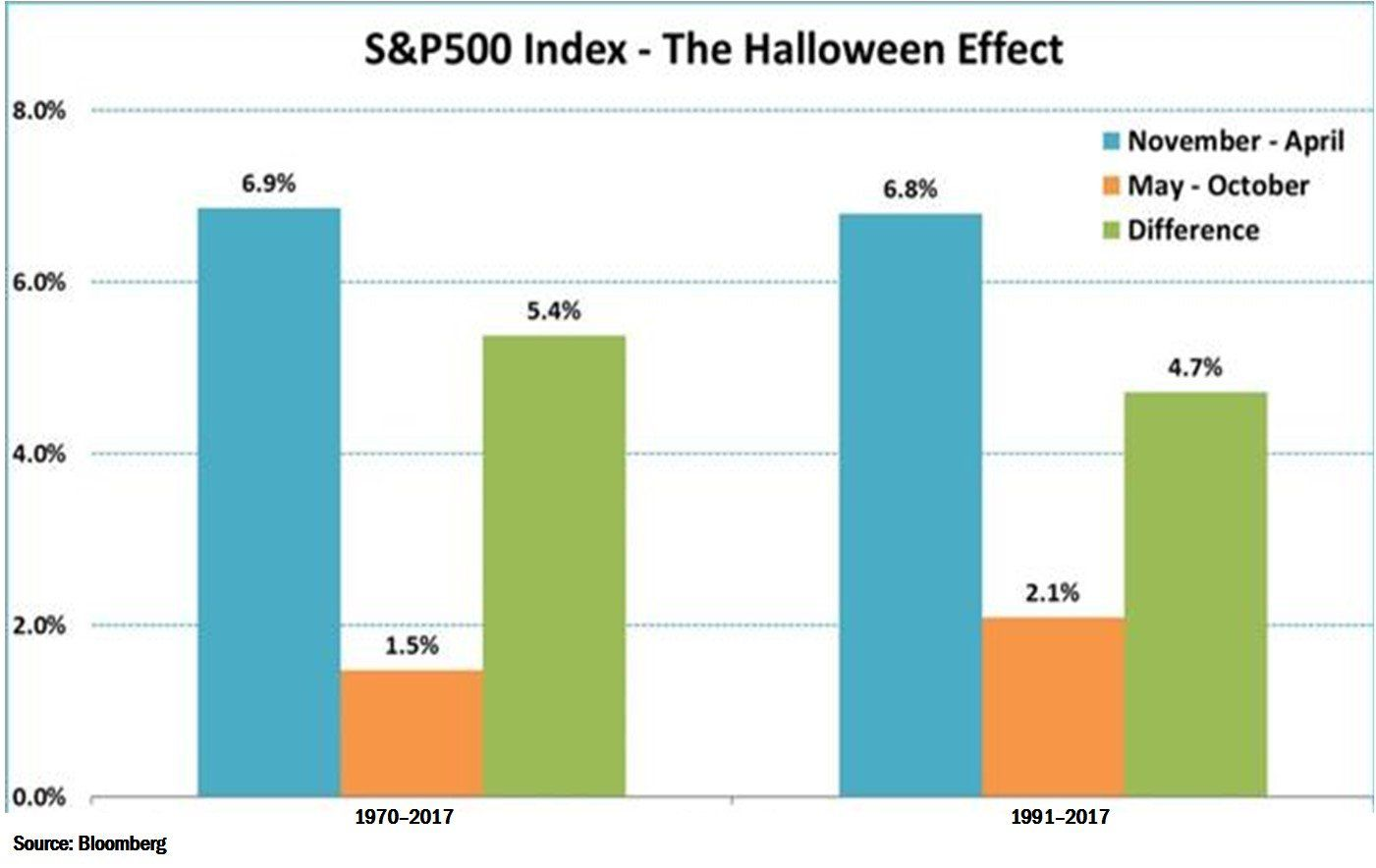
Essentially, the HALLOWEEN INDICATOR is a market-timing strategy. It argues that, by buying into the stock market after Halloween and selling at the end of April, investors would generate a better annual return on their portfolio than if they had remained invested throughout the year. Sell in May and go away is an investment strategy for stocks based on a theory that the period from November to April inclusive has significantly stronger stock market growth on average than the other months
The practice of abandoning stocks beginning in May of each year is widely thought to have its origins in the United Kingdom. The privileged class would leave London and head to their country estates for the summer months, where they would largely ignore their investment portfolios. To this day, many stock market watchers have postulated that the corresponding impact of summer vacations on market liquidity and investors’ risk aversion is at least partly responsible for the difference in seasonal returns.
In what is considered to be a seminal piece of research on the subject, “The Halloween Indicator, ‘Sell in May and Go Away’: Another Puzzle,” authors Sven Bouman and Ben Jacobsen were among the first to document a strong seasonal effect in global stock markets. In 36 of the 37 developed and emerging markets they studied between 1973 and 1998, the authors found returns in the November through April period to be, on average, significantly higher than those in the May through October period, even after taking transaction costs into account. What puzzled the authors was the fact that, while the anomaly was widely known and seemed to offer considerable economic rewards, it had not been arbitraged away.
More recently, Jacobsen partnered with Cherry Zhang on a follow up study, titled, “The Halloween Indicator: Everywhere and All the Time,” and extended the research to 108 stock markets using all historical data available. The result was a sample of 55,425 monthly observations (including more than 300 years of UK data), which helped to rebut any criticisms of data mining and sample selection bias. The results were compelling, as the November through April “winter” period delivered returns that were, on average, 4.52% higher than the “summer” returns. The Halloween effect was evident in 81 out of 108 countries. The size of the Halloween effect varied across geographies. It was found to be stronger in developed and emerging markets than in frontier markets.
Posted on October 29, 2022 by Dr. David Edward Marcinko MBA MEd CMP™
By Staff Reporters
***
***
The future of healthcare will be defined by nurses. Giving them a platform where they can be seen, heard, and valued for what they contribute each and every day is healthcare innovation.
connectRN is an empowered community of nurses, helping them access the flexible work opportunities they want. Nurses use connectRN to find work, access resources, and get much-needed peer support. And healthcare facilities can get the staff they need to provide high-quality patient care.
From in-app shift scheduling to same-day pay to 24/7 support, connectRN offers nurses a modern, seamless, and stress-free experience. After all, thriving clinicians provide the best care.
U.S. Financial Planning Month is observed nationwide during October.
With the holiday season coming up (aka hefty gifting expenses) and the new year just around the corner, Financial Planning Month is a great opportunity to get your finances and budgets in order before life gets too busy.
Posted on October 28, 2022 by Dr. David Edward Marcinko MBA MEd CMP™
By Staff Reporters
***
***
NEWS FLASH!
Elon Musk, the richest person on the planet, is the CEO of the world’s most valuable automaker TESLA, heads up a $125 billion aerospace giant, and as of yesterday, is the owner of a social media company Twitter.
According to multiple reports, Musk closed the $44 billion deal last night, less than 24 hours before today’s 5pm ET deadline. He began his reign as “Chief Twit” by firing at least four executives, including CEO Parag Agrawal (who was reportedly escorted out of Twitter’s SF headquarters). Later today, Musk is expected to address anxious employees, who might be worried they’ll face the same fate as their former leader. Historically:
Musk acquired a large stake in Twitter and later signed a deal to buy all of it.
Then he tried to back out, citing bot issues, but Twitter sued him to enforce the agreement.
Musk blinked weeks ahead of a trial, and said he would buy Twitter.
Now What?
So begins Musk’s attempt to, in his words, “help humanity” by trying to turn Twitter into a “common digital town square.”
We know that Musk has ultra-ambitious goals for the company: 5x Twitter’s revenue by 2028, supercharge the subscriptions business, and turn Twitter into a super app called “X.” But murkier is the path he intends to take to get there, and he’s already sending mixed signals about his intentions. And what about doctors and the healthcare industrial complex? Will it remain the same or change?
History
Back in early 2014 the first list of the “Top 100 Twitter Accounts For Healthcare Professionals To Follow” was born. Then, the biggest social media-related question to hurdle wasn’t, “Who should I be following on social media?” but rather, “Should I even be on social media at all?”
Many years later, it’s safe to say that social media has firmly established itself in the healthcare industry. By finding healthcare Twitter accounts that are related to your specialty, you can have access to the best information and always remain within the loop.
But, with the Elon Musk takeover of Twitter, the medicine and healthcare accounts available may change, remain static or grow, and finding the most valuable medical accounts to follow has become more challenging than ever.
Today
Today, the question truly is, “Who should I be following?” Thankfully, you have been covered since 2020.
Posted on October 28, 2022 by Dr. David Edward Marcinko MBA MEd CMP™
By Staff Reporters
***
***
The New York Stock Exchange will suspend Twitter shares today as Elon Musk closes in on a takeover. Musk just bought the social media company for $44 billion after trying to walk away from the deal.
***
Stocks Ended Mixed in Volatile Day Full of Reports
U.S. stocks finished mixed in a choppy trading session, as a host of earnings and economic news were released. The markets digested a second-straight 75 basis point rate hike by the European Central Bank (ECB).
Shares of Meta Platforms tumbled after missing earnings estimates and forecasting much higher-than-expected capital expenditures, while Dow members Caterpillar, McDonald’s, Honeywell, and Merck all rallied after beating earnings expectations.
The economic calendar is full as Q3 GDP growth came in stronger than expected, and weekly initial jobless claims were lower than anticipated, but durable goods orders missed forecasts. Treasury yields fell following the data, and the U.S. dollar rebounded from a recent drop amid the ECB rate hike.
Crude oil prices were higher, and gold dipped. Asia diverged as the markets remained choppy, while Europe ended higher following the ECB’s monetary policy decision and amid the flood of earnings reports.
Posted on October 28, 2022 by Dr. David Edward Marcinko MBA MEd CMP™
“Behavioral Economic Strategies”
By Eric Bricker MD
***
As Published in the Annals of Internal Medicine by an All-Star Cast of Researchers:
1) Limitations of Information 2) Inertia/Status Quo Bias 3) Choice Overload 4) Immediacy 5) Loss Aversion 6) Relative Social Ranking 7) Threshold Effect 8) Limits of Willpower 9) Mental Accounting
Posted on October 27, 2022 by Dr. David Edward Marcinko MBA MEd CMP™
By Staff Reporters
***
***
Plunging tech stocks are dragging the markets down and snapping a brief winning streak. Up next for the economy: The third-quarter GDP report.
America’s internet giants are slumping hard in this era of higher interest rates, lower advertising budgets, and widespread economic uncertainty
For example, Meta recently became the latest Big Tech company to post rough financial results for the prior quarter. It recorded its second straight quarter of declining revenue and provided a gloomy outlook for Q4. Perhaps Meta shouldn’t even be considered “Big Tech” anymore. Since its share price peaked in September 2021, the company lost nearly two-thirds of its value…before diving another ~20% in after-hours trading yesterday.
What went wrong? Younger people are fleeing Facebook, and investors aren’t confident CEO Mark Zuckerberg can reinvent the company as a metaverse platform. “Meta has drifted into the land of excess—too many people, too many ideas, too little urgency,” a prominent shareholder wrote this week in a scathing letter. Meta’s metaverse unit, Reality Labs, has lost $9.4 billion so far this year.
While Meta may be the poster child for Big Tech’s struggles, it’s not the only company that needs a checkup
Google parent Alphabet posted its slowest revenue growth since 2013 (outside of one early pandemic quarter), and YouTube ad sales actually fell in Q3. It’s “a tough time in the ad market,” CEO Sundar Pichai acknowledged. Alphabet shares had their worst day since March 2020.
And Microsoft also had its worst day since March 2020 after giving a disappointing forecast. Its push to dominate the metaverse is also faltering, per the WSJ.
Big view
Tech giants scored record profits during COVID, when interest rates were near zero, stimulus checks were flowing, and everyone was stuck inside with only the internet to entertain themselves. No anymore!
Posted on October 27, 2022 by Dr. David Edward Marcinko MBA MEd CMP™
By Staff Reporters
***
***
U.S. equities closed out a volatile session mixed as the markets digested a host of quarterly results with earnings season kicking into high gear. Information Technology and Communications Services sectors were the biggest laggards in the wake of disappointing reports from Google’s parent Alphabet, as well as Dow member Microsoft.
Meanwhile, Dow component Boeing was lower despite optimism about its free-cash flow performance, but Dow member Visa rallied following its results.
Housing data dominated the economic front today, with mortgage applications falling for a fifth-straight week, and new home sales dropping amid the spike in interest rates in September.
Treasury yields were lower and the U.S. dollar tumbled to alleviate some uneasiness in the markets, while a smaller-than-expected rate hike out of Canada appeared to also soothe some nerves.
Crude oil prices were sharply higher, and gold traded to the upside.
Asia finished higher though choppiness remained, while Europe saw widespread gains amid cautious trading ahead of tomorrow’s monetary policy decision from the European Central Bank.
Posted on October 27, 2022 by Dr. David Edward Marcinko MBA MEd CMP™
By Staff Reporters
Hospitals this year are seeing more red than black as growing financial challenges, like spiked labor costs and inflation on medical supplies, puts them on pace to have the worst financial performance into the pandemic thus far.
More than half of hospitals (53% of more than 900 sampled) are projected to have negative margins by the end of the year, compared to 39% in 2019, according to a September report from management consulting firm Kaufman Hall, on behalf of AHA. The firm put the median operating margin for hospitals at about -1%, which could mean service cuts, and for more vulnerable hospitals, including rural ones, closing their doors.
But why is the financial outlook so bleak for hospitals? A few factors are conspiring:
Labor costs: The top reasons hospitals are struggling financially in 2022 are “labor, labor, and labor,” said Kevin Holloran, senior director at Fitch Ratings. The healthcare labor shortage doesn’t just extend to nurses, but across the board.
Rising supply prices: Blame inflation. AHA reported that the “costs for energy, resins, cotton, and most metals surged in excess of 30%” between fall 2020 and early 2022.
Sicker patients, longer stays: Intensive care units across the country were overwhelmed with Covid-19 patients at the outset of the pandemic, but more recently hospitals have been caring for sicker non-Covid patients, said Aaron Wesolowski, AHA’s vice president for policy research and analytics
October is National Financial Planning Month—an ideal time to plan your financial future. The end of the year is approaching and a new one will soon begin, so this is the right time to think about what you have done in 2022 and what you could do in 2023. You might want to do something new; you may want to do some things differently.
***
***
GREAT NEWS: But what about financial planning specificity for physicians, nurses and all medical professionals?
Fear of money: An abnormal and persistent fear of money. Sufferers experience undue anxiety even though they realize their fear is irrational. They worry that they might mismanage money or that money might live up to its reputation as “the root of all evil.” Perhaps they remember well the ill fortune that befell the mythical King Midas. His wish that everything he touched be turned to gold was fulfilled, and even his food was transformed into gold.
The fear of money is termed chrometophobia or chrematophobia, from the Greek “chrimata” (money) and “phobos” (fear). The “chrome” in “chrometophobia” may also be related to the Greek word “chroma” (color) because of the brilliant colors of ancient coins — for example, gold, silver, bronze and copper.
Posted on October 26, 2022 by Dr. David Edward Marcinko MBA MEd CMP™
By Staff Reporters
25% of Clinicians Want Out of Healthcare: Survey
***
***
One quarter of U.S. physicians, advanced practice providers, and nurses are considering switching careers and one third are considering switching employers, according to newly released results from a survey conducted by Bain & Company. Below are some key takeaways from the survey and brief, which was released October 11th and can be found in full here.
1. Of the 25 percent of clinicians who are thinking about exiting healthcare entirely, 89 percent cite burnout as the main driver.
2. The top three things clinicians care about most in their profession are compensation, quality of patient care, and workload, according to the survey. Of those three, they are least satisfied with compensation (59 percent expressed satisfaction) and workload (60 percent). Eighty percent said they are satisfied with the quality of patient care.
3. Burnout shows up throughout clinicians’ days, with 63 percent saying they feel worn out at the end of the workday, 51 percent saying they feel they don’t have time and energy for family and friends during leisure time, and 38 percent feeling exhausted in the morning at the thought of another workday.
Posted on October 26, 2022 by Dr. David Edward Marcinko MBA MEd CMP™
By Staff Reporters
***
***
The personal savings of Americans have plunged this year, hitting $629 billion in the second quarter of 2022, according to the Federal Reserve Bank of St. Louis. That’s down from $1.98 trillion in the second quarter of 2021, and $4.85 trillion in the second quarter of 2020, boosted by COVID-related government cash. But it’s also down from $1.41 trillion in the second quarter of 2019, before the pandemic.
In fact, the personal saving rate — meaning personal saving as a percentage of disposable income, or the share of income left after paying taxes and spending money — fell to 3.5% in August, according to the Bureau of Economic Analysis. It’s quite a U-turn: The personal saving rate recently peaked at 26.3% in March 2021 and 33.8% in April 2020. But the drop in the personal saving rate isn’t all pandemic-related: In January 2020, before the coronavirus pandemic, it was 9.1%.
But, what about doctors and other medical professionals?
Posted on October 26, 2022 by Dr. David Edward Marcinko MBA MEd CMP™
By Staff Reporters
***
***
Stocks are hot and posted their third straight day of gains on hope that the FOMC might end its rate hikes at some point in the future. But that streak could end today.
Alphabet shares took a tumble in late trading after the company revealed its fifth consecutive quarter of slower revenue growth. Cracks are emerging in some of its core properties: Google search and YouTube. YouTube revenue declined for the first time since Google started reporting the division’s earnings separately.
Alphabet’s total quarterly revenue growth drastically declined from 41% to 6%.
The growth rate of Microsoft’s search and news advertising business has been shrinking each quarter of the past year, coinciding with the general downward trajectory of the entire online advertising market.
Posted on October 26, 2022 by Dr. David Edward Marcinko MBA MEd CMP™
By Staff Reporters
***
***
Stocks Extend Rally as U.S. Dollar and Bond Yields Cool Off
U.S. stocks traded higher as Treasury yields and the U.S. dollar pulled back, while investors digested a host of corporate results.
Earnings reports painted a mixed picture, as Dow member Coca-Cola beat earnings estimates and raised its guidance, while Dow member 3M also announced a positive earnings surprise, but lowered its full-year outlook. Additionally, General Electric missed earnings expectations and lowered guidance, and General Motors topped profit projections. In economic news, home prices declined more than expected in August, consumer confidence decreased, and regional manufacturing fell more than fore-casted.
Crude oil and gold prices gained ground.
Markets in Asia finished mixed as economic uncertainty continued to weigh on conviction, while European stocks finished mostly higher following economic reports and the political situation in the U.K.
Posted on October 26, 2022 by Dr. David Edward Marcinko MBA MEd CMP™
By Bertalan Meskó, MD PhD
***
***
Ben Wood, chief analyst at European CCS Insights predicts that Apple will enter the US health insurance market in partnership with a major insurer in 2024 – Forbes reported.
The company already collects heaps of health data, such as blood pressure, blood oxygen levels, ECG readings and body temperature from the Watch, and through phone apps that help people regulate their medication or manage chronic conditions like diabetes.
I hope you find the report useful!
Best regards, Bertalan Meskó, MD The Medical Futurist
Posted on October 25, 2022 by Dr. David Edward Marcinko MBA MEd CMP™
By Staff Reporters
***
***
Quote: “Meta needs to get its mojo back.”
With Meta’s share price down more than 60% this year, investors are losing patience with Mark Zuckerberg’s big bet on the metaverse.
Altimeter Capital CEO Brad Gerstner, whose firm has more than 2 million shares in the company, wrote an open letter yesterday urging Meta to cut headcount expenses by 20% and keep metaverse spending under $5 billion per year to become a “more productive, and more focused company.”
We’ll see how Meta feels about its own mojo when it reports earnings tomorrow.
Posted on October 25, 2022 by Dr. David Edward Marcinko MBA MEd CMP™
By Staff Reporters
***
***
U.S. stocks ended the day higher, adding to last week’s rally, which was the biggest advance since June. The three major stock averages climbed for the second straight trading day, but this rally will face a big test in the upcoming earnings season. Left out in the cold were Chinese tech stocks like Alibaba, which plunged as markets reacted (rather negatively) to China’s President Xi Jinping securing an unprecedented third term and packing the country’s leadership with loyalists.
Treasury yields were mixed, as longer-term rates reversed to the upside and seemingly weighed on growth sectors.
The markets awaited this week’s flood of earnings reports amid a day light in equity news, headlined by Tesla’s decision to cut prices for some of its vehicles in China. Political developments out of China and the U.K. were also in focus, along with a flood of Manufacturing and Services PMIs in the U.S. and abroad, which mostly showed a slowdown in activity.
The U.S. dollar was unchanged, while crude oil and gold prices edged lower.
Asian stocks finished mixed with mainland Chinese and Hong Kong equities tumbling, while Europe ended higher despite some
Posted on October 25, 2022 by Dr. David Edward Marcinko MBA MEd CMP™
By Staff Reporters
***
***
Dental coverage under Medicare could soon start expanding for seniors under a new proposal from the U.S. Centers for Medicare and Medicaid Services (CMS). Still, the proposed rules would not provide full coverage for regular dental care, which has been explicitly excluded from Medicare since the program’s founding in 1965.
“Traditional Medicare doesn’t cover routine preventive dental services, such as exams, cleanings, X-rays, nor more expensive services such as fillings, crowns or dentures,” said Meredith Freed, a Medicare expert with the Kaiser Family Foundation.
However, the new proposal would effectively open the door to Medicare potentially covering a wider array of dental services if medical science can demonstrate that oral health substantially improves the
Posted on October 24, 2022 by Dr. David Edward Marcinko MBA MEd CMP™
By Staff Reporters
***
***
What Is a Jumbo Loan?
A jumbo loan, also known as a jumbo mortgage, is a type of financing that exceeds the limits set by the Federal Housing Finance Agency (FHFA). Unlike conventional mortgages, a jumbo loan is not eligible to be purchased, guaranteed, or securitized by Fannie Mae or Freddie Mac. Designed to finance luxury properties and homes in highly competitive local real estate markets, jumbo mortgages come with unique underwriting requirements and tax implications. These kinds of mortgages have gained traction as the housing market continues to recover following the Great Recession.
The value of a jumbo mortgage varies by state—and even county. The FHFA sets the conforming loan limit size for different areas on an annual basis. The limit for 2022 was set at $647,200 for most of the country. This was an increase of $98,950 from the 2021 limit of $548,250. For counties that have higher home values, the baseline limit is set at $970,800, or 150% of $647,200.1
The FHFA has a different set of provisions for areas outside of the continental United States for loan limit calculations. As a result, the baseline limit for a jumbo loan in Alaska, Guam, Hawaii, and the U.S. Virgin Islands as of 2022 is also $970,800. That amount may actually be even higher in counties that have higher home values.
Posted on October 24, 2022 by Dr. David Edward Marcinko MBA MEd CMP™
HAPPY DIWALI
By Staff Reporters
***
***
Happy Diwali! Hindus, Sikhs, Jains, and Buddhists around the world will celebrate India’s “festival of lights” today. In a sign of growing recognition of the festival, New York City announced last week that Diwali will become an official school holiday.
Earnings: If earnings season were a music festival, the headliners are about to come onstage. Corporate titans Amazon, Microsoft, Apple, Alphabet, and Meta are among the ~150 S&P companies that will give financial updates this week.
Economic data: The US economy shrank during the first two quarters of the year. We’ll find out whether it grew again in Q3 when fresh GDP numbers drop on Thursday (it’s expected to have). Plus, the Fed’s preferred measure of inflation will be released on Friday.
Posted on October 23, 2022 by Dr. David Edward Marcinko MBA MEd CMP™
Is A Market Downside Ahead?
By Staff Reporters
***
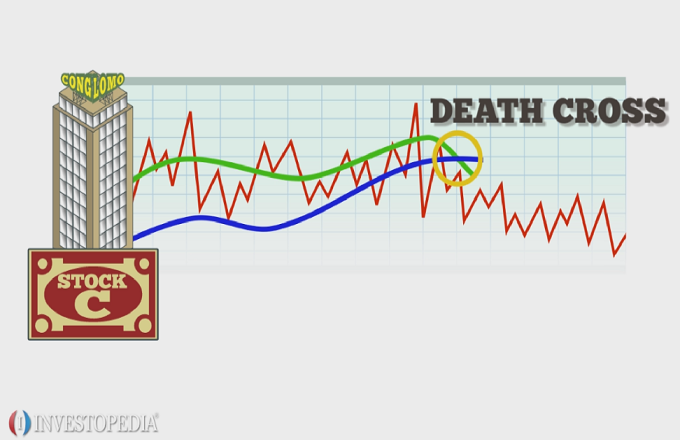
What Is a Death Cross?
The death cross is a technical chart pattern indicating the potential for a major sell-off. The death cross appears on a chart when a stock’s short-term moving average crosses below its long-term moving average. Typically, the most common moving averages used in this pattern are the 50-day and 200-day moving averages.
Posted on October 23, 2022 by Dr. David Edward Marcinko MBA MEd CMP™
By Staff Reporters
***
***
For months, traders, academics, and other analysts have fretted that the $23.7 trillion Treasury market might be the source of the next financial crisis. Then last week, U.S. Treasury Secretary Janet Yellen acknowledged concerns about a potential breakdown in the trading of government debt and expressed worry about “a loss of adequate liquidity in the market.” Now, strategists at BofA Securities have identified a list of reasons why U.S. government bonds are exposed to the risk of “large scale forced selling or an external surprise” at a time when the bond market is in need of a reliable group of big buyers.
“We believe the UST market is fragile and potentially one shock away from functioning challenges” arising from either “large scale forced selling or an external surprise,” said BofA strategists Mark Cabana, Ralph Axel and Adarsh Sinha. “A UST breakdown is not our base case, but it is a building tail risk.”
Posted on October 23, 2022 by Dr. David Edward Marcinko MBA MEd CMP™
CHANGE MANAGEMENT
By NextGen Healthcare
With any organizational change, getting support from physicians, practice administrators, and clinical and office staff isn’t easy. The transition to a population health-based strategy is no different.
Find out how to educate and coach your staff to implement your population health program successfully — based on the real-world experience of Verlin Janzen MD, medical director at Hutchinson Clinic. Dr. Janzen has dedicated his career to implementing a population-health based strategy. To achieve his goals at Hutchinson Clinic, he had to overcome a major challenge—lack of buy-in from his colleagues.
Posted on October 23, 2022 by Dr. David Edward Marcinko MBA MEd CMP™
Forecasts Cognitive [Mental] Dissonance?
By Staff Reporters
***
***
A Bloomberg economic model forecast a 100% chance of a US recession within 12 months
Jeff Bezos warned companies to “batten down the hatches” in response to Goldman Sachs’s CEO saying there’s a good chance we’ll have a recession.
Elon Musk guesstimated that we’re going to be in a recession “probably until spring of ’24.”
Gwyneth Paltrow said, “The economy sucks.”
BUT, Bank of America CEO Brian Moynihan (the one with the epic vocabulary) said that while analysts are warning of recession and slower spending, “We just don’t see [that] here at Bank of America.” Transaction volumes for its customers jumped 10% in September and the first half of October over a year earlier.
And, American Express’s CEO said, “We’re not seeing any changes in consumer spending” and predicted a strong holiday quarter for retail and travel.
United Airlines’s CEO is “so optimistic about 2023.”
Many business leaders are forecasting an economic downturn. But the execs who run travel and credit card companies say that shoppers aren’t pulling back spending at all.
It’s like Americans are watching the forecast call for thunderstorms but, seeing that it’s still sunny outside, are heading out to the waves to surf anyway.
Big picture: Recession fears are rising as the Fed raises interest rates to tame inflation that’s soaring at 40-year highs. While the definition of a recession is pretty broad, a slowdown in consumer spending would certainly be an indicator of one: It accounts for about 70% of the US economy.
Posted on October 23, 2022 by Dr. David Edward Marcinko MBA MEd CMP™
By Staff Reporters
***
***
The IRS just said that the maximum contribution that an individual can make in 2023 to a 401(k), 403(b) and most 457 plans will be $22,500. That’s up from $20,500 this year.
People aged 50 and over, which have the option to make additional “catch-up” contributions to 401(k) and similar plans, will be able to contribute up to $7,500 next year, up from $6,500 this year. That’s means a 401(k) saver who is 50 or older can contribute a maximum of $30,000 to their retirement plan in 2023.
The IRS also raised the 2023 annual contribution limits on individual retirement arrangements, or IRAs, to $6,500, up from $6,000 this year. The IRA “catch-up” contribution limit remains at $1,000, as it’s not subject to an annual cost of living adjustment, the IRS said.







 Support our online development, and advance our onground research initiatives in free market economics, as we seek to showcase the brightest Next-Gen minds.
THE ME-P DISCLAIMER: Posts, comments and opinions do not necessarily represent iMBA, Inc., but become our property after submission. Copyright © 2006 to-date. iMBA, Inc allows colleges, universities, medical and financial professionals and related clinics, hospitals and non-profit healthcare organizations to distribute our proprietary essays, photos, videos, audios and other documents; etc. However, please review copyright and usage information for each individual asset before submission to us, and/or placement on your publication or web site. Attestation references, citations and/or back-links are required. All other assets are property of the individual copyright holder.
Support our online development, and advance our onground research initiatives in free market economics, as we seek to showcase the brightest Next-Gen minds.
THE ME-P DISCLAIMER: Posts, comments and opinions do not necessarily represent iMBA, Inc., but become our property after submission. Copyright © 2006 to-date. iMBA, Inc allows colleges, universities, medical and financial professionals and related clinics, hospitals and non-profit healthcare organizations to distribute our proprietary essays, photos, videos, audios and other documents; etc. However, please review copyright and usage information for each individual asset before submission to us, and/or placement on your publication or web site. Attestation references, citations and/or back-links are required. All other assets are property of the individual copyright holder.