BOARD CERTIFICATION EXAM STUDY GUIDES Lower Extremity Trauma
[Click on Image to Enlarge]
ME-P Free Advertising Consultation
The “Medical Executive-Post” is about connecting doctors, health care executives and modern consulting advisors. It’s about free-enterprise, business, practice, policy, personal financial planning and wealth building capitalism. We have an attitude that’s independent, outspoken, intelligent and so Next-Gen; often edgy, usually controversial. And, our consultants “got fly”, just like U. Read it! Write it! Post it! “Medical Executive-Post”. Call or email us for your FREE advertising and sales consultation TODAY [678.779.8597] Email: MarcinkoAdvisors@outlook.com
Medical & Surgical e-Consent Forms
ePodiatryConsentForms.com
iMBA Inc., OFFICES
Suite #5901 Wilbanks Drive, Norcross, Georgia, 30092 USA [1.678.779.8597]. Our location is real and we are now virtually enabled to assist new long distance clients and out-of-town colleagues.
ME-P Publishing
SEEKING INDUSTRY INFO PARTNERS?
If you want the opportunity to work with leading health care industry insiders, innovators and watchers, the “ME-P” may be right for you? We are unbiased and operate at the nexus of theoretical and applied R&D. Collaborate with us and you’ll put your brand in front of a smart & tightly focused demographic; one at the forefront of our emerging healthcare free marketplace of informed and professional “movers and shakers.” Our Ad Rate Card is available upon request [678-779-8597].
Posted on February 11, 2026 by Dr. David Edward Marcinko MBA MEd CMP™
Dr. David Edward Marcinko; MBA MEd
***
***
Transforming Healthcare in a Digital Age
Telemedicine has rapidly evolved from a niche convenience to a central pillar of modern healthcare. At its core, telemedicine refers to the delivery of medical services through digital communication technologies, allowing patients and clinicians to connect without being in the same physical space. While the concept has existed for decades, recent technological advancements and shifting societal needs have propelled telemedicine into mainstream use. Its rise has reshaped expectations around accessibility, efficiency, and the very nature of the patient‑provider relationship.
One of the most significant advantages of telemedicine is its ability to expand access to care. For individuals living in rural or underserved areas, healthcare resources can be limited or geographically distant. Telemedicine bridges this gap by enabling patients to consult with specialists who may be located hundreds of miles away. This reduces the burden of travel, minimizes time away from work or family responsibilities, and ensures that people receive timely medical attention. Even in urban environments, where healthcare facilities are more abundant, telemedicine offers a convenient alternative for those with mobility challenges, chronic conditions, or demanding schedules.
Telemedicine also enhances efficiency within the healthcare system. Traditional in‑person visits often involve long wait times, administrative bottlenecks, and logistical challenges. Virtual visits streamline these processes by reducing the need for physical space, support staff, and extensive scheduling coordination. Clinicians can see more patients in a shorter period, and patients spend less time waiting for care. This efficiency becomes especially valuable during public health emergencies, when healthcare systems face overwhelming demand. Telemedicine allows providers to triage patients, manage non‑urgent cases remotely, and preserve in‑person resources for those who need them most.
Another important dimension of telemedicine is its role in chronic disease management. Conditions such as diabetes, hypertension, and asthma require ongoing monitoring and frequent communication between patients and healthcare providers. Telemedicine platforms often integrate tools like remote monitoring devices, digital health trackers, and secure messaging systems. These technologies allow clinicians to track patient data in real time, identify concerning trends, and intervene before complications arise. For patients, this continuous connection fosters a sense of support and accountability, making it easier to adhere to treatment plans and maintain healthier habits.
Despite its many benefits, telemedicine also presents challenges that must be addressed to ensure equitable and effective care. One major concern is the digital divide. Not all patients have reliable internet access, up‑to‑date devices, or the technical literacy required to navigate virtual platforms. This disparity can exacerbate existing inequalities in healthcare access. Efforts to expand broadband infrastructure, provide affordable devices, and offer user‑friendly telemedicine interfaces are essential to closing this gap.
Privacy and security are additional considerations. Telemedicine relies on the transmission of sensitive medical information, making it crucial for platforms to maintain strong data protection measures. Patients must feel confident that their personal health details are secure and that virtual consultations uphold the same confidentiality standards as in‑person visits. Healthcare organizations must invest in secure systems, train staff in digital best practices, and communicate clearly with patients about how their information is protected.
***
***
Another challenge lies in the limitations of virtual care itself. While telemedicine is highly effective for consultations, follow‑ups, and certain diagnostic assessments, it cannot fully replace hands‑on examinations or procedures. Some conditions require physical evaluation, imaging, or laboratory testing that cannot be conducted remotely. As a result, telemedicine works best as a complement to traditional care rather than a complete substitute. Hybrid models that combine virtual and in‑person services offer a balanced approach, allowing patients to receive the right type of care at the right time.
Looking ahead, telemedicine is poised to continue shaping the future of healthcare. As technology advances, virtual care may incorporate more sophisticated tools such as artificial intelligence, wearable sensors, and immersive communication platforms. These innovations could further personalize care, improve diagnostic accuracy, and strengthen the connection between patients and providers. At the same time, thoughtful policies and investments will be necessary to ensure that telemedicine remains accessible, secure, and integrated into broader healthcare systems.
SPEAKING: Dr. Marcinko will be speaking and lecturing, signing and opining, teaching and preaching, storming and performing at many locations throughout the USA this year! His tour of witty and serious pontifications may be scheduled on a planned or ad-hoc basis; for public or private meetings and gatherings; formally, informally, or over lunch or dinner. All medical societies, financial advisory firms or Broker-Dealers are encouraged to submit an RFP for speaking engagements: CONTACT: Ann Miller RN MHA at MarcinkoAdvisors@outlook.com -OR-http://www.MarcinkoAssociates.com
The Chief Information Officer (CIO) has become one of the most influential leaders in modern organizations. As technology continues to shape nearly every aspect of business operations, the CIO’s responsibilities have expanded far beyond managing computer systems. Today, the CIO plays a central role in strategic planning, innovation, cybersecurity, and organizational transformation. This evolution reflects the growing recognition that technology is not simply a support function but a driving force behind competitive advantage and long‑term success.
Traditionally, the CIO was responsible for maintaining the organization’s information systems, ensuring that networks, hardware, and software operated smoothly. This operational focus remains important, but it now represents only a portion of the role. Modern CIOs must understand how technology can advance business goals, improve efficiency, and create new opportunities. This shift requires a blend of technical expertise and business insight, allowing the CIO to act as a bridge between technological capabilities and organizational strategy.
One of the most significant responsibilities of the CIO is guiding digital transformation. As organizations adopt cloud computing, automation, artificial intelligence, and data analytics, the CIO must evaluate emerging technologies and determine which ones align with the company’s objectives. This involves not only selecting the right tools but also managing the cultural and structural changes that accompany technological adoption. Successful CIOs encourage innovation, support experimentation, and help employees adapt to new ways of working.
Cybersecurity has also become a defining aspect of the CIO’s role. With cyber threats increasing in frequency and sophistication, protecting organizational data is essential. The CIO must develop strong security policies, oversee risk management efforts, and ensure compliance with relevant regulations. This responsibility extends beyond technical safeguards; it includes educating employees about safe practices and fostering a culture of awareness. In many organizations, the CIO collaborates closely with security specialists, but ultimately remains accountable for the integrity and resilience of the technology environment.
***
***
Another critical area of focus for the CIO is data management. Organizations generate vast amounts of information, and the ability to collect, analyze, and interpret data has become a major competitive advantage. The CIO oversees the systems that store and process data, ensuring accuracy, accessibility, and security. More importantly, the CIO helps the organization use data strategically, enabling leaders to make informed decisions and identify trends. As data-driven decision-making becomes more central to business operations, the CIO’s role in shaping data strategy grows increasingly important.
Leadership is a defining characteristic of an effective CIO. Because technology touches every department, the CIO must collaborate with executives, managers, and frontline employees. This requires strong communication skills and the ability to translate complex technical concepts into clear, actionable insights. The CIO must also inspire confidence, manage change, and build high-performing teams capable of supporting the organization’s goals. In many ways, the CIO acts as both a visionary and a facilitator, guiding the organization through technological challenges and opportunities.
In today’s digital landscape, the CIO is far more than a technical expert. The role demands strategic thinking, adaptability, and a deep understanding of how technology shapes business outcomes. As organizations continue to navigate rapid technological change, the CIO’s influence will only grow. By aligning technology with organizational goals, safeguarding information, and driving innovation, the CIO plays a vital role in ensuring long-term success and resilience.
SPEAKING: Dr. Marcinko will be speaking and lecturing, signing and opining, teaching and preaching, storming and performing at many locations throughout the USA this year! His tour of witty and serious pontifications may be scheduled on a planned or ad-hoc basis; for public or private meetings and gatherings; formally, informally, or over lunch or dinner. All medical societies, financial advisory firms or Broker-Dealers are encouraged to submit an RFP for speaking engagements: CONTACT: Ann Miller RN MHA at MarcinkoAdvisors@outlook.com -OR-http://www.MarcinkoAssociates.com
Attribution theory is a cornerstone of social psychology because it tackles a deceptively simple question: How do people explain why things happen? Whether we are interpreting a friend’s abrupt tone, a coworker’s missed deadline, or our own success on a difficult task, we instinctively search for causes. These explanations—our attributions—shape our emotions, our judgments, and ultimately our behavior. Attribution theory explores the patterns behind these explanations and the biases that influence them, revealing how humans make sense of a complex social world.
At its core, attribution theory distinguishes between two broad categories of causes: internal and external. Internal attributions point to characteristics within a person, such as personality traits, abilities, or effort. External attributions focus on situational factors outside the individual’s control, like luck, task difficulty, or environmental pressures. This basic distinction seems straightforward, yet the way people choose between these explanations is anything but neutral. Our attributions often reflect deep-seated cognitive habits and social motivations rather than objective analysis.
One of the most influential ideas within attribution theory is the fundamental attribution error—the tendency to overemphasize internal causes when explaining other people’s behavior. If someone cuts us off in traffic, we are quick to label them reckless or inconsiderate rather than considering that they might be rushing to an emergency. This bias arises partly because we have limited access to others’ circumstances, but it also reflects a broader human inclination to see behavior as a reflection of character. Interestingly, this tendency weakens when we explain our own actions. When we make mistakes, we are far more likely to point to situational pressures. This asymmetry is known as the actor–observer bias.
A related pattern, the self‑serving bias, highlights how attributions protect our self-esteem. People tend to credit their successes to internal factors—skill, effort, intelligence—while blaming failures on external forces. A student who earns a high grade may attribute it to hard work, while a poor grade might be blamed on an unfair exam. This bias is not simply vanity; it helps maintain a sense of competence and control. Yet it can also hinder personal growth by preventing individuals from acknowledging areas where improvement is needed.
***
***
Attribution theory also examines how people make causal judgments over time. When individuals repeatedly observe behavior, they look for consistency, distinctiveness, and consensus. If someone behaves the same way across situations (high consistency), reacts differently in other contexts (high distinctiveness), and others behave similarly in the same situation (high consensus), observers are more likely to attribute the behavior to external causes. These patterns show that people are not entirely irrational in their explanations; they use systematic cues, even if biases sometimes distort the process.
The implications of attribution theory extend far beyond academic psychology. In everyday life, attributions influence relationships, workplace dynamics, and even societal attitudes. Consider interpersonal conflict: if a partner interprets forgetfulness as a sign of carelessness rather than stress or distraction, resentment can build unnecessarily. In professional settings, managers who attribute an employee’s poor performance to laziness rather than inadequate training may respond with punishment instead of support. These misattributions can create cycles of misunderstanding that damage trust and morale.
At a societal level, attribution patterns shape how people think about poverty, unemployment, or health. When individuals attribute these issues to personal failings rather than structural barriers, they may oppose policies designed to address systemic inequalities. Attribution theory helps explain why people with different political or cultural backgrounds often disagree so sharply about social problems: they are operating from different assumptions about what causes human behavior.
Despite its focus on errors and biases, attribution theory also highlights the potential for more accurate and compassionate interpretations. Becoming aware of our attributional habits allows us to pause before jumping to conclusions. When we consider situational factors more carefully, we often find more generous and realistic explanations for others’ actions. This shift can improve communication, reduce conflict, and foster empathy.
In essence, attribution theory reveals that the stories we tell ourselves about why things happen are powerful. They shape our emotions, guide our decisions, and influence how we treat others. By understanding the patterns behind these explanations, we gain insight not only into human behavior but also into the subtle psychological forces that shape our social world.
SPEAKING: Dr. Marcinko will be speaking and lecturing, signing and opining, teaching and preaching, storming and performing at many locations throughout the USA this year! His tour of witty and serious pontifications may be scheduled on a planned or ad-hoc basis; for public or private meetings and gatherings; formally, informally, or over lunch or dinner. All medical societies, financial advisory firms or Broker-Dealers are encouraged to submit an RFP for speaking engagements: CONTACT: Ann Miller RN MHA at MarcinkoAdvisors@outlook.com -OR-http://www.MarcinkoAssociates.com
In the digital age, computer servers form the invisible backbone that supports nearly every online interaction, business operation, and data-driven service. Whether someone is streaming a movie, sending an email, or accessing a corporate database, servers are working behind the scenes to store information, process requests, and deliver content reliably and efficiently. Their importance has grown alongside the expansion of the internet, cloud computing, and global connectivity, making them one of the most essential components of modern technology infrastructure.
A computer server is fundamentally a specialized system designed to provide resources, services, or data to other computers, known as clients, over a network. While a server can technically be any machine configured to handle such tasks, servers are typically built with more robust hardware, enhanced security features, and optimized software to ensure continuous operation. Unlike personal computers, which are designed for direct human interaction, servers are engineered for stability, scalability, and the ability to manage multiple simultaneous requests without interruption.
One of the defining characteristics of servers is their ability to run continuously for extended periods. Downtime can disrupt business operations, interrupt communication, or even compromise safety in critical systems. For this reason, servers often include redundant components such as power supplies, cooling systems, and storage drives. These redundancies allow the server to continue functioning even if one component fails. Additionally, server operating systems are optimized for performance and security, offering advanced tools for managing user access, monitoring system health, and allocating resources efficiently.
Servers come in various forms, each tailored to specific tasks. File servers, for example, store and manage documents, images, and other data, allowing users across a network to access shared resources. Web servers host websites and deliver content to users’ browsers, while database servers store structured information and respond to queries from applications. Application servers run software that supports business processes, such as inventory management or customer relationship systems. Mail servers handle the sending and receiving of email, ensuring messages are routed correctly and securely. Although these server types differ in function, they all share the common goal of providing reliable, centralized services to multiple clients.
***
***
The physical design of servers also varies depending on their intended use. Tower servers resemble traditional desktop computers and are often used by small businesses with limited space or modest performance needs. Rack servers, on the other hand, are slim, modular units that slide into standardized racks, allowing organizations to stack many servers in a compact area. This design is common in data centers, where maximizing space and cooling efficiency is essential. Blade servers take this concept further by consolidating multiple server modules into a single chassis that shares power and cooling resources, offering even greater density and efficiency.
In recent years, the rise of cloud computing has transformed the role and perception of servers. Instead of maintaining physical hardware on-site, many organizations now rely on cloud providers who operate massive data centers filled with thousands of servers. These providers offer scalable computing resources that can be adjusted on demand, reducing the need for businesses to invest heavily in their own infrastructure. Cloud servers enable flexibility, cost savings, and global accessibility, making them a cornerstone of modern digital services. Despite this shift, the underlying technology remains the same: powerful machines designed to deliver resources reliably across networks.
Security is another critical aspect of server management. Because servers store sensitive data and support essential operations, they are frequent targets for cyberattacks. Administrators must implement strong authentication methods, encryption, firewalls, and regular software updates to protect against threats. Monitoring tools help detect unusual activity, while backup systems ensure that data can be restored in the event of a failure or breach. Maintaining server security is an ongoing process that requires vigilance and expertise.
SPEAKING: Dr. Marcinko will be speaking and lecturing, signing and opining, teaching and preaching, storming and performing at many locations throughout the USA this year! His tour of witty and serious pontifications may be scheduled on a planned or ad-hoc basis; for public or private meetings and gatherings; formally, informally, or over lunch or dinner. All medical societies, financial advisory firms or Broker-Dealers are encouraged to submit an RFP for speaking engagements: CONTACT: Ann Miller RN MHA at MarcinkoAdvisors@outlook.com -OR-http://www.MarcinkoAssociates.com
The Onion Router, commonly known as Tor, stands as one of the most influential technologies in the ongoing conversation about privacy, surveillance, and digital freedom. Developed to provide anonymous communication across the internet, Tor has evolved into a global network used by millions of individuals who seek to protect their identities online. Its design, purpose, and social implications make it a compelling example of how technical innovation can reshape the boundaries between personal privacy and public oversight.
At its core, Tor is built around a simple but powerful idea: no single point in a communication chain should know both who a user is and what they are doing. To achieve this, Tor routes internet traffic through a series of volunteer‑run servers, known as nodes or relays, each of which only knows the identity of the previous and next hop. This layered approach to encryption—resembling the layers of an onion—ensures that even if one relay is compromised, the user’s identity remains protected. When a user connects to the Tor network, their traffic is encrypted multiple times and passed through at least three relays: an entry node, a middle relay, and an exit node. Each relay peels away one layer of encryption, revealing only the information necessary to forward the traffic. By the time the data exits the network, the original sender is effectively untraceable.
The purpose of Tor extends far beyond simple anonymity. It was initially created to protect sensitive communications, particularly for individuals whose safety depends on confidentiality. Journalists use Tor to communicate with sources in oppressive environments. Activists rely on it to organize without fear of retaliation. Everyday users turn to Tor when they want to prevent corporations, governments, or malicious actors from tracking their online behavior. In an era where digital surveillance has become pervasive, Tor offers a rare space where privacy is not only possible but intentionally preserved.
One of the most distinctive aspects of Tor is its support for hidden services, which allow websites to operate anonymously within the network. These sites, identifiable by their “.onion” addresses, never reveal their physical location or the identity of their operators. Hidden services can be used for legitimate purposes, such as secure whistleblowing platforms or privacy‑focused email services. However, they have also gained notoriety for hosting illegal marketplaces and other illicit activities. This duality has fueled public debate about Tor’s role in society. Critics argue that the network enables criminal behavior by shielding wrongdoers from accountability. Supporters counter that the same protections that obscure illegal activity also safeguard vulnerable individuals and preserve fundamental rights.
***
***
The tension between privacy and security is central to discussions about Tor. Governments and law enforcement agencies often express concern that anonymity networks hinder investigations and allow harmful activities to flourish. At the same time, many of these institutions acknowledge the value of Tor for protecting sensitive communications, including those of their own personnel. This paradox highlights a broader truth: technologies that empower individuals can also challenge traditional structures of control. Tor does not create crime, but it does complicate the ability to monitor it, raising difficult questions about how societies balance freedom with safety.
Despite its strengths, Tor is not without limitations. The network can be slow due to the multiple layers of encryption and the volunteer‑based nature of its infrastructure. Users must also remain vigilant, as anonymity can be compromised through misconfiguration, browser vulnerabilities, or careless behavior. Tor provides a powerful tool, but it is not a guarantee of absolute invisibility. Its effectiveness depends on both the robustness of the network and the awareness of its users.
SPEAKING: Dr. Marcinko will be speaking and lecturing, signing and opining, teaching and preaching, storming and performing at many locations throughout the USA this year! His tour of witty and serious pontifications may be scheduled on a planned or ad-hoc basis; for public or private meetings and gatherings; formally, informally, or over lunch or dinner. All medical societies, financial advisory firms or Broker-Dealers are encouraged to submit an RFP for speaking engagements: CONTACT: Ann Miller RN MHA at MarcinkoAdvisors@outlook.com -OR-http://www.MarcinkoAssociates.com
Internet Service Providers, commonly known as ISPs, form the backbone of modern digital life. They are the companies that connect homes, businesses, and institutions to the global internet, enabling communication, commerce, entertainment, and innovation on a scale that would have been unimaginable only a few decades ago. Although their function may seem simple on the surface—providing access to the internet—their role is far more complex and influential. ISPs shape how people experience the online world, determine the quality and reliability of connectivity, and influence broader social and economic development.
At the most basic level, an ISP supplies the infrastructure that allows users to access the internet. This infrastructure can take many forms, including fiber‑optic cables, coaxial cables, telephone lines, cellular networks, and satellite systems. Each type of connection offers different speeds, capacities, and levels of reliability. Fiber‑optic networks, for example, provide extremely fast and stable connections, while satellite internet can reach remote areas where physical cables are impractical. Regardless of the technology used, the ISP is responsible for maintaining the network, ensuring uptime, and delivering consistent service to customers.
Beyond simply providing access, ISPs also manage the flow of data across their networks. This involves routing traffic efficiently, preventing congestion, and ensuring that users can access websites and online services without interruption. The quality of an ISP’s network management directly affects the user experience. Slow speeds, high latency, or frequent outages can disrupt work, education, and entertainment. As more activities move online—such as remote work, cloud computing, and streaming—expectations for high‑quality service continue to rise. ISPs must constantly upgrade their infrastructure to keep pace with growing demand.
ISPs also play a significant role in shaping digital equity. Access to reliable internet has become essential for participating in modern society, yet not all communities have equal access. Rural areas, low‑income neighborhoods, and developing regions often face limited options or slower speeds. This “digital divide” can reinforce existing inequalities, affecting education, job opportunities, and access to information. ISPs, along with policymakers, face ongoing pressure to expand coverage and make high‑speed internet more affordable and accessible. Efforts to close this gap are crucial for ensuring that all individuals can benefit from the opportunities the internet provides.
***
***
Another important aspect of ISPs is their involvement in issues of privacy and security. Because ISPs handle vast amounts of user data, they are in a position of significant responsibility. They must protect their networks from cyberattacks, safeguard customer information, and comply with legal requirements regarding data handling. At the same time, debates continue about how much control ISPs should have over the content that flows through their networks. Discussions about net neutrality, for example, center on whether ISPs should be allowed to prioritize certain types of traffic or charge companies for faster delivery of their content. These debates highlight the tension between business interests, consumer rights, and the open nature of the internet.
Finally, ISPs influence the future of technology. As new innovations emerge—such as smart homes, autonomous vehicles, and virtual reality—the demand for faster and more reliable connectivity grows. ISPs must anticipate these trends and invest in infrastructure that can support them. Their decisions will shape how quickly new technologies become mainstream and how effectively they function in everyday life.
In summary, Internet Service Providers are far more than simple gateways to the online world. They are essential players in the functioning, fairness, and future of the digital age. Their responsibilities span technical performance, social impact, and ethical considerations. As society becomes increasingly dependent on digital connectivity, the role of ISPs will only continue to expand in importance.
SPEAKING: Dr. Marcinko will be speaking and lecturing, signing and opining, teaching and preaching, storming and performing at many locations throughout the USA this year! His tour of witty and serious pontifications may be scheduled on a planned or ad-hoc basis; for public or private meetings and gatherings; formally, informally, or over lunch or dinner. All medical societies, financial advisory firms or Broker-Dealers are encouraged to submit an RFP for speaking engagements: CONTACT: Ann Miller RN MHA at MarcinkoAdvisors@outlook.com -OR-http://www.MarcinkoAssociates.com
Completely Automated Public Turing tests to tell Computers and Humans Apart—better known by the acronym CAPTCHA—have become a familiar part of everyday digital life. Whether signing up for an online service, submitting a form, or attempting to log in to an account, users frequently encounter these small but significant challenges. Although they may seem like minor inconveniences, CAPTCHAs play a crucial role in maintaining the security, integrity, and usability of the modern internet. Their evolution reflects the ongoing struggle between human ingenuity and automated systems, as well as the broader tension between convenience and protection in digital environments.
At its core, a CAPTCHA is a test designed to differentiate between a human user and a computer program. This distinction matters because automated bots can perform actions at a scale and speed that humans cannot, often with malicious intent. Bots can flood websites with spam, attempt to brute‑force passwords, scrape content, or manipulate online polls and ticketing systems. CAPTCHAs act as a gatekeeper, ensuring that only genuine human interactions are allowed to proceed. The idea is simple: present a task that is easy for a human but difficult for a machine. In practice, however, this balance has proven surprisingly complex to maintain.
The earliest CAPTCHAs relied on distorted text. Users were shown a string of letters and numbers warped in ways that made them difficult for early optical character recognition systems to decipher. Humans, with their flexible pattern‑recognition abilities, could usually interpret the characters despite the distortion. For a time, this method was highly effective. But as machine learning techniques improved, computers became increasingly capable of solving these puzzles with high accuracy. This arms race between CAPTCHA designers and automated solvers pushed the technology to evolve.
Image‑based CAPTCHAs emerged as the next major phase. These challenges asked users to identify objects—such as selecting all squares containing traffic lights, bicycles, or storefronts. The assumption was that humans excel at visual recognition tasks that computers still struggle with. Ironically, the rapid advancement of computer vision, driven by the same machine learning techniques that undermined text‑based CAPTCHAs, has made image‑based tests increasingly vulnerable as well. In some cases, automated systems can now outperform humans, especially when the images are low‑resolution or ambiguous.
As CAPTCHAs became more sophisticated, they also became more controversial. Many users find them frustrating, especially when the tasks are unclear or require multiple attempts. Accessibility advocates have raised concerns about the barriers CAPTCHAs create for people with visual impairments, cognitive disabilities, or limited motor control. Audio CAPTCHAs were introduced as an alternative, but these too can be difficult to interpret and are often even more vulnerable to automated attacks. The challenge for designers is to create a test that is both secure and inclusive, a balance that remains difficult to achieve.
***
***
In response to these issues, newer approaches have shifted away from explicit challenges toward behavioral analysis. Systems such as “invisible CAPTCHAs” monitor user interactions—mouse movements, typing patterns, or the timing of clicks—to infer whether the user is human. These methods aim to reduce friction by eliminating the need for users to solve puzzles altogether. While this approach improves convenience, it raises questions about privacy and transparency. Users may not be aware that their behavior is being analyzed, and the criteria used to make determinations are often opaque.
The future of CAPTCHA technology is likely to involve a combination of behavioral signals, risk‑based authentication, and contextual analysis. As artificial intelligence continues to advance, the line between human and machine behavior becomes increasingly blurred. This makes the original premise of CAPTCHA—posing a task that only humans can solve—more difficult to uphold. Instead, the emphasis may shift toward identifying suspicious patterns rather than proving humanness directly. At the same time, designers will need to consider ethical implications, ensuring that security measures do not compromise user rights or exclude vulnerable populations.
Despite their flaws, CAPTCHAs remain an essential part of the digital ecosystem. They represent a creative solution to a persistent problem and illustrate the dynamic interplay between security and usability. As long as automated systems exist—and as long as some of them are used for harmful purposes—there will be a need for mechanisms that protect online spaces from abuse. CAPTCHAs, in their many forms, embody the ongoing effort to maintain trust and safety in an increasingly automated world.
SPEAKING: Dr. Marcinko will be speaking and lecturing, signing and opining, teaching and preaching, storming and performing at many locations throughout the USA this year! His tour of witty and serious pontifications may be scheduled on a planned or ad-hoc basis; for public or private meetings and gatherings; formally, informally, or over lunch or dinner. All medical societies, financial advisory firms or Broker-Dealers are encouraged to submit an RFP for speaking engagements: CONTACT: Ann Miller RN MHA at MarcinkoAdvisors@outlook.com -OR-http://www.MarcinkoAssociates.com
As cryptocurrencies continue to move from niche technology to mainstream financial tools, one concept sits at the center of this transformation: the crypto wallet. Despite the name, a crypto wallet does not actually “store” digital coins the way a physical wallet holds cash. Instead, it serves as a gateway to the blockchain, enabling users to access, manage, and transfer their digital assets securely. Understanding how crypto wallets work—and why they matter—is essential for anyone navigating the evolving world of decentralized finance.
At the heart of every crypto wallet are two critical components: the public key and the private key. The public key functions like an address that others can use to send cryptocurrency to you. It’s safe to share widely. The private key, however, is the secret credential that proves ownership of the assets associated with that public address. Whoever controls the private key controls the crypto. This simple but powerful principle is what makes wallets so important. They are not just tools for convenience; they are instruments of digital sovereignty.
Crypto wallets come in two broad categories: custodial and non‑custodial. A custodial wallet is managed by a third party—typically an exchange or financial service provider—that holds the private keys on behalf of the user. This setup is appealing for beginners because it removes the burden of managing sensitive information. If a user forgets their password, the service can often help them recover access. The trade‑off, however, is trust. By handing over control of the private keys, users rely on the custodian’s security practices and operational integrity. History has shown that this trust can be misplaced, as high‑profile exchange hacks and bankruptcies have occasionally left customers unable to retrieve their funds.
Non‑custodial wallets take the opposite approach. Here, the user controls their private keys directly. This model aligns with the foundational ethos of cryptocurrency: decentralization and personal control. Non‑custodial wallets come in several forms, including software wallets, hardware wallets, and even paper wallets. Software wallets—often mobile or desktop apps—offer convenience and accessibility. Hardware wallets, which store private keys on a dedicated physical device, provide a higher level of security by keeping sensitive information offline. Paper wallets, though less common today, involve printing private keys or seed phrases on physical paper for cold storage. Each option balances usability and security differently, but all share the same core principle: the user is fully responsible for safeguarding their keys.
***
***
Security is a defining theme in the world of crypto wallets. Because blockchain transactions are irreversible, a lost or stolen private key can mean permanent loss of funds. To mitigate this risk, most non‑custodial wallets use a seed phrase—a sequence of words that can regenerate the private keys if a device is lost or damaged. This phrase must be stored securely and offline. Many users choose to write it down and keep it in a safe place, while others use metal backup plates designed to withstand fire or water damage. The emphasis on self‑custody can feel intimidating, but it also empowers individuals in a way traditional finance rarely does.
Beyond security, crypto wallets play a growing role in how people interact with decentralized applications. Modern wallets often integrate directly with blockchain‑based services such as decentralized exchanges, lending platforms, NFT marketplaces, and blockchain games. In this sense, a wallet becomes more than a storage tool—it becomes a digital identity. With a single wallet, a user can authenticate themselves across a wide ecosystem without creating new accounts or sharing personal information. This seamless interoperability is one of the most compelling aspects of Web3 technology.
As the crypto landscape evolves, wallets continue to innovate. Some now support multiple blockchains, allowing users to manage assets across different networks in one interface. Others incorporate biometric authentication, social recovery mechanisms, or multi‑signature security to reduce the risks associated with lost keys. There is also growing interest in “smart wallets,” which use programmable logic to automate certain actions or enhance security. These advancements reflect a broader trend: crypto wallets are becoming more user‑friendly without sacrificing the principles that make decentralized finance unique.
In the end, crypto wallets represent a fundamental shift in how individuals interact with money and digital property. They embody the promise—and the responsibility—of true ownership. Whether someone is a casual investor, a blockchain enthusiast, or a participant in the emerging Web3 economy, understanding crypto wallets is essential. They are not just tools for holding digital assets; they are the foundation of a new financial paradigm built on autonomy, transparency, and innovation.
SPEAKING: Dr. Marcinko will be speaking and lecturing, signing and opining, teaching and preaching, storming and performing at many locations throughout the USA this year! His tour of witty and serious pontifications may be scheduled on a planned or ad-hoc basis; for public or private meetings and gatherings; formally, informally, or over lunch or dinner. All medical societies, financial advisory firms or Broker-Dealers are encouraged to submit an RFP for speaking engagements: CONTACT: Ann Miller RN MHA at MarcinkoAdvisors@outlook.com -OR-http://www.MarcinkoAssociates.com
In the evolving landscape of digital security, the concept of a passkey has emerged as one of the most promising advancements in how people authenticate their identity online. For decades, passwords have been the default method for securing accounts, yet they have always carried significant weaknesses: they can be guessed, stolen, reused, or phished. Passkeys were created to solve these long‑standing problems by offering a simpler, more secure, and more user‑friendly alternative. Understanding what a passkey is requires exploring how it works, why it is more secure than traditional passwords, and what its adoption means for the future of online identity.
A New Approach to Authentication
A passkey is a modern, password‑less authentication method based on public‑key cryptography. Instead of relying on a string of characters that a user must remember, a passkey uses a pair of cryptographic keys—one public and one private—to verify identity. The public key is stored on the service you are logging into, while the private key stays securely on your device and never leaves it. When you attempt to sign in, the service sends a challenge that can only be answered using the private key. If the response matches, you are authenticated.
This system eliminates the need for users to create or manage passwords. In practice, signing in with a passkey feels similar to unlocking a phone: you might use a fingerprint, face recognition, or a device PIN. The complexity happens behind the scenes, making the experience both secure and seamless.
Why Passkeys Are More Secure
The security advantages of passkeys stem from the fact that they remove the vulnerabilities inherent in passwords. Passwords can be weak, reused across multiple sites, or exposed in data breaches. Even strong passwords can be stolen through phishing attacks, where users are tricked into entering their credentials on fake websites.
Passkeys, by design, are resistant to these threats. Because the private key never leaves the user’s device, it cannot be intercepted or stolen by attackers. Even if a company’s database is compromised, only the public key is exposed, which is useless without the corresponding private key. Additionally, passkeys are phishing‑resistant: they only work on the legitimate website or app they were created for, making it impossible for attackers to trick users into handing over their credentials.
***
***
How Passkeys Work Across Devices
One of the most important features of passkeys is their ability to sync securely across a user’s devices. Major technology companies—including Microsoft, Google, and Apple—have implemented passkey support in their ecosystems. This means that if you create a passkey on your phone, it can be available on your laptop or tablet through encrypted cloud synchronization.
For example, if you sign in to a website on your computer, your phone can act as the authenticator. You simply approve the login using your phone’s biometric sensor, and the passkey verifies your identity. This cross‑device functionality makes passkeys not only secure but also highly convenient.
The Role of Industry Standards
Passkeys are built on standards developed by the FIDO Alliance and the World Wide Web Consortium (W3C). These organizations have spent years designing authentication methods that are both secure and interoperable. Their work ensures that passkeys function consistently across different devices, operating systems, and browsers. This standardization is crucial for widespread adoption, as users expect their authentication methods to work everywhere without friction.
User Experience and Everyday Benefits
From a user’s perspective, passkeys simplify the login process dramatically. There is no need to remember complex passwords, reset forgotten ones, or worry about whether a password has been compromised. Signing in becomes as easy as unlocking a device.
This ease of use also benefits organizations. Fewer password‑related issues mean fewer support requests, reduced security risks, and a smoother experience for customers and employees. As more services adopt passkeys, users will begin to expect this level of convenience everywhere they go online.
Challenges and the Path Forward
Despite their advantages, passkeys are still in the early stages of adoption. Many websites and services have not yet implemented support, and some users may be hesitant to trust a new authentication method. Additionally, people often use multiple devices from different manufacturers, and ensuring seamless interoperability remains an ongoing effort.
However, the momentum behind passkeys is strong. Major tech companies are actively promoting them, and security experts widely agree that they represent a significant improvement over passwords. As more services adopt passkeys and users become familiar with them, the transition away from passwords will accelerate.
Conclusion
A passkey represents a fundamental shift in how people authenticate their identity online. By replacing passwords with cryptographic keys stored securely on personal devices, passkeys offer a solution that is both more secure and more convenient. They eliminate the vulnerabilities of traditional passwords, resist phishing attacks, and streamline the login experience. While adoption is still growing, the technology has the backing of major industry players and strong security standards. As the digital world continues to evolve, passkeys are poised to become a cornerstone of modern authentication, marking a significant step toward a safer and more user‑friendly internet.
SPEAKING: Dr. Marcinko will be speaking and lecturing, signing and opining, teaching and preaching, storming and performing at many locations throughout the USA this year! His tour of witty and serious pontifications may be scheduled on a planned or ad-hoc basis; for public or private meetings and gatherings; formally, informally, or over lunch or dinner. All medical societies, financial advisory firms or Broker-Dealers are encouraged to submit an RFP for speaking engagements: CONTACT: Ann Miller RN MHA at MarcinkoAdvisors@outlook.com -OR-http://www.MarcinkoAssociates.com
Transactional economics centers on the idea that economic life is fundamentally built on exchanges—of goods, services, information, labor, and even social capital. Rather than treating markets as abstract systems governed solely by supply and demand curves, transactional economics focuses on the interactions between individuals and institutions, the incentives that shape those interactions, and the costs and benefits embedded in every exchange. It is a lens that brings the human element of economics into sharper focus, revealing how relationships, trust, and negotiation shape outcomes just as much as prices and quantities do.
At its core, transactional economics begins with the premise that every economic action is a transaction. A transaction is not merely the transfer of money for a product; it is a structured interaction that requires agreement, coordination, and mutual expectations. This perspective highlights the importance of transaction costs—the time, effort, and resources required to initiate, negotiate, and enforce an exchange. These costs can be as simple as the time spent comparing prices or as complex as the legal structures needed to enforce a contract. When transaction costs are high, markets become less efficient, and alternative forms of organization—such as firms, long‑term contracts, or informal networks—emerge to reduce friction.
***
***
One of the most compelling insights of transactional economics is how institutions evolve to minimize these costs. Firms exist not only to produce goods but also to streamline transactions. Within a firm, employees do not negotiate every task or responsibility; instead, authority structures and routines reduce the need for constant bargaining. Similarly, legal systems, regulatory frameworks, and cultural norms all function as tools that lower uncertainty and make transactions smoother. When rules are clear and enforcement is reliable, individuals and businesses can engage in exchanges with greater confidence, expanding the scope of economic activity.
Trust plays a central role in this framework. While traditional economic models often assume rational actors operating with perfect information, transactional economics acknowledges that real‑world exchanges are riddled with uncertainty. Trust reduces the need for costly monitoring and enforcement. A handshake agreement between long‑time partners can be more efficient than a detailed contract between strangers. In this sense, social relationships become economic assets. Communities with high levels of trust and strong social networks often experience more vibrant economic activity because the invisible infrastructure of cooperation lowers the cost of doing business.
Information is another critical component. Transactions require knowledge—about prices, quality, reliability, and alternatives. When information is unevenly distributed, one party may exploit the other, leading to market failures. Transactional economics highlights how mechanisms such as warranties, brand reputations, and third‑party certifications emerge to bridge information gaps. These tools help align expectations and reduce the risk of opportunistic behavior. In digital markets, platforms like online marketplaces or ride‑sharing apps serve as intermediaries that manage information flows, enforce rules, and build trust between anonymous participants.
***
***
The rise of digital technology has transformed transactional economics in profound ways. Online platforms dramatically reduce transaction costs by automating search, comparison, payment, and verification processes. They also create new forms of value by aggregating data and facilitating interactions at scale. However, these efficiencies come with new challenges. Platforms often gain disproportionate power, shaping the terms of transactions and extracting value through fees or data collection. The balance between efficiency and fairness becomes a central concern, as the structure of digital transactions can influence competition, labor conditions, and consumer autonomy.
Transactional economics also sheds light on the behavior of individuals within markets. People do not always act as perfectly rational agents; they rely on heuristics, emotions, and social cues. Negotiation, reciprocity, and reputation influence outcomes in ways that traditional models struggle to capture. By examining the micro‑level dynamics of exchange, transactional economics provides a richer understanding of how people actually behave when making economic decisions.
SPEAKING: Dr. Marcinko will be speaking and lecturing, signing and opining, teaching and preaching, storming and performing at many locations throughout the USA this year! His tour of witty and serious pontifications may be scheduled on a planned or ad-hoc basis; for public or private meetings and gatherings; formally, informally, or over lunch or dinner. All medical societies, financial advisory firms or Broker-Dealers are encouraged to submit an RFP for speaking engagements: CONTACT: Ann Miller RN MHA at MarcinkoAdvisors@outlook.com -OR-http://www.MarcinkoAssociates.com
The debate over socialized medicine in the United States has persisted for decades, fueled by questions about fairness, cost, efficiency, and the role of government in ensuring public well‑being. Although the U.S. has never adopted a fully socialized medical system, the idea continues to shape political conversations and public expectations. Understanding the arguments for and against socialized medicine requires looking at the values Americans attach to healthcare, the challenges of the current system, and the potential consequences of shifting toward a more government‑directed model.
At its core, socialized medicine refers to a system in which the government plays a central role in financing, regulating, and sometimes directly providing healthcare. In some countries, this means the government owns hospitals and employs doctors. In others, it simply guarantees universal coverage while private providers continue to operate. In the U.S., the term is often used broadly—sometimes inaccurately—to describe any expansion of public involvement in healthcare. Still, the underlying concept remains the same: healthcare is treated as a public good rather than a market commodity.
Supporters of socialized medicine argue that healthcare is a basic human right and that access should not depend on income, employment, or geography. They point to the millions of Americans who remain uninsured or underinsured, even after reforms designed to expand coverage. For these advocates, the current system leaves too many people vulnerable to medical debt, delayed treatment, and preventable illness. A socialized model, they argue, would create a more equitable system by ensuring that everyone receives necessary care without facing financial ruin.
Another argument in favor of socialized medicine centers on efficiency. The U.S. spends more per capita on healthcare than any other developed nation, yet its outcomes often lag behind. Supporters claim that a government‑run or government‑financed system could reduce administrative waste, negotiate lower prices for drugs and services, and streamline care. Instead of navigating a maze of private insurers, billing codes, and coverage restrictions, patients could access care through a simpler, more predictable structure.
***
***
Opponents, however, raise concerns about government overreach and the potential loss of individual choice. They argue that socialized medicine could lead to longer wait times, reduced innovation, and a decline in the quality of care. For many Americans, the ability to choose their doctors, select insurance plans, and access cutting‑edge treatments is a core part of the healthcare experience. Critics worry that a heavily centralized system would limit these freedoms and create bureaucratic barriers that frustrate both patients and providers.
Cost is another major point of contention. While supporters believe a socialized system could ultimately save money, opponents argue that the initial price tag would be enormous. Transitioning to a government‑financed model would require significant tax increases or major reallocations of federal spending. Skeptics question whether the government could manage such a large and complex system efficiently, especially given existing challenges in programs like Medicare and the Veterans Health Administration.
Despite these disagreements, the U.S. already incorporates elements of socialized medicine. Medicare, Medicaid, and the VA system all involve substantial government funding and oversight. Many Americans rely on these programs, and they demonstrate that public involvement in healthcare is not a foreign concept. The real debate is not whether the government should play a role, but how large that role should be and how to balance public responsibility with private choice.
Ultimately, the conversation about socialized medicine reflects deeper questions about American identity. Should healthcare be treated like education and public safety—something society guarantees for everyone? Or should it remain primarily a private market shaped by competition and consumer choice? There is no simple answer, and the diversity of opinions reflects the diversity of the country itself.
What is clear is that the U.S. healthcare system faces real challenges: high costs, uneven access, and persistent disparities. Whether the solution lies in expanding government involvement, strengthening private markets, or blending the two approaches, the debate over socialized medicine will continue to shape the nation’s political and moral landscape. The path forward will depend on how Americans choose to balance fairness, freedom, and responsibility in one of the most important aspects of modern life.
SPEAKING: Dr. Marcinko will be speaking and lecturing, signing and opining, teaching and preaching, storming and performing at many locations throughout the USA this year! His tour of witty and serious pontifications may be scheduled on a planned or ad-hoc basis; for public or private meetings and gatherings; formally, informally, or over lunch or dinner. All medical societies, financial advisory firms or Broker-Dealers are encouraged to submit an RFP for speaking engagements: CONTACT: Ann Miller RN MHA at MarcinkoAdvisors@outlook.com -OR-http://www.MarcinkoAssociates.com
Posted on February 7, 2026 by Dr. David Edward Marcinko MBA MEd CMP™
Dr. David Edward Marcinko; MBA MEd
***
***
Strengthening Trust, Improving Care and Advancing Knowledge
Open evidence has become a defining principle in modern medicine, reshaping how clinicians, researchers, and the public understand and use medical information. At its simplest, open evidence refers to the practice of making the data, methods, and reasoning behind medical decisions accessible to everyone. This includes clinical trial results, treatment guidelines, diagnostic criteria, and the scientific processes that support them. In a field where decisions can affect lives, the push toward openness is not just a philosophical preference—it is a practical necessity. Open evidence strengthens trust, improves patient care, accelerates scientific progress, and encourages a more informed and engaged public.
One of the most important contributions of open evidence in medicine is its ability to build trust between healthcare systems and the people they serve. Medical decisions often involve complex reasoning and specialized knowledge that can feel opaque to patients. When evidence is hidden or selectively shared, it can create suspicion or confusion, especially during moments of uncertainty. Open evidence counters this by allowing patients and clinicians to see the foundation of medical recommendations. When treatment guidelines, risk assessments, and research findings are openly available, people can understand not only what is being recommended but why. This transparency helps patients feel more confident in their care and fosters a collaborative relationship between them and their healthcare providers.
Open evidence also improves the quality of medical decision‑making. Medicine evolves rapidly, and new discoveries constantly challenge old assumptions. When evidence is openly shared, it allows researchers and clinicians around the world to examine, critique, and build upon one another’s work. This collective scrutiny helps identify errors, refine methods, and strengthen conclusions. It also reduces the risk of repeating mistakes or duplicating efforts. In clinical practice, open evidence supports more consistent and informed decision‑making. Physicians can access the latest data, compare treatment options, and tailor care to individual patients with greater confidence. Instead of relying on tradition or limited experience, they can draw from a broad, transparent foundation of knowledge.
Another major benefit of open evidence in medicine is its role in accelerating scientific progress. Historically, medical research was often locked behind paywalls or restricted to small professional circles. This limited who could analyze data, propose new interpretations, or challenge existing conclusions. Open evidence breaks down these barriers. When datasets, trial results, and methodologies are freely available, researchers from diverse backgrounds can contribute insights. This diversity of thought leads to more innovative solutions and a deeper understanding of complex medical problems. It also encourages collaboration across institutions, countries, and disciplines, making scientific advancement more efficient and inclusive.
Open evidence also empowers patients and the public to engage more actively in their own health. When medical information is accessible and understandable, people can make more informed choices about prevention, treatment, and lifestyle. They can compare options, ask better questions, and participate more fully in shared decision‑making with their clinicians. This empowerment is especially important in an era where misinformation spreads quickly. Open evidence provides a reliable foundation that individuals can use to evaluate claims and distinguish credible information from misleading or incomplete narratives.
***
***
Despite its many strengths, open evidence in medicine also presents challenges. One concern is the risk of misinterpretation. Medical data can be complex, and without proper context, people may draw incorrect conclusions. This does not mean evidence should be hidden; rather, it highlights the need for clear communication and thoughtful presentation. Another challenge involves privacy. Medical research often relies on sensitive patient information, and sharing data openly requires careful safeguards to protect confidentiality. Balancing openness with ethical responsibility is essential to maintaining trust and ensuring that open evidence does not inadvertently cause harm.
Even with these challenges, the movement toward open evidence continues to grow because its benefits are profound. It strengthens trust, improves care, accelerates discovery, and empowers individuals. It encourages a culture where medical claims must be supported, reasoning must be transparent, and knowledge is treated as a shared resource. In a field as vital as medicine, where decisions can shape the course of a person’s life, open evidence is not just a helpful ideal—it is a cornerstone of responsible practice.
Ultimately, open evidence invites us to imagine a medical system where information flows freely, where patients and clinicians work together with clarity, and where scientific progress is driven by collaboration rather than secrecy. As medicine continues to evolve, embracing open evidence will be essential to building a healthier, more informed, and more equitable future.
SPEAKING: Dr. Marcinko will be speaking and lecturing, signing and opining, teaching and preaching, storming and performing at many locations throughout the USA this year! His tour of witty and serious pontifications may be scheduled on a planned or ad-hoc basis; for public or private meetings and gatherings; formally, informally, or over lunch or dinner. All medical societies, financial advisory firms or Broker-Dealers are encouraged to submit an RFP for speaking engagements: CONTACT: Ann Miller RN MHA at MarcinkoAdvisors@outlook.com -OR-http://www.MarcinkoAssociates.com
Posted on February 7, 2026 by Dr. David Edward Marcinko MBA MEd CMP™
By Staff Reporters
***
***
Purpose, Function and Modern Importance
In an era where digital life is inseparable from daily life, concerns about privacy, security, and unrestricted access to information have become central to how people navigate the internet. One of the most widely adopted tools for addressing these concerns is the Virtual Private Network, more commonly known as a VPN. Although VPNs were originally developed for corporate environments, they have evolved into mainstream consumer tools used by millions around the world. Understanding what VPNs are, how they work, and why they matter offers valuable insight into the broader conversation about digital rights and online safety.
A VPN is essentially a secure, encrypted tunnel between a user’s device and a remote server operated by the VPN provider. When someone connects to the internet through a VPN, their traffic is routed through this tunnel before reaching its final destination. This process masks the user’s IP address, making it appear as though their connection originates from the VPN server rather than their actual location. The result is a layer of anonymity that helps shield users from tracking, surveillance, and certain forms of cyberattacks.
The core function of a VPN is encryption. When data travels across the internet without protection, it can be intercepted by malicious actors, internet service providers, or even unsecured public Wi‑Fi networks. Encryption scrambles this data into unreadable code, ensuring that even if someone manages to intercept it, they cannot decipher its contents. This is particularly important for people who frequently use public networks in places like airports, cafés, or hotels, where unsecured connections can leave devices vulnerable to eavesdropping or man‑in‑the‑middle attacks.
***
***
Beyond security, VPNs play a significant role in preserving privacy. Many websites and online services track user behavior, often collecting information about browsing habits, location, and device details. Internet service providers can also monitor and log user activity, sometimes selling this data to advertisers or sharing it with third parties. By masking a user’s IP address and routing traffic through a remote server, a VPN reduces the amount of identifiable information exposed during online activity. While it does not make someone completely anonymous, it meaningfully limits the ability of companies or individuals to trace activity back to a specific person.
Another major appeal of VPNs is their ability to bypass geographic restrictions. Many online services, such as streaming platforms or news websites, limit access to content based on a user’s location. This practice, known as geo‑blocking, can prevent people from viewing certain videos, reading certain articles, or accessing services that are only available in specific regions. By allowing users to connect through servers in different countries, VPNs make it possible to appear as though one is browsing from another location. This capability is often used for entertainment purposes, but it also has important implications for people living in regions with heavy internet censorship. In such environments, VPNs can provide access to information and communication tools that might otherwise be restricted.
Despite their benefits, VPNs are not without limitations. One common misconception is that a VPN provides complete anonymity or absolute protection from all cyber threats. In reality, a VPN is only one layer of security. It does not protect against malware, phishing attempts, or unsafe user behavior. Additionally, the level of privacy a VPN offers depends heavily on the provider’s policies and trustworthiness. Some providers may log user activity or share data with third parties, undermining the very privacy users seek. Choosing a reputable provider is therefore essential.
Performance can also be affected when using a VPN. Because traffic must be encrypted and routed through a remote server, connection speeds may slow down, especially if the server is far away or overloaded. While many modern VPNs have optimized their infrastructure to minimize speed loss, the trade‑off between privacy and performance remains a consideration for users.
The growing popularity of VPNs reflects broader societal concerns about digital autonomy. As more aspects of life move online, individuals are increasingly aware of how much information they expose simply by browsing, shopping, or communicating. VPNs offer a practical way to regain some control over that exposure. They empower users to protect their data, access information freely, and navigate the internet with greater confidence.
At the same time, the rise of VPNs highlights ongoing debates about the balance between privacy and regulation. Some governments restrict or ban VPN use, arguing that it can facilitate illegal activity or undermine national security. Others view VPNs as essential tools for protecting free expression and personal liberty. These differing perspectives underscore the complex role VPNs play in the modern digital landscape.
In summary, Virtual Private Networks have become indispensable tools for enhancing online privacy, securing data, and enabling open access to information. While they are not a perfect or complete solution to every digital threat, they offer meaningful protection in a world where personal data is constantly at risk. As technology continues to evolve and the internet becomes even more deeply woven into daily life, the importance of tools like VPNs is likely to grow. Understanding how they work and what they offer helps individuals make informed decisions about their digital safety and autonomy.
SPEAKING: Dr. Marcinko will be speaking and lecturing, signing and opining, teaching and preaching, storming and performing at many locations throughout the USA this year! His tour of witty and serious pontifications may be scheduled on a planned or ad-hoc basis; for public or private meetings and gatherings; formally, informally, or over lunch or dinner. All medical societies, financial advisory firms or Broker-Dealers are encouraged to submit an RFP for speaking engagements: CONTACT: Ann Miller RN MHA at MarcinkoAdvisors@outlook.com -OR-http://www.MarcinkoAssociates.com
TrumpRx.gov is a federal initiative designed to address one of the most persistent challenges in the American health‑care system: the high cost of prescription drugs. Introduced as part of a broader effort to make medications more affordable, the platform aims to give consumers direct access to significantly discounted prices on a select list of commonly used drugs. While the program has generated considerable public attention, its structure and impact reveal a mix of promising benefits and notable limitations.
At its core, TrumpRx.gov operates as an online portal where consumers can view discounted prices on specific prescription medications. Rather than functioning as a pharmacy itself, the site directs users to participating pharmaceutical manufacturers that have agreed to offer reduced prices. These discounts are based on a pricing model known as the “Most‑Favored‑Nation” approach, which seeks to match or approximate the lowest prices paid for the same drugs in other developed countries. This strategy reflects a long‑standing criticism that Americans often pay far more for identical medications than patients elsewhere in the world.
The program launched with a list of forty‑plus medications offered at steep discounts, in some cases reducing prices by more than half. These include treatments for chronic conditions such as diabetes, cardiovascular disease, and autoimmune disorders. For individuals who lack insurance or who have insurance plans with high deductibles or limited prescription coverage, these price reductions can offer meaningful financial relief. The platform is designed to be simple: users search for their medication, compare the discounted price with what they currently pay, and follow links to purchase directly from the manufacturer.
However, the program’s benefits are not universal. For many insured patients, especially those with comprehensive prescription coverage, the discounted prices on TrumpRx.gov may not be lower than their existing copays. The site itself acknowledges this reality by encouraging users to compare prices before making a purchase. As a result, the platform is most advantageous for uninsured individuals, underinsured patients, or those who routinely pay full list price for their medications.
TrumpRx.gov also represents a shift in how the federal government approaches drug‑pricing reform. Historically, efforts to reduce prescription costs have focused on negotiations within public programs such as Medicare. This initiative, by contrast, bypasses traditional insurance structures and creates a direct‑to‑consumer pathway. Supporters argue that this model introduces competition and transparency into a system often criticized for its complexity and opacity. By publicly listing discounted prices, the platform pressures manufacturers to justify their pricing strategies and encourages consumers to make more informed decisions.
Despite these concerns, TrumpRx.gov has succeeded in drawing national attention to the issue of drug affordability. It offers a practical tool for consumers who struggle with high medication costs and signals a willingness to challenge long‑standing pricing norms. Whether the program will expand, evolve, or influence broader reforms remains to be seen. Its long‑term impact will depend on continued manufacturer participation, consumer awareness, and the broader policy landscape surrounding pharmaceutical pricing.
In the meantime, TrumpRx.gov stands as a notable experiment in federal health‑care policy—one that blends consumer empowerment with targeted price reductions, offering meaningful help to some Americans while highlighting the complexities of fixing the nation’s drug‑pricing system.
***
***
Critics, however, point out that the program’s scope is limited. Only a small fraction of prescription drugs are included, and participation by pharmaceutical companies is voluntary. Some experts question whether manufacturers will continue offering deep discounts over time, especially if doing so affects their pricing strategies in other markets. Others argue that while TrumpRx.gov may provide short‑term relief for certain patients, it does not address the underlying structural issues that drive high drug costs in the United States, such as patent exclusivity, limited competition, and the complex role of pharmacy benefit managers.
SPEAKING: Dr. Marcinko will be speaking and lecturing, signing and opining, teaching and preaching, storming and performing at many locations throughout the USA this year! His tour of witty and serious pontifications may be scheduled on a planned or ad-hoc basis; for public or private meetings and gatherings; formally, informally, or over lunch or dinner. All medical societies, financial advisory firms or Broker-Dealers are encouraged to submit an RFP for speaking engagements: CONTACT: Ann Miller RN MHA at MarcinkoAdvisors@outlook.com -OR-http://www.MarcinkoAssociates.com
Posted on February 6, 2026 by Dr. David Edward Marcinko MBA MEd CMP™
Dr. David Edward Marcinko; MBA MEd
***
***
A Symbol of Heart Awareness and Empowerment
National Wear Red Day stands as a powerful reminder of the ongoing fight against heart disease, particularly in women. Observed annually on the first Friday of February, the day encourages people across the country to wear red as a visible symbol of solidarity, awareness, and commitment to improving heart health. While the gesture may seem simple, the meaning behind it carries tremendous weight. Heart disease remains one of the leading health challenges for women, yet it is often misunderstood, overlooked, or underestimated. National Wear Red Day aims to change that narrative by sparking conversations and inspiring action.
The significance of the day extends beyond the color itself. Wearing red becomes a collective statement that women’s heart health deserves attention, research, and advocacy. Many people are surprised to learn that symptoms of heart disease can present differently in women than in men, leading to delayed recognition or misdiagnosis. By raising awareness, the campaign empowers women to understand their risks, recognize warning signs, and seek preventive care. It also encourages communities to support one another in making heart‑healthy choices, from regular checkups to lifestyle changes that reduce risk factors.
***
***
National Wear Red Day also serves as a moment of reflection and education. Workplaces, schools, and community organizations often host events, share resources, and invite speakers to discuss heart health. These gatherings help break down misconceptions and provide practical tools for prevention. The day becomes not only a symbol but a catalyst—an opportunity for individuals to learn more about their own health and take proactive steps toward protecting it. Even small actions, such as choosing healthier meals or incorporating more physical activity into daily routines, can have a meaningful impact.
Beyond awareness, the day fosters a sense of unity. When people across the country choose to wear red, they participate in a shared mission. That collective energy reinforces the idea that heart health is not an individual issue but a community responsibility. It reminds us that support, encouragement, and open dialogue can make a real difference in improving outcomes for women everywhere.
Ultimately, National Wear Red Day is about empowerment. It transforms a simple color into a message of strength, resilience, and hope. By participating, individuals help amplify the importance of women’s heart health and contribute to a movement that saves lives.
SPEAKING: Dr. Marcinko will be speaking and lecturing, signing and opining, teaching and preaching, storming and performing at many locations throughout the USA this year! His tour of witty and serious pontifications may be scheduled on a planned or ad-hoc basis; for public or private meetings and gatherings; formally, informally, or over lunch or dinner. All medical societies, financial advisory firms or Broker-Dealers are encouraged to submit an RFP for speaking engagements: CONTACT: Ann Miller RN MHA at MarcinkoAdvisors@outlook.com -OR-http://www.MarcinkoAssociates.com
For financial advisors, helping clients prepare for healthcare expenses in retirement is no longer optional—it’s a core component of comprehensive planning. Healthcare is one of the most significant and least predictable costs retirees face, and clients increasingly look to their advisors for clarity in a landscape filled with rising premiums, complex insurance choices, and longevity risk. Savvy investors don’t stumble into successful healthcare planning; they achieve it through deliberate strategy, tax‑efficient structuring, and proactive decision‑making. Advisors play a central role in shaping that strategy.
One of the most powerful tools at an advisor’s disposal is the Health Savings Account. Sophisticated investors treat HSAs not as a pass‑through account for current medical bills but as a long‑term investment vehicle. Advisors can guide clients to maximize contributions during their working years, invest the balance for growth, and pay out‑of‑pocket for current expenses when feasible. This allows the HSA to compound tax‑free, creating a dedicated healthcare war chest for retirement. Advisors who position HSAs as “stealth IRAs” for medical costs help clients build a pool of tax‑free dollars that can meaningfully offset future expenses.
Beyond HSAs, advisors can add tremendous value by structuring a client’s broader portfolio with healthcare in mind. The most prepared investors enter retirement with assets spread across taxable, tax‑deferred, and tax‑free accounts. This diversification gives advisors the flexibility to match the right account to the right healthcare expense. For example, advisors may recommend using Roth assets for large, irregular medical bills to avoid inflating taxable income, while routine costs might be covered from an HSA or a taxable account with minimal gains. This tax‑aware withdrawal sequencing is one of the most effective ways to preserve wealth over a long retirement horizon.
Insurance planning is another area where advisors can differentiate themselves. Long‑term care remains one of the most misunderstood and emotionally charged topics for clients. Savvy investors don’t wait until their late 60s to explore coverage—they evaluate options while they are still healthy and insurable. Advisors can help clients compare traditional long‑term care policies with hybrid life‑and‑long‑term‑care products, weighing premium stability, benefit triggers, and legacy goals. For clients who prefer to self‑insure, advisors can carve out a dedicated long‑term care reserve within the portfolio, ensuring that funds earmarked for care are not inadvertently spent elsewhere. The key is intentionality: clients need a plan, whether insured or self‑funded, and advisors are uniquely positioned to guide that decision.
Medicare planning is another high‑impact area where advisors can elevate client outcomes. Many retirees assume Medicare will cover most healthcare costs, only to discover gaps in coverage and unexpected premiums. Advisors can help clients evaluate Medicare Advantage versus Medigap, analyze prescription drug coverage, and understand out‑of‑pocket exposure. Income‑related premium adjustments are particularly important; advisors who coordinate withdrawals to avoid pushing clients into higher Medicare brackets can save them thousands over time. This is a clear example of how tax planning and healthcare planning intersect—and why advisors must treat them as integrated disciplines.
The most effective advisors also help clients anticipate the non‑medical costs of aging. Transportation, home modifications, care giving support, and care coordination often fall outside traditional healthcare planning but can significantly impact a client’s financial picture. By incorporating these considerations into retirement projections, advisors help clients avoid unpleasant surprises and maintain control over their aging experience.
***
***
Finally, advisors who excel in this area recognize that healthcare planning is dynamic. Client health changes, insurance rules evolve, and markets shift. The advisors who deliver the most value revisit healthcare strategies regularly, adjusting coverage, updating cost projections, and refining withdrawal plans. This ongoing engagement not only protects clients but also strengthens advisor‑client relationships by demonstrating proactive stewardship.
For financial advisors, guiding clients through healthcare planning is an opportunity to showcase expertise, deepen trust, and deliver measurable financial value. Savvy investors succeed because they plan early, diversify intelligently, and make tax‑efficient decisions. Advisors who help clients adopt these strategies ensure that healthcare costs—no matter how unpredictable—do not compromise the security and dignity of their retirement years.
SPEAKING: Dr. Marcinko will be speaking and lecturing, signing and opining, teaching and preaching, storming and performing at many locations throughout the USA this year! His tour of witty and serious pontifications may be scheduled on a planned or ad-hoc basis; for public or private meetings and gatherings; formally, informally, or over lunch or dinner. All medical societies, financial advisory firms or Broker-Dealers are encouraged to submit an RFP for speaking engagements: CONTACT: Ann Miller RN MHA at MarcinkoAdvisors@outlook.com -OR-http://www.MarcinkoAssociates.com
Posted on February 5, 2026 by Dr. David Edward Marcinko MBA MEd CMP™
Employee Retirement Income Security Act
By Staff Reporters
***
***
The Employee Retirement Income Security Act of 1974 (ERISA) is a federal law that sets minimum standards for most voluntarily established retirement and health plans in private industry to provide protection for individuals in these plans.
ERISA requires plans to provide participants with plan information including important information about plan features and funding; provides fiduciary responsibilities for those who manage and control plan assets; requires plans to establish a grievance and appeals process for participants to get benefits from their plans; and gives participants the right to sue for benefits and breaches of fiduciary duty.
There have been a number of amendments to ERISA, expanding the protections available to health benefit plan participants and beneficiaries. One important amendment, the Consolidated Omnibus Budget Reconciliation Act (COBRA), provides some workers and their families with the right to continue their health coverage for a limited time after certain events, such as the loss of a job. Another amendment to ERISA is the Health Insurance Portability and Accountability Act which provides important protections for working Americans and their families who might otherwise suffer discrimination in health coverage based on factors that relate to an individual’s health.
Other important amendments include the Newborns’ and Mothers’ Health Protection Act, the Mental Health Parity Act, the Women’s Health and Cancer Rights Act, the Affordable Care Act and the Mental Health Parity and Addiction Equity Act.
In general, ERISA does not cover group health plans established or maintained by governmental entities, churches for their employees, or plans which are maintained solely to comply with applicable workers compensation, unemployment, or disability laws. ERISA also does not cover plans maintained outside the United States primarily for the benefit of nonresident aliens or unfunded excess benefit plans.
Launching a successful private accounting practice requires far more than technical expertise. It demands strategic planning, a clear sense of purpose, and the discipline to build systems that support long‑term growth. Many accountants enter private practice because they want independence, deeper client relationships, or the chance to shape their own professional path. Turning that ambition into a thriving business means approaching the launch with intention and a willingness to think like both an accountant and an entrepreneur.
A strong beginning starts with defining the scope and identity of the practice. Accounting is a broad field, and trying to serve every possible client dilutes your message and your efficiency. Choosing a niche—such as small business bookkeeping, tax planning for individuals, accounting for nonprofits, or advisory services for startups—helps you stand out in a crowded market. A niche does not limit opportunity; it clarifies it. When you tailor your services to a specific audience, you can speak directly to their needs, refine your expertise, and build a reputation as the go‑to professional for that group.
Once your niche is clear, the next step is establishing credibility. Clients trust accountants with sensitive financial information, so they need to feel confident in your professionalism and integrity. Credentials, certifications, and licenses matter, but credibility also comes from how you present yourself. A polished brand, a well‑designed website, and clear communication signal reliability. Transparency about your services, pricing, and processes builds trust from the first interaction. In a field where accuracy and ethics are essential, every detail of your presentation contributes to your reputation.
A successful accounting practice also depends on choosing the right business model. You must decide whether you will charge hourly, offer fixed‑fee packages, or use value‑based pricing. Each model has strengths, and the best choice depends on your niche and your philosophy. Fixed‑fee packages often appeal to small businesses that want predictability, while value‑based pricing can work well for advisory services. Whatever model you choose, clarity is essential. Clients appreciate knowing exactly what they are paying for and how your services will benefit them.
Marketing is another critical pillar of a thriving practice. Many accountants underestimate the importance of visibility, assuming that technical skill alone will attract clients. In reality, people need to know you exist before they can hire you. A strong online presence—complete with a professional website, clear service descriptions, and helpful content—helps potential clients understand your value. Writing articles, hosting webinars, or sharing practical tips on social platforms positions you as a knowledgeable and approachable expert. Offline marketing matters too. Networking with attorneys, financial planners, real estate agents, and local business owners can lead to steady referrals. Community involvement, such as speaking at local events or joining business associations, builds trust and name recognition.
Client experience is where a private accounting practice truly distinguishes itself. Accounting can feel intimidating or stressful for many people, so clients value an advisor who communicates clearly, listens carefully, and makes the process feel manageable. A smooth onboarding process sets the tone for the relationship. This includes gathering information efficiently, explaining your workflow, and outlining expectations. Regular communication—whether through monthly check‑ins, quarterly reviews, or timely reminders—helps clients feel supported and informed. When clients trust you and feel cared for, they stay loyal and refer others.
***
***
Operational efficiency is another essential ingredient. As your practice grows, systems and processes become the backbone of your business. This includes workflow management, document storage, compliance procedures, and client communication tools. Investing in the right technology—such as accounting software, secure portals, and customer relationship management systems—saves time and reduces errors. Standardizing your processes ensures consistency and frees you to focus on higher‑value work. Many accountants benefit from outsourcing tasks like marketing, administrative work, or IT support so they can concentrate on serving clients and growing the business.
Adaptability is equally important. The accounting landscape changes constantly, with new regulations, evolving technology, and shifting client expectations. A successful practice stays ahead by embracing continuous learning. This might mean adopting new software, expanding your service offerings, or refining your pricing structure. Flexibility ensures that your practice remains relevant and competitive. Clients appreciate an accountant who stays informed and proactive, especially when regulations or economic conditions shift.
Finally, launching a successful private accounting practice requires patience and resilience. Building a client base takes time, and early challenges are inevitable. Some months may feel slow, and some marketing efforts may not produce immediate results. Persistence, combined with a commitment to delivering exceptional value, gradually builds momentum. Over time, satisfied clients become advocates, referrals increase, and your practice grows organically.
In essence, launching a successful private accounting practice is a blend of strategic planning, professional integrity, and genuine client care. When you combine technical expertise with thoughtful positioning, strong systems, and a commitment to continuous improvement, you create a practice that not only thrives financially but also makes a meaningful difference in the lives of the clients you serve.
SPEAKING: Dr. Marcinko will be speaking and lecturing, signing and opining, teaching and preaching, storming and performing at many locations throughout the USA this year! His tour of witty and serious pontifications may be scheduled on a planned or ad-hoc basis; for public or private meetings and gatherings; formally, informally, or over lunch or dinner. All medical societies, financial advisory firms or Broker-Dealers are encouraged to submit an RFP for speaking engagements: CONTACT: Ann Miller RN MHA at MarcinkoAdvisors@outlook.com -OR-http://www.MarcinkoAssociates.com
A concept of tax fairness that states that people with different amounts of wealth or different amounts of income should pay tax at different rates. Wealth includes assets such as houses, cars, stocks, bonds, and savings accounts. Income includes wages, interest and dividends, and other payments.
A business authorized by the IRS to participate in the IRS e-file Program. The business may be a sole proprietorship, a partnership, a corporation, or an organization. Authorized IRS e-file Providers include Electronic Return Originators (EROs), Transmitters, Intermediate Service Providers, and Software Developers. These categories are not mutually exclusive. For example, an ERO can at the same time, be a Transmitter, a Software Developer, or an Intermediate Service Provider, depending on the function being performed.
Assuming all other dependency tests are met, the citizen or resident test allows taxpayers to claim a dependency exemption for persons who are U.S. citizens for some part of the year or who live in the United States, Canada, or Mexico for some part of the year.
Amount that taxpayers can claim for a “qualifying child” or “qualifying relative”. Each exemption reduces the income subject to tax. The exemption amount is a set amount that changes from year to year. One exemption is allowed for each qualifying child or qualifying relative claimed as a dependent.
This allows tax refunds to be deposited directly to the taxpayer’s bank account. Direct Deposit is a fast, simple, safe, secure way to get a tax refund. The taxpayer must have an established checking or savings account to qualify for Direct Deposit. A bank or financial institution will supply the required account and routing transit numbers to the taxpayer for Direct Deposit.
The transmission of tax information directly to the IRS using telephones or computers. Electronic filing options include (1) Online self-prepared using a personal computer and tax preparation software, or (2) using a tax professional. Electronic filing may take place at the taxpayer’s home, a volunteer site, the library, a financial institution, the workplace, malls and stores, or a tax professional’s place of business.
Electronic preparation means that tax preparation software and computers are used to complete tax returns. Electronic tax preparation helps to reduce errors.
The Authorized IRS e-file Provider that originates the electronic submission of an income tax return to the IRS. EROs may originate the electronic submission of income tax returns they either prepared or collected from taxpayers. Some EROs charge a fee for submitting returns electronically.
Free from withholding of federal income tax. A person must meet certain income, tax liability, and dependency criteria. This does not exempt a person from other kinds of tax withholding, such as the Social Security tax.
Amount that taxpayers can claim for themselves, their spouses, and eligible dependents. There are two types of exemptions-personal and dependency. Each exemption reduces the income subject to tax. While each is worth the same amount, different rules apply to each.
A program sponsored by the IRS in partnership with participating states that allows taxpayers to file federal and state income tax returns electronically at the same time.
The federal government levies a tax on personal income. The federal income tax provides for national programs such as defense, foreign affairs, law enforcement, and interest on the national debt.
Provides benefits for retired workers and their dependents as well as for disabled workers and their dependents. Also known as the Social Security tax.
To mail or otherwise transmit to an IRS service center the taxpayer’s information, in specified format, about income and tax liability. This information-the return-can be filed on paper, electronically (e-file).
Determines the rate at which income is taxed. The five filing statuses are: single, married filing a joint return, married filing a separate return, head of household, and qualifying widow(er) with dependent child.
Spending and income records and items to keep for tax purposes, including paycheck stubs, statements of interest or dividends earned, and records of gifts, tips, and bonuses. Spending records include canceled checks, cash register receipts, credit card statements, and rent receipts.
A foster child is any child placed with a taxpayer by an authorized placement agency or by court order. Eligible foster children may be claimed by taxpayers for tax benefits.
Money, goods, services, and property a person receives that must be reported on a tax return. Includes unemployment compensation and certain scholarships. It does not include welfare benefits and nontaxable Social Security benefits.
You must meet the following requirements: 1. You are unmarried or considered unmarried on the last day of the year. 2. You paid more than half the cost of keeping up a home for the year. 3. A qualifying person lived with you in the home for more than half the year (except temporary absences, such as school). However, a dependent parent does not have to live with the taxpayer.
Taxes on income, both earned (salaries, wages, tips, commissions) and unearned (interest, dividends). Income taxes can be levied on both individuals (personal income taxes) and businesses (business and corporate income taxes).
Performs services for others. The recipients of the services do not control the means or methods the independent contractor uses to accomplish the work. The recipients do control the results of the work; they decide whether the work is acceptable. Independent contractors are self-employed.
A person who represents the concerns or special interests of a particular group or organization in meetings with lawmakers. Lobbyists work to persuade lawmakers to change laws in the group’s favor.
An economic system based on private enterprise that rests upon three basic freedoms: freedom of the consumer to choose among competing products and services, freedom of the producer to start or expand a business, and freedom of the worker to choose a job and employer.
You are married and both you and your spouse agree to file a joint return. (On a joint return, you report your combined income and deduct your combined allowable expenses.)
You must be married. This method may benefit you if you want to be responsible only for your own tax or if this method results in less tax than a joint return. If you and your spouse do not agree to file a joint return, you may have to use this filing status.
Used to provide medical benefits for certain individuals when they reach age 65. Workers, retired workers, and the spouses of workers and retired workers are eligible to receive Medicare benefits upon reaching age 65.
When the amount of a credit is greater than the tax owed, taxpayers can only reduce their tax to zero; they cannot receive a “refund” for any excess nonrefundable credit.
Allow taxpayers to “sign” their tax returns electronically. The PIN, a five-digit self-selected number, ensures that electronically submitted tax returns are authentic. Most taxpayers can qualify to use a PIN.
Taxes on property, especially real estate, but also can be on boats, automobiles (often paid along with license fees), recreational vehicles, and business inventories.
Benefits that cannot be withheld from those who don’t pay for them, and benefits that may be “consumed” by one person without reducing the amount of the product available for others. Examples include national defense, streetlights, and roads and highways. Public services include welfare programs, law enforcement, and monitoring and regulating trade and the economy.
To be a qualifying child, the dependent must meet eight tests: (1) relationship, (2) age, (3) residence, (4) support, (5) citizenship or residency, (6) joint return, (7) qualifying child of more than one person, and (8) dependent taxpayer.
There are tests that must be met to be a qualifying relative, they are: (1) not a qualifying child, (2) member of household or relationship, (3) citizenship or residency, (4) gross income, (5) support, (6) joint return, and (7) dependent taxpayer.
If your spouse died in 2010, you can use married filing jointly as your filing status for 2010 if you otherwise qualify to use that status. The year of death is the last year for which you can file jointly with your deceased spouse. You may be eligible to use qualifying widow(er) with dependent child as your filing status for two years following the year of death of your spouse. For example, if your spouse died in 2010, and you have not remarried, you may be able to use this filing status for 2011 and 2012. This filing status entitles you to use joint return tax rates and the highest standard deduction amount (if you do not itemize deductions). This status does not entitle you to file a joint return.
Compensation received by an employee for services performed. A salary is a fixed sum paid for a specific period of time worked, such as weekly or monthly.
Similar to Social Security and Medicare taxes. The self-employment tax rate is 15.3 percent of self-employment profit. The self-employment tax is calculated on Schedule SE—Self-Employment Tax. The self-employment tax is reported on Form 1040, U.S. Individual Income Tax Return.
If on the last day of the year, you are unmarried or legally separated from your spouse under a divorce or separate maintenance decree and you do not qualify for another filing status.
Provides benefits for retired workers and their dependents as well as for the disabled and their dependents. Also known as the Federal Insurance Contributions Act (FICA) tax.
Develops software for the purposes of (1) formatting electronic tax return information according to IRS specifications, and/or (2) transmitting electronic tax return information directly to the IRS.
For dependency test purposes, support includes food, clothing, shelter, education, medical and dental care, recreation, and transportation. It also includes welfare, food stamps, and housing provided by the state. Support includes all income, taxable and nontaxable.
Interest income that is not subject to income tax. Tax-exempt interest income is earned from bonds issued by states, cities, or counties and the District of Columbia.
The amount of tax that must be paid. Taxpayers meet (or pay) their federal income tax liability through withholding, estimated tax payments, and payments made with the tax forms they file with the government.
Money and goods received for services performed by food servers, baggage handlers, hairdressers, and others. Tips go beyond the stated amount of the bill and are given voluntarily.
Taxes on economic transactions, such as the sale of goods and services. These can be based on a set of percentages of the sales value (ad valorem-sales taxes), or they can be a set amount on physical quantities (“per unit”-gasoline taxes).
The concept that people in different income groups should pay different rates of taxes or different percentages of their incomes as taxes. “Unequals should be taxed unequally.”
A system of compliance that relies on individual citizens to report their income freely and voluntarily, calculate their tax liability correctly, and file a tax return on time.
This provides free income tax return preparation for certain taxpayers. The VITA program assists taxpayers who have limited or moderate incomes, have limited English skills, or are elderly or disabled. Many VITA sites offer electronic preparation and transmission of income tax returns.
Compensation received by employees for services performed. Usually, wages are computed by multiplying an hourly pay rate by the number of hours worked.
Money, for example, that employers withhold from employees paychecks. This money is deposited for the government. (It will be credited against the employees’ tax liability when they file their returns.) Employers withhold money for federal income taxes, Social Security taxes and state and local income taxes in some states and localities.
Telephonic or electronic advice for medical professionals that is:
Objective, affordable, medically focused and personalized
Rendered by a pre-screened financial consultant or medical management advisor
Offered on a pay-as-you-go basis, by phone or secure e-mail transmission
The iMBA Discussion Forum™ is a physician-to-advisor telephone or e-mail portal that connects independent financial professionals and medical management consultants, with doctors or healthcare executives desiring affordable and unbiased financial or business advice on an as-needed, pay-per-use basis.
Medical professionals and healthcare executives can now receive direct access to pre-screened iMBA professionals in the areas of Practice Enhancement, Investing, Financial Planning, Asset Allocation, Portfolio Management Taxes, Insurance, Mortgage and Lending, Practice Management, Information Technology, Human Resources and Employee Benefits. To assist our doctor / healthcare executive members, we can be contracted with per-minute or per-project fees, and contacted by client phone, email or secure instant messaging.
The iMBA Discussion Forum™ is designed to fill a growing need for medically focused financial or managerial advice that traditional consultants have not been able to serve. Most financial “consultants” either charge high sales commissions, or levy a percentage of fees for managing client assets. And, management consultants tend to extend their scope of engagement to tangential areas not originally needed, or wanted.
Typically, financial advisors also require clients to meet minimum asset level thresholds ($500,000 to $750,000, or more), or pay thousands of dollars in consulting fees to receive their services. These fee structures have created inherent conflicts of interest and significant barriers for an increasing number of time-compressed and economically constrained physicians or healthcare executives.
Now, with the iMBA Discussion Forum™, all physicians and executive clients can receive unbiased financial advice, and objective business opinions, on their own terms, anytime-anywhere.
The iMBA Discussion Forum™ eliminates conflicts of interest by providing advice on a per-use basis, so you pay only for what you want and need. iMBA does not sell financial or business products. The result is a unique “no pressure”, and “no conflicts-of-interest experience.”
Get started with your consultation, now! Receive only the advice you need and pay for, from a medically focused and qualified doctor-advisor looking after your best interests.
Contact Us Now! How the iMBA Discussion Forum Works:
Contact Us
Request an iMBA Discussion Forum™ Conference Schedule
Pre-Pay a Small Retainer of $1,500
Receive Scheduled Advice via Conference Call or email transmission
SPEAKING: Dr. Marcinko will be speaking and lecturing, signing and opining, teaching and preaching, storming and performing at many locations throughout the USA this year! His tour of witty and serious pontifications may be scheduled on a planned or ad-hoc basis; for public or private meetings and gatherings; formally, informally, or over lunch or dinner. All medical societies, financial advisory firms or Broker-Dealers are encouraged to submit a RFP for speaking engagements: MarcinkoAdvisors@outlook.com
Posted on February 4, 2026 by Dr. David Edward Marcinko MBA MEd CMP™
By Staff Reporters
***
***
Long-Term Liabilities
A secured debt is pledged by a specific property. This is a collateralized loan.
Generally, the purchased item is pledged with the proceeds of the loan. This would include long-term liabilities (more than 12 months) such as a mortgage, home equity loan, or a car loan. Although the creditor has the ability to take possession of your property in order to recover a bad debt, it is done very rarely. A creditor is more interested in recovering money. Sometimes, when borrowing money, there may be a requirement to pledge assets that are owned prior to the loan.
For example, a personal loan from a finance company requires that you pledge all personal property such as your car, furniture, and equipment. The same property may become subject to a judicial lien if you are sued and a judgment is made against you. In this case, you would not be able to sell or pledge these assets until the judgment is satisfied. A common example of a lien would be from unpaid federal, state or local taxes. Doctors can be found personally liable for unpaid payroll taxes of employees in their professional corporations.
***
Distinguishing from Short-Term Liabilities
The primary distinction between long-term and short-term liabilities lies in their repayment timing. Long-term liabilities are obligations due beyond one year, while short-term, or current, liabilities are financial obligations settled within one year of the balance sheet date or the company’s operating cycle, whichever is longer. This timing difference impacts how these obligations are viewed in financial analysis.
Examples of short-term liabilities include accounts payable, which are amounts owed to suppliers for goods or services purchased on credit, typically due within 30 to 60 days. Other common short-term obligations are short-term notes payable, accrued expenses like salaries or utilities, and the portion of long-term debt that becomes due within the next 12 months. These obligations are usually paid using current assets.
This distinction is important for financial analysis, as it helps assess a company’s financial health. Short-term liabilities are relevant for evaluating a company’s liquidity, its ability to meet immediate financial obligations. Conversely, long-term liabilities provide insights into a company’s solvency, indicating its ability to meet financial obligations over an extended period and its overall financial stability.
***
Finally, be aware that some assets and liabilities defy short or long-term definition. When this happens, simply be consistent in your comparison of financial statements, over time.
Physicians are entrepreneurial by nature and take great pride in the creation of their businesses. Market pressures are motivating physicians to be proactive and to make informed decisions concerning the future of their businesses. The decision to sell, buy or merge while often financially driven and is inherently an emotional one. Other economic reasons for a practice valuation include changes in ownership, determining insurance coverage for a practice buy-sell agreement or upon a physician owners death, establishing stock options, or bringing in a new partner.
Practice appraisals are also used for legal reasons such as divorce, bankruptcy, breach of contract and minority shareholder complaints. In 2002, the Financial Accounting Standards Board (FASB) issued rules that required certain intangible assets to be valued, such as goodwill. This may be important for practices seeking start-up, service segmentation extensions, or operational funding.
Estate Planning is another reasons for a medical practice appraisal and the considerations that go along with it are discussed here.
***
***
Estate Planning
Medical practice valuation may be required for estate planning purposes. For a decedent physician with a gross estate of more than $1 million, his or her assets must be reported at fair market value on an estate tax return. If lifetime gifts of a medial practice business interest are made, it is generally wise to obtain an appraisal and attach it to the gift tax return.
Note that when a “closely-held” level of value (in contrast to “freely traded,” “marketable,” or “publicly traded” level) is sought, the valuation consultant may need to make adjustments to the results. There are inherent risks relative to the liquidity of investments in closely held, non-public companies (e.g., medical group practice) that are not relevant to the investment in companies whose shares are publicly traded (freely-traded). Investors in closely-held companies do not have the ability to dispose of an invested interest quickly if the situation is called for, and this relative lack of liquidity of ownership in a closely held company is accompanied by risks and costs associated with the selling of an interest said company (i.e., locating a buyer, negotiation of terms, advisor/broker fees, risk of exposure to the market, etc.).
Conversely, investors in the stock market are most often able to sell their interest in a publicly traded company within hours and receive cash proceeds in a few days. Accordingly, a discount may be applicable to the value of a closely held company due to the inherent illiquidity of the investment. Such a discount is commonly referred to as a “discount for lack of marketability.”
Discount for lack of marketability is typically discussed in three categories: (1) transactions involving restricted stock of publicly traded companies; (2) private transactions of companies prior to their initial public offering (IPO); and, (3) an analysis and comparison of the price to earnings (P/E) ratios of acquisitions of public and private companies respectively published in the “Mergerstat Review Study.”
With a non-controlling interest, in which the holder cannot solely authorize and cannot solely prevent corporate actions (in contrast to a controlling interest), a “discount for lack of control,” (DLOC), may be appropriate. In contrast, a control premium may be applicable to a controlling interest. A control premium is an increase to the pro rata share of the value of the business that reflects the impact on value inherent in the management and financial power that can be exercised by the holders of a control interest of the business (usually the majority holders).
Conversely, a discount for lack of control or minority discount is the reduction from the pro rata share of the value of the business as a whole that reflects the impact on value of the absence or diminution of control that can be exercised by the holders of a subject interest.
Several empirical studies have been done to attempt to quantify DLOC from its antithesis, control premiums. The studies include the Mergerstat Review, an annual series study of the premium paid by investors for controlling interest in publicly traded stock, and the Control Premium Study, a quarterly series study that compiles control premiums of publicly traded stocks by attempting to eliminate the possible distortion caused by speculation of a deal.
SPEAKING: Dr. Marcinko will be speaking and lecturing, signing and opining, teaching and preaching, storming and performing at many locations throughout the USA this year! His tour of witty and serious pontifications may be scheduled on a planned or ad-hoc basis; for public or private meetings and gatherings; formally, informally, or over lunch or dinner. All medical societies, financial advisory firms or Broker-Dealers are encouraged to submit an RFP for speaking engagements: CONTACT: Ann Miller RN MHA at MarcinkoAdvisors@outlook.com -OR-http://www.MarcinkoAssociates.com
Starting a real estate agency is one of those ventures that blends entrepreneurship, strategy, and a deep understanding of people. It’s not just about selling property; it’s about building trust, navigating regulations, and creating a brand that stands out in a crowded market. A strong agency doesn’t appear overnight—it’s the result of careful planning, deliberate positioning, and consistent execution. A thoughtful approach from the beginning sets the foundation for long‑term success.
The first step in establishing a real estate agency is developing a clear business concept. Many new agents underestimate how important it is to define their niche early. Real estate is broad: residential sales, commercial leasing, luxury homes, property management, investment consulting, and more. Choosing a focus helps shape everything else—from marketing to staffing to pricing. A niche doesn’t limit growth; it creates clarity. When clients know exactly what you specialize in, they’re more likely to trust you with their biggest financial decisions.
Once the concept is defined, the next essential task is creating a business plan. This isn’t just a formality for banks or investors; it’s a roadmap. A strong business plan outlines the agency’s mission, target market, competitive landscape, financial projections, and operational structure. It forces the founder to think through challenges before they arise. For example, how will the agency generate leads? What will the commission structure look like? How much capital is needed to operate for the first year? These questions shape a realistic strategy rather than relying on guesswork.
Legal and regulatory requirements come next, and they’re non‑negotiable. Real estate is a heavily regulated industry, and every region has its own licensing rules. Typically, the founder must hold a broker’s license, which requires education, experience, and exams. The agency itself may also need a business license, insurance, and compliance with fair housing laws. Establishing proper legal structures—such as forming an LLC or corporation—protects the business and its clients. Skipping these steps can lead to fines or even the loss of the ability to operate, so careful attention to compliance is essential.
With the legal foundation in place, branding becomes the next major priority. A real estate agency’s brand is more than a logo; it’s the personality of the business. It communicates values, professionalism, and the type of clients the agency hopes to attract. A compelling brand includes a memorable name, a consistent visual identity, and a clear message. In a field where clients often choose agents based on trust and familiarity, branding plays a powerful role in shaping perception. A polished website, professional photography, and a strong social media presence help establish credibility from day one.
Marketing and lead generation are the lifeblood of any real estate agency. Even the most skilled broker cannot succeed without clients. Modern agencies rely on a mix of digital and traditional strategies. Online listings, search engine optimization, targeted ads, and social media campaigns help reach buyers and sellers where they already spend their time. At the same time, personal relationships remain central to real estate. Networking events, community involvement, and referrals continue to be some of the most effective ways to build a client base. Successful agencies blend technology with human connection, using each to reinforce the other.
***
***
Building a team is another critical step. Some agencies begin with a single broker, but growth requires additional agents, administrative staff, and sometimes specialists like marketing coordinators or transaction managers. Hiring the right people means looking for individuals who share the agency’s values and bring complementary skills. Training is equally important. Real estate laws, market trends, and technology evolve constantly, so ongoing education keeps the team sharp and competitive. A supportive culture encourages collaboration rather than cutthroat competition, which ultimately benefits clients.
Operational systems tie everything together. A real estate agency needs tools for managing listings, tracking leads, handling contracts, and communicating with clients. Customer relationship management software helps agents stay organized and responsive. Clear processes for onboarding clients, conducting showings, negotiating offers, and closing deals ensure consistency and professionalism. When systems are strong, the agency can scale without chaos.
Finally, establishing a real estate agency requires patience and resilience. The early months can be unpredictable, with fluctuating income and steep learning curves. But persistence pays off. Agencies that stay committed to their mission, adapt to market changes, and prioritize client relationships build reputations that last. Over time, satisfied clients become repeat customers and enthusiastic advocates, fueling sustainable growth.
Creating a real estate agency is both challenging and rewarding. It demands strategic thinking, legal awareness, marketing savvy, and strong interpersonal skills. But for those willing to invest the effort, it offers the chance to shape a business that reflects their vision and serves their community. The journey begins with a single step: a clear idea of what the agency stands for and the determination to bring it to life.
SPEAKING: Dr. Marcinko will be speaking and lecturing, signing and opining, teaching and preaching, storming and performing at many locations throughout the USA this year! His tour of witty and serious pontifications may be scheduled on a planned or ad-hoc basis; for public or private meetings and gatherings; formally, informally, or over lunch or dinner. All medical societies, financial advisory firms or Broker-Dealers are encouraged to submit an RFP for speaking engagements: CONTACT: Ann Miller RN MHA at MarcinkoAdvisors@outlook.com -OR-http://www.MarcinkoAssociates.com
Posted on February 2, 2026 by Dr. David Edward Marcinko MBA MEd CMP™
By Health Capital Consultants, Inc
***
Between December 2025 and January 2026, the Centers for Medicare & Medicaid Services (CMS) Innovation Center unveiled six new alternative payment models spanning drug pricing, chronic disease management, lifestyle medicine, and accountable care. The models represent a significant expansion of both voluntary and mandatory payment reform initiatives.
This Health Capital Topics article discusses the key provisions, reimbursement mechanisms, and participation requirements of each model. (Read more…)
Trying to serve everyone weakens your message. Choose a specific audience—retirees, young professionals, physicians, small business owners—and tailor your services to their needs.
2. Develop a Strong Value Proposition
Be able to explain in one or two sentences what makes your practice different and why clients should trust you with their financial future.
3. Build Credibility Early
Professional designations, clean branding, and transparent communication help establish trust. Clients want to feel confident that you know what you’re doing.
4. Choose the Right Business Model
Decide whether you’ll operate as fee‑only, commission‑based, or hybrid. Align your model with your philosophy and the expectations of your target market.
5. Create a Professional Online Presence
A clean website, clear service descriptions, and easy ways to contact you make a big difference. Many clients will judge your credibility before they ever meet you.
6. Use Content to Demonstrate Expertise
Articles, short videos, workshops, or newsletters help potential clients understand your approach and build trust before they book a meeting.
7. Network Consistently
Relationships with accountants, attorneys, real estate agents, and business owners can become steady referral sources. Show up, be helpful, and stay visible.
8. Develop a Smooth Client Onboarding Process
A structured, welcoming onboarding experience sets the tone for the entire relationship. Make it easy for clients to share information and understand what comes next.
9. Invest in the Right Technology
Planning software, CRM tools, secure communication platforms, and workflow systems help you stay organized and deliver a polished client experience.
***
***
10. Prioritize Client Experience Above All
Financial planning is personal. Listen deeply, communicate clearly, and follow through consistently. Clients stay loyal when they feel understood and supported.
11. Build Repeatable Systems
Document your processes—from prospecting to plan delivery to annual reviews. Systems create consistency, reduce errors, and free up time for higher‑value work.
12. Know Your Numbers
Understand your startup costs, revenue projections, and break‑even point. A financial planner who doesn’t manage their own business finances well sends the wrong message.
13. Start Lean and Scale Smart
You don’t need a large office or a big team on day one. Begin with essential tools and add staff or services as your client base grows.
14. Stay Adaptable
Regulations, markets, and client expectations evolve. Keep learning, stay curious, and be willing to adjust your approach as the industry shifts.
15. Be Patient and Persistent
A successful practice rarely grows overnight. Consistency, integrity, and genuine care for your clients build momentum that compounds over time.
SPEAKING: Dr. Marcinko will be speaking and lecturing, signing and opining, teaching and preaching, storming and performing at many locations throughout the USA this year! His tour of witty and serious pontifications may be scheduled on a planned or ad-hoc basis; for public or private meetings and gatherings; formally, informally, or over lunch or dinner. All medical societies, financial advisory firms or Broker-Dealers are encouraged to submit an RFP for speaking engagements: CONTACT: Ann Miller RN MHA at MarcinkoAdvisors@outlook.com -OR-http://www.MarcinkoAssociates.com
Posted on February 2, 2026 by Dr. David Edward Marcinko MBA MEd CMP™
By Staff Reporters
***
***
The Role of Artificial Intelligence in Insurance and Risk Management
Artificial Intelligence (AI) is revolutionizing the insurance and risk management industries by enhancing efficiency, accuracy, and customer experience. As data becomes increasingly central to decision-making, AI offers powerful tools to analyze vast datasets, predict outcomes, and automate complex processes. Its integration is reshaping traditional models and enabling insurers to better assess risk, detect fraud, and personalize services.
One of the most transformative applications of AI in insurance is in underwriting. Traditionally, underwriting relied on manual evaluation of risk factors, which was time-consuming and prone to human error. AI algorithms can now process structured and unstructured data—from medical records to social media activity—to assess risk profiles with greater precision. Machine learning models continuously improve as they ingest more data, allowing insurers to refine their risk assessments and pricing strategies dynamically.
Claims processing is another area where AI is making a significant impact. Through natural language processing (NLP) and image recognition, AI can automate the evaluation of claims, reducing the time and cost associated with manual reviews. For example, AI can analyze photos of vehicle damage to estimate repair costs or flag inconsistencies in a claim that may indicate fraud. This not only speeds up the claims cycle but also enhances fraud detection, a critical concern in the industry.
Risk management benefits from AI’s predictive capabilities. By analyzing historical data and identifying patterns, AI can forecast potential risks and suggest mitigation strategies. In property insurance, AI can assess the likelihood of natural disasters by combining satellite imagery with climate data. In health insurance, predictive analytics can identify individuals at higher risk of chronic conditions, enabling early interventions and reducing long-term costs.
***
***
Customer experience is also being transformed by AI. Chatbots and virtual assistants provide 24/7 support, answering queries, guiding users through policy selection, and even initiating claims. These tools improve accessibility and responsiveness, fostering customer satisfaction and loyalty. Moreover, AI-driven personalization allows insurers to tailor products and communications to individual preferences and behaviors, enhancing engagement.
Despite its advantages, the adoption of AI in insurance and risk management raises ethical and regulatory challenges. Data privacy is a major concern, as AI systems require access to sensitive personal information. Ensuring transparency in AI decision-making is also critical, especially when algorithms influence coverage eligibility or claim outcomes. Regulators are increasingly scrutinizing AI applications to ensure fairness, accountability, and compliance with legal standards.
In conclusion, AI is a game-changer for insurance and risk management, offering tools to streamline operations, improve accuracy, and enhance customer service. As the technology evolves, insurers must balance innovation with ethical responsibility, ensuring that A.I. serves both business goals and societal interests. The future of insurance lies in intelligent systems that not only manage risk but also anticipate and prevent it—ushering in a new era of proactive, data-driven protection.
Posted on February 1, 2026 by Dr. David Edward Marcinko MBA MEd CMP™
By Staff Reporters
***
***
In Healthcare
Monopsony and Oligopsony occur when discounts are extracted from healthcare providers because of supply and demand size inequalities, and may run afoul of anti-trust laws.
Many medical providers have monopoly or near-monopoly power, yet antitrust laws prevent some potentially beneficial integration.
***
Introduction
Monopsony and oligopsony are two terms that are often used interchangeably, but they are not the same thing.
Monopsony refers to a market structure where there is only one buyer of a certain product or service, while oligopsony refers to a market structure where there are only a few buyers of a certain product or service.
In this ME-P, we will explore the differences between these two market structures and their implications.
The main difference between monopsony and oligopsony is the number of buyers in the market. In a monopsony, there is only one buyer, which gives them significant bargaining power over the suppliers. In contrast, an oligopsony has a few buyers, which means that the suppliers have some bargaining power, but not as much as they would in a perfectly competitive market.
For example, the government is often the only buyer of certain goods and services, such as military equipment, healthcare [ACA] or public transportation. This gives them significant bargaining power over the suppliers, who have no other buyers to turn to. On the other hand, the automobile industry is an example of an oligopsony, with a few large manufacturers controlling the majority of the market. Suppliers have some bargaining power, but they still have to compete for contracts with the few buyers in the market.
2. Price Setting
In a monopsony, the buyer has the power to set the price of the product or service. Since there is only one buyer, the suppliers have no choice but to accept the price offered. This can lead to lower prices for the buyer, but it can also lead to lower quality products or services, as suppliers may cut corners to meet the buyer’s demands.
In an oligopsony, the buyers have some bargaining power, but they still have to compete with each other for the best deals. This can lead to higher prices for the suppliers, but it can also lead to higher quality products or services, as suppliers have more resources to invest in their products.
3. Competition
One of the main advantages of a perfectly competitive market is the competition between buyers and sellers. This competition leads to better prices and higher quality products or services. In a monopsony, there is no competition between buyers, which can lead to lower quality products or services and higher prices for the suppliers.
In an oligopsony, there is some competition between buyers, which can lead to better prices and higher quality products or services. However, the competition is limited to a few buyers, which means that suppliers have less choice and bargaining power than they would in a perfectly competitive market.
The implications of monopsony and oligopsony depend on the specific market and the parties involved. In general, monopsony can lead to lower prices for the buyer, but it can also lead to lower quality products or services and reduced innovation. Oligopsony can lead to higher prices for the suppliers, but it can also lead to higher quality products or services and increased innovation.
Conclusion
Monopsony and oligopsony are two different market structures with different implications for buyers and suppliers. While monopsony can lead to lower prices for the buyer, it can also lead to reduced quality and innovation. Oligopsony can lead to higher prices for the suppliers, but it can also lead to higher quality and increased innovation.
The best option depends on the specific market and the parties involved.
Launching a successful insurance agency is a bold and rewarding endeavor, blending entrepreneurship with the responsibility of helping individuals and businesses protect what matters most. Building an agency from the ground up requires strategic planning, disciplined execution, and a clear understanding of how to stand out in a competitive marketplace. While every agency’s journey is unique, several core principles consistently shape long‑term success.
A strong foundation begins with defining your vision. Too many new agencies rush into selling policies without first clarifying what they want to be known for. A clear vision answers essential questions: What type of insurance will you specialize in? Who is your ideal client? What values will guide your agency’s culture and service? Whether you focus on personal lines, commercial coverage, life and health, or a niche market, a well‑defined identity helps you attract the right clients and build a brand that resonates.
Once your vision is established, the next step is developing a comprehensive business plan. This plan should outline your mission, goals, target market, and competitive advantages. It also needs to address operational details such as staffing, marketing strategies, and financial projections. A thoughtful business plan serves as a roadmap, helping you stay focused and make informed decisions as your agency grows. It also demonstrates professionalism and preparedness when seeking carrier appointments or financing.
Understanding the regulatory environment is another critical component. Insurance is a highly regulated industry, and compliance is non‑negotiable. You must obtain the appropriate licenses for yourself and your agency, complete required training, and stay current with continuing education. Beyond licensing, you need to understand rules governing advertising, data security, record keeping, and ethical conduct. A commitment to compliance builds trust with clients and carriers and protects your agency from costly penalties.
***
***
Carrier relationships play a central role in your agency’s success. Insurance carriers evaluate agencies based on business plans, financial stability, and potential for profitable growth. Securing appointments with reputable carriers gives you access to competitive products and underwriting support. When approaching carriers, highlight your market research, sales strategy, and commitment to writing quality business. Strong carrier partnerships also provide training, marketing resources, and technology tools that can accelerate your agency’s development.
Technology is no longer optional; it is a core driver of efficiency and client satisfaction. An agency management system helps organize client information, track policies, and streamline workflows. A customer relationship management platform supports lead tracking and follow‑up. Digital quoting tools, electronic signatures, and online scheduling make the client experience smoother and more convenient. A professional website and active online presence help prospects find you and build credibility. Investing in technology early positions your agency as modern, responsive, and easy to work with.
Marketing is the engine that fuels growth. A successful launch requires a blend of digital and traditional strategies. Search engine optimization, social media engagement, and targeted online advertising help you reach prospects who are actively searching for insurance solutions. Community involvement, networking events, and partnerships with local businesses build trust and generate referrals. Consistency is essential; marketing should be an ongoing effort rather than a one‑time push. A strong brand identity—reflected in your messaging, visuals, and customer experience—helps your agency stand out in a crowded field.
Sales skills are equally important. Insurance is fundamentally a relationship‑driven business. Clients choose agencies they trust, and trust is built through listening, educating, and providing personalized solutions. Effective producers ask thoughtful questions, explain coverage clearly, and follow up promptly. A structured sales process ensures that every lead is handled professionally and consistently. Over time, strong client relationships become a powerful source of referrals and cross‑selling opportunities, fueling sustainable growth.
As your agency expands, hiring and training become essential. The right team members amplify your strengths and help you scale. Look for individuals who are coachable, motivated, and aligned with your agency’s values. Provide ongoing training in products, sales techniques, and customer service. A supportive culture that rewards performance and encourages professional development reduces turnover and enhances client satisfaction. Leadership is not just about managing tasks; it is about inspiring your team to deliver excellence.
Financial discipline underpins long‑term success. Track expenses carefully, reinvest profits strategically, and maintain adequate reserves. Monitor key performance indicators such as retention rates, revenue per client, and new business production. These metrics help you identify trends, adjust strategies, and make informed decisions. Sustainable growth comes from balancing new business with strong retention and operational efficiency.
Launching a successful insurance agency requires vision, preparation, and resilience. The early stages demand long hours, continuous learning, and a willingness to adapt. Yet the rewards—financial independence, community impact, and the satisfaction of protecting clients—make the journey worthwhile. With a clear strategy, strong relationships, and a commitment to excellence, your agency can thrive in a competitive industry and build a legacy of trust and service.
SPEAKING: Dr. Marcinko will be speaking and lecturing, signing and opining, teaching and preaching, storming and performing at many locations throughout the USA this year! His tour of witty and serious pontifications may be scheduled on a planned or ad-hoc basis; for public or private meetings and gatherings; formally, informally, or over lunch or dinner. All medical societies, financial advisory firms or Broker-Dealers are encouraged to submit an RFP for speaking engagements: CONTACT: Ann Miller RN MHA at MarcinkoAdvisors@outlook.com -OR-http://www.MarcinkoAssociates.com
Posted on January 31, 2026 by Dr. David Edward Marcinko MBA MEd CMP™
By Staff Reporters
***
***
String theory stands as one of the most ambitious and mathematically intricate attempts to understand the fundamental nature of reality. Emerging from the crossroads of quantum mechanics and general relativity, string theory proposes a radical reimagining of the universe’s building blocks—not as point-like particles, but as tiny, vibrating strings. These strings, though unimaginably small, may hold the key to a unified theory of everything.
Origins and Motivation
The origins of string theory trace back to the late 1960s, when physicists sought to explain the strong nuclear force. Initially, string theory was considered a candidate for modeling hadrons, but it was soon overshadowed by quantum chromodynamics. However, the theory’s mathematical structure revealed properties that made it a promising framework for quantum gravity—a domain where traditional physics struggled to reconcile Einstein’s general relativity with quantum mechanics.
Einstein’s theory of general relativity describes gravity as the curvature of spacetime caused by mass and energy, while quantum mechanics governs the behavior of particles at the smallest scales. These two pillars of modern physics, though individually successful, are fundamentally incompatible. String theory offers a potential bridge between them, suggesting that all particles and forces arise from different vibrational modes of one-dimensional strings.
Core Concepts
At its heart, string theory replaces point particles with strings—tiny filaments that can be open or closed loops. The way a string vibrates determines the properties of the particle it represents, such as mass and charge. For instance, one vibrational pattern might correspond to an electron, while another might represent a photon.
A striking implication of string theory is the necessity of extra dimensions. While we perceive the universe in three spatial dimensions and one time dimension, string theory requires up to ten spatial dimensions and one time dimension for mathematical consistency. These extra dimensions are thought to be compactified—curled up so tightly that they are imperceptible at human scales. The geometry of these compactified dimensions, often modeled as Calabi-Yau manifolds, influences the physical laws we observe.
Another cornerstone of string theory is supersymmetry, a theoretical symmetry that links bosons (force-carrying particles) and fermions (matter particles). Supersymmetry predicts that every known particle has a heavier superpartner, though none have yet been observed experimentally. If confirmed, supersymmetry could solve several puzzles in particle physics, including the hierarchy problem and the nature of dark matter.
Applications and Implications
Beyond its quest for unification, string theory has influenced numerous areas of physics and mathematics. It has provided insights into black hole entropy, suggesting that the information content of a black hole can be accounted for by stringy degrees of freedom. The AdS/CFT correspondence, a conjecture arising from string theory, links a gravitational theory in a higher-dimensional space (Anti-de Sitter space) to a conformal field theory on its boundary. This duality has found applications in quantum field theory, condensed matter physics, and even quantum computing
Versions and Unification
Over time, physicists developed five consistent versions of string theory: Type I, Type IIA, Type IIB, and two heterotic string theories. In the mid-1990s, Edward Witten and others proposed that these seemingly distinct theories were actually different aspects of a single, more fundamental theory known as M-theory. M-theory posits eleven dimensions and includes higher-dimensional objects called branes, to which strings can attach. This unification marked a major milestone in theoretical physics and sparked renewed interest in string theory.
Criticisms and Challenges
Despite its elegance and potential, string theory faces significant challenges. Foremost among them is the lack of experimental evidence. The energy scales at which stringy effects become apparent are far beyond the reach of current particle accelerators. Moreover, the theory’s vast landscape of possible solutions—estimated to be on the order of 10^500—makes it difficult to extract unique predictions about our universe.
Critics argue that string theory’s reliance on unobservable dimensions and its resistance to empirical testing place it outside the realm of conventional science. Others contend that its mathematical beauty and internal consistency justify continued exploration, even in the absence of direct evidence.
Conclusion
String theory represents a bold and imaginative attempt to unify the forces of nature and reveal the deepest truths of the cosmos. While its experimental validation remains elusive, its impact on theoretical physics and mathematics is undeniable. Whether it ultimately proves to be the “theory of everything” or a stepping stone to a deeper understanding, string theory continues to inspire scientists to look beyond the visible and explore the hidden dimensions of reality.
Posted on January 31, 2026 by Dr. David Edward Marcinko MBA MEd CMP™
By Health Capital Consultants, Inc
***
***
On January 16, 2026, the Department of Justice (DOJ) announced that False Claims Act (FCA) settlements and judgments topped $6.8 billion in fiscal year (FY) 2025, which ended September 30, 2025. This figure marks the largest single-year recovery since the FCA was enacted. The government also opened 401 new investigations. Cumulative FCA settlements and judgments since 1986, when Congress significantly strengthened the statute, now surpass $85 billion.
The FY 2025 recoveries represent a substantial jump from the $2.9 billion collected in FY 2024 and the $2.68 billion collected in FY 2023. (Read more…)
15 Tips on How to Launch a Successful Private Medical Practice
Launching a private medical practice is one of the most rewarding yet challenging steps in a physician’s career. It blends clinical expertise with entrepreneurship, requiring thoughtful planning, financial discipline, and a commitment to building strong patient relationships. While the process can feel overwhelming, breaking it down into key principles makes the journey far more manageable. The following fifteen tips offer a comprehensive guide for physicians preparing to open a thriving private practice.
1. Clarify Your Vision and Mission Every successful practice begins with a clear sense of purpose. Defining your mission helps guide decisions about services, patient experience, and long‑term goals. Whether you aim to provide highly personalized care, focus on a specific specialty, or serve an underserved community, clarity of vision shapes the identity of your practice.
2. Choose the Right Location Location plays a major role in patient volume, accessibility, and visibility. Consider factors such as population demographics, competition, parking availability, and proximity to hospitals. A well‑chosen location can significantly enhance patient convenience and practice growth.
3. Develop a Realistic Business Plan A private practice is a business, and a solid business plan is essential. This includes projected expenses, revenue forecasts, staffing needs, marketing strategies, and growth milestones. A detailed plan not only keeps you organized but also helps secure financing if needed.
4. Understand Your Startup Costs Launching a practice requires upfront investment in equipment, office space, technology, and staffing. Identifying these costs early helps prevent financial surprises. Budgeting for at least several months of operating expenses ensures stability during the initial growth phase.
5. Secure Appropriate Financing Many physicians rely on loans or lines of credit to cover startup expenses. Exploring financing options early allows you to compare terms and choose the most favorable structure. Strong financial planning sets the foundation for long‑term sustainability.
6. Choose the Right Legal Structure Selecting the appropriate legal entity—such as a professional corporation or limited liability company—affects taxes, liability, and ownership. Consulting legal and financial professionals helps ensure your practice is structured in a way that protects your interests.
***
***
7. Obtain All Required Licenses and Credentials Credentialing with insurance companies, securing state licenses, and meeting regulatory requirements can take time. Starting this process early prevents delays in opening your doors and ensures you can bill for services from day one.
8. Invest in Efficient Technology Electronic health records, scheduling systems, billing software, and telehealth platforms are essential tools for modern practices. Choosing user‑friendly, integrated systems improves workflow, reduces administrative burden, and enhances patient satisfaction.
9. Build a Strong Support Team Your staff is the backbone of your practice. Hiring skilled, compassionate individuals—front desk personnel, medical assistants, billers, and nurses—creates a welcoming environment for patients. Investing in training and fostering a positive culture helps retain great employees.
10. Create a Patient‑Centered Experience Patients remember how they are treated as much as the care they receive. Simple touches like short wait times, clear communication, and a warm office atmosphere build loyalty. A patient‑centered approach encourages word‑of‑mouth referrals, which are invaluable for new practices.
11. Develop a Strategic Marketing Plan Marketing is essential for attracting patients, especially in the early stages. A professional website, social media presence, community outreach, and partnerships with local providers help increase visibility. Consistent branding reinforces your practice’s identity and values.
12. Master the Financial Side of Medicine Understanding billing, coding, insurance reimbursement, and cash flow management is crucial. Even if you outsource billing, having a working knowledge of financial operations helps you make informed decisions and avoid costly errors.
13. Prioritize Compliance and Risk Management Private practices must adhere to numerous regulations, from privacy laws to workplace safety standards. Establishing clear policies and conducting regular training protects both your patients and your practice.
14. Stay Flexible and Open to Change The healthcare landscape evolves quickly. Successful practices adapt by embracing new technologies, adjusting workflows, and responding to patient needs. Flexibility allows your practice to grow sustainably and remain competitive.
15. Maintain Work‑Life Balance Launching a practice requires dedication, but burnout can undermine your long‑term success. Setting boundaries, delegating tasks, and taking time for personal well‑being helps you stay energized and focused on delivering excellent care.
Opening a private medical practice is a bold and meaningful step. With thoughtful planning, strong leadership, and a commitment to patient‑centered care, physicians can build practices that are both professionally fulfilling and financially successful. Each of these fifteen tips contributes to a foundation that supports long‑term growth, stability, and the ability to make a lasting impact on the community you serve.
SPEAKING: Dr. Marcinko will be speaking and lecturing, signing and opining, teaching and preaching, storming and performing at many locations throughout the USA this year! His tour of witty and serious pontifications may be scheduled on a planned or ad-hoc basis; for public or private meetings and gatherings; formally, informally, or over lunch or dinner. All medical societies, financial advisory firms or Broker-Dealers are encouraged to submit an RFP for speaking engagements: CONTACT: Ann Miller RN MHA at MarcinkoAdvisors@outlook.com -OR-http://www.MarcinkoAssociates.com
Posted on January 30, 2026 by Dr. David Edward Marcinko MBA MEd CMP™
Reach the Executive Decision-Makers!
If you want the opportunity to reach a personalized weekly audience of health care industry insiders, innovators and watchers, the Medical Executive-Post and its educational forums may be right for you?
We are discussed, read and viewed by medical students, physicians, dentists, podiatrists, optometrists and industry analysts; as well as health care administrators, office managers, CXOs, investors, Wall Street insiders and nurse-executives from many health systems in the country. Advertise with us and you’ll put your brand in front of a smart & tightly focused demographic; one at the forefront of our emerging healthcare marketplace of collaboratively informed and professional “movers and shakers.”
Why Advertise with Us?
America‘s medical professionals, practice management consultants and physician focused financial advisors are gravitating to the Internet for informational needs on the healthcare industrial complex. And, since no media currently satisfies their unique personal needs as busy and overburdened professionals, our fundamental mission will be to serve as the interactive business, economic, educational and personal social communication forum for medical professions and related industry participants.
We feature tips, tools, essays, interview, blog comments and other innovative thought-leadership ideas and resourcesIn this day and age of over-saturated information and promotion, our timely and useful web site presents a distinctive opportunity for marketers to make a meaningful connection with busy doctors and al their consulting advisors. And, clearly, there’s a need for a personal, fast-paced, relevant, protean and practical business resource for all medical professionals.
For example, according to a 2012 Physicians’ Financial News survey of 650 doctors:
· 86% go online “every day or week” for business information
· 85% are “interested” in a new business web site for themselves
· 70% are “worried” about their medical business.
According to recent studies from two leading health care research companies Manhattan Research and PERQ/HCI:
· 86% of physicians want news and professional links on a web portal
·80% “always or sometimes” notice online ads
· 78% use the Internet for professional purposes
· 76% want product and treatment updates delivered by e-detailing
· 64% get e-newsletters
· 60 want blogs from “key opinion leaders.”
· 53% spend more than 15 minutes during an Internet visit.
What the Marketing Experts Say
Most marketing experts agree that correct ad placement is important for building exposure for your brand, product or web site. Placing your targeted link in a prominent location on the Medical ExecutivePost sidebar is therefore vital.
A limited number of spots are available so act quickly to reserve your place, for TODAY AND TOMORROW!
And, our Medical ExecutivePost syndicated news feeds go out almost daily to a large audience of senior healthcare administrators and physician-executive readers … andwe are growing!
So, catch the eye of some of the smartest people in the health care industry including observers, investors, big pharma, IT executives, CEOs, CFOs, pundits and financial managers – all at the top health care systems, clinics, ASCs, hospitals and physician group practices in the country. And, advertise on the Medical Executive-Post.
Of course, we are also happy to work with you to create a specialized content section or other innovative promotional package emphasizing your brand and targeting a specific health sector, too.
Sign-up Bonus: The first month is free to qualified individuals and entities. Contact us for details.
8
Legal Disclaimer:By using the Medical Executive-Post web site, services and discussion groups, you signify acceptance of our Privacy olicy and Terms of Use(r) Agreement. We do not endorse any company/group/website or individual, we perform no background checks or due perform diligence on anyone listing a job or responding to a job posting, we are not liable for any misuse of our services or misrepresentation by our users. You also agree to hold the MedicalExecutive Post, and iMBA, Inc and its officers or representatives harmless.
FURTHERMORE, WE ARE NOT LIABLE FOR ANY DAMAGES WHATSOEVER (INCLUDING, WITHOUT LIMITATION, DAMAGES FOR LOSS OF PROFITS, BUSINESS INTERRUPTION, LOSS OF INFORMATION) ARISING OUT OF THE USE OF OR INABILITY TO USE THE MATERIALS, EVEN IF WE HAVE BEEN ADVISED OF THE POSSIBILITY OF SUCH DAMAGES.
If you do not agree to this policy, please do not use our site or services. Your continued use of this site, services and discussion groups following the posting of changes to these terms will mean that you accept those changes. We reserve the right to remove any posting(s) at any time and for any reason. You may not solicit, email or contact Post members without their permission.
Finally the ME-P reserves the right to change the information on this website without notice. We make no representations about the accuracy or completeness of the information on this website or that material available from this site is free of viruses.
Launching a successful wealth management practice is both an entrepreneurial pursuit and a long‑term commitment to guiding clients through some of the most important financial decisions of their lives. It requires a blend of technical expertise, strategic planning, emotional intelligence, and a clear vision for the type of advisory firm you want to build. While the industry is competitive, it also offers tremendous opportunity for advisors who can combine trust, competence, and a client‑centered approach. Building a thriving practice begins with a strong foundation and a deliberate strategy that supports sustainable growth.
A successful launch starts with defining your value proposition. Wealth management is a broad field, and clients have countless options for financial advice. To stand out, you need clarity about what makes your practice unique. This includes identifying your target market, the services you will offer, and the philosophy that guides your approach to financial planning and investment management. Some advisors focus on retirees seeking income strategies, while others specialize in business owners, high‑net‑worth families, or young professionals accumulating wealth. A well‑defined niche helps you tailor your messaging, refine your expertise, and build deeper relationships with the clients you are best equipped to serve.
***
***
Once your value proposition is clear, the next step is developing a comprehensive business plan. This plan should outline your mission, goals, operational structure, and financial projections. It should also address how you will attract clients, what technology you will use, and how you will manage compliance and regulatory requirements. A strong business plan acts as a roadmap, helping you stay focused and make informed decisions as your practice grows. It also provides structure during the early stages when you are juggling multiple responsibilities and building systems from scratch.
Regulatory compliance is a critical component of launching a wealth management practice. Whether you operate as an independent registered investment advisor or affiliate with a broker‑dealer, you must understand the rules governing client communication, record keeping, fiduciary responsibilities, and investment recommendations. Compliance is not simply a legal requirement; it is a foundation of trust. Clients rely on you to act in their best interest, safeguard their information, and provide transparent guidance. Establishing strong compliance processes early helps you avoid costly mistakes and reinforces your commitment to ethical practice.
Technology plays a transformative role in modern wealth management. A robust technology stack can streamline operations, enhance client experiences, and improve your ability to scale. Essential tools include financial planning software, portfolio management systems, customer relationship management platforms, and secure communication channels. Digital onboarding, electronic signatures, and client portals create a seamless experience that meets the expectations of today’s investors. Technology also supports data‑driven decision‑making, allowing you to analyze portfolios, track performance, and deliver personalized advice efficiently. Investing in the right tools early positions your practice as modern, responsive, and client‑focused.
Marketing is another cornerstone of a successful launch. Wealth management is a relationship‑driven business, but relationships rarely form without visibility. A strong marketing strategy blends digital outreach with personal engagement. A professional website, educational content, and a consistent presence on social media help establish credibility and attract prospects. Hosting workshops, participating in community events, and building partnerships with accountants, attorneys, and other professionals can generate referrals and expand your network. The key is consistency. Marketing should be an ongoing effort that reinforces your brand and communicates the value you bring to clients’ financial lives.
Client experience is where successful practices truly differentiate themselves. Wealth management is not just about numbers; it is about understanding clients’ goals, fears, and aspirations. Effective advisors listen deeply, ask thoughtful questions, and tailor their recommendations to each client’s unique circumstances. Building trust requires transparency, clear communication, and a commitment to ongoing education. Clients want to feel understood and supported, not just managed. Establishing a structured onboarding process, regular review meetings, and proactive outreach helps create a sense of partnership and reliability. Over time, exceptional client experience becomes your most powerful marketing tool, driving referrals and long‑term loyalty.
As your practice grows, building the right team becomes essential. Even if you start as a solo advisor, you will eventually need support to manage operations, compliance, marketing, and client service. Hiring individuals who share your values and complement your strengths allows you to scale without sacrificing quality. Training and professional development should be ongoing, ensuring your team stays current with industry trends, regulatory changes, and best practices. A strong culture—one that emphasizes integrity, collaboration, and client‑centered service—helps attract and retain both talent and clients.
Financial discipline underpins the long‑term viability of your practice. In the early stages, revenue may be inconsistent, and expenses can accumulate quickly. Careful budgeting, realistic forecasting, and strategic reinvestment are essential. Monitoring key performance indicators such as client acquisition cost, assets under management, revenue per client, and retention rates helps you evaluate progress and make informed decisions. Sustainable growth comes from balancing new client acquisition with deepening relationships and delivering consistent value.
SPEAKING: Dr. Marcinko will be speaking and lecturing, signing and opining, teaching and preaching, storming and performing at many locations throughout the USA this year! His tour of witty and serious pontifications may be scheduled on a planned or ad-hoc basis; for public or private meetings and gatherings; formally, informally, or over lunch or dinner. All medical societies, financial advisory firms or Broker-Dealers are encouraged to submit an RFP for speaking engagements: CONTACT: Ann Miller RN MHA at MarcinkoAdvisors@outlook.com -OR-http://www.MarcinkoAssociates.com
Posted on January 30, 2026 by Dr. David Edward Marcinko MBA MEd CMP™
A FINANCIAL THEORY
By Staff Reporters
***
***
FINANCIAL THEORY
Theories of finance are essential for understanding and analyzing various financial phenomena. They provide the conceptual framework for investment strategies, risk management, and financial decision-making.
***
Merton’s Credit Risk Model: Innovations in Corporate Debt Valuation
Merton’s Model for Credit Risk, developed by Robert C. Merton in 1974, represents a significant advancement in the field of financial economics, particularly in the assessment of credit risk. Building upon the foundations of the Black-Scholes Model for options pricing, Merton’s approach introduced a novel method for valuing corporate debt and assessing the probability of default.
Merton’s model conceptualizes a company’s equity as a call option on its assets, with the strike price equivalent to the debt’s face value maturing at the debt’s due date. In this framework, if the value of the company’s assets falls below the debt’s face value at maturity, the firm defaults, as it is more beneficial for equity holders to hand over the assets to the debt holders rather than repay the debt. Conversely, if the asset value exceeds the debt value, the firm pays off its debt and equity holders retain control of the company.
The model calculates the risk of default by analyzing the volatility of the firm’s assets and the level of its liabilities. The key insight of the model is that the safer a company’s debt (lower probability of default), the less valuable the equity as a call option, and vice versa. This approach provides a more dynamic and market-based view of credit risk, as opposed to traditional static measures.
***
***
One of the model’s critical assumptions is that the firm’s assets follow a random walk and are normally distributed. The model also presumes that markets are efficient, and there is no friction in trading. Furthermore, Merton’s model assumes that the firm’s capital structure only comprises equity and zero-coupon debt, which simplifies the real-world complexities of corporate finance.
Despite these simplifications, Merton’s model has had a profound impact on the field of credit risk analysis. It laid the groundwork for the development of more sophisticated credit risk models and tools used in the financial industry, such as Moody’s KMV Model. These models have become integral in the risk management practices of banks and financial institutions, particularly in the assessment of counter-party risk and the pricing of risky debt.
In conclusion, Merton’s Model for Credit Risk has been instrumental in bridging the gap between corporate finance and asset pricing theory. It has provided a more comprehensive and market-based framework for understanding and managing credit risk, which has been pivotal for both academia and the financial industry. The model’s influence extends beyond credit risk analysis, affecting the broader areas of corporate finance, risk management, and financial regulation.
Posted on January 30, 2026 by Dr. David Edward Marcinko MBA MEd CMP™
***
***
President Trump istapping former Federal Reserve official Kevin Warshto succeed outgoing Fed Chair Jerome Powell, a change in leadership at the central bank that could also augur a shift in monetary FOMC policy.
The modern digital economy is powered by a small group of technology giants whose infrastructure, scale, and influence have reshaped how the world computes, communicates, and innovates. Among these, four companies—Amazon, Microsoft, Google, and Meta—stand out as the dominant hyperscalers. Their massive global data‑center footprints, cloud platforms, and AI‑driven ecosystems form the backbone of today’s internet services, enterprise computing, and emerging technologies. Understanding their roles reveals how deeply they shape the technological landscape and why their strategic decisions ripple across industries worldwide.
Amazon, through Amazon Web Services (AWS), is widely regarded as the pioneer of hyperscale cloud computing. What began as an internal effort to streamline infrastructure evolved into the world’s largest cloud platform, offering compute, storage, networking, and a vast array of specialized services. AWS’s strength lies in its breadth and maturity: it supports millions of customers, from startups to governments, and continues to expand aggressively into artificial intelligence, machine learning, and edge computing. Its global network of data centers enables rapid deployment and scalability, making it the default choice for many organizations seeking reliability and flexibility. Amazon’s hyperscale strategy is rooted in relentless expansion, operational efficiency, and a willingness to invest heavily in infrastructure long before demand peaks.
Microsoft, through Azure, has emerged as a formidable competitor by leveraging its deep enterprise relationships and software ecosystem. Unlike Amazon, Microsoft entered the hyperscale market with decades of experience supplying businesses with operating systems, productivity tools, and developer platforms. Azure integrates seamlessly with these products, creating a powerful incentive for organizations already embedded in the Microsoft environment. Beyond cloud infrastructure, Microsoft’s hyperscale influence extends into artificial intelligence, cybersecurity, and hybrid cloud solutions. Its acquisition strategy, including major investments in AI research and partnerships, reinforces its position as a leader in enterprise‑grade cloud services. Microsoft’s hyperscale philosophy emphasizes trust, compliance, and integration—qualities that resonate strongly with regulated industries.
Google, known for its search engine and advertising dominance, brings a different kind of expertise to hyperscale computing. Its cloud platform, Google Cloud, is built on the same infrastructure that powers its global search, YouTube, and mapping services. Google’s hyperscale advantage lies in its engineering excellence: it has pioneered innovations in distributed systems, data analytics, and artificial intelligence. Technologies such as container orchestration and advanced machine learning frameworks originated within Google before becoming industry standards. While Google Cloud entered the enterprise market later than AWS and Azure, it has gained traction by focusing on data‑intensive workloads, sustainability leadership, and open‑source collaboration. Google’s hyperscale identity is defined by technical innovation and a commitment to pushing the boundaries of what large‑scale computing can achieve.
Meta, the parent company of Facebook, Instagram, and WhatsApp, represents a different but equally significant form of hyperscaling. Unlike the others, Meta does not operate a commercial cloud platform; instead, it builds hyperscale infrastructure to support its own massive social networks and immersive technologies. Meta’s data centers handle billions of daily interactions, real‑time communication, and vast multimedia content. Its hyperscale efforts increasingly focus on artificial intelligence, recommendation systems, and the development of virtual and augmented reality platforms. As Meta invests in the future of digital interaction—particularly through its vision of immersive virtual environments—it continues to expand and optimize its global infrastructure. Meta’s hyperscale strategy is driven by user engagement at unprecedented scale and the computational demands of next‑generation social technologies.
Together, these four hyperscalers form the foundation of the digital era. They enable global connectivity, power critical business operations, and accelerate innovation across sectors. Their investments in artificial intelligence, sustainability, and next‑generation computing will shape the trajectory of technology for decades to come. While each company approaches hyperscaling from a distinct angle—commercial cloud services, enterprise integration, engineering innovation, or social connectivity—they collectively define the infrastructure of modern life. Understanding their roles is essential to understanding the future of the digital world.
SPEAKING: Dr. Marcinko will be speaking and lecturing, signing and opining, teaching and preaching, storming and performing at many locations throughout the USA this year! His tour of witty and serious pontifications may be scheduled on a planned or ad-hoc basis; for public or private meetings and gatherings; formally, informally, or over lunch or dinner. All medical societies, financial advisory firms or Broker-Dealers are encouraged to submit an RFP for speaking engagements: CONTACT: Ann Miller RN MHA at MarcinkoAdvisors@outlook.com -OR-http://www.MarcinkoAssociates.com
The history of U.S. recessions reflects the nation’s evolving economy, shaped by wars, financial crises, policy shifts, and global events. Since 1857, the U.S. has experienced over 30 recessions, each offering lessons in resilience and reform.
The United States has endured a long and varied history of economic recessions, defined as periods of significant decline in economic activity lasting more than a few months. These downturns are typically marked by falling GDP, rising unemployment, and reduced consumer spending. Since the mid-19th century, recessions have been triggered by a range of factors—from banking panics and inflation to global conflicts and pandemics.
The earliest recorded U.S. recession began in 1857, sparked by a banking crisis and declining international trade. This was followed by the Long Depression of 1873–1879, which lasted a staggering 65 months, making it the longest in U.S. history. The downturn was triggered by the collapse of a major bank and a speculative bubble in railroad investments.
The Great Depression remains the most severe economic crisis in American history. Beginning in 1929 after the stock market crash, it lasted until 1933 and saw unemployment soar to 25%. The Depression reshaped U.S. economic policy, leading to the creation of Social Security, the FDIC, and other New Deal programs aimed at stabilizing the economy and protecting citizens.
Post-World War II recessions were generally shorter and less severe. The 1945 recession, for example, lasted eight months and was caused by the transition from wartime to peacetime production. The 1973–75 recession, however, was more prolonged, driven by an oil embargo and stagflation—a combination of stagnant growth and high inflation.
The early 1980s recession was triggered by the Federal Reserve’s aggressive interest rate hikes to combat inflation. Though painful, it ultimately helped stabilize prices and set the stage for a long period of growth. The early 1990s recession followed a savings and loan crisis and a slowdown in defense spending after the Cold War.
The Great Recession of 2007–2009 was the most significant downturn since the Great Depression. It was caused by the collapse of the housing bubble and widespread failures in financial institutions. Unemployment peaked at 10%, and the crisis led to sweeping reforms in banking and mortgage lending practices.
Most recently, the COVID-19 recession in 2020 was the shortest in U.S. history, lasting just two months. Despite its brevity, it was severe, with unemployment briefly reaching 14.7% due to lockdowns and global supply chain disruptions.
Throughout its history, the U.S. has shown remarkable resilience in recovering from recessions. Each downturn has prompted changes in fiscal and monetary policy, regulatory reform, and shifts in public perception about the role of government and markets. As the economy becomes more interconnected globally, future recessions may be shaped by international events as much as domestic ones.
SPEAKING: ME-P Editor Dr. David Edward Marcinko MBA MEd will be speaking and lecturing, signing and opining, teaching and preaching, storming and performing at many locations throughout the USA this year! His tour of witty and serious pontifications may be scheduled on a planned or ad-hoc basis; for public or private meetings and gatherings; formally, informally, or over lunch or dinner. All medical societies, financial advisory firms or Broker-Dealers are encouraged to submit an RFP for speaking engagements: CONTACT: Ann Miller RN MHA at MarcinkoAdvisors@outlook.com -OR-http://www.MarcinkoAssociates.com
Retirement is often imagined as a distant horizon, something to be considered “later” once the demands of medicine finally loosen their grip. Yet for many physicians, the transition from a career defined by purpose, structure, and intensity into a life of freedom can feel surprisingly complex. Financial readiness is only one part of the equation; emotional, professional, and lifestyle planning matter just as much. A successful retirement for doctors requires intention, clarity, and a willingness to design a future that feels as meaningful as the years spent in practice. The following ten tips offer a comprehensive roadmap to help physicians prepare for a retirement that is not only financially secure but deeply satisfying.
1. Start Planning Early—Much Earlier Than You Think
Doctors often begin their earning years later than most professionals due to years of training, residency, and fellowship. This delayed start makes early planning even more essential. The power of compounding works best over long periods, so even modest contributions early in a career can grow significantly. Early planning also gives physicians the flexibility to adjust their goals, adapt to life changes, and avoid the pressure of last‑minute financial decisions. Retirement is not a single event but a long-term project, and the earlier the blueprint is drafted, the stronger the foundation becomes.
2. Understand Your Retirement Vision
Many physicians know how to plan a treatment regimen for a patient but rarely apply the same clarity to their own long-term goals. A successful retirement begins with a clear vision: What does an ideal day look like? Where do you want to live? How much travel, leisure, or volunteer work do you imagine? Without a defined vision, financial planning becomes guesswork. With one, it becomes a targeted strategy. Physicians who articulate their personal and professional aspirations for retirement—whether that includes part-time work, teaching, or complete disengagement from medicine—are better equipped to build a plan that supports those dreams.
3. Build a Strong Financial Strategy
Physicians often earn high incomes, but that does not automatically translate into long-term wealth. A thoughtful financial strategy is essential. This includes maximizing retirement accounts, diversifying investments, and understanding tax implications. Many doctors benefit from working with financial professionals who understand the unique challenges of medical careers, such as fluctuating income, practice ownership, or late-career peak earnings. A strong financial strategy also includes preparing for healthcare costs, long-term care, and unexpected life events. The goal is not simply to accumulate wealth but to create a sustainable financial ecosystem that supports decades of retirement.
***
***
4. Avoid Lifestyle Inflation
After years of training on modest salaries, the jump to attending-level income can feel liberating. It’s easy to upgrade homes, cars, vacations, and daily habits. While there is nothing wrong with enjoying the rewards of hard work, unchecked lifestyle inflation can erode long-term financial security. Physicians who maintain a balanced lifestyle—one that allows enjoyment without sacrificing future stability—tend to retire earlier, with more freedom and less stress. The key is intentional spending: choosing what truly adds value rather than reacting to external expectations or comparisons.
5. Protect Your Income and Assets
A physician’s most valuable financial asset during their working years is their ability to earn. Disability insurance, malpractice coverage, and proper legal protections are essential components of a secure retirement plan. Unexpected illness, injury, or legal challenges can derail even the most carefully constructed financial strategy. Protecting income and assets ensures that retirement planning stays on track regardless of unforeseen circumstances. This step is often overlooked, yet it is one of the most powerful ways to safeguard long-term stability.
6. Plan for a Gradual Transition Rather Than an Abrupt Stop
Many doctors struggle with the emotional shift that comes with retirement. Medicine is more than a job—it is an identity, a calling, and a source of daily structure. A gradual transition can ease this shift. Options include part-time work, locum tenens assignments, consulting, or teaching. These roles allow physicians to maintain a sense of purpose while adjusting to a slower pace. A phased retirement also provides continued income and benefits, giving doctors more flexibility as they refine their long-term plans.
7. Prioritize Health—Physical, Mental, and Emotional
Physicians spend their careers caring for others, often at the expense of their own well-being. Retirement offers an opportunity to recalibrate. Maintaining physical health through exercise, nutrition, and preventive care is essential for enjoying the freedom retirement brings. Equally important is mental and emotional health. Many doctors experience a loss of identity or purpose when they leave practice. Building a support network, cultivating hobbies, and staying socially engaged can help maintain a sense of fulfillment. A healthy retirement is not just about longevity—it’s about quality of life.
***
***
8. Cultivate Interests Outside of Medicine
A successful retirement is not defined by the absence of work but by the presence of meaningful activities. Physicians who develop interests outside of medicine—whether travel, writing, gardening, music, or community service—tend to transition more smoothly. These interests provide structure, joy, and a sense of identity beyond the white coat. Retirement becomes an opportunity to rediscover passions that may have been set aside during years of demanding schedules.
9. Strengthen Personal and Family Relationships
The intensity of a medical career can strain relationships. Long hours, emotional fatigue, and unpredictable schedules often leave little time for family and friends. Retirement offers a chance to reconnect. Investing in relationships—through shared activities, meaningful conversations, or simply being present—can enrich daily life and provide emotional grounding. Strong relationships are one of the most reliable predictors of happiness in retirement, and physicians who nurture them early experience a smoother transition.
10. Embrace Flexibility and Adaptability
Even the best retirement plans require adjustments. Markets fluctuate, health changes, and personal priorities evolve. Physicians who approach retirement with flexibility are better equipped to navigate these shifts. Adaptability allows for creative solutions, whether that means adjusting spending, exploring new income opportunities, or redefining personal goals. Retirement is not a static phase but a dynamic chapter, and embracing change can make it more rewarding.
Conclusion
A successful retirement for doctors is built on more than financial preparation. It requires clarity of purpose, emotional readiness, and a willingness to design a life that feels meaningful beyond the walls of a clinic or hospital. By planning early, protecting assets, nurturing relationships, and cultivating interests outside of medicine, physicians can create a retirement that is not only secure but deeply fulfilling. The transition from a life of service to a life of personal freedom is one of the most significant journeys a doctor will take—and with thoughtful preparation, it can be one of the most rewarding.
SPEAKING: Dr. Marcinko will be speaking and lecturing, signing and opining, teaching and preaching, storming and performing at many locations throughout the USA this year! His tour of witty and serious pontifications may be scheduled on a planned or ad-hoc basis; for public or private meetings and gatherings; formally, informally, or over lunch or dinner. All medical societies, financial advisory firms or Broker-Dealers are encouraged to submit an RFP for speaking engagements: CONTACT: Ann Miller RN MHA at MarcinkoAdvisors@outlook.com -OR-http://www.MarcinkoAssociates.com
A Conceptual Model for Contemporary Surgical Training
The evolving landscape of surgical education demands frameworks that integrate technical proficiency, cognitive development, professional identity formation, and global collaboration. The concept of the Zwishmodek—a theoretical model for structuring and evaluating surgical training—offers a multidimensional approach that aligns with the needs of modern surgical practice. This essay examines the Zwishmodek as a comprehensive educational paradigm, exploring its core components, pedagogical implications, and potential to reshape the future of surgical training.
Introduction
Surgical education has historically been shaped by apprenticeship models, hierarchical structures, and time‑based progression. As surgical practice becomes increasingly complex, these traditional approaches face limitations in ensuring consistent competency, patient safety, and equitable training experiences. The Zwishmodek, though not an established term in existing literature, can be conceptualized as a forward‑looking framework that synthesizes contemporary educational principles into a cohesive model. It emphasizes competency‑based progression, technological integration, reflective practice, and global inter connectedness. By articulating these elements, the Zwishmodek model provides a lens through which surgical educators can re imagine training for the twenty‑first century.
***
***
Competency‑Based Progression as a Foundational Principle
A central tenet of the Zwishmodek is the prioritization of competency over time‑based advancement. Traditional surgical training often assumes that prolonged exposure naturally yields proficiency. However, variability in learning pace, case availability, and institutional resources can lead to inconsistent outcomes. The Zwishmodek reframes progression as a function of demonstrated mastery rather than duration.
This approach requires clearly defined competencies, structured assessment tools, and individualized learning trajectories. Trainees advance only when they exhibit reliable performance across cognitive, technical, and behavioral domains. Such a model enhances patient safety by ensuring that learners undertake complex procedures only after achieving foundational competence. It also promotes equity by allowing trainees with different learning styles or backgrounds to progress at appropriate rates without stigma or disadvantage.
Technological Integration as an Educational Catalyst
The Zwishmodek positions technology not as an adjunct but as an integral component of surgical training. Modern surgical education already incorporates simulation, virtual reality, and digital learning platforms, yet the Zwishmodek envisions a deeper and more systematic integration.
Simulation‑based training enables learners to practice high‑risk or infrequent procedures in controlled environments. Virtual and augmented reality systems allow for immersive rehearsal of patient‑specific anatomy, enhancing spatial understanding and procedural planning. Artificial intelligence can analyze performance metrics—such as instrument trajectory, force application, and operative efficiency—providing objective feedback that surpasses traditional observational assessment.
Digital platforms also expand access to surgical knowledge. Video libraries, interactive modules, and remote case discussions allow trainees across geographic and socioeconomic boundaries to engage with expert instruction. Within the Zwishmodek, technology becomes a democratizing force, reducing disparities in training quality and enabling continuous, data‑driven improvement.
Reflective Practice and Professional Identity Formation
Technical skill alone does not define surgical competence. Surgeons must also cultivate ethical judgment, emotional resilience, and reflective capacity. The Zwishmodek incorporates structured reflection as a core pedagogical element, recognizing its role in shaping professional identity and lifelong learning habits.
Reflective practice may take the form of postoperative debriefings, morbidity and mortality analyses, guided self‑assessment, or narrative reflection. These activities encourage trainees to examine their decision‑making processes, recognize cognitive biases, and internalize lessons from both successful and challenging cases. Mentorship plays a critical role in this dimension, as experienced surgeons model professionalism, empathy, and accountability.
By embedding reflection into the educational structure, the Zwishmodek fosters clinicians who are not only technically proficient but also self‑aware, ethically grounded, and capable of navigating the emotional complexities of surgical practice.
Global Collaboration and Equity in Surgical Training
The Zwishmodek acknowledges that surgical education exists within a global ecosystem marked by significant disparities in resources, training opportunities, and patient outcomes. A core component of the model is the promotion of international collaboration and equitable access to educational tools.
Digital connectivity enables cross‑border mentorship, shared curricula, and collaborative case discussions. Trainees can observe procedures performed in diverse settings, broadening their clinical perspective and exposing them to varied disease patterns. Institutions can partner to develop shared simulation resources, exchange faculty expertise, and support capacity‑building in low‑resource environments.
By emphasizing global interconnectedness, the Zwishmodek positions surgical education as a collective responsibility. Improving training worldwide ultimately enhances the quality of care delivered to patients across all regions.
Implications for the Future of Surgical Education
The Zwishmodek offers a holistic vision for the future of surgical training. Its emphasis on competency‑based progression aligns with contemporary educational theory, while its integration of technology reflects the realities of modern surgical practice. The inclusion of reflective practice ensures that trainees develop not only technical skill but also the professional maturity required for high‑stakes clinical environments. Finally, its global orientation promotes equity and shared advancement.
Implementing the Zwishmodek requires institutional commitment, faculty development, and investment in technological infrastructure. It also demands cultural shifts toward transparency, adaptability, and learner‑centered pedagogy. Yet the potential benefits—more consistent training outcomes, enhanced patient safety, and a more interconnected global surgical community—justify the effort.
Conclusion
The Zwishmodek represents a conceptual framework that synthesizes the essential elements of modern surgical education into a unified model. By integrating competency‑based progression, technological augmentation, reflective practice, and global collaboration, it offers a blueprint for training surgeons who are technically skilled, ethically grounded, and prepared to meet the evolving demands of their profession. As surgical education continues to transform, the Zwishmodek provides a compelling vision for a more adaptive, equitable, and effective future.
SPEAKING: Dr. Marcinko will be speaking and lecturing, signing and opining, teaching and preaching, storming and performing at many locations throughout the USA this year! His tour of witty and serious pontifications may be scheduled on a planned or ad-hoc basis; for public or private meetings and gatherings; formally, informally, or over lunch or dinner. All medical societies, financial advisory firms or Broker-Dealers are encouraged to submit an RFP for speaking engagements: CONTACT: Ann Miller RN MHA at MarcinkoAdvisors@outlook.com -OR-http://www.MarcinkoAssociates.com
New stock market indices are frequently created to track emerging sectors, regional markets, or particular investment strategies. However, some of the recent and notable stock market indices introduced in recent years focus on new trends or themes such as technology, sustainability, and ESG (Environmental, Social, and Governance) factors. Here are a few noteworthy examples:
1. S&P 500 ESG Index (2021)
One of the newer and increasingly popular indices is the S&P 500 ESG Index, launched in 2021. This index tracks the performance of the companies within the S&P 500 that meet certain environmental, social, and governance (ESG) criteria. The S&P 500 ESG Index aims to provide a more sustainable and socially responsible alternative to the traditional S&P 500 index. It excludes companies involved in industries like tobacco, firearms, or fossil fuels, reflecting the growing interest in socially responsible investing.
2. Nasdaq-100 ESG Index (2021)
Another significant ESG-focused index is the Nasdaq-100 ESG Index, also introduced in 2021. This index tracks the Nasdaq-100, which is typically made up of the 100 largest non-financial companies listed on the Nasdaq stock exchange, but it filters those companies to include only those with strong ESG scores. Given the rapid growth of ESG investing, indices like this one are becoming increasingly important for socially-conscious investors.
3. Global X Metaverse ETF Index (2022)
The Global X Metaverse ETF Index, introduced in 2022, is another example of a new market index targeting a specific, emerging sector. This index focuses on companies involved in the development of the metaverse, which encompasses technologies like virtual reality (VR), augmented reality (AR), and other digital experiences. As the concept of the metaverse gains popularity, this index is designed to provide investors with exposure to companies working within this new virtual space.
4. FTSE All-World High Dividend Yield ESG Index (2022)
This is an example of a more niche index, combining high-dividend yield investing with ESG factors. Introduced by FTSE Russell in 2022, this index is designed for investors looking for companies with high dividend yields while also considering sustainability and ethical investment criteria. It is part of a broader trend where investors seek to combine solid financial returns with socially responsible practices.
5. Bitcoin and Digital Assets Indices
As cryptocurrency continues to grow in prominence, more indices focused on digital assets and cryptocurrency have emerged. For instance, the S&P Bitcoin Index and the Nasdaq Crypto Index were created to provide benchmarks for the growing market of cryptocurrencies and blockchain technology companies. These indices help investors track the performance of digital currencies and crypto-related stocks or funds.
Why Are New Indices Created?
New stock market indices are created for several reasons:
Emerging Market Trends: As new sectors like the metaverse, AI, and ESG investing become more relevant, indices are developed to capture the performance of these new areas.
Investor Demand: As investors look for more targeted strategies, whether for ethical investing or to gain exposure to emerging technologies, indices are created to meet those demands.
Financial Innovation: As financial products like ETFs (Exchange-Traded Funds) gain popularity, they require benchmarks or indices to track performance.
Conclusion
While the S&P 500 ESG Index and Nasdaq-100 ESG Index are among the newest mainstream indices focusing on socially responsible investing, there are also many other niche indices targeting rapidly growing sectors like the metaverse, cryptocurrencies, and digital assets. These indices reflect the evolving nature of global markets and the increasing interest in themes such as sustainability and technological innovation. With such rapid change in the financial landscape, it’s likely that even more specialized indices will continue to emerge in the coming years.
Retirement security has been a recurring theme in American economic policy, and the Trump administration approached the issue with a mix of tax incentives, regulatory adjustments, and proposals aimed at expanding access to long‑term savings. Although not all ideas became law, the administration’s overall direction reflected an effort to simplify retirement planning, encourage personal savings, and give workers more flexibility in how they use their retirement funds. Understanding these proposals requires looking at the broader philosophy behind them as well as the specific mechanisms that were introduced or suggested.
One of the most notable changes during the Trump administration was the passage of the SECURE Act, which reshaped several aspects of retirement planning. While the legislation was bipartisan, the administration supported its goals of expanding access to retirement accounts and modernizing outdated rules. The act raised the age for required minimum distributions, allowing retirees to keep money invested for a longer period. It also removed the age cap for contributions to traditional IRAs, acknowledging that many Americans continue working past traditional retirement age. These changes reflected a broader recognition that retirement patterns have shifted and that policies needed to adapt to longer life expectancy and evolving work habits.
Another major theme was expanding access to employer‑sponsored retirement plans. Many small businesses struggle to offer 401(k) plans due to administrative costs and regulatory complexity. The Trump administration supported provisions that made it easier for small employers to join together in pooled retirement plans, reducing overhead and increasing participation. This approach aimed to close the gap between workers at large corporations, who typically have access to robust retirement benefits, and those employed by small businesses, who often do not.
The administration also explored ways to give workers more flexibility in how they use their retirement savings. One proposal allowed penalty‑free withdrawals from retirement accounts for certain life events, such as the birth or adoption of a child. Another idea, discussed but not enacted, involved allowing limited penalty‑free withdrawals for first‑time home purchases. These proposals reflected a belief that retirement accounts could serve as broader financial tools rather than strictly locked‑away funds. Supporters argued that this flexibility would help families manage major expenses without resorting to high‑interest debt, while critics worried that early withdrawals could undermine long‑term savings.
Tax policy played a central role as well. The administration’s broader tax reform efforts included discussions about “Rothification,” a shift toward encouraging after‑tax contributions rather than pre‑tax deductions. While the idea was debated, it did not become law. Still, the conversation highlighted a tension in retirement policy: whether to prioritize immediate tax relief for workers or long‑term revenue stability for the government. The administration generally favored approaches that reduced taxes on investment growth and encouraged individuals to take more responsibility for their financial futures.
Another area of focus was investment choice. The administration supported regulatory changes that made it easier for retirement plans to include annuities, which provide guaranteed lifetime income. Advocates argued that annuities could help retirees avoid outliving their savings, while opponents raised concerns about fees and complexity. The policy direction suggested a desire to give workers more tools to manage longevity risk, even if those tools were not universally embraced.
The administration also revisited fiduciary rules governing financial advisors. A previous rule would have required advisors to act strictly in the best interest of clients when handling retirement accounts. The Trump administration replaced it with a more flexible standard, arguing that the earlier rule limited consumer choice and increased costs. Supporters of the change believed it preserved access to a wider range of financial products, while critics argued it weakened protections for savers. This debate reflected a broader philosophical divide about the balance between regulation and market freedom.
Taken together, the Trump‑era retirement account proposals reveal a consistent set of priorities: expanding access to savings vehicles, increasing flexibility for workers, reducing regulatory burdens on employers, and encouraging long‑term investment. While not all ideas were implemented, the overall direction emphasized individual responsibility and market‑driven solutions. The administration’s approach sought to modernize retirement policy in response to demographic and economic changes, even as it sparked debate about the best way to ensure financial security for future retirees.
SPEAKING: Dr. Marcinko will be speaking and lecturing, signing and opining, teaching and preaching, storming and performing at many locations throughout the USA this year! His tour of witty and serious pontifications may be scheduled on a planned or ad-hoc basis; for public or private meetings and gatherings; formally, informally, or over lunch or dinner. All medical societies, financial advisory firms or Broker-Dealers are encouraged to submit an RFP for speaking engagements: CONTACT: Ann Miller RN MHA at MarcinkoAdvisors@outlook.com -OR-http://www.MarcinkoAssociates.com
Did you know that desperate doctors of all ages are turning to knowledgeable financial advisors and medical management consultants for help? Symbiotically too, generalist advisors are finding that the mutual need for knowledge and extreme niche synergy is obvious.
***
***
But, there was no established curriculum or educational program; no corpus of knowledge or codifying terms-of-art; no academic gravitas or fiduciary accountability; and certainly no identifying professional designation that demonstrated integrated subject matter expertise for the increasingly unique healthcare focused financial advisory niche … Until Now!
So, if you are looking to supplement your knowledge, income and designations; and find other qualified professionals you may want to consider the CMP® program.
Enter the Certified Medical Planner™ charter professional designation. And, CMPs™ are FIDUCIARIES, 24/7.
Channel Surfing the ME-P
Have you visited our other topic channels? Established to facilitate idea exchange and link our community together, the value of these topics is dependent upon your input. Please take a minute to visit. And, to prevent that annoying spam, we ask that you register. It is fast, free and secure.
Conclusion
Your thoughts and comments on this ME-P are appreciated. Feel free to review our top-left column, and top-right sidebar materials, links, URLs and related websites, too. Then, subscribe to the ME-P. It is fast, free and secure.
***
***
Speaker: If you need a moderator or speaker for an upcoming event, Dr. David E. Marcinko; MBA – Publisher-in-Chief of the Medical Executive-Post – is available for seminar or speaking engagements. Contact: MarcinkoAdvisors@msn.com
OUR OTHER PRINT BOOKS AND RELATED INFORMATION SOURCES:
Posted on January 28, 2026 by Dr. David Edward Marcinko MBA MEd CMP™
***
***
US consumer confidence fell to its lowest level since 2014
The consumers…they’re not confident.
The Conference Board’s gauge of how optimistic Americans feel about the economy dropped to 84.5—the lowest in over a decade and below economists’ expectations. Respondents frequently cited the costs of gas and groceries, while mentions of politics, the labor market, and health insurance increased since the last reading, the Conference Board said. Experts project that the labor market will stay stagnant in 2026, Bloomberg reported.
A growing number of surveys measure physician compensation, encompassing a varying depth of analysis. Physician compensation data, divided by specialty and subspecialty, is central to a range of consulting activities including practice assessments and valuations of healthcare enterprises. The AMA maintains the most comprehensive database of information on physicians in the U.S., with information on over 940,000 physicians and residents, and 77,000 medical students. Started in 1906, the AMA “Physician Masterfile,” which contains information on physician education, training, and professional certification information, is updated annually through the Physicians’ Professional Activities questionnaire and the collection and validation efforts of AMA’s Division of Survey and Data Resources (SDR).A selection of other sources of healthcare related compensation and cost data is set forth below.
“Physician Characteristics and Distribution in the U.S.” is an annual survey based on a variety of demographic information from the Physician Masterfile dating back to 1963. It includes detailed information regarding trends, distribution, and professional and individual characteristics of the physician workforce.
“Physician Socioeconomic Statistics”, published from 2000 to 2003, was a result of the merger between two prior AMA annuals: (1) “Socioeconomic Characteristics of Medical Practice”; and, (2) “Physician Marketplace Statistics.” Data has compiled from a random sampling of physicians from the Physician Masterfile into what is known as the Socioeconomic Monitoring System, which includes physician age profiles, practice statistics, utilization, physician fees, professional expenses, physician compensation, revenue distribution by payor, and managed care contracts, among other categories.
The Medical Group Management Association’s (MGMA) “Physician Compensation and Production Survey” is one of the largest in the U.S. with approximately 3,000 group practices responding as of the 2023 edition publication. Data is provided on compensation and production for 125 specialties. The survey data are also published on CD by John Wiley & Sons ValueSource; the additional details available in this media provide better bench marking capabilities.
The MGMA’s “Cost Survey” is one of the best known surveys of group practice income and expense data, having been published in some form since 1955, and obtaining over 1,600 respondents, combined, for the 2008 surveys: “Cost Survey for Single Specialty Practices” and “Cost Survey for Multispecialty Practices.” Data is provided for a detailed listing of expense categories and is also calculated as a percentage of revenue and per FTE physician, FTE provider, patient, square foot, and Relative Value Unit (RVU). The survey provides information on multispecialty practices by performance ranking, geographic region, legal organization, size of practice, and percent of capitated revenue. Detailed income and expense data is provided for single specialty practice in over 50 different specialties and subspecialties.
The “Medical Group Financial Operations Survey” was created through a partnership between RSM McGladrey and the American Medical Group Association (AMGA), and provides benchmark data on support staff and physician salaries, physician salaries, staffing profiles and benefits, and other financial indicators. Data is reported as a percent of managed care revenues, per full-time physician, and per square foot, and is subdivided by specialty mix, capitation level, and geographic region with detailed summaries of single specialty practices in several specialties.
“Statistics: Medical and Dental Income and Expense Averages” is an annual survey produced by the National Society of Certified Healthcare Business Consultants (NSCHBC), formerly known as the National Association of Healthcare Consultants (NAHC), and the Academy of Dental CPAs. It has been published annually for a number of years and the “2023 Report Based on 2022 Data” included detailed income and expense data from over 2,700 practices and 4,900 physicians in 62 specialties.
***
***
Medical Specialty Trends
The characteristics of both the practice and the profitability of different physician specialties vary greatly. Information on trends affecting specific specialties should further refine the types of industry information gathered including changes in treatment, technology, competition, reimbursement, and the regulatory environment. For many of the subspecialties, oversupply and under supply issues and the corresponding demand and compensation trends are central to the analysis of potential future earnings and the value of established medical entities. Information that is available and that may be gathered can range from broad practice overviews to, for example, specific procedural utilization demand and forecasts for a precise local geographic area.
A large number of national and state medical associations and organizations gather and produce information on these various aspects of the practice of different individual physician specialties and subspecialties. Information may be found in trade press articles, medical specialty associations and their publications, national surveys, specialty accreditation bodies, governmental reports and studies, and elsewhere. The American Medical Association’s (AMA) as well as the MGMA both publish comprehensive physician practice survey information.
SPEAKING: Dr. Marcinko will be speaking and lecturing, signing and opining, teaching and preaching, storming and performing at many locations throughout the USA this year! His tour of witty and serious pontifications may be scheduled on a planned or ad-hoc basis; for public or private meetings and gatherings; formally, informally, or over lunch or dinner. All medical societies, financial advisory firms or Broker-Dealers are encouraged to submit an RFP for speaking engagements: CONTACT: Ann Miller RN MHA at MarcinkoAdvisors@outlook.com -OR-http://www.MarcinkoAssociates.com
International diversification occupies a central position in contemporary financial and strategic management discourse, reflecting the realities of an increasingly integrated global economy. At its essence, international diversification refers to the deliberate allocation of investments or business activities across multiple national markets rather than concentrating them within a single domestic environment. Although the concept appears straightforward, its implications are multifaceted, influencing portfolio construction, corporate expansion, and the broader dynamics of global economic interaction. A more formal examination of this strategy illustrates why it has become indispensable for investors and firms seeking stability, growth, and long‑term competitiveness.
For investors, the primary rationale for international diversification lies in its capacity to mitigate risk. Financial markets across countries rarely move in perfect synchrony. Economic cycles differ, political conditions vary, and sectoral strengths are distributed unevenly across regions. By holding assets in multiple countries, investors reduce their exposure to localized downturns. A recession in one economy may coincide with expansion in another, and fluctuations in currency values can either offset or enhance returns. This interplay of global forces creates a more balanced and resilient portfolio than one confined to a single national market.
In addition to risk reduction, international diversification expands the opportunity set available to investors. No single country dominates all industries or innovation pathways. Some economies lead in advanced technology, others in manufacturing, natural resources, or consumer markets. Emerging economies, in particular, offer prospects for rapid growth as their infrastructures develop and their middle classes expand. By extending their reach beyond domestic borders, investors gain access to a broader array of firms, sectors, and long‑term structural trends. This expanded scope can enhance return potential and provide exposure to global developments that may be absent or underrepresented in a home market.
For firms, international diversification carries strategic significance that extends beyond financial considerations. Companies expand abroad to access new customer bases, secure raw materials, reduce production costs, or tap into specialized labor markets. Operating in multiple countries reduces dependence on a single regulatory or economic environment, thereby enhancing organizational resilience. A firm with a diversified international presence can reallocate resources, adjust supply chains, or modify pricing strategies in response to regional shifts. This flexibility strengthens long‑term stability and supports sustained competitive advantage.
Nevertheless, international diversification presents notable challenges. Investors must navigate unfamiliar regulatory frameworks, political uncertainties, and currency risks. A country may offer attractive growth prospects yet lack the institutional transparency or legal protections that investors expect. Firms face comparable complexities. Expanding into foreign markets requires sensitivity to cultural differences, adaptation of products or services to local preferences, and effective management of logistical and operational hurdles. Failure to address these factors can diminish the anticipated benefits of diversification.
***
***
Despite these obstacles, the long‑term advantages of international diversification often outweigh its difficulties. Advances in technology, reductions in trade barriers, and the increasing availability of global financial information have lowered many of the practical barriers that once hindered cross‑border investment and expansion. Real‑time data, digital communication, and integrated supply chains enable both investors and firms to operate globally with greater efficiency and confidence.
International diversification also contributes to innovation and competitiveness. Exposure to global markets encourages firms to adopt best practices, learn from international competitors, and respond to diverse consumer demands. This exchange of ideas fosters innovation and strengthens organizational adaptability. Investors similarly benefit from access to global innovation cycles, gaining exposure to industries and technologies that may be less developed in their domestic markets.
Finally, international diversification supports broader economic stability. When capital and business activity are distributed across regions, localized shocks are less likely to trigger systemic disruptions. Although global interconnectedness can transmit risks, it also creates buffers that help absorb economic volatility. A diversified global financial system is better positioned to sustain long‑term growth and withstand regional disturbances.
In sum, international diversification reflects a fundamental recognition that no single market encompasses all opportunities or risks. For both investors seeking balanced returns and firms pursuing strategic growth, engagement with global markets offers a wider array of possibilities and a more resilient foundation for long‑term success.
SPEAKING: Dr. Marcinko will be speaking and lecturing, signing and opining, teaching and preaching, storming and performing at many locations throughout the USA this year! His tour of witty and serious pontifications may be scheduled on a planned or ad-hoc basis; for public or private meetings and gatherings; formally, informally, or over lunch or dinner. All medical societies, financial advisory firms or Broker-Dealers are encouraged to submit an RFP for speaking engagements: CONTACT: Ann Miller RN MHA at MarcinkoAdvisors@outlook.com -OR-http://www.MarcinkoAssociates.com
Broker–dealer markets occupy a central position in modern financial systems, acting as the connective tissue between investors, issuers, and the broader marketplace. These markets are defined by the activities of broker–dealers—financial intermediaries who facilitate the buying and selling of securities either on behalf of clients or for their own accounts. Their dual capacity as both agents and principals creates a dynamic environment that blends service provision, risk‑taking, and market‑making. Understanding how broker–dealer markets operate provides insight into the mechanisms that support liquidity, price discovery, and overall market efficiency.
At the core of broker–dealer markets is the distinction between brokerage and dealing functions. When acting as brokers, these intermediaries execute trades for clients and earn commissions for matching buyers and sellers. Their role is primarily that of a facilitator, ensuring that client orders are executed at the best available prices. In contrast, when acting as dealers, they trade for their own accounts, buying and selling securities with the intention of profiting from price movements or spreads. This principal role requires them to commit capital, assume risk, and maintain inventories of securities. The ability to switch between these roles allows broker–dealers to respond flexibly to market conditions and client needs.
One of the most important contributions of broker–dealer markets is the provision of liquidity. Liquidity refers to the ease with which assets can be bought or sold without causing significant price changes. Dealers enhance liquidity by standing ready to buy or sell securities at publicly quoted prices, even when natural buyers or sellers are not immediately available. This willingness to transact helps stabilize markets, reduces volatility, and ensures that investors can enter or exit positions efficiently. In times of market stress, the presence of committed dealers can prevent disorderly trading and maintain orderly market functioning.
Price discovery is another critical function supported by broker–dealer markets. Through continuous trading, quoting, and negotiation, broker–dealers help establish fair market values for securities. Their quotes reflect both supply‑and‑demand conditions and their own assessments of risk and expected returns. Because dealers often have access to extensive market information, order flow, and analytical tools, their pricing decisions contribute significantly to the informational efficiency of markets. Investors rely on these prices as signals for making informed decisions, and issuers depend on them to gauge market sentiment and capital‑raising conditions.
The structure of broker–dealer markets varies across asset classes and jurisdictions, but certain common features define their operation. Many broker–dealer markets are decentralized, meaning that trading does not occur on a single centralized exchange but rather through networks of dealers who negotiate directly with one another or with clients. This over‑the‑counter (OTC) structure is prevalent in markets for corporate bonds, derivatives, and certain equities. In such environments, relationships, reputation, and negotiation skills play a significant role in determining execution quality. Dealers often specialize in particular sectors or instruments, allowing them to develop expertise and maintain inventories tailored to client demand.
Regulation plays a substantial role in shaping broker–dealer markets. Because broker–dealers handle client assets, provide investment recommendations, and influence market prices, they are subject to oversight designed to protect investors and ensure fair dealing. Regulatory frameworks typically require broker–dealers to maintain adequate capital, manage conflicts of interest, and adhere to standards of conduct. These rules aim to balance the need for market efficiency with the imperative of investor protection. While regulation can impose costs and constraints, it also enhances trust in the financial system, which is essential for market participation.
Technological innovation has transformed broker–dealer markets in recent decades. Electronic trading platforms, algorithmic execution, and real‑time data analytics have reshaped how dealers operate and interact with clients. Automation has reduced transaction costs, increased transparency, and accelerated trade execution. At the same time, it has introduced new challenges, such as managing the risks associated with high‑frequency trading and ensuring that automated systems behave predictably under stress. Broker–dealers have adapted by investing in technology, developing sophisticated risk‑management systems, and refining their market‑making strategies.
Competition within broker–dealer markets has also intensified. Traditional dealers now compete with electronic market makers, alternative trading systems, and other non‑traditional liquidity providers. This competition has narrowed spreads and improved execution quality for many investors. However, it has also pressured traditional dealers to evolve their business models, focusing more on value‑added services such as research, advisory work, and customized trading solutions. The interplay between traditional and electronic participants continues to shape the evolution of these markets.
Despite these changes, the fundamental importance of broker–dealer markets remains unchanged. They continue to serve as vital intermediaries that connect capital seekers with capital providers, facilitate investment activity, and support the functioning of the broader economy. Their ability to provide liquidity, enable price discovery, and manage risk makes them indispensable to financial stability and growth.
In summary, broker–dealer markets represent a complex and dynamic component of the financial landscape. Through their dual roles as brokers and dealers, these intermediaries support efficient trading, enhance liquidity, and contribute to accurate pricing. Their operations are influenced by regulatory frameworks, technological advancements, and competitive pressures, all of which shape their evolving role in global finance. As markets continue to develop, broker–dealers will remain central to the mechanisms that allow financial systems to function smoothly and effectively.
SPEAKING: Dr. Marcinko will be speaking and lecturing, signing and opining, teaching and preaching, storming and performing at many locations throughout the USA this year! His tour of witty and serious pontifications may be scheduled on a planned or ad-hoc basis; for public or private meetings and gatherings; formally, informally, or over lunch or dinner. All medical societies, financial advisory firms or Broker-Dealers are encouraged to submit an RFP for speaking engagements: CONTACT: Ann Miller RN MHA at MarcinkoAdvisors@outlook.com -OR-http://www.MarcinkoAssociates.com
The Origins and Current Status of Cryptocurrency: A 2025 Perspective
Introduction
Cryptocurrency has evolved from a niche technological experiment into a global financial force. In just over a decade, it has disrupted traditional banking, inspired new economic models, and sparked debates about the future of money. As of 2025, cryptocurrencies are not only investment assets but also tools for innovation, decentralization, and financial inclusion. This essay explores the origins of cryptocurrency, its evolution, and its current status in the global economy.
Origins of Cryptocurrency
The Pre-Bitcoin Era
Before Bitcoin, digital currency was a theoretical concept explored by cryptographers and computer scientists. In the 1980s, David Chaum introduced DigiCash, an early form of electronic money that prioritized privacy. Though innovative, DigiCash failed commercially due to lack of adoption and centralization.
Other attempts, like Hashcash and B-money, laid the groundwork for decentralized systems but never materialized into functioning currencies. These efforts, however, contributed key ideas that would later be incorporated into Bitcoin.
In 2008, an anonymous figure (or group) known as Satoshi Nakamoto published the Bitcoin white paper: “Bitcoin: A Peer-to-Peer Electronic Cash System.” This document proposed a decentralized currency that used blockchain technology to validate transactions without a central authority.
Bitcoin officially launched in January 2009 with the mining of the genesis block. Early adopters were cryptographers, libertarians, and tech enthusiasts. The first real-world Bitcoin transaction occurred in 2010 when Laszlo Hanyecz paid 10,000 BTC for two pizzas — now commemorated as Bitcoin Pizza Day.
Bitcoin’s design solved the double-spending problem and introduced a transparent, immutable ledger. Its supply was capped at 21 million coins, making it deflationary by design.
Evolution and Expansion
Rise of Altcoins
Bitcoin’s success inspired the creation of alternative cryptocurrencies, or “altcoins.” Litecoin (2011), Ripple (2012), and Ethereum (2015) introduced new functionalities. Ethereum, in particular, revolutionized the space by enabling smart contracts — self-executing agreements coded directly onto the blockchain.
Smart contracts laid the foundation for decentralized applications (dApps), decentralized finance (DeFi), and non-fungible tokens (NFTs). These innovations expanded crypto’s use cases beyond simple transactions.
ICO Boom and Regulatory Pushback
In 2017, the crypto market experienced a massive bull run fueled by initial coin offerings (ICOs). Startups raised billions by issuing tokens, often without clear business models or regulatory oversight. While some projects succeeded, many failed or turned out to be scams.
Governments responded with crackdowns. The U.S. Securities and Exchange Commission (SEC) began classifying certain tokens as securities, requiring registration and compliance. China banned ICOs and crypto exchanges altogether.
Despite the volatility, the 2017–2018 cycle cemented crypto’s place in mainstream finance and attracted institutional interest.
Cryptocurrency in the 2020s
COVID-19 and the Digital Gold Narrative
The COVID-19 pandemic in 2020 accelerated crypto adoption. As governments printed trillions in stimulus, concerns about inflation grew. Bitcoin was increasingly viewed as “digital gold” — a hedge against fiat currency devaluation.
Major companies like Tesla, MicroStrategy, and Square added Bitcoin to their balance sheets. PayPal and Visa began supporting crypto transactions. The narrative shifted from speculation to legitimacy.
Ethereum and the DeFi Explosion
Ethereum’s ecosystem exploded with the rise of DeFi platforms like Uniswap, Aave, and Compound. These services allowed users to lend, borrow, and trade assets without intermediaries. Total value locked (TVL) in DeFi surpassed $100 billion by 2021.
Ethereum also became the backbone of the NFT boom. Artists, musicians, and creators used NFTs to monetize digital content, leading to record-breaking sales and mainstream attention.
As of 2025, the global cryptocurrency market has added over $600 billion in value year-to-date, with a total market capitalization exceeding $2.5 trillion.







 Support our online development, and advance our onground research initiatives in free market economics, as we seek to showcase the brightest Next-Gen minds.
THE ME-P DISCLAIMER: Posts, comments and opinions do not necessarily represent iMBA, Inc., but become our property after submission. Copyright © 2006 to-date. iMBA, Inc allows colleges, universities, medical and financial professionals and related clinics, hospitals and non-profit healthcare organizations to distribute our proprietary essays, photos, videos, audios and other documents; etc. However, please review copyright and usage information for each individual asset before submission to us, and/or placement on your publication or web site. Attestation references, citations and/or back-links are required. All other assets are property of the individual copyright holder.
Support our online development, and advance our onground research initiatives in free market economics, as we seek to showcase the brightest Next-Gen minds.
THE ME-P DISCLAIMER: Posts, comments and opinions do not necessarily represent iMBA, Inc., but become our property after submission. Copyright © 2006 to-date. iMBA, Inc allows colleges, universities, medical and financial professionals and related clinics, hospitals and non-profit healthcare organizations to distribute our proprietary essays, photos, videos, audios and other documents; etc. However, please review copyright and usage information for each individual asset before submission to us, and/or placement on your publication or web site. Attestation references, citations and/or back-links are required. All other assets are property of the individual copyright holder.











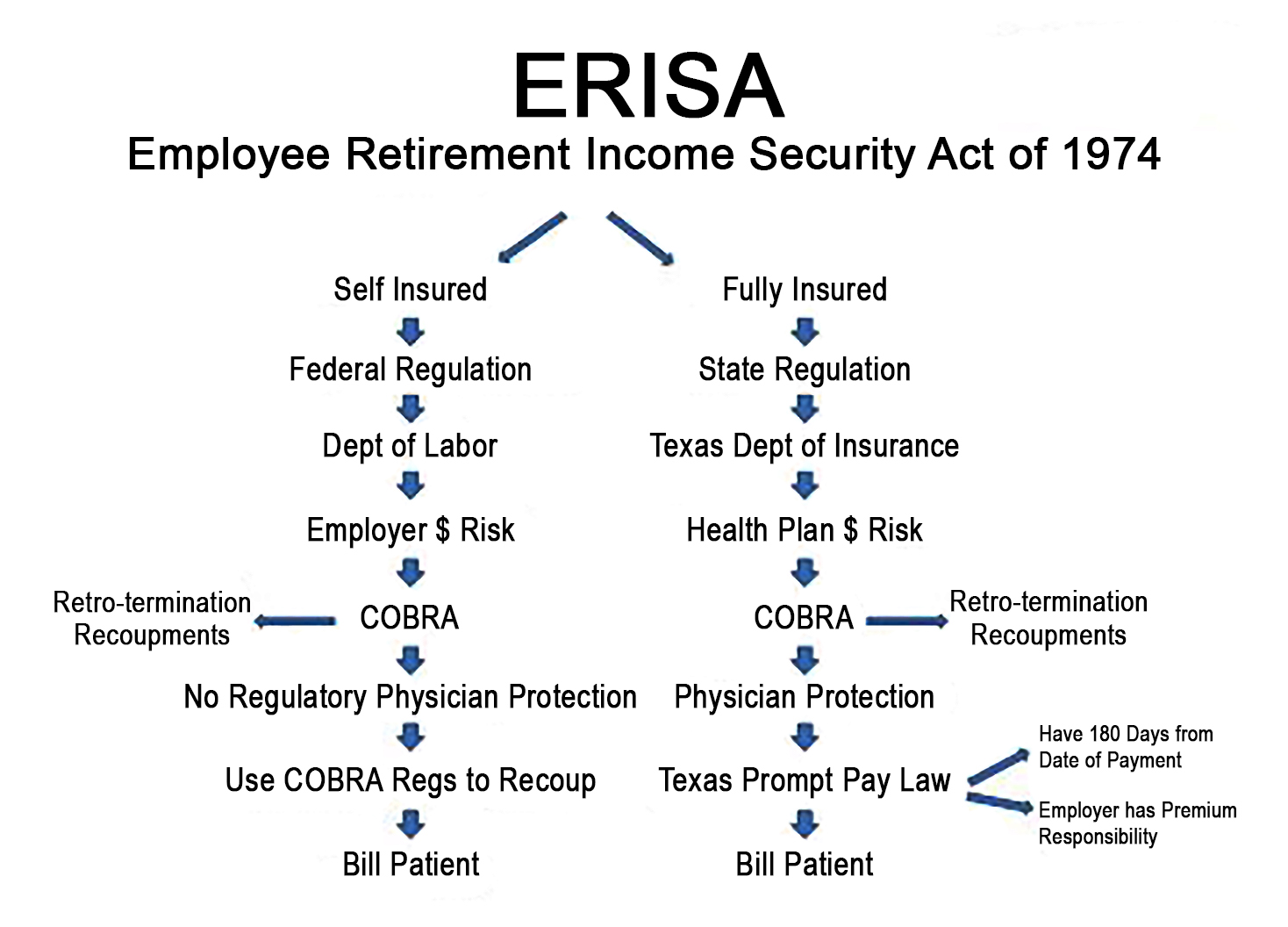








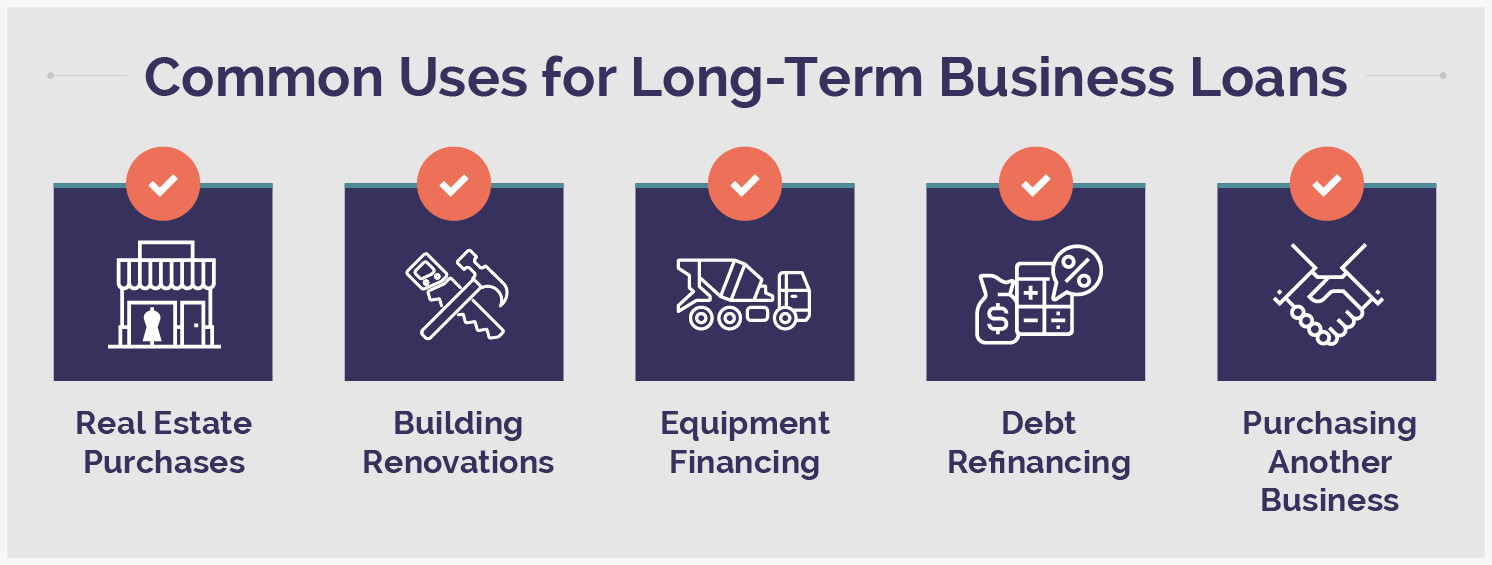





































 The Leading Business Education Network for Doctors, Financial Advisors and Health Industry Consultants