On Physicians Texting [SMS]

Join Our Mailing List 

Some Technical Considerations

By Carol Miller BSN RN MBA PMP [Miller Consulting]

Carol S. Miller

Text (SMS = Short Message Service) Messaging has become nearly ubiquitous on mobile devices. According to one survey, approximately 72 percent of mobile phone users send text messages (TMs).

Clinical medical care is not immune from the trend, and in fact physicians appear to be embracing texting on par with the general population. Another survey found that 73 percent of physicians text other physicians about work.

(Source:  Journal of AHIMA, “HIPAA Compliance for Clinician Texting”, by Adam Green, April 2012)

Advantages

Texting can offer providers numerous advantages for clinical care. It may be the fastest and most efficient means of sending information in a given situation, especially with factors such as background noise, spotty wireless network coverage, lack of access to a desktop or laptop, and a flood of e-mails clogging inboxes.

Further, texting is device neutral—it will work on personal or provider-supplied devices of all shapes and sizes. Because of these advantages, physicians may utilize texting to communicate clinical information, whether authorized to do so or not.

Risks

All forms of communication involve some level of risk. Text messaging merely represents a different set of risks that, like other communication technologies, needs to be managed appropriately to ensure both privacy and security of the information exchanged.

Text messages, like all digital data,  may reside on a mobile device indefinitely, where the information can be exposed to unauthorized third parties due to theft, loss, or recycling of the device. Text messages often can be accessed without any level of authentication, meaning that anyone who has access to the mobile phone may have access to all text messages on the device without the need to enter a password.

***

AA9tsnE

***

Texts also are generally not subject to central monitoring by the IT department. Although text messages communicated wirelessly are usually encrypted by the carrier, interception and decryption of such messages can be done with inexpensive equipment and freely available software (although a substantial level of sophistication is needed.

If text messages are used to make decisions about patient care, then they may be subject to the rights of access and amendment. There is a risk of noncompliance with the privacy rule if the covered entity cannot provide patients with access to or amend such text messages.

The Wireless Association

According to 2012 data from CTIA–The Wireless Association, U.S. citizens alone exchange nearly 200 billion text messages every month. So it’s not surprising that an increasing number of clinicians are using text messaging to exchange clinical information, along with a wide range of other modes — smartphones, pagers, computerized physician order entry, emails, etc. Electronic communication is certainly faster, can be more efficient, enhances clinical collaboration and enables clinicians to focus on patient care. But with these benefits comes an increased risk of security breaches.

(Source:  Clarifying the Confusion about HIPAA – Compliant Texting, by Megan Hardiman and Terry Edwards, May 2013)

Unfortunately, vendor hype about the Health Insurance Portability and Accountability Act [HIPAA] is causing many hospitals and health systems to implement stop-gap measures that address part — but not all — of a problem. To identify all vulnerabilities, health care leaders need to consider not only text messaging, but all mechanisms by which protected health information in electronic form is transmitted — as well as the security of those mechanisms.

Mobile device-to-mobile device SMS text messages are generally not secure because they lack encryption.  The sender does not know with certainty that his or her message is indeed received by the intended recipient.  In addition, telecommunications vendor/wireless carrier may store the text messages.

Recent HHS guidance indicates text messaging, as a means of communicating PHI, can be permissible under HIPAA depending in large part on the adequacy of the controls used.  A hospital or provider may be approved for texting after performing a risk analysis or implementing a third-party messaging solution that incorporates measures to establish a secure communication platform that will allow texting on approved mobile devices.

***
AA9tvIj

***

The Ponemon Institute

A study reported in Computer World in May 2013 by the Ponemon Institute with 577 healthcare and It professional in facilities that ranged from fewer than 100 beds to over 500 beds stated that fifty-one percent of the respondents felt HIPAA compliance requirements can be a barrier to providing effective patient care.

Specifically HIPAA reduces time available for patient care (85% of the respondents), makes access to electronic patient information difficult (79% of the respondents) and restricts the use of electronic mobile communications (56% of the respondents).

The study stated “respondents agreed that the deficient communications tools currently in use decrease productivity and limit the time doctors have to spend with patients. “ They also stated “they recognized the value of implementing smartphones, text messaging and other modern forms of communications, but cited overly restrictive security policies as a primary reason why these technologies were not used.”

Clinicians in the survey stated that only 45% of each workday is spent with patients; the remaining 55% is spent communicating and collaborating with other clinicians and using the electronic medical record and other clinical IT systems.

Several other statements made were:

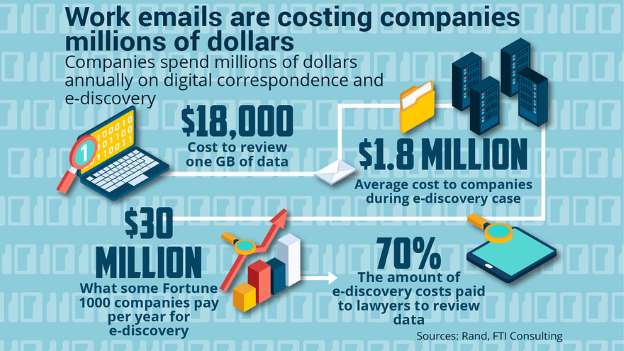
  • Because of the need for security, hospitals and other healthcare organizations continue to use older, outdate technology such as pagers, email and facsimile machines. The use of older technology can also delay patient discharges – now taking an average of 102 minutes.
  • The Ponemon Institute estimated that the lengthy discharge process costs the U.S. hospital industry more than $3.189 billion a year in lost revenue, with another $5 billion lost through decrease doctor productivity and use of outdated technology. Secure text messaging could cut discharge time by 50 minutes.

(Source:  Computer World, “HIPAA rules, outdate tech cost U.S. hospitals $3.38 B a year”, by Lucas Mearian, May, 2013)

***

smart phone mobile ME-P

***

Assessment

Several suggestions offered for these preferred mobile devises are:  1) ensure encryption and access to individuals who need to have access; 2) use secure texting applications; and 3) even consider alerting employees with warnings before they send an email or share files that lets them know they are liable for the information sent

Channel Surfing the ME-P

Have you visited our other topic channels? Established to facilitate idea exchange and link our community together, the value of these topics is dependent upon your input. Please take a minute to visit. And, to prevent that annoying spam, we ask that you register. It is fast, free and secure.

ABOUT CAROL MILLER; BSN, MBA, PMP millerconsultgroup@gmail.com ACT IAC Executive Committee Vice Chairwoman at-Large HIMSS NCA Board Member [President – Miller Consulting Group] Phone: 703-407-4704 and Fax: 703-790-3257

Ms. Carol S. Miller has an extensive healthcare background in operations, business development and capture in both the public and private sector. Over the last 10 years she has provided management support to projects in the Department of Health and Human Services, Veterans Affairs, and Department of Defense medical programs. In most recent years, Carol has served as Vice President and Senior Account Executive for NCI Information Systems, Inc., Assistant Vice President at SAIC, and Program Manager at MITRE. She has led the successful capture of large IDIQ/GWAC programs, managed the operations of multiple government contracts, interacted with many government key executives, and increased the new account portfolios for each firm she supported. She earned her MBA from Marymount University; BS in Business from Saint Joseph’s College, and BS in Nursing from the University of Pittsburgh. She is a Certified PMI Project Management Professional (PMP) (PMI PMP) and a Certified HIPAA Professional (CHP), with Top Secret Security clearance issued by the DoD in 2006. Ms. Miller is also a HIMSS Fellow.

Conclusion

How does this relate to emails? Your thoughts and comments on this ME-P are appreciated. Feel free to review our top-left column, and top-right sidebar materials, links, URLs and related websites, too. Then, subscribe to the ME-P. It is fast, free and secure.

Speaker: If you need a moderator or speaker for an upcoming event, Dr. David E. Marcinko; MBA – Publisher-in-Chief of the Medical Executive-Post – is available for seminar or speaking engagements. Contact: MarcinkoAdvisors@msn.com

OUR OTHER PRINT BOOKS AND RELATED INFORMATION SOURCES:

Product DetailsProduct Details

UNDERSTANDING SPOUSAL DEBT

Join Our Mailing List

For Doctors and Other Couples

[By Staff Reporters]

The general rule is that spouses are not responsible for each other’s debts, but there are exceptions.

Many states will hold both spouses responsible for a debt incurred by one spouse if the debt constituted a family expense (e.g., child care or groceries).

In addition, community property states will hold one spouse responsible for the other’s debts because both spouses have equal rights to each other’s income.

***

couple

***

Assessment

Also, you are both responsible for any debt that you have in both names (e.g., mortgage, home equity loan, credit card).

More:

Channel Surfing the ME-P

Have you visited our other topic channels? Established to facilitate idea exchange and link our community together, the value of these topics is dependent upon your input. Please take a minute to visit. And, to prevent that annoying spam, we ask that you register. It is fast, free and secure.

Conclusion

Your thoughts and comments on this ME-P are appreciated. Feel free to review our top-left column, and top-right sidebar materials, links, URLs and related websites, too. Then, subscribe to the ME-P. It is fast, free and secure.

Speaker: If you need a moderator or speaker for an upcoming event, Dr. David E. Marcinko; MBA – Publisher-in-Chief of the Medical Executive-Post – is available for seminar or speaking engagements. Contact: MarcinkoAdvisors@msn.com

OUR OTHER PRINT BOOKS AND RELATED INFORMATION SOURCES:

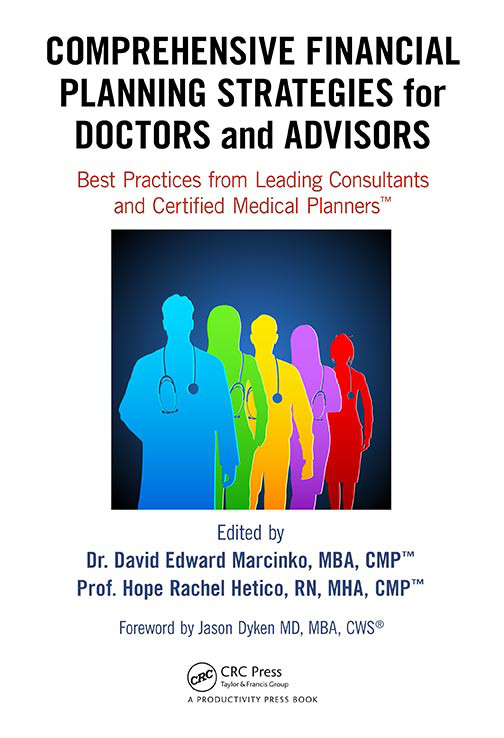
Comprehensive Financial Planning Strategies for Doctors and Advisors: Best Practices from Leading Consultants and Certified Medical Planners(TM)* 8

A Medicare Fraud 2.0 Prediction

Join Our Mailing List

More on Healthcare Fraud and Abuse with Video

Edward Bukstel

 By Edward Bukstel

ME-P SPECIAL REPORT

***

Medicare Fraud 2.0 Prediction.

***

fraud

***

Channel Surfing the ME-P

Have you visited our other topic channels? Established to facilitate idea exchange and link our community together, the value of these topics is dependent upon your input. Please take a minute to visit. And, to prevent that annoying spam, we ask that you register. It is fast, free and secure.

More: Submitted by Perry D’Alessio CPA

Conclusion

Your thoughts and comments on this ME-P are appreciated. Feel free to review our top-left column, and top-right sidebar materials, links, URLs and related websites, too. Then, subscribe to the ME-P. It is fast, free and secure.

Speaker: If you need a moderator or speaker for an upcoming event, Dr. David E. Marcinko; MBA – Publisher-in-Chief of the Medical Executive-Post – is available for seminar or speaking engagements. Contact: MarcinkoAdvisors@msn.com

OUR OTHER PRINT BOOKS AND RELATED INFORMATION SOURCES:

Product DetailsProduct Details

Health Data Breaches Multiplying

Join Our Mailing List

YET – Fines Remain Rare

By Charles Ornstein @charlesornstein

[ProPublica]

Federal health watchdogs say they are cracking down on organizations that don’t protect the privacy and security of patient records, but data suggests otherwise.

***

Fines Remain Rare Even As Health Data Breaches Multiply

***

data

***

Channel Surfing the ME-P

Have you visited our other topic channels? Established to facilitate idea exchange and link our community together, the value of these topics is dependent upon your input. Please take a minute to visit. And, to prevent that annoying spam, we ask that you register. It is fast, free and secure.

More:

Even More:

Conclusion

Your thoughts and comments on this ME-P are appreciated. Feel free to review our top-left column, and top-right sidebar materials, links, URLs and related websites, too. Then, subscribe to the ME-P. It is fast, free and secure.

Speaker: If you need a moderator or speaker for an upcoming event, Dr. David E. Marcinko; MBA – Publisher-in-Chief of the Medical Executive-Post – is available for seminar or speaking engagements. Contact: MarcinkoAdvisors@msn.com

OUR OTHER PRINT BOOKS AND RELATED INFORMATION SOURCES:

Product Details

Product DetailsProduct Details

SUBSTANCE ABUSE AND IMPAIRED PHYSICIANS

On Physician Health Programs [Help or Hindrance?]

[By Eric A. Dover MD]

Approximately 10-12% of physicians will develop a drug or alcohol problem at some point during their career. If physicians are impaired, they should be able to seek help from a firm but supportive and fair resource—one that demands sobriety and can determine when physicians are safe to practice.

About PHPs

Physicians with substance use disorders often seek the assistance of a state physician health program (PHP). Some physicians engage willingly with PHPs, but most are compelled to do so either by their hospital or their board of medicine.  PHPs meet with, assess, and monitor physicians who have been referred to them for substance use or other mental and behavioral health problems.

In most states, physicians who comply with any and all demands of the PHP often may continue to work, provided their sobriety is ensured through drug testing and other means. Many state boards of medicine rely completely on the PHPs for guidance about how to deal with impaired physicians.  PHPs are therefore extremely powerful.

The Problem

The problem with PHPs, though, is that despite their enormous power, they are generally barely known to most physicians and often operate with little oversight and no real means of appealing their recommendations.

To compound matters, evaluation/treatment centers and PHPs are often financially dependent on one another: Centers depend on referrals from PHPs for their viability and, reciprocally, PHP regional and national meetings are often heavily sponsored by these centers.

***

Stress

***

Largely Unknown Practices

Because PHP practices are largely unknown to physicians until they themselves are referred to one, physicians who do register complaints about standard PHP practice are often dismissed as bellyaching. But, some voices of concern have been heard.

For example, several years ago, a paper was published in the Journal of Addiction Medicine outlining concerns about standard PHP practice, which included the points raised above; along with others.

More recently, a group of North Carolina physicians complained about their state PHP to the state auditor. The auditor conducted an investigation and found poor oversight of the PHP by both the state medical society and the board of medicine, a lack of due process for physicians who disputed the PHP’s evaluations and/or recommendations, and multiple instances of potential conflicts of interest.

And so, some authorities suggest a national federation of PHPs to implement national standards for its members and commence routine audits of its members.

Assessment

Doctors who are unsafe to practice medicine ought to be prevented from doing so, but every doctor who enters any kind of treatment or monitoring program should be treated respectfully, and fairly, monitored appropriately, and have legitimate avenues of appealing decisions about their care.

Channel Surfing the ME-P

Have you visited our other topic channels? Established to facilitate idea exchange and link our community together, the value of these topics is dependent upon your input. Please take a minute to visit. And, to prevent that annoying spam, we ask that you register. It is fast, free and secure.

ABOUT

Dr. Eric Dover is a board certified family practice and primary care physician in Portland, Oregon. He is a graduate of the University of California at Los Angeles [UCLA] School of Medicine.

Conclusion

How does this relate to emails? Your thoughts and comments on this ME-P are appreciated. Feel free to review our top-left column, and top-right sidebar materials, links, URLs and related websites, too. Then, subscribe to the ME-P. It is fast, free and secure.

Speaker: If you need a moderator or speaker for an upcoming event, Dr. David E. Marcinko; MBA – Publisher-in-Chief of the Medical Executive-Post – is available for seminar or speaking engagements. Contact: MarcinkoAdvisors@msn.com

OUR OTHER PRINT BOOKS AND RELATED INFORMATION SOURCES:

The Financial Value of Maternity Management

Join Our Mailing List

In Medico-Legal Risk Mitigation

By http://www.MCOL.com

maternity

More:

Channel Surfing the ME-P

Have you visited our other topic channels? Established to facilitate idea exchange and link our community together, the value of these topics is dependent upon your input. Please take a minute to visit. And, to prevent that annoying spam, we ask that you register. It is fast, free and secure.

Conclusion

Your thoughts and comments on this ME-P are appreciated. Feel free to review our top-left column, and top-right sidebar materials, links, URLs and related websites, too. Then, subscribe to the ME-P. It is fast, free and secure.

Speaker: If you need a moderator or speaker for an upcoming event, Dr. David E. Marcinko; MBA – Publisher-in-Chief of the Medical Executive-Post – is available for seminar or speaking engagements. Contact: MarcinkoAdvisors@msn.com

OUR OTHER PRINT BOOKS AND RELATED INFORMATION SOURCES:

Comprehensive Financial Planning Strategies for Doctors and Advisors: Best Practices from Leading Consultants and Certified Medical Planners(TM)* 8

Why Healthcare is F@#Ked !

Join Our Mailing List

And … What I Learned at The Wharton School of Business

Edward Bukstel

By Edward Bukstel

ME-P SPECIAL REPORT

***

What I Learned at The Wharton School of Business and Why Healthcare is F@#Ked !

***

Business%20Optimization

***

Channel Surfing the ME-P

Have you visited our other topic channels? Established to facilitate idea exchange and link our community together, the value of these topics is dependent upon your input. Please take a minute to visit. And, to prevent that annoying spam, we ask that you register. It is fast, free and secure.

More:

Conclusion

Your thoughts and comments on this ME-P are appreciated. Feel free to review our top-left column, and top-right sidebar materials, links, URLs and related websites, too. Then, subscribe to the ME-P. It is fast, free and secure.

Speaker: If you need a moderator or speaker for an upcoming event, Dr. David E. Marcinko; MBA – Publisher-in-Chief of the Medical Executive-Post – is available for seminar or speaking engagements. Contact: MarcinkoAdvisors@msn.com

OUR OTHER PRINT BOOKS AND RELATED INFORMATION SOURCES:

Product DetailsProduct Details

Seeking Peer Reviewers for New Medical Risk Management Text Book

Join Our Mailing List 

Our Newest Text Book-in-Production

http://www.CertifiedMedicalPlanner.org

[By Ann Miller RN MHA]

CMP logo

***

RISK MANAGEMENT, LIABILITY INSURANCE, AND ASSET PROTECTION STRATEGIES FOR DOCTOR AND ADVISORS

[Best Practices from Leading Consultants and Certified Medical Planners™]

***

***

Skills Needed

If you are a physician, nurse, accountant, attorney, medical risk manager or healthcare executive, we need you.

Form below or contact us for details to peer-review, etc. MarcinkoAdvisors@msn.com

Assessment

Channel Surfing the ME-P

Have you visited our other topic channels? Established to facilitate idea exchange and link our community together, the value of these topics is dependent upon your input. Please take a minute to visit. And, to prevent that annoying spam, we ask that you register. It is fast, free and secure.

Conclusion

Your thoughts and comments on this ME-P are appreciated. Feel free to review our top-left column, and top-right sidebar materials, links, URLs and related websites, too. Then, subscribe to the ME-P. It is fast, free and secure.

Speaker: If you need a moderator or speaker for an upcoming event, Dr. David E. Marcinko; MBA – Publisher-in-Chief of the Medical Executive-Post – is available for seminar or speaking engagements. Contact: MarcinkoAdvisors@msn.com

OUR OTHER PRINT BOOKS AND RELATED INFORMATION SOURCES:

Comprehensive Financial Planning Strategies for Doctors and Advisors: Best Practices from Leading Consultants and Certified Medical Planners(TM)

[Companion Text Book]


← Back

Thank you for your response. ✨

What’s New with Renter’s Insurance?

Join Our Mailing List 

Affordable and Ideal for Future Physicians

[By Thomas A. Mudlowney MSFS CLU AIF® CFP® CMP™]

http://www.SavantCapital.com

Muldowney

Renters insurance can protect you from damage caused by weather events like wind, rain, snow or lightning, as well as fire, vandalism or theft.

Some policies also include liability protection. This would be valuable if someone got injured in your home and sued you; doctor’s are at high-risk for this sort of liability.

Costs

Renters insurance tends to be cheap. For a low payment, usually annually, you can often get replacement coverage for your belongings and living expenses if you are displaced.

This means that you can get money to replace a damaged or stolen item as well as paying for a hotel or alternative rent if you are forced to leave your home because of damage.

Assessment

Renter’s insurance may be ideal for medical residents, fellows and interns etc; as they travel around the country for education and post-graduate training; etc.

Renter's Insurance

Channel Surfing the ME-P

Have you visited our other topic channels? Established to facilitate idea exchange and link our community together, the value of these topics is dependent upon your input. Please take a minute to visit. And, to prevent that annoying spam, we ask that you register. It is fast, free and secure.

More: http://www.CertifiedMedicalPlanner.org

Conclusion

Your thoughts and comments on this ME-P are appreciated. Feel free to review our top-left column, and top-right sidebar materials, links, URLs and related websites, too. Then, subscribe to the ME-P. It is fast, free and secure.

Speaker: If you need a moderator or speaker for an upcoming event, Dr. David E. Marcinko; MBA – Publisher-in-Chief of the Medical Executive-Post – is available for seminar or speaking engagements. Contact: MarcinkoAdvisors@msn.com

OUR OTHER PRINT BOOKS AND RELATED INFORMATION SOURCES:

Comprehensive Financial Planning Strategies for Doctors and Advisors: Best Practices from Leading Consultants and Certified Medical Planners(TM)

Beware Dubious Insurance Policies for Doctors

Join Our Mailing List

Careful Consideration is Required

[By Dr. David Edward Marcinko MBA MBBS] http://www.CertifiedMedicalPlanner.org

Dr. David E. Marcinko MBAThe following insurance policies should be carefully considered before purchase, since they may be unnecessary, too expensive, provide only minimal benefits, or be duplicated in your other policies.

The Culprits

Disclosure: I was a licensed insurance agent for more than a decade.

So, the culprits include: credit life or home mortgage insurance  (decreasing term), life insurance for children, accident policies for students, hospital indemnity policies, dread disease insurance, credit card insurance, pet health insurance, life insurance for the elderly, funeral insurance, flight insurance, pre-paid legal insurance and most extended warranties on automobiles, televisions, stereos, home computers; other gadgets and the like.

New wave Health 2.0 culprits include: terrorist insurance, cyber security insurance and reputation management policies.

Assessment

On the other hand, the following types of coverage may be important, for some medical professionals, and in selected cases: trip cancellation insurance, termite insurance and flood and earthquake insurance.

Channel Surfing the ME-P

Have you visited our other topic channels? Established to facilitate idea exchange and link our community together, the value of these topics is dependent upon your input. Please take a minute to visit. And, to prevent that annoying spam, we ask that you register. It is fast, free and secure.

***

Insurance

***

Conclusion

Your thoughts and comments on this ME-P are appreciated. Feel free to review our top-left column, and top-right sidebar materials, links, URLs and related websites, too. Then, subscribe to the ME-P. It is fast, free and secure.

Speaker: If you need a moderator or speaker for an upcoming event, Dr. David E. Marcinko; MBA – Publisher-in-Chief of the Medical Executive-Post – is available for seminar or speaking engagements. Contact: MarcinkoAdvisors@msn.com

OUR OTHER PRINT BOOKS AND RELATED INFORMATION SOURCES:

Comprehensive Financial Planning Strategies for Doctors and Advisors: Best Practices from Leading Consultants and Certified Medical Planners(TM)

*** Risk Management, Liability Insurance, and Asset Protection Strategies for Doctors and Advisors: Best Practices from Leading Consultants and Certified Medical Planners™

On Nursing Assistants

Join Our Mailing List

Occupational Injuries for 2013

By http://www.MCOL.com

***

nursing accidents***

More:

Channel Surfing the ME-P

Have you visited our other topic channels? Established to facilitate idea exchange and link our community together, the value of these topics is dependent upon your input. Please take a minute to visit. And, to prevent that annoying spam, we ask that you register. It is fast, free and secure.

Conclusion

Your thoughts and comments on this ME-P are appreciated. Feel free to review our top-left column, and top-right sidebar materials, links, URLs and related websites, too. Then, subscribe to the ME-P. It is fast, free and secure.

Speaker: If you need a moderator or speaker for an upcoming event, Dr. David E. Marcinko; MBA – Publisher-in-Chief of the Medical Executive-Post – is available for seminar or speaking engagements. Contact: MarcinkoAdvisors@msn.com

OUR OTHER PRINT BOOKS AND RELATED INFORMATION SOURCES:

Product DetailsProduct Details


Psychopathy and the Medical Profession

Join Our Mailing List 

Psychopathy Everywhere?

A SPECIAL ME-P REPORT

By Michael Lawrence Langan MD

Psychopathy is present in all professions.

In The Wisdom of Psychopaths: What Saints, Spies, and Serial Killers Can Teach Us About Success, Kevin Dutton provides a side-by-side list of professions with the highest (CEO tops the list) and lowest (care-aid) percentage of psychopaths.

Interestingly surgeons come in at #5 among the professions with the highest percentage of psychopathy while doctors  (in general) are listed among the lowest [more ……>]

Psychopathy and the Medical Profession

 holloween

More:

Channel Surfing the ME-P

Have you visited our other topic channels? Established to facilitate idea exchange and link our community together, the value of these topics is dependent upon your input. Please take a minute to visit. And, to prevent that annoying spam, we ask that you register. It is fast, free and secure.

Conclusion

Your thoughts and comments on this ME-P are appreciated. Feel free to review our top-left column, and top-right sidebar materials, links, URLs and related websites, too. Then, subscribe to the ME-P. It is fast, free and secure.

Speaker: If you need a moderator or speaker for an upcoming event, Dr. David E. Marcinko; MBA – Publisher-in-Chief of the Medical Executive-Post – is available for seminar or speaking engagements. Contact: MarcinkoAdvisors@msn.com

OUR OTHER PRINT BOOKS AND RELATED INFORMATION SOURCES:

Product DetailsProduct Details

Some Academic Views of Financial “RISK” Tolerance

Join Our Mailing List 

The Psychological Studies

[By Staff Reporters]

Understanding risk tolerance should not be a guessing game especially when dozens of academic studies can point us in the right direction. Below are 2 important academic studies in the field of risk tolerance.

  1. Measuring the Perception of Financial Risk Tolerance: A Tale of Two Measures – John Gilliam, Swarn Chatterjee and John Grable – 2010

This study compares the explanatory power of a simple question about risk versus a multi-dimensional 13-item questionnaire when trying to understand someone’s risk tolerance. Unsurprisingly the multi-dimensional questionnaire showed better results. The research helps explain why advisors should not be using boilerplate questionnaires.

Link to paper

  1. Insights from Psychology and Psychometrics on Measuring Risk Tolerance – Michael Roszkowski, Geoff Davey, John Grable – 2005

This paper re-enforces previous studies that show risk tolerance can be measured as long as the questionnaire is long enough and asks good questions (doesn’t mix in questions about risk capacity and risk needs).

Link to paper

More:

***

Risk[RISK TOLERANCE v. RISK AVERSION]

***

Channel Surfing the ME-P

Have you visited our other topic channels? Established to facilitate idea exchange and link our community together, the value of these topics is dependent upon your input. Please take a minute to visit. And, to prevent that annoying spam, we ask that you register. It is fast, free and secure.

Conclusion

Your thoughts and comments on this ME-P are appreciated. Feel free to review our top-left column, and top-right sidebar materials, links, URLs and related websites, too. Then, subscribe to the ME-P. It is fast, free and secure.

Speaker: If you need a moderator or speaker for an upcoming event, Dr. David E. Marcinko; MBA – Publisher-in-Chief of the Medical Executive-Post – is available for seminar or speaking engagements. Contact: MarcinkoAdvisors@msn.com

OUR OTHER PRINT BOOKS AND RELATED INFORMATION SOURCES:

Comprehensive Financial Planning Strategies for Doctors and Advisors: Best Practices from Leading Consultants and Certified Medical Planners(TM)

Where There’s Smoke?

Join Our Mailing List

Cytisine versus Nicotine Replacement Therapy

[By staff reporters and Rena Xu]

Doctors and financial advisors know that motivation is often half the battle of behavior change.  In the battle against nicotine addiction however, motivation alone may not be enough.  Mass media campaigns have helped to raise awareness about the dangers of smoking. We’ve even mentioned them on this ME-P

But, for the majority of smokers who already want to quit, the question remains: how?

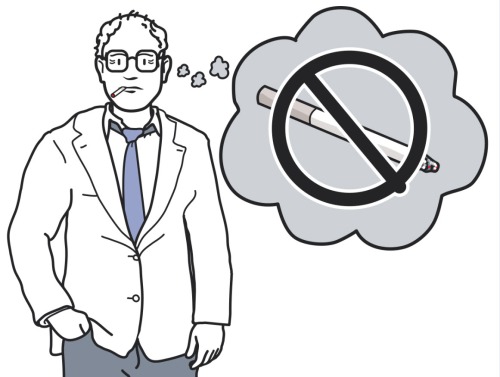
smoke

Where There’s Smoke: Cytisine versus Nicotine Replacement Therapy

Assessment

We thought the non-healthcare readers of this ME-P might enjoy seeing how a practicing doctor is “detailed”; or informed about a new drug or treatment. In the past, drug “reps” accomplished this task in the office; “eye-2-eye” with folders and flip-charts, etc.

Today; not so much in the digital era!

And, insightful FAs realize the similarity to “wholesalers” in the financial services industry.

More:

Chest pain

Conclusion

Your thoughts and comments on this ME-P are appreciated. Feel free to review our top-left column, and top-right sidebar materials, links, URLs and related websites, too. Then, subscribe to the ME-P. It is fast, free and secure.

Speaker: If you need a moderator or speaker for an upcoming event, Dr. David E. Marcinko; MBA – Publisher-in-Chief of the Medical Executive-Post – is available for seminar or speaking engagements. Contact: MarcinkoAdvisors@msn.com

OUR OTHER PRINT BOOKS AND RELATED INFORMATION SOURCES:

Product Details  Product Details

The Resurgence of Polygraph “Lie-Detection” in an age of Evidence-Based Medicine

Join Our Mailing List

On Junk-Science in the Medical Profession

A SPECIAL ME-P REPORT

By Michael Lawrence Langan MD

***

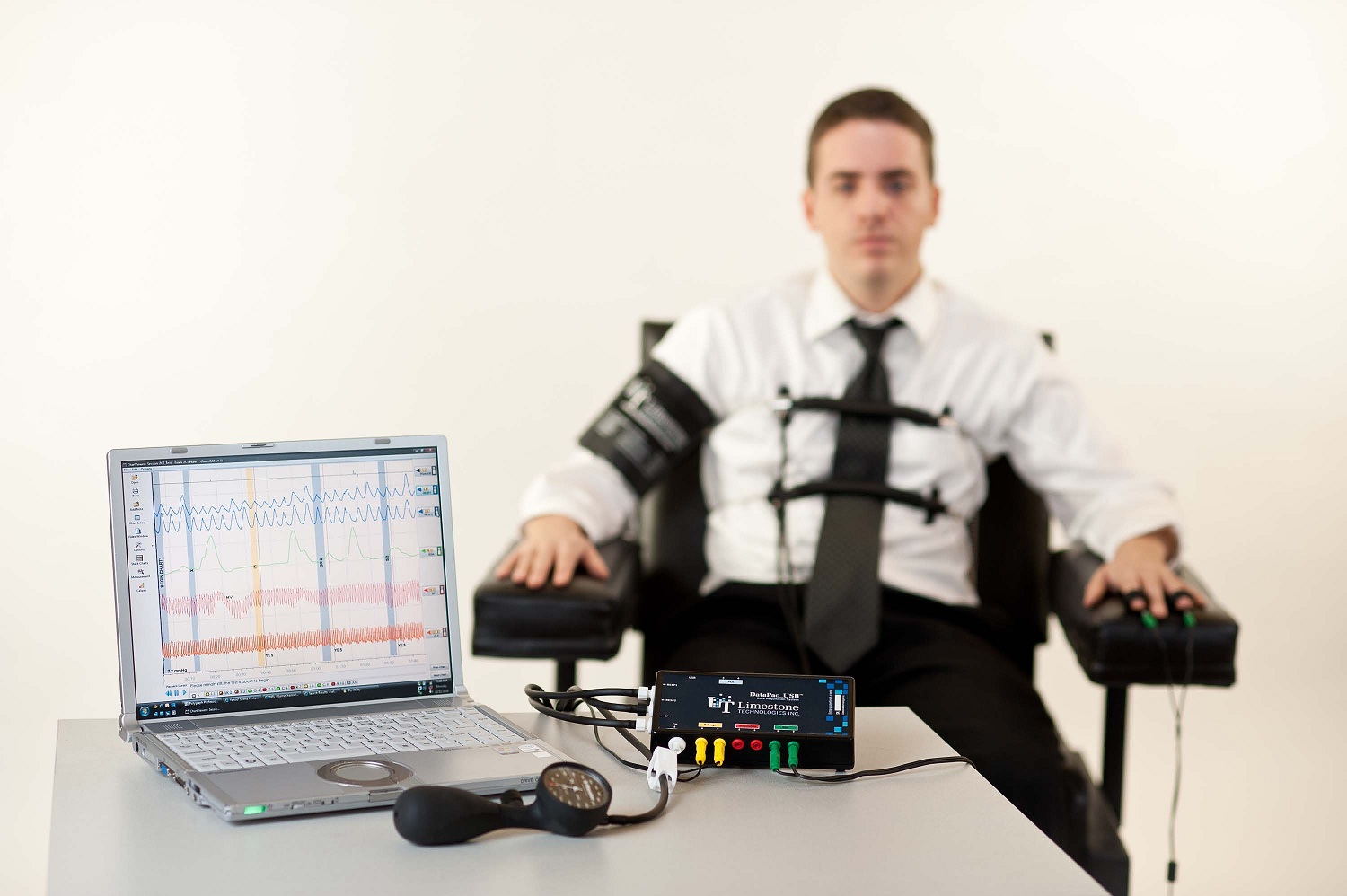
If you are ever asked to take a polygraph test–don’t do it. Those involved in the criminal justice system, including lawyers, are largely uneducated in the realm of scientific scrutiny and experimental methodology.

They may not separate science and pseudo-science, and erroneously believe that the polygraph is an accurate scientific instrument. Their interactions are with polygraph examiners who proselytize its use, and they have little or no interaction with scientists, psychologists, and physicians who refute its use.

Refuse to take the test and educate them. Cite the Frye Doctrine, go to the medical library, copy the scientific articles which belie its validity, and present them to whomever requested you to take the test. State that the principles and assumptions underlying polygraphy are not supported by our understanding of psychology, neurology, and physiology.

*** Polygraph_Test_-_Limestone_Technologies_Inc***

Junk-Science in the Medical Profession: The Resurgence of Polygraph “Lie-Detection” in an age of Evidence-Based Medicine.

Assessment

Then, put the burden of proof on their heads. Tell them to present you with scientific evidence that corroborates the validity of the test. There is simply no rational basis for a machine to detect liars.

More:

Channel Surfing the ME-P

Have you visited our other topic channels? Established to facilitate idea exchange and link our community together, the value of these topics is dependent upon your input. Please take a minute to visit. And, to prevent that annoying spam, we ask that you register. It is fast, free and secure.

poly

About the Author

Dr. Langan graduated from Oregon Health Sciences University School Of Medicine, Portland Oregon with an MD 21 years ago. He had his residency training of Geriatric Medicine-Internal Medicine at Beth Israel Deaconess Medicine Center and Internal Medicine at St Vincent Hospital Medicine Center.

Conclusion

Your thoughts and comments on this ME-P are appreciated. Feel free to review our top-left column, and top-right sidebar materials, links, URLs and related websites, too. Then, subscribe to the ME-P. It is fast, free and secure.

Speaker: If you need a moderator or speaker for an upcoming event, Dr. David E. Marcinko; MBA – Publisher-in-Chief of the Medical Executive-Post – is available for seminar or speaking engagements. Contact: MarcinkoAdvisors@msn.com

OUR OTHER PRINT BOOKS AND RELATED INFORMATION SOURCES:

Product DetailsProduct DetailsProduct Details

Product Details

About Peer-to-Peer Lending [P2PL]

Join Our Mailing List 

What it is – How it works?

big_picBy TIMOTHY J. McINTOSH; MBA, MPH, CFP®, CMP™ [Hon]

Similar to private equity or venture capital, peer-to-peer lending [aka person-to-person lending, peer-to-peer investing and social lending] is the practice of lending money to unrelated individuals without the benefit a traditional financial intermediary like a bank or financial institution. P2P lending takes place online using various platforms and credit checking tools.

And, it has been in existence for about a decade.

Here are some important characteristics:

  • P2PL offers a chance to get a lower interest rate than a bank, and gives investors a chance to receive higher returns. Of course, more rewards means more risk.
  • The two largest P2PL companies are Prosper.com and LendingClub.com.  Prosper is older, Lending Club is bigger.  Prosper allows bidding on the interest rates you’re willing to provide a loan. Lending Club sets the rates.
  • Initial returns on Prosper were disappointing because default rates were high; today it is better. For loans originating in the last six months of 2009, both Lending Club and Prosper have a default rate (including currently late loans) of about 13.5%. Using loans from that same time period, Prosper had overall returns of 8.3% and Lending Club had returns of 4.3%.
  • Since avoiding defaults is an important part of P2PL, investors should buy many lots of notes – for as little as $25 each – which make it relatively easy to achieve broad diversification.  Compared to buying index funds and rebalancing once a year, P2PL is more time-consuming as you must pick the loans to invest in individually.  Filtering through the offered loans is time-consuming, but can be rewarding. Some investors sell off their notes at a discount once the borrower goes late on a payment for instance, or just because they need their money out of the investment before the term is up.
  • No matter how closely watched there will be a drag on returns from the cash in your portfolio.  It takes time to choose loans acceptable and then for them to be approved.  Just as with a mutual fund, this will lower your returns, perhaps as much as 1%.
  • One of the real benefits of P2PL is a low correlation with other investments, as it is different than other asset classes and ought to perform differently from equity and fixed income investments.

я74

More:

Assessment

The Author

Timothy J. McIntosh is Chief Investment Officer and founder of SIPCO.  As chairman of the firm’s investment committee, he oversees all aspects of major client accounts and serves as lead portfolio manager for the firm’s equity and bond portfolios. Mr. McIntosh was a Professor of Finance at Eckerd College from 1998 to 2008. He is the author of The Bear Market Survival Guide and the The Sector Strategist.  He is featured in publications like the Wall Street Journal, New York Times, USA Today, Investment Advisor, Fortune, MD News, Tampa Doctor’s Life, and The St. Petersburg Times.  He has been recognized as a Five Star Wealth Manager in Texas Monthly magazine; and continuously named as Medical Economics’ “Best Financial Advisors for Physicians since 2004.  And, he is a contributor to SeekingAlpha.com., a premier website of investment opinion. Mr. McIntosh earned a Bachelor of Science Degree in Economics from Florida State University; Master of Business Administration (M.B.A) degree from the University of Sarasota; Master of Public Health Degree (M.P.H) from the University of South Florida and is a CERTIFIED FINANCIAL PLANNER® practitioner. His previous experience includes employment with Blue Cross/Blue Shield of Florida, Enterprise Leasing Company, and the United States Army Military Intelligence.

Conclusion

Your thoughts and comments on this ME-P are appreciated. Feel free to review our top-left column, and top-right sidebar materials, links, URLs and related websites, too. Then, subscribe to the ME-P. It is fast, free and secure.

Speaker: If you need a moderator or speaker for an upcoming event, Dr. David E. Marcinko; MBA – Publisher-in-Chief of the Medical Executive-Post – is available for seminar or speaking engagements. Contact: MarcinkoAdvisors@msn.com

OUR OTHER PRINT BOOKS AND RELATED INFORMATION SOURCES:

Comprehensive Financial Planning Strategies for Doctors and Advisors: Best Practices from Leading Consultants and Certified Medical Planners(TM)

About the INSTITUTE OF MEDICAL BUSINESS ADVISORS, Inc.

Join Our Mailing List

About

INSTITUTE OF MEDICAL BUSINESS ADVISORS, Inc.

  ***

The Institute of Medical Business Advisors, Inc provides a team of experienced, senior level consultants led by iMBA Chief Executive Officer Dr. David Edward Marcinko MBA CMPMBBS [Hon] and President Hope Rachel Hetico RN MHA CMP™ to provide going contact with our clients throughout all phases of each project, with most of the communications between iMBA and the key client participants flowing through this Senior Team.

Product Details

iMBA Inc., and its skilled staff of certified professionals have many years of significant experience, enjoy a national reputation in the healthcare consulting field, and are supported by an unsurpassed research and support staff of CPAs, MBAs, MPHs, PhDs, CMPs™, CFPs® and JDs to maintain a thorough and extensive knowledge of the healthcare environment.

Product Details

The iMBA team approach emphasizes providing superior service in a timely, cost-effective manner to our clients by working together to focus on identifying and presenting solutions for our clients’ unique, individual needs.

Product Details

The iMBA Inc project team’s exclusive focus on the healthcare industry provides a unique advantage for our clients.  Over the years, our industry specialization has allowed iMBA to maintain instantaneous access to a comprehensive collection of healthcare industry-focused data comprised of both historically-significant resources as well as the most recent information available.  iMBA Inc’s specific, in-depth knowledge and understanding of the “value drivers” in various healthcare markets, in addition to the transaction marketplace for healthcare entities, will provide you with a level of confidence unsurpassed in the public health, health economics, management, administration, and financial planning and consulting fields.

 Product DetailsProduct DetailsProduct Details

iMBA Inc’s information resources and network of healthcare industry textbook resources enhanced by our professional consultants and research staff, ensure that the iMBA project team will maintain the highest level of knowledge regarding the current and future trends of the specific specialty market related to the project, as well as the healthcare industry overall, which serves as the “foundation” for each of our client engagements.

Product Details  Product Details

Ann Miller RN MHA

www.MedicalBusinessAdvisors.com

Financial Advisor Education Letterhead CMP

Solicitation Letterhead.iMBA, Inc

Sample iMBA Engagements

iMBA Seminar Topics

***

Financial Planning MDs 2015

Comprehensive Financial Planning Strategies for Doctors and Advisors: Best Practices from Leading Consultants and Certified Medical Planners™

***

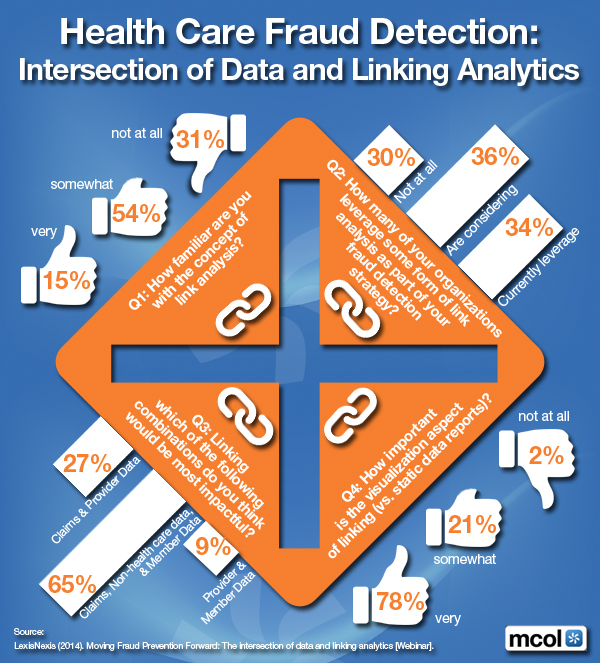
On Health Care Fraud Detection Analytics

Join Our Mailing List

On the Intersection of Data and Linking Analytics

By http://www.MCOL.com

fraud

More:

Channel Surfing the ME-P

Have you visited our other topic channels? Established to facilitate idea exchange and link our community together, the value of these topics is dependent upon your input. Please take a minute to visit. And, to prevent that annoying spam, we ask that you register. It is fast, free and secure.

Conclusion

Your thoughts and comments on this ME-P are appreciated. Feel free to review our top-left column, and top-right sidebar materials, links, URLs and related websites, too. Then, subscribe to the ME-P. It is fast, free and secure.

Speaker: If you need a moderator or speaker for an upcoming event, Dr. David E. Marcinko; MBA – Publisher-in-Chief of the Medical Executive-Post – is available for seminar or speaking engagements. Contact: MarcinkoAdvisors@msn.com

OUR OTHER PRINT BOOKS AND RELATED INFORMATION SOURCES:

Product DetailsProduct DetailsProduct Details

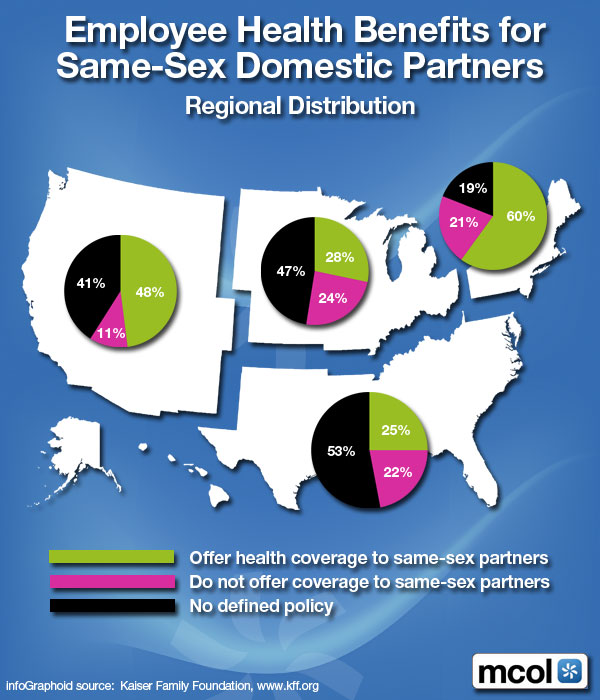
Employee Health Benefits for Same Sex Domestic Partners

Join Our Mailing List

Regional Distribution

http://www.MCOL.com

same

More:

Conclusion

Your thoughts and comments on this ME-P are appreciated. Feel free to review our top-left column, and top-right sidebar materials, links, URLs and related websites, too. Then, subscribe to the ME-P. It is fast, free and secure.

Speaker: If you need a moderator or speaker for an upcoming event, Dr. David E. Marcinko; MBA – Publisher-in-Chief of the Medical Executive-Post – is available for seminar or speaking engagements. Contact: MarcinkoAdvisors@msn.com

OUR OTHER PRINT BOOKS AND RELATED INFORMATION SOURCES:

Product Details  Product Details

Doctors and Rental Cars

Join Our Mailing List

Obtaining and Making the Most of an Upgrade

[By Dr. David Edward Marcinko MBA]

[By Nalley Lexus Roswell, GA]

Dr David E Marcinko MBADoctors and other medical professionals typically rent automobiles; and frequently.

When you rent a car, the rental company will normally have a range of different types available, each priced according to the size and class of car.

While you will almost certainly have booked one class of car, very often the rental company will be in a position to offer you a free upgrade to a larger or more luxurious model.

The Upgrade

So how do you increase your chances of getting a free vehicle upgrade? Here are some ideas:.

  1. Use the same office

If you regularly hire cars, try to make a point of using the same company. If you use a local office (or the same rental office) then the staff members will probably start to recognize you, which might increase your chances of being offered a free upgrade. The car rental business is very competitive, especially in certain locations, so these businesses will be looking to find ways to please you.

  1. Get to the office early

While car rental offices are turning over a number of cars throughout the day, most cars will be returned between the hours of 9 a.m. and midday. If you get to the office early, the staff members may actually have a shortage of cars in the class that you have ordered, which could force them to offer you something larger or more luxurious.

  1. Join loyalty schemes

Some car rental companies have loyalty schemes or member’s clubs, where you may be offered special deals. In exchange for a few personal details, you will receive regular mailings about discounts and offers, some of which will include a free upgrade if you fulfill certain conditions. Even if there is no offer in place, make sure the staff members know that you’re a member of the scheme, as it may just sway their opinion.

  1. Use the personal touch

The way in which you interact with the office personnel may influence the likelihood that you will get a free upgrade. Bear in mind that staff members deal with hundreds of people every day. Somebody that smiles and is patient and friendly is much more likely to be welcome in the office and may be rewarded. Chat with the staff member dealing with you and, if necessary, show your interest in one of the larger, more luxurious cars. It might just sway them in your favor!

  1. Choose a popular model

When you make a reservation, make a point of talking to the office directly so that you can use the staff member’s local knowledge. Ask the office which class or type of car is the most popular and then book that one. That way, there is a higher likelihood that the office will be out of stock when you arrive.

***

001

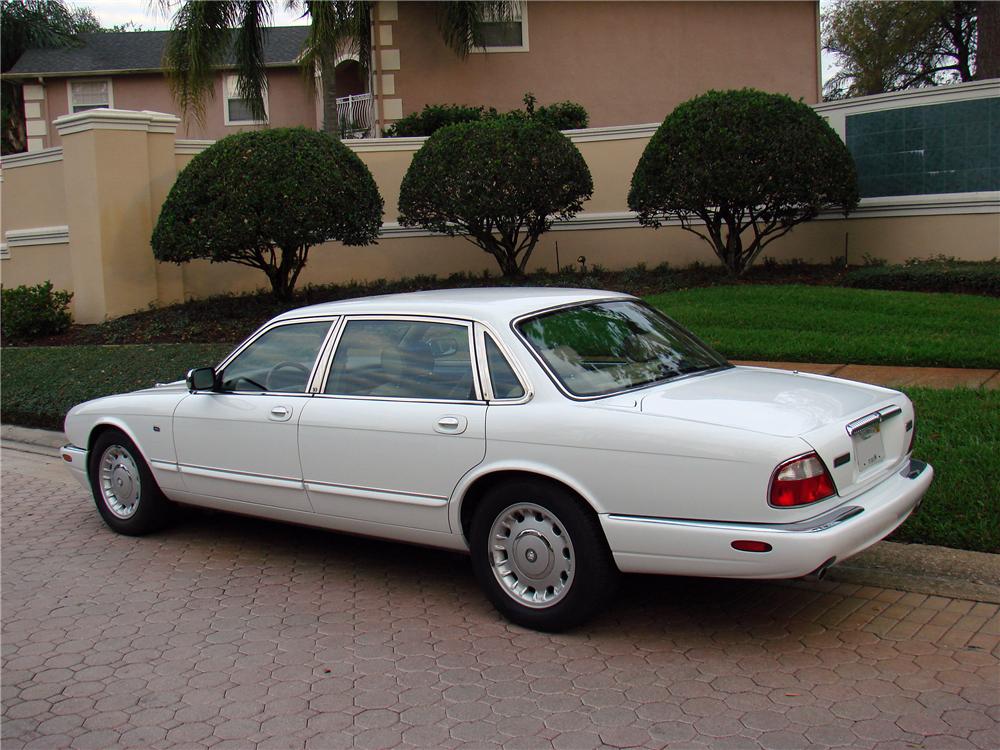
[Classic Jaguar XJ-V8 Luxury Touring Sedan]

***

Assessment

In all cases, be aware that many offices will try and push an upgrade charge on you, which may range from $5 upwards per day. Don’t be bullied into accepting this charge!

Conclusion

Your thoughts and comments on this ME-P are appreciated. Feel free to review our top-left column, and top-right sidebar materials, links, URLs and related websites, too. Then, subscribe to the ME-P. It is fast, free and secure.

Speaker: If you need a moderator or speaker for an upcoming event, Dr. David E. Marcinko; MBA – Publisher-in-Chief of the Medical Executive-Post – is available for seminar or speaking engagements. Contact: MarcinkoAdvisors@msn.com

OUR OTHER PRINT BOOKS AND RELATED INFORMATION SOURCES:

Product Details  Product DetailsProduct Details

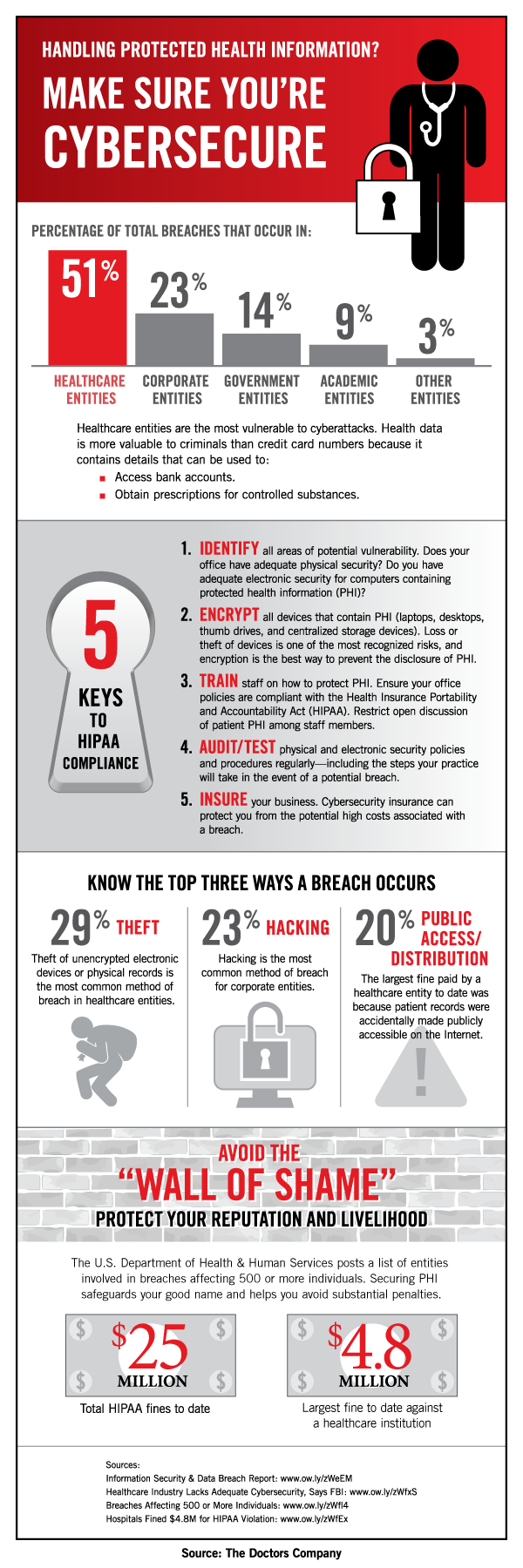
Handling Protected [Cyber] Health Information [PHI]

Join Our Mailing List

More on Medical Cyber-Security

[By The Doctors Company]

***EHR risks

***

NOTE

The guidelines suggested here are not rules, do not constitute legal advice, and do not ensure a successful outcome. The ultimate decision regarding the appropriateness of any treatment must be made by each health care provider in light of all circumstances prevailing in the individual situation and in accordance with the laws of the jurisdiction in which the care is rendered.

More:

Conclusion

Your thoughts and comments on this ME-P are appreciated. Feel free to review our top-left column, and top-right sidebar materials, links, URLs and related websites, too. Then, subscribe to the ME-P. It is fast, free and secure.

Speaker: If you need a moderator or speaker for an upcoming event, Dr. David E. Marcinko; MBA – Publisher-in-Chief of the Medical Executive-Post – is available for seminar or speaking engagements. Contact: MarcinkoAdvisors@msn.com

OUR OTHER PRINT BOOKS AND RELATED INFORMATION SOURCES:

Product Details  Product Details

Financial Planning MDs 2015

Comprehensive Financial Planning Strategies for Doctors and Advisors: Best Practices from Leading Consultants


Reviewing Physician Disability Insurance Policies

Join Our Mailing List

Including Policy Checklist

By Dr. David Edward Marcinko MBA http://www.CertifiedMedicalPlanner.org

Dr. DEM

The Basic Premise 101

Could you continue to support your family and pay your bills if you were unable to work for any length of time because of illness or injury? If you were to become disabled, do you know how much money would be coming in each month and from what sources?

The Checklist

As a doctor I covered the ER, and was an insurance agent, for almost a decade. But, I reformed and am now a Certified Medical Planner™ and B-school professor. And, I know that every disability insurance policy has different features.

The following checklist will help you compare policies you may be considering:

  1. How is disability defined? Is it defined as the inability to perform your own job, or inability to do any job? We recommend all our clients, as physicians, to obtain a policy that protects them in their own specialty. This kind of policy is defined as an own-occupation policy, which protects the income you earn in your own specialty and continues to pay benefits if your disability requires that you choose a new specialty or occupation.
  2. Are benefits available for partial or residual disability, as well as for full disability? The most comprehensive policies will pay you a benefit even if you are not completely disabled. If you can only earn up to 20% of your income you are deemed totally disabled; if you can earn 80% or more you are deemed totally well. Partial or residual policies pay benefits when you fall in the category between 20-80%.
  3. Are full benefits paid, whether or not you are able to work, for loss of sight, loss of hearing, or loss of limbs? This is called presumptive disability. Some policies do not cover presumptive disability, some cover you for a specified amount of time, and some protect you for life.
  4. What is the maximum benefit I am eligible for? The amount is based on your income to a maximum of $15,000 per month for one company, and $20,000 total.
  5. Is the policy non-cancelable, guaranteed renewable, or conditionally renewable? The most comprehensive policies are non-cancelable and guaranteed renewable; these put you in total control, not the insurance company, practice or association. The insurance company cannot raise rates, cannot reduce benefits, add exclusions, or cancel your policy at anytime. You are in control, and the policy is portable and goes wherever you go.
  6. How long must you be disabled before premiums are waived? Premiums are waived at the end of the waiting period and refunded for the amount paid during the waiting period.
  7. Is there an option to buy additional coverage, without undergoing additional medical tests or examinations, at a later date? This kind of coverage is called guaranteed issue disability insurance and is available to those who qualify.
  8. Does the policy offer an inflation adjustment feature? If so, what is the rate of inflation? Is there a maximum? This feature is available by an added rider. Ask a licensed DI4MDs.com agent if inflation protection fits your needs at this time.

***

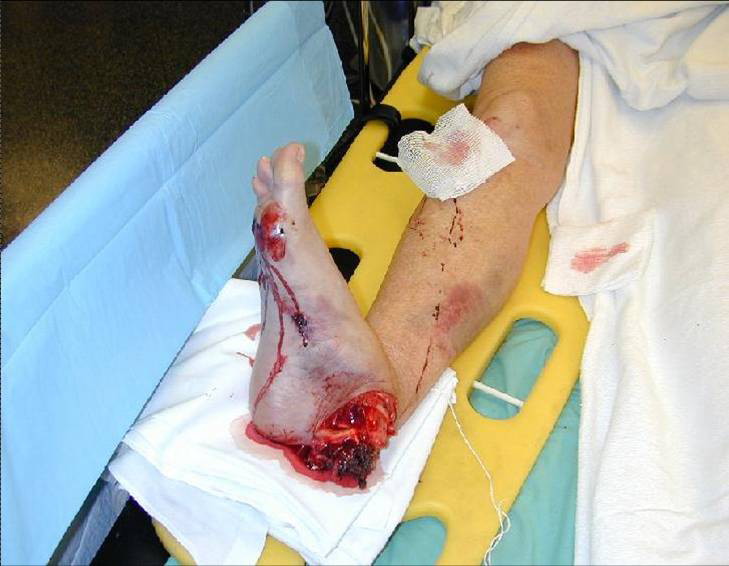
Ankle-Leg Trauma

[Back When I Covered the ER]

[Copyright David Edward Marcinko and iMBA Inc., All rights reserved. USA]

***

Other Items

  • What is an adequate level of benefits in relation to your present and future obligations?
  • How long a waiting period (until benefits begin) should you select to fit your situation?
  • How long do you want to receive disability income should it become necessary? How much coverage can you get at your current salary?

More: More on Disability Insurance for Physicians

Conclusion

Your thoughts and comments on this ME-P are appreciated. Feel free to review our top-left column, and top-right sidebar materials, links, URLs and related websites, too. Then, subscribe to the ME-P. It is fast, free and secure.

Speaker: If you need a moderator or speaker for an upcoming event, Dr. David E. Marcinko; MBA – Publisher-in-Chief of the Medical Executive-Post – is available for seminar or speaking engagements. Contact: MarcinkoAdvisors@msn.com

OUR OTHER PRINT BOOKS AND RELATED INFORMATION SOURCES:

Financial Planning MDs 2015

Comprehensive Financial Planning Strategies for Doctors and Advisors: Best Practices from Leading Consultants

Much More Ado About Healthcare Business Buy–Sell Insurance Agreements

Join Our Mailing List 

HOW THEY SHOULD BE STRUCTURED?

By Dr David Edward Marcinko MBA CMP™

Dr. DEMwww.CertifiedMedicalPlanner.org

A buy–sell agreement provides a ready market for the sale of a medical practice or healthcare business interest, provides liquidity on a timely basis, and provides for a smooth transfer to the desired successors.

A buy–sell agreement may be funded to insure retirement, disability, and death protection. A properly designed agreement may help provide for a smooth financial and managerial transition.

The buy–sell agreement should also include the method for determining the value of the medical office or healthcare business-entity; and the payment terms. A buy–sell agreement may be structured in one of two ways: [1] redemption or a [2] cross-purchase agreement.

Redemptions

A redemption is an agreement between the medical business owner in which insurance proceeds, or other corporate funds, are used to buy out the deceased or retired physician owner’s interest. If life insurance proceeds are to be used to fund the buy-out of a deceased owner, the potential risks that need to be considered include:

  • The possibility of alternative minimum tax (AMT) that would only affect a C corporation.
  • The potential for insurance proceeds to be exposed to corporate creditors.
  • The possibility that undesirable dividend treatment may occur if the constructive ownership rules of Code Section 318 are met. (This requires close scrutiny of Sections 302, 303, and 318 when structuring a plan.)

Private medical business owners who currently have redemptions in their estate plans may desire to switch to a cross-purchase agreement. This modification prevents exposure of the insurance proceeds to corporate creditors and the potential for corporate AMT.

Cross-Purchase Agreements

A cross-purchase agreement between or among the parties, unlike the redemption agreement, provides a stepped-up outside basis. It may be cumbersome to coordinate funding with many shareholders because life insurance policies must be acquired on each particular life. Some CPAs, financial advisors, insurance agents and attorneys suggest that a business insurance trust can solve this, but the current popular solution is a partnership.

***

Buy-Sell

***

Example:

Drs. Jon, Bob, and Brent are three unrelated physicians who are shareholders in a professional corporation. They sign a cross-purchase buy–sell as shareholders, agreeing to purchase the outstanding stock of a deceased shareholder based upon a formula including the prior year’s earnings and the current net worth. They purchase life insurance policies on one another so that they have a way to fund the purchase of the shares from the decedent’s estate. The policies are an approximation of the required funds and are reviewed annually to verify that sufficient insurance exists to cover the needs. They have created a funded cross-purchase agreement.

The shareholders considered having a disability buy-out clause also, but have been unable to agree upon appropriate dollar amounts and have had problems selecting disability insurance coverage. They felt that it was best to have a signed contract on the portion that they could agree on, rather than tie the whole process up seeking agreement on everything.

“Wait and See” Buy–Sell Agreements

The less frequently used option of the “wait and see” buy–sell agreement postpones the decision on how to transfer the business until after the death of the business owner, when more information is available. The purchase price and funding are established currently, but the identity of the purchaser is left open. Typically, the business has the first option to buy. Then, after a set period, the owners have the option to buy. Finally, to protect the heirs of the deceased, if neither of the first two options is exercised, the business must purchase the stock.

Estate Valuation

Certain criteria must be met for a buy–sell to fix the value of the medical business interest for estate tax purposes. For agreements entered before October 9, 1990, that have not been substantially modified, the values established in the buy–sell agreement should serve to establish the value for estate tax purposes, unless the agreement was a device to transfer the business to a family member below fair market value or if the agreement is not a bona fide business arrangement.

For agreements substantially modified after October 8, 1990, or those entered into after that date, the value of the property is determined without regard to any option, agreement, or right to acquire or use the property at less than fair market value or any restriction on the right to sell or use such property, unless the option, agreement, right, or restriction:

  • Is a bona fide business arrangement, and
  • Is not a device to transfer such property to members of a decedent’s family for less than full and adequate consideration in money or money’s worth, and
  • The terms of the option, agreement, right, or restrictions are comparable to similar arrangements entered into by persons in an arm’s length transaction.

If the buy–sell option meets these requirements, its terms may be utilized in the valuation of the interest transferred for estate or gift tax purposes. [IRC § 2703]

If these specific tests are not satisfied, the buy–sell agreement will not establish the value for estate tax purposes and the valuation factors of Revenue Ruling 59-60 probably would prevail. This may leave the estate in the position of having to litigate if the taxing authorities set a value higher than the actual sale value.

***

Business

***

To assist in meeting the three criteria, advisors should not encourage the use of formulas as in the past; but individual appraisals and personalized valuations. Some practices or entities even fix the value of the business annually and justify this by pointing out that nobody knows whether there will be a purchaser or a seller. They have every incentive to try to make a fair valuation. But, the advisor should keep in mind that such a valuation could be used against an owner in the event of a divorce or separation, so he or she should use prudence before publishing a stated value.

In most cases, the IRS will argue that the agreement doesn’t meet the requirements of Code Section 2703 because of the need for the agreement to be comparable to similar arrangements. This means the buy–sell agreement may not be solely determinative in valuation issues, regardless of how carefully it is constructed.

Assessment

A buy–sell between unrelated parties who are not the “natural objects of each other’s bounty” is deemed to have met the three tests for exclusion from Code Section 2703. This means that the new rules generally only apply to intrafamily transfers, although some experts believe that this term may be broad enough to include any potential heir.

More:

Conclusion

Your thoughts and comments on this ME-P are appreciated. Feel free to review our top-left column, and top-right sidebar materials, links, URLs and related websites, too. Then, subscribe to the ME-P. It is fast, free and secure.

Speaker: If you need a moderator or speaker for an upcoming event, Dr. David E. Marcinko; MBA – Publisher-in-Chief of the Medical Executive-Post – is available for seminar or speaking engagements. Contact: MarcinkoAdvisors@msn.com

OUR OTHER PRINT BOOKS AND RELATED INFORMATION SOURCES:

Product DetailsProduct DetailsProduct Details


JOIN THE “THIS IS PUBLIC HEALTH” CAMPAIGN

Join Our Mailing List

What it Is – How it Works?

By Dr. David Edward Marcinko MBA

Dr. DEMMost people don’t understand what public health is or how it impacts their daily lives. So, with the Ebola crisis of a few years ago finally reduced, it may be just the right time to review this important specialty.

Referencing Ebola

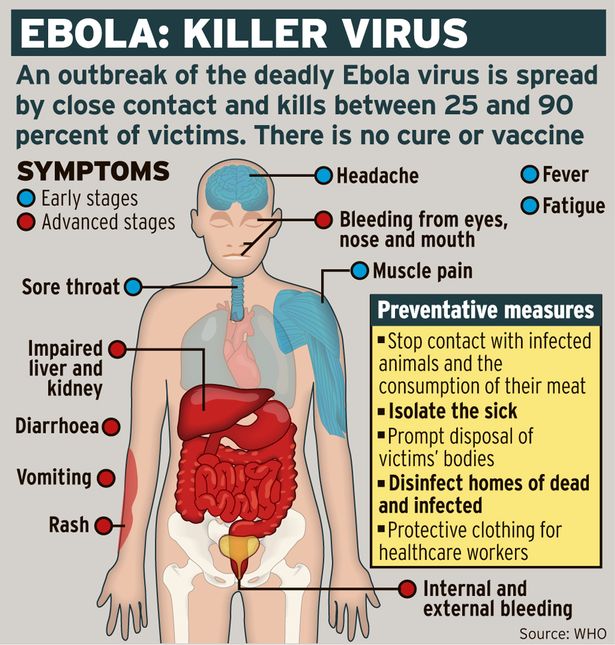
According to Wikipedia, Ebola virus disease (EVD), Ebola hemorrhagic fever (EHF) or simply Ebola is a disease of humans and other mammals caused by ebolavirus. Signs and symptoms typically start between two days and three weeks after contracting the virus, with a fever, sore throat, muscle pain and headaches. Then, vomiting, diarrhea and rash usually follows, along with decreased function of the liver and kidneys. Around this time, infected people may begin to bleed both within the body and externally. Death, if it occurs, is typically six to sixteen days after symptoms appear and is often due to low blood pressure from fluid loss.

The virus is acquired by contact with blood or other body fluids of an infected human or other animal. This may also occur by direct contact with a recently contaminated item. Spread through the air has not been documented in the natural environment. Fruit bats are believed to be the normal carrier in nature, able to spread the virus without being affected. Humans become infected by contact with the bats or a living or dead animal that has been infected by bats. Once human infection occurs, the disease may spread between people as well. Male survivors may be able to transmit the disease via semen for nearly two months. To diagnose EVD, other diseases with similar symptoms such as malaria, cholera and other viral hemorrhagic fevers are first excluded. Blood samples are tested for viral antibodies, viral RNA, or the virus itself to confirm the diagnosis.

Outbreak control requires a coordinated series of medical services, along with a certain level of community engagement. The necessary medical services include rapid detection and contact tracing, quick access to appropriate laboratory services, proper management of those who are infected, and proper disposal of the dead through cremation or burial. Prevention includes decreasing the spread of disease from infected animals to humans. This may be done by only handling potentially infected bush meat while wearing proper protective clothing and by thoroughly cooking it before consumption. It also includes wearing proper protective clothing and washing hands when around a person with the disease. Samples of body fluids and tissues from people with the disease should be handled with special caution.

No specific treatment for the disease is yet available. Efforts to help those who are infected are supportive and include giving either oral rehydration therapy (slightly sweetened and salty water to drink) or intravenous fluids. This supportive care improves outcomes. The disease has a high risk of death, killing between 25% and 90% of those infected with the virus (average is 50%). EVD was first identified in an area of Sudan (now part of South Sudan), as well as in Zaire (now the Democratic Republic of the Congo). The disease typically occurs in outbreaks in tropical regions of sub-Saharan Africa. From 1976 (when it was first identified) through 2013, the World Health Organization reported a total of 1,716 cases. The largest outbreak to date is the ongoing 2014 West African Ebola outbreak, which is currently affecting Guinea, Sierra Leone, and Liberia.

As of 14th October 2014, 9,216 suspected cases resulting in the deaths of 4,555 have been reported. Efforts are under way to develop a vaccine; however, none yet exists.

***

2

***

This Is Public Health

The “This Is Public Health” campaign was designed by ASPPH to let people know that public health affects them on a daily basis and that we are only as healthy as the world we live in. Over 750,000 stickers have been sent around the world to public health students and professionals eager to spread the word about the importance of public health.

Get Started

To start your own campaign,  follow the easy steps below.  Click for campaign ideas. Easy steps to join our campaign: https://thisispublichealth.org/

  1. Request “This Is Public Health” stickers. Please specify how many stickers and a mailing address. You will also be sent an invitation to join our Flickr group.
  2. Place these stickers in strategic locations that highlight examples of public health in action and snap a picture.
  3. Upload your pictures to our Flickr website and geomap them so that others can see where the pictures were taken. Click on the following links for information about the uploading process:


 ****

Body-Home1

Assessment

That’s it! We encourage educational institutions and public health organizations to spread the message about this opportunity.

Conclusion

Your thoughts and comments on this ME-P are appreciated. Feel free to review our top-left column, and top-right sidebar materials, links, URLs and related websites, too. Then, subscribe to the ME-P. It is fast, free and secure.

Speaker: If you need a moderator or speaker for an upcoming event, Dr. David E. Marcinko; MBA – Publisher-in-Chief of the Medical Executive-Post – is available for seminar or speaking engagements. Contact: MarcinkoAdvisors@msn.com

OUR OTHER PRINT BOOKS AND RELATED INFORMATION SOURCES:

Product DetailsProduct DetailsProduct Details

Product DetailsProduct Details

Product DetailsProduct Details

Invite Dr. Marcinko

Should Tom Frieden of the CDC Resign [VOTE]?

Join Our Mailing List

A Voting and Opinion Poll

[By ME-P Staff Reporters]

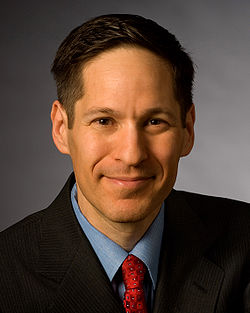
Thomas R. Frieden MD is the Director of the U.S. Centers for Disease Control and Prevention (CDC) and Administrator of the Agency for Toxic Substances and Disease Registry (ATSDR).

250px-Thomas_Frieden_official_CDC_portrait

He served as Commissioner of the New York City Department of Health and Mental Hygiene from 2002–2009.

Conclusion

Your thoughts and comments on this ME-P are appreciated. Feel free to review our top-left column, and top-right sidebar materials, links, URLs and related websites, too. Then, subscribe to the ME-P. It is fast, free and secure.

Speaker: If you need a moderator or speaker for an upcoming event, Dr. David E. Marcinko; MBA – Publisher-in-Chief of the Medical Executive-Post – is available for seminar or speaking engagements. Contact: MarcinkoAdvisors@msn.com

OUR OTHER PRINT BOOKS AND RELATED INFORMATION SOURCES:

Product Details

Product Details

Physician Creditor Protection for IRAs, Annuities and Insurance for 2014-15

Join Our Mailing List

A SPECIAL ME-P REPORT

###

Asset Protection Planning for Qualified and Non-Qualified Retirement Plans, IRAs, 403(b)s, Education IRAs (Coverdell ESAs), 529 Plans, UTMA Accounts, Health/Medical Savings Accounts (MSA/HSAs), Qualified and Non-Qualified Annuities, Long-Term Care Insurance, Disability Insurance and Group, Individual and Business Life Insurance [Ohio Focus]

By Edwin P. Morrow III; JD LLM MBA CFP® RFC®

[©2007-12-14. All rights reserved. USA]

EDITOR’S NOTE:

Hi Ann,

A couple years ago you posted an earlier version of the attached Asset Protection Outline. I updated it to include quite a bit more discussion of different protection levels for various kinds of accounts, and included more discussion of states other than Ohio, including a 50 state chart with IRA/403b protections.

So please delete the old one and replace with this one which contains more topics, including some substantial discussion of issues regarding current class action litigation jeopardizing asset protection for Schwab and Merrill Lynch IRAs.

Regards
Ed

###

The Importance of Asset Protection as Part of Financial and Estate Planning for Doctor’s and Medical Professionals

Asset Protection has become a ubiquitous buzz-word in the legal and financial community. It often means different things to different people. It may encompass anything from buying umbrella liability insurance to funding offshore trusts.

What is most likely to wipe out a client’s entire net worth? An investment scam, investment losses, a lawsuit, divorce or long-term health care expenses? “Asset Protection” may be construed to address all of these scenarios, but this outline will cover risk from non-spousal creditors as opposed to risk from bad investments, divorce, medical bills or excessive spending. Prudent business practice and limited liability entity use (LP, LLP, LLC, Corporation, etc) is the first line of defense against such risks. Similarly, good liability insurance and umbrella insurance coverage is paramount.

However, there is a palpable fear among many of frivolous lawsuits and rogue juries [especially among physicians and medical professionals]. Damages may exceed coverage limits. Moreover, insurance policies often have large gaps in coverage (e.g. intentional torts, “gross” negligence, asbestos or mold claims, sexual harassment).

As many doctors in Ohio know all too well, malpractice insurance companies can fail, too. Just as we advise clients regarding legal ways to legitimately avoid income and estate taxes or qualify for benefits, so we advise how to protect family assets from creditors. Ask your clients, “What level of asset protection do you want for yourself?

For the inheritance you leave to your family?” Do any clients answer “none” or “low”? Trusts that are mere beneficiary designation form or POD/TOD substitutes are going out of style in favor of “beneficiary-controlled trusts”, “inheritance trusts” and the like.

Table of Contents

While effort is made to ensure the material is accurate, this material is not intended as legal advice and no one may rely on it as such. Sections II(d), II(i), V, VI and XI were updated Feb 2012, but much of the material and citations have not been verified since 2010. Permission to reprint and share with fellow bar members is granted, but please contact author for updates if more than a year old.

T.O.C. [Page Number]

I. Importance of Asset Protection 2

II. State and Federal Protections Outside ERISA or Bankruptcy 4

a. Non-ERISA Qualified Plans: SEP, SIMPLE IRAs 5

b. Traditional and Roth IRAs, “Deemed IRAs” 7

c. Life Insurance 9

d. Long-Term Care, Accident/Disability Insurance 13

e. Non-Qualified Annuities 13

f. Education IRAs (now Coverdell ESAs) 16

g. 529 Plans 17

h. Miscellaneous State and Federal Benefits 18

i. HSAs, MSAs, FSAs, HRAs 18

III. Federal ERISA Protection Outside Bankruptcy 20

IV. Federal Bankruptcy Scheme of Creditor Protection 26

V. Non-Qualified Deferred Comp – Defying Easy Categorization 30

VI. Breaking the Plan – How Owners Can Lose Protection 32

(incl Prohibited Transactions and Schwab/Merrill Lynch IRA problems) 35

VII. Post-Mortem – Protections for a Decedent’s Estate 51

VIII. Post-Mortem – State Law Protections for Beneficiaries 52

IX. Post-Mortem – Bankruptcy Protections for Beneficiaries 54

X. Dangers and Advantages of Inheriting Through Trusts 56

XI. Piercing UTMA/UGMA and Other Third Party Created Trusts 59

XII. Exceptions for Spouses, Ex-Spouses and Dependents 61

XIII. Exceptions when the Federal Government (IRS) is Creditor 62

XIV. Fraudulent Transfer (UFTA) and Other Exceptions 68

XV. Disclaimer Issues – Why Ohio is Unique 69

XVI. Medicaid/Government Benefit Issues 71

XVII. Liability for Advisors 72

XVIII. Conflicts of Law – Multistate Issues 73

XIX. Conclusions 75

Appendices

A. Ohio exemptions – R.C. §2329.66 (excerpt), §3911.10, §3923.19 78

B. Bankruptcy exemptions – 11 U.S.C. § 522 excerpts 80

C. Florida IRA exemption – Fla Stat. § 222.21 (note-may be outdated) 85

D. Sal LaMendola’s Inherited IRA Win/Loss Case Chart 86

E. Multistate Statutory Debtor Exemption Chart 88

###

Assessment

This outline will discuss the sometimes substantial difference in legal treatment and protection for various investment vehicles and retirement accounts, with some further discussion of important issues to consider when trusts receive such assets.

Beware of general observations like: “retirement plans, insurance, IRAs and annuities are protected assets” – that may often be true, but Murphy’s law will make your client the exception to the general rules. The better part of this outline is pointing out those exceptions.

2012 WHITE PAPER LINK:

Creditor Protection for IRAs Annuities Insurance Nov 19 2010 WC CLE Feb 2012 update

***

2014 WHITE PAPER LINK UPDATE:

Optimal Basis Increase Trust Aug 2014

***

ABOUT THE AUTHOR:

Mr. Edwin P. Morrow III, a friend of the Medical Executive-Post, is a Wealth Specialist and Manager, Wealth Strategies Communications Ohio State Bar Association Certified Specialist, Estate Planning, Probate and Trust Law Key Private Bank Wealth Advisory Services. 10 W. Second St., 27th Floor Dayton, OH 45402. He is an ME-P “thought leader”.

Constructive criticism or other comments welcome.

Conclusion

Your thoughts and comments on this ME-P are appreciated. Feel free to review our top-left column, and top-right sidebar materials, links, URLs and related websites, too. Then, subscribe to the ME-P. It is fast, free and secure.

Speaker: If you need a moderator or speaker for an upcoming event, Dr. David E. Marcinko; MBA – Publisher-in-Chief of the Medical Executive-Post – is available for seminar or speaking engagements. Contact: MarcinkoAdvisors@msn.com

OUR OTHER PRINT BOOKS AND RELATED INFORMATION SOURCES:

Product Details  Product Details

Five [5] Essential Tips for Doctors to Remember During an Auto Accident

Join Our Mailing List 

In My Dual Experience

[By Dr. David Edward Marcinko MBA CMP™]

[By Nalley Lexus, Roswell GA]

Dr. Marcinko 1972 VetteYou can’t be sure how you will react in a car accident until you have experienced one.

I should know – I’ve been in accidents, am a doctor who covered the ER, and was a licensed property-casualty insurance agent for a decade.

The Event

Even if you aren’t physically hurt, the trauma during any accident can cause shock or fuzzy thinking at a time when you need to keep your wits. If you ever find yourself in an accident, insurance protection is vital, but it’s also important to remember these five tips:

The Five Tips:

  1. Assess for accident injuries

If possible, assess yourself and any passengers for injuries and immediately call for medical assistance if necessary. Should anyone be seriously injured or unable to move, try not to move them unless there is threat of a fire or they are on the road where they could be hit by another car.  Act as a physician, if needed. OR, recall good Samaritan laws in your state?

  1. Safety first

For minor accidents, move both vehicles off the road for protection against moving traffic. If the damage to your vehicle is severe, keep it where it is until the police arrive. Turn on your emergency flashers to alert oncoming traffic.

  1. Stay calm and ask questions

This should not be difficult for physicians. No matter who is at fault during an accident, this is not the time to freak out or become overly emotional. Remain calm and with a clear head assess what happened and be ready to ask questions. Know exactly where your insurance information is located and other identification you’ll need to meet your legal requirements. Write down the names and contact information for all witnesses. If you are not at fault, and the accident wasn’t serious enough to involve a police report, do not let the other driver talk you into letting them mail you a check for the damage to your car. If they claim they don’t have insurance, ask questions about their car registration, name, and contact information, and give them your insurance information. Tell them you will be contacting your own agent to report the accident. If possible, take a photo of both cars showing the damage and license plates.

  1. Admit no fault

Answer no questions about fault with anyone except a police officer or your insurance company. Give no statements to the other driver’s insurance company or your words might be twisted and used against you. You also shouldn’t sign any legal documents from the other insurance company, especially if you feel they are pressuring you for an early settlement that you feel isn’t sufficient to cover your damage.

  1. Immediately report the accident to your insurance company

This is the moment when you’ll finally understand why you pay monthly premiums for insurance protection. Carry your agent’s name and phone number in our car and make the call as soon as possible. The sooner you contact them, the sooner they can help you with your claim. Keep a folder in your car with all your insurance contact information and this tip list. This way you’ll have all the information you need to help you think more clearly if you’re stressed during an accident.

***

2000

***

2000 Jag

***

More:

Assessment

The summer of 2014 is almost over – be careful out there.

Conclusion

Your thoughts and comments on this ME-P are appreciated. Feel free to review our top-left column, and top-right sidebar materials, links, URLs and related websites, too. Then, subscribe to the ME-P. It is fast, free and secure.

Speaker: If you need a moderator or speaker for an upcoming event, Dr. David E. Marcinko; MBA – Publisher-in-Chief of the Medical Executive-Post – is available for seminar or speaking engagements. Contact: MarcinkoAdvisors@msn.com

OUR OTHER PRINT BOOKS AND RELATED INFORMATION SOURCES:

Product DetailsProduct Details

What is a ‘Healthy’ Automobile Battery?

Join Our Mailing List

Ask a Battery Technician

By Dr. David Edward Marcinko MBA CMP™

By Nalley Lexus, Roswell, GA

Dr. Marcinko 1972 Vette

You know that sinking feeling when you turn your key in the ignition, and instead of the roar of the engine, all you hear is a sad, defeated gurgle?

That’s a dead car battery, and it’s enough to ruin anyone’s day.

I should know. I own a vintage 2000 XJL-V8 luxury Jaguar vintage touring sedan; electrical gremlins are the norm. So, routine battery maintenance and regular battery checks will significantly lower your risk for the battery blues.

How it works

As you probably already know, the car battery is the essential component that starts your vehicle’s engine. Within the battery, a chemical reaction creates an electrical charge, which subsequently starts the car’s motor. Battery power is also required for your car’s electrical components like cabin and headlights.

Healthy Battery

Your battery is in the clear if it is consistently working, and clean. Your battery and its cables should be cleaned on a monthly basis with a small, stiff brush like a toothbrush to clear out dirt and debris from the road. Never use any sort of cleanser when cleaning. Healthy batteries should also be clear of corrosion. Brush away the corrosion from battery terminals by dipping a toothbrush into flat dark soda, or a mixture of water and baking soda, before scrubbing. Apply petroleum jelly on the surface after cleaning to prevent future build-up.

Unhealthy Battery

If your battery is displaying any of these symptoms, it’s time for a check-up. So, I asked my dealer and received these tips:

  • Low water in the battery cell could be affecting battery performance. Check the indicator on the side of the battery for the water level. If it needs filling, stop by our service department for a special tool to fill it up.
  • Age is a huge factor in battery health. Batteries are designed to last about five years, but this lifespan could shorten based on use and maintenance habits. If your battery is five or older, consider getting it checked out.
  • Cracks in the battery’s plastic casing or other wear on the battery connections could mean damage and are worth a second look.
  • Loose tie straps need adjusting. Make sure your battery is tightly secured, because engine vibration could knock the battery around and cause damage.

Assessment

Of course, the biggest sign of an unhealthy battery is a dead one, but it’s much better to routinely maintain your battery than to be left in a lurch without power. Get peace of mind with a power-up at your service department; or DIY.

***

My Jaguar's engine after a steam

***

More:

Assessment

The summer of 2014 is almost over – drive safely.

Conclusion

Your thoughts and comments on this ME-P are appreciated. Feel free to review our top-left column, and top-right sidebar materials, links, URLs and related websites, too. Then, subscribe to the ME-P. It is fast, free and secure.

Speaker: If you need a moderator or speaker for an upcoming event, Dr. David E. Marcinko; MBA – Publisher-in-Chief of the Medical Executive-Post – is available for seminar or speaking engagements. Contact: MarcinkoAdvisors@msn.com

OUR OTHER PRINT BOOKS AND RELATED INFORMATION SOURCES:

Product DetailsProduct Details

Asset Protection for Physicians

Join Our Mailing List 

APPRECIATING THE RISKS

By J. Chris Miller JD cmiller@northfultonwills.com

J. Christopher Miller, EsqPhysicians and medical professionals share a unique disadvantage when it comes to asset protection.  They are constantly haunted by the prospect of being sued for malpractice.

Most have solid malpractice insurance coverage in force, but if that pool runs dry, the courts may look to the professional individually to compensate patients for injuries suffered while under the professional’s care.

Malpractice insurance itself may not be sufficient to completely protect a physician against professional liability claims.  As verdicts increase in size, policy limits may become inadequate.

Likewise, insurance companies have a strong incentive to deny coverage by arguing that a claim falls outside the scope of coverage.  Preparing for these possibilities will leave you much more financially sound than if you had not planned ahead.

The Risks

Aside from the professional risks you take merely by agreeing to examine and treat a patient, dangers to your assets surround you.  As discomforting as it may sound, your practice partners, your family, and even your neighbors are in fact potential adversaries.  Unfortunately, your position as a medical professional in today’s society subjects you to elevated risks of a nasty lawsuit if you are negligent in your personal conduct.

***

Risks

***

An accident while driving to the hospital in response to a call, or a simple slip-and-fall incident on your home’s sidewalk, will more likely find its way into a courtroom because plaintiffs (and their lawyers) perceive you as a deep pocket.

Personal Risks

On a more personal level, there may come a time when your marriage fails, and you are faced with equitably dividing property between you and your spouse. Asset protection strategies act differently in the context of a divorce, and family-oriented claims need to be treated differently in the scope of creating a plan.

Assessment

In the event that a claim arises from outside your professional activities, or if you find yourself swallowed by consumer debts, several asset protection methods will help you to prevent your assets from slipping away.

Financial Planning MDs 2015

BOOK:

Comprehensive Financial Planning Strategies for Doctors and Advisors: Best Practices from Leading Consultants and Certified Medical Planners™

Conclusion

Your thoughts and comments on this ME-P are appreciated. Feel free to review our top-left column, and top-right sidebar materials, links, URLs and related websites, too. Then, subscribe to the ME-P. It is fast, free and secure.

Speaker: If you need a moderator or speaker for an upcoming event, Dr. David E. Marcinko; MBA – Publisher-in-Chief of the Medical Executive-Post – is available for seminar or speaking engagements. Contact: MarcinkoAdvisors@msn.com

OUR OTHER PRINT BOOKS AND RELATED INFORMATION SOURCES:

Product DetailsProduct Details

Ascel Bio on Forecasting Infectious Disease Outbreaks

Join Our Mailing List 

My Invitation to Join the Ascel Bio BOD?

Dr. DEMDear Dr. Marcinko,

I found your name in a search for new board directors and advisors to my company. I am president of a disease forecasting and outbreak warning company named Ascel Bio.

The Firm 

My company has had tremendous technical success in developing software that can forecast infectious disease outbreaks.

We’ve invented technology that turns hospitals (specifically their electronic health records) into RADAR Stations for Infectious Disease.  We’ve also invented outbreak detection and measurement technology that we use to deliver something akin to an AccuWeather style service.  We have good validation with federal customers and in use in a hospital setting in Colorado.  And, we’ve had some good success as well in trial use with a major EHR provider, and interest from others.

Status 

But, we’re still small and are really stuck in gaining the next 10 hospital users.  I’m writing because I am curious whether you might be able to offer suggestions that would help us solve the puzzle.

About Ascel Bio LLC

Ascel Bio is a private disease forecasting company founded in 2010. It is an industry pioneer with a corporate mission to halve the morbidity and mortality of infectious diseases over the next 25 years. The company uses advanced predictive systems combined with the judgment of astute clinicians in building its forecasts.

***

Nigeria

***

Assessment

I wanted to explain our business, seek your thoughts, and see if there might be cause for engagement. If you have a moment to speak with me, I’d be grateful for your time.

Research Reports:

Kind regards,

Ascel Bio

James Tunkey

More

Why I’m Joining the Physician Nexus Medical Advisory Board

Conclusion

I will f/u privately on this invitation. But, your thoughts and comments on the ME-P are appreciated. Feel free to review our top-left column, and top-right sidebar materials, links, URLs and related websites, too. Then, subscribe to the ME-P. It is fast, free and secure.

Speaker: If you need a moderator or speaker for an upcoming event, Dr. David E. Marcinko; MBA – Publisher-in-Chief of the Medical Executive-Post – is available for seminar or speaking engagements. Contact: MarcinkoAdvisors@msn.com

OUR OTHER PRINT BOOKS AND RELATED INFORMATION SOURCES:

 Product DetailsProduct Details

Is it Fire Drill Time for Physician Investors?

Join Our Mailing List 

Catastrophes and “Black Swans” Happen

An ME-P Special Report

By Lon Jeffereis MBA CFP® CMP®

Lon JeffriesHistory tells us that over a long enough time span catastrophes are likely to occur. Fires, flooding, earthquakes – none can be prevented and all can be potentially devastating. While these events can’t always be avoided, we can prepare for these “black swans.”

Running practice fire drills enables us to act appropriately during misfortune while maintaining emergency food storage ensures we won’t starve when tragedy strikes.

Just as physical calamity can turn lives upside down, financial upheaval can lead to an unrecoverable loss. Fortunately, we have the ability to prepare for financial uncertainty in the same way we prepare for other exposures. As the current bull market is now both the fourth longest in history (64 months) and the fourth largest (+192% gain), now would be a perfect time to ensure you are prepared for the next market pullback.

Run a Portfolio Fire Drill

You can run a fire drill for your portfolio by understanding the loss potential of your holdings. It is critical to recognize that the amount of volatility your portfolio will experience in declining market environments is dependent on your asset allocation – how much of your account is invested in stocks vs. bonds. The larger the percentage of stocks in a portfolio, the more the portfolio’s value will increase during bull markets but decrease when the market declines. Let’s look at the historical performance and risk levels of a range of diversified stock-to-bond ratios:

Asset Allocation – Risk & Return (1970-2013)

***

Portfolio Allocation Average Annual Return Large Loss 08′
100% Stocks 10.85% -39%
80% Stocks20% Bonds 10.33% -30%
60% Stocks40% Bonds 9.99% -20%
50% Stocks50% Bonds 9.76% -15%
40% Stocks60% Bonds 9.49% -11%
20% Stocks80% Bonds 8.85% -4%

 ***

After determining the asset allocation of your portfolio, ask yourself how you would respond to another market correction like we experienced in 2008. For this exercise, considering loss in dollar terms is particularly productive. For instance, if 80% of your portfolio is invested in stocks, you might be able to convince yourself that you could sustain a 30% loss. However, supposing you have $500k invested, a 30% loss would mean your portfolio is suddenly depleted to $350k — $150k of hard earned money just evaporated. To many, the thought of losing $150k is more uncomfortable than the thought of a 30% loss.

Next, picture every media outlet sending warnings day after day about how the market is only going to get worse. Imagine yourself checking what the markets are doing multiple times a day and constantly being disappointed that it is another day of losses.

Lastly, visualize your occasional friend, neighbor or family member bragging about how he got out of the market before the collapse and telling you how you are a fool for not doing so.

***

Accidents Happen

[Accidents Happen]

How would you respond in such an environment? Would you have a hard time sleeping or digesting your food? It’s critical to be honest with yourself. If you would stray from your long-term investment strategy by selling after a market drop and waiting for the market to recover, your current portfolio may be too aggressive. If so, scale back the assertiveness of your portfolio by reducing your stock exposure now because selling stocks during a market decline is the last thing you want to do.

Sound financial planning suggests individuals should scale back the assertiveness of their portfolio as they approach retirement. While a young worker with 30 years until retirement can afford to be aggressive and has time to recover if a large loss in suffered, a person who is closer to retirement can’t afford to endure a significant loss right before the invested funds are needed to cover life expenses.

Maintain an Emergency Financial Storage

As stocks and bonds are the long-term portion of your investment portfolio, cash equivalents are your tool for dealing with short-term spending needs. Before even investing, everyone should have an emergency reserve holding enough cash to cover three to six months of expenses. These funds should only be tapped in the event of a job loss or a medical emergency.

Be Prepared

Additionally, investors who are taking withdrawals from their portfolio in order to meet cash flow needs should also have the equivalent of two years of necessary withdrawals in cash at all times. These funds should be used to cover living expenses during the next market correction. Having this emergency financial storage will prevent you from having to take withdrawals in a down market and allow your portfolio time to recover.

Assessment

No one knows when the next bear market will come. However, just like winter follows every fall, market corrections will ultimately come after every bull market.  Preparing for such a financial downturn will ensure you act appropriately when the time comes and prevent financial catastrophe.

BOOK: Comprehensive Financial Planning Strategies for Doctors and Advisors: Best Practices from Leading Consultants and Certified Medical Planners™

Conclusion

Your thoughts and comments on this ME-P are appreciated. Feel free to review our top-left column, and top-right sidebar materials, links, URLs and related websites, too. Then, subscribe to the ME-P. It is fast, free and secure.

Speaker: If you need a moderator or speaker for an upcoming event, Dr. David E. Marcinko; MBA – Publisher-in-Chief of the Medical Executive-Post – is available for seminar or speaking engagements. Contact: MarcinkoAdvisors@msn.com

OUR OTHER PRINT BOOKS AND RELATED INFORMATION SOURCES:

Product DetailsProduct DetailsProduct Details

Product Details  Product Details

 Financial Planning MDs 2015

BOOK:

Comprehensive Financial Planning Strategies for Doctors and Advisors: Best Practices from Leading Consultants and Certified Medical Planners™

Employers and Population Health

Join Our Mailing List

In the Domestic Workplace

By http://www.MCOL.com

Population Health

 Conclusion

Your thoughts and comments on this ME-P are appreciated. Feel free to review our top-left column, and top-right sidebar materials, links, URLs and related websites, too. Then, subscribe to the ME-P. It is fast, free and secure.

Speaker: If you need a moderator or speaker for an upcoming event, Dr. David E. Marcinko; MBA – Publisher-in-Chief of the Medical Executive-Post – is available for seminar or speaking engagements. Contact: MarcinkoAdvisors@msn.com

OUR OTHER PRINT BOOKS AND RELATED INFORMATION SOURCES:

Product DetailsProduct Details

Retail Spending Therapy – Even for Doctors!

Join Our Mailing List 

More Than Just Shopping?

[By Rick Kahler CFP® http://www.KahlerFinancial.com]

Rick Kahler CFP“It’s not just shopping, it’s retail therapy.”

As a bumper sticker or a joke between friends, this may be amusing. For those who shop to relieve stress, it’s not nearly so funny.

Medicating or soothing painful feelings with money is no healthier a behavior than medicating with alcohol or food. When stressed or in difficult circumstances, some people drink, some people eat, and some people shop.

My Experience

I have worked with several people with extreme forms of this behavior, who described their spending clearly as an addiction. It gave them a physical “high” similar to that experienced by an alcoholic or drug addict. Like other addictions, it had destructive consequences, such as creating overwhelming debt, draining life savings, destroying relationships, and even stealing from family members or employers.

Using spending as a medicator does not always show up in such dramatic ways, however. Even people who seem to live moderately and manage money responsibly can be “therapy shoppers” who spend in order to make themselves feel better.

Case Example:

When I first met Dr. Alexandra, for example, she was single, in her 40s, with a well-paying job as a local hospitalist and substantial net worth. She was investing part of her income, was current on all her financial obligations, and had only a modest amount of debt. She was certainly not spending beyond her means or jeopardizing her future security. She didn’t appear to be in any financial difficulty.

When we looked at her budget, however, the doctor was clearly uncomfortable with some of her spending habits. Instead of simply reassuring her that she was managing her money well and not overspending, I explored this issue with her. Eventually I brought up the possibility that she might be medicating her difficult job emotions with spending. It was an “aha” moment for her. She told me, “I’ve been doing that for years.”

Alexandra’s problem wasn’t the amount she spent. It was the reasons behind her spending. If she had a stressful day at work, she would go to the mall, in much the same way another person might stop at a bar for a couple of drinks on the way home. Shopping, finding bargains, and buying herself gifts were unthinking actions she used to soothe herself when she was upset.

***

Frenzy

***

She never stopped to ask herself whether she needed, had a use for, or even wanted the things she bought. She didn’t spend more than she could afford, but she was spending time as well as money unproductively. She was also cluttering her house and her life with clothes she didn’t wear, knickknacks she didn’t care about, and gadgets she didn’t use.

Once she realized the emotional reason for her shopping, Alexandra was able to find more constructive ways to deal with stress. She learned that a conversation with a friend, writing in her journal, meditating, or taking a walk could serve the same purpose as a trip to the mall and were healthier responses to difficult days.

Modifying Behavior

For Alexandra, recognizing that she was using shopping to soothe her emotions was enough to help her change. Others, whose behavior is more deeply ingrained, might find change more difficult. In some cases, they might benefit greatly from working with a psychologist, financial therapist or other counselor with the expertise to help them look at the emotions underlying their spending patterns.

Assessment

If you think you may be using spending to deal with stress, it’s important to look beyond the numbers. The main issue isn’t whether your “retail therapy” is affordable or whether it is causing serious financial difficulties. If a pattern of spending is creating discomfort for you, it may be a good idea to explore what’s behind that spending. 

Conclusion

Your thoughts and comments on this ME-P are appreciated. Feel free to review our top-left column, and top-right sidebar materials, links, URLs and related websites, too. Then, subscribe to the ME-P. It is fast, free and secure.

Speaker: If you need a moderator or speaker for an upcoming event, Dr. David E. Marcinko; MBA – Publisher-in-Chief of the Medical Executive-Post – is available for seminar or speaking engagements. Contact: MarcinkoAdvisors@msn.com

OUR OTHER PRINT BOOKS AND RELATED INFORMATION SOURCES:

Product DetailsProduct DetailsProduct Details

Product Details  Product Details

Product Details

Overcrowding in the ER

Join Our Mailing List 

State of Emergency

EmilyBy Emily Newhook

Whether you’re suffering from a broken bone or a life-threatening illness, a trip to the emergency room is always a scary prospect.

But, what happens when an ER is faced with more patients than it can accommodate? Between 1995 and 2010, annual ER visits in the U.S. grew by 34 percent, while the number of hospitals with ERs declined by 11 percent.

From long wait times to sky-high medical costs, overcrowding puts undue pressure on patients, providers and administrators when efficient, high-quality care matters most.

***

State-of-Emergency

***

The online MHA degree program MHA@GW created this infographic to show the impact of overcrowding on U.S. emergency rooms. The graphic looks at some of the major causes of congested ERs, examines the impact on care delivery and explores proposed solutions to the problem of overcrowding.

Assessment

Help us raise awareness of this important issue by sharing the infographic above.

Conclusion

Your thoughts and comments on this ME-P are appreciated. Feel free to review our top-left column, and top-right sidebar materials, links, URLs and related websites, too. Then, subscribe to the ME-P. It is fast, free and secure.

Speaker: If you need a moderator or speaker for an upcoming event, Dr. David E. Marcinko; MBA – Publisher-in-Chief of the Medical Executive-Post – is available for seminar or speaking engagements. Contact: MarcinkoAdvisors@msn.com

OUR OTHER PRINT BOOKS AND RELATED INFORMATION SOURCES:

Product DetailsProduct Details

There’s a New HIPAA Sheriff in Town

Join Our Mailing List 

On OCR Director Jocelyn Samuels

1-darrellpruitt

[By D. Kellus Pruitt DDS]

When the explosions of breaches of patients’ medical identities occur – as predicted by the FBI and others – will the new OCR Director Jocelyn Samuels continue to be as sympathetic and forgiving as Leon Rodriguez has been?

Or; will she take on the role of bad cop?


The Replacement

Samuels, who is tying up loose ends in her current position with the civil rights division at the Department of Justice, has replaced Rodriguez as the new head of the HHS’ Office for Civil Rights – which prosecutes HIPAA violations. Many are wondering about her level of enthusiasm for enforcement, especially since data breaches are only getting worse, not better.

Privacy and security attorney Adam Greene, who once served as a member of the OCR staff, tells GovInfo that the challenge for Samuels is “to strike the balance where HIPAA is seen as having ‘teeth’ but covered entities and business associates can still count on OCR as being reasonable when there are areas of ambiguity or privacy or security issues occur despite good efforts at compliance.”

(See: “Impact of New HIPAA Enforcement Leader – Are New Strategies, Directions on the Horizon?” by Marianne Kolbasuk McGee for GovInfoSecurity.com, July 11, 2014).

http://www.govinfosecurity.com/impact-new-hipaa-enforcement-leader-a-7049/op-1

Healthcare Harm

Principals in healthcare – providers and patients – continue to be harmed by EHRs designed to satisfy third-parties’ questionable Meaningful Use requirements rather than principals’ needs. For example, on April 8, the FBI warned that EHRs are becoming increasingly vulnerable to hackers. (See: “Health Care Systems and Medical Devices at Risk for Increased Cyber Intrusions for Financial Gain”).

http://www.illuminweb.com/wp-content/uploads/ill-mo-uploads/103/2418/health-systems-cyber-intrusions.pdf

Under Rodriguez, OCR has arguably spared the rod (mostly), choosing instead to discuss and correct HIPAA violations in an informal, private, non-punitive manner. I think both Rodriguez and Secretary Sebelius backed off of more aggressive enforcement because they recognized that without cooperation from doctors and patients, EHRs are certain to fail – mandate or no mandate. Nevertheless, it has proven to be far too easy for stakeholders who cannot be held accountable to patients, to marginalize their needs.

Jocelyn Samuels

[New OCR Director Jocelyn Samuels]

Example

Rodriguez did his best to appease all sides. For example, it was under his watch that the name of the HHS website listing breaches of 500 or more patients’ identities was changed from “Wall of Shame” to the more benign “HHS Breach Reporting Tool.”

For hapless providers whose data breaches were unavoidable, the name change eliminates some of the shame associated with being nationally recognized as a careless doctor who cannot keep thieves from stealing patients’ identities.

Assessment 

As long as there is nothing holding down the cost and liability of HIPAA compliance, there will always be room for more regulation, and the cost of healthcare will never be cheaper.

Conclusion

Your thoughts and comments on this ME-P are appreciated. Feel free to review our top-left column, and top-right sidebar materials, links, URLs and related websites, too. Then, subscribe to the ME-P. It is fast, free and secure.

Speaker: If you need a moderator or speaker for an upcoming event, Dr. David E. Marcinko; MBA – Publisher-in-Chief of the Medical Executive-Post – is available for seminar or speaking engagements. Contact: MarcinkoAdvisors@msn.com

OUR OTHER PRINT BOOKS AND RELATED INFORMATION SOURCES:

Product DetailsProduct Details

A Look at Predictive Health Care Modeling Priorities

Join Our Mailing List

Healthcare Professional Rankings of Average Risk

http://www.MCOL.com

PM

Definition 

According to Wikipedia,predictive modelingis the process by which a model is created or chosen to try to best predict the probability of an outcome. In many cases the model is chosen on the basis of detection theory to try to guess the probability of an outcome given a set amount of input data, for example given an email determining how likely that it is spam.

Models can use one or more classifiers in trying to determine the probability of a set of data belonging to another set, say spam or ‘ham’.

Assessment

Nearly any regression model can be used for prediction purposes. Broadly speaking, there are two classes of predictive models: parametric and non-parametric. A third class, semi-parametric models, includes features of both.

Parametric models make “specific assumptions with regard to one or more of the population parameters that characterize the underlying distribution(s)”, while non-parametric regressions make fewer assumptions than their parametric counterparts.

Conclusion

Your thoughts and comments on this ME-P are appreciated. Feel free to review our top-left column, and top-right sidebar materials, links, URLs and related websites, too. Then, subscribe to the ME-P. It is fast, free and secure.

Speaker: If you need a moderator or speaker for an upcoming event, Dr. David E. Marcinko; MBA – Publisher-in-Chief of the Medical Executive-Post – is available for seminar or speaking engagements. Contact: MarcinkoAdvisors@msn.com

OUR OTHER PRINT BOOKS AND RELATED INFORMATION SOURCES:

Product DetailsProduct Details

FOR SALE: Physician E-mail Lists with NPI Numbers

Join Our Mailing List

Sensitive Data for Sale

[By Dr. David Edward Marcinko MBA]

Dr. DEMI received this email recently. Are you as incensed over it, as I? OR, am I being overly sensitive? Feel free to call or email John Edward, the sender, to tell him what you think: pro or con?

Hi ME-P,

I’m writing to check if you would be interested in reaching Physicians or Healthcare Executives?

We at AccurateB2Blist maintain a permission passed email list for physician practitioners with NPI numbers.

Our Lists

Below given are few additional lists we maintain within Medical Industry

  • Nurses
  • Dentists
  • Veterinarians
  • Healthcare Executives Email List
  • Physicians – Offices and Clinics of Doctors of Medicine
  • Physicians – Offices and Clinics of Doctors of Osteopathy
  • Doctors, Physicians and Surgeons Email List with NPI Number

Healthcare executives: 518,900 out of which 123,200 contacts are senior management level contacts.

Assessment

Please let me know if you would like to discuss further on your target audience? Looking forward to hearing from you. And, please do not print this email unless it is absolutely necessary. To opt out reply with ‘Leave out’ in the subject line!

By John Edward [Business Development Executive] AccurateB2Blist

+1951-373-6718

For Sale

Conclusion

Your thoughts and comments on this ME-P are appreciated. Feel free to review our top-left column, and top-right sidebar materials, links, URLs and related websites, too. Then, subscribe to the ME-P. It is fast, free and secure.

Speaker: If you need a moderator or speaker for an upcoming event, Dr. David E. Marcinko; MBA – Publisher-in-Chief of the Medical Executive-Post – is available for seminar or speaking engagements. Contact: MarcinkoAdvisors@msn.com

OUR OTHER PRINT BOOKS AND RELATED INFORMATION SOURCES:

Product DetailsProduct DetailsProduct Details

Product Details  Product Details

Product Details

Financial Strain for European Hospitals‏

Join Our Mailing List

Percentage with High-Risk Default Potential by Country 

[By www.MCOL.com]

E

More:

Conclusion

Your thoughts and comments on this ME-P are appreciated. Feel free to review our top-left column, and top-right sidebar materials, links, URLs and related websites, too. Then, subscribe to the ME-P. It is fast, free and secure.

Link: http://feeds.feedburner.com/HealthcareFinancialsthePostForcxos

Speaker: If you need a moderator or speaker for an upcoming event, Dr. David E. Marcinko; MBA – Publisher-in-Chief of the Medical Executive-Post – is available for seminar or speaking engagements. Contact: MarcinkoAdvisors@msn.com

OUR OTHER PRINT BOOKS AND RELATED INFORMATION SOURCES:

Product DetailsProduct Details

Product Details


Medical Records as Malpractice Defense

Join Our Mailing List 

A “Complete and Accurate” Record  

By J. Christopher Miller JD

J. Christopher Miller, Esq

The best defense against any medical malpractice liability claim is a complete and accurate written or electronic record of the facts.

To Observe and Treat

In particular, medical malpractice claims will frequently be stalled or thwarted by a consistent written description of the symptoms you observe and the treatments you prescribe.

Extensive record keeping will not only help formulate a defense against a claim, but it will also (and perhaps more importantly) create the appearance that you are careful and highly competent in all of your affairs. Members of a jury may not be able to discern whether the medical judgments you made in a particular case were good or bad, as they do not have the years of education and training that you do.

Trial Jurors

Jurors can, however, sense whether your practice is organized and professional. If your records are thorough and consistent, jurors will assume that you dedicate as much attention to the substantive aspects of your work as you do to the tedium of recordkeeping. If you are active in the management of your office, you should keep track of its operations and establish logs for your employees to complete as they perform their daily tasks.

Assessment

Not all information, however, ought to be written down. Keep your written records to the facts you have observed and leave your speculations for department meetings.

Conclusion

Your thoughts and comments on this ME-P are appreciated. Feel free to review our top-left column, and top-right sidebar materials, links, URLs and related websites, too. Then, subscribe to the ME-P. It is fast, free and secure.

Link: http://feeds.feedburner.com/HealthcareFinancialsthePostForcxos

Speaker: If you need a moderator or speaker for an upcoming event, Dr. David E. Marcinko; MBA – Publisher-in-Chief of the Medical Executive-Post – is available for seminar or speaking engagements. Contact: MarcinkoAdvisors@msn.com

OUR OTHER PRINT BOOKS AND RELATED INFORMATION SOURCES:

Product Details  Product Details

Tips on Purchasing a Vehicle

Join Our Mailing List

An Economic and Ethical Decision?

[By Dr. David Edward Marcinko MBA CMP™]

Dr. DEMWith the possible exception of the handgun, the automobile represents the greatest single item of ownership that is capable of inflicting death, injury and damage. America’s fascination with the automobile has resulted in a marked increase in the power and potential speed of our vehicles.

The latest trend in Sports Utility Vehicles (SUVs) has also witnessed a substantial increase in damage due to their higher ground clearance and heavier frames. The owners and operators of any vehicle must be financially able to respond to any resulting claims, or they need to transfer the risk through insurance. All states require some minimal coverage for personal vehicles.

Purchasing the Vehicle

Typically, car buyers who wait until the end of the year can score a deal. Buying at the end of the month can also increase negotiating power as dealerships look to move volume, and shoppers in the late summer and early fall may be able to get a deal when the new-model-year vehicles enter inventories.

JAG 2 (1)

Also, cold or rainy weather can work to a doctor’s advantage, since bad weather can discourage people from walking around a lot to look at vehicles, potentially giving those who do show up a bit more negotiating power. Even a serious buyer who goes to a dealership near the end of the day may receive a better price as the dealer makes concessions to speed things up so everyone can go home.

JAG 2 (2)

Assessment

So, if you time your car purchase right, and you aren’t buying one of the more popular models or colors, you might save $500 to $2,000 just by waiting until the end of the month or day to make your purchase.

Beware my [premium] gas guzzler above; not an EPA favorite, but she passes annual emissions inspection like a champ!

Conclusion

Your thoughts and comments on this ME-P are appreciated. Feel free to review our top-left column, and top-right sidebar materials, links, URLs and related websites, too. Then, subscribe to the ME-P. It is fast, free and secure.

Link: http://feeds.feedburner.com/HealthcareFinancialsthePostForcxos

Speaker: If you need a moderator or speaker for an upcoming event, Dr. David E. Marcinko; MBA – Publisher-in-Chief of the Medical Executive-Post – is available for seminar or speaking engagements. Contact: MarcinkoAdvisors@msn.com

OUR OTHER PRINT BOOKS AND RELATED INFORMATION SOURCES:

Product Details  Product Details

Understanding Medical Practice Anti-Trust Risks

Join Our Mailing List 

Medical Risk Management

By Dr. Charles F. Fenton III JD

fenton* Monopolistic risks are reduced when more than a few networks or contracts are available in the local area for excluded medical providers to join.

  • * Fee schedule MCO contracts, per se, are not generally considered price fixing, provided the doctor providers have not conspired with one another to set those prices. Moreover, network pricing schedule should not spill over into the non-network patients.

Some Issues:

  • Individual providers may be excluded from a network if there is a rational reason to do so. It is much more difficult to exclude a class of providers, than it is to exclude an individual provider.
  • A safety zone can be created if networks or other contractual plans require a substantial amount of financial risk-sharing among plan participants, since Stark II laws have been relaxed. Such zones have been created by the Department of Justice (DOJ) and Federal Trade Commission (FTC), in recent policy statements.
  • The FTC and DOJ are not likely to challenge an exclusive provider IPA that includes no more than 20-25% of the doctors within the panel, who share financial risk. Such panels are likely to fall within a Safe Harbor.
  • Tying arrangements (e.g.: the requirement to buy one item/service in order to buy another item/service) are suspect if not reasonably justified. For example, a patient should not be required to obtain a brace prescription from a specific provider, in order to purchase the device from a laboratory that the doctor owns.
  • Non-exclusive provider panels will not usually be challenged if no more than 30% of the providers are included (another Safe Harbor provision). Physician networks are often analyzed according to four criteria: (1) anti-competitive effects, (2) relevant local markets, (3) pro-competitive effects, and (4) collateral agreements.Further anti-trust considerations consist of analyzing
  • Market Power. This consists of two factors: (1) Geographic Power and (2) Product Power.

###

Flag MOney

###

  • Geographic Power is difficult to define in today’s environment. In the past, the geography that was analyzed when medical practices merged was the immediate neighborhood. Currently, the geographical area could consist of an entire metropolitan area. In the past, individual patients would often seek a physician whose office was close to work or home. Now they seek a physician based on inclusion in a health plan. Now, health plans choose physicians based on needs within an entire metropolitan area.
  • Product Power relates to the specific service being performed. There are two products in today’s environment: (1) Primary Care and (2) Specialty Care. Since there are so many primary care physicians in practice, it would be difficult for all but the largest group to acquire product power.

Assessment

It is easier for medical specialists to develop product power. However, certain specialists may never be able to obtain product power.

For example, foot care is provider by many types of physicians. Primary care physicians, emergency physicians, chiropractors, physical therapists, orthopedic surgeons, nurse practitioners, and podiatrists all provide foot care. Therefore, it would be difficult, even for a large group of podiatrists to obtain significant product power.

Conclusion

Your thoughts and comments on this ME-P are appreciated. Feel free to review our top-left column, and top-right sidebar materials, links, URLs and related websites, too. Then, subscribe to the ME-P. It is fast, free and secure.

Link: http://feeds.feedburner.com/HealthcareFinancialsthePostForcxos

Speaker: If you need a moderator or speaker for an upcoming event, Dr. David E. Marcinko; MBA – Publisher-in-Chief of the Medical Executive-Post – is available for seminar or speaking engagements. Contact: MarcinkoAdvisors@msn.com

OUR OTHER PRINT BOOKS AND RELATED INFORMATION SOURCES:

Product Details  Product Details

Product DetailsProduct Details

The [Financial] Case Against Marriage?

Join Our Mailing List 

Popular with Older Couples

By Rick Kahler MS CFP® http://www.KahlerFinancial.com

Rick Kahler CFP“Two can live as cheaply as one.”

This old saying is mostly true. However, when it comes to death, divorce, and taxes; two people are probably better off financially if they don’t marry. Intentionally or not, many federal and state laws reward couples who choose to live together without marriage.

Insurance and Tax Examples

Laws relating to Worker’s Compensation insurance are one example of this. Someone whose spouse has died in a work-related accident may be eligible to receive a monthly benefit, paid for the rest of his or her life. However, most state laws provide that the benefits end if the recipient remarries. This puts a real cost to remarrying.

Example:

Consider as an example a woman who at age 50 loses her husband to a work-related accident and receives a settlement of $2,000 a month for life. Assuming she will live another 35 years and could invest the proceeds in a 3% bond, the present value of that income stream is $520,000. That means a person would need $520,000, invested at 3%, to give a monthly income of $2,000 for 35 years.

Therefore, if this woman fell in love and wanted to remarry two years into receiving the payments, the remaining 33 years of monthly payments she would forfeit has a value of $502,000. This puts a rather quantifiable cost on one’s social, emotional, and religious values.

Tax Code

The tax code also encourages couples to remain unmarried.

Example:

Take a couple who both earn high incomes. Suppose each has taxable income of around $400,000, which is the breakpoint where the 39.6% tax bracket begins. As two singles, as long as their taxable income is $400,000 or less, they both remain in the 35% tax bracket. However, if they marry, their joint income goes to $800,000 while the 35% tax bracket only expands to $450,000 for couples. That means they now pay an additional 4.6% in federal income taxes on the excess of $350,000, or $12,600. Some may be quick to dismiss that amount as trivial, given their income level, but the point is still that marriage for them brings a tangible cost in higher taxes.

###

Heart

###

Prior Marriages

Those with previous marriages may find another disincentive to marriage in the challenge of passing on assets to children upon your death or if the new marriage should end in divorce. If leaving assets to children is a priority, you will probably need to negotiate a prenuptial agreement with your finance. This is especially important for couples with unequal assets.

A prenuptial agreement is a real romance killer. It highlights the reality that every marriage is a business deal, with the added emotional weight of negotiating the divorce settlement before there is a wedding. Some couples find it easier to live together without marriage and keep their assets largely separate.

The Un-Marrieds

For couples that decide not to marry, the potential tax planning is ripe with opportunity.  Such couples can do anything that the tax code or state statutes prohibit married or related parties from doing. This provides some great tax savings and asset protection opportunities.

For example, spouses cannot be the trustees of each other’s irrevocable or asset protection trusts, but unmarried partners absolutely can.

Choosing not to marry is becoming especially popular with older couples. This is because many older people with previous marriages have accumulated two things: assets and children. They find marriage less compelling when they and their new partner won’t have children together.

Assessment

Younger couples who do plan to have children still recognize that marriage is important. For many reasons, marriage isn’t going out of style any time soon. Few of those reasons, however, are financial ones.

Conclusion

Your thoughts and comments on this ME-P are appreciated. Feel free to review our top-left column, and top-right sidebar materials, links, URLs and related websites, too. Then, subscribe to the ME-P. It is fast, free and secure.

Link: http://feeds.feedburner.com/HealthcareFinancialsthePostForcxos

Speaker: If you need a moderator or speaker for an upcoming event, Dr. David E. Marcinko; MBA – Publisher-in-Chief of the Medical Executive-Post – is available for seminar or speaking engagements. Contact: MarcinkoAdvisors@msn.com

OUR OTHER PRINT BOOKS AND RELATED INFORMATION SOURCES:

DICTIONARIES: http://www.springerpub.com/Search/marcinko
PHYSICIANS: www.MedicalBusinessAdvisors.com
PRACTICES: www.BusinessofMedicalPractice.com
HOSPITALS: http://www.crcpress.com/product/isbn/9781466558731
CLINICS: http://www.crcpress.com/product/isbn/9781439879900
BLOG: www.MedicalExecutivePost.com
FINANCE: Financial Planning for Physicians and Advisors
INSURANCE: Risk Management and Insurance Strategies for Physicians and Advisors

Product Details  Product Details

Update on Healthcare Business Trends in 2014

Join Our Mailing List

Future Care 2014 e-Poll Findings

By www.MCOL.com

MCOL recently conducted its twelfth annual Future Care e-Poll, asking stakeholders their perspective of trends, winners and losers for the coming year and beyond. The corresponding white paper with complete findings from the e-poll is now available for MCOL members, including comparisons to previous year’s results.

Business

Participants were asked to respond to four items:

1. Please categorize your organization: (a) Payor (Health Plan, Employer, TPA, Agent, PBM); (b) Provider (Hospital, Physician, Pharmaceutical, Other Providers); (c) Vendor or Other

2. Which of the following health care business trends do you think will have the greatest overall impact in 2014?  (a)  Advances in Health Care Technology; (b) Consumerism Initiatives (c) Compliance Issues; (d) Effects of the Economy (e) Affordable Care Act Implementation (f) Increased Consumer Cost Sharing (g) Population Health and Wellness Initiatives (h) Government Spending Cuts (i) Other

3. Rate the ultimate anticipated impact in the marketplace of these selected health reform provisions including those already implemented:  (a) Accountable Care Organization Development; (b) Health Plan Medical Loss Ratio Regulation; (c) State Health Insurance Exchanges (d) Extension of Dependent Care Coverage; (e) EHR Development – Meaningful Use; (f) Health Insurance Guaranteed Issue/ Elimination of Pre-Existing Conditions; (g) Expansion of Medicaid Coverage; (h) Mandated Coverage Provisions for Business and Individuals

4. Please project who you think the economic winners and losers for 2014 will be: Who do you think will be economically better off, the same or worse off by this time next year:  (a) Consumers; (b) Employers; (c.) Health Plans; (d) Hospitals; (e) Physicians; (f) Pharmaceutical

Assessment

Link: http://www.mcol.com/futurecareepoll.pdf

Conclusion

Your thoughts and comments on this ME-P are appreciated. Feel free to review our top-left column, and top-right sidebar materials, links, URLs and related websites, too. Then, subscribe to the ME-P. It is fast, free and secure.

Link: http://feeds.feedburner.com/HealthcareFinancialsthePostForcxos

Speaker: If you need a moderator or speaker for an upcoming event, Dr. David E. Marcinko; MBA – Publisher-in-Chief of the Medical Executive-Post – is available for seminar or speaking engagements. Contact: MarcinkoAdvisors@msn.com

OUR OTHER PRINT BOOKS AND RELATED INFORMATION SOURCES:

DICTIONARIES: http://www.springerpub.com/Search/marcinko
PHYSICIANS: www.MedicalBusinessAdvisors.com
PRACTICES: www.BusinessofMedicalPractice.com
HOSPITALS: http://www.crcpress.com/product/isbn/9781466558731
CLINICS: http://www.crcpress.com/product/isbn/9781439879900
BLOG: www.MedicalExecutivePost.com
FINANCE: Financial Planning for Physicians and Advisors
INSURANCE: Risk Management and Insurance Strategies for Physicians and Advisors

Product DetailsProduct DetailsProduct Details

Product Details  Product Details

Product DetailsProduct Details

Product Details

Understanding the Homestead Exemption

Join Our Mailing List 

A Traditional Asset Protection Shelter

J. Christopher Miller, EsqBy J. Christopher Miller JD

www.RobinsonMiller.com

The State of Florida also offers a generous homestead exemption.

A homestead exemption is an asset protection shelter created by statute that prevents one parcel of real estate and its improvements from being attached and levied upon by creditors. By investing money in luxurious homes on large tracts of land in rural areas of Florida, some doctors and many wealthy individuals are prudently protecting their estates from the reach of creditors.

EXAMPLE:

Dr. David Mackenzie, a Florida resident and domiciliary, invests $4 million of his earned cash into a home with acreage in Florida. The home fully qualifies for the homestead exemption. If Dr. Mackenzie later declares bankruptcy, his home will be exempt from the liquidation of his assets. After the liquidation, all of his debts will be discharged by the bankruptcy court.

Although Dr. Mackenzie may have lost his nonexempt assets, he will still own a $4 million asset free and clear of outstanding creditors, with which he may rebuild his accustomed lifestyle.

Home for Sale

Assessment

Another effective use of the homestead exemption is to backstop an incorrect form of jointly owned property. Although tenancies by the entirety and joint tenancies with rights of survivorship automatically leave the surviving spouse with the full ownership of property, the surviving spouse often may use the homestead exemption to preserve a primary residence against creditors’ claims.

More:

Conclusion

Your thoughts and comments on this ME-P are appreciated. Feel free to review our top-left column, and top-right sidebar materials, links, URLs and related websites, too. Then, subscribe to the ME-P. It is fast, free and secure.

Link: http://feeds.feedburner.com/HealthcareFinancialsthePostForcxos

Speaker: If you need a moderator or speaker for an upcoming event, Dr. David E. Marcinko; MBA – Publisher-in-Chief of the Medical Executive-Post – is available for seminar or speaking engagements. Contact: MarcinkoAdvisors@msn.com

OUR OTHER PRINT BOOKS AND RELATED INFORMATION SOURCES:

DICTIONARIES: http://www.springerpub.com/Search/marcinko
PHYSICIANS: www.MedicalBusinessAdvisors.com
PRACTICES: www.BusinessofMedicalPractice.com
HOSPITALS: http://www.crcpress.com/product/isbn/9781466558731
CLINICS: http://www.crcpress.com/product/isbn/9781439879900
BLOG: www.MedicalExecutivePost.com
FINANCE: Financial Planning for Physicians and Advisors
INSURANCE: Risk Management and Insurance Strategies for Physicians and Advisors

Product Details  Product Details


Are Eye Exams Diagnostic?

Join Our Mailing List

We Champion the Visually-Impaired

By www.MCOL.com

eye

Assessment

You bet they are!

Conclusion

Your thoughts and comments on this ME-P are appreciated. Feel free to review our top-left column, and top-right sidebar materials, links, URLs and related websites, too. Then, subscribe to the ME-P. It is fast, free and secure.

Link: http://feeds.feedburner.com/HealthcareFinancialsthePostForcxos

Speaker: If you need a moderator or speaker for an upcoming event, Dr. David E. Marcinko; MBA – Publisher-in-Chief of the Medical Executive-Post – is available for seminar or speaking engagements. Contact: MarcinkoAdvisors@msn.com

OUR OTHER PRINT BOOKS AND RELATED INFORMATION SOURCES:

DICTIONARIES: http://www.springerpub.com/Search/marcinko
PHYSICIANS: www.MedicalBusinessAdvisors.com
PRACTICES: www.BusinessofMedicalPractice.com
HOSPITALS: http://www.crcpress.com/product/isbn/9781466558731
CLINICS: http://www.crcpress.com/product/isbn/9781439879900
BLOG: www.MedicalExecutivePost.com
FINANCE: Financial Planning for Physicians and Advisors
INSURANCE: Risk Management and Insurance Strategies for Physicians and Advisors

Product DetailsProduct DetailsProduct Details

What is Form 834?

Join Our Mailing List 

President Obama’s Most Important Number

[By Staff Reporters]

This is an “834 EDI transmission.”

Health Insurers sometimes call it, more simply, “an 834.” It is a technical, back-end reporting tool that consumers never see on the Federal Website. It is meant to be read by computers, not human beings. It’s the form that tells the insurer’s system who you are and what you need. And, it might be the new health-care law’s biggest problem.

Insurers report that, in some cases, 834s are coming in wrong. That’s a much more serious problem than the online traffic bottlenecks that have dominated coverage of the health-care law’s rollout.

Washington Post Article:

This is an “834 EDI transmission.” Insurers sometimes call it, more simply, “an 834.” It is a technical, back-end reporting tool that consumers never see. It is meant to be read by computers, not human beings. It’s the form that tells the insurer’s system who you are and what you need. And it might be the new health-care law’s biggest problem.

Insurers report that, in some cases, 834s are coming in wrong. That’s a much more serious problem than the online traffic bottlenecks that have dominated coverage of the health-care law’s rollout.

HIEs

What is the ANSI 834 Enrollment Implementation Format?

The 834 Transaction is the HIPAA-compliant Benefit Enrollment and Maintenance Transaction. Its purpose is to electronically transmit enrollment and dis-enrollment information.

In 2004, DHCS implemented a 4010 834 solution, however, this was implemented along with a supplemental transaction that held eligibility history.

The HIPAA 5010 version of all transactions is scheduled to be implemented on January 1st, 2012. DHCS will implement a compliant 5010 834 on this date. The current FAME file will continue to be made available for a short period of time after this date to allow plans time to transition. Once this transition period has been completed the FAME file will no longer be made available to managed care plans.

Impacted Covered Entities

Internal DHCS program areas and DHCS Health Plan trading partners.

Links:

5010 834 Documents

General FAME Documents

MEDICARE PART D INFORMATION

Project Information

DHCS Medicare Part D information web page

MMA Part D Carrier Cross Reference Table (pdf)

File Layouts

MMEF 2100 Medicare Part D layout (pdf)

MMEF REC Medicare Part D layout (pdf)

Assessment

best-diagram

Conclusion

Your thoughts and comments on this ME-P are appreciated. Feel free to review our top-left column, and top-right sidebar materials, links, URLs and related websites, too. Then, subscribe to the ME-P. It is fast, free and secure.

Link: http://feeds.feedburner.com/HealthcareFinancialsthePostForcxos

Speaker: If you need a moderator or speaker for an upcoming event, Dr. David E. Marcinko; MBA – Publisher-in-Chief of the Medical Executive-Post – is available for seminar or speaking engagements. Contact: MarcinkoAdvisors@msn.com

OUR OTHER PRINT BOOKS AND RELATED INFORMATION SOURCES:

DICTIONARIES: http://www.springerpub.com/Search/marcinko
PHYSICIANS: www.MedicalBusinessAdvisors.com
PRACTICES: www.BusinessofMedicalPractice.com
HOSPITALS: http://www.crcpress.com/product/isbn/9781466558731
CLINICS: http://www.crcpress.com/product/isbn/9781439879900
BLOG: www.MedicalExecutivePost.com
FINANCE: Financial Planning for Physicians and Advisors
INSURANCE: Risk Management and Insurance Strategies for Physicians and Advisors

Product DetailsProduct Details

Product Details

Update on Estate and Probate Law

Join Our Mailing List 

INCREASING TRUST INCOME TAX EFFICIENCY AFTER ATRA WITH BETTER BYPASS TRUST OPTIONS [Ohio]

By Edwin P. Morrow III; JD LL.M, MBA CFP® RFC® CMP® [Hon]

Ed Morrow III JDDave, Ann and ME-P Readers,

Many doctors are flummoxed with whether they need any “AB” trust in light of the new tax laws.  

I’ve written quite a lot on this and have attached a short and a long version to review:

VIEW: Ohio Law

VIEW: Optimal Basis Increase Trust Sept 2013

You could delete the outdated ME-P sections on EGTTRA and replace them with some of this (although it may be too much for doctors and laypeople, so I’ve also toned-it-down similar to the shorter version above).

Assessment

Also, you should cover captive insurance companies if you have not already. Which physician/practice owners should consider it?  How do you start? How do you choose a captive manager and attorney?  What should you watch out for?  I could do that too, I think I have some material.

More on Alternative Insurance Companies:

More on Asset Protection:

ABOUT THE AUTHOR:

Mr. Edwin P. Morrow III, a friend of the Medical Executive-Post, is a Wealth Specialist and Manager, Wealth Strategies Communications Ohio State Bar Association Certified Specialist, Estate Planning, Probate and Trust Law Key Private Bank Wealth Advisory Services. 10 W. Second St., 27th Floor Dayton, OH 45402. He is an ME-P “thought leader”.

This essay is based on presentation by the author at the Wealth Management Conference at Columbus on June 13, 2013.

Conclusion

Your thoughts and comments on this ME-P are appreciated. Feel free to review our top-left column, and top-right sidebar materials, links, URLs and related websites, too. Then, subscribe to the ME-P. It is fast, free and secure.

Link: http://feeds.feedburner.com/HealthcareFinancialsthePostForcxos

Speaker: If you need a moderator or speaker for an upcoming event, Dr. David E. Marcinko; MBA – Publisher-in-Chief of the Medical Executive-Post – is available for seminar or speaking engagements. Contact: MarcinkoAdvisors@msn.com

OUR OTHER PRINT BOOKS AND RELATED INFORMATION SOURCES:

LEXICONS: http://www.springerpub.com/Search/marcinko
PHYSICIANS: www.MedicalBusinessAdvisors.com
PRACTICES: www.BusinessofMedicalPractice.com
HOSPITALS: http://www.crcpress.com/product/isbn/9781466558731
CLINICS: http://www.crcpress.com/product/isbn/9781439879900
ADVISORS: www.CertifiedMedicalPlanner.org
BLOG: www.MedicalExecutivePost.com

Product DetailsProduct DetailsProduct Details

Product Details  Product Details

On the Notice of Privacy Practices

Join Our Mailing List 

Encryption and HHS are Taking Hits

[By D. Kellus Pruitt DDS]

1-darrellpruittIt is bad politics for the President’s Department of Health and Human Services to get caught deceiving voters.

Word gets around much faster than it did before transparency sucked the power from the entrenched.

The NoPP

You know those Notice of Privacy Practices (NoPP) forms we are asked to sign in doctors’ offices? Since it makes no difference to anyone whether patients sign them or not, why needlessly waste everyone’s time? The NoPP is not an agreement, and just because virtually everyone is tricked into signing it, does not mean anyone reads it. HIPAA has become a source of danger to patients, with no redeeming value.

HHS Estimates 

According to the US Department of Health and Human Services own recent estimate:

“… many centuries of time—nearly 35 centuries, in fact, or just short of 30.7 million hours—will be devoted each year by healthcare providers and patients for the dissemination to patients and their acknowledgement of HIPAA notices of privacy practices [NoPP] for protected healthcare information, HHS estimates. Even at just 3 minutes apiece, with 613 million of these routine privacy notices to be delivered, signed and stored, the time adds up…”

-Joseph Conn

… “HHS estimates 32.8 million hours of interaction required to comply with privacy, security rules” …

-ModernHealtcare.com [September 5, 2013]

http://www.modernhealthcare.com/article/20130904/BLOG/309049995?AllowView=VW8xUmo5Q21TcWJOb1gzb0tNN3RLZ0h0MWg5SVgra3NZRzROR3l0WWRMWGJYZjBGRWxyd01qUzMyWmVpNTNnWUpiV2s=&utm_source=link-20130904-BLOG-309049995&utm_medium=email&utm_campaign=hits

Censorship Concerns? 

I tried to bring attention to this absurdity over a year ago – back when HHS was still keeping unfavorable news about EHRs hidden from voters using censorship:

… “Put another way, the ONLY reason for a doctor to ask patients if they feel like signing the NoPP is to protect already busy doctors from a HIPAA fine. How is that not senseless, yet admittedly humorous bureaucratic waste?” …

On July 3, 2012, my opinion of the waste that HHS recently confirmed was censored by an HHS employee from the taxpayer-supported Linkedin site, Health IT and Electronic Health Records. If that is not against federal law, it damn sure should be.

http://www.linkedin.com/groups/IT-in-Healthcare-Why-Building-3993178.S.216432610?qid=bafac2e5-fb9c-4a39-8348-5a3074abff67&trk=groups_items_see_more-0-b-ttl

Among the items that HHS requires providers include in Notices of Privacy Practice is a one-sentence statement addressing data breaches:

…“We will let you know promptly if a breach occurs that may have compromised the privacy or security of your information [unless it is encrypted]”…

http://www.hhs.gov/ocr/privacy/hipaa/npp_booklet_hc_provider.pdf

Now that it is widely known that encryption is no longer acceptably secure, protection from accountability is encryption vendors’ only remaining selling point. HIPAA stipulates that if breached patient information is encrypted according to standards set forth by the National Institute of Standards and Technology (NIST), doctors are freed from the tremendous cost of notifying (former) patients – even though patients’ privacy and security have been nevertheless compromised.

For example, two weeks ago, the NIST abandoned the very encryption standards that HIPAA demands. Oops! (See: “Government Standards Agency ‘Strongly’ Suggests Dropping its Own Encryption Standard,” by Jeff Larson and Justin Elliott, ProPublica, September 13, 2013).

http://www.propublica.org/article/standards-agency-strongly-suggests-dropping-its-own-encryption-standard

###

eMR Privacy

###

NSA Secrets 

US spy agency NSA’s secret success at decrypting previously impenetrable codes – which was revealed by former NSA contractor Edward Snowden – proves that today’s best encryption is tomorrow’s crossword puzzle. What’s more, once an individual’s medical identity is lost in the cloud, it can never be reeled back in.

And, when DNA records are included, a breach today could put the welfare of generations of Americans at risk.

A Gut-Check 

The ultimate gut-check: If your encrypted identity were fumbled, wouldn’t you want to be notified? Of course you would.

Assessment 

In my opinion, the HIPAA Rule should be immediately amended to demand notification of all individuals involved in all data breaches unless they allow opt out. Who knows? Some might prefer not to be bothered.

What is your opinion; doctor, patient and/or consultant?

Conclusion

Your thoughts and comments on this ME-P are appreciated. Feel free to review our top-left column, and top-right sidebar materials, links, URLs and related websites, too. Then, subscribe to the ME-P. It is fast, free and secure.

Speaker: If you need a moderator or speaker for an upcoming event, Dr. David E. Marcinko; MBA – Publisher-in-Chief of the Medical Executive-Post – is available for seminar or speaking engagements. Contact: MarcinkoAdvisors@msn.com

OUR OTHER PRINT BOOKS AND RELATED INFORMATION SOURCES:

Product DetailsProduct Details

How Many Die From Medical Mistakes in U.S. Hospitals?

Join Our Mailing List 

Patient SafetyExploring Quality of Care in the US

By Marshall Allen
ProPublica, Sep 19th, 2013, 10:03 am

AMIn 2010, the Office of Inspector General for Health and Human Services said that bad hospital care contributed to the deaths of 180,000 patients in Medicare alone in a given year.

Now comes a study in the current issue [1] of the Journal of Patient Safety that says the numbers may be much higher — between 210,000 and 440,000 patients [2] each year who go to the hospital for care suffer some type of preventable harm that contributes to their death, the study says.

That would make medical errors the third-leading cause of death in America [3], behind heart disease, which is the first, and cancer, which is second.

New Estimates

The new estimates were developed by John T. James, a toxicologist at NASA [4]’s space center in Houston who runs an advocacy organization called Patient Safety America [5]. James has also written a book [6] about the death of his 19-year-old son after what James maintains was negligent hospital care.

Asked about the higher estimates, a spokesman for the American Hospital Association said the group has more confidence in the IOM’s estimate of 98,000 deaths. ProPublica asked three prominent patient safety researchers to review James’ study, however, and all said his methods and findings were credible.

What’s the right number? Nobody knows for sure. There’s never been an actual count of how many patients experience preventable harm. So we’re left with approximations, which are imperfect in part because of inaccuracies in medical records and the reluctance of some providers to report mistakes.

Patient safety experts say measuring the problem is nonetheless important because estimates bring awareness and research dollars to a major public health problem that persists despite decades of improvement efforts.

“We need to get a sense of the magnitude of this,” James said in an interview.

James based his estimates on the findings of four recent studies that identified preventable harm suffered by patients – known as “adverse events” in the medical vernacular – using use a screening method called the Global Trigger Tool [7], which guides reviewers through medical records, searching for signs of infection, injury or error. Medical records flagged during the initial screening are reviewed by a doctor, who determines the extent of the harm.

Four Studies

In the four studies, which examined records of more than 4,200 patients hospitalized between 2002 and 2008, researchers found serious adverse events in as many as 21 percent of cases reviewed and rates of lethal adverse events as high as 1.4 percent of cases.

By combining the findings and extrapolating across 34 million hospitalizations in 2007, James concluded that preventable errors contribute to the deaths of 210,000 [2] hospital patients annually.

That is the baseline. The actual number more than doubles, James reasoned, because the trigger tool doesn’t catch errors in which treatment should have been provided but wasn’t, because it’s known that medical records are missing some evidence of harm, and because diagnostic errors aren’t captured.

An estimate of 440,000 deaths from care in hospitals “is roughly one-sixth of all deaths that occur in the United States each year,” James wrote in his study. He also cited other research that’s shown hospital reporting systems and peer-review capture only a fraction of patient harm or negligent care.

“Perhaps it is time for a national patient bill of rights for hospitalized patients,” James wrote. “All evidence points to the need for much more patient involvement in identifying harmful events and participating in rigorous follow-up investigations to identify root causes.”

###

Ankle-Leg Trauma

###

The Patient Safety Gurus

Dr. Lucian Leape, a Harvard pediatrician who is referred to the “father of patient safety,” [8] was on the committee that wrote the “To Err Is Human” report. He told ProPublica that he has confidence in the four studies and the estimate by James.

Members of the Institute of Medicine committee knew at the time that their estimate of medical errors was low, he said. “It was based on a rather crude method compared to what we do now,” Leape said. Plus, medicine has become much more complex in recent decades, which leads to more mistakes, he said.

Dr. David Classen, one of the leading developers [9]of the Global Trigger Tool, said the James study is a sound use of the tool and a “great contribution.” He said it’s important to update the numbers from the “To Err Is Human” report because in addition to the obvious suffering, preventable harm leads to enormous financial costs.

Dr. Marty Makary, a surgeon at The Johns Hopkins Hospital whose book “Unaccountable” calls for greater transparency in health care, said the James estimate shows that eliminating medical errors must become a national priority. He said it’s also important to increase the awareness of the potential of unintended consequences when doctors perform procedure and tests. The risk of harm needs to be factored into conversations with patients, he said.

Leape, Classen and Makary all said it’s time to stop citing the 98,000 number.

IOM’s Death Estimate

Still, hospital association spokesman Akin Demehin said the group is sticking with the Institute of Medicine’s estimate. Demehin said the IOM figure is based on a larger sampling of medical charts and that there’s no consensus the Global Trigger Tool can be used to make a nationwide estimate. He said the tool is better suited for use in individual hospitals.

The AHA is not attempting to come up with its own estimate, Demehin said.

Assessment

Dr. David Mayer, the vice president of quality and safety at Maryland-based MedStar Health [10], said people can make arguments about how many patient deaths are hastened by poor hospital care, but that’s not really the point. All the estimates, even on the low end, expose a crisis, he said.

“Way too many people are being harmed by unintentional medical error,” Mayer said, “and it needs to be corrected.”

Conclusion

Your thoughts and comments on this ME-P are appreciated. Feel free to review our top-left column, and top-right sidebar materials, links, URLs and related websites, too. Then, subscribe to the ME-P. It is fast, free and secure.

Link: http://feeds.feedburner.com/HealthcareFinancialsthePostForcxos

Speaker: If you need a moderator or speaker for an upcoming event, Dr. David E. Marcinko; MBA – Publisher-in-Chief of the Medical Executive-Post – is available for seminar or speaking engagements. Contact: MarcinkoAdvisors@msn.com

OUR OTHER PRINT BOOKS AND RELATED INFORMATION SOURCES:

DICTIONARIES: http://www.springerpub.com/Search/marcinko
PHYSICIANS: www.MedicalBusinessAdvisors.com
PRACTICES: www.BusinessofMedicalPractice.com
HOSPITALS: http://www.crcpress.com/product/isbn/9781466558731
CLINICS: http://www.crcpress.com/product/isbn/9781439879900
BLOG: www.MedicalExecutivePost.com
FINANCE: Financial Planning for Physicians and Advisors
INSURANCE: Risk Management and Insurance Strategies for Physicians and Advisors

Product DetailsProduct Details

September is National Preparedness Month

Join Our Mailing List

Fore-Warned is Fore-Armed

[By Staff Reporters]

September is National Preparedness Month — a time for all individuals and communities to better prepare for an emergency.

To get started, visit: www.ready.gov

###

Banner_NPM2013_square_250x250 (2)

###

Assessment

To learn how you can promote emergency preparedness in your community and access tools that will help, check out the 2013 Toolkit!

More:

Conclusion

Your thoughts and comments on this ME-P are appreciated. Feel free to review our top-left column, and top-right sidebar materials, links, URLs and related websites, too. Then, subscribe to the ME-P. It is fast, free and secure.

Speaker: If you need a moderator or speaker for an upcoming event, Dr. David E. Marcinko; MBA – Publisher-in-Chief of the Medical Executive-Post – is available for seminar or speaking engagements. Contact: MarcinkoAdvisors@msn.com

OUR OTHER PRINT BOOKS AND RELATED INFORMATION SOURCES:


Product DetailsProduct Details