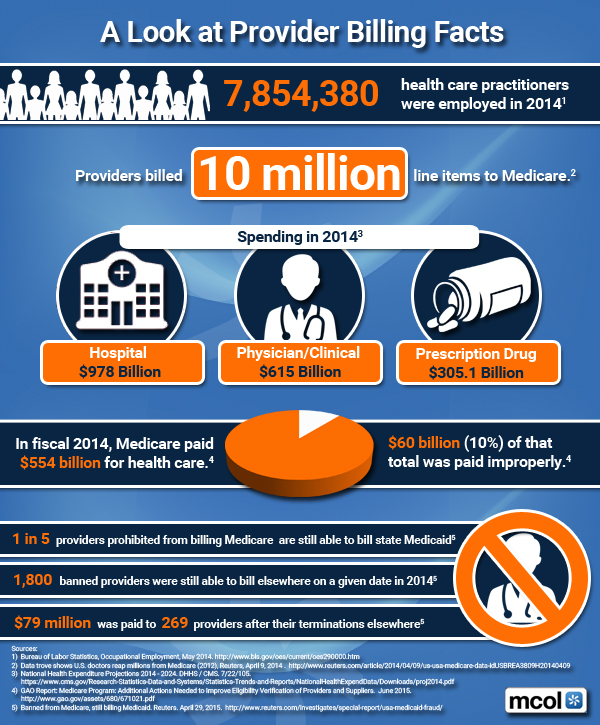
Medical Provider Billing Facts for 2014

Join Our Mailing List 

A Look at Medicare Spending

By http://www.MCOL.com

***

billing

***

Conclusion

Your thoughts and comments on this ME-P are appreciated. Feel free to review our top-left column, and top-right sidebar materials, links, URLs and related websites, too. Then, subscribe to the ME-P. It is fast, free and secure.

Speaker: If you need a moderator or speaker for an upcoming event, Dr. David E. Marcinko; MBA – Publisher-in-Chief of the Medical Executive-Post – is available for seminar or speaking engagements. Contact: MarcinkoAdvisors@msn.com

OUR OTHER PRINT BOOKS AND RELATED INFORMATION SOURCES:

[HOSPITAL OPERATIONS, ORGANIZATIONAL BEHAVIOR AND FINANCIAL MANAGEMENT COMPANION TEXTBOOK SET]

Product DetailsProduct Details

[Foreword Dr. Phillips MD JD MBA LLM] *** [Foreword Dr. Nash MD MBA FACP]

***

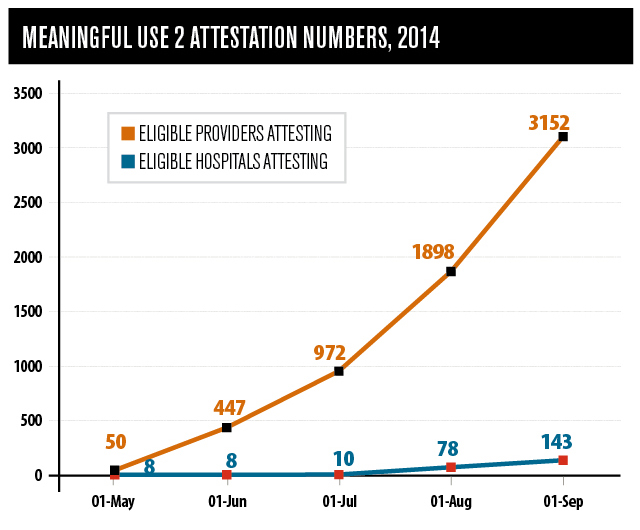
Understanding “Meaningful Use” Attestation Numbers for 2014

Join Our Mailing List

Providers versus Hospitals

By CMS

ME121014_PAGE_16

Assessment

So, what do the hospitals know –  that the doctors do not?

Channel Surfing the ME-P

Have you visited our other topic channels? Established to facilitate idea exchange and link our community together, the value of these topics is dependent upon your input. Please take a minute to visit. And, to prevent that annoying spam, we ask that you register. It is fast, free and secure.

Conclusion

Your thoughts and comments on this ME-P are appreciated. Feel free to review our top-left column, and top-right sidebar materials, links, URLs and related websites, too. Then, subscribe to the ME-P. It is fast, free and secure.

Speaker: If you need a moderator or speaker for an upcoming event, Dr. David E. Marcinko; MBA – Publisher-in-Chief of the Medical Executive-Post – is available for seminar or speaking engagements. Contact: MarcinkoAdvisors@msn.com

OUR OTHER PRINT BOOKS AND RELATED INFORMATION SOURCES:

Product DetailsProduct Details

Product Details

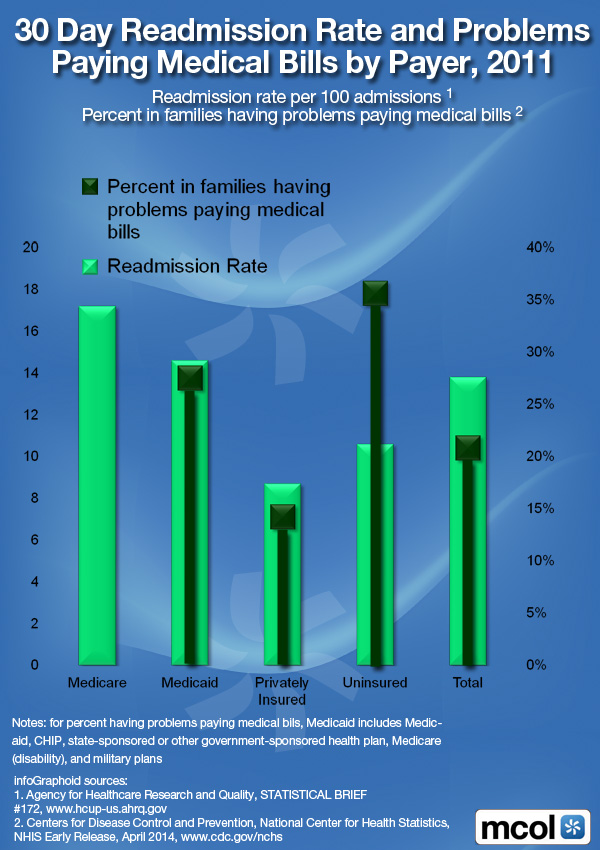
On Hospital 30 Day Re-Admission Rates

Join Our Mailing List

And … Problems Paying Medical Bills for 2011

By http://www.MOCL.com

ImageProxy

Conclusion

Your thoughts and comments on this ME-P are appreciated. Feel free to review our top-left column, and top-right sidebar materials, links, URLs and related websites, too. Then, subscribe to the ME-P. It is fast, free and secure.

Link: http://feeds.feedburner.com/HealthcareFinancialsthePostForcxos

Speaker: If you need a moderator or speaker for an upcoming event, Dr. David E. Marcinko; MBA – Publisher-in-Chief of the Medical Executive-Post – is available for seminar or speaking engagements. Contact: MarcinkoAdvisors@msn.com

OUR OTHER PRINT BOOKS AND RELATED INFORMATION SOURCES:

Product DetailsProduct Details

Product Details

National Health Expenditure Growth

Join Our Mailing List

A Report from the Office of the Actuary

Source: Centers for Medicare & Medicaid Services

According to the Centers for Medicare & Medicaid Services (CMS) Office of the Actuary, overall national health expenditures grew at an annual rate of 3.7 percent in 2012, marking the fourth consecutive year of low growth. Health spending as a share of gross domestic product fell slightly from 17.3 percent in 2011 to 17.2 percent in 2012.

Private Insurance

Private health insurance spending growth remained low. Private health insurance spending continued to grow at a low rate, increasing 3.2 percent in 2012 compared to 3.4 percent growth in 2011. Medicare spending growth continued to be low. Despite a large uptick in Medicare enrollment, Medicare spending growth slowed slightly in 2012, increasing by 4.8 percent compared to 5.0 percent growth in 2011.

The Totals for MC/MD

Total Medicare spending per enrollee grew by only 0.7 percent in 2012. Medicaid spending continued to grow at a historically low rate. Total Medicaid spending grew 3.3 percent in 2012. While an increase over 2011, this increase still represents historically low overall growth rates tied to improved economic conditions, as well as efforts by states to control costs.

Rx Drugs

Prescription drug spending growth was low. Retail prescription drug spending slowed in 2012, growing only 0.4 percent as the result of numerous drugs losing their patent protection, leading to increased sales of lower-cost generics. Nursing home spending growth slowed.

Pharma

Assessment

Spending for freestanding nursing care facilities and continuing care retirement communities increased by only 1.6 percent in 2012, down from 4.3 percent growth in 2011, due to a one-time Medicare rate adjustment for skilled nursing facilities.

Conclusion

Your thoughts and comments on this ME-P are appreciated. Feel free to review our top-left column, and top-right sidebar materials, links, URLs and related websites, too. Then, subscribe to the ME-P. It is fast, free and secure.

Link: http://feeds.feedburner.com/HealthcareFinancialsthePostForcxos

Speaker: If you need a moderator or speaker for an upcoming event, Dr. David E. Marcinko; MBA – Publisher-in-Chief of the Medical Executive-Post – is available for seminar or speaking engagements. Contact: MarcinkoAdvisors@msn.com

OUR OTHER PRINT BOOKS AND RELATED INFORMATION SOURCES:

DICTIONARIES: http://www.springerpub.com/Search/marcinko
PHYSICIANS: www.MedicalBusinessAdvisors.com
PRACTICES: www.BusinessofMedicalPractice.com
HOSPITALS: http://www.crcpress.com/product/isbn/9781466558731
CLINICS: http://www.crcpress.com/product/isbn/9781439879900
BLOG: www.MedicalExecutivePost.com
FINANCE: Financial Planning for Physicians and Advisors
INSURANCE: Risk Management and Insurance Strategies for Physicians and Advisors

Product DetailsProduct Details

Product Details

Hospital Information Systems and the PP-ACA

Join Our Mailing List

Extension of Hospital Information Systems Beyond the Hospital

By Brent A. Metfessel MD

Dr. MetfesselThe Patient Protection and Affordable Care Act (ACA), affirmed after the November 7th 2012 presidential election, includes a number of policies and potential projects with the aim of improving quality of care while reducing costs – or at least greatly slowing increases in health care costs from year to year.

Included in this effort are CMS payment incentives for providers that can show care patterns that meet the goals of high quality, cost-efficient care.

HHS and ACOs 

On March 31, 2011, the Department of Health and Human Services (HHS) released a set of proposed new rules to aid clinicians, hospitals, and other health facilities and providers to improve coordination of care for Medicare patients using a model known as Accountable Care Organizations (ACOs). ACOs that are shown to lower health care cost growth while meeting CMS quality benchmarks, including measures of patient/caregiver experience of care, care coordination, patient safety, preventive health, and health of high-risk populations, will receive incentive payments as part of the Medicare Shared Savings Program.

But, in some proposed models ACOs may also be held accountable for shared losses.

Care Co-ordination

Coordination of care means that hospitals, physician offices, and other providers have a complete record of patients’ episodes of care, including diagnostic tests, procedures, and medication information.  This potentially would decrease extra costs from unnecessary duplication of services as well as reducing medical errors from incomplete understanding of the patients’ illness histories and medical care provided.

It is also believed that better coordination of care may prevent 30-day hospital readmissions (which occur for nearly one in five Medicare discharges), since needed post-discharge care would be more readily obtainable with more aggressive care coordination.

Medicare patients in ACOs, however, would still be allowed to see providers outside of the ACO, and proposals exist to prevent physicians in ACOs from being penalized for patients with a greater illness severity or complexity.

According to a CMS analysis, ACOs may result in Medicare savings of up to $960 million over three years.  Although the Affordable Care Act’s ACO provisions primarily target Medicare beneficiaries, private insurers are also beginning to create care models based on the accountable care paradigm.  Insurers could offer similar incentives to the ACO model described above, and which might include features such as performance based contracting or tiered benefit models that favor physicians who score highly on care quality and cost-efficiency measures.

Balance

Only the Beginning

ACOs and other implementations of the accountable care paradigm, however, are in their beginning stages, with a number of pilots around the country currently being conducted to more fully evaluate the concept, and there still is some controversy over the best way to achieve these goals. It is a continuing balancing act.

The critical point here is that in all likelihood, with the advent of the ACA and other initiatives, stemming the upward tide of medical cost increases becomes an even higher priority, and no matter what the final models will look like, the success of any of the models requires a high level of care coordination – requiring information systems that are fully compatible and allow seamless and errorless transmission of information between sites of service and the various providers that can be involved in patient care.

More:

  1. Ground Breaking Book Explains Why Accountable Care Organizations May Be the Answer the Health Care Industry Has Been Seeking!
  2. Evaluating ACOs at Mid-Launch
  3. How Using a ‘Scorecard’ Can Smooth Your Hospital’s Transition to a Population Health-Based Reimbursement Model
  4. Doubting the Accountable Care Organization B-Model

Assessment

Thus, wherever a patient goes for care, all the information needed to provide high-quality and cost-efficient care is immediately available.

References

Feds Take Critical Look at Meaningful Use Payments”, InformationWeek Healthcare, October 24, 2012.  http://www.informationweek.com/healthcare/policy/feds-take-critical-look-at-meaningful-us/240009661 [Accessed on November 2, 2012].

Conclusion

Your thoughts and comments on this ME-P are appreciated. Feel free to review our top-left column, and top-right sidebar materials, links, URLs and related websites, too. Then, subscribe to the ME-P. It is fast, free and secure.

Link: http://feeds.feedburner.com/HealthcareFinancialsthePostForcxos

Speaker: If you need a moderator or speaker for an upcoming event, Dr. David E. Marcinko; MBA – Publisher-in-Chief of the Medical Executive-Post – is available for seminar or speaking engagements. Contact: MarcinkoAdvisors@msn.com

OUR OTHER PRINT BOOKS AND RELATED INFORMATION SOURCES:

LEXICONS: http://www.springerpub.com/Search/marcinko
PHYSICIANS: www.MedicalBusinessAdvisors.com
PRACTICES: www.BusinessofMedicalPractice.com
HOSPITALS: http://www.crcpress.com/product/isbn/9781466558731
CLINICS: http://www.crcpress.com/product/isbn/9781439879900
ADVISORS: www.CertifiedMedicalPlanner.org
PODIATRISTS: www.PodiatryPrep.com
BLOG: www.MedicalExecutivePost.com

Product DetailsProduct Details

Product Details

Doubting the Accountable Care Organization B-Model

New Healthcare Business Model or Edsel Model?

Join Our Mailing List 

By David Edward Marcinko MBA http://www.CertifiedMedicalPlanner.org

[Publisher-in-Chief]

Dr. Marcinko with ME-P FansDefined by Professor Michael Porter at Harvard Business School, value is defined as a function of outcomes and costs. Therefore to achieve high value we must deliver the best possible outcomes in the most efficient way, outcomes which matter from the perspective of the individual receiving healthcare and not provider process measures or targets.

Sir Muir Gray expanded on the idea of technical value (outcomes/costs) to specifically describe ‘personal value’ and ‘allocative value’, encouraging us to focus also on shared decision making, individual preferences for care and ensuring that resources are allocated for maximum value.

Healthcare Value and ACOs

According to our Medical Executive-Post Health Dictionary Series of administrative terms http://www.HealthDictionarySeries.org  and health economist and colleague Robert James Cimasi MHA, ASA, AVA CMP™ of www.HealthCapital.com; an ACO is a healthcare organization in which a set of providers, usually large physician groups and hospitals, are held accountable for the cost and quality of care delivered to a specific local population.

ACOs aim to affect provider’s patient expenditures and outcomes by integrating clinical and administrative departments to coordinate care and share financial risk.

ACO Launch

Since their four-page introduction in the PP-ACA of 2010, ACOs have been implemented in both the Federal and commercial healthcare markets, with 32 Pioneer ACOs selected (on December 19, 2011), 116 Federal applications accepted (on April 10, 2012 and July 9, 2012), and at least 160 or more Commercial ACOs in existence today.

Federal Contracts

Federal ACO contracts are established between an ACO and CMS, and are regulated under the CMS Medicare Shared Savings Program (MSSP) Final Rule, published November 2, 2011.  ACOs participating in the MSSP are accountable for the health outcomes, represented by 33 quality metrics, and Medicare beneficiary expenditures of a prospectively assigned population of Medicare beneficiaries.

If a Federal ACO achieves Medicare beneficiary expenditures below a CMS established benchmark (and meets quality targets), they are eligible to receive a portion of the achieved Medicare beneficiary expenditure savings, in the form of a shared savings payment.

Commercial Contracts

Commercial ACO contracts are not limited by any specific legislation, only by the contract between the ACO and a commercial payor.

In addition to shared savings models, Commercial ACOs may incentivize lower costs and improved patient outcomes through reimbursement models that share risk between the payor and the providers, i.e., pay for performance compensation arrangements and/or partial to full capitation.

Although commercial ACOs experience a greater degree of flexibility in their structure and reimbursement, the principals for success for both Federal ACOs and Commercial ACOs are similar.

###

Eidsel

Dr. David E. Marcinko with 1960 Ford Edsel

[© iMBA, Inc. All rights reserved, USA.]

[The Edsel was an automobile marque that was planned, developed, and manufactured by the Ford Motor Company during the 1958, 1959, and 1960 model years. With the Edsel, Ford had expected to make significant inroads into the market share of both General Motors and Chrysler and close the gap between itself and GM in the domestic American automotive market. But, contrary to Ford’s internal plans and projections, the Edsel never gained popularity with contemporary American car buyers and sold poorly. The Ford Motor Company lost millions of dollars on the Edsel’s development, manufacturing and marketing].

More:


Update

Junking the Merit-Based Incentive Payment System (MIPS) would undoubtedly let the proverbial air out of the MACRA balloon, dealing a significant blow to the value-based reimbursement shift; right?

Assessment

Although nearly any healthcare enterprise can integrate and become an ACO, larger enterprises, may be best suited for ACO status.

Larger organizations are more able to accommodate the significant capital requirements of ACO development, implementation, and operation (e.g., healthcare information technology), and sustain the sufficient number of beneficiaries to have a significant impact on quality and cost metrics.

Conclusion

But, will this new B-Model work? Isn’t leading doctors in a shared collaborative effort a bit like herding cats? And, what about patients, HIEs, outcomes management, data analytics and … Population Health via our colleague David B. Nash MD MBA of Thomas Jefferson University, often considered the “father” of Pop Health?

OR, what about the developing IRS scandal and full PP-ACA launch in 2014? Will it affect federal funding, full roll-out, or even repeal of the entire Act?

Your thoughts and comments on this ME-P are appreciated. Feel free to review our top-left column, and top-right sidebar materials, links, URLs and related websites, too. Then, subscribe to the ME-P. It is fast, free and secure.

Link: http://feeds.feedburner.com/HealthcareFinancialsthePostForcxos

Speaker: If you need a moderator or speaker for an upcoming event, Dr. David E. Marcinko; MBA – Publisher-in-Chief of the Medical Executive-Post – is available for seminar or speaking engagements. Contact: MarcinkoAdvisors@msn.com

OUR OTHER PRINT BOOKS AND RELATED INFORMATION SOURCES:

DICTIONARIES: http://www.springerpub.com/Search/marcinko
PHYSICIANS: www.MedicalBusinessAdvisors.com
PRACTICES: www.BusinessofMedicalPractice.com
HOSPITALS: http://www.crcpress.com/product/isbn/9781466558731
CLINICS: http://www.crcpress.com/product/isbn/9781439879900
BLOG: www.MedicalExecutivePost.com
FINANCE: Financial Planning for Physicians and Advisors
INSURANCE: Risk Management and Insurance Strategies for Physicians and Advisors

Product DetailsProduct Details

A Financial eMR “Got-Ya” from Uncle Sam?

Join Our Mailing List

CMS and the Feds Want to Verify Docs eMR Info Before Meaningful Use Payment

By ME-P Staff Reporters

The conversion to electronic medical records [eMRs] is “vulnerable” to fraud and abuse because of the failure of Medicare and CMS officials to develop appropriate safeguards, according to a sharply critical report just issued by federal investigators.

###

[mobile eMR in clincal use]

###

Full Report: https://oig.hhs.gov/oei/reports/oei-05-11-00250.pdf

Assessment

Requiring an audit before paying hospitals and doctors could  significantly delay payments to providers.

Ya think!

Conclusion

Your thoughts and comments on this ME-P are appreciated. Feel free to review our top-left column, and top-right sidebar materials, links, URLs and related websites, too. Then, subscribe to the ME-P. It is fast, free and secure.

Link: http://feeds.feedburner.com/HealthcareFinancialsthePostForcxos

Speaker: If you need a moderator or speaker for an upcoming event, Dr. David E. Marcinko; MBA – Publisher-in-Chief of the Medical Executive-Post – is available for seminar or speaking engagements. Contact: MarcinkoAdvisors@msn.com

Our Other Print Books and Related Information Sources:

Health Dictionary Series: http://www.springerpub.com/Search/marcinko

Practice Management: http://www.springerpub.com/product/9780826105752

Physician Financial Planning: http://www.jbpub.com/catalog/0763745790

Medical Risk Management: http://www.jbpub.com/catalog/9780763733421

Hospitals: http://www.crcpress.com/product/isbn/9781439879900

Physician Advisors: www.CertifiedMedicalPlanner.org

Product Details

What Does a PQRS Really Measure?

And, What Does a PQRSMeasure Group Look Like?

Join Our Mailing List

[By Staff Reporters]

At a basic level, a Physician Quality Reporting System [PQRS] is a program that pays medical providers for reporting outcomes on quality outcomes metrics for Medicare Part B patients.

Primary care and specialty care providers of all kinds can participate by selecting outcomes measures that are pertinent to their fields. There is something for most every specialty, even pathology and radiology.

For example, you may choose from a menu of outcome measures and pick those measures you want, or you can report on a predetermined group of measures that focus on a specific condition or situation, such as diabetes or perioperative care.

The CMS Document

According to the 655 page 2012 Physician Quality Reporting System Measure Specifications Manual for Claims and Registry Reporting of Individual Measures produced by CMS, here are some high-level descriptions of individual measures.

Assessment

Conclusion

Your thoughts and comments on this ME-P are appreciated. Feel free to review our top-left column, and top-right sidebar materials, links, URLs and related websites, too. Then, subscribe to the ME-P. It is fast, free and secure.

Speaker: If you need a moderator or speaker for an upcoming event, Dr. David E. Marcinko; MBA – Publisher-in-Chief of the Medical Executive-Post – is available for seminar or speaking engagements. Contact: MarcinkoAdvisors@msn.com

OUR OTHER PRINT BOOKS AND RELATED INFORMATION SOURCES:

Our Newest Textbook Release

Buy from Amazon

Learn How to Profit and Thrive in the PP-ACA Era

BOOK FOREWORD / TESTIMONIAL

More on “Meaningful Use” Requirements

Join Our Mailing List

And  …  Its’ Impact on eHRs

Carol Miller RN MBA millerconsultgroup@gmail.com

The American Recovery and Reinvestment Act of 2009introduced the “Meaningful Use” requirement for EHR systems with three main components:

The Components

1) The use of a certified EHR in a meaningful manner, such as e-prescribing, 2) The use of a certified EHR technology for electronic exchange of health information to improve quality of health care, and 3) The use of a certified EHR technology to submit clinical quality and other measures.

Meaningful Use refers to a set of 15 criteria that medical providers must meet in order to prove that they are using their EHRs as an effective tool in their practice.  There are also 10 additional criteria that are considered a la carte from which only 5 need to be demonstrated by the medical provider.

In total, 20 Meaningful Use criteria must be used within the EHR to qualify for stimulus payments during Stage One of the EHR incentive program.   Each of the criteria were developed and further reviewed by the Office of the National Coordinator [ONC] with public input.

A Five Year TimeLine

Meaningful use will be measured in stages over five years.  Each stage represents a level of adoption.  Many certified EHRS will allow providers to complete all Meaningful Use criteria, whereas others will only certify what is required in the early stages and modify at a later date with any new criteria.

The three stages are:

Stage One:  Essentially, Stage One is using the major functionality of a certified EHR.  This includes documenting set percentages of your visits, diagnoses, prescriptions, immunizations and other relevant health information electronically; using the clinical support tools (warnings and reminders that will be included in a certified EHR); and sharing patient information.  Providers and hospitals must report quality measures and public health information. For providers they must report on 6 clinical quality measures – 3 required core measures and 3 additional measures selected from a set of 38 clinical quality measures.  Eligible hospitals and Critical Care Hospitals (CAHs) must report on all 15 of the clinical quality measures.  Stage One is required in years 2011 and 2012.

Stage Two:  In addition to continuing to use all functionality from Stage One, physicians will be required to use EHRs to send and receive information such as lab orders and results.   Other criteria may be added.  Stage Two is expected to be implemented in 2013.

Stage Three:  This stage will continue fulfilling the criteria from Stages One and Two and will include clinical decisions support for national high priority conditions; emailing patients in a Personal Health Record (PHR); accessing comprehensive patient data; and improving population health.  Stage Three criteria have not been developed to date and the implementation is not expected until 2015.

Assessment

CMS payment penalties for non-compliance to the meaningful use regulations will begin in 2016 with an initial 1% penalty which could escalate to 5% five years later.  Therefore, with these criteria in place, we are likely to see virtually all hospitals attempt to meet the meaningful use criteria to avoid penalty cost.

Conclusion

Your thoughts and comments on this ME-P are appreciated. Feel free to review our top-left column, and top-right sidebar materials, links, URLs and related websites, too. Then, subscribe to the ME-P. It is fast, free and secure.

Speaker: If you need a moderator or speaker for an upcoming event, Dr. David E. Marcinko; MBA – Publisher-in-Chief of the Medical Executive-Post – is available for seminar or speaking engagements. Contact: MarcinkoAdvisors@msn.com

OUR OTHER PRINT BOOKS AND RELATED INFORMATION SOURCES:

Buy from Amazon

Learn How to Profit and Thrive in the PP-ACA Era

BOOK FOREWORD / TESTIMONIAL

Case Model Illustration of a Six Sigma Healthcare Pioneer

Join Our Mailing List

The Mount Carmel Health System

By Mark Matthews MD

A “Scrubbed” True Illustration

One of the earliest healthcare adopters of Six Sigma was the Mount Carmel Health System in Columbus, Ohio.

The organization was barely breaking even in the summer of 2000 when competition from surrounding providers made things worse. Employee layoffs added fuel to an already all-time low employee morale.

The CEO

Chief Executive Officer Joe Calvaruso was determined to stem the bleeding, break the cycle of poor financial performance and return the hospital system to profitability.  He sought the potential benefits of Six Sigma and began a full deployment of its methodology. The plan was a bold move, as the organization ensured that no one would be terminated as a result of a Six Sigma project having eliminated his or her previous duties. These employees would be offered an alternative position in a different department. Moreover, top personnel were asked to leave their current positions to be trained and work full time as Six Sigma expert practitioners who would oversee project deployment while their positions were backfilled.

Assessment

The Six Sigma deployment was the right decision. More than 50 projects were initiated with significant success. An example of an early Mount Carmel success story is the dramatic improvement in their Medicare + Choice product reimbursements, previously written off as uncollectible accounts. These accounts were often denied by HCFA due to coding of those patients as “working aged.”

Since the treatment process status often changed in these patients, HCFA often rejected claims or lessened reimbursement amounts, effectively making coding a difficult and elusive problem. The employment of the Six Sigma process fixed the problem, resulting in a real gain of $857,000 to the organization. The spillover of this methodology to other coding parameters also has dramatically boosted revenue collection.

A Glimpse of Lean Medical Management Tools and Techniques

Conclusion

Your thoughts and comments on this ME-P are appreciated. Feel free to review our top-left column, and top-right sidebar materials, links, URLs and related websites, too. Then, subscribe to the ME-P. It is fast, free and secure.

Link: http://feeds.feedburner.com/HealthcareFinancialsthePostForcxos

Speaker: If you need a moderator or speaker for an upcoming event, Dr. David E. Marcinko; MBA – Publisher-in-Chief of the Medical Executive-Post – is available for seminar or speaking engagements. Contact: MarcinkoAdvisors@msn.com

Our Other Print Books and Related Information Sources:

Health Dictionary Series: http://www.springerpub.com/Search/marcinko

Practice Management: http://www.springerpub.com/product/9780826105752

Physician Financial Planning: http://www.jbpub.com/catalog/0763745790

Medical Risk Management: http://www.jbpub.com/catalog/9780763733421

Hospitals: http://www.crcpress.com/product/isbn/9781439879900

Physician Advisors: www.CertifiedMedicalPlanner.org

From Our Newest Textbook Release

Buy from Amazon

Learn How to Profit and Thrive in the PP-ACA Era

BOOK FOREWORD / TESTIMONIAL

Opinion Poll on the Most Disruptive Health Issue Today?

Join Our Mailing List

A Voting Opinion Poll

Today’s opinion poll for all modern hospital executives, financial advisors, health economists, patients and physician leaders is right on-point.

It was sent in by an astute ME-P subscriber and we are most pleased to oblige.

VOTE HERE

And so, what is the most singular disruptive development that you should be thinking about if you want your medical practice, clinic, hospital, state, local government or healthcare organization to thrive in the coming years?

Conclusion

Your thoughts and comments on this ME-P are appreciated. Feel free to review our top-left column, and top-right sidebar materials, links, URLs and related websites, too. Then, subscribe to the ME-P. It is fast, free and secure.

Link: http://feeds.feedburner.com/HealthcareFinancialsthePostForcxos

Speaker: If you need a moderator or speaker for an upcoming event, Dr. David E. Marcinko; MBA – Publisher-in-Chief of the Medical Executive-Post – is available for seminar or speaking engagements. Contact: MarcinkoAdvisors@msn.com

Our Other Print Books and Related Information Sources:

Health Dictionary Series: http://www.springerpub.com/Search/marcinko

Practice Management: http://www.springerpub.com/product/9780826105752

Physician Financial Planning: http://www.jbpub.com/catalog/0763745790

Medical Risk Management: http://www.jbpub.com/catalog/9780763733421

Hospitals: http://www.crcpress.com/product/isbn/9781439879900

Physician Advisors: www.CertifiedMedicalPlanner.org

Product DetailsProduct DetailsProduct Details

Product Details  Product Details

Product Details

How to Prevent Hospital Re-Admissions?

Join Our Mailing List

ME-P Reader Survey

[By Dr. David Edward Marcinko MBA CMP™]

As our physician readers are aware, beginning in 2013, CMS will penalize hospitals for excess readmission rates.

Initial focus will be on readmissions for heart failure, acute myocardial infarction and pneumonia — data that is already reported on the CMS Hospital Compare web site, as previously noted on this ME-P forum.

How to Reduce Hospital Re-Admissions

As private payers follow CMS’s reimbursement and reporting leads, healthcare organizations must take bold steps to reduce avoidable readmissions.

A Call to Action

And so, we invite our medical professional readers to report on their initiatives and tips in this area, and deliver actionable data in order to help hospitals and healthcare organizations reduce avoidable readmissions.

Assessment

Please tell us and your colleagues, what you are doing and plan to do, in the changing future of healthcare.

Re

Conclusion

Your thoughts and comments on this ME-P are appreciated. Feel free to review our top-left column, and top-right sidebar materials, links, URLs and related websites, too. Then, subscribe to the ME-P. It is fast, free and secure.

Link: http://feeds.feedburner.com/HealthcareFinancialsthePostForcxos

Speaker: If you need a moderator or speaker for an upcoming event, Dr. David E. Marcinko; MBA – Publisher-in-Chief of the Medical Executive-Post – is available for seminar or speaking engagements. Contact: MarcinkoAdvisors@msn.com

OUR OTHER PRINT BOOKS AND RELATED INFORMATION SOURCES:

   Product Details

Accountable Care Organizations are Here

The Final Federal Guidelines

By Garfunkel Wild PC

http://www.garfunkelwild.com

Join Our Mailing List

The much anticipated final federal regulations on accountable care organizations (ACOs) were published on October 20th, 2011. The Affordable Care Act created ACOs to deliver seamless, high quality care to traditional fee-for-service Medicare beneficiaries while reducing the cost of care to those beneficiaries. If successful, ACOs will receive a portion of the shared savings they achieve for the Medicare program.

ACO Workgroup 

The Garfunkel Wild ACO Workgroup is in the process of analyzing these final regulations, and we will be hosting a webinar in the near future to discuss ACO participation and other ways providers can move towards collaborative care.

Final Regulations

In reviewing the final regulations, it is clear CMS took public comments to their proposed regulations seriously and made significant changes that should strengthen the ACO program. Some of these changes include:

  • Allowing ACOs to participate in an upside shared savings track (without being subject to downside losses) for the first three years of participation
  • Expanding the definition of participants eligible to form ACOs to include federally qualified health centers (“FQHCs”)
  • Reducing by about half the number of quality measures ACOs have to report
  • Permitting ACOs to share in first dollar saved once a minimum savings rate is achieved
  • Creating more flexibility for start dates for ACOs beginning in 2012
  • Removing EHR readiness as a condition of participation
  • Revising the process of assigning beneficiaries to ACOs from a pure retrospective process to a prospective process that includes retroactive adjustments

Assessment

Also published with the CMS final regulations were interim final regulations published by the Office of Inspector General addressing the waiver of the application of federal fraud and abuse laws; a final policy statement issued by the Federal Trade Commission and Department of Justice outlining the agencies’ antitrust enforcement policies for ACOs, and an IRS Fact Sheet regarding tax exempt organizations participating in the Medicare Shared Savings program.

Conclusion                

And so, your thoughts and comments on this ME-P are appreciated. Feel free to review our top-left column, and top-right sidebar materials, links, URLs and related websites, too. Then, subscribe to the ME-P. It is fast, free and secure.

Link: http://feeds.feedburner.com/HealthcareFinancialsthePostForcxos

Our Other Print Books and Related Information Sources:

Health Dictionary Series: http://www.springerpub.com/Search/marcinko

Practice Management: http://www.springerpub.com/product/9780826105752

Physician Financial Planning: http://www.jbpub.com/catalog/0763745790

Medical Risk Management: http://www.jbpub.com/catalog/9780763733421

Healthcare Organizations: www.HealthcareFinancials.com

Physician Advisors: www.CertifiedMedicalPlanner.com

Subscribe Now: Did you like this Medical Executive-Post, or find it helpful, interesting and informative? Want to get the latest ME-Ps delivered to your email box each morning? Just subscribe using the link below. You can unsubscribe at any time. Security is assured.

Link: http://feeds.feedburner.com/HealthcareFinancialsthePostForcxos

Sponsors Welcomed: And, credible sponsors and like-minded advertisers are always welcomed.

Link: https://healthcarefinancials.wordpress.com/2007/11/11/advertise

Product Details

Health-Care Reform Rules Would Restrict Public Reporting

 Information Restricted to “qualified entities” Only

By Marshall Allen

ProPublica, Sept 15th, 2011, 10:46 am

Join Our Mailing List

It’s estimated that hundreds of thousands of patients die annually from preventable harm suffered while undergoing medical care. The infections, injuries and errors could rank as a leading cause of death in the United States.

The PP-ACA of 2010

Last year’s sweeping health-care reform law — the Patient Protection and Affordable Care Act — promised to improve the problem by allowing outside groups to use Medicare billing records to analyze and publicly report on the quality of care. But proposed rules that would guide the release of the data are being criticized by consumer groups that say the rules would make independent accountability impossible.

CMS  

Agencies typically adopt rules to administer laws like the health-care act. The rules being developed [1] by the Centers for Medicare & Medicaid Services (CMS) propose restricting the release of Medicare billing data to “qualified entities.” To qualify, a group would have to:

  • Pay up to $200,000 for the data.
  • Have its methods pre-approved before obtaining the data.
  • Already possess billing information from other sources to combine with the Medicare data — an advantage to insurance companies.
  • Limit public reporting to quality measures approved by the health-care industry.
  • Present its reports and findings to every doctor and facility being measured before they are released to the public — a requirement that would make large-scale reports difficult.

Medicare officials declined to discuss the proposed rules because they are being finalized after a public comment period ended Aug. 8th. But interviews and a review of comments show that the rules have sharply divided consumer-oriented groups and health-care providers.

Safe Patient Project

Lisa McGiffert, director of the Safe Patient Project run by Consumers Union, the nonprofit publisher of Consumer Reports magazine, said the new law was seen as “a real opportunity” because, for the first time, Medicare data could be used to tell the public about the performance of doctors. But the proposed rules would make it impossible for Consumers Union to use the data, she said.

“The best-kept secret inAmericais what doctors are doing,” McGiffert said. “People should be able to find out information about outcomes of care, whether their docs are using appropriate practices and whether they’re providing too much of something that people don’t need.”

Bruce Boissonnault, president and CEO of the Niagara Health Quality Coalition, a nonprofit that’s been independently measuring the quality of health care since 1995, said the rules are needlessly complex and designed to suppress freedom of information. He said the rules would make it impossible for all but industry insiders to access the new data, giving them control over what’s released.

“We will only see the scraps of information that the industry wants us to discuss,” Boissonnault said. “It’s advertising wrapped in a lab coat.”

Boissonnault [2] and Consumers Union [3] submitted public comments, urging Medicare to reconsider the restrictions.

Enter the AMA

The American Medical Association submitted comments [4] mostly supporting the access limitations and in some cases urging more restrictive rules. For instance, the proposed rules say doctors would need 30 days to review any analysis before it’s publicly reported, but the AMA wants that review period increased to 90 days. The AMA also wants Medicare to consider complaints by physicians against an organization before allowing the organization access to the data.

Assessment

The Federation of American Hospitals, which represents investor-owned health-care facilities, said in its comment [5] that it is “very troubled” by the proposed rules, despite the increased restrictions, because billing data have a limited ability to measure quality. The federation wants a limit on the number of qualified entities that have access to the data.

Link: http://www.propublica.org/article/health-care-reform-rules-would-restrict-public-reporting

Conclusion

Your thoughts and comments on this ME-P are appreciated. Feel free to review our top-left column, and top-right sidebar materials, links, URLs and related websites, too. Then, subscribe to the ME-P. It is fast, free and secure.

Link: http://feeds.feedburner.com/HealthcareFinancialsthePostForcxos

Speaker: If you need a moderator or speaker for an upcoming event, Dr. David E. Marcinko; MBA – Publisher-in-Chief of the Medical Executive-Post – is available for seminar or speaking engagements. Contact: MarcinkoAdvisors@msn.com

Our Other Print Books and Related Information Sources:

Health Dictionary Series: http://www.springerpub.com/Search/marcinko

Practice Management: http://www.springerpub.com/product/9780826105752

Physician Financial Planning: http://www.jbpub.com/catalog/0763745790

Medical Risk Management: http://www.jbpub.com/catalog/9780763733421

Healthcare Organizations: www.HealthcareFinancials.com

Physician Advisors: www.CertifiedMedicalPlanner.com

Subscribe Now: Did you like this Medical Executive-Post, or find it helpful, interesting and informative? Want to get the latest ME-Ps delivered to your email box each morning? Just subscribe using the link below. You can unsubscribe at any time. Security is assured.

Link: http://feeds.feedburner.com/HealthcareFinancialsthePostForcxos

Sponsors Welcomed: And, credible sponsors and like-minded advertisers are always welcomed.

Link: https://healthcarefinancials.wordpress.com/2007/11/11/advertise

Product DetailsProduct DetailsProduct Details       

Product Details  Product Details

   Product Details

Medicare and the Budget Control Act’s Joint Select Committee

Creating Spending Reductions for the Next Decade?

By Children’s Home Society of Florida Foundation

Join Our Mailing List 

Under the compromise between President Obama and leaders of the House and Senate, the Budget Control Act of 2011 created spending reductions of over $900 billion during the next decade. The bill also requires leaders of the House and Senate to appoint members to a Joint Select Committee. The committee has three Republican, three Democratic Senators, three Republican and three Democratic Representatives.

House and Senate leaders have now appointed the committee members. The 12 committee members are tasked with creating a $1.5 trillion budget solution by Thanksgiving. Their bill will be voted on without amendments by December 23, 2011.

If the committee is not able to develop and pass a bill by Dec. 23, there will be $1.2 trillion in budget cuts. Half of the cuts will come from the Department of Defense and one-half will be reductions in payments to Medicare providers.

Majority Leader Harry Reid (D-NV) appointed three Senators. The Co-Chair of the Joint Select Committee will be Sen. Patty Murray (D-WA). His other two appointees are Sen. John Kerry (D-MA) and Sen. Max Baucus (D-MT). Sen. Kerry is Chair of the Senate Foreign Relations Committee and Sen. Baucus is Chair of the Senate Finance Committee.

Republican Leader Mitch McConnell (R-KY) appointed Sen. John Kyl (R-AZ), Sen. Pat Toomey (R-PA) and Sen. Rob Portman (R-OH). Sen. Kyl is the Republican Whip and a senior member of the Finance Committee. Sen. Toomey is a member of the Budget Committee. Sen. Portman was previously Director of the Office of Management and Budget.

Speaker John Boehner (R-OH) appointed Rep. Jeb Hensarling (R-TX) as Co-Chair of the committee. His other appointments are Rep. Dave Camp (R-MI) and Rep. Fred Upton (R-MI). Rep. Camp is Chairman of the Ways and Means Committee and Rep. Upton chairs the Energy and Commerce Committee.

Democratic Leader Nancy Pelosi (D-CA) appointed Rep. James Clyburn (D-SC), House Ways and Means Member Xavier Becerra (D-CA) and Budget Committee Member Chris Van Hollen (D-MD).

The Joint Select Committee is expected to initiate meetings in September after Congress returns from the August recess.

Editor’s Note: There will undoubtedly be a spirited debate. All of the twelve committee members will want to avoid drastic budget cuts for the Department of Defense or Medicare providers. The group will need to discuss potential cuts in discretionary expenditures, defense and entitlements. With the appointments of key taxwriters Baucus and Camp, it is clear that taxes will also be a part of the discussion. Whether or not there are tax increases as part of the budget solution remains to be seen.

Conclusion

And so, your thoughts and comments on this ME-P are appreciated. Feel free to review our top-left column, and top-right sidebar materials, links, URLs and related websites, too. Then, subscribe to the ME-P. It is fast, free and secure.

Link: http://feeds.feedburner.com/HealthcareFinancialsthePostForcxos

Speaker: If you need a moderator or speaker for an upcoming event, Dr. David E. Marcinko; MBA – Publisher-in-Chief of the Medical Executive-Post – is available for seminar or speaking engagements. Contact: MarcinkoAdvisors@msn.com

Our Other Print Books and Related Information Sources:

Health Dictionary Series: http://www.springerpub.com/Search/marcinko

Practice Management: http://www.springerpub.com/product/9780826105752

Physician Financial Planning: http://www.jbpub.com/catalog/0763745790

Medical Risk Management: http://www.jbpub.com/catalog/9780763733421

Healthcare Organizations: www.HealthcareFinancials.com

Physician Advisors: www.CertifiedMedicalPlanner.com

Subscribe Now: Did you like this Medical Executive-Post, or find it helpful, interesting and informative? Want to get the latest ME-Ps delivered to your email box each morning? Just subscribe using the link below. You can unsubscribe at any time. Security is assured.

Link: http://feeds.feedburner.com/HealthcareFinancialsthePostForcxos

Sponsors Welcomed: And, credible sponsors and like-minded advertisers are always welcomed.

Link: https://healthcarefinancials.wordpress.com/2007/11/11/advertise

Product Details  Product Details

   Product Details 


Is Informatics the The Curse of Healthcare Reform?

Join Our Mailing List

Medical Coding Complications and Greed

[By Darrell K. Pruitt DDS]

Coding complications in government healthcare ALWAYS favor the house — CMS guarantees it with lawsuits and whistleblower rewards that could attract dishonest employees. Are you careful who you hire?

Complications 

Complications in healthcare informatics – including 5-digit CPT® code mistakes as well as foul-ups that involve physicians’ “voluntary” 10-digit National Provider Identifier numbers – ALWAYS grant insurers more time to pay past-due bills owed to their clients and their clients’ doctors.

Call me Cynical 

Call me cynical, but if interest rates climb ever higher as predicted, watch for unexplained, proportional increases in coding errors to help fund insurance CFOs’ bonuses while raising the cost of healthcare even more without improving value. Is it any wonder why Americans don’t get the quality of healthcare we purchase compared to citizens in other countries? Tax-payers in my neighborhood are begging for in-network providers who put their patients’ interests ahead of insurers’ as much as allowed by insurers’ self-serving rules – without committing fraud. As a general rule, healthcare stakeholders accommodate parasites more than principals.

CPT® Codes and Patient Care 

Accurate CPT® coding may have nothing to do with patient care, but CMS makes it nevertheless important to physicians. Whereas the most innocent NPI foul-ups reliably delay payment and never turn out well for providers, the new fraud and abuse provisions of the Patient Protection and Affordable Care Act [ACA] can cause an innocent coding mistake on a Medicare claim to land the doc in court with charges of fraud depending on the quality of employees one hires – but only if the error favors the provider and not the payer. In June, David Burda posted “Attorney tells audience to brace for a storm of whistle-blower lawsuits” on ModernHealthcare.com.

http://www.modernhealthcare.com/article/20100623/NEWS/306209989/-1

Of Whistle-Blower Lawsuits

Burda reports that healthcare attorney Joanne Judge, a partner with Stevens & Lee in Reading, Pa., predicts a significant increase in whistle-blower lawsuits simply because the new law makes it far too easy for a dishonest employee to file an unwarranted lawsuit. No longer is there a requirement for the whistleblower, who stands to win money from his or her patriotic effort, to directly witness the crime. That kind of idea could catch on in this economy.

computer-hardware1

“The new law also converts accidental Medicare overpayments to providers into potential false claims, Judge said. She said the law considers an overpayment as fraud if the overpayment isn’t identified by the provider and returned to the government within 60 days. Judge said that will require providers to beef up their internal billing systems to detect an overpayment as soon as possible and then send Medicare back its money.”

Assessment 

What can possibly go wrong with that plan? Thorough background checks on all new employees is increasingly important, doc. For my employment security issues, I’ve learned to depend on Richard at Investigation Resource Service out of Dallas. He’s never let me down (This is not a paid ad).

Conclusion

Your thoughts and comments on this ME-P are appreciated. Feel free to review our top-left column, and top-right sidebar materials, links, URLs and related websites, too. Then, subscribe to the ME-P. It is fast, free and secure.

Speaker: If you need a moderator or speaker for an upcoming event, Dr. David E. Marcinko; MBA – Publisher-in-Chief of the Medical Executive-Post – is available for seminar or speaking engagements. Contact: MarcinkoAdvisors@msn.com

OUR OTHER PRINT BOOKS AND RELATED INFORMATION SOURCES:

Product Details 

The ME-P Recommends: Financial Planning and Risk Management Handbooks

Product Details  Product Details

ADVERTISEMENT

1 in 7 Hospitalized Medicare Beneficiaries Harmed by their Health Care?

According to a New Government Report

By Marian Wang

ProPublica, Nov: 16, 2010, 3:30 pm

Join Our Mailing List 

One out of every seven hospitalized Medicare beneficiaries experiences an “adverse event,” which means the patient is harmed as a result of medical care. That’s according to a study released today [1] by the Department of Health and Human Services’ inspector general. The “adverse events” contribute to an estimated 15,000 patient deaths [2] each month and add at least $4.4 billion [3] to the government’s annual Medicare expenses, the report projected. These findings were based on a nationally representative random sample taken from the nearly 1 million Medicare beneficiaries discharged from hospitals in October 2008.

The report’s findings were “consistent with previous studies” but “nonetheless disturbing [4],” Carolyn Clancy, director of the Agency for Healthcare Research and Quality, said in a written response to the report.

Medicare and Medicaid chief Donald Berwick, in a separate response, said that his agency is working to improve care not only for hospitalized patients, but is also trying to address “issues in dialysis centers and ambulatory and long term care settings.”

Inspector General Report

It’s interesting that he mentions this. Because the inspector general report only covered hospital care, the statistics it contains don’t include many of the adverse events we’ve reported on in a particular subset of Medicare beneficiaries—patients receiving care in dialysis clinics [5].

Examples:

But, the report did highlight the story of one hospitalized dialysis patient who almost died when the tube feeding blood back into his body dislodged—an incident that as we’ve noted, is potentially deadly but also preventable [6]: [O]ne beneficiary had excessive bleeding after his kidney dialysis needle was inadvertently removed, which resulted in circulatory shock, a transfer to the intensive care unit, and emergency insertion of a tube into the trachea (windpipe) to ease breathing. When the tube was removed the following day, the patient aspirated (inhaled foreign material into his lungs), which required a life-sustaining intervention.

Assessment

Of the adverse events it identified, the inspector general’s report judged about 44 percent to be preventable. The inspector general called on both the Centers for Medicare and Medicaid Services and the Agency for Healthcare Research and Quality to broaden the definition of adverse events and better measure such incidents, noting that “to date, no adverse event reporting system exists, and there are no Federal standards regarding State systems.”

Link: http://www.propublica.org/blog/item/read-govt-report-showing-1-in-7-hospitalized-medicare-beneficiaries-harmed-

Conclusion

And so, your thoughts and comments on this ME-P are appreciated. Feel free to review our top-left column, and top-right sidebar materials, links, URLs and related websites, too. Then, subscribe to the ME-P. It is fast, free and secure.

Speaker: If you need a moderator or speaker for an upcoming event, Dr. David E. Marcinko; MBA – Publisher-in-Chief of the Medical Executive-Post – is available for seminar or speaking engagements. Contact: MarcinkoAdvisors@msn.com and http://www.springerpub.com/Search/marcinko

Get our Widget: Get this widget!

Our Other Print Books and Related Information Sources:

Health Dictionary Series: http://www.springerpub.com/Search/marcinko

Practice Management: http://www.springerpub.com/product/9780826105752

Physician Financial Planning: http://www.jbpub.com/catalog/0763745790

Medical Risk Management: http://www.jbpub.com/catalog/9780763733421

Healthcare Organizations: www.HealthcareFinancials.com

Physician Advisors: www.CertifiedMedicalPlanner.com

Subscribe Now: Did you like this Medical Executive-Post, or find it helpful, interesting and informative? Want to get the latest ME-Ps delivered to your email box each morning? Just subscribe using the link below. You can unsubscribe at any time. Security is assured.

Link: http://feeds.feedburner.com/HealthcareFinancialsthePostForcxos

Sponsors Welcomed: And, credible sponsors and like-minded advertisers are always welcomed.

Link: https://healthcarefinancials.wordpress.com/2007/11/11/advertise

Product DetailsProduct DetailsProduct Details       

Product Details  Product Details

   Product Details 


Brief Summary of “Meaningful-Use” for eHRs

Objectives Listed

By Shahid N. Shah MS

www.BusinessofMedicalPractice.com

In 2009, the ARRA HITECH bill coined the term “meaningful use” and was a game-changer in the healthcare IT industry. In a series of regulations, the Recovery Act specifically required the following.

Summary of MU

Here are the substantive Meaningful Use objectives of the new ARRA HITECH bill:

  • Use Computer Provider Order Entry (CPOE).
  • Implement drug-drug, drug-allergy, drug-formulary checks.
  • Maintain an up-to-date problem list of current and active diagnoses based on ICD-9-CM or SNOMED CT®.
  • Maintain active medication list.
  • Maintain active medication allergy list.
  • Record demographics.
  • Record and chart changes in vital signs.
  • Record smoking status for patients 13 years and older.
  • Incorporate clinical lab-test results into EHR as structured data.
  • Generate lists of patients by specific conditions to use for quality improvement, reduction of disparities, and outreach. This is a common feature in EHRs.
  • Report ambulatory quality measures to CMS or the States.
  • Implement 5 clinical decision support rules relevant to specialty or high clinical priority, including diagnostic test ordering, along with the ability to track compliance with those rules.
  • Check insurance eligibility electronically from public and private payers.
  • Submit claims electronically to public and private payers.
  • Provide patients with an electronic copy of their health information upon request.
  • Capability to electronically exchange key clinical information among providers of care and patient-authorized entities.
  • Perform medication reconciliation at relevant encounters and each transition of care.
  • Provide summary care record for each transition of care and referral.
  • Capability to submit electronic data to immunization registries and actual submission where required and accepted.
  • Capability to provide electronic syndromic surveillance data to public health agencies and actual transmission according to applicable law and practice.
  • Protect electronic health information created or maintained by the certified EHR technology through the implementation of appropriate technical capabilities
  • Generate and transmit permissible prescriptions electronically.
  • Send reminders to patients per patient preference for preventive/follow-up care.
  • Provide patients with timely electronic access to their health information within 96 hours of information being available to the EP.
  • Provide clinical summaries for patients for each office visit.

Conclusion

Your thoughts and comments on this ME-P are appreciated. Feel free to review our top-left column, and top-right sidebar materials, links, URLs and related websites, too. Then, subscribe to the ME-P. It is fast, free and secure.

Speaker: If you need a moderator or speaker for an upcoming event, Dr. David E. Marcinko; MBA – Publisher-in-Chief of the Medical Executive-Post – is available for seminar or speaking engagements. Contact: MarcinkoAdvisors@msn.com

OUR OTHER PRINT BOOKS AND RELATED INFORMATION SOURCES:


Product DetailsProduct DetailsProduct Details

Content Exchange and Vocabulary Standards for eMRs

Understanding Terms and Definitions

By Shahid N. Shah MS

As per the HHS rules, vocabulary standards are standardized nomenclatures and e-code sets used to describe clinical problems and procedures, medications, and allergies for eMRs. Some commons terms and definitions are listed below:

Terms and Definitions

  • ASTM’s CCR – for most of your basic patient summary exchange needs the CCR will meet your needs. If you’re moving from low or no interoperability today to some interoperable capabilities then CCR is your best starting place.
  • International Classification of Diseases, 9th Revision, Clinical Modifications (ICD-9- CM) or SNOMED CT® should populate a problem list. If you’re not familiar with both standards and are unsure where to start, go with ICD-9 for problem lists. SNOMED is not commonly supported in the broad EMR industry but ICD-9 support is quite common so start there.
  • Health Level Seven (HL7) Clinical Document Architecture (CDA) Release 2 (R2) Level 2 CCD – for more advanced patient summary exchange needs the HL7 CDA is recommended. If you’re already supporting CCR exchange and it’s not meeting your needs then HL7 CDA is the next logical place to go.
  • For patient summary exchanges, HHS expect the following fields to be populated: problem list; medication list; medication allergy list; procedures; vital signs; units of measure; lab orders and results; and, where appropriate, discharge summary.
  • ICD-9-CM [ACD-10] or American Medical Association (AMA) Current Procedural Terminology (CPT®) Fourth Edition (CPT–4) to populate information related to procedures. Both of these standards are support broadly by most existing vendors so going with either or both is good.
  • For medication lists, HHS requires the use of codes from a drug vocabulary the National Library of Medicine has identified as an RxNorm drug data source provider with a complete data set integrated within RxNorm.
  • For lab results, HHS requires the use of LOINC® to populate information in a patient summary record related to lab orders and results when LOINC® codes have been received from a laboratory and are retained and subsequently available in your EMR. HHS states that in instances where LOINC® codes have not been received from a laboratory, the use of any local or proprietary code is permitted. HHS does not require these local or proprietary codes to be converted to LOINC® codes in order to populate a patient summary record.
  • For the purposes of electronic prescribing, your vendor must be capable of using NCPDP SCRIPT 8.1 or NCPDP SCRIPT 8.1 and 10.6. With respect to a vocabulary standard, your vendor must use codes from a drug vocabulary currently integrated into the NLM’s RxNorm. For the purposes of performing a drug formulary check, your vendor must be capable of using NCPDP Formulary & Benefits Standard 1.0 adopted by HHS (73 FR 18918).
  • There are standards required for insurance data like eligibility checking and submissions of claims. ASC X12N and NCPDP standards (Versions 4010/4010A and 5010 and Versions 5.1 and D.0, respectively) should be used for these transactions. It’s important to realize that Version 4010 is being phased out in favor of Version 5010 so your vendors need to support both at this time and must be able to move exclusively to Version 5010 in the future.
  • For the purposes of electronically submitting calculated quality measures required by CMS or by States, your vendor must be capable of using the CMS PQRI 2008 Registry XML Specification. Going forward, HL7 Quality Reporting Document Architecture (QRDA) Implementation Guide based on HL7 CDA Release 2 may be allowed but for now focus on the CMS PQRI requirements until HHS provides more guidance in the future.
  • For the purposes of submitting lab results to public health agencies, your vendor must be capable of using HL7 2.5.1.
  • For the purposes of electronically submitting information to public health agencies for surveillance and reporting, your vendor must be capable of using HL7 2.3.1 or HL7 2.5.1 as a content exchange standard. At this time HHS not required adverse event reporting nor have they adopted a specific vocabulary standard for submitting information to public health agencies for surveillance and reporting.
  • For the purposes of electronically submitting information to immunization registries your vendor must be capable of using HL7 2.3.1 or HL7 2.5.1 as a content exchange standard and the CDC maintained HL7 standard code set CVX -Vaccines Administered18 as the vocabulary standard.

Assessment

www.BusinessofMedicalPractice.com

Conclusion

And so, your thoughts and comments on this ME-P are appreciated. Feel free to review our top-left column, and top-right sidebar materials, links, URLs and related websites, too. Then, subscribe to the ME-P. It is fast, free and secure.  

Speaker: If you need a moderator or speaker for an upcoming event, Dr. David E. Marcinko; MBA – Publisher-in-Chief of the Medical Executive-Post – is available for seminar or speaking engagements. Contact: MarcinkoAdvisors@msn.com and http://www.springerpub.com/Search/marcinko

Get our Widget: Get this widget!

Our Other Print Books and Related Information Sources:

Health Dictionary Series: http://www.springerpub.com/Search/marcinko 

Practice Management: http://www.springerpub.com/product/9780826105752

Physician Financial Planning: http://www.jbpub.com/catalog/0763745790

Medical Risk Management: http://www.jbpub.com/catalog/9780763733421

Healthcare Organizations: www.HealthcareFinancials.com

Physician Advisors: www.CertifiedMedicalPlanner.com

Subscribe Now: Did you like this Medical Executive-Post, or find it helpful, interesting and informative? Want to get the latest ME-Ps delivered to your email box each morning? Just subscribe using the link below. You can unsubscribe at any time. Security is assured.

Link: http://feeds.feedburner.com/HealthcareFinancialsthePostForcxos

Sponsors Welcomed: And, credible sponsors and like-minded advertisers are always welcomed.

Link: https://healthcarefinancials.wordpress.com/2007/11/11/advertise

Product DetailsProduct DetailsProduct Details       

More on the Meaningful Use of eMRs

Join Our Mailing List

Final Meaningful Use Rules Released by HHS on July 13, 2010.

[By Shahid N. Shah MS]

Link: http://shahid.shah.org

For ambulatory care practices and physicians there are about 25 objectives and measures that must be met to become a “meaningful user”. Keep in mind that meaningful use is not tied to a certified EHR alone; in fact, unless you use the EHR properly and in all the ways the government wants you to, you will not be a “meaningful user”. Don’t be fooled by EHR vendors guaranteeing that they will make you a “meaningful user” – no vendor’s software, no matter how nice, can get your staff to use the software in the way the government wants. You, as the CIO of your practice, are the only one that can guarantee that. In fact, you don’t even need an EHR from a vendor to meet the requirements – you can even roll your own, use open source, or find any other means. But, in general, as long as you can attest and send data to the government that they require you can do it in any way that you want. Be aware that some unscrupulous vendors are scaring practices and making promises that they cannot keep.

Final MU Rules

The final Meaningful Use (MU) Rule was published by HHS on July 13, 2010. It defines 24 objectives for and measures eligible hospitals that could be met to become a meaningful user and qualify for incentive funding. There is a “core set” that must be met by all institutions and a “menu set” of from which organizations must implement at least 5 objectives.

Core Set Objectives

These are the “core set” of 14 objectives that must be met by all institutions and a “menu set” of 10 from which organizations must implement at least 5 objectives (at least 1 public health objective must be chosen from that set).

  1. Use Computer Provider Order Entry (CPOE).
  2. Implement drug-drug, drug-allergy, and drug-formulary checks.
  3. Record demographics.
  4. Implement one clinical decision support rule.
  5. Maintain a problem list of current and active Dxs based on ICD-9-CM or SNOMED CT.
  6. Maintain active medication list.
  7. Maintain active medication allergy list.
  8. Record and chart changes in vital signs.
  9. Record smoking status for patients 13 years or older.
  10. Report hospital clinical quality measures to CMS or States.
  11. Provide patients with an electronic copy of their health information, upon request.
  12. Provide patients an e-copy of discharge instructions at time of discharge, upon request.
  13. Exchange key clinical e-information among providers and patient-authorized entities.
  14. Protect electronic health information.

Menu Set Objectives

These are the “menu set” of 10 objectives from which organizations must implement at least 5. At least one public health objective must be chosen from this set as well (numbers 8, 9, or 10).

  1. Drug-formulary checks.
  2. Record advanced directives for patients 65 years or older.
  3. Incorporate clinical lab test results as structured data.
  4. Generate lists of patients by specific conditions.
  5. Use certified eHR technology to identify patient-specific education resources and provide to patient, if appropriate.
  6. Medication reconciliation.
  7. Summary of care record for each transition of care/referrals.
  8. Capability to submit electronic data to immunization registries/systems.
  9. Capability to provide electronic submission of reportable lab results to public health agencies.
  10. Capability to provide electronic syndromic surveillance data to public health agencies.

Assessment

As can be seen in the link below, the Office of the National Coordinator for Healthcare IT (ONCHIT) is a component of the Department of Health and Human Services (HHS). ONCHIT, usually abbreviated just ONC, is the principal policy group of the Federal Government that defines and manages NHIN.

  • ONC is responsible for coordinating with the Department of Commerce’s National Institute of Standards and Technology (NIST) on the specifications for the NHIN standards.
  • The HIT Policy and HIT Standards Committees are the working groups that advise ONC on what to put in the standards.
  • NIST is responsible for coming up with the test materials (assertions, procedures, methods, tools, data, and so on) that will be used to certify working systems.

Conclusion

Your thoughts and comments on this ME-P are appreciated. Feel free to review our top-left column, and top-right sidebar materials, links, URLs and related websites, too. Then, subscribe to the ME-P. It is fast, free and secure.

Speaker: If you need a moderator or speaker for an upcoming event, Dr. David E. Marcinko; MBA – Publisher-in-Chief of the Medical Executive-Post – is available for seminar or speaking engagements. Contact: MarcinkoAdvisors@msn.com

OUR OTHER PRINT BOOKS AND RELATED INFORMATION SOURCES:

Product Details 

An Open Letter to the TDA Council on Ethics

And … Judicial Affairs

By Darrell K. Pruitt DDS

Dear Dr. Roy N. Burk – Chairman

In your email to me on Thursday, you informed me that you would call my office this week at your convenience to discuss the as yet to be defined complaints about my “unprofessional conduct” from unnamed origins – some of which are rumored to be as old as three years. Also in your reply that was days late, you confirmed my suspicion that you rarely check your email (even though you provided your address). That is why I asked the manager of the TDA Twitter account to send you the message not to call my office. I’ve given her another message today to tell you to check you email. You said you prefer to have a phone conversation with me. However, I naturally decline because of obvious reasons such as inconvenience, misinterpretations and limited exchange of information.

Foundation of our Nation

The foundation of our nation was defined in carefully chosen words written by Thomas Jefferson, Thomas Paine and others. You have to admit that writing is a much more meaningful and efficient way to resolve the TDA’s mistake than with a 5 minute phone conversation. In addition, by working out our misunderstanding in meaningful sentences that can be viewed by all, both of us are much less likely to say something we might regret if our conversation gets heated… which it will. After all, you threatened my reputation in my community, Dr. Roy Burk. And for that reason, I intend to hold you personally accountable in your community if Judicial Case No. 12-2010-3 is not dismissed. Fair is fair.

Let’s Talk 

Things said in anger help nobody, and can be completely avoided with the written word. In short, there is no reason for either our phone conversation or the meeting you have planned for me on September 18. We can all do something else on that Saturday rather than waste the morning in an Omni Fort Worth hotel room. That is, if you are more interested in resolution than punishment. So let’s negotiate this mistake quickly and quietly, but in a transparent manner, Dr. Burk. As Dr. David May said (but did not mean) when he took over as TDA President in 2007, “Let’s talk.”

TDA Censorship? 

The issue at hand is clearly TDA censorship for political reasons rather than “unprofessionalism.” Trust me when I tell you that nobody who is following us is fooled by the kangaroo court you propose. Considering the recent NLRB decision against the TDA for mistreating employees, the TDA is no longer considered an ethically run organization by many. That means your credibility is shot from the beginning. This week, Jan Jarvis, whom I’m sharing this email with, published “Fort Worth medical clinic spends $15,000 notifying patients of theft” in the Fort Worth Star-Telegram.”

http://www.star-telegram.com/2010/08/06/2389717/fort-worth-medical-clinic-spends.html#ixzz0wIaU5AQa

My Community 

This is my community. Some of my patients are (or rather were) also patients of the local allergy clinic where computers containing 25,000 patients’ PHI were stolen in a burglary. In the end, the data breach will cost the clinic hundreds of thousands of dollars in lost customers because of the bad publicity, in addition to possible HIPAA fines and perhaps a lawsuit from Texas Attorney General Gregg Abbott. Yet, the TDA has still failed to warn members of the liability of their computers. There is simply no excuse for the TDA’s neglect, and punishing me for revealing the truth will not help anyone, and it aggravates me. That said, please allow me to show you exactly how the TDA’s censorship is hurting dentists as well as endangering their patients in Texas – even as we speak: One year ago today, I posted the following article concerning the liabilities of data breaches on the TDA’s Facebook. It is one of many cautionary articles I contributed about data breaches, electronic dental records and HIPAA. However, the TDA as well as the ADA has ignored the exploding identity theft problem because of undisclosed allegiances to entities other than dentists and patients. The behavior of my professional organization is counter to the Hippocratic Oath and indefensible.

In October, an unnamed person in the TDA determined that TDA members should be prevented from reading the following information.

TDA Facebook, August 11, 2009

HITECH/HIPAA Breach notification

On August 18, American dentists will hear from HHS that HITECH-empowered HIPAA now requires that patients be notified if a breach includes their identifiers. Most will be surprised to learn that the notification requirement is nothing new. The law has been there for years. Besides the law, everyone has to admit that notifying those whose welfare is at risk is the only ethical thing to do, even if it bankrupts a practice. And that is the problem. Breach notification will bankrupt a dental practice. The law has been around for years. It simply never was enforced by either HHS or CMS because it would be so devastating to small medical and dental practices. I assume that the shoddy enforcement is why the ADA did not see a need to distribute discouraging information about the HIPAA requirement. For some reason, the ADA supported the adoption of HIPAA. Some day we’ll know why.  This is not the first time I’ve brought up the breach notification topic on a TDA publication. At the first of 2007, the TDA ventured into the blogosphere with “Ask a Colleague” Forum as part of the TDA’s Website. I began to take over the forum with a contribution posted on January 13, 2008 which I copied below. It is a snail-mail letter I received from President-elect Dr. John S. Findley, describing for the only time in ADA history, the ADA’s Data Breach protocol.

ADA Resources? 

As you can see from the hard work put into the letter, it took a considerable amount of ADA dues to produce this response for only one ADA member. Nevertheless, my question was not taken lightly because they probably assumed it would show up again. And, they were correct. Even though the leaders failed to share it with other ADA members, before it was forgotten, it was cc’d to

  • Dr. S. Jerry Long, trustee, Fifteenth District
  • Dr. James Bramson, executive director
  • Ms. Mary Logan, chief operative officer
  • Ms. Tamra Kempf, chief legal counsel
  • Ms. Mary Kay Linn, executive director, Texas Dental Association

Two and a half years later, Findley’s letter is current enough to be posted with only minor changes. For example, Dr. James Bramson and Ms. Mary Logan no longer work for the ADA.

One more note about Dr. Findley’s response to my question, I did not misrepresent myself in my email to him that I had a computer stolen. He knew from six months earlier when I first emailed him my question that it was a hypothetical question about an obscure topic that ADA leaders did not want to talk about.

Posted: 13 Jan 2008 10:05 AM on the TDA.org Forum

Data breach protocol announced

On January 8th, Dr. John S. Findley, President-elect of the American Dental Association, signed the letter below which defines a data breach, describes a dentist’s obligation under the law in Texas to notify patients involved and the penalty for failing to do so. This is the first time this information has been made available to dentists anywhere in the nation in the 12 years of the HIPAA rule. Dr. Findley and his team are to be congratulated for working through an arduous and unpopular task. It demanded courage.

Darrell

ADA

American Dental Association

http://www.ada.org

John S. Findley, D. D. S. President-Elect

January 8, 2008

Dr. Darrell Pruitt

6737 Brentwood Stair Rd., Ste. 220

Fort Worth, Texas 76112-3337

Dear Doctor Pruitt:

I received your email of December 26th and regret to learn of the loss of your computer. I did inquire as to appropriate procedures upon the occurrence of such an event and am copying below an excerpt from the response of out legal department. “It appears that under these circumstances the dentist may wish to notify affected patients that their information may have been compromised so that they can take necessary steps to protect themselves (i.e. cancel credit cards, notify social security about potentially stolen social security numbers…). (This communication is informational and personal consultation between the dentist and his or her attorney is recommended.) They should also check their state breach notification laws to determine if there is anything else that is required. In this case, the Texas Identity Theft Enforcement and Protection Act (Texas Code Sec. 48 et seq) (the “Act”) covers data breach notification. The Act protects both “Personal Identifying Information,” which is defined as any information that alone, or in conjunction with other information, can be used to identify an individual and an individual’s:

A) name, social security number, date of birth, or government-issued identification number;

B) mother’s maiden name;

C) unique biometric data, including the individual’s fingerprint, voice print, and retina or iris image;

D) unique electronic identification number, address, or routing code; and

E) telecommunication access device.

The Act also protects “Sensitive Personal Information,” which is defined as an individual’s first name or first initial and last name in combination with any one or more of the following items, if the name and the items are not encrypted:

i) social security number;

ii) driver’s license number or government-issued identification number; or

iii) account number or credit or debit card number in combination with any required security code, access code, or password that would permit access to an individual’s financial account.

Sec. 48.102 of the Act creates a duty for businesses to protect and safeguard information through creating and implementing procedures for such purpose. If there is a breach in the security of information, the Act requires a business that maintains ‘Sensitive Personal Information” to notify the owners of such information as soon as possible that a breach has occurred. The Act specifies one of the following modes of notice to be provided:

1) written notice;

2) electronic notice, if the notice is provided in accordance with 15 U.S.C. Section 7001 (which basically requires that a consumer must consent to receiving such notice in electronic form); or

3) notice as provided by Subsection (f) (see below).

(f) If the person or business demonstrates that the cost of providing notice would exceed $250,000, the number of affected persons exceeds 500,000, or the person does not have sufficient contact information, the notice may be given by:

1) electronic mail, if the person has an electronic mail address for the affected persons;

2) conspicuous posting of the notice on the person’s website; or

3) notice published in or broadcast on major statewide media.

Violations

“A person who violates the Act is liable to the state for a civil penalty of at least $2,000 but not more than $50,000 for each violation.” The information pertaining to your question was found in the Identity Theft Enforcement and Protection Act, Chapter 48 of the Business and Commerce Act of Texas.

We hope this information helps.

Sincerely,

John S. Findley, D.D.S.

President-elect

JSF:cac

cc: Dr. S. Jerry Long, trustee, Fifteenth District

  • Dr. James Bramson, executive director
  • Ms. Mary Logan, chief operative officer
  • Ms. Tamra Kempf, chief legal counsel
  • Ms. Mary Kay Linn, executive director, Texas Dental Association

Assessment

Dr. Findley’s letter to me was also deleted from the now closed TDA.org Forum.  The TDA’s actions are a lot like burning books, Dr. Roy Burk.

Conclusion

Your thoughts and comments on this ME-P are appreciated. Feel free to review our top-left column, and top-right sidebar materials, links, URLs and related websites, too. Then, subscribe to the ME-P. It is fast, free and secure.

Link: http://feeds.feedburner.com/HealthcareFinancialsthePostForcxos

Speaker: If you need a moderator or speaker for an upcoming event, Dr. David E. Marcinko; MBA – Publisher-in-Chief of the Medical Executive-Post – is available for seminar or speaking engagements. Contact: MarcinkoAdvisors@msn.com

OUR OTHER PRINT BOOKS AND RELATED INFORMATION SOURCES:

Product DetailsProduct DetailsProduct Details

Dr. David Blumenthal Spins “Professionalism”

My Take on “Meaningful Use”

D. Kellus Pruitt DDS

Recently, lawmakers complained that the federal criteria for “meaningful use” of eHRs – usage required before providers who risk purchasing electronic health record systems can be reimbursed – aren’t strict enough to justify the billions of dollars in incentive payments that the government promised physicians and hospitals. Matthew DoBias, writing for ModernHealthcare, quoted Rep. Wally Herger (Calif.) – the senior Republican on the Ways and Means Committee’s health subcommittee – who said:

“The new HIT regulations are a step in the right direction and should put Medicare on a path to improved quality and efficiency. However; by watering down the final regulations, we have missed an opportunity to advance healthcare delivery and ensure wise use of taxpayer money.”

http://www.modernhealthcare.com/article/20100721/NEWS/100729995/1153

Rep. Wally Herger

“Improved quality” you say, Rep. Herger? That proves that politicians like Herger will say whatever it takes to get elected, even if it’s transparently misleading. Herger’s confident claim of improved quality of care from using eHRs is typical of Washington even though quality claims are widely disputed in most medical circles. And if eHRs were as efficient as Herger and his campaign donor’s claim, then the billions of dollars in incentive payments that have already been billed to our grandchildren wouldn’t be wasted to bribe physicians to purchase eHR systems that are too lousy to move off the shelves. If HIT stakeholders’ products offered value for Americans in the land of the free, they would sell for natural reasons of consumer demand and wouldn’t require a government mandate and Herger’s deception. Besides, what does any politician know about “wise use of taxpayer money” even outside of the medical field, Mr. Herger?

[picapp align=”none” wrap=”false” link=”term=doctor+computer&iid=107036″ src=”http://view3.picapp.com/pictures.photo/image/107036/medical-professional-using/medical-professional-using.jpg?size=500&imageId=107036″ width=”337″ height=”506″ /]

The Criteria

The criteria for meaningful use have been cut down to 15 issues allegedly because demanding all 25 risked improving care and saving money far too ambitiously. Tony Trenkle, director of the Office of E-Health Standards and Services at CMS, puts his special spin to the “watering down” of requirements. He is quoted in an article by Emily Long in NextGov:

“We set the bar where we felt it was appropriate and also signaled for future stages that we would be setting the bar much higher, We’re going along with ways we can modify to reflect real-life experiences we hit once the program begins.”

Why didn’t Trenkle just say, “We at CMS are making this sucker up as we go”?

http://www.nextgov.com/nextgov/ng_20100720_9874.php?oref=topnews

Dr. David Blumenthal

Dr. David Blumenthal, the national coordinator for health IT, has given up apologizing for bankrupt ideas like the CMS’s criteria for “meaningful use” of electronic health records – as if they made sense. They don’t, and Blumenthal must know that the clicking-for-cash busywork plan he inherited is a waste of time and money. Otherwise, the AMA wouldn’t be complaining.

(See “AMA Weighs in on ‘Meaningful Use’ Requirements For E-Records” – Wall Street Journal Blog)

http://blogs.wsj.com/health/2010/07/21/ama-weighs-in-on-meaningful-use-requirements-for-e-records/  

Surely Dr. Blumenthal recognizes that naive lawmakers like Rep. Wally Herger are foolishly demanding unwanted and dangerous micromanagement of healthcare, not in the interest of patients’ welfare, but for political power. (Do Americans really want Wally Herger from California regulating healthcare?) Rather than attempting to sell systems to doctors based on disingenuous claims of unproven value, Blumenthal chose to punt. All he could offer was a lame appeal to pride: “Much more important than incentives will be a professional sense of obligation,” (Emily Long, NextGov, ibid).

The Oath

Doesn’t the Hippocratic Oath, as well as business survival trump the dangerous nonsense Dr. Blumenthal calls “professional obligations”? As if to emphasize that point, just hours ago, some relevant news was posted concerning the danger of eHRs: “A Massachusetts hospital is under scrutiny after hundreds of thousands of patient and employee records went missing earlier this year. The missing files underscore the problems health care providers face when balancing patient privacy and the need to store massive amounts of data, especially as new federal rules for electronic health records come into play.” (See “Massachusetts Hospital Reports 800,000 Personal Records Missing” by Brian T. Horowitz for eWeek, 7/21/10).

http://www.eweek.com/c/a/Health-Care-IT/Massachusetts-Hospital-Reports-800000-Personal-Records-Missing-638660/ 

Assessment

How does risking such harm to patients rise to the level of a “professional obligation”? I think Dr. Blumenthal might be confusing professionalism with patriotism. They are both traditional, flexible buzzwords that start with the letter “P” and are often used for just about any bureaucratic chore – even so far as to prove diametrically opposing views.

Conclusion

Please comment on this post and feel free to review our top-left column, and top-right sidebar materials, links, URLs and related websites, too. Then, be sure to subscribe to the ME-P. It is fast, free and secure.

Speaker: Our publisher, Dr. David E. Marcinko, is a sought after speaker in the areas of health economics, financial planning, medical practice management and related entrepreneurial e-insights for many intersecting sectors in the healthcare industrial complex. Contact the ME-P for availability and scheduling. 

Get our Widget: Get this widget!

Our Other Print Books and Related Information Sources:

Practice Management: http://www.springerpub.com/prod.aspx?prod_id=23759

Physician Financial Planning: http://www.jbpub.com/catalog/0763745790

Medical Risk Management: http://www.jbpub.com/catalog/9780763733421

Healthcare Organizations: www.HealthcareFinancials.com

Physician Advisors: www.CertifiedMedicalPlanner.com

Subscribe Now: Did you like this Medical Executive-Post, or find it helpful, interesting and informative? Want to get the latest ME-Ps delivered to your email box each morning? Just subscribe using the link below. You can unsubscribe at any time. Security is assured.

Link: http://feeds.feedburner.com/HealthcareFinancialsthePostForcxos

Sponsors Welcomed: And, credible sponsors and like-minded advertisers are always welcomed.

Link: https://healthcarefinancials.wordpress.com/2007/11/11/advertise

Physician Self-Referral “under arrangement” Scrutiny

And IDTF Prohibitions

[By Staff Reporters]

According to Robert James Cimasi MHA, ASA, AVA, CBA, CMP™ certain physician/hospital relationships referred to as “under arrangements” and “per click” leasing ventures have come under increasing regulatory scrutiny.

Definition

An under arrangement transaction occurs when the hospital contracts with a third party (typically a joint venture owned, at least in part, by physicians who may refer) to provide a hospital service, and the hospital then bills and is reimbursed by Medicare for those services and pays the supplier, or joint venture.  As the “entity” to which the physicians refer patients is the hospital, not the joint venture (i.e., the “entity” is deemed to be the entity that submits the reimbursement claim to Medicare) this type of “arrangement” is permitted under Stark.

Stark Revisions

However, buried in the July 2, 2007, 2008 Medicare Physician Fee Schedule proposed rule, CMS has proposed revisions to the Stark regulations that broaden the definition of “entity” to include the person or entity that performs the designated health services and would prohibit space and equipment lease arrangements where per-click payments are made to a physician lessor who refers patients to the lessee.  Although the proposed self-referral prohibitions (as well as arrangements where the physician is the lessee and rents space from a hospital) did not appear in the Final Rule, similar provisions are expected in 2008.

CMS has also passed restrictions related to independent diagnostic testing facility [IDTF] arrangements.

gag

Assessment

For example, since January 1, 2008, IDTFs are no longer allowed to share practice locations, operations, and diagnostic testing equipment with other Medicare-enrolled providers, including leasing and subleasing agreements.

Conclusion

Your thoughts and comments on this ME-P are appreciated. Feel free to review our top-left column, and top-right sidebar materials, links, URLs and related websites, too. Then, subscribe to the ME-P. It is fast, free and secure.

Speaker: If you need a moderator or speaker for an upcoming event, Dr. David E. Marcinko; MBA – Publisher-in-Chief of the Medical Executive-Post – is available for seminar or speaking engagements. Contact: MarcinkoAdvisors@msn.com

OUR OTHER PRINT BOOKS AND RELATED INFORMATION SOURCES:

Product DetailsProduct DetailsProduct Details      

Product DetailsProduct Details

Update on Senior Donut Hole Rebate Checks

More Seniors to Receive One-Time Donut Hole Rebate Checks

By Staff Reports

Medicare Beneficiaries Whose High Prescription Drug Costs Have Put Them in the Medicare Part D Donut Hole to Receive $250 Rebate Checks as a Result of the Affordable Care Act

WASHINGTON – The next round of more than 300,000 eligible seniors who have entered the Medicare Part D “donut hole” this year have been mailed their tax-free, one time rebate check for $250, U.S. Department of Health and Human Services Secretary Kathleen Sebelius announced recently. These one-time rebate checks are the first step in closing the prescription drug coverage gap under the Affordable Care Act. The first round of checks were distributed in the middle of June. As qualifying Medicare recipients “fall into the donut hole,” they will be sent a rebate check by Medicare.

“Seniors and other Medicare recipients in the Medicare donut hole are struggling to afford the medications they need and their basic living expenses. Seventy percent of our first round of these $250 rebate checks were cashed within a week of eligible Medicare recipients receiving them; so, we know that folks really need some help,” said Secretary Sebelius. “The Affordable Care Act starts to close the donut hole this year, giving much-needed relief to millions of seniors. In 2011, the Affordable Care Act takes an additional step for Medicare beneficiaries in the donut hole by providing them with a 50 percent discount on their brand name medications. Every year from 2012 until 2020, the Affordable Care Act will take progressive steps to close the donut hole.” 

“Seniors also need to know that they will just receive their check at their usual address – they don’t have to take any extra steps,” said Centers for Medicare & Medicaid Services Deputy Administrator and Director for the Center for Medicare, Jonathan Blum. “And they should never give out their personal information. If someone asks for your personal Medicare information over the phone who isn’t a trusted resource like Medicare, please don’t provide it. Seniors or family members should contact us at 1-800-MEDICARE to report any of these types of calls or go to www.stopmedicarefraud.gov to learn more about efforts to fight fraud and scams against seniors.”

On Thursday, July 8th, at 2:00 p.m., HHS Secretary Kathleen Sebelius joined local officials in Manchester, N.H., for a forum with senior citizens to discuss the rebate checks and other benefits of the Affordable Care Act as well as efforts to fight Medicare fraud.

The $250 checks are being mailed to those Medicare beneficiaries who entered the Medicare Part D donut hole, also known as the coverage gap, in the second quarter of 2010 and are not eligible for Medicare Extra Help (also known as the low-income subsidy or LIS) or enrolled in a qualified retiree prescription drug plan. The donut hole is the period in the prescription drug benefit in which the beneficiary pays 100 percent of the cost of their drugs until they reach the catastrophic coverage phase.

About Medicare Extra Help

Medicare Extra Help provides assistance to seniors so they don’t face higher costs or a coverage gap in their prescription drug coverage. Qualifying Medicare beneficiaries who entered the donut hole in the first quarter of 2010 who were not eligible for Medicare Extra Help received a check in the first round of rebates mailed June 10th. Going forward, a check for qualifying beneficiaries newly reaching the donut hole in 2010 will be mailed monthly.

Assessment

More information about the “donut hole” rebate checks, please contact www.HealthCare.gov or 1-800-MEDICARE. For further questions about Extra Help (or the LIS) benefit under Part D, please contact the Social Security Administration at www.ssa.gov.

Conclusion

Doctors and FAs – how will this rebate assist your patients and clients? Feel free to comment and review our top-left column, and top-right sidebar materials, links, URLs and related websites, too. Then, be sure to subscribe to the ME-P. It is fast, free and secure.

Get our Widget: Get this widget!

Our Other Print Books and Related Information Sources:

Practice Management: http://www.springerpub.com/prod.aspx?prod_id=23759

Physician Financial Planning: http://www.jbpub.com/catalog/0763745790

Medical Risk Management: http://www.jbpub.com/catalog/9780763733421

Healthcare Organizations: www.HealthcareFinancials.com

Health Administration Terms: www.HealthDictionarySeries.com

Physician Advisors: www.CertifiedMedicalPlanner.com

Subscribe Now: Did you like this Medical Executive-Post, or find it helpful, interesting and informative? Want to get the latest ME-Ps delivered to your email box each morning? Just subscribe using the link below. You can unsubscribe at any time. Security is assured.

Link: http://feeds.feedburner.com/HealthcareFinancialsthePostForcxos

Sponsors Welcomed: And, credible sponsors and like-minded advertisers are always welcomed.

Link: https://healthcarefinancials.wordpress.com/2007/11/11/advertise

Product DetailsProduct DetailsProduct Details     

The PPACA and Physician’s Ability to Bill

ADVERTISEMENT

Failure of Physician Referral Sources to Enroll in Medicare’s Provider Enrollment, Chain and Ownership System [PECOS] May Affect their Ability to Bill

Join Our Mailing List


By Garfunkel Wild, PC

In response to, among other things, the Patient Protection and Affordable Care Act that was signed into law earlier this year, the Centers for Medicare and Medicaid Services (CMS) issued an interim final rule on May 5, 2010 that requires all:

  • Physicians [1] and non-physician practitioners [2] who order or refer Medicare beneficiaries for, or furnish Medicare beneficiaries with, Part B covered items and services; and
  • Physicians who certify home health services be enrolled in PECOS as of July 6, 2010 in order for the billing provider to receive payment for the ordered, referred, or furnished items or services under Medicare Part B (and, in the case of home health services, Part A).  Some of the types of claims that will be affected by this new rule include:
  • Claims from laboratories for ordered tests;
  • Claims from imaging centers for ordered imaging procedures;
  • Claims from suppliers of DMEPOS for ordered DMEPOS;
  • Certification for Part A and Part B covered home health services; and
  • Claims from specialists or specialty groups for referred services (including, but not limited to, physical therapy services).

In addition to prohibiting payment for these services, the interim final rule also requires that the teaching physician — NOT the intern or resident — be identified on the claim for Part B services as the referring or ordering physician whenever an intern or resident orders or refers.  This is also effective as of July 6, 2010.

Physician Health

Assessment Therefore, all providers who bill for ordered, referred, or furnished items or services that are payable under Medicare Part B (and home health care providers who bill for Part A and/or Part B covered services) should check the “Ordering and Referring Report” maintained by CMS to confirm whether the ordering or referring provider has an enrollment record in PECOS before submitting a claim as of July 6, 2010.

This Report can be viewed at: www.cms.gov/MedicareProviderSupEnroll/06_MedicareOrderingandReferring.asp.

If the ordering or referring provider is not listed on the Report, there is confusion as to whether billing providers are entitled to submit claims for items and services ordered or referred by such providers.  While CMS has acknowledged that some providers have encountered problems getting their information into PECOS and announced that, for the time being, it will not implement changes that would automatically reject claims based on orders, certifications, and referrals made by providers that have not yet had their applications approved by July 6, 2010, CMS has expressly declined to delay implementation of the interim final rule as of the date of this Alert.

References [1] This includes a doctor of medicine or osteopathy, doctor of dental medicine, doctor of dental surgery, doctor of podiatric medicine, doctor of optometry, and doctor of chiropractic medicine.

Conclusion

Your thoughts and comments on this ME-P are appreciated. Feel free to review our top-left column, and top-right sidebar materials, links, URLs and related websites, too. Then, subscribe to the ME-P. It is fast, free and secure.

Link: http://feeds.feedburner.com/HealthcareFinancialsthePostForcxos

Speaker: If you need a moderator or speaker for an upcoming event, Dr. David E. Marcinko; MBA – Publisher-in-Chief of the Medical Executive-Post – is available for seminar or speaking engagements. Contact: MarcinkoAdvisors@msn.com

OUR OTHER PRINT BOOKS AND RELATED INFORMATION SOURCES:


Product DetailsProduct Details

Product Details


Are You Prepared for a HIPAA Dental Audit?

Why – or Why Not?

By D. Kellus Pruitt; DDS

If you are a dentist and pay ADA dues year after year to be kept better informed about protecting your patients as well as your practice, your ignorance of HIPAA is not entirely your fault. The ADA clearly dropped the ball. Nevertheless, you could still suffer fines as high as $1.5 million for what our leaders failed to emphasize.

It’s time members accept the shameful truth about the ADA Department of Dental Informatics, headed by Ms. Jean Narcisi. Narcisi, working under the direction of ADA Sr. Vice President Dr. John Luther, has been abysmally negligent in preparing members for HITECH HIPAA, and now the compliance deadline is only days away. It’s been months since any information about HIPAA has been published in any ADA publications. Why?

HIPAA Avoidance 

Why do ADA leaders avoid discussing HIPAA? They are ashamed, not unlike embarrassed scam victims. About six years ago, Newt Gingrich visited ADA Headquarters and “lied” to ADA Delegates about the future of eHRs in the US. Then he bribed the ambitious career bureaucrats in the crowd with millions of dollars in federal grants to play along with the scam. I can only imagine that the Delegates must have been star-struck by the former Speaker of the House, because nobody dared asked the tough questions.

Newt’s Slick

So here I am, Ms. Jean Narcisi. I’m again doing your job because your mistakes I pointed out years ago now have you frozen in shame. If you disagree, and consider self-respect as something worth defending, let’s discuss your innocence in front of everyone – including the ADA members who pay your salary. Or, you can continue to hide from your responsibilities. This crap will catch up with you soon enough, Ms. Narcisi, and Dr. Luther no longer has the courage to stick his neck out to protect you. He’s also scared of me. You are alone.

Newsletters 

Dom Nicastro, senior managing editor at HCPro, edits the Briefings on HIPAA and Health Information Compliance Insider newsletters. He posted an informative article on HealthLeadersMedia.com today titled “HIPAA Compliance Questions to Ask as HITECH Date Nears.”

http://www.healthleadersmedia.com/page-1/TEC-246514/HIPAA-Compliance-Questions-to-Ask-as-HITECH-Date-Nears

The article features Chris Apgar, CISSP, president, Apgar & Associates, LLC, in Portland, Oregon. Mr. Apgar notes that “many covered entities and business associates have consistently failed to comply with the HIPAA Security Rule.” Apgar adds, “I find this over and over when conducting compliance audits.”

The lack of compliance described by Apgar is consistent with the results from my study in 2008, “HIPAA Rules and Dentistry.”

https://medicalexecutivepost.com/wp-content/uploads/2008/08/hipaa-survey-dentists4.pdf

Study Abstract

A survey of 18 dentists was performed using the Internet as a platform. The volunteer dentists’ anonymity was guaranteed. The dentists were presented with ten HIPAA compliancy requirements followed by a series of questions concerning their compliancy as well as the importance of the requirements in dental practices.

The range of compliancy was found to be from 0% for the requirement of a written workstation policy to 88% for that of password security. The average was 49%, meaning that less than half of the requirements are being respected by the dentists in this sample.

Frustrated at Mandates

Frustration with the tenets of the mandate, as well as open defiance is evident by the written responses. In addition, it appears that a dentist’s likelihood of satisfying a requirement is related to the dentist’s perceived importance of the requirement. Even though this is a limited pilot study, there is convincing evidence that more thorough investigation concerning the cost and benefits of the requirements need to be performed before enforcement of the HIPAA mandate is considered for the nation’s dental practices. 

HIPAA

Questions to Consider

Apgar says that the security rule requires covered entities to consider these questions:

  • Has a risk analysis been conducted lately? Was it properly documented? Were damages mitigated and were the risks acceptable?
  • Is privacy/security training current? Have new workforce members who will have access to personal health information (PHI) been adequately trained? Has refresher training for all staff been accomplished? Have security reminders been provided?
  • Are the office policies and procedures complete, current and enforceable? Are workforce members trained on the policies and procedures they are required to respect?
  • Has a comprehensive audit program been implemented? (The security rule requires three periodic audits and an “evaluation” or compliance audit). Are evaluations current? Have audit findings been addressed and documented?
  • Have up to date disaster recovery and emergency mode operations plans been communicated and recently tested?
  • Are CMS’ remote access guidelines being followed? (These are not part of the rule, but CMS earlier indicated remote access management would be included as audit criteria).
  • Are data in transit and data at rest encrypted? Are non-electronic PHI being protected?

Office of Civil Rights

Mr. Apgar adds that even though the Office of Civil Rights isn’t saying when audits will start, if a complaint is filed with OCR alleging ”willful neglect,” OCR is mandated by statute to investigate. The fines for “willful neglect” are much more devastating than fines for simple carelessness. And “willful neglect” is a subjective judgment call made by inspectors … who work on commission.

Assessment

Unfortunately for the nation’s dentists, the statute invites disgruntled patients and employees to celebrate revenge via federal inspectors. And, the more dentists are fined, the more the inspectors make. That can’t end well. Where are you hiding, Jean Narcisi? You’ve been silent far too long. Let’s talk. Don’t make me come get you.

Editor’s Note: The applicability of this post to all medical specialties is obvious.

Conclusion

Your thoughts and comments on this ME-P are appreciated. Feel free to review our top-left column, and top-right sidebar materials, links, URLs and related websites, too. Then, subscribe to the ME-P. It is fast, free and secure.

Link: http://feeds.feedburner.com/HealthcareFinancialsthePostForcxos

Speaker: If you need a moderator or speaker for an upcoming event, Dr. David E. Marcinko; MBA – Publisher-in-Chief of the Medical Executive-Post – is available for seminar or speaking engagements. Contact: MarcinkoAdvisors@msn.com

OUR OTHER PRINT BOOKS AND RELATED INFORMATION SOURCES:

DICTIONARIES: http://www.springerpub.com/Search/marcinko
PHYSICIANS: www.MedicalBusinessAdvisors.com
PRACTICES: www.BusinessofMedicalPractice.com
HOSPITALS: http://www.crcpress.com/product/isbn/9781466558731
CLINICS: http://www.crcpress.com/product/isbn/9781439879900
BLOG: www.MedicalExecutivePost.com
FINANCE: Financial Planning for Physicians and Advisors
INSURANCE: Risk Management and Insurance Strategies for Physicians and Advisors

Product Details 

About the County Health Rankings Project

Mobilizing Action Toward Community Health

By Staff Reporters

The County Health Rankings projects aims to demonstrate that where we live matters to our health.

For example, the health of a community depends on many different factors – ranging from individual health behaviors, education and jobs, to quality of health care, to the environment. This first-of-its-kind collection of 50 reports – one per state – is reported to help community leaders see that where we live, learn, work, and play influences how healthy we are and how long we live.

And – perhaps ever more importantly, the type and quality of the medical care we receive.

A Collaborative

The Robert Wood Johnson Foundation is collaborating with the University of Wisconsin Population Health Institute to develop rankings for each state’s counties. This model has been used to rank the health of counties in Wisconsin for the past six years.

Mobilizing Action Toward Community Health 

The County Health Rankings are a key component of the Mobilizing Action Toward Community Health (MATCH) project. MATCH is a collaboration between the Robert Wood Johnson Foundation and the University of Wisconsin Population Health Institute.

The Website

The project’s web site provides access to the 50 state reports, ranking each county within the 50 states according to its health outcomes and the multiple health factors that determine a county’s health. Each county receives a summary rank for its health outcomes and health factors and also for the four different types of health factors: health behaviors, clinical care, social and economic factors, and the physical environment. Each county can also drill down to see specific county-level data (as well as state benchmarks) for the measures upon which the rankings are based.

The Ratings and Rankings

It is hoped that the Rankings will serve as a real “call to action” for state and local health departments to develop broad-based solutions in their community so all residents can be healthy. The Rankings team works with health departments to help take advantage of the discussions and opportunities that will arise from the release of the Rankings.

But, efforts must also be made to mobilize community leaders outside the public health sector to take action and invest in programs and policy changes that address barriers to good health and help residents lead healthier lives. This includes education officials; elected and appointed officials, including mayors, governors, health commissioners, city/county councils, legislators, and staff; businesses and employers; the health care sector, and others.

Assessment

Join Our Mailing List 

The founders believe that the County Health Rankings web site will serve as a corner stone of the project, a place where people from all these sectors can find Rankings data, as well as action steps and the latest news about the multiple factors that determine our health.

Conclusion

And so, your thoughts and comments on this ME-P are appreciated. Give em’ a click and tell us what you think: http://www.countyhealthrankings.org How similar, or dissimilar, is the 20 year old Dartmouth Atlas Project that has documented glaring variations in how medical resources are distributed and used in the United States. The DAP uses Medicare data to provide comprehensive information and analysis about national, regional, and local markets, as well as individual hospitals and their affiliated physicians? http://www.dartmouthatlas.org

Feel free to review our top-left column, and top-right sidebar materials, links, URLs and related websites, too. Then, be sure to subscribe to the ME-P. It is fast, free and secure.

Link: http://feeds.feedburner.com/HealthcareFinancialsthePostForcxos

Speaker: If you need a moderator or speaker for an upcoming event, Dr. David E. Marcinko; MBA – Publisher-in-Chief of the Medical Executive-Post – is available for seminar or speaking engagements. Contact: MarcinkoAdvisors@msn.com 

Get our Widget: Get this widget!

Our Other Print Books and Related Information Sources:

Practice Management: http://www.springerpub.com/prod.aspx?prod_id=23759

Physician Financial Planning: http://www.jbpub.com/catalog/0763745790

Medical Risk Management: http://www.jbpub.com/catalog/9780763733421

Healthcare Organizations: www.HealthcareFinancials.com

Health Administration Terms: www.HealthDictionarySeries.com

Physician Advisors: www.CertifiedMedicalPlanner.com

Subscribe Now: Did you like this Medical Executive-Post, or find it helpful, interesting and informative? Want to get the latest ME-Ps delivered to your email box each morning? Just subscribe using the link below. You can unsubscribe at any time. Security is assured.

Link: http://feeds.feedburner.com/HealthcareFinancialsthePostForcxos

Sponsors Welcomed

And, credible sponsors and like-minded advertisers are always welcomed.

Link: https://healthcarefinancials.wordpress.com/2007/11/11/advertise

Health Care and the Economy

The National Governors Association Meeting

By Staff Reporters

The National Governors Association (NGA)—a bipartisan organization of the nation’s governors—promotes visionary state leadership, shares best practices and speaks with a unified voice on national policy.

Healthcare Politics

The nation’s governors gathered this weekend to address critical issues, including health care reform and the economy. The Governors met with President Obama, members of the Administration, business executives and other experts for discussions on a host of issues and challenges facing states.

Opening Session

This 2010 winter meeting began with a robust opening plenary session highlighting the role states can play in improving health care delivery systems to provide cost-efficient and effective health care to all Americans.

http://www.nga.org/portal/site/nga/menuitem.b14a675ba7f89cf9e8ebb856a11010a0

Conclusion

And so, your thoughts and comments on this ME-P are appreciated; especially our colleague Somnath Basu, PhD.  Be sure to visit and watch the online video discussions, as well.

Feel free to review our top-left column, and top-right sidebar materials, links, URLs and related websites, too. Then, be sure to subscribe to the ME-P. It is fast, free and secure.

Link: http://feeds.feedburner.com/HealthcareFinancialsthePostForcxos

Get our Widget: Get this widget!

Our Other Print Books and Related Information Sources:

Practice Management: http://www.springerpub.com/prod.aspx?prod_id=23759

Physician Financial Planning: http://www.jbpub.com/catalog/0763745790

Medical Risk Management: http://www.jbpub.com/catalog/9780763733421

Healthcare Organizations: www.HealthcareFinancials.com

Health Administration Terms: www.HealthDictionarySeries.com

Physician Advisors: www.CertifiedMedicalPlanner.com

Subscribe Now: Did you like this Medical Executive-Post, or find it helpful, interesting and informative? Want to get the latest ME-Ps delivered to your email box each morning? Just subscribe using the link below. You can unsubscribe at any time. Security is assured.

Link: http://feeds.feedburner.com/HealthcareFinancialsthePostForcxos

Sponsors Welcomed

And, credible sponsors and like-minded advertisers are always welcomed.

Link: https://healthcarefinancials.wordpress.com/2007/11/11/advertise

Product Details

Product Details

Product Details

A Skeptical View of the ‘National Summit on Health Care Fraud’

Join Our Mailing List

Seeking Real Results; not Empty Rhetoric

By Dr. David Edward Marcinko; MBA, CMP™

[Publisher-in-Chief]

All our ME-P readers and subscribers are aware of the ‘National Summit on Health Care Fraud’, at the National Institutes of Health (NIH), held on January 28, 2010 in Bethesda, Maryland. The much publicized summit discussed ways to eliminate fraud, waste and abuse in the US health care system.

A major speaker, of course, was US Secretary of Health and Human Services [DHSS] Kathleen Sebelius.

In My Opinion

IMHO, the summit was more political posturing and “nibbling at the margins”, than innovative thought leadership. Much like a hawkish politician with a platform against crime; who can argue with the proposition?

But, how do we actually reduce fraud and abuse? In other words, how can we achieve real results, and not just more anti-fraud rhetoric?

Here are two considerations, currently on the books, that need hard enforcement:

1. Medicare Integrity Program

The MP-P allows the DHHS to contract with non-governmental organizations, known as Medicare Program Safeguard Contractors, to carry out fraud and abuse detection, cost report audits, utilization review, provider payment determinations, and provider education, and to create a list of durable medical equipment subject to prior authorization for reimbursement.

Under this program, the Centers for Medicare and Medicaid Services (CMS) must implement regulations for contracting procedures.

2. Beneficiary Incentive Program

Under the BIP, Medicare beneficiaries are encouraged to report any suspicious billing activities. When a claim results in collection of funds of at least $100, the beneficiary may be paid a portion of the collections, up to $1,000 for each occurrence. Since this process does not require the same amount of time and resources associated with whistleblowing actions, there has been activity generated by senior groups leading to various enforcement actions.

This program has allowed the Medicare carriers to send notices to patients, which encourages them to call, report, and possibly be rewarded if the report results in action.

Assessment

The first step in fighting healthcare fraud and abuse is to know which laws apply in specific cases.

The next step is formulating policies and procedures to ensure that all workforce members understand how to comply and what their individual responsibilities are in maintaining a sound healthcare business organization.

The third step is enforcement and punishment; less talk and more action!

Assessment

The most effective way to accomplish all of this is through the implementation of a medical practice compliance program, and more specifically, the augmentation of the above two programs currently in existence.

Channel Surfing the ME-P

Have you visited our other topic channels? Established to facilitate idea exchange and link our community together, the value of these topics is dependent upon your input. Please take a minute to visit. And, to prevent that annoying spam, we ask that you register. It is fast, free and secure.

Conclusion

Your thoughts and comments on this ME-P are appreciated. Feel free to review our top-left column, and top-right sidebar materials, links, URLs and related websites, too. Then, subscribe to the ME-P. It is fast, free and secure.

Speaker: If you need a moderator or speaker for an upcoming event, Dr. David E. Marcinko; MBA – Publisher-in-Chief of the Medical Executive-Post – is available for seminar or speaking engagements. Contact: MarcinkoAdvisors@msn.com

OUR OTHER PRINT BOOKS AND RELATED INFORMATION SOURCES:

Product Details

Words of a Healthcare Reform Philosopher

The Lady Speaks

By Staff Reporters

Healthcare reform insights from America’s leading contemporary philosopher, Stefani Germanotta (a.k.a. Lady Gaga).

I want your ugly. I want your disease.
I want your everything, as long as it’s free!

Conclusion

And so, your thoughts and comments on this ME-P are appreciated. Feel free to review our top-left column, and top-right sidebar materials, links, URLs and related websites, too. Then, be sure to subscribe to the ME-P. It is fast, free and secure.

Link: http://feeds.feedburner.com/HealthcareFinancialsthePostForcxos

Asking Uncle Sam – Why Health IT?

Let ONC and CMS Explain

By Staff Reporters

On December 30, 2009, CMS and ONC issued proposed regulations on the definition of meaningful use and the initial set of standards, implementation specifications, and certification criteria for EHR technology.

According to the DDHS

Health information technology (health IT) allows comprehensive management of medical information and its secure exchange between health care consumers and providers. Broad use of HIT has the potential to improve health care quality, prevent medical errors, increase the efficiency of care provision and reduce unnecessary health care costs, increase administrative efficiencies, decrease paperwork, expand access to affordable care, and improve population health.

Improving Patient Care

Furthermore, according to the DHHS, interoperable health IT can improve individual patient care in numerous ways, including:

  • Complete, accurate, and searchable health information, available at the point of diagnosis and care, allowing for more informed decision making to enhance the quality and reliability of health care delivery.
  • More efficient and convenient delivery of care, without having to wait for the exchange of records or paperwork and without requiring unnecessary or repetitive tests or procedures.
  • Earlier diagnosis and characterization of disease, with the potential to thereby improve outcomes and reduce costs.
  • Reductions in adverse events through an improved understanding of each patient’s particular medical history, potential for drug-drug interactions, or (eventually) enhanced understanding of a patient’s metabolism or even genetic profile and likelihood of a positive or potentially harmful response to a course of treatment.
  • Increased efficiencies related to administrative tasks, allowing for more interaction with and transfer of information to patients, caregivers, and clinical care coordinators, and monitoring of patient care.

Assessment

Is the above really true in light of these two recently released reports on meaningful use?

More information is available at http://healthit.hhs.gov

Conclusion

And so, your thoughts and comments on this ME-P are appreciated. Feel free to review our top-left column, and top-right sidebar materials, links, URLs and related websites, too. Then, be sure to subscribe to the ME-P. It is fast, free and secure.

Link: http://feeds.feedburner.com/HealthcareFinancialsthePostForcxos

Speaker: If you need a moderator or speaker for an upcoming event, Dr. David E. Marcinko; MBA – Publisher-in-Chief of the Executive-Post – is available for seminar or speaking engagements. Contact: MarcinkoAdvisors@msn.com

Get our Widget: Get this widget!

Our Other Print Books and Related Information Sources:

Practice Management: http://www.springerpub.com/prod.aspx?prod_id=23759

Physician Financial Planning: http://www.jbpub.com/catalog/0763745790

Medical Risk Management: http://www.jbpub.com/catalog/9780763733421

Healthcare Organizations: www.HealthcareFinancials.com

Health Administration Terms: www.HealthDictionarySeries.com

Physician Advisors: www.CertifiedMedicalPlanner.com

Subscribe Now: Did you like this Medical Executive-Post, or find it helpful, interesting and informative? Want to get the latest ME-Ps delivered to your email box each morning? Just subscribe using the link below. You can unsubscribe at any time. Security is assured.

Link: http://feeds.feedburner.com/HealthcareFinancialsthePostForcxos

Sponsors Welcomed

And, credible sponsors and like-minded advertisers are always welcomed.

Link: https://healthcarefinancials.wordpress.com/2007/11/11/advertise

Take the ICD-10 Survey Poll

Join Our Mailing List

ICD-10 Survey Poll

By Ann Miller; RN, MHA

[Executive Director]

The Department of Health and Human Services [DHHS] recently released the final rule for implementing the ICD-10 [International Classification of Diseases] CM [Clinical Modification] and ICD10-PCS [Procedure Coding System] insurance coding initiatives.

Shifting Deadlnes

The compliance deadline was shifted from October 1, 2011; as proposed in the original rule; to October 1, 2013.  And so, how prepared are you for the transition to ICD-10?

Please VOTE:

Understanding Medical Billing Methodologies

The Cash Conversion Cycle

[By Staff Reporters]

Most patients and financial advisors don’t have a clue about how doctor’s get paid in our current system; but it’s not by magic. Yet, a number of different steps occur during the processing of a medical claim that can be seen in a flow chart. Each step in the process can be mapped out and each is subject to claim payment-or-claim rejection. A payment time line for a typical FFS or PPO can also be subjected to a number of variables, depending on different factors including staff competency, time, outside vendors, information management, management decisions in general, or regulatory requirements. The total transit times may take weeks for electronic claims or up to two-years for some paper based claims.

First Make the Diagnosis

• ICD-9 alpha numeric code for disease classes, not billing.

• HHS offers ICD-9 [CM] for MDs and facilities.

• WHO-1900, updated every 3-10 years, e-ICD-10 [2013].

• Diagnostic Statistical Manual Mental Disorders, 4th Edition [DSM-IV].

Then Select the Current Procedure Terminology® Code

Medical, surgical and diagnostic task & service billing code numbers [5-digit] of AMA used by payers:

• Thousands updated annually

• Secretive with registered mark ®

• Office Visits: [brief, inter, extended, etc]

• # 99214 physical exam

• # 90658 H1N1 flu shot

• # 12002 one-inch laceration suture

• CDT® and HCPCS codes, too!

Document the Visit in Patient Progress Notes

Subjective:

“I was gardening and noticed my wrist was swollen and itched like crazy”

Objective:

A 4 inch linear red rash with circular oozing papules and swollen skin is present. Patient is wearing a small tennis bracelet which was tight.

Assessment:

Rule out rues dermatitidis versus nickel allergy.

Plan:

Soap soaks, with OTC calamine lotion with Rx oral diphenhydramine or [benadryl].

Submit the “Super Bill”

Not a “big bill” or expensive medical invoice; just an invoice

• Official standard billing form used by doctors submitting MC/MD claims.

• Also used by some private insurers and managed care plans.

• Contains patient demographics, diagnostic codes, CPT®, HCPC codes, etc.

• Generic billing form, like the generic HCFA 1500 claim form.

Join Our Mailing List

Conclusion

Your thoughts and comments on this ME-P are appreciated. Feel free to review our top-left column, and top-right sidebar materials, links, URLs and related websites, too. Then, subscribe to the ME-P. It is fast, free and secure.

Link: http://feeds.feedburner.com/HealthcareFinancialsthePostForcxos

Speaker: If you need a moderator or speaker for an upcoming event, Dr. David E. Marcinko; MBA – Publisher-in-Chief of the Medical Executive-Post – is available for seminar or speaking engagements. Contact: MarcinkoAdvisors@msn.com

OUR OTHER PRINT BOOKS AND RELATED INFORMATION SOURCES:

Product DetailsProduct DetailsProduct Details

Kathleen Sebelius Please Pay Attention to Dr. Darrell Pruitt

Deferred Investment [An Incentive to Access]

By D. Kellus Pruitt; DDS

On Friday, the editor of the Chicago Dental Society’s [CDS] blog “Open Wide” posted a progressive, brief article titled, “State of Illinois offers incentive for dentists to treat Medicaid patients” (no byline).

http://chicagodentalsociety.blogspot.com/2009/12/state-of-illinois-offers-incentive-for.html

CDS says that last week, Governor Pat Quinn signed a law which allows Illinois dentists who treat Medicaid patients to accept payment deposited into a tax deferred investment portfolio instead of the traditional delayed, unpredictable payments that offer no tax advantages – only headaches.

Illinois Governor Quinn is a vast improvement over his predecessor. What was his name? He’s gone on to become a TV personality …. Oh yeah. Blagojevich!

I don’t know about you, but for me, Quinn’s incentive to access could offer not only more relief for those who cannot afford dental care in Texas, but it could also be a more or less painless way for dentists to fund IRAs – rather than having to do it at the last minute like I’ll do in a few months – just like every year. Instead of having an IRA hanging over my head, all I would have to do is donate my skills to help a few more people every now and then. That’s noble, charitable duty, friends – even with the Quinn incentive.

I especially respect current Medicaid dentists who work for nothing at all on the more profitable days.

To HHS Secretary Kathleen Sebelius

Pay attention. You only think you run the show.

The nations’ dentists you need aren’t being paid what they deserve, yet they put up with expensive and threatening CMS bureaucracy and struggle on – simply because they wish to ease suffering everyone else chooses to ignore.

Medicare dentists are American heroes to be sure. But let me warn you, Ms. Sebelius, they will turn on you hard and cold if you try to push them around. It’s time that you welcome real dentists to the bargaining table instead of ambitious ADA-approved stakeholders. You need us more than we need you, Ms. Sebelius. Forget the ADA. That is a foundation on which we can build … or not.

And this is for my stunned dentist colleagues in Texas who cross the street to ignore grandiose special bastards like me. Most of you detest the messy stuff I drag around, but nevertheless can’t stop watching from a safe distance. Rather than get your own hands messy, most of you simply pay the TDA to quietly and ineffectively hide or delay huge approaching problems. So what’s the trade-off? To remain “In the Loop,” you must obediently take up your differences with leadership in the approved, professional manner through designated ADA representatives. And. that’s so cute.

Now that you read about Quinn’s incentive, don’t you also hope that a TDA committee has already approved a draft of a deferred investment proposal to be offered to state lawmakers as soon as possible? After all, similar plans are already being tried in not only Illinois, but in four other states as well: Louisiana, Florida, Mississippi and Arkansas.

Hope as we may, nimrods, I fear those in Austin who should be paying attention to legislative opportunities such as this only heard about Quinn’s incentive to access law a minute or so ago at best.

Of Face Book Accounts

Both the TDA and the ADA desperately need functional Facebook accounts like Chicago Dental Society’s. By the way, it is the CDS which will be hosting their annual mid-winter dental conference in Chicago – reliably a tremendous meeting. This year it is Thursday-Saturday, Feb. 25-27, 2010 in the McCormick Place West Building.

http://www.cds.org/mwm_2010/

The TDA’s Facebook Wall is pristine white and graffiti-ready, and the spray paint is free to any artist who walks by. Not unexpectedly, it’s a mess. Nobody is joining, and whoever is in charge of managing the site is busy deleting unacceptable comments from a jerk who has no respect for anyone. (It’s not me). The TDA Facebook is in trouble, and it has been suggested that it should be shut down. It is indeed an embarrassment.

Assessment

Join Our Mailing List

Here’s something we’ll all laugh about later: The one dentist in Texas who could have sent the rogue artist on down the road (me), was kicked off for badmouthing BCBSTX and the NPI number as well as 13 other listed allegations, including posting pornography. I’ll let the TDA Director of Membership explain that and the other allegations if you are curious. I was not provided access to the evidence on which the sudden and uncontestable revocation of my TDA benefit was based. But there’s still hope because a friend of mine resented the way I was treated and complained to the TDA using the approved channels. That was 2 months ago. I wonder how well that one is progressing from the Austin City dump.

The ADA Facebook is no better. Over 1600 fans have piled up at the door waiting for the ADA’s grand opening, yet nothing is happening. What do you think is going on there?

If you’ve missed hearing from me for the last 2 weeks and have an inquisitive mind, I’ve been pursuing answers for such questions about ADA and TDA transparency on Twitter. They call me Proots.

Conclusion

Your thoughts and comments on this ME-P are appreciated. Feel free to review our top-left column, and top-right sidebar materials, links, URLs and related websites, too. Then, subscribe to the ME-P. It is fast, free and secure.

Link: http://feeds.feedburner.com/HealthcareFinancialsthePostForcxos

Speaker: If you need a moderator or speaker for an upcoming event, Dr. David E. Marcinko; MBA – Publisher-in-Chief of the Medical Executive-Post – is available for seminar or speaking engagements. Contact: MarcinkoAdvisors@msn.com

OUR OTHER PRINT BOOKS AND RELATED INFORMATION SOURCES:

DICTIONARIES: http://www.springerpub.com/Search/marcinko
PHYSICIANS: www.MedicalBusinessAdvisors.com
PRACTICES: www.BusinessofMedicalPractice.com
HOSPITALS: http://www.crcpress.com/product/isbn/9781466558731
CLINICS: http://www.crcpress.com/product/isbn/9781439879900
BLOG: www.MedicalExecutivePost.com
FINANCE: Financial Planning for Physicians and Advisors
INSURANCE: Risk Management and Insurance Strategies for Physicians and Advisors

Product Details

Dear Doctor – “I’m from the Government and I’m Here to Help”

Only-in-America

By Staff ReportersGetting Squeezed

CMS Cuts Medicare 21% for Doctors Unless Congress Acts

The Centers for Medicare and Medicaid [CMS] just reported to the American Medical News that the final 2010 Medicare physician fee schedule confirms 21.2% pay cut starting Jan. 1, 2010, unless Congress adopts legislation to avert it.  

So, enter John Kerry to the Rescue

Kerry Bill Helps Physicians Borrow Money for eMRs

But to qualify for electronic health record government subsidies, to be paid in increments over five years starting in 2011, physicians must lay out a substantial sum, take a lease, or borrow the money. So, to make it easier for doctors to purchase eMR systems, Sen. John Kerry (D-Mass) has proposed legislation that would allow small practices to get loans backed by the Small Business Administration (SBA).

Moreover, a press release from Kerry’s office stated that the money could be spent on “computer hardware, software, and other technology that will assist in the use of electronic health records and prescriptions.” 

Link: Continued at BNet Healthcare.

Assessment

Join Our Mailing List

Yet, health economist and ME-P Publisher-in-Chief Dr. David Edward Marcinko opined:

“Is this sleight-of-hand chicanery akin to stealing from Peter to pay Paul”?   

Conclusion

And so, your thoughts and comments on this Medical Executive-Post are appreciated. Feel free to review our top-left column, and top-right sidebar materials, links, URLs and related websites, too. Then, be sure to subscribe to the ME-P. It is fast, free and secure.

Link: http://feeds.feedburner.com/HealthcareFinancialsthePostForcxos

Speaker: If you need a moderator or speaker for an upcoming event, Dr. David E. Marcinko; MBA – Publisher-in-Chief of the Executive-Post – is available for seminar or speaking engagements. Contact: MarcinkoAdvisors@msn.com 

Get our Widget: Get this widget!

Our Other Print Books and Related Information Sources:

Practice Management: http://www.springerpub.com/prod.aspx?prod_id=23759

Physician Financial Planning: http://www.jbpub.com/catalog/0763745790

Medical Risk Management: http://www.jbpub.com/catalog/9780763733421

Healthcare Organizations: www.HealthcareFinancials.com

Health Administration Terms: www.HealthDictionarySeries.com

Physician Advisors: www.CertifiedMedicalPlanner.com

Subscribe Now: Did you like this Medical Executive-Post, or find it helpful, interesting and informative? Want to get the latest ME-Ps delivered to your email box each morning? Just subscribe using the link below. You can unsubscribe at any time. Security is assured.

Link: http://feeds.feedburner.com/HealthcareFinancialsthePostForcxos

Sponsors Welcomed

And, credible sponsors and like-minded advertisers are always welcomed.

Link: https://healthcarefinancials.wordpress.com/2007/11/11/advertise

Product DetailsProduct DetailsProduct Details   

Recovery Asset Contractor Survey Poll

RAC RESULTS TO-DATE [Beta]

By Staff Reporters

Join Our Mailing List

According to the Centers for Medicare and Medicaid Services [CMS], RACs collected about $1-B in improper payments during their recent beta testing period. Of these payments; 96% were over-payments, 4% were under-payments; and 77% of providers failed to appeal, 7% appealed successfully and 15% appealed unsuccessfully.

Going forward there will be a three year “look-back period”, and a 10% contingency payment level for the four regional RACs currently in the program:

  1. Connolly Consulting
  2. PRG-Schultz
  3. HealthDataInsights
  4. Diversified Collections Services

By 2010, the RAC program is scheduled to launch in all 50 states. And so, please cast your vote in our exlcusive ME-P RAC program survey poll.

Conclusion

Your thoughts and comments on this ME-P are appreciated. Feel free to review our top-left column, and top-right sidebar materials, links, URLs and related websites, too. Then, subscribe to the ME-P. It is fast, free and secure.

Speaker: If you need a moderator or speaker for an upcoming event, Dr. David E. Marcinko; MBA – Publisher-in-Chief of the Medical Executive-Post – is available for seminar or speaking engagements. Contact: MarcinkoAdvisors@msn.com


Product DetailsProduct DetailsProduct Details

Don’t Tread on Me – Obama

Join Our Mailing List

Bite Me – CMS

[By D. Kellus Pruitt; DDS]pruitt

Shy but proud Texas Dental Association leaders still direct employees to encourage members to volunteer for permanent, mandated National Provider Identifier numbers. Why? “Just ‘cause.”

As part of an agreement the TDA made with the state to help politicians out of a lawsuit they brought upon themselves for not providing adequate dental care for the poor in the state, TDA leaders followed someone’s bad advice to encourage Texas dentists to accept CHIP (Medicaid) – which requires dentists to have arbitrary 10 digit NPI numbers to participate.

Don’t get me wrong. I have the highest respect for dentists who treat the poor for pay that doesn’t even cover overhead. That is compassion to a fault – even before CMS investigators arrive with subpoenas based on vague, nuisance complaints from disappointed patients, disgruntled employees and hungry competitors. Getting even with rich, greedy, or otherwise mouthy dentists has never been easier because I’ve heard that CMS intends to investigate all complaints.

Yes, low pay is only part of the nasty package that TDA officials are officially discouraged from discussing with membership – even as they beg for us to sign up for CHIP and “do our part to return our debt to society by helping those who cannot care for themselves.” So who would dare question the reason for the faux sentiment expressed by a long string of TDA Presidents? That would be me.

There are simply so many other charitable ways of publicly and privately returning help to the community that don’t add to the risk of donating one’s skill. Even if one does not help local free clinics, how hard can it be to quietly give away care, Doc, in these hard times? It’s just between you and God anyway, isn’t it? One simply enters N/C in the fee column. Confidentially I sometimes get hugs that so far can be neither controlled nor taxed.

It appears to me that CMS is arguably more influential with TDA leaders than common TDA members like me. If I am correct, this means that dentistry is at risk of being overrun by authoritarian bureaucrats hired by ambitious politicians who often promise more than they can deliver before ducking accountability for earthly bad decisions. The business model even reminds me of the TDA’s.

So now that the TDA played its hand with regard to its fondness for BCBSTX and the NPI number, what does it mean for Texas dentists if Obama’s imminent “Public Plan Option” turns into “Medicaid for All” – as some naively hope and others justifiably fear? This week, the AMA gave its support to the Public Option. Will the ADA be next? 

Dentistry unhurried is value-added service. One cannot get rich at it, but it’s an honorable living.

Regardless of whether you approve of my tactless vitriol or not, I have to say that when it comes down to feeding my family, even this special bastard could be silenced if there is no longer a market on the east side of Fort Worth for dentistry unhurried. Especially if it meant a monthly visit by CMS inspectors like Dr. Annie Bukacek is going through right now. Like me, she also gives her patients the time they deserve. But unlike me, she doesn’t have time to pick fights with shy bullies who hide behind employees.

I’ll get to the physician’s story in a moment. But first, just how important are secrets to the leaders of the nation’s preeminent non-profit dental organization? It’s important enough that many in the ADA House of Delegates want the power to mete out punishment to fellow officers who cannot keep their mouths shut. Some of those we elected even want to make the sanctions retroactive to deal with colleagues who have already broken the traditional unwritten good ol’ boy code of stoic conduct. At the same time, the TDA is begging dentists in the state to run for ADA office – starting on the local level. Why do you think dentists in Texas don’t want to get involved? Nobody accepts delivery from the cluetrain in Austin. It probably stops there at least a couple of times each week day.

I copied below three of the ADA Delegates’ referred resolutions from Judy Jakush’s November 2 ADANews article, “Delegates vote on Association business matters,”

http://www.ada.org/prof/resources/pubs/adanews/adanewsarticle.asp?articleid=3821

1] Res. 70 states that if any member of the ADA, including delegation member, council, committee or task force member, or Board of Trustees member has been acknowledged as breaking the attorney-client privilege or executive session, that member is, at a minimum, barred from ever again participating in an attorney-client or executive session within the ADA. This shall include such acts which have been acknowledged as occurring prior to the enactment of this resolution.

2] Res. 67 would specify that candidates for elective or appointive officers may not have had any sanctions bestowed upon them by the Association. Also referred was Res. 67RC, which would direct that anyone found by the Committee on Credentials, Rules and Order to have violated his or her duties to the Association would be disqualified from holding elective or appointive office.

3] Res. 68 was referred to the Council on Ethics, Bylaws and Judicial Affairs for report to the 2010 House with recommendations for Bylaws changes. The proposal calls for CEBJA to review the Bylaws and craft language that would define the mechanism for sanctions up to and including removal from office of a delegation member or Board of Trustee member if there is found to be cause for removal as shall be defined. That cause, at a minimum, should include those causes as delineated currently for council members. Res. 68 also calls for a method for fair and impartial hearings to be recommended and the establishment of an authorized House committee that can be held on an ad interim basis between annual sessions of the House of Delegates with authority to determine and impose any such sanctions deemed appropriate. 

Remember, the ADA is a non-profit, professional organization whose only purpose for existence is to serve dental patients through dentist members who support it with dues. When one reads these and other resolutions in Jakush’s article, it looks like ADA President Dr. Ron Tankersley is running the Pentagon. We’re only dentists for crying out loud!

Dr. Annie Bukacek’s 6-month battle with CMS

This morning I read what has turned out to be a popular article titled “Investigators descend on doctor,” written by Candace Chase, writing for the Daily Inter Lake which serves northwest Montana.

http://www.dailyinterlake.com/news/local_montana/article_d8cde54e-cc2d-11de-9ddd-001cc4c03286.html

“Dr. Annie Bukacek of Hosanna Health Care in Kalispell was surprised when a 30- to 40-foot-long command-post vehicle pulled up unannounced last week, along with a posse of state and federal health-care fraud investigators.”

“Bukacek points out that anyone – a disgruntled ex-employee or patient or someone who doesn’t like a physician’s looks or politics – could trigger an investigation and cost a physician as well as the government thousands of dollars.” 

I wonder what would happen if a dentist openly taunts CMS leaders? As I previously mentioned, it is Dr. Bukacek who claims, “They said they have to followup every allegation made.” 

When all American dentists are required to volunteer for NPI numbers and can no longer be legally paid in cash at the time of service, we’ll all be hung by an ADA-approved mistake of historic proportions. I suggest that ADA members take time right now to jot down names so that when judgment day inevitably arrives, one will be prepared to hold accountable the ADA employees who recommended the numbers. After reading how ADA leaders are hunkering down, it looks like going through employees will probably be the only way to touch the bosses they bravely try to shield.

Oh yeah. I posted the 5th of almost 30 comments that so far follow Candace Chase’s provocative article:

“Dr. Annie Bukacek’s experience is why as a US citizen in the land of the free, I simply refuse to do business with the US government. Bite me, CMS. Did you hear me? I said bite me!”

Assessment

It’s not likely that I’ll regret those words because I am powerless to stop myself from typing them anyway.

Conclusion

Your thoughts and comments on this ME-P are appreciated. Feel free to review our top-left column, and top-right sidebar materials, links, URLs and related websites, too. Then, subscribe to the ME-P. It is fast, free and secure.

Speaker: If you need a moderator or speaker for an upcoming event, Dr. David E. Marcinko; MBA – Publisher-in-Chief of the Medical Executive-Post – is available for seminar or speaking engagements. Contact: MarcinkoAdvisors@msn.com

OUR OTHER PRINT BOOKS AND RELATED INFORMATION SOURCES:

Product DetailsProduct Details

Health Insurance Prospective Payment System [HIPPS] Grouper Software and Documentation Codes

Enter the CMPs

Understanding Home Health Prospective Payment System (HH PPS) Case-Mix Refinement Changes

[By Staff Reporters]

AdvocacyA few operational changes were made to the V-Code Table in the updated version of the ICD-9-CM Official Guidelines for Coding and Reporting, including:

  • HH PPS grouper software and documentation (effective October 1, 2006): Contains Version 1.06 of the home health PPS case mix grouper software codes, which accommodates changes in OASIS reporting requirements effective 10/1/2006.  Also includes the grouper coding logic (pseudo-code), test records, and demonstration programs.
  • HH Consolidated Billing Master Code List: An Excel workbook file containing complete lists of all codes ever subject to consolidated billing provision of HH PPS.  A master list worksheet shows the dates each code included and excluded from consolidated billing editing on claims, with associated CMS transmittal references.  The master list also associates each code with any related predecessor and successor codes.  Supplemental worksheets show the list of included codes for each CMS transmittal to date.

Example:

The national unadjusted (wage index) per-visit rate payments paid per code were: [a] home health aide $44.37; [b] medical social service $153.55; [c] occupational therapy $105.44; [d] skilled nursing care $95.79 and [e] speech pathology $113.81.

Assessment

Join Our Mailing List

Link: http://www.cms.hhs.gov/homehealthpps/downloads/transitionepisodesqa.pdf

Link: http://www.cms.hhs.gov/HomeHealthPPS/downloads/GuidanceforHHAs_Posting_12-18-2007.pdf

Conclusion

Your thoughts and comments on this ME-P are appreciated. Feel free to review our top-left column, and top-right sidebar materials, links, URLs and related websites, too. Then, subscribe to the ME-P. It is fast, free and secure.

Link: http://feeds.feedburner.com/HealthcareFinancialsthePostForcxos

Speaker: If you need a moderator or speaker for an upcoming event, Dr. David E. Marcinko; MBA – Publisher-in-Chief of the Medical Executive-Post – is available for seminar or speaking engagements. Contact: MarcinkoAdvisors@msn.com

OUR OTHER PRINT BOOKS AND RELATED INFORMATION SOURCES:

LEXICONS: http://www.springerpub.com/Search/marcinko
PHYSICIANS: www.MedicalBusinessAdvisors.com
PRACTICES: www.BusinessofMedicalPractice.com
HOSPITALS: http://www.crcpress.com/product/isbn/9781466558731
CLINICS: http://www.crcpress.com/product/isbn/9781439879900
ADVISORS: www.CertifiedMedicalPlanner.org
BLOG: www.MedicalExecutivePost.com

Product DetailsProduct DetailsProduct Details

Encrypt or De-identify PHI

Join Our Mailing List

Which One Just Might Work?

[By Darrell K. Pruitt; DDS]pruitt

The United States’ advancement in Healthcare Information Technology, which has the potential to lead to wonderful money-saving cures through research using trustworthy interoperable health records, is currently stopped cold by patient security problems that are only getting worse. Our lawmakers cannot get around the security obstacle without resorting to authoritarian means using CMS’s power to withhold providers’ discounted payments and threats of obscene fines from the HHS and the FTC. History shows that tyranny is not tolerated well in this part of the world. Lawmakers can get their butts voted smooth out of office in my neighborhood.

HITECH  

Here is something nobody mentions: Despite the current hope in a thick, political fantasy called HITECH, encryption of patients’ Protected Health Information [PHI] is a non-starter in the land of the free. Everyone knows that resourceful, cynical Americans will simply never trust encryption to protect their secrets, and will reliably withhold important information from their eMRs – one way or another. Doctors as well as patients can be expected to go out of their way to sabotage technology they fear. We all intuitively know this is true, don’t we? We aren’t so naïve to think all the players will happily play by the rules, are we? And I think we can all agree that an untrustworthy digital health record in an emergency room is worse than no patient information at all. Security is a grand problem with eMRs that started with HIPAA changes in 2003 that made eHRs so slippery. And the problem is clearly not being resolved. Not yet.

Public Lacks Trust 

Regardless of the campaign donations which follow him, there is nothing Newt Gingrich and his entrepreneurial friends in high places can do about the public’s lack of trust in encryption. It gets worse: Encryption hasn’t a chance of isolating PHI from dishonest employees in doctors’ offices, and slippery digital patient data can be moved soo easily. Everyone knows that as well, don’t they? It is estimated that two-thirds of the identities stolen in the nation are lifted from doctors’ offices. That’s us, Doc. HIPAA is not only irrelevant, it is an expensive distraction – it gives future ID theft victims a false sense of security.

HIPAA Approved 

De-identifying digital records is not mentioned in HITECH as a HIPAA-approved method of security. Yet it is the ONLY solution that promises to be even more secure than paper records. Because of heavy stakeholder stakes in hospital care, it will take longer for CEO-types to embrace patient-friendly de-identification. Other than identifiers such as names, social security numbers, birthdates, addresses and other items that have street value, NOBODY cares what is in a dental record. I actually think this opens a tremendous opportunity for someone courageous in the Texas Dental Association to discuss the feasibility of de-identification of dental records. Otherwise, instead of leading the nation in solving security problems, the TDA will look just as stupid as the ADA.

Encryption would also provide a dangerous false sense of security in eMRs – that is if it had a chance in the marketplace. But encryption will never go far because consumers simply won’t buy it. That is a marketplace fact that stoically optimistic HIT stakeholders are trying hard to avoid. They also know they are running out of time. Deadlines are quickly approaching for both HIPAA and the Red Flags Rule that providers are far from prepared for.

Former Attorney Speaks 

Bill Lappen, a former attorney and author of the ad I copied below, as well as a partner with his brother David in the de-identified health record venture says: “Since no identifying information is ever entered, a hacker can’t determine whose information is shown.”

So in addition to protecting one’s practice against dishonest or vindictive employees, de-identification of dental records would make hacking a dentist’s computer a complete waste of time, and hackers wouldn’t endanger dental patients and bankrupt dentists.

My Confidence 

I confidently tell you that soon, someone smart will come upon the unprecedented idea that the ultimate answer to our security problem in healthcare will be de-identification of medical records, not encryption. De-identification allows a compromise of privacy for only a miniscule percentage of physicians’ patients. We cannot allow that to stand in the way of better health for everyone else. Those special cases are so few that I am confident that they can be dealt with individually. We simply must move forward. I’ll have to retire some day. I may need help from Medicare.

Encryption gives us only danger and protects nobody but a thief with a key.

Assessment 

We’ve wasted enough time on HITECH and HIPAA, as well as CCHIT. It’s time to say no to stakeholders and pay attention to patients’ needs instead of those who would needlessly increase the cost of their care. Stimulus money attracts cockroaches.

In the name of Hippocrates, disregard the tainted HIPAA mandate. It is dangerous, and especially absurd in dentistry.

Link: http://www.theopenpress.com/index.php?a=press&id=58568

Life-Saving Patient Information can be Online, Anonymous and Usable

Published on: September 26th, 2009 12:19am

By: blappen

Los Angeles, CA (OPENPRESS) September 26, 2009 — Hospital Emergency Rooms need instant access to patient medical information. Allergic reactions and dangerous drug interactions can be deadly. Time is critical. Until now, privacy was a large concern. Two brothers, who have developed medical software over the past 15 years, think they have a simple first step towards moving patient information on to the internet.

“The ER doesn’t need to look up the information by patient name” said Bill Lappen, a former attorney. “We have implemented secure systems in the past, but no matter how secure we make the site, we have to assume that it will be hacked” added David Lappen, a computer design engineer from Stanford. “But providing instant access to life-saving information is too important to ignore”, he added. To protect patient privacy, their system does not know to whom the medical information belongs. Since the person’s identifying information is never on the system, it can’t be stolen. “By enabling anonymous entry, we have protected people’s privacy while allowing them to put their life-saving information in a place where it can be instantly accessed when needed”, added Bill Lappen.

www.AMCC.me is the public service website they created. It allows anyone to enter medical information anonymously. The site provides a random ID which the user carries in his/her wallet. For someone to see that user’s medical information, they merely enter the ID into the site. Unless the user has given them their ID, the information shown is meaningless. That same information, when associated with a patient, can save their life.

Since no identifying information is ever entered, a hacker can’t determine whose information is shown. “Secure patient-controlled Electronic Medical Records are now available on the internet” said David Lappen. A sample ID has been set up on the site to allow users to evaluate the concept before setting up their own free ID.

Contact:

Bill Lappen

Bill@AMCC.me

Join Our Mailing List

(818) 789-6531

Channel Surfing
Have you visited our other topic channels? Established to facilitate idea exchange and link our community together, the value of these topics is dependent upon your input. Please take a minute to visit. And, to prevent that annoying spam, we ask that you register.

Conclusion

Your thoughts and comments on this ME-P are appreciated. Feel free to review our top-left column, and top-right sidebar materials, links, URLs and related websites, too. Then, subscribe to the ME-P. It is fast, free and secure.

Speaker: If you need a moderator or speaker for an upcoming event, Dr. David E. Marcinko; MBA – Publisher-in-Chief of the Medical Executive-Post – is available for seminar or speaking engagements. Contact: MarcinkoAdvisors@msn.com

OUR OTHER PRINT BOOKS AND RELATED INFORMATION SOURCES:

Product DetailsProduct Details

Understanding the Medicare Prospective Payment System

Join Our Mailing List

Origins of Diagnostic Related Groups

By Dr. David Edward Marcinko; MBA, CMP™

[Editor-in-Chief]dem21

The Medicare Prospective Payment System (PPS) was introduced by the federal government in October, 1 1983, as a way to change hospital behavior through financial incentives that encourage more cost-efficient management of medical care. Under PPS, hospitals are paid a pre-determined rate for each Medicare admission. Each patient was classified into a diagnosis-related group (DRG) on the basis of clinical information. Except for certain patients with exceptionally high costs (“outliers”), the hospital is paid a flat rate for the DRG, regardless of the actual services provided.

Enter the DRGs

Each Medicare patient is classified into a DRG according to information from the medical record that appears on the bill:

  • principal diagnosis (why the patient was admitted);
  • complications and co-morbidities (other secondary diagnoses);
  • surgical procedures;
  • age and patient gender; and
  • discharge disposition (routine, transferred, or expired).

Medical Records DocumentationMedical Records

Diagnoses and procedures must be documented by the attending physician in the patient’s medical record. They are then coded by hospital personnel using ICD-9-CM nomenclature. This is a numerical coding scheme of over 13,000 diagnoses and more than 5,000 procedures. The coding process is extremely important since it essentially determines what DRG will be assigned for a patient. Coding an incorrect principal diagnosis or failing to code a significant secondary diagnosis can dramatically affect reimbursement.

DRG Categories

Originally, there were more than 490 DRG categories defined by the Centers for Medicare and Medicaid Services (CMS, formerly known as the Health Care Financing Administration [HCFA]). Each category was designed to be “clinically coherent.” In other words, all patients assigned to a DRG are deemed to have a similar clinical condition. The PPS is based on paying the average cost for treating patients in the same DRG.  Each year CMS makes technical adjustments to the DRG classification system that incorporates new technologies (e.g., laparoscopic procedures) and refines its use as a payment methodology. CMS also initiates changes to the ICD-9-CM coding scheme. The DRG assignment process is computerized in a program called the “grouper” that is used by hospitals and fiscal intermediaries. It was last significantly updated by CMS in 2006.

Assessment

Each year CMS also assigns a relative weight to each DRG. These weights indicate the relative costs for treating patients during the prior year.  The national average charge for each DRG is compared to the overall average. This ratio is published annually in the Federal Register for each DRG. A DRG with a weight of 2.0000, for example, means that charges were historically twice the average; a DRG with a weight of 0.5000 was half the average; and so on.

Conclusion

Your thoughts and comments on this ME-P are appreciated. Feel free to review our top-left column, and top-right sidebar materials, links, URLs and related websites, too. Then, subscribe to the ME-P. It is fast, free and secure.

Link: http://feeds.feedburner.com/HealthcareFinancialsthePostForcxos

Speaker: If you need a moderator or speaker for an upcoming event, Dr. David E. Marcinko; MBA – Publisher-in-Chief of the Medical Executive-Post – is available for seminar or speaking engagements. Contact: MarcinkoAdvisors@msn.com

OUR OTHER PRINT BOOKS AND RELATED INFORMATION SOURCES:

LEXICONS: http://www.springerpub.com/Search/marcinko
PHYSICIANS: www.MedicalBusinessAdvisors.com
PRACTICES: www.BusinessofMedicalPractice.com
HOSPITALS: http://www.crcpress.com/product/isbn/9781466558731
CLINICS: http://www.crcpress.com/product/isbn/9781439879900
ADVISORS: www.CertifiedMedicalPlanner.org
BLOG: www.MedicalExecutivePost.com

Product DetailsProduct DetailsProduct Details

Product Details  Product Details

Product Details

Tightening Payment Rules for Non-Physicians

Understanding the Medicare “Incident To” Rules

By Staff ReportersGator

Under the “incident to” rules, Medicare Part B pays for some services that are billed by physicians, but performed by non-physicians. And, the Department of Health and Human Services [DHHS] and Office of Inspector General [OIG] says that some of these services might be used improperly.

Suggestions to CMS

The agency recommends the Centers for Medicare & Medicaid Services [CMS] perform the following:

  • Revise the “incident to” rule to require that physicians who bill Medicare, but don’t perform the services themselves, ensure that the services are provided by a licensed physician, or a non-physician with the necessary training, certification or licensure.
  • Require that physicians who use non-physician services identify this with a service code modifier on bills.
  • Take appropriate action to detect when physicians bill for “incident to” services that are not covered under the rule.

Assessment

In the current healthcare reform environment, Medicare services by non-physicians are coming under increased scrutiny. And, the OIG is finding that the “incident to” rule is allowing medical care to be provided by non-physicians who may lack the necessary qualifications. This may be a healthcare financial, insurance and quality breach. So, don’t let this trap “bite” you.

Source: HHS Office of Inspector General (www.oig.hhs.gov/oei/reports/oei-09-06-00430.pdf)

Conclusion

And so, your thoughts and comments on this Medical Executive-Post are appreciated. Has anyone been bitten by the ‘incident to” rules? Tell us what you think. Feel free to review our top-left column, and top-right sidebar materials, links, URLs and related websites, too. Then, be sure to subscribe to the ME-P. It is fast, free and secure.

Link: http://feeds.feedburner.com/HealthcareFinancialsthePostForcxos

Speaker: If you need a moderator or speaker for an upcoming event, Dr. David E. Marcinko; MBA – Publisher-in-Chief of the Executive-Post – is available for seminar or speaking engagements. Contact: MarcinkoAdvisors@msn.com 

Get our Widget: Get this widget!

Our Other Print Books and Related Information Sources:

Practice Management: http://www.springerpub.com/prod.aspx?prod_id=23759

Physician Financial Planning: http://www.jbpub.com/catalog/0763745790

Medical Risk Management: http://www.jbpub.com/catalog/9780763733421

Healthcare Organizations: www.HealthcareFinancials.com

Health Administration Terms: www.HealthDictionarySeries.com

Physician Advisors: www.CertifiedMedicalPlanner.com

Subscribe Now: Did you like this Medical Executive-Post, or find it helpful, interesting and informative? Want to get the latest ME-Ps delivered to your email box each morning? Just subscribe using the link below. You can unsubscribe at any time. Security is assured.

Link: http://feeds.feedburner.com/HealthcareFinancialsthePostForcxos

Sponsors Welcomed

And, credible sponsors and like-minded advertisers are always welcomed.

Link: https://healthcarefinancials.wordpress.com/2007/11/11/advertise

Henry Louis Gehrig, eMRs and Healthcare Reform

What’s the “Iron Horse” Got to Do with Health IT?

By Dr. David Edward Marcinko; MBA, CMP™

[Publisher-in-Chief]Jacobetti VA

According to UPI reports from Charlestown, WVa on August 24 2009, at least 1,200 veterans across the country were mistakenly told by the Veterans Administration [VA] that they suffered from a fatal neurological disorder.

Link: http://www.msnbc.msn.com/id/32541579/ns/health-health_care/

Panicked Veterans

One of the leaders of a Gulf War veterans group is reported to have said that panicked veterans from the states of Alabama, Florida, Kansas, North Carolina, West Virginia and Wyoming contacted the group about the error. Denise Nichols, the vice president of the National Gulf War Resource Center, reportedly blamed a “coding error” for the mistake. In medicine, we call this a “false positive.”

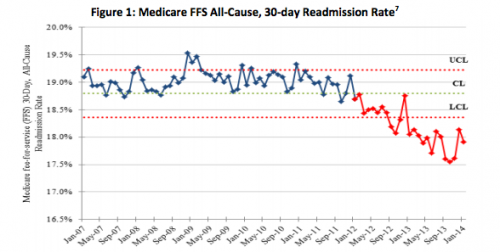
About Henry Louis “Lou” Gehrig

Henry Louis “Lou” Gehrig (June 19, 1903 – June 2, 1941), born Ludwig Heinrich Gehrig, was an American baseball player in the 1920s and 1930s; chiefly remembered for his prowess as a hitter, the longevity of his consecutive games played record and the pathos of his tearful farewell from baseball at age 36, when he was stricken with a fatal disease. Of course, Gehrig was known as the “The Iron Horse” for his durability. Yet, the irony is that Amyotrophic Lateral Sclerosis [ALS], or Lou Gehrig’s disease [sometimes also called Maladie de Charcot] is progressive and fatal. Lou died in 1941 after developing the illness. Will the same death-spiral happen to eHRs and Obama care?

Link: http://www.lougehrig.com

Assessment

Having rotated through the VA system as a young medical student back-in-the-day, I have never been a fan. It smacked of socialized medicine and government plutocracy, and was never a leading-edge example of domestic healthcare, in my informed opinion. Recent HIPAA administrative, security, IT and clinical medical errors are well known. So, to blame the mix-up on an insurance billing and “coding error” seems somewhat disingenuous. Especially now, at a time when eMRs and the Obama Administration’s healthcare reform itself is being vigorously debated by the citizenry. I mean, are there no human checks and balances? Would there be any human intervention if a public healthcare policy was adopted?

Of course, we have written about military medicine previously on this Medical Executive-Post, and devoted an entire channel to it. And, I do realize that more than fifty percent of us receive similar governmental care in some form, or another [Medicare, Medicaid, CHIPS, the Indian and Prison Healthcare Systems, etc].

Link: https://healthcarefinancials.wordpress.com/category/military-medicine/

Nevertheless, shall we give a new moniker to this mistake? How about “Lou Gehrig’s coding error”, and document it in our www.HealthDictionarySeries.com

Conclusion

And so, your thoughts and comments on this Medical Executive-Post are appreciated. Is it even fair to relate this “isolated incident” to the current healthcare reform debate, the eMR conundrum and/or similar discussions on health Information Technology [IT]? Tell us what you think. Feel free to review our top-left column, and top-right sidebar materials, links, URLs and related websites, too. Then, be sure to subscribe to the ME-P. It is fast, free and secure.

Link: http://feeds.feedburner.com/HealthcareFinancialsthePostForcxos

Speaker: If you need a moderator or speaker for an upcoming event, Dr. David E. Marcinko; MBA – Publisher-in-Chief of the Executive-Post – is available for seminar or speaking engagements. Contact: MarcinkoAdvisors@msn.com 

Get our Widget: Get this widget!

Our Other Print Books and Related Information Sources:

Practice Management: http://www.springerpub.com/prod.aspx?prod_id=23759

Physician Financial Planning: http://www.jbpub.com/catalog/0763745790

Medical Risk Management: http://www.jbpub.com/catalog/9780763733421

Healthcare Organizations: www.HealthcareFinancials.com

Health Administration Terms: www.HealthDictionarySeries.com

Physician Advisors: www.CertifiedMedicalPlanner.com

Subscribe Now: Did you like this Medical Executive-Post, or find it helpful, interesting and informative? Want to get the latest ME-Ps delivered to your email box each morning? Just subscribe using the link below. You can unsubscribe at any time. Security is assured.

Link: http://feeds.feedburner.com/HealthcareFinancialsthePostForcxos

Sponsors Welcomed

And, credible sponsors and like-minded advertisers are always welcomed.

Link: https://healthcarefinancials.wordpress.com/2007/11/11/advertise