Medical Real Estate Investments

Join Our Mailing List

Physician’s Need to Understand Compensation Methods

[By Staff Reporters]

Property Managers

Medical property managers are compensated for their services on an hourly or fee basis. In addition, they may be reimbursed for expenses related to the maintenance of the property, such as materials, and they may also pay for expenses incurred by subcontractors.

Fees

Fees usually are based on a percentage of gross collected rents, but are negotiable. Property managers of larger medical complexes may receive higher fees than managers of small complexes because of the details involved in managing larger properties. Fees also are affected by the total pro-forma income stream. In general, the better a manager enhances the property’s performance, the more the manager is paid.

Barter

Some owners pay fees and provide rent-free units for resident medical managers to handle on-site leasing; or for offices for managers to take care of buildings warranting on-site property management. Bartered phantom income may be reportable to the IRS.
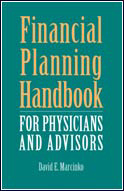
fp-book11

Real Estate Brokers

Each state has specific requirements regarding the sales and leasing of medical, commercial and other real estate. Every state, however, has the clear and mandatory requirement that no commission or fee can be paid to anyone who is not licensed in that state as a real estate broker, an associate broker, or sales agent if the person represents or works on behalf of another. All fees and commissions must be paid to the company employing the broker, associate broker, or sales agent. Violation of these laws can have serious consequences to both the principal and the real estate broker.

Hybrid Compensation

A medical real estate broker is usually compensated by either a negotiated fee or a negotiated commission; or hybrid of both methods. Neither fees for work or commissions earned are set or standardized in any way. The amount earned or the amount paid is the result of an agreement. The agreement or contract must be in writing, under the Statute of Frauds, just as all real estate offers and contracts must be in writing sales or on leases of more than one year.

Commissions

If a broker is working on commission, h/she is paid only when she is successful and the sales transaction closes and title is passed to the buyer. Sales commission is established either in a Listing Agreement or a Buyers Brokerage Agreement. No fee is due if the sale does not occur. Rates of commission vary widely by city, region, and state. The amount of commission usually is a percentage of the sales price or a set amount. The percentage of commission is dependent on competition; effort required; to some degree, the size of the transaction; and market activity. For example, the sale of a large regional shopping center might be a 3% commission whereas the sale of a small retail building under $1 million might warrant a 7% commission.

Lease Execution Warrants Payment

Leasing commissions are based on gross rental income over the term of the lease, are due when the lease is executed by both landlord and tenant, and can be paid at one of the following times:

  1. On execution of the lease.
  2. Partly on lease execution and partly on occupancy; or
  3. On occupancy, depending on the landlord’s written agreement with the broker.

Leasing commissions usually are a negotiated percentage of gross rents, with the percentage varying dependent on type of lease. For example, the percentage rate of commission might be more on a net lease, in which the tenant pays all expenses, than if the same lease were structured on a gross or fully serviced basis; or in which the landlord provides services within the rents due. Commission on ground leases might range up to 10% and office space might range from 4% to 6%.

Example:

Term: 5 years (60 months)         

Monthly rental rate: $1,000 per month     

Gross rental income under the lease: $1,000 x 60 = $60,000        

Commission calculation (using a 6% rate): $60,000 x 6% = $3,600           

The fees paid under sales and leases are usually split between the colleague brokers working on the transaction and are shared between the listing agent and the selling or leasing agent under a co-brokerage agreement between the brokers. This too is a negotiated percentage. It is common for commissions to be split on a 50/50 basis, but it is not the rule. How the commission is divided between brokers depends on the transaction. The commission is often shared evenly between cooperating brokers, but the split ultimately is the seller and listing agent’s decision.

Hard-to-Move Properties

On extremely difficult medical real estate properties [as is seen in many parts of the country today], incentive splits may be offered. Incentive splits offer the selling or leasing agent a greater share of the commission if he or she is successful. Under commission agreements between a seller and a broker, or a buyer and a broker, in which the broker is representing a buyer, nothing is earned until the transaction is complete and the broker has added value, unless spelled out to the contrary in the agreement or the broker is working on a fee basis. On a typical sale, commissions are paid through escrow at closing. Leasing commissions are usually, but not always, paid upon lease execution.

Other forms of payment for property managers and real estate brokers

It has become increasingly common for medical property managers and real estate brokers, particularly when representing a buyer or a tenant, to work on a contractual basis. In these instances, the parties are paid on an hourly or set-fee basis, regardless of whether the transaction is completed. In some cases, a principal may decide he wants only some of the services offered, such as a lease review, and those are also paid on a negotiated basis for the service provided.

Assessment

Combinations of fixed fees and commission incentives also are common, but in most all cases there is not a set amount or standard fee charged by all brokers.

Conclusion

Your thoughts and comments on this ME-P are appreciated. Feel free to review our top-left column, and top-right sidebar materials, links, URLs and related websites, too. Then, subscribe to the ME-P. It is fast, free and secure.

Link: http://feeds.feedburner.com/HealthcareFinancialsthePostForcxos

Speaker: If you need a moderator or speaker for an upcoming event, Dr. David E. Marcinko; MBA – Publisher-in-Chief of the Medical Executive-Post – is available for seminar or speaking engagements. Contact: MarcinkoAdvisors@msn.com

OUR OTHER PRINT BOOKS AND RELATED INFORMATION SOURCES:

LEXICONS: http://www.springerpub.com/Search/marcinko
PHYSICIANS: www.MedicalBusinessAdvisors.com
PRACTICES: www.BusinessofMedicalPractice.com
HOSPITALS: http://www.crcpress.com/product/isbn/9781466558731
CLINICS: http://www.crcpress.com/product/isbn/9781439879900
ADVISORS: www.CertifiedMedicalPlanner.org
BLOG: www.MedicalExecutivePost.com

Product Details  Product Details

Understanding Money Market Account Risks

Terms and Definitions for Physician Investors

By Staff Writers56371606

The recent banking industry debacle has prompted several of our cost-conscience doctor-clients to rethink money market account risks and related products. We trust this brief review is helpful to all concerned.

Money Market Deposit Accounts

First, the term “money market account” must be defined.

Link: http://www.HealthDictionarySeries.org

dhimc-book2

There are two types of money market accounts [MMAs] that most people refer to when using this term. The first is a money market deposit account (MMDA). This is an account at a bank designed to compete with money market mutual funds (MMMF). MMDAs usually pay less interest than money market mutual funds and in return offer federal insurance on balances, now up to $250,000 with convenience through check writing and access through ATMs [reverts back to $100,000 after December 31, 2009]. MMDAs under this amount do not have any risk of failure because they are insured by the US government.

Money Market Mutual Funds

Money market mutual funds are mutual funds that invest in short-term instruments with maturities of less than one year, and usually offer check writing on the account. They are not federally insured, but are considered safe in stable economic times. Net Asset Value [NAV] is one dollar; USD. Nevertheless, a few have “broken-the-buck” with NAV at some increment below $1.00 USD.

fp-book7

Evaluation Methods

The first way to evaluate the MMMF risk is to look at the average length of maturities in the portfolio. The shorter the maturity – the safer the MMMF. The second way is to look at the type of security owned by the fund. Government securities are generally less risky than corporate securities. Interested investors can also contact a rating service that evaluates the securities in a MMMF’s portfolio.

And now – a few related words about “so-called” high-yielding CDs.

High Yielding Brokered Bank CDs

insurance-book5

First, the physician-investor should determine if the CD is issued by a federally insured institution. If the answer is yes, the investor knows that a portion of his money is safe if the institution fails. If the answer is no, the doctor should obtain the institution’s ratings from the appropriate rating agencies and analyze the institution’s financials. Second, the physician-investor should investigate the volatility of the CD’s return.

Assessment

When interest rates fluctuate, the price of MMAs and CDs fluctuate much like bonds. Therefore, short-term securities are less risky than long-term securities; all things being equal.

Conclusion

And so, your thoughts and comments on this Medical Executive-Post are appreciated. Are you looking at these terms and conditions more closely during this national economic crisis? Please opine and advise.


Risk Management, Liability Insurance, and Asset Protection Strategies for Doctors and Advisors: Best Practices from Leading Consultants and Certified Medical Planners™8Comprehensive Financial Planning Strategies for Doctors and Advisors: Best Practices from Leading Consultants and Certified Medical Planners™


Video: Protecting Protected Health Information

Join Our Mailing List

The eEHR Privacy Debate Continues

[By Staff Reporters]

According to our colleague Richard Mata; MD, MIS, writing in the premium print-journal Healthcare Organizations [Financial Management Strategies], a critical feature of any healthcare information system [HIS] is compliance with privacy requirements. Of course, the most important compliance regulation is the Health Insurance Portability and Accountability Act of 1996 (HIPAA).

The key here is to have computer systems, terminals, workstations, servers and hand-held systems fully in communication with each other — including the ability to send data outside the fire-walls of the institution; interoperability as needed — while ensuring the confidentiality of protected health information (PHI), which is health information where the person to whom it belongs is identifiable

Federal Privacy Regulations

The federal government required hospital and healthcare entity compliance with HIPAA security regulations since April 2005. Briefly, the following are features of HIPAA which concern HIS:

·         HIPAA presents a unique opportunity for automation of information since it is easier to protect secure information electronically as compared to having a paper chart that can be lost or open in front of patients and visitors.

·         Secure password protection must be in place at multiple levels to ensure that access to PHI is restricted to those who need the information at that time.

·         Appropriate encryption of data is essential for transmission between systems in order to prevent the interception of data.

National Spotlight

Yet, in this video clip, CNN’s Campbell Brown and Elizabeth Cohen examined how easy it is for someone to obtain private medical information online by simply using someone’s Social Security number and date of birth www.HealthDictionarySeries.com

Assessment

Whenever the subject of proliferating eHRs catches the national spotlight, you can bet that debates about privacy aren’t far behind. Indeed the privacy issue has already started to gain some traction in the media with the above video, and more.

Conclusion

Your thoughts and comments on this ME-P are appreciated. Feel free to review our top-left column, and top-right sidebar materials, links, URLs and related websites, too. Then, subscribe to the ME-P. It is fast, free and secure.

Speaker: If you need a moderator or speaker for an upcoming event, Dr. David E. Marcinko; MBA – Publisher-in-Chief of the Medical Executive-Post – is available for seminar or speaking engagements. Contact: MarcinkoAdvisors@msn.com

OUR OTHER PRINT BOOKS AND RELATED INFORMATION SOURCES:

Product DetailsProduct Details

Debt Consolidation for Physicians

Advantages and Disadvantages

By Staff Reportersfp-book5

The main advantage of debt consolidation is that it allows a doctor to make one payment instead of many, and this helps avoid late fees for missed payments. The doctor may save time by having to make only one payment per month instead of many.

Other Advantages

Another advantage is that debt consolidation promotes self-discipline by transferring credit card debt (and other lines of credit) that does not require mandatory principal payments into a fixed-term loan – with mandatory payments that include both principal and interest. This is a useful tool for doctors who may find it difficult to make more than the minimum payments on their loans because they spend too much. It should be obvious that budgeting should go hand-in-hand with this process, because if the doctor continues to spend at the former level, yet now has a mandatory payment, the result can be financially devastating.

A final advantage to debt consolidation is it may result in a lower overall interest rate. This is, of course, conditional on the lender providing the consolidation.

Disadvantages

One disadvantage of debt consolidation is that it can lock a doctor into mandatory payments. Depending on the situation, this can be either a blessing or a curse. It becomes a curse when the fixed payments are so high that he/she can no longer make the full debt payments each month. Depending on the lender, and the terms of the consolidation loan, this could result in the loan being called. The effects of this are obviously detrimental to the doctor.

Other Disadvantages

A second disadvantage is that the doctor loses flexibility when he or she takes on a fixed payment that is larger than the combination of all smaller minimum payments. The fixed-payment schedule becomes detrimental when h/she has an unexpected reduction in income. The doctor without a fixed-payment schedule can increase payments to many small individual loans, and if income reduction occurs, drop the payments back down to the lower level. Then; when normal levels of income return, the higher payments can be resumed.insurance-book2

Assessment

Making larger payments requires discipline; because a lack of same was likely causative of the debt in the first place.

Conclusion

Your thoughts and comments on this Medical Executive-Post are appreciated. Have you ever been in this situation? Feel free to opine anonymously.

Speaker: If you need a moderator or speaker for an upcoming event, Dr. David E. Marcinko; MBA – Publisher-in-Chief of the Executive-Post – is available for seminar or speaking engagements. Contact: MarcinkoAdvisors@msn.com  or Bio: www.stpub.com/pubs/authors/MARCINKO.htm

Get our Widget: Get this widget!

Our Other Print Books and Related Information Sources:

Practice Management: http://www.springerpub.com/prod.aspx?prod_id=23759

Physician Financial Planning: http://www.jbpub.com/catalog/0763745790

Medical Risk Management: http://www.jbpub.com/catalog/9780763733421

Healthcare Organizations: www.HealthcareFinancials.com

Health Administration Terms: www.HealthDictionarySeries.com

Physician Advisors: www.CertifiedMedicalPlanner.com

Get our Widget: Get this widget!

Subscribe Now: Did you like this Medical Executive-Post, or find it helpful, interesting and informative? Want to get the latest E-Ps delivered to your email box each morning? Just subscribe using the link below. You can unsubscribe at any time. Security is assured.

Link: http://feeds.feedburner.com/HealthcareFinancialsthePostForcxos

About Fi360.com

Education for Financial Fiduciaries

Staff Reportersnyse1

According to the firm and website, www.Fi360.com offers a full circle approach to investment fiduciary education, practice management and support that has established it as the go-to source for investment fiduciary insights.


The Term “Fiduciary” Defined?

And, Fi360 defines an investment “Fiduciary” as:

“Someone who is managing the assets of another person and stands in a special relationship of trust, confidence, and/or legal responsibility”

Related definitional info: www.HealthDictionarySeries.com

Practitioner Based

With substantiated best-practices as a foundation, the firm offers training, tools and resources that are essential for fiduciaries and those who provide services to fiduciaries to effectively and successfully manage their roles and responsibilities. Fi360 say it is committed to assisting those who rely on their education programs, Web-based analytical software and resources to achieve success.

Training

Fi360 offers both AIF® and AIFA® training curriculums. The AIF® curriculum instructs investment fiduciaries on how to fulfill their duties to a defined standard of care. The AIFA® curriculum instructs participants on how to assess the conformance of investment fiduciaries to a Global Fiduciary Standard of Excellence [GFSE] using an ISO-like assessment process. These training curriculums are available in both classroom and Web-based settings; customized program are also available. Participants who successfully complete the programs, submit dues, agree to a code of ethics and meet other prerequisites may earn the AIF® or AIFA® designations, respectively.

Goals and Objectives

The goal of Fi360 is to help investment fiduciaries manage their responsibilities. But, according to Bennet Aiken AIF®, Fi360 Communications Coordinator, it is important to realize that AIF® / AIFA® designees are not required to be fiduciaries. While these designations are symbolic of training, knowledge and ongoing fiduciary development, they do not mean certification holders will always be acting as a fiduciary.

Assessment

Publications, blogs, articles, national conferences, assessments and more material for the collective and ongoing support of the fiduciary community are available; many for free and/or for the general public.

Conclusion

And so, your thoughts and comments on this Medical Executive-Post are appreciated. But, why would a healthcare institution, medical practice, clinic or individual physician-investor hire anyone who will not act as a fiduciary and put their interests first; especially an AIF®/AIFA certification holder?

Note: Beginning today, and for the entire month of March 2009, we will be posting an exclusive interview with Bennett Aikin AIF®, the Communications Coordinator for fi360.com. Our topic will be on the rules, regulations and very definition of the modern financial fiduciary. Perhaps he can explain it all? Don’t miss it!

Speaker: If you need a moderator or speaker for an upcoming event, Dr. David E. Marcinko; MBA – Publisher-in-Chief of the Executive-Post – is available for seminar or speaking engagements. Contact: MarcinkoAdvisors@msn.com  or Bio: www.stpub.com/pubs/authors/MARCINKO.htm

Our Other Print Books and Related Information Sources:

Practice Management: http://www.springerpub.com/prod.aspx?prod_id=23759

Physician Financial Planning: http://www.jbpub.com/catalog/0763745790

Medical Risk Management: http://www.jbpub.com/catalog/9780763733421

Healthcare Organizations: www.HealthcareFinancials.com

Health Administration Terms: www.HealthDictionarySeries.com

Physician Advisors: www.CertifiedMedicalPlanner.com

Subscribe Now: Did you like this Medical Executive-Post, or find it helpful, interesting and informative? Want to get the latest E-Ps delivered to your email box each morning? Just subscribe using the link below. You can unsubscribe at any time. Security is assured.

Link: http://feeds.feedburner.com/HealthcareFinancialsthePostForcxos


Maintenance of Medical Board Certification

Status Growing in Importance – or Sham

Dr. David Edward Marcinko; MBA, CMP™

And Staff Reporters

dr-david-marcinko11Increasingly, efforts to boost quality and gain better value from the world’s most costly healthcare system are including attention to Maintenance of Board Certification [BOBC], a little-understood but rigorous process by which physicians maintain board certification status and then keep it.  

Hillary-Care Redeux

Back in the day, circa late 1970s – early 1980s, medical board certification was indeed a rigorous process; and still is to a very large extent. For example, Democratic presidential candidate Hillary Rodham Clinton, in laying out the quality portion of her three-part healthcare reform plan last year, specifically touted these programs as a key step in enhancing quality. From the presidential campaign trail to hospital and health plan board rooms, Board Certification and the Maintenance of Board Certification is a growing force in the industry.

But, is maintaining recertification status another matter of true quality import?

Major Health Plans On-Board

Several of the nation’s biggest health plans—including Aetna, Cigna, Humana, UnitedHealth Group and national and regional Blue Cross and Blue Shield organizations—are embracing Maintenance of Certification as part of their recognition and reward programs. Physicians who do not participate are not highlighted in plan directories and miss out on higher plan reimbursements.

Yet, why do we have “red flag” issues, “never-events” policies and/or the rise of “checklist-medicine” for risk reduction if these continuing education programs are so effective?

Allow me to cite the raging over-treatment epidemic, especially in specialties like arthroscopic orthopedics, radiology imaging [CT and MRI scans] and invasive cardiology, etc. Not to mention recent, and not so recent, Institute of Medicine [IOM] quality chasm reports for in-hospital patient deaths, complications and infections, etc.   

Assessment

Of course, savvy hospital administrators and physician executives, of all stripes, are examining ways to use elements of board certification maintenance to respond to the Joint Commission’s new requirements for physician credentialing and privileging. Furthermore, the National Quality Forum [NQF] and the AQA quality alliance will be considering Maintenance of Certification for quality measurement endorsement.

Source: Cary Sennett and Christine Cassel, Modern Healthcare

Joint Commission Relevance in Modernity

But, is the Joint Commission itself even as relevant today, as in the past? Or – is its [political, quality and economic] status, might and swagger being reduced in favor of modern new-wave insights from health 2.0 collaboration activities and emerging formal organizations like DNV Healthcare Inc., a division of the Norwegian company.

As subscribers and Medical Executive-Post readers are aware, Det Norske Veritas [DNV] has recently been charged with immediately determining if hospitals are in compliance with the Medicare Conditions of Participation [COP]. The company’s authority to accredit hospitals runs through September 26, 2012. DNV joins the American Osteopathic Association [AOA] as the only other national hospital accrediting agency approved by the Centers for Medicare and Medicaid Servicers [CMS].

Conclusion

And so, your thoughts and comments on this Medical Executive-Post are appreciated. Is medical board certification and maintenance status of real value – or just fluff – much like the continuing education and licensure requirements of insurance agents, stock-brokers and financial advisors, etc? Is it less for medical education – and more for liability risk reduction – or PR – you decide? 

Disclosure: I am a reformed insurance agent, stock-broker, board certified quality review physician and Certified Financial Planner®.

Speaker:If you need a moderator or speaker for an upcoming event, Dr. David E. Marcinko; MBA – Publisher-in-Chief of the Medical Executive-Post – is available for seminar or speaking engagements. Contact: MarcinkoAdvisors@msn.com 

Our Other Print Books and Related Information Sources:

Practice Management: http://www.springerpub.com/prod.aspx?prod_id=23759

Physician Financial Planning: http://www.jbpub.com/catalog/0763745790

Medical Risk Management: http://www.jbpub.com/catalog/9780763733421

Physician Advisors: www.CertifiedMedicalPlanner.org

Subscribe Now:Did you like this Medical Executive-Post, or find it helpful, interesting and informative? Want to get the latest ME-Ps delivered to your email box each morning? Just subscribe using the link below. You can unsubscribe at any time. Security is assured.

Link: http://feeds.feedburner.com/HealthcareFinancialsthePostForcxos

Product DetailsProduct DetailsProduct Details

A Review of Elder Housing Protections

Home Equity Resources, Housing and Care Options

Staff Reportersinsurance-book2

According to Stephanie Edelstein JD; Charles P. Sabatino JD and Nancy M. Coleman MSW MA; opining in the ElderLaw Series, until relatively recently most people in this country followed a rather typical housing pattern in their later years. They either rented or owned their homes and lived alone until they were no longer physically or economically able to manage independently, at which time they moved in with family members or into nursing homes or board-and-care homes.

Elderly Housing

Housing, particularly rental housing, provided the proverbial bricks and mortar, and, with the exception of a few facilities that offered meals and some light housekeeping, little opportunity existed for older persons to receive services in their homes. Elderly tenants who were perceived by a landlord or housing manager as unable to manage on their own were evicted, frequently without due process protections, and just as frequently would end up in a nursing home. While disabled tenants in federally assisted housing programs were accorded protections against discrimination on the basis of disability, no such protections existed for residents of private housing. Few members of the legal, healthcare or aging communities, and even fewer among the elderly, were aware of those protections that did exist.

Emerging Changes

Much has changed during the last few years, in large part due to the increasing emphasis on retaining autonomy, the trend towards aging in place, and the passage of civil rights statutes, which have raised public awareness of the legal rights of persons with disabilities.

For example, for frail or disabled older persons, including medical professionals, protection against discrimination in housing can be found in three federal statutes: [1] the Americans with Disabilities Act, [2] the Rehabilitation Act of 1973 and the [3] Fair Housing Amendments Act of 1988. Of the three, only the Fair Housing Amendments Act (FHAA) is targeted exclusively to housing and within the housing area is arguably the most far-reaching.

Rehabilitation Act

The Rehabilitation Act of 1973 (the antidiscrimination provisions of which are commonly referred to as §504) is a general civil rights statute that prohibits discrimination against any “otherwise qualified individual with handicaps” in a wide variety of programs or activities receiving federal financial assistance, including housing.  

FHAA

The scope of the FHAA, as it applies to housing is broader, and it covers virtually any housing activity or transaction, including both private and subsidized, apartments and single family dwellings, and prohibits discrimination against all individuals with handicaps, even if the discrimination cannot be attributed directly to the disability.

ADA

The Americans with Disabilities Act (ADA), which is having a profound effect on all elements of society, can be seen as complementing the other statutes. The ADA extends to all state and local programs the protections of §504, and also prohibits discrimination against people with disabilities in public accommodations.

Disability Defined

All three statutes use virtually the same definition of “handicap” or “disability.” Protection is extended to persons with a “physical or mental impairment which substantially limits one or more major life activities,” such as performing manual tasks, personal care, walking, seeing, hearing, speaking, etc. The definition includes persons “having a record of such an impairment”, whether or not the impairment still exists; and a person “regarded” as having such an impairment,” whether or not the perception is accurate. While age alone does not equate with disability, the symptoms and conditions of the aging process are likely to cause impairments that meet these definitions.

Addition Exempted

“Handicap” or “disability” does not include current illegal use of or addiction to a “controlled substance.” Moreover, none of the statutes require a housing provider to make housing available to an individual “whose presence would constitute a direct threat to the health or safety of other individuals or whose tenancy would result in substantial physical damage to the property of others.”

Legal Purposes

The intent of these laws is to provide persons with disabilities access to and enjoyment of housing and services to the same degree as if they were not disabled. They apply from point of application throughout the tenancy. Housing providers may not maintain separate admissions standards for people who are frail or disabled, nor may they inquire about an applicant’s health or ability to live independently, unless those questions are to establish eligibility for particular programs or services.

For example, the decision to lease to a particular individual must be based on program eligibility (if appropriate) and the ability of the applicant to comply with the terms of the lease, whether independently, with the assistance of a third party, or as a result of a reasonable accommodation by the provider. A prospective property owner may not require an older person to have a “sponsor,” or “guarantor,” a practice common to many senior housing programs.

Assessment

In recent years, courts have found the following policies to be discriminatory: requiring residents who must use walkers or wheelchairs to transfer to regular chairs when eating in the common dining room; failing to provide accessible parking spaces for disabled tenants; and refusing to modify a “no pet” rule for tenants with disabilities who need guide dogs or service animals.

Link: www.HealthDictionarySeries.com

Conclusion

And so, your thoughts and comments on this Medical Executive-Post are appreciated.

Speaker: If you need a moderator or speaker for an upcoming event, Dr. David E. Marcinko; MBA – Publisher-in-Chief of the Executive-Post – is available for seminar or speaking engagements. Contact: MarcinkoAdvisors@msn.com  or Bio: www.stpub.com/pubs/authors/MARCINKO.htm

Subscribe Now: Did you like this Medical Executive-Post, or find it helpful, interesting and informative? Want to get the latest E-Ps delivered to your email box each morning? Just subscribe using the link below. You can unsubscribe at any time. Security is assured.

Link: http://feeds.feedburner.com/HealthcareFinancialsthePostForcxos


About Doctor Evidence.com

Join Our Mailing List

Providing Evidence Based and Medical Data Driven Solutions

[Staff Reporters]solo-consultant

Doctor Evidence.com is devoted to delivering revolutionary solutions to address the current deficiency in the evidence-based clinical market. Unlike most “evidence-based” companies that summarize and reference evidence found in clinical studies, Doctor Evidence actually delivers answers derived directly from the clinical data. It is this Data-Driven approach that makes Doctor Evidence a unique company, offering the highest level of transparency in the marketplace today.

Mission

According to their website, The Doctor Evidence mission is:

to improve clinical outcomes by finding and delivering medical evidence to healthcare professionals, medical associations, policy makers and manufacturers through revolutionary solutions that enable anyone to make informed decisions and policies using medical data that is more accessible, relevant and readable.

Goals

Doctor Evidence aims to succeed in achieving their mission by providing state-of-the-art tools and technologies that find, categorize, store and convert complex medical information from clinical studies into distributive databases to be delivered in a user-friendly format. A team of clinicians, librarians, and IT specialists work in tandem with medical or lay clients to increase the value of their most important asset: clinical evidence.

Assessment

You are invited to investigate the technologies and services of Doctor Evidence and report back to us with your findings.

Link: www.DoctorEvidence.com

Channel Surfing the ME-P

Have you visited our other topic channels? Established to facilitate idea exchange and link our community together, the value of these topics is dependent upon your input. Please take a minute to visit. And, to prevent that annoying spam, we ask that you register. It is fast, free and secure.

Conclusion

Your thoughts and comments on this ME-P are appreciated. Feel free to review our top-left column, and top-right sidebar materials, links, URLs and related websites, too. Then, subscribe to the ME-P. It is fast, free and secure.

Speaker: If you need a moderator or speaker for an upcoming event, Dr. David E. Marcinko; MBA – Publisher-in-Chief of the Medical Executive-Post – is available for seminar or speaking engagements. Contact: MarcinkoAdvisors@msn.com

OUR OTHER PRINT BOOKS AND RELATED INFORMATION SOURCES:

Product Details  Product Details

At-Home or Nursing-Home for Long Term Care [Part I]

Cost and Duration of Long-Term Care at Home

By Dr. David Edward Marcinko; FACFAS, M.B.A., CPHQ™, CMP™

By Thomas A. Muldowney; M.S.F.S., CLU, ChFC, CFP® CMP™

By Hope Rachel Hetico; R.N., M.H.A., CPHQ™, CMPdr-david-marcinko

This is the first post in an exclusive four part series for the ME-P titled: At-Home or Nursing Home Care for Long-Term Care.”

Remaining at Home

It is not surprisingly, eighty-five percent of married elders prefer to remain at home instead of moving to a nursing home or some other senior care facility. Staying at home is easier, more comfortable, and less traumatic. Home care statistics are limited, but three years is the estimated average number of years that elders will require custodial care services. This estimate also may combine home care followed by nursing home care. And, the anecdotal healthcare experience of two authors [DEM and HRH] confirms this period length.

Incremental LT Cost Approach

Quantifying the annual incremental costs of LTC home custodial services is difficult. Today, a high percentage of home care services are provided by unpaid family members, friends, or volunteer organizations. In the future, however, there will be fewer available unpaid caregivers, and more elders will have to pay for home custodial care.

Because of this potential shortage of caregivers, new business opportunities are springing up and, as usual, let the buyer beware. Many of these new businesses, for a fee, contract with a family that needs home LTC for a family member.  Upon contract, the new LTC business owner begins a search for a candidate caregiver who will live in your house and care for your parent or spouse. Often the in-home caregivers have difficulty speaking the language or may not be familiar with local customs.

Furthermore, many of them wish to be paid in cash rather than by check. As you might imagine, background checks, tax compliance and other legal considerations are of utmost importance.  Career education and career experience are also very important. Be sure that if you look for such a caregiver, you must exercise thorough due diligence so that your loved one will be cared for properly.

LTC Costs Vary Widely

LTC home care cost estimates vary widely by location and type of service. At present, the average annual cost for a live-in, full-time aide in the United States (especially if part-time help to relieve a full-time aide is added) is estimated at $40,000, the same as the estimated cost of staying at a nursing home for a year. If living expenses are added to costs for custodial aides, LTC home care costs can be more expensive than nursing home costs.

For three shifts of paid LTC custodial services, home care costs may exceed $100,000 annually; more than triple the current estimated cost for nursing home care. These numbers should not be surprising.  In a nursing home environment, one caregiver may be able to provide care for multiple patient/residents. This reduces the cost per patient. In your private home, your personal caregiver can give only care to a single patient.

Custodial Aide Costs

Costs for custodial aides in the fragmented, rapidly expanding, competitive home care industry may increase at a faster rate than the Consumer Price Index [CPI]. Employed aides will replace family caregivers. The Bureau of Labor Statistics [BLS] indicates that jobs for home health aides, human service workers, and personal and home care aides are expected to grow faster than any other industry in terms of total jobs.

In the next decade, there will be more than 2 million home care jobs, and they will become a larger component of total gross domestic product expenditures. Using an estimated three-year home care requirement and current estimated costs, and allowing for 15 years of inflation at 5 percent, $225,000 per person is a reasonable estimate to use for financial planning purposes.

Assessment

However, in some metropolitan or suburban areas, such as New York City, the cost should be increased by at least 100 percent. Of course, three years of required care is an estimate. About one-third of the people who require nursing home care will need it for more than three years. Presumably, nursing home care will be preceded by home care. Moreover, only one full-time aide was assumed. Some elders also will require additional part-time help.

And so, your thoughts and comments on this Medical Executive-Post, which represents the first in a series of four parts on: At Home or Nursing Home Care for Long Term Care, are appreciated. Comments from physicians and LTC insurance agents are especially valued.

Conclusion

Feel free to review our top-left column, and top-right sidebar materials, links, URLs and related websites, too. Then, subscribe to the ME-P. It is fast, free and secure.

Speaker: If you need a moderator or speaker for an upcoming event, Dr. David E. Marcinko; MBA – Publisher-in-Chief of the Medical Executive-Post – is available for seminar or speaking engagements. Contact: MarcinkoAdvisors@msn.com

OUR OTHER PRINT BOOKS AND RELATED INFORMATION SOURCES:

Join Our Mailing List

On Ingenix and Delta Dental

Or, Birds of a Feather; etc. etc

By Darrell K. Pruitt; DDS

pruitt10

Introduction

Just a quick note while I’m working on other material. As anyone can see from reading Rabia Mughal’s DrBicuspid article, “Dentists or patients: Who should get the insurance check?” Delta Dental is simply a sleazy company that dentists should shun to protect their patients’ welfare.

http://www.drbicuspid.com/index.aspx?sec=sup&sub=pmt&pag=dis&ItemID=301436&wf=34

It is unethical to sign a contract with Delta Dental, and I will help Delta show you why. Here is a sample of Delta sleaze I intend to present:

Arlene Furlong on Delta Dental

On September 17, 2008, Arlene Furlong posted an article about Delta Dental on ADA News Online titled “Delta caps rates nationally for two networks.”

http://www.ada.org/prof/resources/pubs/adanews/adanewsarticle.asp?articleid=3218

Furlong writes:

“A contract provision that holds dentists to Delta’s maximum allowed fee for non-covered services will affect all of Delta’s Premier and Preferred Provider Organization participating dentists throughout the country by January 2011.″.

The Upshot 

This means that if a Delta preferred provider wishes to make up for the profit lost from providing Delta customers 25% discounts on dentistry, which works out to over half the dentist’s pay after expenses are deducted, doing more cosmetic dentistry will no longer help keep the doors open.  Delta, like a sleazy dentistry broker, is telling its providers that it will demand discounts on everything for its customers. Think about it. It is beyond unfair business practice. It is tyranny.

Invading the Dental Homes 

And now, Mughal tells us that Delta Dental intends to break up dental homes – where patients enjoy the benefits of continuity of care from dentists they prefer.  Why does Delta harm their clients like that? 

Ari Adler, the communications administrator at Delta Dental of Indiana says it is a matter of dentists stealing something from the network:

“Direct reimbursement to out-of-network dentists is a problem because it allows them to enjoy the benefits provided by the network without following cost guidelines and quality control measures of the network”, [Adler] added.

Quality control; you mean like UnitedHealthcare’s Ingenix? 

When one thinks about it, since dentists will only be paid half of what they are paid today, no matter what they do for dental patients, quality control could indeed become a new issue, just like the appearance of black-market dentistry. 

My Beat 

I will be covering quality control by dental consultants soon. Did you know that they have their own national organization? It is called the American Association of Dental Consultants (AADC). I bet you didn’t know this: Less than a year ago, Dr. Gordon Christiansen as well as Dr. John Luther, Senior Vice-President of the ADA, spoke at their annual convention in Scottsdale, Arizona. Delta Dental was Dr. John Luther’s employer before he came to work for the ADA. Hmm, I wonder?

Wait, there’s more:  the AADC’s largest sustaining sponsor is UnitedHealthcare Dental. http://aadc.org/site/sponsors.php

The Ingenix Scandal

Have you heard of UnitedHealthcare’s company called Ingenix?  New York Attorney General Andrew Cuomo caught Ingenix being creative with physicians’ FOIA-disclosable data for cost-control purposes (profit), and calling it quality control.  Ingenix was marketing its professional number-cooking scheme to insurers across the nation before Cuomo saw through their deceit and recently demanded Ingenix to be dissolved. 

Transparent Feudal Mechanisms 

One can see that incest probably worked well for royalty in Europe until literacy and the free-market brought transparency to their self-perpetuating feudal machinations. I will be watching for a name and email address of an appropriate Delta Dental official to contact about Delta’s sleazy business practices.  At some point in this thread (which I can keep active for years), I intend to make someone from Delta Internet-famous among dentists, just like Trajan King, CEO of Intelligent Dental Marketing. Suggestions from readers and subscribers are always appreciated.  Please, no in-laws.

Assessment 

It is time to come out and defend yourself in front of a hostile audience, you good ol’ boys from Delta Dental … or not.  Your old command-and-control tricks don’t stand a chance in a transparent marketplace, and I will show you that silence is lame defense as well. Someone on your team is trapped. Please, let’s talk sooner than later.

Conclusion

Your thoughts and comments on this ME-P are appreciated. Feel free to review our top-left column, and top-right sidebar materials, links, URLs and related websites, too. Then, subscribe to the ME-P. It is fast, free and secure.

Link: http://feeds.feedburner.com/HealthcareFinancialsthePostForcxos

Speaker: If you need a moderator or speaker for an upcoming event, Dr. David E. Marcinko; MBA – Publisher-in-Chief of the Medical Executive-Post – is available for seminar or speaking engagements. Contact: MarcinkoAdvisors@msn.com

OUR OTHER PRINT BOOKS AND RELATED INFORMATION SOURCES:

DICTIONARIES: http://www.springerpub.com/Search/marcinko
PHYSICIANS: www.MedicalBusinessAdvisors.com
PRACTICES: www.BusinessofMedicalPractice.com
HOSPITALS: http://www.crcpress.com/product/isbn/9781466558731
CLINICS: http://www.crcpress.com/product/isbn/9781439879900
BLOG: www.MedicalExecutivePost.com
FINANCE: Financial Planning for Physicians and Advisors
INSURANCE: Risk Management and Insurance Strategies for Physicians and Advisors

Product DetailsProduct DetailsProduct Details

America’s Safest Hospitals

Join Our Mailing List

[Behind the Numbers]

[By Staff Reporters]56382989

Did you know that at Missouri Baptist Medical Center in St. Louis, it only takes 90 seconds to save a life? While all hospitals keep staff on-call for emergencies, Missouri Baptist has implemented a rapid response program through which anyone, even family members, can call a team of clinicians to the bedside of a distressed patient within 90 seconds.

An Idea from Down-Under

As seen in Forbes, January 27, 2009, Missouri Baptist imported the idea from Australia, with an overall emphasis on safety that is evident not only in its innovative programs, but also in its numbers.

The Internal Data

According to reported internal data, only 48% of patients die as would be expected given their diagnoses. With outcomes like these, it’s no surprise that Missouri Baptist was designated by HealthGrades, a private hospital rating company in Golden, Colo., as one of the safest in the country. In its seventh annual study of “quality and clinical excellence”, known as Behind the Numbers, HealthGrades identified 270 hospitals out of 5,000 that collectively had a 28% lower mortality rate and 8% lower complication rate than the national average. The list reflects the top 5% of hospitals nationwide.

About HealthGrades

The HealthGrades [NASDAQ: HGRD] site promotes the firm as a leading healthcare ratings organization, providing ranking and profiles of hospitals, nursing homes and physicians to consumers, corporations, health plans and other hospitals. Millions of consumers and hundreds of the nation’s largest employers, health plans and hospitals rely on HealthGrades’ independent ratings, consulting and products to make healthcare decisions based on the quality of care. Founded in 1999, the firm has over 160 employees www.HealthGrades.com

Assessment

Now, what ever happened to governmental reporting, the Joint Commission, etc? Of course, after the IOM Report on Crossing the Quality Chasm in 2001, this type of service may be more important than ever.

Link: quality-chasm3

Conclusion

Your thoughts and comments on this ME-P are appreciated. Feel free to review our top-left column, and top-right sidebar materials, links, URLs and related websites, too. Then, subscribe to the ME-P. It is fast, free and secure.

Link: http://feeds.feedburner.com/HealthcareFinancialsthePostForcxos

Speaker: If you need a moderator or speaker for an upcoming event, Dr. David E. Marcinko; MBA – Publisher-in-Chief of the Medical Executive-Post – is available for seminar or speaking engagements. Contact: MarcinkoAdvisors@msn.com

OUR OTHER PRINT BOOKS AND RELATED INFORMATION SOURCES:

LEXICONS: http://www.springerpub.com/Search/marcinko
PHYSICIANS: www.MedicalBusinessAdvisors.com
PRACTICES: www.BusinessofMedicalPractice.com
HOSPITALS: http://www.crcpress.com/product/isbn/9781466558731
CLINICS: http://www.crcpress.com/product/isbn/9781439879900
ADVISORS: www.CertifiedMedicalPlanner.org
BLOG: www.MedicalExecutivePost.com

Product DetailsProduct Details

Emergence of Online Doctors

Health 2.0 e-Consultations

Staff Reporters

insurance-book3

Did you ever wish that you could talk to a doctor without schlepping all the way to a crowded medical office where you’ll probably pick up even more germs? Well, if you live in Hawaii, you may be in luck. 


Computerworld Speaks to the Healthcare Industry

According to Computerworld, January 15, 2009, the Hawaii Medical Service Association (HMSA) just launched a new program where patients can connect with doctors over a standard Internet connection or telephone. The service is available 24 hours a day to anyone in the state.

Several Medical Specialties Available

Customers of the insurer pay $10 and non-HMSA members pay $45 per session. About 140 local doctors, including family physicians, cardiologists, ophthalmologists, pediatricians, psychiatrists and surgeons, have signed up to be available for questions.

Is Hawaii the Vanguard?

“HMSA’s Online Care is making Hawaii’s health care system more accessible to patients by overcoming the constraints of time, distance, mobility or lack of insurance,” so says Michael Gold, HMSA’s executive vice president and chief operating officer.

Assessment

HMSA, an independent licensee of the Blue Cross and Blue Shield Association, also notes that this is the first health plan in the US to provide state residents with online service. Now, we ask, is it coincidental that Hawaii is President-elect Barack Obama’s home state?

Conclusion

And so, your thoughts and comments on this Medical Executive-Post are appreciated. For example, what are the liability issues of this new health 2.0 dialog?

Speaker: If you need a moderator or speaker for an upcoming event, Dr. David E. Marcinko; MBA – Publisher-in-Chief of the Executive-Post – is available for seminar or speaking engagements. Contact: MarcinkoAdvisors@msn.com  or Bio: www.stpub.com/pubs/authors/MARCINKO.htm

Our Other Print Books and Related Information Sources:

Practice Management: http://www.springerpub.com/prod.aspx?prod_id=23759

Physician Financial Planning: http://www.jbpub.com/catalog/0763745790

Medical Risk Management: http://www.jbpub.com/catalog/9780763733421

Healthcare Organizations: www.HealthcareFinancials.com

Health Administration Terms: www.HealthDictionarySeries.com

Physician Advisors: www.CertifiedMedicalPlanner.com

Subscribe Now: Did you like this Medical Executive-Post, or find it helpful, interesting and informative? Want to get the latest E-Ps delivered to your email box each morning? Just subscribe using the link below. You can unsubscribe at any time. Security is assured.

Link: http://feeds.feedburner.com/HealthcareFinancialsthePostForcxos

Defining Medical Sentinel-Events

Join Our Mailing List

Shedding Light on Unexpected Occurrences

[By Staff Writers]lighthouse2

According to the Joint Commission on the Accreditation of Healthcare Organizations [JCAHO]:

“A sentinel event is an unexpected occurrence involving death or serious physical or psychological injury, or the risk thereof.  Serious injury specifically includes loss of limb or function. The phrase, “or the risk thereof” includes any process variation for which a recurrence would carry a significant chance of a serious adverse outcome. Such events are called “sentinel” because they signal the need for immediate investigation and response.”

About The Joint Commission

The Joint Commission on the Accreditation of Healthcare Organizations is an independent, not-for-profit organization. The Joint Commission accredits and certifies more than 15,000 health care organizations and programs in the United States. Joint Commission accreditation and certification is recognized nationwide as a symbol of quality that reflects an organization’s commitment to meeting certain performance standards.

Mission 

In support of its mission to improve the quality of health care provided to the public, the Joint Commission includes the review of organizations’ activities in response to sentinel events in its accreditation process, including all full accreditation surveys and random unannounced surveys.

Sentinel Event Glossary of Terms

Link: http://www.jointcommission.org/SentinelEvents/se_glossary.htm

Assessment

Of course, there are other accrediting organizations besides the JCAHO. These include DNV Healthcare Inc., a division of the Norwegian company Det Norske Veritas [DNV]. DNV has recently been charged with immediately determining if hospitals are in compliance with the Medicare Conditions of Participation [COP]. The company’s authority to accredit hospitals runs through September 26, 2012. DNV joins the American Osteopathic Association [AOA] as the only other national hospital accrediting agency approved by the Centers for Medicare and Medicaid Services [CMS].

Conclusion

Your thoughts and comments on this ME-P are appreciated. Feel free to review our top-left column, and top-right sidebar materials, links, URLs and related websites, too. Then, subscribe to the ME-P. It is fast, free and secure.

Link: http://feeds.feedburner.com/HealthcareFinancialsthePostForcxos

Speaker: If you need a moderator or speaker for an upcoming event, Dr. David E. Marcinko; MBA – Publisher-in-Chief of the Medical Executive-Post – is available for seminar or speaking engagements. Contact: MarcinkoAdvisors@msn.com

OUR OTHER PRINT BOOKS AND RELATED INFORMATION SOURCES:

DICTIONARIES: http://www.springerpub.com/Search/marcinko
PHYSICIANS: www.MedicalBusinessAdvisors.com
PRACTICES: www.BusinessofMedicalPractice.com
HOSPITALS: http://www.crcpress.com/product/isbn/9781466558731
CLINICS: http://www.crcpress.com/product/isbn/9781439879900
BLOG: www.MedicalExecutivePost.com
FINANCE: Financial Planning for Physicians and Advisors
INSURANCE: Risk Management and Insurance Strategies for Physicians and Advisors

Product DetailsProduct DetailsProduct Details

Checklists: Homer Simpson’s Moment of Clarity on Medical Quality

Accountants do it – Attorneys do it – Why Not Docs?

By Dr. David Edward Marcinko; MBA, CPHQ, CMP™insurance-book2

Like the Nike slogan, hospitals should just do-it! Make checklists, that is! A new report by the Associated Press, on January 15, 2009, suggests simple checklists might improve medical quality and save hospitals $15 billion a year.  

NEJM Study

The study was led by Atul Gawande MD, now a Harvard surgeon and medical journalist, and just published in the New England Journal of Medicine [NEJM]. The 19-item checklist, used in the study, was far more detailed than what is required for most institutions. In summary, doctors who followed a checklist of steps cut death rates from surgery, almost in half, and complications by more than a third in a large study on how to avoid blatant operating room mistakes.

The Checklist

The 19 point surgical checklist was developed by the World Health Organization [WHO] and includes common sense, and inexpensive, measures like these two:

  • Prior to the patient being given anesthesia, make sure relevant anatomy is marked, and everyone knows if the patient has an allergy.
  • After surgery, check that all the needles, sponges and instruments are accounted for.
  • Before the checklist was introduced, 1.5 percent of patients in a comparison group died within 30 days of surgery at eight hospitals. Afterward, the rate dropped to 0.8 percent — a 47 percent decrease. Duh; as Homer Simpson might say! Not exactly rocket science; is it?

Skeptics Exist

However, Dr. Peter Pronovost – a Johns Hopkins University researcher in my hometown of Baltimore – led a highly influential checklist study a few years back on cutting infection rates from various intravenous tubes. He was a skeptic of this study because the researchers collected their own data and acknowledged the possibility that results were partly skewed because folks perform better when observed.

A Next-Gen Quality Proponent

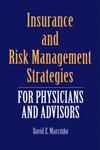
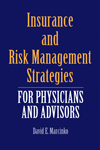
I have been a fan of Atul since his medical school and surgical training days as a resident at Brigham and Women’s Hospital in Boston. I even cited him as a precocious young up-start in the preface of my book, Insurance and Risk Management Strategies for Physicians and Advisors. His own works, of course, are best-sellers: Complications: A Surgeon’s Notes on an Imperfect Science, and Better: A Surgeon’s Notes on Performance. In fact, I often posit that he is a leading example of next-gen quality gurus, following in the foot-steps of Robert Wachter MD before him, and John E. Wennberg MD, MPH of the Dartmouth Atlas, before Bob.

My Experiences

Yet, far too many medical quality issues are being blindly addressed with powerful information technology systems. But, do we really need RFID tags to ensure proper side surgery, or bar codes bracelets for newborns? For example, while a medical student from Temple University back in the late seventies, I was observing surgery during an orthopedic rotation and noted the wrong extremity had been prepped and draped, awaiting the surgeons’ incision. Luckily, my big mouth was an advantage at the time. Decades later, at birth, I helped deliver my own daughter and immediately splashed a (far-too-large) swatch of gentian-violet on her left heel as an identifier; cheap … effective … simple. It did horrify the youngish nursing staff, but not so the more mature PICU staff. These, and related issues, might be alleviated with some managerial common sense; along with a dose of mindset change.

Assessment

With the Obama administration about to spend massive amounts of money on eHRs and other sophisticated – but largely unproven and non inter-operable HIT systems – medical quality improvement measures; perhaps it’s time to take a breath, think and KISS! 

Most medical practices, clinics and hospitals ought not [should not] operate at full capacity, and maybe the best patient care is driven by demand (needs) – and not the supply driven (wants) of administrators, doctors, stockholders and private [physician owned] hospitals and/or other stakeholders. Still, financial advisors do-it, automobile mechanics do-it; so why don’t docs and hospitals do it… the checklist-thing?

Conclusion

Your thoughts and comments on this ME-P are appreciated. Feel free to review our top-left column, and top-right sidebar materials, links, URLs and related websites, too. Then, subscribe to the ME-P. It is fast, free and secure.

Speaker: If you need a moderator or speaker for an upcoming event, Dr. David E. Marcinko; MBA – Publisher-in-Chief of the Medical Executive-Post – is available for seminar or speaking engagements. Contact: MarcinkoAdvisors@msn.com

OUR OTHER PRINT BOOKS AND RELATED INFORMATION SOURCES:

Product Details  Product Details

Product DetailsProduct Details

UnitedHealth Group Shenanigans

Join Our Mailing List

Ingenix’s Lack of Independence Cited

[By Dr. David Edward Marcinko; MBA]

dem2

According to Melissa Dahl, Jeff Rossen and Robert Powell of msnbc.com on Jan. 13th, 2009, UnitedHealth Group agreed to pay $50 million in a settlement after being accused of over charging millions of Americans for health care.

The Investigation

An investigation was launched after receiving hundreds of complaints about Oxford Insurance and its parent company, which claims to rely on “independent research from across the health care industry” to determine reimbursement rates.

Faux Independence

In actuality though, it relies on the well known firm, Ingenix, a research arm owned by UnitedHealth Group. The allegations are that Ingenix has been manipulating the numbers so insurance companies pay less.

Other Insurers under Investigation

Although UnitedHealth Group and Oxford Insurance were the only entities investigated, other major insurers use Ingenix, including Aetna, CIGNA and WellPoint/Empire BlueCross BlueShield.

CEO Bill McGuire

The $50 million UnitedHealth Group will pay as the settlement will be used to create a nonprofit organization that will determine reimbursement rates for patients. William W. McGuire MD was the CEO of United from 1992 until his ignominious resignation in 2006, because of his involvement in an employee stock options scandal. Hence, rise of the insider moniker; “Useless Healthcare.”

Assessment

According to blogger Robert Laszewski,

“The big losers here are the docs. The result is going to be about the same and their medical societies will now have less reason to challenge the customary and reasonable system than they did before.”

As a medical practitioner, I eschewed contracts with this company a decade ago. Relative to peers, I was never so happy! Some companies just can’t seem to learn, or change their culture. But, the more important question to ask: is this indicative of an isolated rogue company, or the entire health insurance industry?

Conclusion

Your thoughts and comments on this ME-P are appreciated. Feel free to review our top-left column, and top-right sidebar materials, links, URLs and related websites, too. Then, subscribe to the ME-P. It is fast, free and secure.

Speaker: If you need a moderator or speaker for an upcoming event, Dr. David E. Marcinko; MBA – Publisher-in-Chief of the Medical Executive-Post – is available for seminar or speaking engagements. Contact: MarcinkoAdvisors@msn.com

OUR OTHER PRINT BOOKS AND RELATED INFORMATION SOURCES:

Product Details  Product DetailsProduct Details

US Communications Decency Act

Our Disclaimer

By Dr. David Edward Marcinko; MBA

Editor-in-Chiefdr-david-marcinko5

Section 230 of the US Communications Decency Act:

“No provider or user of an interactive computer service shall be treated as the publisher or speaker of any information provided by another information content provider.”

Thank you.

Medical Executive-Post

www.HealthcareFinancials.com

About PhoneFactor.com

New Corporate or Website Login Authentication Technology

By Alison Hill

By Darrell Pruitt; DDS

Staff Reporters56371998

Medical records are one of the most important documents to protect from identity thieves. If a hacker gets a patient’s medical records, they get the key to that person’s personal kingdom—insurance information, financial information, and access to very private matters that can affect job status, eligibility for mortgages—the implications are enormous.

What it Is

PhoneFactor is a simple two-factor authentication service that provides far greater security than usernames and passwords. The service can use any phone (mobile or landline) as a second form of authentication. It can be setup in minutes and eliminates the need for tokens, smart cards or certificates. The basic service is free with advanced modules available for enterprise-wide deployments. PhoneFactor solves the identity theft problem, protects patient privacy in real-time, and is so easy to use that doctors take to it instantly.

How it Works

Suppose a physician needs to remotely access a patient’s hospital files from his/her private practice office. The doctor keys his user ID and password into the hospital network. His/her cell phone rings instantly, prompting him/her to confirm the login. If the doctor keys in a PIN on his phone, s/he is given access. But, if not, the IT department back at the hospital is alerted immediately, access to the network is denied, and the attack is thwarted. The patient file is not compromised.

Assessment

PhoneFactor’s popularity is emerging in the medical industry as regulatory agencies push for additional security measures to ensure that only authorized individuals have access to hospital systems and patient data. The Health Insurance Portability and Accountability Act [HIPAA] and many state pharmacy boards are calling for strong authentication when accessing patient records or prescribing medicine through online systems. To comply, health care organizations must require more than a user name and password before allowing access to their systems. Often, these additional forms of authentication are not user-friendly. Many require users to carry a security token or other device, or restrict them to logging in from a particular computer.

Conclusion

www.PhoneFactor.com is purported to solve the security problems noted above. It does so by adding a second factor of authentication to any existing corporate or website login. We ask users and early-adopters to please comment and opine on this new service, and Medical Executive-Post. Your experiences are appreciated.  

Speaker: If you need a moderator or speaker for an upcoming event, Dr. David E. Marcinko; MBA – Publisher-in-Chief of the Executive-Post – is available for seminar or speaking engagements. Contact: MarcinkoAdvisors@msn.com  or Bio: www.stpub.com/pubs/authors/MARCINKO.htm

Subscribe Now: Did you like this Medical Executive-Post, or find it helpful, interesting and informative? Want to get the latest E-Ps delivered to your email box each morning? Just subscribe using the link below. It’s free. You can unsubscribe at any time. Security is assured.

Link: http://feeds.feedburner.com/HealthcareFinancialsthePostForcxos

Charity Care Law Violations

Join Our Mailing List

Collections Agency Sued for Alleged Violations

[By Dr. David Edward Marcinko; MBA, CMP™]

dr-david-marcinko3

According to Ann Zieger of Fierce HealthFinance on January 7, 2009, a Washington state healthcare collection agency is being sued by a law firm for allegedly violating state charity care laws. This is a case that could become a class action if the firm gets its way.

The Case Argument

The case hinges on a Washington measure that, among other things, defines individuals and families with annual incomes below 100 percent of the federal poverty level as officially eligible for hospital charity care with no charges.

The Law Firm

Seattle-based Phillips Law Group has filed a lawsuit claiming that healthcare collection firm Audit & Adjustment Company has been misleading patients by telling them they owe the full charges on hospital billing statements.

The Argument

The suit argues that the collections firm is required to tell patients that they might potentially be entitled to charity care that would cut or eliminate their hospital debts. It also alleges that this behavior violates not only Washington’s charity care law, but also the Consumer Protection Act [CPA] and the Fair Debt Collection Practices Act [FDCPA].

The Remedy

The attorneys seeks to stop the agency from attempting to collect from charity care-eligible patients, as well as to establish procedures to allow patients to qualify for charity care, and let patients from which it has collected in the past four years become eligible for reductions in their debt.

Related Cases

In an unrelated matter, a Missouri hospital based in St. Joseph, owned by Heartland Health, Inc has been sued over allegations that it too allowed its captive collections agency to collect without letting patient-debtors know the agency was owned by the same company as the hospital. Kansas City Attorney Derek Potts filed suit against the hospital, Heartland Regional Medical Center, on behalf of three clients, and is asking the court for class action status. The collection agency, Northwest Financial Services, is owned by Midwestern Health Management, which is also owned by Heartland. 

And, here in Atlanta, charitable entity Grady Memorial Hospital, the region’s only a Level I trauma center, just received a $200 million grant from a private foundation with ties to Coca-Cola. It was the largest gift on record to a single public hospital, according to the Center on Philanthropy at Indiana University. Grady has been struggling financially for some time, now.

Assessment

Considering the financial mismanagement and extreme revenue seeking tactics of some not-for-profit hospitals today – much like Mrs. Jellyby the misguided do-gooder in Charles Dickens’s “Bleak House” – some hospitals practice a form of “telescopic philanthropy” [first termed by Richard Oastler; in 1727]. As you may recall, Jellby neglected her chaotic family to devote time to improving conditions in distant Borrioboola-Gha, Africa. Conclusion

Your thoughts and comments on this ME-P are appreciated. Feel free to review our top-left column, and top-right sidebar materials, links, URLs and related websites, too. Then, subscribe to the ME-P. It is fast, free and secure.

Speaker: If you need a moderator or speaker for an upcoming event, Dr. David E. Marcinko; MBA – Publisher-in-Chief of the Medical Executive-Post – is available for seminar or speaking engagements. Contact: MarcinkoAdvisors@msn.com

OUR OTHER PRINT BOOKS AND RELATED INFORMATION SOURCES:

Product DetailsProduct Details

Living Wills and Advanced Directives

Join Our Mailing List

Differs from HPOA

By Dr. David Edward Marcinko; MBA, CMP™

By Thomas A. Muldowney; MSFS, CLU, ChFC, CFP®, AIF®, CMP™

By Hope Rachel Hetico; RN, MHA, CPHQ™, CMP™

red-cross1

A lay or physician’s living will differs from a healthcare proxy in only one way, but it is a significant one.

The HPOA

A healthcare power of attorney [HPOA] grants the power holder the authority to make all decisions about his/her healthcare. Medical science has advanced remarkably of late; but so far, life still ends in death. The creator of a living will specifically reserves to him/herself the full decision, by advanced directive, all decisions about end of life treatment. If a patient is diagnosed with a condition so grave, such that the benefit of any medical treatment is only to “delay the actual moment of death,” the living will is called an “advanced directive.”  It specifically instructs the medical community to withdraw or withhold such treatment. 

Assessment

You will notice that all healthcare matters are still executed by the holder of the HPOA. The living will DOES NOT transfer these end of life decisions to the HPOA holder. The patient specifically retains this power solely for him/herself with a Living Will.

Conclusion

Your thoughts and comments on this ME-P are appreciated. Feel free to review our top-left column, and top-right sidebar materials, links, URLs and related websites, too. Then, subscribe to the ME-P. It is fast, free and secure.

Speaker: If you need a moderator or speaker for an upcoming event, Dr. David E. Marcinko; MBA – Publisher-in-Chief of the Medical Executive-Post – is available for seminar or speaking engagements. Contact: MarcinkoAdvisors@msn.com

OUR OTHER PRINT BOOKS AND RELATED INFORMATION SOURCES:

Risk Management, Liability Insurance, and Asset Protection Strategies for Doctors and Advisors: Best Practices from Leading Consultants and Certified Medical Planners™

***

The Total Return Trust

Uniform Prudent Investment Standards

ho-journal11

By Dr. David Edward Marcinko; MBA, CMP™

By Tom Muldowney; MSFS, CFP®, AIF®, CMP™

By Hope Rachel Hetico; RN, MHA, CPHQ™, CMP™

The physician-investor dichotomy, income now versus growth for later, is not unique. Trusts; that have the potential to span decades, usually place the interests of the income beneficiary at odds with the remaindermen.

Conflicting Goals

Historically, trustees invested these irrevocable trust assets in bonds so as to generate the necessary income for the income beneficiary.  But this led to conflicts…investing in bonds provides little growth of either the investment asset base or the income generated thereon.  Interestingly, this has also placed the interests of the remaindermen at odds not only with the income beneficiary but with the trustees who have been charged with the duty of stewarding these assets for the benefit of both generations.  This conflict of the generations has led to some surprising results both in practice and in the courts.

“Total Return Trust”

Income beneficiaries want current cash flow, remaindermen want growth and trustees want to minimize the exposure to liability.  Notice the subtle difference … rather than “income” (dividends and interest) income beneficiaries want cash flow. They generally do not care about the source from which the cash flow was generated. Recognition of this subtle but important difference has led to the development of Uniform Prudent Investment Standards and the introduction of the “Total Return Trust.”

Uniform Prudent Investment Standards

The Uniform Prudent Investment Standards (agreed upon by legislatures of all 50 states) identify that for a trustee to be a “prudent investor”, investments that are allocated across a broad spectrum of investment asset classes, provides the greatest protection from investment risk. But; because this allocation across a broad spectrum must – by definition – include stocks, the potential for income in its technical sense (interest and dividends) must be reduced. The use of a “Total Return Trust” addresses and solves this problem.

Combination of Assets

A total return trust thus allows a trustee to manage a portfolio of assets commensurate only with the volatility risk that the trustee identifies is appropriate for the trust.  This gives the trustee the ability to invest in a combination of assets that include stocks, bonds and other investment assets.  The purpose of the total return trust includes safety and protection of the assets with a reasonable growth rate, from which a periodic ‘unitrust’ cash flow may be withdrawn for the income beneficiary.  Unitrust cash flow is based on the recognition that a stated percentage withdrawal from trust corpus, each year, may be made to the income beneficiary without regards to the source of that cash flow, whether it be from income, or from corpus. The Unitrust cash flow recognizes that from time to time volatility in the equity marketplace will cause the trust corpus to fluctuate, sometime below that amount that was originally invested.

Cash Flows

Using this technique, as long as assets of the trust portfolio grow and the long term cash flow withdrawal rate is less than the long term growth rate, several benefits to all of the parties will inure: Cash flow to the income beneficiary will be maintained; cash flow to the income beneficiary will  increase as the asset base increases;  asset growth will satisfy the needs of the remaindermen; the trustee will be secure in knowing that he has satisfied his fiduciary duty to serve both the income beneficiary and the remaindermen.  A substantial side benefit for the income beneficiary is that the cash flow will include not only income (dividends and interest) but will also include distributions of long term capital gains (which enjoy a lower annual tax rate.)

MORE:

https://www.crcpress.com/Comprehensive-Financial-Planning-Strategies-for-Doctors-and-Advisors-Best/Marcinko-Hetico/p/book/9781482240283

Subscribe Now: Did you like this Medical Executive-Post, or find it helpful, interesting and informative? Want to get the latest ME-Ps delivered to your email box each morning? Just subscribe using the link below. You can unsubscribe at any time. Security is assured.

Link: http://feeds.feedburner.com/HealthcareFinancialsthePostForcxos

Superannuation Demographics and LTCI

Join Our Mailing List

“PAYING TO AGE”

  • By Dr. David Edward Marcinko; MBA, MEd CMP™
  • By Thomas A. Muldowney; MSFS, CLU, ChFC, CFP®, AIF®, CMP™
  • By Hope Rachel Hetico; RN, MHA, CPHQ™, CMP™ 

According to the US Bureau of the Census, there were almost 49 million people in the United States who were over age 60 in 2001. There are approximately 4,000,000 people over the age of 85 living in the US and there are over 60,000 people older than age 100 estimated as of July 1st 2004. For every 100 middle aged people in the US there at present about 114 persons over the age of 65. This statistic will change as we move forward through time. In the year 2025, there will be about 253 people over age 65 for every 100 middle aged people. Today, there are more than 55 million over age 60.

The Ticking Clock

Beginning on January 1st, 2006 at midnight and every 12 seconds thereafter for fifteen years, a baby boomer will have a birthday and cross over the age threshold of age 60. In the next 30 years, the 60+ age group will more than double, becoming 25 percent of the total population, and will have to be supported by a proportionately smaller workforce.  Research published in June 2005 by AARP (based on data from 2002) estimates that: “In 2002, roughly $140 Billion was spent on nursing home and home health care, with 24% of these costs being paid out of pocket (O’Brien and Elias, 2004)

Baby Boomers

As the baby boom generation ages, their care needs will expand precipitously. Add to this, scientific and technological improvements in healthcare. These very same people will need more expensive healthcare, more expensive custodial care and they will need it for an even longer period of time. Who will pay for this expanded need is not so clear. What is clear is that it will take money and lots of it to make these payments.

Financial Variables

There are only three variables associated with the accumulation or preservation of money:  “Time, Money and Rate of Return.”  Time is reduced to the following two questions “How long until I will need my money?” and “How long will I live?” an uncertainty to be sure.  Rate of return is either a function of the financial markets or the successful maintenance of an LTC plan. Because of the volatility in the financial markets, the “money” question is equally as uncertain.  In order to accumulate sufficient assets a client must ‘tradeoff’ many other alternatives such as ‘lifestyle.”

Assessment

What is certain is this…financial planning is important.  More important is the implementation or funding of an accumulation strategy or a Long-Term-Care [LTC] investment strategy to overcome these hurdles.

Conclusion

Your thoughts and comments on this ME-P are appreciated. Feel free to review our top-left column, and top-right sidebar materials, links, URLs and related websites, too. Then, subscribe to the ME-P. It is fast, free and secure.

Link: http://feeds.feedburner.com/HealthcareFinancialsthePostForcxos

Speaker: If you need a moderator or speaker for an upcoming event, Dr. David E. Marcinko; MBA – Publisher-in-Chief of the Medical Executive-Post – is available for seminar or speaking engagements. Contact: MarcinkoAdvisors@msn.com

OUR OTHER PRINT BOOKS AND RELATED INFORMATION SOURCES:

Product Details  Product Details


Certified Physician in Healthcare Quality

Join Our Mailing List

About CPHQ

[By Dr. David Edward Marcinko; MBA, CPHQ, CMP™]dr-david-marcinko2

Mission

The mission of the National Association for Healthcare Quality (NAHQ) is to improve healthcare by advancing the theory and practice of quality management in healthcare organizations and by supporting the professional growth and development of Healthcare quality management professionals. The association has about 15,000 members and was established in 1976 www.CPHQ.org

Several Specialties

There are specialties in infection control, medical and staff records, nursing, risk management, utilization review and CQI/TQM. Annual educational conferences are available, along with integrated educational courses, the quarterly newsletter NAHQ News and the bimonthly publication, Journal for Healthcare Quality. The NAHQ certification program, confers the designation Certified Professional in Healthcare Quality to members, and is accredited by the National Organization for Competency and National Commission for Health Certifying Agencies. It has certified more than 8,000 individuals.

Assessment

The NAHQ has liaison relationships with allied organizations, such as the American Hospital Association, JCAHO, National Health Council and the National Association of Medical Staff Services. It has working relationships with the American Health Information Management Association, Healthcare Financial Management Association and the US Department of Health and Human Services. Corporate headquarters are at 5700 Old Orchard Road, first floor, Skokie, Illinois, 60077 (708) 966-9392

Conclusion

Your thoughts and comments on this ME-P are appreciated. Feel free to review our top-left column, and top-right sidebar materials, links, URLs and related websites, too. Then, subscribe to the ME-P. It is fast, free and secure.

Speaker: If you need a moderator or speaker for an upcoming event, Dr. David E. Marcinko; MBA – Publisher-in-Chief of the Medical Executive-Post – is available for seminar or speaking engagements. Contact: MarcinkoAdvisors@msn.com

OUR OTHER PRINT BOOKS AND RELATED INFORMATION SOURCES:

Product DetailsProduct Details

D2C Drug Advertising Criticized

FDA Updates Some Standards

Staff ReportersME-P Logo.2

According to the Wall Street Journal, December 11, 2008, prescription drug makers updated their voluntary standards for direct-to-consumer advertising to make the ads more informative. But, the measures stop short of changes sought by government and industry critics.

The FDA and “Actors”

The companies said they will halt advertising that includes promoting prescription drugs for non Food and Drug Administration [FDA] approved uses; or using actors as physicians. The guidelines say celebrity endorsers shouldn’t say they use a drug – unless they actually use it.

PRMA Industry Trade Group

The Pharmaceutical Research and Manufacturers of America [PRMA], the industry trade group that issued the standards, reported their aim was to address the concerns of doctors, and Congress while continuing to keep patients informed about valuable treatments. Critics said the changes didn’t go as far as advocated by a panel on drug safety from the Institute of Medicine [IOM], including making company’s wait two years before advertising a prescription drug directly to consumers so that effects can be better understood. Critics also said that television ads should include the phone number at the FDA for patients to call to report side-effects.

Assessment

Under the voluntary standards, only print-ads would include the phone number.

Conclusion

And so, your thoughts and comments on this Medical Executive-Post are appreciated. Are these restrictions enough; or too much?

Speaker: If you need a moderator or speaker for an upcoming event, Dr. David E. Marcinko; MBA – Publisher-in-Chief of the Executive-Post – is available for seminar or speaking engagements. Contact: MarcinkoAdvisors@msn.com  or Bio: www.stpub.com/pubs/authors/MARCINKO.htm

Our Other Print Books and Related Information Sources:

Practice Management: http://www.springerpub.com/prod.aspx?prod_id=23759

Medical Risk Management: http://www.jbpub.com/catalog/9780763733421

Healthcare Organizations: www.HealthcareFinancials.com

Health Administration Terms: www.HealthDictionarySeries.com

Physician Advisors: www.CertifiedMedicalPlanner.com

Subscribe Now: Did you like this Medical Executive-Post, or find it helpful, interesting and informative? Want to get the latest E-Ps delivered to your email box each morning? Just subscribe using the link below. You can unsubscribe at any time. Security is assured.

Link: http://feeds.feedburner.com/HealthcareFinancialsthePostForcxos


Unsafe Emergency Rooms

Join Our Mailing List

Brutal New AEM Report

[By Staff Reporters]

Hospital emergency rooms are not safely designed or managed, and improvements in working conditions are needed, according to a new study in the Annals of Emergency Medicine [AEM].

AHRQ

According to the Agency for Healthcare Research and Quality [AHRQ], December 9, 2008, the study surveyed 3,562 emergency medicine clinicians in 65 hospitals to examine their perceptions about their emergency department’s safety.

Incriminating Findings

The study found that:

  • Nearly two-thirds of emergency departments reported insufficient space for patient care.
  • One third said the number of patients consistently exceeded ER capacity for safe care.
  • Forty percent reported insufficient physician staffing to handle busy period patient loads.
  • Two-thirds reported insufficient nursing staff to handle patient loads during busy periods.
  • Only a third reported frequent patient waiting-room monitoring.

Suggestions

The researchers recommend the following improvements:

  • Increase or redesign emergency department space.
  • Increase staffing during periods of high demand.
  • Improve information sharing between clinicians by reworking team processes.
  • Improve patient transitions between ER and inpatient areas of the hospital.
  • Provide more computer workstations and access to eHRs.

Assessment

Recently, there has been a plethora of corroborating reports.

Conclusion

Your thoughts and comments on this ME-P are appreciated. Feel free to review our top-left column, and top-right sidebar materials, links, URLs and related websites, too. Then, subscribe to the ME-P. It is fast, free and secure.

Speaker: If you need a moderator or speaker for an upcoming event, Dr. David E. Marcinko; MBA – Publisher-in-Chief of the Medical Executive-Post – is available for seminar or speaking engagements. Contact: MarcinkoAdvisors@msn.com

OUR OTHER PRINT BOOKS AND RELATED INFORMATION SOURCES:

Product DetailsProduct DetailsProduct Details

Long-Term Versus Custodial Healthcare

Understanding the Domestic Model of Medical Care

By Dr. David Edward Marcinko; MBA, CMP™

By Thomas A. Muldowney; MSFS, CLU, ChFC, CFP®, AIF®, CMP™

By Hope Rachel Hetico; RN, MHA, CPHQ™, CMP™

cloudy-mtn-auto-bahn

Doctors, nurses, economists, insurance consultants and financial advisors [FAs] increasingly make a distinction between “healthcare” and “custodial care.” Too often for patients however, health and custodial services are combined and confusingly referred to as health services. The problem with this is that people often focus only on health problems and not on the serious long-term physical and financial consequences associated with these different conditions.

US Model of Care

The US medical model tries to have patients “get well” soon. Typical medical services are often “medically necessary”; short term; acute; and may include hospital stays, major operations, some skilled care to recuperate and other ongoing skilled treatment, and medications.

Dementia and Impaired Cognition

In contrast, many elder health problems are incurable and chronic. These conditions require custodial care. Seniors who have chronic or disabling conditions need full-time live-in assistance, instead of the standard short visits by care providers.

For example, today in the United States, there are about 4 million people with Alzheimer’s or other dementia who are suffering from what is referred to as cognitive impairment. Cognitive impairment is one of the major risks of aging and a source of concern for many seniors. Other conditions that limit a senior’s ability to perform activities of daily living (ADLs) include accidents, blindness, cancer, diabetes, dialysis, emphysema, heart disease, osteoporosis, Parkinson’s disease, rheumatism, strokes, or a combination of these conditions.

Assessment

The gerontologists and hospitalists were perhaps the first medical professionals to appreciate this distinction; years ago.  Nevertheless,people with these conditions may need many years of LTC services.

Conclusion

Your thoughts and comments on this ME-P are appreciated. Feel free to review our top-left column, and top-right sidebar materials, links, URLs and related websites, too. Then, subscribe to the ME-P. It is fast, free and secure.

Link: http://feeds.feedburner.com/HealthcareFinancialsthePostForcxos

Speaker: If you need a moderator or speaker for an upcoming event, Dr. David E. Marcinko; MBA – Publisher-in-Chief of the Medical Executive-Post – is available for seminar or speaking engagements. Contact: MarcinkoAdvisors@msn.com

OUR OTHER PRINT BOOKS AND RELATED INFORMATION SOURCES:

DICTIONARIES: http://www.springerpub.com/Search/marcinko
PHYSICIANS: www.MedicalBusinessAdvisors.com
PRACTICES: www.BusinessofMedicalPractice.com
HOSPITALS: http://www.crcpress.com/product/isbn/9781466558731
CLINICS: http://www.crcpress.com/product/isbn/9781439879900
ADVISORS: www.CertifiedMedicalPlanner.org
PODIATRISTS: www.PodiatryPrep.com
BLOG: www.MedicalExecutivePost.com
FINANCE: Financial Planning for Physicians and Advisors
INSURANCE: Risk Management and Insurance Strategies for Physicians and Advisors

Product DetailsProduct DetailsProduct Details

Product Details  Product Details


Re-formatting an Irrevocable Trust

UPIS and the Passage of Timecycle-of-life-2

By Dr. David Edward Marcinko; MBA, CMP™

By Tom Muldowney; MSFS, CFP®, AIF®, CMP™

By Hope Rachel Hetico; RN, MHA, CPHQ™, CMP™

Many trusts, written long ago for physicians, were established when interest rates were substantially higher, certainly higher than they are today. The passage of time and the re-call or maturity of those higher yielding bonds have left bond investors scouring the investment field for anything that will produce a decent income flow … Short of taking a lot of bond risk, they are found lacking.  Thus, these old ‘irrevocable’ income trusts face substantial hurdles in generating the necessary income flow for the income beneficiary and the necessary growth for the remaindermen.

Uniform Prudent Investment Standards [UPIS]

With the acceptance of the Uniform Prudent Investment Standards, many of the several states simultneously implemented trust standards that allow beneficiaries/remaindermen and trustees to request the ‘re-formation’ of these trusts from “Income’ trusts to “total return” trusts on (at least) a statutory basis. By ‘statutory basis’-  we mean that the trustee can reformat the trust and begin making cash flow payments made from total return. This ‘re-formation’ process minimizes or eliminates the problem of ‘income for the beneficiary’ versus ‘growth for the remaindermen.’

Available QTIP Election

How, then, can a physician-investor evaluate a situation in which a QTIP election is available?

The matters to be weighed will include the age and health of the surviving spouse; the projected size of the surviving spouse’s gross estate with and without the inclusion of the QTIP trust corpus; the amount of available unified credit; whether the decedent’s trust includes any precatory language that is intended to guide the trustee in balancing the rights of the surviving spouse with the rights of the trust remaindermen (‘precatory’ language is to provide guidance only…it does not have the force of law) for example, language allowing the trustee to favor the lifetime income beneficiary when making investment decisions); the amount of income that the surviving spouse needs or wants to have generated from the QTIP trust; the relationship between the surviving spouse and the remainderman of the trust (particularly as that relates to the amount of income that the surviving spouse would like to have generated by the QTIP trust and the pressure that would be put on the fiduciary to generate such income); and the likely asset allocation decisions that the trustee would make under the circumstances, given that there is not a single formula that must be applied but that a range of decisions probably are appropriate as the bank or trustee seeks to fulfill its fiduciary duties. In any event, when the long-term view is taken, the most appropriate QTIP election to make is a difficult decision and is best determined by examining a range of alternative outcomes for both the surviving spouse and the remainderman.

Assessment

Of course, this decision is easier if both spouses die before the estate tax return for the spouse who died has been filed (but not all participants are so willing to cooperate.) It has been suggested that with every case, to file an extension of time request for filing the estate tax return in order to delay making the election until the latest possible date.

Conclusion

And so, your thoughts and comments on this Medical Executive-Post are appreciated. 

Speaker: If you need a moderator or speaker for an upcoming event, Dr. David E. Marcinko; MBA – Publisher-in-Chief of the Executive-Post – is available for seminar or speaking engagements. Contact: MarcinkoAdvisors@msn.com  or Bio: www.stpub.com/pubs/authors/MARCINKO.htm

Our Other Print Books and Related Information Sources:

Practice Management: http://www.springerpub.com/prod.aspx?prod_id=23759

Physician Financial Planning: http://www.jbpub.com/catalog/0763745790

Medical Risk Management: http://www.jbpub.com/catalog/9780763733421

Healthcare Organizations: www.HealthcareFinancials.com

Health Administration Terms: www.HealthDictionarySeries.com

Physician Advisors: www.CertifiedMedicalPlanner.com

Subscribe Now: Did you like this Medical Executive-Post, or find it helpful, interesting and informative? Want to get the latest E-Ps delivered to your email box each morning? Just subscribe using the link below. You can unsubscribe at any time. Security is assured.

Link: http://feeds.feedburner.com/HealthcareFinancialsthePostForcxos


The Next Financial Crisis?

Your Opinion Counts

Staff Reporterslifeguard-warning

The effects of the current financial meltdown are well-known to all citizenry. And, the next economic crisis is still wholly unforeseen. However, research conducted by the Institute of Medical Business Advisors Inc, suggests it may come from one, or more, of the following sectors:

  • Pension Benefit Guarantee Corporation
  • Home/Commercial Real-Estate Mortgages
  • Medicare and Medicaid
  • Hedge Fund Collapse
  • Social Security Administration
  • Autos, Airlines, Manufacturing, etc
  • Global Financial Catastrophe
  • Terrorist Attack
  • Something else?

Assessment

For more info: www.MedicalBusinessAdvisors.com

Conclusion

What do you think? Let us know what’s on your mind with a post, opinion or comment.

Speaker: If you need a moderator or speaker for an upcoming event, Dr. David E. Marcinko; MBA – Publisher-in-Chief of the Executive-Post – is available for seminar or speaking engagements. Contact: MarcinkoAdvisors@msn.com  or Bio: www.stpub.com/pubs/authors/MARCINKO.htm

Our Other Print Books and Related Information Sources:

Practice Management: http://www.springerpub.com/prod.aspx?prod_id=23759

Physician Financial Planning: http://www.jbpub.com/catalog/0763745790

Medical Risk Management: http://www.jbpub.com/catalog/9780763733421

Healthcare Organizations: www.HealthcareFinancials.com

Health Administration Terms: www.HealthDictionarySeries.com

Physician Advisors: www.CertifiedMedicalPlanner.com

Subscribe Now: Did you like this Medical Executive-Post, or find it helpful, interesting and informative? Want to get the latest E-Ps delivered to your email box each morning? Just subscribe using the link below. You can unsubscribe at any time. Security is assured.

Link: http://feeds.feedburner.com/HealthcareFinancialsthePostForcxos

About OSHA’s eTool for Hospitals

Join Our Mailing List

A New Computerized Graphical Safety Interface for 2008

[By Staff Reporters]

**

***

According to the Bureau of Labor Statistics [BLS] in 2001, the nation’s hospitals reported 293,600 nonfatal occupational injuries and illnesses to their personnel.

Hospital Injury Rates High

Among US industries with 100,000 or more injuries and illnesses, hospitals have the second highest rate of nonfatal injury or illness cases. Only eating and drinking places have more injuries and illnesses. The incidence rate for hospitals is 9.2 injuries and illnesses per 100 full-time workers. The incident rate for industry as a whole is 6.1 injuries and illnesses per 100 full-time workers. During October 2000 through September 2001, OSHA performed 103 inspection activities in SIC code 806-Hospitals. The most frequently sited violations were bloodborne pathogens, lockout/tagout, and hazard communication.

Introducing Hospital eTool from OSHA

OSHA is now providing a new computerized graphical, known as eTool, to help healthcare entities and employers identify and address potential occupational hazards in hospitals. This will be done through a comprehensive safety and health program approach.

Assessment

eTool will help employers in developing and implementing engineering and work practice controls which comply with OSHA requirements and can be incorporated into a health facility’s safety and health plan to reduce the hazards of hospital work and improve worker safety. eTool addresses the following areas: 

More: http://www.osha.gov/SLTC/etools/hospital/scope.html

Conclusion

Your thoughts and comments on this ME-P are appreciated. Feel free to review our top-left column, and top-right sidebar materials, links, URLs and related websites, too. Then, subscribe to the ME-P. It is fast, free and secure.

Speaker: If you need a moderator or speaker for an upcoming event, Dr. David E. Marcinko; MBA – Publisher-in-Chief of the Medical Executive-Post – is available for seminar or speaking engagements. Contact: MarcinkoAdvisors@msn.com

OUR OTHER PRINT BOOKS AND RELATED INFORMATION SOURCES:

Product DetailsProduct Details

***

Healthcare and the FTC “Red Flags”

The “Address Discrepancy Rules” and Medical Compliance Rules

[By Staff Reporters]Red Flag Rules

Healthcare executives and CFOs are looking for help to better understand and comply with the Red Flag and Address Discrepancy Rules from the Federal Trade Commission (FTC). The Rules were issued to curb identity theft in the United States, and require companies including most hospitals, to submit their written program to identify and manage ‘red flag’ accounts – originally – by November 1, 2008.

Core Elements

The core elements of the Red Flag Rules are identification, detection and response to patterns, practices, or specific activities – known as “red flags”. They include the two key issues. 

1. Identification/Detection:

Inconsistencies of addresses constitute a ‘red flag’ to the registrar and organization.

2. Response:

When a ‘red flag’ is found, predetermined workflows within workflow solutions guide the registration process and financial relationship with patients, including those identified as a red flag patient, using validated patient information.

FTC Grants a Delay

However, the Federal Trade Commission just suspended enforcement of the new “Red Flags Rule” until May 1, 2009, to give creditors and financial institutions additional time in which to develop and implement written identity theft prevention programs. This recent announcement, and the release of an Enforcement Policy Statement, does not affect other federal agencies’ enforcement of the original November 1, 2008 deadline for institutions subject to their oversight to be in compliance.

Assessment

info: FTC Media Contact: Office of Public Affairs [202-326-2180]

Conclusion

Your thoughts and comments on this ME-P are appreciated. Feel free to review our top-left column, and top-right sidebar materials, links, URLs and related websites, too. Then, subscribe to the ME-P. It is fast, free and secure.

Link: http://feeds.feedburner.com/HealthcareFinancialsthePostForcxos

Speaker: If you need a moderator or speaker for an upcoming event, Dr. David E. Marcinko; MBA – Publisher-in-Chief of the Medical Executive-Post – is available for seminar or speaking engagements. Contact: MarcinkoAdvisors@msn.com

OUR OTHER PRINT BOOKS AND RELATED INFORMATION SOURCES:

DICTIONARIES: http://www.springerpub.com/Search/marcinko
PHYSICIANS: www.MedicalBusinessAdvisors.com
PRACTICES: www.BusinessofMedicalPractice.com
HOSPITALS: http://www.crcpress.com/product/isbn/9781466558731
CLINICS: http://www.crcpress.com/product/isbn/9781439879900
BLOG: www.MedicalExecutivePost.com
FINANCE: Financial Planning for Physicians and Advisors
INSURANCE: Risk Management and Insurance Strategies for Physicians and Advisors

Product DetailsProduct Details

Product Details

About Bond Brokers

Who they are – How they get paid

Staff Writers

According to the Dictionary of Health Economics and Finance, a bond-broker derives her or his income differently than a fee-for-service financial advisor with assets-under-management [AUMs]; not necessarily unlike a stock broker.

www.HealthDictionarySeries.com

Transaction Driven Commissions

In other words, bond-brokers use transaction-driven sales, and earn commissions based on turnover in a brokerage account or portfolio.

No Quarterly Management Fees

Although the bond-broker takes no quarterly management fees like a financial advisor, the broker’s advice may be colored by the commissions associated with bond issues he or she recommends; which results in an inherent conflict of interest in the broker relationship.

Assessment

Thus, the physician-investor must constantly be aware of the potential for being sold debt-based securities that may be more advantageous to the sales broker than the doctor’s portfolio. Realize too, that the current Credit Default Swap [CDS] fiasco on Wall Street today was prompted in many respects by aggressive bond-brokers! So, always remember Caveat Emptor!

Conclusion

While a bond or stock-broker may offer advice, the physician-investor makes the decisions and therefore is accountable for them. And so, your thoughts and comments on this Executive-Post are appreciated.

Related Information Sources:

Practice Management: http://www.springerpub.com/prod.aspx?prod_id=23759

Physician Financial Planning: http://www.jbpub.com/catalog/0763745790

Medical Risk Management: http://www.jbpub.com/catalog/9780763733421

Healthcare Organizations: www.HealthcareFinancials.com

Health Administration Terms: www.HealthDictionarySeries.com

Physician Advisors: www.CertifiedMedicalPlanner.com

Speaker: If you need a moderator or speaker for an upcoming event, Dr. David E. Marcinko; MBA – Publisher-in-Chief of the Executive-Post – is available for seminar or speaking engagements. Contact: MarcinkoAdvisors@msn.com  or Bio: www.stpub.com/pubs/authors/MARCINKO.htm

Subscribe Now: Did you like this Executive-Post, or find it helpful, interesting and informative? Want to get the latest E-Ps delivered to your email box each morning? Just subscribe using the link below. You can unsubscribe at any time. Security is assured.

Link: http://feeds.feedburner.com/HealthcareFinancialsthePostForcxos

Toxic Commercial Mortgage-Backed Securities [CMBS]

Another Impending Financial Crisis?

Staff Reporters

According to industry sources, should commercial real-estate turn out to be the next focus of the financial crisis, life insurers will be among the companies feeling the most heat.

Life Insurance Companies

According to the Dow Jones Newswires, on11/20/2008, life insurers on average have the equivalent of about 41% of their equity invested in Commercial Mortgage-Backed Securities [CMBS], compared with 23% on average for property/casualty insurers.

The Fox-Pitt Kelton Report

According to a recent analysis of 10 large public insurers by Fox-Pitt Kelton analyst, Adam Klauber, Hartford Financial Services Group (HIG); Protective Life (PL) and MetLife (MET) had the highest exposures.

Assessment

Investment banks, by contrast, held about 18% of their equity in CMBS. While the financial crisis has come late to the life insurance industry, it has hit them hard. Shares of life insurers are down nearly 72% so far this year, a bigger drop than for other types of insurers.

Conclusion

Now – forget CitiGroup – what about the health insurers? Your thoughts and comments on this Executive-Post are appreciated.

Speaker: If you need a moderator or speaker for an upcoming event, Dr. David E. Marcinko; MBA – Publisher-in-Chief of the Executive-Post – is available for seminar or speaking engagements. Contact: MarcinkoAdvisors@msn.com  or Bio: www.stpub.com/pubs/authors/MARCINKO.htm

Subscribe Now: Did you like this Executive-Post, or find it helpful, interesting and informative? Want to get the latest E-Ps delivered to your email box each morning? Just subscribe using the link below. You can unsubscribe at any time. Security is assured.

Link: http://feeds.feedburner.com/HealthcareFinancialsthePostForcxos

Medical Billing Normalization Comparisons

Understanding Medical Billing Invoice Variations

Staff Reporters

Deviations in medical billing may often be detected through utilization data that the government or private insurance companies produce on all providers that submit a claim for payment of services. Uncle Sam and insurance companies track utilization through a variety of parameters, including CPT codes, ICD-9-CM, or number of referrals; etc.

Benchmark Differences

However, different programs utilize varying benchmarks to trigger a review. For example, a physician who sees patients in the office from 8:00 a.m. until 8:00 p.m., seven days a week and has the highest billing amounts in the region can be subjected to a review. This doctor’s activities would be scrutinized. The utilization review department would probably flag this doctor’s provider number and request more information on a sampling of his or her claims, based almost solely on the volume.

Doctors

Example:

Some other utilization review activities may occur due to the type of services that a doctor may offer. For example, if a cardiologist should suddenly start billing for a large number of incisions and drainage of foot abscesses, this might trigger a review, since that might not be a typical scope of service for this doctor in this locality. The same could be said for a pathologist, triggering a review due to the high volume of wound care or ulcer debridement.

Geographic Variations

Thresholds also vary from locale to locale regarding what triggers an audit. There are consultants who have suggested querying local carriers for medical provider specific information regarding utilization activity to compare against community performance. On the other hand, some Carrier Advisory Committee [CAC] representatives have indicated that this may bring undesirable attention from the Medicare program and trigger an audit.

Assessment

Now that the concept of medical billing normalization has been proposed, and we have some definitional clarity regarding potential variations, consulting professionals suggest obtaining current information with caution.

Conclusion

Please subscribe and contribute your own comments on this billing normalization topic for the benefit of all our Executive-Post readers.

Related Information Sources:

Practice Management: http://www.springerpub.com/prod.aspx?prod_id=23759

Physician Financial Planning: http://www.jbpub.com/catalog/0763745790

Medical Risk Management: http://www.jbpub.com/catalog/9780763733421

Speaker:If you need a moderator or speaker for an upcoming event, Dr. David E. Marcinko; MBA – Publisher-in-Chief of the Medical Executive-Post – is available for seminar or speaking engagements. Contact: MarcinkoAdvisors@msn.com 

Subscribe Now:Did you like this Medical Executive-Post, or find it helpful, interesting and informative? Want to get the latest E-Ps delivered to your email box each morning? Just subscribe using the link below. You can unsubscribe at any time. Security is assured.

Link: http://feeds.feedburner.com/HealthcareFinancialsthePostForcxos

Product DetailsProduct Details

Healthcare, Medicine and AIG

Hospitals, Doctors and Insurance Companies Affected

Staff Reporters

Join Our Mailing List 

The federal government recently announced a $100 billion rescue of American International Group [AIG], the largest insurer in the nation. Those involved in the business of insurance should know that it was the financial services operations and other non-insurance operations of AIG, and not its insurance companies, that forced the federal government to bail them out. Medical professionals should be aware, as well.

How it Happened

According to experts, the reason for AIG’s problems is two-fold. It is partly based in its dealings with credit default swaps, complicated financial instruments that investors use to protect themselves from bond defaults—which also caused the collapse of Lehman Brothers.

Insurers try to keep premiums low and profits high by investing. And while all insurers invest premiums in different forms of assets, AIG invested much of its enormous income in securities that were backed by sub-prime mortgages. As the mortgage-crisis came to a head, the value of those securities fell, creating financial problems for AIG. Insurers, like AIG, who attempted to profit from high risk investments found those investments to be so risky that they failed completely. When the investments failed, the insurer’s operating assets were reduced and it needed a major infusion of working capital. The federal loans, although enormous, are fully backed by saleable assets.

I Have AIG Insurance – Should I be Worried?

Generally no; because of the corporate structure of AIG. The holding company can be experiencing financial problems while the individual insurance company subsidiaries that agreed to insure you remain secure. They have more than adequate reserves to pay the claims anticipated. Each AIG branded insurer is a separate corporate entity that, by law, must maintain funds in secure reserves to pay claims presented.

And yet; First Professionals Insurance Company [FPIC] of Florida, recently told the SEC that it held securities with an amortized cost of $4.1 million in Lehman Brothers, $2.1M in American International Group, $2.5M in Morgan Stanley, $2.1M in Washington Mutual and $300,000 in Fannie Mae. 

Will AIG Claims be Paid?

Probably, yes. If the insurer has maintained adequate reserves, as required by state laws, there will be sufficient funds to pay all claims reasonably presented. If the individual insurer should fail, it will be taken over by the state where it is domiciled. If the insurer is faced with a catastrophe that it cannot cover and if your insurance is with an AIG company that is admitted to do business in your state, the state’s Insurance Guarantee Fund will pay your claim up to a limit that is usually no more than $500,000.  Of course, there is no absolute certainty in any situation relating to insurance, but the AIG companies are well-funded and very capable of handling all predictable claims.

On the one hand, if the insurer is put into receivership, the state regulator will use the insurer’s own assets to make payments before seeking funds from the insurance guarantee fund which is financed by assessments on all insurance companies that do business in the state. If, on the other hand, the AIG insurer is not admitted to do business in the state but does business through the surplus lines market, you are not protected by a guarantee fund and must be certain the insurer has the assets sufficient to cover any potential losses.

How Do I Determine That My Insurer Has Adequate Assets?

Contact your state department of insurance to determine if the insurer is admitted to do business and is protected by the Guarantee Fund. Also, check your policy; the insurer must tell you in writing if it is not admitted. Contact your state department of insurance to obtain financial documents filed by the insurer.

Assessment

The credit-crunch is on everywhere, and hospitals filing bankruptcy this quarter include: a two-hospital system in Honolulu; one in Pontiac, MI; Trinity Hospital in Erin, Tennessee; Century City Doctors Hospital in Beverly Hills, Lincoln Park Hospital in Chicago, and four hospital system Hospital Partners of America, in Charlotte [See www.HealthcareFinancials.com; November 2008 issue].

Assessment

Finally, conventional wisdom suggests a ratings reveiw of any policy provided the insurer by Bests. It should be at least “A” rated. Review financial ratings of the insurer issued by Standard & Poors. Of course, these have become suspect of late, too! So, search the Internet with a query including the name of the insurer and the words “financial problem.” Be sure to ask your insurance agent or broker.

Conclusion

Your thoughts and comments re appreciated.

Disclosure: Dr. David Edward Marcinko is the editor of Healthcare Organizations: [Financial Management Strategies] www.HealthcareFinancials.com

Speaker:If you need a moderator or speaker for an upcoming event, Dr. David E. Marcinko; MBA – Publisher-in-Chief of the Executive-Post – is available for seminar or speaking engagements. Contact: MarcinkoAdvisors@msn.com  or Bio: www.stpub.com/pubs/authors/MARCINKO.htm

Subscribe Now:Did you like this Executive-Post, or find it helpful, interesting and informative? Want to get the latest E-Ps delivered to your email box each morning? Just subscribe using the link below. You can unsubscribe at any time. Security is assured.

Product Details  Product Details

HHS, OIG and DOJ Fight Health Fraud

New Five Point Strategy Revealed

Join Our Mailing List 

[By Staff Reporters]

According to the Report on Medicare Compliance, October 20, 2008, the Health and Human Services [HHS] Office of Inspector General [OIG] recently unveiled a five-point strategy for fighting fraud and abuse in anticipation of a new presidential administration.

Five Pillars

The five “pillars” are:

  1. scrutinize who is allowed to bill before enrollment.
  2. establish reasonable and responsive payment methodologies.
  3. help industry adopt practices that promote compliance.
  4. vigilantly monitor claims for payment, and;
  5. respond quickly to detected fraud.

OIG and DOJ

Among other activities, the OIG and Department of Justice [DOJ is using data mining to identify claims problems before they get out of hand.

Assessment

For example, the Office of Evaluation and Inspections [OEIs] issued a 2006 report on aberrant physical therapy billing – physicians were billing for services performed by unlicensed people in the patients’ homes – while an OIG attorney deputized by the Department of Justice [DOJ] is now prosecuting cases based on this violation in the Southern District of Mississippi.

Channel Surfing the ME-P

Have you visited our other topic channels? Established to facilitate idea exchange and link our community together, the value of these topics is dependent upon your input. Please take a minute to visit. And, to prevent that annoying spam, we ask that you register. It is fast, free and secure.

Conclusion

Your thoughts and comments on this ME-P are appreciated. Feel free to review our top-left column, and top-right sidebar materials, links, URLs and related websites, too. Then, subscribe to the ME-P. It is fast, free and secure.

Speaker: If you need a moderator or speaker for an upcoming event, Dr. David E. Marcinko; MBA – Publisher-in-Chief of the Medical Executive-Post – is available for seminar or speaking engagements. Contact: MarcinkoAdvisors@msn.com

OUR OTHER PRINT BOOKS AND RELATED INFORMATION SOURCES:

Product DetailsProduct DetailsProduct Details

Risk Management and Insurance Strategies for Physicians and Advisors

Foreword and Book Review

Join Our Mailing List

By Lloyd M. Krieger; MD, MBA

Insurance is an important part of all our lives. 

This is especially true for physicians. I currently have no fewer than 10 separate insurance policies associated with my plastic surgery practice. I understand very little about the policies other than that somebody at some point told me I needed each and every one of them, and each made sense when I bought it.

For example, am I over-insured and thus wasting money?  Am I under-insured and thus at risk for a liability disaster?  I never really had the means of answering these questions, until now www.jbpub.com/catalog/9780763733421

The Book

Risk Management and Insurance Strategies for Physicians and Advisors is an essential textbook because it explains to physicians and insurance professionals the background, theory, and practicalities of medical risk management and insurance planning.  The insurance haze is lifted by-dual degreed editor, and Certified Medical Planner™ Dr. David Edward Marcinko MBA, and his team of contributing authors www.jbpub.com/catalog/9780763733421

Goaded Physicians

Doctors, like most people, tend to experience losses more intensely than gains, and evaluate risks in isolation. So it’s no surprise that goaded physicians might prefer vehicles like the guaranteed minimum death benefit of variable annuities, or the assurance that comes with disability or long term care insurance, or traditional cash value life insurance policies, despite their decidedly higher costs and commissions.

Denial Mode

Similarly, physicians may enter denial mode and eschew the potential business impact of HIPAA and Balanced Budget Act risks; self referral risks; OSHA, DEA, EPA, OCR, P&C or managed care risks; managed care contract capitulation risks; employee, expert witness, peer review and on-call risks; and even educational debt load risks, among so many others.

Insurance Professionals

For real insurance professionals on the other hand, this is an exciting time to be practicing medical risk management, because there is much research and creative enlightenment occurring in academic and practitioner communities.

But, one must be willing to abandon ancient thoughts and remain open to new ideas that identify and provide solutions to the contemporaneous problems of physicians.

As an example of this epiphany, the economist Christian Gollier revisits the raison detra’ of insurance, by asking: should one even buy insurance since the industry itself is so skilled at exploiting human foibles?

Although this emerging work is descriptive, it is not yet time tested since some of it aspires to be normative, as developing modern models of savings and consumption hint that insurance may deserve a smaller role in personal risk management than previously believed.

Assessment

Risk Management and Insurance Strategies for Physicians and Advisors fulfill its promise as a peerless tool for physicians wanting to make good decisions about the risks they face. It is also ideal for financial planners, insurance agents and healthcare business advisors wishing to re-educate and help doctors by adding lasting value to their client relationships. With time at a premium for all, and so much information packed into one well-organized resource, this book should be on the desk of every physician, or financial advisor serving the healthcare space. Simply stated, if you read this compelling text with a mind focused on the future, the time you spend will be amply rewarded www.jbpub.com/catalog/9780763733421

Conclusion

Your thoughts and comments on this best seller are appreciated.

Lloyd M. Krieger; MD, MBA

Rodeo Drive Plastic Surgery

The Rodeo Collection

421 North Rodeo Drive

Beverly Hills, CA  90210

Related Information Sources:

Practice Management: http://www.springerpub.com/prod.aspx?prod_id=23759

Physician Financial Planning: http://www.jbpub.com/catalog/0763745790

Medical Risk Management: http://www.jbpub.com/catalog/9780763733421

Physician Advisors: www.CertifiedMedicalPlanner.org

Speaker:If you need a moderator or speaker for an upcoming event, Dr. David E. Marcinko; MBA – Publisher-in-Chief of the Medical Executive-Post – is available for seminar or speaking engagements. Contact: MarcinkoAdvisors@msn.com 

Subscribe Now:Did you like this Medical Executive-Post, or find it helpful, interesting and informative? Want to get the latest ME-Ps delivered to your email box each morning? Just subscribe using the link below. You can unsubscribe at any time. Security is assured.

Link: http://feeds.feedburner.com/HealthcareFinancialsthePostForcxos

Product Details  Product Details

“Mea-Culpa” from Doctors

Grievous Physician Mistakes

Staff Reporters

Welcome to this op-ed piece where you send us your most grievous investing, medical practice management and/or financial planning mistakes.

As Wall Street unwinds, the problems with Bear-Stearns, Lehman Brothers, USB, Wachovia, Fannie Mae and Freddie Mac, WaMu, Merrill Lynch, SunTrust and AIG, etc, demand that we consider our past transgressions; along with a significant mea-culpa; not to repeat same.

And so, please send us your heart-felt errors so that others may learn from them. Feel free to remain anonymous, if you like. There is no limit to the number of times you can post.

Assessment

Remember, there are two types of mistakes:

  1. Medical practice management, and
  2. Investing and financial planning mistakes.

Conclusion 

Your comments are appreciated. We will begin with a few examples, cited below to get started.

Practice Management: http://www.springerpub.com/prod.aspx?prod_id=23759

Physician Financial Planning: http://www.jbpub.com/catalog/0763745790

Medical Risk Management: http://www.jbpub.com/catalog/9780763733421

Healthcare Organizations: www.HealthcareFinancials.com

Health Administration Terms: www.HealthDictionarySeries.com

Physician Advisors: www.CertifiedMedicalPlanner.com

Speaker: If you need a moderator or speaker for an upcoming event, Dr. David E. Marcinko; MBA – Publisher-in-Chief of the Executive-Post – is available for seminar or speaking engagements. Contact: MarcinkoAdvisors@msn.com  or Bio: www.stpub.com/pubs/authors/MARCINKO.htm

Subscribe Now: Did you like this Executive-Post, or find it helpful, interesting and informative? Want to get the latest E-Ps delivered to your email box each morning? Just subscribe using the link below. You can unsubscribe at any time. Security is assured.

Link: http://feeds.feedburner.com/HealthcareFinancialsthePostForcxos

Copyright 2008 iMBA Inc: All rights reserved, USA, unless otherwise noted. Use is restricted to Executive-Post subscribers only. No redistribution is allowed. To avoid violation of iMBA Inc copyright restrictions and redistribution policy, please register for your own free Executive-Post membership. Detailed information and registration links are available at:

Link: http://feeds.feedburner.com/HealthcareFinancialsthePostForcxos

Referrals: Thank you in advance for your electronic referrals to the Executive-Post

Hospital Acquired Conditions

Survey from Aon Insurance Corporation

Staff Reporters

According to a new analysis by insurance giant Aon Corporation, hospital-acquired conditions accounted for 12.2 percent of total legal-liability costs incurred by health care facilities in 2007.

Top Four Injury Claims

In addition, according to a brief about the Aon study in Modern Physician, one out of six claims against health care facilities was associated with hospital-acquired conditions, in 2007. Claims for these injuries were the most frequent of the four hospital-acquired condition categories:

  • Infections
  • injuries,
  • pressure ulcers, and
  • foreign objects left in the body after surgery.

Assessment

Costs of claims associated with pressure ulcers were the most expensive for health care facilities, which paid about $145,000 on average in claims for that condition. Aon analyzed nearly 78,000 claims with a total $9.3 billion of incurred losses for its professional liability report, which included information from more than 1,200 facilities that provided loss and exposure data.  

Conclusion

Your thoughts and comments are appreciated; especially by our physician, medical quality improvement, risk management and insurance agent readers and subscribers.

 Related Information Sources:

Practice Management: http://www.springerpub.com/prod.aspx?prod_id=23759

Physician Financial Planning: http://www.jbpub.com/catalog/0763745790

Medical Risk Management: http://www.jbpub.com/catalog/9780763733421

Healthcare Organizations: www.HealthcareFinancials.com

Health Administration Terms: www.HealthDictionarySeries.com

Physician Advisors: www.CertifiedMedicalPlanner.com

Speaker: If you need a moderator or speaker for an upcoming event, Dr. David E. Marcinko; MBA – Publisher-in-Chief of the Executive-Post – is available for seminar or speaking engagements. Contact: MarcinkoAdvisors@msn.com  or Bio: www.stpub.com/pubs/authors/MARCINKO.htm

Subscribe Now: Did you like this Executive-Post, or find it helpful, interesting and informative? Want to get the latest E-Ps delivered to your email box each morning? Just subscribe using the link below. You can unsubscribe at any time. Security is assured.

Link: http://feeds.feedburner.com/HealthcareFinancialsthePostForcxos

Hospital Accreditation

Medicare Approves New Organization

Staff Writers

TelescopeAccording to Richard Pizzi, of Healthcare Finance News; the US Centers for Medicare & Medicaid Services [CMS] announced its approval of the first new hospital accreditation organization in more than 40 years.

About DNV Healthcare, Inc.

The decision allows DNV Healthcare Inc., a division of the Norwegian company Det Norske Veritas [DNV], to immediately begin determining if hospitals are in compliance with the Medicare Conditions of Participation [COP]. DNV joins the Joint Commission on the Accreditation of Healthcare Organizations [JCAHO] and the American Osteopathic Association [AOA] as the only national hospital accrediting agency approved by CMS. The company’s authority to accredit hospitals runs through September 26, 2012.

NIAHO

According to DNV, its product – NIAHO – is the first CMS-approved accreditation program to integrate hospital accreditation with ISO 9001. It’s touted as a choice that allows innovation and propels continual improvement. The process is said to unleash a commitment to clinical excellence thru NIAHO accreditation.

According to the website: www.DNV.com NIAHO is revolutionary and yet familiar to all healthcare organizations seeking to meet the Medicare Conditions of Participation, in this manner:

  • NIAHO is designed from the ground up to drive quality transformation into the core processes of running a hospital.
  • With NIAHO, healthcare organizations meet their national accreditation obligations and achieve ISO 9001 compliance in the same, seamless program.
  • Surveys are conducted annually.

National Integrated Accreditation for Healthcare Organizations

As part of the CMS approval process, DNV’s accreditation program, National Integrated Accreditation for Healthcare Organizations [NIAHO] was implemented in multiple hospitals across the country and demonstrated its effectiveness to domestic healthcare officials. To date, 22 US hospitals have been accredited by NIAHO, according to president, Yehuda Dror.

Assessment

Why a new accrediting body for hospitals? Rising costs and increasing medical errors, of course! Clearly, quality isn’t the result of spending more money. Many believe it’s a result of core system effectiveness. In that regard, innovation is needed now, more than ever.

Conclusion

Your comments are appreciated. Is this an example of greater healthcare competition and transparency; or just more bureaucracy?

Related Information Sources:

Practice Management: http://www.springerpub.com/prod.aspx?prod_id=23759

Physician Financial Planning: http://www.jbpub.com/catalog/0763745790

Medical Risk Management: http://www.jbpub.com/catalog/9780763733421

Healthcare Organizations: www.HealthcareFinancials.com

Health Administration Terms: www.HealthDictionarySeries.com

Physician Advisors: www.CertifiedMedicalPlanner.com

Speaker: If you need a moderator or speaker for an upcoming event, Dr. David E. Marcinko; MBA – Publisher-in-Chief of the Executive-Post – is available for seminar or speaking engagements. Contact: MarcinkoAdvisors@msn.com  or Bio: www.stpub.com/pubs/authors/MARCINKO.htm

Subscribe Now: Did you like this Executive-Post, or find it helpful, interesting and informative? Want to get the latest E-Ps delivered to your email box each morning? Just subscribe using the link below. You can unsubscribe at any time. Security is assured.

Link: http://feeds.feedburner.com/HealthcareFinancialsthePostForcxos

Product DetailsProduct DetailsProduct Details       

Product Details  Product Details

What’s’ AIG, WM and LEH Got to Do with It?

Join Our Mailing List

Medical Malpractice Liability … and More

[By Staff Reporters]

With sincere apologies to Tina Turner – and perhaps more than most doctors realize – AIG, LEH and WM may indeed have something to do with “it” – when it comes to medical malpractice insurance. That is, of course, if the “it” – is your liability carrier. Why?

According to David J. Reynolds of the Dow Jones Newswires on 9/25/08, the FPIC Insurance Group www.FPIC.com recently disclosed its investment holdings in some of the financial companies hit hardest by the financial meltdown on Wall Street and in our current economic turmoil.  

The Company

FPIC Insurance Group, Inc., through its subsidiary companies, is a leading provider of medical professional liability [MPL] insurance for physicians, dentists and other healthcare providers. Its largest subsidiary, First Professionals Insurance Company [FPIC], Inc., is the largest writer of MPL insurance in Florida and has served the market for more than 30 years. Licensed in 28 states, their insurance subsidiaries currently write business in 14 states.

SEC Filings

The medical liability insurance company reported, in its filing with the Securities and Exchange Commission [SEC], that it holds securities with an amortized cost of $4.1 million in Lehman Brothers (LEH), $2.1 million in American International Group (AIG), $2.5 million in Morgan Stanley (MS), $2.1 million in Washington Mutual (WM) and $300,000 in Fannie Mae (FNM).

SEC Report

http://phx.corporate-ir.net/phoenix.zhtml?c=93296&p=irol-newsArticle&ID=1202483&highlight=

advisors

Total Assets

As of June 30, the Jacksonville, Fla., company said it had a total of $755.7 million in cash and investments.  

2007 Annual Report

http://library.corporate-ir.net/library/93/932/93296/items/287671/2007AR.pdf

Assessment

So, if you think FPIC or possibly your own medical liability carrier has not been affected by the recent stock market slump – think again. AIG, WM and LEH may just have “something to do with it”, after all!

For more analysis and story commentary, please visit:

Link: http://www.djnewsplus.com/al?rnd=AJZr27%2BhR5N7y%2BByhI1ECg%3D%3D

Conclusion

Your thoughts and comments on this ME-P are appreciated. Feel free to review our top-left column, and top-right sidebar materials, links, URLs and related websites, too. Then, subscribe to the ME-P. It is fast, free and secure.

Speaker: If you need a moderator or speaker for an upcoming event, Dr. David E. Marcinko; MBA – Publisher-in-Chief of the Medical Executive-Post – is available for seminar or speaking engagements. Contact: MarcinkoAdvisors@msn.com

OUR OTHER PRINT BOOKS AND RELATED INFORMATION SOURCES:

Product Details


Repeat Warning on Physician Blogs

Join Our Mailing List

Understanding New-Wave Patient Privacy Risks

[By Staff Reporters]Blood Pressure Cuff

Many people are blogging these days, including physicians. Some say the rapidly expanding medium provides a great opportunity for doctors to better educate patients and the public about the practice of medicine.

Warning

But, others warn that medical or just personal opinion blogging, also presents new risks of breaching patient privacy. As blogs proliferate, some hospital privacy officers are considering policies that would provide professional standards for employees engaged in the activity, and protect their institutions from potential violations of HIPAA.

Ohio State Advice

In a recent Report on Patient Privacy [9/22/08], Julie Chicoine, compliance director at The Ohio State University Medical Center, offers the following pointers for physicians:

  • Be careful. “You should … write as if your patients, co-workers, colleagues, etc. are going to read your posting every day, and know that it came from you.
  • Focus on education and general medical principles. Avoid information that is too specific and situations that are likely to be identified by others in your local community.
  • Ask your malpractice carrier if they have issues with this topic.
  • Never post in the heat of passion. No matter what the circumstances, allow yourself a cooling-off period before logging on and sharing your concerns.
  • Blogs are not the appropriate forum for medical mistakes or hospital errors. Pursue those concerns through the appropriate administrative channels within the hospital.
  • Include a disclaimer that posts are not medical advice.

Conclusion

Your thoughts and comments on this ME-P are appreciated. Feel free to review our top-left column, and top-right sidebar materials, links, URLs and related websites, too. Then, subscribe to the ME-P. It is fast, free and secure.

Speaker: If you need a moderator or speaker for an upcoming event, Dr. David E. Marcinko; MBA – Publisher-in-Chief of the Medical Executive-Post – is available for seminar or speaking engagements. Contact: MarcinkoAdvisors@msn.com

OUR OTHER PRINT BOOKS AND RELATED INFORMATION SOURCES:

Product Details

Health Care Complaints versus Compliance

Medical Quality Confusion Reigns

By Dr. David Edward Marcinko; MBA, CMP™

Doctors, medical staff, healthcare administrators and patients can often get confused regarding what issues need reporting through their compliance mechanisms [terminology and definitions].

www.HealthDictionarySeries.com

For example, some staff members may think that every “complaint” should get reported through the system. Since the focus of this program is geared more to concerns of fraud and abuse, the staff needs to be educated about what should be reported and what should not.

Smaller Practices

In small healthcare organizations, education on “compliance-related” issues could be part of regular staff meetings or individual meetings with the compliance coordinator. Staff knowledge of the organization’s expectations can be reinforced on a consistent basis. This will avoid issues that larger organizations have been having, where the compliance hotlines have been used for customer complaints and labor issues.

Assessment

If a healthcare entity notices that inappropriate issues or complaints are being brought up through the compliance program, leadership should respond by evaluating the reasons why this is occurring and look at putting in actions to correct the confusion.

Conclusion

We hope you will opine on our concepts of health administrative definitional-stability concerning complaints versus compliance; please comment.

Practice Management: http://www.springerpub.com/prod.aspx?prod_id=23759

Physician Financial Planning: http://www.jbpub.com/catalog/0763745790

Medical Risk Management: http://www.jbpub.com/catalog/9780763733421

Healthcare Organizations: www.HealthcareFinancials.com

Health Administration Terms: www.HealthDictionarySeries.com

Physician Advisors: www.CertifiedMedicalPlanner.com

Speaker: If you need a moderator or speaker for an upcoming event, Dr. David E. Marcinko; MBA – Publisher-in-Chief of the Executive-Post – is available for seminar or speaking engagements. Contact: MarcinkoAdvisors@msn.com  or Bio: www.stpub.com/pubs/authors/MARCINKO.htm

Subscribe Now: Did you like this Executive-Post, or find it helpful, interesting and informative? Want to get the latest E-Ps delivered to your email box each morning? Just subscribe using the link below. You can unsubscribe at any time. Security is assured.

Link: http://feeds.feedburner.com/HealthcareFinancialsthePostForcxos

Copyright 2008 iMBA Inc: All rights reserved, USA, unless otherwise noted. Use is restricted to Executive-Post subscribers only. No redistribution is allowed. To avoid violation of iMBA Inc copyright restrictions and redistribution policy, please register for your own free Executive-Post membership. Detailed information and registration links are available at:

Link: http://feeds.feedburner.com/HealthcareFinancialsthePostForcxos

Referrals: Thank you in advance for your electronic referrals to the Executive-Post

Launching iGuard.org

Institute for Safe Medication Practices

Staff Reporters

A new patient-oriented Web site is scheduled for release this fall to reduce mix-ups over drug names.

The ISMP

The Web site is a partnership of the nonprofit Institute for Safe Medication Practices, and online health service www.iGuard.org, which will send users email alerts about drug-name confusion.

Dug Mix-Ups Not Rare

According to an Associated Press report on September 2nd, nearly 1,500 commonly used drugs have names so similar to at least one other medication that they’ve already caused mix-ups.

Patient Harm

And, according to a major study by the U.S. Pharmacopeia, at least 1.5 million Americans are estimated to be harmed each year from a variety of medication errors, and name mix-ups are blamed for a quarter of them.

The Food and Drug Administration [FDA] – which currently rejects more than a third of proposed names for new drugs because they’re too similar to old ones – is preparing a pilot program that would shift more responsibility to manufacturers to guard against name confusion.

The Site

According to the website, iGuard.org is a healthcare service initiative that helps monitor the safety of medications (including prescription drugs, over-the-counter drugs, nutritional supplements and herbal extracts).

iGuard.org reportedly will help patients stay safer by:

  • Checking the safety of medications, and screening for drug-drug and drug-disease interactions.
  • Alerting members and doctors (optional) as important safety information arises for medications.
  • Provide accessible medication summaries for healthcare teams.
  • Help patients learn and share treatment satisfaction and side effect information within its social community.

Assessment

The goal of the site is to spell-out how to better test for potential mix-ups before companies seek approval to sell their products.

Conclusion

Your thoughts and comments are appreciated.

Speaker: If you need a moderator or speaker for an upcoming event, Dr. David E. Marcinko; MBA – Publisher-in-Chief of the Executive-Post – is available for seminar or speaking engagements. Contact: MarcinkoAdvisors@msn.com  or Bio: www.stpub.com/pubs/authors/MARCINKO.htm

Subscribe Now: Did you like this Executive-Post, or find it helpful, interesting and informative? Want to get the latest E-Ps delivered to your email box each morning? Just subscribe using the link below. You can unsubscribe at any time. Security is assured.

Link: http://feeds.feedburner.com/HealthcareFinancialsthePostForcxos

Copyright 2008 iMBA Inc: All rights reserved, USA, unless otherwise noted. Use is restricted to Executive-Post subscribers only. No redistribution is allowed. To avoid violation of iMBA Inc copyright restrictions and redistribution policy, please register for your own free Executive-Post membership. Detailed information and registration links are available at:

Link: http://feeds.feedburner.com/HealthcareFinancialsthePostForcxos

Referrals: Thank you in advance for your electronic referrals to the Executive-Post

Report on Hospital Risks

Join Our Mailing List

An IOM Review for Us All

[By Staff Reporters]

Hospitals manufacture miracles by the millions. But, they can also be hazardous to your health.

IOM Report

According to the Institute of Medicine [IOM], a non-profit organization chartered by the US National Academy of Sciences, at least 1.5 million Americans fall prey to hospital error every year.

And, these mistakes aren’t exactly minor either; as between 40,000 and 100,000 people die every year because of shoddy handiwork, including surgical mishaps and drug mix-ups.

Drug Problems

One big problem is that hospital patients may get the wrong drug one time out of five times [20%], according to a study by Auburn University. The death toll from these mistakes is at least as bad as that from car accidents or breast cancer, and may be as bad as that from strokes.

Infections

Another 100,000 people die because of infections from hospital-bred [nosocomial] bacteria that are resistant to one or more of the antibiotics doctors use to kill them off, according to the Center for Disease Control [CDC]. Some of those might be prevented by more hand washing or other precautions.

Assessment

Of course, medical provides, health economists, advisors, administrators and Executive-Post subscribers are familiar with these mistakes; but the public may not be – until now!

And so, this is your chance to learn what the public is reading about this vital issue from Forbes.  

Link: http://health.msn.com/health-topics/articlepage.aspx?cp-documentid=100214300&gt1=31036#

You may be surprised, and dismayed!

***

telehealth

***

Channel Surfing the ME-P

Have you visited our other topic channels? Established to facilitate idea exchange and link our community together, the value of these topics is dependent upon your input. Please take a minute to visit. And, to prevent that annoying spam, we ask that you register. It is fast, free and secure.

Conclusion

Your thoughts and comments on this ME-P are appreciated. Feel free to review our top-left column, and top-right sidebar materials, links, URLs and related websites, too. Then, subscribe to the ME-P. It is fast, free and secure.

Speaker: If you need a moderator or speaker for an upcoming event, Dr. David E. Marcinko; MBA – Publisher-in-Chief of the Medical Executive-Post – is available for seminar or speaking engagements. Contact: MarcinkoAdvisors@msn.com

OUR OTHER PRINT BOOKS AND RELATED INFORMATION SOURCES:

Comprehensive Financial Planning Strategies for Doctors and Advisors: Best Practices from Leading Consultants and Certified Medical Planners(TM)* 8

Retail Banking Today

Ten Things your Bank and/or Banker Won’t Tell You

Staff Reporters

From: Smart Money

Do you assume that your bank serves your best interests? Do you believe that a big bank’s products are better than a smaller bank? Do you think that that your online bank account information is accurate or secure? If so, think again!

And don’t ever believe everything your bank, or banker, tells you.

Review

As readers of the Executive-Post know; medical, dental, allied healthcare and administration students of all stripes are increasingly in school-debt these days.

Assessment

Therefore, we trust this basic, but important, report will be reviewed by medical practitioners and administrators of all ages. Don’t let the bankers add to your economic misery.

Link: http://articles.moneycentral.msn.com/Banking/BetterBanking/10ThingsYourBankWontTellYou.aspx

Conclusion

Your comments are appreciated.

Speaker: If you need a moderator or speaker for an upcoming event, Dr. David E. Marcinko; MBA – Publisher-in-Chief of the Executive-Post – is available for seminar or speaking engagements. Contact: MarcinkoAdvisors@msn.com  or Bio: www.stpub.com/pubs/authors/MARCINKO.htm

Subscribe Now: Did you like this Executive-Post, or find it helpful, interesting and informative? Want to get the latest E-Ps delivered to your email box each morning? Just subscribe using the link below. You can unsubscribe at any time. Security is assured.

Link: http://feeds.feedburner.com/HealthcareFinancialsthePostForcxos

Copyright 2008 iMBA Inc: All rights reserved, USA, unless otherwise noted. Use is restricted to Executive-Post subscribers only. No redistribution is allowed. To avoid violation of iMBA Inc copyright restrictions and redistribution policy, please register for your own free Executive-Post membership. Detailed information and registration links are available at:

Link: http://feeds.feedburner.com/HealthcareFinancialsthePostForcxos

Referrals: Thank you in advance for your electronic referrals to the Executive-Post

Medically-Focused Insurance Agents?

Avoiding the “Managed Care Ripple Effect”

[By Dr. David Edward Marcinko; MBA, CMP™]

The healthcare industrial complex represents a large and diverse industry, and the livelihood of other synergistic professionals who advise doctors depend on it as well. These include insurance agents who themselves wish to avoid the collateral ripple effects of the current healthcare debacle.

The Name Game

As a registered health underwriter, insurance counselor, long term care or life insurance agent, it seems that almost every insurance agent is also acquiring a general securities license, or CFP®, in addition to the CLU or ChFC after their name.

The Transition

Currently, about 240,000 life insurance agents, down from more than one million in 1965, are being pressured to move toward financial planning, as distribution of insurance products over the Internet spreads like wildfire.

Meanwhile, the same insurance and investment companies that are knocking on your door are also courting the medical professionals with their practice enhancement programs.  Even if you are not interested in going into the financial planning business, you have seen the status of the American College erode of late, even as your own business has declined because of the World Wide Web and various discounted insurance companies.

More Competition

And, in the eyes of your former golden-goose doctor-clients, you may have become a charlatan with the recent mortgage, insurance and banking industry collapse of 2008. Now, it seems as though everyone is clamoring for a piece of your insurance business and cloaking it in the guise of the contemporary topic of the day; medical practice risk-management and financial planning.

If you think this is an exaggerated statement; think again? More than a decade ago, an October 1997 survey conducted by Deloitte & Touche Consulting Group of New York, found insurance agents ranked last in having the trust of a wide selection of the public! The insurance debacle today only exacerbates this opinion.  

Regaining Trust

But, how do you regain this lost trust, and what about this new entity known as managed care. How do you learn about it at this stage in your career?

What ever happened to whole-life insurance; or traditional indemnity health insurance, with its deductibles, co-payments and 80/20 patient responsibility? It was so easy to sell, provided good coverage and the agent made a nice profit.

As an insurance agent, all you want to know is, can I still sell insurance and make a living?  Like all struggling collateral advisors, you find yourself asking, how do I “talk the talk, and walk the walk”, in this new era of insurance, transparency and liability turmoil?

Assessment

Slowly, as you read about the Certified Medical Planneronline educational program, you become empowered with knowledge and ideas for new insurance product derivatives that actually provide value to your physician clients www.CertifiedMedicalPlanner.com

After the proscribed course of study, you are no longer just an insurance salesman, but a trusted risk-management advisor and Certified Medical Planner™ for the healthcare industry. You have avoided the “managed care ripple effect.”

Disclaimer: Dr. Marcinko, a former insurance agent and Certified Financial Planner, is Founder of the Certified Medial Planner program for all fiduciary consultants in health economics, finance and medical practice management.

Conclusion

Your thoughts and comments on this ME-P are appreciated. Feel free to review our top-left column, and top-right sidebar materials, links, URLs and related websites, too. Then, subscribe to the ME-P. It is fast, free and secure.

Link: http://feeds.feedburner.com/HealthcareFinancialsthePostForcxos

Speaker: If you need a moderator or speaker for an upcoming event, Dr. David E. Marcinko; MBA – Publisher-in-Chief of the Medical Executive-Post – is available for seminar or speaking engagements. Contact: MarcinkoAdvisors@msn.com

DICTIONARIES: http://www.springerpub.com/Search/marcinko
PHYSICIANS: www.MedicalBusinessAdvisors.com
PRACTICES: www.BusinessofMedicalPractice.com
HOSPITALS: http://www.crcpress.com/product/isbn/9781466558731
CLINICS: http://www.crcpress.com/product/isbn/9781439879900
BLOG: www.MedicalExecutivePost.com
FINANCE: Financial Planning for Physicians and Advisors
INSURANCE: Risk Management and Insurance Strategies for Physicians and Advisors

Product DetailsProduct DetailsProduct Details

Practicing Medicine “Bare”

Join Our Mailing List

Understanding Hold-Harmless Managed Care Contract Clauses

[By Dr. Charles F. Fenton, III; JD]

Most doctors would not think of “practicing medicine bare”; yet perhaps the definition of this term should be re-framed?

Historical Definition

In the past, the term “practicing-bare” meant that a medical provider did not have malpractice insurance.

However, some current managed care contracts require that providers not only have certain limits of malpractice insurance coverage, but also furnish the company with evidence of same. Therefore, some of these providers are under the impression that they are not “practicing-bare.”

Hold Harmless Clauses

Unfortunately, most medical providers have no protection from adverse results arising out of a “Hold-Harmless” clause in a managed care contract or provider-agreement. And, most malpractice insurance companies do not provide such coverage.

So, if your malpractice insurance company does not provide coverage for such events, it is incumbent upon you and your associations to lobby malpractice insurance carriers to provide this coverage.

An additional rider, at an additional premium for Hold-Harmless coverage, would help the doctor sleep better at night.

Contract Considerations

The first question doctors should ask is: Would I consider practicing without malpractice insurance?

If the answer to this question is “no”, then the next question that should be asked is: “Why am I assuming the risk under the Hold Harmless Clause?” 

If you cannot provide a lucent answer to this question (stating: “I have no choice,” is not a lucent answer!), then you should consider not signing the managed care contract.

Judgment Proof

Nonetheless, if a medical provider has signed a managed care contract, then they should understand that they are essentially practicing bare, and should take steps to reduce this exposure. In effect, the provider should attempt to become “judgment-proof.”

Such a step does present its own risks. Ultimately, the first step for every physician who signs a managed care contract, with hold harmless agreement, is to read the contract and then consult an attorney or other professional. Of late, plaintiff-attorneys are beginning to make inroads in suing managed care companies. The managed care attorneys foresaw such events and provided protection for the company in the contracts most providers have signed.

As your patients and other plaintiffs become successful in suing and recovering from managed care companies, those companies are going to seek indemnity from you; the provider. Unless you protect yourself, you are likely to become a collateral casualty to some degree or another.

The current practice of medicine presents may perils and risks to doctors and other providers. A doctor may not be able to insure against all these risks, and should take defensive steps to avoid future problems.

Channel Surfing the ME-P

Have you visited our other topic channels? Established to facilitate idea exchange and link our community together, the value of these topics is dependent upon your input. Please take a minute to visit. And, to prevent that annoying spam, we ask that you register. It is fast, free and secure.

Conclusion

Your thoughts and comments on this ME-P are appreciated. Feel free to review our top-left column, and top-right sidebar materials, links, URLs and related websites, too. Then, subscribe to the ME-P. It is fast, free and secure.

Speaker: If you need a moderator or speaker for an upcoming event, Dr. David E. Marcinko; MBA – Publisher-in-Chief of the Medical Executive-Post – is available for seminar or speaking engagements. Contact: MarcinkoAdvisors@msn.com

OUR OTHER PRINT BOOKS AND RELATED INFORMATION SOURCES:

Product Details  Product Details

   Product Details 

Physician Owned Hospitals

New Patient Disclosure Rules

Staff Reporters

According to Bloomberg News, August 19, 2008, doctors with financial stakes in hospitals where they work must tell patients being referred to those facilities about the ownership link, under new rules from Medicare.

Patient Queries

Patients who ask about investors in a physician-owned hospital must be furnished with a list of all doctors, and their immediate family members, who own or have an investment interest and make referrals.

Assessment

Medicare is seeking to make it harder for doctors to boost their payments by referring patients to their own facilities; and it already bars self-referrals for 11 services. The agency said it would end reimbursement agreements with physician-owned hospitals that don’t follow the new disclosure requirements.

Conclusion

What do you think about this, “if they don’t ask – don’t tell” policy; your informed opinions and comments are appreciated. Is it too much disclosure, or not enough?


Practice Management:
http://www.springerpub.com/prod.aspx?prod_id=23759

Physician Financial Planning: http://www.jbpub.com/catalog/0763745790

Medical Risk Management: http://www.jbpub.com/catalog/9780763733421

Healthcare Organizations: www.HealthcareFinancials.com

Health Administration Terms: www.HealthDictionarySeries.com

Physician Advisors: www.CertifiedMedicalPlanner.com

Speaker: If you need a moderator or speaker for an upcoming event, Dr. David E. Marcinko; MBA – Publisher-in-Chief of the Executive-Post – is available for seminar or speaking engagements. Contact: MarcinkoAdvisors@msn.com  or Bio: www.stpub.com/pubs/authors/MARCINKO.htm

Subscribe Now: Did you like this Executive-Post, or find it helpful, interesting and informative? Want to get the latest E-Ps delivered to your email box each morning? Just subscribe using the link below. You can unsubscribe at any time. Security is assured.

Link: http://feeds.feedburner.com/HealthcareFinancialsthePostForcxos

Copyright 2008 iMBA Inc: All rights reserved, USA, unless otherwise noted. Use is restricted to Executive-Post subscribers only. No redistribution is allowed. To avoid violation of iMBA Inc copyright restrictions and redistribution policy, please register for your own free Executive-Post membership. Detailed information and registration links are available at:

Link: http://feeds.feedburner.com/HealthcareFinancialsthePostForcxos

Referrals: Thank you in advance for your electronic referrals to the Executive-Post

Implications of Portfolio Withdrawals for Physician Investors

Obtaining Income in a Low Interest-Rate Economic Ecosystem

By Jeffery S. Coons; PhD, CFP®

Managing Principal-Manning & Napier Advisors, Inc

The general trend of declining interest rates experienced over the last decade and a-half, part of a long-term trend Manning & Napier Advisors, Inc. had focused on since the early 1980’s, created new challenges for managing investment portfolios with regular and significant cash withdrawals. And, this report will provide an analysis of the investment implications of withdrawals in light of the secular shift in the economic and market conditions; for all physician, healthcare executives, and financial advisors  The analysis aims to guide decisions as to the appropriate level of withdrawals from an account in this environment.

Restricted Ability to Generate Income

Declining interest rates restrict the ability to generate income from high quality investments, so a greater proportion of a given withdrawal requirement must come from the potential price appreciation of the securities. 

Of course, the inherently volatile nature of the financial markets makes price appreciation the less predictable of the sources of total return available to fund withdrawal needs. The natural questions that arise from this observation include:

·      What withdrawal rate inhibits the ability to pursue long-term capital growth as a primary investment objective?

·      What withdrawal rate may create a significant risk of a sustained deterioration of capital?

·      What is a reasonable range of withdrawal rates given the relatively low interest rate environment that we face?

Interest Rates and Dividend Yields

The answer to the first question can be derived by looking at interest rates and dividend yields of the recent past.  For example, with a dividend yield of 1.0%-2.0% on stocks (e.g., the current yield on the S&P 500 Index as of December 1999 is 1.2%) and yields on intermediate-term and long-term fixed income securities between 6.0% and 6.5% (e.g., as of December 1999, a one-year Treasury Bill has a yield of 6.0% and a thirty-year Treasury bond has a yield of 6.5%), growth-oriented portfolios should have generally produced a level of income adequate to allow 2.5%-3.5% withdrawals on an annual basis. 

Thus, rates of withdrawal of less than 3.5% generally should not inhibit the pursuit of long-term capital growth as a primary investment objective.

High End Results

To establish the high end of the achievable withdrawals under a management approach pursuing long-term capital growth, consider some additional historical evidence. 

For example, assume that withdrawals are taken from each of three portfolios (i.e., 100% stocks, 80% stocks/20% bonds, and 50% stocks/50% bonds using data from Ibbotson Associates, Inc.) starting at the beginning of 1973.  How many years did it take to regain the original capital of the portfolio? 

As can be seen in the table below, it took between 4-8 years for these portfolios to recover from the 1973-74 bear market with a 5.0% withdrawal rate.  If withdrawals are at a 7.5% rate per year, over ten years elapsed before the original capital was restored.  Finally, with a 10.0% withdrawal rate, it took between 13-15 years to restore the capital. 

While the 1973-74 bear market was severe, it is not the worst bear market that can be used to illustrate the risk of significant withdrawals taken when the portfolio’s market value is depressed.  The clear conclusion is that withdrawals of greater than 5.0% are a potential impediment to pursuing long-term capital growth, given the long periods required to restore capital for the various growth-oriented asset mixes offered in this analysis.


When Was Original (12/72) Capital Restored?


5.0% W/D

7.5% W/D

10.0% W/D

100%
Stock       


9/80

(7.75 years)


6/83

(10.5 years)


6/86

(14.5 years)


80% Stock/ 20% Bond


9/80

(7.75 years)


3/83

(10.25 years)


6/86

(14.5 years)


50% Stock/ 50% Bond


12/76

(4.0 years)


3/83

(10.25 years)


3/87

(15.25 years)


Understanding Market Value

Another key issue to remember is that the withdrawal rates above are a percentage of current market value, so the dollar value of the cash withdrawn from the account is assumed to decline in a bear market. 

However, most of us think of our withdrawal needs in terms of dollars instead of percentages (e.g., $50,000 from a $1,000,000 account, which translates to 5%).  If we attempt to maintain the dollar value of withdrawals in bear market periods, the percentage of current market value being withdrawn actually increases, and the impact on the portfolio far exceeds the example provided above. 

To demonstrate, consider maintaining withdrawals of $50,000, $75,000 and $100,000 on an account with a $1,000,000 market value as of 12/72 (see table below).  In the case of a $50,000 annual withdrawal, approximately 8-10 years elapse before the original $1,000,000 market value is restored.  If the withdrawals are $75,000 per year, 13 years elapse for the 50/50 asset mix and almost 19 years pass for the 80/20 asset mix before the $1,000,000 is restored.  For the 100% stock portfolio, nearly 25 years elapse before the original $1,000,000 is restored.

Finally, for $100,000 withdrawals off of a $1,000,000 market value in 1972, all capital in the account is depleted within 10-15 years given these withdrawals.  Thus, the risk of significant cash withdrawals having a detrimental impact on the ability to preserve and grow capital is much more pronounced when withdrawals remain high in dollar terms.


When Was Original Capital ($1,000,000 in 12/72) Restored?


$50,000 W/D

$75,000 W/D

$100,000 W/D

100% Stock


3/83

(10.25 years)


9/97

(24.75 years)


Capital Depleted

9/83


80% Stock/ 20% Bond


12/80

(8.0 years)


9/91

(18.75 years)


Capital Depleted

3/85


50% Stock/ 50% Bond


9/80

(7.75 years)


3/86

(13.25 years)


Capital Depleted

9/87


Pursuing Long-Term Capital Growth

So far, the major point we have established is that a withdrawal rate of 2.5%-3.5% may be achievable without hampering the pursuit of long-term capital growth, but withdrawals of 5% or greater may have a significant impact on the ability to manage for growth. 

Therefore, accounts expected to experience withdrawals of 4%-5% (or greater) should be managed with a goal of satisfying these withdrawal needs on a regular basis first, with the pursuit of capital growth taking secondary importance. 

However, the analysis provided above also implies that there is a rate of withdrawals that forces us to focus on capital preservation, because depletion of capital is a likely outcome. For withdrawals in the range of 10.0%, the example above shows that the risk of depletion of capital is significant at these high annual levels, especially if the withdrawals are on a dollar basis and not adjusted by the decline of current market value in a bear market.

In fact, with long-term U.S. government bond yields at approximately 6.0%-6.5%, annual withdrawals greater than 7.5% are likely to be too high to allow a manager to effectively pursue long-term capital growth without a high degree of risk to the capital of the account. That is, since attempts to provide returns above the current Treasury yields imply risk of volatility, and volatility can lead to the examples provided above, withdrawals at 7.5% or more and maintained on a dollar basis imply a high likelihood that original capital will be depleted over a 15-20 year period.  In general, the current level of yields in the market imply that management of a portfolio requiring over 7.5% per year in withdrawals faces a strong possibility of depleting capital under any scenario, and so portfolio management should focus on dampening market volatility so as to extend the life of the capital for as long as possible as it is drawn down.

Determining Appropriate Level of Withdrawals

The final question (i.e., the appropriate level of withdrawals) is driven by both the physician client’s need for the assets and the parameters outlined above:


1.    Withdrawals less than 3.5% of current market value should not inhibit the pursuit of long-term capital growth as a primary objective.

2.    Withdrawal rates between 3.6% and 7.4% require a primary focus on satisfying withdrawal needs over the market cycle, possibly with a secondary goal of long-term capital growth to protect future withdrawal needs.

3.    Withdrawal rates greater than 7.5% are likely to result in a depletion of capital, so the goal should be to manage the draw down of capital by dampening year-to-year volatility of the portfolio.


While we all would like to achieve capital growth, the ability to pursue growth-oriented strategies depends on the flexibility to moderate withdrawals, if required by market conditions, and on the overall reliance on these assets. 

As an example, an endowment or personal corpus can control its withdrawals to some extent, but there is a level beyond which the belt cannot be tightened without harming the services being funded. 

Another example comes from someone living primarily on an IRA account, especially after becoming accustomed to the high (and falling) interest rate/high asset return environment of the last fifteen years. Aggressively pursuing capital growth in the face of large withdrawals may result in exposure to significant risk of depletion of the IRA assets when other sources of income are unavailable.  If, on the other hand, the IRA was a small part of the wealth available in retirement, then there is some flexibility to work towards long-term capital growth. 

Finally, a defined benefit retirement plan may have an outside source of funding to help restore capital (i.e., contributions from the employer), but defined contribution and Taft-Hartley plans have much less of a safety net.  As a result, the risk taken to pursue growth in the face of significant withdrawals must take into account the nature of the assets and the problems associated with a deterioration of capital in the account.

Assessment

Portfolio withdrawals can have a significant impact on the ability of a wealth manager, or physician investor, to preserve capital and pursue long-term capital growth.  However, while lessening the level of withdrawals will help provide flexibility for the manager to pursue these goals, the need for the assets may require that withdrawals are maintained at a certain level.  Once withdrawals are minimized, the manager should focus on investment goals that correspond with this minimum level. 

If withdrawals are below 3% of current market value, pursuit of long-term capital growth can be a primary objective. Withdrawals between 4% and 7.5% of market value on an annual basis require a focus on working towards satisfying these annual needs. Long-term capital growth, in this case, should be a secondary goal. 

Finally, if withdrawals are above a 7.5% annual rate, then the investment management approach should focus on preserving capital and dampening market volatility so as to work towards allowing the assets to last as long as possible as they are drawn down.

Conclusion

As demonstrated above, income withdrawals can have a significant impact on the ability of a wealth manager, or physician investor, to preserve capital and pursue long-term capital growth. Does the current low interest-rate environment, and present financial ecosystem, mimic the above historic scenario and can it suggest strategies to be pursued today? Please opine and comment.

Related Information Sources:

Practice Management: http://www.springerpub.com/prod.aspx?prod_id=23759

Physician Financial Planning: http://www.jbpub.com/catalog/0763745790

Medical Risk Management: http://www.jbpub.com/catalog/9780763733421

Physician Advisors: www.CertifiedMedicalPlanner.org

Speaker:If you need a moderator or speaker for an upcoming event, Dr. David E. Marcinko; MBA – Publisher-in-Chief of the Medical Executive-Post – is available for seminar or speaking engagements. Contact: MarcinkoAdvisors@msn.com 

Subscribe Now:Did you like this Medical Executive-Post, or find it helpful, interesting and informative? Want to get the latest ME-Ps delivered to your email box each morning? Just subscribe using the link below. You can unsubscribe at any time. Security is assured.

Link: http://feeds.feedburner.com/HealthcareFinancialsthePostForcxos

Copyright 2008 iMBA Inc:All rights reserved, USA, unless otherwise noted. Use is restricted to Medical Executive-Post subscribers only. No redistribution is allowed. To avoid violation of iMBA Inc copyright restrictions and redistribution policy, please register for your own free Medical Executive-Post membership. Detailed information and registration links are available at:

Link: http://feeds.feedburner.com/HealthcareFinancialsthePostForcxos

Referrals:Thank you in advance for your electronic referrals to the Medical Executive-Post.

Product Details  Product Details


Prescription Data-Mines and Insurance “Credit-Reports”

Join Our Mailing List

The End to “Rx” Privacy? 

[By Staff Reporters}

Collecting and analyzing [HIPAA protected?] personal health information [PHI] in commercial databases is a fledgling, but exploding industry, despite privacy concerns.

Industry Leaders

For example, Milliman’s IntelliScript provides personal drug profiles to insurers. And, Ingenix’s MedPoint is owned by UnitedHealth, the corporation that owns UnitedHealthCare. UHC is also the nation’s second-largest health insurance company.

Large Data Bases

Both firms created their large profiles by mining rich databases of prescription drug histories [eRXs], kept by pharmacy benefit managers [PBMs], which help insurer’s process drug claims. The data-base then aggregates and ranks the information, based on the drugs and dosages, dates filled and refilled, therapeutic class, and the name and address of prescribing doctor; etc. Higher scores imply higher health insurance premium costs.

Thus, prescription data is used to “rate” or economically judge potential insured patients via these “health credit-reports.”

***

matrix pills

***

Assessment

And so, while politician’s debate how to regulate electronic medical records [EMRs], and attorneys monitor HIPAA policies, some health insurers have already begun tapping into other information sources such as clinical and pathological laboratories, as well. And, other sources are sure to follow.

Conclusion

Your thoughts and comments on this ME-P are appreciated. Feel free to review our top-left column, and top-right sidebar materials, links, URLs and related websites, too. Then, subscribe to the ME-P. It is fast, free and secure.

Speaker: If you need a moderator or speaker for an upcoming event, Dr. David E. Marcinko; MBA – Publisher-in-Chief of the Medical Executive-Post – is available for seminar or speaking engagements. Contact: MarcinkoAdvisors@msn.com

OUR OTHER PRINT BOOKS AND RELATED INFORMATION SOURCES:

Product DetailsProduct Details