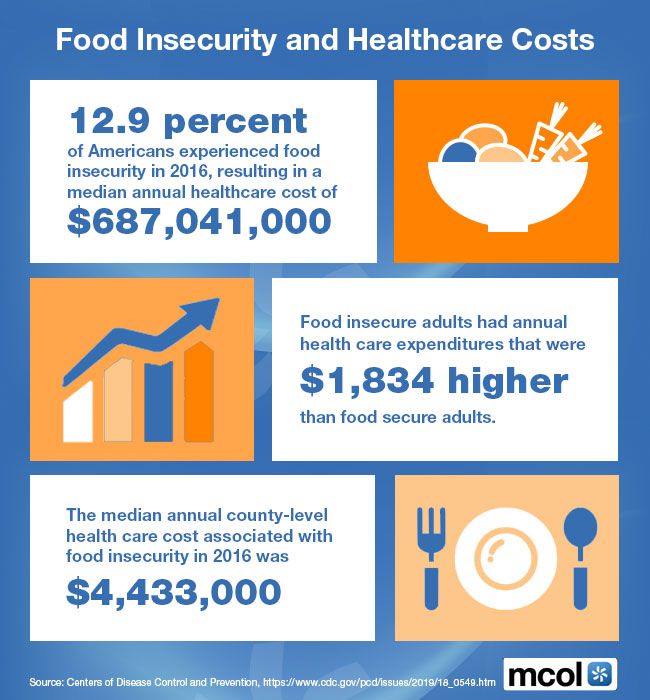
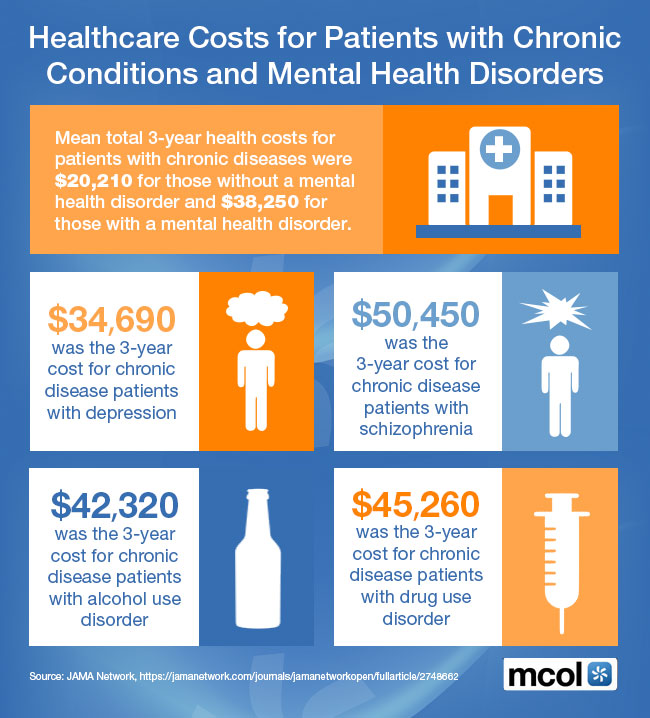
And, Mental Health Disorders
***
***
***
Filed under: Health Economics, Health Insurance, Healthcare Finance | Tagged: chronic care costs, mental health costs | 1 Comment »
And, Mental Health Disorders
***
***
***
Filed under: Health Economics, Health Insurance, Healthcare Finance | Tagged: chronic care costs, mental health costs | 1 Comment »
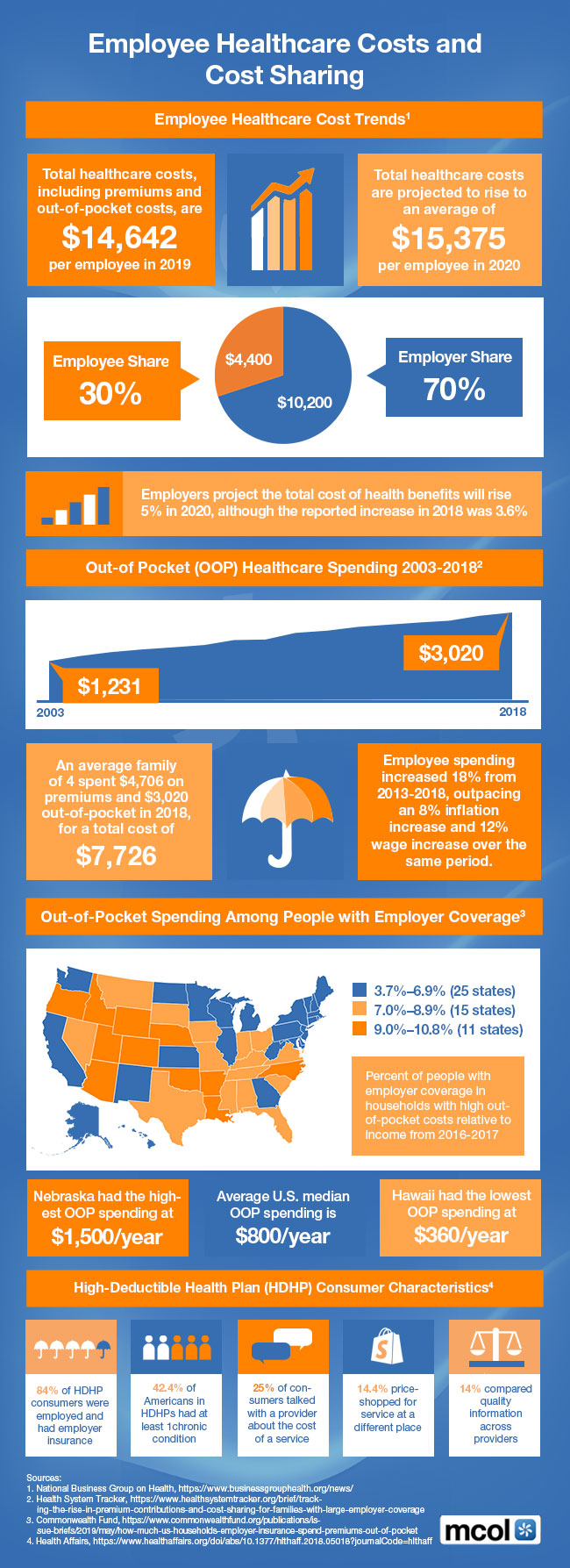
And, Cost Sharing
***
***
***
***
Filed under: Health Economics, Health Insurance, Healthcare Finance | Tagged: Employee Healthcare Cost Sharing, Employee Healthcare Costs | 1 Comment »
The Theory
[By Staff Reporters]
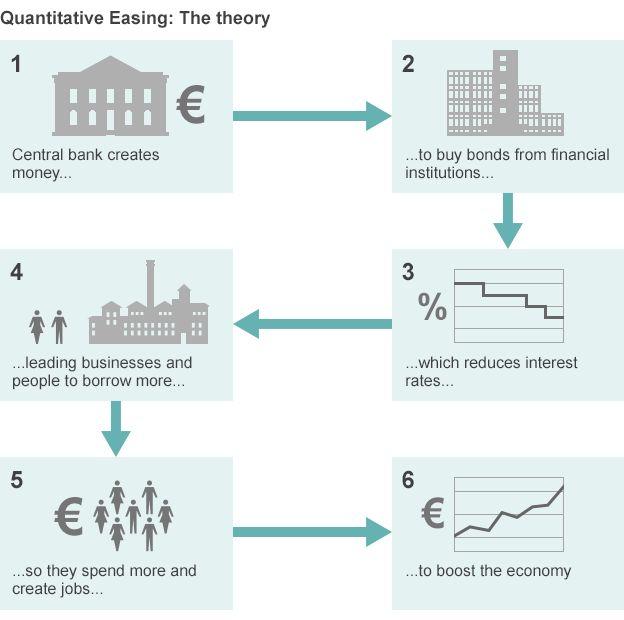
Quantitative easing (QE) is a monetary policy used by central banks to stimulate the economy when standard monetary policy has become ineffective.
***
***
Quantitative tightening (QT) is a contractionary monetary policy applied by a central bank to decrease the amount of liquidity within the economy. The policy is the reverse of quantitative easing aimed to increase money supply in order to “stimulate” the economy.
Assessment: Your thoughts are appreciated.
***
***
Filed under: Glossary Terms, Health Economics | Tagged: Quantitative Easing, Quantitative tightening | 1 Comment »
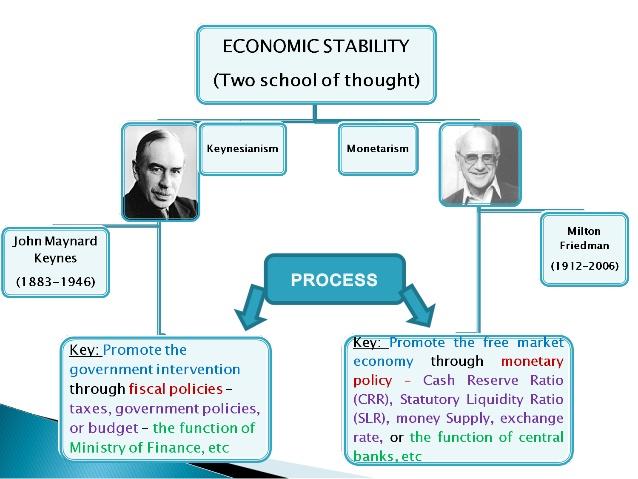
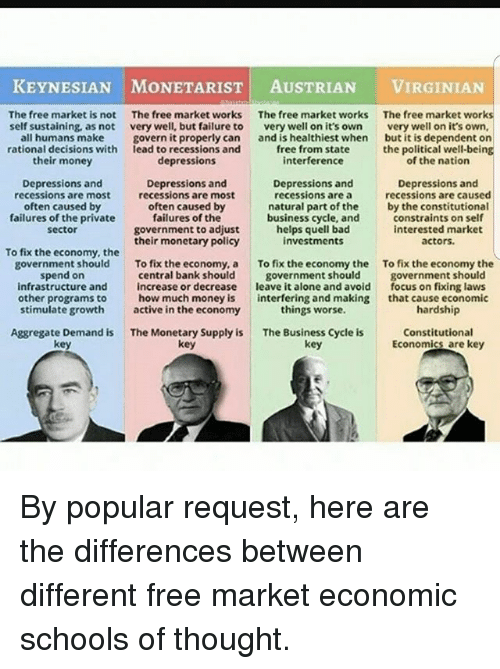
Major Schools of Thought
[By staff reporters]
***
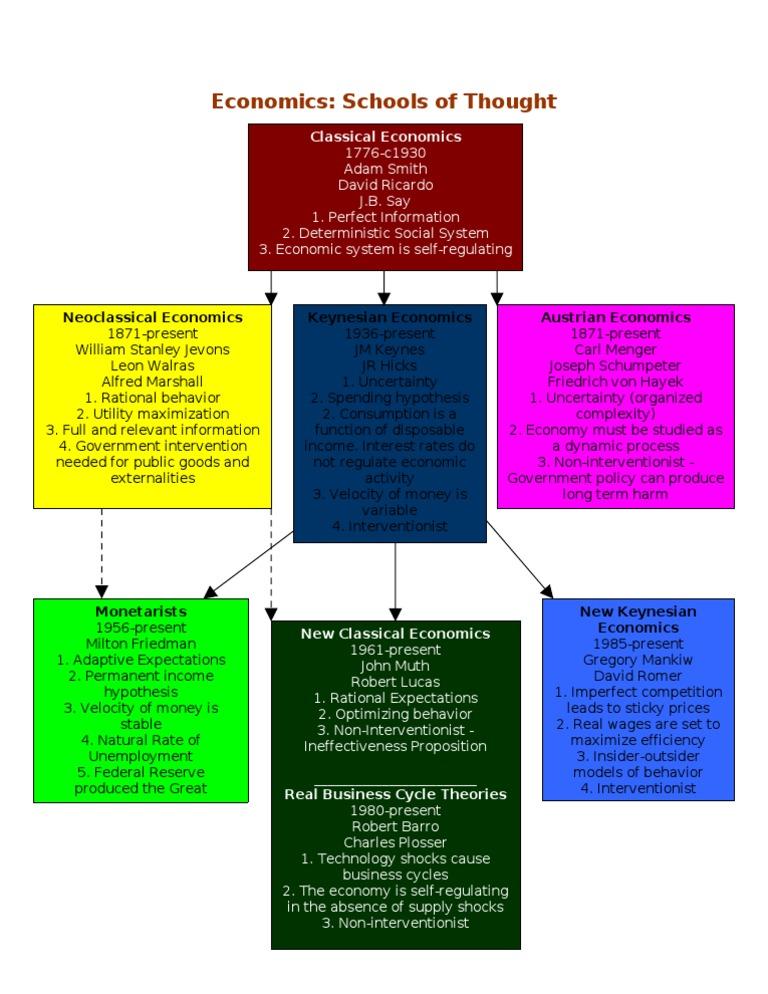
Economics is the social science that describes the factors that determine the production, distribution and consumption of goods and services.
LINK: https://www.amazon.com/Dictionary-Health-Economics-Finance-Marcinko/dp/0826102549/ref=sr_1_6?ie=UTF8&s=books&qid=1254413315&sr=1-6
***
And, according to Wikipedia: The term economics comes from the Ancient Greek οἰκονομία from οἶκος (oikos, “house”) and νόμος (nomos, “custom” or “law”), hence “rules of the house (hold for good management)”.
Assessment: Your thoughts are appreciated.
***
***
Filed under: Health Economics | Tagged: Major Economic Schools of Thought | Leave a comment »
A Very Brief Review
[By staff reporters]
***
***
Assessment: Your thoughts are appreciated.
***
***
Filed under: Health Economics, Healthcare Finance | Tagged: History Statistics | Leave a comment »
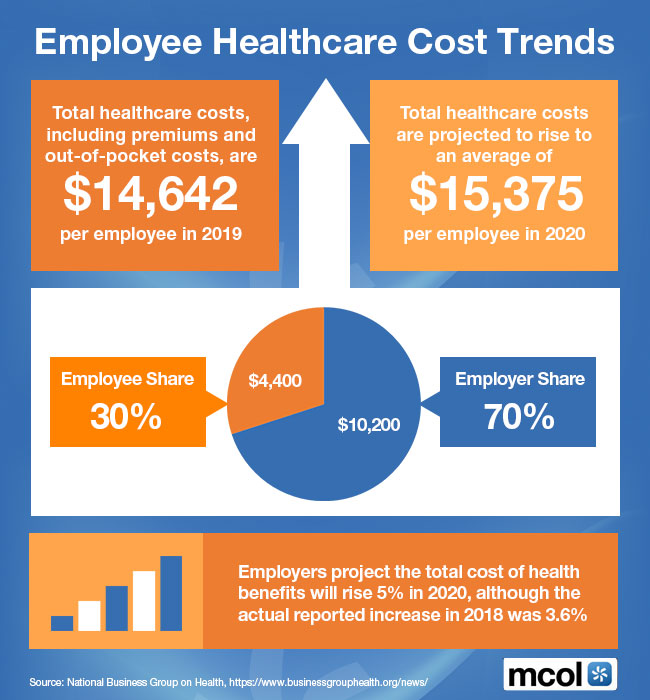
2018 – 2020 Est.
***
***
***
Filed under: Health Economics, Healthcare Finance | Tagged: Employee Healthcare Cost Trends | Leave a comment »
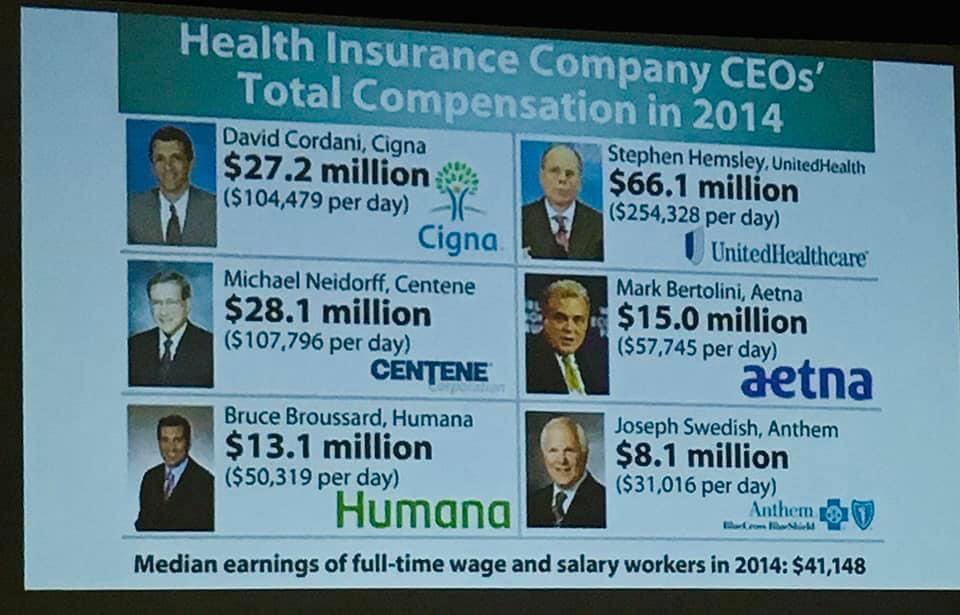
FY: 2014
***
***
***
Filed under: Health Economics, Health Insurance, Health Law & Policy | Tagged: Health Insurance Company CEO Compensation | 2 Comments »
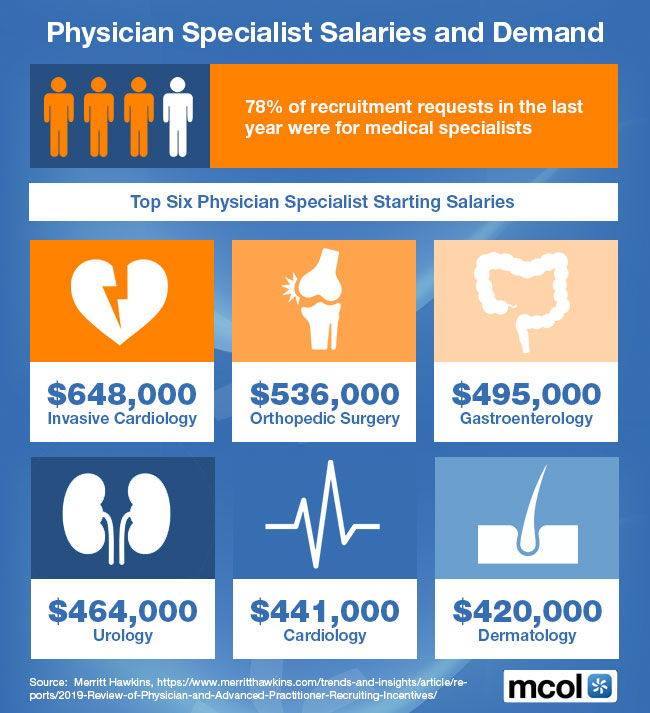
And … Demand
***
***
Filed under: Health Economics | Tagged: Physician Specialists Salaries | Leave a comment »
What it is – How it works!
[By staff reporters]
***
Phi is the basis for the Golden Ratio, Section or Mean
The ratio, or proportion, determined by Phi (1.618 …) was known to the Greeks as the “ dividing a line in the extreme and mean ratio ” and to Renaissance artists as the “ Divine Proportion ”
It is also called the Golden Section, Golden Ratio and the Golden Mean.
MORE :https://www.goldennumber.net/what-is-phi/
Assessment: Your thoughts are appreciated.
***
***
Filed under: Health Economics | Tagged: Golden Ratio, PHI | 1 Comment »
Healthcare in 2015
***
***
***
Filed under: Health Economics | Tagged: medical spending | Leave a comment »
By Dr. David Edward Marcinko MBA
Collectivism is the moral stance, political philosophy, ideology, or social outlook that emphasizes the significance of groups—their identities, goals, rights, outcomes, etc.—and tends to analyze issues in those terms.
***
A BIZARRE QUESTION?: Would you subtract one day off your life to collectively help solve the domestic health care crisis?
A crazy question; perhaps not so much as the blog-o-sphere is asking a related query.
THE R.B.G QUESTION?: If it were possible, would you subtract one day off you life and add it to Ruth Bader Ginsburg’s life for one extra day of good health?
FORGET BUSINESS SOLUTIONS
So, forget business solutions and marketplace strategy, SDOH, competitive forces, economics, taxation, SWOT analysis, Medicare-for-All, and potential new-wave disruptors such as ABJ Health Ventures and related initiatives.
NOTE: ABJ Health Ventures = look it up.
THE HEALTH CARE COLLECTIVISM QUESTION?: If it were possible, would you subtract one day off you life and add it to another’s life for one extra day of good health?
THE HEALTH CARE COLLECTIVISM RESULTS: If just 10,000 people did this, it would add about 27 productive years, in the aggregate, to all participating individual citizen lives.

Assessment
Your thoughts are appreciated.
NOTE: “Health Care Collectivism”© -AND- Healthcare Collectivism”© David Edward Marcinko. All rights reserved, iMBA Inc., USA.
Conclusion
Your thoughts and comments on this ME-P are appreciated. Feel free to review our top-left column, and top-right sidebar materials, links, URLs and related websites, too. Then, subscribe to the ME-P. It is fast, free and secure.
Speaker: If you need a moderator or speaker for an upcoming event, Dr. David E. Marcinko; MBA – Publisher-in-Chief of the Medical Executive-Post – is available for seminar or speaking engagements.
Book Marcinko: https://medicalexecutivepost.com/dr-david-marcinkos-bookings/
Subscribe: MEDICAL EXECUTIVE POST for curated news, essays, opinions and analysis from the public health, economics, finance, marketing, IT, business and policy management ecosystem.
HOSPITALS:
“Financial Management Strategies for Hospitals” https://tinyurl.com/yagu567d
“Operational Strategies for Clinics and Hospitals” https://tinyurl.com/y9avbrq5
***
Filed under: Ethics, Health Economics, Touring with Marcinko | Tagged: collectivism in healthcare | 2 Comments »
FY 2016
***
***
Assessment
Your thoughts are appreciated.
***
***
Filed under: Health Economics, Health Insurance | Tagged: C-Section Prices, Geographic Variations in C-Section Prices | Leave a comment »
FY 2017
***
Assessment
Your thoughts are appreciated.
***
***
***
Filed under: Health Economics | Tagged: economic burden of diabetes | 1 Comment »
Unfair -OR- Not?
[By staff reporters]
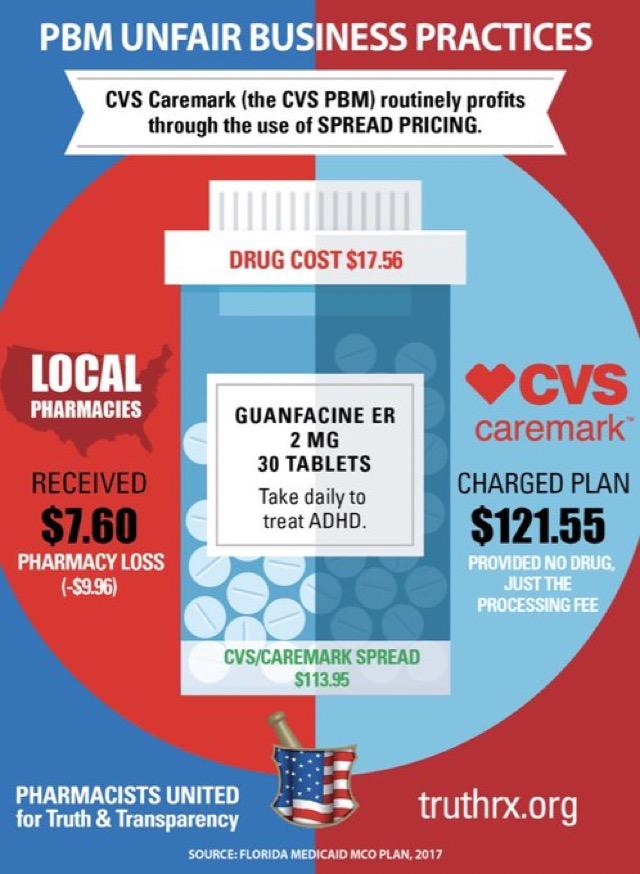
PBMs, like Prime Theraputics, Optum, CVS/Caremark, Walgreens/prime Mail and Express Scripts, Bring no value but huge expense to pharmaceutical medication prices.
The Trump administration and Congress must repeal the GPO and PBM safe harbor that allows them to extort pharmaceutical manufacturers to the tune of $200 billion a year.
***
***
Assessment:
Your thoughts are appreciated.
***
Filed under: Drugs and Pharma, Health Economics, Health Insurance | Tagged: PBMs, Pharmacy Benefits Managers | 1 Comment »
IN INDIA
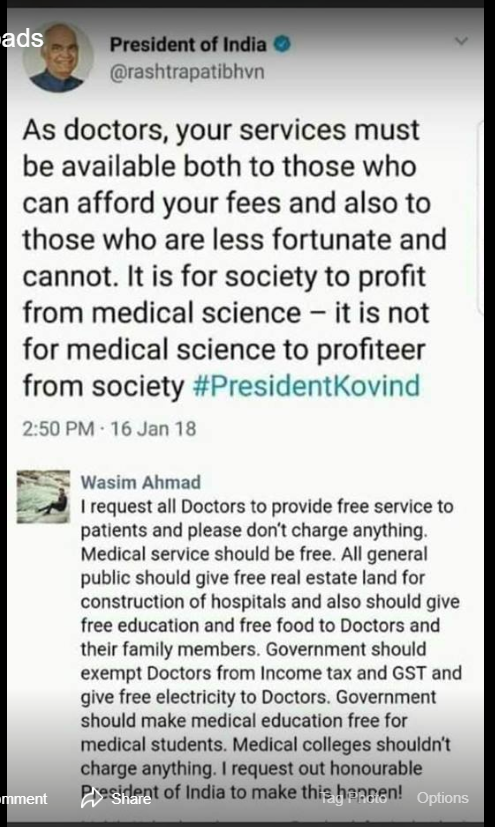
By President Ram Nath Kovind of India
***
***
MORE: N. Baum MD for DEM
Assessment
Your thoughts are appreciated.
***
***
***
Filed under: Health Economics, Health Insurance, Health Law & Policy, Healthcare Finance | Tagged: free healthcare, Free medical care, pro-bono medical care, Ram Nath Kovind | 1 Comment »
FY: 2009 – 2017
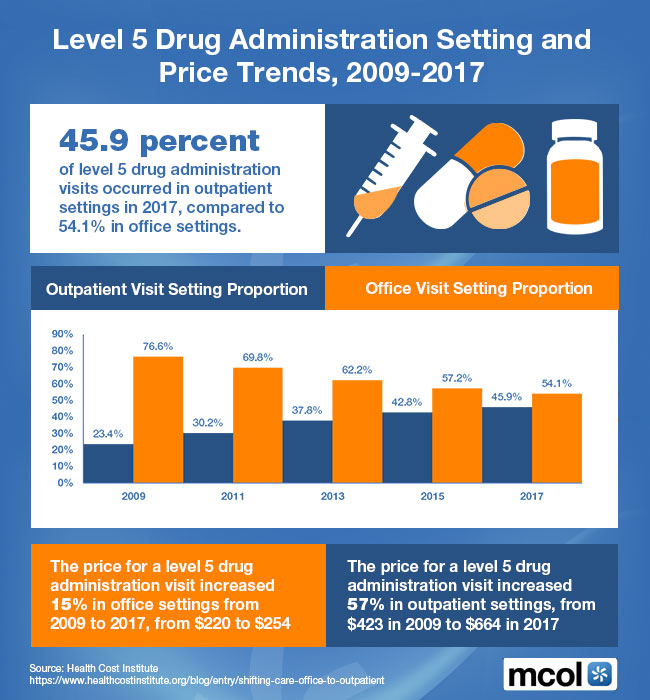
By www. MCOL.com
***
***
***
***
Filed under: Drugs and Pharma, Health Economics | Tagged: Drugs, Level 5 Drugs | Leave a comment »
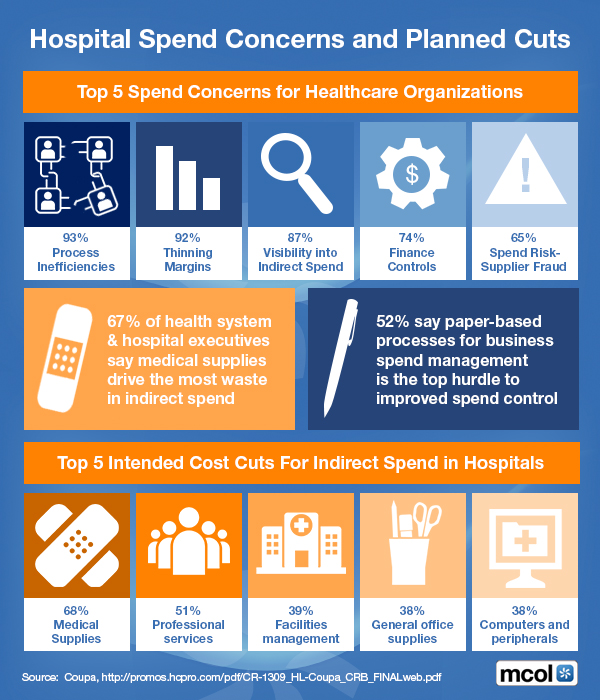
The Top Five [5] for Healthcare Organizations
***
***
***
Filed under: Health Economics, Health Insurance | Tagged: Hospital spends | Leave a comment »
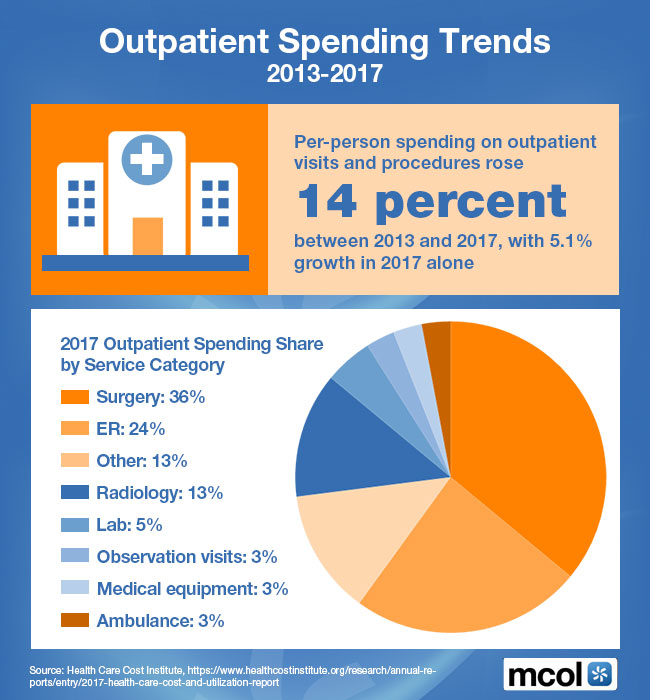
FY 2013- 2017
***
***
[Foreword Dr. Phillips MD JD MBA LLM] *** [Foreword Dr. Nash MD MBA FACP]
***
Filed under: Health Economics | Tagged: healthcare spending | Leave a comment »
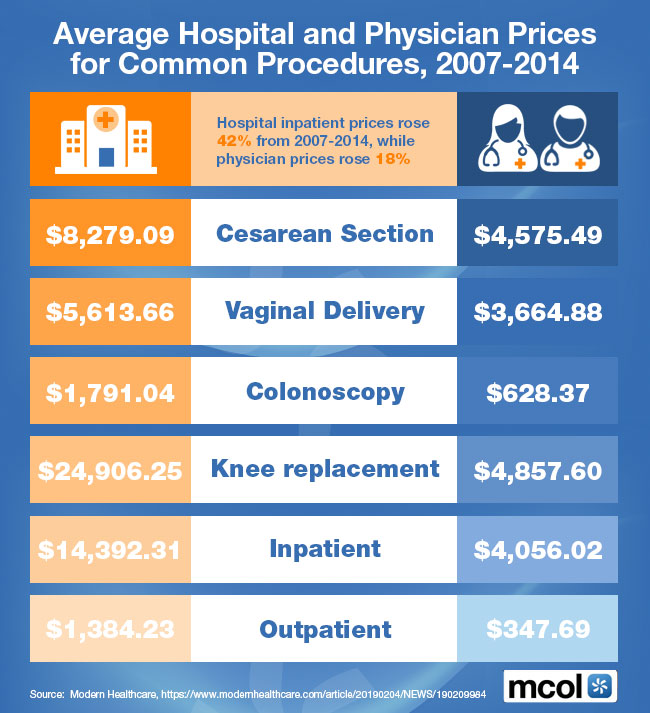
The Averages 2007 – 2014
***
***
***
Filed under: Health Economics | Tagged: hospital prices, physician prices | Leave a comment »
According to Wharton School Economists
[Dr. David Edward Marcinko MBA]
OK, I may have lectured at the Wharton Business School but I did not attend the University of Pennsylvania. But, I did have a very bright [girl] friend who matriculated there, back in the day, when I attended Temple University.
She was private – I was public. The relationship was doomed to fail.
The UoP Report
Nevertheless, a special report by University of Pennsylvania health care economists suggests the health care industry suffers from an “acute” problem with “deceptive, misleading, unsubstantiated, and foolish statements”—which they refer to as health care “BS.”
https://www.advisory.com/daily-briefing/2018/11/30/bs-health-care
Assessment
Do we really need economists to state the obvious; things that all ME-P readers already know!
Conclusion
Your thoughts and comments on this ME-P are appreciated. Feel free to review our top-left column, and top-right sidebar materials, links, URLs and related websites, too. Then, subscribe to the ME-P. It is fast, free and secure.
Speaker: If you need a moderator or speaker for an upcoming event, Dr. David E. Marcinko; MBA – Publisher-in-Chief of the Medical Executive-Post – is available for seminar or speaking engagements.
Book Marcinko: https://medicalexecutivepost.com/dr-david-marcinkos-bookings/
Subscribe: MEDICAL EXECUTIVE POST for curated news, essays, opinions and analysis from the public health, economics, finance, marketing, IT, business and policy management ecosystem.
“Insurance & Risk Management Strategies for Doctors” https://tinyurl.com/ydx9kd93
“Fiduciary Financial Planning for Physicians” https://tinyurl.com/y7f5pnox
“Business of Medical Practice 2.0” https://tinyurl.com/yb3x6wr8
HOSPITALS:
“Financial Management Strategies for Hospitals” https://tinyurl.com/yagu567d
“Operational Strategies for Clinics and Hospitals” https://tinyurl.com/y9avbrq5
***
Filed under: Health Economics | Tagged: 10 Signs of 'BS' in Health Care, Wharton School Economists | Leave a comment »
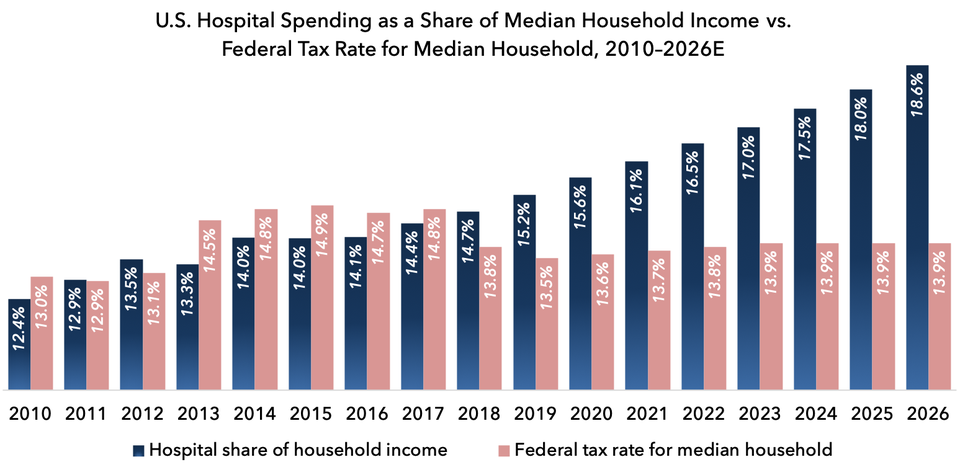
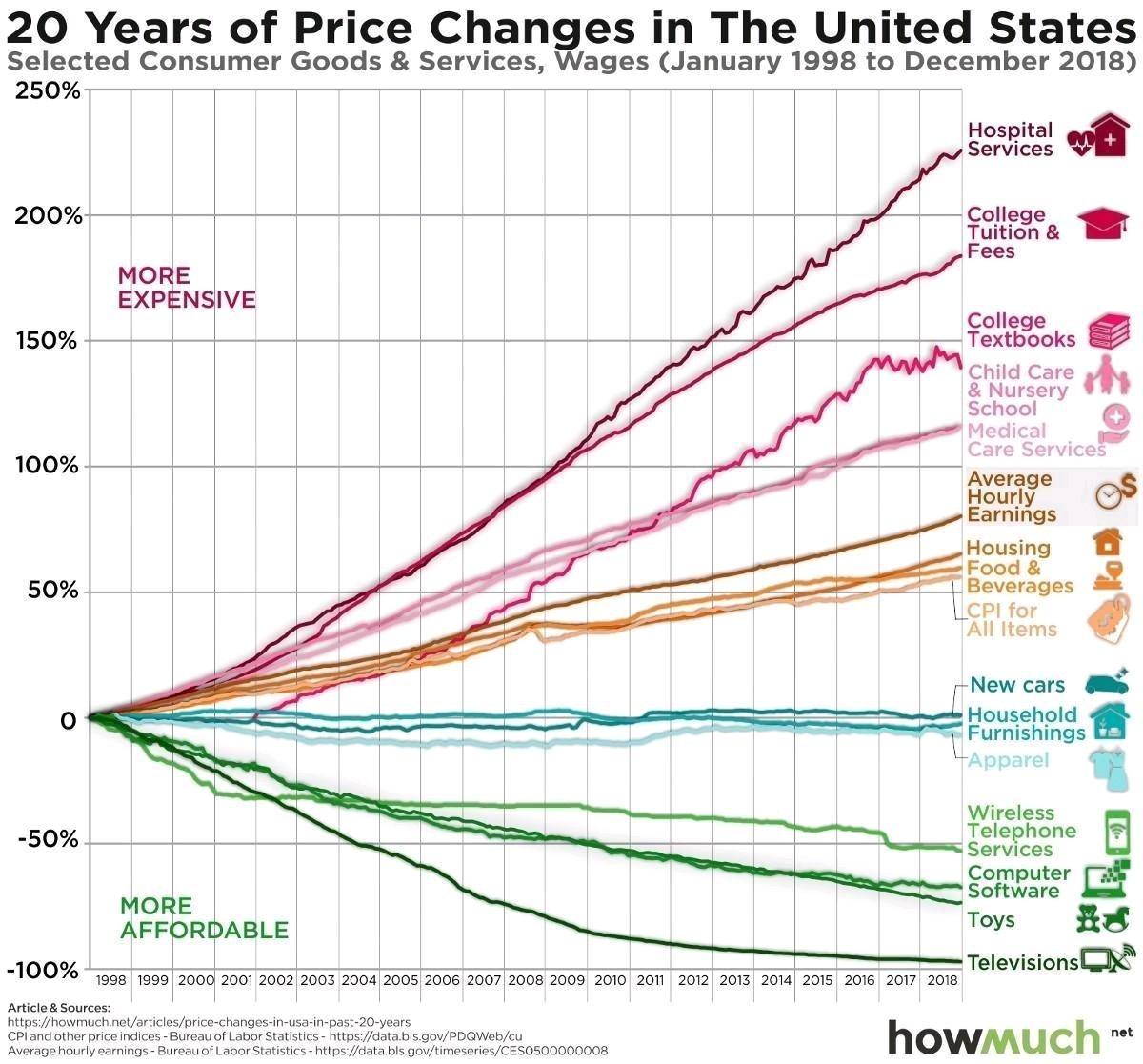
CIRCA 2010 – 2026
[By staff reporters]
***
Assessment
Your thoughts are appreciated.
RESOURCES:
“Insurance & Risk Management Strategies for Doctors” https://tinyurl.com/ydx9kd93
“Fiduciary Financial Planning for Physicians” https://tinyurl.com/y7f5pnox
“Business of Medical Practice 2.0” https://tinyurl.com/yb3x6wr8
THANK YOU
***
Filed under: Health Economics, Taxation | Tagged: Hospital Spending VERSUS Federal Tax Rates | Leave a comment »
A Big Data S.W.O.T Analysis
[By staff reporters]
***
[A Pharmaco-Economics Journal Report]
***
MORE: Healthcare Economics
Subscribe: MEDICAL EXECUTIVE POST for curated news, essays, opinions and analysis from the public health, economics, finance, marketing, IT, business and policy management ecosystem.
DOCTORS:
“Insurance & Risk Management Strategies for Doctors” https://tinyurl.com/ydx9kd93
“Fiduciary Financial Planning for Physicians” https://tinyurl.com/y7f5pnox
“Business of Medical Practice 2.0” https://tinyurl.com/yb3x6wr8
**
***
Filed under: Health Economics, Information Technology | Tagged: Big Data analysis, Health Economics, HIT | 2 Comments »
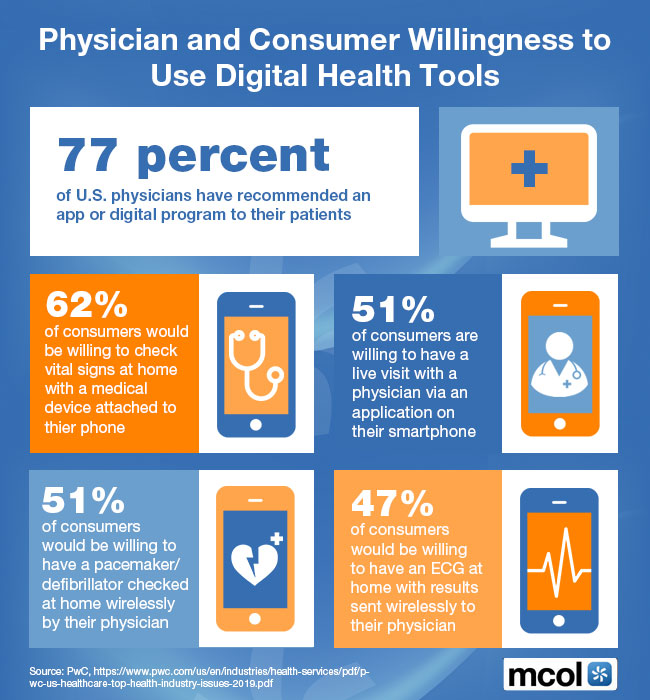
A Physician and Consumer Willingness Survey
By http://www.MCOL. om
***
***
Conclusion
Your thoughts and comments on this ME-P are appreciated. Feel free to review our top-left column, and top-right sidebar materials, links, URLs and related websites, too. Then, subscribe to the ME-P. It is fast, free and secure.
Speaker: If you need a moderator or speaker for an upcoming event, Dr. David E. Marcinko; MBA – Publisher-in-Chief of the Medical Executive-Post – is available for seminar or speaking engagements.
Book Marcinko: https://medicalexecutivepost.com/dr-david-marcinkos-bookings/
Subscribe: MEDICAL EXECUTIVE POST for curated news, essays, opinions and analysis from the public health, economics, finance, marketing, IT, business and policy management ecosystem.
DOCTORS:
“Insurance & Risk Management Strategies for Doctors” https://tinyurl.com/ydx9kd93
“Fiduciary Financial Planning for Physicians” https://tinyurl.com/y7f5pnox
“Business of Medical Practice 2.0” https://tinyurl.com/yb3x6wr8
***
Filed under: Health Economics, Information Technology | Tagged: Digital Health Care Tools | 1 Comment »
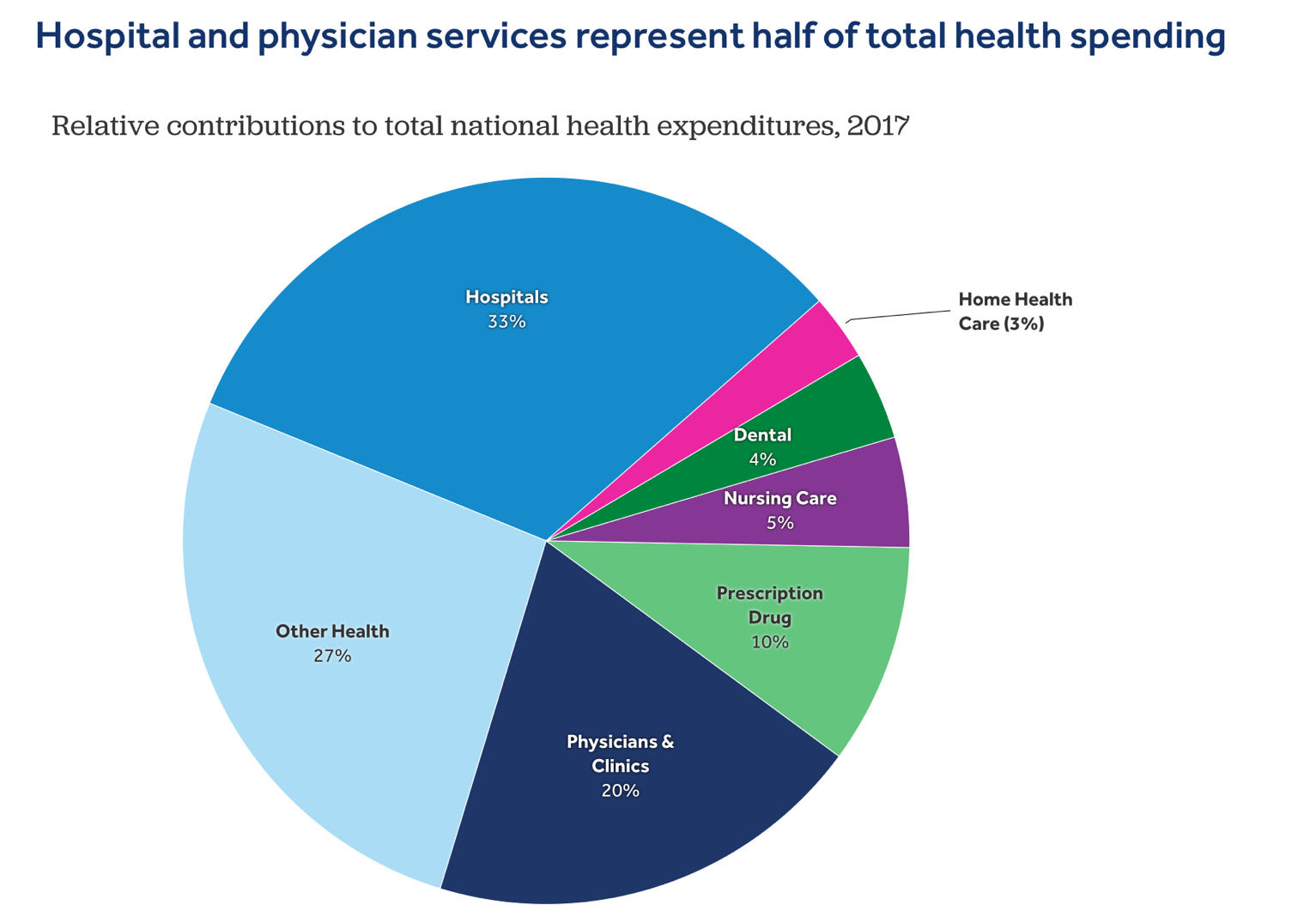
Represent Half of Total Healthcare Spending
[By staff reporters]
Assessment
What do you think?
Conclusion
Your thoughts and comments on this ME-P are appreciated. Feel free to review our top-left column, and top-right sidebar materials, links, URLs and related websites, too. Then, subscribe to the ME-P. It is fast, free and secure.
Speaker: If you need a moderator or speaker for an upcoming event, Dr. David E. Marcinko; MBA – Publisher-in-Chief of the Medical Executive-Post – is available for seminar or speaking engagements.
Book Marcinko: https://medicalexecutivepost.com/dr-david-marcinkos-bookings/
Subscribe: MEDICAL EXECUTIVE POST for curated news, essays, opinions and analysis from the public health, economics, finance, marketing, IT, business and policy management ecosystem.
HOSPITALS:
“Financial Management Strategies for Hospitals” https://tinyurl.com/yagu567d
“Operational Strategies for Clinics and Hospitals” https://tinyurl.com/y9avbrq5
***
Filed under: Health Economics | Tagged: Hospital and Physician Services, Hospital Services Spending, Physician Services Spending | Leave a comment »
Dear Dr. David,
APHA’s 2019 Annual Meeting and Expo will bring together more than 12,000 public health professionals to attend 1,000+ scientific sessions on the latest public health research, policy and topics.
We need your help
Become an abstract reviewer! Educational sessions are the highlight of each Annual Meeting, and people often ask how to get involved in session development. Reviewers take a firsthand look at abstracts, evaluate them and help develop scientific content to be presented at the meeting.
Abstract Reviewer Benefits:
Deadline to Become a Reviewer: Jan. 31
Reviewing Begins: March 4
|
Filed under: Health Economics, Health Insurance, Health Law & Policy, Healthcare Finance | Tagged: APHA, APHA Annual Meeting | 1 Comment »
January is the perfect time to re-evaluate our health-related goals.
But, I am not a fan of any deus ex machina philosophy; like the wholesale ABJ Health Ventures initiative; etc.
As most know, the Latin term “deus ex machina” is a translation of a Greek phrase that means literally “god from a machine.” The “Machine” refers to the crane that held a god over the stage in ancient Greek and Roman drama and theater.
On the other hand, did you know that healthier [cheaper] lifestyle choices can actually have a direct, positive impact on our body, personal finances and societal economics [study of scarce resources]?
Good Health does not depend on modern technology – “deus ex machina” – so let us not make it so.
Note: Unfamiliar with ABJ Health Ventures? Do an internet search.
My philosophy:
Eat less, walk more, reduce end-of-life catastrophes, avoid “moral turpitude and hazards”; and help doctors focus on acute injuries and the top 5 chronic diseases.
The domestic health insurance problem [almost] solved. Period!
KISS ME!

Assessment
Do we really need so much technology? Only time will tell, I suppose. After much time, treasure and talent spent. REALLY – KISS ME!
Conclusion
Your thoughts and comments on this ME-P are appreciated. Feel free to review our top-left column, and top-right sidebar materials, links, URLs and related websites, too. Then, subscribe to the ME-P. It is fast, free and secure.
Speaker: If you need a moderator or speaker for an upcoming event, Dr. David E. Marcinko; MBA – Publisher-in-Chief of the Medical Executive-Post – is available for seminar or speaking engagements.
Book Marcinko: https://medicalexecutivepost.com/dr-david-marcinkos-bookings/
Subscribe: MEDICAL EXECUTIVE POST for curated news, essays, opinions and analysis from the public health, economics, finance, marketing, IT, business and policy management ecosystem.
DOCTORS:
“Insurance & Risk Management Strategies for Doctors” https://tinyurl.com/ydx9kd93
“Fiduciary Financial Planning for Physicians” https://tinyurl.com/y7f5pnox
“Business of Medical Practice 2.0” https://tinyurl.com/yb3x6wr8
HOSPITALS:
“Financial Management Strategies for Hospitals” https://tinyurl.com/yagu567d
“Operational Strategies for Clinics and Hospitals” https://tinyurl.com/y9avbrq5
***
Filed under: Health Economics, Health Insurance, Health Law & Policy | Tagged: deus ex machina in healthcare, deus ex machina in medicine | Leave a comment »
Still Seeking Private Medical Care?
[By Dr. David E. Marcinko MBA]
The Department of Veterans Affairs is preparing to shift billions of dollars from government-run veterans’ hospitals to private health care providers, setting the stage for the biggest transformation of the veterans’ medical system in a generation.

More options and more choice?
Assessment
***
Filed under: Health Economics | Tagged: Department of Veterans Affairs, VA | Leave a comment »
That a NON-CFP® Certificant … CAN-NOT?
[By Dr. David Edward Marcinko MBA CMP®]
http://www.CertifiedMedicalPlanner.org
OK – I was a Certified Financial Planner® before my academic team launched the Certified Medical Planner™ online and on-ground chartered education and board certification designation program a few years ago. I am now reformed and in remission.
Enter the Certified Medical Planner™ Chartered Designation
Today, we are gratified that Certified Medical Planner™ mark notoriety is growing organically in the healthcare, as well as financial services, industry.
In fact, even uber-blogger Mike Kitces MSFS, MTAX, CFP, CLU, ChFC, RHU, REBC, CASL has taken note of us in his musings on the Nerd’s Eye View website.
And, the reality is that there are a growing number of CFP educational programs at the post-CFP niche market level. But, none for healthcare industrial complex: for doctors … by doctors!

QUERY
Nevertheless, I was a bit flummoxed when a physician college recently asked me this simple question:
Q: What can a CFP® mark holder do for me that a non-CFP® certificant can not?
Assessment
Now, much like a good interrogating attorney, I think I already know the answer to this question. Nevertheless, it is important to determine and understand what our ME-P readers believe; and why they believe it!
So, please opine and tell us what you think.
Conclusion
Your thoughts and comments on this ME-P are appreciated. Feel free to review our top-left column, and top-right sidebar materials, links, URLs and related websites, too. Then, subscribe to the ME-P. It is fast, free and secure.
Speaker: If you need a moderator or speaker for an upcoming event, Dr. David E. Marcinko; MBA – Publisher-in-Chief of the Medical Executive-Post – is available for seminar or speaking engagements.
Book Marcinko: https://medicalexecutivepost.com/dr-david-marcinkos-bookings/
Subscribe: MEDICAL EXECUTIVE POST for curated news, essays, opinions and analysis from the public health, economics, finance, marketing, IT, business and policy management ecosystem.
DOCTORS:
“Insurance & Risk Management Strategies for Doctors” https://tinyurl.com/ydx9kd93
“Fiduciary Financial Planning for Physicians” https://tinyurl.com/y7f5pnox
“Business of Medical Practice 2.0” https://tinyurl.com/yb3x6wr8
HOSPITALS:
“Financial Management Strategies for Hospitals” https://tinyurl.com/yagu567d
“Operational Strategies for Clinics and Hospitals” https://tinyurl.com/y9avbrq5
ADULT LEARNERS AND STUDENTS:
***
Filed under: Career Development, CMP Program, Financial Planning, Glossary Terms, Health Economics, Health Insurance, Healthcare Finance | Tagged: certified financial planner, certified medical planner | 1 Comment »
Crowding-Out
[By Staff Reporters]
” A situation when increased interest rates lead to a reduction in private investment spending such that it dampens the initial increase of total investment spending is called crowding out effect “
***
***
The Crowding Out effect is a Monetarist criticism of expansionary fiscal policy. As seen in the multiplier effect, government spending will shift Aggregate Demand (AD) further than expected when an expansionary fiscal policy is implemented.
Assessment
However, Monetarists believe that because of this expansionary fiscal policy, the government will need to borrow money by selling government bonds. This leads to a rise in interest rates. The increased borrowing ‘crowds out’ private investing.
Conclusion
Your thoughts and comments on this ME-P are appreciated. Feel free to review our top-left column, and top-right sidebar materials, links, URLs and related websites, too. Then, subscribe to the ME-P. It is fast, free and secure.
Speaker: If you need a moderator or speaker for an upcoming event, Dr. David E. Marcinko; MBA – Publisher-in-Chief of the Medical Executive-Post – is available for seminar or speaking engagements.
Book Marcinko: https://medicalexecutivepost.com/dr-david-marcinkos-bookings/
Subscribe: MEDICAL EXECUTIVE POST for curated news, essays, opinions and analysis from the public health, economics, finance, marketing, IT, business and policy management ecosystem.
DOCTORS:
“Insurance & Risk Management Strategies for Doctors” https://tinyurl.com/ydx9kd93
“Fiduciary Financial Planning for Physicians” https://tinyurl.com/y7f5pnox
“Business of Medical Practice 2.0” https://tinyurl.com/yb3x6wr8
HOSPITALS:
“Financial Management Strategies for Hospitals” https://tinyurl.com/yagu567d
“Operational Strategies for Clinics and Hospitals” https://tinyurl.com/y9avbrq5
***
Filed under: Health Economics | Tagged: "Crowding Out" Effect, fiscal policy, Monetarist | Leave a comment »
For Physician-Investors to Know
[By staff reporters]
***
***
***
***
Your thoughts are appreciated.
RESOURCES:
“Insurance & Risk Management Strategies for Doctors” https://tinyurl.com/ydx9kd93
“Fiduciary Financial Planning for Physicians” https://tinyurl.com/y7f5pnox
“Business of Medical Practice 2.0” https://tinyurl.com/yb3x6wr8
THANK YOU
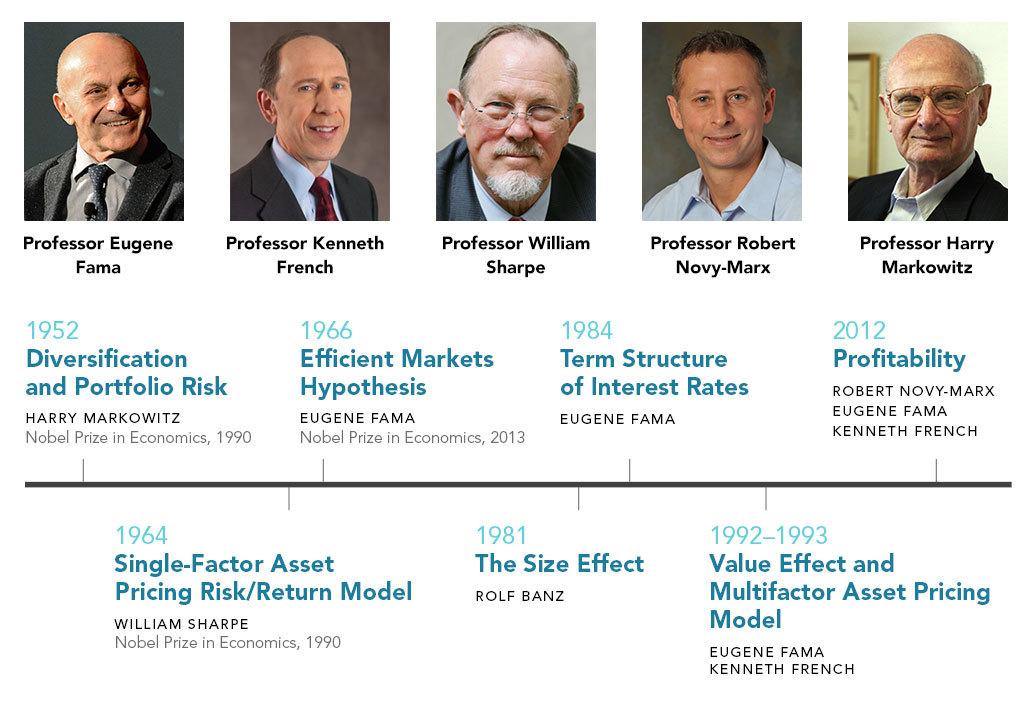
Filed under: Health Economics, Investing | Tagged: Economists of Note, fama, french, Harry Markowitz, Novy-Marx, Sharpe | Leave a comment »
A Basic Pictorial – Bye Chi-Town Boys and Hello MIT
[By staff reporters]
***
***

***

***
Conclusion
Your thoughts and comments on this ME-P are appreciated. Feel free to review our top-left column, and top-right sidebar materials, links, URLs and related websites, too. Then, subscribe to the ME-P. It is fast, free and secure.
Speaker: If you need a moderator or speaker for an upcoming event, Dr. David E. Marcinko; MBA – Publisher-in-Chief of the Medical Executive-Post – is available for seminar or speaking engagements.
Book Marcinko: https://medicalexecutivepost.com/dr-david-marcinkos-bookings/
Subscribe: MEDICAL EXECUTIVE POST for curated news, essays, opinions and analysis from the public health, economics, finance, marketing, IT, business and policy management ecosystem.
DOCTORS:
“Insurance & Risk Management Strategies for Doctors” https://tinyurl.com/ydx9kd93
“Fiduciary Financial Planning for Physicians” https://tinyurl.com/y7f5pnox
“Business of Medical Practice 2.0” https://tinyurl.com/yb3x6wr8
***
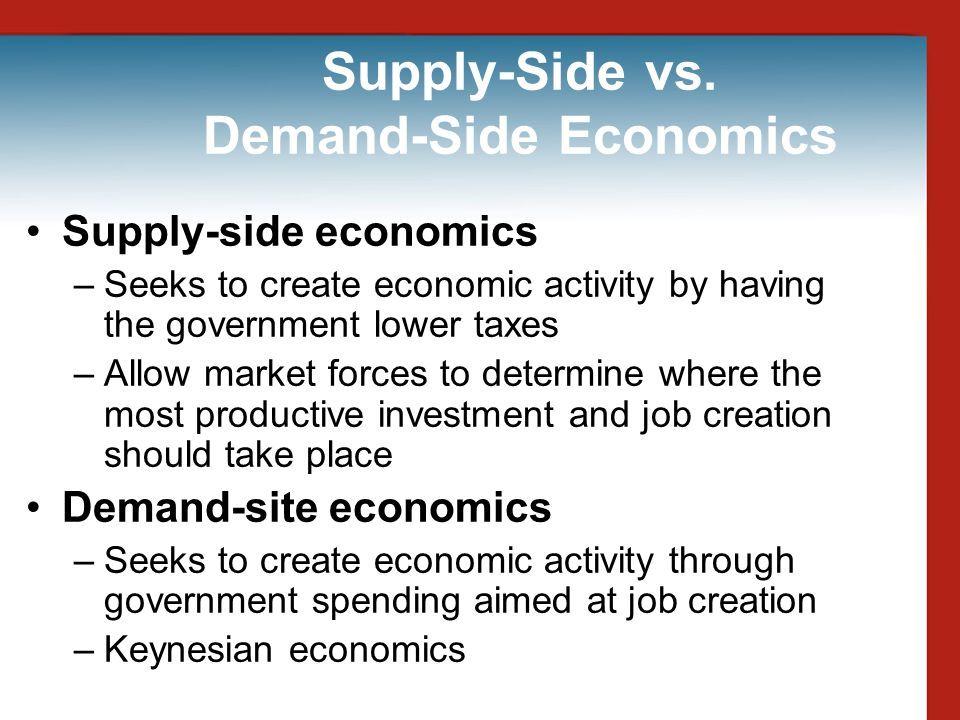
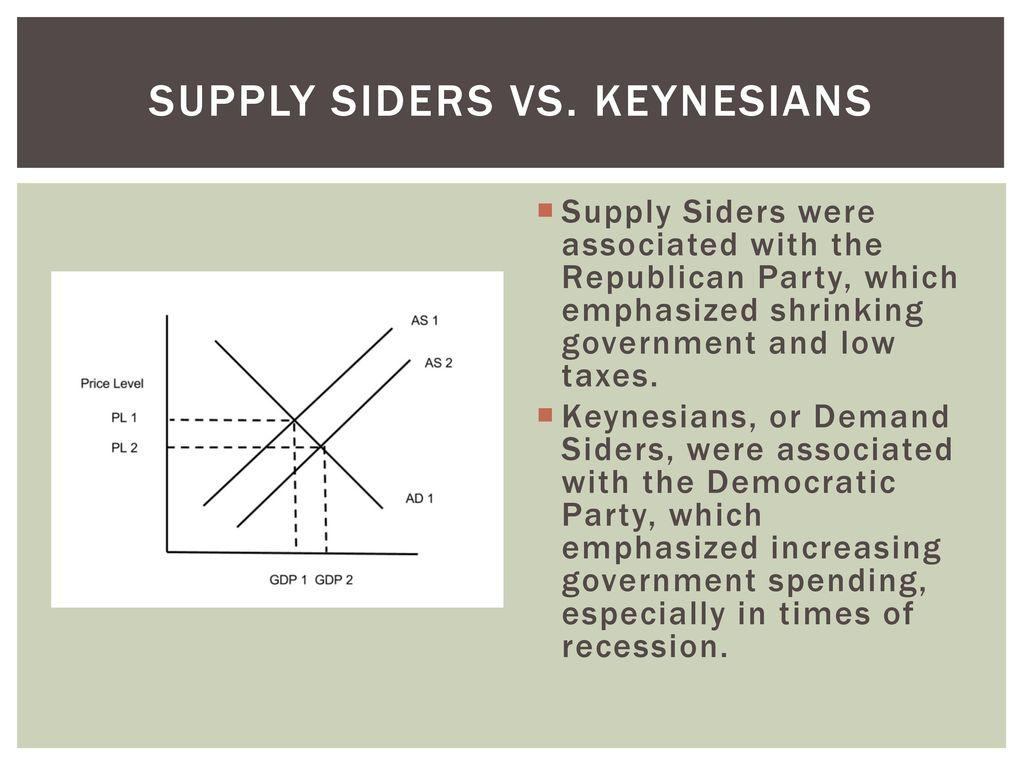
Filed under: Health Economics | Tagged: Demand Side Economics, Supply Side Economics | 3 Comments »
SPONSOR:
http://www.CertifiedMedicalPlanner.org
By Dr. David Edward Marcinko MBA CMP™ MBBS
Order NOW!
To help you decide if medical practice is indeed an asset class – and how much a practice may be worth – and how to valuate a practice – request your free white paper using the order form below.
Filed under: Health Economics, iMBA, Inc., Practice Management, Practice Worth | Tagged: David Edward Marcinko, FMV medical practice, Medical Practice a New Asset Class, medical practice worth, MPT, practice valuation | Leave a comment »

***
***
Book Dr. David Edward Marcinko CMP®, MBA, MBBS for your Next Medical, Pharma or Financial Services Seminar or Personal and Corporate Coaching Sessions
Dr. Dave Marcinko enjoys personal coaching and public speaking and gives as many talks each year as possible, at a variety of medical society and financial services conferences around the country and world.
These have included lectures and visiting professorships at major academic centers, keynote lectures for hospitals, economic seminars and health systems, keynote lectures at city and statewide financial coalitions, and annual keynote lectures for a variety of internal yearly meetings.
Topics Link: toc_ho
***

***
[Foreword Dr. Phillips MD JD MBA LLM] *** [Foreword Dr. Nash MD MBA FACP]
***
Filed under: Financial Planning, Health Economics, iMBA, Investing, Managed Care, Portfolio Management, Practice Management, Practice Worth, Risk Management, Touring with Marcinko | Tagged: David E. Marcinko, Financial Planning, Investing, medical practice management, Portfolio Management | Leave a comment »
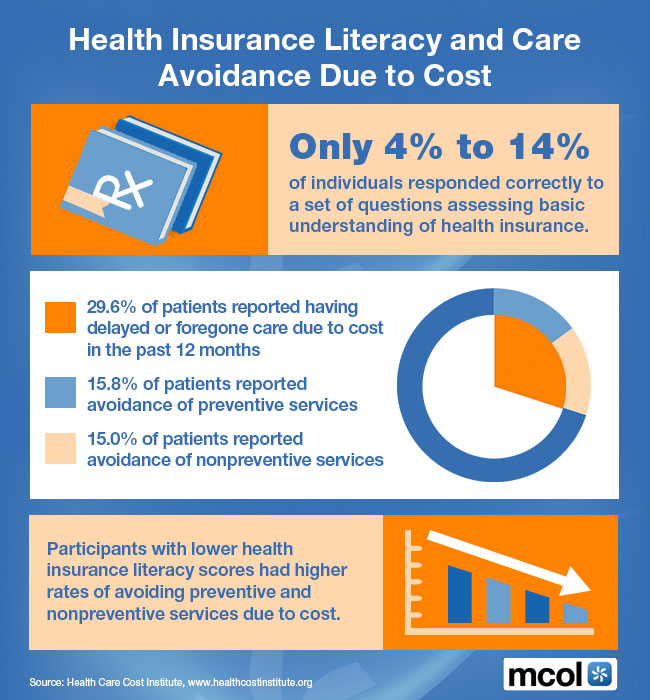
And … Care Avoidance Due to Cost
***
***
Conclusion
Your thoughts and comments on this ME-P are appreciated. Feel free to review our top-left column, and top-right sidebar materials, links, URLs and related websites, too. Then, subscribe to the ME-P. It is fast, free and secure.
Speaker: If you need a moderator or speaker for an upcoming event, Dr. David E. Marcinko; MBA – Publisher-in-Chief of the Medical Executive-Post – is available for seminar or speaking engagements.
Book Marcinko: https://medicalexecutivepost.com/dr-david-marcinkos-bookings/
Subscribe: MEDICAL EXECUTIVE POST for curated news, essays, opinions and analysis from the public health, economics, finance, marketing, IT, business and policy management ecosystem.
DOCTORS:
“Insurance & Risk Management Strategies for Doctors” https://tinyurl.com/ydx9kd93
“Fiduciary Financial Planning for Physicians” https://tinyurl.com/y7f5pnox
“Business of Medical Practice 2.0” https://tinyurl.com/yb3x6wr8
HOSPITALS:
“Financial Management Strategies for Hospitals” https://tinyurl.com/yagu567d
“Operational Strategies for Clinics and Hospitals” https://tinyurl.com/y9avbrq5
***
Filed under: Health Economics, Health Insurance | Tagged: Health Care Avoidance Due to Cost, Health Insurance Literacy | 1 Comment »
How the Federal Reserve Works

By Jason Dyken MD MBA
Tip: Checks. Due to the onslaught of electronic check collection, the Federal Reserve now processes paper checks at just one location nationwide, down from 45 locations in 2003.
Source: Board of Governors of the Federal Reserve System, 2016
QUESTION
Have you ever taken a close look at paper money? Each U.S. bill has the words “Federal Reserve Note” imprinted across the top.
But many individuals may not know why the bill is issued by the Federal Reserve and what role the Federal Reserve plays in the economy.
How the FOMC Really works?
Here’s an inside look
The Federal Reserve, often referred to as the Fed, is the country’s central bank. It was founded by Congress in 1913 to provide the nation with a safer, more flexible, and more stable monetary and financial system. Prior to its creation, the U.S. economy was plagued by frequent episodes of panic, bank failures, and limited credit.
The Fed has four main roles in the U.S. economy.
Economy Watch
In addition to its other duties, the Fed has been given three mandates with the economy: maintain maximum employment, maintain stable price levels, and maintain moderate long-term interest rates.
Fast Fact: Unwieldy Patchwork. In the early 1800s, the U.S. had no central bank and no common currency. The monetary system ran through a patchwork of state-chartered banks with no federal regulation. By 1860, there were nearly 8,000 of these banks, each issuing its own banknotes.
Source: Federal Reserve Bank of San Francisco, 2018
It’s important to remember that “the Fed” cannot directly control employment, inflation, or long-term interest rates. Rather, it uses a number of tools at its disposal to influence the availability and cost of money and credit. This, in turn, influences the willingness of consumers and businesses to spend money on goods and services.
For example, if the Fed maneuvers short-term interest rates lower, borrowing money becomes less expensive and people may be motivated to spend. Consumer spending may stimulate economic growth, which may cause companies to produce more product and potentially increase employment. When short-term rates are low, the Fed closely monitors economic activity to watch for signs of rising prices.
On the other hand, if the Fed pushes short-term rates higher, borrowing money becomes more expensive and people may be less motivated to spend. This may, in turn, slow economic growth and cause companies to decrease employment. When short-term rates are high, the Fed must watch for signs of a decline in overall price levels.
Supervise and Regulate
The Fed establishes and enforces the regulations banks, savings and loans, and credit unions must follow. It works with other federal and state agencies to ensure these financial institutions are financially sound and consumers are receiving fair and equitable treatment. When an organization is found to have problems, the Fed uses its authority to have the organization correct the problems.
Financial System
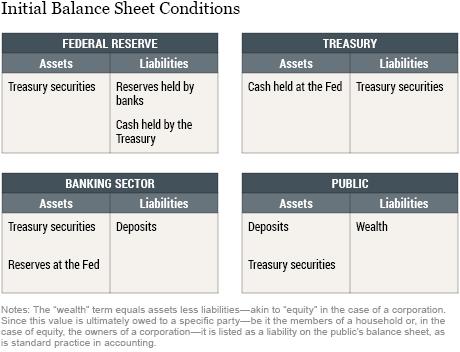
The Fed maintains the stability of the financial system by providing payment services. In times of financial strain, the Fed is authorized to step in as a lender of last resort, providing liquidity to an individual bank or the entire banking system.
For example, the Fed may step in and offer to buy the government bonds owned by a particular bank. By so doing, the Fed provides the bank with money that it can use for its own purposes.
Banker for Banks, U.S. Government
The Fed provides financial services to banks and other depository institutions and to the U.S. government. For banks, savings and loans, and credit unions, it maintains accounts and provides various payment services, including collecting checks, electronically transferring funds, distributing new money, and receiving and destroying old, worn-out money. For the federal government, the Fed pays Treasury checks; processes electronic payments; and issues, transfers, and redeems U.S. government securities.
Each day, the Fed is behind the scenes supporting the economy and providing services to the U.S. financial system. And while the Fed’s duties are many and varied, its focus is to maintain confidence in banking institutions.
***
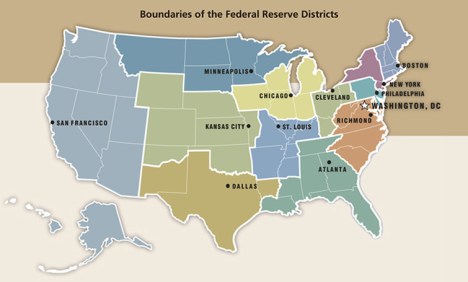
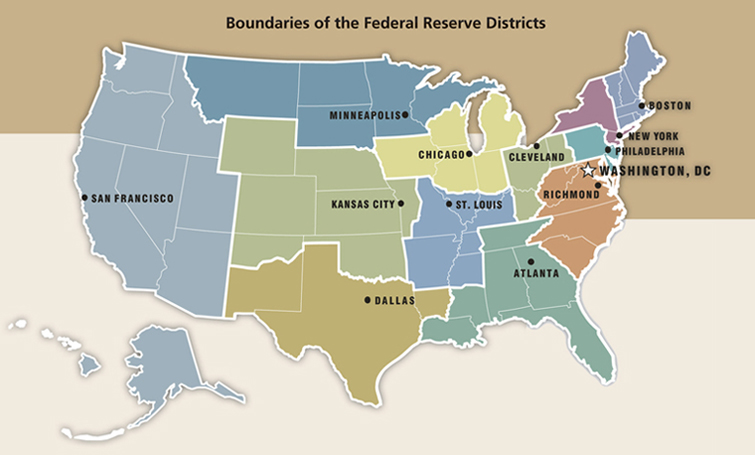
A De-Centralized Central Bank System
The Federal Reserve System consists of 12 independent banks that operate under the supervision of a federally appointed Board of Governors in Washington, D.C. Each of these banks works within a specific district, as shown.
Source: Federal Reserve Board of Governors, 2018
Conclusion
Your thoughts and comments on this ME-P are appreciated. Feel free to review our top-left column, and top-right sidebar materials, links, URLs and related websites, too. Then, subscribe to the ME-P. It is fast, free and secure.
Speaker: If you need a moderator or speaker for an upcoming event, Dr. David E. Marcinko; MBA – Publisher-in-Chief of the Medical Executive-Post – is available for seminar or speaking engagements.
Book Marcinko: https://medicalexecutivepost.com/dr-david-marcinkos-bookings/
Subscribe: MEDICAL EXECUTIVE POST for curated news, essays, opinions and analysis from the public health, economics, finance, marketing, IT, business and policy management ecosystem.
DOCTORS:
“Insurance & Risk Management Strategies for Doctors” https://tinyurl.com/ydx9kd93
“Fiduciary Financial Planning for Physicians” https://tinyurl.com/y7f5pnox
“Business of Medical Practice 2.0” https://tinyurl.com/yb3x6wr8
HOSPITALS:
“Financial Management Strategies for Hospitals” https://tinyurl.com/yagu567d
“Operational Strategies for Clinics and Hospitals” https://tinyurl.com/y9avbrq5
***
Filed under: Health Economics | Tagged: fed, Federal Open Market Committee, FOMC, Jason Dyken MD MBA | 2 Comments »
Dear Dr. David Edward Marcinko MBA
I am happy to share with you, and your readers, Research2Guidance’s latest digital health article “How digital business models impact the value chain of health insurers“.
Health insurance companies have started to make use of digital technologies to reinvent the way they interact with their members and health care providers. Innovation is mainly driven by insure-tech companies raising hundreds of millions of investment money. Established health insurers must know new insure-tech digital business models to understand their impact on both value chain and market position.

“We think, in 3-5 years from now, these digital business models will be widely implemented globally” – says Ralf Jahns, Managing Director of Research 2 Guidance. “Asia and North America will lead but there will be and already are implementations in Europe as well“.
Thank you for your time!
P.S. If you, or your ME-P readers need any insights or quotes about the digital health insurance market, please do not hesitate to contact me. I will be happy to provide you with reliable data and latest market insights.
Kind regards,
Stela Nikolova
[Research2Guidance]
***
Filed under: Health Economics, Information Technology, Quality Initiatives | Tagged: How digital business models impact the value chain of health insurers, research2guidance, Stela Nikolova | 1 Comment »
Most Popular Laureates in Economic Sciencess
[By staff reporters]
Who are the Winners and what are the top Nobel Prize-Winning Economic Theories we all should know?
***
***
More: http://www.NobelPrize.org
Conclusion
Your thoughts and comments on this ME-P are appreciated. Feel free to review our top-left column, and top-right sidebar materials, links, URLs and related websites, too. Then, subscribe to the ME-P. It is fast, free and secure.
Speaker: If you need a moderator or speaker for an upcoming event, Dr. David E. Marcinko; MBA – Publisher-in-Chief of the Medical Executive-Post – is available for seminar or speaking engagements.
Book Marcinko: https://medicalexecutivepost.com/dr-david-marcinkos-bookings/
Subscribe: MEDICAL EXECUTIVE POST for curated news, essays, opinions and analysis from the public health, economics, finance, marketing, IT, business and policy management ecosystem.
DOCTORS:
“Insurance & Risk Management Strategies for Doctors” https://tinyurl.com/ydx9kd93
“Fiduciary Financial Planning for Physicians” https://tinyurl.com/y7f5pnox
“Business of Medical Practice 2.0” https://tinyurl.com/yb3x6wr8
HOSPITALS:
“Financial Management Strategies for Hospitals” https://tinyurl.com/yagu567d
“Operational Strategies for Clinics and Hospitals” https://tinyurl.com/y9avbrq5
***
Filed under: Health Economics, Research & Development | Tagged: Economics Nobel Prize winners, Nobel prize, Nobel Prize-Winning Economic Theories, Top 10 Nobel Prize Winners | 4 Comments »
By AUSTIN FRAKT
‘Don’t reflexively call an ambulance,’ a Harvard researcher says.
In many cases, a cheaper way makes sense.
***
Conclusion
Your thoughts and comments on this ME-P are appreciated. Feel free to review our top-left column, and top-right sidebar materials, links, URLs and related websites, too. Then, subscribe to the ME-P. It is fast, free and secure.
Speaker: If you need a moderator or speaker for an upcoming event, Dr. David E. Marcinko; MBA – Publisher-in-Chief of the Medical Executive-Post – is available for seminar or speaking engagements.
Book Marcinko: https://medicalexecutivepost.com/dr-david-marcinkos-bookings/
Subscribe: MEDICAL EXECUTIVE POST for curated news, essays, opinions and analysis from the public health, economics, finance, marketing, IT, business and policy management ecosystem.
DOCTORS:
“Insurance & Risk Management Strategies for Doctors” https://tinyurl.com/ydx9kd93
“Fiduciary Financial Planning for Physicians” https://tinyurl.com/y7f5pnox
“Business of Medical Practice 2.0” https://tinyurl.com/yb3x6wr8
HOSPITALS:
“Financial Management Strategies for Hospitals” https://tinyurl.com/yagu567d
“Operational Strategies for Clinics and Hospitals” https://tinyurl.com/y9avbrq5
***
Filed under: Health Economics, Practice Management | Tagged: Austin Frakt, Lyft and the Urgency of Saving Money on Ambulances, Uber | 2 Comments »
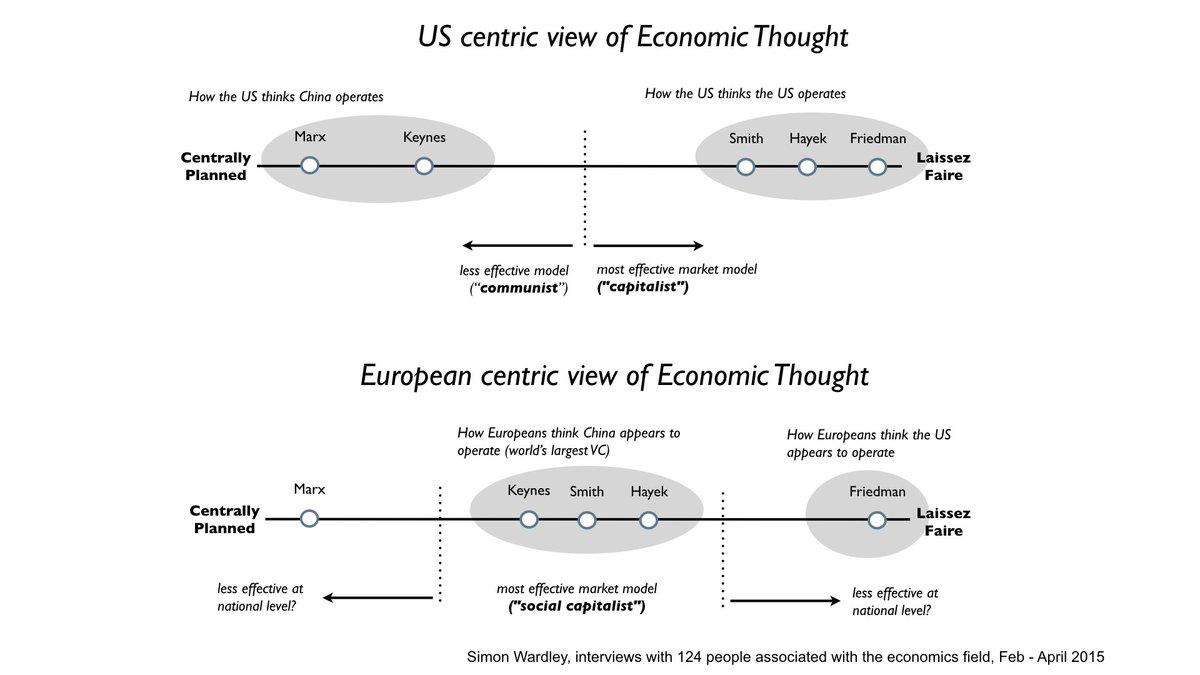
What they are – How they work
***
***
Conclusion
Your thoughts and comments on this ME-P are appreciated. Feel free to review our top-left column, and top-right sidebar materials, links, URLs and related websites, too. Then, subscribe to the ME-P. It is fast, free and secure.
Speaker: If you need a moderator or speaker for an upcoming event, Dr. David E. Marcinko; MBA – Publisher-in-Chief of the Medical Executive-Post – is available for seminar or speaking engagements.
Book Marcinko: https://medicalexecutivepost.com/dr-david-marcinkos-bookings/
Subscribe: MEDICAL EXECUTIVE POST for curated news, essays, opinions and analysis from the public health, economics, finance, marketing, IT, business and policy management ecosystem.
DOCTORS:
“Insurance & Risk Management Strategies for Doctors” https://tinyurl.com/ydx9kd93
“Fiduciary Financial Planning for Physicians” https://tinyurl.com/y7f5pnox
“Business of Medical Practice 2.0” https://tinyurl.com/yb3x6wr8
HOSPITALS:
“Financial Management Strategies for Hospitals” https://tinyurl.com/yagu567d
“Operational Strategies for Clinics and Hospitals” https://tinyurl.com/y9avbrq5
***
Filed under: Health Economics | Tagged: Free Market Economic Schools of Thought?, Free Markets | Leave a comment »
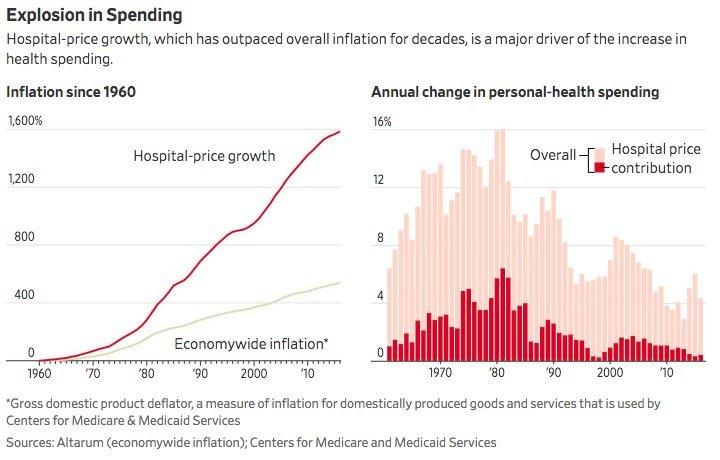
Explosion in Spending – Inflation Since 1960
By CMS
***
[Click to Enlarge]
***
The greatest wealth transfer in American history has been from the working/middle class to a wasteful healthcare system.
Sadly, once-mission-based hospitals lost their way failing to address healthcare caused 20 yr long economic depression for working/middle class. Employers spending far more on employees than 20 years ago but all of it has gone to healthcare with no demonstrable outcomes improvement
-Dave Chase [Creator HealthRosetta]
***
Conclusion
Your thoughts and comments on this ME-P are appreciated. Feel free to review our top-left column, and top-right sidebar materials, links, URLs and related websites, too. Then, subscribe to the ME-P. It is fast, free and secure.
Speaker: If you need a moderator or speaker for an upcoming event, Dr. David E. Marcinko; MBA – Publisher-in-Chief of the Medical Executive-Post – is available for seminar or speaking engagements.
Book Marcinko: https://medicalexecutivepost.com/dr-david-marcinkos-bookings/
Subscribe: MEDICAL EXECUTIVE POST for curated news, essays, opinions and analysis from the public health, economics, finance, marketing, IT, business and policy management ecosystem.
DOCTORS:
“Insurance & Risk Management Strategies for Doctors” https://tinyurl.com/ydx9kd93
“Fiduciary Financial Planning for Physicians” https://tinyurl.com/y7f5pnox
“Business of Medical Practice 2.0” https://tinyurl.com/yb3x6wr8
HOSPITALS:
“Financial Management Strategies for Hospitals” https://tinyurl.com/yagu567d
“Operational Strategies for Clinics and Hospitals” https://tinyurl.com/y9avbrq5
***
Filed under: Health Economics | Tagged: CMS, Hospital Price Growth | Leave a comment »
Highest in the World?
The soaring cost of health care in the United States is painfully obvious to anyone who looks at a medical bill. This aspect of our system has been out of control for decades.
For example, a recent study by the Kaiser Foundation compared health care prices in the U.S. with those in other developed nations, virtually all of which have some form of universal health care. It found ours to be the highest in the world. The average American spends more than $10,348 a year on health care, amounting to a total of 18% of GDP. The average for citizens in other developed countries was about $5,198 per year, or 9% of total GDP.
Despite paying more, Americans average fewer physician consultations. Our rate of about 3.9 per person per year is well below the 7.6 average in the other countries studied. The researchers also found American hospital stays to be shorter, averaging 6.1 days while the average in other countries was 10.2 days.
The Kaiser study also compared costs for several expensive drugs and various medical procedures, including angioplasty and coronary bypass surgery, MRI exams, colonoscopies, appendectomies, and knee replacements. Costs in the U.S. were significantly higher. In fact, the average cost of replacing one knee here ($28,184) would almost pay for two new ones in Australia, where the average cost per knee is $15,941.
The study doesn’t attempt to assess the impact of the Affordable Care Act on U.S. medical costs or to offer any suggested solutions. Nor does it address the respective tax burdens of the various countries. This last is a shortcoming of the study that is important to consider.
***
***
Many of the European countries that feature significant “cradle to grave” universal health systems also have considerably higher taxes than does the U.S. According to data from the Tax Policy Center, the taxes at all levels of government in many European countries exceed 40 percent of GDP. Taxes in the U.S. are low in comparison. In 2015, U.S. taxes represented 26 percent of GDP. Of the 34 member countries of the Organisation for Economic Co-operation and Development (OECD), only four (Korea, Chile, Mexico, and Ireland) collected less than the United States as a percentage of GDP. It may not be surprising that these countries generally provide more extensive government services than the U.S. does.
Let’s put this into perspective. If Americans pay 18% of GDP in health care costs but spend 14% of GDP less in taxes than many European countries, that would leave the US paying a net of 4% of GDP for health care. This is almost half of what Europeans pay. Perhaps the lower amount we actually spend on health care is explained by the fewer physician visits and shorter hospital stays.
Certainly, not all of the 14% higher GDP in taxes collected by European nations goes to health care. Still, it is reasonable to assume that a significant portion of it does.
***
***
Another fact that is often omitted by studies critical of the US for not having universal health care is that the US does have government funded health care that (as of April 2018) covers over 130 million people through Medicare, Medicaid, and CHIP. This compares with some 179 million people (2016 numbers) with private insurance. In addition, many U.S. citizens currently qualify for health insurance premium subsidies. A family of four with an income under $72,000 a year would qualify.
Assessment
The high cost of U.S. health care is certainly a serious problem that needs to be addressed. However, a valid comparison of costs here to those in other countries needs to include the differences in tax burdens.
Conclusion
Your thoughts and comments on this ME-P are appreciated. Feel free to review our top-left column, and top-right sidebar materials, links, URLs and related websites, too. Then, subscribe to the ME-P. It is fast, free and secure.
Speaker: If you need a moderator or speaker for an upcoming event, Dr. David E. Marcinko; MBA – Publisher-in-Chief of the Medical Executive-Post – is available for seminar or speaking engagements.
Book Marcinko: https://medicalexecutivepost.com/dr-david-marcinkos-bookings/
Subscribe: MEDICAL EXECUTIVE POST for curated news, essays, opinions and analysis from the public health, economics, finance, marketing, IT, business and policy management ecosystem.
***
Filed under: Health Economics, Health Insurance | Tagged: Rick Kahler MS CFP® | 3 Comments »
Your thoughts and comments on this ME-P are appreciated. Feel free to review our top-left column, and top-right sidebar materials, links, URLs and related websites, too. Then, subscribe to the ME-P. It is fast, free and secure.
Speaker: If you need a moderator or speaker for an upcoming event, Dr. David E. Marcinko; MBA – Publisher-in-Chief of the Medical Executive-Post – is available for seminar or speaking engagements.
Book Marcinko: https://medicalexecutivepost.com/dr-david-marcinkos-bookings/
Subscribe: MEDICAL EXECUTIVE POST for curated news, essays, opinions and analysis from the public health, economics, finance, marketing, IT, business and policy management ecosystem.
MORE FOR DOCTORS AND NURES:
“Insurance & Risk Management Strategies for Doctors” https://tinyurl.com/ydx9kd93
“Financial Management Strategies for Hospitals” https://tinyurl.com/yagu567d
“Operational Strategies for Clinics and Hospitals” https://tinyurl.com/y9avbrq5
***
Filed under: Health Economics, Health Insurance, Healthcare Finance | Tagged: How Low Can Healthcare Prices Really Go | Leave a comment »
Conclusion
Your thoughts and comments on this ME-P are appreciated. Feel free to review our top-left column, and top-right sidebar materials, links, URLs and related websites, too. Then, subscribe to the ME-P. It is fast, free and secure.
Speaker: If you need a moderator or speaker for an upcoming event, Dr. David E. Marcinko; MBA – Publisher-in-Chief of the Medical Executive-Post – is available for seminar or speaking engagements.
Book Marcinko: https://medicalexecutivepost.com/dr-david-marcinkos-bookings/
Subscribe: MEDICAL EXECUTIVE POST for curated news, essays, opinions and analysis from the public health, economics, finance, marketing, IT, business and policy management ecosystem.
DOCTORS:
“Insurance & Risk Management Strategies for Doctors” https://tinyurl.com/ydx9kd93
“Fiduciary Financial Planning for Physicians” https://tinyurl.com/y7f5pnox
“Business of Medical Practice 2.0” https://tinyurl.com/yb3x6wr8
HOSPITALS:
“Financial Management Strategies for Hospitals” https://tinyurl.com/yagu567d
“Operational Strategies for Clinics and Hospitals” https://tinyurl.com/y9avbrq5
***
Filed under: Health Economics, Health Insurance, Healthcare Finance | Tagged: Health Capital Consultants LLC, Micro-Hospital Reimbursement Environment | Leave a comment »

Conclusion
Your thoughts and comments on this ME-P are appreciated. Feel free to review our top-left column, and top-right sidebar materials, links, URLs and related websites, too. Then, subscribe to the ME-P. It is fast, free and secure.
Speaker: If you need a moderator or speaker for an upcoming event, Dr. David E. Marcinko; MBA – Publisher-in-Chief of the Medical Executive-Post – is available for seminar or speaking engagements.
Book Marcinko: https://medicalexecutivepost.com/dr-david-marcinkos-bookings/
Subscribe: MEDICAL EXECUTIVE POST for curated news, essays, opinions and analysis from the public health, economics, finance, marketing, IT, business and policy management ecosystem.
DOCTORS:
“Insurance & Risk Management Strategies for Doctors” https://tinyurl.com/ydx9kd93
“Fiduciary Financial Planning for Physicians” https://tinyurl.com/y7f5pnox
“Business of Medical Practice 2.0” https://tinyurl.com/yb3x6wr8
HOSPITALS:
“Financial Management Strategies for Hospitals” https://tinyurl.com/yagu567d
“Operational Strategies for Clinics and Hospitals” https://tinyurl.com/y9avbrq5
***
Filed under: Health Economics, Health Insurance | Tagged: capitation, Ira Nash MD | Leave a comment »
About the Dupont Decomposition Equation [DDE]
By Dr. David E. Marcinko MBA CMP
[Editor-in-Chief] http://www.CertifiedMedicalPlanner.org
According to the Dupont Decomposition Equation – which involves the conglomeration of net operating income, revenues, expenses and average operating assets – ROI and economic profit is increased in three prioritized ways:
Note: ROI = NOI / Rev X Rev / AOO
Cost and expense reductions
Although many hospitals have reduced expenses, postponed projects and put clinical or information technology projects on hold because of the MU conundrum, this may be unwise and quality may suffer. And, mental health care programs are almost always the first cost center to be reduced in tough times.
Upgrades today, especially with concurrent marketing and advertising promotions, may well be considered a strategic competitive advantage, and at bargain basement prices for those with cash or credit. This cost reduction is easy because it gives the biggest buck-bang in the ROI equation, and is the first line of ROI augmentation by savvy administrators and CEOs. It is also intuitive and wholly “wrung-out” in the marketplace, to date.
Revenue increases
On the other hand, revenues can usually be only incrementally increased by improving services like emergency care, urgent care, wellness, out-patient and/or surgical departments. This is the more difficult part of the equation and yields a positive, but lesser return in the ROI equation.
Three Modern Collections Rules
The following medical practice procedures will markedly increase upfront office collections:
Reduced average operating assets
Finally, any delay in updating facilities – while easy and may reduce operating assets – there is little ROI advantage and profit potential. Of course, facility asset upgrades mean borrowing funds through tax-exempt bonds – the main source of debt for most hospitals – and is currently difficult or impossible in this climate. Loans from banks, private investors, angels, venture capitalists or other financial institutions are similarly difficult to obtain. Thus, this part of the equation may often be neglected; as is the case now.
***
***
Conclusion
Your thoughts and comments on this ME-P are appreciated. Feel free to review our top-left column, and top-right sidebar materials, links, URLs and related websites, too. Then, subscribe to the ME-P. It is fast, free and secure.
Speaker: If you need a moderator or speaker for an upcoming event, Dr. David E. Marcinko; MBA – Publisher-in-Chief of the Medical Executive-Post – is available for seminar or speaking engagements. Contact: MarcinkoAdvisors@msn.com
OUR OTHER PRINT BOOKS AND RELATED INFORMATION SOURCES:
Filed under: Health Economics, iMBA, Touring with Marcinko | Tagged: david macinko, Dupont Decomposition Equation, HEOR | 7 Comments »
Moribund or Revivable?
***
***
Conclusion
Your thoughts and comments on this ME-P are appreciated. Feel free to review our top-left column, and top-right sidebar materials, links, URLs and related websites, too. Then, subscribe to the ME-P. It is fast, free and secure.
Speaker: If you need a moderator or speaker for an upcoming event, Dr. David E. Marcinko; MBA – Publisher-in-Chief of the Medical Executive-Post – is available for seminar or speaking engagements.
Book Marcinko: https://medicalexecutivepost.com/dr-david-marcinkos-bookings/
Subscribe: MEDICAL EXECUTIVE POST for curated news, essays, opinions and analysis from the public health, economics, finance, marketing, IT, business and policy management ecosystem.
***
Filed under: Health Economics, Health Law & Policy, Healthcare Finance, Quality Initiatives | Tagged: Healthcare System Solutions? | Leave a comment »
On Electronic Health and Insurance
[A Bain Brief]
Imagine this scenario: It’s 7:30 AM, and time to leave for work. You normally drop your three-year-old daughter off at day care on your way to the train station. However, this morning she has developed two red, itchy blotches on her face. Is she sick, you wonder? Is it serious? Is she contagious? Looks like you’ll have to keep her out of day care and take her to the pediatrician, and who knows when you’ll be able to get an appointment. Or maybe you’ll just need to go to the doctor’s office and wait to be squeezed in. Either way, you or your spouse will have to miss a partial or full day of work.
***
Conclusion
Your thoughts and comments on this ME-P are appreciated. Feel free to review our top-left column, and top-right sidebar materials, links, URLs and related websites, too. Then, subscribe to the ME-P. It is fast, free and secure.
Speaker: If you need a moderator or speaker for an upcoming event, Dr. David E. Marcinko; MBA – Publisher-in-Chief of the Medical Executive-Post – is available for seminar or speaking engagements. https://medicalexecutivepost.com/dr-david-marcinkos-bookings/
Contact: MarcinkoAdvisors@msn.com
***
Filed under: Health Economics, Health Insurance | Tagged: Bain Capital, Christian Kinder, Digital Health, e-health, Florian Mueller, Insurers Hold the Key to Healthcare's Digital Future, m-Health, Mobile Health | Leave a comment »
A Sample Cost Comparative Analysis
By Anonymous
***
***
Conclusion
Your thoughts and comments on this ME-P are appreciated. Feel free to review our top-left column, and top-right sidebar materials, links, URLs and related websites, too. Then, subscribe to the ME-P. It is fast, free and secure.
Speaker: If you need a moderator or speaker for an upcoming event, Dr. David E. Marcinko; MBA – Publisher-in-Chief of the Medical Executive-Post – is available for seminar or speaking engagements. https://medicalexecutivepost.com/dr-david-marcinkos-bookings/
Contact: MarcinkoAdvisors@msn.com
***
Filed under: Health Economics | Tagged: convenient care, direct care, healthcare costs | 4 Comments »