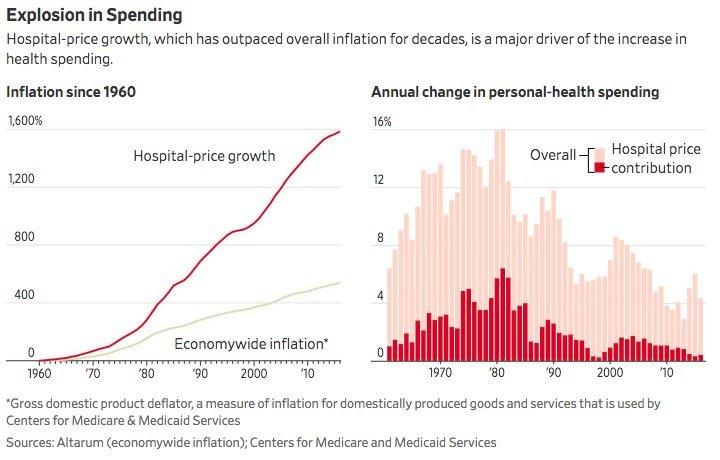
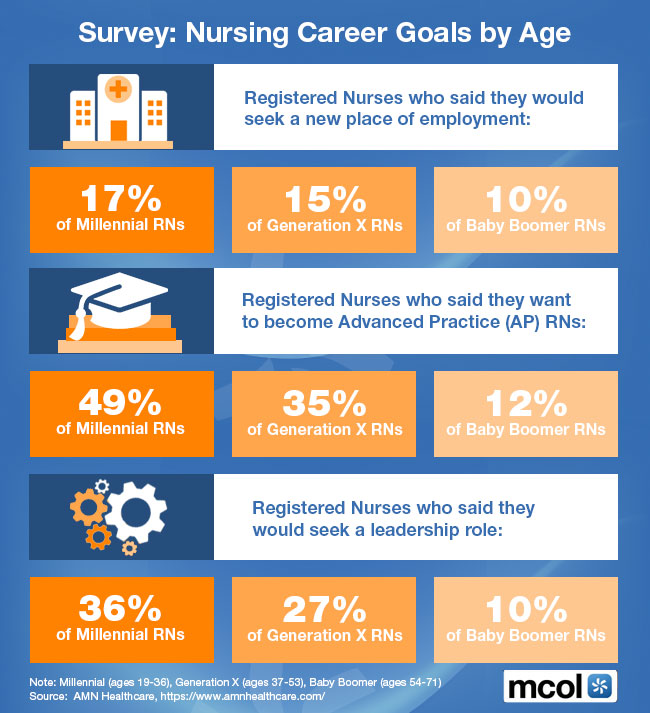
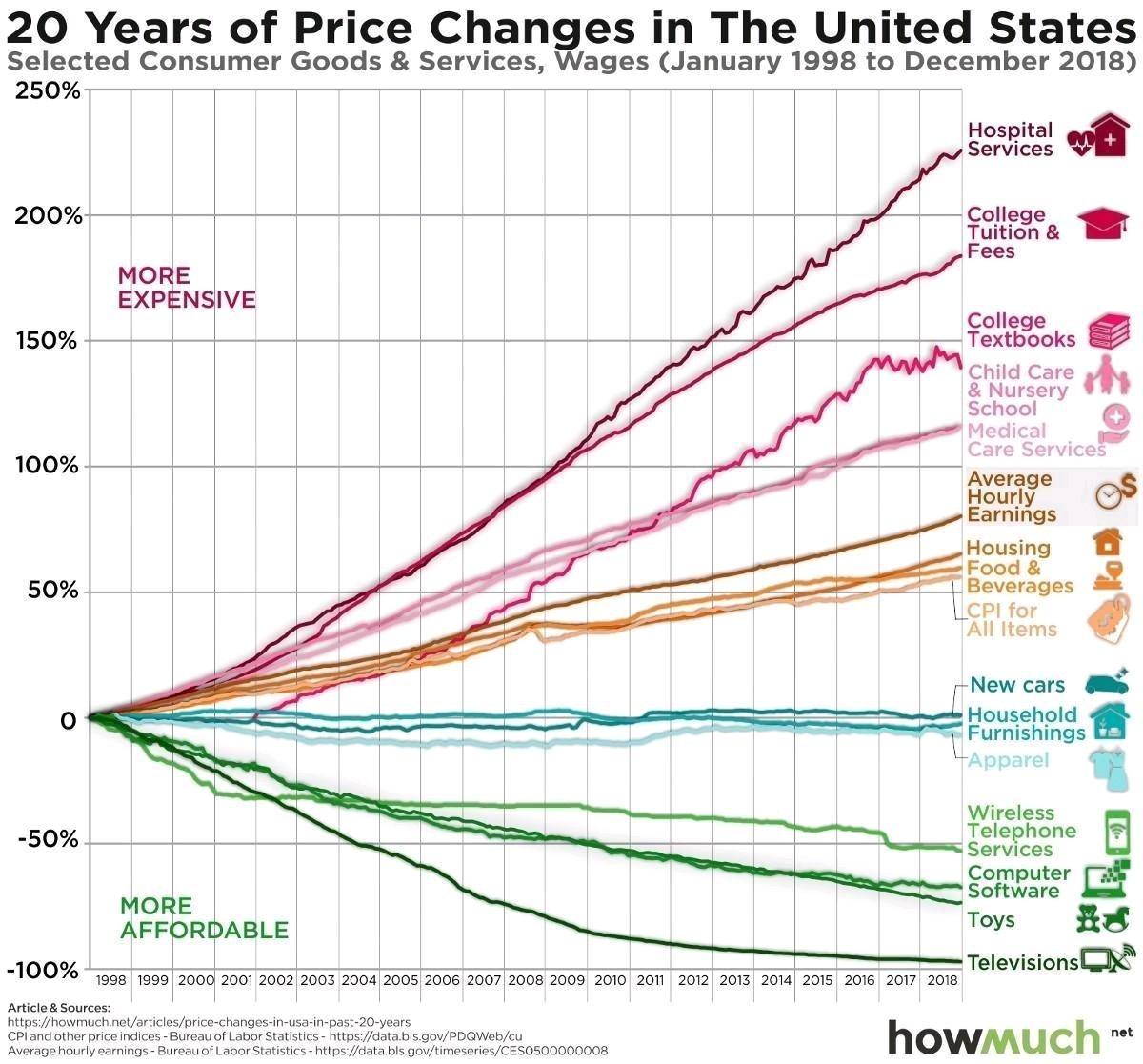
More on Recent Interest Rate Hikes

Impending IRs and … the Economy

By http://www.MCOL.com

***

***

Conclusion

Your thoughts and comments on this ME-P are appreciated. Feel free to review our top-left column, and top-right sidebar materials, links, URLs and related websites, too. Then, subscribe to the ME-P. It is fast, free and secure.

Speaker: If you need a moderator or speaker for an upcoming event, Dr. David E. Marcinko; MBA – Publisher-in-Chief of the Medical Executive-Post – is available for seminar or speaking engagements. Contact: MarcinkoAdvisors@msn.com

OUR OTHER PRINT BOOKS AND RELATED INFORMATION SOURCES:

Risk Management, Liability Insurance, and Asset Protection Strategies for Doctors and Advisors: Best Practices from Leading Consultants and Certified Medical Planners™8Comprehensive Financial Planning Strategies for Doctors and Advisors: Best Practices from Leading Consultants and Certified Medical Planners™

***

Bitcoin’s Value is Soaring!

But don’t let that distract you!

[By MIT Technology Review]

Even as it and other cryptocurrencies skyrocket in price, their potential for remaking the world of finance lies outside their dollar value.

An interesting piece in The Information lays out how blockchain, the technology that underpins cryptocurrencies, will change the world of equity trading (paywall).

But even that is just the beginning—the speakers at our Business of Blockchain conference last month got into the topic in great detail.

You can check out all of the videos here

 Understanding Currencies & Bitcoins

**

OUR OTHER PRINT BOOKS AND RELATED INFORMATION SOURCES:

Risk Management, Liability Insurance, and Asset Protection Strategies for Doctors and Advisors: Best Practices from Leading Consultants and Certified Medical Planners™8Comprehensive Financial Planning Strategies for Doctors and Advisors: Best Practices from Leading Consultants and Certified Medical Planners™

***

Peering at a high-frequency stock trading algorithm

On high-frequency trading algorithms

[By MIT Technology Review]

Readers – Here’s your chance to peer under the hood of a high-frequency trading algorithm. Or try your luck at setting up automated trades in a simulated stock market.

And plenty moreit’s part of the Wall Street Journal’s so-far-excellent series, “The Quants” on how technology has changed, and continues to change, Wall Street in ways both good and profitable … for some people, anyway.

***


***

Conclusion

Your thoughts and comments on this ME-P are appreciated. Feel free to review our top-left column, and top-right sidebar materials, links, URLs and related websites, too. Then, subscribe to the ME-P. It is fast, free and secure.

Speaker: If you need a moderator or speaker for an upcoming event, Dr. David E. Marcinko; MBA – Publisher-in-Chief of the Medical Executive-Post – is available for seminar or speaking engagements. Contact: MarcinkoAdvisors@msn.com

OUR OTHER PRINT BOOKS AND RELATED INFORMATION SOURCES:

Comprehensive Financial Planning Strategies for Doctors and Advisors: Best Practices from Leading Consultants and Certified Medical Planners™

***

How millennials are making the most of parental support

Four [4] Financial Metrics

[By Fidelity]

***

[Click to Enlarge] Continue reading

A MACRA Time-Line Snapshot to 2016?

Medicare Access and CHIP Re-Authorization  Act

By http://www.MCOL.com

***

***

Conclusion

Your thoughts and comments on this ME-P are appreciated. Feel free to review our top-left column, and top-right sidebar materials, links, URLs and related websites, too. Then, subscribe to the ME-P. It is fast, free and secure.

Speaker: If you need a moderator or speaker for an upcoming event, Dr. David E. Marcinko; MBA – Publisher-in-Chief of the Medical Executive-Post – is available for seminar or speaking engagements. Contact: MarcinkoAdvisors@msn.com

OUR OTHER PRINT BOOKS AND RELATED INFORMATION SOURCES:

Product DetailsProduct Details

***

The “World Happiness Report”

A New HBR Report on Job Satisfaction

By Rick Kahler CFP®

According to a new global survey on work and happiness, a significant number of us aren’t very happy about our workplace. That’s especially unfortunate, since working is how most of us spend the majority of our waking hours.

World Happiness Report

The results of the survey, the World Happiness Report, were summarized in the Harvard Business Review by Jan-Emmanuel De Neve and George Ward on March 20th, 2017. When asked a yes/no question (maybe was not an option) if they were satisfied or dissatisfied with their jobs, most workers around the world said they were satisfied with their jobs. Austria has the highest job satisfaction with 95%, followed closely by Norway and Iceland.

Since I recently visited Iceland, this immediately grabbed my attention. While I acknowledge that my interactions with the workforce of Iceland were limited, I did not get the impression that most were happy. Most seemed to be relatively unhappy. And therein lies the difference: being satisfied with one’s work does not equate to being happy with it.

When asked if they were happy, people’s responses varied greatly depending whether they were blue-collar workers, white-collar workers, or small business owners. About 60% of those who were managers, executives, or professionals (white-collar) reported being happy, while just 45% of those working at more labor-intensive jobs (blue-collar) said they were happy. The number of happy workers was higher—65% to 75%—for workers living in North America, Australia, New Zealand, Western Europe, and Central and Eastern Europe. Regions like South Asia and Africa reported lower happiness levels, from 40% to 55%.

Business Owners

One fact I found especially interesting is that business owners [like doctors] had lower levels of happiness than full-time employees and generally ranked in the middle of the happiness range in most regions. This probably comes as no surprise to a small business owner. My 35 years of experience doing financial planning for business owners finds that many work harder, take greater financial risks, and make less than if they did the same job for a larger company.

Maybe there is an opportunity for a country western song here:

***

 “You can take this business and shove it.”

No matter how unhappy you may be working, you would be even unhappier unemployed. De Neve and Ward note that “unemployment is destructive to people’s wellbeing.” Those employed rate their happiness higher in every region in the world. The study also found that repeated incidences of unemployment permanently decreases a person’s happiness, which doesn’t rise to previous levels after they have found a new job.

While most workers are satisfied with their jobs, only about 50% are happy with their jobs. But how happy is happy? The surveyors wondered how many workers were really fulfilled, engaged, and excited about their jobs. To find this out, they asked the respondents if they felt “actively engaged,” “not engaged,” or “actively disengaged.”

The Shocker

Here is the shocker to me: globally less than 20% of workers say they are engaged with their jobs. In Western Europe that number is 10% and in East Asia it’s around 5%. The Caribbean, at 28%, had the highest level of active engagement. About 65% of workers say they are “not engaged” at work, while 15% to 20% of workers are actually “actively disengaged.”

Clearly, the planet has an epidemic of people not being excited to go to work in the morning. Most people are not finding fulfillment, connection, happiness, growth, or challenge in their workplace.Assessment

Assessment

If you are one of them, it may be worthwhile to evaluate your job choices. Since work requires so much of our time, being engaged and happy with it has a significant impact on our well-being.

More: Physician “Burnout” Rates

Conclusion

Your thoughts and comments on this ME-P are appreciated. Feel free to review our top-left column, and top-right sidebar materials, links, URLs and related websites, too. Then, subscribe to the ME-P. It is fast, free and secure.

Speaker: If you need a moderator or speaker for an upcoming event, Dr. David E. Marcinko; MBA – Publisher-in-Chief of the Medical Executive-Post – is available for seminar or speaking engagements. Contact: MarcinkoAdvisors@msn.com

OUR OTHER PRINT BOOKS AND RELATED INFORMATION SOURCES:

Risk Management, Liability Insurance, and Asset Protection Strategies for Doctors and Advisors: Best Practices from Leading Consultants and Certified Medical Planners™8Comprehensive Financial Planning Strategies for Doctors and Advisors: Best Practices from Leading Consultants and Certified Medical Planners™

***

What is the Best Stock Valuation Ratio?

On Value Investing

By Michael at: https://valuestockgeek.com

***

What is the Best Stock Valuation Ratio?

Conclusion

Your thoughts and comments on this ME-P are appreciated. Feel free to review our top-left column, and top-right sidebar materials, links, URLs and related websites, too. Then, subscribe to the ME-P. It is fast, free and secure.

Speaker: If you need a moderator or speaker for an upcoming event, Dr. David E. Marcinko; MBA – Publisher-in-Chief of the Medical Executive-Post – is available for seminar or speaking engagements. Contact: MarcinkoAdvisors@msn.com

OUR OTHER PRINT BOOKS AND RELATED INFORMATION SOURCES:

Risk Management, Liability Insurance, and Asset Protection Strategies for Doctors and Advisors: Best Practices from Leading Consultants and Certified Medical Planners™8Comprehensive Financial Planning Strategies for Doctors and Advisors: Best Practices from Leading Consultants and Certified Medical Planners™

***

How to Overvalue a Company?

Use Discounted Cash Flow Analysis

By Michael at: https://valuestockgeek.com

***

How to Overvalue a Company: Use Discounted Cash Flow Analysis

Conclusion

Your thoughts and comments on this ME-P are appreciated. Feel free to review our top-left column, and top-right sidebar materials, links, URLs and related websites, too. Then, subscribe to the ME-P. It is fast, free and secure.

Speaker: If you need a moderator or speaker for an upcoming event, Dr. David E. Marcinko; MBA – Publisher-in-Chief of the Medical Executive-Post – is available for seminar or speaking engagements. Contact: MarcinkoAdvisors@msn.com

OUR OTHER PRINT BOOKS AND RELATED INFORMATION SOURCES:

Risk Management, Liability Insurance, and Asset Protection Strategies for Doctors and Advisors: Best Practices from Leading Consultants and Certified Medical Planners™8Comprehensive Financial Planning Strategies for Doctors and Advisors: Best Practices from Leading Consultants and Certified Medical Planners™

***

Out of Pocket Expenses for Medicare Beneficiaries

OOP Expenses for 56 Million People

By http://www.MCOL.com

***

***

Conclusion

Your thoughts and comments on this ME-P are appreciated. Feel free to review our top-left column, and top-right sidebar materials, links, URLs and related websites, too. Then, subscribe to the ME-P. It is fast, free and secure.

Speaker: If you need a moderator or speaker for an upcoming event, Dr. David E. Marcinko; MBA – Publisher-in-Chief of the Medical Executive-Post – is available for seminar or speaking engagements. Contact: MarcinkoAdvisors@msn.com

OUR OTHER PRINT BOOKS AND RELATED INFORMATION SOURCES:

Product DetailsProduct Details

***

Long Term Capital Management and the Dangers of Debt

Beware Debt – and REMEMBER!

By Michael at: https://valuestockgeek.com

***

Long Term Capital Management and the Dangers of Debt

Conclusion

Your thoughts and comments on this ME-P are appreciated. Feel free to review our top-left column, and top-right sidebar materials, links, URLs and related websites, too. Then, subscribe to the ME-P. It is fast, free and secure.

Speaker: If you need a moderator or speaker for an upcoming event, Dr. David E. Marcinko; MBA – Publisher-in-Chief of the Medical Executive-Post – is available for seminar or speaking engagements. Contact: MarcinkoAdvisors@msn.com

OUR OTHER PRINT BOOKS AND RELATED INFORMATION SOURCES:

Risk Management, Liability Insurance, and Asset Protection Strategies for Doctors and Advisors: Best Practices from Leading Consultants and Certified Medical Planners™8Comprehensive Financial Planning Strategies for Doctors and Advisors: Best Practices from Leading Consultants and Certified Medical Planners™

***

MSFT makes use of the densest data storage medium in the universe?

On Microsoft R&D

By MIT Technology Review


DNA

***

The company MSFT Corp., thinks DNA, a building block of life, is the future of data storage. It says it could have a “proto-commercial system” up and running in three years.

DNA is incredibly efficient at encoding data—it could store every movie ever made in a volume smaller than a sugar cube.

Assessment: Antonio Regalado reports, Microsoft thinks it won’t be long before the molecule becomes a building block of data centers, too.

Conclusion

Your thoughts and comments on this ME-P are appreciated. Feel free to review our top-left column, and top-right sidebar materials, links, URLs and related websites, too. Then, subscribe to the ME-P. It is fast, free and secure.

Speaker: If you need a moderator or speaker for an upcoming event, Dr. David E. Marcinko; MBA – Publisher-in-Chief of the Medical Executive-Post – is available for seminar or speaking engagements. Contact: MarcinkoAdvisors@msn.com

OUR OTHER PRINT BOOKS AND RELATED INFORMATION SOURCES:

Product DetailsProduct Details

***

Your Politics and Your Portfolio Do Not Mix

On Politics and Money

By Michael at: https://valuestockgeek.com

***

 Your Politics and Your Portfolio Do Not Mix

Conclusion

Your thoughts and comments on this ME-P are appreciated. Feel free to review our top-left column, and top-right sidebar materials, links, URLs and related websites, too. Then, subscribe to the ME-P. It is fast, free and secure.

Speaker: If you need a moderator or speaker for an upcoming event, Dr. David E. Marcinko; MBA – Publisher-in-Chief of the Medical Executive-Post – is available for seminar or speaking engagements. Contact: MarcinkoAdvisors@msn.com

OUR OTHER PRINT BOOKS AND RELATED INFORMATION SOURCES:

Risk Management, Liability Insurance, and Asset Protection Strategies for Doctors and Advisors: Best Practices from Leading Consultants and Certified Medical Planners™8Comprehensive Financial Planning Strategies for Doctors and Advisors: Best Practices from Leading Consultants and Certified Medical Planners™

***

Some Book Reviews on Value Investing

Articles and Papers, too:

By Michael at: https://valuestockgeek.com

If you like want to learn more about value investing, below are some great resources.

***

***

 Resources

Conclusion

Your thoughts and comments on this ME-P are appreciated. Feel free to review our top-left column, and top-right sidebar materials, links, URLs and related websites, too. Then, subscribe to the ME-P. It is fast, free and secure.

Speaker: If you need a moderator or speaker for an upcoming event, Dr. David E. Marcinko; MBA – Publisher-in-Chief of the Medical Executive-Post – is available for seminar or speaking engagements. Contact: MarcinkoAdvisors@msn.com

OUR OTHER PRINT BOOKS AND RELATED INFORMATION SOURCES:

8Comprehensive Financial Planning Strategies for Doctors and Advisors: Best Practices from Leading Consultants and Certified Medical Planners™

***

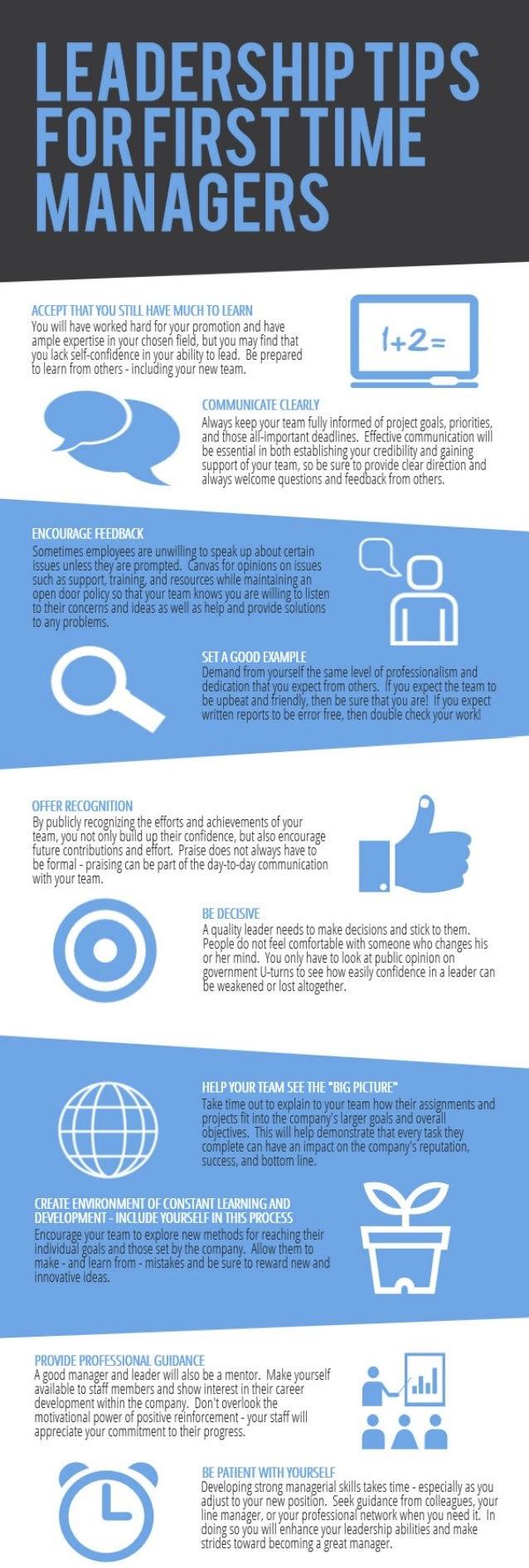
Are you a leader or a manager?

How to tell the difference?

By TrainHR

Are you a leader or a manager?

Conclusion

Your thoughts and comments on this ME-P are appreciated. Feel free to review our top-left column, and top-right sidebar materials, links, URLs and related websites, too. Then, subscribe to the ME-P. It is fast, free and secure.

Speaker: If you need a moderator or speaker for an upcoming event, Dr. David E. Marcinko; MBA – Publisher-in-Chief of the Medical Executive-Post – is available for seminar or speaking engagements. Contact: MarcinkoAdvisors@msn.com

OUR OTHER PRINT BOOKS AND RELATED INFORMATION SOURCES:

Product DetailsProduct Details

***

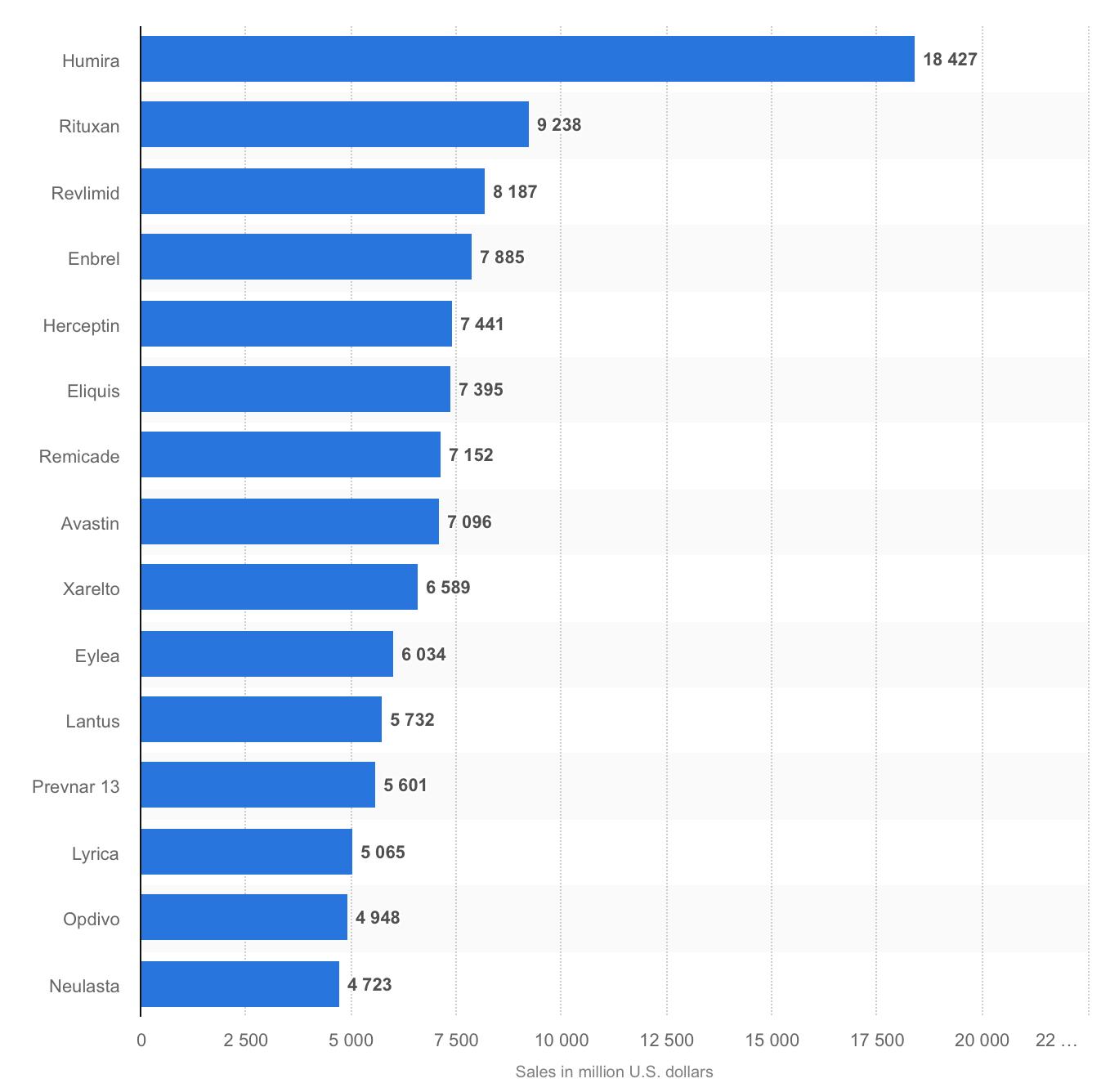
Prescription Drug Utilization Market Share

Brand V. Generic Drugs

By http://www.MCOL.com

***

Conclusion

Your thoughts and comments on this ME-P are appreciated. Feel free to review our top-left column, and top-right sidebar materials, links, URLs and related websites, too. Then, subscribe to the ME-P. It is fast, free and secure.

Speaker: If you need a moderator or speaker for an upcoming event, Dr. David E. Marcinko; MBA – Publisher-in-Chief of the Medical Executive-Post – is available for seminar or speaking engagements. Contact: MarcinkoAdvisors@msn.com

OUR OTHER PRINT BOOKS AND RELATED INFORMATION SOURCES:

Risk Management, Liability Insurance, and Asset Protection Strategies for Doctors and Advisors: Best Practices from Leading Consultants and Certified Medical Planners™8Comprehensive Financial Planning Strategies for Doctors and Advisors: Best Practices from Leading Consultants and Certified Medical Planners™

***

How to Give a Great Speech

By Vitaliy N. Katsenelson CFA

Little Moments, or How to Give a Great Speech

Conclusion

Your thoughts and comments on this ME-P are appreciated. Feel free to review our top-left column, and top-right sidebar materials, links, URLs and related websites, too. Then, subscribe to the ME-P. It is fast, free and secure.

Speaker: If you need a moderator or speaker for an upcoming event, Dr. David E. Marcinko; MBA – Publisher-in-Chief of the Medical Executive-Post – is available for seminar or speaking engagements. Contact: MarcinkoAdvisors@msn.com

OUR OTHER PRINT BOOKS AND RELATED INFORMATION SOURCES:

Risk Management, Liability Insurance, and Asset Protection Strategies for Doctors and Advisors: Best Practices from Leading Consultants and Certified Medical Planners™8Comprehensive Financial Planning Strategies for Doctors and Advisors: Best Practices from Leading Consultants and Certified Medical Planners™

***

A simple tweak could unlock the Web for millions of people

International Corporation for Assigned Names

By MIT Technology Review

***
The letters to the right of the dot in a URL look harmless, but for many users they’re a barrier. In 2011, the International Corporation for Assigned Names decided to grow the number of top-level domains from 12 to 1,200, including some that use non-Latin characters.
 ***
But that revealed a problem: many applications simply don’t recognize those new characters. Our own Mike Orcutt explains how a simple tweak could change that and help millions of people use the Internet more effectively.
***
Conclusion

Your thoughts and comments on this ME-P are appreciated. Feel free to review our top-left column, and top-right sidebar materials, links, URLs and related websites, too. Then, subscribe to the ME-P. It is fast, free and secure.

Speaker: If you need a moderator or speaker for an upcoming event, Dr. David E. Marcinko; MBA – Publisher-in-Chief of the Medical Executive-Post – is available for seminar or speaking engagements. Contact: MarcinkoAdvisors@msn.com

OUR OTHER PRINT BOOKS AND RELATED INFORMATION SOURCES:

Product DetailsProduct DetailsProduct Details

***

Holistic Financial Planning Specialists

Beyond “Primary Care Planning”

By Rick Kahler CFP®

I believe strongly in the value of financial planning and of working with a fiduciary planner who acts in your best interests. However, a planner is not necessarily the only money professional you may need to maintain your financial wellness. In many ways, a planner is similar to a primary care physician. Both these professionals know that providing the best patient or client service includes knowing when to consult a specialist.

When you see your doctor for an annual physical, the main purpose is to evaluate your health to find any potential problems before they become irreversible or life-threatening. This is important: most of us can think of someone who attributes being alive to “catching something early” because of a routine checkup.

While primary care physicians are skilled at diagnosing and treating many conditions, they are also trained to recognize health concerns that are beyond their areas of expertise. In these cases, they will often refer patients to an appropriate specialist for further treatment.

In similar fashion, a true financial planner is also a generalist whose role is to evaluate and maintain your financial health. This includes diagnosing financial threats and potential threats.

While the financial planner can address some of these conditions, others require referrals to specialists.

Here are a few examples of possible threats and a specialist whose help might be appropriate.

  • Critical gaps in insurance coverage. An insurance agent.
  • An inability to save for retirement. A financial therapist, if the financial planner has been unable to help the client resolve the emotional issues behind this behavior.
  • Potentially devastating issues in existing wills. An attorney specializing in estate planning.
  • Squandered tax-saving opportunities. An accountant and/or attorney with expertise in tax law and planning.
  • Lack of personal or business record-keeping and money management. A bookkeeper.
  • High-fee investment products that are draining retirement resources. This most often would be dealt with by the financial planner.

One of the many differences between doctors and financial planners is that most patients don’t have previous relationships with specialists, so primary care physicians often control the referrals they make. However, people often wait until they are in their 30s or 40s to engage a financial planner. This means they are likely to have existing relationships with attorneys, accountants, and insurance agents.

When a financial issue needing a specialist comes up, then, it’s common to assume one of the professionals you already know is the right person to deal with it. This may or may not be the case. For example, the attorney who handled your divorce or drafted your will is not necessarily an expert on real estate law or asset protection. Not every accountant understands the tax planning inherent in spendthrift trusts or life estates.

***

***

It’s often a better idea, if your financial planner recommends getting help from a specialist, to ask the planner to recommend someone who has the necessary expertise.

It might also be appropriate to ask for a recommendation from a current professional, such as your attorney or accountant. They may be glad to help, for two reasons. One, your relationship with them does not need to end because you engage a different professional whose particular skills you need. Two, they may well prefer not to take on a matter outside of their usual areas of expertise when a specialist could serve you better.

Assessment

Keep in mind, as well, that it’s your financial health at stake. Whether a professional is your generalist financial planner or a financial specialist, you need them to act in your best interests. This includes making sure they are professional enough to know and acknowledge what they don’t know.

Conclusion

Your thoughts and comments on this ME-P are appreciated. Feel free to review our top-left column, and top-right sidebar materials, links, URLs and related websites, too. Then, subscribe to the ME-P. It is fast, free and secure.

Speaker: If you need a moderator or speaker for an upcoming event, Dr. David E. Marcinko; MBA – Publisher-in-Chief of the Medical Executive-Post – is available for seminar or speaking engagements. Contact: MarcinkoAdvisors@msn.com

OUR OTHER PRINT BOOKS AND RELATED INFORMATION SOURCES:

Risk Management, Liability Insurance, and Asset Protection Strategies for Doctors and Advisors: Best Practices from Leading Consultants and Certified Medical Planners™8Comprehensive Financial Planning Strategies for Doctors and Advisors: Best Practices from Leading Consultants and Certified Medical Planners™

***

The Warren Buffett & Charlie Munger Show

More on Value Investing

By Vitaliy Katsenelson CFA

***

The Warren Buffett & Charlie Munger Show

Conclusion

Your thoughts and comments on this ME-P are appreciated. Feel free to review our top-left column, and top-right sidebar materials, links, URLs and related websites, too. Then, subscribe to the ME-P. It is fast, free and secure.

Speaker: If you need a moderator or speaker for an upcoming event, Dr. David E. Marcinko; MBA – Publisher-in-Chief of the Medical Executive-Post – is available for seminar or speaking engagements. Contact: MarcinkoAdvisors@msn.com

OUR OTHER PRINT BOOKS AND RELATED INFORMATION SOURCES:

Comprehensive Financial Planning Strategies for Doctors and Advisors: Best Practices from Leading Consultants and Certified Medical Planners™

***

The American Dream is Slipping Away?

Is the American Dream slipping away?

By Rick Kahler CFP®

Is the American Dream slipping away? Yes, according to an article by David Leonhardt, The American Dream, Quantified at Last, published in the New York Times in December 2016.

Leonhardt cites research done for The Equality of Opportunity Project and reported as Trends in Absolute Income Mobility Since 1940. It concludes that the ability to attain the American Dream has fallen from 92% in 1940 to 50% today.

For me, this report raised a few questions

First, how do we define the American Dream?

Merriam-Webster calls it a “happy way of living that is thought of by many Americans as something that can be achieved by anyone in the U.S. especially by working hard and becoming successful.”

Wikipedia says it is “the set of ideals (democracy, rights, liberty, opportunity, and equality) in which freedom includes the opportunity for prosperity and success, and an upward social mobility for the family and children, achieved through hard work in a society with few barriers.”

James Truslow Adams, in his 1931 book The American Dream, defines it as life being “better and richer and fuller for everyone, with opportunity for each according to ability or achievement.”

These definitions suggest the American Dream is every person having the opportunity through ingenuity and hard work to achieve financial and emotional well-being.

Interestingly, the study Leonhardt cites chose a definition from Lawrence Samuel’s 2012 book, The American Dream: A Cultural History: “the ideal that children have a higher standard of living than their parents.”

The study found that those born in 1940 had a 92% chance of earning more than their parents at age 30. Those born in 1950 had a 79% chance, in 1960 a 62% chance, in 1970 a 61% chance, and in 1980 a 50% chance.

Leonhardt calls this data “deeply alarming.” He says, “It’s a portrait of an economy that disappoints a huge number of people that have heard that they live in a country where life gets better, only to experience something quite different.” I am guessing the disappointment to which he refers is what most people experience as life getting worse.

Yet defining the American Dream as an economy where children perpetually make more money (adjusted for inflation and taxes) than their parents misses the mark. As an economy improves and matures, that’s not sustainable.

***

***

Indeed, our country is experiencing exponential decreases—decreases in those living in extreme poverty. We are actually experiencing substantial increases in those earning more. Research in 2016 by Stephen J. Rose found that from 1979 through 2014 the number of households becoming affluent (incomes were adjusted for inflation) increased eighteen times, from 0.1% of the population in 1979 to 1.8% in 2014. The upper middle class increased from 12.9% to 29.4%. This, of course, left significantly fewer people in the categories of middle class, lower middle class, and poor.

As more people increase their standard of living, it’s only logical that the relative income growth of future generations will decrease. At some point in time, enough is enough.

Instead of seeing the American Dream solely as out-earning our parents, it may be more useful to go back to the second part of James Truslow Adams’ definition: “It is not a dream of motor cars and high wages merely, but a dream of social order in which each man and each woman shall be able to attain to the fullest stature of which they are innately capable, and be recognized by others for what they are, regardless of the fortuitous circumstances of birth or position.”

Assessment

Once someone achieves financial, physical, and emotional well-being, earning more than one’s parents becomes immaterial.

Conclusion

Your thoughts and comments on this ME-P are appreciated. Feel free to review our top-left column, and top-right sidebar materials, links, URLs and related websites, too. Then, subscribe to the ME-P. It is fast, free and secure.

Speaker: If you need a moderator or speaker for an upcoming event, Dr. David E. Marcinko; MBA – Publisher-in-Chief of the Medical Executive-Post – is available for seminar or speaking engagements. Contact: MarcinkoAdvisors@msn.com

OUR OTHER PRINT BOOKS AND RELATED INFORMATION SOURCES:

Comprehensive Financial Planning Strategies for Doctors and Advisors: Best Practices from Leading Consultants and Certified Medical Planners™

***

About USAFACTS.com

About the Website: USAFACTS.com

By Staff Reporters

Principles

USAFacts is a new data-driven portrait of the American population, our government’s finances, and government’s impact on society. They are a non-partisan, not-for-profit civic initiative and have no political agenda or commercial motive. They provide this information as a free public service and are committed to maintaining and expanding it in the future.

USA FACTS rely exclusively on publicly available government data sources. They don’t make judgments or prescribe specific policies. Whether government money is spent wisely or not, whether our quality of life is improving or getting worse – that’s for you to decide. They hope to spur serious, reasoned, and informed debate on the purpose and functions of government. Such debate is vital to our democracy. They hope that USAFacts will make a modest contribution toward building consensus and finding solutions.

More

There’s more to USAFacts than their website. They also offer an annual report, a summary report, and a “10-K” modeled on the document public companies submit annually to the SEC for transparency and accountability to their investors.

***

***

Innspiration

USAFacts was inspired by a conversation Steve Ballmer [former CEO Microsoft Corporation] had with his wife, Connie. She wanted him to get more involved in philanthropic work. He thought it made sense to first find out what government does with the money it raises.

Assessment

Where does the money come from and where is it spent? Whom does it serve? And most importantly, what are the outcomes?

Visit: http://www.USAFACTS.com

Conclusion

Your thoughts and comments on this ME-P are appreciated. Feel free to review our top-left column, and top-right sidebar materials, links, URLs and related websites, too. Then, subscribe to the ME-P. It is fast, free and secure.

Speaker: If you need a moderator or speaker for an upcoming event, Dr. David E. Marcinko; MBA – Publisher-in-Chief of the Medical Executive-Post – is available for seminar or speaking engagements. Contact: MarcinkoAdvisors@msn.com

OUR OTHER PRINT BOOKS AND RELATED INFORMATION SOURCES:

Comprehensive Financial Planning Strategies for Doctors and Advisors: Best Practices from Leading Consultants and Certified Medical Planners™

***

Combating Healthcare Fraud?

By http://www.MCOL.com

In Healthcare Plans and Accounts

***

 graphoid042617

***

Conclusion

Your thoughts and comments on this ME-P are appreciated. Feel free to review our top-left column, and top-right sidebar materials, links, URLs and related websites, too. Then, subscribe to the ME-P. It is fast, free and secure.

Speaker: If you need a moderator or speaker for an upcoming event, Dr. David E. Marcinko; MBA – Publisher-in-Chief of the Medical Executive-Post – is available for seminar or speaking engagements. Contact: MarcinkoAdvisors@msn.com

OUR OTHER PRINT BOOKS AND RELATED INFORMATION SOURCES:

Risk Management, Liability Insurance, and Asset Protection Strategies for Doctors and Advisors: Best Practices from Leading Consultants and Certified Medical Planners™      Risk Management, Liability Insurance, and Asset Protection Strategies for Doctors and Advisors: Best Practices from Leading Consultants and Certified Medical Planners™

***

Ten Fascinating [Medical-Technical-Commercial] Things

Ten Fascinating Things

By MIT Technology Review

  1. Doctors have kept fetal lambs alive in plastic artificial wombs for weeks, a technology that could soon help improve the care of premature babies.
  2. Google is tweaking its search algorithms and adding new reporting tools in order to help tackle fake news and offensive content.
  3. One of the best ways to learn is to ask someone for advice when you’re confused—which is exactly what this robot is able to do.
  4. Uber has ambitiously promised that its flying taxi vision will become a reality by 2020. (Relatedly: is it time we stopped calling these things flying cars?).
  5. By using lasers to identify the distinctive noises made by the beating wings of mosquitos, researchers might be able to find new ways to fight malaria.
  6. Boston Dynamics, the manufacturer of many a nightmarish robot, has been testing its mechanical dog, Spot, for package delivery in Boston.
  7. These tiny finger wearables let people touch what’s not there in virtual reality.
  8. Tiny water droplets in fog scatter light, making it impossible for us to see. But a new trick could overcome that to help lidar work better in extreme weather.
  9. China has built and launched its first ever homegrown aircraft carrier—a very public flex of its increasingly advanced technological muscle.
  10. An artificial intelligence scriptwriter produced every line for David Hasselhoff to act out in this very strange short short film. It’s as surreal as it sounds.

***

***

Conclusion

Your thoughts and comments on this ME-P are appreciated. Feel free to review our top-left column, and top-right sidebar materials, links, URLs and related websites, too. Then, subscribe to the ME-P. It is fast, free and secure.

Speaker: If you need a moderator or speaker for an upcoming event, Dr. David E. Marcinko; MBA – Publisher-in-Chief of the Medical Executive-Post – is available for seminar or speaking engagements. Contact: MarcinkoAdvisors@msn.com

OUR OTHER PRINT BOOKS AND RELATED INFORMATION SOURCES:

On Economic Information Avoidance

“Your reality is not my reality”

By Rick Kahler CFP®

As a young girl my daughter once told me, “Dad, your reality is not my reality.” While at the time I thought it was a cute quip, many years later I am still learning the depth of truth it contains.

One recent reminder is a study published in the Journal of Economic Literature by Russell Golman, David Hagmann, and George Loewenstein of Carnegie Mellon University. Their research found that “information avoidance” is one of the leading reasons people often have widely varying views of what seem like inarguable facts.

Take the issue of well-being, which includes our financial, physical, and emotional health. There is no lack of pertinent data, research, and information available to us that could enhance our well-being. Almost anything we would want to know about making sound financial decisions, maximizing our physical health, improving our relationships, and living a fulfilled life is available with a Google search.

Interrogatory?

Why, then, would 75% of Americans have to borrow or sell something to raise $1,000 cash? Why are two-thirds of Americans overweight? Why do millions suffer from depression?

According to a March 10, 2017, article at ScienceDaily.com about the Carnegie Mellon study, people make use of very little of the information available to them. In fact, we deliberately avoid information that would enhance our well-being. Why? Because we perceive that information which conflicts with our beliefs or perception of reality will actually threaten what happiness and well-being we perceive we have. It’s reminiscent of the line, “Please don’t confuse me with the facts.”

Loewenstein maintains that if we view things logically,

“. . . people should seek out information that will aid in decision making, should never actively avoid information, and should dispassionately update their views when they encounter new valid information. But people often avoid information that could help them to make better decisions if they think the information might be painful to receive.”

Example:

For example, take one component of financial well-being, becoming financially independent by age 65. If people want to believe they are on track to accomplish this, but fear having to make restrictive and painful adjustments to their current lifestyle if they are not, they may be reluctant to even contact a financial professional to find out the true state of their finances. Instead, we will often grasp at questionable beliefs like, “I will just continue to work in retirement,” even though the evidence shows that only 21% of people are able to work after age 65.

Even when some people find information that conflicts with their tightly held beliefs, they often ignore the information by discounting the source or motivations. “You can’t believe everything you read,” is a common way we discount conflicting information.

Information avoidance can not only harm our individual well-being, it also plays a part in harming our societal well-being. Says Hagmann, “An implication of information avoidance is that we do not engage effectively with those who disagree with us.” Avoiding both people and information that don’t align with our biases is one driver of the political polarization currently splitting the U.S.

He goes on to say, “Bombarding people with information that challenges their cherished beliefs—the usual strategy that people employ in attempts at persuasion—is more likely to engender defensive avoidance than receptive processing.”

***

***

Assessment

My years of experience with clients certainly supports the futility of trying to help people change their financial behavior by telling them what they “should” know or do. Instead, it is far more useful to listen to their beliefs, fears, and goals, and to suggest options and offer encouragement to help them discover their own paths toward financial well-being. 

Conclusion

Your thoughts and comments on this ME-P are appreciated. Feel free to review our top-left column, and top-right sidebar materials, links, URLs and related websites, too. Then, subscribe to the ME-P. It is fast, free and secure.

Speaker: If you need a moderator or speaker for an upcoming event, Dr. David E. Marcinko; MBA – Publisher-in-Chief of the Medical Executive-Post – is available for seminar or speaking engagements. Contact: MarcinkoAdvisors@msn.com

OUR OTHER PRINT BOOKS AND RELATED INFORMATION SOURCES:

Risk Management, Liability Insurance, and Asset Protection Strategies for Doctors and Advisors: Best Practices from Leading Consultants and Certified Medical Planners™8Comprehensive Financial Planning Strategies for Doctors and Advisors: Best Practices from Leading Consultants and Certified Medical Planners™

***

Join the Medical Executive-Post

Publishing and Peer-Review Opportunities Always Available

By Ann Miller; RN, MHAME-P Logo.2

If you have academic credentials and experience like those of our contributing authors, subject matter experts and “thought-leaders – and would like to contribute to our blog or become a peer reviewer – please contact us today!

CV Required

We’d be happy to review your CV, submission and/or a copy of you previously published works. OR, just point us to your own blog, wiki, or website; etc. You may also use the contact form, below.

Phone: 770-448-0769

Email: MarcinkoAdvisors@msn.com

Channel Surfing

Have you visited our other topic channels? Established to facilitate idea exchange and link our community together, the value of these 50 topics is dependent upon your input. Please take a minute to visit. And, to prevent that annoying spam, we ask that you register.  

Link: http://feeds.feedburner.com/HealthcareFinancialsthePostForcxos

Speaker: If you need a moderator or speaker for an upcoming event, Dr. David E. Marcinko; MBA – Publisher-in-Chief of the Executive-Post – is available for seminar or speaking engagements. Contact: MarcinkoAdvisors@msn.com

Sponsors Welcomed

And, credible sponsors and like-minded advertisers are always welcomed.

Link: https://healthcarefinancials.wordpress.com/2007/11/11/advertise

CONTACT US!

← Back

Thank you for your response. ✨

Home Owner’s Inventory

More on Home Owner’s Insurance

By Rick Kahler CFP®

In my experience, the number-one reason people engage a financial planner is to sleep better at night. That doesn’t mean planners give advice on what kind of mattress to buy. The sleep aids we provide are more about peace of mind.

Example:

For example, you may be sleeping just fine, thank you, because your home and contents are covered by homeowners insurance. A planner might disturb your sleep by helping you look at whether you’re getting the most protection from that insurance.

The first is having a detailed listing of all your home’s contents, along with proofs of purchase and serial numbers. If a fire or flood destroys some possessions, the insurance company will need a detailed list of everything that was lost.

You have that list, right? It’s safely stored in a secure location other than your home, correct? And you update it annually? Congratulations, you are one of the .01% of homeowners that do!

Now, let’s be serious. There is a high probability you don’t do this and you are not losing sleep over it. Last time you checked, the amount of insurance to cover your home’s contents seemed so high you could replace everything in your house and have enough left over to furnish your neighbor’s place.

While you may be right about that, you could be terribly wrong.

Do you know for sure?

Maybe, if you don’t have expensive artwork or jewelry, you assume your ordinary belongings wouldn’t be that expensive to replace. This isn’t necessarily the case. If your refrigerator or washer and dryer are old enough to vote, you might be shocked at what it would cost to buy new ones today. Or think about what you might spend if you had to replace all the tools in your garage at once. How can you know the true cost of replacing all the contents in your home and that your insurance is high enough to replace them? By having an inventory of them and a reasonable idea of their current replacement cost.

If that isn’t enough to disturb your sleep, consider this: A fire doesn’t burn your house to the ground, but the contents in just a portion of it are destroyed. Now you really need that list. How are you going to prove that your $5,000 upscale mattress wasn’t a generic $800 version, or that your silverware was actually made from silver, not steel? Just having enough coverage won’t help you in this situation. This may leave you thinking maybe you should have a better plan than praying, “If there is a disaster to my home, please let it be a complete one.”

***

***

The good news is there is an easy way to document everything in your home without having to make a detailed list with attached receipts and serial numbers. Simply get out your smartphone, walk through your house, and make a video recording of everything in it. In addition to filming furniture, fixtures, and wall hangings, be sure to open drawers, closets, and boxes. Capture the serial numbers of big ticket items and be sure to include the garage, all collections, china, silverware, and expensive antiques. Then store copies of the video in several places, including on the cloud and at least one flash drive located outside your home. Update your video once a year.

Assessment

If updating the contents portion of your insurance and making a video inventory don’t help you sleep better, maybe the problem really is your mattress. My advice is to do some research through Consumer Reports before you buy a new one—and be sure you add it to your home-contents video. 

Conclusion

Your thoughts and comments on this ME-P are appreciated. Feel free to review our top-left column, and top-right sidebar materials, links, URLs and related websites, too. Then, subscribe to the ME-P. It is fast, free and secure.

Speaker: If you need a moderator or speaker for an upcoming event, Dr. David E. Marcinko; MBA – Publisher-in-Chief of the Medical Executive-Post – is available for seminar or speaking engagements. Contact: MarcinkoAdvisors@msn.com

OUR OTHER PRINT BOOKS AND RELATED INFORMATION SOURCES:

Risk Management, Liability Insurance, and Asset Protection Strategies for Doctors and Advisors: Best Practices from Leading Consultants and Certified Medical Planners™8Comprehensive Financial Planning Strategies for Doctors and Advisors: Best Practices from Leading Consultants and Certified Medical Planners™

***

About U Stock Trade


The World’s First Retail Stock Trading Network

By staff reporters

To people looking to create financial opportunities, Ustocktrade is the first retail stock trading network that is bringing Wall Street to Main Street.

They aim to lower the barriers of entry to investing, empowering users—regardless of skill or experience level—to make trades and be part of a dynamic community all while contributing to a unique philanthropy.

***

***

A New Generation of Stock Traders

Ustockers launched in January 2016, wanting to change the face of stock trading. They started with a vision to democratize wealth by lowering the barriers of entry to stock trading with sophisticated yet affordable financial technology.

Assessment

Be sure to check em’ out: https://www.ustocktrade.com

More: The DARK POOL: http://www.msn.com/en-us/money/smallbusiness/dark-pool-for-college-kids-startup-bets-on-an-unusual-market/ar-BBA4keo?li=BBnbfcN

Conclusion

Your thoughts and comments on this ME-P are appreciated. Feel free to review our top-left column, and top-right sidebar materials, links, URLs and related websites, too. Then, subscribe to the ME-P. It is fast, free and secure.

Speaker: If you need a moderator or speaker for an upcoming event, Dr. David E. Marcinko; MBA – Publisher-in-Chief of the Medical Executive-Post – is available for seminar or speaking engagements. Contact: MarcinkoAdvisors@msn.com

OUR OTHER PRINT BOOKS AND RELATED INFORMATION SOURCES:

Risk Management, Liability Insurance, and Asset Protection Strategies for Doctors and Advisors: Best Practices from Leading Consultants and Certified Medical Planners™8Comprehensive Financial Planning Strategies for Doctors and Advisors: Best Practices from Leading Consultants and Certified Medical Planners™

***

Digital Apps Make Investing Accessible to Do-It-Yourselfers?

Financial Advisor Grant Moore Speaks

By Savant Capital Management

There’s an app for everything today. Financial advisor Grant Moore spoke about the pros and cons of digital apps for investing in the 815 magazine article, “Digital Apps Make Investing Accessible to Do-It-Yourselfers.”

***

 Digital Investing Aps

***

Conclusion

Your thoughts and comments on this ME-P are appreciated. Feel free to review our top-left column, and top-right sidebar materials, links, URLs and related websites, too. Then, subscribe to the ME-P. It is fast, free and secure.

Speaker: If you need a moderator or speaker for an upcoming event, Dr. David E. Marcinko; MBA – Publisher-in-Chief of the Medical Executive-Post – is available for seminar or speaking engagements. Contact: MarcinkoAdvisors@msn.com

OUR OTHER PRINT BOOKS AND RELATED INFORMATION SOURCES:

Risk Management, Liability Insurance, and Asset Protection Strategies for Doctors and Advisors: Best Practices from Leading Consultants and Certified Medical Planners™8Comprehensive Financial Planning Strategies for Doctors and Advisors: Best Practices from Leading Consultants and Certified Medical Planners™

***

On Health Plan Member Communications

Communication Plan Improvements

http://www.MCOL.com

***

***

Conclusion

Your thoughts and comments on this ME-P are appreciated. Feel free to review our top-left column, and top-right sidebar materials, links, URLs and related websites, too. Then, subscribe to the ME-P. It is fast, free and secure.

Speaker: If you need a moderator or speaker for an upcoming event, Dr. David E. Marcinko; MBA – Publisher-in-Chief of the Medical Executive-Post – is available for seminar or speaking engagements. Contact: MarcinkoAdvisors@msn.com

OUR OTHER PRINT BOOKS AND RELATED INFORMATION SOURCES:

Product DetailsProduct Details

***

Meet Sylvia Trent-Adams

Rear Admiral Sylvia Trent-Adams

[The New US Surgeon General]

***

Surgeon General of the United States – Official Site

***

Royal College of General Practitioners Recommend: “Risk Management, Liability Insurance and Asset Protection Strategies for Doctors and Advisors”

Join Our Mailing List

rcgp-logo

RECOMMENDATION

***

Risk Management Liability Insurance and Asset Protection Strategies for Doctors and Advisors

It is not uncommon for practicing physicians to have more than a dozen separate insurance policies to protect their medical practice and personal assets. Yet, most doctors understand very little about their policies.

The book RISK MANAGEMENT, LIABILITY INSURANCE AND ASSET PROTECTION STRATEGIES for DOCTORS and ADVISORS [Best Practices from Leading Consultants and Certified Medical Planners™] explains to physicians and insurance professionals the background, theory, and practicalities of medical risk management, asset protection methods, and insurance planning.

The text presents information in a manner that is convenient and highly useful for busy medical practitioners. It discusses the medical records revolution and addresses concerns regarding cloud computing, data security, and technological threats.

The book covers modern health law and policy, including fraud and abuse, workplace-violence, Medicare compliance, HIPAA regulations, AR protection strategies with internal controls, P4P and value based care, insurance and reputation management, and how the ARA legislation is impacting physician practices.

It also includes case models and examples that provide you with a real-world understanding of how to recognize and reduce personal and medical practice risks.

With time at a premium for all, and so much information packed into one well-organized resource, this book is a must-read for every physician and financial advisor that serves the health care sector. The book will help physicians make better decisions about the risks they face and will help financial advisors improve the value they provide to their clients who are doctors.

http://www.CertifiedMedicalPlanner.org

DR. DAVID EDWARD MARCINKO MBS CMP®

ISBN Number: 9781498725989

Number of pages: 748

Publisher: CRC Press

Published: 2018

Dr. Boyd MD PhD MA for Dr. Marcinko

 Risk Management, Liability Insurance, and Asset Protection Strategies for Doctors and Advisors: Best Practices from Leading Consultants and Certified Medical Planners™8Comprehensive Financial Planning Strategies for Doctors and Advisors: Best Practices from Leading Consultants and Certified Medical Planners™

Risk Management Liability Insurance and Asset Protection Strategies for Doctors and Advisors

reward

AWARDS

Invite Dr. Marcinko

***

Impact of Repeal/Replace Uncertainty on Stakeholder Budgets and Business Plans

An Electronic Voting Poll

By http://www.MCOL.com

We encourage you to participate in the this brief e-Poll on the impact of the uncertainties surrounding repeal and replacement of the Affordable Care Act (ACA) on your organization’s budgets and business plans.

Participants will receive a free report of the findings from the survey results. In order to participate, your responses are due by Friday April 21st, 2017.  

The e-poll asks the following questions:

  • Are you a purchaser, provider or vendor/other?
  • Has the uncertainty during the last five months regarding repeal and replacement of the ACA affected your organization’s business plan, budget and hiring plans?
  • Overall, how do you feel the uncertainty during regarding repeal and replacement of the ACA will impact your organization for the 2017 calendar year?
  • Ultimately, how do you feel the current environment will lead to challenges vs. opportunities?

Assessment

To take the e-poll now, go VOTE: http://register.healthwebsummit.com/mcolepoll0417

***

Cancer Lowest and Highest Survival Rates

Five Year: 2006-2012

By http://www.MCOL.com

***

***

Conclusion

Your thoughts and comments on this ME-P are appreciated. Feel free to review our top-left column, and top-right sidebar materials, links, URLs and related websites, too. Then, subscribe to the ME-P. It is fast, free and secure.

Speaker: If you need a moderator or speaker for an upcoming event, Dr. David E. Marcinko; MBA – Publisher-in-Chief of the Medical Executive-Post – is available for seminar or speaking engagements. Contact: MarcinkoAdvisors@msn.com

OUR OTHER PRINT BOOKS AND RELATED INFORMATION SOURCES:

Product DetailsProduct Details

***

A Stock Market Top?

Happy eighth birthday of the bull market!

By Rick Kahler CFP®

March 9, 2017, was the eighth birthday of the bull market in the US S&P 500. In its lifetime it gained 314.4%, an average annual return of 19.4%. This raises a question as to how much longer it will last.

An article posted on MarketWatch.com, “Seven Signs We’re Near a Market Top and What to Do Now” gives some interesting perspective on what to look for to answer that question.

  1. Small investors begin pouring money into stock mutual funds out of fear they might miss out on another year of growth.
  2. Surveys of professional money managers show a declining number who are anticipating an imminent bear market, while more of them think the bull market will continue for a little longer.
  3. The VIX market index, which is a barometer of traders’ expectation of near term volatility (always present with a bear market), signals calm ahead.
  4. There are record price/earnings ratios, which means buyers are bidding up the price of stocks faster than earnings are rising.
  5. Investors have started to forget the pain of the last bear market and are becoming more complacent and optimistic.
  6. The Nasdaq index begins a bull run.
  7. Greed begins to outweigh fear, as investors start fearing missing out on further market gains instead of fearing future market losses.

Even to a casual observer, many of these signs look evident in the equity markets.

I’ve spoken with investors who have been on the sidelines but are thinking it’s time to get into the stock market, given its double-digit returns over the past 12 months along with the Trump rally. This is usually a reliable sign that markets are nearing a top as this new money drives the market to dizzying new highs.

When a market top looks inevitable—and we know the market will fall—what should investors do to protect their capital from being eroded away by a bear market? Selling out your stocks and moving the money to cash is always an option, but not a very good one. How do we really know this is the top and that the market won’t continue to go higher? Often the most profitable and exciting part of a bull market is the frothy run-up just before the fall.

Even more problematic, if you do get out in time to miss the crash, how will you know when it’s time to get back in? The most common answer I am given by investors to that question is, “When the economy looks good again.” That’s similar to a deer hunter saying he will load his gun when he sees a deer. By the time the economy looks good, the run up in stocks is usually nearing its end.

***

***

Act?

The best course of action is to fasten your seat belt and get ready for some terrifying turbulence. Most bear markets drop quickly and recover quickly. Investors who get out usually do so near the bottom and completely miss the inevitable recovery. All bear markets have ended with a new bull market, although the bottom is not identified as such, but rather seen as a pause before another certain downturn.

One more thing!

Don’t feel that missing when to get out and when to get back in would make you inadequate. The majority of those who attempt to time the market for a living will miss it, too. That MarketWatch.com article that listed the seven signs of a market top? It advised investors to start edging out of the markets as soon as possible because red flags were everywhere. And it was published in March 2014—three years ago.

Conclusion

Your thoughts and comments on this ME-P are appreciated. Feel free to review our top-left column, and top-right sidebar materials, links, URLs and related websites, too. Then, subscribe to the ME-P. It is fast, free and secure.

Speaker: If you need a moderator or speaker for an upcoming event, Dr. David E. Marcinko; MBA – Publisher-in-Chief of the Medical Executive-Post – is available for seminar or speaking engagements. Contact: MarcinkoAdvisors@msn.com

OUR OTHER PRINT BOOKS AND RELATED INFORMATION SOURCES:

Risk Management, Liability Insurance, and Asset Protection Strategies for Doctors and Advisors: Best Practices from Leading Consultants and Certified Medical Planners™8Comprehensive Financial Planning Strategies for Doctors and Advisors: Best Practices from Leading Consultants and Certified Medical Planners™

***


2017 Outlook for the equity and fixed income markets

Stabilization, not stagnation [Expect modest returns]

By The Vanguard Group

2017 Economic and market outlook

We’ve seen only a modest global recovery—at times frustratingly fragile—since the global financial crisis.

In the United States, for example, the economy has grown at an average annual rate of about 2.00%, whereas growth since 1950 has averaged an annual rate of 3.25%. Based on market and economic conditions, our outlook for the equity and fixed income markets is the most guarded it has been in ten years.

***

***

Conclusion

Your thoughts and comments on this ME-P are appreciated. Feel free to review our top-left column, and top-right sidebar materials, links, URLs and related websites, too. Then, subscribe to the ME-P. It is fast, free and secure.

Speaker: If you need a moderator or speaker for an upcoming event, Dr. David E. Marcinko; MBA – Publisher-in-Chief of the Medical Executive-Post – is available for seminar or speaking engagements. Contact: MarcinkoAdvisors@msn.com

OUR OTHER PRINT BOOKS AND RELATED INFORMATION SOURCES:

Comprehensive Financial Planning Strategies for Doctors and Advisors: Best Practices from Leading Consultants and Certified Medical Planners™

***

Letters to Trump – Continue Focus on Value-Based Payment

Two Letters to Trump from Healthcare Leaders – Continue Focus on Value-Based Payment

By Robert James Cimasi MHA CMP™

Health Capital Consultants, Inc

                                             ***

In December 2016 and January 2017, over 100 leading healthcare organizations sent two letters to President Donald Trump and Vice President Michael Pence lobbying the Trump Administration to continue the shift in healthcare reimbursement from volume-based to value-based payment models.
***
The expansion of the number and scope of value-based reimbursement programs following the 2010 passage of the Patient Protection and Affordable Care Act (ACA) is in keeping with the national strategy regarding healthcare reimbursement in the landmark legislation; most notably the fourth priority established by the ACA, i.e., to “…improve Federal payment policy to emphasize quality and efficiency…
***
However, in light of the criticism of many in the Trump Administration regarding value-based reimbursement models, most notably Tom Price, M.D., the Secretary of the U.S. Department of Health and Human Services (HHS), many healthcare delivery organizations felt compelled to advocate for continued implementation of such payment systems, and acted by sending the above referred letters to the new administration.
***
Assessment
***
This Health Capital Topics article summarizes the contents of those two letters received by the Trump Administration, and discusses how this advocacy fits into the current uncertainty surrounding healthcare reform. (Read more…) 

Conclusion

Your thoughts and comments on this ME-P are appreciated. Feel free to review our top-left column, and top-right sidebar materials, links, URLs and related websites, too. Then, subscribe to the ME-P. It is fast, free and secure.

Speaker: If you need a moderator or speaker for an upcoming event, Dr. David E. Marcinko; MBA – Publisher-in-Chief of the Medical Executive-Post – is available for seminar or speaking engagements. Contact: MarcinkoAdvisors@msn.com

OUR OTHER PRINT BOOKS AND RELATED INFORMATION SOURCES:

Product DetailsProduct Details

***

POLL: Should the Government Pay for Health Care?

A VOTING POLL

Most young people say gov’t should pay for health care
[By Staff reporters]

Most young Americans want any health care overhaul under President Donald Trump to look a lot like the Affordable Care Act signed into law by his predecessor, President Barack Obama.

But there’s one big exception: A majority of young Americans dislike the “Obamacare” requirement that all Americans buy insurance or pay a fine.

In fact, a GenForward poll says a majority of people ages 18 to 30 think the federal government should be responsible for making sure Americans have health insurance. It suggests most young Americans won’t be content with a law offering “access” to coverage, as Trump and Republicans in Congress proposed in doomed legislation they dropped on March 24. The Trump administration is talking this week of somehow reviving the legislation.

NOTE: Conducted Feb. 16 through March 6, before the collapse of the GOP bill, the poll shows that 63 percent of young Americans approve of the Obama-era health care law. It did not measure reactions to the Republican proposal.

http://www.msn.com/en-us/news/politics/poll-most-young-people-say-govt-should-pay-for-health-care/ar-BBzmVny?li=BBnbcA1

Do you agree?

VOTE NOW!

Product DetailsProduct Details

***


Leading Causes of Unintentional Injury Death

Ages 15-24 in 2015

By http://www.MCOL.com

***

***

Conclusion

Your thoughts and comments on this ME-P are appreciated. Feel free to review our top-left column, and top-right sidebar materials, links, URLs and related websites, too. Then, subscribe to the ME-P. It is fast, free and secure.

Speaker: If you need a moderator or speaker for an upcoming event, Dr. David E. Marcinko; MBA – Publisher-in-Chief of the Medical Executive-Post – is available for seminar or speaking engagements. Contact: MarcinkoAdvisors@msn.com

OUR OTHER PRINT BOOKS AND RELATED INFORMATION SOURCES:

Risk Management, Liability Insurance, and Asset Protection Strategies for Doctors and Advisors: Best Practices from Leading Consultants and Certified Medical Planners™         Risk Management, Liability Insurance, and Asset Protection Strategies for Doctors and Advisors: Best Practices from Leading Consultants and Certified Medical Planners™

***

Medical Practice as a New Asset Class?

Join Our Mailing List 

ORIGINAL RESEACH PUBLICATION SUBMISSION

[Medical Practice as a New Asset Class?]

By Ann Miller RN MHA

Academics and the financial services industry uses Modern Portfolio Theory [MPT] and the Capital Asset Pricing-Model [CAP-M] to make optimal investment allocations of different ‘asset’ classes to achieve a well balanced portfolio; according to some defined risk tolerance level or efficient frontier.

Assets

Equities, fixed income, real-estate, emerging markets, etc., are all asset classes into which investors, mutual, hedge fund or portfolio managers allocate capital. It is quite proper for them to do this as they seek to balance risk and potential returns.

And so, by creating a “new” asset class [medical practice], this concept opens the door to significant capital flows, advisory and management fees; if securitized-OR- at least help dampen portfolio risk for the individual physician executive investor.

Example:

As an example of this emerging new thought leadership, some  consider Social Security income an alternate asset class; while others like Paul Merriman [from a [Seattle-based investment advisory firm and Western Washington University’s School of Business and Economics] suggest that it is not an asset class at all. The idea is fundamentally flawed and should not be a part of anyone’s portfolio. 

Why? As classically defined, a financial asset is something that can be sold. Since Social Security cannot be sold, it has a market value of zero.

Assessment

However, in as much as a medical practice can be sold, the definition of “asset class” appears corroborated. Thus, the proper valuation and income stream determination for this ‘new” asset class becomes paramount for investment portfolio inclusion.

PROGRESS: Un-gated white paper work-in-progress.

FREE WHITE PAPER [Is Medical Practice a New Asset Class?] from iMBA, Inc.

SUBMISSION: To the Journal of Health Care Finance: Editorial team: J. Cawley, M. Chalkley, M.E. Chernew, D. Cutler, M. Lindeboom and E. Meara, N. Elsevier, NY

Conclusion

Your thoughts and comments on this ME-P are appreciated. Feel free to review our top-left column, and top-right sidebar materials, links, URLs and related websites, too. Then, subscribe to the ME-P. It is fast, free and secure.

Speaker: If you need a moderator or speaker for an upcoming event, Dr. David E. Marcinko; MBA – Publisher-in-Chief of the Medical Executive-Post – is available for seminar or speaking engagements. Contact: MarcinkoAdvisors@msn.com

OUR OTHER PRINT BOOKS AND RELATED INFORMATION SOURCES:

Full Disclosure: I was interim editor of the Journal of Health Care Finance during the sabbatical of Founding Editor-in-Chief, James Unland PhD, about a decade ago.

Risk Management, Liability Insurance, and Asset Protection Strategies for Doctors and Advisors: Best Practices from Leading Consultants and Certified Medical Planners™   Risk Management, Liability Insurance, and Asset Protection Strategies for Doctors and Advisors: Best Practices from Leading Consultants and Certified Medical Planners™

***

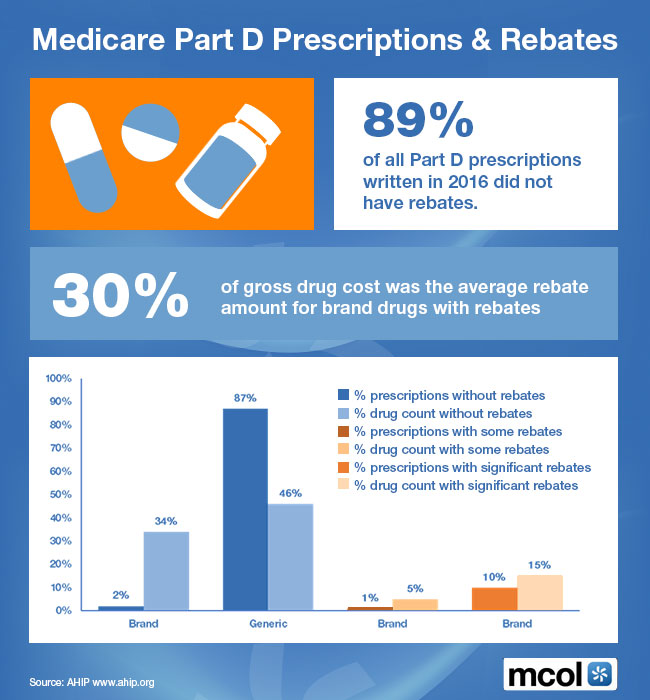
Prescription Drug Pricing, Spending and Utilization Trends

US Statistics

By http://www.MCOL.com

***

***

Conclusion

Your thoughts and comments on this ME-P are appreciated. Feel free to review our top-left column, and top-right sidebar materials, links, URLs and related websites, too. Then, subscribe to the ME-P. It is fast, free and secure.

Speaker: If you need a moderator or speaker for an upcoming event, Dr. David E. Marcinko; MBA – Publisher-in-Chief of the Medical Executive-Post – is available for seminar or speaking engagements. Contact: MarcinkoAdvisors@msn.com

OUR OTHER PRINT BOOKS AND RELATED INFORMATION SOURCES:


Product DetailsProduct DetailsProduct Details

***

Courts Examine Use of Statistical Sampling in False Claims Act Cases

Courts Examine Use of Statistical Sampling in False Claims Act Cases 

By Robert James Cimasi MHA CMP™
***
The False Claims Act (FCA) continues to grow in strength as the federal government and relators increase their use of the law to recover billions of dollars from companies that violate the Act’s provisions. Developments in the application and interpretation of the FCA, particularly in regard to the issue of statistical sampling in proving damages, may significantly influence the regulatory risk to healthcare enterprises, in light of the significant volume of recoveries received by the government under this law for healthcare fraud and abuse violations.
***
In recent months, interpretation of the FCA influenced the outcome of two prominent healthcare fraud and abuse cases: (1) U.S. ex rel. Michaels v. Agape Senior Community (Agape), originating in the U.S. District Court for the District of South Carolina and heard by the U.S. Court of Appeals for the 4th Circuit; and, (2) U.S. ex rel. Ruckh v. Genoa Healthcare Consulting, Inc. (Genoa), in the U.S. District Court for the Middle District of Florida. The cases, both of which explored the utilization of statistical sampling in proving damages under the FCA, leave unclear the standards associated with the admissibility of expert testimony in this context.
***
Assessment
***
This Health Capital Topics article summarizes the Agape and Genoa cases, and discusses the role that statistical sampling may play in future FCA actions. (Read more…)

***

Conclusion

Your thoughts and comments on this ME-P are appreciated. Feel free to review our top-left column, and top-right sidebar materials, links, URLs and related websites, too. Then, subscribe to the ME-P. It is fast, free and secure.

Speaker: If you need a moderator or speaker for an upcoming event, Dr. David E. Marcinko; MBA – Publisher-in-Chief of the Medical Executive-Post – is available for seminar or speaking engagements. Contact: MarcinkoAdvisors@msn.com

OUR OTHER PRINT BOOKS AND RELATED INFORMATION SOURCES:

Product DetailsProduct Details

***

Why Cognizant Shines Brighter as a Stock Pick

Why Cognizant Shines Brighter as a Stock Pick

By Vitaliy Katsenelson, CFA

Originally written for Institutional Investor Magazine

Conclusion

Your thoughts and comments on this ME-P are appreciated. Feel free to review our top-left column, and top-right sidebar materials, links, URLs and related websites, too. Then, subscribe to the ME-P. It is fast, free and secure.

Speaker: If you need a moderator or speaker for an upcoming event, Dr. David E. Marcinko; MBA – Publisher-in-Chief of the Medical Executive-Post – is available for seminar or speaking engagements. Contact: MarcinkoAdvisors@msn.com

OUR OTHER PRINT BOOKS AND RELATED INFORMATION SOURCES:

Risk Management, Liability Insurance, and Asset Protection Strategies for Doctors and Advisors: Best Practices from Leading Consultants and Certified Medical Planners™8Comprehensive Financial Planning Strategies for Doctors and Advisors: Best Practices from Leading Consultants and Certified Medical Planners™

***

R.I.P. Richard Wagner JD CFP®

On the Life of “Dick” Wagner


By Rick Kahler CFP®

The financial planning profession lost one of its most significant figures this past week. Richard Wagner, my friend and mentor, died suddenly.

Dick, a longtime financial planner in Colorado, was one of the pioneers and thought leaders of personal financial planning. His visionary leadership and commentary were closely followed and highly respected by financial planners worldwide.

Dick’s influence on financial planning was profound. He was one of the early leaders to understand the emotional impact that money has on our lives and to believe that financial planning must include that emotional component in order to fully serve clients’ needs. We each have an individual relationship with money, which affects everyone in all facets of our lives. For this reason, Dick called money “the most powerful and pervasive secular force on the planet.”

He served as the President of the Institute of Certified Financial Planners and received the Financial Planning Association’s (FPA) highest honor, the P. Kemp Fain, Jr. He was a co-founder of the Nazrudin Project, a leaderless brain trust of 100 of the more forward-thinking planners, therapists, and coaches in financial planning. From this group emerged many FPA presidents, as well as scores of influential books and white papers. For its size, Nazrudin has had a disproportionate and continuing impact on the financial planning profession.

Dick also served on the founding board of the Financial Therapy Association. His keynote address at the group’s first conference eloquently laid the foundation for this embryonic movement of blending psychology and financial planning.

Dick’s life work, the beloved passion he carried for decades, was to see financial planning become a profession. In fact, he envisioned financial planning as the most important 21st century profession because of its focus on money. He challenged financial planners to give their best to their clients and their profession. Even further, he urged us to build an authentic profession—one he saw as dedicated to helping people manage intangible but essential functions, maintaining a responsibility to put clients’ interest first, and serving not only individuals but humanity and the greater good. One of Dick’s last contributions to the profession was the publication of the book he labored for 20 years to write, Financial Planning 3.0.

Anyone who knew Dick for more than a minute knew that he told it like it was—with gusto, clarity, and passion. He characteristically would sum up the essence of financial planning as:

“Save more, spend less, and don’t do anything stupid.”

Most importantly, I knew him as an immensely caring, passionate, wise, and conscientious soul. He was one of my valued mentors. The scope of his ideas and the depth of his creative vision challenged me to question my assumptions and expand my own views of what my chosen profession could become.

I had the privilege of spending many weekends with Dick as a member of a small group of financial planning pioneers who were trying to make sense of this union of emotions and money. I often equated listening to Dick’s visions of “what could be” to flying a commercial airliner at 45,000 feet. While he was soaring, I would spend most of my time trying to figure out if and where we could land the plane.

Wherever he may be now, I believe Dick is still soaring—once again, far higher and farther than those of us left behind. His passing leaves me shocked and saddened, with a sense of grief not yet eased by the gratitude I feel for having known him. The financial planning profession to which he devoted so much of his life was vastly enriched by his ideas and his work. 

Publisher’s Note:

Although I never personally met Dick, I do consider him a friend and colleague. We emailed and spoke on the phone, often. In fact, he contributed to the first edition of our book: Financial Planning Handbook For Physicians And Advisors; now in it’s fourth iteration: Comprehensive Financial Planning Strategies for Doctors

Rest in peace my friend. Robert Pine said it well when he noted,

“What we have done for ourselves is soon forgotten but what we have done for others remains and is immortal.”

-Dr. David Marcinko MBA

Conclusion

Your thoughts and comments on this ME-P are appreciated. Feel free to review our top-left column, and top-right sidebar materials, links, URLs and related websites, too. Then, subscribe to the ME-P. It is fast, free and secure.

Speaker: If you need a moderator or speaker for an upcoming event, Dr. David E. Marcinko; MBA – Publisher-in-Chief of the Medical Executive-Post – is available for seminar or speaking engagements. Contact: MarcinkoAdvisors@msn.com

OUR OTHER PRINT BOOKS AND RELATED INFORMATION SOURCES:

Risk Management, Liability Insurance, and Asset Protection Strategies for Doctors and Advisors: Best Practices from Leading Consultants and Certified Medical Planners™8Comprehensive Financial Planning Strategies for Doctors and Advisors: Best Practices from Leading Consultants and Certified Medical Planners™

***

First [Medical] Impressions Matter

Driving Consumer Engagement

http://www.MCOL.com

***

***

Conclusion

Your thoughts and comments on this ME-P are appreciated. Feel free to review our top-left column, and top-right sidebar materials, links, URLs and related websites, too. Then, subscribe to the ME-P. It is fast, free and secure.

Speaker: If you need a moderator or speaker for an upcoming event, Dr. David E. Marcinko; MBA – Publisher-in-Chief of the Medical Executive-Post – is available for seminar or speaking engagements. Contact: MarcinkoAdvisors@msn.com

OUR OTHER PRINT BOOKS AND RELATED INFORMATION SOURCES:

Product DetailsProduct Details

***

On digital health accelerator and corporate start-up programs

Most digital health accelerator and corporate start-up programs must refocus to survive

By Markus Pohl

Berlin, March 29, 2017

The hype around programs that connect start-ups with corporates and investors in digital health has peaked.

For two years running, the number of new accelerator programs has decreased. A lot of accelerator programs are having problems in attracting enough high quality start-ups to justifying budgets from their partner or parent companies. Many digital health accelerator programs will have to change along four dimensions to survive.  

Update 2017

At the beginning of 2017 there were over 340 early stage investors; i.e. accelerators and incubators investing in healthcare start-ups. The growth rate of new accelerators and incubators entering the market has slowed substantially over the last two years. Nearly all of these programs target digital business models.

There are over 15,000 start-ups based on a mobile app business model. This means that there are less than 50 mobile health app start-ups per accelerator! There are just not enough start-ups out there to cater for the demand of 340+ accelerators and incubators. Especially for the rather small and unknown accelerators, which are overshadowed by the regionally well-known programs such as Plug and Play, StartUp Health and Rockstart.   The number of targeted digital health start-ups per accelerator is insufficient for most accelerators to build up a high-quality selection funnel.

***

***

While it is true, that most start-ups will apply for multiple accelerator programs, usually accelerators need to go through several hundred of applications before they can find a candidate that fits to their program.

Assessment

After talking to many digital health accelerators in preparation for this year’s mHealth App Developer Economics Survey (now live: click here), one common problem that stood out was that accelerators struggle to build up a high-quality selection funnel. With the majority of accelerators somewhat struggling for good quality applicants, how is it going to be possible for these programs to survive?

Conclusion

Your thoughts and comments on this ME-P are appreciated. Feel free to review our top-left column, and top-right sidebar materials, links, URLs and related websites, too. Then, subscribe to the ME-P. It is fast, free and secure.

Speaker: If you need a moderator or speaker for an upcoming event, Dr. David E. Marcinko; MBA – Publisher-in-Chief of the Medical Executive-Post – is available for seminar or speaking engagements. Contact: MarcinkoAdvisors@msn.com

OUR OTHER PRINT BOOKS AND RELATED INFORMATION SOURCES:

Product DetailsProduct DetailsProduct Details

***

Pharmaceutical Stocks in the Post-Trump Era?

Join Our Mailing List

By Vitaliy Katsenelson CFA

vitaly

Trumps Hates Them – We Love Them

 Originally written for Institutional Investor Magazine
 A few weeks after Donald Trump was elected president of the United States, he was asked about pharmaceuticals prices. With typical rhetorical gusto, he declared, “Pharmaceutical companies are getting away with murder.” Well, my firm has been increasing our allocation to those “murderers,” and despite Mr. Trump’s comments, we are very comfortable with our positions in the long run (which lies beyond what may end up being a very volatile short run).

Big Pharma

Pharmaceuticals companies check off a lot of boxes in our quality and growth dimensions. They are usually monopolies or oligopolies when it comes to their specific drugs; they have high recurrence of revenue; their business is not cyclic and thus marches to its own drummer; they have strong balance sheets and a high return on capital, and generate a lot of cash flow; they benefit from a significant growth tailwind as the global population ages (I aged just while writing this); and they enjoy pricing power (more on that later). Yet the pharmaceuticals sector as a whole has been decimated over the past eight months due to perceived political risk — first by pharma pricing critic Hillary Clinton’s “It’s in the bag” expectation of victory and then by Trump’s “They get away with murder” comments. We view the carnage created by the political risk as an opportunity to increase our exposure to this sector. Here is why.

President Trump mentioned that he wants the U.S. government — mainly, its Medicare program — to negotiate directly with drug-makers on price. His remark may create the impression that pharmaceuticals companies today charge the government whatever prices they want. That is not the case. Medicare covers prescription drug costs through a program known as Medicare Part D. Medicare basically outsources the negotiation of drug prices to pharmacy benefit management (PBM) companies such as CVS, Express Scripts, and UnitedHealth Group (a health insurance company that owns its own PBM). In fact, less than a handful of PBMs control this market and so exercise tremendous pricing power; thus the government is already negotiating with pharmaceuticals companies.

The Stats

Here are some useful stats about this market: As of the end of 2015, 290 million Americans had health insurance. Among them, 214 million had private insurance and 52 million were insured by Medicare. Medicare insures a lot of people; however, UnitedHealth — a company whose business model relies on paying as little as possible for prescriptions — insures 70 million Americans and thus already has greater bargaining power than Medicare.

But let’s say President Trump gets his wish, the law is changed, and the government bypasses PBMs and starts bargaining with Gilead Sciences, Amgen, and Allergan directly — the Trump take-no-prisoners approach. Let’s even assume that President Trump’s ingenious negotiating techniques result in a 20 percent concession on price. Since Medicare represents only 18 percent of the total insured population, the net impact on pharmaceuticals companies’ revenue would be 3.6 percent. That’s a small pimple that they’d be able to cover up by raising prices 4 percent on the remaining 82 percent of payers.

***

drugs

***

Europeans and Canadians

The reality is that the reason Europeans and Canadians are paying much lower prices for their prescriptions is that they have a single-payer system, and thus pharmaceuticals companies are bargaining not with four or five entities but with one: the government. At this stage, however, it is very unlikely that a Republican president and Republican-controlled Congress will move this country to a single-payer system.

If the U.S. starts allowing re-importation of pharmaceuticals from Canada and Europe — another threat made by our president — then American companies will simply start raising prices outside of the United States.

Finally, let’s remember an important but often forgotten fact: Donald Trump is the president of the U.S.; he is not its king and doesn’t have the powers of one. Although we expect his tweets and other remarks to create additional volatility, they will not necessarily have a symmetrical impact on pharmaceuticals companies or whatever other businesses he tweets about.

Assessment

We have taken advantage of price weakness and added to our positions in Amgen (analysis here), Allergan (analysis here), and Gilead (analysis here). We also bought some new positions. Stay tuned for next week, when I’ll reveal those names.

Conclusion

Your thoughts and comments on this ME-P are appreciated. Feel free to review our top-left column, and top-right sidebar materials, links, URLs and related websites, too. Then, subscribe to the ME-P. It is fast, free and secure.

Speaker: If you need a moderator or speaker for an upcoming event, Dr. David E. Marcinko; MBA – Publisher-in-Chief of the Medical Executive-Post – is available for seminar or speaking engagements. Contact: MarcinkoAdvisors@msn.com

OUR OTHER PRINT BOOKS AND RELATED INFORMATION SOURCES:

Comprehensive Financial Planning Strategies for Doctors and Advisors: Best Practices from Leading Consultants and Certified Medical Planners™

***

“What’s wrong with income inequality?”

“What’s wrong with income inequality?”

By Rick Kahler MS CFP®,

Do you think there’s nothing emotional about money?

If so, I dare you to stand up in a town hall meeting anywhere in the US and ask, “What’s wrong with income inequality?” There is a high probability that the responses that follow may have some emotion.

Emotional

Make no mistake, money is highly emotional. That emotion isn’t about the inanimate object, the pieces of printed paper that we carry in our wallets. It’s what we project onto money that makes it intensely emotional. And usually what we project isn’t about the money at all.

Consider, for example, envy and jealousy. On the surface, these emotions seem to signify we are not grateful for what we have and that the cure is to focus on what we do have. There’s an element of truth to that, but telling yourself to stop being jealous and instead be grateful probably doesn’t work for long. If you are like most of us, the jealousy is soon back.

The reason is that envy and jealousy are not about what we have, but rather about what we don’t have or we fear losing. Underneath envy is fear that I won’t get something I desire which is enjoyed by another. Suppose I am envious of a friend who lives in a bigger house. Underlying that is fear, perhaps a fear that I am failing my family by not providing enough space for them to live comfortably.

Underneath jealousy is also fear, but this fear is often masked by anger that someone else is getting something that is rightfully yours. I may be jealous of a coworker because they got a job promotion that I felt I deserved. Underlying my resentment of my coworker’s success is fear that my contributions to the company are not valued and that my job isn’t secure.

Similarly, I may feel jealous of someone who earns much more than I do. I may be resentful that they enjoy privileges, a lifestyle, or security that I rightfully deserve. Or I may believe that the money they have accumulated was wrongfully taken from others and that if they continue to accumulate wealth, mine may be next. I may fear for my very survival.

***

***

The  “one-percenters”

Such fears may drive a good portion of the anger toward the so-called “one-percenters.” If my physical and emotional needs are satisfied and I am happy with my life, do I care if someone else has more? Probably not.

But if my physical needs are not met, I am unhappy, and I feel that the money I am entitled to has been taken from me by those that have money, I care a lot. In fact, I can be rage-ful and jealous.

According to a January 17. 2017 article by Amanda Hirsh at unstuck.com, envy and jealousy can be a gift, a trailhead of sorts that can lead us to an unconscious fear. Once we uncover the fear we can often take concrete steps to resolve it, rather than wasting precious energy being stuck in anger and rage toward others.

Hirsh suggests that, the next time you feel yourself becoming envious or jealous, you consider it an opportunity to ask yourself three questions:

  1. What am I afraid of?
  2. What do I really want?
  3. Why do I want that?

Assessment

These are not easy questions to answer. It may be best not to consider them when you are already triggered and consumed by the emotion, but to wait until you are calmer and in a more reflective place. Then the answers may help you move past the jealousy and shift your focus to your own options.

Conclusion

Your thoughts and comments on this ME-P are appreciated. Feel free to review our top-left column, and top-right sidebar materials, links, URLs and related websites, too. Then, subscribe to the ME-P. It is fast, free and secure.

Speaker: If you need a moderator or speaker for an upcoming event, Dr. David E. Marcinko; MBA – Publisher-in-Chief of the Medical Executive-Post – is available for seminar or speaking engagements. Contact: MarcinkoAdvisors@msn.com

OUR OTHER PRINT BOOKS AND RELATED INFORMATION SOURCES:

Risk Management, Liability Insurance, and Asset Protection Strategies for Doctors and Advisors: Best Practices from Leading Consultants and Certified Medical Planners™8Comprehensive Financial Planning Strategies for Doctors and Advisors: Best Practices from Leading Consultants and Certified Medical Planners™

***


Birth of “Addiction Medicine” as a New Discipline

The Need for an in Utero Diagnostic Assessment Prior to Delivery

By Michael Lawrence Langan MD

One thing is for certain.

When society gives power of diagnosis and treatment to individuals within a group schooled in just one uncompromising model of addiction with the majority attributing their very own sobriety to that model, they will exercise that power to diagnose and treat anyone and everyone according to that model.

***

***

Carl Sagan’s Baloney Detection Kit and the Birth of “Addiction Medicine” as a New Discipline: The Need for an in Utero Diagnostic Assessment Prior to Delivery — Disrupted Physician

***

Conclusion

Your thoughts and comments on this ME-P are appreciated. Feel free to review our top-left column, and top-right sidebar materials, links, URLs and related websites, too. Then, subscribe to the ME-P. It is fast, free and secure.

Speaker: If you need a moderator or speaker for an upcoming event, Dr. David E. Marcinko; MBA – Publisher-in-Chief of the Medical Executive-Post – is available for seminar or speaking engagements. Contact: MarcinkoAdvisors@msn.com

OUR OTHER PRINT BOOKS AND RELATED INFORMATION SOURCES:

Product DetailsProduct Details

***

Prescription Drug Pricing and Research

http://www.MCOL.com

For 15 Companies that Sell the Top 20 Drugs in the US

***

Conclusion

Your thoughts and comments on this ME-P are appreciated. Feel free to review our top-left column, and top-right sidebar materials, links, URLs and related websites, too. Then, subscribe to the ME-P. It is fast, free and secure.

Speaker: If you need a moderator or speaker for an upcoming event, Dr. David E. Marcinko; MBA – Publisher-in-Chief of the Medical Executive-Post – is available for seminar or speaking engagements. Contact: MarcinkoAdvisors@msn.com

OUR OTHER PRINT BOOKS AND RELATED INFORMATION SOURCES:

Product DetailsProduct Details

***

Nursing Shortage in the USA

And … Surplus in the USA

By http://www.MCOL.com

***

***

Conclusion

Your thoughts and comments on this ME-P are appreciated. Feel free to review our top-left column, and top-right sidebar materials, links, URLs and related websites, too. Then, subscribe to the ME-P. It is fast, free and secure.

Speaker: If you need a moderator or speaker for an upcoming event, Dr. David E. Marcinko; MBA – Publisher-in-Chief of the Medical Executive-Post – is available for seminar or speaking engagements. Contact: MarcinkoAdvisors@msn.com

OUR OTHER PRINT BOOKS AND RELATED INFORMATION SOURCES:

Product DetailsProduct Details

***