Healthcare Technology in the News

Join Our Mailing List

By Staff Reporters

Healthcare consumers show mounting interest in virtual, on-demand care
Fierce Healthcare, August 14, 2017

Transforming the mHealth Experience With Digital Health Assistants
HIT Consultant, August 14, 2017

Google buys smartphone health monitoring startup Senosis
Pharma Phorum, August 14, 2017

Could Trump’s Opioid Emergency Boost Telemedicine, mHealth Use?
mHealth Intelligence, August 11, 2017

Trump Administration Takes on VA Telehealth Opportunities
The Natonal Law Review, August 11, 2017

More and more businesses are offering telehealth services as an employee benefit
MedCity News, August 9, 2017

VR Glasses Give Doctors a New mHealth Tool to Treat Concussions
mHealth Intelligence, July 31, 2017

New Senate bill seeks to reduce restrictions on telemedicine use
MobiHealth News, July 31, 2017

The allure of health care for tech giants
Axios, July 20, 2017

Conclusion

Your thoughts and comments on this ME-P are appreciated. Feel free to review our top-left column, and top-right sidebar materials, links, URLs and related websites, too. Then, subscribe to the ME-P. It is fast, free and secure.

Speaker: If you need a moderator or speaker for an upcoming event, Dr. David E. Marcinko; MBA – Publisher-in-Chief of the Medical Executive-Post – is available for seminar or speaking engagements. Contact: MarcinkoAdvisors@msn.com

OUR OTHER PRINT BOOKS AND RELATED INFORMATION SOURCES:

Product DetailsProduct Details

***

America’s embarrassing digital divide

Join Our Mailing List

An FCC rule change could falsely obscure America’s embarrassing digital divide

[By MIT Technology Review]

FCC chairman Ajit Pai has a theory. He reckons that Internet access on a phone is as good as high-speed broadband access at home.

Now he’s looking into changing his agency’s guidelines, so that places in the U.S. with decent mobile coverage are deemed “connected,” even if broadband access is a no-go. If enacted, the sleight of hand could shrink America’s embarrassing digital divide, but would leave rural folks with tight data caps, low speeds, and less hope for ever getting broadband.

***

***

Conclusion

Your thoughts and comments on this ME-P are appreciated. Feel free to review our top-left column, and top-right sidebar materials, links, urls and related websites, too. Then, subscribe to the ME-P. It is fast, free and secure.

Speaker: If you need a moderator or speaker for an upcoming event, Dr. David E. Marcinko; MBA – Publisher-in-Chief of the Medical Executive-Post – is available for seminar or speaking engagements. Contact: MarcinkoAdvisors@msn.com

OUR OTHER PRINT BOOKS AND RELATED INFORMATION SOURCES:

Product DetailsProduct Details

***


On Naming Beneficiaries

Estate  Planning

By Jason Dyken, MD MBA

[Dyken Wealth Strategies]

Dear David,

It’s not uncommon for people to assume that having a will in place is enough to ensure their assets will pass to their named beneficiaries in the manner they desire. However, certain financial assets, including 401(k) and IRA retirement accounts, as well as life insurance policies bypass a will or trust.

One benefit is that when the account owner dies, the assets go directly to the beneficiaries named on the accounts, bypassing the probate process. However, because these beneficiary designations override your will, they need to be carefully coordinated with your overall estate plan.

Some of the most common mistakes people make in regard to beneficiary designations include:

  • Forgetting to update named beneficiaries in the event of divorce. If your previous spouse is still listed as the beneficiary on your retirement account or life insurance policy at the time of your death, the assets will go to your ex, regardless of whether he or she is a named beneficiary in your will.
  • Naming minor children as beneficiaries or contingent beneficiaries. In the event you and your spouse predecease your children, they could directly inherit large sums of money from retirement accounts or life insurance policies—assets that are not governed by stipulations you may have included in your will or trust documents. Avoid leaving assets to minors outright. If you do, a court will appoint someone to look after the funds which can be a time consuming and expensive process.
  • Using beneficiary forms that don’t allow your assets to pass “per stirpes,” or equally among the branches of a family. For example, let’s say you name your three adult children as the beneficiaries of your IRA. If one of them predeceases you, you might want that child’s share to go to his or her children. However, many standard beneficiary forms don’t include per stirpes provisions and only allow per capita provisions where your two remaining adult children would share the assets. In certain cases, you can ask to include non-standard language to the beneficiary form, but make sure the financial services company actually has the capabilities in place to manage per stirpes distributions first.

***

***

Assessment

An estate planning attorney or financial advisor with experience in estate and legacy planning can help ensure your beneficiary designations are up-to-date and aligned with your wishes and preferences.

Conclusion

Your thoughts and comments on this ME-P are appreciated. Feel free to review our top-left column, and top-right sidebar materials, links, urls and related websites, too. Then, subscribe to the ME-P. It is fast, free and secure.

Speaker: If you need a moderator or speaker for an upcoming event, Dr. David E. Marcinko; MBA – Publisher-in-Chief of the Medical Executive-Post – is available for seminar or speaking engagements. Contact: MarcinkoAdvisors@msn.com

OUR OTHER PRINT BOOKS AND RELATED INFORMATION SOURCES:

Comprehensive Financial Planning Strategies for Doctors and Advisors: Best Practices from Leading Consultants and Certified Medical Planners™

***

On Mental Health Gender and Racial Disparities

USA Adults in 2015

http://www.MCOL.com

***

***

Conclusion

Your thoughts and comments on this ME-P are appreciated. Feel free to review our top-left column, and top-right sidebar materials, links, urls and related websites, too. Then, subscribe to the ME-P. It is fast, free and secure.

Speaker: If you need a moderator or speaker for an upcoming event, Dr. David E. Marcinko; MBA – Publisher-in-Chief of the Medical Executive-Post – is available for seminar or speaking engagements. Contact: MarcinkoAdvisors@msn.com

OUR OTHER PRINT BOOKS AND RELATED INFORMATION SOURCES:

Product DetailsProduct Details

***

Royal College of General Practitioners Recommends: “Comprehensive Financial Planning Strategies for Doctors and Advisors”

 Join Our Mailing List

Comprehensive Financial Planning Strategies for Doctors and Advisors

RECOMMENDATION

***

rcgp-logo

Drawing on the expertise of multi-degreed doctors, and multi-certified financial advisors, Comprehensive Financial Planning Strategies for Doctors and Advisors [Best Practices from Leading Consultants and Certified Medical Planners™] will shape the industry landscape for the next generation as the current ecosystem strives to keep pace.

Traditional generic products and sales-driven advice will yield to a new breed of deeply informed financial advisor or Certified Medical Planner™.

The profession is set to be transformed by “cognitive-disruptors” that will significantly impact the $2.8 trillion healthcare marketplace for those financial consultants serving this challenging sector. There will be winners and losers.

The text, which contains 24 chapters and champions healthcare providers while informing financial advisors, is divided into four sections compete with glossary of terms, Certified Medical Planner™ curriculum content, and related information sources.

cmp

http://www.CertifiedMedicalPlanner.org

1. For ALL medical providers and financial industry practitioners
2. For NEW medical providers and financial industry practitioners
3. For MID-CAREER medical providers and financial industry practitioners
4. For MATURE medical providers and financial industry practitioners

Using an engaging style, the book is filled with authoritative guidance and healthcare-centered discussions, providing the tools and techniques to create a personalized financial plan using professional advice.

Comprehensive coverage includes topics likes behavioral finance, modern portfolio theory, the capital asset pricing model, and arbitrage pricing theory; as well as insider insights on commercial real estate; high frequency trading platforms and robo-advisors; the Patriot and Sarbanes–Oxley Acts; hospital endowment fund management, ethical wills, giving, and legacy planning; and divorce and other special situations.

The result is a codified “must-have” book, for all health industry participants, and those seeking advice from the growing cadre of financial consultants and Certified Medical Planners™ who seek to “do well by doing good,” dispensing granular physician-centric financial advice:

Omnia pro medicus-clientis

  Risk Management, Liability Insurance, and Asset Protection Strategies for Doctors and Advisors: Best Practices from Leading Consultants and Certified Medical Planners™8Comprehensive Financial Planning Strategies for Doctors and Advisors: Best Practices from Leading Consultants and Certified Medical Planners™

DR. DAVID EDWARD MARCINKO MBA CMP™

ISBN Number: 9781482240283

Number of pages: 744

Publisher: CRC Press

reward

AWARDS

***

Why Amazon will NOT kill this business!

Why Amazon Will Not Kill This Business

By Vitaliy Katsenelson CFA

Conclusion

Your thoughts and comments on this ME-P are appreciated. Feel free to review our top-left column, and top-right sidebar materials, links, urls and related websites, too. Then, subscribe to the ME-P. It is fast, free and secure.

Speaker: If you need a moderator or speaker for an upcoming event, Dr. David E. Marcinko; MBA – Publisher-in-Chief of the Medical Executive-Post – is available for seminar or speaking engagements. Contact: MarcinkoAdvisors@msn.com

OUR OTHER PRINT BOOKS AND RELATED INFORMATION SOURCES:

Risk Management, Liability Insurance, and Asset Protection Strategies for Doctors and Advisors: Best Practices from Leading Consultants and Certified Medical Planners™8Comprehensive Financial Planning Strategies for Doctors and Advisors: Best Practices from Leading Consultants and Certified Medical Planners™

***

Transitioning to Value Based Medical Care Payments

Five Best Practices for Health Plans

http://www.MCOL.com

***

***

Conclusion

Your thoughts and comments on this ME-P are appreciated. Feel free to review our top-left column, and top-right sidebar materials, links, urls and related websites, too. Then, subscribe to the ME-P. It is fast, free and secure.

Speaker: If you need a moderator or speaker for an upcoming event, Dr. David E. Marcinko; MBA – Publisher-in-Chief of the Medical Executive-Post – is available for seminar or speaking engagements. Contact: MarcinkoAdvisors@msn.com

OUR OTHER PRINT BOOKS AND RELATED INFORMATION SOURCES:

Risk Management, Liability Insurance, and Asset Protection Strategies for Doctors and Advisors: Best Practices from Leading Consultants and Certified Medical Planners™8Comprehensive Financial Planning Strategies for Doctors and Advisors: Best Practices from Leading Consultants and Certified Medical Planners™

***

Health Information Technology [EMR] Update

2014 to 2017


By D. Kellus Pruitt DDS

Three years ago

“When Patients Fear EHR – When patients believe paper medical records are safer and more private than electronic ones, their health can suffer. Many members of the public mistakenly believe electronic health records (ehrs) are less secure than paper files. Magnified by misinformation and political distortion of facts, an unnecessary fear has taken root in the minds of many consumers — often with serious consequences.” 

-Mansur Hasib

Cybersecurity Professional – Author and Speaker in commentary for informationweek, July 28, 2014

Http://www.informationweek.com/healthcare/electronic-health-records/when-patients-fear-ehr/a/d-id/1297519

This week 

“Doctors claim medical records system puts patient safety at risk – PROBLEMS with Queensland Health’s electronic medical record system are angering health workers, with fed-up senior doctors circulating a document slamming the technology and those in charge of it.”

-Kara Vickery and Janelle Miles – The Courier-Mail, July 25, 2017.

Http://www.couriermail.com.au/news/queensland/doctors-claim-medical-records-system-puts-patient-safety-at-risk/news-story/dc18cb388552eb4d179629c298a28408

“300,000 records breached in ransomware attack on Pennsylvania health system – The breach on Women’s Health Care Group of Pennsylvania was discovered in May, but hackers had unauthorized access to the system as early as January.”

-Jessica Davis – Health Care IT News, July 26, 2017

Http://www.healthcareitnews.com/news/300000-records-breached-ransomware-attack-pennsylvania-health-system

“HIPAA Data Breaches, Cyber Attacks Reported by 47% of Orgs – KPMG found that there was a 10 percentage point increase in reported HIPAA data breaches or cyber attacks from 2015 to 2017.”

-Elizabeth Snell – Health IT Security, July 27, 2017

Https://healthitsecurity.com/news/hipaa-data-breaches-cyber-attacks-reported-by-47-of-orgs

“Doctors frustrated that electronic records steal time from patients – Dr. Rebekah Gardner has to make a choice each time she sees a patient in her Rhode Island office: she can scroll computer screens and click boxes, or she can focus on the patient and take home the computer work.”

-Ronnie Cohen – Reuters, July 28, 2017

Http://www.reuters.com/article/us-health-records-electronics-iduskbn1ad2gt

“Plastic Surgery Associates data breach: Patients’ records, payment card details possibly compromised – The company said it discovered that some of its systems were infected with ransomware in February.”

-Hyacinth Mascarenhas – International Business Times, July 29, 2017

Http://www.ibtimes.co.uk/plastic-surgery-associates-data-breach-patients-records-payment-card-details-possibly-compromised-1632555

Conclusion

Your thoughts and comments on this ME-P are appreciated. Feel free to review our top-left column, and top-right sidebar materials, links, urls and related websites, too. Then, subscribe to the ME-P. It is fast, free and secure.

Speaker: If you need a moderator or speaker for an upcoming event, Dr. David E. Marcinko; MBA – Publisher-in-Chief of the Medical Executive-Post – is available for seminar or speaking engagements. Contact: MarcinkoAdvisors@msn.com

OUR OTHER PRINT BOOKS AND RELATED INFORMATION SOURCES:

Risk Management, Liability Insurance, and Asset Protection Strategies for Doctors and Advisors: Best Practices from Leading Consultants and Certified Medical Planners™

***

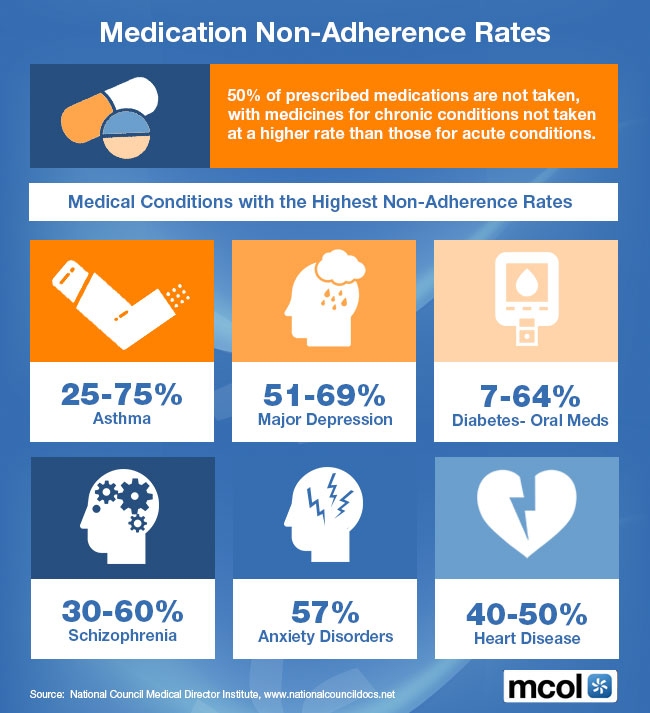
On Chronic Medical Conditions

Prevalence, Engagement and Management

By http://www.MCOL.com

***

***

Conclusion

Your thoughts and comments on this ME-P are appreciated. Feel free to review our top-left column, and top-right sidebar materials, links, URLs and related websites, too. Then, subscribe to the ME-P. It is fast, free and secure.

Speaker: If you need a moderator or speaker for an upcoming event, Dr. David E. Marcinko; MBA – Publisher-in-Chief of the Medical Executive-Post – is available for seminar or speaking engagements. Contact: MarcinkoAdvisors@msn.com

OUR OTHER PRINT BOOKS AND RELATED INFORMATION SOURCES:

Product DetailsProduct Details

***

“Weasel Phrases,” “Framing” and “Data-Dredging” is Not Science

Making the Data Fit the Hypothesis in the Rehab Racket — Disrupted Physician

By Michael  Langan MD

“Weasel Phrases,” “Framing” and “Data-Dredging” is Not Science: Making the Data Fit the Hypothesis in the Rehab Racket — Disrupted Physician

Conclusion

Your thoughts and comments on this ME-P are appreciated. Feel free to review our top-left column, and top-right sidebar materials, links, URLs and related websites, too. Then, subscribe to the ME-P. It is fast, free and secure.

Speaker: If you need a moderator or speaker for an upcoming event, Dr. David E. Marcinko; MBA – Publisher-in-Chief of the Medical Executive-Post – is available for seminar or speaking engagements. Contact: MarcinkoAdvisors@msn.com

OUR OTHER PRINT BOOKS AND RELATED INFORMATION SOURCES:

Product DetailsProduct Details

***

Update on Social Determinants of Health Data Usage

SDOH is “Hot” in  Healthcare Today

http://www.MCOL.com

***

***

***

Conclusion

Your thoughts and comments on this ME-P are appreciated. Feel free to review our top-left column, and top-right sidebar materials, links, URLs and related websites, too. Then, subscribe to the ME-P. It is fast, free and secure.

Speaker: If you need a moderator or speaker for an upcoming event, Dr. David E. Marcinko; MBA – Publisher-in-Chief of the Medical Executive-Post – is available for seminar or speaking engagements. Contact: MarcinkoAdvisors@msn.com

OUR OTHER PRINT BOOKS AND RELATED INFORMATION SOURCES:

Product DetailsProduct Details

***

How to Invest the Dale Carnegie Way

How to Invest the Dale Carnegie Way

By Vitaliy Katsenelson, CFA
The first time I read Dale Carnegie’s How to Win Friends and Influence People was in 1990. I was living in Russia; the Cold War had just ended.

Capitalist American books suddenly became very popular. Carnegie’s was one of the first to be translated into Russian and was “the book to read.” Everyone wanted to be a capitalist, and this book was supposed to make me a better one.

I decided, however, that it was stuffed with disingenuous fluff — that it taught the reader how to not be authentic; it turned you into a fake.


Conclusion

Your thoughts and comments on this ME-P are appreciated. Feel free to review our top-left column, and top-right sidebar materials, links, urls and related websites, too. Then, subscribe to the ME-P. It is fast, free and secure.

Speaker: If you need a moderator or speaker for an upcoming event, Dr. David E. Marcinko; MBA – Publisher-in-Chief of the Medical Executive-Post – is available for seminar or speaking engagements. Contact: marcinkoadvisors@msn.com

OUR OTHER PRINT BOOKS AND RELATED INFORMATION SOURCES:

Comprehensive Financial Planning Strategies for Doctors and Advisors: Best Practices from Leading Consultants and Certified Medical Planners™

***

What I Didn’t Know Then?

About Money

[By Rick Kahler MS CFP®]

Fifty years ago I scraped together $100 that I earned moving lawns and invested in my first stocks. I had heard a person could make a lot of money owning stocks. The ones I bought were all very small regional companies that I selected with the help of a stock broker who said they had great promise. They all eventually went out of business.

The next time I had some money to invest, at age 19, I bought a house. My $1,000 down payment grew into $4,000 in a couple of years. I took that money and invested it into the futures market. Within days it was gone.

It probably isn’t a surprise that, after these painful lessons, I put my investable dollars into buying real estate. It took me 10 years to even consider investing money into the stock market.

While I did okay investing in real estate, my foray into more liquid investments could have been much less painful had I known then what I know now.

Here’s what I finally learned: buying individual stocks and trying to beat the market is a game very, very, very few people do well at.

Had I taken that first $100 and purchased an index fund that invested in the 500 largest companies in the US (the S&P 500), 50 years later my $100 would have grown to $12,600, which is 10.2% a year. But I didn’t know that then.

My kids, however, are a little smarter. Six years ago they invested around $100 each into the Vanguard Dividend Appreciation Fund that owns just over 100 large company stocks. Their $100 is now worth around $300, which is a little over 20% a year. If that return would continue, at the 50-year anniversary of their original $100 investment they would each have just over $920,000. While I will guarantee you the 20% returns will not continue, they are well on their way to doing far better with their initial $100 investments than I did with mine.

Which leads me to wonder if the growth of their stock investments is likely to equal the growth of the past 50 years. According to Jonathon Clements of HumbleDollar.com, in a July 1, 2017 blog post , repeating the returns of the past is probably unlikely.

First he contends that because of “the aging of America and the accompanying slow growth in the workforce, the current century’s real economic growth has been sluggish, averaging 1.9% a year over the past 17 calendar years. That’s likely to continue.”

If you take real economic growth of 2%, add inflation of 2%, and add the average 2% dividend yield of stocks, you are looking at a 6% long-term return. Based on Clements’s math, that means $100 will grow to $1,840 in 50 years. That’s a fraction of the $12,600 accumulation of the past 50 years.

***

***

Clements notes the focus here is on just US stocks, suggesting the outlook for international stocks is much brighter. Other asset classes that could also do well are real estate and commodities.

Assessment

he bottom line is often the same: placing your bets on one stock, one asset class, or one country carries with it a high amount of risk. Most long-term investors need to seriously consider diversifying their nest egg globally in several asset classes. While such investors will never hit a home run, they will also never have to forfeit the game.

After my early attempts at investing, it took me a long time to learn what I didn’t know then. My hope is that writing about my mistakes can help others learn sooner what I do know now. 

Conclusion

Your thoughts and comments on this ME-P are appreciated. Feel free to review our top-left column, and top-right sidebar materials, links, urls and related websites, too. Then, subscribe to the ME-P. It is fast, free and secure.

Speaker: If you need a moderator or speaker for an upcoming event, Dr. David E. Marcinko; MBA – Publisher-in-Chief of the Medical Executive-Post – is available for seminar or speaking engagements. Contact: marcinkoadvisors@msn.com

OUR OTHER PRINT BOOKS AND RELATED INFORMATION SOURCES:

Comprehensive Financial Planning Strategies for Doctors and Advisors: Best Practices from Leading Consultants and Certified Medical Planners™

***

The Blockchain Book for Healthcare

Author Q & A

By staff reporters 

Peter B. Nichol, managing director of OROCA Innovations, is one of the world’s foremost experts in healthcare and blockchain technology.

He is also the author of the recently released book “The Power of Blockchain for Healthcare.”

In light of his expertise and the publication of this new book, here is a brief interview with Nichol on the current landscape for blockchain technology in healthcare as well as the trends he expects to see emerging in this budding space.

*** 

***

Conclusion

Your thoughts and comments on this ME-P are appreciated. Feel free to review our top-left column, and top-right sidebar materials, links, URLs and related websites, too. Then, subscribe to the ME-P. It is fast, free and secure.

Speaker: If you need a moderator or speaker for an upcoming event, Dr. David E. Marcinko; MBA – Publisher-in-Chief of the Medical Executive-Post – is available for seminar or speaking engagements. Contact: MarcinkoAdvisors@msn.com

OUR OTHER PRINT BOOKS AND RELATED INFORMATION SOURCES:

Risk Management, Liability Insurance, and Asset Protection Strategies for Doctors and Advisors: Best Practices from Leading Consultants and Certified Medical Planners™    Risk Management, Liability Insurance, and Asset Protection Strategies for Doctors and Advisors: Best Practices from Leading Consultants and Certified Medical Planners™

***

Hospital Re-Admissions Trends

For Medicare

By http://www.MCOL.com

***

***

Conclusion

Your thoughts and comments on this ME-P are appreciated. Feel free to review our top-left column, and top-right sidebar materials, links, URLs and related websites, too. Then, subscribe to the ME-P. It is fast, free and secure.

Speaker: If you need a moderator or speaker for an upcoming event, Dr. David E. Marcinko; MBA – Publisher-in-Chief of the Medical Executive-Post – is available for seminar or speaking engagements. Contact: MarcinkoAdvisors@msn.com

OUR OTHER PRINT BOOKS AND RELATED INFORMATION SOURCES:

Product DetailsProduct Details

***

The Top Medical Specialties with the Biggest Potential in the Future

The Medical Futurist

[By Bertalan Meskó, MD PhD]

Some say technology will replace 80% of doctors in the future. I disagree.

Instead, technology will finally allow doctors to focus on what makes them good physicians: treating patients and innovating, while automation does the repetitive part of the work.

While every specialty will benefit from digital health, some will especially thrive due to these innovations.

Here, I enlisted the medical fields with the biggest potential for development in the future. Read more.

*** 

***

Conclusion

Your thoughts and comments on this ME-P are appreciated. Feel free to review our top-left column, and top-right sidebar materials, links, urls and related websites, too. Then, subscribe to the ME-P. It is fast, free and secure.

Speaker: If you need a moderator or speaker for an upcoming event, Dr. David E. Marcinko; MBA – Publisher-in-Chief of the Medical Executive-Post – is available for seminar or speaking engagements. Contact: marcinkoadvisors@msn.com

OUR OTHER PRINT BOOKS AND RELATED INFORMATION SOURCES:

Product DetailsProduct Details

*** 


The New DOL Rule Survey

A Conversation?

[By Rick Kahler MS CFP®]

I recently learned about an unexpected response to the new Department of Labor rule which mandates that all financial advisors and brokers act as fiduciaries (that is, in the best interest of the consumer) when dealing with customers’ retirement plans.

This means brokers will be discouraged from selling high fee and commission products to a customer’s IRA or similar retirement plan. The ruling may force many brokers to revamp for IRA products that have lower fees and commissions.

The Survey

However, according to a J. D. Power survey as reported in Financial Planning, customers are not happy with their brokers charging them lower fees. While the survey found that the clients of fee-only advisors were “generally more satisfied with what they pay their firm,” it also found that commission-based clients are going to leave in droves if their advisors switch to a lower-cost, fee-only model.

Let me get this straight

A broker who until now has owed no fiduciary duty to the customer, and who sells high fee and commission products to that customer, will now be forced by their company to place the consumer’s interest first. When dealing with the customer’s IRA, the broker cannot receive commissions and can only earn a lower fee. The broker places a low-fee product in the client’s IRA.

The result?

The client is so upset they will take their business to another firm.

According to J. D. Powers, that is correct. Their survey says around 60% of the customers of brokerage firms that may have to switch to fee-only when dealing with customer’s IRAs will “probably” or “definitely” take their business to another firm.

***

***

I am imagining the following conversation between a customer and a broker

Broker:

“Because of the new DOL regulations I can no longer sell you a high fee and commission variable annuity to be owned by your IRA. To comply with the ruling, my company has eliminated the 7% upfront commission on this annuity; we will now charge you a 1% annual fee. They also reduced the annual management expenses from 3% to 1%. Plus, now any advice I give you or product I recommend must be in your best interests.”

Customer:

“So you are eliminating the upfront 7% commission and replacing that with a 1% annual fee, which means 7% more of my money immediately goes to work for me in the investment, right?”

Broker:

“That’s right.”

Customer:

 “And instead of the upfront commission you are charging a new 1% annual fee, but reducing the annual management costs of the investments from 3% to 1%. So I’ll still make an additional 1% every year I own this, in addition to saving 7% up front, right?”

Broker:

“That’s right.”

Customer:

 “And further, you’re now going to look out for my best interests rather than the best interests of your company.”

Broker:

 “Yep.”

Customer:

“This is ridiculous. I’m outta here!”

Broker:

“Where are you going?”

Customer:

“To find a firm that will continue to sell me high commission, high fee products for my IRA and that will work against my best interests!”

Broker:

“You probably won’t find any. Every financial company selling investment products to IRAs has to comply.”

Customer:

 “I’ll find someone, somewhere. Goodbye!”

Assessment

This defies all logic. I can only make up stories as to why the survey found the majority of brokerage customers would leave. Might some believe the new fees would cost them more than they currently pay?

My best assumption is that there was no explanation of what “fee-only” or “fiduciary” meant. So, if the results of the J. D. Power survey don’t make a lot of sense to you, join the crowd.

Conclusion

Your thoughts and comments on this ME-P are appreciated. Feel free to review our top-left column, and top-right sidebar materials, links, urls and related websites, too. Then, subscribe to the ME-P. It is fast, free and secure.

Speaker: If you need a moderator or speaker for an upcoming event, Dr. David E. Marcinko; MBA – Publisher-in-Chief of the Medical Executive-Post – is available for seminar or speaking engagements. Contact: marcinkoadvisors@msn.com

OUR OTHER PRINT BOOKS AND RELATED INFORMATION SOURCES:

Comprehensive Financial Planning Strategies for Doctors and Advisors: Best Practices from Leading Consultants and Certified Medical Planners™

***

Why Aren’t Google and Apple Saving Healthcare?

Why Aren’t Google and Apple Saving Healthcare?

By Bertalan Meskó, MD PhD

The introduction of artificial intelligence, robotics, social media, various sensors and wearables in medicine could save millions of lives and reduce costs at the same time.

There is one question, however, which needs to be answered. Who can and should provide these new technologies for the advancement of humanity?

Tech companies could change healthcare with their knowledge about disruption and could lead the way to medical innovation.

Why isn’t that happening already?

*** 

Why Aren’t Google And Apple Saving Healthcare?

***

Conclusion

Your thoughts and comments on this ME-P are appreciated. Feel free to review our top-left column, and top-right sidebar materials, links, urls and related websites, too. Then, subscribe to the ME-P. It is fast, free and secure.

Speaker: If you need a moderator or speaker for an upcoming event, Dr. David E. Marcinko; MBA – Publisher-in-Chief of the Medical Executive-Post – is available for seminar or speaking engagements. Contact: marcinkoadvisors@msn.com

OUR OTHER PRINT BOOKS AND RELATED INFORMATION SOURCES:

Product DetailsProduct Details

***

Machines Playing Doctor?

The Machines Are Getting Ready to Play Doctor

Bert Mesko

[By Bertalan Meskó, MD PhD]

A team of researchers at Stanford University, led by Andrew Ng, a prominent AI researcher and an adjunct professor there, has shown that a machine-learning model can identify heart arrhythmias from an electrocardiogram (ECG) better than an expert.

Read more

*** 

 ***
Conclusion

Your thoughts and comments on this ME-P are appreciated. Feel free to review our top-left column, and top-right sidebar materials, links, URLs and related websites, too. Then, subscribe to the ME-P. It is fast, free and secure.

Speaker: If you need a moderator or speaker for an upcoming event, Dr. David E. Marcinko; MBA – Publisher-in-Chief of the Medical Executive-Post – is available for seminar or speaking engagements. Contact: MarcinkoAdvisors@msn.com

OUR OTHER PRINT BOOKS AND RELATED INFORMATION SOURCES:

Product DetailsProduct Details

***

USA Inmates and Mental Health

Prison Inmates and Mental Health [1-in-4]

http://www.MCOL.om

***

***
Conclusion

Your thoughts and comments on this ME-P are appreciated. Feel free to review our top-left column, and top-right sidebar materials, links, URLs and related websites, too. Then, subscribe to the ME-P. It is fast, free and secure.

Speaker: If you need a moderator or speaker for an upcoming event, Dr. David E. Marcinko; MBA – Publisher-in-Chief of the Medical Executive-Post – is available for seminar or speaking engagements. Contact: MarcinkoAdvisors@msn.com

OUR OTHER PRINT BOOKS AND RELATED INFORMATION SOURCES:

Product DetailsProduct Details

***

Chance of leading Pharma companies producing a successful app has decreased from 2.0% (2014) to 0.5% (2016)

Pharma Report Findings

By David Ireland Berlin

[Research2Guidance ]

Leading Pharma companies continue to struggle to gain significant reach (downloads) within their target groups. While companies have cumulatively over doubled their number of active apps available on Apple App and Google Play stores (2014 – Q1 2017), most have added to the growing tail of under performers.

Why is it that Pharma companies continue to struggle in mhealth?

Have they showed other signs of improvement within their app portfolios, or through 3rd party digital eco-systems?

Only 0.5% of all apps published by the leading 12 Pharma companies have managed to achieve annual downloads of over 100K; one of the major findings from the recently published, 2nd edition Pharma App Benchmarking 2017 report by Research2Guidance.

The report builds on figures identified from the previous edition, released in 2014. It also explores the leading 3rd party digital innovation strategies, their components, and their successfulness in terms of benefits (ROI, reach etc.). While companies have on average increased their app portfolio sizes from 65 to 153, average per app annual downloads remain low at just 3.3K.

Here are three of the main reasons why:

1. Companies are competing against a growing number of mhealth competitors. According to the 2016 mhealth Developer Economics Report, there were 290K mhealth apps listed on major app stores, an increase of +174K since 2014. Annual mhealth app download growth rates are also decreasing, adding to the growing pressure.

2. Pharma app portfolios have a narrower target audience than their mhealth competitors. App portfolios of Pharma companies differ from the average mhealth app portfolio in the greater degree to which they supply apps for HCP use cases. When comparing the app categorization differences between Pharma and mhealth, Pharma tends to target a greater share of patients over healthy individuals. This in turn decreases their potential target audience, making it harder to generate downloads.

3. Apps, on average, still fall behind their mhealth competitors in terms of product quality. Pharma app portfolios are not achieving the reach and retention experienced by the average mhealth provider. Inconsistencies of design elements and cross-referencing between apps are still far too common, and continue to let Pharma app quality down.

With the hype of, for example, Artificial Intelligence (AI), Augmented Reality (AR), Virtual Reality (VR), connected devices and sensors mounting throughout the digital health industry, consumers are simply demanding more usability from their mhealth products and services.

Life-Cycles

Traditional Pharma product production life-cycles are simply incompatible when dealing with their digital offerings, given the rate of technological change. However, there are a few instances whereby Pharma companies have achieved some success with their internal app publishing.

Johnson&Johnson for example have published three of the five most downloaded Pharma apps for 2016; J&J Official 7 Minute Workout and onetouch Reveal. All three achieved over 200K downloads for 2016. The success of their leading apps has improved their portfolios overall performance in comparison to 2014.

***
***
 

All leading Pharma companies have grown their internal app portfolio size since 2014, and all but two (Abbott and Sanofi) have increased their reach.

However, thanks to the growing app portfolio size of Bayer and Novartis, and the high downloads of J&J, half of the leading Pharma companies have portfolios that fall below the average-lines. Previously, this was the case for five companies.

Taking J&J as an example, the success of a mere two or three apps can result in Pharma app market leadership.

Take Sanofi as another example. With the hype of Sanofi’s previous most downloaded app coming to an end (GoMeals), their internal app portfolio has experienced a significant decrease in annual downloads in comparison to 2014. Their portfolio has now fallen to 4th place in terms of reach behind J&J, Bayer and GSK. Novartis, Sanofi and Bayer have made the most significant strides in their app publishing activities, but are not seeing the ROI in the way of market penetration.

The newly released Pharma report goes into more company level detail on supply and demand from a platform, category, use-case and user-retention perspective. The report also analyses the 3rd party digital eco-system activities and strategies of these companies. Some appear to be relying more heavily on their 3rd party channels to source digital innovation than others, and their achievements to date give insight into which channels create the most potential for overall benefit to the Pharma company. These benefits can range from, for example, brand image improvement, digital innovation adoption, and new product distribution channels.

Assessment

Find out more about the app portfolios and digital strategies of leading Pharma companies by downloading your copy of the report today. Click here to find out more about what’s inside.                                                                                                          

Conclusion

Your thoughts and comments on this ME-P are appreciated. Feel free to review our top-left column, and top-right sidebar materials, links, URLs and related websites, too. Then, subscribe to the ME-P. It is fast, free and secure.

Speaker: If you need a moderator or speaker for an upcoming event, Dr. David E. Marcinko; MBA – Publisher-in-Chief of the Medical Executive-Post – is available for seminar or speaking engagements. Contact: MarcinkoAdvisors@msn.com

OUR OTHER PRINT BOOKS AND RELATED INFORMATION SOURCES:

Product DetailsProduct Details

***

Mid-Year US Markets Investment Update 2017

Second Quarter 2017

[By Rick Kahler MS CFP®]

Most clients I have met with recently show surprise when I tell them the first half of the year was a good one for investors. As one client said,

“How is that possible with all the problems in the world?”

She ticked off the unrest in the Middle East, ISIS, our strained relations with Russia, the instability of North Korea, not to mention the tweeting antics of President Trump and Congress’s inability to fix health care or provide tax relief. To her, all these appear to be good reasons for markets to be going down, not up.

Her response isn’t unusual

Most people mistakenly assume that markets rise when there is good news and do poorly when there is turmoil and pessimism. Actually, it’s often the opposite.

The U.S. stock market has more than tripled in value during the runup that started in March 2009, when the world as we knew it seemed to be ending. The most recent quarter somehow managed to accelerate the upward trend. We have just experienced the third-best first half, in terms of U.S. market returns, of the 2000s.

Still, as good as markets were to investors, economic growth was admittedly meager in the first quarter. The U.S. GDP grew just 1.4% from the beginning of January to the end of March.

Round-up

The S&P 500 index of large company stocks gained 2.41% for the quarter and is up 8.08% in the first half of 2017. International stocks are finally delivering better returns to our portfolios than US stocks. The broad-based EAFE index of companies in developed foreign economies gained 5.03% in the recent quarter and is now up 11.83% for the first half of calendar 2017.

Real estate, as measured by the Wilshire U.S. REIT index, gained 1.78% during the year’s second quarter, posting a meager 1.82% rise for the year so far.

The energy sector, which was a big winner last year, has dragged down returns in 2017. The S&P GSCI index, which measures commodities returns, lost 7.25% for the quarter and is now down 11.94% for the year, due in part to a 20.43% drop in the S&P petroleum index. This proves once again the value of diversification. Just when you start to question the value of holding a certain investment or wonder why the entire portfolio isn’t crowded into one that is outperforming, the tide turns. If only this were predictable.

In the bond markets, longer-term Treasury rates haven’t budged, despite what you might have heard about the Fed raising interest rates. The coupon rates on 10-year Treasury bonds have dropped a bit to stand at 2.30% a year, while 30-year government bond yields have dropped in the last three months from 3.01% to 2.83%.

Some good news

The unemployment rate is at a near-record low of 4.7%, and wages grew at a 2.9% rate in December, the best increase since 2009. The underemployment rate, which combines the unemployment rate with part-time workers who would like to work full-time, has fallen to 9.2%, its lowest rate since 2008.

The current bull market is aging, however. The runup has lasted far longer than anybody would have expected after the 2008 crisis. Inevitably, although it’s impossible to predict exactly when, we are approaching a period when stock prices will go down. It is always good to remember that the stocks in your portfolio will eventually plunge by more than 20% (which is the definition of a bear market).

Assessment

This might be a good time to revisit your stock and bond allocations and be sure you are diversified into five or more asset classes.

 *** 

***

Conclusion

Your thoughts and comments on this ME-P are appreciated. Feel free to review our top-left column, and top-right sidebar materials, links, URLs and related websites, too. Then, subscribe to the ME-P. It is fast, free and secure.

Speaker: If you need a moderator or speaker for an upcoming event, Dr. David E. Marcinko; MBA – Publisher-in-Chief of the Medical Executive-Post – is available for seminar or speaking engagements. Contact: MarcinkoAdvisors@msn.com

OUR OTHER PRINT BOOKS AND RELATED INFORMATION SOURCES:

Risk Management, Liability Insurance, and Asset Protection Strategies for Doctors and Advisors: Best Practices from Leading Consultants and Certified Medical Planners™8Comprehensive Financial Planning Strategies for Doctors and Advisors: Best Practices from Leading Consultants and Certified Medical Planners™

***

Forget IPOs

Forget IPOs?

Initial Coin Offerings are how blockchain startups now offer investors a return,

but they’re certainly no less risky than Wall Street.

 *** 

 ***

Conclusion

Your thoughts and comments on this ME-P are appreciated. Feel free to review our top-left column, and top-right sidebar materials, links, URLs and related websites, too. Then, subscribe to the ME-P. It is fast, free and secure.

Speaker: If you need a moderator or speaker for an upcoming event, Dr. David E. Marcinko; MBA – Publisher-in-Chief of the Medical Executive-Post – is available for seminar or speaking engagements. Contact: MarcinkoAdvisors@msn.com

OUR OTHER PRINT BOOKS AND RELATED INFORMATION SOURCES:

Comprehensive Financial Planning Strategies for Doctors and Advisors: Best Practices from Leading Consultants and Certified Medical Planners™

***

The Future of Pharma?

The Top 10 Trends Shaping the Future of Pharma


By Bert Mesko MD PhD

The drug sends a message to a caregiver after the patient swallowed it. The doctor prescribes virtual reality treatments for migraines.

Do you think it is science fiction? You are mistaken. Just let me familiarize you with the top 10 trends shaping the future of pharma. Read more.

***

***
Conclusion

Your thoughts and comments on this ME-P are appreciated. Feel free to review our top-left column, and top-right sidebar materials, links, URLs and related websites, too. Then, subscribe to the ME-P. It is fast, free and secure.

Speaker: If you need a moderator or speaker for an upcoming event, Dr. David E. Marcinko; MBA – Publisher-in-Chief of the Medical Executive-Post – is available for seminar or speaking engagements. Contact: MarcinkoAdvisors@msn.com

OUR OTHER PRINT BOOKS AND RELATED INFORMATION SOURCES:

Product DetailsProduct Details

***

2018 Health Care Spending Projections

Projections for FY-2018

By http://www.MCOL.com

***

***

Conclusion

Your thoughts and comments on this ME-P are appreciated. Feel free to review our top-left column, and top-right sidebar materials, links, URLs and related websites, too. Then, subscribe to the ME-P. It is fast, free and secure.

Speaker: If you need a moderator or speaker for an upcoming event, Dr. David E. Marcinko; MBA – Publisher-in-Chief of the Medical Executive-Post – is available for seminar or speaking engagements. Contact: MarcinkoAdvisors@msn.com

OUR OTHER PRINT BOOKS AND RELATED INFORMATION SOURCES:

Product DetailsProduct Details

***

Meet Don Rucker MD – The New NCHIT for the US-HHS

Join Our Mailing List 

National Coordinator for Health Information Technology

[By staff reporters]

We are pleased to announce that Don Rucker has been named the new National Coordinator for Health Information Technology at the U.S. Department of Health and Human Services (HHS).

Dr. Rucker, a physician leader with national clinical informatics success, has a strong scientific, computational and practical background in medical computing and decision sciences, he was a co-developer of the first Microsoft Windows based electronic medical record in the world.

Additionally, Dr. Rucker was a designer of the computerized physician order entry [CPOE] module that won the 2003 HIMSS Nicholas Davies Award as the best hospital computer system in the US.

Conclusion

Your thoughts and comments on this ME-P are appreciated. Feel free to review our top-left column, and top-right sidebar materials, links, URLs and related websites, too. Then, subscribe to the ME-P. It is fast, free and secure.

Speaker: If you need a moderator or speaker for an upcoming event, Dr. David E. Marcinko; MBA – Publisher-in-Chief of the Medical Executive-Post – is available for seminar or speaking engagements. Contact: MarcinkoAdvisors@msn.com

OUR OTHER PRINT BOOKS AND RELATED INFORMATION SOURCES:

Product DetailsProduct Details

***

The Need for Antitrust Investigation of Physician Health Programs and their “PHP-Approved” Assessment and Treatment Centers

Monopolies, Self-Referrals and Shell Games

By Michael Langan MD

Monopolies, Self-Referral and Shell Games: The Need for Antitrust Investigation of Physician Health Programs and their “PHP-Approved” Assessment and Treatment Centers

***

Conclusion

Your thoughts and comments on this ME-P are appreciated. Feel free to review our top-left column, and top-right sidebar materials, links, URLs and related websites, too. Then, subscribe to the ME-P. It is fast, free and secure.

Speaker: If you need a moderator or speaker for an upcoming event, Dr. David E. Marcinko; MBA – Publisher-in-Chief of the Medical Executive-Post – is available for seminar or speaking engagements. Contact: MarcinkoAdvisors@msn.com

OUR OTHER PRINT BOOKS AND RELATED INFORMATION SOURCES:

Product DetailsProduct Details

***

About the HappyMD.com

Fighting Physician Burn-Out

[By staff reporters]

Since 2011, http://www.TheHappyMD.com has been the leader in the prevention of physician burnout for individual doctors and healthcare organizations.

If you want to understand, prevent and treat physician burnout – whether you are an individual doctor – or CEO of a multi-state healthcare organization –  or someone else; this site will be helpful to you.

***

***

Assessment

The site is run by Dike Drummond MD, a Mayo trained family practice physician and leading coach, trainer and consultant.

CLICK HERE for Dr. Drummond’s full Bio

Assessment:

We’ve written abot physician burnout before on the ME-P; so check em’ out and tell us what you think.

Conclusion

Your thoughts and comments on this ME-P are appreciated. Feel free to review our top-left column, and top-right sidebar materials, links, URLs and related websites, too. Then, subscribe to the ME-P. It is fast, free and secure.

Speaker: If you need a moderator or speaker for an upcoming event, Dr. David E. Marcinko; MBA – Publisher-in-Chief of the Medical Executive-Post – is available for seminar or speaking engagements. Contact: MarcinkoAdvisors@msn.com

OUR OTHER PRINT BOOKS AND RELATED INFORMATION SOURCES:

Product DetailsProduct Details

***

An Investor’s Guide to Better Writing

An Investor’s Guide to Better Writing — Seriously

By Vitaliy Katsenelson CFA / Institutional Investor Magazine

Conclusion

Your thoughts and comments on this ME-P are appreciated. Feel free to review our top-left column, and top-right sidebar materials, links, URLs and related websites, too. Then, subscribe to the ME-P. It is fast, free and secure.

Speaker: If you need a moderator or speaker for an upcoming event, Dr. David E. Marcinko; MBA – Publisher-in-Chief of the Medical Executive-Post – is available for seminar or speaking engagements. Contact: MarcinkoAdvisors@msn.com

OUR OTHER PRINT BOOKS AND RELATED INFORMATION SOURCES:

Risk Management, Liability Insurance, and Asset Protection Strategies for Doctors and Advisors: Best Practices from Leading Consultants and Certified Medical Planners™8Comprehensive Financial Planning Strategies for Doctors and Advisors: Best Practices from Leading Consultants and Certified Medical Planners™

***

Doctors and Drug Addiction

Doctors and Drug Addiction

via Michael Langan MD

This article originally appeared on http://www.DrugRehab.com, a web resource provided and funded by Advanced Recovery Systems (ARS).

Their mission is to equip patients and families with the best information, resources, and tools to overcome addiction and lead a lifelong recovery.

This article has been reproduced with permission. For more information, please visit their site.

***

***

 Doctors and Addiction

Conclusion

Your thoughts and comments on this ME-P are appreciated. Feel free to review our top-left column, and top-right sidebar materials, links, URLs and related websites, too. Then, subscribe to the ME-P. It is fast, free and secure.

Speaker: If you need a moderator or speaker for an upcoming event, Dr. David E. Marcinko; MBA – Publisher-in-Chief of the Medical Executive-Post – is available for seminar or speaking engagements. Contact: MarcinkoAdvisors@msn.com

OUR OTHER PRINT BOOKS AND RELATED INFORMATION SOURCES:

Product DetailsProduct Details

***

Are your investment returns beating the market?

Join Our Mailing List 

A Mid 2017 Update

By Rick Kahler MS CFP®

The question isn’t as simple to answer as you might think.

First of all, “the market” isn’t easy to define. You can compare your investment returns to the Dow Jones Industrial Average, but that index is made up of only 30 large companies.

If your portfolio is properly diversified, it will include a much broader range of asset classes. My preference is eight or nine different classes held in index funds. A typical mix might include stocks from large, medium, and small companies in both the U. S. and foreign countries; international bonds; real estate investment trusts, commodities like wheat, gold, and oil; market neutral funds like managed futures; and Treasury Inflation Protected Securities.

It’s not really relevant to compare quarterly returns on such a diversified portfolio to the Dow.

Instead, many professionals recommend a four-part method to evaluate your portfolio’s performance in a more meaningful way:

  1. Take a long view.

The changes you see in a monthly or quarterly investment statement are purely the result of random movements in the market, what professionals call “white noise.” But you might be surprised to know that even one-year returns fall into the “white noise” category. It’s better to look at your performance over five years or more. It’s better still to evaluate through a full market cycle, from, say, the start of a bull market to the start of a new bull market.

However, you should remember that there are no clear markers on the roadside that say: “This line marks the start of a new bull market.”

  1. Compare your performance to your goals.

Suppose your financial plan indicates that your investments need to generate 2% returns above inflation in order for you to have a good chance of affording a long, comfortable retirement. If that’s your goal, chances are your portfolio is not designed to beat the market.

Instead, it represents a best guess as to what investments have the best chance of achieving that target return, through all the inevitable market ups and downs between now and your retirement date. If your real returns are negative over three to five years, that means you’re probably falling behind on your goals—and you might be taking too much risk in your portfolio.

  1. Recognize that some of your investments will go down even in strong bull markets.

The concept of diversification means that some of your holdings will inevitably move in opposite directions, return-wise, from others. Ideally, the overall trend will be upward—the investments are participating in the growth of the global economy, but not at the same rate and with a variety of setbacks along the way.

If you see some negative returns, understand that those are the investments you’re counting on to give you positive returns during times when other parts of your investment mix turn downward.

  1. When you look at your portfolio statements – don’t focus only on the bottom line.

Remember that the account total is only a snapshot showing the value of the account on one given day and that value constantly fluctuates, sometimes slightly and sometimes more widely.

Instead, make sure the investments listed are what you expect them to be. Look at the longer time periods rather than monthly or even quarterly changes. Notice which investments rose the most and which were down and you’ll have an indication of the overall economic climate.

***

***

Assessment

Maybe your overall portfolio beat the Dow this quarter or over this year to date; maybe it didn’t. Either way, that variation probably only represents white noise!

Conclusion

Your thoughts and comments on this ME-P are appreciated. Feel free to review our top-left column, and top-right sidebar materials, links, URLs and related websites, too. Then, subscribe to the ME-P. It is fast, free and secure.

Speaker: If you need a moderator or speaker for an upcoming event, Dr. David E. Marcinko; MBA – Publisher-in-Chief of the Medical Executive-Post – is available for seminar or speaking engagements. Contact: MarcinkoAdvisors@msn.com

OUR OTHER PRINT BOOKS AND RELATED INFORMATION SOURCES:

Risk Management, Liability Insurance, and Asset Protection Strategies for Doctors and Advisors: Best Practices from Leading Consultants and Certified Medical Planners™8Comprehensive Financial Planning Strategies for Doctors and Advisors: Best Practices from Leading Consultants and Certified Medical Planners™

[Dr. Cappiello PhD MBA] *** [Foreword Dr. Krieger MD MBA]

Front Matter with Foreword by Jason Dyken MD MBA

***

Just Say “NO” to Hospitals!

Join Our Mailing List 

Just Say No to Hospitals!

Hospitals are examples and metaphors for the iatrogenesis of our entire provision of health care.

***

Product DetailsProduct Details

***

EHRs, ADA Leaders and Conflict of Interest

Join Our Mailing List 

A decade later ….?


By D. Kellus Pruitt DDS

In July 2007, Dr. Robert H. Ahlstrom, representing the American Dental Association and by default, all US dentists, testified before the National Committee on Vital and Health Statistics (NCVHS) on the benefits of EHRs in dentistry.

His testimony is featured in an official document titled:

“Testimony of the American Dental Association, National Committee on Vital and Health Statistics Subcommittee on Standards and Security July 31, 2007

http://www.ncvhs.hhs.gov/070731p08.pdf

Here are the ADA’s 11 selling points which Dr. Ahlstrom presented to HHS in support of electronic dental records:

  1. Dental office computer systems will be compatible with those of the hospitals and plans they conduct business with. Referral inquiries will be handled easily.
  2. Vendors will be able to supply low-cost software solutions to physicians/dentists who support standards-based electronic data interchange. Costs associated with mailing, faxing and telephoning will decrease.
  3. All administrative tasks can be accomplished electronically. Dentists will have more time to devote to direct care.
  4. Dentists will have a more complete data set of the patient they are treating, enabling better care.
  5. Patients seeking information on enrollment status or health care benefits will be given more accurate, complete and easier-to-understand information.
  6. Consumer documents will be more uniform and easier to read.
  7. Cost savings to providers and plans will translate in less costly health care for consumers. Premiums and charges will be lowered.
  8. Patients will save postage and telephone costs incurred in claims follow-up.
  9. Patients will have the ability to see what is contained in their medical and dental records and who has accessed them. Patient records will be adequately protected through organizational policies and technical security controls.
  10. Visits to dentists and other health care providers will be shorter without the burden of filling out forms.
  11. Consumer correspondence with insurers about problems with claims will be reduced.

Not one of Ahlstrom’s 11 promises has been fulfilled. None …. Total failure!

A decade later, it has become clear that the nation was misled by ambitious leaders of the American Dental Association who have since enjoyed power and/or profit from members’ misinformed adoption of digital records.

***

***

 In my opinion, the grandest deception in the history of dentistry is clearly a result of a secretive not-for-profit corporation’s conflict of interest. This very important business lesson would have been lost to history if I hadn’t been documenting the true progress of EHRs in dentistry.

I (alone?) recognized very early that paperless was doomed simply because the needs of dentists and their patients was secondary to implementation of third-parties’ half-baked, selfish ideas. And I got spanked for that by the same ADA leadership behind Ahlstrom’s tainted testimony to Congress.

My ADA membership was suspended, and I still have not been told why. All the President of the Texas Dental Association would tell me is, “You know what you did.”

Assessment 

To this day, dental EHRs are both increasingly less secure than paper dental records as well as increasingly more expensive. What’s more, they offer no tangible benefits for the patients. ADA leadership failed my profession.

Transparency is accountability.

Conclusion

Your thoughts and comments on this ME-P are appreciated. Feel free to review our top-left column, and top-right sidebar materials, links, URLs and related websites, too. Then, subscribe to the ME-P. It is fast, free and secure.

Speaker: If you need a moderator or speaker for an upcoming event, Dr. David E. Marcinko; MBA – Publisher-in-Chief of the Medical Executive-Post – is available for seminar or speaking engagements. Contact: MarcinkoAdvisors@msn.com

OUR OTHER PRINT BOOKS AND RELATED INFORMATION SOURCES:

Product DetailsProduct Details

***

Backward Market Business Research

Experimenting in Business

By Dan Ariely PhD

***

 Part of the CAH Startup Lab Experimenting in Business Series

By Rachael Meleney and Aline Holzwarth

Missteps in business are costly—they drain time, energy, and money.

Of course, business leaders never start a project with the intention to fail—whether it’s implementing a new program, launching a new technology, or trying a new marketing campaign.

Yet, new…

Beginning at the End — Dan Ariely

Product DetailsProduct Details

***

How actress Hedy Lamarr became the ‘Mother of Wi-Fi’

The ‘Mother of ‘Wi-Fi’ ?

By Dr. David Marcinko MBA

Known as “the most beautiful woman in the world,” Hollywood actress Hedy Lamarr starred in dozens of films over a career that spanned decades.

She died in 2000. But, there was more to Lamarr than met the eye.

An avid inventor, she worked on everything from a tablet that, when dropped into water, fizzed into instant cola, to frequency hopping — a World War II-era secure communications technology that’s used today in wireless internet, GPS and cell-phones.

Link: https://www.engadget.com/2017/05/01/the-forgotten-mother-of-wifi/

Assessment

We’ve written about tech luminaries like Grace Hopper, Alan Turing, Ada Lovelace and Steve Jobs on the ME-P before. But, this curated essay takes our admiration to the next level.

Conclusion

Your thoughts and comments on this ME-P are appreciated. Feel free to review our top-left column, and top-right sidebar materials, links, URLs and related websites, too. Then, subscribe to the ME-P. It is fast, free and secure.

Speaker: If you need a moderator or speaker for an upcoming event, Dr. David E. Marcinko; MBA – Publisher-in-Chief of the Medical Executive-Post – is available for seminar or speaking engagements. Contact: MarcinkoAdvisors@msn.com

OUR OTHER PRINT BOOKS AND RELATED INFORMATION SOURCES:

Product DetailsProduct DetailsProduct Details

***

The State of Senior Health in 2017

State Rankings

By www. MCOL.com

***

***

Conclusion

Your thoughts and comments on this ME-P are appreciated. Feel free to review our top-left column, and top-right sidebar materials, links, URLs and related websites, too. Then, subscribe to the ME-P. It is fast, free and secure.

Speaker: If you need a moderator or speaker for an upcoming event, Dr. David E. Marcinko; MBA – Publisher-in-Chief of the Medical Executive-Post – is available for seminar or speaking engagements. Contact: MarcinkoAdvisors@msn.com

OUR OTHER PRINT BOOKS AND RELATED INFORMATION SOURCES:

Product DetailsProduct Details

***

Medical “Chartless future for everyone closer than you think”

2015 … Really?


By Darrell K. Pruitt DDS

***

“By 2015, health care is scheduled to be chartless. The federal National Health Information Infrastructure (NHII) is already formulating the parameters for this future. Chartless records are not a choice. The year 2015 is less than seven years away. We have seen hospitals, physicians’ offices, and other health-care providers moving in this direction.

In dentistry, only about 25% of practices are using computers chairside and only 1% is chartless. The American Dental Association is taking a proactive role in NHII. Individual dentists must also take part in the coming changes or once again be victims to others’ choices.”

-Patti DiGangi, RDH, BS

[Dental Economics, 2009]

***

http://www.dentaleconomics.com/articles/print/volume-99/issue-3/features/chartless-future-for-everyone-closer-than-you-think.html

 ***

***

Conclusion

Your thoughts and comments on this ME-P are appreciated. Feel free to review our top-left column, and top-right sidebar materials, links, URLs and related websites, too. Then, subscribe to the ME-P. It is fast, free and secure.

Speaker: If you need a moderator or speaker for an upcoming event, Dr. David E. Marcinko; MBA – Publisher-in-Chief of the Medical Executive-Post – is available for seminar or speaking engagements. Contact: MarcinkoAdvisors@msn.com

OUR OTHER PRINT BOOKS AND RELATED INFORMATION SOURCES:

Product DetailsProduct Details

***

States with the Greatest Declines in Uninsured Children in Rural Areas

In 2008-2009 and 2014-2015

http://www.MCIOL.com

*** 

*** 

Conclusion

Your thoughts and comments on this ME-P are appreciated. Feel free to review our top-left column, and top-right sidebar materials, links, URLs and related websites, too. Then, subscribe to the ME-P. It is fast, free and secure.

Speaker: If you need a moderator or speaker for an upcoming event, Dr. David E. Marcinko; MBA – Publisher-in-Chief of the Medical Executive-Post – is available for seminar or speaking engagements. Contact: MarcinkoAdvisors@msn.com

OUR OTHER PRINT BOOKS AND RELATED INFORMATION SOURCES:

Product DetailsProduct Details

***

Introducing Healthcare BLUEBOOK

Leading a Revolution

[By staff reporters]

Healthcare Bluebook was founded on a simple, yet powerful idea: create fairness in the healthcare marketplace.

The healthcare system makes it difficult to find information on quality and cost of care; this hidden information is putting patients at risk. This secrecy puts everyone from consumers to corporations at an unfair disadvantage — leading to gaps in quality of care and much higher costs.

***

***

Where it all began

For CEO, Jeff Rice, MD, bridging the gap and bringing transparency to healthcare is personal.

When Jeff’s son was 12 years old, he needed foot surgery. As Jeff was setting up the surgery, he found out that the facility costs were going to be over $15,000.

In discussing the surgery with his son’s doctor, he determined that the surgeon also operated at another facility that had excellent quality and that facility’s price was only $1,500.

Same surgery, same surgeon, vastly different price — a realization that started a revolution!

Assessment

So, check em’ out and tell us what you think?

Link: https://healthcarebluebook.com

Conclusion

Your thoughts and comments on this ME-P are appreciated. Feel free to review our top-left column, and top-right sidebar materials, links, URLs and related websites, too. Then, subscribe to the ME-P. It is fast, free and secure.

Speaker: If you need a moderator or speaker for an upcoming event, Dr. David E. Marcinko; MBA – Publisher-in-Chief of the Medical Executive-Post – is available for seminar or speaking engagements. Contact: MarcinkoAdvisors@msn.com

OUR OTHER PRINT BOOKS AND RELATED INFORMATION SOURCES:

Product DetailsProduct Details

***

Finding high-quality companies; TODAY?

At attractive valuations

By Vitaliy Katsenelson, CFA

We are having a hard time finding high-quality companies at attractive valuations.

For us, this is not an academic frustration. We are constantly looking for new stocks by running stock screens, endlessly reading (blogs, research, magazines, newspapers), looking at holdings of investors we respect, talking to our large network of professional investors, attending conferences, scouring through ideas published on value investor networks, and finally, looking with frustration at our large (and growing) watch list of companies we’d like to buy at a significant margin of safety. The median stock on our watch list has to decline by about 35-40% to be an attractive buy.

But – maybe we’re too subjective

Instead of just asking you to take our word for it, in this letter we’ll show you a few charts that not only demonstrate our point but also show the magnitude of the stock market’s overvaluation and, more importantly, put it into historical context. 

***


 Finding High-Quality Companies Today

*** 

Conclusion

Your thoughts and comments on this ME-P are appreciated. Feel free to review our top-left column, and top-right sidebar materials, links, URLs and related websites, too. Then, subscribe to the ME-P. It is fast, free and secure.

Speaker: If you need a moderator or speaker for an upcoming event, Dr. David E. Marcinko; MBA – Publisher-in-Chief of the Medical Executive-Post – is available for seminar or speaking engagements. Contact: MarcinkoAdvisors@msn.com

OUR OTHER PRINT BOOKS AND RELATED INFORMATION SOURCES:

Comprehensive Financial Planning Strategies for Doctors and Advisors: Best Practices from Leading Consultants and Certified Medical Planners™

***

HITECH: A politically-correct Scam?

Update on HITECH

By Kellus Pruitt DDS

“How bad science can lead to bad science journalism — and bad policy – This is what happens when news organizations don’t catch lousy studies.”

By Stephen Soumerai and Ross Koppel for The Washington Post, June 7, 2017/

Https://www.washingtonpost.com/posteverything/wp/2017/06/07/how-bad-science-can-lead-to-bad-science-journalism-and-bad-policy/?Utm_term=.631e0a2d022c#comments

Soumerai and Koppel:  “As researchers who focus on health care, we see news coverage of badly designed studies constantly. And we’re concerned that breathless reporting on bad science can result in costly, ineffective and even harmful national policies.”

You mean like HITECH?

Since the HITECH Act was passed in 2009, it has been well-documented that not only were the premises of the law fiction, but the law itself has always favored healthcare stakeholders like Cerner at the expense of patients and their doctors – the healthcare principals.

The grandest blunder in medical history gained traction in 1999 with an Institute of Medicine (IOM) report titled, “To Err is Human,” which promises that EHRs should have already saved 100,000 lives a year … Not even close. Not unlike the dangerous research bias described in Soumerai and Koppel’s article that was posted recently, several researchers have also pointed out that the studies cited in the IOM report did not show that people were dying from medical errors that health information technology could detect or correct.

The questionable IOM report was followed in 2005 by a tainted RAND Corporation report which promised savings of $77 billion annually… Wrong again!

***

untitled

***

Shortly after the report was published, rumors quickly spread that the data for the study were cherry-picked by those with software to sell. By 2011, the passage of time revealed that RAND had clearly made a vendor-friendly mistake, forcing RAND to disown their study – but not before its optimistic conclusion was instrumental in the successful passage of the HITECH Act in 2009 (two years after Minnesota lawmakers had already passed the doomed EHR mandate based on the same tainted RAND results).

Political Fiat

Then presidential candidate Hillary Clinton was only one of many lawmakers to quote the RAND study. Almost everyone the nation was suckered in. Ultimately, it was revealed that the study’s vendor-friendly conclusion was largely financed by software giant Cerner, who continues to profit from years of misinformation.

(See: “In 2nd Look, Few Savings From Digital Records,” by Reed Abelson and Julie Creswell, New York Times, Jan. 10, 2013).

Http://www.nytimes.com/2013/01/11/business/electronic-records-systems-have-not-reduced-health-costs-report-says.html

In fact, it was announced last Monday that Cerner, which is responsible for the most dishonest research in the history of health information technology, has been awarded the Department of Veterans Affairs contract for the VA’s next-generation electronic health records system.

Assessment

Dishonesty wins.

Conclusion

Your thoughts and comments on this ME-P are appreciated. Feel free to review our top-left column, and top-right sidebar materials, links, URLs and related websites, too. Then, subscribe to the ME-P. It is fast, free and secure.

Speaker: If you need a moderator or speaker for an upcoming event, Dr. David E. Marcinko; MBA – Publisher-in-Chief of the Medical Executive-Post – is available for seminar or speaking engagements. Contact: MarcinkoAdvisors@msn.com

OUR OTHER PRINT BOOKS AND RELATED INFORMATION SOURCES:

Product DetailsProduct Details

***


The Computers are now Ruling Wall Street

The computers are now ruling Wall Street

By MIT Technology Review

***

 ***

Over the past five years, human hedge fund managers have averaged 4.3 percent returns.

Funds that rely on algorithms to pick stocks, on the other hand—so-called quant-focused funds—have brought in 5.1 percent

Assessment: So, what gives?

More: The Massacre of Hedge Fund Business

Conclusion

Your thoughts and comments on this ME-P are appreciated. Feel free to review our top-left column, and top-right sidebar materials, links, URLs and related websites, too. Then, subscribe to the ME-P. It is fast, free and secure.

Speaker: If you need a moderator or speaker for an upcoming event, Dr. David E. Marcinko; MBA – Publisher-in-Chief of the Medical Executive-Post – is available for seminar or speaking engagements. Contact: MarcinkoAdvisors@msn.com

OUR OTHER PRINT BOOKS AND RELATED INFORMATION SOURCES:

Comprehensive Financial Planning Strategies for Doctors and Advisors: Best Practices from Leading Consultants and Certified Medical Planners™

***

10 Breakthrough Technologies 2017

Including in Medicine

By MIT Technology Review

***

These breakthrough technologies will affect the economy and our politics, improve medicine, or influence our culture.

Some are here now; others will take a decade to develop. But you should know about all of them right now.

See the List

Conclusion

Your thoughts and comments on this ME-P are appreciated. Feel free to review our top-left column, and top-right sidebar materials, links, URLs and related websites, too. Then, subscribe to the ME-P. It is fast, free and secure.

Speaker: If you need a moderator or speaker for an upcoming event, Dr. David E. Marcinko; MBA – Publisher-in-Chief of the Medical Executive-Post – is available for seminar or speaking engagements. Contact: MarcinkoAdvisors@msn.com

OUR OTHER PRINT BOOKS AND RELATED INFORMATION SOURCES:

Product DetailsProduct Details

***

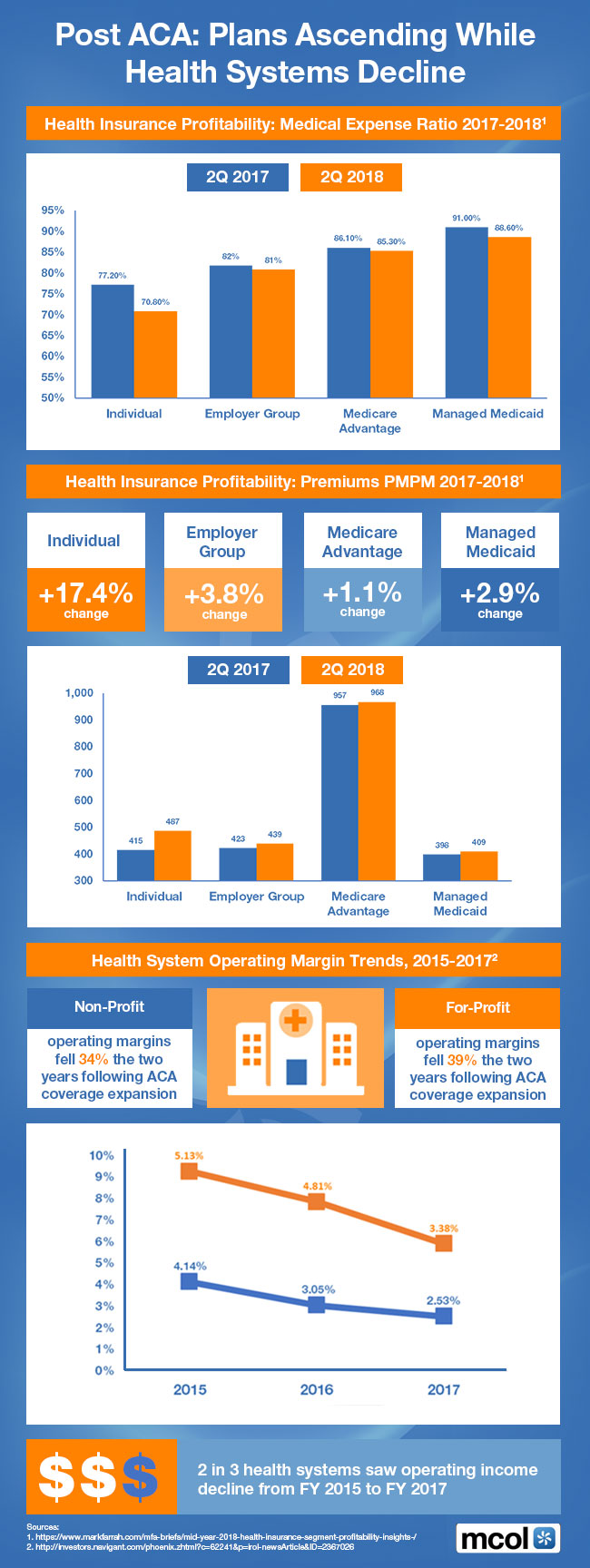
PP-ACA Silver Plan Premium Costs

Changes for 2017

By http://www.MCOL.com

***

***

Conclusion

Your thoughts and comments on this ME-P are appreciated. Feel free to review our top-left column, and top-right sidebar materials, links, URLs and related websites, too. Then, subscribe to the ME-P. It is fast, free and secure.

Speaker: If you need a moderator or speaker for an upcoming event, Dr. David E. Marcinko; MBA – Publisher-in-Chief of the Medical Executive-Post – is available for seminar or speaking engagements. Contact: MarcinkoAdvisors@msn.com

OUR OTHER PRINT BOOKS AND RELATED INFORMATION SOURCES:

Risk Management, Liability Insurance, and Asset Protection Strategies for Doctors and Advisors: Best Practices from Leading Consultants and Certified Medical Planners™8Comprehensive Financial Planning Strategies for Doctors and Advisors: Best Practices from Leading Consultants and Certified Medical Planners™

***

HEDGE FUNDS – A History Rooted in Medicine?

HEDGE FUNDS – Really Rooted in Medicine?

By Dr. David E. Marcinko MBA CMP™

http://www.CertifiedMedicalPlanner.org

The investment profession has come a long way since the door-to-door stock salesmen of the 1920s sold a willing public on worthless stock certificates. The stock market crash of 1929 and ensuing Great Depression of the 1930s forever changed the way investment operations are run. A bewildering array of laws and regulations sprung up, all geared to protecting the individual investor from fraud. These laws also set out specific guidelines on what types of investment can be marketed to the general public – and allowed for the creation of a set of investment products specifically not marketed to the general public.

These early-mid 20th century lawmakers specifically exempted from the definition of “general public,” for all practical purposes, those investors that meet certain minimum net worth guidelines. The lawmakers decided that wealth brings the sophistication required to evaluate, either independently or together with wise counsel, investment options that fall outside the mainstream.

Not surprisingly, an investment industry catering to such wealthy individuals, such as doctors and healthcare professionals, and qualifying institutions has sprung up.

***

READ MORE HERE

https://www.linkedin.com/pulse/hedge-funds-history-rooted-medicine-mbbs-dpm-mba-m-ed-cmp-

***

Conclusion

Your thoughts and comments on this ME-P are appreciated. Feel free to review our top-left column, and top-right sidebar materials, links, URLs and related websites, too. Then, subscribe to the ME-P. It is fast, free and secure.

Speaker: If you need a moderator or speaker for an upcoming event, Dr. David E. Marcinko; MBA – Publisher-in-Chief of the Medical Executive-Post – is available for seminar or speaking engagements. Contact: MarcinkoAdvisors@msn.com

OUR OTHER PRINT BOOKS AND RELATED INFORMATION SOURCES:

Risk Management, Liability Insurance, and Asset Protection Strategies for Doctors and Advisors: Best Practices from Leading Consultants and Certified Medical Planners™8Comprehensive Financial Planning Strategies for Doctors and Advisors: Best Practices from Leading Consultants and Certified Medical Planners™

***

First Global “Holacracy” Forum

What is Holacracy?

By Rick Kahler MS CFP®

“Holacracy is not something to go beyond, it is beyond.” This statement from David Allen, author of the iconic book, Getting Things Done, illustrates the challenge of describing the Holacratic approach to operating an organization.

Allen was a speaker at the first Global Holacracy Forum, held in Amsterdam, which I recently attended. It was a chance for Holacracy thought leaders from around the world to network and learn more from each other.

What is Holacracy? One of its founders, Tom Thompson of Encode.org, calls it “a complete wholesale replacement for management hierarchy” and says,

“It’s exploring work in pursuit of purpose.”

Many of those attending the forum referred to Holacracy as a new operating system for organizations. Decision-making is taken from the “top” and distributed among clearly defined roles. The Holacratic structure is a highly disciplined way of working that invites everyone to become an entrepreneur in carrying out their role to achieve the purpose of the organization. Holacracy is not egalitarian or a democracy. Its goal is to serve the purpose of the organization by inviting people into conscious relationships with themselves and each other.

***

***

Behavior Change

As good as that may sound, not every company or every person is a good fit for Holacracy, as forum participants pointed out. “There is a lot of deep individual behavioral change that needs to happen to successfully transition to a Holacracy,” said co-founder Brian Robertson. Frank Klinkhammer, of NetCentric in Zurich, added,

“The personal development of every partner (employee) is now important to the whole group.  Do not over-estimate a person’s ability to change, or even your own.”

Robertson said a significant number of companies claimed to have adopted Holacracy but soon dropped the system. “Most of those thought they were doing Holacracy but instead still maintained their management hierarchy and just ran the Holacratic meeting structure.” He noted that, in his experience, companies that make the leap and fully adopt Holacracy say they will never go back.

*** 

***

Case Model

One of those is David Allen, who discovered Holacracy six years ago when he was about to fold his company of 45 people. He found it the perfect organizational overlay to his system of Getting Things Done. “Holacracy is about optimizing an organization, Getting Things Done is about maximizing the productivity of an individual.” Allen also emphasized the importance of individual behavioral change, saying,

“People must know how to manage themselves first to exist in Holacracy.”

What is it worth to people to work in a Holacratic company? According to market research done by Michael DeAngelo, who works for the state of Washington, employees in the Seattle area must be offered 30% to 40% more a year to leave a Holacratic organization to work at a traditional company. He says a company using Holacracy “offers everything the workforce values: flexibility, a sense of purpose, autonomy, and personal and professional growth.”

When is a good time to adopt Holacracy?

“There is never a good time to start,” said Allen. I would agree. When I adopted it four years ago, we had just lost a key employee who did a little bit of everything. I wanted a system that required less management, had clear job descriptions, and would give my staff more personal responsibility and freedom. I found all that and more in Holacracy. I also under estimated people’s ability to change their behavior and flourish rather than flounder with the increased freedom and responsibility.

Assessment

Despite the challenges of implementing it, I do believe Holacracy is, as Robertson described it in his closing remarks, “a radical new way to organize power.” He believes Holacratic principles can fundamentally change the power structures of society. 

Conclusion

Your thoughts and comments on this ME-P are appreciated. Feel free to review our top-left column, and top-right sidebar materials, links, URLs and related websites, too. Then, subscribe to the ME-P. It is fast, free and secure.

Speaker: If you need a moderator or speaker for an upcoming event, Dr. David E. Marcinko; MBA – Publisher-in-Chief of the Medical Executive-Post – is available for seminar or speaking engagements. Contact: MarcinkoAdvisors@msn.com

OUR OTHER PRINT BOOKS AND RELATED INFORMATION SOURCES:

Product DetailsProduct Details

***

Why patients will soon prefer paper dental records?

Read for yourself why dental patients will soon prefer paper-based over paperless

[By Kellus Pruitt DDS]

Recently, Marianne Kolbasuk McGee (HealthInfoSec) posted, “Analysis: Are HHS Cybersecurity Recommendations Achievable? Experts Sort Through New Task Force Report.”

http://www.healthcareinfosecurity.com/analysis-are-hhs-cybersecurity-recommendations-achievable-a-9971

McGee: 

“A new Department of Health and Human Services report to Congress containing more than 100 recommendations for how healthcare can better address cybersecurity threats is stirring debate over whether smaller organizations will be able to take the recommended actions.”

Cha-ching!

Privacy attorney David Holtzman, vice president of compliance at the consultancy CynergisTek, tells Healthinfosec:

“The majority of information systems that create or maintain personally identifiable health information are owned and managed by small organizations whose capability or access to the people or technology to secure information systems is limited by financial constraints or ability to attract well-trained human resources,” he says. “At first glance, it is difficult to see how these small organizations can translate the recommendations in the report into tangible progress.”

As large, juicy healthcare organizations successfully harden their cyber-defenses, small healthcare entities – like dental offices – will attract identity thieves with smaller, juicy low-hanging fruit.

Or, as suggested in the article, taxpayers can subsidize cyber-protection for dentists and other small healthcare organizations. In my opinion, that simply won’t happen.

***

***

Wary dental patients – many of whom have received breach notifications or have learned about identity theft the hard way – will find it increasingly easy to find a new dentist who does not put their identities on computers. After all, electronic dental records offer dental patients no tangible benefits anyway.

Assessment

If dental patients’ identities are unavailable, they cannot be stolen …. Still too early for de-identification, Doc? Give it time. I’ve got patience. 

***

***

Conclusion

Your thoughts and comments on this ME-P are appreciated. Feel free to review our top-left column, and top-right sidebar materials, links, URLs and related websites, too. Then, subscribe to the ME-P. It is fast, free and secure.

Speaker: If you need a moderator or speaker for an upcoming event, Dr. David E. Marcinko; MBA – Publisher-in-Chief of the Medical Executive-Post – is available for seminar or speaking engagements. Contact: MarcinkoAdvisors@msn.com

OUR OTHER PRINT BOOKS AND RELATED INFORMATION SOURCES:

Product DetailsProduct Details

***

Anatomy of Medical Device Cyber Attacks

On Cyber Attacks

[By Bertran Mesko, MD PhD]

According to studies by PWC and the SANS Institute, 94% of healthcare organizations have been victims of a cyber-attack.

As we use more and more devices from smartphones to wearable sensors, your online privacy can have a very real impact on our health and well-being. When hacked, even simple wearables can yield private information about our vital signs and reveal personal health problems and insight into our habits (like when we regularly go running) that’s best kept from the public eye.

More threatening are the findings of security researchers who managed to prove that a deadly overdose of medication could be administered remotely via a vulnerability in certain insulin pumps.

HIT Dangers

Let’s see the dangers facing our health information, and a few easy tips you can use to boost your privacy levels quickly.

***

The dangers facing healthcare privacy

Assessment

Arxan recently surveyed trends and dangers threatening the privacy of healthcare data.

Conclusion

Your thoughts and comments on this ME-P are appreciated. Feel free to review our top-left column, and top-right sidebar materials, links, URLs and related websites, too. Then, subscribe to the ME-P. It is fast, free and secure.

Speaker: If you need a moderator or speaker for an upcoming event, Dr. David E. Marcinko; MBA – Publisher-in-Chief of the Medical Executive-Post – is available for seminar or speaking engagements. Contact: MarcinkoAdvisors@msn.com

OUR OTHER PRINT BOOKS AND RELATED INFORMATION SOURCES:

Dictionary of Health Insurance and Managed Care

Product DetailsProduct DetailsProduct Details

***

Happy Birthday IJHPM

The IJHPM Is Now 4-Years Old!

[By staff reporters]

When the IJHPM started in mid 2013 with very limited resources, they could never imagine reaching the zenith where they are now.

For example: Publishing 630 high quality articles, attracting 1383  authors from 68 countries, engaging more than 4000 referees from 103 countries, publishing 75 video- and podcasts, and getting indexed in major indexing services such as Web of Science Emerging Sources Citation Index (ESCI), Scopus, Medline, PubMed Central (PMC) are all astonishing achievements.

***

International Journal of Health Policy and Management

***

[IJHPM Improvements from 2013 to 2017]

This short video shows their accomplishments!

Conclusion

Your thoughts and comments on this ME-P are appreciated. Feel free to review our top-left column, and top-right sidebar materials, links, URLs and related websites, too. Then, subscribe to the ME-P. It is fast, free and secure.

Speaker: If you need a moderator or speaker for an upcoming event, Dr. David E. Marcinko; MBA – Publisher-in-Chief of the Medical Executive-Post – is available for seminar or speaking engagements. Contact: MarcinkoAdvisors@msn.com

OUR OTHER PRINT BOOKS AND RELATED INFORMATION SOURCES:

Product DetailsProduct Details

***

GAO Healthcare Marketplace Undercover Testing in 2016

Is Your Membership Enrollment Process Leaving you Exposed?

By http://www.MCOL.com

***

***

Conclusion

Your thoughts and comments on this ME-P are appreciated. Feel free to review our top-left column, and top-right sidebar materials, links, URLs and related websites, too. Then, subscribe to the ME-P. It is fast, free and secure.

Speaker: If you need a moderator or speaker for an upcoming event, Dr. David E. Marcinko; MBA – Publisher-in-Chief of the Medical Executive-Post – is available for seminar or speaking engagements. Contact: MarcinkoAdvisors@msn.com

OUR OTHER PRINT BOOKS AND RELATED INFORMATION SOURCES:

Product DetailsProduct Details

***