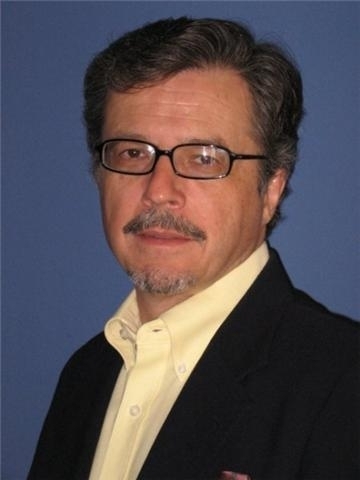
R.I.P – J. Alex Haller Jr., MD

Famed Pediatric Surgeon

[By Dr. David E. Marcinko MBA]

Recently, I was back home in the rust-belt city of Baltimore, Maryland.

Of course, I stopped by Johns Hopkins University Medical School and Hospital where I first met Ben Carson MD, the late great Helen Taussig MD and J. Alex Haller Jr., MD decades ago. I played stickball in the parking lot there, while a kid.

So, I was saddened to lean that Dr. Haller died earlier this year; at age 91.

***

J. Alex Haller Jr., Johns Hopkins pediatric surgeon who gained fame in separating conjoined twins, dies

https://hub.jhu.edu/2018/06/18/alex-haller-pediatric-surgery-obituary/

***

INTERVIEW: https://www.aap.org/en-us/about-the-aap/Pediatric-History-Center/Documents/Haller.pdf

Conclusion

Your thoughts and comments on this ME-P are appreciated. Feel free to review our top-left column, and top-right sidebar materials, links, URLs and related websites, too. Then, subscribe to the ME-P. It is fast, free and secure.

Speaker: If you need a moderator or speaker for an upcoming event, Dr. David E. Marcinko; MBA – Publisher-in-Chief of the Medical Executive-Post – is available for seminar or speaking engagements.

Book Marcinko: https://medicalexecutivepost.com/dr-david-marcinkos-bookings/

Subscribe: MEDICAL EXECUTIVE POST for curated news, essays, opinions and analysis from the public health, economics, finance, marketing, IT, business and policy management ecosystem.

DOCTORS:

“Insurance & Risk Management Strategies for Doctors” https://tinyurl.com/ydx9kd93

“Fiduciary Financial Planning for Physicians” https://tinyurl.com/y7f5pnox

“Business of Medical Practice 2.0” https://tinyurl.com/yb3x6wr8

HOSPITALS:

“Financial Management Strategies for Hospitals” https://tinyurl.com/yagu567d

“Operational Strategies for Clinics and Hospitals” https://tinyurl.com/y9avbrq5

***

Product DetailsProduct Details

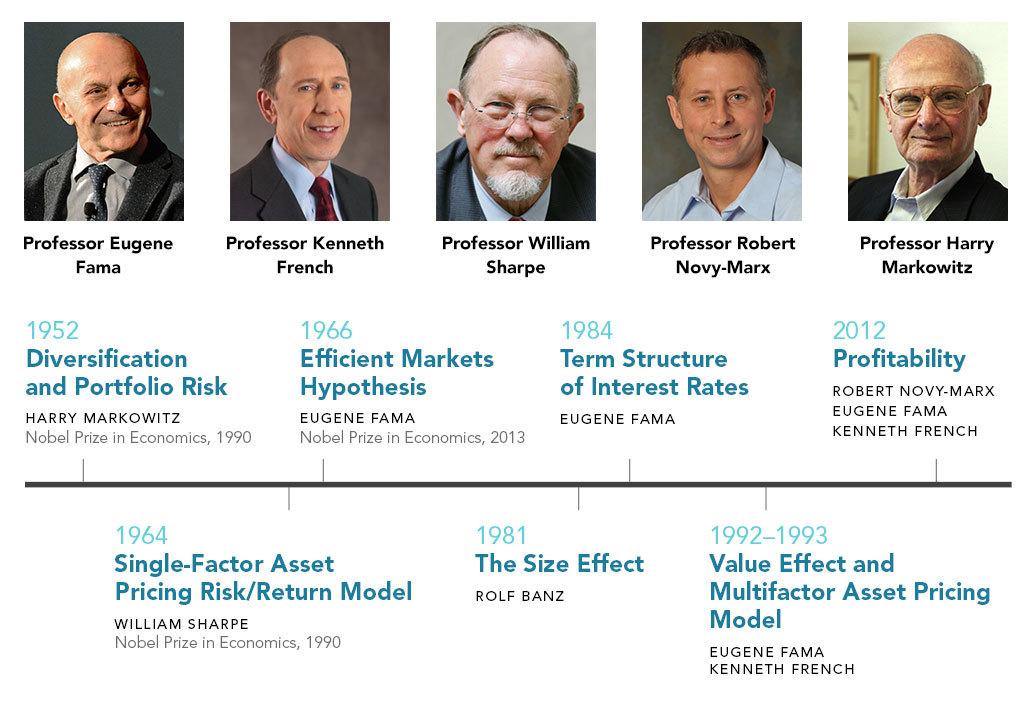
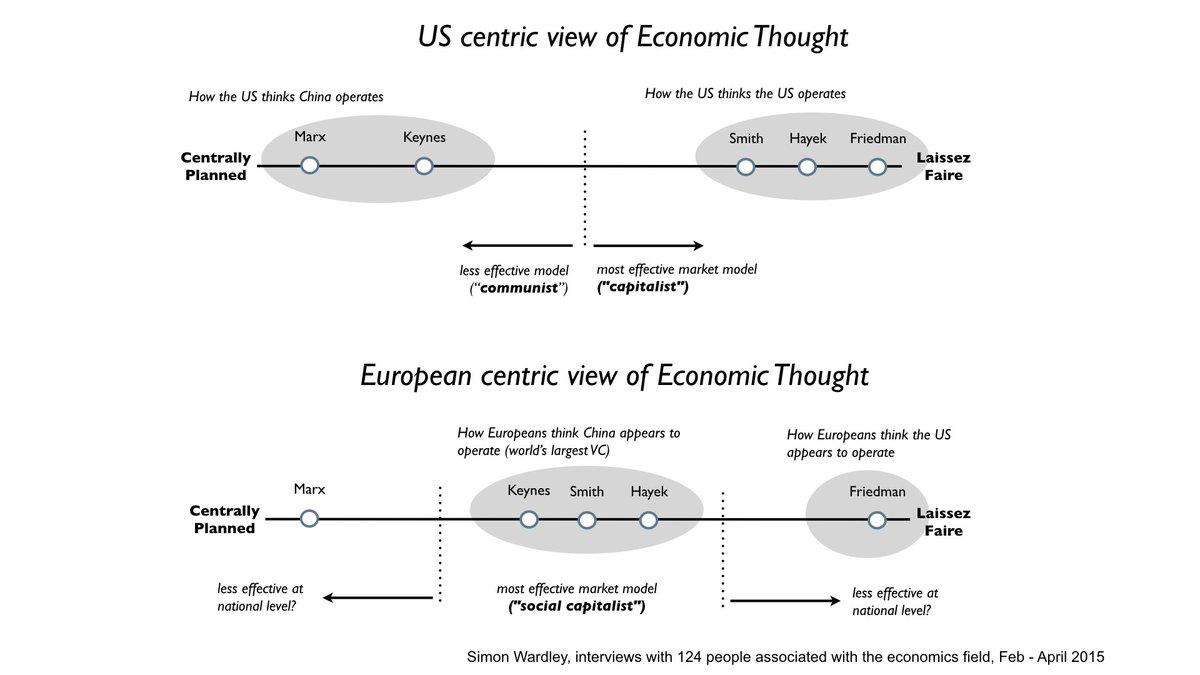
Some Economists of Note

For Physician-Investors to Know

[By staff reporters]

***

***

***

***

Your thoughts are appreciated.

RESOURCES:

“Insurance & Risk Management Strategies for Doctors” https://tinyurl.com/ydx9kd93

“Fiduciary Financial Planning for Physicians” https://tinyurl.com/y7f5pnox

“Business of Medical Practice 2.0” https://tinyurl.com/yb3x6wr8

THANK YOU

Risk Management, Liability Insurance, and Asset Protection Strategies for Doctors and Advisors: Best Practices from Leading Consultants and Certified Medical Planners™8Comprehensive Financial Planning Strategies for Doctors and Advisors: Best Practices from Leading Consultants and Certified Medical Planners™

Disruptive Innovation in Health Care?

Engaging Boards in Disruptive Innovation

[By Dr. David Edward Marcinko MBA]

As a former Wall Street advisor, I’ve never encountered a successful case of planned disruptive innovation in any industry sector. So, it is no surprise that I am under-whelmed by the recently announced ABJ potential. Innovation is flexible and organic; not static or planned.

Not sure of ABJ? Perform an internet search.

However, some now suggest that a hybrid organic-static model may be useful. Coined “strategy-simulation”, the authors of this white-paper suggest it might actually be helpful for assessing potential disruptors in healthcare.

***

http://trustees.aha.org/disruptiveinnovation/TI_1118_practical-governance-keroack.pdfhttp://trustees.aha.org/disruptiveinnovation/TI_1118_practical-governance-keroack.pdf

Assessment

So, does any one think this idea has promise?
Is it really new; at all? 

Conclusion

Your thoughts and comments on this ME-P are appreciated. Feel free to review our top-left column, and top-right sidebar materials, links, URLs and related websites, too. Then, subscribe to the ME-P. It is fast, free and secure.

Speaker: If you need a moderator or speaker for an upcoming event, Dr. David E. Marcinko; MBA – Publisher-in-Chief of the Medical Executive-Post – is available for seminar or speaking engagements.

Book Marcinko: https://medicalexecutivepost.com/dr-david-marcinkos-bookings/

Subscribe: MEDICAL EXECUTIVE POST for curated news, essays, opinions and analysis from the public health, economics, finance, marketing, IT, business and policy management ecosystem.

DOCTORS:

“Insurance & Risk Management Strategies for Doctors” https://tinyurl.com/ydx9kd93

“Fiduciary Financial Planning for Physicians” https://tinyurl.com/y7f5pnox

“Business of Medical Practice 2.0” https://tinyurl.com/yb3x6wr8

HOSPITALS:

“Financial Management Strategies for Hospitals” https://tinyurl.com/yagu567d

“Operational Strategies for Clinics and Hospitals” https://tinyurl.com/y9avbrq5

 Product DetailsProduct Details 

RESOURCES:

“Insurance & Risk Management Strategies for Doctors” https://tinyurl.com/ydx9kd93

“Fiduciary Financial Planning for Physicians” https://tinyurl.com/y7f5pnox

“Business of Medical Practice 2.0” https://tinyurl.com/yb3x6wr8

“Financial Management Strategies for Hospitals” https://tinyurl.com/yagu567d

“Operational Strategies for Clinics and Hospitals” https://tinyurl.com/y9avbrq5

***


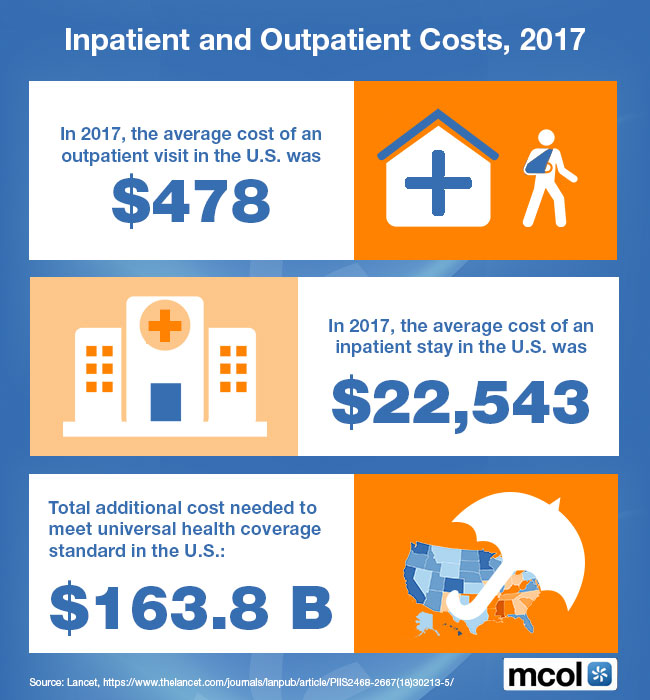
On In-Patient and Out-Patient Healthcare Costs

For FY 2017

By http://www.MCOL.com

*** 

***

Conclusion

Your thoughts and comments on this ME-P are appreciated. Feel free to review our top-left column, and top-right sidebar materials, links, URLs and related websites, too. Then, subscribe to the ME-P. It is fast, free and secure.

Speaker: If you need a moderator or speaker for an upcoming event, Dr. David E. Marcinko; MBA – Publisher-in-Chief of the Medical Executive-Post – is available for seminar or speaking engagements.

Book Marcinko: https://medicalexecutivepost.com/dr-david-marcinkos-bookings/

Subscribe: MEDICAL EXECUTIVE POST for curated news, essays, opinions and analysis from the public health, economics, finance, marketing, IT, business and policy management ecosystem.

DOCTORS:

“Insurance & Risk Management Strategies for Doctors” https://tinyurl.com/ydx9kd93

“Fiduciary Financial Planning for Physicians” https://tinyurl.com/y7f5pnox

“Business of Medical Practice 2.0” https://tinyurl.com/yb3x6wr8

HOSPITALS:

“Financial Management Strategies for Hospitals” https://tinyurl.com/yagu567d

“Operational Strategies for Clinics and Hospitals” https://tinyurl.com/y9avbrq5

***

Product DetailsProduct Details


ATTN: S-Corporation shareholders

Dear S-Corporation shareholder,

[By Cindy Freking, CPA]

The year is coming to an end and we would like to send you a few important reminders.

Be certain that you have taken an adequate salary from your S-Corporation. The practice of taking cash distributions from your S-Corporation without drawing a salary or without drawing an adequate salary is increasingly being challenged by the IRS. The IRS is winning.

If the company is paying your health insurance premiums, please be sure that those premiums will be included in your W-2. If they are not, you will lose the self-employed health insurance deduction that is available to you on your own personal income tax return.

Assessment

If you need help to determine your salary, the appropriateness of your salary and the health insurance premiums that should be included in your taxable wages, please contact your local CPA.

Have a wonderful holiday!

Conclusion

Your thoughts and comments on this ME-P are appreciated. Feel free to review our top-left column, and top-right sidebar materials, links, URLs and related websites, too. Then, subscribe to the ME-P. It is fast, free and secure.

Speaker: If you need a moderator or speaker for an upcoming event, Dr. David E. Marcinko; MBA – Publisher-in-Chief of the Medical Executive-Post – is available for seminar or speaking engagements.

Book Marcinko: https://medicalexecutivepost.com/dr-david-marcinkos-bookings/

Subscribe: MEDICAL EXECUTIVE POST for curated news, essays, opinions and analysis from the public health, economics, finance, marketing, IT, business and policy management ecosystem.

DOCTORS:

“Insurance & Risk Management Strategies for Doctors” https://tinyurl.com/ydx9kd93

“Fiduciary Financial Planning for Physicians” https://tinyurl.com/y7f5pnox

“Business of Medical Practice 2.0” https://tinyurl.com/yb3x6wr8

***

Risk Management, Liability Insurance, and Asset Protection Strategies for Doctors and Advisors: Best Practices from Leading Consultants and Certified Medical Planners™8Comprehensive Financial Planning Strategies for Doctors and Advisors: Best Practices from Leading Consultants and Certified Medical Planners™

PODCAST: Off Road Christmas Touring with Dr. Marcinko

City Lights in Baltimore, Maryland

By Dr. David Edward Marcinko; MBA, CMP™

[Editor-in-Chief]

I stopped off in Baltimore, Maryland during the recent holidays to visit current clients, prospect for new ones, do a little public speaking and promote our book [Business of Medical Practice, third edition].

Of course, we stopped by Johns Hopkins University where my sister worked, and promoted the Medical Executive-Post, as well.

Enter Christmas Street

And so, it was with great anticipation that we agreed with our host to visit Baltimore’s Christmas Street, in a section of the city known as Hampden. For 65 years, the residents of Baltimore’s 34th Street have drawn crowds from all over the world to view their display of Christmas lights.

Assessment

Crowd favorites are the motorized robot, the hubcap “Christmas tree”, and “snowmen” made from bicycle tires. The eaves of houses drip with strings of lights that illuminate Nativity scenes, while glowing candy canes light the sidewalks.

And, the hot chocolate and pizza, down the street at Angelo’s Restaurant, was especially delicious on any cold wintry night.

Video link: https://www.youtube.com/watch?v=hwk5N6qBx8Q

Channel Surfing

Have you visited our other topic channels? Established to facilitate idea exchange and link our community together, the value of these topics is dependent upon your input. Please take a minute to visit. And, to prevent that annoying spam, we ask that you register.

Speaker: If you need a moderator or speaker for an upcoming event, Dr. David E. Marcinko; MBA – Publisher-in-Chief of the Executive-Post – is available for seminar or speaking engagements. Contact: MarcinkoAdvisors@msn.com

Subscribe Now: Did you like this Medical Executive-Post, or find it helpful, interesting and informative? Want to get the latest ME-Ps delivered to your email box each morning? Just subscribe using the link below. You can unsubscribe at any time. Security is assured.

Sponsors Welcomed

And, credible sponsors and like-minded advertisers are always welcomed.

Link: https://healthcarefinancials.wordpress.com/2007/11/11/advertise

***

Product DetailsProduct Details

A Financial “Christmas Carol” [Part 2]

Join Our Mailing List 

By Rick Kahler MS CFP® http://www.KahlerFinancial.com

Rick Kahler MS CFPPreviously, in Part 1, we discussed the most important step of changing a problematic financial behavior: becoming willing to admit that changing the behavior is important and to seriously contemplate the change. Ebenezer Scrooge in A Christmas Carol took that step when he heeded a warning from the ghost of Jacob Marley.

Financial Transformations

The next step in the financial transformation process is probably the most difficult and requires the most courage. It is looking into the past to revisit the events in our lives where our strongly held delusions were formed. Scrooge resisted this step and tried his best to skip over it. Yet his guide, the Ghost of Christmas Past, gently turned him toward the past.

Bringing objectivity and understanding to entrenched financial delusions isn’t easy. Many people want to focus instead on obtaining more information on how to save, invest, or spend wisely. We try to jump into the present before visiting the past, which is typically the last thing we want to do.

Yet, what we need most for transformation is emotional intelligence, which cannot be learned academically or developed by oneself. It must be learned emotionally, experientially, and in community. Just as Scrooge found a guide in the Ghost of Christmas Past, people wanting to gain the emotional intelligence needed to change their financial behaviors require the assistance of a financial coach or therapist. This is a journey that cannot be taken alone.

The New Reality?

Once we have taken that difficult but transformational journey into the past, we are ready to become present and see reality with new clarity. While Scrooge was less resistant to looking at the present than the past, it was the one step that terrified him the most. Once emotional intelligence is gained, we must face replacing our faulty beliefs with accurate cognitive information. This is the place for learning about budgeting, debt reduction, investments, and other financial skills.

In Changing for Good, Dr. James O. Prochaska calls this the stage of preparation, where we begin to acquire necessary knowledge and take the necessary steps to get ready to act. Scrooge’s guide, the Ghost of Christmas Present, helped him negotiate the present and obtain this knowledge. Our real-world guides may include accountants, attorneys, financial planners, and educational books and workshops.

When we gain accurate financial knowledge, we are ready to look toward the future to see where our previous delusional decisions potentially were taking us. Like the vision that the Ghost of Christmas Future unveils before Scrooge, the scene is often harsh. However, because of our preparation, we have the capacity and tools to enter what Prochaska calls the action phase.

***

100_1

***

Now we can begin to create a future that is consciously and deliberately planned. We can take control of our money rather than our money controlling us. Our guides can be financial advisors, financial planners, and financial mentors.

Many of us try to shortcut the transformation process by starting here, in the last step of looking toward the future. Sadly, without first taking the critical steps of viewing the past and learning the present, we often lose heart. This is why resolutions for financial change often fail, not because the goal is bad or unattainable, but because we are unprepared to go into action.

The end product of Scrooge’s difficult journey with the three Spirits was a transformed person, full of joy, generosity, and spirit. He experienced this transformation because he had the courage and conviction to start the process.

Assessment

It’s not possible to give the gift of a financial transformation. It is a gift that can only be received. This Christmas and New Year 2019, perhaps it’s time for you to receive yours.

Part 1: A Financial “Christmas Carol” [Part 1]

Conclusion

Your thoughts and comments on this ME-P are appreciated. Feel free to review our top-left column, and top-right sidebar materials, links, URLs and related websites, too. Then, subscribe to the ME-P. It is fast, free and secure.

Speaker: If you need a moderator or speaker for an upcoming event, Dr. David E. Marcinko; MBA – Publisher-in-Chief of the Medical Executive-Post – is available for seminar or speaking engagements. Contact: MarcinkoAdvisors@msn.com

OUR OTHER PRINT BOOKS AND RELATED INFORMATION SOURCES:

Comprehensive Financial Planning Strategies for Doctors and Advisors: Best Practices from Leading Consultants and Certified Medical Planners(TM)

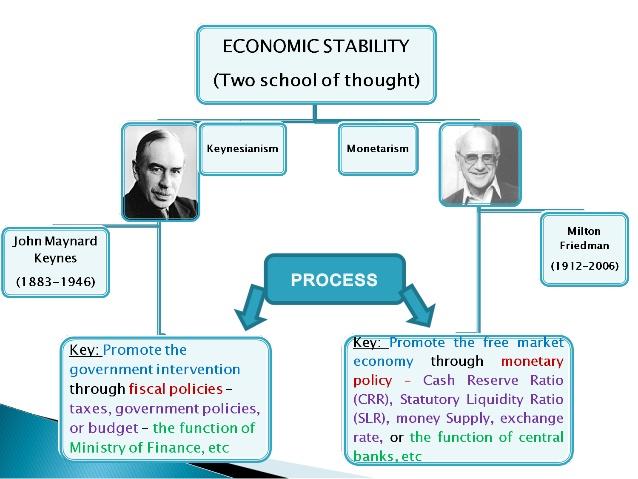
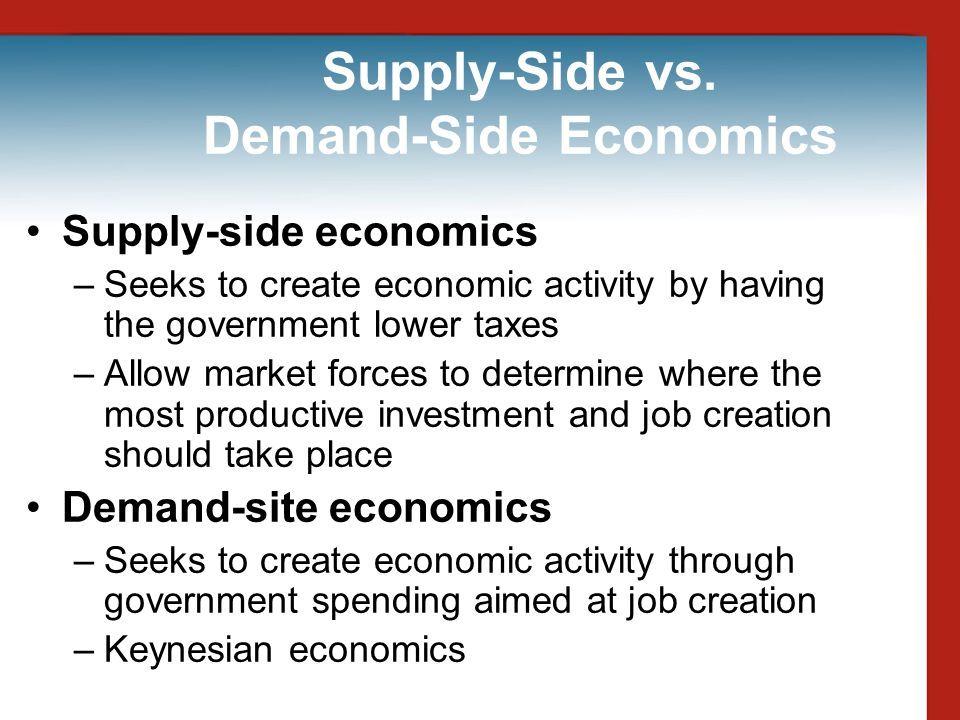
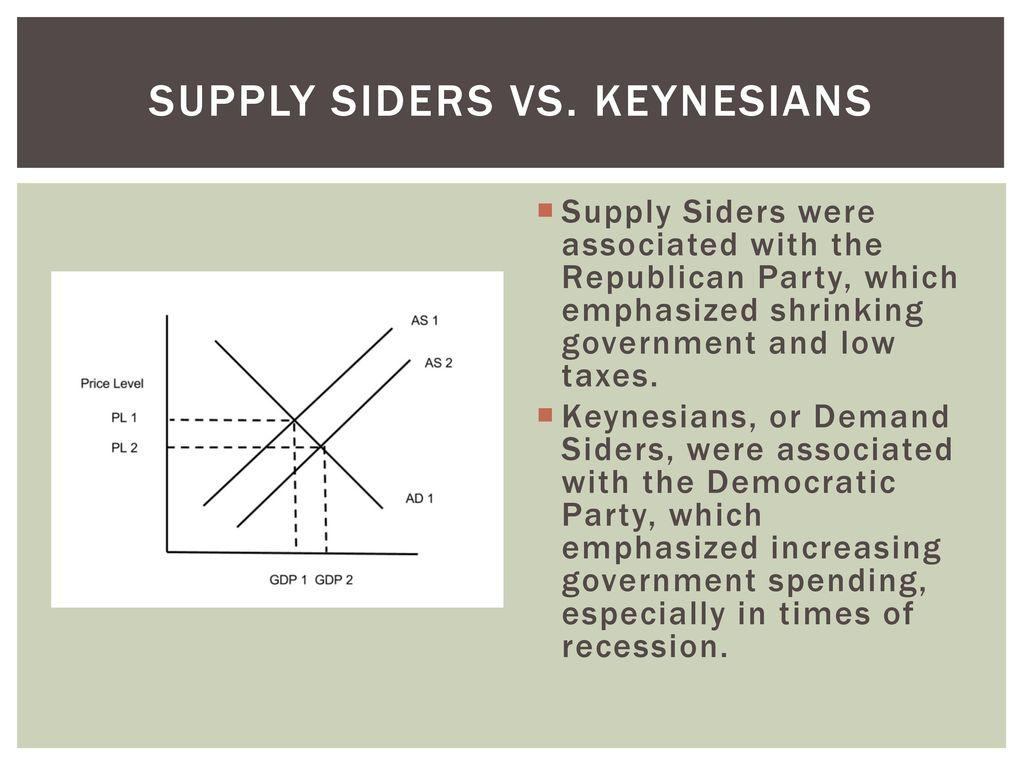
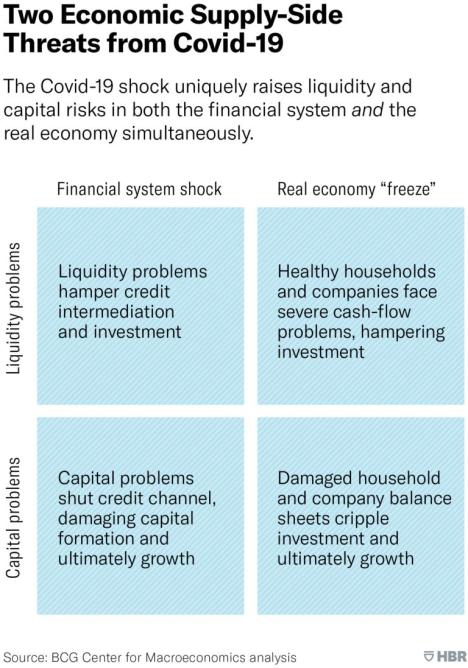
Supply VERSUS Demand Side Economics

A Basic Pictorial – Bye Chi-Town Boys and Hello MIT

[By staff reporters]

***

***

4ea16f27-2374-44a5-8304-ce28a421b75b-original

***

***

lllllll

***

Conclusion

Your thoughts and comments on this ME-P are appreciated. Feel free to review our top-left column, and top-right sidebar materials, links, URLs and related websites, too. Then, subscribe to the ME-P. It is fast, free and secure.

Speaker: If you need a moderator or speaker for an upcoming event, Dr. David E. Marcinko; MBA – Publisher-in-Chief of the Medical Executive-Post – is available for seminar or speaking engagements.

Book Marcinko: https://medicalexecutivepost.com/dr-david-marcinkos-bookings/

Subscribe: MEDICAL EXECUTIVE POST for curated news, essays, opinions and analysis from the public health, economics, finance, marketing, IT, business and policy management ecosystem.

DOCTORS:

“Insurance & Risk Management Strategies for Doctors” https://tinyurl.com/ydx9kd93

“Fiduciary Financial Planning for Physicians” https://tinyurl.com/y7f5pnox

“Business of Medical Practice 2.0” https://tinyurl.com/yb3x6wr8

***

Comprehensive Financial Planning Strategies for Doctors and Advisors: Best Practices from Leading Consultants and Certified Medical Planners™

Why is it SO DARN difficult to talk about money?

The SCREAM?

[By Rick Kahler MSFS CFP®]

Do you have difficulty talking to people about money? Specifically, about their money or yours?

Here’s a quick test that will give you an amazingly accurate answer to that question:

Ask the next five people you see how much they make and what they are worth, then share with them the same information about yourself. If you can do that with ease, you probably don’t have difficulty talking to people about money.

Of all those to whom I have suggested this test, hardly anyone has reported back that it was easy. Actually, most people encounter intense emotions just imagining doing the test. Very few complete or even attempt it.

That includes financial professionals. Many people will admit they find it difficult to talk about money, but few financial professionals will. After all, their profession is all about money, so how could they have trouble talking about it? Yet they do, when the money is theirs.

Research

Research finds that most people have such difficulty talking about their money that they will pay to keep their salary a secret. According to an October 16, 2018, article by Jacob Passy in Market Watch, researchers at Harvard Business School and UCLA found that 80% of those surveyed would be willing to pay money to stop coworkers from receiving an email containing their salary information.

“Employees may be afraid to ask coworkers about their salaries because that may force them to reveal their own salaries, which they dislike,” the researchers said.

Why, regardless of our profession, do we dislike telling people what we make or how much we are worth?

Net worth

To find out, try this quick exercise. Imagine asking the next five people you see to reveal their earnings and net worth and sharing your earnings and net worth with them. Then write down all the one-word feelings you can identify that this brings up. Next, write down the thoughts, beliefs, or reasons that come to mind that would keep you from asking or answering these financial questions. Don’t censor your responses, and keep writing until you have nothing else popping up.

You should now have a really good list of why you dislike talking about what you or other people earn and are worth financially.

***

***

Some of the common feelings are terror, panic, embarrassment, shame, guilt, shock, surprise, and anxiety.

Some of the thoughts are: 

  1. If I ask that, people will reject me and think I am a nutcase.
  2. If people find out what I am worth, they will shame and reject me.
  3. It’s too vulnerable to share financial information, I would rather talk about my sex life.
  4. I am afraid of being hurt, rejected, and shamed if I ask someone about their finances
  5. If people find out I don’t have much money, they’ll lose respect for me and take advantage of me.
  6. If people find out I have a lot of money, they’ll lose respect for me and take advantage of me.
  7. If they make more or are worth more than me, I will feel small and insignificant.
  8. If they make less or are worth less than me, I will feel guilty and unworthy of having more.
  9. People don’t like people who make more money or are worth more money than them.
  10. A person’s net worth is equal to their self-worth.

Assessment

Given the emotional weight of money as a topic, at your company Christmas party you may want to stick to talking about politics or religion. If you do want to spice things up and ask “The Money Question,” I would be interested to know about your experience.

Conclusion

Your thoughts and comments on this ME-P are appreciated. Feel free to review our top-left column, and top-right sidebar materials, links, URLs and related websites, too. Then, subscribe to the ME-P. It is fast, free and secure.

Speaker: If you need a moderator or speaker for an upcoming event, Dr. David E. Marcinko; MBA – Publisher-in-Chief of the Medical Executive-Post – is available for seminar or speaking engagements.

Book Marcinko: https://medicalexecutivepost.com/dr-david-marcinkos-bookings/

Subscribe: MEDICAL EXECUTIVE POST for curated news, essays, opinions and analysis from the public health, economics, finance, marketing, IT, business and policy management ecosystem.

DOCTORS:

“Insurance & Risk Management Strategies for Doctors” https://tinyurl.com/ydx9kd93

“Fiduciary Financial Planning for Physicians” https://tinyurl.com/y7f5pnox

“Business of Medical Practice 2.0” https://tinyurl.com/yb3x6wr8

HOSPITALS:

“Financial Management Strategies for Hospitals” https://tinyurl.com/yagu567d

“Operational Strategies for Clinics and Hospitals” https://tinyurl.com/y9avbrq5

***

Risk Management, Liability Insurance, and Asset Protection Strategies for Doctors and Advisors: Best Practices from Leading Consultants and Certified Medical Planners™8Comprehensive Financial Planning Strategies for Doctors and Advisors: Best Practices from Leading Consultants and Certified Medical Planners™

Meet David K. Luke MIM CMP™ [An ME-P Thought-Leader]

Join Our Mailing List

A Physician Focused Financial Advisior and Certified Medical Planner™

Financial Management Experience

https://www.medicuswealthplanning.com/team/david-k-luke

David K. Luke focuses on helping physicians, medical professionals, and successful retirees with financial planning, investment and risk management.

In the past 24 years of industry experience, David has held licenses including general securities registered representative, registered investment advisor, Branch management supervision, and Life, Accident, and Health Producers.

David, a fee-only advisor, is able to help his clients to achieve peace of mind and greater assurance with their financial goals by giving advice and providing investment management that is in their best interest, untainted by commissions or sales objectives. Likewise, in a true fiduciary capacity, he is able to help investors determine the reliability and suitability of products and services that they have been sold by other advisors.

David began his career managing money in 1986 in the General Motors of Canada Banking and Investments department where he was engaged in cash management, foreign currency hedging, and the debt issuance of a $100 million Eurobond and a $300 million Note Issuance facility. In 1988 as Supervisor of Borrowings for GMAC Canada David was responsible for the daily average issuance of $125 million in short-term Commercial Paper. David worked as a stock broker and portfolio manager for 2 major national brokerage firms (A.G. Edwards and Wachovia Securities) from 1989 to 2008.

Additionally, at Wachovia Securities David was among an elite group of financial advisors approved as a PIM (Private Investment Management) Portfolio Manager. Prior to joining Net Worth Advisory Group in 2010, David managed his own independent firm, Luke Wealth Strategies, working as a registered representative and investment advisor.

Education and Designations

  • President 2009/2010, Financial Planning Association (FPA) – Utah Chapter Affiliate
  • National Association of Personal Financial Advisors (NAPFA)
  • Member, Medical Group Management Association Master of International Management (Finance concentration)
  • American Graduate School of International Management Bachelor of Arts, Brigham Young University
  • Certified Medical Planner™ Professiobnal Designation from iMBA, Inc www.CertifiedMedicalPlanner.org

http://www.CertifiedMedicalPlanner.org

Assessment

David is our newest ME-P “thought-leader”. We look foward to his insider comments and posts. So, please welcome him and give his site a click: http://networthadvice.com/our-team/david-k-luke/

Product DetailsProduct DetailsProduct Details

Product Details  Product Details

Product Details

Is the PP-ACA Un-Constitutional?

A Texas court has declared the entire ACA unconstitutional

Austin Frakt PhD

By Austin Frakt PhD

And I’ve got an op-ed in the Washington Post about why the court is wrong. Here’s a taste:

Who cares if a zero-dollar mandate is constitutional or not? Why does it matter in the slightest? And what on earth does it have to do with the rest of ACA?

You might have thought that the right remedy would be to invalidate the penalty-free mandate. Doing so would align with Congress’s evident view that an ACA without an individual mandate was preferable to an ACA with it. That’s what I argued in an amicus brief with a bipartisan group of law professors.

Instead, the court held that the entire ACA was “inseverable” from the purportedly unconstitutional mandate. To reach that conclusion, the judge leaned heavily on Congress’s findings from 2010, where it said that the individual mandate was “essential” to the law.

But the mandate that the 2010 Congress said was essential had a penalty attached to it. The finding is irrelevant to a mandate that lacks any such penalty.

In any event, it doesn’t matter what Congress meant to do in 2010. It matters what Congress meant to do in 2017, when a different Congress made a different call about whether the mandate was essential. We know what Congress wanted to do in 2017: repeal the mandate and leave the rest of the act intact. Its judgment could not have been plainer. (I know. I was there! So were you. It wasn’t that long ago.)

***

***

You can read the whole thing here. My co-amici, Jonathan Adler and Abbe Gluck, have a New York Times op-ed sounding similar themes.

I’ll probably write them up more extensively in the coming days, but I’ve also got tentative thoughts about the immediate consequences of the decision (short answer: nothing right now) and the potential difficulties with getting a quick appeal of the decision.

***

***

Conclusion

Your thoughts and comments on this ME-P are appreciated. Feel free to review our top-left column, and top-right sidebar materials, links, URLs and related websites, too. Then, subscribe to the ME-P. It is fast, free and secure.

Speaker: If you need a moderator or speaker for an upcoming event, Dr. David E. Marcinko; MBA – Publisher-in-Chief of the Medical Executive-Post – is available for seminar or speaking engagements.

Book Marcinko: https://medicalexecutivepost.com/dr-david-marcinkos-bookings/

Subscribe: MEDICAL EXECUTIVE POST for curated news, essays, opinions and analysis from the public health, economics, finance, marketing, IT, business and policy management ecosystem.

Product DetailsProduct Details

“Fiduciary Financial Planning for Physicians” https://tinyurl.com/y7f5pnox

“Business of Medical Practice 2.0” https://tinyurl.com/yb3x6wr8

HOSPITALS:

“Financial Management Strategies for Hospitals” https://tinyurl.com/yagu567d

“Operational Strategies for Clinics and Hospitals” https://tinyurl.com/y9avbrq5

***


FREE WHITE PAPER [Is Medical Practice a New Asset Class?] from iMBA, Inc.

Is Medical Practice a New Asset Class Under MPT?

Get your FREE White Paper

SPONSOR:

http://www.CertifiedMedicalPlanner.org

Valuing the Private Practice Physician’s Quintessential Alternative Financial Investment

Dr. DEM

By Dr. David Edward Marcinko MBA CMP™ MBBS

Order NOW!

To help you decide if medical practice is indeed an asset class – and how much a practice may be worth – and how to valuate a practice – request your free white paper using the order form below.

 Comprehensive Financial Planning Strategies for Doctors and Advisors: Best Practices from Leading Consultants and Certified Medical Planners(TM)

FREE WHITE PAPER [Is Medical Practice a New Asset Class?]

Courtesy: http://www.CertifiedMedicalPlanner.org

Request your FREE White Paper Here!

Go back

Your message has been sent

Warning
Warning
Warning
Warning

Warning.

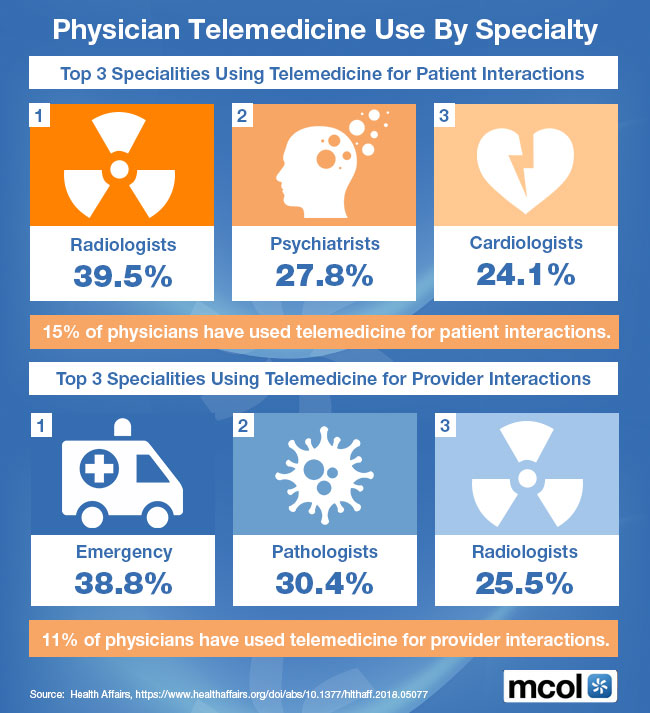
Physician Tele-Medicine Use

By Medical Specialty

Courtesy: http://www.MCOL.com

***

***

Conclusion

Your thoughts and comments on this ME-P are appreciated. Feel free to review our top-left column, and top-right sidebar materials, links, URLs and related websites, too. Then, subscribe to the ME-P. It is fast, free and secure.

Speaker: If you need a moderator or speaker for an upcoming event, Dr. David E. Marcinko; MBA – Publisher-in-Chief of the Medical Executive-Post – is available for seminar or speaking engagements.

Book Marcinko: https://medicalexecutivepost.com/dr-david-marcinkos-bookings/

Subscribe: MEDICAL EXECUTIVE POST for curated news, essays, opinions and analysis from the public health, economics, finance, marketing, IT, business and policy management ecosystem.

DOCTORS:

“Insurance & Risk Management Strategies for Doctors” https://tinyurl.com/ydx9kd93

“Fiduciary Financial Planning for Physicians” https://tinyurl.com/y7f5pnox

“Business of Medical Practice 2.0” https://tinyurl.com/yb3x6wr8

HOSPITALS:

“Financial Management Strategies for Hospitals” https://tinyurl.com/yagu567d

“Operational Strategies for Clinics and Hospitals” https://tinyurl.com/y9avbrq5

***

Product DetailsProduct Details

Book Dr. David E. Marcinko MBA for your Next Seminar

 Join Our Mailing List

Schedule Marcinko for Your Next Seminar!

DEM 2012

***

http://www.CertifiedMedicalPlanner.org

***

Book Dr. David Edward Marcinko CMP®, MBA, MBBS for your Next Medical, Pharma or Financial Services Seminar or Personal and Corporate Coaching Sessions 

Dr. Dave Marcinko enjoys personal coaching and public speaking and gives as many talks each year as possible, at a variety of medical society and financial services conferences around the country and world.

These have included lectures and visiting professorships at major academic centers, keynote lectures for hospitals, economic seminars and health systems, keynote lectures at city and statewide financial coalitions, and annual keynote lectures for a variety of internal yearly meetings.

Topics Link: toc_ho

***

[PHYSICIAN FOCUSED FINANCIAL PLANNING AND RISK MANAGEMENT COMPANION TEXTBOOK SET]

  Risk Management, Liability Insurance, and Asset Protection Strategies for Doctors and Advisors: Best Practices from Leading Consultants and Certified Medical Planners™ Comprehensive Financial Planning Strategies for Doctors and Advisors: Best Practices from Leading Consultants and Certified Medical Planners™

***

[HOSPITAL OPERATIONS, ORGANIZATIONAL BEHAVIOR AND FINANCIAL MANAGEMENT COMPANION TEXTBOOK SET]

Product DetailsProduct Details

[Foreword Dr. Phillips MD JD MBA LLM] *** [Foreword Dr. Nash MD MBA FACP]

***

Tis the HealthCare Insurance Renewal Season

A Story on Health Savings Accounts

[By Rick Kahler MS CFP®]

Tis the season to select our health care plans for the coming year. It brought me a little bit of holiday joy to see that my high-deductible bronze plan only went up 6%, to just over $2,000 a month. This is my lowest increase since Obamacare was enacted.

I wasn’t as pleased when I found out my family $4,500 deductible increased to $6,600, with a maximum out-of-pocket cap of $13,200. After analyzing all the options, I decided to stick with this plan. The way I figure it, the minimum I will pay for health care for my family of four is $3,100 a month. The year before Obamacare my family premium was $660 a month for much better coverage.

HSA

Since I have a high-deductible plan, I take advantage of having a health savings account (HSA). An HSA allows me to set aside funds for health costs and receive a tax deduction for the full amount. The limit is $7900 for 2018 and $8000 for 2019 (including an extra $1000 for those over 55). This means that if I chose to use the funds for current health care expenses, I could deduct about half of my annual out-of-pocket expenses.

The HSA rules require that you use the funds for health care expenses, but they set no time limit on when you must use the funds. Many people with HSAs need immediate access to the funds to pay medical insurance. Others, like myself, can afford to cover the deductible out of pocket, allowing the HSA funds to accumulate tax free for future use.

I’ve decided to let my HSA funds accumulate with the intention of creating a financial cushion for future use when Medicare won’t cover a medical need.

Letting an HSA accumulate combines the best features of a traditional IRA and a Roth. Like a traditional IRA, you get to deduct 100% the contribution from your income taxes. Like a Roth, the funds are tax free when you take them out. Another advantage is that the annual $8000 limit is greater than either the IRA or a Roth.

You will need to open a specific account for your HSA. Where you open that account depends on whether you plan to use your account for current health expenses or allow it to accumulate for future use.

Most banks and credit unions offer HSA accounts. These accounts usually carry low costs and work well if you plan to use the funds immediately. However, they are not so good if your intention is to let the funds accumulate.

***

***

Long term accumulation 

For long-term accumulation (with over a 10-year time horizon), you need an HSA account that allows you to invest the funds in low-cost equity funds. Like any investment account, you need to pay attention to the fees. A great site, The HSA Report Card, compares the features of various HSAs. It lists the top 10 HSA providers in each of three categories depending on your needs: current spending, interest bearing, and investing.

For long-term accumulation, I went to the invest category. I was pleased to see my current provider, Health Savings Administrators, was listed among the top 10, but not so happy that they only rated a “C” for fees. The top plan is Fidelity, which carries no fees and offers four mutual funds with zero (yes, 0.00%) expense ratios. Opening a Fidelity account online and transferring the funds from my existing HSA account was easy and efficient.

Assessment

You and I can’t control the rising costs of health care. But by opening and investing with an HSA, we can be smart about how we pay for that care today or in the future.

Conclusion

Your thoughts and comments on this ME-P are appreciated. Feel free to review our top-left column, and top-right sidebar materials, links, URLs and related websites, too. Then, subscribe to the ME-P. It is fast, free and secure.

Speaker: If you need a moderator or speaker for an upcoming event, Dr. David E. Marcinko; MBA – Publisher-in-Chief of the Medical Executive-Post – is available for seminar or speaking engagements.

Book Marcinko: https://medicalexecutivepost.com/dr-david-marcinkos-bookings/

Subscribe: MEDICAL EXECUTIVE POST for curated news, essays, opinions and analysis from the public health, economics, finance, marketing, IT, business and policy management ecosystem.

DOCTORS:

“Insurance & Risk Management Strategies for Doctors” https://tinyurl.com/ydx9kd93

“Fiduciary Financial Planning for Physicians” https://tinyurl.com/y7f5pnox

“Business of Medical Practice 2.0” https://tinyurl.com/yb3x6wr8

HOSPITALS:

“Financial Management Strategies for Hospitals” https://tinyurl.com/yagu567d

“Operational Strategies for Clinics and Hospitals” https://tinyurl.com/y9avbrq5

***

Risk Management, Liability Insurance, and Asset Protection Strategies for Doctors and Advisors: Best Practices from Leading Consultants and Certified Medical Planners™8Comprehensive Financial Planning Strategies for Doctors and Advisors: Best Practices from Leading Consultants and Certified Medical Planners™

The “Fat Finger” Wall Street Error

What it is – How it works

[By staff reporters]

A fat-finger error is a keyboard input error or mouse misclick in the financial markets such as the stock market or foreign exchange market whereby an order to buy or sell is placed of far greater size than intended, for the wrong stock or contract, at the wrong price, or with any number of other input errors.

Automated systems within trading houses may catch fat-finger errors before they reach the market or such orders may be cancelled before they can be fulfilled. The larger the order, the more likely it is to be cancelled, as it may be an order larger than the amount of stock available in the market.

Fat-finger errors are a product of the electronic processing of orders which requires details to be input using keyboards. Before trading was computerised, erroneous orders were known as “out-trades” which could be cancelled before proceeding. Erroneous orders placed using computers may be harder or impossible to cancel.

***

***

MORE: https://en.wikipedia.org/wiki/Fat-finger_error

RELATED: https://medicalexecutivepost.com/2017/06/06/peering-at-a-high-frequency-stock-trading-algorithm/

Conclusion

Your thoughts and comments on this ME-P are appreciated. Feel free to review our top-left column, and top-right sidebar materials, links, URLs and related websites, too. Then, subscribe to the ME-P. It is fast, free and secure.

Speaker: If you need a moderator or speaker for an upcoming event, Dr. David E. Marcinko; MBA – Publisher-in-Chief of the Medical Executive-Post – is available for seminar or speaking engagements.

Book Marcinko: https://medicalexecutivepost.com/dr-david-marcinkos-bookings/

Subscribe: MEDICAL EXECUTIVE POST for curated news, essays, opinions and analysis from the public health, economics, finance, marketing, IT, business and policy management ecosystem.

DOCTORS:

“Insurance & Risk Management Strategies for Doctors” https://tinyurl.com/ydx9kd93

“Fiduciary Financial Planning for Physicians” https://tinyurl.com/y7f5pnox

“Business of Medical Practice 2.0” https://tinyurl.com/yb3x6wr8

HOSPITALS:

“Financial Management Strategies for Hospitals” https://tinyurl.com/yagu567d

“Operational Strategies for Clinics and Hospitals” https://tinyurl.com/y9avbrq5

***

Risk Management, Liability Insurance, and Asset Protection Strategies for Doctors and Advisors: Best Practices from Leading Consultants and Certified Medical Planners™8Comprehensive Financial Planning Strategies for Doctors and Advisors: Best Practices from Leading Consultants and Certified Medical Planners™

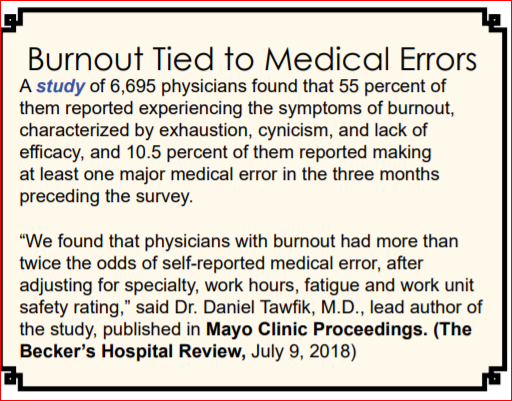
On Medical Errors

Tied to Physician Burn Out

By http://www.MCOL.copm

***


***

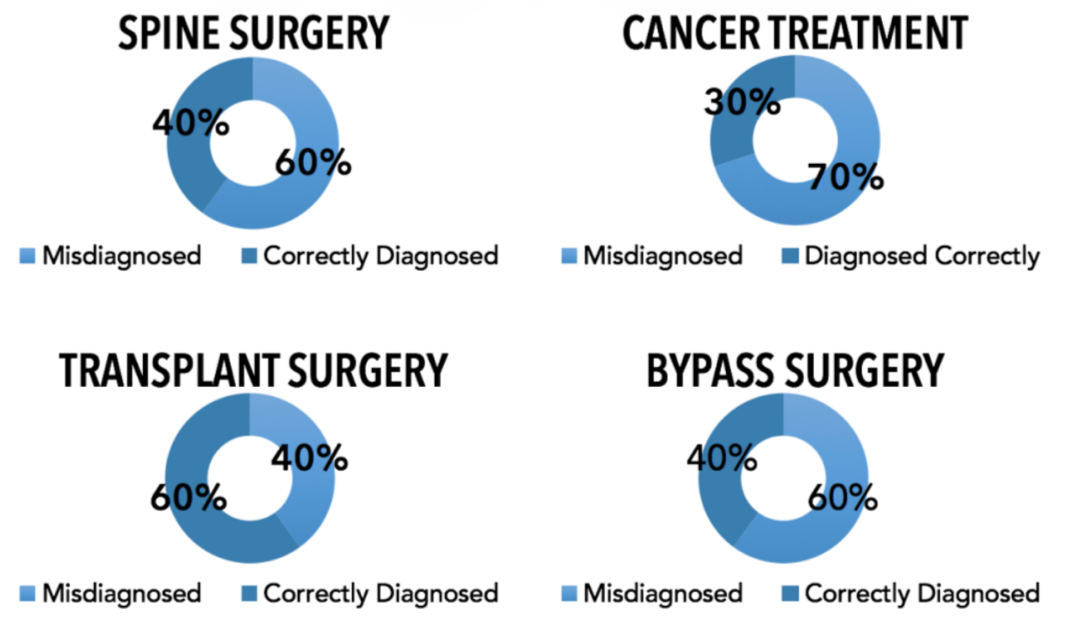
MIS-DIAGNOSIS

***

***

Conclusion

Your thoughts and comments on this ME-P are appreciated. Feel free to review our top-left column, and top-right sidebar materials, links, URLs and related websites, too. Then, subscribe to the ME-P. It is fast, free and secure.

Speaker: If you need a moderator or speaker for an upcoming event, Dr. David E. Marcinko; MBA – Publisher-in-Chief of the Medical Executive-Post – is available for seminar or speaking engagements.

Book Marcinko: https://medicalexecutivepost.com/dr-david-marcinkos-bookings/

Subscribe: MEDICAL EXECUTIVE POST for curated news, essays, opinions and analysis from the public health, economics, finance, marketing, IT, business and policy management ecosystem.

DOCTORS:

“Insurance & Risk Management Strategies for Doctors” https://tinyurl.com/ydx9kd93

“Fiduciary Financial Planning for Physicians” https://tinyurl.com/y7f5pnox

“Business of Medical Practice 2.0” https://tinyurl.com/yb3x6wr8

HOSPITALS:

“Financial Management Strategies for Hospitals” https://tinyurl.com/yagu567d

“Operational Strategies for Clinics and Hospitals” https://tinyurl.com/y9avbrq5

***

Risk Management, Liability Insurance, and Asset Protection Strategies for Doctors and Advisors: Best Practices from Leading Consultants and Certified Medical Planners™8Comprehensive Financial Planning Strategies for Doctors and Advisors: Best Practices from Leading Consultants and Certified Medical Planners™


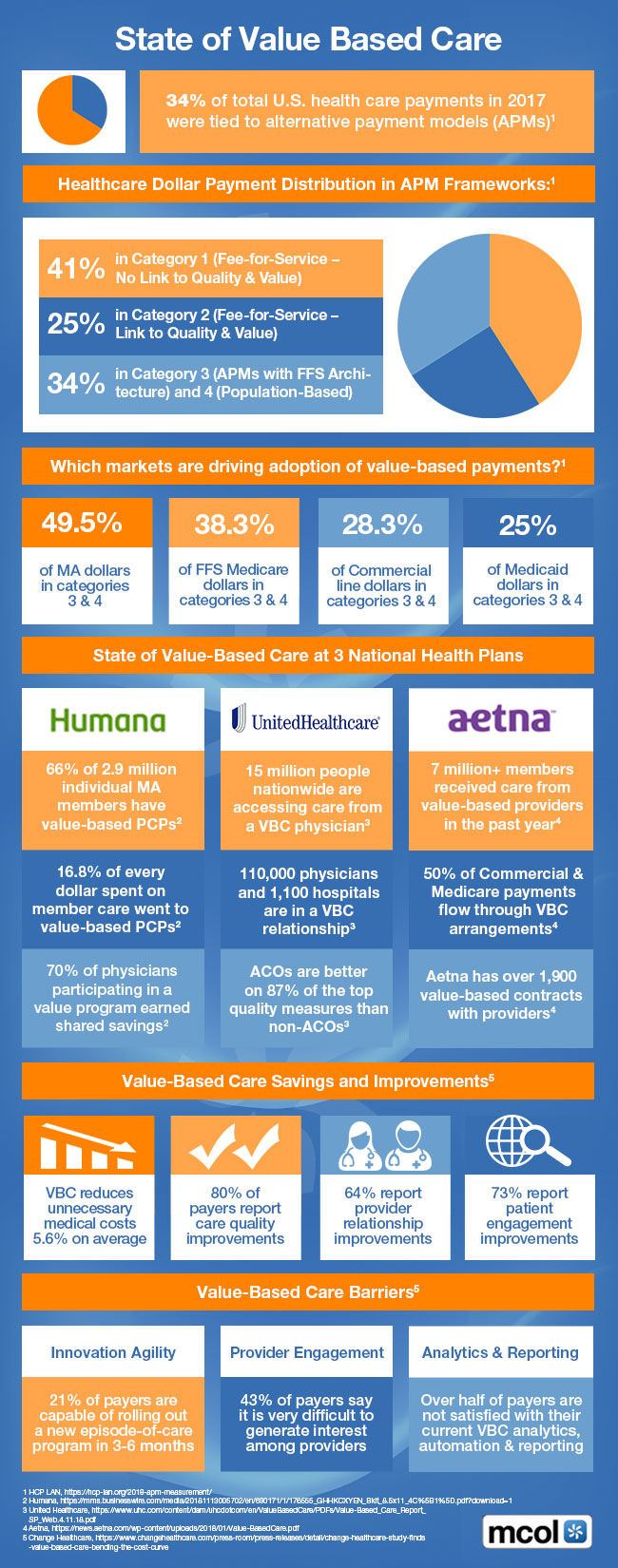
The State of Value Based Care [VBC]

In the USA

By http://www.MCOL.com

***

***

MORE: ACOs VBC Capitation SAMPLE DEM

Conclusion

Your thoughts and comments on this ME-P are appreciated. Feel free to review our top-left column, and top-right sidebar materials, links, URLs and related websites, too. Then, subscribe to the ME-P. It is fast, free and secure.

Speaker: If you need a moderator or speaker for an upcoming event, Dr. David E. Marcinko; MBA – Publisher-in-Chief of the Medical Executive-Post – is available for seminar or speaking engagements.

Book Marcinko: https://medicalexecutivepost.com/dr-david-marcinkos-bookings/

Subscribe: MEDICAL EXECUTIVE POST for curated news, essays, opinions and analysis from the public health, economics, finance, marketing, IT, business and policy management ecosystem.

DOCTORS:

“Insurance & Risk Management Strategies for Doctors” https://tinyurl.com/ydx9kd93

“Fiduciary Financial Planning for Physicians” https://tinyurl.com/y7f5pnox

“Business of Medical Practice 2.0” https://tinyurl.com/yb3x6wr8

HOSPITALS:

“Financial Management Strategies for Hospitals” https://tinyurl.com/yagu567d

“Operational Strategies for Clinics and Hospitals” https://tinyurl.com/y9avbrq5

***

Product Details

Product Details

[Foreword Dr. Phillips*** [Foreword Dr. Nash]

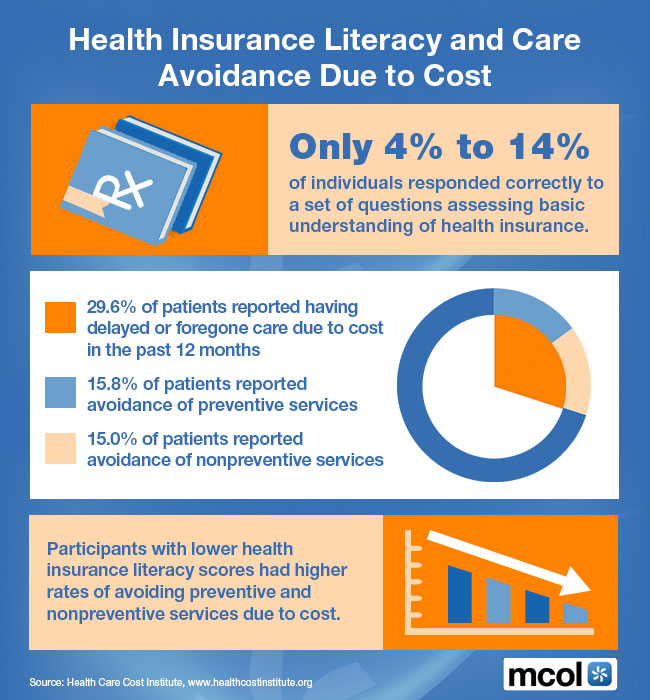
On Health Insurance Literacy

And … Care Avoidance Due to Cost

***

***

Conclusion

Your thoughts and comments on this ME-P are appreciated. Feel free to review our top-left column, and top-right sidebar materials, links, URLs and related websites, too. Then, subscribe to the ME-P. It is fast, free and secure.

Speaker: If you need a moderator or speaker for an upcoming event, Dr. David E. Marcinko; MBA – Publisher-in-Chief of the Medical Executive-Post – is available for seminar or speaking engagements.

Book Marcinko: https://medicalexecutivepost.com/dr-david-marcinkos-bookings/

Subscribe: MEDICAL EXECUTIVE POST for curated news, essays, opinions and analysis from the public health, economics, finance, marketing, IT, business and policy management ecosystem.

DOCTORS:

“Insurance & Risk Management Strategies for Doctors” https://tinyurl.com/ydx9kd93

“Fiduciary Financial Planning for Physicians” https://tinyurl.com/y7f5pnox

“Business of Medical Practice 2.0” https://tinyurl.com/yb3x6wr8

HOSPITALS:

“Financial Management Strategies for Hospitals” https://tinyurl.com/yagu567d

“Operational Strategies for Clinics and Hospitals” https://tinyurl.com/y9avbrq5

***

Risk Management, Liability Insurance, and Asset Protection Strategies for Doctors and Advisors: Best Practices from Leading Consultants and Certified Medical Planners™8Comprehensive Financial Planning Strategies for Doctors and Advisors: Best Practices from Leading Consultants and Certified Medical Planners™

How the FOMC Really Works?

How the Federal Reserve Works

By Jason Dyken MD MBA

Tip: Checks. Due to the onslaught of electronic check collection, the Federal Reserve now processes paper checks at just one location nationwide, down from 45 locations in 2003.

Source: Board of Governors of the Federal Reserve System, 2016

QUESTION

Have you ever taken a close look at paper money? Each U.S. bill has the words “Federal Reserve Note” imprinted across the top.

But many individuals may not know why the bill is issued by the Federal Reserve and what role the Federal Reserve plays in the economy.

How the FOMC Really works?

Here’s an inside look

The Federal Reserve, often referred to as the Fed, is the country’s central bank. It was founded by Congress in 1913 to provide the nation with a safer, more flexible, and more stable monetary and financial system. Prior to its creation, the U.S. economy was plagued by frequent episodes of panic, bank failures, and limited credit.

The Fed has four main roles in the U.S. economy.

Economy Watch

In addition to its other duties, the Fed has been given three mandates with the economy: maintain maximum employment, maintain stable price levels, and maintain moderate long-term interest rates.

Fast Fact: Unwieldy Patchwork. In the early 1800s, the U.S. had no central bank and no common currency. The monetary system ran through a patchwork of state-chartered banks with no federal regulation. By 1860, there were nearly 8,000 of these banks, each issuing its own banknotes.

Source: Federal Reserve Bank of San Francisco, 2018

It’s important to remember that “the Fed” cannot directly control employment, inflation, or long-term interest rates. Rather, it uses a number of tools at its disposal to influence the availability and cost of money and credit. This, in turn, influences the willingness of consumers and businesses to spend money on goods and services.

For example, if the Fed maneuvers short-term interest rates lower, borrowing money becomes less expensive and people may be motivated to spend. Consumer spending may stimulate economic growth, which may cause companies to produce more product and potentially increase employment. When short-term rates are low, the Fed closely monitors economic activity to watch for signs of rising prices.

On the other hand, if the Fed pushes short-term rates higher, borrowing money becomes more expensive and people may be less motivated to spend. This may, in turn, slow economic growth and cause companies to decrease employment. When short-term rates are high, the Fed must watch for signs of a decline in overall price levels.
Supervise and Regulate

The Fed establishes and enforces the regulations banks, savings and loans, and credit unions must follow. It works with other federal and state agencies to ensure these financial institutions are financially sound and consumers are receiving fair and equitable treatment. When an organization is found to have problems, the Fed uses its authority to have the organization correct the problems.

Financial System

The Fed maintains the stability of the financial system by providing payment services. In times of financial strain, the Fed is authorized to step in as a lender of last resort, providing liquidity to an individual bank or the entire banking system.

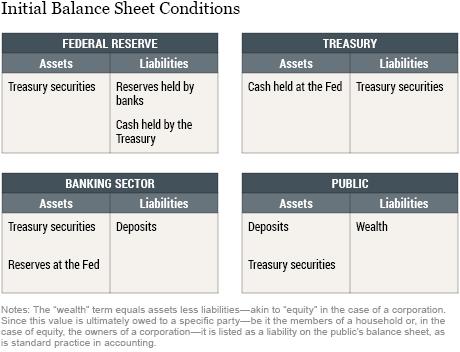
For example, the Fed may step in and offer to buy the government bonds owned by a particular bank. By so doing, the Fed provides the bank with money that it can use for its own purposes.

Banker for Banks, U.S. Government

The Fed provides financial services to banks and other depository institutions and to the U.S. government. For banks, savings and loans, and credit unions, it maintains accounts and provides various payment services, including collecting checks, electronically transferring funds, distributing new money, and receiving and destroying old, worn-out money. For the federal government, the Fed pays Treasury checks; processes electronic payments; and issues, transfers, and redeems U.S. government securities.

Each day, the Fed is behind the scenes supporting the economy and providing services to the U.S. financial system. And while the Fed’s duties are many and varied, its focus is to maintain confidence in banking institutions.

***

A De-Centralized Central Bank System

The Federal Reserve System consists of 12 independent banks that operate under the supervision of a federally appointed Board of Governors in Washington, D.C. Each of these banks works within a specific district, as shown.

Source: Federal Reserve Board of Governors, 2018

  • U.S. Bureau of Engraving and Printing, 2018
  • Federal Reserve Bank of San Francisco, 2018
  • Board of Governors of the Federal Reserve System, 2016

Conclusion

Your thoughts and comments on this ME-P are appreciated. Feel free to review our top-left column, and top-right sidebar materials, links, URLs and related websites, too. Then, subscribe to the ME-P. It is fast, free and secure.

Speaker: If you need a moderator or speaker for an upcoming event, Dr. David E. Marcinko; MBA – Publisher-in-Chief of the Medical Executive-Post – is available for seminar or speaking engagements.

Book Marcinko: https://medicalexecutivepost.com/dr-david-marcinkos-bookings/

Subscribe: MEDICAL EXECUTIVE POST for curated news, essays, opinions and analysis from the public health, economics, finance, marketing, IT, business and policy management ecosystem.

DOCTORS:

“Insurance & Risk Management Strategies for Doctors” https://tinyurl.com/ydx9kd93

“Fiduciary Financial Planning for Physicians” https://tinyurl.com/y7f5pnox

“Business of Medical Practice 2.0” https://tinyurl.com/yb3x6wr8

HOSPITALS:

“Financial Management Strategies for Hospitals” https://tinyurl.com/yagu567d

“Operational Strategies for Clinics and Hospitals” https://tinyurl.com/y9avbrq5

***

Risk Management, Liability Insurance, and Asset Protection Strategies for Doctors and Advisors: Best Practices from Leading Consultants and Certified Medical Planners™8Comprehensive Financial Planning Strategies for Doctors and Advisors: Best Practices from Leading Consultants and Certified Medical Planners™

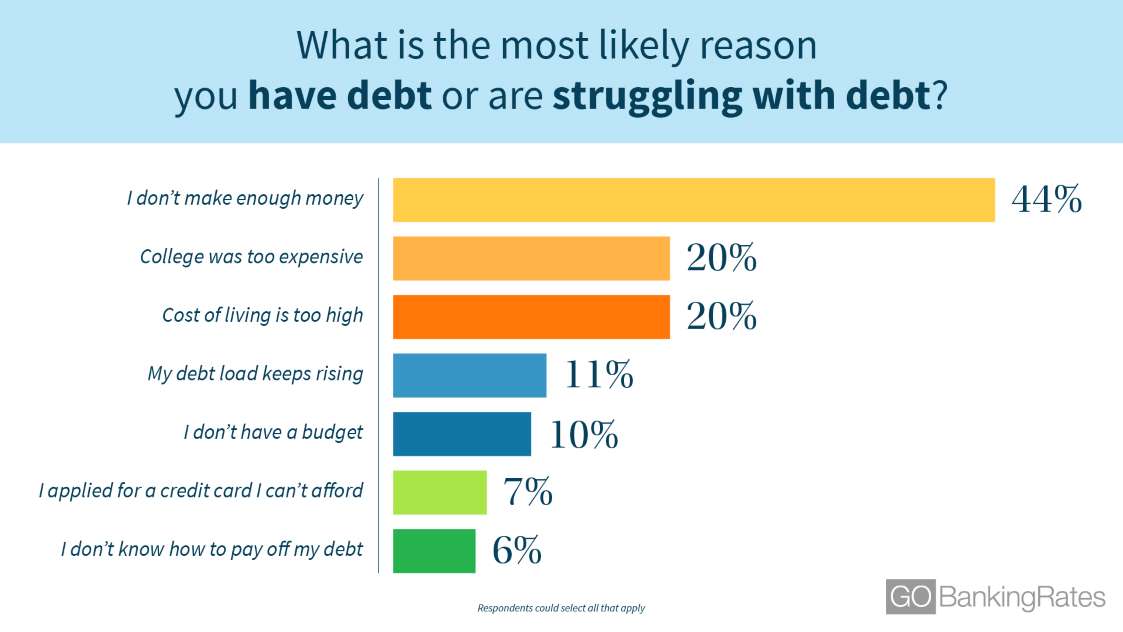
What are Your Debt Struggles?

Causes and Reasons

[By staff reporters]

A valid post Black Friday and Cyber Monday Concern!

***

***

Assessment

Your thoughts are appreciated. How and Why do you struggle with debt?

MORE BUSINESS AND INVESTING FOR DOCTORS:

“Insurance & Risk Management Strategies for Doctors” https://tinyurl.com/ydx9kd93

“Fiduciary Financial Planning for Physicians” https://tinyurl.com/y7f5pnox

“Business of Medical Practice 2.0” https://tinyurl.com/yb3x6wr8

THANK YOU

Risk Management, Liability Insurance, and Asset Protection Strategies for Doctors and Advisors: Best Practices from Leading Consultants and Certified Medical Planners™8Comprehensive Financial Planning Strategies for Doctors and Advisors: Best Practices from Leading Consultants and Certified Medical Planners™