About ENURGI

Transforming Home Health Care Services

Staff Reporters56382989

According to its website, ENURGI is a revolutionary web-based healthcare services company that connects families and patients in need, with local clinical caregivers across the country.

Online Empowerment

ENURGI allows patients, family members and caregivers to independently manage the care process through on-line scheduling, messaging, referral and direct payment transactions.

A Caregiver Database

ENURGI’s goal is to transform the delivery of home health care services across the country. It is the first web-based company to aggregate and create a clinical caregiver database for families and patients in need of home health care to access and connect with.

Assessment

By harnessing the power of technology, ENURGI has accumulated over 1,000,000 clinicians within its caregiver database for families/patients in need to access when seeking a licensed clinician, certified nurses aide or home health aide.

Link: http://www.enurgi.com

Conclusion

And so, your thoughts and comments on this Medical Executive-Post are appreciated. Is this not the perfect post to conclude our four part series on: At Home or Nursing Home Care for Long Term Care? Opinions from physicians, medical case and geriatric care managers, and LTC insurance agents are especially valued.

Speaker: If you need a moderator or speaker for an upcoming event, Dr. David E. Marcinko; MBA – Publisher-in-Chief of the Executive-Post – is available for seminar or speaking engagements. Contact: MarcinkoAdvisors@msn.com  or Bio: www.stpub.com/pubs/authors/MARCINKO.htm

Our Other Print Books and Related Information Sources:

Practice Management: http://www.springerpub.com/prod.aspx?prod_id=23759

Physician Financial Planning: http://www.jbpub.com/catalog/0763745790

Medical Risk Management: http://www.jbpub.com/catalog/9780763733421

Healthcare Organizations: www.HealthcareFinancials.com

Health Administration Terms: www.HealthDictionarySeries.com

Physician Advisors: www.CertifiedMedicalPlanner.com

Subscribe Now: Did you like this Medical Executive-Post, or find it helpful, interesting and informative? Want to get the latest E-Ps delivered to your email box each morning? Just subscribe using the link below. You can unsubscribe at any time. Security is assured.

Link: http://feeds.feedburner.com/HealthcareFinancialsthePostForcxos

Call for Resignation of GDA’s Tommy Irvin

GDA and the National Salmonella Scandal

By Dr. David Edward Marcinko; MBA, CMP™dr-david-marcinko5

[Editor-in-Chief]

Tommy Irvin is the longest serving statewide official in Georgia, as well as in the United States.  Since 1969, he has served as Georgia’s Agriculture Commissioner. He was elected to his 10th four-year term this past November 2006. And, according to the Georgia Department of Agriculture’s website,

Pride and integrity run deep in Georgia. Our fruit, vegetable and nut growers strive to bring you the very best in quality, variety, dependability, and value.

The site states that Commissioner Irvin was recognized nationally for his service as an agriculture leader with broad experiences and keen insights. He continues to be sought after on the local, state and regional levels not only for his knowledge and experience but also for his political acumen in working with diverse groups and individuals.

Oh, really! What about the Peanut Corporation of American [PCA] salmonella incident that is now unfolding in the small town of Blakely, in South Georgia and nationally? 

About the GDA

Georgia Department of Agriculture [GDA] was established in 1874. While it is the oldest state department of agriculture in the US; Irvin is not quite as old. And, it is not a branch of USDA; but maybe it should be?

The department’s mission is to provide excellence in services and regulatory functions, to protect and promote agriculture and consumer interests, and to ensure an abundance of safe food and fiber for Georgia, America, and the world by using state-of-the-art technology and a professional workforce. The department has 696 employees under the leadership of Commissioner of Agriculture Tommy Irvin.

But, according to current news reports, the GDA has only 16 peanut plant inspectors and is spread far too thin.

GDA Units

Units within the department include: Administration, Animal Industry, Consumer Protection, Plant Industry and Marketing. The Georgia Department of Agriculture regulates, monitors, or assists with the following areas: grocery stores, convenience stores, food warehouses, bottling plants, food processing plants, pet dealers and breeders, animal health, gasoline quality and pump calibration, antifreeze, weights and measures, marketing of Georgia agricultural products domestically and internationally, pesticides, structural pest control, meat processing plants, seed quality, Vidalia onions, state farmers markets, plant diseases, nurseries and garden centers, fertilizer and lime, potting soil; feed, boll weevil eradication, apiaries, Humane Care for Equines Act, bottled water, peanuts and other responsibilities.

The Salmonella Peanut Butter Incident

As of Friday, January 23, 2009, Irvin is alerting consumers to the recall of more products that may contain peanut ingredients, supplied by Peanut Corporation of America, which is the subject of an FDA investigation concerning recent Salmonella outbreaks.

Death Toll

For a complete list of recalled products, see http://www.fda.gov/opacom/7alerts.html
 

The following companies are recalling products:

Aspen Hills, Inc of Garner, Iowa is recalling of some cookie dough products. The products are sold nationwide in 3 lb. pails, and 3 lb. corrugated boxes to distributors who are involved in fund raising.

The following products are recalled:

Baker Jo’s Peanut Butter, Peanut Butter Chocolate Chunk, and Monster 3 lb. pails – Date codes: 08273, 08281
Ovens of Ashley Monster 3 lb. pails – Date code: 08273
Gourmet Cookie Dough Peanut Butter, and Peanut Butter Chocolate Chunk 3 lb. pails – Date code: 08273
Gigi’s Peanut Butter 3 lb. pail – Date code: 08281 Gigi’s Peanut Butter 3 lb. corrugated box – Date code: 08277
Arizona Gold Peanut Butter, and I love Peanut Butter 3 lb. pails – Date code: 08281
ABC Dough Peanut Butter 3 lb. pails – Date codes: 08261, 08263, 08268, 08277, 08288, 08297  

No other Aspen Hills products are included in the recall. Consumers who have purchased the recalled products should dispose of them. Those with questions can contact Aspen Hills at 888-273-0302.
 

South Bend Chocolate Company

The South Bend Chocolate Company of South Bend, Ind. is recalling the following candies sold under the company brand name:

Assorted chocolates in 5 ounce (Products with labels reading 121 and 121R,UPC #4482300121 are under recall), 8 ounce (Products with labels reading 122, 122DK and 122R, UPC #4482300122 are under recall), 12 ounce (Products with labels reading 123 and 123DK, UPC #4482300123 are under recall) and 26 ounce (Product 124, UPC #4482300124 is under recall) boxes. [Note: the sugar free assorted chocolates are not affected, and are not part of the recall].

Hoosiers in 1.5 ounce (Product 010, UPC# 4482300011) and 3.0 ounce (Product 011, UPC# 4482300010.  [Note:  These are corrected sizes].
Valentine Heart, 14 ounces (Products with labels reading 1020 and 1020R, UPC #4482310201 are under recall).

Additionally Christmas gift boxes (CC, CCLG, CCXL and CCXXL) and any other gift baskets may have included the assorted chocolate boxes.

The following products are also being recalled and are sold to retail stores in bulk for sales of smaller quantities to their customers: 

4.5lb Peanut Butter Fudge, Product 228, UPC #4482300228
4 lb. Hoosiers, Product 410, UPC #4482300410
5 lb. Peanut Butter Meltaway, Milk Chocolate, Product 204, UPC #4482300204
5 lb. Peanut Butter Meltaways-Dark Chocolate, Product 204D, UPC #4482302044
4.5lb Peanut Butter Chocolate Fudge, Product 229, UPC #4482300229

Replacement products that are not under recall can be distinguished from recalled products by the presence of a round gold sticker, which are placed on the bottom of the boxes and/or baskets of replacement products that are not being recalled.

Consumers who have purchased the recalled products should discard them or return them to the place of purchase. Those with questions may contact the South Bend Chocolate Company at 574-233-2577.

Rain Creek Baking Company

The Rain Creek Baking Corporation of Madera, Calif. is recalling of Sinbad and Rain Creek Baking Company branded dessert products produced with peanut butter. The products will be marked with an “exp” (as in expiration date), “best before” date or a lot code. The expiration date or the best before date will read July 22, 2009 and prior. Lot numbers are 08182 sequentially through 08366 and 09001 sequentially through 09022. These lot numbers can be found on the bottom label next to the ingredient statement:

SinbadSweets.com 12pc Peanut Butter Princess     
0 38105 10304 3
Sinbad® Special Baklava Assortment
0 38105 10933 0
19 pc Bakery and Sweets
0 38105 10985 4
Sinbad® Sweets Enrobed Peanut Butter Princesses
0 38105 10996 0
Sinbad® Sweets Enrobed Peanut Butter Baskets
0 77589 37133 0
Rain Creek Baking Company® Peanut Butter Princesses
0 38105 20013 1
Rain Creek Baking Company® Peanut Butter Turtles
0 38105 20026 1
Rain Creek Baking Company® Peanut Butter Turtle Shells
0 38105 20031 5
Sinbad® Baklava & Sweets
0 38105 20101 5
Sinbad® Baklava & Sweets
0 38105 20102 2
Sinbad® Baklava & Sweets
0 38105 20103 9
Sinbad® Galleta estilo Baklava
0 38105 20106 0
Sinbad® Baklava & Sweets
0 38105 20117 6
Sinbad® Baklava & Sweets
0 38105 20120 6
Sinbad® Baklava & Sweets
0 38105 20124 2
Sinbad® Baklava & Sweets
0 38105 20127 5
Sinbad® Sweets Peanut Butter Princess Baklava
0 38105 20128 2
Sinbad® Baklava & Sweets
0 38105 20129 9
Sinbad® Baklava & Sweets
0 38105 20130 5
Sinbad® Galletas estilo Baklava
0 38105 20180 0
Rain Creek Baking Company® Baklava Assortment *
0 38105 20211 1
Rain Creek Baking Company® Baklava Assortment
0 38105 20213 5
Sinbad® Baklava & Sweets
0 38105 21335 3
Sinbad® Sweets European Baklava Assortment *
0 38105 21339 1
Sinbad® Sweets Baklava & Sweets
0 38105 21375 9
Sinbad® Sweets Baklava & Sweets
0 38105 21382 7
Sinbad® Sweets Caffe Sweets
0 38105 22143 3
Rain Creek Baking Corporation® Baklava Assortment *
0 38105 22280 5
Michael’s Baklava Assortment
0 38105 22297 3
Rain Creek Baking Corporation® Hand Crafted Baklava
0 38105 22306 2
Items with an asterisk (*) are the only 2009 produced items (when looking for lot numbers). Consumers who have purchased the following products with the expiration dates listed should dispose of the products or return them to the place of purchase for a full refund.

Chef Jay’s Food Products

Chef Jay’s Food Products of Las Vegas, Nev. is recalling some peanut butter-related products. The following products, in all sizes and packages, with the “Best By” dates ranging from 06/Sept/09 thru 16/Jan/10 are included in the recall: 

Peanut Butter Tri-O-Plex Duo Bar (100 gram)
Peanut Butter Tri-O-Plex Cookie (85 gram)
Peanut Butter Chocolate Chip Tri-O-Plex Cookie (85 gram)
Peanut Butter Chocolate Chip Tri-O-Plex Lite Bites Cookie (57 gram)
Peanut Butter Tri-O-Plex Brownie (85 gram)

Consumers who have purchased the recalled products are urged to dispose of them immediately but may retain the package with the “Best By” dates ranging 06/Sept/09 thru 16/Jan/10 in order to receive replacement product.

Those with questions regarding product replacement can find these details at www.chefjays.com, by emailing customerservice@chefjays.com or calling 702-450-7711. 

Arbonne International

Arbonne International, LLC, Irvine, Calif. is recalling certain lots of Arbonne Figure 8 Chews because the products contain peanut butter. The recall includes only the Arbonne Figure 8 Chews with the following lot numbers (with shipping dates ranging from October 27, 2008 to January 19, 2009):

A8296-8291 / EXPIRATION DATE 10/2009
A8331-8291 / EXPIRATION DATE 10/2009
A8331-8309 / EXPIRATION DATE 11/2009
B8331-8309 / EXPIRATION DATE 11/2009
C8331-8309 / EXPIRATION DATE 11/2009
A8336-8291 / EXPIRATION DATE 10/2009

The chews were sold in individual packages and as a component of the Go Figure 8 30-Day Program Set and the Figure 8 Ready, Set, Go! Vanilla product bundles. The lot number for Arbonne Figure 8 Peanut Butter Chews may be found on the lower left back panel of the bag.

Arbonne will replace the product with Arbonne Figure 8 Chocolate Chews or refund the money paid for the recalled product. In order to exchange the product or receive a refund, the consumer must provide the lot number of the recalled product. If Arbonne consumers are unsure if they have the recalled product, they are requested to contact the Arbonne Customer Service Center. Requests for refunds, product exchanges or other questions should be addressed to Arbonne’s Customer Service Center at 1-800-ARBONNE.

Parker Products, Inc.

Parker Products, Inc., Fort Worth, Texas has announced the recall of the following products. The products are sold nationwide in bulk pack cases as an ingredient to manufacturers and companies for private label.  
None of these products are sold directly to consumers.

Chocolate Peanut Butter Cup 1442
Manufactured on 11/6/08, lot code 08296, 30 pound case.
Peanut Butter Cookies & Crème Organic Bark 2348
Manufactured on 10/3/08, lot code 08277, 10 pound case.
Peanut Butter Milk Blend 2310
Manufactured on 07/31/08, lot code 08184, 30 pound case.
Consumers who have purchase the recalled products should dispose of them. Those with questions regarding this recall may contact Parker Products at 800-433-5749.

General Nutrition Centers, Inc.

General Nutrition Centers, Inc. (GNC), Pittsburgh, Pa, is issuing a voluntary recall of some Peanut Butter Soft Chews.

The recall involves only GNC Triflex Peanut Butter Soft Chews with lot numbers ending in 8275 and 8255. The product’s ten digit lot number can be found on the bottom of the product’s package. No other GNC brand products have been impacted by the recall. Those who have purchased the recalled product should discard it. Consumers with questions or who would like a refund may contact GNC’s Customer Service at 888-462-2548.

Jimmy’s Chocolate Chip Cookies, Inc.

Jimmy’s Chocolate Chip Cookies, Inc., Fair Lawn, N.J. is recalling certain packages of cookies that have peanut butter as an ingredient. The products subject to recall include Jimmy’s Cookies and One Smart Cookie Peanut Butter Chocolate Chunk cookies in retail pack sizes 4 oz, 12.5 oz, and 18 oz. and cookie dough in 15 lb, 20 lb and 25 lb foodservice pack sizes with pack dates 12/4/08 – 1/14/09. No other Jimmy’s Cookies or One Smart Cookie retail packages are included in this recall. Jimmy’s Cookies and One Smart Cookie brands are distributed in most Eastern, Southern and Midwestern states through supermarket in store bakeries, convenience stores and lunch trucks.  The packaging is clear plastic, round, rectangular, or octagonal, with a label bearing the brand name. Consumers who have purchased the recalled cookies should either discard or return them to the place of purchase for a full refund. Questions may be directed to the company at 800-937-5050.

Trader Joe’s

Trader Joe’s of Monrovia, Calif. is recalling three peanut butter-related products. The recalled products include private label Peanut Butter Chewy Coated & Drizzled Granola Bars, 7.4-ounce (UPC 88713), Nutty Chocolate Chewy Coated & Drizzled Granola Bars 7.4-ounce (UPC 88721) and Sutter’s Formula Cookies, 16-ounce (SKU 00176).

The affected Sutter’s Formula Cookies were sold only in Trader Joe’s stores located in Southern California, Arizona, New Mexico and Nevada. The Peanut Butter Chewy Coated & Drizzled Granola Bars and Nutty Chocolate Chewy Coated & Drizzled Granola Bars were sold at Trader Joe’s stores nationwide.

Consumers who have purchased these items (any date code) are urged to return them to any Trader Joe’s for a full refund.  Those with questions may contact Trader Joe’s Customer Service at 626-599-3817.

As of Jan 24, 2009 – The peanut butter salmonella outbreak has now killed at least eight people, and sickened 550 others in 43 states. A Minnesota woman in her eighties is the latest victim. Enough is enough!

Assessment

I studied, if you can call it that, almost 15 years ago for my Georgia State insurance license. Then, as is now, there was only one question about the GDA. The answer was always the same; Irvin. He was one powerful dude in the sticks of South Georgia and usually ran unopposed for his position [think Boss Hogg in the “Dukes of Hazard”]. But now, we ask that you call and demand the resignation of Tommy Irvin. After 40 years, he deserves the rest; and so do we. We sure don’t need any more RIPs.

Georgia Department of Agriculture
19 Martin Luther King, Jr. Dr, SW
Atlanta, Georgia  30334

Tele: (404) 656-3645
Toll Free: (800) 282-5852
TTY: (404) 657-8387

Furthermore, if you call the Georgia Department of Agriculture during regular business hours, 8 a.m. to 4:30 p.m., you will always be greeted by a person, not a machine:

“We believe when you contact your Department of Agriculture, you should be able to talk directly to a person who can give you the individual attention that you deserve and expect.”

Industry Index Indignation Rating: 90

Conclusion

And so, your thoughts and comments on this Medical Executive-Post are appreciated. Tell the live-person at the GDA that “Irvin must go”; or leave a message on their new machine. Of course, defenders of Irvin are also asked to opine, and defend him, in good-faith. Perhaps former President Jimmy Carter will chime-in on the Irvin controversy?

Subscribe Now: Did you like this Medical Executive-Post, or find it helpful, interesting and informative? Want to get the latest E-Ps delivered to your email box each morning? Just subscribe using the link below. You can unsubscribe at any time. Security is assured.

Link: http://feeds.feedburner.com/HealthcareFinancialsthePostForcxos 

About Healthcare Financials.com

Healthcare Organizations [Financial Management Strategies]

By Hope Rachel Hetico; RN, MHA
Managing Editor
hetico3

This 2-volume, quarterly subscription print publication will reshape the hospital management landscape by following three important principles www.HealthcareFinancials.com

1. World Class Advisory Board

First, we have assembled a world-class editorial advisory board and independent team of contributors and asked them to draw on their experience in economic thought leadership and managerial decision making in the healthcare industrial complex. Like many readers, each struggles mightily with the decreasing revenues, increasing costs, and high consumer expectations in today’s competitive healthcare marketplace.  Yet, their practical experience and applied operating vision is a source of objective information, informed opinion, and crucial information for this manual and its quarterly updates.

2. Writing Style

Second, our writing style allows us to condense a great deal of information into each quarterly issue.  We integrate prose, applications and regulatory perspectives with real-world case models, as well as charts, tables, diagrams, sample contracts, and checklists.  The result is a comprehensive oeuvre of financial management and operation strategies, vital to all healthcare facility administrators, comptrollers, physician-executives, and consulting business advisors.

3. Compelling Content

Third, as editors, we prefer engaged readers who demand compelling content. According to conventional wisdom, printed manuals like this one should be a relic of the past, from an era before instant messaging and high-speed connectivity. Our experience shows just the opposite. Applied healthcare economics and management literature has grown exponentially in the past decade and the plethora of Internet information makes updates that sort through the clutter and provide strategic analysis all the more valuable. Oh, it should provide some personality and wit, too! Don’t forget, beneath the spreadsheets, profit and loss statements, and financial models are patients, colleagues and investors who depend on you.

Assessment

ho-journal1

Rest assured, Healthcare Organizations [Financial Management Strategies] will become an important peer-reviewed vehicle for the advancement of working knowledge and the dissemination of research information and best practices in our field. In the years ahead, we trust these principles will enhance utility and add value to both your print and this e-companion subscription.

Conclusion

Most importantly, we hope to increase your return on investment. If you have any comments or would like to contribute material or suggest topics for a future update, please contact us.

Speaker: If you need a moderator or speaker for an upcoming event, Dr. David E. Marcinko; MBA – Publisher-in-Chief of the Executive-Post – is available for seminar or speaking engagements. Contact: MarcinkoAdvisors@msn.com  or Bio: www.stpub.com/pubs/authors/MARCINKO.htm

Subscribe Now: Did you like this Medical Executive-Post, or find it helpful, interesting and informative? Want to get the latest E-Ps delivered to your email box each morning? Just subscribe using the link below. You can unsubscribe at any time. Security is assured.

Link: http://feeds.feedburner.com/HealthcareFinancialsthePostForcxos

Goodbye Julie Gerberding MD

CDC Accused of Information Stone-Walling

By Dr. David Edward Marcinko; MBA, CMP™dr-david-marcinko3

Julie Louise Gerberding; MD, MPH [born August 22, 1955, Estelline, South Dakota] is an infectious disease expert who was the former Director of the Centers for Disease Control and Prevention [CDC], and administrator for the Agency for Toxic Substances and Disease Registry [ATSDR] here in Atlanta, Georgia.

Allegedly never held in much esteem by the local medical community and her employees, it is with some insider schadenfreude that she announced her resignation – from a leadership position that began in 2002 – effective January 20, 2009.

Controversial Stewardship

Soon after her arrival at the CDC, Gerberding began an overhaul of the agency’s organizational structure. Since then, several senior scientists either left or announced plans to do so. She is regarded as having been a highly controversial director, whose stewardship was inculcated in several noxious healthcare incidents, such as:


  • Terrorism and Counter-Terrorism
  • Hurricane Karina
  • Autism Vaccine Controversy
  • AIDS and Retroviruses
  • Tuberculosis [MDR-TB and XDR-TB]

Freedom of Information Act

The FOIA presumes that federal records belong to citizens and puts the onus on government to justify why they should be blinded; with proprietary trade-secrets, medical privacy issues or national security as reasonable exemptions. The law is intended to allow citizens to hold government accountable.

CDC Obfuscation

However, it is because of alleged FOIA obfuscations that we believe Gerberding’s resignation, at the Obama Administration’s request, was a correct one.

For example, although the law requires a response within 20 days, a breaking local report in the Atlanta-Journal-Constitution newspaper [February 1, 2009: by Alison Young, CDC Can be Slow to Release Documentation] documents that information requests have been pending for more than 12 months, with some more than two years.    

Environmental Scanning

Perhaps, the most noxious initiative, under Gerberding’s tenure however, was the so-called policy on “environment-scanning” or, monitoring the news-media, internet space, blogs and other venues to identify “emerging threats to the agencies’ reputation.”   

Assessment

The acting CDC director is non-physician Richard Besser.

Additional Information Sources:


NOTE: If you have a tip or experience regarding governmental healthcare, economics or financial information stonewalling, we want to hear from you.

Conclusion

And so, your thoughts and comments on this Medical Executive-Post are appreciated. Are you saddened or delighted to see the departure of Dr. Julie Gerberding from the CDC?

Speaker: If you need a moderator or speaker for an upcoming event, Dr. David E. Marcinko; MBA – Publisher-in-Chief of the Executive-Post – is available for seminar or speaking engagements. Contact: MarcinkoAdvisors@msn.com  or Bio: www.stpub.com/pubs/authors/MARCINKO.htm

Subscribe Now: Did you like this Medical Executive-Post, or find it helpful, interesting and informative? Want to get the latest E-Ps delivered to your email box each morning? Just subscribe using the link below. You can unsubscribe at any time. Security is assured.

Link: http://feeds.feedburner.com/HealthcareFinancialsthePostForcxos

About Doctor Evidence.com

Join Our Mailing List

Providing Evidence Based and Medical Data Driven Solutions

[Staff Reporters]solo-consultant

Doctor Evidence.com is devoted to delivering revolutionary solutions to address the current deficiency in the evidence-based clinical market. Unlike most “evidence-based” companies that summarize and reference evidence found in clinical studies, Doctor Evidence actually delivers answers derived directly from the clinical data. It is this Data-Driven approach that makes Doctor Evidence a unique company, offering the highest level of transparency in the marketplace today.

Mission

According to their website, The Doctor Evidence mission is:

to improve clinical outcomes by finding and delivering medical evidence to healthcare professionals, medical associations, policy makers and manufacturers through revolutionary solutions that enable anyone to make informed decisions and policies using medical data that is more accessible, relevant and readable.

Goals

Doctor Evidence aims to succeed in achieving their mission by providing state-of-the-art tools and technologies that find, categorize, store and convert complex medical information from clinical studies into distributive databases to be delivered in a user-friendly format. A team of clinicians, librarians, and IT specialists work in tandem with medical or lay clients to increase the value of their most important asset: clinical evidence.

Assessment

You are invited to investigate the technologies and services of Doctor Evidence and report back to us with your findings.

Link: www.DoctorEvidence.com

Channel Surfing the ME-P

Have you visited our other topic channels? Established to facilitate idea exchange and link our community together, the value of these topics is dependent upon your input. Please take a minute to visit. And, to prevent that annoying spam, we ask that you register. It is fast, free and secure.

Conclusion

Your thoughts and comments on this ME-P are appreciated. Feel free to review our top-left column, and top-right sidebar materials, links, URLs and related websites, too. Then, subscribe to the ME-P. It is fast, free and secure.

Speaker: If you need a moderator or speaker for an upcoming event, Dr. David E. Marcinko; MBA – Publisher-in-Chief of the Medical Executive-Post – is available for seminar or speaking engagements. Contact: MarcinkoAdvisors@msn.com

OUR OTHER PRINT BOOKS AND RELATED INFORMATION SOURCES:

Product Details  Product Details

Myths and Solutions for Healthcare Reform

Enter the Primary Care Docs, NPs, PAs and DNPs

Staff Reportersidea

Conclusion

And so, your thoughts and comments on this Medical Executive-Post are appreciated. Would more family practitioners, and professional medical care extenders, help or hinder true healthcare reform?  

Speaker: If you need a moderator or speaker for an upcoming event, Dr. David E. Marcinko; MBA – Publisher-in-Chief of the Executive-Post – is available for seminar or speaking engagements. Contact: MarcinkoAdvisors@msn.com  or Bio: www.stpub.com/pubs/authors/MARCINKO.htm

Our Other Print Books and Related Information Sources:

Practice Management: http://www.springerpub.com/prod.aspx?prod_id=23759

Physician Financial Planning: http://www.jbpub.com/catalog/0763745790

Medical Risk Management: http://www.jbpub.com/catalog/9780763733421

Healthcare Organizations: www.HealthcareFinancials.com

Health Administration Terms: www.HealthDictionarySeries.com

Physician Advisors: www.CertifiedMedicalPlanner.com

Subscribe Now: Did you like this Medical Executive-Post, or find it helpful, interesting and informative? Want to get the latest E-Ps delivered to your email box each morning? Just subscribe using the link below. You can unsubscribe at any time. Security is assured.

Link: http://feeds.feedburner.com/HealthcareFinancialsthePostForcxos

America’s Safest Hospitals

Join Our Mailing List

[Behind the Numbers]

[By Staff Reporters]56382989

Did you know that at Missouri Baptist Medical Center in St. Louis, it only takes 90 seconds to save a life? While all hospitals keep staff on-call for emergencies, Missouri Baptist has implemented a rapid response program through which anyone, even family members, can call a team of clinicians to the bedside of a distressed patient within 90 seconds.

An Idea from Down-Under

As seen in Forbes, January 27, 2009, Missouri Baptist imported the idea from Australia, with an overall emphasis on safety that is evident not only in its innovative programs, but also in its numbers.

The Internal Data

According to reported internal data, only 48% of patients die as would be expected given their diagnoses. With outcomes like these, it’s no surprise that Missouri Baptist was designated by HealthGrades, a private hospital rating company in Golden, Colo., as one of the safest in the country. In its seventh annual study of “quality and clinical excellence”, known as Behind the Numbers, HealthGrades identified 270 hospitals out of 5,000 that collectively had a 28% lower mortality rate and 8% lower complication rate than the national average. The list reflects the top 5% of hospitals nationwide.

About HealthGrades

The HealthGrades [NASDAQ: HGRD] site promotes the firm as a leading healthcare ratings organization, providing ranking and profiles of hospitals, nursing homes and physicians to consumers, corporations, health plans and other hospitals. Millions of consumers and hundreds of the nation’s largest employers, health plans and hospitals rely on HealthGrades’ independent ratings, consulting and products to make healthcare decisions based on the quality of care. Founded in 1999, the firm has over 160 employees www.HealthGrades.com

Assessment

Now, what ever happened to governmental reporting, the Joint Commission, etc? Of course, after the IOM Report on Crossing the Quality Chasm in 2001, this type of service may be more important than ever.

Link: quality-chasm3

Conclusion

Your thoughts and comments on this ME-P are appreciated. Feel free to review our top-left column, and top-right sidebar materials, links, URLs and related websites, too. Then, subscribe to the ME-P. It is fast, free and secure.

Link: http://feeds.feedburner.com/HealthcareFinancialsthePostForcxos

Speaker: If you need a moderator or speaker for an upcoming event, Dr. David E. Marcinko; MBA – Publisher-in-Chief of the Medical Executive-Post – is available for seminar or speaking engagements. Contact: MarcinkoAdvisors@msn.com

OUR OTHER PRINT BOOKS AND RELATED INFORMATION SOURCES:

LEXICONS: http://www.springerpub.com/Search/marcinko
PHYSICIANS: www.MedicalBusinessAdvisors.com
PRACTICES: www.BusinessofMedicalPractice.com
HOSPITALS: http://www.crcpress.com/product/isbn/9781466558731
CLINICS: http://www.crcpress.com/product/isbn/9781439879900
ADVISORS: www.CertifiedMedicalPlanner.org
BLOG: www.MedicalExecutivePost.com

Product DetailsProduct Details

Teaching Bedside Manners

Join Our Mailing List

Notes on Learning Ethics and Compassion

[By Staff Reporters]red-appple

According to a report cited by the New York Times, January 29th 2009, the journal Academic Medicine [AM] published its findings on medical ethics and professional compassion in the academic teaching environment.

Traditional [Last-Gen] Mindset

Unfortunately, it often seems a negative truism that good doctor bedside manner is something you are born with, rather than a learned behavior.  Think Gregory House; MD.

The Academic Medicine Report

However, a new study published in this month’s issue of Academic Medicine seems to prove that effort does matter, and that compassionate learning is possible. Even established physicians and clinicians can be re-inspired to adopt new humanistic skills, becoming better teachers and role models in the process.

Assessment

Will increased transparency in medicine and emerging collaborative health 2.0 initiatives change this traditional point-of-view?

Conclusion

Your thoughts and comments on this ME-P are appreciated. Feel free to review our top-left column, and top-right sidebar materials, links, URLs and related websites, too. Then, subscribe to the ME-P. It is fast, free and secure.

Speaker: If you need a moderator or speaker for an upcoming event, Dr. David E. Marcinko; MBA – Publisher-in-Chief of the Medical Executive-Post – is available for seminar or speaking engagements. Contact: MarcinkoAdvisors@msn.com

OUR OTHER PRINT BOOKS AND RELATED INFORMATION SOURCES:

Product DetailsProduct Details

About the AHCJ

Advancing Public Understanding of Healthcare Issues

Staff Reportersmedfrd1210

According to its website, the Association of Health Care Journalists [AHCJ] is an independent, nonprofit organization dedicated to advancing public understanding of health care issues. 

Currently, there are more than 1,000 members in the AHCJ www.HealthJournalism.org

History

The idea for an Association of Health Care Journalists was born at a conference of health care reporters in Bloomington, Ind., in March of 1997. As it happened, several journalists, who had felt the need for such a group, crossed paths at that conference, which was sponsored by the Henry J. Kaiser Family Foundation. J. Duncan Moore, a reporter for Modern Healthcare magazine, and Melinda Voss, then a health reporter for the Des Moines Register, organized the initial meeting.

Mission

The mission of the Association of Health Care Journalists is to improve the quality, accuracy and visibility of health care reporting, writing and editing. AHCJ is classified as a 501(c) (6), a nonprofit professional trade association.

Goals

  1. To support the highest standards of reporting, writing, editing, and broadcasting in health care journalism for the general public and trade publications.
  2. To develop a strong and vibrant community of journalists concerned with all forms of health care journalism.
  3. To raise the stature of health care journalism in newsrooms, the industry, and the public, as a whole.
  4. To promote understanding between journalists and sources of news about how each can best serve the public.
  5. To advocate for the free flow of information to the public.
  6. To advocate for the improvement of professional development opportunities for journalists who cover any aspect of health and health care.

Assessment

For membership and contact information:

Association of Health Care Journalists
Missouri School of Journalism
10 Neff Hall –
Columbia, MO 65211 USA

Conclusion

And so, your thoughts and comments on this Medical Executive-Post are appreciated. Do we need more journalists reporting on the status of the healthcare industrial complex; or do we need real subject matter experts? Nevertheless, we are supporters of healthcare journalistic transparency.

Speaker: If you need a moderator or speaker for an upcoming event, Dr. David E. Marcinko; MBA – Publisher-in-Chief of the Executive-Post – is available for seminar or speaking engagements. Contact: MarcinkoAdvisors@msn.com  or Bio: www.stpub.com/pubs/authors/MARCINKO.htm

Subscribe Now: Did you like this Medical Executive-Post, or find it helpful, interesting and informative? Want to get the latest E-Ps delivered to your email box each morning? Just subscribe using the link below. You can unsubscribe at any time. Security is assured. 

Link: http://feeds.feedburner.com/HealthcareFinancialsthePostForcxos

Quality Improvement Origins in Healthcare

Join Our Mailing List

Lessons Learned from the Business Space

[By Henry H. Goldman PhD CPCM]

“We arrived in different ships, but we’re all in the same boat now.”

The real beginnings of the “Quality Initiative” in the United States came after W. Edwards Deming, Joseph Juran, and others returned from Japan in the late 1950s. These men and their colleagues had answered a call from the United States Government to assist in the reconstruction of Japanese industry following World War II. Their techniques and methodologies had raised the industrial output of Japan to heights not previously envisioned. Along with this huge increase in industrial output was the understanding that Japanese made products were better than similar products produced in the United States. That, somehow, the Japanese culture had contributed to a level of quality heretofore not seen.

INTRODUCTION

American industries had begun to feel the impact of Japanese manufacturing by the mid 1980s. Pre-war imports from Japan had, noticeably, lacked quality. The goods were shoddily produced, had not warranties, were unreliable, and “cheap” in every sense of the word.

The quality of Japanese goods arriving in the United States and Western Europe during the late 1970s and into the 1980s was higher than anyone had expected. The rules set down by Deming and Juran had permitted the manufacturing of goods of superior quality. The Japanese began to be recognized, world-wide, for their output of electronic goods, of automobiles, and other sectors of the economy that required very detailed hands-on work. In most cases, robots rapidly replaced the hands-on applications and computer directed production became the norm. Most American industrial output was mechanized, but not as yet computerized nor was the manufacturing output heavily robotic.

PRECURSORS TO THE QUALITY INITIATIVE

Practicing managers, management theorists, and teachers of management at the nation’s colleges and universities began to recognize that changes would be necessary in management as a discipline if the United States, in particular, was to keep up with the quality production seen first in a rebuilt Western Europe and then in Japan. A number of ideas were put forth that were, ultimately, to become the under pinning of what was to be the American quality initiative.

The first well known “new management” technique, developed in the late 1960s by Peter Drucker, James Odione, J.D. Batten, and others was “Management by Objectives” (MBO). The purpose and objective of MBO was to motivate managers to really accomplish something. “Managing by Objectives” permitted managers to set down for themselves a strategic plan. Implementation of this plan was the identification of what the manager, in concert with senior management, could realistically accomplish in a given time period. David N. Chalk carried this idea forward in his, “Management by Commitment.” Chalk suggested that MBO did not go far enough. Much of what should have been achieved had not been accomplished. He strongly advocated MBC. The “commitment” was in the form of a written contract. There were penalties if the contract was not met. Managers working in a MBC environment were encouraged to keep senior management well aware of any problems that might hinder the meeting of the specified goals and objectives. There was a “no surprise” management style in MBC oriented companies.

Peter Pyhrr wrote his groundbreaking book, Zero-Base Budgeting: A Practical Management Tool for Evaluating Expenses, in 1973. ZBB quickly became a management buzzword and Pyhrr’s book rapidly became the most purchased business book in history, to that time. The underlying advantage of Zero-Based Budgeting was that the managers had to be given the authority and the responsibility to manage their own budgets. Line item budgets were no longer necessary. Managers, working under ZBB, requested a “least-cost” budget. This was a budget that permitted the manager’s functional area to meet its mission, but at a minimum level required to discharge that mandate. The technique effectively raised the intuitive thinking of managers. It had the effect of reducing operating expenses, overall. An additional benefit came from the mental exercises that determined which programs would go and which would not. It permitted excess funds to be redirected to the improvement of product quality and the improvement of the firm’s business processes.

While American managers and American industry was still trying to digest ZBB and the changes that it wrought another management idea came forth. Professor William Ouchi, then teaching at the University of California, Los Angeles, published his, Theory Z: How American Business can meet the Japanese Challenge, in 1981. This was the first widely read recognition that the Japanese were doing something right. It was the first recognition that American industry had not understood the thrust of the Japanese effort to produce quality products at an affordable price. These ideas, then, became the floor for what would become the American Quality Initiative in the late 1980s and has held forth strongly into the new millennium.

***

model

***

THE EVOLUTION OF BUSINESS QUALITY PROGRAMS IN THE UNITED STATES

If ZBB was the management buzzword of the 1970s and early 1980s, “Total Quality Management” (TQM) was the first quality buzzword. TQM became a new way of life in American industry. Companies all over the United States began to learn how to apply the Deming-Juran ideas of quality in their own product areas. Book publishers were inundated with TQM oriented manuscripts. Dozens of books were published on quality. Like ZBB before it, TQM was offered in all sorts of industries, service and manufacturing. One began to hear of TQM in colleges and universities, TQM in health care, TQM in service industries. TQM was everywhere. The idea of quality that TQM advocated was not often understood. Quality was now to become everyone’s job. Ford Motor Company went on television to advertise that “Quality was Job One.” The new Quality Initiative required, ideally, that quality began at the lowest level in the corporation and rose to the top, while, at the same time, quality was pushed downward in the organization.

Each employee on an assembly line, for example, had to become “his brother’s keeper.” Since everyone’s job was “quality”, it was necessary to repair the damage done by another that may not have completed the job. Maybe someone else had to tighten the screw to avoid the quality control office from sending the product back to salvage and rework. Teamwork became the rule, rather than the exemption. Other “managerial” words began to creep into the vernacular of corporations: “empowerment,” “customer service,” “quality circles,” etc. Ford Motor Company at one time had nearly 5,000 suppliers. Each product delivered to Ford had to be inspected at the inbound point. Inbound Inspection was a department unto itself. It employed hundreds of inspectors spread across tens of sites, all of which were geographically dispersed. Under TQM – Job One, suppliers had to agree that their products would meet certain specific quality requirements agreed to by both the supplier and by Ford. If the supplier agreed to provide Ford with only the highest quality of goods, then Ford would not perform inbound inspection. Only about ten percent of Ford’s vendors would or could commit to that level of excellence. The resulting savings in reducing the number of inbound inspections and the reassignment of quality inspectors saved Ford millions of dollars over the past two decades.

The Total Quality Management ideal was evidenced in a number of ways. Those companies that implemented a TQM, or, as some called it, TQMS, for Total Quality Management System(s) program, quickly discovered that “quality” was only one part of the overall Initiative. There were, in fact, ten clearly identifiable aspects of TQM, each of which was a stand-alone attribute of Total Quality Management, and/or, all subsequent quality programs like the Malcolm Baldridge Award Program, ISO 9000, Six Sigma, and the host of programs and theories accompanying any quality installation. The include, but are not limited to “Benchmarking,” Business Process Re-engineering “BPR,” Continuous Quality Improvement (CQI), and “Continuous Process Improvement” (CPI). Each of these represented a change in management style or, in some case, a change in corporate culture. These are discussed below.

Customer Involvement:

The “Q” in TQM includes the full product/service life cycle. This demands that the customers’ needs, desires, and requirements be fully integrated into the design and development of the products or services. This argues that the customer is an equal partner in the cycle. It follows then; that customer requirements can be directly converted into specific design and definite production and delivery schedules. These issues can be addressed in a team dedicated to this end. The Japanese utilize “Quality Function Deployment Teams” (QFDT). This fully integrated approach results in better designs, fewer design changes, faster production, earlier delivery, and with an overall higher quality.

Management Responsibilities:

Under TQM, quality is accepted as everyone’s job, but it goes beyond that. There must be a perception that everyone has a commitment to quality. This is really a link-back to the “Management by Commitment” (MBC) doctrine of the late 1970s and early 80s. It remains, however, management’s firm responsibility for the highest perceived as well as actual quality.

Management has as its primary task under TQM to acquire participation and commitment from both the organization’s internal and external customers. Participation, involvement, and commitment are tied together as management responsibilities for producibility.

Company Cultural Change:

The toughest part of implementing any quality program in any company or institution is changing the organization’s culture. The chief executive officer must be committed to change, not just give lip service to it. The core to TQM or, for that matter, any of the several quality programs, is the buy-in of senior management to change the culture of the organization to support the individual’s pursuit of quality.

The cultural change requires a complete reorientation of job descriptions and duties. It requires a collaborative rather than an adversarial work force. The phrase, “it’s not my job,” cannot work in a quality environment. Quality programs cannot work where employees refuse to be “their brothers’ keepers.” This collaborative working system is difficult to implement, but not impossible to achieve. It involves certain basic changes to the traditional American work ethic of “rugged individualism.” It suggests that the individual employee must become a partner in the enterprise and be just as concerned about quality as the CEO. Quality really does become everybody’s business.

Quality requires new thinking about the relationships that have traditionally existed between labor and management. It requires a new direction for American industry; a new partnership must be forged between management and the shop floor, between management and staff, and between line and staff management.

Statistical Orientation:

Statistical thinking is a basic element in all of the quality programs, but especially in Total Quality Management. Statistics has become the communication tool of TQM. Several different statistical concepts are invoked for the purpose of eliminating surprises. Statistical Process Control (SPC) and Statistical Quality Control (SQC) are evaluatory techniques used to measure the increase in quality output.

The statistical controls guide both management and production processes. “Statistical thinking strives to separate the common causes of variation from the special causes so that both can be controlled and improved.”

Statistical controls are necessary in order to measure the differences in improvement. They are required to accurately measure the changes brought on by installing any quality program, but especially, TQM.

Continuous Measurable Improvement (CMI):

Each process, regardless of whether it’s a management, engineering, marketing, production, or support function is subject to continuous improvement that can be measured based on the statistical controls discussed above. The idea of cmi (always expressed in lower case to indicate that it is a process rather than a program) is to increase the satisfaction of both the internal and external customer bases. The long-term goal of cmi is to increase satisfaction, while lowering employee time and material cost. This process has to become a way-of-life for each member of the organization, top to bottom, and bottom to top.

Employee Empowerment:

TQM describes individual participation and commitment as “empowerment.” Each employee becomes, at the same time, both a producer and a consumer. All individuals must be granted the authority to make quality decisions at their own levels of responsibility. The employees must demand and deliver products or services at the highest possible quality. This empowerment for high quality flows down through the organization and out the door until the product reaches the end user. Perfection is the goal, anything less is or should be unacceptable.

Individual commitment to and participation in the quality concept allows an employee to reject a product that he or she perceives as having fallen below that goal of perfection. It stops products from being delivered in order to make schedules when it is understood that the customer will return the item for repair, or in some cases, for completion. The empowered, committed, participative employee will make every effort to satisfy the customer, regardless of what that may entail.

Employee empowerment, individual participation, and committed management represents a whole new direction for American industry. This becomes an entirely new way to manage the quality function. It changes the mentality of the worker. It places quality ahead of other objectives such as cost or speed of delivery. Quality becomes the primary objective.

Vendor Quality; Supplier Integration:

Quality must begin outside the company, flow through it, and exit to the end user. Vendor quality, therefore, must be assured. When the supplier is involved and brought into the quality process, the supplier becomes and integral component of TQM or whatever quality process is being used. If the actual quality of the materials is “perfect” than the need for receiving inspection is eliminated. The materials arrive when needed, need not be inspected, and are immediately inserted into the manufacturing process. The Quality Initiative calls this process “Just-In-Time” (JIT).

This approach calls for a commitment on the part of the supplier that results in lengthy, exclusive (single source) agreements. It demands that suppliers adopt their own Quality Initiative. It becomes an upstream – downstream partnership.

Teamwork:

Teamwork is the essence and strength of all quality programs, but especially of TQM, not in the sense of the 1980s idea of “Quality Circles”, but as a whole new approach to teamwork. Teams can be created along functional lines or the teams can be cross functional. Teams can be problem solving or they can be innovative. They can even be both. These teams can become quality deployment teams. In every sense, they are teams with multi-departments represented. Production can learn to work with marketing, engineering with sales. Outside departments become partners with production. Vendor representatives can serve on “satisfaction teams.”

The entire operation is based on teamwork; working together to achieve mutually agreed upon goals. Teamwork permits the creation of a fully integrated management system with quality as its overriding goal.

***

Entrepreneur

***

Competitive Benchmarking:

This feature of all quality programs is defined as the continuous process of measuring products, services, and techniques against the perceived leaders in the field.

The basic idea is to gain a competitive advantage through a strict and detailed comparison of your company to your competition. If you can’t be better, can you at least be different? These differences can be seen in companies like FedEx and UPS. Both are carriers of small packages. FedEx relies on its reputation for being the “best.” The story is told that management expert Tom Peters was so used to having FedEx answer the phone on the first ring that when he called and the phone was not answered immediately, he concluded that he had misdialed. UPS, on the other hand, does not want to be a FedEx. They are different. UPS is a certified ISO 9003 service supplier. The company adheres to the ISO standard as set forth in the ISO Quality Manual. Unfortunately, the customer service staff at UPS has not been brought under the “quality umbrella.” Most of them are unaware of what the ISO Certification means. Hence, quality falls down. It is not enough just to write the numbers on your trucks, it has to be written in the hearts and minds of the employees.

Benchmarking suggests that we should learn as much as we can about our competitors, including trying to understand their strategies. If we emulate the best in our industry, if we discover their secrets, we just might become better than they are.

Cycle Time Reduction:

Under all of the quality programs, cycle time is defined as the length of time it takes to deliver a product or service, from inception to customer acceptance and satisfaction. All of the current quality programs, as a by-product, reduce cycle time. Close cooperation among the various components of quality programs will reduce cycle time. There can only be quicker response, faster production, and higher customer satisfaction. Shorter cycle time (sometimes called “fast cycle time”) will decrease costs, increase management effectiveness, and ensure overall satisfaction with the product or the service.

Quality, in all of its manifestations, is truly the wave of the future. Quality has applicability in every type of organization. When manufacturing and service companies, government and education, realize that customer satisfaction must become the highest goal of all organizations, then will the quality of American goods and services match or exceed the perceived quality of products and services made or offered offshore.

To accomplish this, we must begin to think along new lines, we must come to believe that, “quality involves living the message of the possibility of perfection and infinite improvement, living it day in and day out, decade by decade.”

ISO 9000: AN OVERVIEW

ISO 9000 is a universal, quality assurance (not quality “control”) management system endorsed by European Union and many other countries, particularly those in Southeast Asia. It is a checklist of functions, policies and rules considered necessary to assure the quality of a company’s products and services. The ISO 9000 family of standards was designed to be a generic process that can be used by manufacturing and service companies, worldwide.

The ISO 9000 family of standards sees quality as a process. Thus, the standard examines quality from beginning to end-user and considers service to be a part of the overall standard. ISO 9000 was developed by the International Standards Organization, and details about the scope and implementation of the standard were established in 1987. The standards have been revised several times since then, most recently in 2001.

The ISO standards have been broadened over the last few years to include issues dealing with non-quality. As an example, there is a set of environmental standards now used worldwide under the general heading of ISO 14000. A brand new ISO standard has just been announced that will deal with “Knowledge Management” as a distinct discipline. This standard was codified and published in late, 2002.

SIX SIGMA

The most recent innovation in quality assurance is known as “Six Sigma.” Six Sigma takes the statistical elements present in Total Quality Management and in ISO 9000 and raises them to the most important piece of quality. The overall goal of Six Sigma is bottom-line improvement. As such, it differs little from the other techniques. The proponents of this methodology claim that a full-scale implementation of Six Sigma will do at least the following:

  • Increase productivity
  • Reduce cycle time
  • Highlight reduced defects
  • Have high levels of outgoing quality
  • Standardize improvement efforts within the organization
  • Simplify improvement efforts, i.e., Business Process Engineering (BPR)
  • Improve customer satisfaction
  • Make a “dramatic” increase in the bottom-line

All of the ISO families of standards make use of trained auditors who assist companies wanting to achieve ISO certification. It can take up to a full year for an organization to become ISO 9000 certified. Companies and other kinds of organizations accomplishing the certification are well recognized in countries around the world. In Singapore or Malaysia is common to see full-page advertisements in the local newspapers heralding the accomplishment. A senior government official will usually preside at the ceremony where the certification document is present by ISO executives. Generally, companies must be recertified every three years, sooner if necessary.

Six Sigma auditors are referred to by their level of accomplishment under Six Sigma guidelines. There are four levels of inspectors’ training:

Black Belt:

The Black Belt level is held by individuals who have been trained in the Six Sigma methodology and have experience in leading Functional Process Improvement Action Teams.

Green Belt:

Holders of the Six Sigma Green Belt are team members in the Six Sigma Process Improvement Action Teams.

Master Black Belt:

The holder of this level of achievement acts as the organization-wide Six Sigma Program Manager. He or she, oversees Black Belts and improvement projects, while providing guidance to Black Belts as necessary. A Master Black Belt teaches other Six Sigma students and helps them to achieve higher level status.

Six Sigma Champion:

Usually a top executive or senior manager who “talks-the-talk”, and “walks-the-walk”, of Six Sigma. He/she is the catalyst behind the organization’s Six Sigma implementation. He/she has the ear of executive management.

SUMMARY

Each one of the techniques that have been developed to assist companies grow their quality have merit. Some are much easier to implement than are others. Some require a great deal of structure, while others are more informal. The Baldridge Criteria, for example, permits organizations to perform their own self-study. They can measure themselves against the criteria. Help is available, if required.

The ISO and Six Sigma methodologies are, understandably, quite complex in of themselves. Consulting firms, worldwide, have devoted their efforts to qualify their clients to the appropriate program. Implementation and certification can become very expensive, not including recertification after three years, as in the case of the ISO 9000 family of standards.

Each of these programs has helped to raise the idea of perceived and real quality, both to the internal customer, the employees, and to the external customer. These criteria have spun off even more complex standards that have become industry-specific. There are now standards that have been pattered after the ISO 9000 standard applicable to the automotive industry. Another set of standards has been applied to the aerospace industry. Boeing and Airbus build their aircraft with a set of ISO 9000-like standards, unique to the individual company.

Overall, these varying techniques have prioritized quality to become a focus point on product and service. Those companies that ignore quality will not be successful in the new era of global business.


REFERENCES ON GENERAL QUALITY ISSUES

·         Byham, William C. ZAPP! The Lightening of Empowerment. New York: Harmony Books, 1988. ISBN 0-517-58283-X.

·         Dobyns, Lloyd and Clare Crawford-Mason. Quality or Else: The Revolution in World Business. Boston: Houghton-Mifflin, 1991. ISBN 0-395-57439-0.

·         Harrington, H. James. The Improvement Process: How America’s Leading Companies Improve Quality. New York: McGraw-Hill, 1987. ISBN 0-07-026754-5.

·         Wellins, Richard. S., William C. Byham and Jeanne M. Wilson. Empowered Teams: Creating Self-Directed Work Groups that Improve Quality, Productivity, and Participation. San Francisco: Jossey-Bass, 1991. ISBN 1-55542-353-1.

·         Zeithaml, Valarie A., A. Parasuraman and Leonard L. Berry. Delivery Quality Service: Balancing Customer Perceptions and Expectations. New York: Free Press, 1990. ISBN 0-02-935701-2.

REFERENCES ON BENCHMARKING

·         Bogan, Christopher E. and Michael J. English. Benchmarking for Best Practices: Winning Through Innovative Adaptation. New York: McGraw-Hill, 1994. ISBN 0-07-006375-3.

·         Leibfried, Kathleen H. J. and C. J. McNair. Benchmarking: A Tool for Continuous Improvement. New York: Harper Business, 1992. ISBN 0-88730-548-2.

REFERENCES ON ISO 9000

·         Rabbitt, John T. and Peter A. Bergh. The ISO 9000 Book: A Global Competitor’s Guide to Compliance and Certification. White Plains, NY: Quality Resources, 1993. ISBN 0-8144-5175-6; 0-527-91721-4.

REFERENCES ON TOTAL QUALITY MANAGEMENT

·         Berry, Thomas H. Managing the Total Quality Transformation. New York: McGraw-Hill, 1991. ISBN 0-07-005071-6.

·         Biech, Elaine. TQM for Training. New York: McGraw-Hill, 1994. ISBN 0-07-005210-7.

·         Caronelli, Marlene. Total Quality Transformations. Amherst, MA: HRD Press, 1991. ISBN 0-87425-161-3.

·         Crosby, Philip B. Quality is Free: The Art of Making Quality Certain. New York: New American Library, 1979.

·         Garvin, David A. Managing Quality: The Strategic and Competitive Edge. New York: The Free Press, 1988. ISBN 0-02-911380-6.

·         Guaspari, John. I Know it When I See It: A Modern Fable About Quality. New York: AMACOM, 1985. ISBN 0-8144-5787-8.

·         Harrington, HJ. Total Improvement Management: The Next Generation Performance Improvement. New York: McGraw-Hill, 1995. ISBN 007-026770-7.

·         Hunt, V. Daniel. Quality in America: How to Implement A Competitive Quality Program. Homewood, IL: Business One Irwin, 1992. ISBN 1-55623-536-4.

·         Saylor, James H. TQM Field Manual. New York: McGraw-Hill, 1992. ISBN 0-07-157791-2.

BOOKS BY JOSEPH M. JURAN

·         Juran on Leadership for Quality: An Executive Handbook. New York: The Free Press, 1989. ISBN 0-02-916682-9.

·         Juran on Planning for Quality. New York: The Free Press, 1988. ISBN 0-02-916681-0.

·         Juran’s Quality Control Handbook. New York: McGraw- Hill, 1988. ISBN 0-07-033176-6.

Channel Surfing the ME-P

Have you visited our other topic channels? Established to facilitate idea exchange and link our community together, the value of these topics is dependent upon your input. Please take a minute to visit. And, to prevent that annoying spam, we ask that you register. It is fast, free and secure.

Conclusion

Your thoughts and comments on this ME-P are appreciated. Feel free to review our top-left column, and top-right sidebar materials, links, URLs and related websites, too. Then, subscribe to the ME-P. It is fast, free and secure.

Speaker: If you need a moderator or speaker for an upcoming event, Dr. David E. Marcinko; MBA – Publisher-in-Chief of the Medical Executive-Post – is available for seminar or speaking engagements. Contact: MarcinkoAdvisors@msn.com

OUR OTHER PRINT BOOKS AND RELATED INFORMATION SOURCES:

Product DetailsProduct Details

About National Compliance Services, Inc.

Want, Need or Risk Reduction Mechanism?
Staff Reporters

cmp-logo6

As readers and subscribers to the Medical Executive Post, and our related print periodicals, dictionaries and books are aware, choosing the right financial consulting firm, or consultant, is always a challenging task www.HealthCareFinancials.com Today, this is true more than ever, given the financial meltdown and the all too obvious shenanigans of Wall Street www.HealthDictionarySeries.com Lay and physician investors alike are affected; along with related financial advisors of all stripes, degrees and designations [spurious or more credible] www.MedicalBusinessAdvisors.com

National Compliance Services

According to the National Compliance Services, Inc. [NCS] website, an experienced team of customer-oriented professionals is in place that strives to meet personal and corporate compliance needs so that clients can focus on areas of expertise www.NCSonline.com

A Protean Focus

NCS operates in the financial compliance and regulatory services industry. Its strength may be in providing efficient, and reasonably priced products and services for many different sub-arenas, such as: investment and financial advisors, hedge and mutual funds, stock-brokers and broker-dealers. Their customized services are designed to structure a compliance program that is appropriate for any individual, or firm’s unique regulatory needs. NCS works to ensure compliance with applicable federal and/or state rules and regulations.

Range of Products and Services

NCS has offered its personalized services to more than 6,000 clients, both domestically and internationally. Their consultants include former regulatory examiners, accountants, attorneys, and other individuals with extensive hands-on industry experience.

Verification Services

NCS also offers a standard or customized line of verification services to Mutual Funds, Hedge Funds, Custodians, Broker-Dealers, Investment Advisers, and Third-Party Vendors. Verification services can be customized to include any or all of the following:

  • Firm Registration/Notice Filing with the Proper Jurisdiction(s)
  • Adviser Representative Registration(s)
  • Adviser Representative Degree(s) or Professional Designation(s)
  • Firm Reported Disciplinary History
  • Adviser Representative Reported Disciplinary History
  • Proper Registration of Solicitors
  • Proper Registration of Wholesalers and Third-Party Vendors
  • Bank Background and Activity Reports, and
  • OFAC Checks, etc.

Assessment

Moreover, claims of verification for over 15,000 Registered Investment Advisers, and Investment Adviser Representatives, seem plausible. For example, NCS recently contacted www.CertifiMedicalPlanner.com to verify the good-standing of a member and charter-holder.

Contact Info:

For further information, please contact:

Alex Aghyarian
National Compliance Services, Inc
Verification Technician
Phone: 561.330.7645 ext 302 and Fax: 561.330.7044
aaghyarian@ncsonline.com

Conclusion

And so, your thoughts and comments on this Medical Executive-Post are appreciated. Verification in most any space is worthwhile of course; but is membership in a vague or nebulous organization helpful or harmful to the uninitiated?

Speaker: If you need a moderator or speaker for an upcoming event, Dr. David E. Marcinko; MBA – Publisher-in-Chief of the Executive-Post – is available for seminar or speaking engagements. Contact: MarcinkoAdvisors@msn.com  or Bio: www.stpub.com/pubs/authors/MARCINKO.htm

Our Other Print Books and Related Information Sources:

Practice Management: http://www.springerpub.com/prod.aspx?prod_id=23759

Physician Financial Planning: http://www.jbpub.com/catalog/0763745790

Medical Risk Management: http://www.jbpub.com/catalog/9780763733421

Healthcare Organizations: www.HealthcareFinancials.com

Health Administration Terms: www.HealthDictionarySeries.com

Physician Advisors: www.CertifiedMedicalPlanner.com

Subscribe Now: Did you like this Medical Executive-Post, or find it helpful, interesting and informative? Want to get the latest E-Ps delivered to your email box each morning? Just subscribe using the link below. You can unsubscribe at any time. Security is assured.

Link: http://feeds.feedburner.com/HealthcareFinancialsthePostForcxos

Troubles Brewing for Physician Owned Hospitals

Financial Problems Predicted

Staff Reporterscrazy-house

According to the Wall Street Journal, January 22, 2009, a bill making its way through Congress to provide more low-income children with health-insurance coverage might mean financial trouble for scores of physician owned hospitals.  


Emergence and Growth

The very existence of doctor-owned hospitals is controversial. But, their numbers have tripled to about 200 since 1990.

The Supporters

Supporters say these hospitals, which usually focus on several lucrative services, such as cardiac care or orthopedics, are highly efficient, saving expenses for both patients and insurance programs, including Medicare.

More: www.HealthcareFinancials.com

The Critics

Critics say physicians who refer patients to hospitals with an ownership stake drive up costs, because they order more tests or perform unnecessary surgery. They argue that such hospitals also cherry pick healthy patients hurting surrounding non-profits hospitals.

Assessment

According to Pete Stark, chairman of the House Ways and Means health subcommittee, the proposed legislation would prohibit “the unethical kickbacks that physicians receive from ownership hospitals, most of which are of questionable safety and quality.”

Conclusion

And so, your thoughts and comments on this Medical Executive-Post are appreciated. Do you agree, or disagree with the thesis; why or why not? Does this mean that not-for-profit hospitals, for-profit entities, or those hospitals with training programs don’t order un-needed tests? Are these hospitals and physician-investors, “crazy” or colorful and sane? 

Speaker: If you need a moderator or speaker for an upcoming event, Dr. David E. Marcinko; MBA – Publisher-in-Chief of the Executive-Post – is available for seminar or speaking engagements. Contact: MarcinkoAdvisors@msn.com  or Bio: www.stpub.com/pubs/authors/MARCINKO.htm

Our Other Print Books and Related Information Sources:

Practice Management: http://www.springerpub.com/prod.aspx?prod_id=23759

Physician Financial Planning: http://www.jbpub.com/catalog/0763745790

Medical Risk Management: http://www.jbpub.com/catalog/9780763733421

Healthcare Organizations: www.HealthcareFinancials.com

Health Administration Terms: www.HealthDictionarySeries.com

Physician Advisors: www.CertifiedMedicalPlanner.com

Subscribe Now: Did you like this Medical Executive-Post, or find it helpful, interesting and informative? Want to get the latest E-Ps delivered to your email box each morning? Just subscribe using the link below. You can unsubscribe at any time. Security is assured.

Link: http://feeds.feedburner.com/HealthcareFinancialsthePostForcxos

Defining Medical Sentinel-Events

Join Our Mailing List

Shedding Light on Unexpected Occurrences

[By Staff Writers]lighthouse2

According to the Joint Commission on the Accreditation of Healthcare Organizations [JCAHO]:

“A sentinel event is an unexpected occurrence involving death or serious physical or psychological injury, or the risk thereof.  Serious injury specifically includes loss of limb or function. The phrase, “or the risk thereof” includes any process variation for which a recurrence would carry a significant chance of a serious adverse outcome. Such events are called “sentinel” because they signal the need for immediate investigation and response.”

About The Joint Commission

The Joint Commission on the Accreditation of Healthcare Organizations is an independent, not-for-profit organization. The Joint Commission accredits and certifies more than 15,000 health care organizations and programs in the United States. Joint Commission accreditation and certification is recognized nationwide as a symbol of quality that reflects an organization’s commitment to meeting certain performance standards.

Mission 

In support of its mission to improve the quality of health care provided to the public, the Joint Commission includes the review of organizations’ activities in response to sentinel events in its accreditation process, including all full accreditation surveys and random unannounced surveys.

Sentinel Event Glossary of Terms

Link: http://www.jointcommission.org/SentinelEvents/se_glossary.htm

Assessment

Of course, there are other accrediting organizations besides the JCAHO. These include DNV Healthcare Inc., a division of the Norwegian company Det Norske Veritas [DNV]. DNV has recently been charged with immediately determining if hospitals are in compliance with the Medicare Conditions of Participation [COP]. The company’s authority to accredit hospitals runs through September 26, 2012. DNV joins the American Osteopathic Association [AOA] as the only other national hospital accrediting agency approved by the Centers for Medicare and Medicaid Services [CMS].

Conclusion

Your thoughts and comments on this ME-P are appreciated. Feel free to review our top-left column, and top-right sidebar materials, links, URLs and related websites, too. Then, subscribe to the ME-P. It is fast, free and secure.

Link: http://feeds.feedburner.com/HealthcareFinancialsthePostForcxos

Speaker: If you need a moderator or speaker for an upcoming event, Dr. David E. Marcinko; MBA – Publisher-in-Chief of the Medical Executive-Post – is available for seminar or speaking engagements. Contact: MarcinkoAdvisors@msn.com

OUR OTHER PRINT BOOKS AND RELATED INFORMATION SOURCES:

DICTIONARIES: http://www.springerpub.com/Search/marcinko
PHYSICIANS: www.MedicalBusinessAdvisors.com
PRACTICES: www.BusinessofMedicalPractice.com
HOSPITALS: http://www.crcpress.com/product/isbn/9781466558731
CLINICS: http://www.crcpress.com/product/isbn/9781439879900
BLOG: www.MedicalExecutivePost.com
FINANCE: Financial Planning for Physicians and Advisors
INSURANCE: Risk Management and Insurance Strategies for Physicians and Advisors

Product DetailsProduct DetailsProduct Details

Checklists: Homer Simpson’s Moment of Clarity on Medical Quality

Accountants do it – Attorneys do it – Why Not Docs?

By Dr. David Edward Marcinko; MBA, CPHQ, CMP™insurance-book2

Like the Nike slogan, hospitals should just do-it! Make checklists, that is! A new report by the Associated Press, on January 15, 2009, suggests simple checklists might improve medical quality and save hospitals $15 billion a year.  

NEJM Study

The study was led by Atul Gawande MD, now a Harvard surgeon and medical journalist, and just published in the New England Journal of Medicine [NEJM]. The 19-item checklist, used in the study, was far more detailed than what is required for most institutions. In summary, doctors who followed a checklist of steps cut death rates from surgery, almost in half, and complications by more than a third in a large study on how to avoid blatant operating room mistakes.

The Checklist

The 19 point surgical checklist was developed by the World Health Organization [WHO] and includes common sense, and inexpensive, measures like these two:

  • Prior to the patient being given anesthesia, make sure relevant anatomy is marked, and everyone knows if the patient has an allergy.
  • After surgery, check that all the needles, sponges and instruments are accounted for.
  • Before the checklist was introduced, 1.5 percent of patients in a comparison group died within 30 days of surgery at eight hospitals. Afterward, the rate dropped to 0.8 percent — a 47 percent decrease. Duh; as Homer Simpson might say! Not exactly rocket science; is it?

Skeptics Exist

However, Dr. Peter Pronovost – a Johns Hopkins University researcher in my hometown of Baltimore – led a highly influential checklist study a few years back on cutting infection rates from various intravenous tubes. He was a skeptic of this study because the researchers collected their own data and acknowledged the possibility that results were partly skewed because folks perform better when observed.

A Next-Gen Quality Proponent

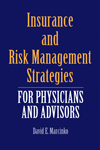
I have been a fan of Atul since his medical school and surgical training days as a resident at Brigham and Women’s Hospital in Boston. I even cited him as a precocious young up-start in the preface of my book, Insurance and Risk Management Strategies for Physicians and Advisors. His own works, of course, are best-sellers: Complications: A Surgeon’s Notes on an Imperfect Science, and Better: A Surgeon’s Notes on Performance. In fact, I often posit that he is a leading example of next-gen quality gurus, following in the foot-steps of Robert Wachter MD before him, and John E. Wennberg MD, MPH of the Dartmouth Atlas, before Bob.

My Experiences

Yet, far too many medical quality issues are being blindly addressed with powerful information technology systems. But, do we really need RFID tags to ensure proper side surgery, or bar codes bracelets for newborns? For example, while a medical student from Temple University back in the late seventies, I was observing surgery during an orthopedic rotation and noted the wrong extremity had been prepped and draped, awaiting the surgeons’ incision. Luckily, my big mouth was an advantage at the time. Decades later, at birth, I helped deliver my own daughter and immediately splashed a (far-too-large) swatch of gentian-violet on her left heel as an identifier; cheap … effective … simple. It did horrify the youngish nursing staff, but not so the more mature PICU staff. These, and related issues, might be alleviated with some managerial common sense; along with a dose of mindset change.

Assessment

With the Obama administration about to spend massive amounts of money on eHRs and other sophisticated – but largely unproven and non inter-operable HIT systems – medical quality improvement measures; perhaps it’s time to take a breath, think and KISS! 

Most medical practices, clinics and hospitals ought not [should not] operate at full capacity, and maybe the best patient care is driven by demand (needs) – and not the supply driven (wants) of administrators, doctors, stockholders and private [physician owned] hospitals and/or other stakeholders. Still, financial advisors do-it, automobile mechanics do-it; so why don’t docs and hospitals do it… the checklist-thing?

Conclusion

Your thoughts and comments on this ME-P are appreciated. Feel free to review our top-left column, and top-right sidebar materials, links, URLs and related websites, too. Then, subscribe to the ME-P. It is fast, free and secure.

Speaker: If you need a moderator or speaker for an upcoming event, Dr. David E. Marcinko; MBA – Publisher-in-Chief of the Medical Executive-Post – is available for seminar or speaking engagements. Contact: MarcinkoAdvisors@msn.com

OUR OTHER PRINT BOOKS AND RELATED INFORMATION SOURCES:

Product Details  Product Details

Product DetailsProduct Details

About Hyoumanity

The Persistent Non-Diagnosis Dilemma

By Dr. David Edward Marcinko; MBA, CMP™dr-david-marcinko4

It is well known that computerized information systems [CIS] are increasingly being used to analyze the cost-effectiveness and quality of care given by medical providers. And, providers are slowly receiving clarity in the methods used to track their practice patterns, whether the tracking includes the cost of the practice, quality of care (such as frequency of preventive services that a practice provides), and/or outcomes monitoring.

Using information systems for such purposes is part of the growing field of medical informatics, which can be defined as the applied science at the junction of the disciplines of medicine, business, and information technology, which supports the healthcare delivery process and promotes measurable improvements in both quality of care and cost-effectiveness [Source: Medical College of Wisconsin, and www.HealthDictionarySeries.com].

Health Risk Assessment Data

Although HRA data are not generally used to profile care processes per se, such measures help to determine which members are at highest risk for chronic illness in the future, such as heart disease. And, according to our Business of Medical Practice print-book colleague – Brent A. Metfessel MD, MIS – patients usually fill out such surveys directly, as many Internet sites have sprung up which include free HRAs and calculation of risk scores. Included in HRA surveys are smoking history, dietary habits, general health questions, energy levels, emotional health, driving habits, and other parameters. Providers may use these results as guides to ascertain which members need the most intensive intervention and thus help prevent poor future outcomes http://www.springerpub.com/prod.aspx?prod_id=23759

None address the emerging problem of persistent non-diagnosis, however.

The Problem

Therefore, Bradley Kittredge of Hyoumanity suggests that a significant dilemma is emerging when addressing – or not addressing – HRA data relative to persistent non-diagnosis. In other words, the persistent non-diagnosis dilemma may represent a significant under-recognized and under-addressed emerging problem in our healthcare system today.

Not Iatric

This situation is unlike iatrogenic conditions which may be defined as those conditions that are physician induced [complications, “never-events”, allergic reactions, un-necessary treatments, interventions and/or surgery, etc]. More formally; iatros means physician in Greek, and-genic, meaning induced-by, is derived from the International Scientific Vocabulary [ISV]. Combined, of course, they become iatrogenic, meaning physician-induced. Iatrogenic disease is obviously, then, disease which is caused by a physician [www.iatrogenic.org].

The Definition

Blogger Kittredge – an MBA/MPH candidate for 2009 at the Haas School of Business at UC Berkeley and a Brian Maxwell Fellow – defines persistent non-diagnosis as:

“any patient who experiences clinical symptoms that five or more doctors are unable to diagnose.”

And, he opines that every day, thousands of Americans are desperately seeking answers to complex medical conditions that doctors are unable to diagnose.

Quality Improvement Initiatives

Findings ways to improve the process of diagnosis and the handling of these tough cases for both patients and doctors will reduce costs, improve health outcomes, and dramatically impact lives. It is the stuff of such medical quality improvement icons like Robert M. Wachter MD, Professor and Associate Chairman of the Department of Medicine at UCSF and my colleague and print-journal Foreword contributor David B. Nash; MD, MBA of the Jefferson Medical College in Philadelphia, PA www.HealthcareFinancials.com

Assessment

Currently, Brad is working to build an online tool to assist with complex and difficult diagnoses, which he considers among the biggest problems in medical care. His technical off-spring, Hyoumanity, is committed to improving awareness and understanding of the prevalence, causes, and implications of persistent non-diagnosis – and misdiagnosis – and to the development of tools to assist and empower patients and doctors to resolve complex cases [http://hyoumanity.blogspot.com]. We wish him well.

Conclusion

And so, your thoughts and comments on this Medical Executive-Post are appreciated.

Speaker: If you need a moderator or speaker for an upcoming event, Dr. David E. Marcinko; MBA – Publisher-in-Chief of the Executive-Post – is available for seminar or speaking engagements. Contact: MarcinkoAdvisors@msn.com  or Bio: www.stpub.com/pubs/authors/MARCINKO.htm

Our Other Print Books and Related Information Sources:

Practice Management: http://www.springerpub.com/prod.aspx?prod_id=23759

Physician Financial Planning: http://www.jbpub.com/catalog/0763745790

Medical Risk Management: http://www.jbpub.com/catalog/9780763733421

Healthcare Organizations: www.HealthcareFinancials.com

Health Administration Terms: www.HealthDictionarySeries.com

Physician Advisors: www.CertifiedMedicalPlanner.com

Subscribe Now: Did you like this Medical Executive-Post, or find it helpful, interesting and informative? Want to get the latest E-Ps delivered to your email box each morning? Just subscribe using the link below. It’s free. You can unsubscribe at any time. Security is assured.

Link: http://feeds.feedburner.com/HealthcareFinancialsthePostForcxos

Non-Profit Hospital Accountability

Raising the Ethical Bar

Staff Reportersred-cross3

According to the Wall Street Journal, December 18 2008, Senator Charles Grassley – ranking Republican on the Senate Finance Committee – is weighing proposing legislation in early 2009 that would hold nonprofit hospitals more accountable for the billions of dollars in annual tax exemptions they enjoy.

Minimal Levels of Care Sought

The legislation would require non-profit hospitals to spend a minimum amount on charity care, and set curbs on executive compensation and conflicts of interest. Disclosure requirements would also be increased.

Assessment

Under the new legislation, penalties would be imposed on nonprofit hospitals that fail to meet the new requirements, while penalties could escalate from taxes and fines to stripping a hospital of its federal-tax exemption if it continues to misbehave.

Conclusion

And so, your thoughts and comments on this Medical Executive-Post are appreciated.

Speaker: If you need a moderator or speaker for an upcoming event, Dr. David E. Marcinko; MBA – Publisher-in-Chief of the Executive-Post – is available for seminar or speaking engagements. Contact: MarcinkoAdvisors@msn.com  or Bio: www.stpub.com/pubs/authors/MARCINKO.htm

Our Other Print Books and Related Information Sources:

Practice Management: http://www.springerpub.com/prod.aspx?prod_id=23759

Physician Financial Planning: http://www.jbpub.com/catalog/0763745790

Medical Risk Management: http://www.jbpub.com/catalog/9780763733421

Healthcare Organizations: www.HealthcareFinancials.com

Health Administration Terms: www.HealthDictionarySeries.com

Physician Advisors: www.CertifiedMedicalPlanner.com

Subscribe Now: Did you like this Medical Executive-Post, or find it helpful, interesting and informative? Want to get the latest E-Ps delivered to your email box each morning? Just subscribe using the link below. It’s free. You can unsubscribe at any time. Security is assured.

Link: http://feeds.feedburner.com/HealthcareFinancialsthePostForcxos

Disclosures Lacking in Drug Studies

New – Dark Alley – Report on Drug Studies

Staff Reportersdark-alley

A report in Bloomberg News, January 13, says that drug regulators haven’t done enough to force disclosure of financial conflicts among the researchers who conduct clinical trials of medications and medical devices.


Quid-pro-Quo

Financial connections between companies that make drugs and devices, and the doctors and other researchers who test them on humans, may compromise the safety of patients in studies and the integrity of the results.

According to the report, lawmakers led by Senator Charles Grassley [Republican from Iowa] have raised concern that conflicts of interest among doctors and manufacturers may influence prescribing decisions.

Assessment

Furthermore, the report said the “FDA should ensure that sponsors submit complete financial information for all clinical investigators.”  Is this a new or novel idea?

Conclusion

And so, your thoughts and comments on this Medical Executive-Post are appreciated. Is this entire “pay-2-play” or “quid-pro-quo” idea another dark-alley of drug research and development; or not?

Speaker: If you need a moderator or speaker for an upcoming event, Dr. David E. Marcinko; MBA – Publisher-in-Chief of the Executive-Post – is available for seminar or speaking engagements. Contact: MarcinkoAdvisors@msn.com  or Bio: www.stpub.com/pubs/authors/MARCINKO.htm

Our Other Print Books and Related Information Sources:

Practice Management: http://www.springerpub.com/prod.aspx?prod_id=23759

Physician Financial Planning: http://www.jbpub.com/catalog/0763745790

Medical Risk Management: http://www.jbpub.com/catalog/9780763733421

Healthcare Organizations: www.HealthcareFinancials.com

Health Administration Terms: www.HealthDictionarySeries.com

Physician Advisors: www.CertifiedMedicalPlanner.com

Subscribe Now: Did you like this Medical Executive-Post, or find it helpful, interesting and informative? Want to get the latest E-Ps delivered to your email box each morning? Just subscribe using the link below. You can unsubscribe at any time. Security is assured.

Link: http://feeds.feedburner.com/HealthcareFinancialsthePostForcxos

High-Tech Infection Tracking

The Hershey Experience or High-Tech Gamble?

Staff Reporters

gambling

At Hershey Medical Center, in Pennsylvania, a sophisticated computer program now serves as a watchdog for infection outbreaks.


Internet Enabled Health 2.0

According to the Associated Press, December 30 2008, with a few mouse clicks on a Web browser, the hospital’s infection-control staffers can quickly generate reports with charts and graphs illustrating how many patients within a particular unit are infected, and which lab specimen contained the germs; etc.

Assessment

Some Pennsylvania health officials view the nascent technology as a critical tool for helping hospitals reduce health care costs by identifying potential systemic infection-control problems sooner than is possible by reviewing paper records by hand. Other pundits may not agree!

Conclusion

And so, your thoughts and comments on this Medical Executive-Post are appreciated. Will the data be reported for hospital quality improvement initiatives; or cloistered from stakeholders? And, will infection tracking and rate reporting finally become something more than a high-tech gamble?

Speaker: If you need a moderator or speaker for an upcoming event, Dr. David E. Marcinko; MBA – Publisher-in-Chief of the Executive-Post – is available for seminar or speaking engagements. Contact: MarcinkoAdvisors@msn.com  or Bio: www.stpub.com/pubs/authors/MARCINKO.htm

Our Print Books and Related Information Sources:

Practice Management: http://www.springerpub.com/prod.aspx?prod_id=23759

Physician Financial Planning: http://www.jbpub.com/catalog/0763745790

Medical Risk Management: http://www.jbpub.com/catalog/9780763733421

Healthcare Organizations: www.HealthcareFinancials.com

Health Administration Terms: www.HealthDictionarySeries.com

Physician Advisors: www.CertifiedMedicalPlanner.com

Subscribe Now: Did you like this Medical Executive-Post, or find it helpful, interesting and informative? Want to get the latest E-Ps delivered to your email box each morning? Just subscribe using the link below. It’s free. You can unsubscribe at any time. Security is assured.

Link: http://feeds.feedburner.com/HealthcareFinancialsthePostForcxos

An Open Letter to President [Elect] Barack Obama

Recognize and Protect Americans’ Right to

Health Information Privacy in Health IT

By Prudence Gourguechon; MD

By Elizabeth Clark; PhD, ACSW, MPH

US Capitol

Dear President-elect Obama:

We look forward to your inauguration with the hope that you will restore the public’s trust in the nation’s institutions which has been so badly shaken by the failed policies of the Bush Administration over the past eight years.  Nowhere is trust more important than in the delivery of quality health care and particularly for effective mental health care. 

Accordingly, we ask that you assure Americans that health information technology legislation under the Obama Administration will preserve and protect the patient’s right to health information privacy rather than erode or eliminate that right.”

We are encouraged that your nominee for DHHS Secretary, Senator Tom Daschle, has made prior statements reflecting support for the right to health information privacy in health IT legislation:

The issue of privacy touches virtually every American, often in extremely personal ways.  Whether it is bank records or medical files or Internet activities, Americans have a right to expect that personal matters will be kept private.  Today, in too many ways, however, our right to privacy is at risk.  Our laws have not kept up with sweeping technological changes.  As a result, some of our most sensitive, private matters end-up on databases that are then sold to the highest bidder.  That is wrong, it’s dangerous, and it has to stop.[1]

We are further encouraged by the recent statements of Senate Majority Leader Reid and House Majority Leader Hoyer that Congress should get the items in the stimulus package right “the first time.”[2]  In 2004, President Bush announced a goal of ensuring that most Americans health records would be accessible in an electronic health information system by 2014.[3]  The Department of Health and Human Services has pushed to accomplish that goal while demonstrating little commitment to preserving the individual’s right to HI privacy.[4]  HHS under the Bush Administration ignored the earlier HHS findings that strong privacy protections are essential if the full benefit of health IT is to be realized.[5]  The Bush Administration “replaced” the individual’s right of consent for the disclosure of identifiable health information adopted in the HIPAA Privacy Rule by the Clinton Administration, with “regulatory permission” for millions of covered entities and their business associates to disclose identifiable health information without the individual’s consent and over his or her objection.[6]  This policy reversal stripped Americans of their traditional health information privacy protection and essentially turned the HIPAA “Privacy” Rule into a disclosure rule.

In the past five years since the amended HIPAA Privacy Rule was put into effect, there have been more than 40,000 complaints of health information privacy violations of the HIPAA Privacy Rule, but HHS has not imposed a single civil penalty.[7]  Since January 2005, the privacy of more than 42 million electronic health records has been breached or compromised.[8]  Currently 250,000 Americans each year are victimized by health identity theft.[9]  A recent HIT industry survey found that all of the electronic health information systems currently in use are “severely at risk of being hacked” and the health information stolen or altered.[10]  According to Department of Justice figures, 67% of health care businesses that use health IT have been the victims of cybercrime resulting in the health IT systems of more than 80% of those businesses being down five hours or more at a cost of tens of thousands to hundreds of thousands of dollars.  Health care businesses reported the greatest duration of downtime of any category of business.[11]  Electronic data breaches increased by nearly 50% last year.[12]

It is, therefore, not surprising that nearly 70% of Americans have heard or read about medical records being lost or stolen, and most of those believe that computerized health records are the most vulnerable.  Approximately, 21 million Americans believe their medical records already have been lost or stolen.[13]

Even the Bush Administration has conceded belatedly that privacy protections are essential for public acceptance of a health IT system and that those protections must include the right of the individual to make an “informed decision” about the collection, use and disclosure of individually identifiable health information.[14]  HHS Secretary Leavitt recently stated, “Consumers shouldn’t be in a position to have to accept privacy risks they don’t want.”[15]

Other groups that have been hesitant in the past to support privacy protections have recently begun to acknowledge that health IT legislation must require privacy protections in the “forefront of all technological standards” and must assure the public that identifiable health information will be disclosed only with the patient’s consent.[16]  Even the Department of Homeland Security has recently adopted Fair Information Privacy Practices consistent with the Privacy Act of 1974 that require individual consent for the collection, use, dissemination, and maintenance of personal information.[17]

There should be no question that Americans have a right to privacy for highly personal health information.  The right to informational privacy was recognized by Congress as a “fundamental right” of all Americans protected by the Constitution in the Privacy Act of 1974 and by HHS under the Clinton Administration when it issued the original HIPAA Privacy Rule.[18]  According to prevailing case law, the Constitutional right to privacy for highly personal health information is now so well established that no reasonable person could be unaware of it.[19]  The right to health information privacy is also protected by the physician-patient privilege recognized in 43 states,[20] and the psychotherapist-patient privilege recognized in all 50 states, the District of Columbia and in Federal common law.[21]  The right to privacy of personal information including health information is also protected by the tort law or statutory law of all 50 states,[22] and 10 states include a specific right to privacy in their state constitutions.[23] 

HHS, under both the Bush and Clinton Administrations, has recognized that health information privacy is essential for quality health care because patients will not disclose information necessary for accurate diagnosis and treatment unless they are confident that their right to health information privacy will be protected.[24]  The patient’s right of consent for the disclosure of identifiable health information is also a core element of the standards for the ethical practice of health care for virtually all health professionals.[25]

Accordingly, we ask that you take a truly patient-centered approach to health IT and that you ground a national electronic health information system in the core concept of professional ethics which provides that, where possible, informed consent will be obtained for the disclosure of an individual’s identifiable health information.[26]

We recommend that you adopt the patient-centered, ethics-based approach to health IT set forth in the TRUST Act (H.R. 5442) which was introduced by Congressman Ed Markey in the last Congress and was co-sponsored by former Congressman Rahm Emanuel, current Energy and Commerce Chairman Henry Waxman and 13 other House members. 

The country needs a new direction in health information technology legislation that preserves and protects fundamental rights and acknowledges that, while health IT may provide benefits in the future, it also poses an immediate threat to the right to privacy that Americans cherish and expect.

With the greatest respect and hope for the future.

Prudence Gourguechon; MD

President

American Psychoanalytic Association

Elizabeth Clark; PhD, ACSW, MPH

Executive Director

National Association of Social Workers                           


For more information, contact:

James C. Pyles, Esq.                                                   

Powers Pyles Sutter & Verville, PC                                

1501 M Street, N.W., 7th Floor                                      

Washington, D.C.  20005                                               

202/466-6550                                                                

jim.pyles@ppsv.com                                                     

For the American Psychoanalytic Association            

James K. Finley

750 First Street, N.E.

Suite 700

Washington, D.C.  20002

292.366-8315

jfinley@naswdc.org

For the National Association of Social

Workers


REFERENCES:


[1]  Statement by Senator Tom Daschle on the establishment of the Congressional Privacy Caucus, Cong. Record-Senate, S11777 (Dec. 14, 2000).

[2]  Top Democrats Give Longer Timetable for Stimulus Bill, The Washington Post, A2 (Jan. 5, 2009).

[3]  “President Bush’s Technology Agenda,” (Jan. 20, 2004). http://www.whitehouse.gov/infocus/technology/economic_policy200404/chap3.html

[4]  Health Information Technology, Efforts Continue but Comprehensive Privacy Approach Needed for National Strategy, GAO-07-988T, p. 3 (June 19, 2007); Health Information Technology, Early Efforts Initiated but Comprehensive Privacy Approach Needed for National Strategy, GAO-07-238, p. 4 (Jan. 10, 2007).

[5]  65 F.R. 82,466 (Dec. 28, 2000).

[6]  Compare, “Our regulation will ensure that those consents cover the routine uses and disclosures of health information, and provide an opportunity for individuals to obtain further information and have further discussions, should they so desire.”  65 F.R. 82,474 (Dec. 28, 2000) with “The consent provisions…are replaced with a new provision…that provides regulatory permission for covered entities to use or disclose protected health information for treatment, payment and health care operations.”  67 F.R. 53,211 (Aug. 14, 2002). 

[7]  Health Information Privacy/Security Alert (Jan. 5, 2008).

[9]  “Panel:  Electronic Health Records May Save Money, But Can They Keep Information Safe?”  CQ Healthbeat News (June 19, 2008).

[10] “Electronic Records at Risk of Being Hacked, Report Warns,” Search CIO.com (Sept. 19, 2007).

[11] Cybercrime Against Businesses, 2005, U.S. Dept. of Justice, Bureau of Justice Statistics, Special Report, pp. 6, 13, 16, 18-19 (Dec. 2008).

[12] Data Breaches Up Almost 50%, The Washington Post, D2 (Jan. 6, 2009).

[13] “Millions Believe Personal Medical Information has Been Lost or Stolen,” Harris Poll (July 15, 2008). 

[14] “Individual Choice Principle,” HHS Privacy Principles (Dec. 15, 2008). http://www.hhs.gov/healthit/documents/NationwidePS_Framework.pdf

[15] HHS News Release (Dec. 15, 2008).

[17] Privacy Policy Memorandum, Department of Homeland Security, p.3 (Dec. 29, 2008).

    http://www.dhs.gov/xlibrary/assets/privacy/privacy_policyguide_2008-01.pdf

[18] Pub. L. 93-579, sec. 2(a)(4):  “The Congress finds that the right to privacy is a personal and fundamental right protected by the Constitution of the United States.”  “Privacy is a fundamental right.”  65 F.R. 82,464 (Dec. 28, 2000). 

[19] Gruenke v. Seip, 225 F.3d 290, 302-03 (3rd Cir. 2000).  See also, Sterling v. Borough of Minersville, 232 F.3d 190, 198 (3rd Cir. 2000). 

[20] See, e.g., Northwest Mem. Hosp. v. Ashcroft, 362 F.3d 923 (7th Cir. 2004).

[21] Jaffee v. Redmond, 116 S.Ct. 1923 (1996).

[22] HHS Finding, 65 F.R. 82,464 (Dec. 28, 2000).

[23] Those states are Alaska, Arizona, California, Florida, Hawaii, Illinois, Louisiana, Montana, South Carolina, and Washington.

[24] National Privacy and Security Framework, p.1, Dept. of HHS (Dec. 15, 2008); 65 F.R. 82,468 (Dec. 28, 2000). 

[25] Finding of National Committee on Vital and Health Statistics, report to Sec. Leavitt, p. 3 (June 22, 2006).

[26] American Medical Association policy, H-315.978 Privacy and Confidentiality, reaffirmed 2001.


Top 20 IOM Health Indicators

Medical Quality Improvement Suggestions

Staff Reporters

caduceus

A new report from the Institute of Medicine [IOM recommends 20 specific health indicators that can be used to help policy-makers, the media and the public measure Americans’ overall health and well-being and track the nation’s progress in improving public health and care systems.

Link: AHA News Now: http://www.rwjf.org/qualityequality/digest.jsp?id=9220

Speaker: If you need a moderator or speaker for an upcoming event, Dr. David E. Marcinko; MBA – Publisher-in-Chief of the Executive-Post – is available for seminar or speaking engagements. Contact: MarcinkoAdvisors@msn.com  or Bio: www.stpub.com/pubs/authors/MARCINKO.htm

Subscribe Now: Did you like this Medical Executive-Post, or find it helpful, interesting and informative? Want to get the latest E-Ps delivered to your email box each morning? Just subscribe using the link below. It’s free. You can unsubscribe at any time. Security is assured.

Link: http://feeds.feedburner.com/HealthcareFinancialsthePostForcxos

Top 50 Health 2.0 Blogs

Offering Definitional Clarity [Maybe]

By Staff Writers55909808               

There is no concise-precise definition of Health 2.0 as it is a dynamic construct. But, according to Holt, Furst, Crespo, Marcinko, Hetico, www.HealthDictionarySeries.com, and many others; Health 2.0 may be defined as an amalgam of many ideas. Most notably, our best definition: 

“Health 2.0 is internet cloud enabled participatory healthcare model characterized by the ability to rapidly generate, share, classify and summarize individual health information with the goal of improving health care systems, experiences and outcomes via integration of patients and stakeholders. It is a modern concept about change in how patients, physician, payers, employers and all stakeholders relate to each other, and the industry, in a personalized manner using new technologies.”

Top 50 Health 2.0 Blogs

Alisa Miller, of nursing portal RNCentral.com, says that Health 2.0 embraces the idea of bringing health care into the community of physicians, patients, and those in the health care industry together with technology and the Internet to provide the best possible health care environment.

Assessment

What better way for the various parts of this community to share their thoughts and communicate ideas than through their blogs? From corporate blogs to blogs that are a part of social networks to individual blogs touching on technology or health care policy, these blogs will help bring you into the community, provide information and resources, and may perhaps help you find your voice as well.

Link: http://www.rncentral.com/nursing-library/careplans/top_50_health_2.0_blogs

Conclusion

Your thoughts and comments on this Medical Executive-Post are appreciated.

References:

Crespo, R. 2007. Virtual Community Health Promotion; Preventing Chronic Disease, 4(3): 75

Furst, I. 2008. Wait Time and Delayed Care. Accessed at http://waittimes.blogspot.com/ on 15/11/20008

Holt, M: www.TheHealthCareBlog.com

Marcinko, DE 2007. Dictionary of Health Information Technology and Security; Springer Publishers, NY

Speaker: If you need a moderator or speaker for an upcoming event, Dr. David E. Marcinko; MBA – Publisher-in-Chief of the Executive-Post – is available for seminar or speaking engagements. Contact: MarcinkoAdvisors@msn.com  or Bio: www.stpub.com/pubs/authors/MARCINKO.htm

Subscribe Now: Did you like this Medical Executive-Post, or find it helpful, interesting and informative? Want to get the latest E-Ps delivered to your email box each morning? Just subscribe using the link below. It’s free. You can unsubscribe at any time. Security is assured.

Link: http://feeds.feedburner.com/HealthcareFinancialsthePostForcxos

Certified Physician in Healthcare Quality

Join Our Mailing List

About CPHQ

[By Dr. David Edward Marcinko; MBA, CPHQ, CMP™]dr-david-marcinko2

Mission

The mission of the National Association for Healthcare Quality (NAHQ) is to improve healthcare by advancing the theory and practice of quality management in healthcare organizations and by supporting the professional growth and development of Healthcare quality management professionals. The association has about 15,000 members and was established in 1976 www.CPHQ.org

Several Specialties

There are specialties in infection control, medical and staff records, nursing, risk management, utilization review and CQI/TQM. Annual educational conferences are available, along with integrated educational courses, the quarterly newsletter NAHQ News and the bimonthly publication, Journal for Healthcare Quality. The NAHQ certification program, confers the designation Certified Professional in Healthcare Quality to members, and is accredited by the National Organization for Competency and National Commission for Health Certifying Agencies. It has certified more than 8,000 individuals.

Assessment

The NAHQ has liaison relationships with allied organizations, such as the American Hospital Association, JCAHO, National Health Council and the National Association of Medical Staff Services. It has working relationships with the American Health Information Management Association, Healthcare Financial Management Association and the US Department of Health and Human Services. Corporate headquarters are at 5700 Old Orchard Road, first floor, Skokie, Illinois, 60077 (708) 966-9392

Conclusion

Your thoughts and comments on this ME-P are appreciated. Feel free to review our top-left column, and top-right sidebar materials, links, URLs and related websites, too. Then, subscribe to the ME-P. It is fast, free and secure.

Speaker: If you need a moderator or speaker for an upcoming event, Dr. David E. Marcinko; MBA – Publisher-in-Chief of the Medical Executive-Post – is available for seminar or speaking engagements. Contact: MarcinkoAdvisors@msn.com

OUR OTHER PRINT BOOKS AND RELATED INFORMATION SOURCES:

Product DetailsProduct Details

D2C Drug Advertising Criticized

FDA Updates Some Standards

Staff ReportersME-P Logo.2

According to the Wall Street Journal, December 11, 2008, prescription drug makers updated their voluntary standards for direct-to-consumer advertising to make the ads more informative. But, the measures stop short of changes sought by government and industry critics.

The FDA and “Actors”

The companies said they will halt advertising that includes promoting prescription drugs for non Food and Drug Administration [FDA] approved uses; or using actors as physicians. The guidelines say celebrity endorsers shouldn’t say they use a drug – unless they actually use it.

PRMA Industry Trade Group

The Pharmaceutical Research and Manufacturers of America [PRMA], the industry trade group that issued the standards, reported their aim was to address the concerns of doctors, and Congress while continuing to keep patients informed about valuable treatments. Critics said the changes didn’t go as far as advocated by a panel on drug safety from the Institute of Medicine [IOM], including making company’s wait two years before advertising a prescription drug directly to consumers so that effects can be better understood. Critics also said that television ads should include the phone number at the FDA for patients to call to report side-effects.

Assessment

Under the voluntary standards, only print-ads would include the phone number.

Conclusion

And so, your thoughts and comments on this Medical Executive-Post are appreciated. Are these restrictions enough; or too much?

Speaker: If you need a moderator or speaker for an upcoming event, Dr. David E. Marcinko; MBA – Publisher-in-Chief of the Executive-Post – is available for seminar or speaking engagements. Contact: MarcinkoAdvisors@msn.com  or Bio: www.stpub.com/pubs/authors/MARCINKO.htm

Our Other Print Books and Related Information Sources:

Practice Management: http://www.springerpub.com/prod.aspx?prod_id=23759

Medical Risk Management: http://www.jbpub.com/catalog/9780763733421

Healthcare Organizations: www.HealthcareFinancials.com

Health Administration Terms: www.HealthDictionarySeries.com

Physician Advisors: www.CertifiedMedicalPlanner.com

Subscribe Now: Did you like this Medical Executive-Post, or find it helpful, interesting and informative? Want to get the latest E-Ps delivered to your email box each morning? Just subscribe using the link below. You can unsubscribe at any time. Security is assured.

Link: http://feeds.feedburner.com/HealthcareFinancialsthePostForcxos


Unsafe Emergency Rooms

Join Our Mailing List

Brutal New AEM Report

[By Staff Reporters]

Hospital emergency rooms are not safely designed or managed, and improvements in working conditions are needed, according to a new study in the Annals of Emergency Medicine [AEM].

AHRQ

According to the Agency for Healthcare Research and Quality [AHRQ], December 9, 2008, the study surveyed 3,562 emergency medicine clinicians in 65 hospitals to examine their perceptions about their emergency department’s safety.

Incriminating Findings

The study found that:

  • Nearly two-thirds of emergency departments reported insufficient space for patient care.
  • One third said the number of patients consistently exceeded ER capacity for safe care.
  • Forty percent reported insufficient physician staffing to handle busy period patient loads.
  • Two-thirds reported insufficient nursing staff to handle patient loads during busy periods.
  • Only a third reported frequent patient waiting-room monitoring.

Suggestions

The researchers recommend the following improvements:

  • Increase or redesign emergency department space.
  • Increase staffing during periods of high demand.
  • Improve information sharing between clinicians by reworking team processes.
  • Improve patient transitions between ER and inpatient areas of the hospital.
  • Provide more computer workstations and access to eHRs.

Assessment

Recently, there has been a plethora of corroborating reports.

Conclusion

Your thoughts and comments on this ME-P are appreciated. Feel free to review our top-left column, and top-right sidebar materials, links, URLs and related websites, too. Then, subscribe to the ME-P. It is fast, free and secure.

Speaker: If you need a moderator or speaker for an upcoming event, Dr. David E. Marcinko; MBA – Publisher-in-Chief of the Medical Executive-Post – is available for seminar or speaking engagements. Contact: MarcinkoAdvisors@msn.com

OUR OTHER PRINT BOOKS AND RELATED INFORMATION SOURCES:

Product DetailsProduct DetailsProduct Details

About CDC’s Epi Info Community Edition

An Open Source Health IT Release

Staff Reporters

fiber-optics1

According to John Moore of Government Health IT, the Centers for Disease Control and Prevention [CDC], here in Atlanta, just released an open-source version of its software for epidemiological analysis. 


History of Epi Info

CDC’s Epi Info originated as a disk-operating system [DOS program] in the 1980s, when epidemiologists sought a PC-based tool to analyze disease outbreaks. The open-source, pre-beta version, named Epi Info Community Edition, marks the beginning of a rewrite of the Epi Info tool suite in the C# programming language. The open source edition also aims to cultivate a wider community of developers www.HealthDictionarySeries.com

Assessment

The CDC has made Epi Info Community Edition available via CodePlex, Microsoft’s open source project hosting Web site.

Conclusion

And so, your thoughts and comments on this Medical Executive-Post are appreciated.

Speaker: If you need a moderator or speaker for an upcoming event, Dr. David E. Marcinko; MBA – Publisher-in-Chief of the Executive-Post – is available for seminar or speaking engagements. Contact: MarcinkoAdvisors@msn.com  or Bio: www.stpub.com/pubs/authors/MARCINKO.htm

Our Other Print Books and Related Information Sources:

Practice Management: http://www.springerpub.com/prod.aspx?prod_id=23759

Physician Financial Planning: http://www.jbpub.com/catalog/0763745790

Medical Risk Management: http://www.jbpub.com/catalog/9780763733421

Healthcare Organizations: www.HealthcareFinancials.com

Health Administration Terms: www.HealthDictionarySeries.com

Physician Advisors: www.CertifiedMedicalPlanner.com

Subscribe Now: Did you like this Medical Executive-Post, or find it helpful, interesting and informative? Want to get the latest E-Ps delivered to your email box each morning? Just subscribe using the link below. You can unsubscribe at any time. Security is assured.

Link: http://feeds.feedburner.com/HealthcareFinancialsthePostForcxos

Hospital Length-of-Stay Forecasting

An Often Inaccurate Medical Effectiveness Meter

Staff Reporters

According to Gregory O. Ginn; PhD, CPA, MBA, MS, and Assistant Professor in the Department of Healthcare Policy and Administration from UNLV, substantial day-to-day variation in hospital occupancy may lead to increases in costs.

Forecast Accuracy

Accordingly, hospitals may be able to improve their financial efficiency by preparing more accurate forecasts of stay length, and thus of their utilization of capacity. For instance, the accuracy of predicted length of stay can be improved by using multiple-regression. The patient’s characteristics (age, gender, ethnicity, marital status, admission type, and admission source) and clinical indicators for their diagnosis-related groups [DRGs] are significant predictors of length-of- stay [LOS].

Assessment

The effectiveness of medical interventions is often measured by length-of-stay. However, this is a crude measure that is contaminated by the inclusion of all days in the hospital even if they were not preceded by some type of intervention.

More info: www.HealthcareFinancials.com

Conclusion

Other experts suggest an approach that views only the slice of time after a medical intervention to measure the effect of the intervention on LOS. This may be a more precise method that can improve the accuracy of forecasting. What do you think?

As always, your thoughts and comments on this Executive-Post are appreciated.

Related Information Sources:

Practice Management: http://www.springerpub.com/prod.aspx?prod_id=23759

Physician Financial Planning: http://www.jbpub.com/catalog/0763745790

Medical Risk Management: http://www.jbpub.com/catalog/9780763733421

Healthcare Organizations: www.HealthcareFinancials.com

Health Administration Terms: www.HealthDictionarySeries.com

Physician Advisors: www.CertifiedMedicalPlanner.com

Speaker: If you need a moderator or speaker for an upcoming event, Dr. David E. Marcinko; MBA – Publisher-in-Chief of the Executive-Post – is available for seminar or speaking

Allegory of an Old Man’s Doctor Son

Just Treat the Sick Patients”

cropped-dem

By Dr. David Edward Marcinko; MBA, CMP™

I have known Georgia State University psychologist Dr. Gene Schmuckler Phd, MBA, CTS, of our consulting firm, the Institute of Medical Business Advisors Inc, for more than a decade. We met while in business school. He was my professor of organizational and industrial  behavior.

Since then, we have become friends and colleagues and have lectured together at various seminars and engagements. He also writes for us on his specialty of behavioral finance, medical workplace violence and physician career re-engineering. Of course, his advice was vital to me as I made my own career transition from clinical medicine about a dozen years ago.

The Story

When speaking or publishing, Gene sometimes asks exasperated doctors to recall the story of an old man who spent the day watching his physician son treating HMO patients in the office.  The doctor had been working at his usual feverish pace all morning, and although he was working hard, bitterly complained to his dad that he was not making as much money as he used to. Finally, the old man interrupted him and said,

“Son, why don’t you just treat the sick patients?” 

The doctor-son looked annoyed at his father, and responded,

“Dad, can’t you see, I don’t have time to treat just the sick ones.”

Assessment

I don’t know if this story is original, or not, but it sure causes one to ponder, a bit. So, always remember to add some emotional sanity into your endeavors.

Edsel

Conclusion

What do you think? Let us know what’s on your mind with a post, opinion or comment.

***

Product DetailsProduct Details

Risk Management, Liability Insurance, and Asset Protection Strategies for Doctors and Advisors: Best Practices from Leading Consultants and Certified Medical Planners™8Comprehensive Financial Planning Strategies for Doctors and Advisors: Best Practices from Leading Consultants and Certified Medical Planners™

***

Invite Dr. Marcinko

***

About OSHA’s eTool for Hospitals

Join Our Mailing List

A New Computerized Graphical Safety Interface for 2008

[By Staff Reporters]

**

***

According to the Bureau of Labor Statistics [BLS] in 2001, the nation’s hospitals reported 293,600 nonfatal occupational injuries and illnesses to their personnel.

Hospital Injury Rates High

Among US industries with 100,000 or more injuries and illnesses, hospitals have the second highest rate of nonfatal injury or illness cases. Only eating and drinking places have more injuries and illnesses. The incidence rate for hospitals is 9.2 injuries and illnesses per 100 full-time workers. The incident rate for industry as a whole is 6.1 injuries and illnesses per 100 full-time workers. During October 2000 through September 2001, OSHA performed 103 inspection activities in SIC code 806-Hospitals. The most frequently sited violations were bloodborne pathogens, lockout/tagout, and hazard communication.

Introducing Hospital eTool from OSHA

OSHA is now providing a new computerized graphical, known as eTool, to help healthcare entities and employers identify and address potential occupational hazards in hospitals. This will be done through a comprehensive safety and health program approach.

Assessment

eTool will help employers in developing and implementing engineering and work practice controls which comply with OSHA requirements and can be incorporated into a health facility’s safety and health plan to reduce the hazards of hospital work and improve worker safety. eTool addresses the following areas: 

More: http://www.osha.gov/SLTC/etools/hospital/scope.html

Conclusion

Your thoughts and comments on this ME-P are appreciated. Feel free to review our top-left column, and top-right sidebar materials, links, URLs and related websites, too. Then, subscribe to the ME-P. It is fast, free and secure.

Speaker: If you need a moderator or speaker for an upcoming event, Dr. David E. Marcinko; MBA – Publisher-in-Chief of the Medical Executive-Post – is available for seminar or speaking engagements. Contact: MarcinkoAdvisors@msn.com

OUR OTHER PRINT BOOKS AND RELATED INFORMATION SOURCES:

Product DetailsProduct Details

***

Medicare Payment Reform for 2009-2017

AMA House of Delegates Push for SGR Changes

Join Our Mailing List

[Staff Reporters]

According to the American Medical News, November 24, 2008, the AMA House of Delegates is setting the groundwork for a major push to reform Medicare physician payment next year.

AMA Lobby

The AMA will continue to lobby Congress for changes in the sustainable growth rate [SGR] formula to better reflect practice costs, to improve the accuracy of the index that gauges increases in those costs and to investigate geographic pay disparities; among other issues.

AMA Council on Medical Service

The AMA Council on Medical Service also requested physician input on payment systems that could replace or improve the current one. These newer compensation models might include:

  • bundled payments, under which physicians are paid flat rates per episode of care, rather than per service;
  • gainsharing, under which hospitals and doctors agree to share incentive pay and savings from quality improvement;
  • medical homes, under which doctors are paid for coordinating care; and,
  • pay-for-performance, under which doctors are paid based on quality measures.

Assessment

To date, it is unclear which new compensation model[s] will prevail; if any?

Conclusion

Your thoughts and comments on this ME-P are appreciated. Feel free to review our top-left column, and top-right sidebar materials, links, URLs and related websites, too. Then, subscribe to the ME-P. It is fast, free and secure.

Link: http://feeds.feedburner.com/HealthcareFinancialsthePostForcxos

Speaker: If you need a moderator or speaker for an upcoming event, Dr. David E. Marcinko; MBA – Publisher-in-Chief of the Medical Executive-Post – is available for seminar or speaking engagements. Contact: MarcinkoAdvisors@msn.com

OUR OTHER PRINT BOOKS AND RELATED INFORMATION SOURCES:

Product Details

JIT and Medical Office Process Efficiency

Augmenting Labor and Human Resource Efficiency

By Dr. David Edward Marcinko; MBA, CMP™

Much of what is done in Just-In-Time [JIT] labor control is aimed at reducing the doctor’s wait time (radiographs, veni-puncture, urinalysis, vital signs, cast changes, etc.), the patient’s wait time (check-ins, check-outs, insurance verification, etc.), the move time (procedure set-up time, referrals, transportation, etc.) and quality time (education, emotional support and hand-holding); all increasing total actual patient service treatment time.

Summation Equation

This patient service time can be expressed as the sum of four parts:

Treatment Time                                        

(+) Wait Time

(+) Move Time

(+) Quality Time

Total Time: (Efficient or Inefficient)

Treatment Time is Key

Only the patient’s treatment time (doctor-patient interaction) adds value to the medical service. Wait, move and quality time are all non-value added services and should be eliminated to the extent possible, as they represent needless time and cost. All can, and should, be performed by non-physician personnel.

Labor JIT

When correctly applied, medical office HR JIT may reasonably be expected to yield the following benefits:

  • Greater doctor and employee productivity through improved office physical layout.
  • Reduced treatment and business management time resulting in the potential to see more patients – or – the same number of patients with less time urgency and personal stress.
  • Inventories of durable goods are reduced and expensive storage space is made available for revenue generating activities.
  • Patient quality and services are rendered in a cost effective and value added manner.

Conclusion

As always, your thoughts and comments on this Medical Executive-Post are appreciated.

Related Information Sources:

Practice Management: http://www.springerpub.com/prod.aspx?prod_id=23759

Physician Financial Planning: http://www.jbpub.com/catalog/0763745790

Medical Risk Management: http://www.jbpub.com/catalog/9780763733421

Healthcare Organizations: www.HealthcareFinancials.com

Health Administration Terms: www.HealthDictionarySeries.com

Physician Advisors: www.CertifiedMedicalPlanner.com

Speaker: If you need a moderator or speaker for an upcoming event, Dr. David E. Marcinko; MBA – Publisher-in-Chief of the Executive-Post – is available for seminar or speaking engagements. Contact: MarcinkoAdvisors@msn.com  or Bio: www.stpub.com/pubs/authors/MARCINKO.htm

Subscribe Now: Did you like this Medical Executive-Post, or find it helpful, interesting and informative? Want to get the latest E-Ps delivered to your email box each morning? Just subscribe using the link below. You can unsubscribe at any time. Security is assured.

Link: http://feeds.feedburner.com/HealthcareFinancialsthePostForcxos

State Mandated Health Insurance Laws

A Growing Listho-journal1

By Staff Reporters

State laws inform health insurers what health coverage they must offer as state mandates. For example, if a state says “behavioral health coverage,” then health insurance policies issued in that state must provide coverage for behavioral health benefits for the insured and dependents But, recall that no two states impose the same set of mandates, and coverage changes regularly. So, here is a list:

Alabama

  • Alcohol treatment
  • dependent coverage (from the moment of birth, including abnormalities)
  • mammograms
  • open selection of pharmacy

Alaska

  • Alcohol/drug treatment
  • dependent coverage (from the moment of birth, including abnormalities, and those who are adopted)
  • mammography
  • pap smears
  • prostate cancer screenings
  • phenylketonuria

Arizona

  • Dependent coverage (from the moment of birth, including those who are physically or mentally handicapped, and those who are adopted) mammography
  • outpatient care
  • home health care
  • mastectomy reconstruction
  • emergency care
  • diabetes self-management; mail-order pharmacies may not be required
  • prescription contraceptives (exceptions exist for religious employers)

California

  • Alcohol/drug/nicotine treatment
  • mental health coverage
  • dependent coverage (from the moment of birth, including those with abnormalities, those who are mentally or physically handicapped, and those who are adopted)
  • mammography
  • lead screening for children
  • preventative care for children
  • home health care
  • infertility treatment
  • mastectomy and other reconstruction
  • diabetes self-management
  • pap smears
  • temporomandibular joint disorder
  • prosthetic devices
  • osteoporosis
  • off-label drugs
  • DES effects
  • prostate cancer screening

Colorado

  • Alcohol treatment
  • mental health coverage
  • dependent coverage (from the moment of birth, including those with abnormalities, and those who are adopted)
  • mammography
  • home health care
  • hospice care
  • maternity coverage for women
  • pregnancy complications
  • prostate cancer screenings
  • coverage may not be denied to an individual solely on the basis that the individual casually or professionally participates in skiing or snowboarding activities

Connecticut

  • Alcohol/drug treatment
  • mental health coverage
  • dependent coverage (from the moment of birth, including abnormalities and those who are mentally or physically handicapped, and those who are adopted)
  • mammography
  • home health care
  • comprehensive rehabilitation
  • occupational therapy
  • long-term care
  • metabolic disorders
  • mastectomy reconstruction
  • breast implant removal
  • diabetes
  • ambulance services
  • cancer
  • accidental ingestion of controlled drugs

Delaware

  • Mental health coverage
  • dependent coverage (from the moment of birth, including abnormalities)
  • cancer screening (including Pap tests, mammograms, ovarian cancer, and prostate screenings)
  • lead screening
  • children’s immunizations

District of Columbia

  • Alcohol/drug treatment
  • mental health coverage
  • dependent coverage (from the moment of birth, including abnormalities and preventive care)
  • mammography
  • Pap tests

Florida

  • Alcohol/drug treatment
  • mental health coverage
  • dependent coverage (from the moment of birth, including those with abnormalities, those who are mentally or physically handicapped, and those who are adopted)
  • second surgical opinions
  • HIV testing/infection
  • fibrocystic breast disease
  • ambulatory surgical care
  • mastectomy
  • reconstructive surgery
  • home health care
  • acupuncture
  • mammograms
  • diabetes
  • temporomandibular joint disorders
  • osteoporosis

Georgia

  • Alcohol/drug treatment
  • mental health coverage
  • dependent coverage (from the moment of birth, including those with abnormalities, those who are mentally or physically handicapped, and those who are adopted)
  • pregnancy complications
  • mammography
  • Pap tests
  • bone marrow transplants
  • prostate cancer screening
  • diabetes
  • heart transplants
  • outpatient services
  • osteoporosis
  • chlamydia screening
  • pharmacy open choice

Hawaii

  • Alcohol/drug treatment
  • mental health coverage
  • dependent coverage (from the moment of birth, including abnormalities, those who are mentally or physically handicapped, and those who are adopted,)
  • maternity expenses if employee covered for past nine months
  • mammography
  • in vitro fertilization
  • contraceptive services
  • emergency services
  • telehealth

Idaho

  • Dependent coverage (from the moment of birth
  • including abnormalities
  • those who are mentally or physically handicapped, and those who are adopted)
  • if mastectomy covered so must mammography be
  • elective abortions must be excludable
  • involuntary complications of pregnancy

Illinois

  • Alcohol treatment
  • mental health coverage
  • dependent coverage (from the moment of birth, including those who are mentally or physically handicapped, and those who are adopted)
  • mammography
  • examinations of criminal assault or abuse victims
  • infertility when maternity is covered
  • mastectomy
  • reconstructive surgery
  • nonexperimental organ transplants
  • treatment for DES children
  • blood processing
  • temporomandibular joint disorders
  • ambulance service
  • off-label cancer drugs
  • fibrocystic breast disease
  • breast implant removal
  • colorectal cancer screening
  • diabetes

Indiana

  • Dependent coverage (from the moment of birth, including those with abnormalities, those who are mentally or physically handicapped, and those who are adopted)
  • mammography
  • mastectomy reconstruction
  • diabetes self-management
  • off-label drugs
  • infant screening exams where maternity is covered
  • prostate cancer screening
  • colorectal cancer exams
  • morbid obesity
  • pervasive developmental disorders
  • mental health

Kansas

  • Alcohol/drug treatment
  • mental health coverage
  • dependent coverage (from the moment of birth, including abnormalities, and adopted children)
  • mammograms
  • Pap smears
  • emergency care

Kentucky

  • Alcohol treatment
  • mental health coverage
  • dependent coverage (from the moment of birth, including abnormalities)
  • mammography and reconstruction where mastectomy is covered
  • ambulatory surgery care
  • home health care
  • long-term care
  • bone marrow transplants
  • temporomandibular joint disorders
  • endometriosis
  • diabetes self-management
  • off-label cancer drugs
  • hearing aids and related services

Louisiana

  • Dependent coverage (from the moment of birth, including abnormalities, those who are mentally or physically handicapped, and those who are adopted)
  • mammography
  • Pap tests
  • ambulatory surgery care
  • immunizations for children
  • mastectomy reconstruction
  • diabetes self-management
  • prostate cancer screening
  • emergency care
  • off-label cancer drugs
  • outpatient surgery
  • use of mail-order pharmacies cannot be mandatory

Maine

  • Alcohol/drug treatment
  • mental health coverage
  • dependent coverage (from the moment of birth, including abnormalities, and those who are adopted)
  • mammography
  • home health care
  • AIDS coverage (cannot be more restrictive than for other illnesses)
  • mastectomy reconstruction
  • diabetes self-management
  • Pap tests
  • outpatient services
  • off-label cancer and HIV drugs
  • prostate cancer screening
  • breast prostheses for mastectomies
  • clinical trials
  • emergency services

Maryland

  • Alcohol/drug treatment
  • mental health coverage
  • dependent coverage (from the moment of birth, including abnormalities, and adopted children or grandchildren)
  • hospice care
  • home health care
  • child wellness
  • metabolic disorders
  • mammograms
  • infertility if maternity is covered
  • certain blood products
  • mastectomy reconstruction
  • diabetes
  • prostate cancer screenings
  • temporomandibular joint disorders
  • outpatient care
  • osteoporosis
  • pharmacy of choice
  • tuberculosis
  • off-label drugs
  • contraceptives
  • chlamydia screening
  • hospice care
  • emergency care

Massachusetts

  • Alcohol/drug treatment (only if you have more than five employees)
  • mental health coverage
  • dependent coverage (from the moment of birth, including abnormalities, and those who are adopted)
  • mammography
  • infertility treatments
  • home health care
  • pregnancy and childbirth
  • hospice care
  • ABMT (treatment for breast cancer)
  • preventive care for children
  • enteral nutrition
  • DES-related conditions
  • diabetes management
  • Pap tests
  • off-label drugs for HIV/AIDS
  • scalp hair prostheses
  • cardiac rehabilitation

Michigan

  • Dependent coverage (from the moment of birth, including abnormalities and those who are mentally or physically handicapped)
  • mastectomy reconstruction and prosthetics
  • emergency care
  • off-label cancer drugs
  • hospice care

Minnesota

  • Alcohol/drug treatment
  • mental health coverage
  • dependent coverage (from the moment of birth, including those with abnormalities, those who are mentally or physically handicapped, and those who are adopted)
  • home health care
  • well-baby care
  • emergency care
  • some diabetes treatment
  • prenatal care
  • mammograms and other cancer screening
  • breast-implant-related conditions
  • reconstructive surgery
  • exposure to DES
  • phenylketonuria
  • port wine stains
  • Lyme disease
  • Pap tests
  • temporomandibular joint disorders
  • outpatient care
  • off-label cancer drugs
  • fibrocystic breast disease
  • scalp hair prostheses

Missouri

  • Alcohol/drug treatment
  • dependent coverage (from the moment of birth, including abnormalities and those who are mentally or physically handicapped, and those who are adopted)
  • mammography
  • preventive care for children
  • bone marrow transplants
  • reconstructive surgery after mastectomy
  • phenylketonuria
  • diabetes self-management
  • speech or hearing loss
  • elective abortions may be covered only under separate policy riders for which additional premiums are paid

Mississippi

  • Alcohol treatment
  • dependent coverage (from the moment of birth, including abnormalities and those who are physically or mentally handicapped)
  • temporomandibular joint disorders
  • open choice of pharmacy
  • off-label cancer drugs
  • mammography
  • diabetes
  • dental anesthesia

Montana

  • Alcohol/drug treatment
  • mental health coverage
  • dependent coverage (from the moment of birth, including abnormalities and those who are mentally or physically handicapped, and those who are adopted)
  • mammography
  • home health care
  • inpatient care for breast surgery
  • mastectomy reconstruction
  • phenylketonuria
  • metabolic disorders
  • open choice of pharmacy

Nebraska

  • Mental health coverage
  • dependent coverage (from the moment of birth, including abnormalities and those who are mentally or physically handicapped)
  • childhood immunizations
  • mammograms
  • emergency care
  • off-label cancer and HIV/AIDS drugs
  • temporomandibular joint disorders
  • diabetes
  • abortions only to prevent death of mother
  • use of mail-order pharmacies can’t be mandatory

New Hampshire

  • Mental health coverage
  • dependent coverage (from the moment of birth, including abnormalities and those who are mentally or physically handicapped, and those who are adopted)
  • nonprescription enteral formulas
  • mammograms
  • bone marrow transplants
  • mastectomy reconstruction
  • diabetes self-management
  • certain hair-loss prostheses
  • dental anesthesia

New Jersey

  • Alcohol treatment
  • dependent coverage (from the moment of birth, including abnormalities and those who are mentally or physically handicapped)
  • mammography
  • Pap smears
  • second and third (sometimes) surgical opinions
  • reconstructive breast surgery and prostheses
  • home health care
  • blood tests
  • glaucoma tests
  • adult immunizations
  • wellness examinations
  • childhood immunizations for plans with over 49 enrollees
  • metabolic disorders
  • bone marrow transplants
  • maternity care
  • hemophilia blood products
  • diabetes self-management
  • lead poisoning screenings
  • prostate cancer screening
  • colon screening
  • open choice of pharmacy
  • off-label drugs
  • dental anesthesia

New Mexico

  • Dependent coverage (from the moment of birth, including those with abnormalities, those who are mentally or physically handicapped, and those who are adopted)
  • mammography
  • childhood immunizations
  • diabetes
  • Pap tests
  • ambulance service for childbirth

Nevada

  • Alcohol/drug treatment
  • dependent coverage (from the moment of birth, including those with abnormalities, those who are mentally or physically handicapped, and those who are adopted)
  • mammography
  • mastectomy
  • reconstructive surgery and prosthetics
  • enteral formulas and special food products ordered by a physician
  • diabetes self-management
  • Pap tests
  • temporomandibular joint disorders
  • pregnancy and childbirth

New York

  • Alcohol/drug treatment
  • mental health coverage
  • dependent coverage (from the moment of birth, including abnormalities and those who are mentally or physically handicapped and those who are adopted)
  • mammography
  • home health care
  • preadmission tests
  • second surgical opinions
  • infertility treatment
  • preventive pediatric care
  • prescription enteral formulas
  • mastectomy reconstruction
  • maternity care
  • diabetes self-management
  • Pap tests
  • emergency care
  • nursing home care
  • hospice care
  • off-label cancer drugs

North Carolina

  • Dependent coverage (from the moment of birth, including abnormalities and those who are mentally or physically handicapped, and those who are adopted or foster children)
  • mammography
  • Pap tests
  • mastectomy reconstruction
  • diabetes self-management
  • prostate cancer screening
  • open choice of pharmacy
  • off-label cancer drugs

North Dakota

  • Alcohol/drug treatment
  • mental health coverage
  • dependent coverage (from the moment of birth, including those with abnormalities, those who are mentally or physically handicapped, and those who are adopted)
  • mammography
  • free choice of pharmacy
  • prostate cancer screening
  • temporomandibular joint disorder
  • dental anesthesia

Ohio

  • Alcohol/drug treatment
  • dependent coverage (from the moment of birth, including those with abnormalities, those who are mentally or physically handicapped, and those who are adopted)
  • mammograms
  • Pap tests

Oklahoma

  • Dependent coverage (from the moment of birth, including those with abnormalities, those who are mentally or physically handicapped, and those who are adopted)
  • mammography
  • childhood immunizations
  • mastectomy reconstruction
  • diabetes
  • bone density tests
  • dental anesthesia
  • prostate surgery side effects
  • prostate cancer screenings

Nevada

  • Alcohol/drug treatment
  • dependent coverage (from the moment of birth, including those with abnormalities, those who are mentally or physically handicapped, and those who are adopted)
  • mammography
  • mastectomy
  • reconstructive surgery and prosthetics
  • enteral formulas and special food products ordered by a physician
  • diabetes self-management
  • Pap tests
  • temporomandibular joint disorders
  • pregnancy and childbirth

Pennsylvania

  • Alcohol/drug treatment
  • dependent coverage (including those who are mentally or physically handicapped)
  • annual gynecological exams and Pap smears
  • mammograms
  • mastectomy reconstruction and prosthetics
  • phenylketonuria
  • diabetes self-management

Rhode Island

  • Alcohol/drug treatment, mental health coverage, dependent coverage (including those who are adopted)
  • home health care
  • pediatric preventive care
  • mammograms
  • mastectomy reconstruction and prosthetics
  • new cancer therapies
  • diabetes
  • Pap tests
  • second surgical opinions
  • infertility treatments
  • bone marrow donor testing abortion may be covered only under a separate rider, and only if mother endangered, rape, or incest

South Carolina

  • Dependent coverage (from the moment of birth, including those with abnormalities, those who are mentally or physically handicapped, and those who are adopted)
  • off-label cancer drugs
  • gynecological exams
  • mammograms
  • mastectomy reconstruction
  • Pap tests
  • prostate cancer screenings
  • emergency care
  • open choice of pharmacy

South Dakota

  • Dependent coverage (from the moment of birth, including those with abnormalities, those who are mentally or physically handicapped, and those who are adopted)
  • mammography
  • phenylketonuria
  • open choice of pharmacy
  • diabetes self-management
  • emergency care

Tennessee

  • Dependent coverage (from the moment of birth, including abnormalities and those who are mentally or physically handicapped, and those who are adopted)
  • mammography
  • mastectomy reconstructions
  • phenylketonuria
  • diabetes
  • prostate cancer screening
  • emergency care

Texas

  • Alcohol/drug treatment
  • dependent coverage (from the moment of birth, including those with abnormalities, those who are physically or mentally handicapped, and those who are adopted)
  • coverage for AIDS (including HIV and HIV-related conditions)
  • infertility including in vitro fertilizations where pregnancy/childbirth is covered
  • childhood immunizations
  • mammograms
  • mastectomy reconstruction
  • diabetes
  • prostate cancer screening
  • temporomandibular joint disorders
  • free choice of pharmacy
  • home health care
  • telemedicine
  • emergency care

Utah

  • Dependent coverage (from the moment of birth, including those with abnormalities, those who are mentally or physically handicapped, and those who are adopted)
  • metabolic disorders
  • maternity benefits for birth mothers in adoptions
  • genetic information may not be used for purposes other than treatment

Vermont

  • Alcohol treatment
  • mental health coverage
  • dependent care coverage (from the moment of birth, including abnormalities, those with physical or mental handicaps, and those who are adopted)
  • mammography
  • certain cancer therapies
  • diabetes self-management
  • home health care
  • metabolic disorders
  • craniofacial disorders

Virginia

  • Alcohol/drug treatment
  • mental health coverage
  • dependent coverage (from the moment of birth, including abnormalities and those who are mentally or physically handicapped, and those who are adopted)
  • mammography
  • pregnancy treatment after rape or incest
  • HDC/ABMT (breast cancer treatment)
  • Pap tests
  • temporomandibular joint disorders
  • emergency care
  • early intervention therapies for children
  • open choice of pharmacy
  • off-label drugs
  • contraceptives
  • mastectomy reconstruction
  • hemophilia
  • diabetes
  • prostate cancer screening
  • cancer pain
  • hospice care

Washington

  • Alcohol/drug treatment
  • dependent coverage (from the moment of birth, including those with abnormalities, those who are mentally or physically handicapped, and those who are adopted)
  • home health care
  • mammography
  • breast reconstruction
  • hospice care

West Virginia

  • Dependent coverage (from the moment of birth, including abnormalities and those who are adopted)
  • home health care
  • primary care nursing
  • rehabilitation services
  • mammograms
  • diabetes
  • Pap tests
  • temporomandibular joint disorders
  • emergency care
  • childhood immunizations
  • cannot cancel if diagnosed with AIDS

Wisconsin

  • Dependent coverage (from the moment of birth, including those with abnormalities, those who are mentally or physically handicapped, and those who are adopted)
  • mammography
  • diabetes supplies
  • HIV drugs
  • home health care
  • kidney disease treatments
  • skilled nursing care
  • maternity care
  • emergency care
  • open choice of pharmacy

Wyoming

  • Dependent coverage (from the moment of birth, including abnormalities and those who are mentally or physically handicapped, and those who are adopted)

###

Alcohol Treatment: http://www.altamirarecovery.com/alcohol-treatment/

Conclusion

What do you think? As always, your thoughts and comments on this Executive-Post are appreciated.

Speaker: If you need a moderator or speaker for an upcoming event, Dr. David E. Marcinko; MBA – Publisher-in-Chief of the Executive-Post – is available for seminar or speaking engagements. Contact: MarcinkoAdvisors@msn.com or Bio: http://www.medicalbusinessadvisors.com/marcinkobio.asp and www.stpub.com/pubs/authors/MARCINKO.htm

Other Print Books and Related Information Sources:

Practice Management: http://www.springerpub.com/prod.aspx?prod_id=23759

Physician Financial Planning: http://www.jbpub.com/catalog/0763745790

Medical Risk Management: http://www.jbpub.com/catalog/9780763733421

Healthcare Organizations: www.HealthcareFinancials.com

Health Administration Terms: www.HealthDictionarySeries.com

Physician Advisors: www.CertifiedMedicalPlanner.com

Subscribe Now:Did you like this Executive-Post, or find it helpful, interesting and informative? Want to get the latest E-Ps delivered to your email box each morning? Just subscribe using the link below. You can unsubscribe at any time. Security is assured.

Link: http://feeds.feedburner.com/HealthcareFinancialsthePostForcxos

Product DetailsProduct DetailsProduct Details      

Healthcare Fraud versus Healthcare Abuse

Join Our Mailing List

Understanding Definitional Semantics

[Staff Reporters]dhimc-book

Fraud Defined

Fraudmay be defined as any illegal healthcare activity where someone obtains something of value without paying for, or earning it. In healthcare, this usually occurs when someone bills for services not provided by the physician.

Abuse Defined

According to the Dictionary of Health Insurance and Managed Care, healthcare abuse is the activity where someone overuses or misuses services. And, according to the Center for Medicare and Medicaid Services [CMS]:

“although some of the practices may be initially considered to be abusive, rather than fraudulent activities, they may evolve into fraud.”

Example:

In the case of healthcare abuse, this may occur when a physician sees the patient for treatment more times than deemed medically appropriate. If there are reported issues or actions from other sources, such as the NPDB or a medical board, a health insurance program can take that opportunity to review healthcare providers’ activities. Most participation agreements allow for this type of scrutiny.

Assessment

And so, now that a workable definition of healthcare fraud and abuse has been proposed, and we have some definitional clarity, any preliminary billing or invoice review program will usually request a sampling of specific medical records. This may progress to an on-site review of any and all medical records of patients that participate in a CMS program.

These activities can be generated by the plan’s quality assurance, or quality improvement program, and often are tied to the credentialing process for a provider’s participation.

Conclusion

Your thoughts and comments on this ME-P are appreciated. Feel free to review our top-left column, and top-right sidebar materials, links, URLs and related websites, too. Then, subscribe to the ME-P. It is fast, free and secure.

Link: http://feeds.feedburner.com/HealthcareFinancialsthePostForcxos

Speaker: If you need a moderator or speaker for an upcoming event, Dr. David E. Marcinko; MBA – Publisher-in-Chief of the Medical Executive-Post – is available for seminar or speaking engagements. Contact: MarcinkoAdvisors@msn.com

OUR OTHER PRINT BOOKS AND RELATED INFORMATION SOURCES:

Product DetailsProduct DetailsProduct Details

“Reasonably-Preventable” Conditions

More Payment Reductions from Medicare

[Staff Reporters]

Medicare has implemented its new policy of halting payment to hospitals for the added cost of treating patients who are injured in their care.

Reasonably Preventable

According to the New York Times on October 1, Medicare has put 10 “reasonably preventable” conditions on its initial list, including:

  • patients receiving incompatible blood transfusions.
  • developing infections after certain surgeries.
  • undergoing a second operation to retrieve a sponge left behind from the first.
  • developing serious bed sores.
  • developing urinary tract infections caused by catheters, and;
  • suffering injuries from falls.

Congressional Mandates

The Congressionally mandated Medicare measure is not projected to yield large savings – $21 million a year, compared with $110 billion spent on inpatient care in 2007. But, officials believe that the regulations could apply to several hundred thousand hospital stays of the 12.5 million covered annually by Medicare, while the policy will also prevent hospitals from billing patients directly for costs generated by medical errors.

Assessment

Over the last year, four states Medicaid programs have announced that they will not pay for as many as 28 “never events,” joining some of the country’s largest commercial insurers, including WellPoint, Aetna, Cigna and Blue Cross Blue Shield plans in seven states.

Channel Surfing the ME-P

Have you visited our other topic channels? Established to facilitate idea exchange and link our community together, the value of these topics is dependent upon your input. Please take a minute to visit. And, to prevent that annoying spam, we ask that you register. It is fast, free and secure.

Conclusion

Your thoughts and comments on this ME-P are appreciated. Feel free to review our top-left column, and top-right sidebar materials, links, URLs and related websites, too. Then, subscribe to the ME-P. It is fast, free and secure.

Speaker: If you need a moderator or speaker for an upcoming event, Dr. David E. Marcinko; MBA – Publisher-in-Chief of the Medical Executive-Post – is available for seminar or speaking engagements. Contact: MarcinkoAdvisors@msn.com

OUR OTHER PRINT BOOKS AND RELATED INFORMATION SOURCES:

 Product Details 

Hospital Acquired Conditions

Survey from Aon Insurance Corporation

Staff Reporters

According to a new analysis by insurance giant Aon Corporation, hospital-acquired conditions accounted for 12.2 percent of total legal-liability costs incurred by health care facilities in 2007.

Top Four Injury Claims

In addition, according to a brief about the Aon study in Modern Physician, one out of six claims against health care facilities was associated with hospital-acquired conditions, in 2007. Claims for these injuries were the most frequent of the four hospital-acquired condition categories:

  • Infections
  • injuries,
  • pressure ulcers, and
  • foreign objects left in the body after surgery.

Assessment

Costs of claims associated with pressure ulcers were the most expensive for health care facilities, which paid about $145,000 on average in claims for that condition. Aon analyzed nearly 78,000 claims with a total $9.3 billion of incurred losses for its professional liability report, which included information from more than 1,200 facilities that provided loss and exposure data.  

Conclusion

Your thoughts and comments are appreciated; especially by our physician, medical quality improvement, risk management and insurance agent readers and subscribers.

 Related Information Sources:

Practice Management: http://www.springerpub.com/prod.aspx?prod_id=23759

Physician Financial Planning: http://www.jbpub.com/catalog/0763745790

Medical Risk Management: http://www.jbpub.com/catalog/9780763733421

Healthcare Organizations: www.HealthcareFinancials.com

Health Administration Terms: www.HealthDictionarySeries.com

Physician Advisors: www.CertifiedMedicalPlanner.com

Speaker: If you need a moderator or speaker for an upcoming event, Dr. David E. Marcinko; MBA – Publisher-in-Chief of the Executive-Post – is available for seminar or speaking engagements. Contact: MarcinkoAdvisors@msn.com  or Bio: www.stpub.com/pubs/authors/MARCINKO.htm

Subscribe Now: Did you like this Executive-Post, or find it helpful, interesting and informative? Want to get the latest E-Ps delivered to your email box each morning? Just subscribe using the link below. You can unsubscribe at any time. Security is assured.

Link: http://feeds.feedburner.com/HealthcareFinancialsthePostForcxos

Hospital Accreditation

Medicare Approves New Organization

Staff Writers

TelescopeAccording to Richard Pizzi, of Healthcare Finance News; the US Centers for Medicare & Medicaid Services [CMS] announced its approval of the first new hospital accreditation organization in more than 40 years.

About DNV Healthcare, Inc.

The decision allows DNV Healthcare Inc., a division of the Norwegian company Det Norske Veritas [DNV], to immediately begin determining if hospitals are in compliance with the Medicare Conditions of Participation [COP]. DNV joins the Joint Commission on the Accreditation of Healthcare Organizations [JCAHO] and the American Osteopathic Association [AOA] as the only national hospital accrediting agency approved by CMS. The company’s authority to accredit hospitals runs through September 26, 2012.

NIAHO

According to DNV, its product – NIAHO – is the first CMS-approved accreditation program to integrate hospital accreditation with ISO 9001. It’s touted as a choice that allows innovation and propels continual improvement. The process is said to unleash a commitment to clinical excellence thru NIAHO accreditation.

According to the website: www.DNV.com NIAHO is revolutionary and yet familiar to all healthcare organizations seeking to meet the Medicare Conditions of Participation, in this manner:

  • NIAHO is designed from the ground up to drive quality transformation into the core processes of running a hospital.
  • With NIAHO, healthcare organizations meet their national accreditation obligations and achieve ISO 9001 compliance in the same, seamless program.
  • Surveys are conducted annually.

National Integrated Accreditation for Healthcare Organizations

As part of the CMS approval process, DNV’s accreditation program, National Integrated Accreditation for Healthcare Organizations [NIAHO] was implemented in multiple hospitals across the country and demonstrated its effectiveness to domestic healthcare officials. To date, 22 US hospitals have been accredited by NIAHO, according to president, Yehuda Dror.

Assessment

Why a new accrediting body for hospitals? Rising costs and increasing medical errors, of course! Clearly, quality isn’t the result of spending more money. Many believe it’s a result of core system effectiveness. In that regard, innovation is needed now, more than ever.

Conclusion

Your comments are appreciated. Is this an example of greater healthcare competition and transparency; or just more bureaucracy?

Related Information Sources:

Practice Management: http://www.springerpub.com/prod.aspx?prod_id=23759

Physician Financial Planning: http://www.jbpub.com/catalog/0763745790

Medical Risk Management: http://www.jbpub.com/catalog/9780763733421

Healthcare Organizations: www.HealthcareFinancials.com

Health Administration Terms: www.HealthDictionarySeries.com

Physician Advisors: www.CertifiedMedicalPlanner.com

Speaker: If you need a moderator or speaker for an upcoming event, Dr. David E. Marcinko; MBA – Publisher-in-Chief of the Executive-Post – is available for seminar or speaking engagements. Contact: MarcinkoAdvisors@msn.com  or Bio: www.stpub.com/pubs/authors/MARCINKO.htm

Subscribe Now: Did you like this Executive-Post, or find it helpful, interesting and informative? Want to get the latest E-Ps delivered to your email box each morning? Just subscribe using the link below. You can unsubscribe at any time. Security is assured.

Link: http://feeds.feedburner.com/HealthcareFinancialsthePostForcxos

Product DetailsProduct DetailsProduct Details       

Product Details  Product Details

The Pfizer Website

A Medication Safety Initiative

Staff Writers

Pfizer, Inc will be launching a website, now under beta construction, on medication safety to help consumers weigh drug risks and benefits. This is considered, by some, an unusual move in an industry often criticized as using marketing practices that oversell drug benefits and downplay risks.

Patient Advocacy

According to the Associated Press on September 16, Pfizer plans to promote the site by working with medical and patient advocacy groups, as well as with online advertising on websites targeting medical professionals and patients.

Assessment

The detailed future site will include sections written for patients and for health professionals, with plain-English explanations, engaging graphics and clips of video hosts discussing important points. It will also have a prominent link to information about how to report a drug side effect to Medwatch, the Food and Drug Administration [FDA] reporting program.

Conclusion

Your thoughts and comments are appreciated. Is it about time to launch this patient safety initiative; or far too late?

Practice Management: http://www.springerpub.com/prod.aspx?prod_id=23759

Physician Financial Planning: http://www.jbpub.com/catalog/0763745790

Medical Risk Management: http://www.jbpub.com/catalog/9780763733421

Healthcare Organizations: www.HealthcareFinancials.com

Health Administration Terms: www.HealthDictionarySeries.com

Physician Advisors: www.CertifiedMedicalPlanner.com

Speaker: If you need a moderator or speaker for an upcoming event, Dr. David E. Marcinko; MBA – Publisher-in-Chief of the Executive-Post – is available for seminar or speaking engagements. Contact: MarcinkoAdvisors@msn.com  or Bio: www.stpub.com/pubs/authors/MARCINKO.htm

Subscribe Now: Did you like this Executive-Post, or find it helpful, interesting and informative? Want to get the latest E-Ps delivered to your email box each morning? Just subscribe using the link below. You can unsubscribe at any time. Security is assured.

Link: http://feeds.feedburner.com/HealthcareFinancialsthePostForcxos

Copyright 2008 iMBA Inc: All rights reserved, USA, unless otherwise noted. Use is restricted to Executive-Post subscribers only. No redistribution is allowed. To avoid violation of iMBA Inc copyright restrictions and redistribution policy, please register for your own free Executive-Post membership. Detailed information and registration links are available at:

Link: http://feeds.feedburner.com/HealthcareFinancialsthePostForcxos

Referrals: Thank you in advance for your electronic referrals to the Executive-Post


Quality Improvement Initiatives

We Want to Hear from You!

Dr. David Edward Marcinko; MBA CMP™

Publisher-in-Chief

Hope Rachel Hetico; RN, MHA, CMP™

Managing Editor

Our Questions

As new-wave publishers, we value the personal opinions of our complimentary Executive-Post readers.

And, as traditional contributing editors, we also value opinions on our 2 volume, 1,200 pages, premium-print periodical, Healthcare Financials [Journal of Financial Management Strategies] www.HealthcareFinancials.com for institutional subscribers; $535/year.

And so we ask, regardless of venue, do you agree or disagree with what you read in these publications? And, what would you like to read or learn more about?   

Your Answers

Have your voice be heard by sending a letter, opinion or comments on topical suggestions to Executive-Director, Ann Miller RN MHA at: MarcinkoAdvisors@msn.com

Assessment

“Our goal is to augment iterative innovation, and see the health economics sector through your eyes. Otherwise, unlike gravity, our goal of a vibrant interactive professional-sticky-network just won’t happen.”

Conclusion

Remember; “What doesn’t get measured – does not get improved. Help us to improve!

Subscribe Now: Did you like this Executive-Post, or find it helpful, interesting and informative? Want to get the latest E-Ps delivered to your email box each morning? Just subscribe using the link below. You can unsubscribe at any time. Security is assured.

Link: http://feeds.feedburner.com/HealthcareFinancialsthePostForcxos

Practice Management: http://www.springerpub.com/prod.aspx?prod_id=23759

Physician Financial Planning: http://www.jbpub.com/catalog/0763745790

Medical Risk Management: http://www.jbpub.com/catalog/9780763733421

Healthcare Organizations: www.HealthcareFinancials.com

Health Administration Terms: www.HealthDictionarySeries.com

Physician Advisors: www.CertifiedMedicalPlanner.com

Referrals: Thank you in advance for your electronic referrals to the Executive-Post

Certificate of Need Legislation

Proposing New CON Barriers-to-Entry

By Staff Reporters

Certificate of Need [CON] laws, regulations, and licensure stipulations are known as Barriers to Entry [B2E] hurdles; and have been removed by many states after decades of utilization. For example Montana, Georgia and others have recently removed them, or currently are critically re-examining their CON laws.

The Mundy Proposal

Pennsylvania State Rep. Phyllis Mundy (D-Luzerne) testified at a recent House Insurance Committee [HIC] hearing on her legislation to re-establish a state Certificate of Need (CON) program for medical equipment as a way to rein in skyrocketing health care costs. Citing the three diagnostic imaging centers near her Kingston home as an example of market saturation, Mundy urged colleagues to require health facilities to justify the need for expensive medical equipment. The Mundy bill also would ban physicians from self-referring patients for procedures at outpatient facilities they have financial interests in, which she said invariably leads to more procedures being done at the facilities.

Purposes and Reasons  

According to the September 4thTimes-Tribune, Mundy believes that the proliferation of specialized clinics, imaging centers and surgical centers in communities is one reason health care costs are escalating. Her legislation would re-establish a state regulatory program that was in effect from the 1970s until 1996, requiring a health care facility to apply to the PA State Health Department for a certificate to start or expand services with costly technology.

Assessment

Allied health professionals are increasingly being accepted and recognized by payers and patients as a legitimate alternative to traditional providers and services [more providers equate to more facilities].

And so, can one really wonder about any new legislation to re-establish CON laws that were first in-acted and then disregarded, more than two decade ago. Moreover, is more legislation and health law policy needed, above and beyond Stark I, II and III?

Conclusion

Your thoughts on this dichotomy are appreciated; is it real or perceived; local, regional or national?  And, is the aphorism ”doctors would sell Christmas tress if Medicare reimbursed them” true, or even fair.  Please opine and comment.

Practice Management: http://www.springerpub.com/prod.aspx?prod_id=23759

Physician Financial Planning: http://www.jbpub.com/catalog/0763745790

Medical Risk Management: http://www.jbpub.com/catalog/9780763733421

Healthcare Organizations: www.HealthcareFinancials.com

Health Administration Terms: www.HealthDictionarySeries.com

Physician Advisors: www.CertifiedMedicalPlanner.com

Speaker:If you need a moderator or speaker for an upcoming event, Dr. David E. Marcinko; MBA – Publisher-in-Chief of the Executive-Post – is available for seminar or speaking engagements. Contact: MarcinkoAdvisors@msn.com  or Bio: www.stpub.com/pubs/authors/MARCINKO.htm

Subscribe Now:Did you like this Executive-Post, or find it helpful, interesting and informative? Want to get the latest E-Ps delivered to your email box each morning? Just subscribe using the link below. You can unsubscribe at any time. Security is assured.

Link: http://feeds.feedburner.com/HealthcareFinancialsthePostForcxos

Copyright 2008 iMBA Inc:All rights reserved, USA, unless otherwise noted. Use is restricted to Executive-Post subscribers only. No redistribution is allowed. To avoid violation of iMBA Inc copyright restrictions and redistribution policy, please register for your own free Executive-Post membership. Detailed information and registration links are available at:

Link: http://feeds.feedburner.com/HealthcareFinancialsthePostForcxos

Referrals: Thank you in advance for your electronic referrals to the Executive-Post

HO-JFMS-CD-ROM

www.HealthcareFinancials.com


Health Care Complaints versus Compliance

Medical Quality Confusion Reigns

By Dr. David Edward Marcinko; MBA, CMP™

Doctors, medical staff, healthcare administrators and patients can often get confused regarding what issues need reporting through their compliance mechanisms [terminology and definitions].

www.HealthDictionarySeries.com

For example, some staff members may think that every “complaint” should get reported through the system. Since the focus of this program is geared more to concerns of fraud and abuse, the staff needs to be educated about what should be reported and what should not.

Smaller Practices

In small healthcare organizations, education on “compliance-related” issues could be part of regular staff meetings or individual meetings with the compliance coordinator. Staff knowledge of the organization’s expectations can be reinforced on a consistent basis. This will avoid issues that larger organizations have been having, where the compliance hotlines have been used for customer complaints and labor issues.

Assessment

If a healthcare entity notices that inappropriate issues or complaints are being brought up through the compliance program, leadership should respond by evaluating the reasons why this is occurring and look at putting in actions to correct the confusion.

Conclusion

We hope you will opine on our concepts of health administrative definitional-stability concerning complaints versus compliance; please comment.

Practice Management: http://www.springerpub.com/prod.aspx?prod_id=23759

Physician Financial Planning: http://www.jbpub.com/catalog/0763745790

Medical Risk Management: http://www.jbpub.com/catalog/9780763733421

Healthcare Organizations: www.HealthcareFinancials.com

Health Administration Terms: www.HealthDictionarySeries.com

Physician Advisors: www.CertifiedMedicalPlanner.com

Speaker: If you need a moderator or speaker for an upcoming event, Dr. David E. Marcinko; MBA – Publisher-in-Chief of the Executive-Post – is available for seminar or speaking engagements. Contact: MarcinkoAdvisors@msn.com  or Bio: www.stpub.com/pubs/authors/MARCINKO.htm

Subscribe Now: Did you like this Executive-Post, or find it helpful, interesting and informative? Want to get the latest E-Ps delivered to your email box each morning? Just subscribe using the link below. You can unsubscribe at any time. Security is assured.

Link: http://feeds.feedburner.com/HealthcareFinancialsthePostForcxos

Copyright 2008 iMBA Inc: All rights reserved, USA, unless otherwise noted. Use is restricted to Executive-Post subscribers only. No redistribution is allowed. To avoid violation of iMBA Inc copyright restrictions and redistribution policy, please register for your own free Executive-Post membership. Detailed information and registration links are available at:

Link: http://feeds.feedburner.com/HealthcareFinancialsthePostForcxos

Referrals: Thank you in advance for your electronic referrals to the Executive-Post

Dentists, HIPAA, IT and Reform

Healthcare Reform and Presidential Candidates 

[Surprising Obama and McCain]

By Darrell K. Pruitt; DDS

pruitt

Some readers of the Medical Executive-Post may wonder why a dentist’s opinions on healthcare reform should be given space on a website that is about the personal business, management, finance and economics of healthcare. 

Like Lab Animals

Even though dentistry is only around 5% of the healthcare market; when it comes to government/insurance regulation using the one-size-fits-all micromanagement model of MBAs and politicians – dentists are your lab animals. So, hear me squeal! 

HIPAA Hurts

Our nation’s leaders could learn sobering lessons about how their rules affect healthcare by observing how they affect dentists.  As businesses, dental practices are naturally much less complicated than medical practices. 

For one thing, dentists maintain only a few thousand active patient charts, whereas family physicians may have three to ten-thousand.  This is because physicians see forty or more patients a day.  Dentists, whose work involves intricate, but routine hands-on procedures in unpredictable mouths, may see ten patients in a busy day – eighteen if one counts checking hygiene patients. 

Sans Bottlenecks 

In dentistry, patient bottlenecks have never occurred in the clinical setting, even when burdened by modern, strategically complicated insurance hoops.  It takes just as long today to pull a tooth as it did in 1960. 

Actually, considering the OSHA mandate of the late ‘80s, defensive medicine and non-productive paperwork such as the meaningless HIPAA privacy release that patients have signed without reading since 2003, dentistry takes a lot more time than it used to. 

Thank goodness patients never take the time to read what they sign or dentistry would take even longer.

Pulling teeth will never be faster than it was a hundred years ago when x-rays, as well as surgical-grade alloys became available. Back then dentists were never delayed by the wait for onset of anesthesia. For a closely related reason, experienced patients didn’t want dentists piddling around indecisively using cold steel. 

Of Peg-Boards and Ledgers 

For decades, the busiest of medical and dental practices ran efficiently using only pegboards, ledger cards and lots of carbon paper, yet the staff still seemed to have time to ask patients about their families. The business of dentistry is so simple that even today some dentists choose to run their practices without the aid of a computer at all – thereby eliminating the unproductive expense of being a covered entity. 

Always remember this: there is nothing holding down the cost of being HIPAA compliant, and doctors with small, three-and-a-half employee businesses will be held to the same standards as hospitals with large staffs and a fondness for busywork – busywork that demands department budgets that include overtime pay.  HIPAA fits a sole-proprietor dental practice like socks on a rooster. 

The Economics of Choice 

Here is another important difference.  For a considerable amount of dental care, one might delay the purchase of a home entertainment center to chew comfortably.  For serious medical care, one might forgo a home to stay alive.  Almost all acute, health-threatening dental emergencies can be quickly solved in an outpatient manner with a simple extraction that costs less than $200, and available in almost any neighborhood.

HIPAA

From a dentist’s perspective, the Health Insurance Portability and Accountability Act [HIPAA] was never about portability.  Oh, I could tell you stories; couldn’t we all.  And, considering how many electronic health records have been fumbled under HIPAA, accountability is a cruel joke as well.  That leaves the original 1996 HIPAA Rule stripped down to HIA – the Health Insurance Act; transparency at last.

The Four Cornerstones

A year ago, President George Bush signed an Executive Order that centered on four “cornerstone” goals to help bring about a systematic approach for measuring quality and value in health care, and for making that information publicly available. They are:

  • Connecting the system through the adoption of interoperable health information technology;
  • Measuring and making available results and outcomes on the quality of health care delivery;
  • Measuring-Transparency and making available information on the price of health care items and services; and,
  • Aligning incentives so payers, providers and patients benefit when all are focused on achieving the best care-value at the lowest unit-cost

The last three cornerstones, Measuring, Measuring-Transparency and Aligning are dependent on providers volunteering for the first – Connecting.  Even though dentists were intended to be included in Bush’s plans for healthcare reform, connecting with dentists never happened – especially for dentists who did not volunteer for an NPI number – which gives stakeholders a legal right to Measure, Measure-Transparency and Align. 

Or, as my dad, a furniture maker, used to say, “Measure twice, cut once (and for your own sake do not get personally involved in the machinery).”

Assessment

As a dentist who has observed physicians methodically lose control of doctor-patient relationships to stakeholders who hold payments for ransom, I say that if this is interoperability, I hope it never connects to my sheet metal file cabinets full of paper.  HIPAA has nothing to offer but expense and liability.

Mark my words. History will show that HIPAA was exposed as a national failure in dentistry first, and that the presidential candidates still don’t know. 

Won’t presidential candidates Barack H. Obama and John S. McCain be surprised! 

Conclusion

Politicians never consider dentistry. Though it is unfortunate and very expensive, it is nothing new. Stick around. I have other issues, as well, and am not bashful. Of course, your thoughts, opinions and comments are appreciated.

Subscribe Now: Did you like this Executive-Post, or find it helpful, interesting and informative? Want to get the latest E-Ps delivered to your email box each morning? Just subscribe using the link below. You can unsubscribe at any time. Security is assured.

Link: http://feeds.feedburner.com/HealthcareFinancialsthePostForcxos

Copyright 2008 iMBA Inc: All rights reserved, USA, unless otherwise noted. Use is restricted to Executive-Post subscribers only. No redistribution is allowed. To avoid violation of iMBA Inc copyright restrictions and redistribution policy, please register for your own free Executive-Post membership. Detailed information and registration links are available at:

Link: http://feeds.feedburner.com/HealthcareFinancialsthePostForcxos

Referrals: Thank you in advance for your electronic referrals to the Executive-Post


Launching iGuard.org

Institute for Safe Medication Practices

Staff Reporters

A new patient-oriented Web site is scheduled for release this fall to reduce mix-ups over drug names.

The ISMP

The Web site is a partnership of the nonprofit Institute for Safe Medication Practices, and online health service www.iGuard.org, which will send users email alerts about drug-name confusion.

Dug Mix-Ups Not Rare

According to an Associated Press report on September 2nd, nearly 1,500 commonly used drugs have names so similar to at least one other medication that they’ve already caused mix-ups.

Patient Harm

And, according to a major study by the U.S. Pharmacopeia, at least 1.5 million Americans are estimated to be harmed each year from a variety of medication errors, and name mix-ups are blamed for a quarter of them.

The Food and Drug Administration [FDA] – which currently rejects more than a third of proposed names for new drugs because they’re too similar to old ones – is preparing a pilot program that would shift more responsibility to manufacturers to guard against name confusion.

The Site

According to the website, iGuard.org is a healthcare service initiative that helps monitor the safety of medications (including prescription drugs, over-the-counter drugs, nutritional supplements and herbal extracts).

iGuard.org reportedly will help patients stay safer by:

  • Checking the safety of medications, and screening for drug-drug and drug-disease interactions.
  • Alerting members and doctors (optional) as important safety information arises for medications.
  • Provide accessible medication summaries for healthcare teams.
  • Help patients learn and share treatment satisfaction and side effect information within its social community.

Assessment

The goal of the site is to spell-out how to better test for potential mix-ups before companies seek approval to sell their products.

Conclusion

Your thoughts and comments are appreciated.

Speaker: If you need a moderator or speaker for an upcoming event, Dr. David E. Marcinko; MBA – Publisher-in-Chief of the Executive-Post – is available for seminar or speaking engagements. Contact: MarcinkoAdvisors@msn.com  or Bio: www.stpub.com/pubs/authors/MARCINKO.htm

Subscribe Now: Did you like this Executive-Post, or find it helpful, interesting and informative? Want to get the latest E-Ps delivered to your email box each morning? Just subscribe using the link below. You can unsubscribe at any time. Security is assured.

Link: http://feeds.feedburner.com/HealthcareFinancialsthePostForcxos

Copyright 2008 iMBA Inc: All rights reserved, USA, unless otherwise noted. Use is restricted to Executive-Post subscribers only. No redistribution is allowed. To avoid violation of iMBA Inc copyright restrictions and redistribution policy, please register for your own free Executive-Post membership. Detailed information and registration links are available at:

Link: http://feeds.feedburner.com/HealthcareFinancialsthePostForcxos

Referrals: Thank you in advance for your electronic referrals to the Executive-Post

Report on Hospital Risks

Join Our Mailing List

An IOM Review for Us All

[By Staff Reporters]

Hospitals manufacture miracles by the millions. But, they can also be hazardous to your health.

IOM Report

According to the Institute of Medicine [IOM], a non-profit organization chartered by the US National Academy of Sciences, at least 1.5 million Americans fall prey to hospital error every year.

And, these mistakes aren’t exactly minor either; as between 40,000 and 100,000 people die every year because of shoddy handiwork, including surgical mishaps and drug mix-ups.

Drug Problems

One big problem is that hospital patients may get the wrong drug one time out of five times [20%], according to a study by Auburn University. The death toll from these mistakes is at least as bad as that from car accidents or breast cancer, and may be as bad as that from strokes.

Infections

Another 100,000 people die because of infections from hospital-bred [nosocomial] bacteria that are resistant to one or more of the antibiotics doctors use to kill them off, according to the Center for Disease Control [CDC]. Some of those might be prevented by more hand washing or other precautions.

Assessment

Of course, medical provides, health economists, advisors, administrators and Executive-Post subscribers are familiar with these mistakes; but the public may not be – until now!

And so, this is your chance to learn what the public is reading about this vital issue from Forbes.  

Link: http://health.msn.com/health-topics/articlepage.aspx?cp-documentid=100214300&gt1=31036#

You may be surprised, and dismayed!

***

telehealth

***

Channel Surfing the ME-P

Have you visited our other topic channels? Established to facilitate idea exchange and link our community together, the value of these topics is dependent upon your input. Please take a minute to visit. And, to prevent that annoying spam, we ask that you register. It is fast, free and secure.

Conclusion

Your thoughts and comments on this ME-P are appreciated. Feel free to review our top-left column, and top-right sidebar materials, links, URLs and related websites, too. Then, subscribe to the ME-P. It is fast, free and secure.

Speaker: If you need a moderator or speaker for an upcoming event, Dr. David E. Marcinko; MBA – Publisher-in-Chief of the Medical Executive-Post – is available for seminar or speaking engagements. Contact: MarcinkoAdvisors@msn.com

OUR OTHER PRINT BOOKS AND RELATED INFORMATION SOURCES:

Comprehensive Financial Planning Strategies for Doctors and Advisors: Best Practices from Leading Consultants and Certified Medical Planners(TM)* 8

Medically-Focused Insurance Agents?

Avoiding the “Managed Care Ripple Effect”

[By Dr. David Edward Marcinko; MBA, CMP™]

The healthcare industrial complex represents a large and diverse industry, and the livelihood of other synergistic professionals who advise doctors depend on it as well. These include insurance agents who themselves wish to avoid the collateral ripple effects of the current healthcare debacle.

The Name Game

As a registered health underwriter, insurance counselor, long term care or life insurance agent, it seems that almost every insurance agent is also acquiring a general securities license, or CFP®, in addition to the CLU or ChFC after their name.

The Transition

Currently, about 240,000 life insurance agents, down from more than one million in 1965, are being pressured to move toward financial planning, as distribution of insurance products over the Internet spreads like wildfire.

Meanwhile, the same insurance and investment companies that are knocking on your door are also courting the medical professionals with their practice enhancement programs.  Even if you are not interested in going into the financial planning business, you have seen the status of the American College erode of late, even as your own business has declined because of the World Wide Web and various discounted insurance companies.

More Competition

And, in the eyes of your former golden-goose doctor-clients, you may have become a charlatan with the recent mortgage, insurance and banking industry collapse of 2008. Now, it seems as though everyone is clamoring for a piece of your insurance business and cloaking it in the guise of the contemporary topic of the day; medical practice risk-management and financial planning.

If you think this is an exaggerated statement; think again? More than a decade ago, an October 1997 survey conducted by Deloitte & Touche Consulting Group of New York, found insurance agents ranked last in having the trust of a wide selection of the public! The insurance debacle today only exacerbates this opinion.  

Regaining Trust

But, how do you regain this lost trust, and what about this new entity known as managed care. How do you learn about it at this stage in your career?

What ever happened to whole-life insurance; or traditional indemnity health insurance, with its deductibles, co-payments and 80/20 patient responsibility? It was so easy to sell, provided good coverage and the agent made a nice profit.

As an insurance agent, all you want to know is, can I still sell insurance and make a living?  Like all struggling collateral advisors, you find yourself asking, how do I “talk the talk, and walk the walk”, in this new era of insurance, transparency and liability turmoil?

Assessment

Slowly, as you read about the Certified Medical Planneronline educational program, you become empowered with knowledge and ideas for new insurance product derivatives that actually provide value to your physician clients www.CertifiedMedicalPlanner.com

After the proscribed course of study, you are no longer just an insurance salesman, but a trusted risk-management advisor and Certified Medical Planner™ for the healthcare industry. You have avoided the “managed care ripple effect.”

Disclaimer: Dr. Marcinko, a former insurance agent and Certified Financial Planner, is Founder of the Certified Medial Planner program for all fiduciary consultants in health economics, finance and medical practice management.

Conclusion

Your thoughts and comments on this ME-P are appreciated. Feel free to review our top-left column, and top-right sidebar materials, links, URLs and related websites, too. Then, subscribe to the ME-P. It is fast, free and secure.

Link: http://feeds.feedburner.com/HealthcareFinancialsthePostForcxos

Speaker: If you need a moderator or speaker for an upcoming event, Dr. David E. Marcinko; MBA – Publisher-in-Chief of the Medical Executive-Post – is available for seminar or speaking engagements. Contact: MarcinkoAdvisors@msn.com

DICTIONARIES: http://www.springerpub.com/Search/marcinko
PHYSICIANS: www.MedicalBusinessAdvisors.com
PRACTICES: www.BusinessofMedicalPractice.com
HOSPITALS: http://www.crcpress.com/product/isbn/9781466558731
CLINICS: http://www.crcpress.com/product/isbn/9781439879900
BLOG: www.MedicalExecutivePost.com
FINANCE: Financial Planning for Physicians and Advisors
INSURANCE: Risk Management and Insurance Strategies for Physicians and Advisors

Product DetailsProduct DetailsProduct Details

Physician Owned Hospitals

New Patient Disclosure Rules

Staff Reporters

According to Bloomberg News, August 19, 2008, doctors with financial stakes in hospitals where they work must tell patients being referred to those facilities about the ownership link, under new rules from Medicare.

Patient Queries

Patients who ask about investors in a physician-owned hospital must be furnished with a list of all doctors, and their immediate family members, who own or have an investment interest and make referrals.

Assessment

Medicare is seeking to make it harder for doctors to boost their payments by referring patients to their own facilities; and it already bars self-referrals for 11 services. The agency said it would end reimbursement agreements with physician-owned hospitals that don’t follow the new disclosure requirements.

Conclusion

What do you think about this, “if they don’t ask – don’t tell” policy; your informed opinions and comments are appreciated. Is it too much disclosure, or not enough?


Practice Management:
http://www.springerpub.com/prod.aspx?prod_id=23759

Physician Financial Planning: http://www.jbpub.com/catalog/0763745790

Medical Risk Management: http://www.jbpub.com/catalog/9780763733421

Healthcare Organizations: www.HealthcareFinancials.com

Health Administration Terms: www.HealthDictionarySeries.com

Physician Advisors: www.CertifiedMedicalPlanner.com

Speaker: If you need a moderator or speaker for an upcoming event, Dr. David E. Marcinko; MBA – Publisher-in-Chief of the Executive-Post – is available for seminar or speaking engagements. Contact: MarcinkoAdvisors@msn.com  or Bio: www.stpub.com/pubs/authors/MARCINKO.htm

Subscribe Now: Did you like this Executive-Post, or find it helpful, interesting and informative? Want to get the latest E-Ps delivered to your email box each morning? Just subscribe using the link below. You can unsubscribe at any time. Security is assured.

Link: http://feeds.feedburner.com/HealthcareFinancialsthePostForcxos

Copyright 2008 iMBA Inc: All rights reserved, USA, unless otherwise noted. Use is restricted to Executive-Post subscribers only. No redistribution is allowed. To avoid violation of iMBA Inc copyright restrictions and redistribution policy, please register for your own free Executive-Post membership. Detailed information and registration links are available at:

Link: http://feeds.feedburner.com/HealthcareFinancialsthePostForcxos

Referrals: Thank you in advance for your electronic referrals to the Executive-Post

Introducing Medpedia

A Not-So New Idea!

By Dr. David Edward Marcinko; MBA, CMP™

[Publisher-in-Chief]

By Hope Rachel Hetico; RN, MHA, CMP™

[Managing Editor]

Medpedia, an online medical encyclopedia launching later this year, aims to have the open-source, evolving, and comprehensive nature of Wikipedia.

According to its Website

The Medpedia Project is an extraordinary global effort to collect, organize and make understandable, the world’s best information about health, medicine and the body and make it freely available on the website www.Medpedia.com

Physicians, health organizations, medical schools, hospitals, health professionals, and dedicated individuals are coming together to build the most comprehensive medical resource in the world that will benefit millions of people every year.”

The Wikipedia Difference

In a key departure from Wikipedia’s all-comers sensibility, however, the new encyclopedia will be edited only by those with advanced degrees in medicine and biomedical science, and the site is taking online applications from would-be volunteer editors – MDs, biomedical research PhDs, and clinicians who will be screened in a rigorous internal review process, according to a July 23rd press release.

Incubator Backing

The site is backed by an incubator, called Ooga Labs, and it will run text ads, while Harvard Medical School is giving the site some seed content.

Medpedia’s advisers include current and former deans from the medical schools at Harvard, Stanford and Michigan and the school of public health at UC Berkeley, while the site will pull in public domain content from the likes of the Center for Disease Control and Prevention [CDC], the National Institute of Health [NIH] and the Food and Drug Administration [FDA].

Other health and medical organizations that are supporting Medpedia include the American College of Physicians [ACP], the [Oxford Health Alliance (OxHA.org)], the Federation of Clinical Immunology Societies, [FOCIS], and the European Federation of Neurological Associations [EFNA]. These groups are contributing content and promoting participation in Medpedia to their members.

Assessment

A wiki is an electronic collection of web pages designed to enable anyone who accesses it to contribute or modify content, using a simplified internet markup language. It is named after the Hawaiian term for “quick.”

But, the concept and execution in late 2008 of www.Medpedia.com is not new or exactly as innovative as its originator’s seem to suggest; in the healthcare or any other space.

An Earlier Healthcare Success Story

For example, the Comprehensive Health Dictionary Series was started by email collaboration in 2005.  Its genesis sprang from those who suggested that changes in health and managed care appeared malignant, as many industry segments, professionals and patients suffered because of it. This tumult was so great, that many Americans and the HDS founders realized that they could no longer assume definitional stability of non-clinical health administrative terms. The resulting managerial and business chaos was legion.

And so, since knowledge is power in times of great flux, codified information protects us all from physical, economic, financial and emotional harm!

By its very nature, the Comprehensive Health Dictionary Series was ripe for electronic aggregation and modified wiki-styled creation; with periodic updates by engaged-readers working in the fluctuating health care industrial complex. Internet connectivity was the best way for the Health Dictionary Series to be edited and revised to reflect the changing lexicon of terms, as older words were retired, and newer ones continually created. 

Moreover, we did not simply listen to our colleagues, visitors, submitters and clients; we believed that true innovation means putting development tools in their hands, stepping back, and allowing them to lead the way!  And, it was so.

Coupled with our Collaborative Lexicon Query Service and a modified and moderated interactive social network, we maintained continuous subject-matter expertise, professional and user input, with peer-reviewed editors and experts; just like the Medpedia’s of today.

In fact, after our internet and email collaboration, three successful printed dictionaries were ultimately released in 2006 and 2007 as a result of the initial successful initiative; and more are to come:

The Dictionary of Health Insurance and Managed Care

http://www.amazon.com/Dictionary-Health-Insurance-Managed-Care/dp/0826149944/ref=sr_1_5?ie=UTF8&s=books&qid=1217414309&sr=1-5

The Dictionary of Health Economics and Finance

http://www.amazon.com/Dictionary-Health-Economics-Finance-Marcinko/dp/0826102549/ref=sr_1_3?ie=UTF8&s=books&qid=1217414309&sr=1-3

The Dictionary of Health Information Technology and Security

http://www.amazon.com/Dictionary-Health-Information-Technology-Security/dp/0826149952/ref=sr_1_2?ie=UTF8&s=books&qid=1217414309&sr=1-2

Detailed information, including Tables of Contents, Celebrity Forewords, unique features, reviews and ordering access may be obtained from: www.HealthDictionarySeries.com

Conclusion

And so, we certainly congratulate the righteous old-school founders of Medpedia on its upcoming launch. Yet, a singular query remains, considering the social networking cultural phenomena that are Facebook, MySpace, Twitter etc. “What took you so long – seriously?”

Moreover, we believe the marketing driven advertising nature of the beast will make its integrity, highly suspect [vis-a-vie big pharma].

In other words, if eyeballs can be reached and/or monetized … they can be slanted.

Please opine on this method of edited medical; knowledge aggregation; pro or con. Your comments are appreciated.

Related Information Sources:

Practice Management: http://www.springerpub.com/prod.aspx?prod_id=23759

Physician Financial Planning: http://www.jbpub.com/catalog/0763745790

Medical Risk Management: http://www.jbpub.com/catalog/9780763733421

Healthcare Organizations: www.HealthcareFinancials.com

Health Administration Terms: www.HealthDictionarySeries.com

Physician Advisors: www.CertifiedMedicalPlanner.com

Speaker: If you need a moderator or speaker for an upcoming event, Dr. David E. Marcinko; MBA – Publisher-in-Chief of the Executive-Post – is available for seminar or speaking engagements. Contact: MarcinkoAdvisors@msn.com  or Bio: www.stpub.com/pubs/authors/MARCINKO.htm

Subscribe Now: Did you like this Executive-Post, or find it helpful, interesting and informative? Want to get the latest E-Ps delivered to your email box each morning? Just subscribe using the link below. You can unsubscribe at any time. Security is assured.

Link: http://feeds.feedburner.com/HealthcareFinancialsthePostForcxos

Copyright 2008 iMBA Inc: All rights reserved, USA, unless otherwise noted. Use is restricted to Executive-Post subscribers only. No redistribution is allowed. To avoid violation of iMBA Inc copyright restrictions and redistribution policy, please register for your own free Executive-Post membership. Detailed information and registration links are available at:

Link: http://feeds.feedburner.com/HealthcareFinancialsthePostForcxos

Referrals: Thank you in advance for your electronic referrals to the Executive-Post.

Eroding Doctor-Patient Relationships

Join Our Mailing List

The “Bed-Side Manner” Deterioration Continues

[By Staff Reporters]

A growing chorus of discontent suggests that the once-revered doctor-patient relationship is on the rocks.

Results

About one in four patients feel that their physicians sometimes expose them to unnecessary risk, according to data from a Johns Hopkins University [JHU] study published in the journal, Medicine, while two recent studies show that whether patients trust a doctor strongly influences whether they take their medication, according to the New York Times, on July 29, 2008.

Tell-all-Books

In bookstores, there is now a new genre of “what your doctor won’t tell you” books promising previously withheld information on everything from weight loss to heart disease, while the Internet is bristling with frustrated comments, blogs, text-messages and wiki’s, etc., from patients.

Raison Detra’

Reasons for the frustration include declining reimbursements and higher costs that give doctors only minutes to spend with each patient, news reports about medical errors and drug industry influence fueling patients’ distrust, and the rise of direct-to-consumer drug advertising and medical Web sites that have taught patients to research their own medical issues and made them more skeptical and inquisitive.

Of course, related quality improvement initiatives seem to be loosing ground.

Assessment

One can only wonder if more extensive use of physician-extenders; like PAs, CRNAs, CNMWs, NPs and DNPs are part of the solution; as well as well-trained limited licensed providers like podiatrists, dentists, optometrists and psychologists; along with walk-in, on-site and retail medical clinics, etc?

Conclusion

Your thoughts and comments on this ME-P are appreciated. Feel free to review our top-left column, and top-right sidebar materials, links, URLs and related websites, too. Then, subscribe to the ME-P. It is fast, free and secure.

Speaker: If you need a moderator or speaker for an upcoming event, Dr. David E. Marcinko; MBA – Publisher-in-Chief of the Medical Executive-Post – is available for seminar or speaking engagements. Contact: MarcinkoAdvisors@msn.com

OUR OTHER PRINT BOOKS AND RELATED INFORMATION SOURCES:

Product DetailsProduct Details

***

Medicare GAO Report on Radiology

Prior Imaging-Authorization Suggested

Staff Reporters

As reported in the Wall Street Journal, on July 14, 2008, Medicare may be soon requiring prior authorization to curtail unnecessary utilization of CT scans, MRIs and other forms of medical imaging, a new Government Accounting Office [GAO] report suggests.

The Medicare Report

To cut imaging costs, Medicare has been reducing certain physician payments, sifting through its data to spot improper claims, and educating medical practitioners about the issue. But, the GAO reported that post-payment claims review alone is inadequate to manage medical imaging – one of the fastest growing parts of Medicare – and suggests that Medicare include prior authorization as a possible front-end tactic.

The Findings

The GAO pointed to new evidence of imaging overuse in physician practices, including:

  • The proportion of Medicare spending on in-office imaging rose from 58 percent to 64 percent from 2000 to 2006.
  • Imaging became an increasingly large slice of doctors’ revenue pie. For example, cardiologists got 36 percent of their total Medicare revenue from in-office imaging in 2006, compared with 23 percent in 2000.
  • In-office imaging spending per Medicare patient varied widely nationwide in 2006, from $62 in Vermont to $472 in Florida.

Assessment

What might proponents of the classic Dartmouth Study on healthcare quality say about these findings?

Conclusion

Please comment on the above; opinions from health economists, actuaries and our radiology colleagues are especially welcomed.

Speaker:If you need a moderator or speaker for an upcoming event, Dr. David E. Marcinko; MBA – Publisher-in-Chief of the Medical Executive-Post – is available for seminar or speaking engagements. Contact: MarcinkoAdvisors@msn.com 

Subscribe Now:Did you like this Medical Executive-Post, or find it helpful, interesting and informative? Want to get the latest ME-Ps delivered to your email box each morning? Just subscribe using the link below. You can unsubscribe at any time. Security is assured.

Link: http://feeds.feedburner.com/HealthcareFinancialsthePostForcxos

Copyright 2008 iMBA Inc: All rights reserved, USA, unless otherwise noted. Use is restricted to Medical Executive-Post subscribers only. No redistribution is allowed. To avoid violation of iMBA Inc copyright restrictions and redistribution policy, please register for your own free Medical Executive-Post membership. Detailed information and registration links are available at:

Link: http://feeds.feedburner.com/HealthcareFinancialsthePostForcxos

Referrals: Thank you in advance for your electronic referrals to the Medical Executive-Post.

Product DetailsProduct DetailsProduct Details

CMS to Bonus Doctors for PQRI

Join Our Mailing List

July – December 2007 Reporting Period

[By Staff Reporters]ME-P Logo.2

According to Anne Zieger, of Fierce Health Finance, the Centers for Medicare and Medicaid Services [CMS] will pay out more than $36 million in monetary incentives to medical providers who reported data on quality of care delivered between July 2007 and December 2007; as part of its Physician Quality Reporting Initiative [PQRI]. 

Physician Quality Reporting Initiative [PQRI]

Under the PQRI, healthcare providers who choose to participate get bonuses of 1.5 percent of their total CMS payments during the reporting period in which they reported quality data.

Assessment

Average payments for the most recent period range from $600 for individual physicians to $4,700 for groups. The largest payment CMS plans to make to a practice is more than $205,700. Solo physicians, physician group practices, and other PQRI-eligible professionals should receive their payments by August, according to the agency.

Source: CMS press release

Conclusion

Your thoughts and comments on this ME-P are appreciated. Feel free to review our top-left column, and top-right sidebar materials, links, URLs and related websites, too. Then, subscribe to the ME-P. It is fast, free and secure.

Speaker: If you need a moderator or speaker for an upcoming event, Dr. David E. Marcinko; MBA – Publisher-in-Chief of the Medical Executive-Post – is available for seminar or speaking engagements. Contact: MarcinkoAdvisors@msn.com

OUR OTHER PRINT BOOKS AND RELATED INFORMATION SOURCES:

Product DetailsProduct DetailsProduct Details

Prescription Quantity Survey

The IMS Health Data Study

Staff Reporters

Did you know that the number of prescriptions dispensed by pharmacies in the U.S. is growing at its worst rate in at least a decade, as consumers are squeezed by both a troubled economy and the growing burden of out-of-pocket health-care costs?

The IMS Report

Data from market researcher IMS Health and Wall Street analysts indicate that the rate of prescription growth has fallen steadily since early last year, with preliminary data suggesting the number of prescriptions actually fell in the second quarter, according to the Wall Street Journal on July 16, 2008.

Big Pharma Brands Collapse

The hit is coming at the expense of some of the industry’s biggest brands. For example, in May 2008, branded medicines accounted for 30.6 percent of treatments dispensed, down from 45.9 percent in 2003, the WSJ noted.

Assessment

Pills for such chronic conditions like cardiovascular disease are also vulnerable, since patients tend to think they can do without treatments for so-called silent diseases more easily than for conditions such as cancer, or HIV.

Conclusion

Your thoughts are appreciated. Have you seen this happening in your practice, clinic or hospital setting? Please comment and opine.

Related Information Sources:

Practice Management: http://www.springerpub.com/prod.aspx?prod_id=23759

Physician Financial Planning: http://www.jbpub.com/catalog/0763745790

Medical Risk Management: http://www.jbpub.com/catalog/9780763733421

Healthcare Organizations: www.HealthcareFinancials.com

Health Administration Terms: www.HealthDictionarySeries.com

Physician Advisors: www.CertifiedMedicalPlanner.com

Subscribe Now: Did you like this Executive-Post, or find it helpful, interesting and informative? Want to get the latest E-Ps delivered to your email box each morning? Just subscribe using the link below. You can unsubscribe at any time. Security is assured.

Link: http://feeds.feedburner.com/HealthcareFinancialsthePostForcxos

Referrals: Thank you in advance for your electronic referrals to the Executive-Post.