The Importance of Public Relations in Healthcare

By Dr. David Edward Marcinko MBA MEd CMP

SPONSOR: http://www.CertifiedMedicalPlanner.org

***
***

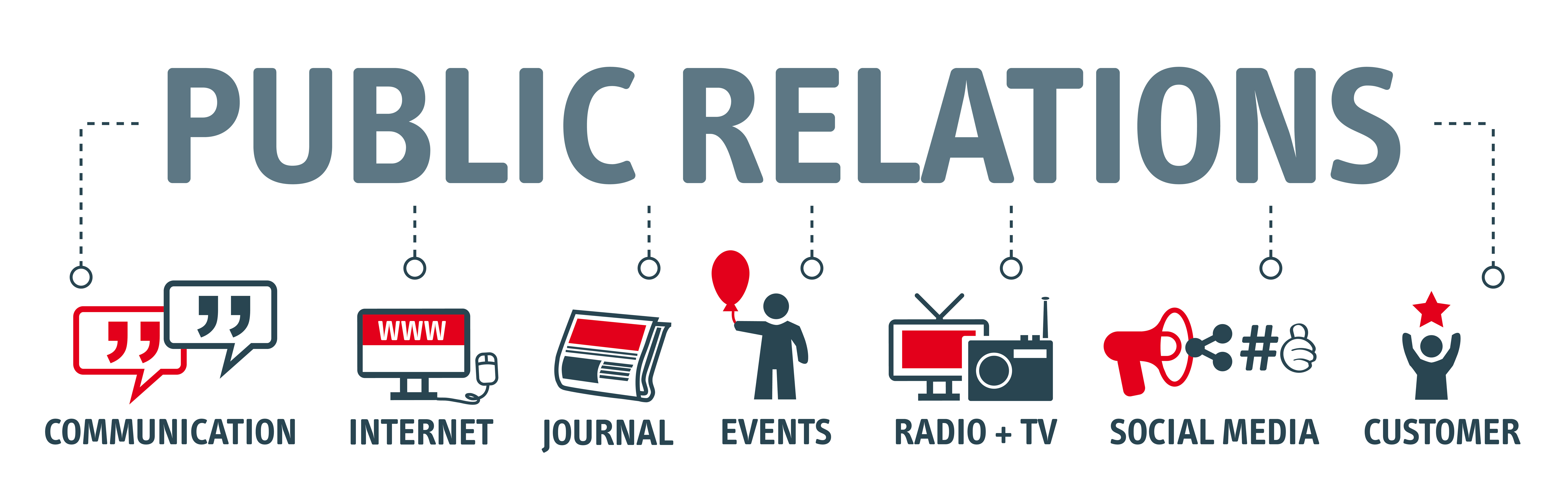
Public Relations [PR] is differentiated than advertising in that an advertiser pays for and has control over the message. It differs from personal selling in that the message is non-personal, i.e., not directed to a particular individual patient. We pay for advertising but pray for public relations. Public relations are not controllable but it is free; advertising is not free. PR suggests that “good news or bad news”; just spell the doctors name correctly

Change Management is the discipline that guides how we prepare, equip and support individuals to successfully adopt to change in order to drive organizational success and outcomes.

For example, a senior doctor may retire, become ill, or a junior associate might become a practice partner. How will patients be affected?

Crisis Management is the precautions and identification of threats to an organization and its stakeholders, and the methods used by the organization to deal with these threats.

For example, recall in 1982, that Tylenol™ commanded 35 percent of the over-the-counter analgesic market in America and it represented nearly 17 percent of Johnson & Johnson’s profits. But, when seven people died from consuming the tainted drug, a national panic ensued. Moreover, Americans started to question the safety of all over-the-counter medications.

Fortunately, J&J commenced the proto-typical positive crisis response in the following way:

  • J&J acted quickly, with complete candidness about what happened and within hours of learning of the deaths, J&J installed toll-free numbers for consumers, sent alerts to healthcare providers nationwide, and stopped advertising the product. J&J recalled 31 million bottles of Tylenol™ capsules and offered replacement products free of charge. J&J did not wait for evidence to see whether the contamination might be more widespread.
  • J&J’s leadership was in the lead and seemed in full control throughout the crisis. The chairman was admired for his leadership to pull Tylenol™ capsules off the market and his forthrightness in dealing with the media. The Tylenol™ crisis led the news every night on every station for six weeks.
  • J&J placed consumers first. J&J spent more than $100 million for the recall and re-launch of Tylenol™. The stock which had been trading near a 52-week high just before the tragedy, dropped for a time, but recovered to its highs only two months later.
  • J&J accepted responsibility. The disaster could have been described in many different ways: as an assault on the company, as a problem somewhere in the process of getting Tylenol™ from J&J factories to retail stores, or as the acts of a crazed criminal. Yet, the company accepted full responsibility.
  • J&J sought to ensure that measures were taken to prevent a recurrence of the problem. J&J introduced tamper-proof packaging that would make it much more difficult for a similar incident to occur in the future.
  • J&J presented itself prepared to handle the short-term damage in the name of consumer safety. Within a year of the disaster, J&J’s share of the analgesic market, which had fallen to 7 percent from 37 percent following the poisoning, had climbed back to 30 percent.

This wildly successful response in now the stuff of graduate and business school case models for excellence in teaching!

PRM stands for Patient Relationship Management, which is a system for managing all interactions with current and potential patients, families, friends, referring physicians, clinics and hospitals. The goal is simple: improve relationships to grow your medical practice. PRM technology helps medical practices and clinics stay connected to patients, streamline processes, and improve profitability.

When people talk about PRM, they’re usually referring to a PRM system: software that helps track each interaction with a patient or elated others. That can include practice sales calls, treatment or service plans, marketing e-mails, website, social media and more. PRM tools can unify patient and practice data from many sources and even use Artificial Intelligence [AI] to help better manage relationships across the entire doctor– patient lifecycle – spanning departments described elsewhere in the Marketing, Advertising and Sales ME-Ps.

EDUCATION: Books

SPEAKING: Dr. Marcinko will be speaking and lecturing, signing and opining, teaching and preaching, storming and performing at many locations throughout the USA this year! His tour of witty and serious pontifications may be scheduled on a planned or ad-hoc basis; for public or private meetings and gatherings; formally, informally, or over lunch or dinner. All medical societies, financial advisory firms or Broker-Dealers are encouraged to submit an RFP for speaking engagements: CONTACT: Ann Miller RN MHA at MarcinkoAdvisors@outlook.com 

References:

1. Purcarea, Victor: The impact of marketing strategies in healthcare systems.  J. Med Life. 2019 Apr-Jun;12(2):93–96. doi: 10.25122/jml-2019-1003

READINGS:

Marcinko, DE and Hetico, HR: The Business of Medical Practice [3rd Edition]. Springer Publishing, New York, 2010.

Marcinko, DE and Hetico, HR: Hospitals & Healthcare Organizations [Management Strategies, Operational Techniques, Tools, Templates and Case Studies].  Productivity Press, New York, 2012.

Marcinko, DE and Hetico, HR: Financial Management Strategies for Hospitals and Healthcare Organizations [Tools, Techniques, Checklists and Case Studies]. Productivity Press, New York, 2012.

COMMENTS APPRECIATED

Like and Subscribe

***

BRAND MANAGEMENT: 7 Approaches For Doctors and Financial Advisors

By A.I.

***

***

Any extensive analysis of numerous papers published on brand management leads to the seven approaches mentioned below. This included 300+ articles from Journal of Marketing, Journal of Marketing Research, Journal of Consumer Research, Harvard Business Review and European Journal of Marketing.

So, it can be safe to claim that no matter which framework or model one follows it must have originated via one of the seven approaches listed below.

The Seven Branding Approaches are:

  • The economic approach: the brand as part of the traditional marketing mix.
  • The identity approach: the brand as linked to corporate identity.
  • The consumer-based approach: the brand as linked to consumer associations.
  • The personality approach: the brand as a human-like character.
  • The relational approach: the brand as a viable relationship partner.
  • The community approach: the brand as the pivotal point of social interaction.
  • The cultural approach: the brand as part of the broader cultural fabric.

There are multiple theories and model to be followed in the area of brand management with their own school of thought and have been proven to work.

These include the Aaker’s brand identity model, Kapferer’s brand prism or Keller’s customer-based brand equity pyramid. All of them will enhance the brand equity of the product or service but may have evolved from different school of thoughts. Though everyone talks about the different models, rarely we find text on the school of thought rather then the actual model in practice.

***

***

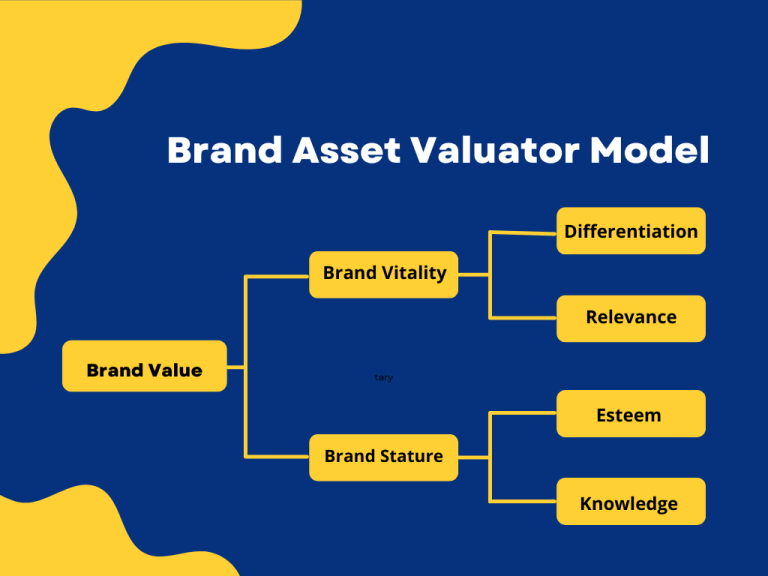
And, you will find the Brand Asset Valuator Model in many books but you might never come to know the author’s perspective.

COMMENTS APPRECIATED

Like and Subscribe

***

DOCTOR BRANDING STRATEGIES: Exploring 9 [NINE] Different Types

By A.I.

***

***

Medical doctors, dentists, and podiatrists have to undergo extensive training before they can practice medicine independently. Once they receive training, there are opportunities to increase pay and prestige in the medical field through a series of promotions. As a doctor, how much training, experience and skills you have can determine your ability to move upward in these levels. But, personal branding strategies may even be more vital in today’s social media age?

***

Physician, medical and healthcare branding is more than just the creation of logos, taglines, or specific brand messaging. It’s about creating a meaningful connection between your mission, vision and values and the people served – from patients and their families to local and global communities.

While there are many different types of branding strategies in marketing science, they all share key elements that serve as the foundation for the strategy. These 9 elements for all physicians and medical professionals include the following:

  1. Brand purpose: The reason the physician is in practice and what he/she is trying to achieve.
  2. Brand vision: The ideas and goals behind the dentist which serve as inspiration for practice growth.
  3. Brand values: The osteopaths beliefs and what they stand for.
  4. Target audience: The demographic(s) and patient targets that the podiatrist is aiming to reach.
  5. Market analysis: An analysis of the marketplace that identifies gaps where the chiropractor has an opportunity to position him/her self based on a unique value proposition.
  6. Awareness goals: The initiatives the doctor will take in order to reach a target market patient demographic.
  7. Brand personality: The human-like attributes of the physician that will help build relationships with patients, consumers and other physicians and practitioners.
  8. Brand voice: The language and tone the doctor uses to communicate with patients, physicians and consumers.
  9. Brand tagline: A memorable slogan that sums up the physician and their medical offering in a few choice words.

And so, physician branding is the development of a easily recognizable identity for a medical practice, clinic or healthcare organization that helps to shape perception by current and prospective patients and the wider world.

COMMENTS APPRECIATED

Like and Subscribe

***

BRANDS & BRAND MANAGEMENT: Defined and Explored for Doctors and Advisors

By A.I.

SPONSOR: http://www.CertifiedMedicalPlanner.org

***

***

What Is a Marketing Brand

A brand is a name, term, design, symbol or any other feature that distinguishes one seller’s goods or service from those of other sellers. Brands are used in business, marketing and advertising for recognition and, importantly, to create and store value as brand equity for the object identified, to the benefit of the brand’s clients, patients, customers, its owners and shareholders. Brand names are sometimes distinguished from generic or store brands.

BRANDING: https://medicalexecutivepost.com/2023/02/02/podcast-personal-branding-for-doctors/

What is Brand Management?

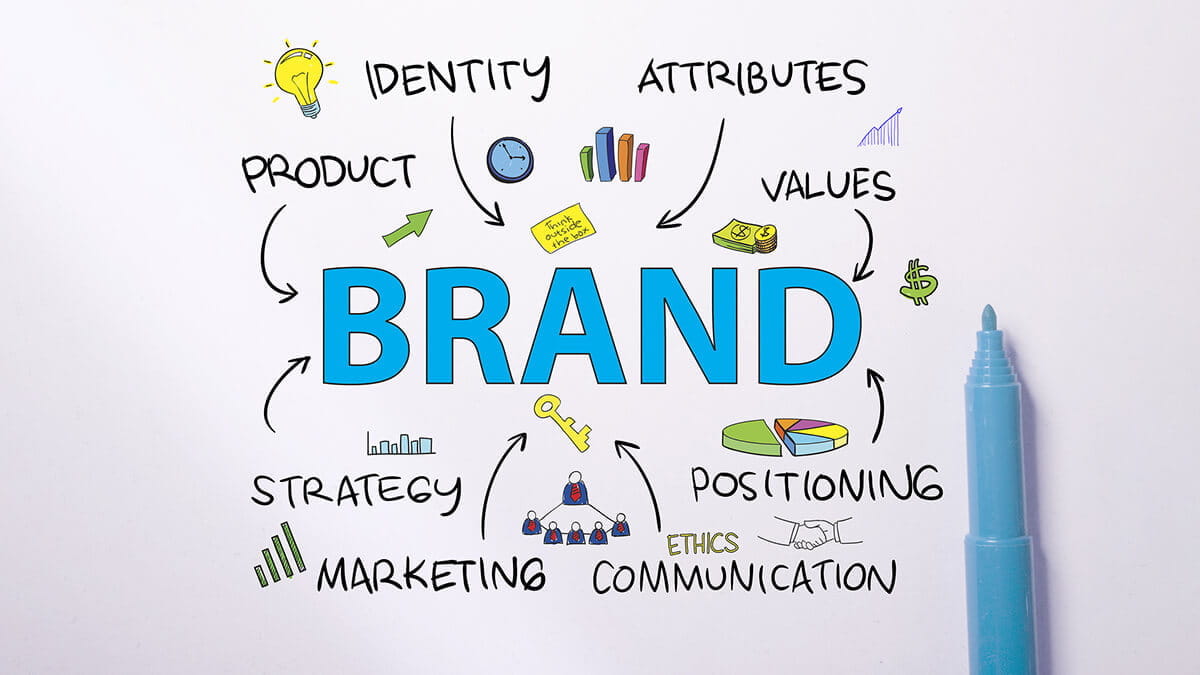
Brand management, also known as Marketing, is responsible for the overall management of a brand. This includes everything from product or service development and marketing to advertising and public relations. All of these aspects work together to create a particular image or reputation for a brand. The goal of brand management is to create a robust and positive reputation for a brand that will result in increased sales and market share.This process helps companies create a unique identity for their products or services in the marketplace. A successful brand management strategy can build client, patient and customer loyalty .

BRANDS: https://medicalexecutivepost.com/2021/06/03/physician-branding-post-pandemic/

Branding is essential for financial advisors, doctors and businesses because it involves creating a unique identity for a company’s products, offerings and services. It can also help build customer, client and patient loyalty and emotionally connect with the practitioner. Branding can be complex, but it is essential to understand the basics before starting a brand strategy.

Thus, doctors, podiatrists, dentists, CPAs, insurance agents, financial advisors and their practices need to understand the different aspects of branding and brand management to create a strong brand identity.

SELF BRANDING: https://medicalexecutivepost.com/wp-content/uploads/2011/03/leadership-self-branding-marcinko.pdf

EDUCATION: Books

COMMENTS APPRECIATED

Like and Subscribe

***

DOCTORS: Marketing, Advertising & Sales

Subscribe to continue reading

Subscribe to get access to the rest of this post and other subscriber-only content.

CRISIS MANAGEMENT: Definition with Big Pharma Example

***

***

By Dr. David Edward Marcinko MBA MED CMP

SPONSOR: wwwCertifiedMedicalPlanner.org

***

Crisis Management is the precautions and identification of threats to an organization and its stakeholders, and the methods used by the organization to deal with these threats.

For example, recall in 1982, that Tylenol™ commanded 35 percent of the over-the-counter analgesic market in America and it represented nearly 17 percent of Johnson & Johnson’s profits. But, when seven people died from consuming the tainted drug, a national panic ensued. Moreover, Americans started to question the safety of all over-the-counter medications.

Fortunately, J&J commenced the proto-typical good crisis response in the following way:

  • J&J acted quickly, with complete candidness about what happened and within hours of learning of the deaths, J&J installed toll-free numbers for consumers, sent alerts to healthcare providers nationwide, and stopped advertising the product. J&J recalled 31 million bottles of Tylenol™ capsules and offered replacement products free of charge. J&J did not wait for evidence to see whether the contamination might be more widespread.
  • J&J’s leadership was in the lead and seemed in full control throughout the crisis. The chairman was admired for his leadership to pull Tylenol™ capsules off the market and his forthrightness in dealing with the media. The Tylenol™ crisis led the news every night on every station for six weeks.
  • J&J placed consumers first. J&J spent more than $100 million for the recall and re-launch of Tylenol™. The stock had been trading near a 52-week high just before the tragedy, dropped for a time, but recovered to its highs only two months later.
  • J&J accepted responsibility. The disaster could have been described in many different ways: as an assault on the company, as a problem somewhere in the process of getting Tylenol™ from J&J factories to retail stores, or as the acts of a crazed criminal.
  • J&J sought to ensure that measures were taken to prevent a recurrence of the problem. J&J introduced tamper-proof packaging that would make it much more difficult for a similar incident to occur in the future.
  • J&J presented itself prepared to handle the short-term damage in the name of consumer safety. Within a year of the disaster, J&J’s share of the analgesic market, which had fallen to 7 percent from 37 percent following the poisoning, had climbed back to 30 percent.

This wildly successful response in now the stuff of graduate and business school case models for excellence in teaching!

EDUCATION: Books

SPEAKING: Dr. Marcinko will be speaking and lecturing, signing and opining, teaching and preaching, storming and performing at many locations throughout the USA this year! His tour of witty and serious pontifications may be scheduled on a planned or ad-hoc basis; for public or private meetings and gatherings; formally, informally, or over lunch or dinner. All medical societies, financial advisory firms or Broker-Dealers are encouraged to submit a RFP for speaking engagements: MarcinkoAdvisors@outlook.com 

COMMENTS APPRECIATED

Like, Subscribe and Refer

***

***

MARKETING, ADVERTISING & SALES: Public Relations, Change and Crisis Management

THE BASICS FOR FOR PHYSICIANS, INSURANCE AGENTS AND FINANCIAL ADVISORS

By Staff Reporters

SPONSOR: http://www.CertifiedMedicalPlanner.org

***

***

There’s often a disconnect between physicians, insurance agents and financial advisors and the patients and clients they’d like to serve. Both might ostensibly share the same goal but there’s often a big difference in perspective. Advisors / Physicians and would-be clients / patients likely have different communication styles, especially in an age where technology has greatly changed the way we talk with one another. Their expectations and priorities can also often dramatically diverge. Those structural gaps can hinder collaboration and trust.

To bridge this divide, you must understand how prospective clients and patients think nowadays and be able to adjust your M.A.S. approach accordingly.

THE BASICS

Marketing is the business process of identifying, anticipating and satisfying patient’s, client’s or customers’ needs and wants. It is your unique value proposition or strategic competitive advantage. Marketers can direct product to other businesses or directly to consumers. But, we believe it is actually your strategic competitive advantage [SCA] which differentiates yourself from competitors. It is the “moat” around your business.

Advertising is a marketing communication that employs an openly sponsored, non-personal message to promote or sell a product, service or idea. Sponsors of advertising are typically businesses wishing to promote their products or services. Advertising is communicated through various mass media outlet, including traditional media such as newspapers, magazines, television, radio, outdoor advertising or direct mail; and new media such as search results, blogs, social media, websites or text messages. The actual presentation of the message in a medium is referred to as an advertisement, or “ad” or advert for short. But, we believe that is simply how you disseminate your strategic competitive advantage [SCM] to potential clients.

Sales close the deal and collects money. Sales are activities related to selling or the number of goods or services sold in a given targeted time period. The seller, or the provider of the goods or services, completes a sale in response to an acquisition, appropriation, requisition, or a direct interaction with the buyer at the point of sale. There is a passing of title (property or ownership) of the item, and the settlement of a price, in which agreement is reached on a price for which transfer of ownership of the item will occur. The seller, not the purchaser, typically executes the sale and it may be completed prior to the obligation of payment. In the case of indirect interaction, a person who sells goods or service on behalf of the owner is known as a salesman or saleswoman or salesperson, but this often refers to someone selling goods in a store/shop, in which case other terms are also common, including salesclerk, shop assistant, and retail clerk.

***

***

DERIVATIVE THOUGHTS

Public Relations [PR] is differentiated than advertising from in that an advertiser pays for and has control over the message. It differs from personal selling in that the message is non-personal, i.e., not directed to a particular individual. We pay for advertising but pray for public relations. But public relations are not controllable but it is free, while advertising is not. PR suggests that “good news or bad news”; just spell the name correctly

Change Management is the discipline that guides how we prepare, equip and support individuals to successfully adopt to change in order to drive organizational success and outcomes.

Crisis Management is the precautions and identification of threats to an organization and its stakeholders, and the methods used by the organization to deal with these threats.

MODERNITY NOW

CRM stands for Customer Relationship Management, which is a system for managing all interactions with current and potential customers, clients or patients. The goal is simple: improve relationships to grow your business or medical practice. CRM technology helps companies stay connected to customers, streamline processes, and improve profitability.

When people talk about CRM, they’re usually referring to a CRM system: software that helps track each interaction you have with a prospect, patient or customer. That can include sales calls, treatment plans or service interactions, marketing e-mails, and more. CRM tools can unify customer and company data from many sources and even use Artificial Intelligene [AI] to help better manage relationships across the entire customer – patient lifecycle – spanning departments described in the M.A.S. basics, above.

Refer and Like

COMMENTS APPRECIATED

***

***

DECOY BIAS EFFECT: The Asymmetric Dominance Effect of Choice Manipulation

A Concept All Financial Advisors, Planners and Insurance Sales Agents Should Know

SPONSOR: http://www.CertifiedMedicalPlanner.org

By Staff Reporters

***

***S

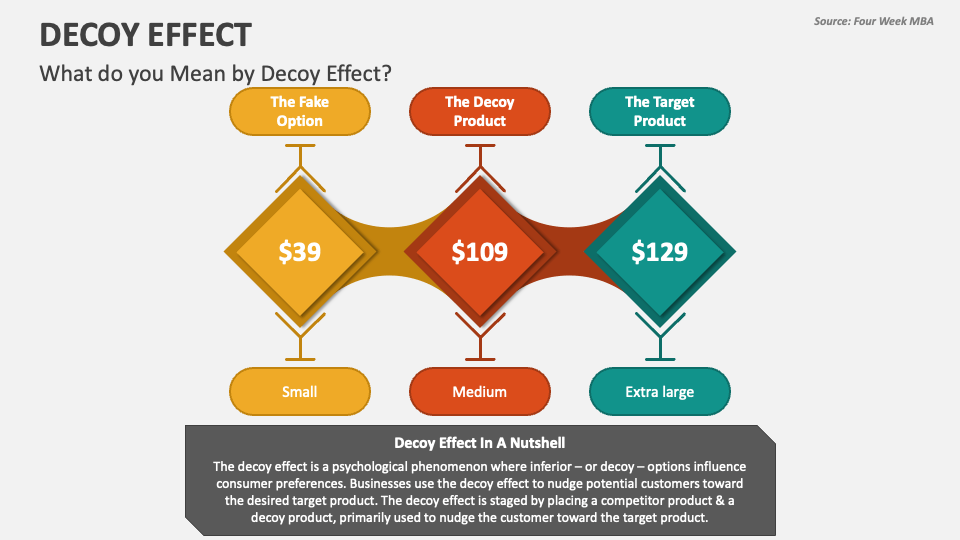
Decoy Bias Effect is a dubious phenomenon in decision-making where the introduction of a third, less attractive option (the “decoy”) influences individuals to change their preference between two other options.

The decoy bias effect describes how, when we are choosing between two alternatives, the addition of a third, less attractive option (the decoy) can influence our perception of the original two choices. Decoys are “asymmetrically dominated:” they are completely inferior to one option (the target) but only partially inferior to the other (the competitor). For this reason, the decoy effect is sometimes called the “asymmetric dominance effect.”

EXAMPLE: This bias is commonly used in financial planning sales; as well as marketing and mutual fund, ETF, REIT, stock broker, insurance agent and financial advisor pricing strategies to manipulate investor choices.

COMMENTS APPRECIATED

Refer and Like

***

***

CYBER SALES WEEK [Is is a Real Thing?]

By Staff Reporters

***

***

Cyber Week Defined

As first reported in the Forbes “Entrepreneurs” column on December 3rd, 2013: “Cyber Monday, the online counterpart to Black Friday, has been gaining unprecedented popularity – to the point where Cyber Sales are continuing on throughout the week.”

In fact, Peter Greenberg, Travel Editor for CBS News, further advises: “If you want a real deal on Black Friday, stay away from the mall. Black Friday and Cyber Monday are all part of Cyber Sales Week 

CITE: https://www.r2library.com/Resource/Title/0826102549

And so, Cyber Monday isn’t over yet for this year 2024: It’s morphed into Cyber Week, the actual final iteration of sales during the Black Friday-Cyber Monday discount season of 2024. A substantial number of retailers are maintaining their Black Friday-level discounts through today and some through tomorrow and the entire week.

Yes-Cyber Week is a real thing, so got for it. Buy it! Charge it!

COMMENTS APPRECIATED

SUBSCRIBE TODAY!

***

***

RECIPROCITY: Science “Sales” in Action

FREE SAMPLES

The Art of Giving – And Receiving – Value!

By Staff Reporters

***

***

Imagine you’re at a party, and someone hands you a drink. Your first instinct? Find something to give back. This is [sales] reciprocity in action – our built-in psychological urge to repay kindness.

According to colleague Dan Ariely PhD, it’s like a cosmic balance sheet in our brains, ensuring we don’t owe anyone a favor. This is why companies give out free samples. They’re not just being nice; they know you’ll feel a pang of guilt if you walk away without buying something.

THINK: Free financial planning dinner seminar and prospecting event. That’s you – the Sales Prospect!

So, next time someone does you a favor, remember: it’s not just seller kindness, it’s science!

COMMENTS APPRECIATED

Subscribe Today!

***

***

PODCAST: Best Marketing Practices for Open Enrollment Health Plans

By Eric Bricker MD

***

***

COMMENTS APPRECIATED

Thank You

***

***


PODCAST: Top 10 Sales Healthcare Tactics

By Eric Bricker MD

***

***

***

***

COMMENTS APPRECIATED

Thank You

***

PODCAST: Healthcare Selling Strategies

By Eric Bricker MD

***

***

COMMENTS APPRECIATED

Thank You

***

DICTIONARY: https://www.amazon.com/Dictionary-Health-Insurance-Managed-Care/dp/0826149944/ref=sr_1_4?ie=UTF8&s=books&qid=1275315485&sr=1-4

***

On Marketing, Advertising and Sales; etc.

Including Public Relations, Risk, Change and Crisis Management

By Dr. David Edward Marcinko MBA

Marketing is the business process of identifying, anticipating and satisfying customers’ needs and wants. It is your unique value proposition or strategic competitive advantage. Marketers can direct product to other businesses or directly to consumers.

Advertising is a marketing communication that employs an openly sponsored, non-personal message to promote or sell a product, service or idea. Sponsors of advertising are typically businesses wishing to promote their products or services. Advertising is communicated through various mass media, including traditional media such as newspapers, magazines, television, radio, outdoor advertising or direct mail; and new media such as search results, blogs, social media, websites or text messages. The actual presentation of the message in a medium is referred to as an advertisement, or “ad” or advert for short.

Advertising is differentiated from public relations in that an advertiser pays for and has control over the message. It differs from personal selling in that the message is non-personal, i.e., not directed to a particular individual. We pay for advertising but pray for public relations.

Sales are activities related to selling or the number of goods or services sold in a given targeted time period. The seller, or the provider of the goods or services, completes a sale in response to an acquisition, appropriation, requisition, or a direct interaction with the buyer at the point of sale. There is a passing of title (property or ownership) of the item, and the settlement of a price, in which agreement is reached on a price for which transfer of ownership of the item will occur. The seller, not the purchaser, typically executes the sale and it may be completed prior to the obligation of payment. In the case of indirect interaction, a person who sells goods or service on behalf of the owner is known as a salesman or saleswoman or salesperson, but this often refers to someone selling goods in a store/shop, in which case other terms are also common, including salesclerk, shop assistant, and retail clerk.

Change management is the discipline that guides how we prepare, equip and support individuals to successfully adopt change in order to drive organizational success and outcomes.

Crisis management is the identification of threats to an organization and its stakeholders, and the methods used by the organization to deal with these threats.

***

***

Risk management is the identification, evaluation, and prioritization of risks (defined in ISO 31000 as the effect of uncertainty on objectives) followed by coordinated and economical application of resources to minimize, monitor, and control the probability or impact of unfortunate events or to maximize the realization of opportunities.

Assessment: Your thoughts are appreciated from a healthcare perspective.

***
Product DetailsProduct DetailsProduct Details
***

ADVERTISE: With the Medical Executive-Post

Advertise with THE ME-P

***

Advertise With Us

***

LINK: https://medicalexecutivepost.com/2007/11/11/advertise/

CONTACT: Ann Miller RN MHA

Email: MarcinkoAdvisors@msn.com

***

PODCAST: Established Sales Strategies That Are Effective When Applied to Healthcare

HEALTHCARE SALES TECHNIQUES

***

Learn Established Sales Strategies That Are Effective When Applied to Healthcare:

1) Prospecting: The Strategy of Aaron Ross in Dividing Prospecting into Seeds, Nets and Spears Was Effective in Generating Leads at Compass Professional Health Services.

2) Pitching: The Miller-Heiman Strategy of Identifying Economic, Outcome and Technical Buyers Allows for Effective Pitching to a Buying Team.

3) Closing: The Model of ‘Fit-Risk-Price’ is Essential To Understanding How and When to Close a Sale.

Image result for eric bricker

BY ERIC BRICKER MD

THANK YOU

***

Sponsorship Opportunities

Advertise on the Medical Executive-PostSyringe

Let’s get right to the point!

Reach out and impress more than 100,000 physician and nurse-executives, financial advisors, CEOs and medical management consultants in the Health 2.0 space.

Our premium institutional e-journal: www.HealthcareFinancials.com and complimentary companion www.MedicalExecutivePost.com  has limited sponsorship and advertising opportunities available; So, be sure to act now!

Advertise with us!

Reserve your space today.

For more information please contact:

Ann: MarcinkoAdvisors@msn.com

Speaker: If you need a moderator or speaker for an upcoming event, Dr. David E. Marcinko; MBA – Publisher-in-Chief of the Executive-Post – is available for seminar or speaking engagements.

Sponsors Welcomed

Credible sponsors and like-minded advertisers are always welcomed.

Link: https://healthcarefinancials.wordpress.com/2007/11/11/advertise

Get our Widget: Get this widget!

Our Other Print Books and Related Information Sources:

Practice Management: http://www.springerpub.com/prod.aspx?prod_id=23759

Physician Financial Planning: http://www.jbpub.com/catalog/0763745790

Medical Risk Management: http://www.jbpub.com/catalog/9780763733421

Healthcare Organizations: www.HealthcareFinancials.com

Health Administration Terms: www.HealthDictionarySeries.com

Physician Advisors: www.CertifiedMedicalPlanner.com

Subscribe Now: Link: http://feeds.feedburner.com/HealthcareFinancialsthePostForcxos

Financial Product Sales, Communication and Management

Techniques-of-Art for Financial Advisors

By Robert Ayrer and ME-P Staff Writers

stk127013rke

Before any piece of work that requires communication can be understood, the context must be established.  Without context, words have very little reality; and without reality, there can be no communication. Communication is the “transfer of meaning.”

Introduction

The lack of a definitive role of the marketing function (and the sales function, and the difference between the two) for financial advisors [FAs], has contributed to the lack of clarity required for the achievement of sales targets. The fuzzy line between “targets” and “goals” has left most financial product salesmen, OSJs [Office of Supervisory Jurisdiction] and sales managers without the “tools to manage.” In this context, we will define the financial sales person’s role as the “person responsible for the execution of the corporate, or personal, sales plan, which includes the short term marketing of the company.”

Marketing versus Sales

Long term strategic marketing is a very sophisticated process, requiring highly trained people that are not involved with the mundane, day-to-day activities of the enterprise.  Unfortunately, this type of “marketing” is done by too few businesses, RIAs, BDs, and FAs.

The “marketing plan”, as defined by Malcolm H. B. McDonald, Director of the Cranfield Marketing Planning Centre, of the Cranfield School of Management, is a comprehensive business plan, incorporating and integrating all of the elements of business; the four “P’s” — Product, Price, Place and Promotion. More often than not, financial sales organizations and RIAs are run by people with “Director of Sales & Marketing” titles.  This use of the “marketing” title often confuses the difference between marketing and sales. For our purposes, we will include the very short term marketing function in the sales department’s role.

Dirty Ear Marketing

This “very short term marketing” required of the FA or sales person is what is called “The dirty ear” marketing.  The “dirty ear” comes from “keeping an ear to the ground” to detect changes in the market that would affect the assumptions that support the marketing plan and the company sales plan.

It has been said that the American plains Indians could drive a stick into the ground, put the end of the stick to their ear and tell if the buffalo herd was within twenty miles — and, by bending the stick, tell in which direction.  The more sophisticated tracker could tell whether the herd was approaching or going away.

It is this short term, close in, change in direction of the market (herd) upon which the assumptions of the marketing and sales plan are based, that should be the concern of the sales department or financial advisor and business owners. 

Of Bull and Bear Markets

For example, during times of economic expansion, and bull markets, the purchasing authority for many items is transferred down the reporting chain to the lowest possible responsible level of management. At this level a sales person or FA may only require one or two calls to complete the selling process with a buying authority. This authority level would dictate the activity of sales people in achieving their personal sales plan and achieving their targets and goals. 

During a recession however, as is occurring now, authority to buy may be withdrawn from the customary buying level, designating someone at a higher level as the “buyer.” The financial sales person still must go through the traditional contact at the lower level. These contacts can now only say “no”. They cannot say “yes.” By adding another level of decision making to the buying process, additional activity will be required to make the average sale. You cannot double the activity required to make a sale and make the same number of sales!  Don’t make the mistake of thinking that working harder is the answer, as there is only a finite amount of time available to get to your prospects. Your options are; change the plan; adjust the sales budget; add more sales representatives.

The Sales Cycle

Continuing a sales plan based upon the assumption of a two-call sales cycle when the market requires a three or four call cycle will take your sales plan out of reality.  The key to both a good marketing plan and a good sales plan is “reality.”  It is the FA or sales manager’s prime function to see that the sales organization is working in “reality” by constantly testing the basic assumptions of the sales plan.

The challenge to every financial services business owner, sales manager and every FA sales person is to stay focused on the prime objective of a sales person – processing the sale.  To maintain focus on the sales objective, the activities of a sales person should be looked at in two categories; “tasks” and “selling objectives.”  The tasks are those activities that all sales people are required to do to service clients – handle back-charges, warranty claims, stocking services, point of sale maintenance, etc.  The selling objectives are defined by the sales progression used in the sales strategy.

Processing the Sale

To give better understanding to this concept, consider the following.  If you find a local bank that offers a certificate of deposit that is paying a good return, and you put $10,000 on deposit, you have made an “investment.”  It is an “investment” because you expect your money back with a profit.  To find this investment opportunity you must be focused externally (not within your own business).  And, investments are a source of new capital.

If, on the other hand you take the $10,000 and purchase a car for your business, your focus is internal to your business, solving a problem of transportation, and you will only realize gain by reducing an existing or potential expense. You will not realize any new capital from this expenditure.  This use of the $10,000 is an “expense.”

Internal and External Focus

To generalize, if your focus is external and you are seeking to generate new capital by exploiting new opportunities, this is an investment.  If your focus is internal, and you are solving problems (the activities that come after the sale), the time and money spent is an expense.

Tasks and Objectives

Sales people sometimes lose sight of the difference between the “tasks” (internally focused after sales activities that are expenses to the company) and the sales “objectives” (opportunity seeking activity that will result in generating new capital through sales). Although we must service the task items, we can avoid “buying” the customer’s problem (forgetting that the customer’s problem is our opportunity).  The way we make sure we maintain focus on the opportunity rather than the problem – is to link every task with a sales objective. 

Management Reporting

Historically, we have asked sales people and FAs to report to management through an activity report that usually records the “task” items but ignores the opportunity items. To use the reporting system as a training and management tool, stop requiring the typical activity and expense reports.

Instead, ask your sales people fill out an “Opportunity” report and an “Investment” report.  It is true; “What gets measured gets improved!”  If you want your sales people to be externally focused and seek opportunities, investing in accounts rather than “solving problems” and spending money (“expense” items), measure and report on the opportunities and investments.  It is more positive to run an investment department for your business rather than a cost center.

Managing For Results

Peter Drucker observes that “… there are no profit centers in a business; there are only cost centers.”  The profits centers are external.  Again, quoting Drucker; “Results are obtained by exploiting opportunities, not by solving problems!”

Assessment

The above offering is intended to help financial advisors and sales people “manage” themselves, and for the sales people who have assumed the mantle of OSJ or “manager”, etc

Conclusion

And so, your thoughts and comments on this Medical Executive-Post are appreciated.

Speaker:If you need a moderator or speaker for an upcoming event, Dr. David E. Marcinko; MBA – Publisher-in-Chief of the Medical Executive-Post – is available for seminar or speaking engagements. Contact: MarcinkoAdvisors@msn.com 

Our Other Print Books and Related Information Sources:

Practice Management: http://www.springerpub.com/prod.aspx?prod_id=23759

Physician Financial Planning: http://www.jbpub.com/catalog/0763745790

Medical Risk Management: http://www.jbpub.com/catalog/9780763733421

Physician Advisors: www.CertifiedMedicalPlanner.org

Subscribe Now:Did you like this Medical Executive-Post, or find it helpful, interesting and informative? Want to get the latest ME-Ps delivered to your email box each morning? Just subscribe using the link below. You can unsubscribe at any time. Security is assured.

Link: http://feeds.feedburner.com/HealthcareFinancialsthePostForcxos

Product DetailsProduct DetailsProduct Details

Welcome Valued Vendors

Dear Colleaguesaward-cup2

Many thanks for reaching out to us.

Advertise with Us

If you want the opportunity to reach a personalized daily/weekly audience of health care industry insiders, innovators and watchers, the Medical Executive-Post may be right for you?

Movers-Shakers

We are discussed, read and viewed by medical students, physicians, dentists, podiatrists, optometrists and industry analysts; as well as healthcare administrators, financial advisors and planners, accountants, lawyers, office managers, CXOs, investors, Wall Street insiders and nurse-executives from health systems around the country.

Advertise with us and you’ll put your brand name in front of a smart & tightly focused Health 2.0 demographic; one at the forefront of our emerging healthcare marketplace of collaboratively informed, thought-leaders and professional “movers and shakers.”


Contact Us

And so, please feel free to contact us for additional sponsorship and/or advertising information.

www.HealthcareFinancials.wordpress.com

Thank you

Ann Miller

Executive Director